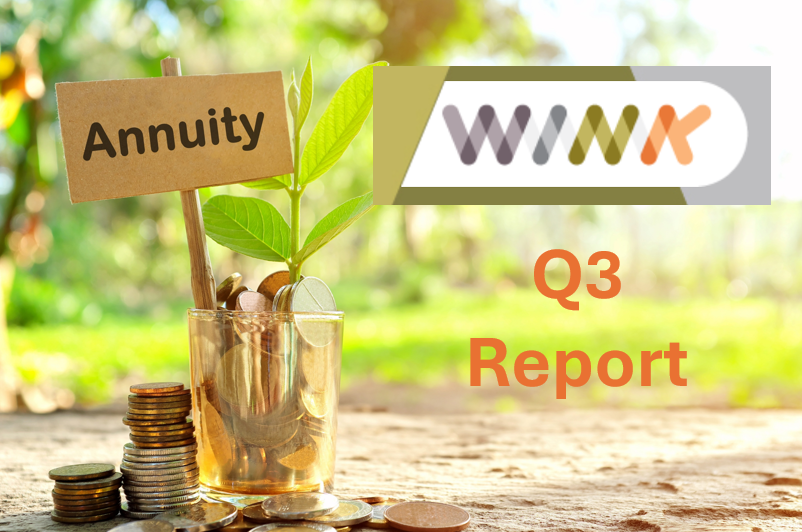
Teacher Photo / Shutterstock.com
(Teacher Photo / Shutterstock.com)
Quick Read
-
Annuities offer guaranteed lifetime income but carry high fees and limited liquidity.
-
Cashing out an annuity early can trigger surrender charges up to 10% of contract value.
-
Fixed annuities lose buying power over time as payments don’t adjust for inflation.
-
A recent study identified one single habit that doubled Americans’ retirement savings and moved retirement from dream, to reality. Read more here.
Many baby boomers are reaching the age when it’s time to retire, if they haven’t retired already. This means that they’ll need a plan for where their retirement income will come from.
There are many potential income sources boomers can choose from, including Social Security, stocks, bonds, and annuities.
As you’re preparing for your retirement years and trying to decide where to get your money to live on, annuities may seem like an especially attractive option, given that they offer a guaranteed source of funds that you don’t have to worry will run out. But are they really the best choice to meet your needs?
Here’s what you need to know about annuities if you are considering incorporating them into your retirement plans.
Are annuities a good option for your retirement?
There are pros and cons of choosing to include an annuity as a source of retirement income. Some of the pros include:
-
Guaranteed lifetime income: This is the single biggest advantage of selecting an annuity. You can buy an annuity that’s guaranteed to last for a set period of time, such as 10 or 20 years. Or, you can select an annuity guaranteed to last either for the duration of your own life or for the duration of a joint life. For example, you could buy an annuity that provides income for as long as you and your spouse live. Unlike other income sources, such as money in a 401(k), you will not have to be concerned about the money running out. You can count on it to be there for your entire retirement if you buy a lifetime annuity. This can provide a lot of peace of mind if you are worried about running short of funds.
-
Tax-advantaged investment: When your annuity is in the growth or accumulation phase, you can benefit from tax-free growth. And, there are no contribution limits, unlike the limits that apply to many other kinds of retirement plans. On the other hand, if you opt for a non-qualified annuity, you can also collect some of your money tax-free in retirement since you aren’t taxed on the return of the premiums.
-
Protection against market risk: Depending on what kind of annuity you choose, you may be protected against the volatility of the market because you will get guaranteed returns. You’ll know exactly how much income your investment is going to produce. This can give you more stability in retirement since you don’t have to worry about your portfolio performing poorly at a time when you need to begin taking withdrawals.
Of course, there are also downsides as well. Some of the disadvantages include:
-
High fees: Annuities tend to come with significant fees. This can include administrative fees, investment management fees, and more. These high costs reduce your returns, so you may earn less than if you had invested in stocks.
-
Limited liquidity: You can’t typically access your funds early without facing high surrender charges. If you try to cash out your annuity within the first few years, you could lose as much as 10% of the contract value.
-
Inflation risk: If you pick a fixed annuity, you will end up losing buying power over time as your monthly payment doesn’t increase when prices do.
Is an annuity right for you?

ANDREI ASKIRKA / Shutterstock.com
(ANDREI ASKIRKA / Shutterstock.com)
Many retirees find that there are more upsides than downsides to annuities. However, you’ll need to carefully weigh the pros and cons and look at the full picture as you make your choice about whether an annuity should be a part of your retirement plan.
Data Shows One Habit Doubles American’s Savings And Boosts Retirement
Most Americans drastically underestimate how much they need to retire and overestimate how prepared they are. But data shows that people with one habit have more than double the savings of those who don’t.
And no, it’s got nothing to do with increasing your income, savings, clipping coupons, or even cutting back on your lifestyle. It’s much more straightforward (and powerful) than any of that. Frankly, it’s shocking more people don’t adopt the habit given how easy it is.