A lawyer representing the legal team behind the $10-billion Robinson Huron Treaty settlement says an appeal is being considered after a Superior Court judge drastically reduced their legal fees.
Ontario Superior Court Justice Fred Myers ruled earlier this week that the team’s $510-million legal bill must be cut to $23 million — nearly half a billion dollars less than what was originally charged.
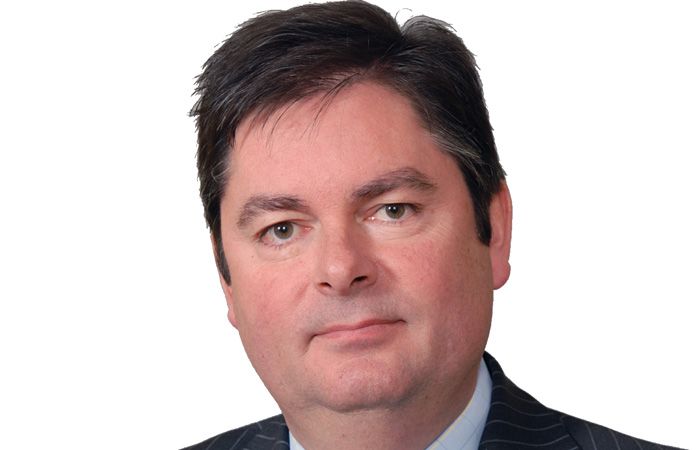
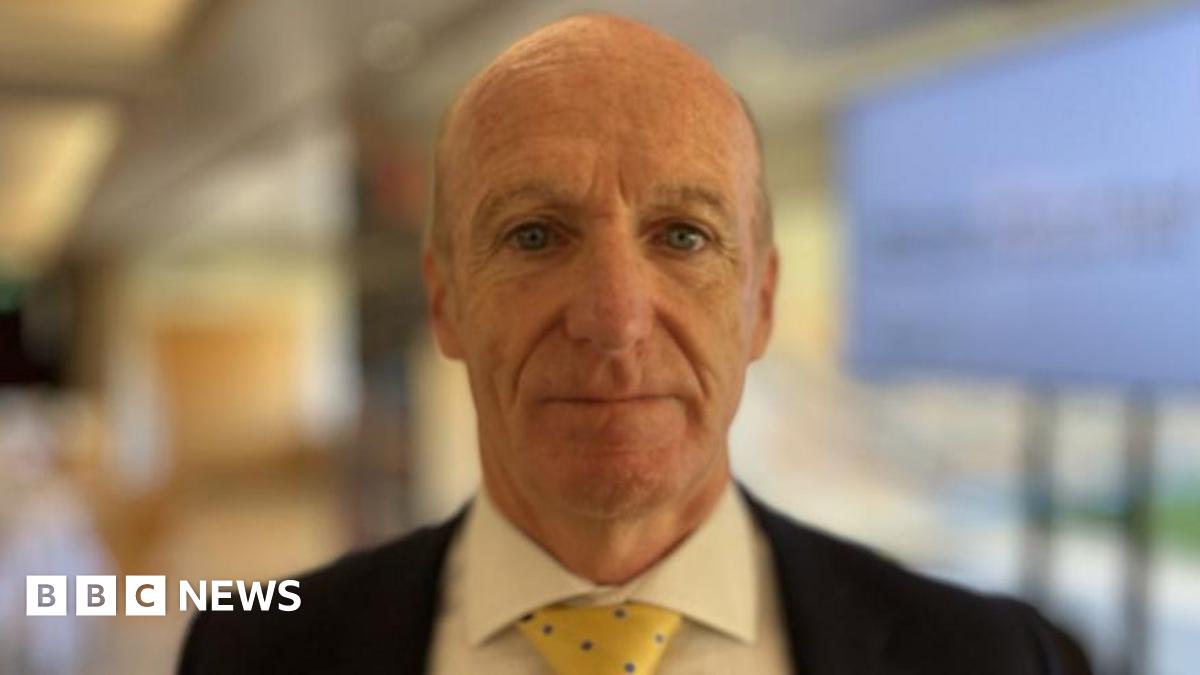
Brian Gover, counsel for the firm Nahwegahbow Corbiere Genoodmagejig, called the decision a “disappointing outcome.”
“Ontario Superior Court Justice Fred Myers’ decision flew in the face of the litigation fund’s firm belief that the legal team should be compensated in keeping with a fee structure that had been carefully negotiated,” Gover said in an emailed statement to CBC News.
“An appeal of Judge Myers’ decision is being contemplated. It would address his central findings as well as several negative inferences made about counsel. Any suggestion that First Nations negotiators were naïve or misled is offensive.”
Atikameksheng Anishnawbek and Garden River First Nation challenged the original $510-million legal bill in May of last year. Both communities are part of 21 First Nations involved in the landmark annuities case.
Gover said the ruling “echoes centuries of paternalistic attitudes toward First Nations” and undermines the right of Indigenous leaders to make their own informed decisions.
“The chiefs, elders and other trustees involved in this agreement were experienced negotiators who drove a hard bargain and were well aware of what they were doing over the entire course of this litigation,” he said.
Gover added that during a week-long hearing, lawyers for the Robinson-Huron Treaty Litigation Fund and its legal team stressed that the fee structure was fairly negotiated and sanctified by a sacred pipe ceremony. They argued that Anishinaabe culture’s traditional honour and principles demanded the agreement be respected.
Gover warned that the decision could have far-reaching consequences for Indigenous communities and their counsel.
“Judge Myers’ emphasis on the need for independent legal advice in such cases means that future litigants may feel compelled to automatically seek independent counsel,” he said. “This could damage the all-important relationship between lawyers and their clients.”
He added that the ruling “failed to appreciate the vital role the legal team played in giving the 21 Lake Huron Anishinaabe communities access to justice.”
“Appropriate legal fees were essential to attract lawyers who were prepared to risk almost 20 years of complex litigation against long odds,” Gover said.
Contention over fee agreement

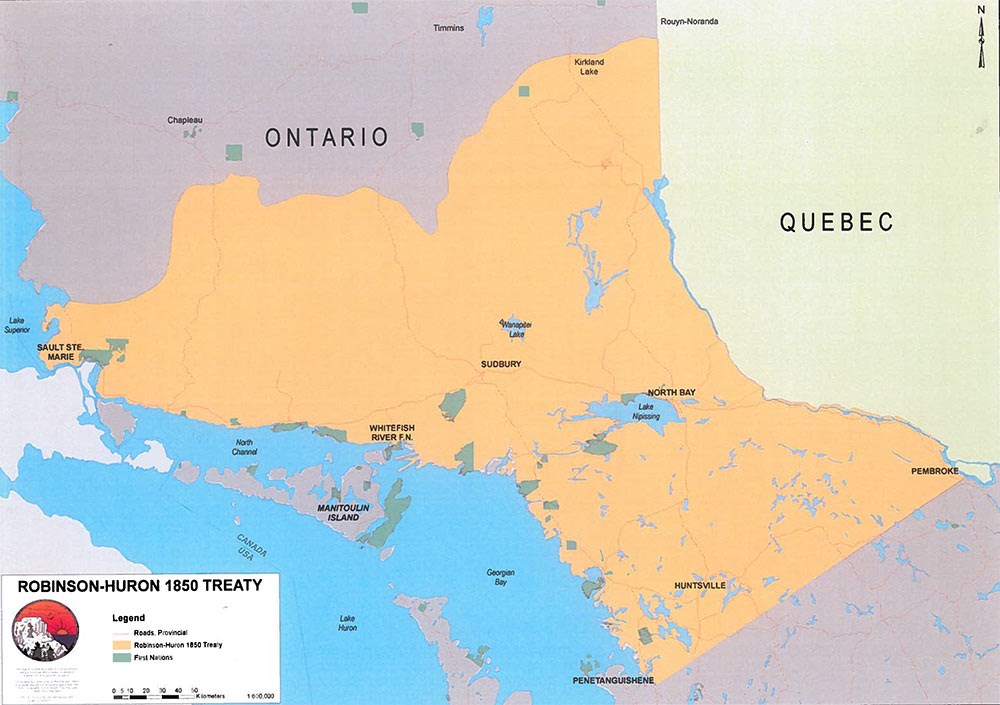
The case involved retroactive payments owed to 21 Robinson Huron Treaty First Nations for access to natural resources in their traditional territory — about 92,000 square kilometres to the north and east of Lake Huron.
Annual payments to treaty members has been set at $4 per person since 1874, despite promises to increase the annuity as the value of the land’s resources grew over time.
It took more than a decade of litigation to reach the historic $10-billion settlement.
To finance the case, the Robinson-Huron Treaty Litigation Fund entered into a partial contingency fee agreement in 2011 with Nahwegahbow Corbiere Genoodmagejig. The lawyers agreed to lower their hourly rates in exchange for five per cent of any successful outcome.
In his ruling, Myers criticized the lawyers for bringing their personal interests and the 21 First Nations’ interests into conflict by charging the high fee, discouraging the First Nations from getting outside legal advice on their fee, and pressuring them to approve it.
He also noted that junior lawyers were billed at full rates rather than half, which inflated costs.
In his written decision, Myers said there had been “no discussion at all of the appropriateness or inappropriateness of the use of an uncapped percentage fee” in a case expected to be worth hundreds of millions of dollars.
“The Chiefs negotiated a request for 15 per cent down to 5 per cent and thought they had done rather well,” he wrote.
“No one told them that the request for a percentage piece of the recovery was itself problematic in a case with anticipated recoveries in the hundreds of millions of dollars let alone the possibility of settlement or judgment in the billions.”
High legal fees essential due to risk says lawyer
Gover said Myers’ conclusion undervalues the team’s 17 years and 65,000 hours of work on the case.
“The case lifted 40,000 Anishinaabe people to a bright future and a new level of self-respect,” he said.
After the final settlement was reached in 2023, the legal team donated half of its original $510-million fee — about $255 million — back to the communities to fund cultural and language programs.
“In the wake of Judge Myers’ decision, it’s far from clear how those planned commitments will be affected,” Gover said.
2 First Nation leaders say decision is a ‘win for fairness’

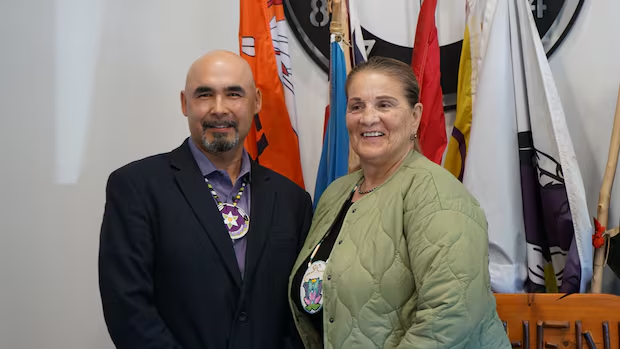
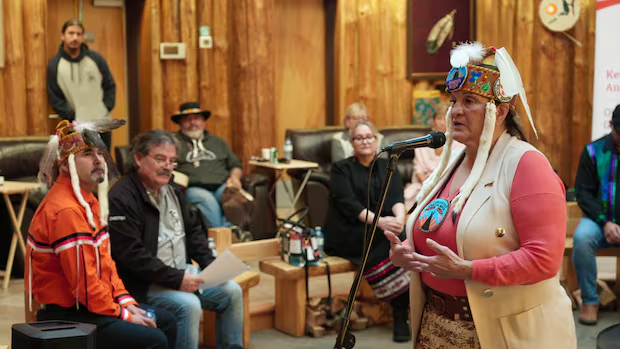
Chief Karen Bell, one of two First Nation leaders who challenged the legal fees, said at a Garden River First Nation press conference Thursday afternoon that the case was about protecting the long-term interests of all 21 First Nations within the treaty territory.
“The court’s decision is a win for fairness, transparency and good governance. It reminds us that our nations will always stand up for what is right,” she said.
Bell thanked Atikameksheng Chief Craig Nootchtai for helping her push for a review of the legal fees. She mentioned it was tough for Nootchtai to even bring up the initial motion to discuss the fees to the 21 chiefs and trustees. Garden River First Nation backed the motion, but everyone else stayed silent.
“It’s very very disparaging, when you know you’re the only two standing up in a big [meeting] like that and not being supported by your fellow councillors when you’re only asking for fairness across the board,” she said.
Bell explained that there was “no idea or thought” that the RHTLF would ever amount to $10 billion.
“When we saw the legal fee of half a billion dollars, it just was so astronomical and know that there were 15 to 17 of the nations within the Robinson Huron Treaty territory that would get less than what that firm was getting,” she said in an interview with CBC.
Bell said that despite the possibility of an appeal, they intend to propose a motion at the next Robinson-Huron Treaty Litigation Fund meeting to accept the decision and move forward, with hopes of its approval.
Nootchtai said the case was never about money.
“I always thought about our ancestors, what they would want us to do with this treaty they had signed and what was the spirit of the treaty. Being transparent and accountable to your people is that first principle,” he said.
Since Myers’ decision was released, Nootchtai said he’s been receiving calls and messages from Robinson Huron Treaty members, thanking them for their advocacy.
He said his next goal as Chief is to advocate that the funds be returned to the beneficiaries as soon as possible.
“We do acknowledge and have always acknowledged the hard work, the creativity that the lawyers showed throughout the entire litigation and negotiation. We never, ever questioned their commitment to doing the work, but we did have to question the bill that they presented to us,” Nootchtai said.