Who benefits from market rescues?
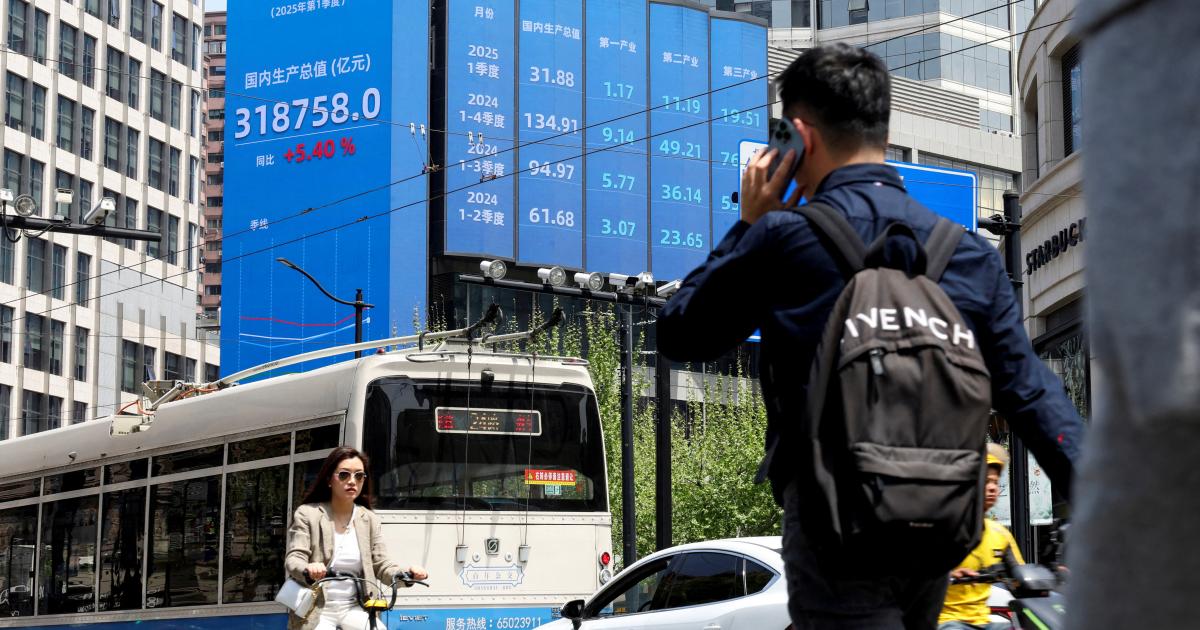
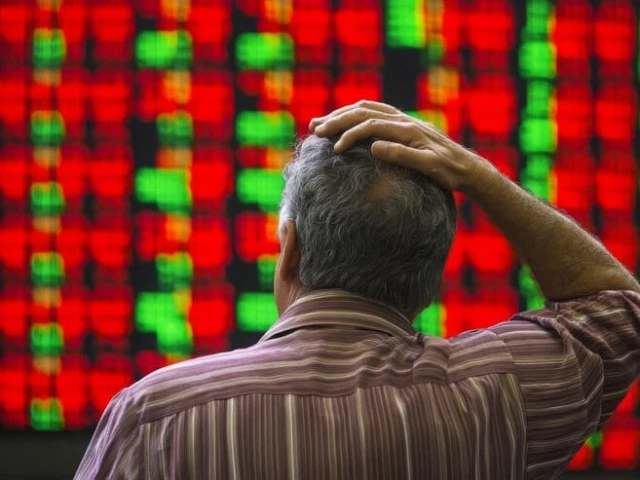
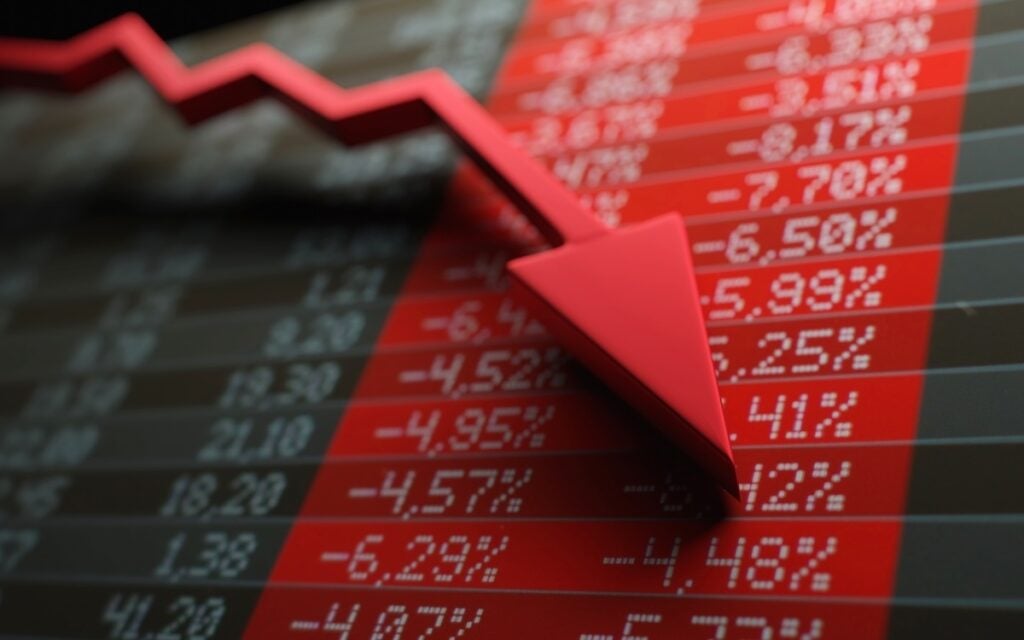
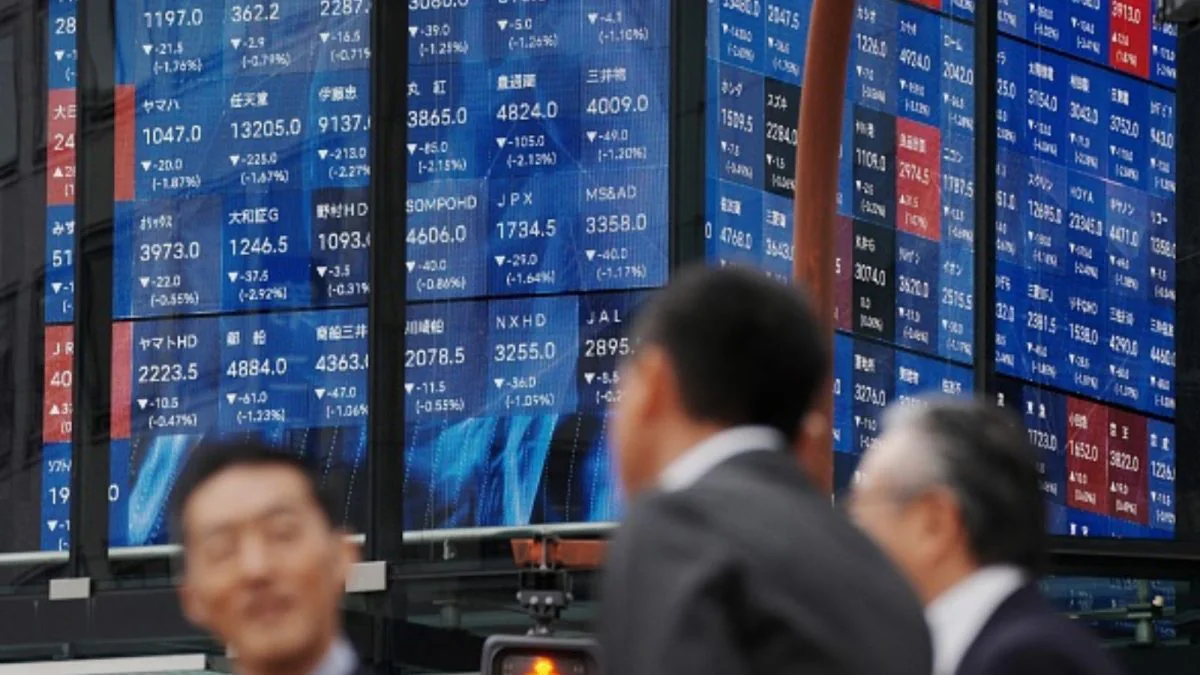
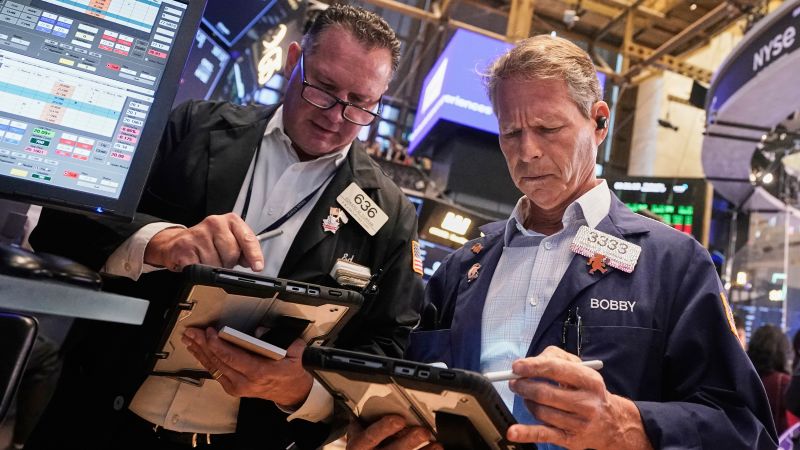
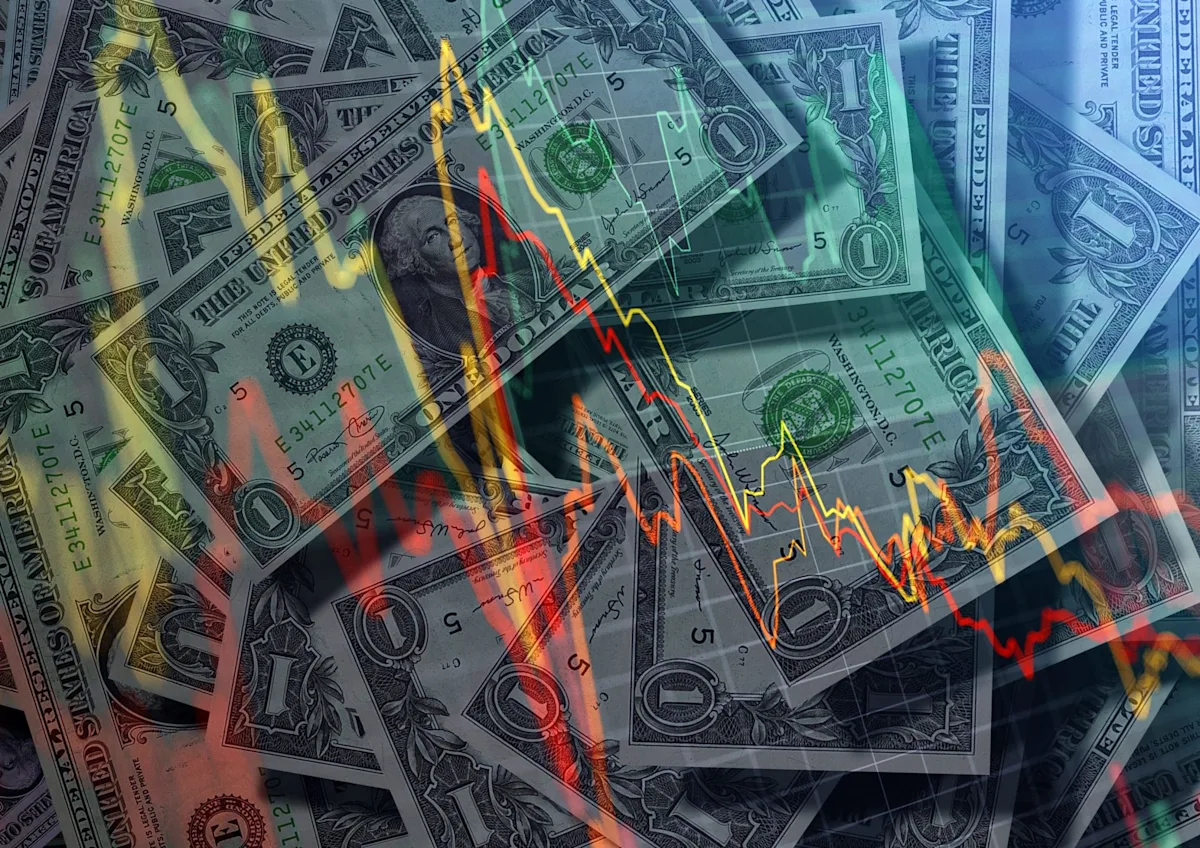
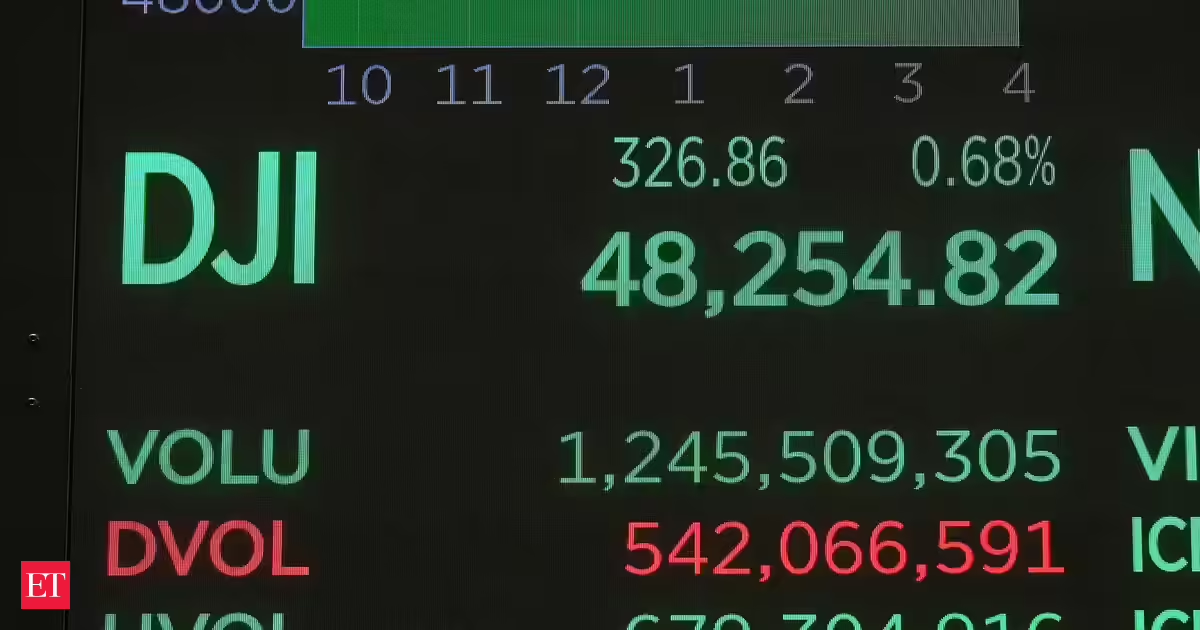
The rollercoaster in China’s stock market is thrilling – both in the senses of fascinating and frightening. No one fully understands what is going on, let alone what these gyrations might portend for Chinese economics and politics more generally. A plunge in prices on Monday shows that China’s leaders are certainly not in control of events in a country that mixes a heavy-handed command economy with the wildest capitalism. So here is a round-up of reading to try to make a little sense what has happened.
For those who need to catch up with the facts, here is the FT’s account of the first 30 per cent plunge and the increasingly drastic measures authorities took to arrest it. And here is the update on the Monday slide, the Shanghai index’s second-worst day ever.
But what does it all mean? Arthur Krober at the Brookings Institution suggests that, economically speaking, it may be much ado about nothing: the stock market is not very important in the Chinese economy, he writes. That’s a reason why it was right to let it develop, write Andrew Sheng and Xiao Geng. The economy’s indebtedness relative to the small market capitalisation of the equity market implied excessive leverage for the economy as a whole until the stock market grew in the past two years.
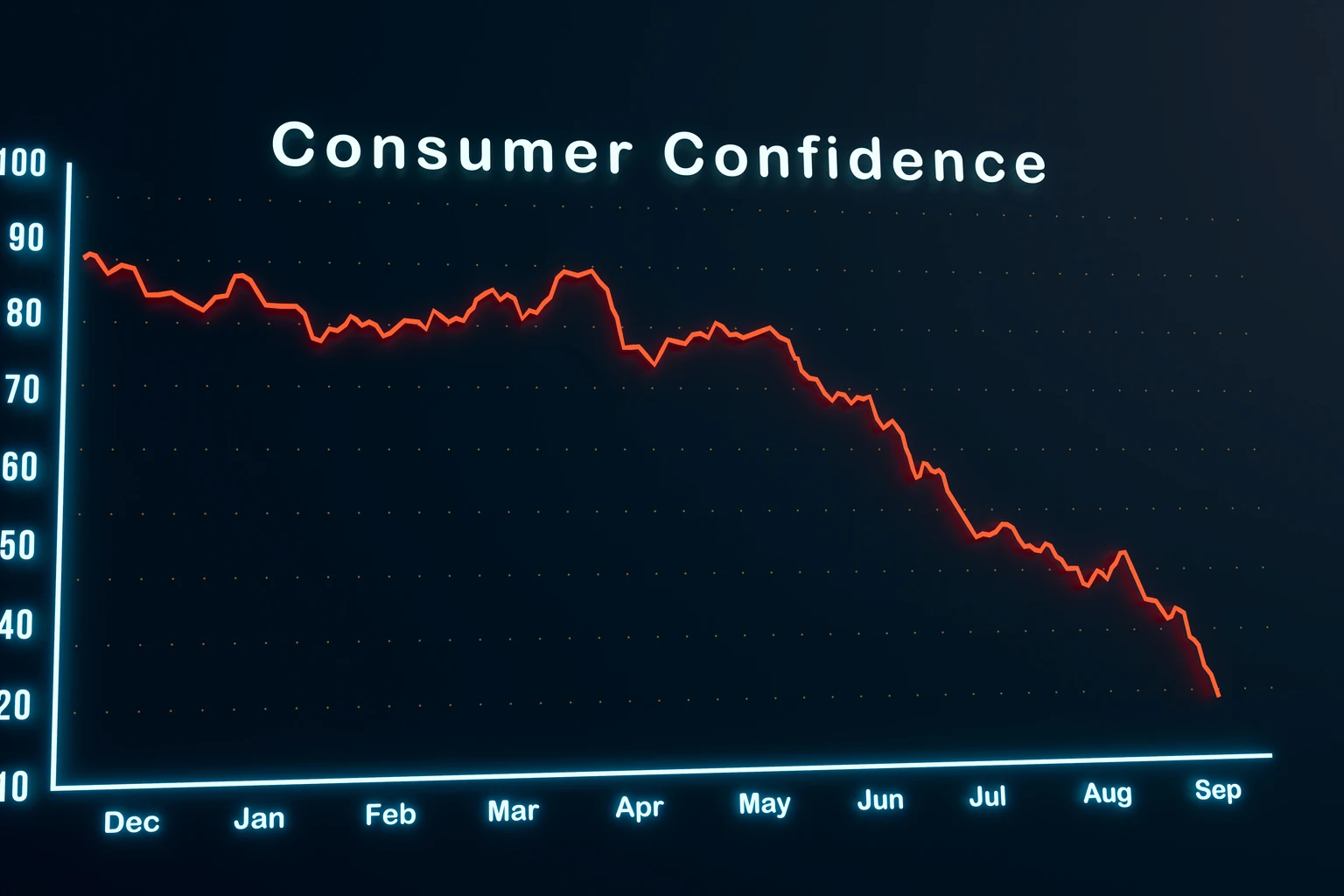
The FT’s James Mackintosh, in contrast, warns that the wipeout of notional wealth could depress Chinese spending, with repercussions for international trade.
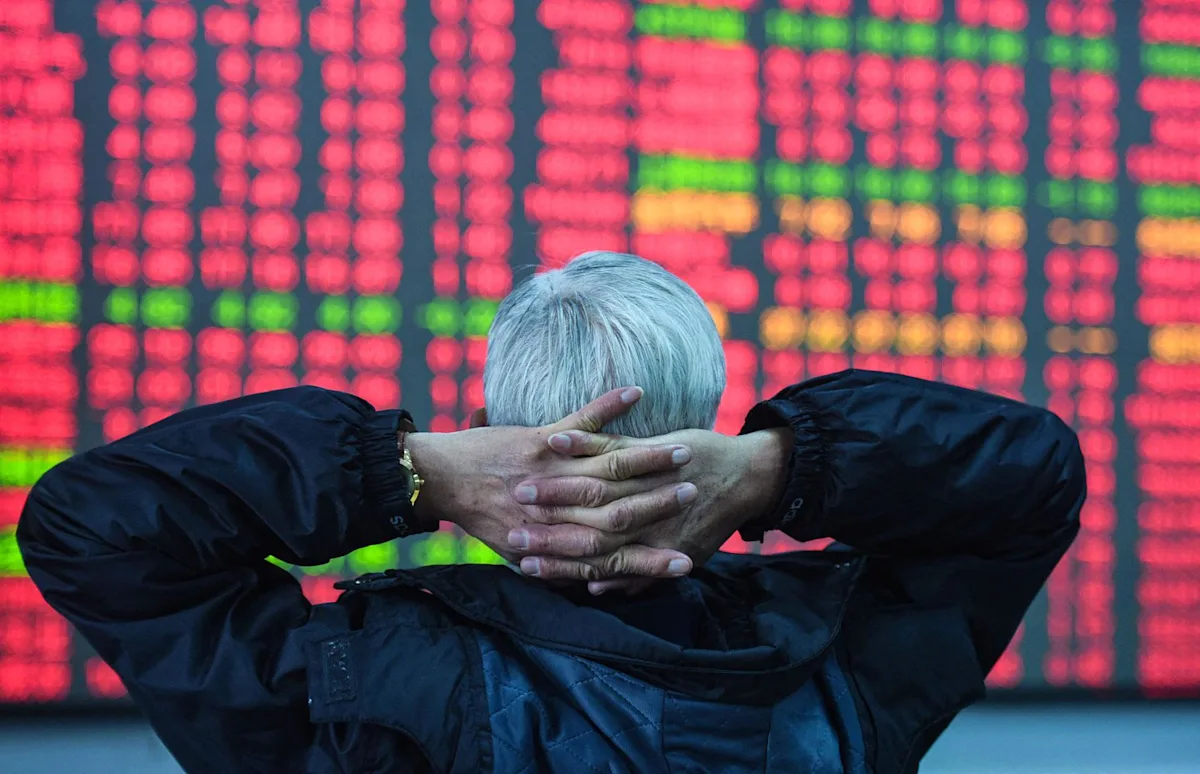
Those economic knock-on effects clearly depend on who has been active in the market and likely to have borne the brunt of losses. And on this, several commonly held perceptions are wrong. Despite the ubiquitous pictures of grey-haired investors agonising over lost pension savings, the Economist’s Free Exchange blog reports that the bulk of new retail investors are young. It suggests that they are relatively sophisticated and may take their losses “with equanimity”. The top echelons of the Communist party must surely hope Free Exchange is right about this.
More fundamentally, a report by the FT’s Gabriel Wildau this month indicated that the focus on retail investors – whether old or young – is a red herring: “While retail investors do make up a large share of overall market participants, their share of overall market value is probably 5 per cent or less, while the vast majority of Chinese households own no stock at all.” And of the indisputably numerous retail trading accounts, often multiple accounts are held by the same investor to camouflage their holdings. In other words, non-retail investors remain important, and among individual investors, much of the action regards fewer rich investors rather than masses of middle-class punters.
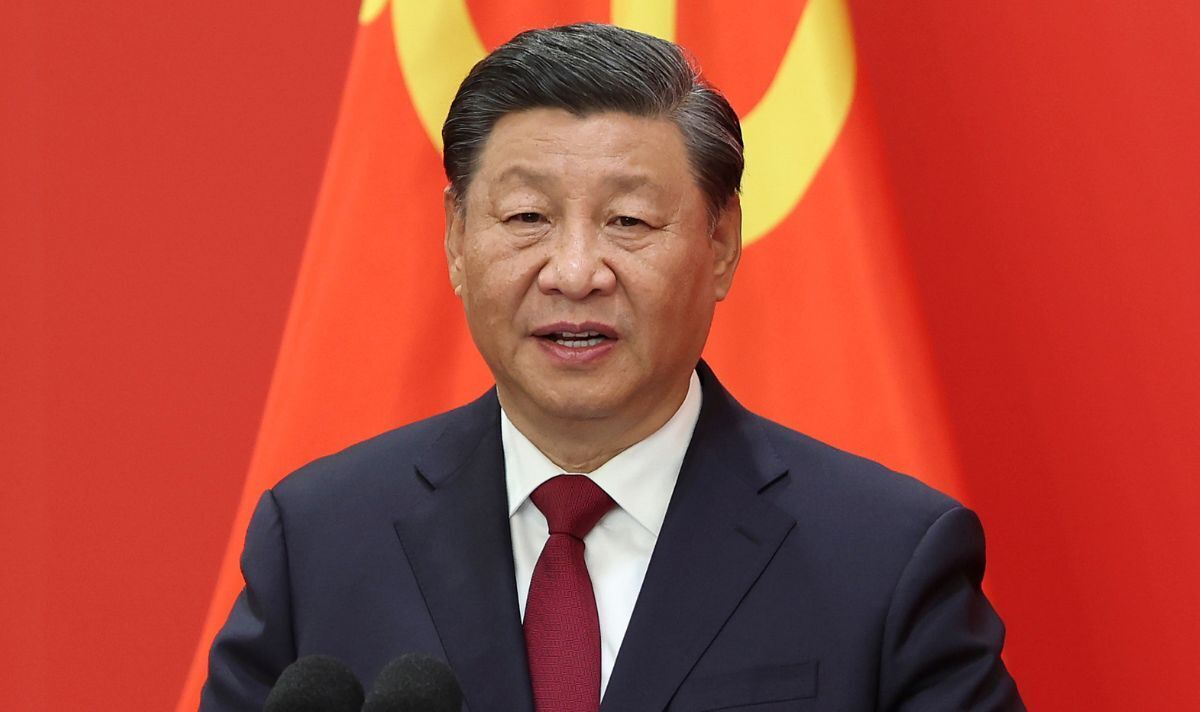
That insight should inform how we think about what the authorities are trying to achieve. Who benefits from the drastic measures to outlaw actions that can drive prices down? Not so much the mom and pop investor, it seems: more probably discreetly well-connected individuals. Keep that in mind when reading analyses of what the market debacle tells us about Chinese politics. Two worthwhile pieces: Tom Mitchell attributes the authorities’ flat-footedness to the “imperial presidency” governing style of Xi Jinping. And David Pilling thinks China’s political class may finally have met its match in the forces of the market.
If so, the politicians may at least take solace in that such stock market gyrations bring nothing specific to China. All the reports of margin trading driving up prices before exacerbating the crash put me in mind of John Kenneth Galbraith’s The Great Crash: 1929, which every China-watcher could do well to dust off today. I’ll leave you with a few chapter titles to whet your appetite: “Something should be done?”, “In Goldman, Sachs we trust”; and, of course, “The crash”.
Other readables
In the New York Times, Shahin Vallée explains why Germany’s stance on the third Greek loan package threatens the Franco-German alliance without which European integration is doomed to fail.
The joy of arithmetic shows that to get high growth rates – in Jeb’s America or Alexis’s Greece – you need not just structural reforms but increased spending, preferably on infrastructure.
To receive Martin Sandbu’s Free Lunch by email every workday, sign up here.