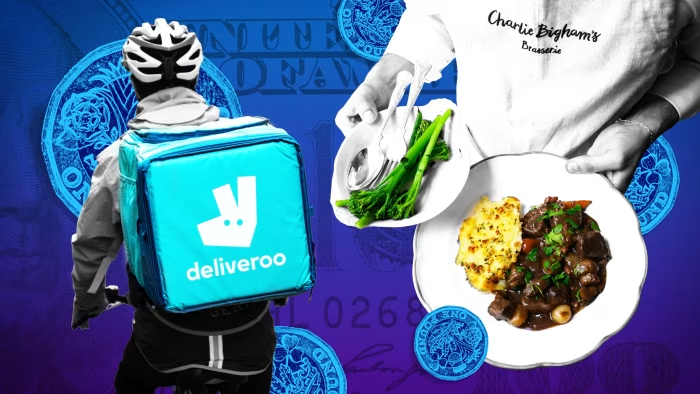
Charlie Bigham, the UK’s avuncular purveyor of premium ready meals, launched a new offering this month with a sticker price that shocked even his well-heeled target audience: a beef wellington for two costing a shade under £30.
The ideal consumer was not the tired commuter seeking a hassle-free dinner, but would-be restaurant-goers unhappy with the rising cost of dining out.
“Showstopping food doesn’t always have to mean going out,” the eponymous brand’s founder said at the launch of his Brasserie collection which is pitched as offering “restaurant quality” meals at home. The range, which is exclusive to upmarket UK supermarket chain Waitrose, also includes coq au vin and venison bourguignon.
Charlie Bigham’s is not the only ready meal supplier trying to compete with the food service industry. Tesco last month unveiled its Finest Chef’s Collection of “restaurant quality” ready-meals, with prices up to £20, while recipe box provider Gousto recently rebranded its luxury range to include options branded as “The Fine Dine In” and “Gastropub”.

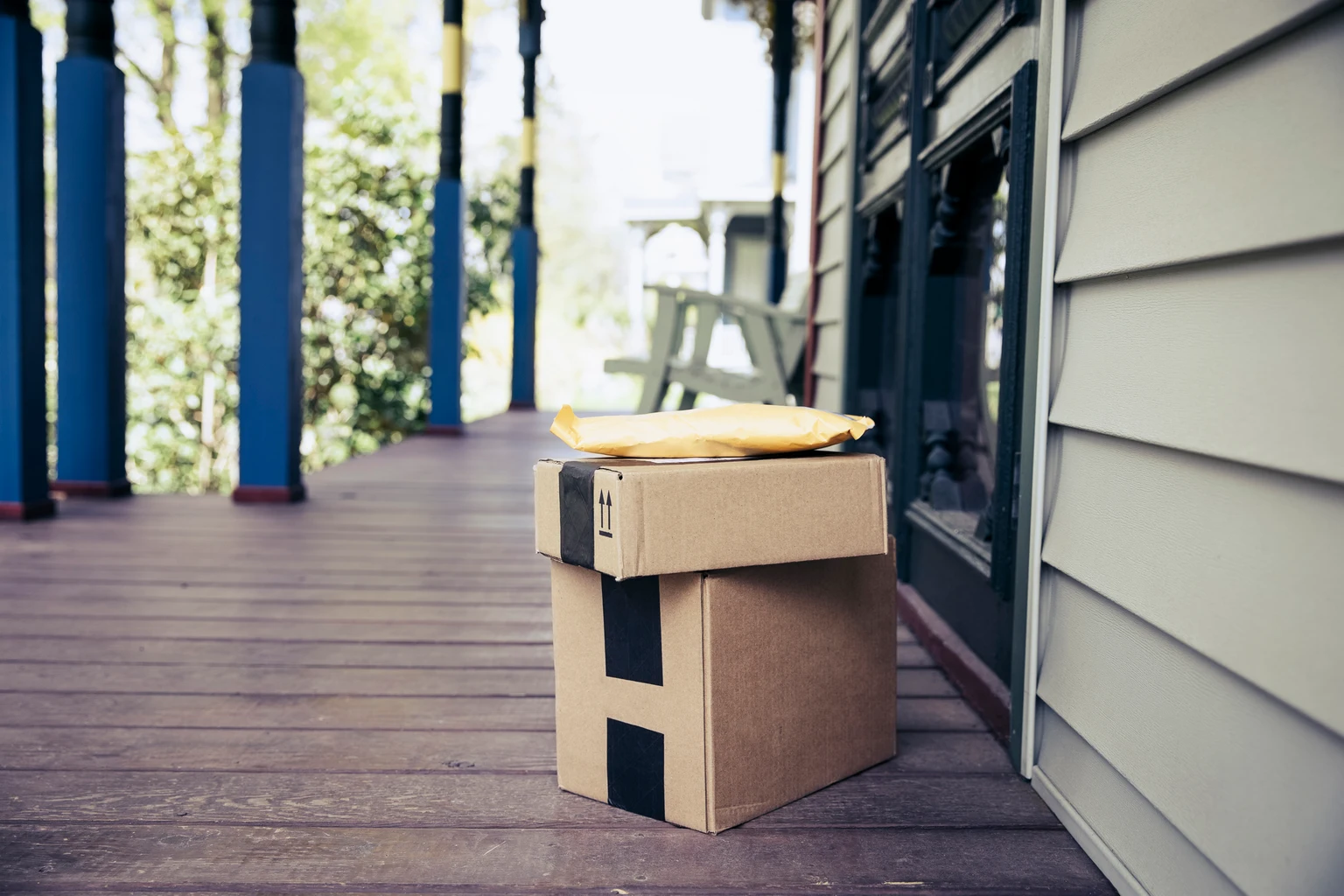
The trend is fuelling a growing “eat at home” economy, where consumers are shunning the dining out experience for the comfort, convenience and cost savings of their living rooms. It represents a new kind of competition for restaurants, which are already facing off against the popular convenience of delivery services, as they grapple with rising food and labour inflation, particularly in the UK.
“Eating out has become so much more expensive at a time when consumers are pressed,” says Simon Stenning, founder of advisory firm FutureFoodservice. “Supermarkets are fighting back [ . . . ] and exploiting the cost challenges that the restaurant industry faces.”
As restaurants have struggled, delivery providers have also flourished. Between 2023 and 2024, the value of the UK’s delivery market grew 8.2 per cent, far outstripping a 2.5 per cent rise for eat-in restaurants, according to Euromonitor. This shift was even more pronounced in the US, where the delivery market expanded 18 per cent last year, while the eat-in restaurant market actually contracted.
The sector is betting that consolidation will open the doors for even greater expansion. San Francisco-based DoorDash agreed to buy Deliveroo in a £2.9bn deal in May, ending the UK food delivery company’s tumultuous time on the public markets.

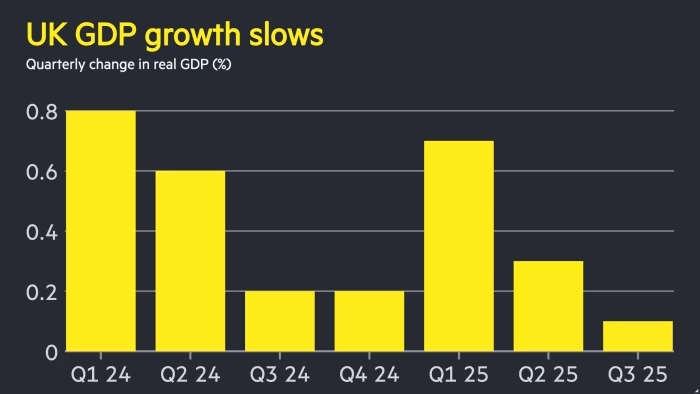
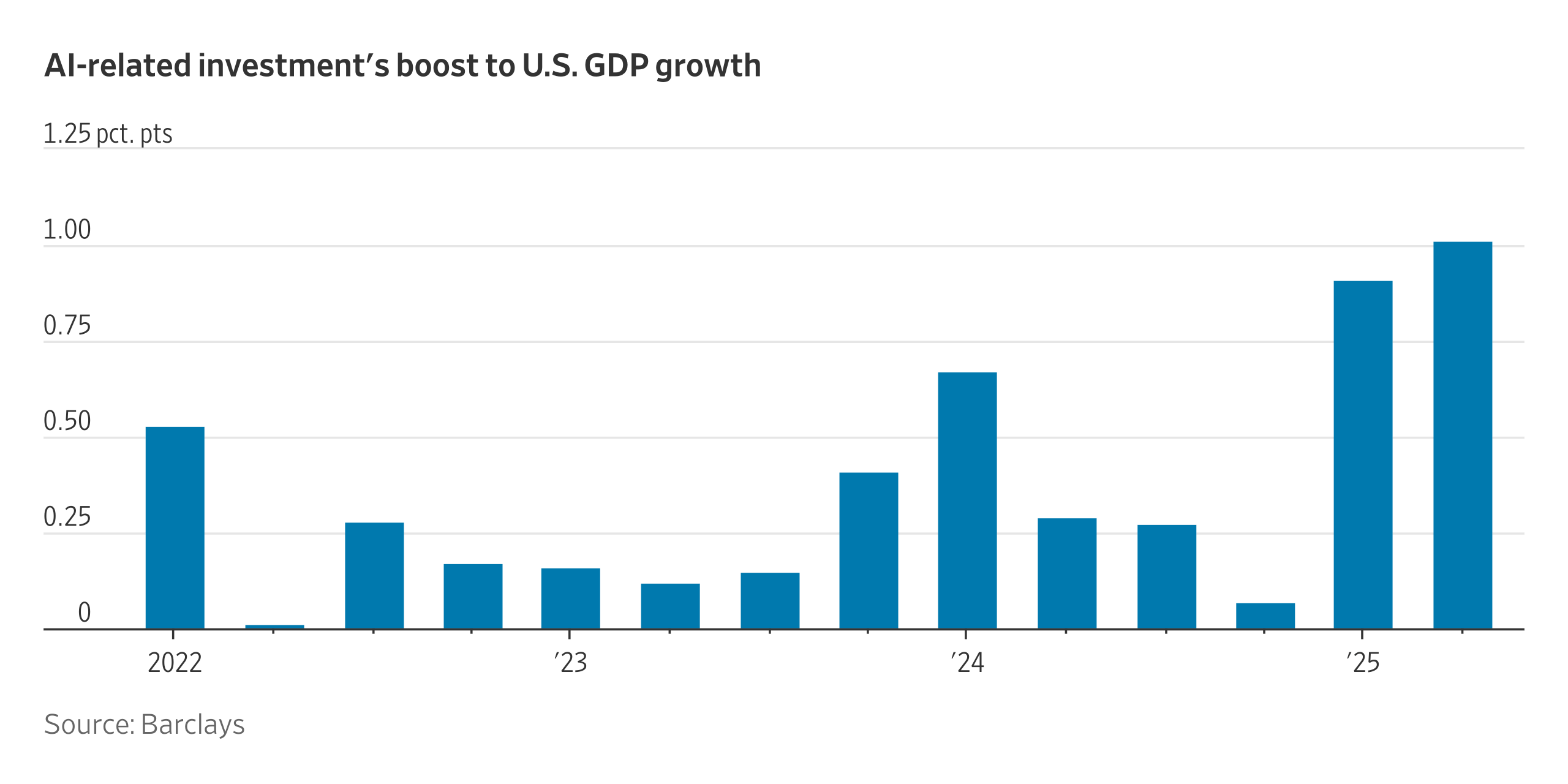
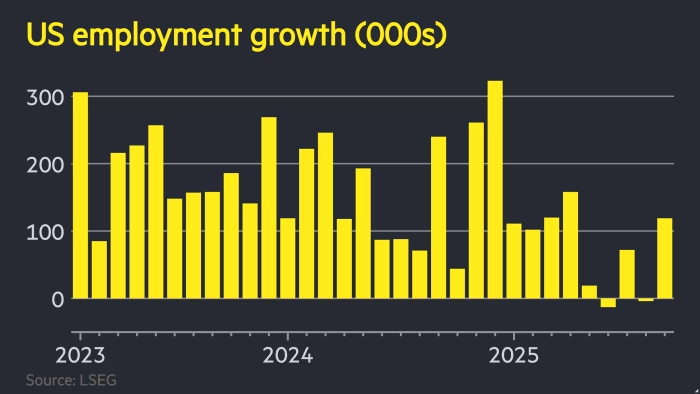
The economic drivers are obvious; high interest rates and fear of economic shocks have led UK households to curb spending more than anywhere else in the G7 since 2020. Across the Atlantic, fears of a slowing labour market and the economic fallout from President Donald Trump’s chaotic tariff rollout have discouraged spending.
But to some extent, the trend is also part of a post-pandemic move away from congregating in spaces like cafés, cinemas and clubs and towards a less sociable, but more trouble-free existence at home. Having food delivered is “easy and it’s habitual”, says Stenning. “We can get access to all of our favourite dishes at all of the big brands — so long as we live within reach.”
The eat-at-home economy has been lucrative for some. Sales at Bigham’s eponymous food supplier rose almost 9 per cent to £144mn in the year to August 2024, while pre-tax profits, at £7.6mn, were up more than a third.
For others, it has been a painful time. Visits to UK casual dining restaurants dropped almost 8 per cent in the nine months to September, compared with the same period in 2024, according to hospitality data provider Meaningful Vision.
One prominent victim of the trend has been Pizza Hut, the chain of family restaurants which announced the closure of 68 restaurants across the UK this week, with the loss of 1,210 jobs.
The toughest spot of the market is in the middle, says Nicholas Found, a consultant at Retail Economics. “Middle-income households — the lifeblood of mid-market restaurants — are reallocating their spending as they face unique financial pressures.” This cohort, he adds, is “looking to trade down, cut alcohol orders, shift to smaller portions, or retreat to at‑home treats”.

It’s a similar story in the US. IHOP and Applebee’s owner Dine Brands, Sweetgreen, Wendy’s and Denny’s all warned investors in August that US consumers’ hesitancy to spend was hurting sales.
Americans ate 1bn fewer meals at restaurants between January and March than the comparable quarter a year ago, according to data from market research firm Circana. Ahead of that decline, the share of meals eaten at home versus restaurants had remained more or less steady since 2023.
“Signs have been visible in recent quarters that consumers are experiencing ‘menu price fatigue’,” Barclays US restaurants analyst Jeffrey Bernstein wrote in a note to clients on Wednesday, “prompting restaurants to become more aggressive in promoting value and discounts in response.”
In the US, fast-food restaurants have been hit the worst, as the poorest consumers disproportionately trim their spending. Brian Harbour, an analyst at Morgan Stanley, said in a note to clients on Tuesday that chain fast-food companies in the US were “the weakest part of the market today” as “lower-end customers remain very selective and restrained”.
McDonald’s chief executive Chris Kempczinski said in an earnings call in August that the brand was feeling the impact of “a lot of anxiety and unease” among low-income consumers. “The result of that is you’re seeing people either skip [meals] . . . or they’re trading down either within our menu or they’re trading down to eating at home.”
But restaurants in the UK face a combination of issues. Like elsewhere in the western world, prices have skyrocketed since the eve of the pandemic; according to ONS data, the cost of eating at restaurants and cafés was about a third higher in September than it was in December 2019.
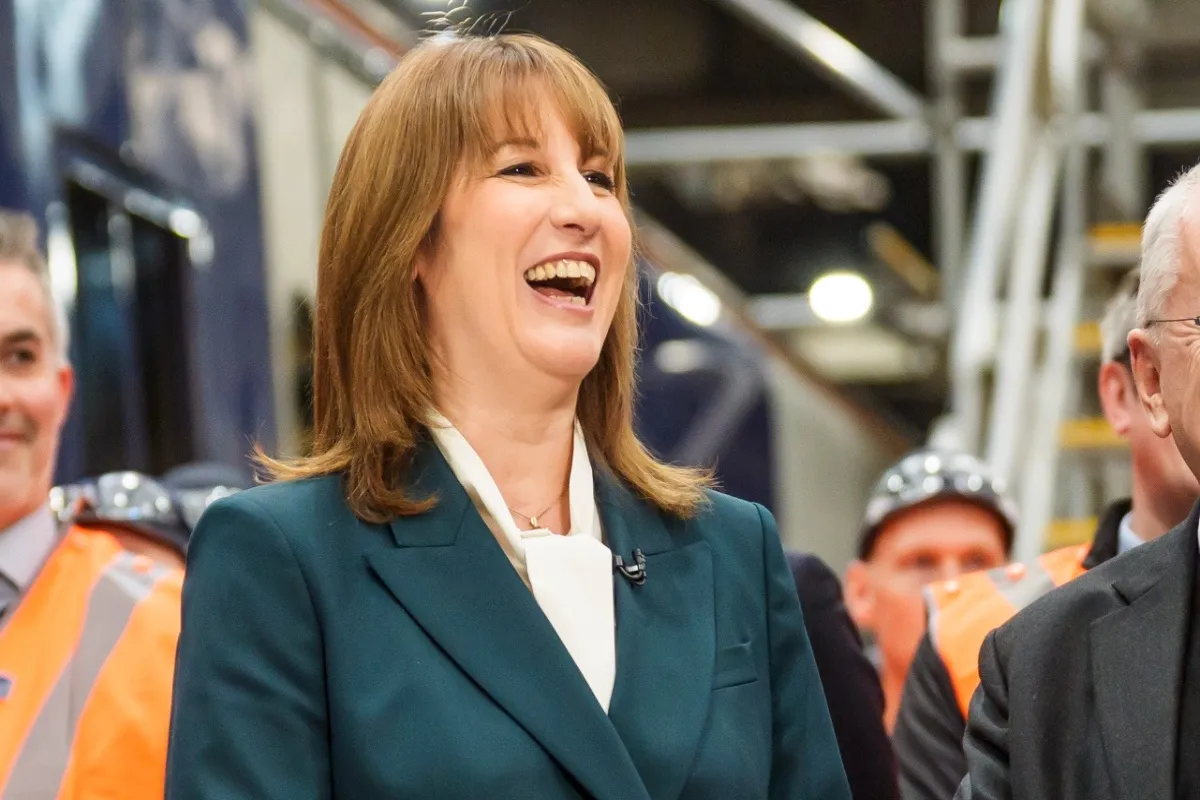
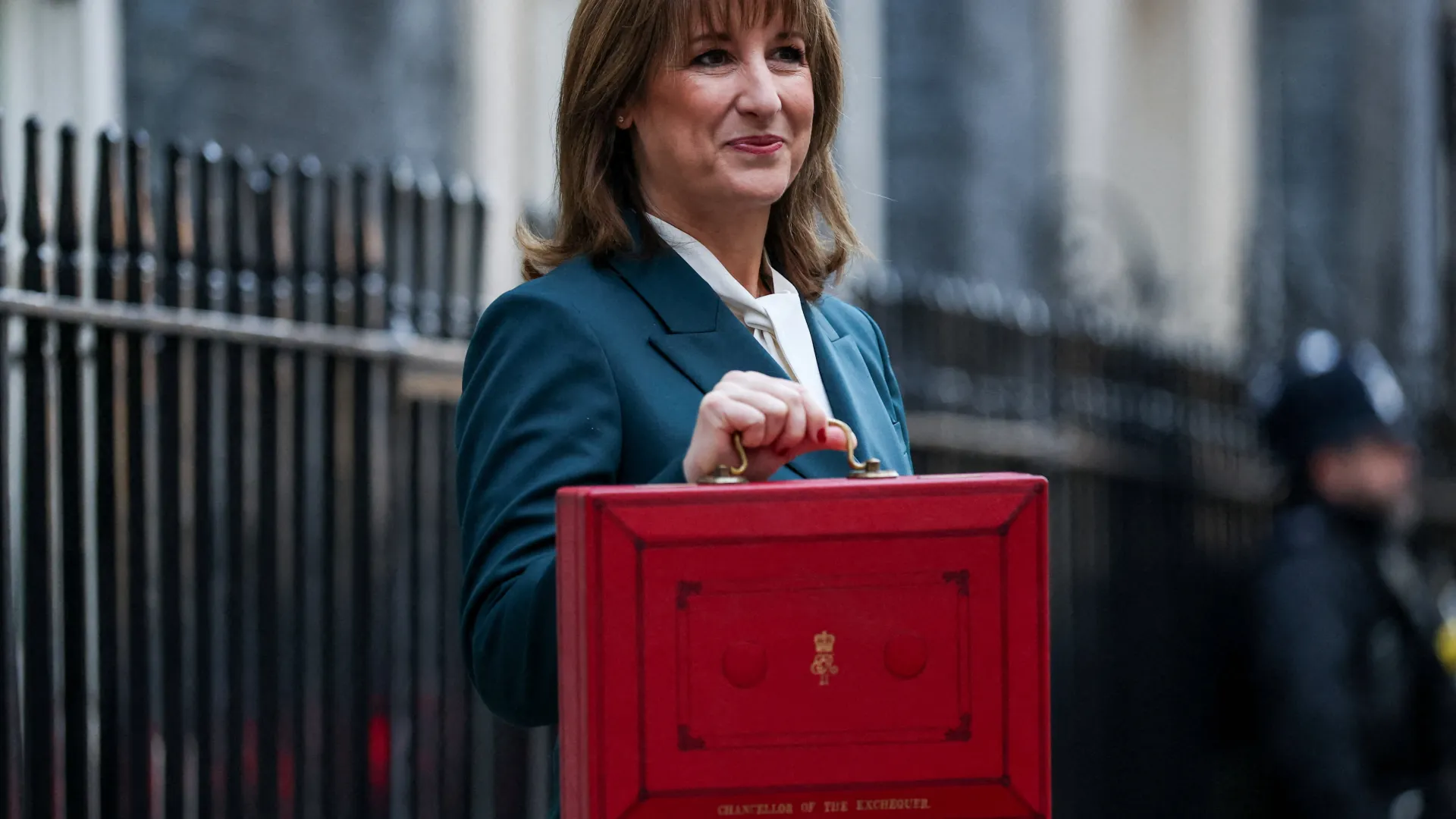
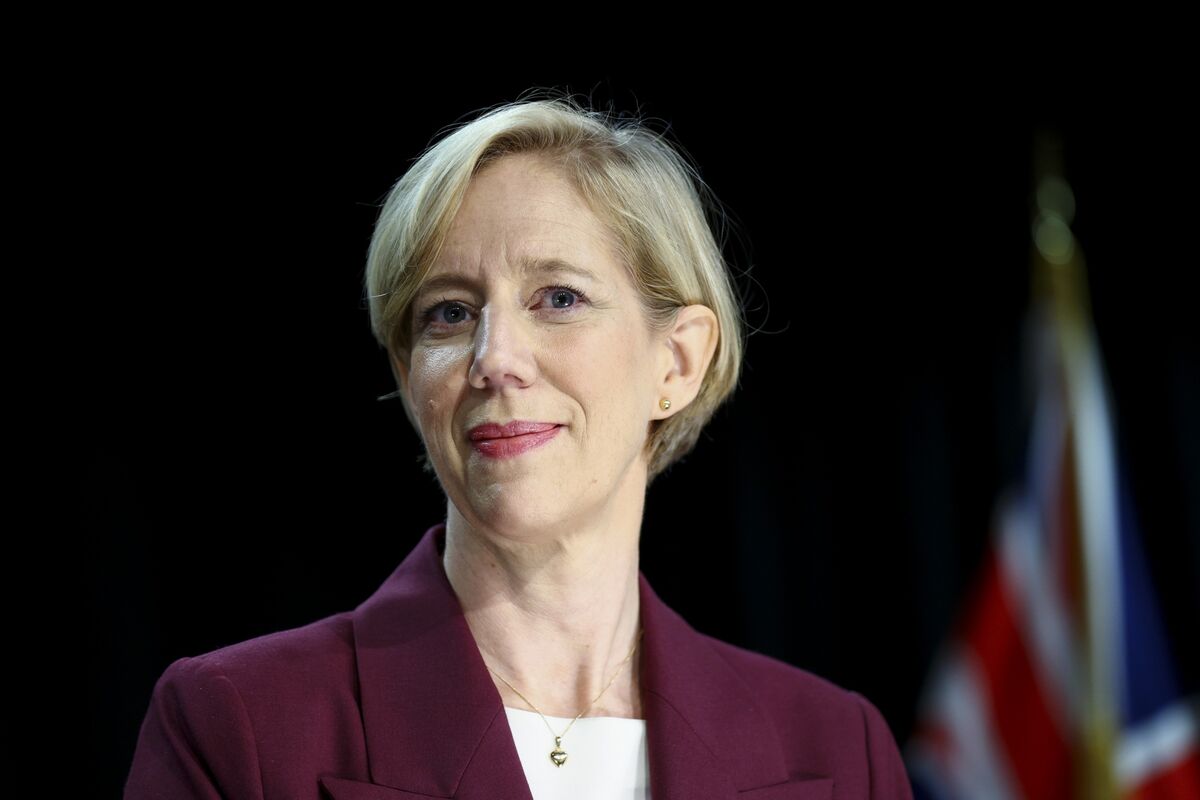
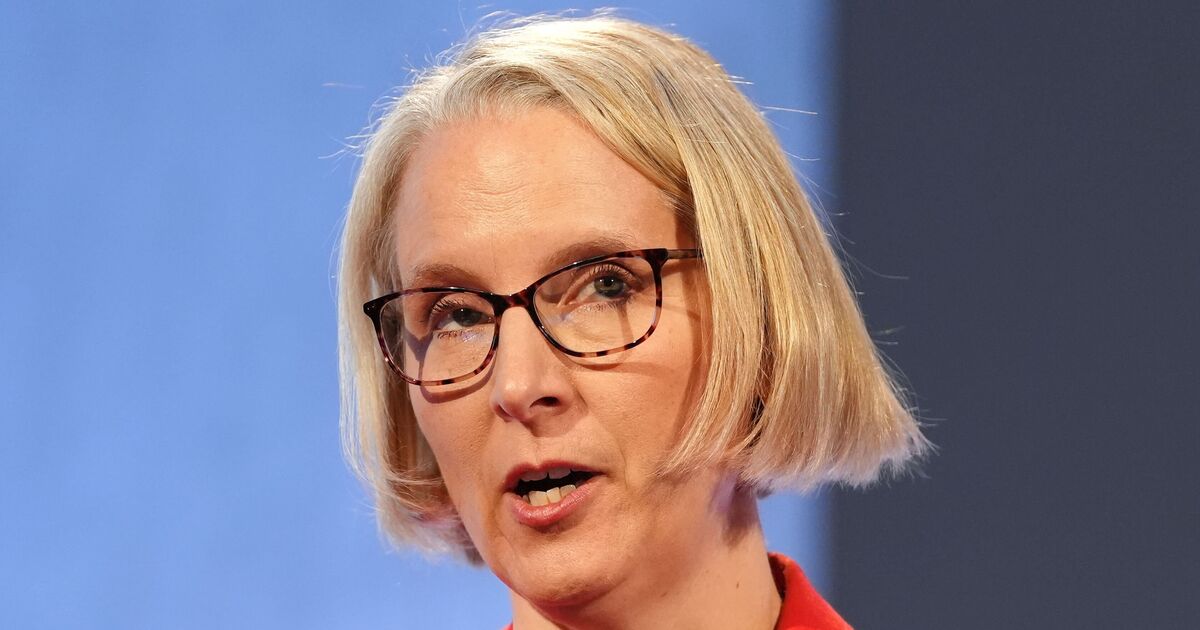
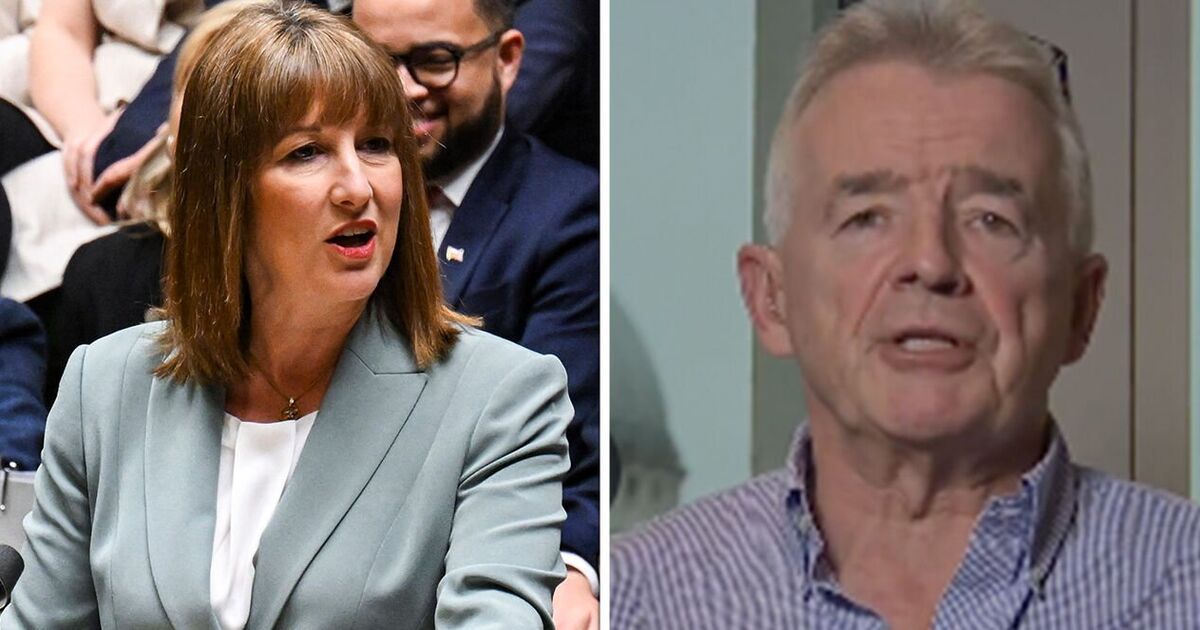
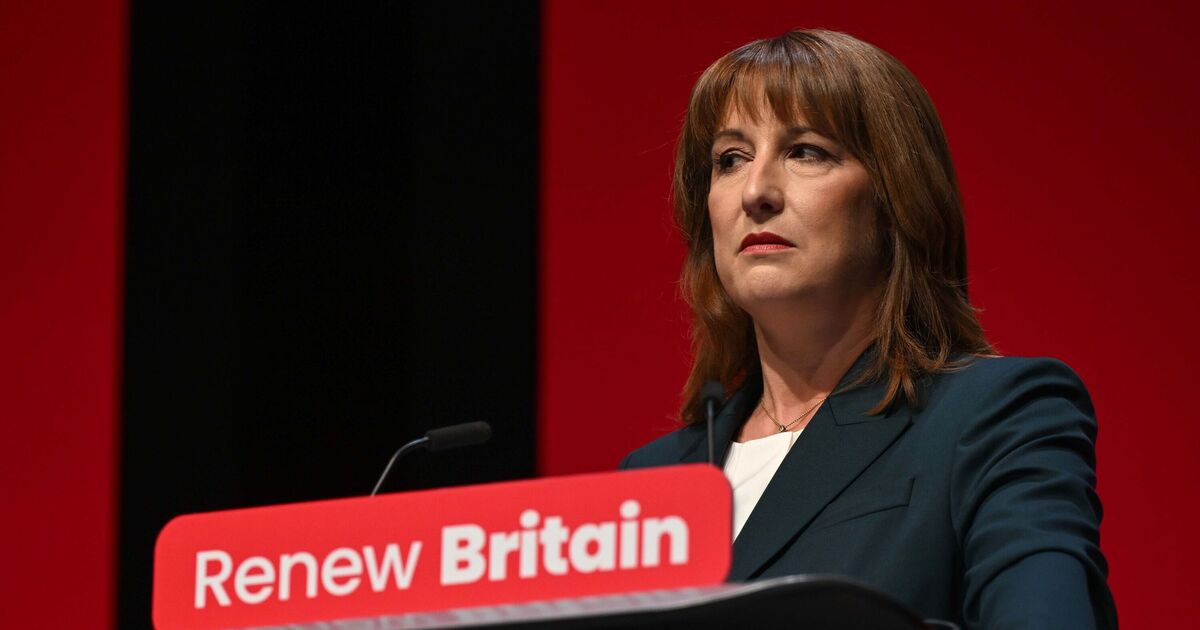
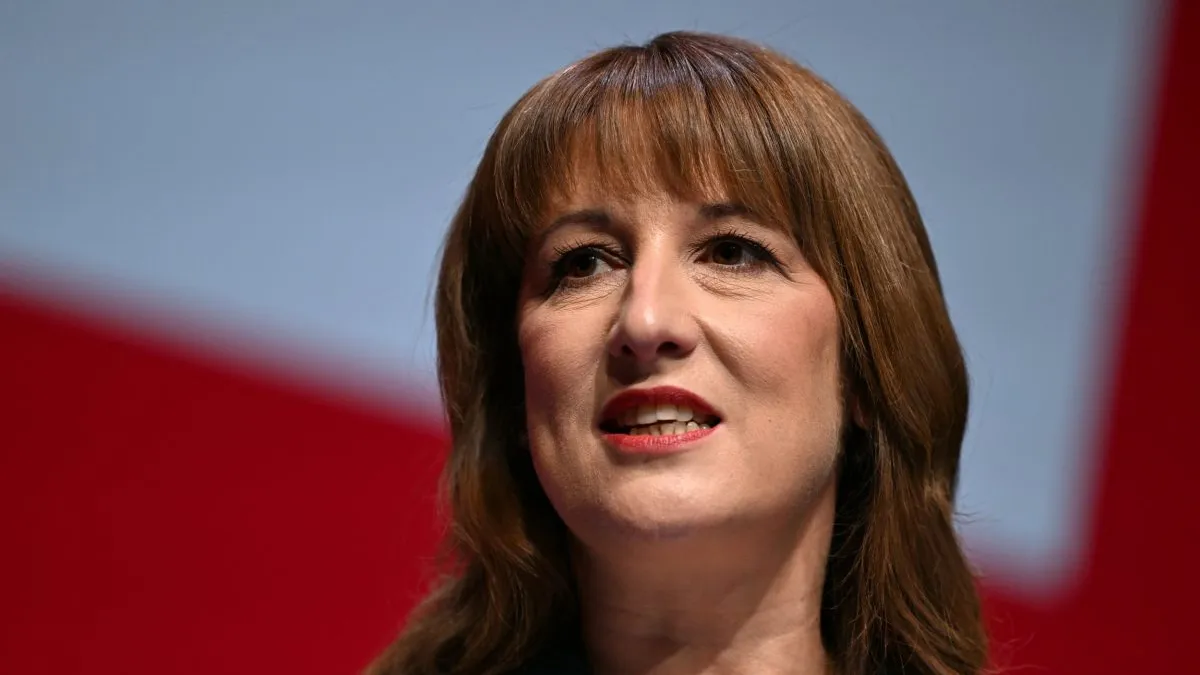
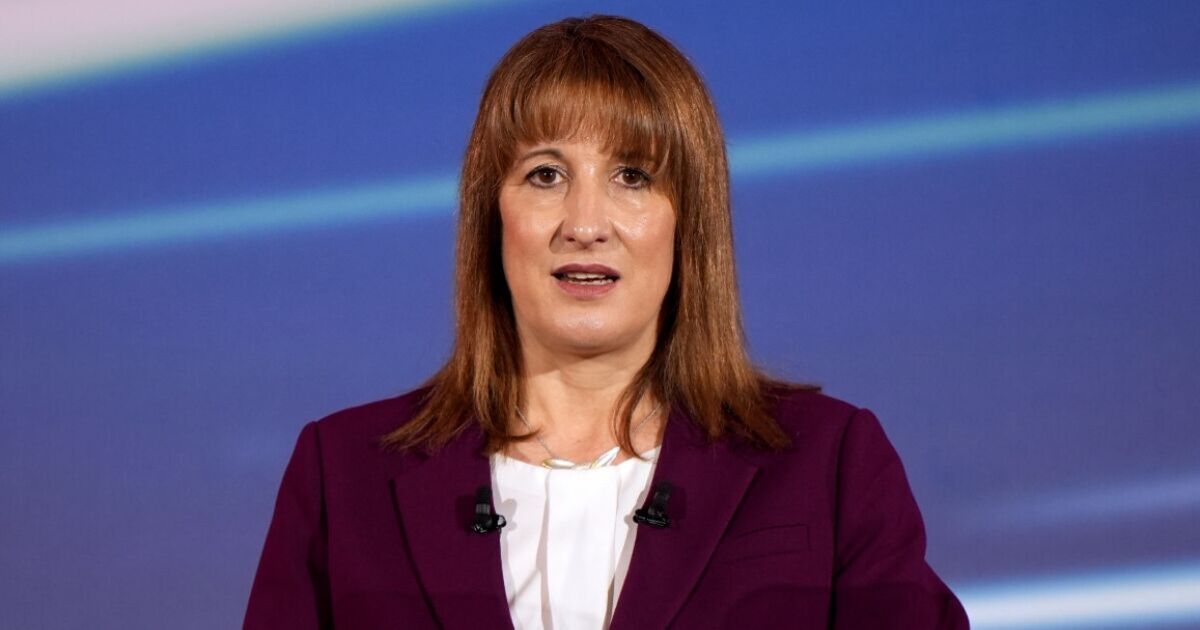
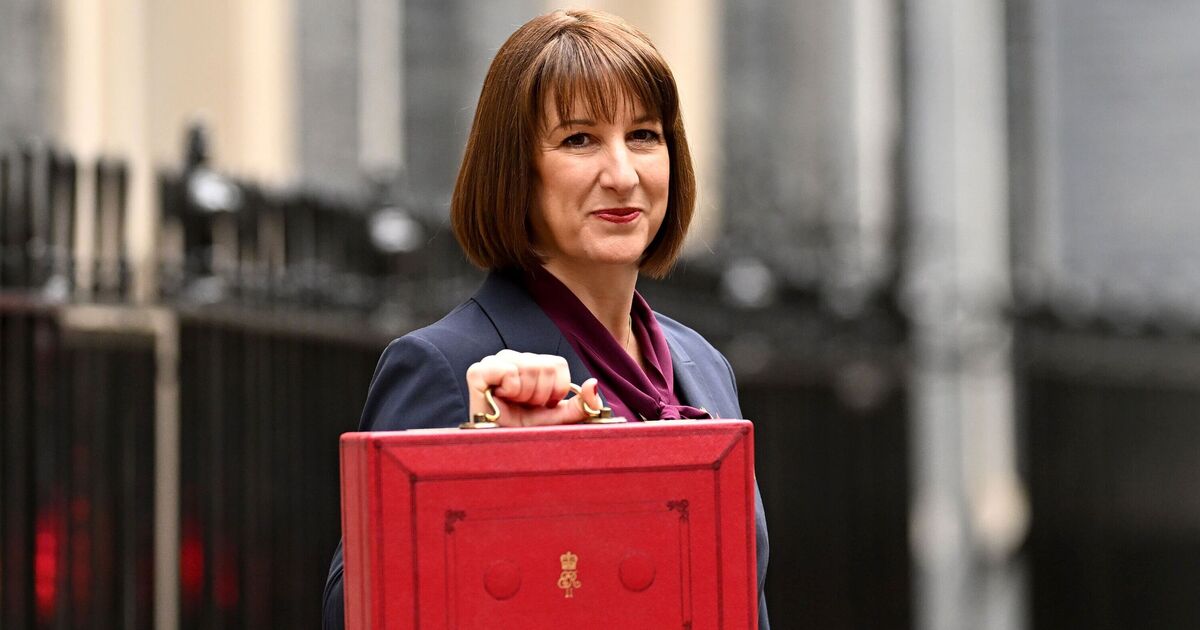
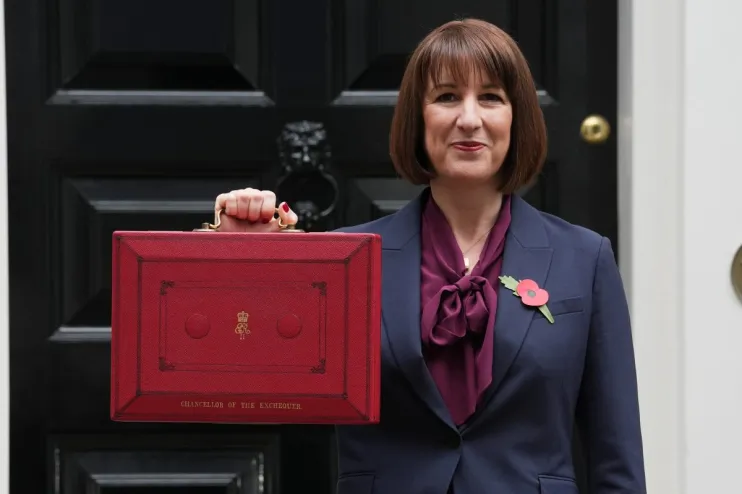
British restaurateurs are also facing higher labour costs following the increase in minimum wage rates and national insurance contributions, introduced in chancellor Rachel Reeves’ 2024 Budget, which came into force in April.

“Restaurants are in a tough spot: the higher your labour ratio, the more you may have to put on price, and the more [customer] volumes could go down as a result,” says Douglas Jack, an analyst at Peel Hunt. “As on-trade tax rates rise, eating in becomes the new dining out.”
A “clear uptick in insolvencies” since last year’s Budget has been noticeably higher in “lower-paid sectors like hospitality”, says Jonathan Steenberg, an economist at credit insurer Coface.
The rate of insolvency among restaurants and mobile food service businesses, such as pop-up restaurants and vans, in the UK, for example, was twice the average across all industries, according to figures from Coface shared with the Financial Times.
Meanwhile, some restaurant companies have tried to get in on the at-home economy. UK chains Itsu, Zizzi and PizzaExpress, have all in recent years added new premium products, including chilled sushi and “elevated” pizza flavours, to their supermarket ranges.
But others say it’s impossible to adapt their fresh offerings to the regulations of retail sale. David Roberts, hospitality sector specialist at law firm CMS and co-owner of UK steakhouse chain Blacklock, says his restaurant “has a gravy which I would drink by the litre if I could — but we couldn’t put it through [a supermarket] because we’d have to put a whole lot of chemicals in there to make sure it has a shelf life that would be commercially viable.”
Analysts have noted an increasing split: consumers would rather just get delivery and eat at home — unless they’re getting an experience that feels unique and special.
“Good is not good enough anymore: you need to be exceptional or you need to have something that nobody has,” says Kurt Zdesar, founder of Japanese-Peruvian fusion restaurant group Chotto Matte.
For dine-in restaurants, the challenge, now, is convincing customers that eating out is still worth it. “We can’t just expect people to come out anymore — we’ve lost that momentum — so we need to be constantly reinventing to get people outside of their homes,” says FutureFoodservice’s Stenning.
For luxury restaurant group Evolv Collection, that drive included this summer shipping in 5 tonnes of sand to build a temporary beach at its riverside French restaurant Le Pont de la Tour in London.

“People go out less than they might have done before, but when they do, they’re spending more and they’re seeking higher quality,” says Martin Williams, Evolv’s chief executive. In exchange, he says, restaurants are under pressure to provide an “immersive experience”.
Consumers are also demanding more from the food itself, says James Brown, chief executive of UK restaurant chain Prezzo Italian. “People have learnt to cook at home [thanks to] more easy access to cooking lessons on platforms like Netflix,” he says. When customers make the effort to go out to a restaurant, he adds, “expectations on quality are now much higher”.
Restaurateurs are confident that, despite the economic and structural obstacles ahead for the sector, consumers will always value the experience of a night out more than a trip to the supermarket or a delivery in a plastic box.
“The food is probably only a third of the experience. There’s also the ambience, the service, the music,” says Williams. “Also, you don’t have to wash up.”