It’s a challenging time to be a UK perma-bear, what with the FTSE 100 starting the year on a high and reassuring updates from high street bellwethers such as Next. Hope for the pessimists might come from what seems to be a weakening labour market. Even here, though, there are positive signs mixed in among the worries.
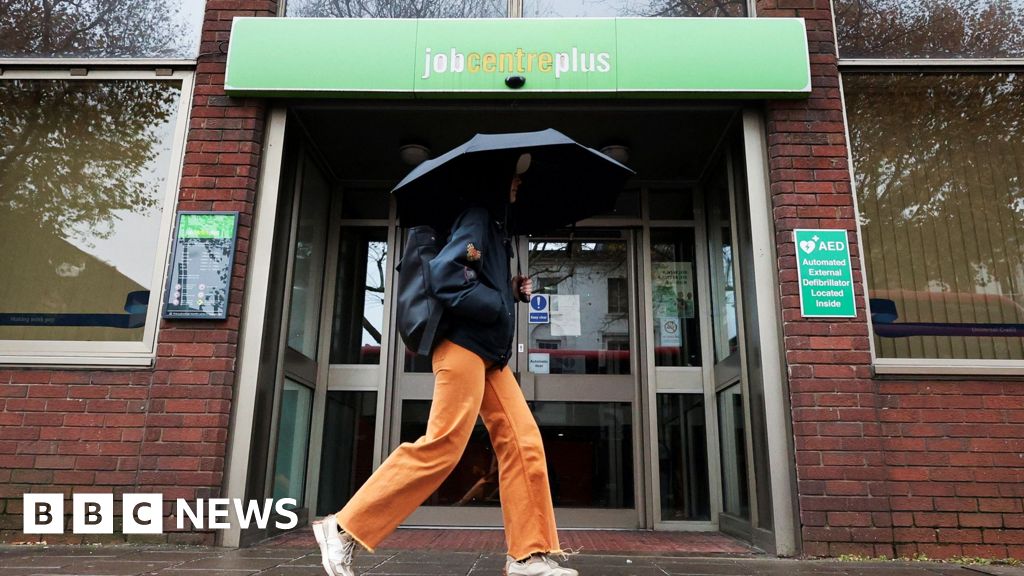
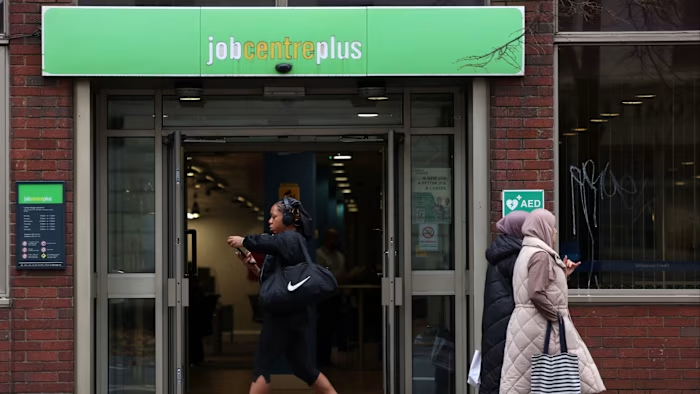
The UK unemployment rate hit 5.1 per cent in the three months to October, according to the Office for National Statistics. That was an increase from 4.4 per cent in the final three months of 2024, and the highest level in more than four years. Rising payroll taxes and other costs have caused job losses and damped future hiring plans. So far, so discouraging.
However, the increase in unemployment wasn’t wholly driven by job cuts. Jobless rates don’t count people economists describe as “economically inactive”, neither employed nor actively seeking work, whether because of sickness, study, childcare or some other reason. When those people start actively looking for work, they start showing up in the official jobless rate.

That may help explain what is happening in the UK. The economically active population increased by 643,000 in the first nine months of 2025, compared with a 280,000 increase in the number of unemployed. Investors need to be cautious drawing conclusions from ONS employment figures, which have been riddled with problems. But economists at Deutsche Bank are among those who see evidence of a real trend.
Not all new arrivals in the workforce will be there through choice. Parents returning to work because of better childcare provision is a more unambiguous positive than retirees seeking part-time work to pay their bills. But an increase in the supply of labour is a net positive for businesses and the economy.
It is particularly helpful for banks, which traditionally see a direct link between the unemployment rate and their own profit. Lloyds Banking Group, the UK’s largest mortgage lender, maps a 1 percentage point increase in unemployment on to a £133mn increase in credit losses. But if a material part of the increase is driven by a higher participation rate, banks’ loan losses should be lower than the headline figures imply.
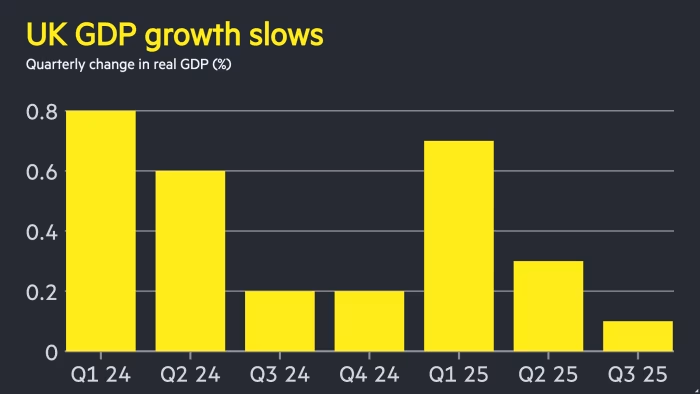
More broadly, the trend provides ballast to the argument that the UK economy is in decent if unspectacular shape, which ought to be reassuring to companies heavily exposed to it. The country might not be winning any prizes right now, but sometimes it’s the taking part that counts.