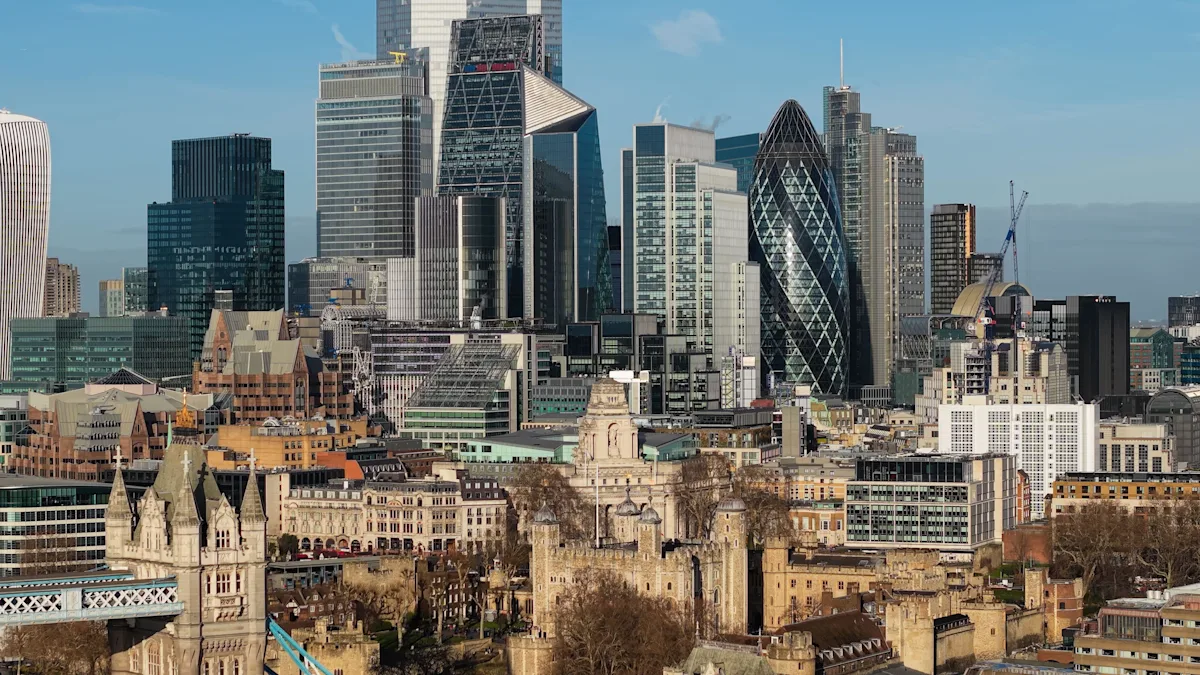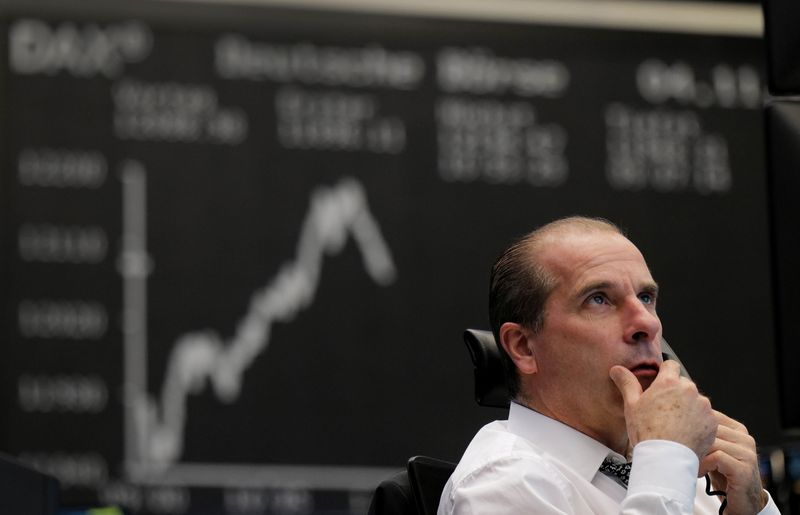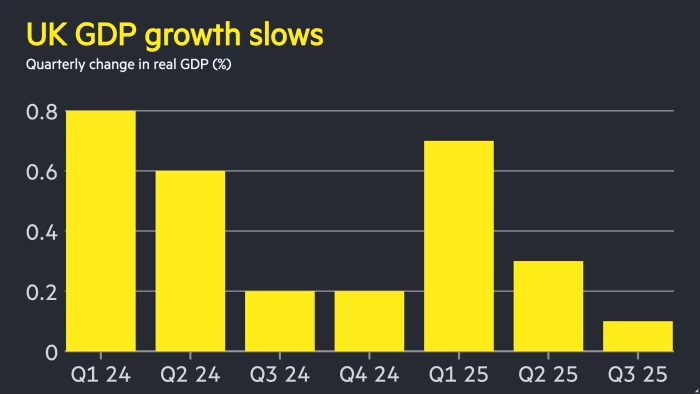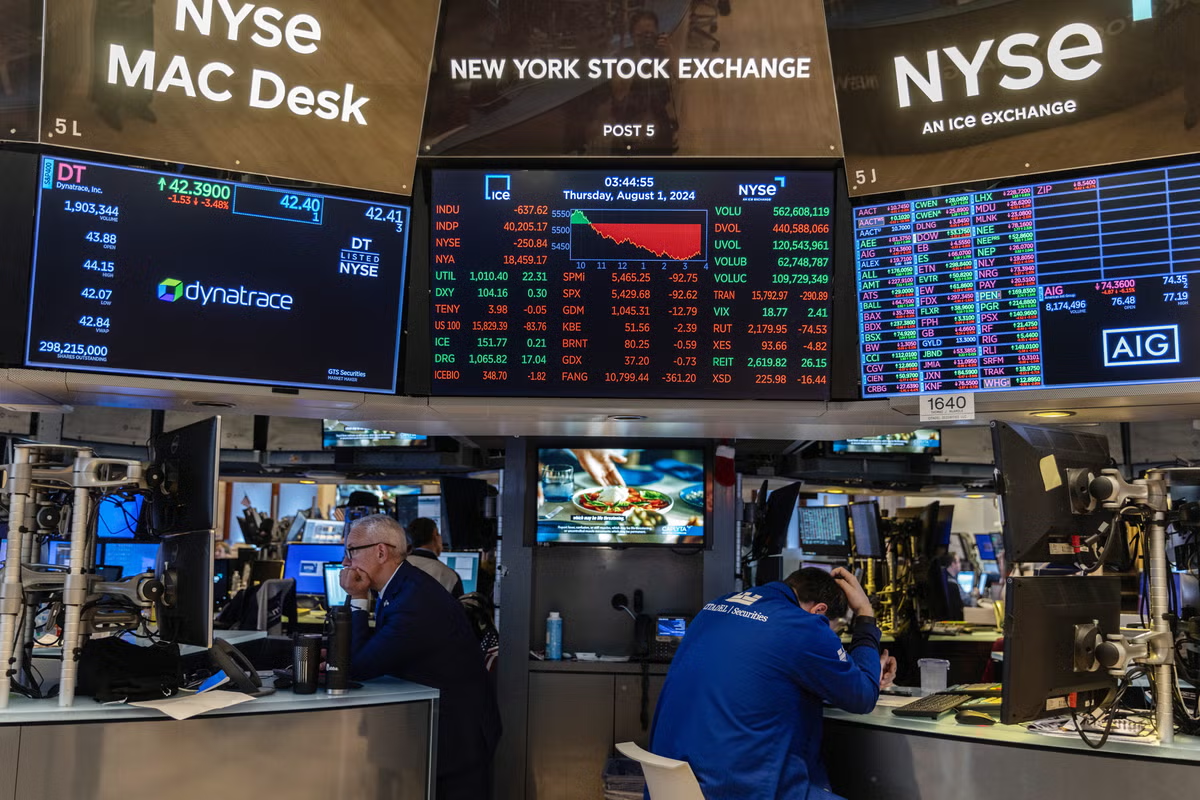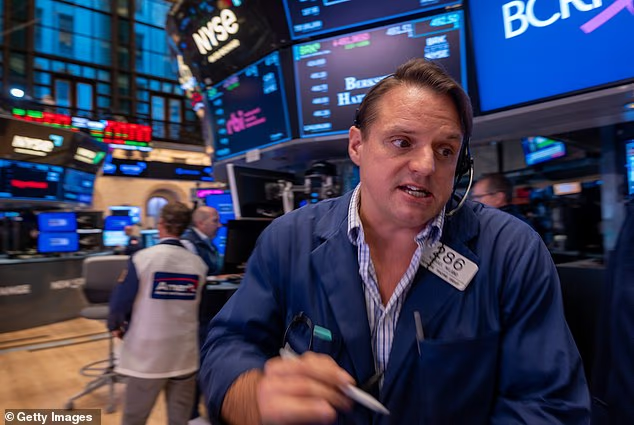
The FTSE 100 (^FTSE) and European stocks were lower on Thursday as traders digested the latest gross domestic product (GDP) figures which showed that the UK economy expanded by 0.1% in August.

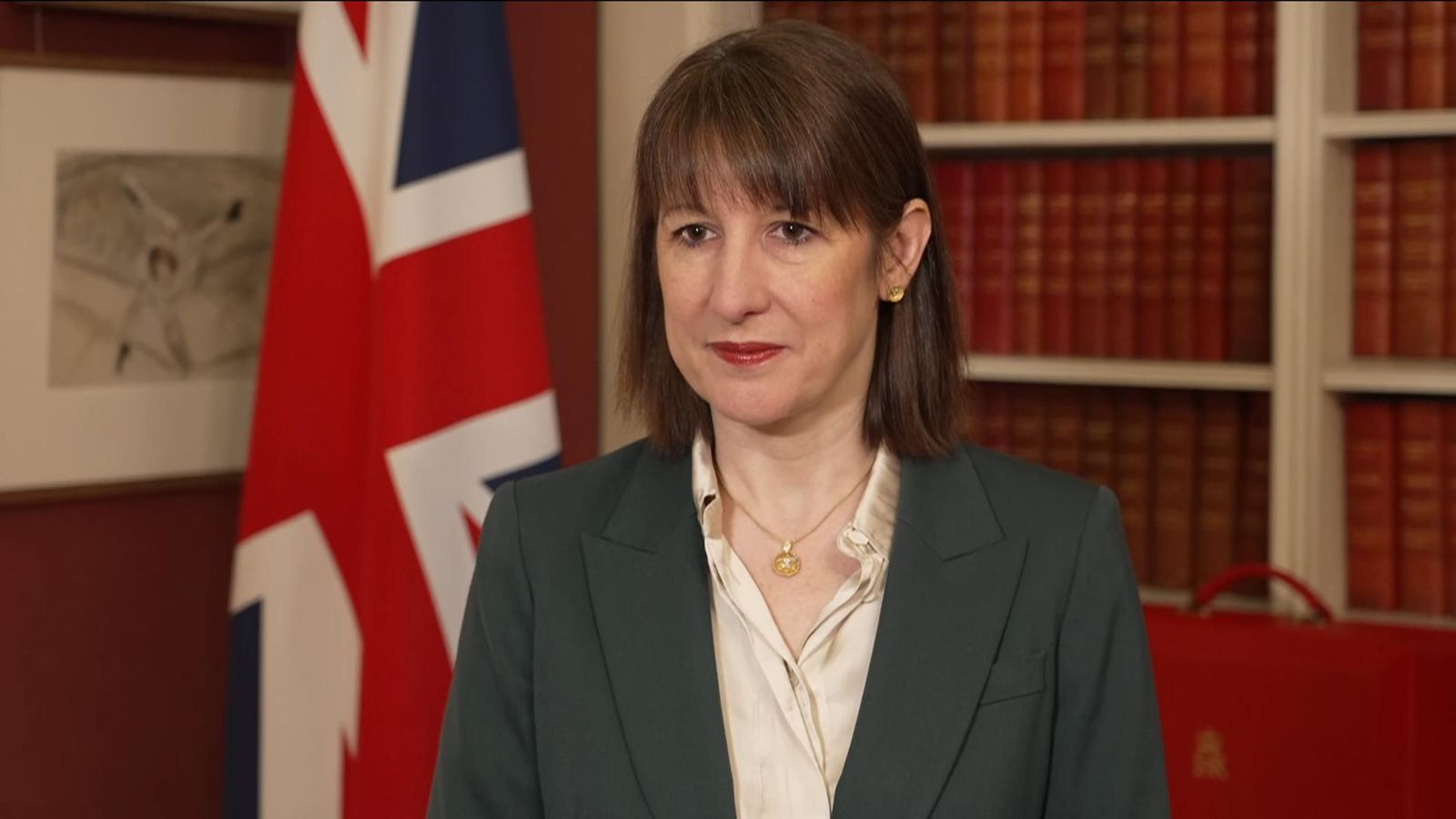
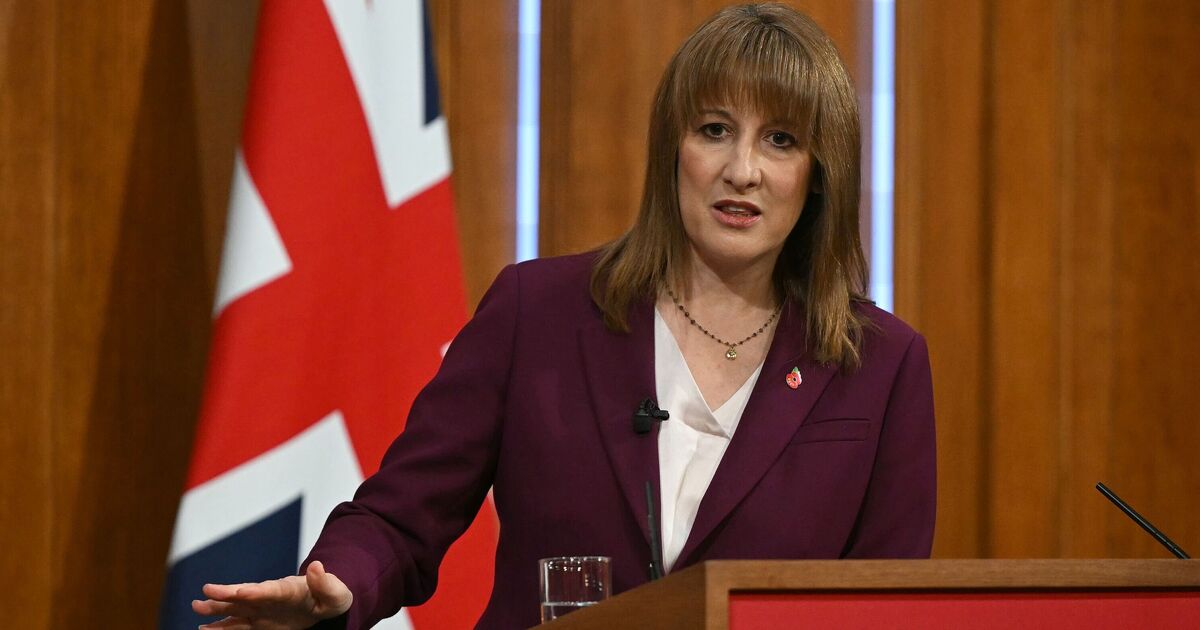
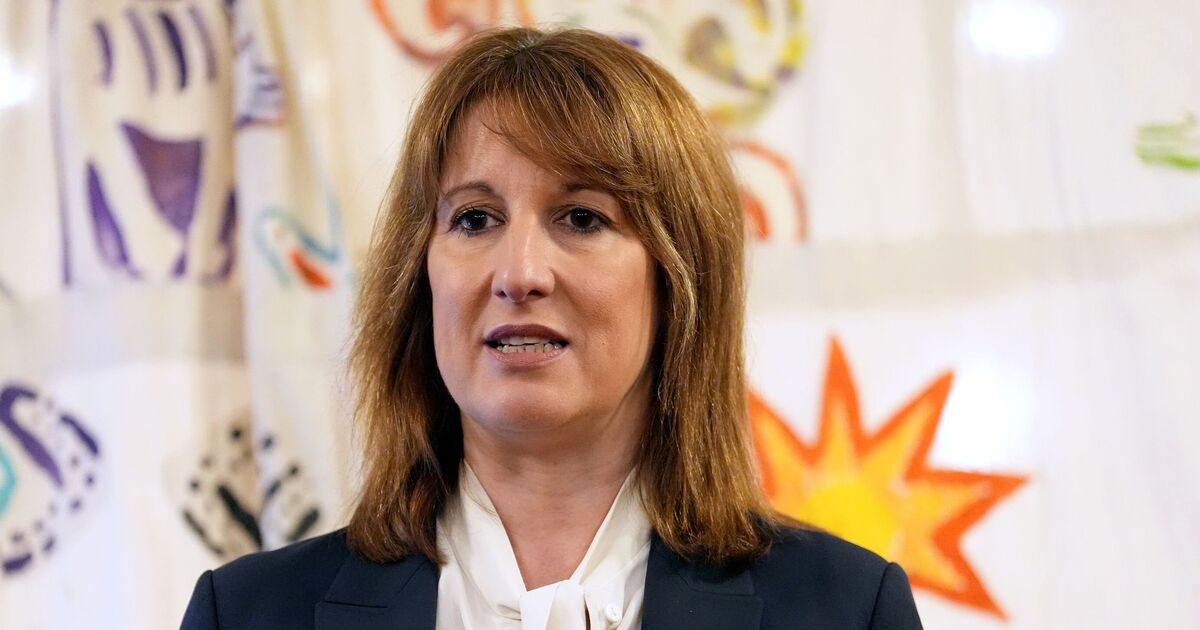
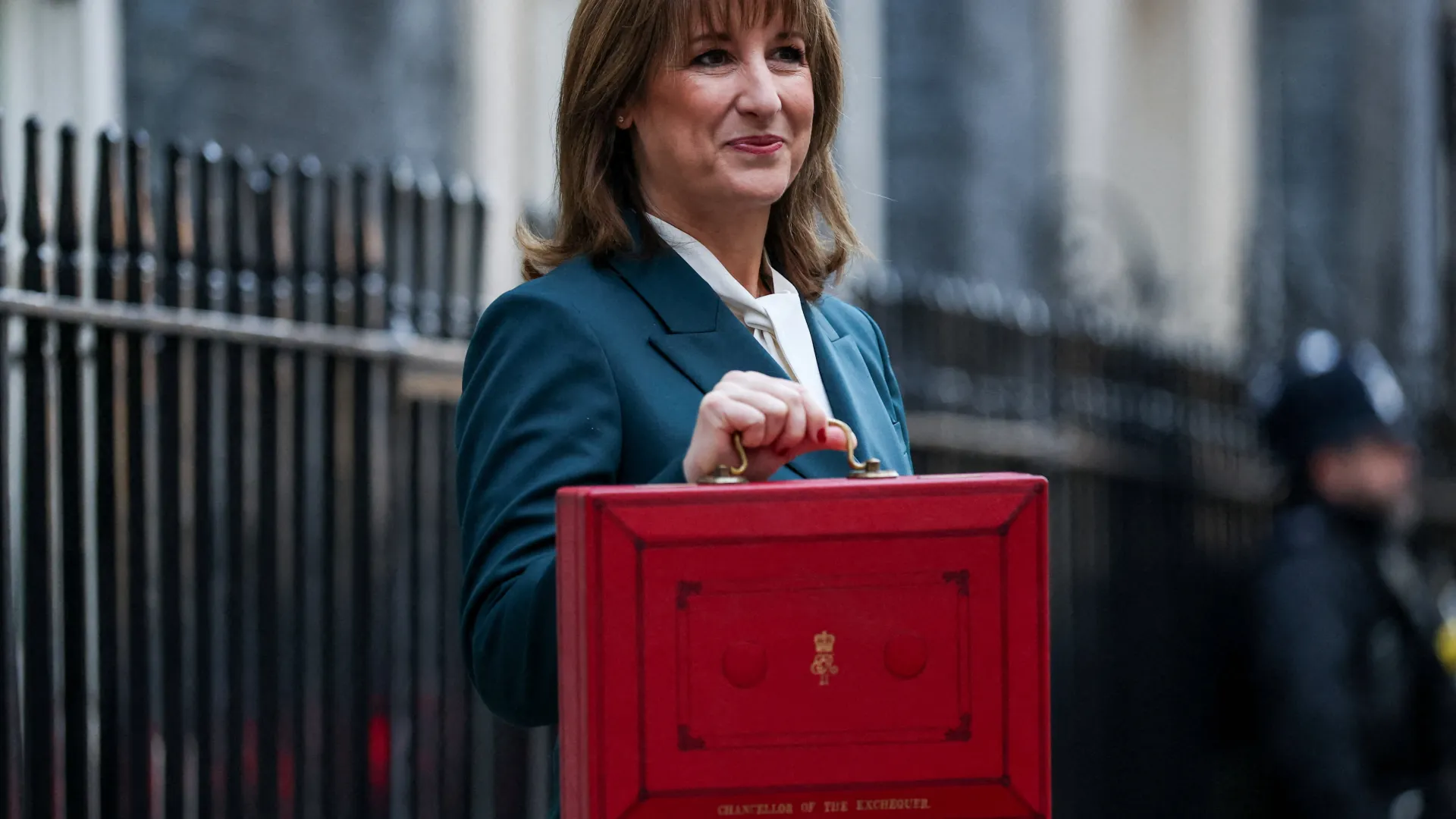
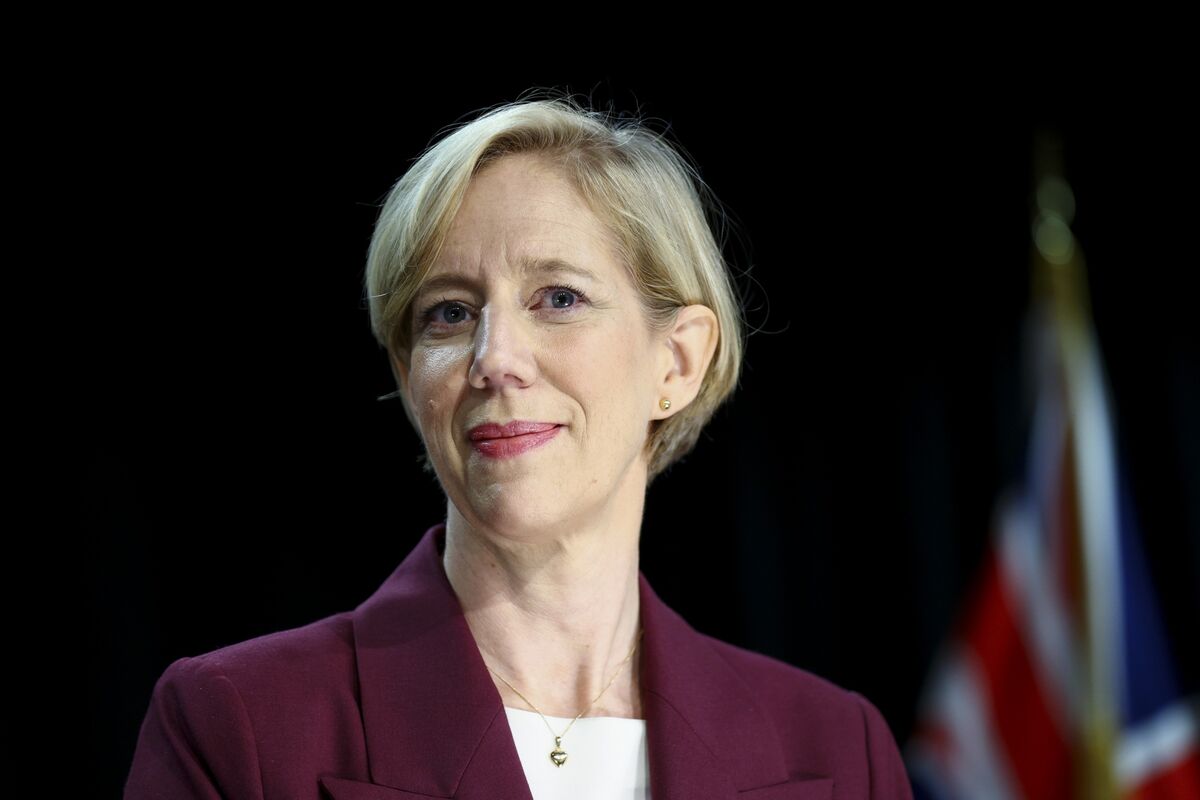
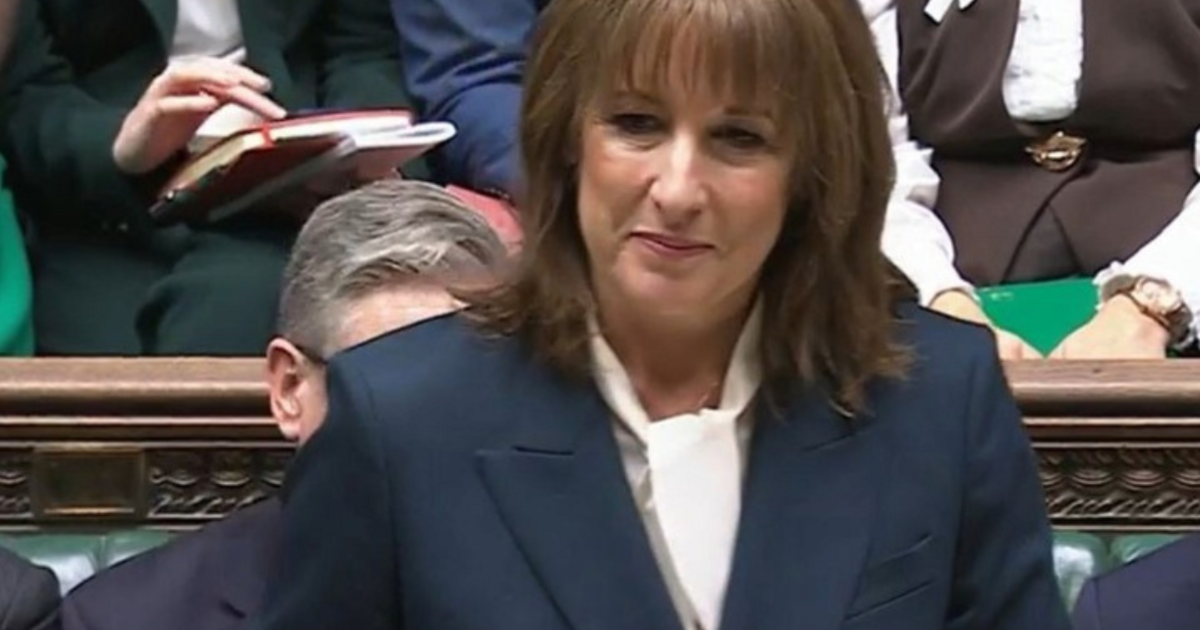
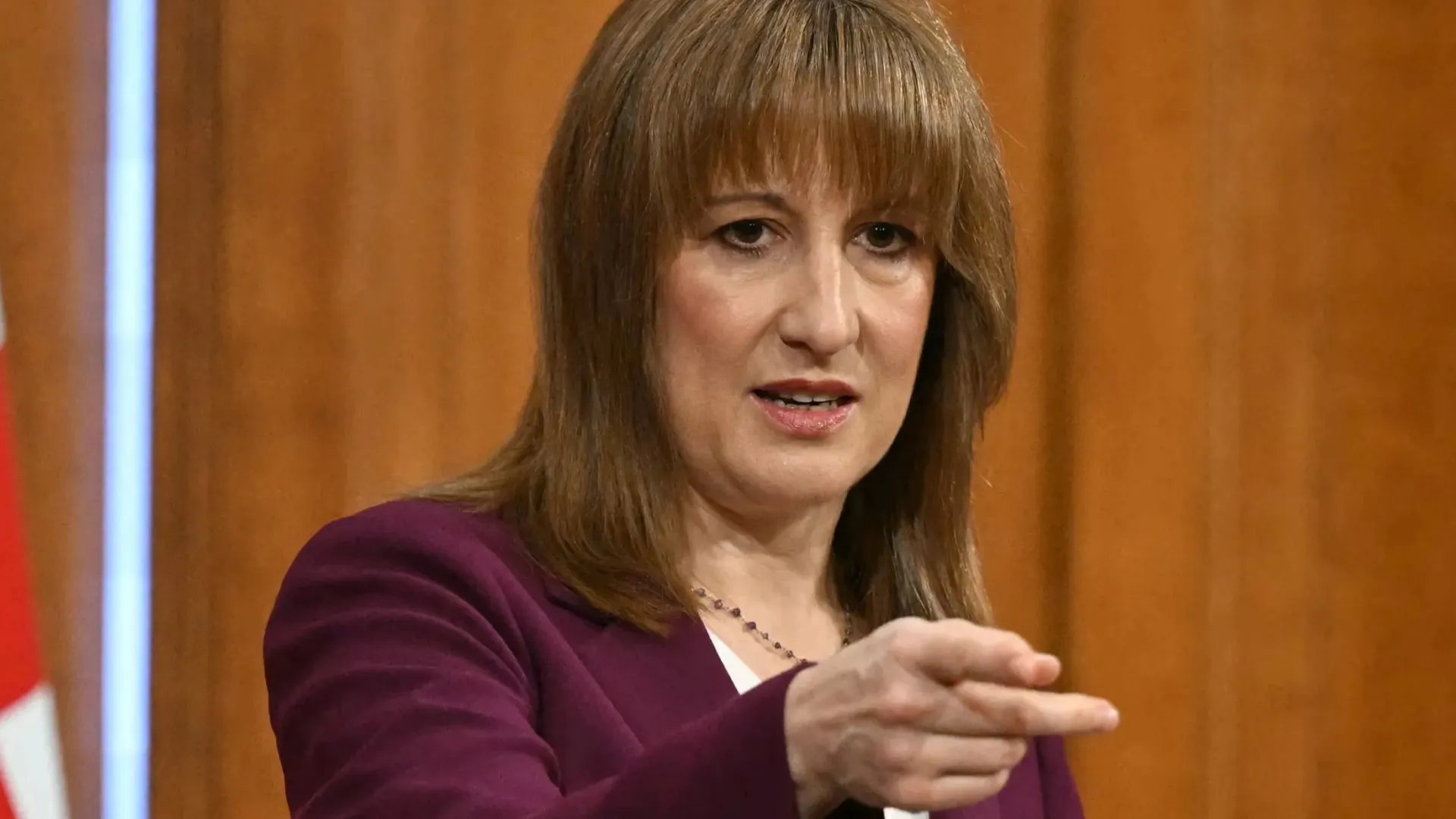
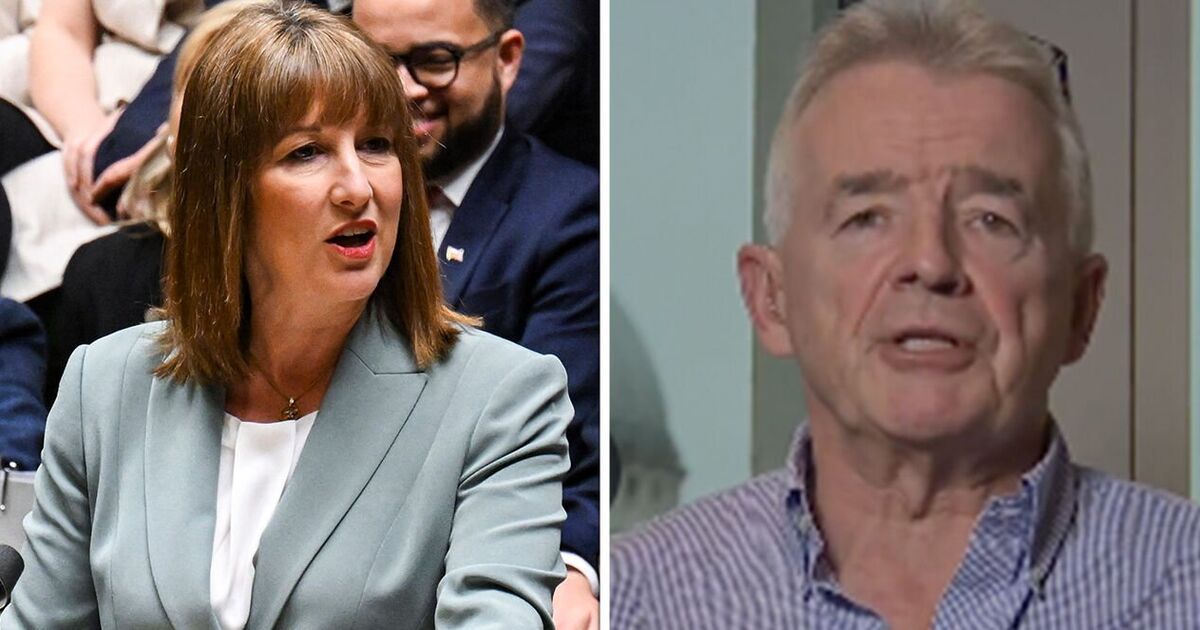
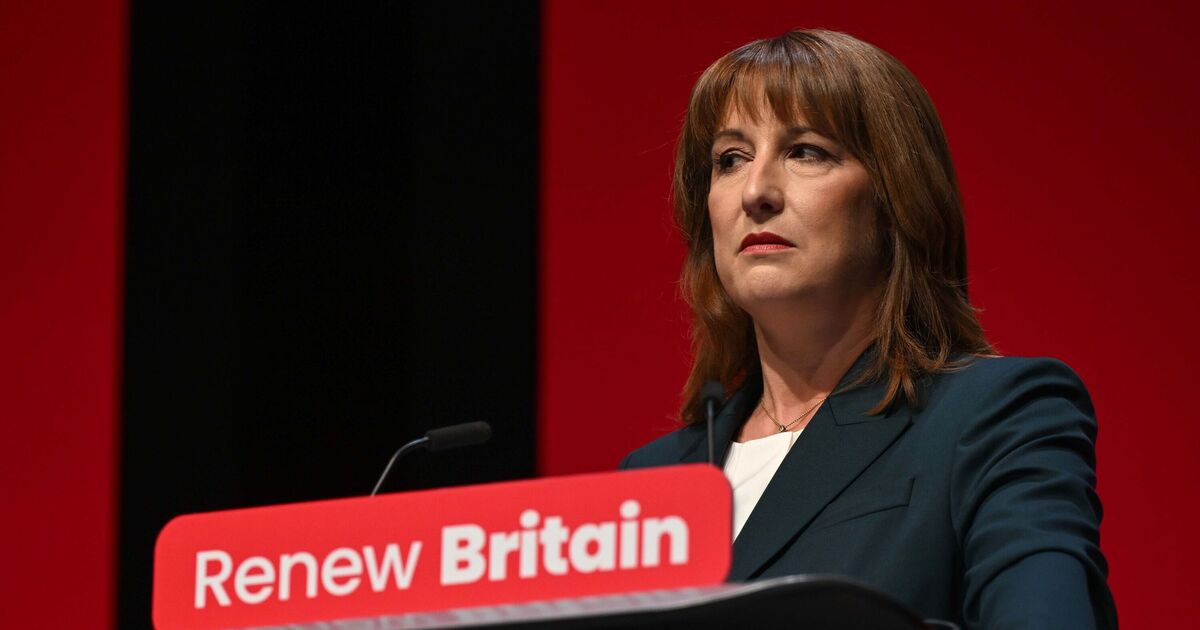
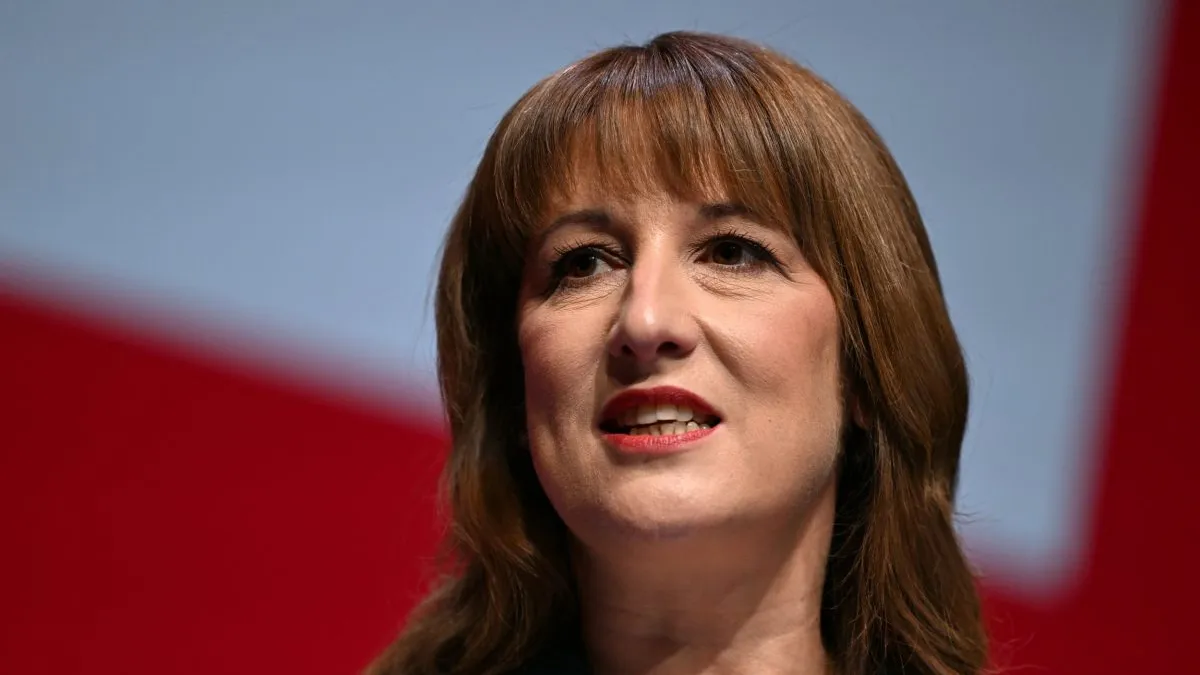
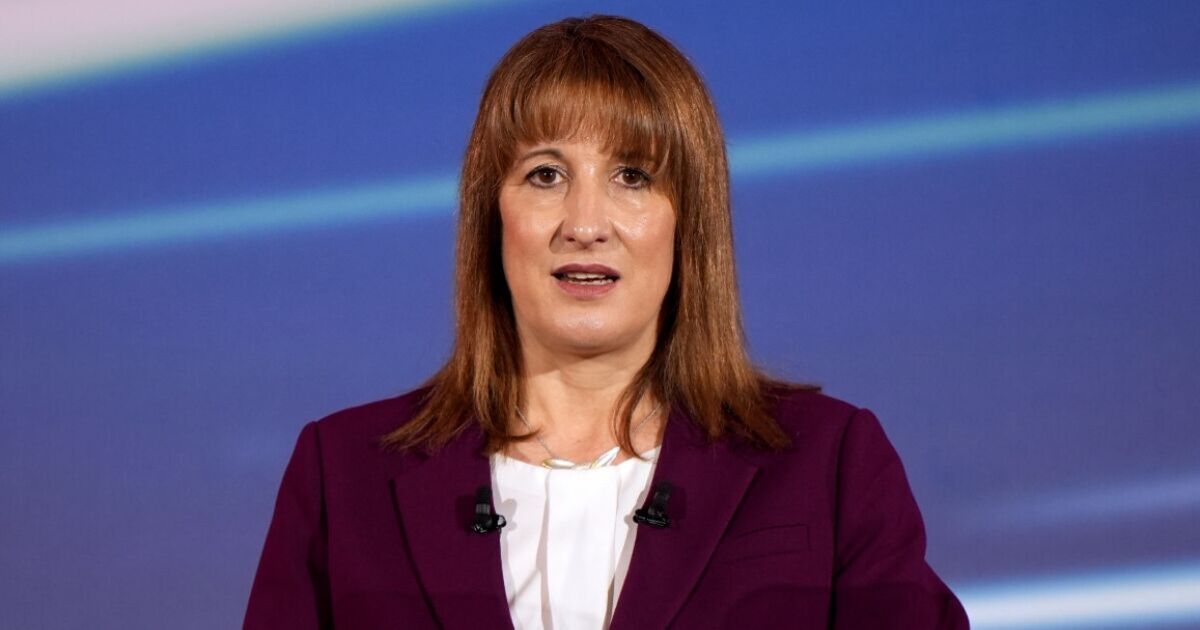
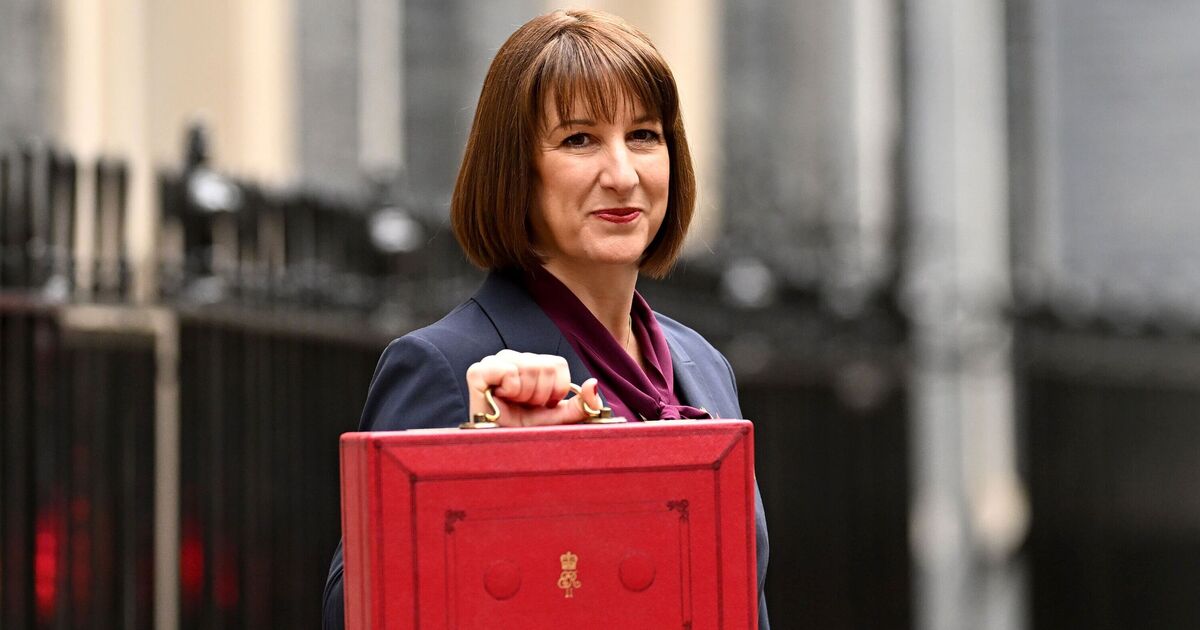
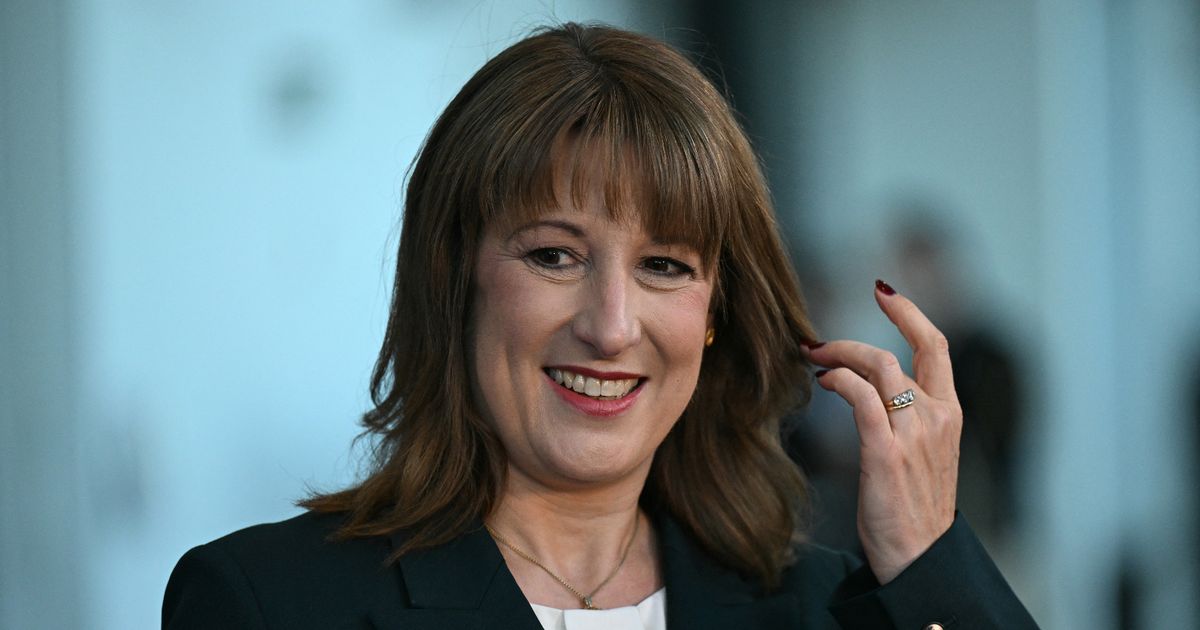
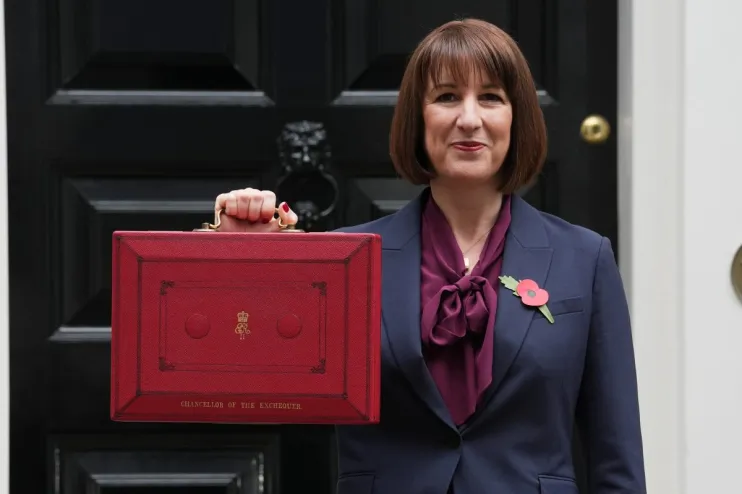
Although it comes as welcome news for chancellor Rachel Reeves, Britain is now thought to have shrunk by 0.1% in July, revised down from the initial estimate of no growth.

The Office for National Statistics (ONS) also reported that GDP grew by 0.3% in the three months to August 2025 compared with the three months to May 2025, a slight increase following growth of 0.2% in the three months to July 2025.

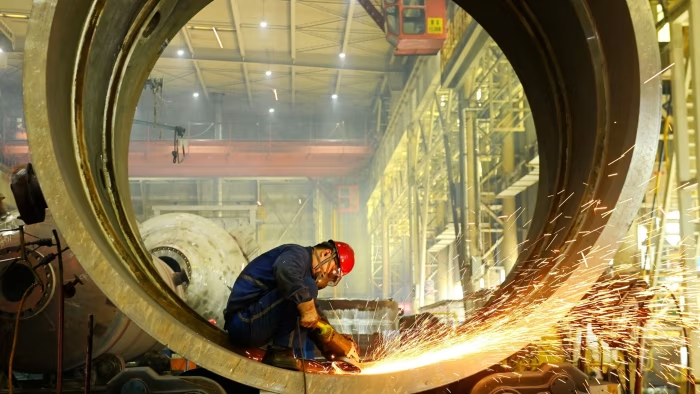
Production grew by 0.4% during the month, while services showed no growth in August, and construction fell by 0.3%.

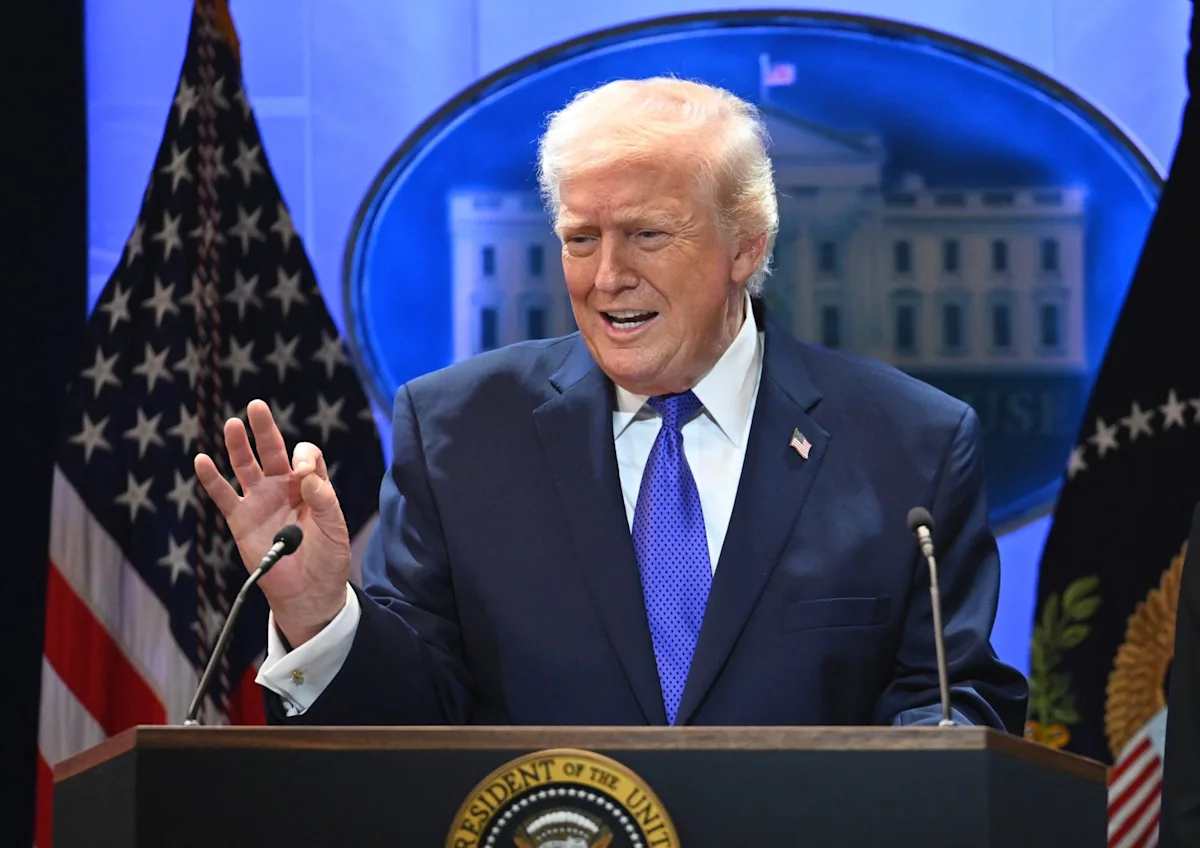
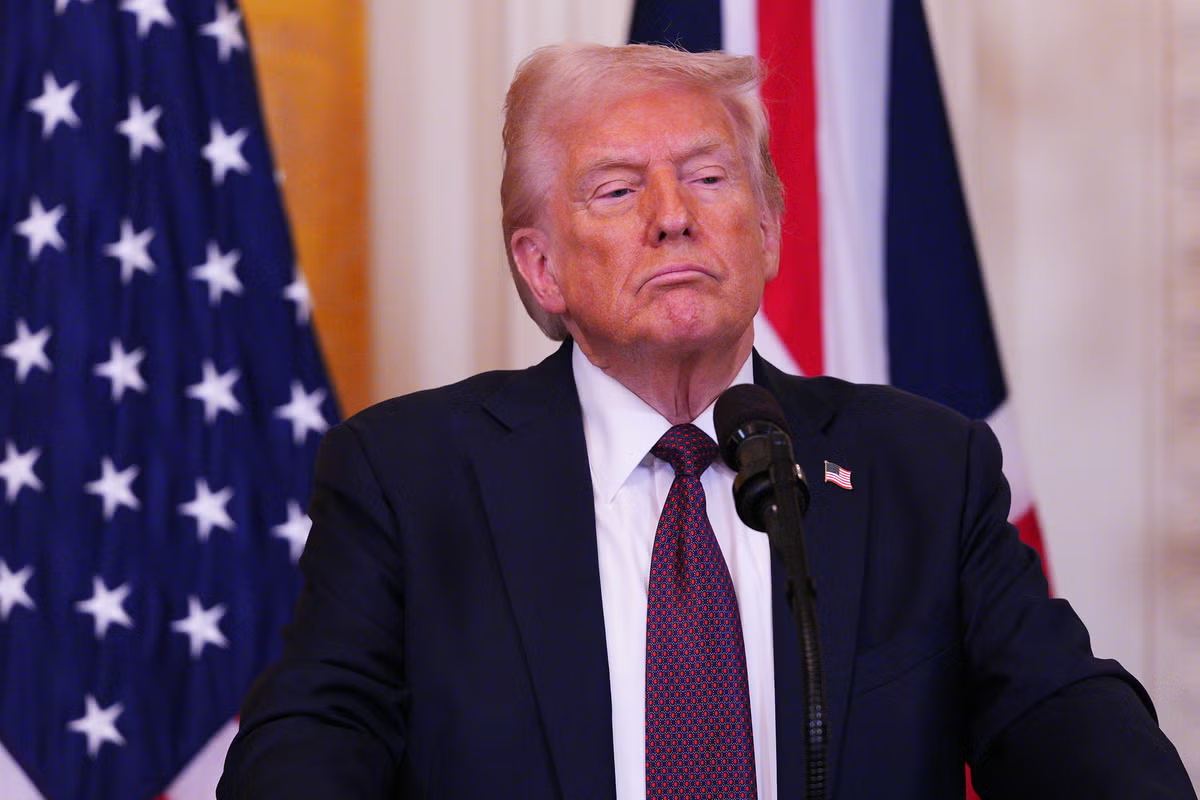
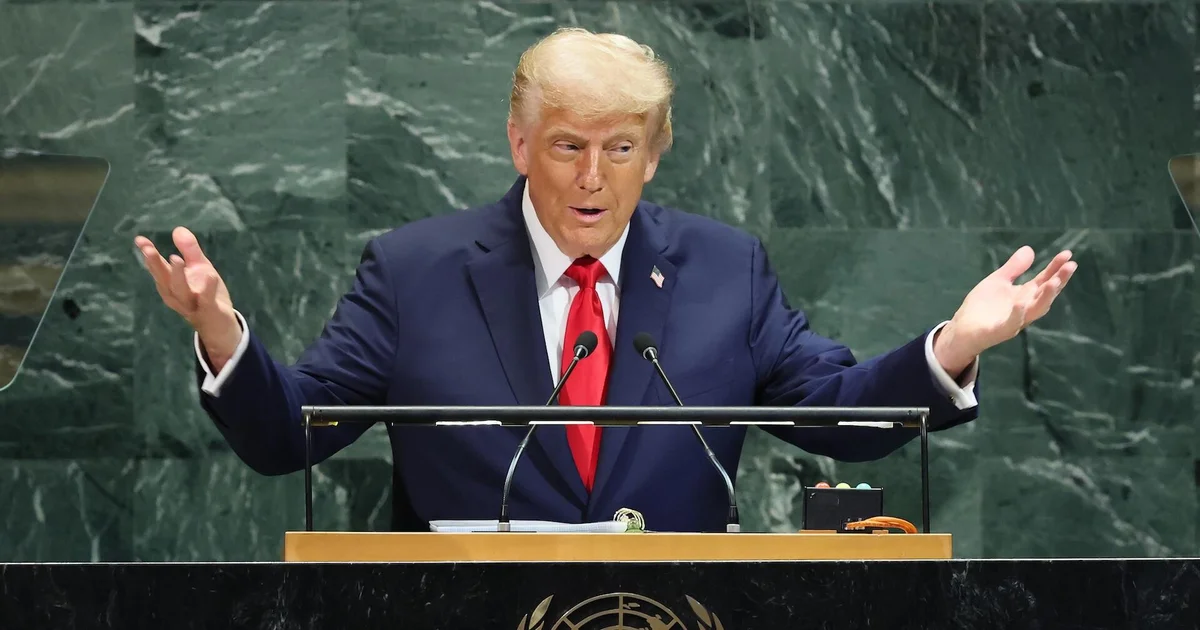
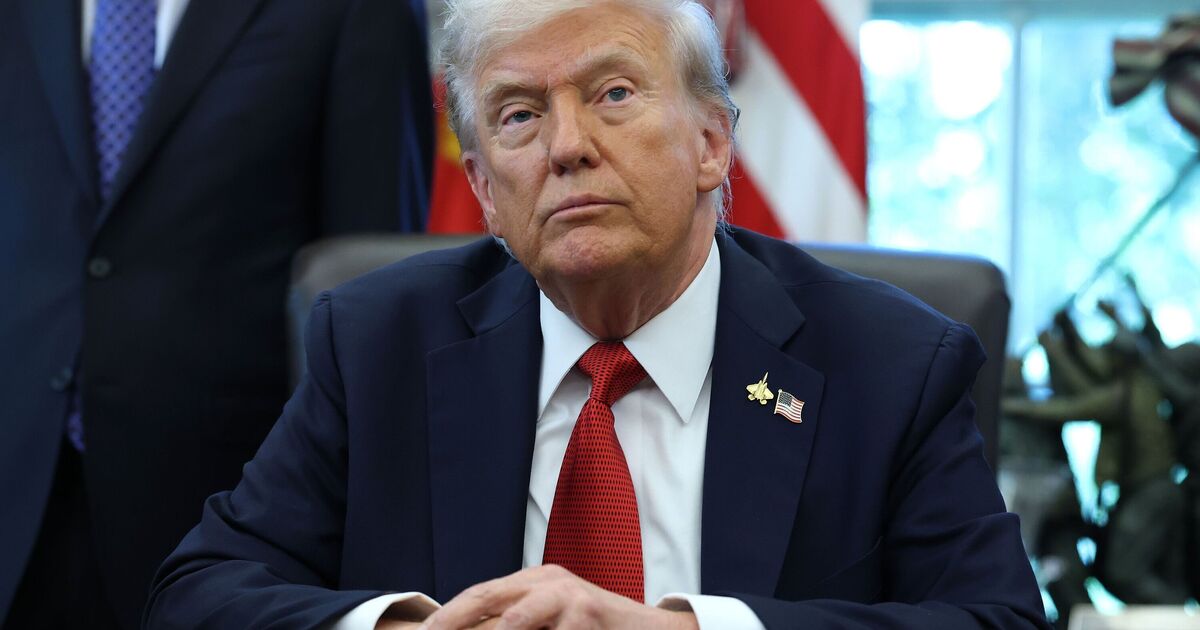
The pound (GBPUSD=X) rose against the dollar on the back of the news, rising from the two-month low hit earlier this week. However, the US greenback remains weak after US president Donald Trump said the US was locked in a trade war with China.

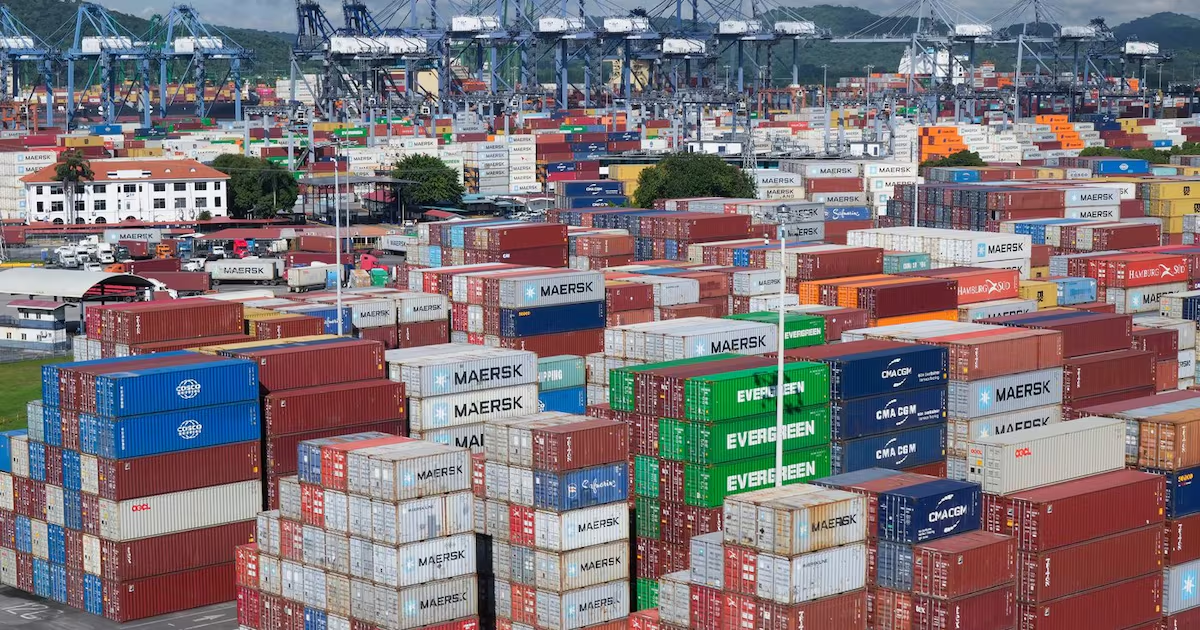
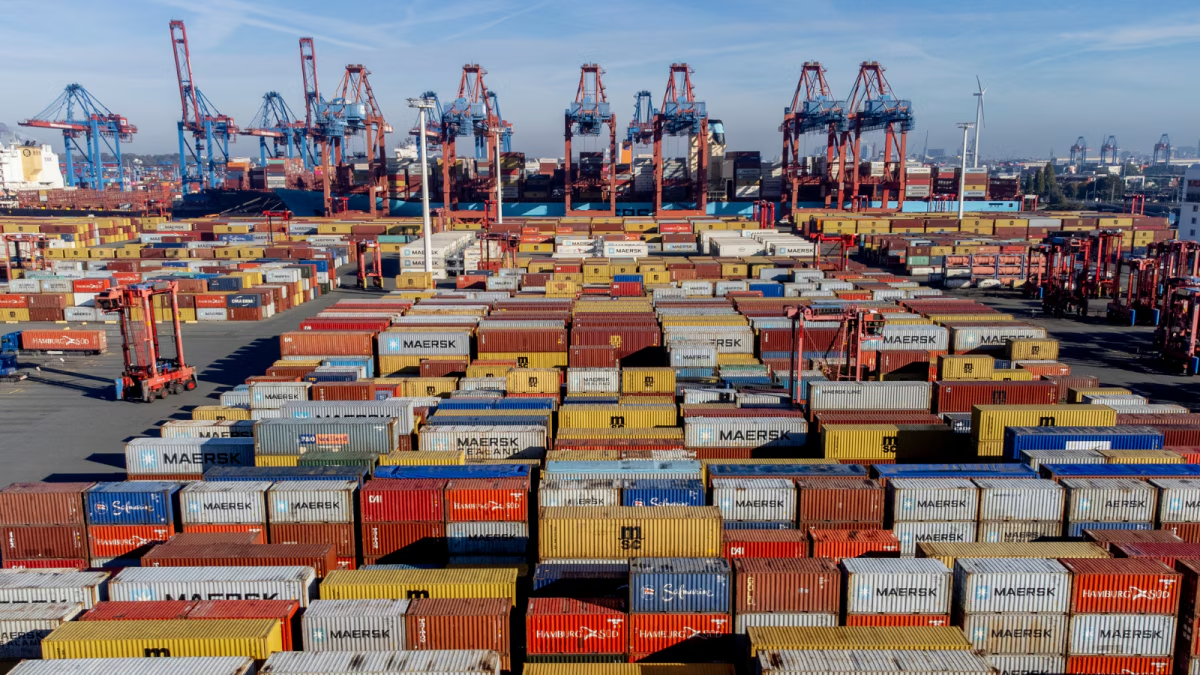
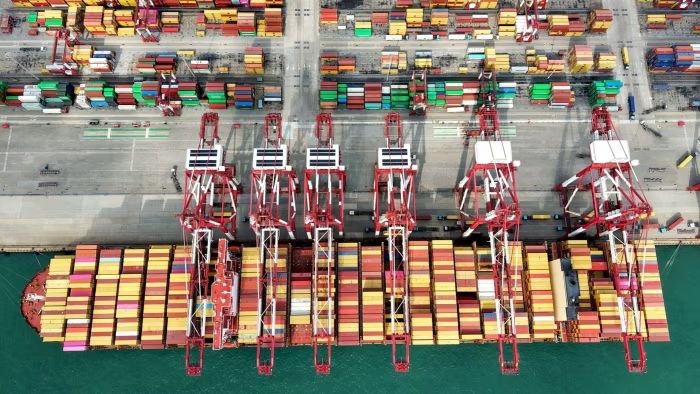
Separate data this morning also revealed that the UK’s trade deficit has widened, partly due to a drop in exports to the European Union and the US. Britain’s trade deficit widened to £3.4bn in August from £3bn in July.

This came in better than consensus forecasts, which was for a £4.8bn deficit.

Excluding precious metals, the trade deficit widened to £2.5bn, from £1.6bn, better than the £3.1bn forecast. Underlying trade, which excludes erratic factors and precious metals, widened sharply to £1.7bn from £0.4bn.

New trade data shows that UK exports to the US fell by £700m in August, due to “falls in exports of machinery and transport equipment, chemicals and material manufactures.”

Shipments to Europe also fell, with UK exports to the EU decreasing by £800m in August 2025, due to a £500m fall in exports of machinery and transport equipment, and a £200m fall in chemical exports.

  • London’s benchmark index (^FTSE) was 0.2% lower in early trade

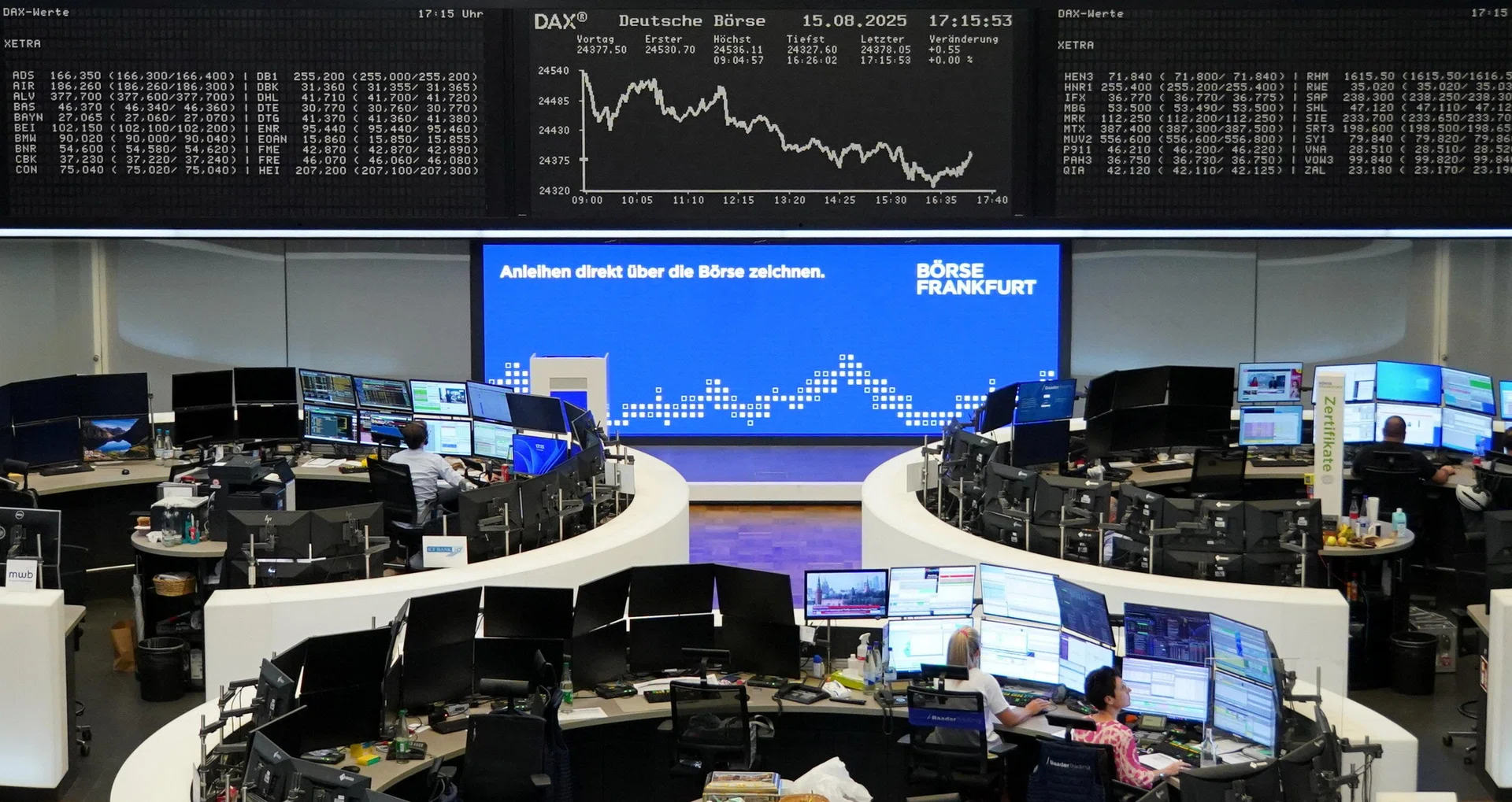
  • Germany’s DAX (^GDAXI) dipped 0.4% and the CAC (^FCHI) in Paris headed 0.2% into the red

  • The pan-European STOXX 600 (^STOXX) was hovering over the flatline

  • Wall Street is set for a positive start as S&P 500 futures (ES=F), Dow futures (YM=F) and Nasdaq futures (NQ=F) were all in the green.

  • The pound was 0.2% up against the US dollar (GBPUSD=X) at 1.3418

Follow along for live updates throughout the day:

LIVE 10 updates

  • Gold climbs to fresh high on continued US-China tensions

    Gold prices (GC=F) rose to another record high on Thursday as US-China frictions and bets the Federal Reserve will press on with monetary easing supported demand.

    Bullion has risen more than 5% so far this week and touched a peak above $4,245 an ounce on Thursday, extending its stellar rally since mid-August.

    The buying spree has spread to other precious metals, with silver surging more than 3% on Wednesday as availability in the London market remained tight.

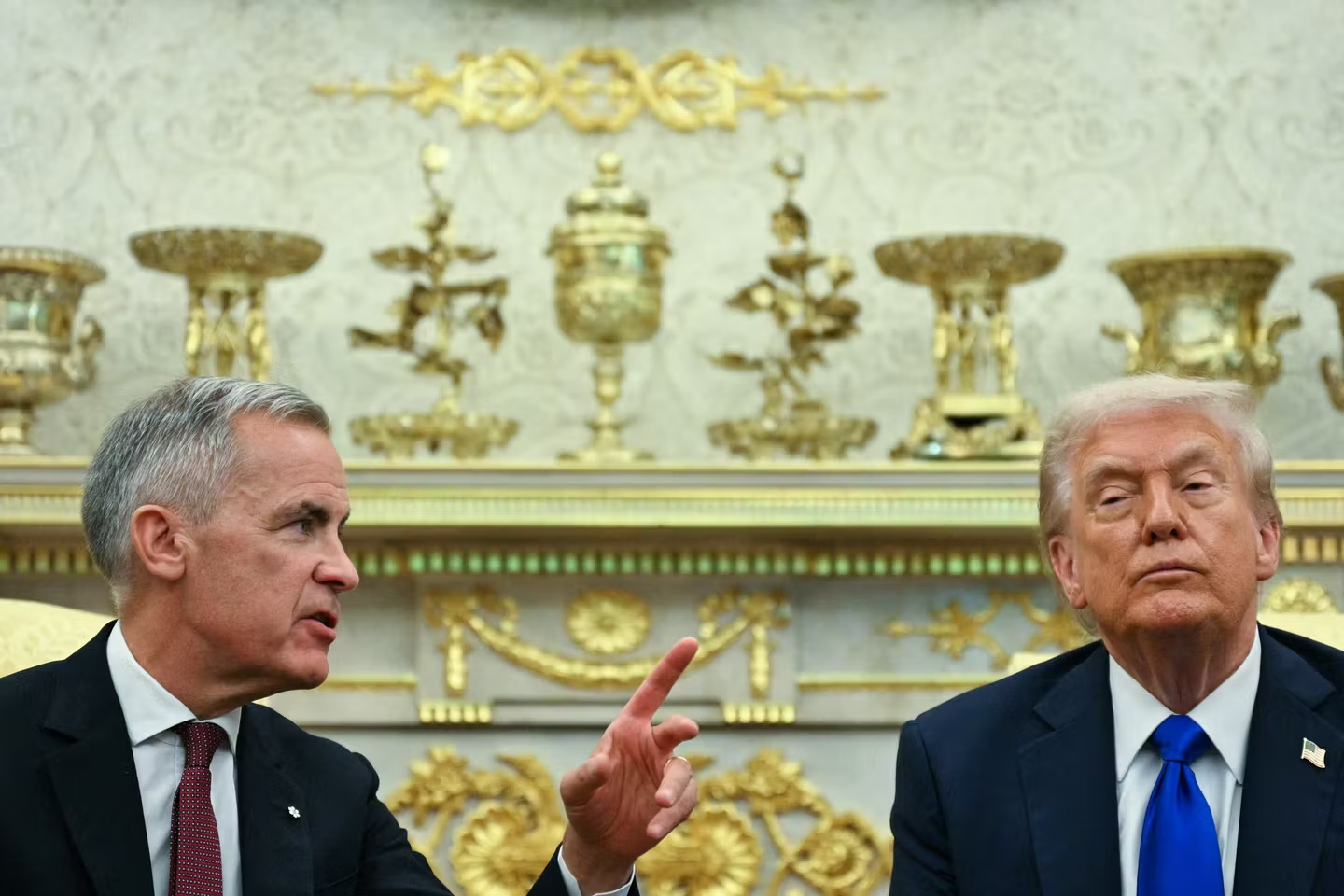
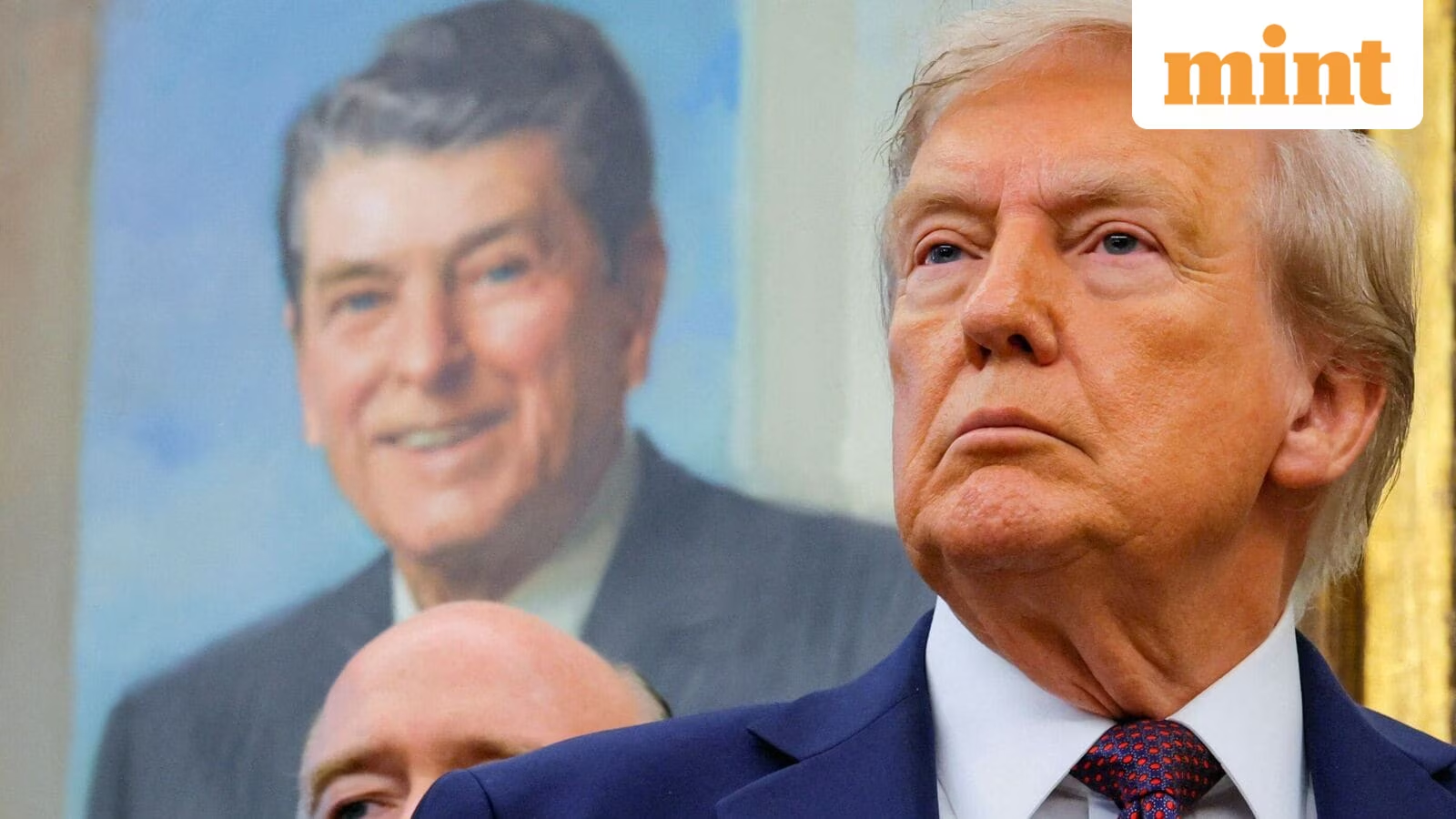
    It comes as president Donald Trump declared that the US was now locked in a trade war with China, with traders worried about prolonged damage to the global economy. The ongoing US government shutdown has also aided bullion.

    At the time of writing, gold futures had gained 1%, to $4,245.60 per ounce, while the spot price had climbed 0.8% to $4,234.41 per troy ounce, a record high.

    “The commentary from the Fed that emphasised higher prospects of rate cuts going forward is supportive, while US president Donald Trump turning around and labelling this a trade war is clearly providing a pretty strong impetus for gold,” said OANDA senior analyst Kyle Rodda.

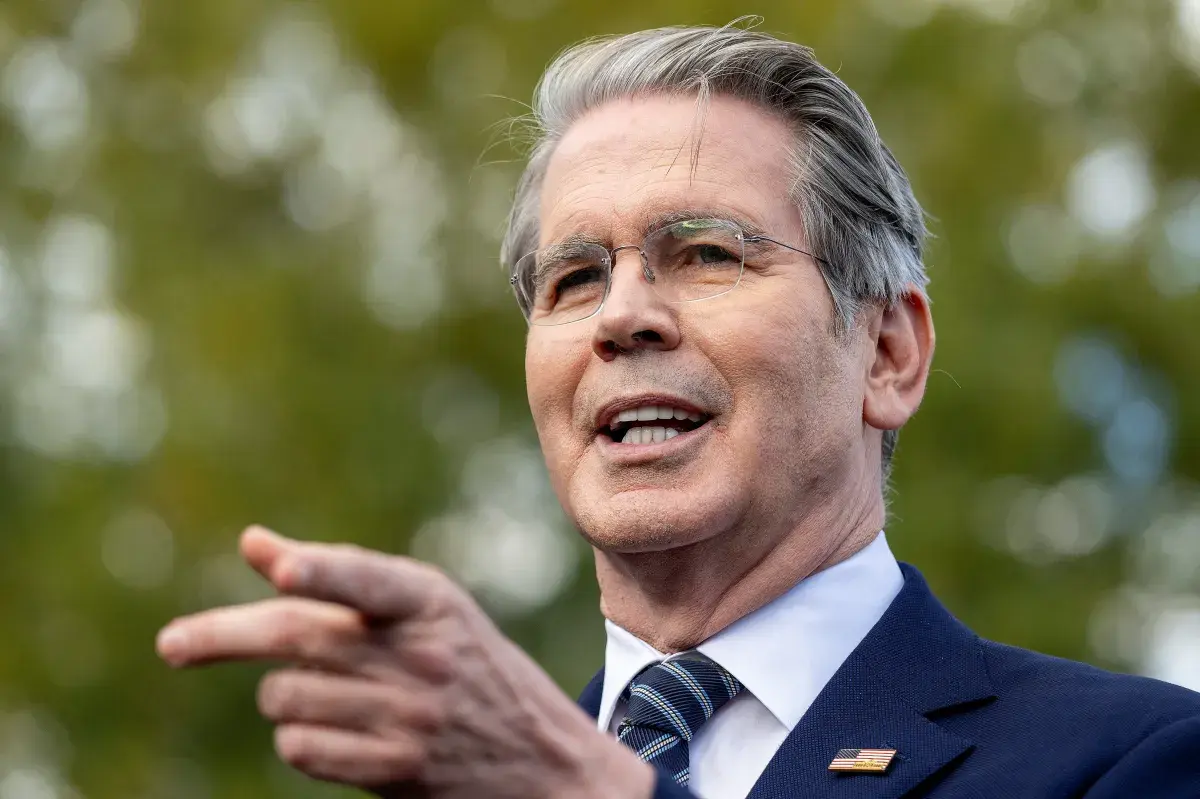
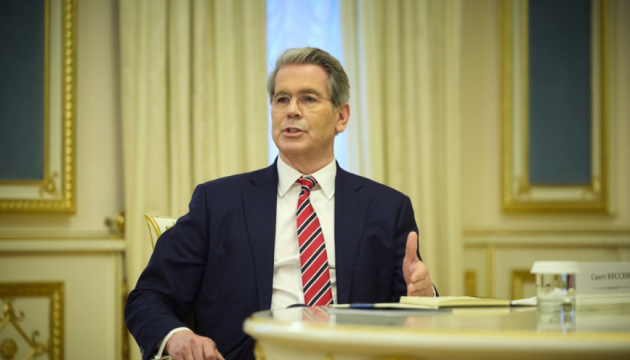
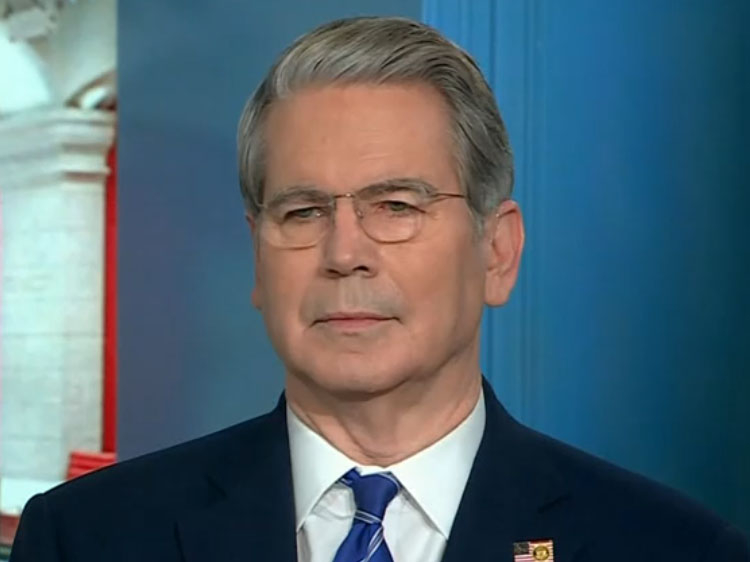
    Trump declared the US was locked in a trade war with China, fuelling fears of sustained economic disruption, adding to the appeal of gold. Treasury secretary Scott Bessent, however, signalled a more dovish tone, suggesting a pause in new tariffs on Chinese goods to defuse tensions over critical minerals.

    At the same time, a looming US federal government shutdown and the broader prospect of monetary easing by the Federal Reserve have reinforced investor demand for gold.

    Analysts at ANZ Group Holdings, including Soni Kumari and Daniel Hynes, described gold’s rise as an “extraordinary rally,” with no immediate signs of slowing. They raised its year-end forecast to $4,400 per ounce, with a peak near $4,600 expected by June 2026.

  • Premier Inn UK sales slip despite Oasis boost

    Premier Inn’s owner has reported lower earnings and sales in the UK despite Oasis concerts and summer events boosting demand for hotel stays.

    Hospitality group Whitbread (WTB.L) said it had shaved millions of pounds off of its cost base this year in a bid to mitigate higher labour costs and food inflation.

    The company reported a 3% decline in revenues for Premier Inn UK to £1.4bn for the first half of its financial year, compared with the same period a year ago.

    Across the group, which incorporates its hotels in Germany and other brands including restaurant chain Beefeater, pre-tax profits fell by 7% to £287 million year-on-year.

    However, Whitbread said demand had improved in more recent months, boosted by a strong events calendar in July and August and warmer weather, especially in London.

    This was particularly the case during Oasis’s reunion gigs at London’s Wembley Stadium, with the concerns leading to higher demand for hospitality and hotel rooms among hordes of fans.

    Read more here

  • FTSE risers and fallers

    Here are the FTSE risers and faller this morning:

  • Nestle to axe 16,000 jobs

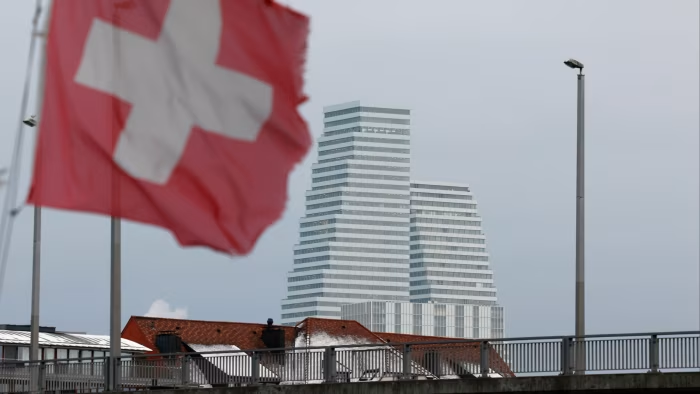
    Nestle is set to cut 16,000 jobs over the next two years, as its new boss Philipp Navratil s as amps up cost-cutting efforts to focus on products with the “highest potential returns”.

    He said the Swiss food and beverage firm, which owns brands such as KitKat and Nescafe, must “change faster” to keep pace with a changing world and adopt a “performance mindset” that does not accept losing market share to rivals.

    The job cuts represent around 6% of Nestle’s global workforce, and include 12,000 white-collar roles on top of 4,000 other roles across the board, driving savings of 1bn Swiss francs (£940m).

    It comes as Nestle reported better sales figures in the first nine months of 2025, selling more products across its major categories, including coffee and sweets.

    Navratil said: “We are fostering a culture that embraces a performance mindset, that does not accept losing market share, and where winning is rewarded… The world is changing, and Nestle needs to change faster.”

    He replaced former chief executive Laurent Freixe, who was fired in September over a romantic relationship with an employee. Freixe’s exit was followed just two weeks later by the surprise resignation of chairman Paul Bulcke.

  • Treasury: ‘Our economy feels stuck’

    A Treasury spokesman has admitted that the UK economy feels ‘stuck’. On today’s GDP data they said:

  • UK yet to benefit from trade deal

    On the back of the trade deficit news, Kathleen Brooks, research director at XTB, said the UK has still not benefitted from the US trade deal agreed earlier this year.

  • UK trade deficit widens

    The UK’s trade deficit has widened to £3.4bn in August from £3bn in July, partly due to a drop in exports to the European Union and the US.

    But the figures came in better than the consensus forecasts, which was for a £4.8bn deficit.

    New trade data on Thursday revealed that UK exports to the US fell £700m in August, due to “falls in exports of machinery and transport equipment, chemicals and material manufactures.”

    Shipments to Europe also fell, with UK exports to the EU decreasing by £800m in August. This was due to a £500m fall in exports of machinery and transport equipment, and a £200m fall in chemical exports.

    The Office for National Statistics said:

    Excluding precious metals, the trade deficit widened from £1.6bn to £2.5bn, better than the £3.1bn forecast. Underlying trade, which excludes erratic factors and precious metals, widened sharply to £1.7bn, from £0.4bn.

    He also noted that the trade balance in July was revised up by over £2bn, so the £1.4 month-to-month deterioration in the underlying trade balance – the sharpest widening in six months – “could easily be revised away when the data for September are released”.

  • UK economy grew 0.1% in August

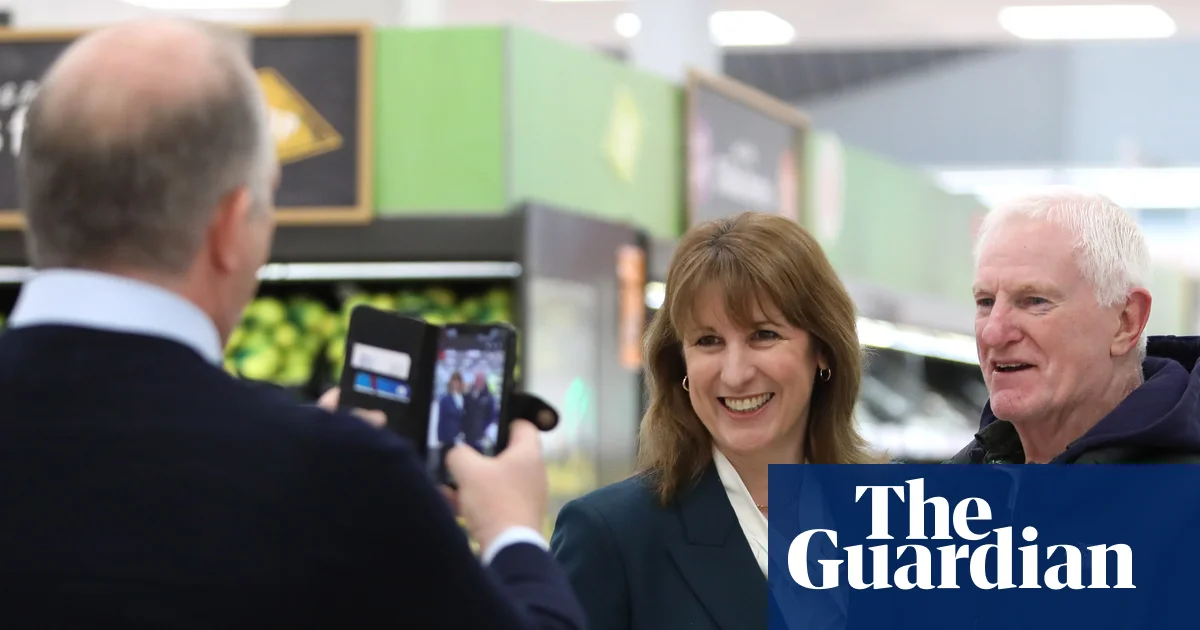
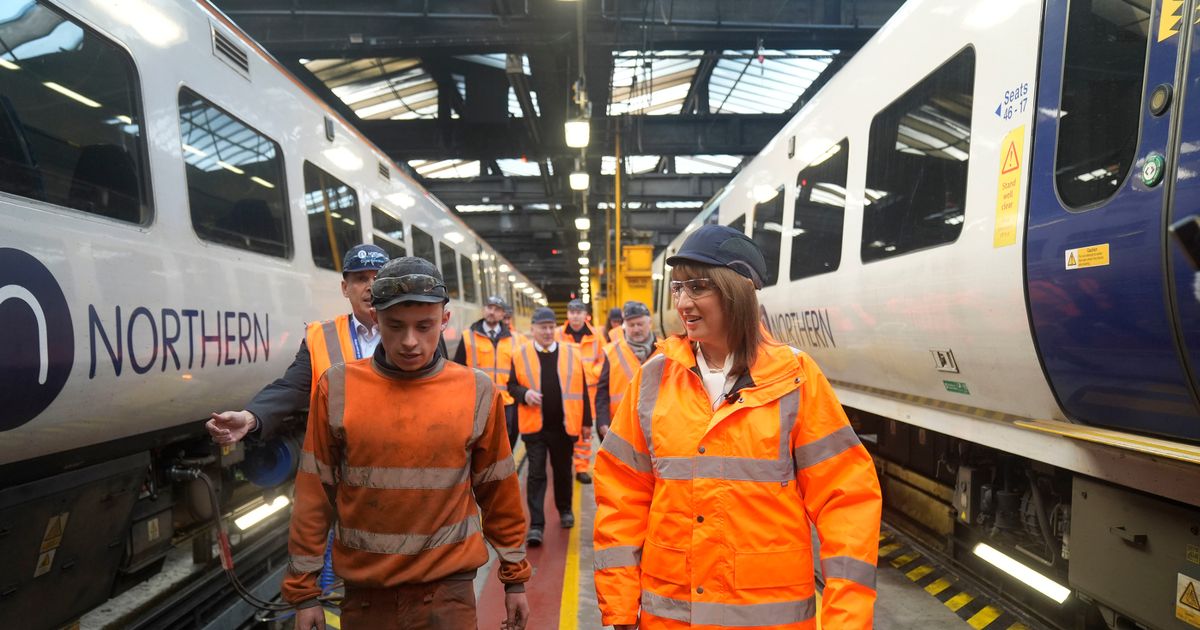
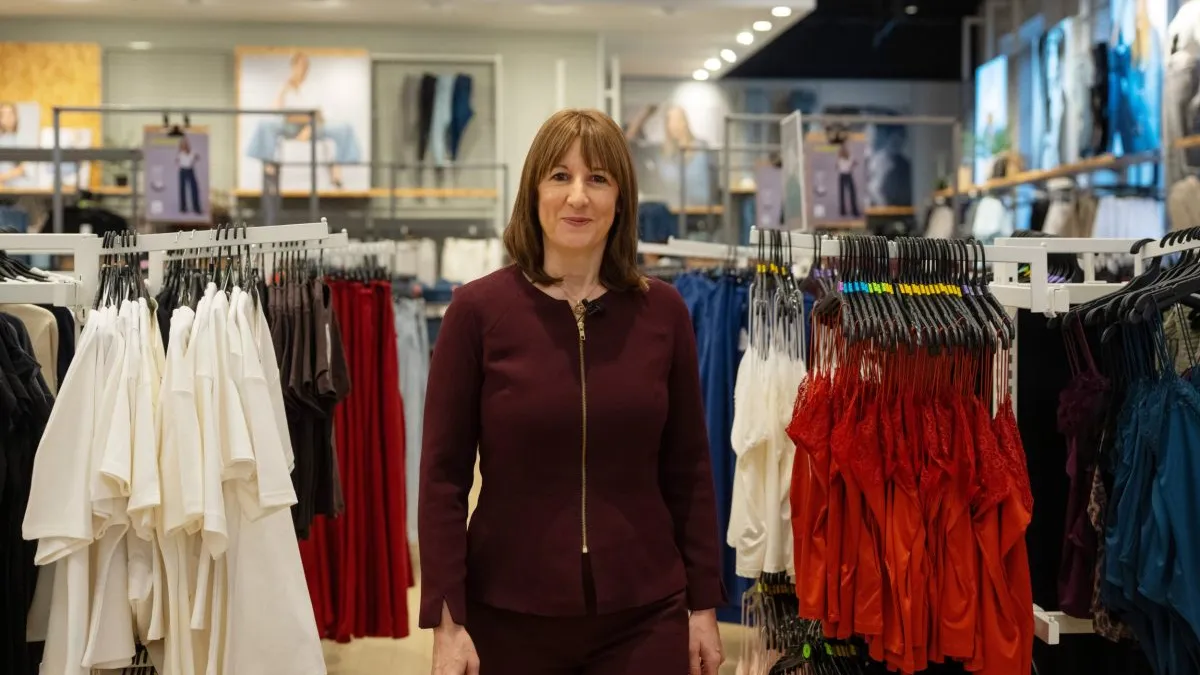
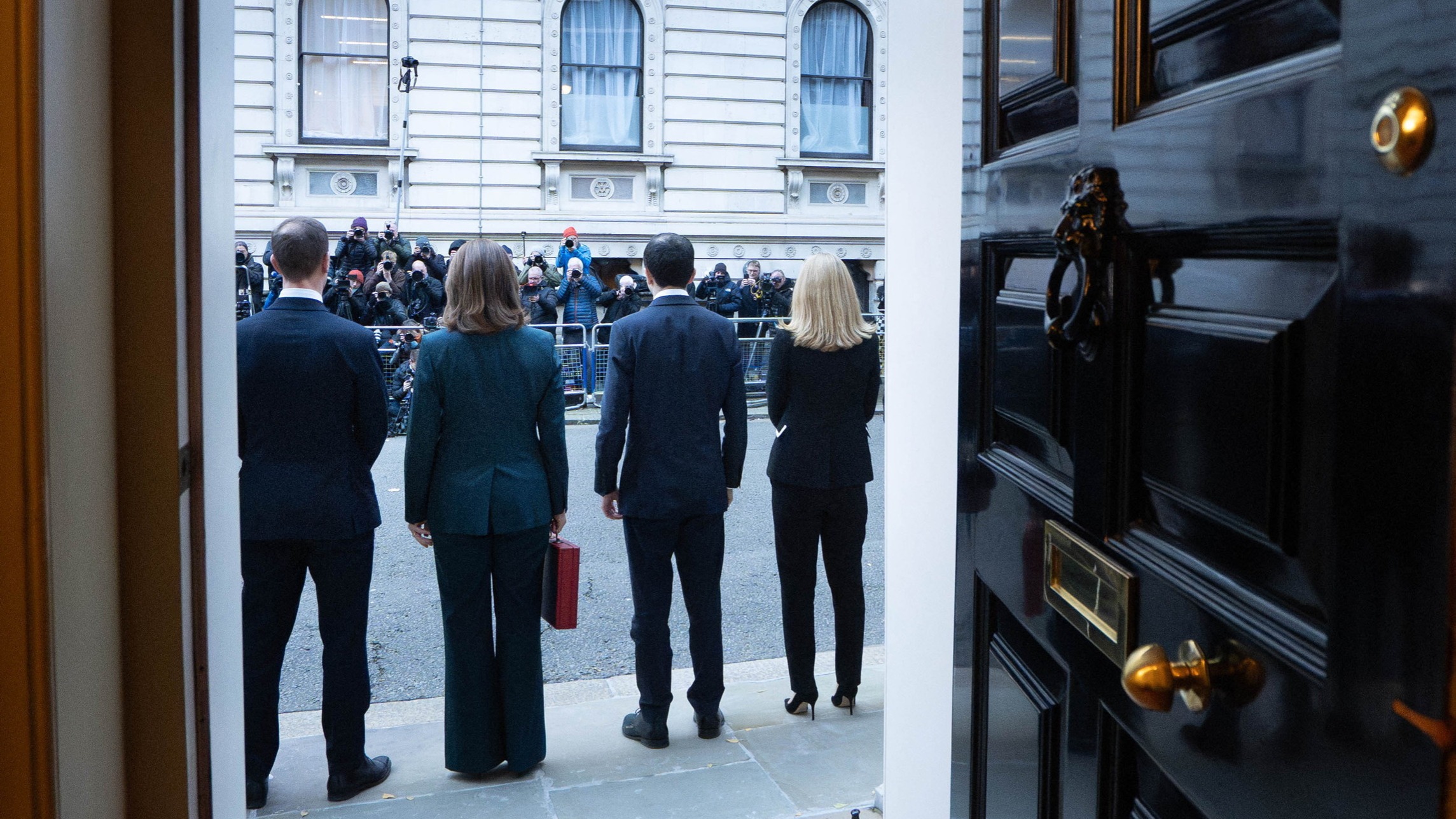
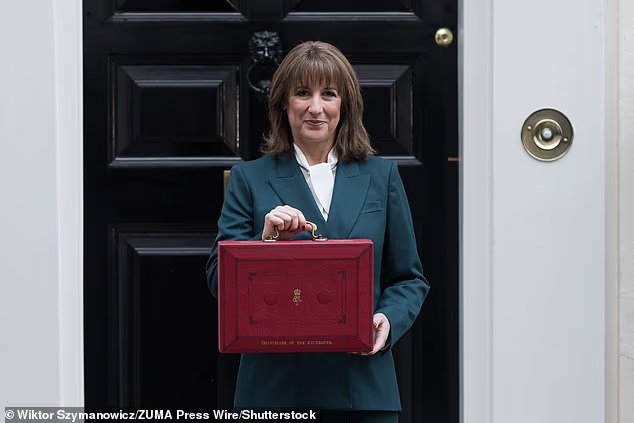
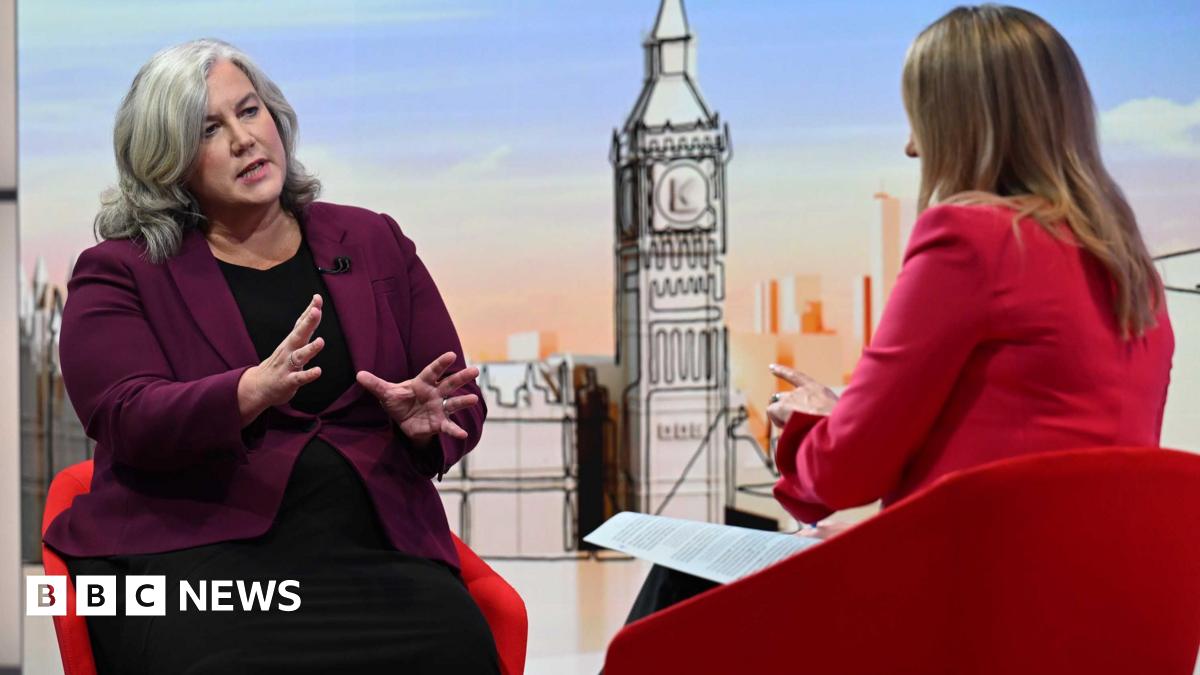
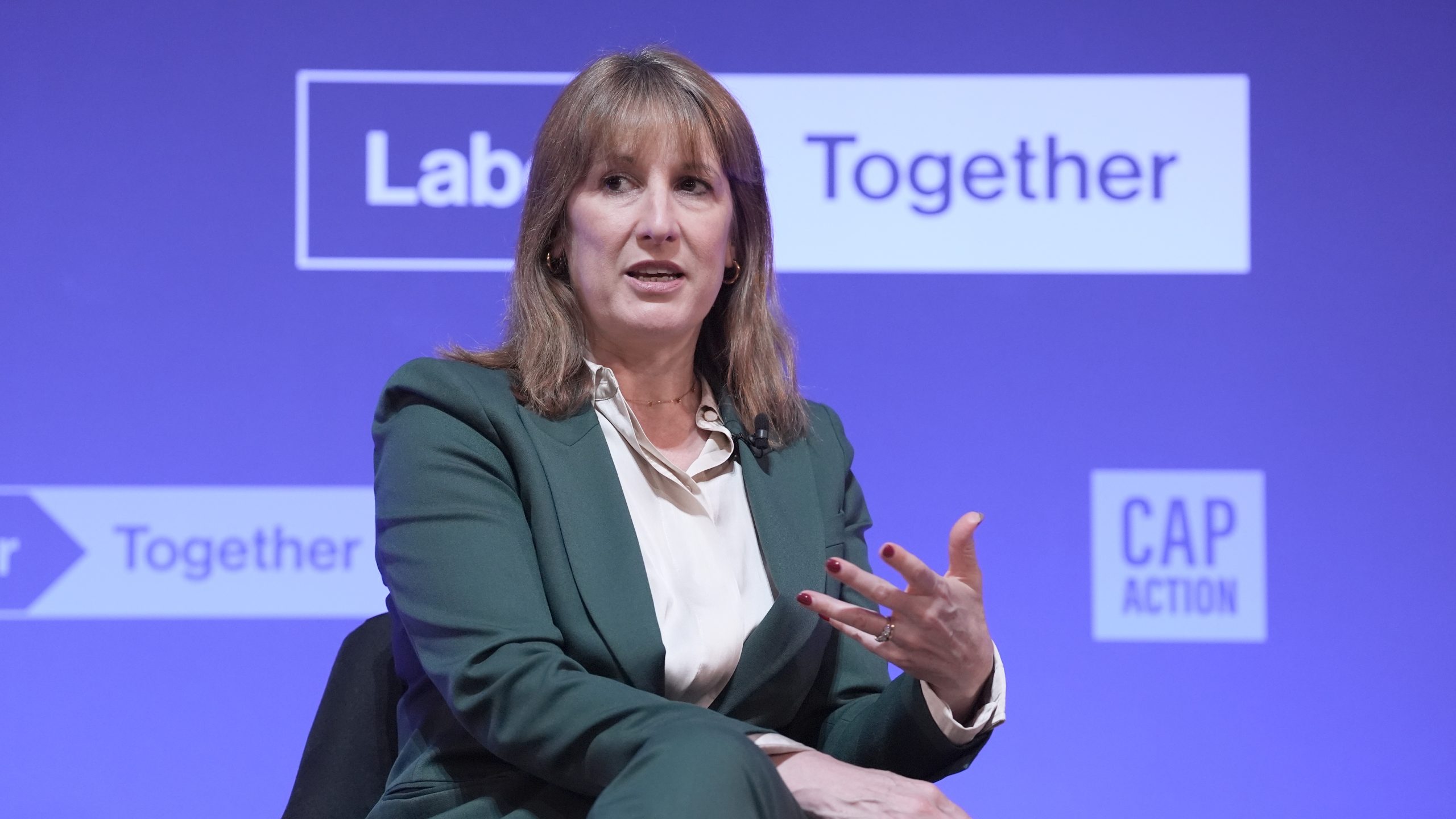
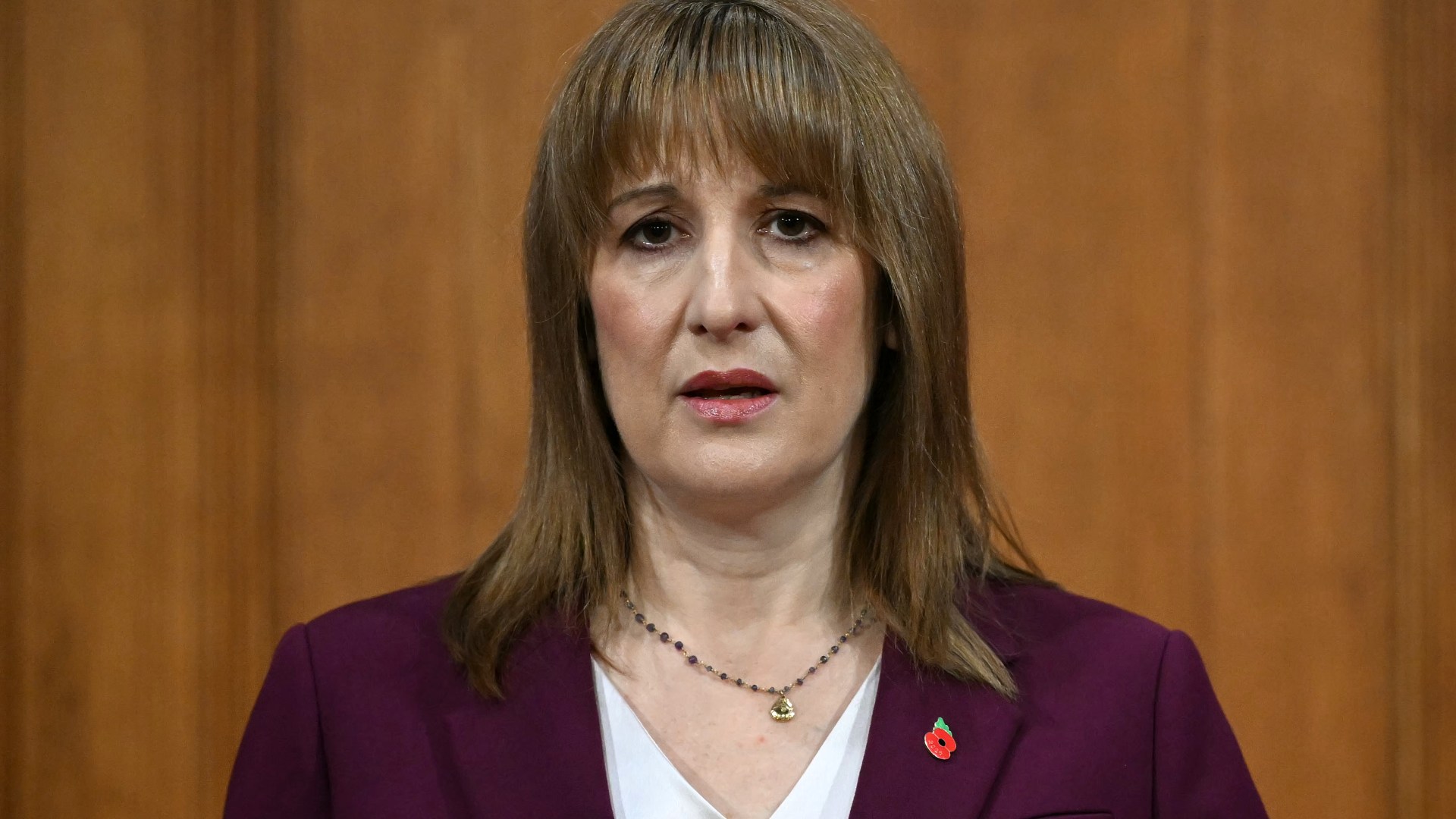
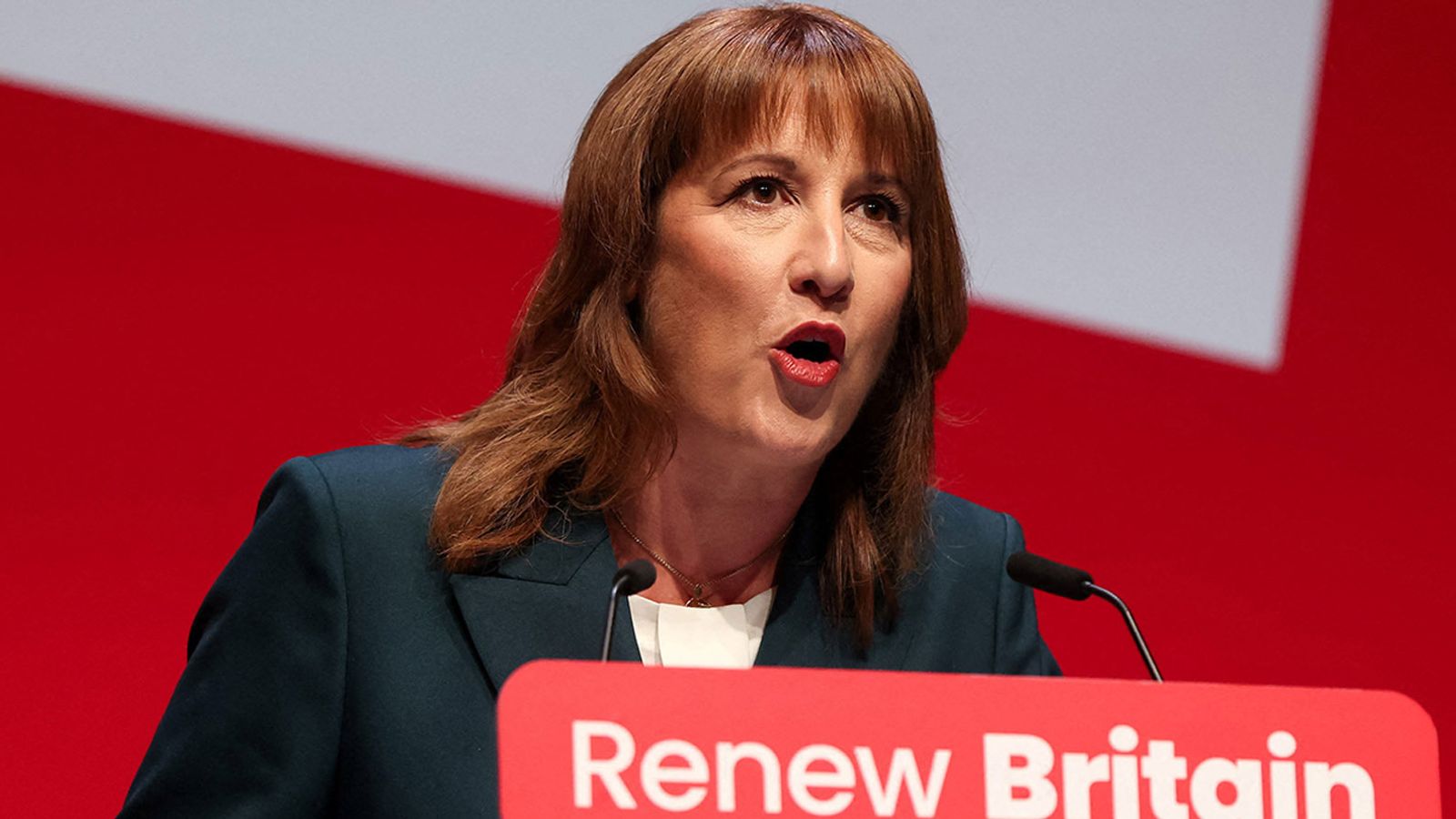
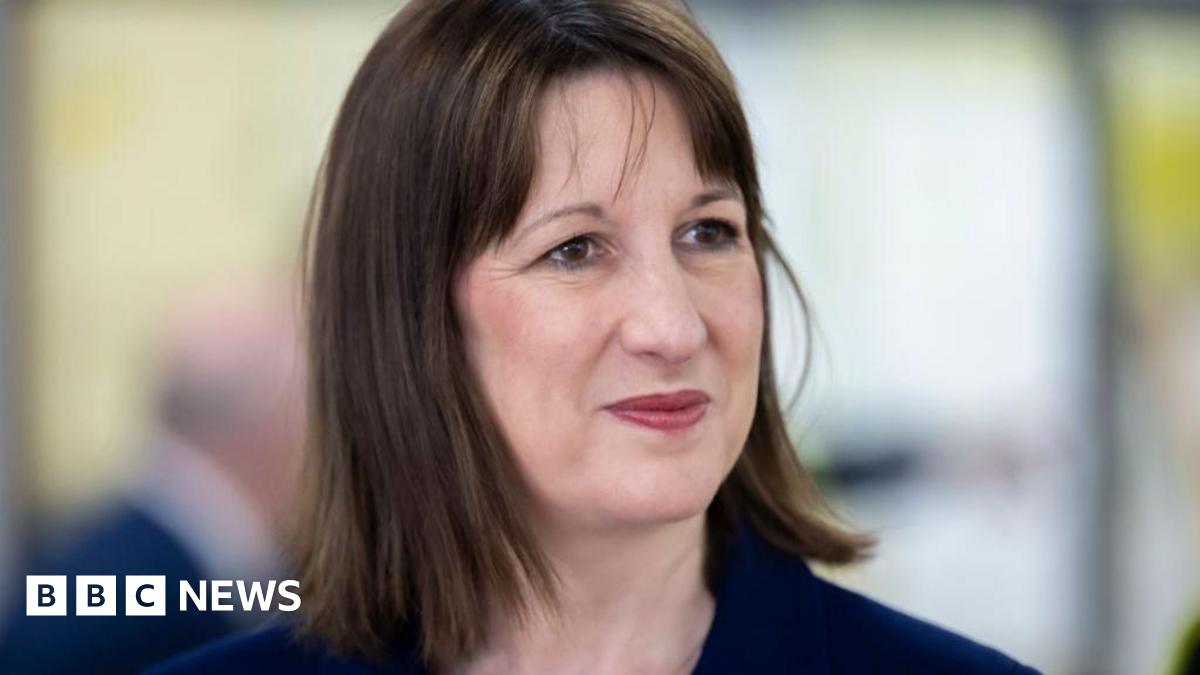
    The UK economy expanded by 0.1% in August, in line with market expectations, providing chancellor Rachel Reeves with a modest boost as she prepares for a challenging November budget.

    The monthly GDP data, released by the Office for National Statistics (ONS), mirrored the forecast from economists polled by Reuters. It also marked a slight improvement over July, when the economy contracted by 0.1%, a figure that was revised down from an initial reading of zero growth.

    Looking at a broader time frame, the economy grew 0.3% in the three months to August compared to the previous quarter, a rate that remained unchanged from the growth recorded in the second quarter of the year.

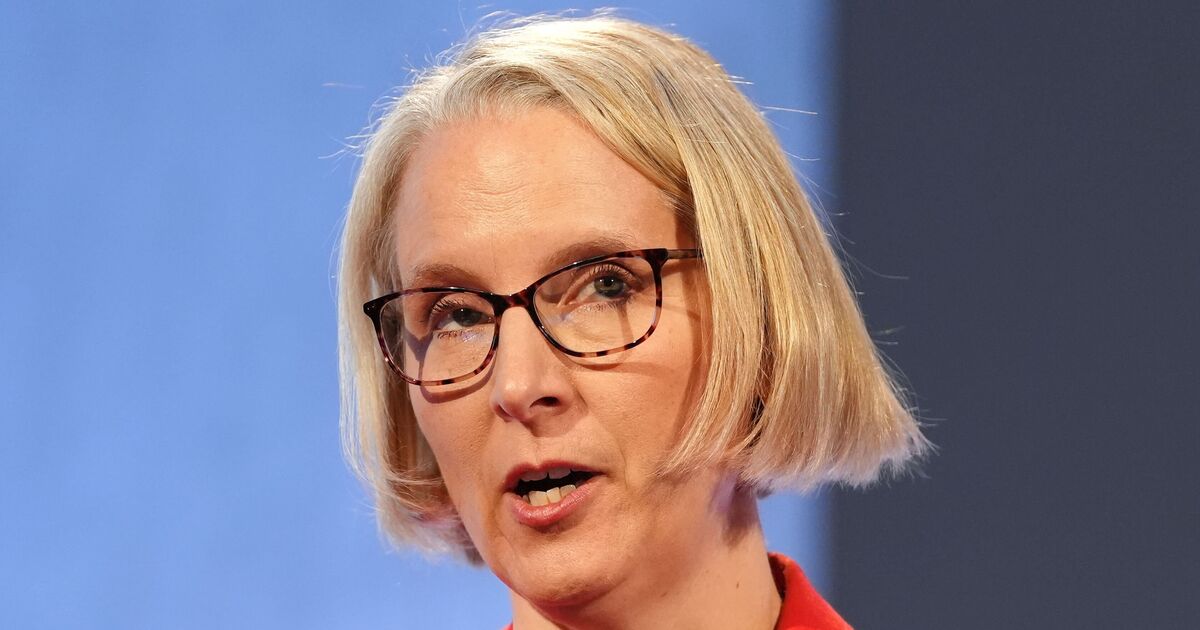
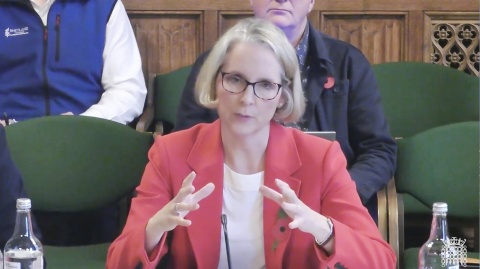
    ONS director of economic statistics Liz McKeown said:

    Production grew by 0.4% in the month, whereas services showed no growth and construction fell by 0.3% in August.

    This data comes at a critical moment for Reeves, who is facing the dual challenge of repairing the public finances while fostering economic growth ahead of her budget announcement on November 26. The chancellor is expected to implement tax increases to address a significant fiscal shortfall, estimated by economists to be between £20bn and £30bn.

  • Asia and US overnight

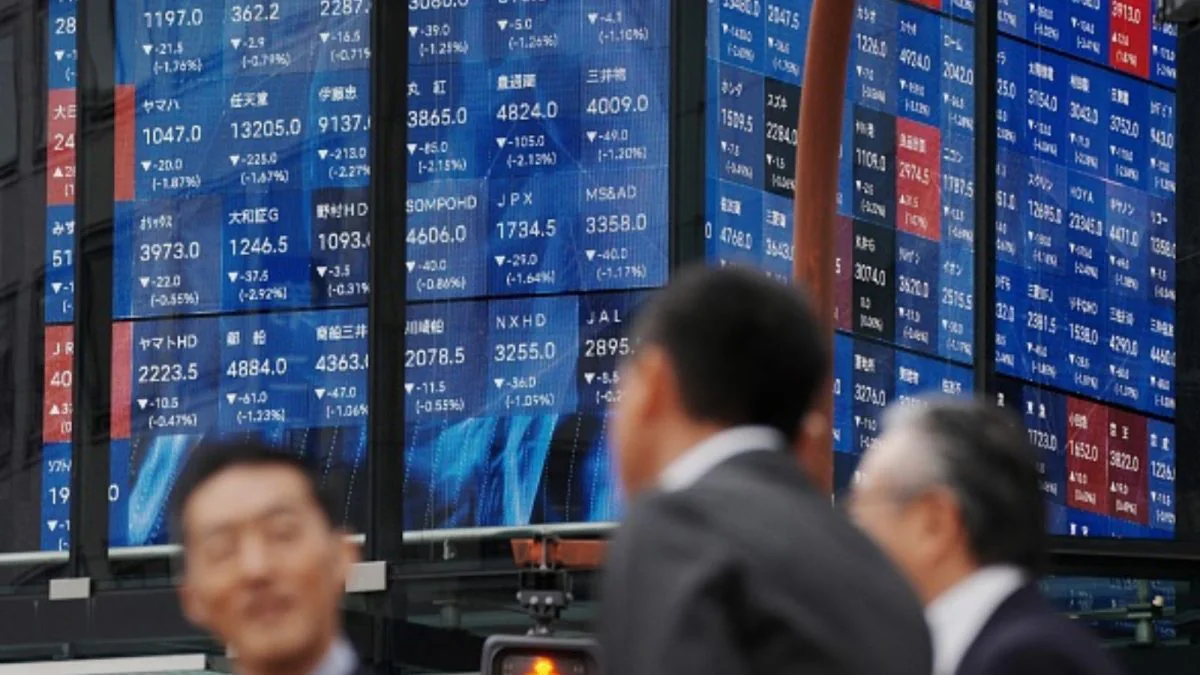
    Stocks in Asia were mixed overnight, with the Nikkei (^N225) rose 1.3% on the day in Japan, while the Hang Seng (^HSI) fell 0.2% in Hong Kong.

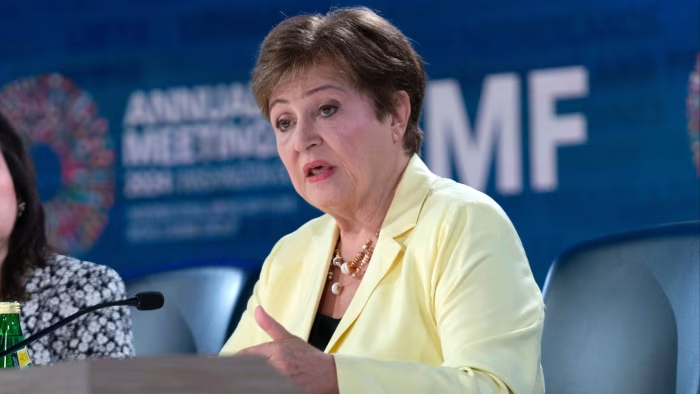
    The Shanghai Composite (000001.SS) was 0.1% up by the end of the session and in South Korea, the Kospi (^KS11) added 2.5% on the day, hitting a record high, after the International Monetary Foundation (IMF) raised its 2025 growth forecast for the country.

    Elsewhere, Australian shares rose to a new record after the country’s seasonally adjusted unemployment rate jumped to a near four-year high in September at 4.5%. That compares with the 4.3% estimated by Reuters-polled economists and the 4.2% rate in August.

    Meanwhile, employment rose by 14,900 in September, missing expectations for a 20,000 rise. The weak jobs reading paves the way for further interest rate cuts.

    Across the pond on Wall Street, the S&P 500 (^GSPC) rose 0.4%, after gaining as much as 1.2% intraday, and the tech-heavy Nasdaq (^IXIC) was 0.7% higher. The Dow Jones (^DJI) was marginally lower by the close, down 0.04%.

    It came after major banks reported earnings beat, but as Washington’s government shutdown entered its third week, and escalating trade tensions with China continued.

  • Coming up

    Good morning, and welcome back to our markets live blog. As usual we will be taking a deep dive into what’s moving markets and all that’s happening across the global economy.

    To the day ahead now, we’ll get UK August monthly GDP, Italy’s August trade balance, Eurozone August trade balance, Canada September existing home sales, housing starts.

    Central bank speakers include the Fed’s Waller, Barr, Bowman and Miran, and the ECB’s Lagarde, Kocher, Wunsch and Lane. Notable earnings for today include Charles Schwab and Interactive Brokers.

    Here’s a snapshot of what’s on the agenda:

    • 7am: Trading updates: Whitbread, Robert Walters, Page Group, Croda, GB Group, Sabre and Canal+, Travis Perkins, Videndum, XPS Pensions Group

    • 7am: UK GDP report for August

    • 7am: UK trade report for August

    • 10am: Eurozone trade data for August

    • 1pm: IMF Seminar: Debate on the Global Economy: “Shaping Economic Policies Amid a Shifting Global Landscape”

Download the Yahoo Finance app, available for Apple and Android.



Source link

Leave a Reply

Your email address will not be published. Required fields are marked *