Plus: Indian govt pushes sovereign WhatsApp alternative

Image:
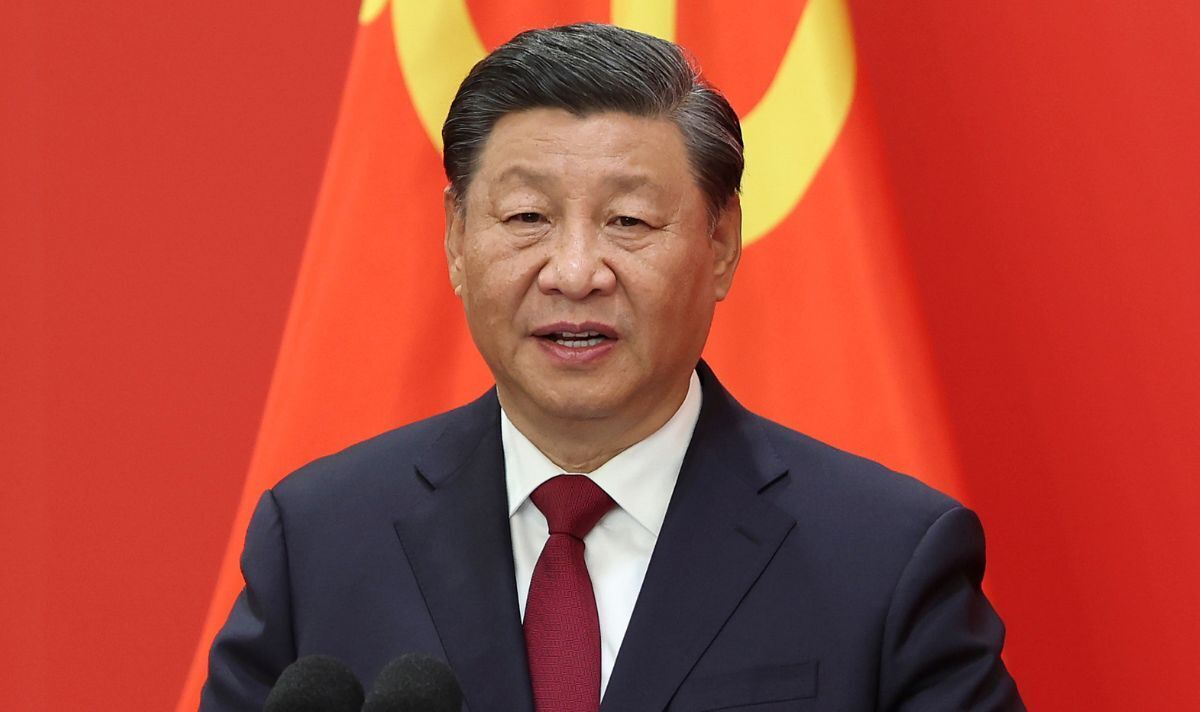
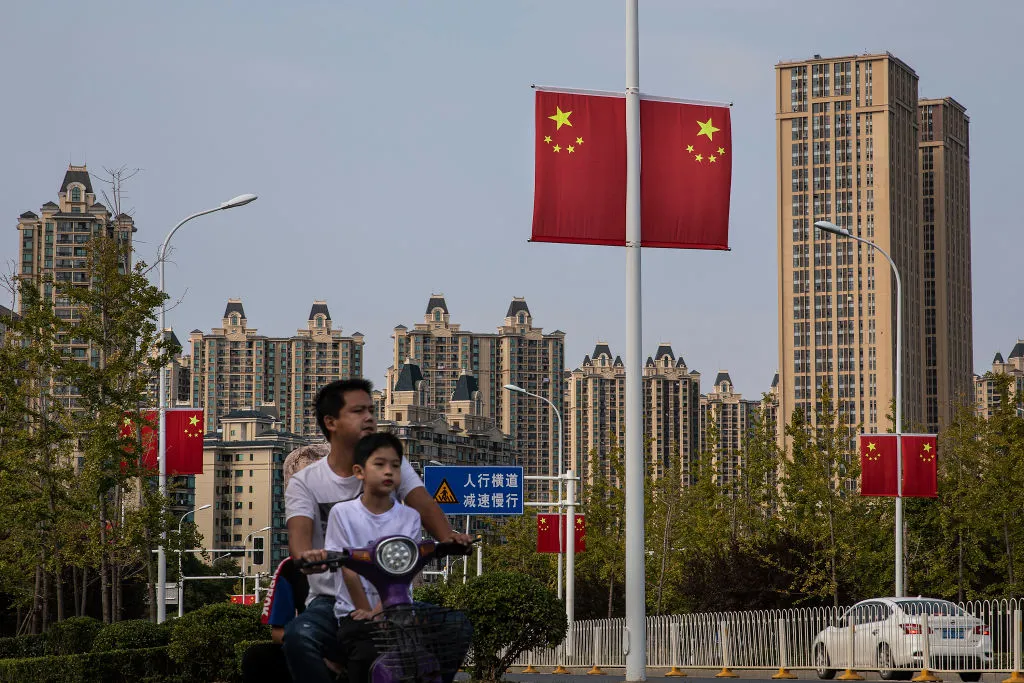
China is having to pull off a tricky balancing act
Welcome to Computing’s weekly roundup of tech news in Asia. This time we look at the diplomatic tightrope Beijing is walking as it pauses tech export curbs, at the same time as Australia reports fresh hacking probes and Google sues Chinese cybercriminals.
Australia’s top intelligence official has warned that state-backed Chinese hackers are probing the country’s telecommunications and critical infrastructure, in what he described as a sustained campaign to seek vulnerabilities. The remarks underline growing anxiety among Western governments over the scale and sophistication of China-linked cyber operations.
The warning comes as Google filed a federal lawsuit in the US against a network of 25 alleged cybercriminals based in China, accusing them of stealing more than 115 million credit card numbers through a large-scale smishing operation called ‘Lighthouse.’ In its filing Google said the group’s activities had defrauded thousands of American citizens, damaged Google’s reputation, violated its terms of service and forced it to spend hundreds of hours investigating and shutting down fraudulent accounts.
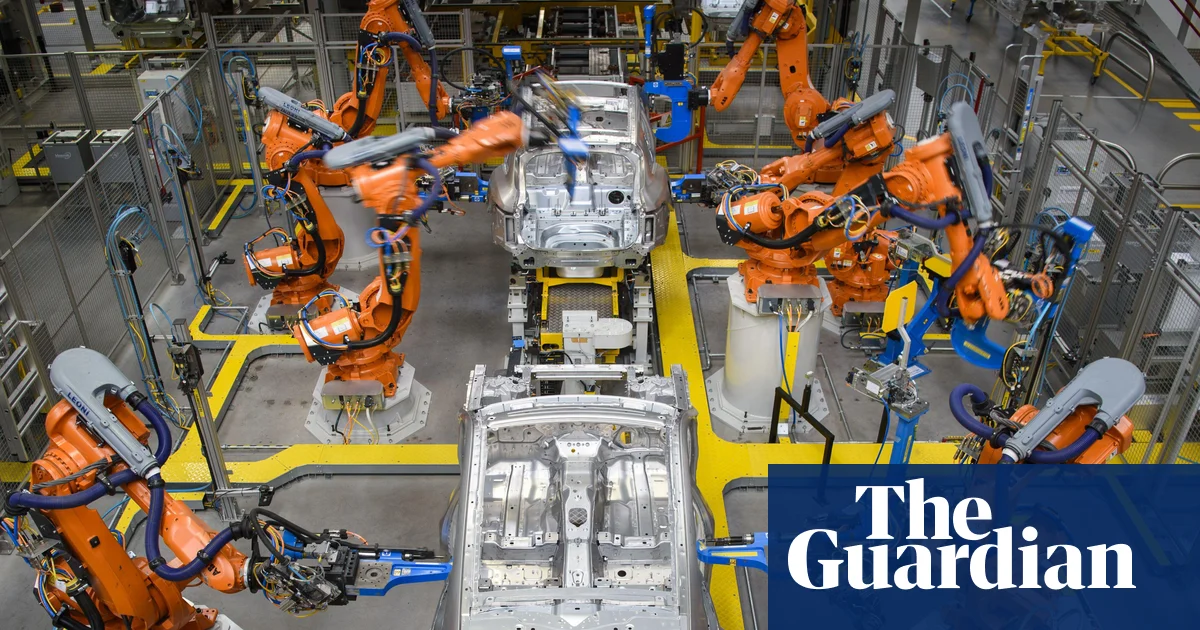
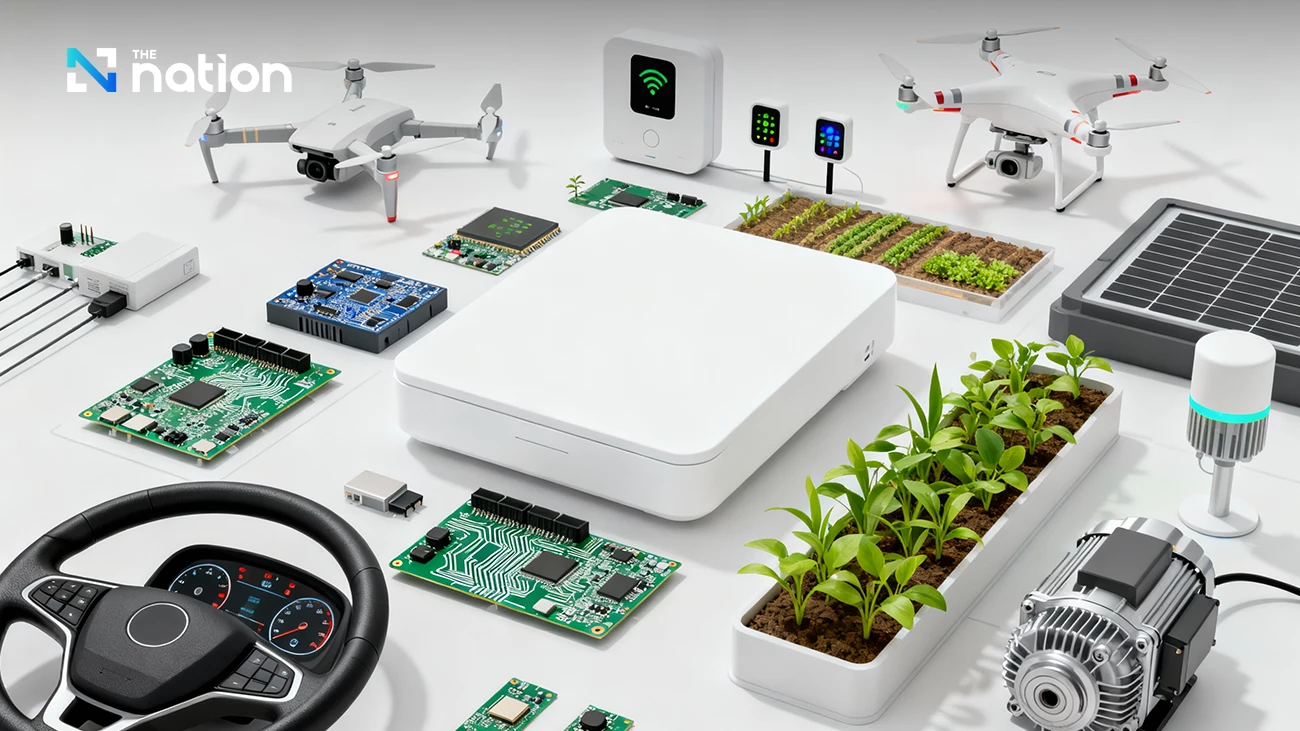
However, despite the ongoing tensions on security, Beijing gave the impression of offering an olive branch to the West, lifting export controls on Nexperia’s automotive chips. European car manufacturers hope the move will ease what is now a serious shortage of the vital semiconductors. The Chinese government also paused a planned export ban to the US on key semiconductor materials.
These developments paint a picture of a complex and contradictory relationship between China and its global partners. In its pursuit of future geopolitical dominance China must balance its cyber activities and rare earth mineral and material export policies with the economic pragmatism it needs for economic growth.
Australia
- Australia’s spy chief has said that China state-backed hackers are probing Australia’s telecoms network and key infrastructure. Source
China
- China has lifted export controls on Nexperia’s automotive chips for civilian use. It has also paused an export ban to the US of some important semiconductor materials, and suspended port fees for American ships. Source
- Apple has removed gay dating apps Blued and Finka from its app store after pressure from the Cyberspace Administration of China. Source
- The UK’s National Cyber Security Centre is investigating whether electric buses made by bus maker Yutong can be remotely switched off, as reported last week. Source
- Google is filing a federal lawsuit against a network of 25 cybercriminals based in China which it claims have stolen between them more than 115 million credit card numbers in the US via a smishing operation. Source
- The EU will formally exclude Chinese institutions from significant portions of its €95.5 billion Horizon Europe research program. The European Commission has cited risks arising from the links between Chinese universities and the military. Source
- As if to remind us all again that the effectiveness of US chip export bans in slowing own Chinese innovation is highly debatable, Baidu unveiled two new semiconductors for AI saying the products can provide Chinese innovators with powerful, low-cost and domestically controlled compute. Source
- Following a year of negotiation, Apple has reached a deal with Tencent that will allow the company to process payments and collect a 15% commission on purchases made inside WeChat mini games and mini apps on the iPhone. Source
- Chinese threat actors (tracked as GTG-1002) used Anthropic’s Claude Code AI tool to attempt to hack into about 30 high-profile companies and government organisations, some of which were successful. Source
India
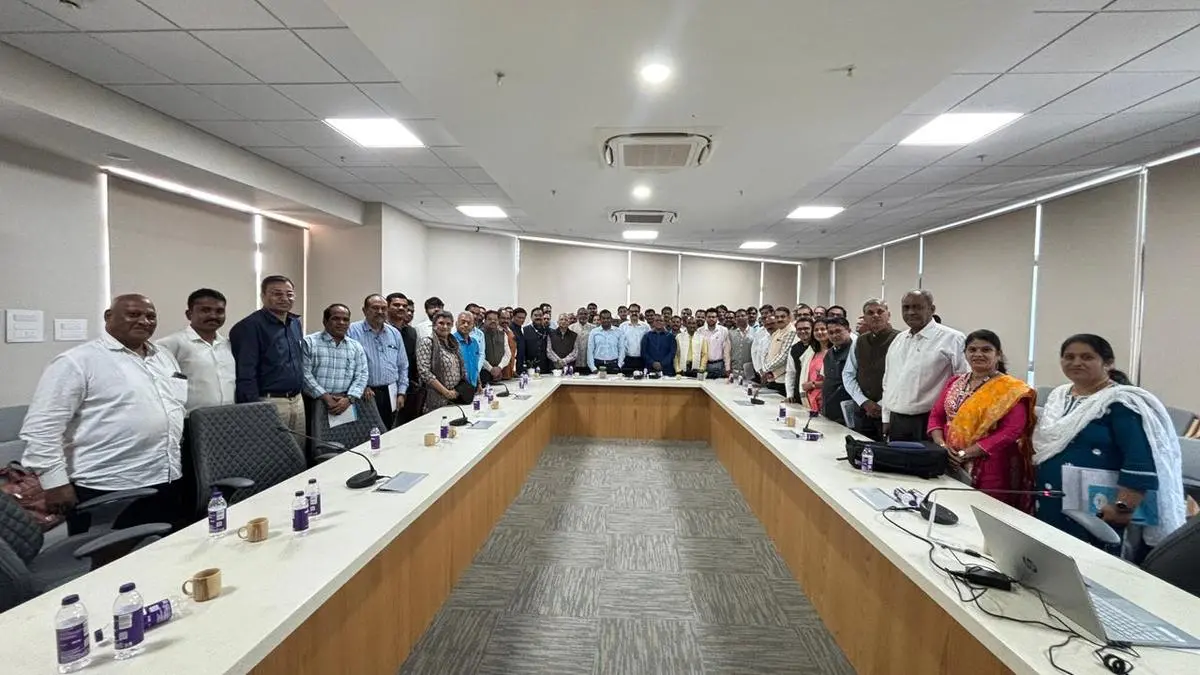
- Top government officials in India are openly championing a messaging platform called ‘Sandes’ (a Hindi word meaning ‘message’) as a sovereign alternative to Meta- owned WhatsApp. Source
- Fintech firm Pine Labs’ $440 million IPO was fully subscribed on the final day of bidding on Tuesday, even as concerns over profitability and valuations kept some investors at bay.
Japan
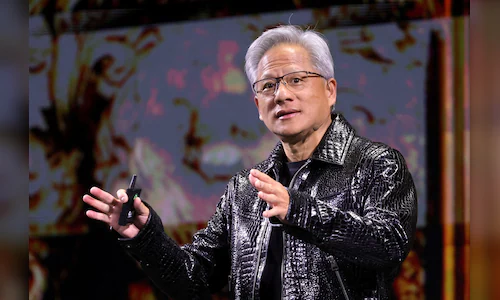
- SoftBank Group has sold its entire $5.8 billion stake in Nvidia to fund its AI push. Ironically, as Nvidia is the world’s leading source of AI chips, the move has fuelled speculation that the AI hype may have peaked. Source
Other Asia
- Taiwan: Ex-President Tsai Ing-wen has told the Berlin Freedom Conference that its chip industry is not only an important part of the global economy, but crucial to the country’s defence. Source
- North Korea: North Korean state-backed spies are hijacking Google’s “Find Hub” service to remotely wipe Android phones belonging to South Korean government and military targets. Source
- Singapore: Singapore’s central bank will hold trials to issue tokenised MAS (Monetary Authority of Singapore) bills next year and bring in laws to regulate stablecoins as it progresses plans to build a tokenised financial ecosystem. Source
- South Korea: South Korean officials have expressed concern about a Vietnamese plan to reform incentives for the high-tech sector. The Head of the Korean Chamber of Commerce warned it could lead to higher costs for foreign investors. South Korea is one of the largest investors in Vietnam. Source
- South Korea: Game publisher Krafton has announced it is pivoting to be an AI-first company. It has frozen hiring and is offering its staff voluntary redundancy. Source