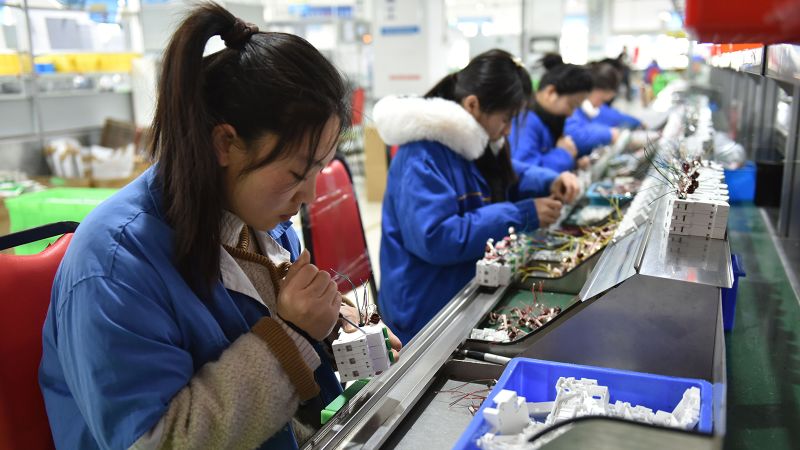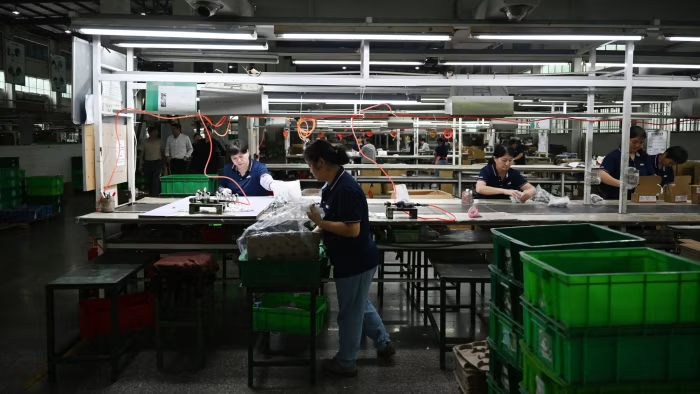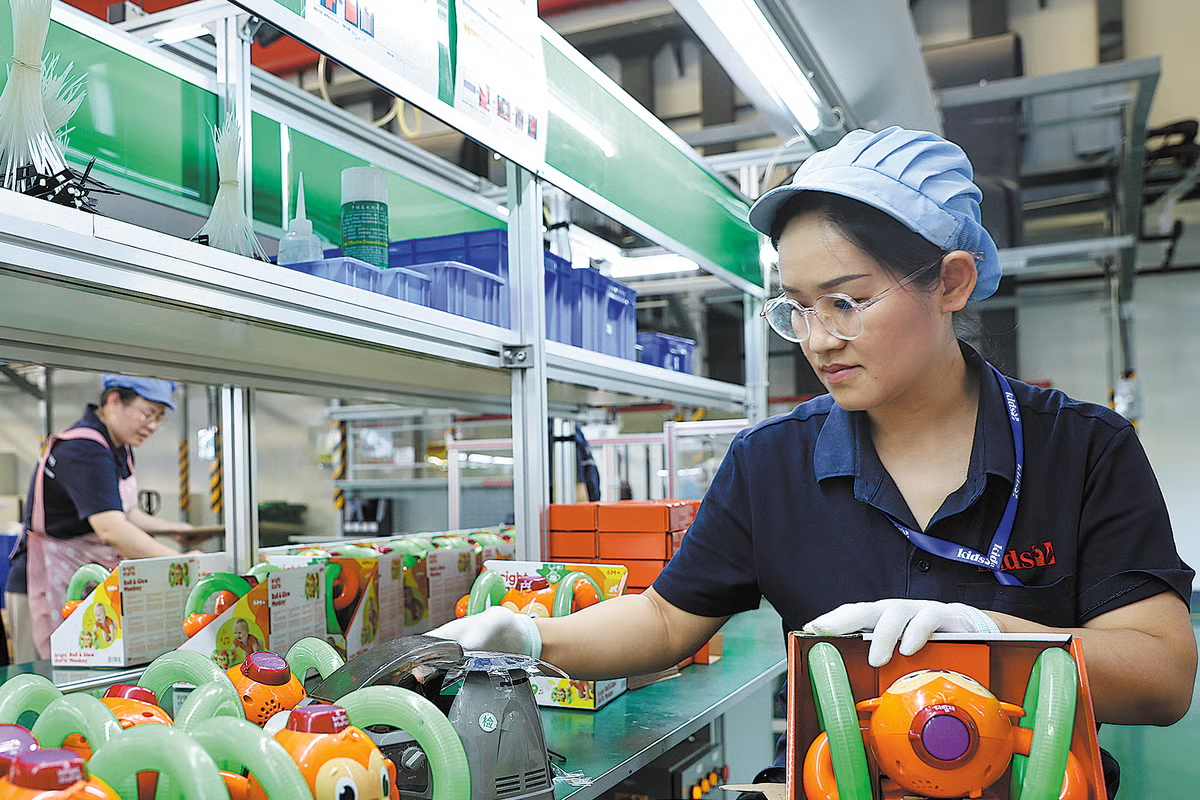
The manufacturing sector in Scotland continued to contract in August, but the pace of decline was the slowest for nearly a year.
Scotland was placed 10th in the league table of the 12 UK nations and regions in terms of the month-on-month movement in business activity. It recorded the slowest growth of the 10 nations and regions which achieved expansion.
London recorded the fastest growth in private sector business activity in August.
Meanwhile, Yorkshire and Humber, and Northern Ireland saw business activity contract last month.
The Scottish private sector economy has now achieved growth in three of the last four months.
The headline Royal Bank growth tracker index for Scotland – a seasonally adjusted measure of the month-on-month change in the combined output of the manufacturing and services sectors – rose back above the 50 no-change mark with an increase from 48.7 in July to 50.3 in August.
Read more
Royal Bank observed the “slight increase” in output in August was driven by the services sector, which reported a rise in enquiries, new contract wins, and successful marketing campaigns.
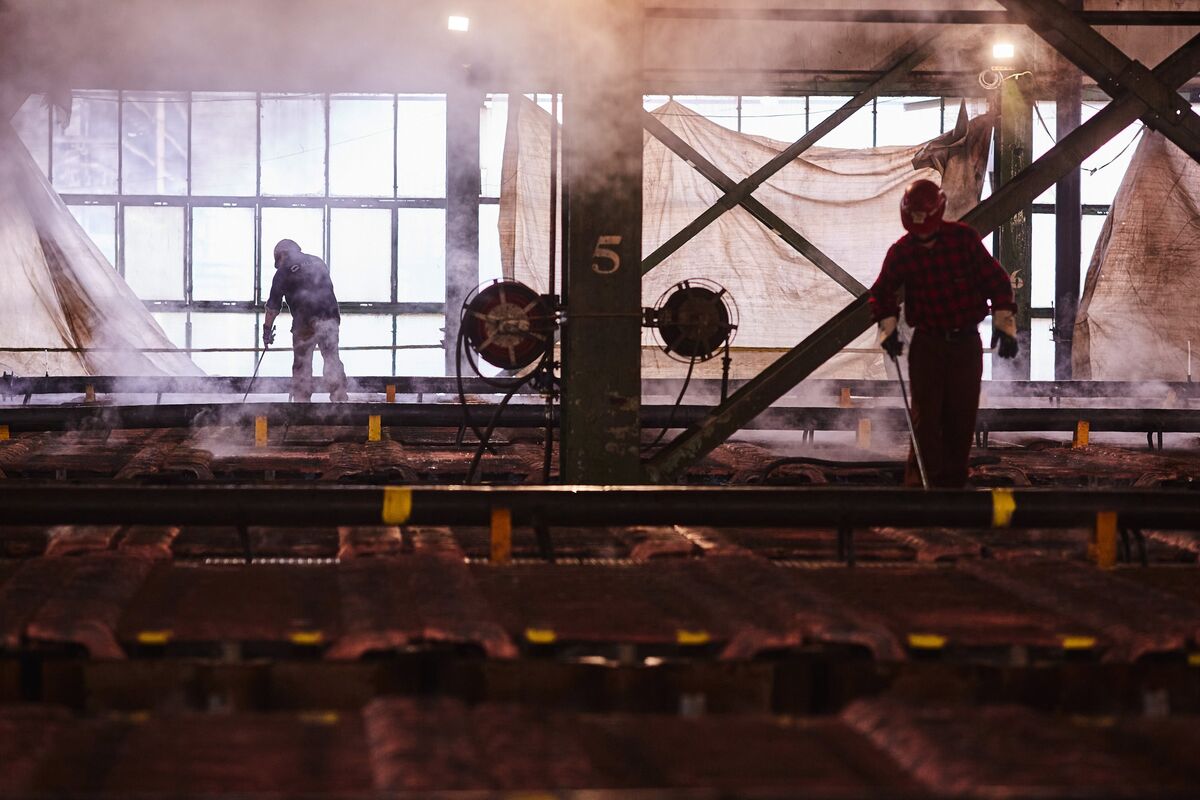
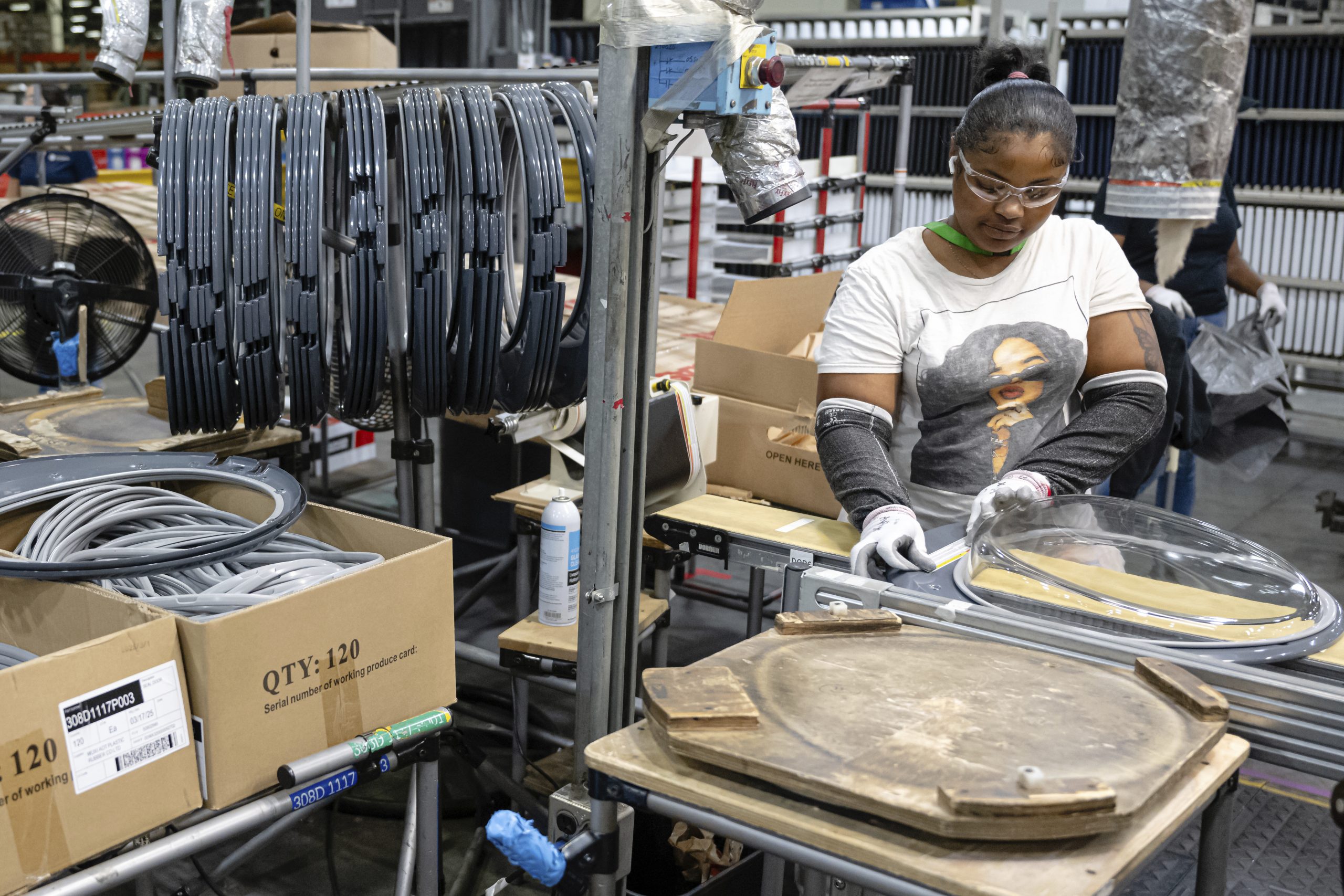
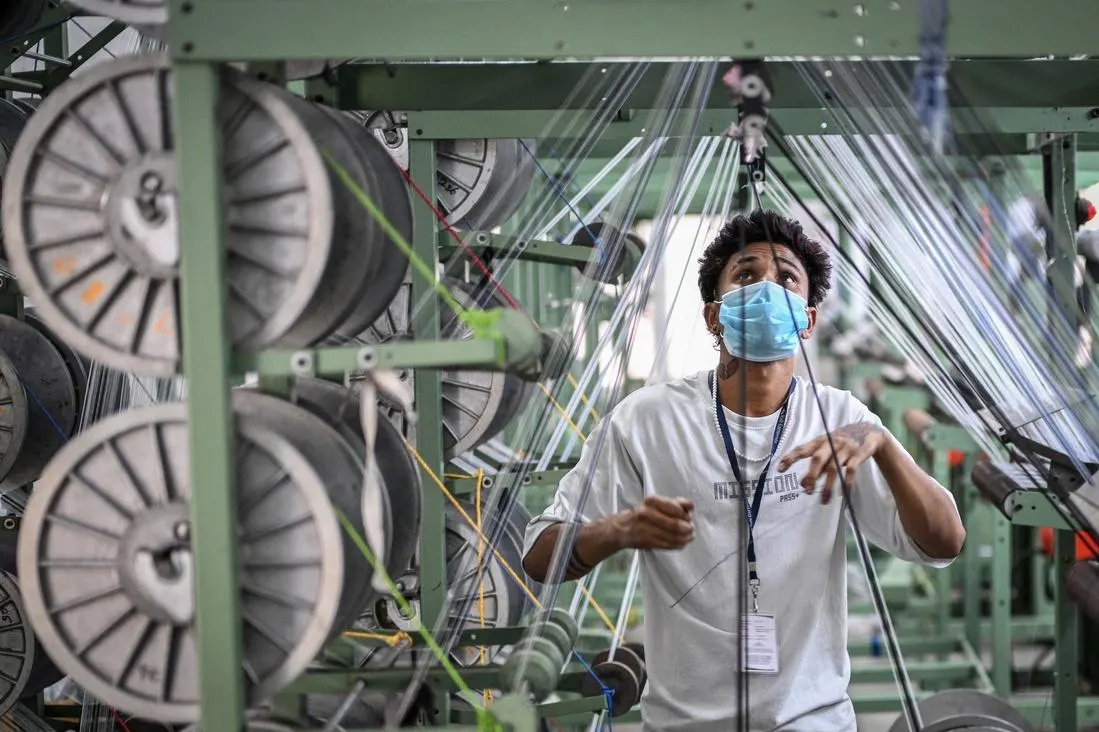
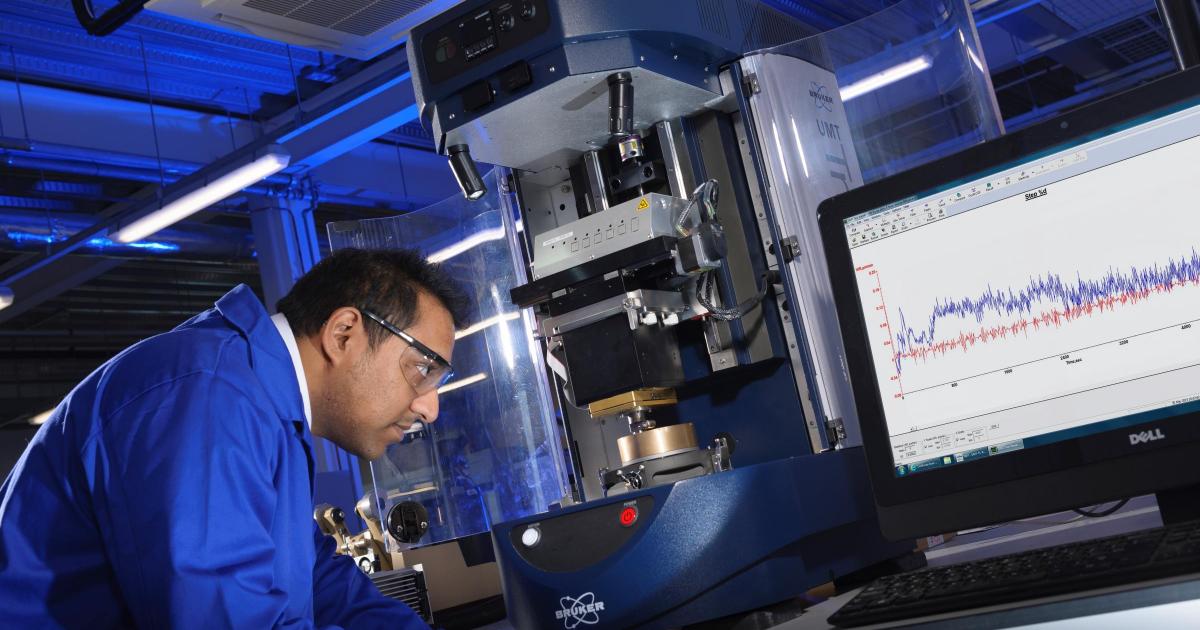
It noted that output continued to contract across the Scottish manufacturing sector, but added: “The rate of decline was the weakest in nearly a year, suggesting that production levels moved closer to stabilising.”
Royal Bank noted the downturn in new business in Scotland’s private sector economy “showed signs of easing” in August.
And Scottish companies’ optimism, about the prospects for increased business activity on a 12-month horizon, improved in August.
Scotland was third out of the 12 UK nations and regions in the employment league table.
Among the 12, only Northern Ireland recorded growth in employment last month, according to the survey.
Among the 11 nations and regions which recorded a fall in employment in August, north-east England was the only one to post a less-steep decline than Scotland.
The private sector economy north of the Border has now recorded declines in employment for three consecutive months, with many firms attributing the fall in staffing to increasing labour costs, according to the growth tracker report.
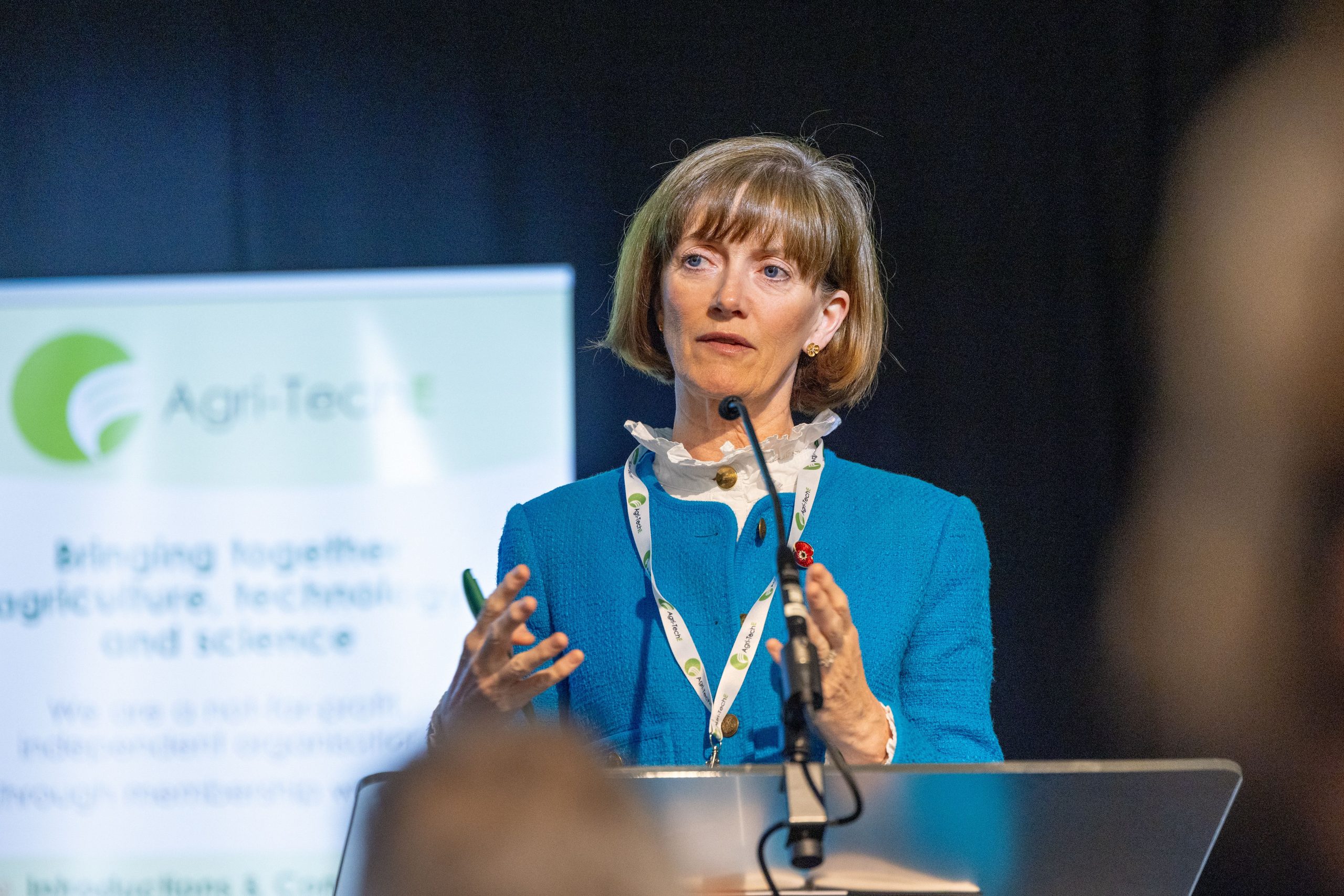
Judith Cruickshank, who chairs Royal Bank’s Scotland board, said: “Businesses across Scotland experienced a fresh rise in activity in August, which helped to offset a modest reduction in the previous month.
“Forward-looking indicators suggested a relative improvement in conditions facing firms, with the downturn in new business easing notably, and companies expressing a more optimistic outlook for future activity.”
She added: “However, despite these improvements, companies remained cautious about expanding their workforce numbers. Employment declined for the third consecutive month, with firms partly linking this to rising labour costs.”
Ms Cruickshank observed that “although cost pressures remained sharp, they showed signs of easing compared to July”.
She added: “At the same time, greater confidence around the outlook and demand led firms to raise their charges at a stronger pace.”
Sebastian Burnside, chief economist at Royal Bank of Scotland, said of the growth tracker findings for the 12 UK nations and regions: “Businesses in most parts of the UK enjoyed a better month in August. London continued to lead the way.
“Encouragingly, the tracker’s forward-looking indicators have generally improved. Alongside an increase in new business in most areas, we saw stronger business expectations in the majority of cases.”
He observed that “efforts to mitigate rising costs continue to be reflected in adjustments to workforce numbers”.
However, Mr Burnside added: “Taking a glass half full perspective, most regions did see employment fall more slowly than the month before. “Price pressures remain stubbornly [high] across the UK, with costs rising more quickly than the long-run average in all areas.”