Market implications of the Fed’s decision
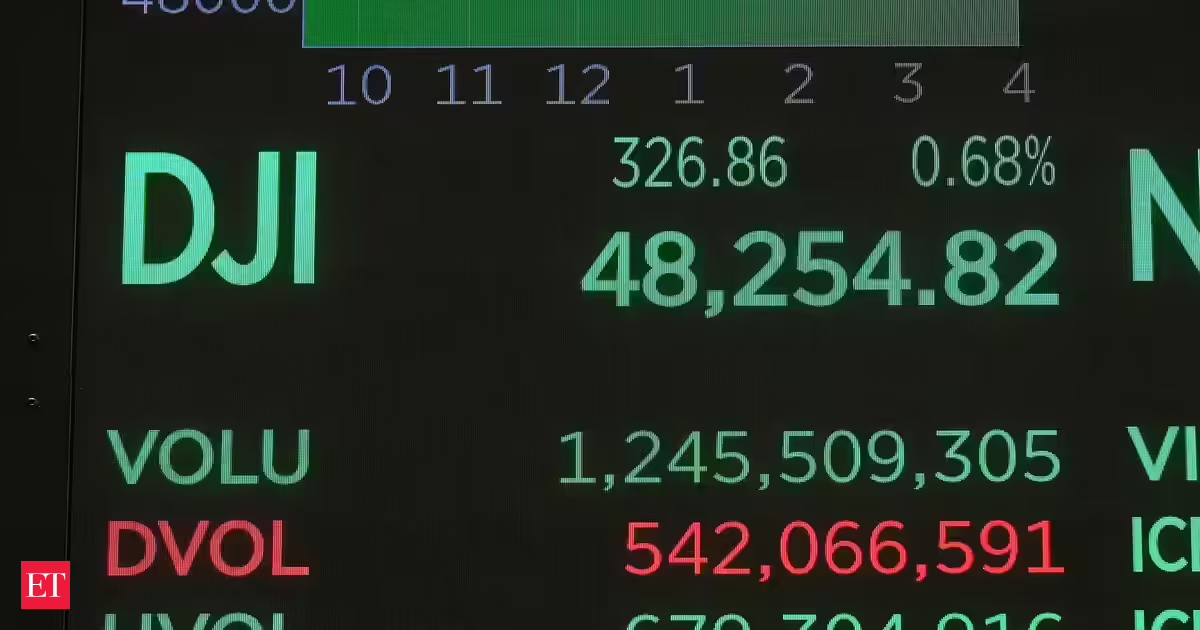
Stock markets are likely to react to any shifts in the Fed’s tone rather than the expected rate hold itself. Bond markets will be particularly sensitive to any hints about future rate cuts. The yield curve has been closely monitored as an economic indicator, with investors using it to gauge recession risks and potential policy changes.
The currency markets, particularly the US dollar, will likely respond to any adjustment in the Fed’s forward guidance. A dovish tone could weaken the dollar, while a more hawkish stance might strengthen it against major currencies.
Commodities such as gold often move inversely to the dollar and may see significant price action. Trading gold could present opportunities for those looking to diversify their portfolio during periods of monetary policy uncertainty.
Fed’s economic projections and dot plot significance
The March meeting will include the release of updated economic projections, commonly known as the “dot plot,” which reveals FOMC members’ individual expectations for future interest rates. This will be scrutinised for any shifts in the committee’s thinking.
The previous dot plot from December indicated fewer rate cuts than markets had anticipated for 2025. Any changes to this outlook will be a focal point for investors seeking clarity on the Fed’s policy trajectory.
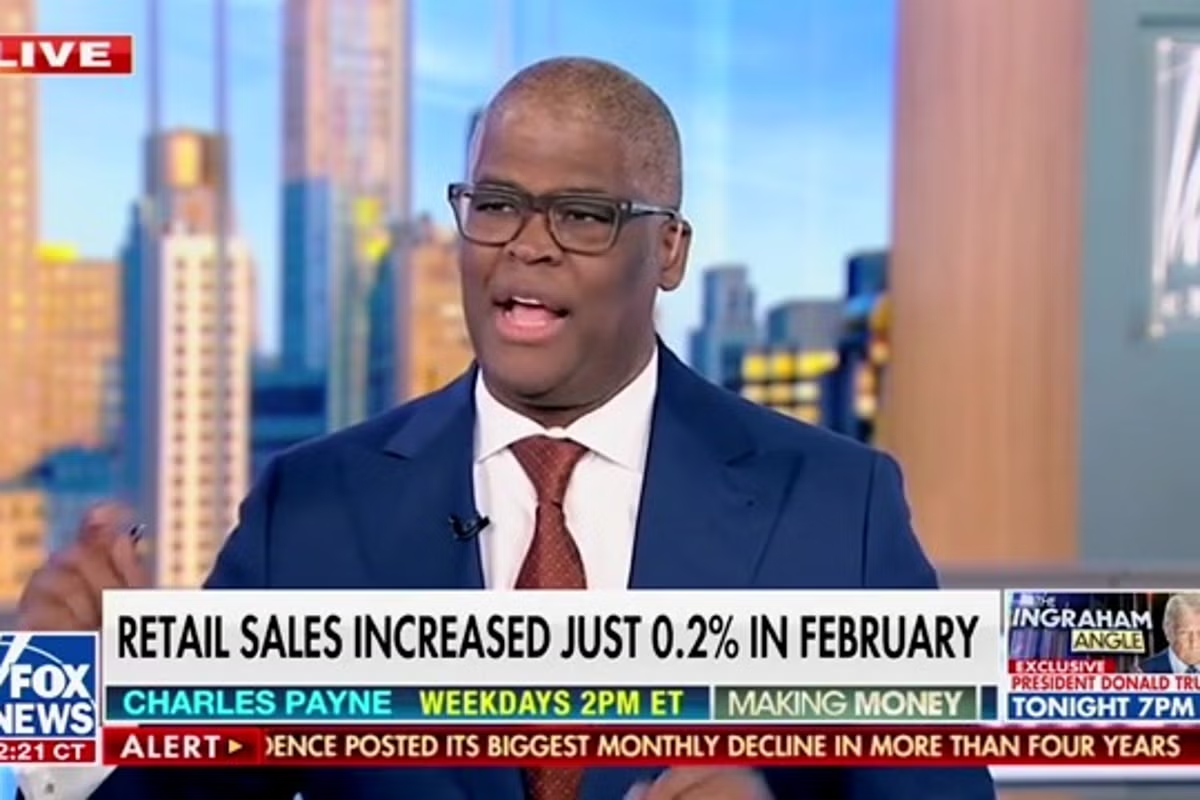
Projections for gross domestic product (GDP) growth, unemployment, and inflation will also be released, providing insights into how the Fed views the economic landscape evolving over the coming years. These figures often move markets as much as the rate decision itself.
Economic projection revisions can signal the Fed’s confidence in the economy’s resilience or concern about emerging risks. Substantial changes from previous projections may trigger significant market reactions across various asset classes.
Potential timeline for future rate cuts
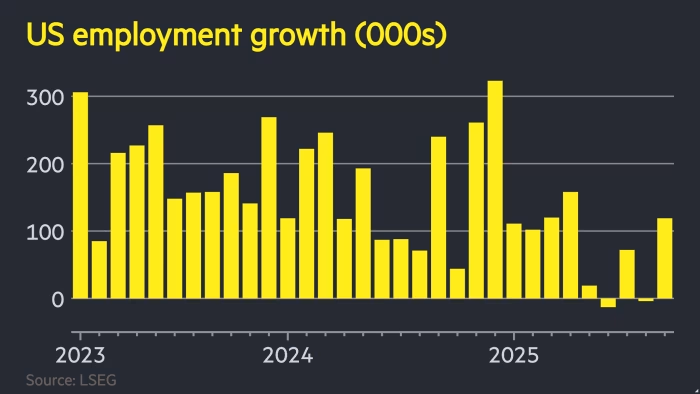
Despite holding rates steady in March, the Fed is widely expected to begin cutting rates later in 2025 if economic growth continues to slow and inflation remains contained. CFD traders will be closely watching for any signals about this timeline.
The current market pricing suggests two to three 25-basis-point (bp) cuts might occur in the latter half of 2025. However, this expectation could shift based on the tone and content of the March meeting communications.
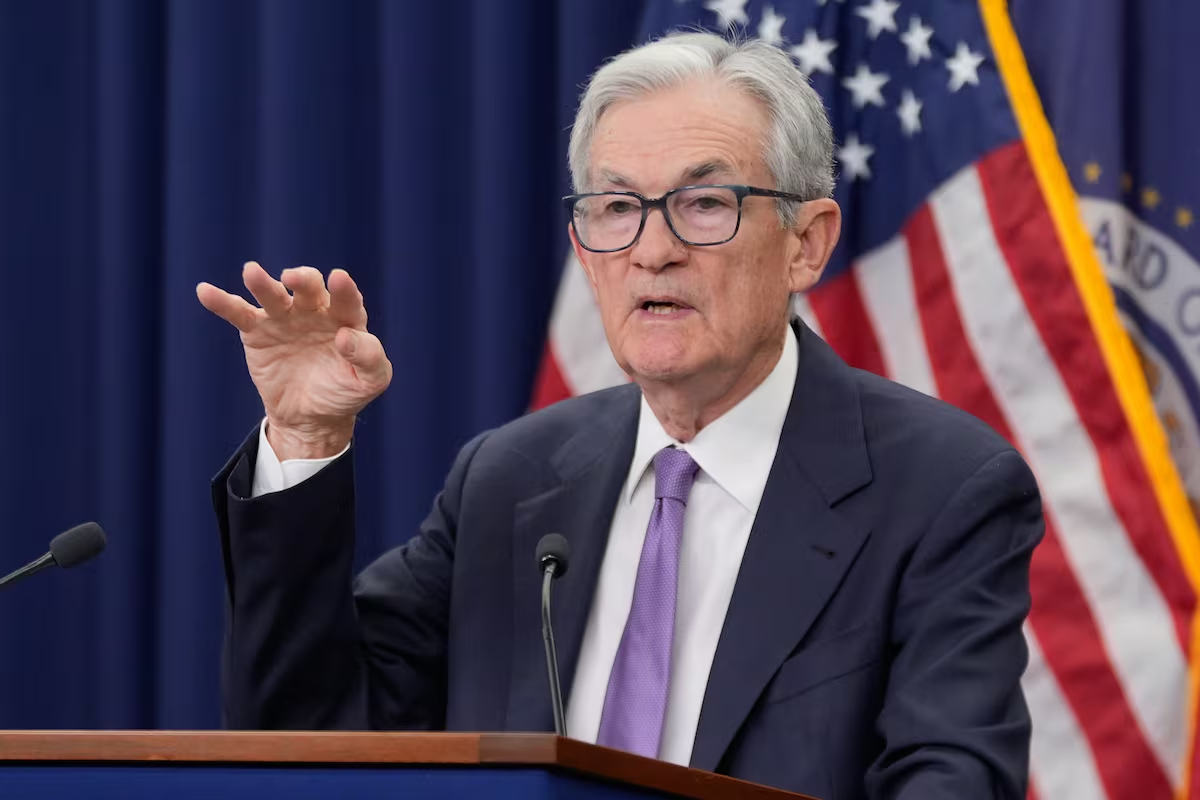
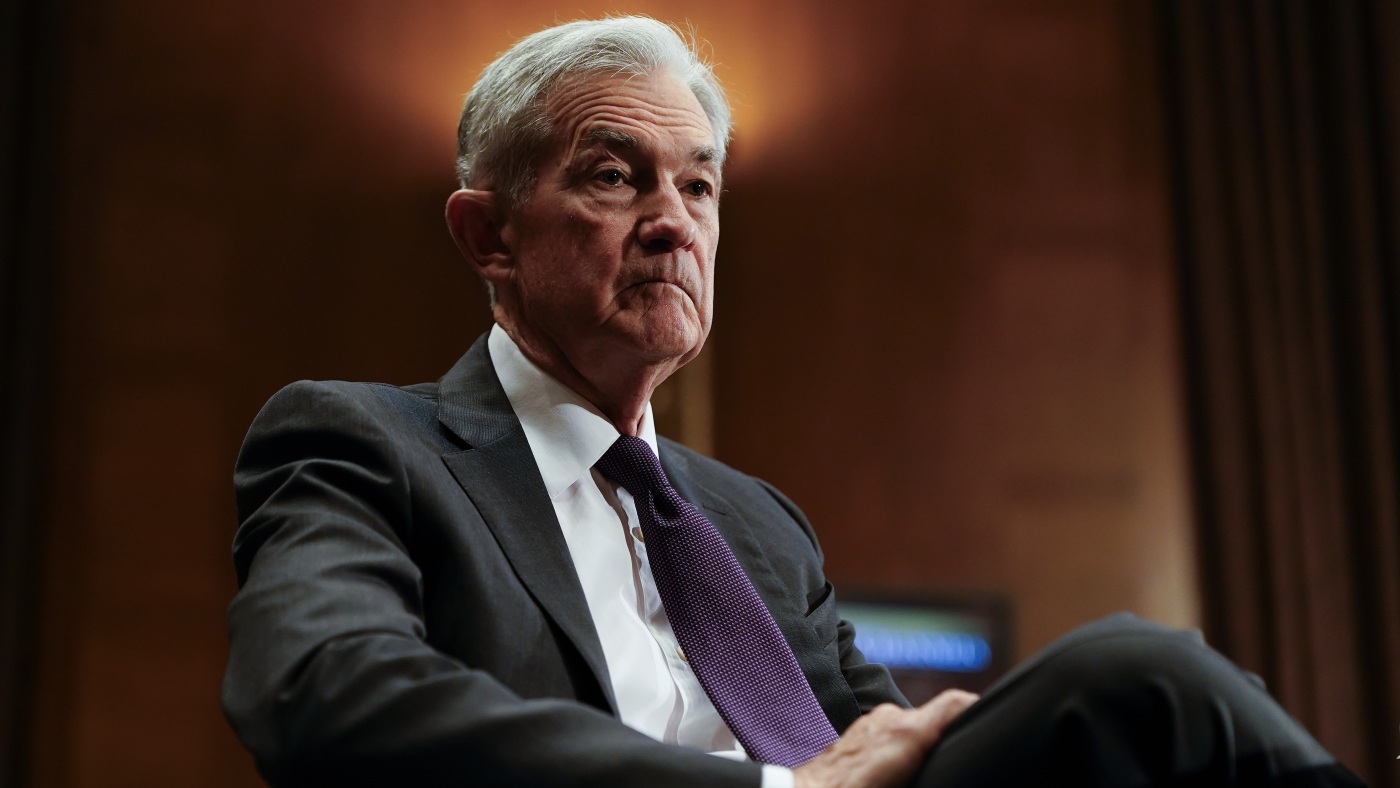
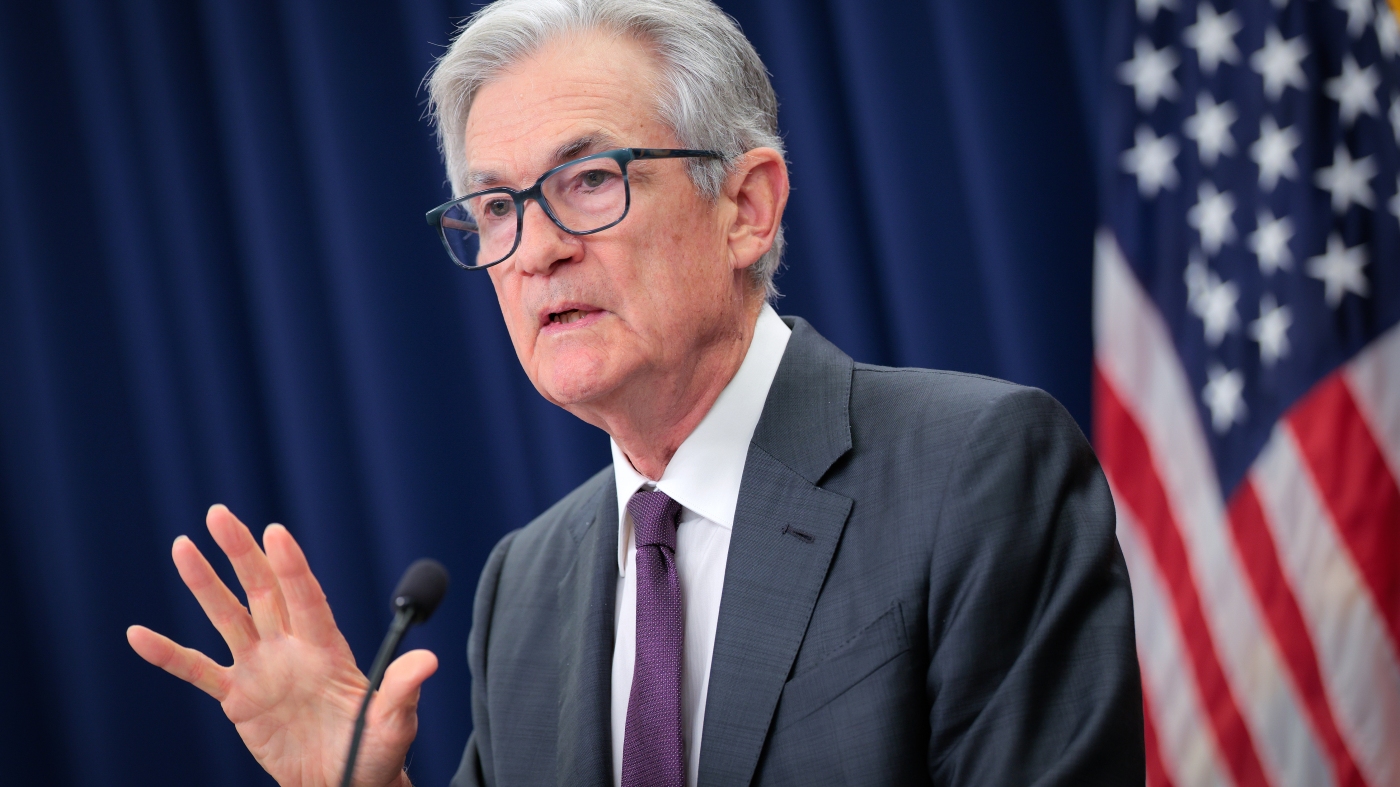
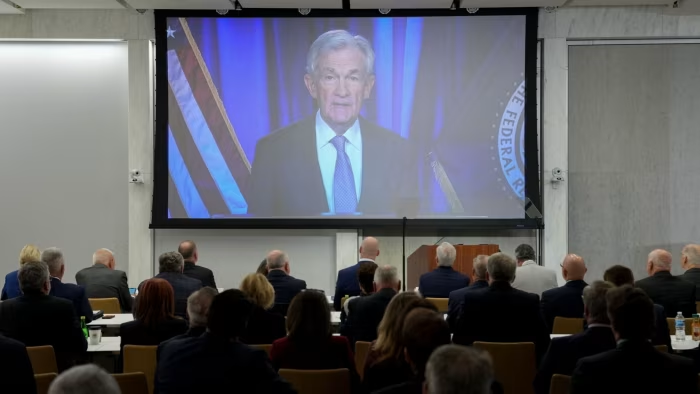
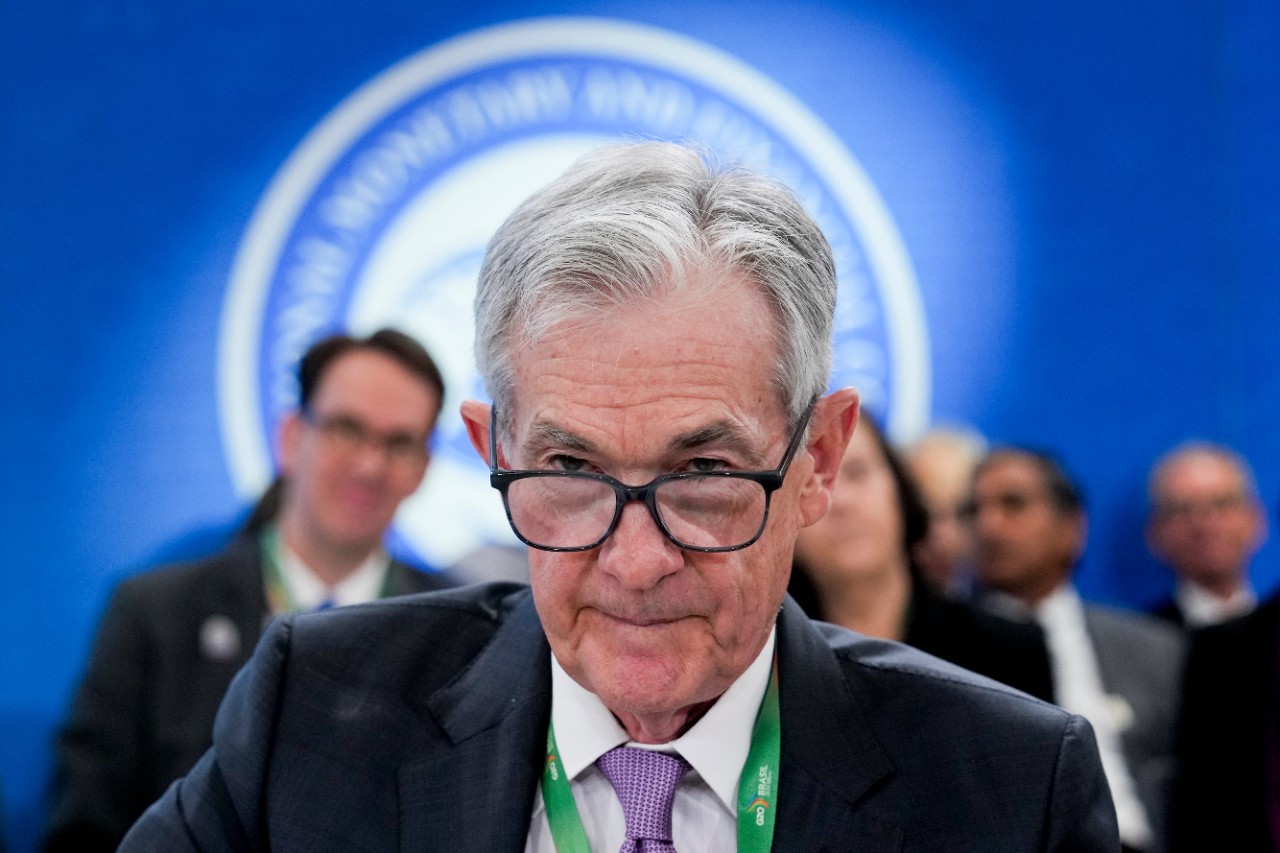
Chair Powell’s press conference will be particularly important for understanding the conditions that would prompt the Fed to begin easing. His comments on inflation trends, employment data, and global economic risks will be thoroughly analysed.
The pace and extent of any future easing cycle will depend largely on how successfully the Fed has managed to achieve its dual mandate of price stability and maximum employment. A balanced approach seems likely given current economic conditions.