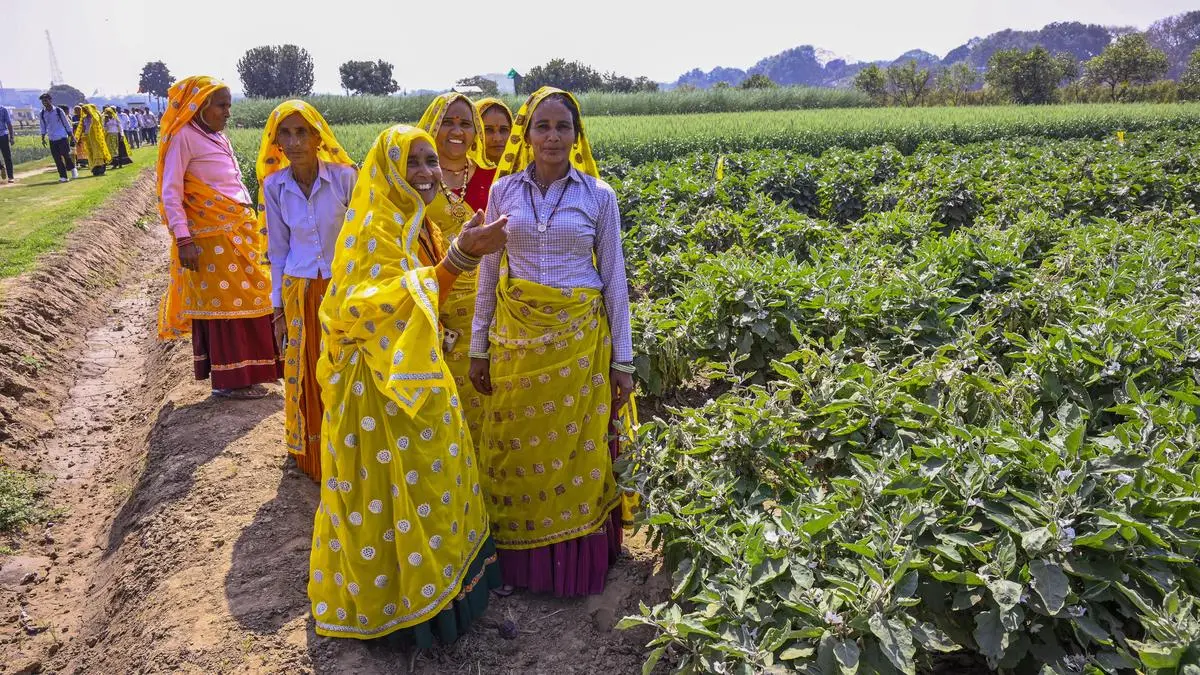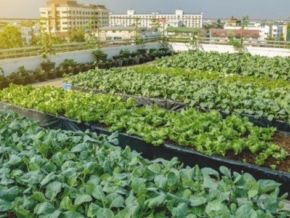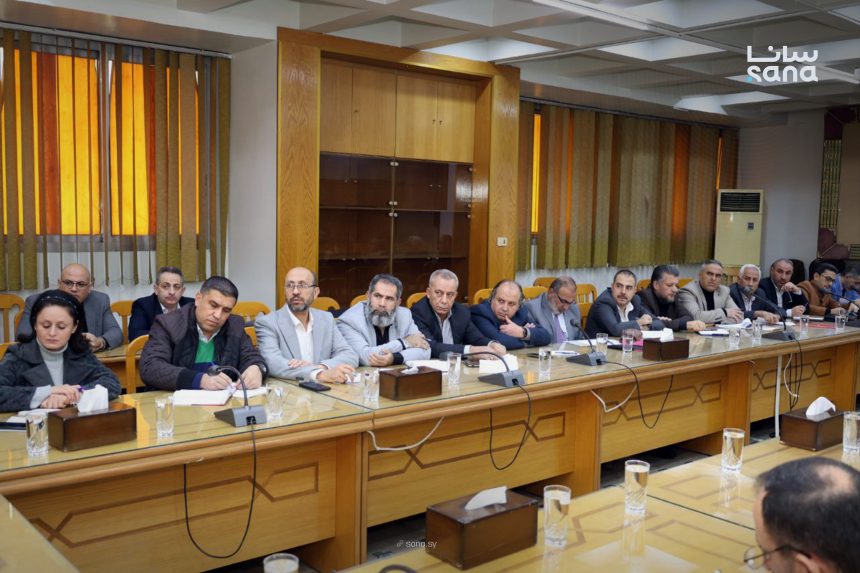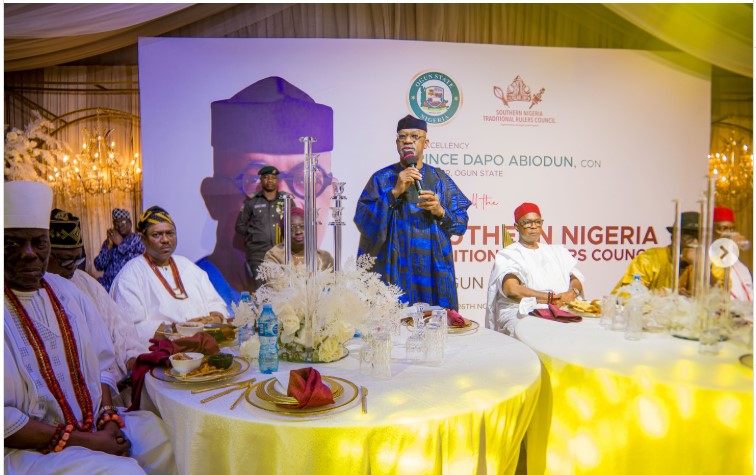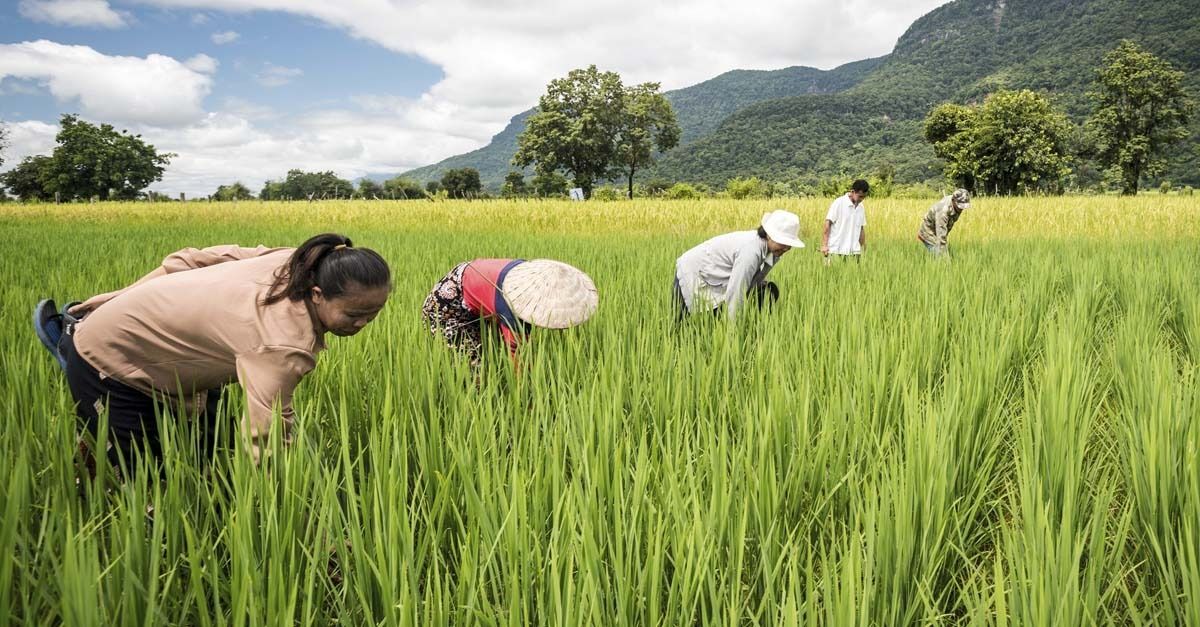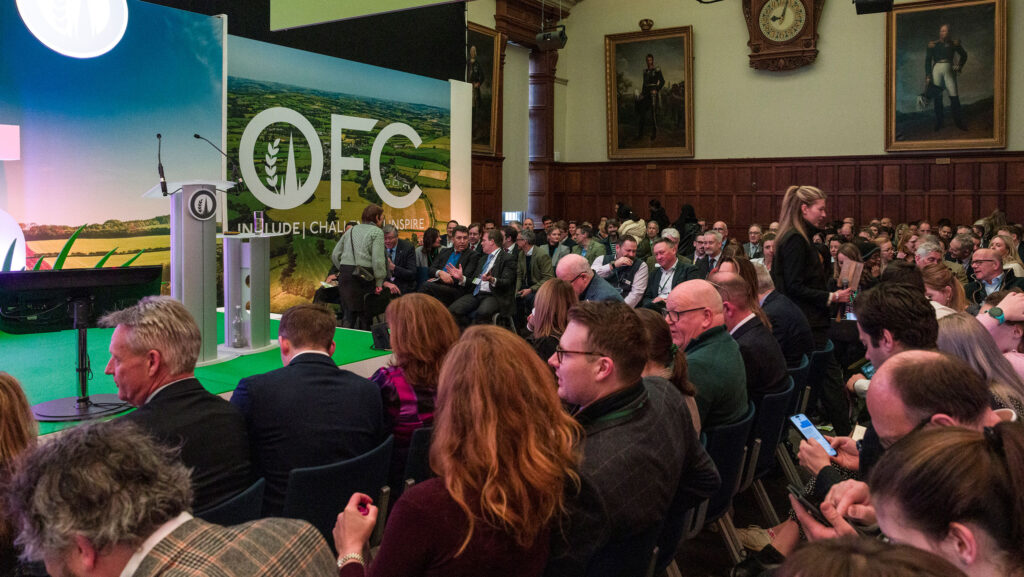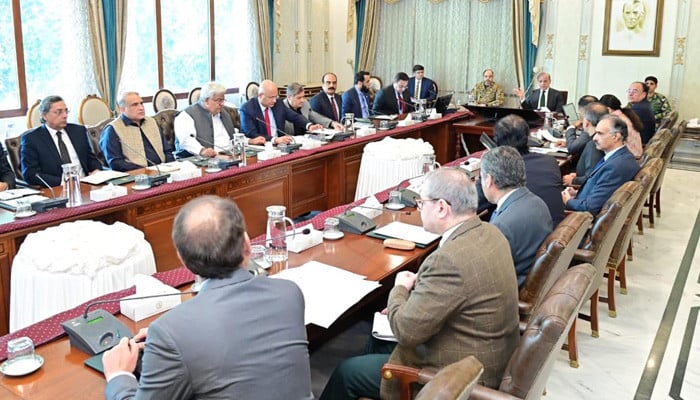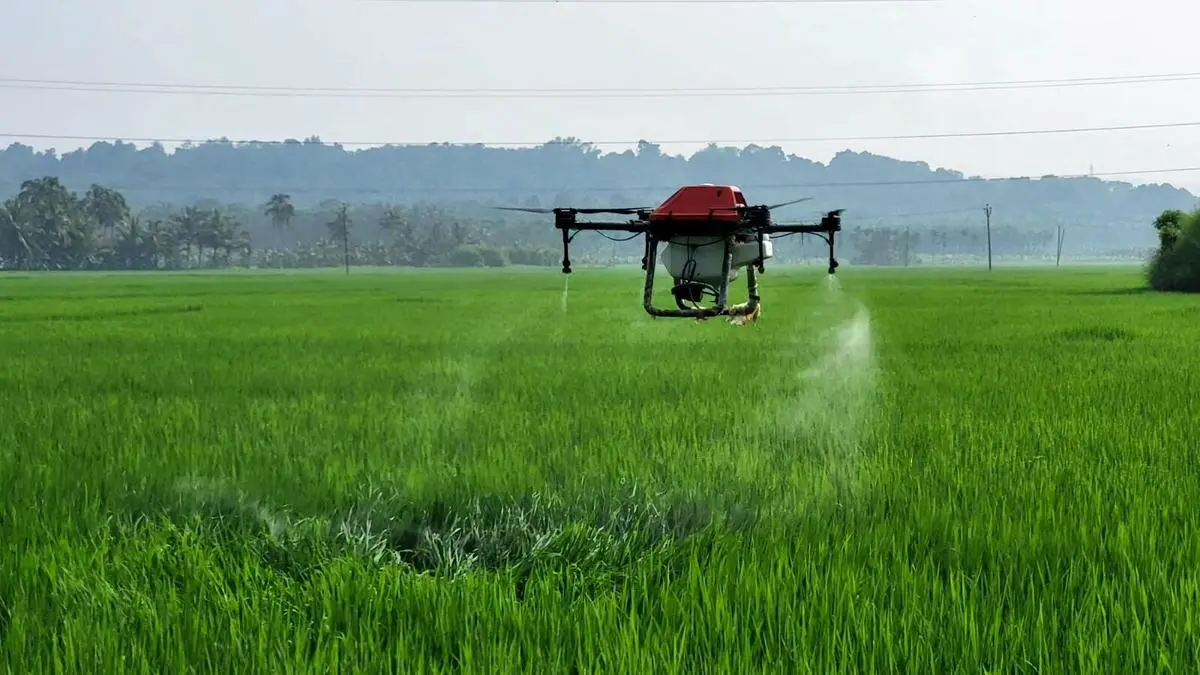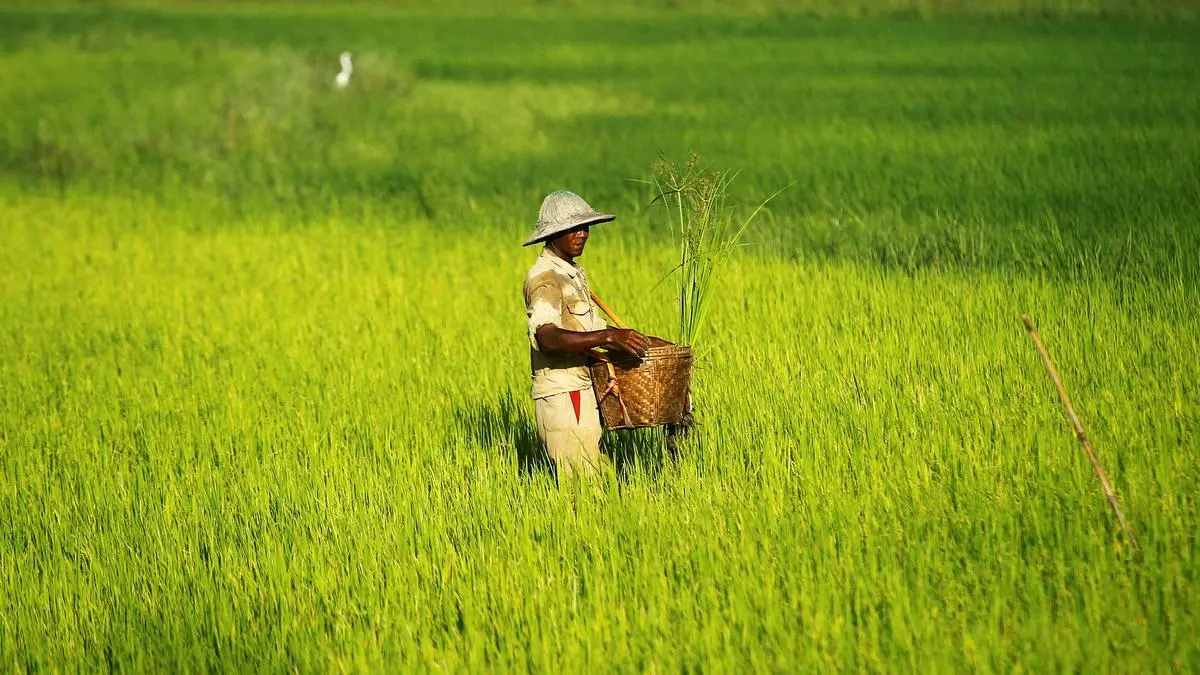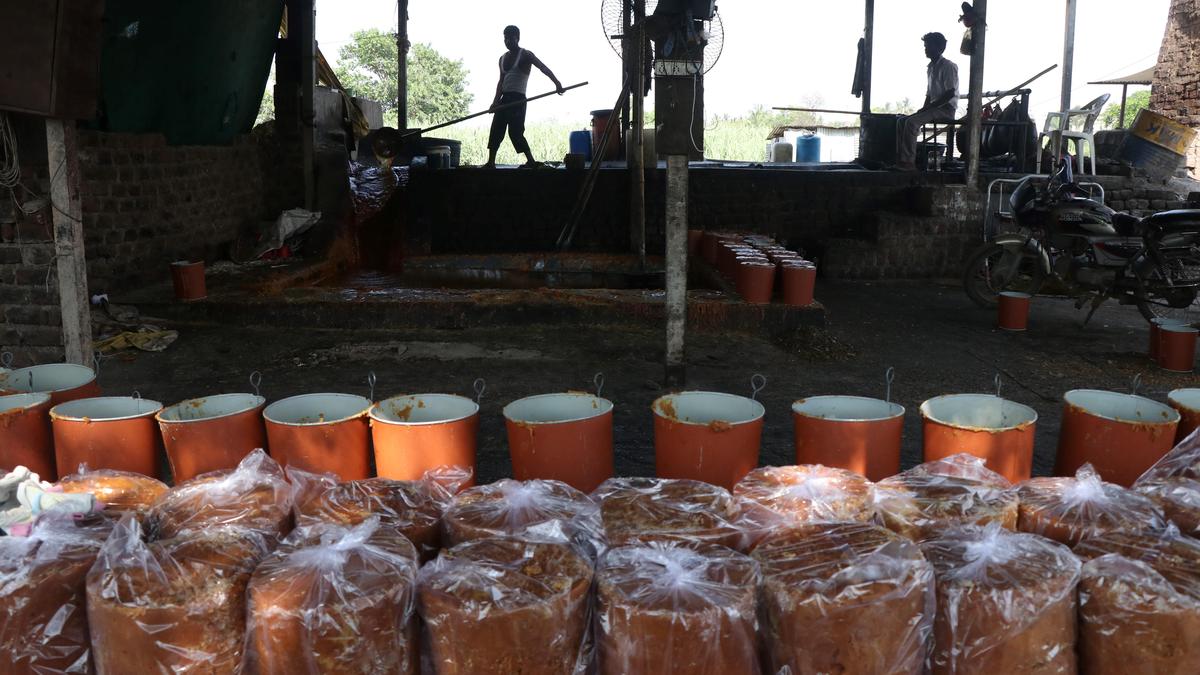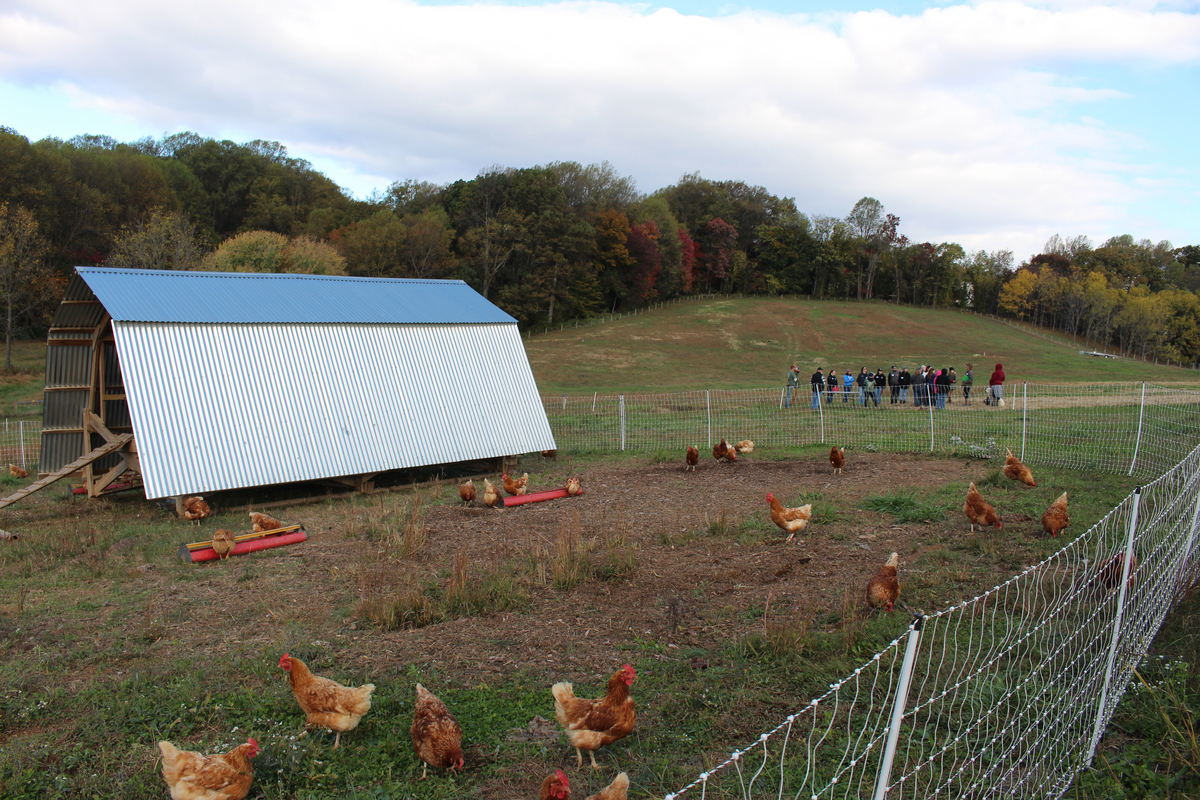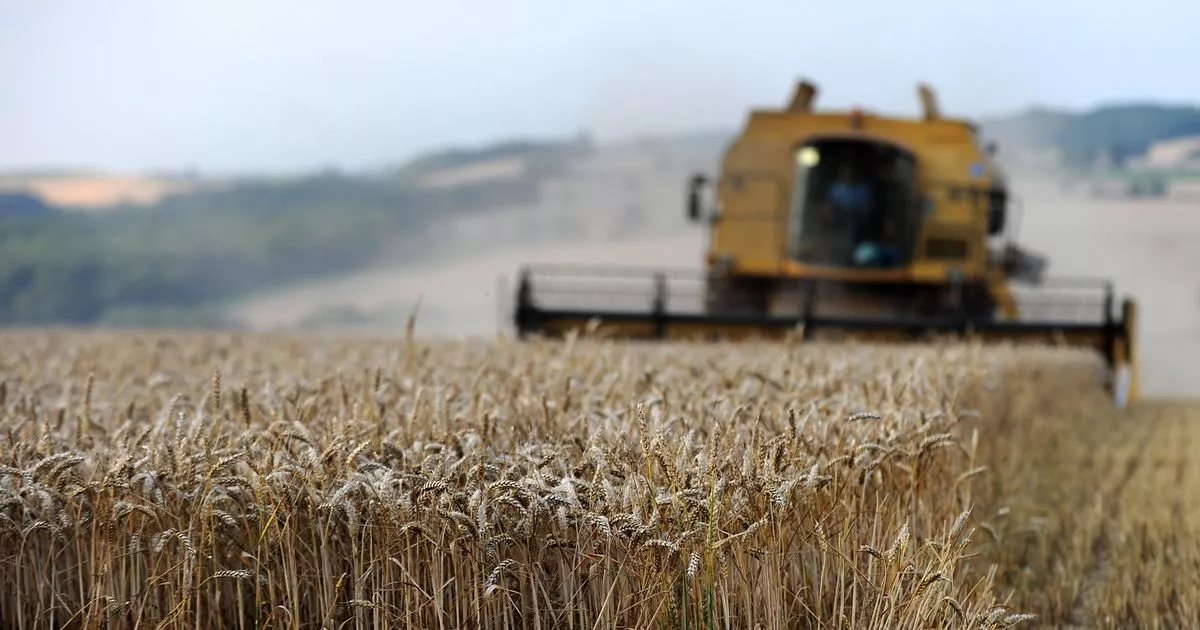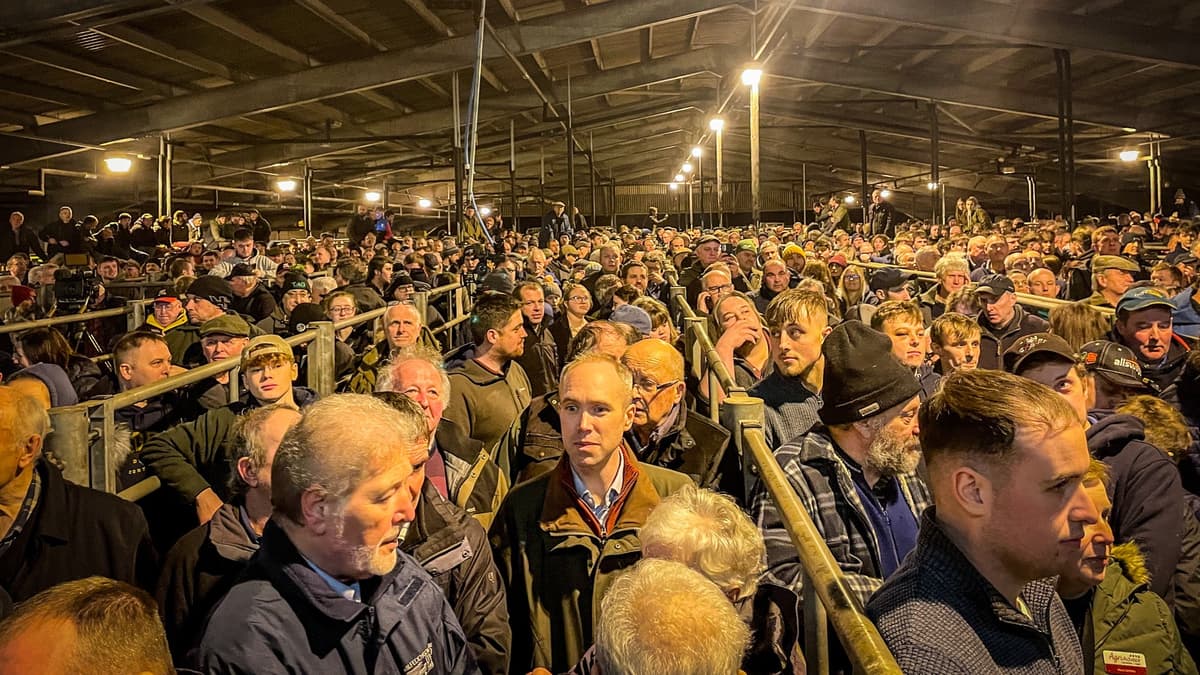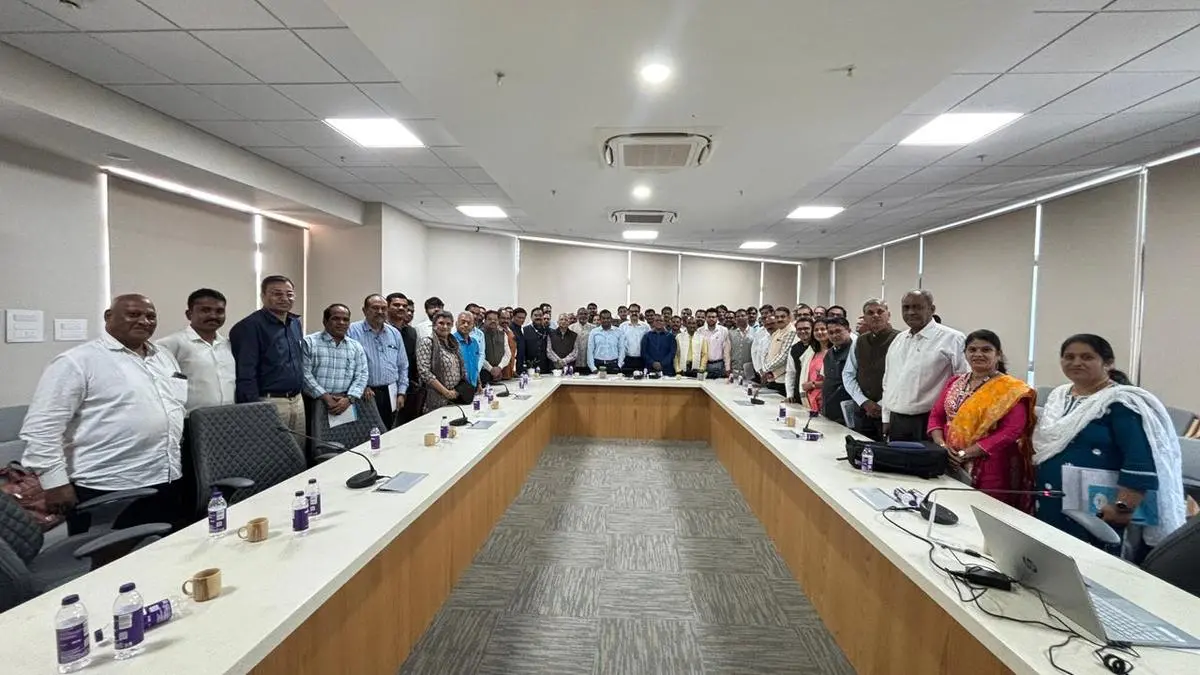

Maharashtra strengthened its commitment to sustainable agriculture with a high-level State Consultation on Natural Farming, bringing together policymakers, scientists, progressive farmers, certification experts, market players, and implementing agencies to shape a unified strategy for scaling natural and residue-free farming across the state.
The consultation was jointly convened under the Hon. Balasaheb Thackeray Agribusiness and Rural Transformation (SMART) Project, Maharashtra Institution for Transformation (MITRA), Maharashtra Village Social Transformation Foundation (VSTF), and Palladium Consultancy Pvt. Ltd. It served as a platform to align policy intent with field realities, certification protocols, and market expectations as the state prepares to institutionalise a comprehensive natural farming framework.
Policy priorities
The policy presentation emphasised promoting ecologically regenerative natural farming across suitable agro-climatic zones; ensuring income enhancement through assured markets, value-chain strengthening, and traceability; and improving soil, water, and biodiversity health through evidence-based, cluster-specific interventions. It also highlighted the need to establish a seamless natural farming certification and residue-testing system; build institutional capacities through FPOs, SHGs, universities, and BRCs; strengthen research, protocols, and long-term evidence generation; facilitate youth participation and technology integration; and put in place strong governance, monitoring, and evaluation mechanisms.
Structural changes needed
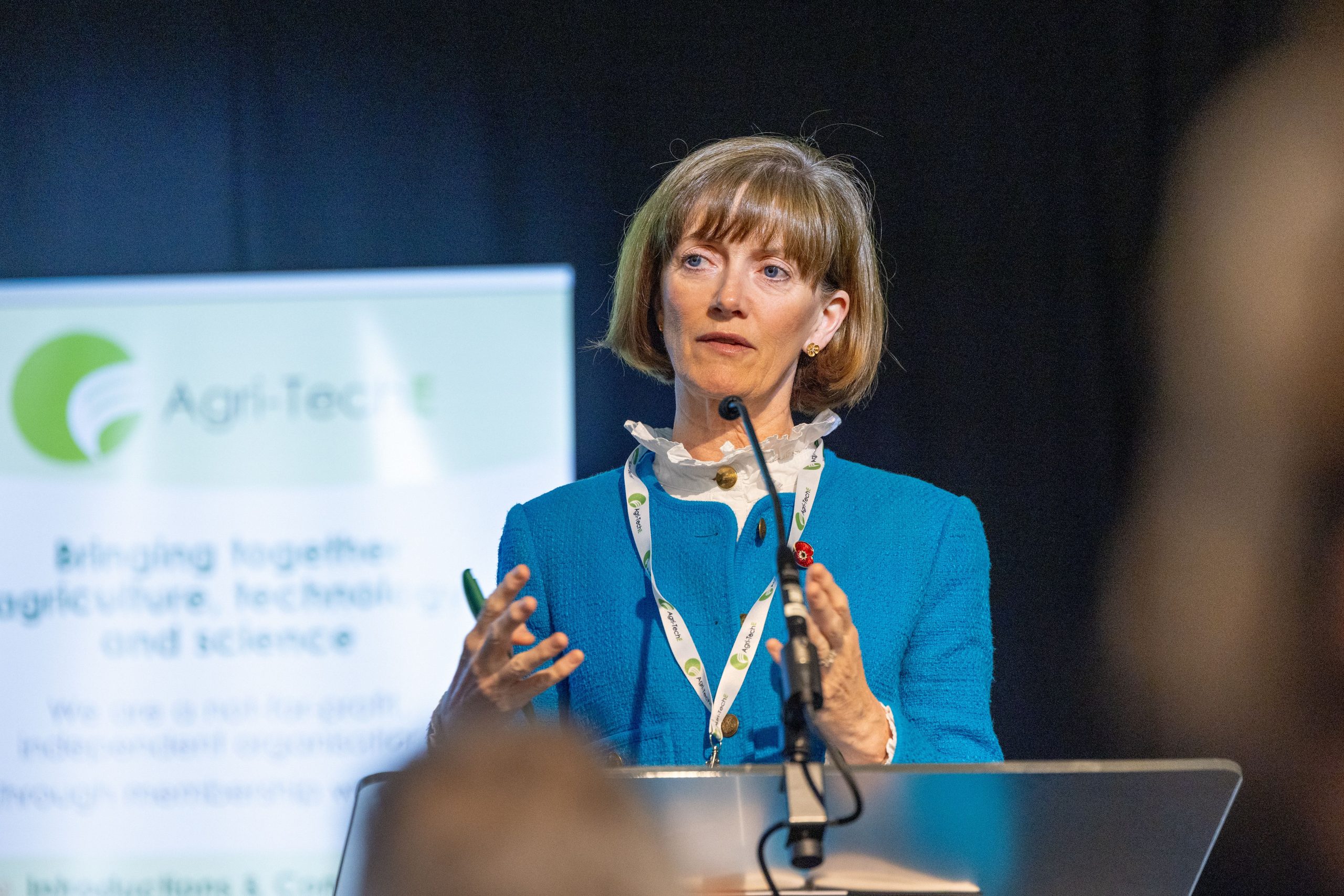
“Scaling Natural Farming requires more than intent it needs structural reform. Maharashtra can lead by enabling tailored agri-finance for NF, assured markets & prices, strong risk-mitigation, and policy validation from Animal Husbandry. Integrating NF in school & university curricula, ensuring seamless certification, converging existing schemes, and creating dedicated NF market zones on the lines of Shabari Corporation (TDD) will be pivotal for real, long-term impact,” says Suraj Mandhare, Commissioner of Agriculture, Maharashtra.
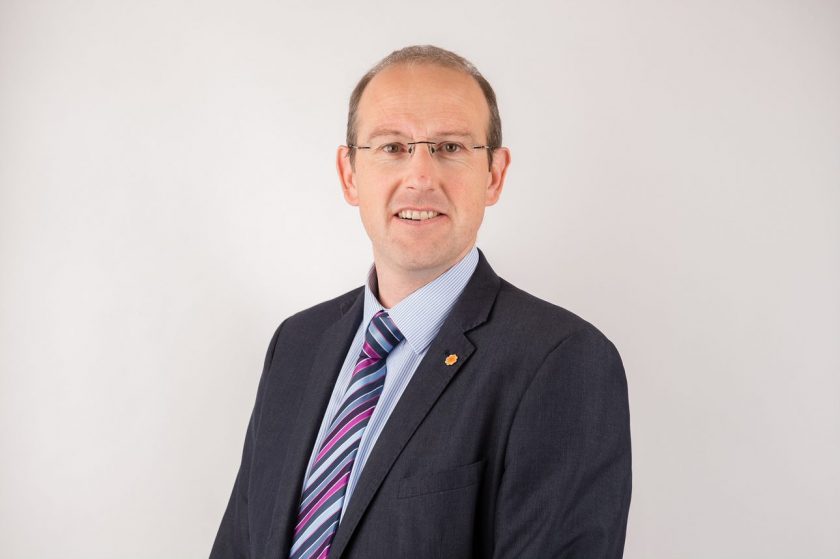
Natural farming is underperforming because evaluations are weak, gaps remain unaddressed, and there’s no structured supply chain or certification. Parashram Patil (Senior Advisor, MITRA) emphasises that closing these gaps and building a comprehensive ecosystem is critical for scalability, especially in Maharashtra, where the growth opportunity is immense.
Published on November 18, 2025