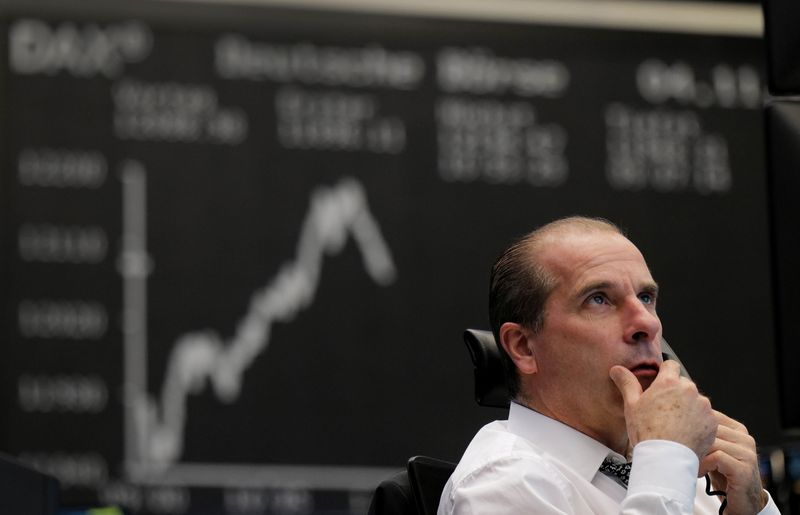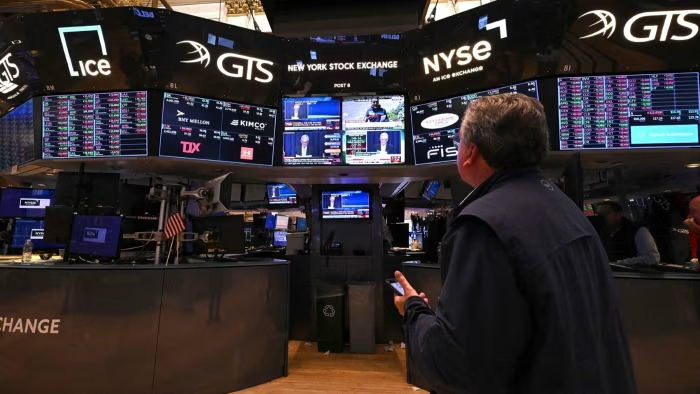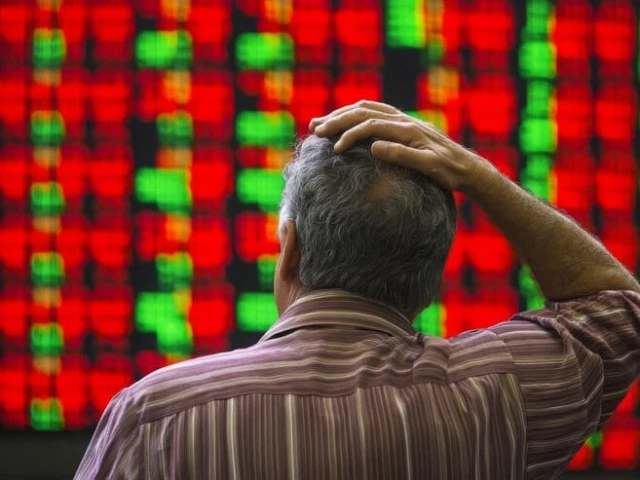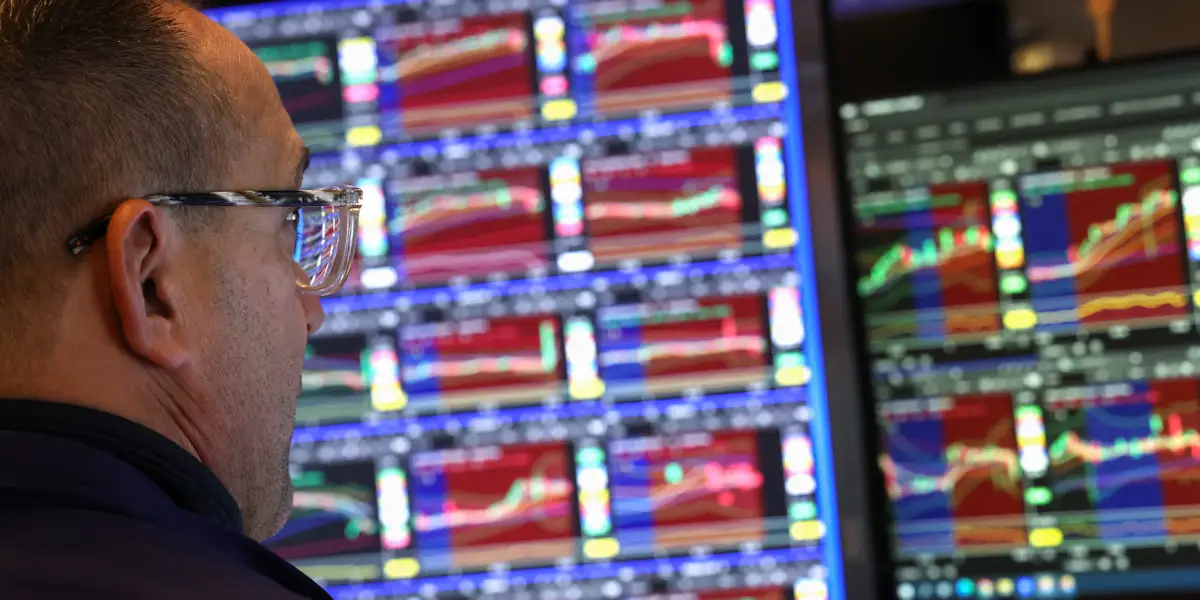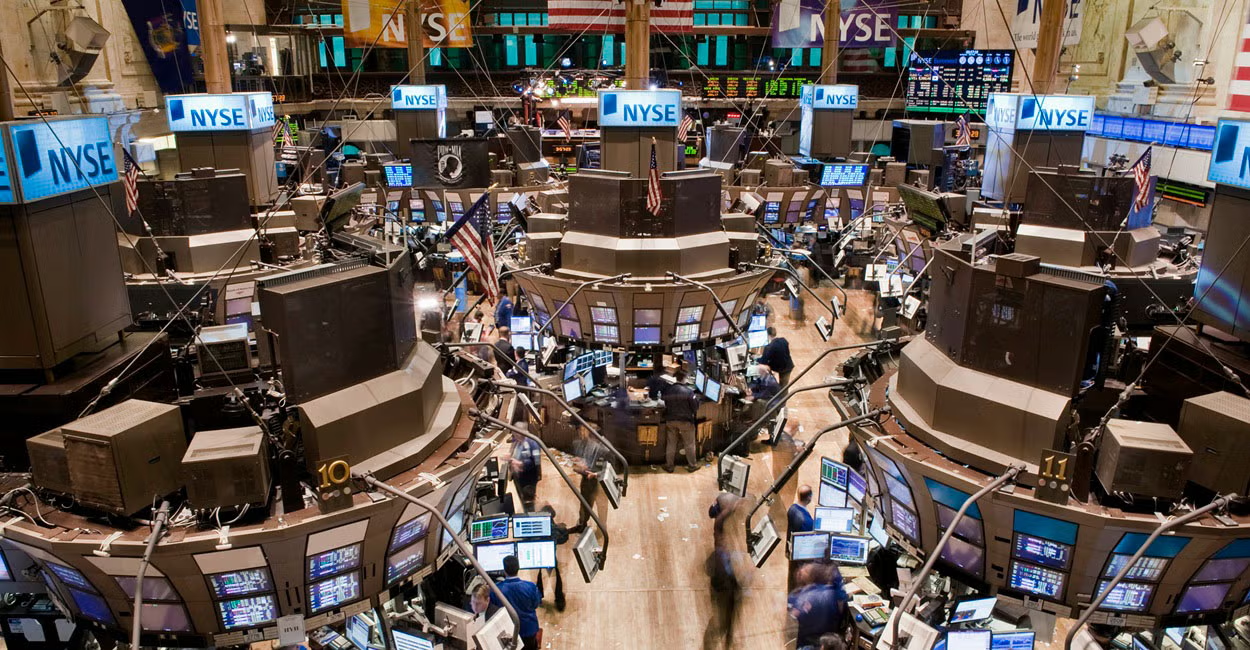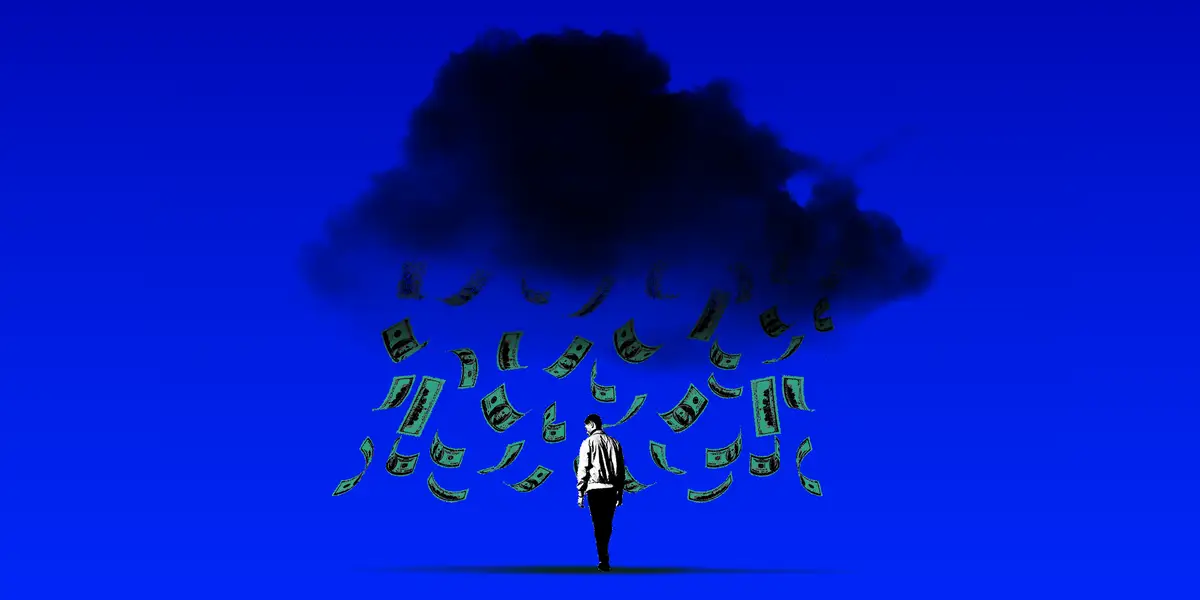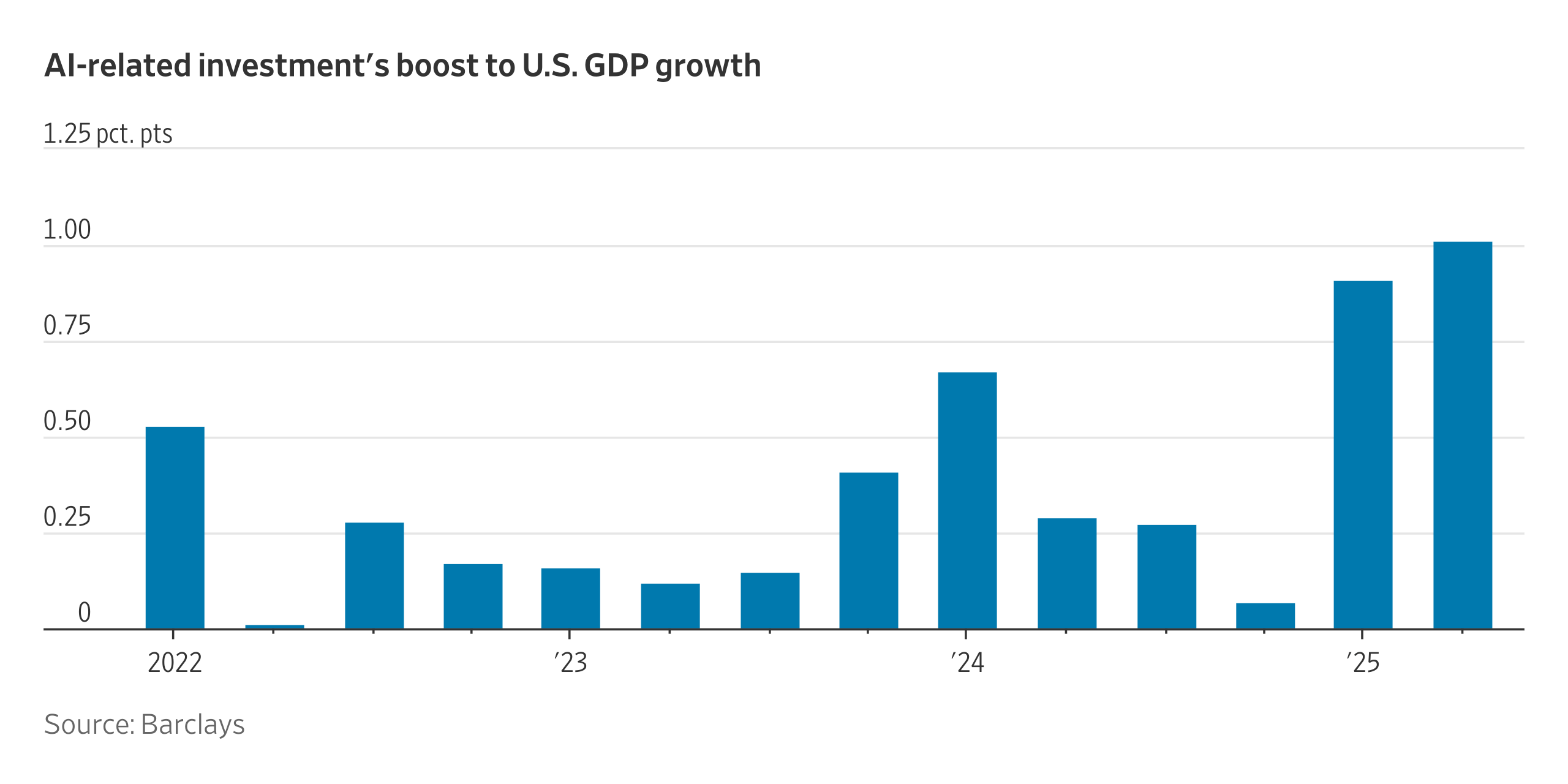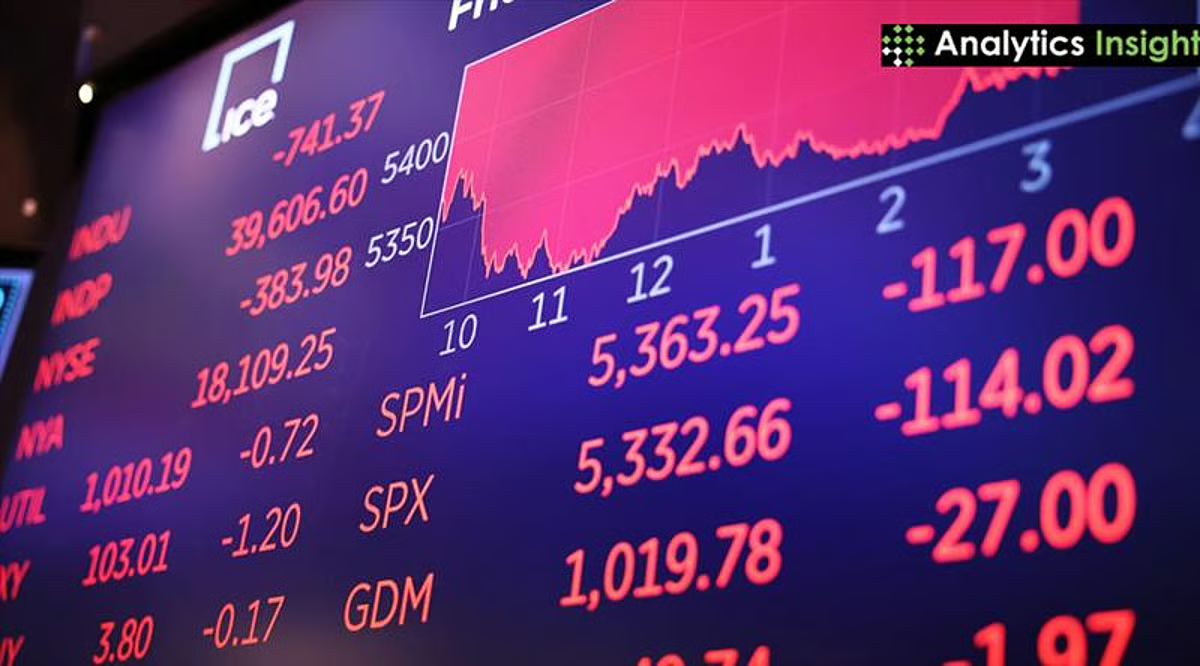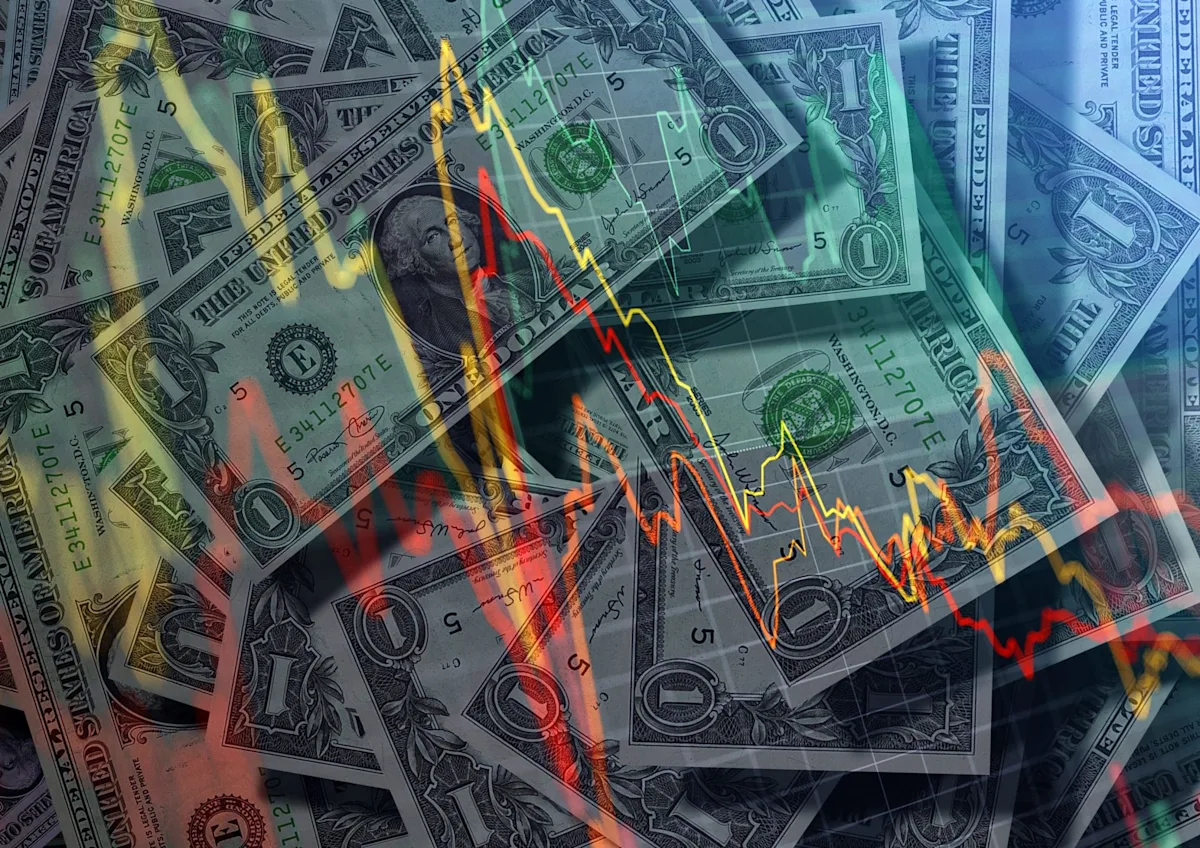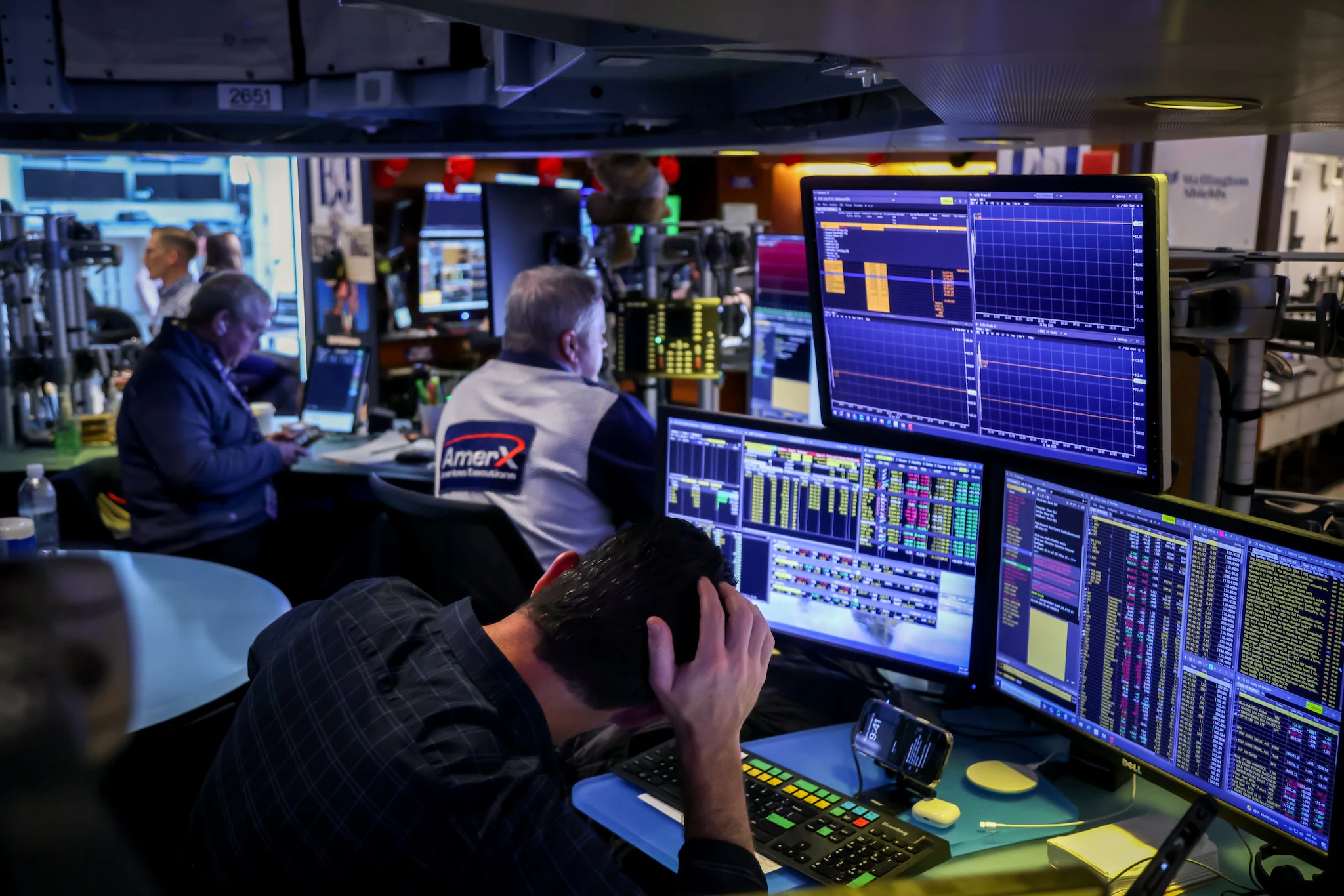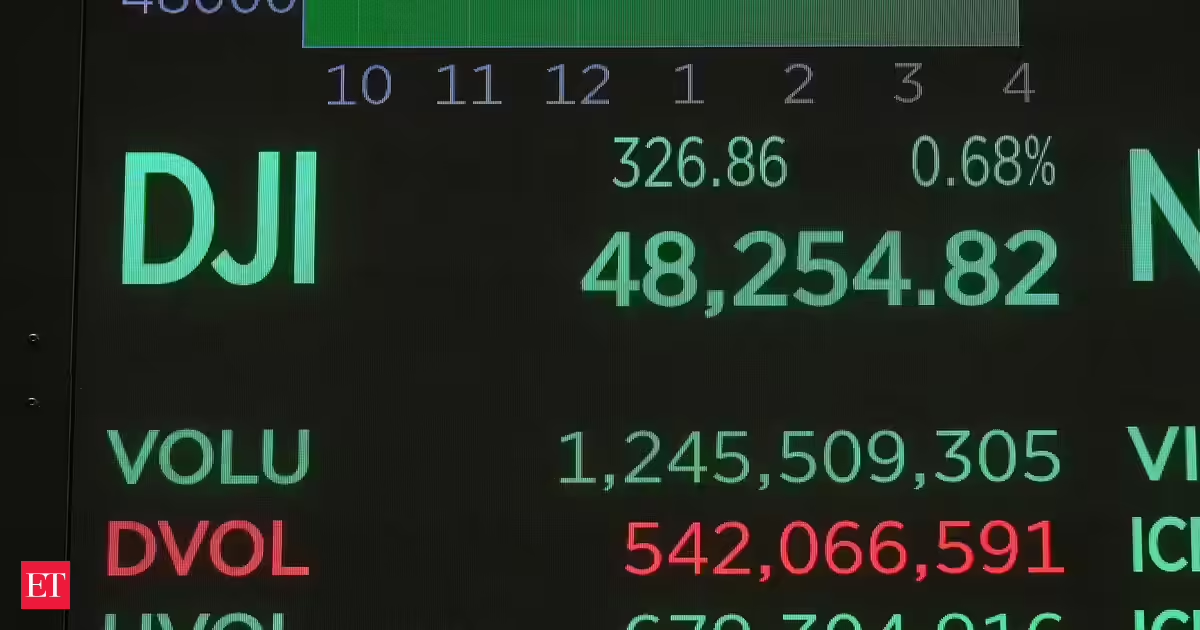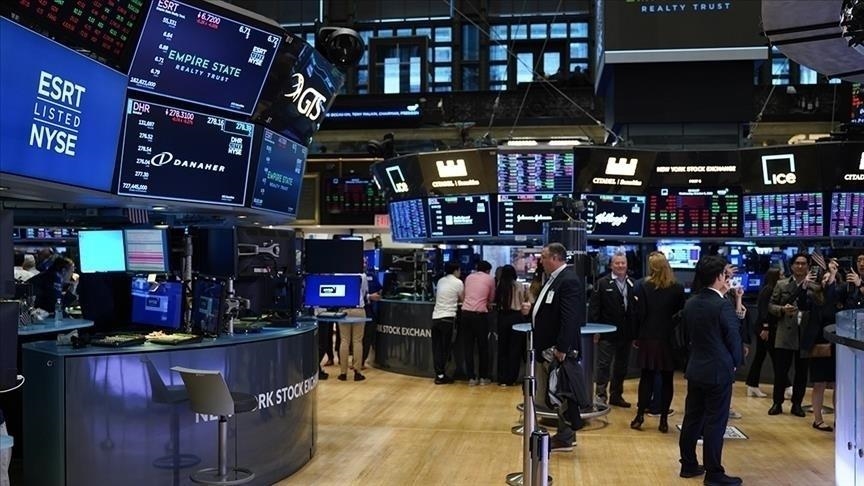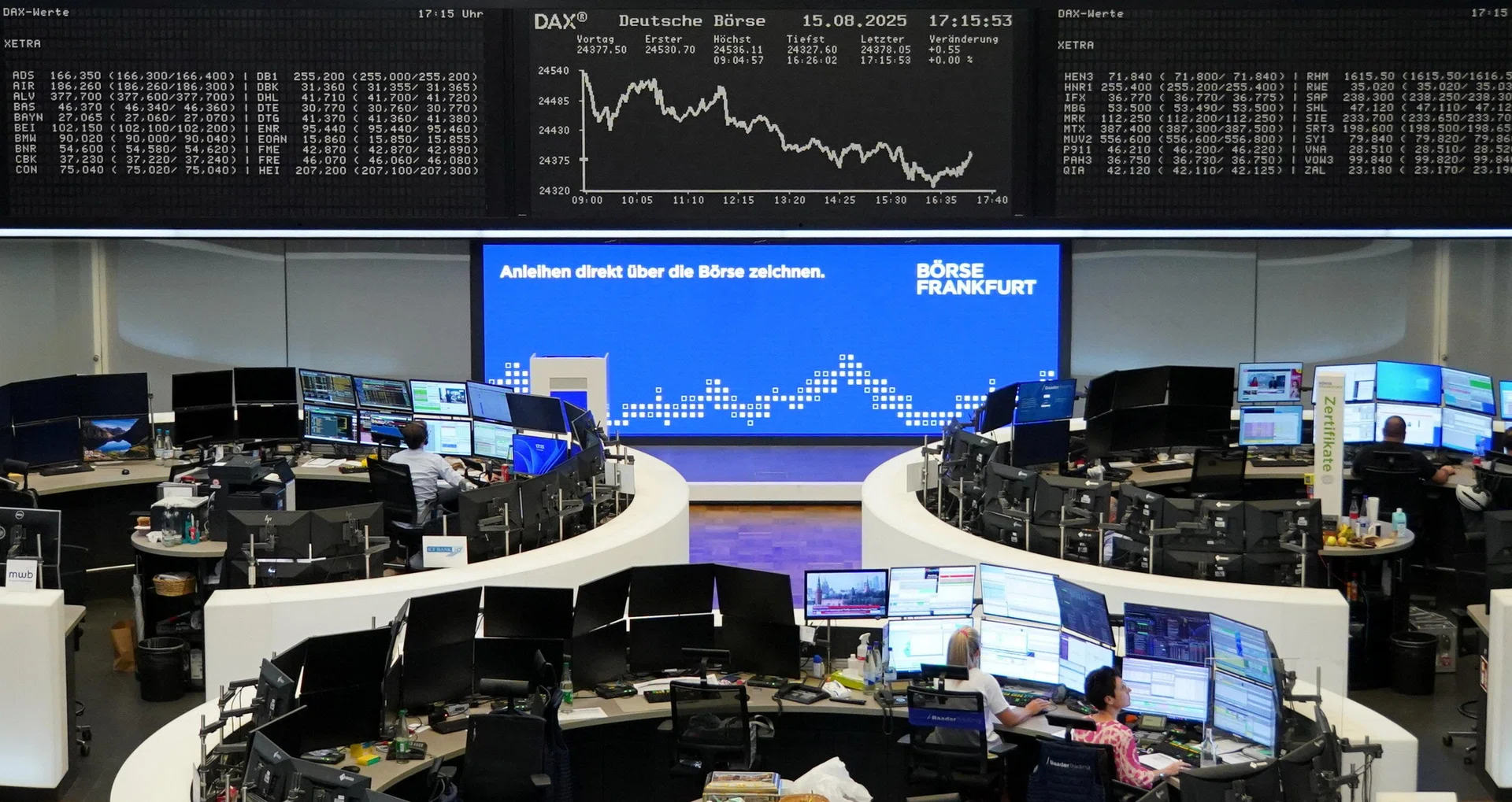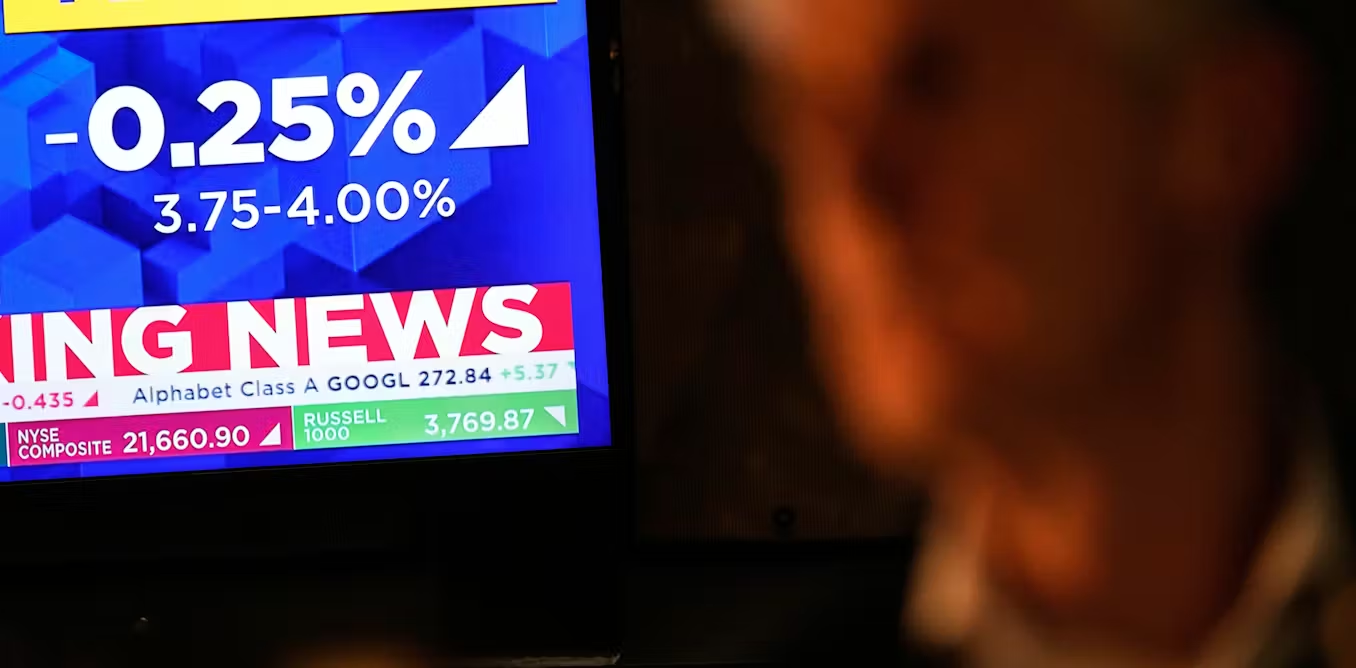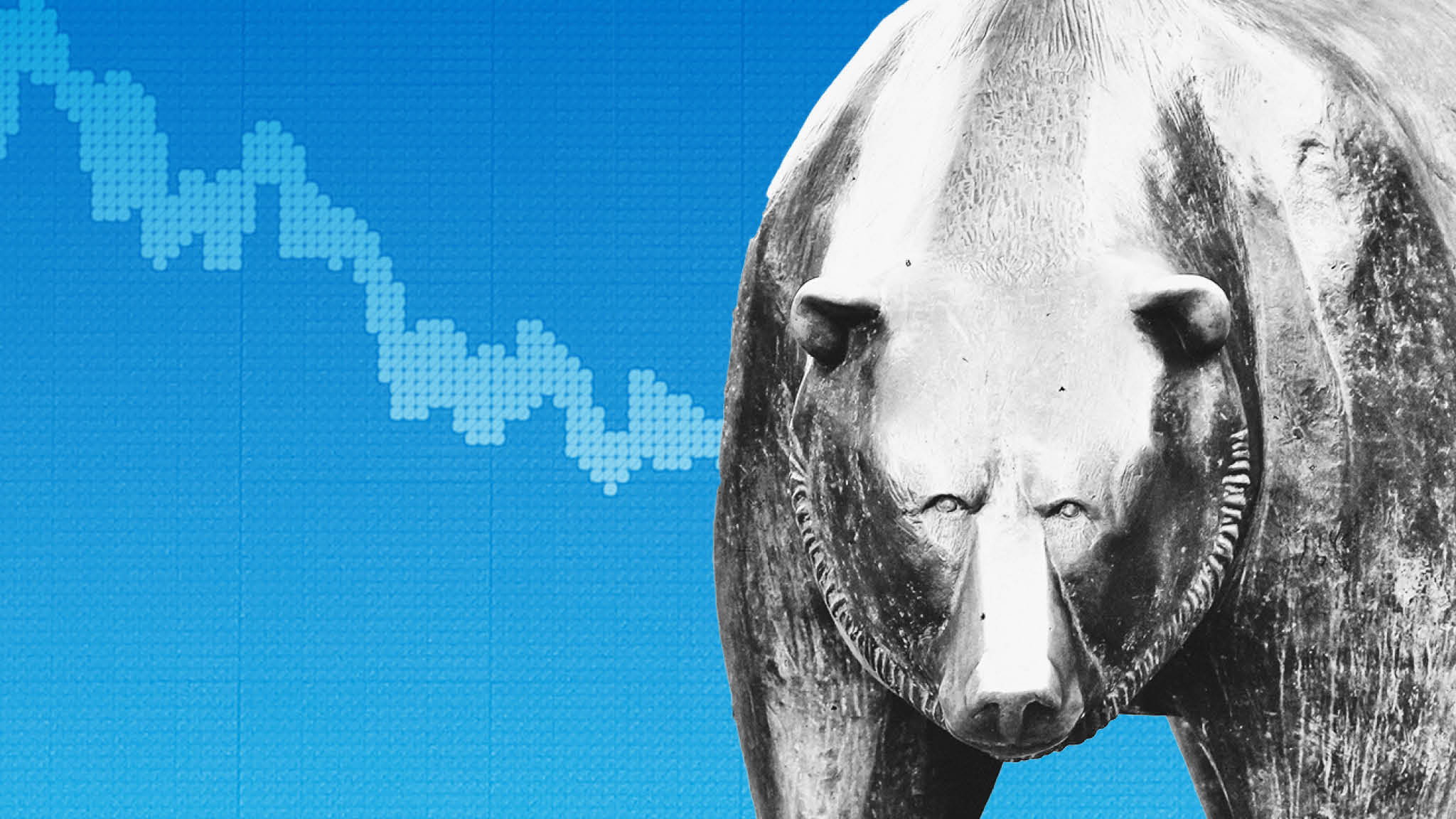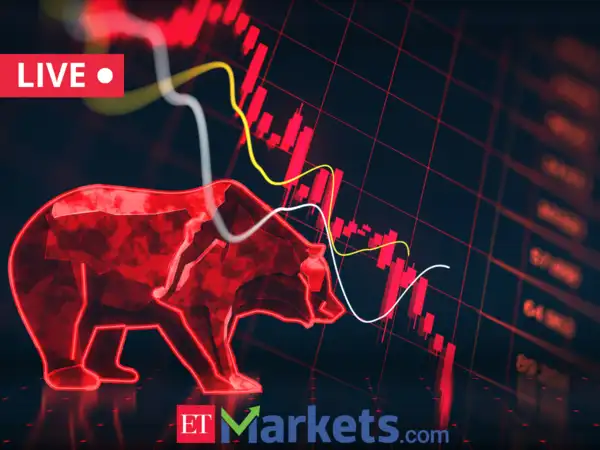
Global stock markets are at risk of a sudden correction as the artificial intelligence boom pushes valuations towards dotcom bubble levels, both the IMF and Bank of England have warned.
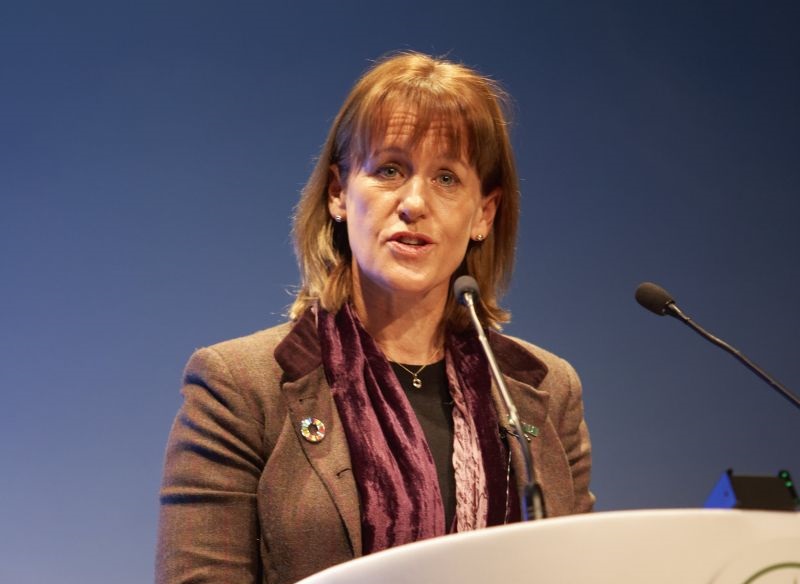
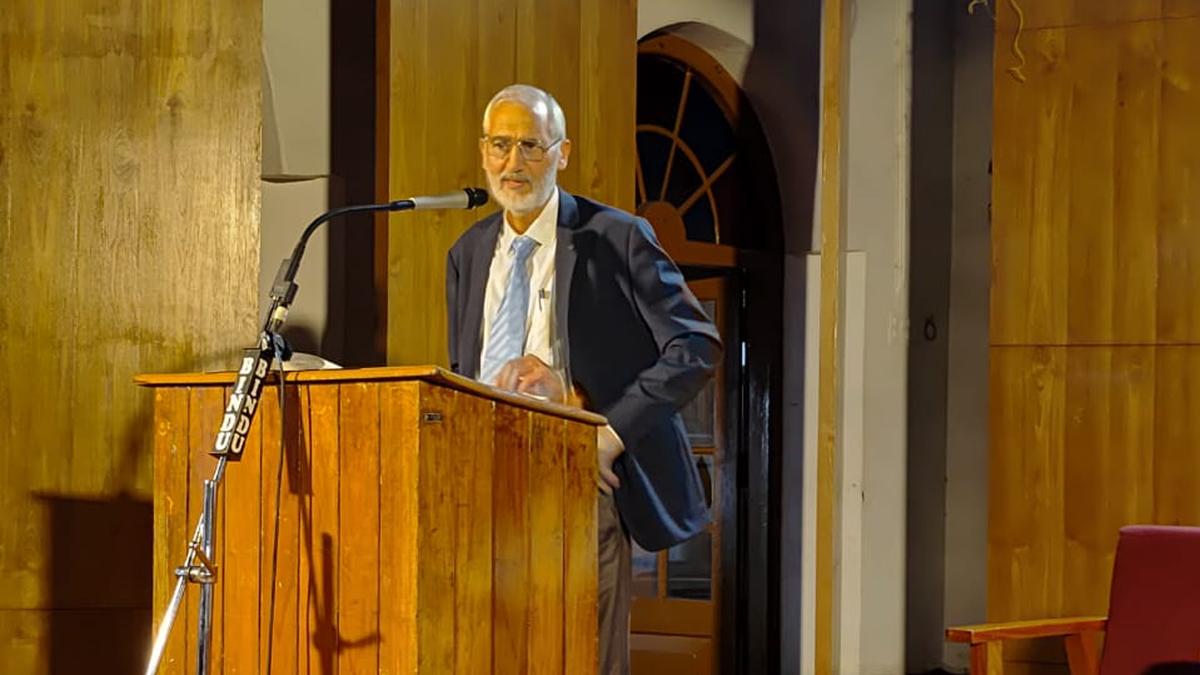
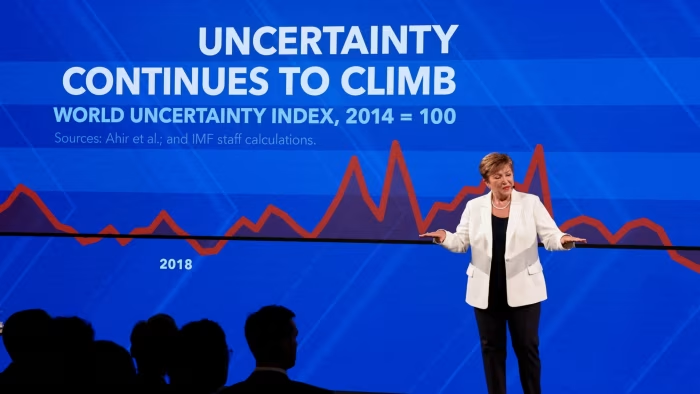
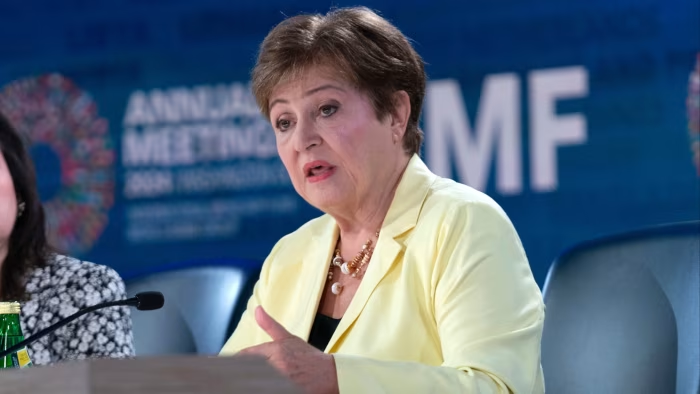
Kristalina Georgieva, IMF managing director, said on Wednesday that bullish market sentiment about “the productivity-enhancing potential of AI” could “turn abruptly”, hitting the world economy.
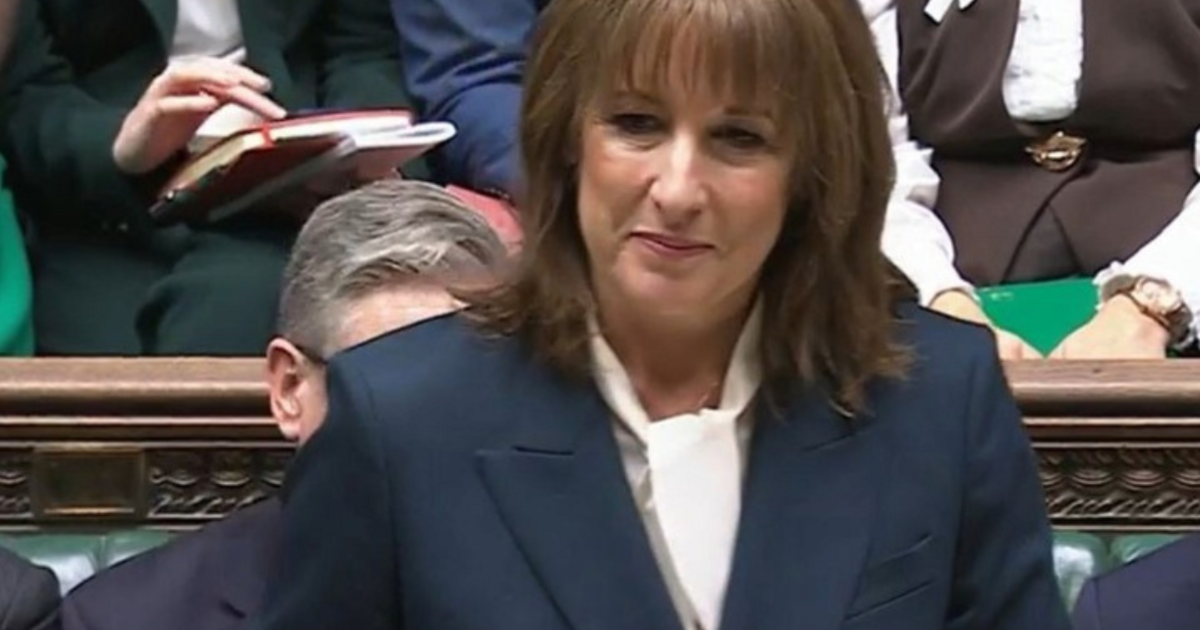
She was speaking hours after the BoE body overseeing financial stability risks also drew parallels with the 2000 crash that followed the dotcom boom, warning of the risk of a “sudden correction” in global financial markets.
“Today’s valuations are heading towards levels we saw during the bullishness about the internet 25 years ago,” Georgieva said in a speech delivered ahead of the IMF’s annual meetings next week.
The remarks by the IMF managing director and the BoE are the clearest warnings yet by global officials that an AI-led market bubble could burst.
Georgieva said optimism about AI had “fired up” markets and helped support the global economy. But she added that a sharp correction in stock prices “could drag down world growth, expose vulnerabilities and make life especially tough for developing countries”.
In similar language, the BoE’s Financial Policy Committee warned that “the risk of a sharp market correction has increased” in the record of its latest meeting on Wednesday.
It said that the cyclically adjusted price-to-earnings ratio for US shares, a closely watched measure of valuations, had come close to the levels of 25 years ago — “comparable with the peak of the dotcom bubble”.
The S&P 500 index of larger US-listed companies is trading at a one-year forward price-to-earnings ratio of 25 times, which is “elevated relative to historical levels” but below levels of the 2000 dotcom bubble, it added.
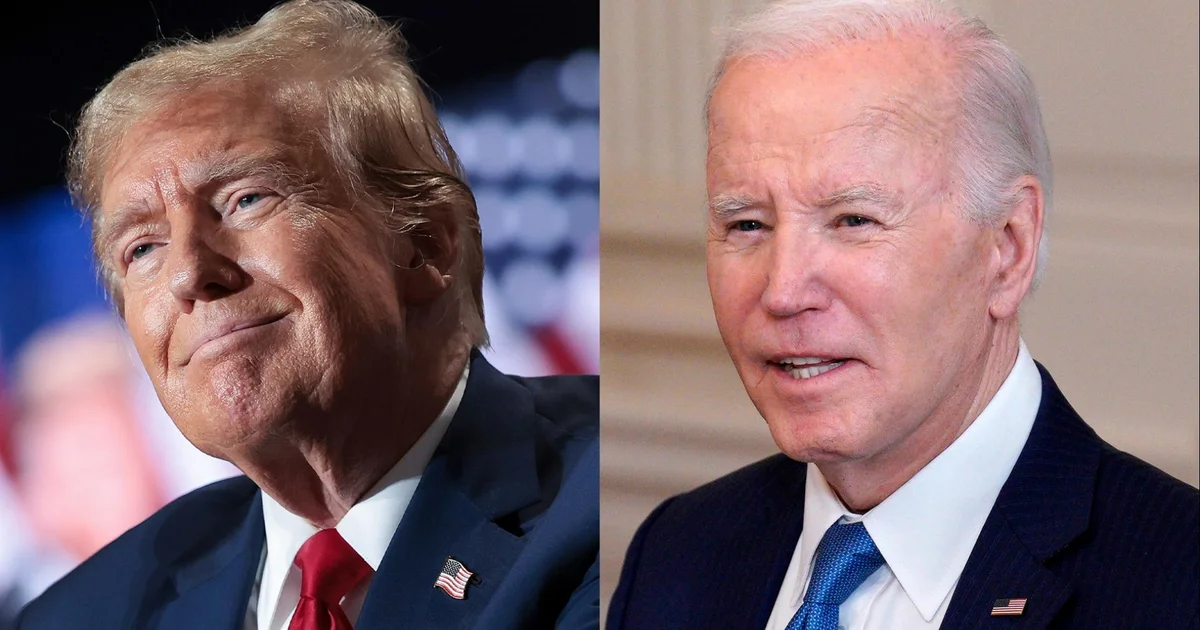
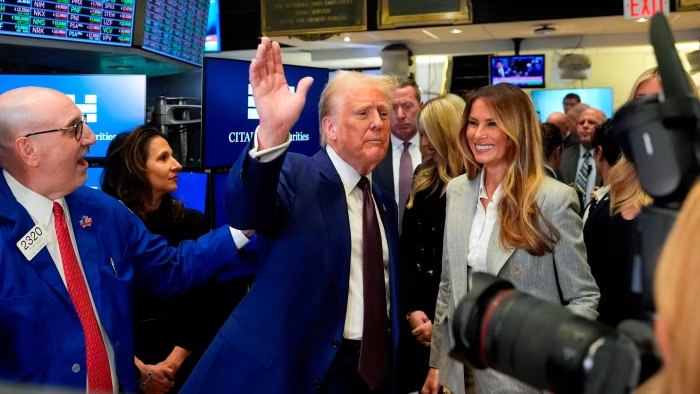
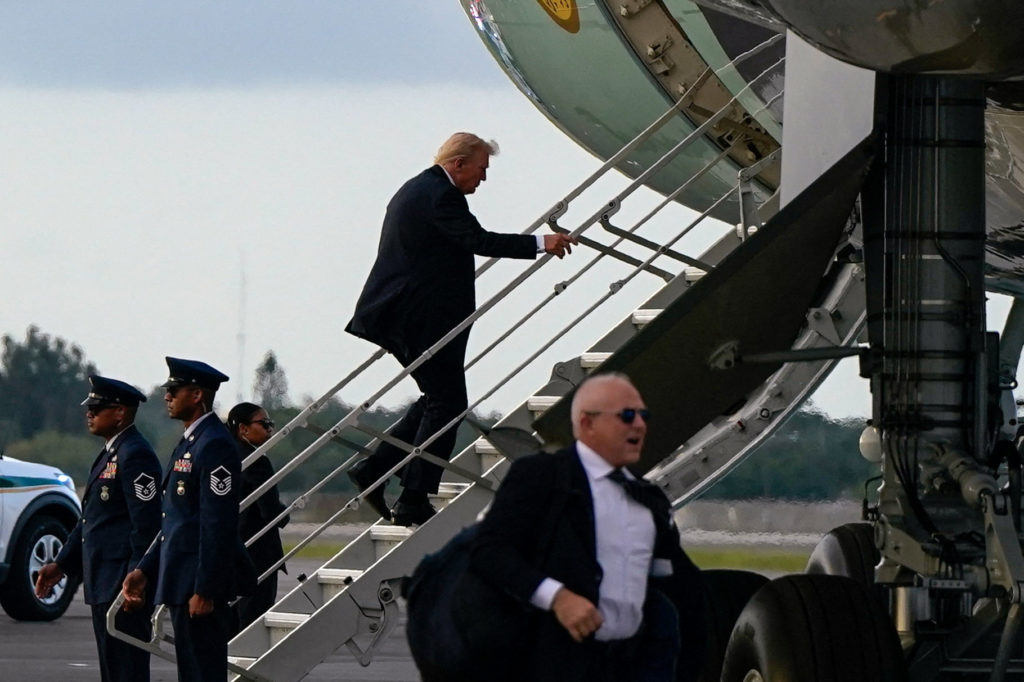
The index has climbed 14 per cent this year in a rapid rebound from the slump that followed Donald Trump’s “liberation day” tariff announcement in April.
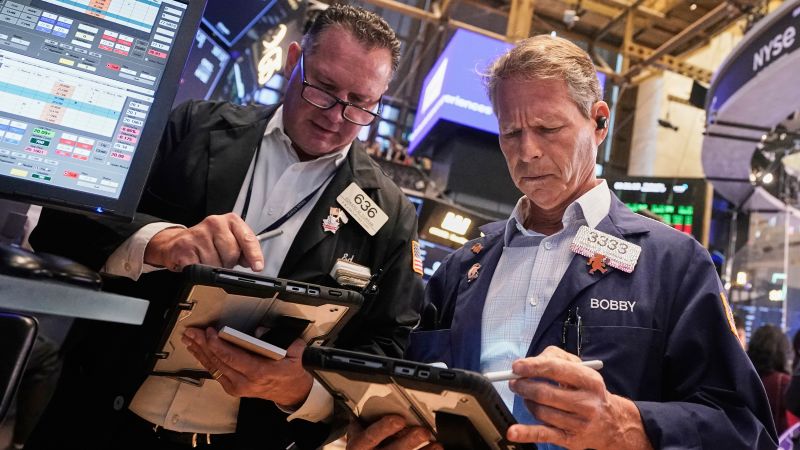
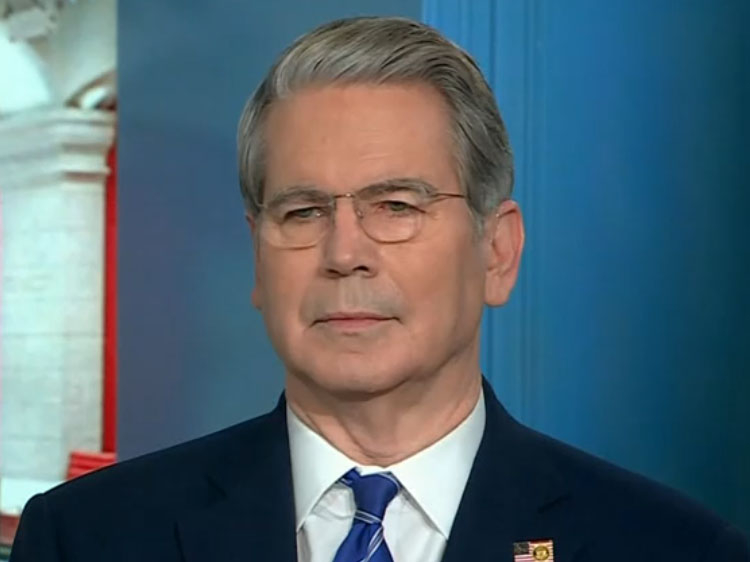
But Nvidia chief Jensen Huang told CNBC on Wednesday that the current AI boom was “dramatically different” to the dotcom bubble because the “hyperscalers” — such as Microsoft, Google and Meta — were so much richer than the likes of pets.com, one of the most notorious internet bubble-era listings.
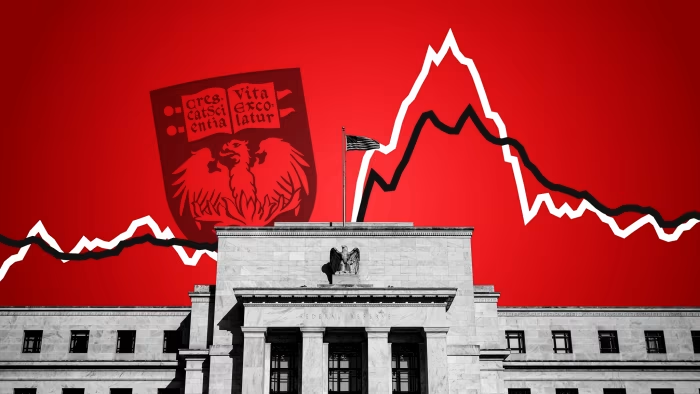
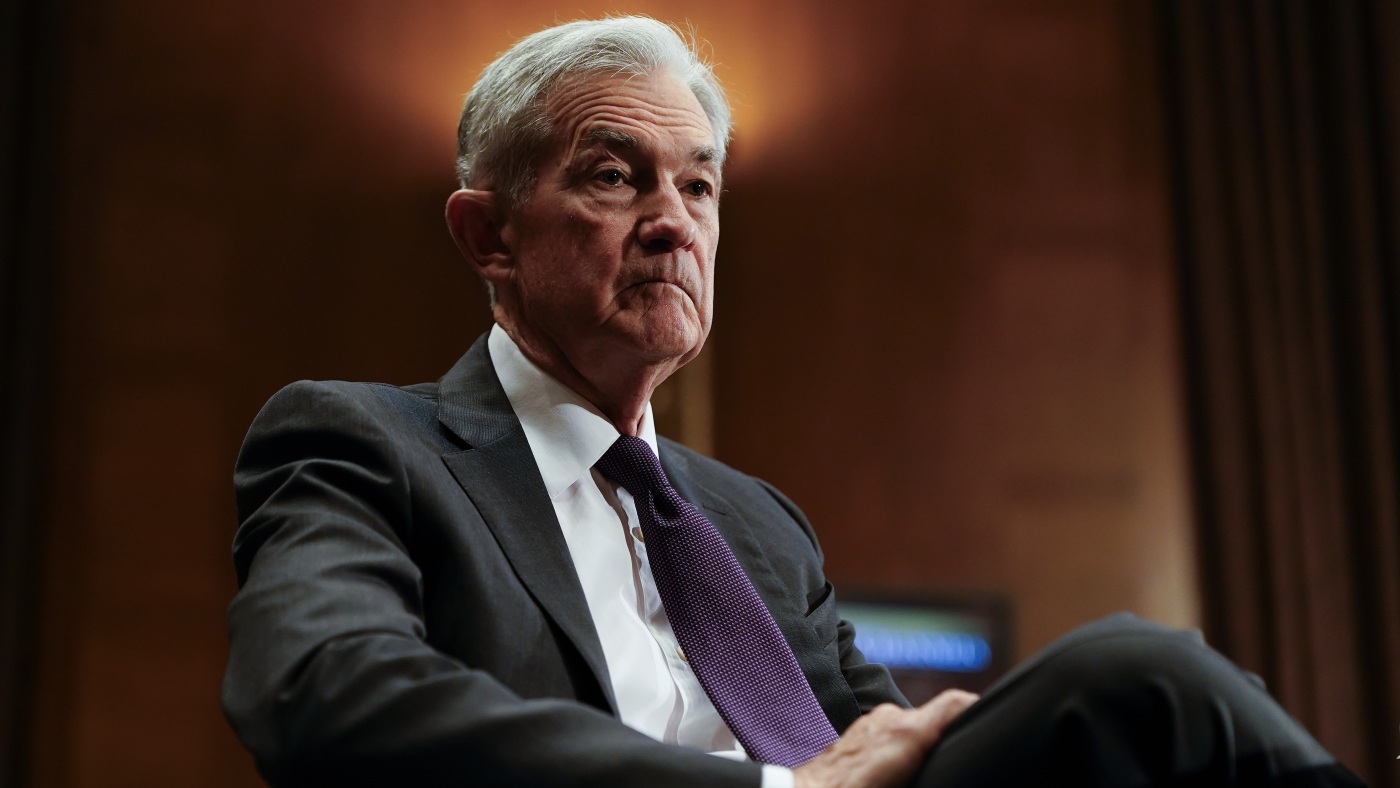
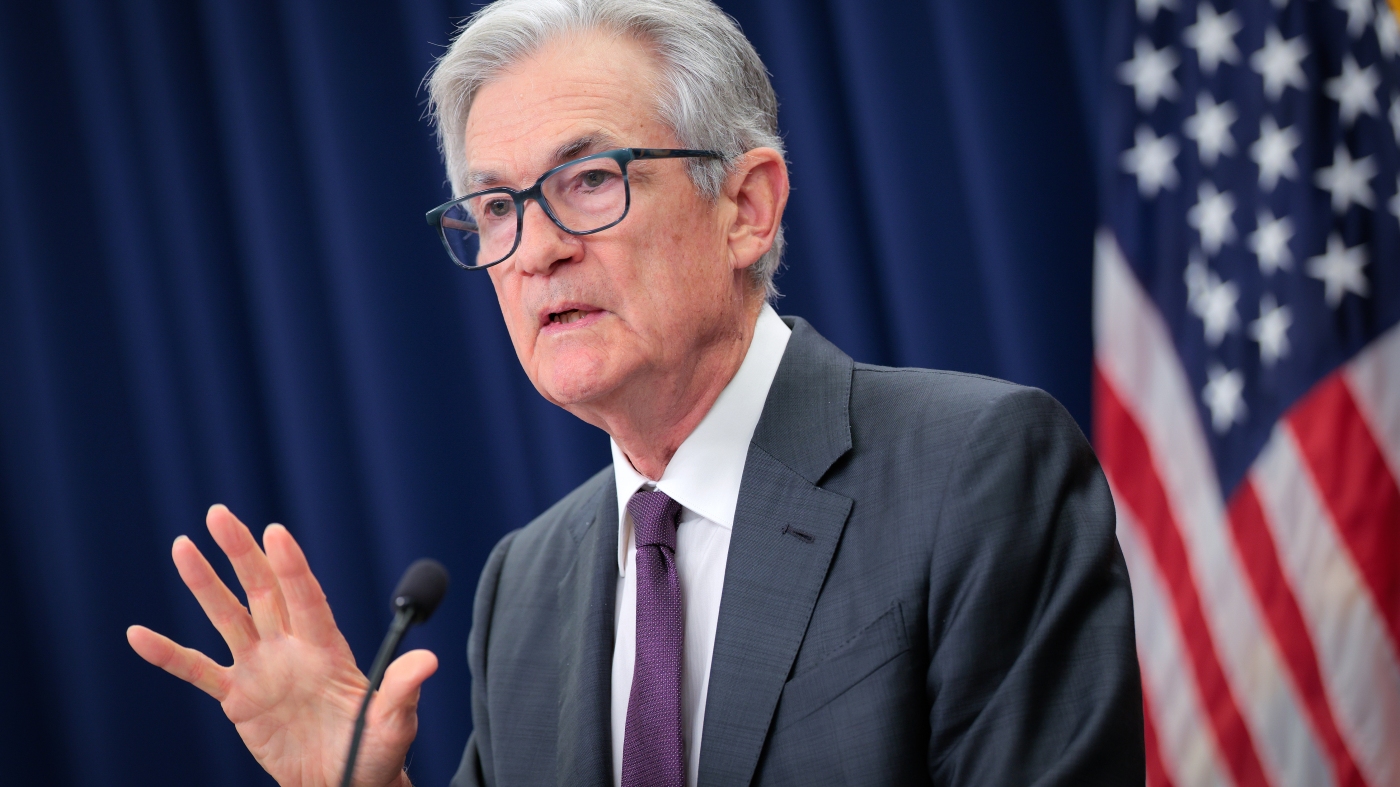
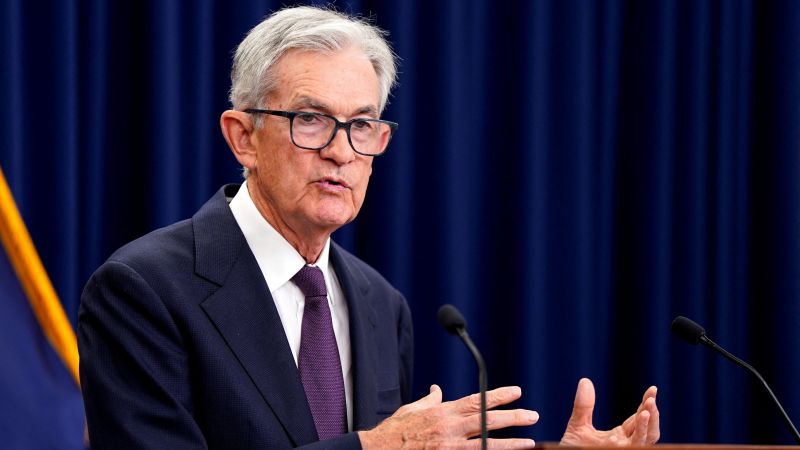
US Federal Reserve officials have played down the prospect of a damaging market correction. Mary Daly, the head of the San Francisco Fed, said this week that an AI bubble was not a threat to financial stability.
“Research and economics call it more like a good bubble, where you’re getting a ton of investment,” she told Axios. “Even if the investors don’t get all the returns that the early enthusiasts think when they invest, it doesn’t leave us with nothing. It leaves us with something productive.”
The BoE argued that the dangers of a market reversal had been compounded by defaults in US automotive credit markets in recent months, adding that these “underscore some of the risks” it has been highlighting in market-based finance.
Additional risks stem from rising political pressure on the Fed, which “could result in a sharp re-pricing of US dollar assets” and from uncertainty around “political deadlocks in France and Japan”, which also threaten to disrupt debt markets.
The BoE said that on a number of measures “equity market valuations appear stretched, particularly for technology companies focused on artificial intelligence”.
“This, when combined with increasing concentration within market indices, leaves equity markets particularly exposed should expectations around the impact of AI become less optimistic.”
The BoE said “any AI-led price adjustment” would have a greater impact on investors because of the higher concentration of tech companies in the overall market. The top five tech groups make up an all-time high of almost 30 per cent of the S&P 500.
US credit markets have been shaken in recent weeks by the defaults of subprime auto lender Tricolor and car parts group First Brands, which both relied heavily on loans from private credit providers and invoice financing.
“These underscore some of the risks the FPC have previously highlighted around high leverage, weak underwriting standards, opacity and complex structures,” the BoE said.
It added that credit market spreads, measuring the difference between interest rates for riskier borrowers and those considered safe, had fallen “close to historically low levels”.
Georgieva said the AI boom and the weakening of the dollar had helped to ease financial conditions and lift the global economy.
“We see global growth slowing only slightly this year and next. All signs point to a world economy that has generally withstood acute strains from multiple shocks,” the IMF chief said.
Additional reporting by Tim Bradshaw in London