JSE-listed trade solutions group Santova has provided the first view into how the US administration under President Donald Trump’s sweeping plan to impose tariffs on most countries is impacting South Africa. These see a 30% tariff imposed on imports from South Africa and an effective rate of 47% on Chinese goods entering the US from August.
It says, matter-of-factly, that “as a consequence” of the US-imposed tariffs, “almost all imports from South Africa and China [to the US] have ceased”.
Read/listen:
Not exactly smooth sailing for Santova, yet … [Jun 2024]
Santova results ‘really spectacular’ despite modest appearance
These were profound decisions with profound consequences, and many companies saw any semblance of an order book evaporate overnight as imported goods suddenly became 30% pricier.
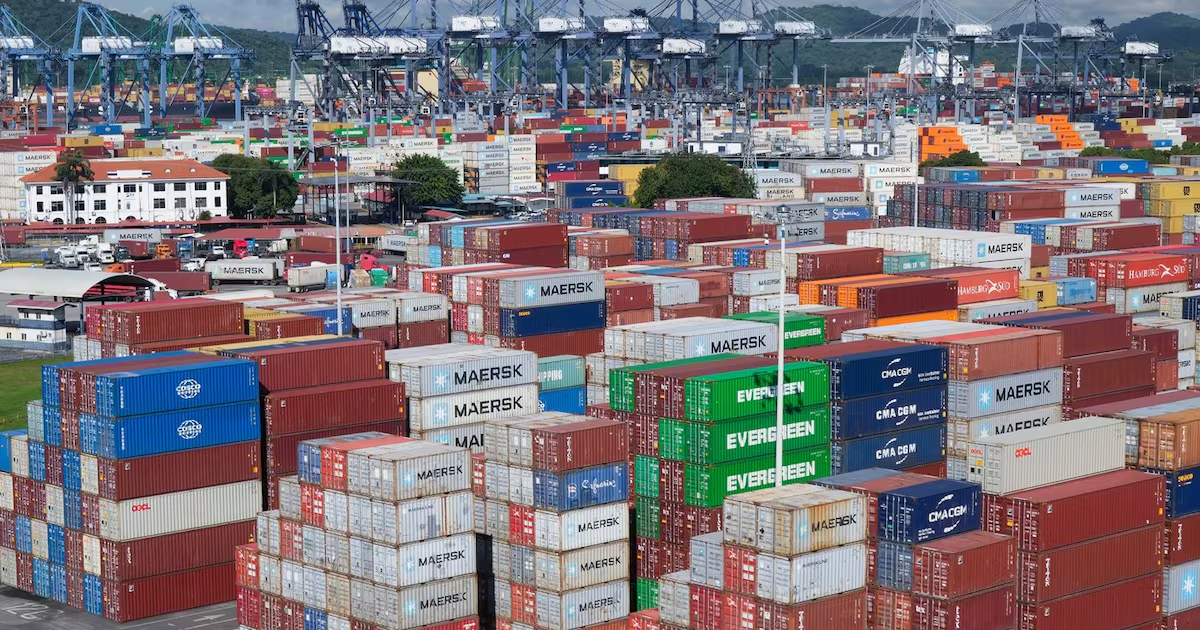
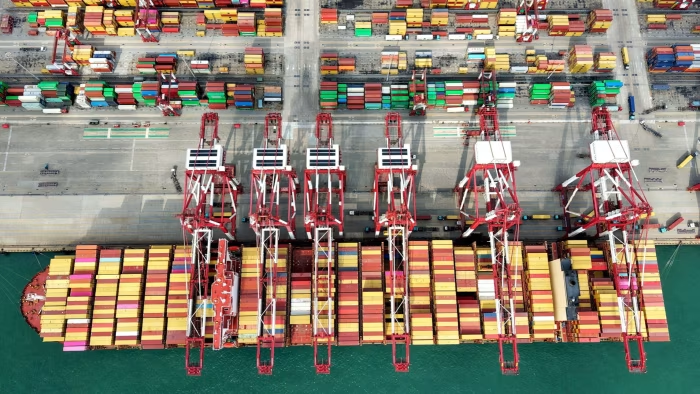
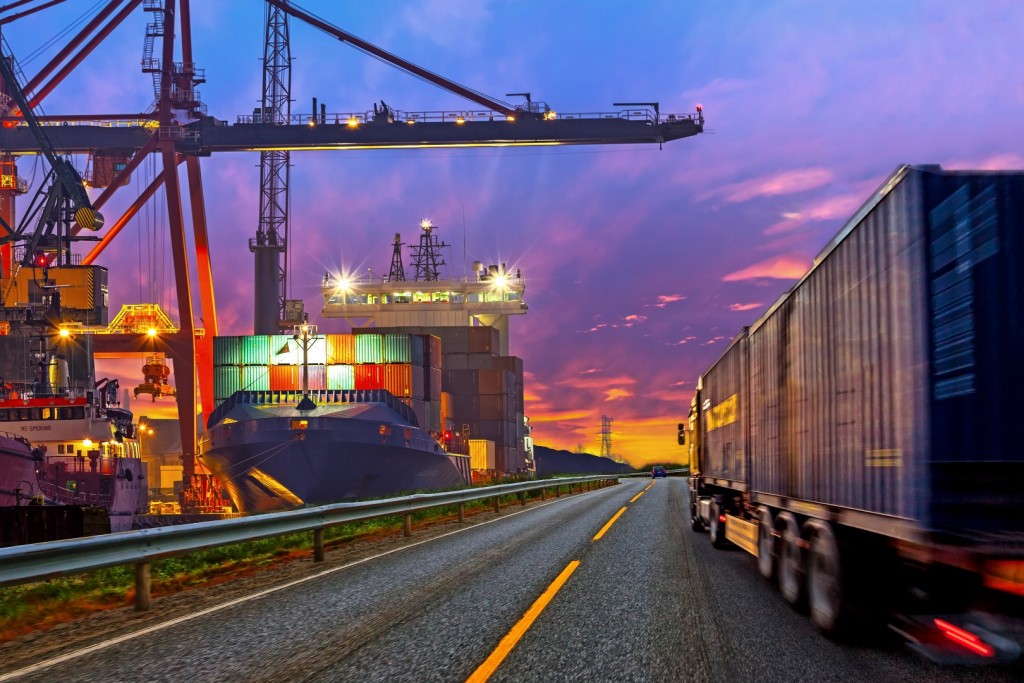
Essentially, Santova brokers shipping deals for clients across the globe (with offices across Asia, Europe, the UK and the US).
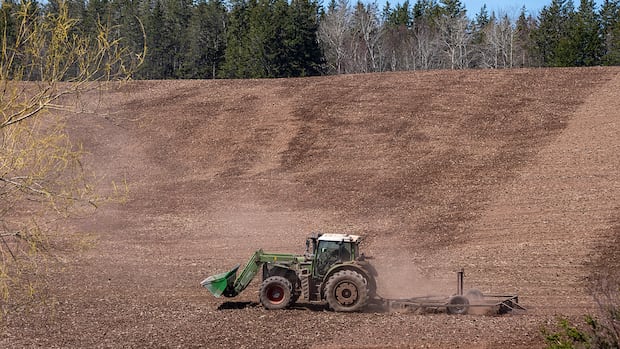
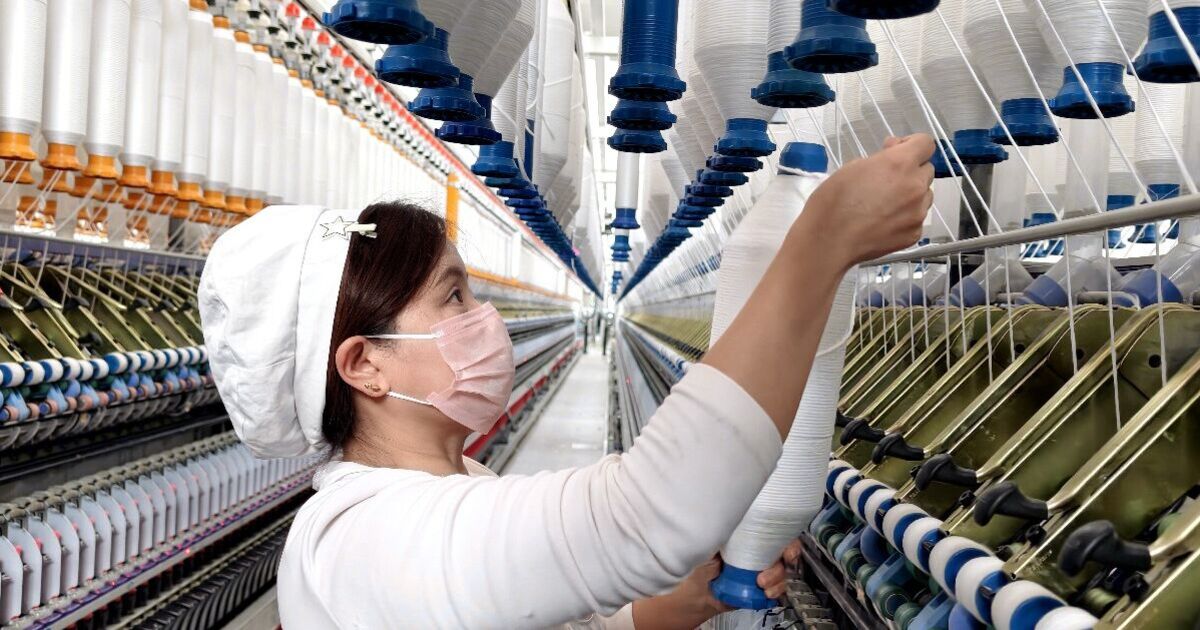
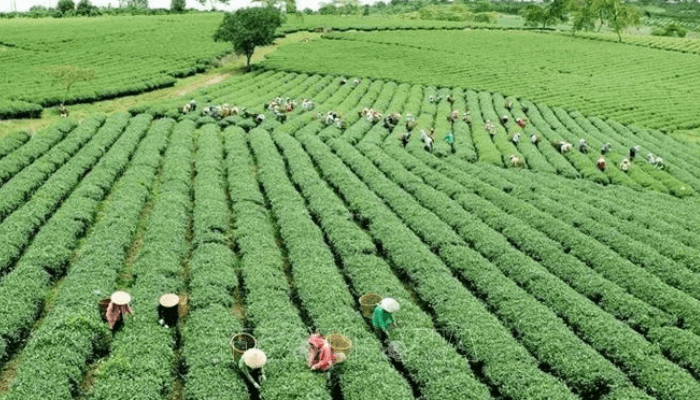
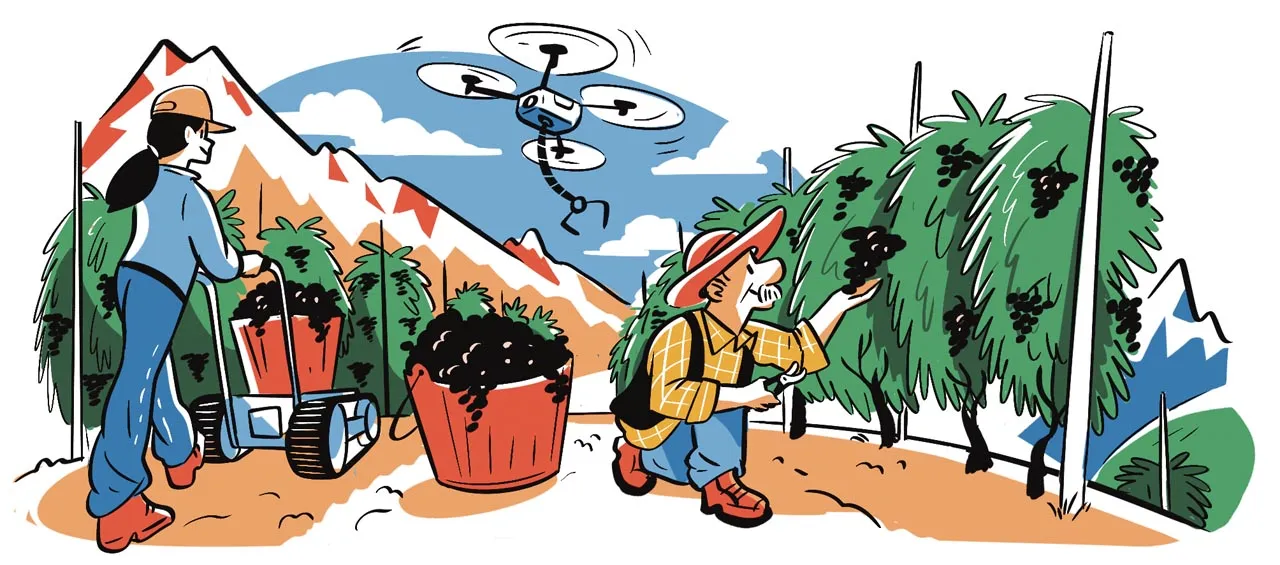
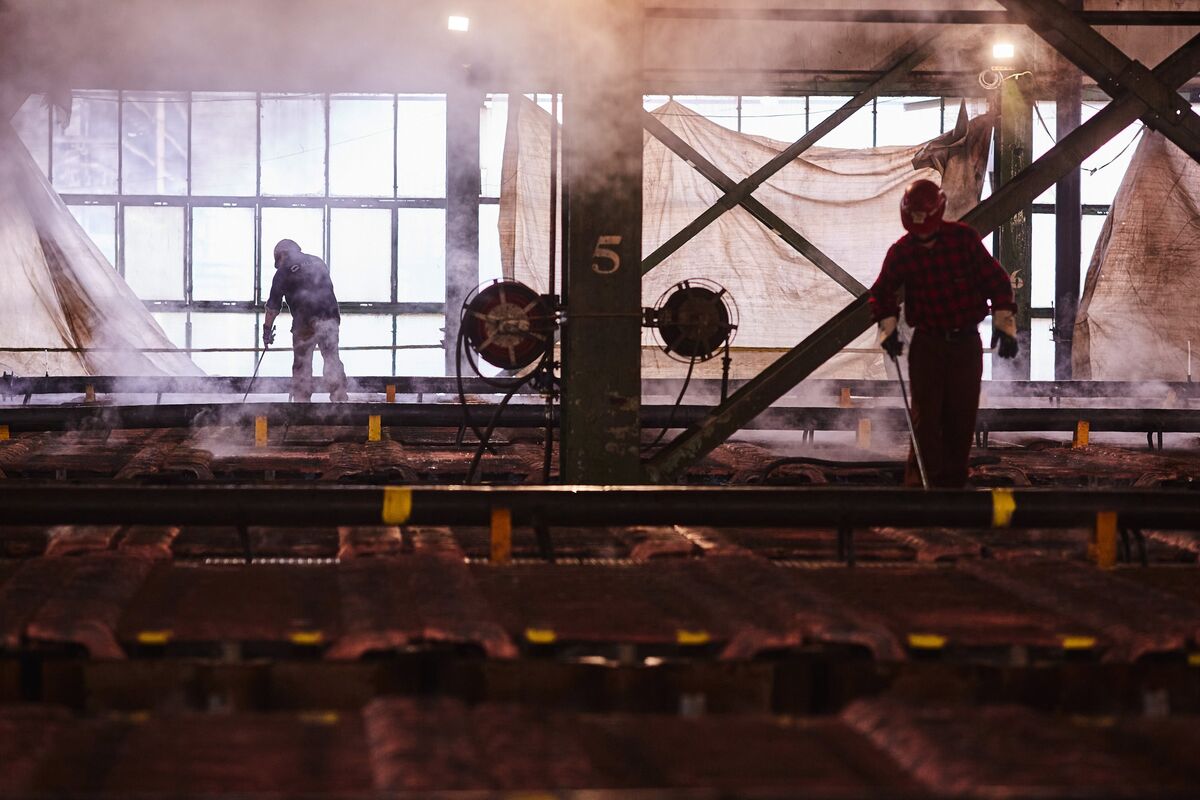
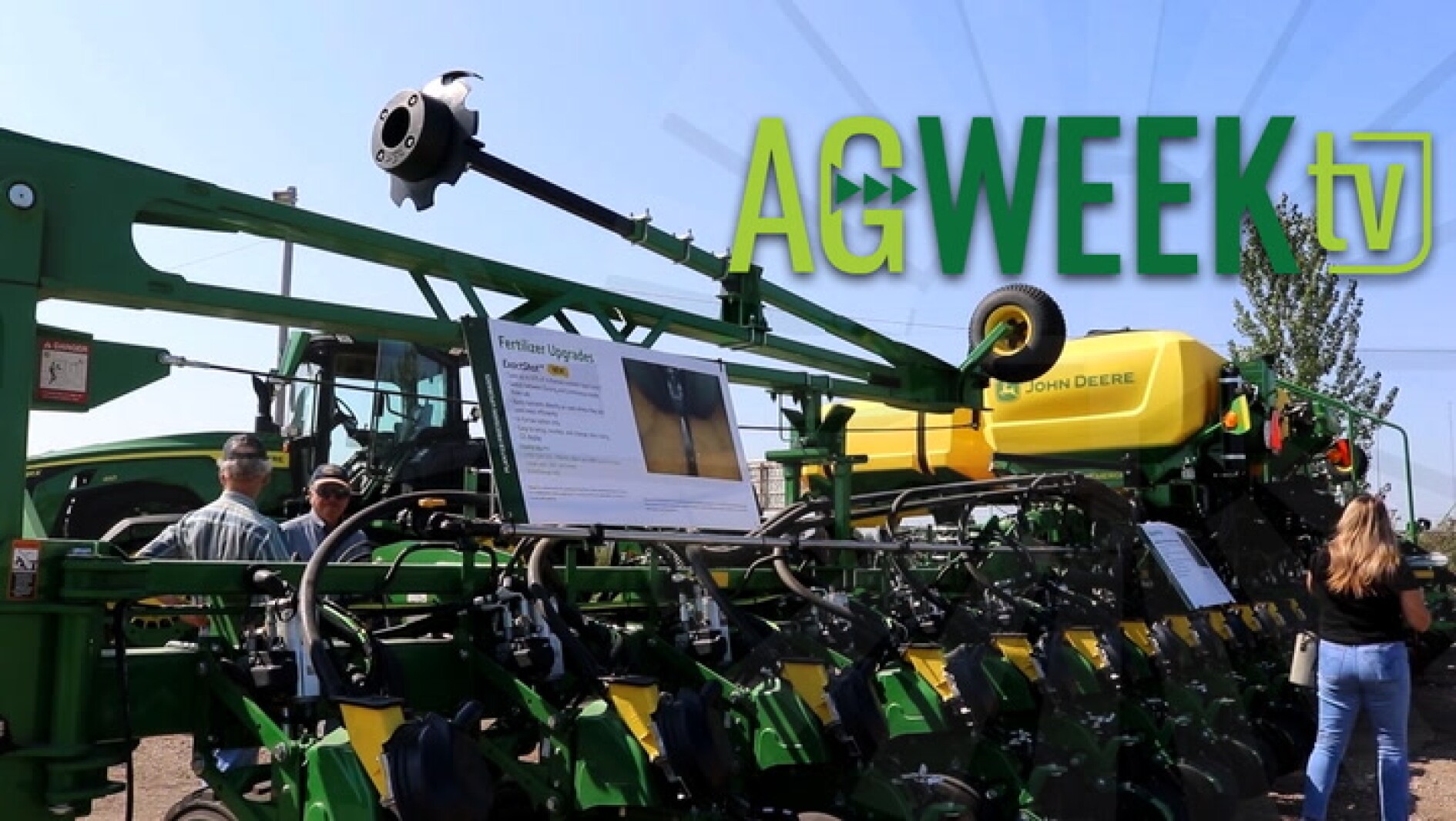
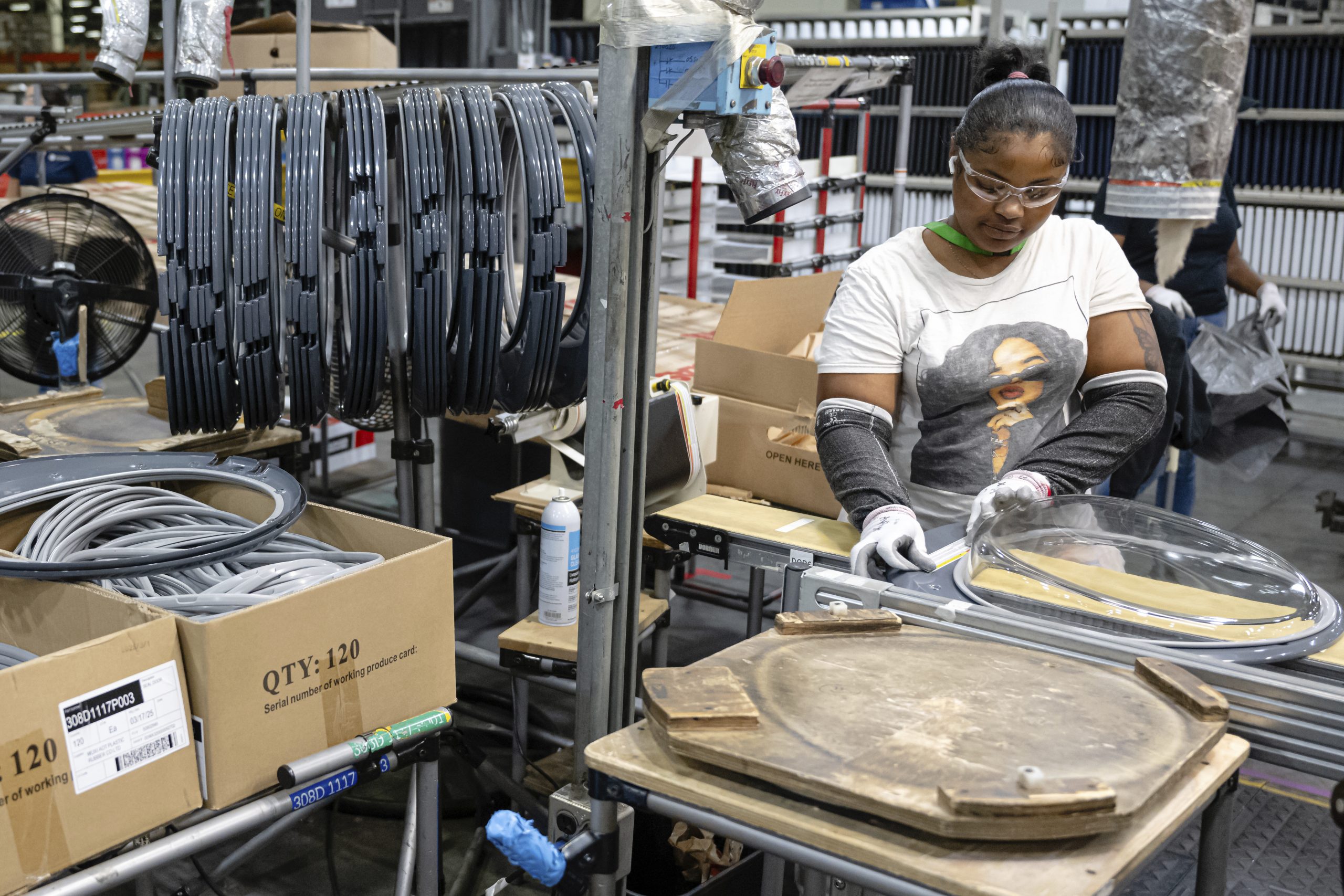
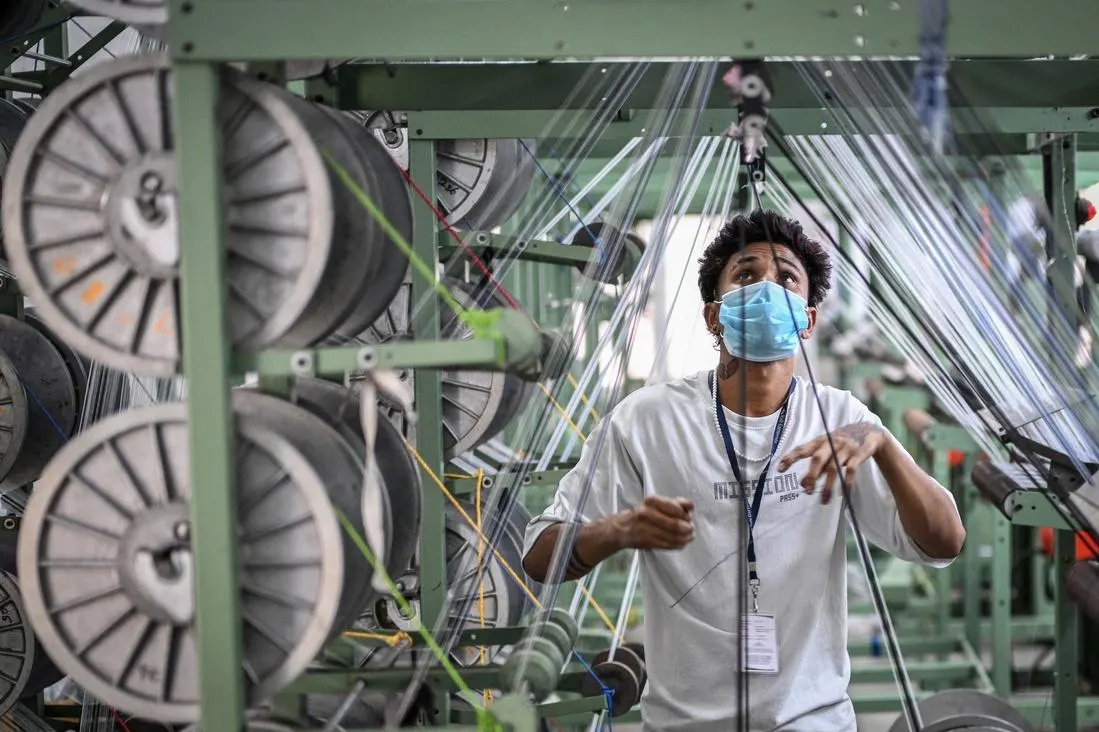
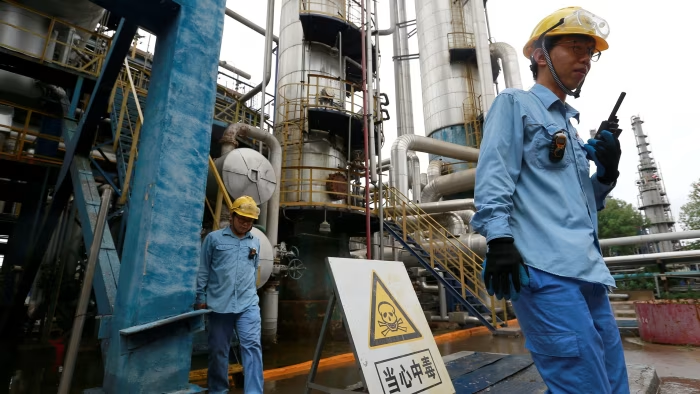
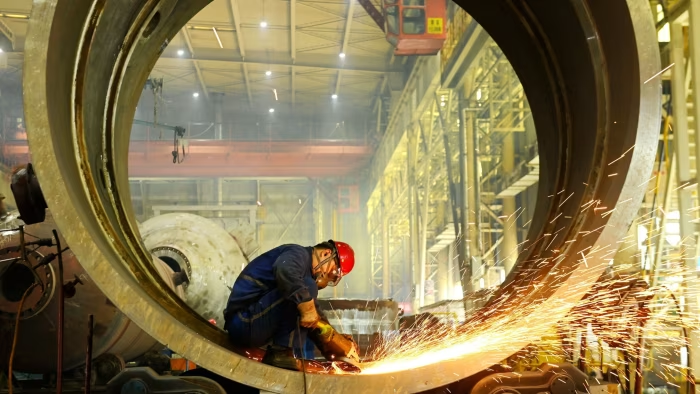
It says: “We have witnessed an immediate impact on the agriculture sector, mining sector, and manufacturing sector. It is within these sectors that wine, fruit, processed goods critical minerals like platinum and manganese, auto parts, textiles, and other niche exports have been adversely impacted.
“The effect has rippled through all businesses that have some reliance on these industries. The down trading of our clients associated with these industries on this trade lane supports the findings.”
Less-precise view from the Sarb
The South African Reserve Bank’s quarterly bulletin remains rather nondescript on the economic impact of the tariffs.
It says “the imposition of a 30% tariff on South African exports to the US in August 2025, lingering geopolitical tensions and the outbreak of foot-and-mouth disease in South Africa present potential risks to sustained agricultural production”.
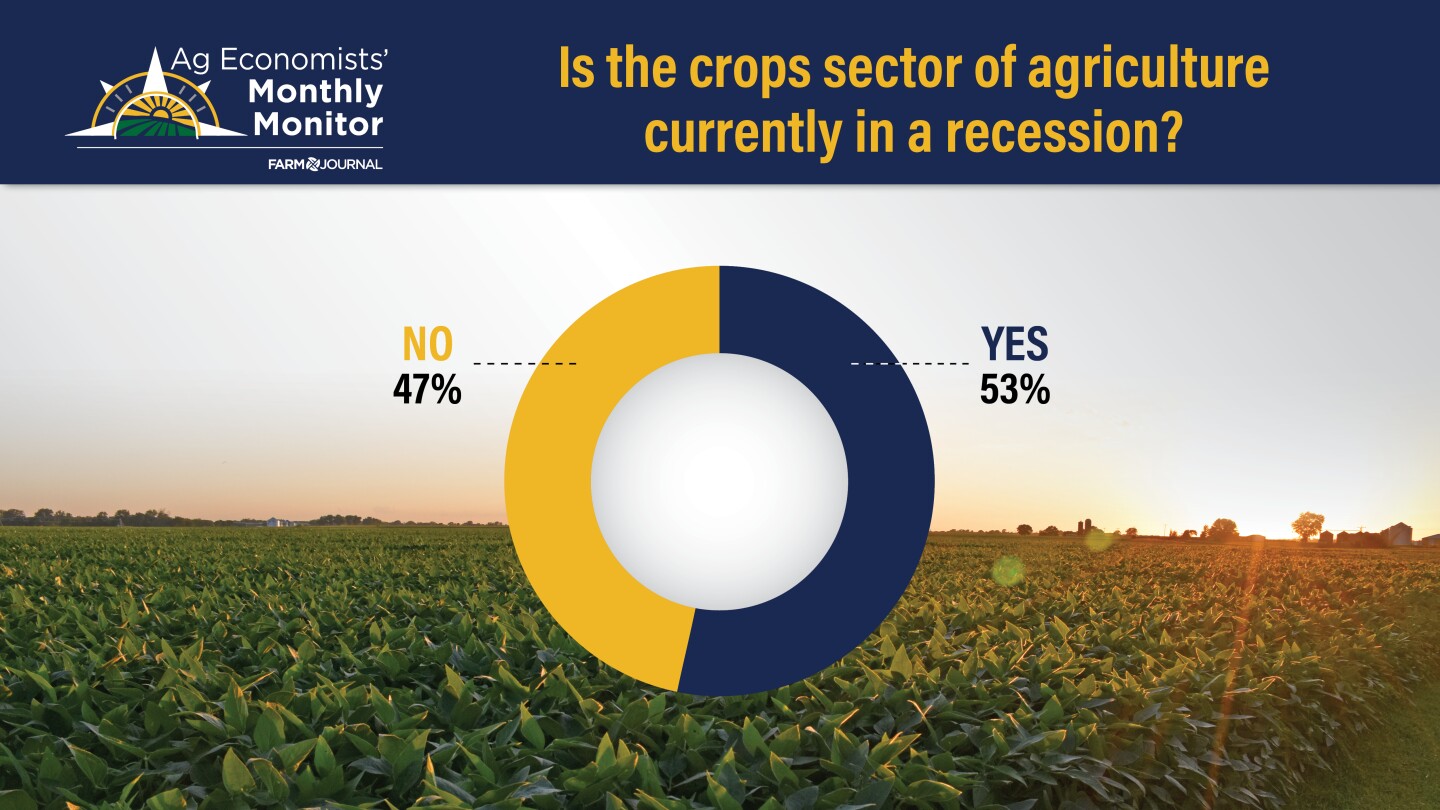
This industry, particularly citrus growers, has been heavily impacted by the tariffs. Real gross domestic product growth quarter-on-quarter for agriculture was up just 2.5% in Q2, from a jump of 18.6% in Q1.
ADVERTISEMENT
CONTINUE READING BELOW
Listen/read:
A Supreme Court showdown looms for Trump’s tariffs
End of Agoa shifts spotlight to AfCFTA and new markets
Santova says that over the past year, its top 20 largest “down traders” have seen more than R20.2 million in gross revenue either move elsewhere or simply disappear.
At one of its clients, R2.4 million of revenue disappeared between this year and last year due to the business ceasing trading “due to US tariffs”.
At many other clients, it is seeing lower revenues – to the tune of millions of rands – due to volumes being “down”.
Top 20 largest down trades
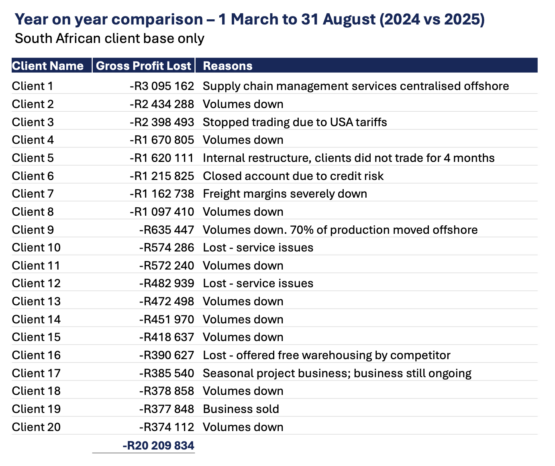
Source: Santova
Considering that Santova’s revenue from the African segment (mainly South Africa, with a bit of Mauritius) was R90.4 million in the six months, one can tell how material this loss of revenue is.
The segment remains profitable, albeit at a 17% lower level than the prior period.
It says given the impact of the tariffs, as well as “significant political and social challenges”, it sees revenue growth forecasts for its South African business “remaining modest, generally below 2%”.
The group says “the 30% tariff imposed by the United States makes South African goods significantly less competitive in US markets”.
ADVERTISEMENT:
CONTINUE READING BELOW
“With the United States ($10.7 billion) being the second-largest trading partner after China ($11.7 billion), this increase in tariffs has had a significant impact on the local economy.”
Read/listen:
China confronts contradictions
Trade negotiations with the US now ‘based on text’ – Ramaphosa
More Trump tariffs rattle markets
The so-called ‘Liberation Day’ reciprocal tariffs on imports have created “significant uncertainty” in global markets, Santova says – “with the full impact on supply chain costs, strategies, trade lanes, shipping lines, and the logistics industry yet to be fully understood”.
But the “impact on trade, both direct and indirect, has already been felt”.
Tellingly, it says the trade policies followed by the Trump administration “open up new opportunities” for entrepreneurs.
Importantly, the tariffs were only in place for one month (August) of the company’s six-month reporting period. It notes that “collectively, countries in Southeast Asia have been subject to the entire spectrum of tariff rate increases”.
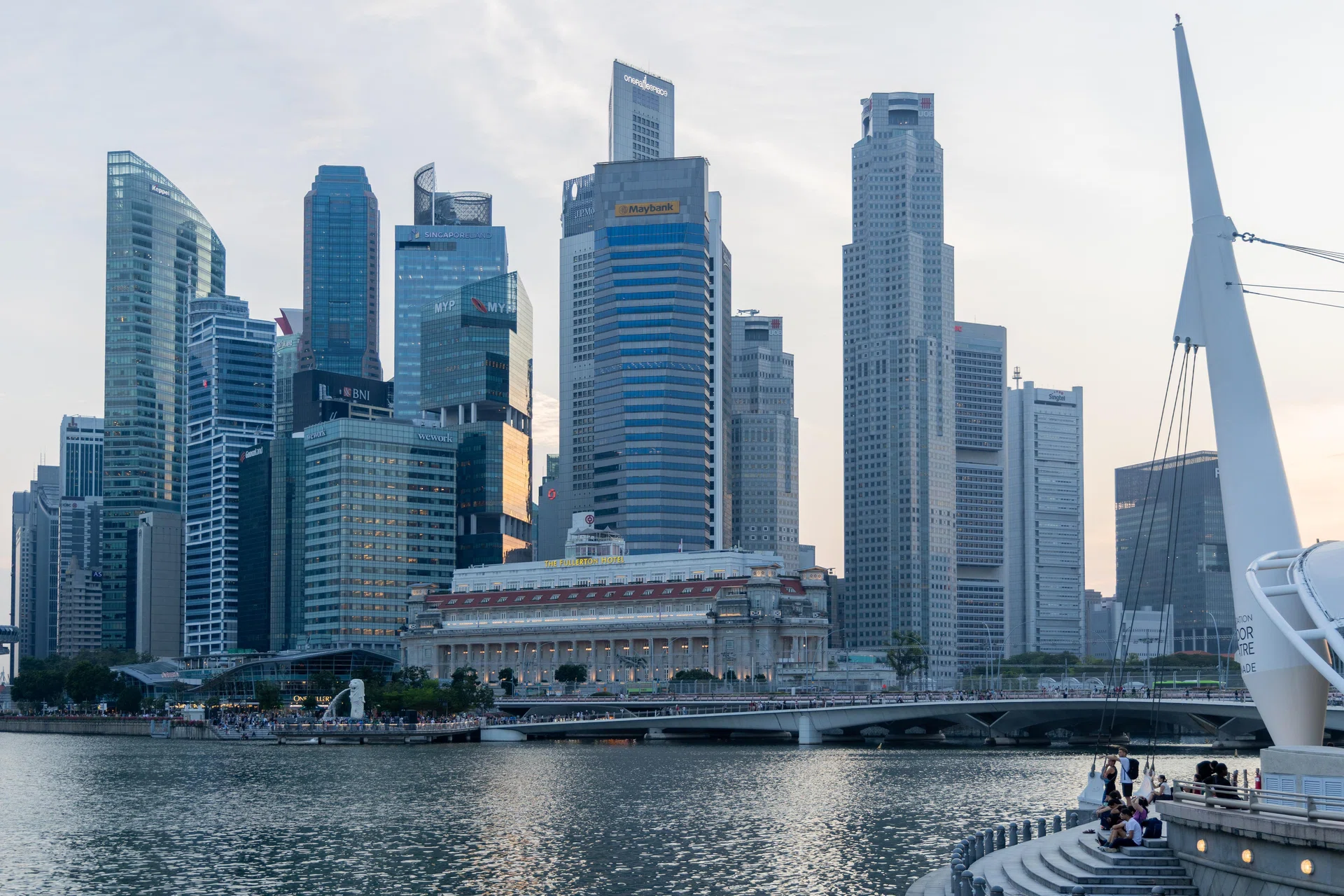
“This ranges from the baseline rate of 10% for Singapore (despite the US trade surplus with the nation state), to some of the highest rates worldwide of 40%.”
Overall, shipping rates have declined to what Santova describes as “pre-pandemic lows”, and it says they are “likely to remain suppressed for the foreseeable future as the industry navigates structural overcapacity on one hand and weak demand on the other”.
Read: Durban making good on promise to get off world’s worst port list
It adds that low shipping rates are “squeezing” profit margins, sparking “intense competition and market consolidation”, particularly in Asia.
Follow Moneyweb’s in-depth finance and business news on WhatsApp here.