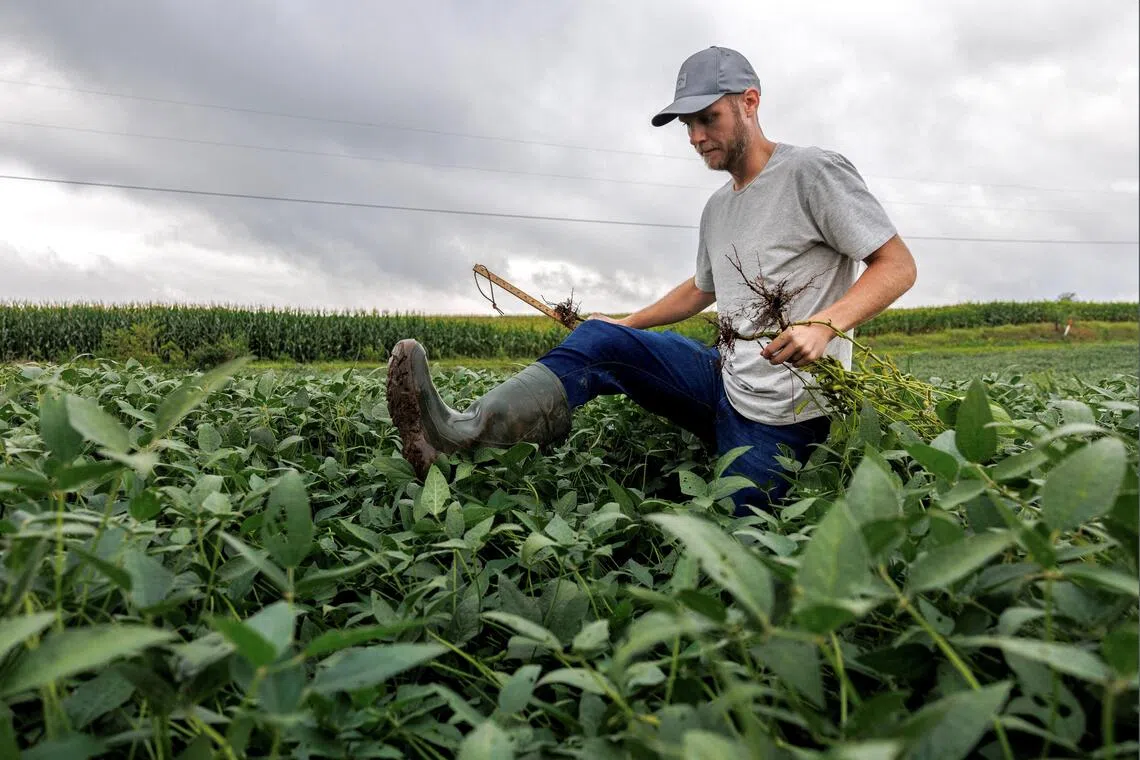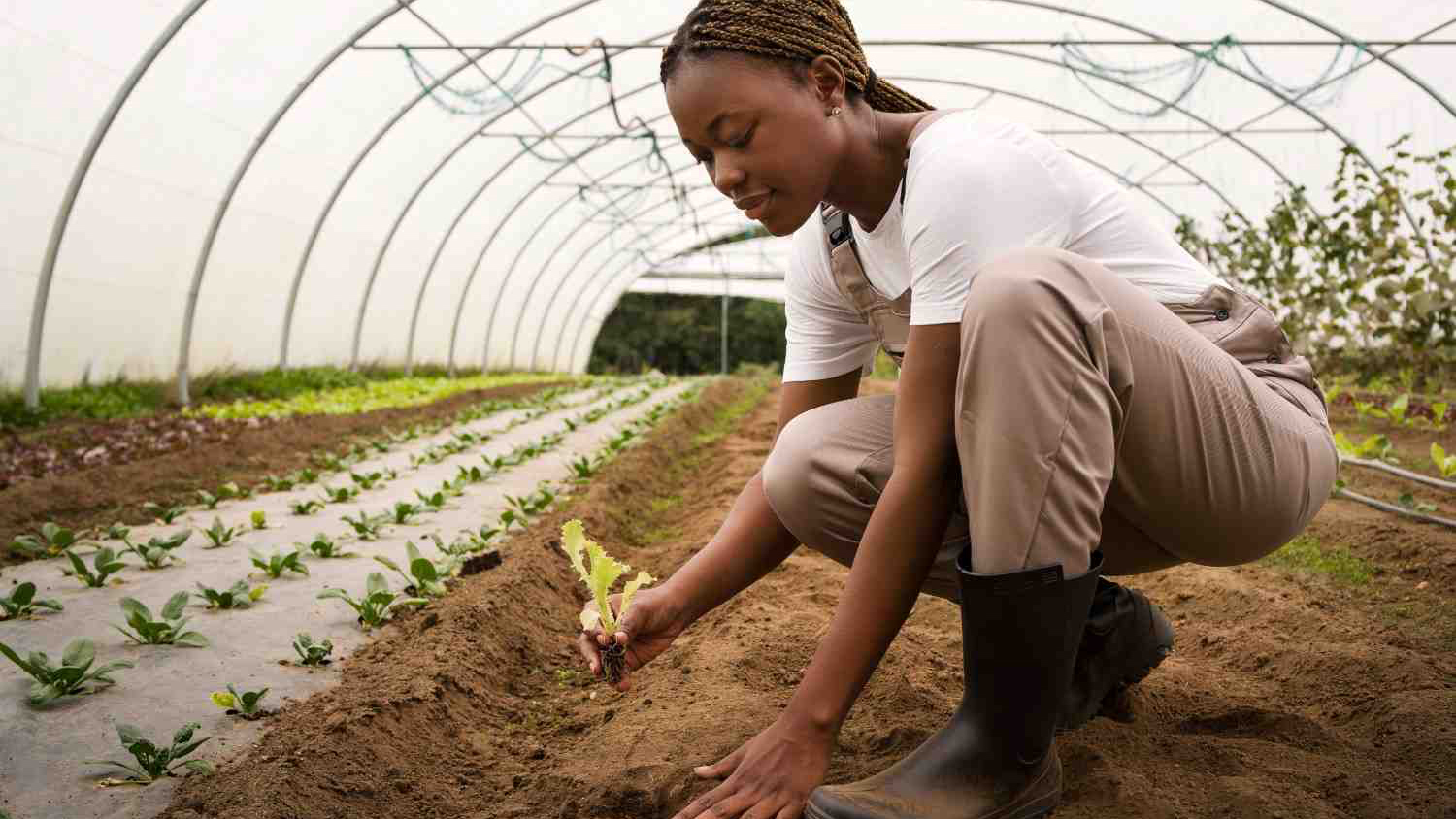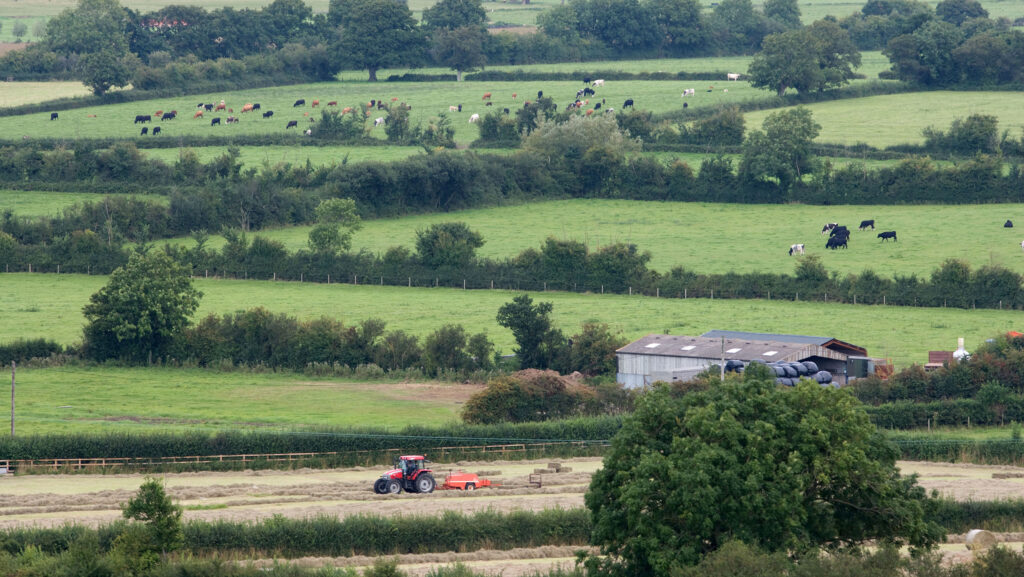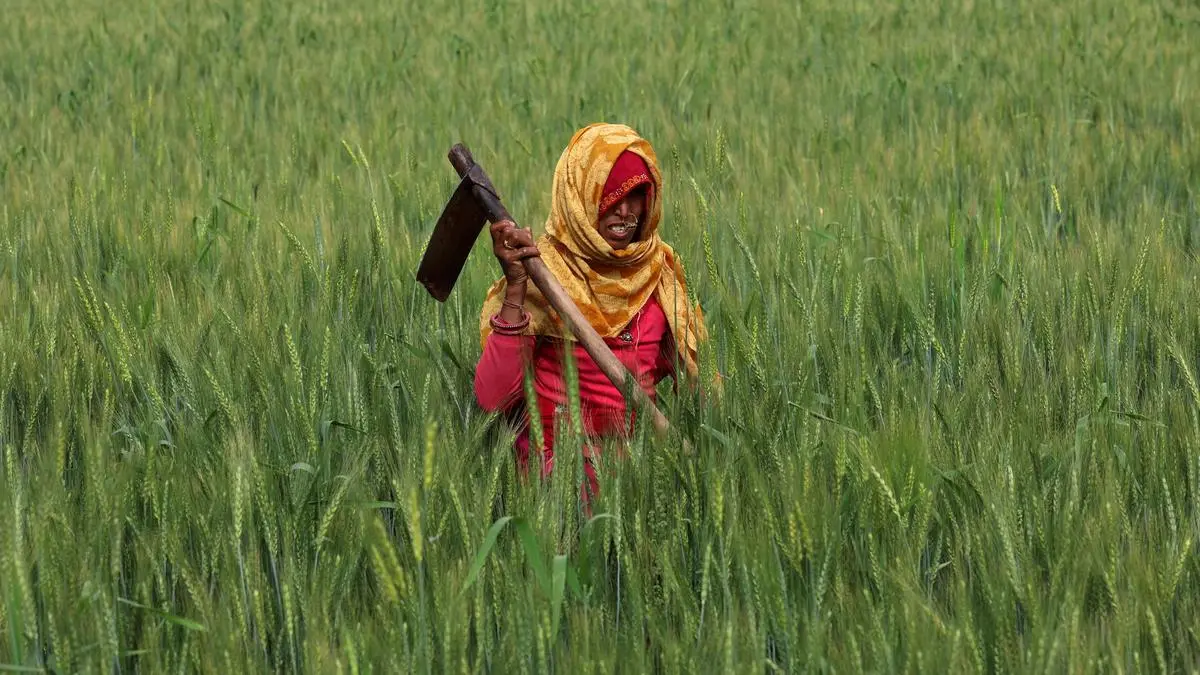

Indian agriculture has long been marked by income uncertainty driven by fluctuating market prices, unpredictable weather patterns and rising input costs. For millions of farmers, this volatility results in financial stress and limited ability to plan for the future. In this environment, contract farming is emerging as a structured and dependable model that offers assured pricing, technical support and reliable market access. When implemented transparently and supported by technology, it enables farmers to shift from risk-heavy cultivation practices to more predictable and sustainable income streams.
Strengthening farm-level capabilities
Modern contract farming has evolved far beyond traditional buy-back agreements. Today’s models focus on building farm-level capabilities through scientific advisory, agronomy support and technology-driven interventions. This integrated approach empowers farmers to enhance productivity while managing costs efficiently.
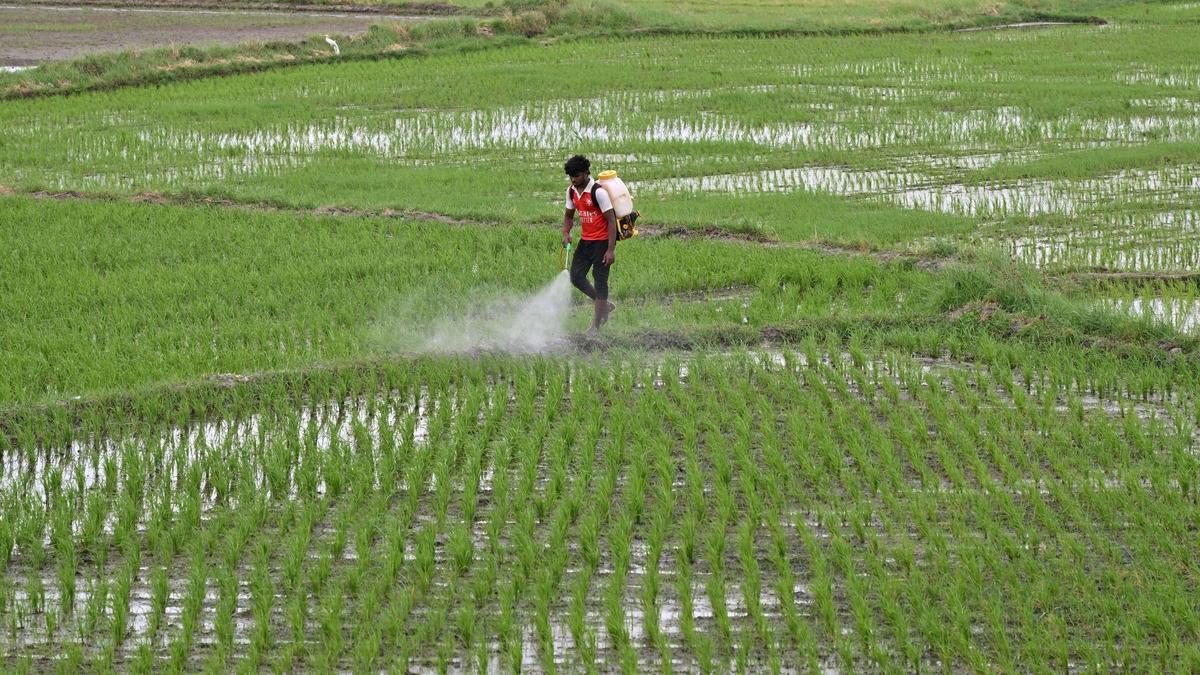
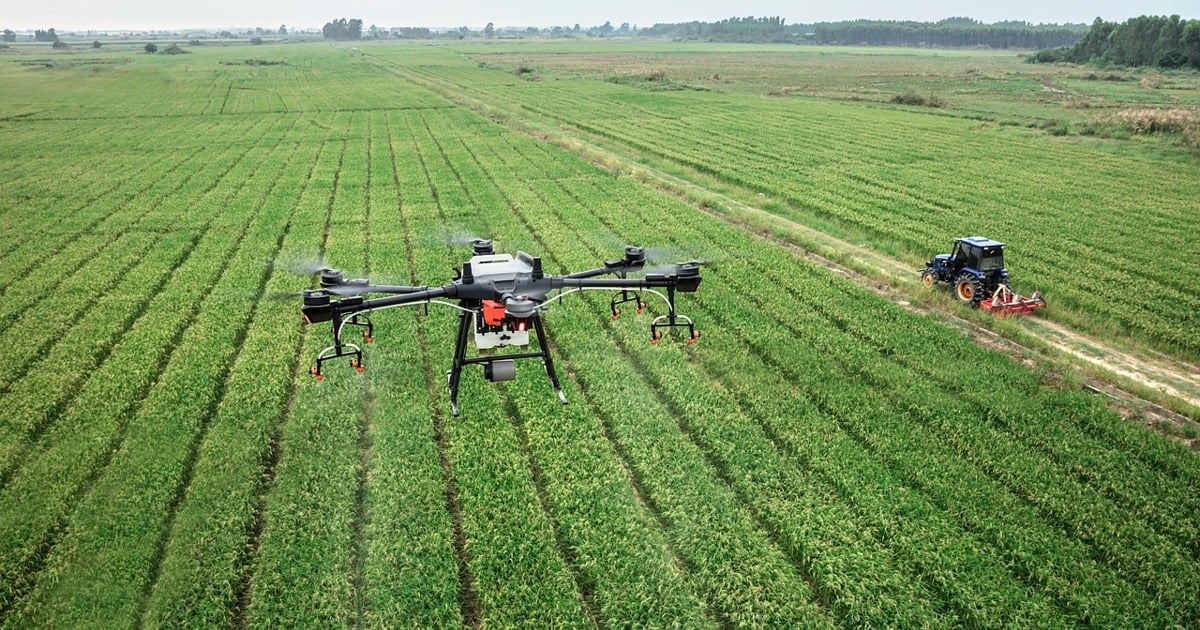
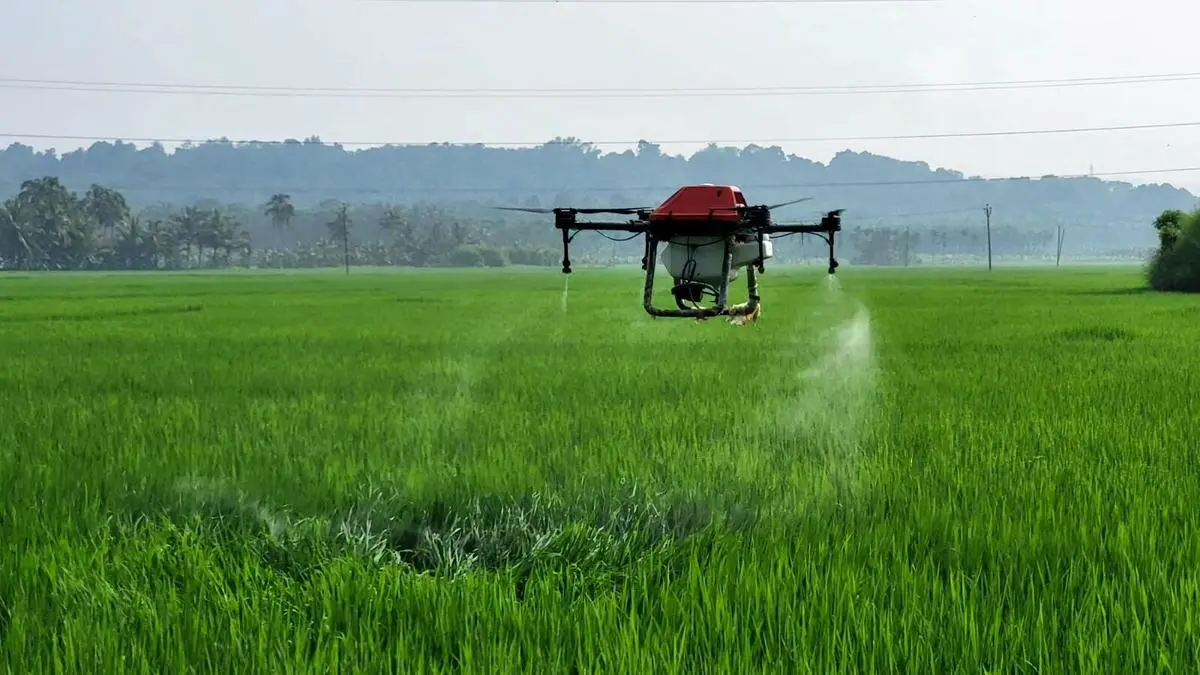
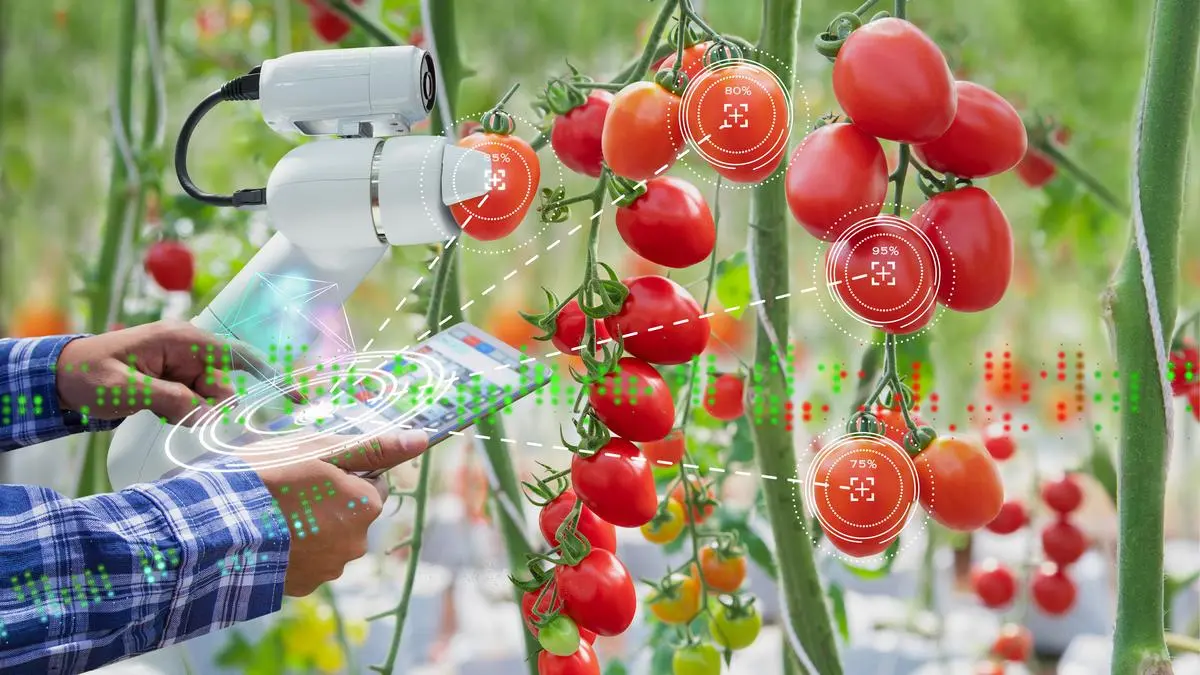
One of the most significant advancements is the adoption of precision irrigation systems such as drip irrigation, which can reduce water usage by up to 70 per cent compared to conventional flood irrigation. By delivering water and nutrients directly to the root zone, these systems conserve resources while improving fertiliser efficiency and crop health. Digital crop monitoring tools further strengthen farm management by tracking growth patterns, identifying early signs of disease and providing timely recommendations. Such proactive advisory minimises crop loss, improves yield consistency and enhances overall farm resilience.
Leveraging agro-climatic intelligence
A core pillar of successful contract farming is region-specific agro-climatic planning. Crop performance depends heavily on soil composition, temperature and sunlight exposure. For example, certain crops thrive in sandy soils with slightly acidic pH levels and moderate climatic conditions. Adequate sunlight and controlled irrigation are equally critical to ensure quality output.
By analysing these regional parameters, agribusinesses can guide farmers in selecting suitable crop varieties and adopting customised cultivation practices. Precision irrigation and balanced nutrient management further enhance quality consistency across geographies. This scientific and data-backed approach ensures that produce meets processing and export-grade standards, increasing market acceptance and income reliability for farmers.
Transparency and digital traceability
Historically, concerns around transparency limited the adoption of contract farming. Digitally enabled systems are now addressing these gaps through end-to-end traceability—from farmer onboarding and crop planning to procurement and payment.
Clear communication of input costs, quality benchmarks and pre-agreed pricing before sowing eliminates ambiguity and protects farmers from sudden market price crashes. Real-time weather alerts and pest advisories enable preventive action rather than reactive responses. Equally important is the move toward time-bound, digitally processed payments. Prompt settlements strengthen financial stability, build trust and encourage long-term participation.
Collaboration across the value chain
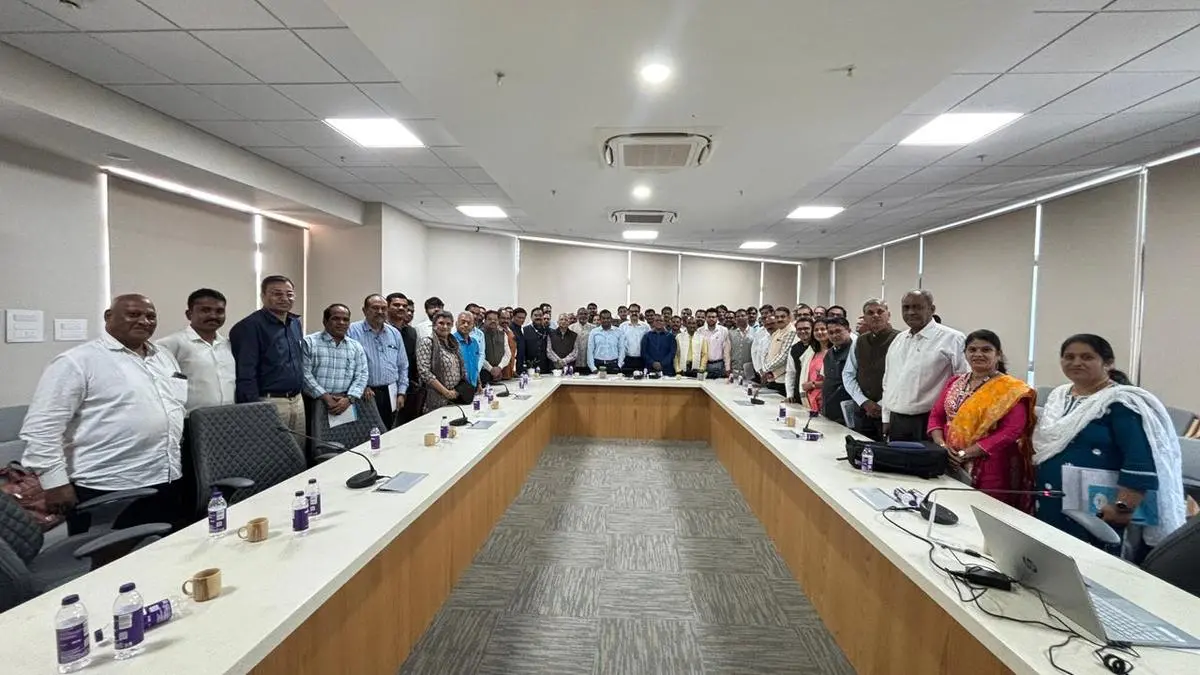
Contract farming thrives on collaboration among farmers, agronomists and buyers. Regular engagement creates alignment around quality standards, expected volumes and future demand forecasts. Field visits and direct interactions foster mutual understanding—buyers gain insights into on-ground challenges, while farmers better understand evolving market requirements.
Structured feedback mechanisms and post-harvest reviews support continuous improvement. Farmer experiences often help refine advisory systems, optimise input usage and improve digital tools. Partnerships with agronomy experts and research institutions further drive innovation, ensuring productivity gains without compromising sustainability.
Embedding sustainability
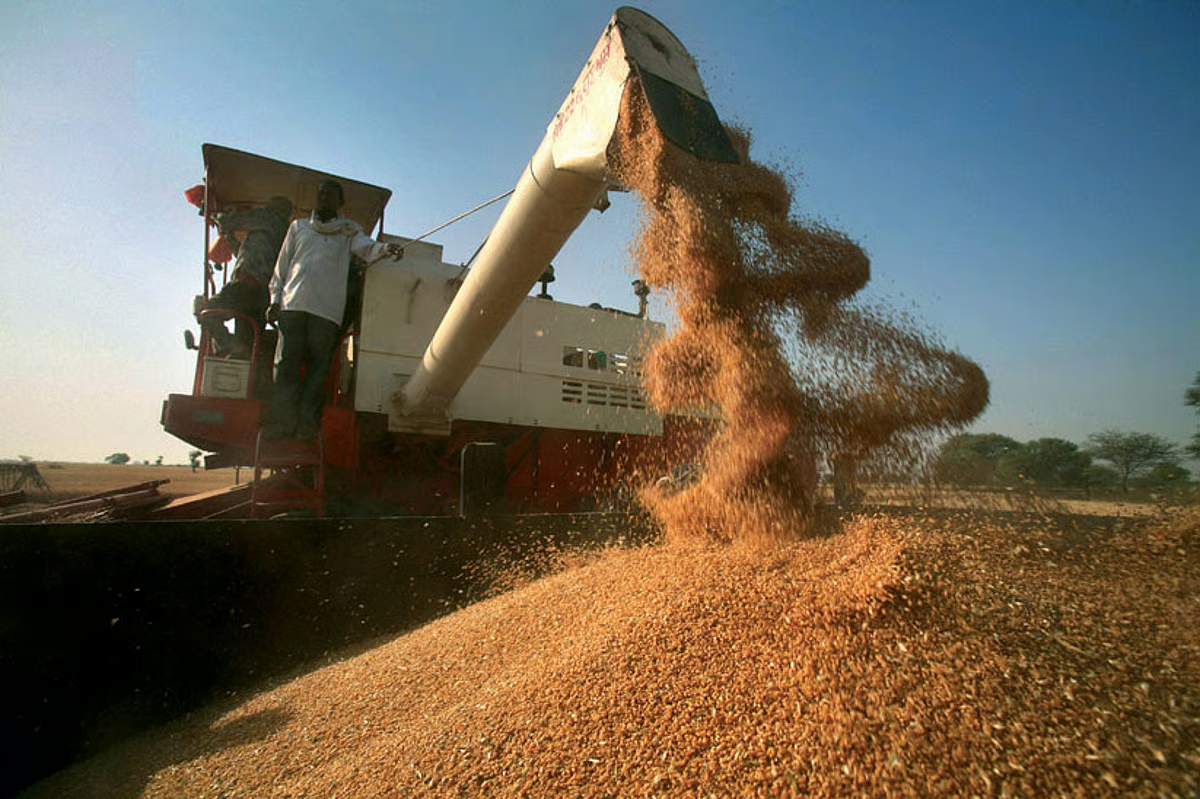
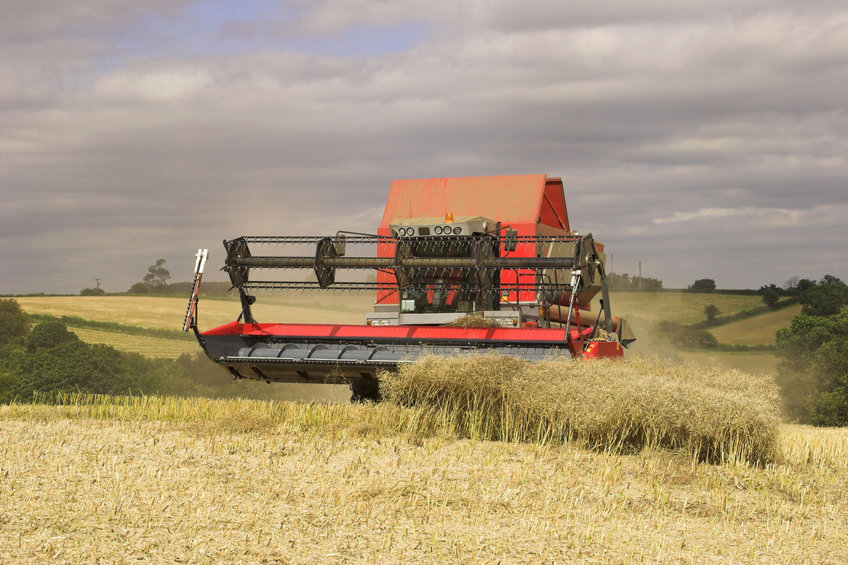
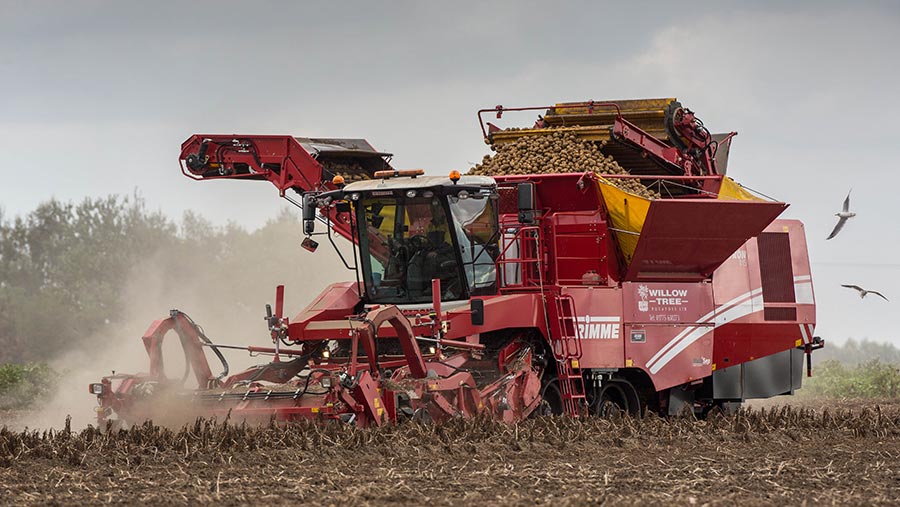
Sustainability is becoming central to next-generation contract farming models. Water-efficient irrigation, balanced nutrient management, and reduced chemical usage promote environmentally responsible cultivation. Mechanised planting and harvesting enhance efficiency while reducing excessive labour dependency. Digitally managed operations also streamline supply chains and reduce inefficiencies.
These practices not only lower environmental impact but also reduce operational risks, creating a more stable ecosystem for farmers.
A path towards income stability
As contract farming expands, maintaining community trust remains essential. Growth often occurs organically, with participating farmers recommending the model based on measurable outcomes and timely payments. Expansion near processing hubs reduces logistics costs and strengthens rural economies. Pilot initiatives in new regions allow stakeholders to demonstrate viability before scaling responsibly.
By combining technology, transparency, agro-climatic intelligence and collaborative partnerships, contract farming is transforming agriculture into a more secure livelihood model. For farmers navigating uncertainty, it offers a pathway toward predictability, resilience and sustainable growth.
The author is Managing Director, Farm Peace
Published on March 7, 2026