Thomas Ryd is CEO & cofounder of Northern.tech, a device lifecycle management leader with a mission to secure the world’s connected devices.

The conversation around artificial intelligence (AI) transforming products across sectors centers on enhanced performance metrics, sophisticated algorithms and revolutionary capabilities. However, while original equipment manufacturers (OEMs) focus on the immediate benefits of AI, a larger evolution unveils itself, affecting the baseline economics of physical products.
The traditional model of one-time sales is giving way to continuous value delivery through software, fundamentally altering how companies generate revenue and engage with customers after the initial purchase.
AI can transform static goods into dynamic products capable of learning, adapting and improving over time. It introduces the ability to deliver predictive insights, personalized experiences and entirely new service layers that weren’t even imagined at the point of sale. As AI capabilities mature and move closer to the edge, the distinction between products and services becomes increasingly irrelevant.
Today and in the future, the point of sale marks the beginning, not the end, of the customer relationship. Therefore, success increasingly depends on the ability to deliver continuous, evolving value throughout the product lifecycle to keep earning the customer’s business and loyalty.
Products Are Platforms For Ongoing Services
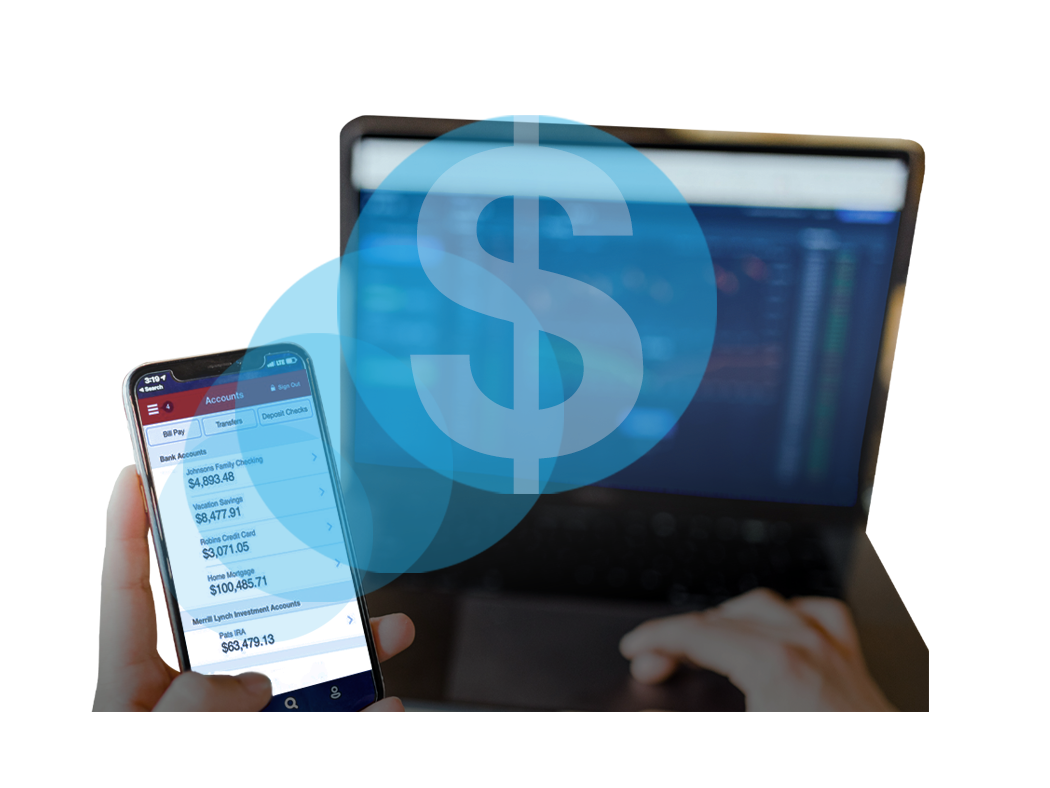
Ongoing value added through subscriptions is already commonplace across many consumer verticals. A subscription unlocks real-time notifications, recording and video retrieval for the Ring doorbell. Self-driving mode costs $99 per month for most Tesla models. Health products like the Whoop wearable or the Oura ring provide deep insights and user health recommendations for a monthly subscription that can cost upward of $40.
The physical product itself has become primarily an interface that houses sophisticated software and computing capabilities. Modern devices are essentially mini-computers distributed everywhere, from living rooms to garages to wrists. Customers are actually purchasing the intelligence, connectivity and continuous improvement that the hardware provides through its embedded software.
Predictive maintenance algorithms can identify potential failures before they occur, creating opportunities for proactive service contracts; personalization engines learn from usage patterns, enabling premium customization services that improve over time. Each software-driven capability enhances the customer experience and simultaneously creates a potential revenue stream that extends well beyond the original transaction.
Traditional business models, designed for static products with fixed capabilities, aren’t optimized for continuous evolution. Without a strategic approach to ongoing value delivery, OEMs miss critical opportunities to deepen customer relationships while generating predictable revenue streams.
Market Dynamics And Customer Expectations
The increased prominence of recurring revenue models reflects evolving customer expectations as much as technological capabilities. The “access over ownership” model requires continuous improvement and personalized experiences over static functionality to remain beneficial for consumers.
At the same time, software and AI-enabled products require a continuous investment in infrastructure, security updates, feature development and platform maintenance. The initial sale price, no matter how premium, cannot sustainably fund years of continuous improvement, cloud computing expenses and algorithm refinement that customers expect from intelligent products.
Recurring revenue models, especially in relation to AI, help enable OEMs to pursue AI-powered innovation altogether, generating greater lifetime value from each customer while providing superior experiences. However, subscription customers expect regular improvements, new features and demonstrable value that justifies ongoing payments. OEMs need to balance continuous enhancement with sustainable development practices and clear value delivery.
Evolving Experiences Drive Subscription Value
AI at the device level increases the ability to personalize user experiences. Smart products can adapt to individual usage patterns, preferences and contexts, creating unique value propositions that justify ongoing subscription fees.
For OEMs, personalization capabilities build the foundation for tiered subscription models that grow more valuable over time. Basic subscriptions might offer standard optimization, while premium tiers unlock advanced personalization features, exclusive content or accelerated learning algorithms. In consumer markets, these capabilities support everything from personalized fitness coaching in wearables to adaptive comfort settings in smart home devices. Additionally, these features are more resistant to customer attrition because they inherently increase in value as the AI learns more about the user.
New Service Layers Expand Beyond Core Functionality
AI integrations enable OEMs to layer entirely new services onto existing hardware platforms. Products originally designed for specific purposes can evolve to deliver unexpected value through software updates and AI enhancements.
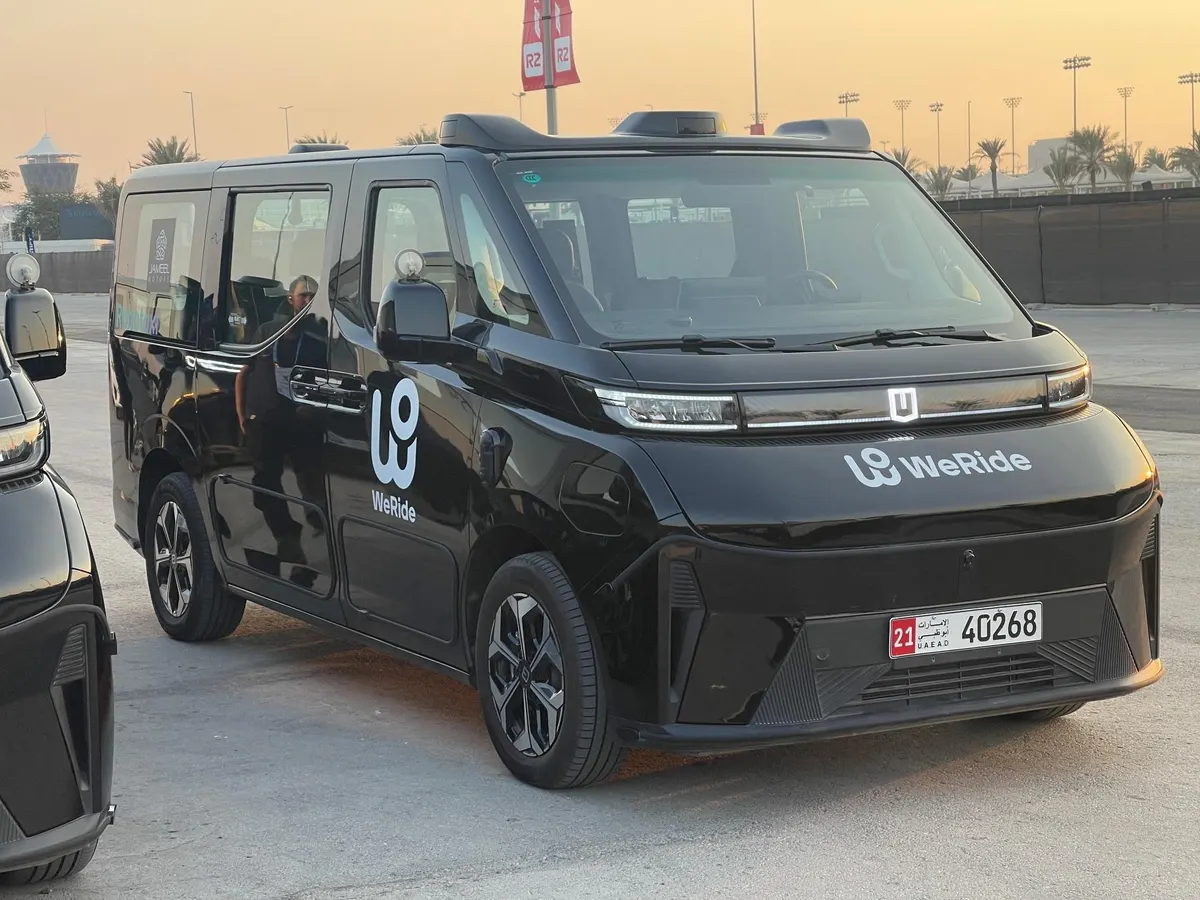
Connected vehicles clearly demonstrate this transformation. What began as transportation hardware now serves as a platform for navigation services, entertainment subscriptions, autonomous driving programs and even productivity tools. Each new capability creates additional touchpoints for recurring revenue, transforming a one-time automotive purchase into an ongoing relationship worth thousands in annual subscription fees.
OEMs must recognize that every connected product represents a potential service platform. The ability to introduce novel features and create ecosystem integrations post-purchase fundamentally changes the value equation for manufacturers and customers.
Predictive Maintenance: From Reactive Repairs To Proactive Protection
For operations, AI-powered predictive maintenance fundamentally changes the service and troubleshooting equation. Rather than reactively waiting for failures to occur, OEMs can act proactively, transforming maintenance from a cost center into a value driver.
A predictive maintenance strategy can enable OEMs to offer tiered service packages, from basic monitoring to premium predictive analytics, creating recurring revenue opportunities while reducing customer downtime. Real-time monitoring capabilities allow for dynamic pricing models based on actual usage patterns and wear indicators, while preventive interventions extend product lifespans and enhance customer satisfaction.
A proactive approach to AI integration allows product teams to deliver ongoing peace of mind, command premium pricing and reduce operational costs through optimization and proactivity.
Sustainable Success And Improvement In The AI Economy
Beyond a product’s initial capabilities, sustainable success depends on how products evolve. The ability to deliver constant value through predictive maintenance, personalization and new service layers can play a key role in shaping the market leaders of tomorrow, setting them apart from those still relying on traditional business models.
Forward-thinking OEMs are building the infrastructure, capabilities and mindset required for recurring revenue success today. In doing so, they position themselves to create deeper customer relationships, more predictable revenue streams and sustainable competitive advantages. This establishes the foundation for long-term growth in an economy where the real value lies not in the product itself, but in the evolving intelligence and services the product enables throughout its lifecycle.
Forbes Technology Council is an invitation-only community for world-class CIOs, CTOs and technology executives. Do I qualify?