![Deputy Prime Minister and Finance Minister Koo Yoon-cheol poses for a photo with U.S. Treasury Secretary Scott Bessent before their meeting at the Permanent Mission of Korea to the United Nations in New York on Sept. 24. [MINISTRY OF ECONOMY AND FINANCE]](https://koreajoongangdaily.joins.com/data/photo/2025/09/29/8052e78d-5226-46be-8597-f5b4bd7b7d8b.jpg)
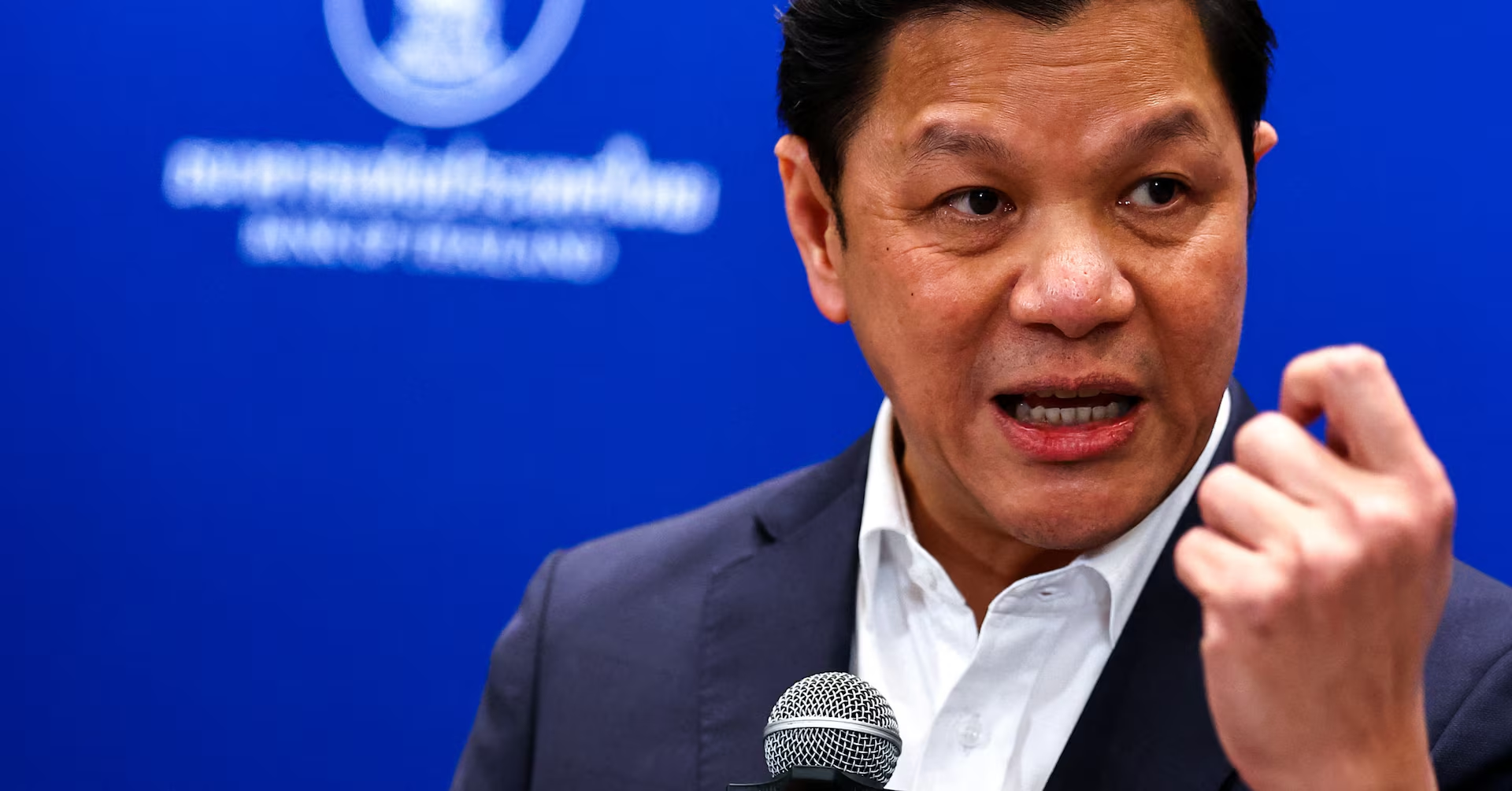
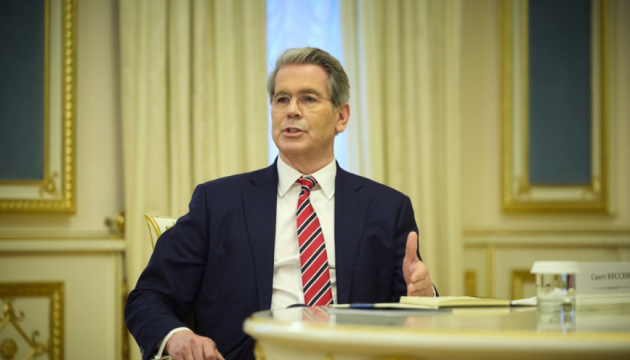
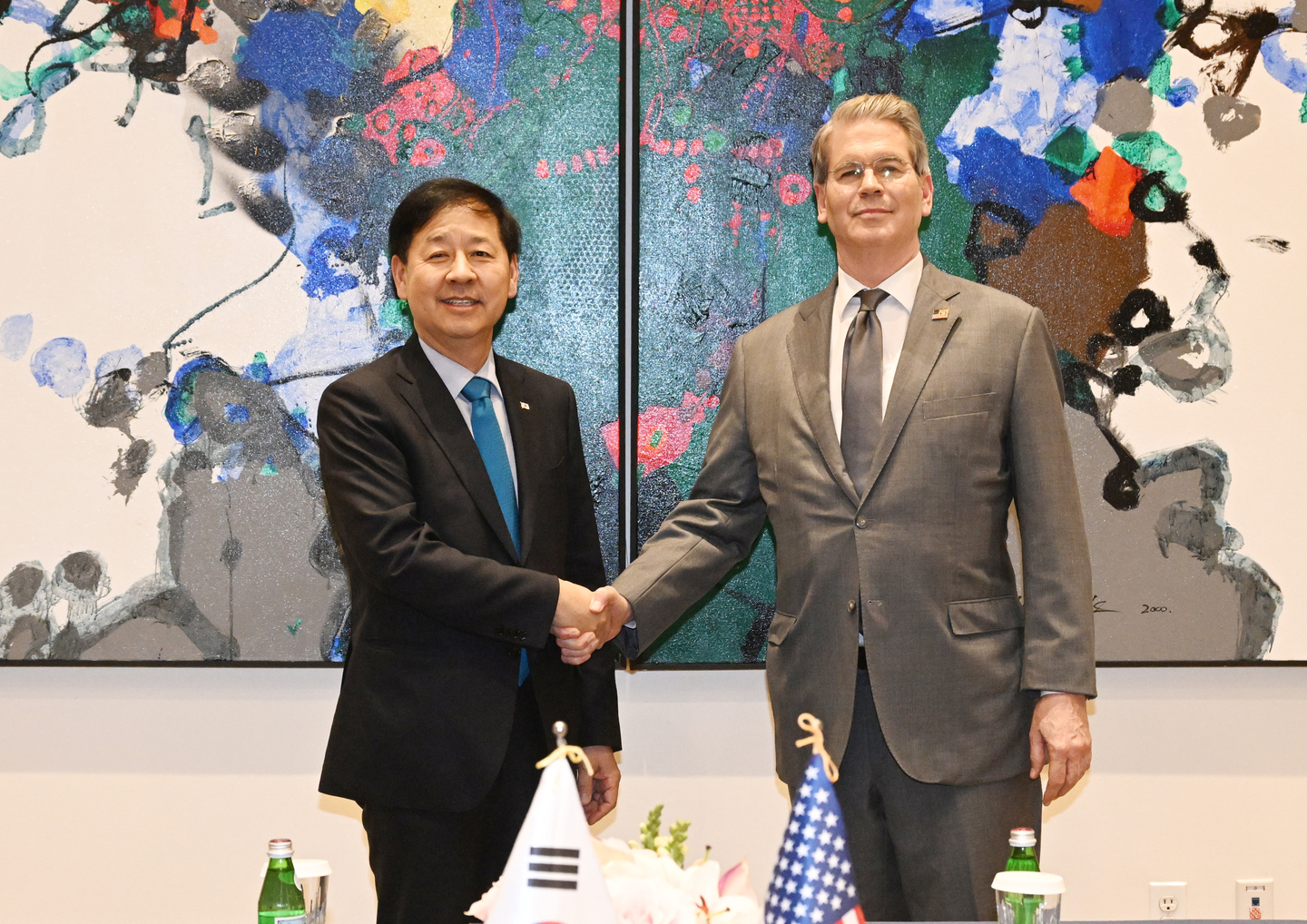
Deputy Prime Minister and Finance Minister Koo Yoon-cheol poses for a photo with U.S. Treasury Secretary Scott Bessent before their meeting at the Permanent Mission of Korea to the United Nations in New York on Sept. 24. [MINISTRY OF ECONOMY AND FINANCE]
The government’s rushed reorganization of economic ministries has undermined the role of a central command center for economic policy. On Friday, the Democratic Party pushed through a revision to the Government Organization Act that splits the Ministry of Economy and Finance into the Ministry of Finance and Economy and the Budget Office.
The original plan was to transfer budget functions to the new Budget Office while shifting the Financial Services Commission’s policy authority to the Ministry of Finance and Economy, thereby preserving its status as the central command. But after difficulties in the National Assembly’s Political Affairs Committee, the government abandoned the latter plan. With budget authority moving under the prime minister’s office, the restructured ministry risks being reduced to little more than a tax agency.
The deputy prime minister’s powers have been significantly diminished. Although the finance minister retains the deputy prime minister title, the science and ICT minister has also been elevated to the same rank, diluting coordination among economic ministries. Past experience shows that when the deputy prime minister’s authority weakens, ministers become less cooperative. This is the third time Korea has diminished the role of its economic command center, following similar moves under Presidents Kim Dae-jung and Lee Myung-bak.
Kim abolished the post in 1998, only to restore it two years later amid coordination failures. Lee scrapped it in 2008, relying on the presidential office, but that too proved unsustainable. While the current government has retained the post in name, removing budgetary power leaves little capacity for effective coordination.
Concerns about practical consequences are immediate. When the Budget Office was created under Kim Dae-jung, ministries engaged in budget lobbying while the Ministry of Finance and Economy lost influence. Deep-rooted bureaucratic turf wars are unlikely to disappear, raising the risk of fragmented policymaking. This comes at a time of heightened external pressures, including U.S. tariff threats, demands for $350 billion in Korean investment, and a sharp rise in the won-dollar exchange rate. In such circumstances, expecting the presidential office or prime minister to directly manage economic coordination is unrealistic.
Splitting ministries without strengthening the command center only increases policy uncertainty. The most realistic solution would be to bolster the deputy prime minister’s authority, though the revised law takes effect in January. At a minimum, the government must activate the Economic Policy Coordination Council to prevent policy leaks. Above all, the president must support the deputy prime minister decisively. If ministries dismiss the deputy as a toothless tiger and resist coordination, the nation’s economy could be left vulnerable.
This article was originally written in Korean and translated by a bilingual reporter with the help of generative AI tools. It was then edited by a native English-speaking editor. All AI-assisted translations are reviewed and refined by our newsroom.