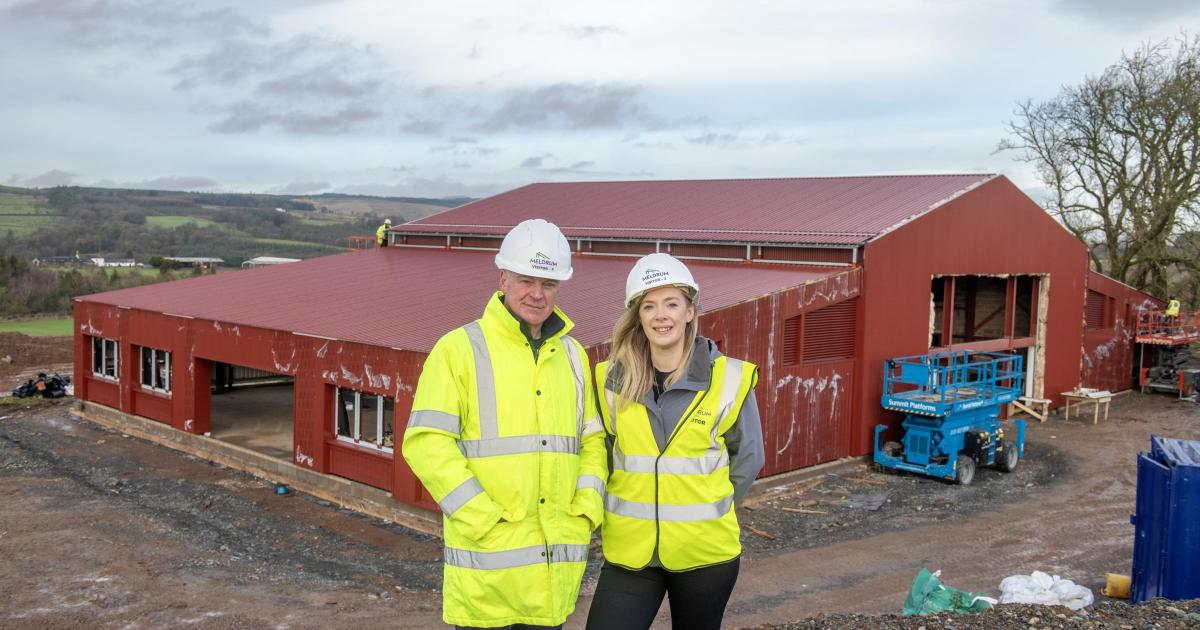
Led by the team behind Netherby Hall and the Michelin-starred Pentonbridge Inn, the project represents a major investment in sustainable tourism, local employment and long-term economic growth.
As visitor expectations shift and demand for authentic, regenerative experiences rises, the development signals a confident and forward-looking commitment to the future of the region. Blending food, heritage, craft, hospitality and sustainability, the development promises to deliver meaningful economic impact while offering visitors a fresh way to experience the area.
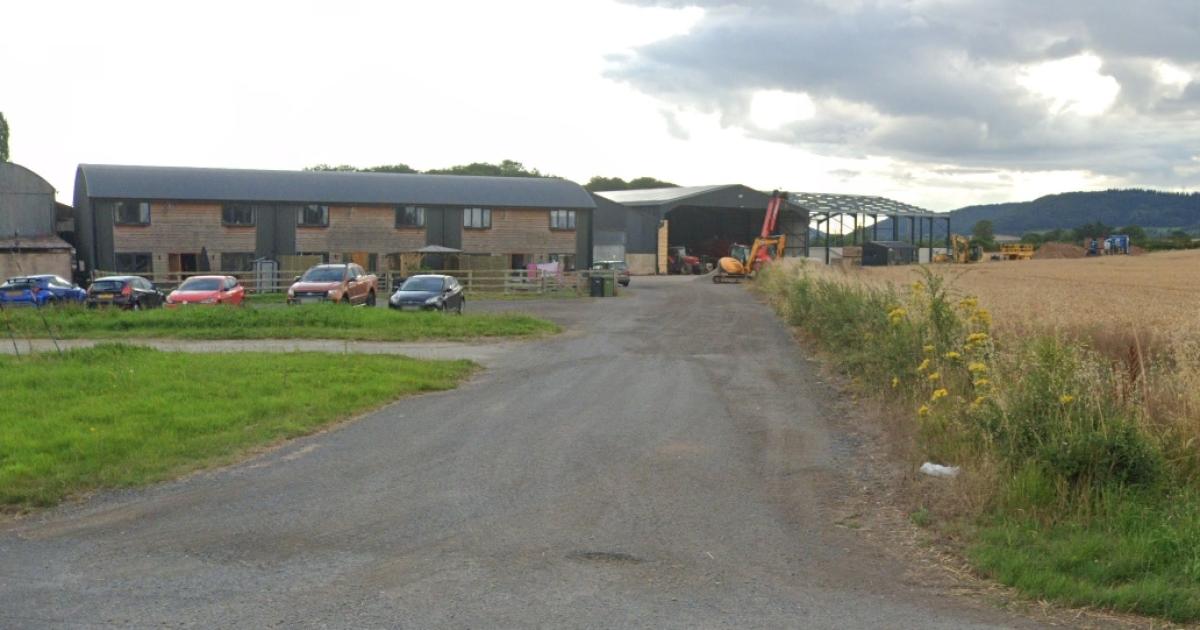
The parent company, Netherby Hall Ltd, has already earned national attention for transforming Netherby Hall into one of the UK’s multi award-winning luxury self-catering destinations and for championing the Michelin-star success of Pentonbridge Inn. Now, the company is preparing for its most ambitious development yet: the creation of a regenerative tourism hub at Haithwaite Farm, just outside Longtown.

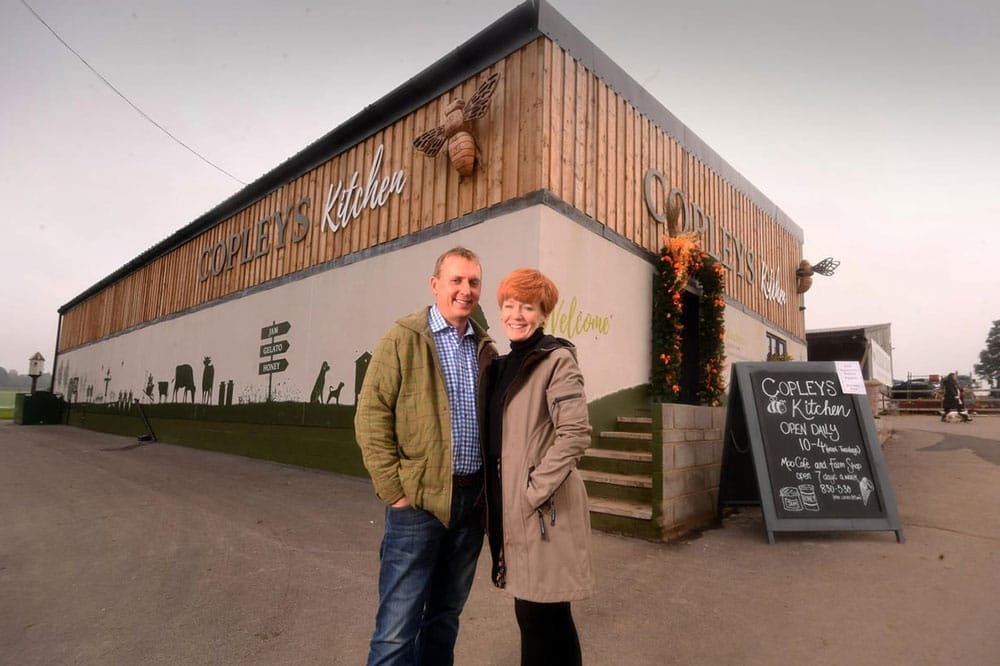
The multi-phase project will bring a café, farm shop, heritage centre, craft workshops, a distillery, a taphouse bar and a spa to the rural site. It’s a substantial private investment in north Cumbria at a moment when visitor expectations, workforce needs and market behaviours are all shifting. For the team leading the project, this is about more than expansion. It’s about creating a model for sustainable, rural economic growth.
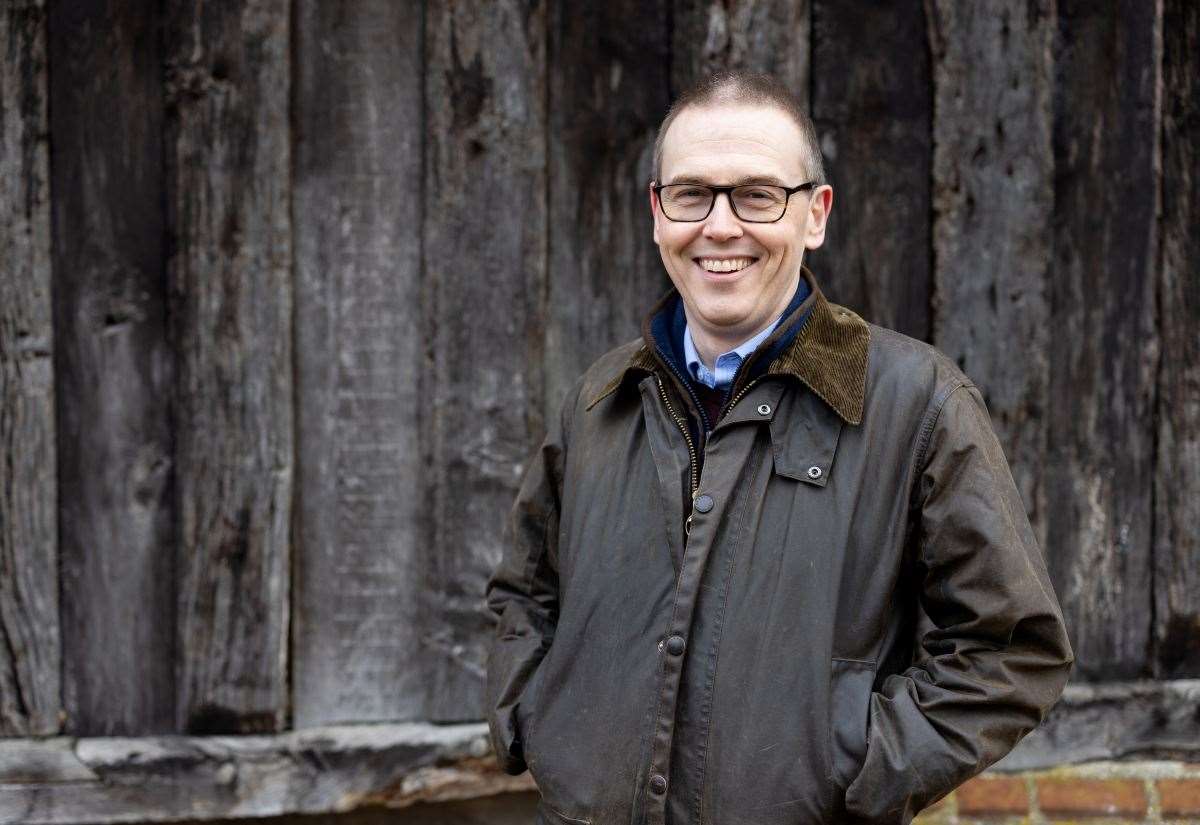
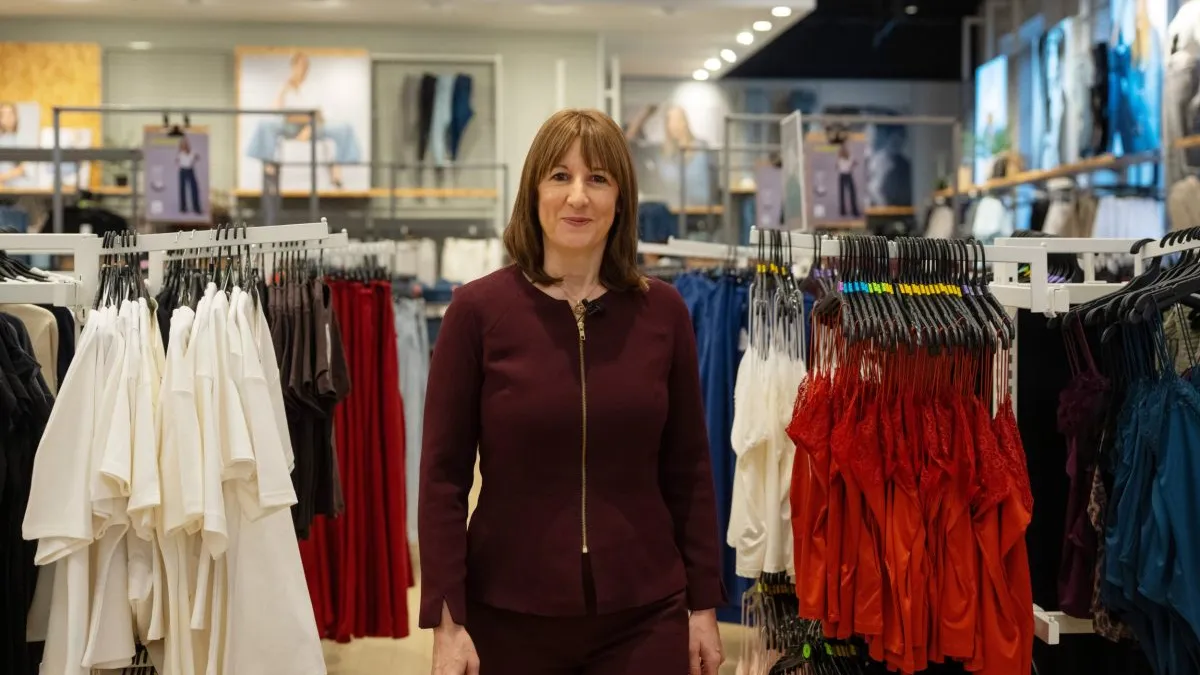
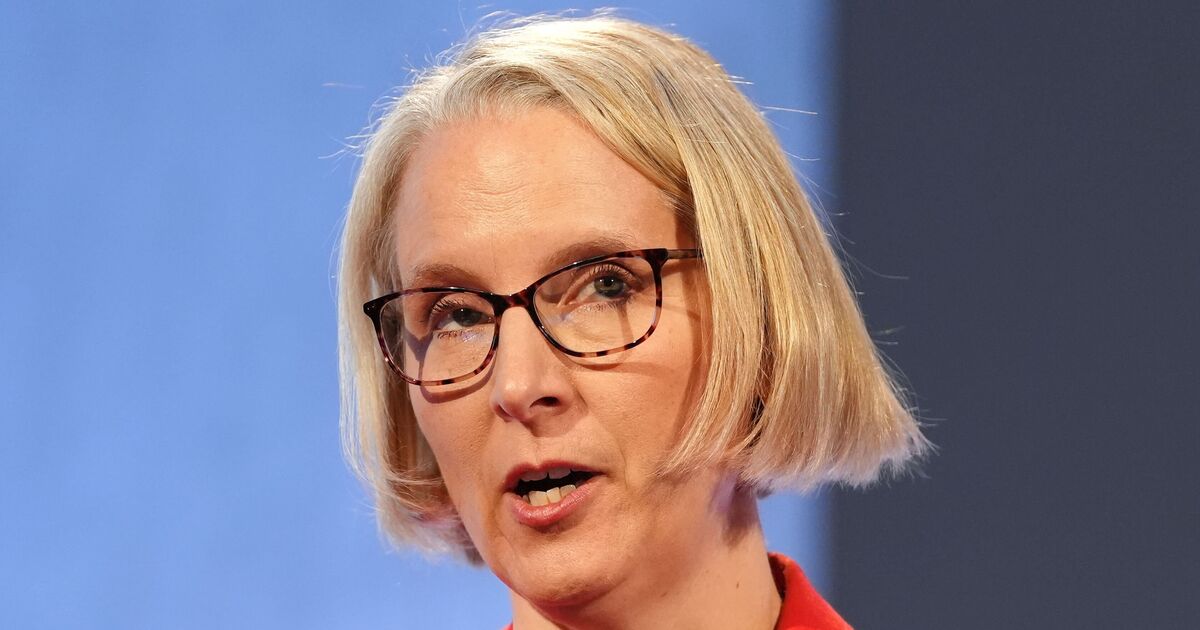
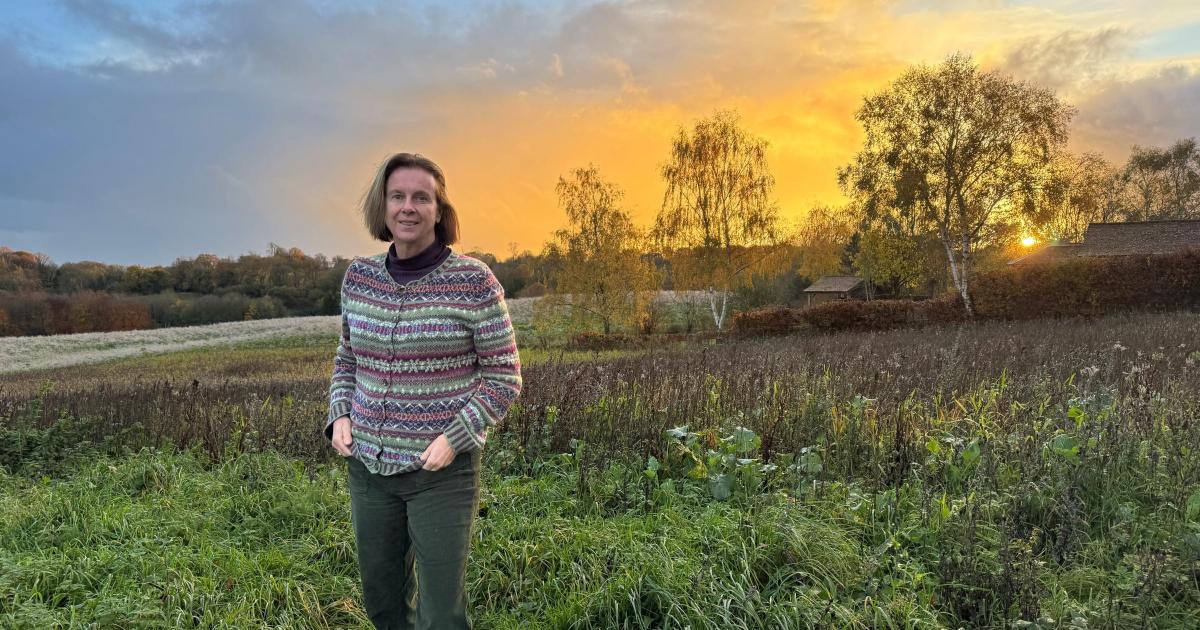
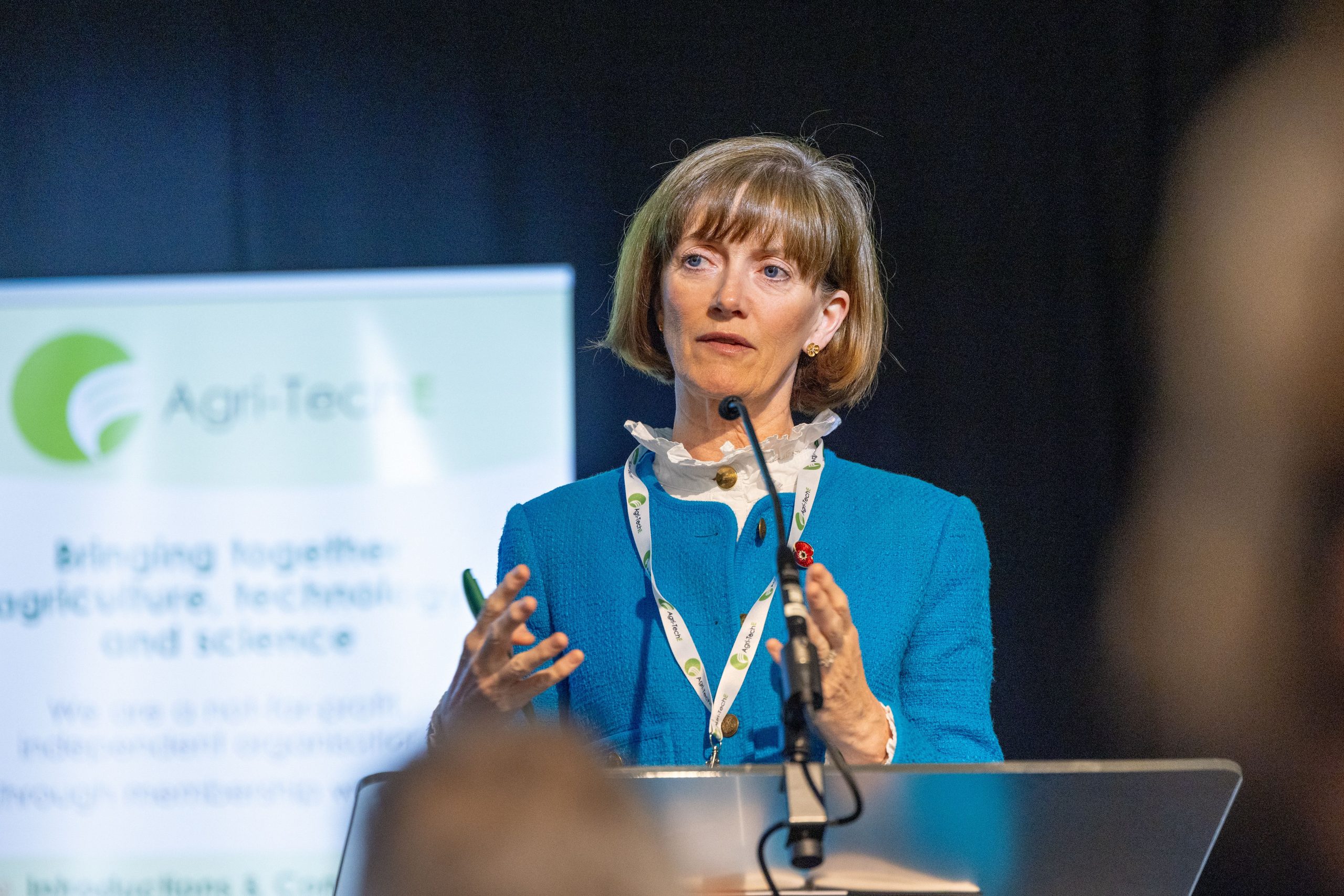
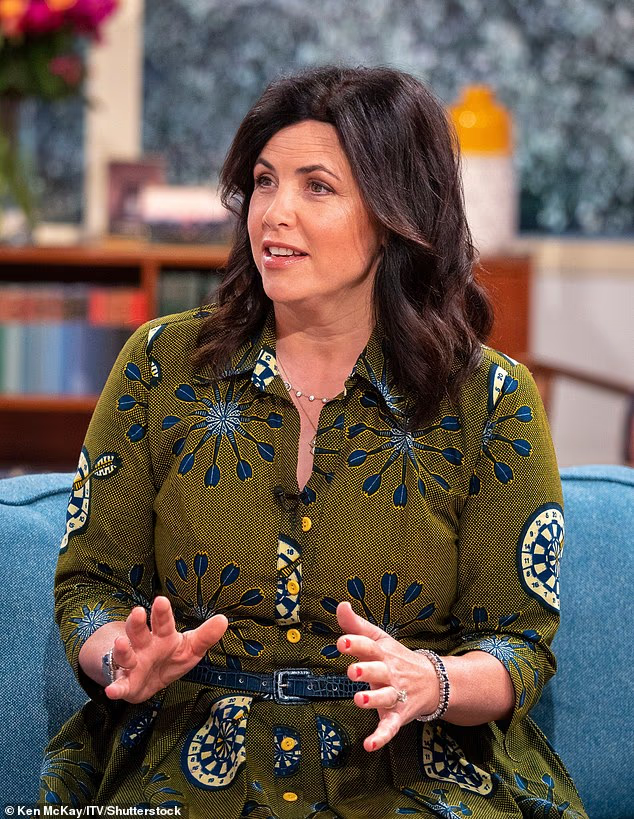
‘We see Haithwaite Farm as the next chapter in a long-term commitment to north Cumbria,’ says Kim Capstick, Director of Operations at Netherby Hall Ltd.
‘It’s about creating opportunities – for visitors, for local businesses and for the people who live and work here.’
Haithwaite Farm will sit alongside Netherby Hall’s accommodation and Pentonbridge Inn’s Michelin-starred restaurant, forming what Kim describes as ‘a complete, connected visitor experience’ that will elevate north Cumbria’s tourism offer.
Guests will be able to stay in the restored properties of Netherby Hall, dine at one of the region’s most celebrated restaurants and then explore the new spaces and experiences at Haithwaite Farm. The development is designed to encourage longer stays, repeat visits and deeper engagement with local heritage, food and crafts.

‘People don’t just want a bed for the night anymore,’ Kim says.
‘They want meaning, connection and experiences that feel authentic. Haithwaite Farm gives us the space to create that and to showcase the talent and produce that already exist here.’
The heritage centre will highlight the story of the Border Reivers, drawing on centuries of local history, while the craft workshops will provide a platform for skilled makers from across the county. The distillery and taphouse will champion small-batch production and local ingredients, reinforcing the authenticity that Kim says is essential to the project’s vision.
One of the most significant outcomes of the development will be the creation of more than 50 new jobs across hospitality, retail, maintenance, visitor services and management. Recruitment will begin ahead of the opening of Phase One and will expand as the site develops.
‘These are not just seasonal roles,’ Kim notes.
‘We’re building sustainable, year-round employment. That’s incredibly important for the long-term economic health of the area.’
The company is also deepening its work with local colleges to create progression pathways, apprenticeships and skills development that directly feed into the needs of the business. The goal is to offer a spectrum of careers; from culinary and accommodation roles to horticulture, events management, retail and heritage interpretation.
‘We want young people in North Cumbria to see hospitality as a rewarding, professional career with room to grow,’ Kim says.
‘Haithwaite Farm gives us the scale to invest in training and development at a whole new level.’
The business has already built strong partnerships with local suppliers at both Netherby Hall and Pentonbridge Inn, and the new development will widen opportunities for farmers, growers, makers and producers across the region.
Kim explains: ‘Our goal is always to source as close to home as possible. Haithwaite Farm strengthens that commitment. When visitors buy something from the farm shop or order a dish in the café, we want them to understand exactly where it came from and who produced it.’
In a rural county where small producers often struggle for year-round outlets, the development could have a transformative ripple effect.
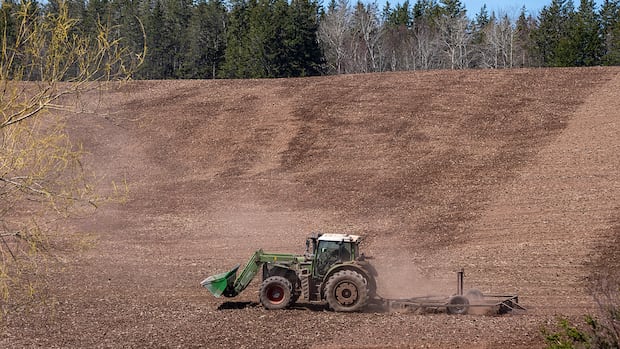
Sustainability has long been a guiding principle for owners Gerald and Margo Smith, and Haithwaite Farm is being designed with the same long-term environmental ambition that underpins both Netherby Hall and Pentonbridge Inn. The company has already invested heavily in renewable energy across its sites, and Haithwaite Farm will build on that foundation with a combination of biomass, solar generation and ultra-short supply chains that dramatically reduce food miles.
‘We have a responsibility to develop in a way that protects the landscape we’re so lucky to work in,’ says Kim.
‘Sustainability isn’t an add-on for us. It shapes every decision we make – from how we generate our power to where we source the ingredients served in our kitchens.’
The farmstead was largely derelict when the project began. Instead of clearing the site and starting anew, the team committed to sustainability from the outset, retaining up to 80% of the original stonework and working entirely within the historic footprint of the former farm buildings.
‘We wanted to give the site life again,’ Kim explains.
‘We’ve preserved everything we could. Anything that had to come down was dismantled carefully so the stone could be reused. What’s emerging now still looks and feels like Haithwaite Farm, just with purpose and energy behind it.’

That sense of preservation extends beyond the buildings. The development includes new footpaths and tree planting schemes that the local community has been invited to explore. Engagement sessions, open days and talks with local groups such as the WI have helped dispel early misconceptions and bring residents into the fold.
‘It’s amazing how many concerns disappeared once people heard the truth directly from us,’ Kim says.
‘There’s no Ferris wheel, no ‘mini-Disneyland’. It’s locally sourced, locally focused, and built for the long-term benefit of the area.’
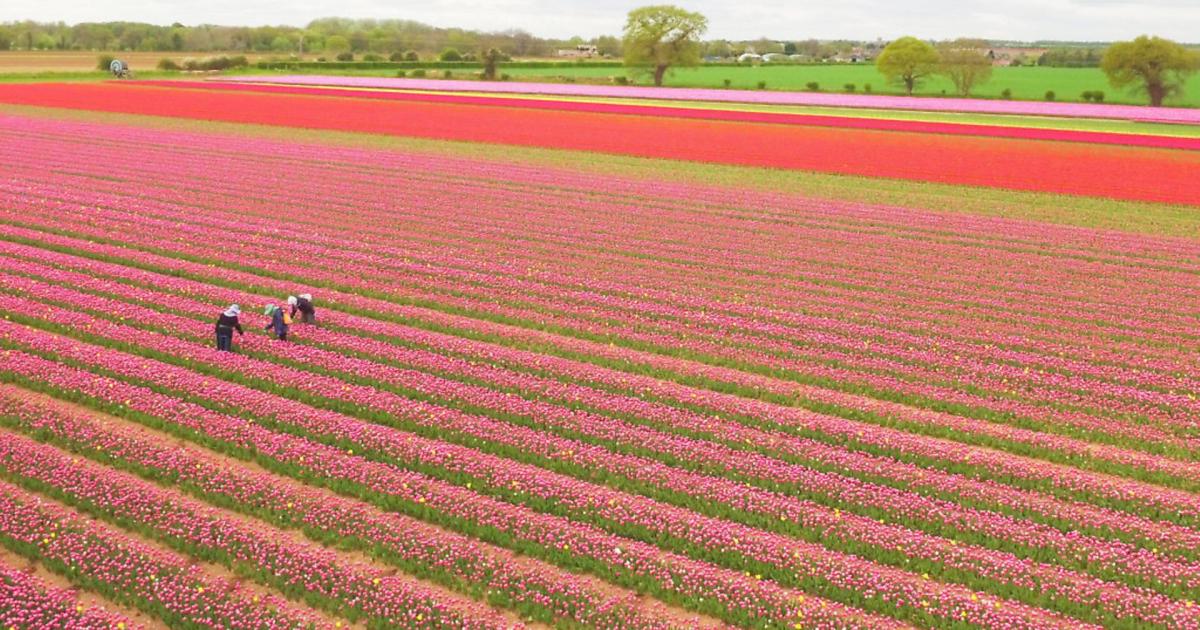
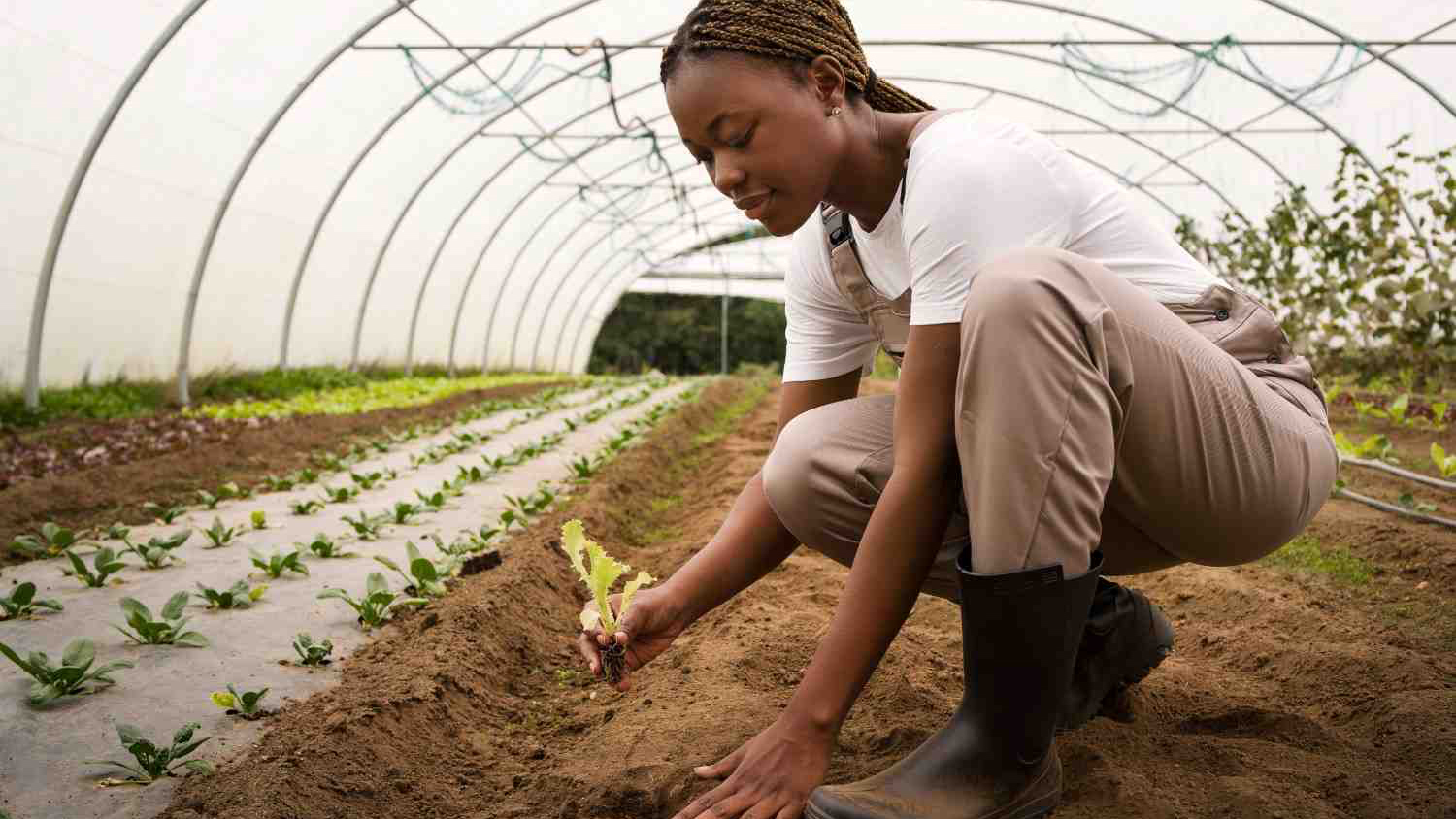
Much of the produce for Haithwaite’s farm shop, café and restaurant will be grown only metres from where it is served, creating what Kim describes as “a truly regenerative model for food and hospitality.”
‘We want visitors to experience North Cumbria at its very best,’ she adds.
‘That means food grown on our land, served by people who live locally, and supported by infrastructure that genuinely reduces our environmental footprint. It’s about proving that rural tourism can be both ambitious and sustainable.’
Ultimately, the Haithwaite Farm development is about shaping the future of the region’s visitor economy in a way that balances ambition with responsibility. It represents a major private-sector vote of confidence for north Cumbria, with the potential to drive spending, increase dwell time, strengthen local supply chains and create new opportunities for residents.
As Kim puts it: ‘This is a project rooted in place, people and possibility. Haithwaite Farm will bring something completely new to North Cumbria, but it will do it in a way that respects where we are and supports where we want to go.’
Phase One marks the beginning of a new era for the business and, many hope, a new chapter for the area’s rural economy. Phase two, the spa and wellness centre, will open in 2027.