By William Schomberg and Suban Abdulla
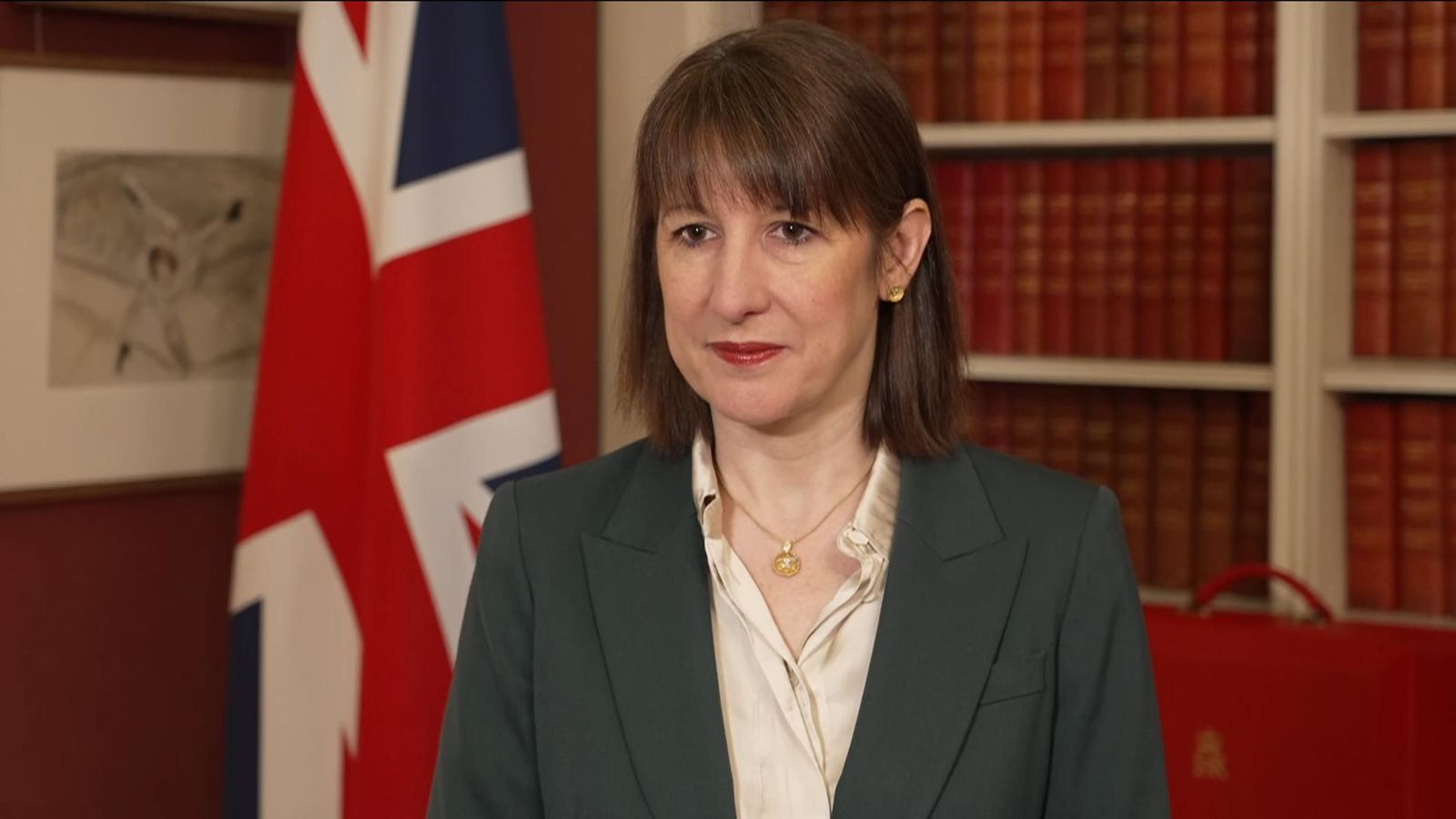
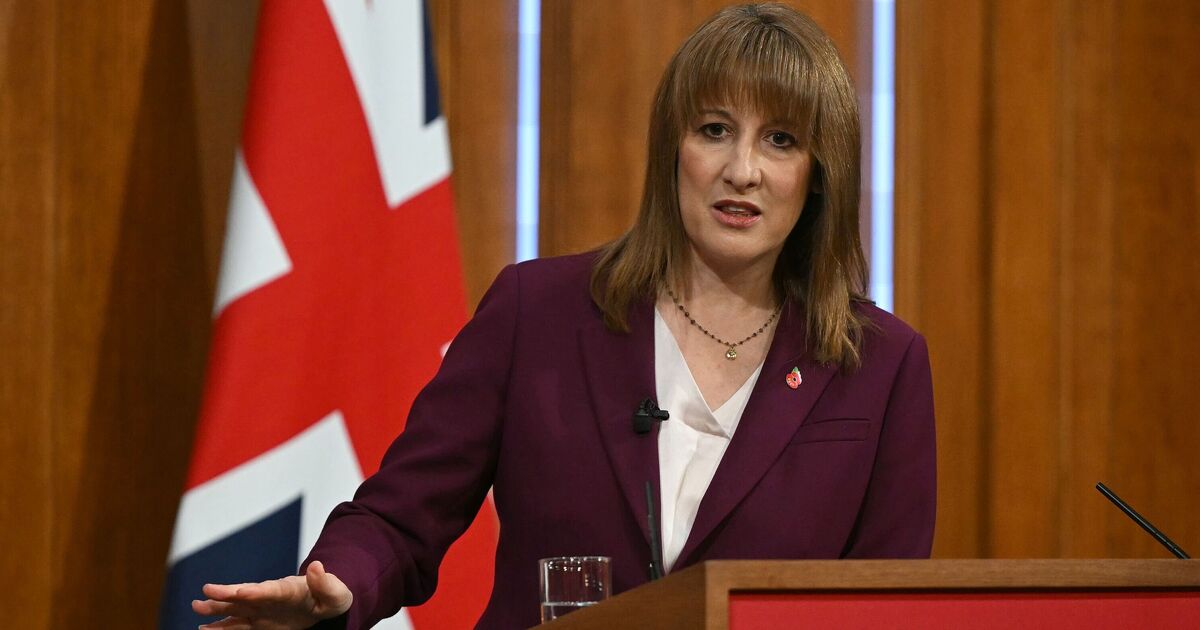
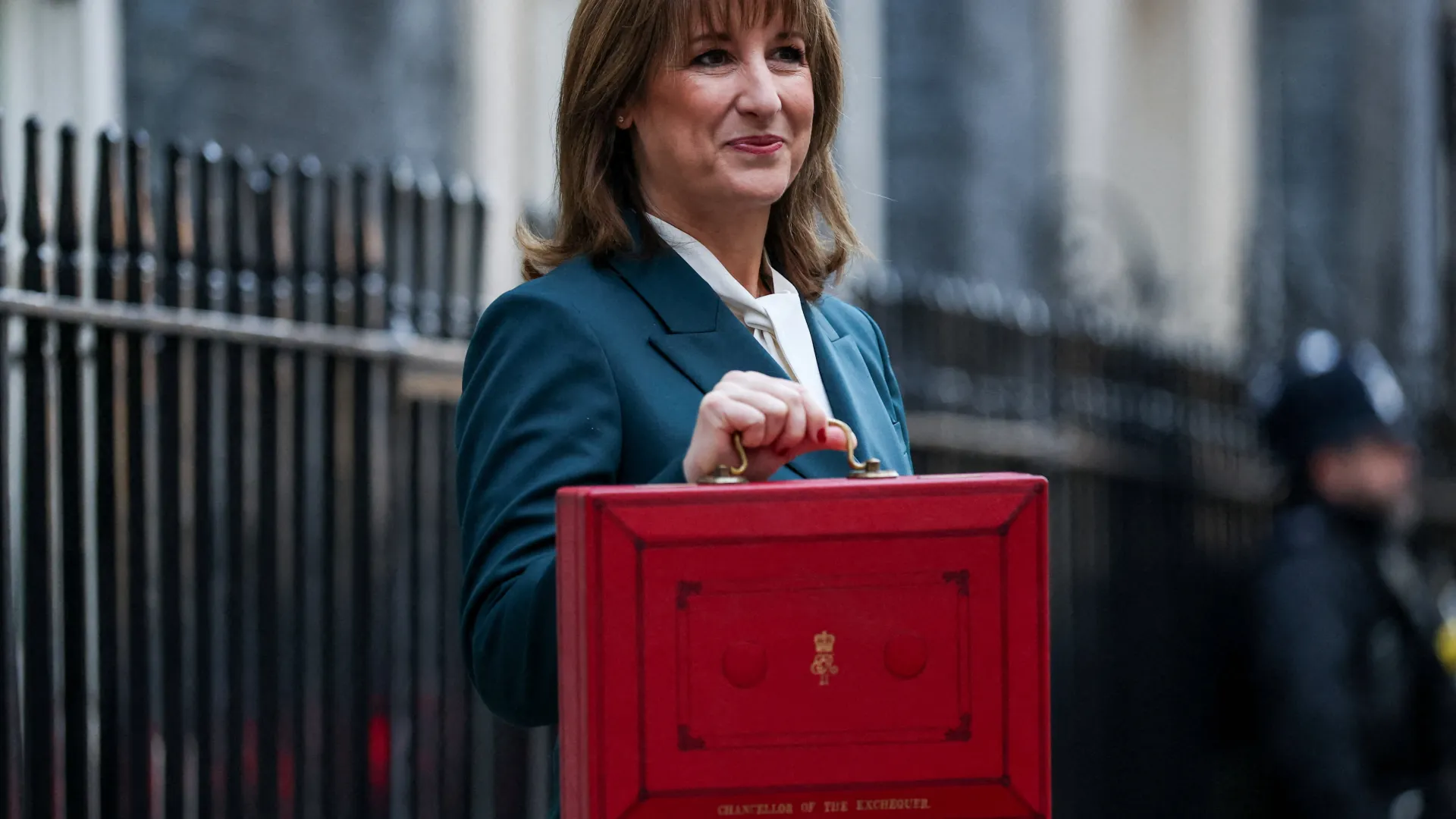
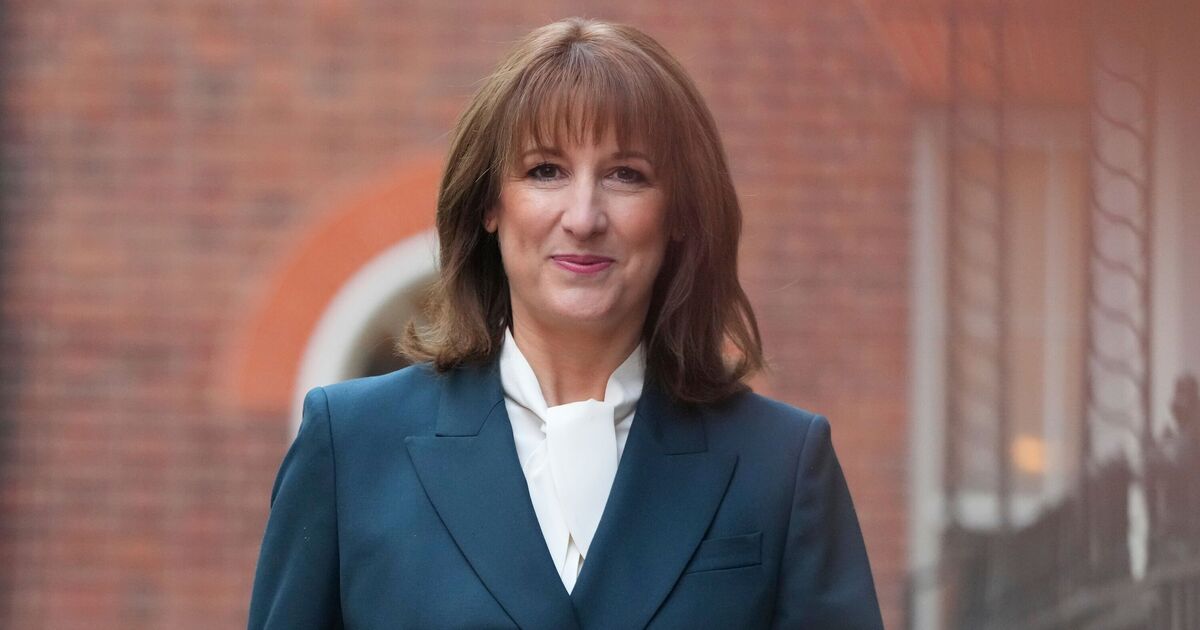
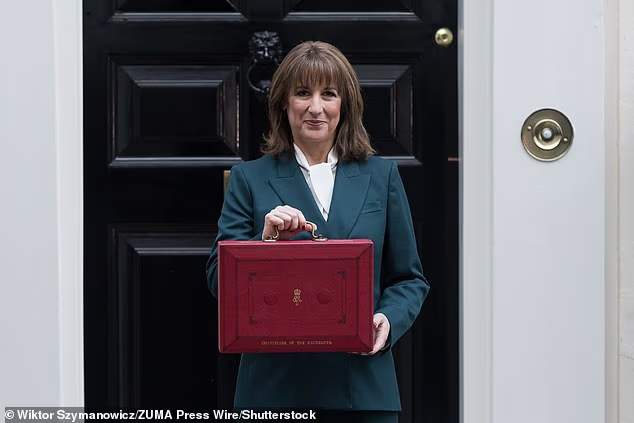
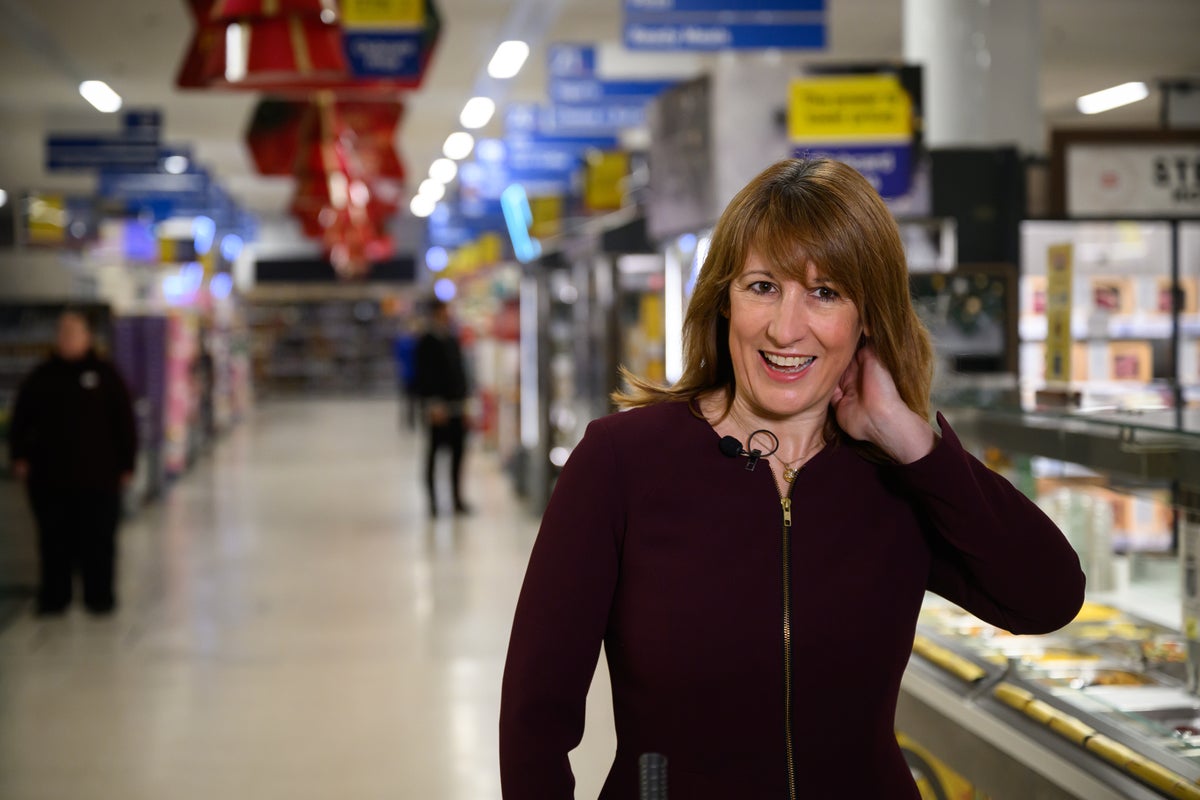
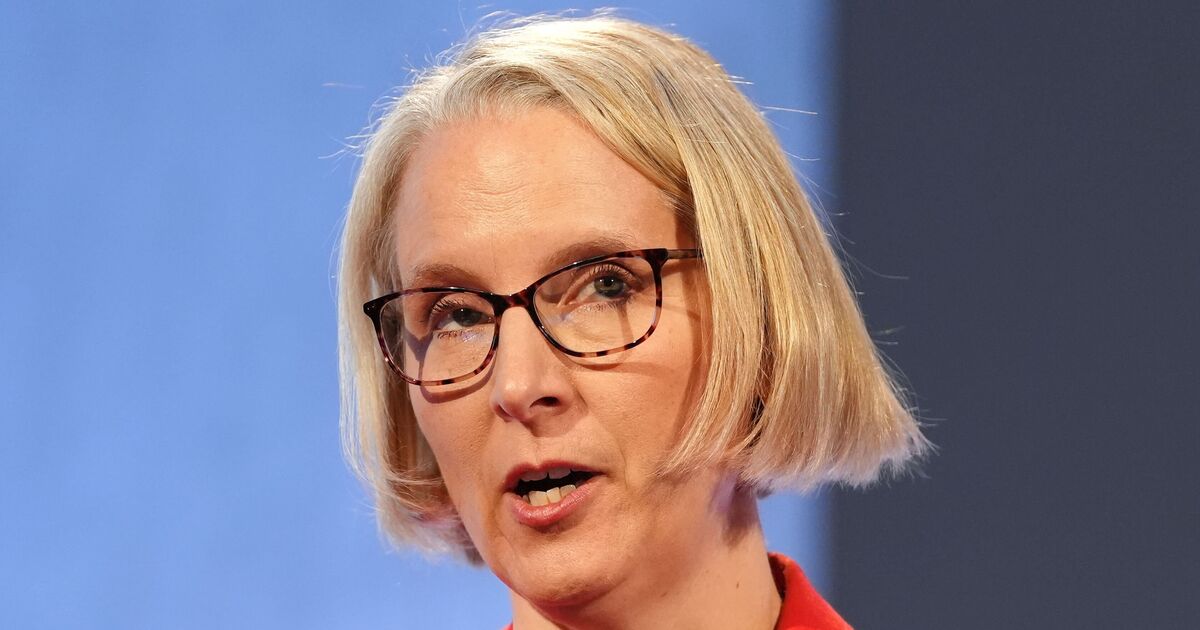
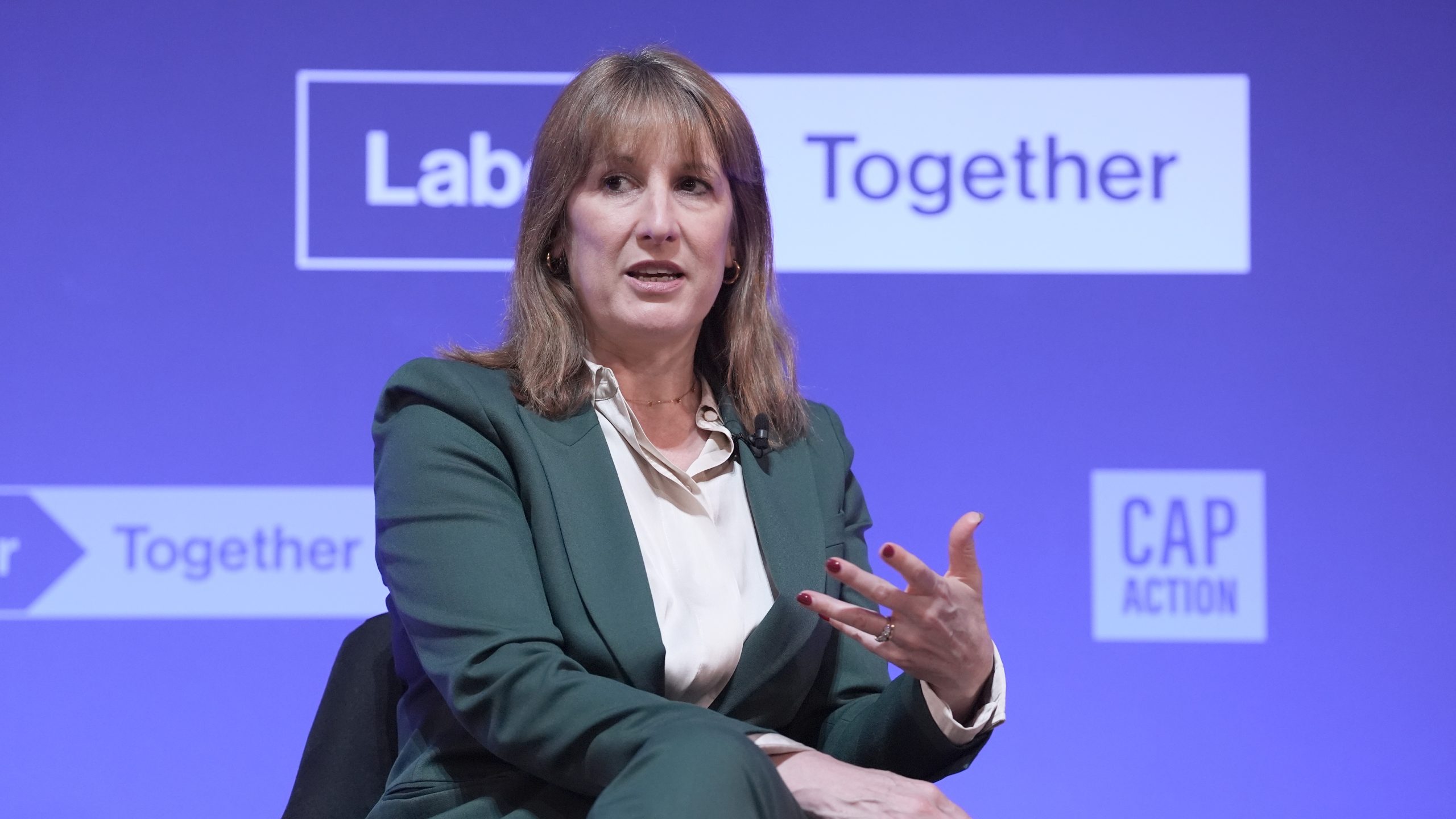
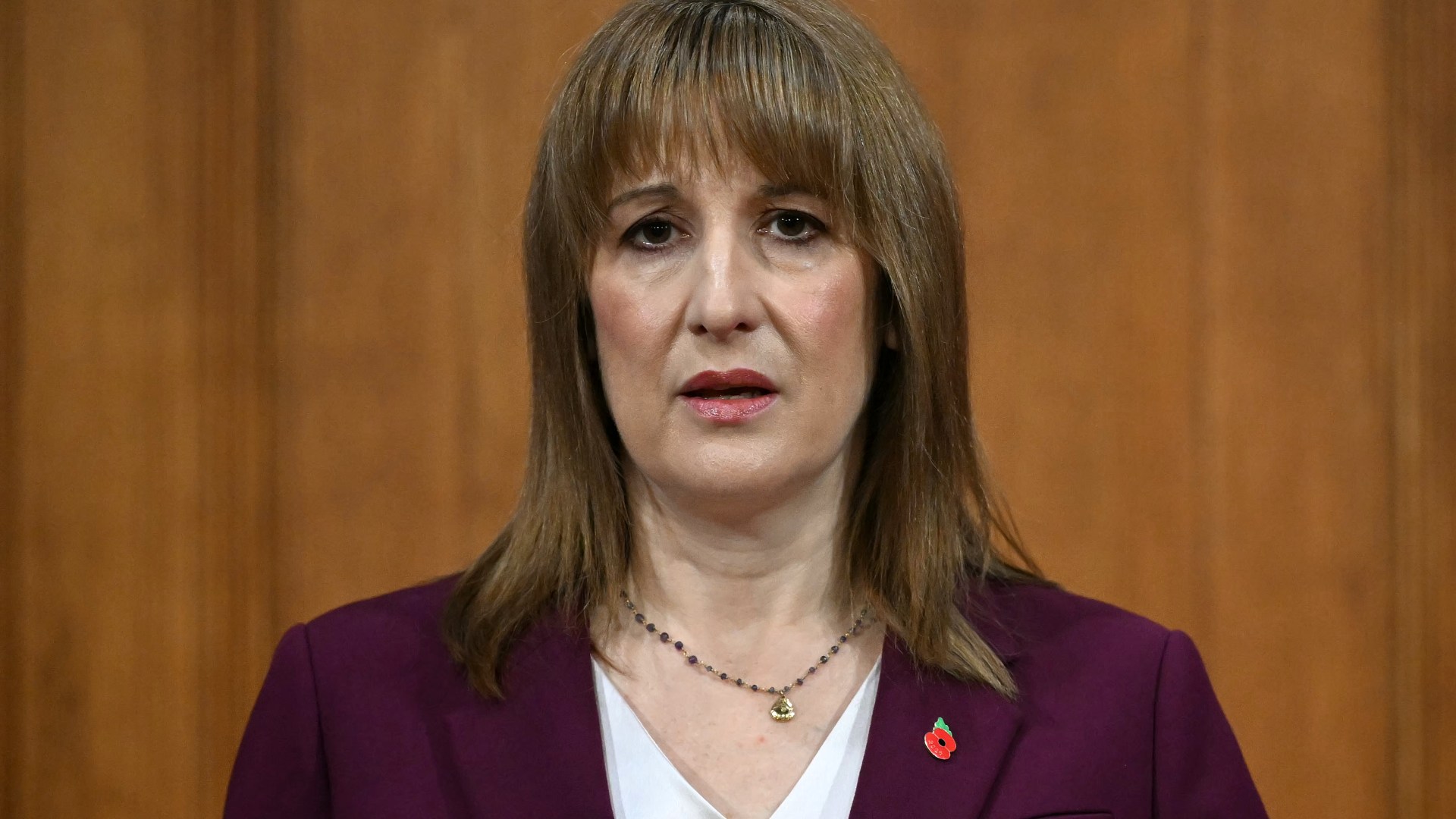
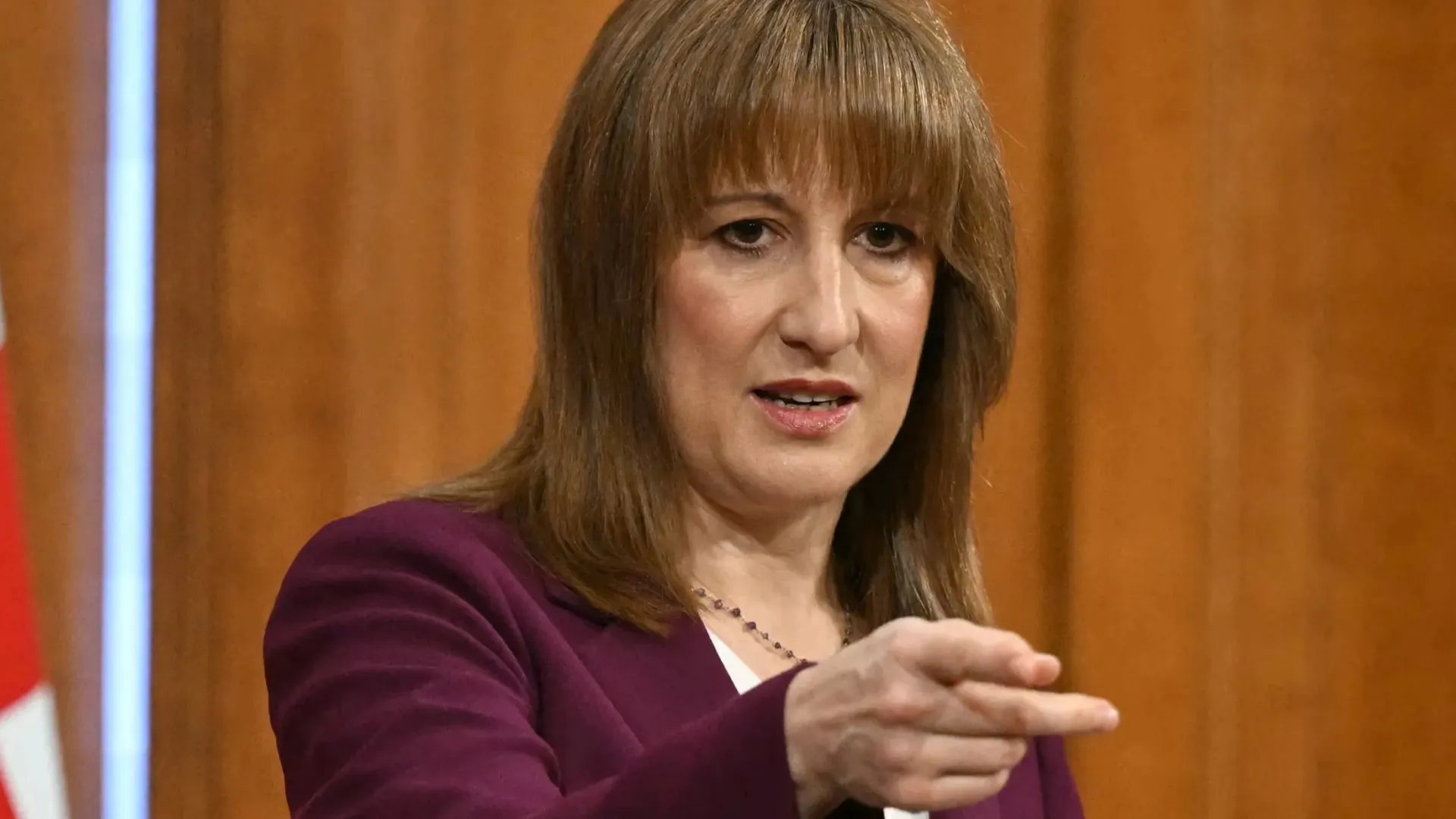
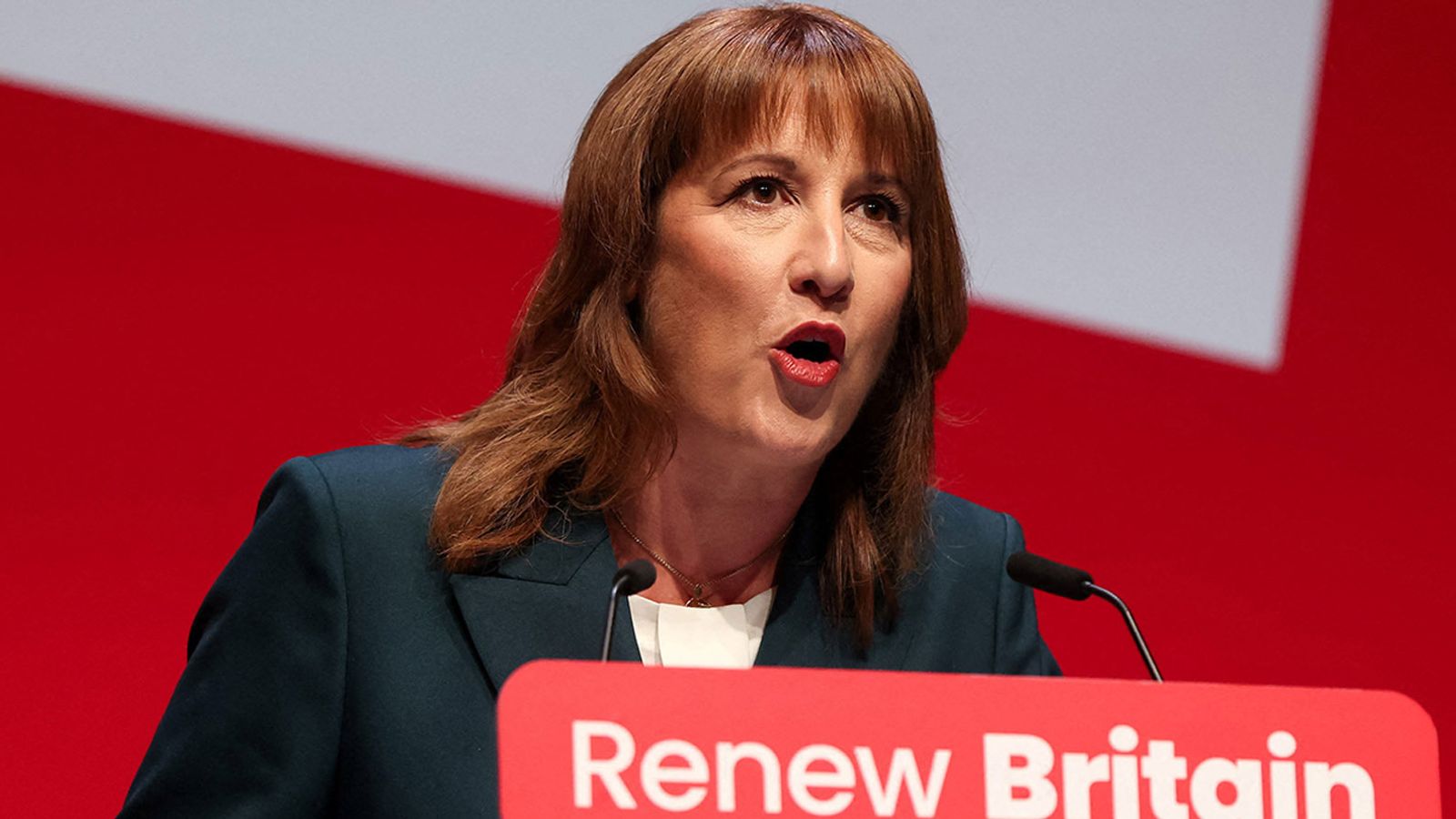
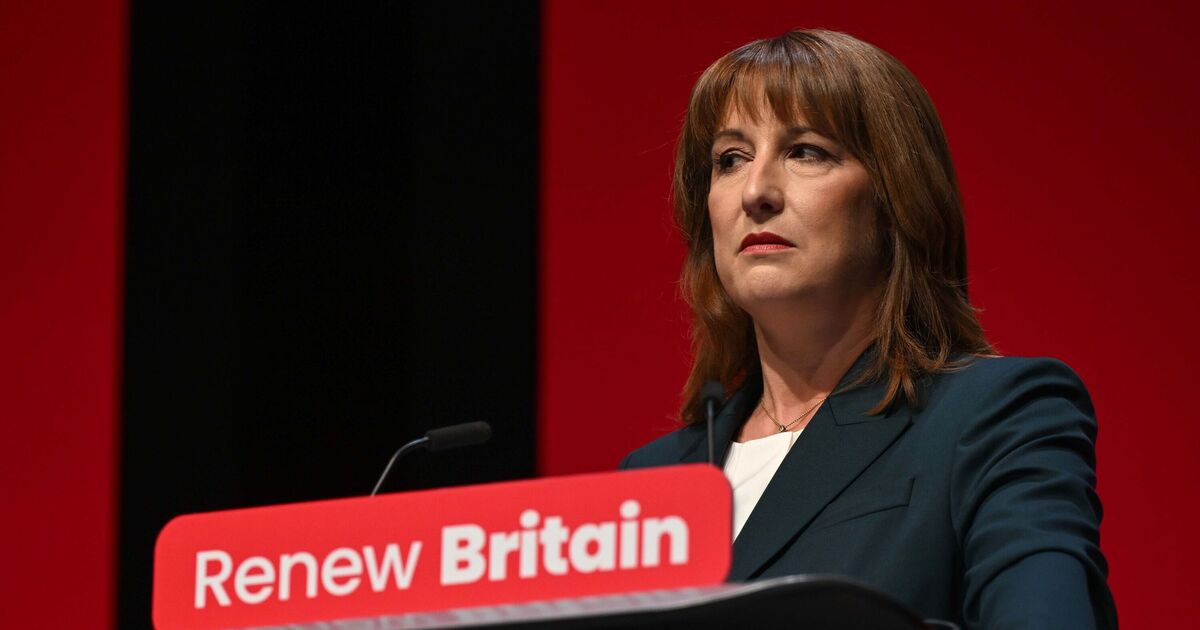
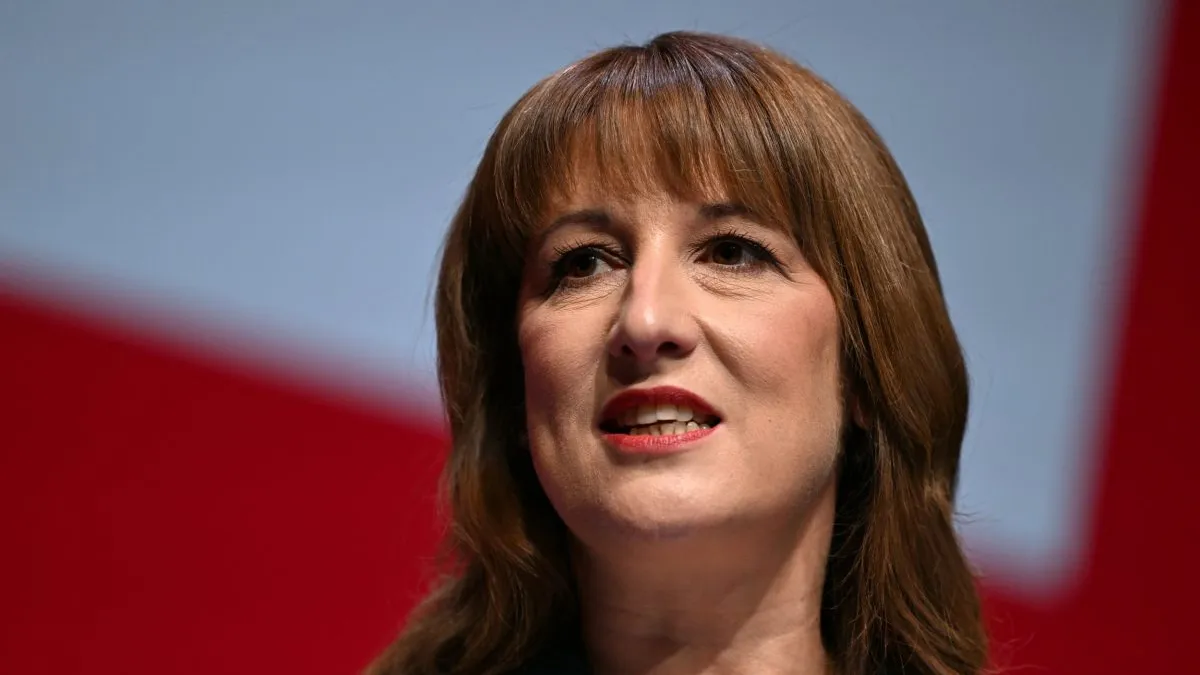
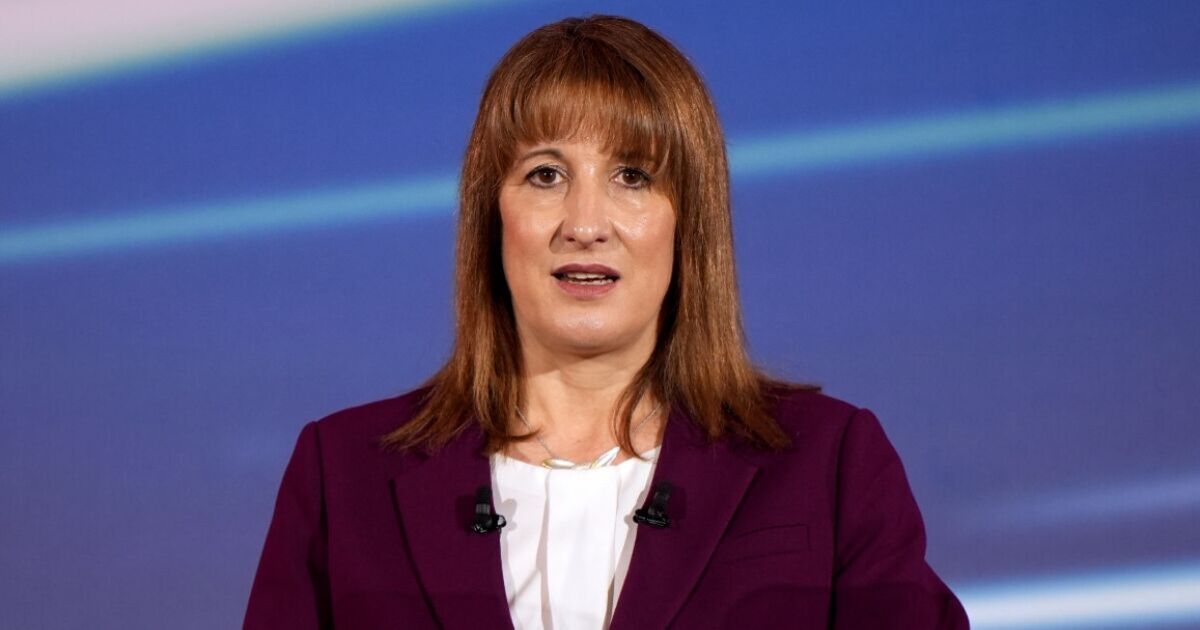
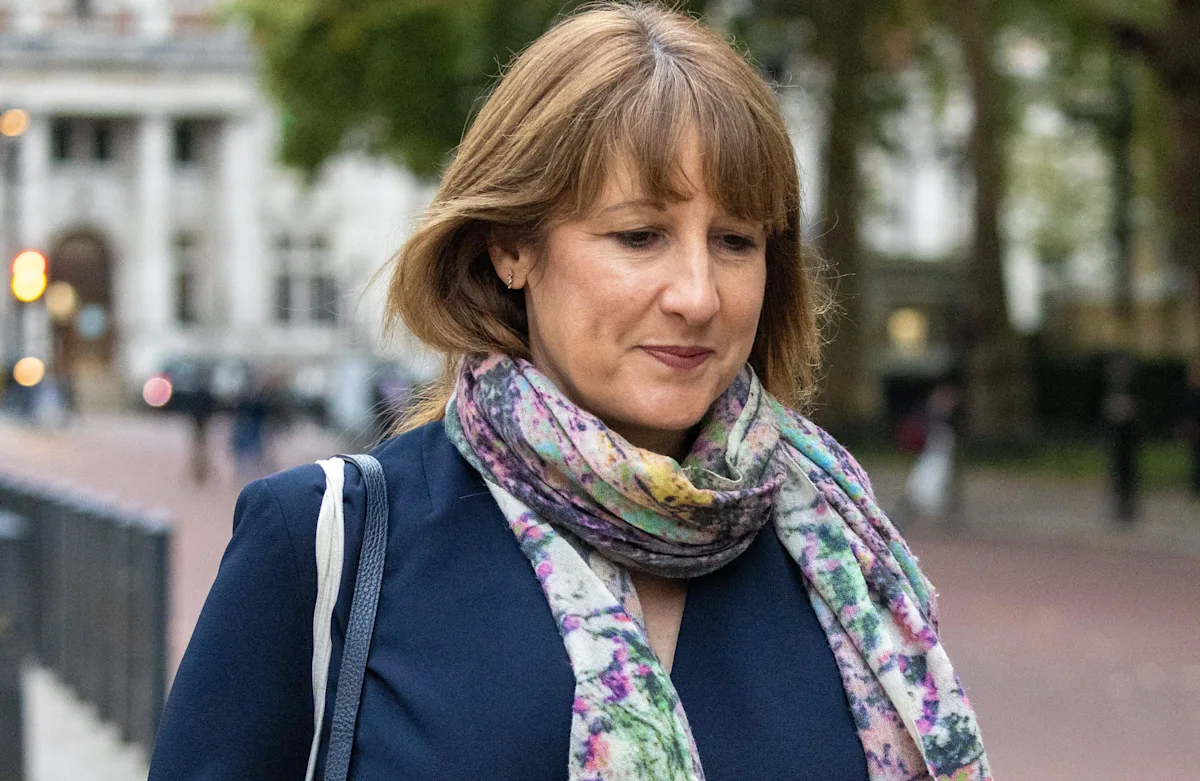
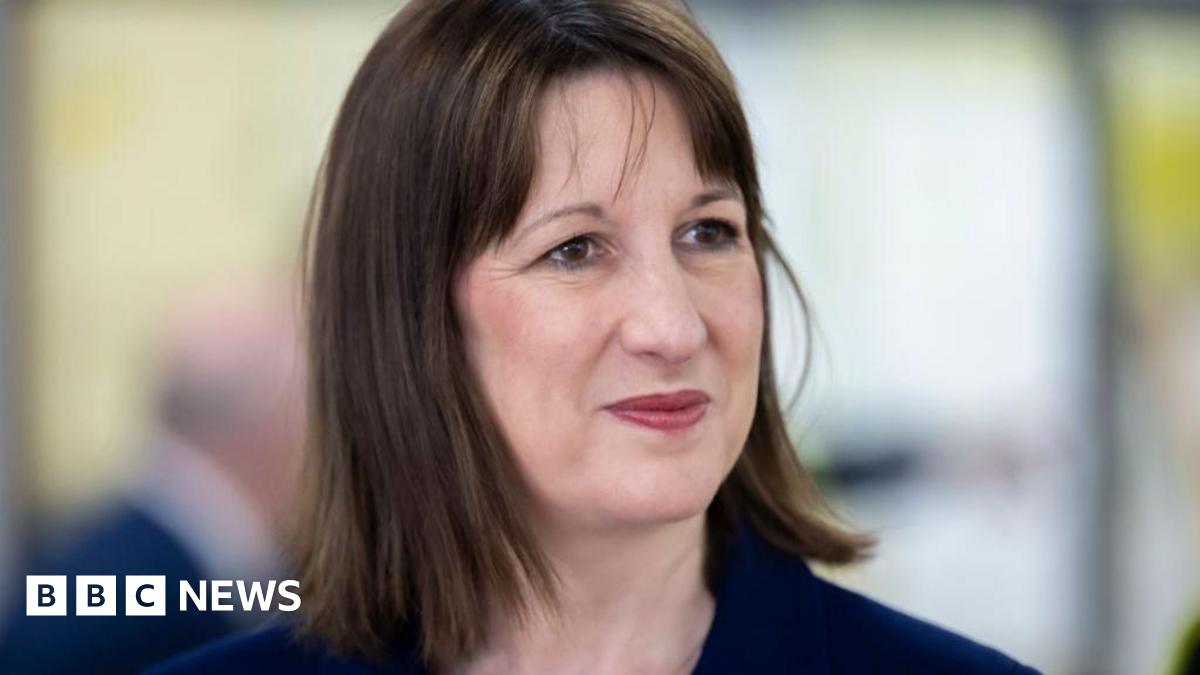
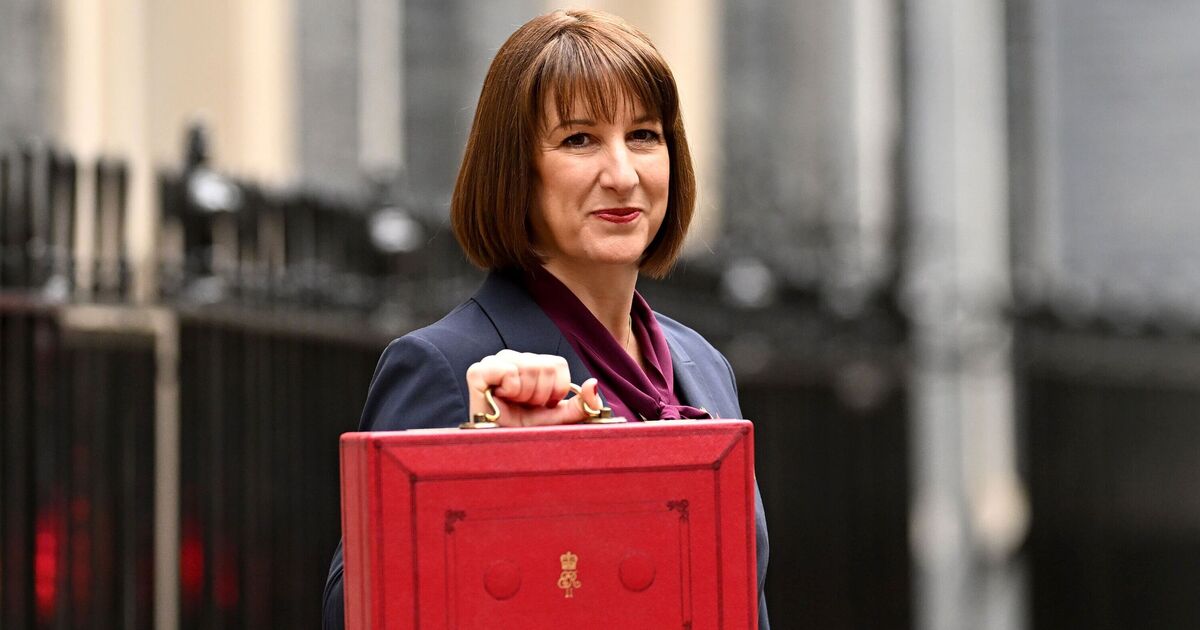
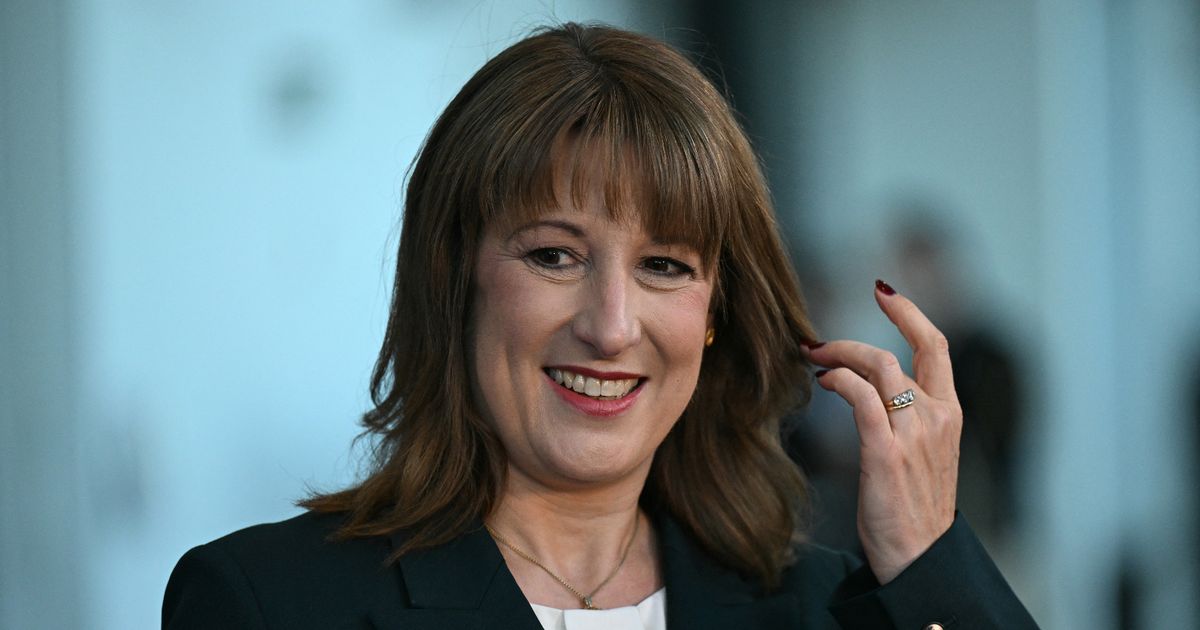
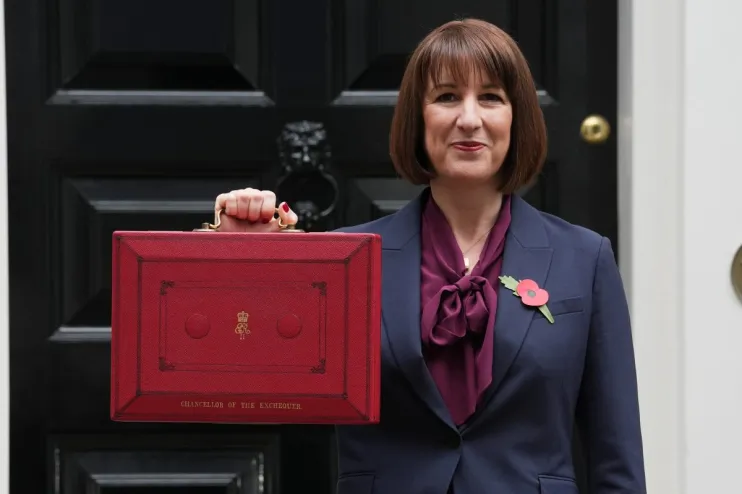
LONDON (Reuters) -Finance minister Rachel Reeves has vowed for the past year to speed up Britain’s economy but growth has slowed recently on worries about more tax increases in her budget on Wednesday.
Below is a summary of economic indicators just over a year after Reeves’ first budget, when she raised taxes by the most in more than 30 years.
ECONOMIC GROWTH
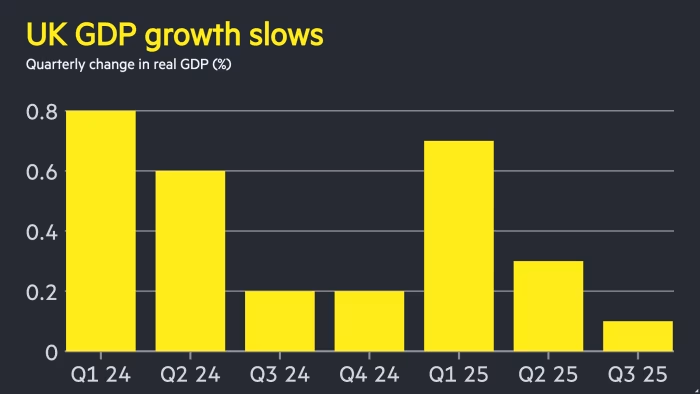
Britain’s economy had a strong start to 2025 and the International Monetary Fund says Britain is on track for the second-fastest growth among the Group of Seven advanced economies over the year, after the United States.
In 2026, Britain was set to have the third-fastest growth.
However, the economy expanded by just 0.1% in the third quarter, held back in part by a shutdown caused by a cyberattack at carmaker Jaguar Land Rover that hit suppliers too. Purchasing Managers’ Index business surveys suggest that tax worries could limit growth to 0.1% in the fourth quarter too.
BORROWING
Britain ran up the highest government borrowing in the April-to-October period since the COVID-19 pandemic, before adjusting for inflation.
The figures showed borrowing for day-to-day spending - which Reeves is aiming to balance with tax revenues by 2030 – was running 10% higher than a year earlier at 84 billion pounds.
LABOUR MARKET LOSING STEAM
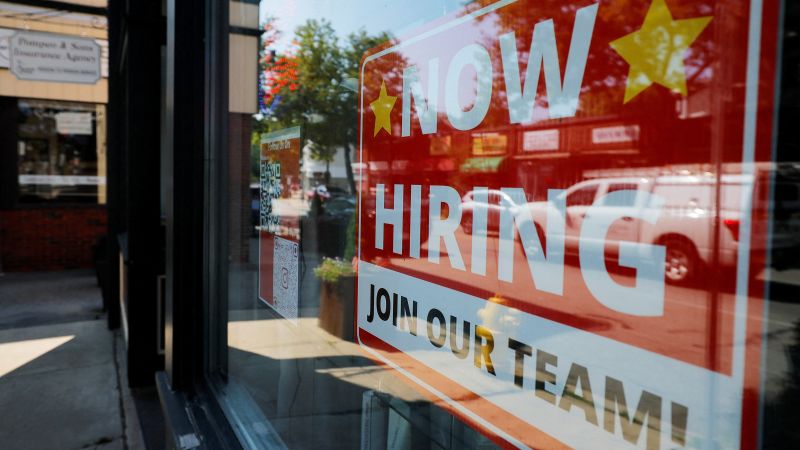
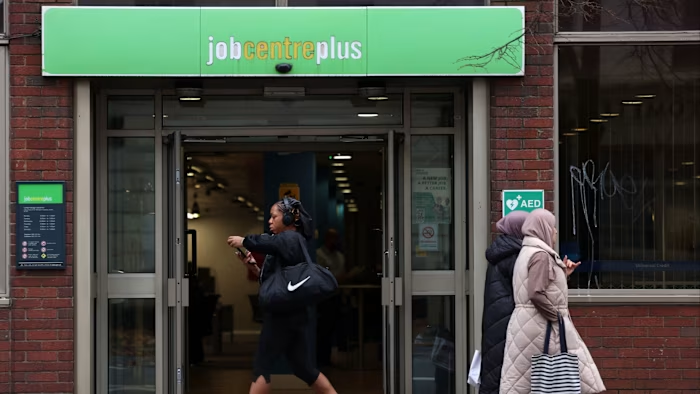
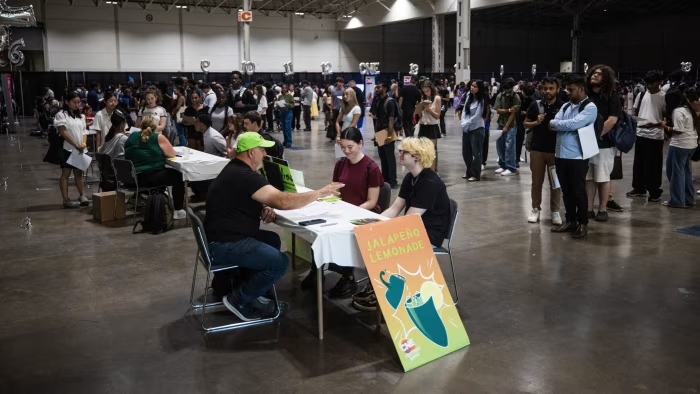
Reeves announced big increases in employers’ social security contributions and the minimum wage in her 2024 budget. Firms have cited the higher costs as a factor behind a cut in hiring.
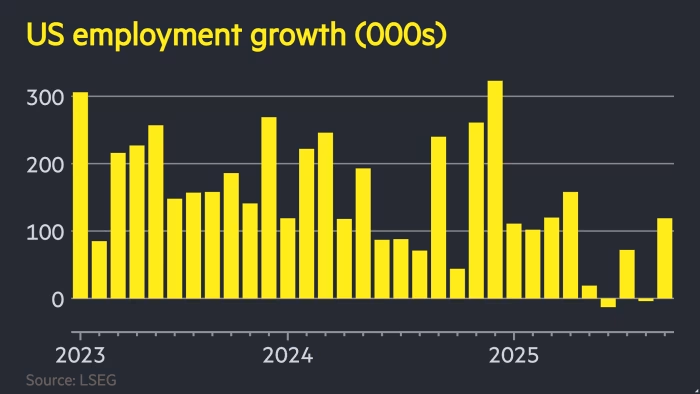
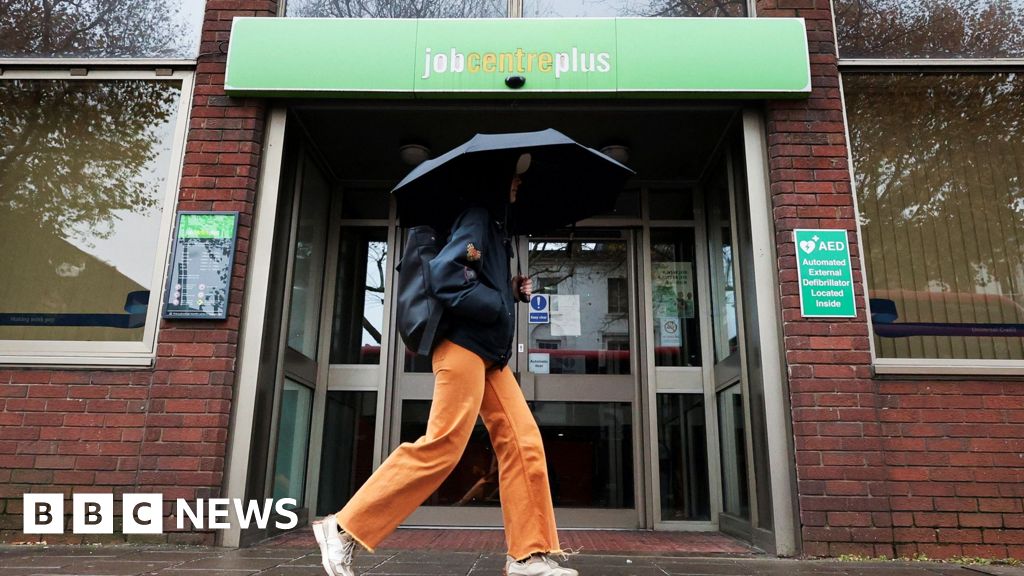
Payrolls in September and October suffered the biggest two-month drop since late 2020. The jobless rate rose to its highest since early 2021 at 5.0%, although the survey from which the rate is estimated is being overhauled, leading to questions about its reliability.
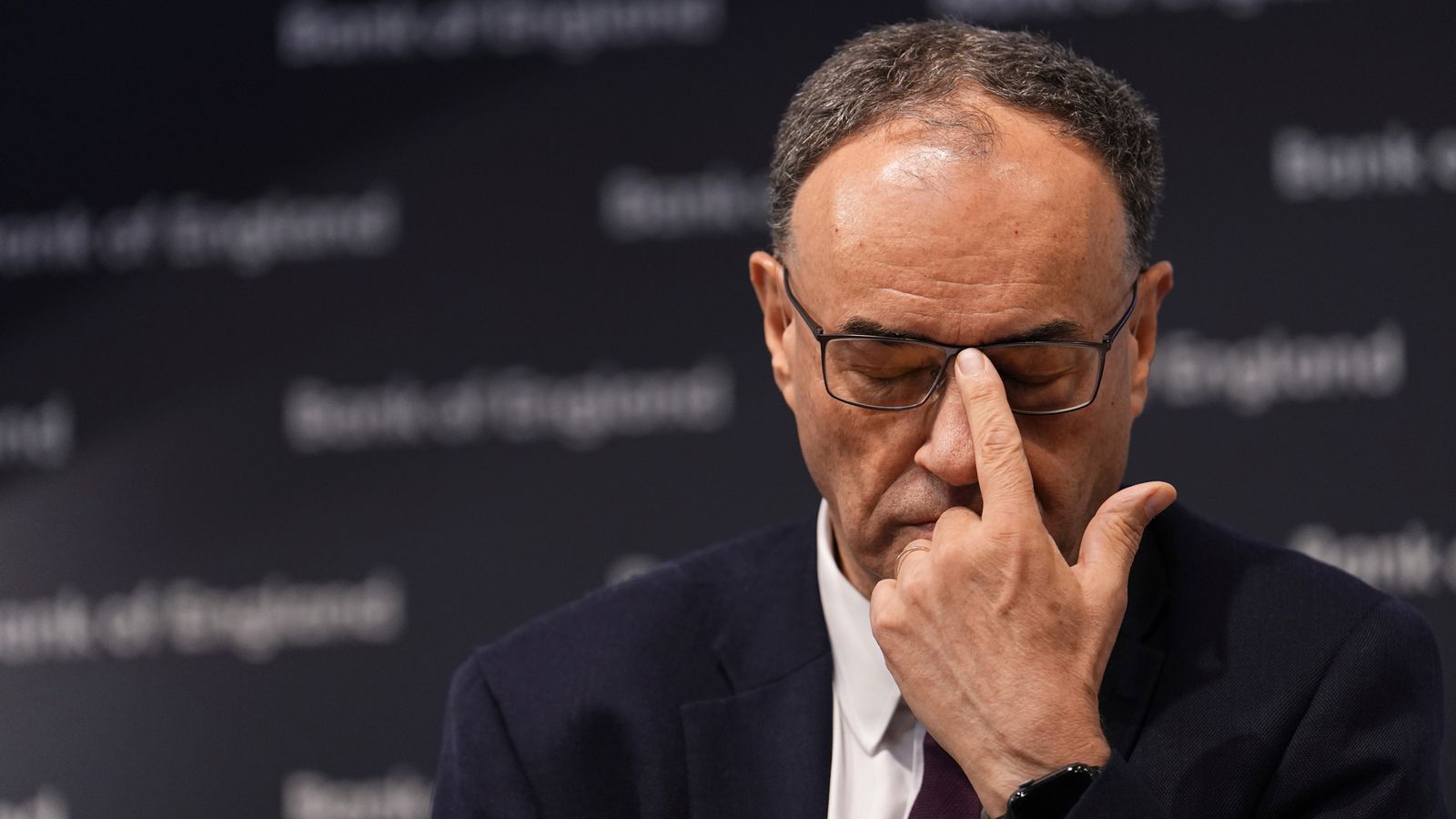
The Bank of England believes the worst of the hit from last year’s tax increase on employers has now passed.
Wage growth has slowed – inflation-adjusted average earnings in the third quarter were only 0.5% higher than a year earlier.
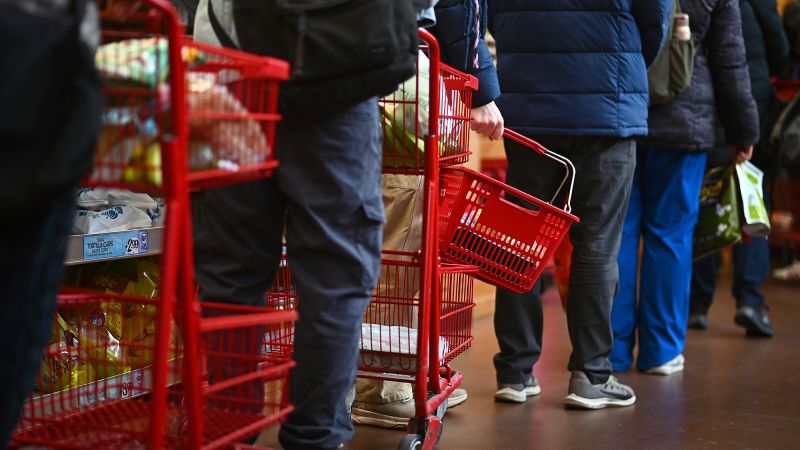
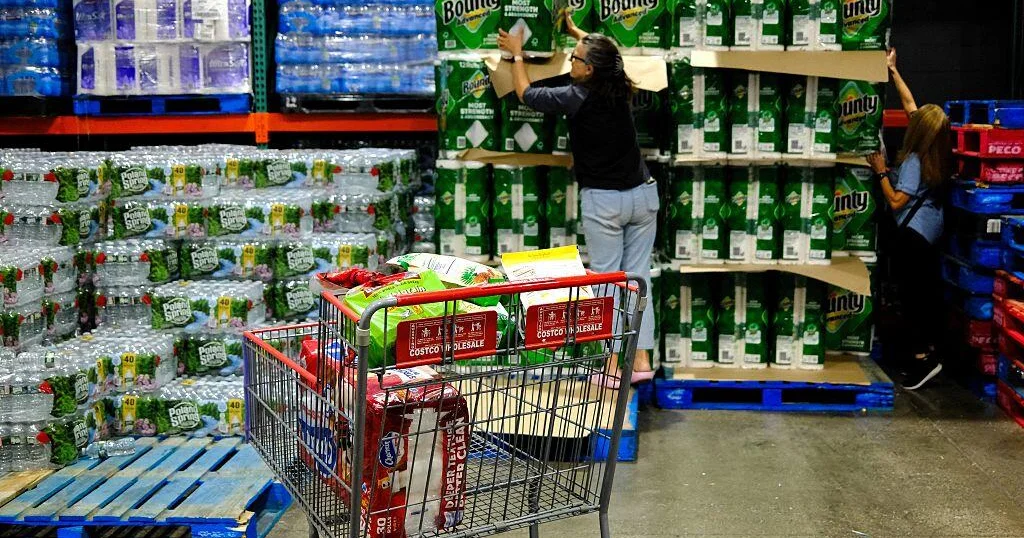
CONSUMERS HOLD OFF SPENDING
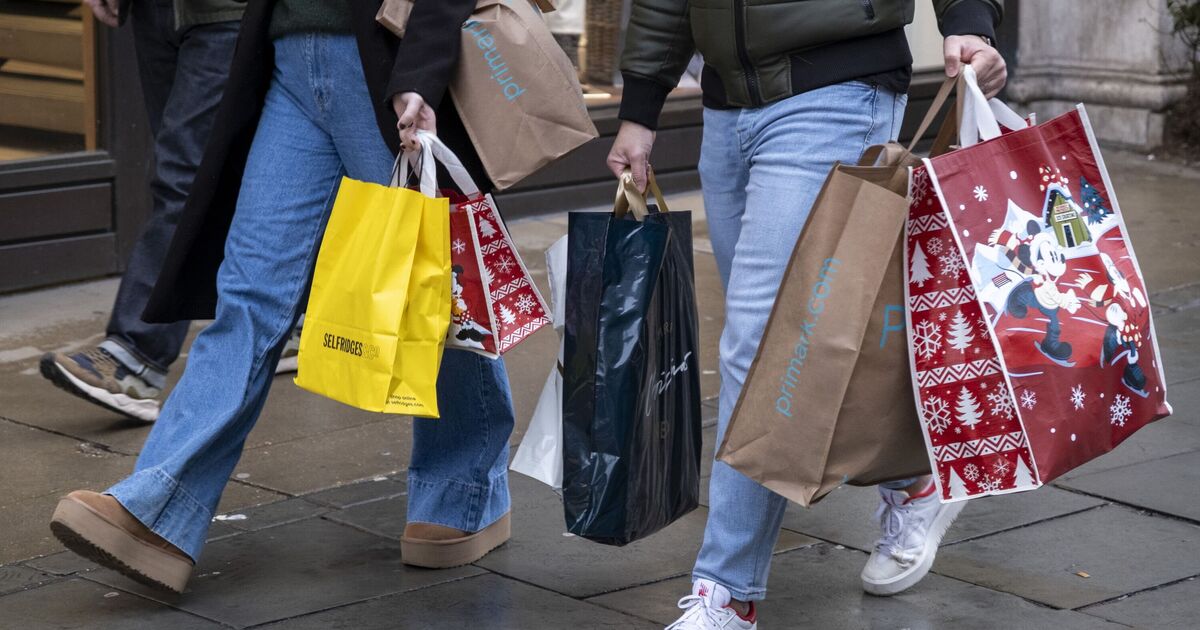
Retail sales volumes in October fell in monthly terms for the first time since May, although some retailers said part of the weakness was due to consumers waiting for this month’s Black Friday deals.
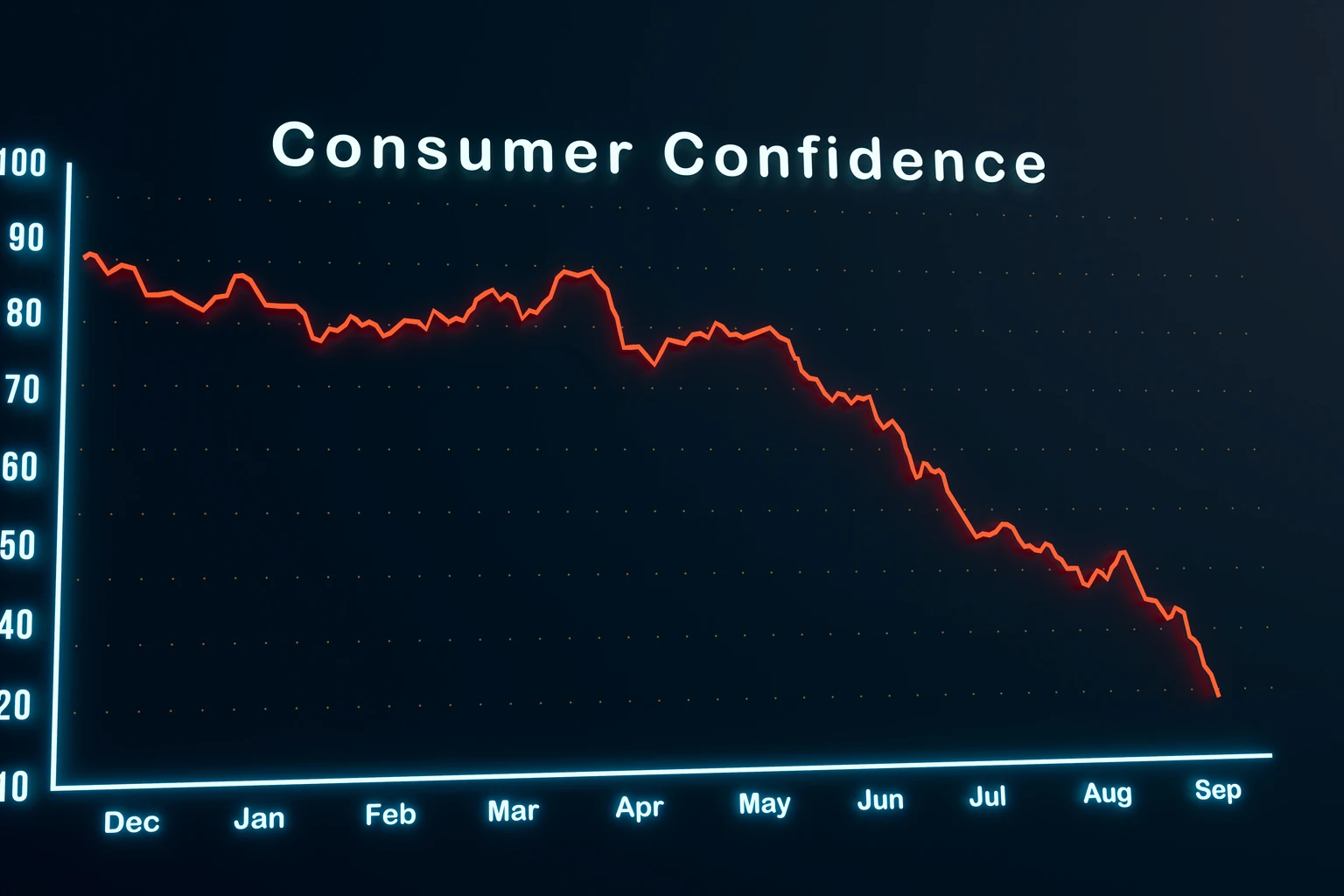
The GfK consumer confidence index edged down in November while the British Retail Consortium trade body reported the biggest drop in sentiment since April.
Recent updates from major retailers have shown nervousness about the impact of Reeves’ budget on consumer sentiment.
INFLATION FALLS BUT STILL TOO HIGH