For reasons that border on increased size, density, economic intensity, and ecological vulnerability, the Lagos State government is transitioning from a linear to circular waste management model, all to the benefit of the state’s economy and the environment.
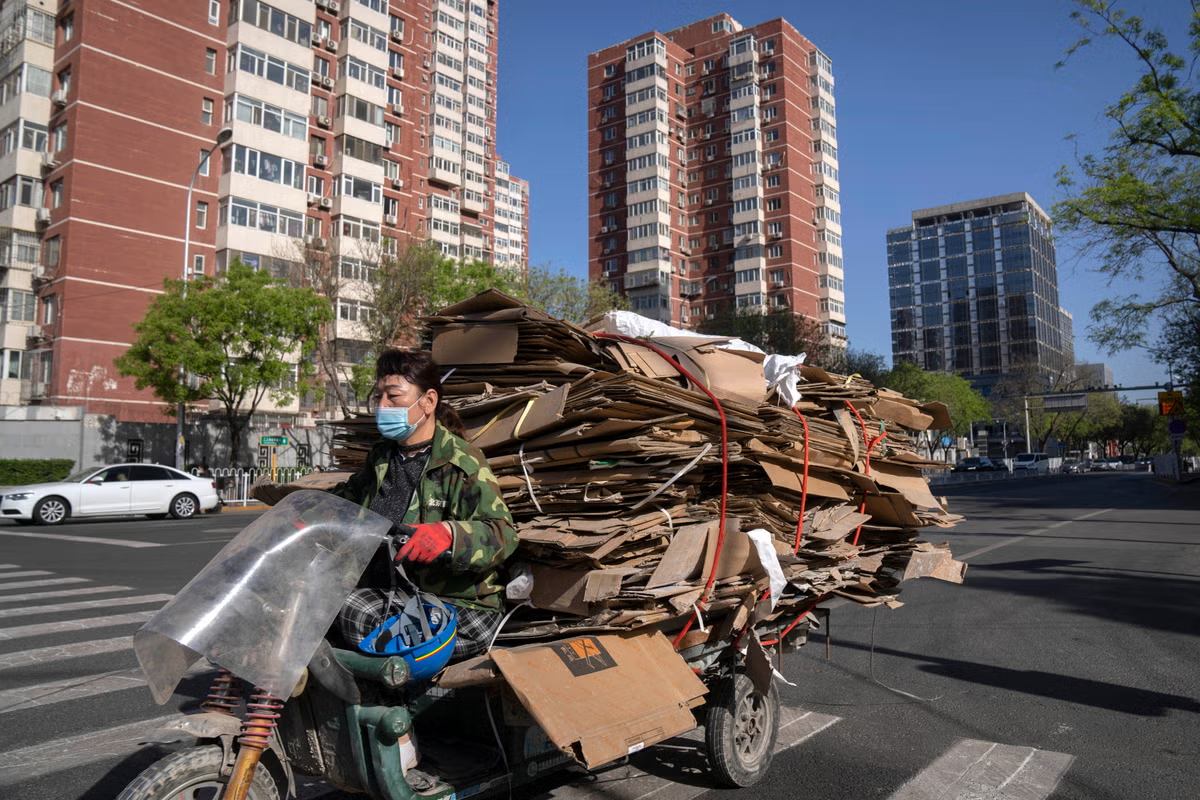
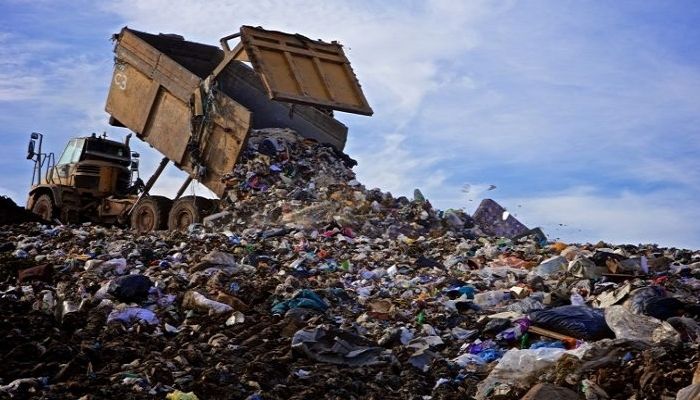
For a long time, waste management in Lagos, like in many other fast-growing cities, was largely a linear model where waste was generated, collected, transported, and dumped.
That model was adequate when the city was smaller, consumption was lower, packaging was simpler, and land for disposal appeared abundant. Today, the model is no longer sufficient for the city, given its 22 million population and rapid urbanization.
As a growing megacity, Lagos believes that waste management is not merely a technical service, but a daily test of how a megacity governs itself. It affects public health, drainage, flooding, real estate values, investor confidence, transport corridors, climate resilience, and the overall dignity of urban life.
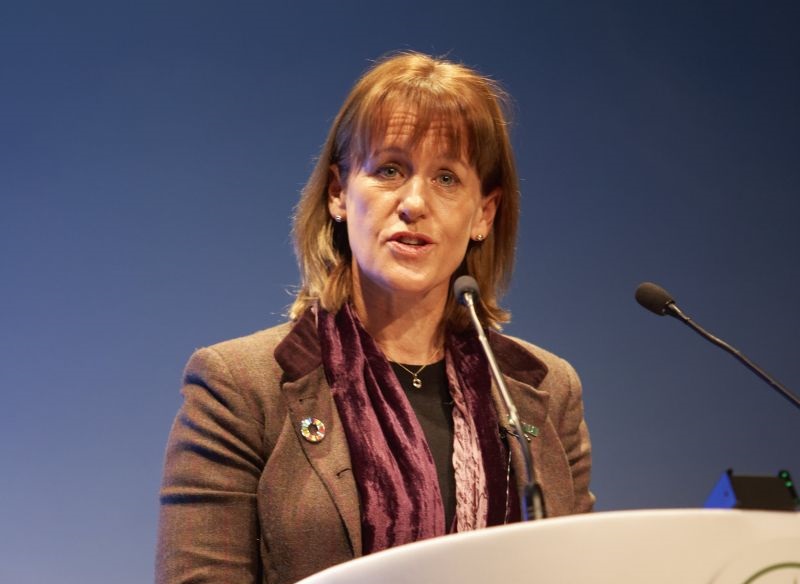
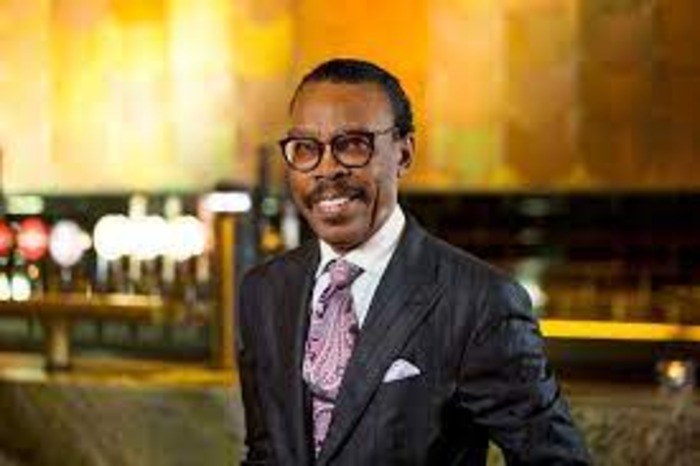
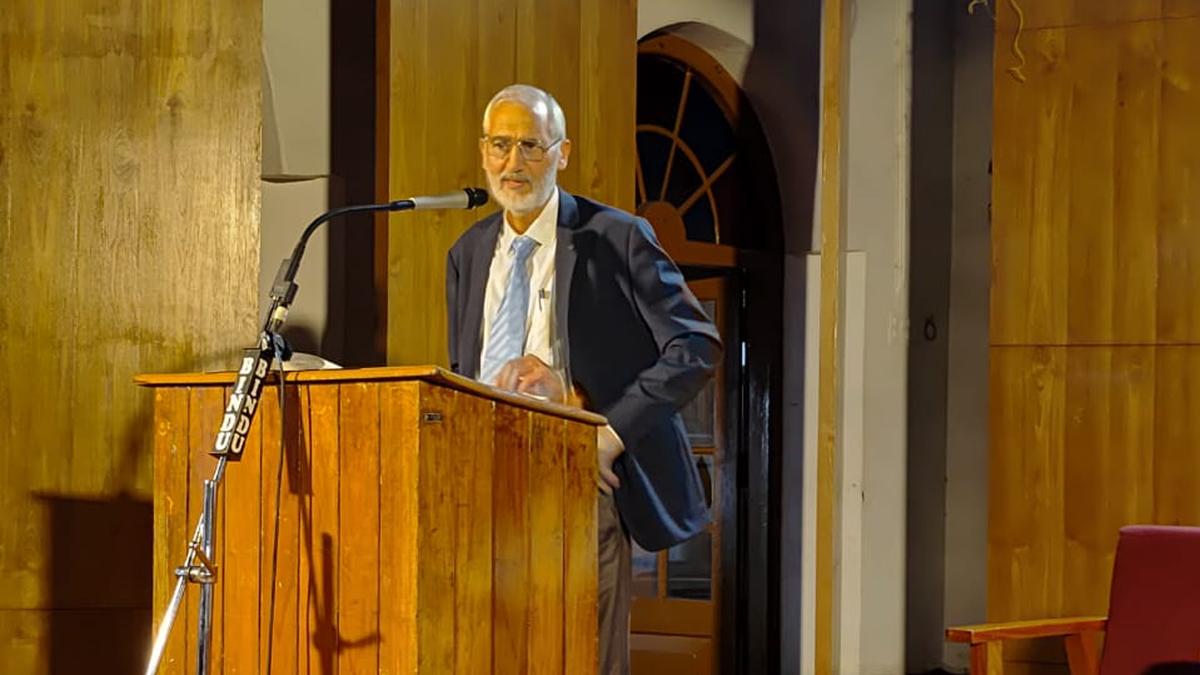
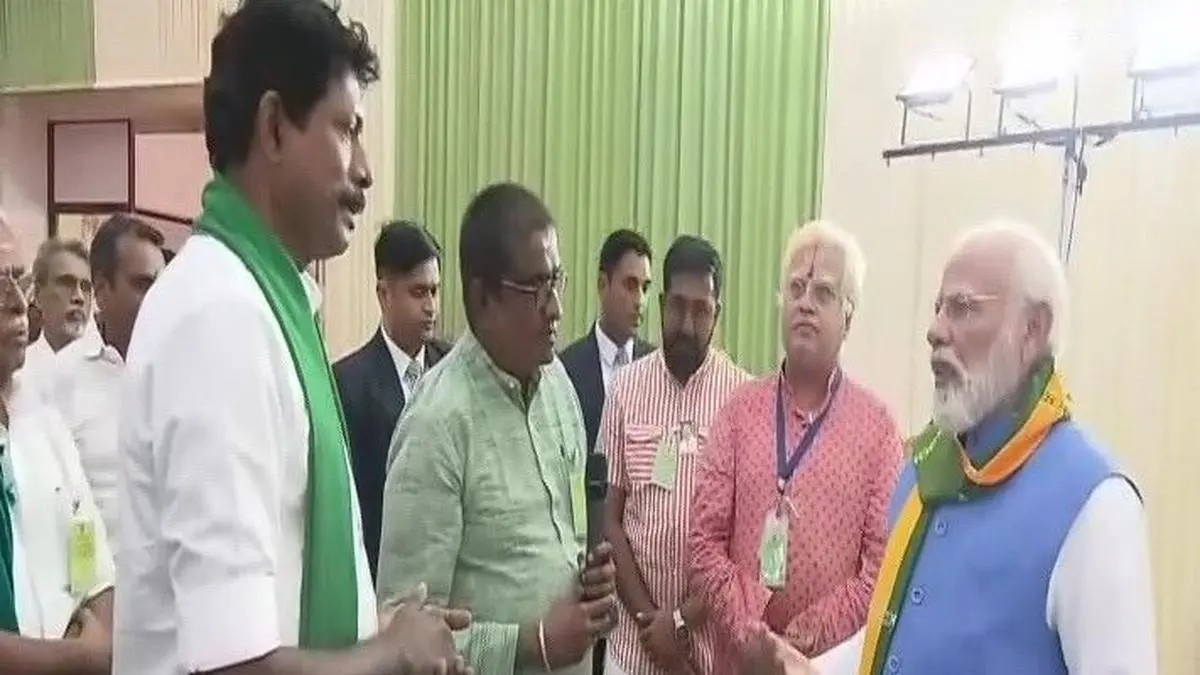
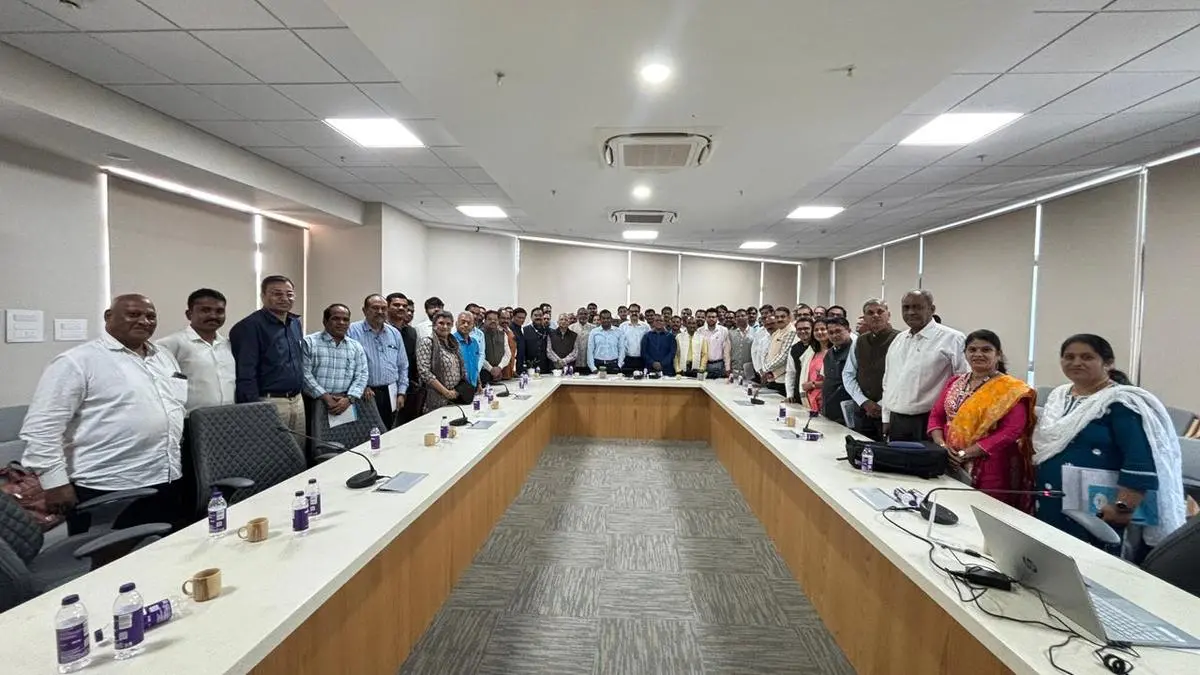
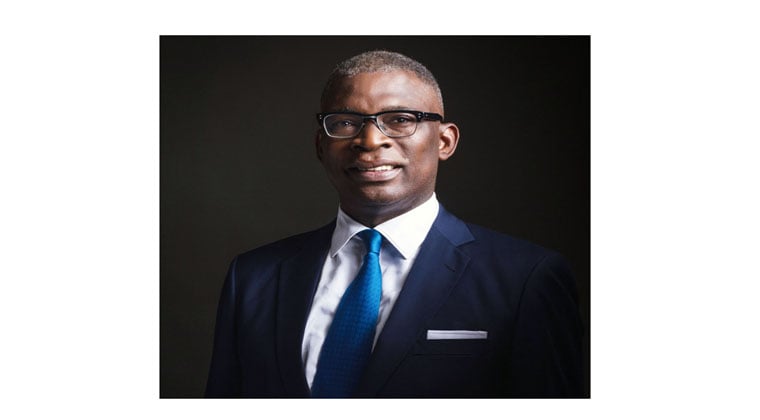
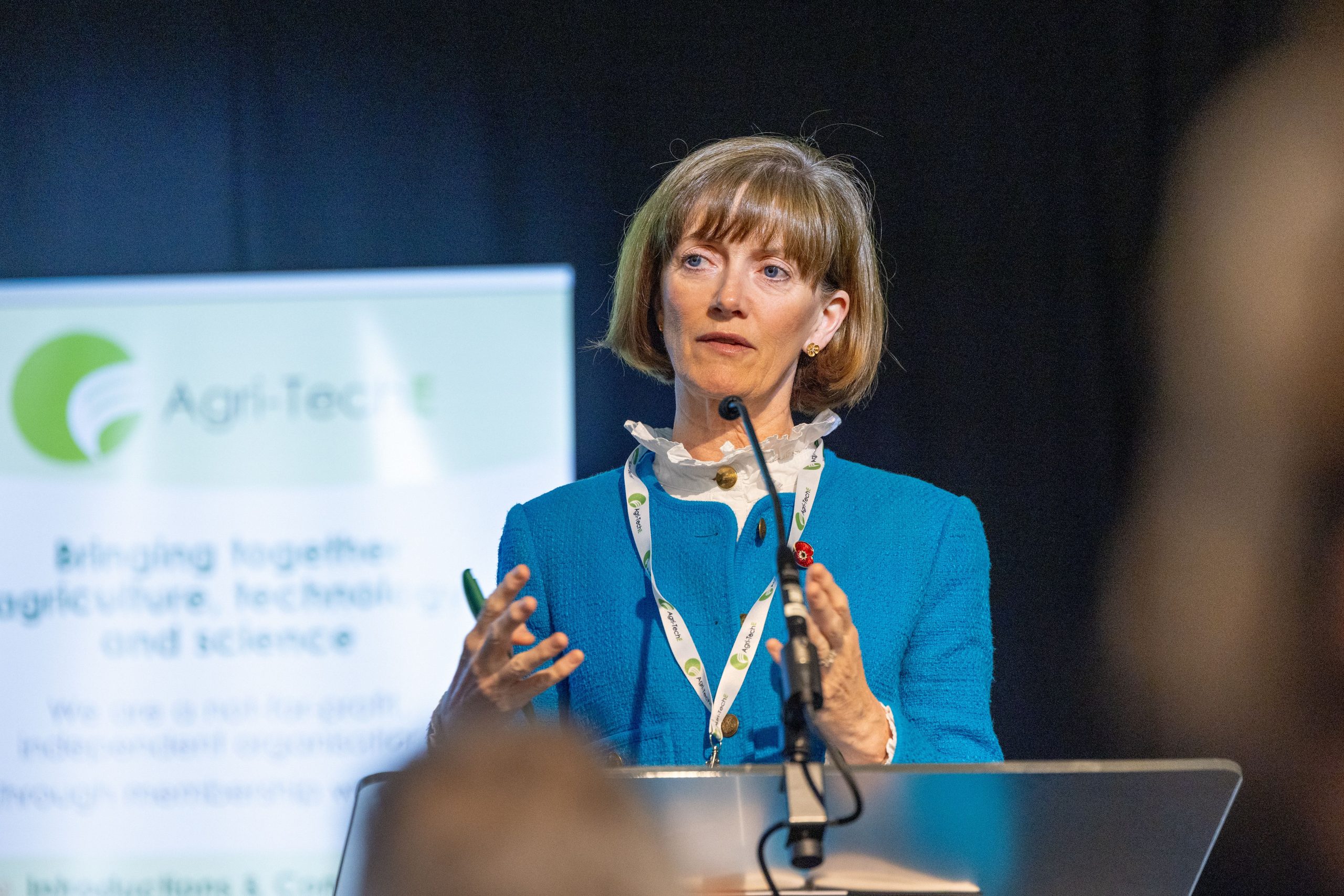
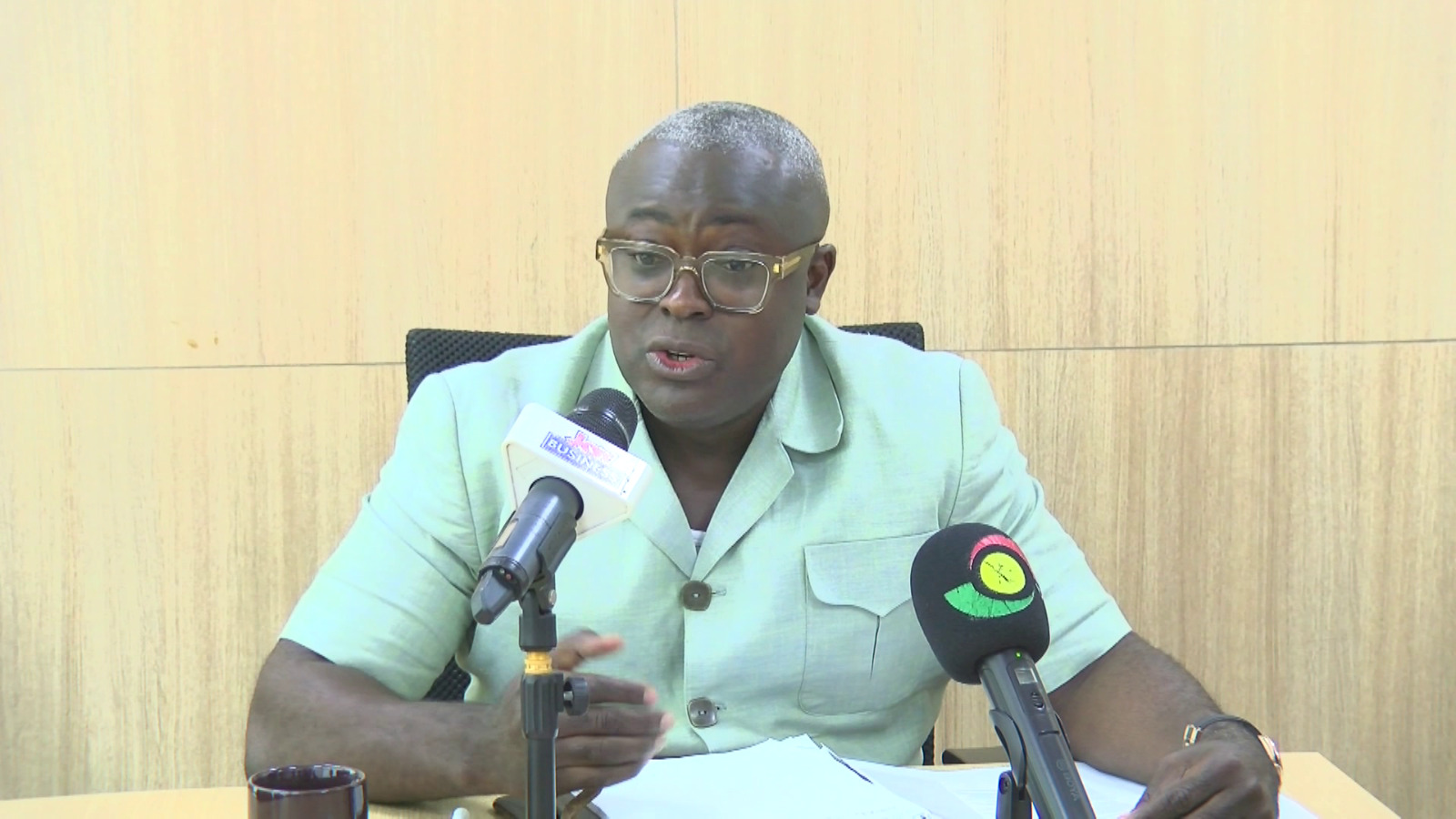
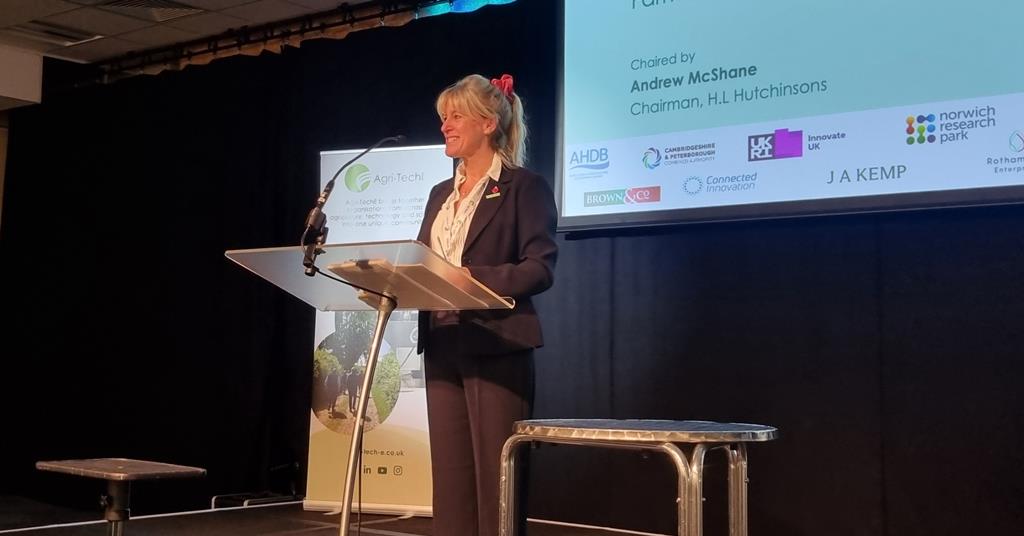
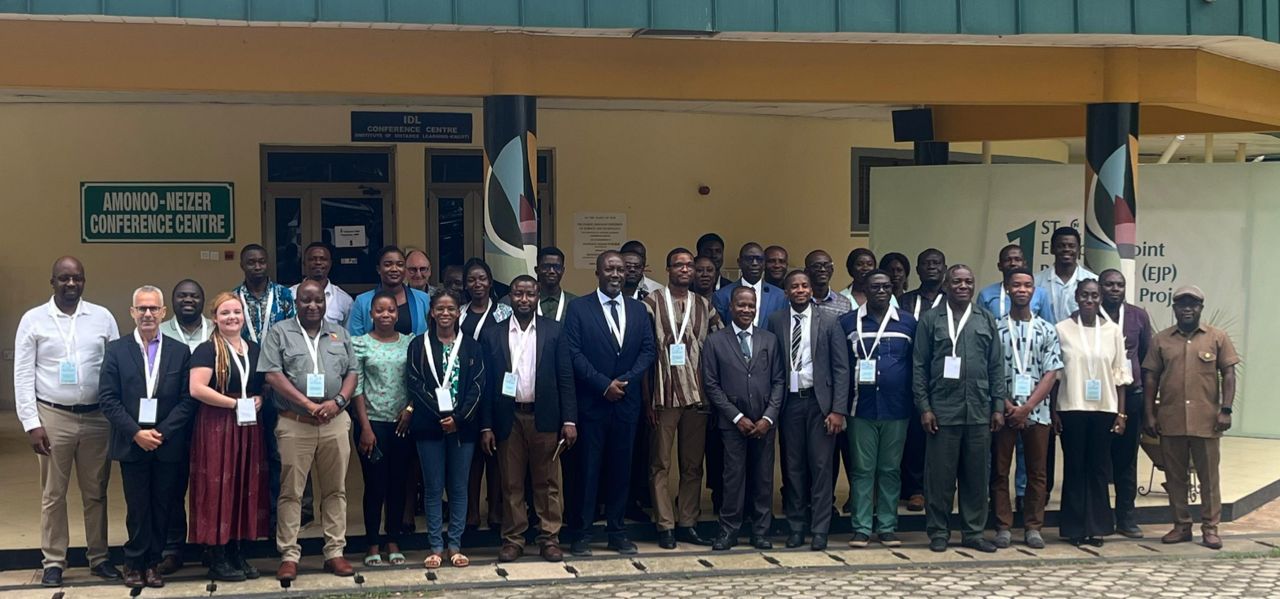
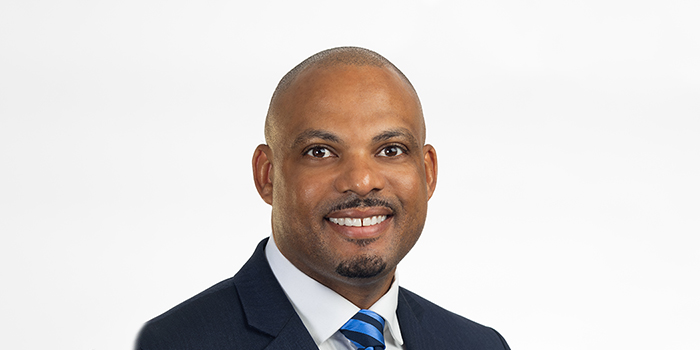
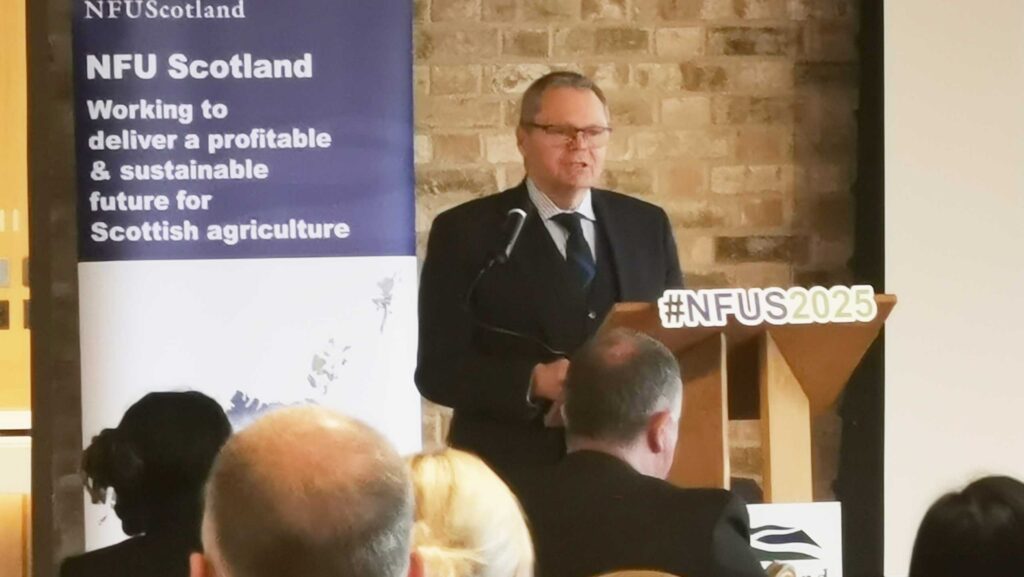
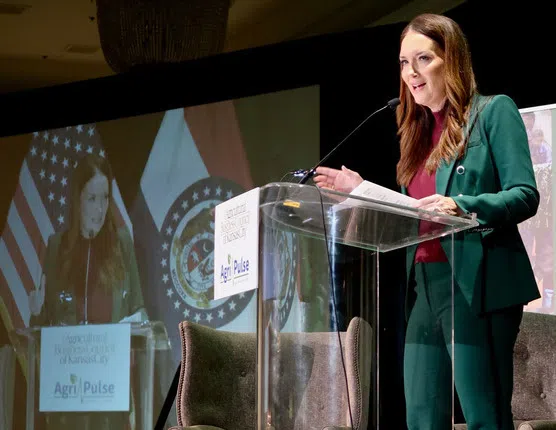
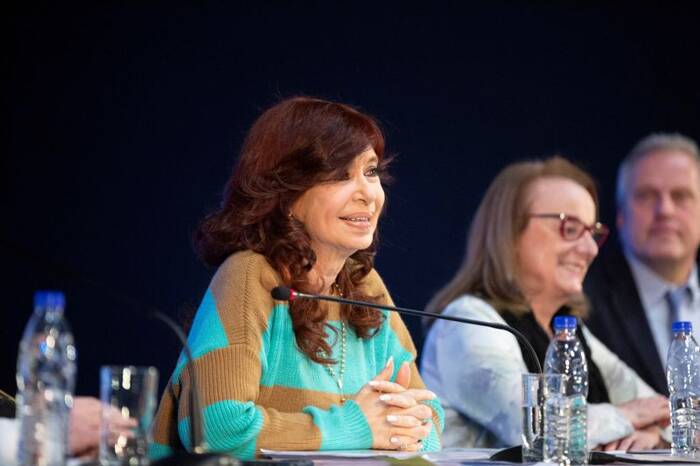
Muyiwa Gbadegesin, managing director of the Lagos State Waste Management Authority (LAWMA), who gave these hints in his keynote speech at a forum hosted by the Property and Environment Writers Association of Nigeria (PEWAN) in Lagos recently, stressed that linear model is no longer sustainable because it merely treats waste as a nuisance to be removed.
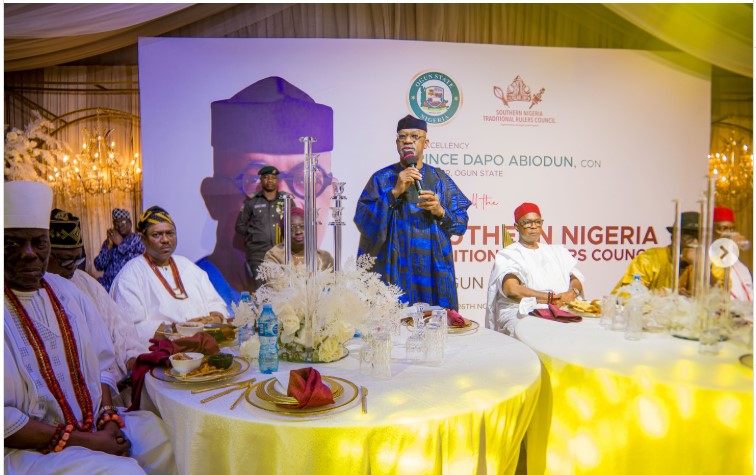
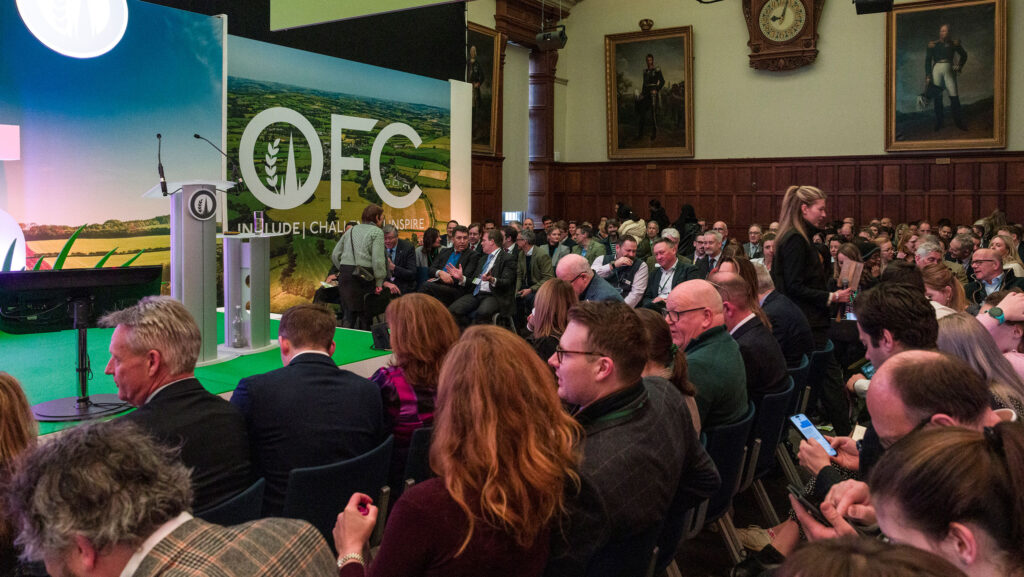
The forum had as theme, ‘Managing the Waste of 22 million Lagosians: From Linear Disposal to a Circular Economy—Role of PSP Operators and Other Waste Managers.’
Gbadegesin, who was represented at the event by Kunle Adebiyi, executive director, finance at LAWMA, explained that the transition to circular model is because it treats waste as a material stream to be reduced, separated, recovered, processed, and reintroduced into productive use wherever possible.
“That is the transition we must make,” he said, adding, “the issue before us is not simply how to evacuate refuse more quickly; it is how to redesign the entire system so that disposal becomes the last resort, not the central organising principle.”
Continuing, he said, “This is especially important in Lagos because ours is not just a large city; it is a coastal and amphibious city. Waste that is poorly handled on land quickly becomes a drainage problem, a flood risk, a marine pollution problem, and eventually a public health problem.”
According to the managing director, in practical terms, the transition to a circular economy means moving away from the idea that the success of the system is measured only by how much waste is collected and taken away.
Success must increasingly be measured by how much waste is reduced, how much is sorted at source, how much is recovered, how much value is extracted, and how little finally ends up in landfill. So, it is about the economy of the state and its environment.
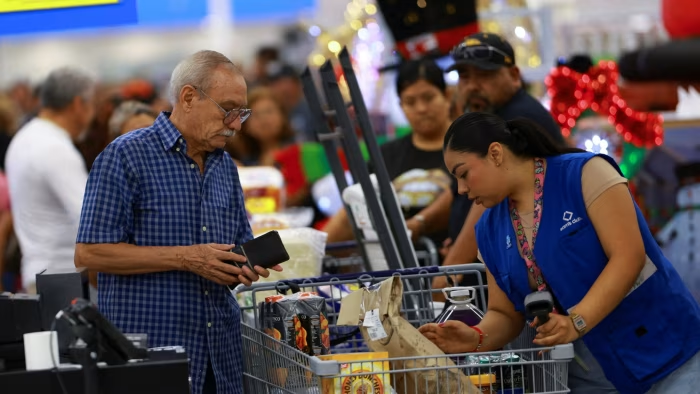
He disclosed that at the centre of this transition are the private sector participants (PSP) operators, disclosing that, “today, Lagos has 454 PSP operators. They remain the most important interface between the formal waste management system and the waste generator, especially households and many commercial premises.
They are the face of the system in neighbourhoods. They are the ones residents know, call, complain to, pay, and expect service from. For that reason, their role in the next phase of reform is absolutely critical.”
He noted that it would be a mistake to imagine that PSP operators alone can deliver a circular economy. They are a central pillar, but not the whole structure. A modern waste management ecosystem requires multiple categories of waste managers, each playing a distinct role.
“We need stronger recyclers, aggregators, and processors. A circular economy cannot function unless there is real downstream demand for paper, plastics, metals, organics, glass, and other recoverable materials.
Collection without recovery merely shifts the problem. To move from disposal to circularity, Lagos must keep strengthening the chain from households and businesses to aggregators, processors, manufacturers, and end markets,” he stated.