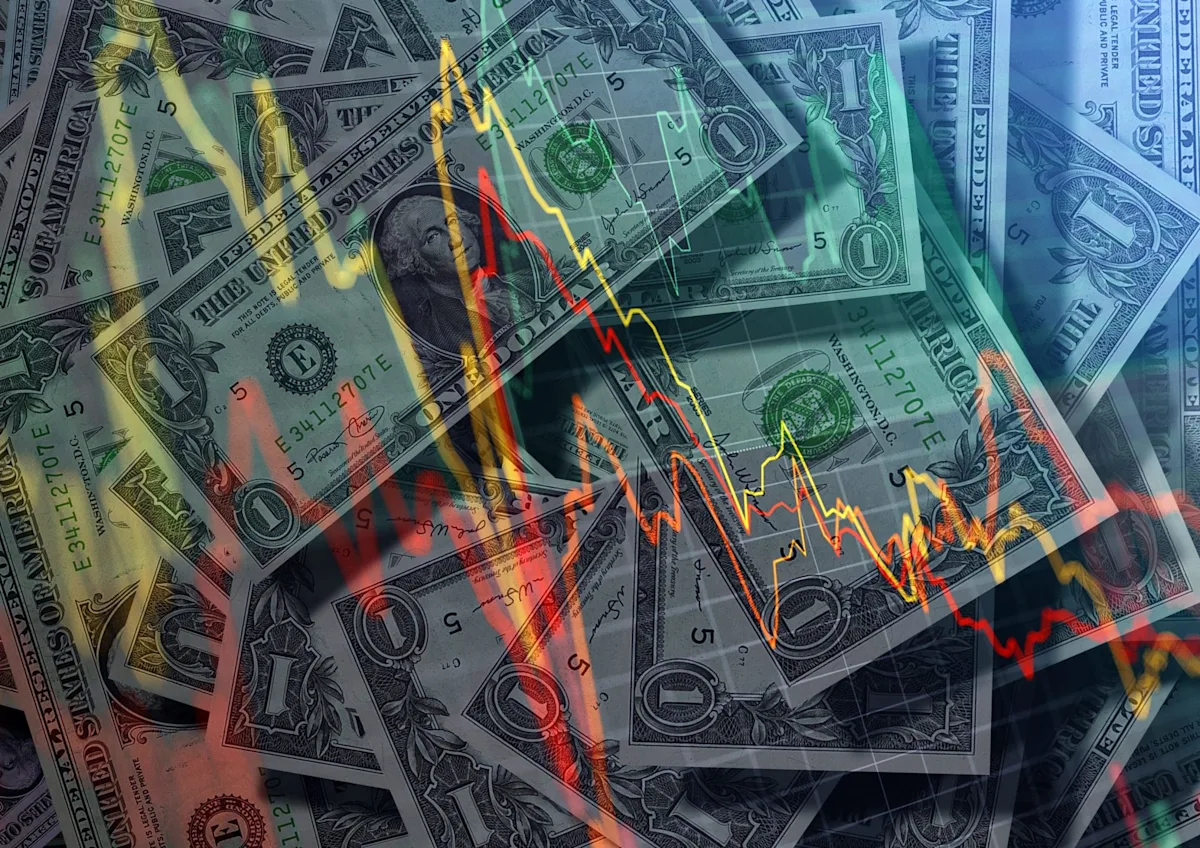
There are some voices who have been warning about mega, hyper, collapse-of-western civilisation scale inflation for decades (or more). Then there are others who started warning about it just as dramatically from 2009 (QE interventions) onwards.
All of them got the last eight years wrong. Not only did inflation not happen, it was deflation that became the critical problem.
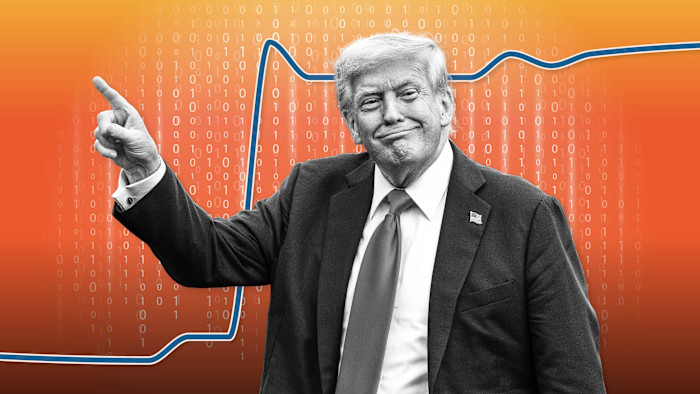
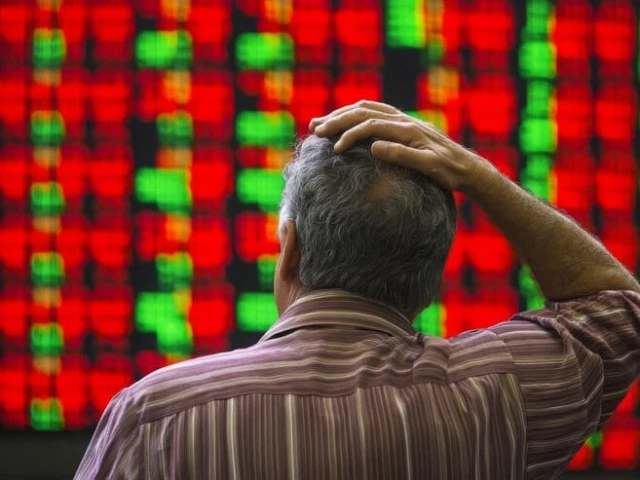
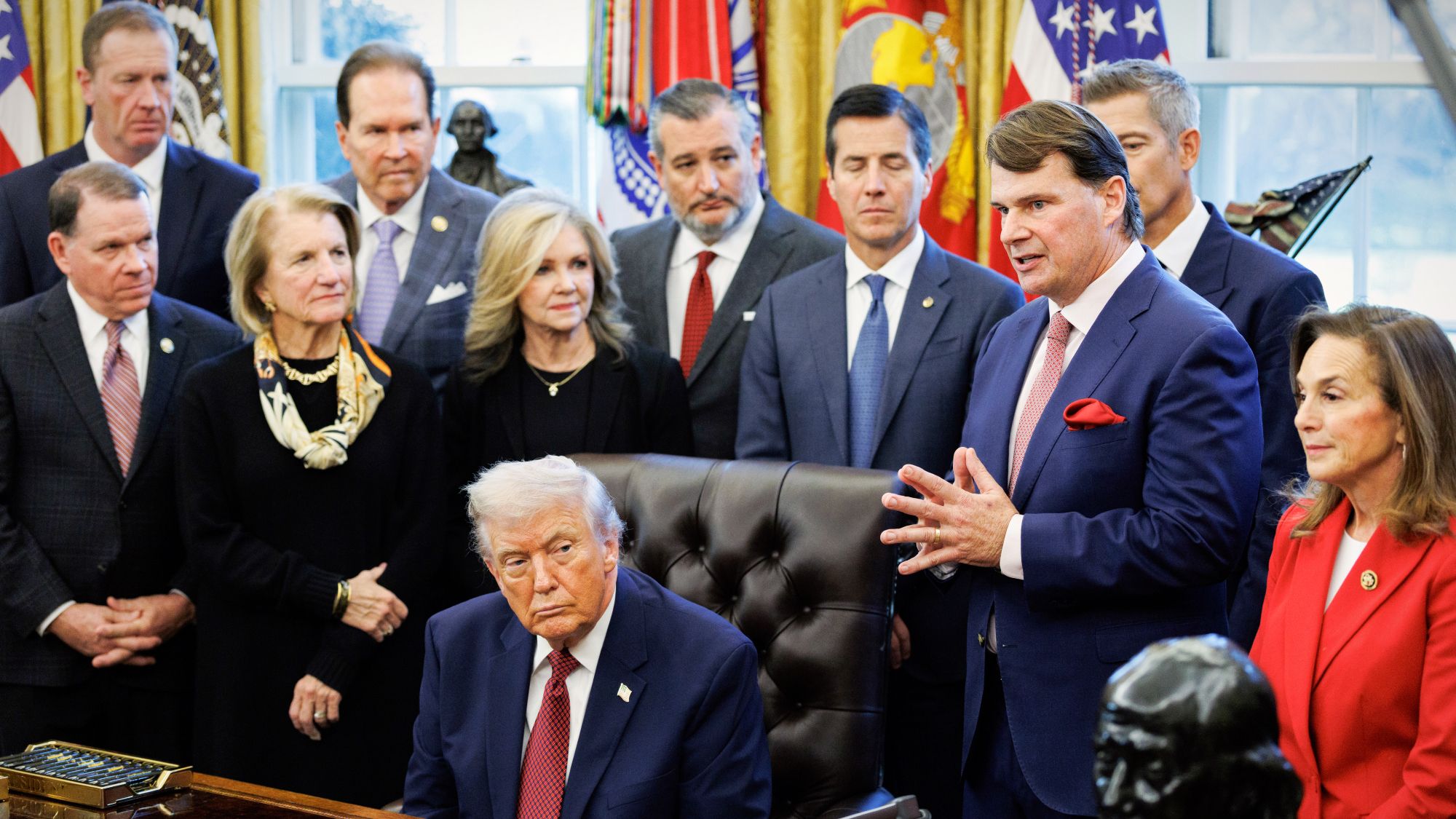
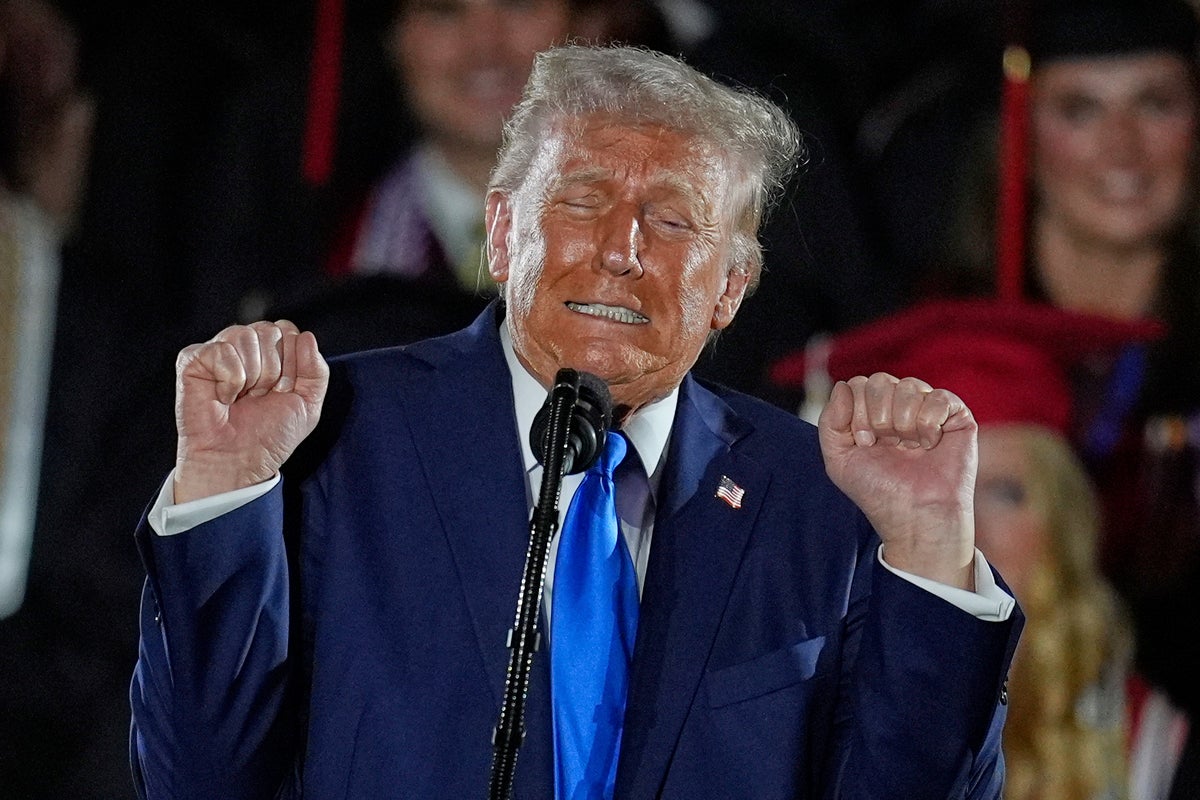
Now the inflationary environment is changing and talk of Trumpflation is gripping the public mood.
But if we are about to undergo a marked change in inflationary expectations it’s important to understand it probably has very little to do with Trump. Trump, if anything, is a symptom of the wider dynamics not the cause.
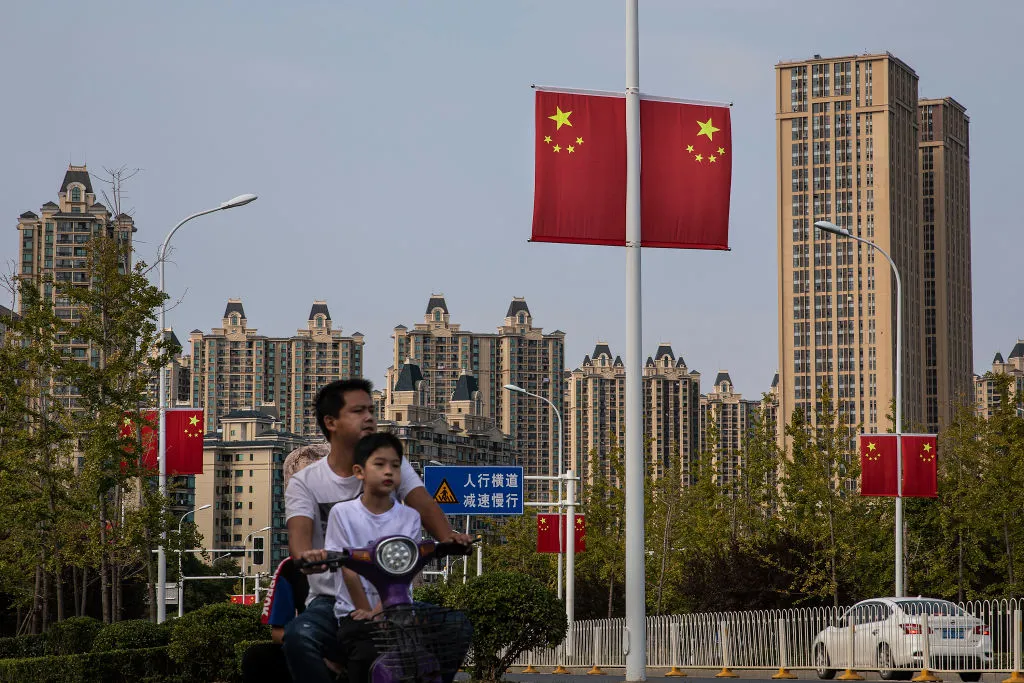
To the contrary, the tipping point — if there is an absolute one — was likely tied to the moment commodity prices peaked and petrodollars began to be sucked out of the international capital system, but also when it became clear China wasn’t devaluing the yuan as much as probably supporting it.
The de-globalisation effect, meanwhile, can be traced as far back as early 2014 or even earlier if you believe extraordinary action taken post-2008 only postponed or smoothed out the globalisation kick-back.
Stopped clocks are right twice a day, which is why nobody gives much time to analysts or economists who permanently shout wolf on inflation. But Diana Choyleva, formerly of Lombard Street but now at her own shop Enodo Economics, isn’t a stopped clock. She was absolutely correct on the Chinese yuan‘s overvaluation and understood that situation in the context of wider global deflation.
It’s for that reason Choyleva’s latest note, entitled “Inflation, Inflation, Inflation” should not be dismissed as hyperbole.
Choyleva, who was born in Bulgaria and lived through the communist collapse, has been open about what that experience taught about rapidly changing social norms and their effects on the wider economy. She worries central bankers don’t share that insight.
For Choyleva, the forces of protracted deflation were arrested thanks to the actions of monetary reflating central banks. But this wasn’t enough to spark a sustained recovery because massive deleveraging cancelled out part of the substantial monetary stimulus. Critically, she argues, what was leftover proved ineffective because of hoarding. But this could change now, and it could change quickly.
From her report, with our emphasis:
The two standout hoarders of cash are China and Japan. This Enodo Untangled special report will detail how the policies the two countries have adopted over the past few years and the pending policy U-turn in the US are likely to let loose the “wall of money” and bring back inflation.
As far back as 2008 I argued that globalisation did not alter the nature of inflation, but that inflation had to be analysed in the context of the balance between global supply and demand. At the time, I foresaw that the next surprise for the world economy would be a lurch into severe disinflation and even price deflation.
Now most arrows are pointing to the return of inflation and in a way most central bankers are likely to misunderstand. That is because they are still focused on domestic developments and take the influence of the rest of the world as external rather than analysing the global economy. The jury is out on whether “good” inflation will prevail over “bad” inflation, but Trump’s election does not bode well for the former.
Fascinatingly, she argues one of the reasons globalisation may be creating imbalances and unappreciated side-effects is because of the clash of two rival ideological systems in the marketplace. The errors of a collectivist command economy state, in other words, may have been exported into the global system rather than the benefits of capitalism injected into China. As she notes (again our emphasis):
The large global imbalances resulting from the interaction of world savings and investment in the context of the free movement of goods and services, but not of capital and labour, became the wheel on which the world economy was broken during the crisis. Most central banks across the world had fallen seriously behind the curve because they had failed to grasp these profound changes. But even if they had, there was little they could have done to change the structural causes of the savings glut.
Globalisation this century is, at its core, a clash between China’s semi-command saver economy and the market economies of the West. To manage the process better, there was a need for the global coordination of economic policy – including monetary, fiscal, regulatory and structural measures. That was always unlikely and is even more so now after the popular revolt has resulted in Trump’s election and the withdrawal of Britain from the European Union.
This now leads to a scenario where there’s a global wall of money that could be released once market forces trump those of the command state:

To that effect, if UK and US policy hinders global coordination this could result in “a breach in the walls that are keeping global excess liquidity dammed up lifelessly in household and corporate bank accounts, mostly in China and Japan.” Whether the inflation that China experiences on the back of that is good or bad, meanwhile, will depend on whether or not Beijing pursues reform and liberalisation. She doubts, however, that Japan’s misguided Abeonomics policy can lead to anything but inflation of the bad sort.
In any case, here’s how she sees the situation unfolding (our emphasis):
Trump’s fiscal policies, if successfully enacted, would validate inflation given that America’s economy is already operating close to its capacity. While the Fed and markets are watching the US closely, they are likely to be caught off guard by international developments.
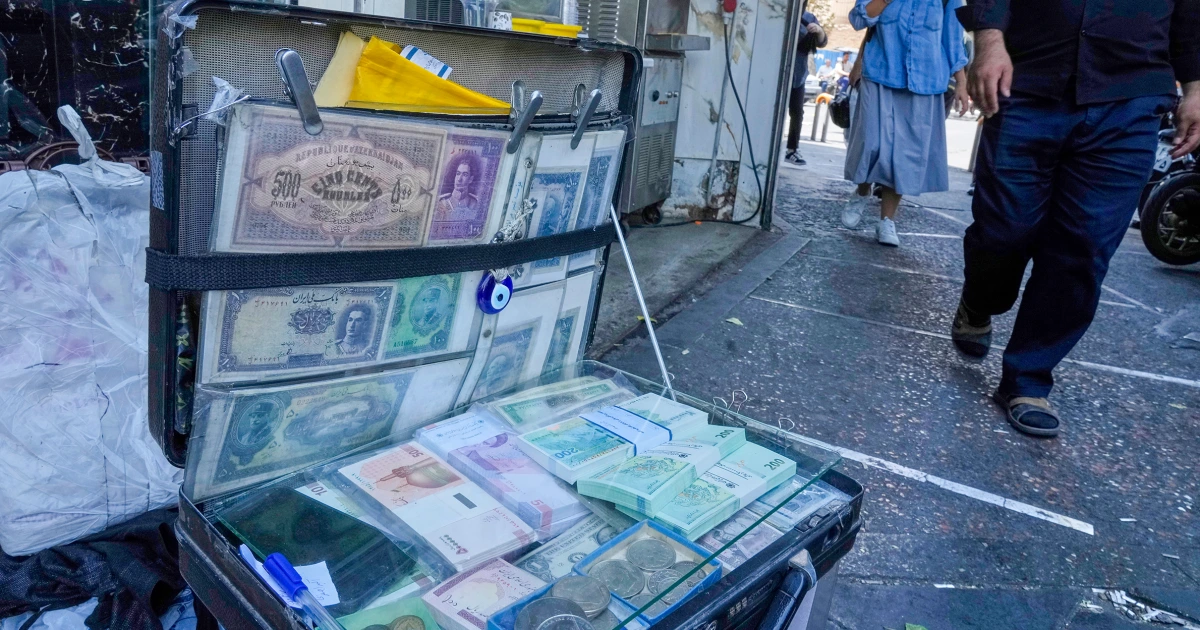
Substantial yuan depreciation, the most likely outcome in either the positive or negative scenario, will be perceived as China “exporting deflation” whereas this time around it will be “exporting inflation”. In addition, the general confusion of how quantitative easing operates, and why inflation has not flared up so far, is likely to obscure the profound monetary forces at work in Japan.
How does a depreciating Chinese currency create an exporting inflation situation? The clue is in the capital flows:

The clue also comes in how and why this depreciation will be different to the time before, but also how it fits into the bigger argument about the incompatibility of the communist and capitalist systems. Choyleva:
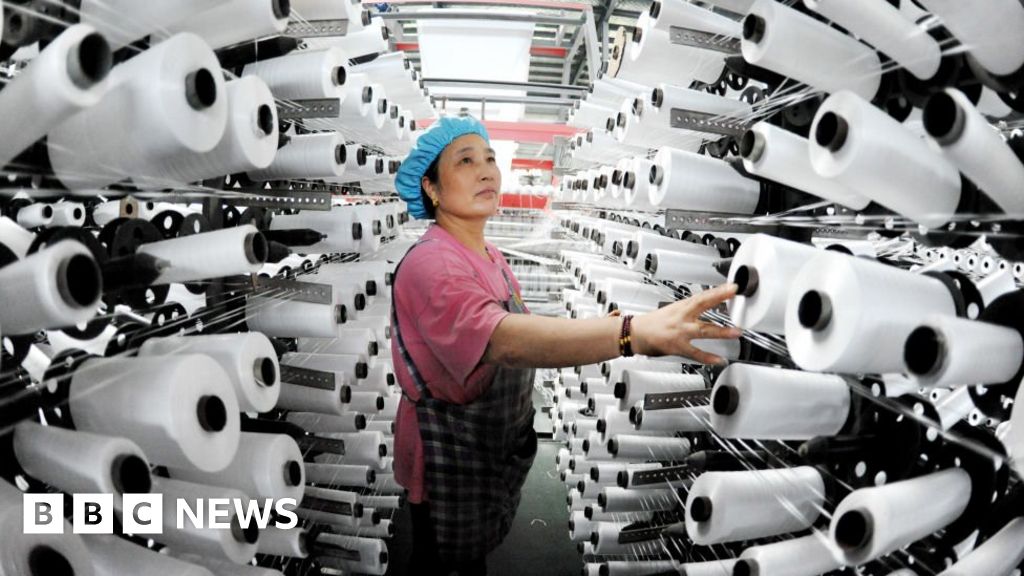
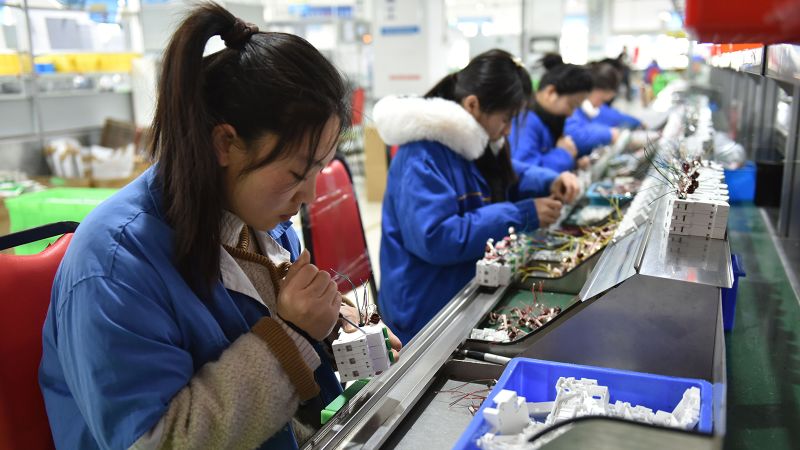
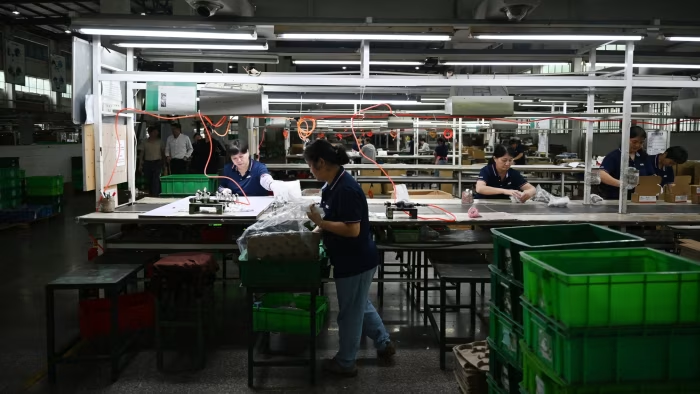
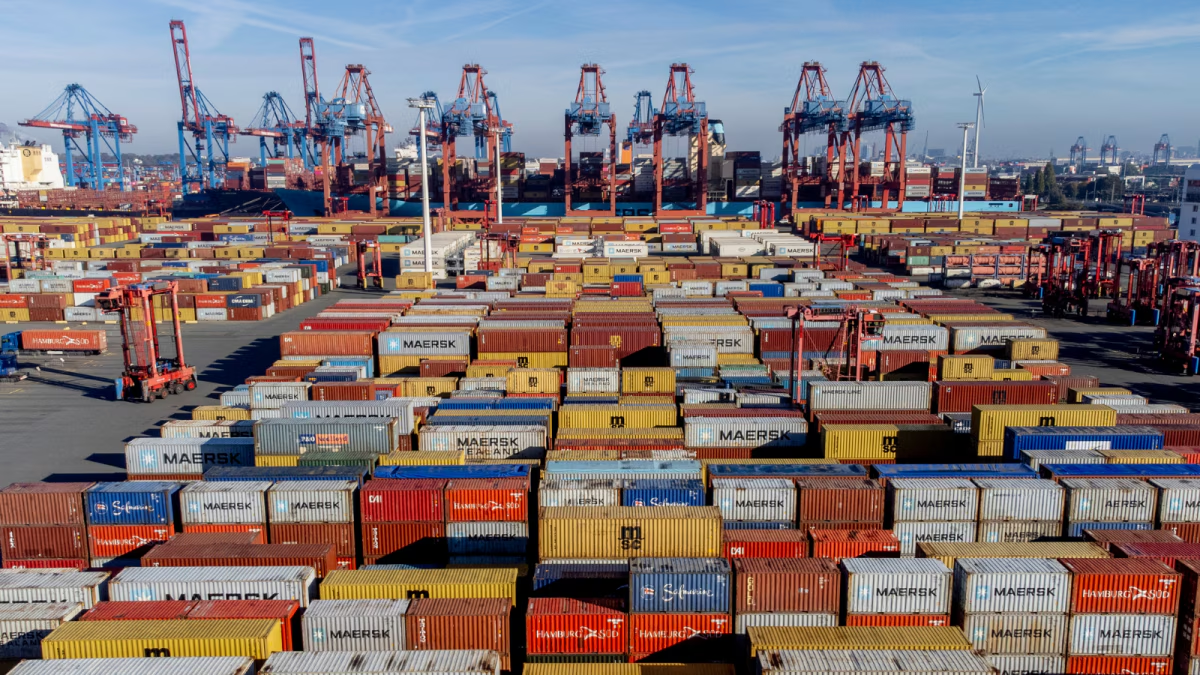
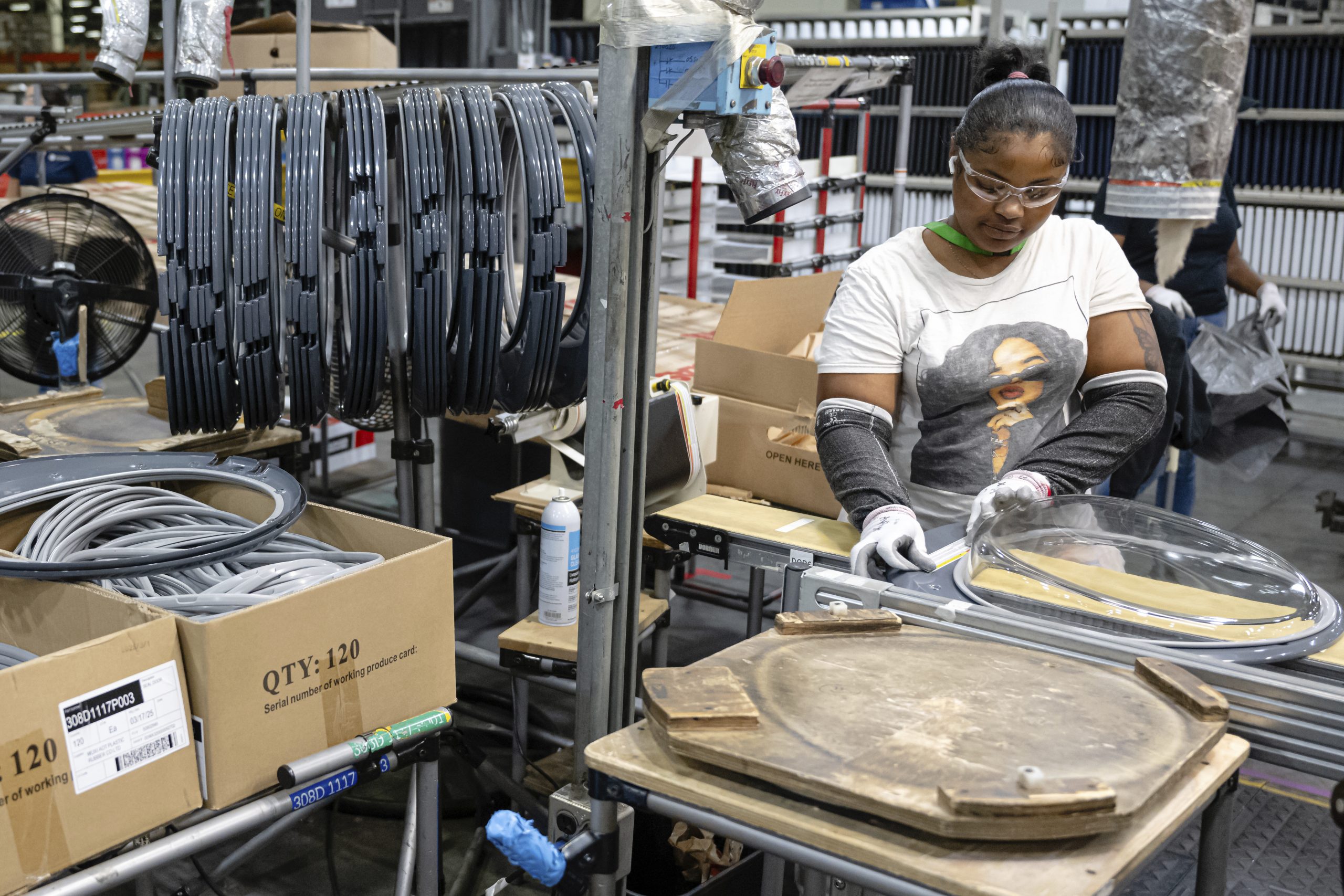
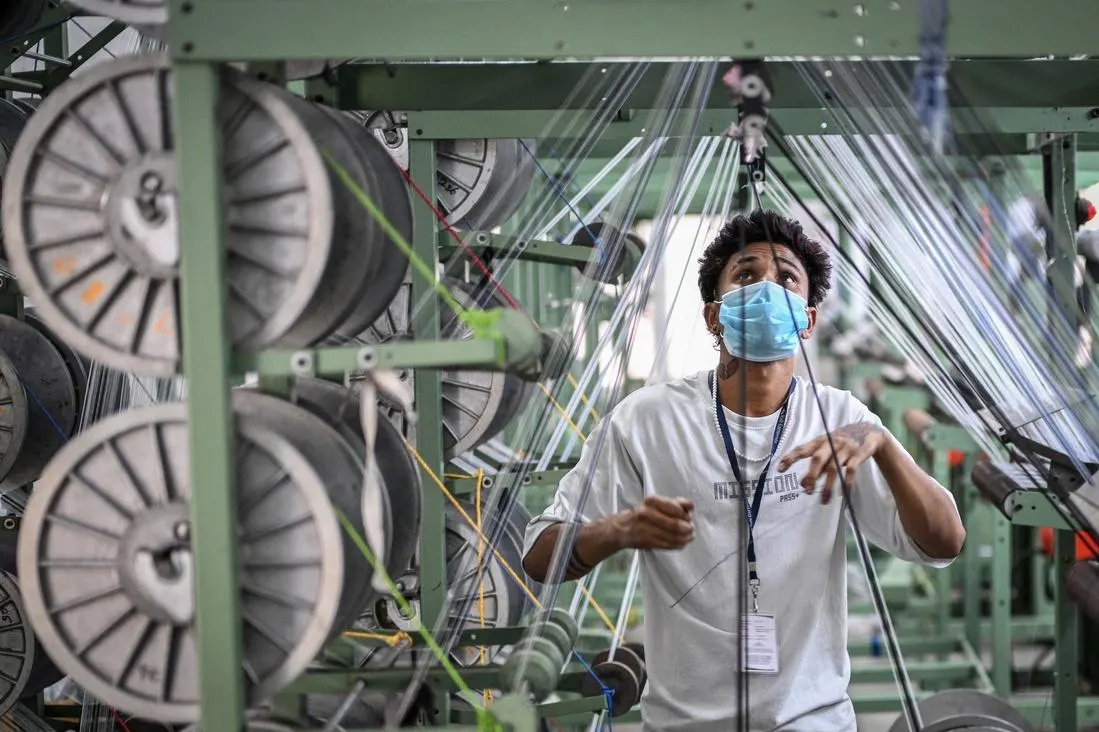
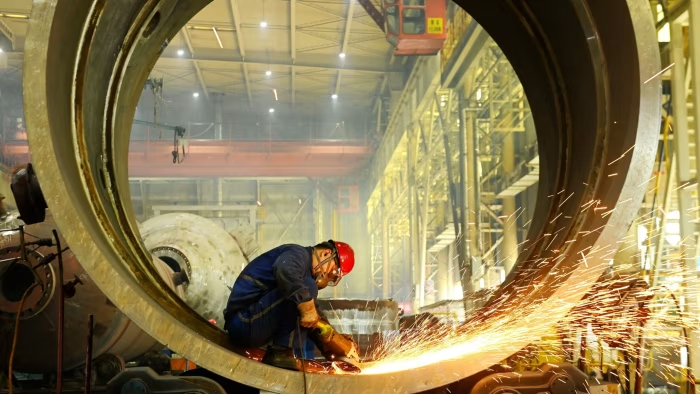
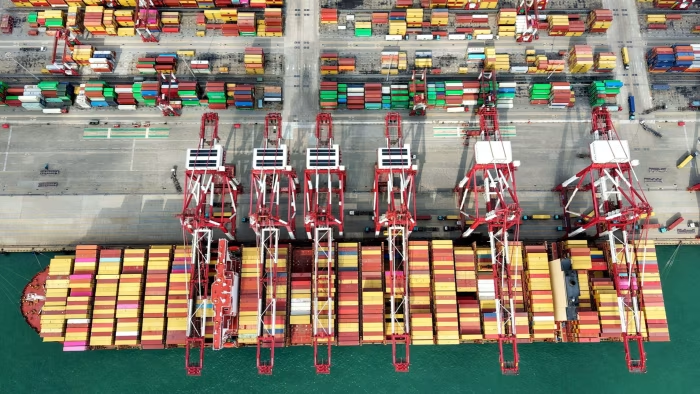
Let’s first dissect what happened when China “exported deflation”. Its accession to the WTO helped turn the economy into the global manufacturing hub for low-value-added goods. But final consumer demand came from the developed world. China’s seemingly endless supply of low-cost workers meant that the global labour force was used more efficiently. In addition, China has had the tendency to overinvest and overproduce, with state-owned firms taking advantage of abundant domestic savings offered at an artificially low cost by the state-owned banks.
Both factors led to falling manufactured goods prices as China started to boom in 2001. This is the sort of relative price adjustment that is to be expected in the context of globalisation. The problem is that the adjustment took so long because of China’s semi-command economy that it started to affect the rate of inflation as well.
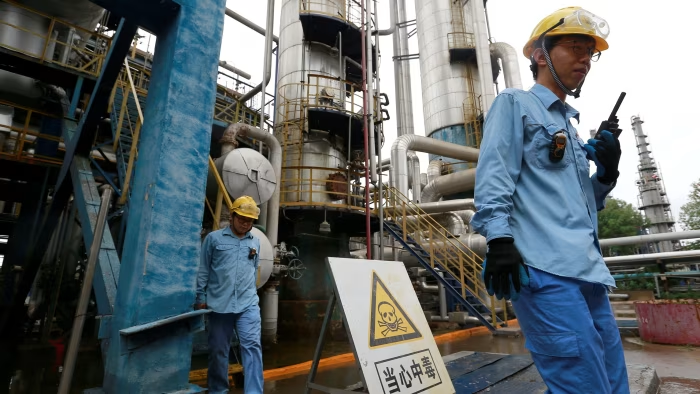
China used commodities and energy extremely inefficiently, but it also administered their domestic prices. Energy and commodity prices surged on world markets, but in China they hardly budged. Thus, global manufactured goods price deflation continued unabated until China reached its physical energy and transport supply limits.
Globalisation did not change the nature of inflation. But after 2001 the supply of and demand for goods, services, factors of production and assets became polarised on a global scale between two different systems. One was China’s and Japan’s communism with beauty spots; the other was Anglo-Saxon capitalism with warts. The upshot is that when demand for manufactured goods became excessive, it didn’t show up in accelerating inflation for quite some time.
But the days when Chinese exporters could rely on cheap and ample migrant labour to keep manufacturing prices low are gone. Gone too are the days China’s state-owned oil and gas producers could assume the burden of low administered energy tariffs, and the days when public and overall debt were low, which allowed it to shoulder the extra costs of grabbing market share below-break even price. That means, if there is a sharp decline in the yuan, the relative price adjustment could be snappy. As Choyleva notes:
It may initially become cheaper for Americans to buy Chinese yellow bath ducks, but they won’t stay cheap for long if real consumer demand picks up speed. And once demand for manufactured goods becomes excessive the prices of Chinese manufactured goods will be going up.
That really is key. With Chinese corporate profitability at a four-year low, China will no longer be able to absorb the costs of production by collectivising them. This means as more resources are pulled into making goods to satisfy increased demand, the costs will be passed straight through to consumer prices, says Choyleva.
It’s no different really to the Uber model. You can only undercut and monopolise and repress for so long. Eventually, market forces catch up with you and costs become a reality. This time they may do so on a global scale because of the cross-contamination of global supply chains.
There’s hope yet though. If yuan depreciation occurs in conjunction with further financial market liberalisation in China, Choyleva believes the effects will be reflationary for the rest of the world in the good sense. Support for real asset prices will come directly from Chinese citizens looking to diversify their wealth abroad and from firms seeking real assets and expertise outside China.
The problem comes if Chinese state-owned firms acting at Beijing’s behest seek to export their top-down, state-directed ways abroad rather than looking to import valuable market economy know-how. Sadly, if the unicorn phenomenon is anything to go by, western economies have grown to like top-down organised corporate monopolies which like to dictate prices, control both sides of supply and demand within captured little command “eco-systems”* and fund themselves through wealth transfers.
Indeed, if China does not convert to a more liberalised system, but rather resorts to using the yuan’s exchange rate to ease policy and support its economy, it may trigger a destabilising race to the bottom with significant “bad inflationary” consequences.
*Eco-system is a Silicon Valley euphemism for a cross-subsidised system.
Related links:
China: Uber but for countries – FT Alphaville
How do you solve a problem like de-globalisation? – FT Alphaville
Have we crossed the inflation Rubicon? – FT Alphaville
The taxi unicorn’s new clothes – FT Alphaville