 Listen to this article
Key takeaways:
- Kenneth Entenmann, NBT chief economist, emphasized that the U.S. economy is neither at its strongest nor weakest point — expect steady, but cautious, growth.
- Data shows positive trends — consumer spending is up, investments are increasing and government size is contracting relative to the economy.
- Long-term U.S. fiscal challenges remain a concern that requires strategic attention.
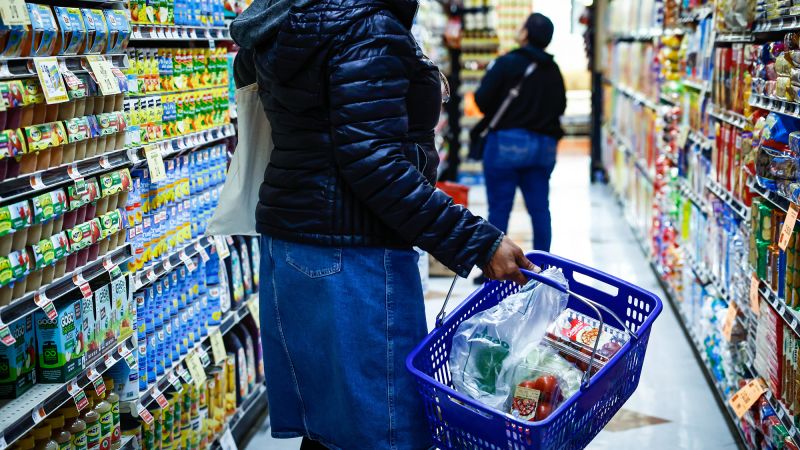
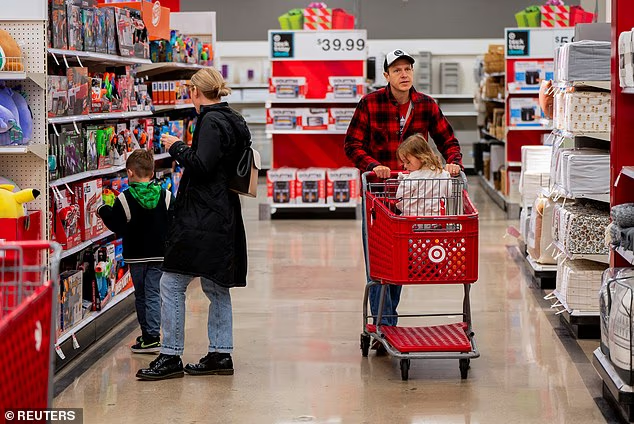
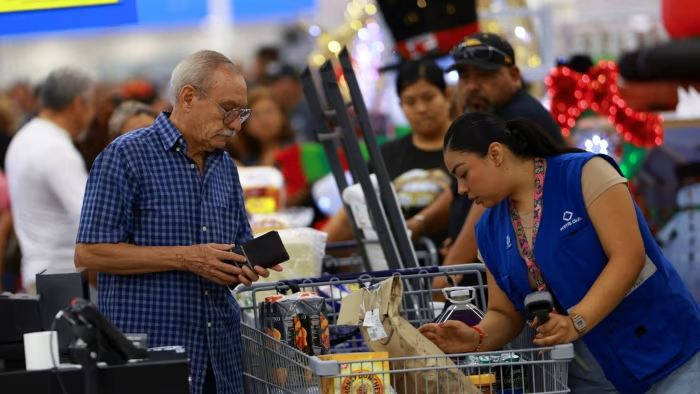
- Despite fears of recession, consumers are continuing to spend and invest, signaling ongoing economic activity.
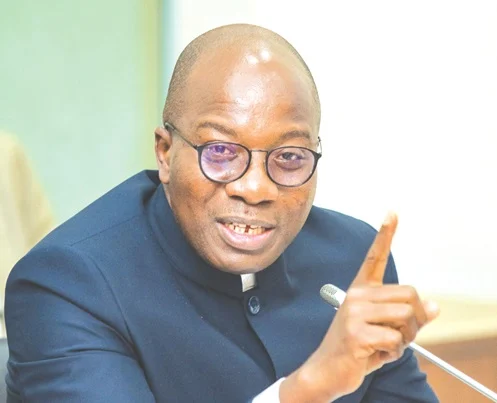
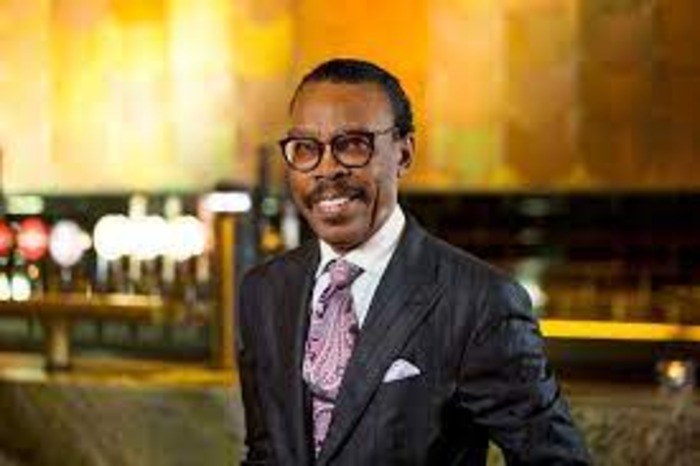
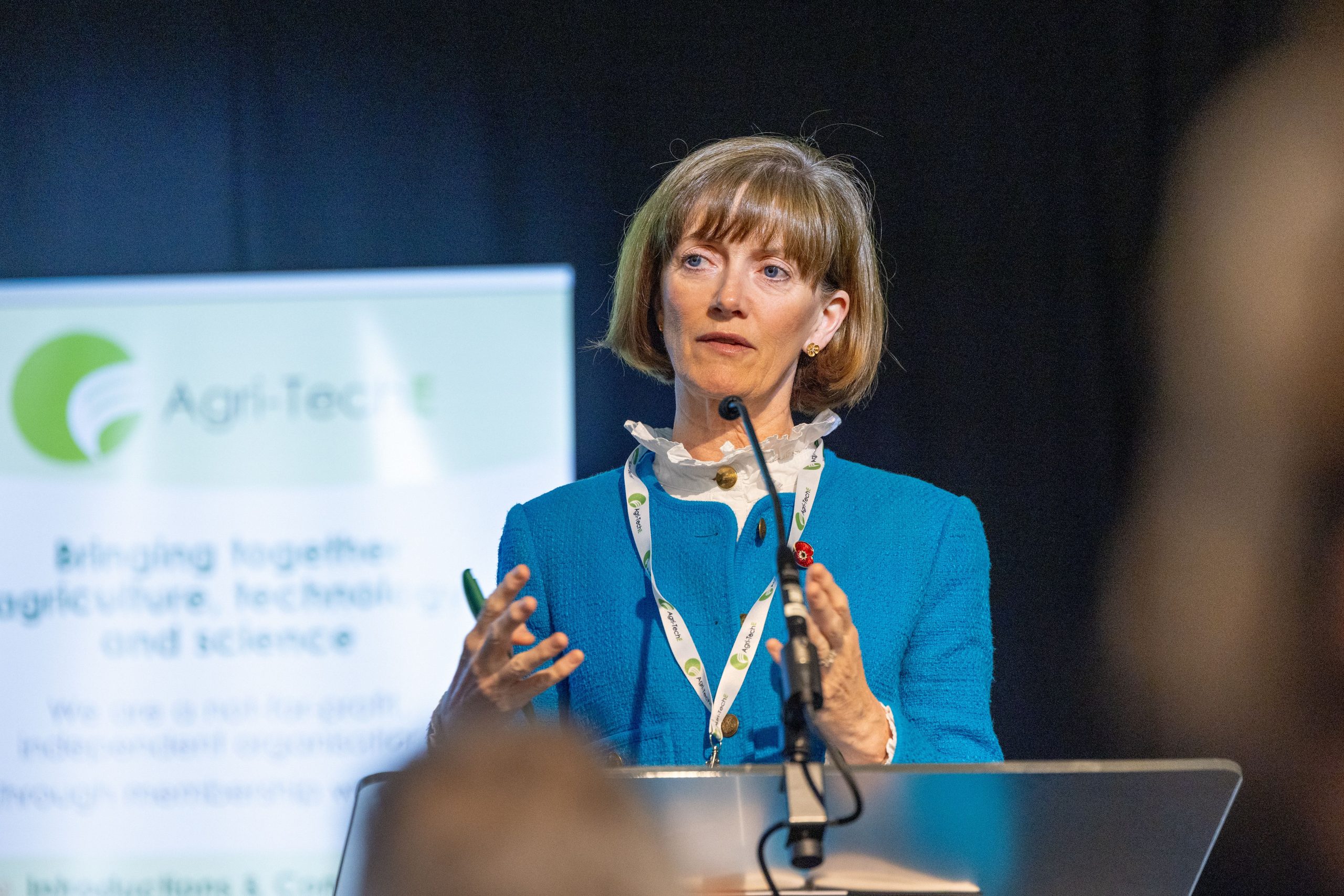
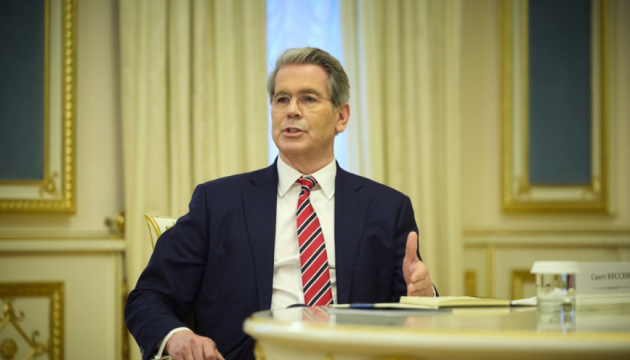
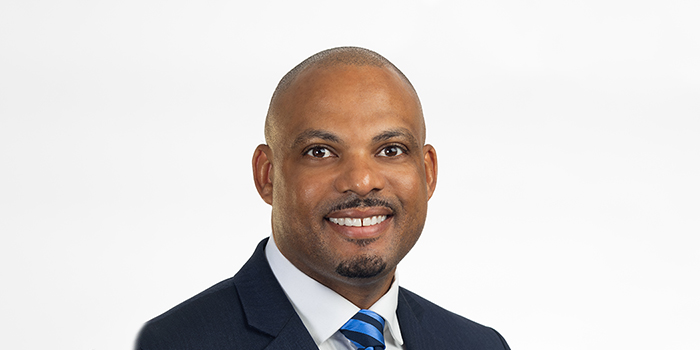
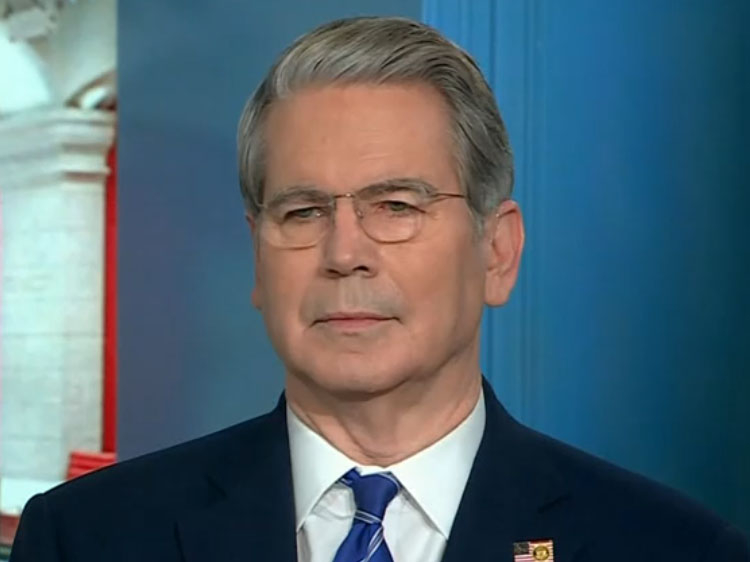
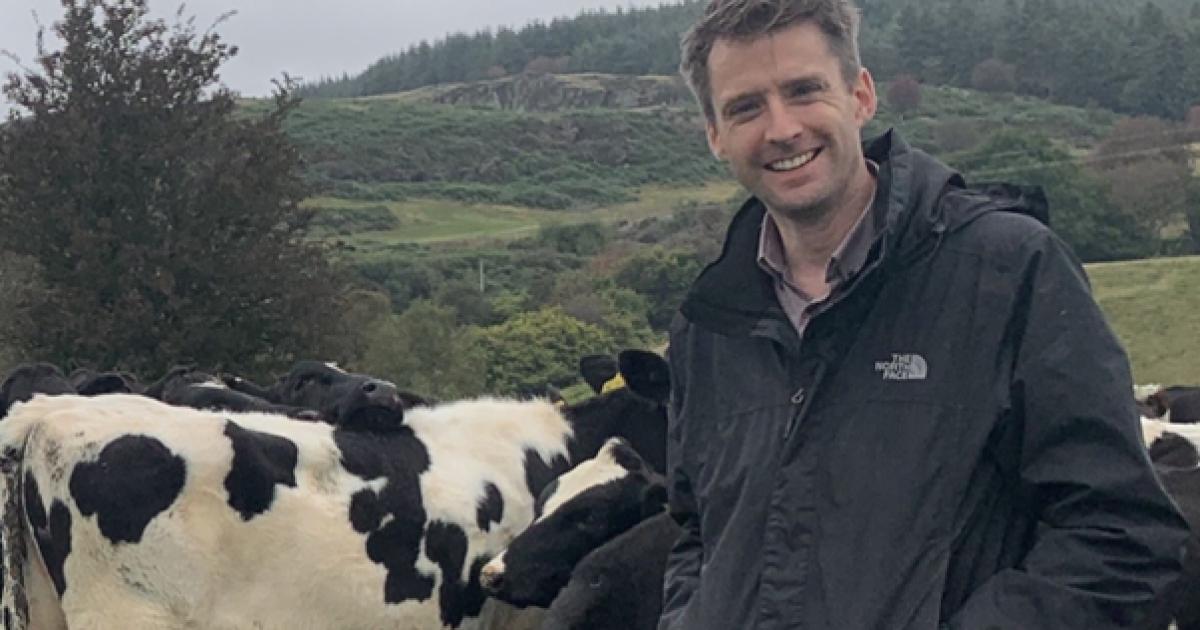
Managing expectations is essential in today’s economic climate, according to Kenneth Entenmann, senior vice president, chief investment officer and chief economist at NBT.
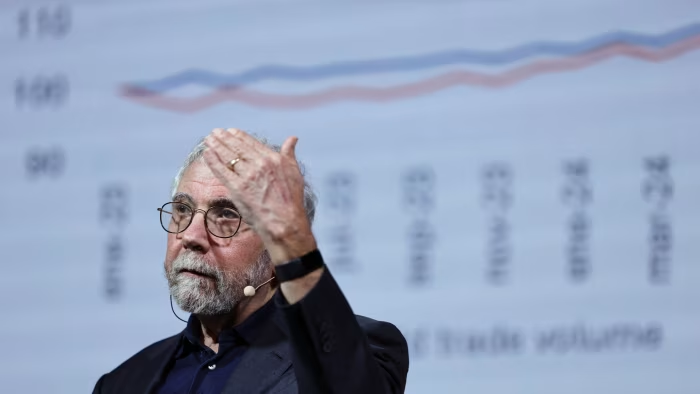
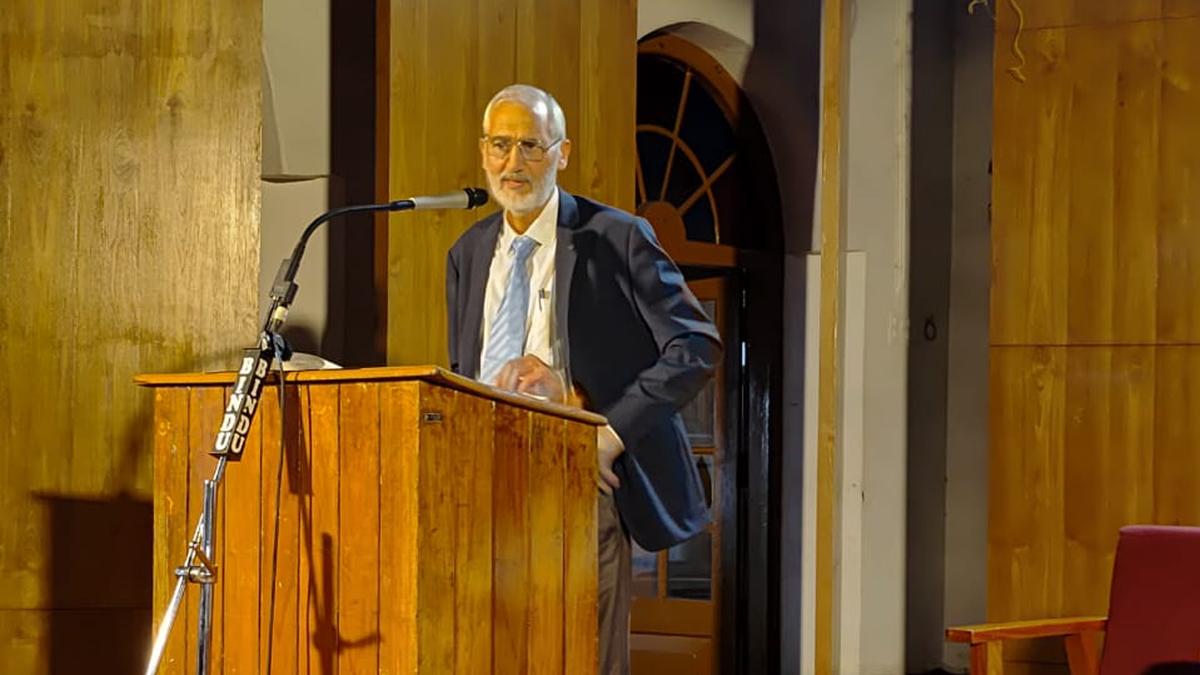
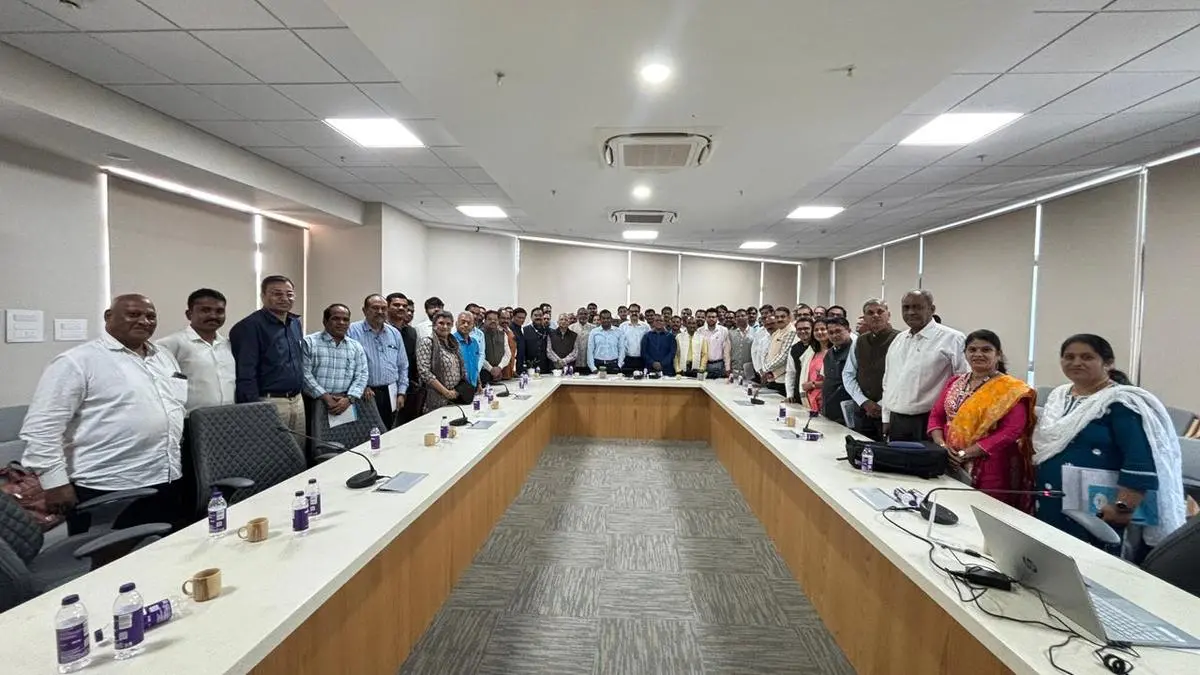
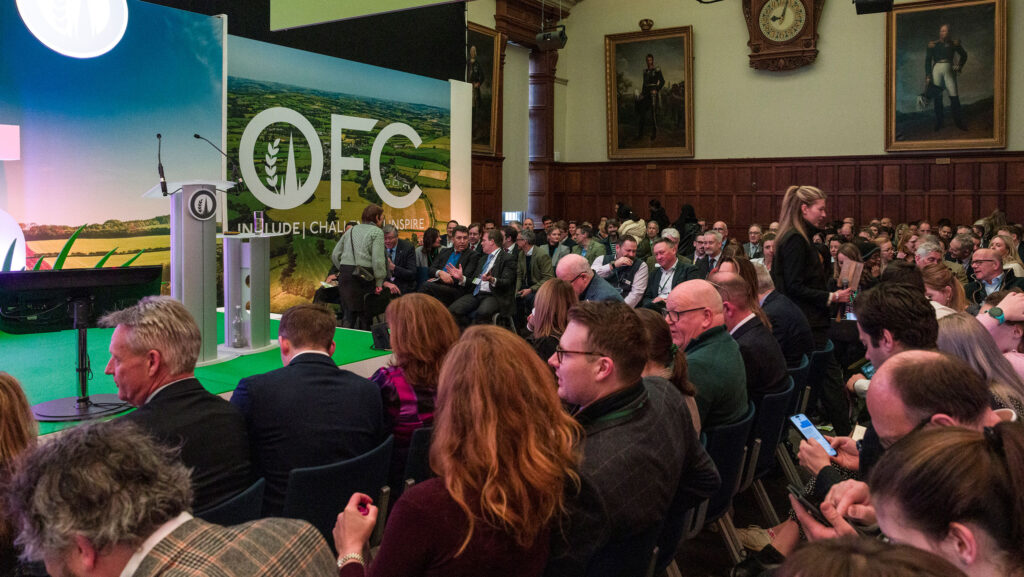
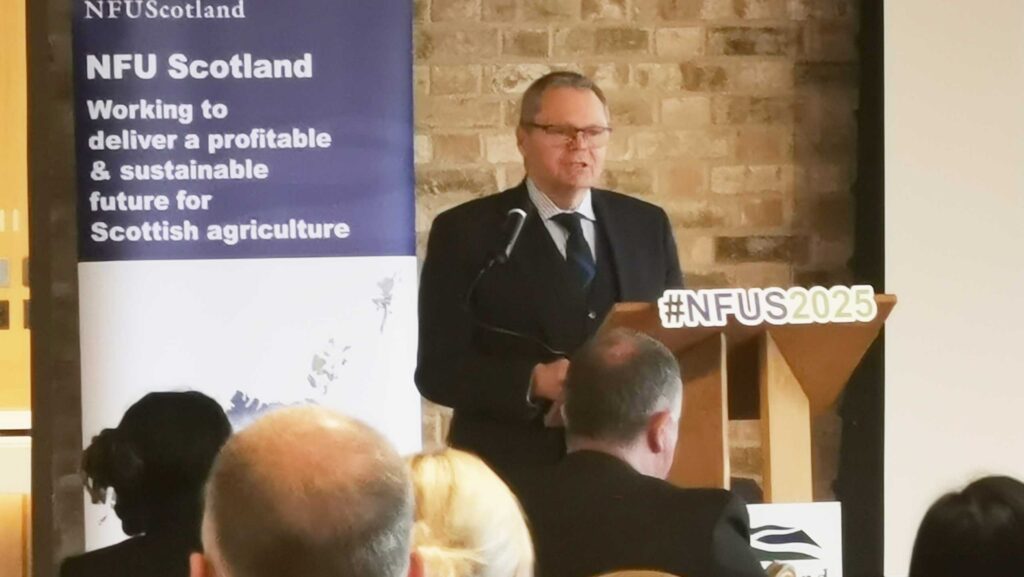
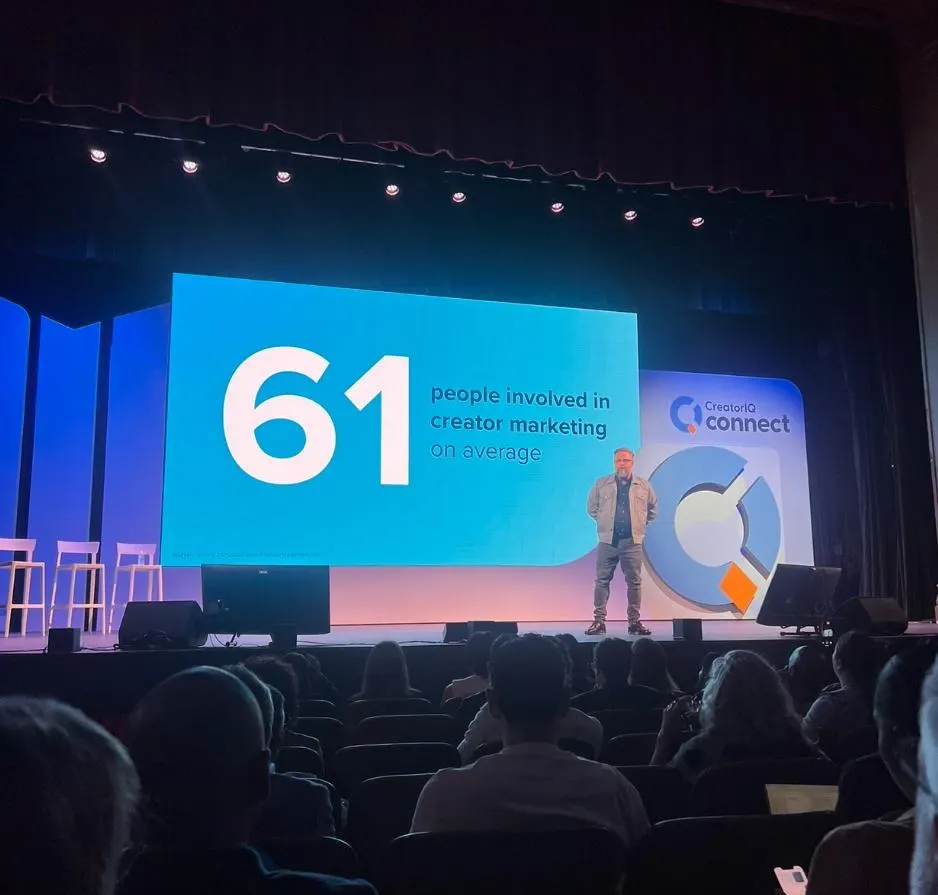
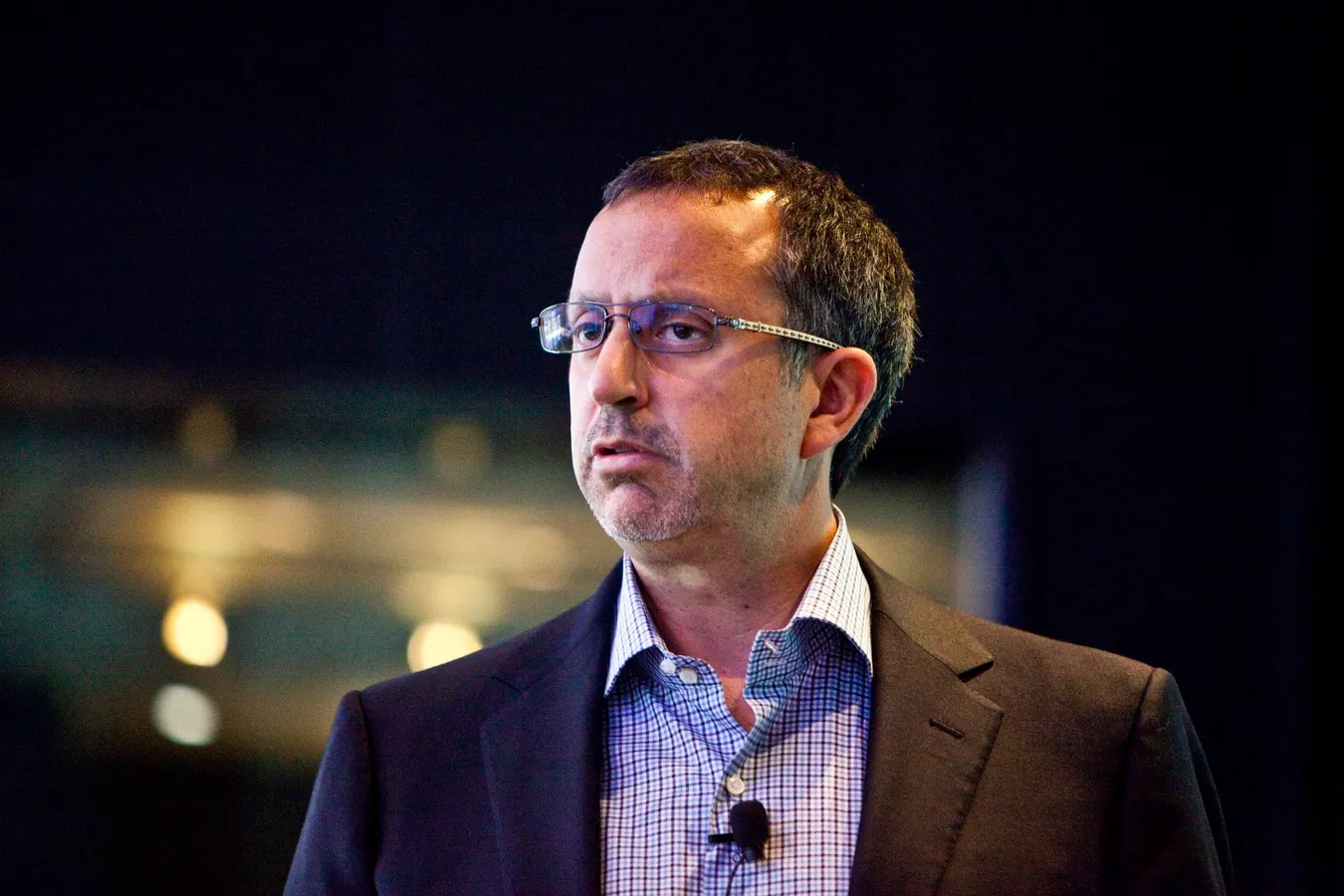
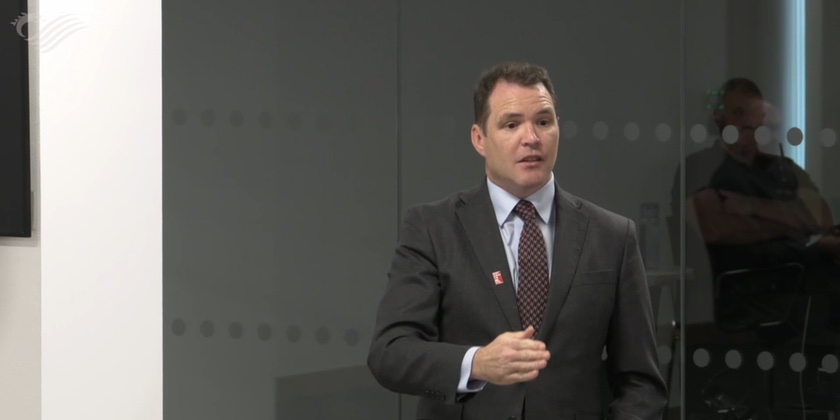
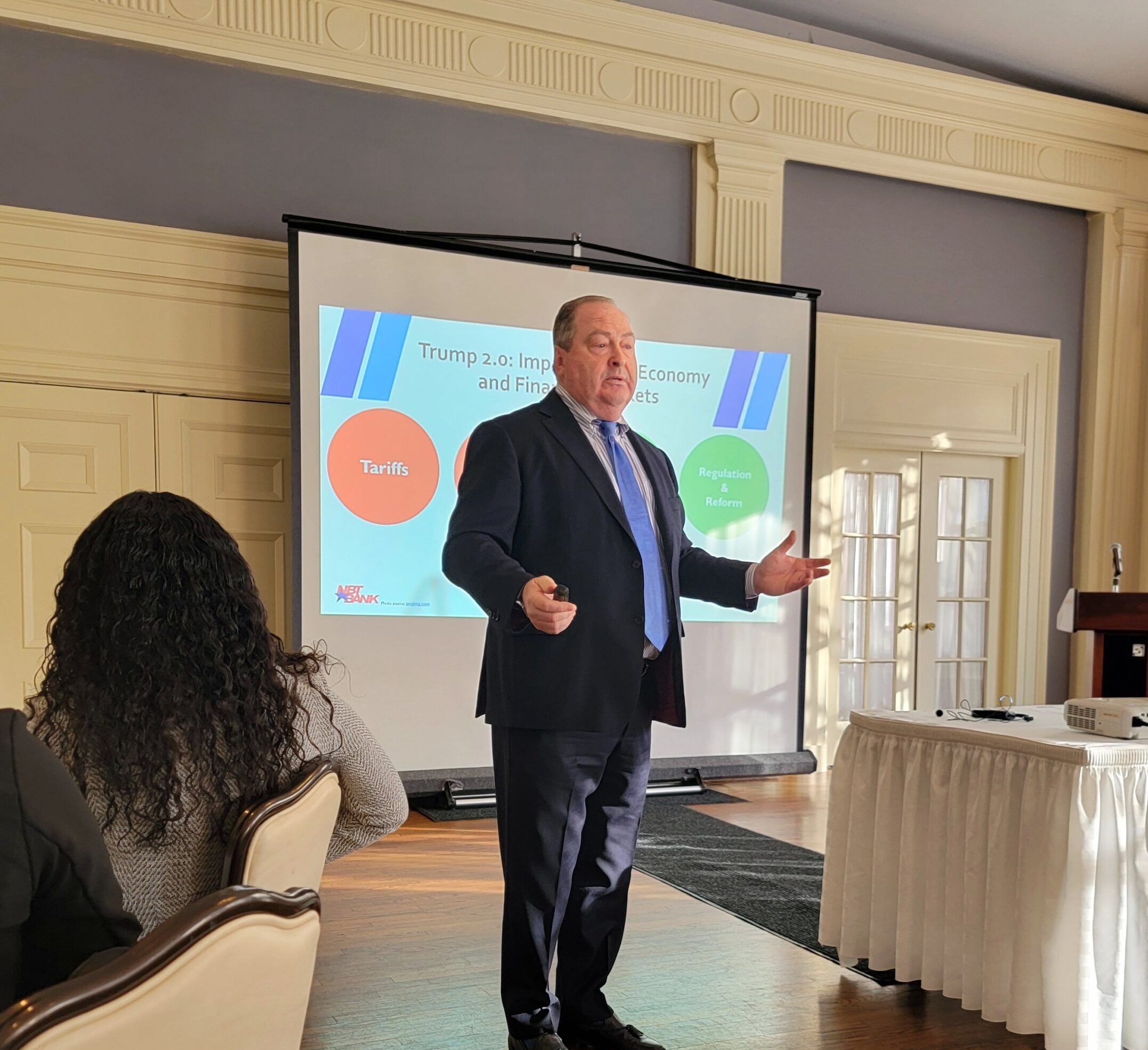
Speaking at an economic outlook event on Nov. 19 at the Genesee Valley Club in Rochester, Entenmann cautioned that the current environment is neither booming nor collapsing — but somewhere in between.
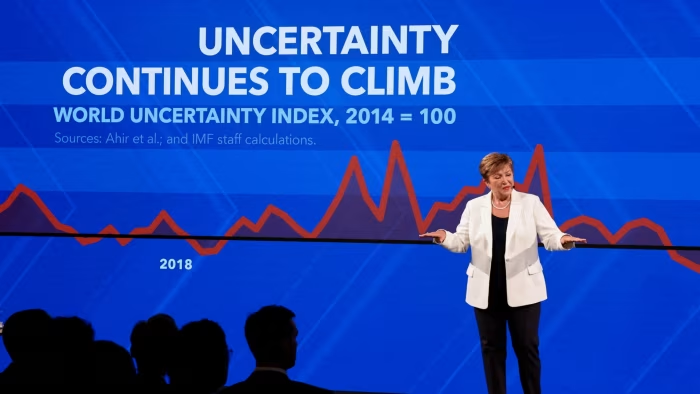
“It’s not the worst economy in the history of the world, and it’s not the best,” Entenmann told attendees, noting that both uncertainty and ambivalence continue to shape the outlook for businesses and consumers.

The Rochester event marked NBT’s first Western New York economic briefing since the bank completed its $236 million merger with Evans Bank in May.
Joe Stagliano, NBT Bank president, opened the program with a brief overview of the newly expanded institution. With $16 billion in assets, NBT now counts the Buffalo/Rochester market acquired from Evans as its largest metro area within the bank’s footprint.
The bank operates five branches in Monroe County — Fairport, Irondequoit, Penfield, Perinton and Webster — and has plans for more.
Stagliano said NBT intends to open a financial center in the Rochester area in 2026, followed by additional local branches in the years ahead.
“Rochester is a growth market for us,” he said.
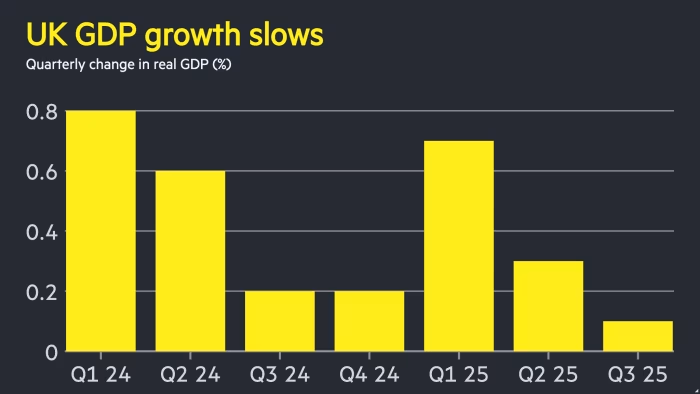
Turning to the broader economy, Entenmann described the first half of the year as a “corporate time out,” as companies delayed investment and spending decisions while waiting for clearer signals on inflation, interest rates and overall stability.
However, he believes the economy has reached an inflection point.
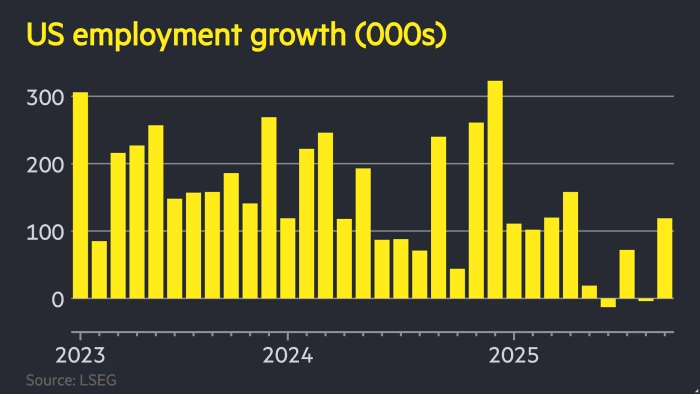
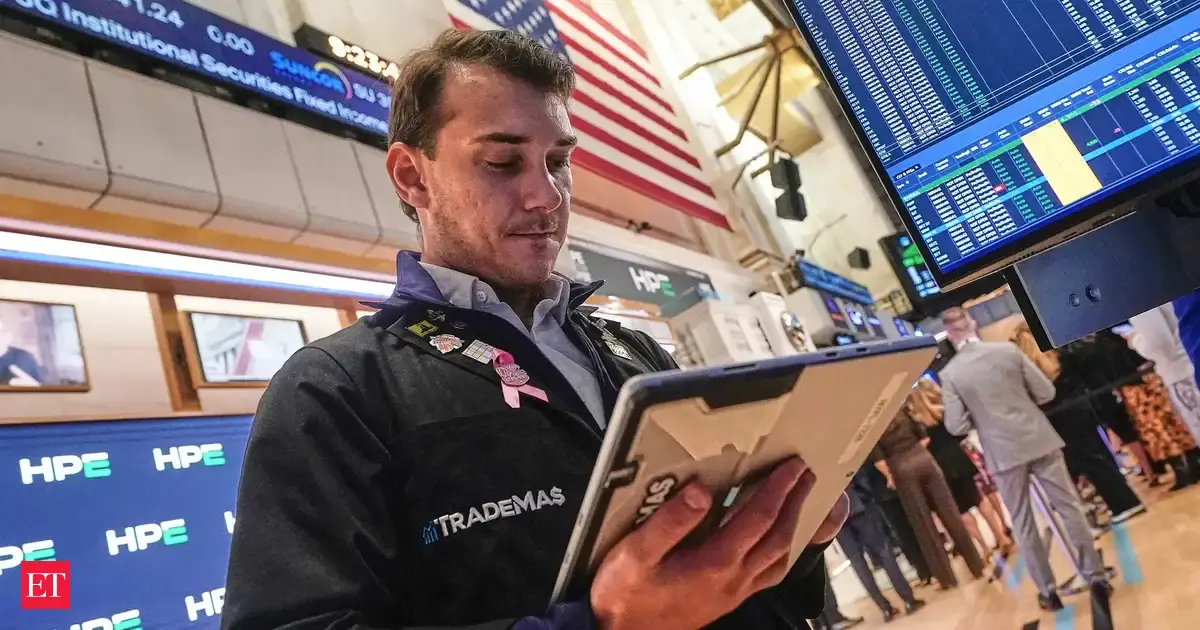
Key indicators, he said, are beginning to move in the right direction. Consumer spending remains resilient, business investment is picking up and the federal government is shrinking relative to the size of the economy.
“The data shows things are improving,” he noted.
During his presentation, Entenmann highlighted several themes shaping the current and future economic landscape:
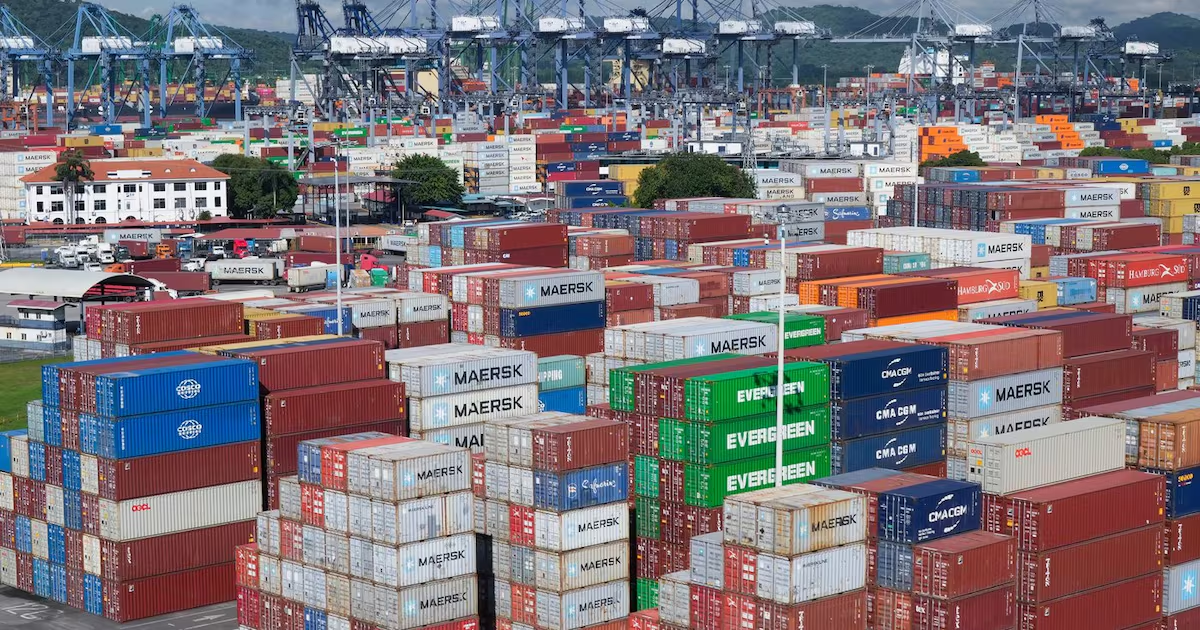
- Uncertain growth amid trade tensions: Forecasts range from modest expansion to mild contraction, but Entenmann does not believe a recession is imminent.
- Long-term fiscal challenges: U.S. debt and deficits remain structural issues policymakers must eventually confront.
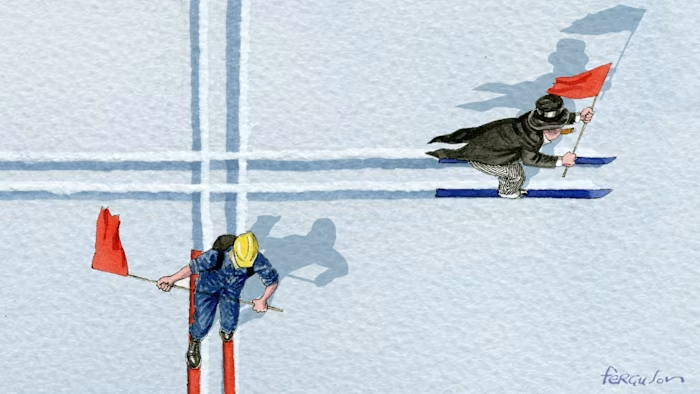
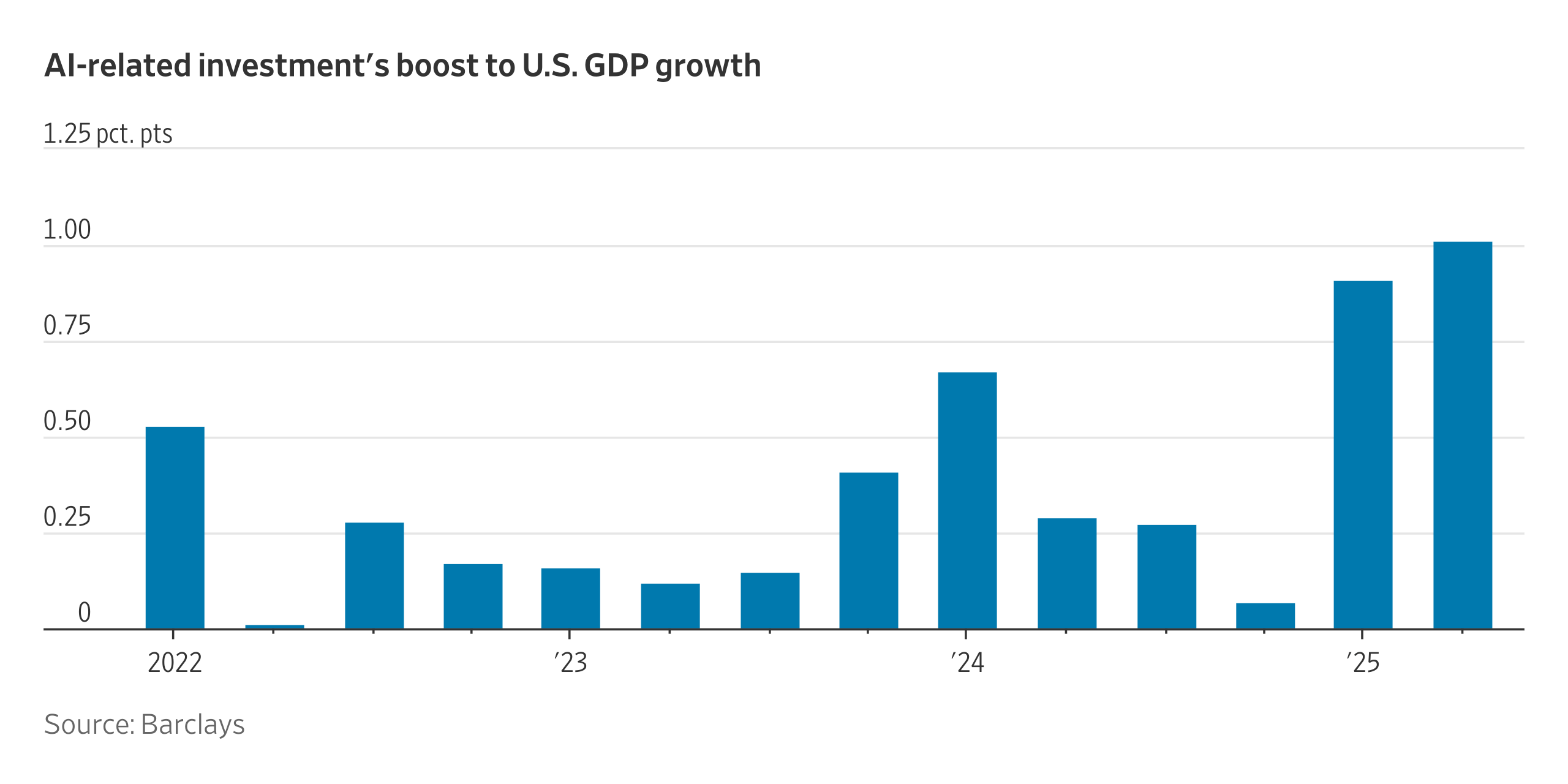
- Competing economic forces: Trade conflict is weighing on growth while tax policy, regulatory shifts and advancements in artificial intelligence are providing counterbalancing tailwinds.
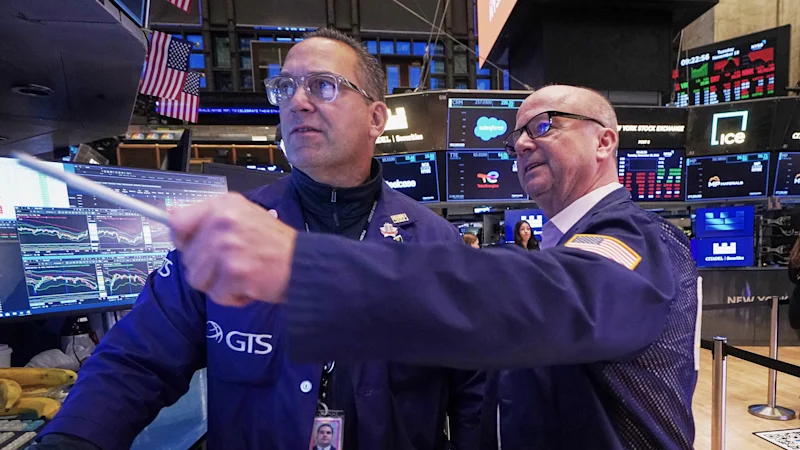
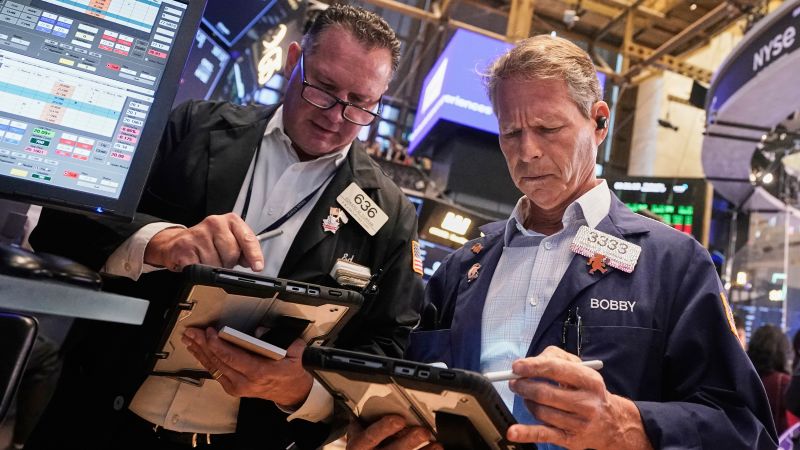
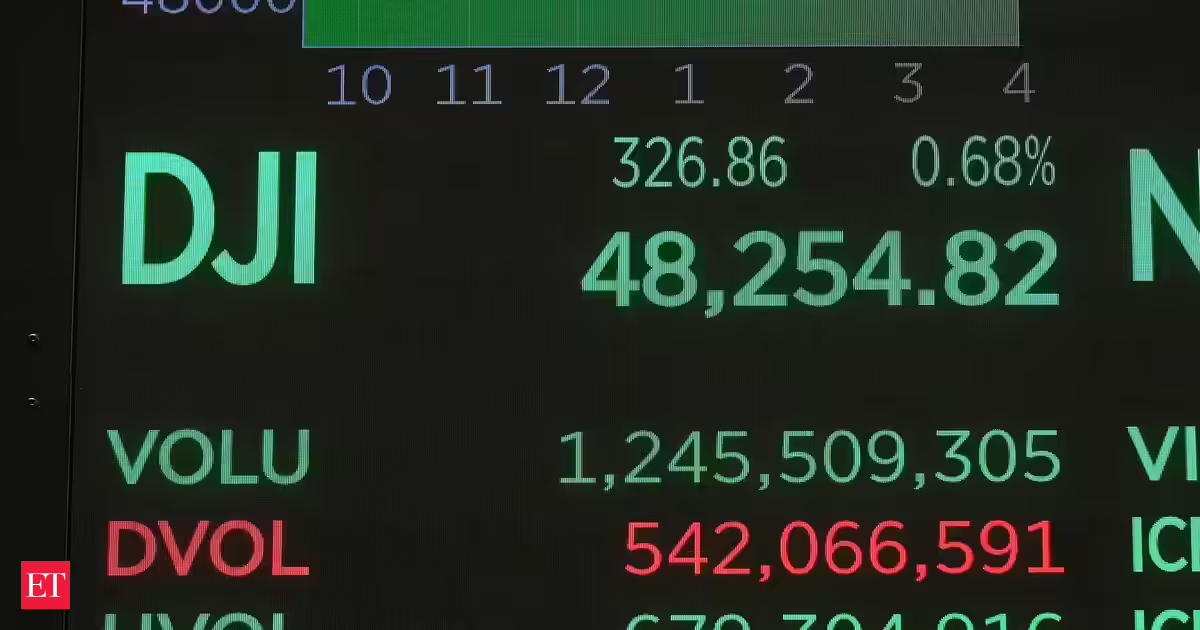
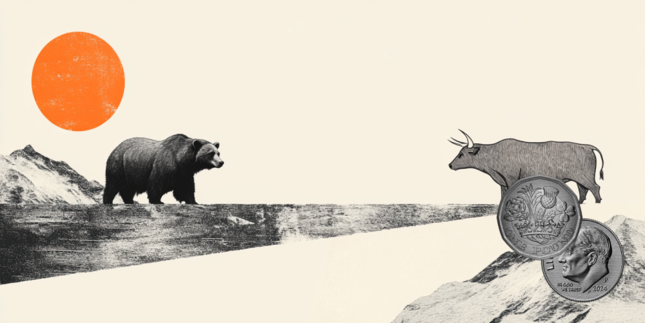
- Market concentration: Equity valuations remain high and heavily reliant on the performance of the “Magnificent Seven” tech-driven stocks.
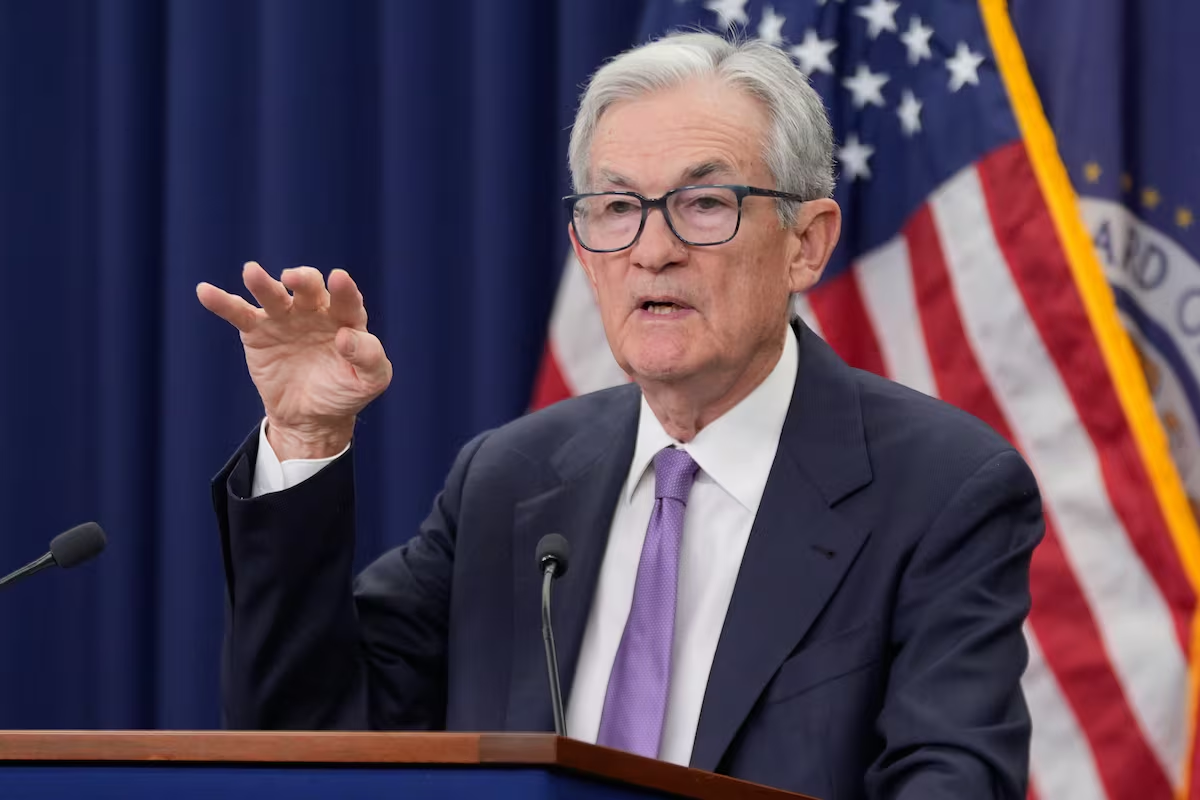
- Federal Reserve pressures: The Fed faces a difficult balancing act as uncertain trade policy affects growth, employment and inflation dynamics, and
- Opportunities in niche assets: In a historically volatile market, specialized asset classes are offering meaningful diversification benefits.
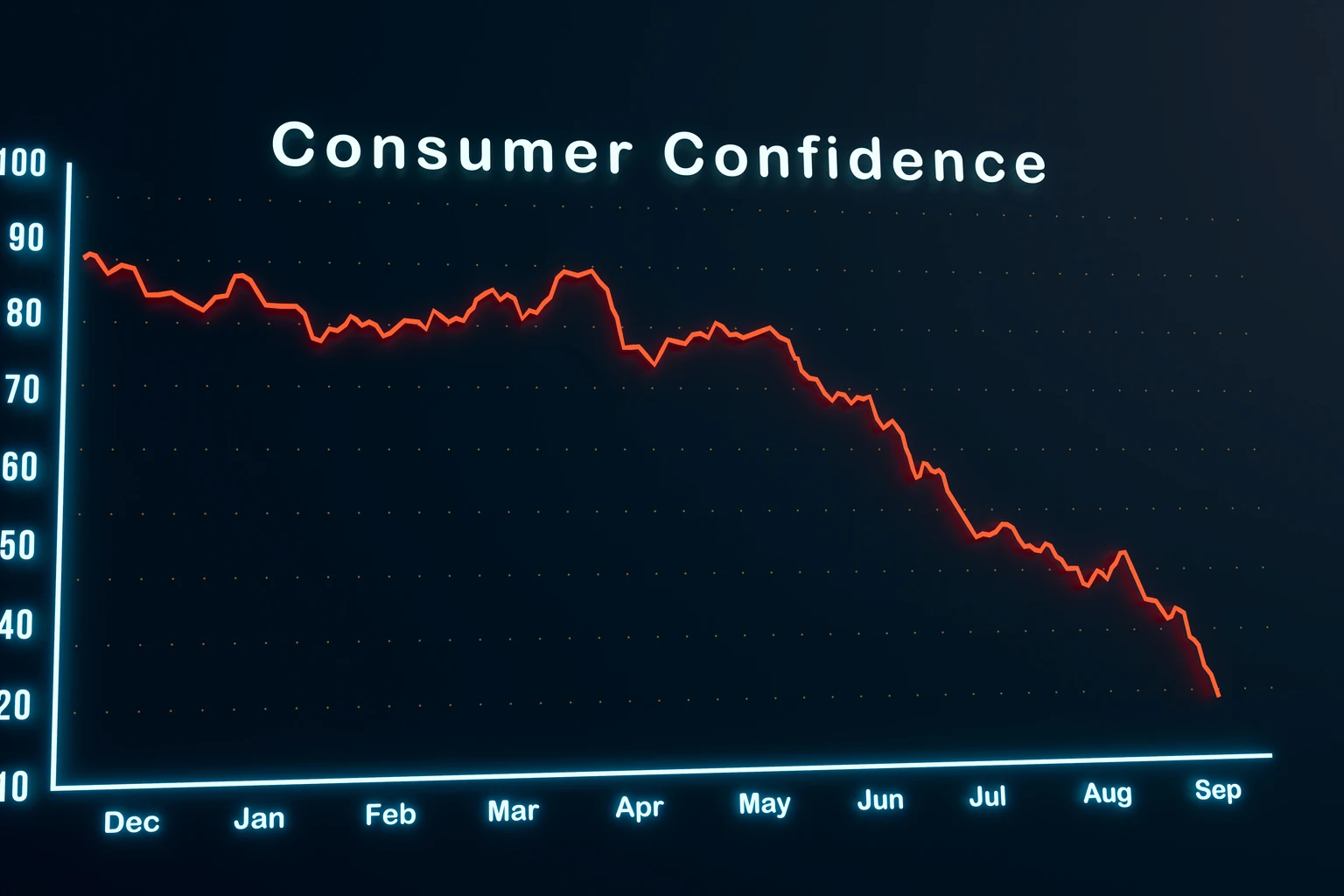
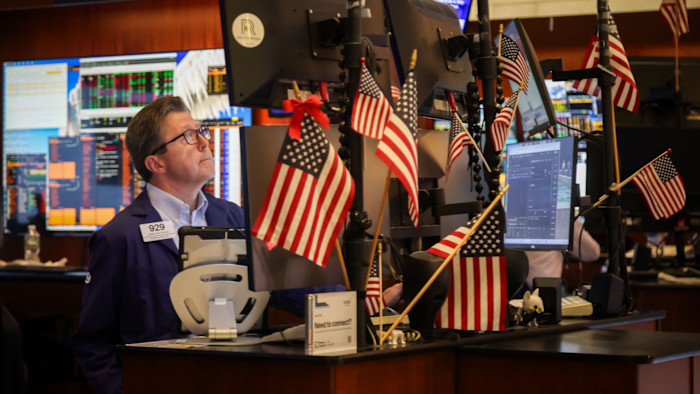
Despite talk of a possible downturn, Entenmann pointed out a contradiction: consumers continue to spend, travel and invest in big-ticket items even as sentiment surveys show persistent pessimism. Wall Street, he added, remains broadly bearish.
“It’s not the doomsday scenario you hear about,” he said — emphasizing that while risks remain, the data suggests a U.S. economy that is downshifting, not derailing.
[email protected] / (585) 653-4021
l