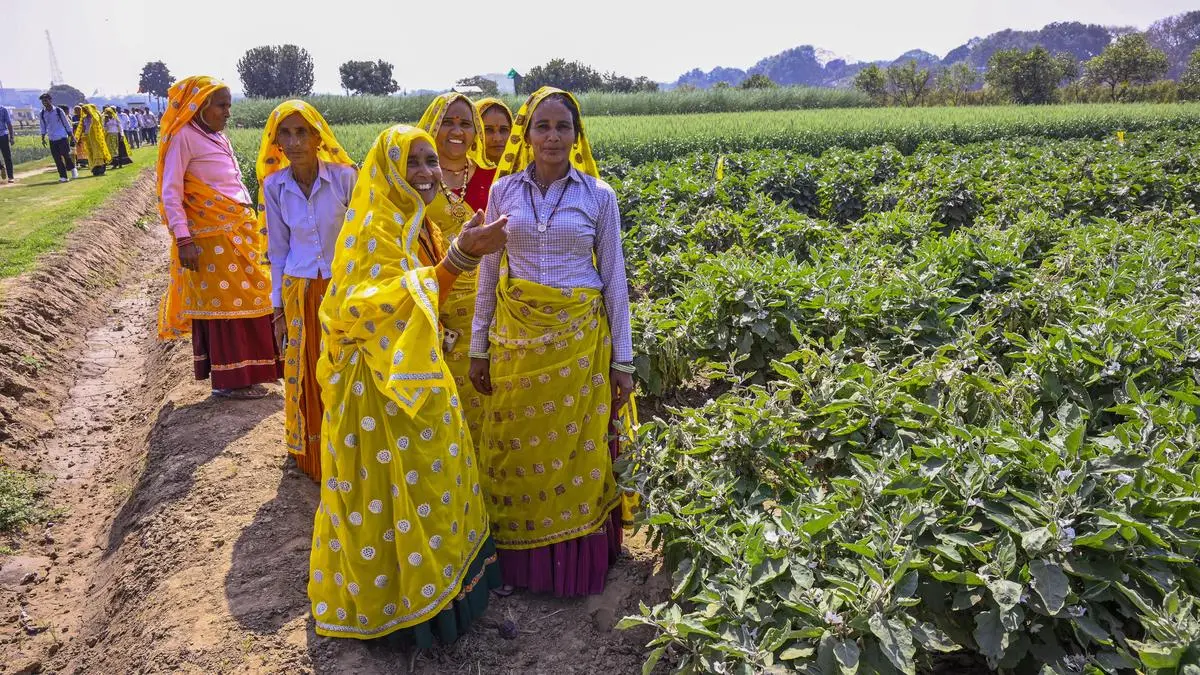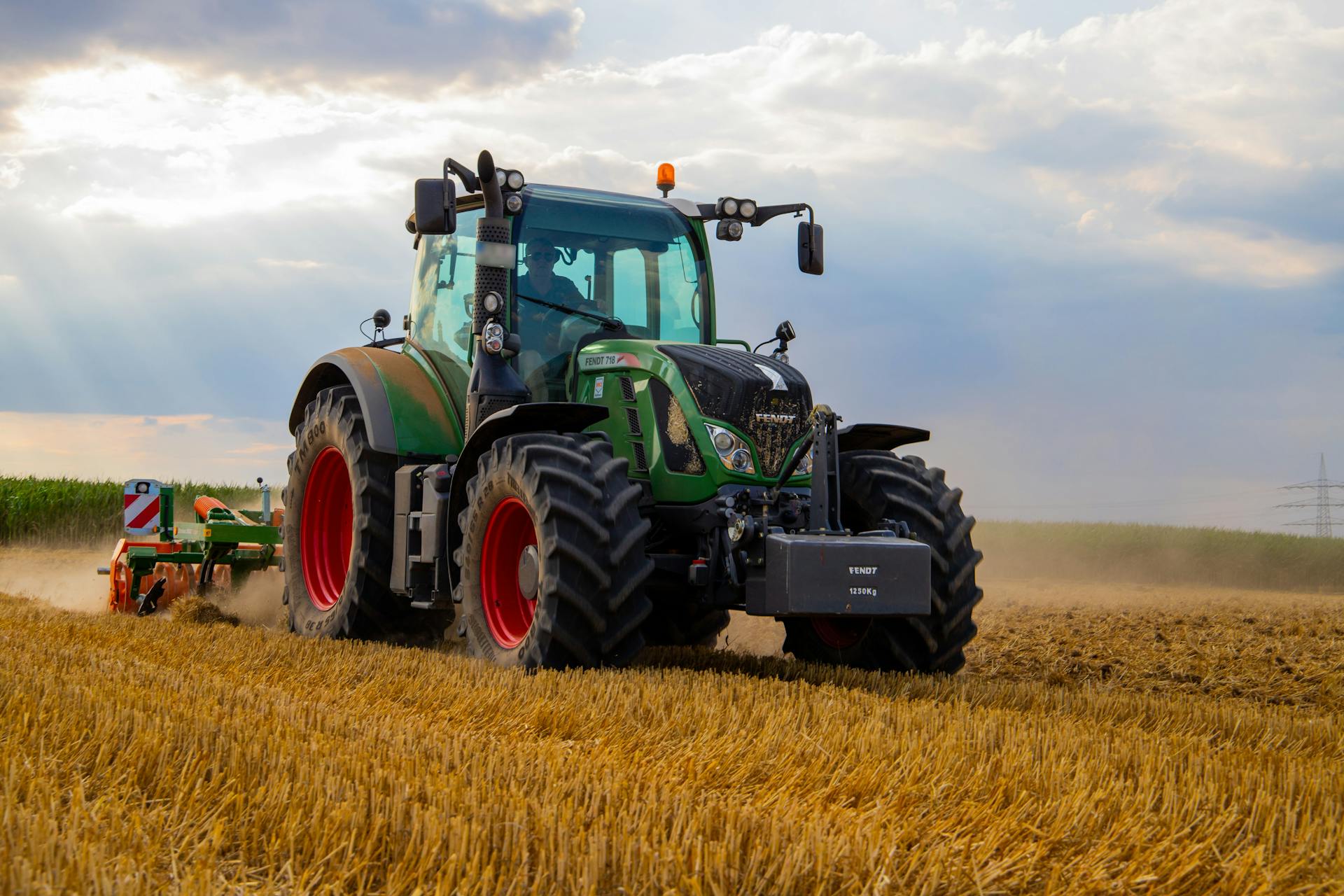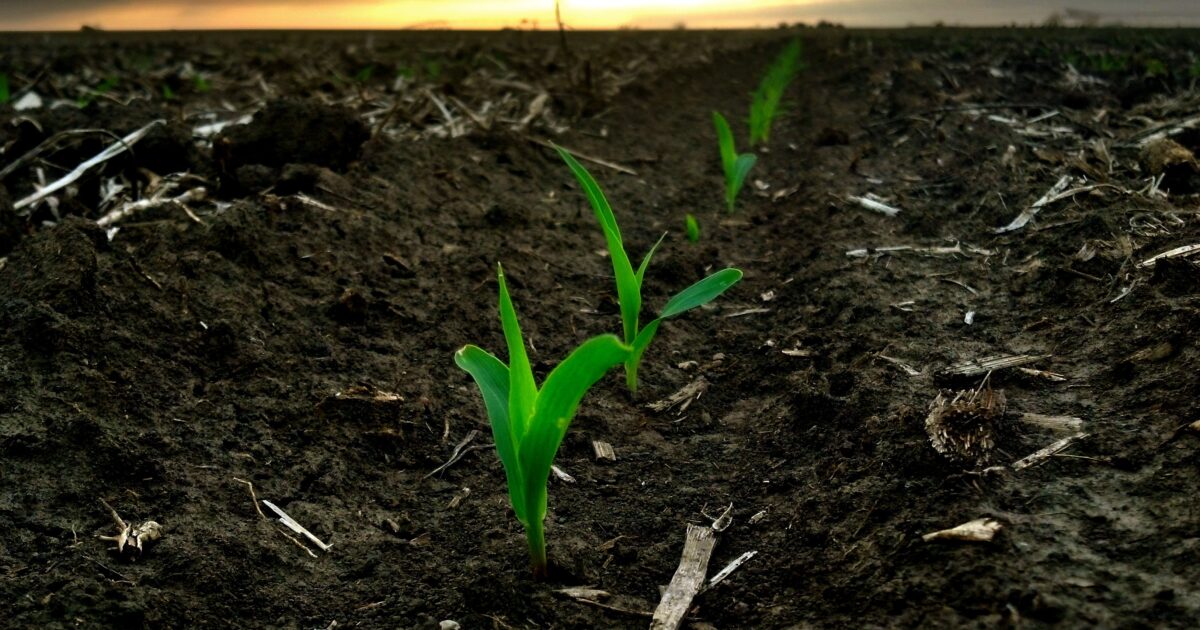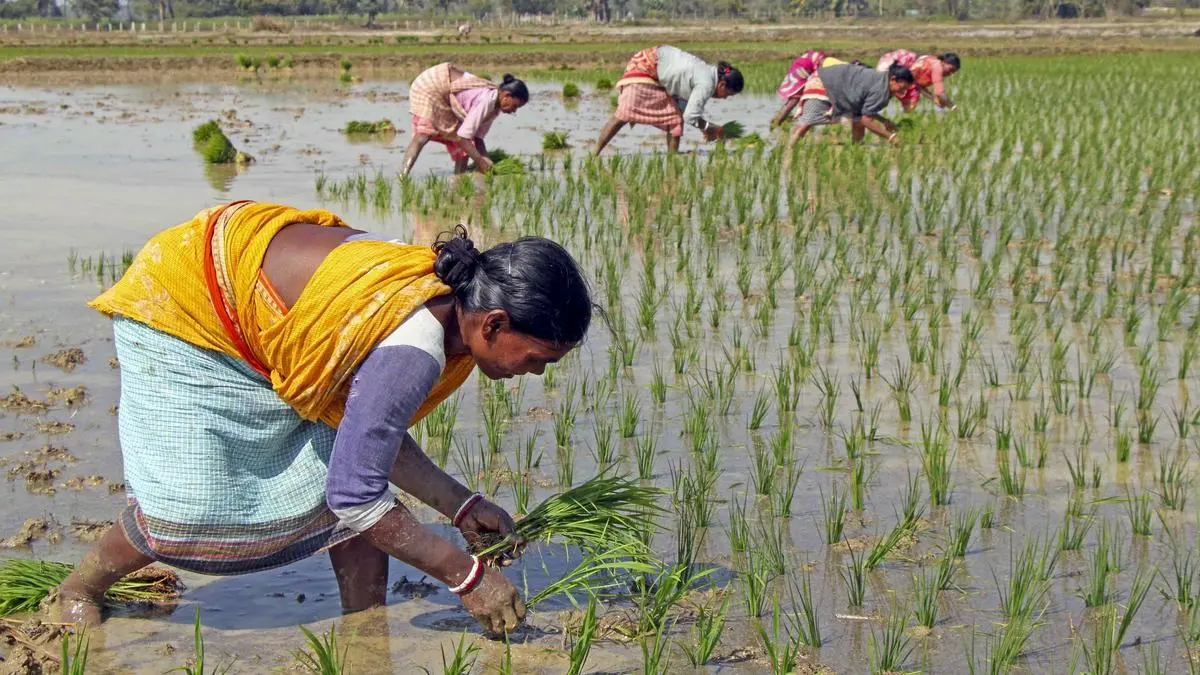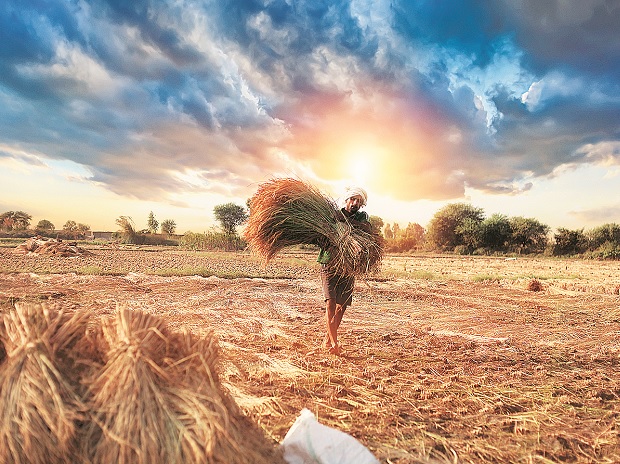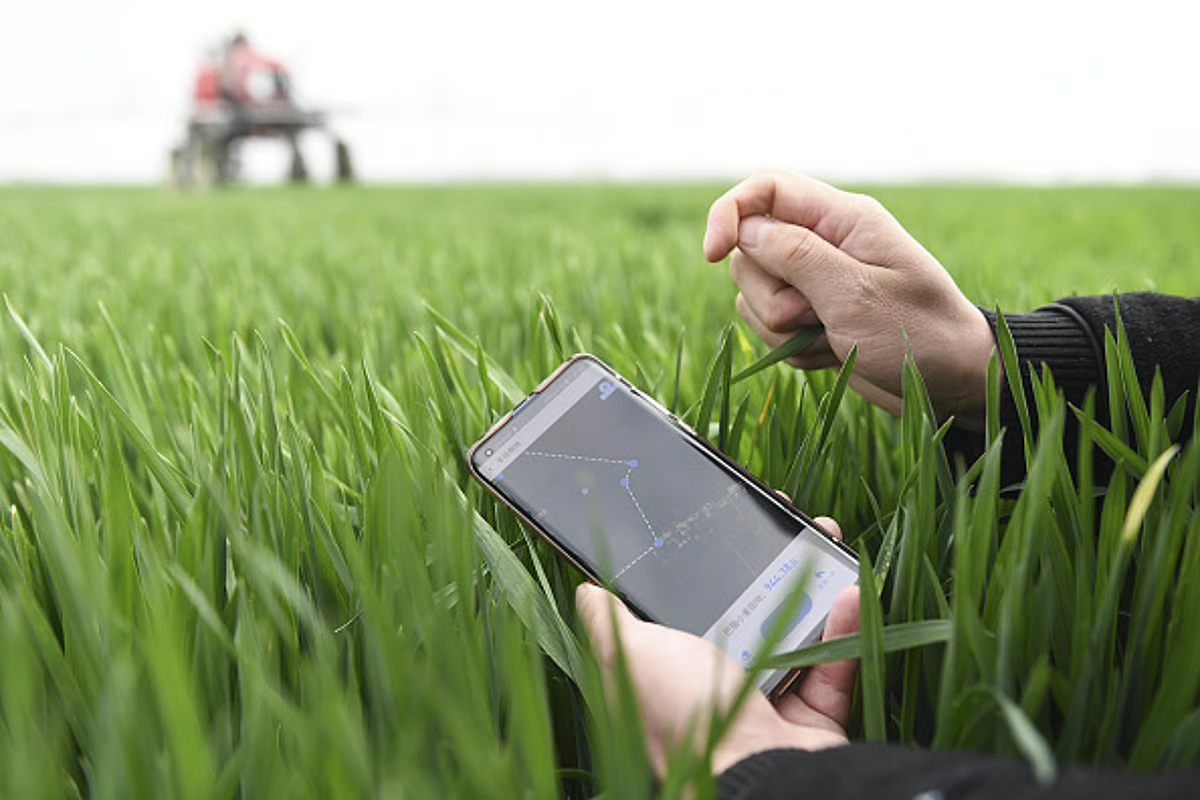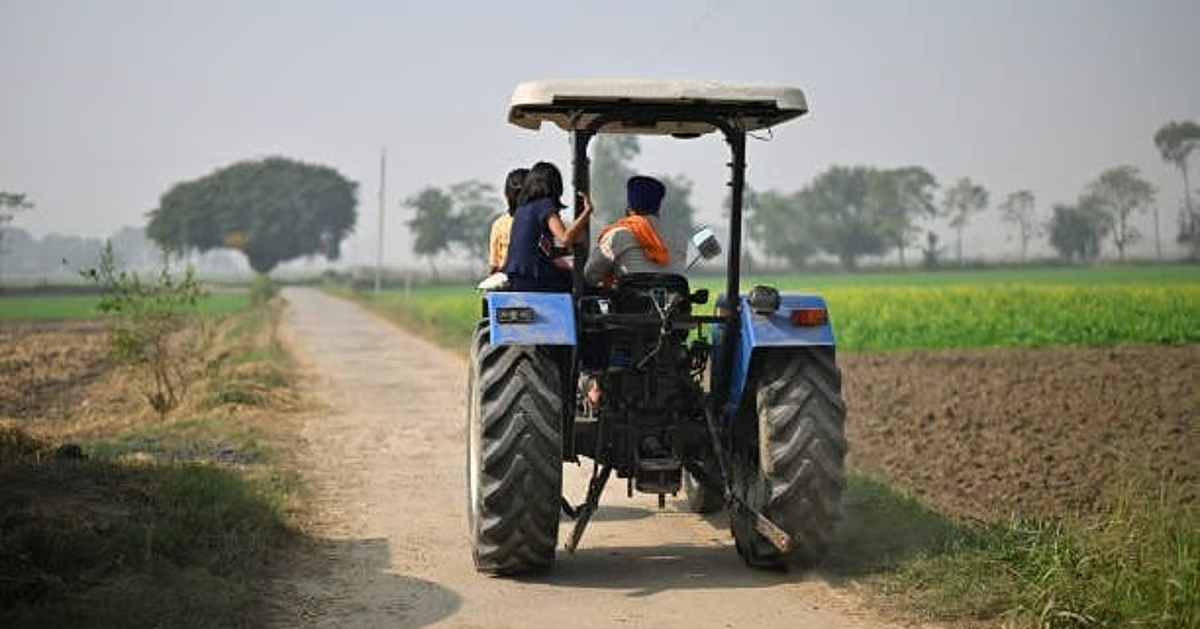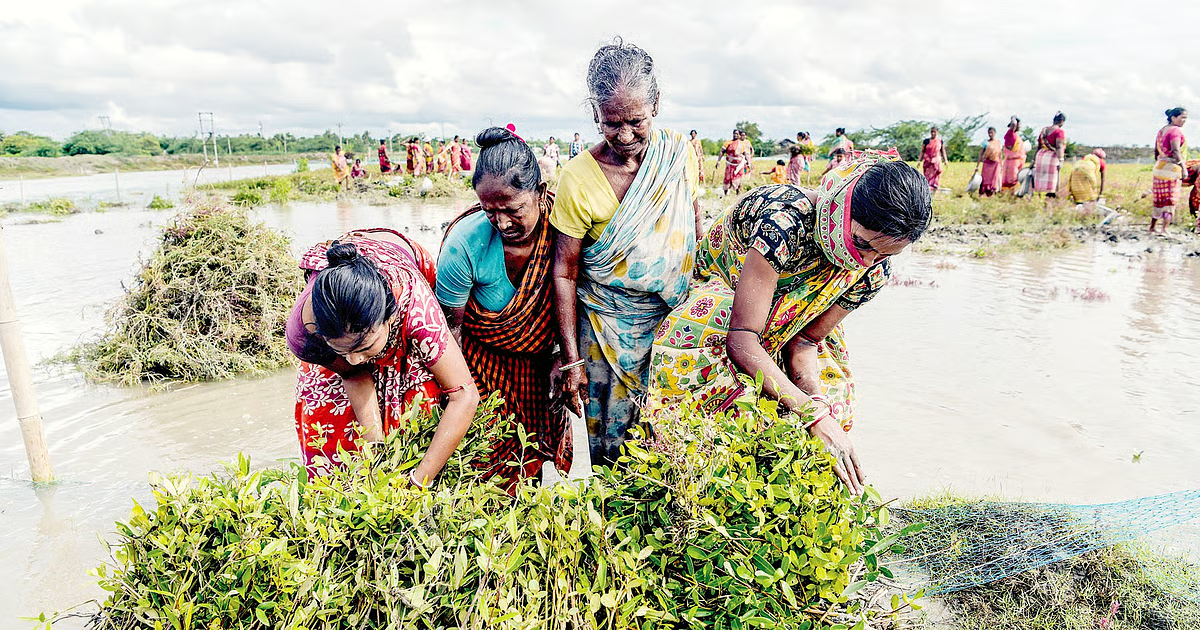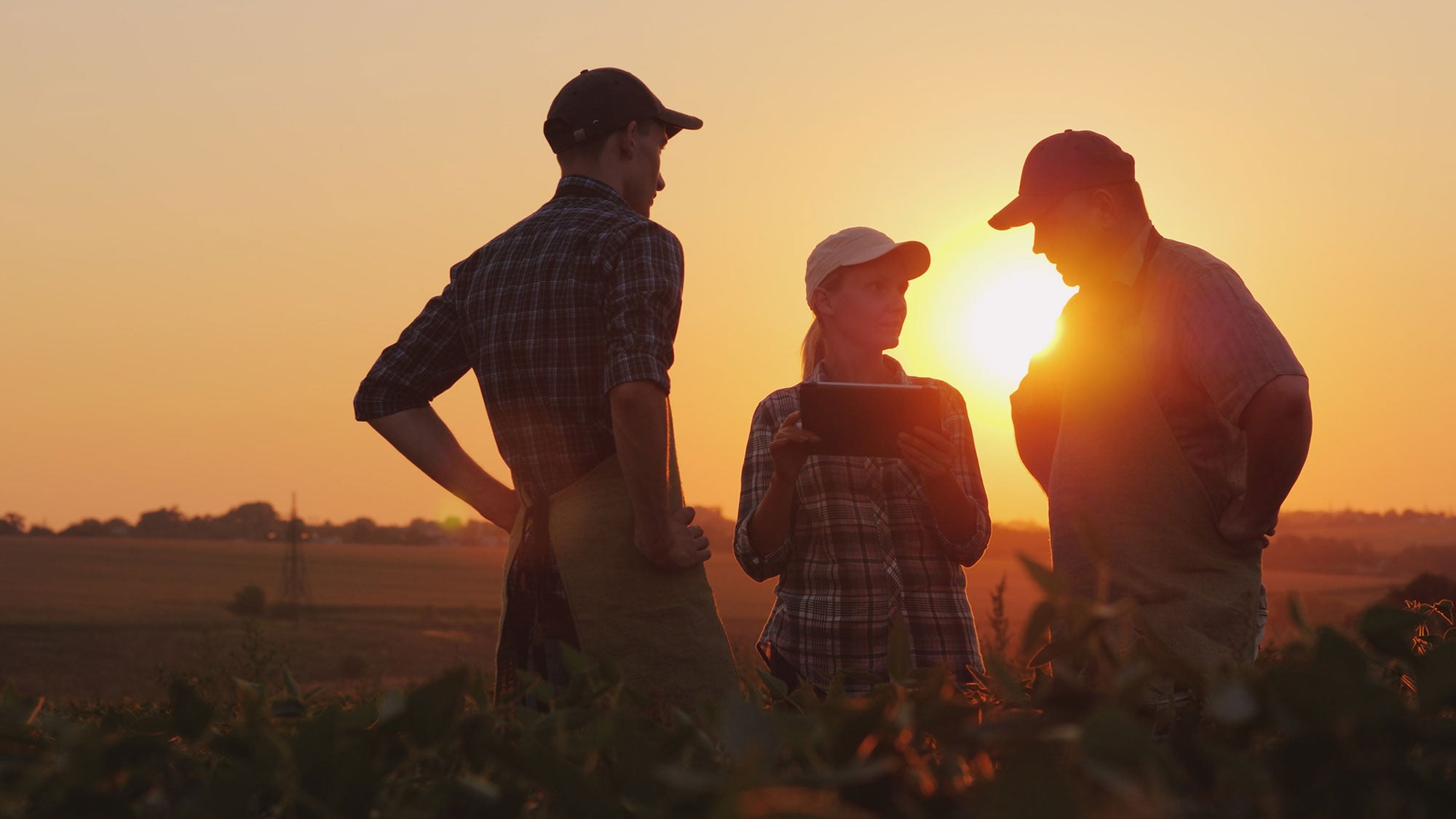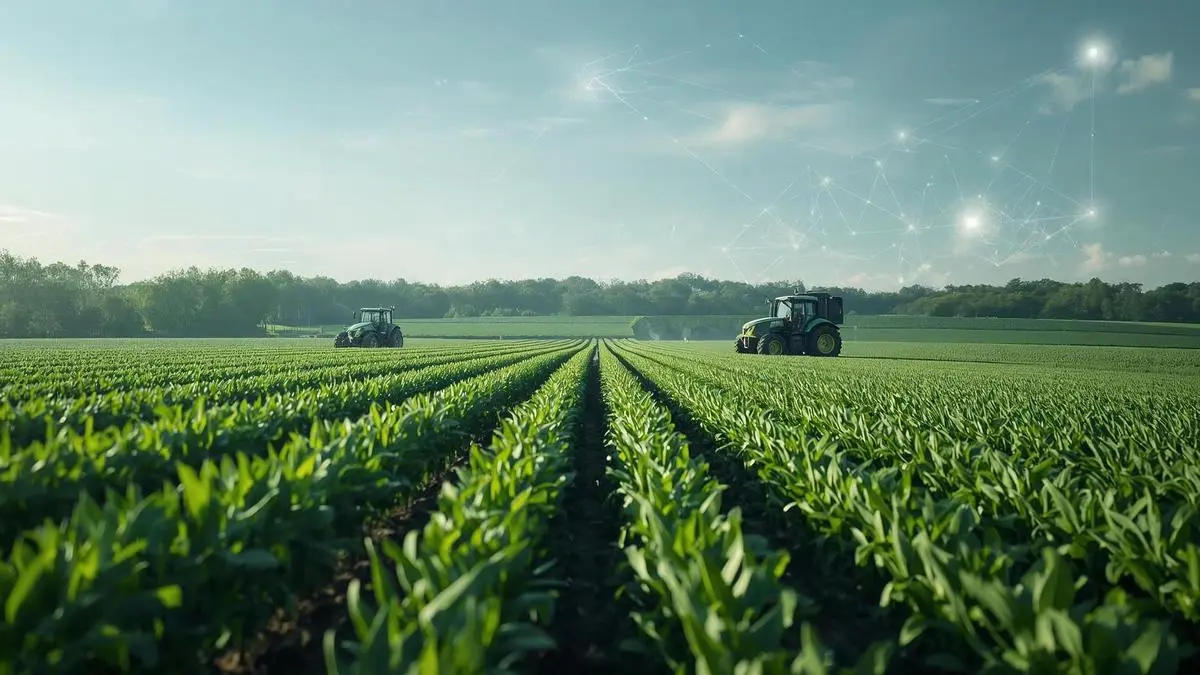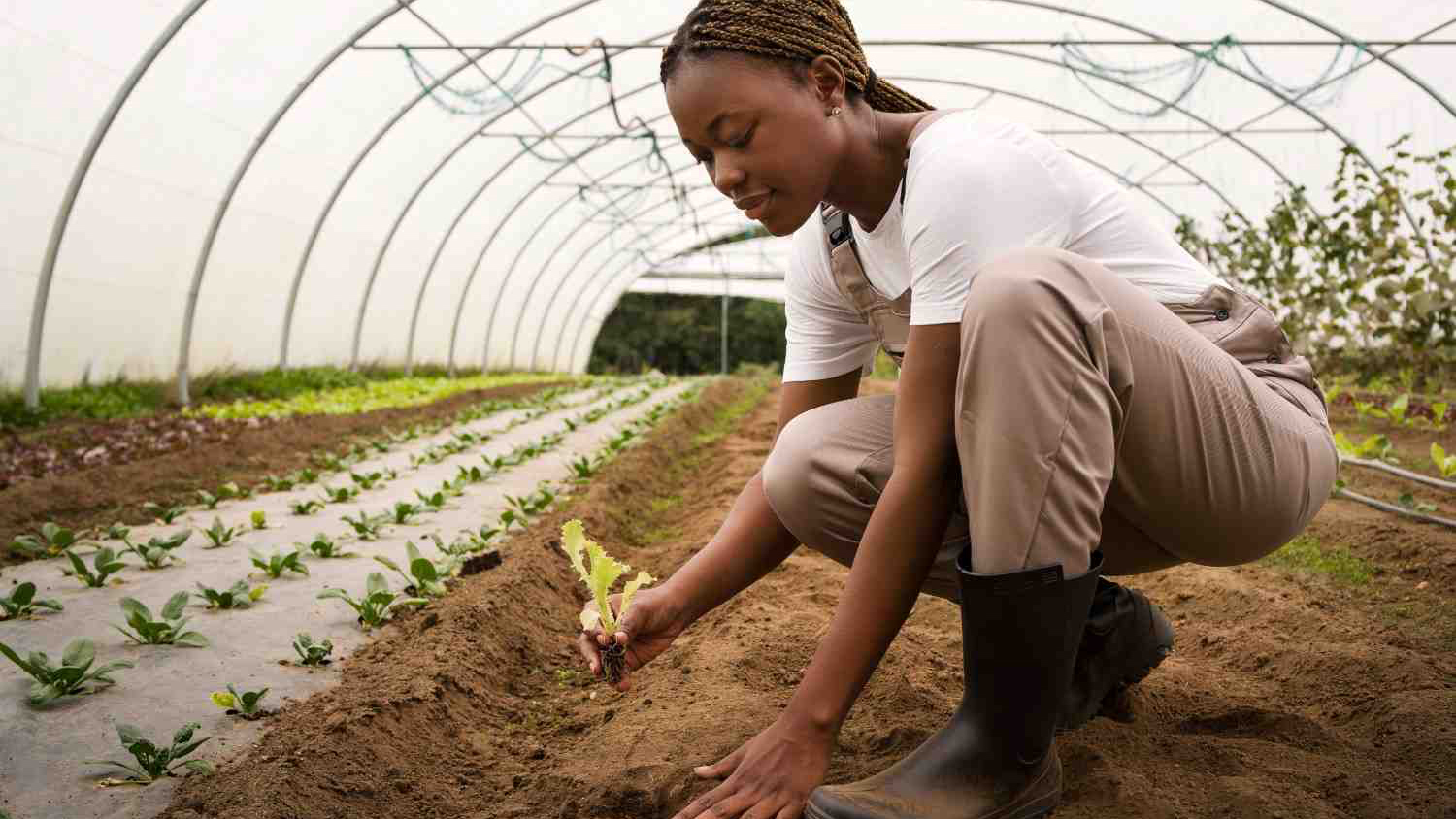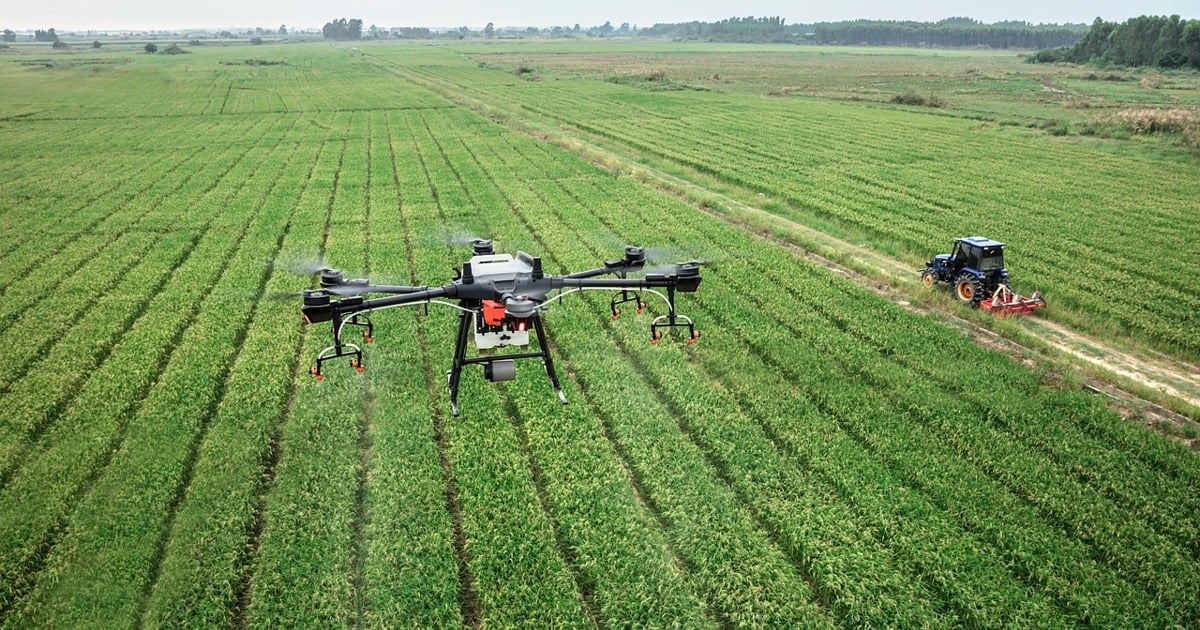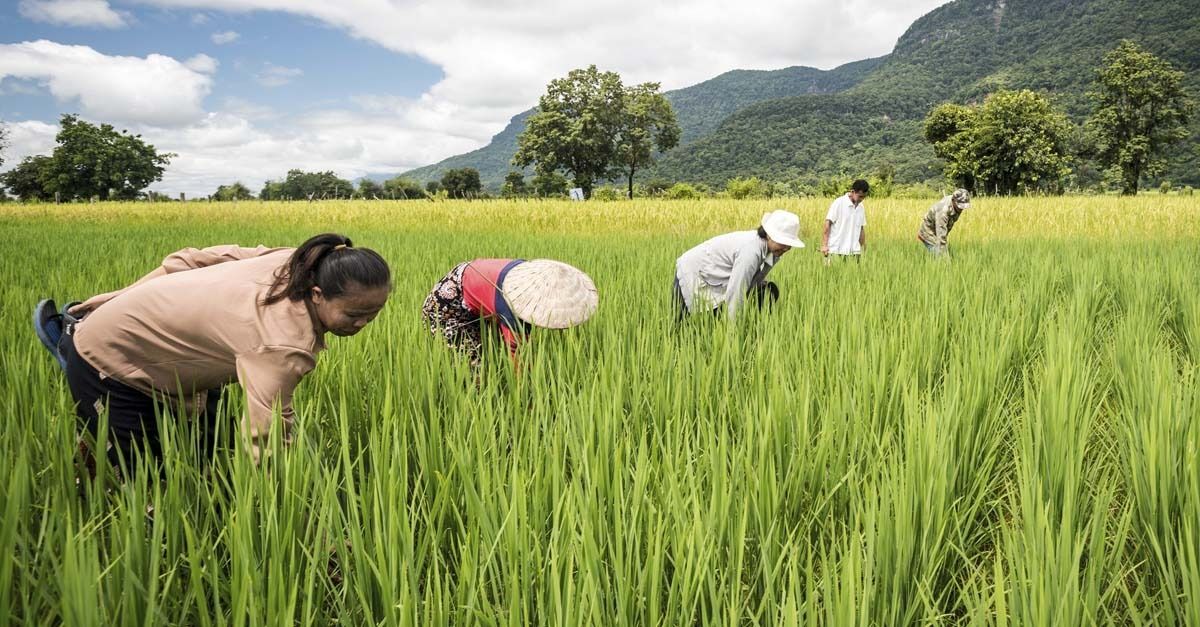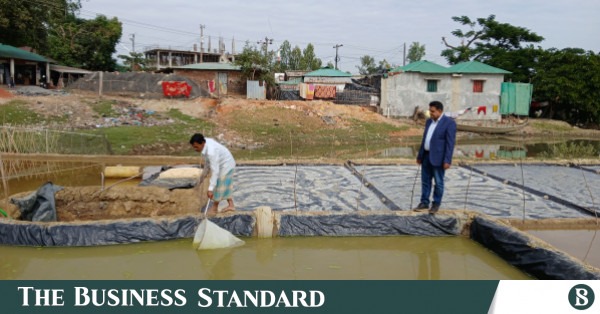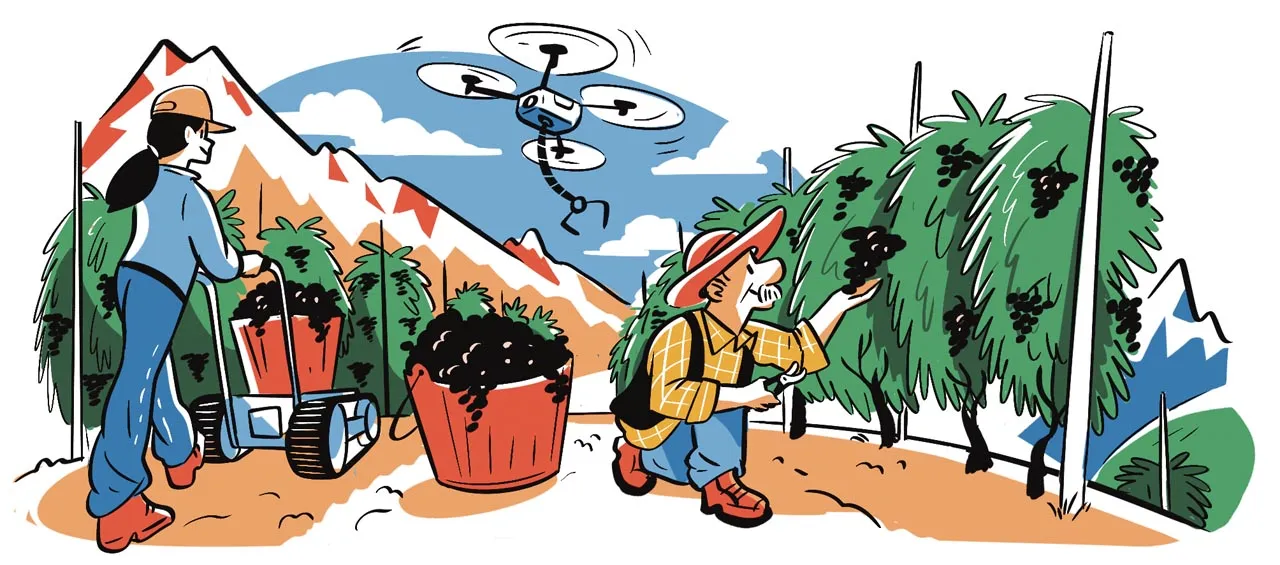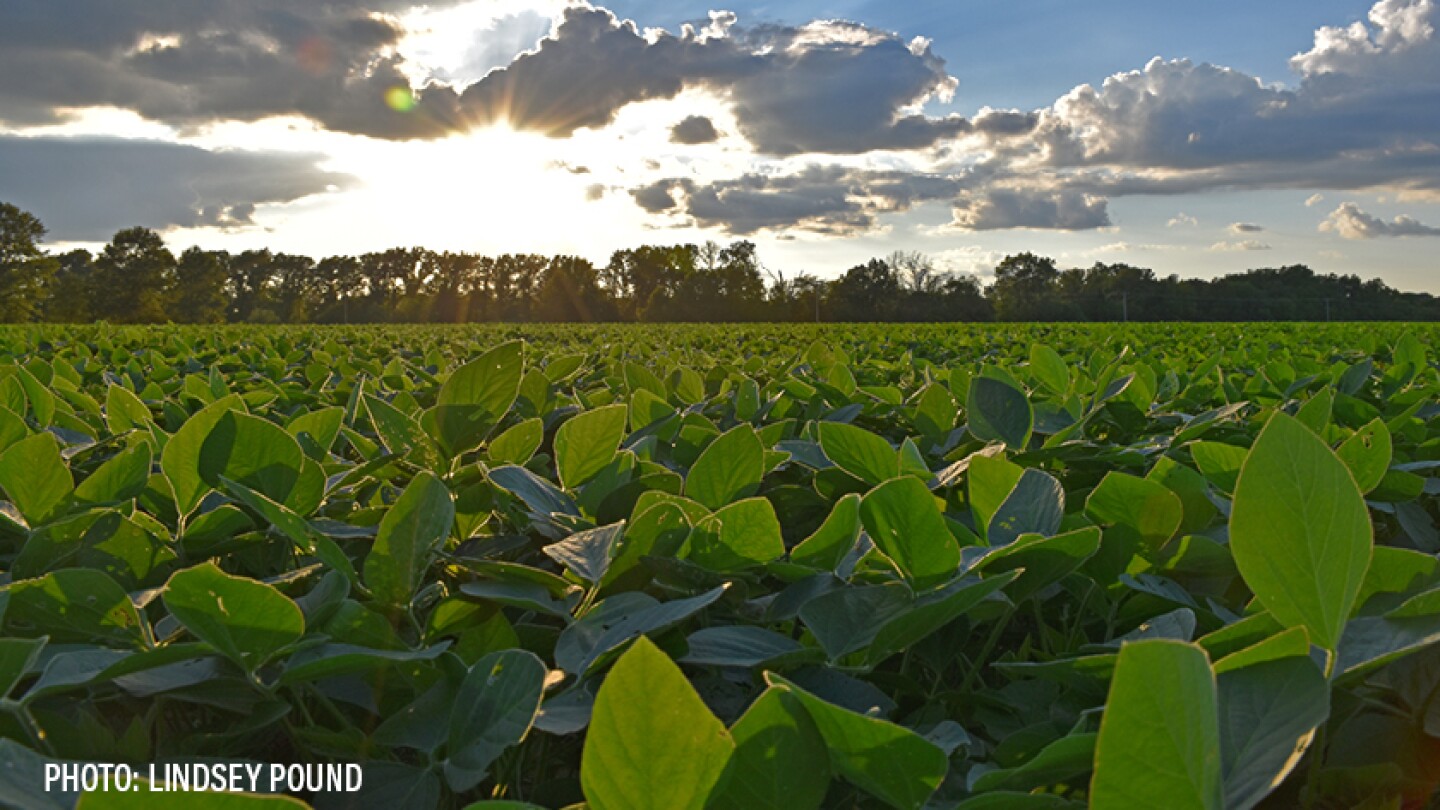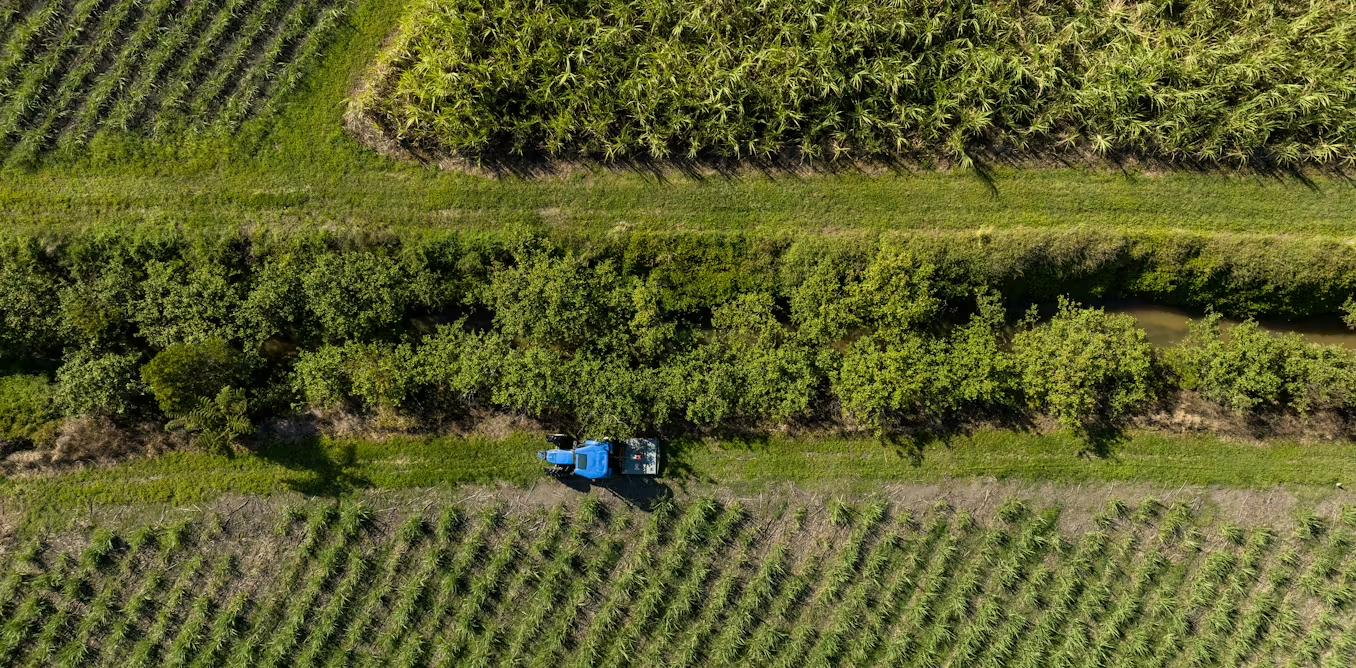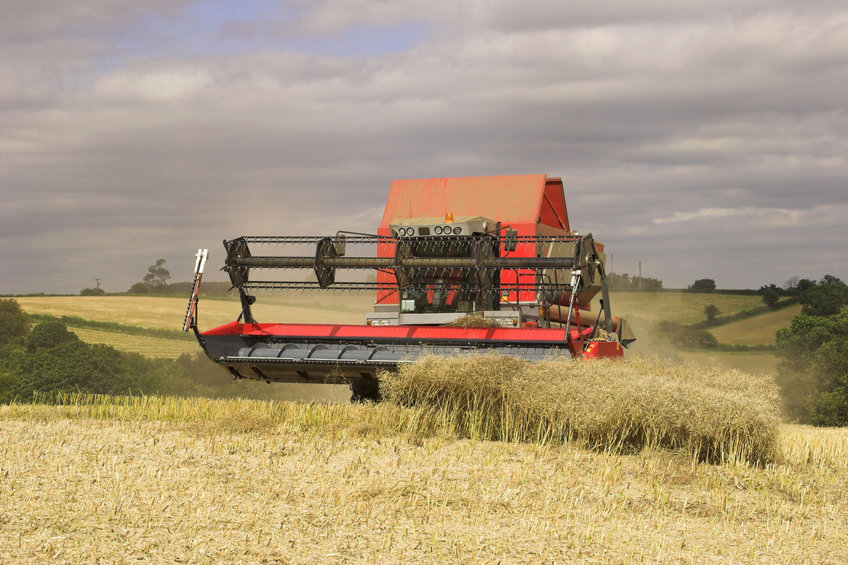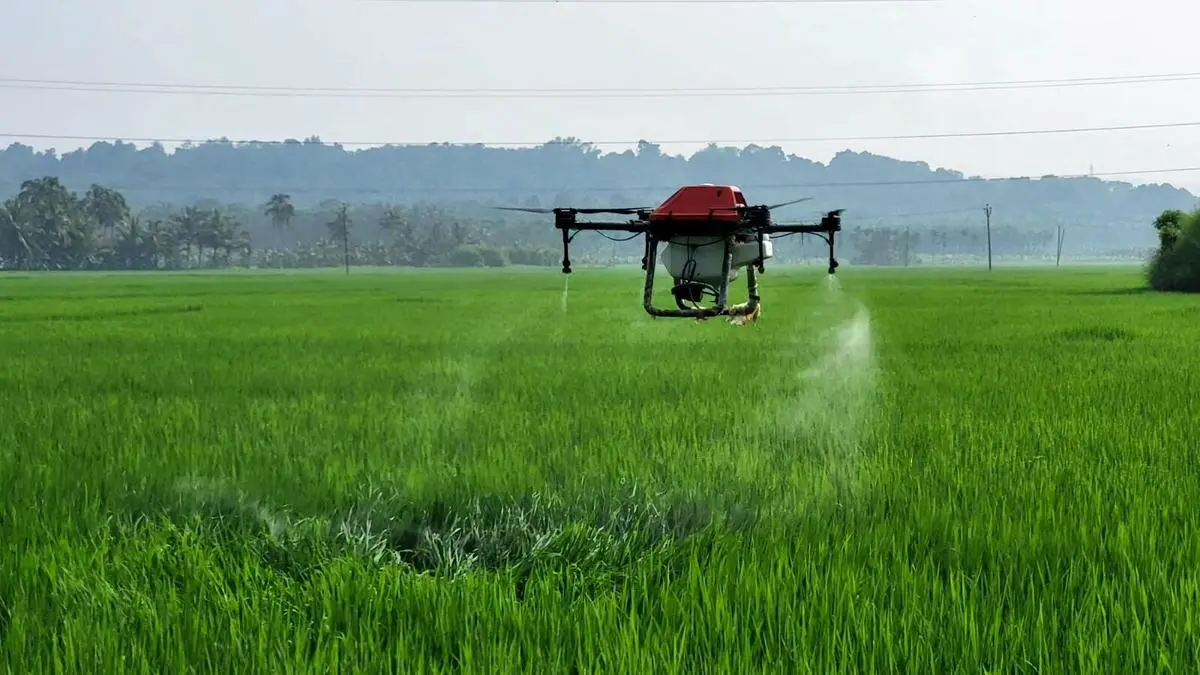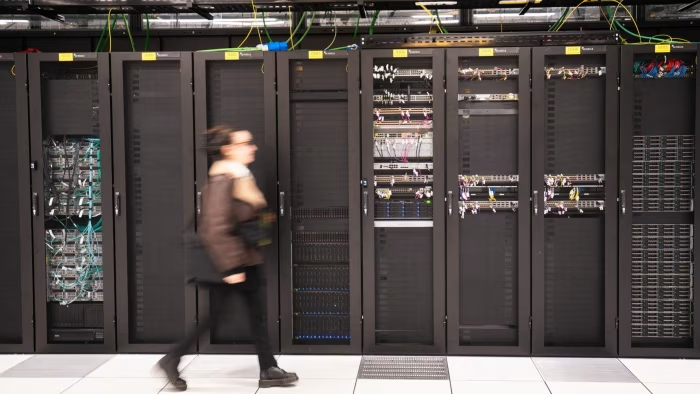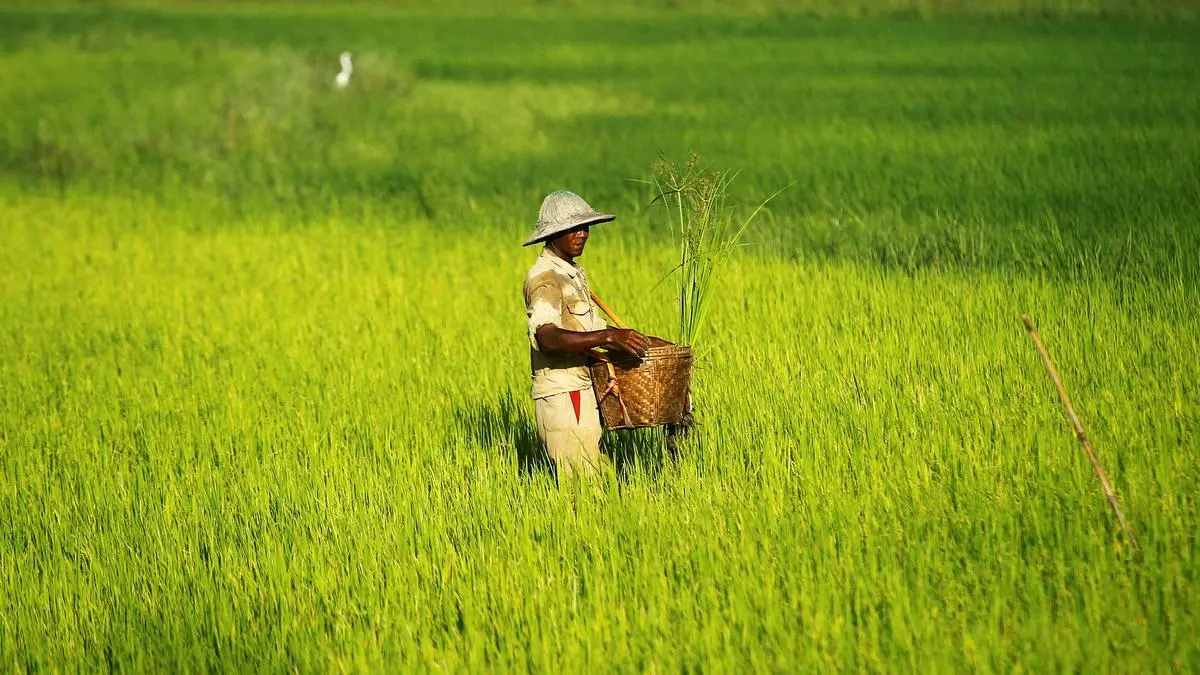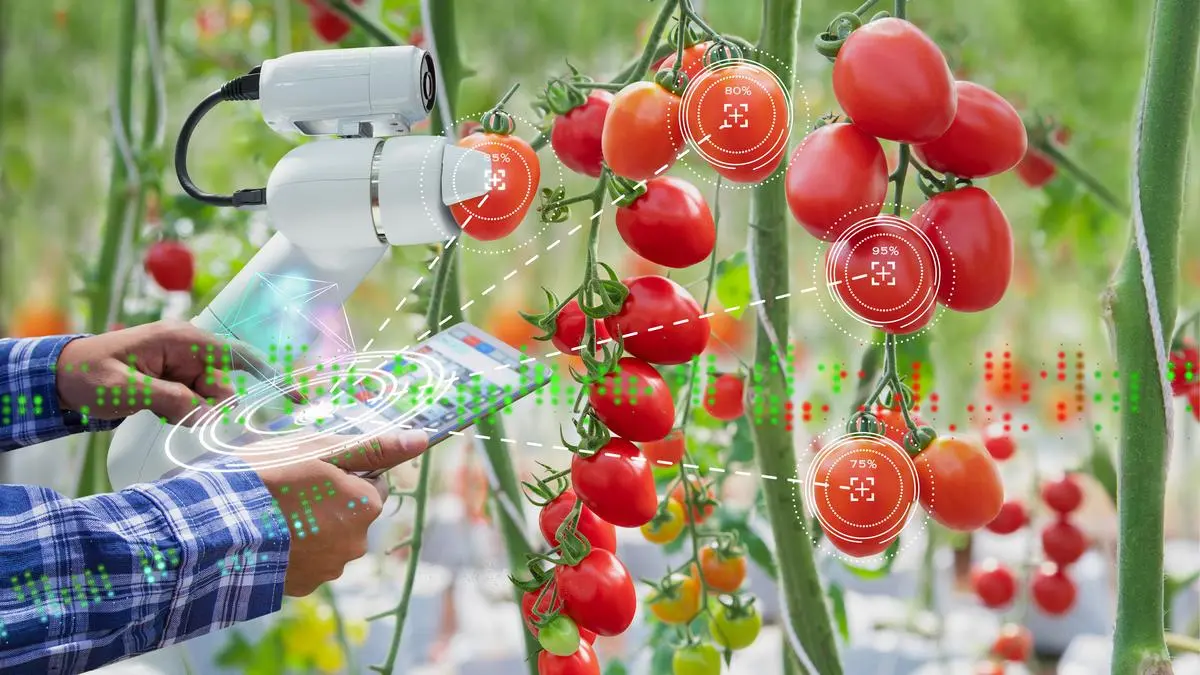
If you close your eyes and picture “AI,” you probably see servers, screens and start‑ups – not a farmer in a banana field checking her phone before deciding when to irrigate. Budget 2026 invites us to redraw that picture.
This year’s Budget does something subtle but important: it stops treating artificial intelligence and digital infrastructure as side‑shows and starts positioning them as core levers for raising farm productivity and stabilising rural incomes. The clearest symbol of that shift is Bharat‑VISTAAR – a multilingual AI platform designed to put data‑driven, localised advice in every farmer’s hand.
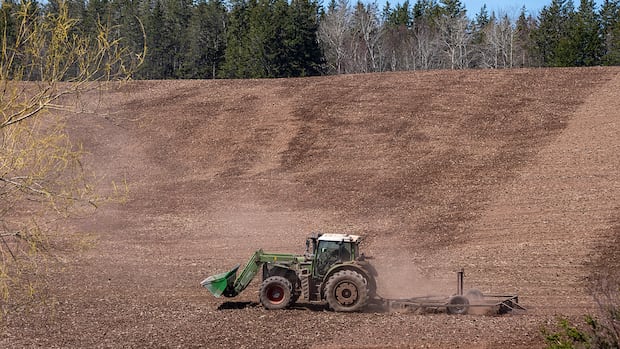
On paper, the agriculture outlay looks familiar. Allocations to agriculture and allied sectors have risen to about ₹1.62–1.63 lakh crore, roughly 7 per cent higher than last year. Flagship schemes like PM‑KISAN, crop insurance and price support continue to anchor the safety net. What is new is the digital layer woven through this continuity – a layer that, if executed well, could change how decisions are made from the plot to the policy table.
Plugging together
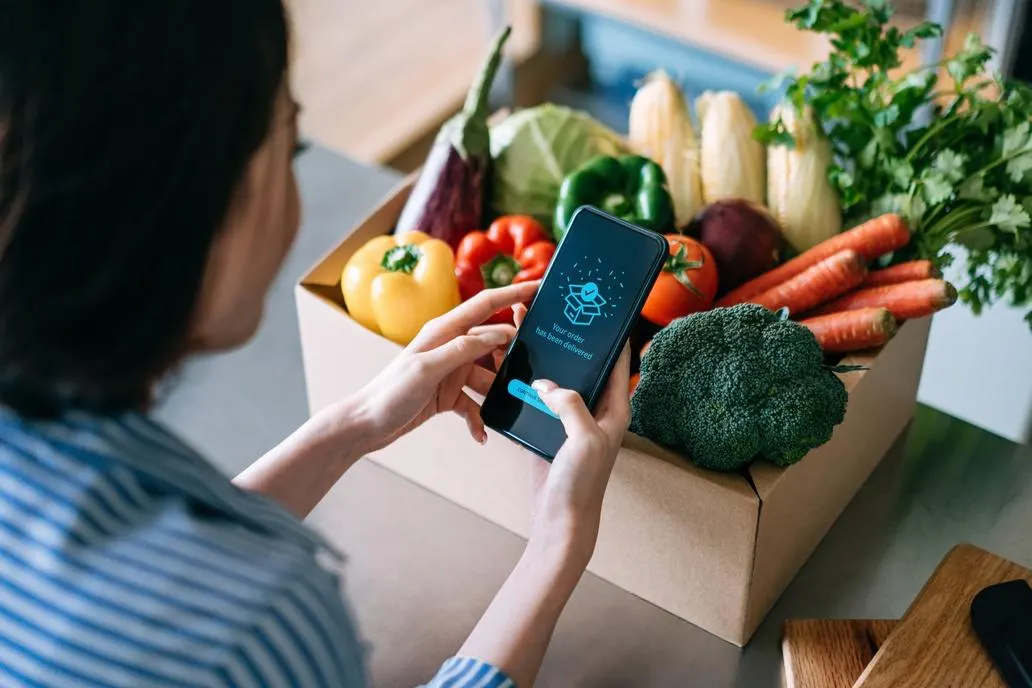
Bharat‑VISTAAR – short for Virtually Integrated System to Access Agricultural Resources – is the Budget’s main bet on that new layer. It aims to plug together AgriStack portals, which hold verified farmer and land data, with ICAR’s package of practices and then apply AI on top to generate real‑time, local advisory. In practice, that means shifting from generic, state‑wide messages to plot‑specific guidance on what to grow, when to irrigate, how to respond to an emerging pest, or when to stagger harvest to catch better prices. In a climate‑stressed, input‑cost‑heavy agriculture, that step from advisory to decision intelligence is not cosmetic – it is existential.
But for Bharat‑VISTAAR to live up to its promise, three deeper design questions matter. The first is data freshness and relevance. AgriStack is being built on land records, scheme data and crop surveys that are often patchy, delayed or inconsistent across States. Without regular “data refresh” –updated land records, near‑real‑time crop and weather feeds, and continuous correction of registry errors – even the smartest AI will be reasoning over yesterday’s reality. The ICAR knowledge base also needs to be curated for field conditions: not every research paper, trial plot or lab result translates one‑to‑one into advice for smallholders farming in highly diverse agro‑climatic zones. Unless the system actively tests, localises and filters recommendations, there is a risk that “West‑heavy” or lab‑optimised findings get pushed into contexts where they simply do not hold.
The second is explainability and incentives. For farmers to trust an AI system, they should be able to trace back why it produced a certain recommendation – which weather patterns, soil data, past outcomes or agronomy principles it used – rather than receiving opaque outputs from a black box. That means building explainable AI into the platform from day one, with reasoning that goes beyond similarity searches to show real relationships between variables. At the same time, Bharat‑VISTAAR depends on data and knowledge from many institutions – State agriculture departments, universities, Krishi Vigyan Kendras and FPOs. The incentives for these actors to digitise, share and continuously update their data are not yet fully articulated. If they do not see value, the knowledge base will remain thin.
High value agriculture
The third is learning from the field. A truly intelligent advisory system cannot be one‑way. Once an advisory is shared, the platform needs mechanisms to capture farmer feedback, observe outcomes and update its own confidence in different recommendations – a kind of reinforcement learning loop grounded in real farms, not just historical datasets. That requires workflows, not just models: who collects feedback, how quickly the system adapts, how errors are corrected, how local innovations discovered by farmers and startups are pulled back into the central knowledge graph.
Add to this the Budget’s push on high‑value agriculture and allied sectors – coconut, cashew, cocoa, sandalwood, nuts in hill regions, along with integrated livestock and fisheries value chains – and a different farm economy begins to emerge. These crops and value chains are more sensitive to quality, timing and market signals; they are exactly where AI‑based soil analytics, geospatial models and market‑intelligence engines can create disproportionate value.
To unlock this, open APIs and local innovation will be critical. If Bharat‑VISTAAR is treated as an open digital rail – with secure, well‑documented APIs and clear data‑governance rules startups, cooperatives and researchers can build on top of it: voice interfaces in local dialects, small‑language‑model chatbots tuned for specific crops, geospatial dashboards for state planning, or specialised CV models for pests and nutrient deficiencies. That is how a national platform becomes a catalyst rather than a competitor.
Even then, transformative potential is not the same as guaranteed impact. The last mile remains fragile. Digital literacy is uneven; connectivity gaps persist; and many smallholders still rely on trusted human intermediaries, not apps. Rural employment and connectivity schemes are still not tightly coupled with the AI agenda, and the incentives for panchayats or FPOs to become “AI extension” partners are nascent.
Problem-solving breakthrough
Yet, it is hard to deny that Budget 2026 moves AI in agriculture from the margins of speeches to the core of policy architecture. The biggest problem‑solving breakthrough may not be the models themselves, but the political choice to bring cross‑departmental data onto common rails and signal that agriculture deserves the same seriousness in digital infrastructure as fintech or urban services.
The next chapter will be written by what happens now: how quickly data is refreshed, how explainable the systems become, how fairly APIs are opened, and how strongly we invest in voice‑first, local‑language experiences that make AI feel like a neighbour, not a stranger. The real test of this AI push is simple: will a smallholder feel that the data finally works for her.
(he author Co-founder & CTO of Bharat Intelligence)
Published on February 22, 2026