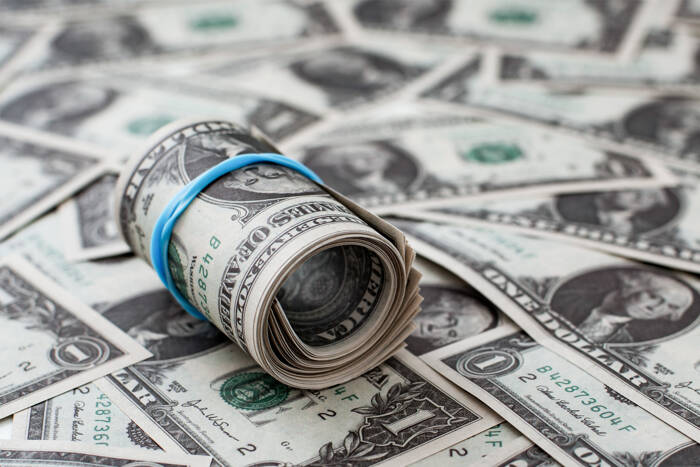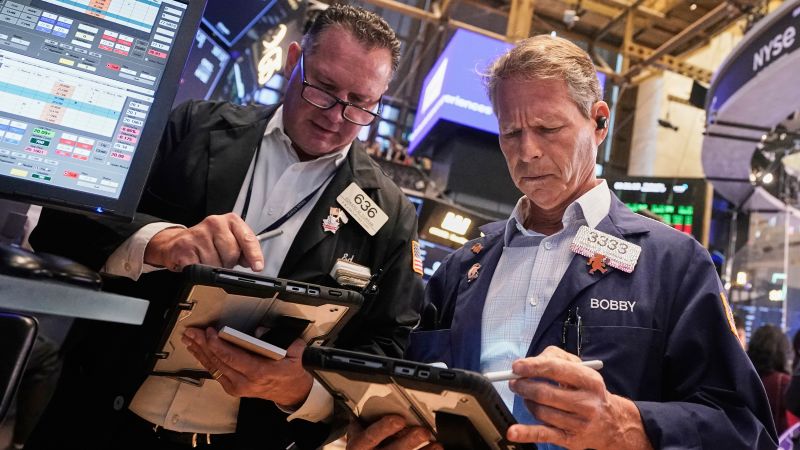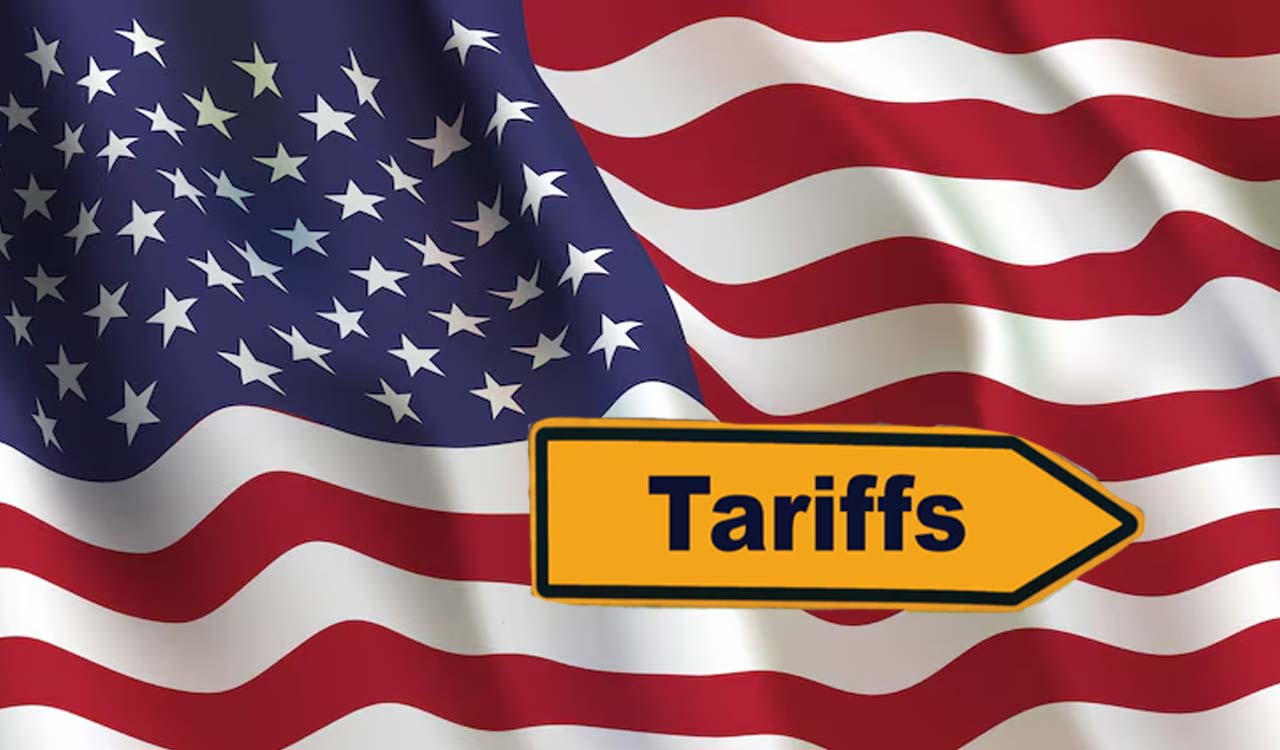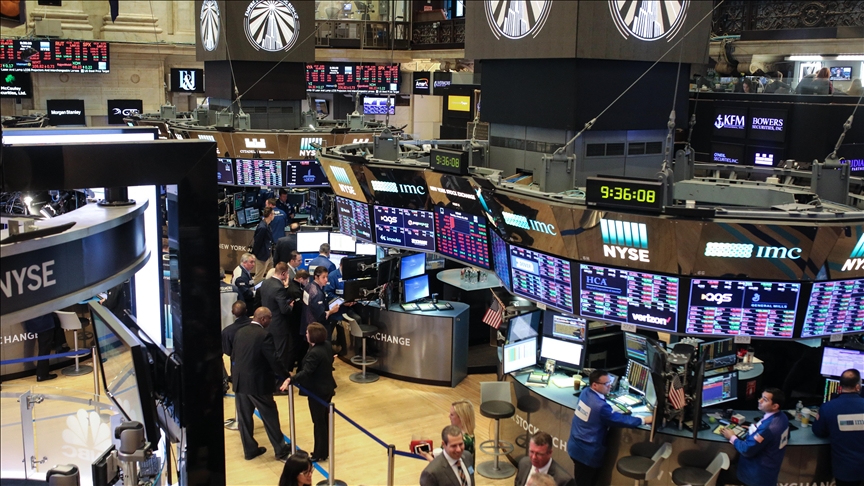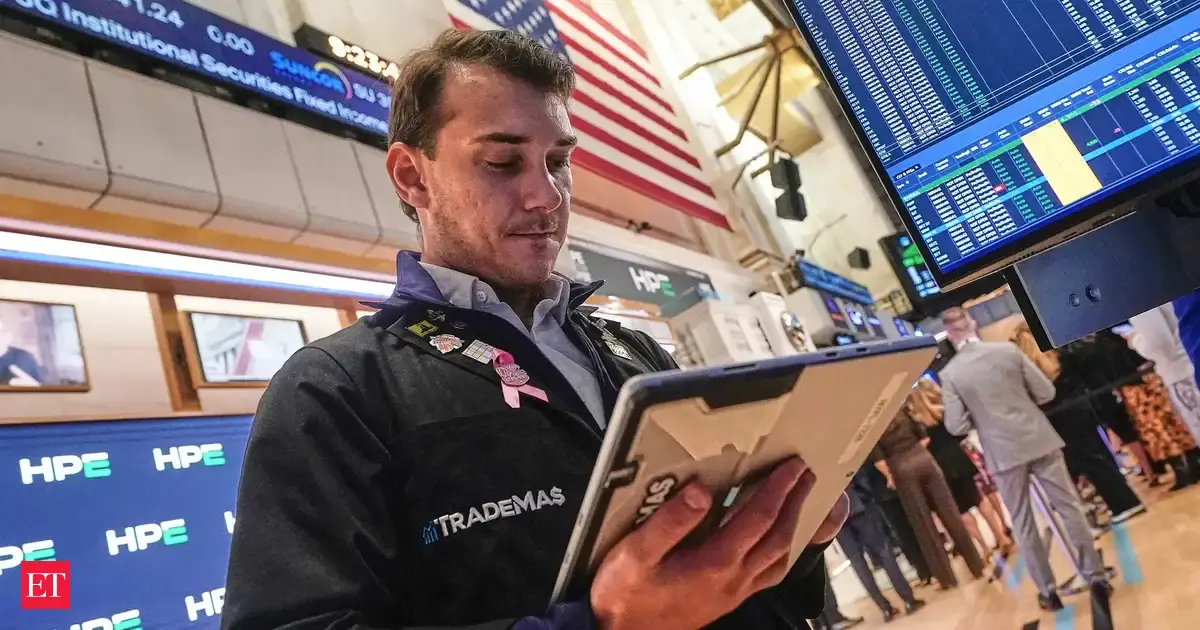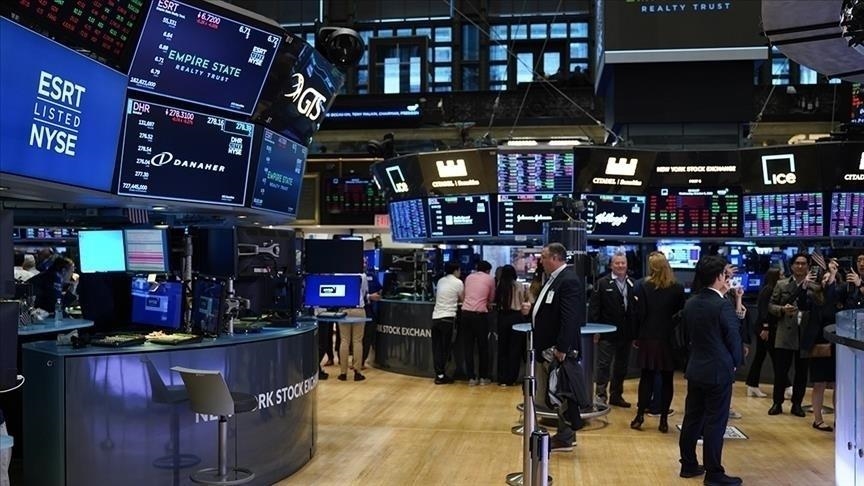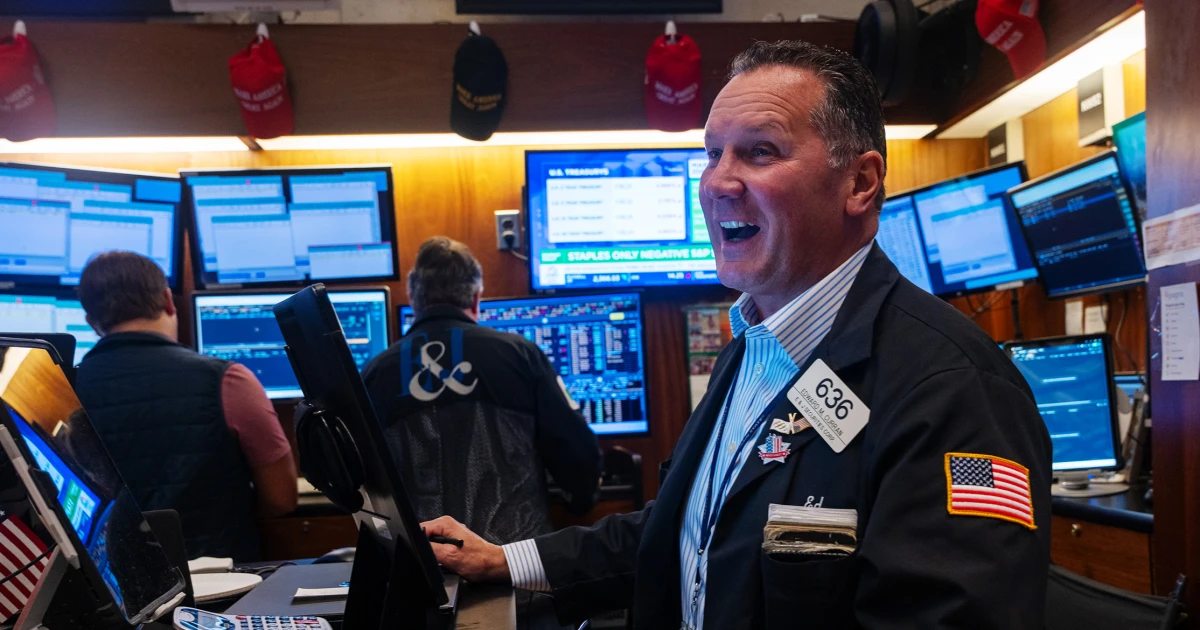
WASHINGTON (TNND) — Wall Street had one of its most profitable quarters ever despite uncertainties facing the American economy, erratic trade policy and steep tariffs from the White House and geopolitical upheaval.
Several of the nation’s biggest banks reported booming profits this week, powered by what they described as resilient consumers who keep spending despite sticky inflation and elevated interest rates, along with booming stock prices and more opportunities to make deals.
While there are still uncertainties on the path ahead amid a slowing labor market that could slow down the economy, most bank leaders see the U.S. in a strong position, powered by resilient consumers who keep spending.
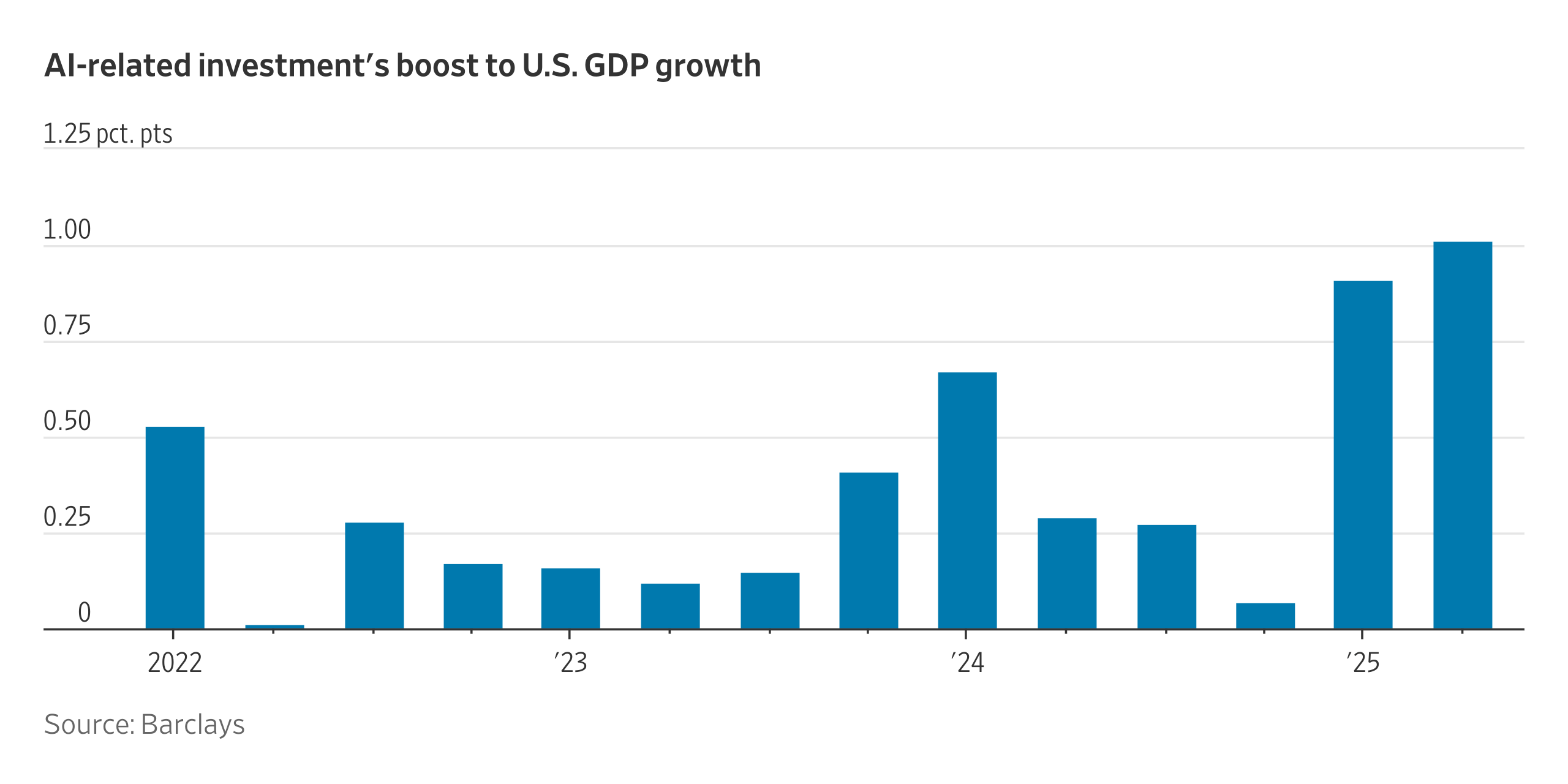
“The U.S. continues to be a pacesetter, driven by consistent consumer spending as well as tech investments in AI and data centers,” said Citigroup CEO Jane Fraser. “Overall, while growth is cooling somewhat and we’re keeping an eye on the labor market, America’s economic engine is indeed still humming.”
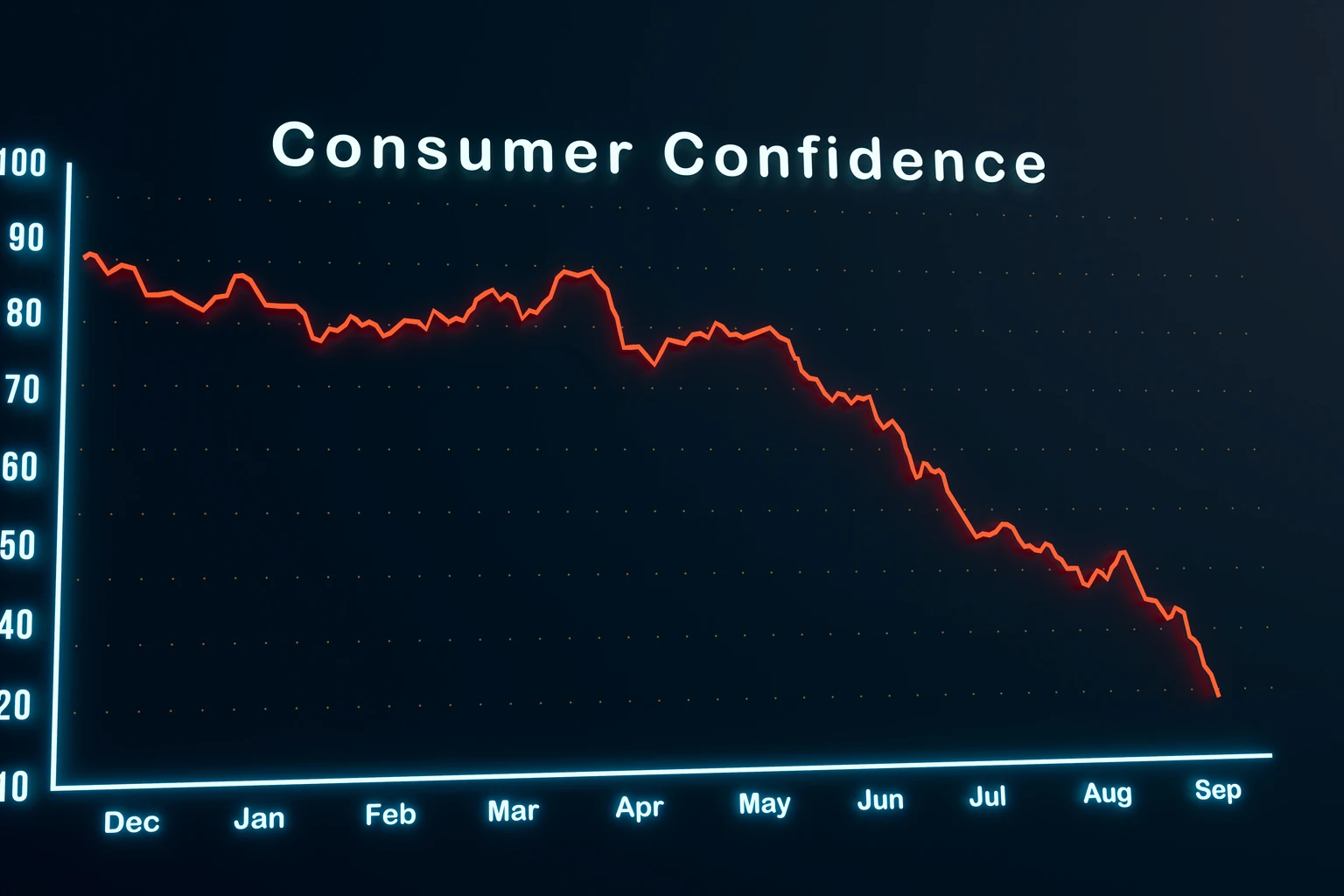
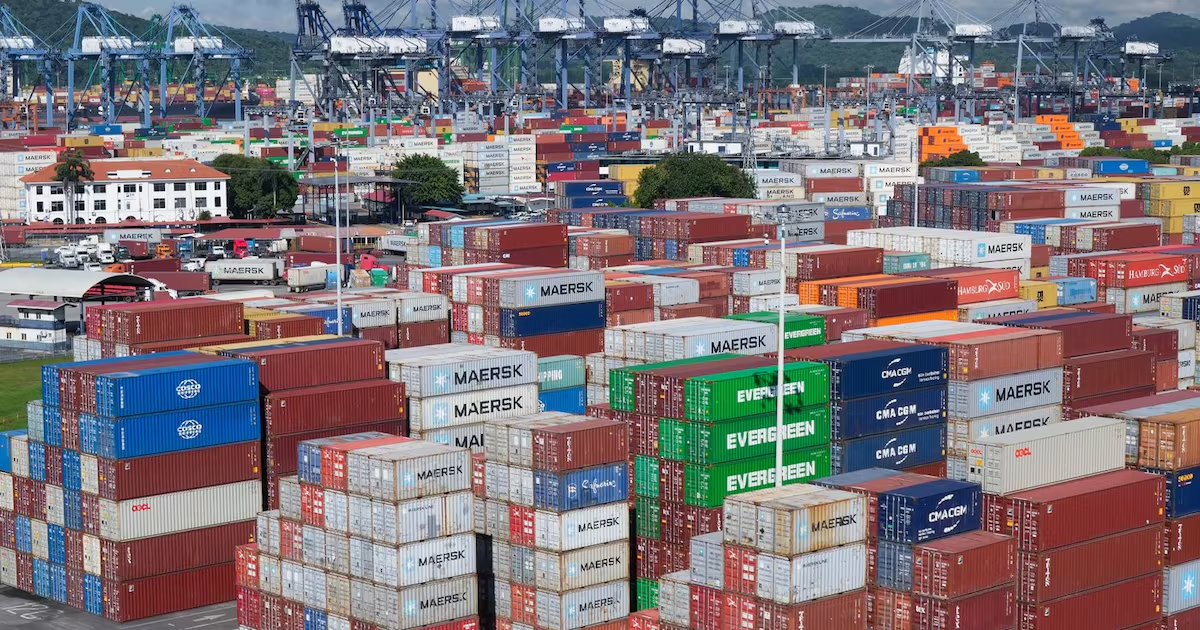
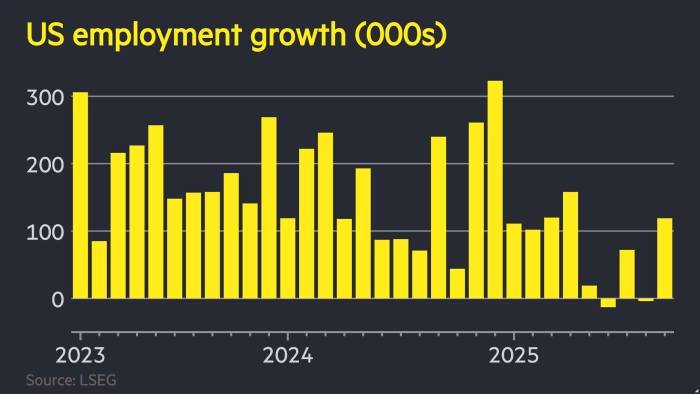
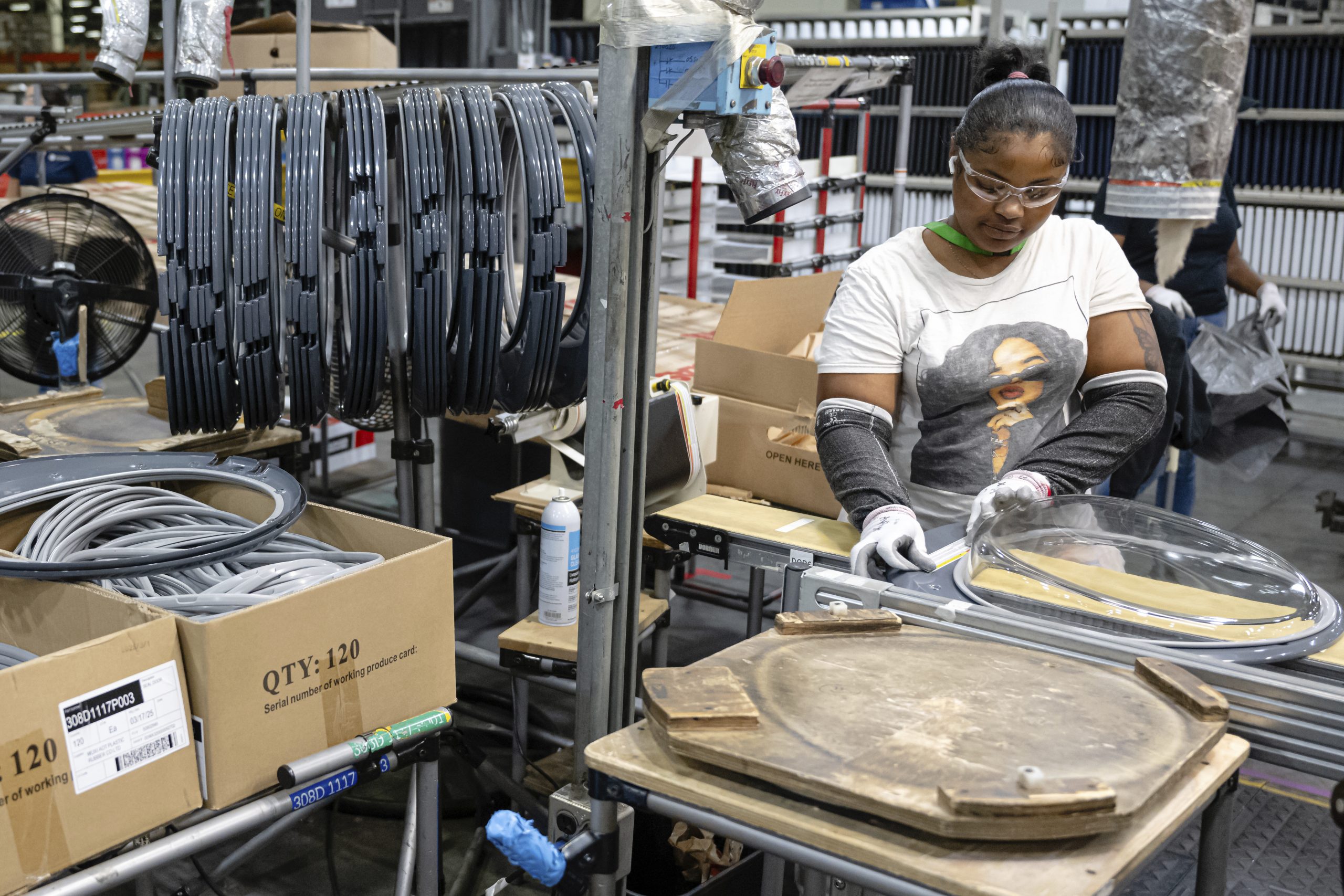
Whether Americans would continue to spend has been a major question throughout the year as they were hit with a barrage of tariffs that risked sending already-elevated inflation even higher. The recent slowdown in job creation and hiring creates downside risks to consumer spending momentum, as people tend to cut back on spending if they begin to worry about their job security.
“The biggest concern is if we have uncertainty in the market, eventually consumers become more hesitant to borrow,” said Mark Williams, a finance lecturer at Boston University’s Questrom School of Business and former bank examiner at the Federal Reserve. “When unemployment rates go up, it’s almost step-by-step, then defaults and credit cards go up too and that starts applying pressure.”
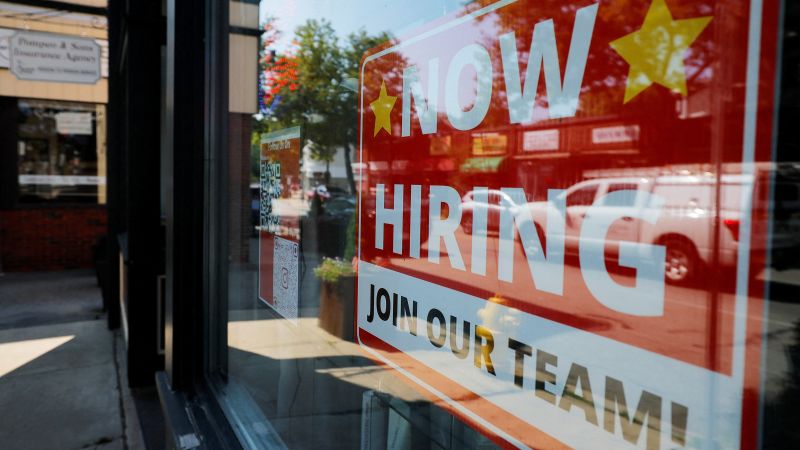
Bank executives said they are cautiously watching what happens with the labor market but are generally seeing continued momentum in spending. Though job creation and hiring have stalled, layoffs have stayed low, and unemployment sits at a historically healthy rate of 4.3%.
Recent gains in spending have been driven mostly by high-income households whose wages have kept up with inflation, while low- and middle-class consumers have started to be more judicious with their spending. Higher prices have also driven some of the recent increases in consumer spending data, which is not adjusted for inflation.
Economists have questioned how long the momentum will continue amid the economic uncertainties and irritation over inflation that has not been at 2% in years. But bank executives said their clients have been in a strong spot so far.
“You see strong consumer spend and stable deposits and those things just kind of paint a picture of a consistently strong consumer. Even though what you read about would lead you to believe that they’re being more cautious, our results just say that there’s a high degree of consistency there without any real pockets of slowing,” Well Fargo CEO Charlie Scharf said on a call with investors.
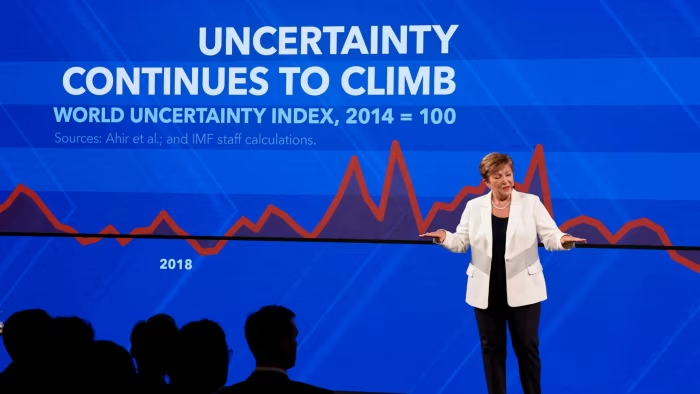
Even with the optimistic outlook on the current state of the economy, executives are remaining cautious moving forward with a series of unknowns for the world to navigate.
“While there have been some signs of a softening, particularly in job growth, the U.S. economy generally remained resilient. However, there continues to be a heightened degree of uncertainty stemming from complex geopolitical conditions, tariffs and trade uncertainty, elevated asset prices and the risk of sticky inflation,” JPMorgan Chase CEO Jamie Dimon said in a release.
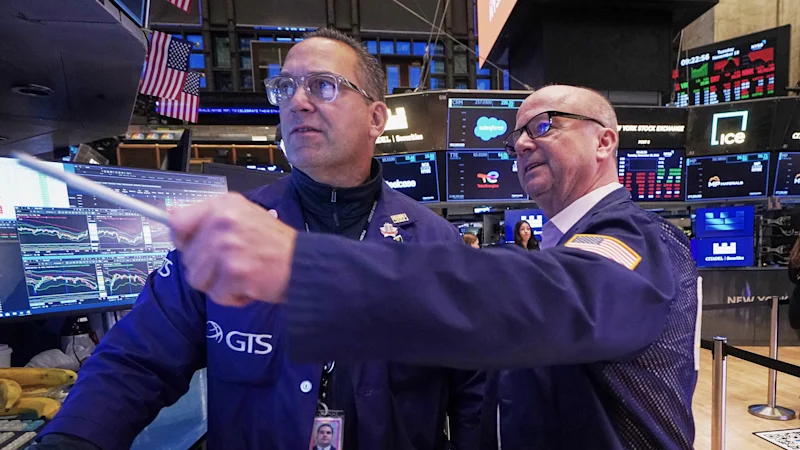
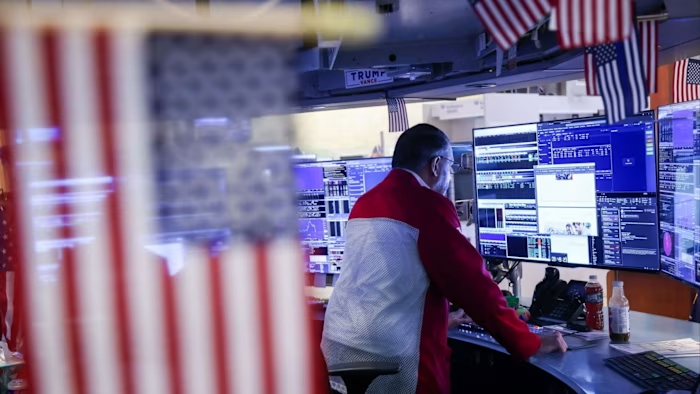
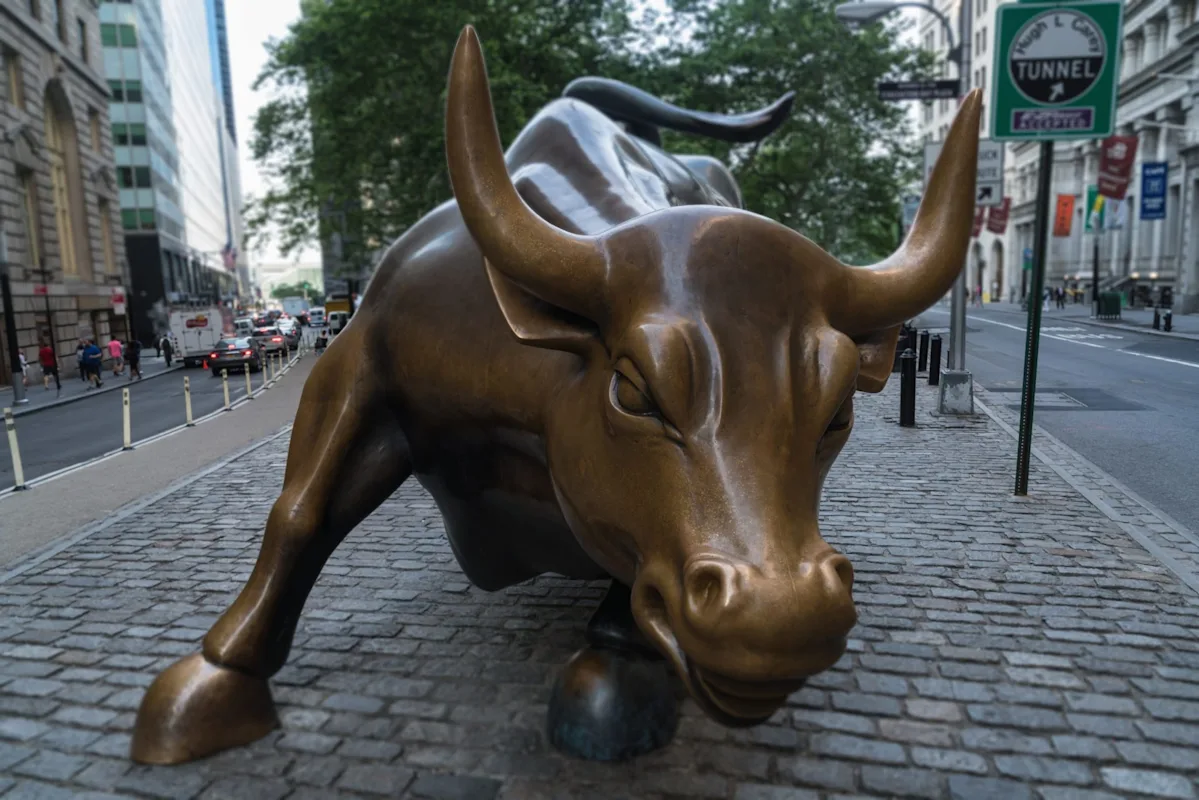
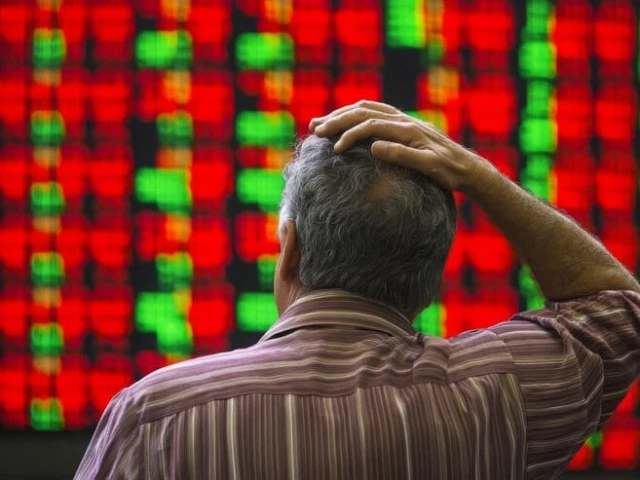
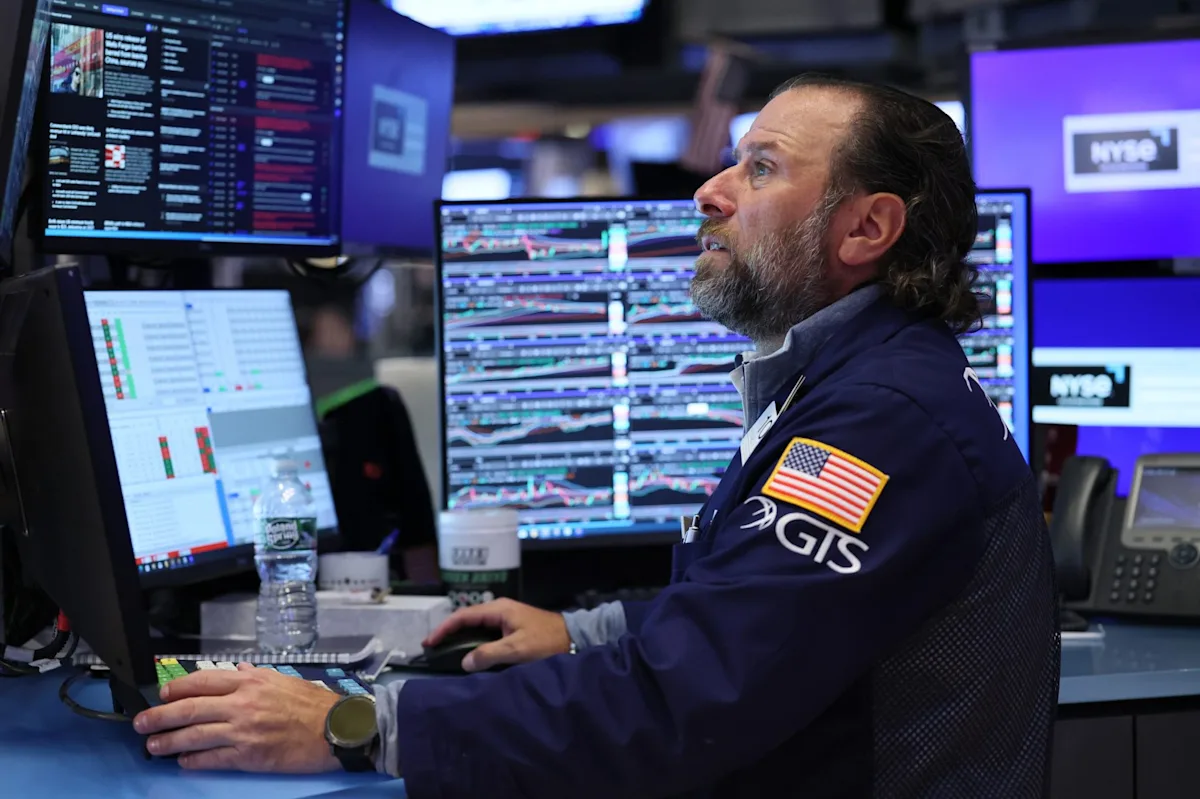
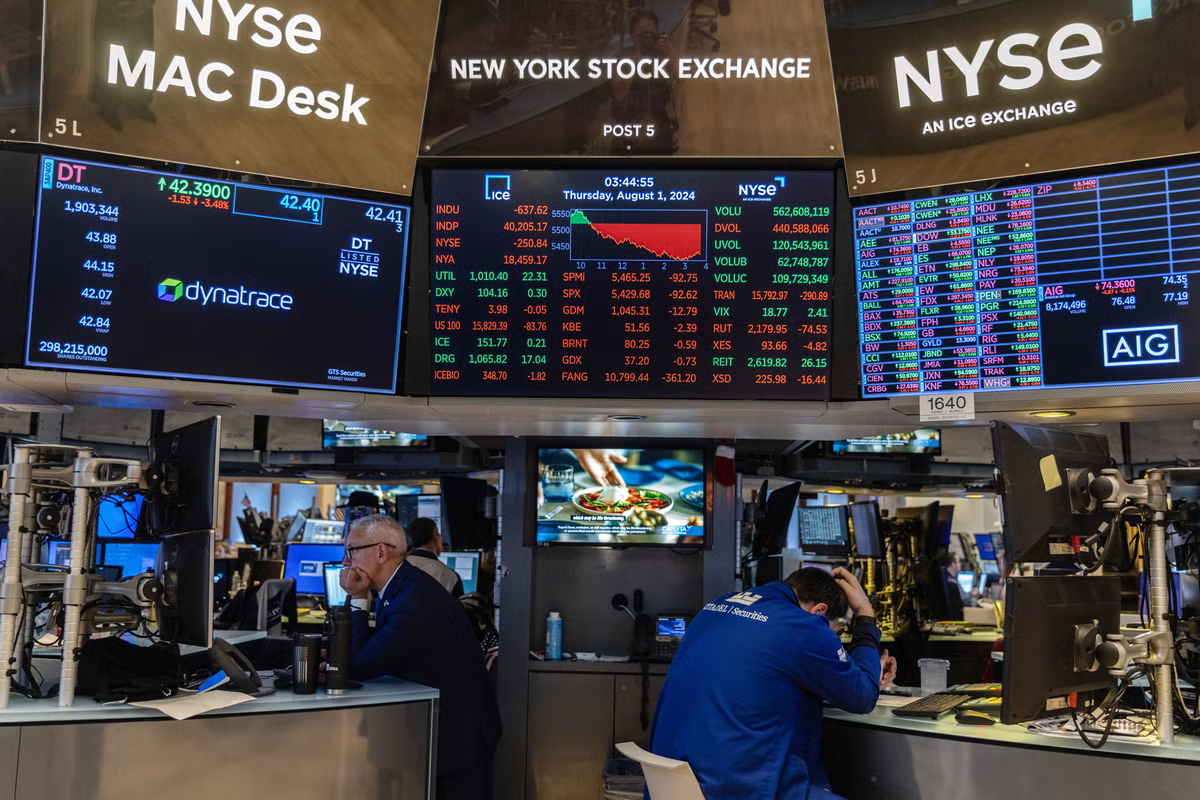
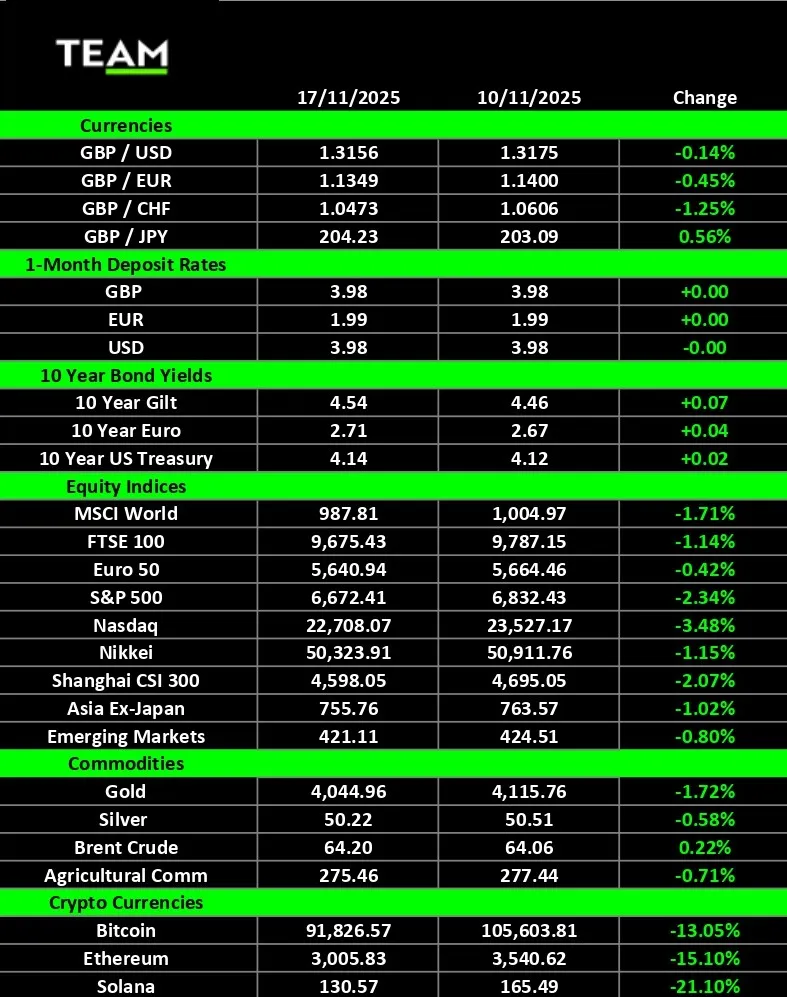
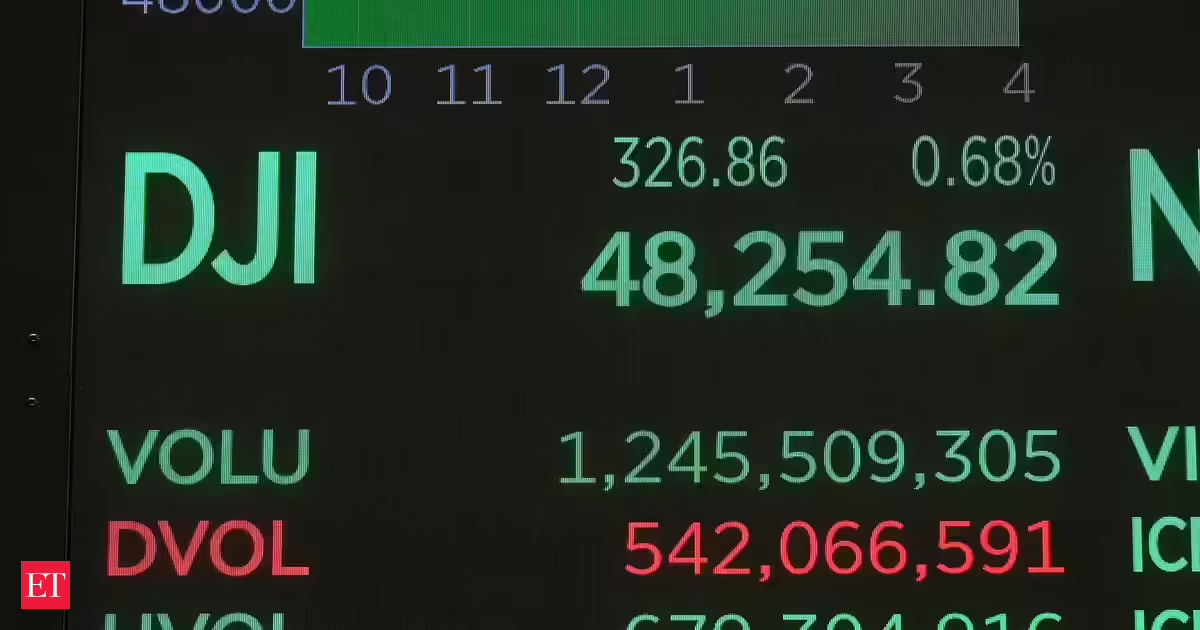
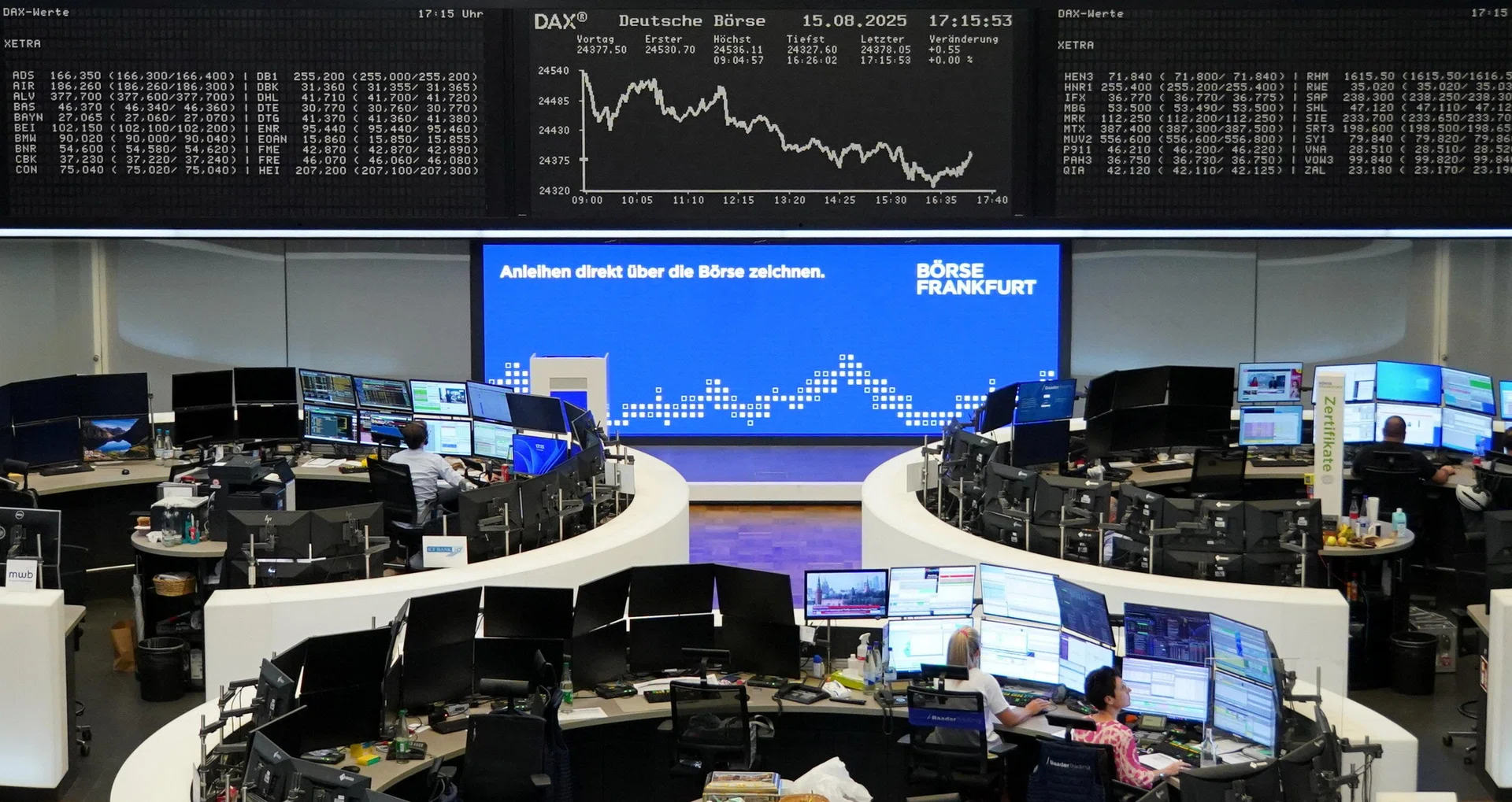
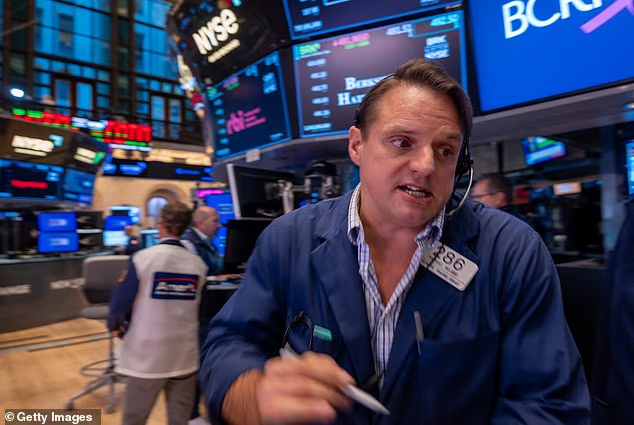
The stock market has repeatedly set records this year as investors have shrugged off concerns about the effects of Trump’s tariffs and a frenzy around artificial intelligence leading to jumps in prices for tech companies. Markets have been rocky over the last week after the U.S.-China trade war risked sparking again but remains near this year’s highs.
Huge investments in AI have helped lead to more deal-making for big banks in a major windfall for several of them. Investment banking and commission revenues were also up as part of the deal-making boom and booming stock market.
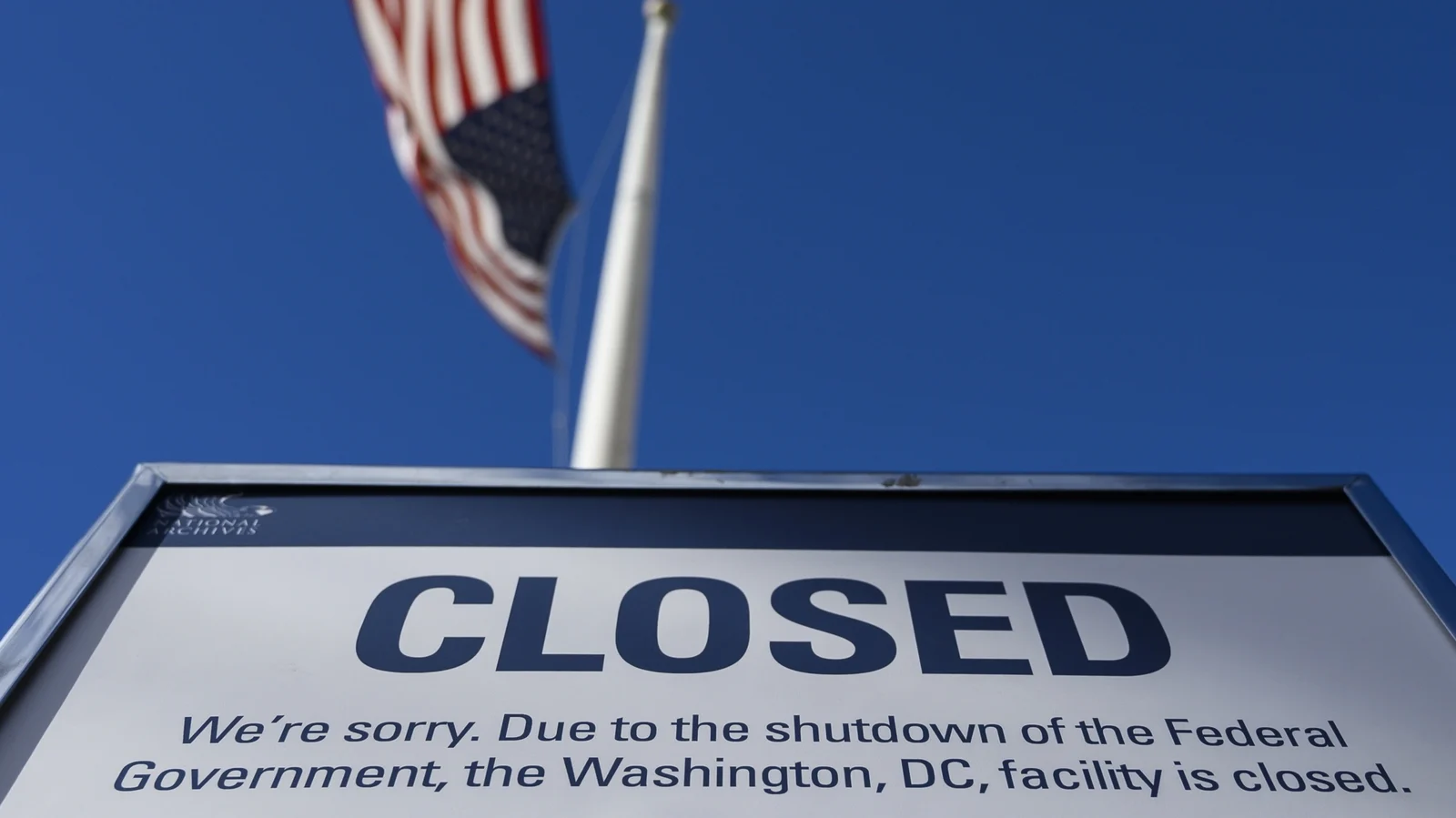
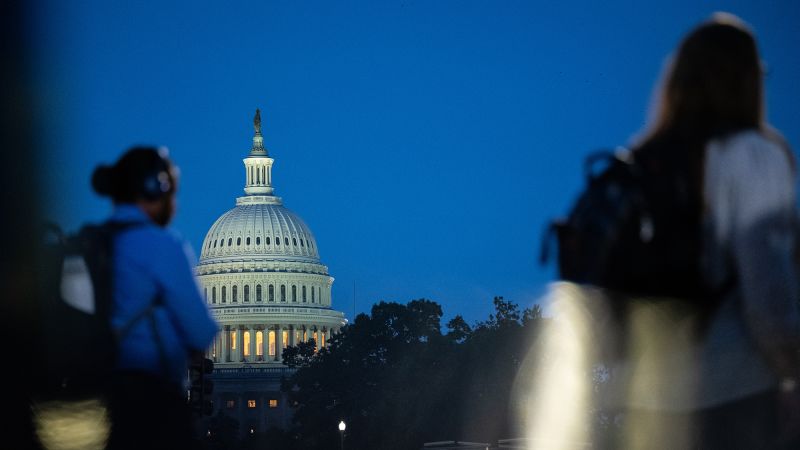
Investors are being forced to turn to corporate earnings to help fill the void left by the lack of government economic reports to gauge the strength of the economy, along with private-sector indexes. Major data releases like the monthly jobs report are on hold amid a government shutdown with no end in sight.
“Growth to bank earnings have more to do with deregulation than with a sign that we have a strong economy,” Williams said. “This rally in bank stocks is not leading indicator that the economy is stronger, but it’s a reflection of reduced regulation, which makes life easier and more profitable for banks.”
Some executives were cautious about how long the stock market boom can last, with record highs for safety assets like gold and silver, and some inflated prices for companies involved with AI.
“You have a lot of assets out there which look like they’re entering bubble territory,” Dimon told reporters this week.