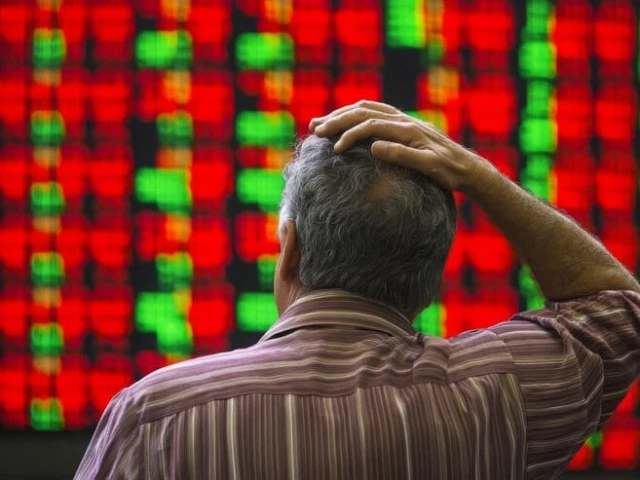
Americans are really worried about the economy.
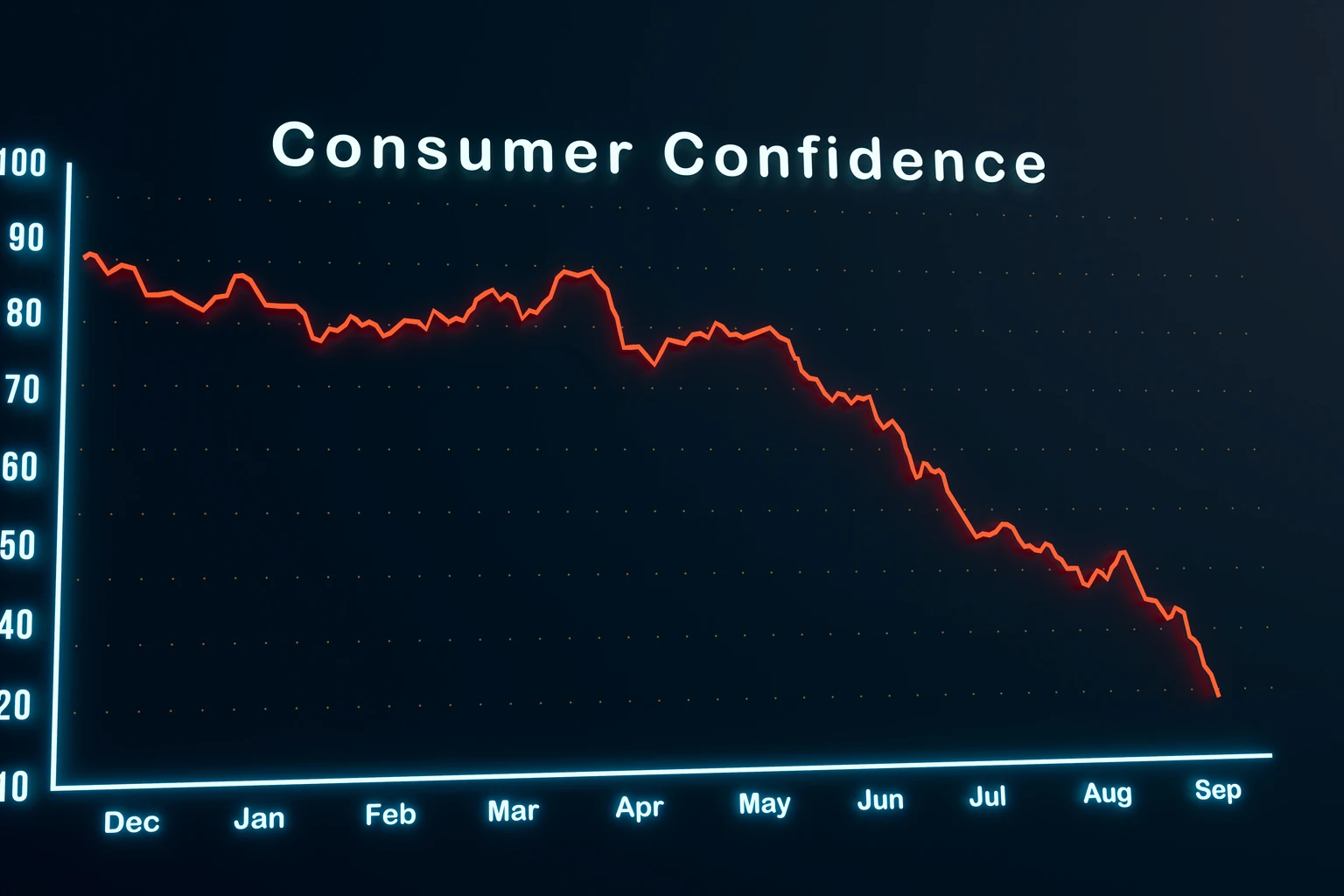
The Conference Board, a nonprofit research group that’s been tracking consumer sentiment since the 1960s, said Tuesday that its headline confidence index slid to 88.7 in November, down from 95.5 in October.
The number isn’t a percentage or a grade; it’s benchmarked to 1985, the moment in history when Americans felt perfectly average about the economy.
Anything above 100 means Americans feel good about their spending. Sub-100 readings indicate that consumers are dour.
Today’s reading means shoppers think things are getting worse, fast.
It’s the lowest reading since April, when President Donald Trump’s tariff blitz set off a market plunge.
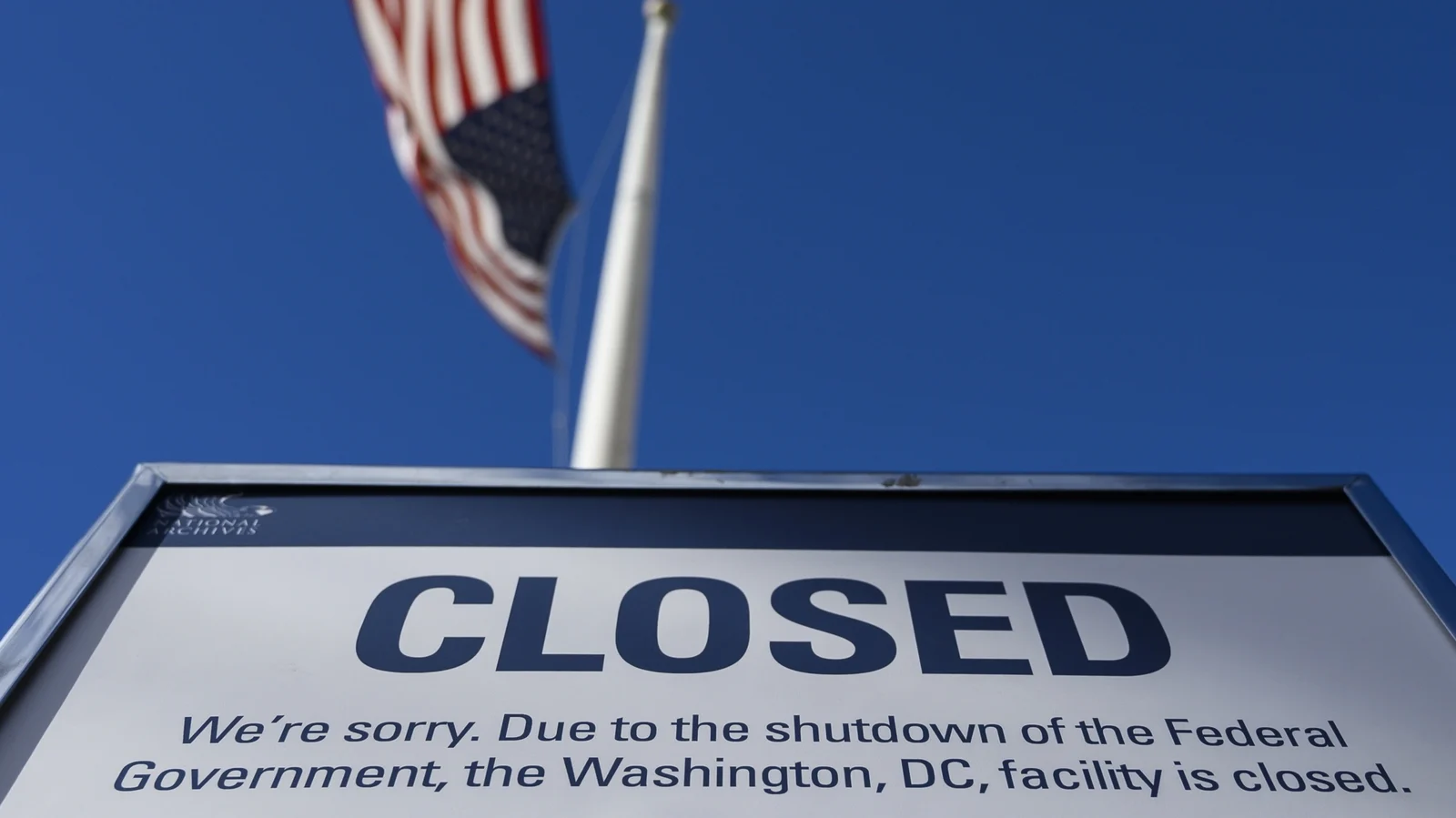
Last month’s slide isn’t coming from a single, obvious culprit. Instead, the record-setting government shutdown, sticky inflation, and a recent slate of big-name layoffs have all combined to make American shoppers feel queasy.
‘It’s not too surprising that confidence continues to wane,’ Bret Kenwell, US investment analyst at eToro, told the Daily Mail. ‘But we’ve seen an interesting twist over the past year, with November 2024’s consumer confidence report hitting one of its highest levels of the past few years. Now it’s at one of its lowest.’

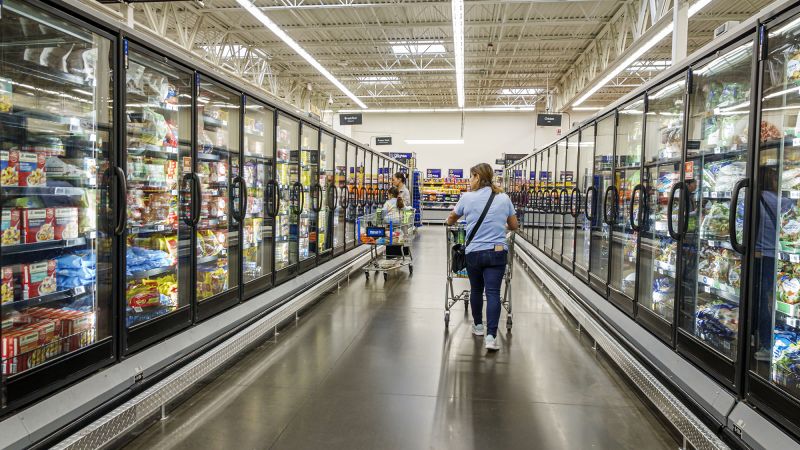
Shoppers are increasingly pessimistic about their ability to keep up with prices at the store
Dana Peterson, the Conference Board’s chief economist, said all five measures in the survey received ‘weak’ responses.
‘Consumers were notably more pessimistic about business conditions six months from now,’ Peterson said.
‘Mid-2026 expectations for labor market conditions remained decidedly negative, and expectations for increased household incomes shrunk dramatically, after six months of strongly positive readings.’
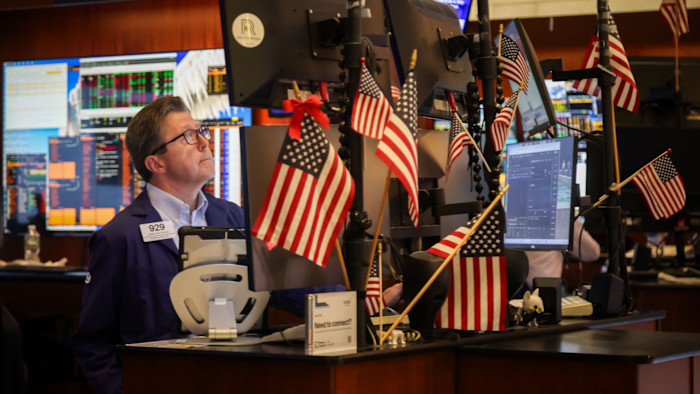
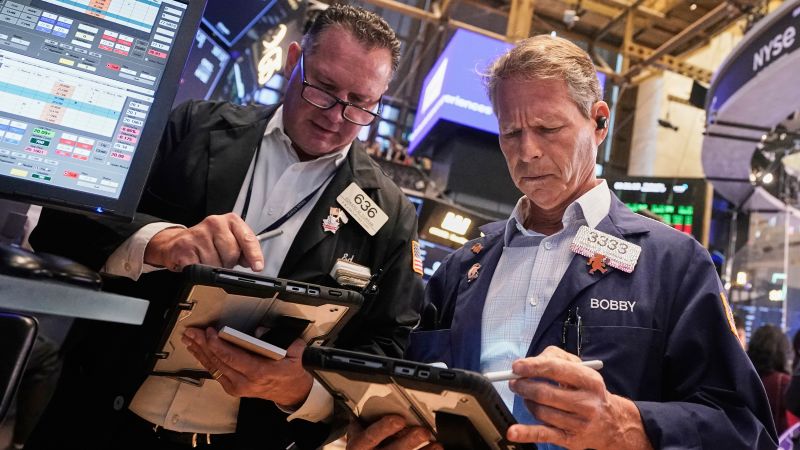
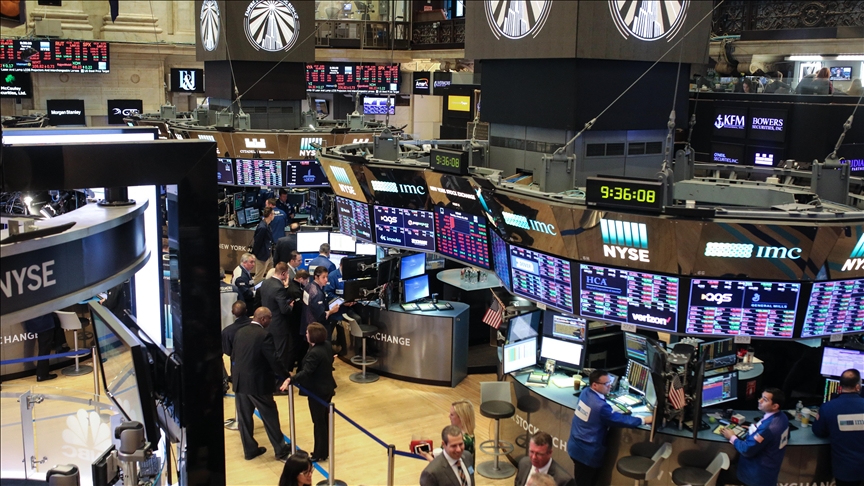
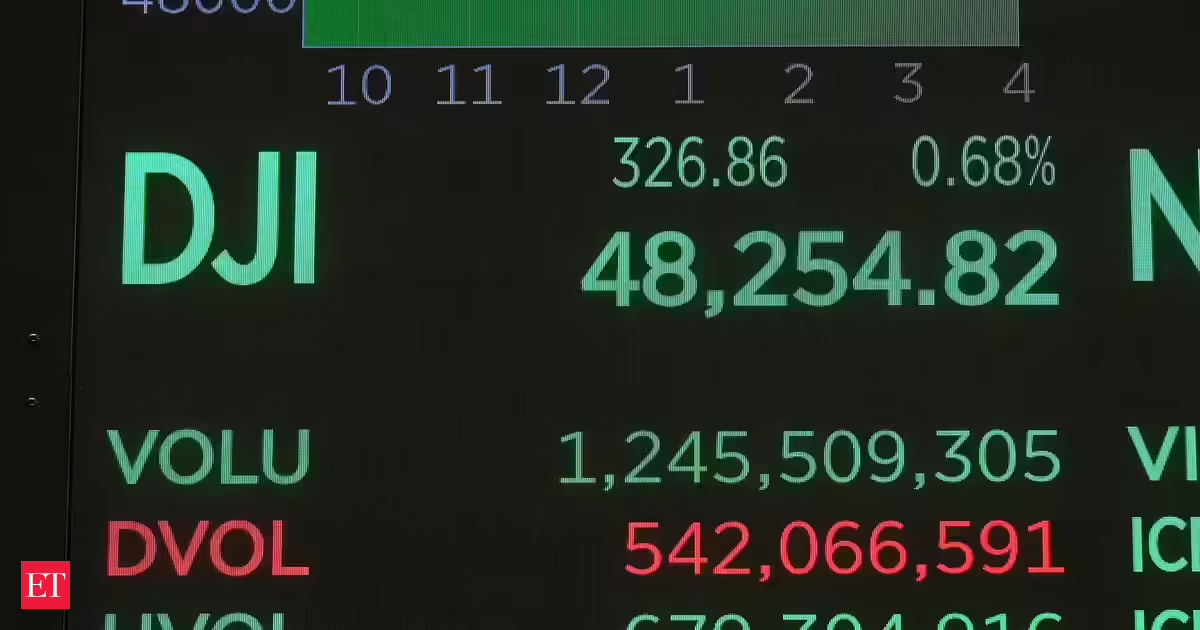
Only one metric — confidence in the stock market — remained high.
Respondents over 55 years old were the most gloomy, while consumers under 35 were more optimistic in October than in September.
But Tuesday’s confidence report comes hours after a government report also showed that retail sales slowed in September after healthy readings over the summer.
While economists forecast healthy growth from July through September, many expect a much weaker showing in the final three months of the year, largely because of the government shutdown.
Now, there is fresh data to increase those worries.

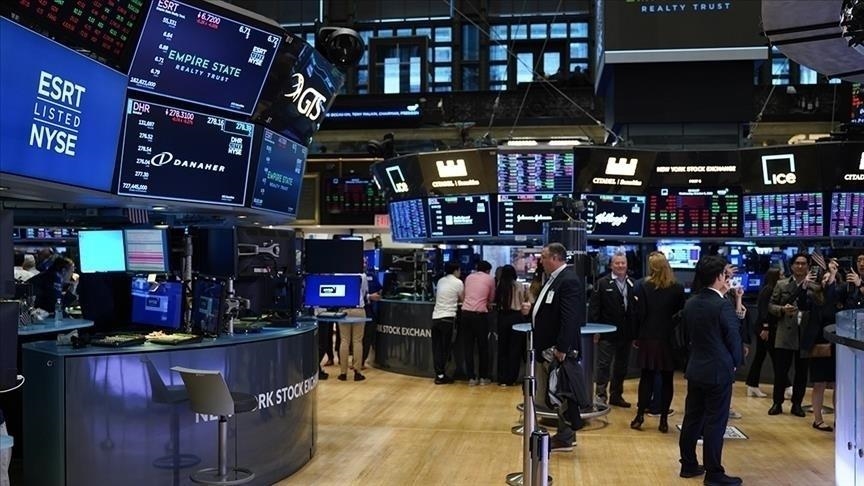
Analysts tell the Daily Mail the consumer confidence dip comes at a concerning time for investors – last year, the rating spiked ahead of the holiday shopping season
‘Investors find themselves at an interesting juncture, as delayed economic data from the government showed slower-than-expected retail sales from September, paired with eroding consumer confidence as we head into the all-important holiday season,’ Kenwell said.
‘Will consumers throw their caution to the wind and still spend big this holiday season, or will they pump the brakes?’
Less-confident consumers may spend less, though the connection isn’t always clear.
In recent years, consumer spending has held up even when the available data suggests they’ve grown more anxious.
‘We do not think that consumer spending is about to hit a cliff,’ Thomas Simons, a chief economist at Jeffries, told the Associated Press.
‘Spending has decoupled from confidence, but risks to the downside are increasing.’
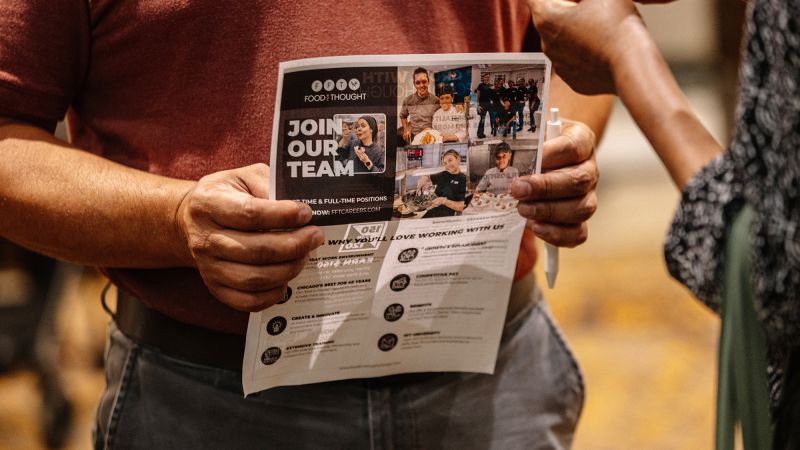
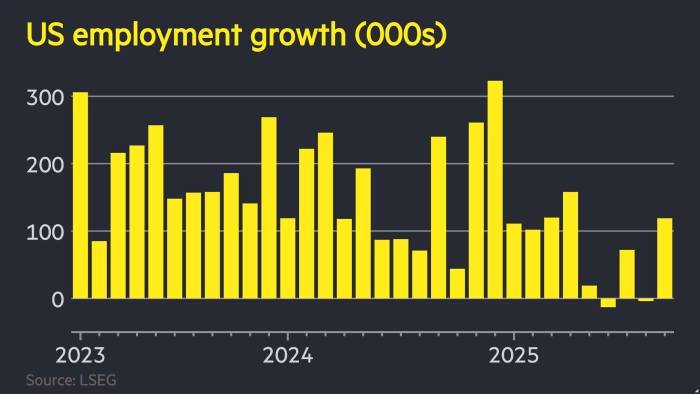
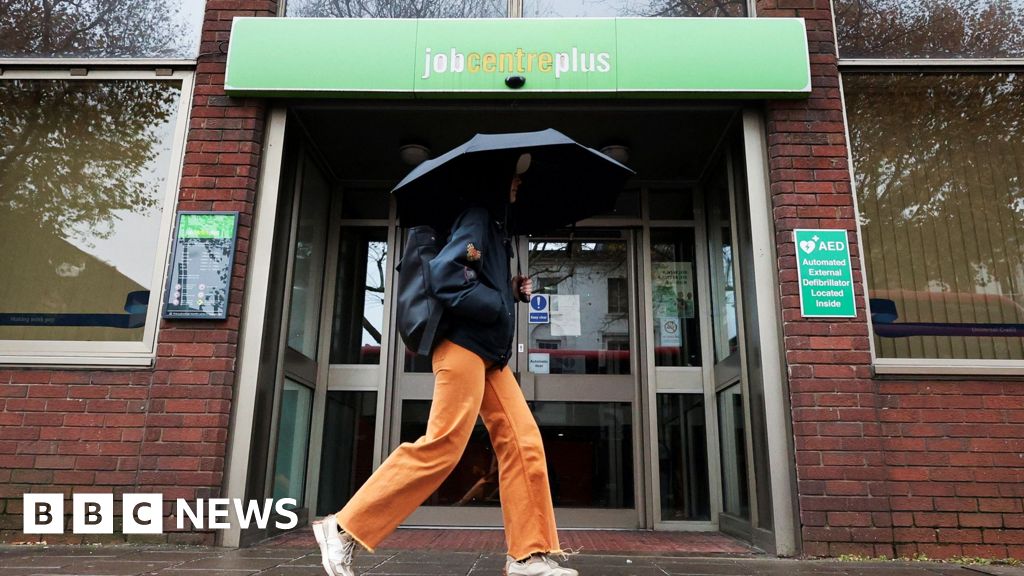
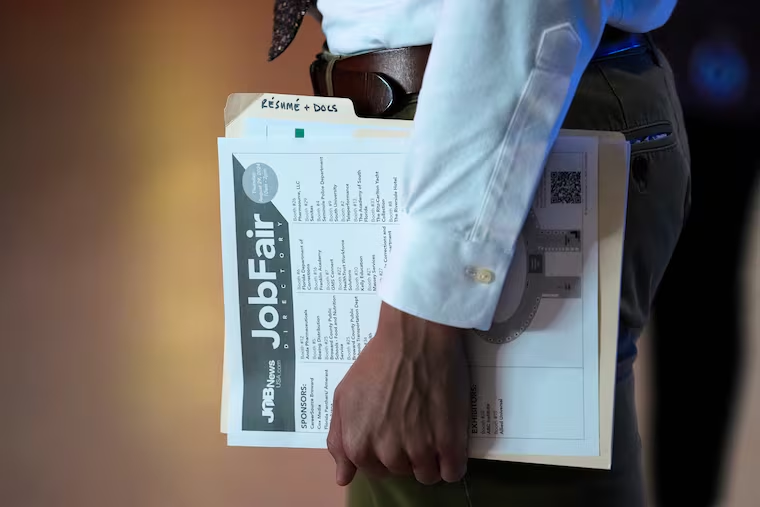
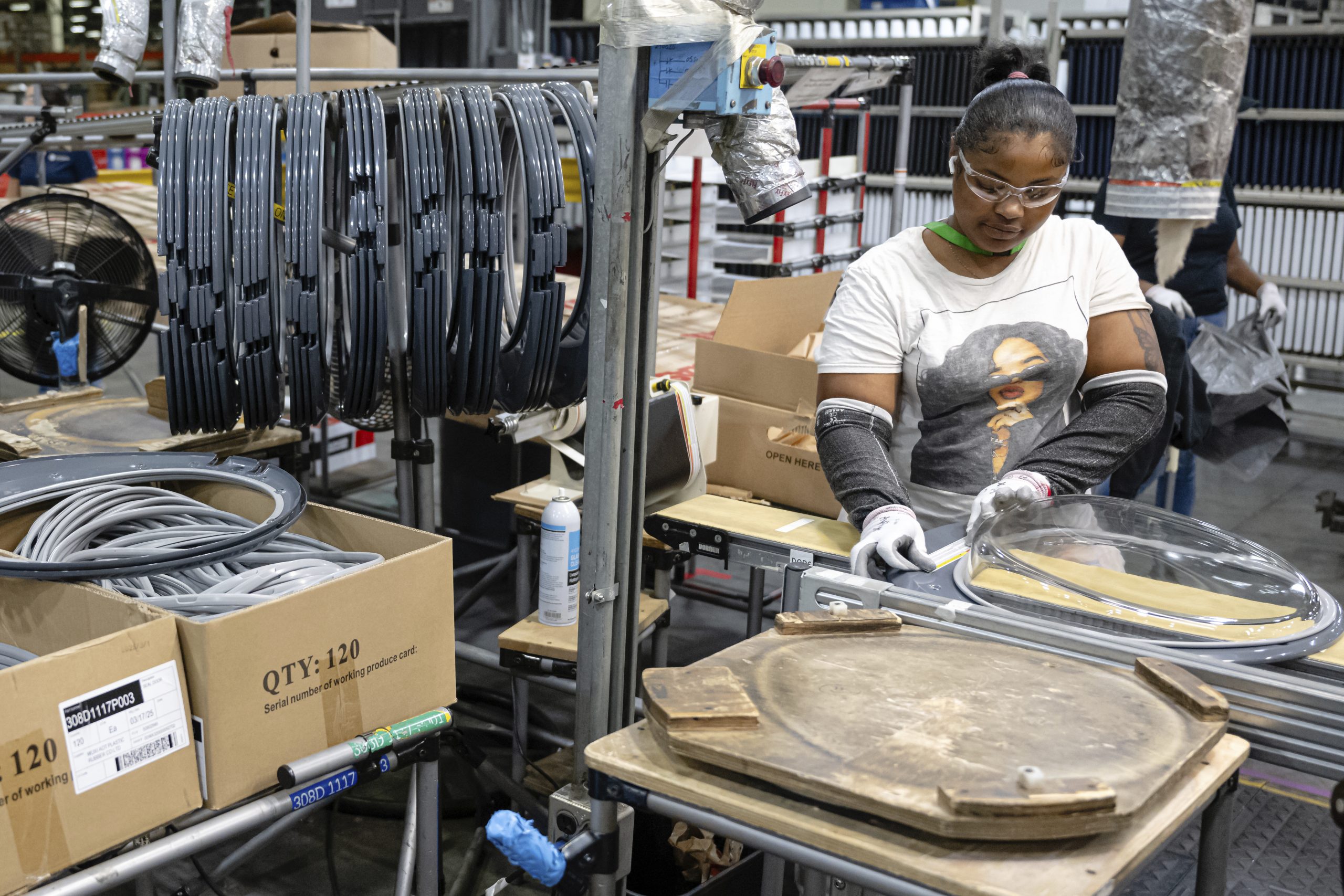
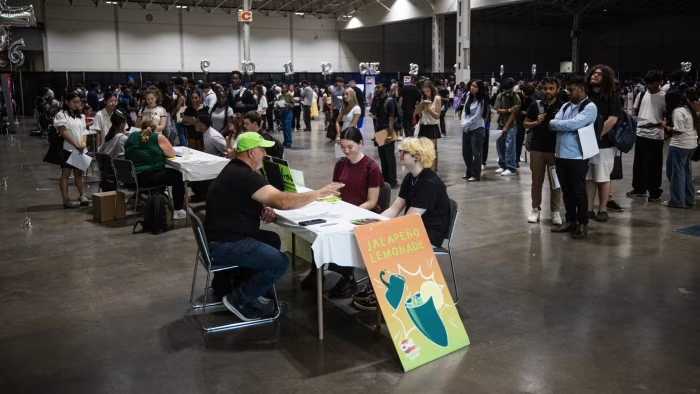
But worries in the US job market have been getting increasingly dire, as firms like Amazon, Walmart, Target, UPS, Microsoft, Apple, and General Motors launch into headline-grabbing layoffs.
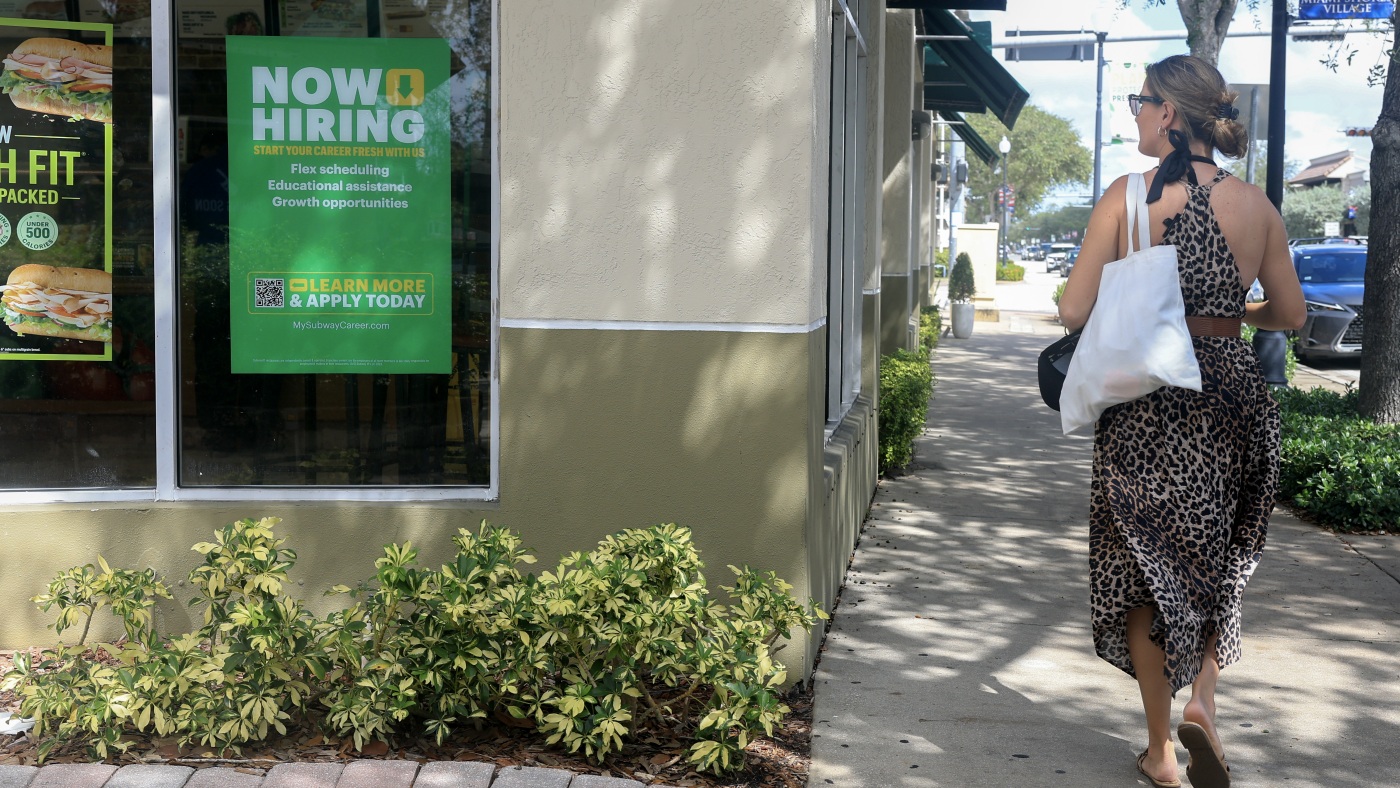
The proportion of consumers who said jobs are ‘plentiful’ dropped to 27.6 percent in November, down from 28.6 percent in the previous month.
It is down sharply from 37 percent in December last year.