South Africa’s economy expanded at its fastest pace in three years in 2025, supported by stronger output in agriculture, trade and financial services.
Gross Domestic Product (GDP) grew by 1.1 percent in 2025, up from 0.5 percent in the previous year, according to data released by Statistics South Africa in Pretoria on Tuesday. It marked the economy’s strongest performance since 2022, when GDP expanded by 2.1 percent.
The economy also recorded its fifth consecutive quarter of growth, rising 0.4 percent in the fourth quarter.
“Finance, trade and personal services drove much of the upward momentum on the production (supply) side of the economy, while rising household spending, gross fixed capital formation and government consumption supported the demand side,” Statistics South Africa said.
The fourth-quarter expansion helped push annual growth to 1.1 percent, confirming the strongest yearly performance in three years.
Services, agriculture power growth
Five of the ten industries tracked by the statistics agency expanded in the fourth quarter.
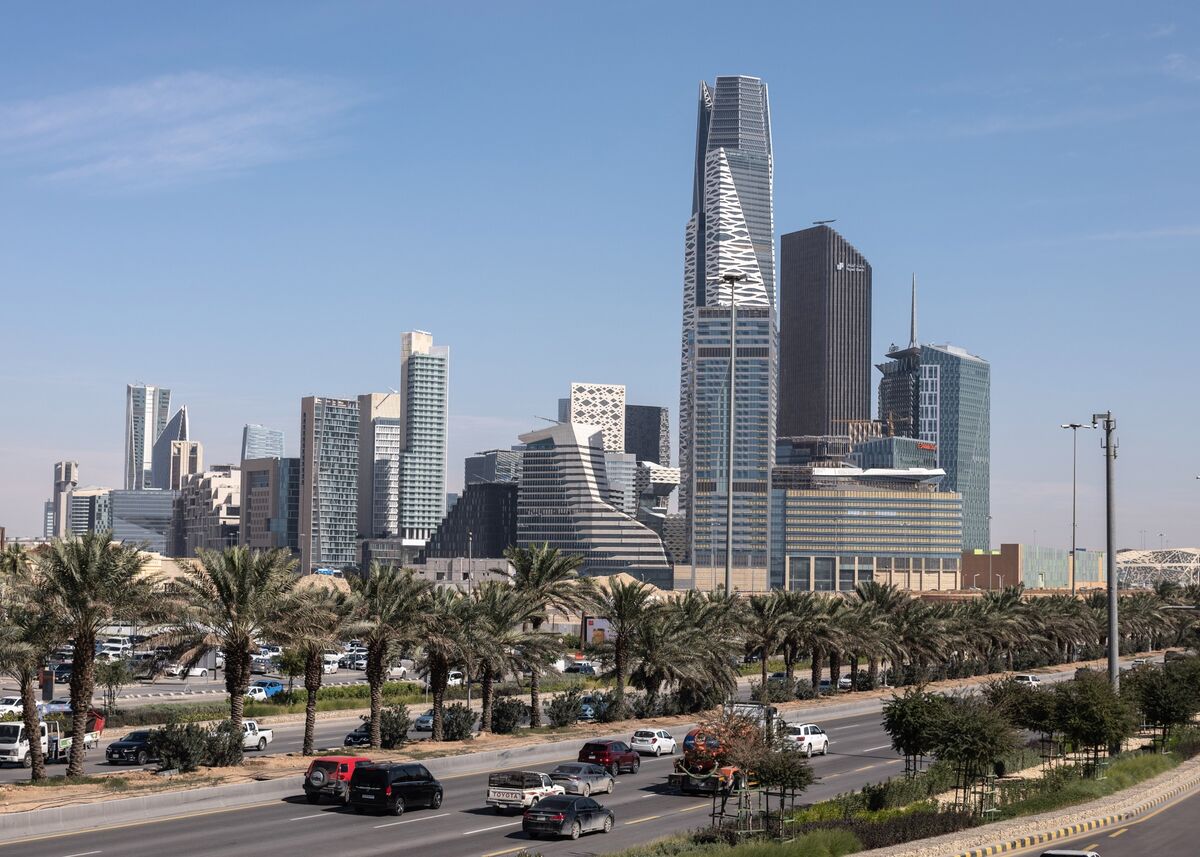
The finance, real estate and business services sector was the biggest contributor to growth, expanding 1.4 percent and adding 0.3 percentage points to GDP. The increase was largely driven by stronger activity in financial intermediation, insurance and pension funding, real estate and other business services.
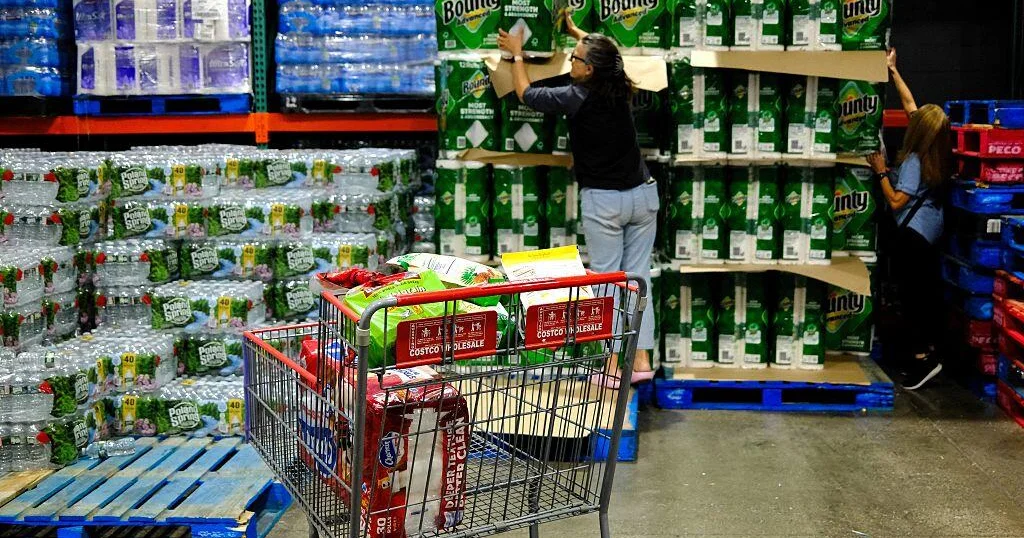
Trade, catering and accommodation also recorded a fifth consecutive quarter of growth, supported by stronger wholesale and retail trade, motor trade, as well as accommodation and food services.
The personal services sector rose on the back of increased community and other service activities.
Meanwhile, general government services grew 0.4 percent, supported by increased employment of civil servants at provincial and municipal levels.
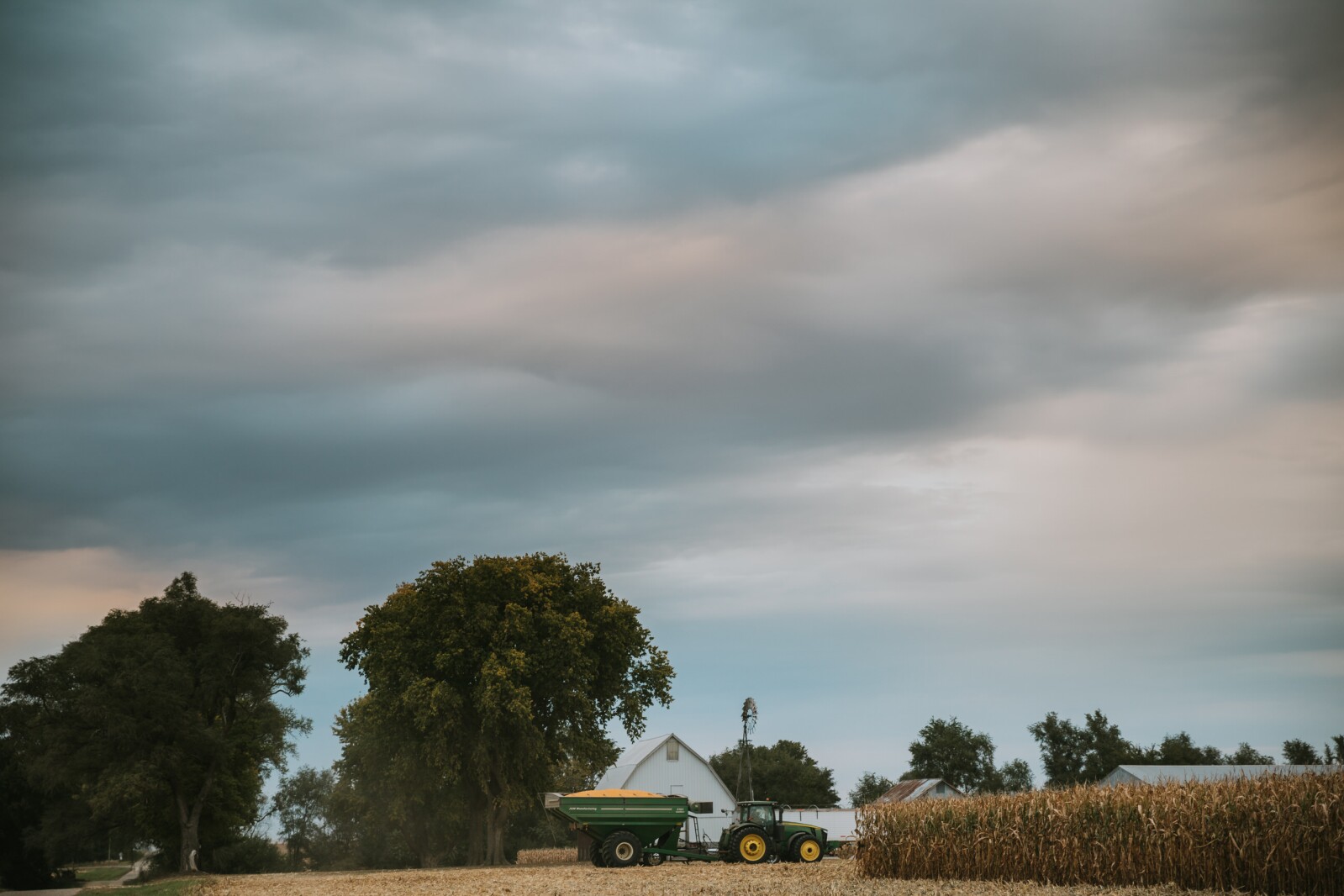
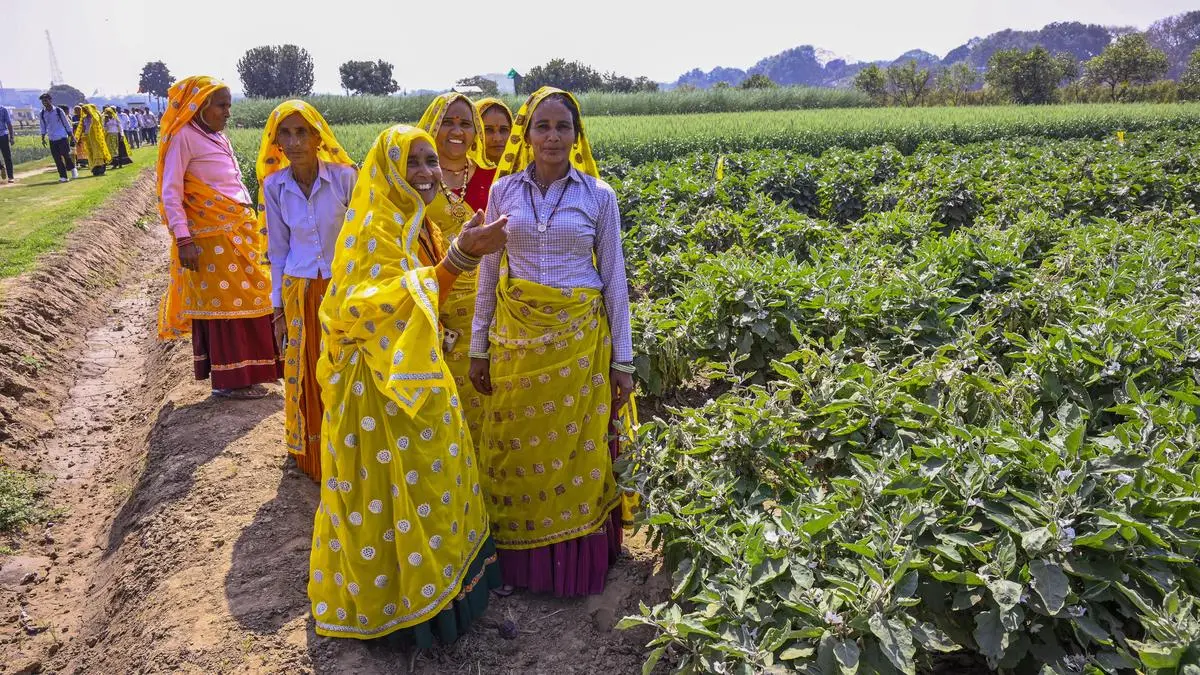
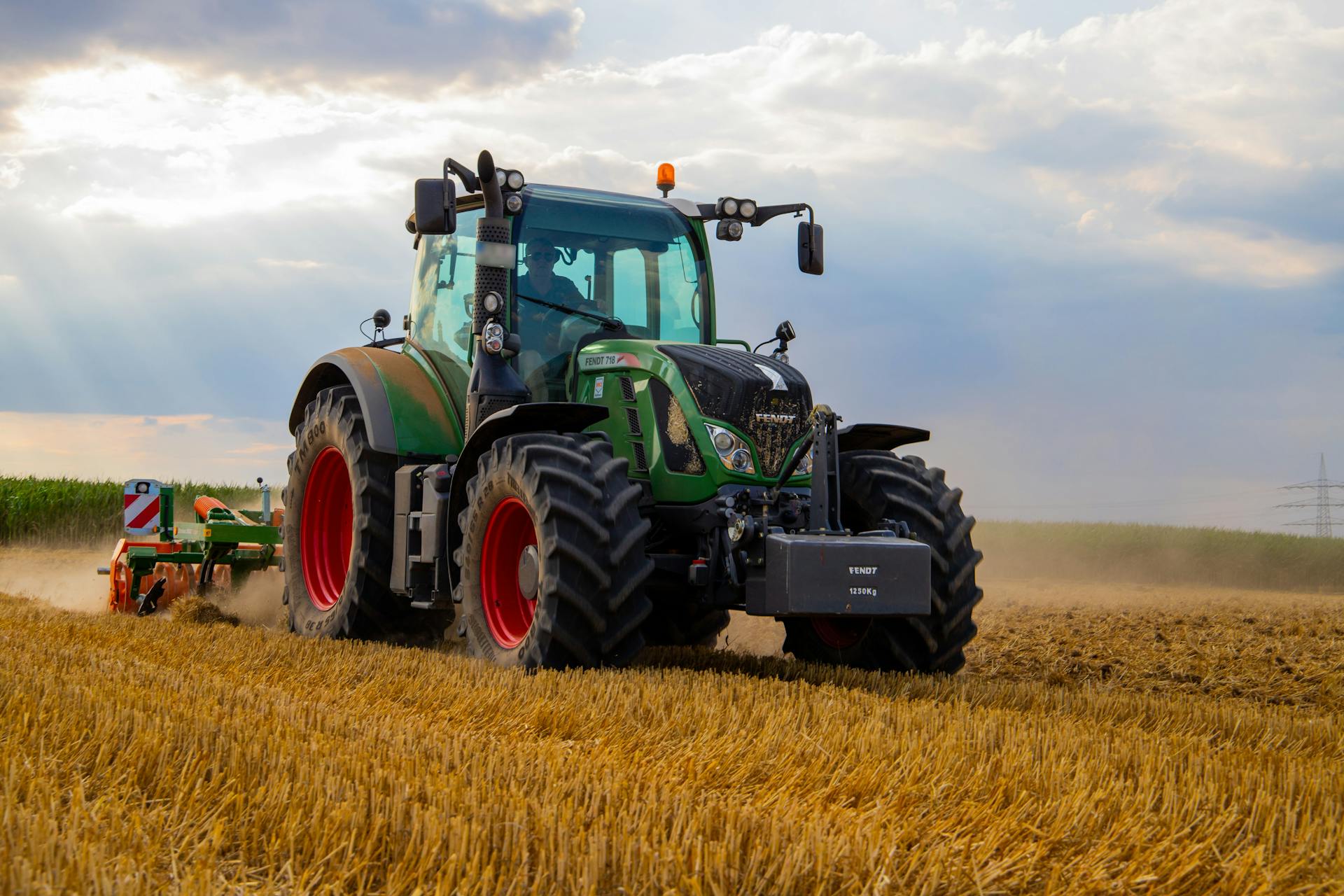
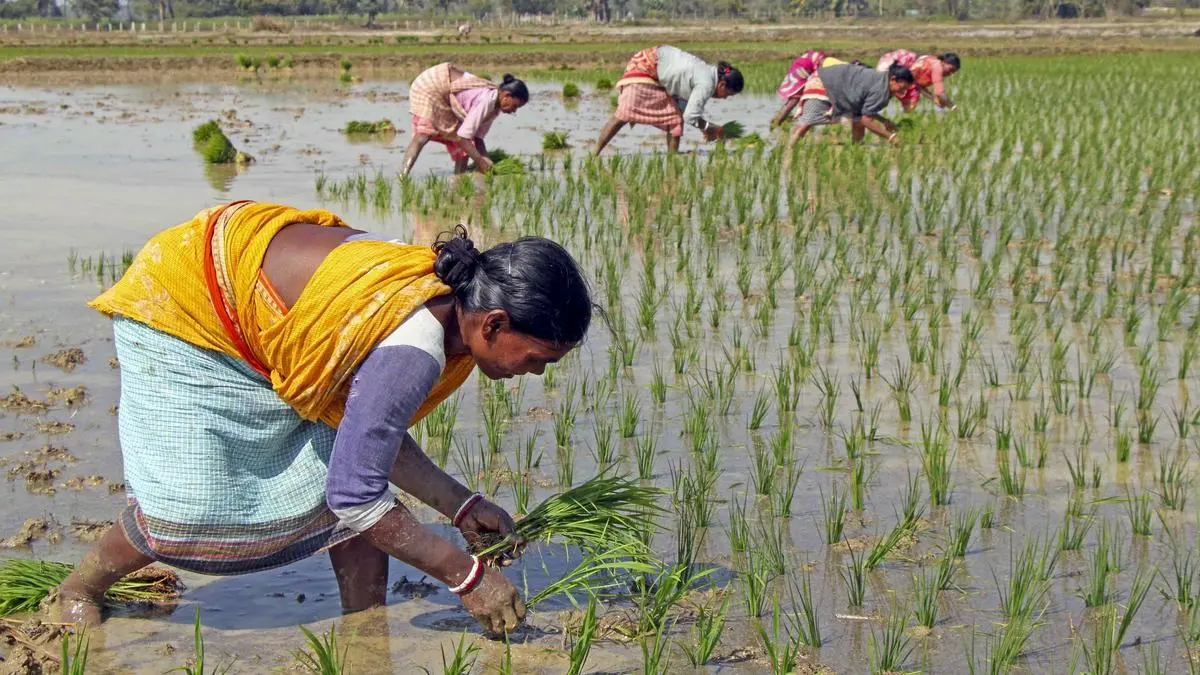
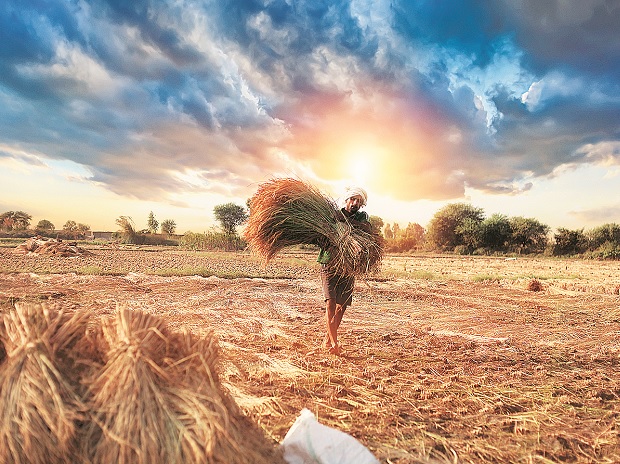
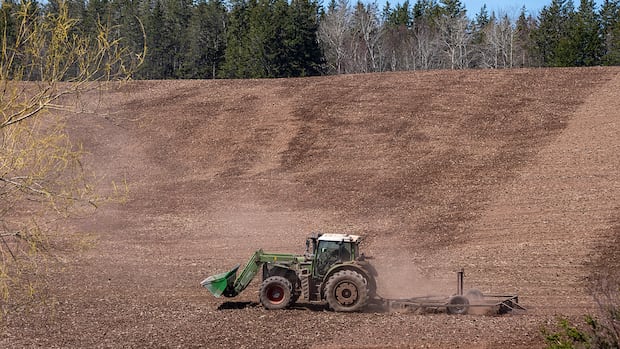
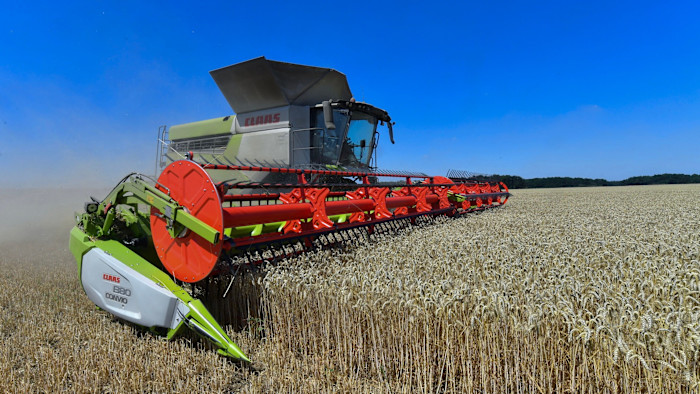
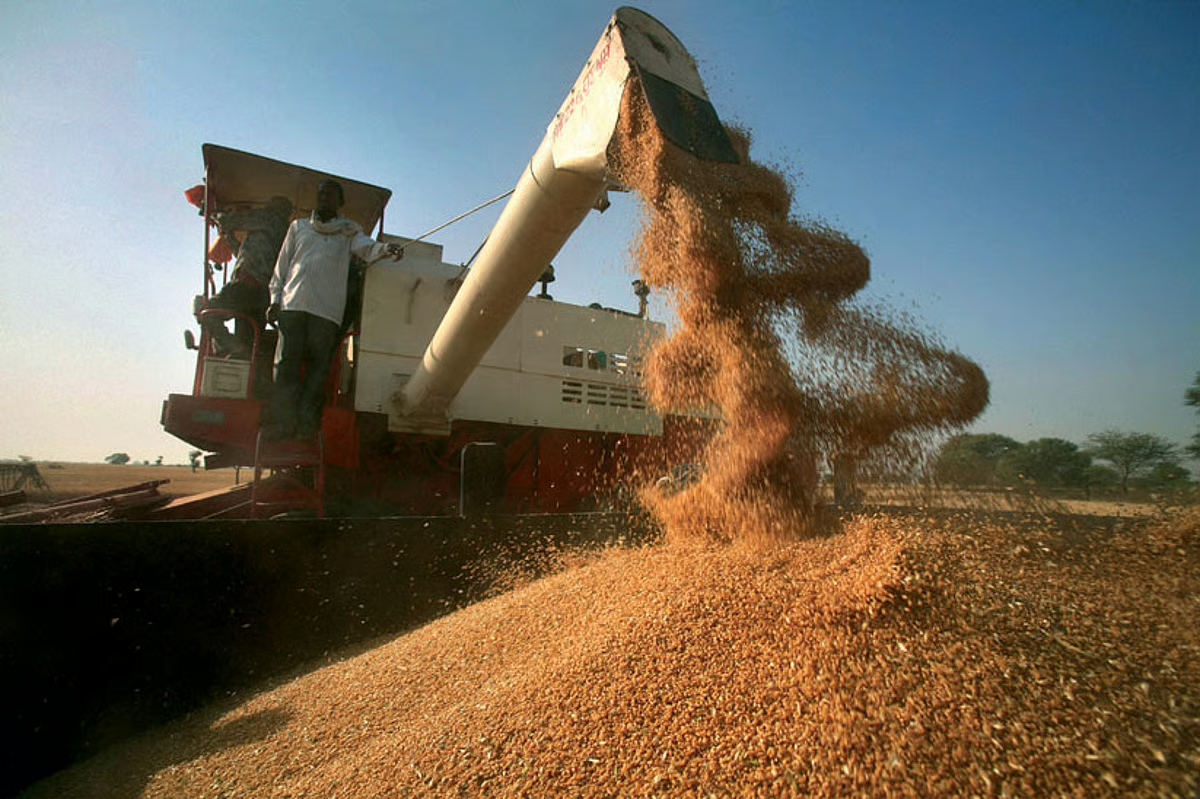
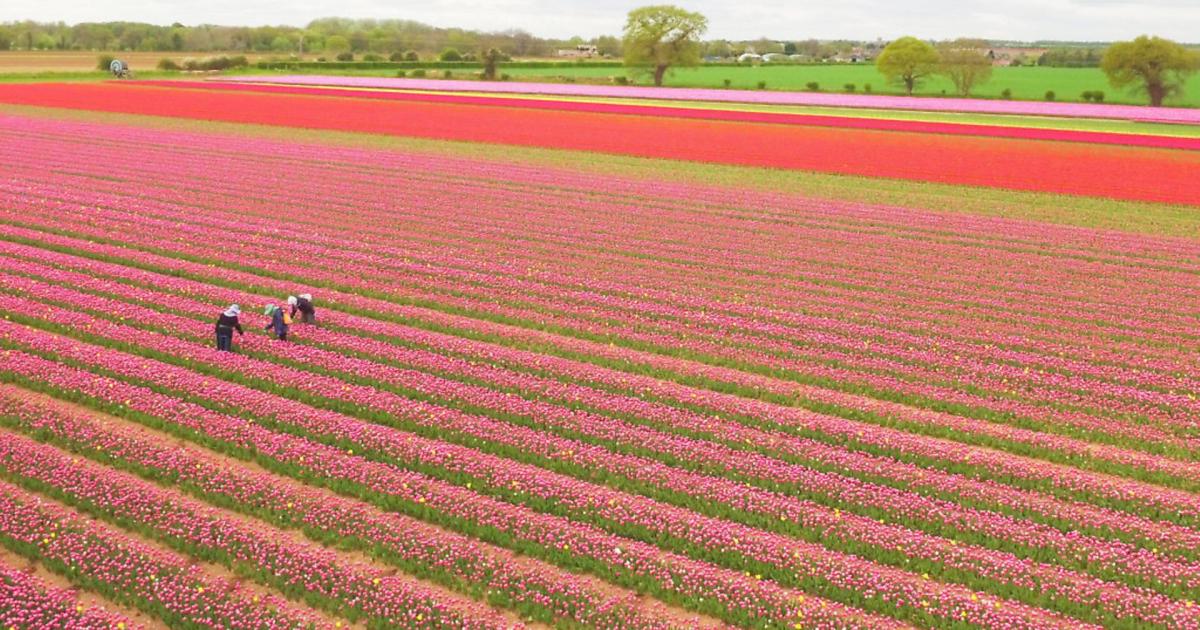
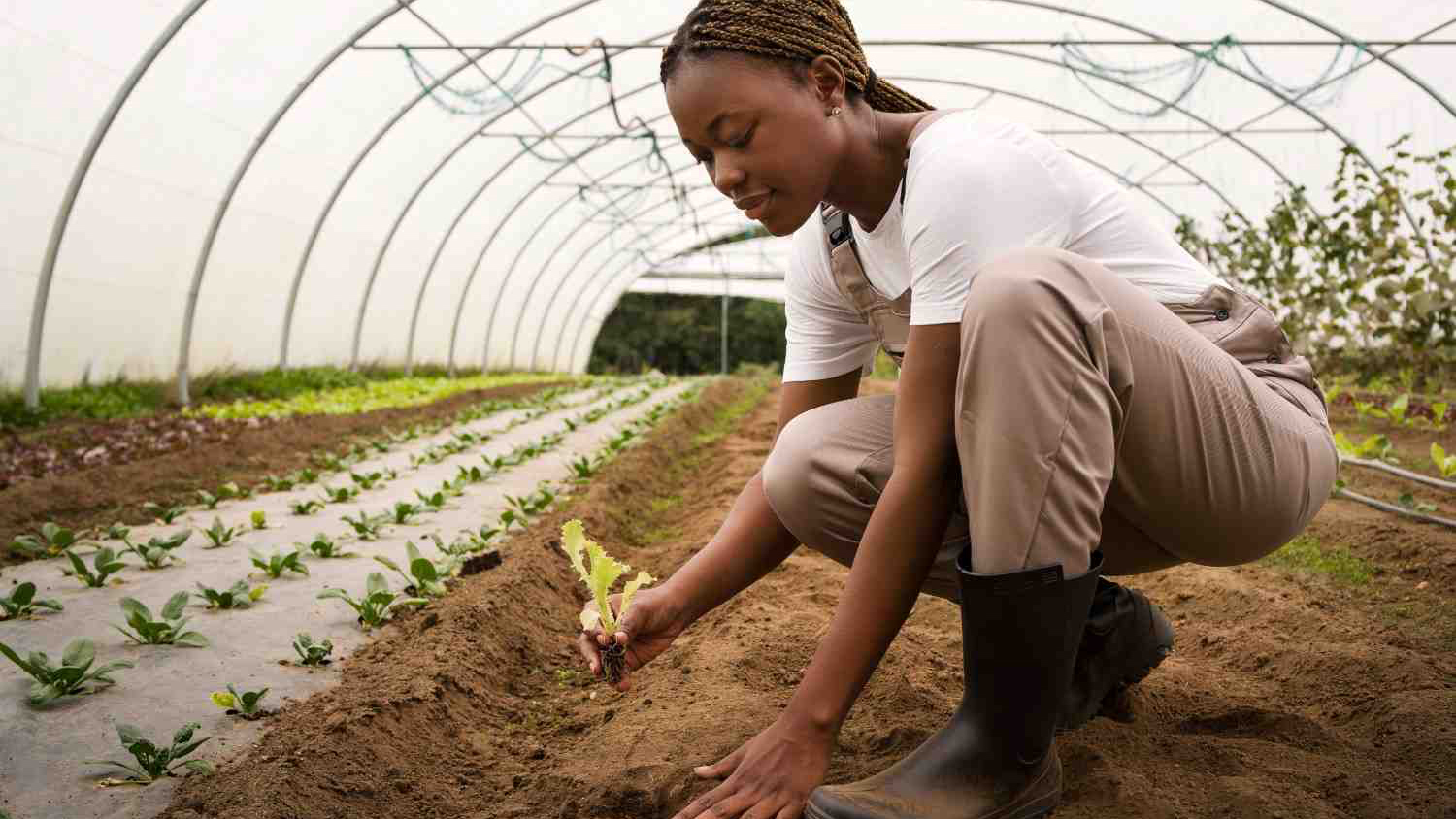
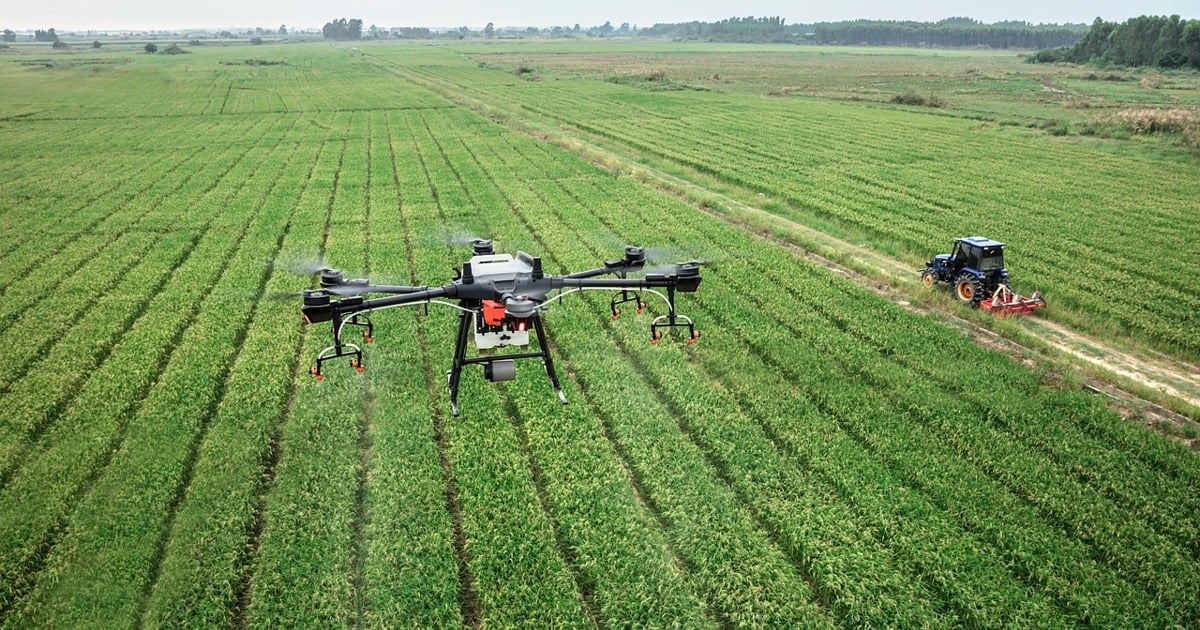
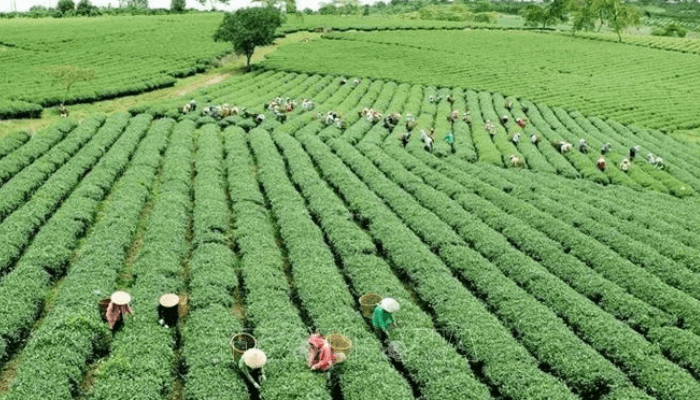
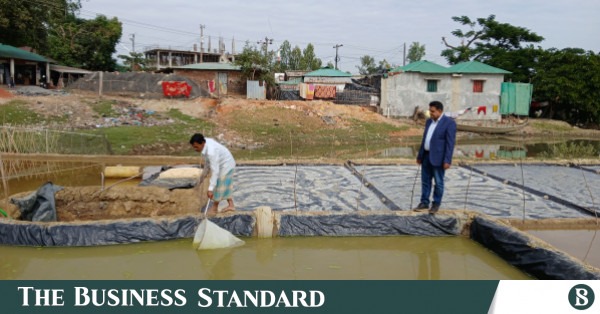
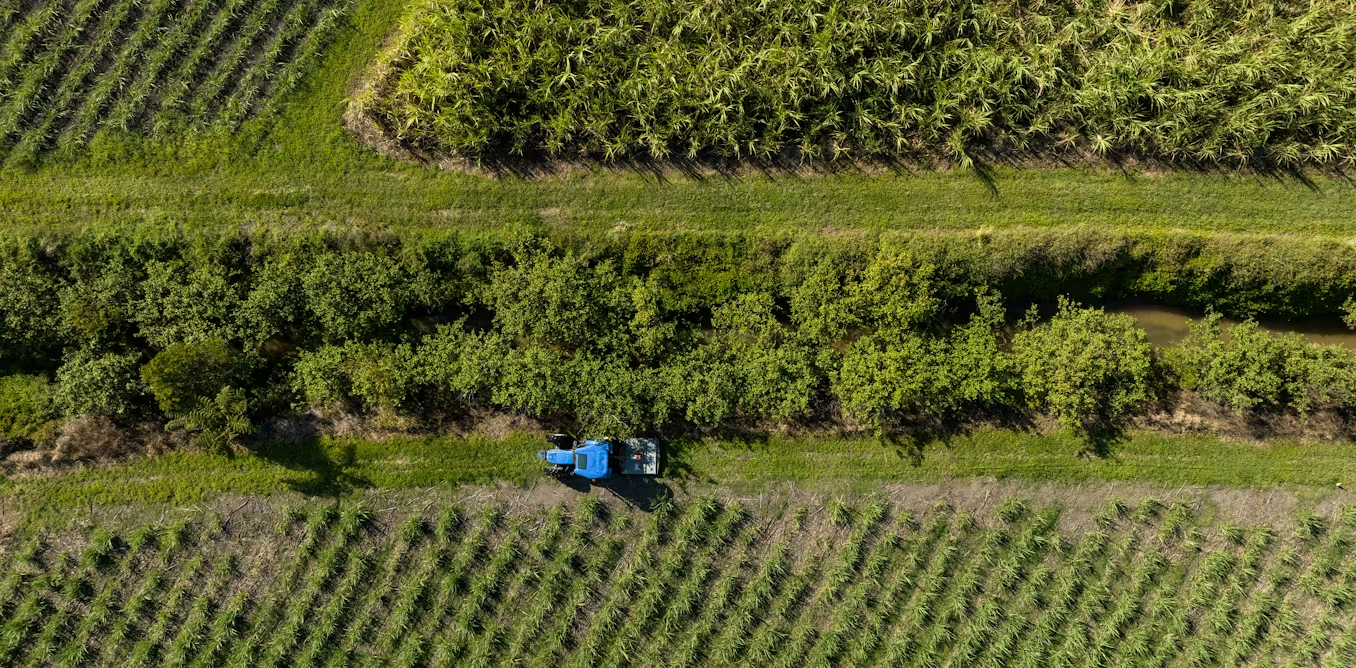
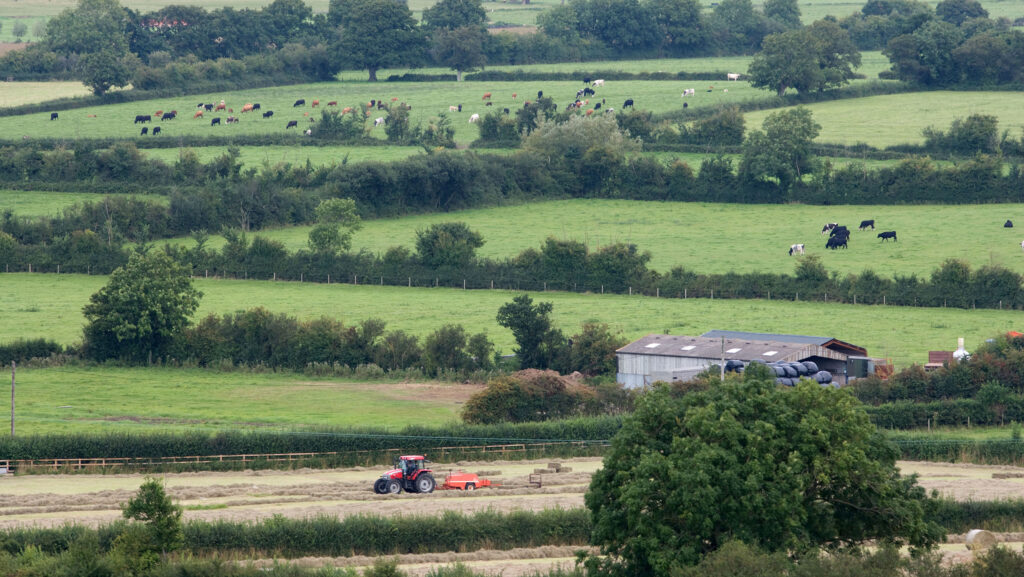
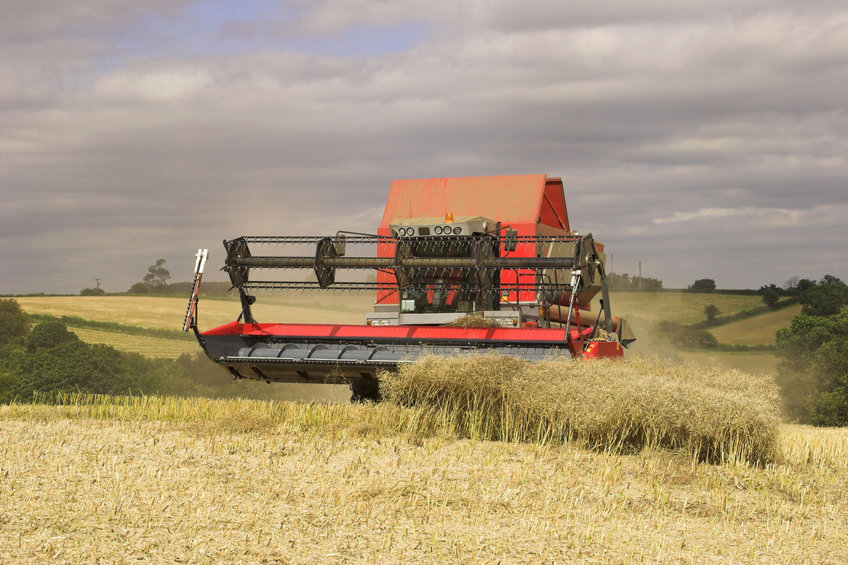
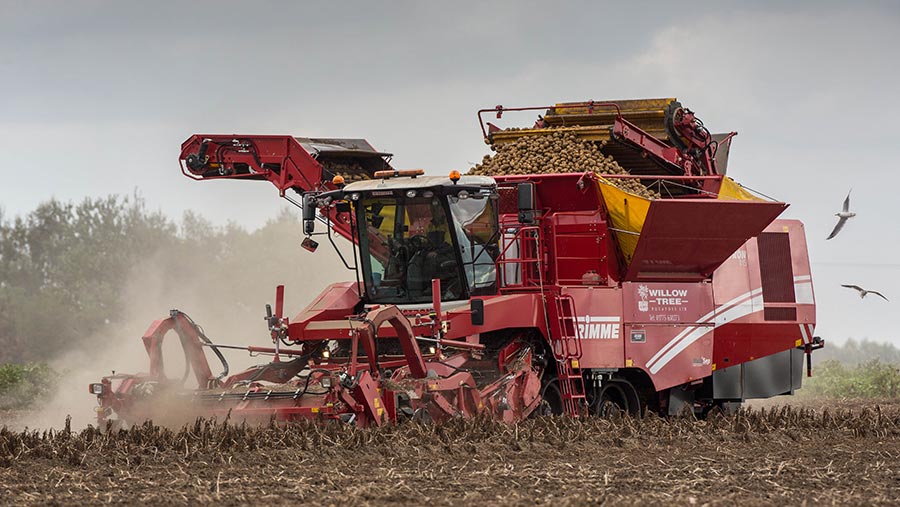
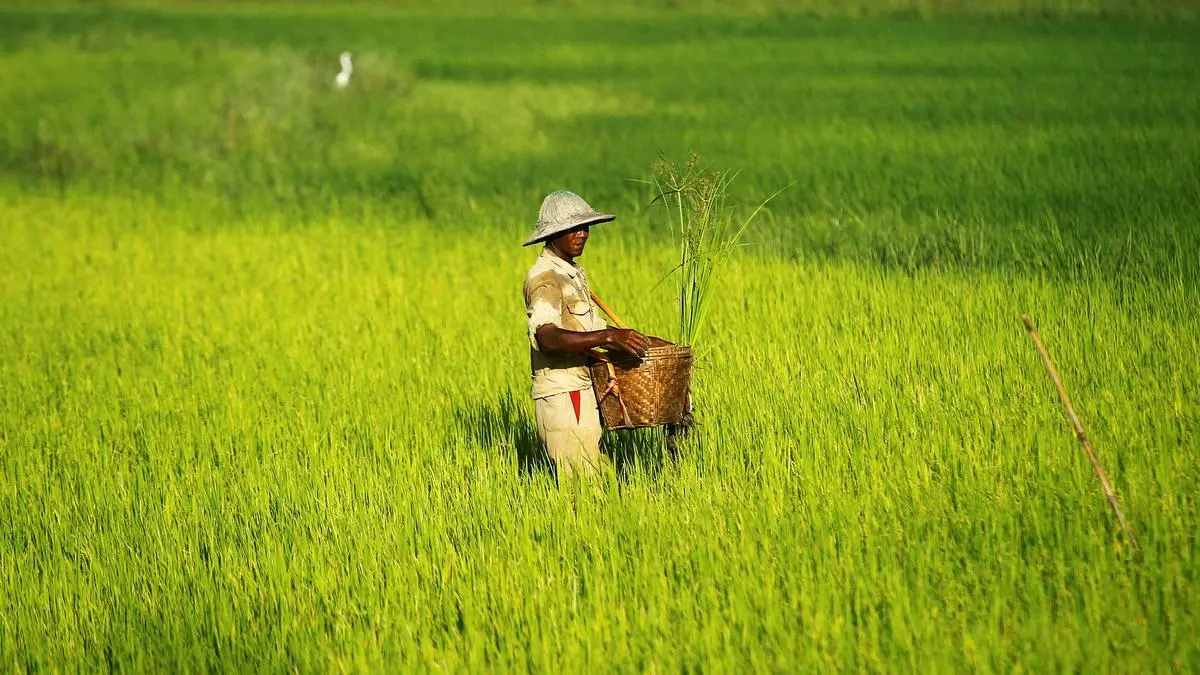
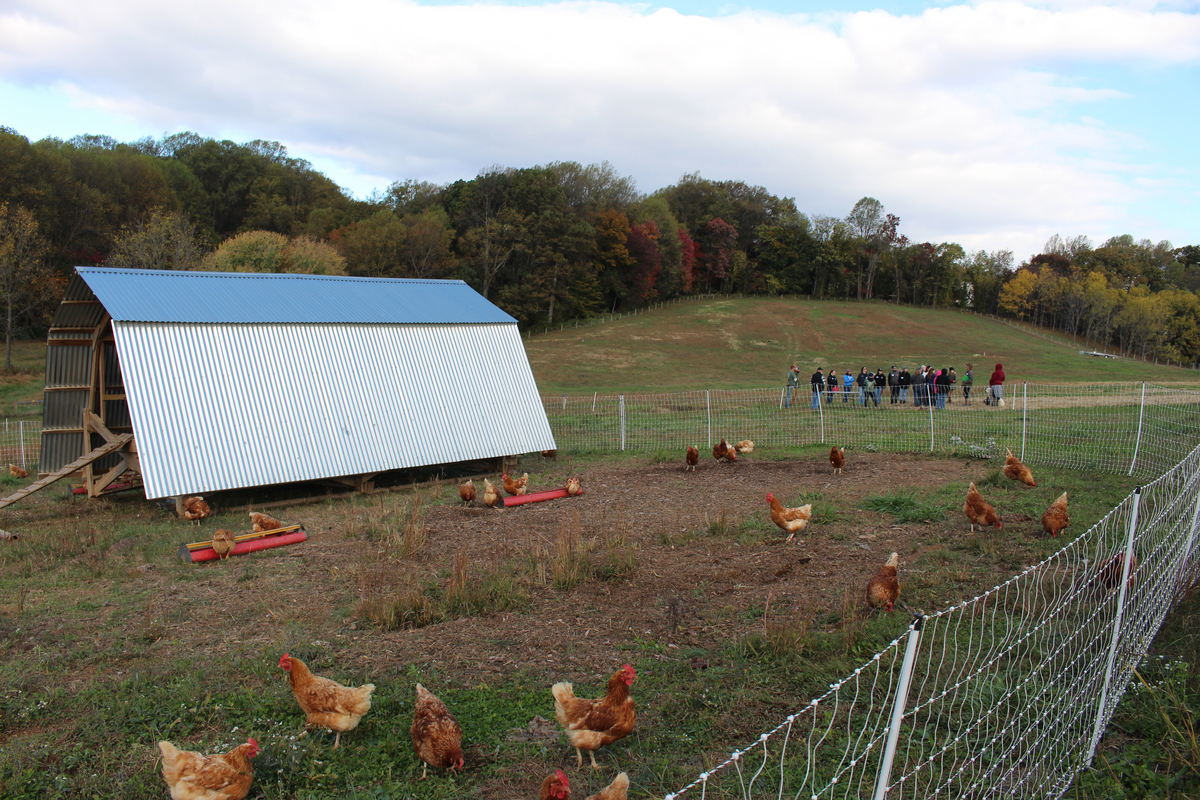
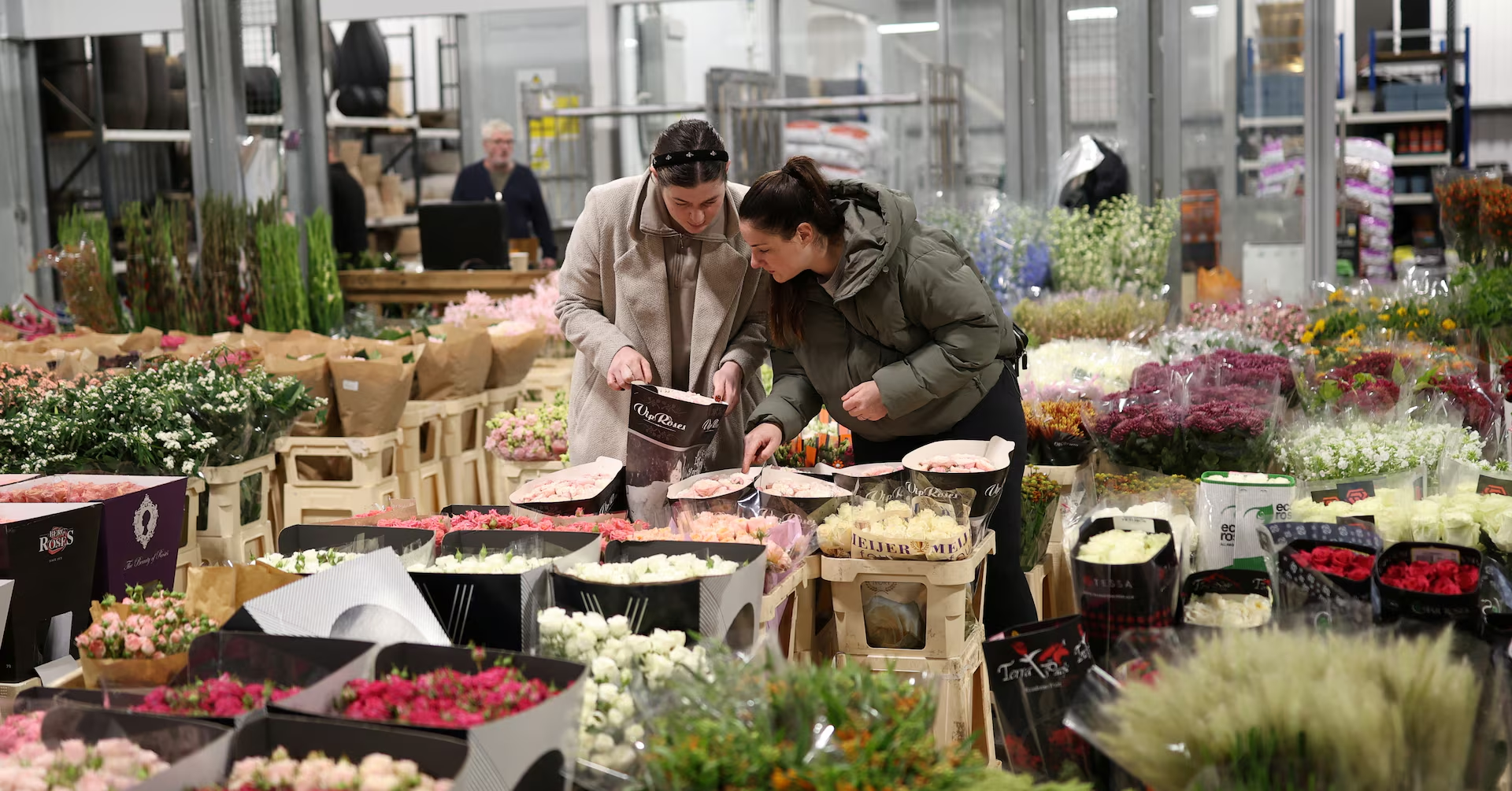
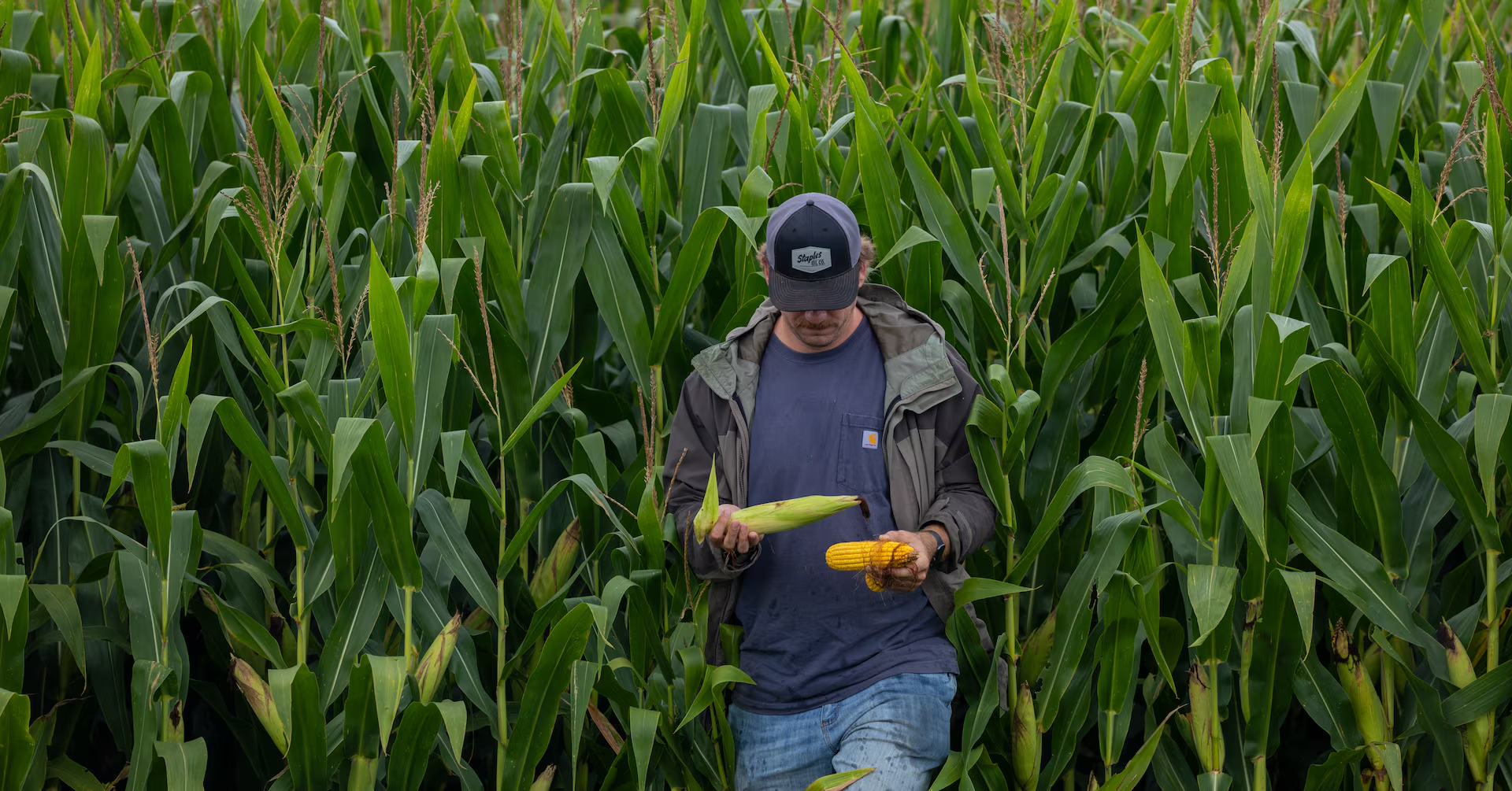
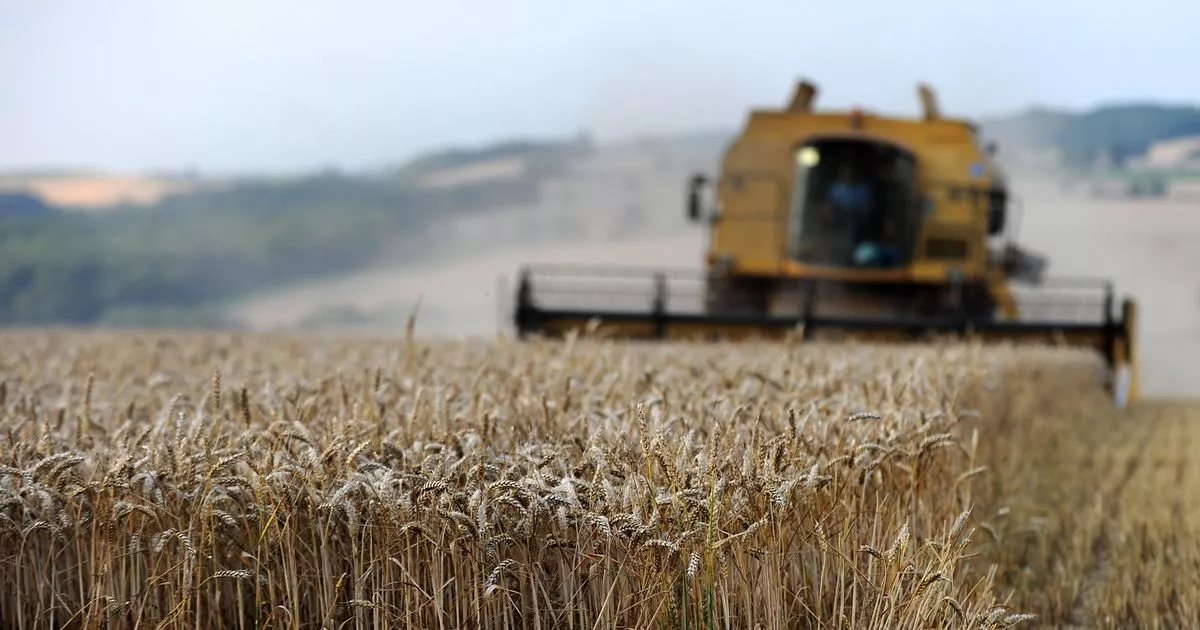
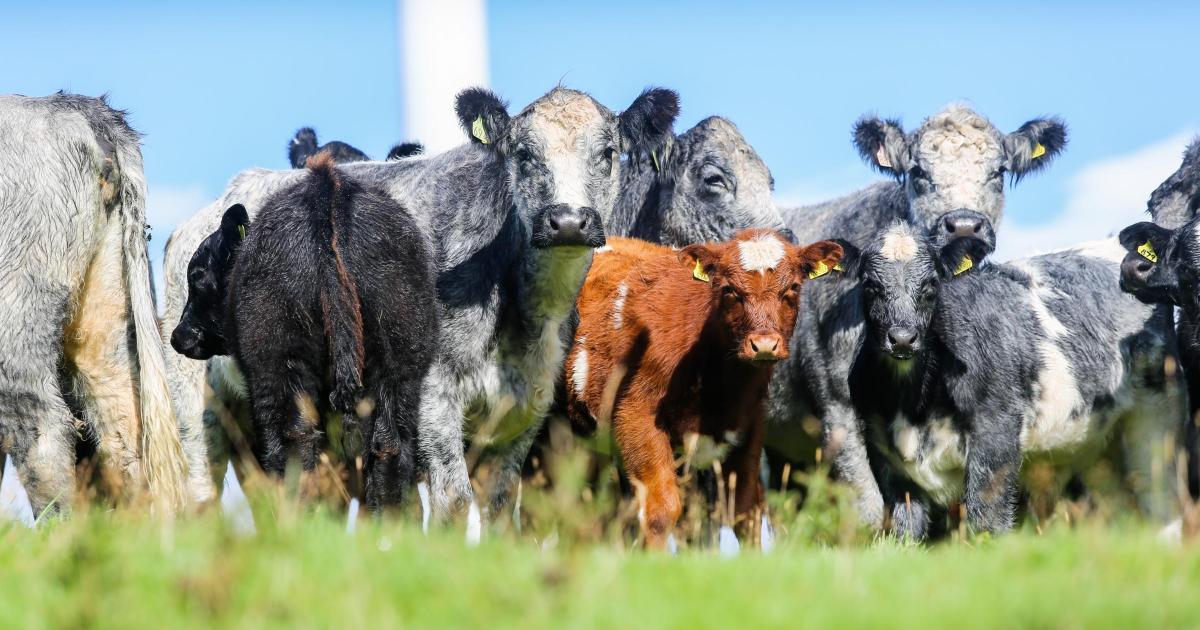
The agriculture sector posted its fifth straight quarterly expansion, driven by stronger output in field crops and horticulture.
Manufacturing, mining weigh on output
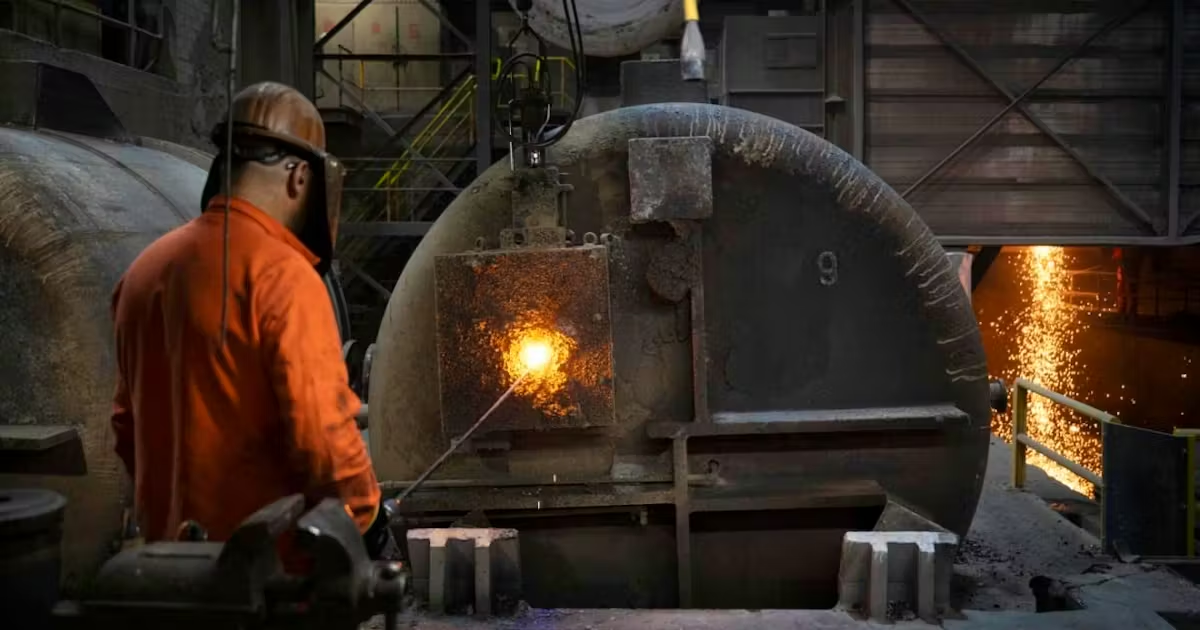
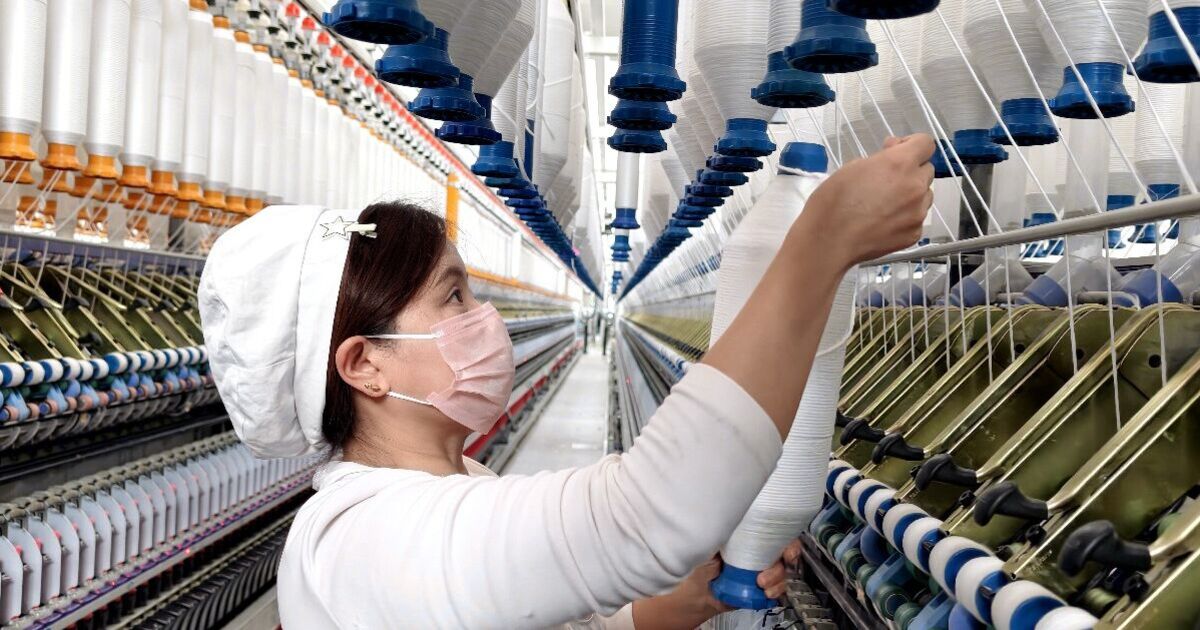
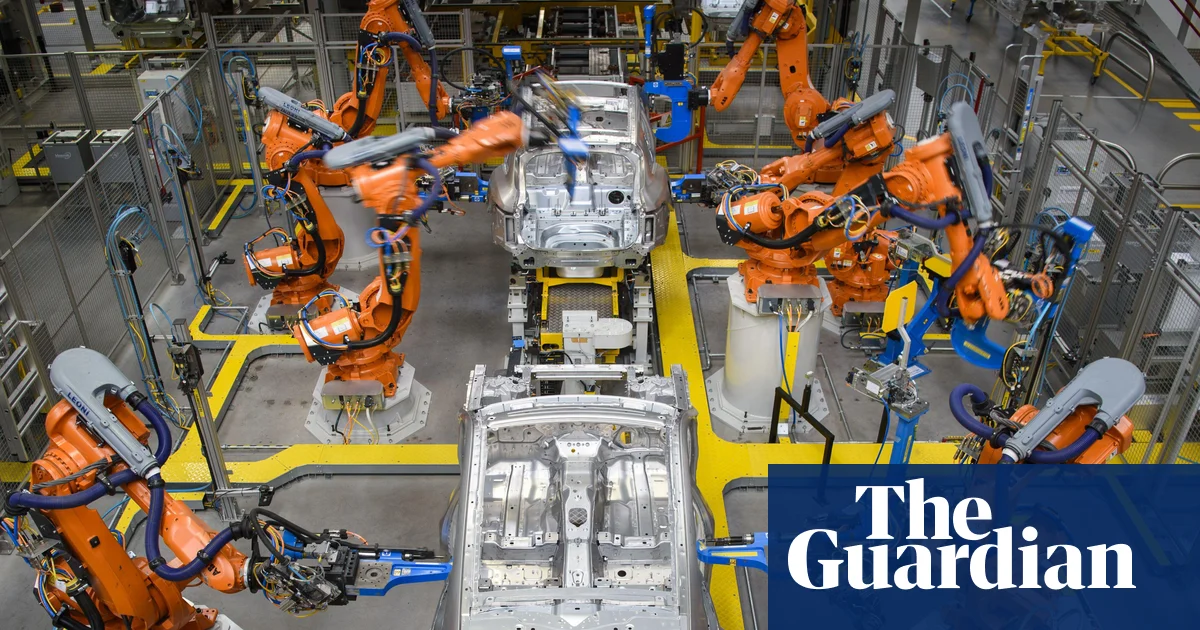
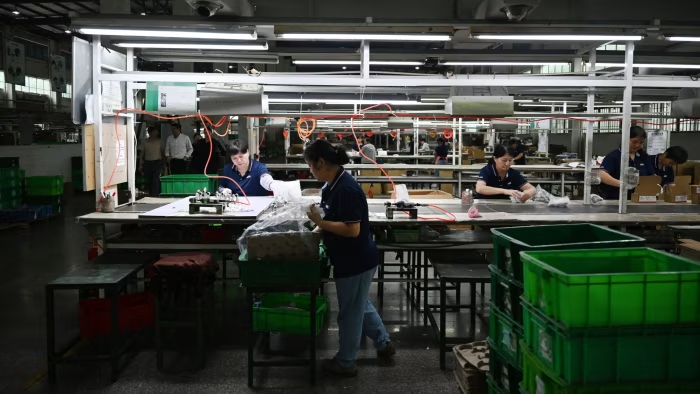
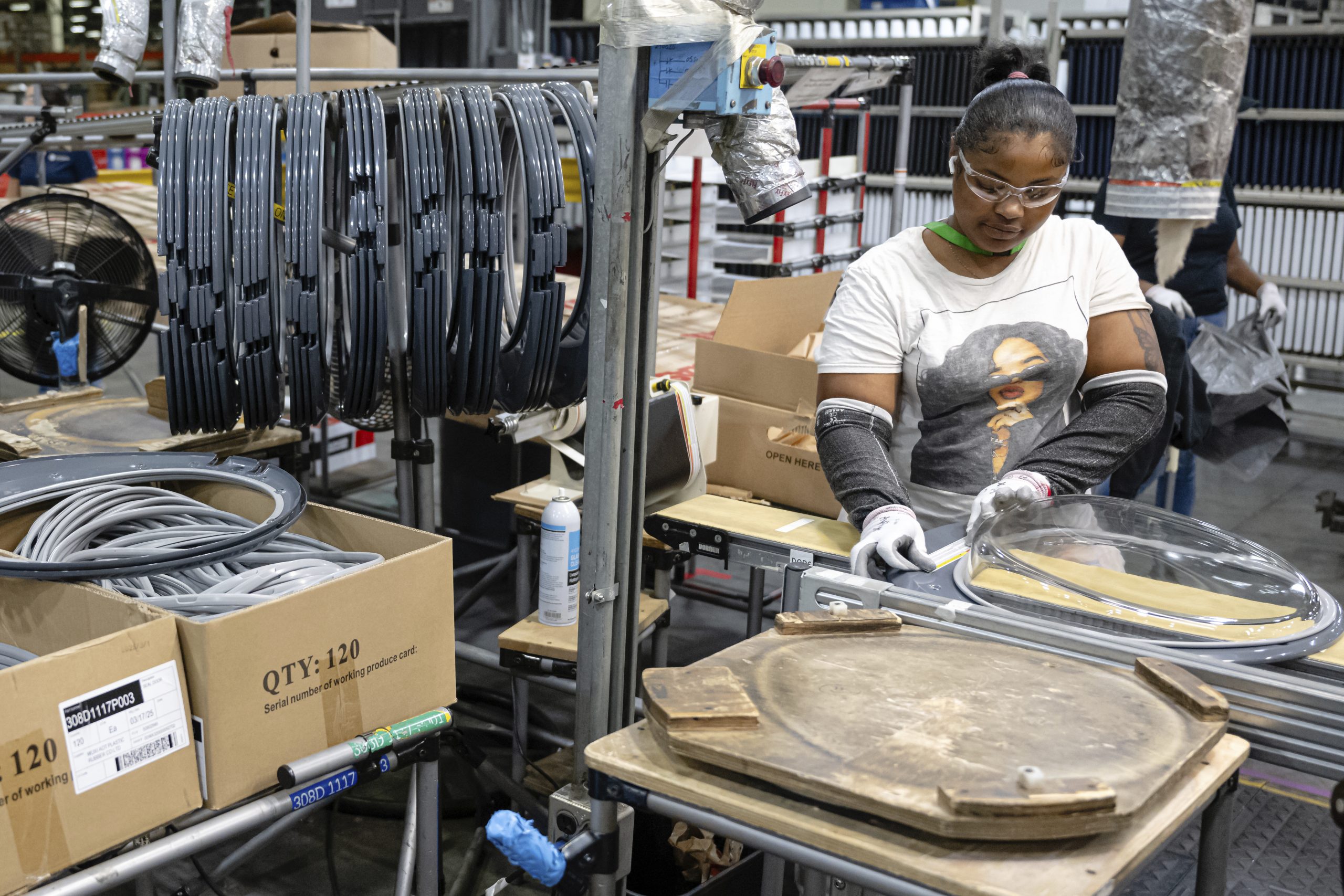
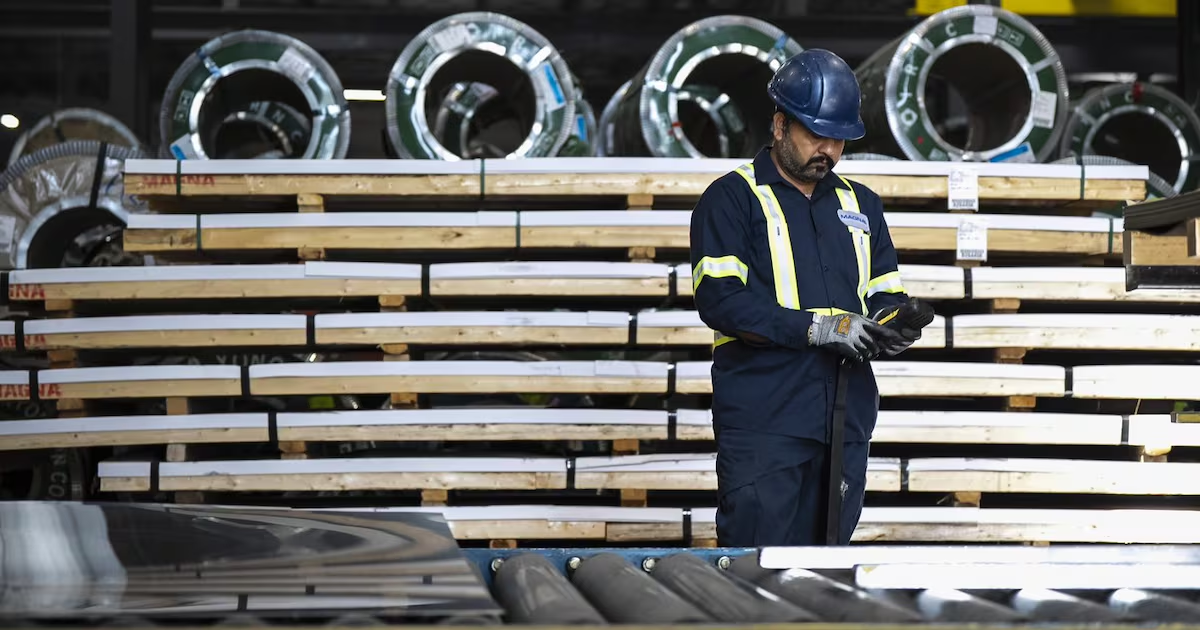
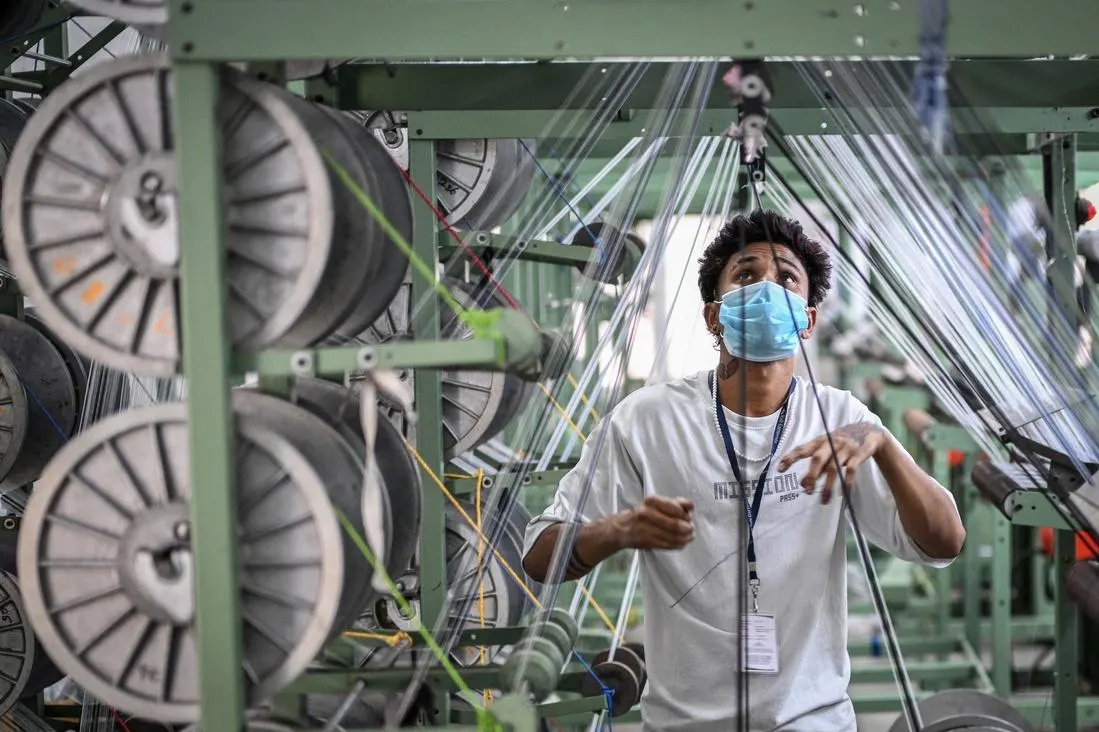
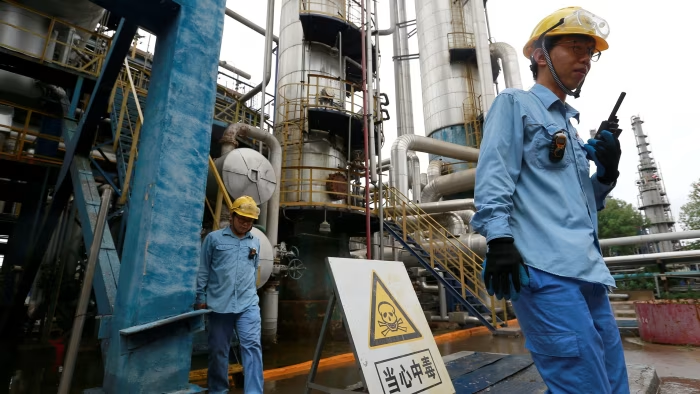
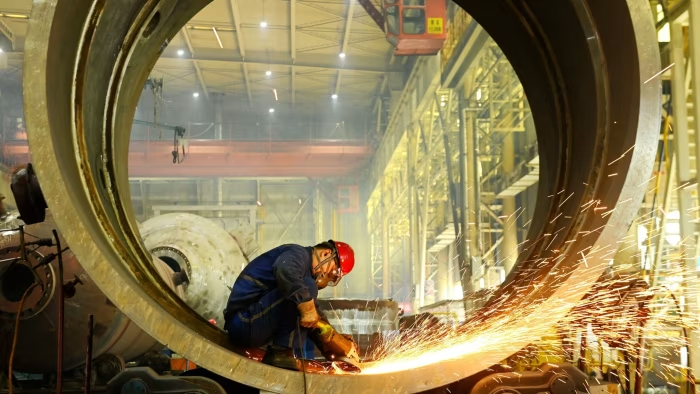
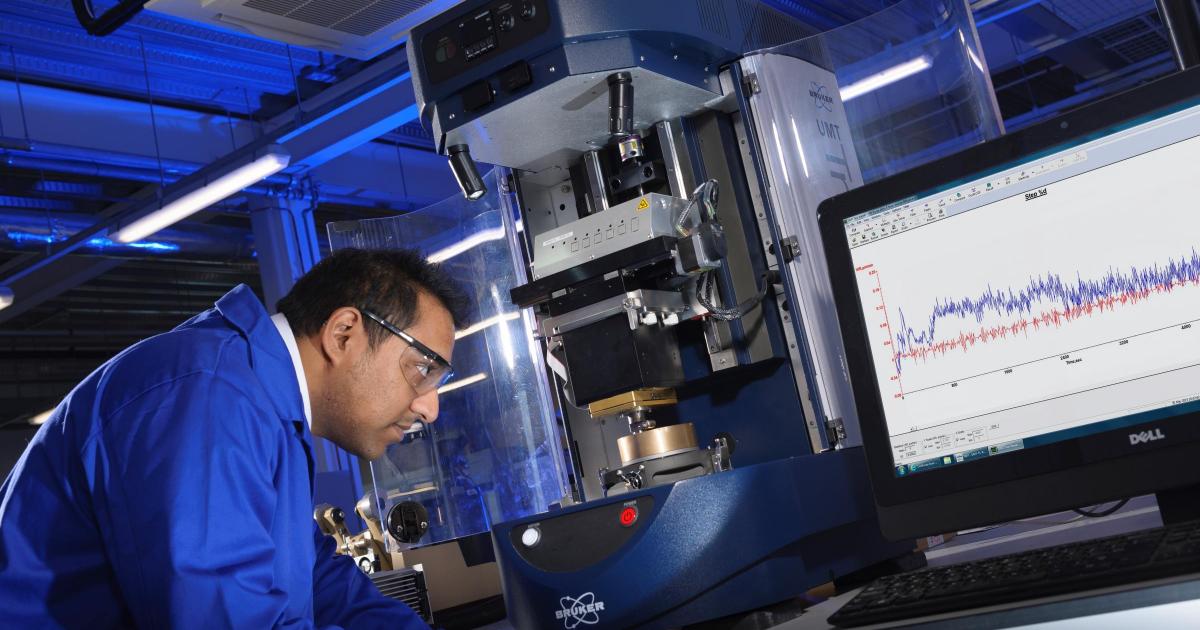
Not all sectors contributed positively to growth. Manufacturing was the largest drag on the economy in the fourth quarter, contracting 0.6 percent and subtracting 0.1 percentage point from GDP growth. The decline was led by weaker activity in the automotive industry, wood, paper and publishing, and food and beverage production.
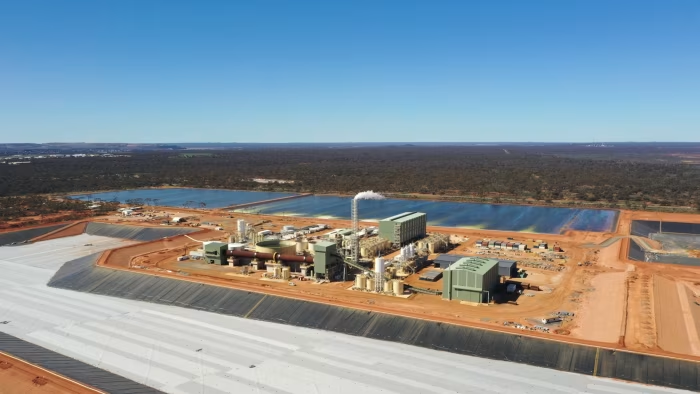
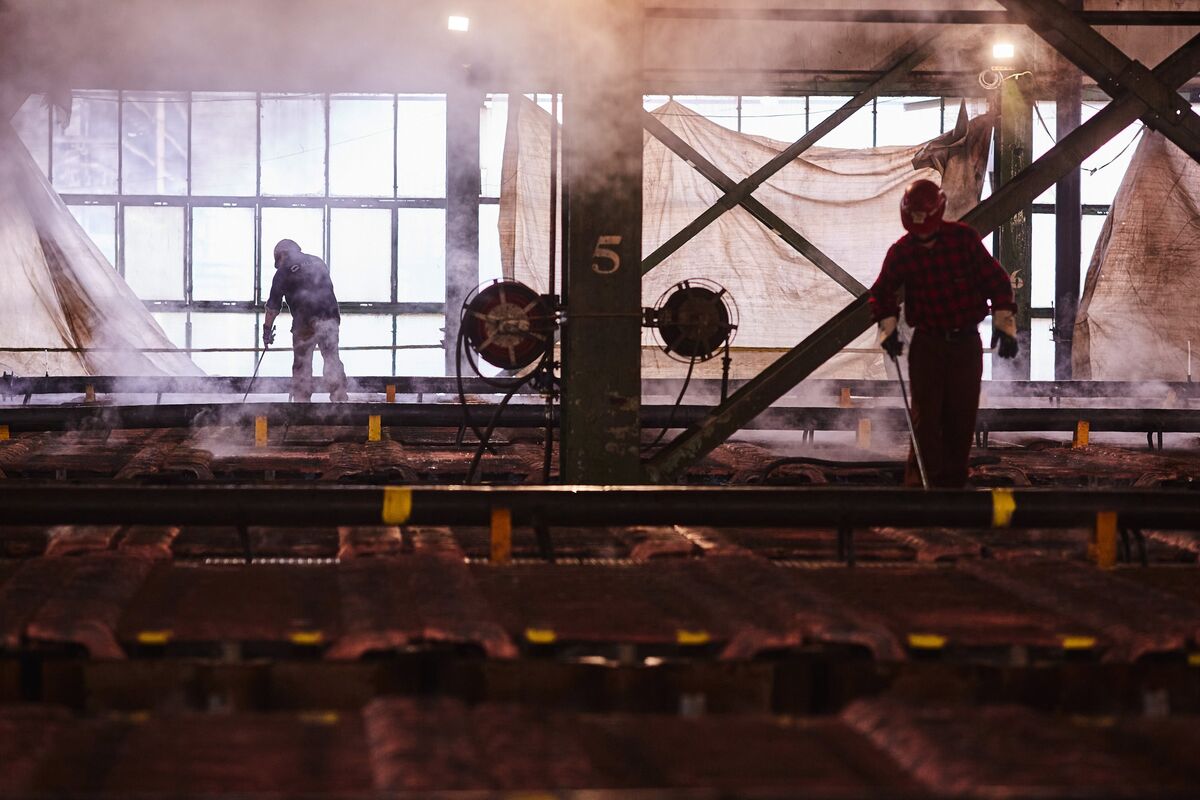
After two quarters of expansion, mining output also declined, with lower production recorded in coal, platinum group metals, gold and diamonds.
Increases in manganese, chromium, iron ore, nickel and copper production were not enough to offset the broader weakness in the sector.
The electricity, gas and water sector recorded its second consecutive contraction, shrinking 2.2 percent following a revised 2.6 percent decline in the third quarter.
Consumption and investment support demand
On the demand side, household consumption, investment and government spending all contributed positively to fourth-quarter growth.
Household spending expanded for a seventh consecutive quarter, rising 1.2 percent as consumers spent more on clothing and footwear, restaurants and hotels, furnishings and household equipment, as well as miscellaneous goods and services such as insurance.
Spending on alcoholic beverages, tobacco and narcotics declined slightly by 0.2 percent.
Gross fixed capital formation, a measure of investment in infrastructure and productive assets, grew for a second consecutive quarter, driven largely by higher spending on computer software and other digital assets. Investment in machinery, equipment and construction also supported the increase.
External trade mixed
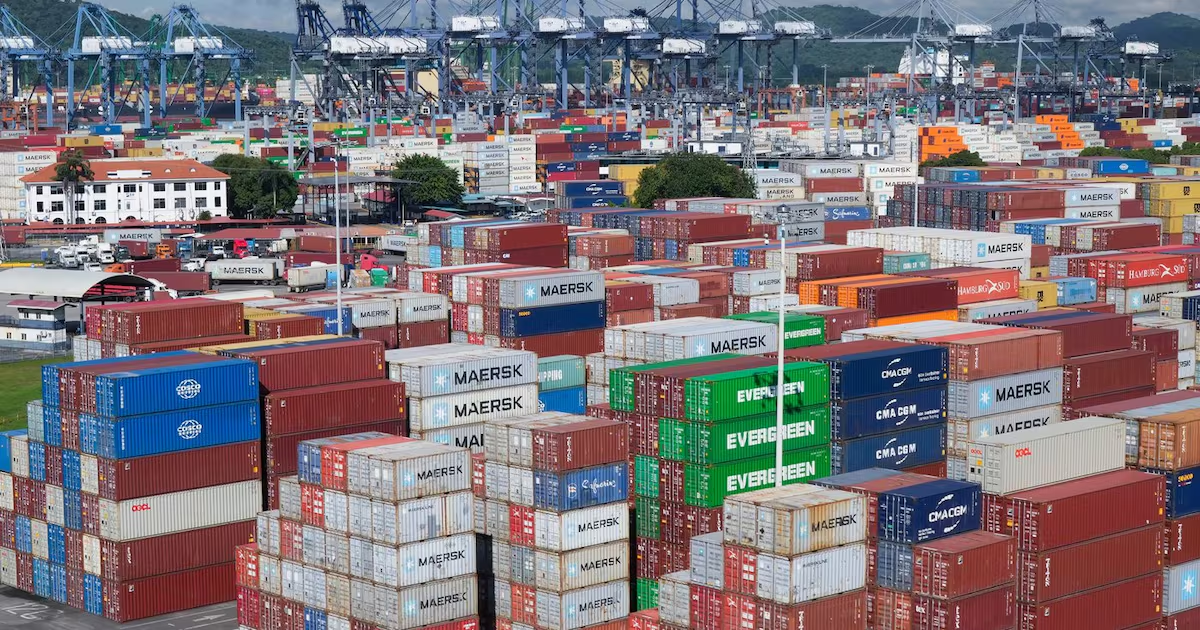
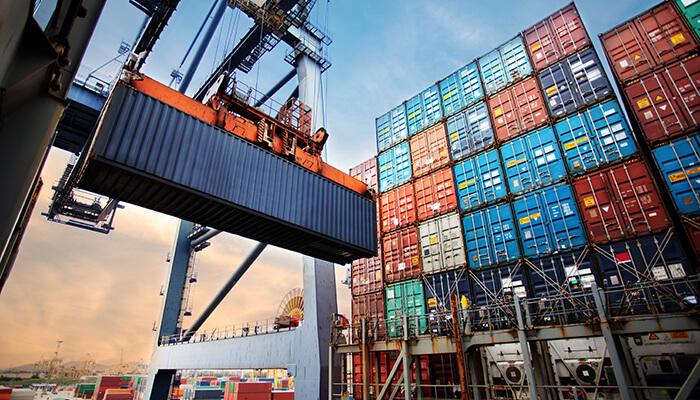
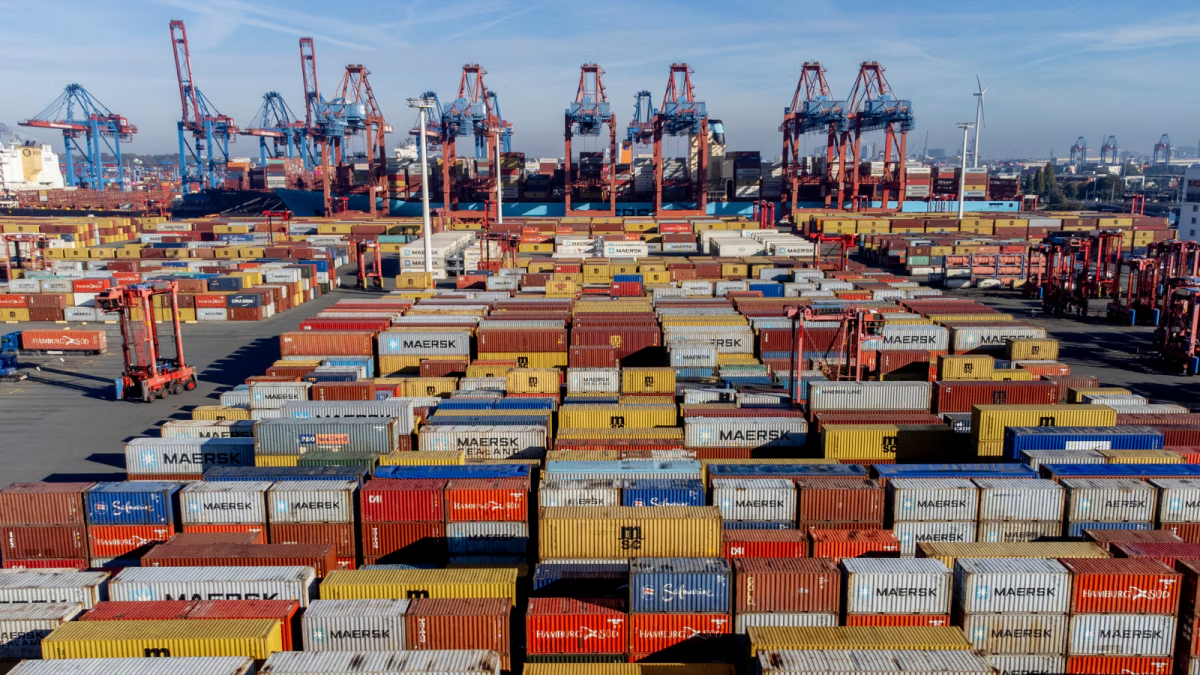
Exports declined 0.6 percent, largely due to weaker shipments of vehicles and transport equipment, vegetable products, and prepared foodstuffs, beverages and tobacco.
Imports rose 0.5 percent, supported by stronger purchases of machinery and electrical equipment, vehicles and transport equipment, live animals and related products, and vegetable products.
Winners and laggards
The fourth-quarter data capped South Africa’s 2025 economic performance, with real GDP expanding 1.1 percent.
Growth was primarily driven by finance, real estate and business services; agriculture; and trade, catering and accommodation.
Agriculture recorded a particularly strong rebound, expanding 17.4 percent in 2025 after weak performance in the previous two years.
However, manufacturing, electricity, gas and water, and construction remained major drags on the economy.
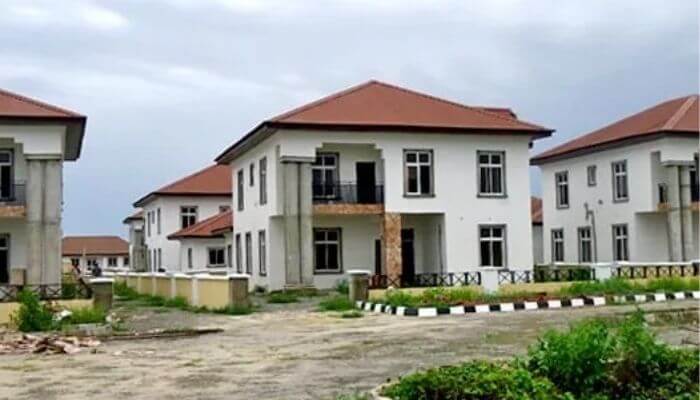
Manufacturing recorded its second consecutive year of contraction, while the construction sector extended its long-term slump, marking nine straight years of decline.