A new study says that while agriculture is a major driver of Nova Scotia’s economy, the number of farms in the province
has fallen sharply in recent years.
Federation says number of farms and total amount of farmland have decreased the last two decades

Listen to this article
Estimated 1 minute
The audio version of this article is generated by AI-based technology. Mispronunciations can occur. We are working with our partners to continually review and improve the results.

A new study says that while agriculture is a major driver of Nova Scotia’s economy, the number of farms in the province has fallen sharply over the years.
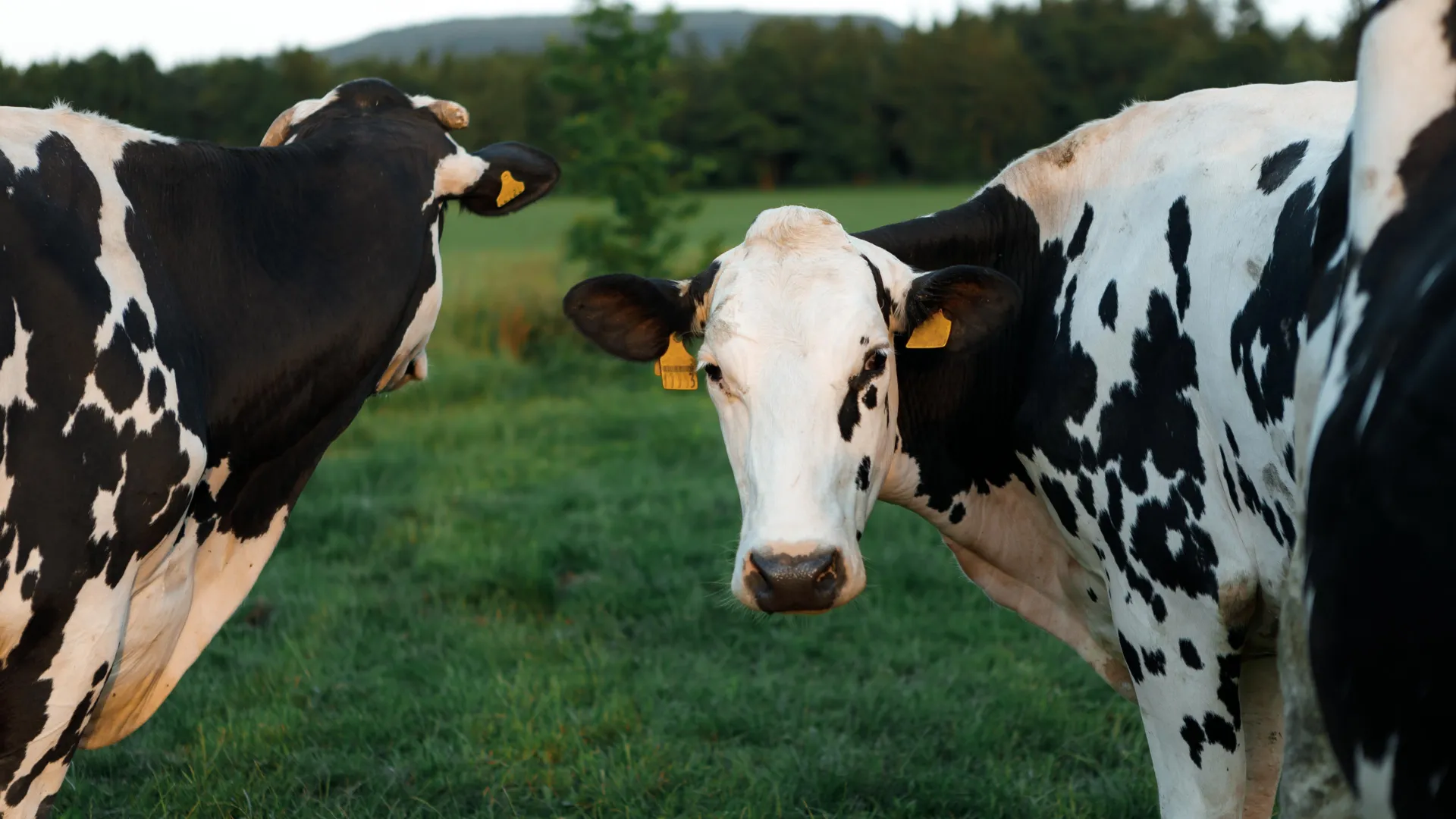
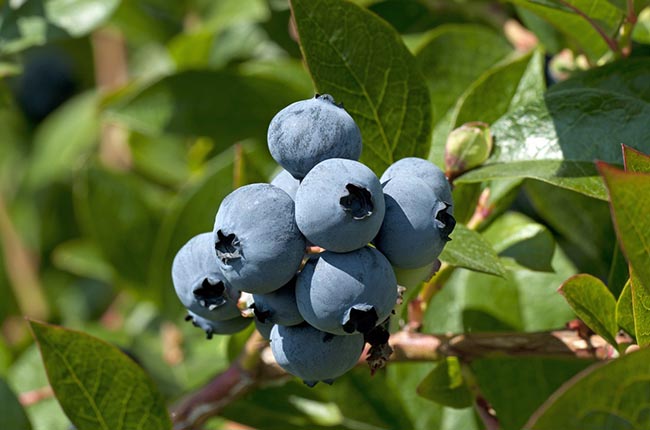
The Nova Scotia Federation of Agriculture says farms contribute more than $900 million to the provincial GDP with dairy, eggs and berries among the top food items produced.
The study also says about 50,000 people in the province earn at least part of their income from farming.
However, the federation says the number of farms and the total amount of farmland have decreased over the last two decades.
There were 2,741 farms in 2021 compared to roughly 4,000 farms in 2001. The federation says the provincial government can strengthen the sector by offering financial incentives for companies to process more food in Nova Scotia.
MORE TOP STORIES