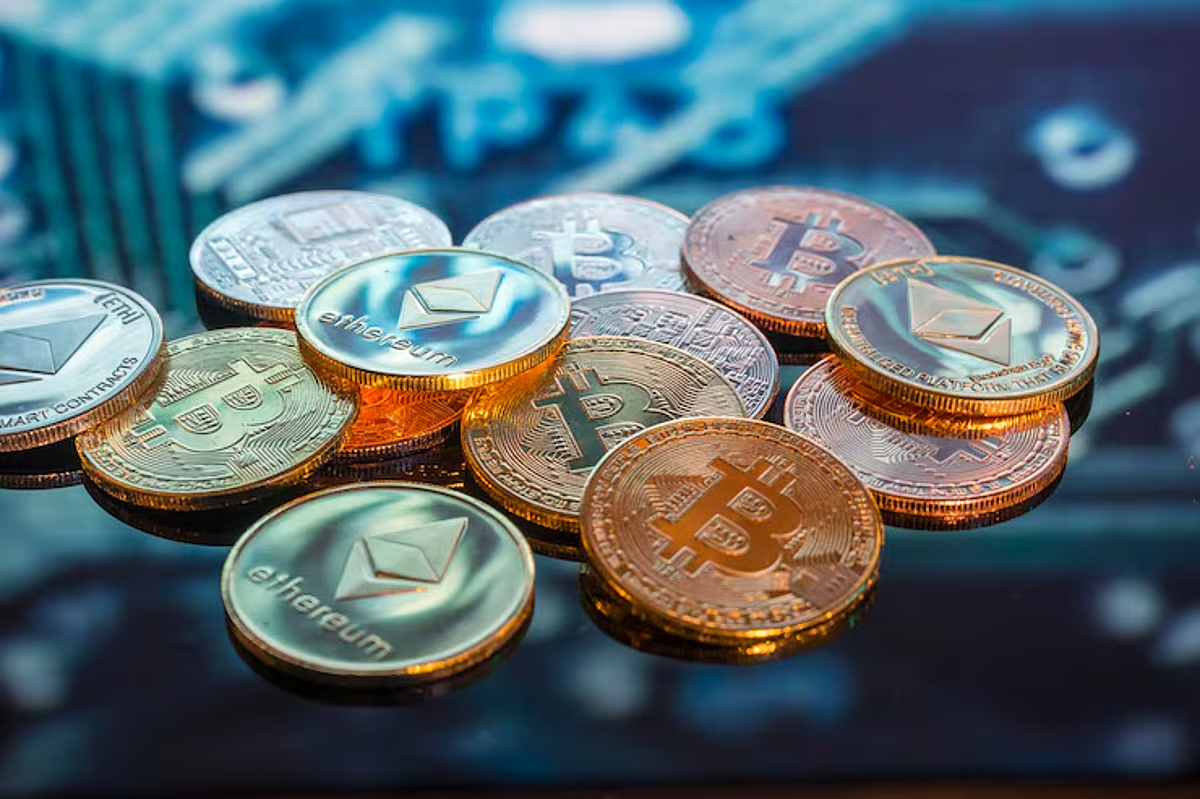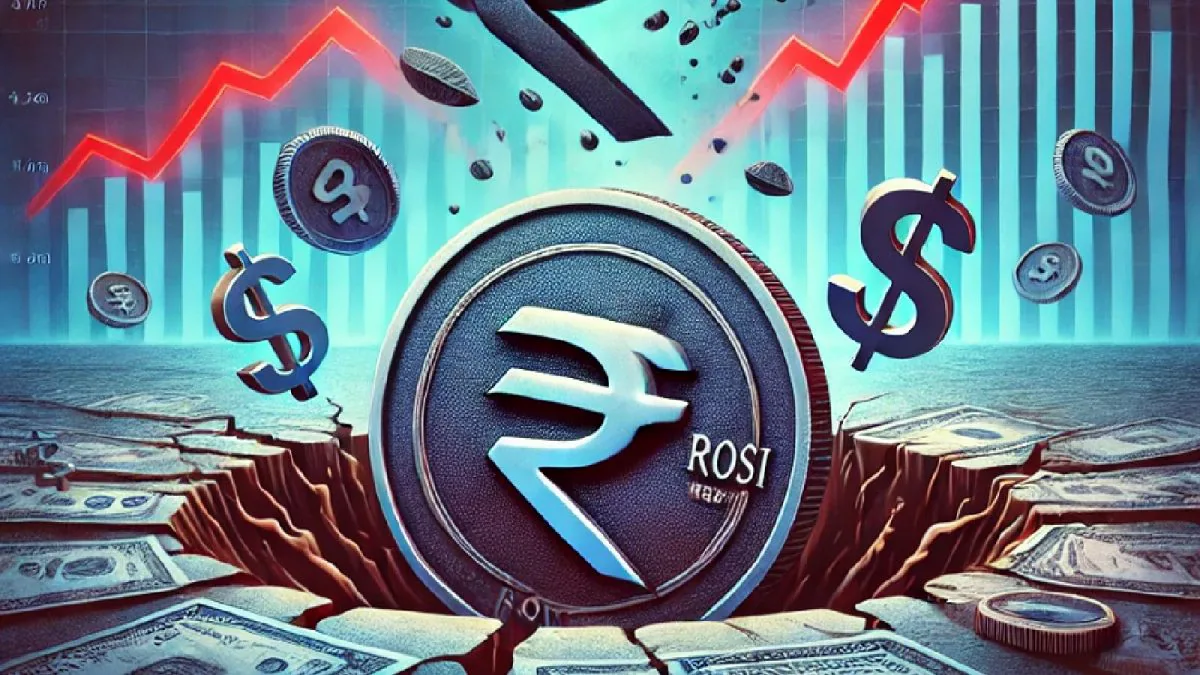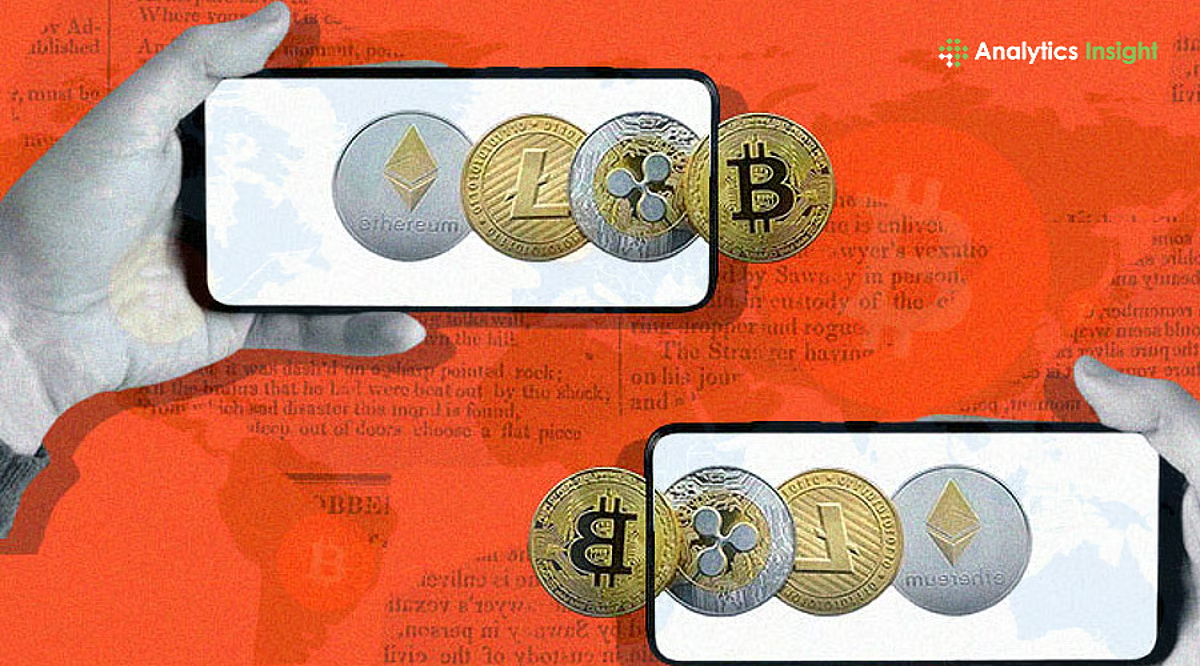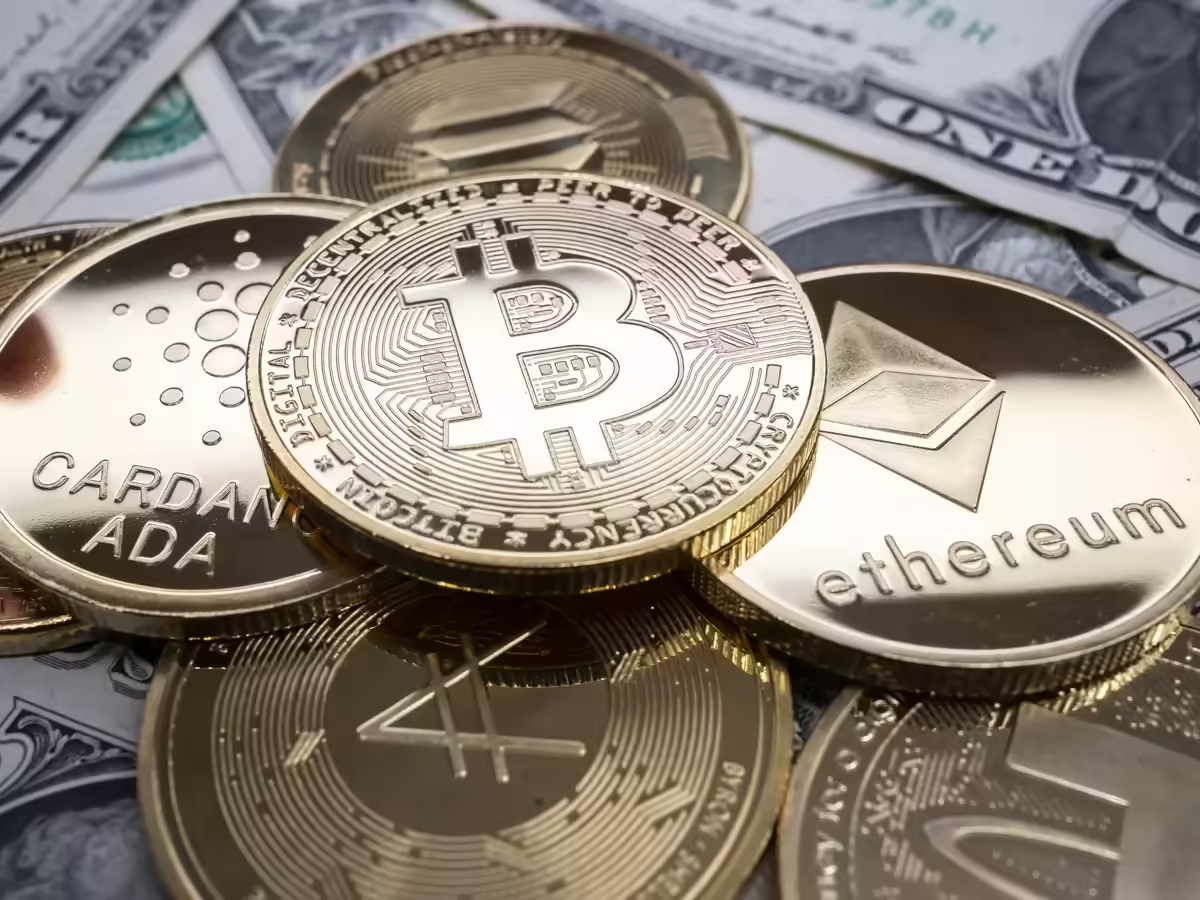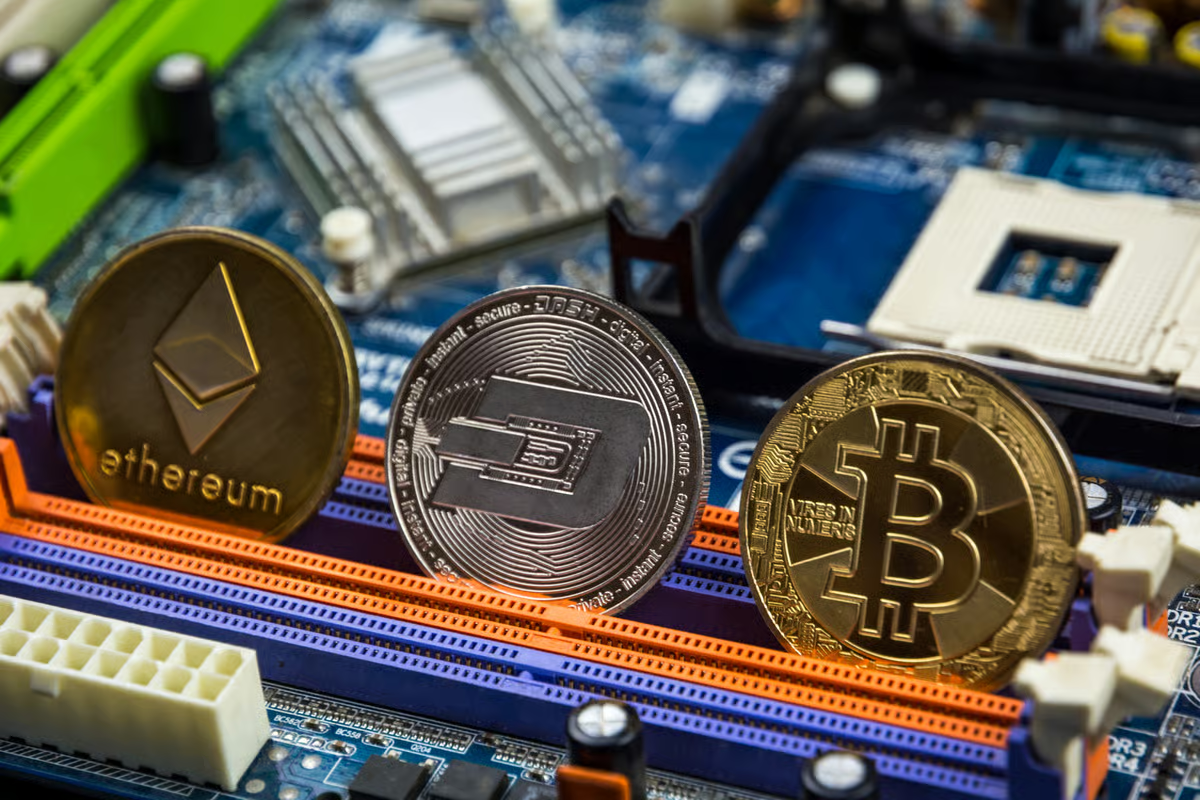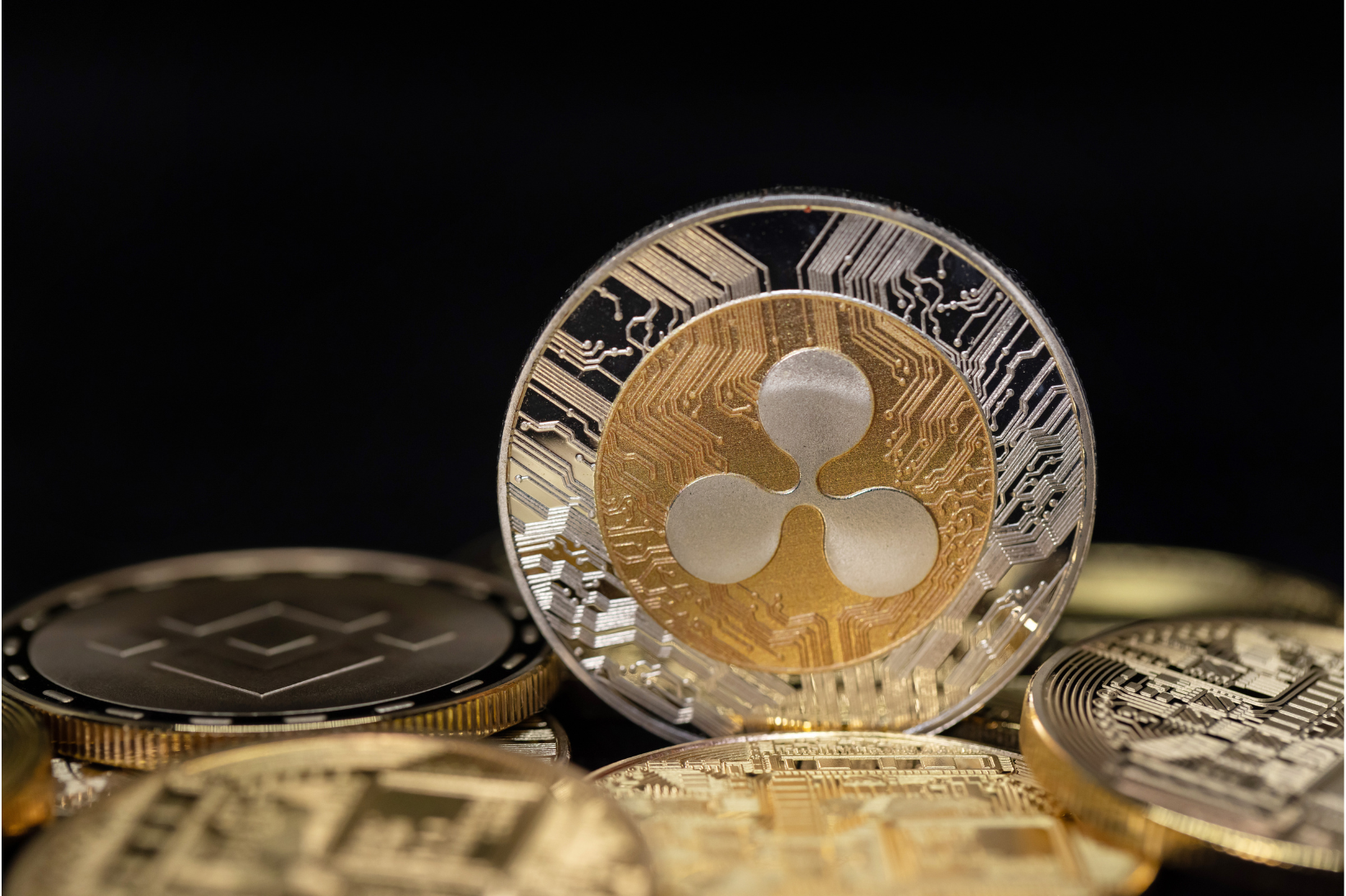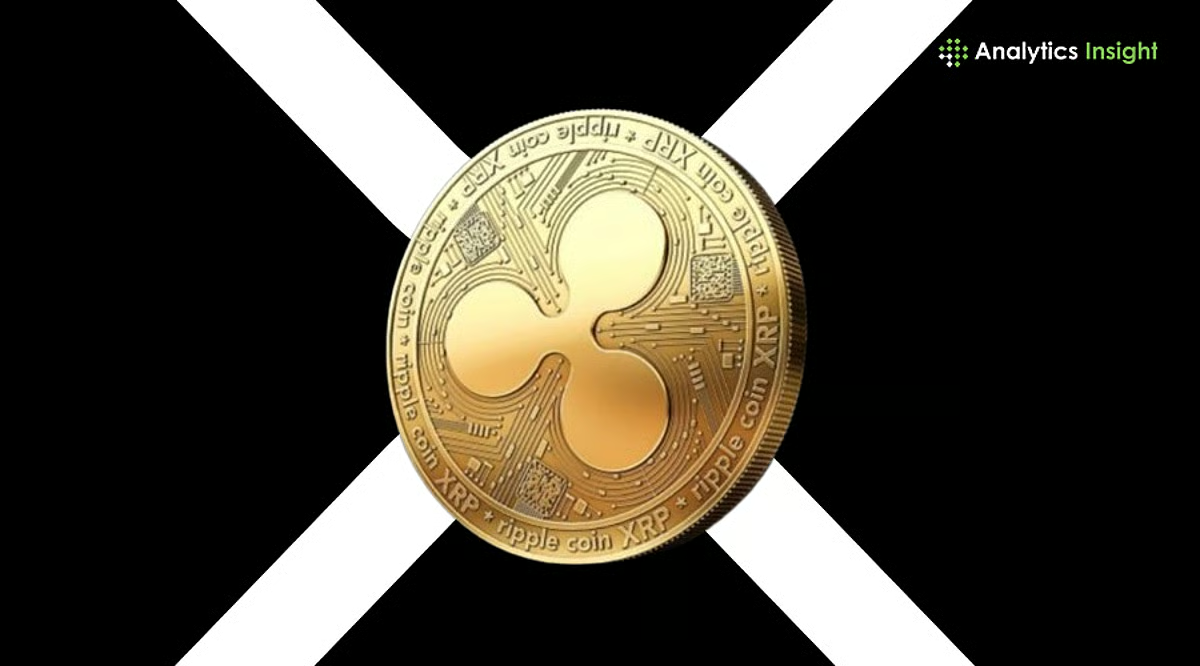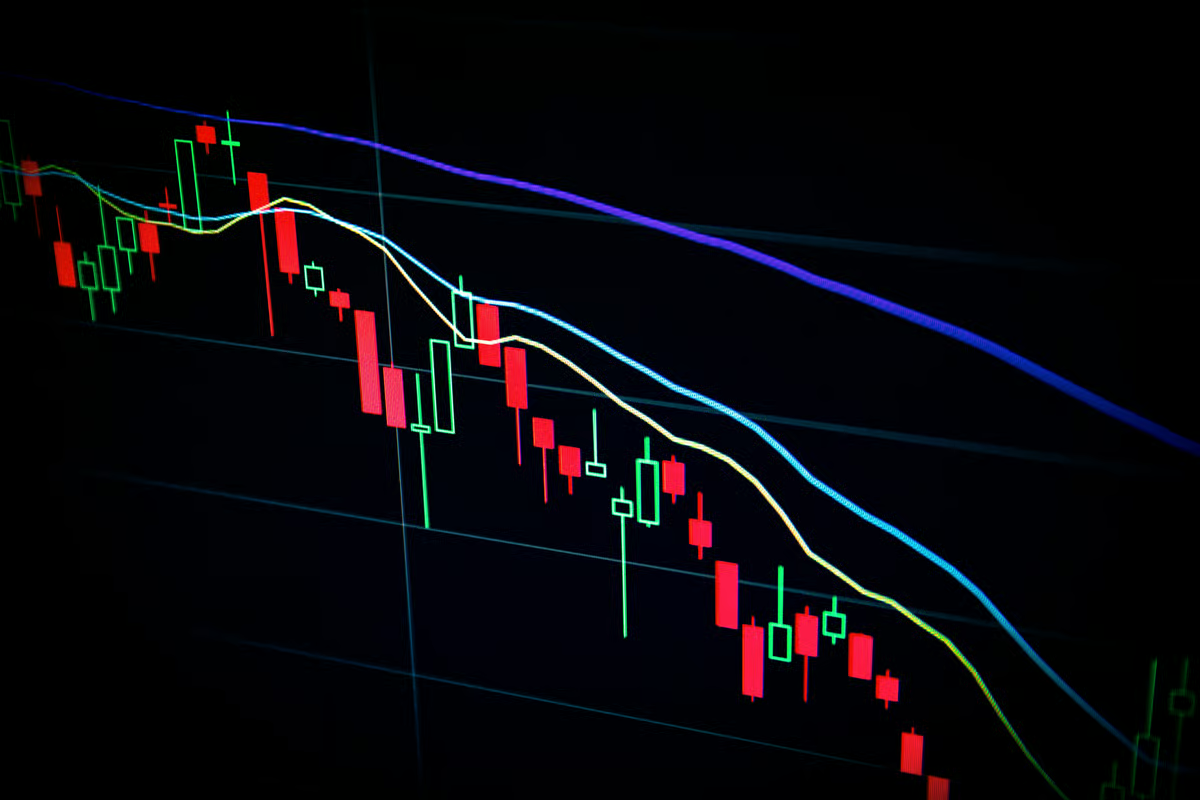
The cryptocurrency XRP (XRP +1.96%) has lost more than 60% of its value since peaking near $3.65 last July. It now trades around $1.38, roughly the same price it was before the Securities and Exchange Commission (SEC) dropped its case against Ripple and before spot XRP exchange-traded funds (ETFs) — like the Canary XRP ETF — launched in the U.S. Two of the biggest catalysts bulls had been waiting years for have come and gone, and the token is right back where it started.

Today’s Change
(1.96%) $0.03
Current Price
$1.51
Key Data Points
Market Cap
$92B
Day’s Range
$1.48 – $1.60
52wk Range
$1.14 – $3.65
Volume
4.9B
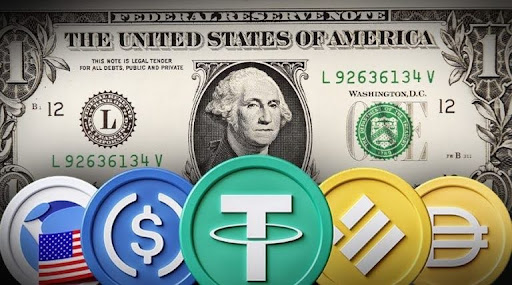
And yet, Ripple — the company behind XRP — is in the strongest position it’s ever been in. Its RLUSD stablecoin has crossed $1.6 billion in market capitalization. Ripple spent more than $2 billion on acquisitions last year, including a prime brokerage clearing over $3 trillion annually. The company was even granted a national trust bank charter.
And according to Motley Fool Research, this is happening as more people than ever own crypto.
So why is XRP still down? And where will XRP’s price be five years from now?
There’s a key difference in Ripple’s products
The banking system’s adoption of Ripple’s technology should, in theory, drive demand for the token. That’s the narrative that has made XRP one of the most popular cryptocurrencies on the market. But this misunderstands how banks actually use Ripple’s products.
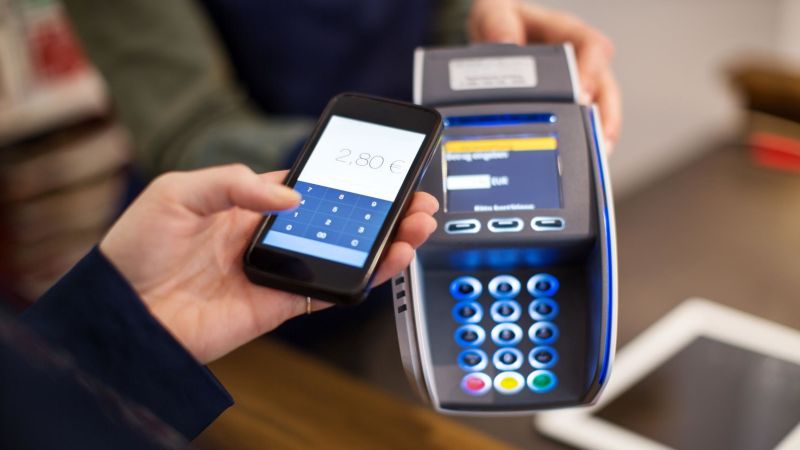
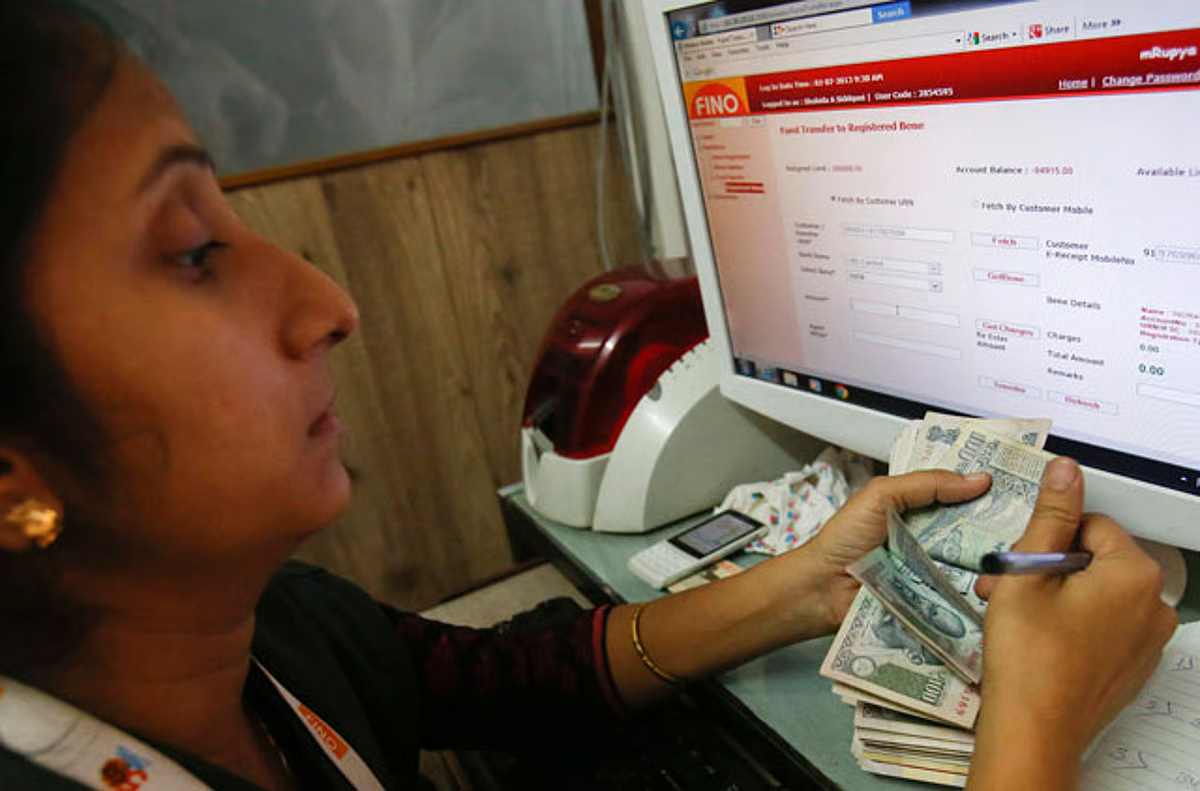
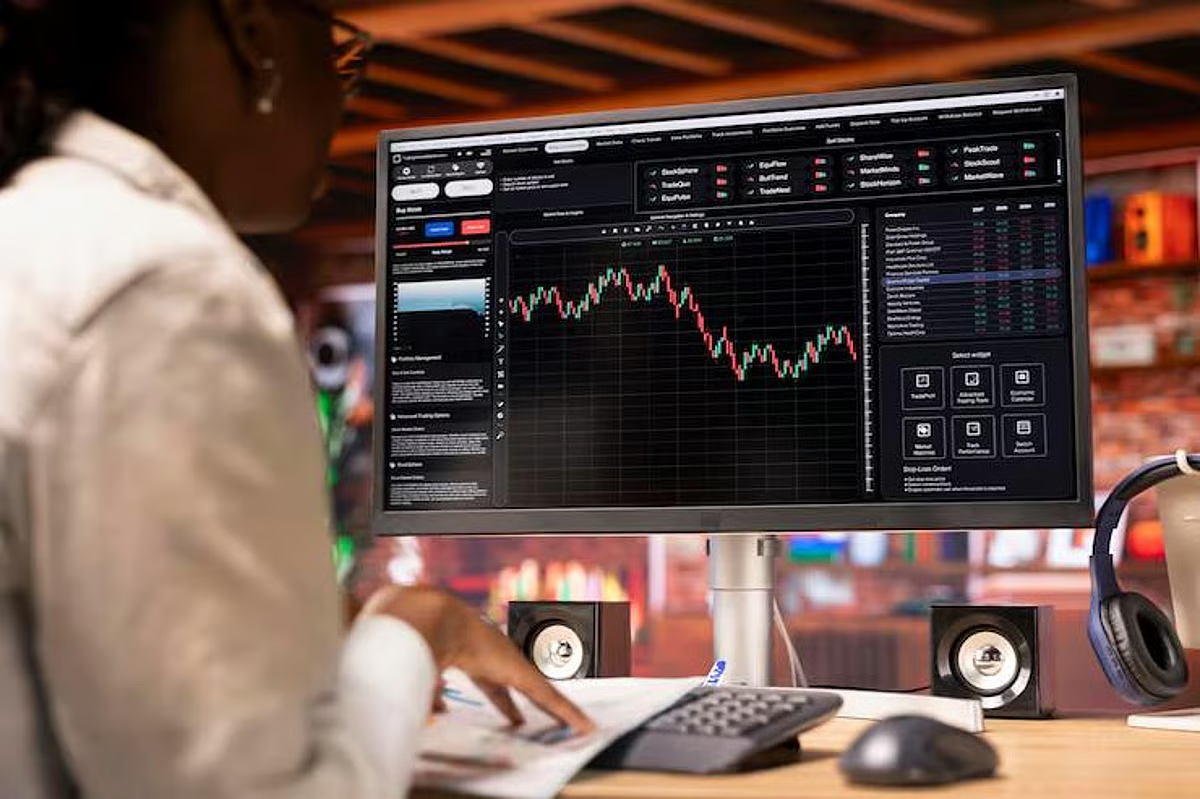
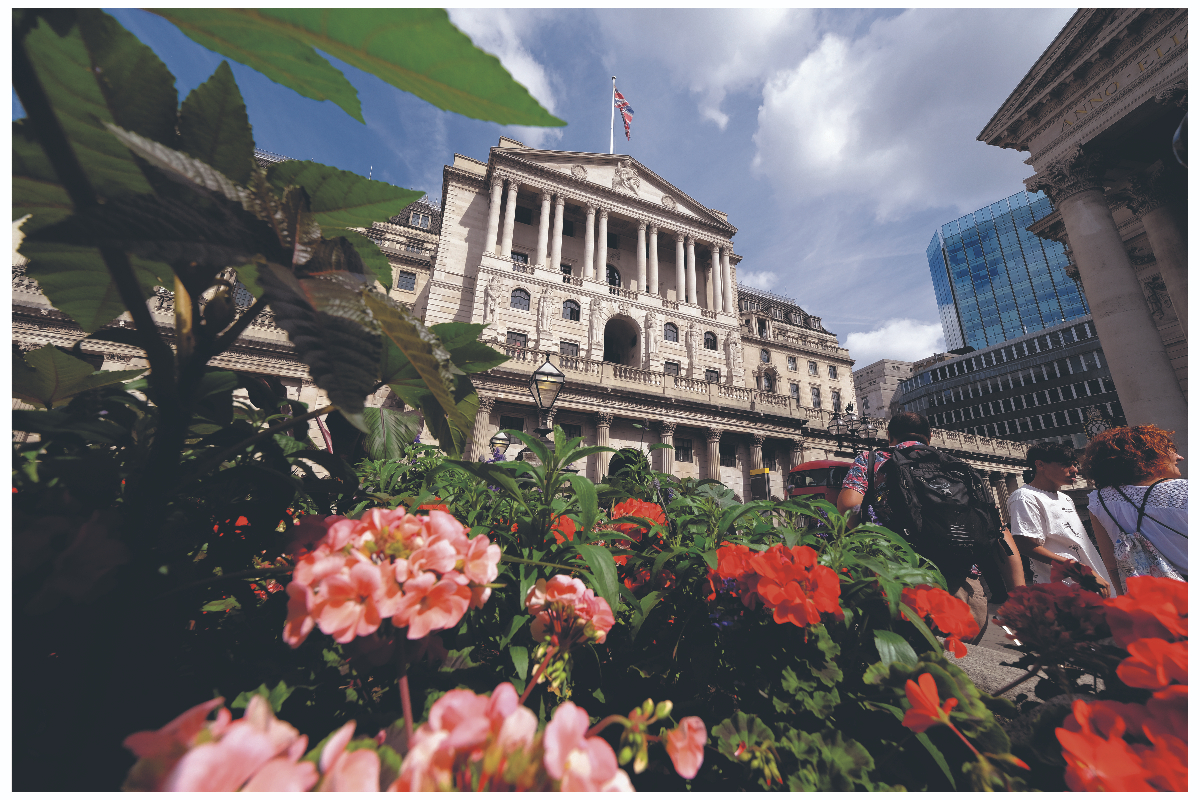
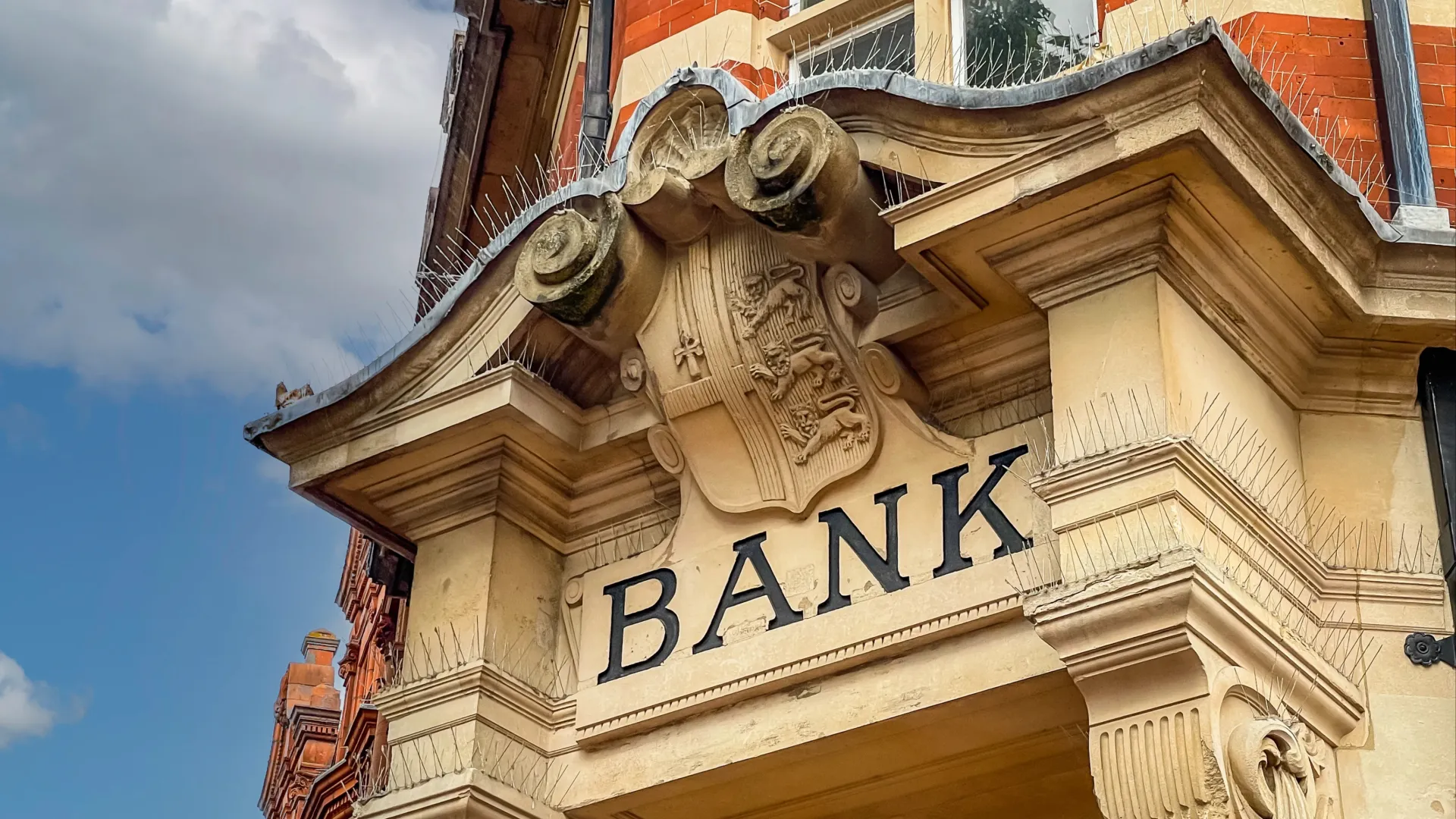
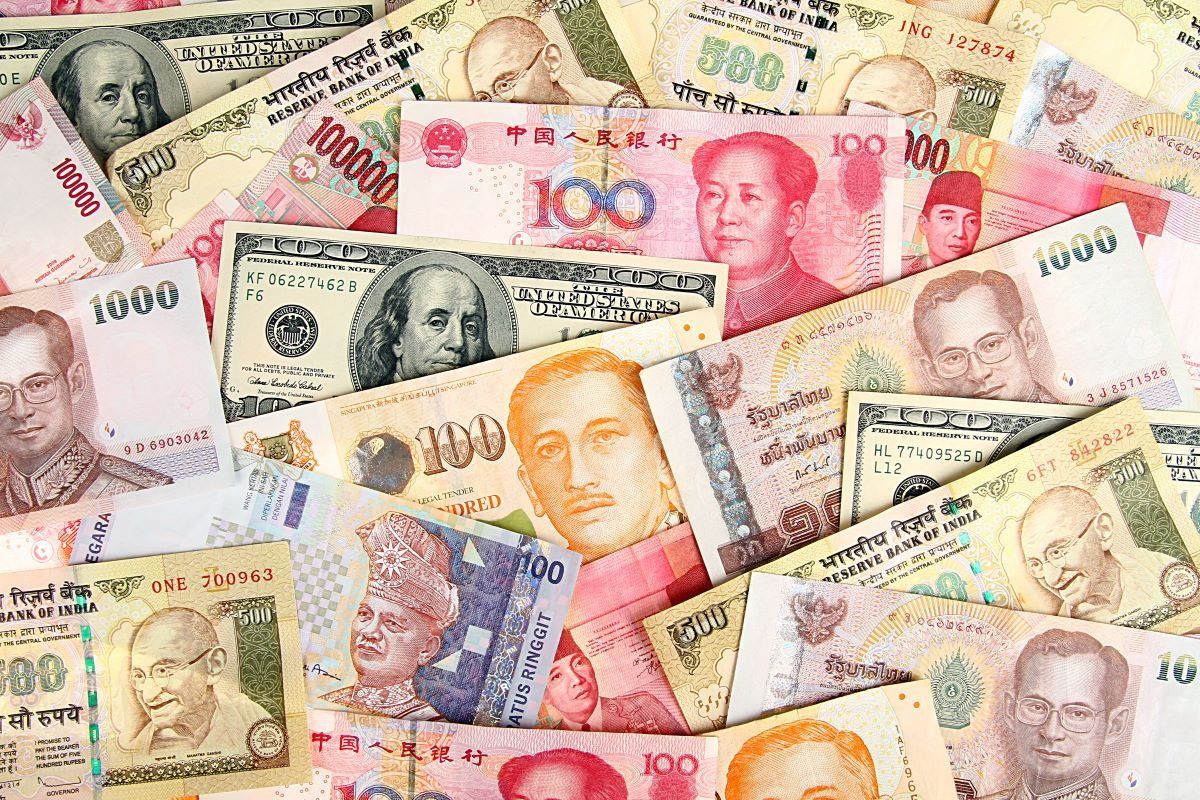
RippleNet (Ripple has recently rebranded its products, but it’s useful to use the names people know) is a settlement system that enables faster, cheaper cross-border transactions. But it’s essentially a messaging service, and banks use it without ever touching XRP. This is the product that 300-plus banking partnerships — including Bank of America and Santander — actually rely on.

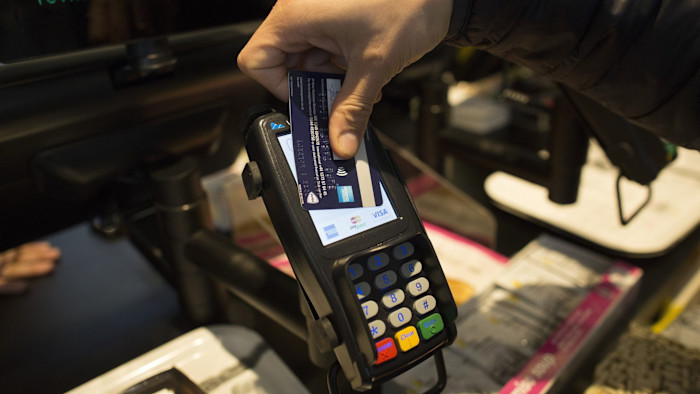
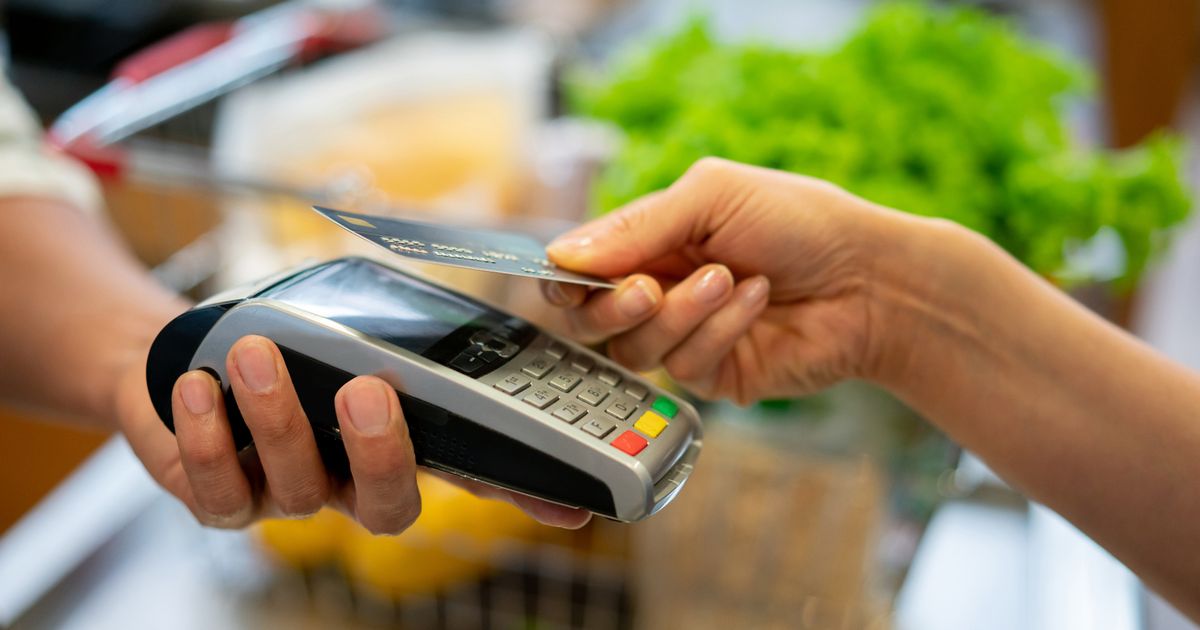
Image source: Getty Images.
On-Demand Liquidity (ODL) — again, since rebranded, but ODL is what people know — is the product that uses XRP as a bridge asset, converting dollars to XRP and then into the destination currency. Bulls argue that growing ODL adoption will drive token demand, but this doesn’t really hold up.
ODL primarily serves smaller institutions — fintechs and remittance providers, not major banks. Thus, its volume is much smaller compared to RippleNet. And institutions immediately convert in and out of XRP, meaning each buy is instantly matched with a sell, further limiting any sustained demand.
Ripple’s own strategy may be the biggest threat
And now Ripple itself has pivoted hard toward stablecoins. The company spent $200 million to acquire the stablecoin payments platform Rail and now prominently features “integrate stablecoin payments into your business” on its website. That’s an issue for XRP because RLUSD can function as an alternative bridge asset in ODL transactions, offering the same speed with more price stability. That’s a no-brainer for banks that prize little above safety and stability.
Ripple wins either way. XRP holders don’t.
The bottom line
In five years, Ripple will likely be a thriving payments infrastructure company — even more so than today. With a bank charter, a growing stablecoin, a prime brokerage, and 300-plus institutional partnerships, the company has built something real.
But even if Ripple’s products genuinely transform cross-border banking, I don’t think XRP holders will benefit. The token’s utility within its own ecosystem is being quietly replaced by a stablecoin that Ripple itself created. In five years, I see the cryptocurrency XRP struggling to keep up with the broader market, or worse.