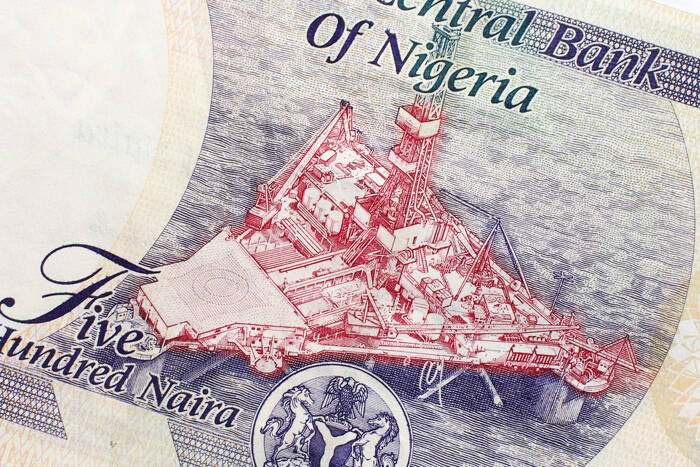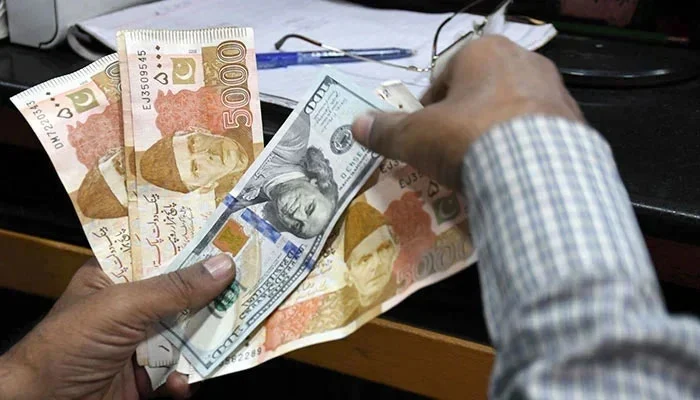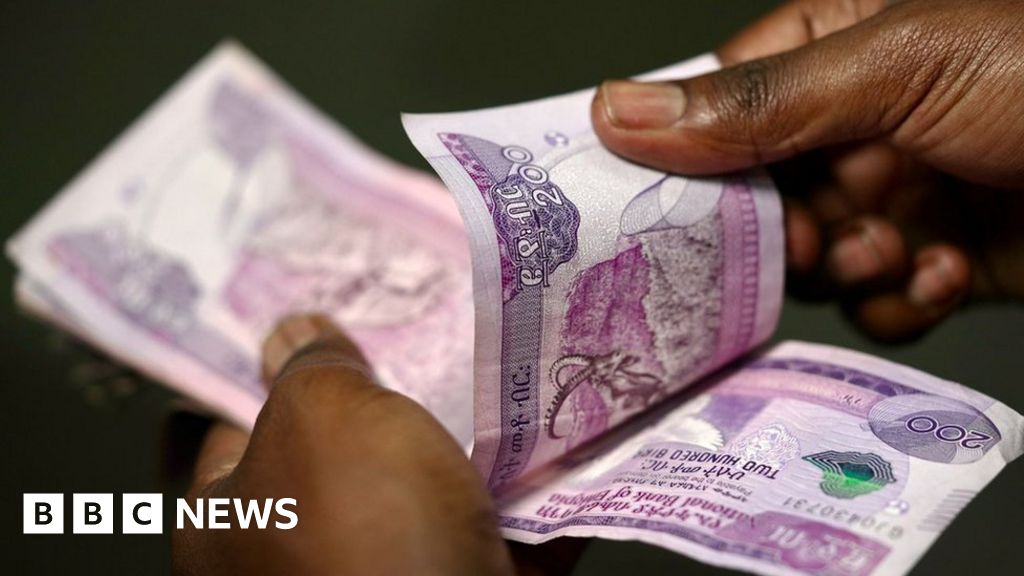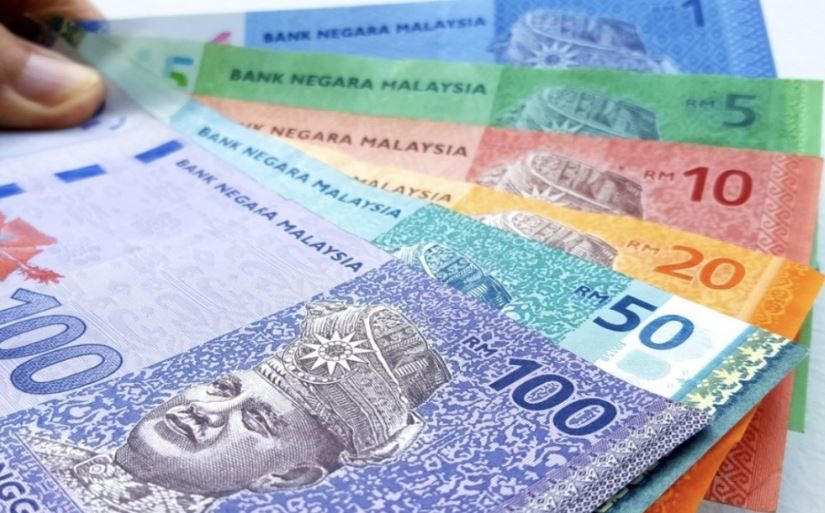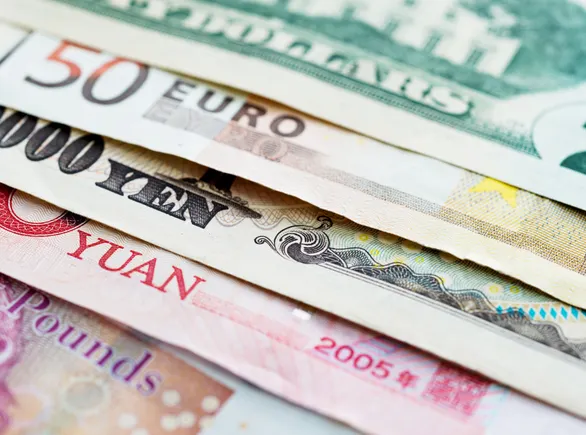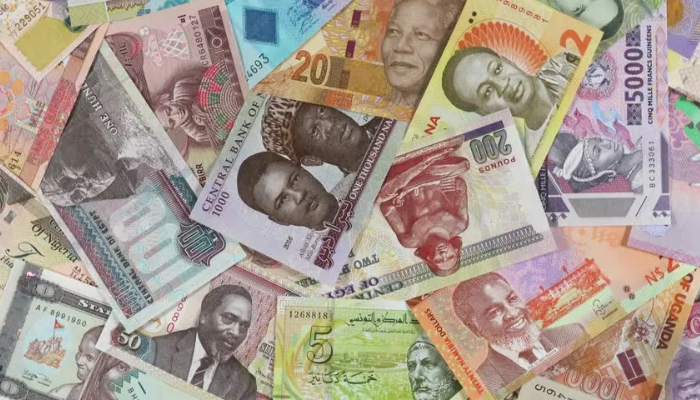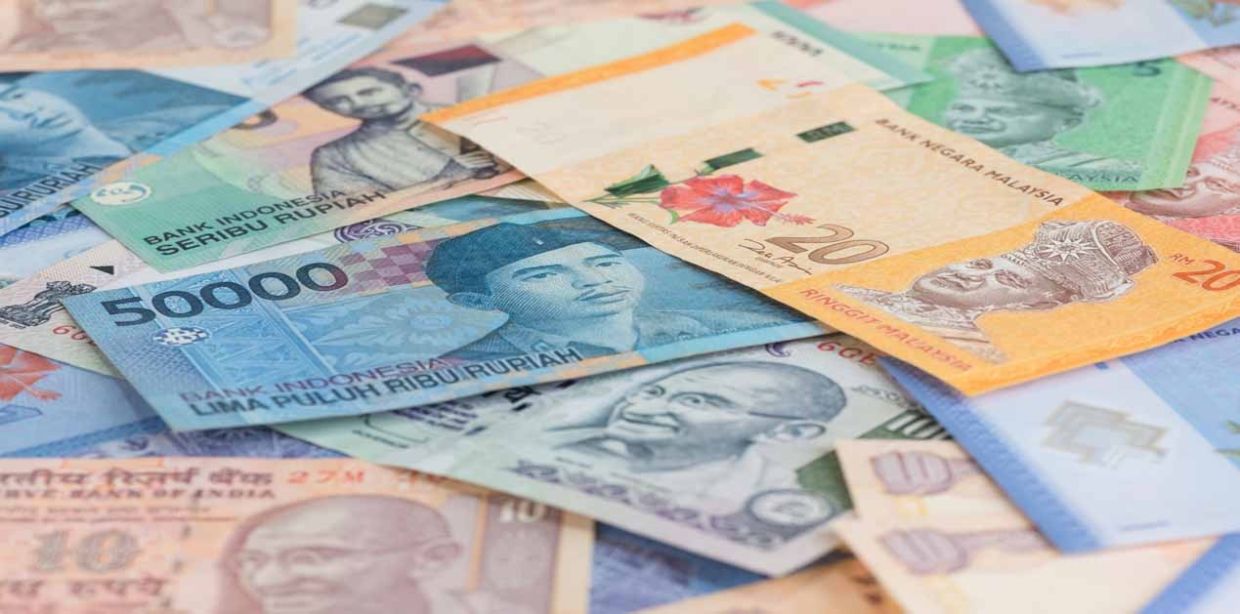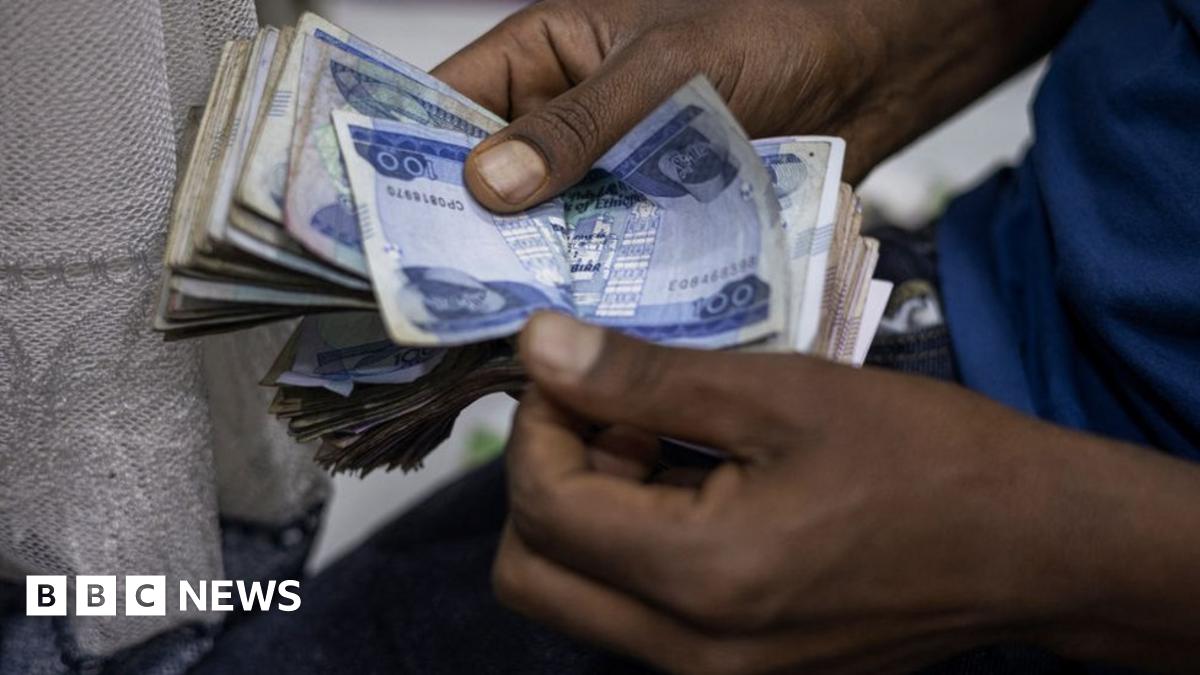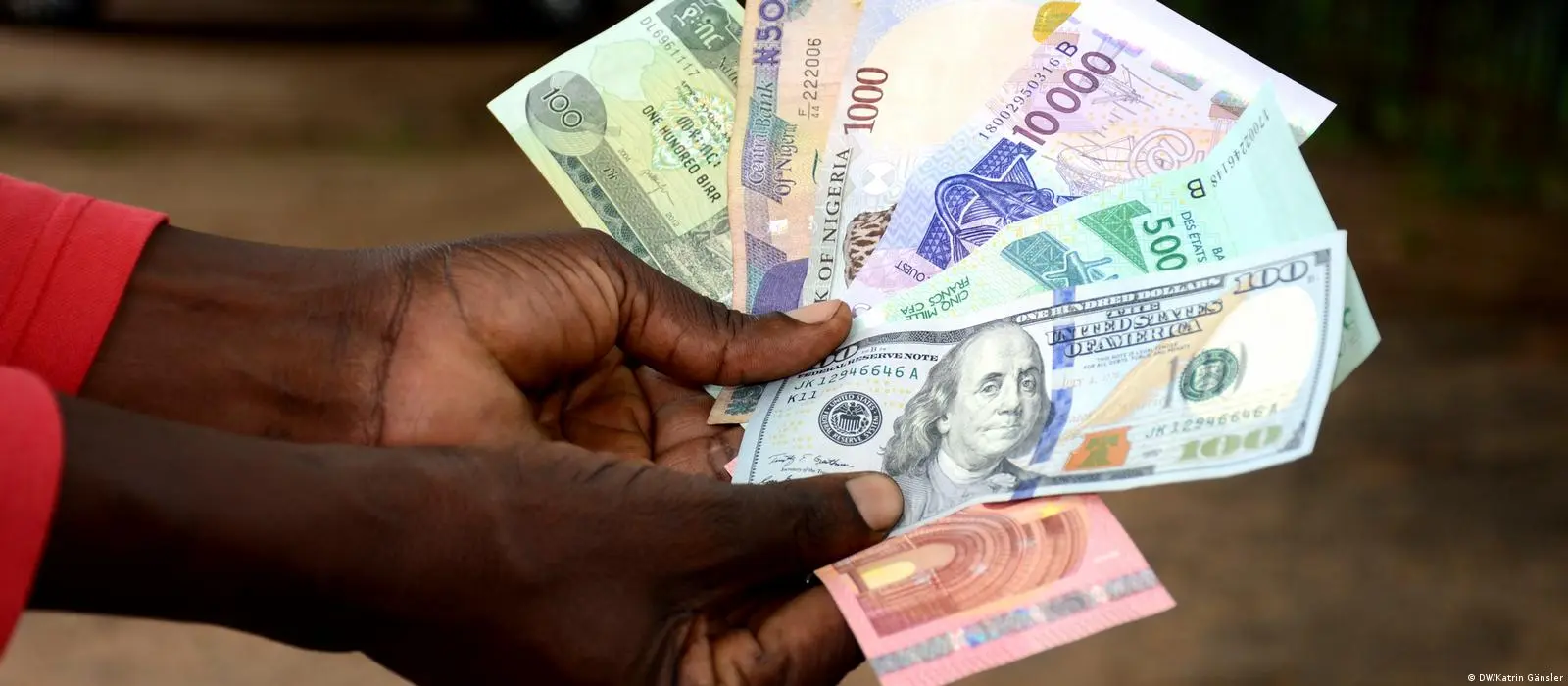
In October, the World Bank published a report, external in which it said the currencies in Nigeria and Angola, Africa’s biggest oil producers, were the two worst performing on the continent.
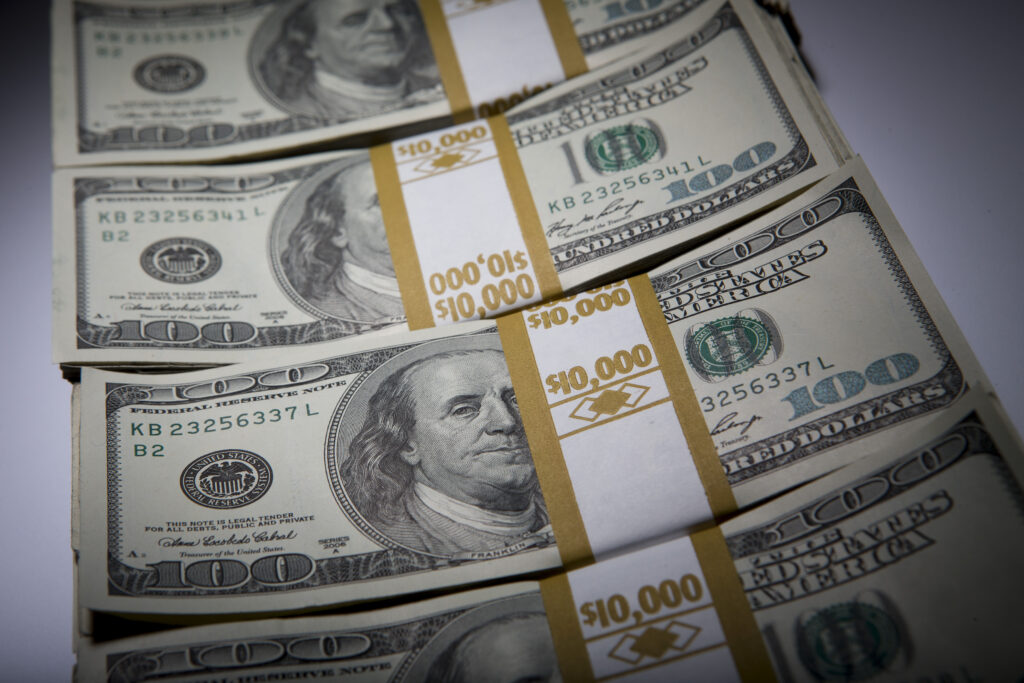
The naira and the kwanza lost nearly 40% of their value against the US dollar between 31 December 2022 and 15 September 2023.
“The weakening of the naira was triggered by the central bank’s decision to remove trading restrictions on the official market,” the World Bank said.
“For the kwanza, it was the decision of the central bank to stop defending the currency as a result of low oil prices and greater debt payments.”
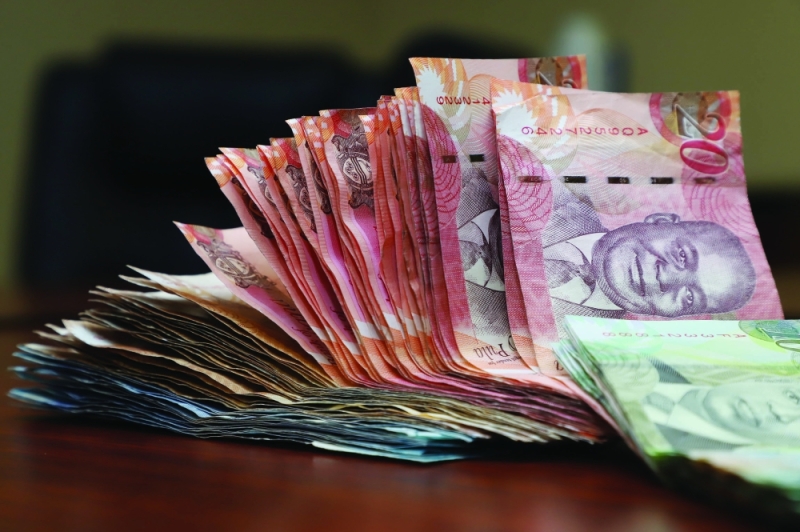
The report listed other African currencies that fell significantly over the same time frame, including those in South Sudan (33%), Burundi (27%), the Democratic Republic of Congo (18%), Kenya (16%), Zambia and Ghana (12%) and Rwanda (11%).
In Zambia, Africa’s copper capital, the price of staple foods, including maize, meat, fish and the popular dried pumpkin leaves, has increased by more than 14% in the past five months.
In some cases prices have doubled, pushing products out of the reach of some in a country where more than 60% of the 20 million population are classified as poor, according to the country’s statistics agency. Many people survive on less than $2 a day.