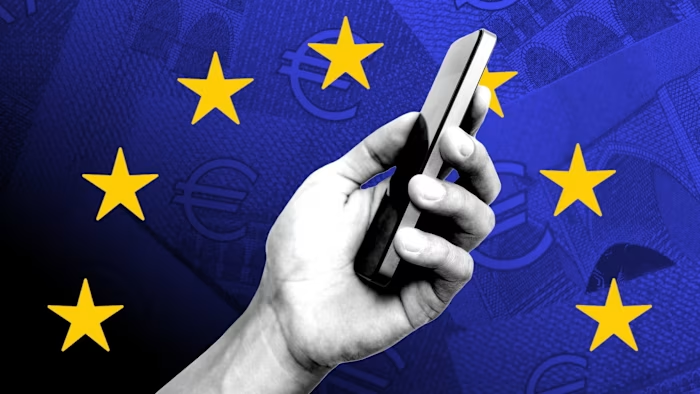
Banks should accept greater competition for deposits and be able to fail while taking more risk, says Triodos Bank, arguing that a digital euro would increase deposit safety and reduce banks’ control over payments.
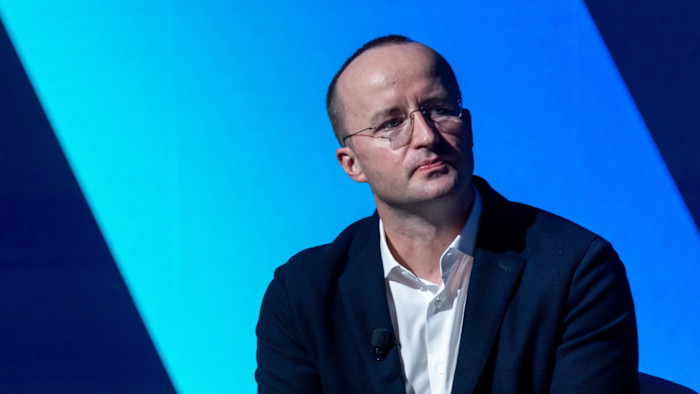
With a public alternative in the form of a digital euro, banks could take more risk, according to the bank’s chief economist, Hans Stegeman.
“Banks should be able to go bankrupt if they do things wrong,” he told The Banker.
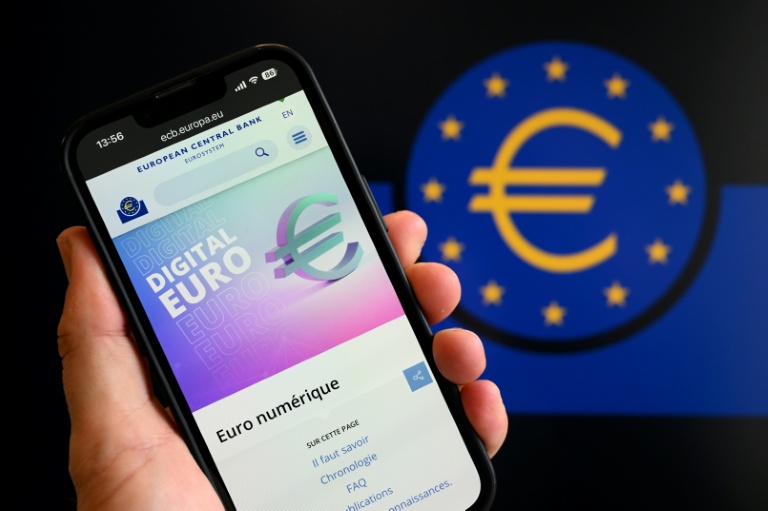
His comments come after Triodos signed a letter to the European parliament supporting the European Central Bank’s proposal for a central bank digital currency, the only lender to do so.
The letter — sent on 11 January — was signed by more than 70 academics and included the former governor of the Central Bank of Cyprus and a former European Bank for Reconstruction and Development executive.
Plans for a digital euro face opposition from European lenders, including BNP Paribas, Deutsche Bank and ING, who in November said that current CBDC proposals add little value to EU payments infrastructure.
The European parliament is expected to vote on plans for a digital euro in the first half of this year.
Since Triodos took a public stance last year, other lenders have questioned the bank’s position, arguing that it is “completely against the interests of commercial banks”, Stegeman says.
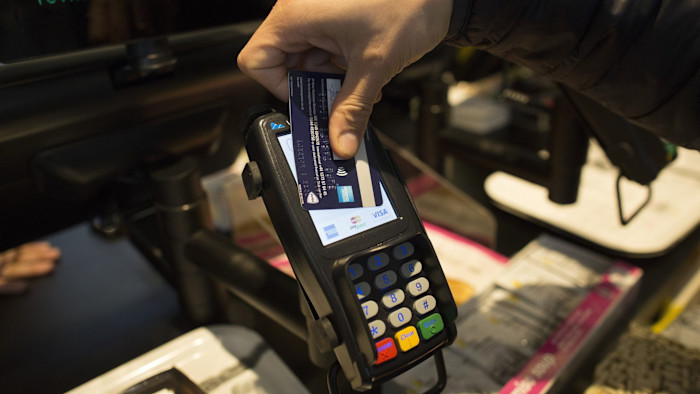
Based on current plans, the digital euro would span use cases, such as point of sale, ecommerce, peer-to-peer and payments to or from the government.
“Some of the reactions I also got from the financial sector [include]: ‘Do you understand what you’re doing? This is not good for our deposits, this is not good for lending money,’” said Stegeman.
In the case of a bank run, for example, there would be a “safe option”, he added: a CBDC.
“You don’t want to insure the banks with a deposit guarantee scheme, you want to insure the deposit holders. And that’s easy to do with public money,” he said, adding that the “big threat” is that bank lobbying leaves the digital euro so minimal that it has no meaningful purpose.
“The banking lobby in Europe is quite strong . . . even stronger for a large part than in the US. And that is the reason, I think, why this is so difficult. Those vested interests are huge. We still have a very much bank-based financial system in Europe. It’s overbanked. People are struggling for deposits. So any threat to it will be a big battle,” Stegeman said.
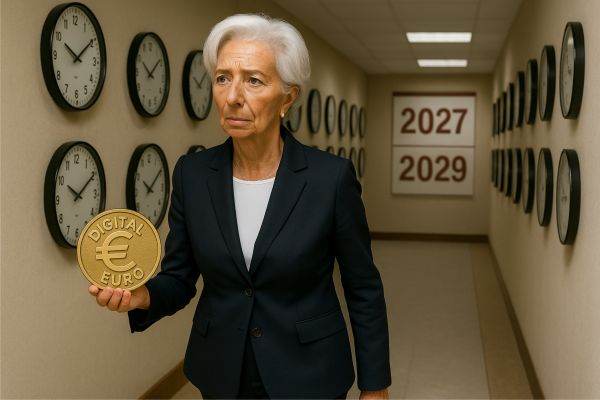
Momentum for the project is likely to come from the ECB, however, which has argued that a digital euro is needed for strategic independence and stability.
In December, ECB president Christine Lagarde said: “Our ambition is to make sure that in the digital age there is a currency that is the anchor of stability for the financial system . . . it has to be a digital expression of that sovereignty.”
Despite his concerns, Stegeman expects a digital euro to appear eventually, mostly because of the “weight of the [ECB]” and strategic considerations in the context of an increasingly digital financial system.
He hopes it will increase competition and require “more effort” from banks to attract consumers.
A spokesperson for the ECB said: “The ECB welcomes all contributions that enrich and inform the project, and strengthen Europe’s monetary sovereignty.”