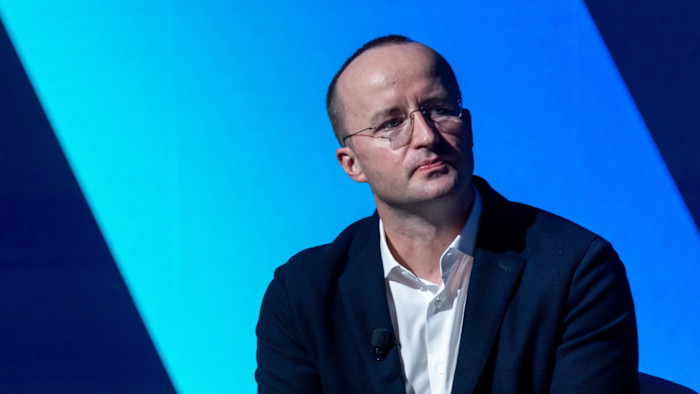
Kiiru Muhoya is the Co‑Founder of Fingo, Africa’s first youth neobank, and a fintech strategist focused on stablecoins.

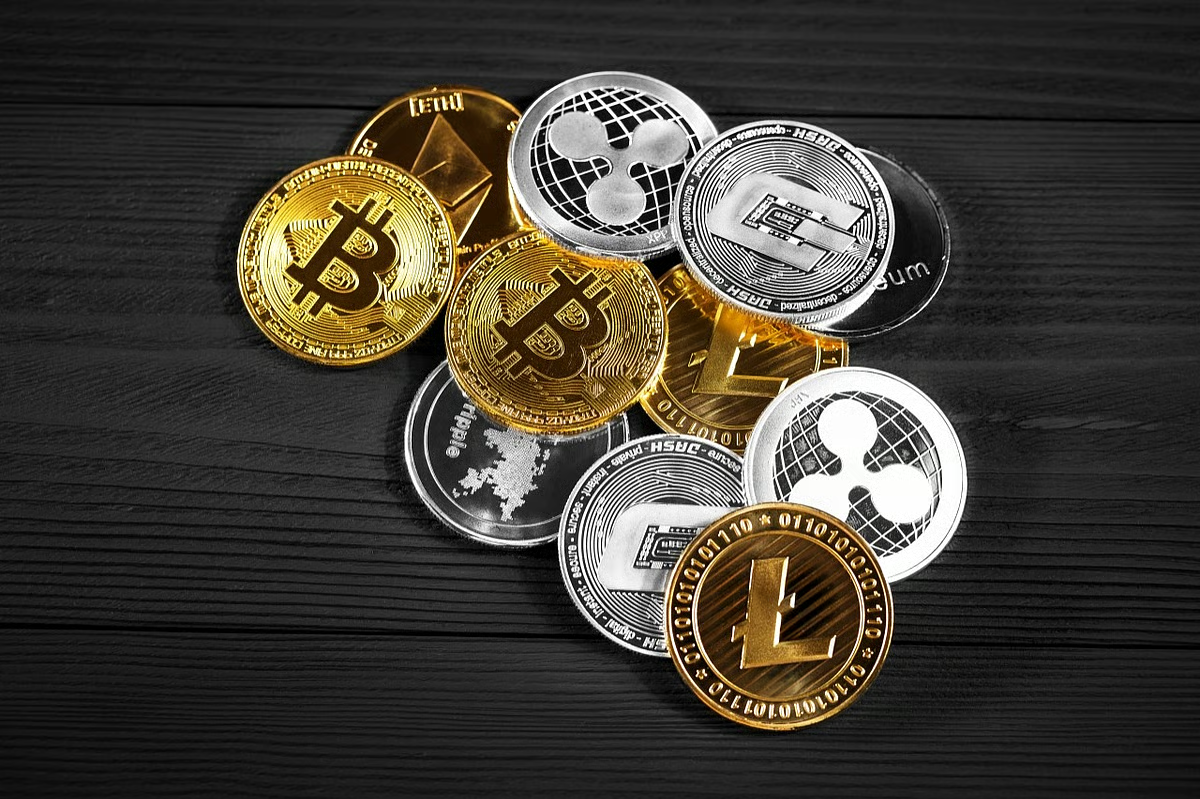
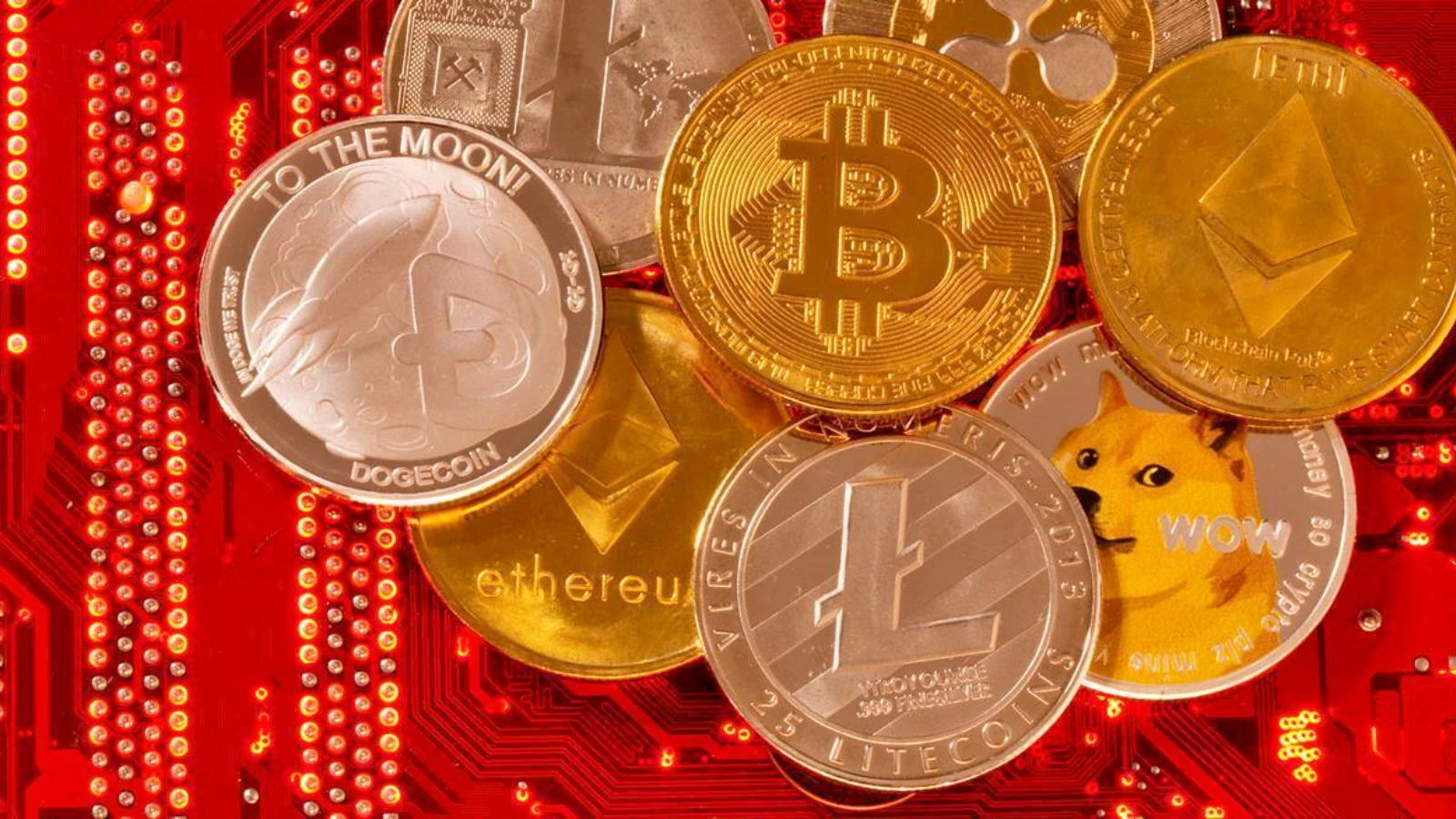
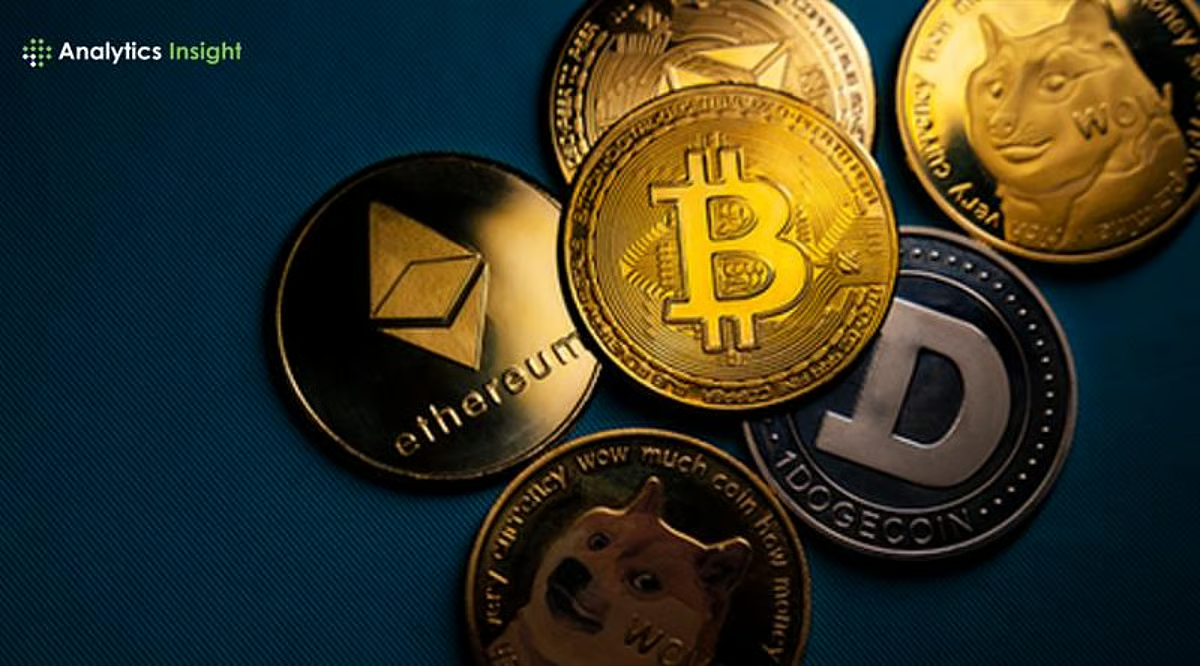
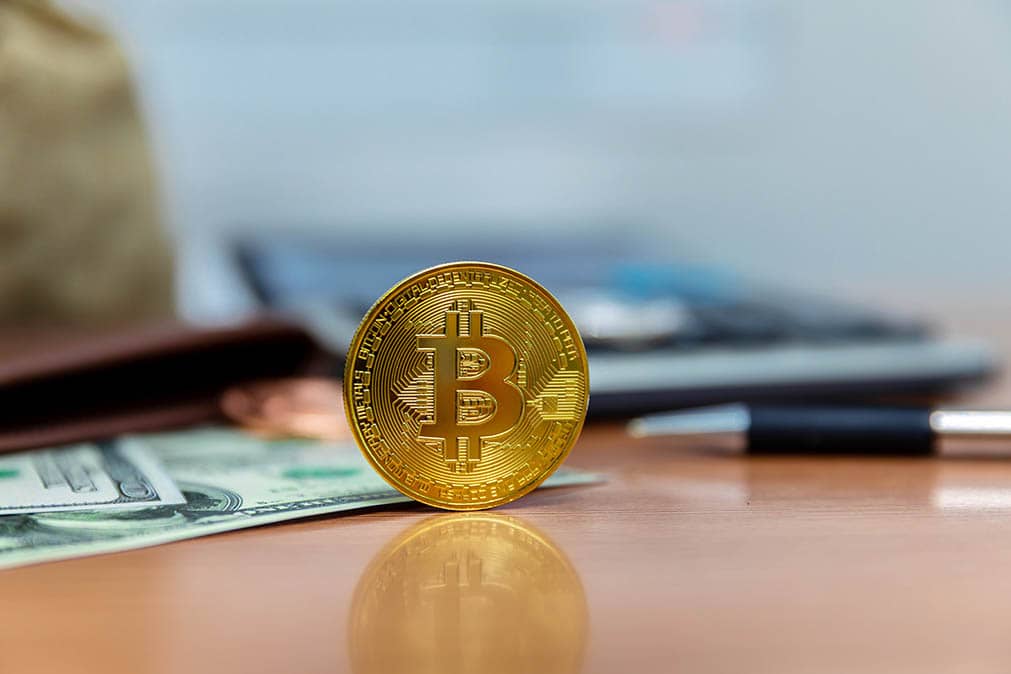
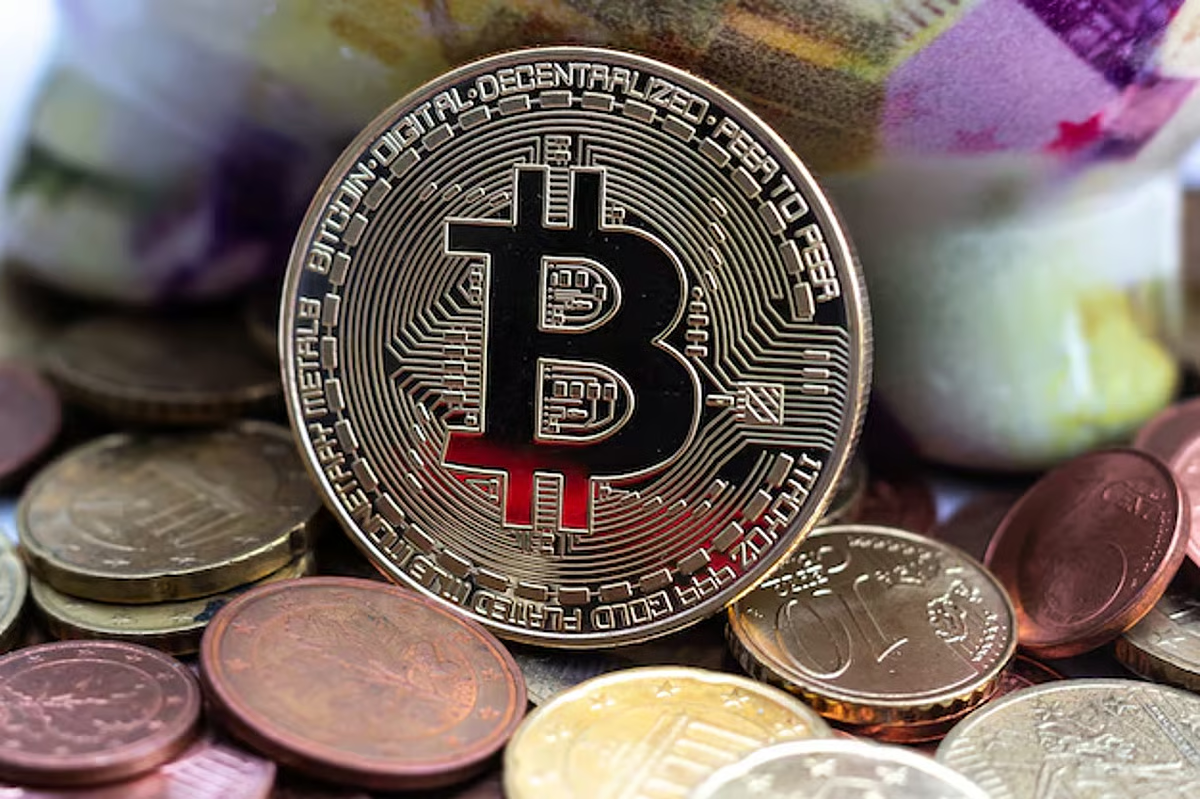
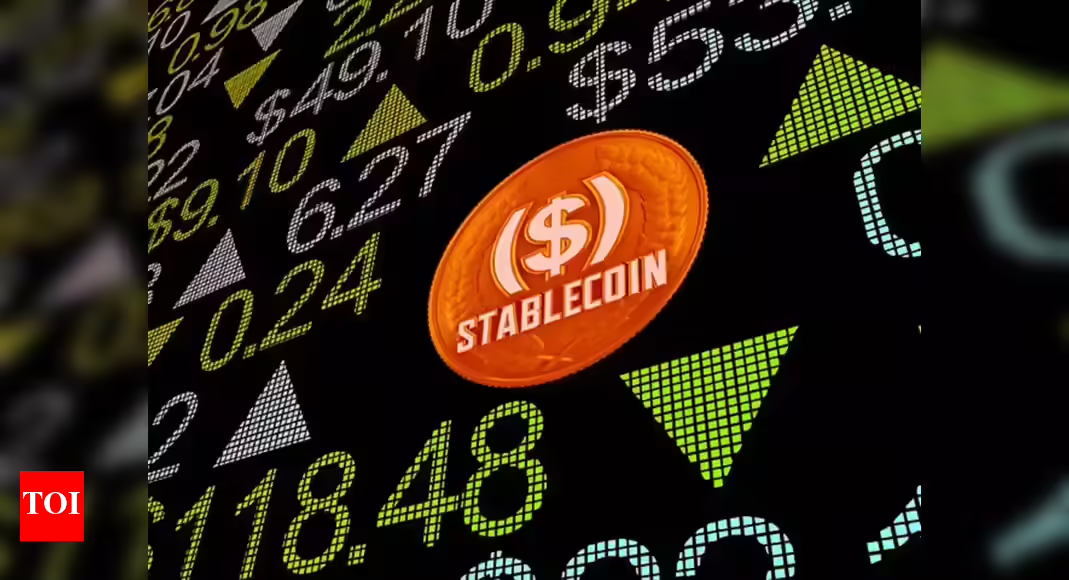
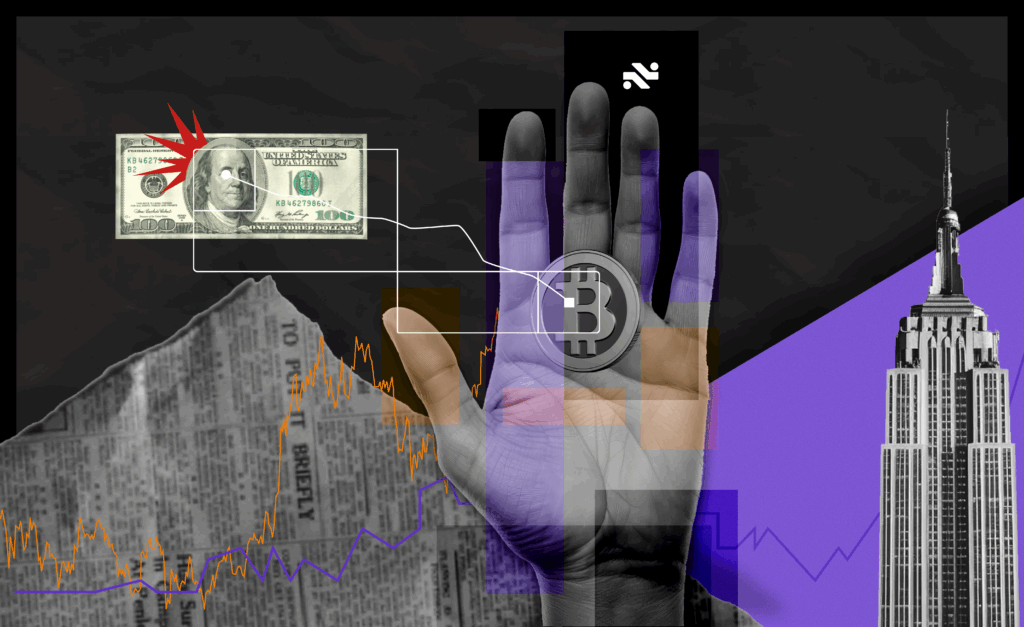
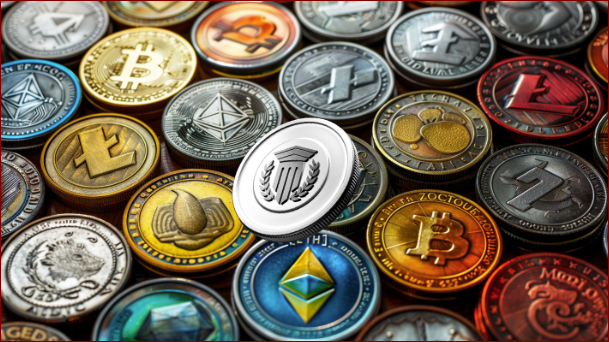
In global finance, stablecoins are emerging as one of the most potentially consequential innovations of the 21st century. Unlike traditional cryptocurrencies, which are prized for decentralization but can be marred by volatility, stablecoins are engineered to maintain a stable value by pegging to a reserve asset—most commonly the U.S. dollar. This blend of digital currency efficiency with price stability positions stablecoins at the intersection of monetary policy, cross-border payments and financial inclusion.
The Global Trajectory Of Stablecoins
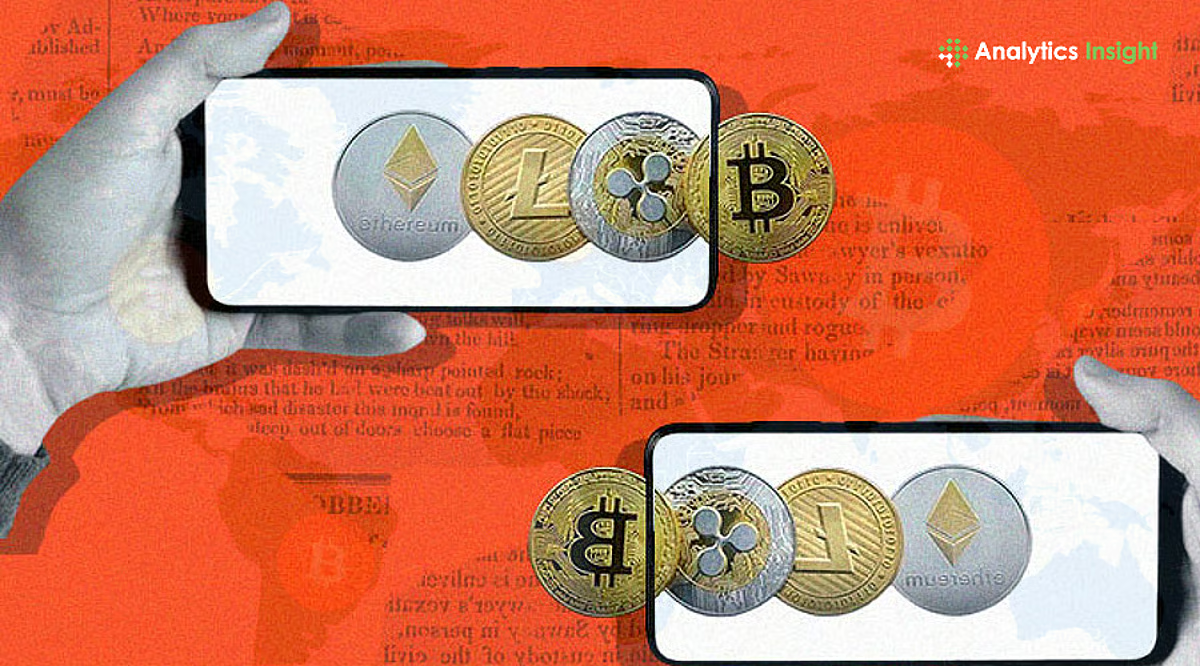
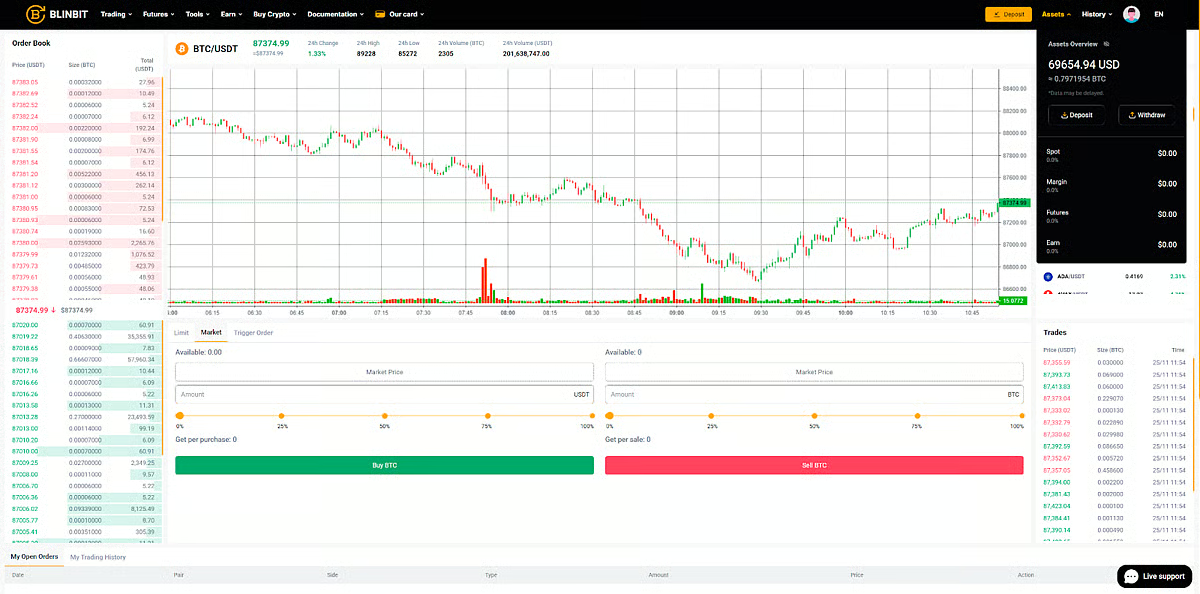
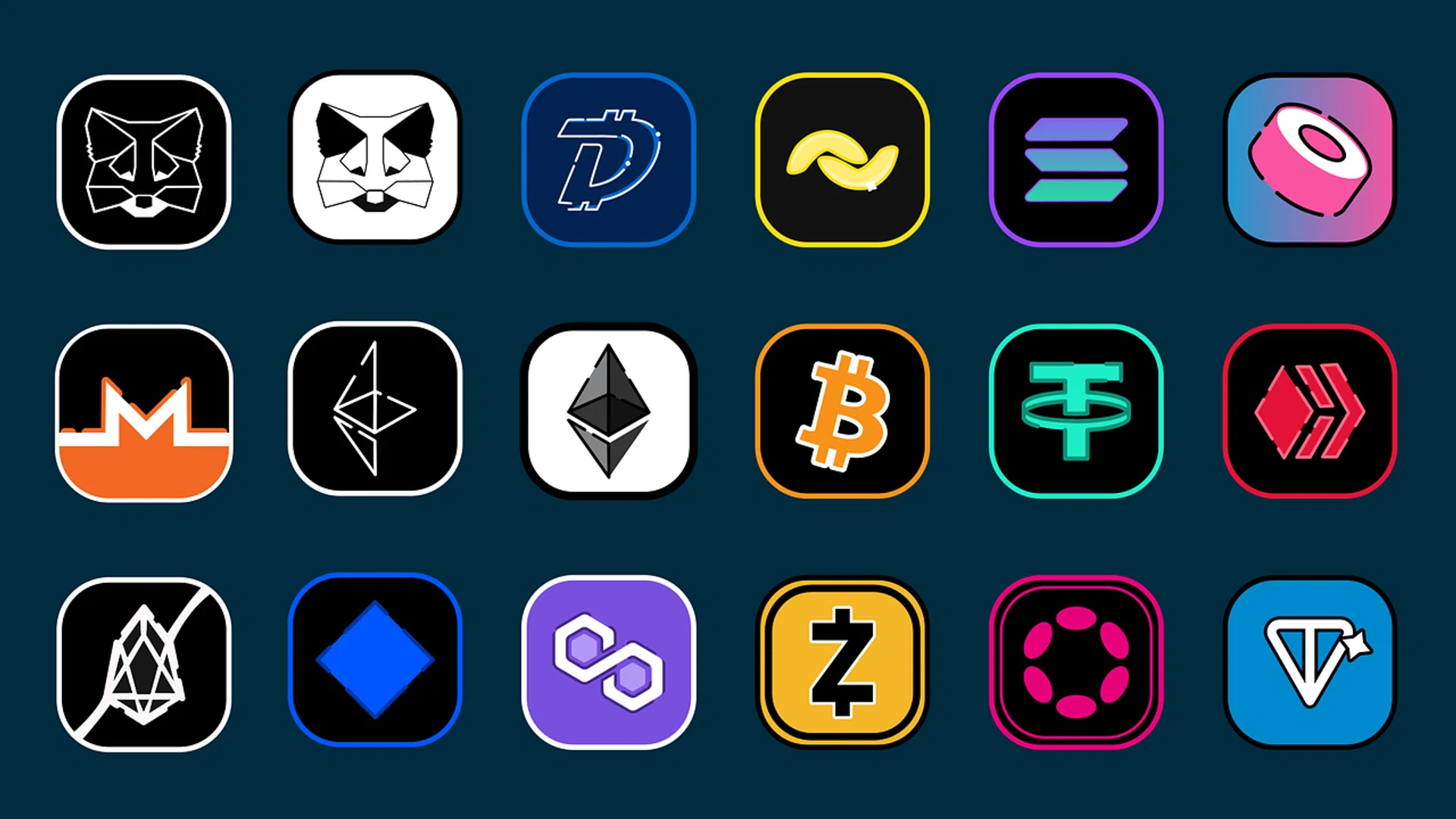
The global trajectory of stablecoins reflects both technological progress and geopolitical realities. Over the past five years, adoption has accelerated among retail users, institutional actors and sovereign entities. In 2025, J.P. Morgan estimated that the aggregate market value of regulated and trust-backed stablecoins has ballooned into the tens of billions. Banks and fintech companies are integrating stablecoin rails for settlement and remittance, marketplaces are working to accept them for commerce and governments are evaluating regulatory frameworks to align innovation with financial stability.
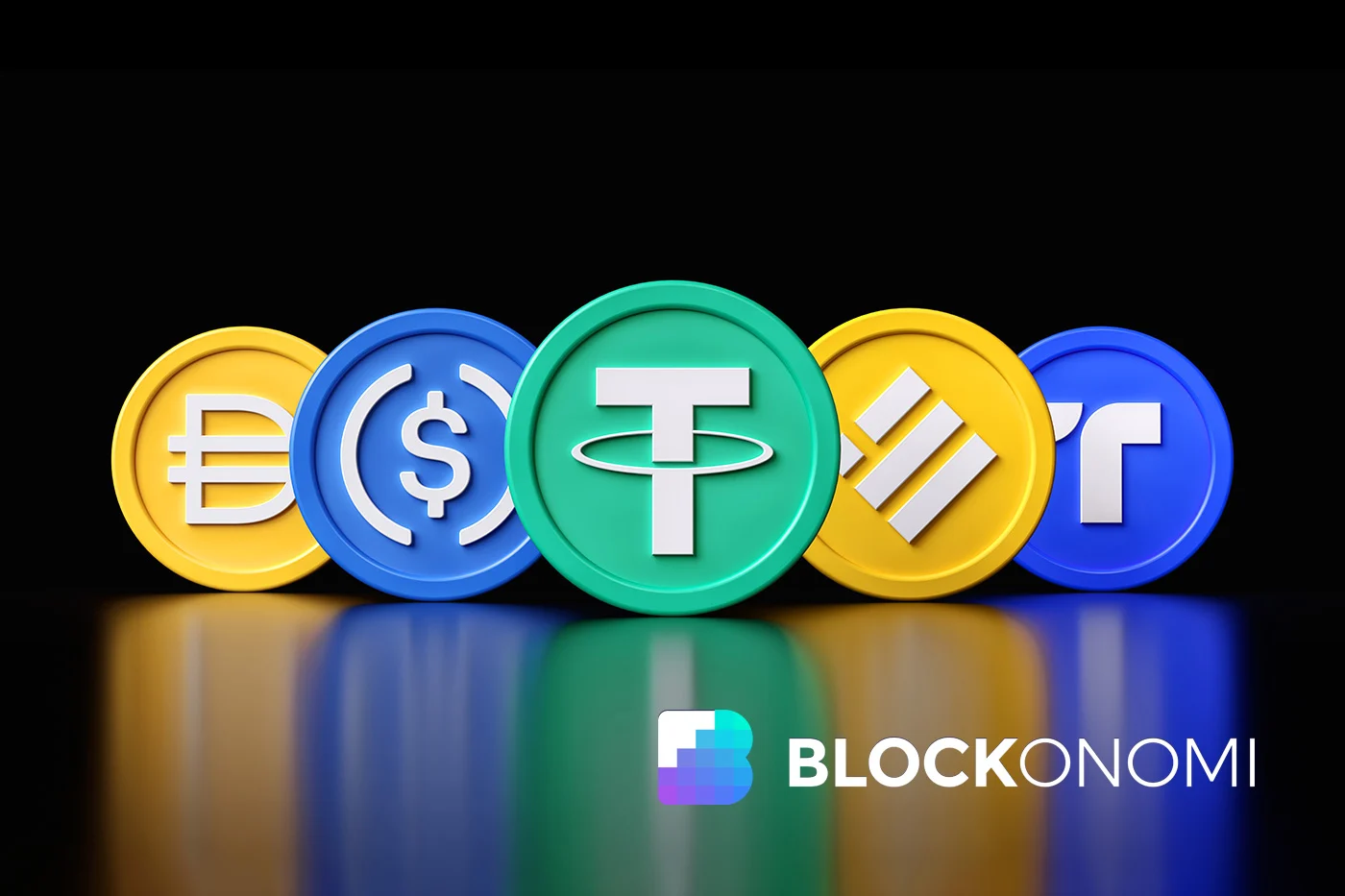
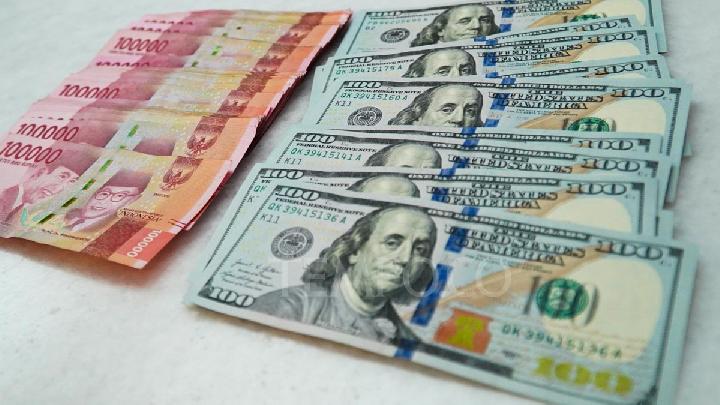
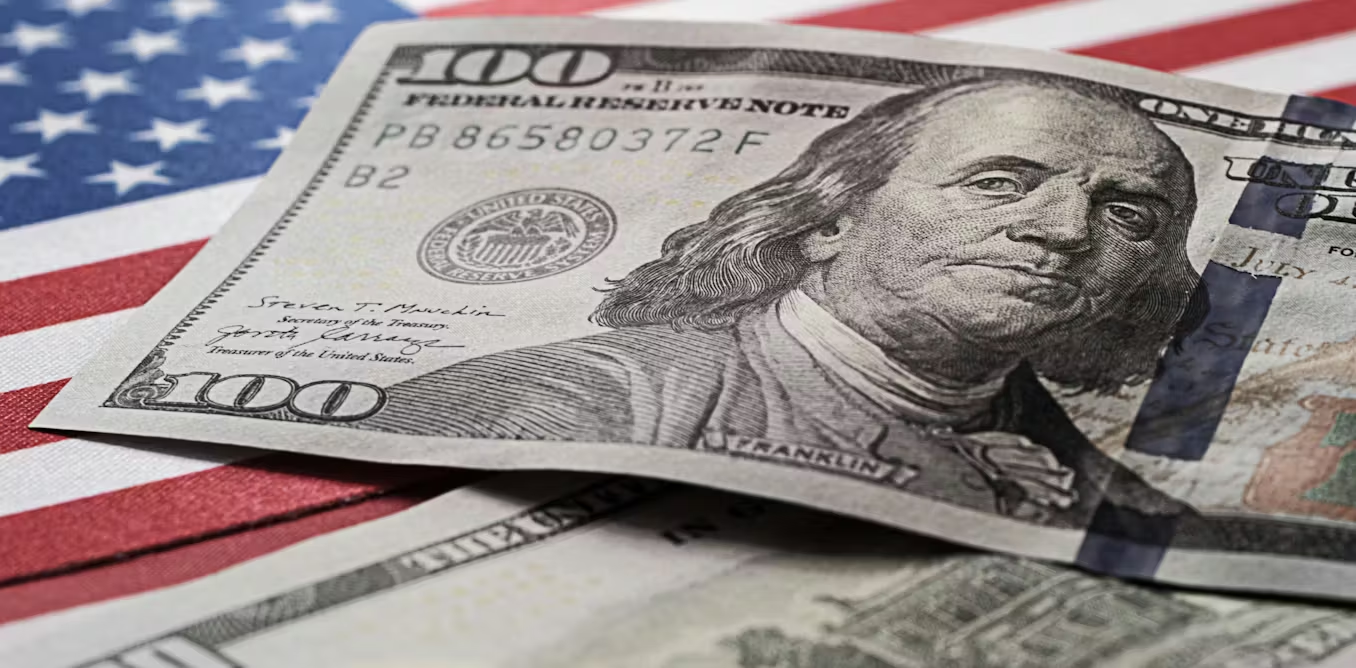
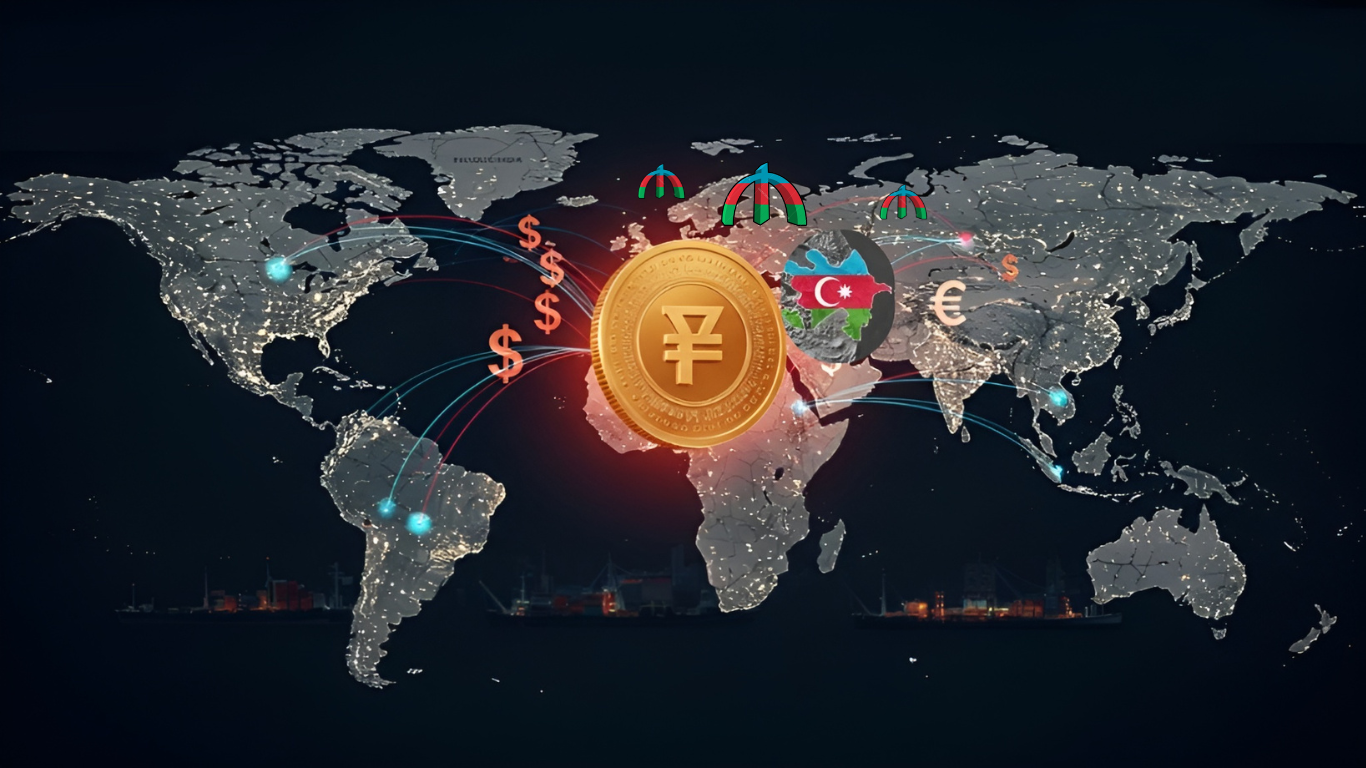
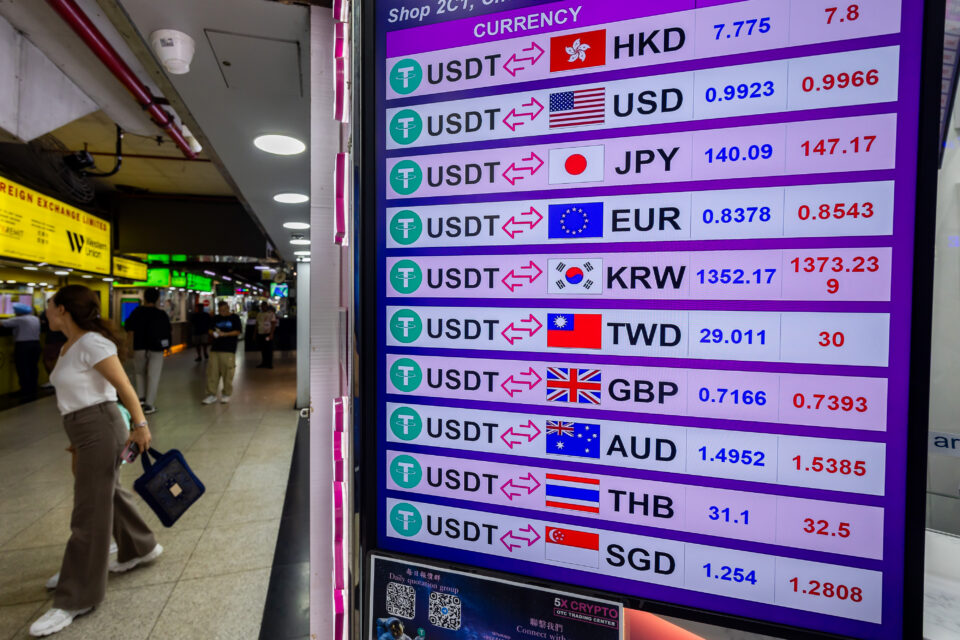
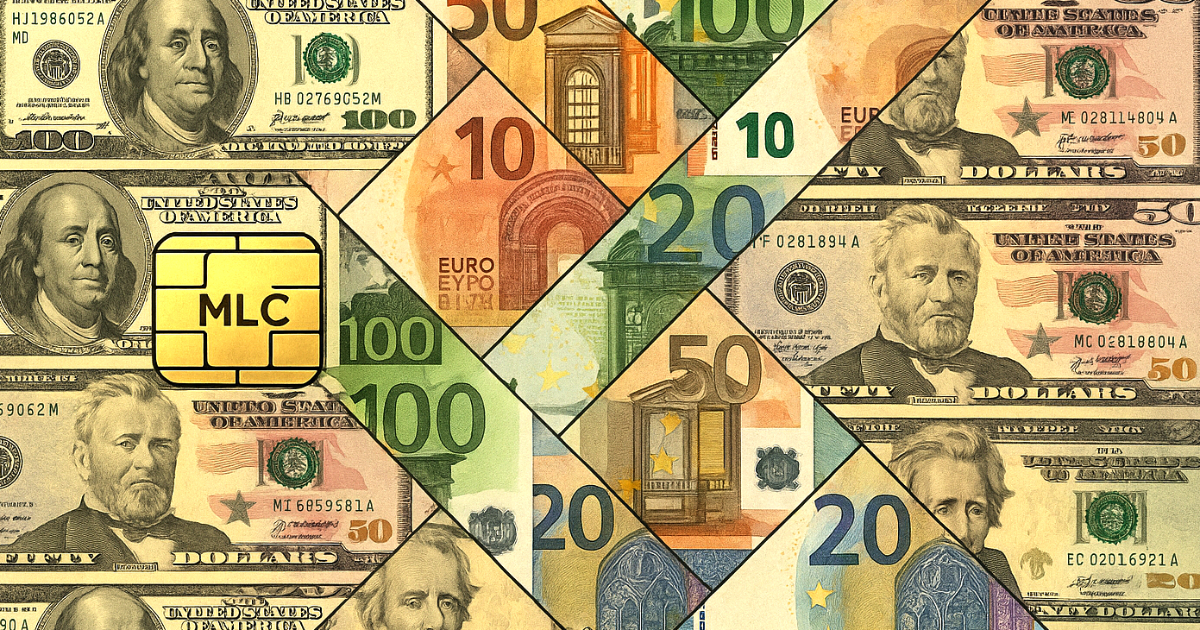
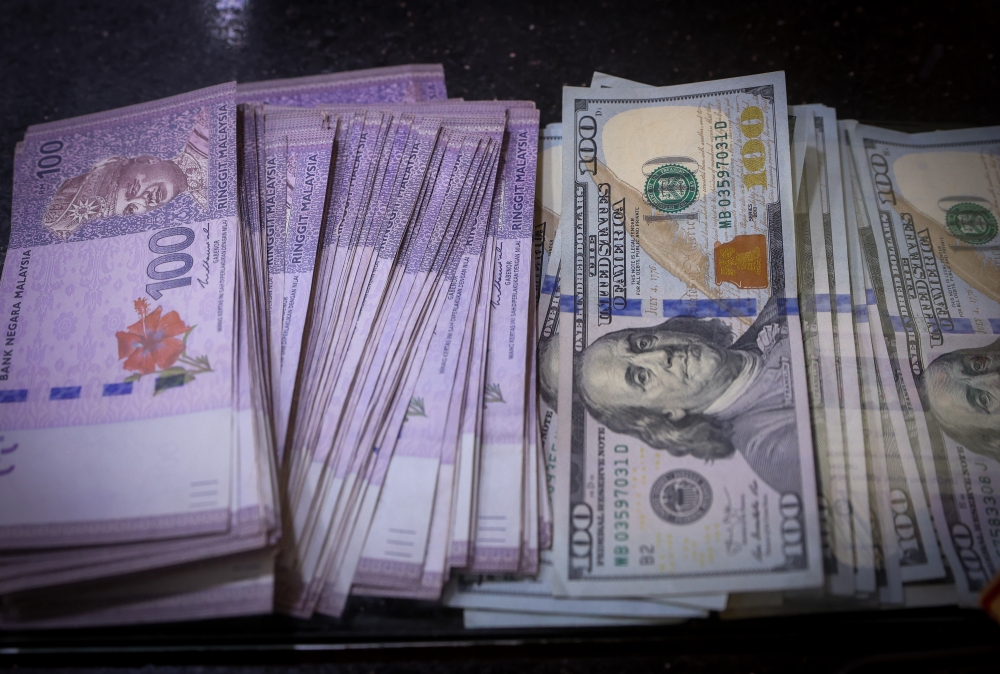
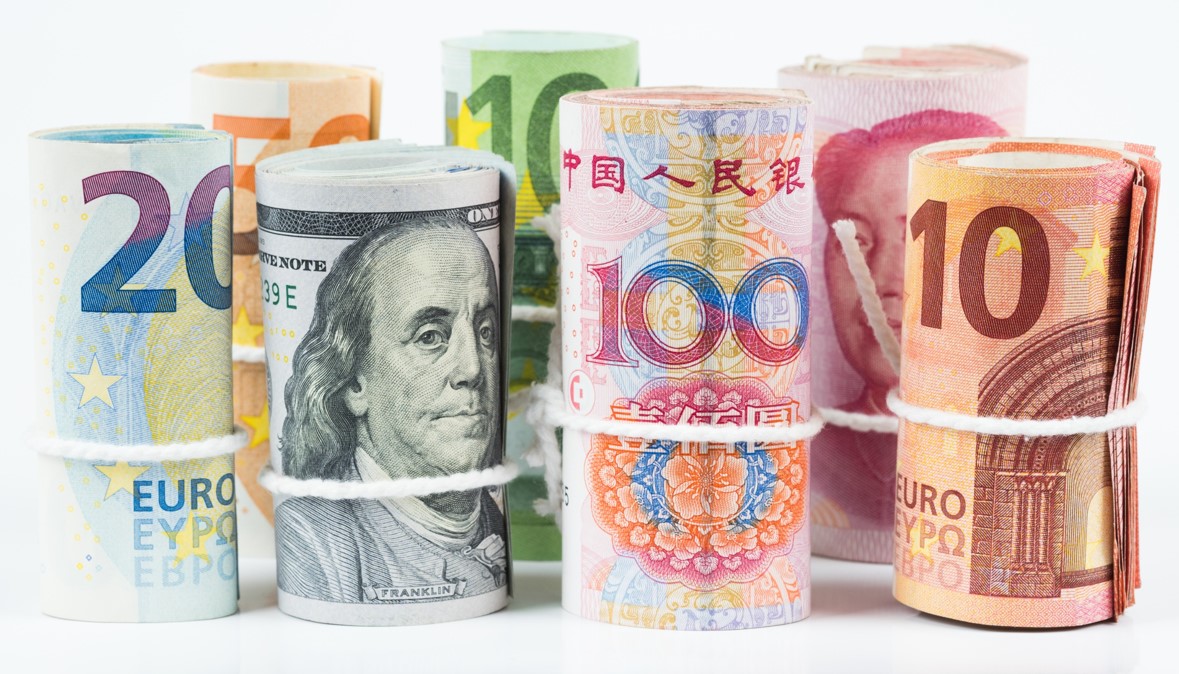
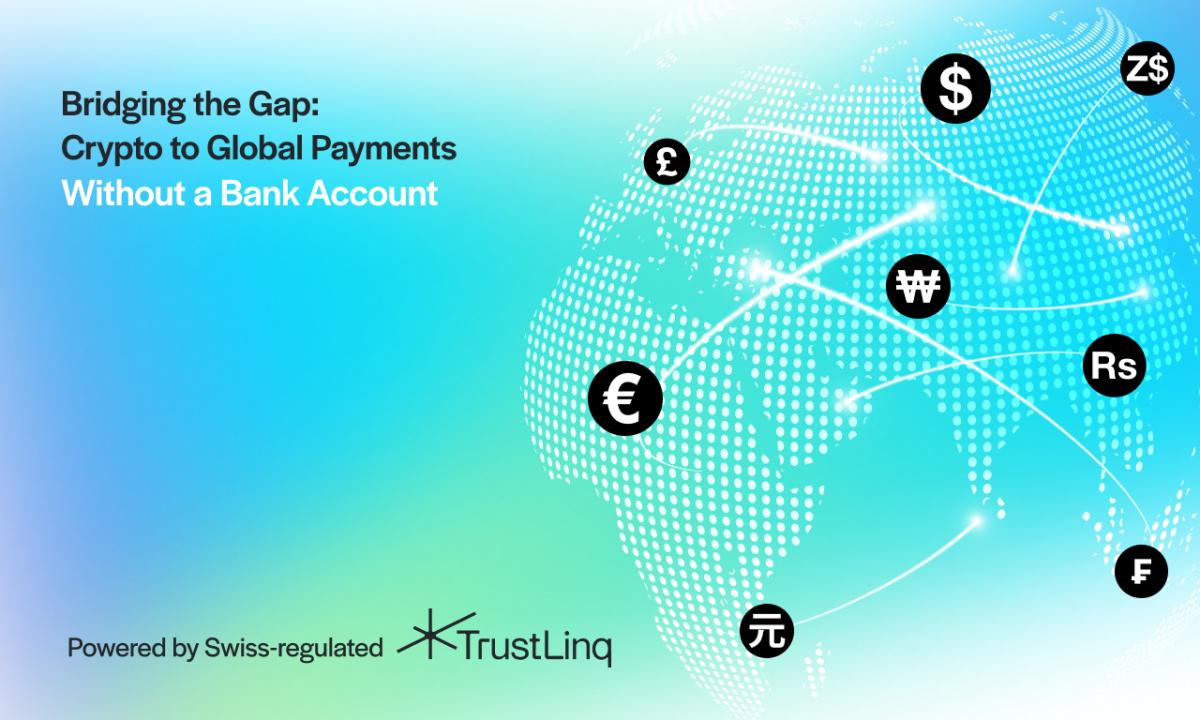
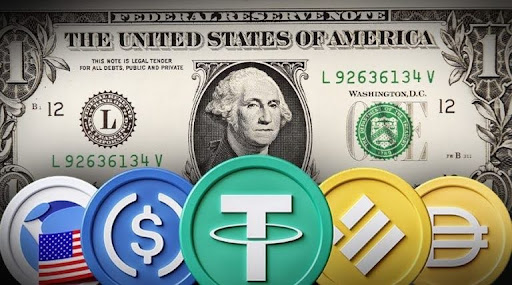
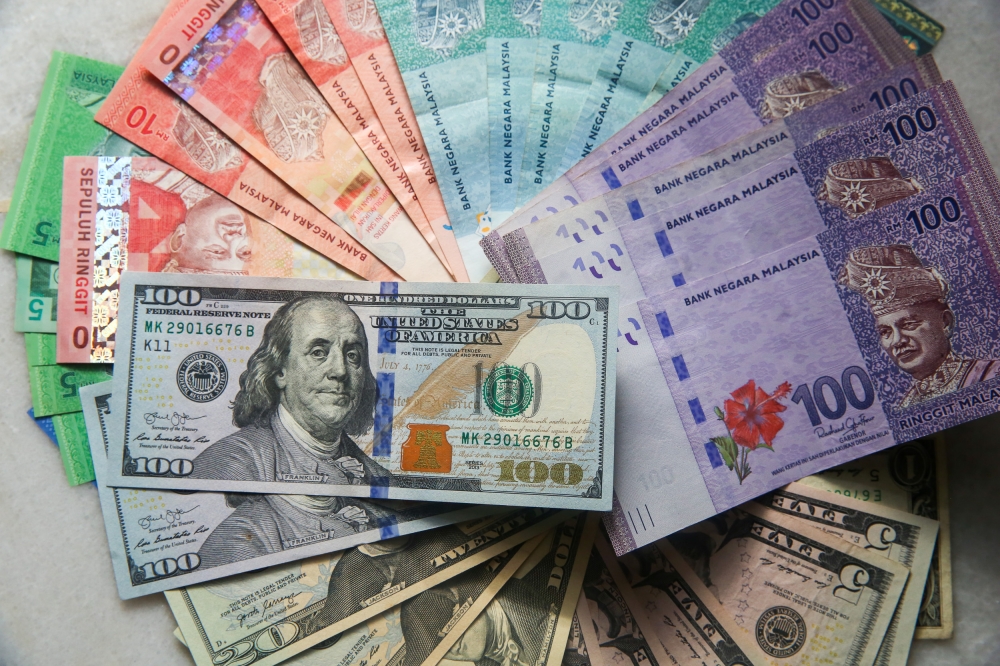
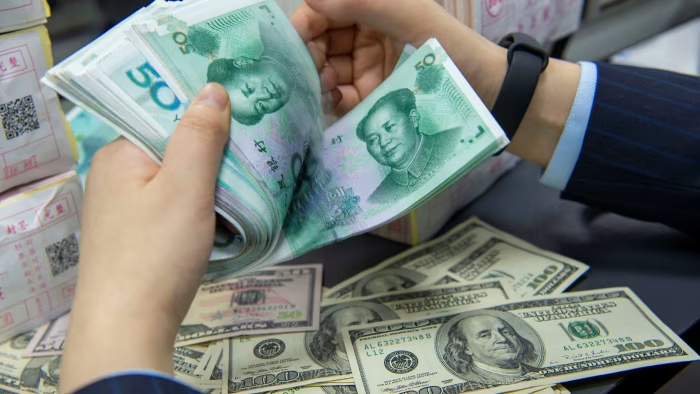
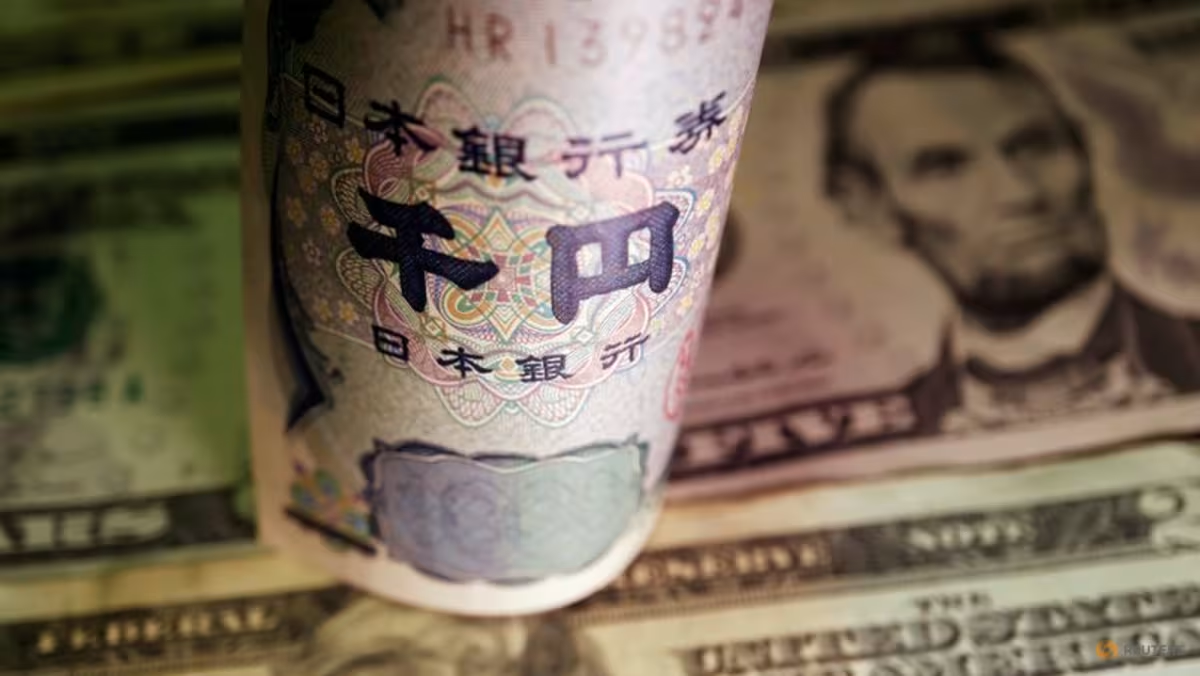
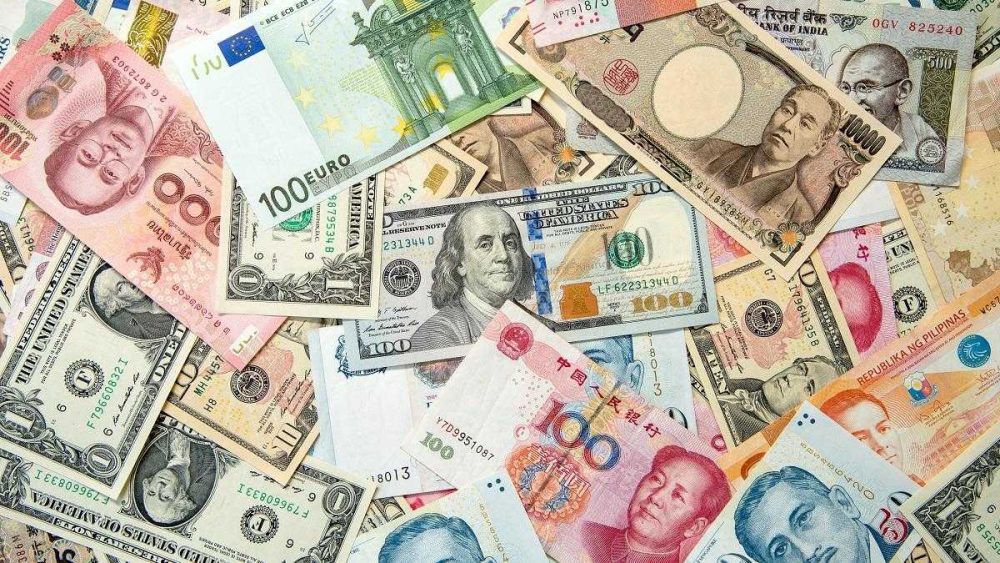
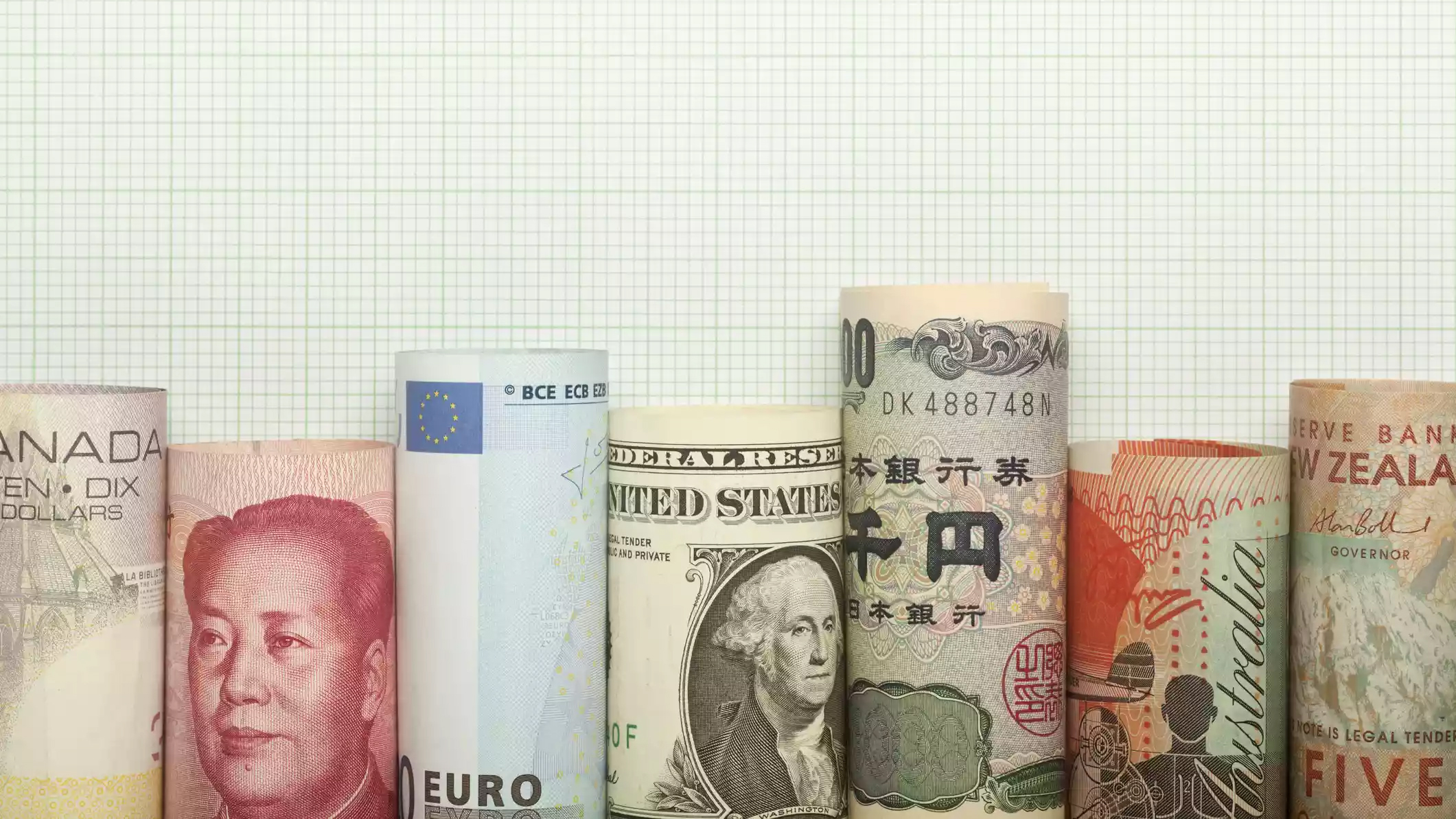
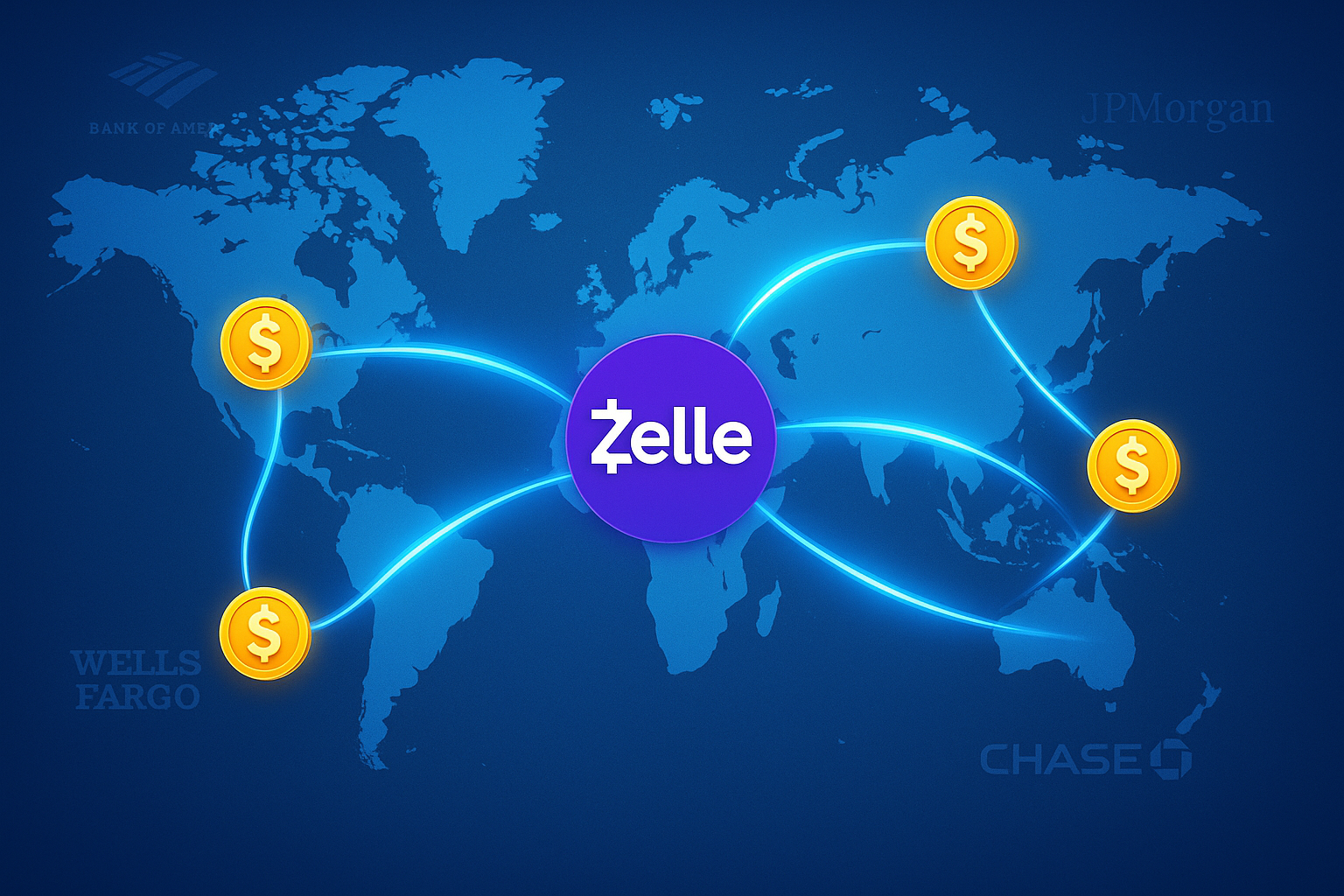
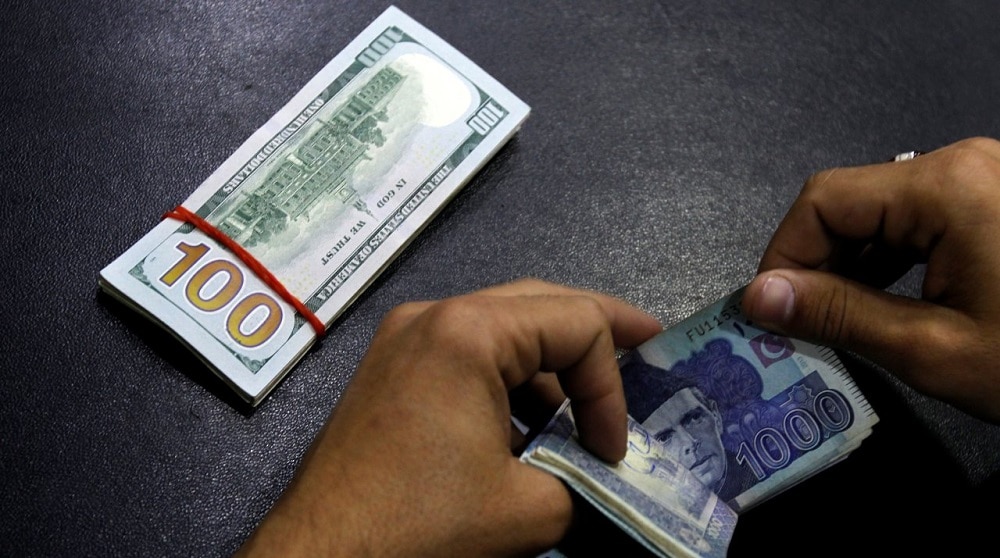
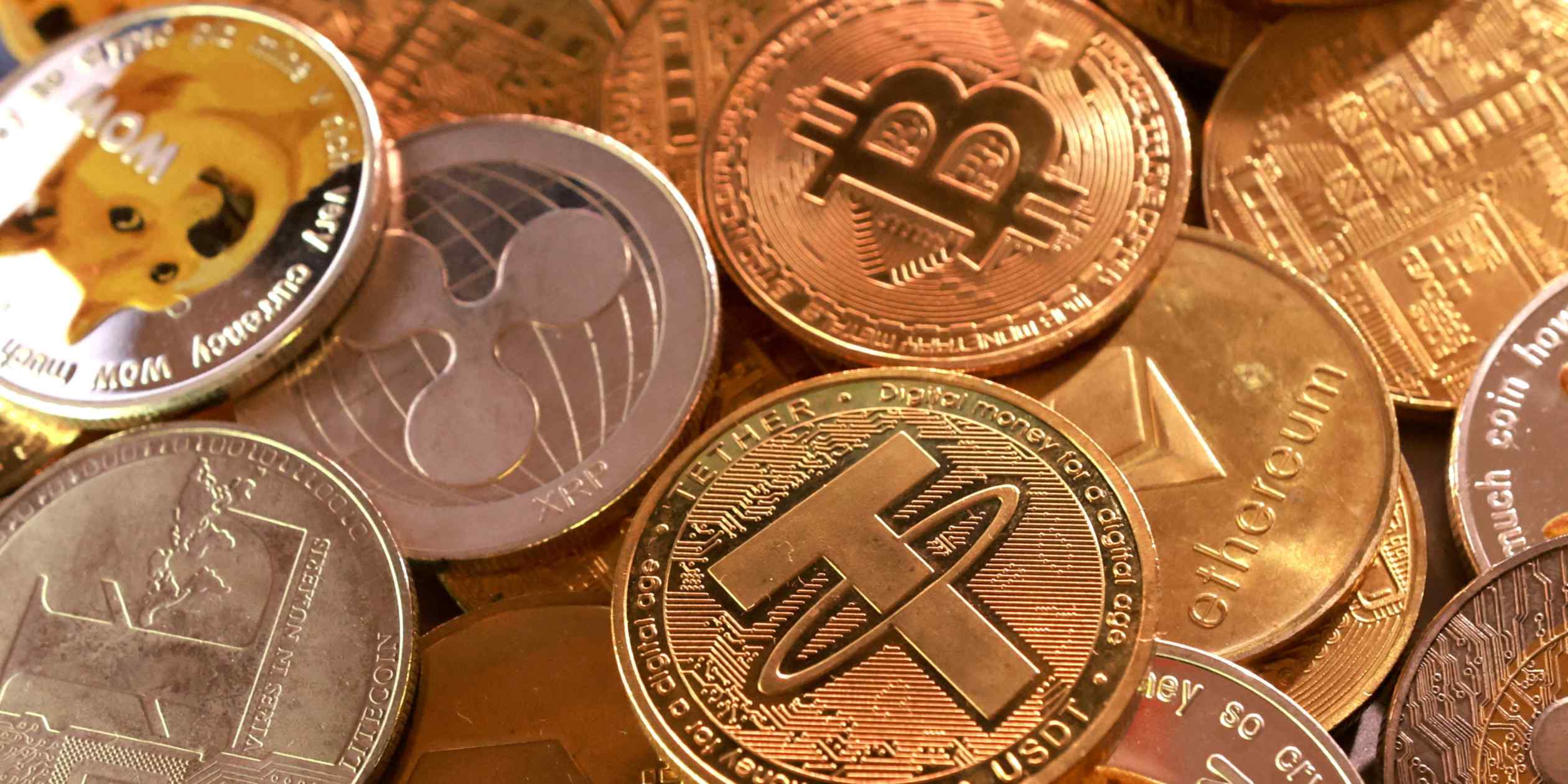
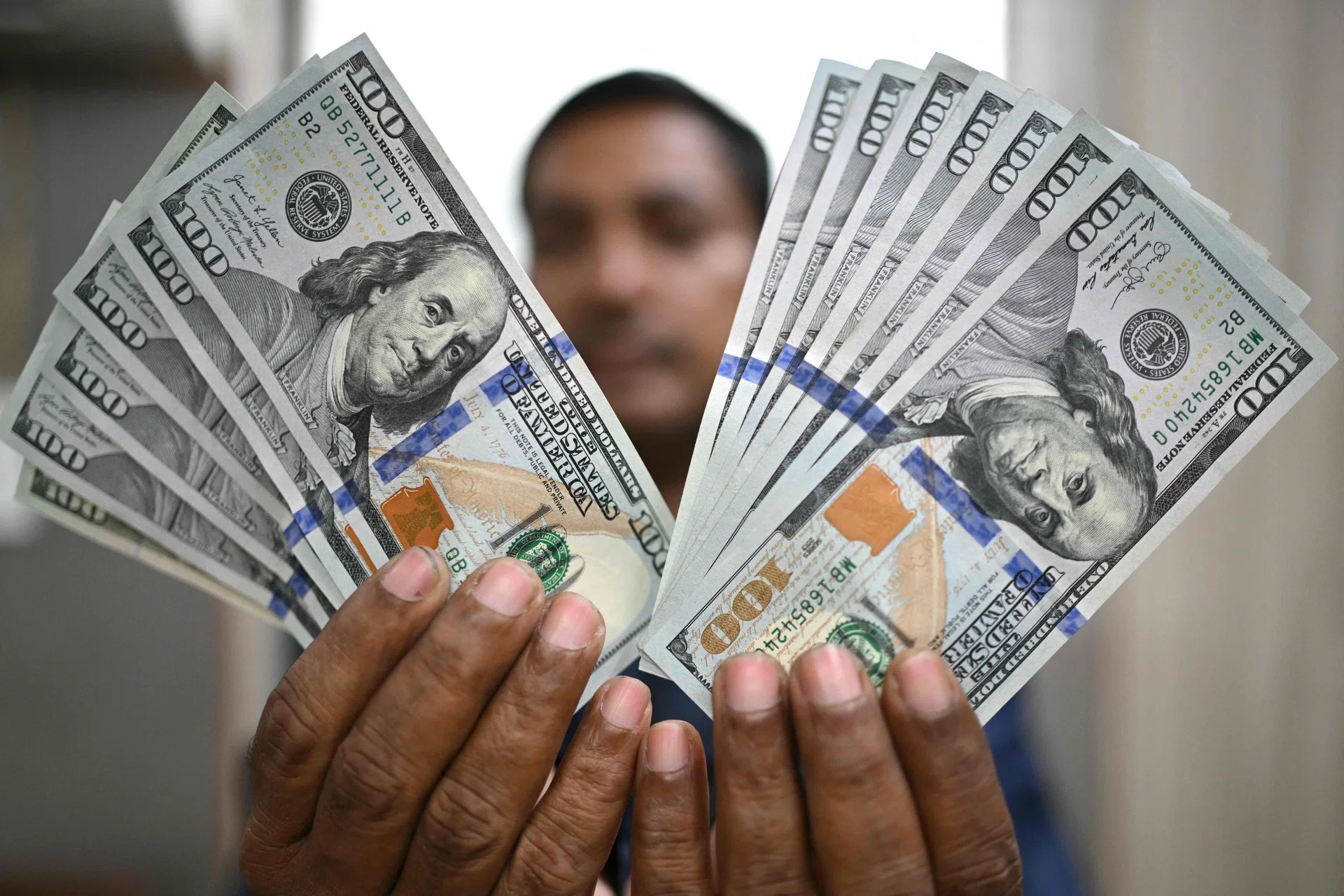
At the heart of this growth is the underpinning role of the U.S. dollar. The dollar has long been the world’s reserve currency—the anchor of global trade, investment and liquidity. Stablecoins that are dollar-pegged extend this hegemony into the digital domain. When a business in Nairobi settles trade via USDC or a merchant in Manila receives payment in USDT, the dollar’s influence transcends physical borders and banking intermediaries. In effect, stablecoins can digitalize the dollar’s global footprint, helping to enable faster, cheaper and more transparent transactions while reinforcing the currency’s centrality.
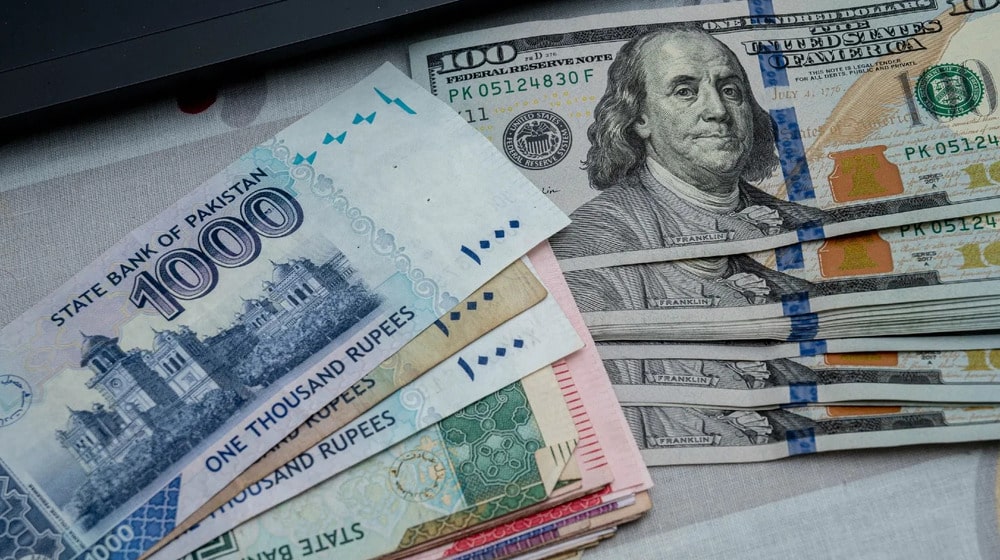
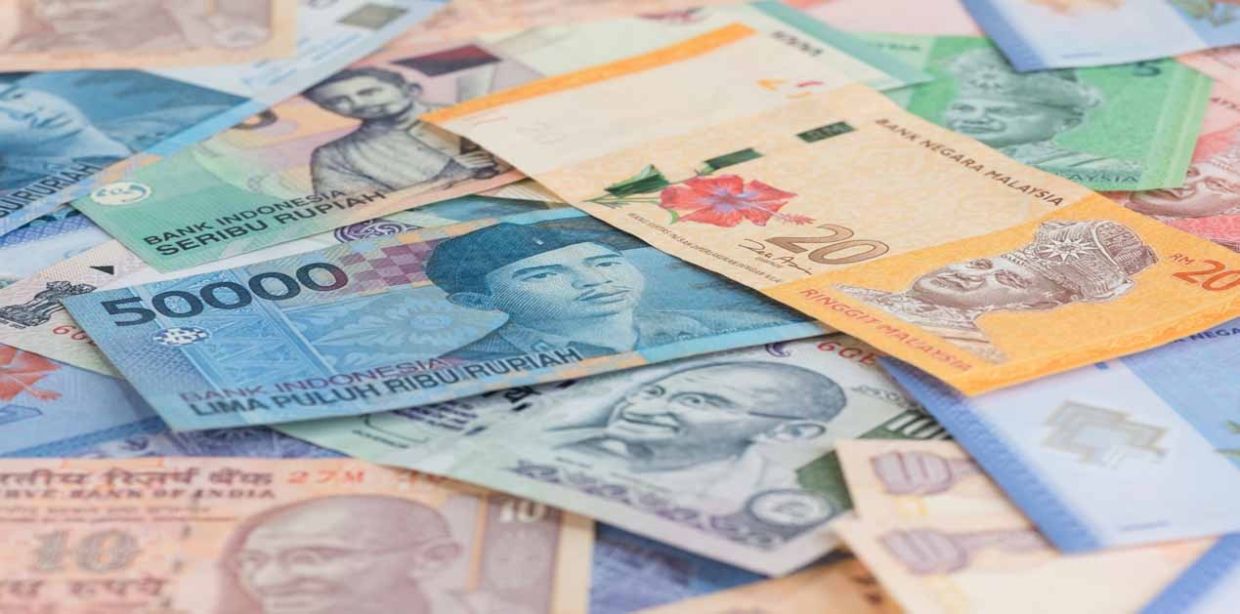
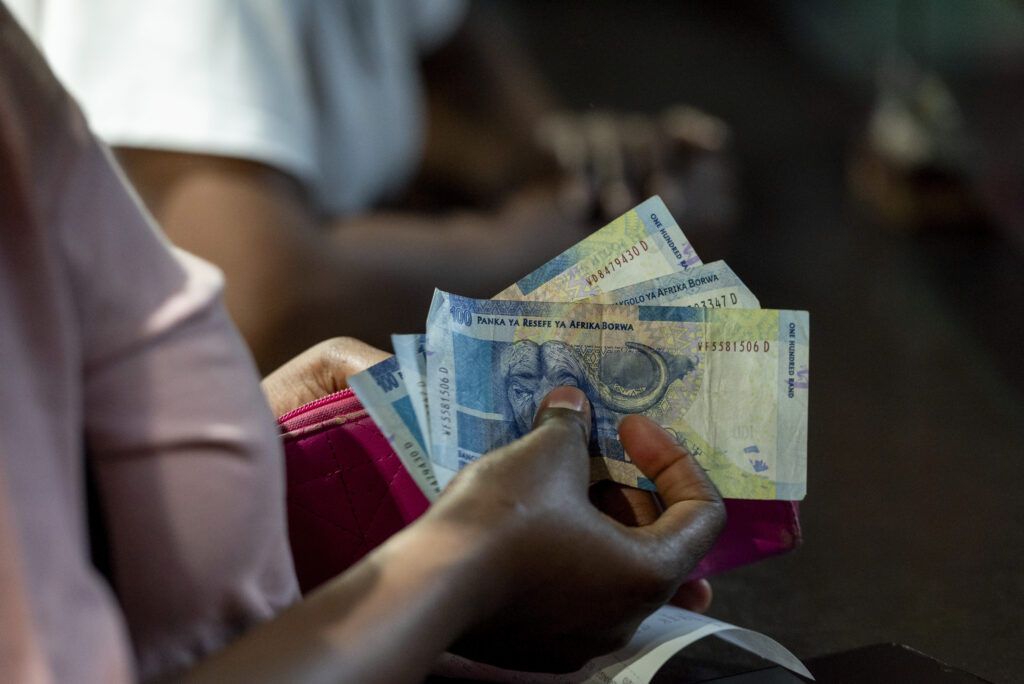
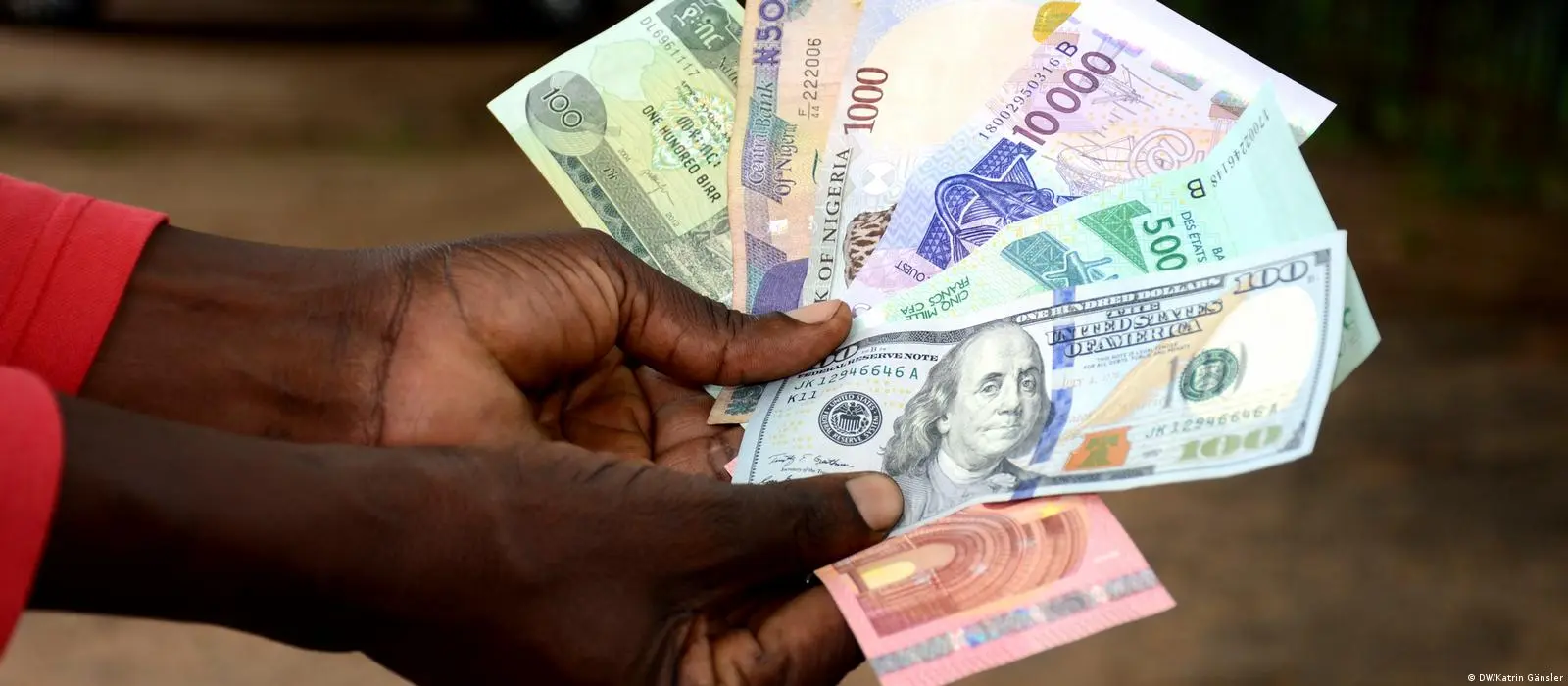
This dynamic is not merely technical; it offers profound implications for economic participation. For individuals in emerging markets with fragile local currencies, stablecoins can provide access to a reliable medium of exchange and store of value. Research from the IMF highlights how stablecoins can reduce remittance costs and improve access to dollar-denominated liquidity in developing economies.
The Potential Risks And Opportunities For Businesses
Critics rightly point to the potential risks associated with stablecoins. Regulatory arbiters often worry about money-laundering, fiscal sovereignty and systemic stability. Central banks and global financial institutions have warned that poorly governed stablecoins could undermine monetary policy transmission (paywall) and pose financial-stability risks if reserve backing is insufficient or opaque.
Beyond regulation, business leaders play a decisive role in mitigating these risks. Enterprises issuing or using stablecoins can prioritize transparency, choose issuers with independently audited reserves, implement robust KYC/AML standards and design use cases that complement rather than circumvent existing financial systems. Governance, disclosure and interoperability—not just regulation—will determine whether stablecoins scale responsibly or invite backlash.
That said, stablecoins can also be harnessed for public-private collaboration. Tokenized cash can power programmable aid disbursements, digital vouchers and small-business credit products, particularly in markets where traditional banking penetration is limited.
For business leaders, the takeaway is clear: Stablecoins can represent a strategic layer in payments, treasury management, cross-border trade and embedded finance. Companies can engage by piloting stablecoin settlement for international suppliers, partnering with regulated issuers or collaborating with governments and NGOs on tokenized lending and social-impact programs—positioning themselves at the frontier of the next payments evolution.
In closing, the story of stablecoins is bigger than technology; it is about reimagining the plumbing of the global economy in a way that preserves stability, champions accessibility and elevates the role of digital money in daily life. As regulators, innovators and global citizens navigate this era, the promise of stablecoins lies in their capacity to marry the discipline of monetary stability with the liberating potential of digital innovation. As I see it, stablecoins are not just a technical advancement—they are a potential vehicle for greater economic inclusion and democratic participation in the global financial system.
Forbes Business Council is the foremost growth and networking organization for business owners and leaders. Do I qualify?