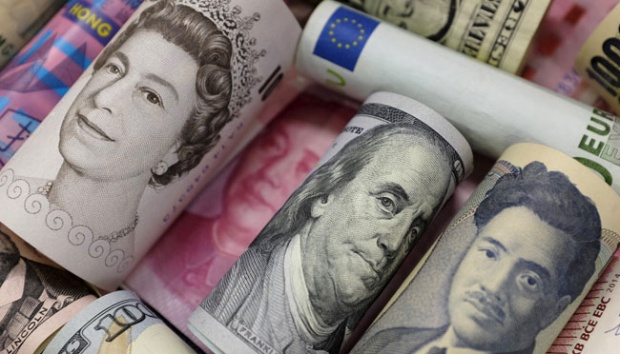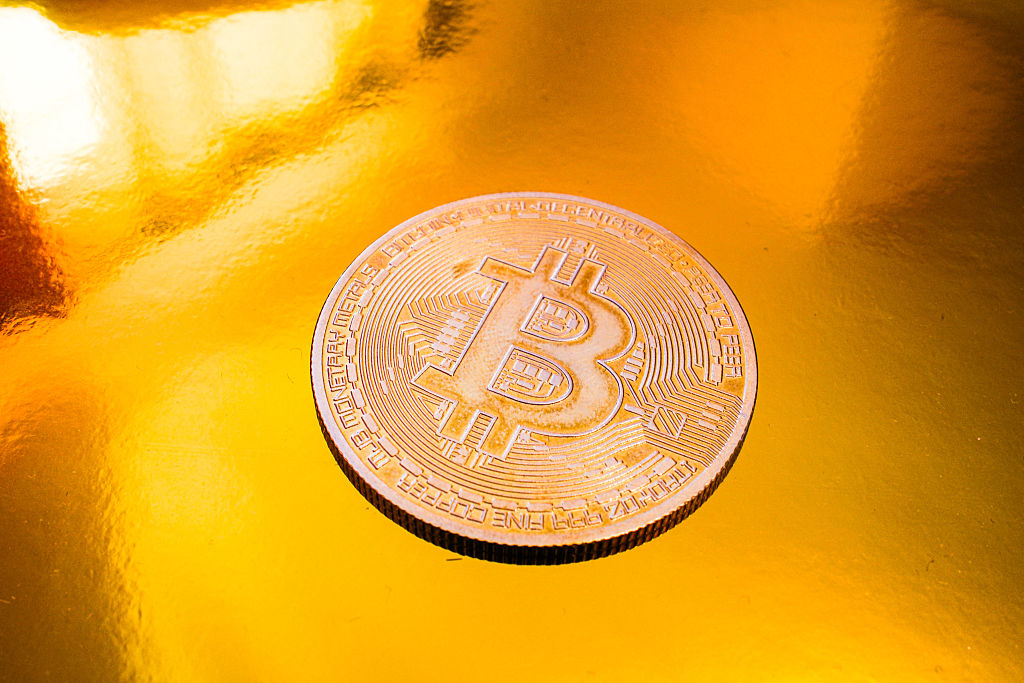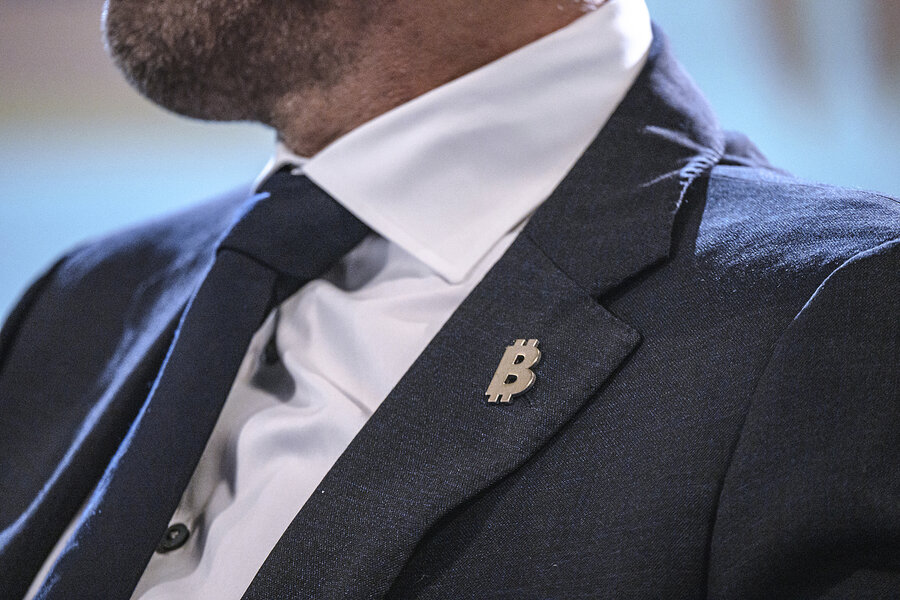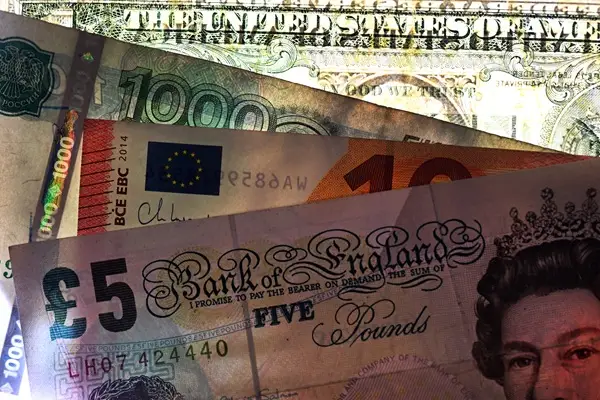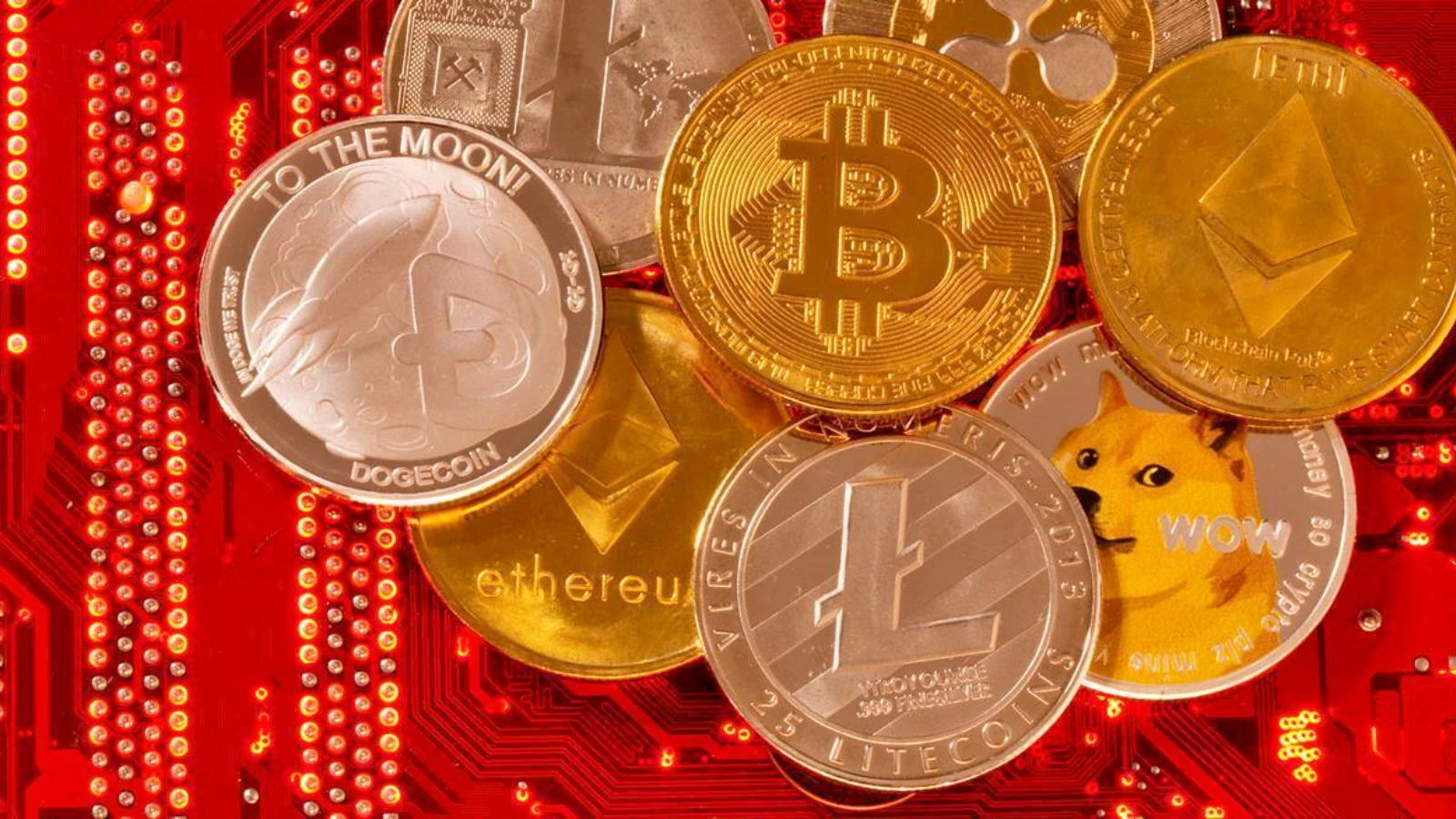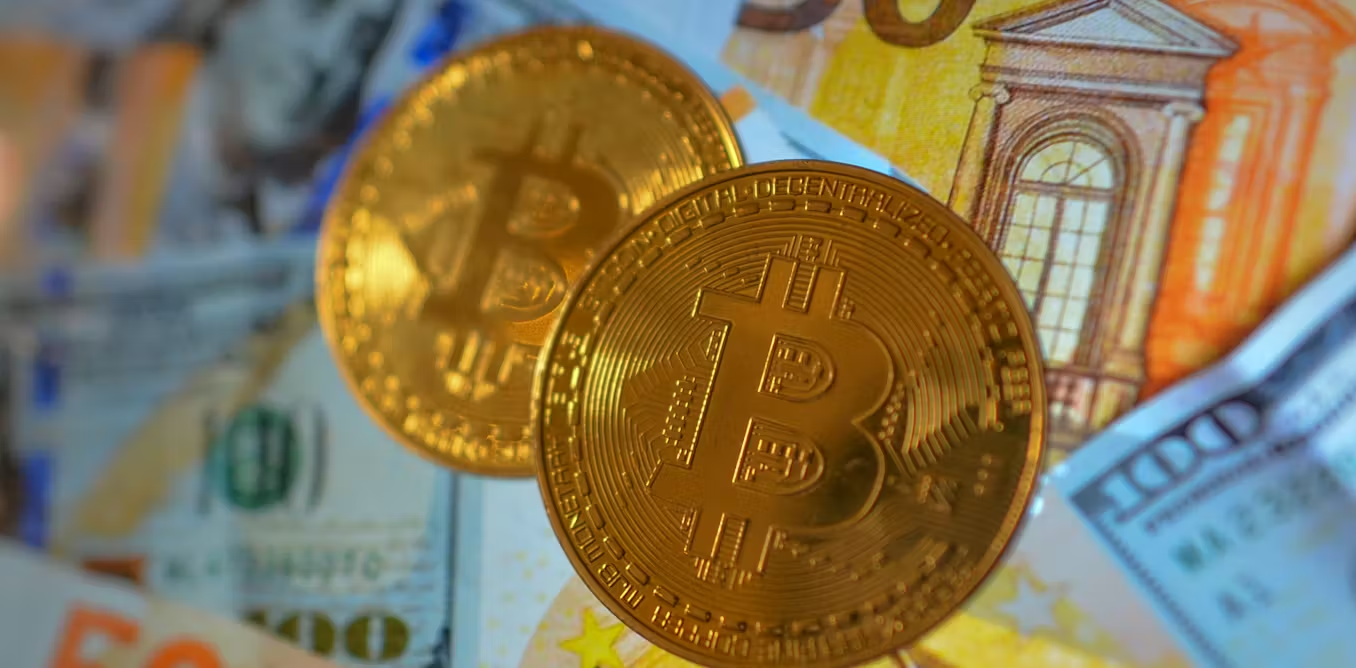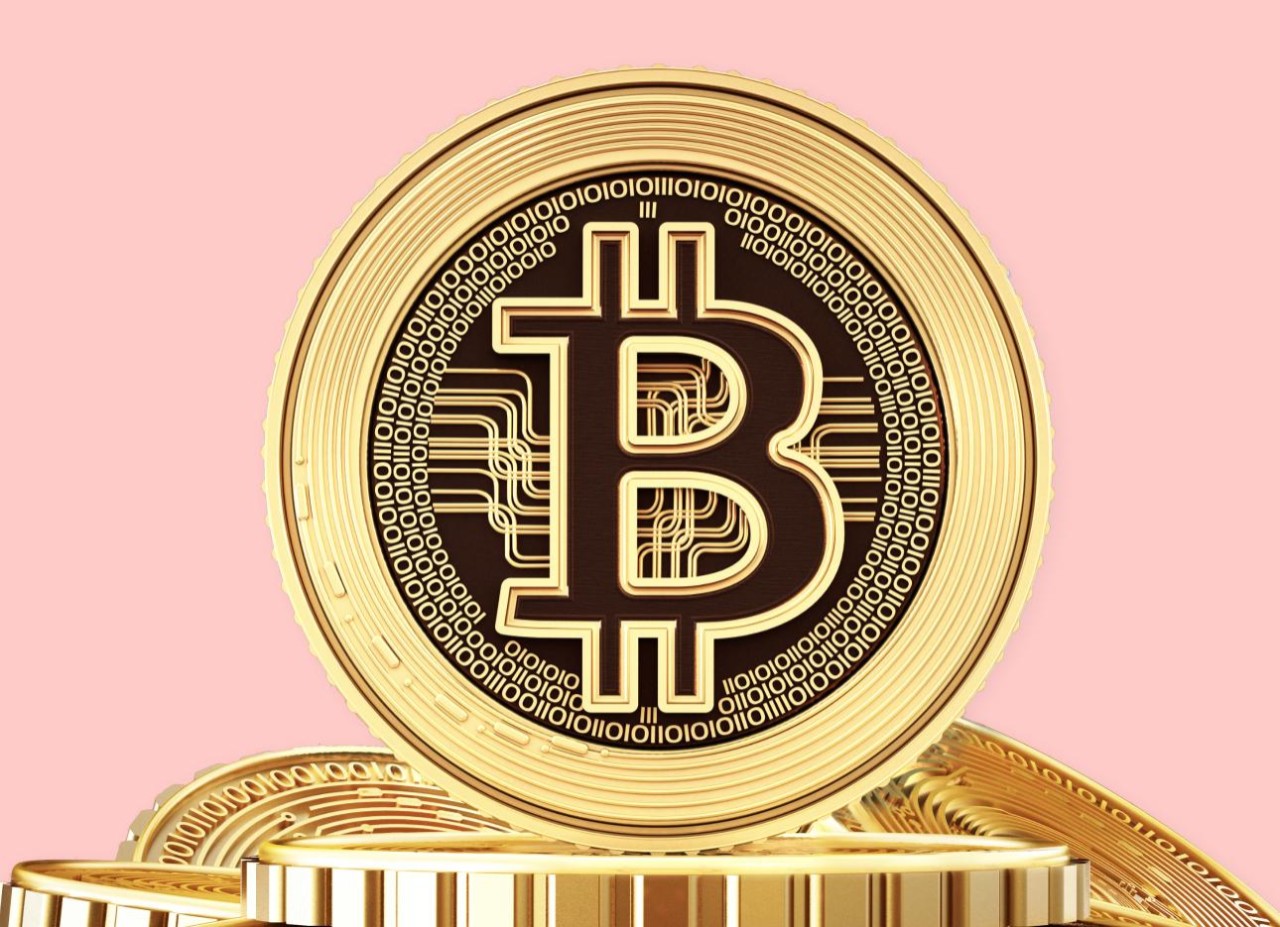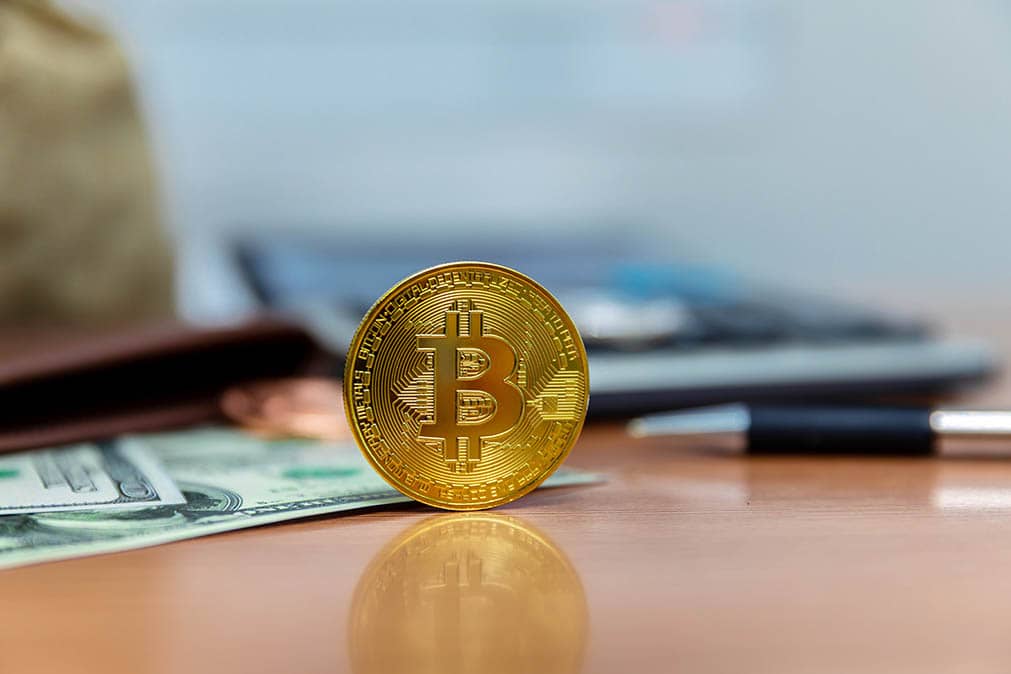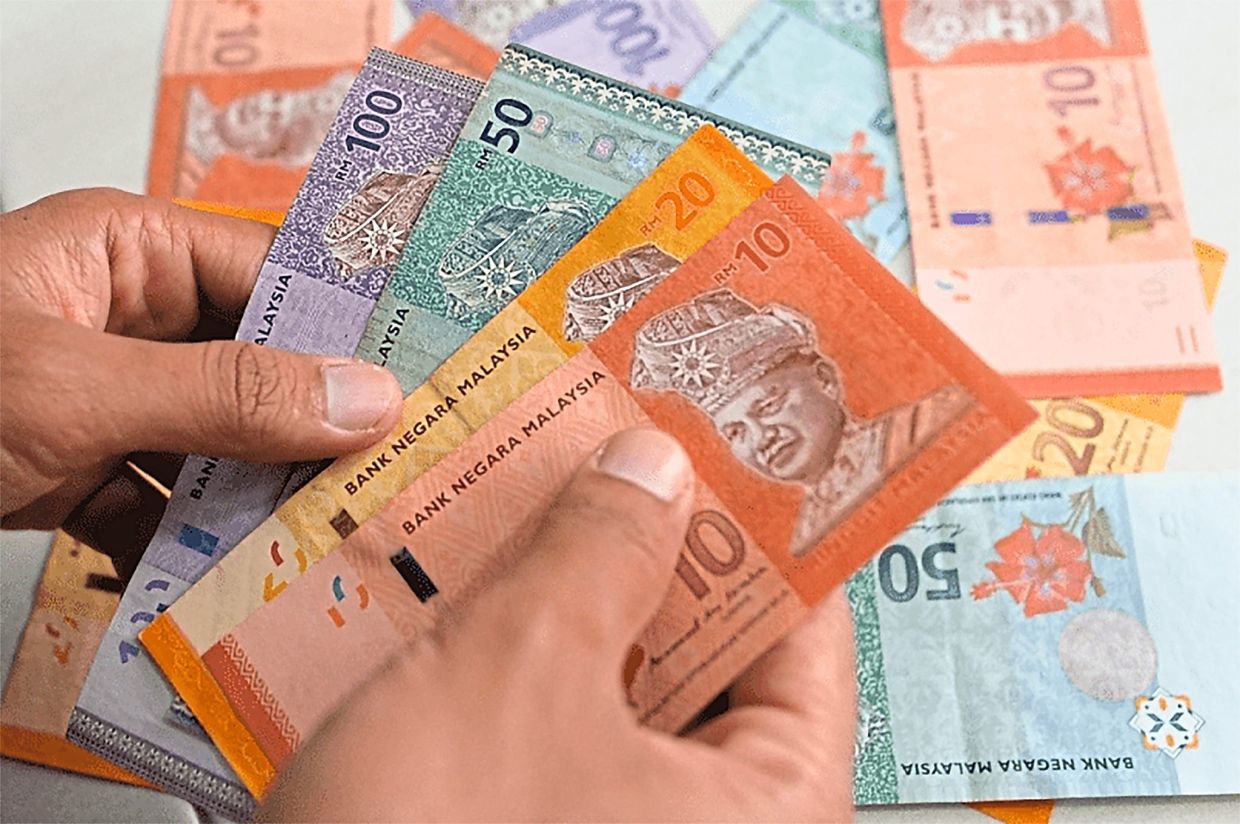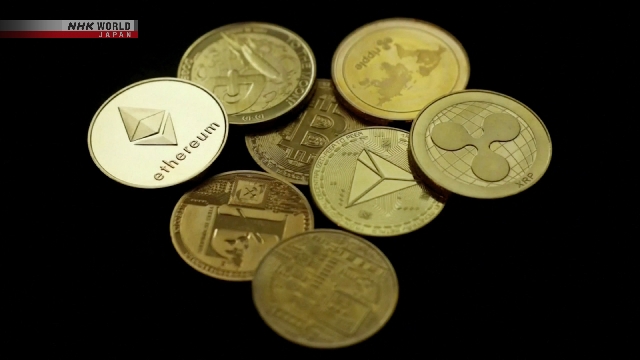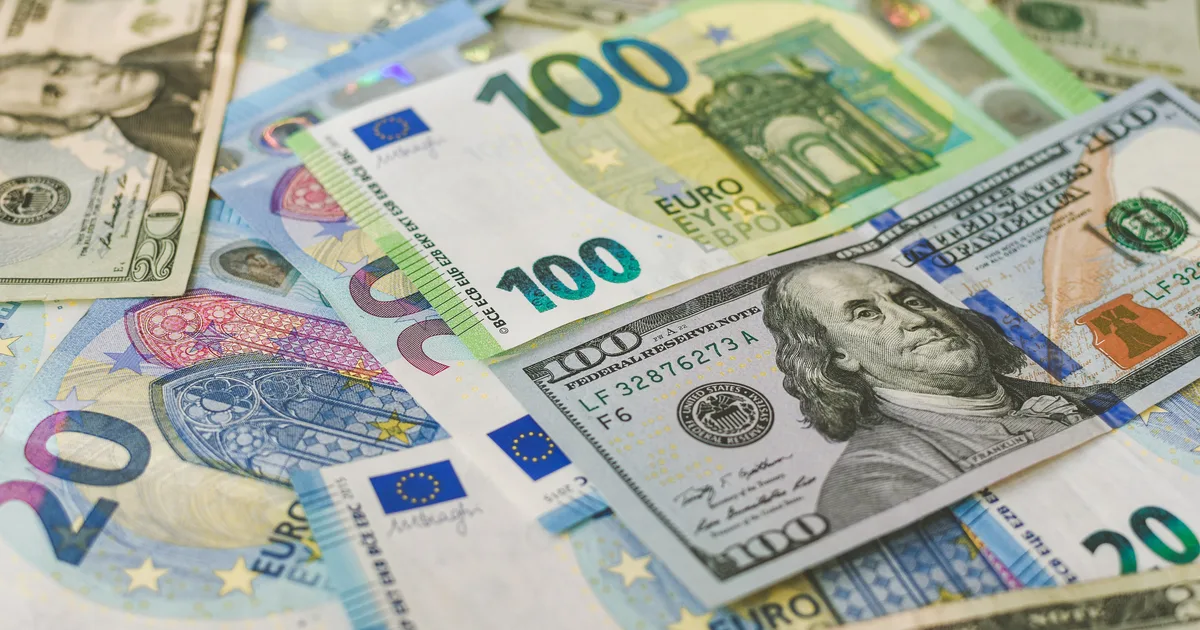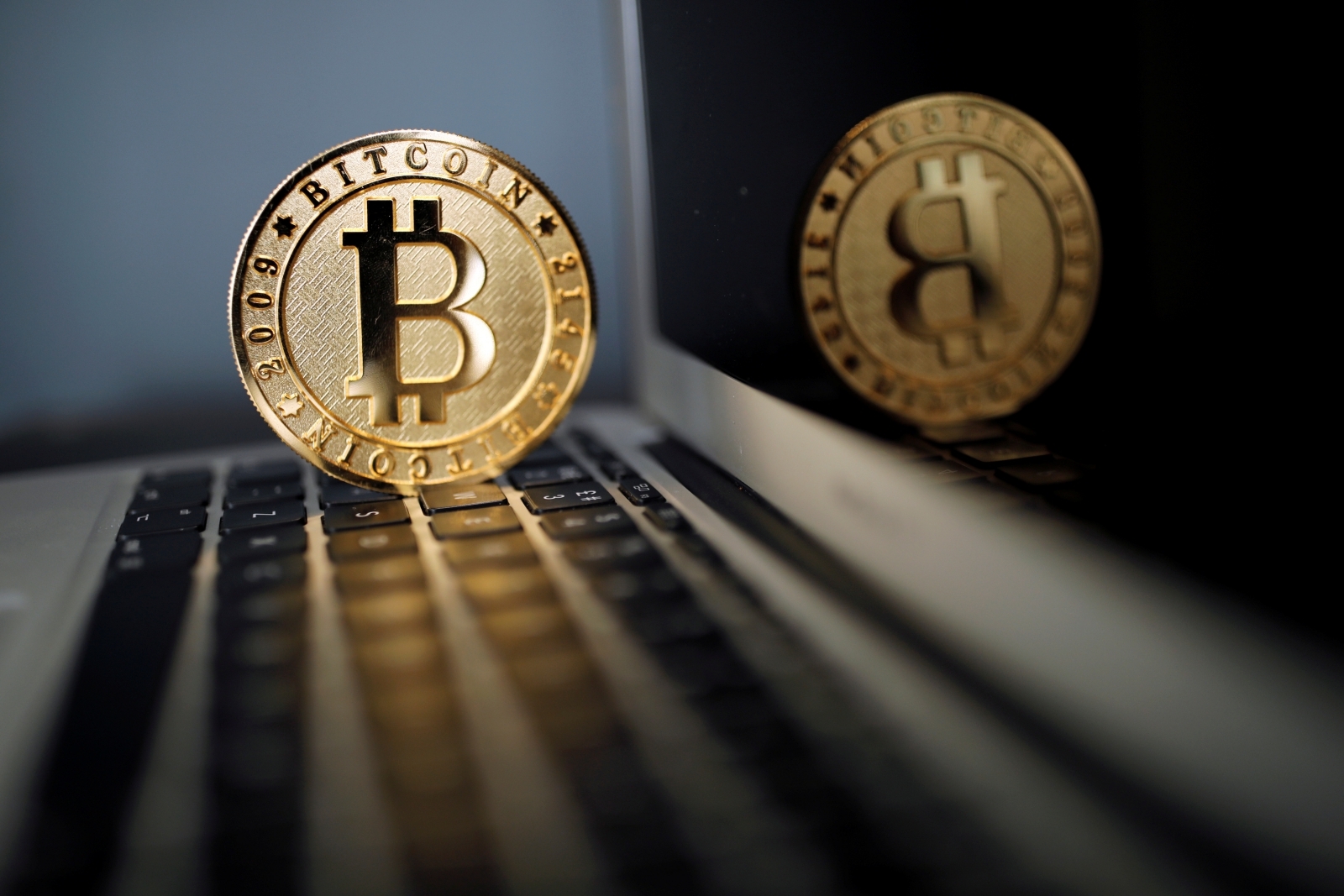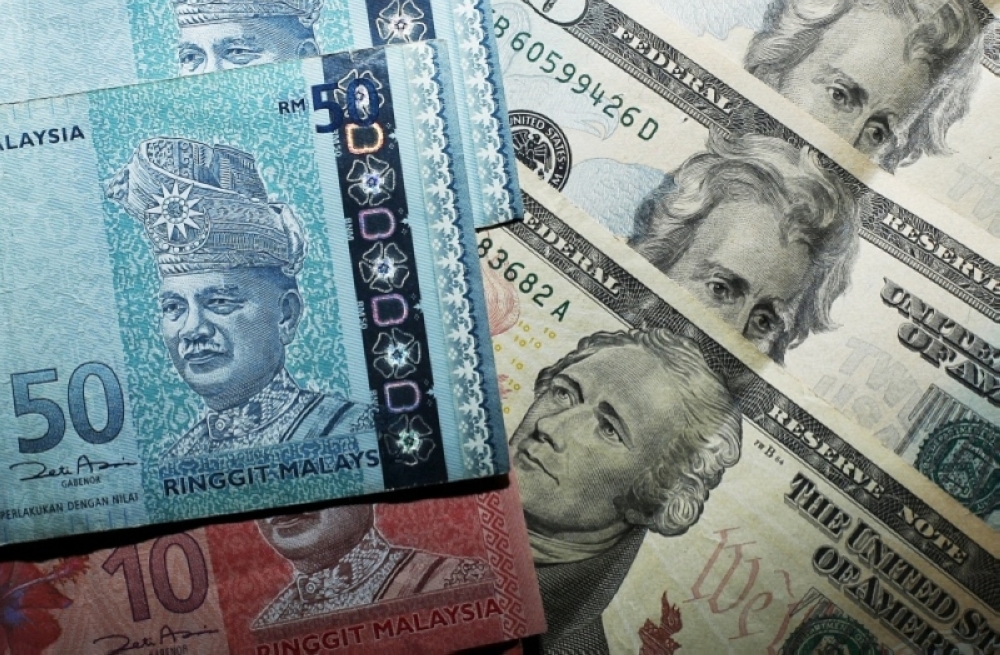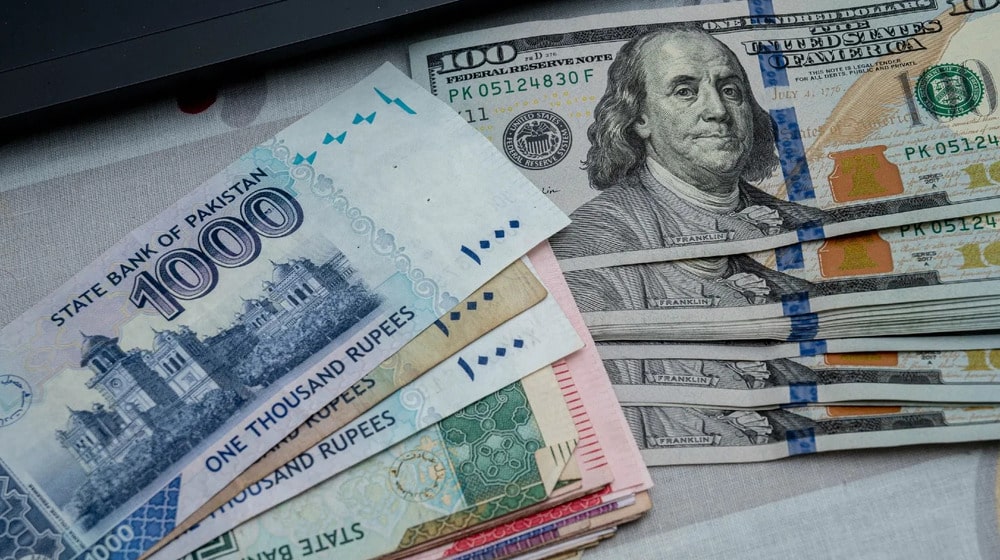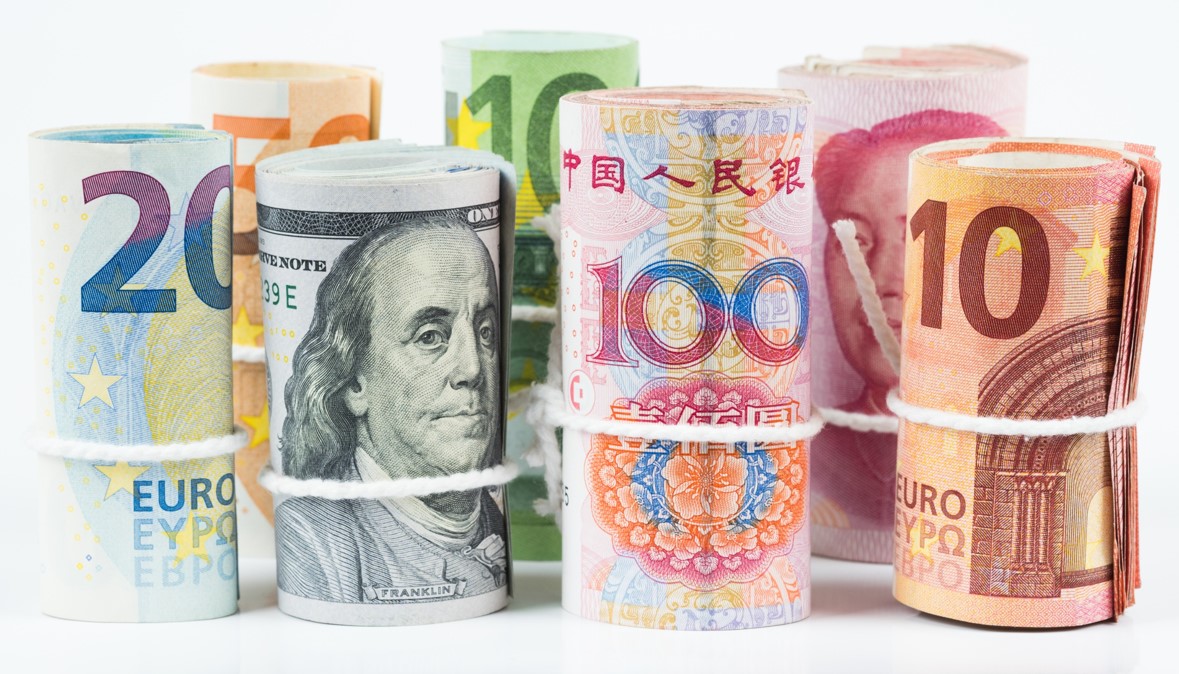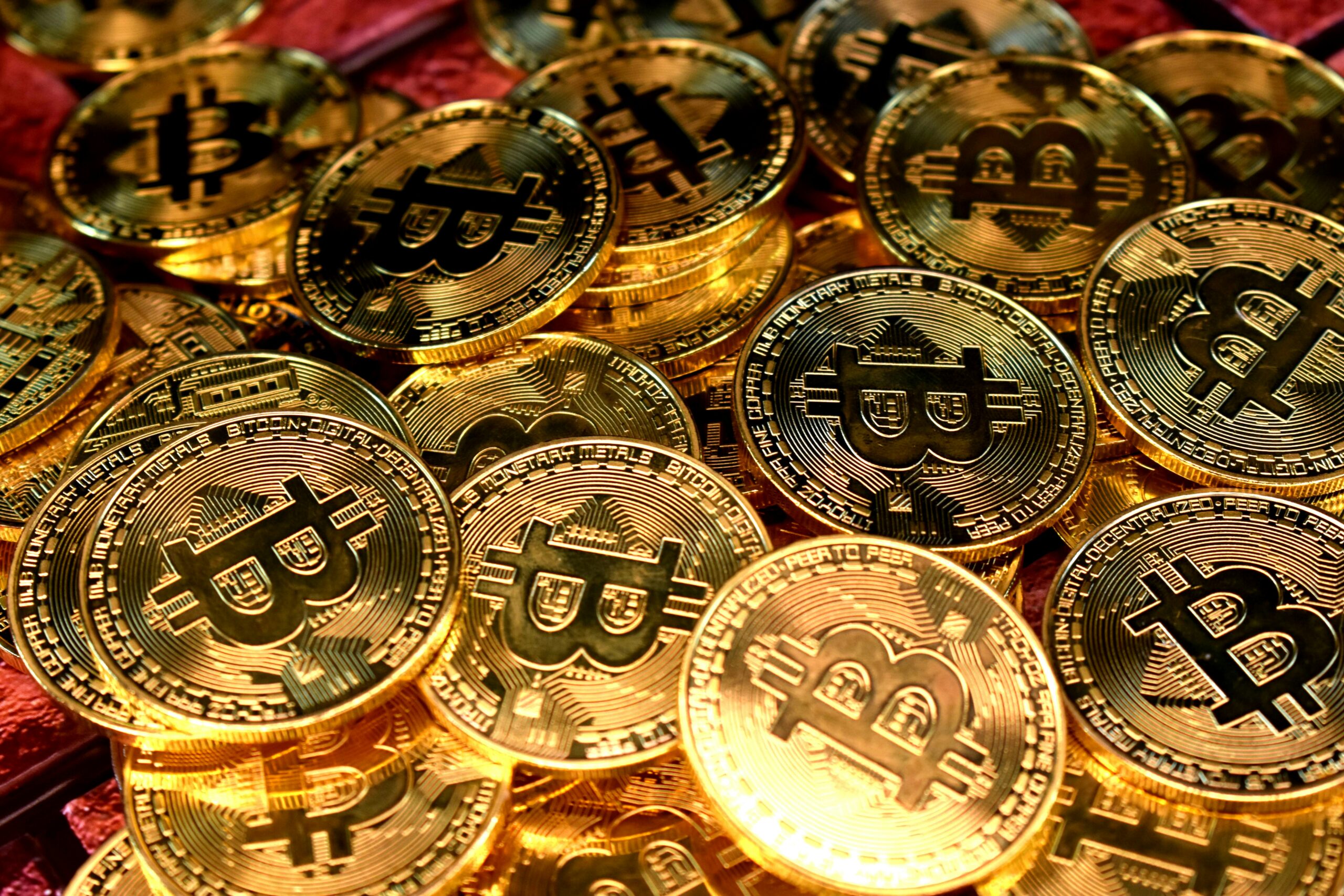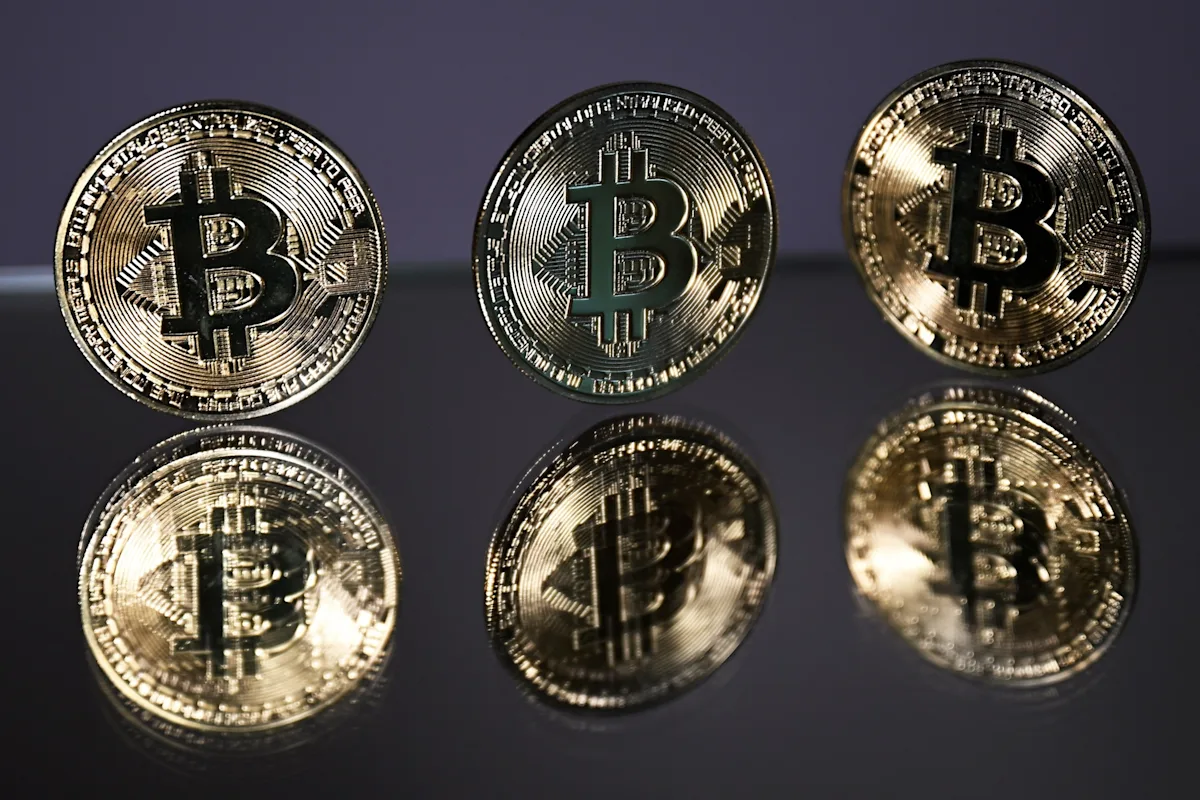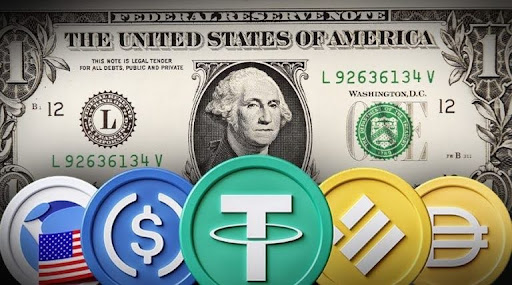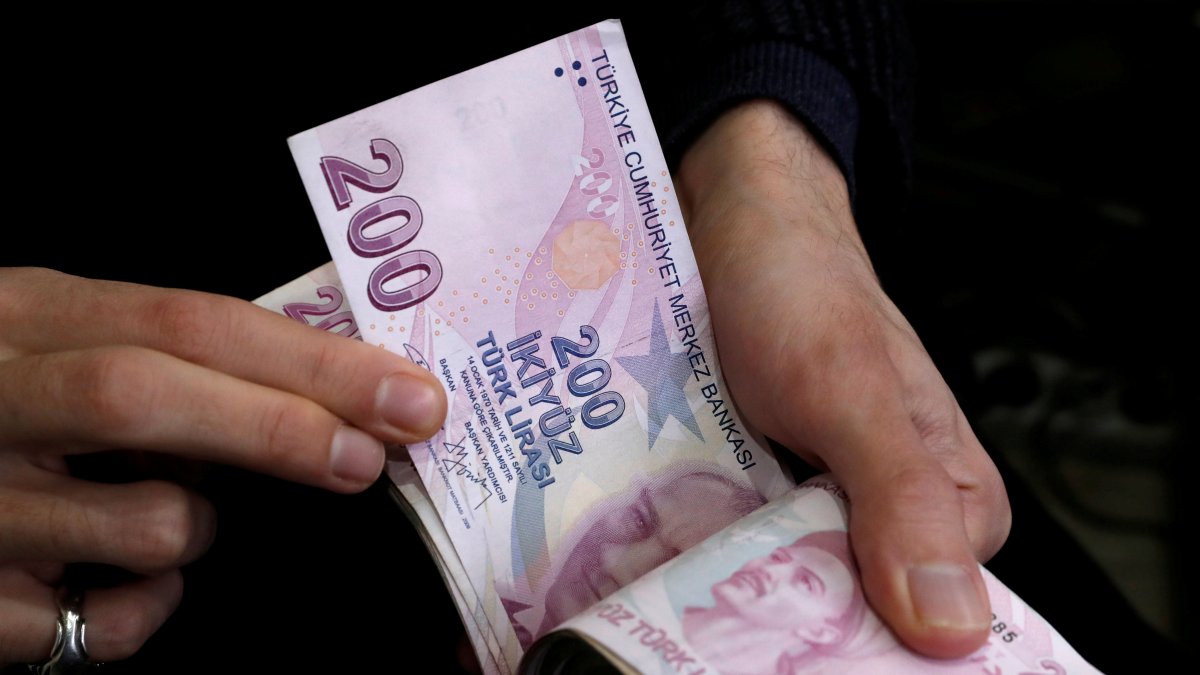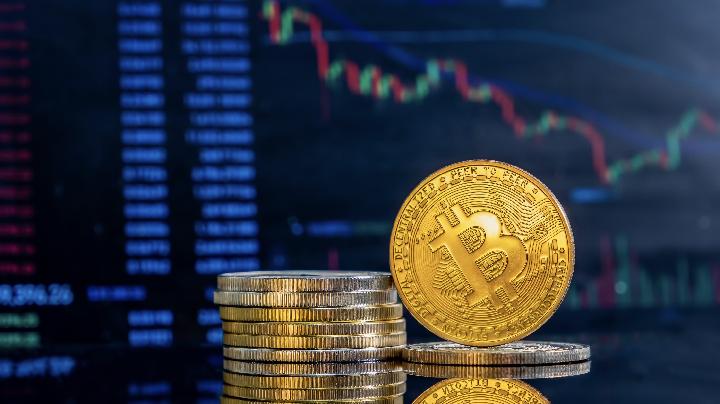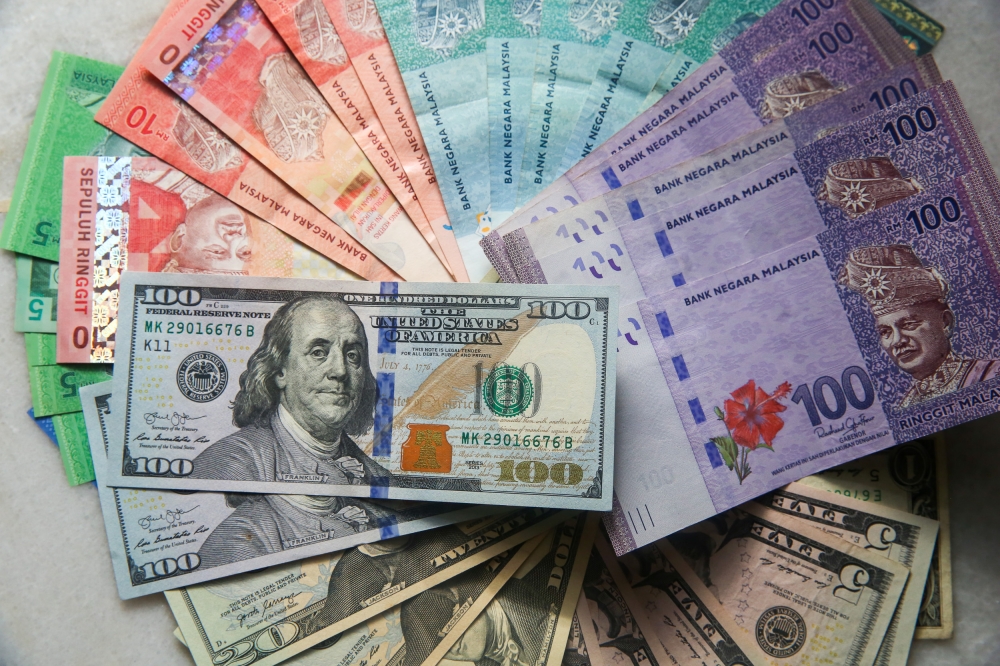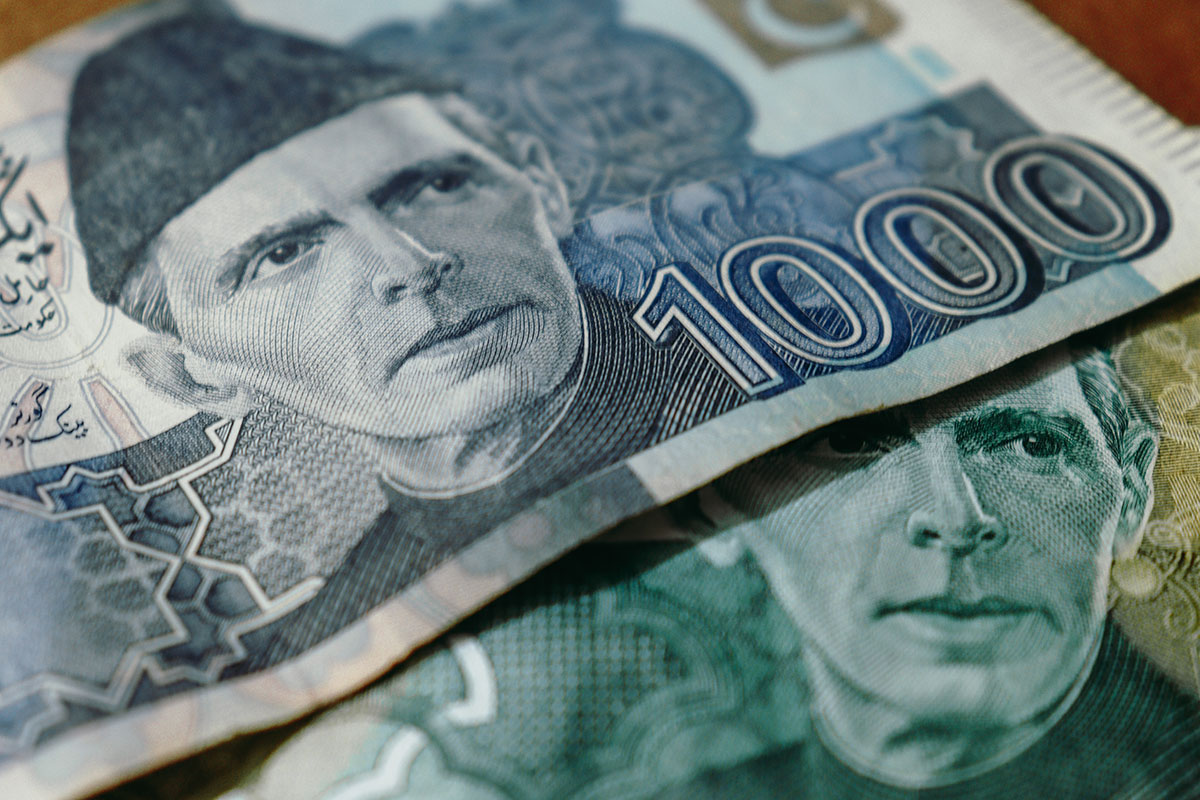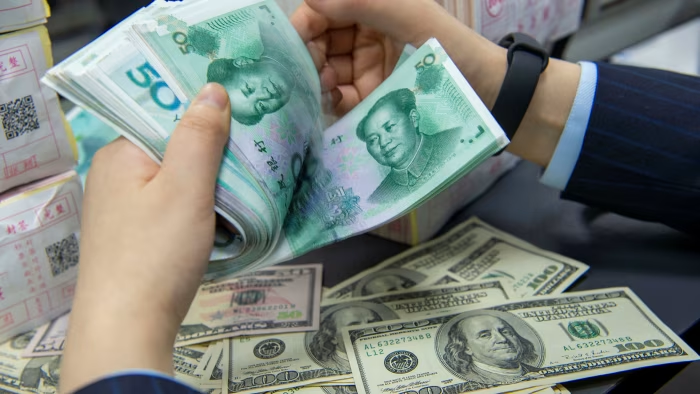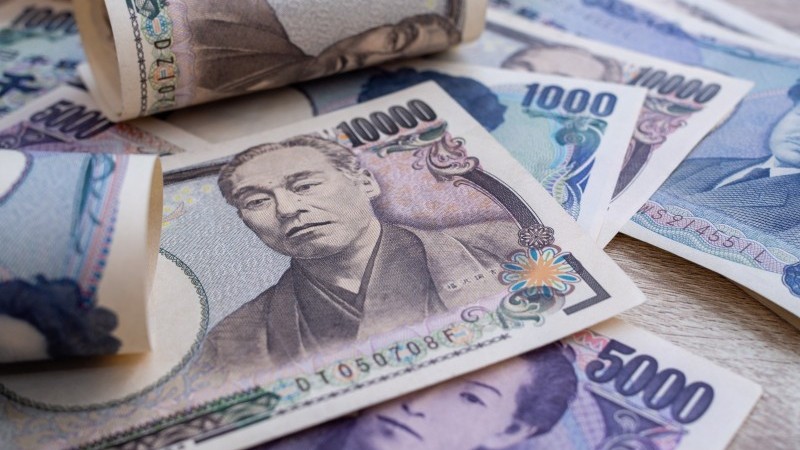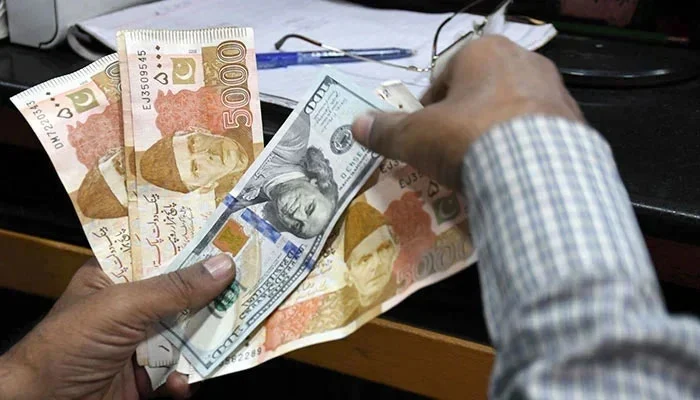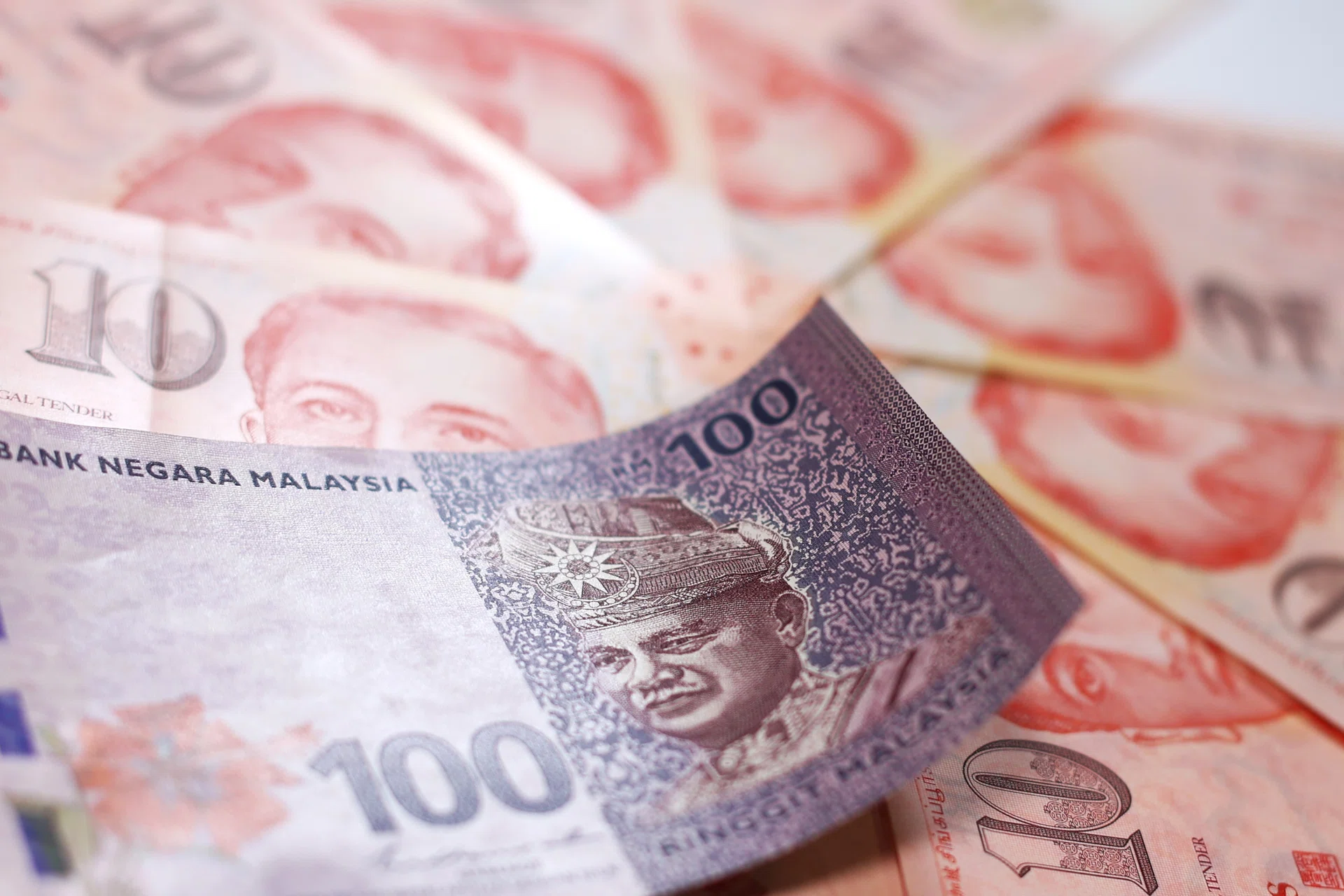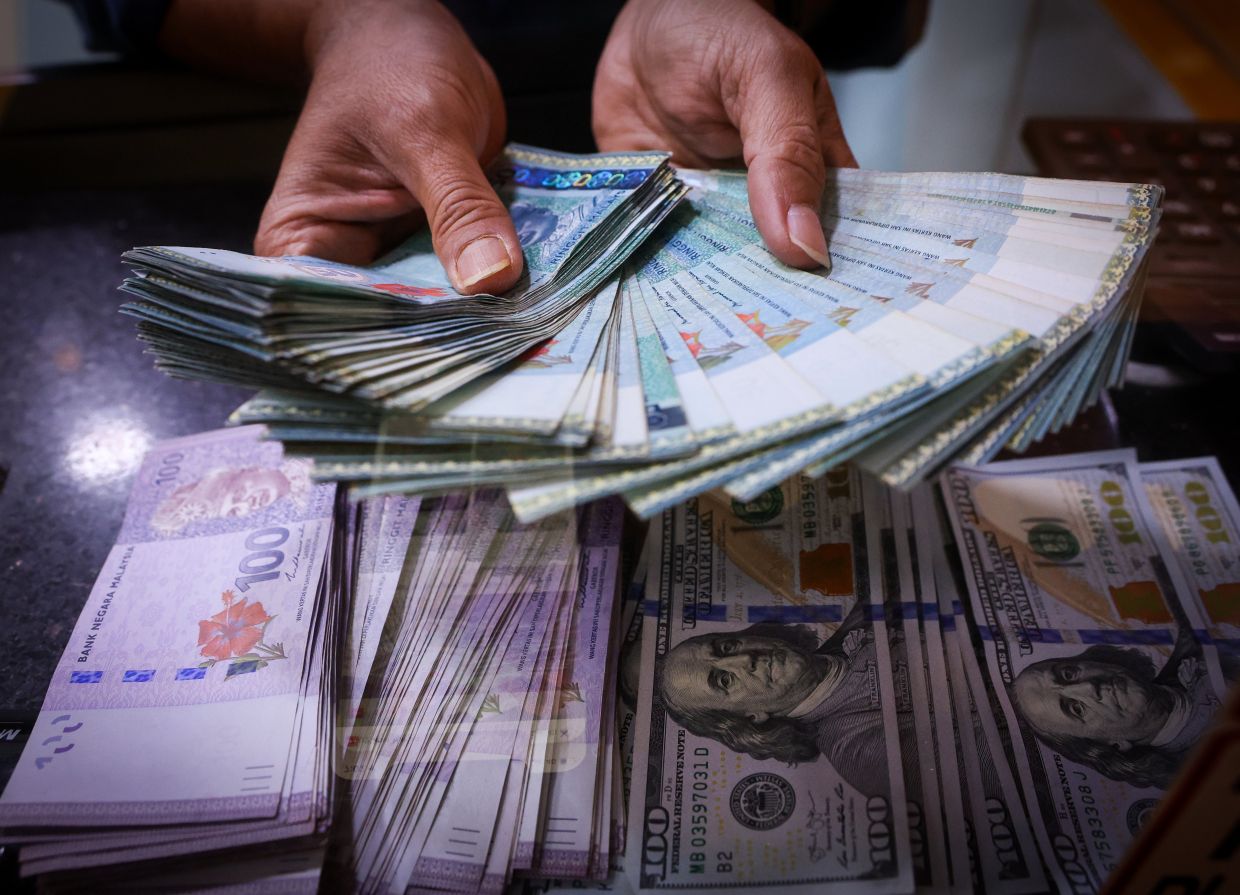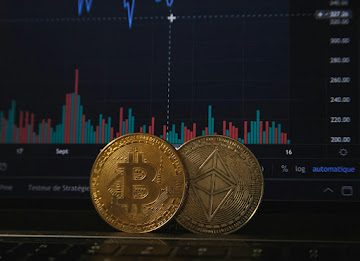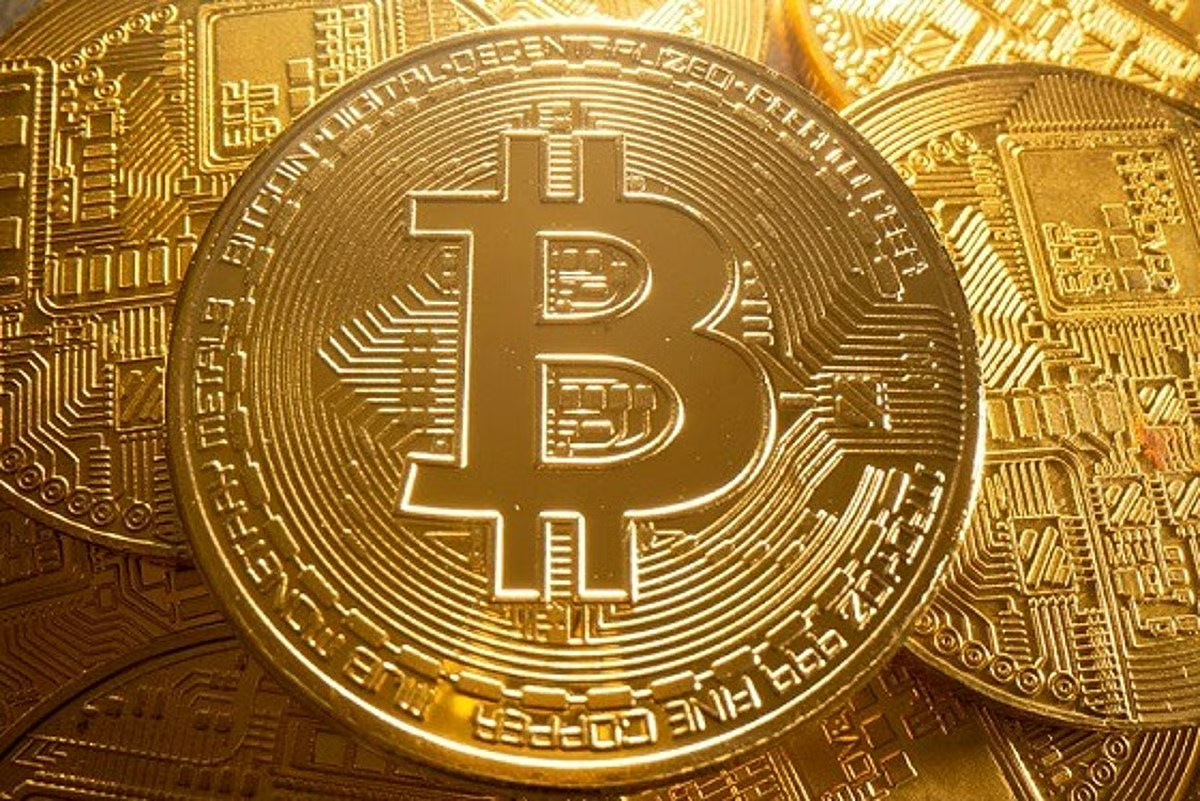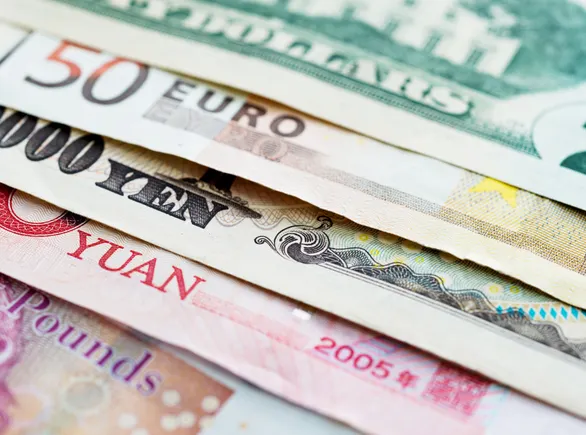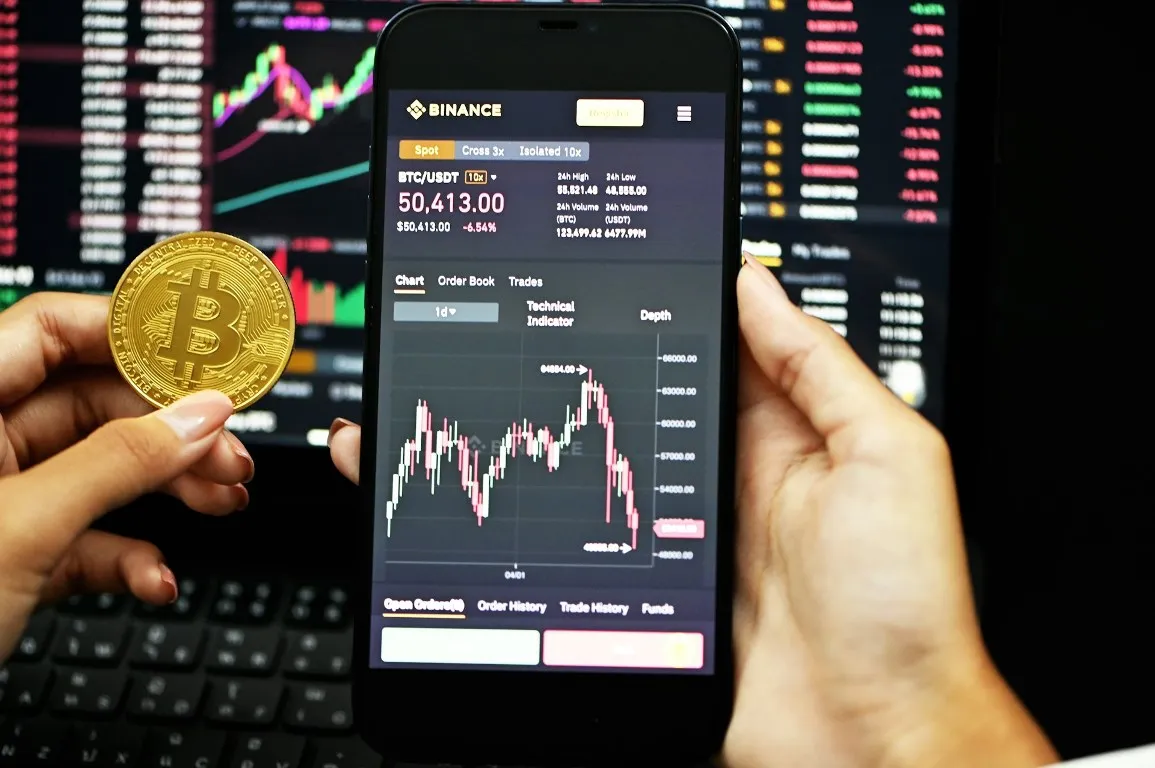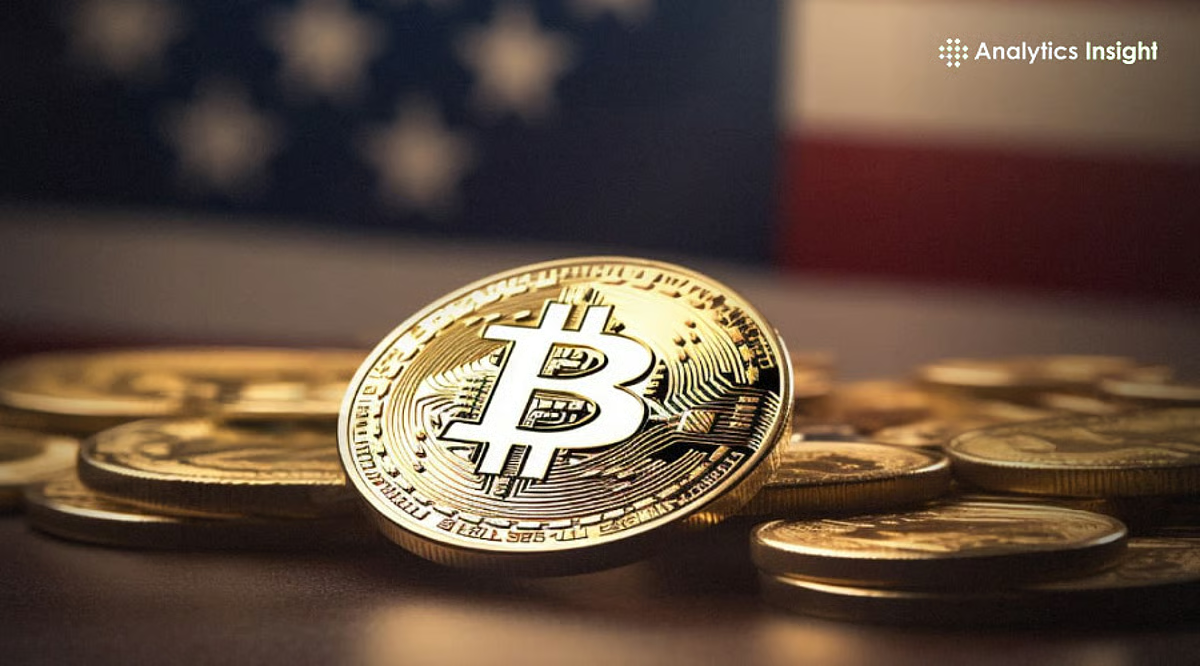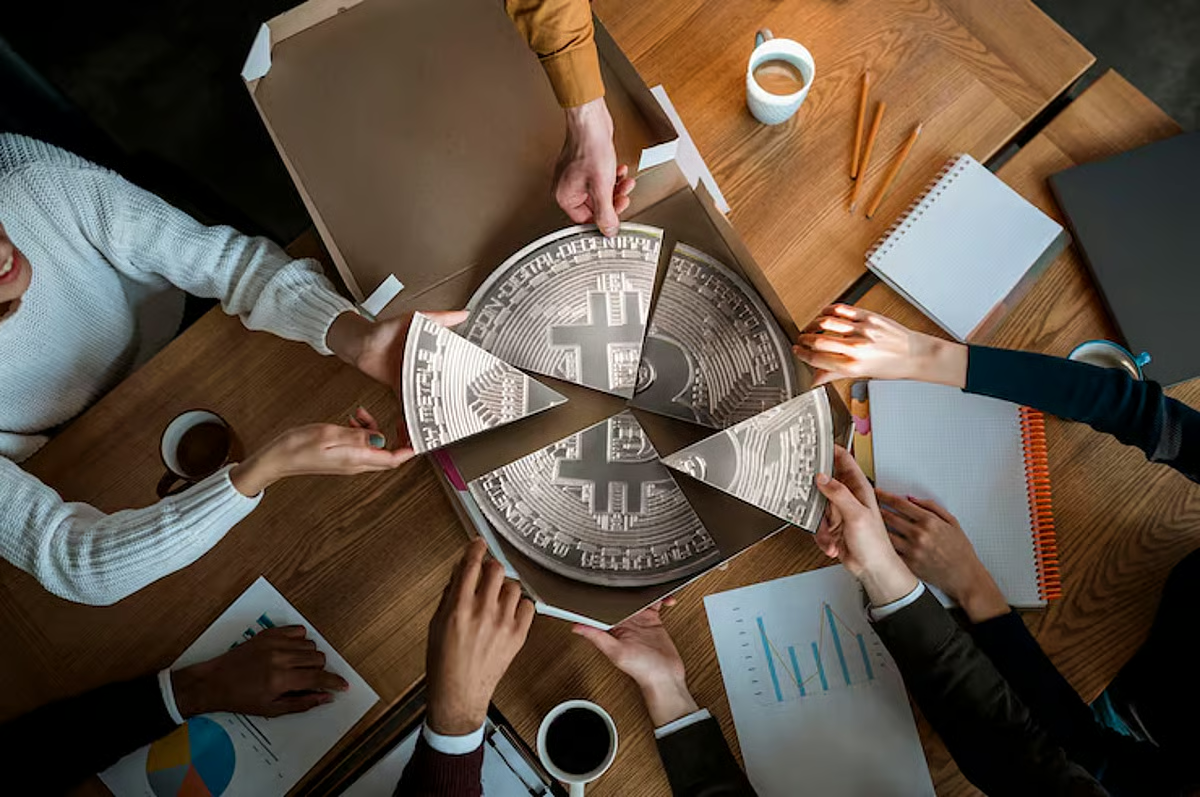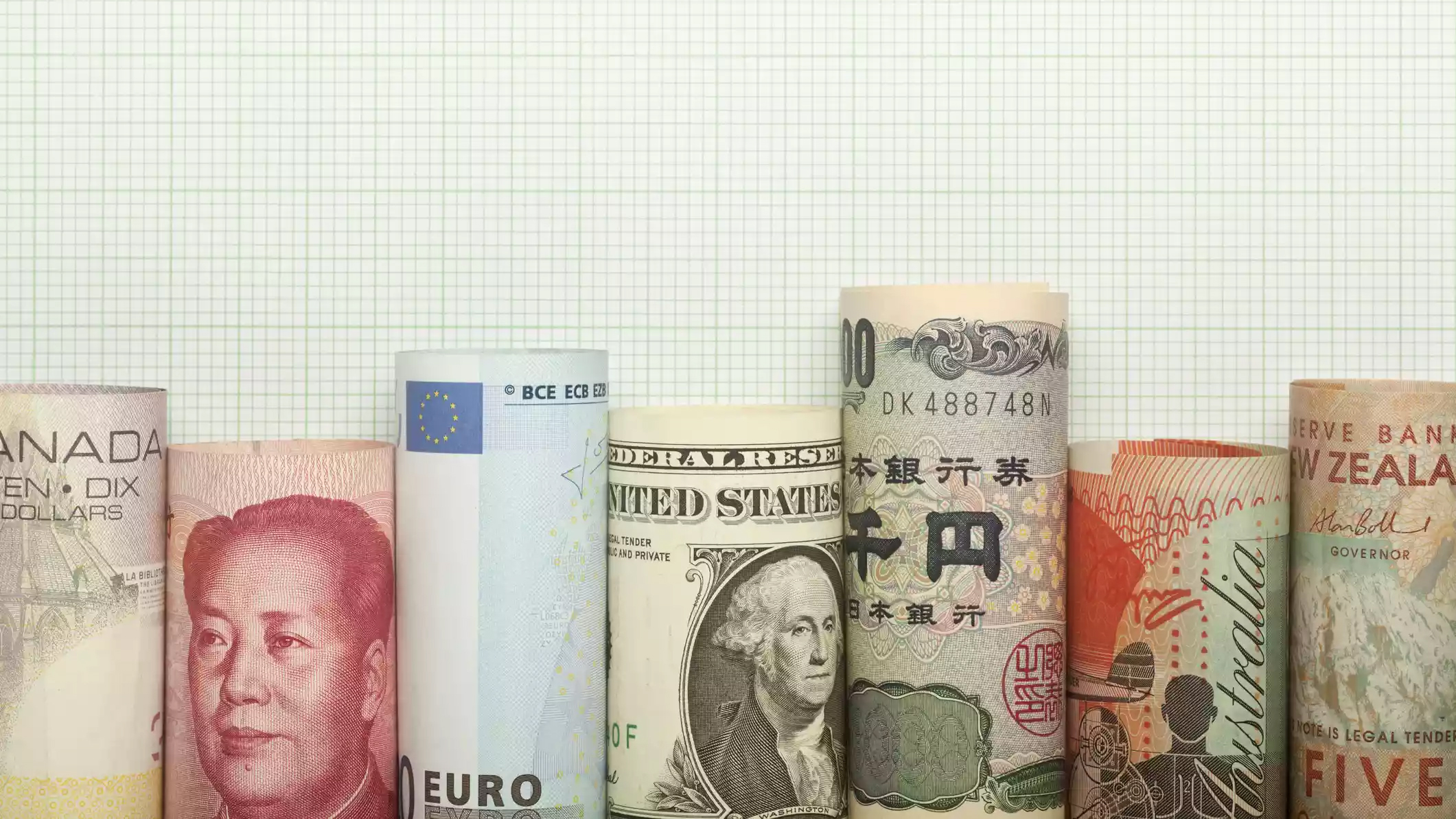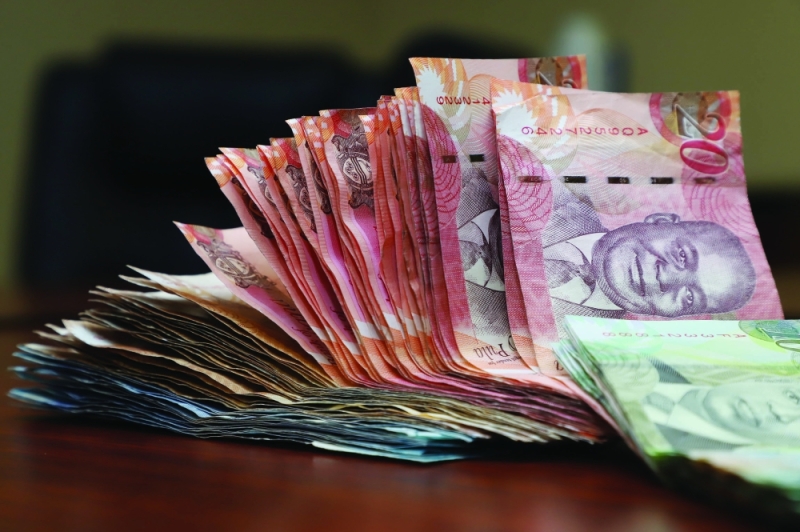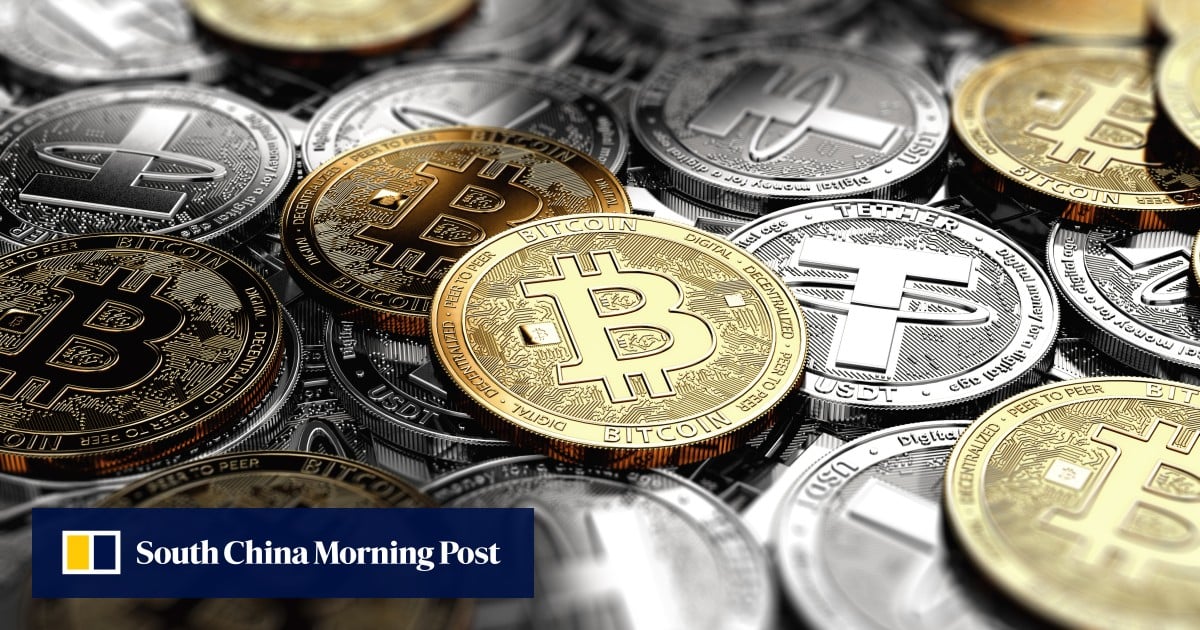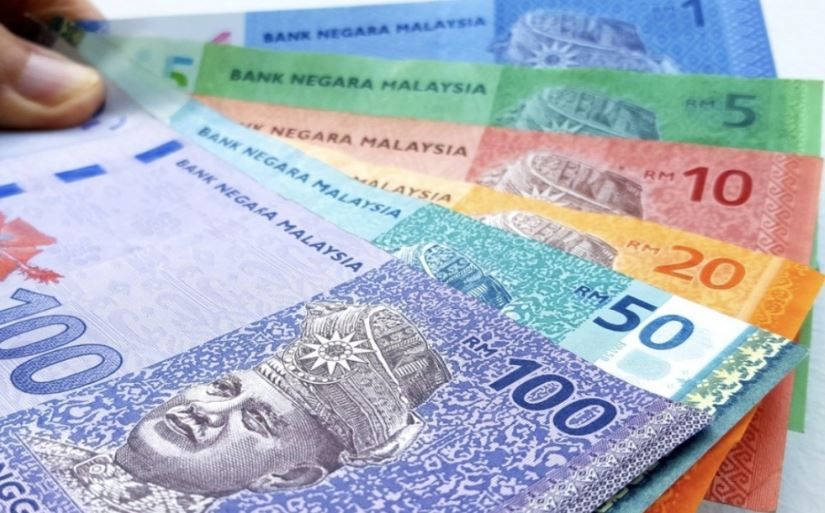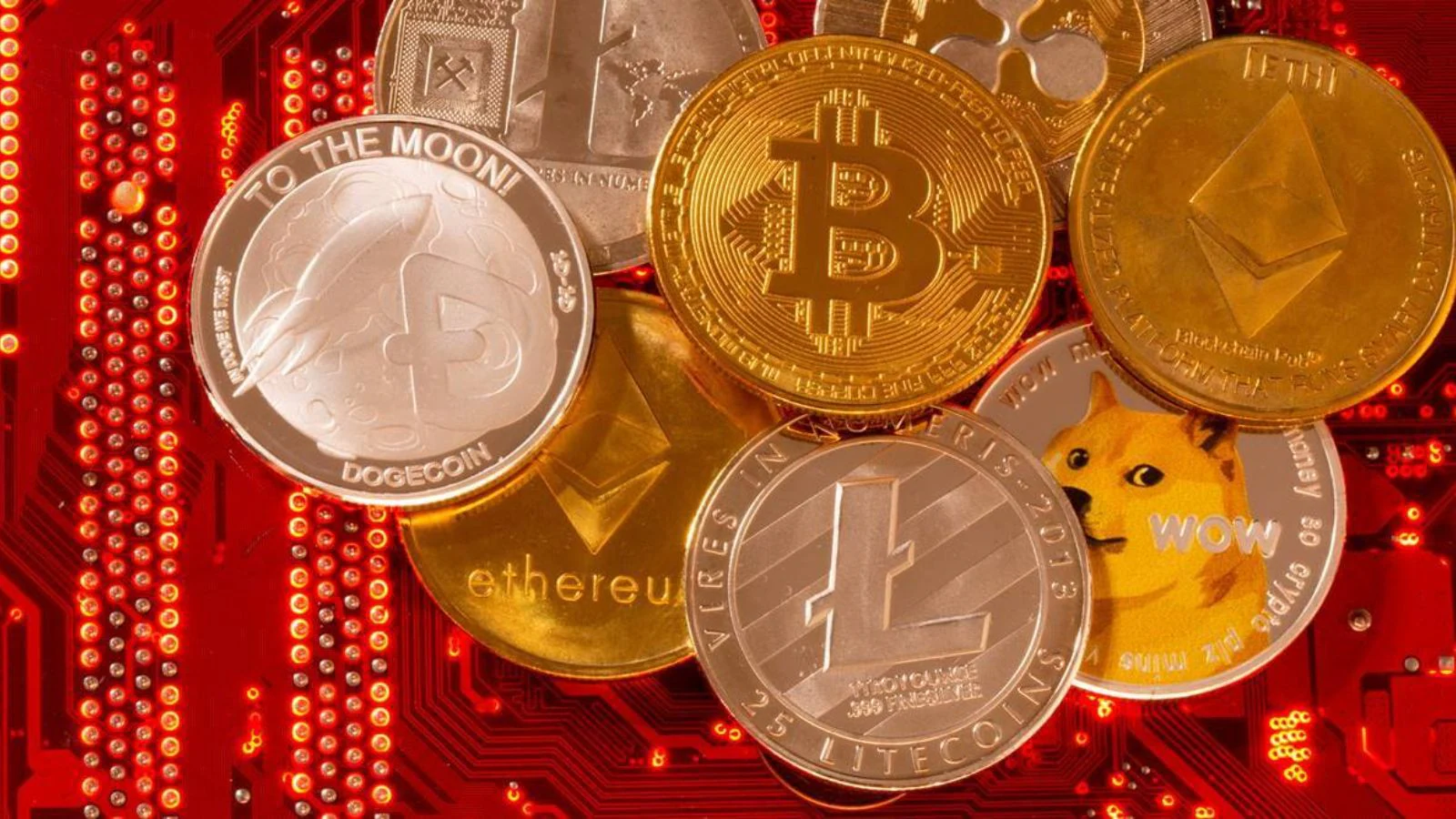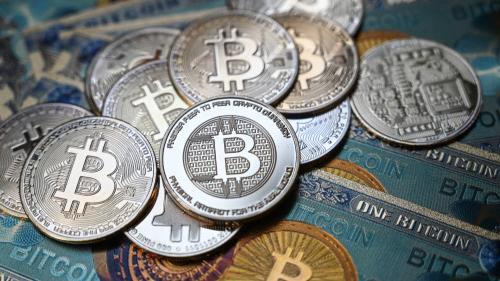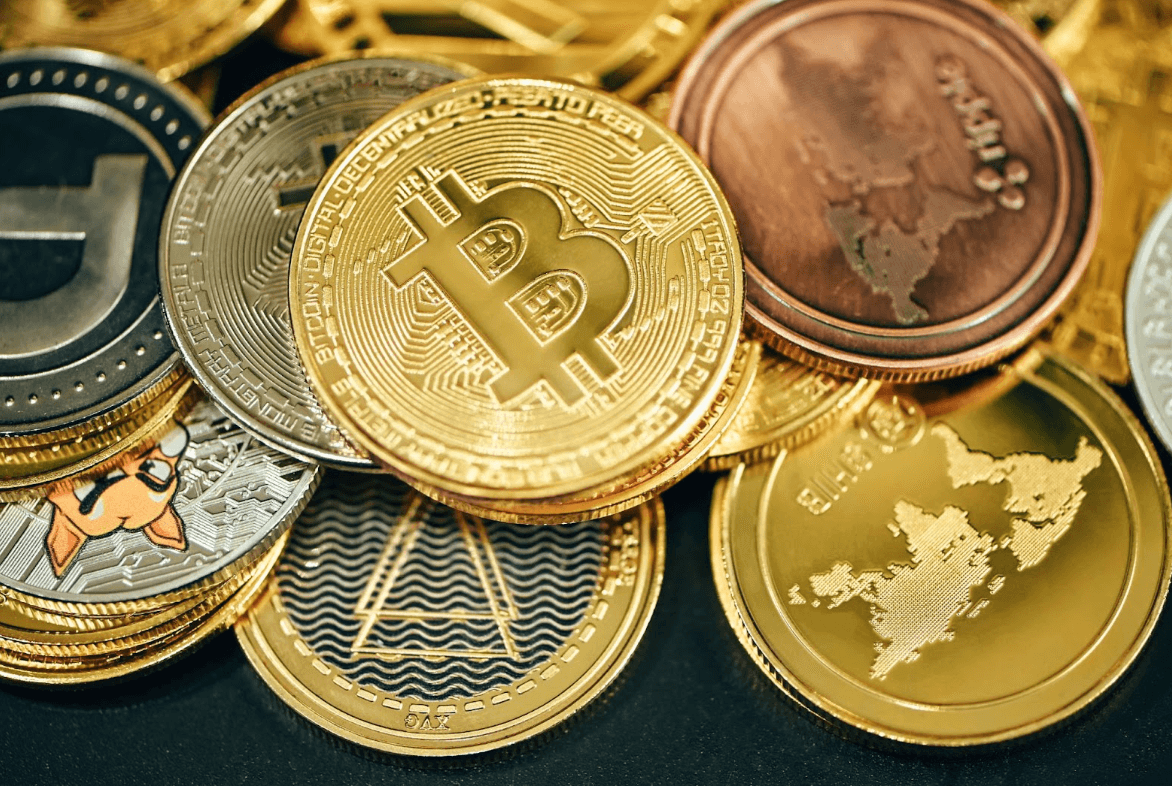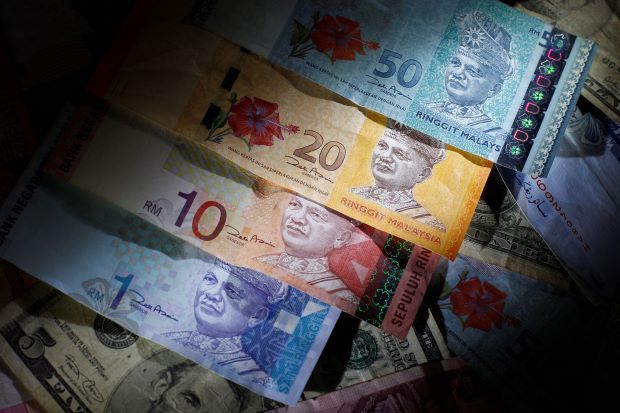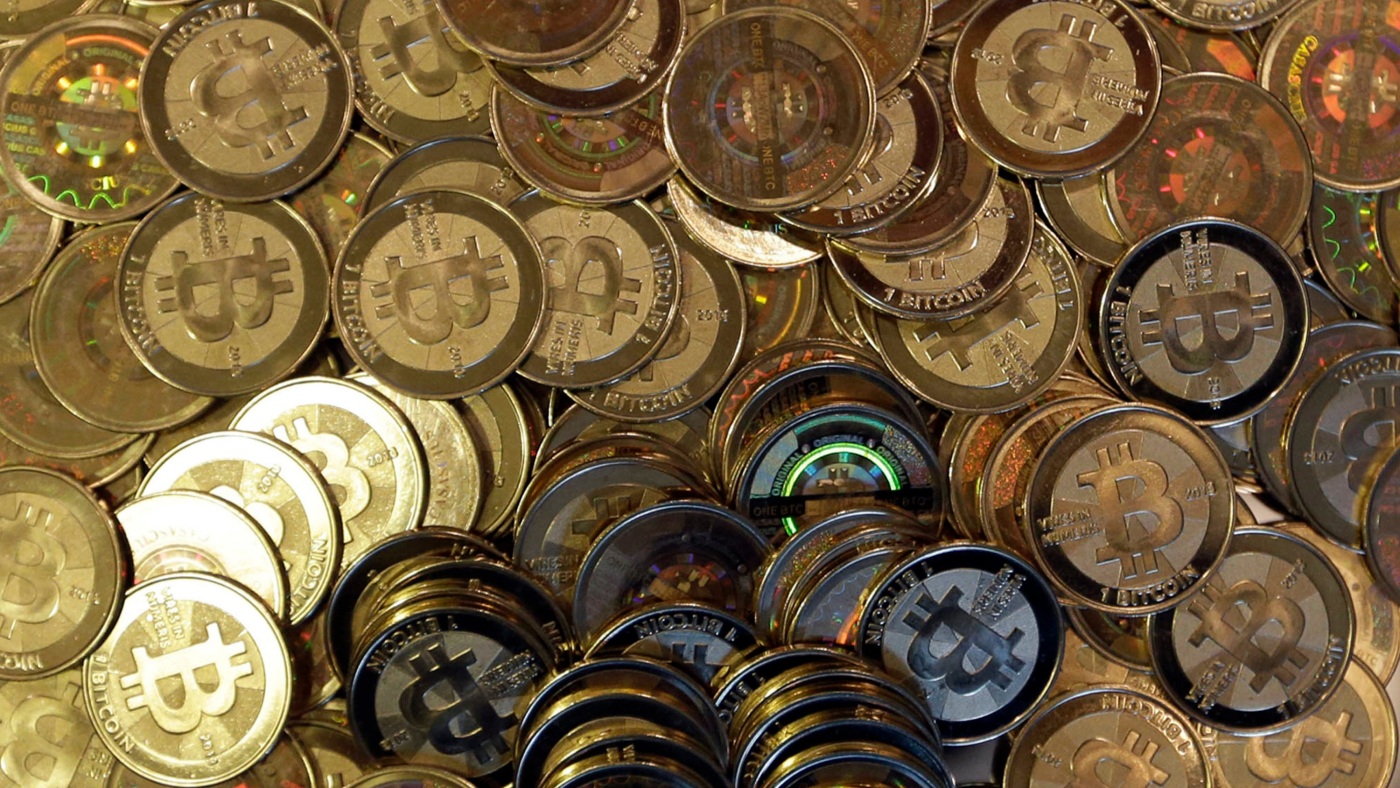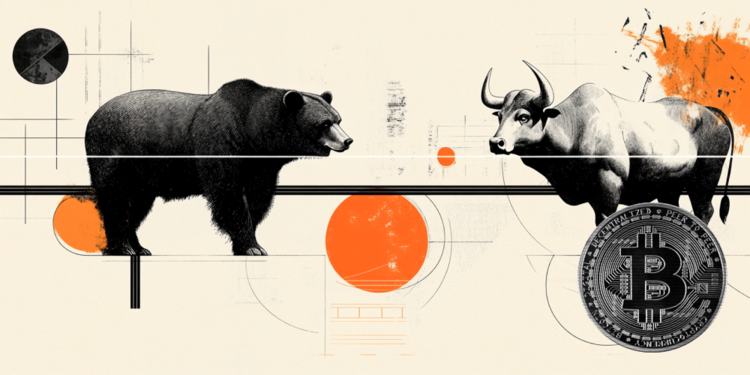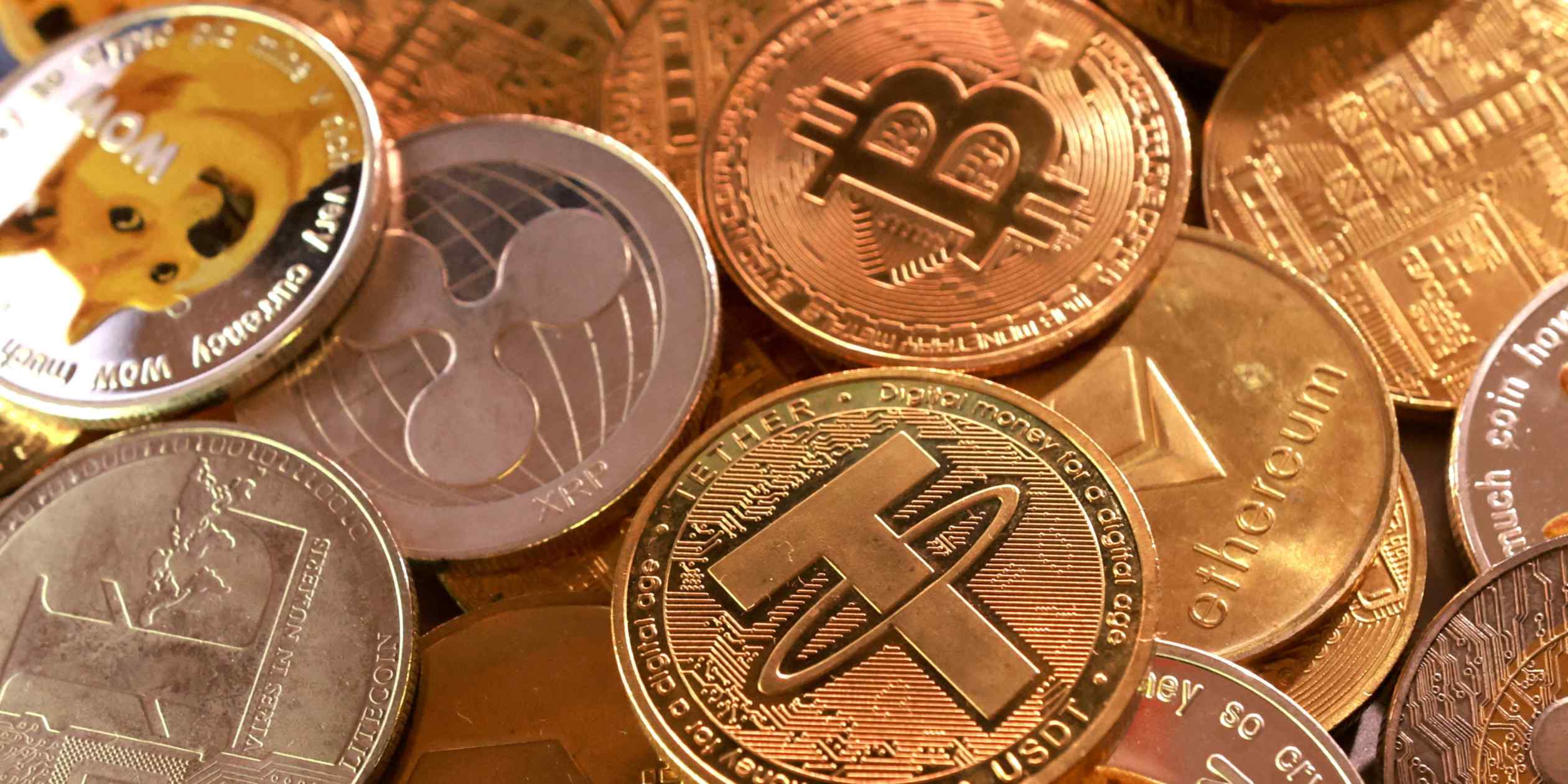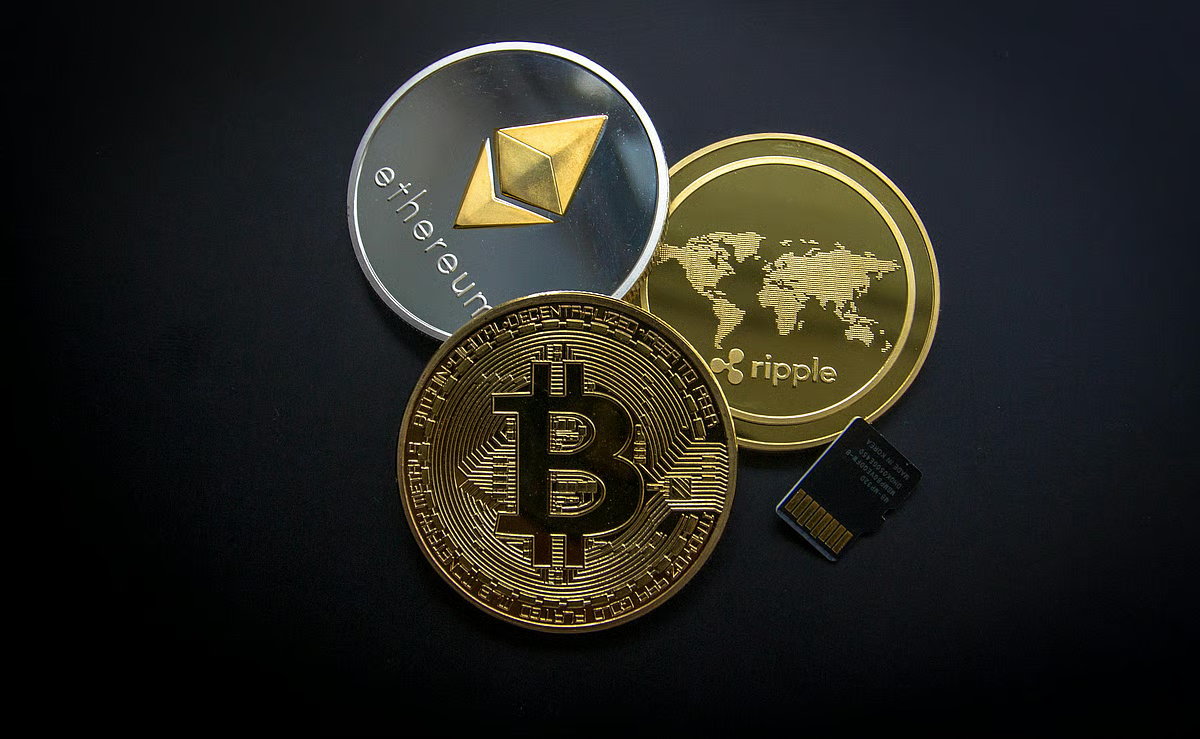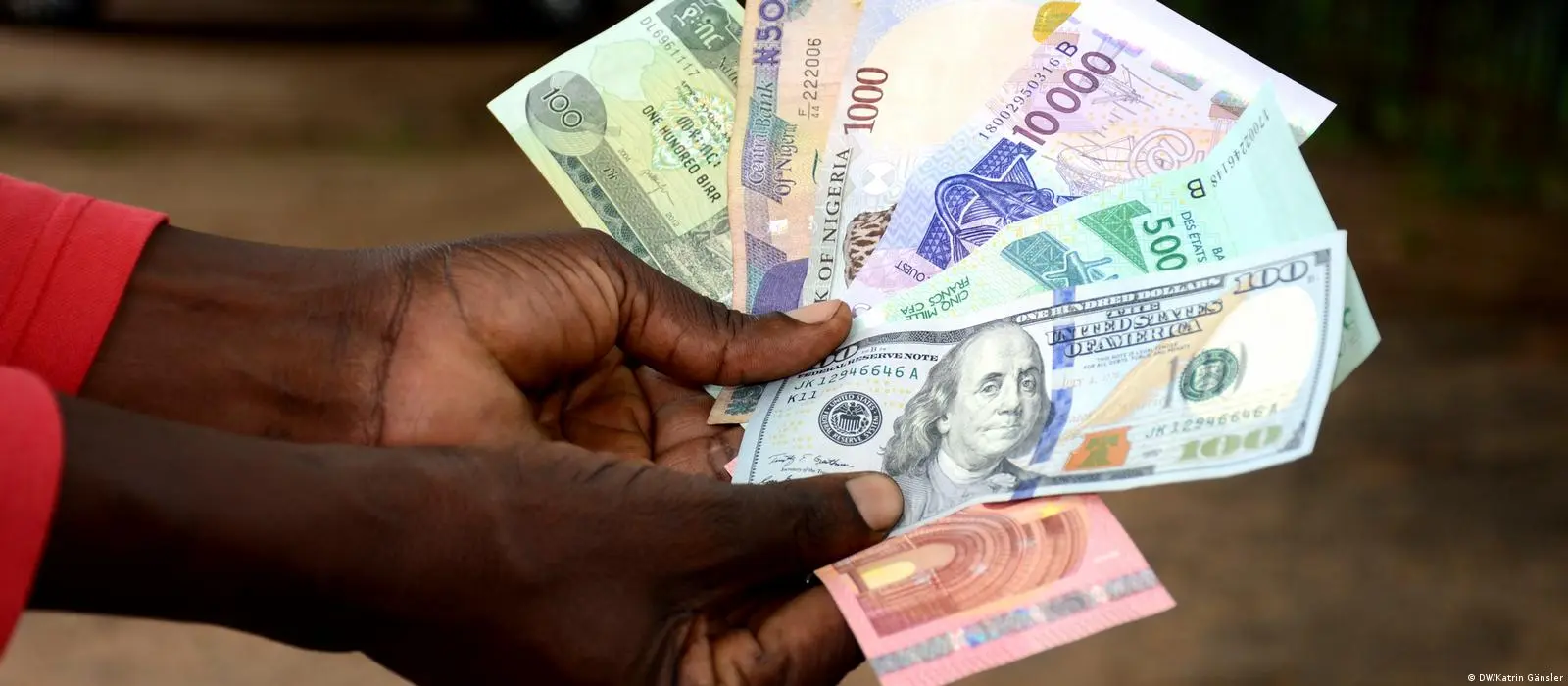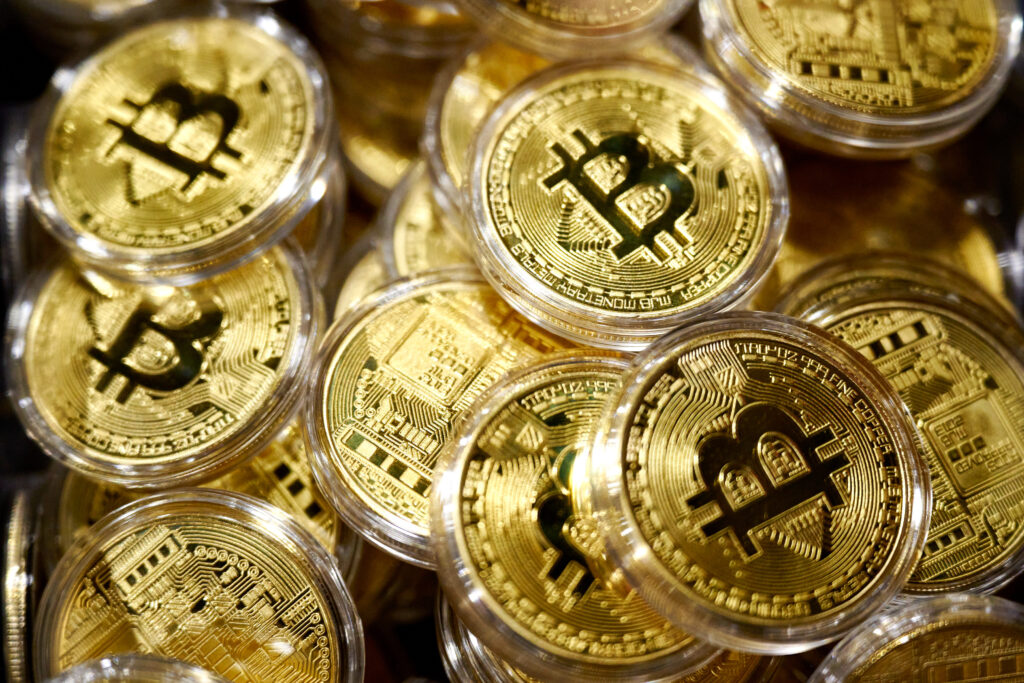
Growing fiscal concerns in some of the world’s biggest economies are adding momentum to a so-called “debasement trade,” as investors flock to the perceived safety of Bitcoin, gold and silver while pulling away from major currencies.
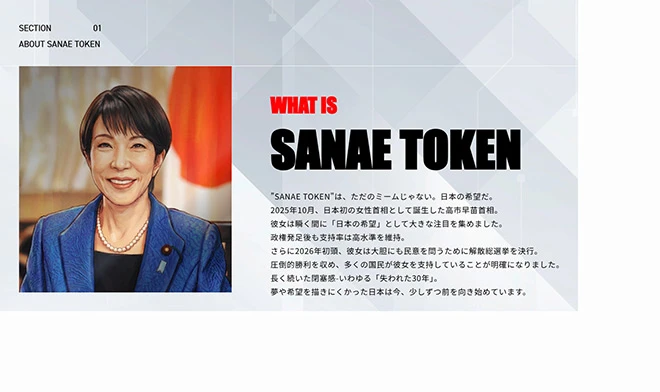
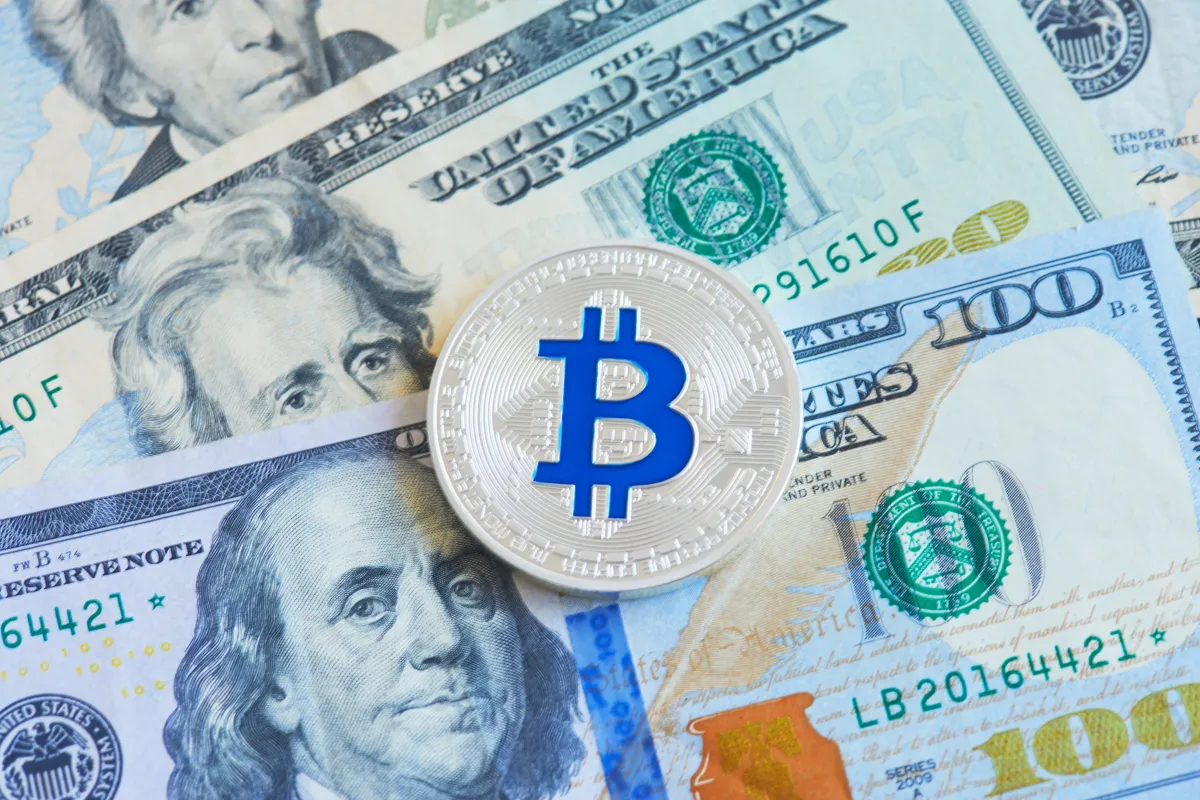
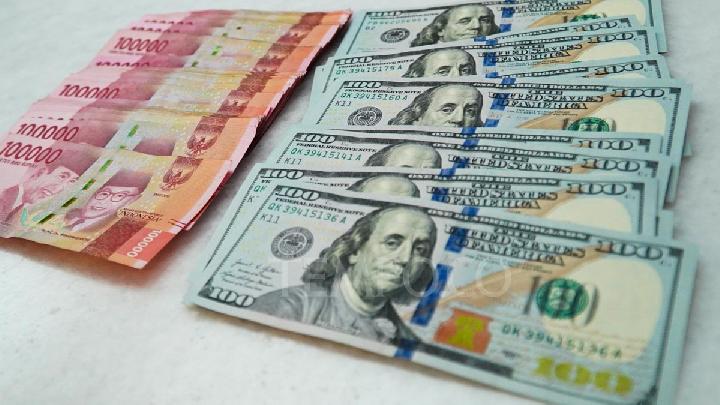
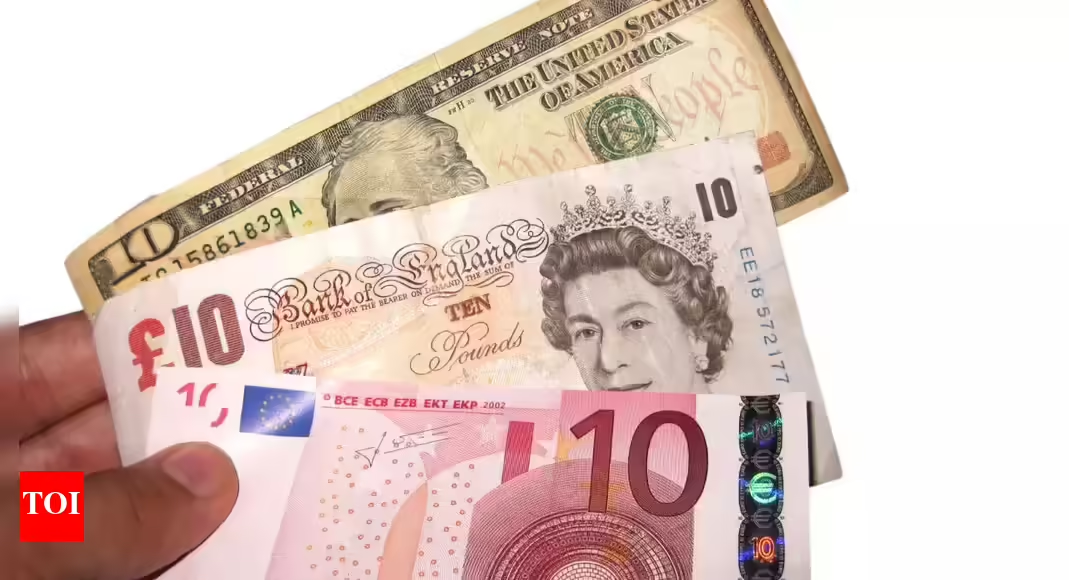
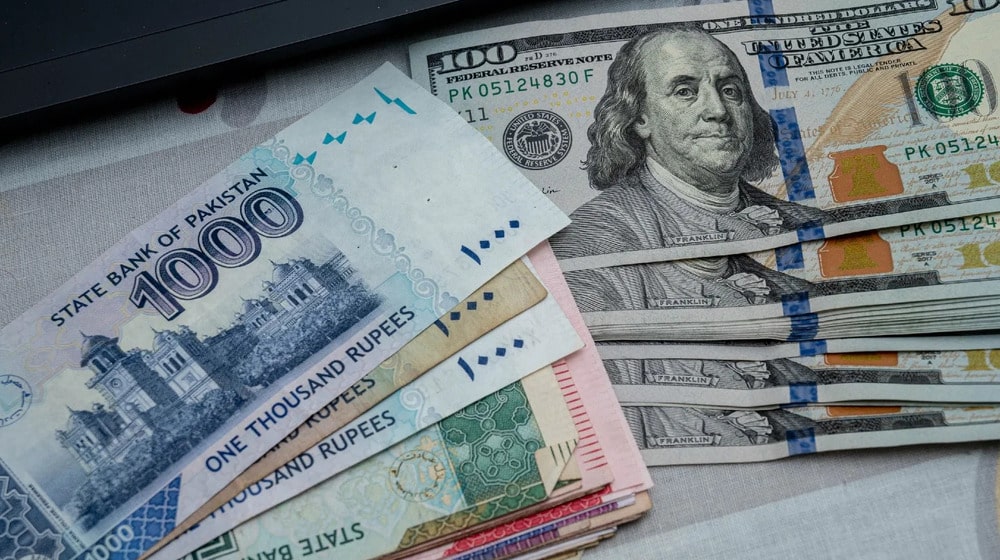
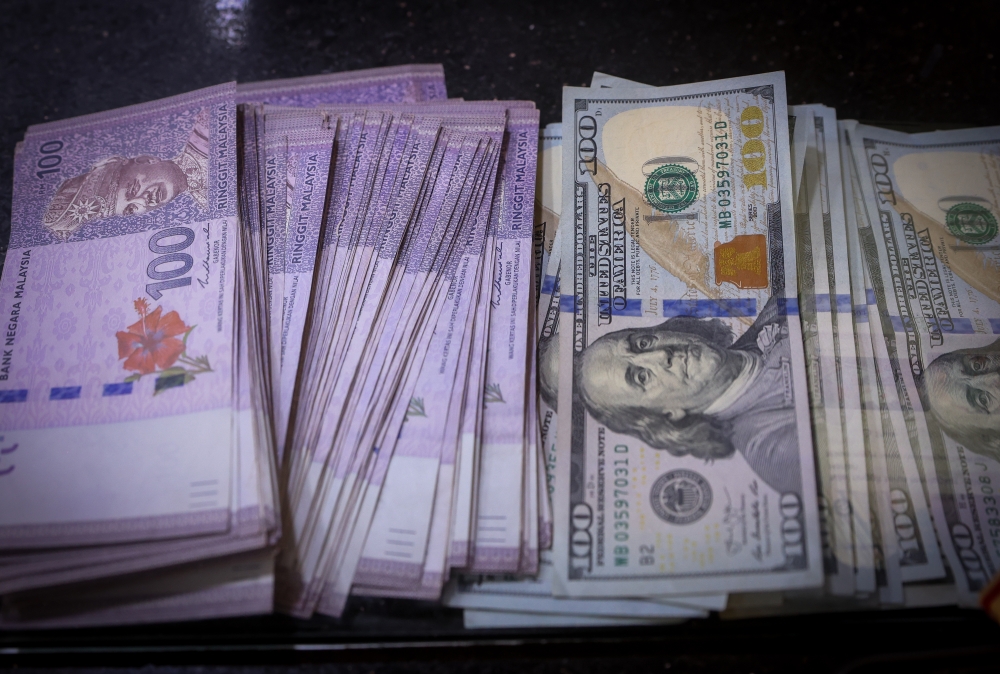
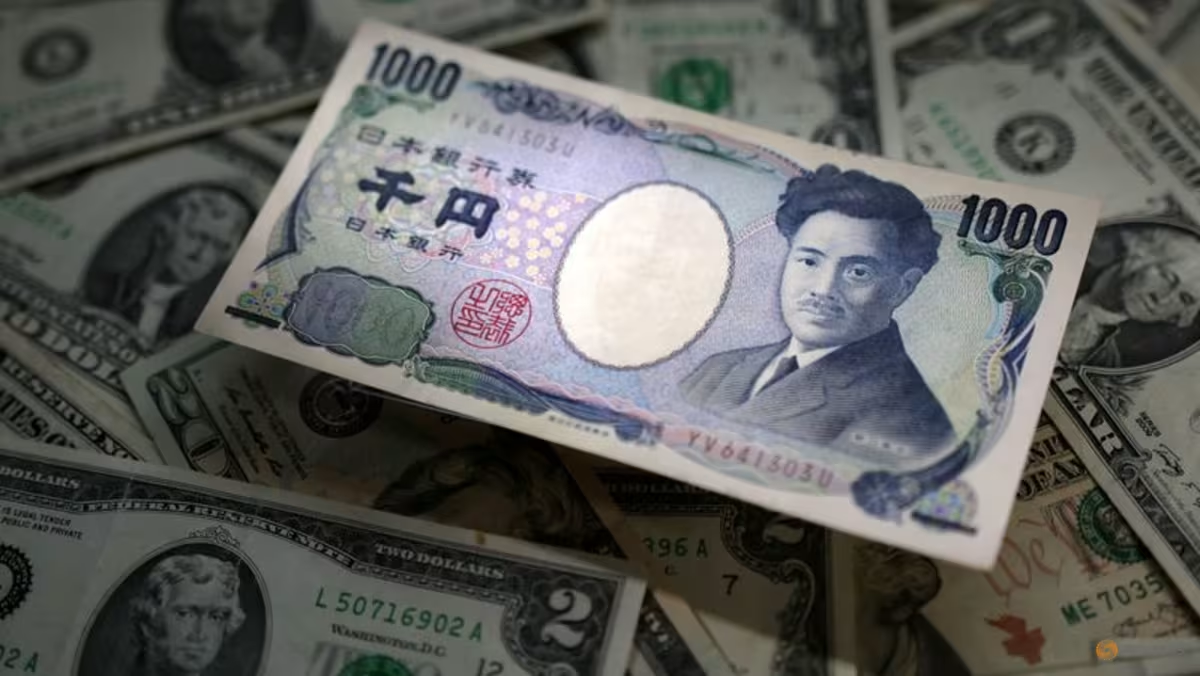
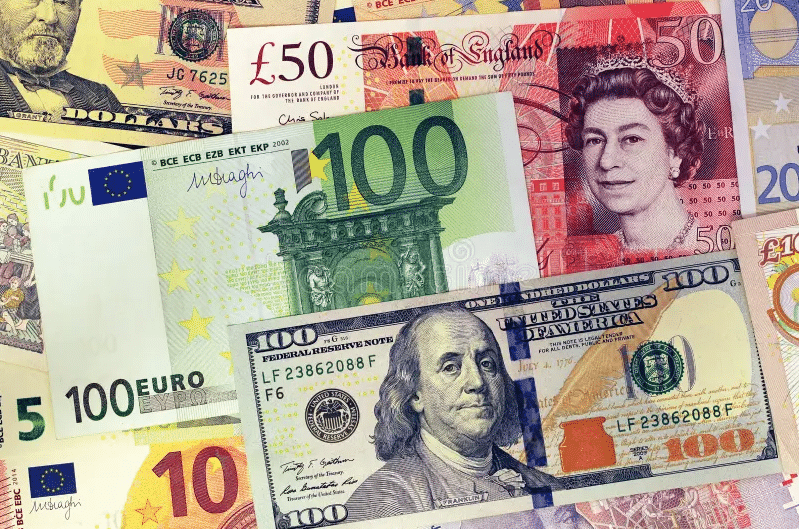
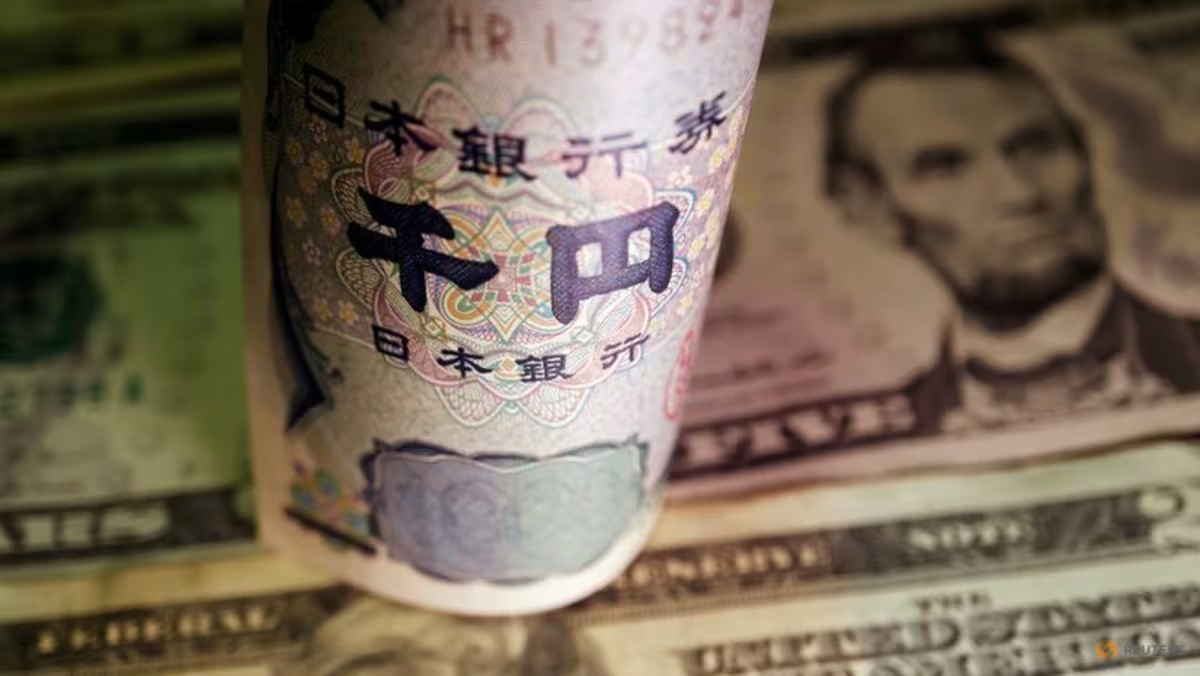
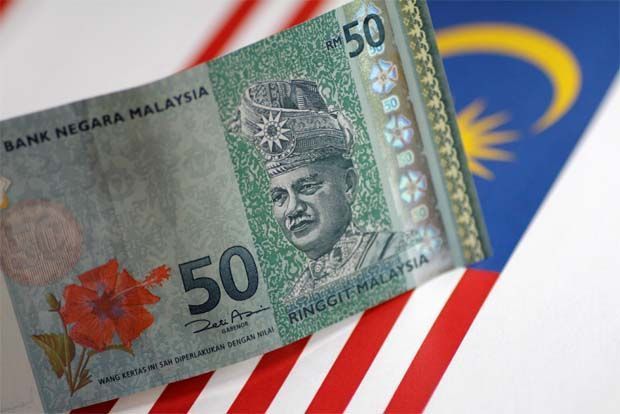
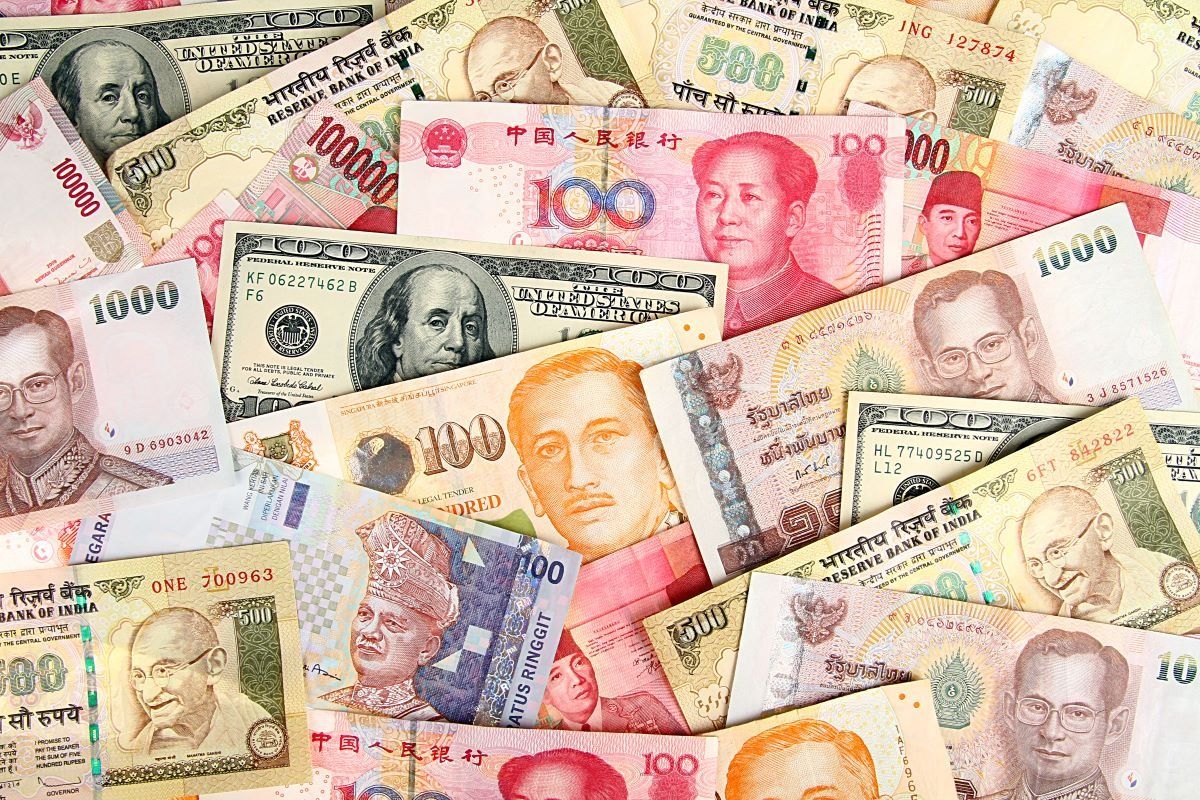
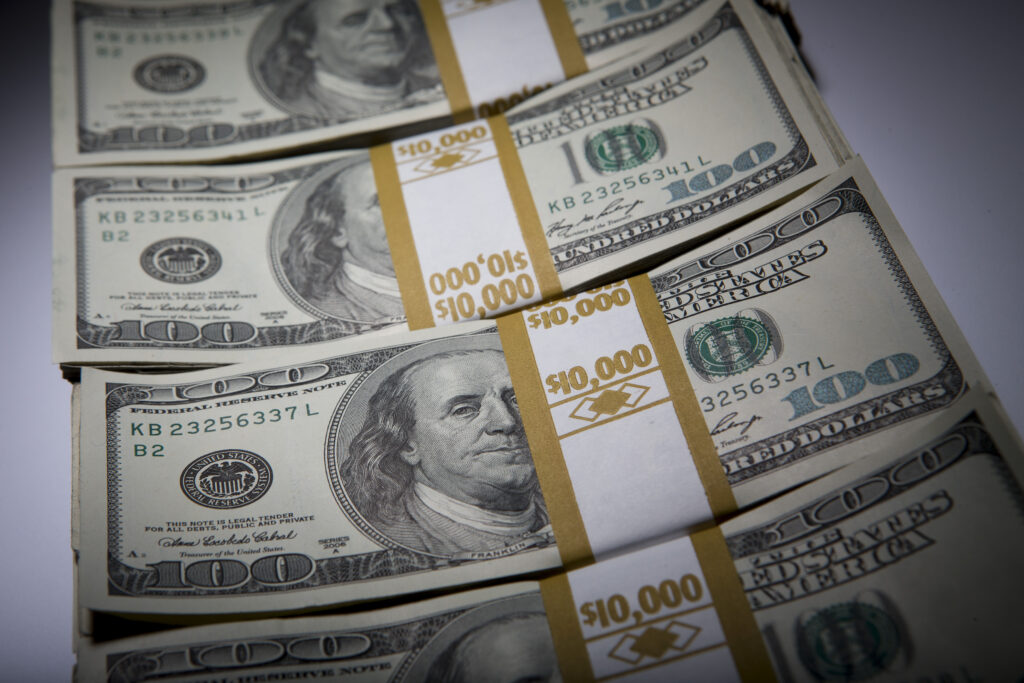
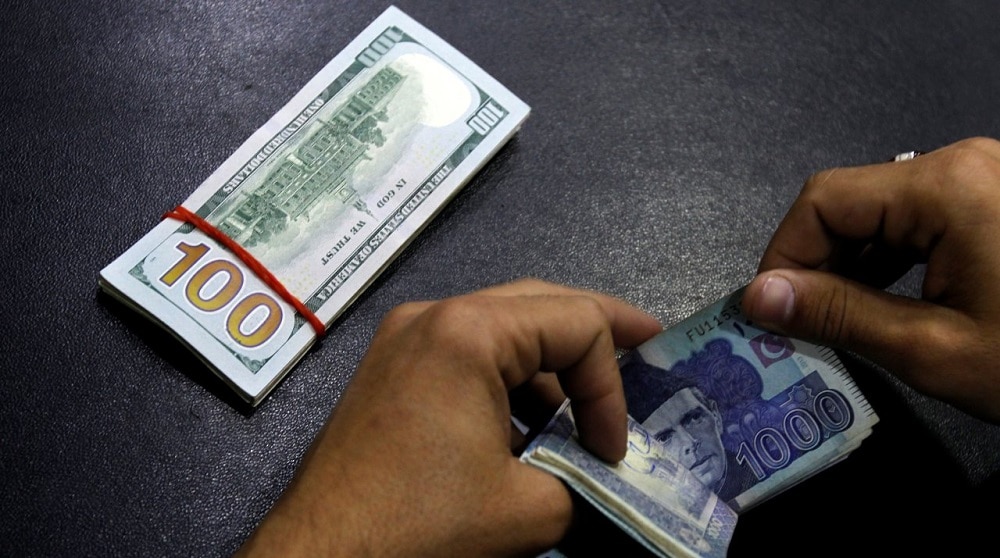
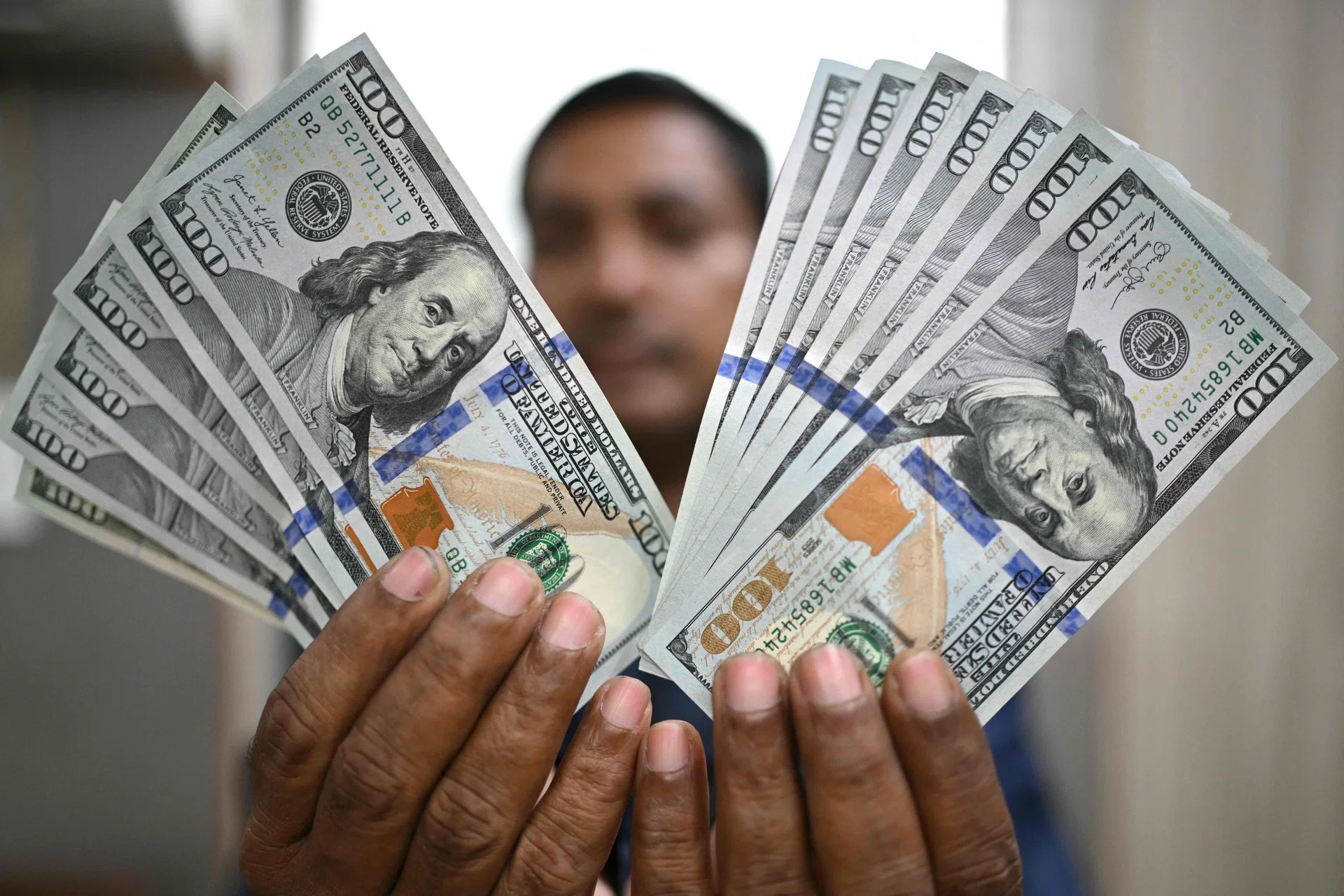
The yen tumbled on Monday as pro-stimulus lawmaker Sanae Takaichi was set to become Japan’s next prime minister. The dollar, which has weakened about 30% against Bitcoin this year, remains under pressure as the US government shutdown drags on. The euro has its own problems with fresh political uncertainty brewing in France.
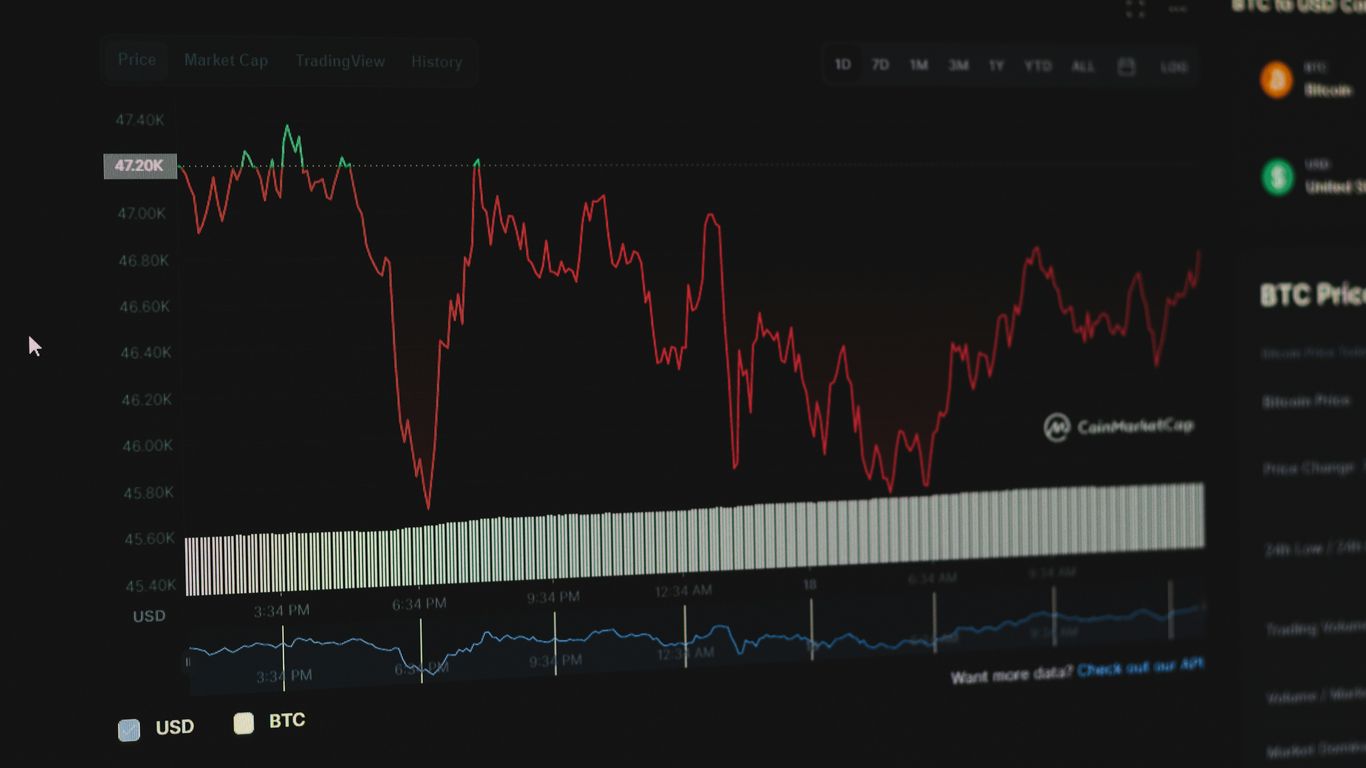
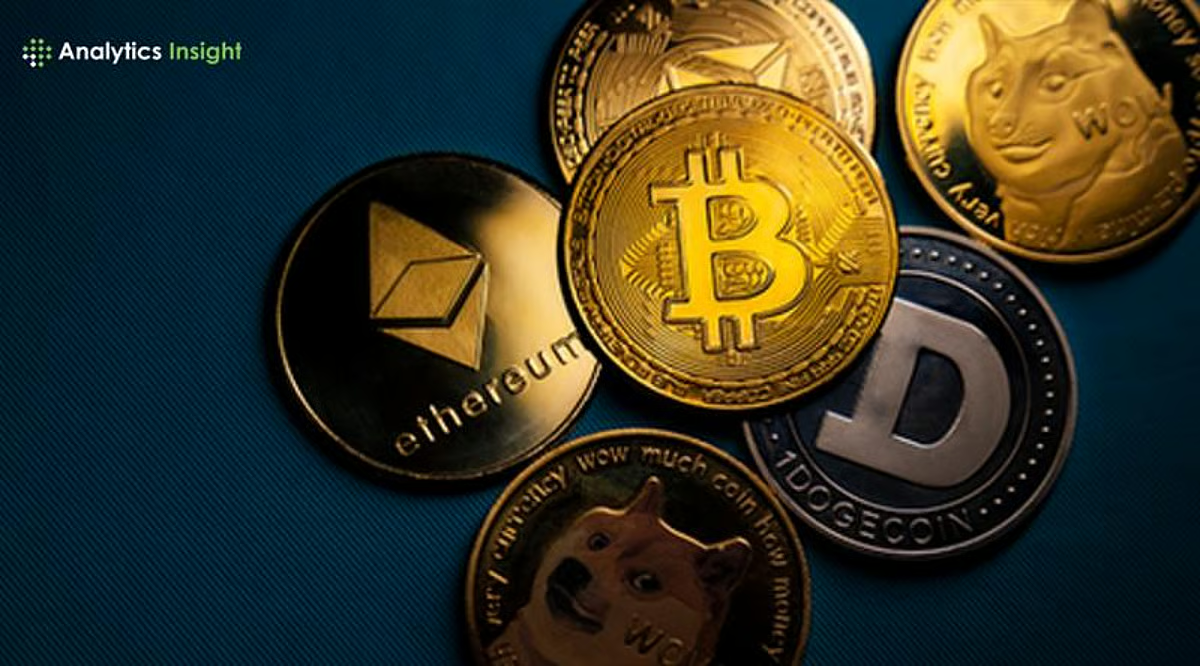
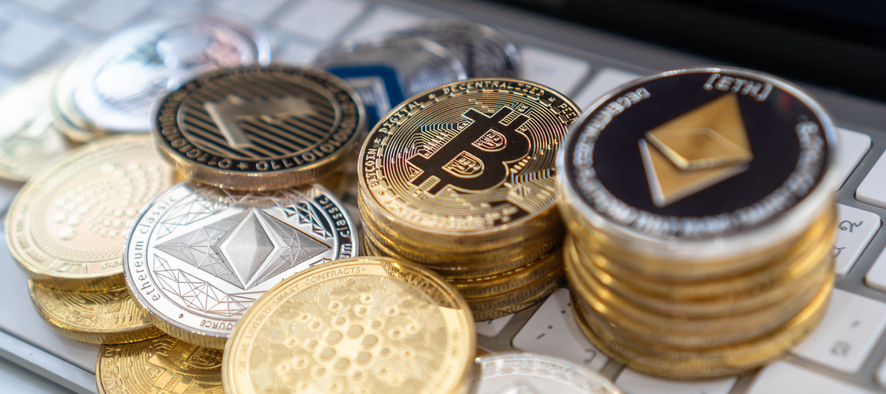
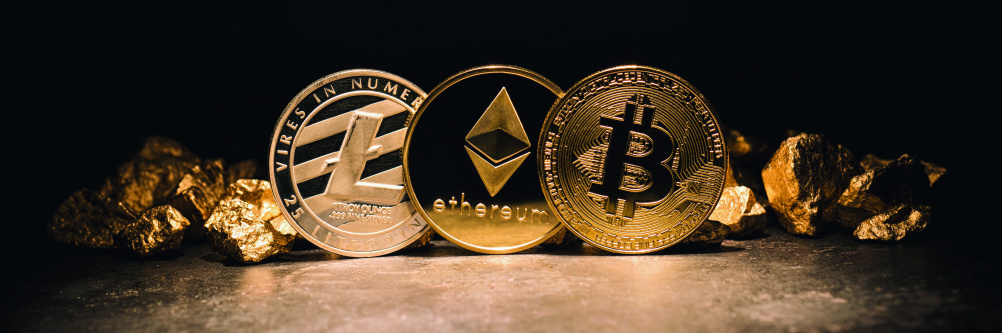
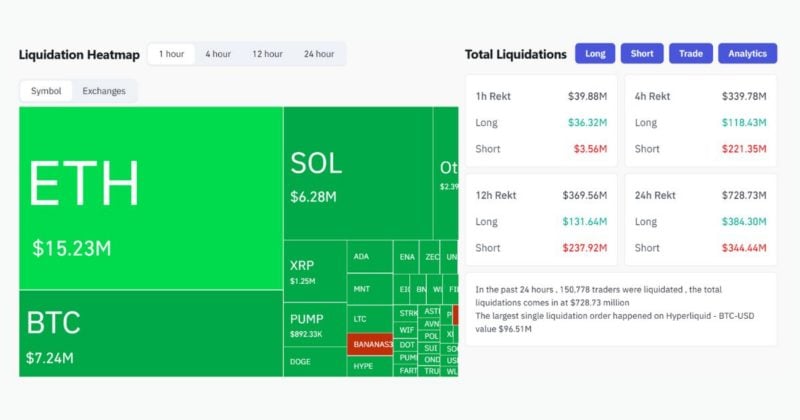
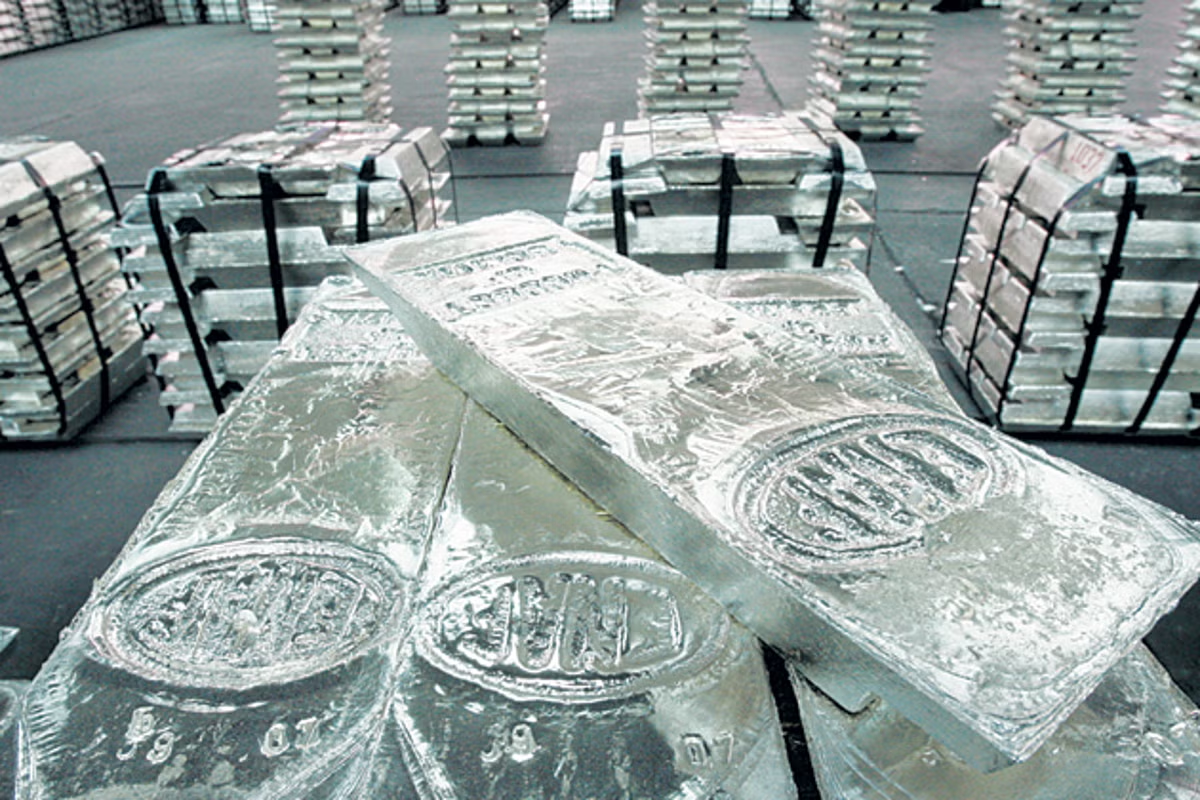
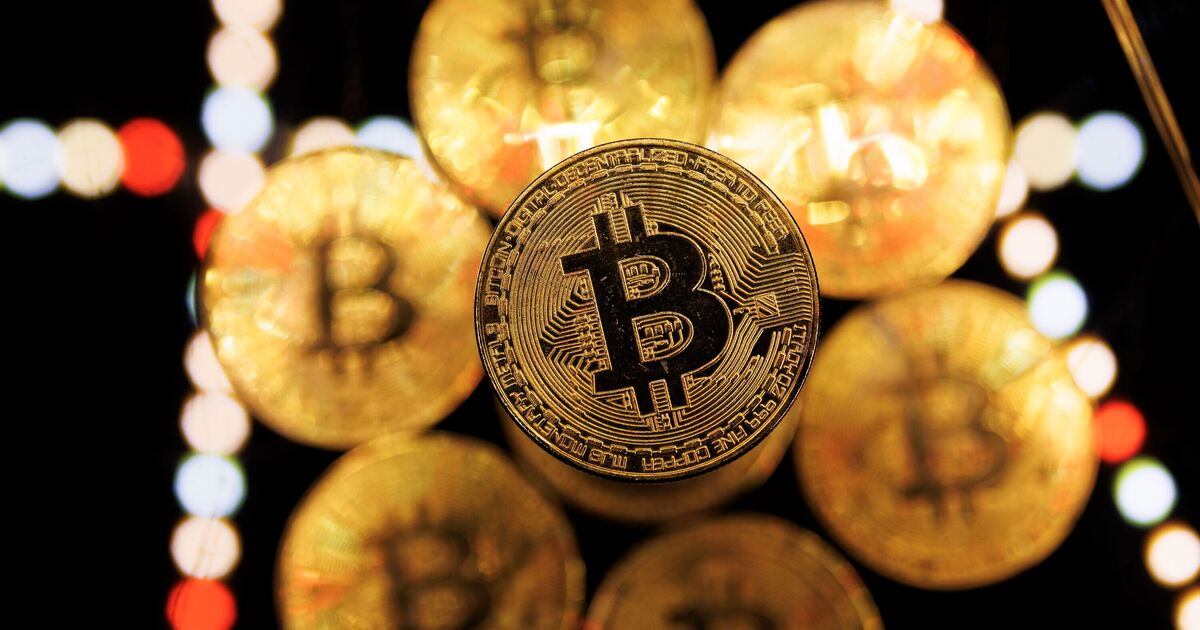
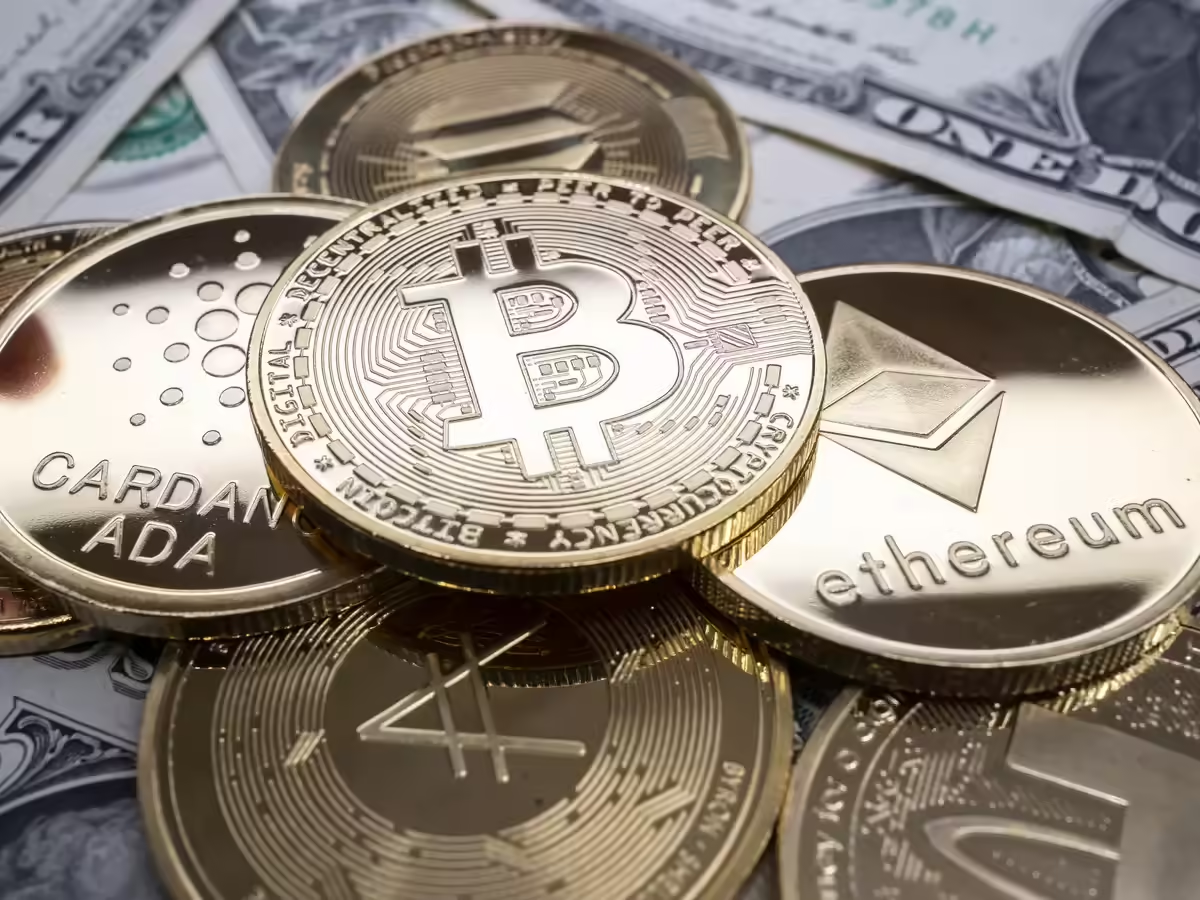
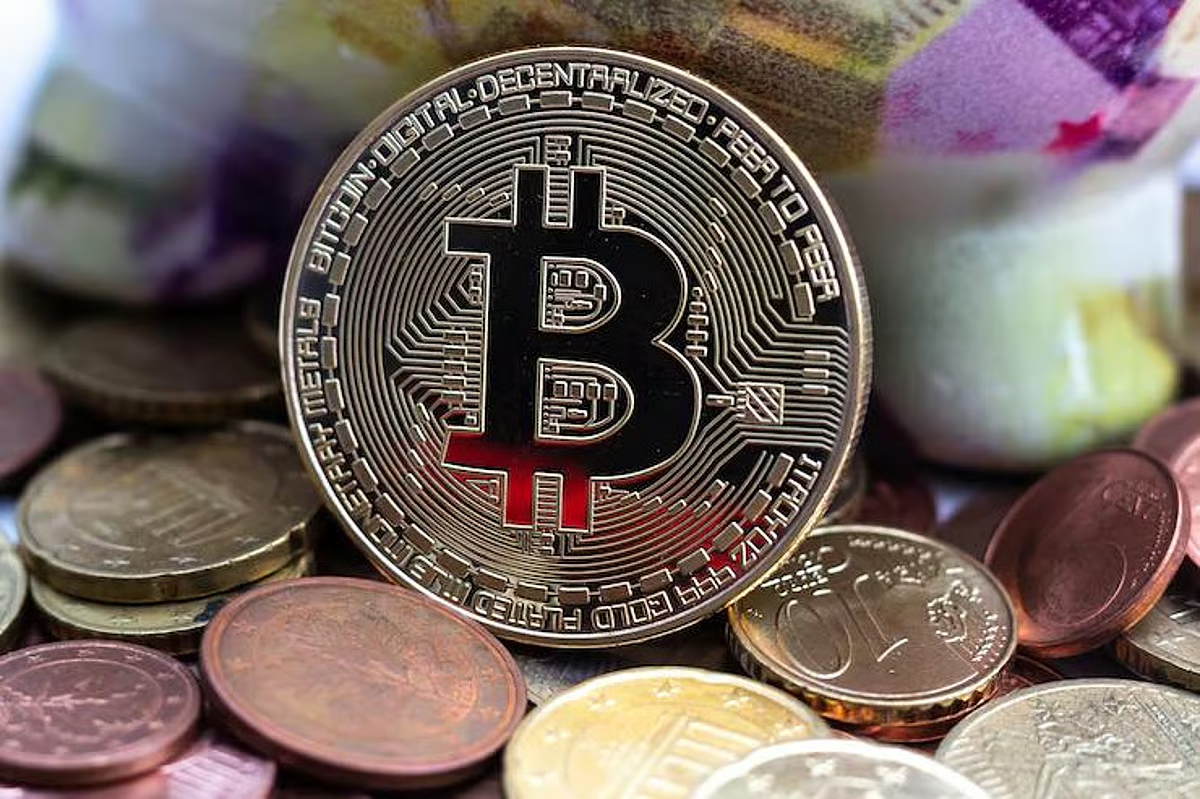
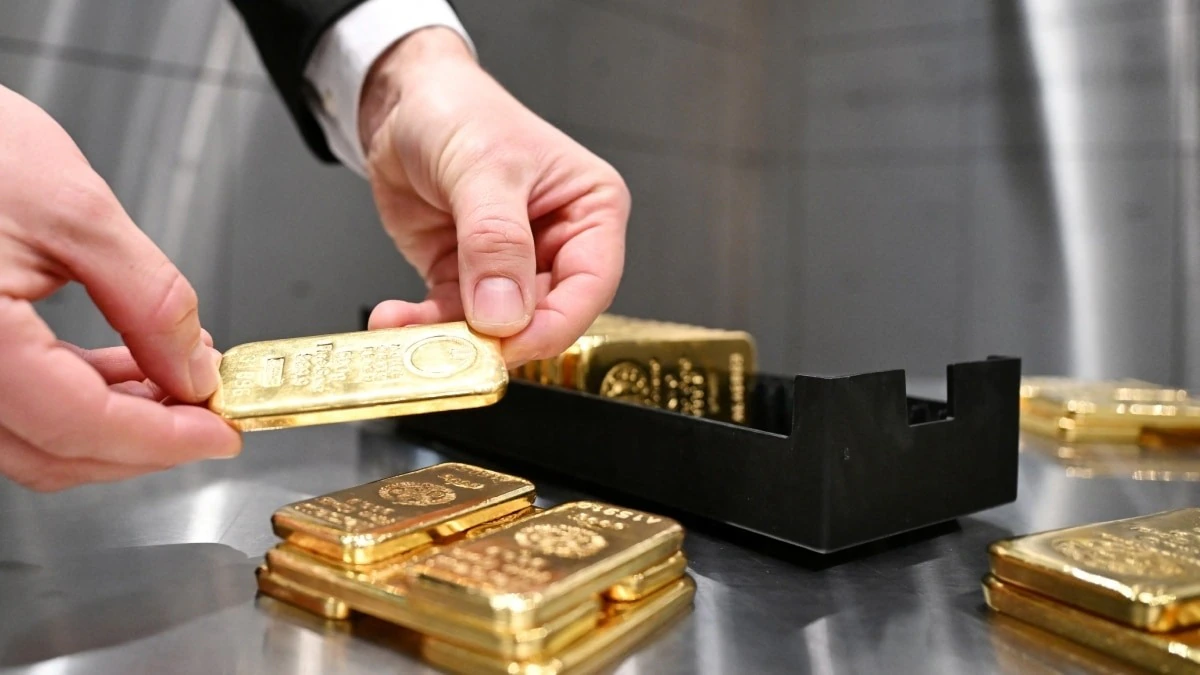
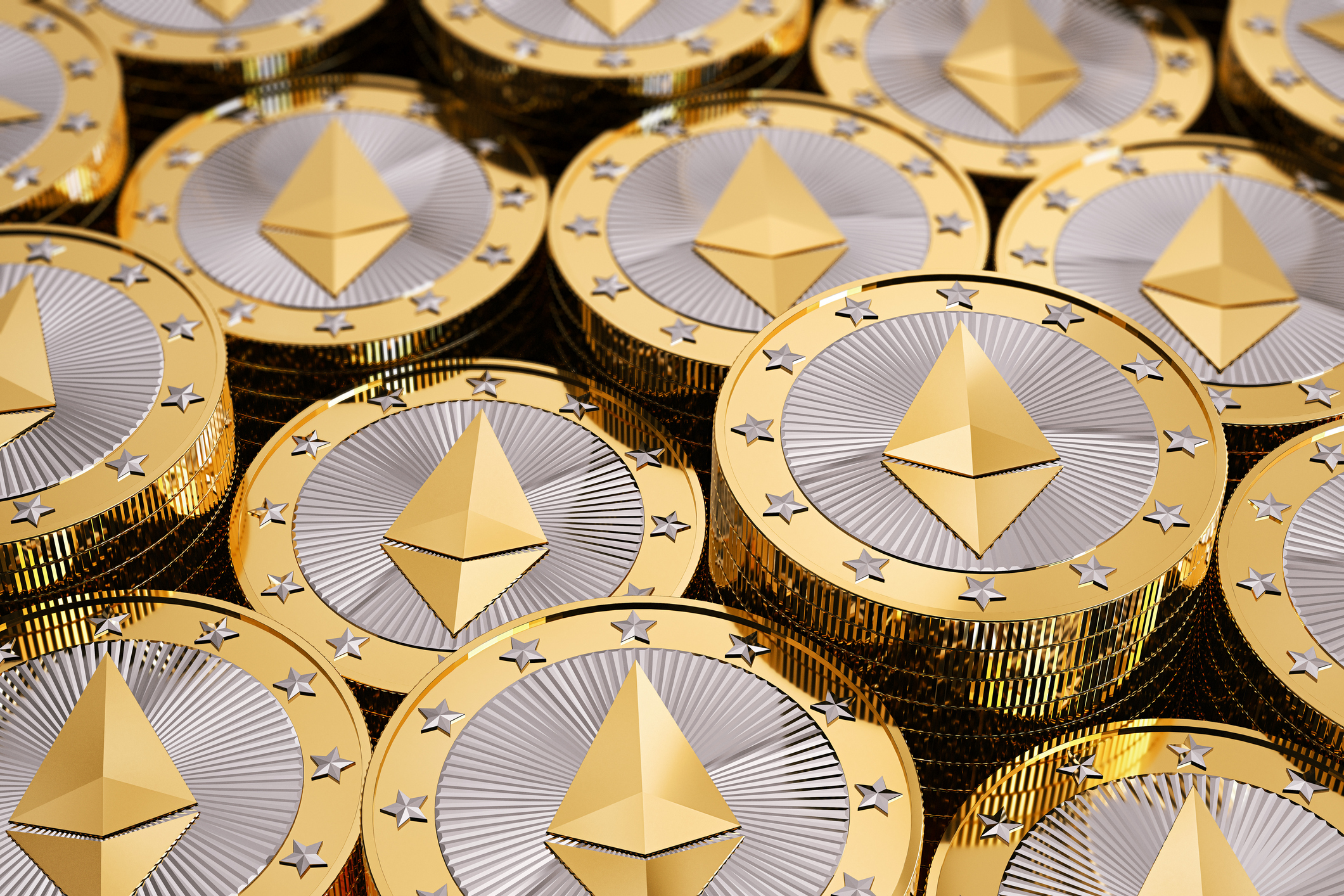
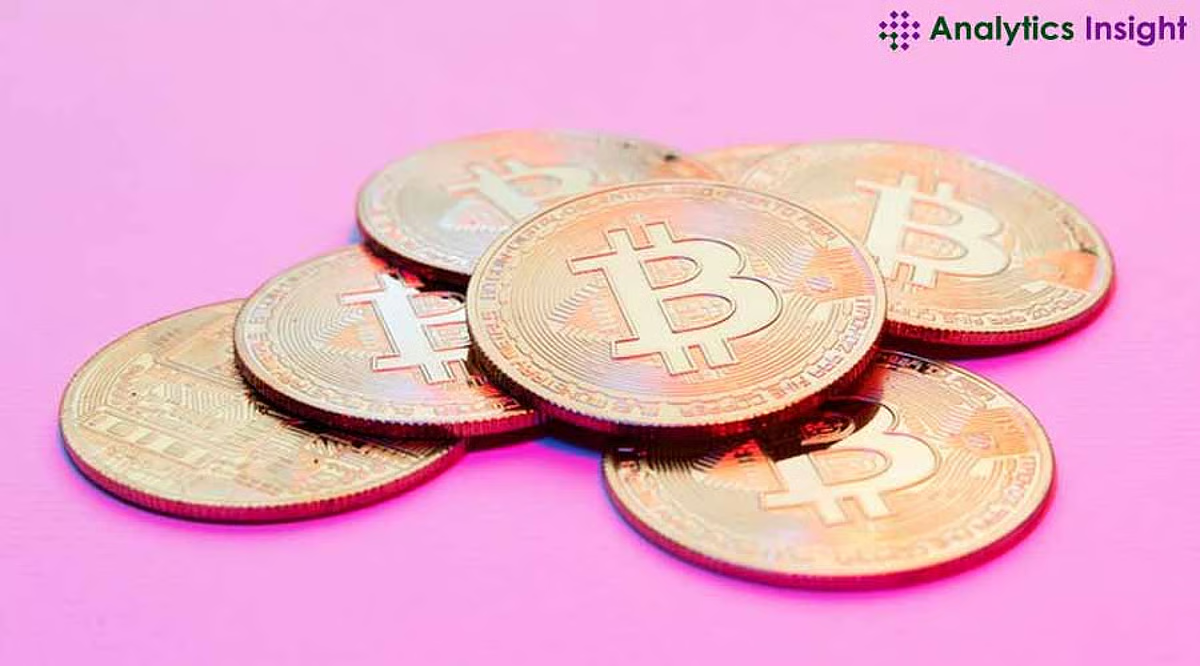
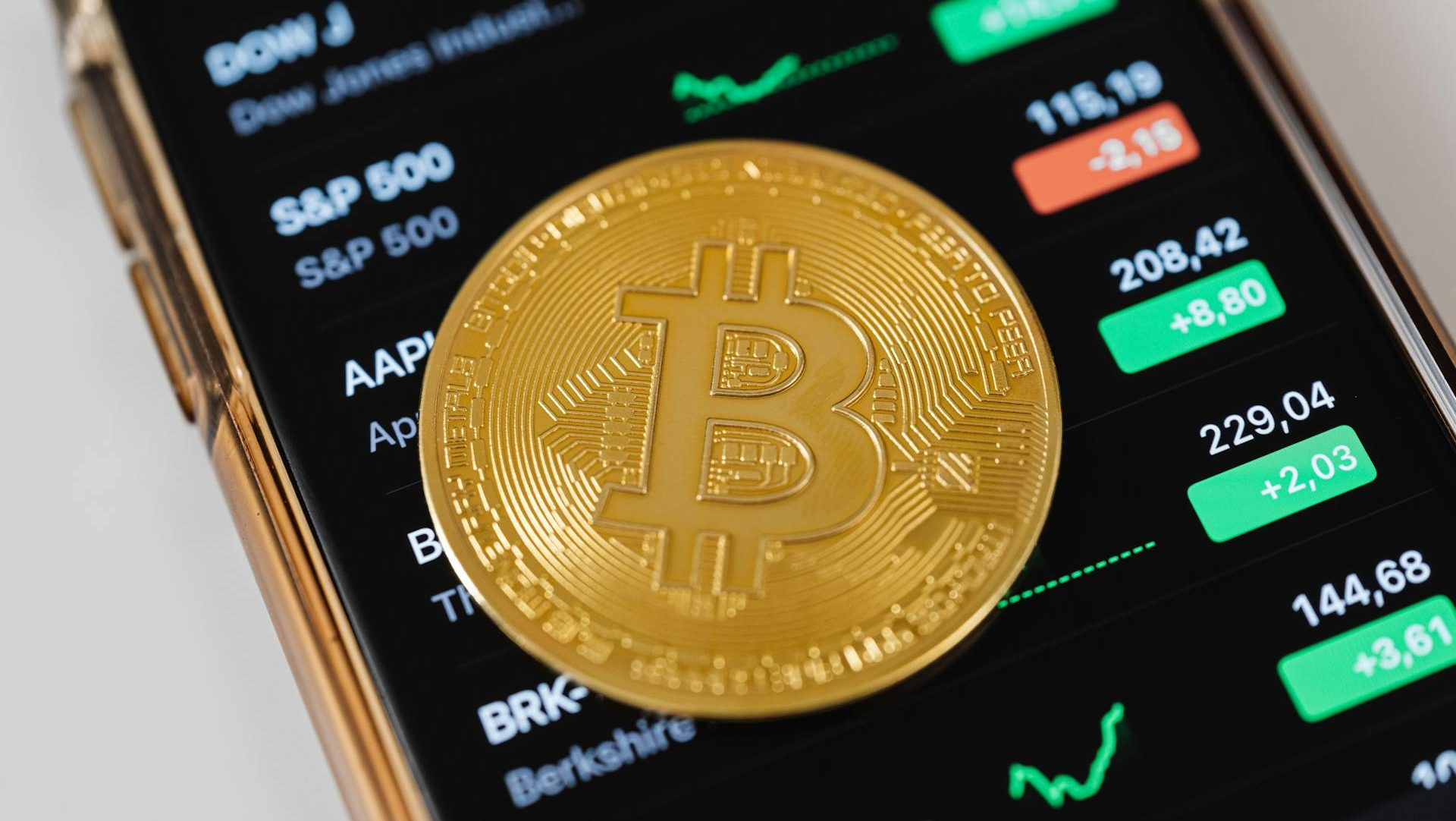
At the heart of these moves lies a growing pile of debt across the US, Japan and Europe that countries are struggling to manage. This is boosting the appeal of alternative assets like precious metals and cryptocurrencies, which are setting new milestones. Gold rose to a fresh high on Monday and silver neared a record, while Bitcoin hovered near its fresh all-time high set over the weekend.
The political situations across these countries “give you a reason to buy gold and Bitcoin as debasement hedges,” said Chris Weston, head of research for Pepperstone Group. “It’s become a big momentum trade. There’s nothing that breeds sentiment like a market that’s going up — you’ve got to be in it.”
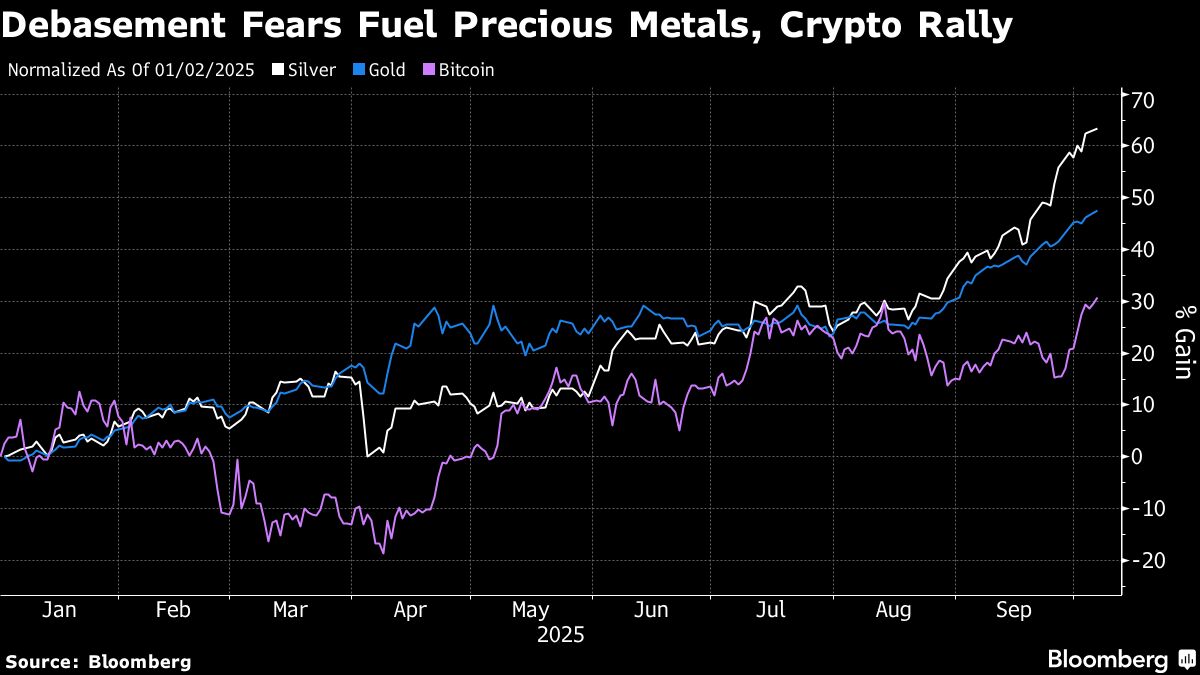
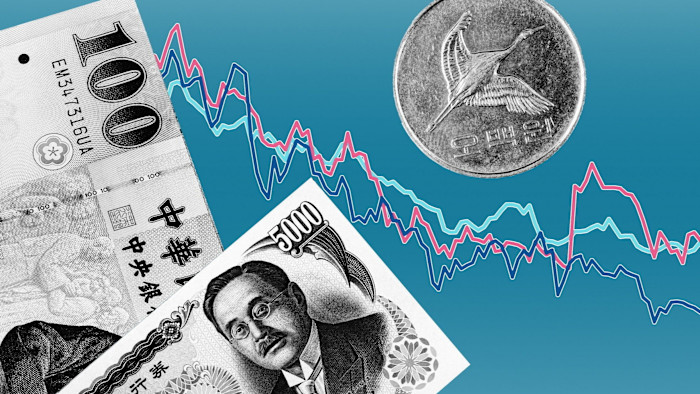
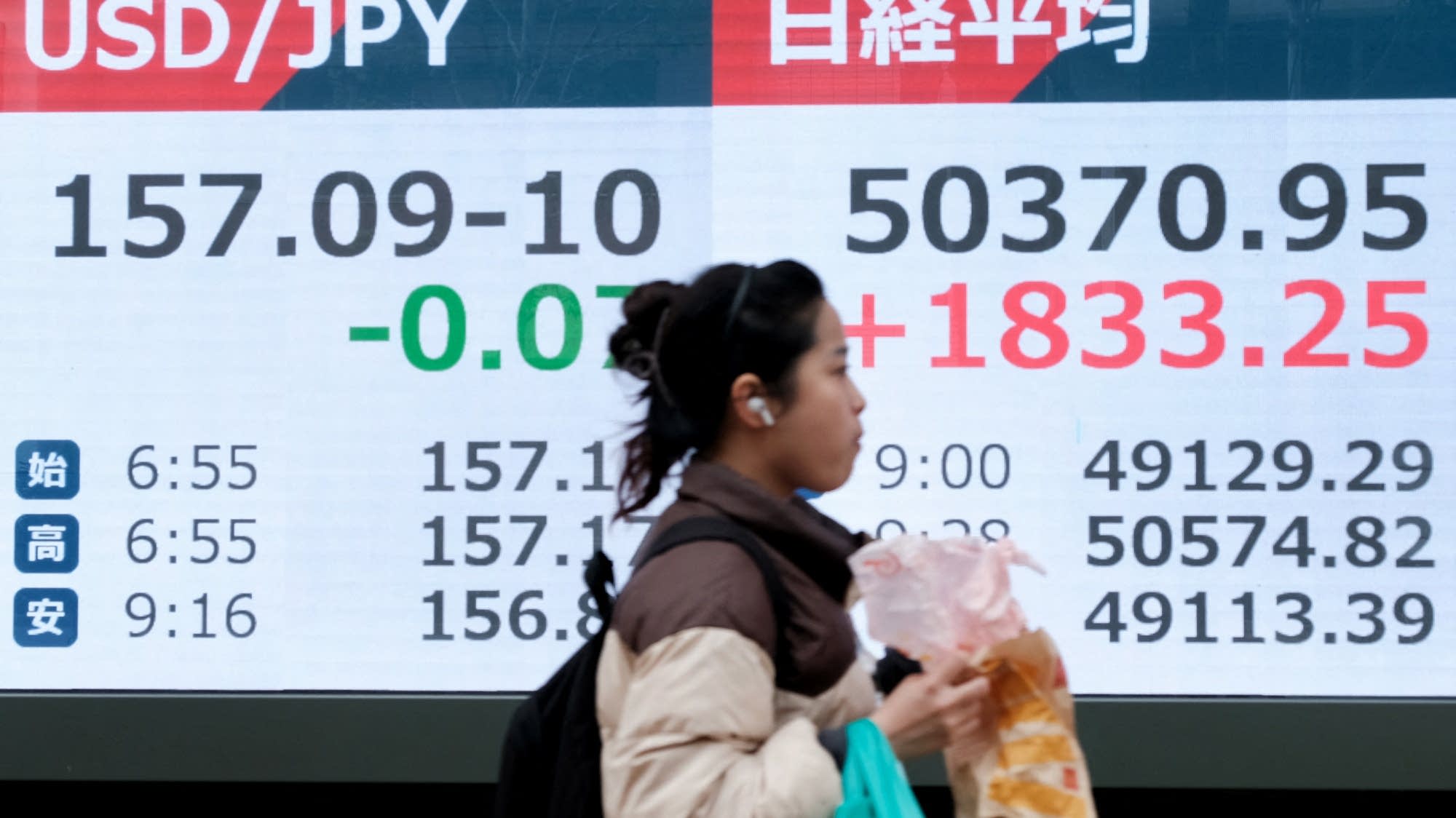
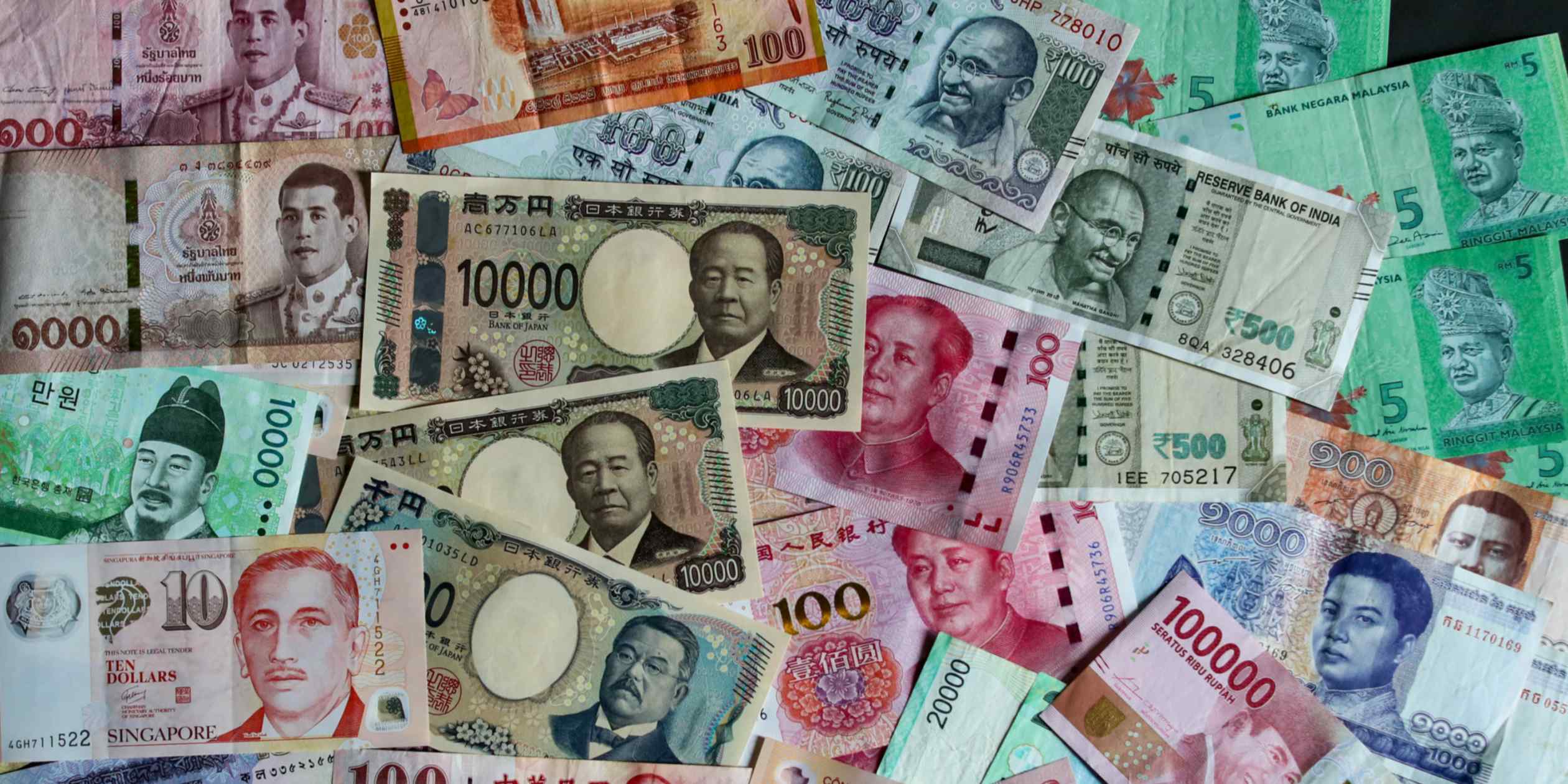
The yen weakened 1.6% against the dollar on Monday, as Takaichi’s victory boosted expectations of fiscal stimulus and curbed bets on an immediate rate hike by the Bank of Japan. Gold and Bitcoin both traded at record levels versus the Japanese currency.
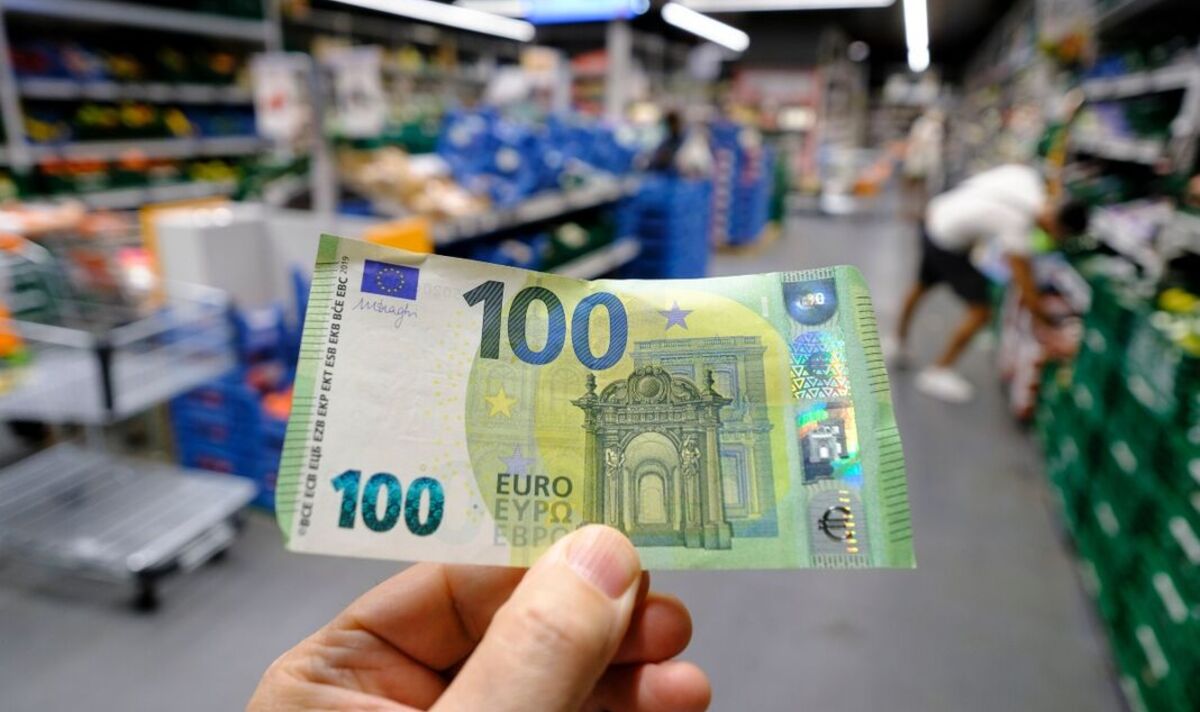
The euro slipped 0.1% against the greenback. A Bloomberg gauge of the dollar rebounded 0.3% to recover some of last week’s slide, and remains down about 8% for the year.
“The familiar pattern of dollar debasement against alternative reserve assets amid Washington dysfunction” is on display again, JPMorgan Chase & Co. analysts, including Meera Chandan wrote in an Oct. 3 note. “Even if not as dramatic as gold, other precious metals have also rallied sharply and in a broad-based fashion,” akin to moves following the global financial crisis and the years of quantitative easing policies, they said.
© 2025 Bloomberg