It really has been a rollercoaster for commodities as an asset class since Covid became part of our lives almost three years ago.
On a couple of occasions there had been talk of a post-Covid super-cycle with commodity indexes rallying as government stimulus and low interest rates fuelled inflation expectations – only for another variant or lockdown in certain parts of the world to cut those hopes short.
This year has been a particularly interesting one for the asset class.
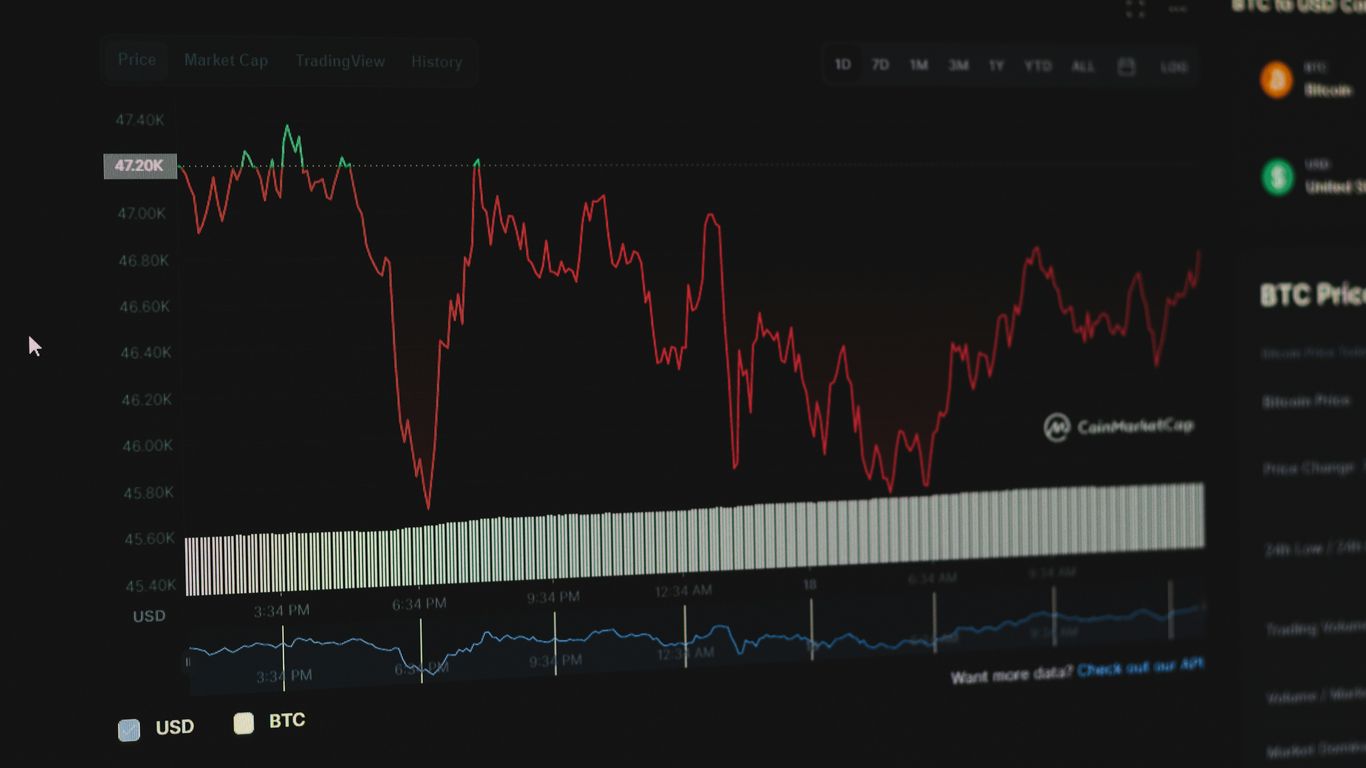
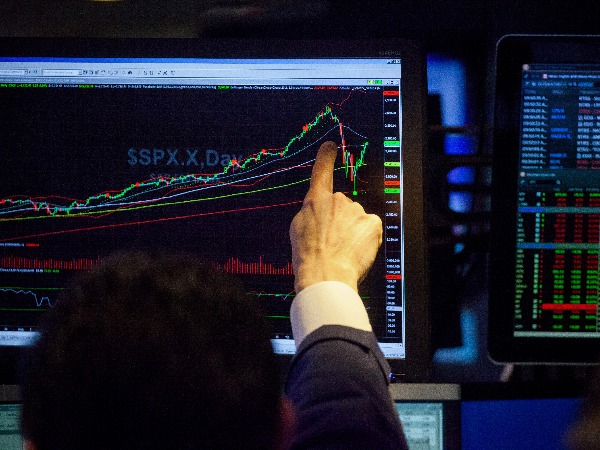
Commodities and commodity-linked equities were among the few standout performers in the first half, as inflation disrupted most asset classes. Commodities, as represented by the S&P GSCI – a benchmark of 24 commodities in agriculture, energy, and metals* – have risen by more than 50% in 2022, while global equities are down 4% in sterling terms.
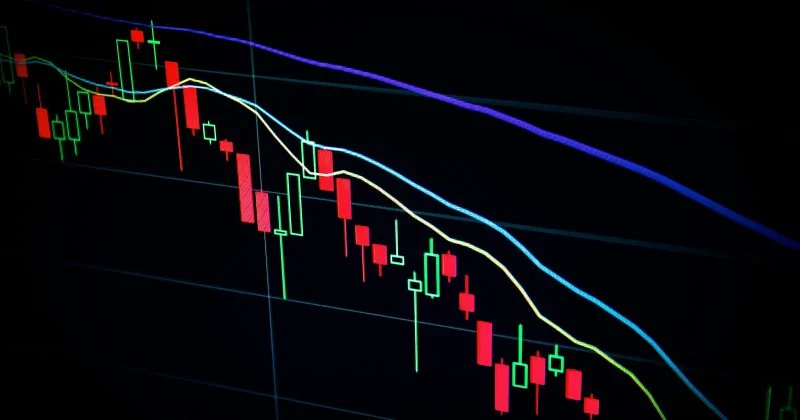
However, the asset class has fallen back since mid-June, as the potential for global recession and the negative impact on demand has taken its toll. Pessimists would also tell you that for a prolonged commodities rally, we need to see a combination of a weak dollar, strength in China and rising global GDP – all things that we are not seeing at the moment.
This year has been a particularly interesting one for commodities
The short-term view is clouded by events in Europe and China – with the war in Ukraine and the subsequent energy crisis impacting the former, while an aggressive lockdown policy is hindering global supply chains for the latter.
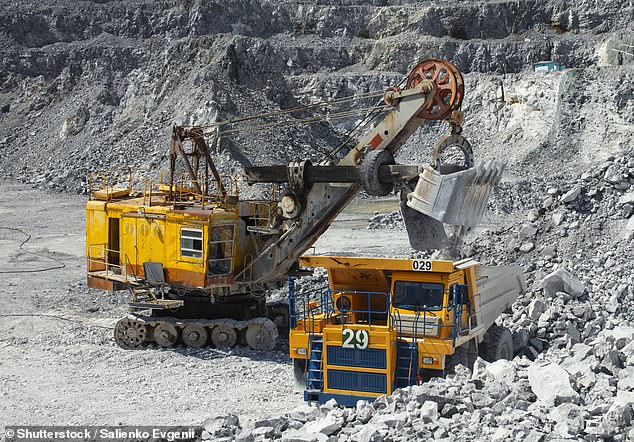
But longer-term we’d argue the case for the asset class remains strong. The move to renewable energy has been accelerated by the war in Ukraine – this is going to require a huge amount of electrification which should increase demand for copper and other commodities.
You’d also expect China’s economic activity to improve at some point which, as the dominant driver of demand for many commodities, should offset any drop in developed markets.
We’ve always tended to break the sector into four sub-classes – energy, industrial metals, precious metals, and agriculture.
Energy
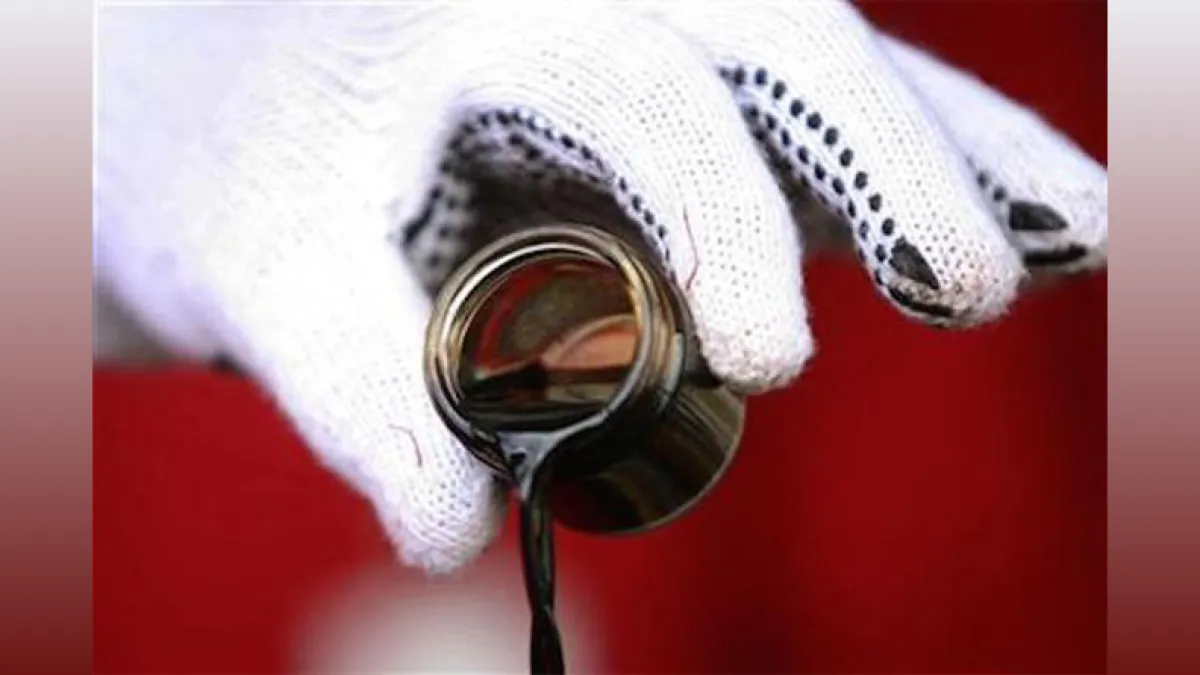
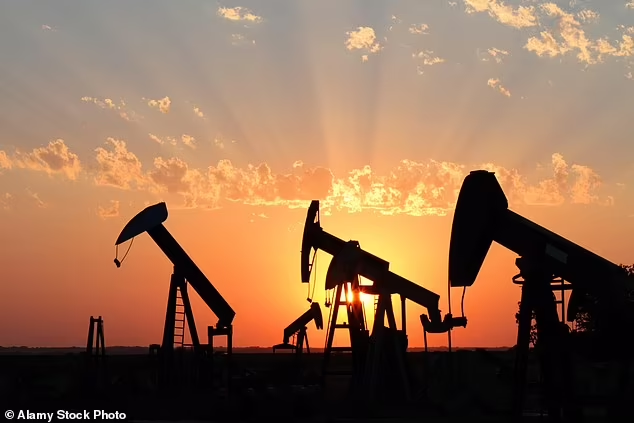
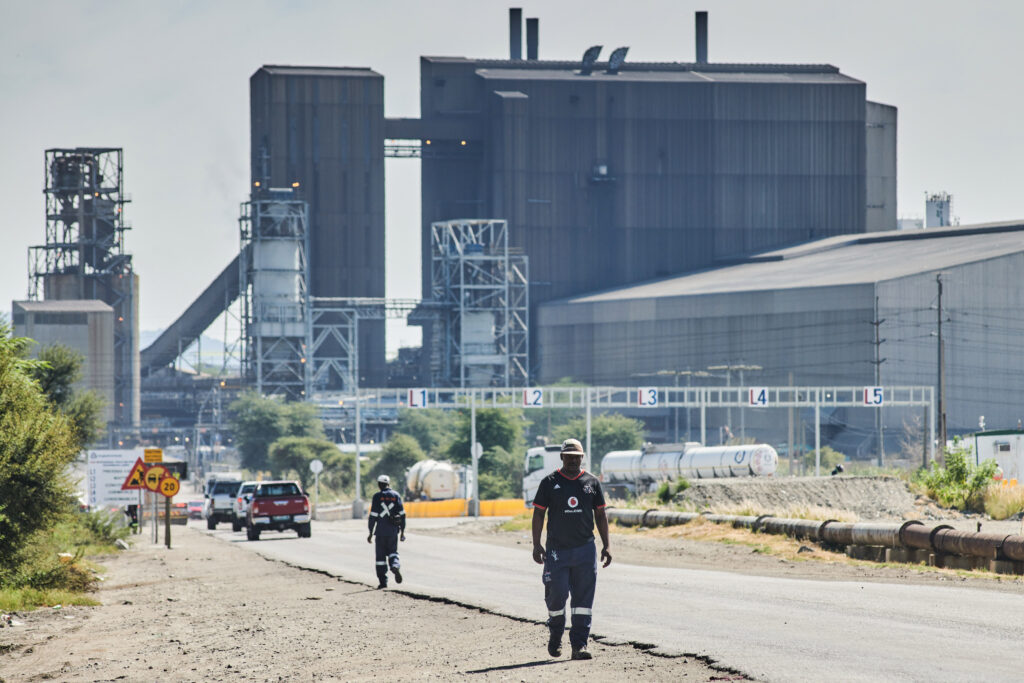
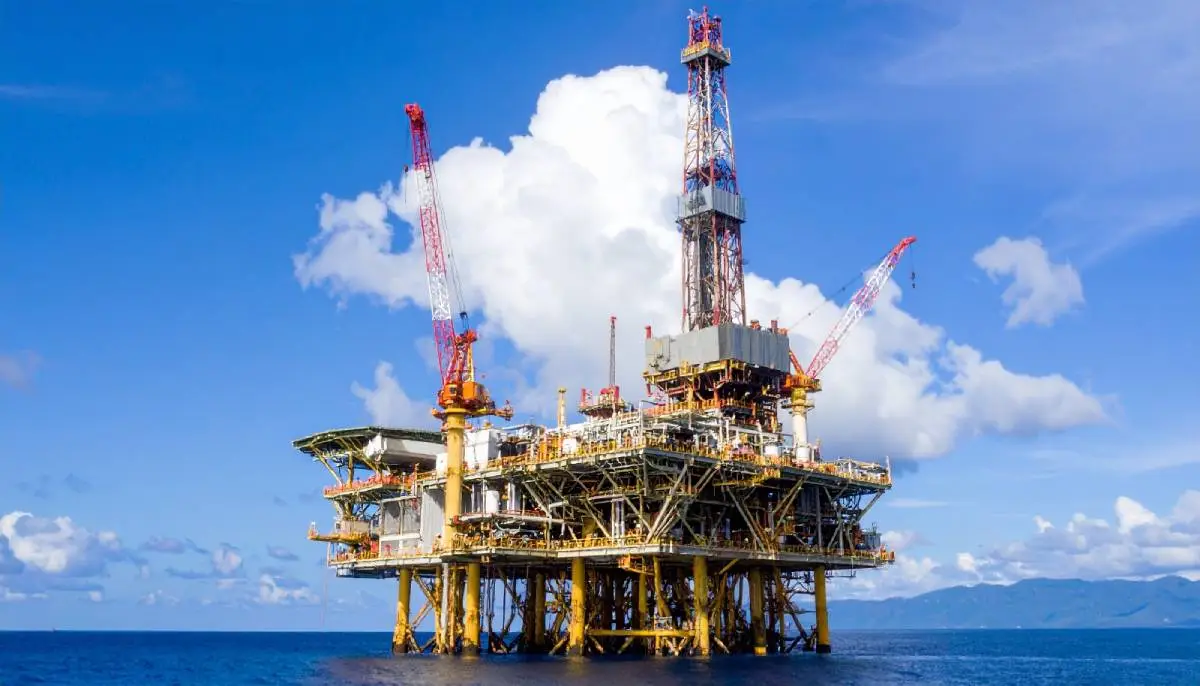
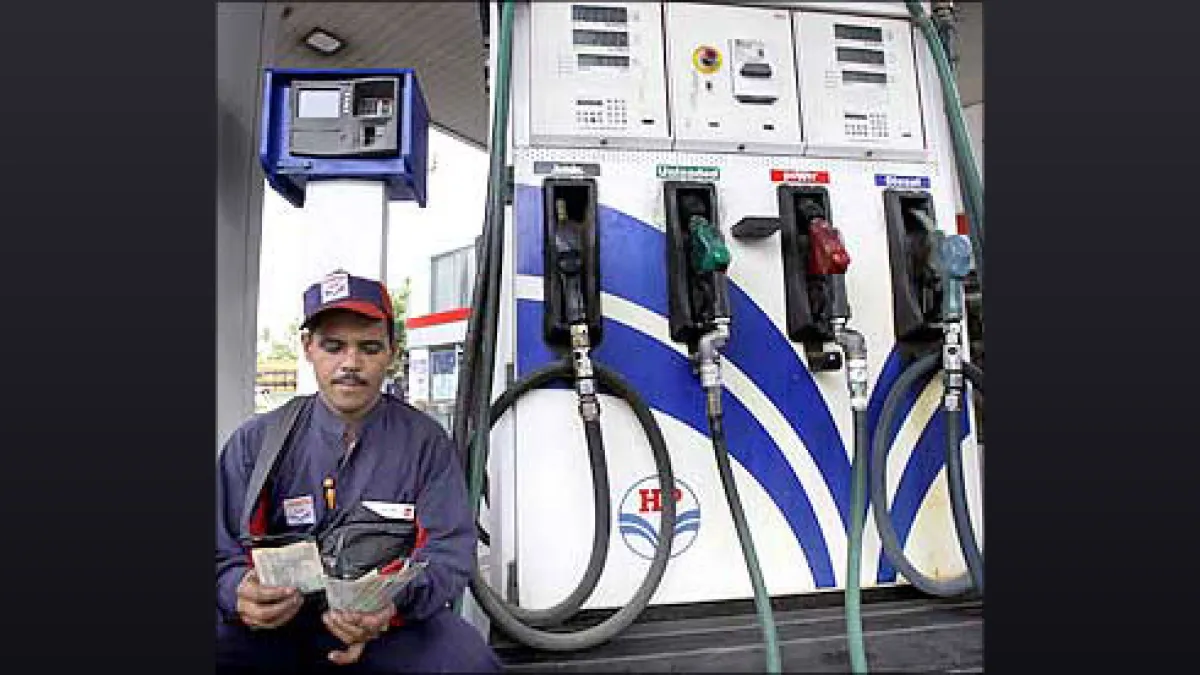
Let’s start with energy – for oil the story is positive on the supply side. Shale oil is no longer coming online as fast as it once did, and oil producers are being very careful before investing in new projects.
Longer-term we’d argue the case for the commodities remains strong
The ESG push has meant far fewer new oil rigs have been drilled in recent years. Until mid-June, soaring prices were driven by the European Union’s embargo on Russian oil supplies, and compounded by Opec’s reluctance and inability to increase output.
Meanwhile gas prices have surged, with the likes of BP (up 31%), Shell (36%) and Glencore (24%)** again off the back of events in Ukraine.
Industrial metals
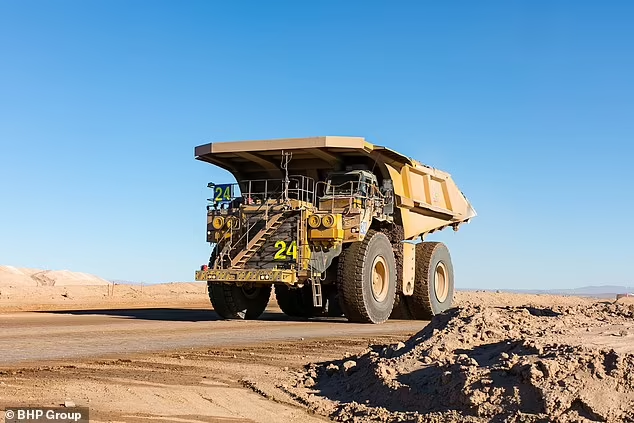
I recently read an article from UBS Asset Management which alluded the green transition may be to this commodity cycle what Chinese demand was to the super cycle in the 2000s – this plays into the industrial metals case***. A few of these metals, like zinc and copper are heavily tied to the Chinese construction sector as a source of demand – so there may be a few questions short-term, but the long-term figures are hard to deny.
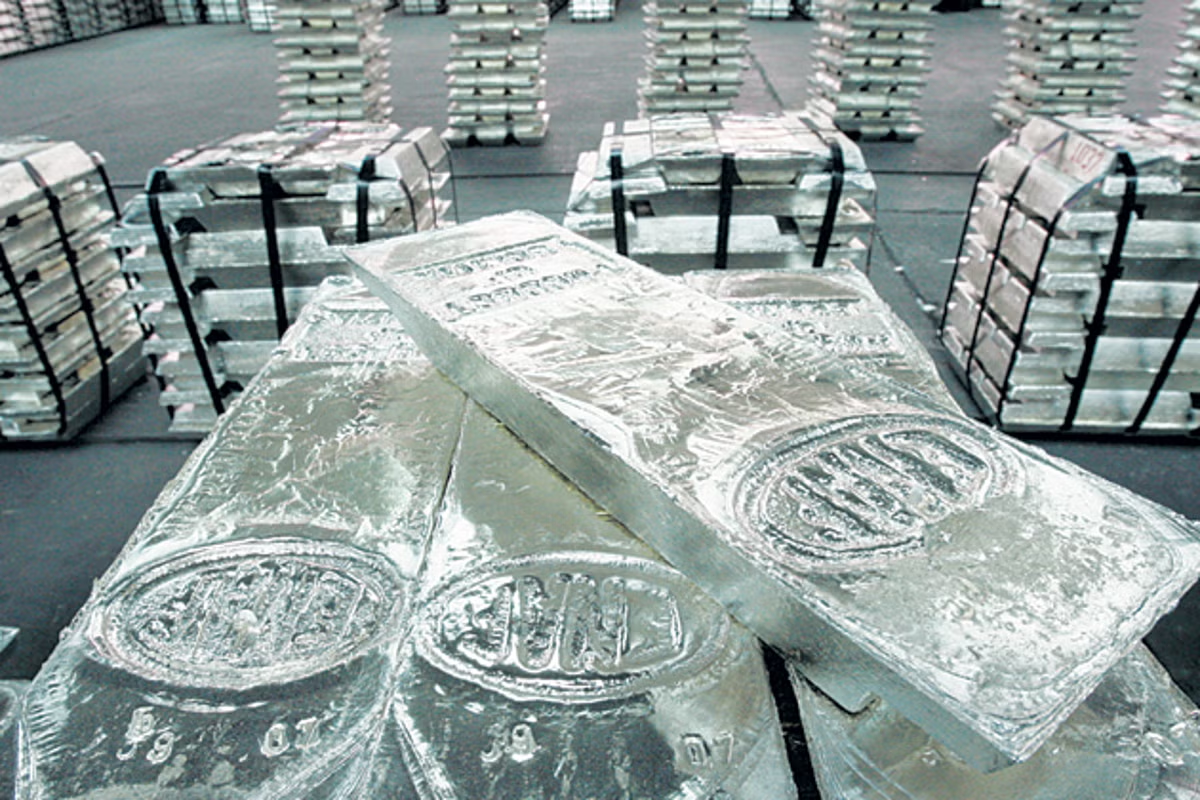
Goldman Sachs predicts that by 2030, copper demand will grow nearly 600% to 5.4 million tons****. It’s the same story for many other industrial metals. Put simply, the 2022 supply falls well below the demand for 2035 – for example, currently 678,000 tonnes of lithium are produced – we will need some 4,000,000 tonnes by 2035^.
Precious metals
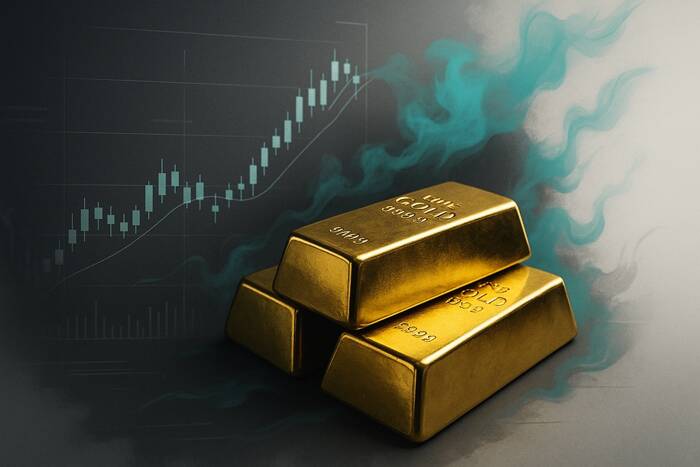
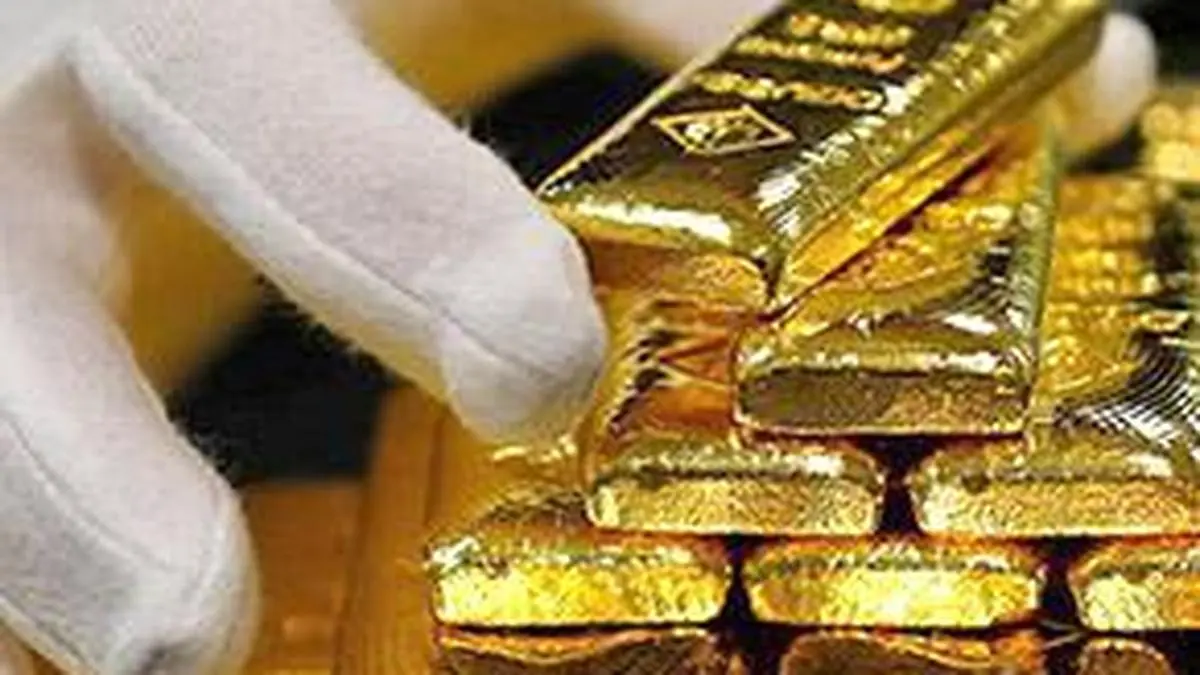
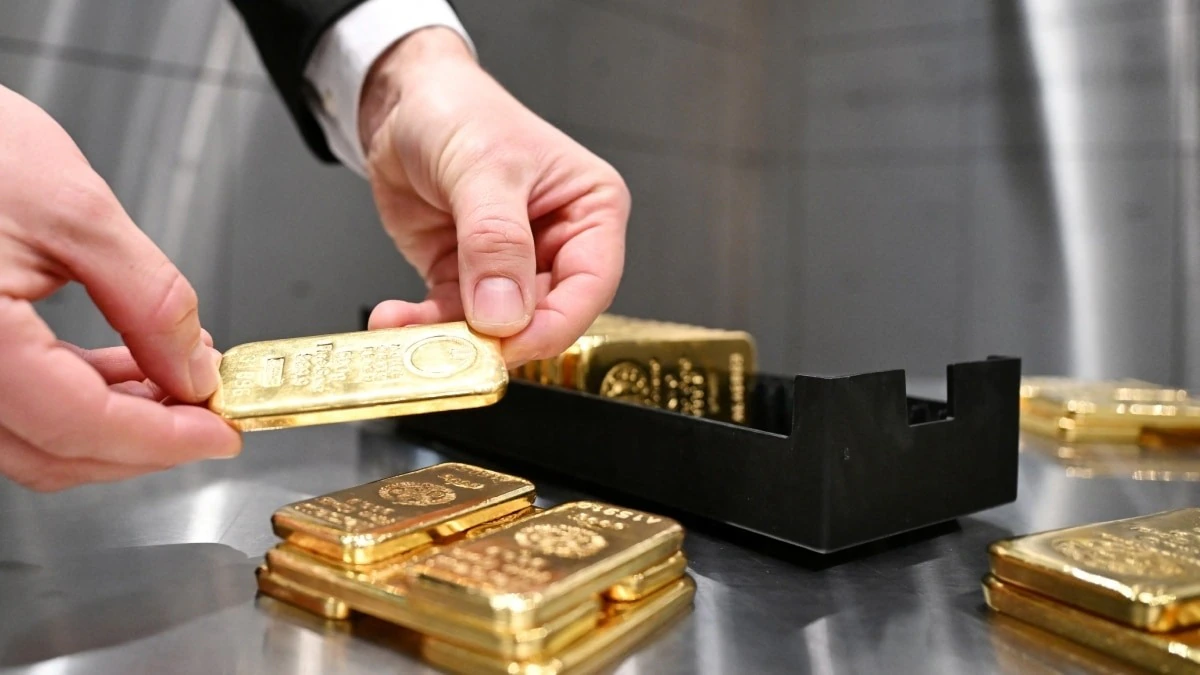
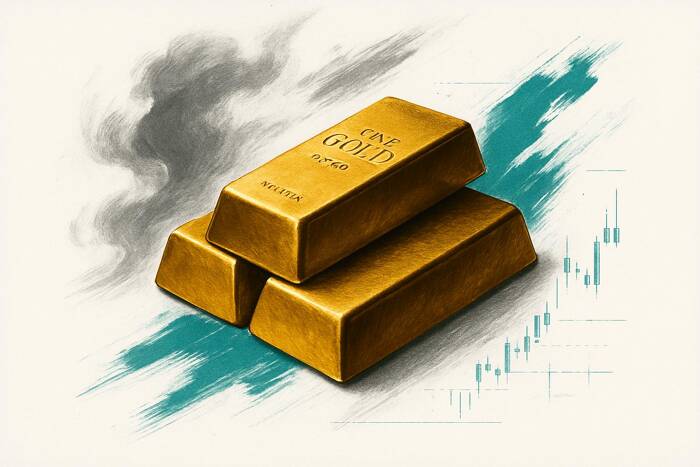
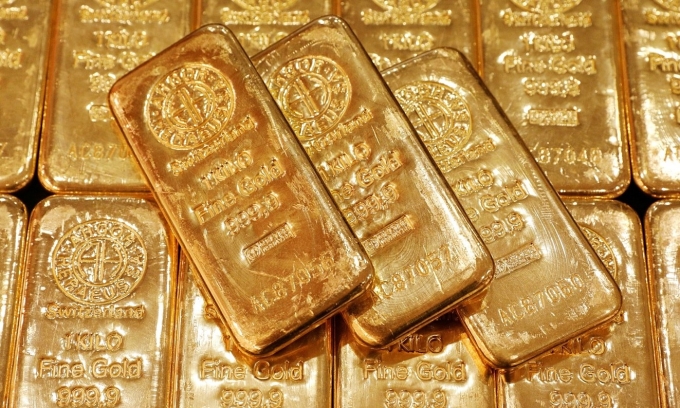
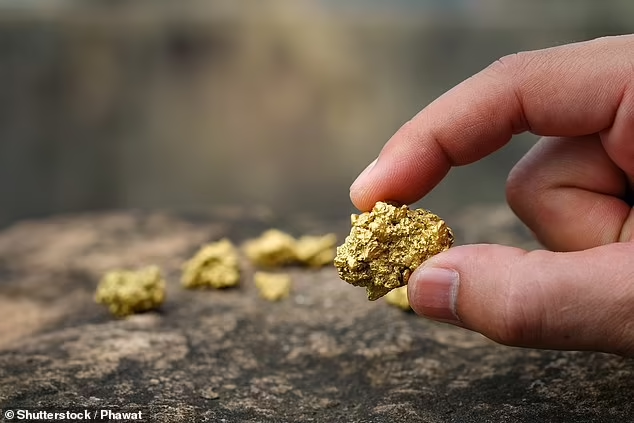
Gold has been something of a conundrum in 2022. It is typically considered to be a hedge against inflation as it retains its value while the buying power of currencies erodes. But it becomes less attractive when interest rates rise, as investors do not receive interest or dividend payments for holding gold. As a result, the gold price is down over 9% year-to-date^^.
The green transition may be to this commodity cycle what Chinese demand was to the super cycle in the 2000s
More rate hikes are likely and there may even be an element of retreat from the record highs for gold in recent years, but I would not write gold off as an investment yet, as it will be the best value store if we do enter a recessionary environment. I’ll briefly touch on silver, which although officially a precious metal, also has its long-term uses given it plays into the energy transition theme.
Agriculture
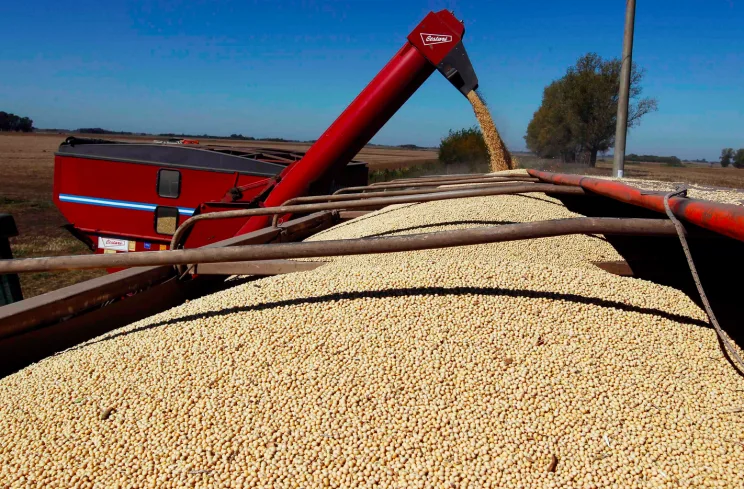
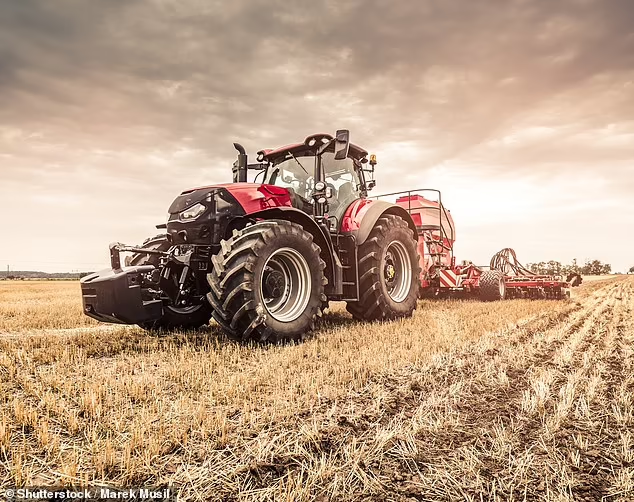
Agriculture probably has the longest and strongest tailwinds of them all. I read that the global population is estimated to be just shy of 10 billion in 2050^^^. Feeding the world is going to be a major task that will require significant long-term investment. Again, the war in Ukraine plays a major role here with global cereal and oilseed markets hit hard – ultimately food prices are increasing and the number of people whose food supply is insecure will inevitably increase.
Different sub-sectors of this asset class will perform at different points in the cycle, but as a package, commodities should form part of any investor’s long-term portfolio. There remain several short-term challenges to many of these sub-classes, but the long-term tailwinds suggest an exceptionally strong investment case over the next couple of decades.
Funds to consider
A good starting point would be the likes of the BlackRock World Mining Trust, which offers exposure to mining and metals companies worldwide. With Latin America a hotbed for the mining of many industrial metals, investors may also want to consider the abrdn Latin American Equity fund, while those who feel recession is a certainty might consider the Jupiter Gold and Silver fund.
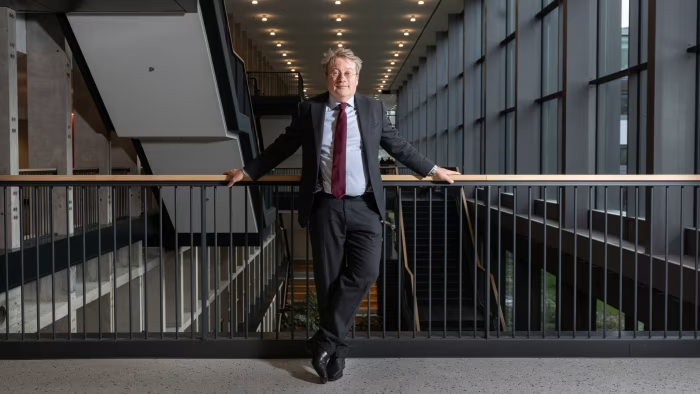
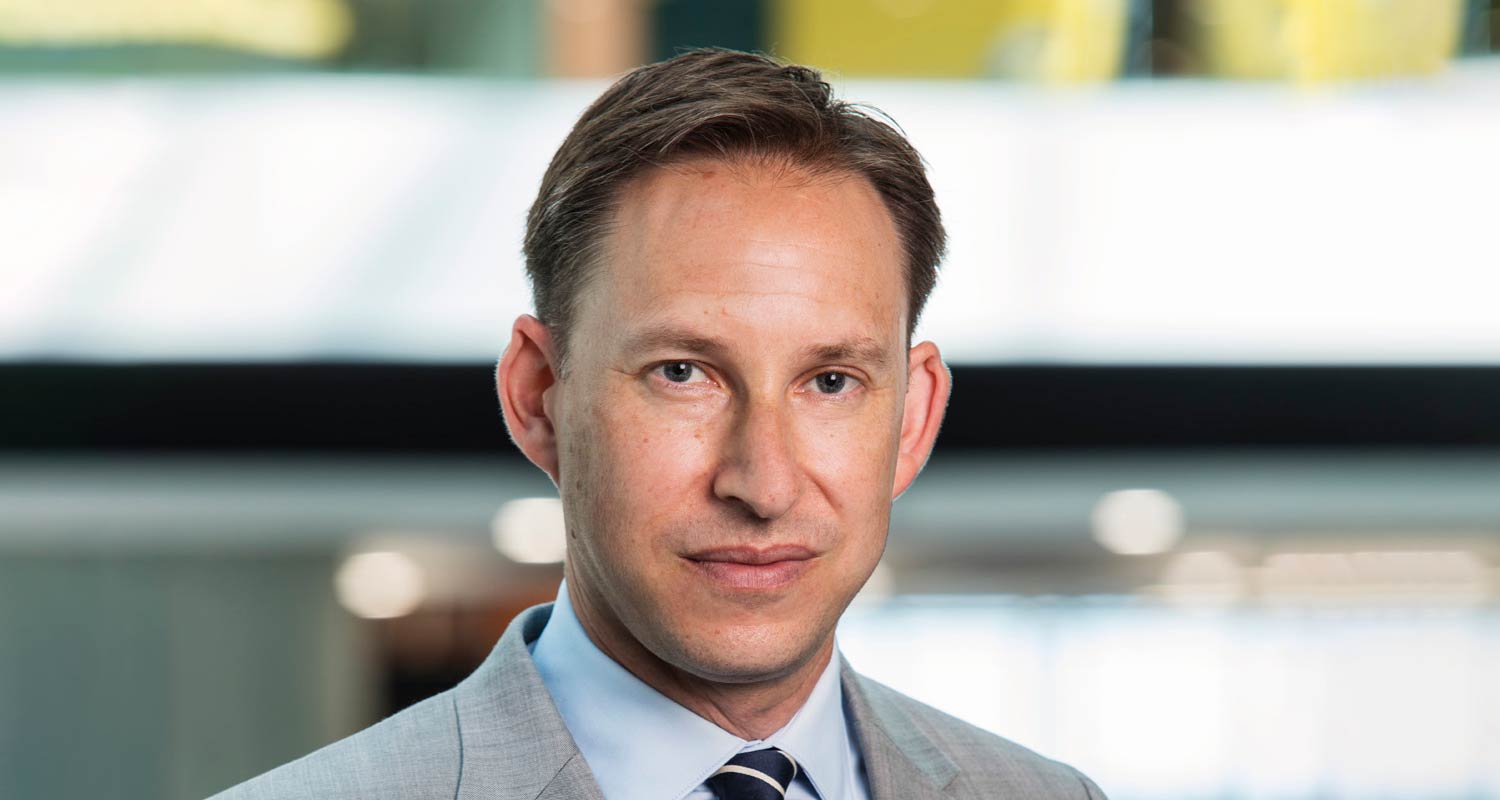
Darius McDermott is managing director of Chelsea Financial Services and Fund Calibre
*Source: FE fundinfo, total returns in sterling, S&P GSCI and MSCI World, 31 December 2021 to 19 September 2022
**Source: Google Analytics
***Source: UBS Macro Monthly – July 2022
****Source: Barrons.com – Tesla Needs Lithium. These Are the Best Stocks to Play the EV Boom
^Source: Benchmark Mineral Intelligence
^^Source: MarketWatch.com
^^^Source: UN.org