Commodities have delivered historically strong performance, providing inflation hedging, diversification and compelling returns, with the potential to contribute meaningfully to a real assets allocation.
The Russian invasion of Ukraine has thrown a spotlight on commodities as virtually every sector – from energy to agriculture to metals – has surged on supply concerns stemming from the war.
The longer the war continues, the higher the likelihood that supply disruptions will persist, with the possibility of lasting shifts in trade flows that could reshape commodity markets for years.
Long term impact of Ukraine war
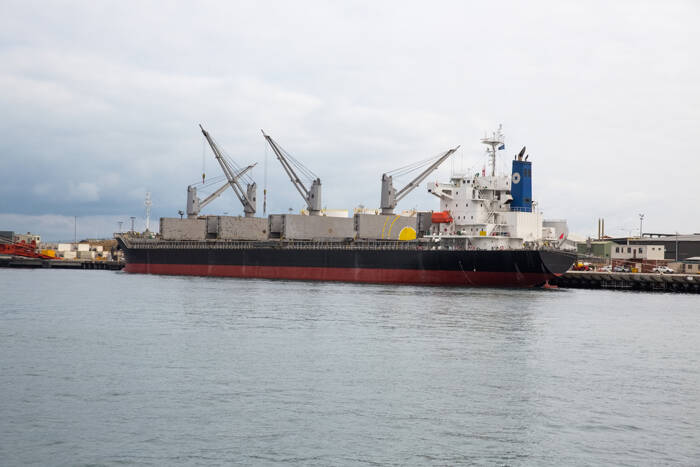
While direct sanctions have been limited thus far, port closures, self-imposed embargoes and trade financing obstacles have directly affected the flow of commodities from the region, impacting spot markets.
Even before geopolitical tensions reached a boiling point, commodities had delivered returns ahead of equities in this inflationary environment
As a result of the war, tail risks are skewed to the upside for commodities produced in the Black Sea region, in our opinion.
However, a pullback in commodity prices is possible. Catalysts for a pullback could include: de-escalation of the war, additional supplies of affected commodities, or a lower-than-expected ultimate impact to flows of Russian- or Ukrainian-produced commodities.
The pronounced price appreciation that commodities have experienced in the face of this geopolitical and inflationary supply shock compared with the reaction in traditional risk assets such as equities and bonds is a stark reminder of why we believe commodities should be a strategic allocation in a well-diversified real assets portfolio.
Even before geopolitical tensions reached a boiling point, commodities had delivered returns ahead of equities in this inflationary environment.
We believe the reasons to hold commodities in a real assets portfolio – namely, their strong inflation-hedging characteristics, diversification potential and historical ability to produce attractive total returns over full market cycles – are as strong as ever.
Commodities beat inflation
In contrast to the slow and shallow recovery out of the global financial crisis, which was characterized by deflationary globalization forces and insufficient demand, the fast and furious recovery out of the Covid pandemic has been characterized by inflationary anti-globalization forces and insufficient supply.
Historically, commodities have outperformed traditional asset classes such as stocks and bonds in periods of rising inflation as well as unexpected inflation
Unprecedented levels of consumer savings and pent-up demand will continue to support economic growth and consumption, in our opinion.
At the same time, tight labour markets and impaired supply chains are driving inflationary pressures from the supply side of the economy.
Since the second half of 2021, inflation in the United States has surprised to the upside, with the consumer price index reaching a 40-year high in early 2022, and we think a combination of strong demand and impaired supply points to persistent inflation pressures with the potential to pass through to commodity prices.
Historically, commodities have outperformed traditional asset classes such as stocks and bonds in periods of rising inflation as well as unexpected inflation.
In fact, even among its real asset peers, such as resource equities, real estate and infrastructure, the historical inflation sensitivity of commodities is superior.
Why is that?
Commodities such as energy, grains, softs, livestock and metals serve as direct inputs to inflation measures.
Portfolio diversification is important, but it may become more so if the economy sinks into a recession while inflation remains high
Commodities, which are raw materials, also tend to respond more quickly to economic forces – such as supply constraints and changes in global demand – that often drive the prices of other goods higher.
Commodities as portfolio diversification
In an environment of elevated inflation and rising interest rates, portfolio diversification may be more important than ever.
Commodities have distinct economic sensitivities that tend to differentiate them from stocks and bonds, most notably in relation to inflation and growth periods.
And in times when geopolitical tension and potential supply shocks are high, the factors that negatively impact asset classes such as equities and bonds can positively impact commodities.
Commodities historically have had a low correlation to global stocks (0.42 from 1991 through the first quarter of 2022), adding potential diversification benefits to inflation sensitivity.
In this case, the low market beta of commodities suggests significant diversification potential, helping to reduce portfolio volatility and, we believe, improve risk-adjusted returns.
Portfolio diversification is important, but it may become more so if the economy sinks into a recession while inflation remains high.
we believe the risk of continued supply chain disruptions and tight inventories across many sectors is high
A look at the historical inflation-adjusted performance of asset classes relative to their long-term average – grouped by positive and negative surprises in periods of economic growth and inflation – shows the potential importance of portfolio diversification.
Attractive total return potential
A highly favourable macroeconomic environment for real assets generally – and commodities specifically – has unfolded quickly, at a time when supply/ demand fundamentals for commodities were already supportive.
From a fundamental perspective, inventories for many commodities were at multi-year lows at the end of 2021, leaving producers scrambling to meet a resurgence in demand when Covid lockdowns were relaxed.
However, the lack of investment in supply in recent years means that ramping up output will take time. Lingering Covid-related production issues, supply-chain constraints and elevated power costs driven by the Russia-Ukraine war only add to the low inventory situation.
In sum, we believe the risk of continued supply chain disruptions and tight inventories across many sectors is high.
A multi-strategy real assets portfolio
Commodities are one of the four main asset classes typically included in a real assets allocation. The others are real estate, infrastructure and resource equities. Together, they comprise the “core four” real assets categories.
A resurgent global inflationary environment – not seen in more than 40 years – is causing investors to take a closer look at their asset allocation
Within a multi-strategy portfolio, real assets are typically employed to meet three goals:
- Deliver outperformance in inflationary periods
- Enhance risk-adjusted returns via diversification
- Maintain strong returns over full market cycles
Historically, no single real asset has excelled across each of the criteria of inflation sensitivity, diversification potential and total returns.
Commodities, for example, have historically delivered the strongest results in the areas of inflation sensitivity and diversification, while real estate has historically delivered relatively consistent attractive total returns.
While many investors allocate individually to each of the core four categories, a turnkey real assets solution that strategically and tactically invests across all four has the potential to overcome the tradeoffs of standalone real assets exposures and better capture the positive attributes of real assets.
A resurgent global inflationary environment – not seen in more than 40 years – is causing investors to take a closer look at their asset allocation.
Outsized exposure to traditional risk assets such as equities and bonds, which excelled in the prior disinflationary decade, appears unlikely to provide the inflation protection, diversification and return profile that investors have grown accustomed to.
This new world order, marked by elevated inflation, rising interest rates, deglobalisation, tight labour markets and heightened geopolitical risks, has driven renewed investor interest in commodities.
Ben Ross is head of commodities and Michelle Butler is a real assets portfolio specialist at Cohen & Steers