Hello from New York, where the snow is (finally) melting.
The US jobs market is running hot, after a string of tepid results. My colleagues Myles McCormick and Kate Duguid reported 130,000 jobs were added in January, bolstering Federal Reserve chair Jay Powell’s case for halting the central bank’s rate-cutting cycle last month.
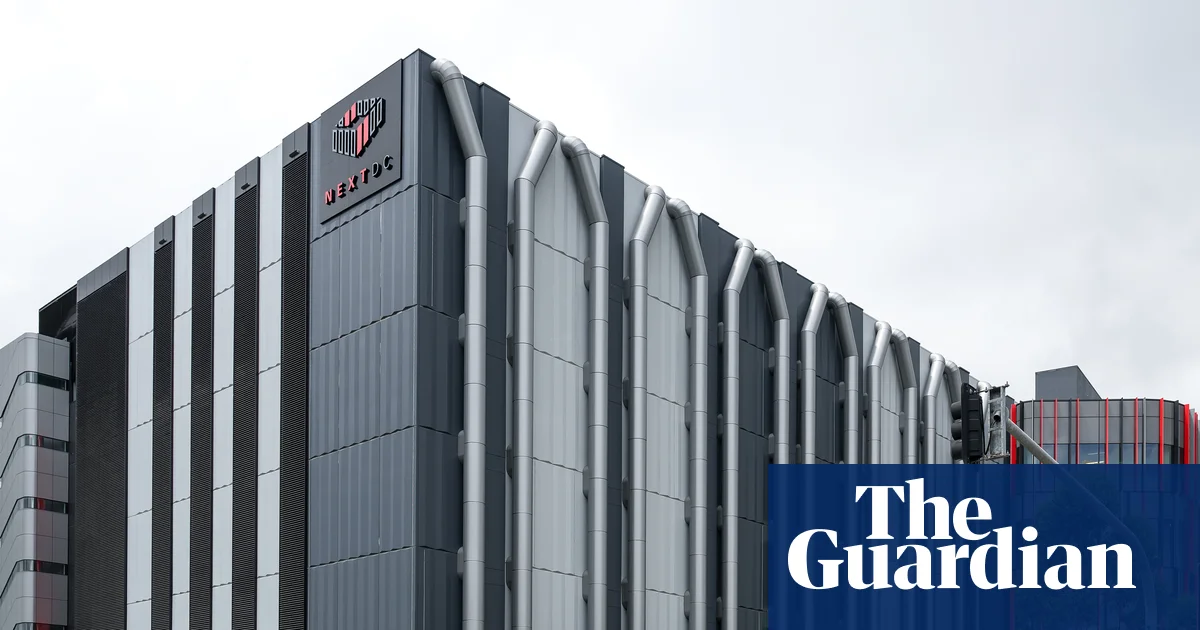
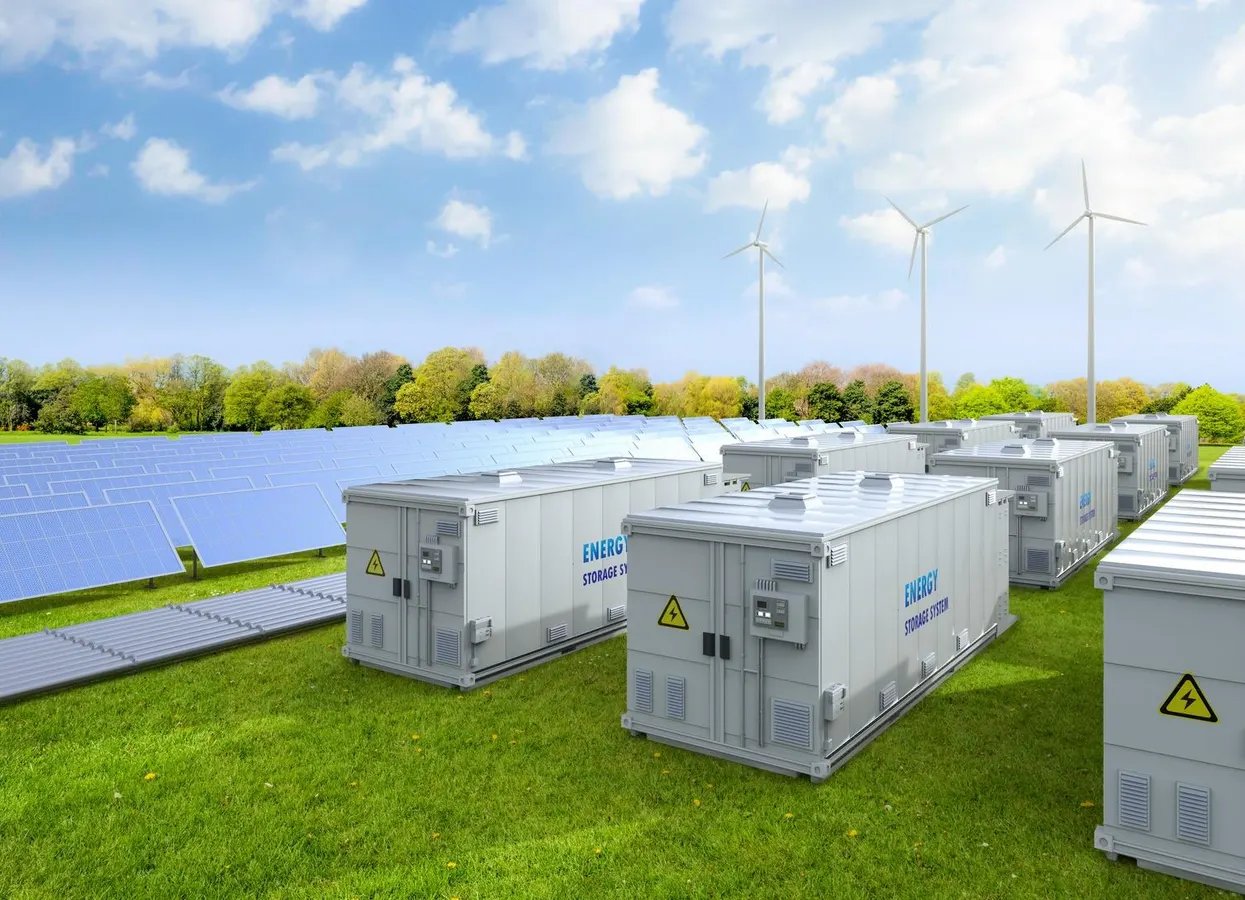
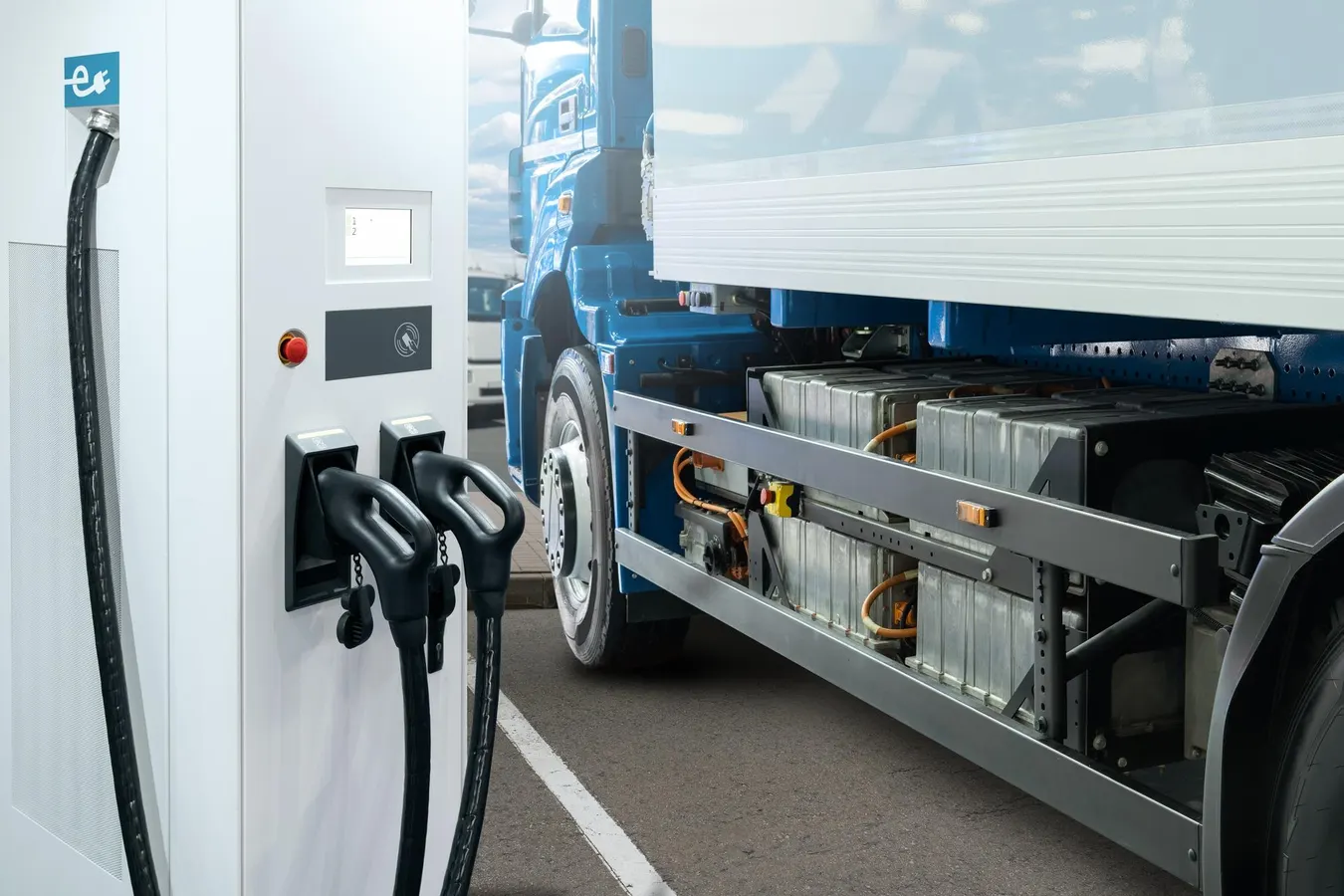
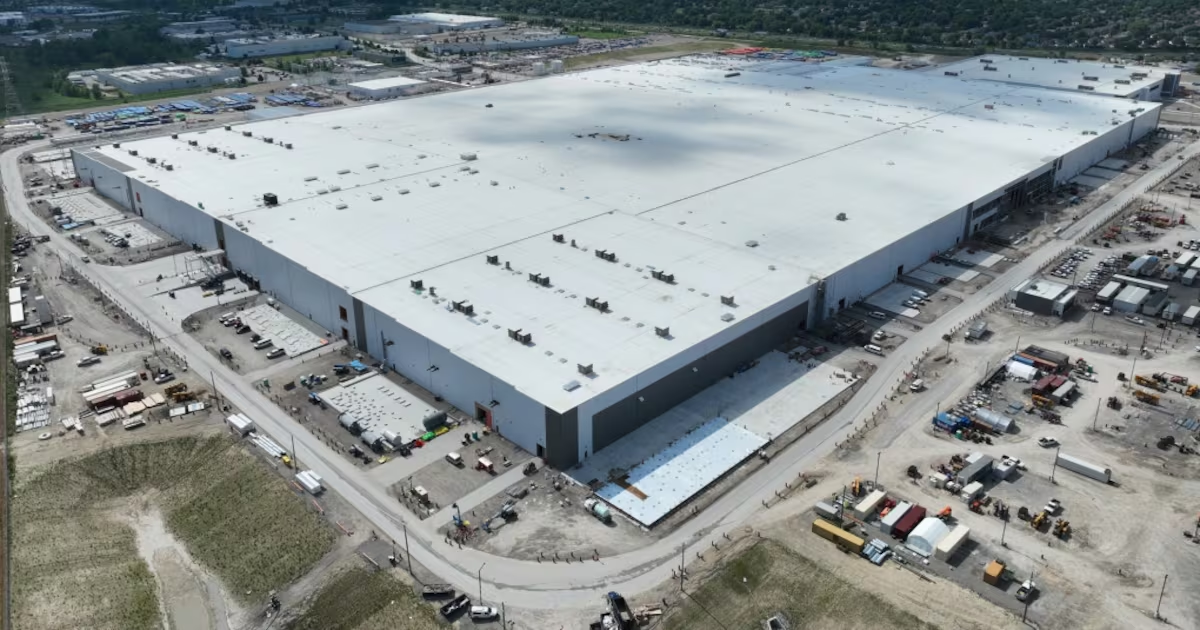
AI disruption is continuing to reshape the economy, with shares in software companies such as Salesforce continuing to dive. On the manufacturing side, Christian Davies and I took a deep dive into battery makers repurposing to energy storage for the benefit of data centres and booming power demand.
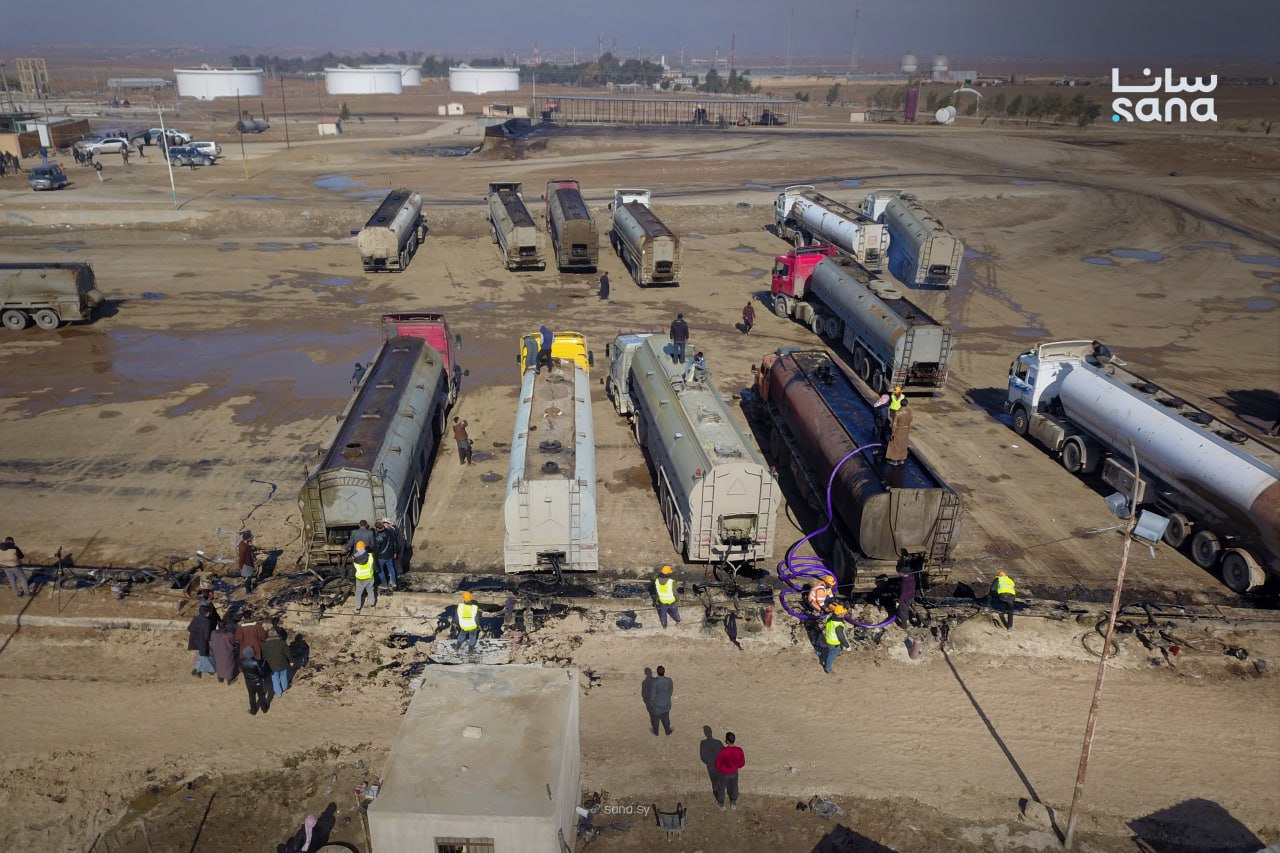
And Syria is hoping to entice oil majors including Chevron, ConocoPhillips, TotalEnergies and Eni to drill their untapped oil and gas resources.
In today’s newsletter, we look at renewables companies moving into natural gas generation. — Martha
Why renewables companies are moving into gas
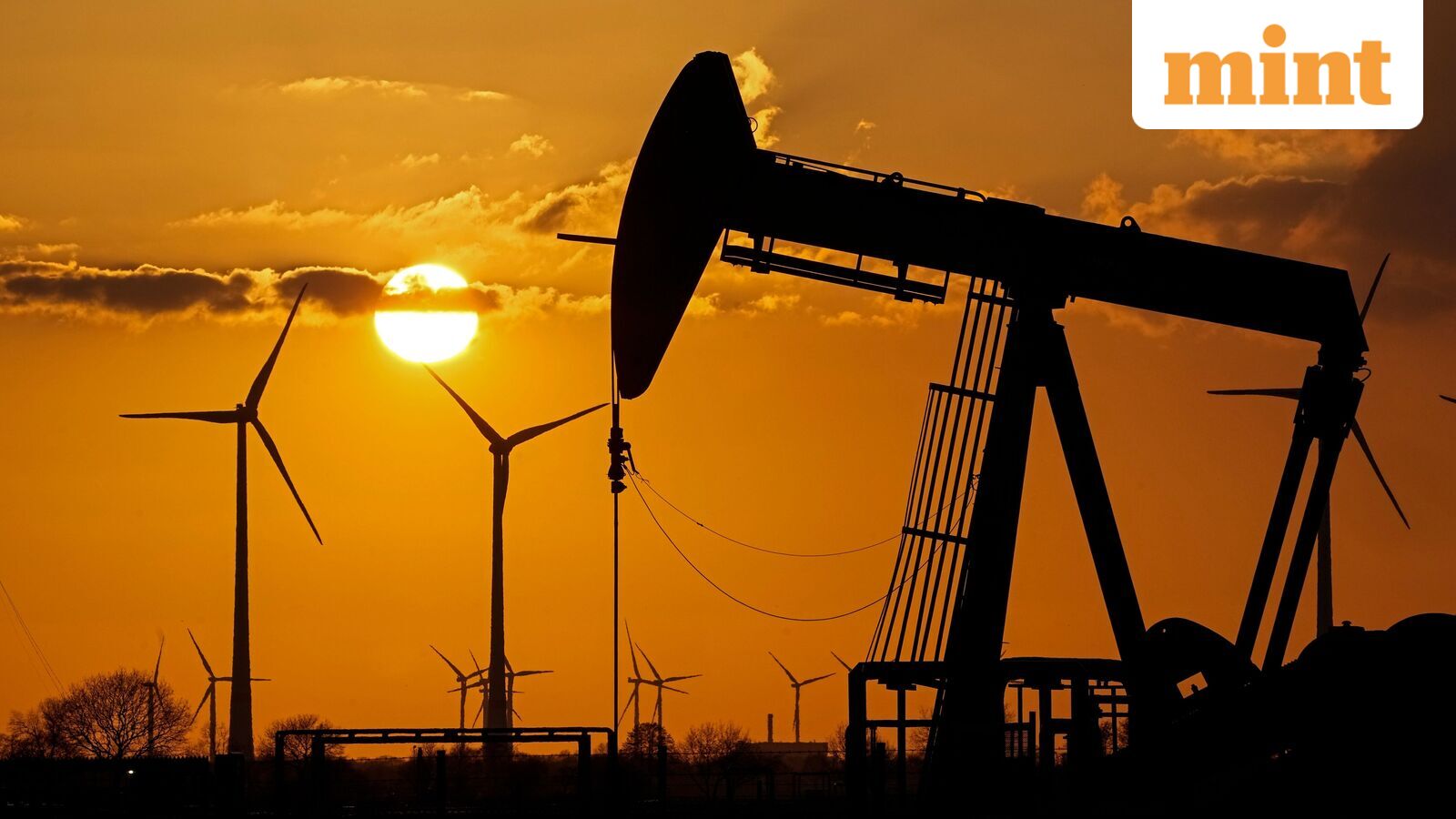
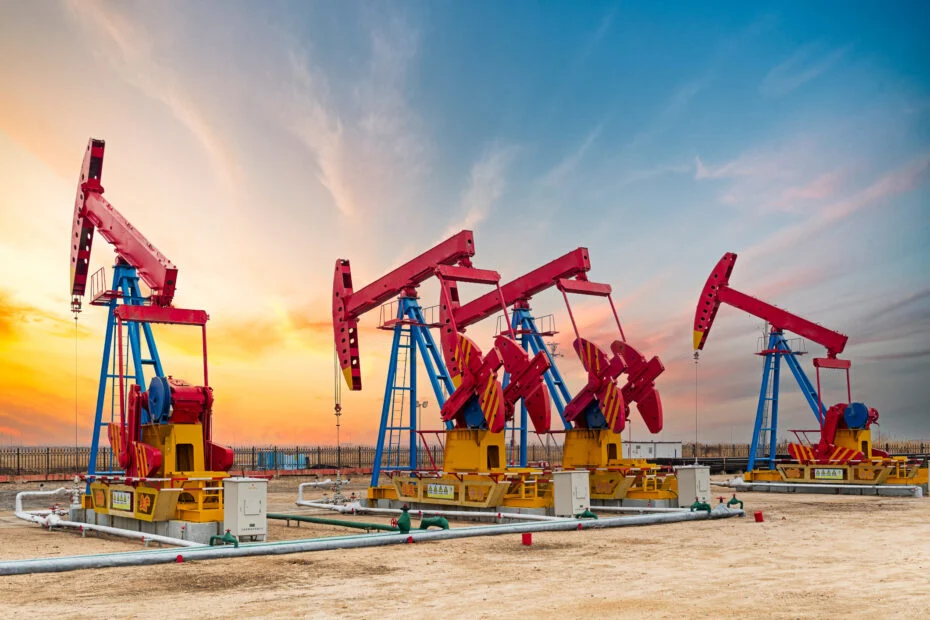
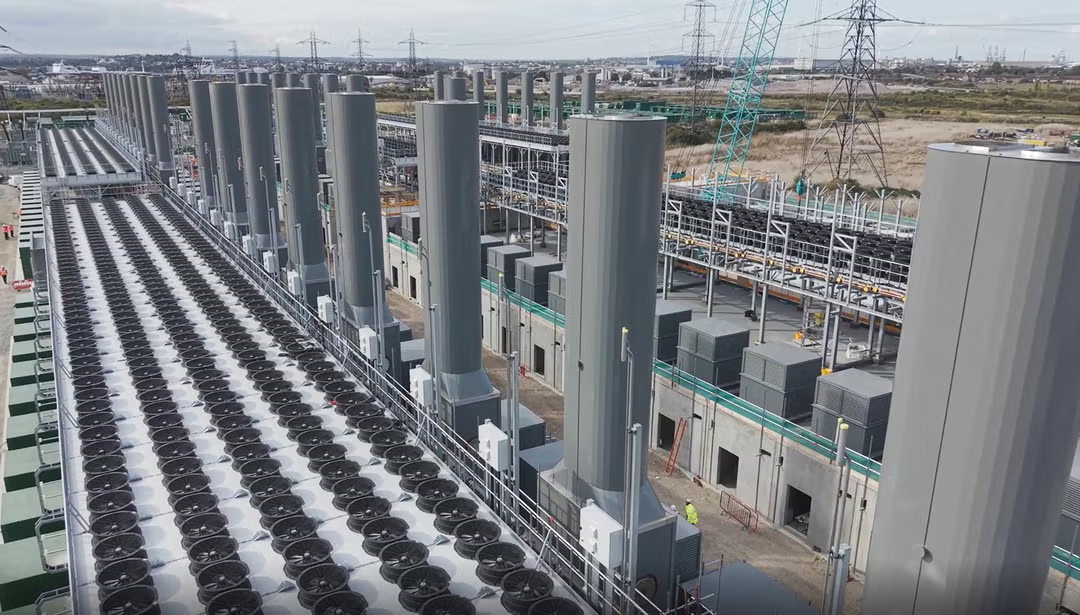
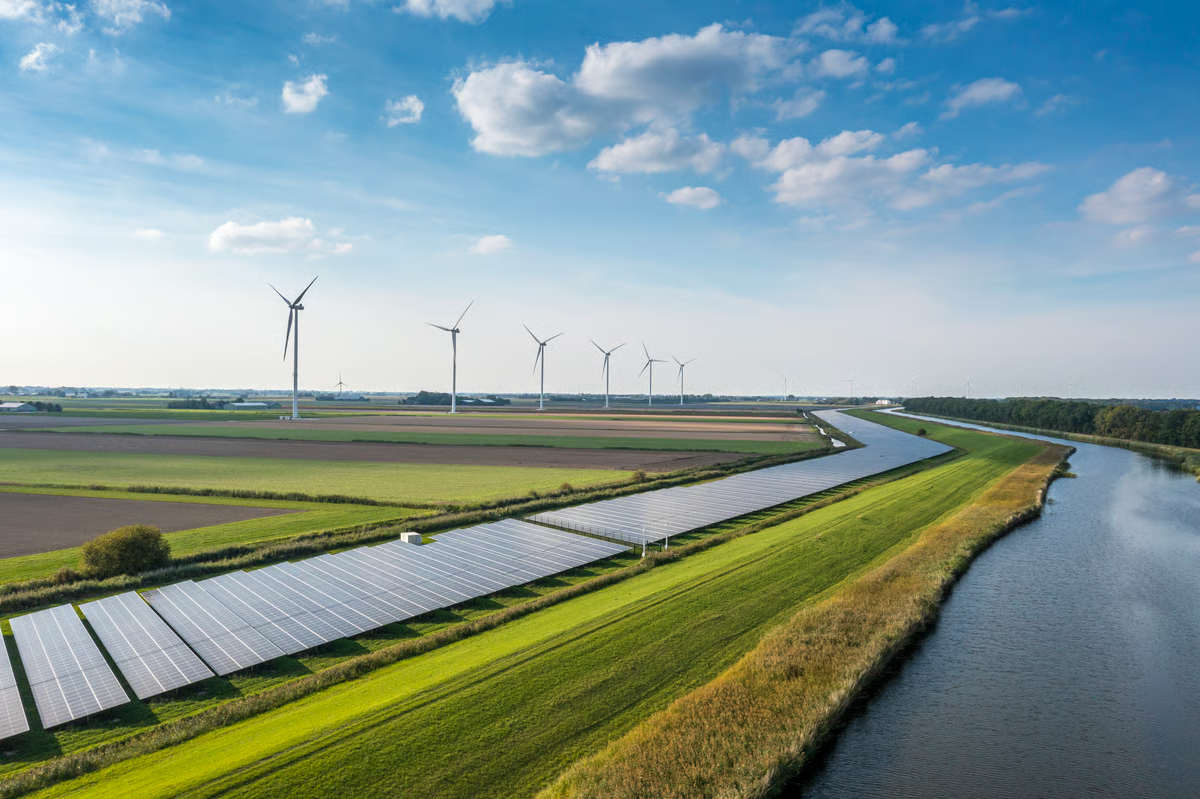
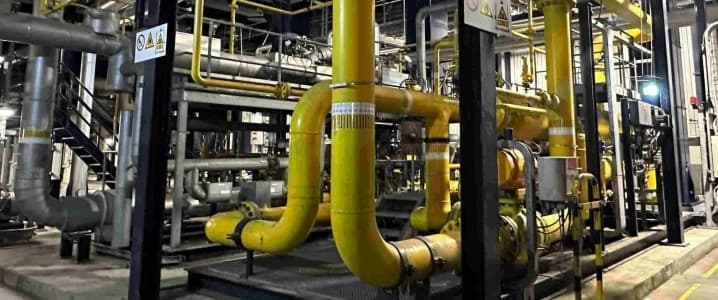
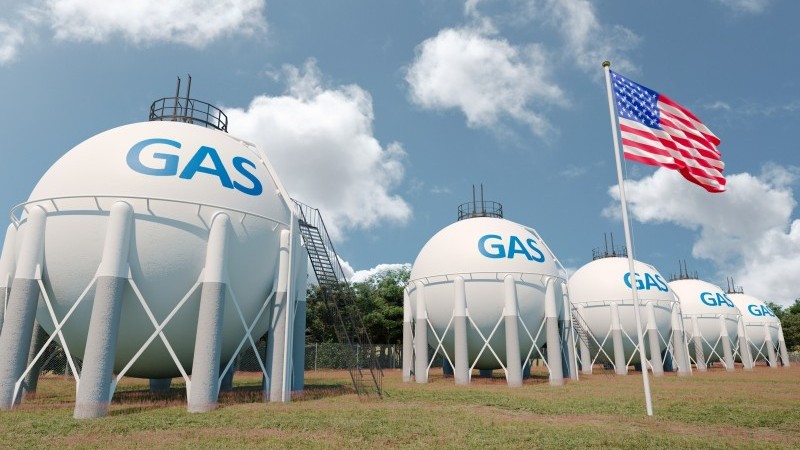
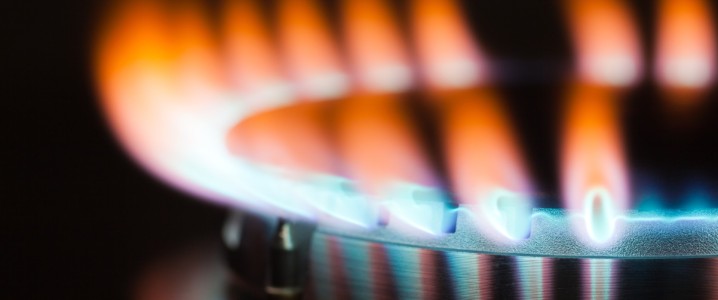
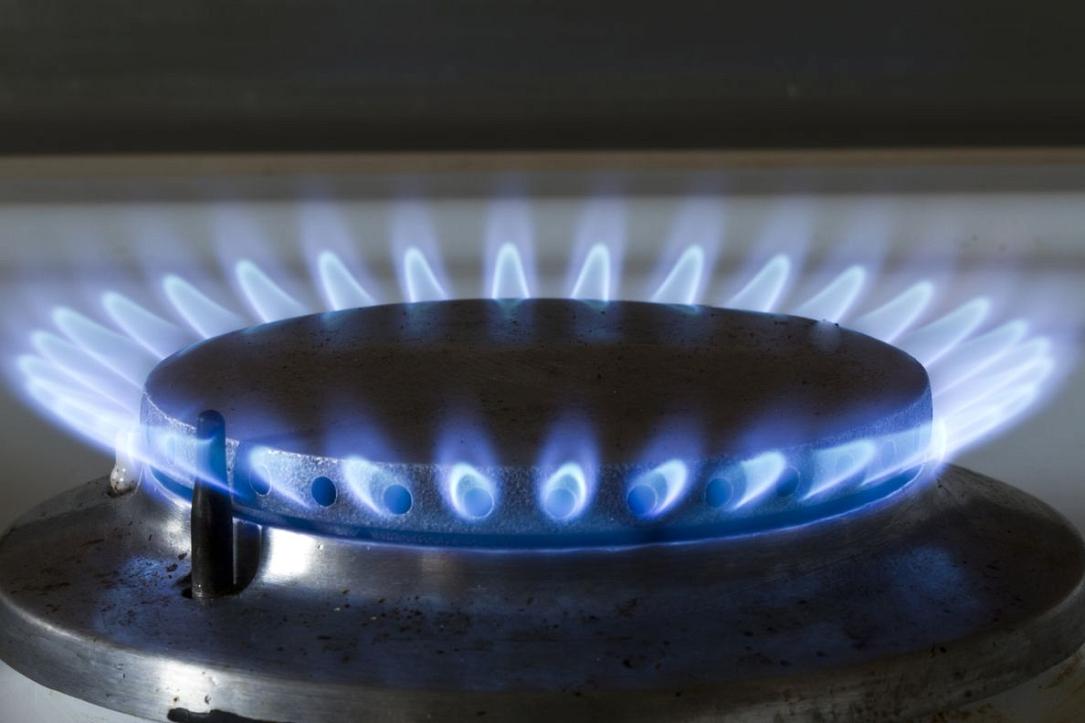
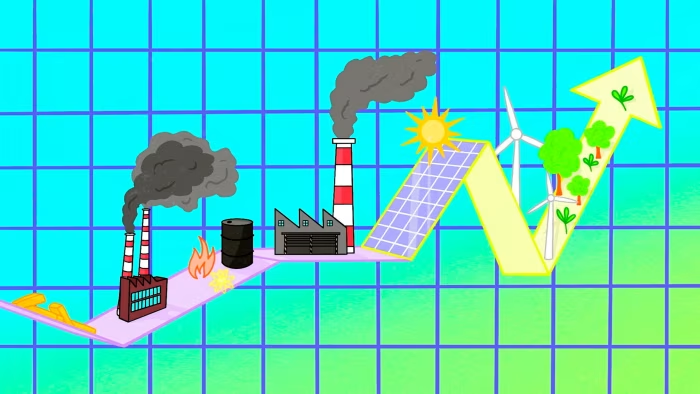
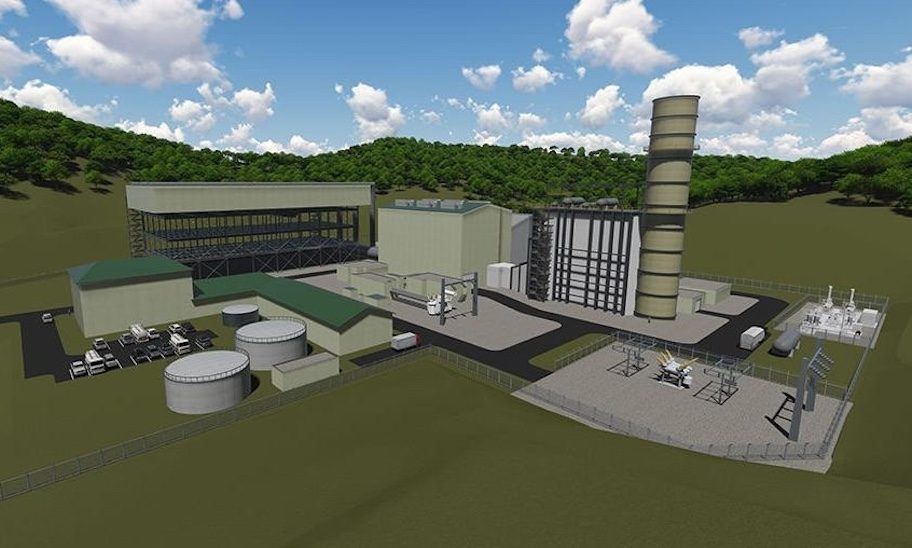
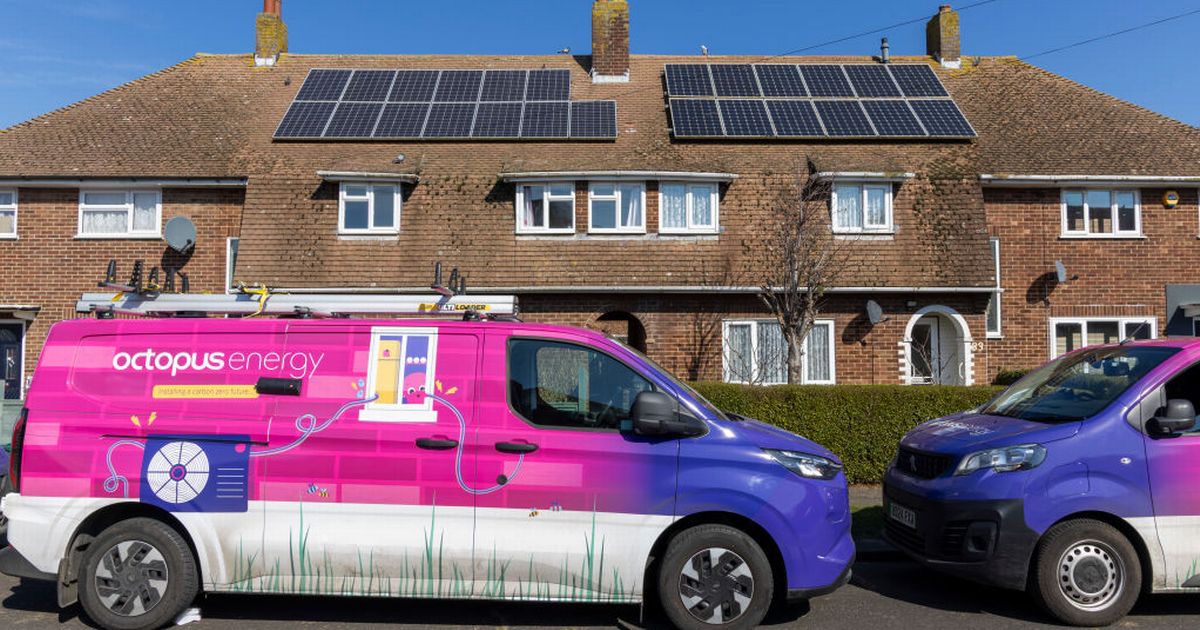
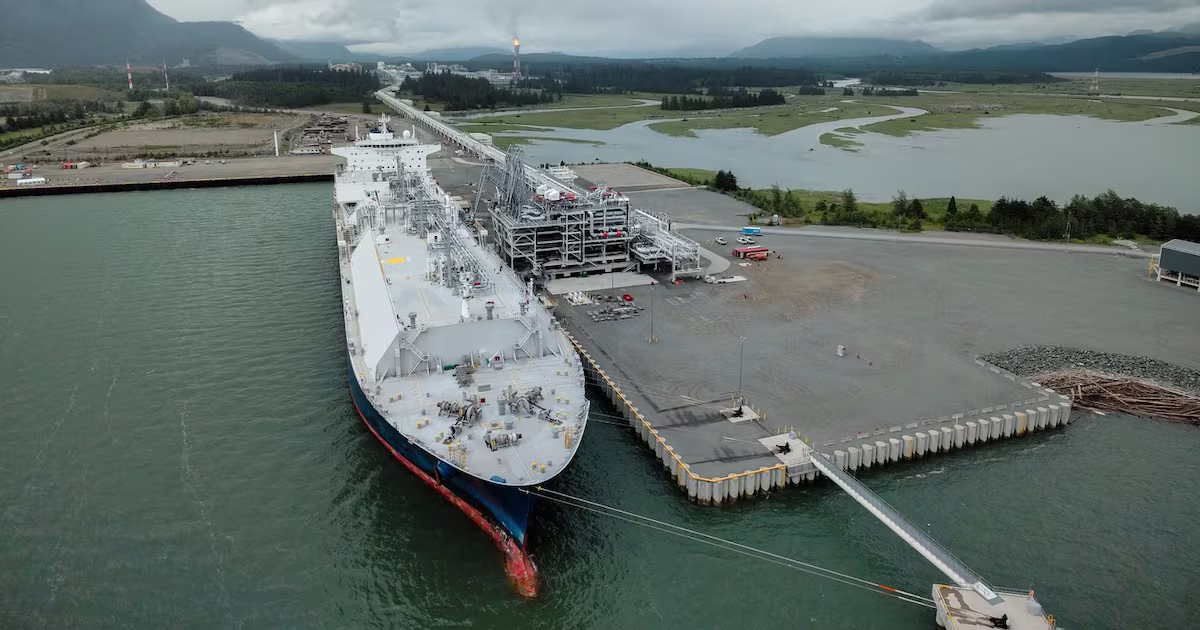
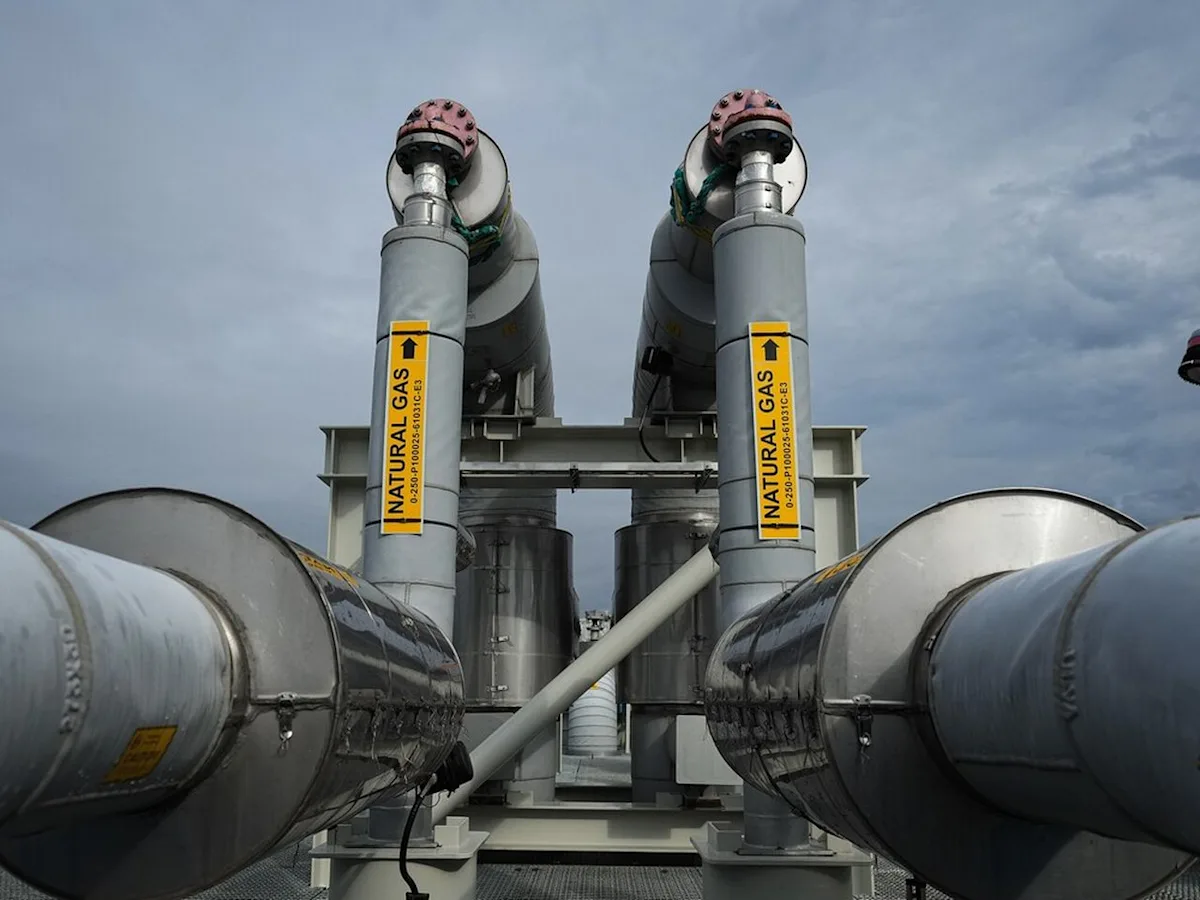
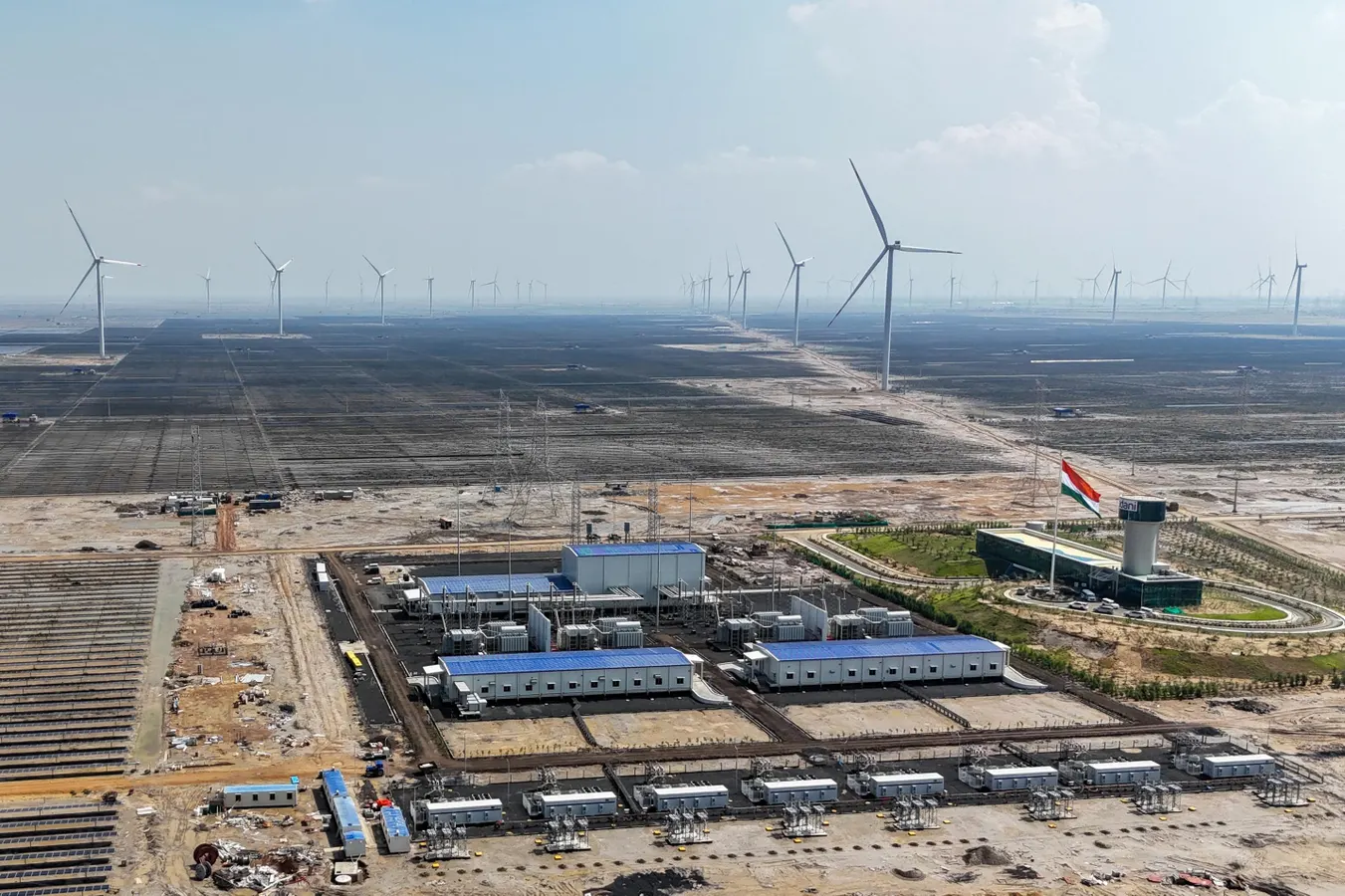
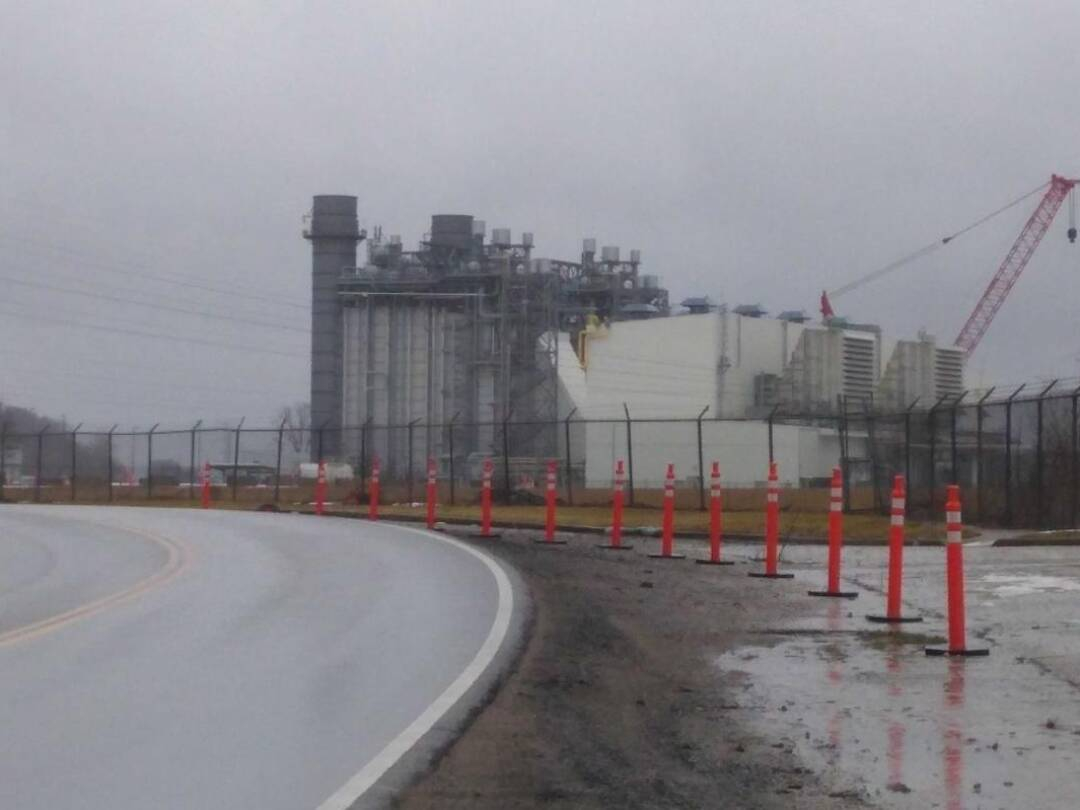
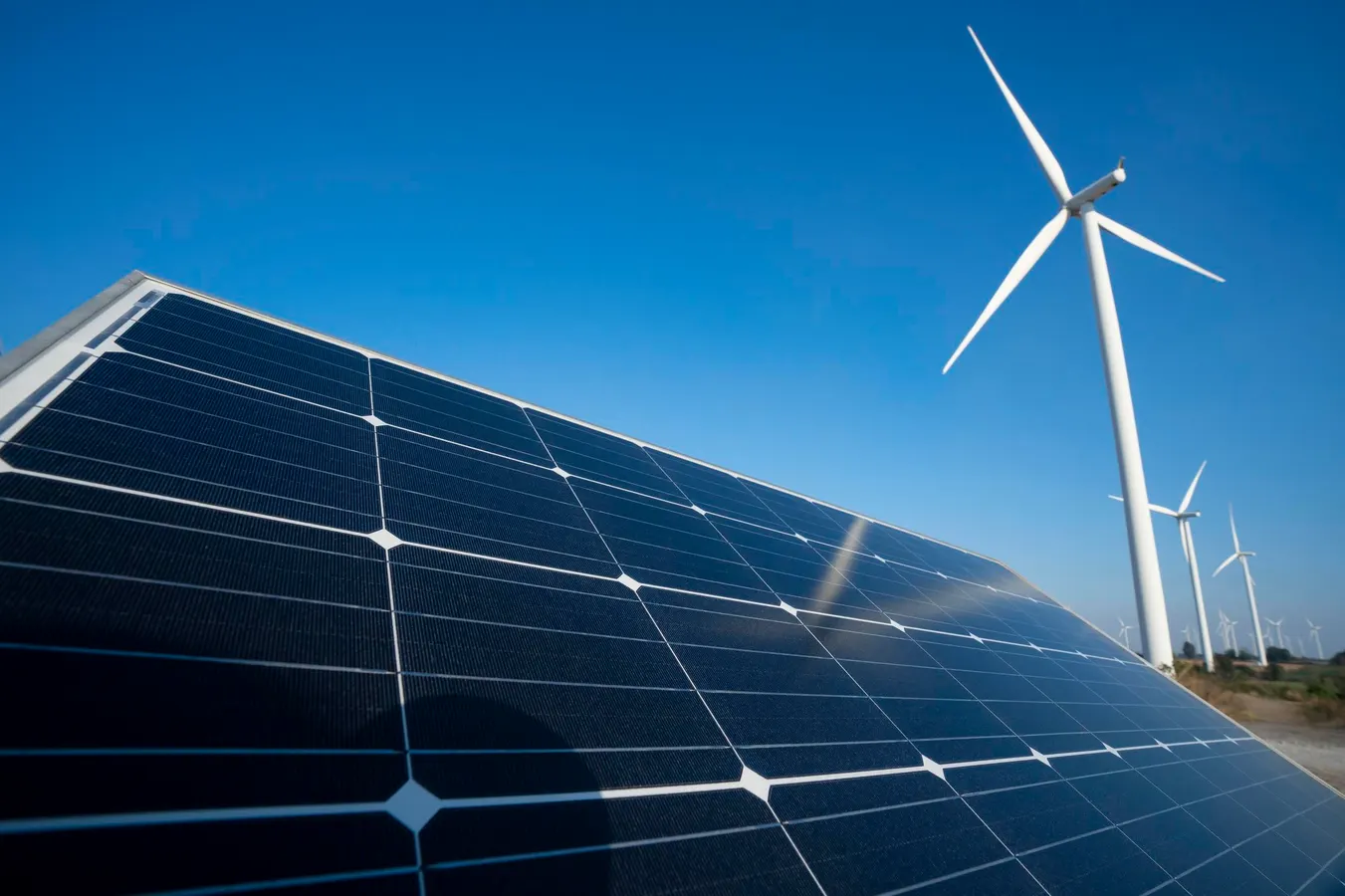
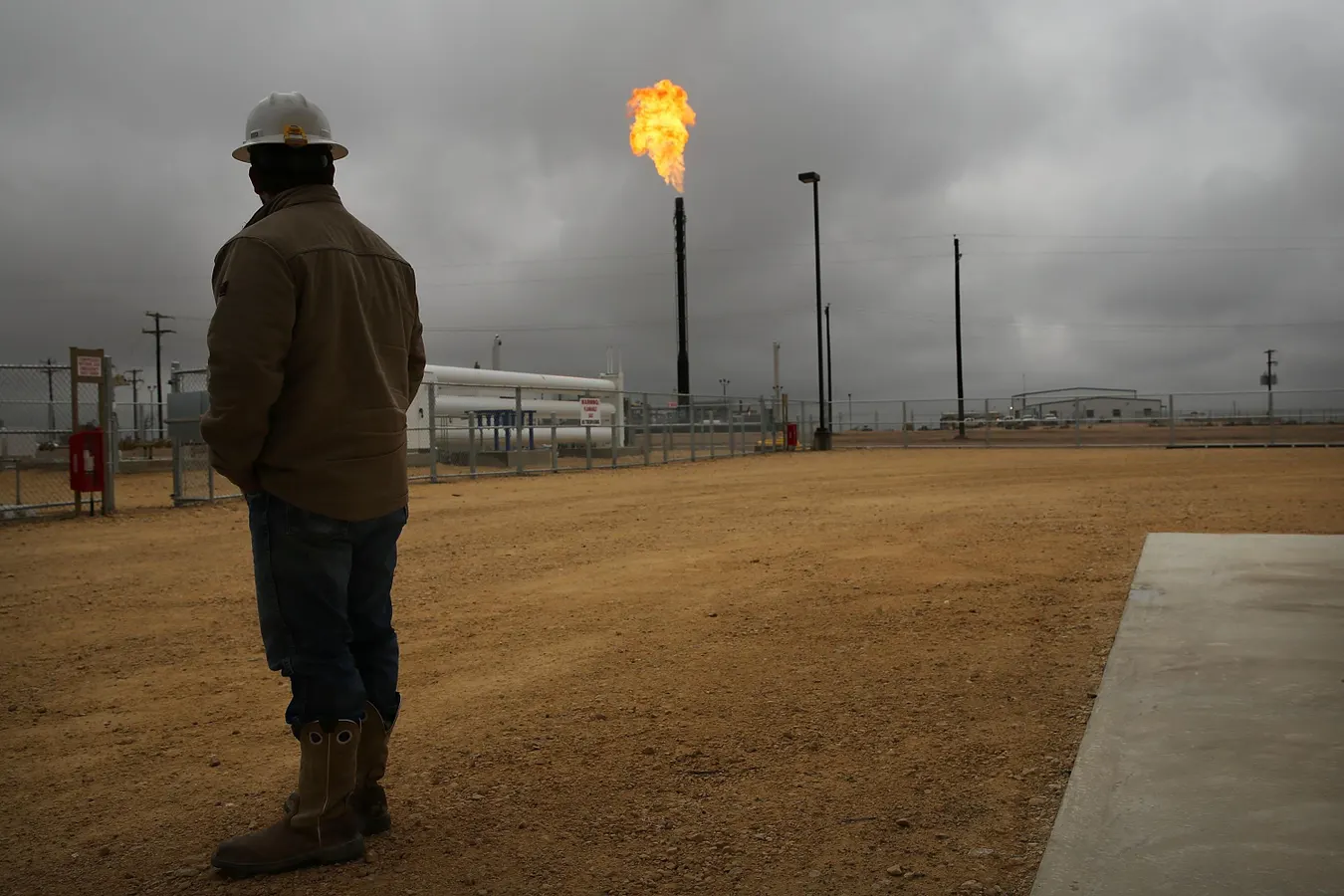
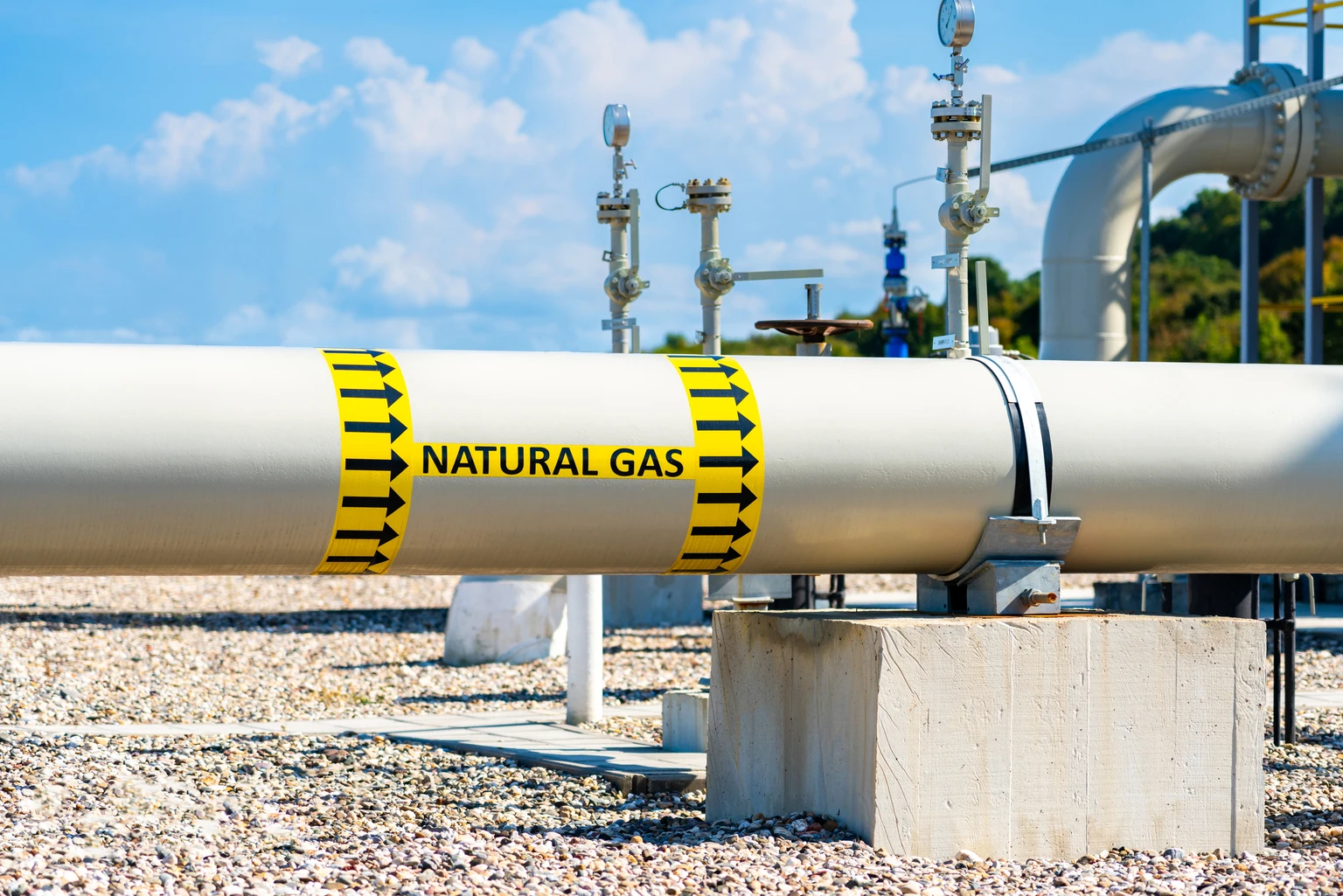
Renewables majors are throwing themselves into natural gas generation, underscoring its primacy amid booming AI-fuelled energy demand and the Trump administration’s crusade against solar and wind.
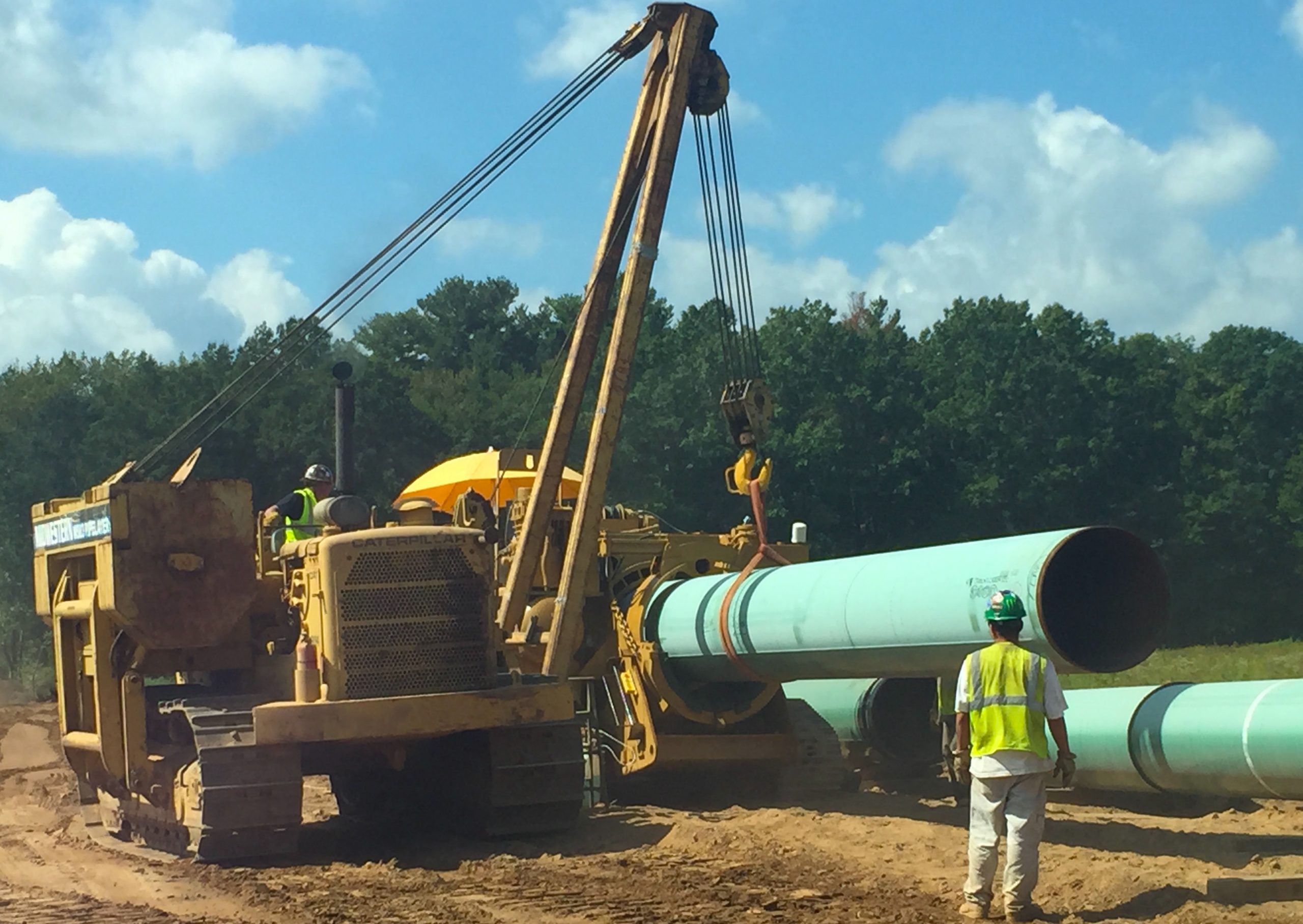
Late last year, NextEra announced its lean into gas, aiming to provide “bring your own generation” services. The company will develop up to 8 gigawatts of gas generation by 2032 and expand its stake in the Mountain Valley Pipeline. It has also acquired logistics and trading company Symmetry Energy Solutions and increased capex spending.
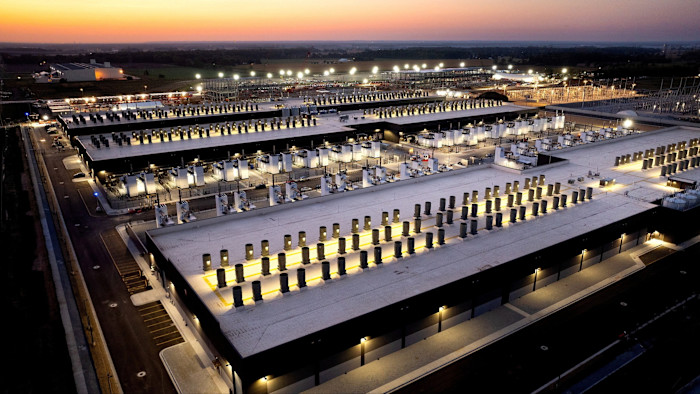
Developer Clearway Energy in November said it was building five sites to power data centres that will use a mix of gas and renewables. Analysts at Jefferies assume this would involve a 500 megawatt turbine build per campus, meaning the company’s gas capacity could nearly double by the time the data centres are completed after 2030.
While sustainable infrastructure investor Hasi has not revealed firm plans to build gas projects, it has identified “next frontier” technologies to consider investing in including natural gas with carbon capture, nuclear and geothermal, as well as data centres
The companies were never “philosophically opposed” to gas, but went “all in on building renewables”, said Alex Kania, a utilities and power analyst at BTIG. But now that data centres and electrification are causing energy demand to rise across the US — a projected 25 per cent increase by 2030, according to consulting firm ICF — their focus is widening.
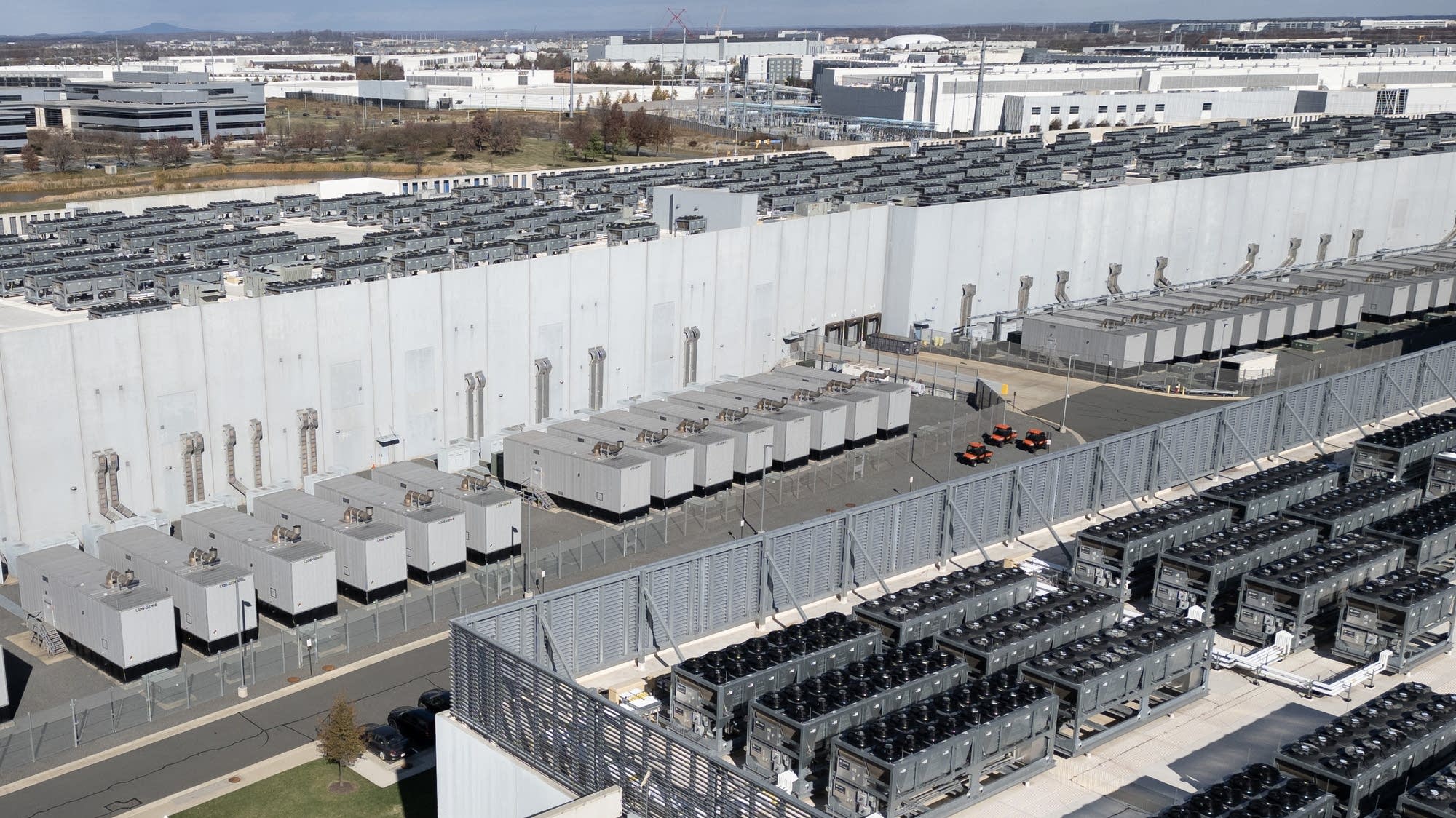
The moves underscore just how vital gas generation has become for rapidly bringing power online to serve data centres while minimising their impact on the grid and customer bills. While renewables are often cheap and quick to bring online, they are less able to provide continuous power.
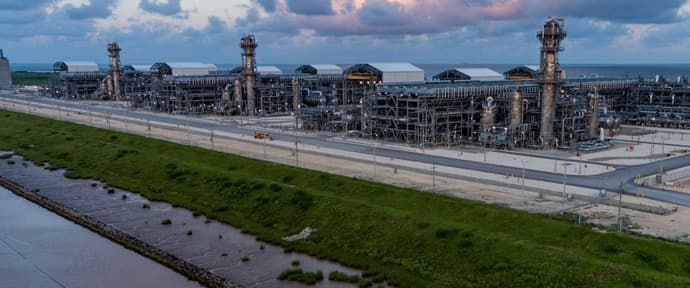
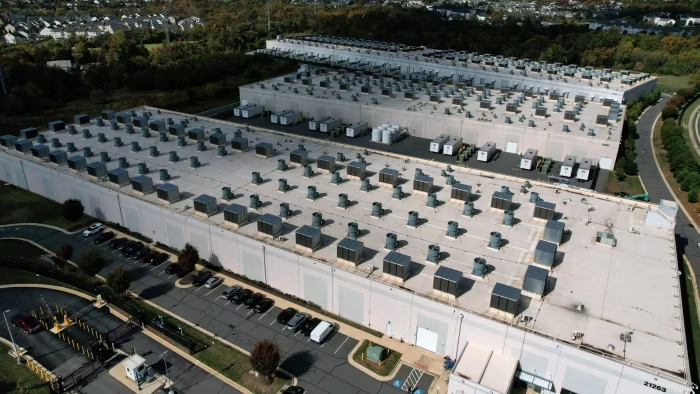
About 75 per cent of generation equipment planned for data centre usage is for natural gas, according to data from research company Cleanview. A Global Energy Monitor report said the US tripled its gas capacity in development last year, with one-third slated to power data centres on site.
“If you have electricity demand growth and you need 24/7 [power], as of today, the only way you can do that is with gas,” said Manuel Losa, senior investment manager on Pictet Asset Management’s clean energy team.
The companies say their experience across the energy gamut will help them serve data centres, with renewables complementing their increased gas offerings.
Combining electricity sources has been part of Clearway’s “fabric from the beginning”, chief executive Craig Cornelius told Energy Source. “We see renewables as the lowest marginal-cost producer of electricity, which are helpful to have along with gas and batteries.”
And because waits for gas turbines can stretch to as long as seven years, NextEra’s plan is to use renewables to plug the gaps and bring hyperscalers online fast.
But according to Todd Bright, co-head of Americas private infrastructure at Partners Group, moving into gas will be a “bigger leap” for Clearway than NextEra because the latter has a larger gas footprint.
“You can’t be a one-trick pony,” he said. “But there are some muscles that atrophy when you don’t use them,” Bright added, pointing to challenges such as developing storage and pipelines, managing and delivering fuel and risk management.
According to Todd Bright, co-head of Americas private infrastructure at Partner’s Group, moving into gas will be a “bigger leap” for pure play renewables companies.
“It doesn’t make sense to be a one trick pony,” he said. “But there are some muscles that atrophy when you don’t use them,” pointing to challenges like developing storage and pipelines, managing and delivering fuel and risk management.
The companies stress their moves into gas and other technologies are an expansion, not a pivot, and renewables will still be competitive without tax credits.
“Nothing we’re doing is a reflection that there’s not continued strong opportunity in the existing asset classes,” said Hasi chief executive Jeff Lipson. “It’s just that we want to grow and diversify the business.”
But the push could make up for a slowdown in clean energy.
After Trump cut Joe Biden-era subsidies for wind and solar in his One Big Beautiful Bill Act, developers have until July to begin construction on projects they wish to claim tax credits on and four years to finish.
“With tax credits rolling off in 2030 this is uniquely complementary . . . given delayed gas turbine delivery,” said Julien Dumoulin-Smith, a power, utilities and clean energy analyst at Jefferies. “It’s perfect timing.”
Some industry watchers feel discussion of the AI-fuelled dive into gas is missing a vital component — the environment.
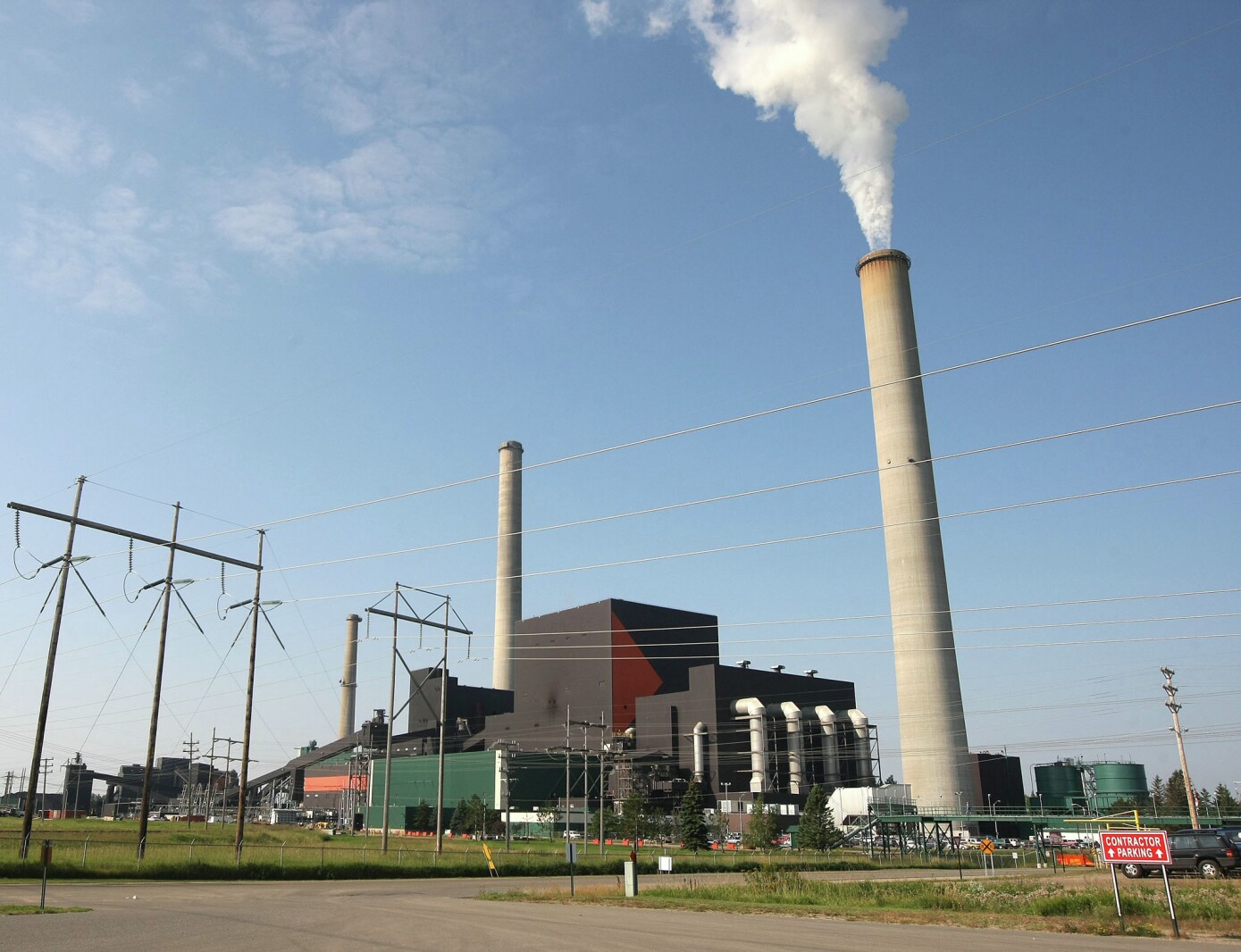
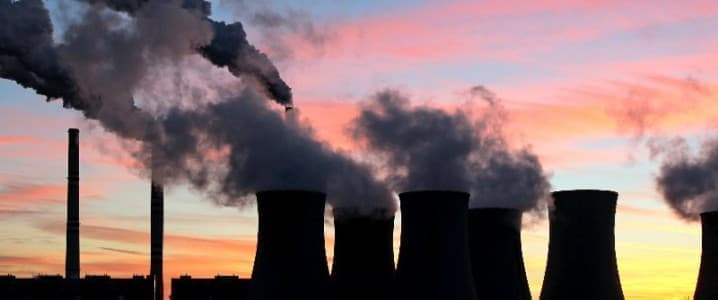
While natural gas is generally thought to be cleaner than fossil fuels such as coal — a 2015 study by Carnegie Mellon University found it emits 32 per cent less greenhouse gas — it leads to harmful pollutants including methane, nitrogen oxides and carbon dioxide being released into the atmosphere.
Another study by Cornell University estimated the current rate (as of November 2025) of AI growth would put 24mn to 44mn metric tonnes of carbon dioxide into the atmosphere per year.
“I think there’s this very pervasive narrative that we have this demand growth that we must meet at all costs,” said Nicole Pavia, director for clean energy infrastructure at Clean Air Task Force. “It’s not only climate goals that these plants threaten, but more locally we see increased particulate matter that can take a toll on community, water and environmental health.” (Martha Muir)
Power Points
-
Nuclear fusion start-ups completed a record number of funding rounds last year.
-
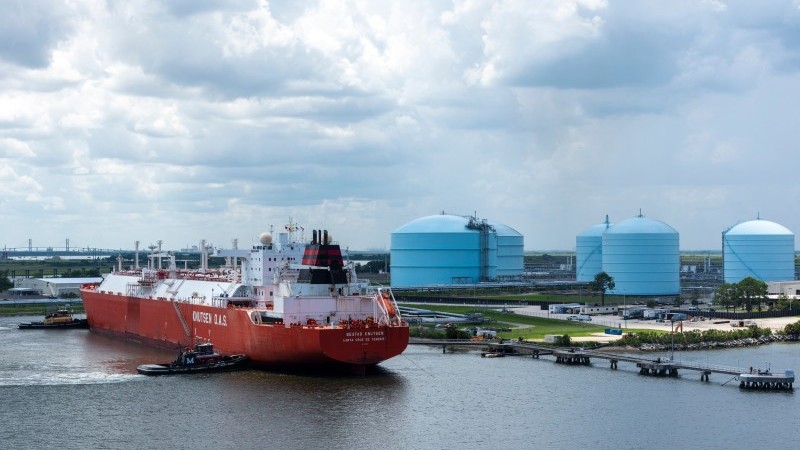
Total may be forced to halt all Russian LNG exports, chief executive Patrick Pouyanné said.
-
Centrica’s CEO said British electricity prices in 2030 will be higher than they were following Russia’s full-scale invasion of Ukraine.
Energy Source is written and edited by Jamie Smyth, Martha Muir, Alexandra White, Rachel Millard, Malcolm Moore and Ryohtaroh Satoh, with support from the FT’s global team of reporters. Reach us at energy.source@ft.com and follow us on X at @FTEnergy. Catch up on past editions of the newsletter here.
Recommended newsletters for you
Moral Money — Our unmissable newsletter on socially responsible business, sustainable finance and more. Sign up here
The Climate Graphic: Explained — Understanding the most important climate data of the week. Sign up here