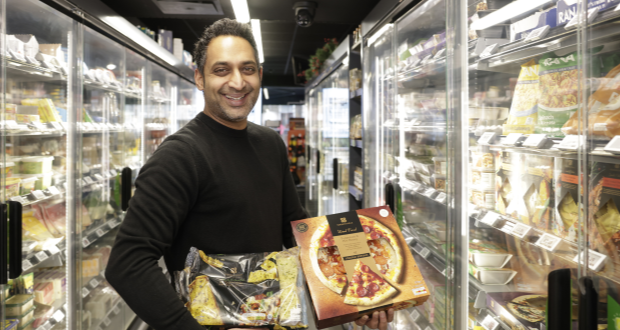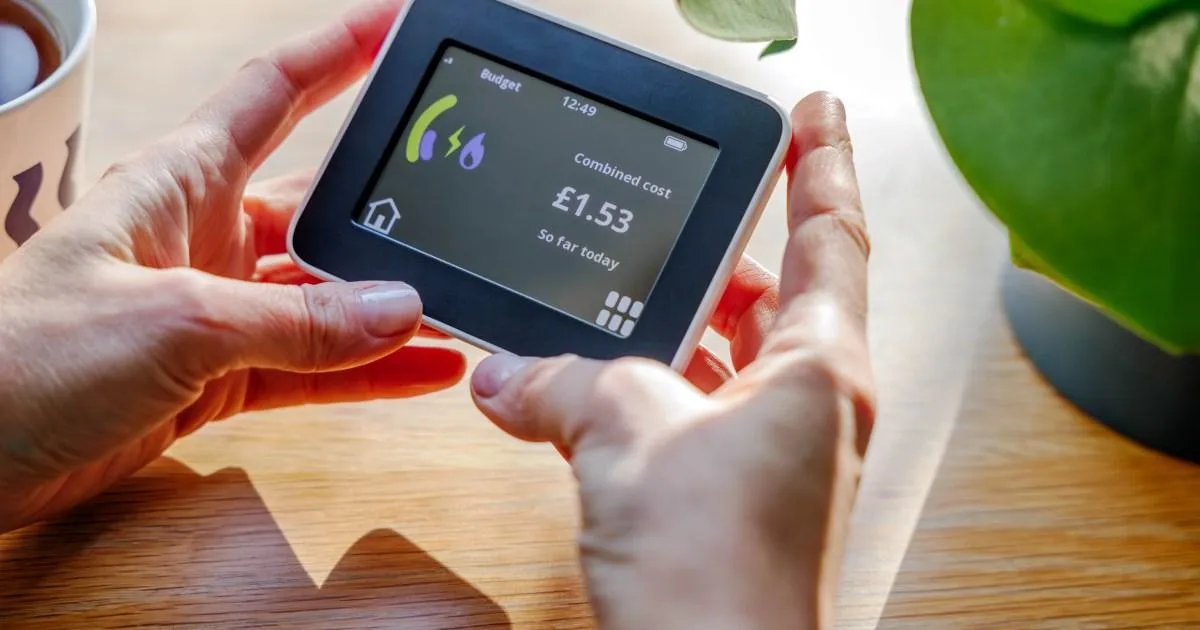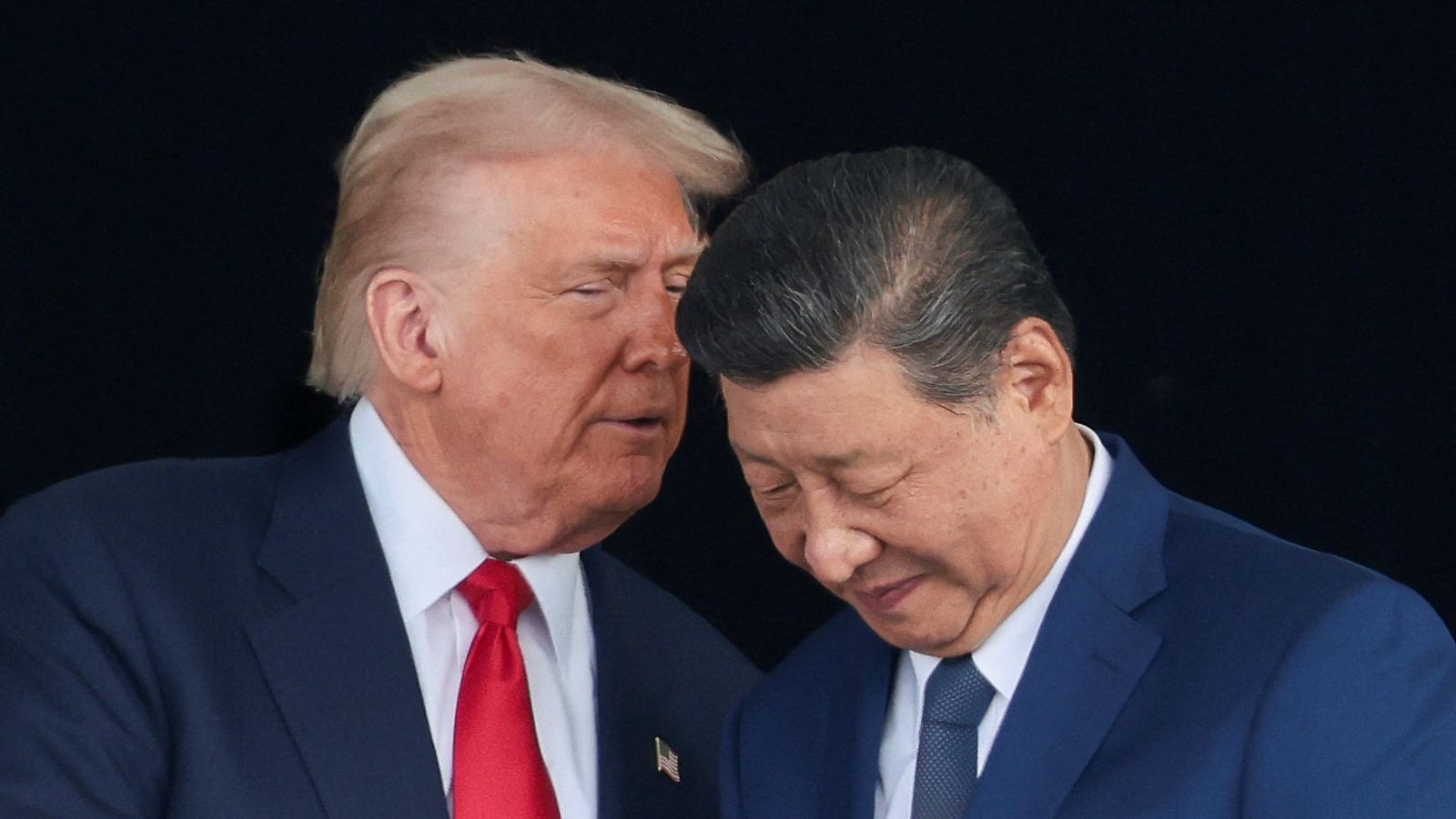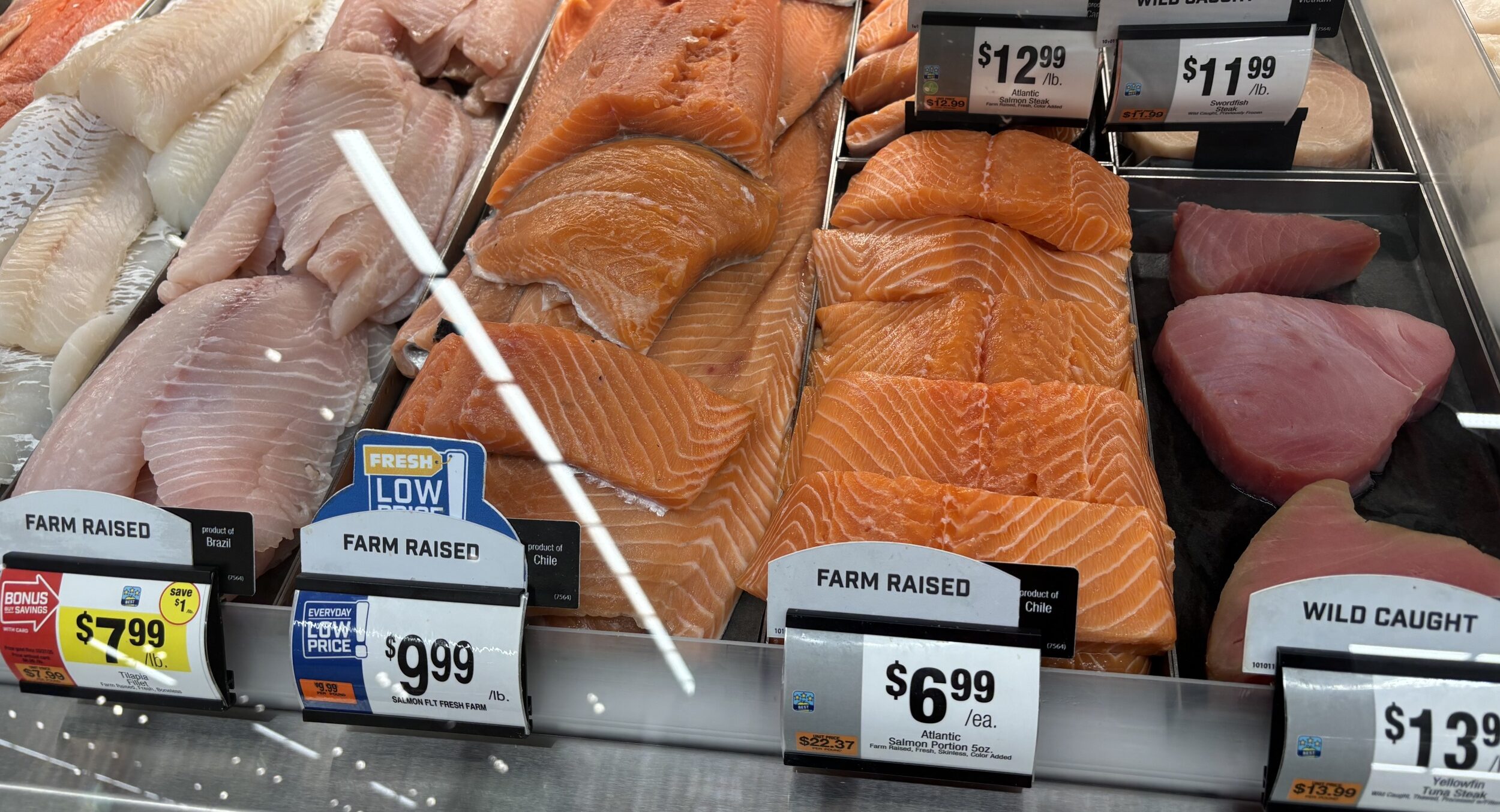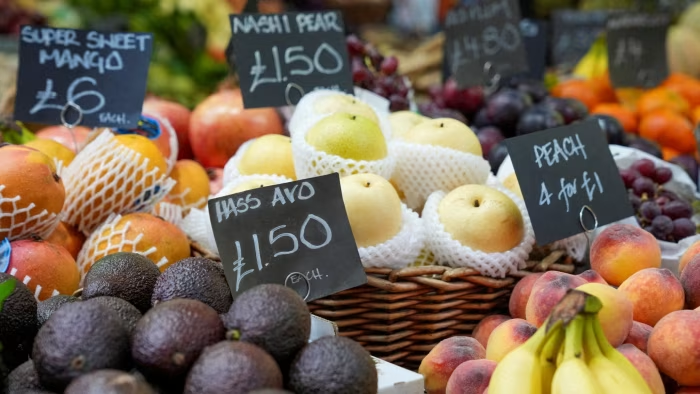
Politics will never divorce itself from food prices. Whether it is US President Donald Trump dwelling on the price of eggs, Japan’s agriculture minister Taku Eto resigning over an unfunny joke about not buying rice, or UK politicians having to name the price of a pint of milk (£1.65 for four pints with a membership card at my local Co-op, if you’re wondering), food matters. We all buy it, so its price looms large in our minds.
Economists generally worry less. Food prices matter where the income distribution is concerned, as poorer families spend more on groceries as a share of expenditure. But that share has shrunk as societies have become richer. And with food prices considered a poor indicator of future inflation, central bankers have routinely excluded them from core inflation measures alongside energy prices.
That is changing. Monetary policymakers now cannot stop talking about food inflation. The Bank of Japan raised its forecasts for inflation in the summer, largely as a result of rice prices. European Central Bank executive board member Isabel Schnabel highlighted the danger of increasing food prices in a recent interview, saying they were important in “shaping household inflation expectations”. And the Bank of England warned in August that rapid food price rises were adding to the persistence of above-target inflation, hinting that this would slow further interest rate cuts.
Why?
Commodity prices
The chart below shows the international price of food commodities as collected by the Food and Agriculture Organization (FAO), a UN agency. Those that like their olive oil and cheese will not be surprised to read that prices of oils and dairy products have soared since Covid-19.
More importantly, in OECD countries, retail food prices — and, for that matter, general retail prices — have risen faster than the overall FAO food price index, indicating that the cost of commodities is not the only thing responsible for pushing up food prices across advanced economies.

This chart is simple and useful for an overall picture. But it fails to explain the trends that matter for individual countries.
The bigger picture on food price levels
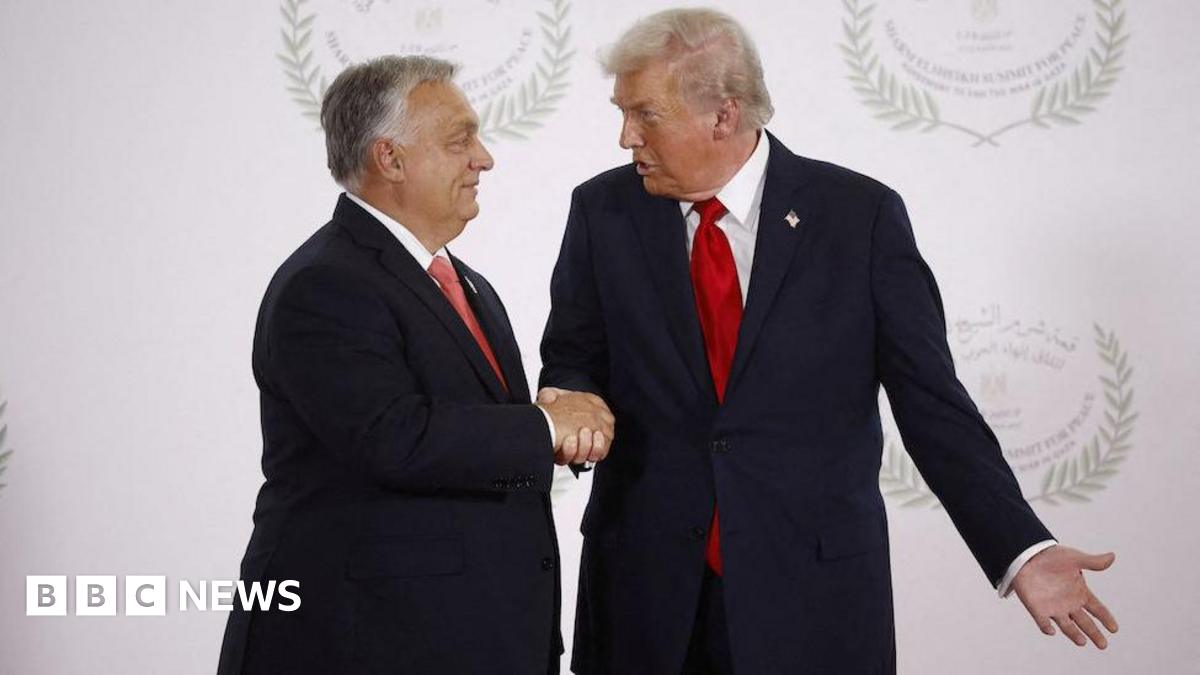
Since the start of 2018, food prices in Switzerland have risen a total of 7 per cent, simply because costs in the Alpine nation are high and stable. At the other end of the scale, food prices have shot up 93 per cent in Hungary, which suffered a severe depreciation of the forint in 2021 and 2022 that exacerbated the rise in global food commodity prices. Prime Minister Viktor Orbán’s government introduced regulated prices and special taxes while blaming foreign retailers for the costs. That put a huge dent in his popularity.

Supply chains did not immediately pass through the 2021-22 commodity price spike, meaning the trends in food retail prices have tracked commodity prices over the past seven years.
European prices have risen a little higher than US ones. Chinese prices rose sharply in 2019, but have been relatively stable since.
National food inflation idiosyncrasies
While there have been broad trends, there are some exceptions worth noting.
The UK went from having persistently low food price inflation to above that of the US and Eurozone after the 2016 referendum on EU membership. Thanks, Brexit. The vote initially weakened the pound, raising import prices. Then it brought trade frictions. Prices have taken off again this year without Brexit being to blame. They rose instead thanks to hikes in payroll taxes and the minimum wage, which both increased food retailer costs.
China’s African swine fever outbreak sent food price inflation sky high in 2019, but it has been very low since. European food inflation exceeded that of the US after Covid-19, highlighting the energy costs embedded in both fresh and processed food.
And there is precious little sign of Trump’s tariffs in US food inflation. This does not show that foreigners are “eating the tariffs”, but that the US imports less than 20 per cent of its food.

Should central banks worry about food prices?
This is a difficult question that deserves further research, but here’s an indicative answer.
First, food price rises have exceeded core price rises in every country except the Czech Republic and China since 2019.
Core prices do not simply follow food prices higher. But there appears to be a significant correlation between the two.

The correlation is strong, with a coefficient of 0.85.
That does not imply causation. Food price rises can cause higher core inflation if they raise household inflation expectations by being salient. But you would also expect some reverse causality: rising core prices can push up wages, which in turn feeds into food prices. Moreover, there will be third factors — such as Russia’s invasion of Ukraine — that cause both food and core prices to increase.

That said, we can do a simple experiment. Taking annual country inflation rates, we can examine whether food prices have better predictive power of core inflation or vice versa. This will give a sense of whether food inflation has some causal link to overall inflation, and in which direction.
In the following scatter plots, there is little doubt that much of the neat correlation for the period disappears when there is a predictive year-ahead element. That said, over the past six years, food inflation has been a significantly better predictor of the following year’s core inflation than vice versa.
This doesn’t necessarily suggest food inflation causes general inflation. But it justifies the current concern in central banks about food prices. The good news is that the latest FAO food cost trend is down.

What I’ve been reading and watching
-
BoE governor Andrew Bailey triumphed last week, writing in the FT that he had no objections “as a matter of principle” to stablecoins. Read his article closely and he had multiple objections as a matter of practicality, which would turn the digital assets back into currency if resolved.
-
The ECB has been a little more direct, with president Christine Lagarde warning about the “dark corners of finance” and regulatory rollback undermining financial stability.
-
Tej Parikh over at Free Lunch worries that the blunt power of monetary policy is waning, although still consequential and effective.
-
Over at Monetary Policy Radar, Joel Suss argues that the US Supreme Court’s decision to allow Lisa Cook to remain in post at least until the new year demonstrates it is offering the Federal Reserve greater protection than other agencies.
A chart that matters
If you thought US inflation was all in tariffed goods, the following chart should challenge that. Adam Shapiro of the San Francisco Fed has split the movements in core goods and core services inflation (excluding housing) into demand and supply components.
You do not have to be a huge fan of the methods used — sign restrictions that separate supply and demand shocks — to find the following informative. Core services are still dominating US inflation. And if you buy the methodology, this is increasingly a function of increased demand. As Joel Suss found on Monetary Policy Radar, this is just one of many reasons above-target US inflation looks persistent.

Central Banks is edited by Harvey Nriapia