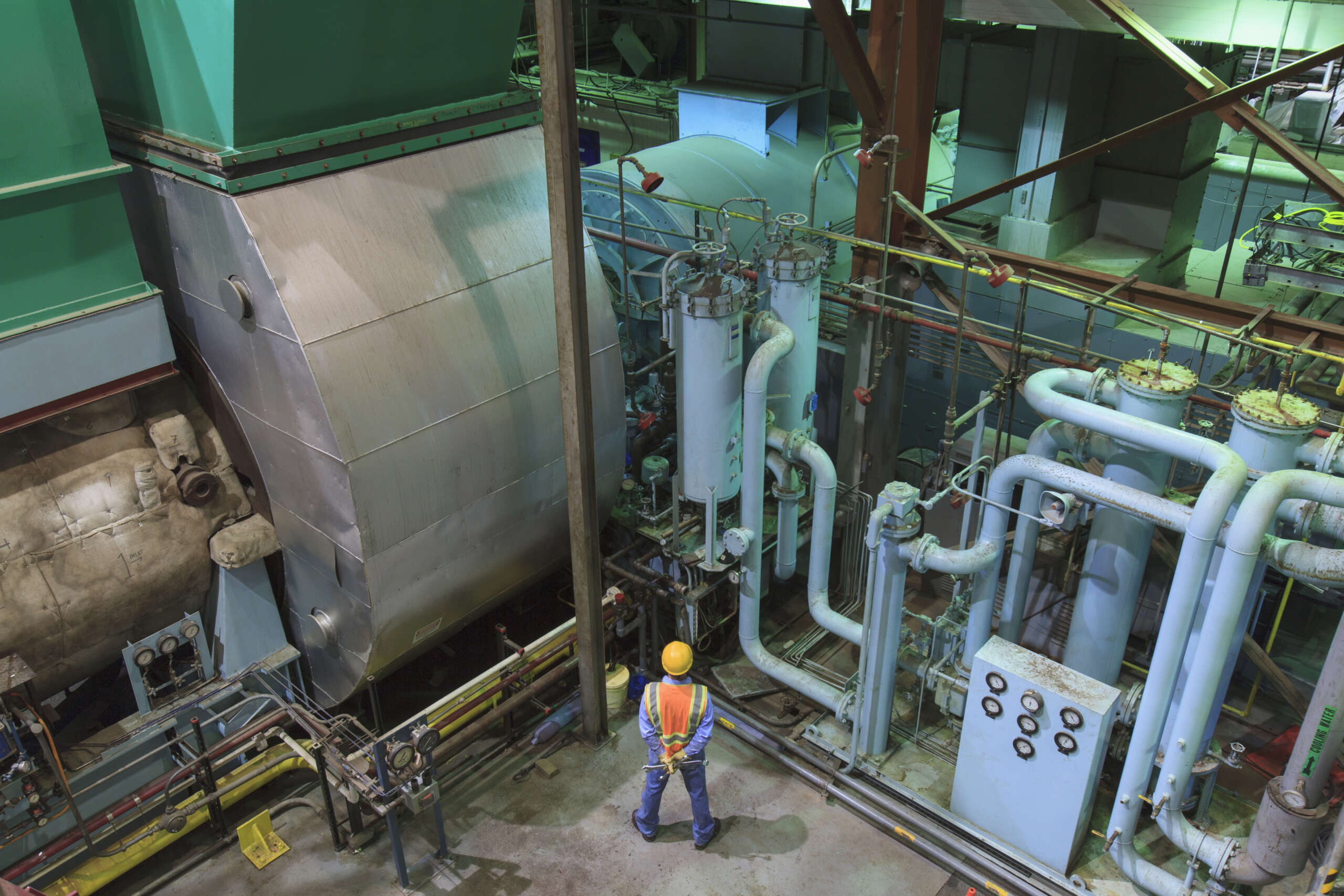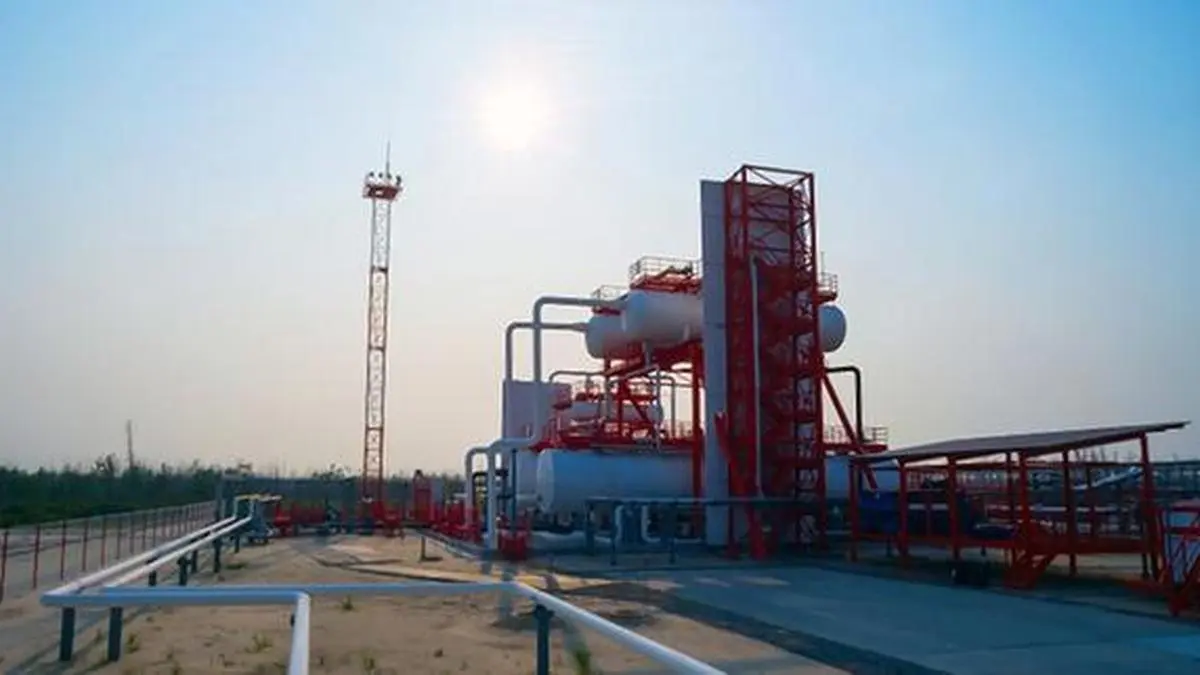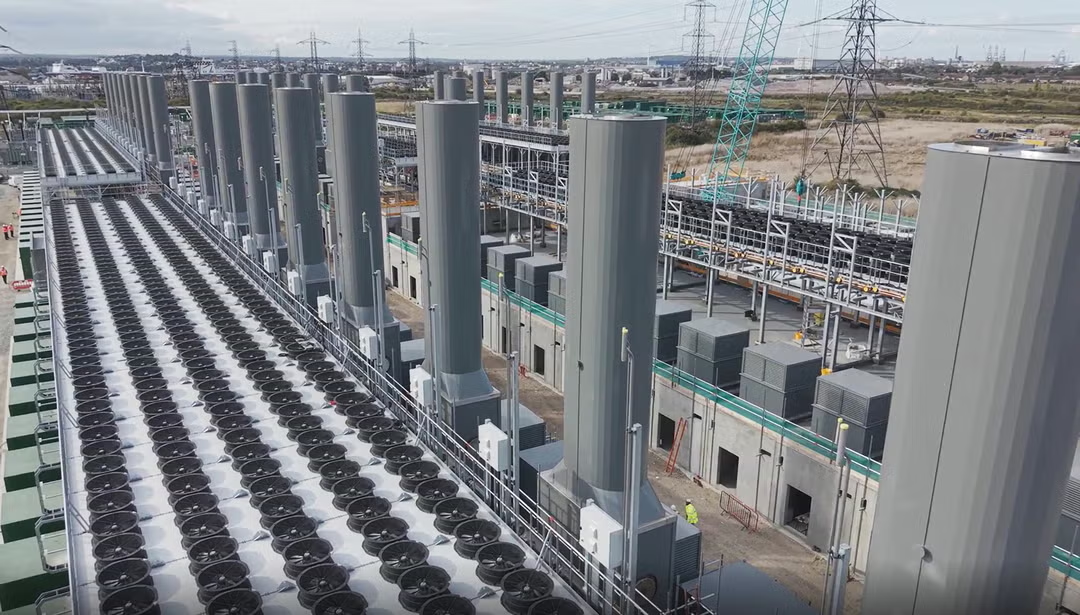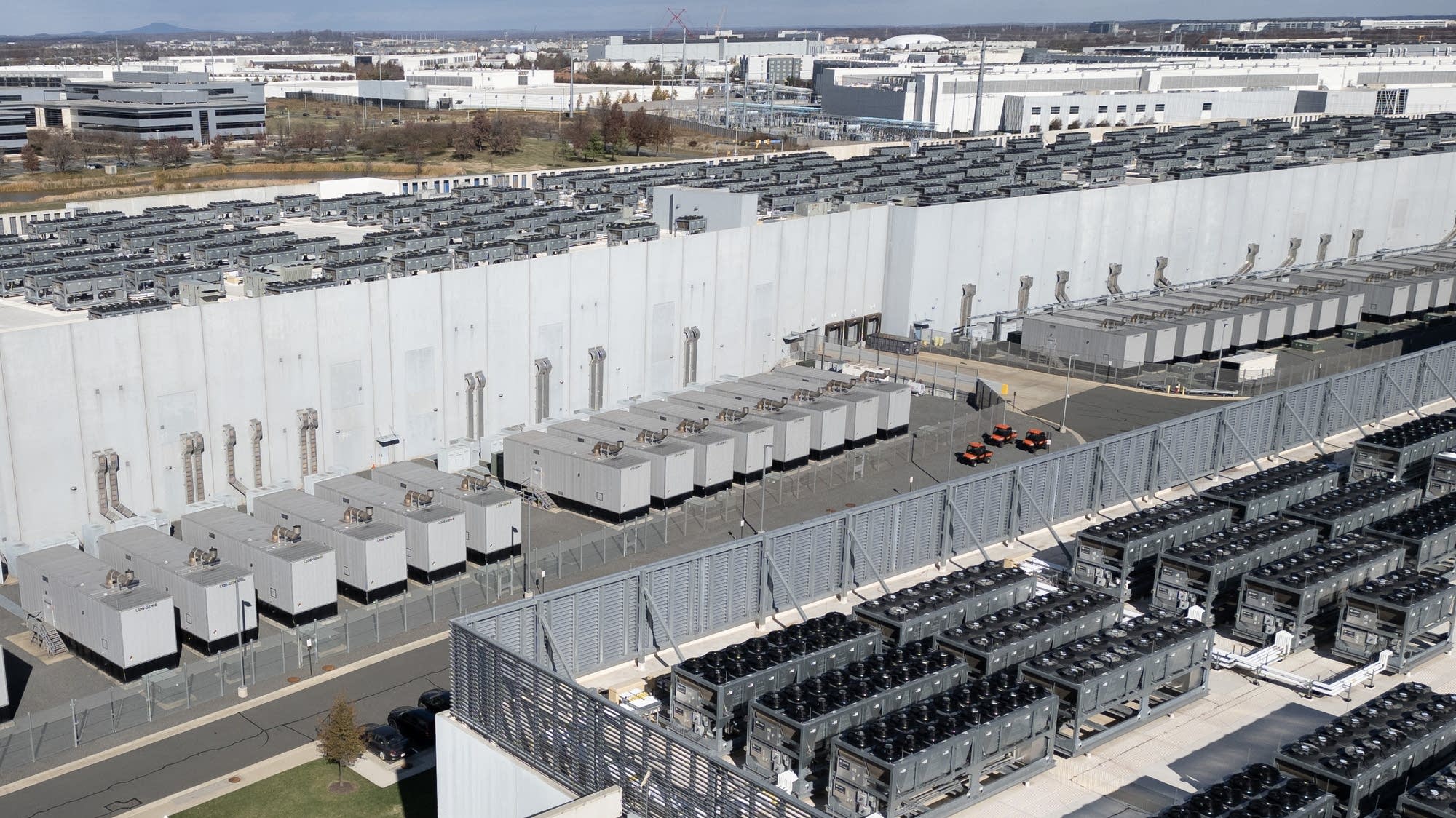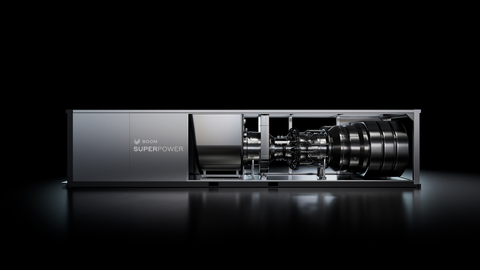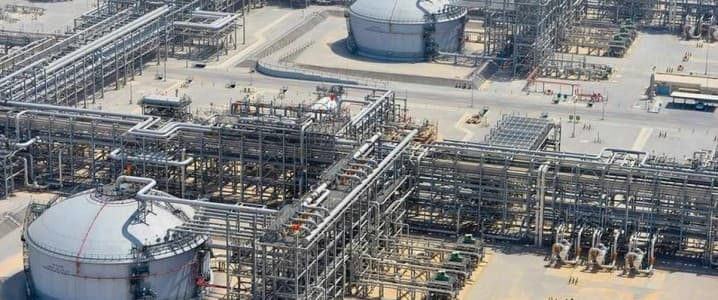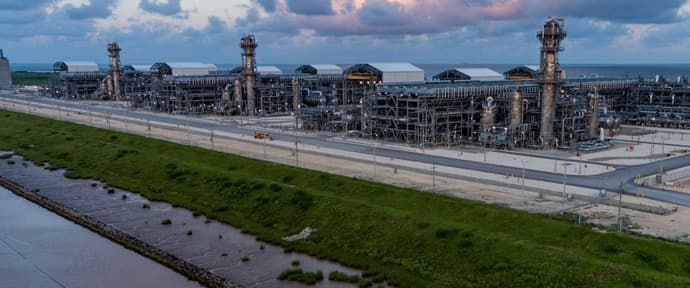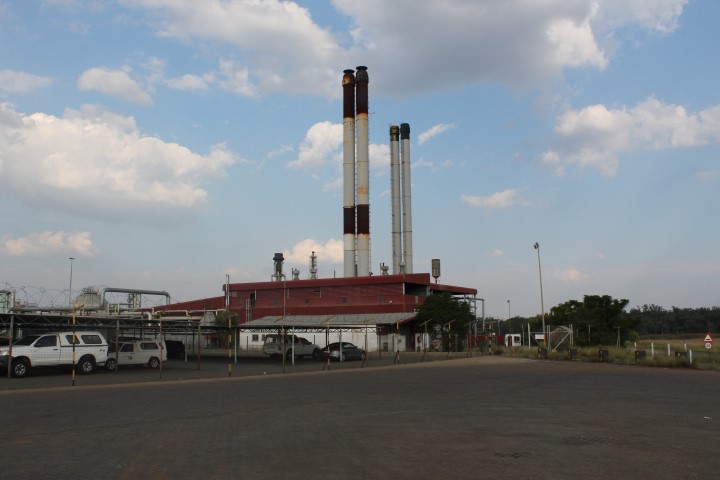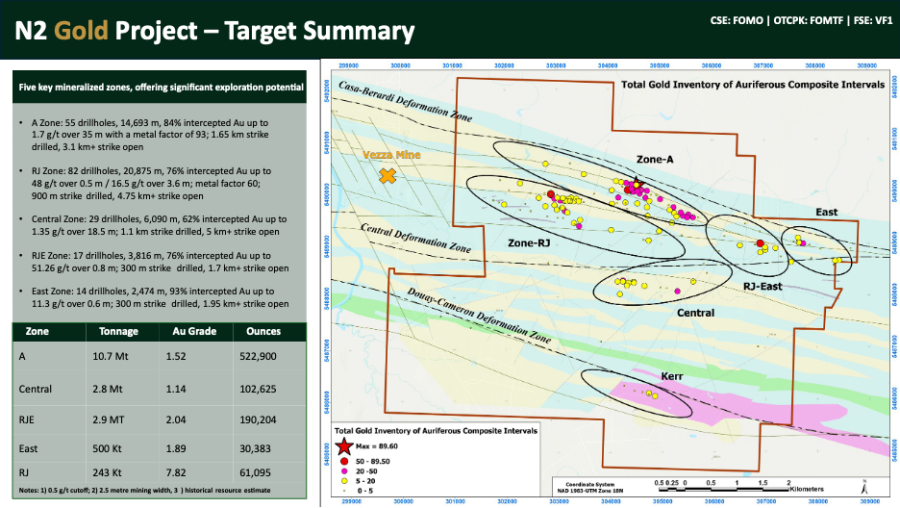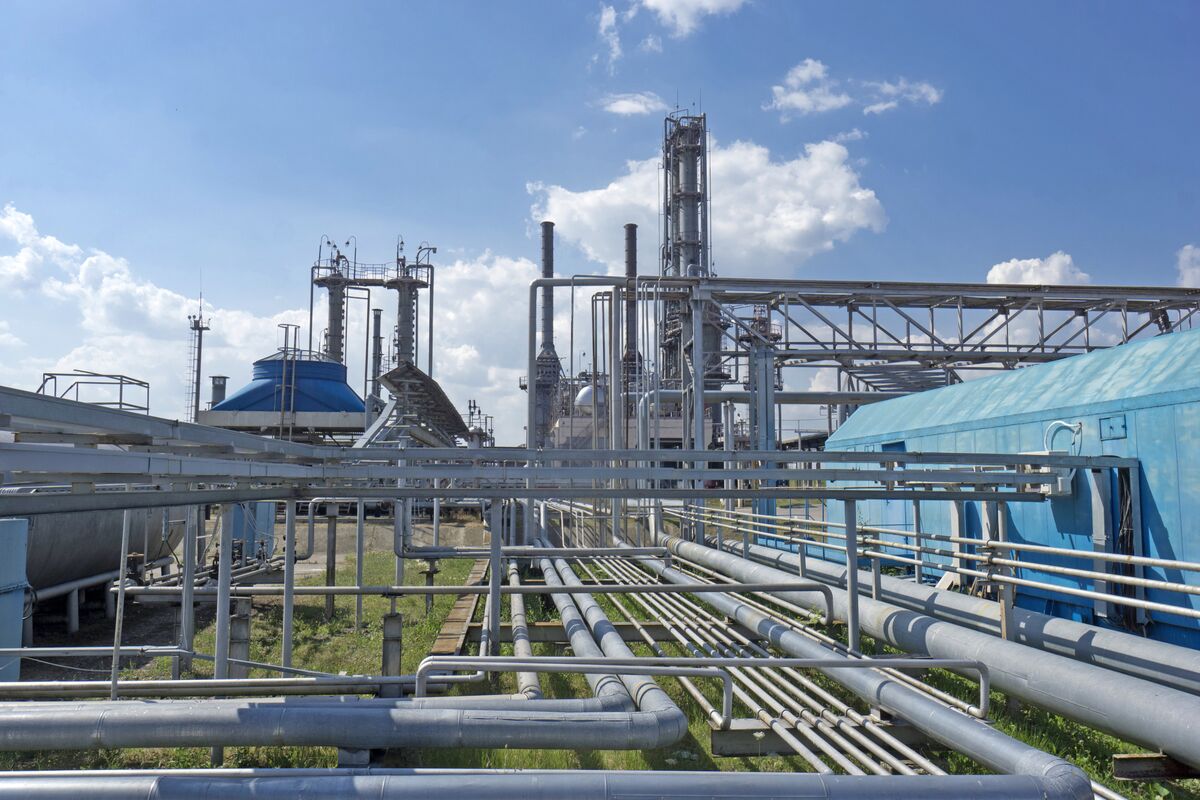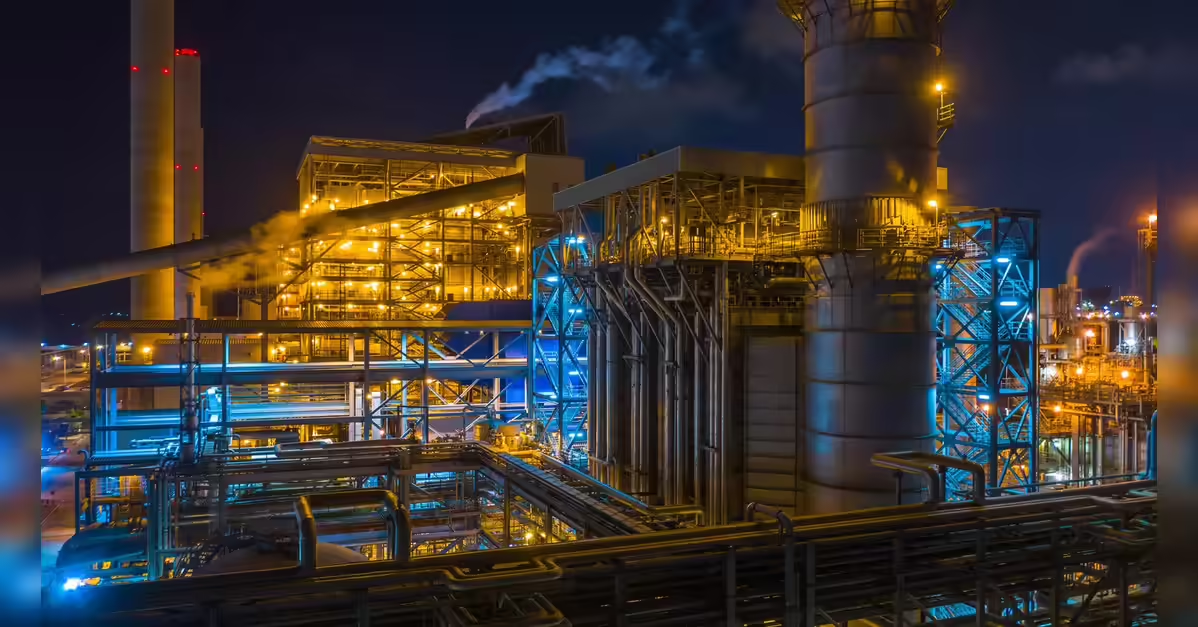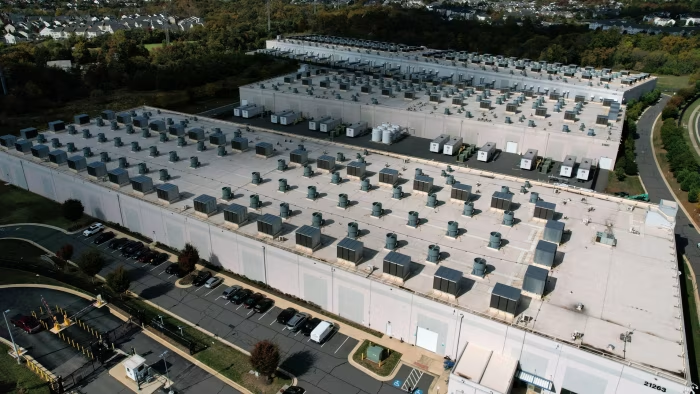
The long lead times and higher CCGT costs have prompted the data centre industry to look into alternatives. Single-cycle gas turbines (SCGTs), though only about 50% as efficient as CCGTs, have re-emerged as a popular choice because they face less severe supply constraints. With smaller outputs, they offer greater flexibility and shorter start-up times. Many SCGTs are also being developed behind the meter, on-site at data centres, which can shorten interconnection approval timelines.
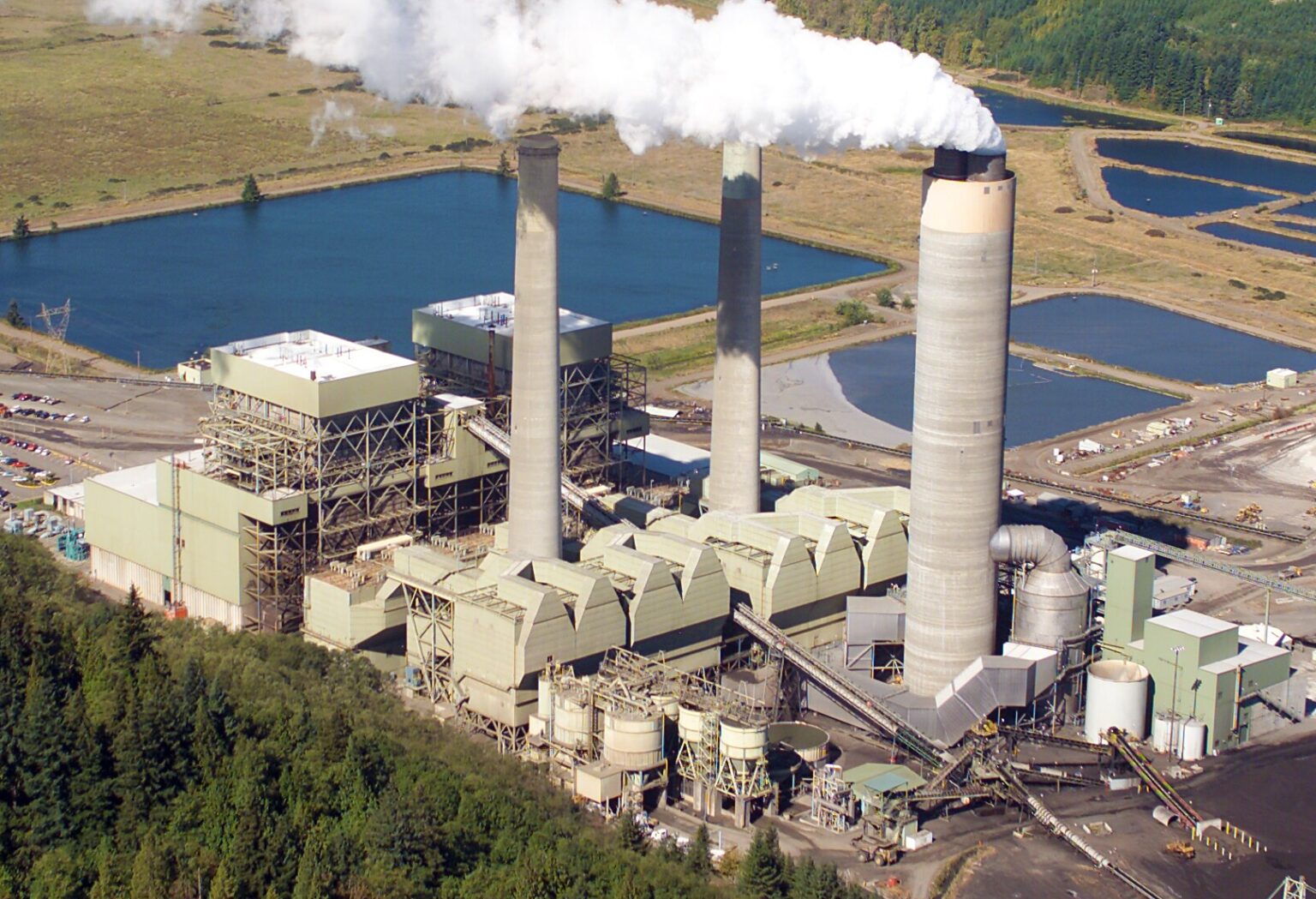
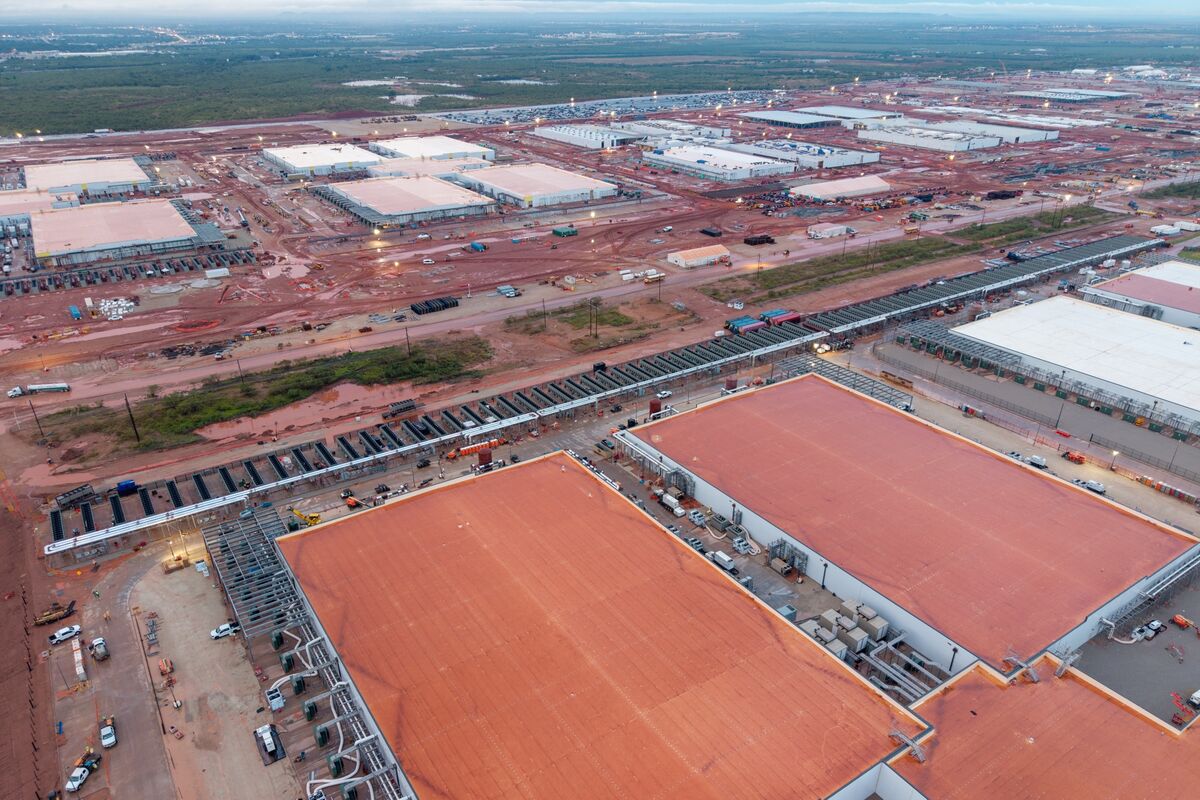
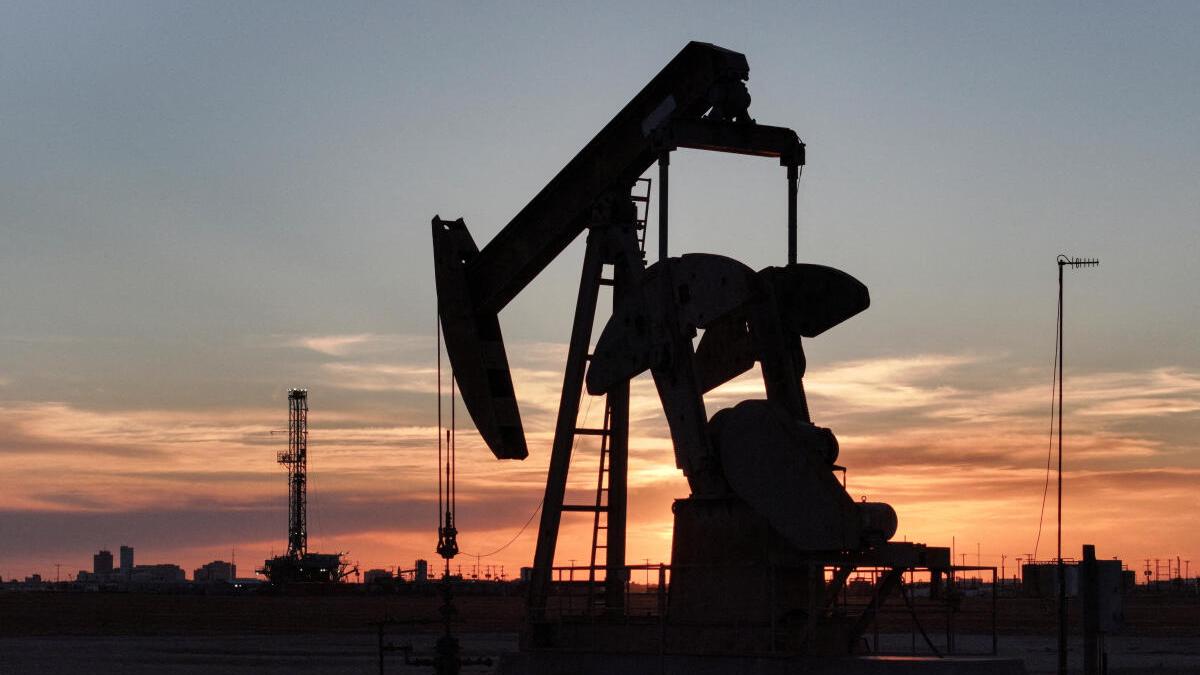
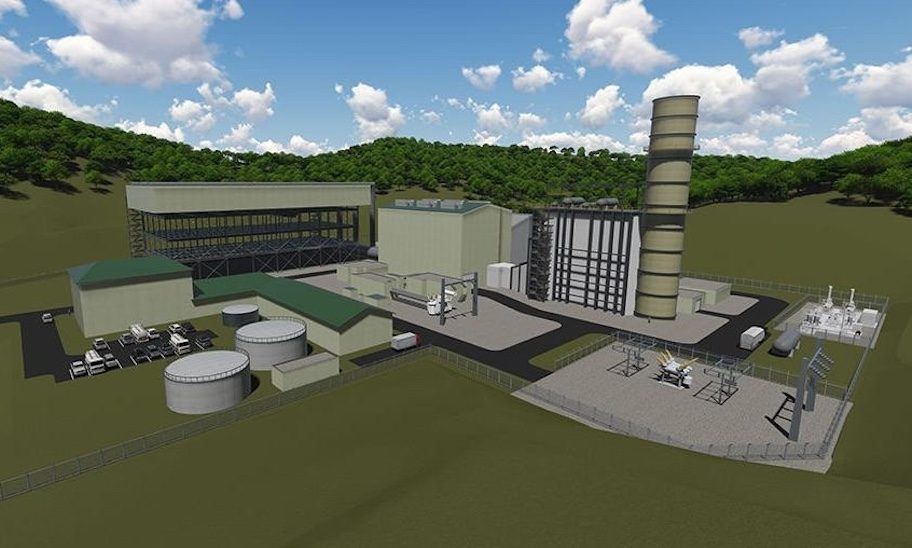
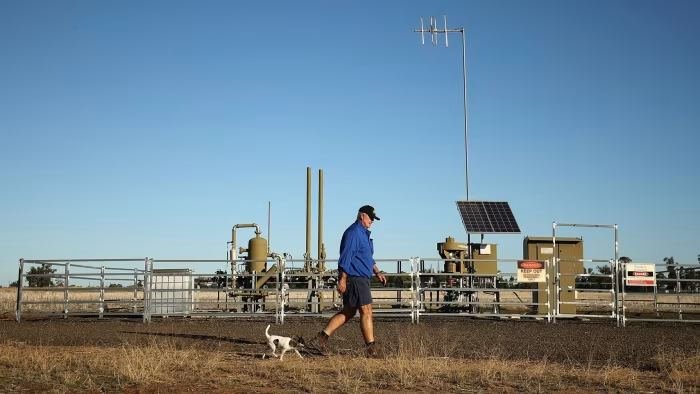
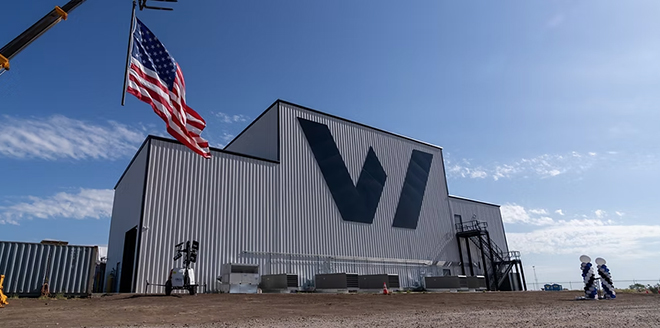
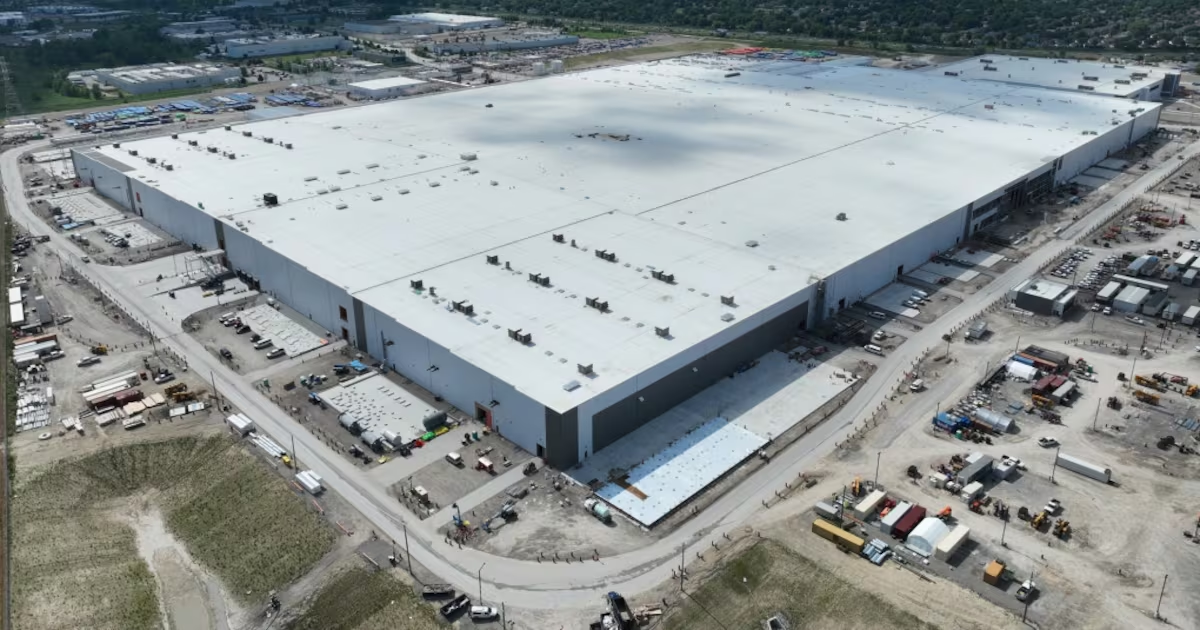
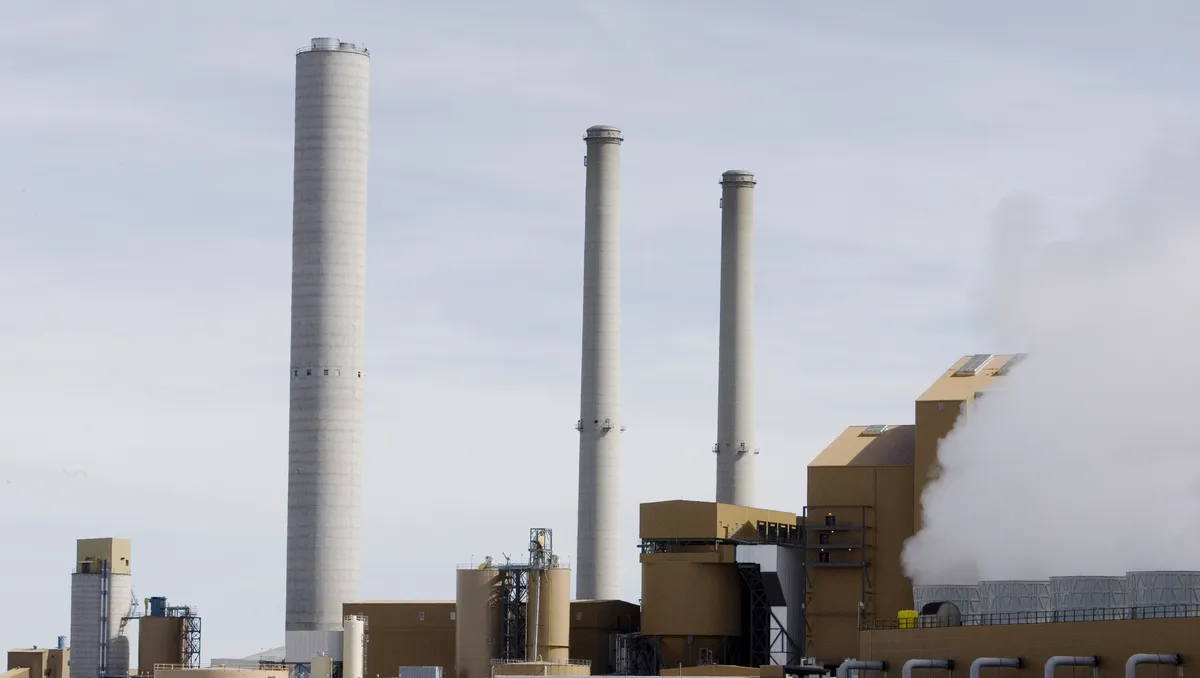
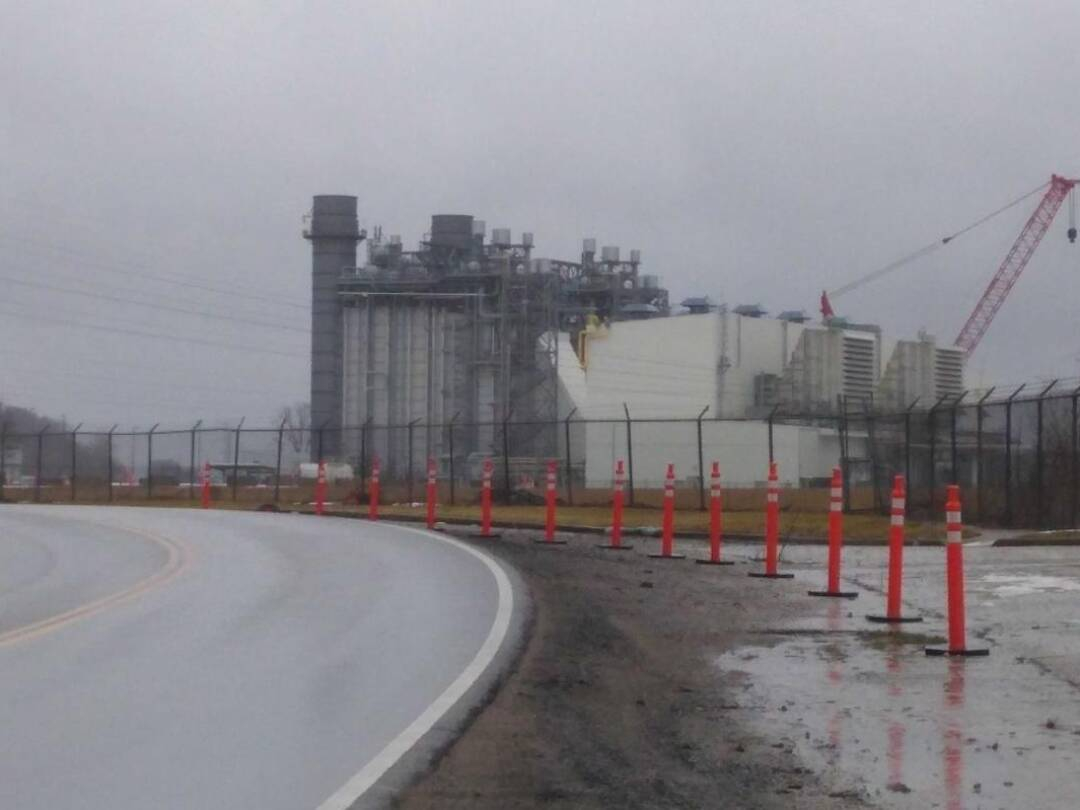
For example, the Stargate data centre project in Abilene, Texas, a joint venture by OpenAI, Oracle, Softbank, and MGX, plans to install 360MW of SCGTs as part of its 15GW project. Other companies planning to use SCGT at their data centres include Elon Musk’s xAI, Alphastruxure (joint venture between Carlyle and Schneider Electric), and Homer City Energy Campus (conversion from coal to SCGT). This space is becoming crowded quickly. Aeroderivative gas turbines, also a type of SCGT, are also gaining traction. Crusoe and Balico are among companies adopting these turbines. This means more demand for natural gas as a feedstock, particularly as SCGTs require more input to generate a certain amount of electricity.
And despite not gaining great traction yet, retrofitting existing SCGTs can increase turbine efficiency by up to 10%. SCGTs can also be upgraded to CCGTs with a 50% efficiency jump. Currently, of the 568GW of existing gas-fired power capacity, 157GW is powered by SCGTs. This means that efficiency improvement alone can boost gas power capacity by 16GW. If all the SCGTs are upgraded to CCGTs, power capacity can increase by 79GW. Lastly, there is also growing interest in investing in natural gas-powered fuel cells – such as from Equinix and Brookfield Asset Management – which generates electricity without combustion.
Putting all this together, planned utility-scale gas-fired capacity of about 40 GW by 2030, assuming recent capacity factors, could translate into roughly 4.2 bcf/day of additional natural gas demand through 2030. These projections are relatively conservative (especially considering that gas demand from the power sector grew by 6 bcf/day between 2019 and 2024) but focus on projects that are more likely to come online. Some other analyses, however, anticipate a more aggressive demand outlook for the power sector.
However, there is likely upside to this number. First, planned behind-the-meter gas generating capacity, specifically from on-site SCGTs and fuel cells, is not included in the 40GW estimate. For instance, Williams Company, which processes and transports natural gas, is reportedly planning 6GW of behind-the-meter capacity by mid-2027. Second, the pipeline could expand further with growing data centre investments and continued support for natural gas under the Trump administration. The downside risk is that capacity factors for gas-fired plants may decline if renewable capacity builds up more aggressively. However, this risk is expected to be somewhat lower under the current administration.