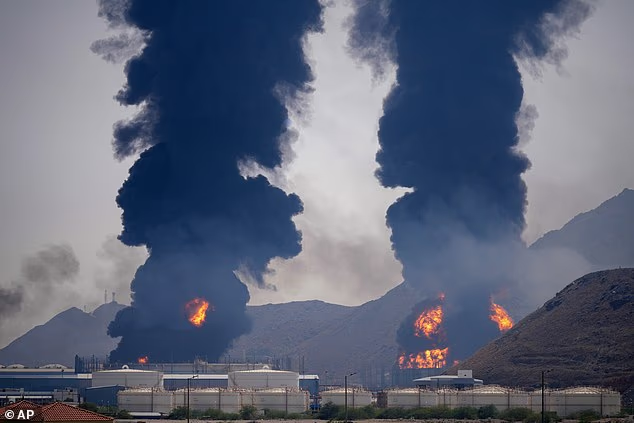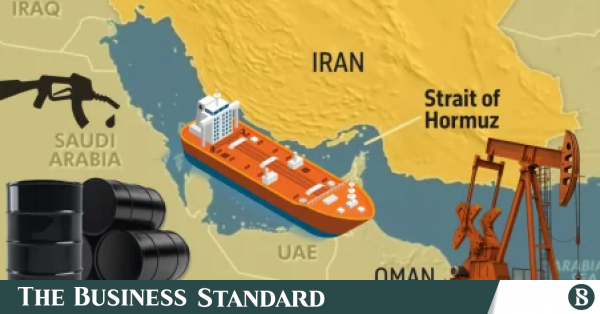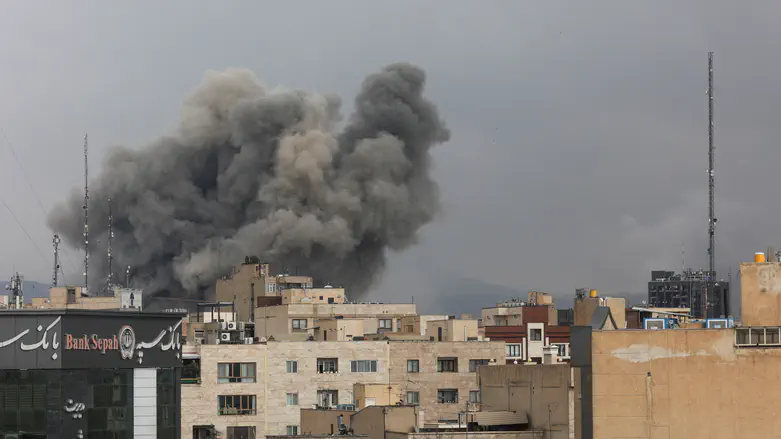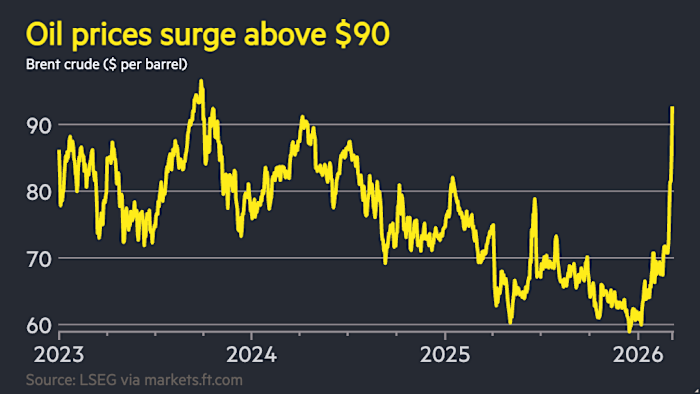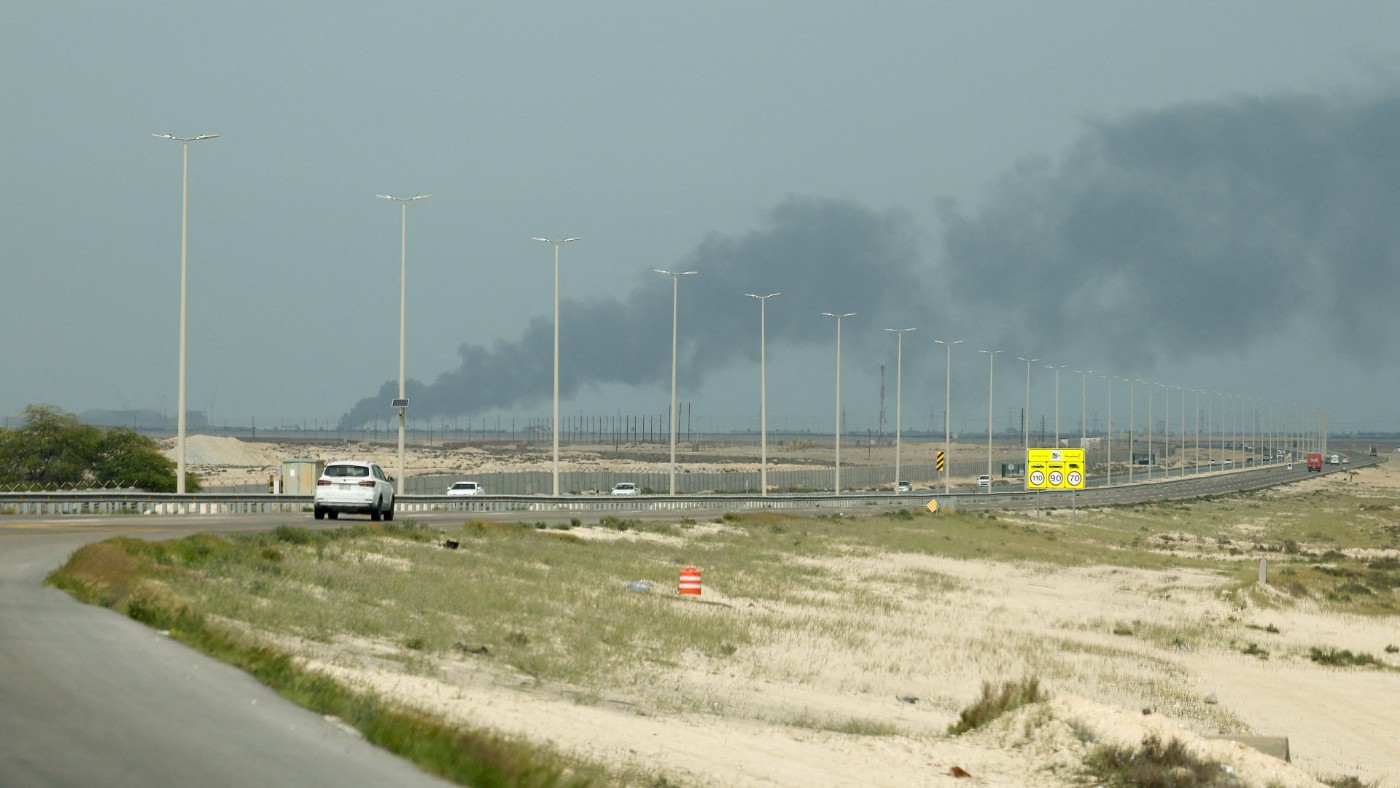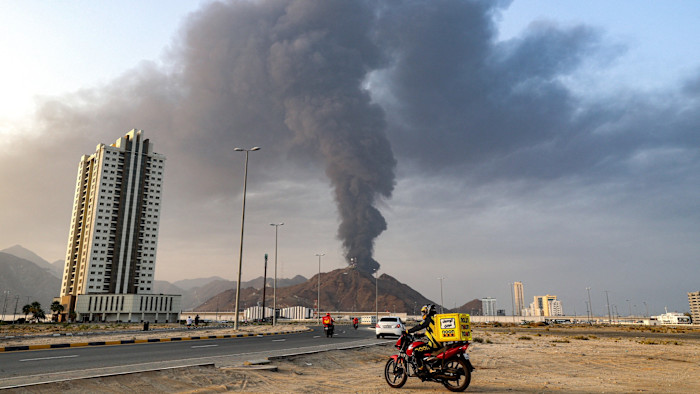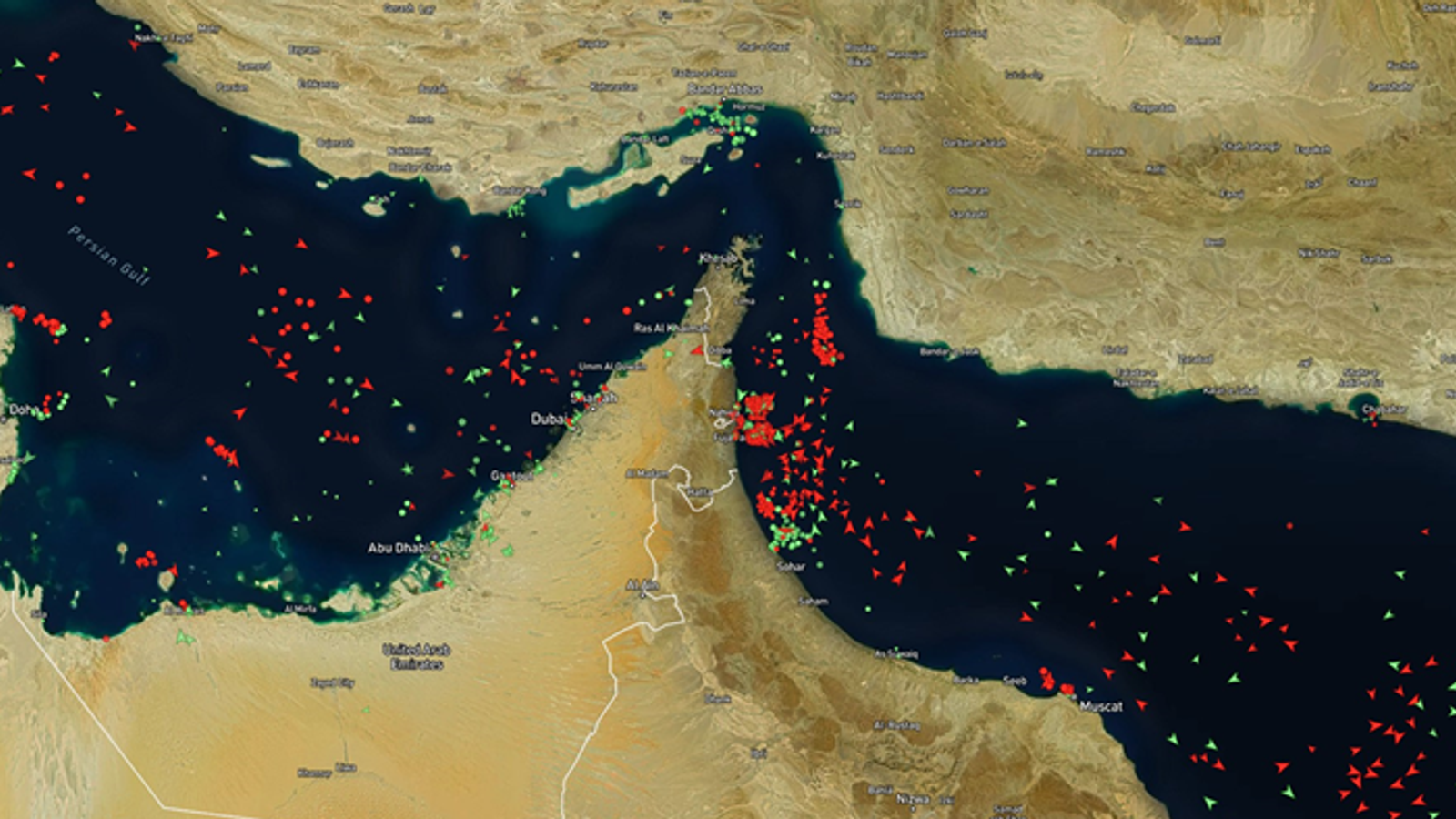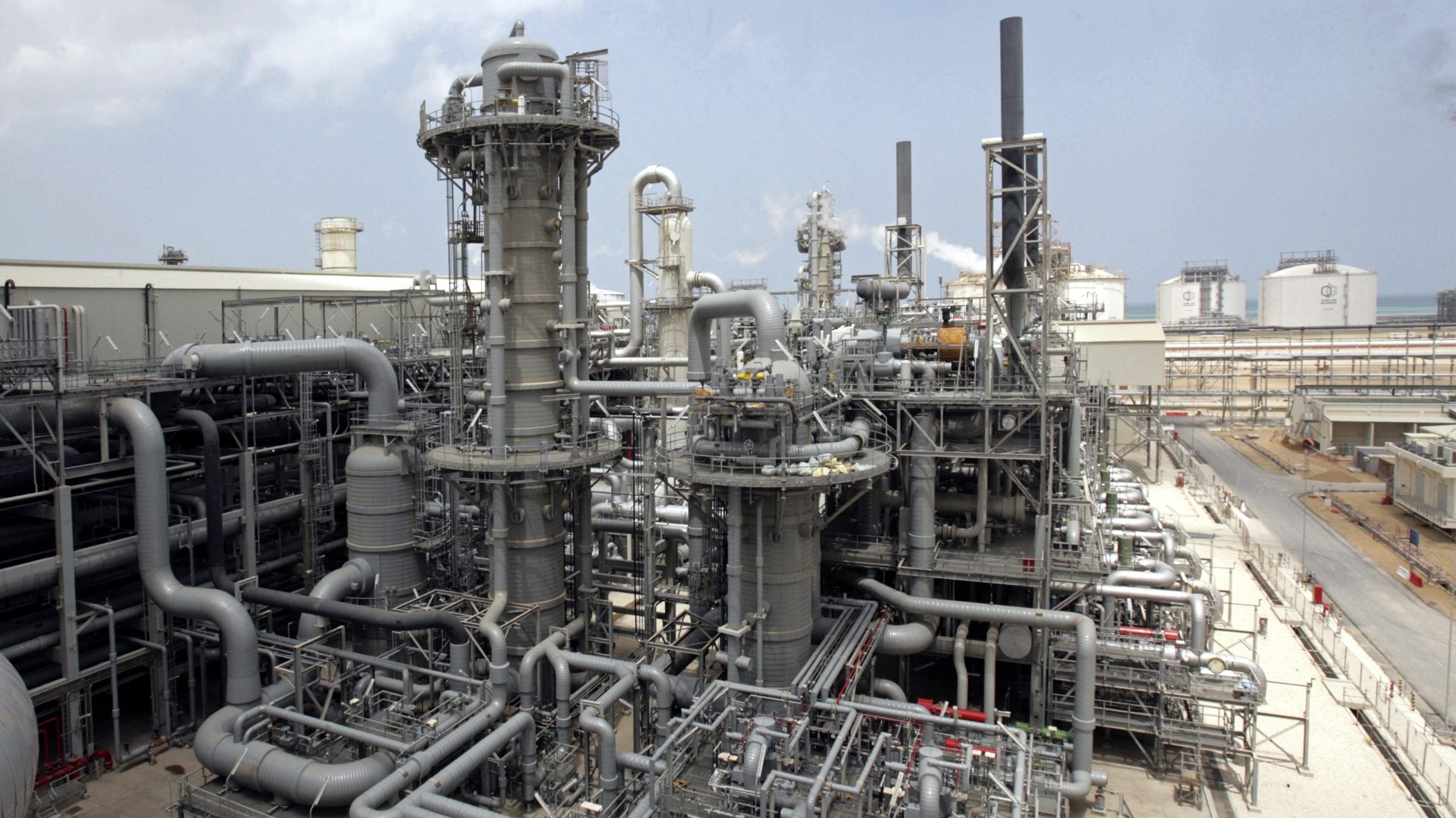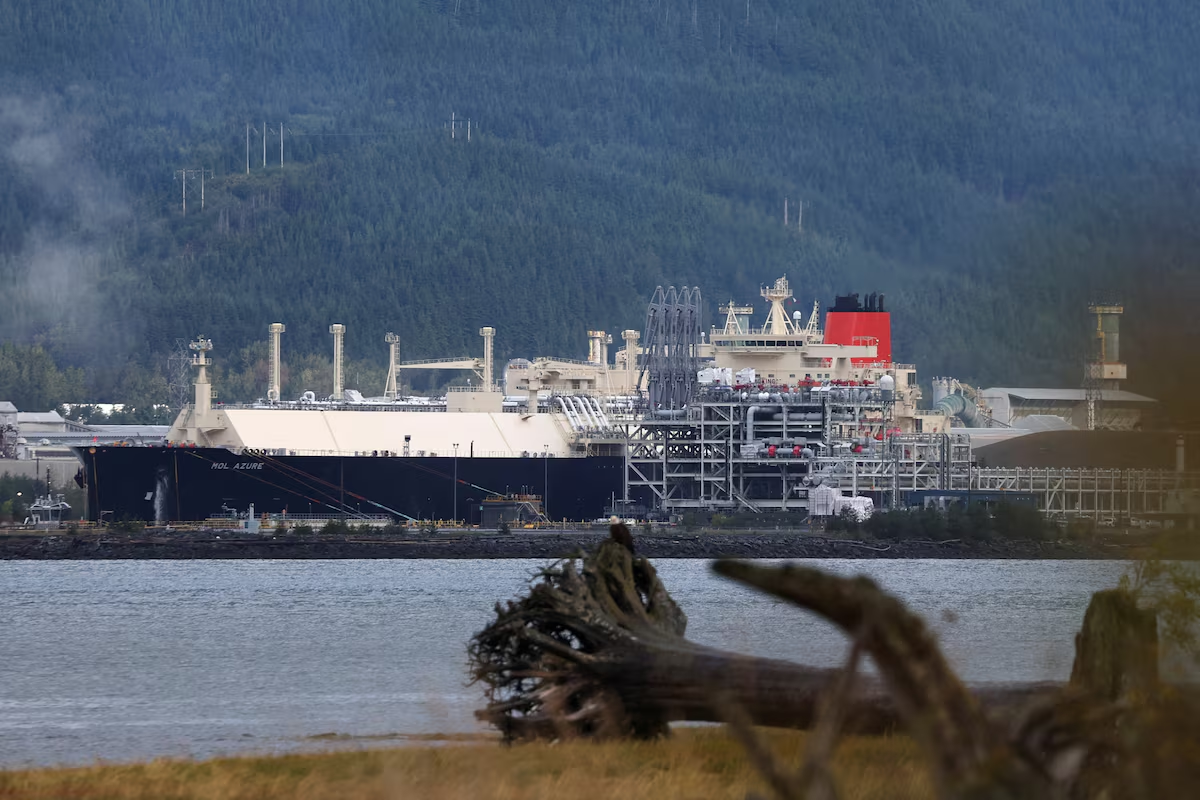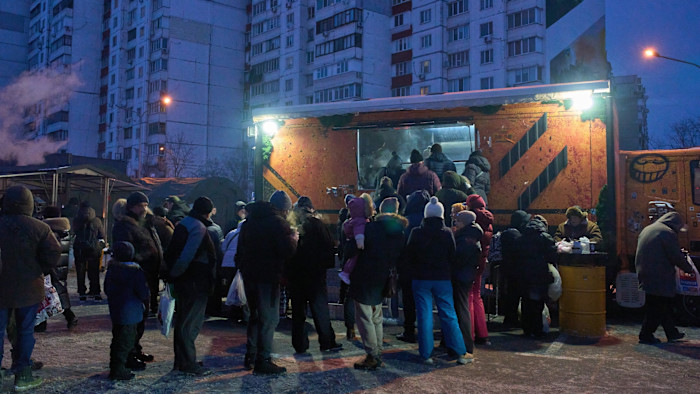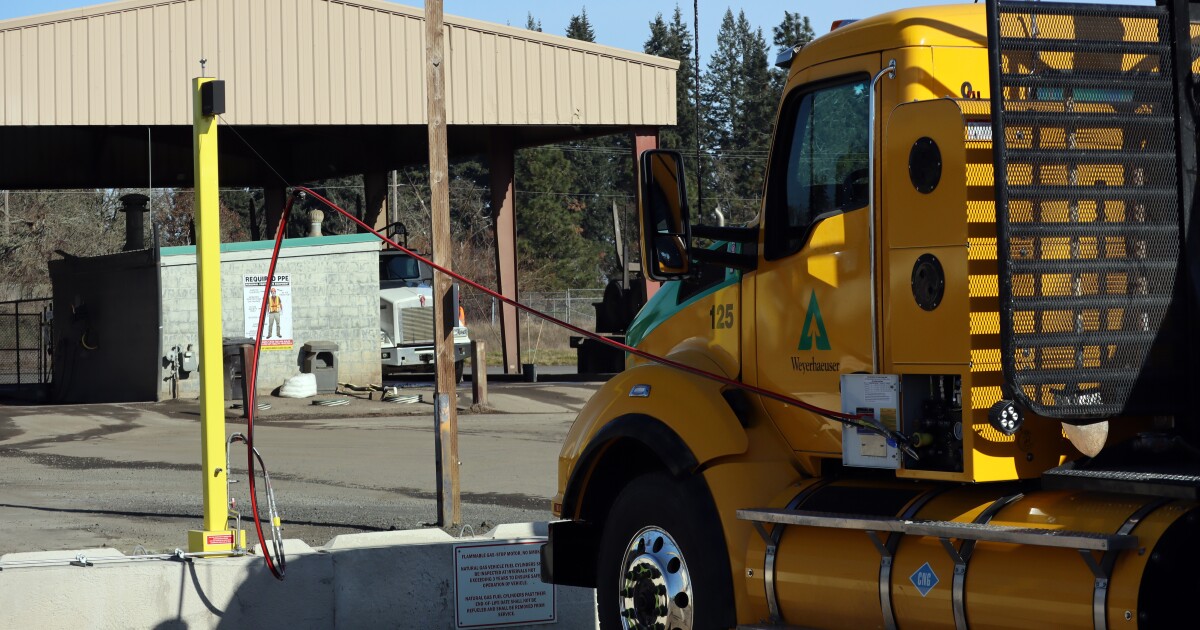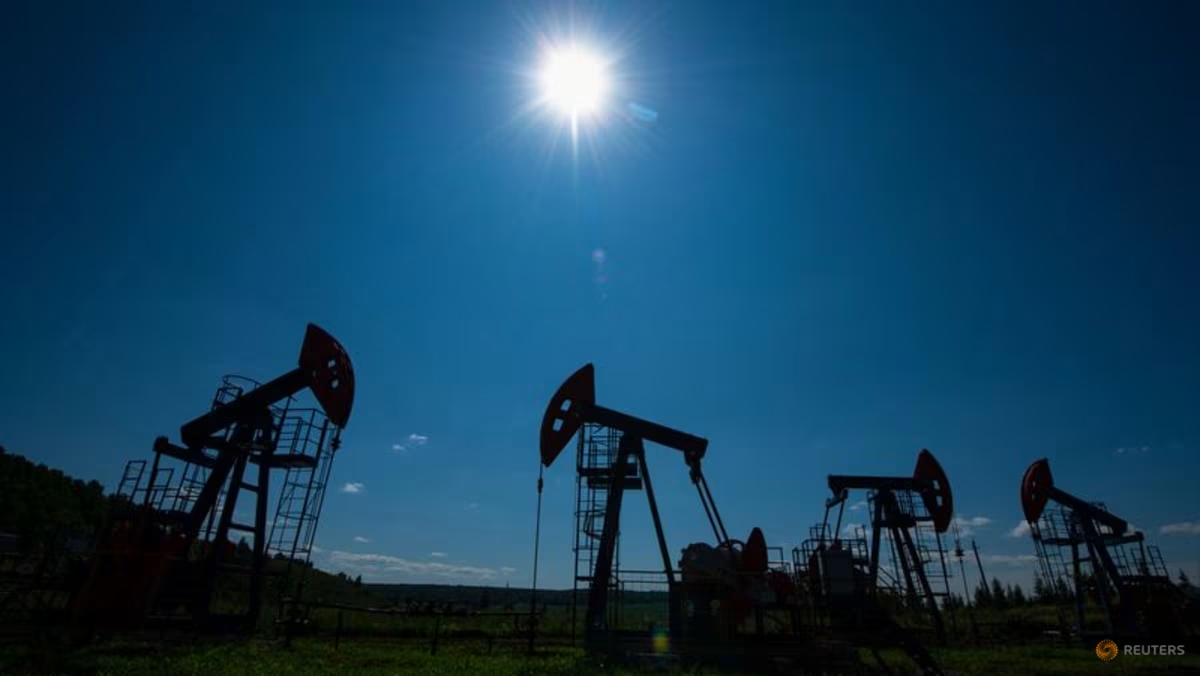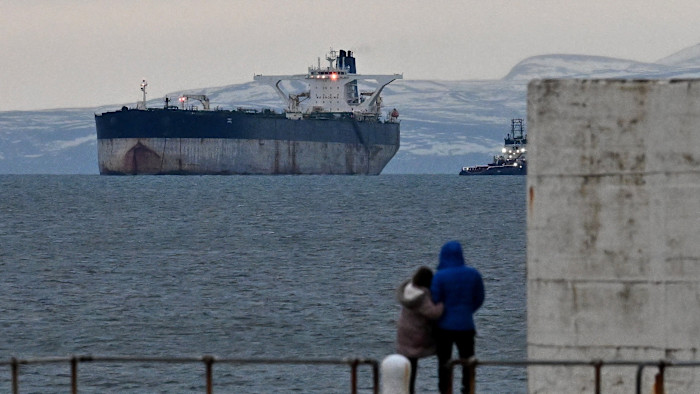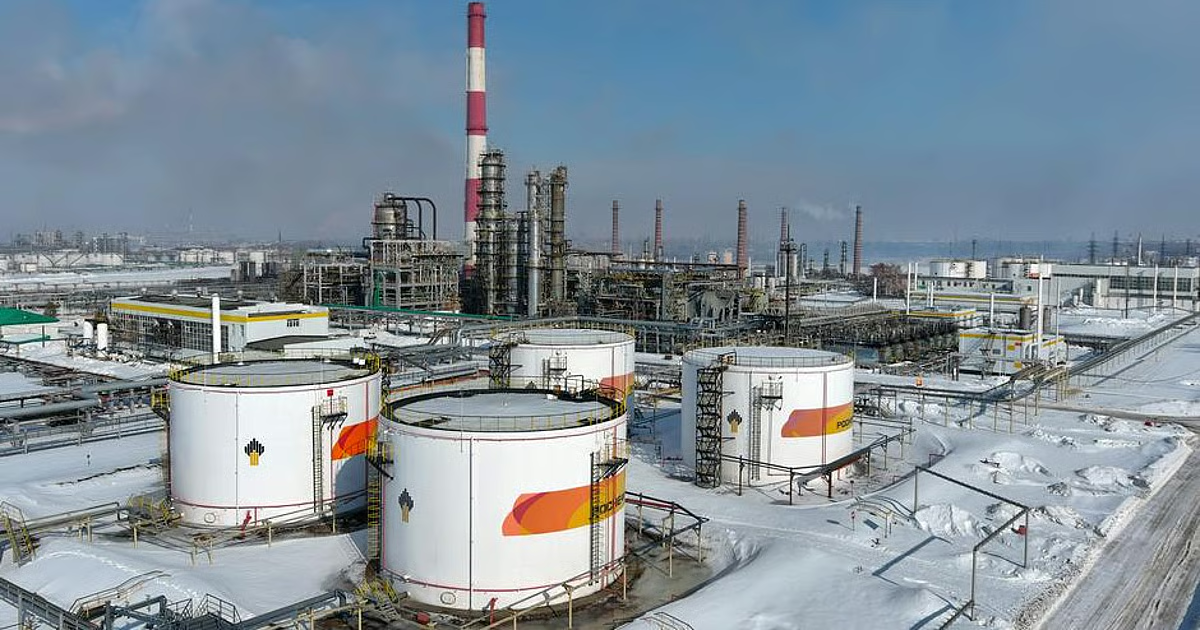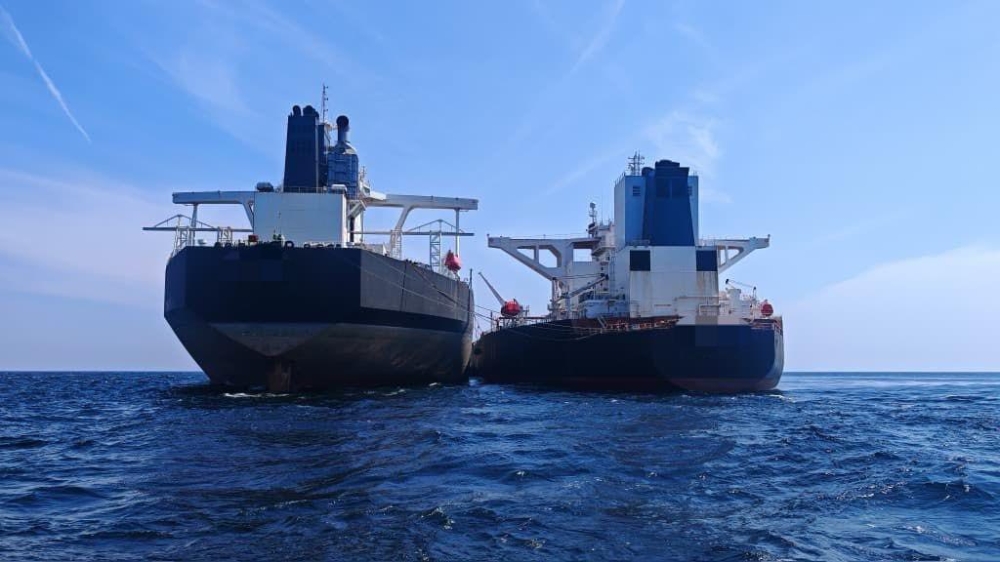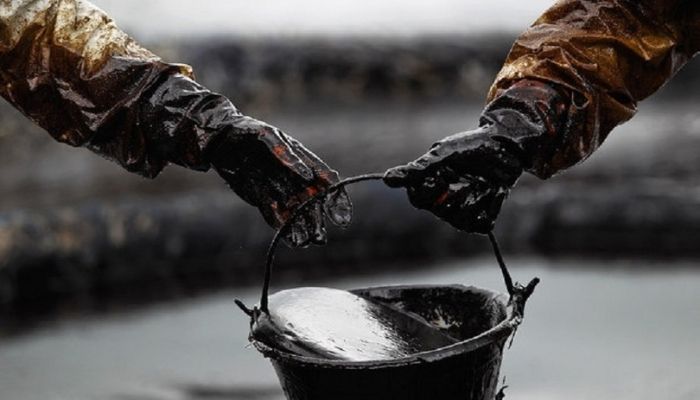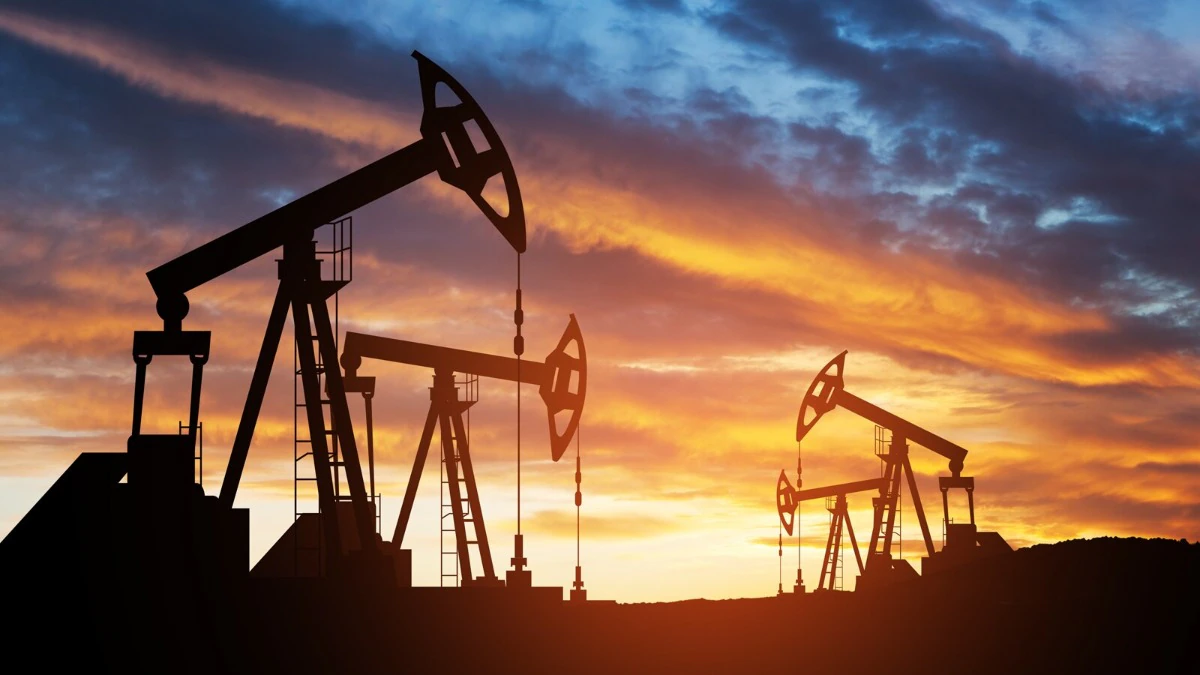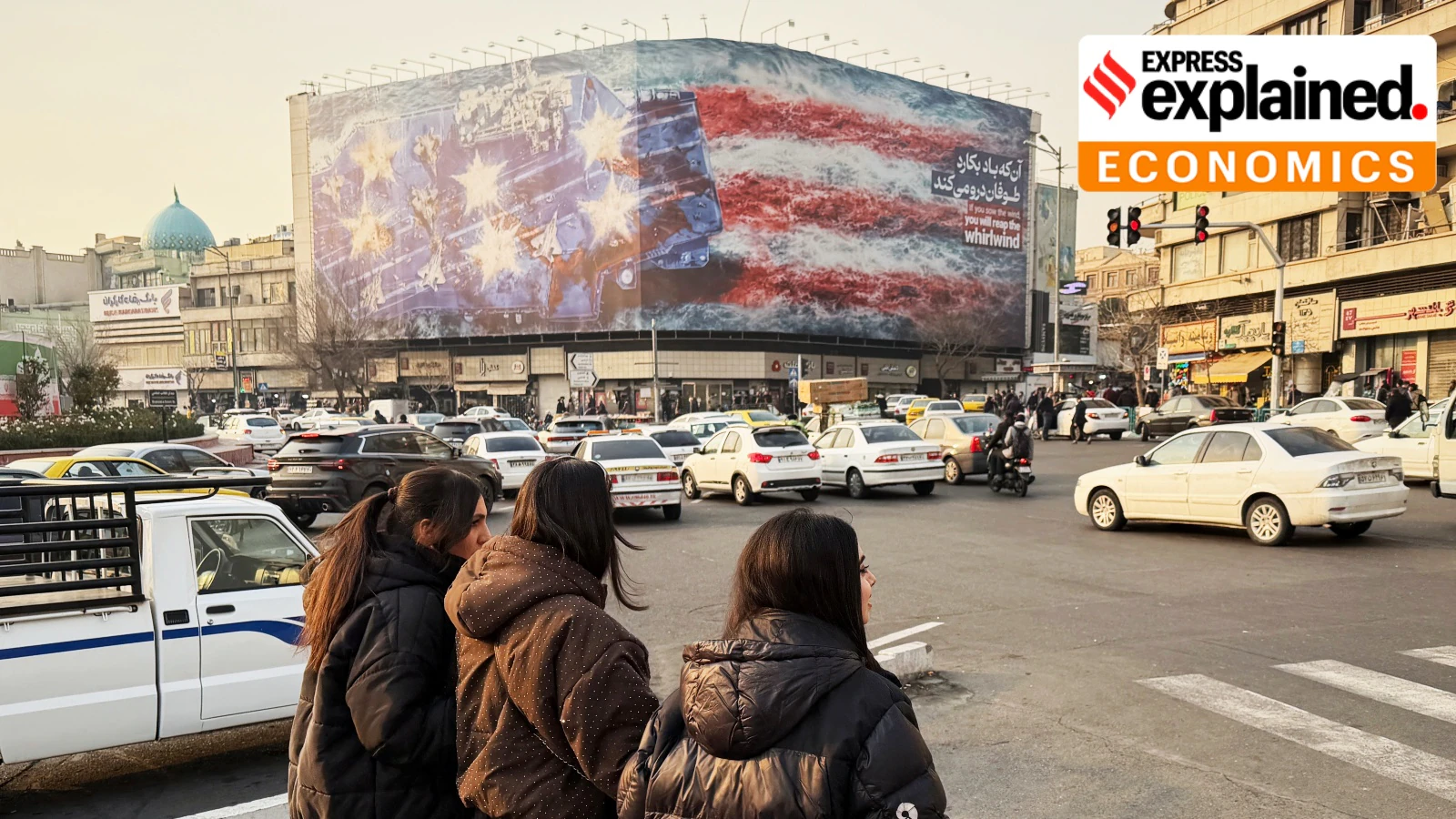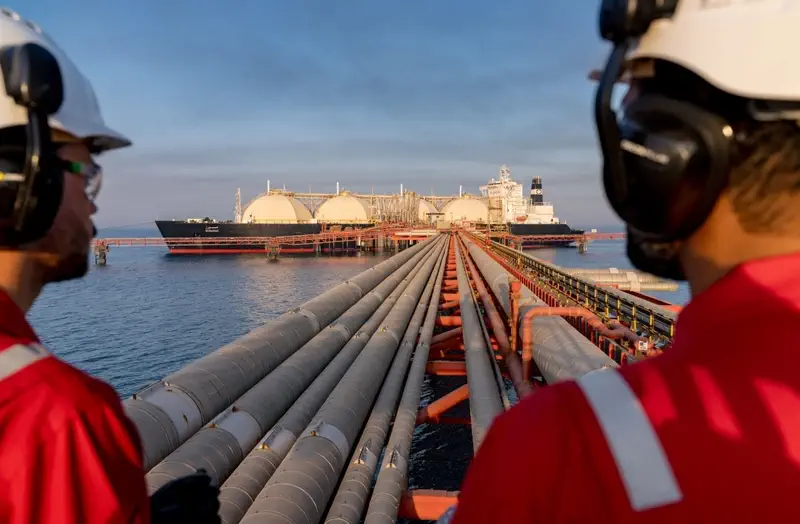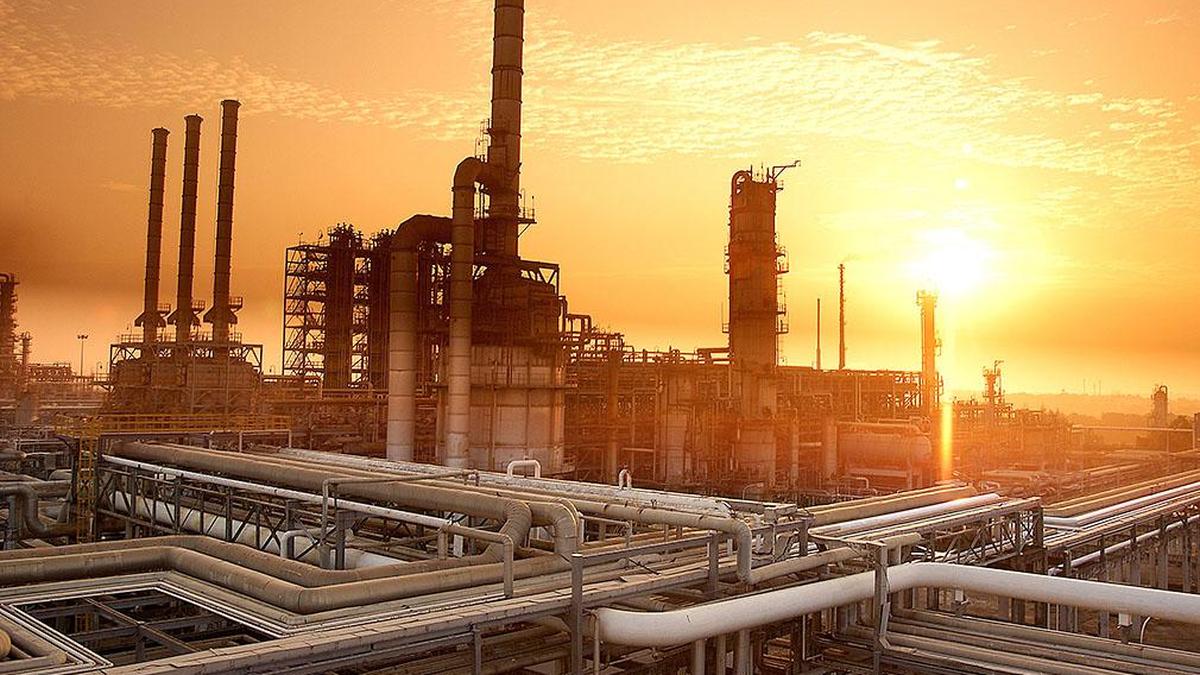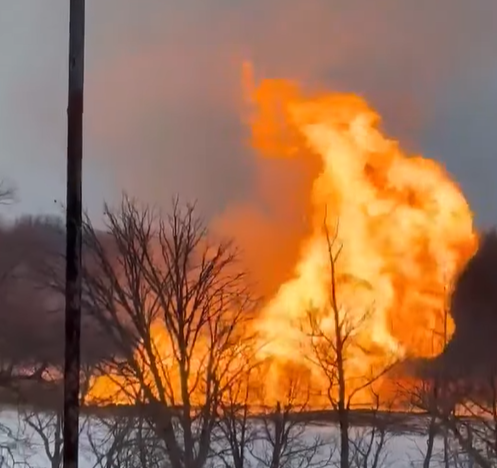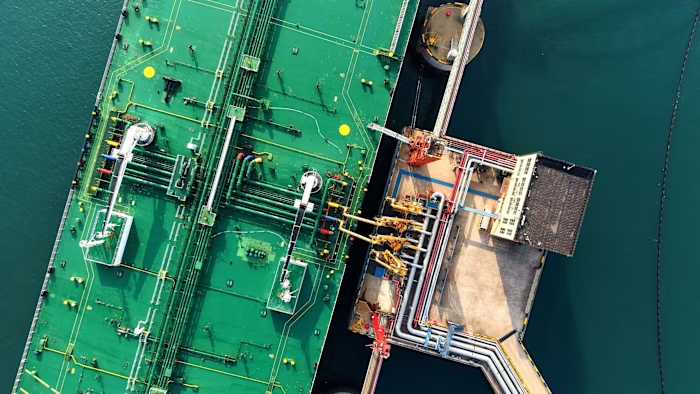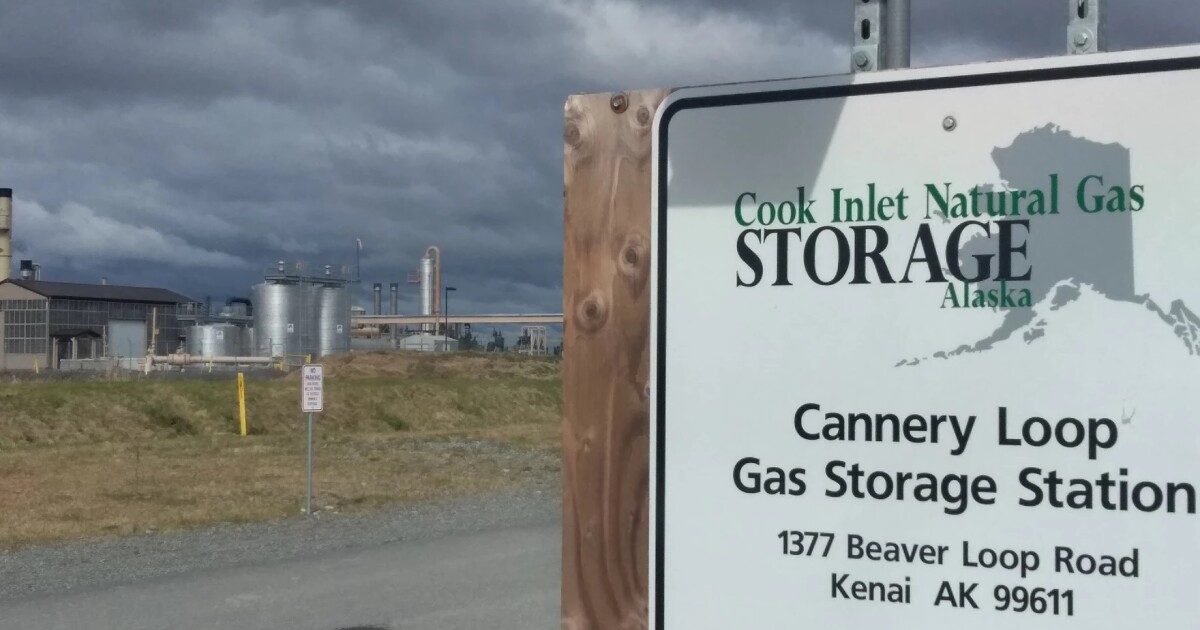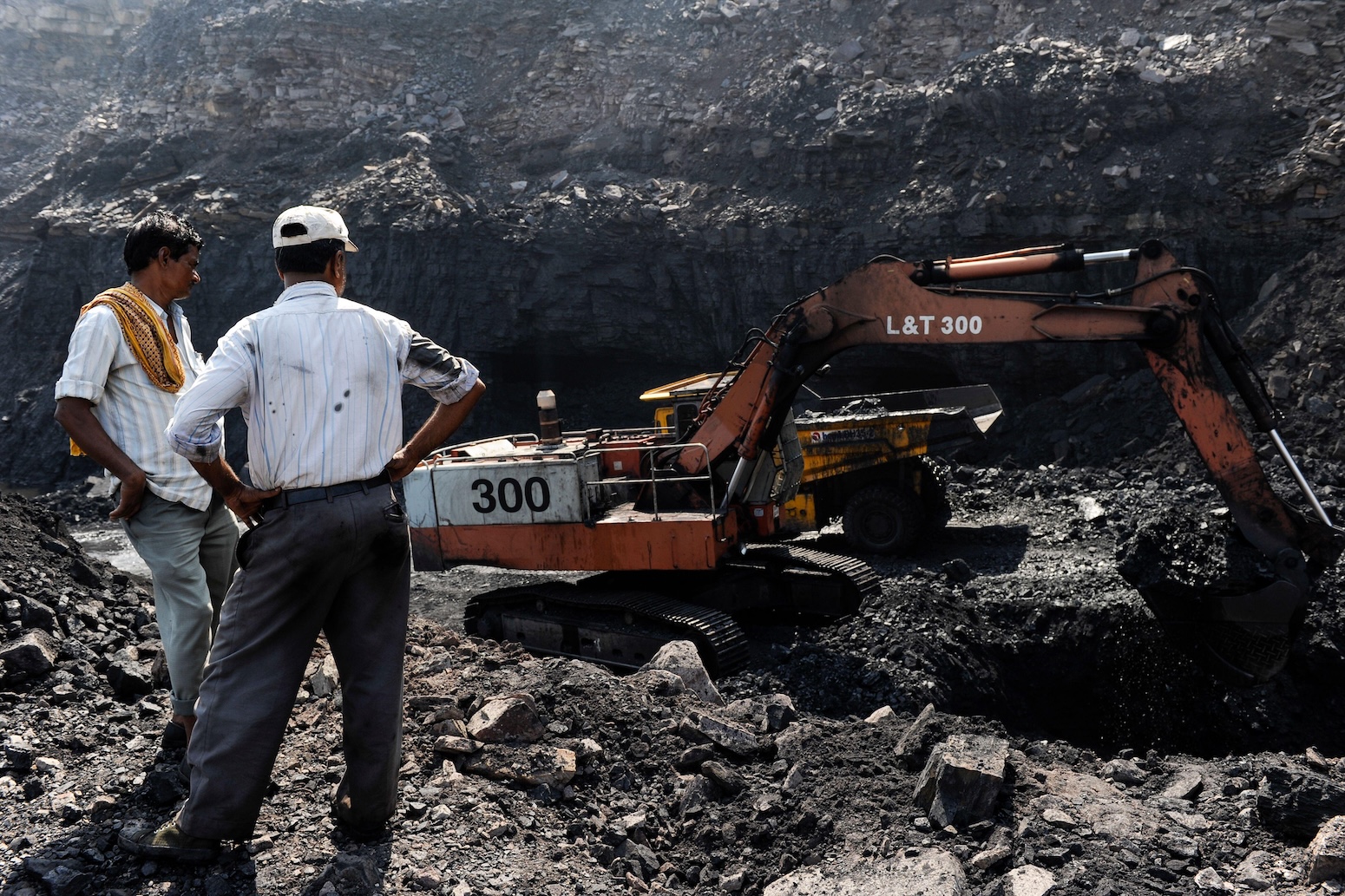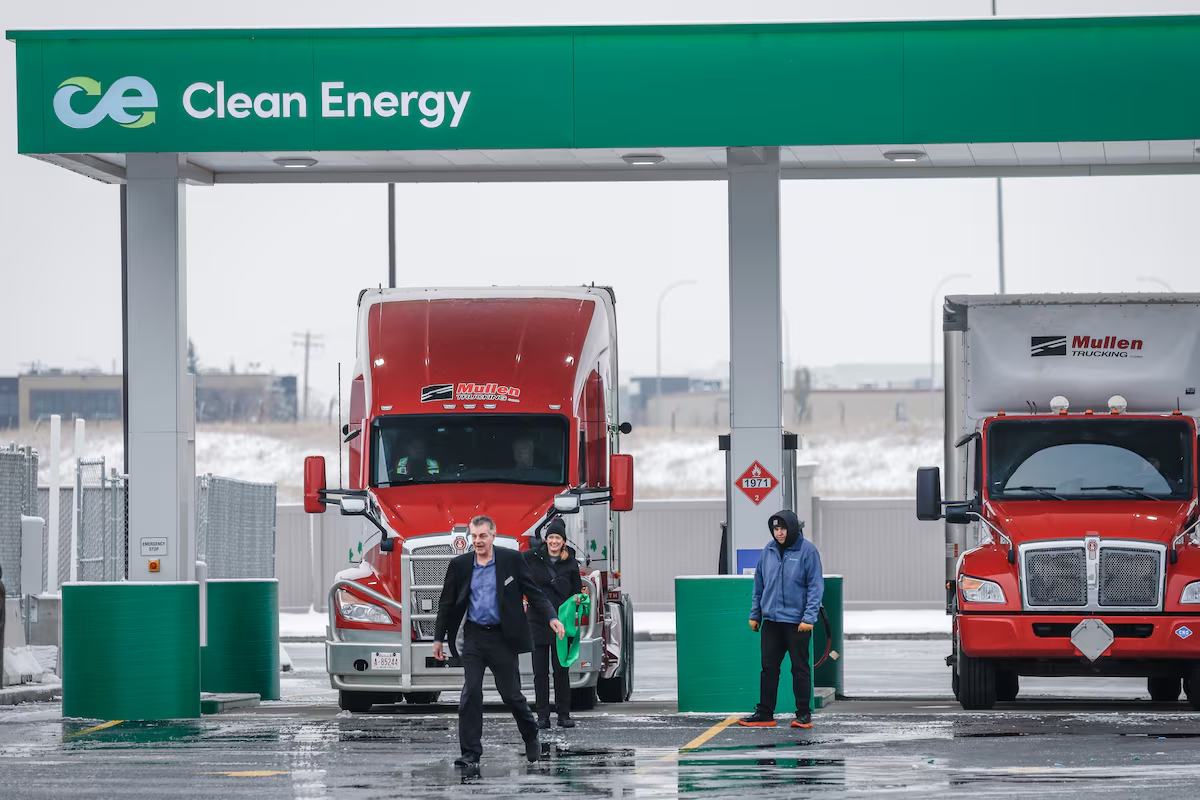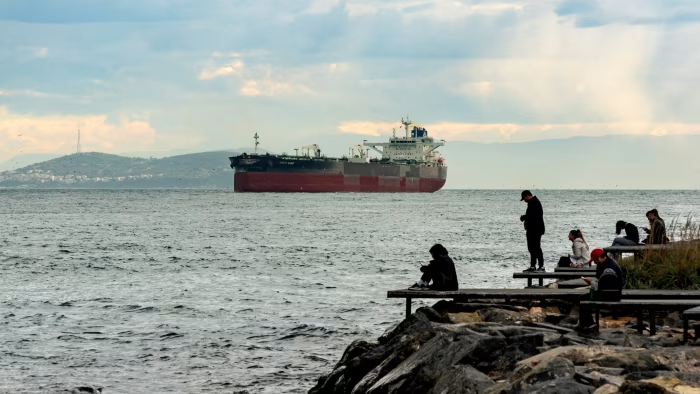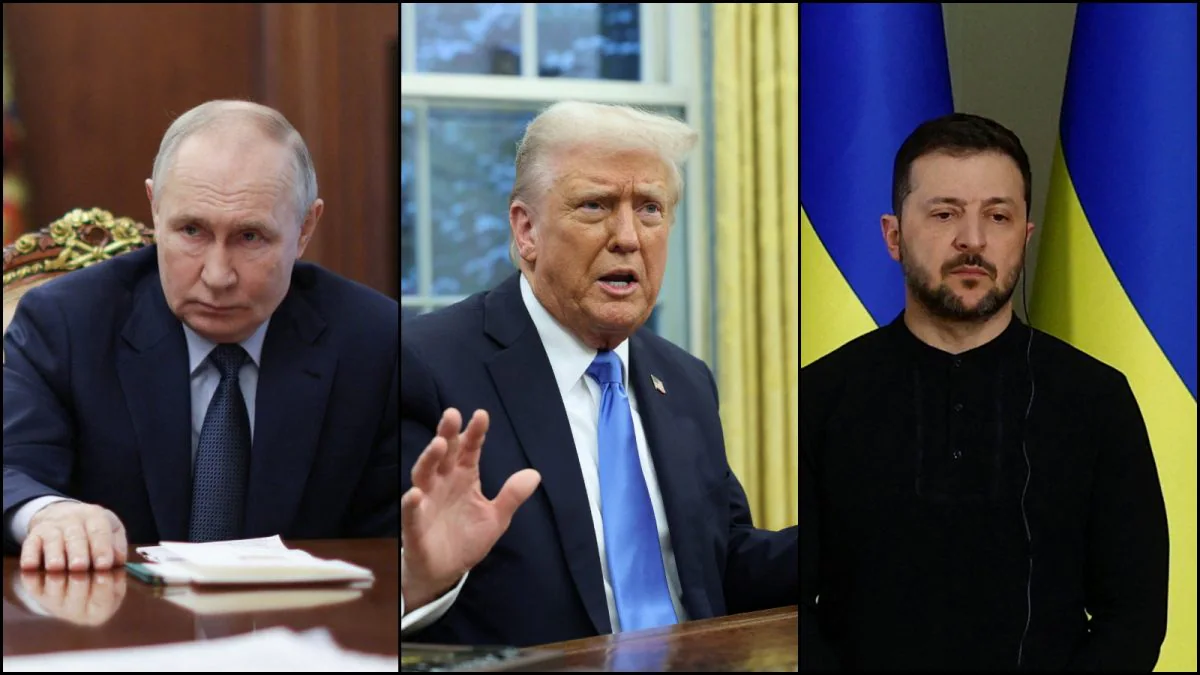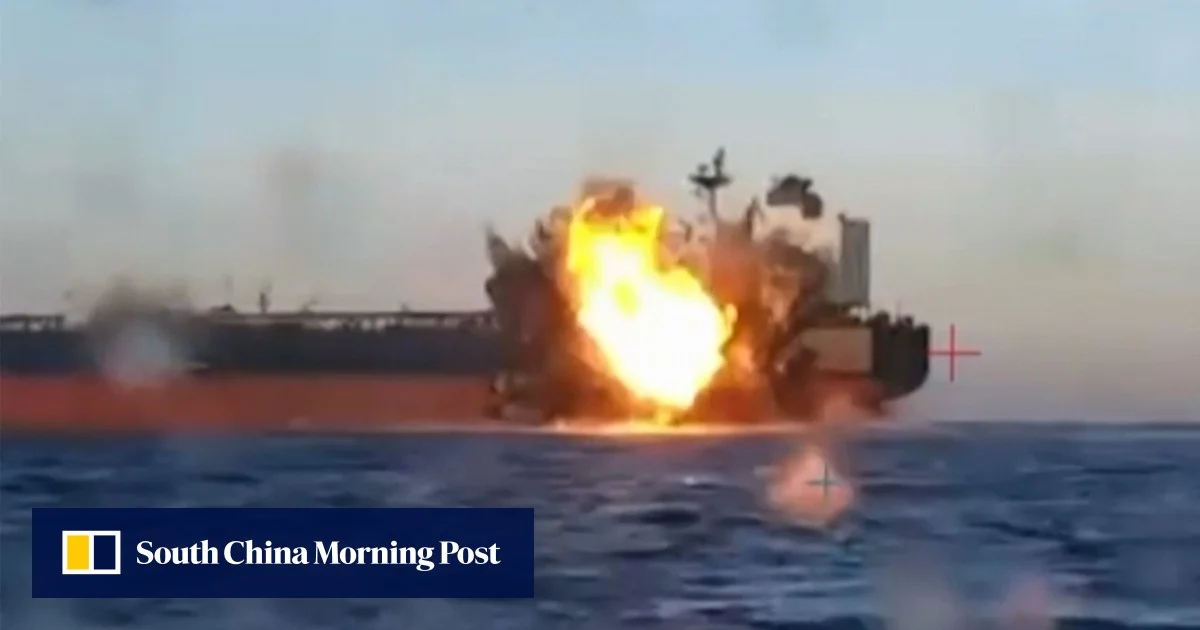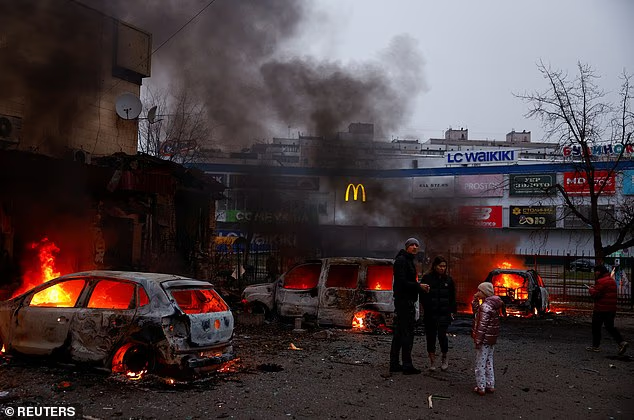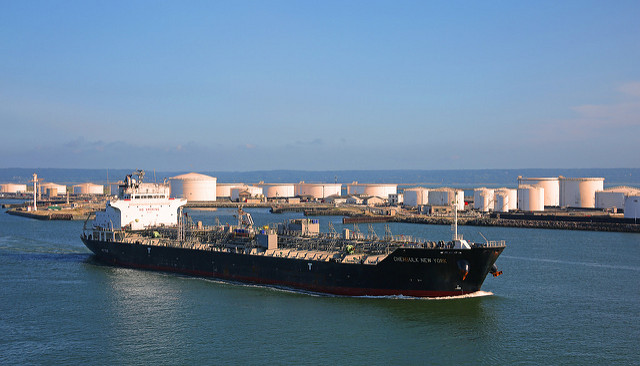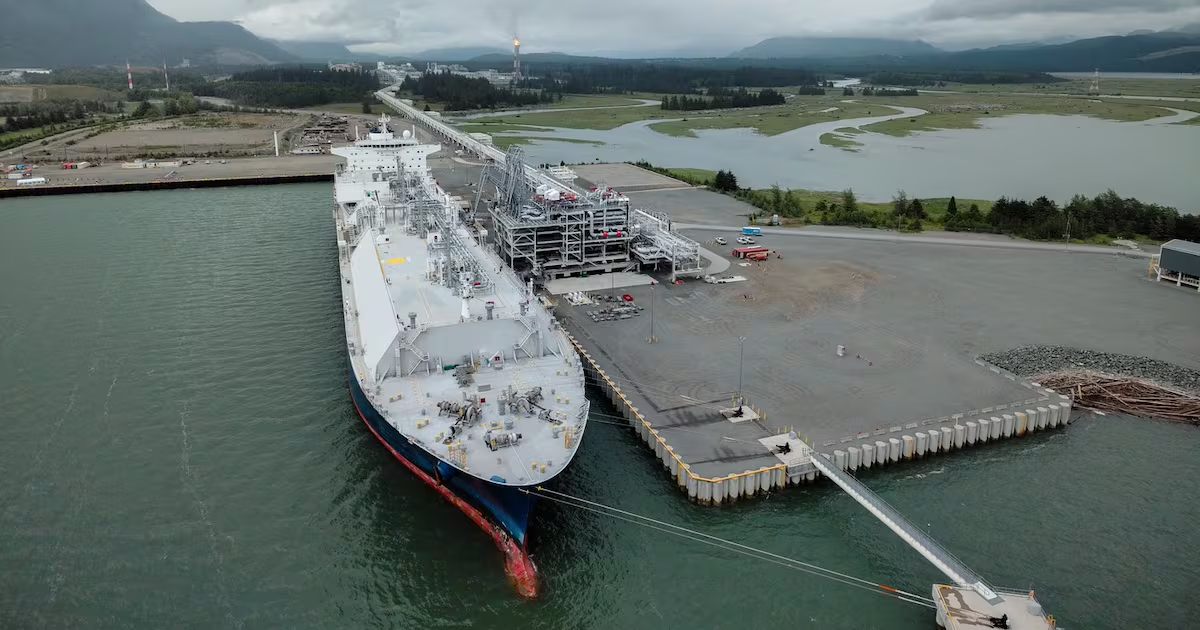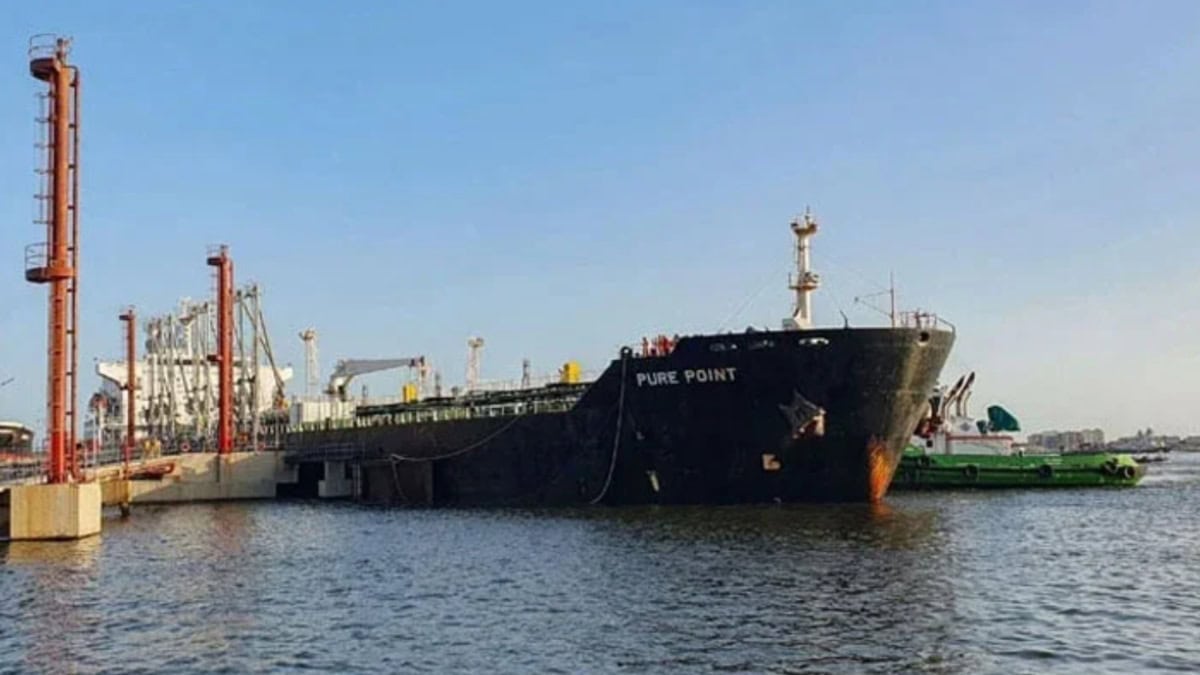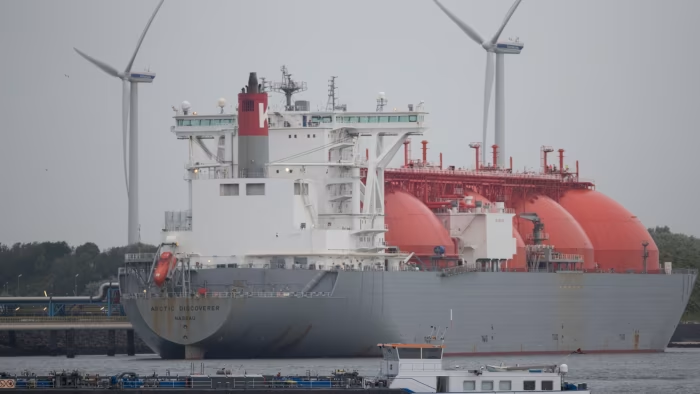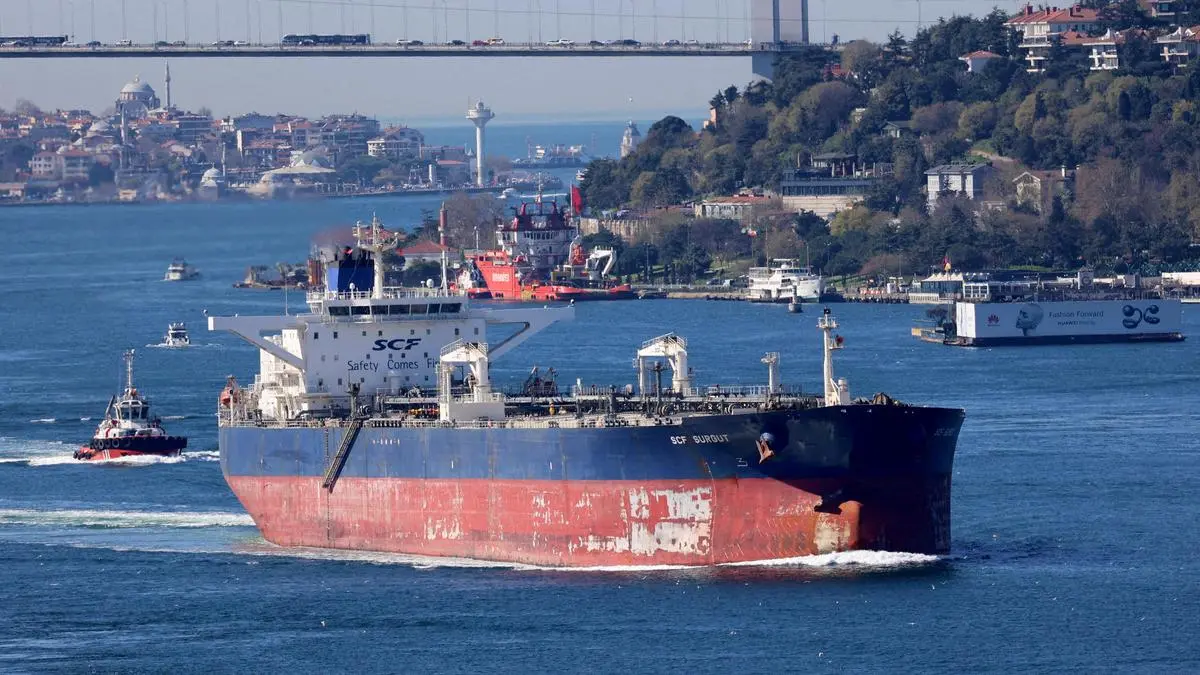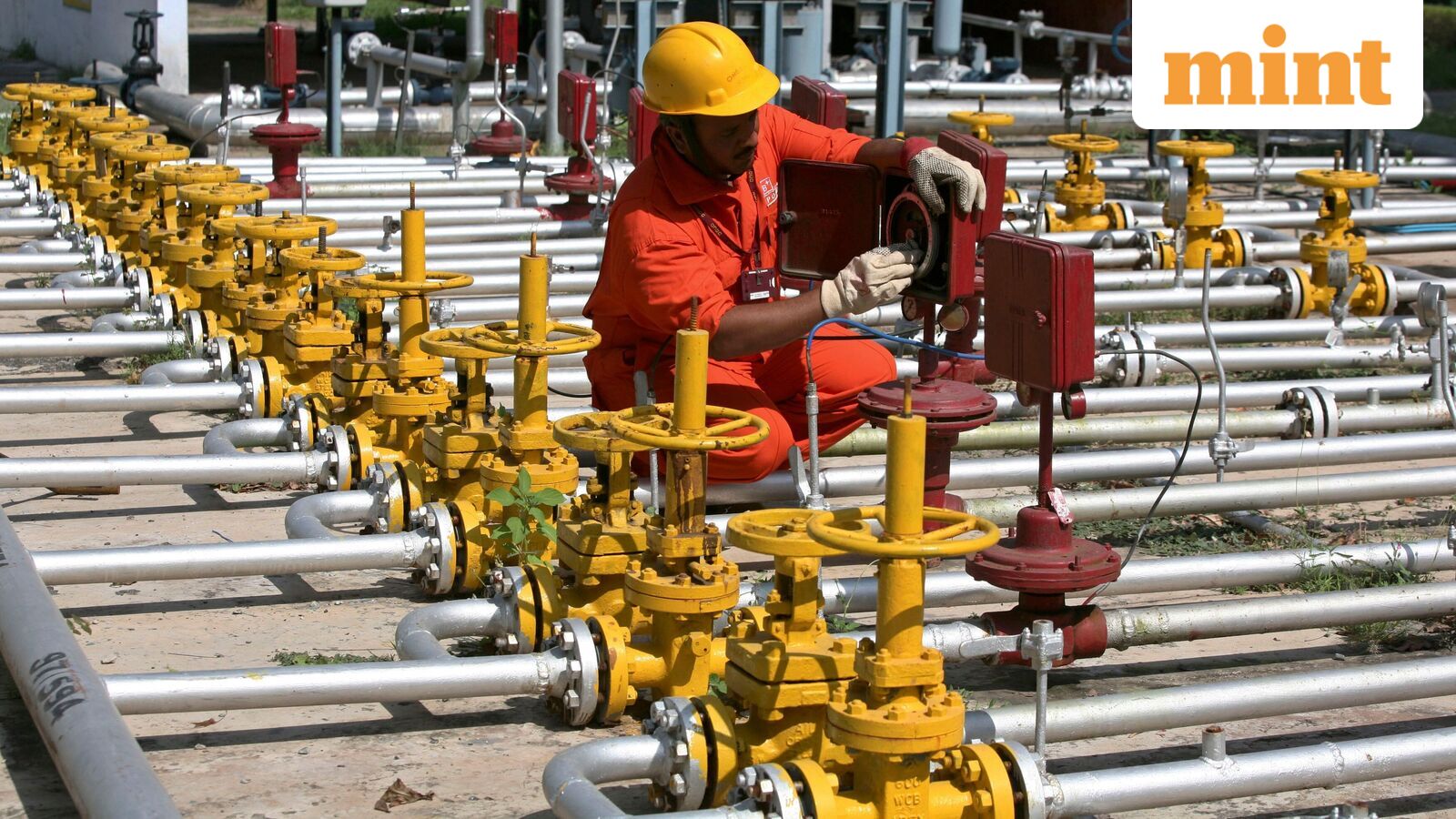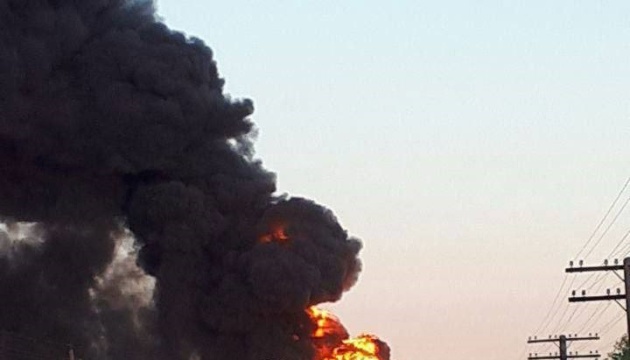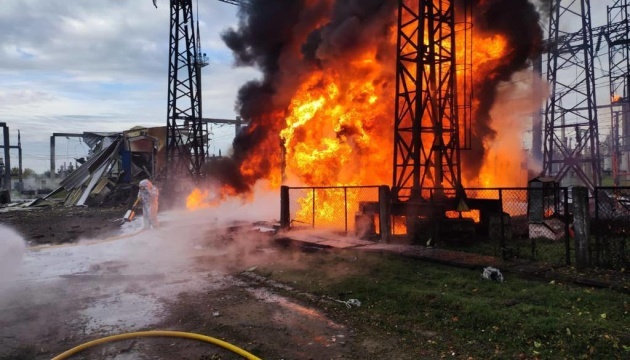
The war fought by the US and Israel against Iran has reminded us of the many previous shocks to oil and gas prices during the past half-century or so, notably in the 1970s. It demonstrates that, alongside the aim of curbing the risks to the global climate, one of the goals of energy policy must be to make fossil fuel-importing economies, such as the UK, less vulnerable to shocks. So, how is the UK, both vulnerable to shocks and committed to “net zero” emissions by 2050, faring?
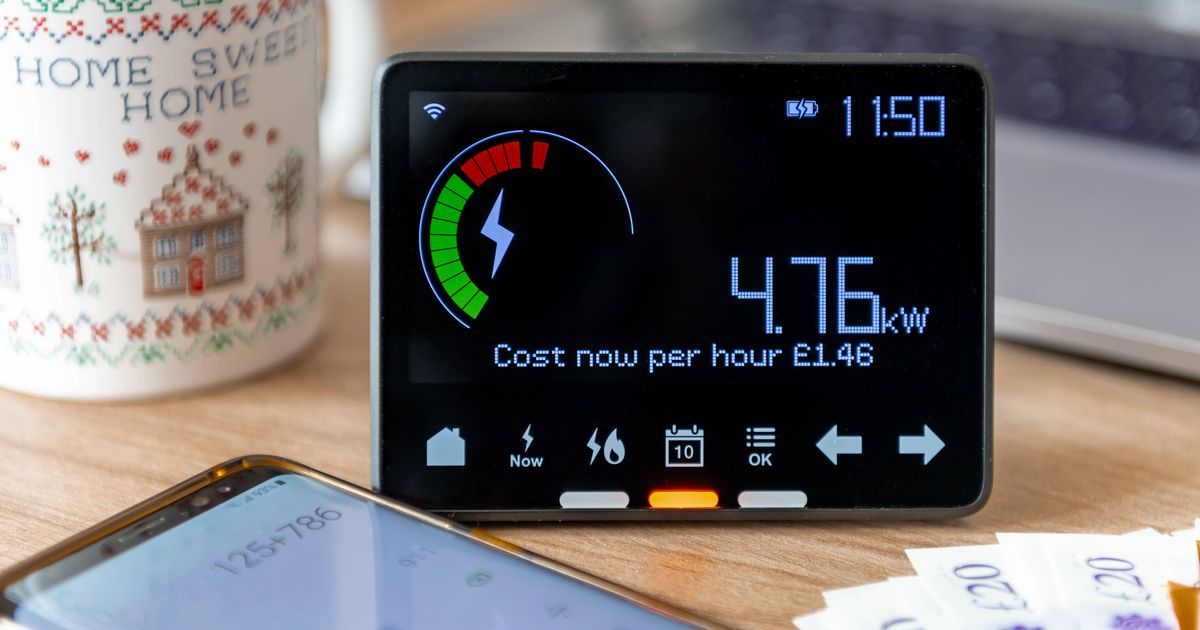
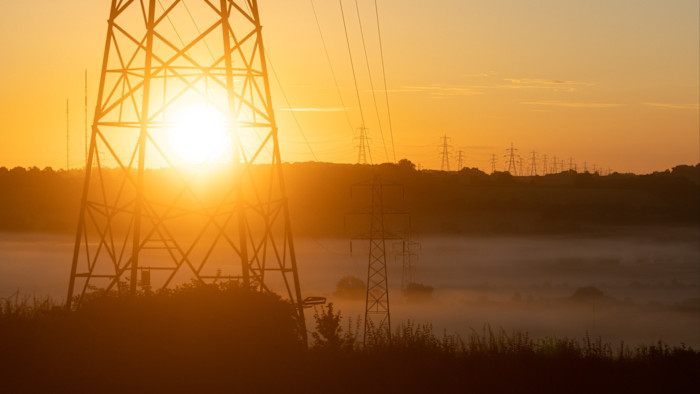
In an earlier column, I argued that the answer is “not very well”, on two crucial dimensions. First, an essential element in the future energy economy is electrification. But the UK’s electricity is exceptionally expensive. This is sure to hinder the energy transition politically. Indeed, the backlash is evident. It will also hinder it economically, at least on the demand side. Why use expensive electricity when alternatives so often exist?

I also noted that the UK has not been doing as good a job of lowering emissions as some of the data suggests. Yes, emissions embedded in UK output have roughly halved since 1990. But this is largely because the country now imports many of the energy-intensive goods it used to manufacture. Thus, the decline in its contribution to global emissions is far smaller than the decline in its direct emissions suggests. The UK does not have an atmosphere of its own: what matters is its global impact.
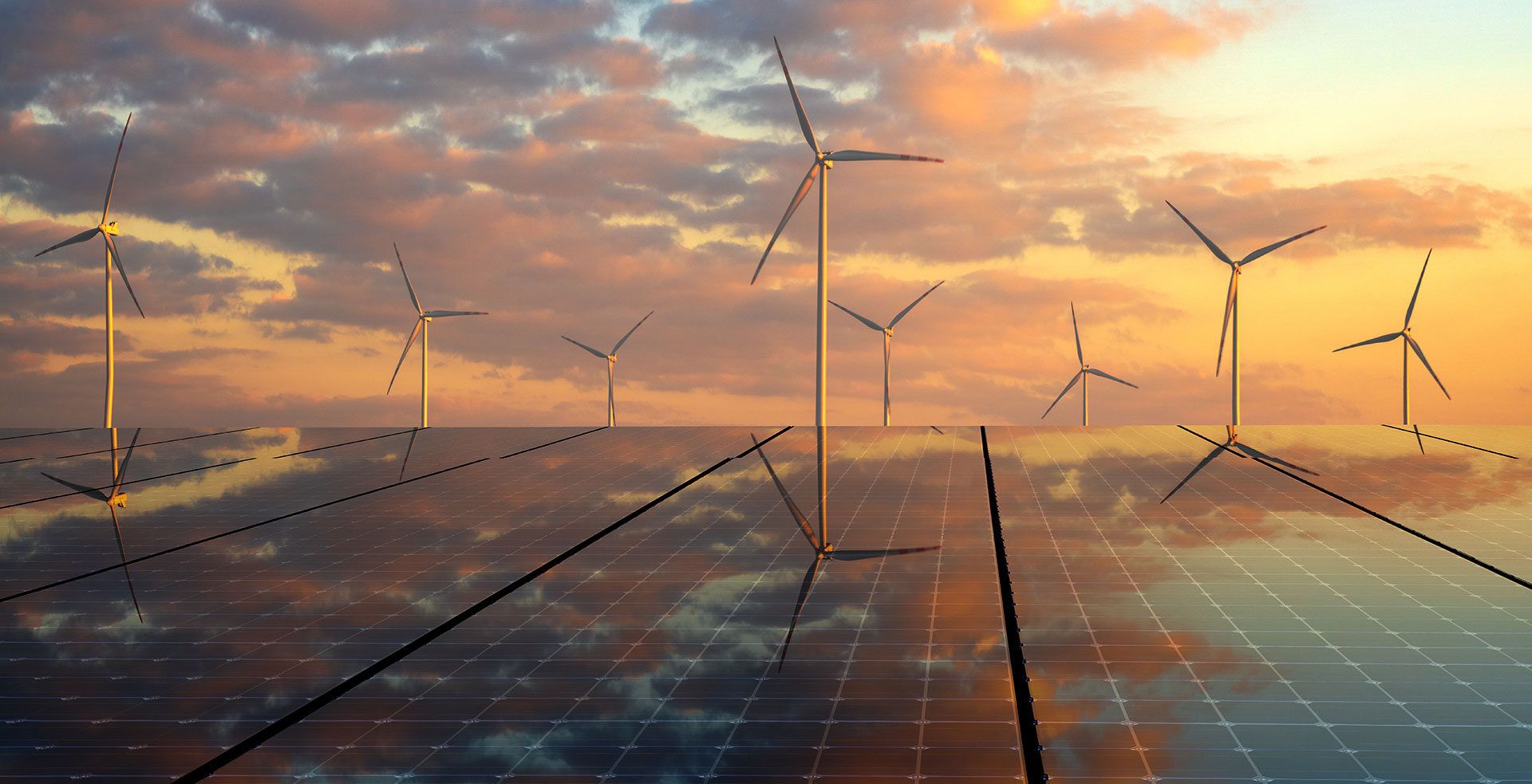
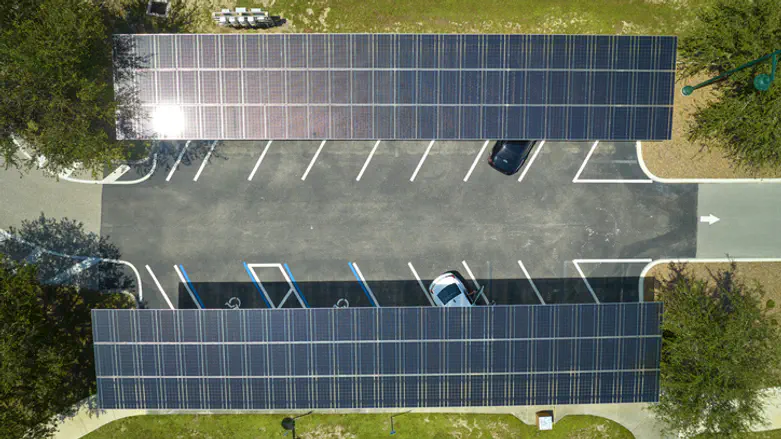
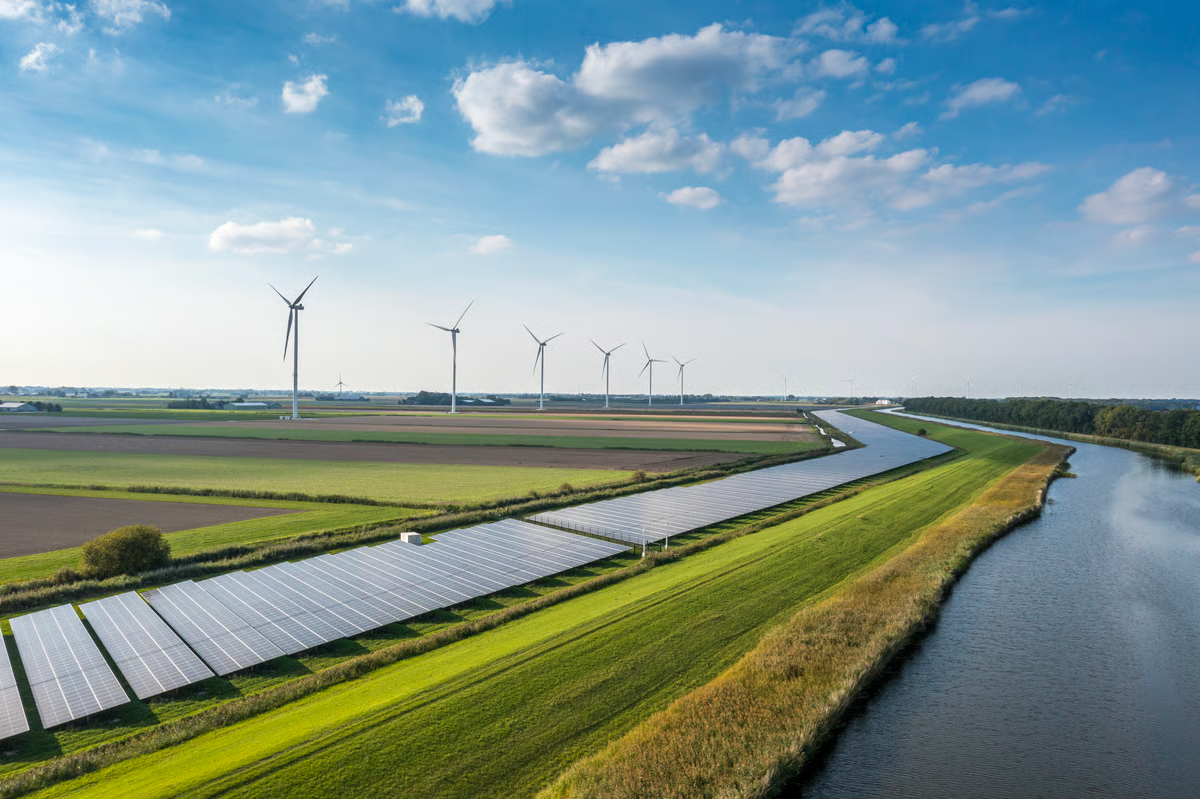
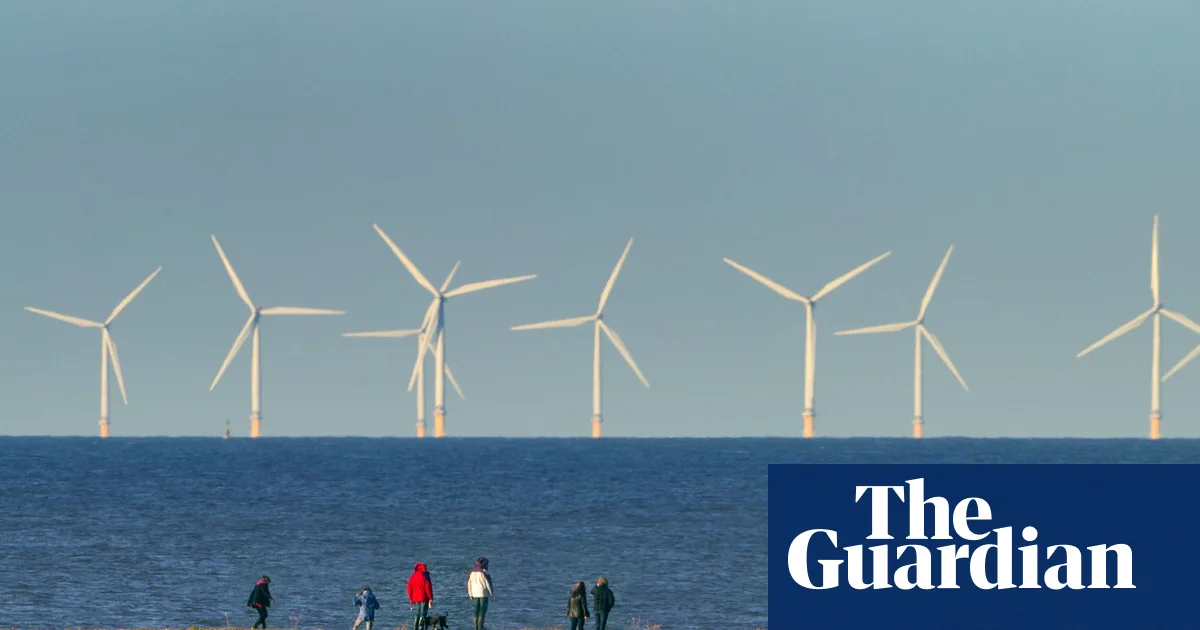
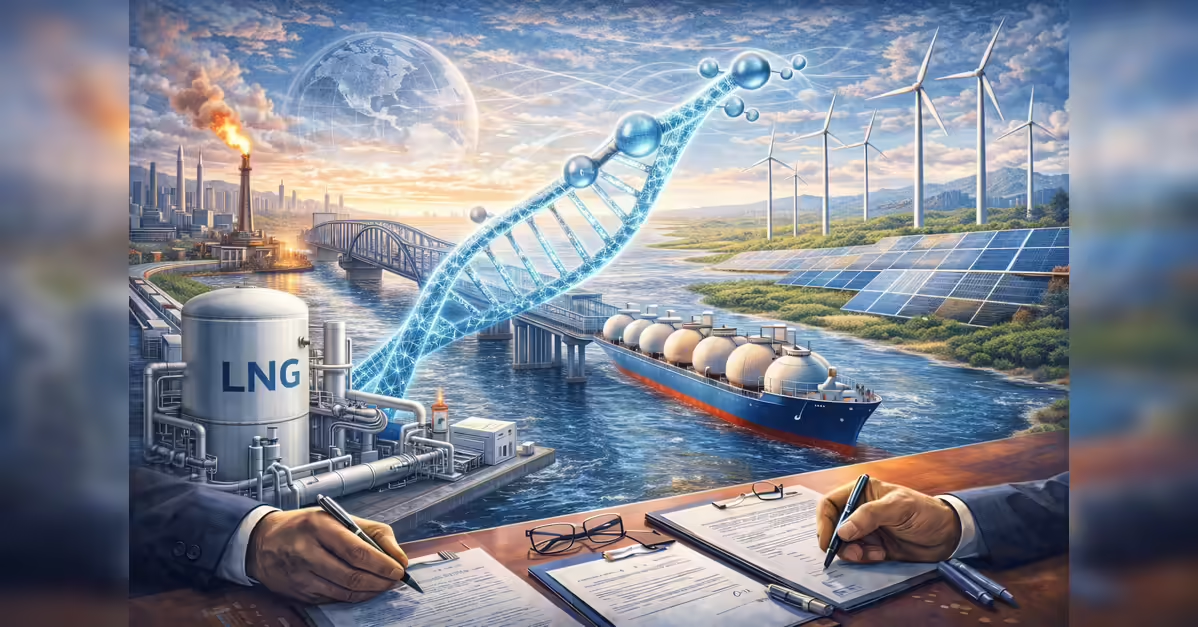
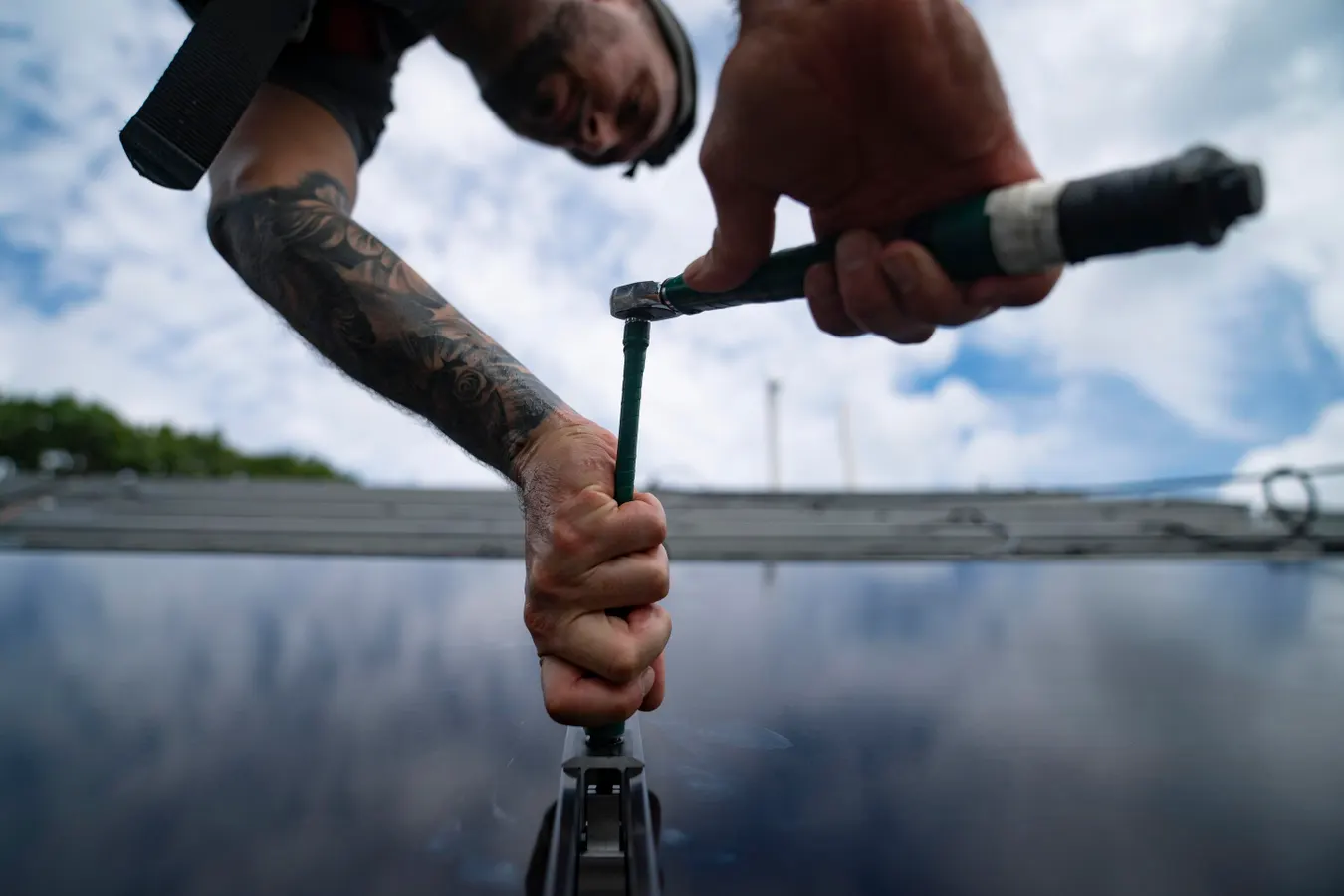
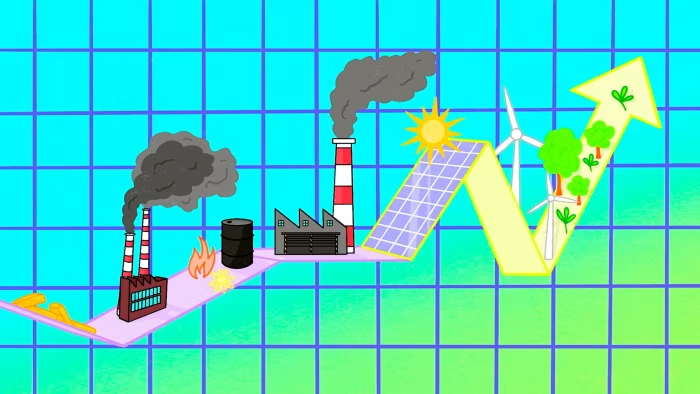
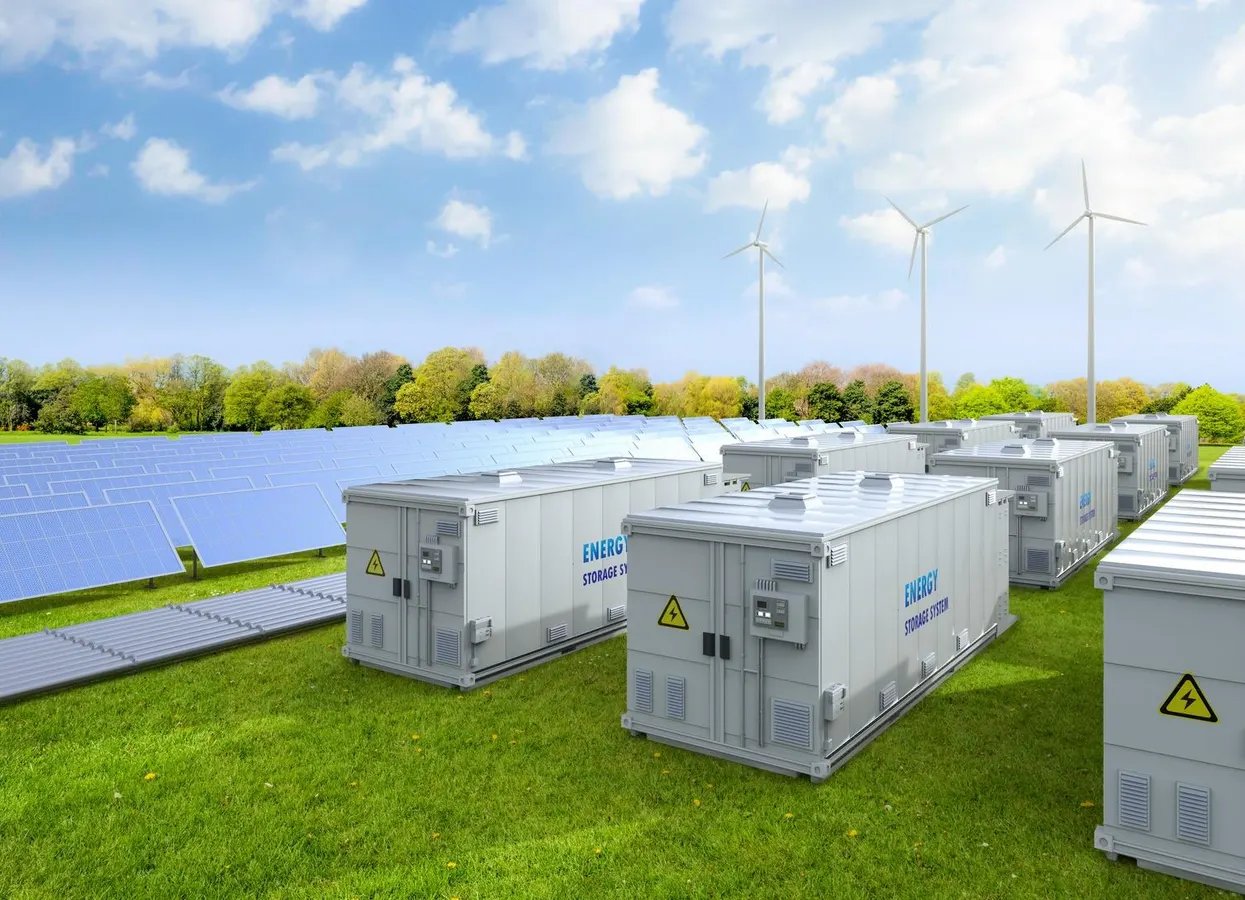
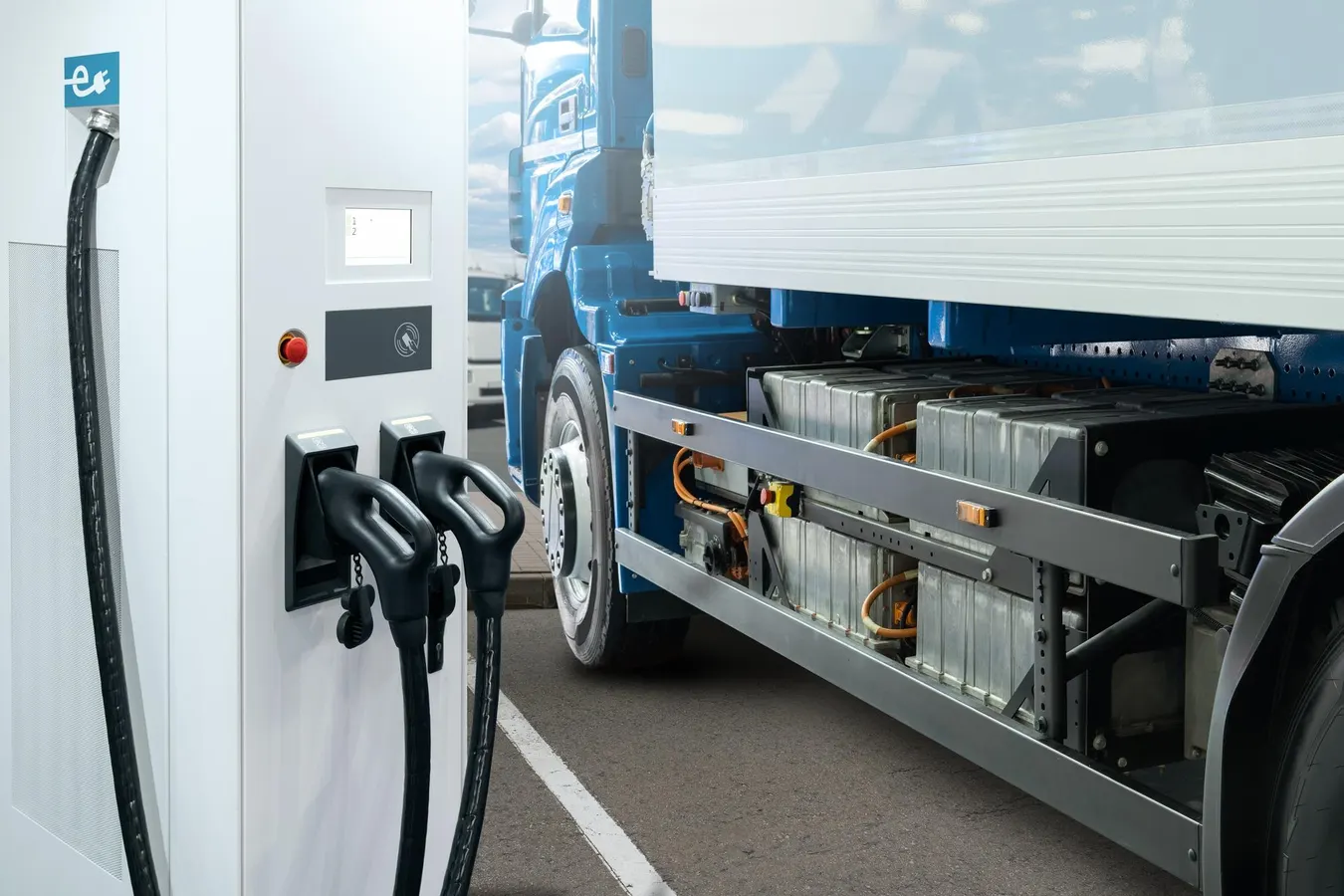
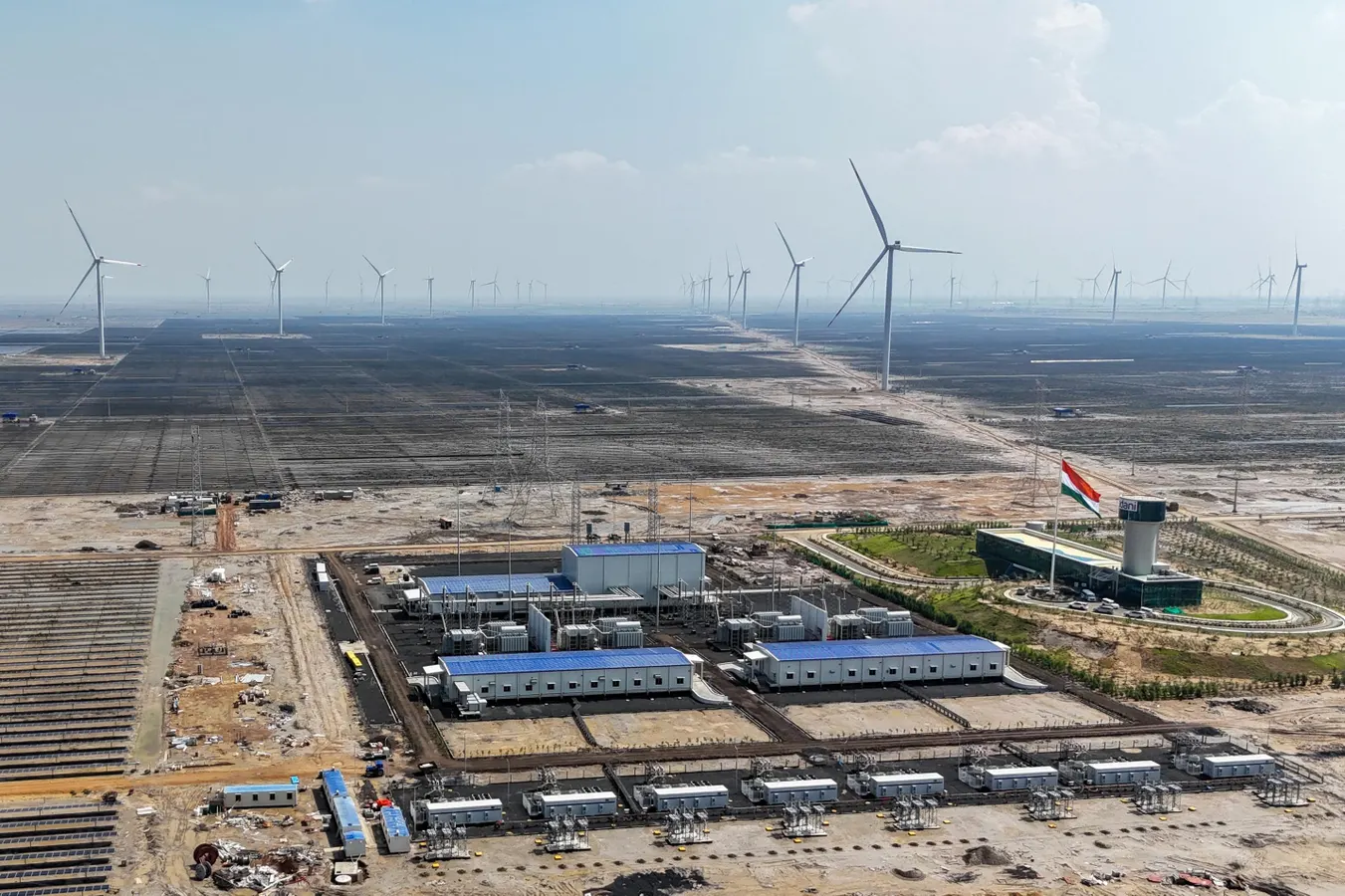
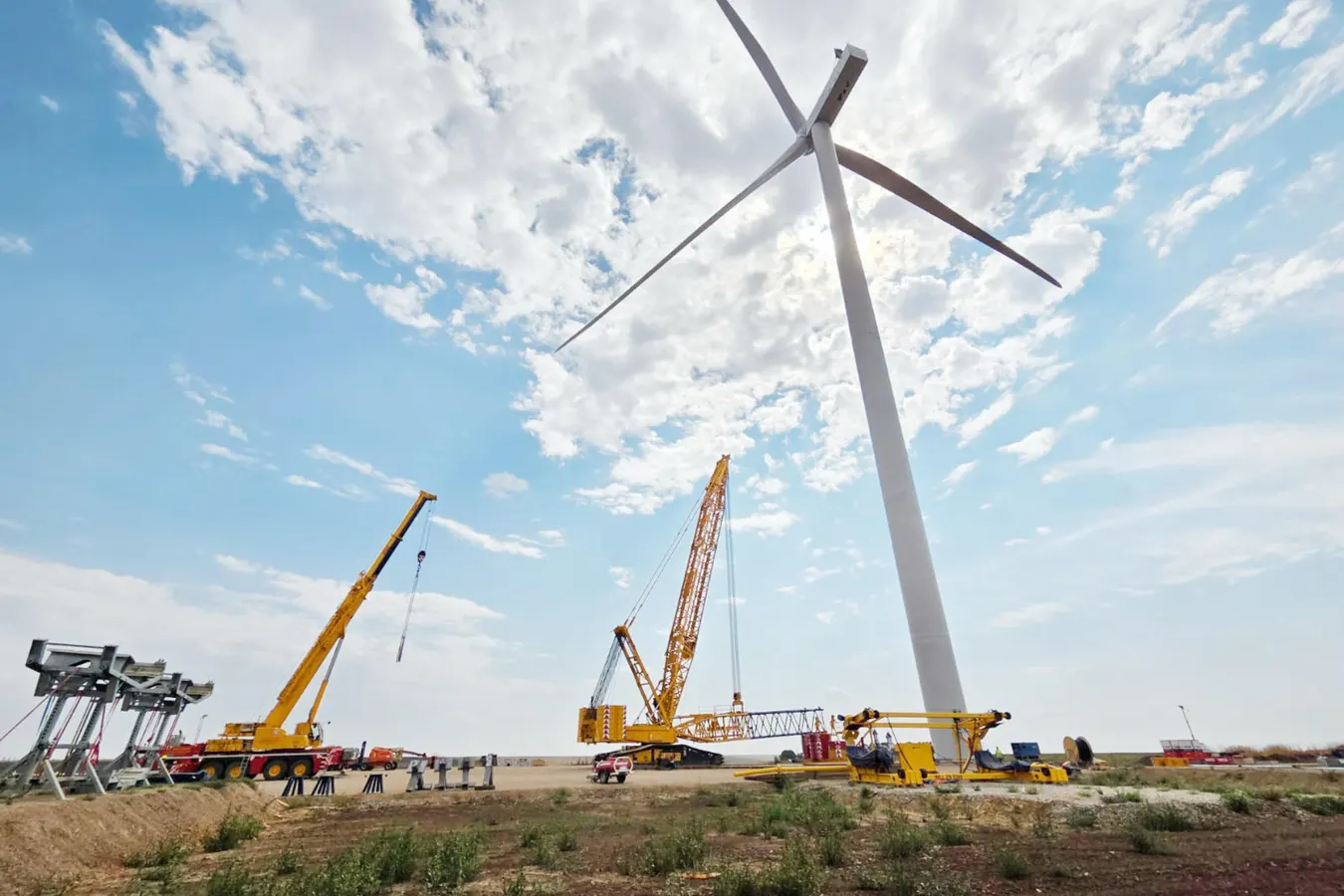
Now look more closely at the facts of what has been happening. It has long been understood by all but very few that there is no chance of persuading humanity to tolerate its energy-deprived lifestyle of old. This is why the idea that we will “solve” the climate emergency by collapsing our output (called “degrowth”) is a non-starter. That is not going to happen. But a move to an economy with ultra-low emissions of greenhouse gases is now conceivable: it demands simultaneously electrifying the economy and producing electricity in non-emitting ways. Fortunately, the technologies for doing this now largely exist, as a result of huge improvements in wind, solar and battery technologies.
While the potential is there, it is difficult in practice, as the experience of the UK shows. It is not true, for example, that the economy is rapidly electrifying in the desired way. If one looks only at primary energy (and so avoids double counting the large part of electricity generation powered by fossil fuels and biofuels), the share of electricity in total energy consumption (measured in terms of oil equivalent) was only 13 per cent in 2024, up from 7 per cent in 2010. This is almost a doubling. But 75 per cent of primary energy was still provided by fossil fuels in 2024.

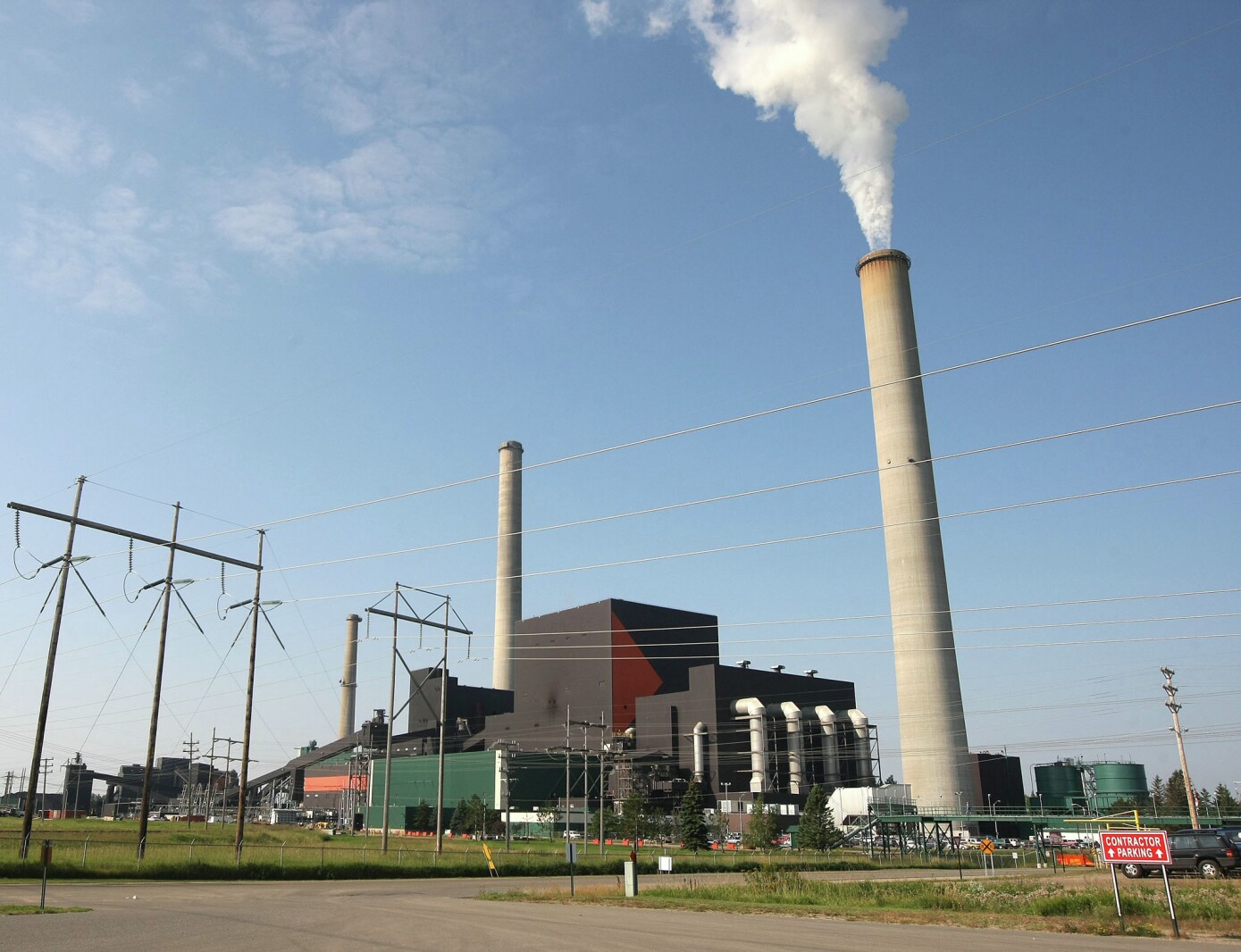
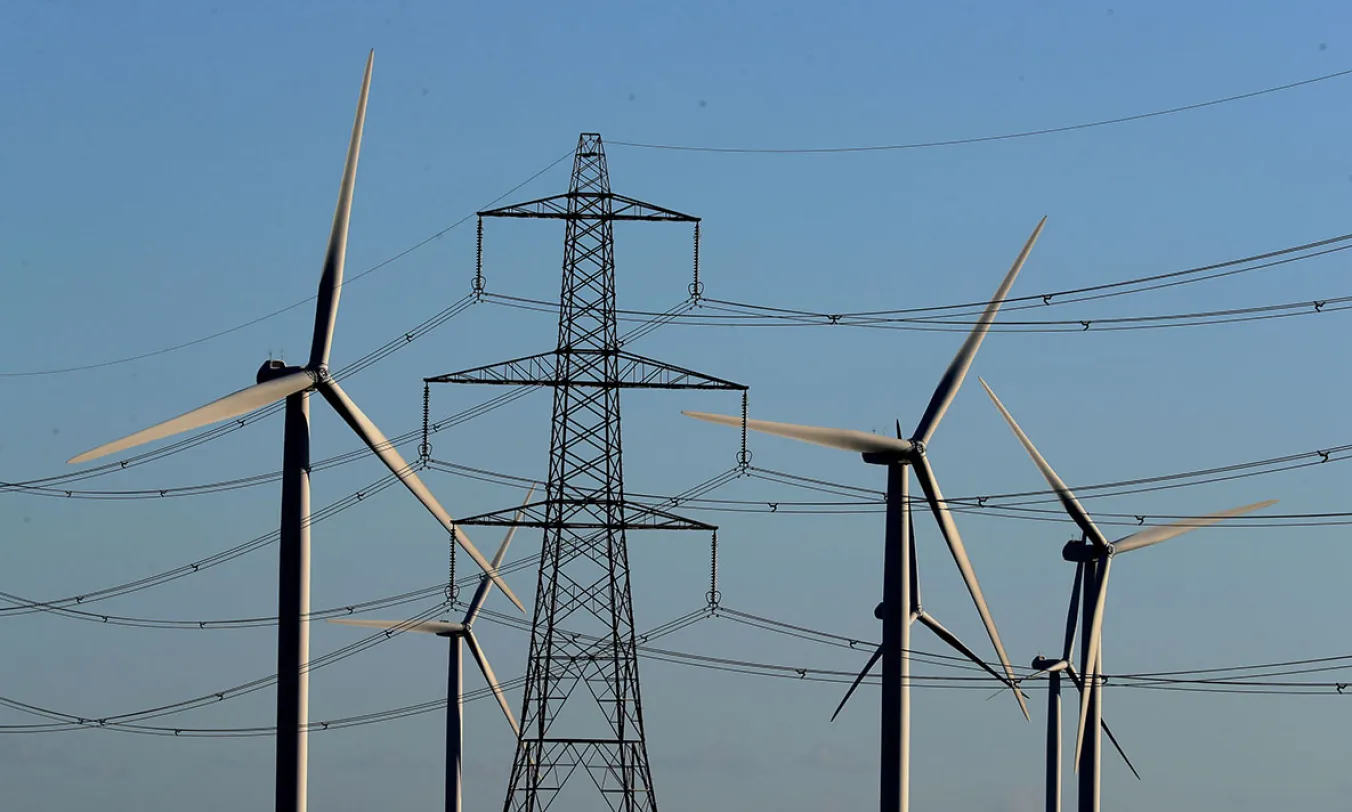
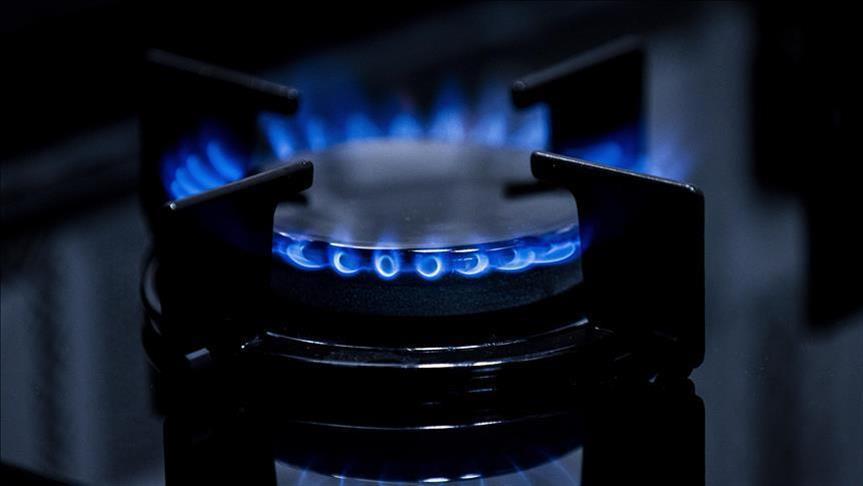
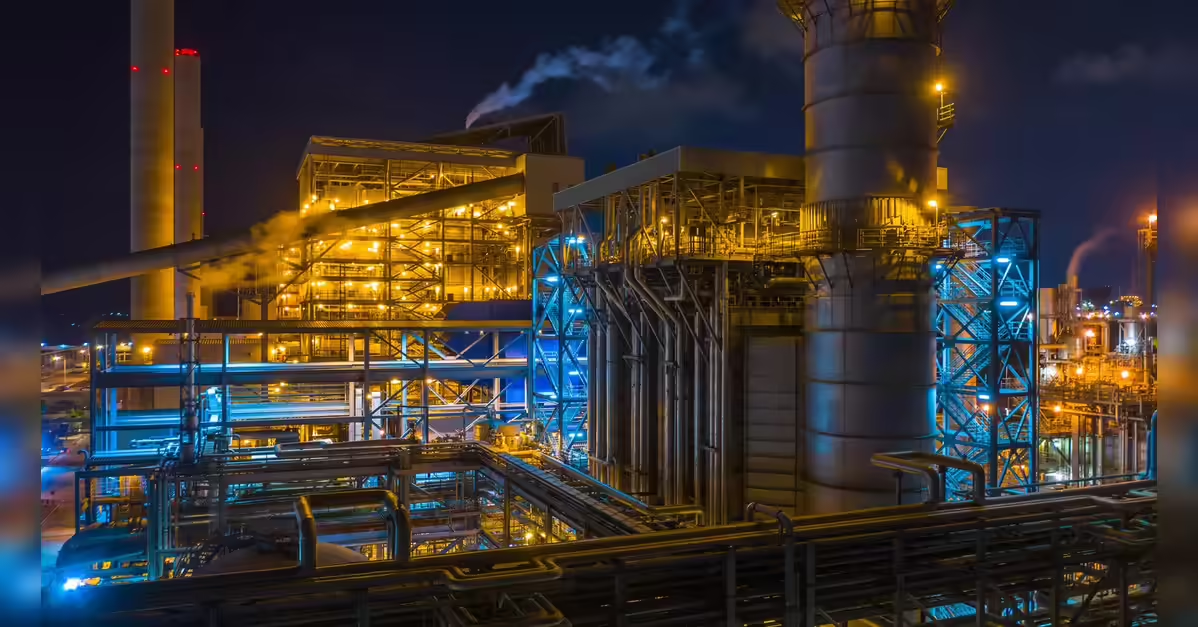
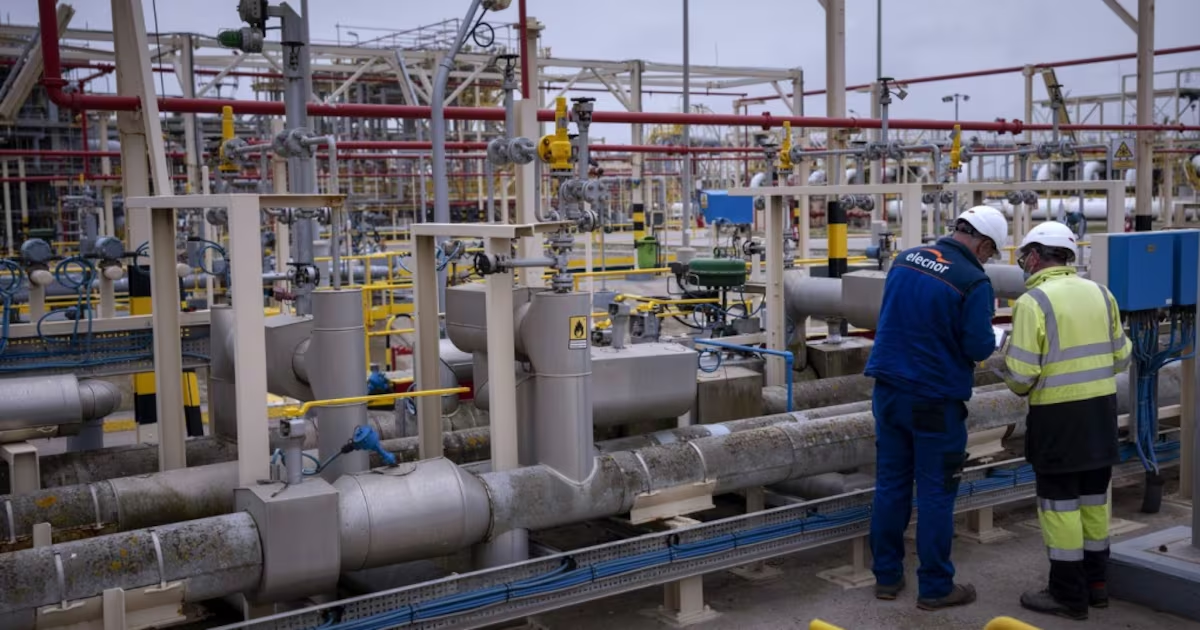
One can see two reasons for this stubborn dependence on fossil fuels. The first is their continued domination of transport and heating. The other is that they remain important even in electricity generation. Thus, in 2024, the share of fossil fuels in electricity generation was still 32 per cent. True, the share of renewables (predominantly wind) in electricity generation has risen sharply, from 7 per cent in 2010 to 50 per cent in 2024, while the share of coal has collapsed, from 28 per cent to 1 per cent, over this period. But the share of gas was still 30 per cent in 2024, down from 46 per cent in 2010, partly because it is needed to balance supply and demand when either (or both) fluctuates.
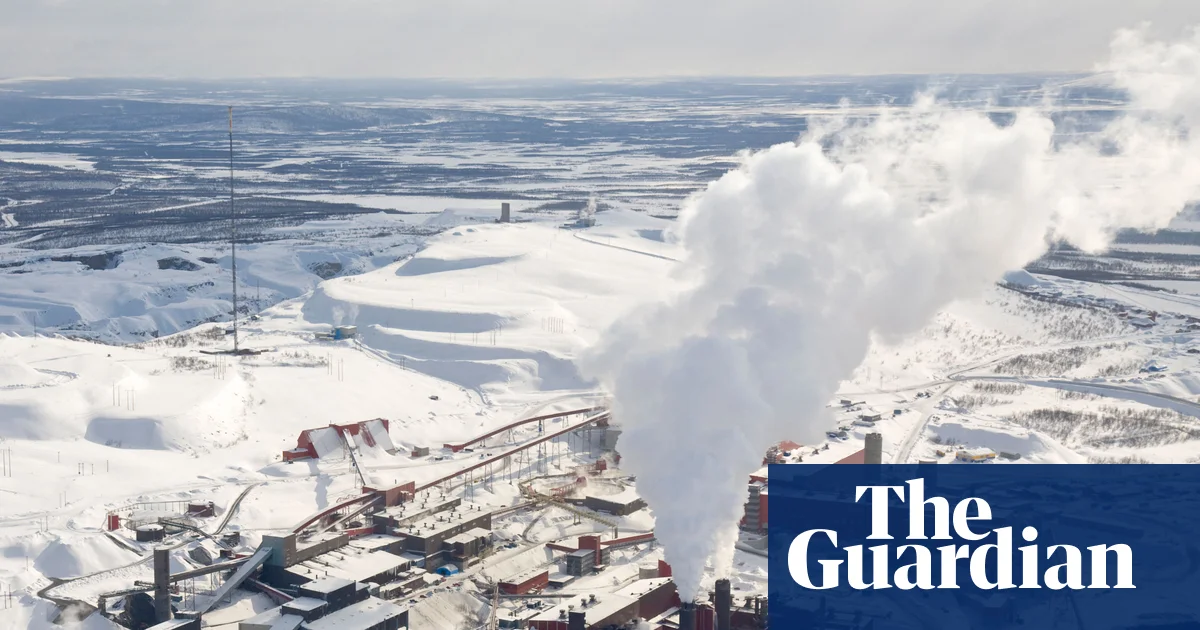
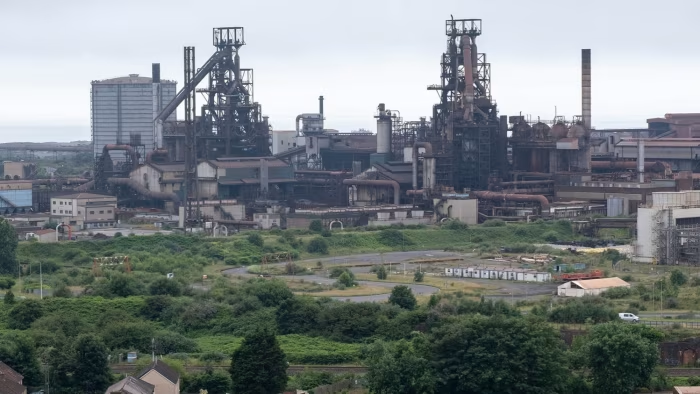
In sum, the UK economy remains highly fossil fuel-dependent, both directly and indirectly via its imports of energy-intensive goods, partly because large parts of its economy remain unelectrified. Moreover, even electricity generation is still far from using only “clean” sources, even if one adds nuclear to wind, solar and thermal renewables.

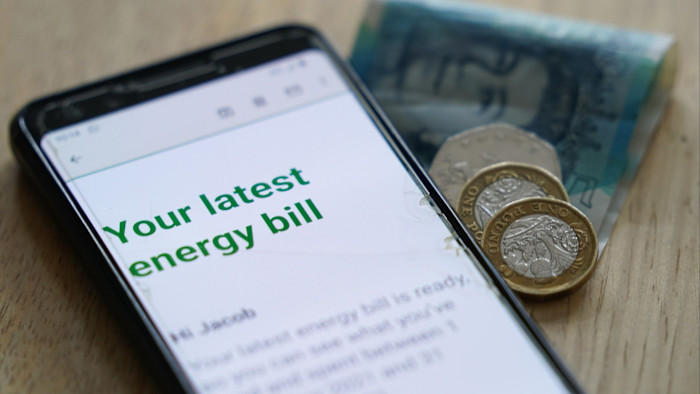
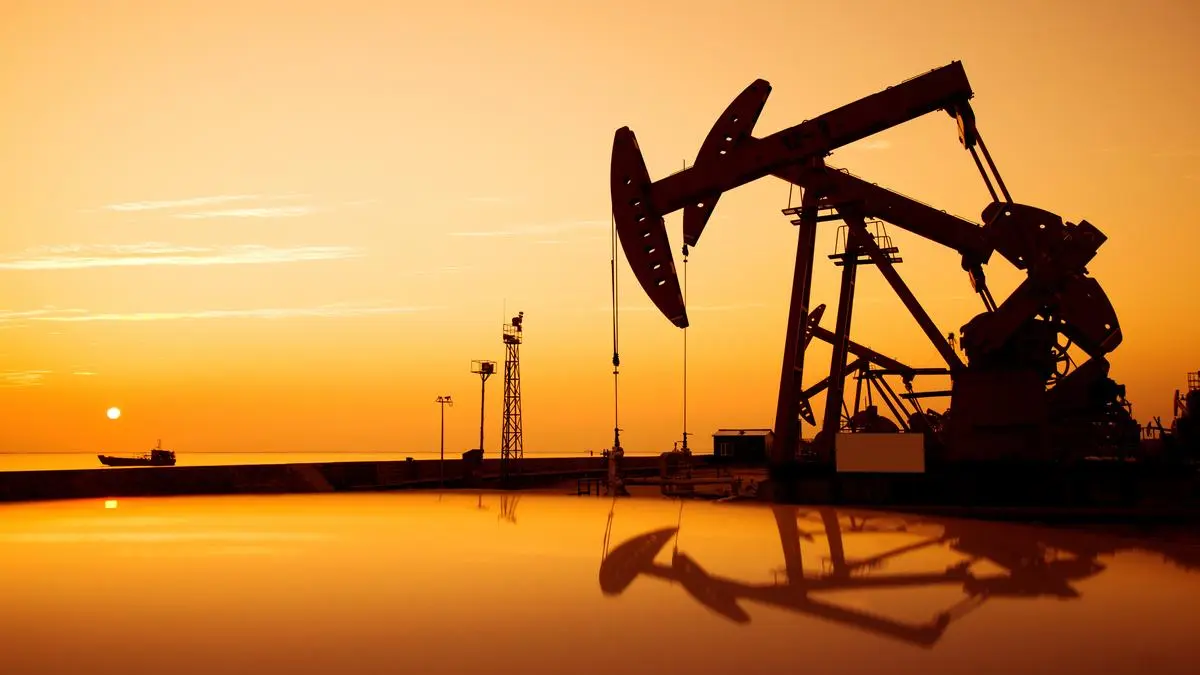
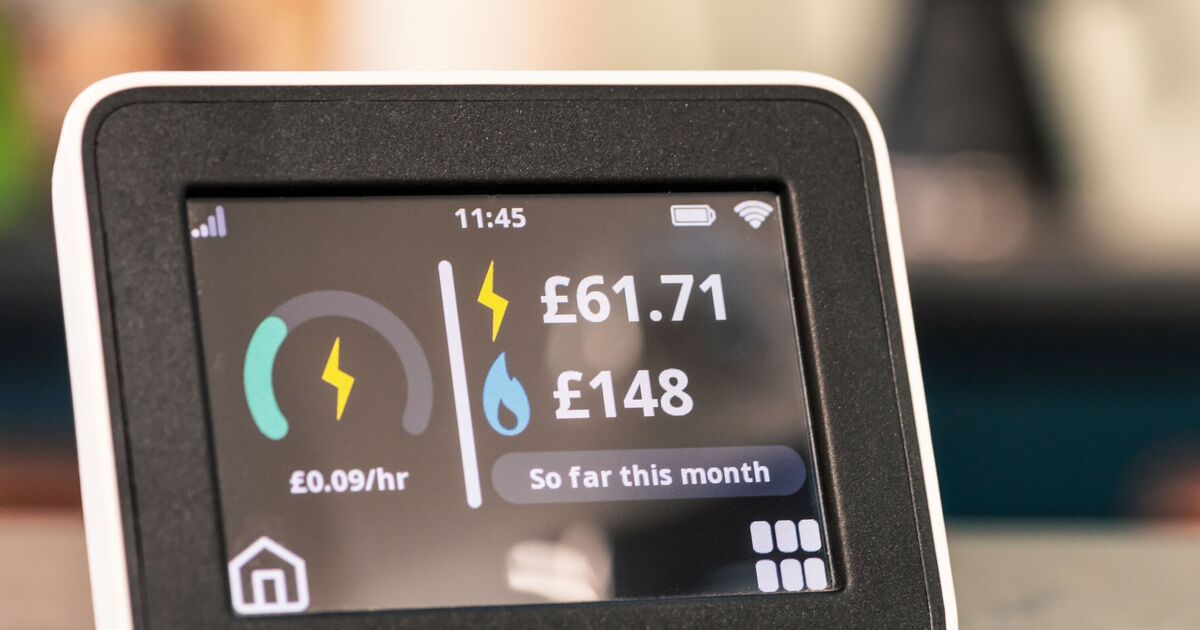
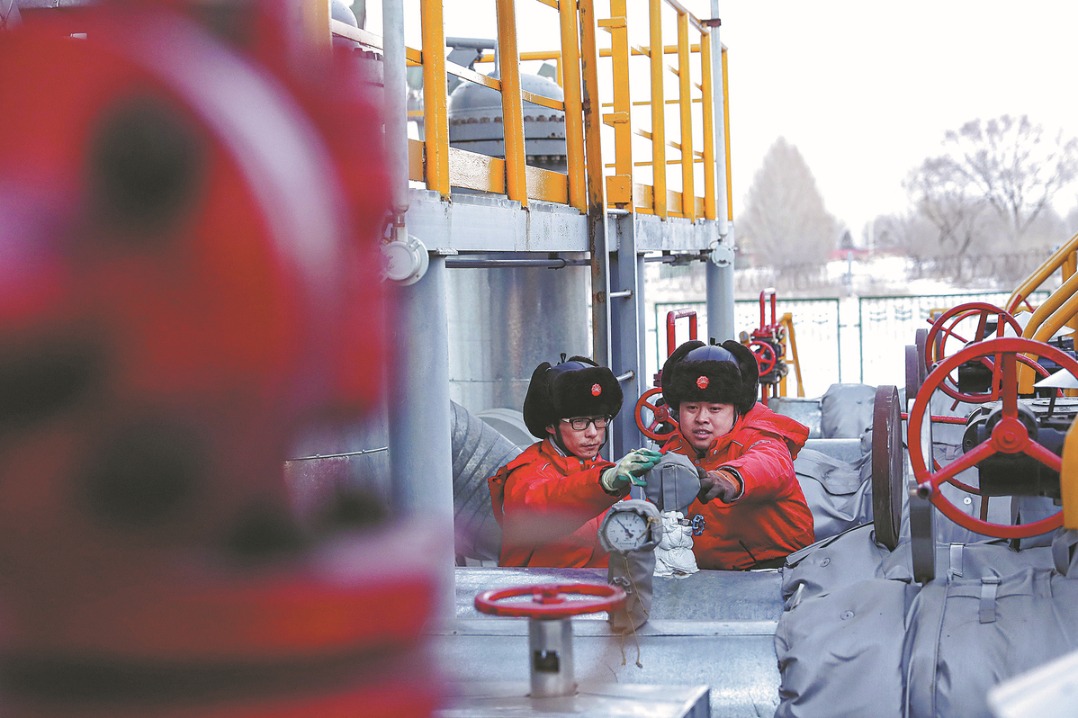
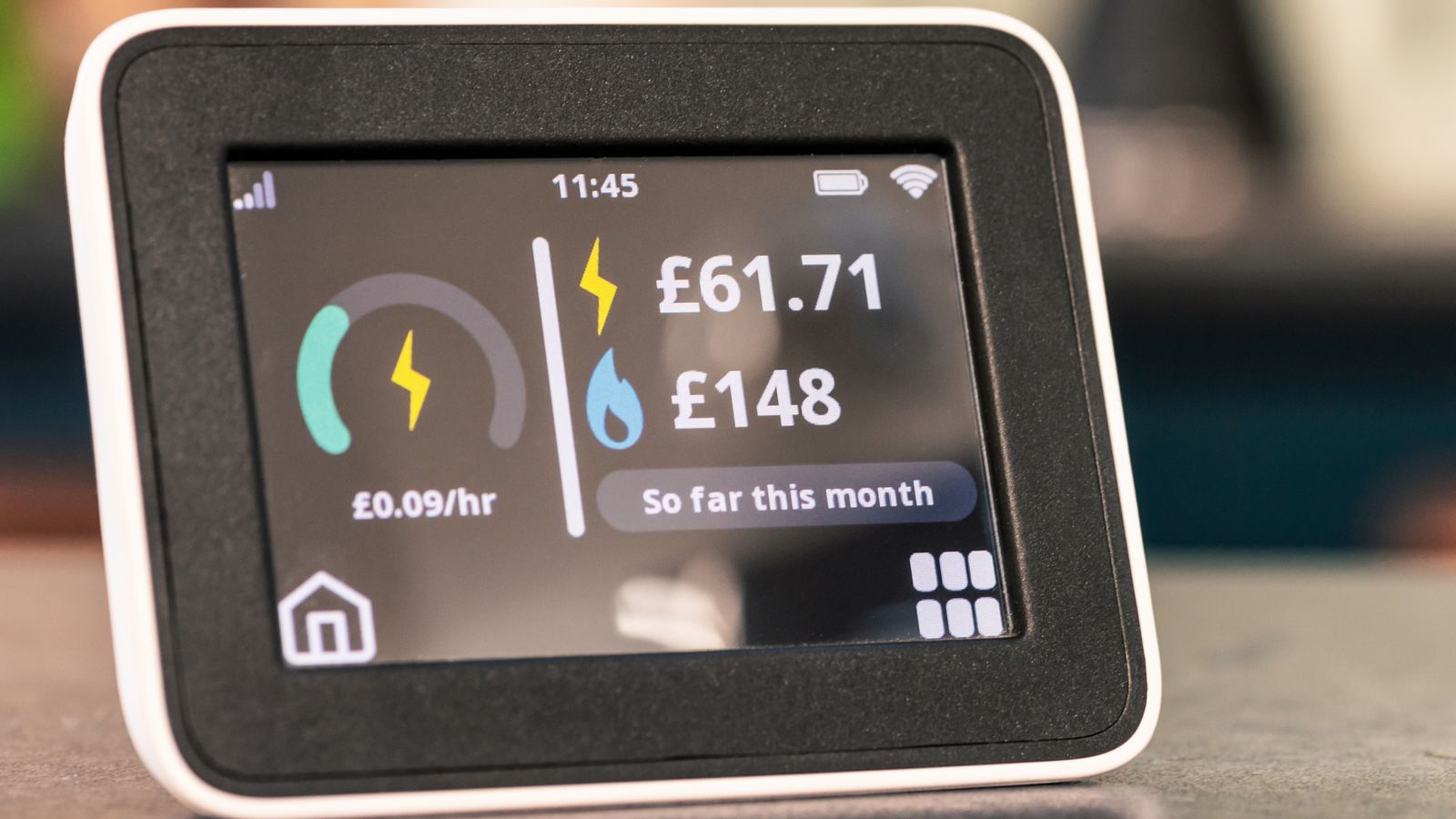
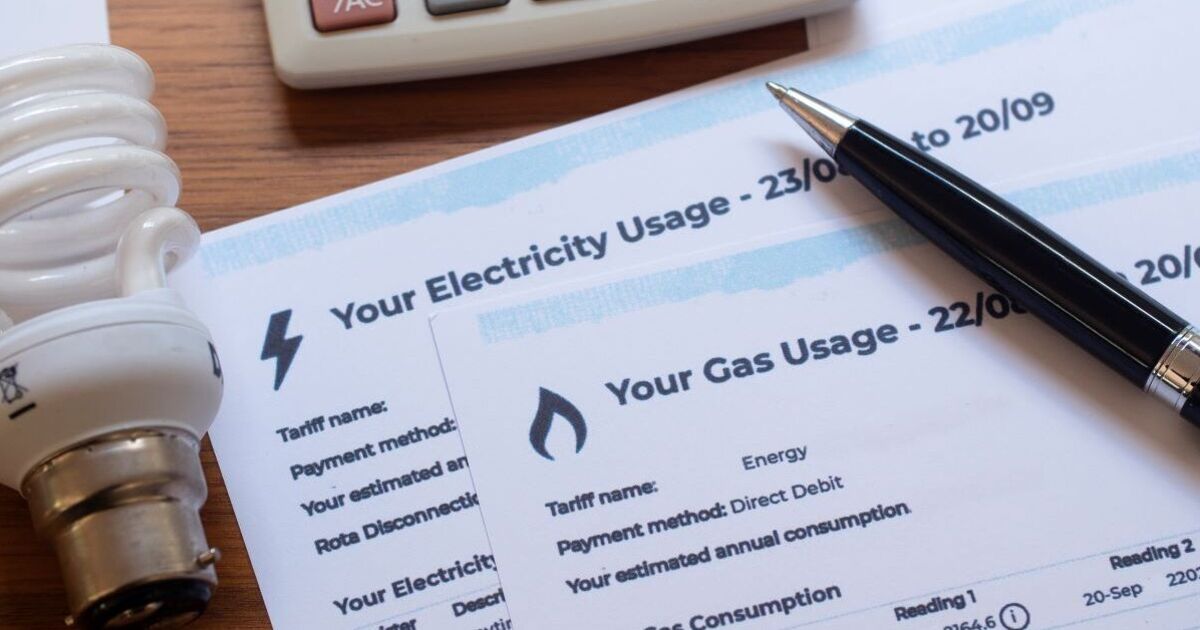
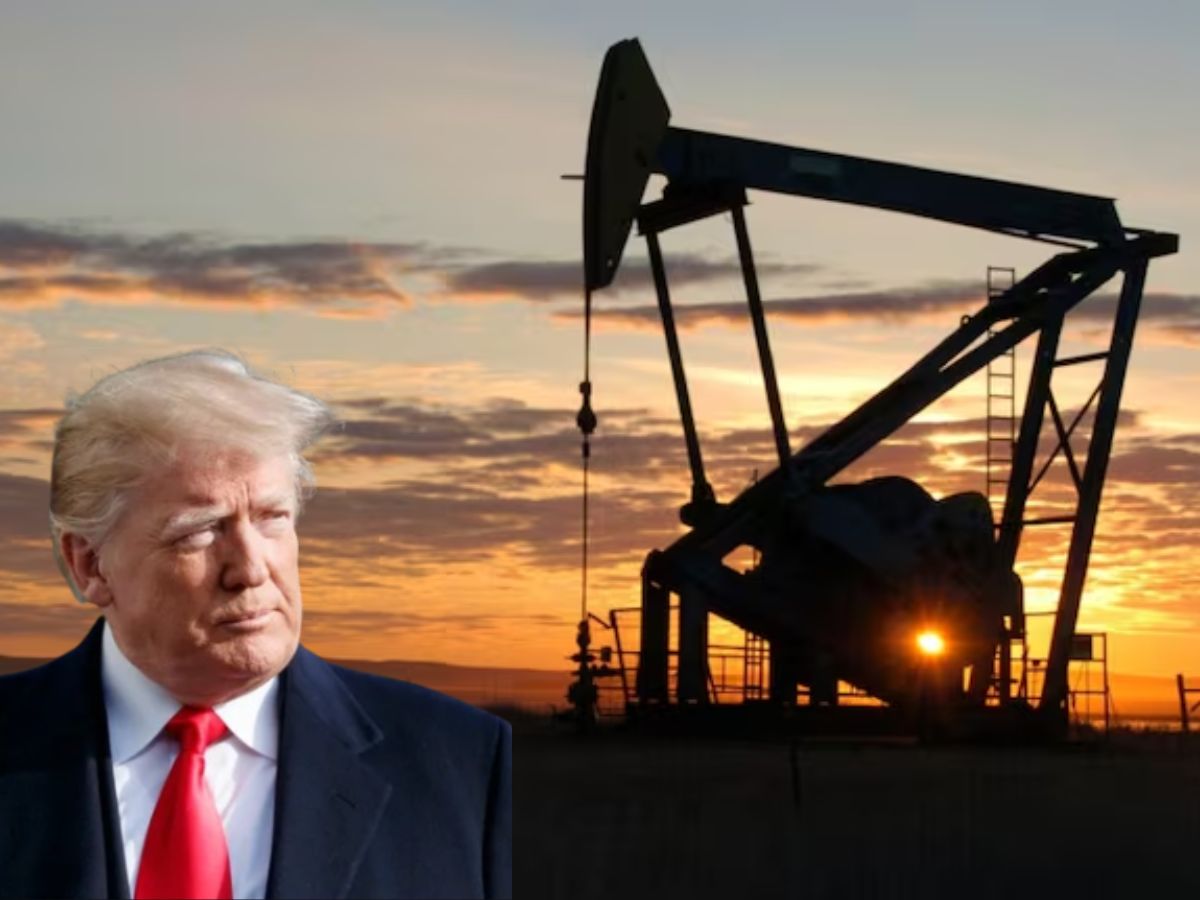
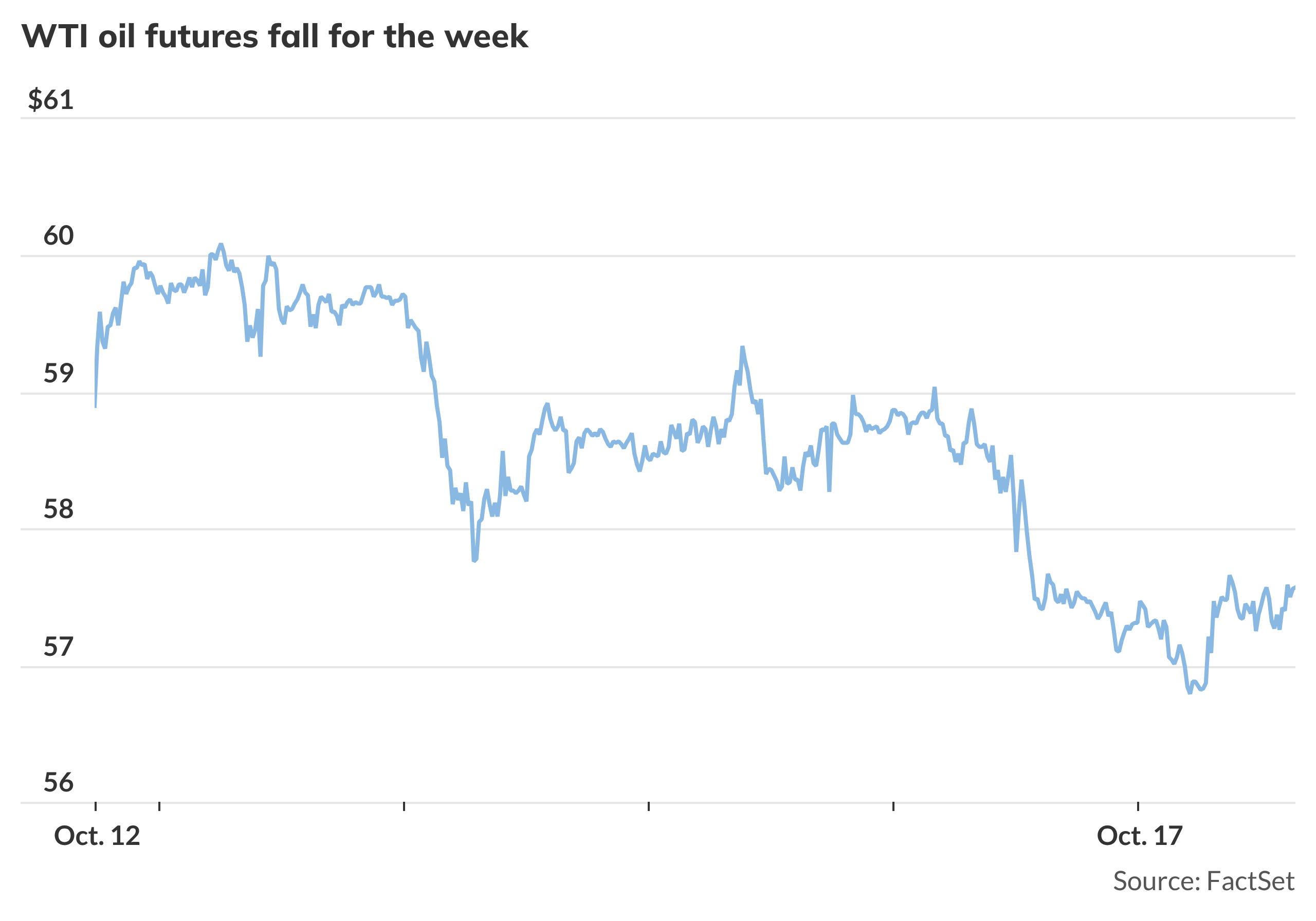
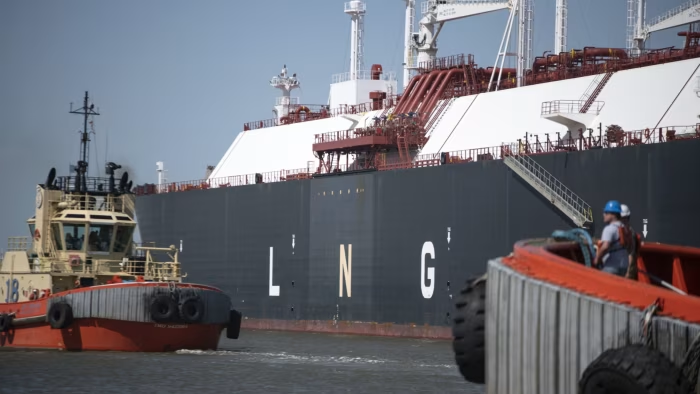
One obvious result is that the shock to oil and gas prices from Donald Trump’s “war of choice” on Iran will be strongly felt by UK businesses and households. The continued role of fossil fuels guarantees this. That generates important policy choices not only for the government, but also for other politicians who hope to be in power in a few years.
One is whether to provide an across-the-board subsidy to energy costs. My view is: no. Scarce public money must be used in a far more targeted way. Another is how far to pursue the energy transition as a way to reduce future vulnerability to shocks. My answer is that this makes excellent sense: it is simply a necessary part of security. The last and, in many ways, most difficult choice is whether and how to pursue the goals of reducing climate risks in a world in which the US is ignoring them altogether. This is one of the big issues for international co-operation in our “ruptured” world. I hope to address it soon.