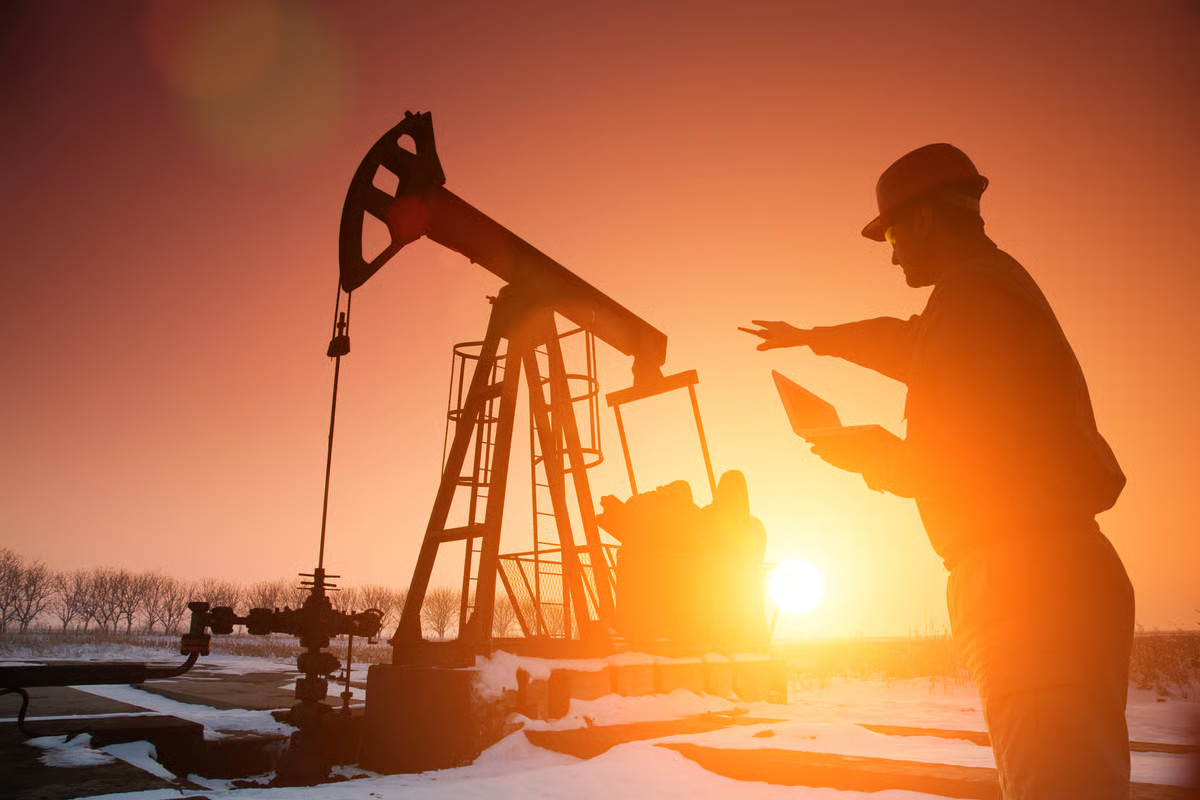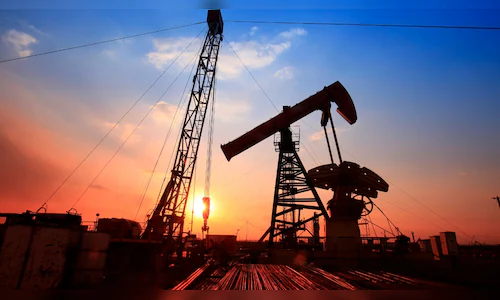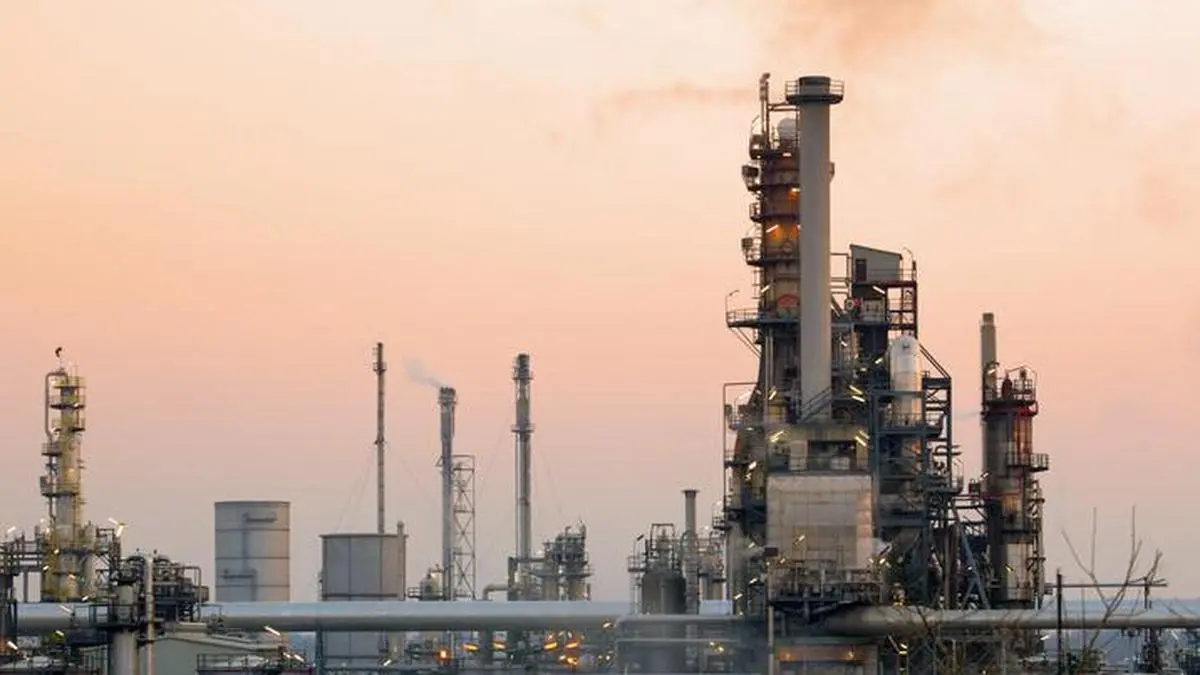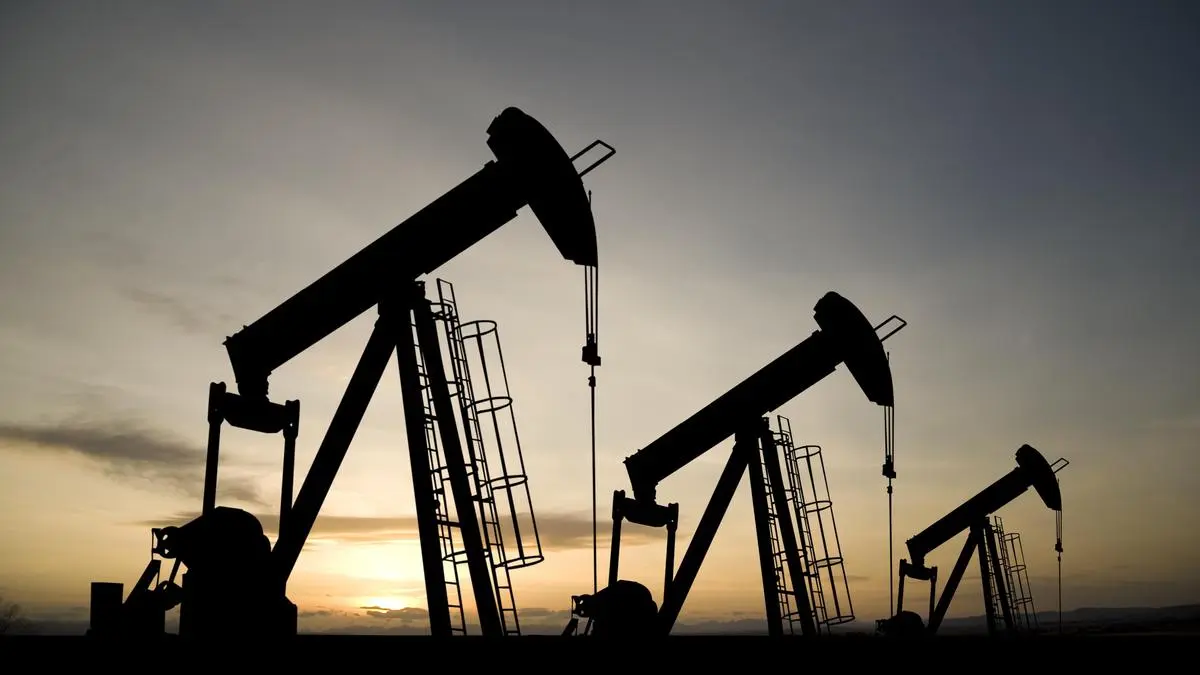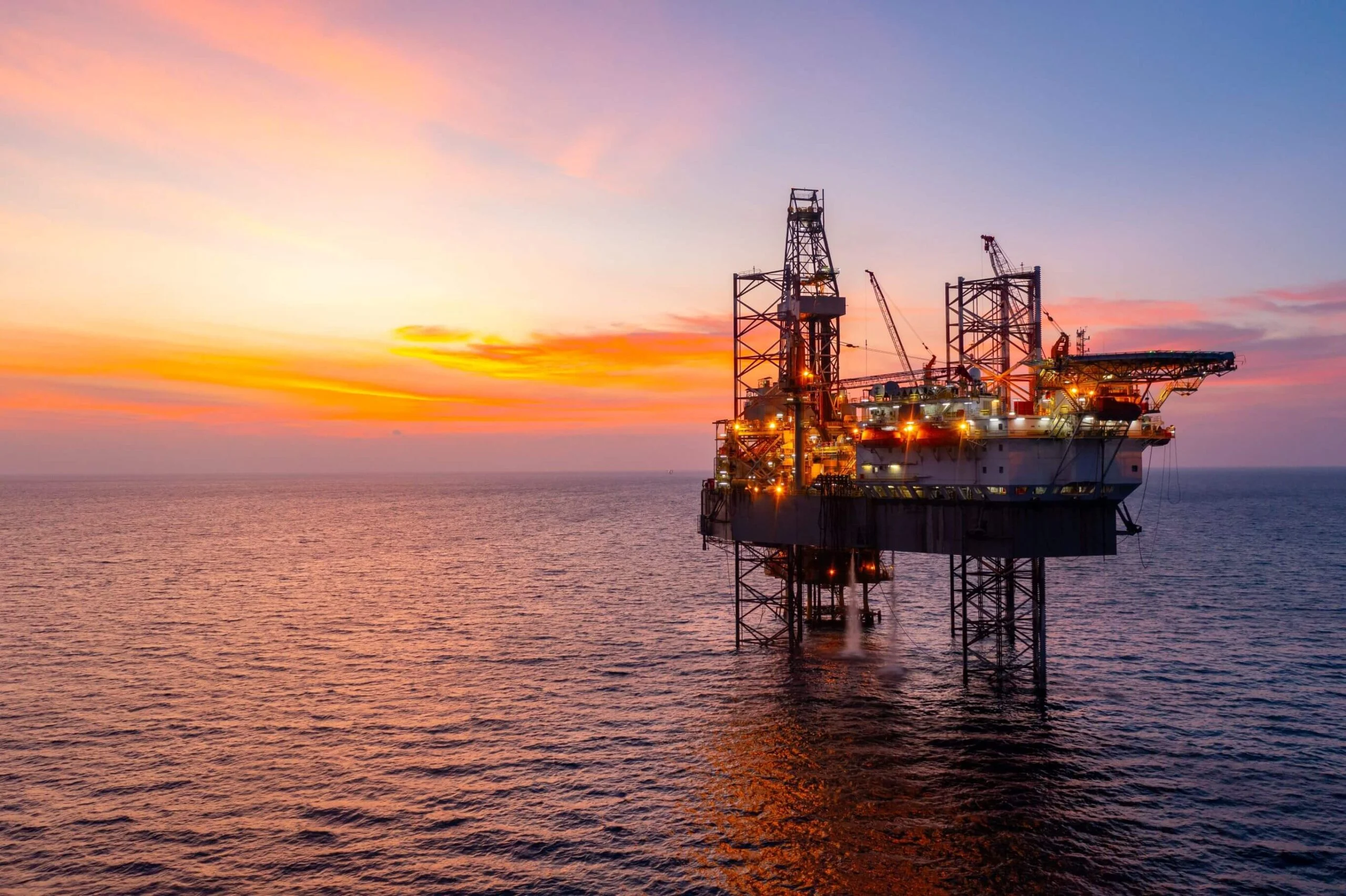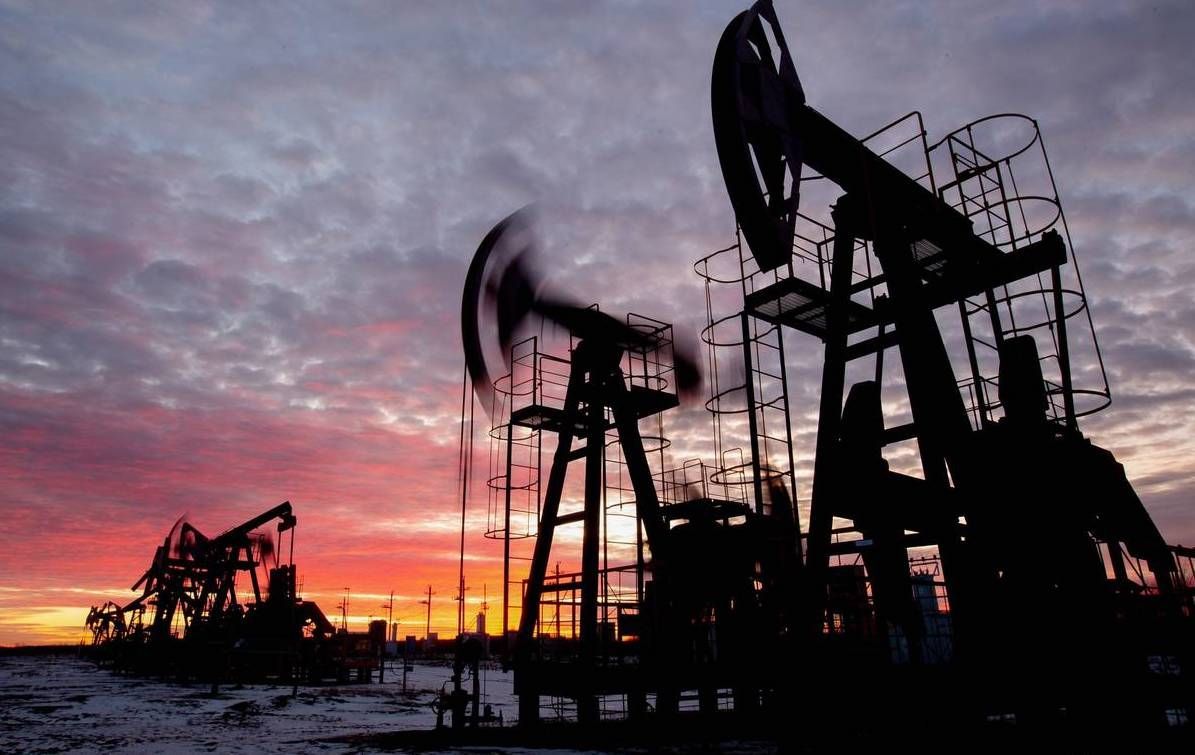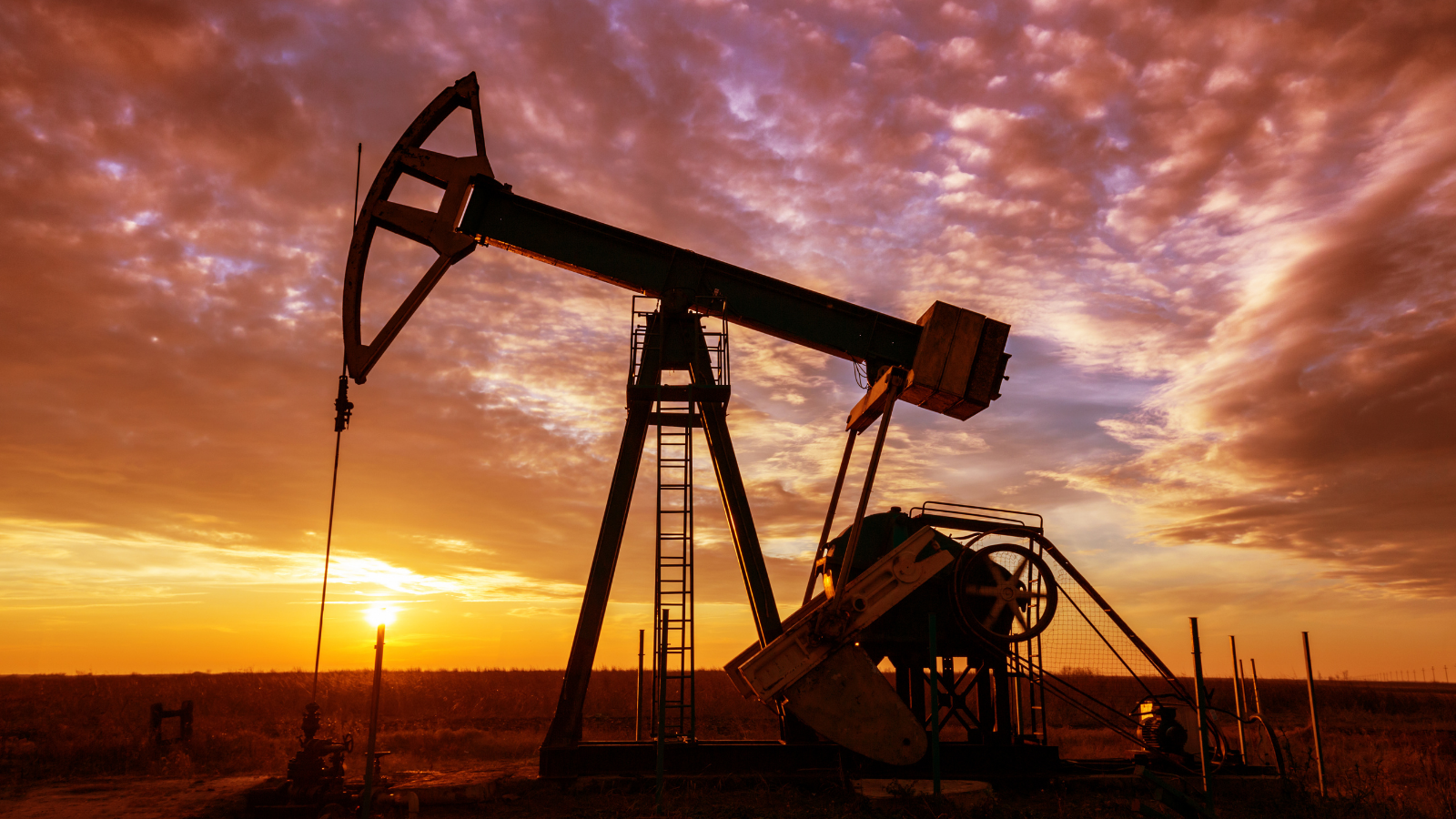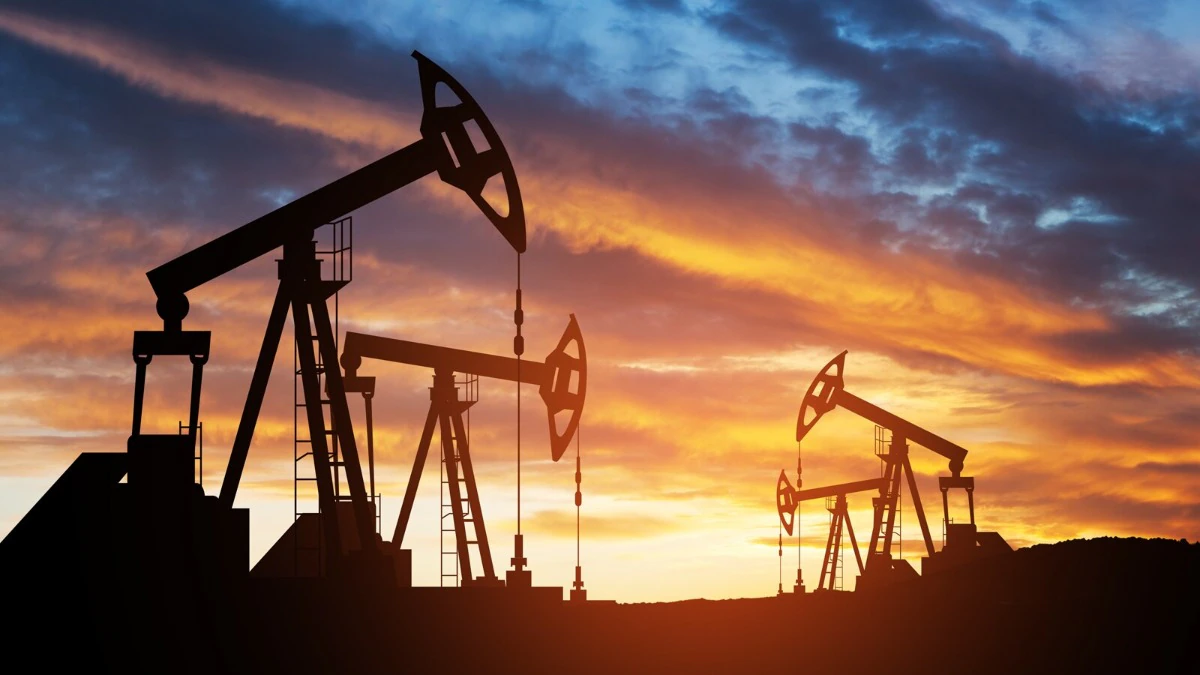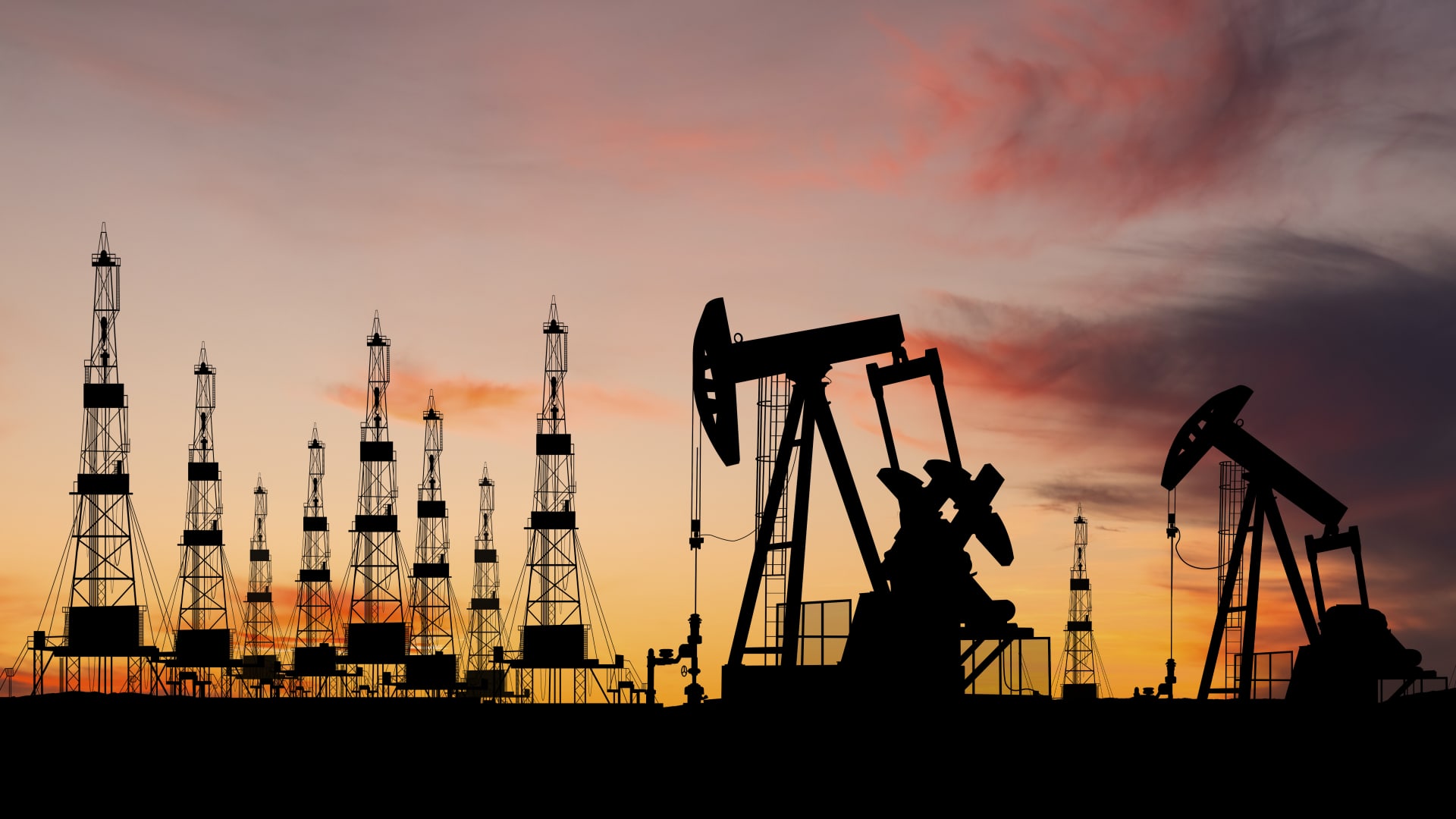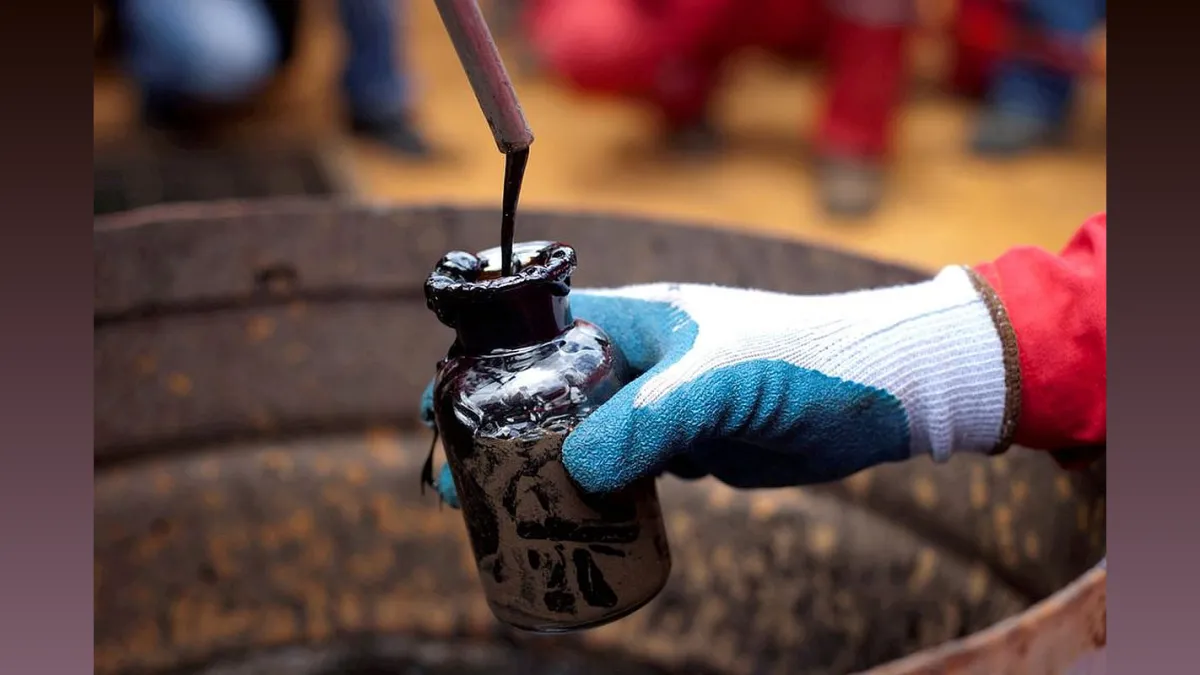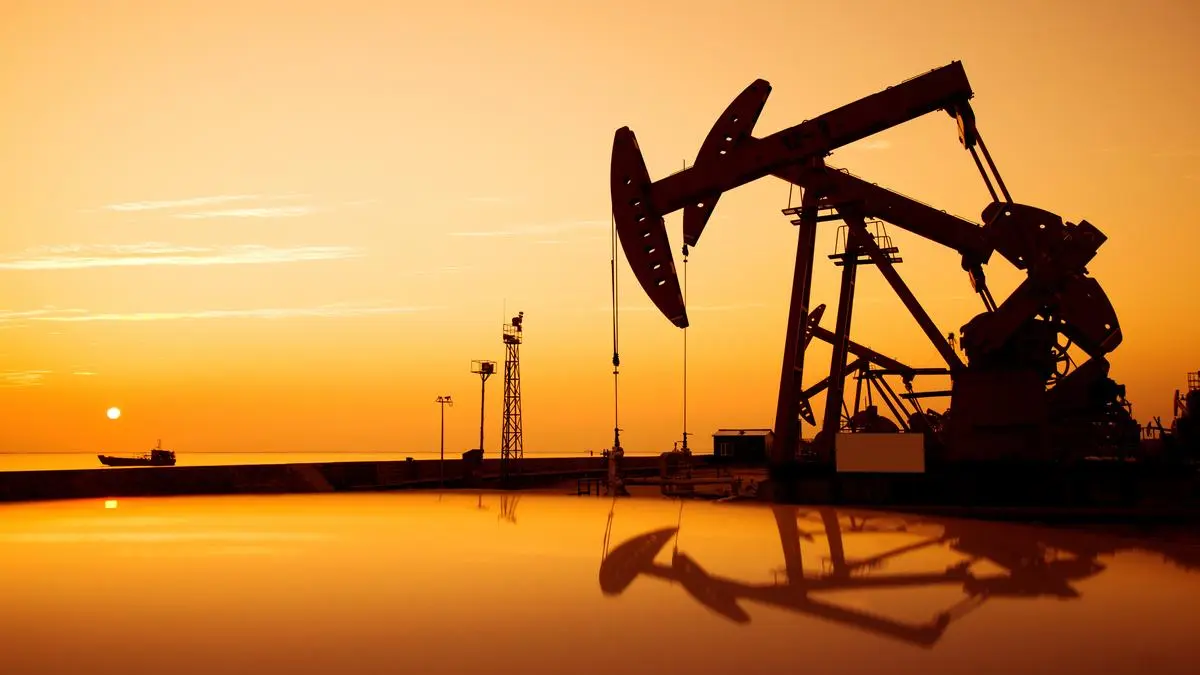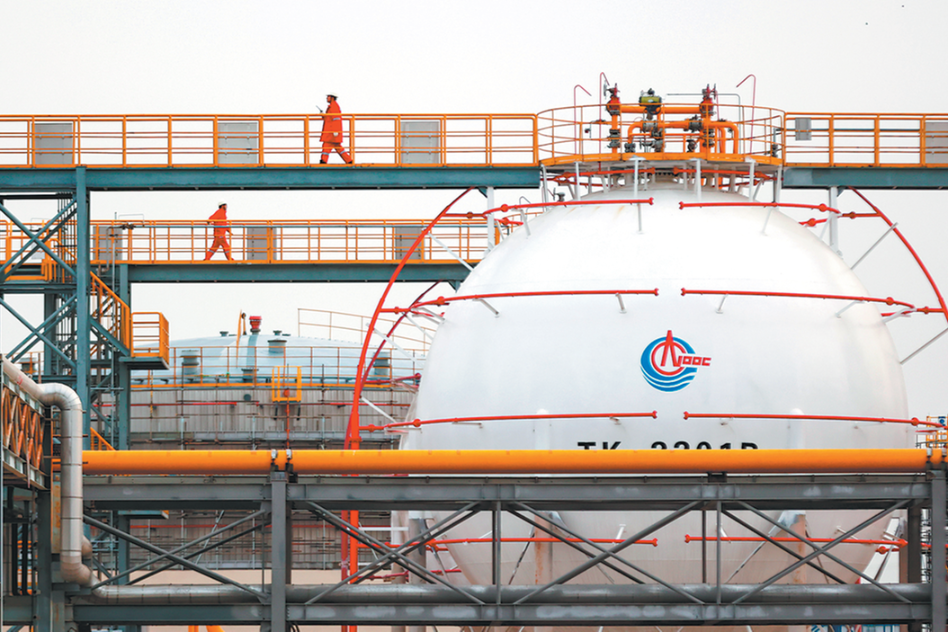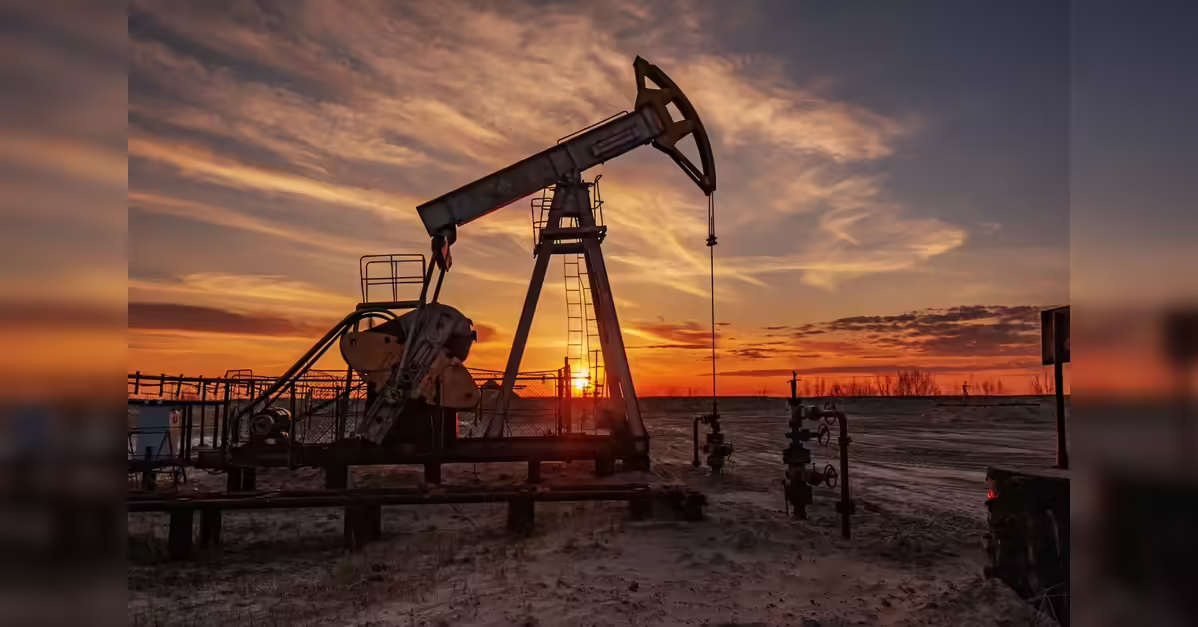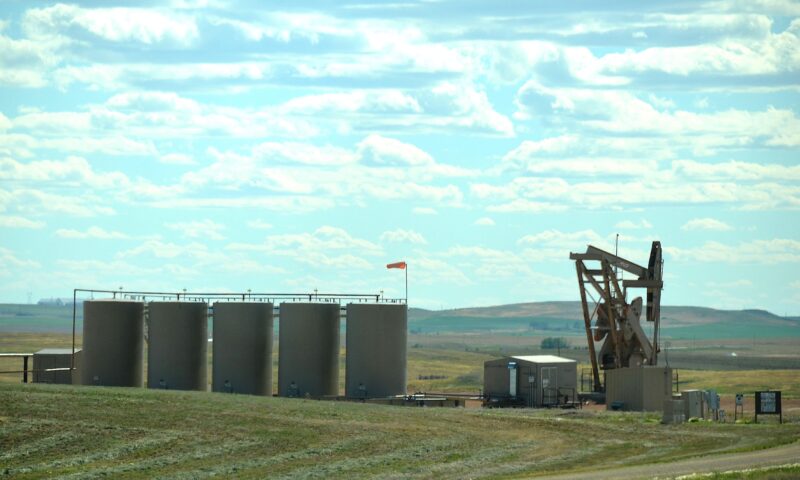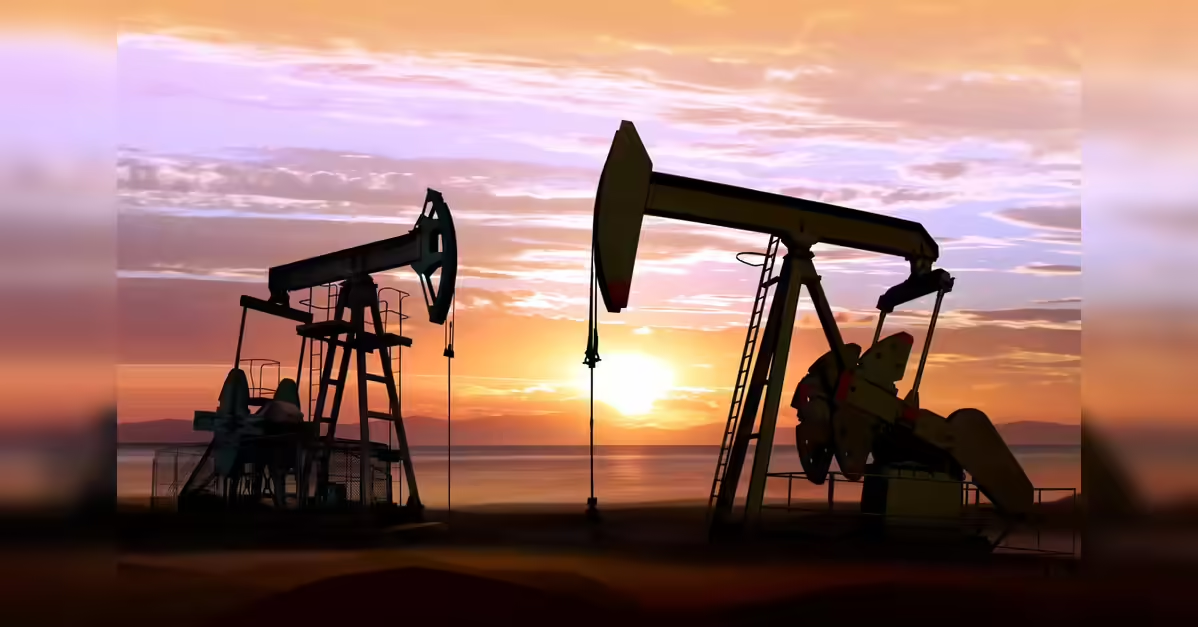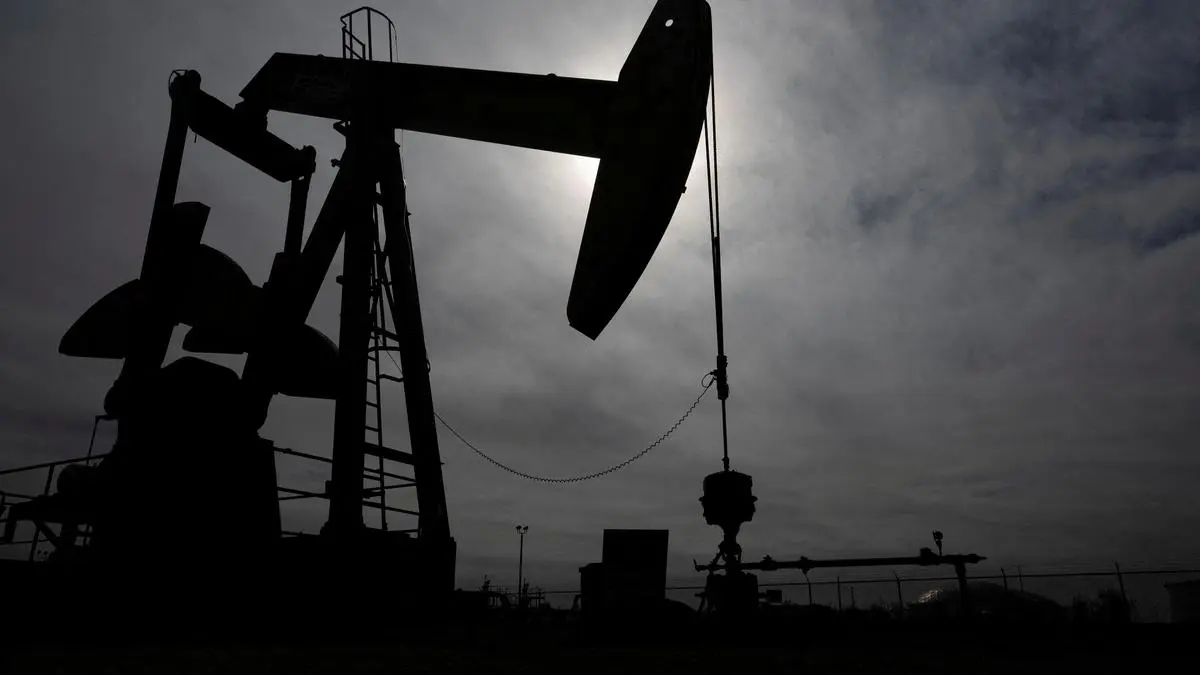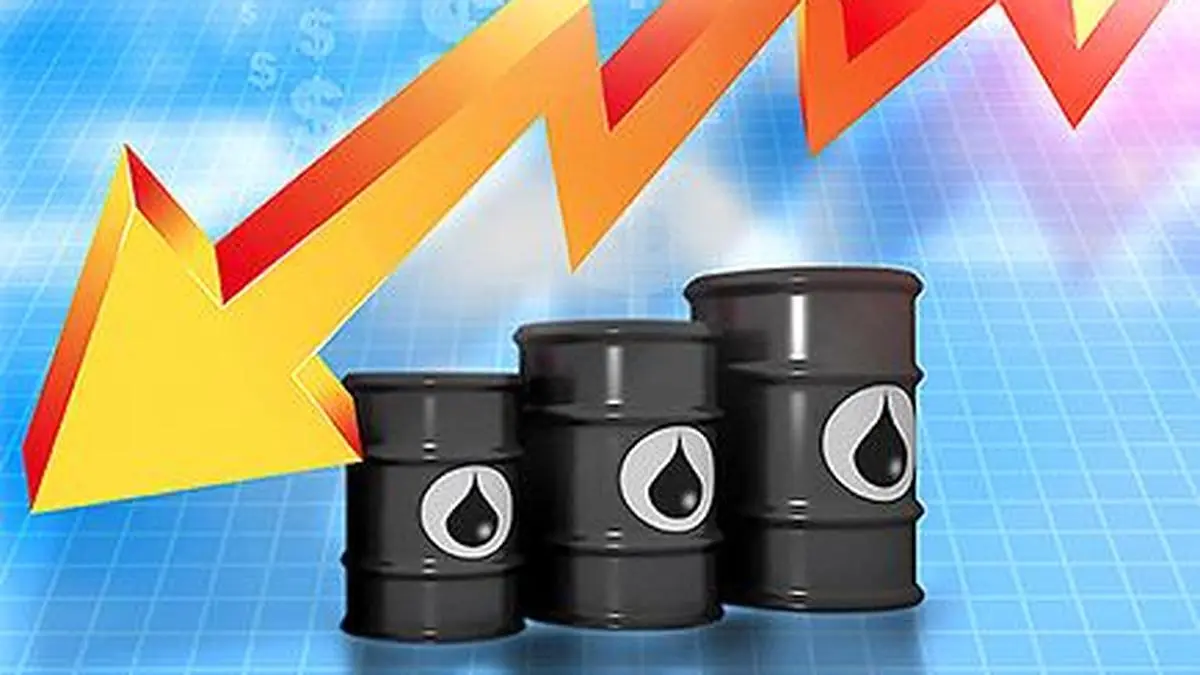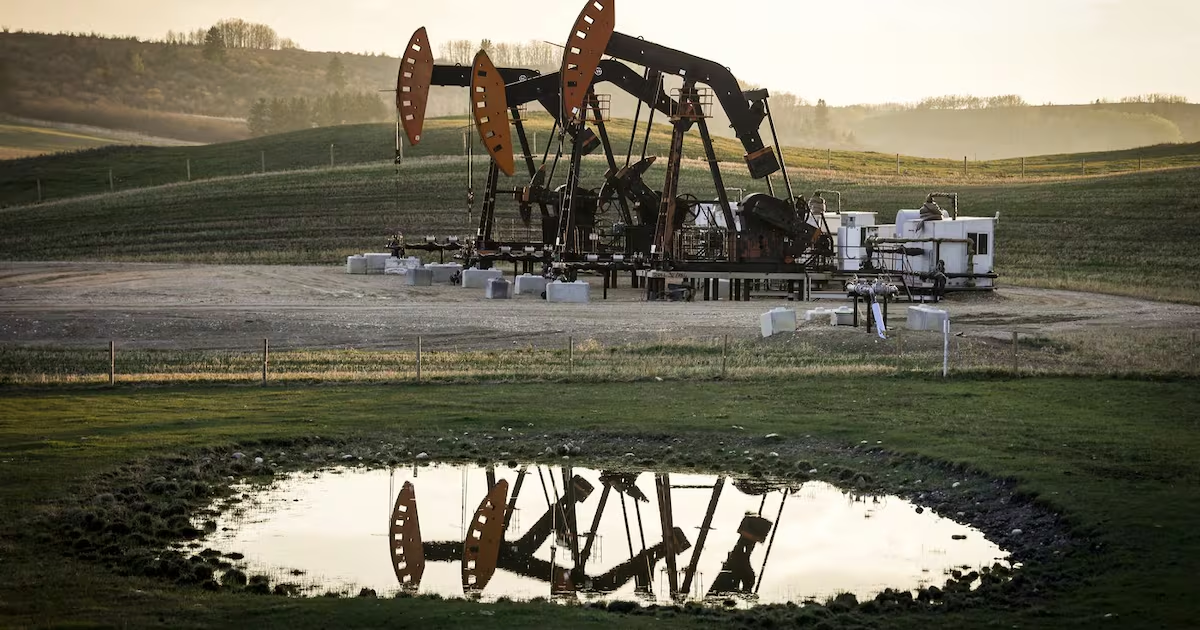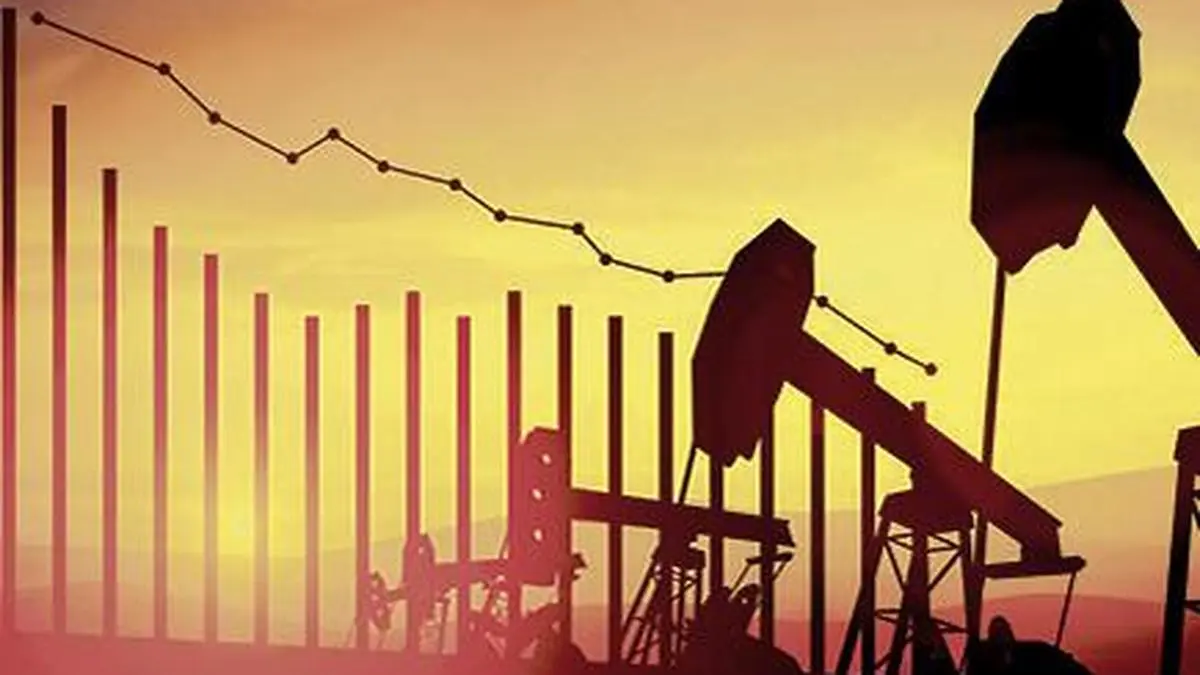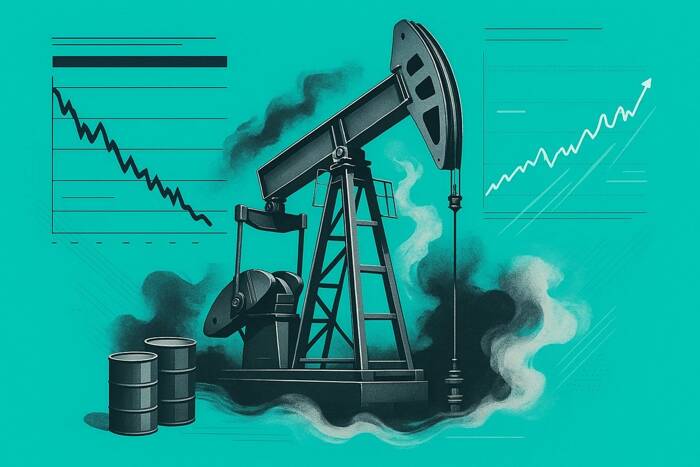
State-run ONGC has initiated a cost optimisation drive to save more than ₹9,000 crore over the next two years as maturing oil and gas fields as well as continuously subdued oil prices threaten its bottom line.
The exploration & production (E&P) major has targeted to reduce its operating and capital expenditure, which amounts to roughly ₹61,000 crore, by 15 per cent till FY27. The company expects to save around ₹9,300 crore.
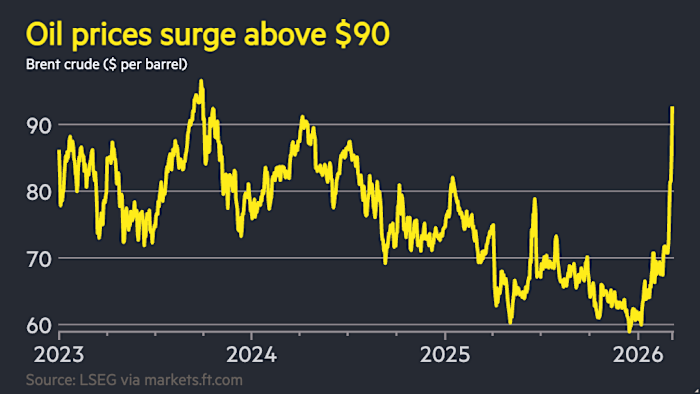
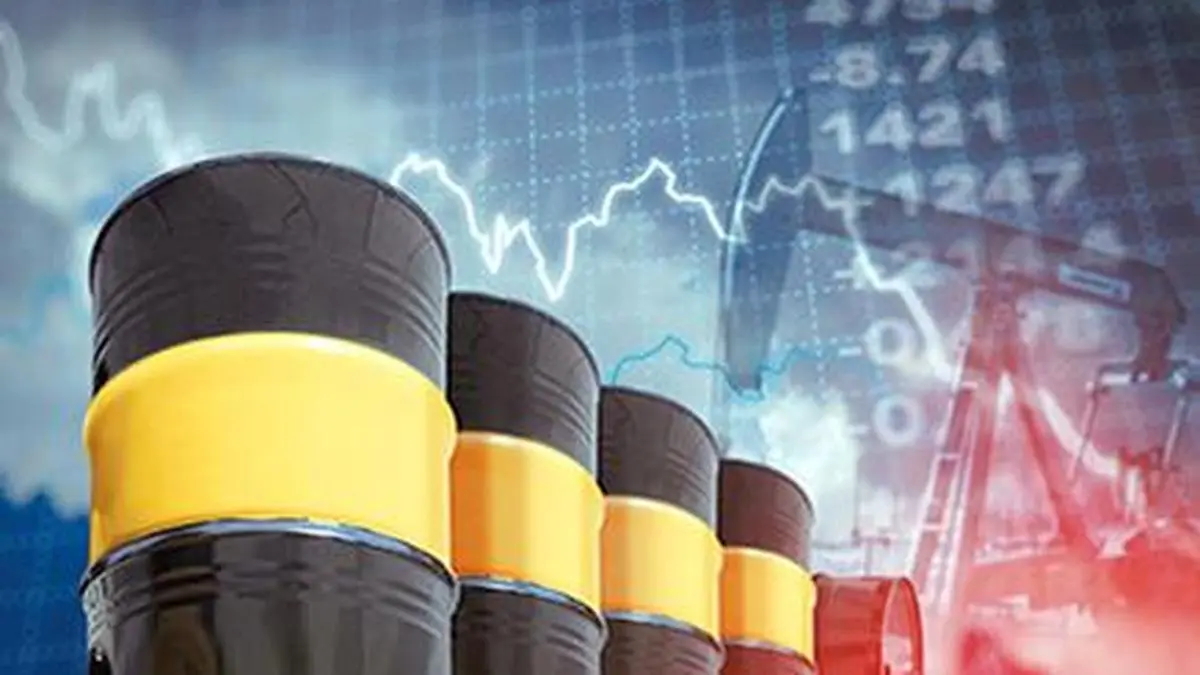
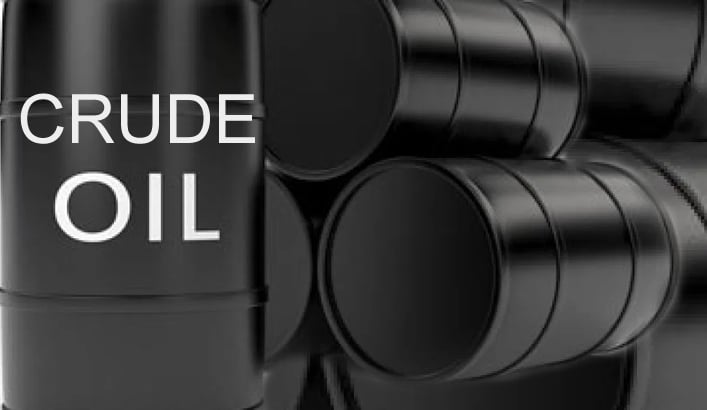
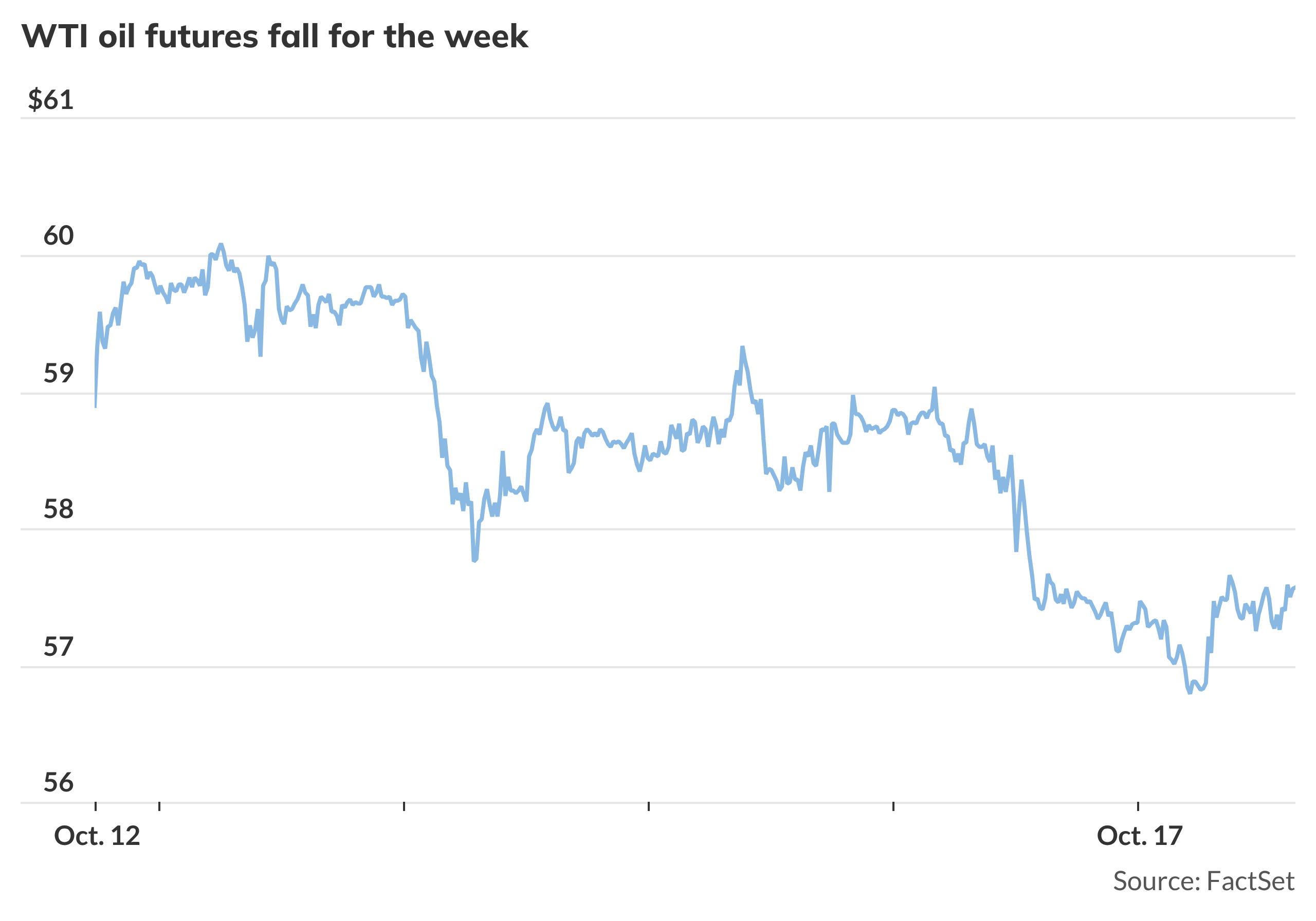
ONGC has embarked on a strategic journey to prepare itself for a future with $60 per barrel crude-price environment, the company said.
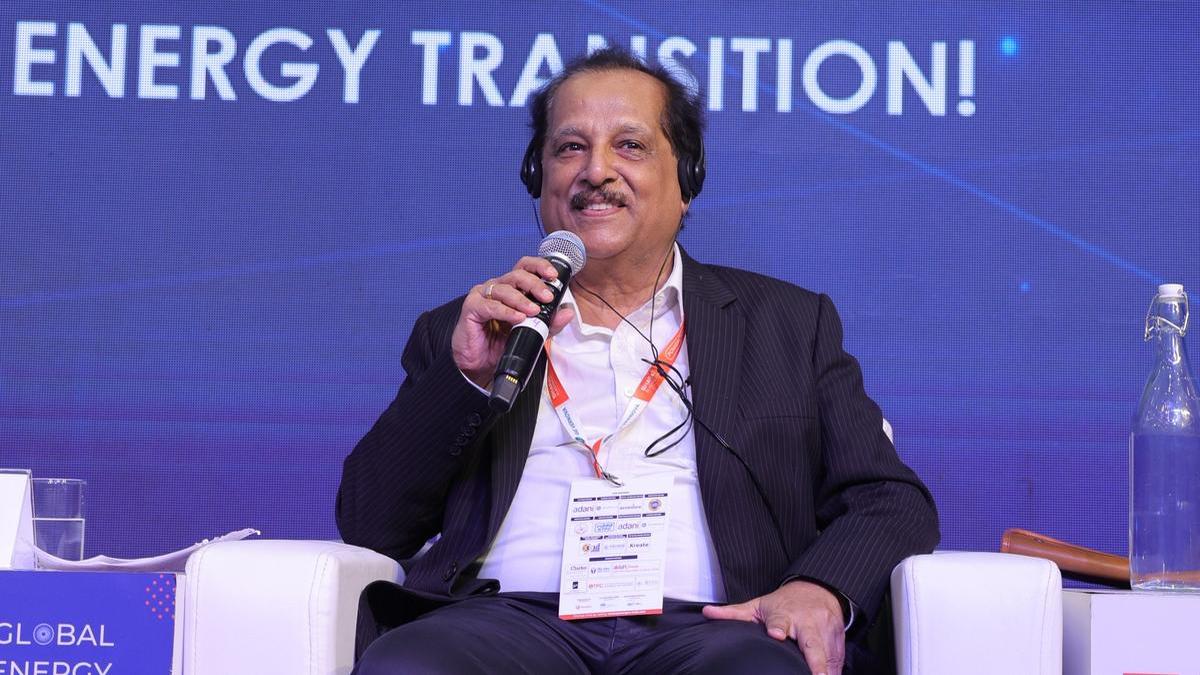
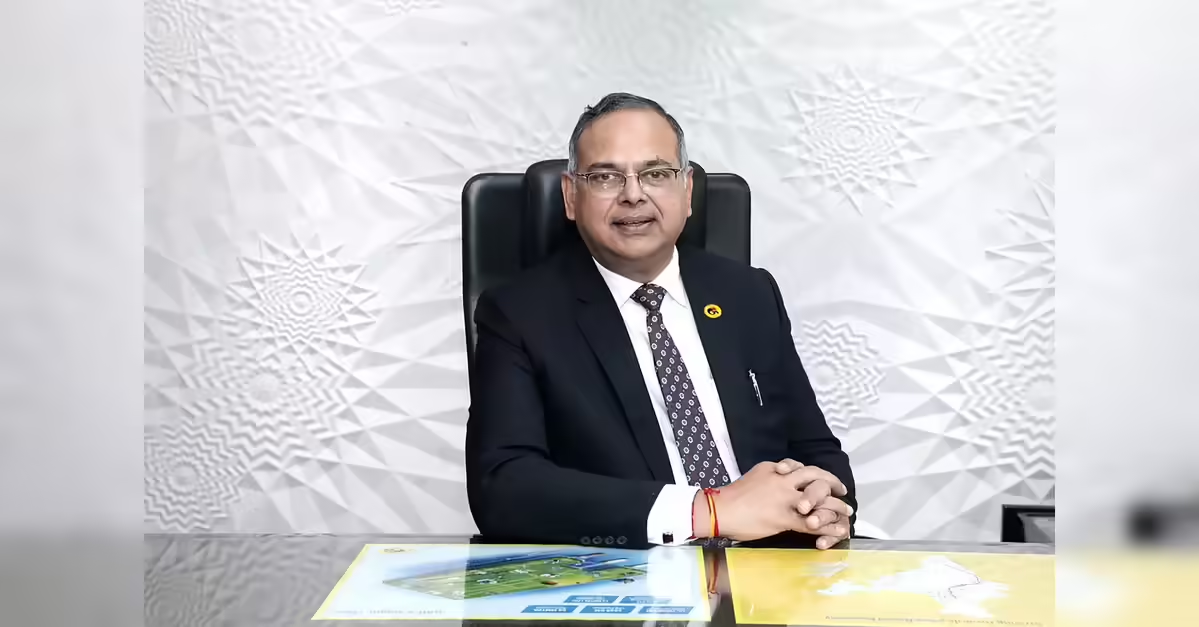
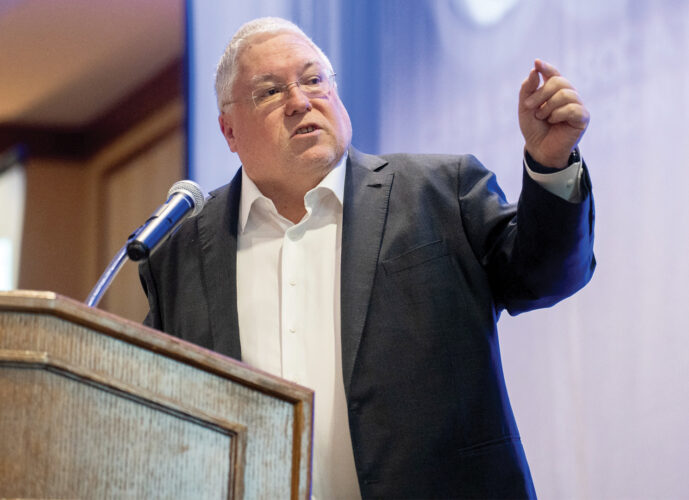
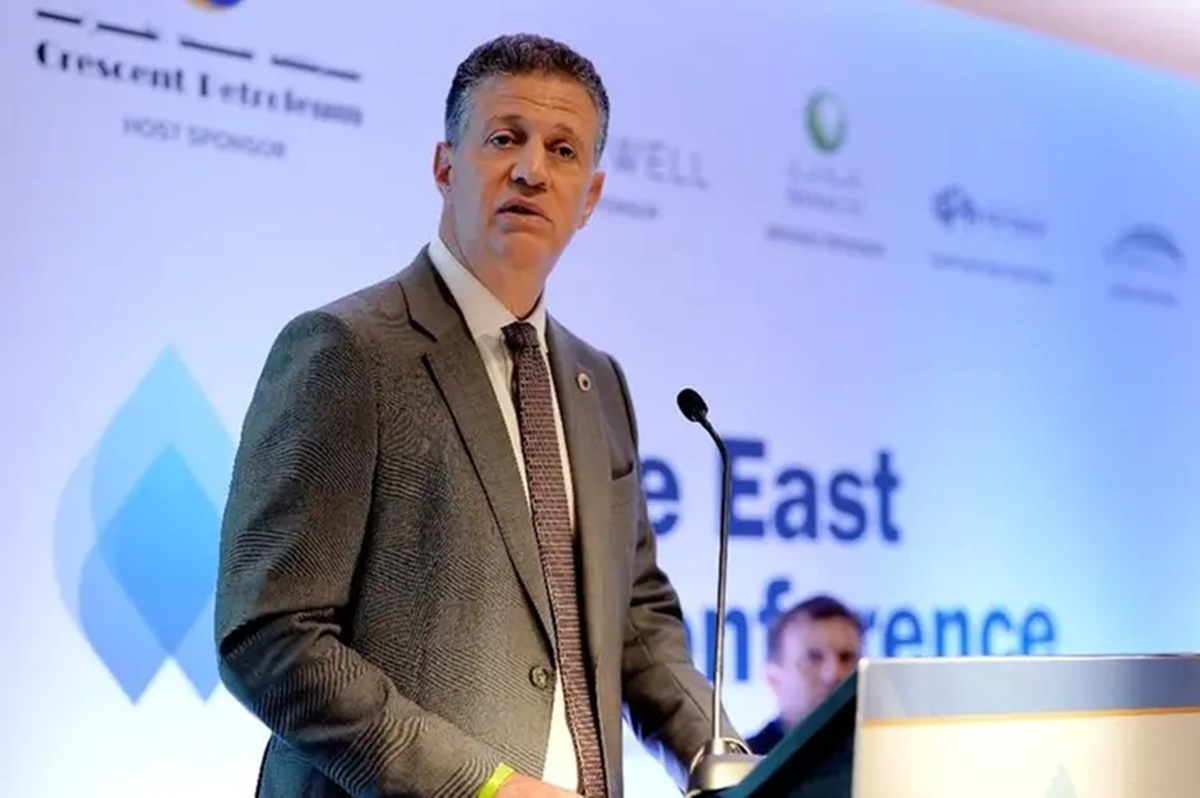
The Maharatna company has set up a dedicated cost council to suggest alternatives to bring down costs, Pankaj Kumar, Director (Production) at ONGC, said at a media briefing.
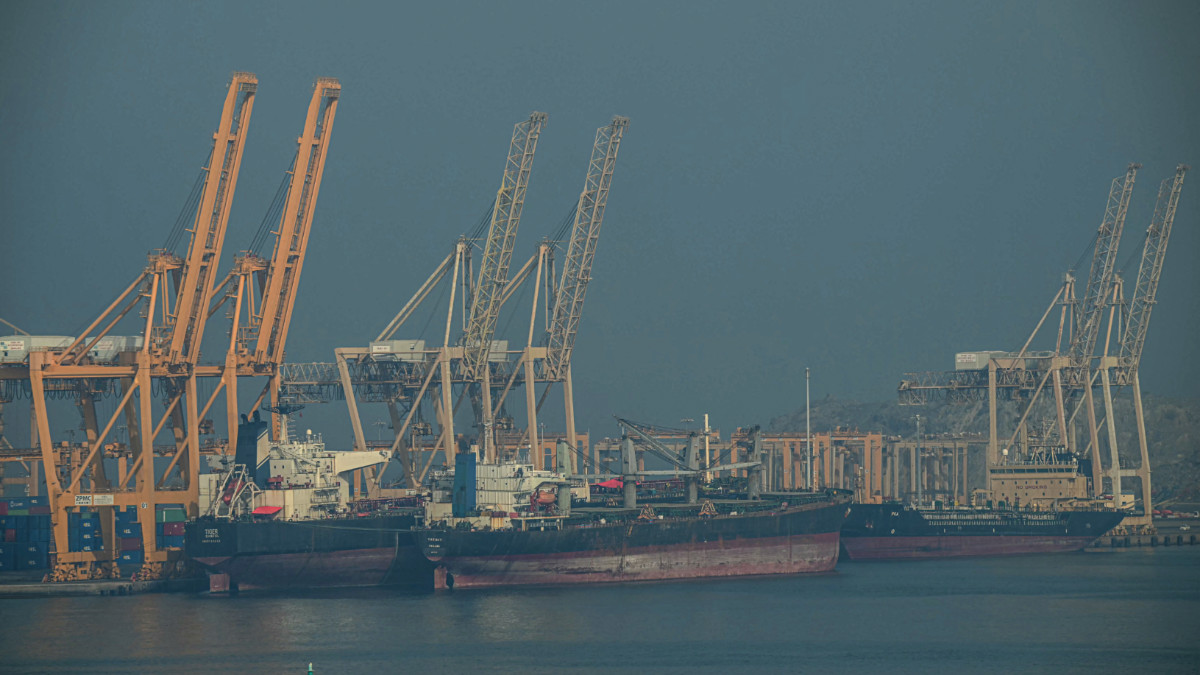
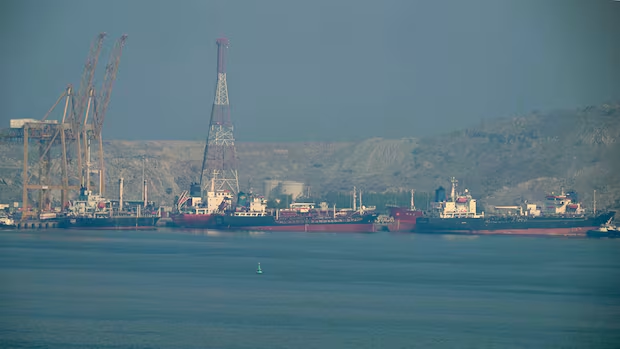
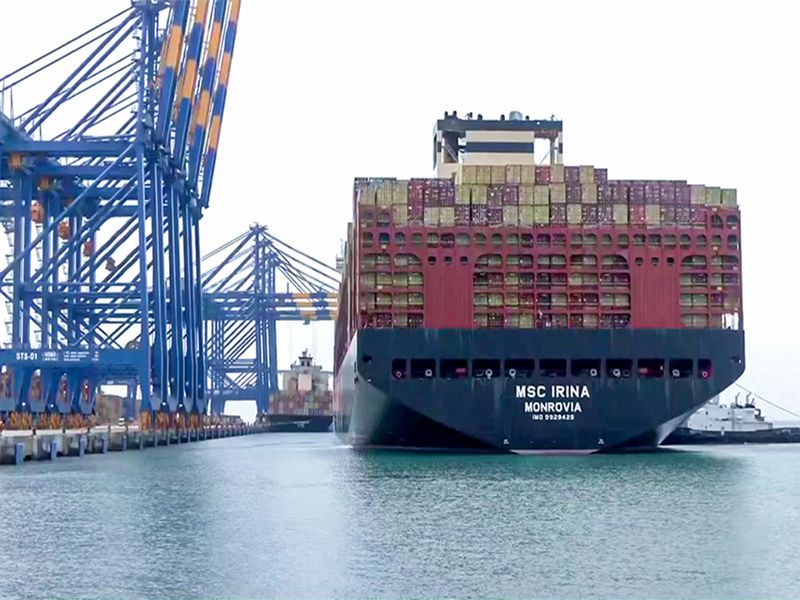
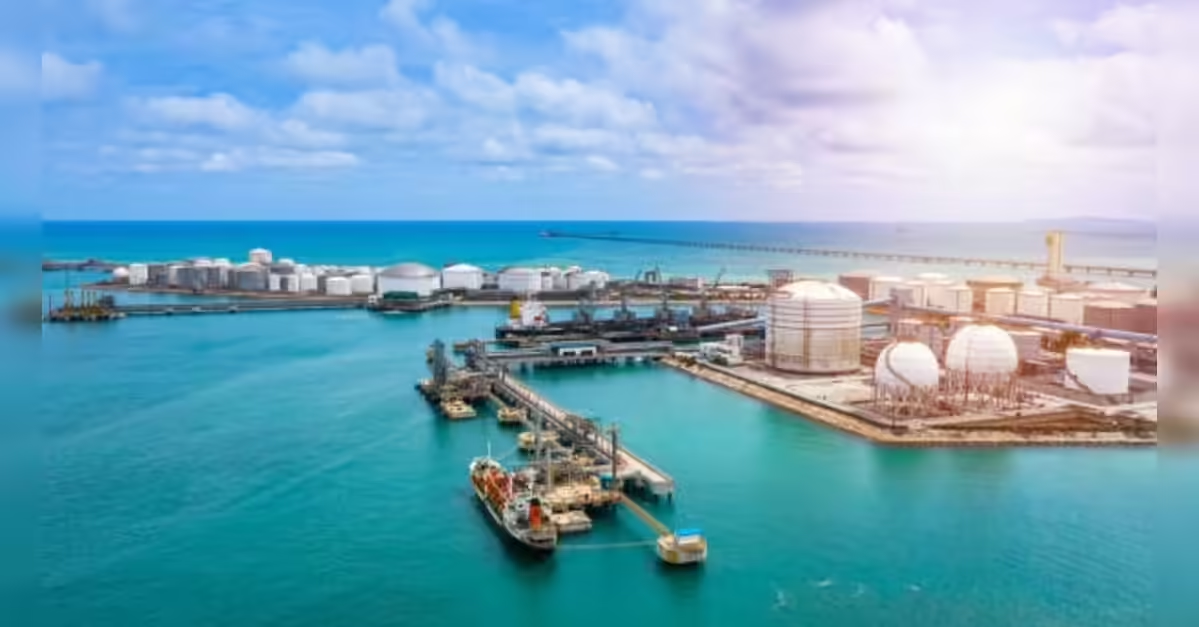
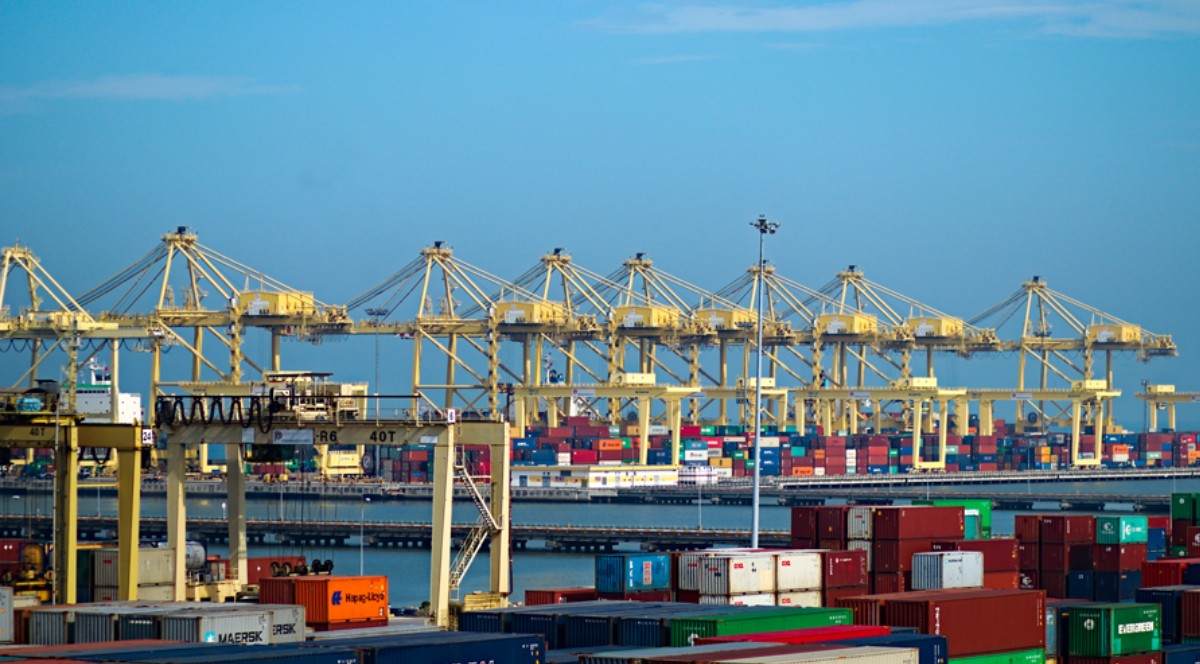
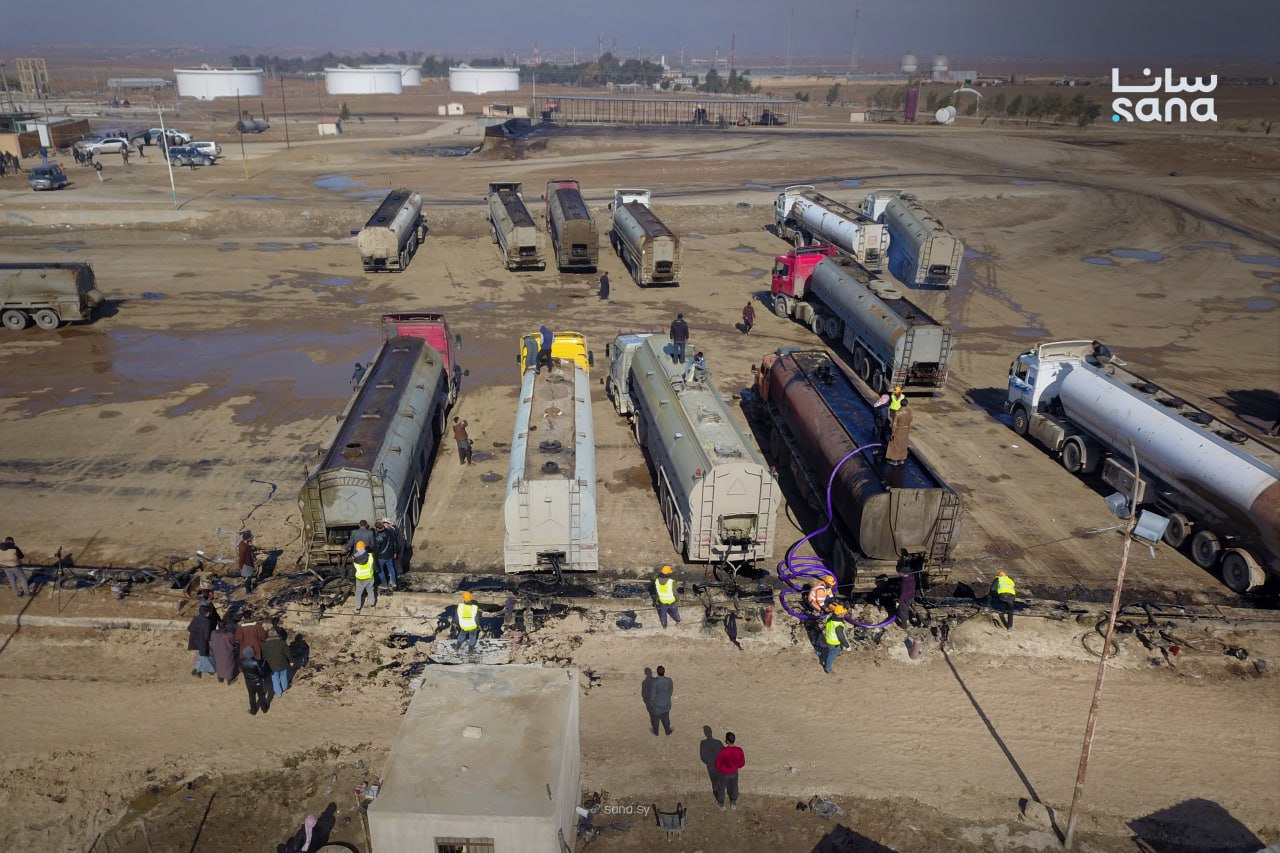
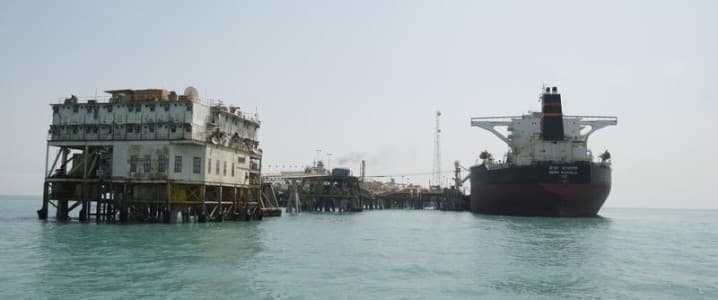
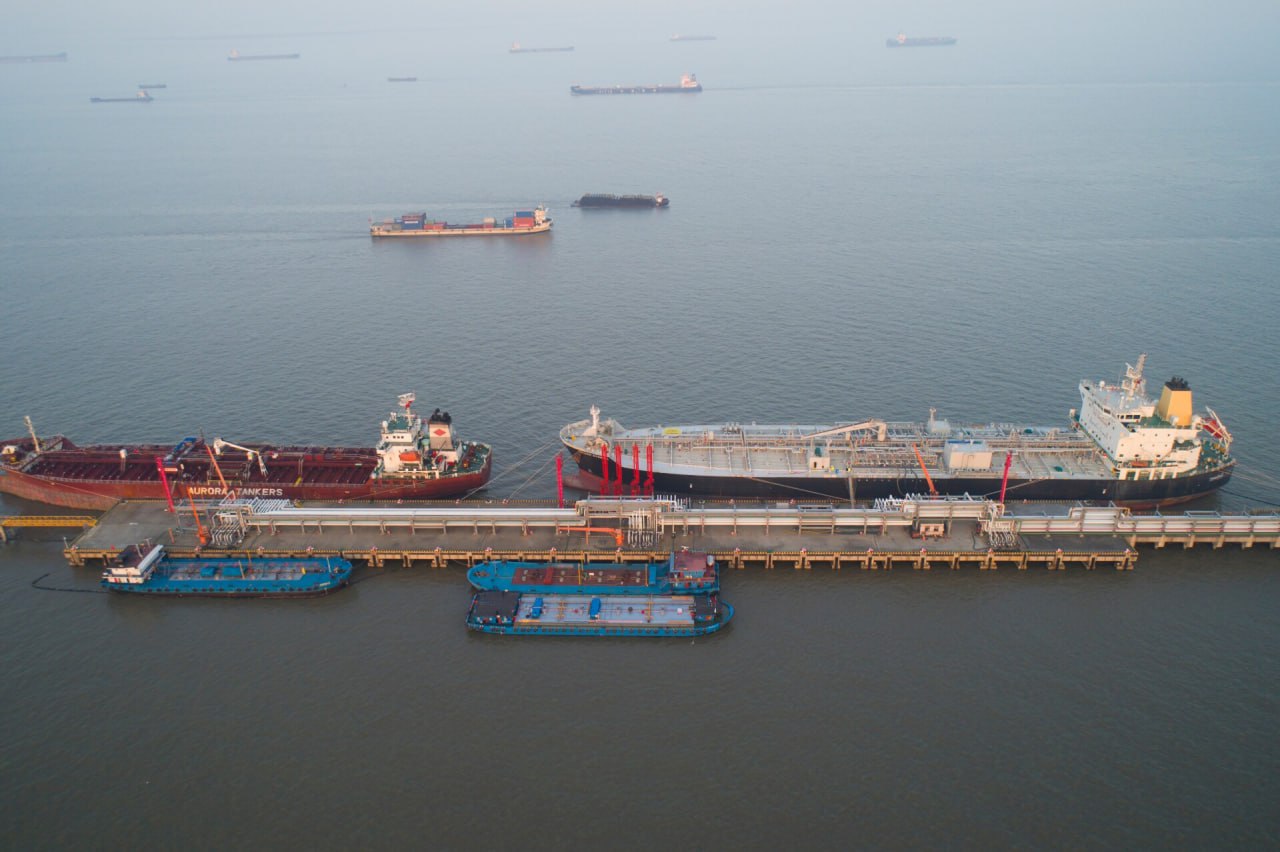
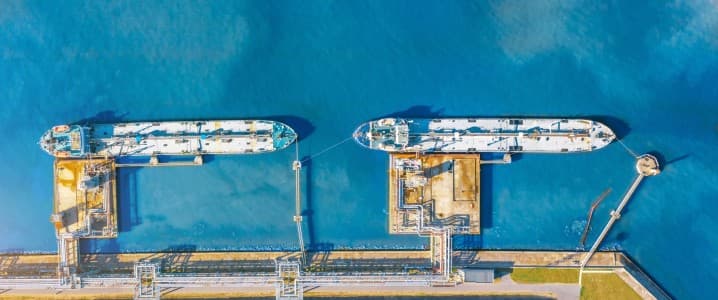
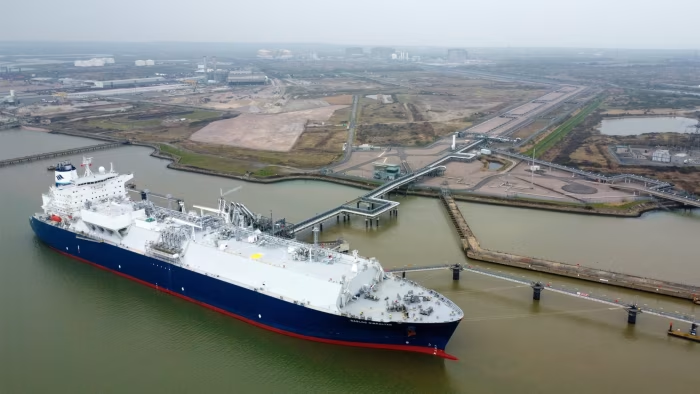
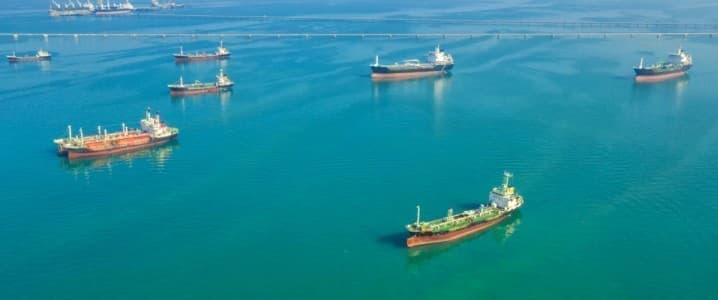
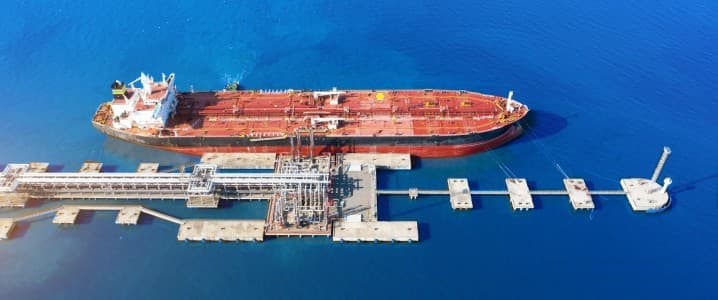
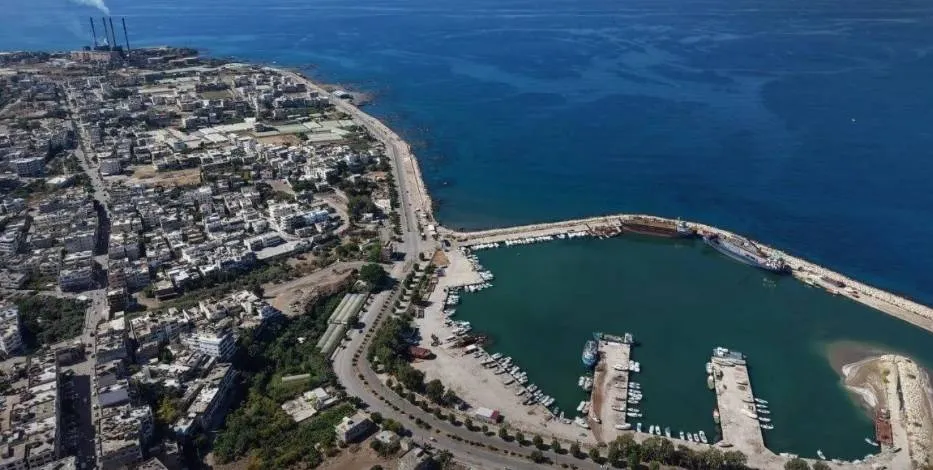
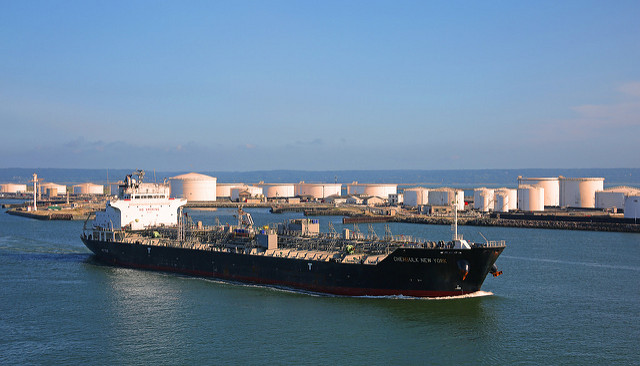
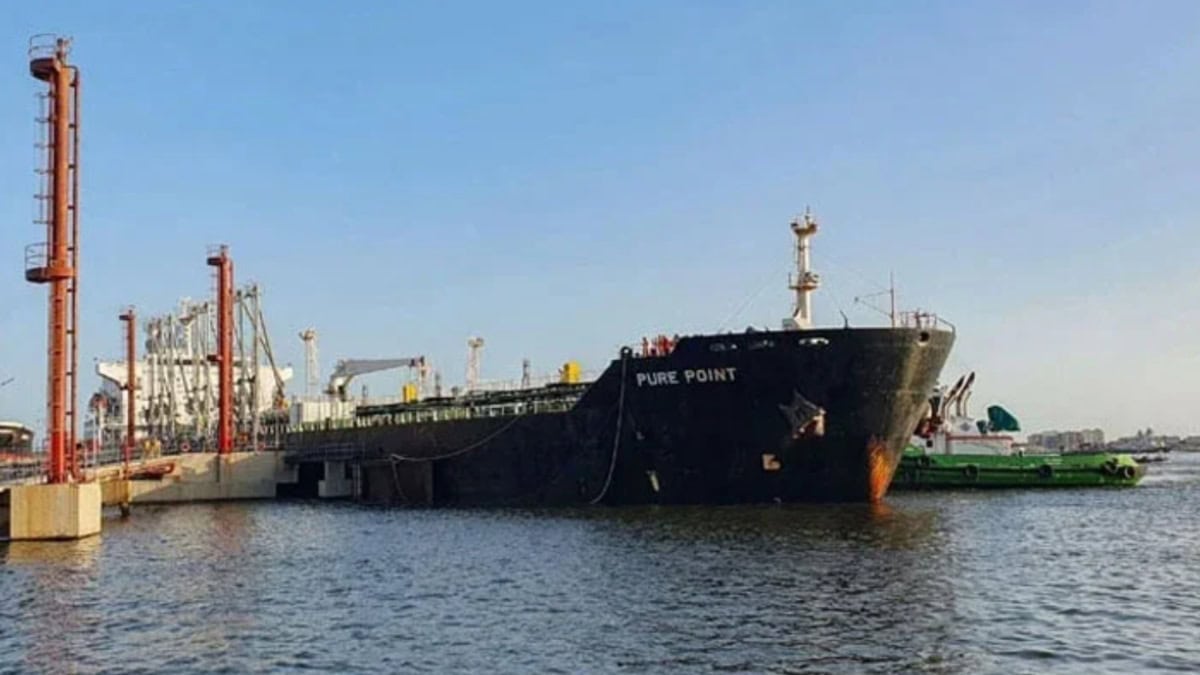
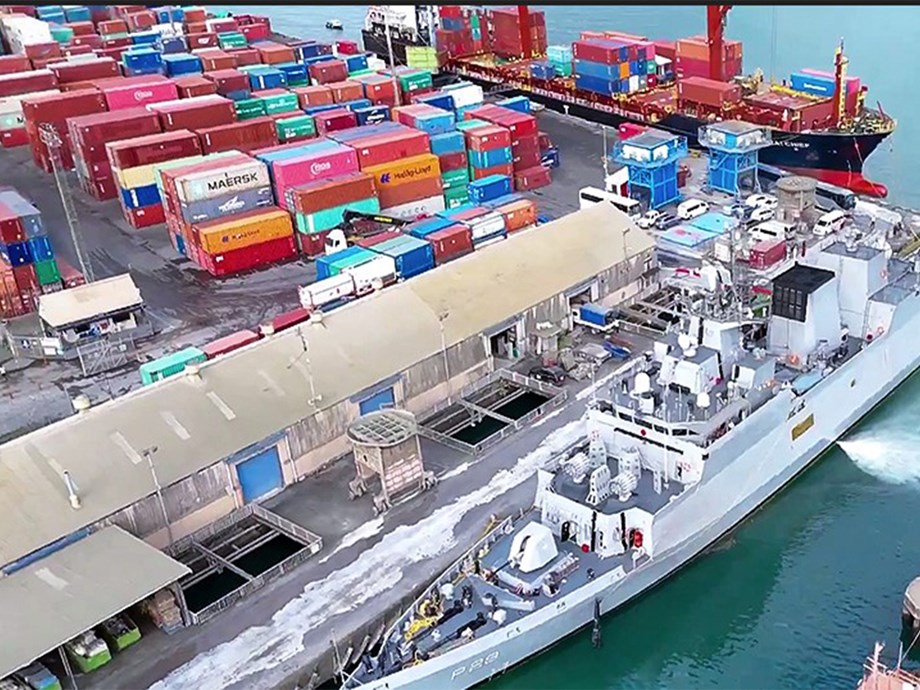
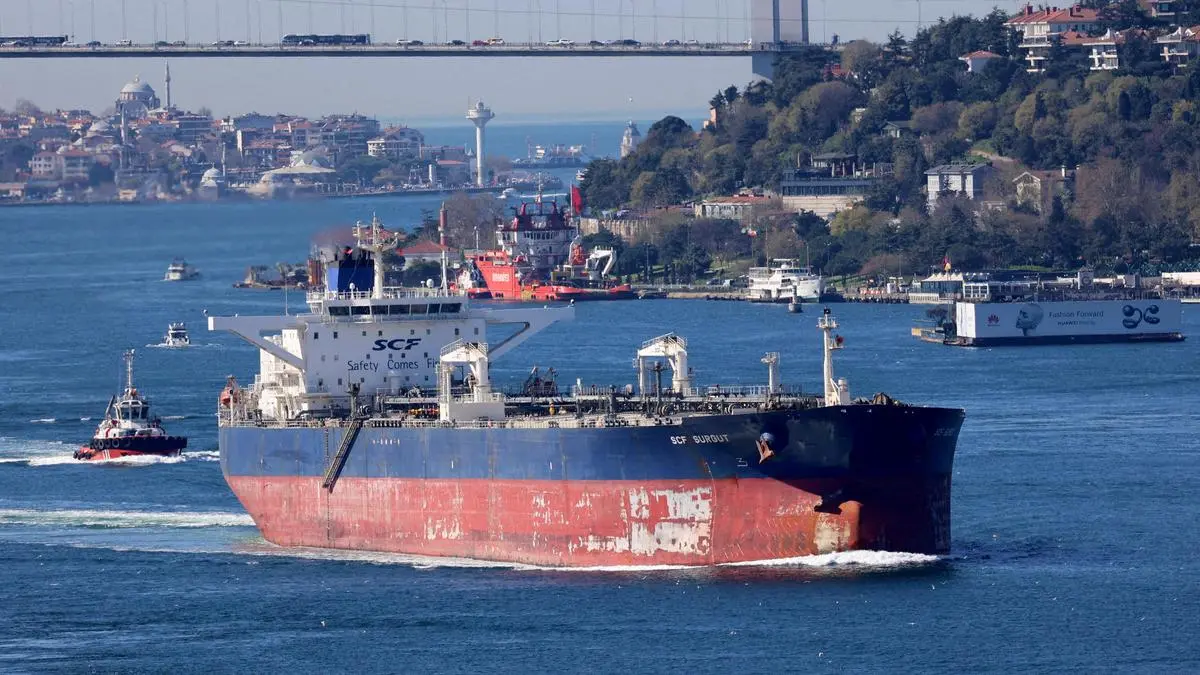
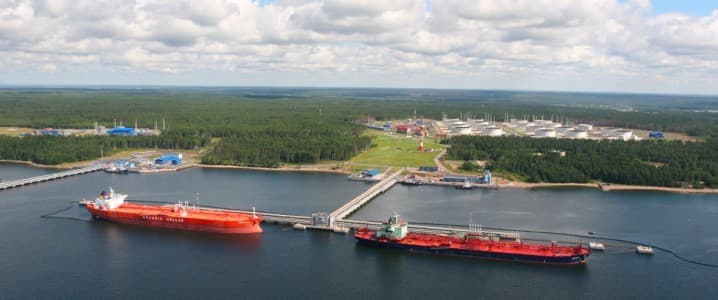
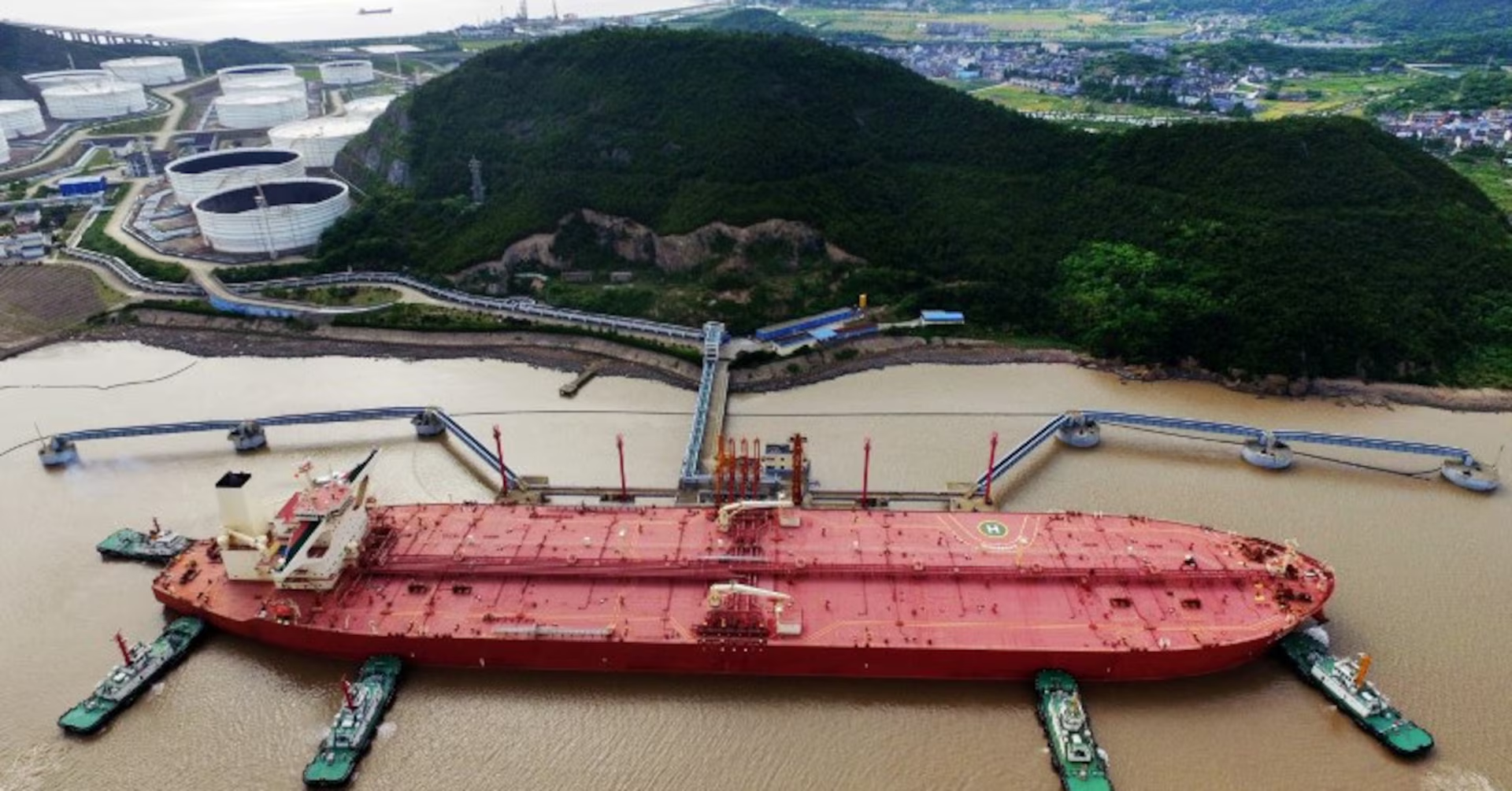
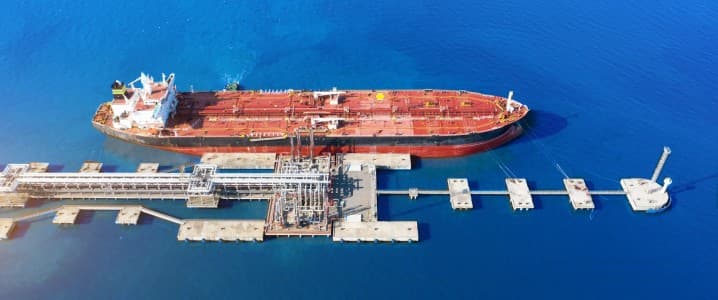
ONGC is scaling up its supply base at the Pipavav port which is being scaled-up with end-goal of accounting for around two-thirds of the company’s work load on the West coast. The company expects to save over ₹1,000 crore from the exercise when completed.
ONGC expects international crude oil price to remain in the range of $60-65 per barrel for the next 2-3 years.
Currently more than 20 initiatives are under implementation with a potential of saving around ₹4,300 crore by FY26. Besides, the potential of other initiatives that are in the planning stage is roughly ₹5,000 crore by FY27.
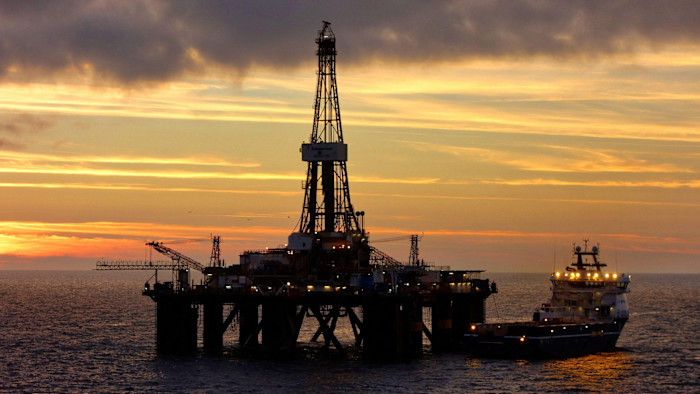
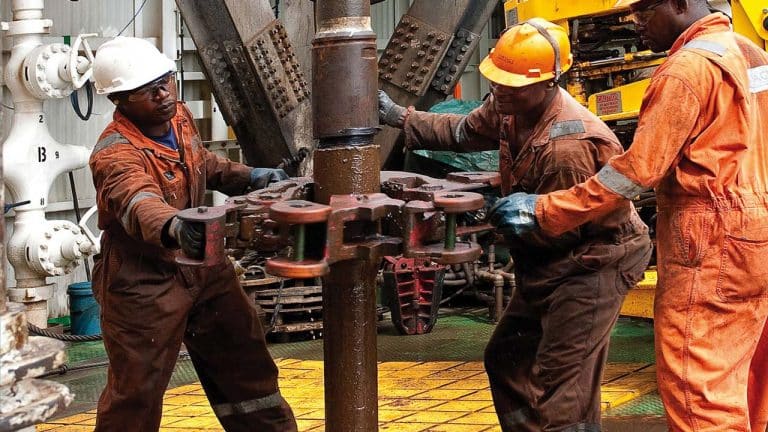
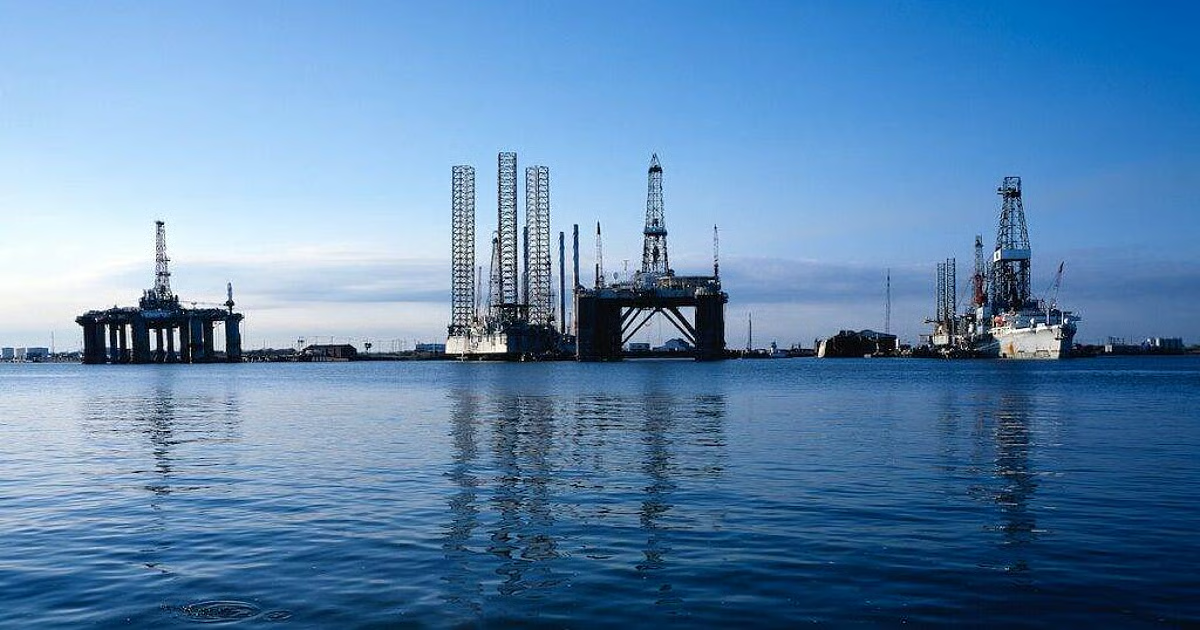
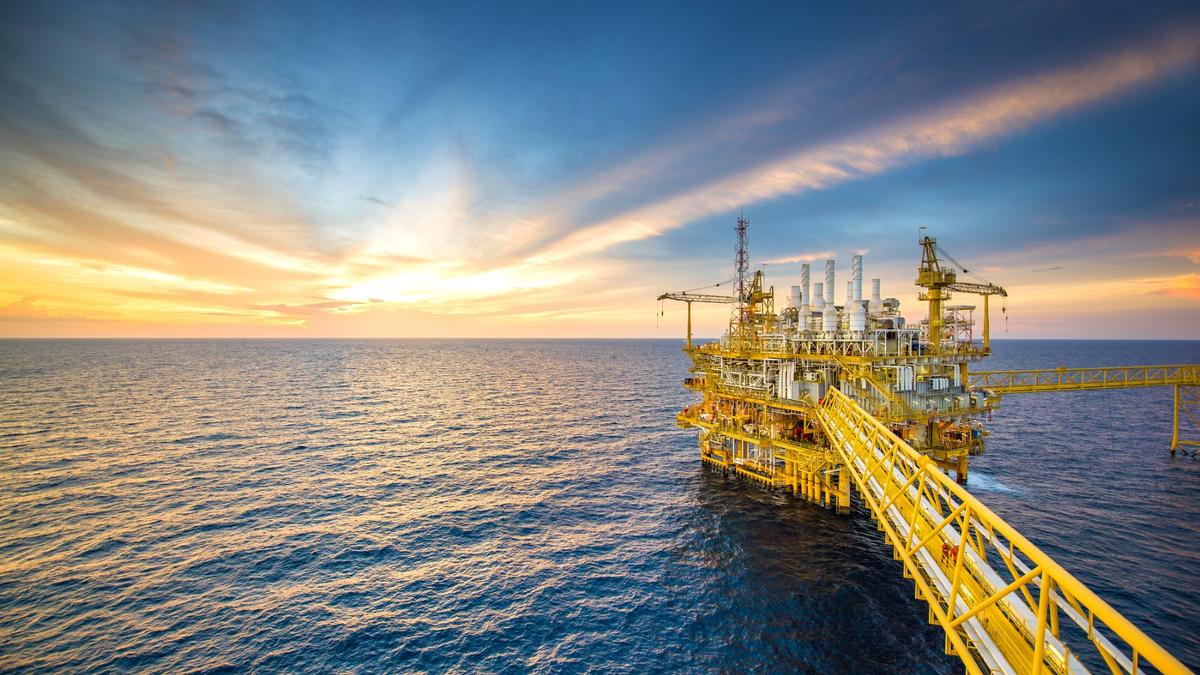
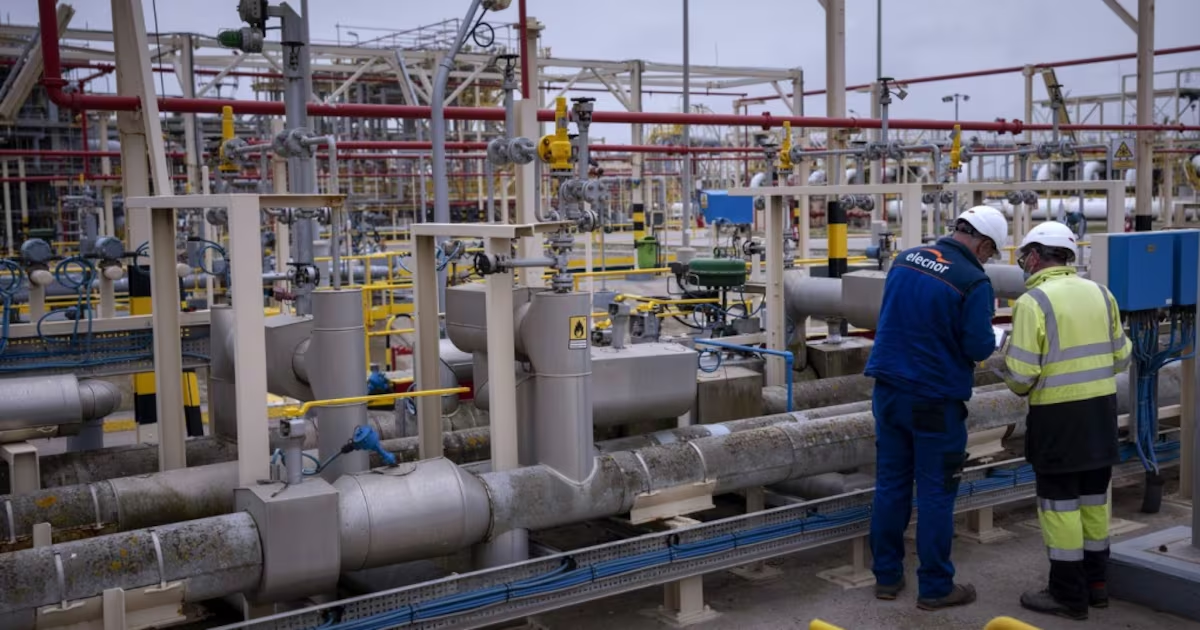
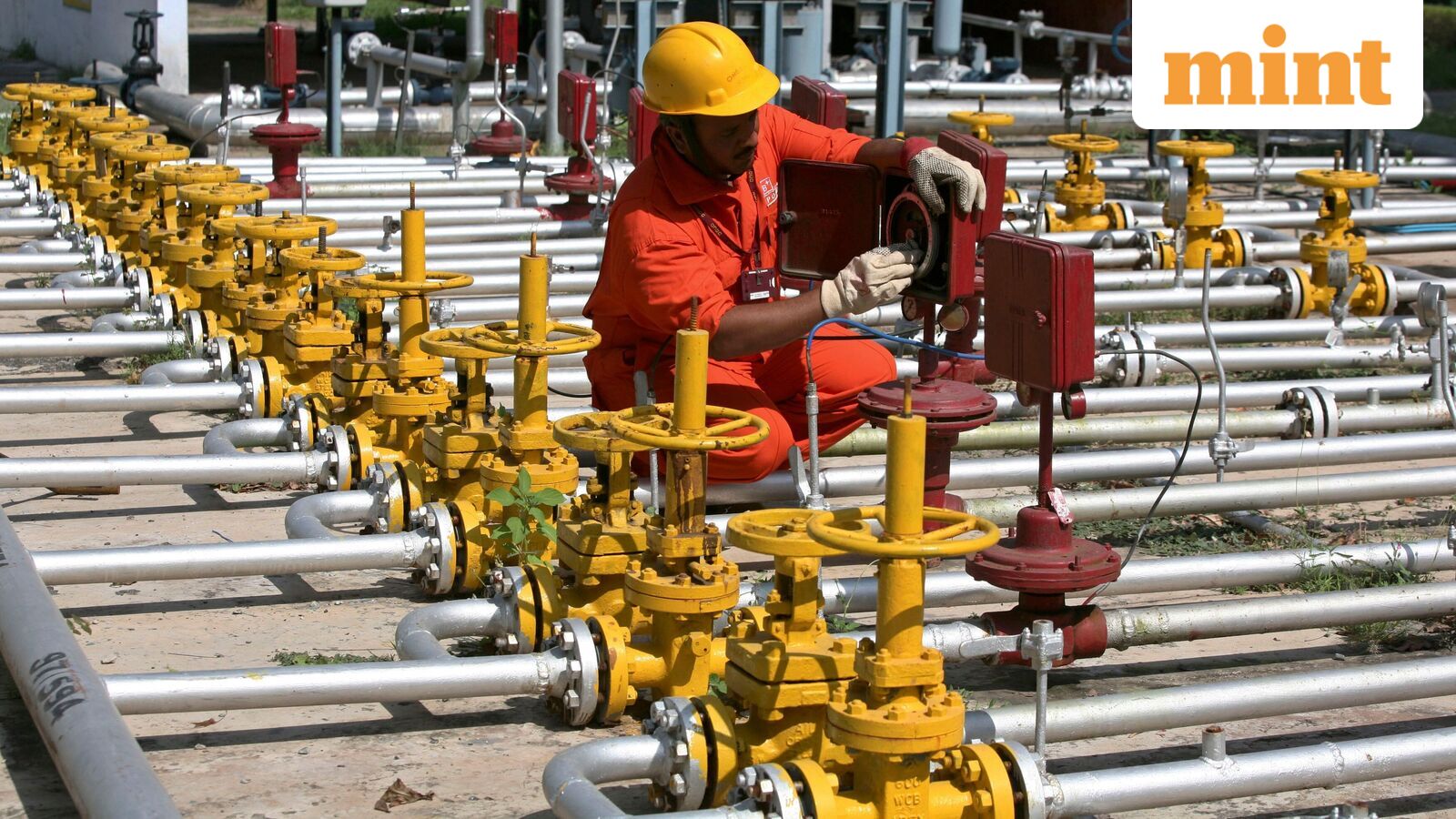
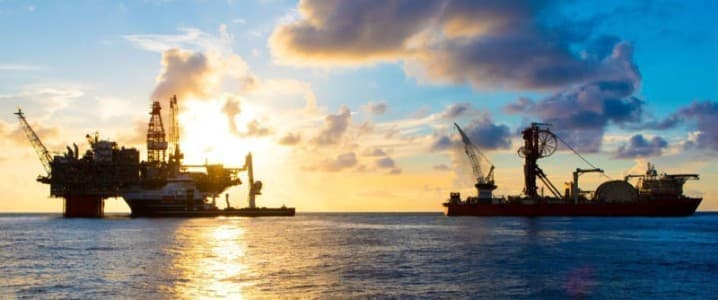
Offshore resource optimization, increasing drilling, efficiency, logistics route, optimization, inventory reduction, increasing fuel efficiency are the key cost reduction initiatives of the government-owned company.
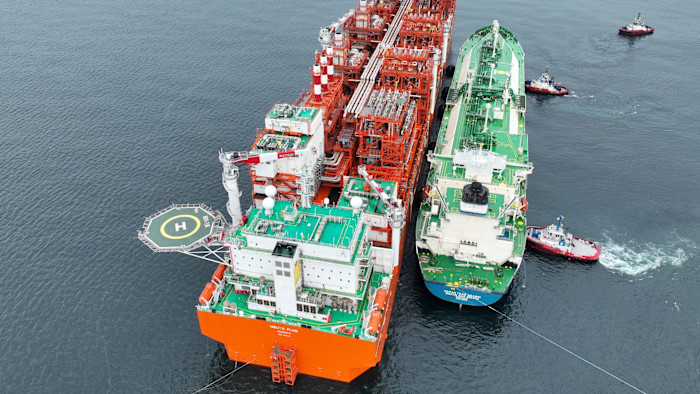
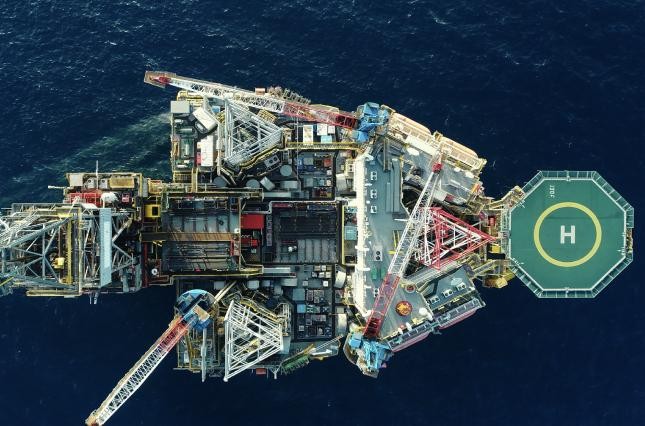
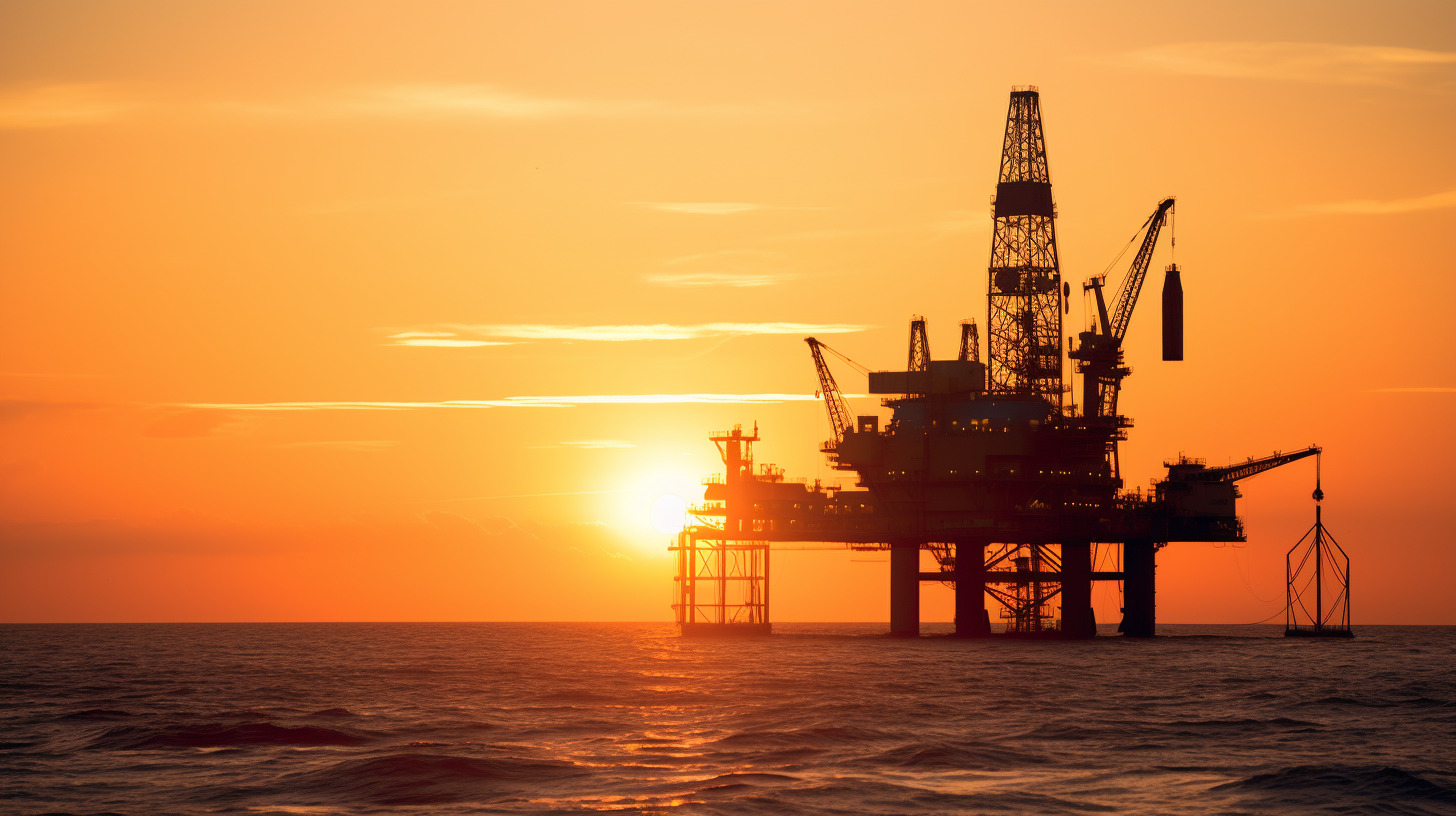
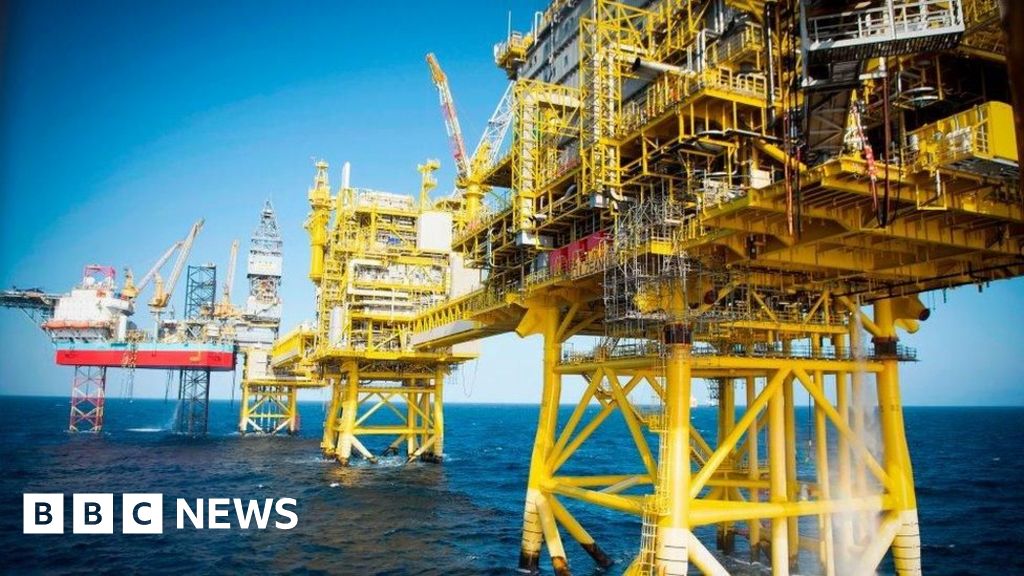
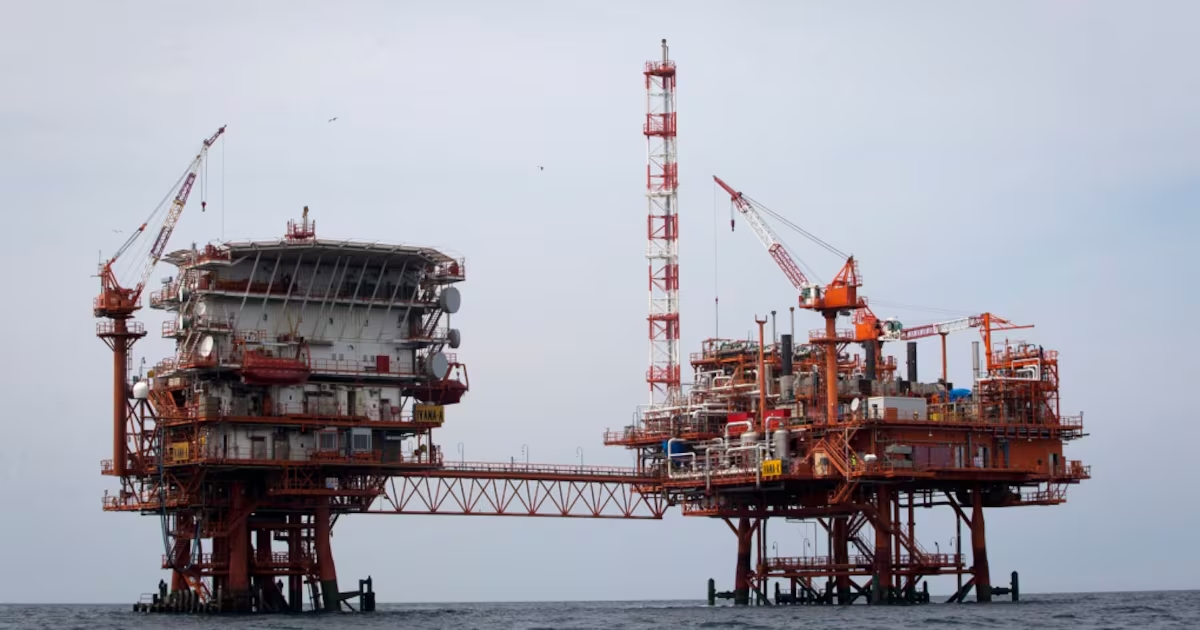
Under the revival plan for Mumbai High, ONGC and BP have split the Mumbai High into six hubs for faster, optimized redevelopment. In the first phase, ONGC has already committed $400 million capital expenditure. The presentation showed that under the phase 2 of redevelopment of the Mumbai High filed, both companies have targeted 100 new wells in FY28 and FY29.
The company is also exploring technical service providers to boost production in other fields.
The board of directors of the company has approved a development scheme to produce 12 million metric tonne oil and 13.5 billion cubic metre of gas in next few years.
Published on October 13, 2025