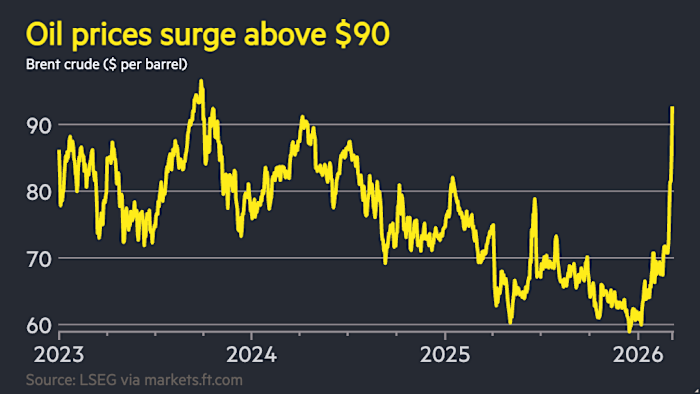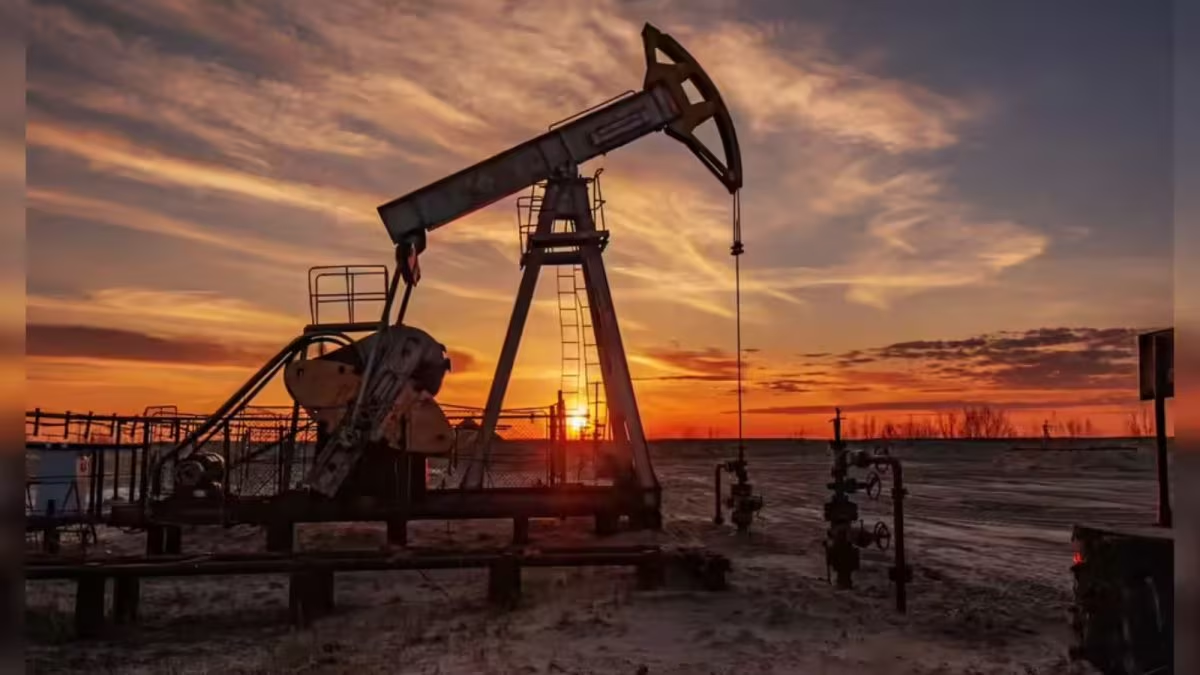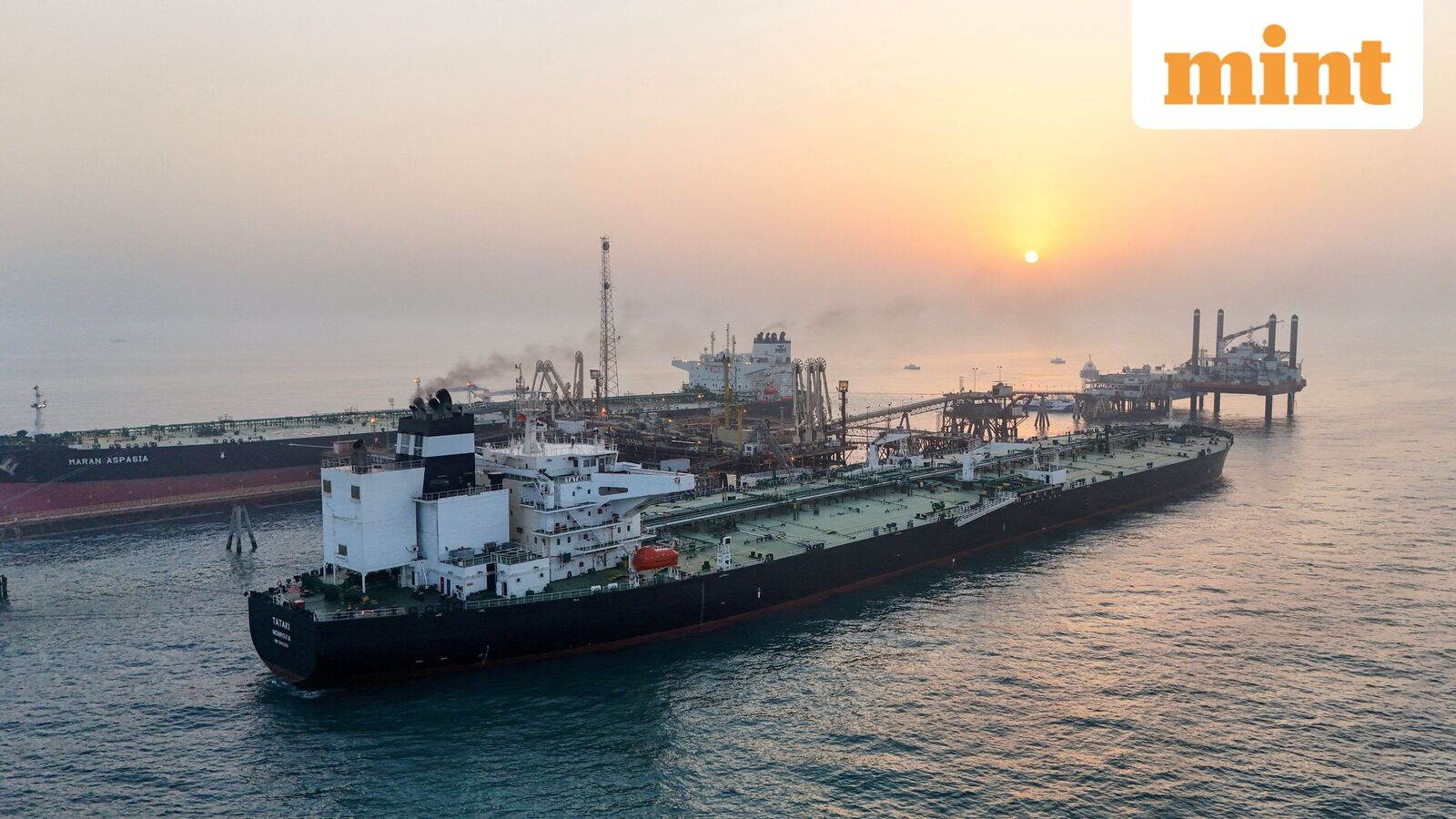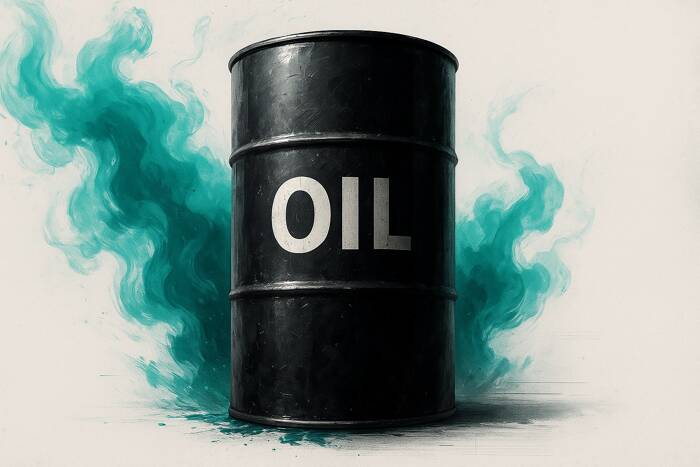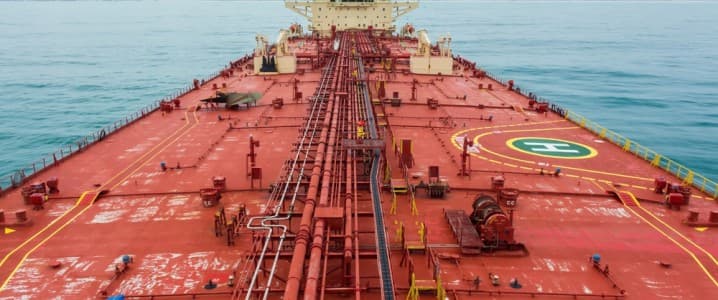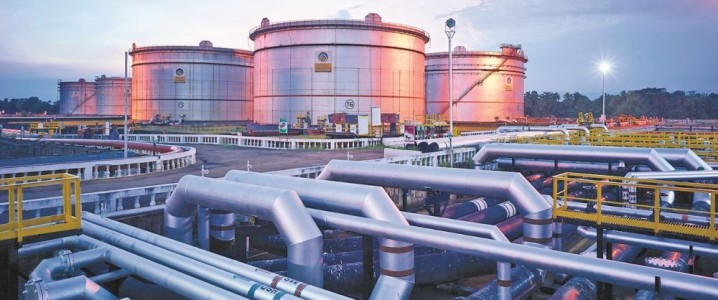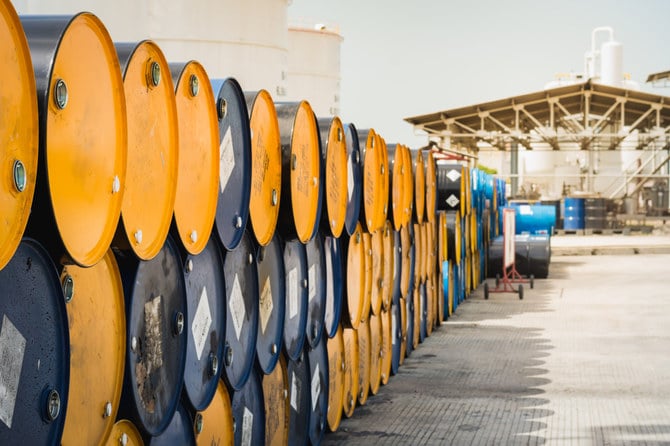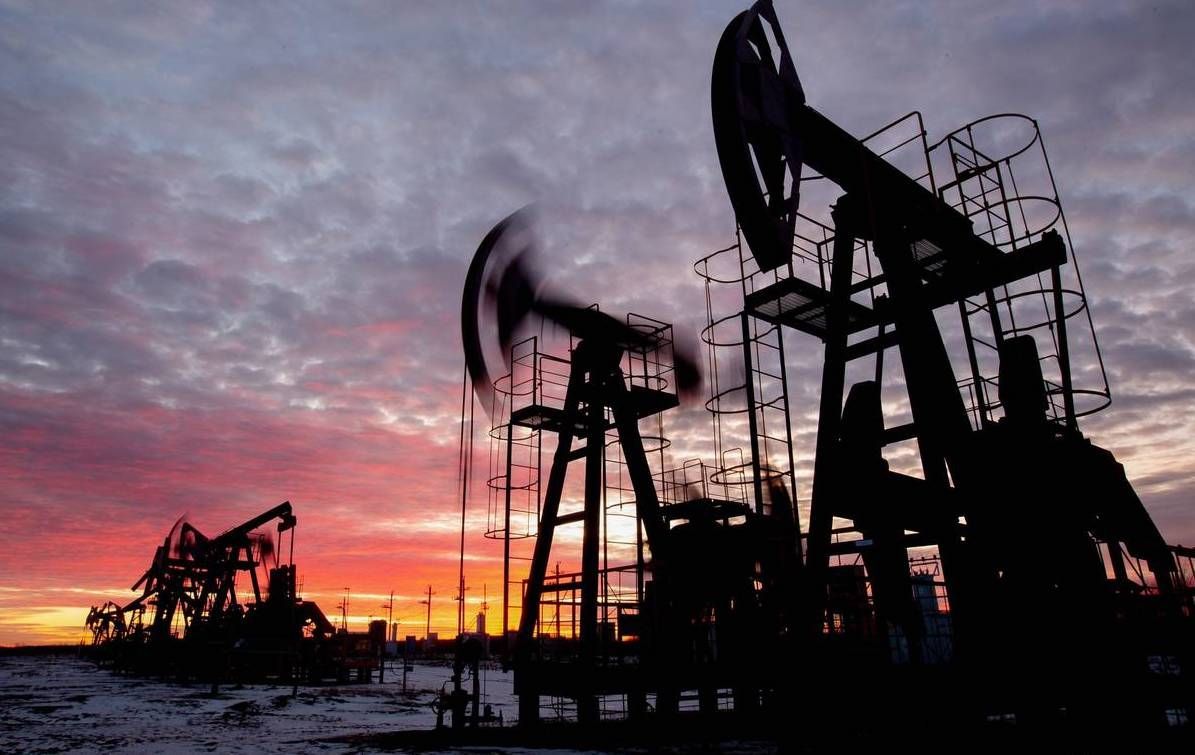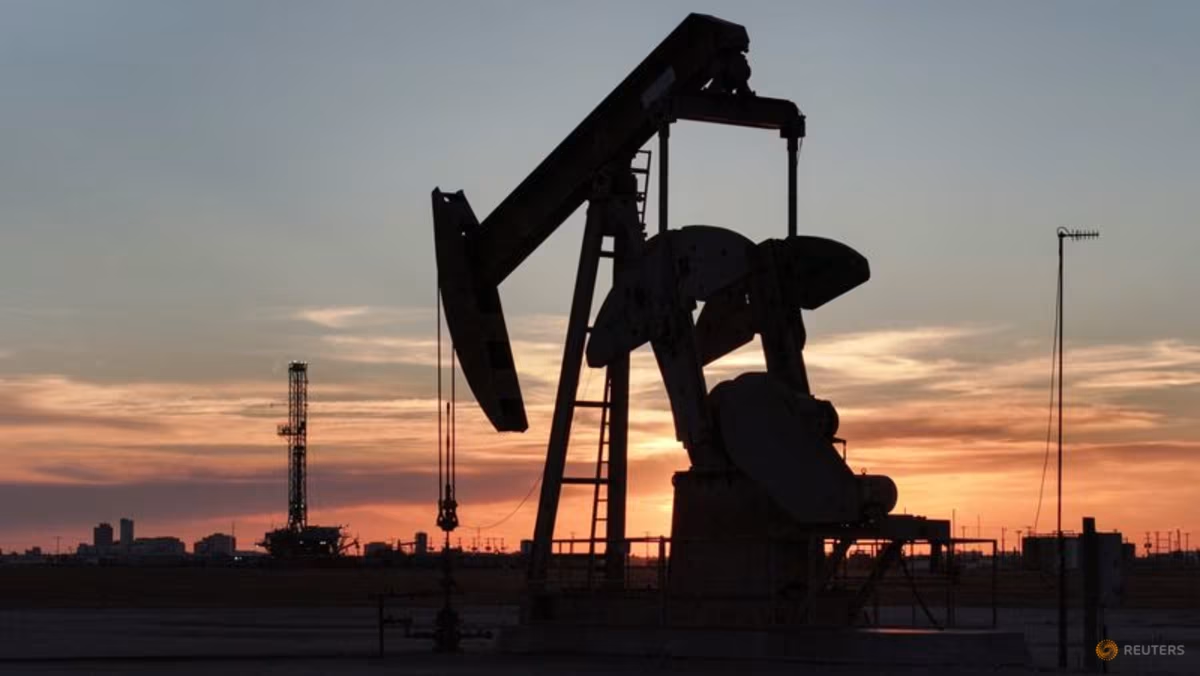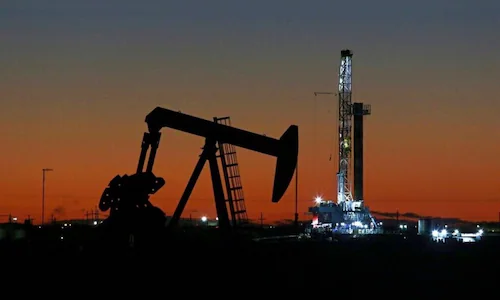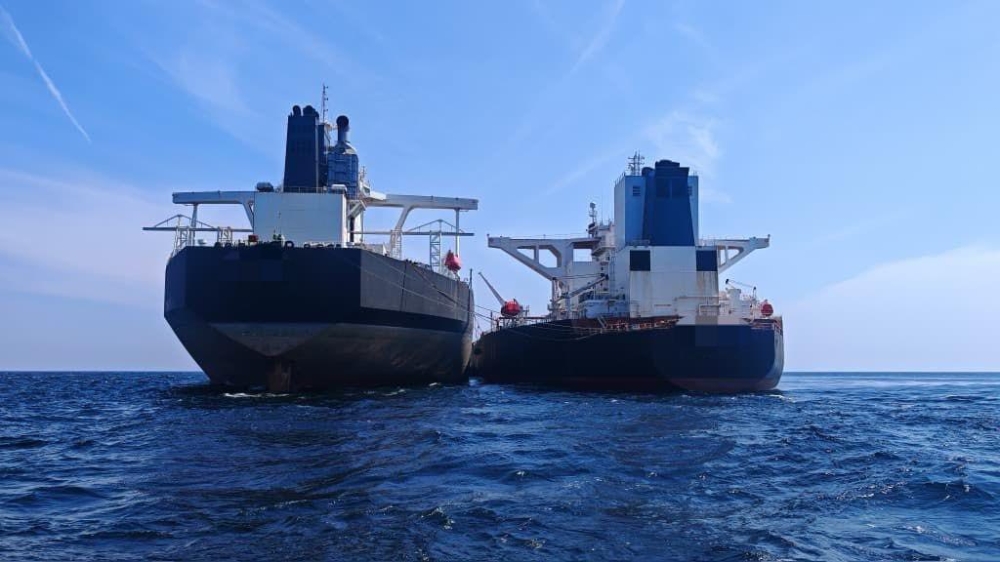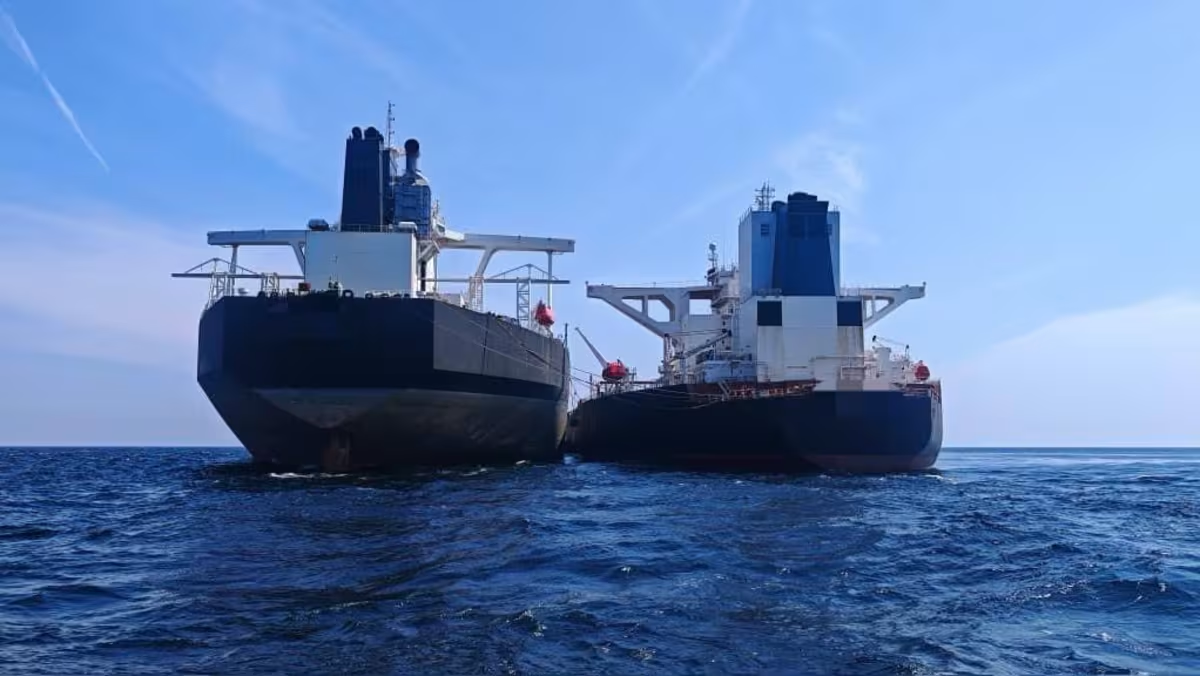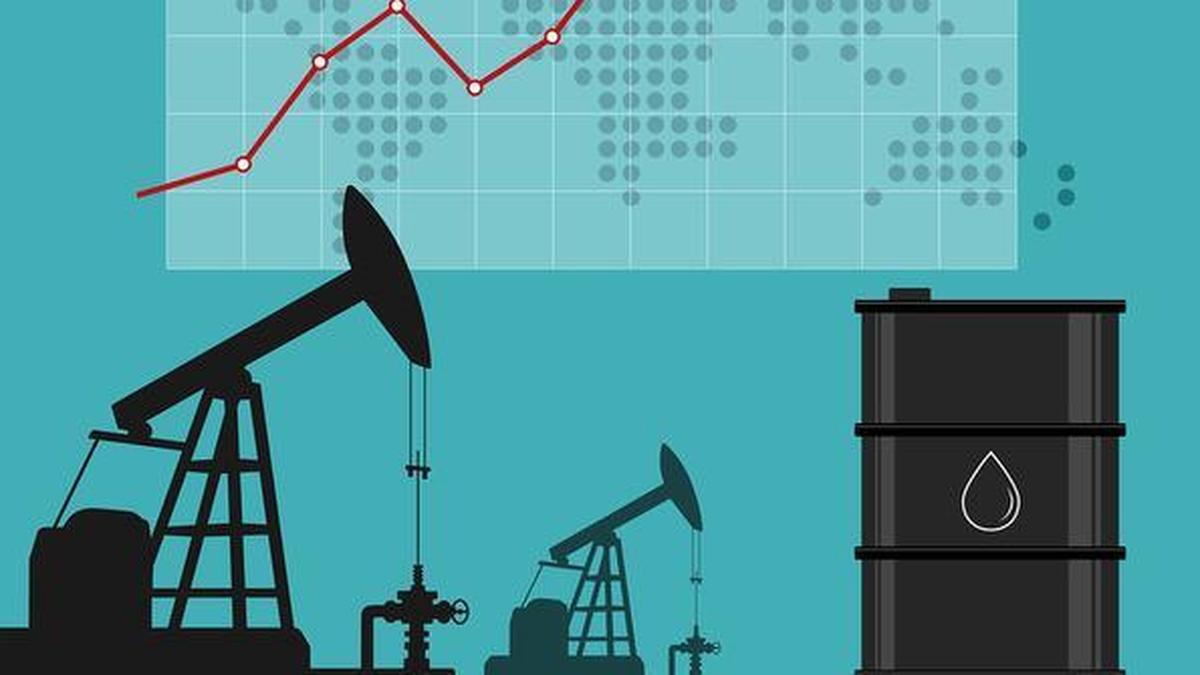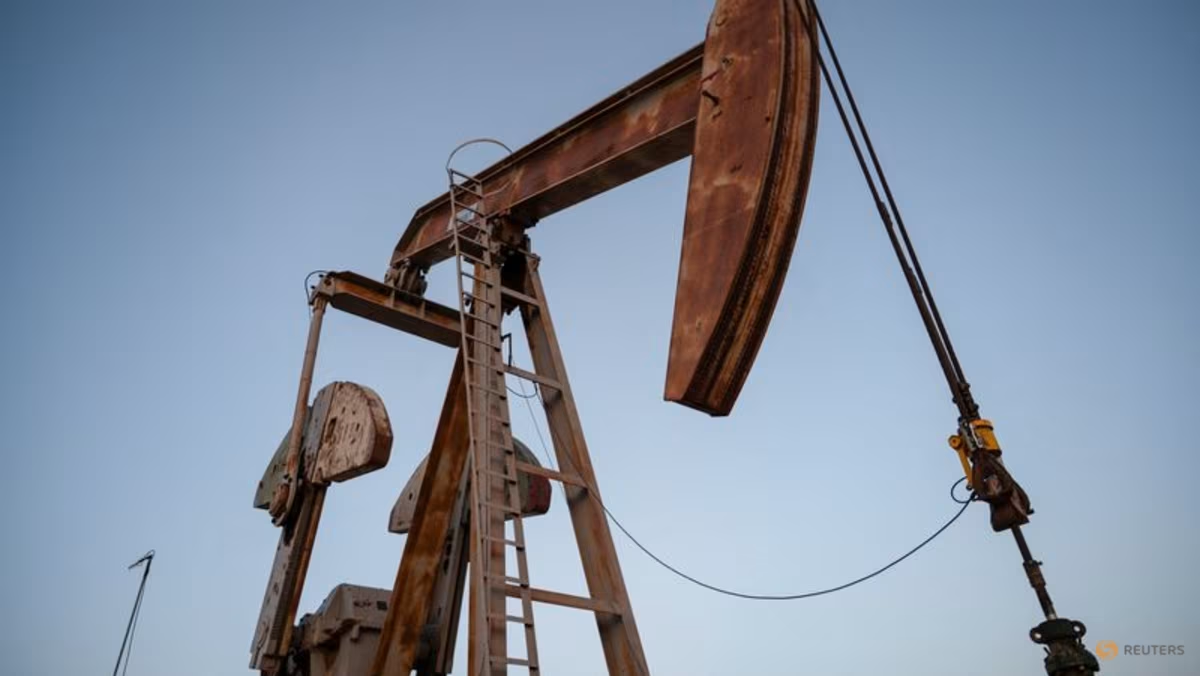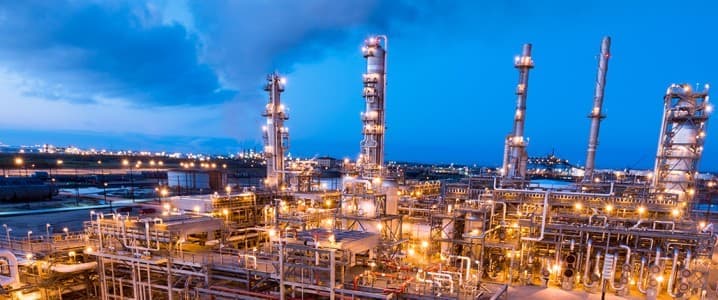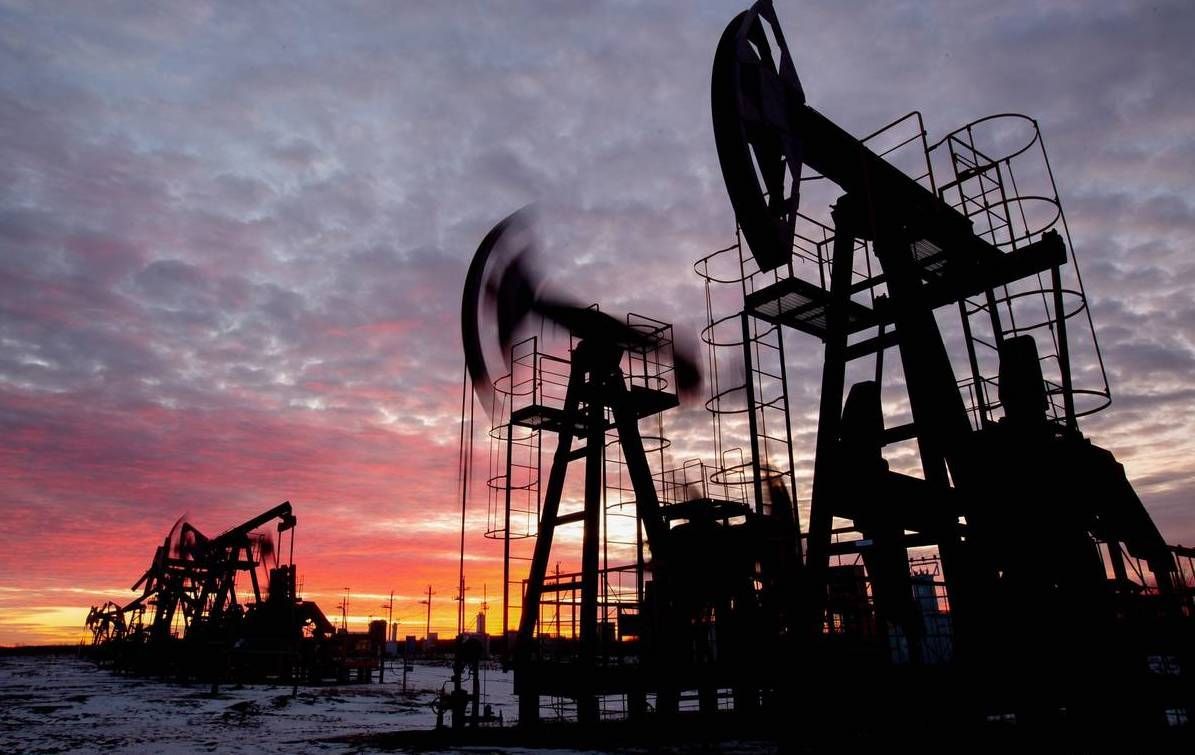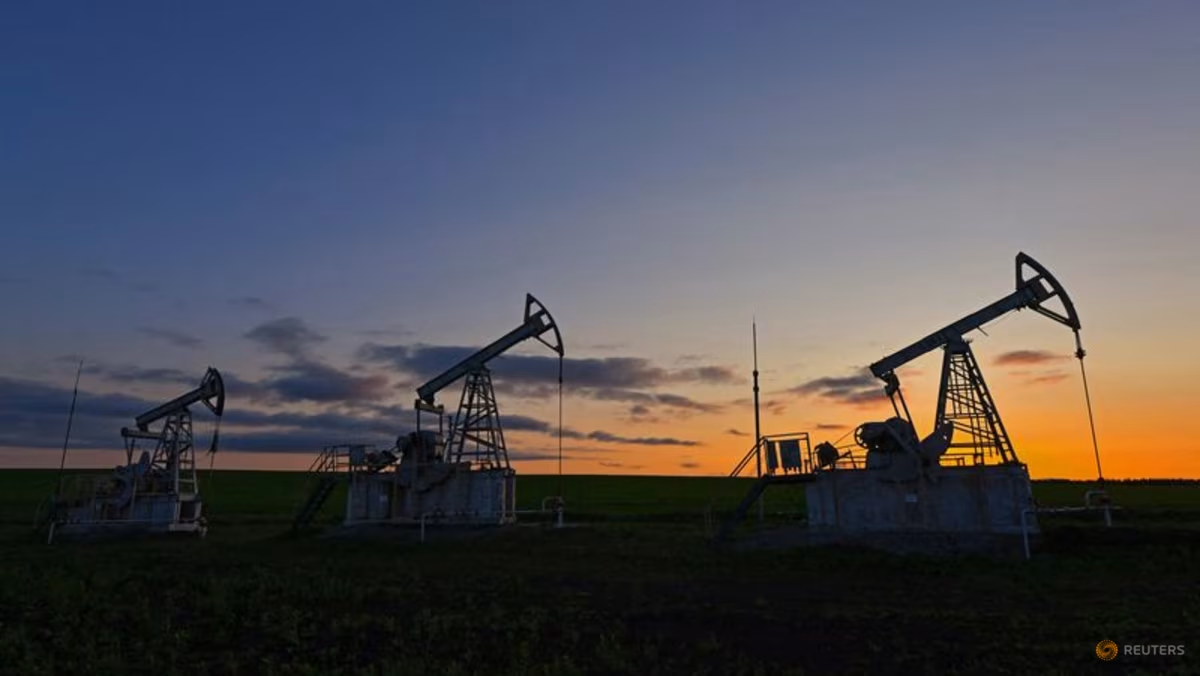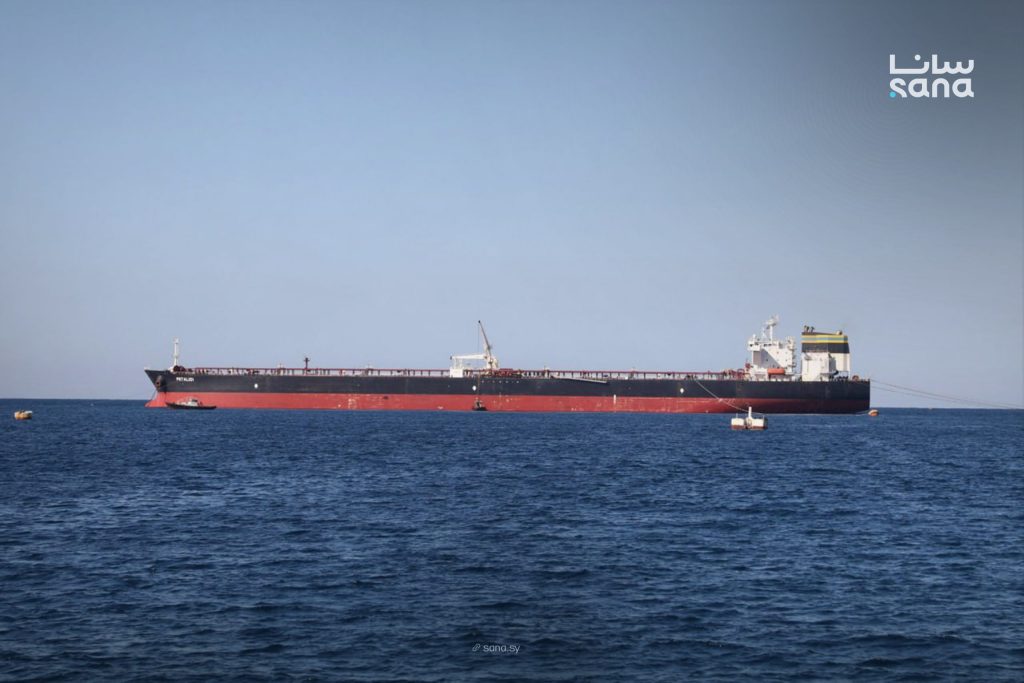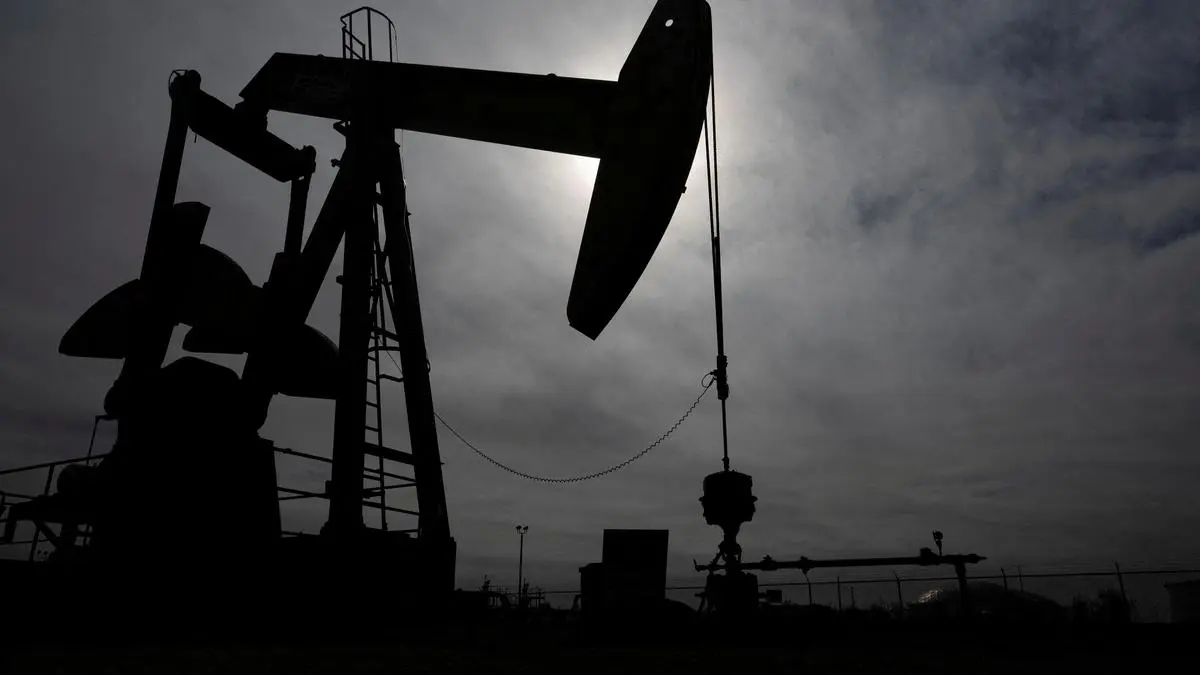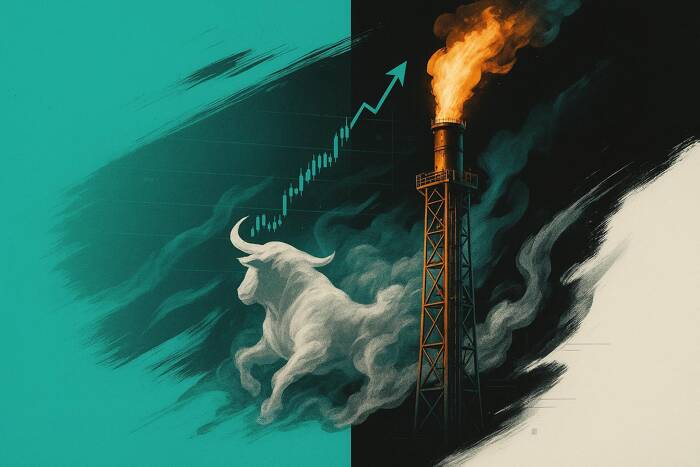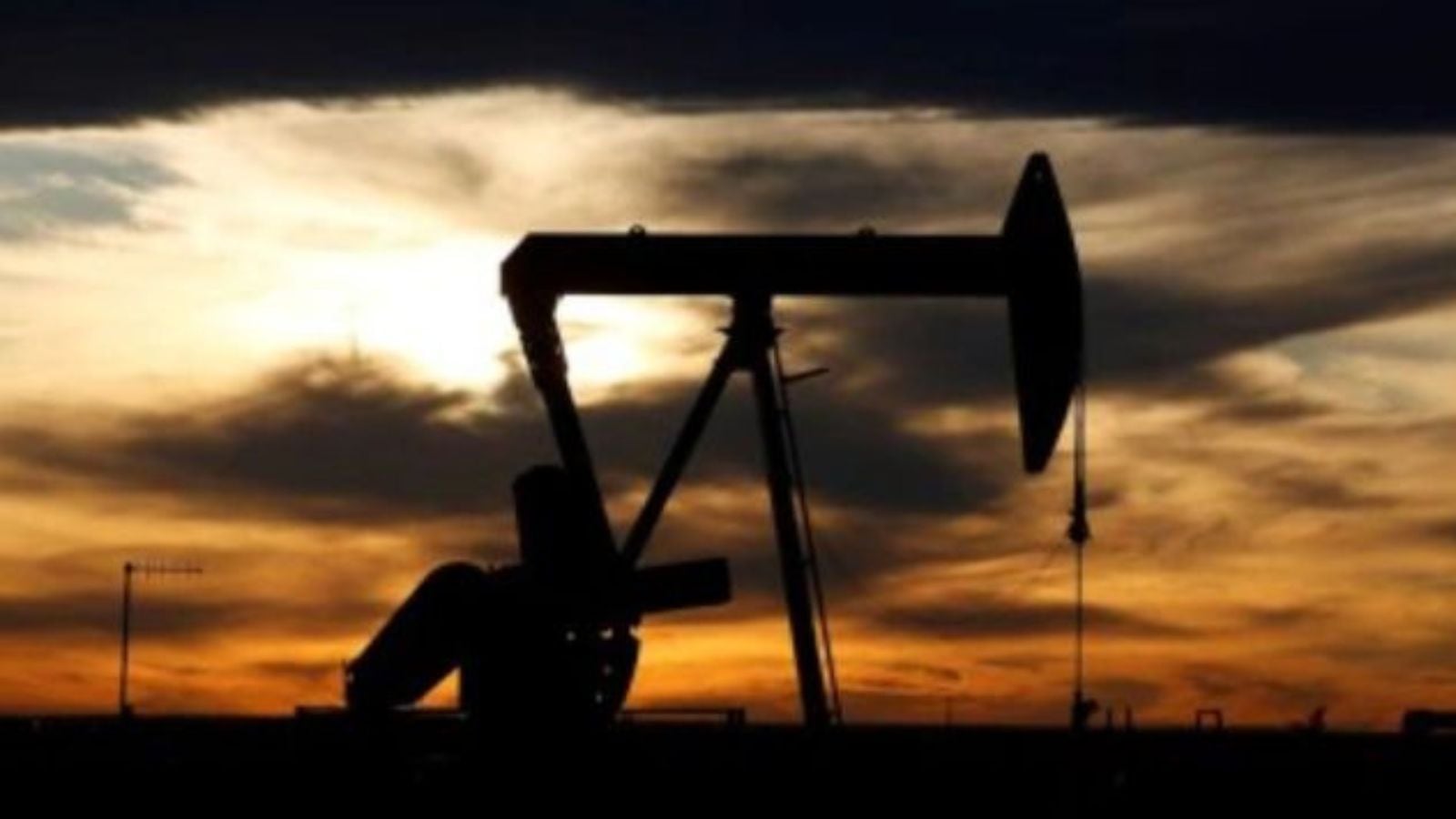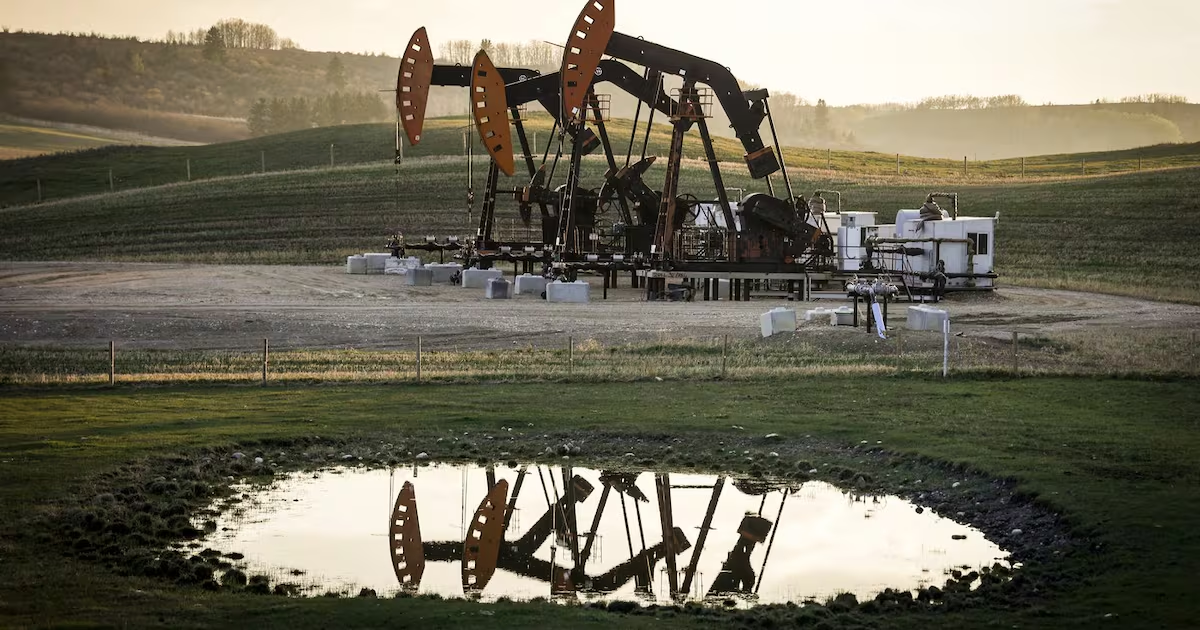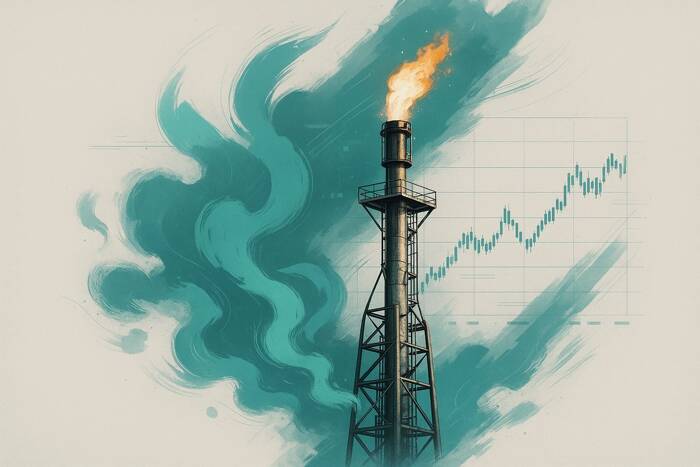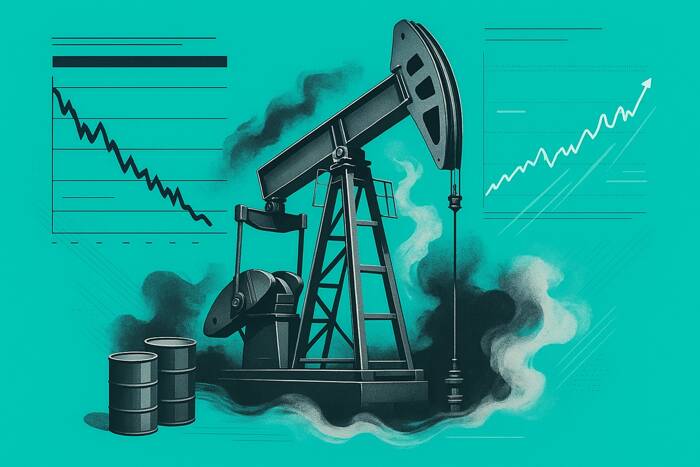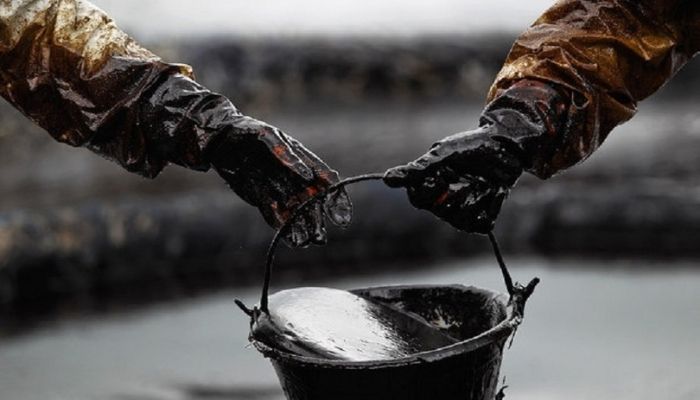
Crude oil prices surged sharply on Thursday as growing fears of a possible US military strike on Iran raised concerns over potential supply disruptions from the Middle East, extending gains into a third consecutive session.
Nigeria’s Bonny Light crude, the country’s premium grade, traded at about $69 per barrel, reflecting the broader rally in global oil markets.
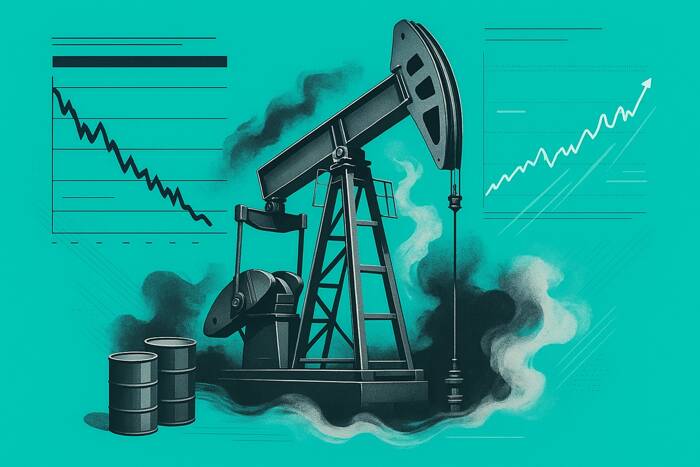
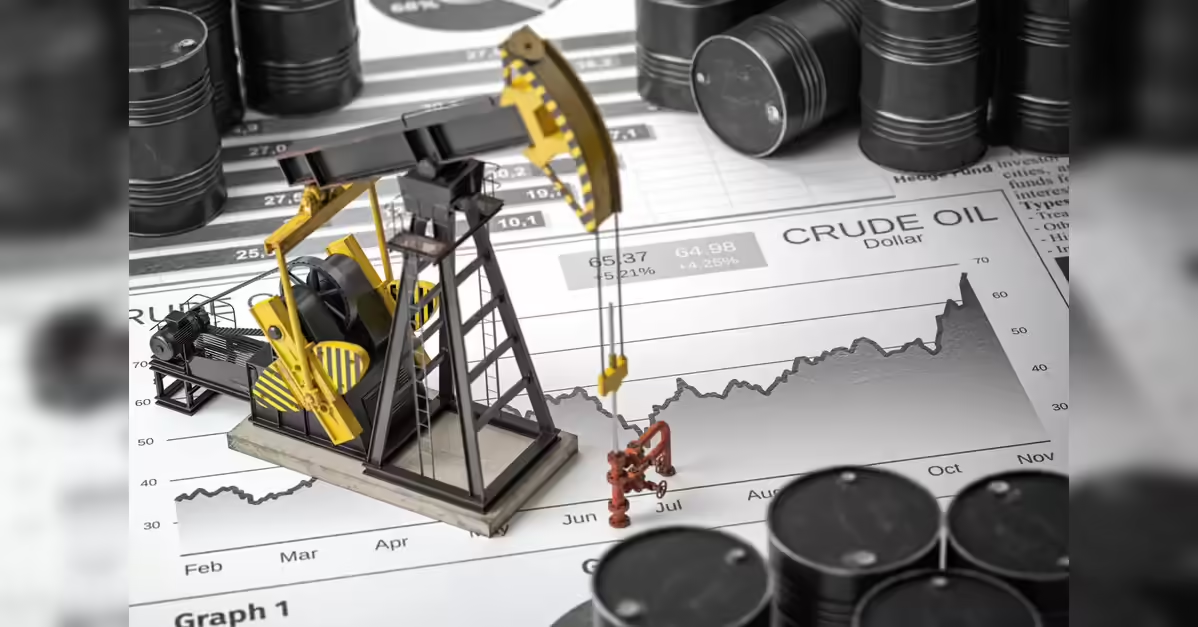
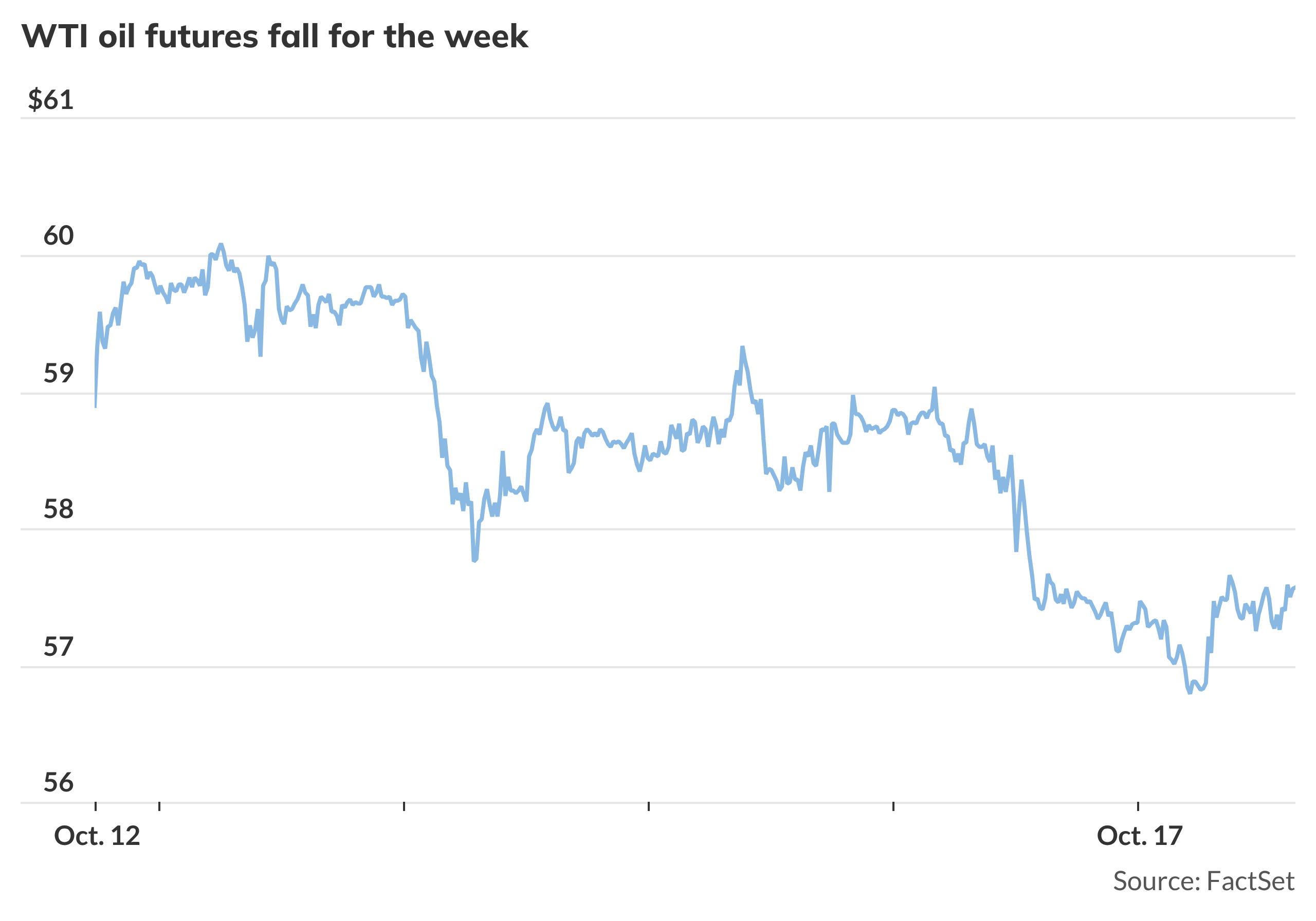
US West Texas Intermediate (WTI) crude climbed by 92 cents, or 1.5 per cent, to $64 per barrel, while Brent crude futures rose by 94 cents to $69.34 per barrel.
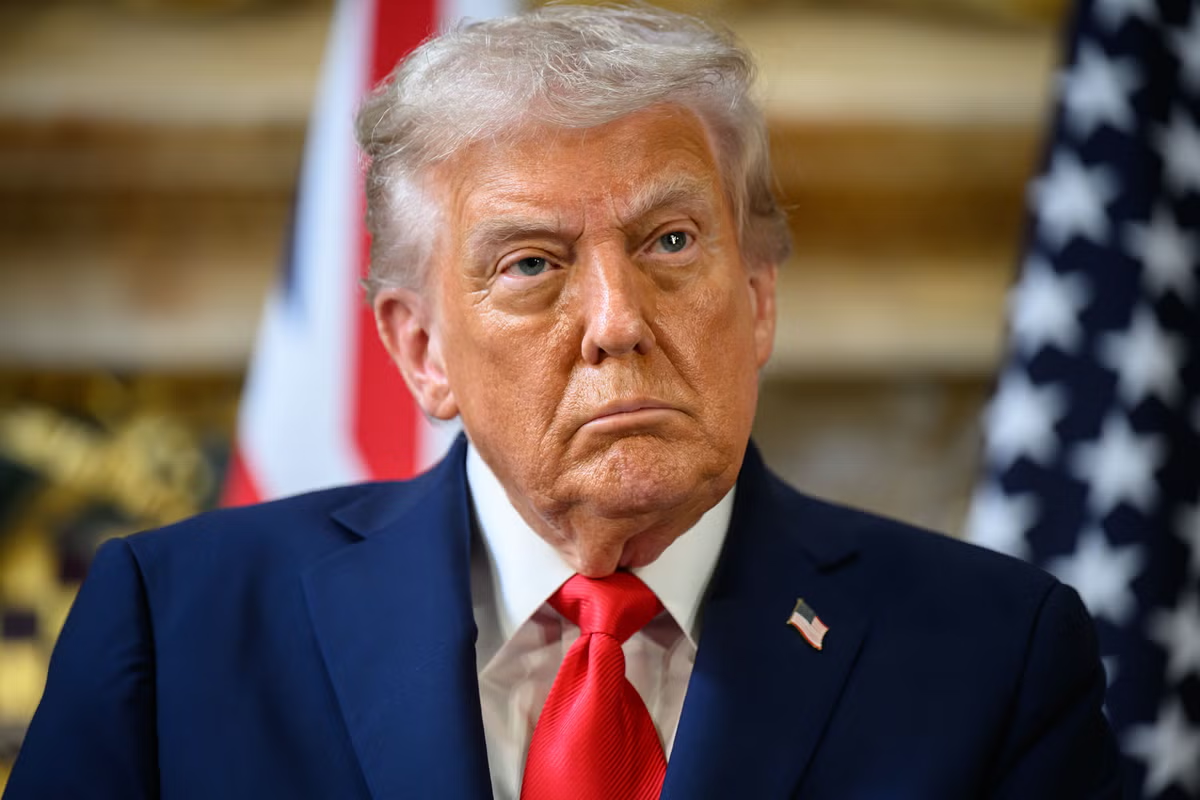
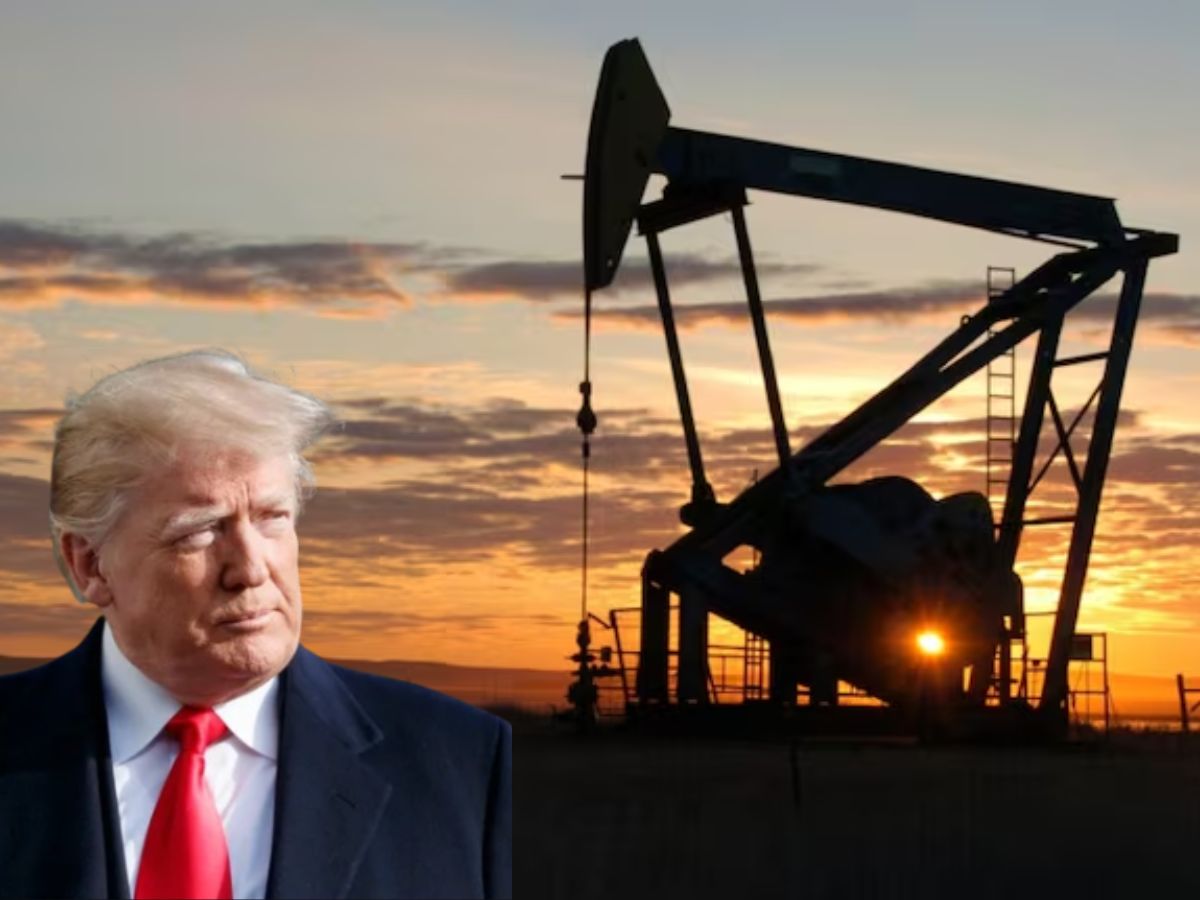
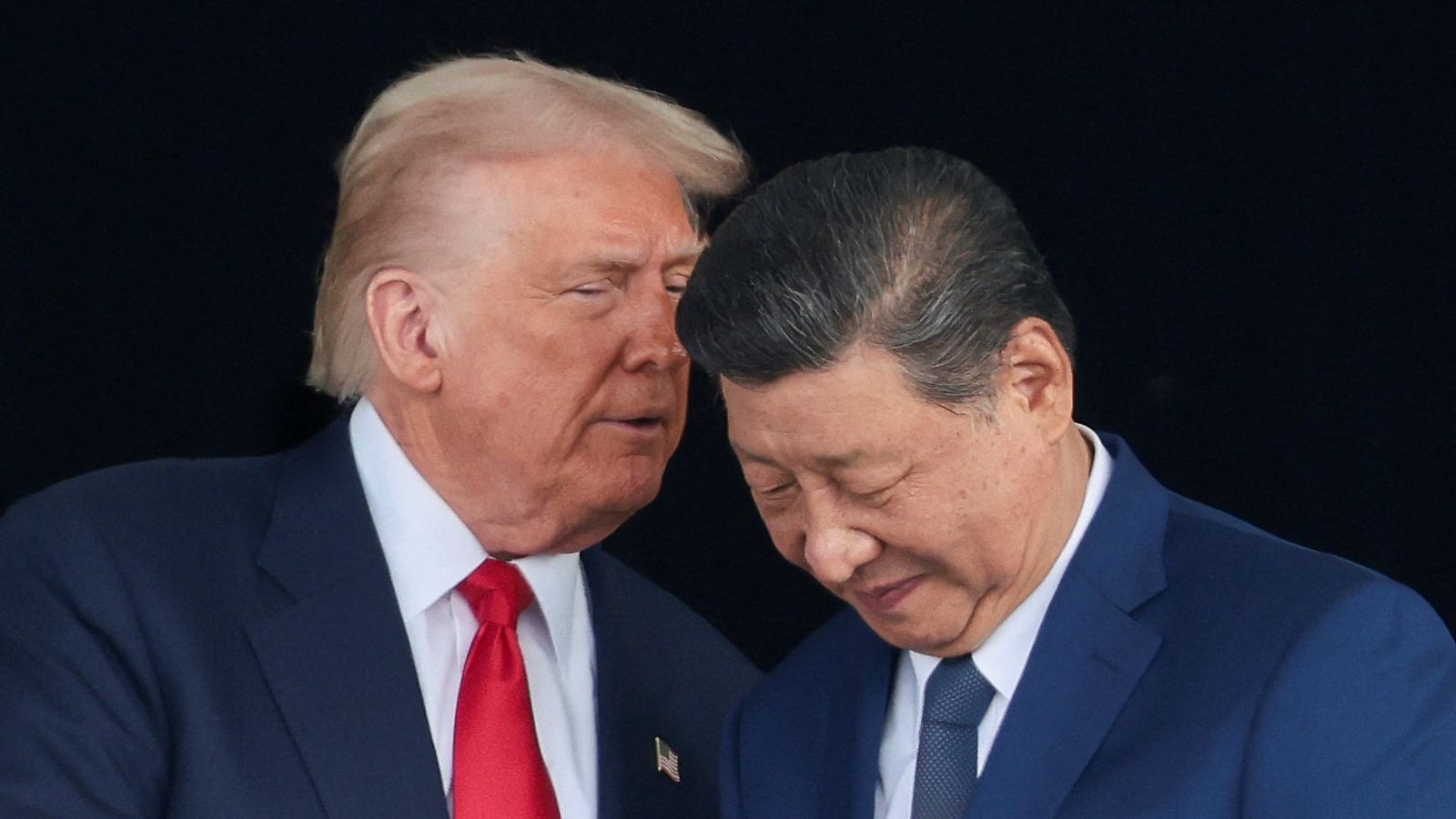
Both benchmarks reached their highest levels since September 29 and have gained roughly 5 percent since Monday, driven largely by heightened geopolitical tensions linked to President Donald Trump’s renewed pressure on Iran to curb its nuclear programme.
The rally followed reports that the US president is considering military action against Iranian security forces and leadership, a move seen as an attempt to spark internal unrest and potentially destabilise the current government in Tehran.
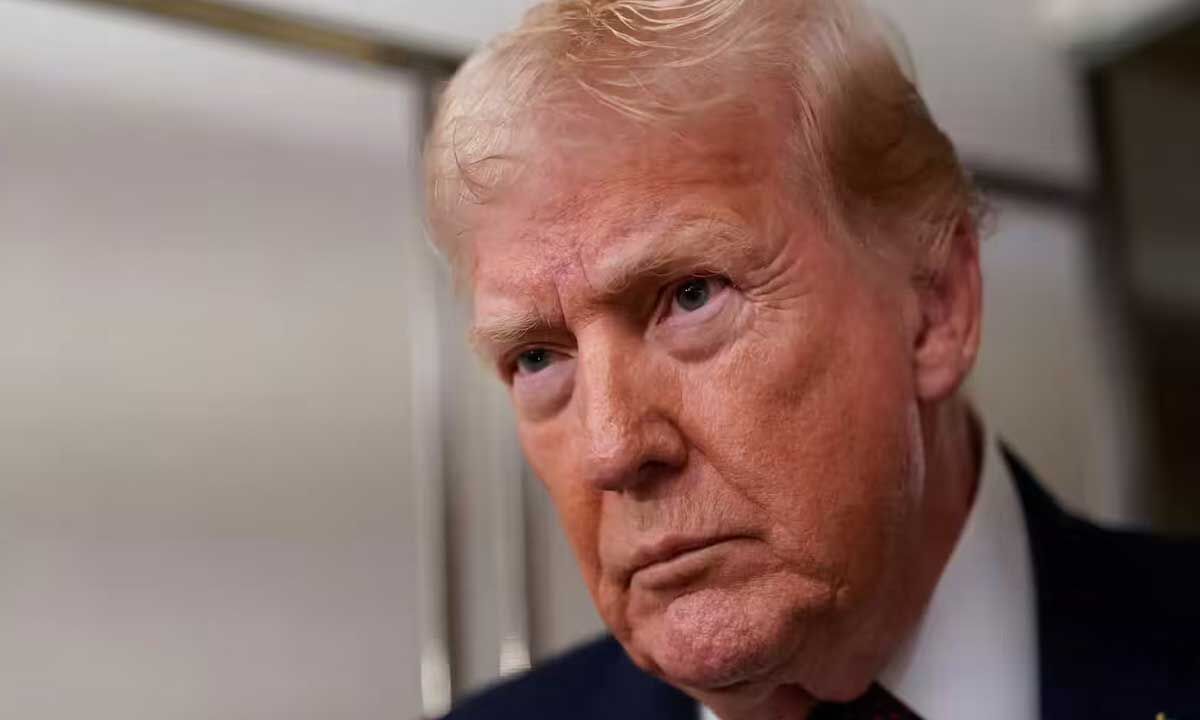
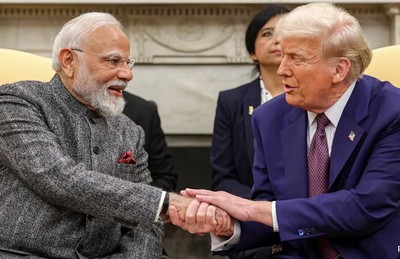
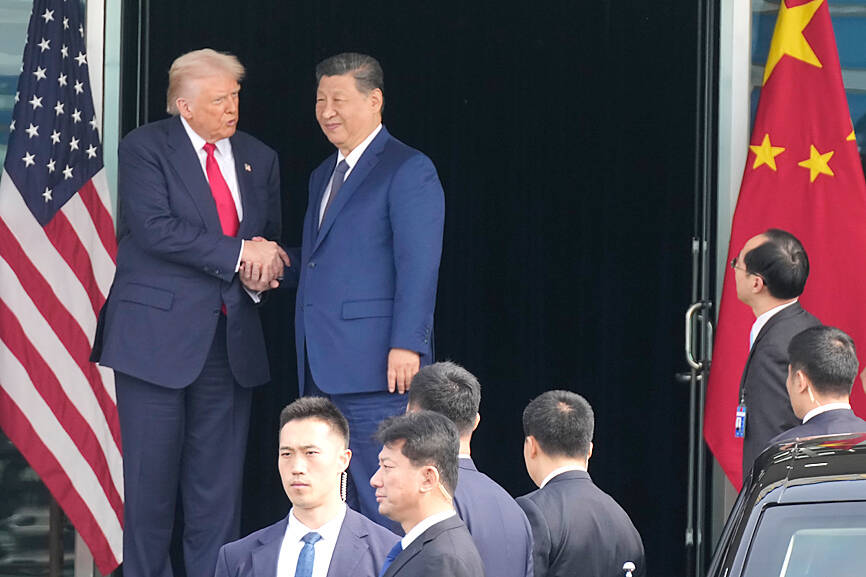
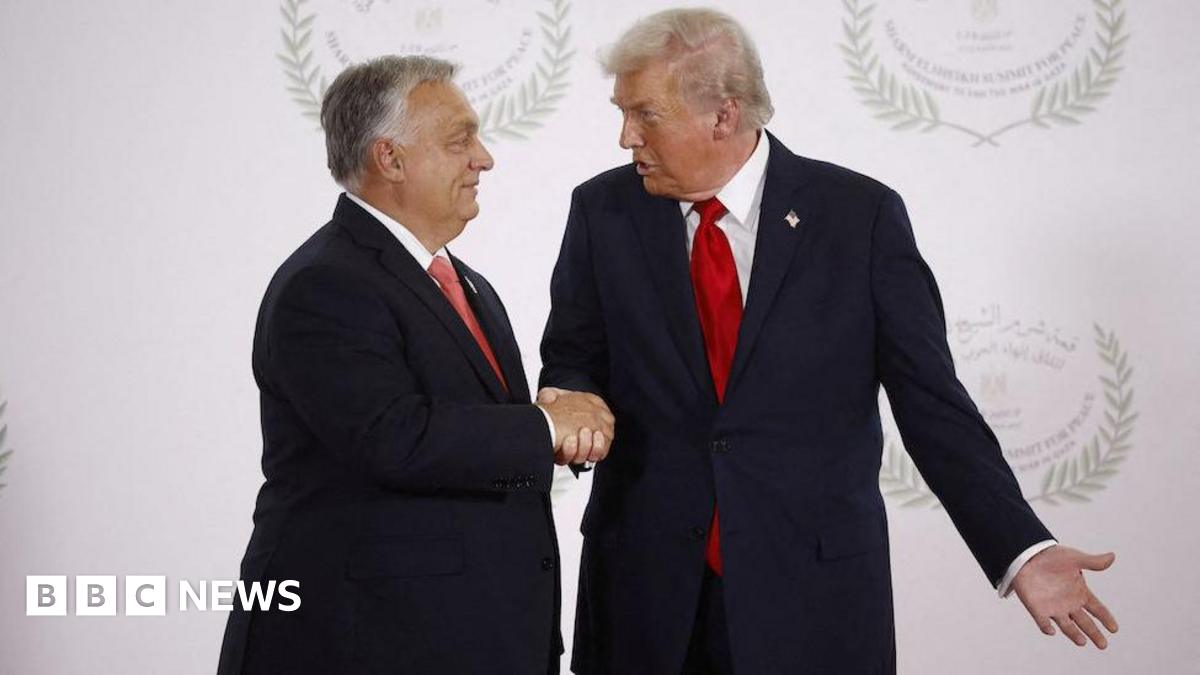
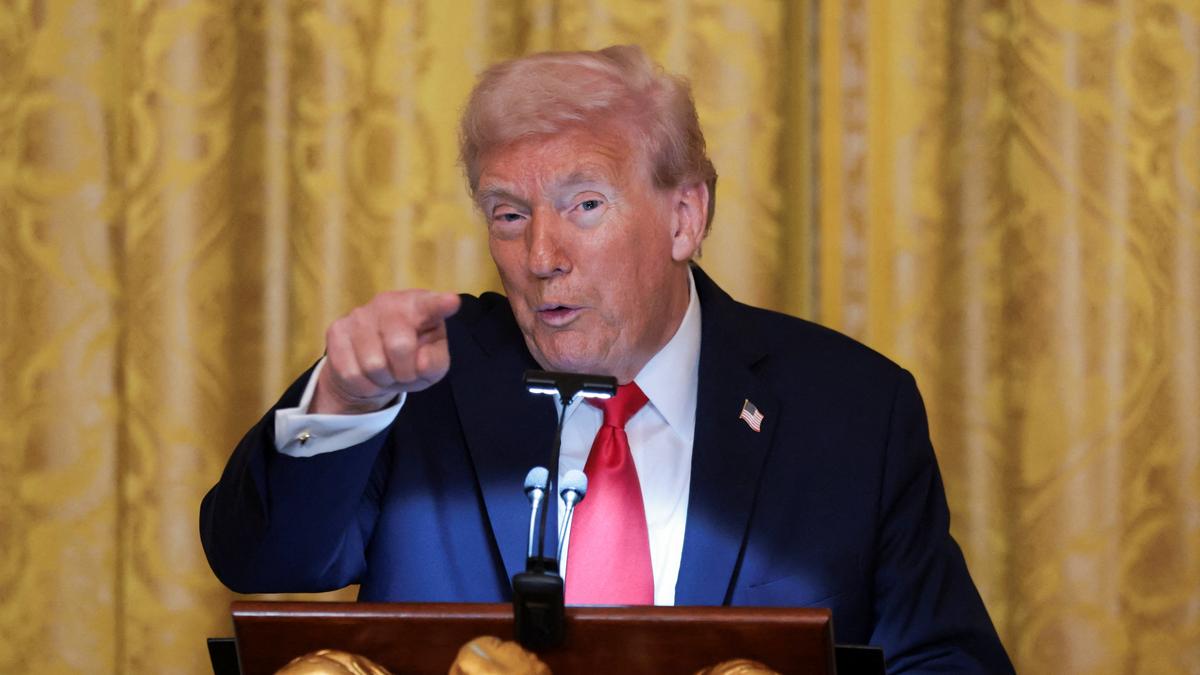
On Wednesday, Trump urged Iran to return to the negotiating table, warning that “time is running out” before the United States takes military action.
Read also: Bonny Light jumps to $78.62, outperforms global benchmarks, WTI, Brent
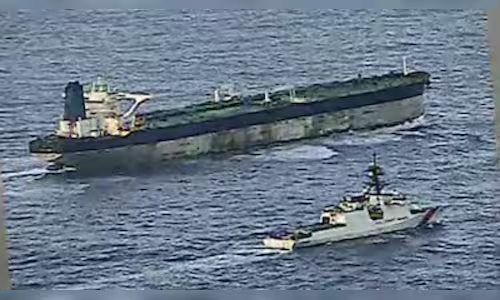
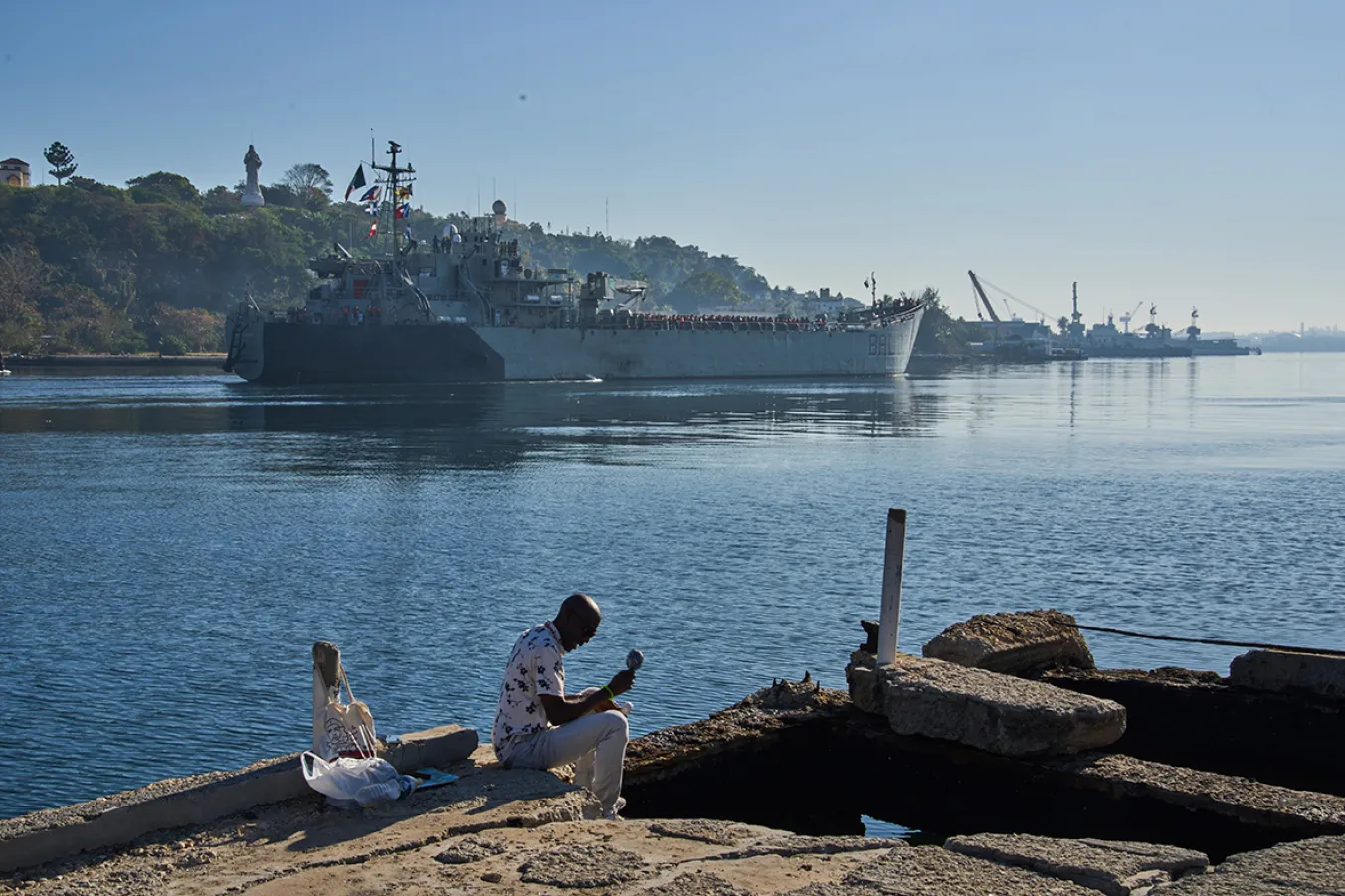
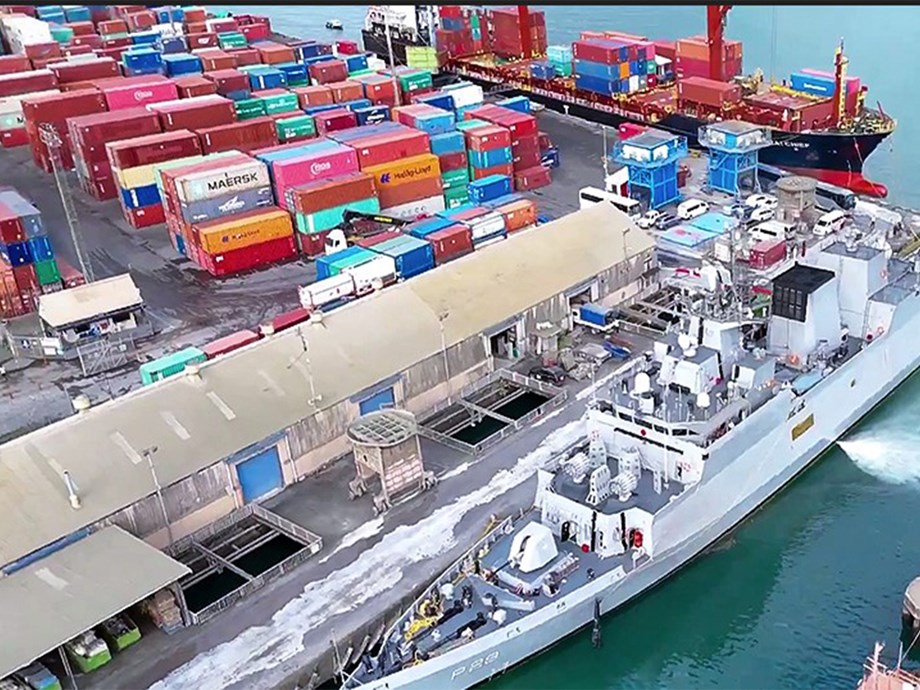
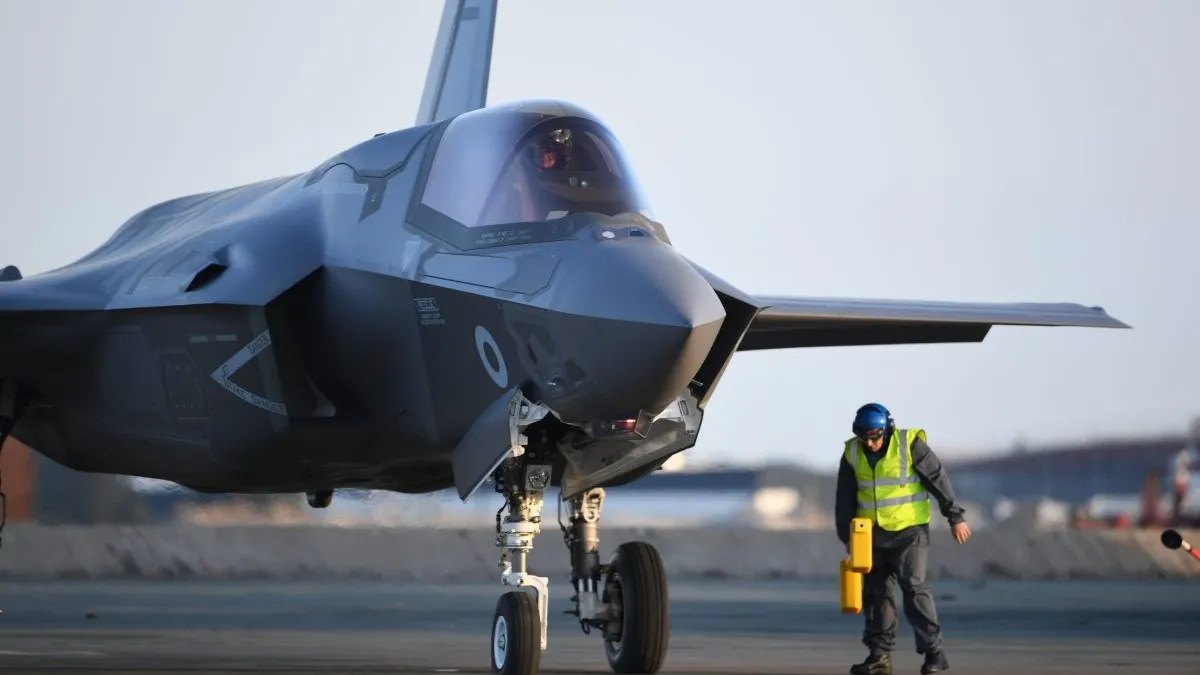
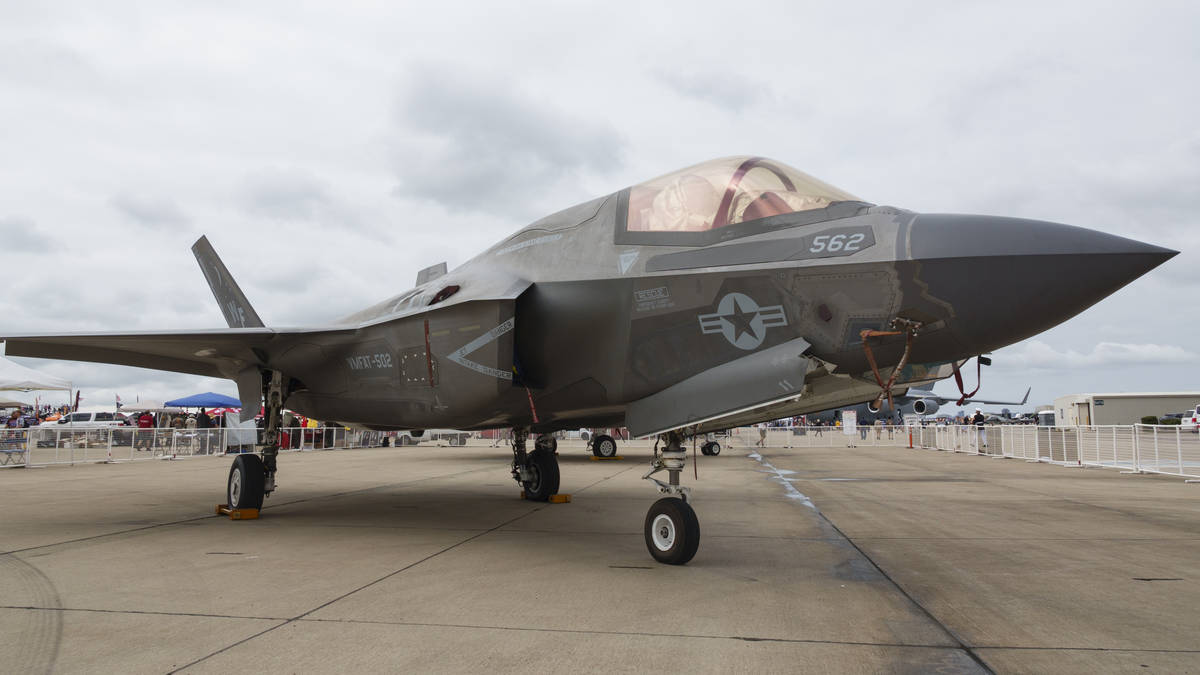
He also signalled an increased US naval presence in the region, stating that a “massive armada” was moving towards Iran and was “ready, willing, and able to swiftly accomplish its mission, swiftly and violently, if necessary.”
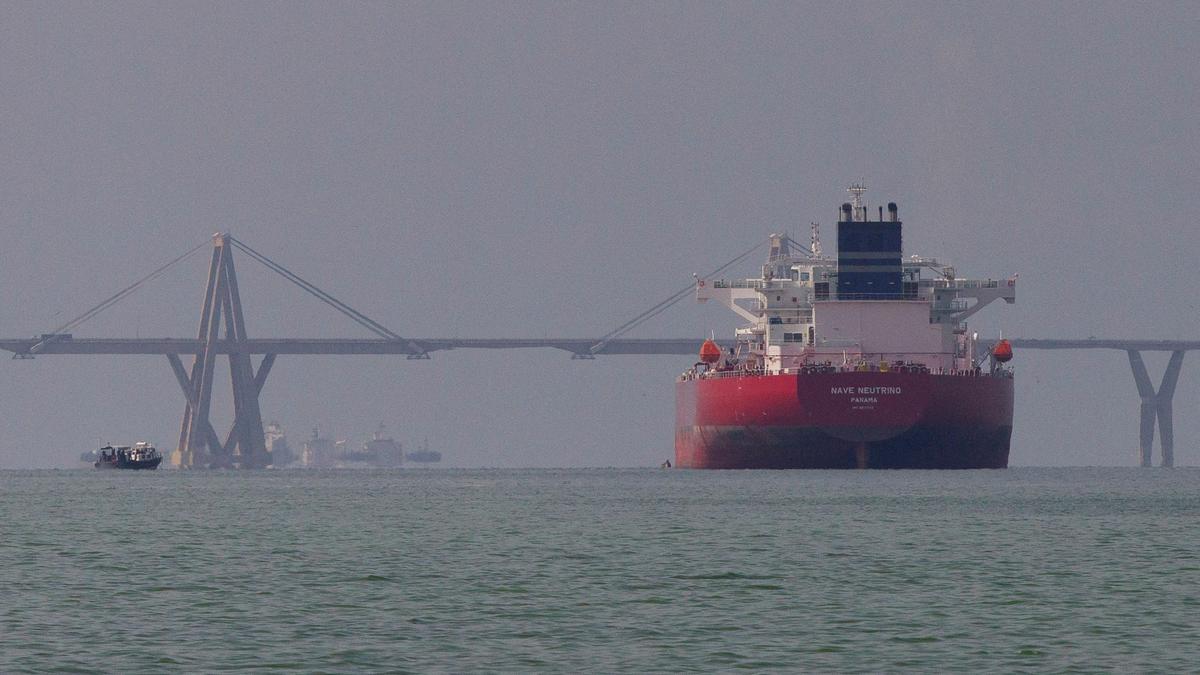
A US official confirmed on Wednesday that about 10 US naval vessels are currently deployed across the Middle East, a force comparable to the naval presence in the Caribbean ahead of the seizure of former Venezuelan leader Nicolás Maduro.
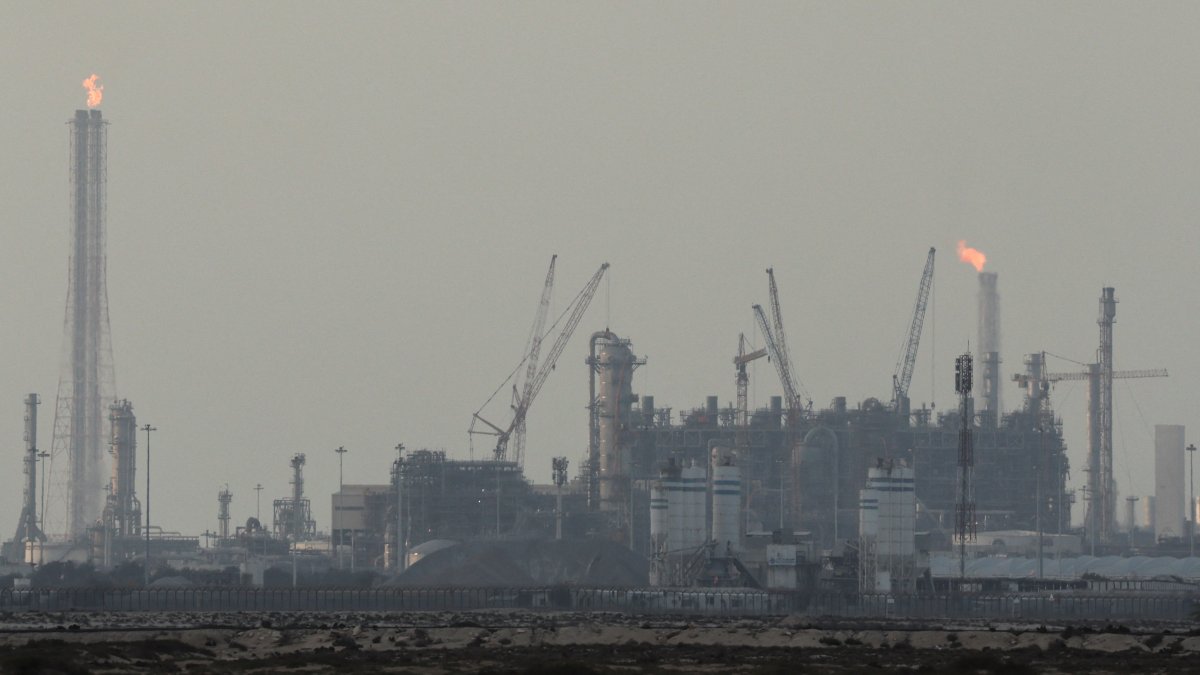
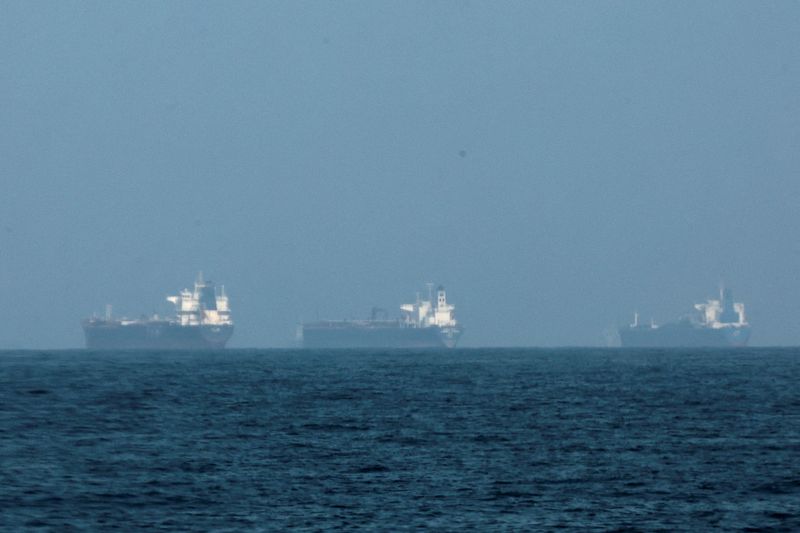
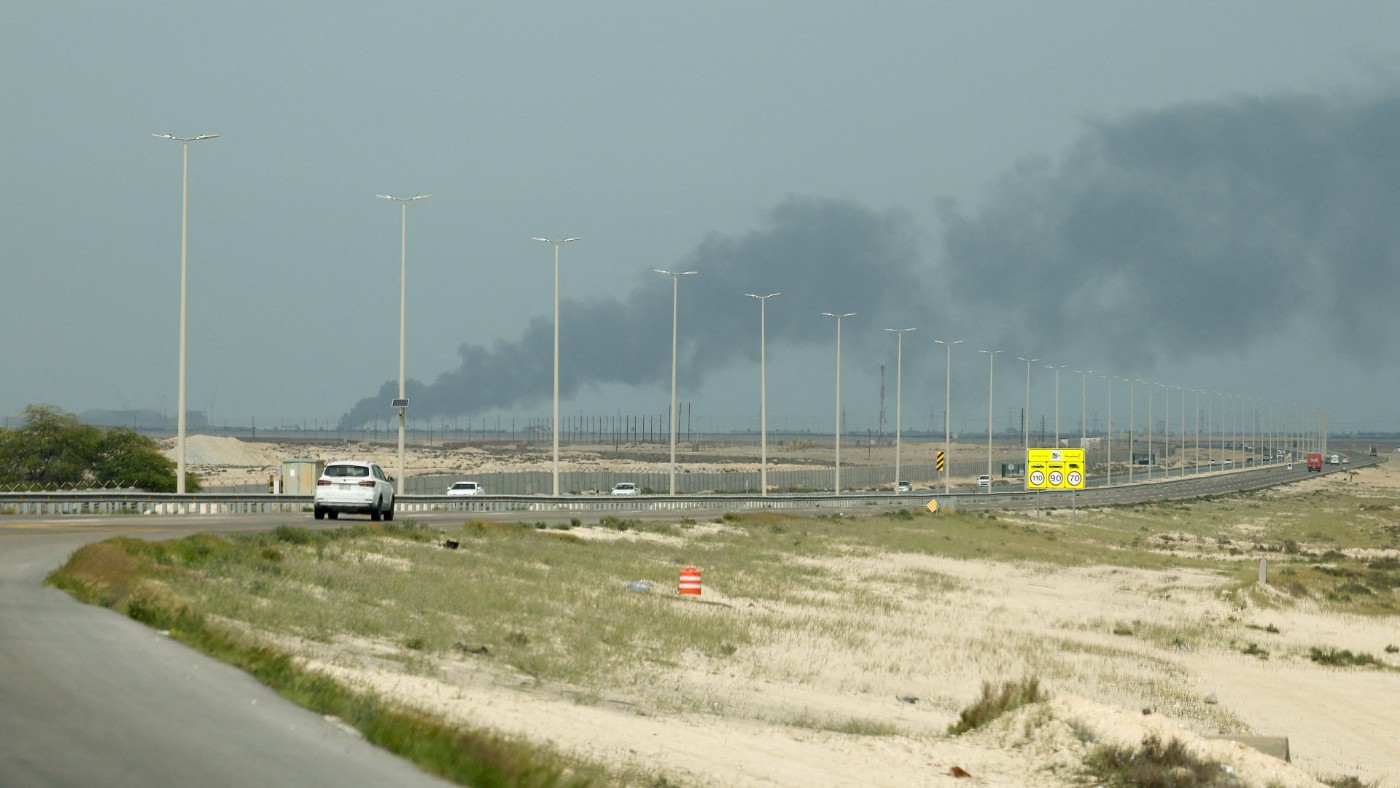
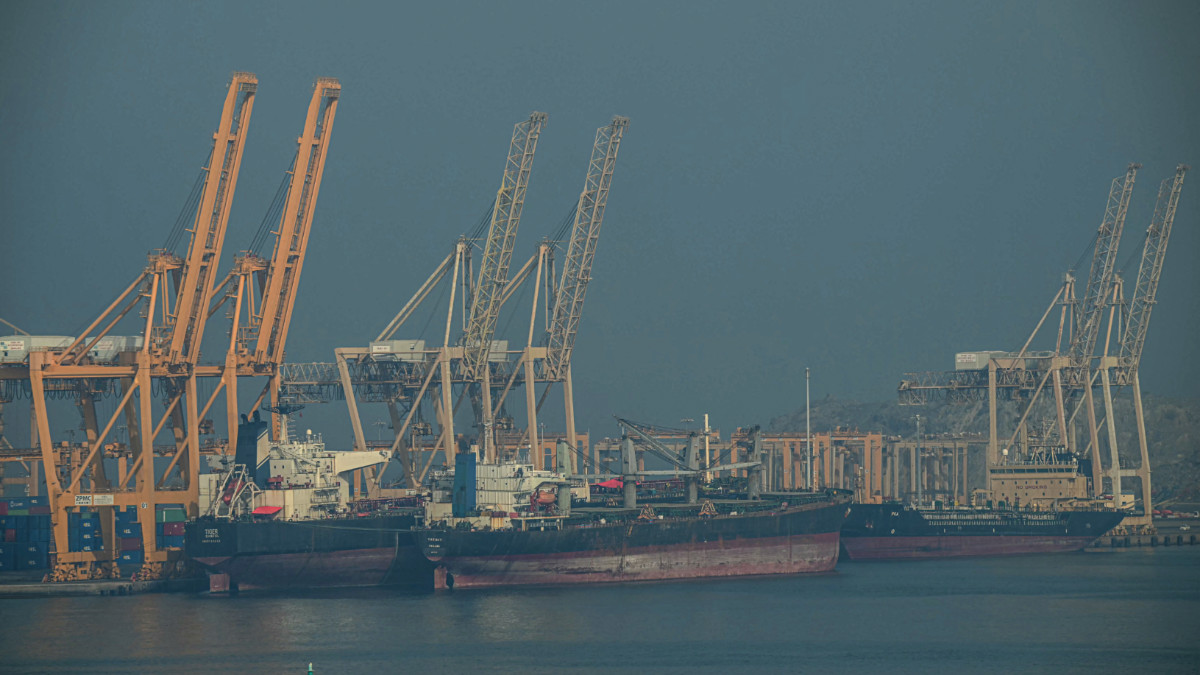
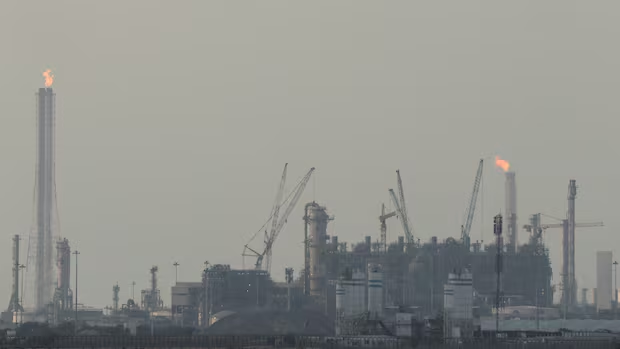
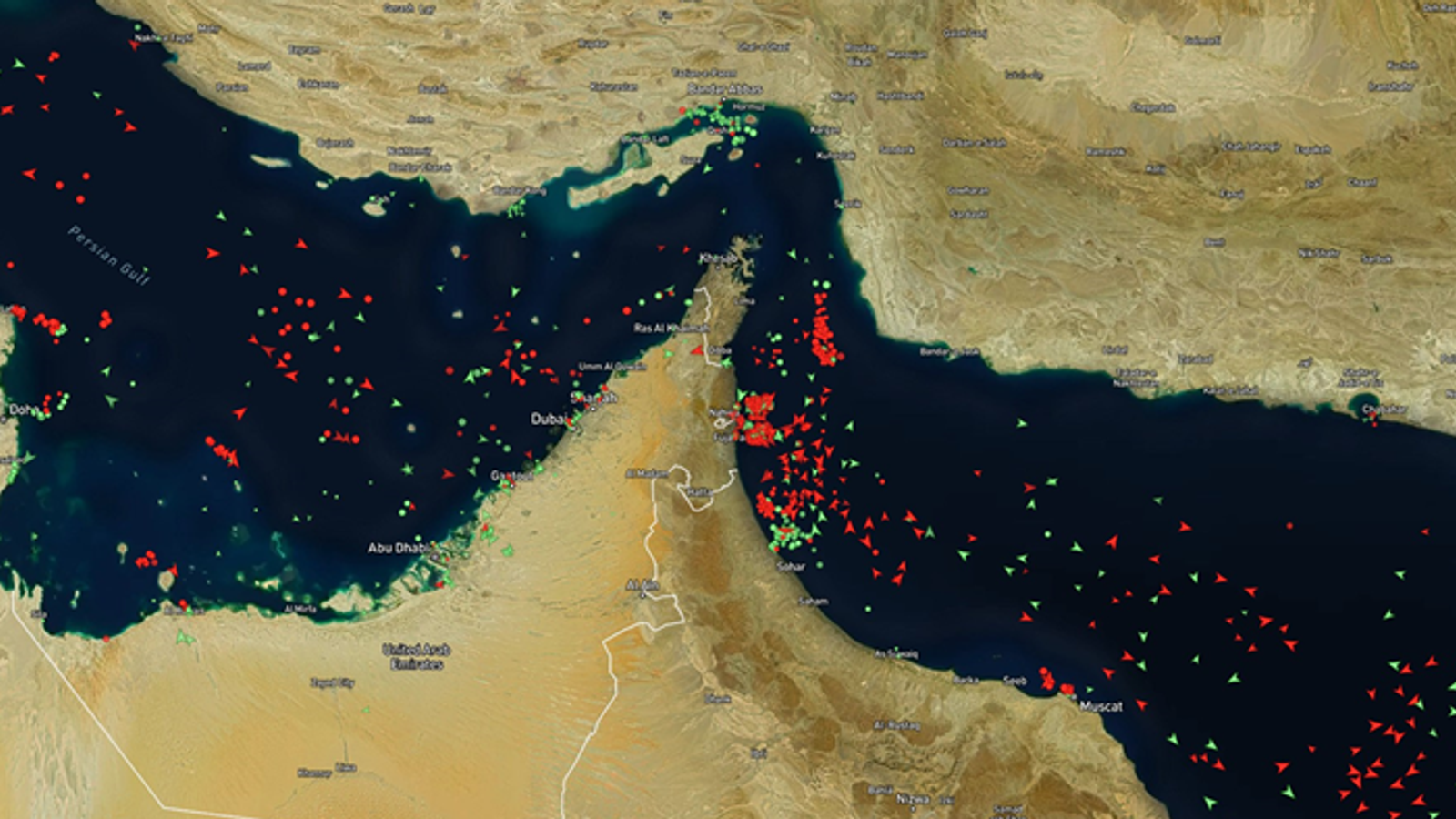
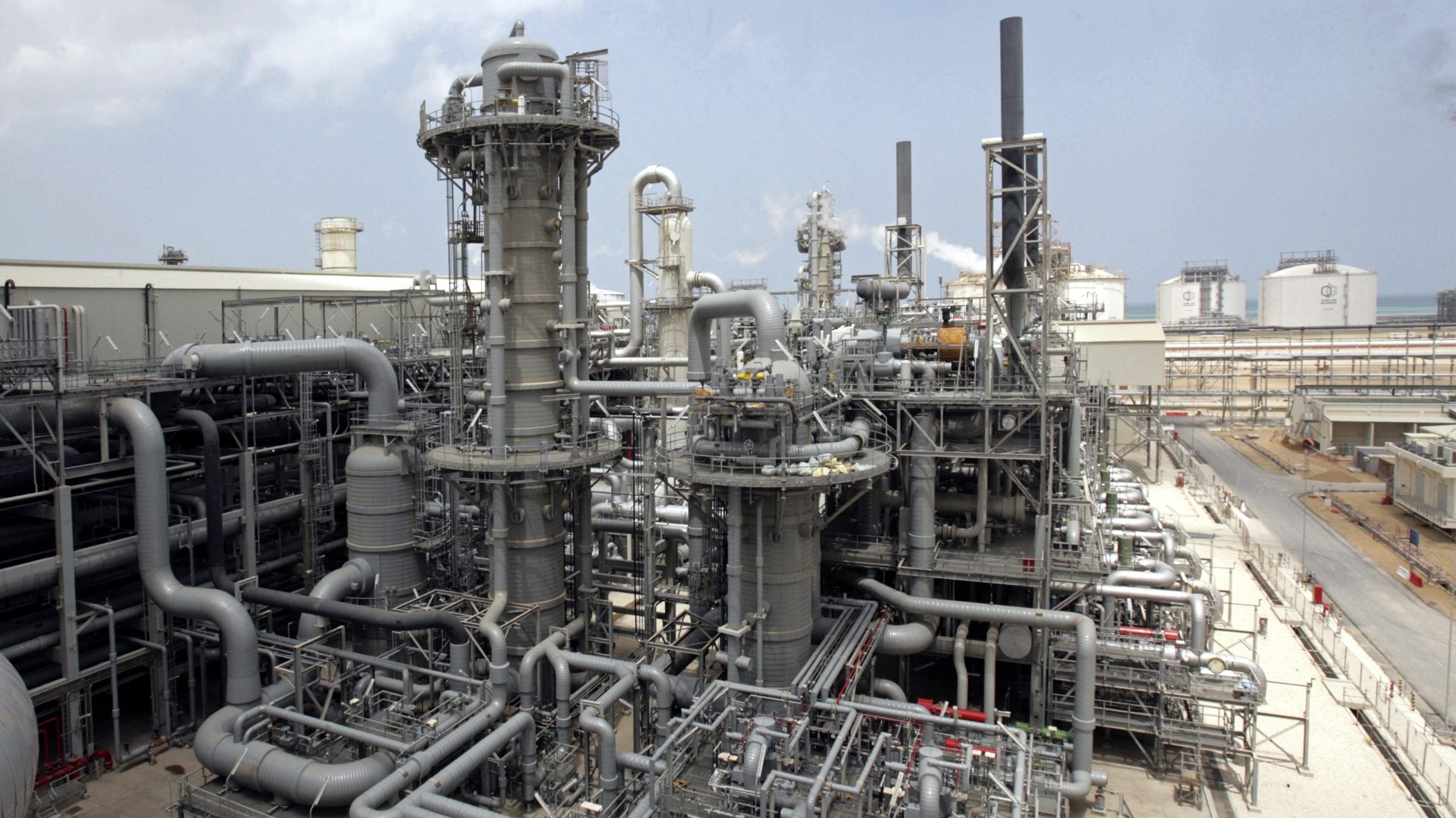
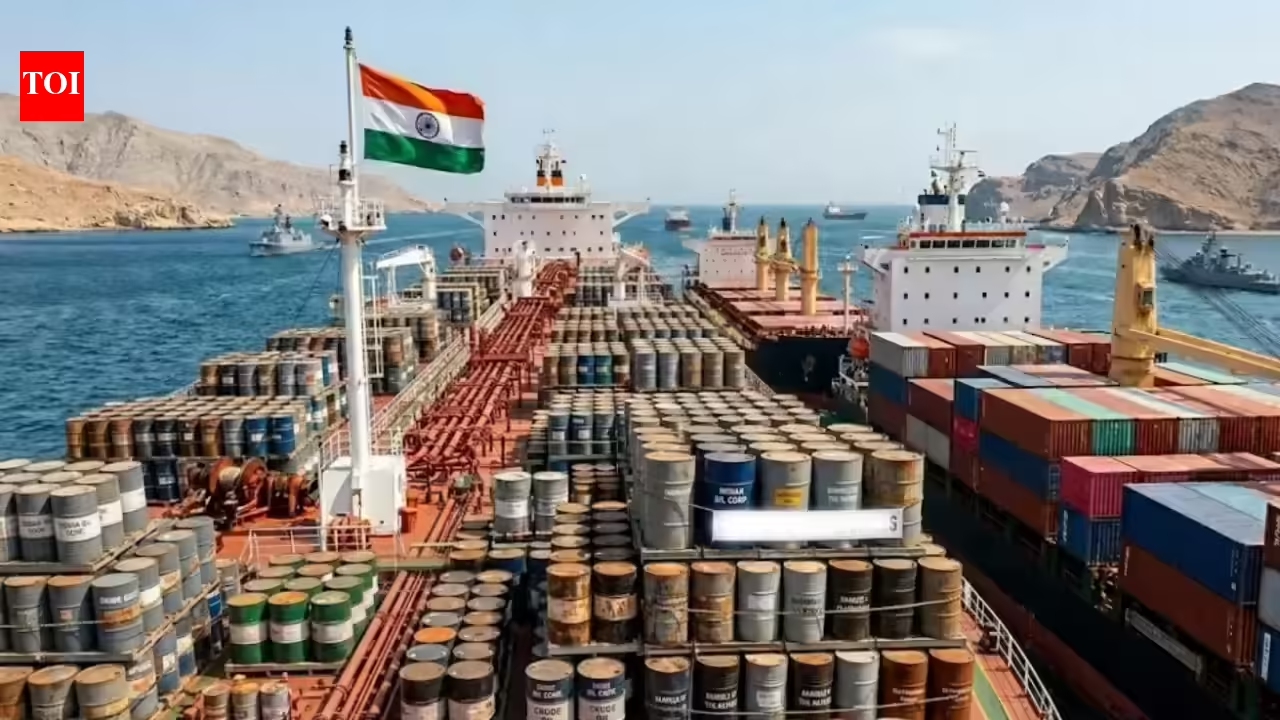
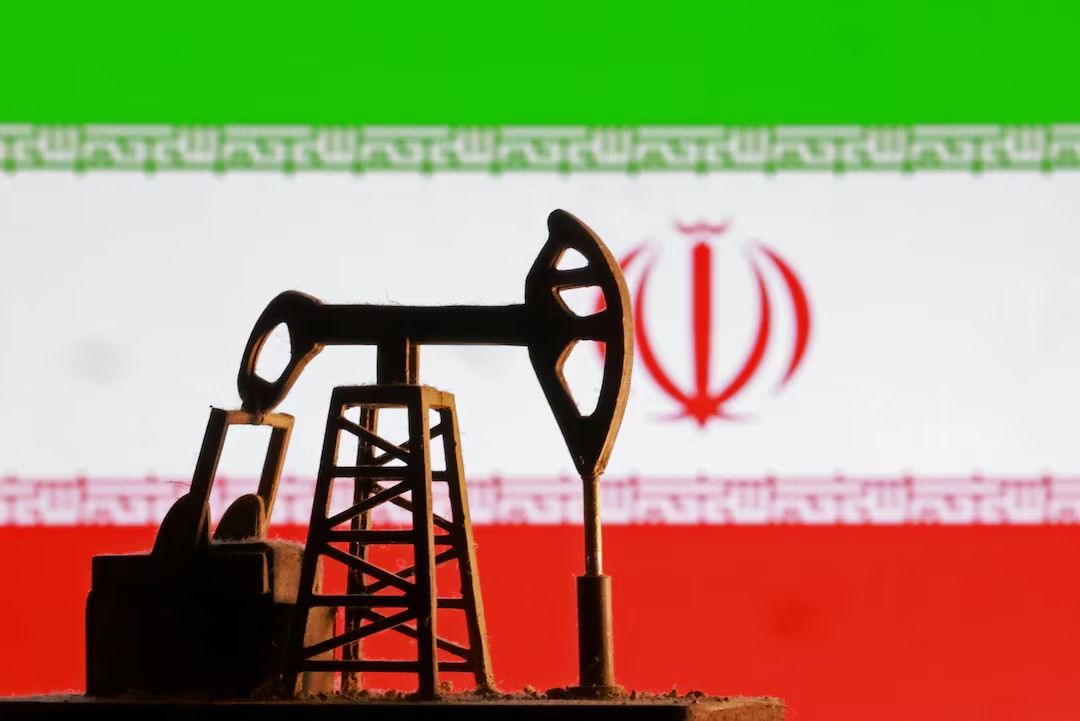
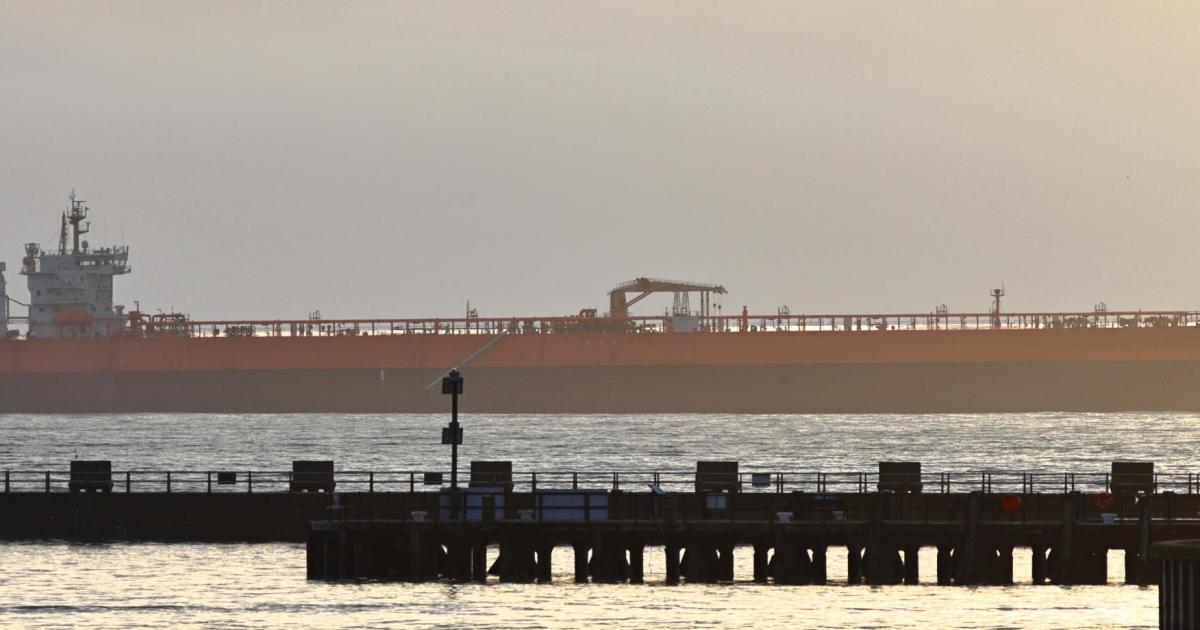
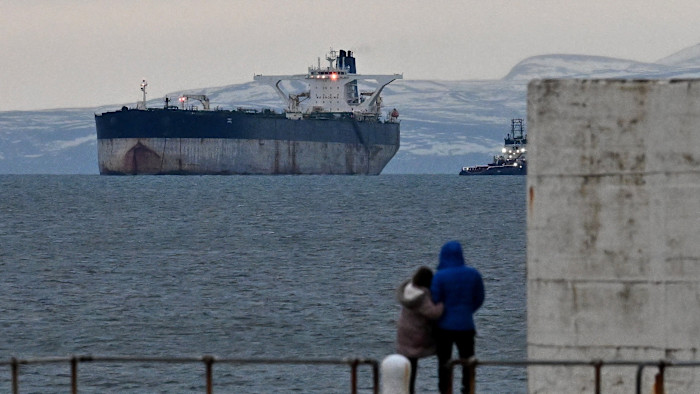
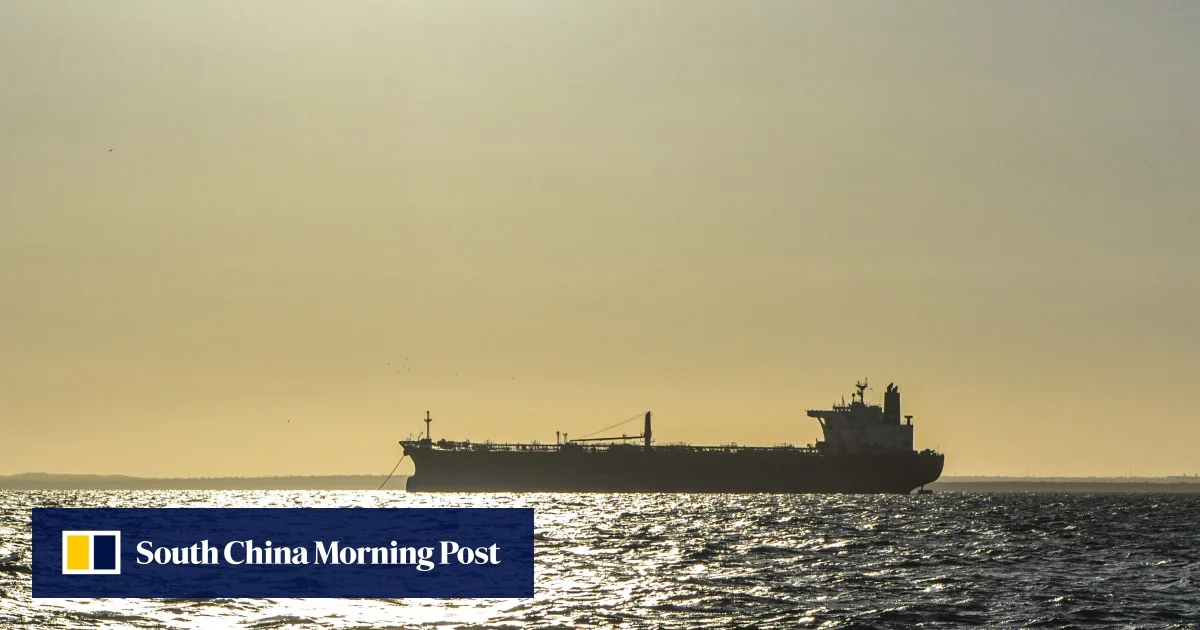
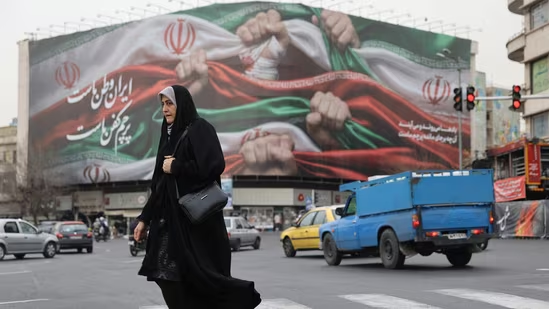
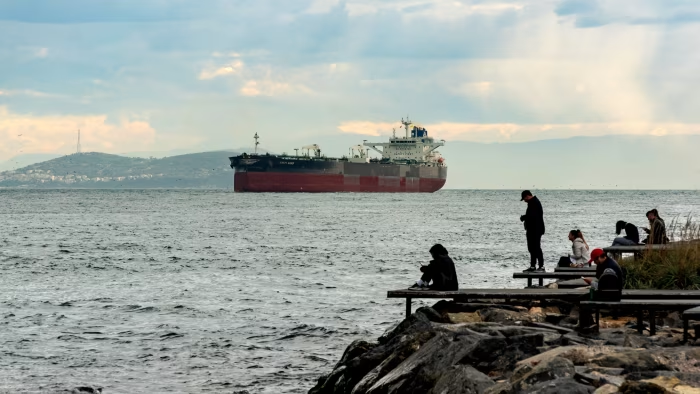
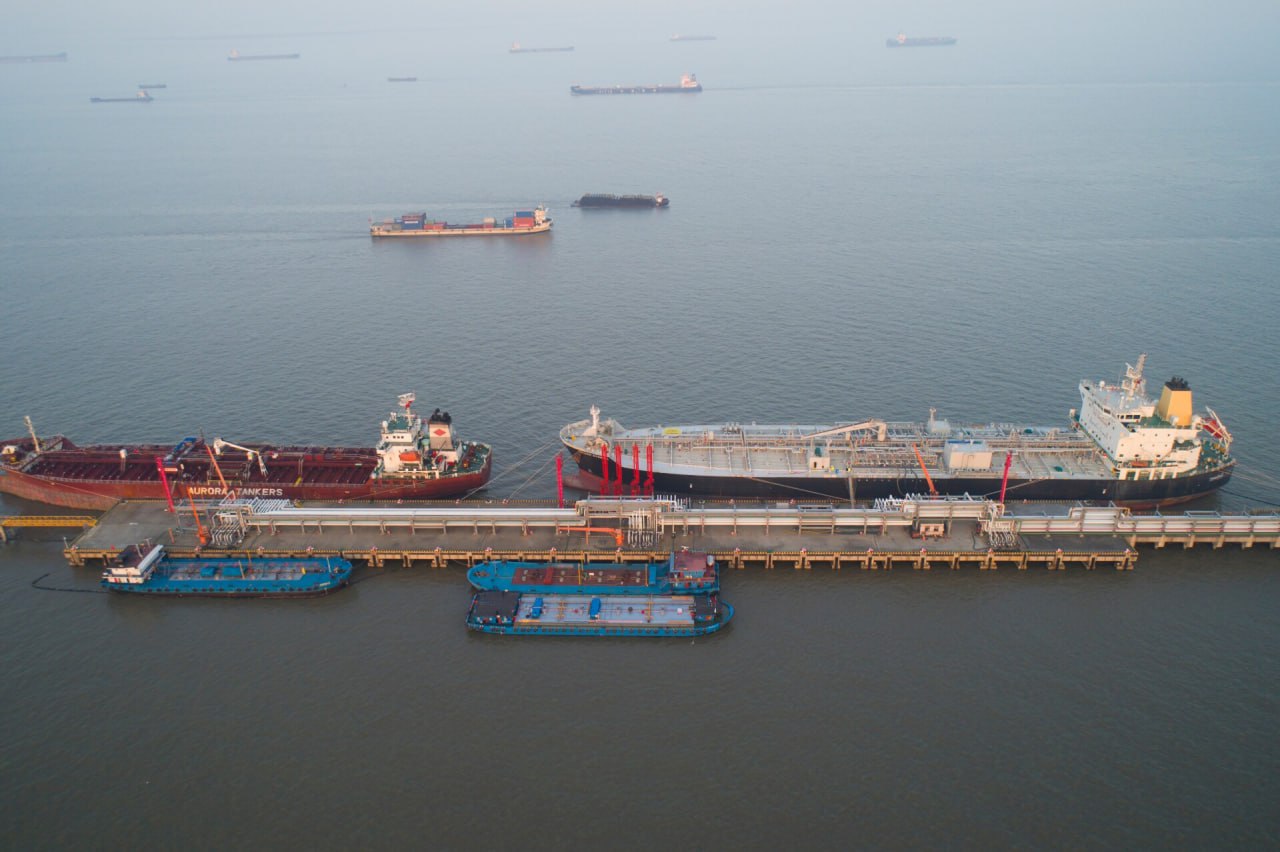
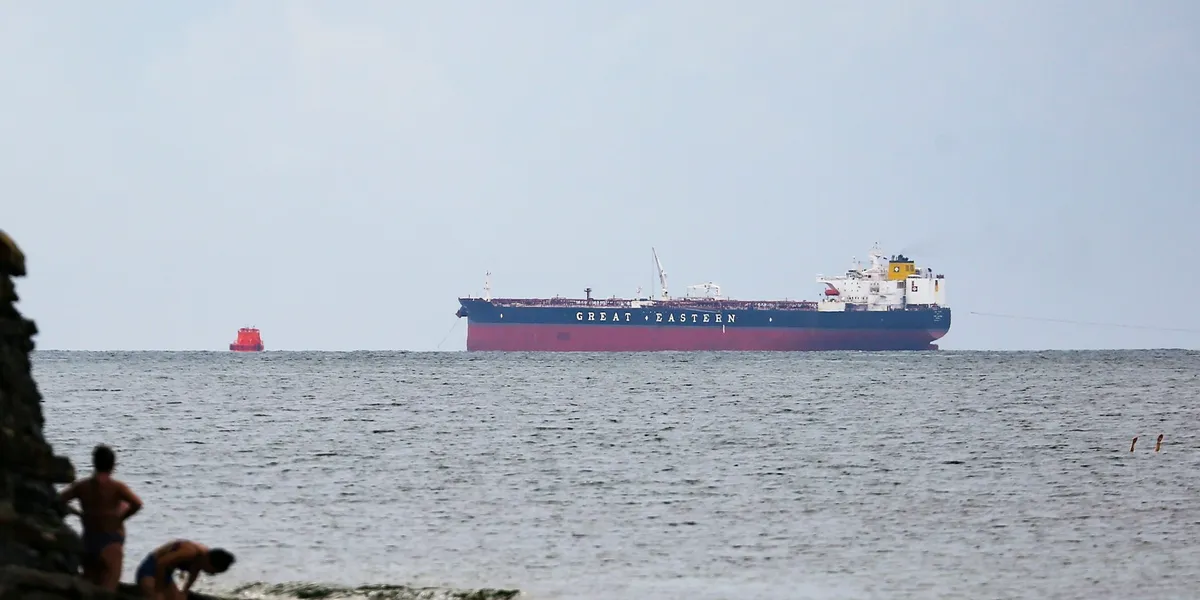
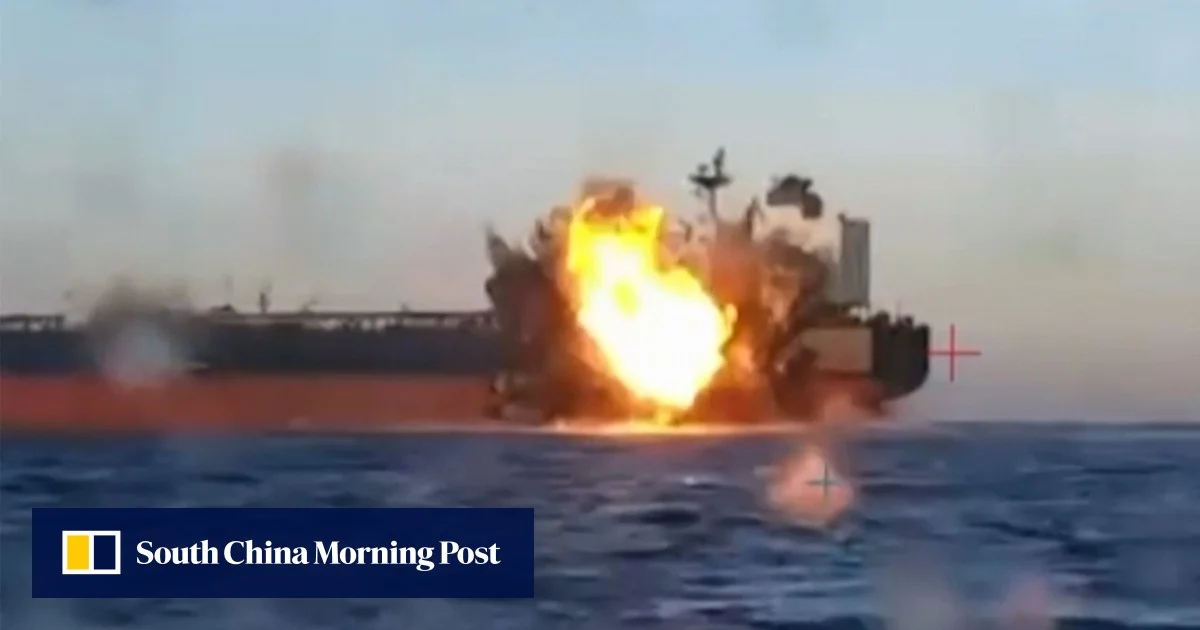
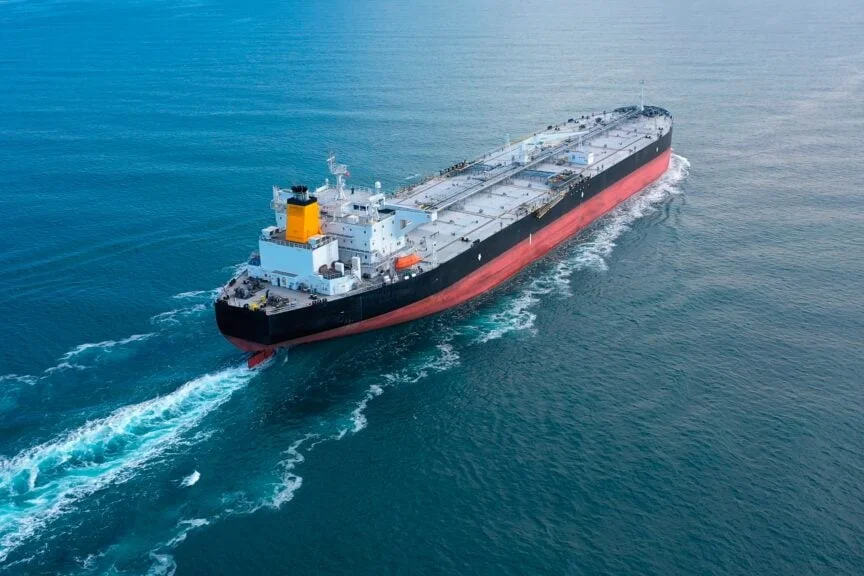
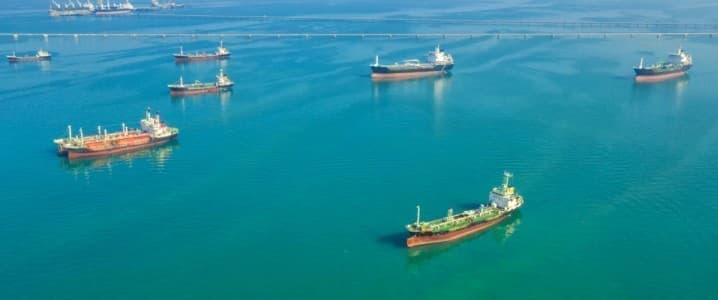
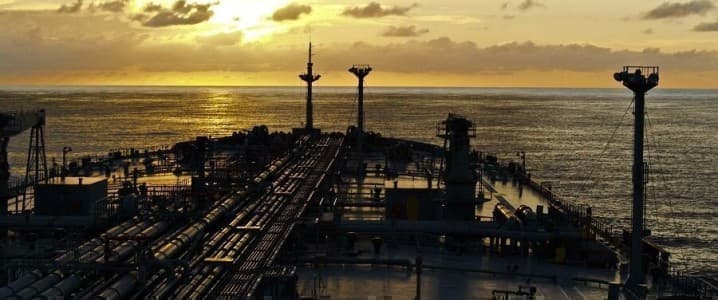
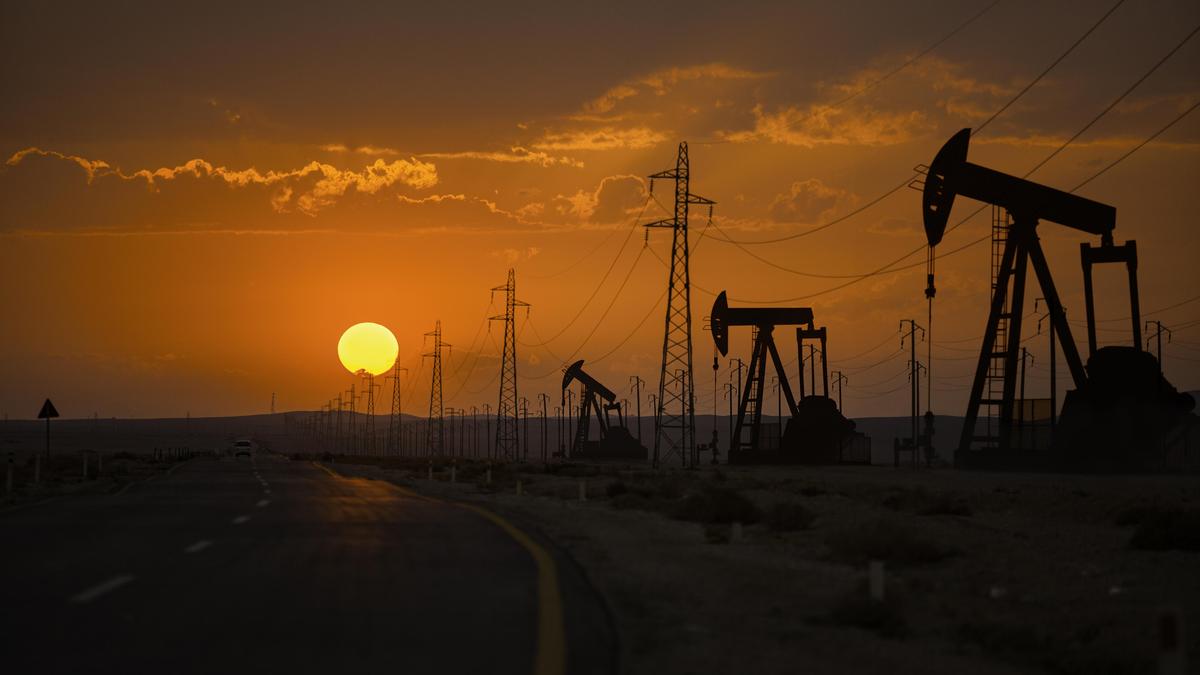
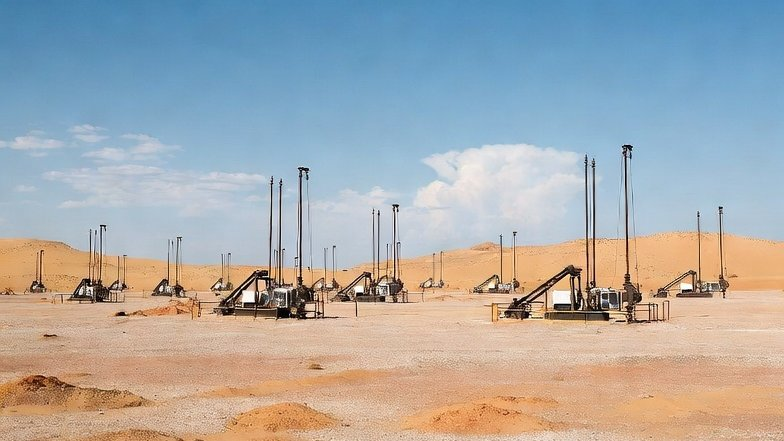
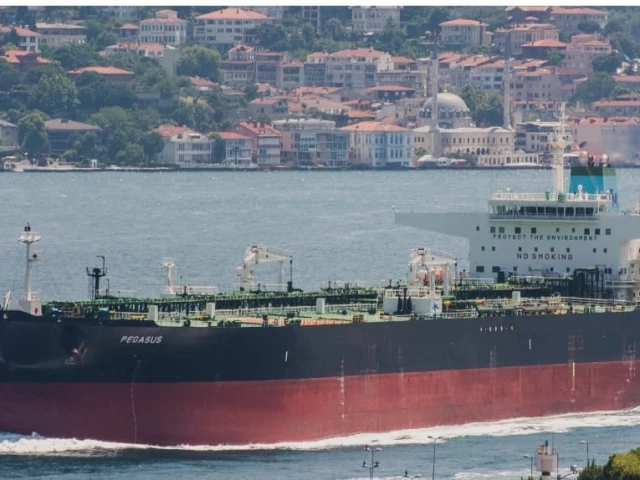
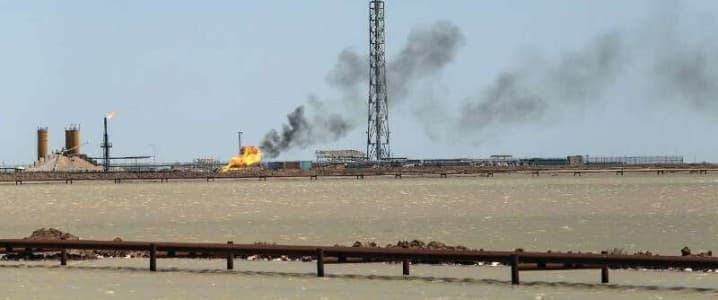
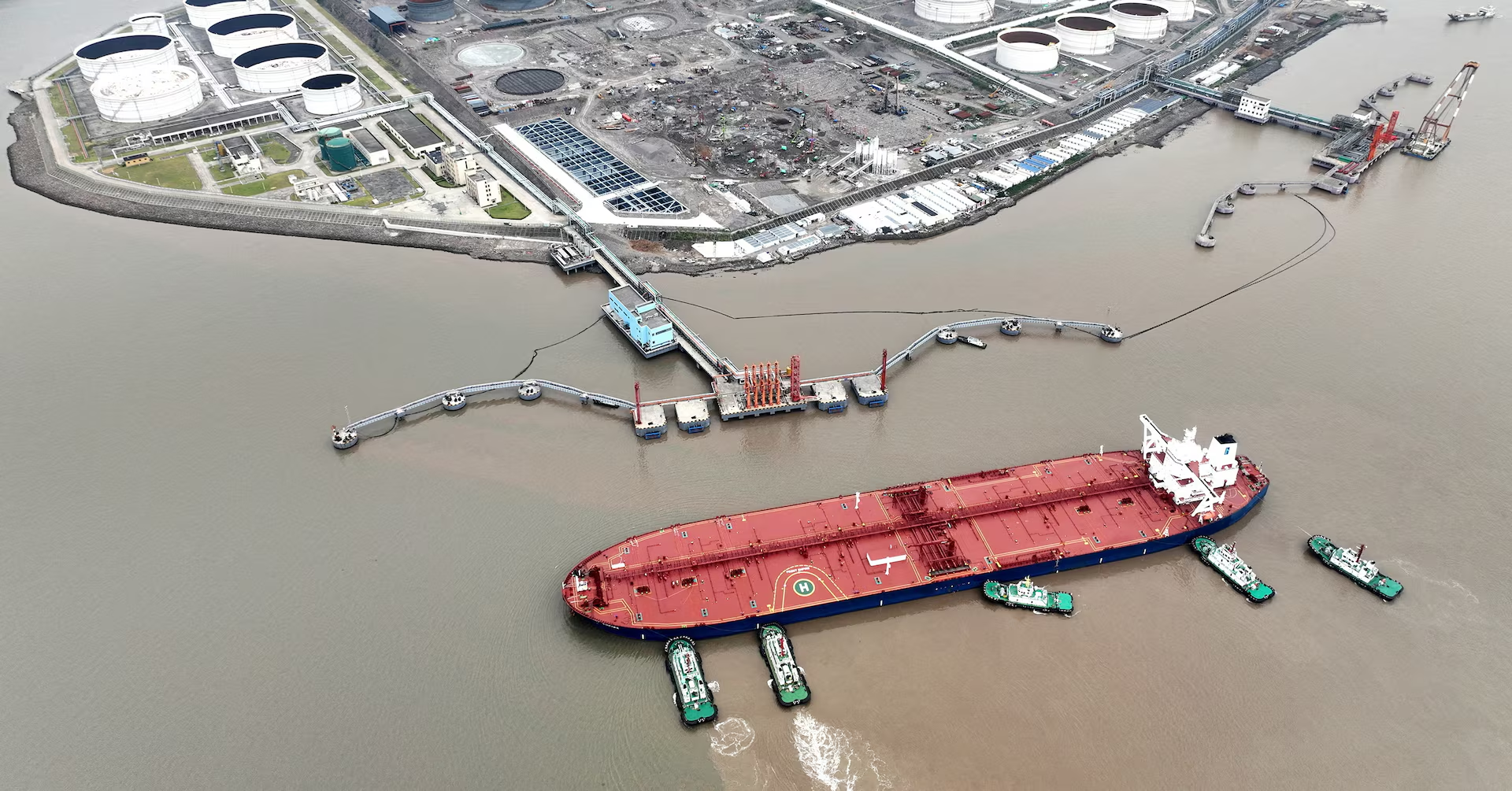
Iran is among the world’s top 10 oil-producing countries and plays a critical role in global energy markets. It borders the Strait of Hormuz, a strategic chokepoint through which about 20 per cent of global crude oil supplies pass.
The country is the fourth-largest producer in OPEC, pumping around 3.2 million barrels per day.
Analysts said the escalating standoff has injected a clear risk premium into oil prices, particularly after the White House reiterated its hardline stance this week and threatened to halt support for Iraq, another major oil exporter.
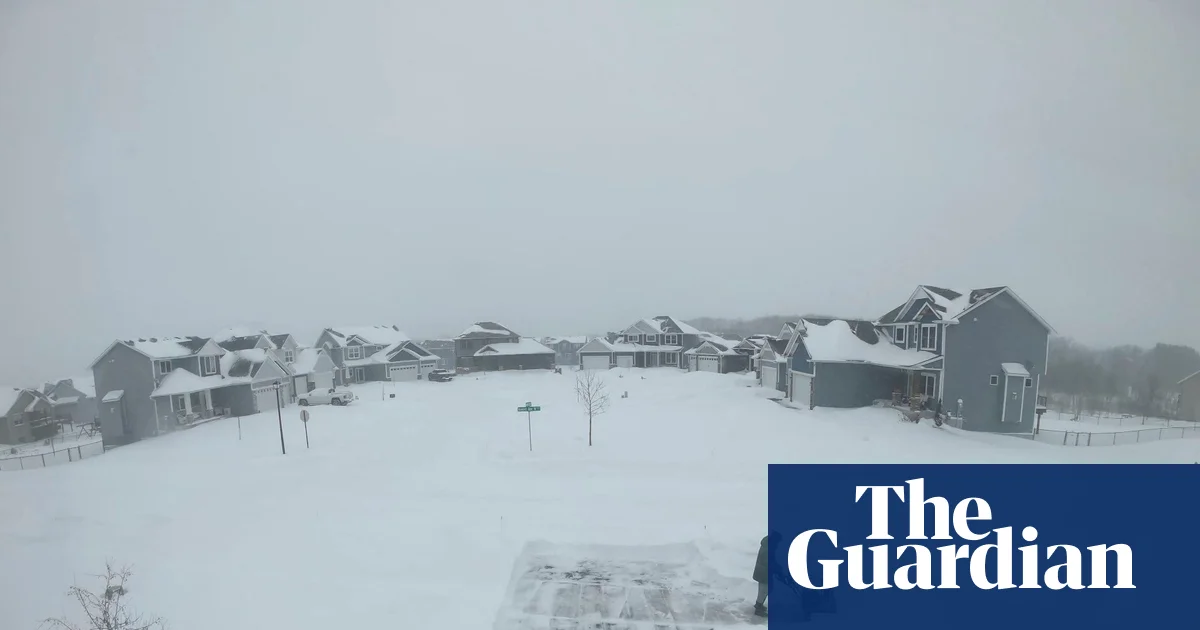
“Unplanned outages in Kazakhstan and the US due to Winter Storm Fern have had a temporary impact as well, but the dominant factor driving oil prices remains the geopolitical risk premium surrounding Iran and the wider Middle East,” DBS Bank said in a note.