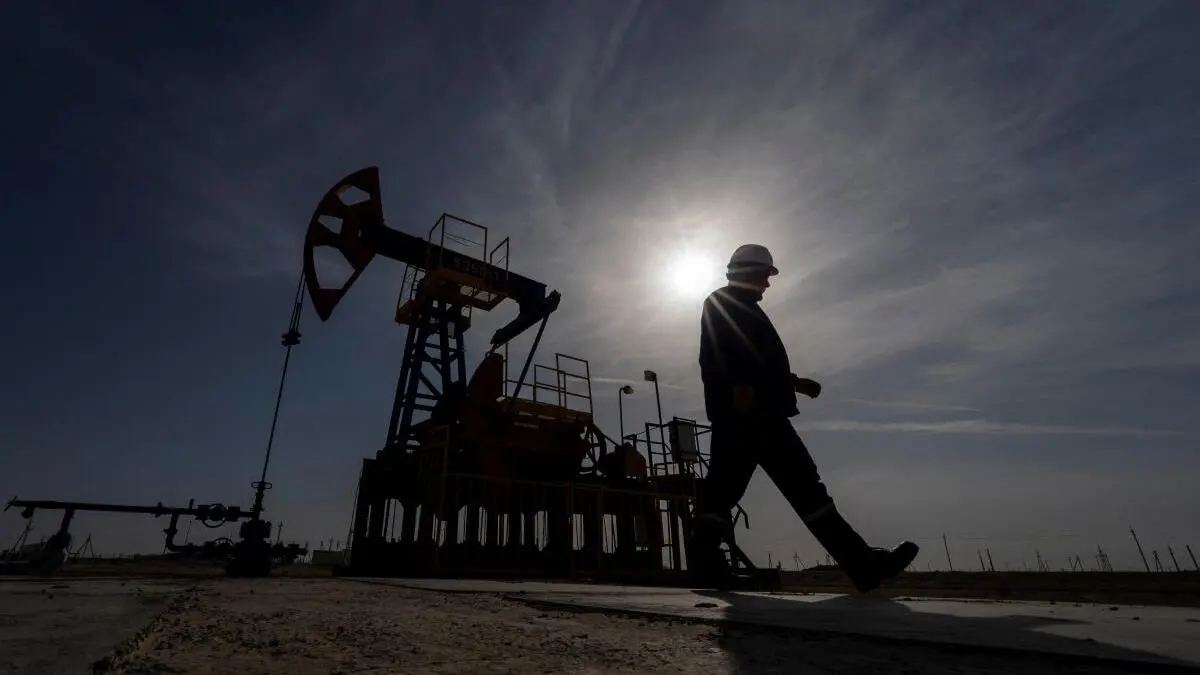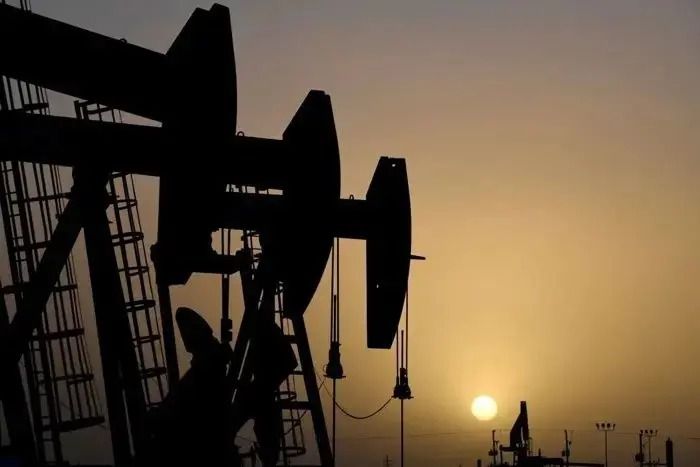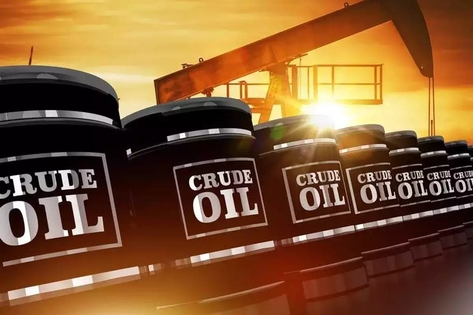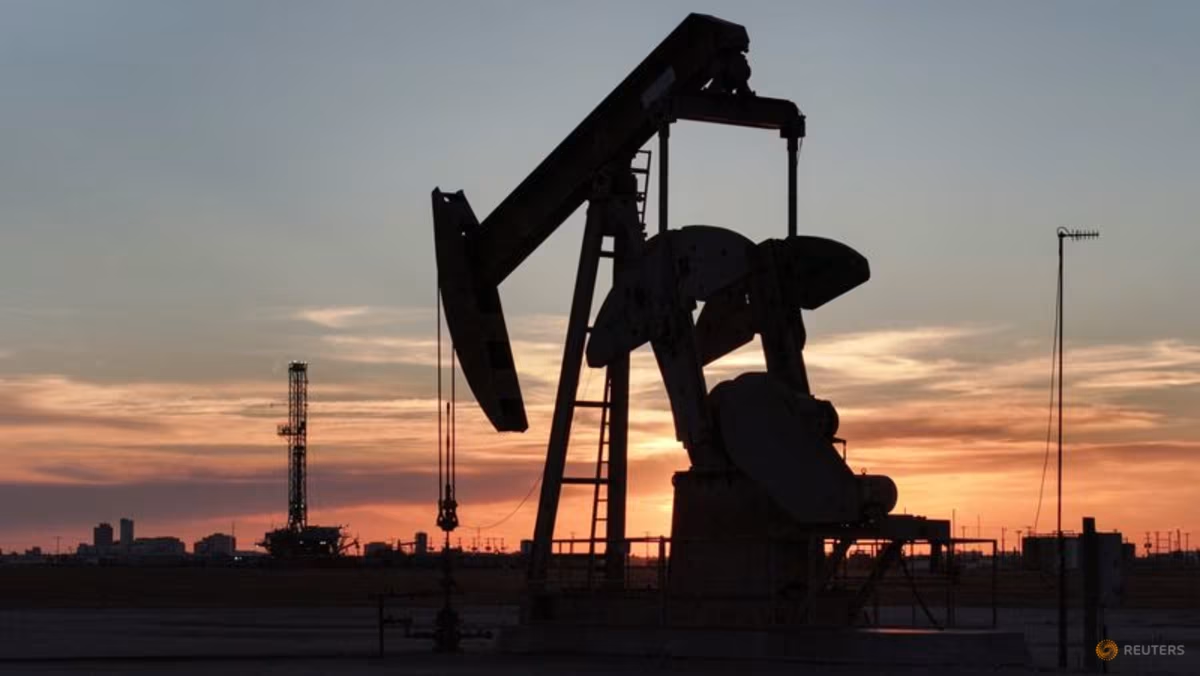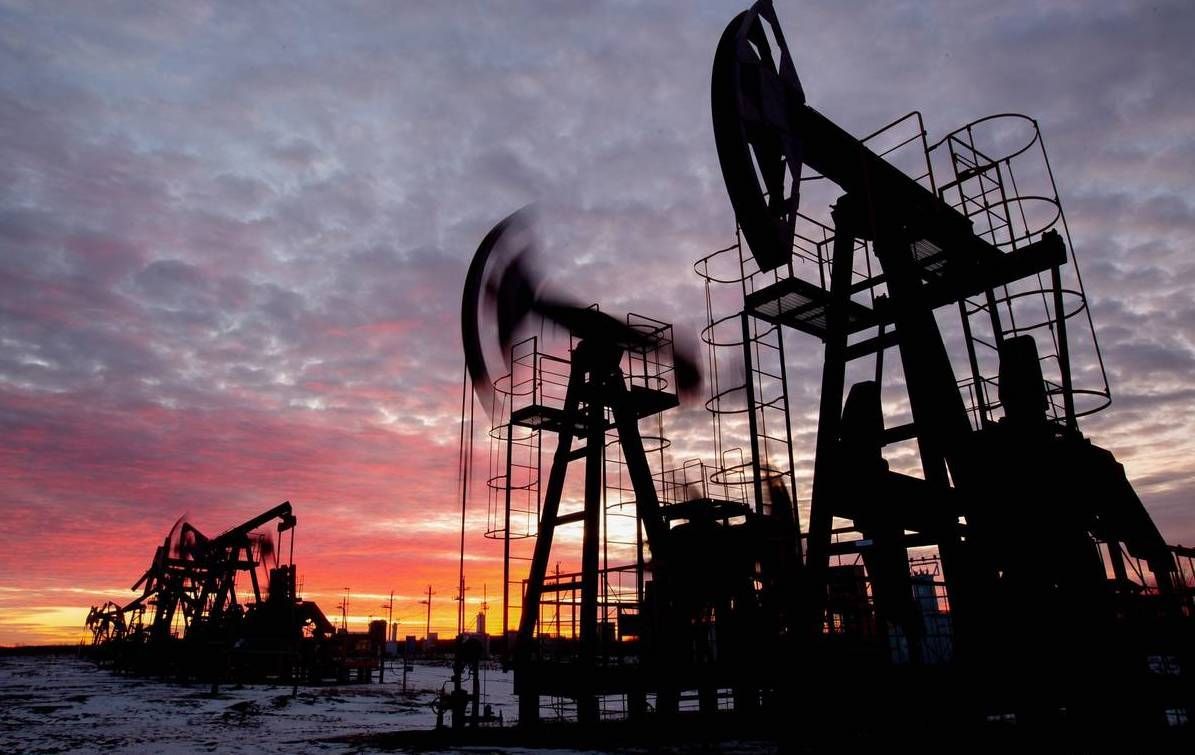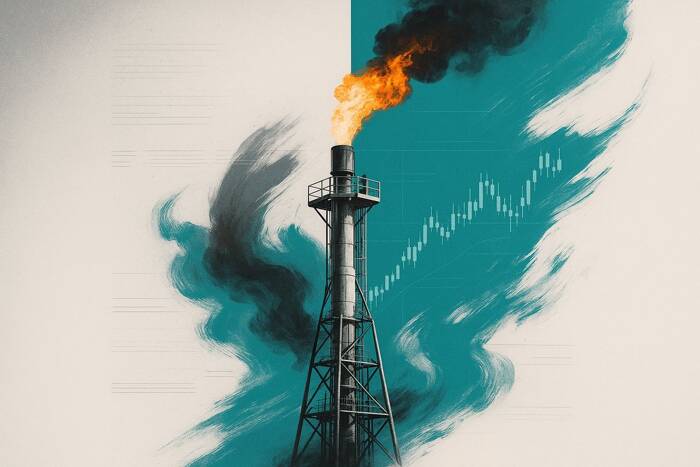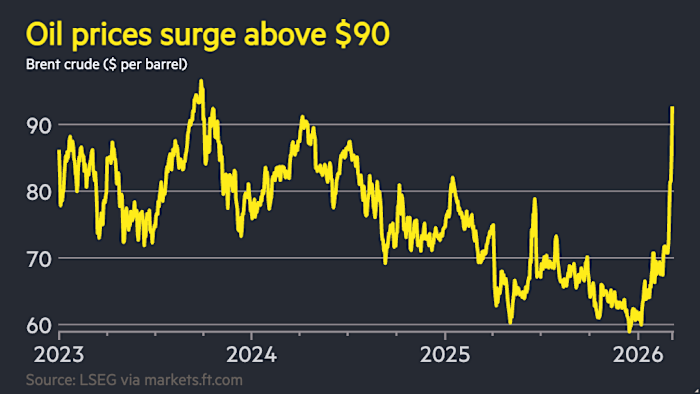
Oil prices surged to the highest level since 2023 as the war in the Middle East roiled commodities markets, sending the costs of everything from petrol to jet fuel spiralling and threatening a new bout of global inflation.
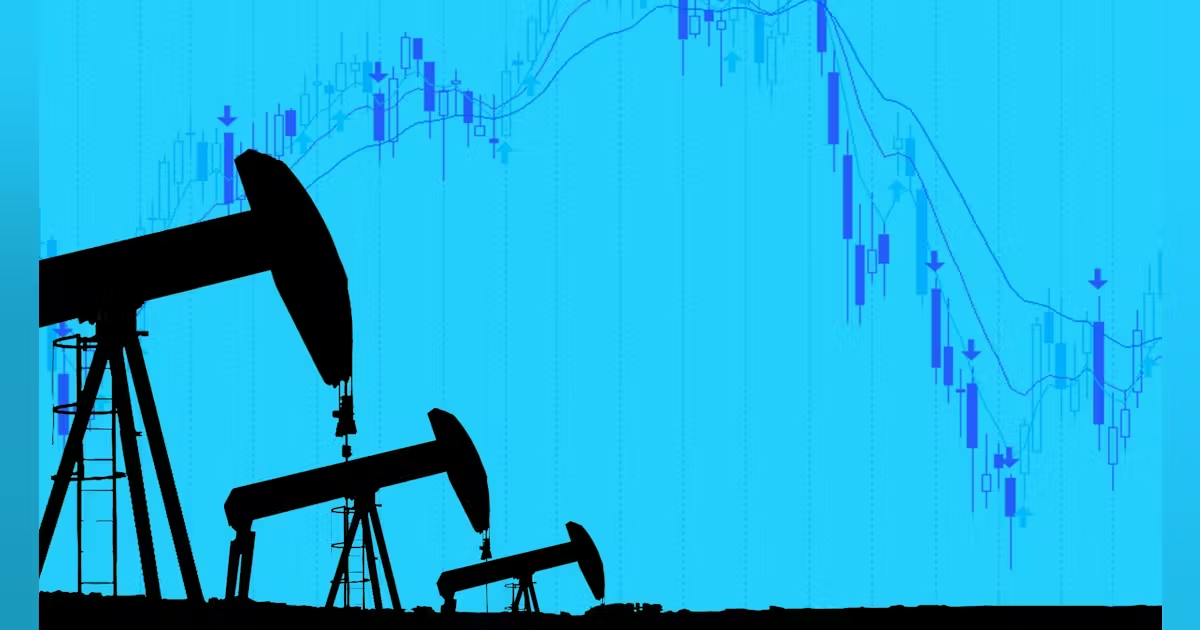
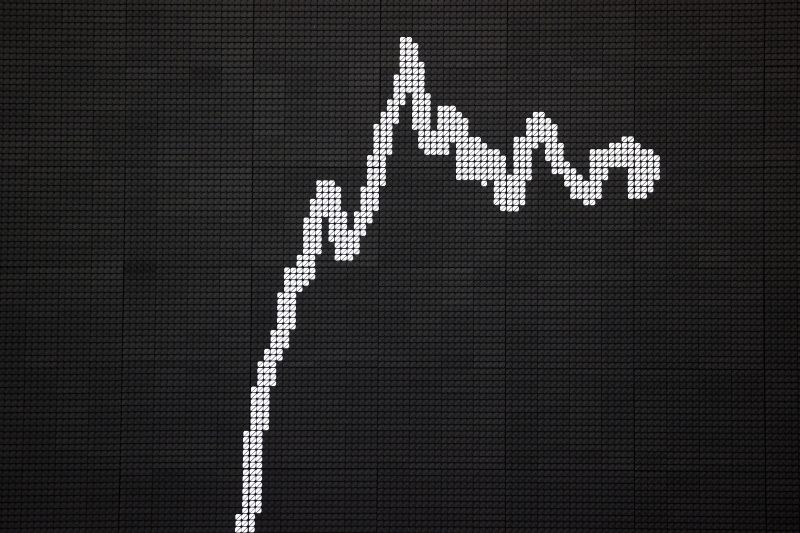
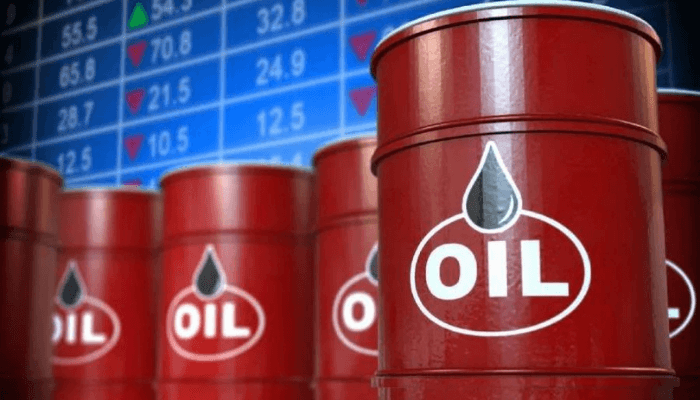
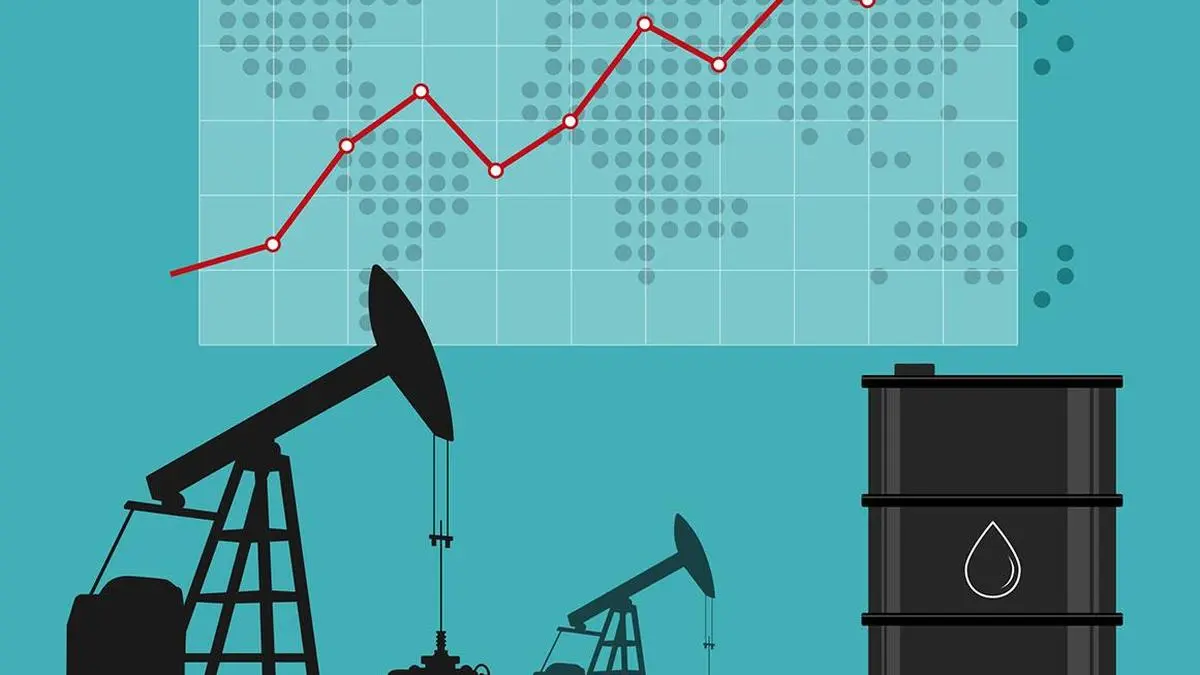
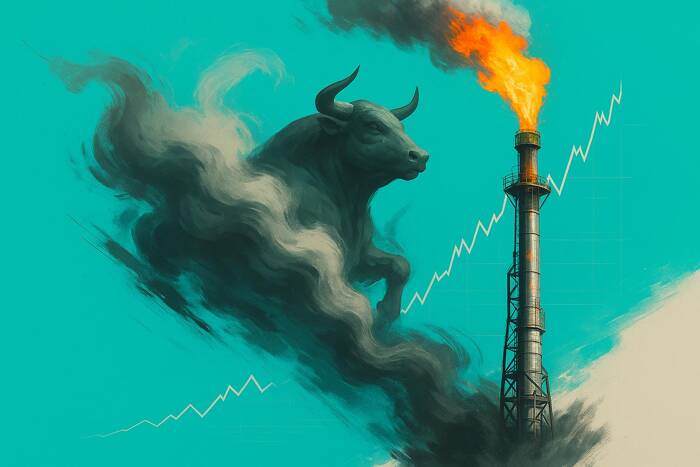
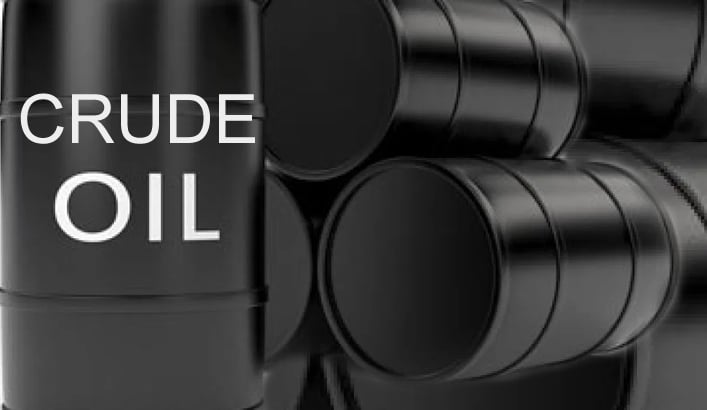
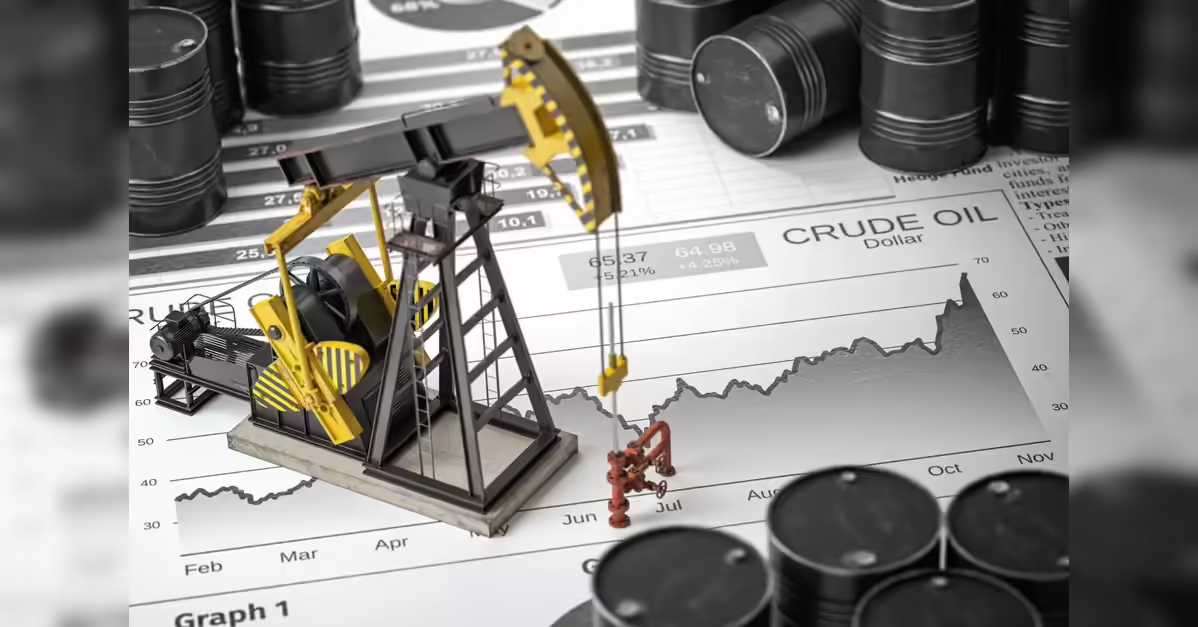
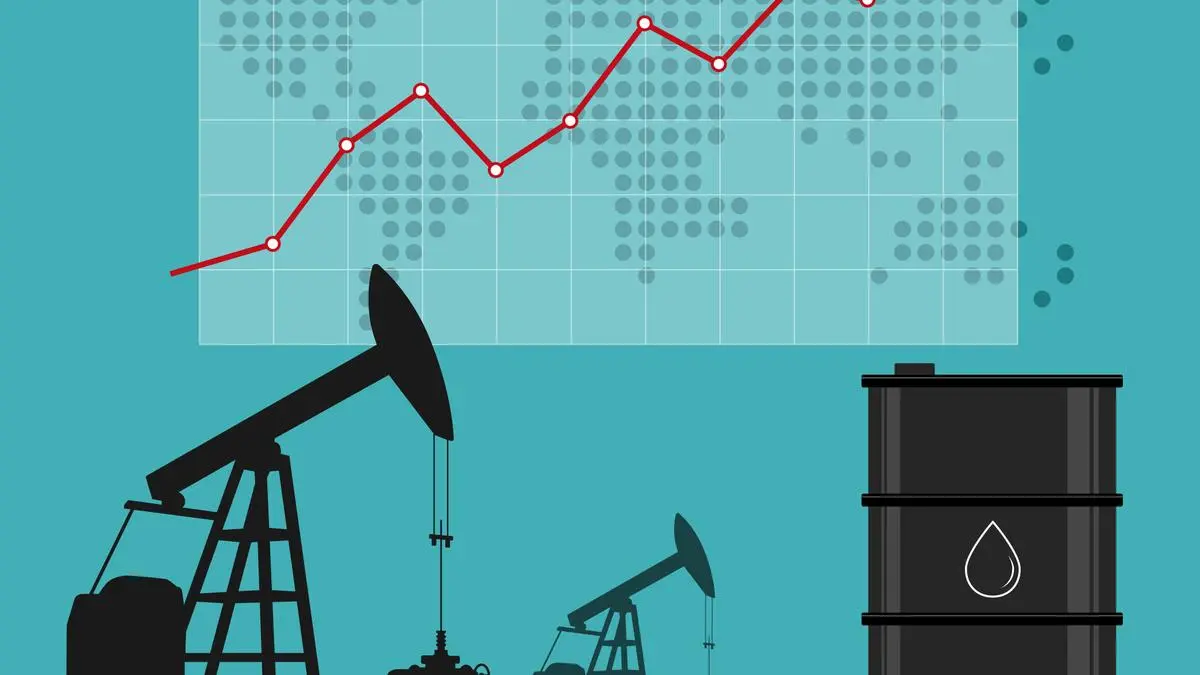
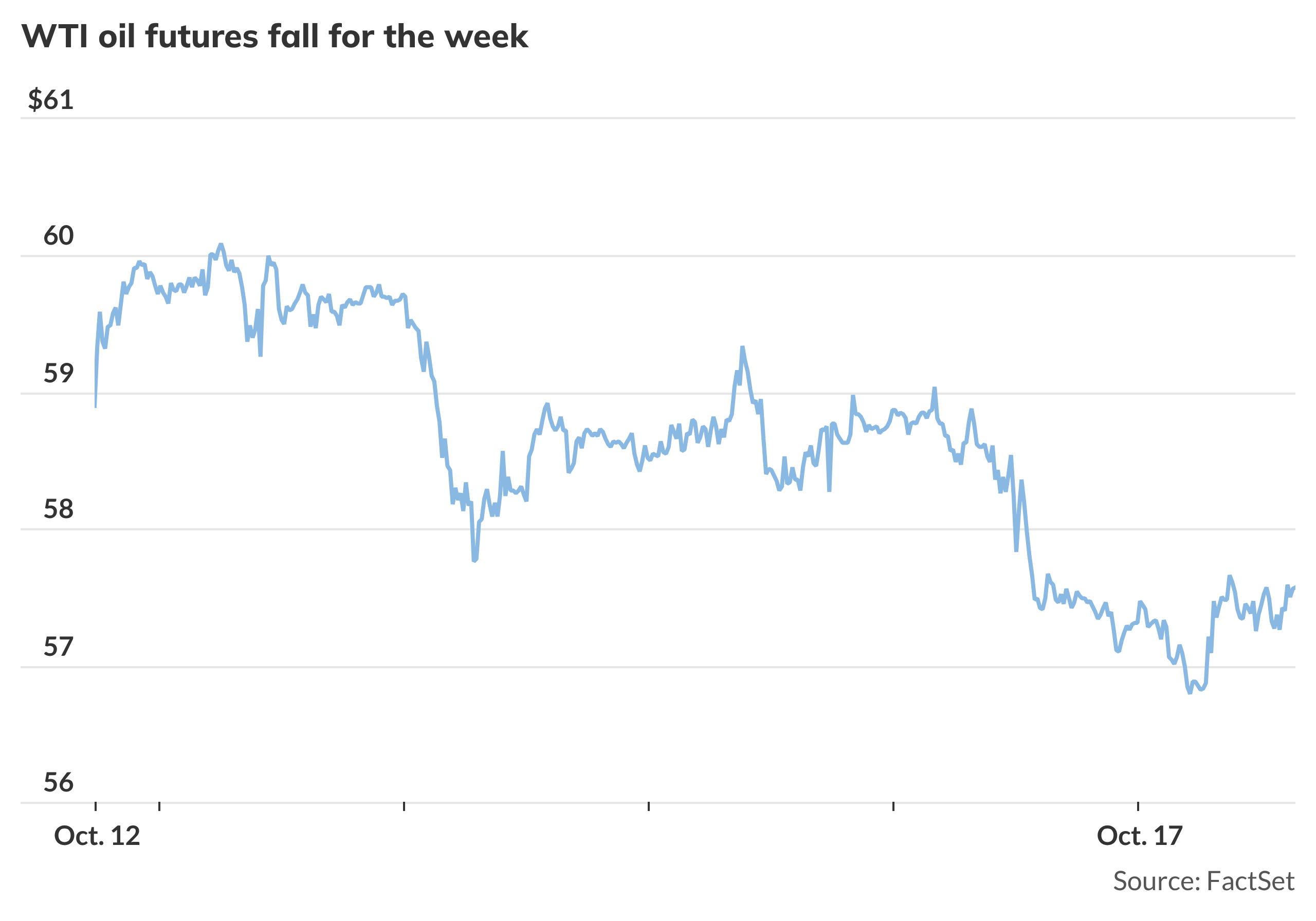
Brent crude settled 8.5 per cent higher on Friday, leaving the international oil benchmark up 28 per cent this week to $92.69 a barrel. US marker West Texas Intermediate leapt 36 per cent this week to $90.90, in its biggest weekly rise on records stretching to 1983.
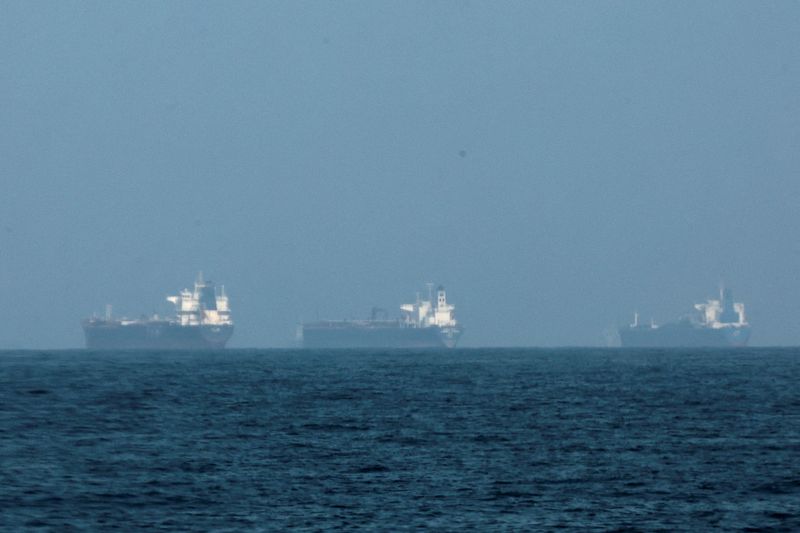
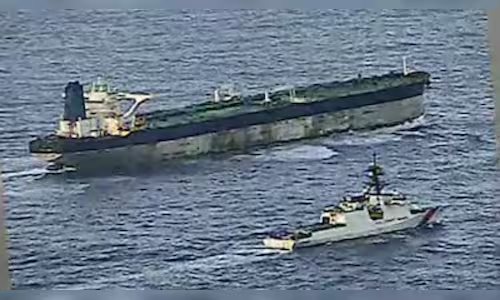
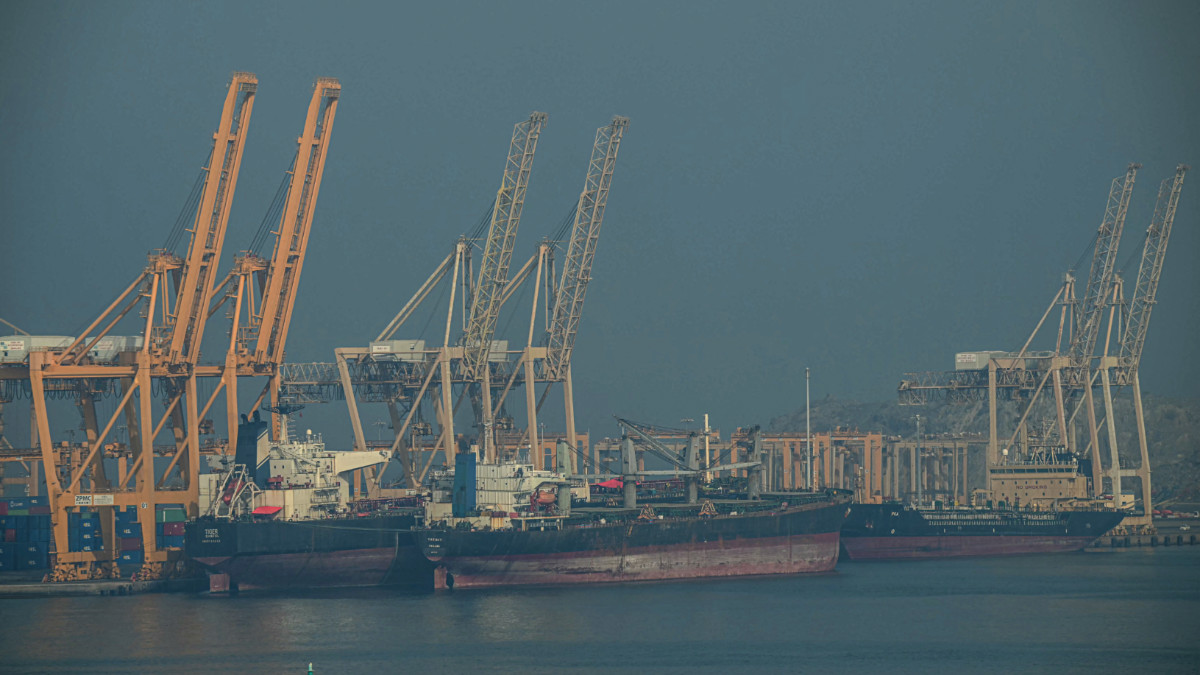
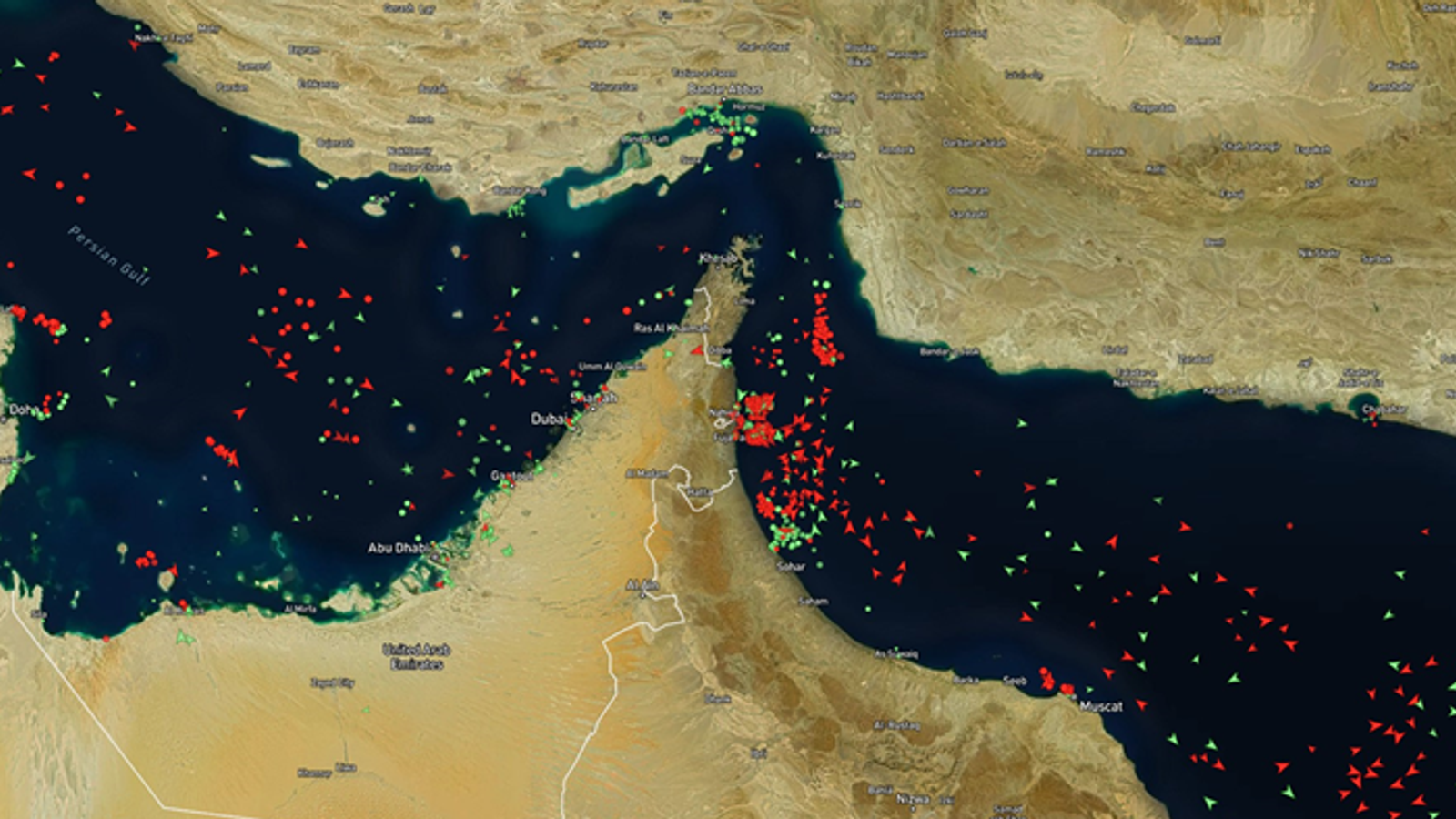
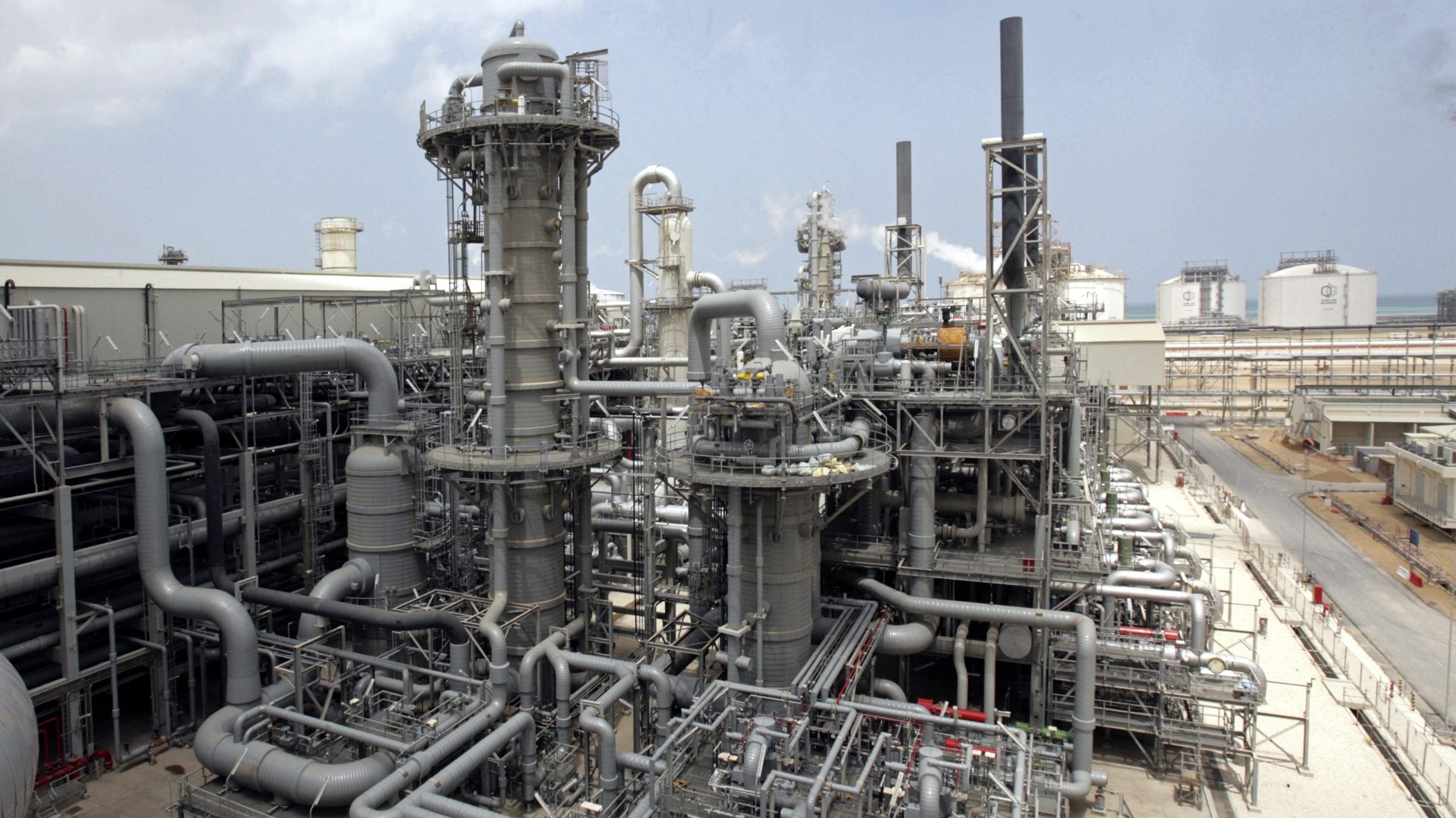
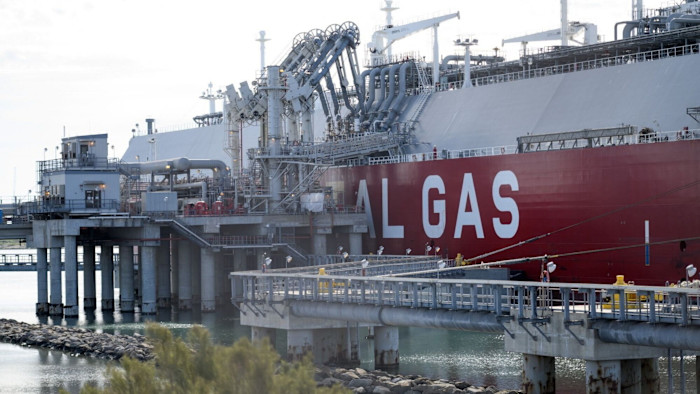
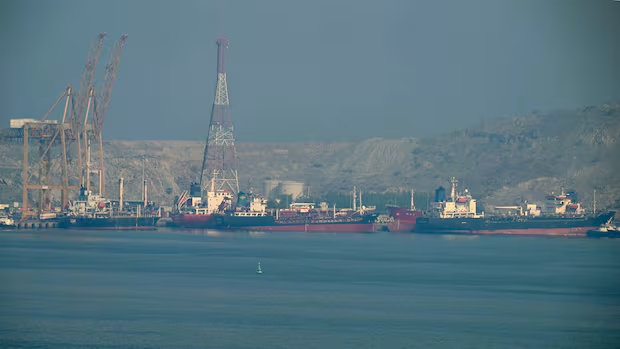
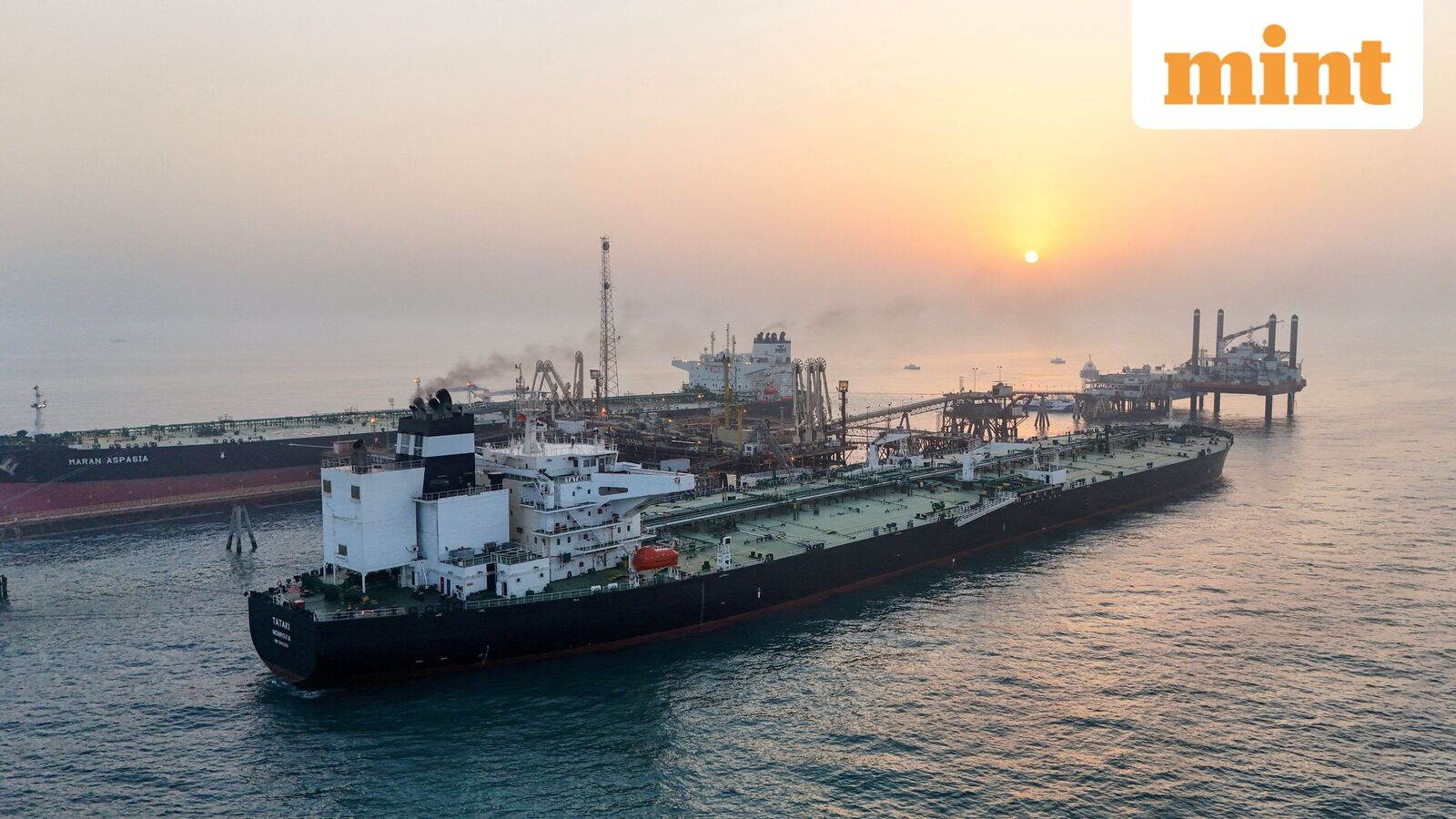
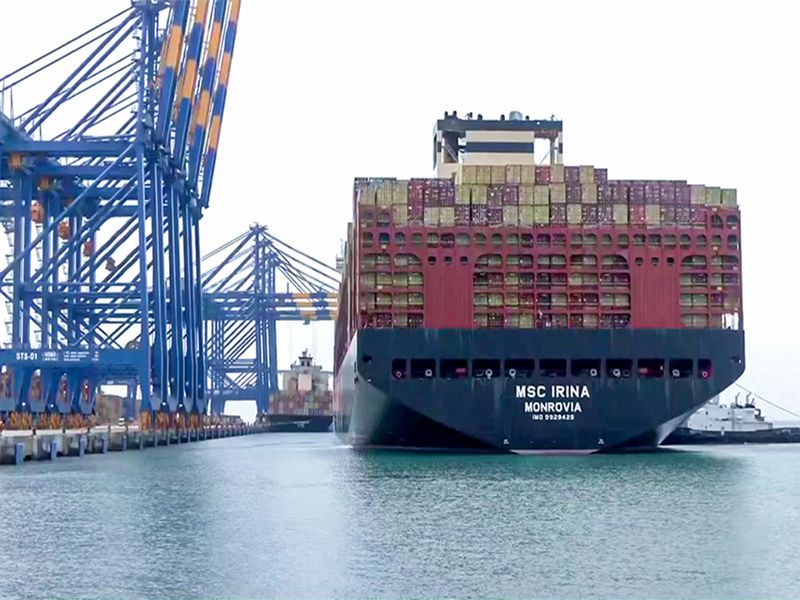
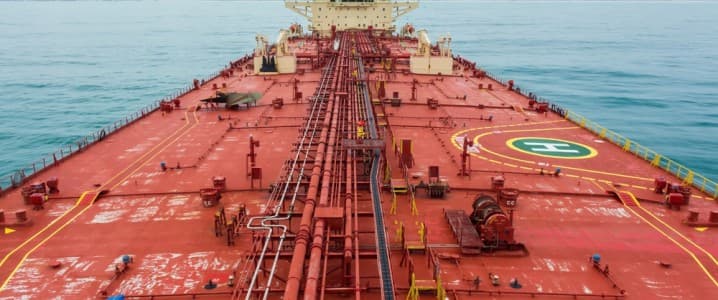
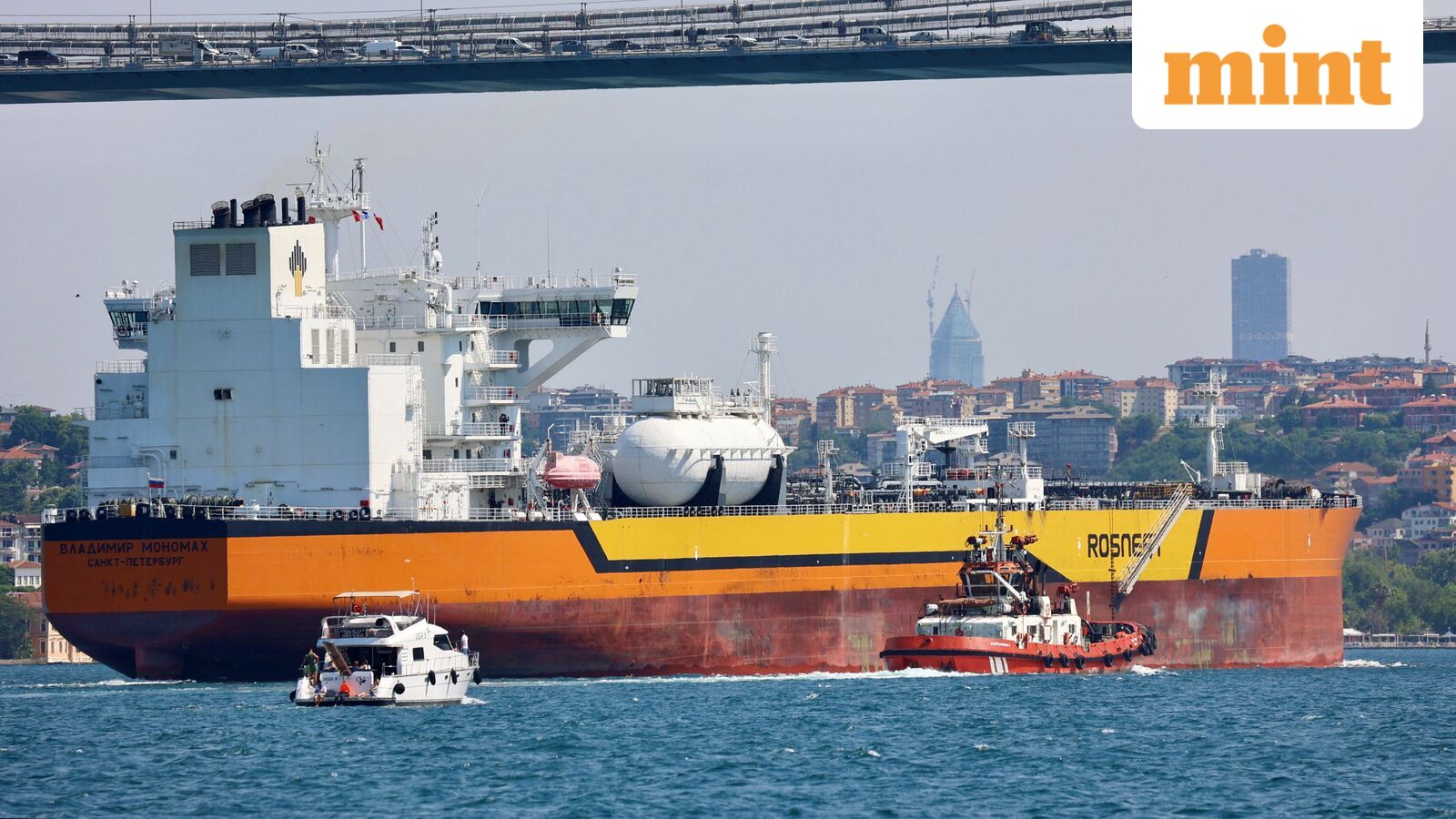
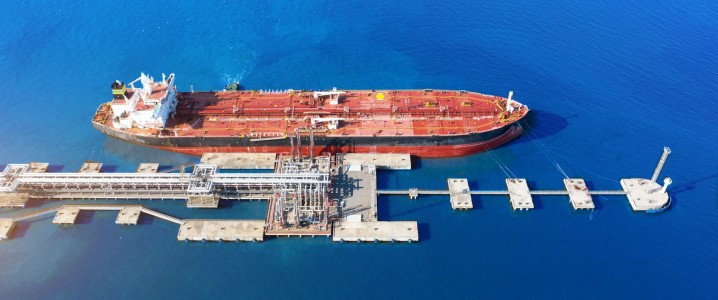
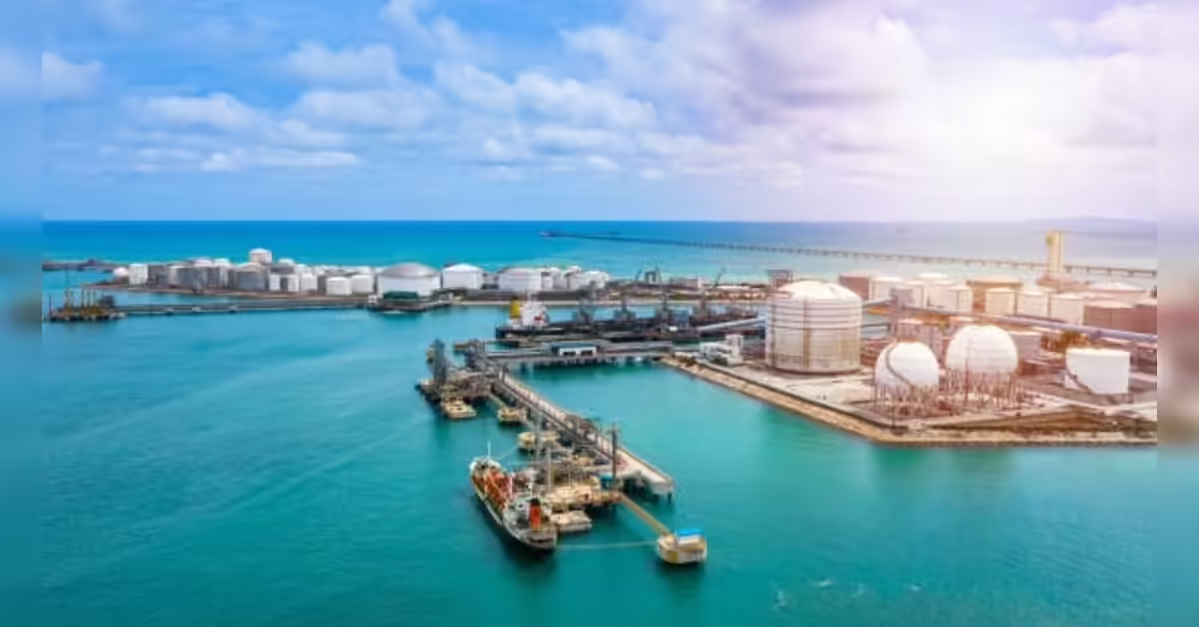
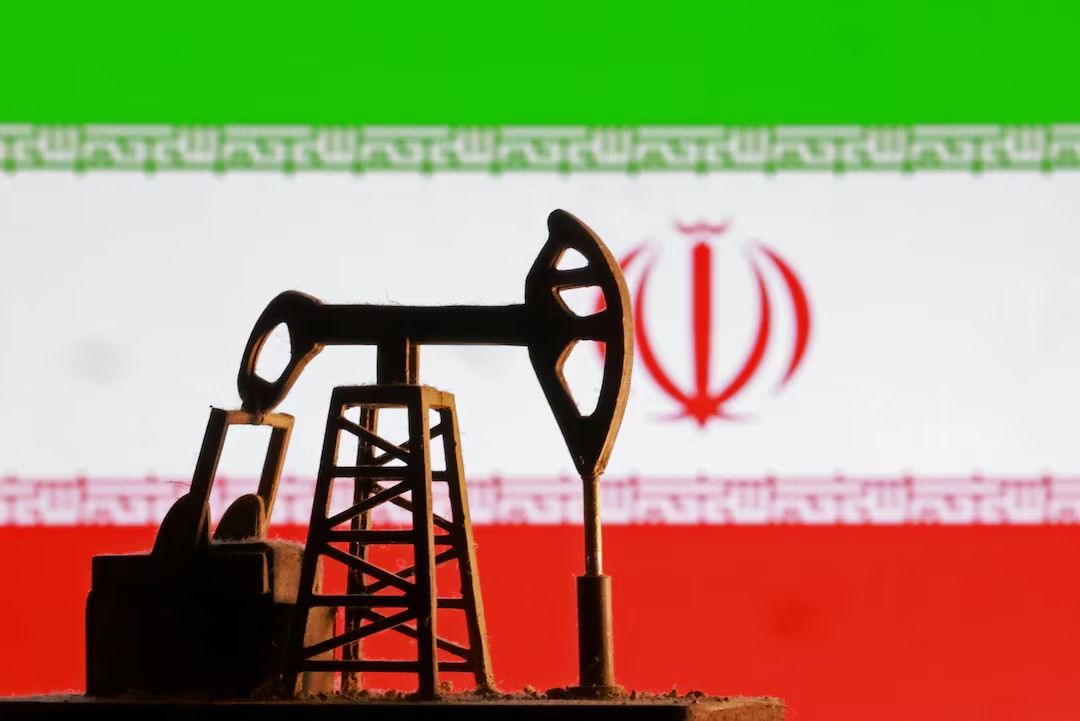
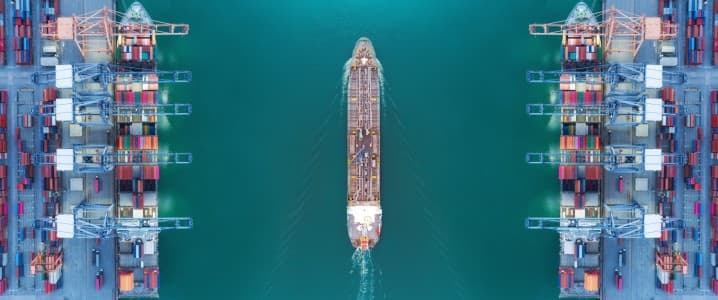
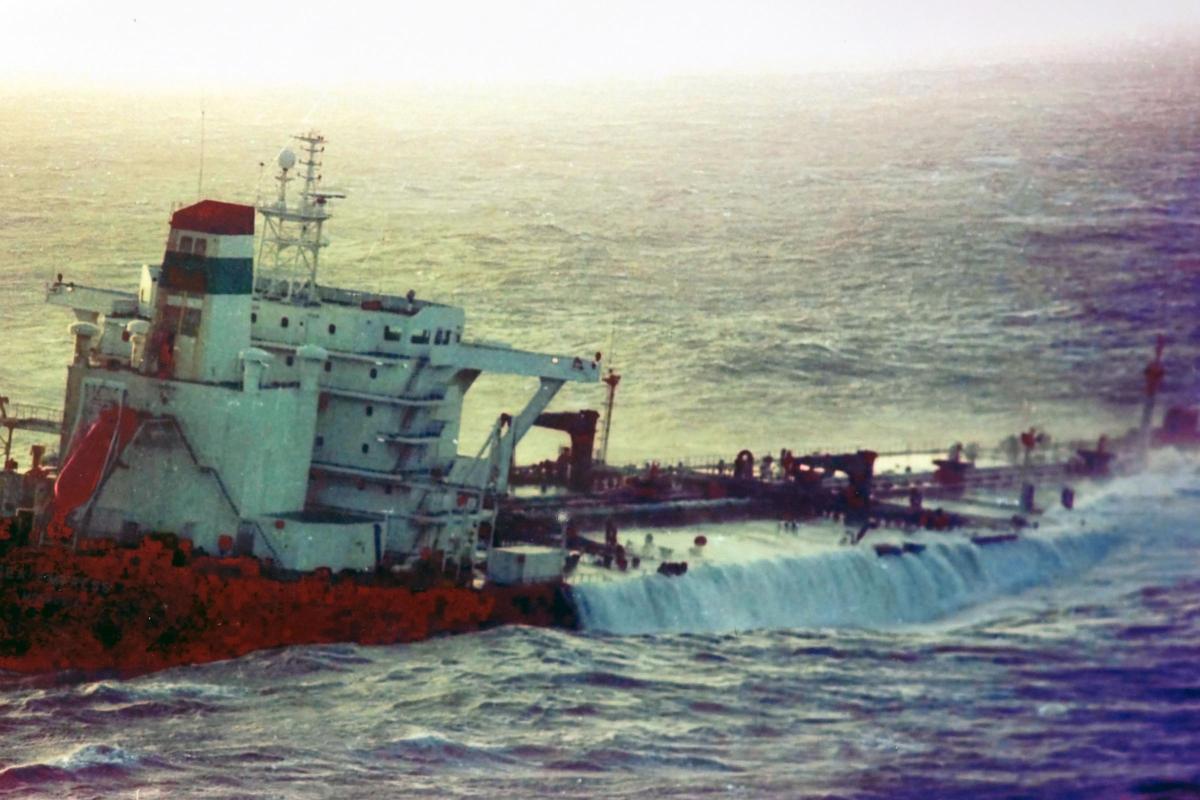
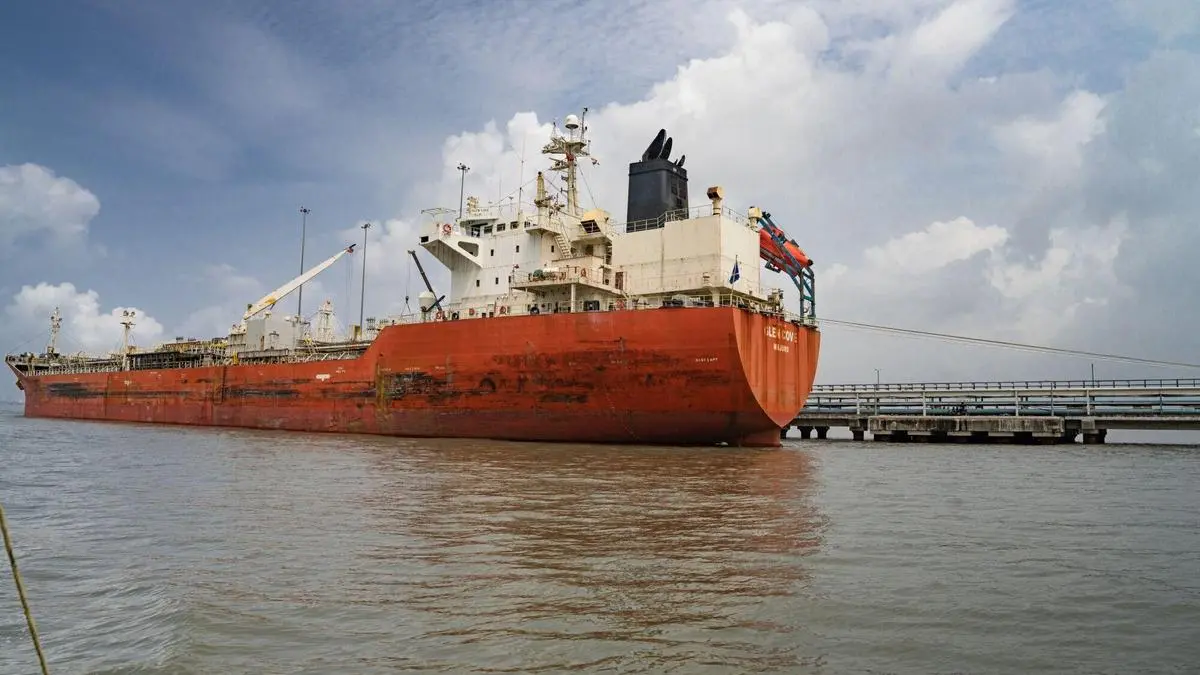
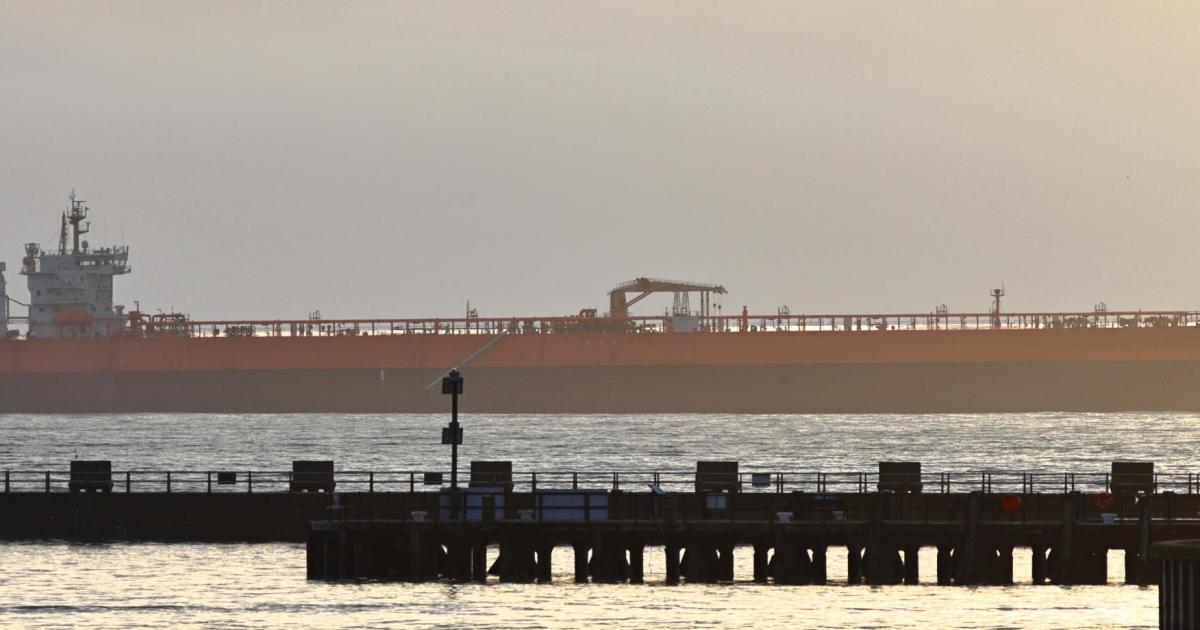
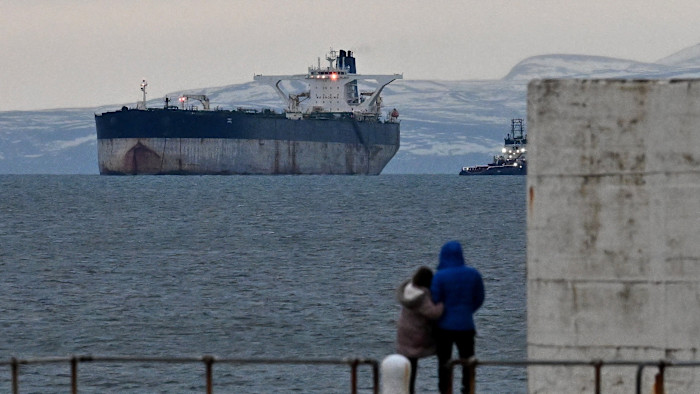
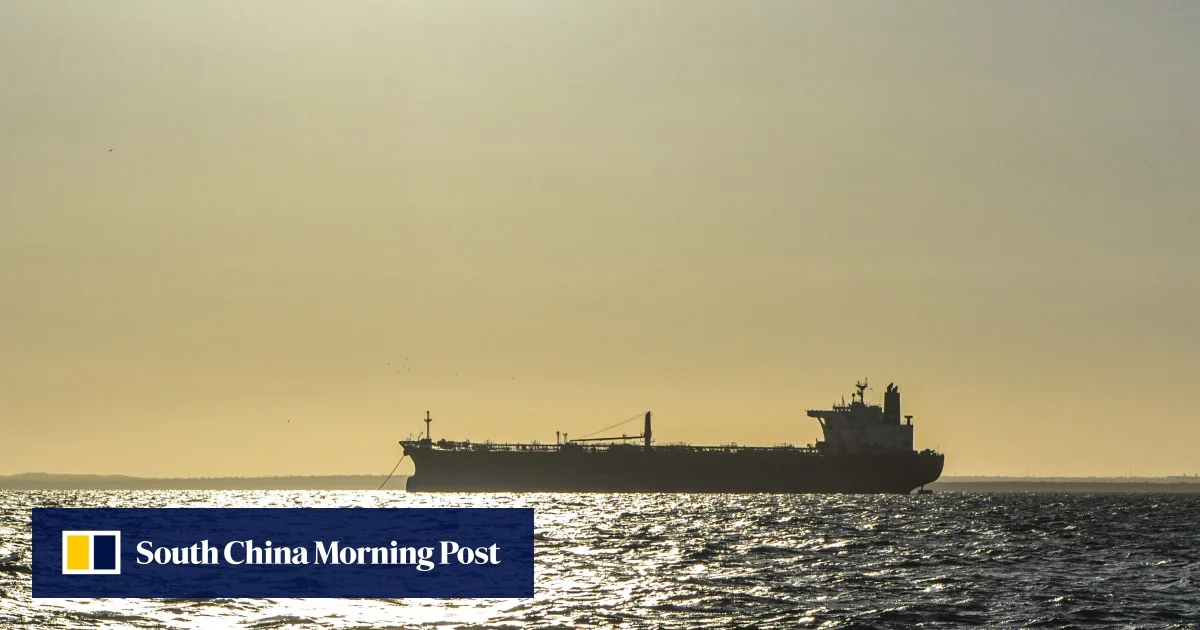
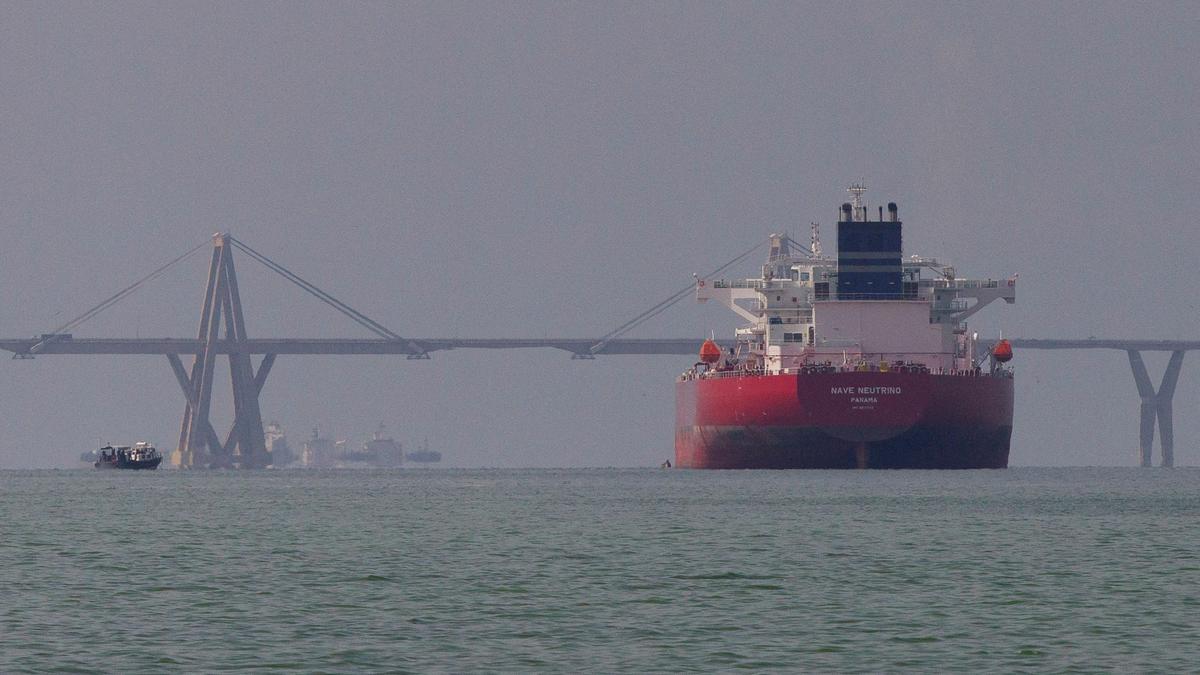
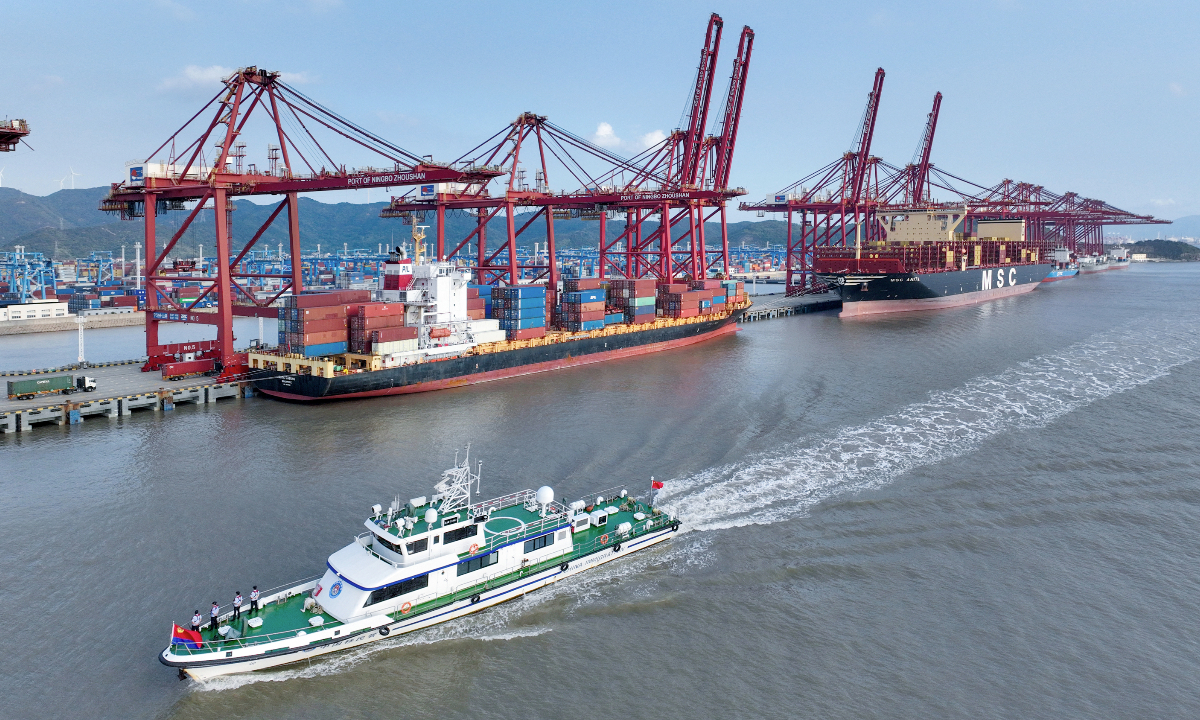
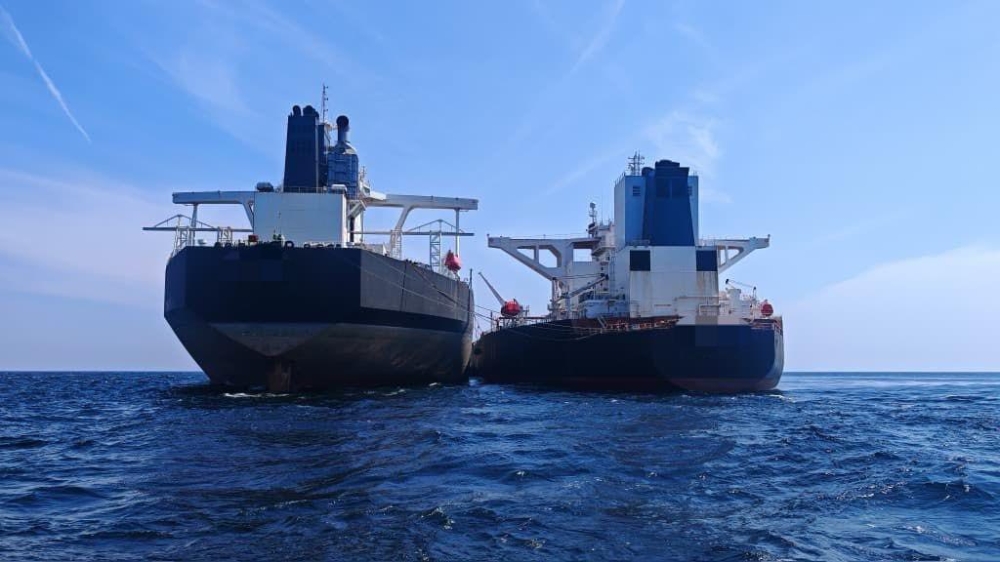
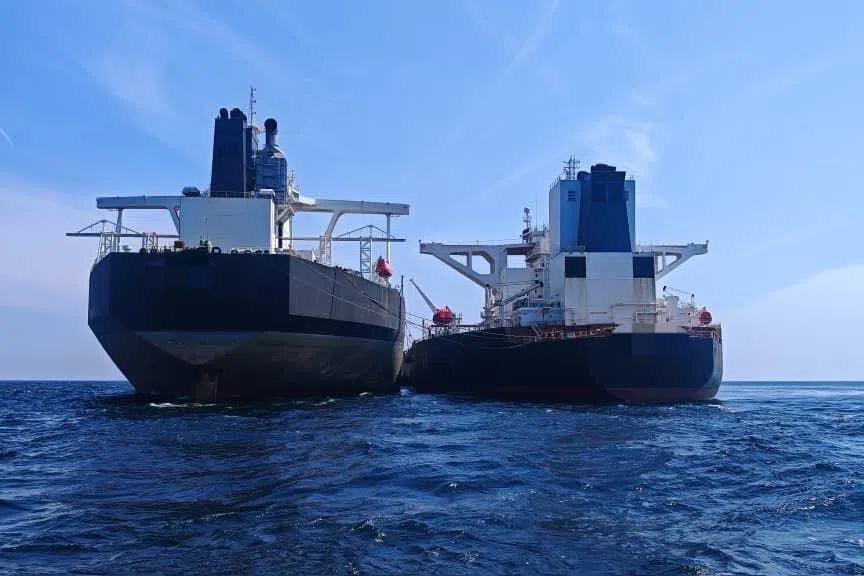
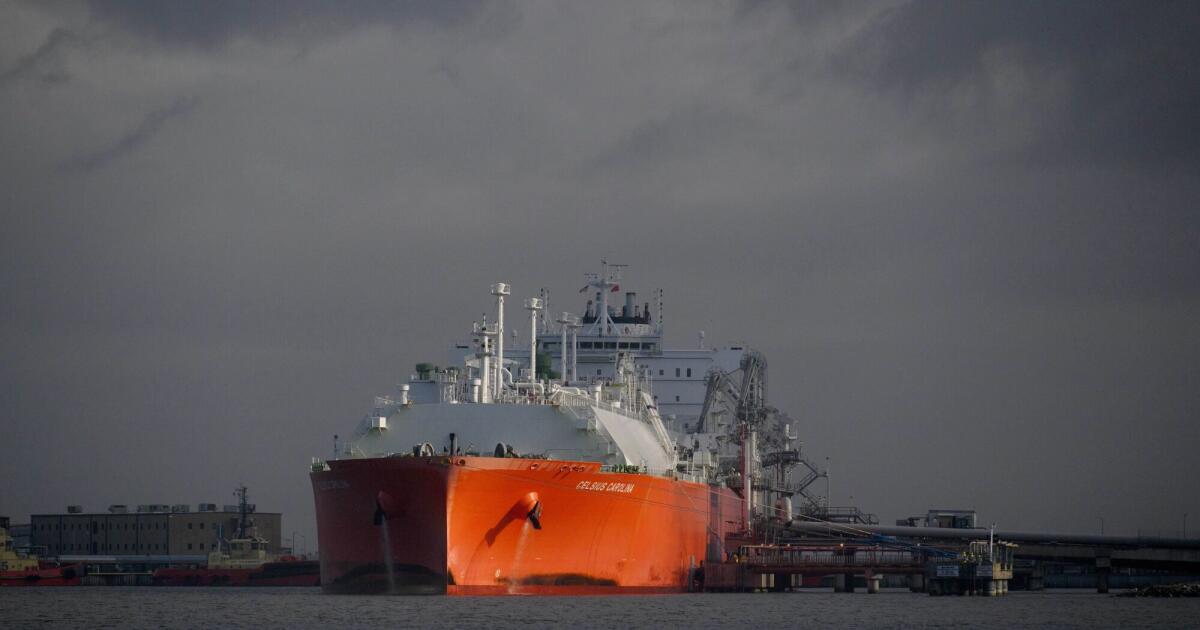
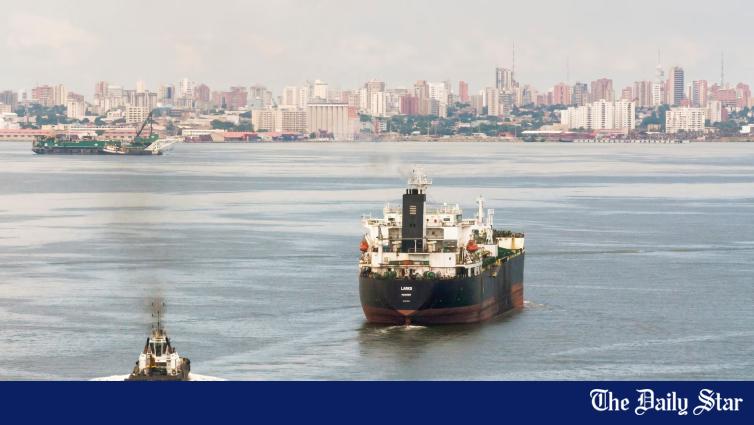
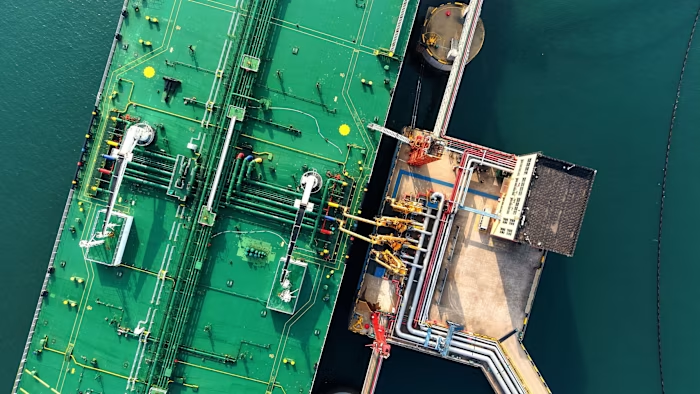
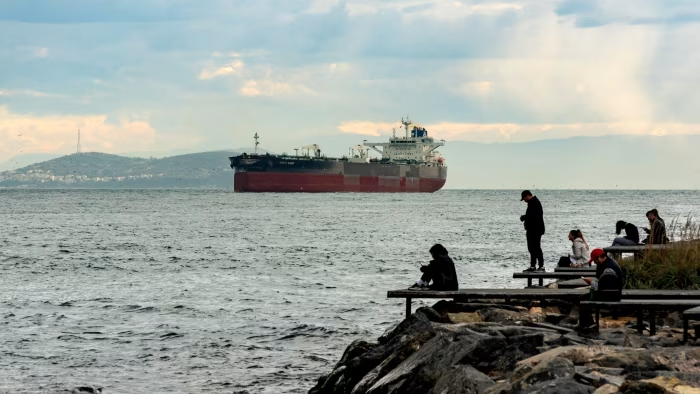
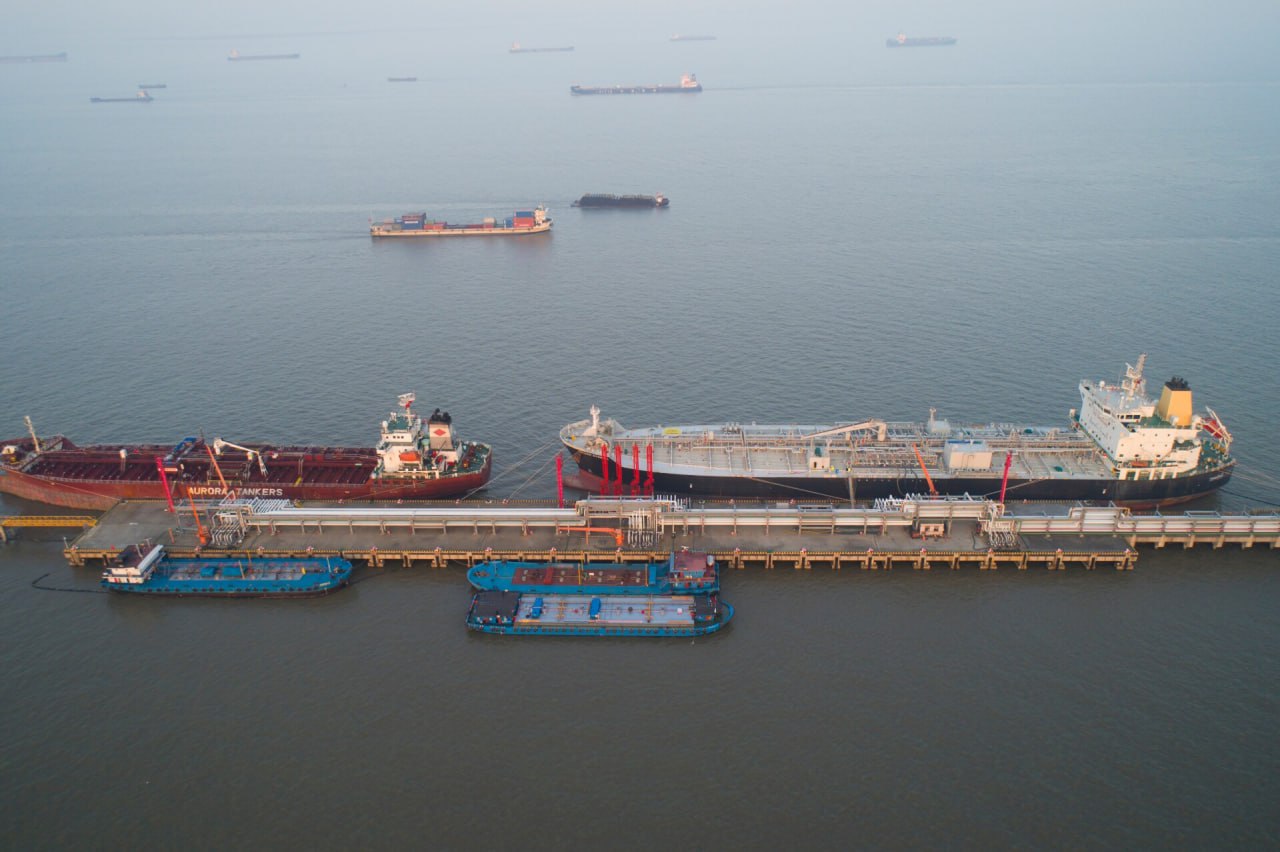
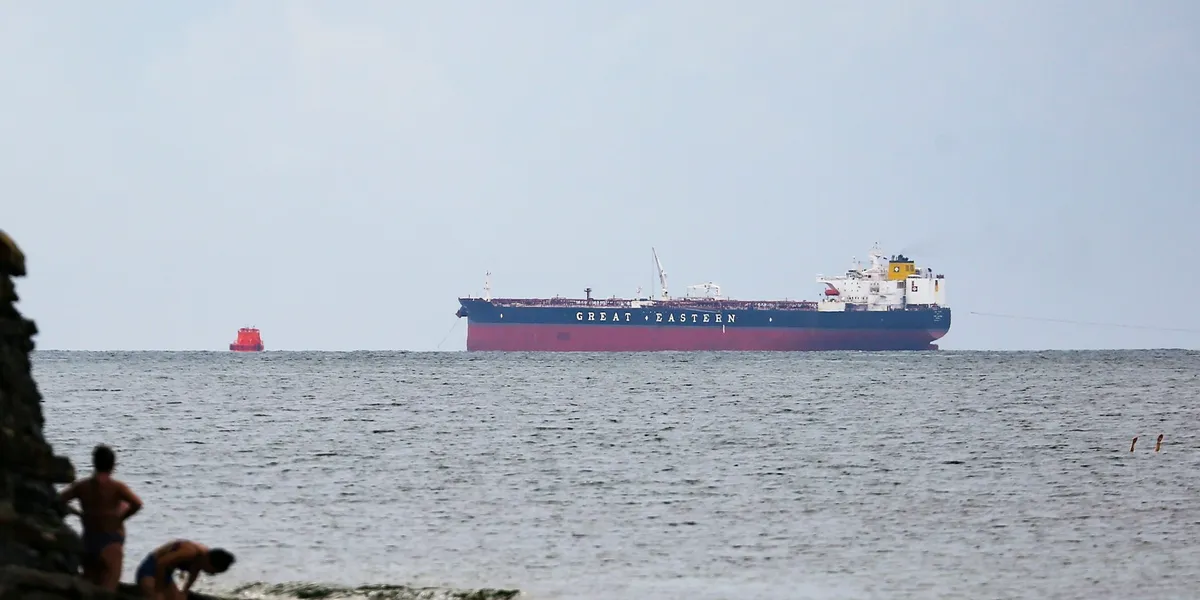
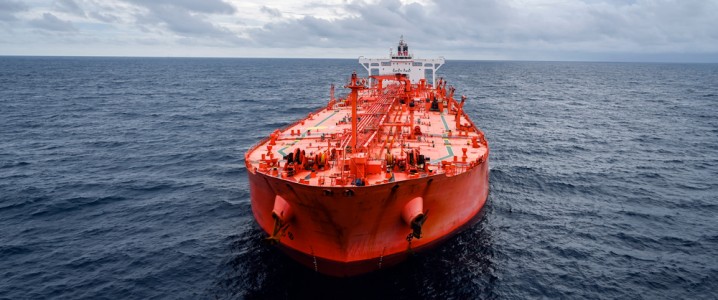
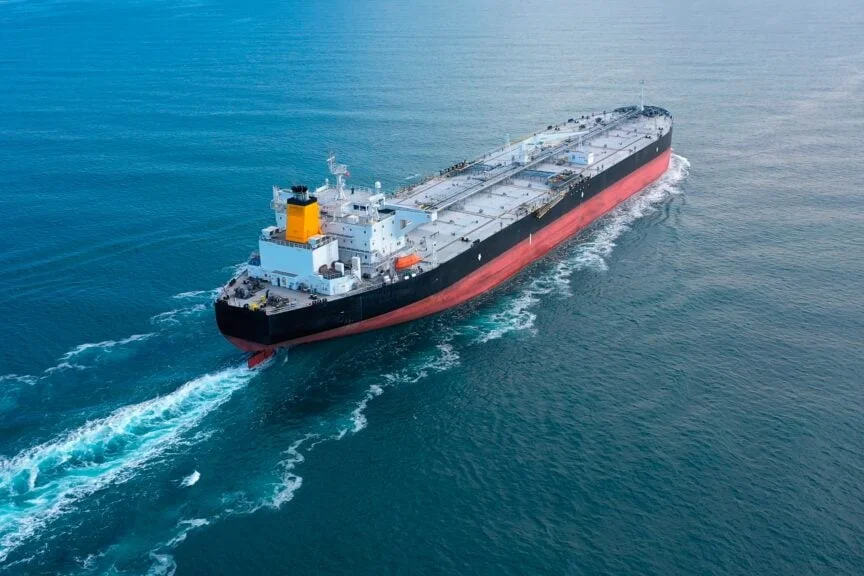
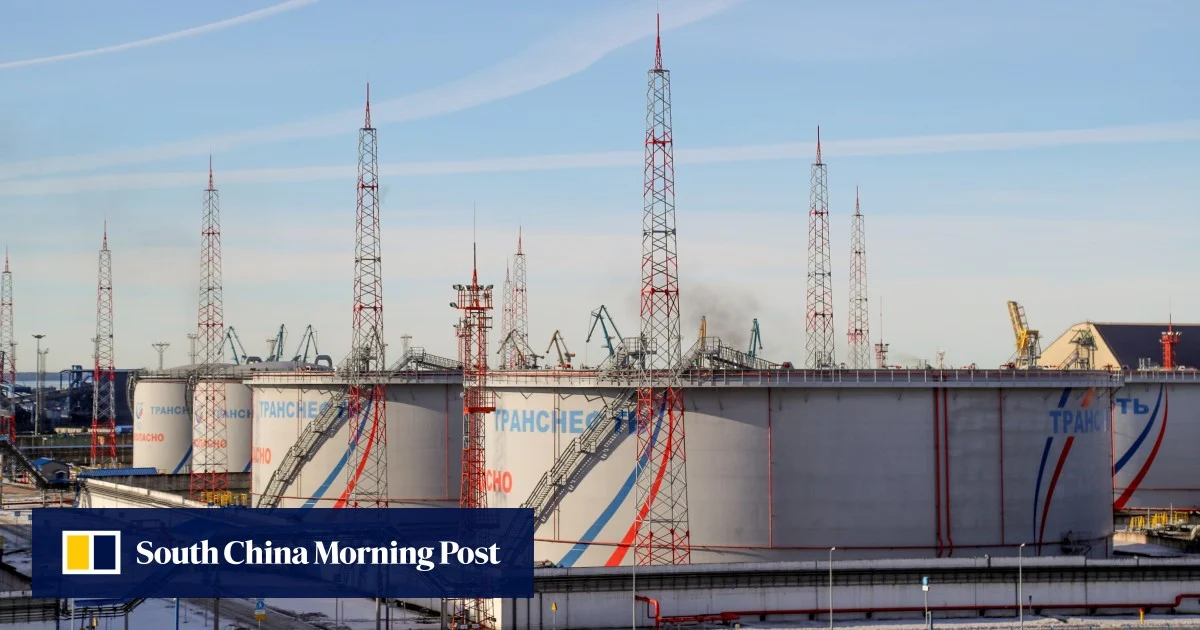
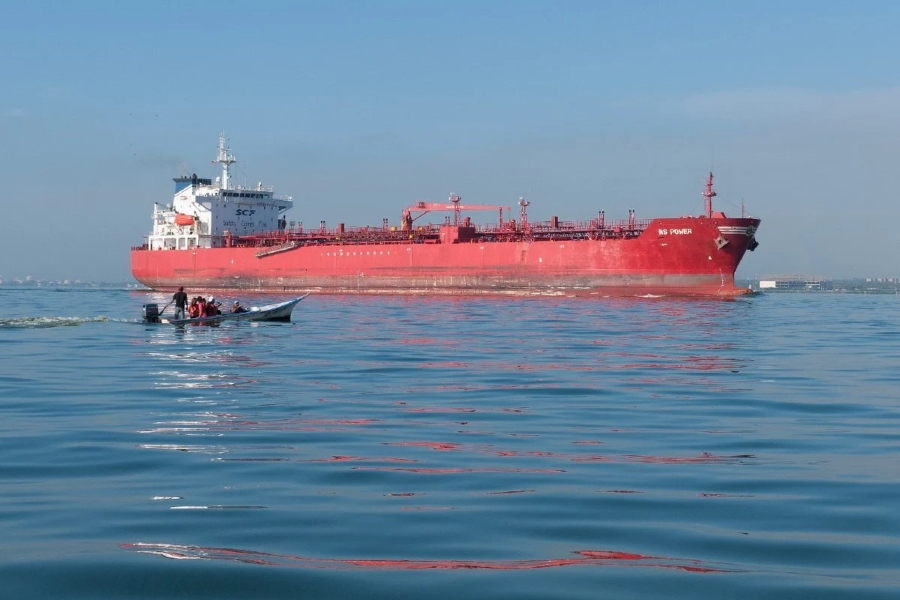
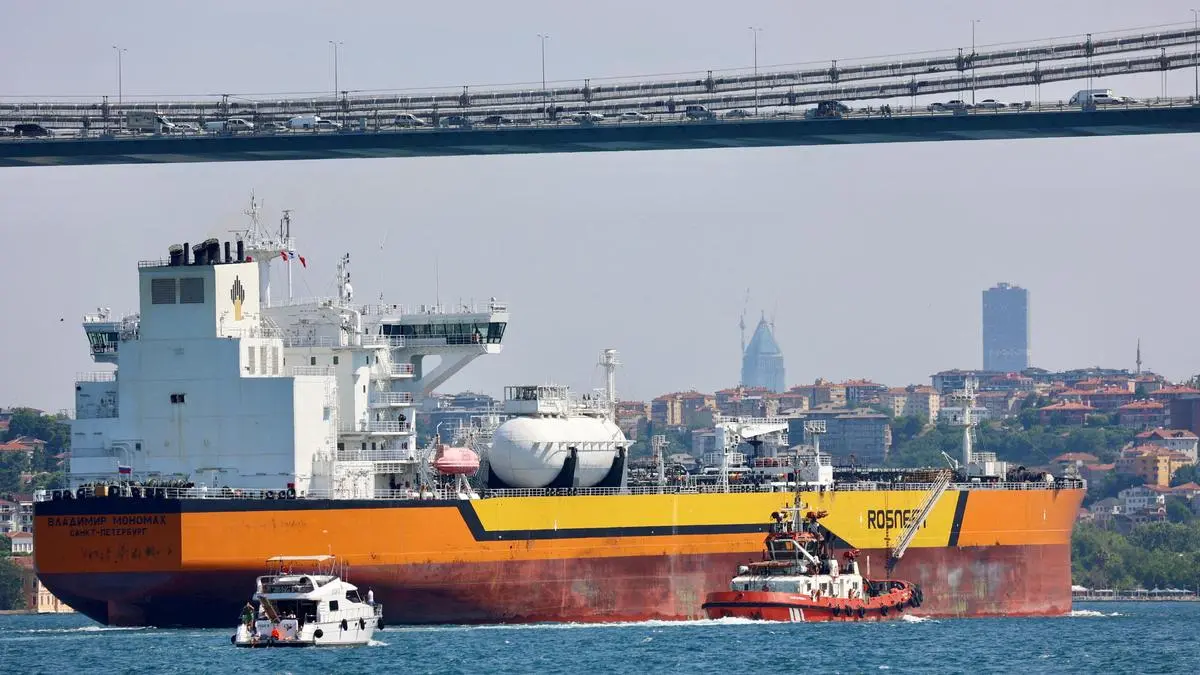
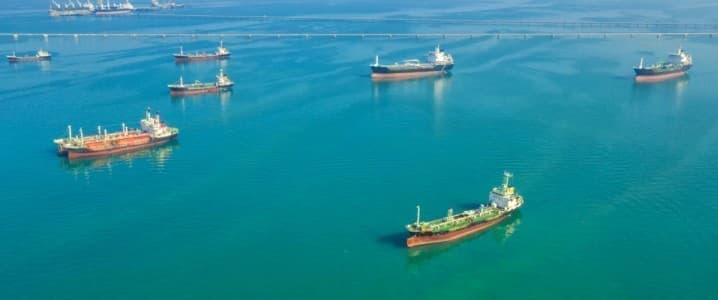
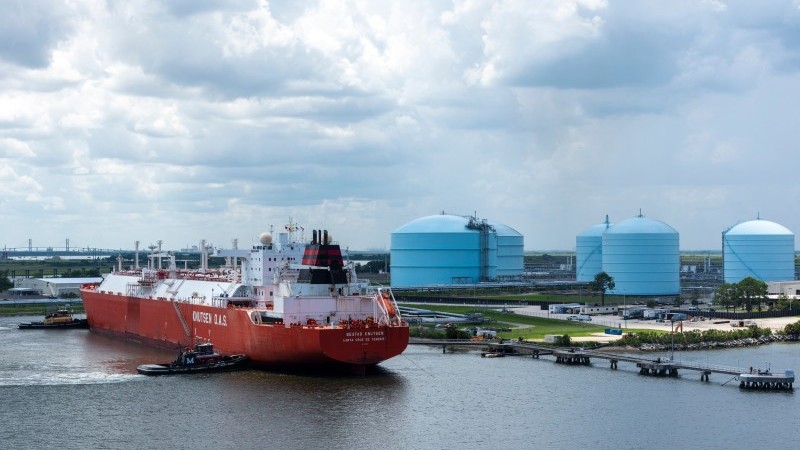
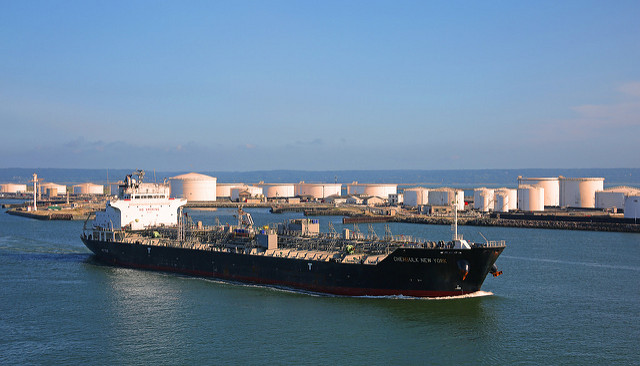
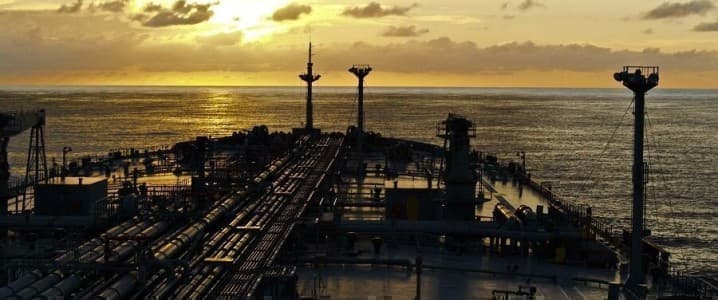
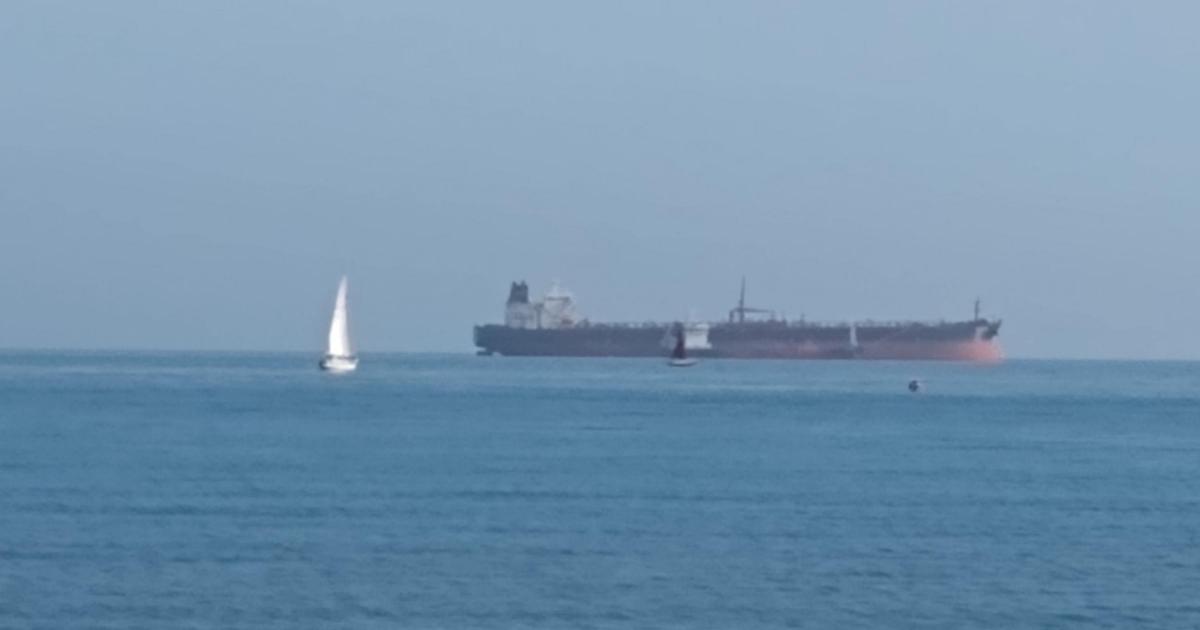
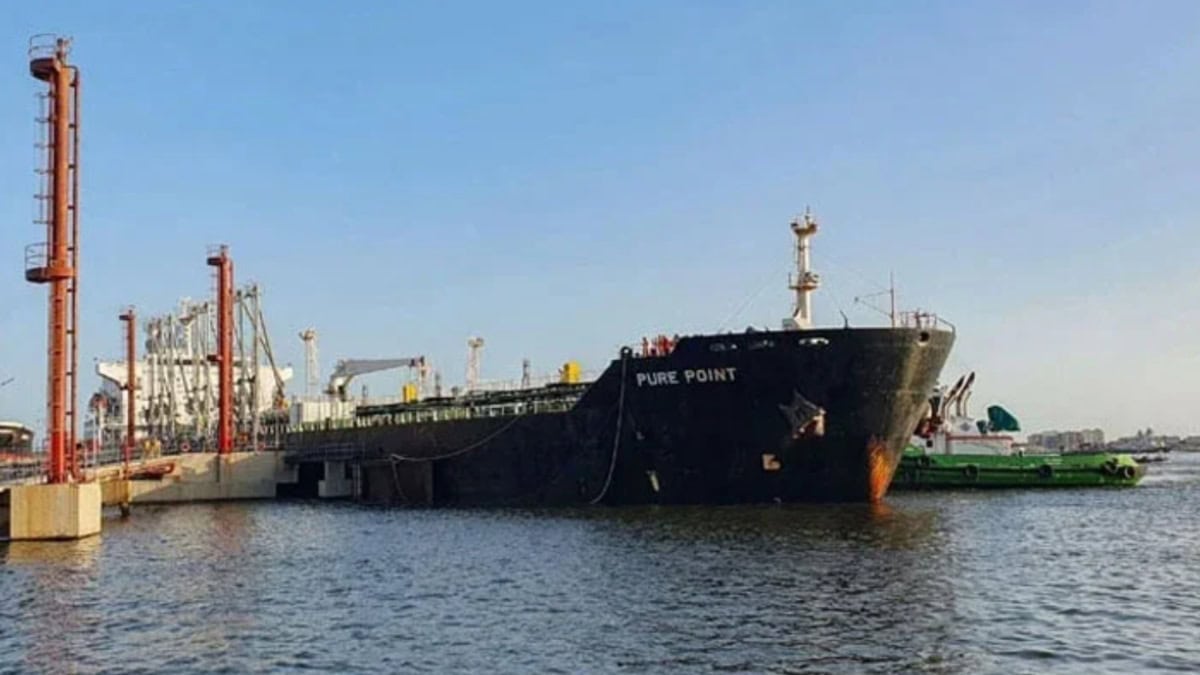
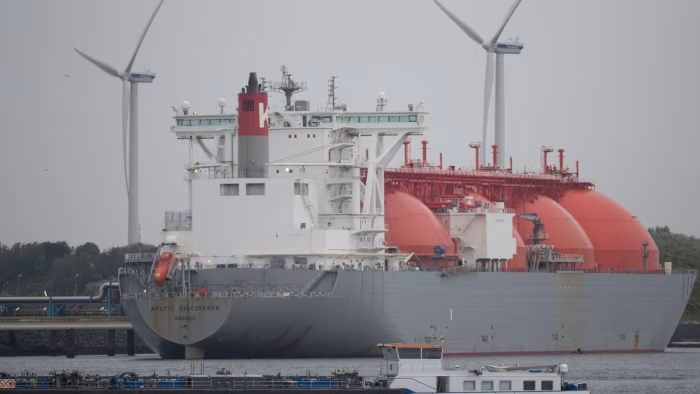
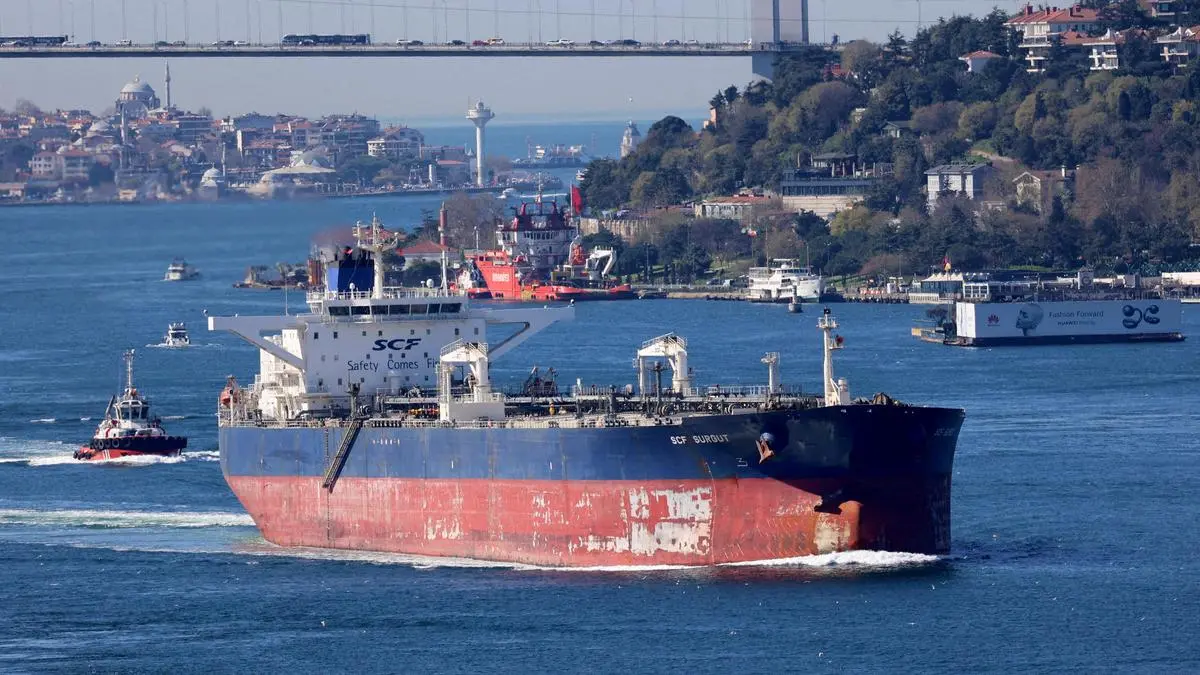
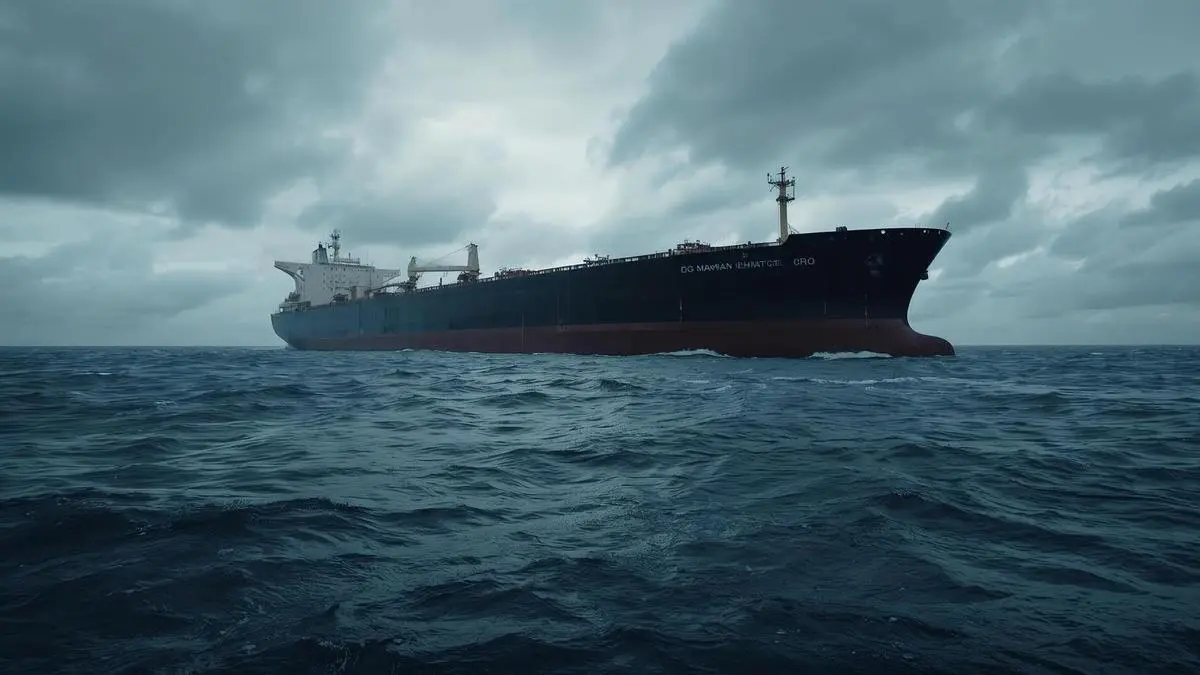
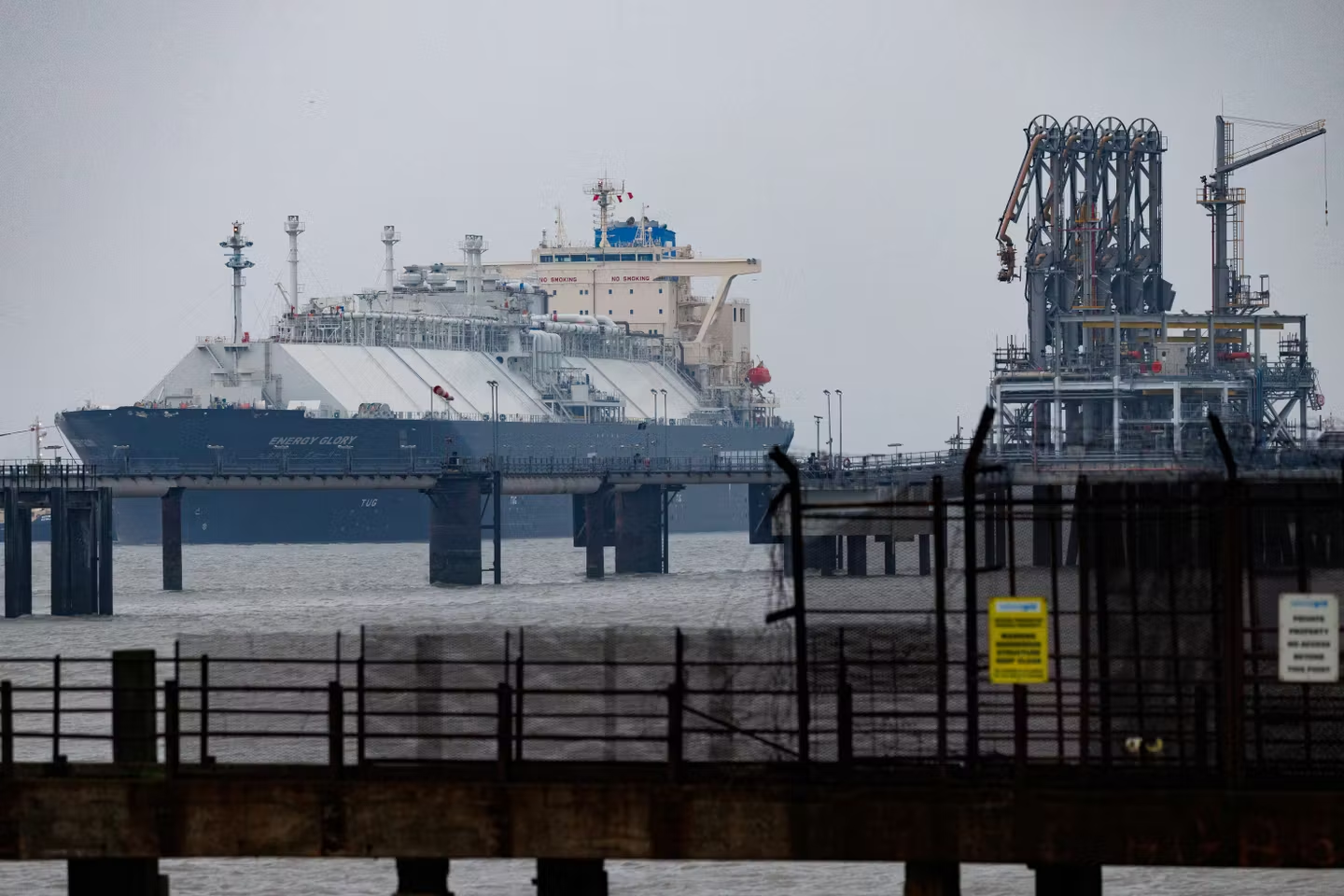
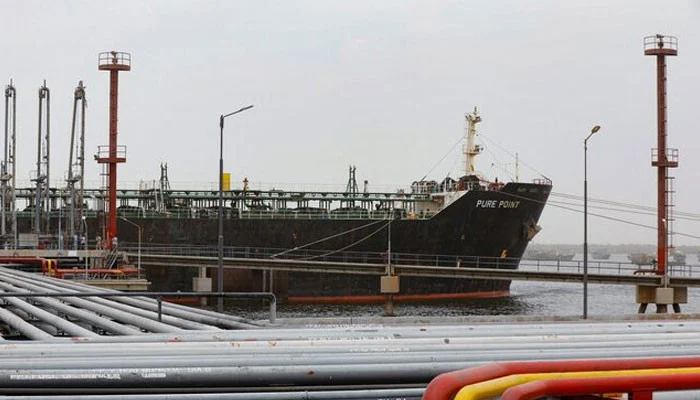
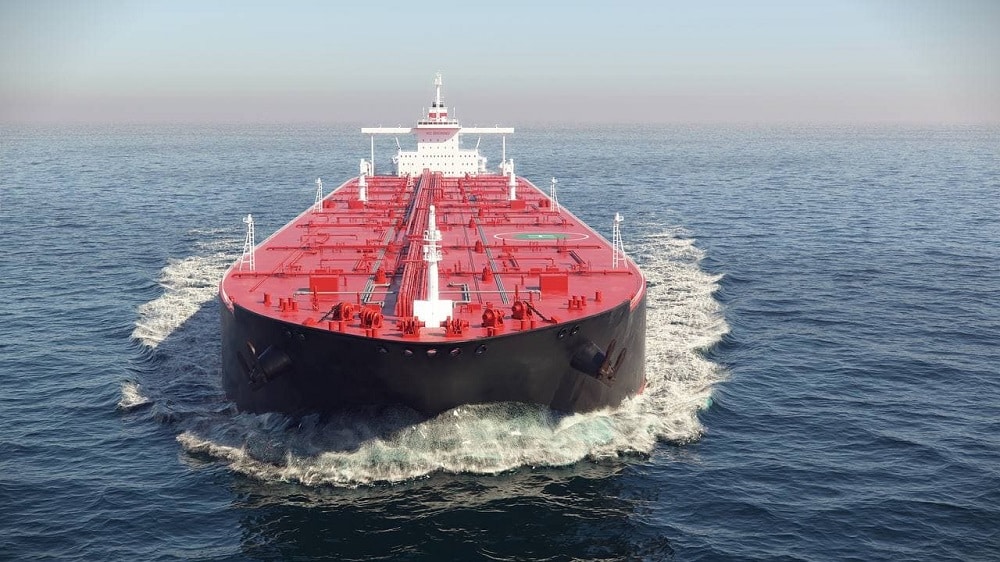
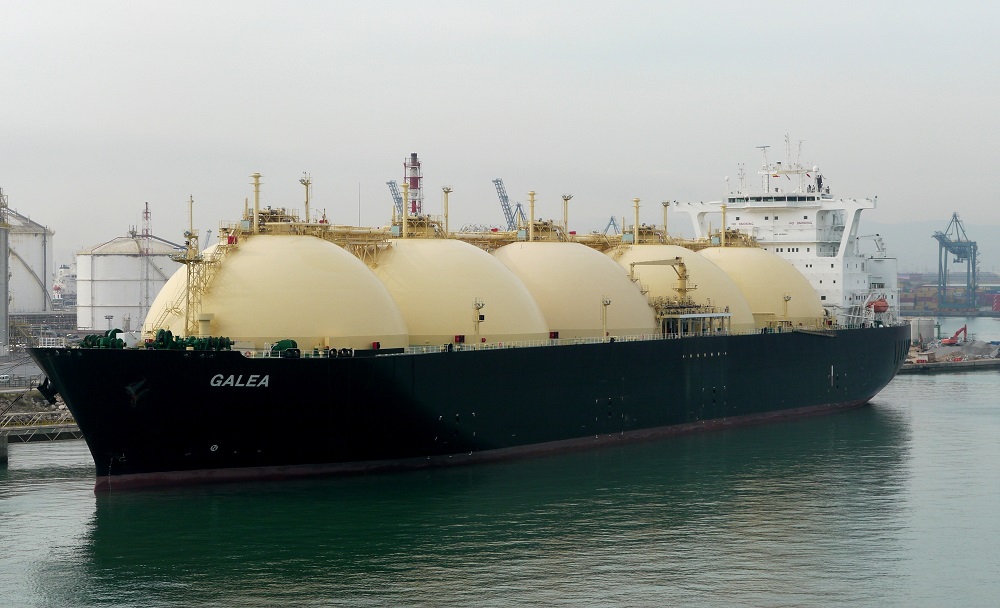
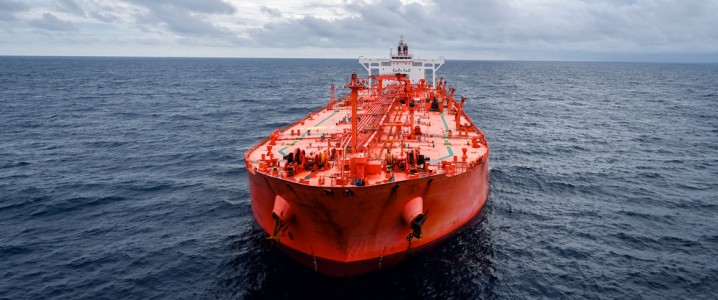
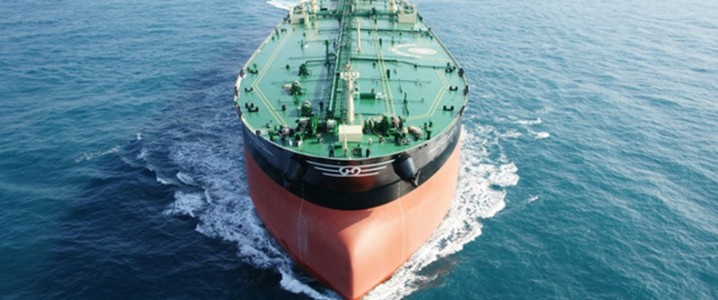
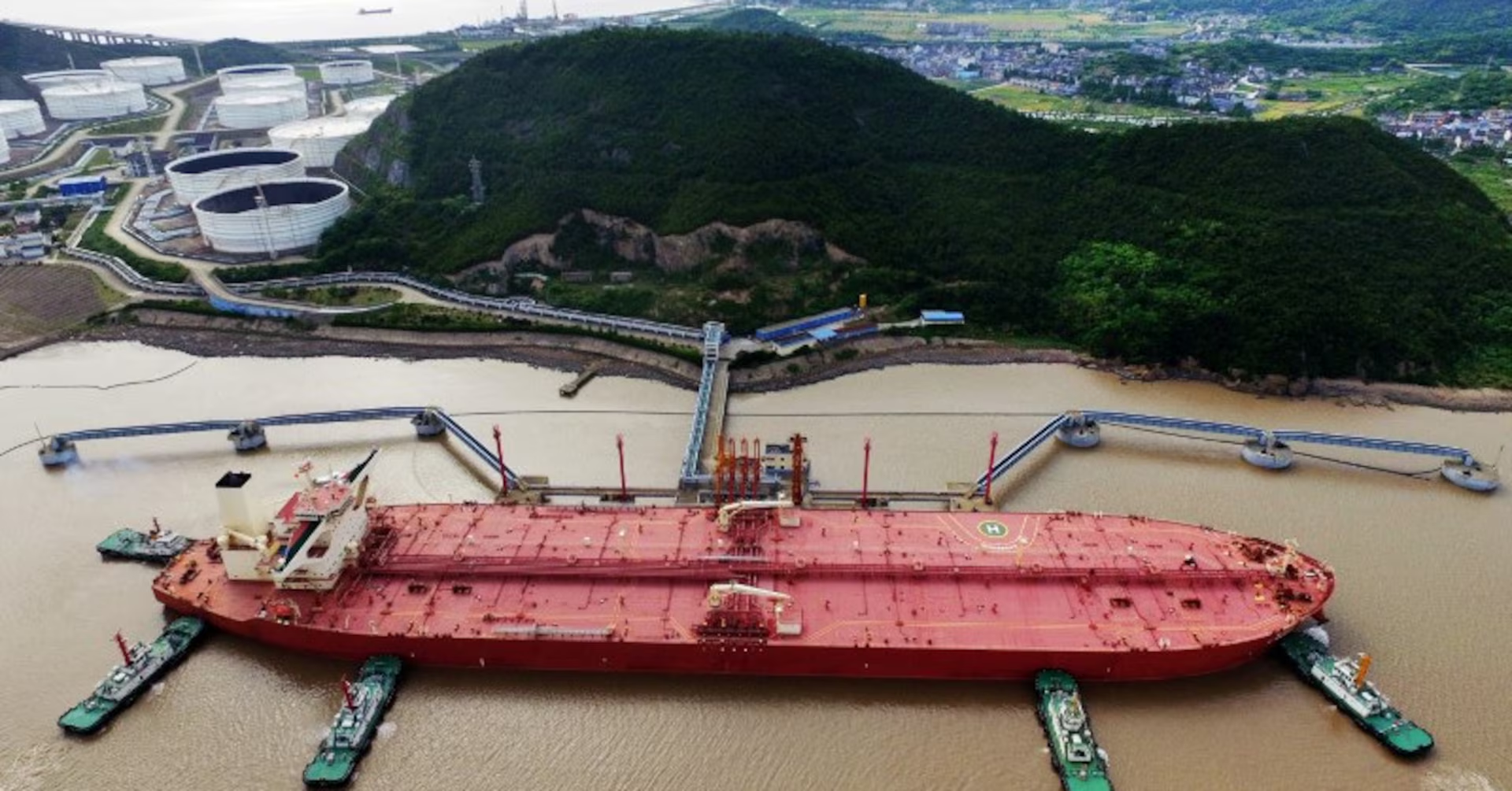
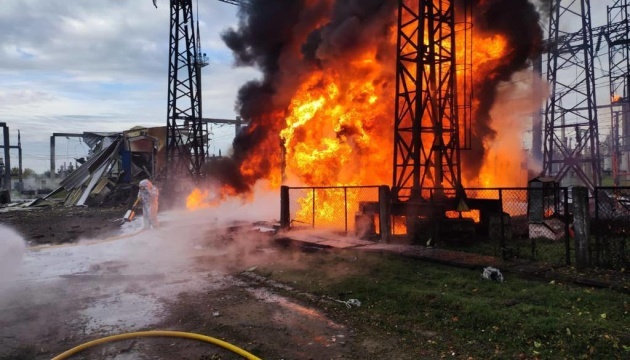
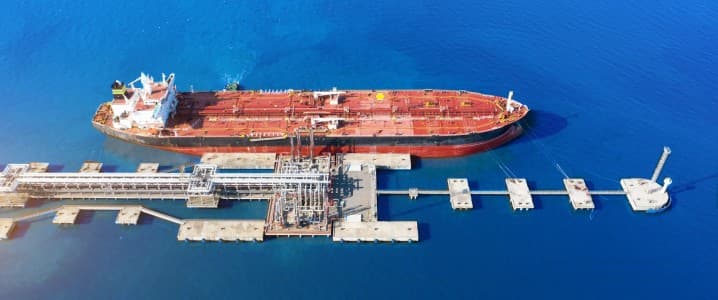
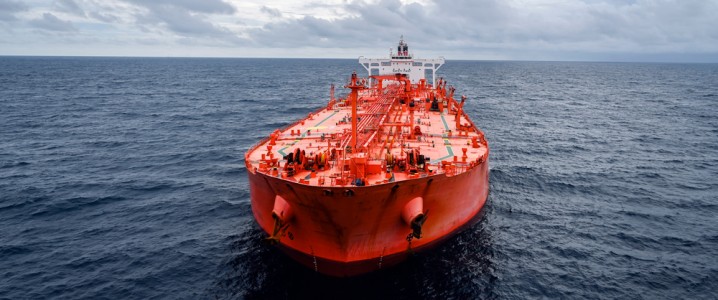
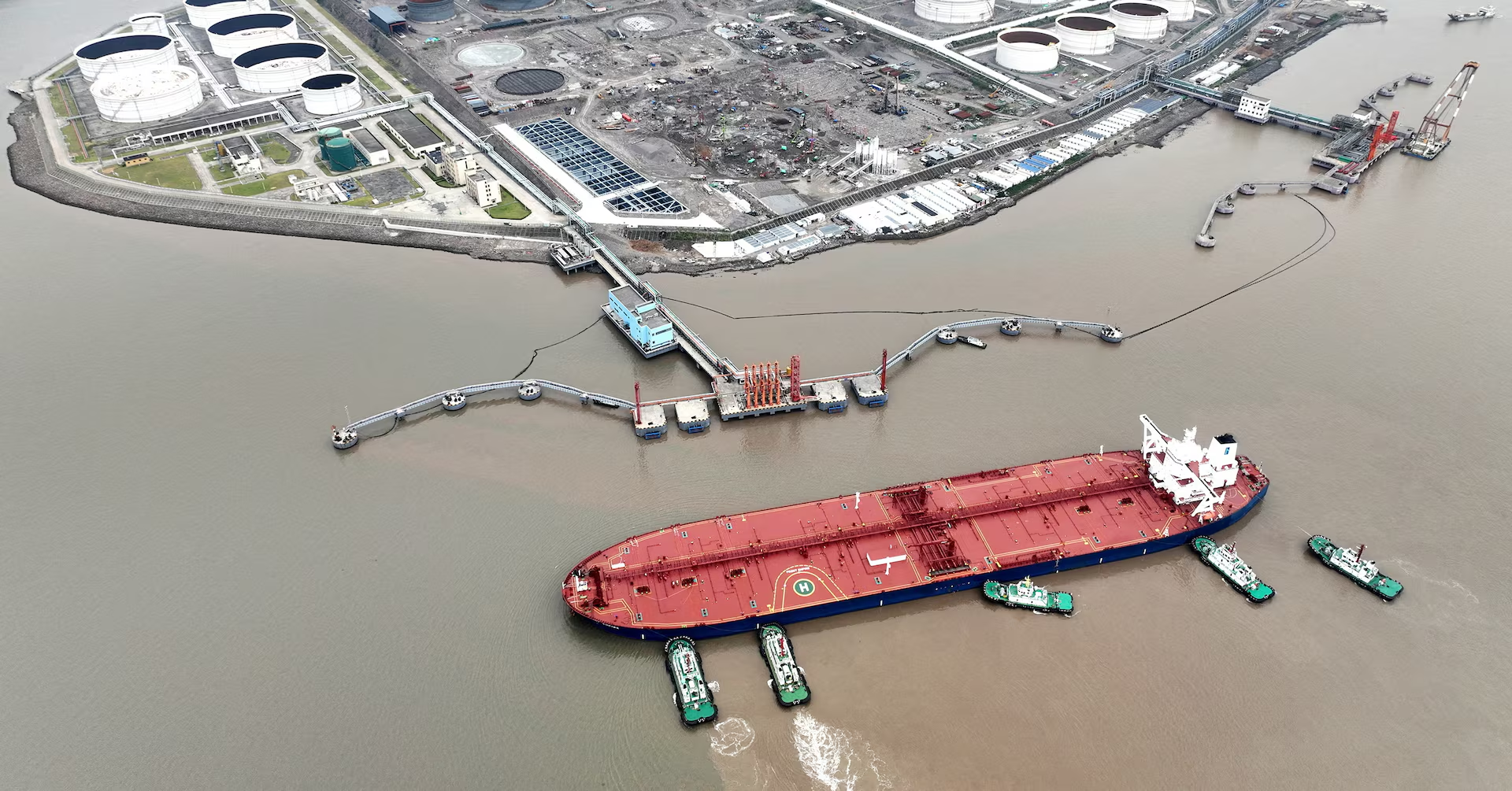
The rally came after US-Israeli strikes on Iran at the weekend, and Tehran’s counteroffensive stymied transits of oil tankers through the Strait of Hormuz, a waterway that carries about a fifth of the world’s oil supply.
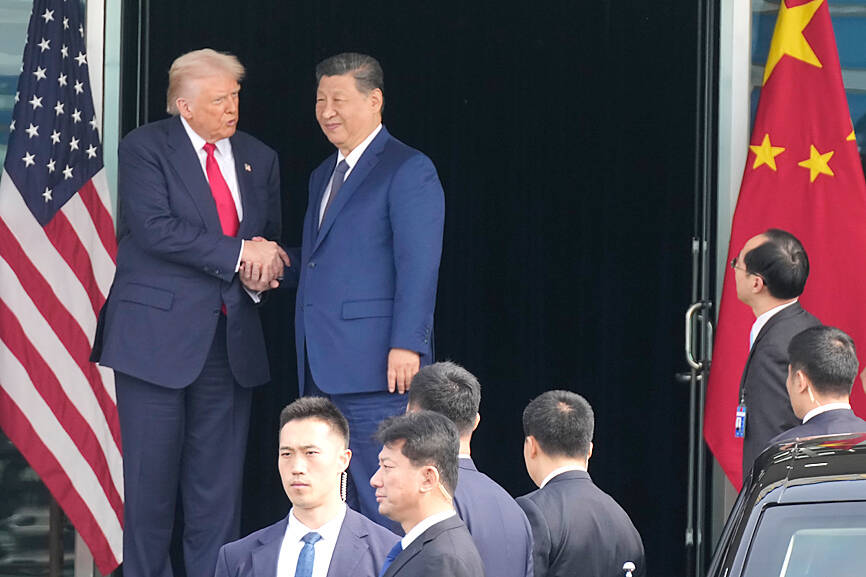
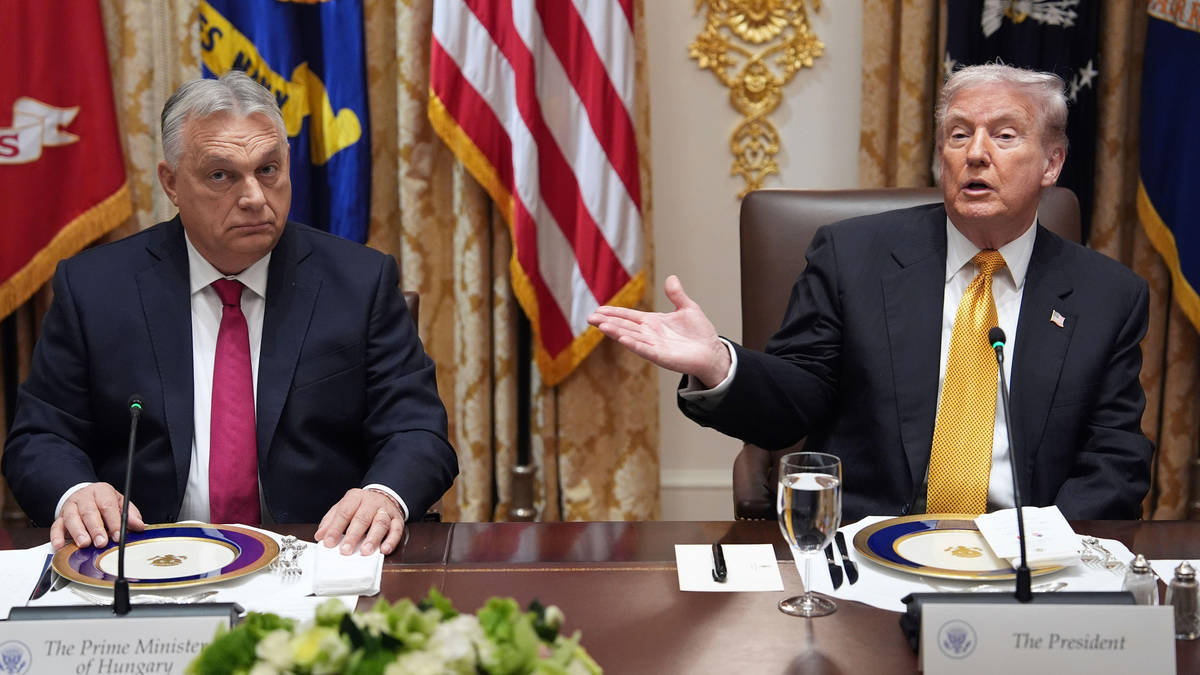
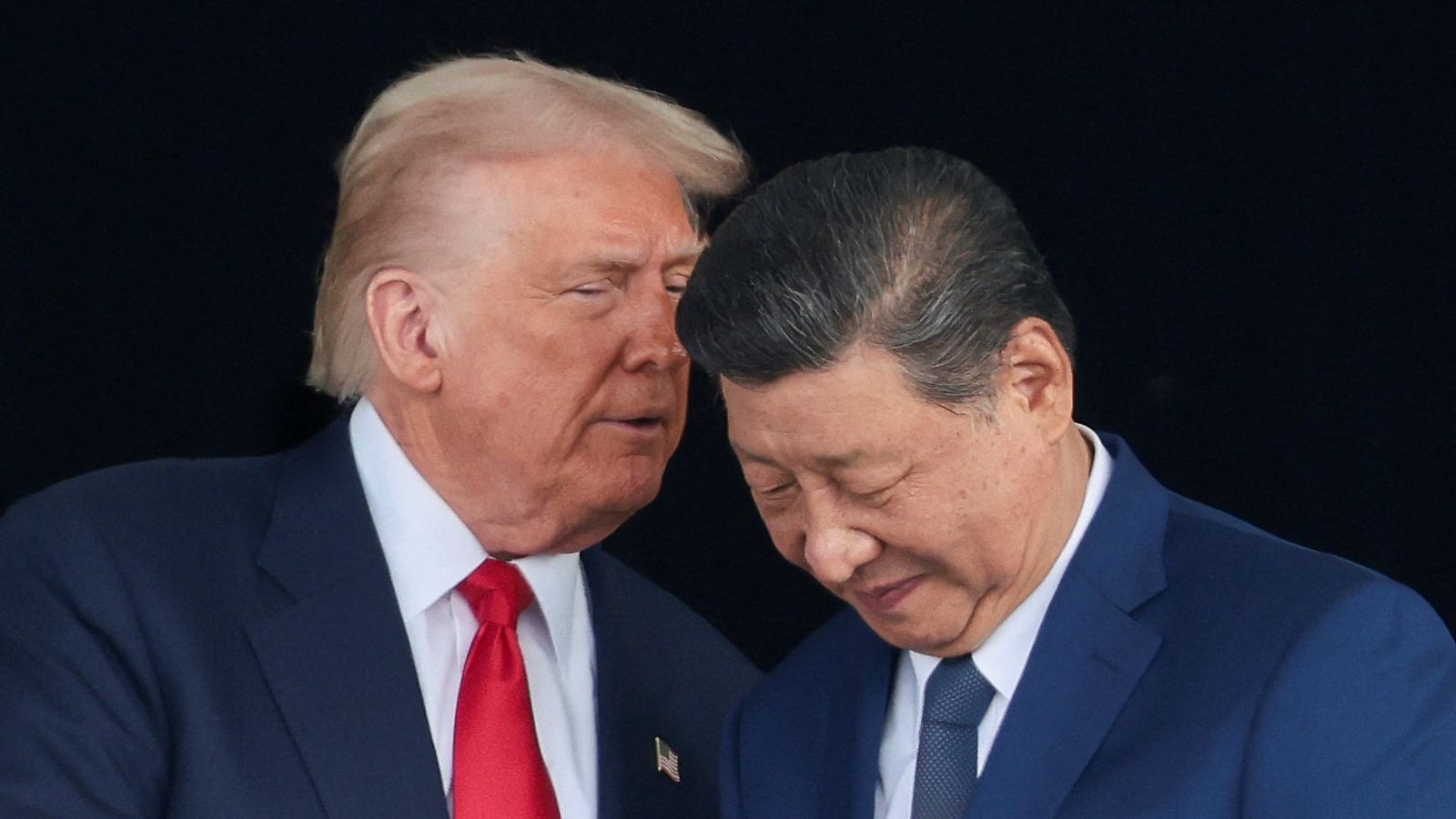
Tensions ratcheted up sharply on Friday after Donald Trump warned there would be “no deal” with Iran unless the country offered its “unconditional surrender”, while Qatar’s energy minister predicted oil would hit $150 a barrel without a quick end to the war.
Goldman Sachs on Friday said “oil prices would likely exceed $100 next week if no signs of solutions [to restore transits through the Strait of Hormuz] emerge by then”.
The Wall Street bank added: “We now also think it’s likely that oil prices, especially for refined products, would exceed the 2008 and 2022 peaks if Strait of Hormuz flows were to remain depressed throughout March.”
Brent exceeded $140 in 2008, sending prices for many energy products surging and dealing a powerful blow to the global economy.
Goldman’s warning came as the US and Israel said they had struck thousands of targets in Iran over the past seven days, in strikes that killed supreme leader Ayatollah Ali Khamenei and many senior officials.
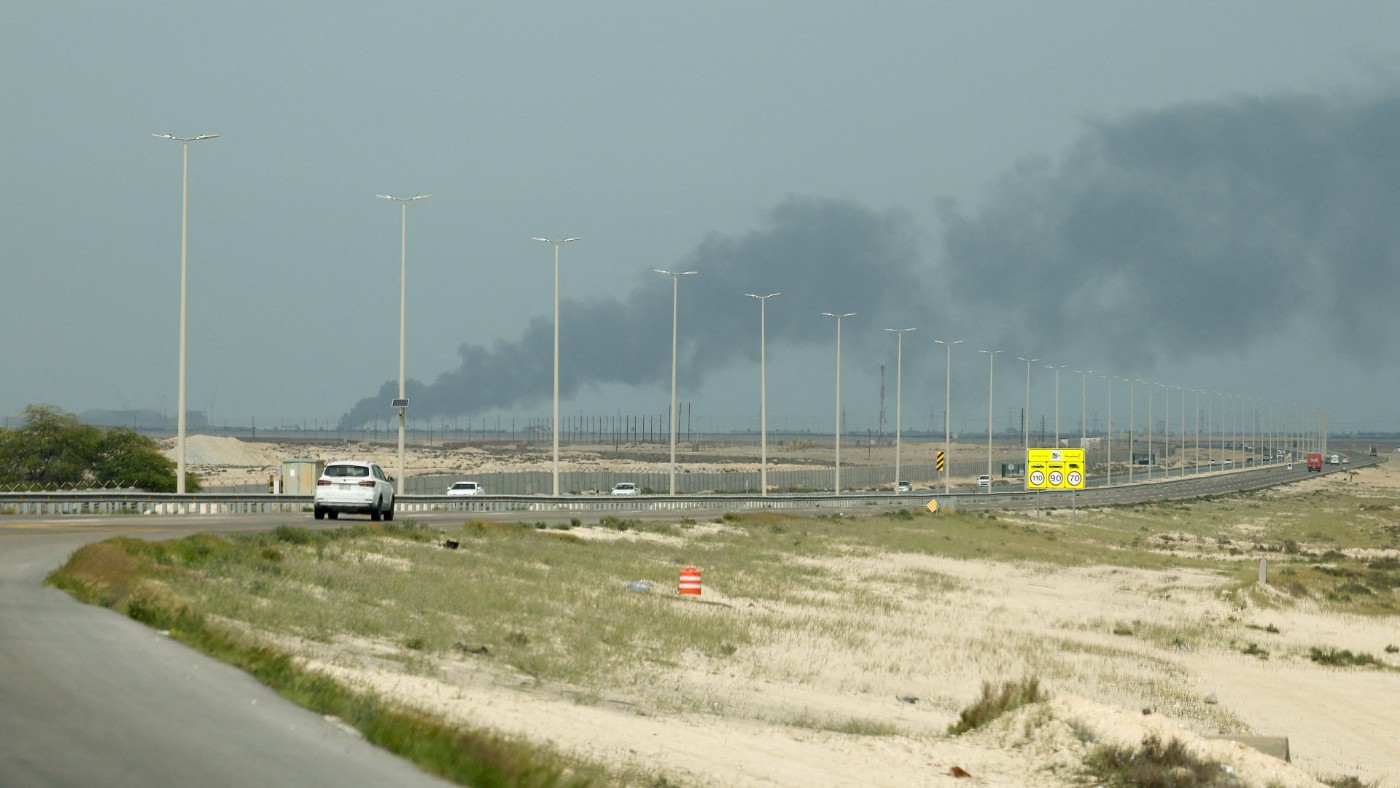
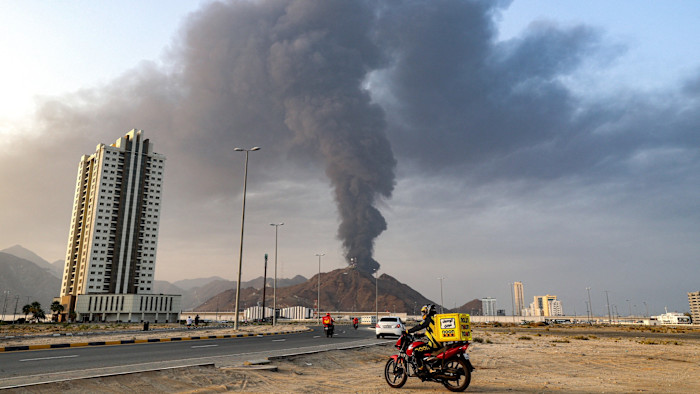
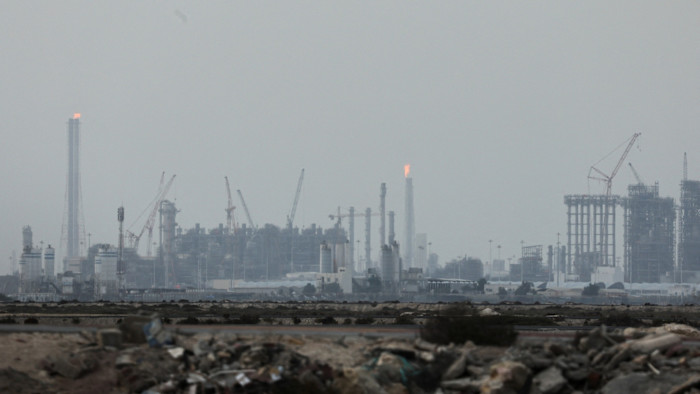
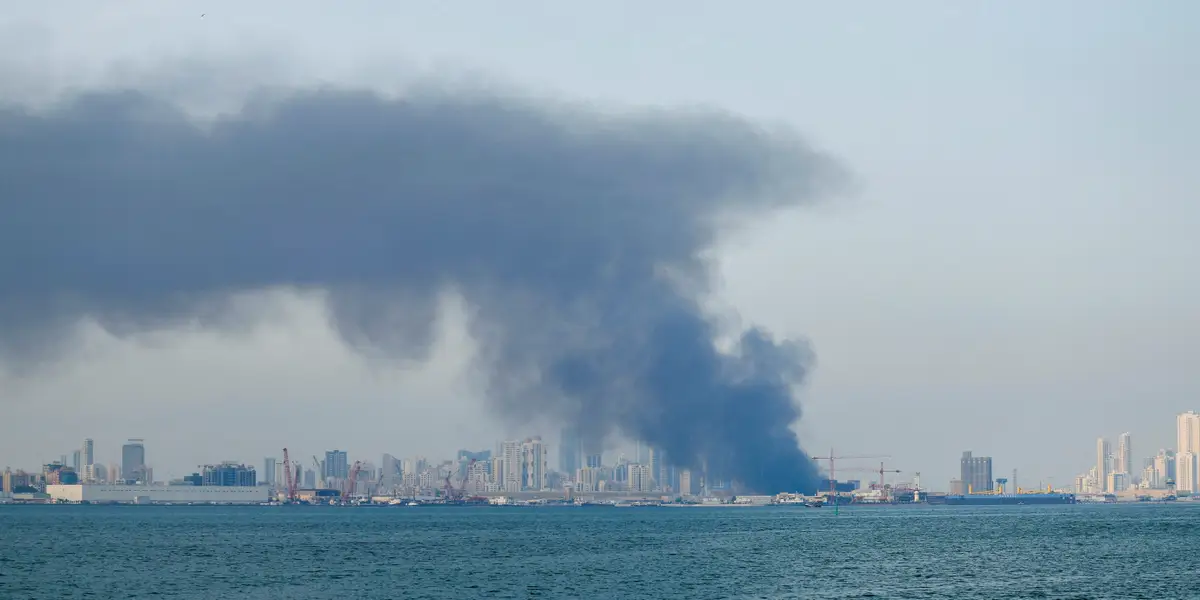
In response, Tehran has launched more than 500 ballistic missiles and 2,000 drones that have struck countries including Israel, the United Arab Emirates, Saudi Arabia, Qatar, Kuwait and Bahrain.

Many traders had initially bet on a limited disruption to global oil supplies, but prices escalated sharply at the end of the week as the scale and scope of the crisis in the Middle East widened.
The jump in Brent this week was swifter than the surge at the beginning of Russia’s full-scale invasion of Ukraine in 2022, although it remains well below the highs above $120 hit during that time.
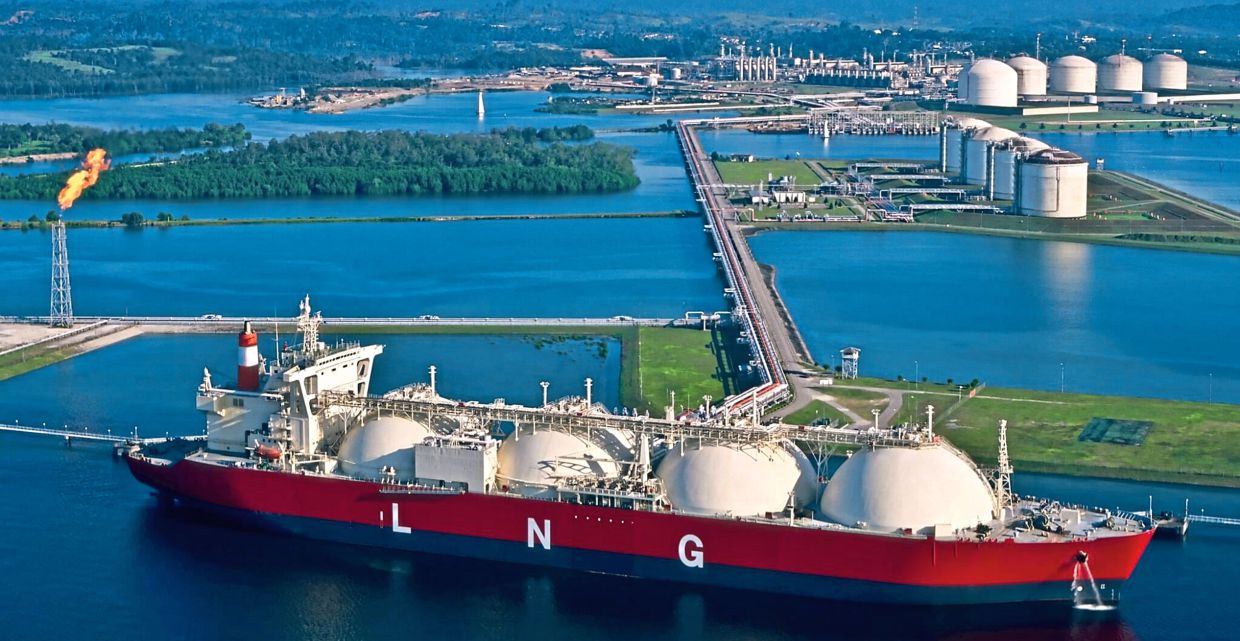
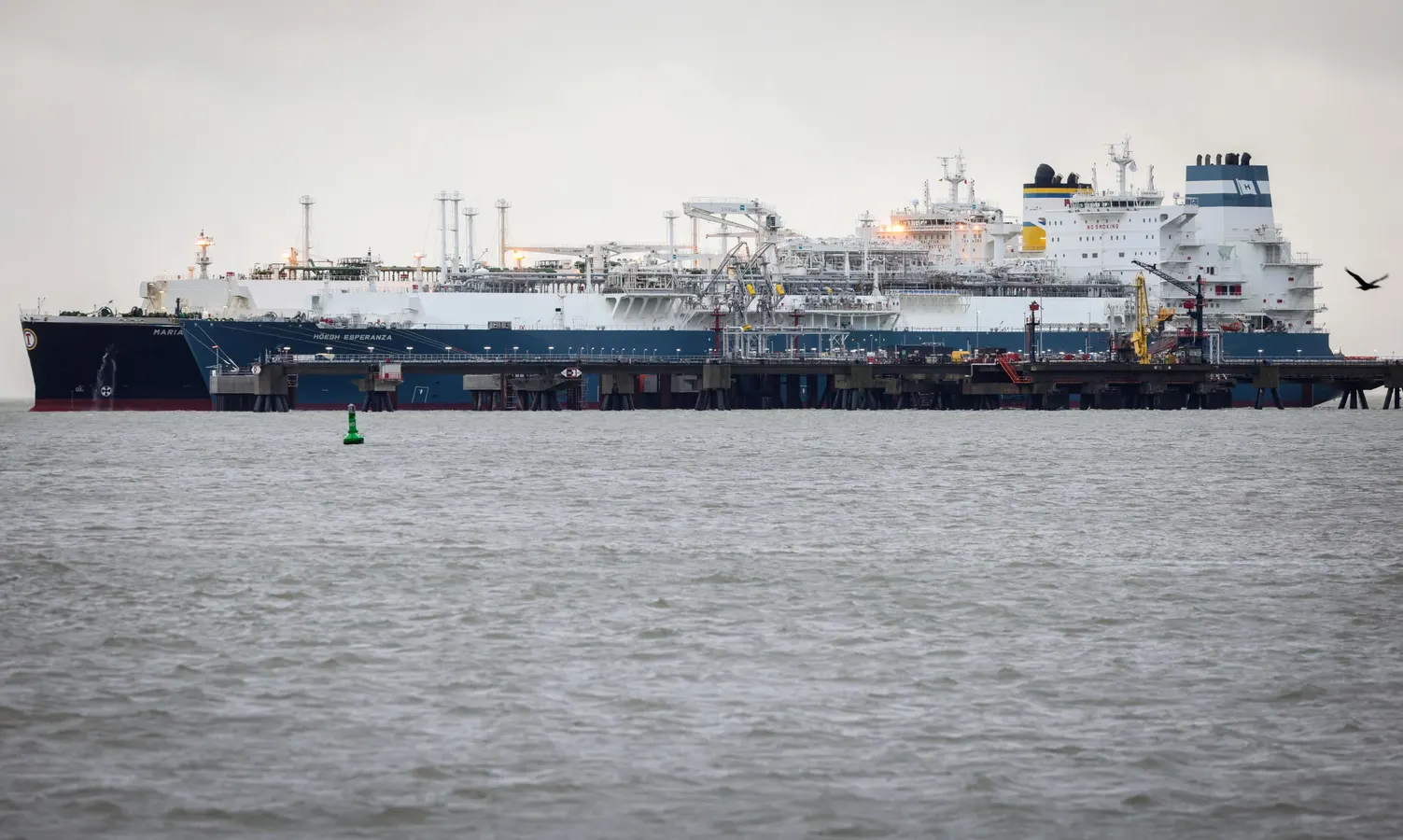
“The current implication for energy is bigger than the Ukraine war,” said Saul Kavonic, an analyst at MST Financial, because crude oil, liquefied natural gas and petroleum products “all face shortages at the same time”.
He said traders were underestimating the potential duration of the chaos. “The market is pricing in the war ending this month, or at least most flows through the Strait of Hormuz returning soon even if conflict simmers on.”

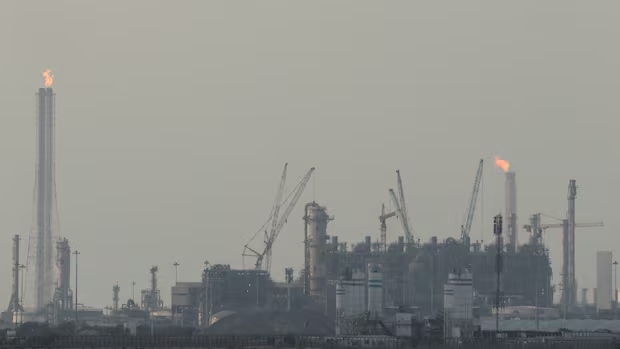
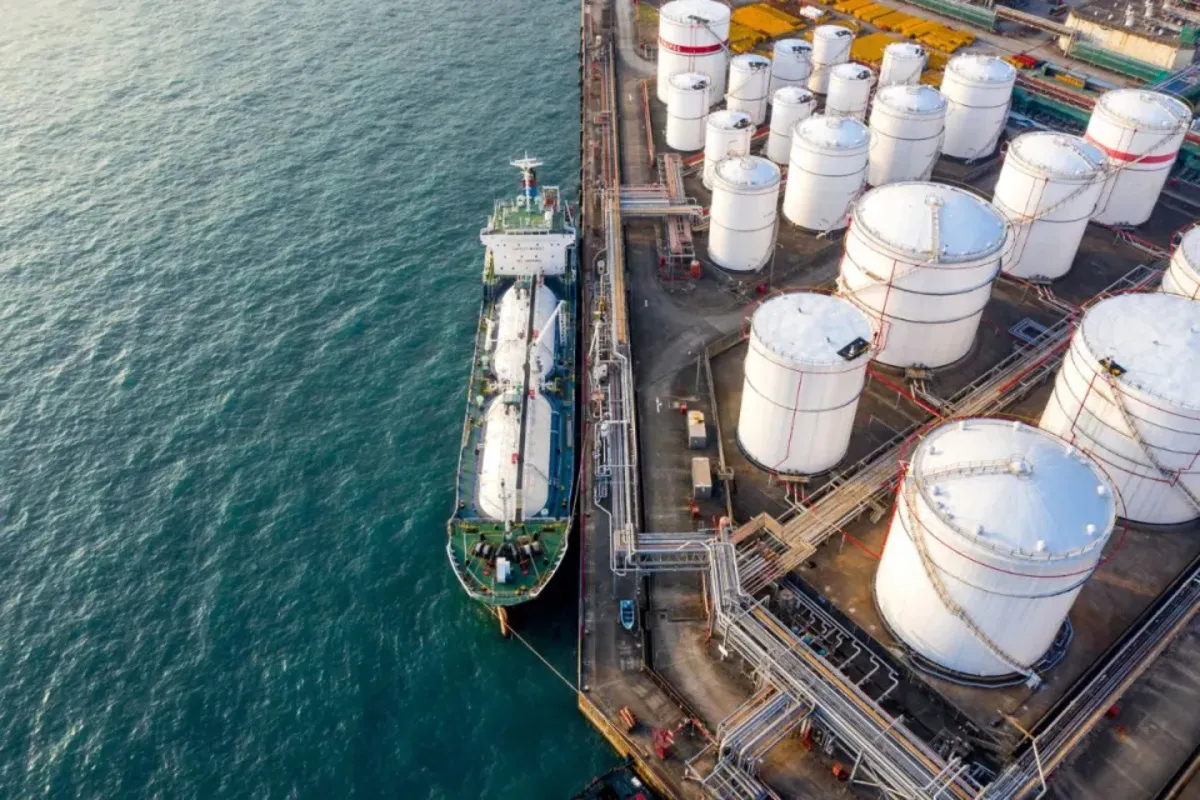
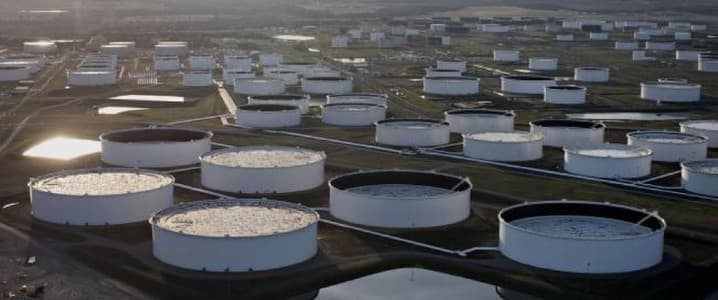
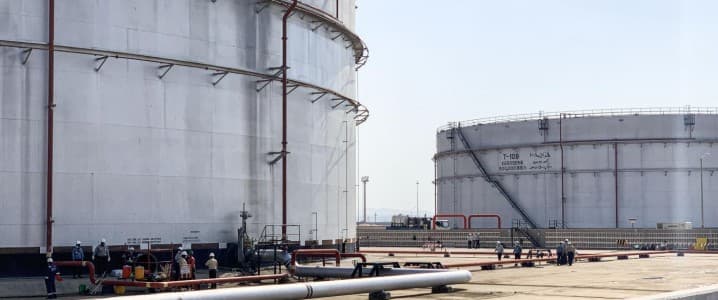
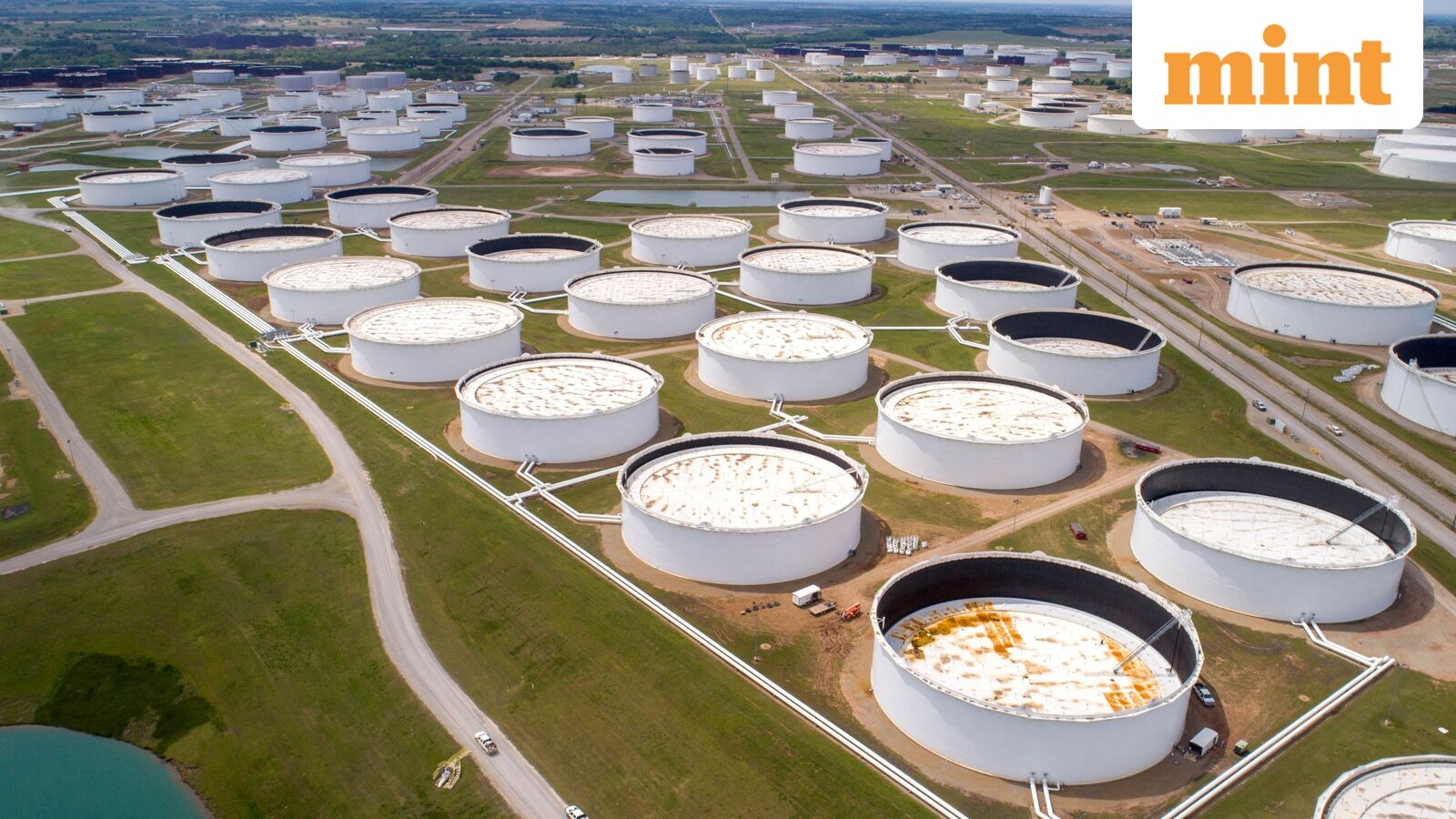
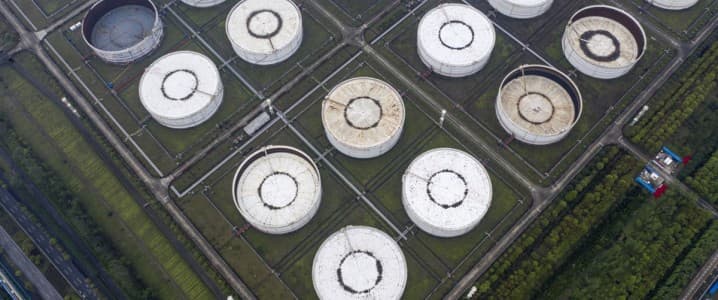
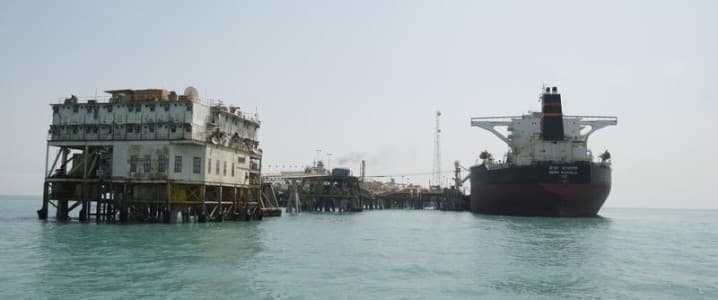
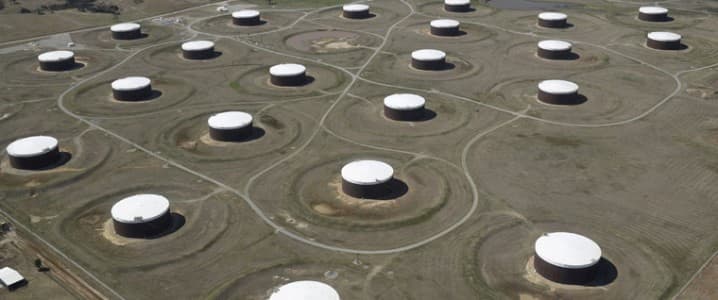
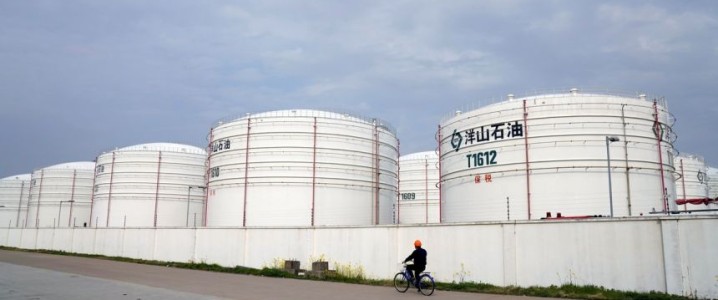
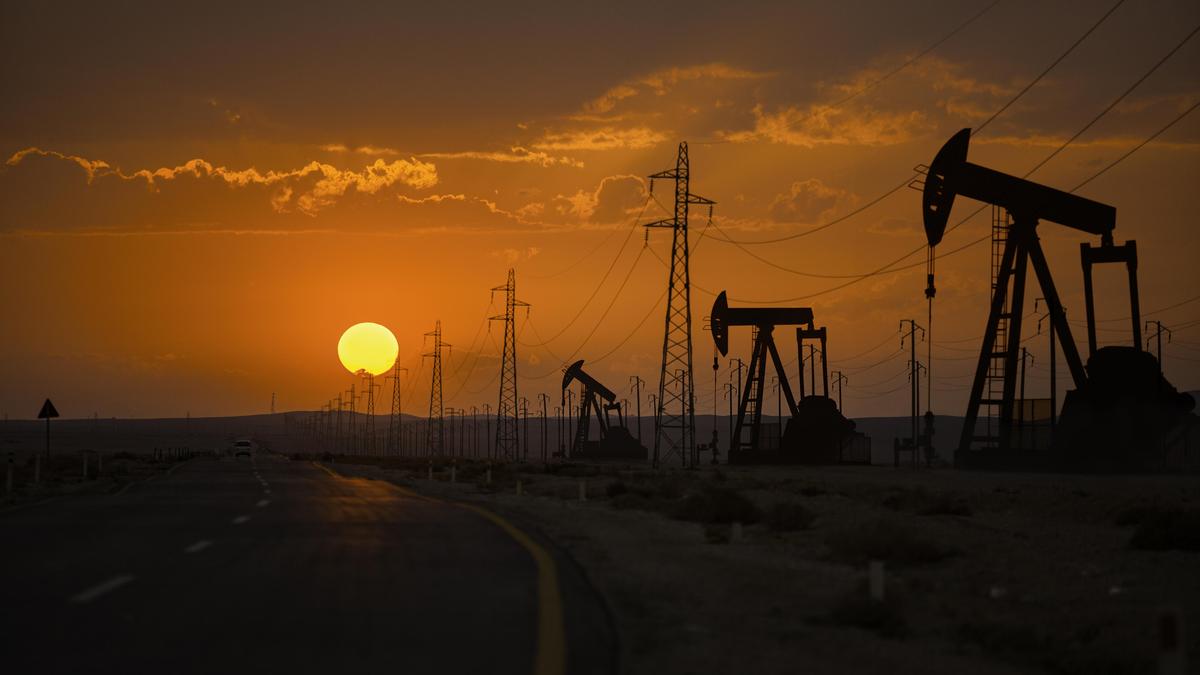
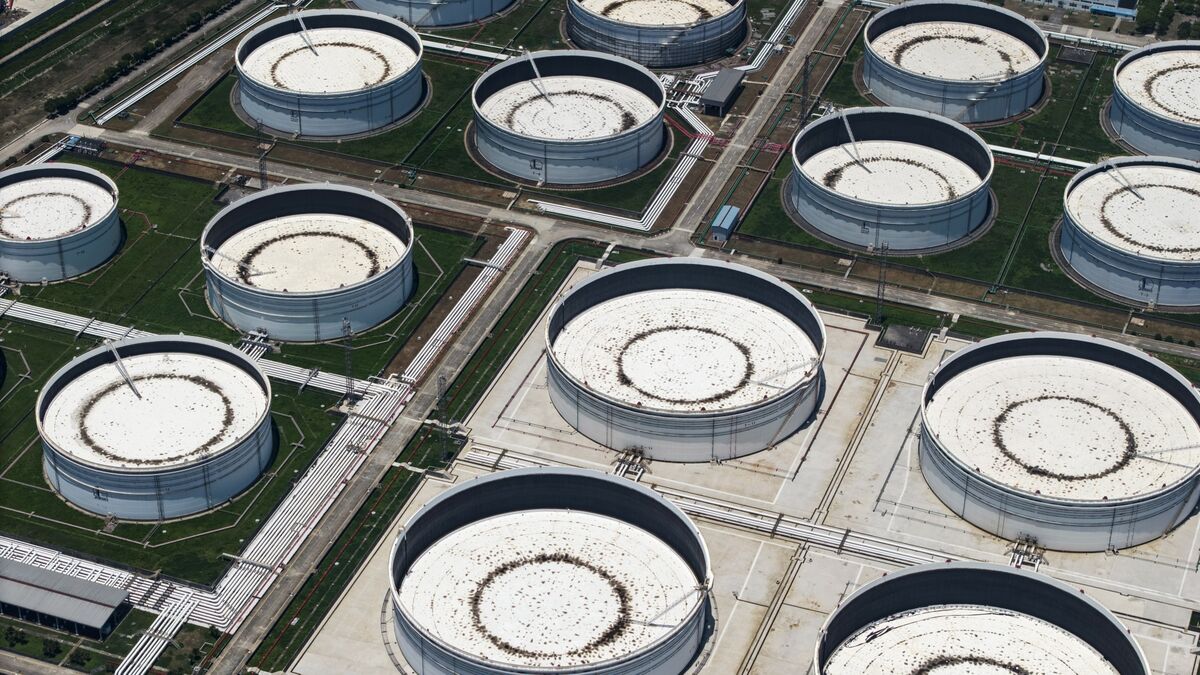
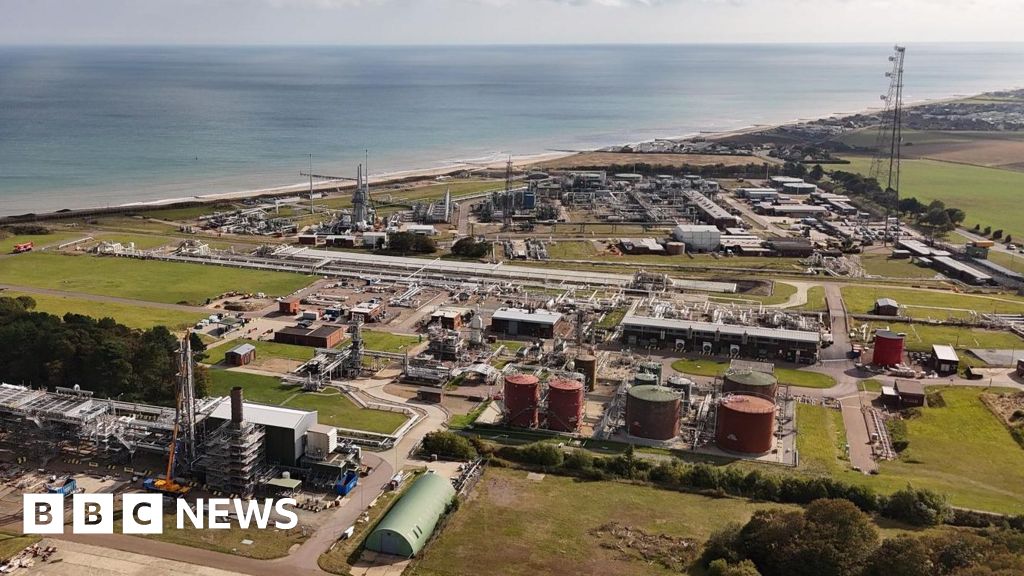
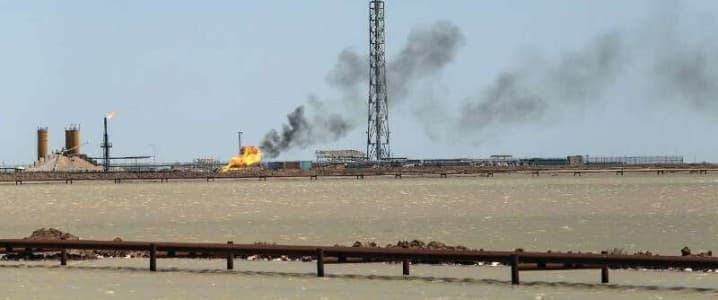
Iraq has shut down most of its oil production, with Kuwait expected to follow in the coming days as the countries’ storage facilities approach capacity. Analysts have warned Saudi Arabia, the Gulf’s top producer, could be forced to lower output in the coming weeks.
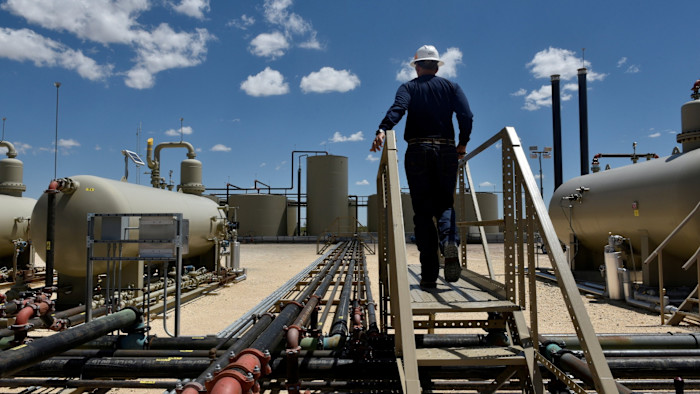
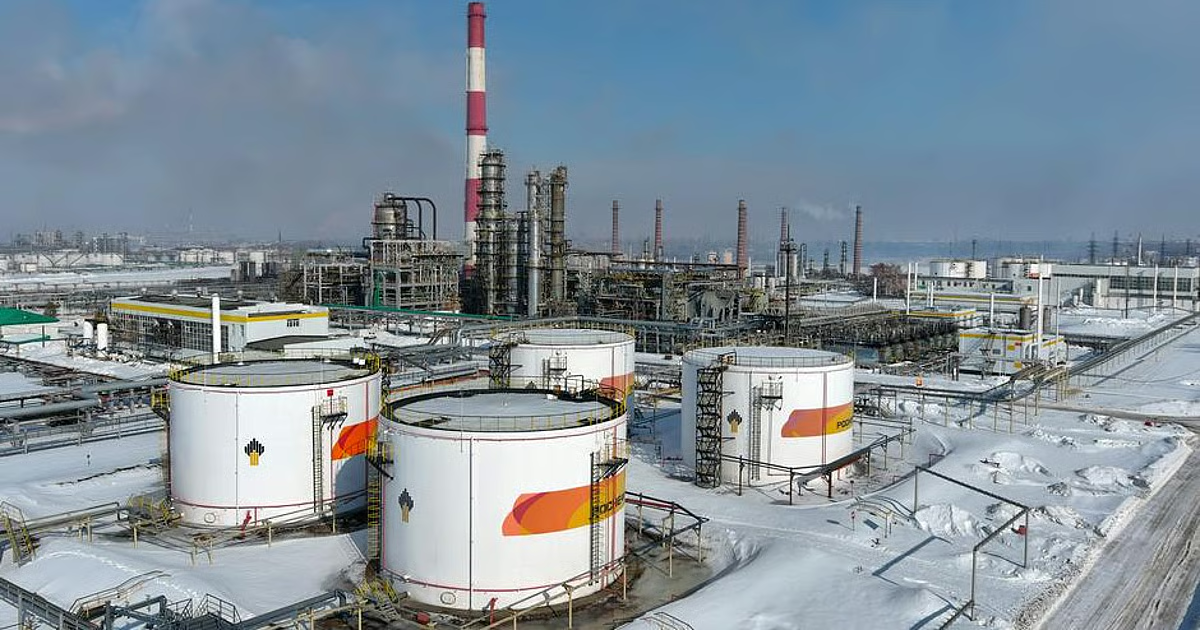
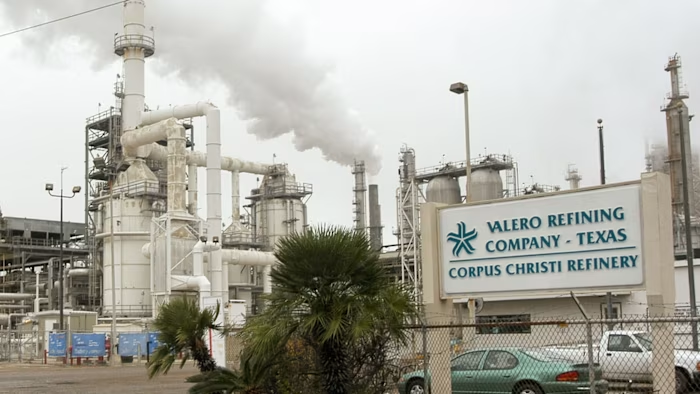
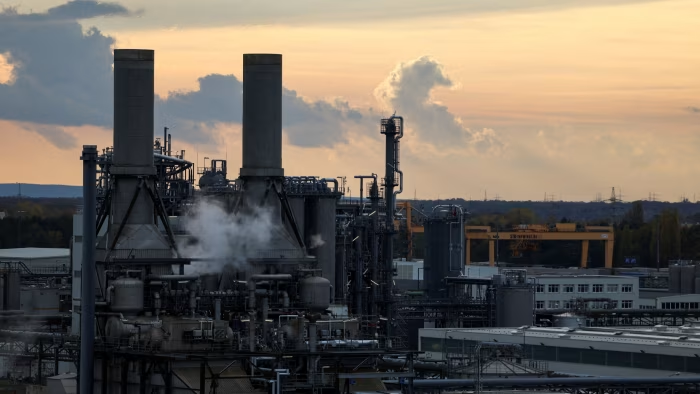
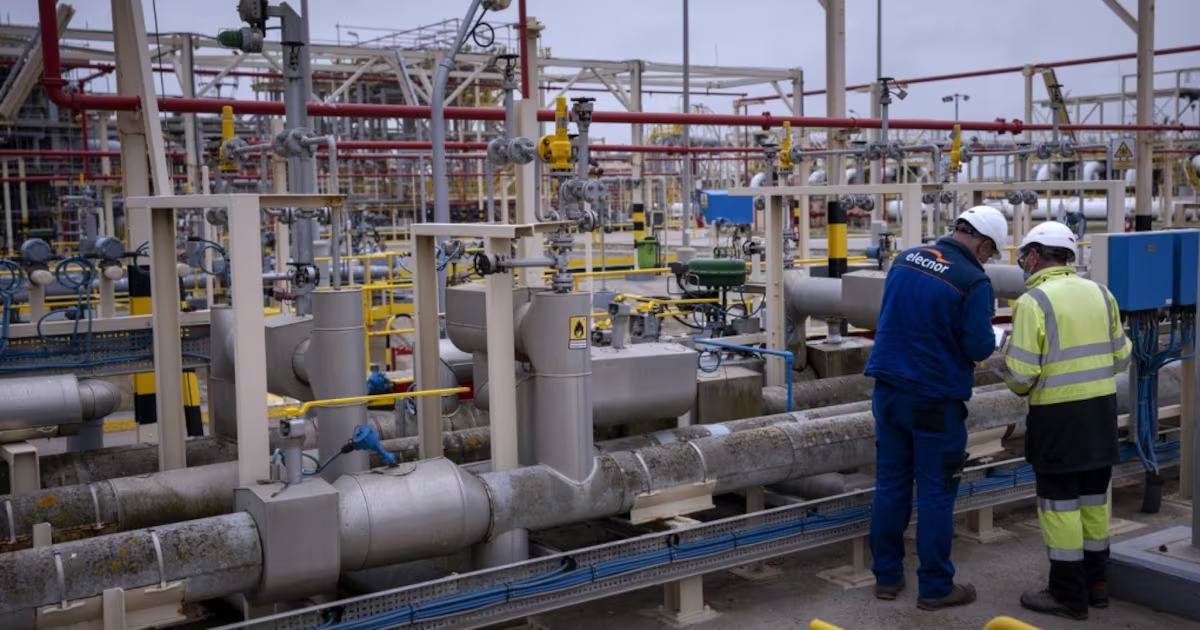
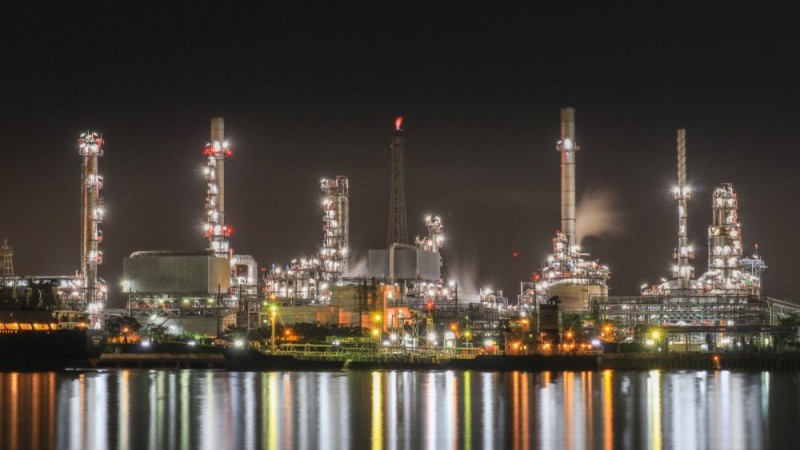
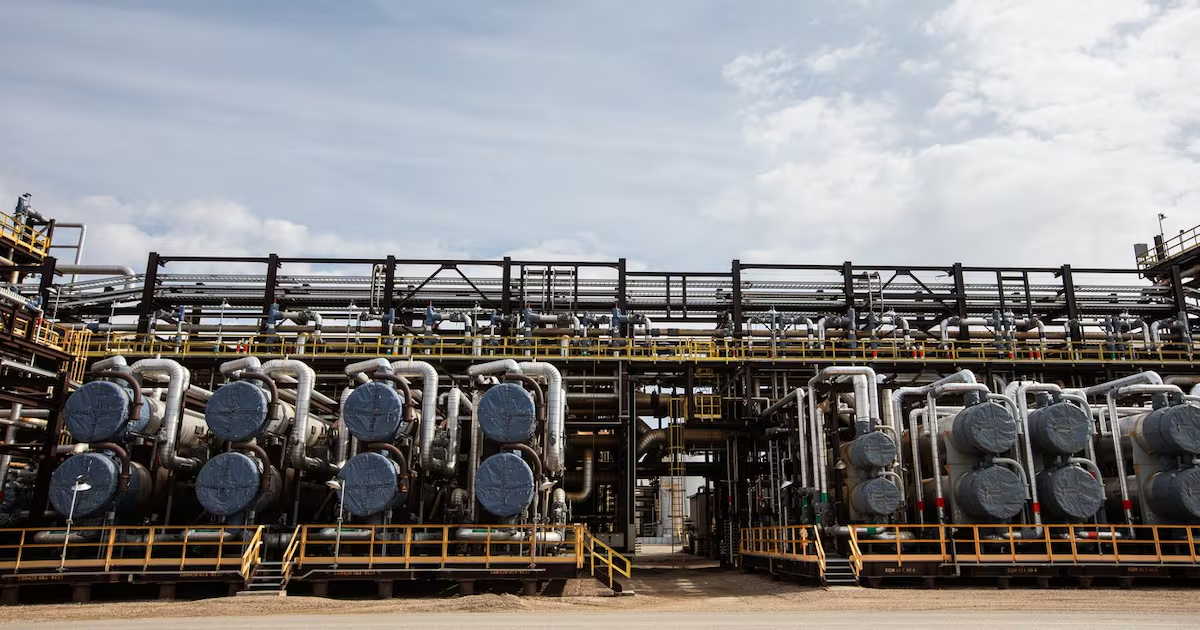
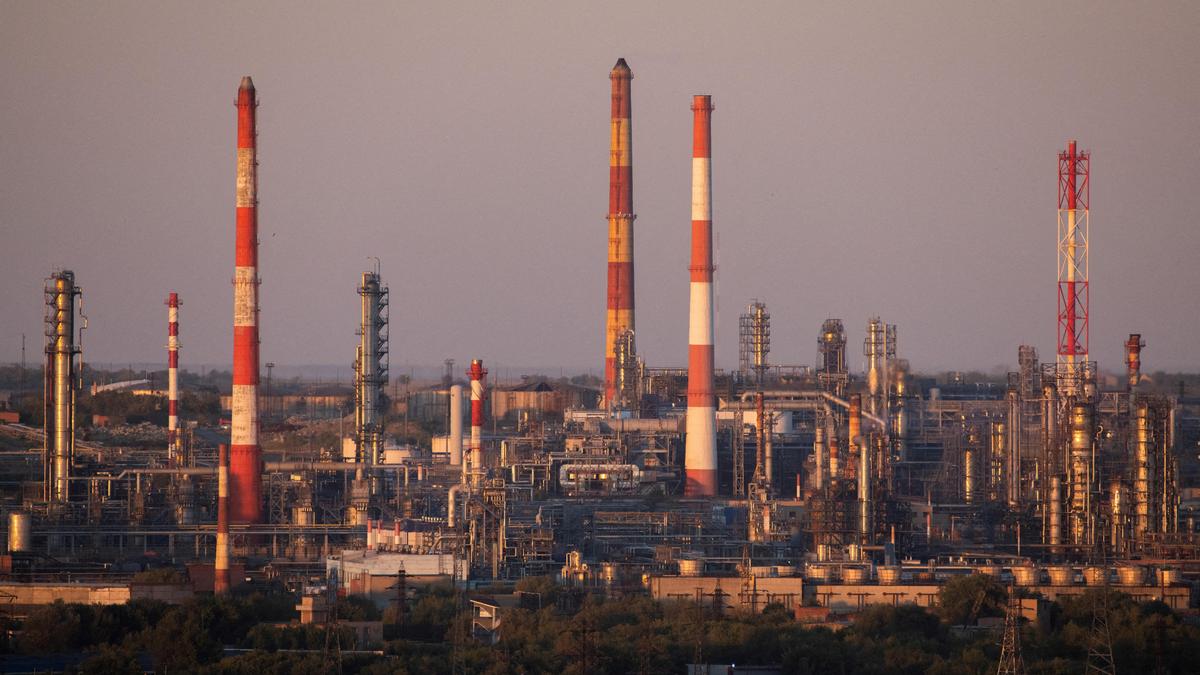
Prices for oil products such as jet and ship fuel jumped more dramatically as refineries rushed to get their hands on available crude.
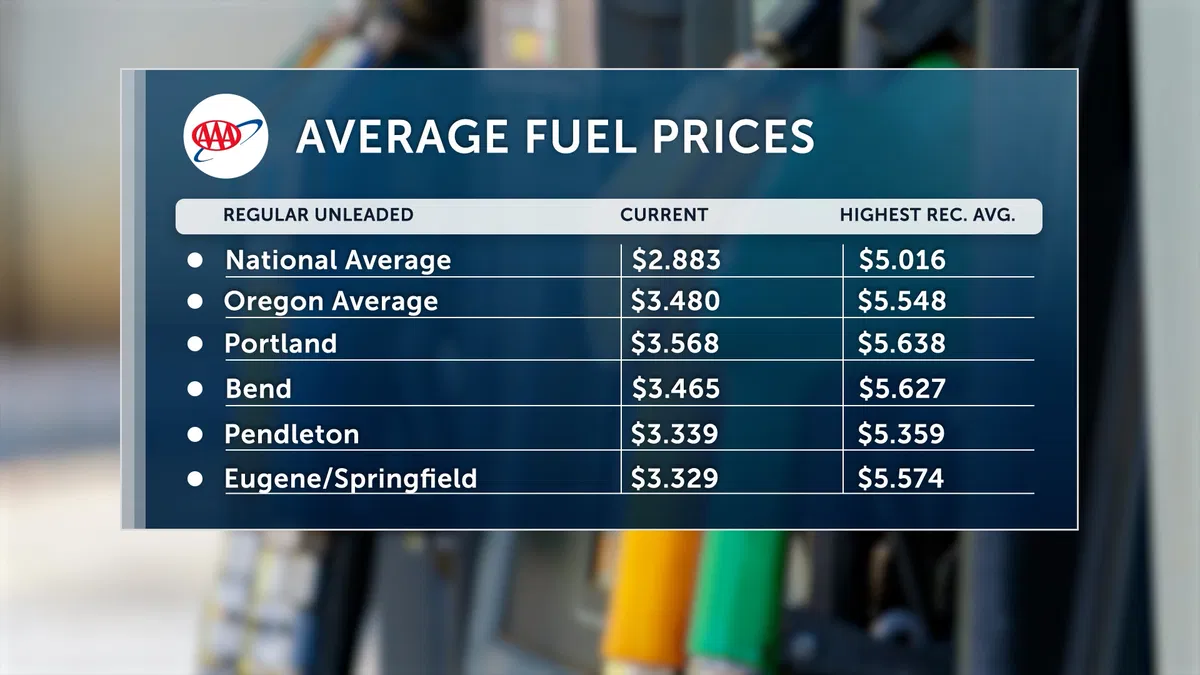
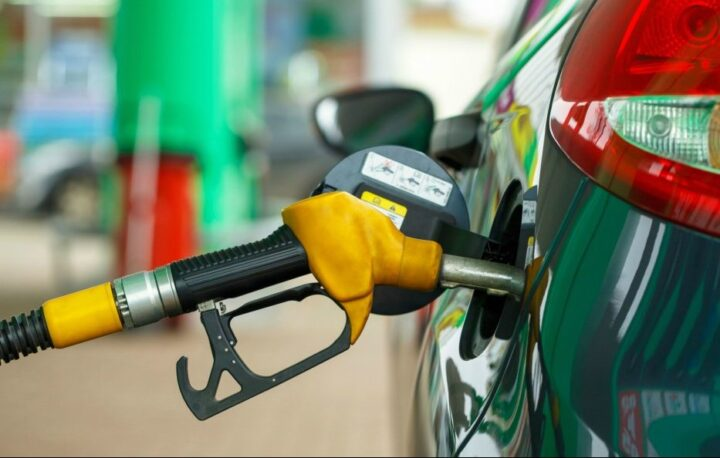
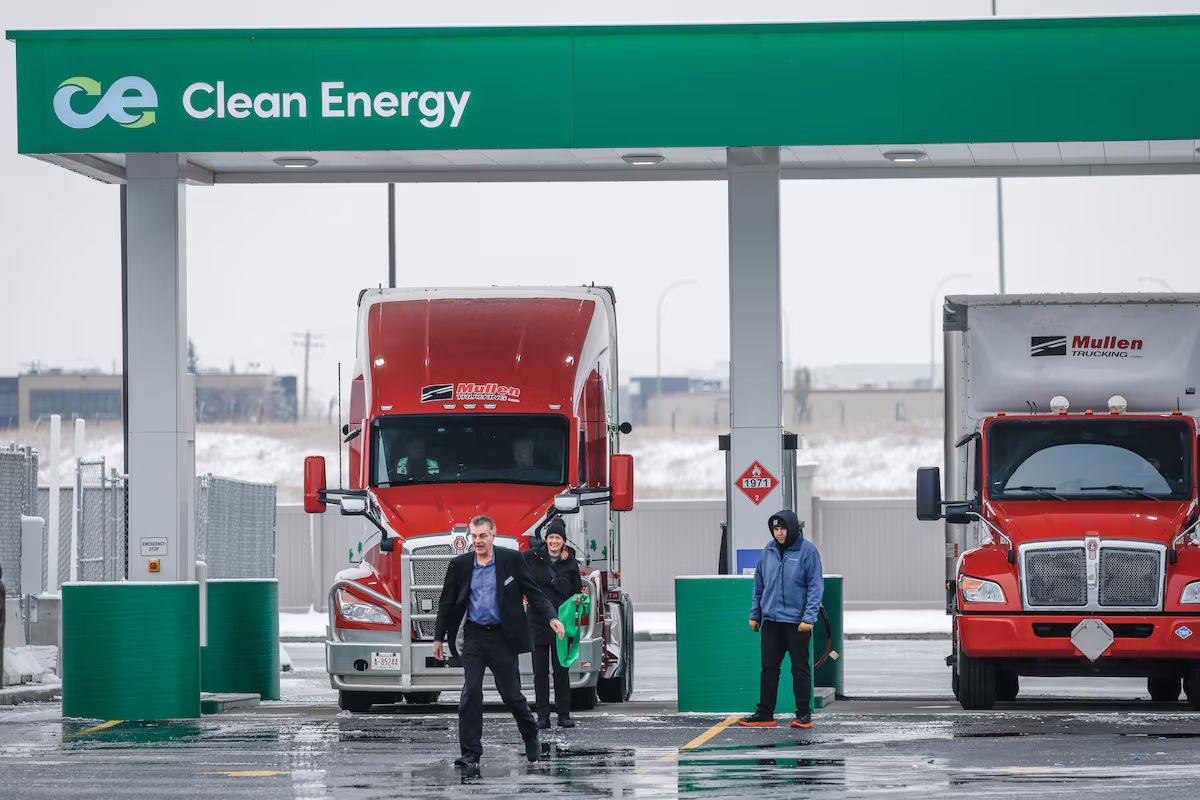
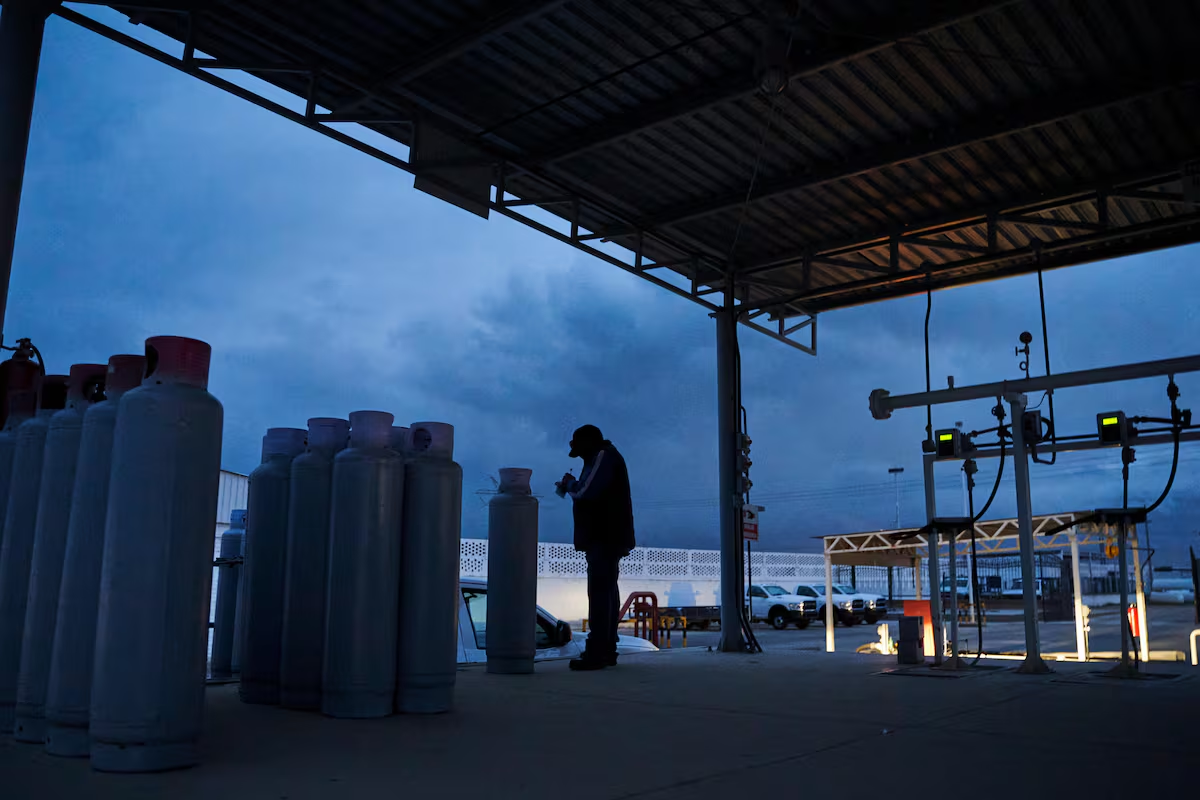
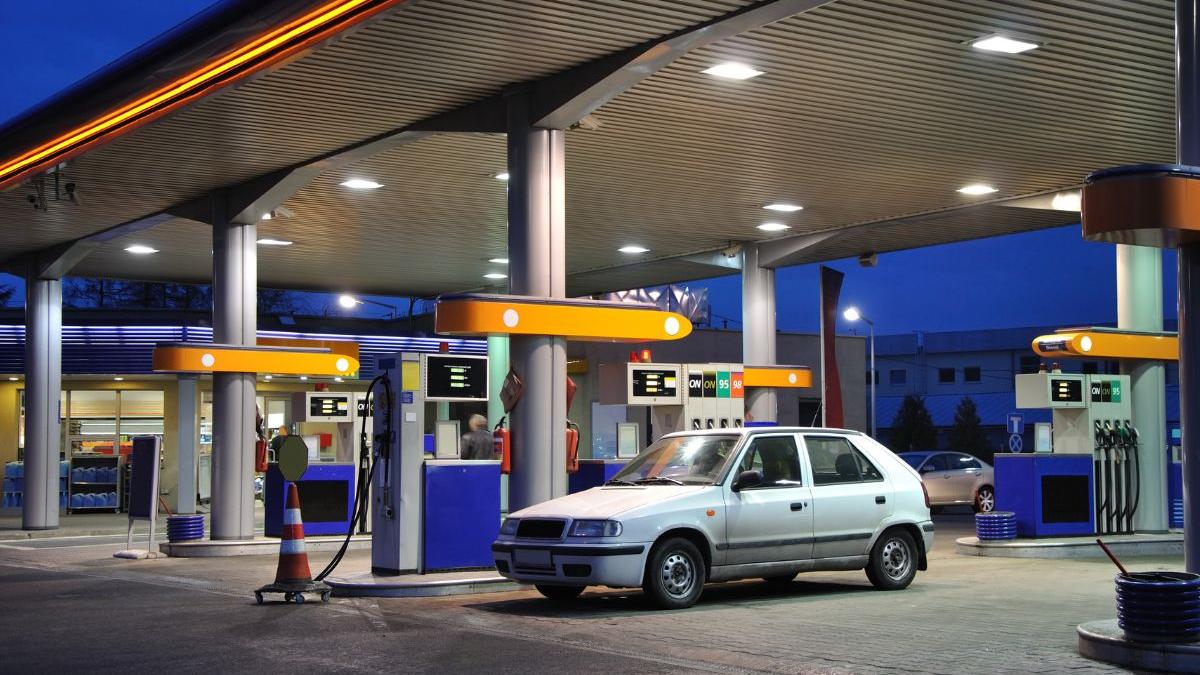
In the US, petrol prices — one of the most tangible signs of inflation for Americans — climbed to $3.32 per gallon, the highest national average price since August 2024 and the most expensive level recorded during Trump’s first or second term in office. Just a week ago, the national average was $2.98 per gallon, according to motor club AAA.
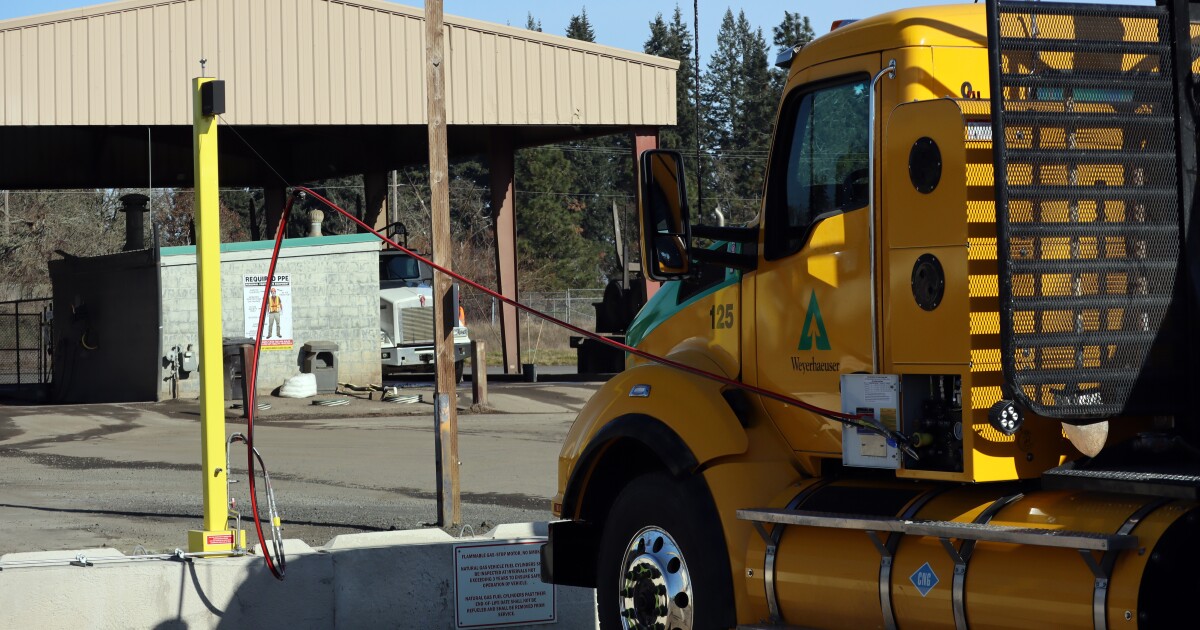
Diesel prices in the US have risen faster, with the average climbing 51.2 cents in a week to $4.264 per gallon, the highest level since November 21 2023, threatening to sharply increase the cost of transporting goods and making everything from farming to construction more expensive.
Across the Atlantic, the north-west European price for jet fuel, which helps set contract prices with major airlines globally, rose 12 per cent to $1,416 per tonne on Thursday, its highest level since June 2022, according to price agency Argus, extending gains this week to 71 per cent.
One Middle Eastern oil benchmark has climbed above $100 a barrel as refineries race to snap up cargoes that do not need to pass through the Strait of Hormuz.
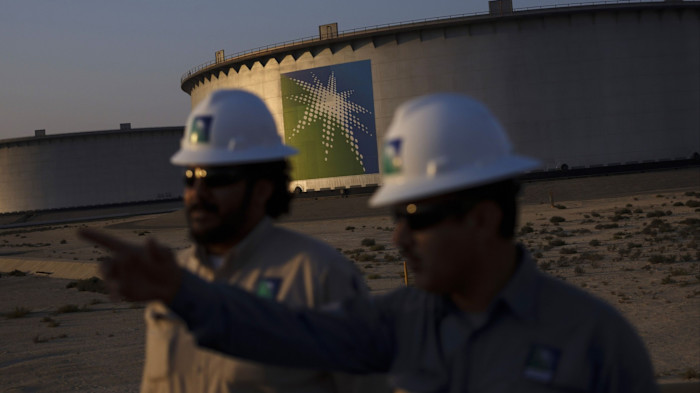
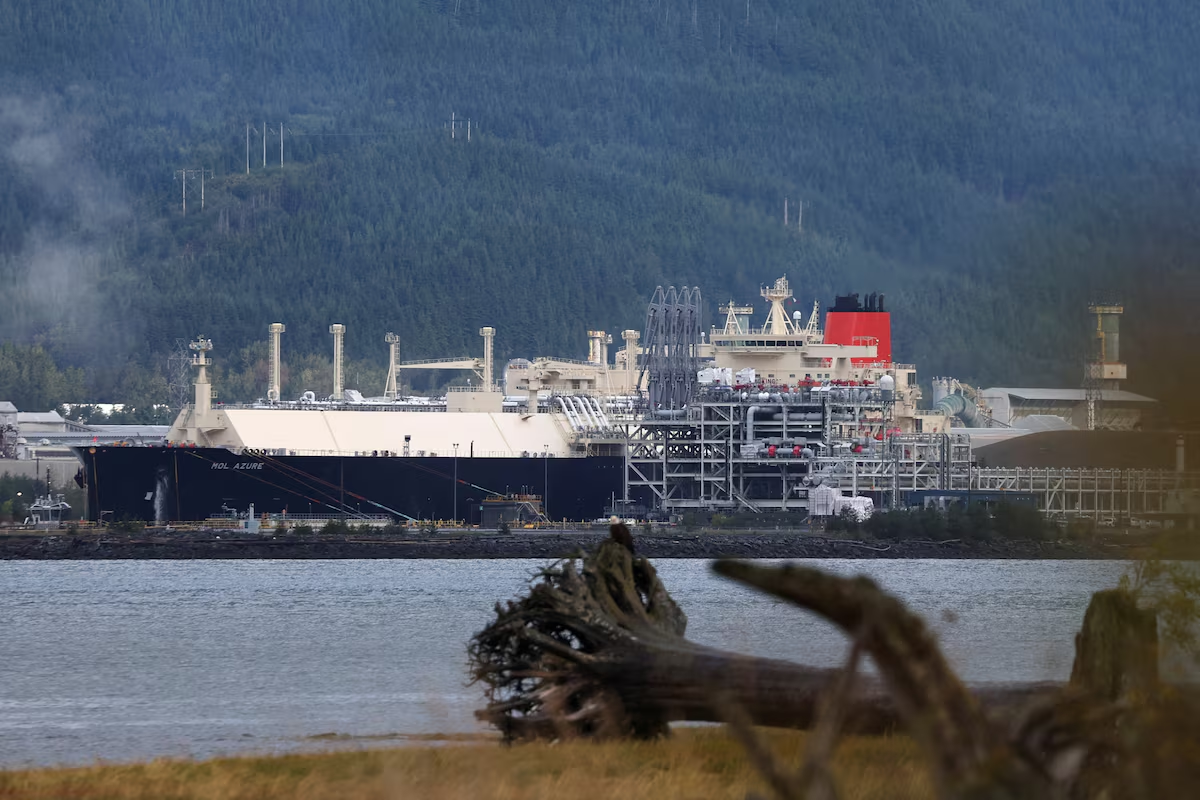
As for the crude Saudi Arabia is able to export via its west coast port, Asian buyers are the priority. Oil giant Saudi Aramco raised pricing to all of its buyers for April deliveries on Thursday but boosted prices to Europe by more than other regions.
“They’re saying they’re not going to have barrels for everybody and they’re going to prioritise Asia and price themselves out of Europe,” said Amrita Sen, founder of consultancy Energy Aspects.
Arne Rasmussen, chief analyst at Global Risk Management, said the market had underestimated the likely duration of the war, adding there was a “snowball effect” as traders woke up to the risks.
The jolt higher in energy prices will have sweeping effects on the global economy, just as many central banks, including the US Federal Reserve, hoped they were near conquering years of elevated inflation.

JPMorgan on Friday noted every 10 per cent rise in oil prices would be expected to increase the Fed’s preferred inflation rate by 0.1 percentage points and reduce GDP growth by 0.2 percentage points.
Fears of a renewed jump in inflation knocked global bond markets, sending the benchmark UK 10-year yield up 0.39 percentage points this week. The 10-year US Treasury yield rose 0.2 percentage points.
Chris Wright, US energy secretary, sought to calm consumer fears about the sharp jump in petrol and diesel prices since the US and Israeli began attacks on Saturday.
“I would say in the worst case, it’s weeks, not months,” he said in an interview on Fox on Friday morning, when asked when prices would begin falling again.
This week the Trump administration unveiled plans to establish an insurance and escort scheme aimed at providing shipping companies the confidence to resume passage through the strait.
But insurance, maritime and oil industry experts said flows through the region would likely only resume when the US and US Israeli forces had guaranteed security.
Vikas Dwivedi, global energy strategist at Macquarie Group, said the market had underestimated the impact of supply losses related to the closure of the Strait of Hormuz.
“The timeline for an extremely large oil price move is very short. In our analysis, a few weeks of Hormuz closure will create a domino effect of events that could push crude to $150 or higher,” he said.
Additional reporting by Peter Wells and Steff Chávez