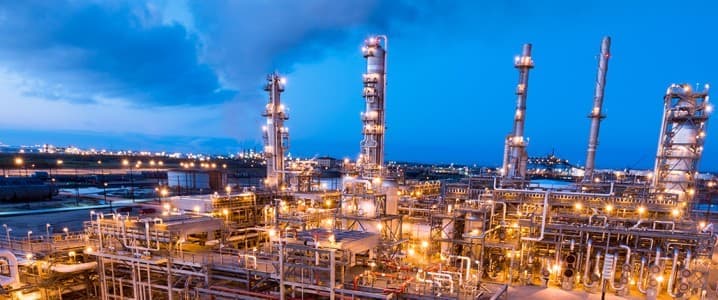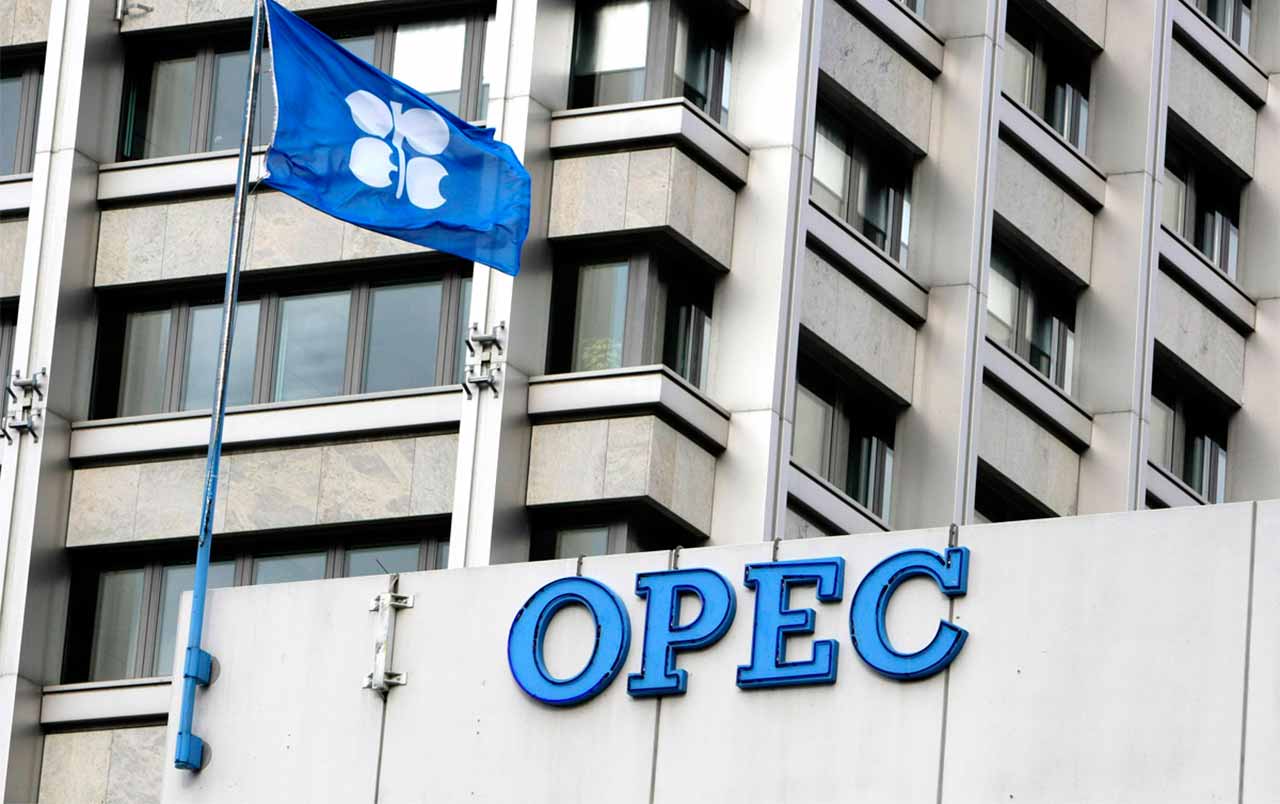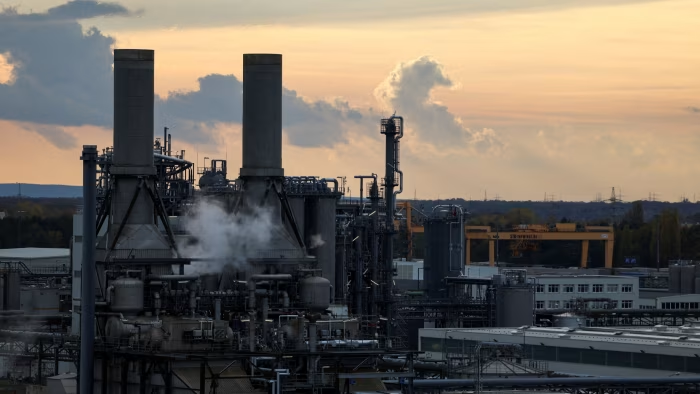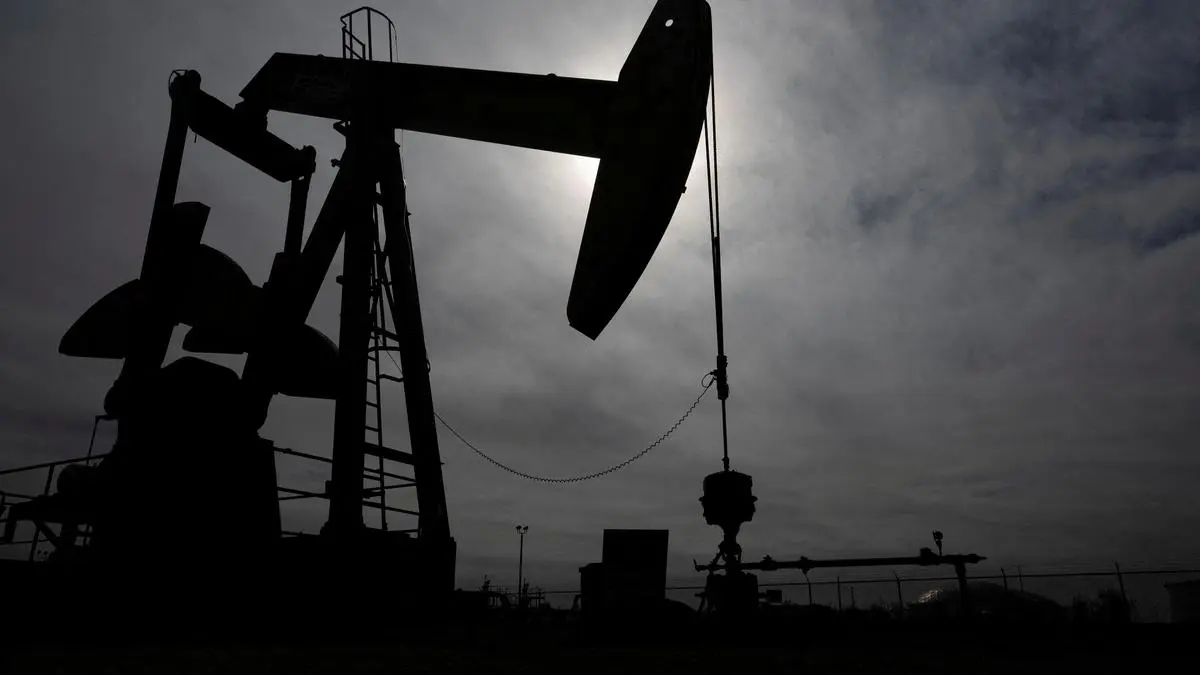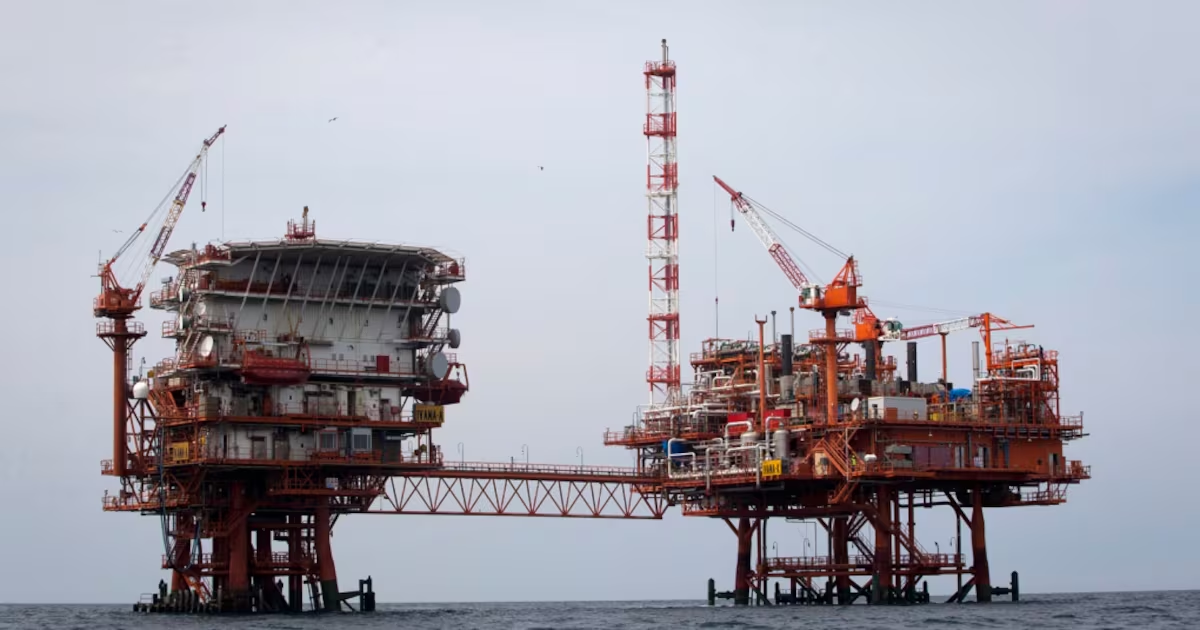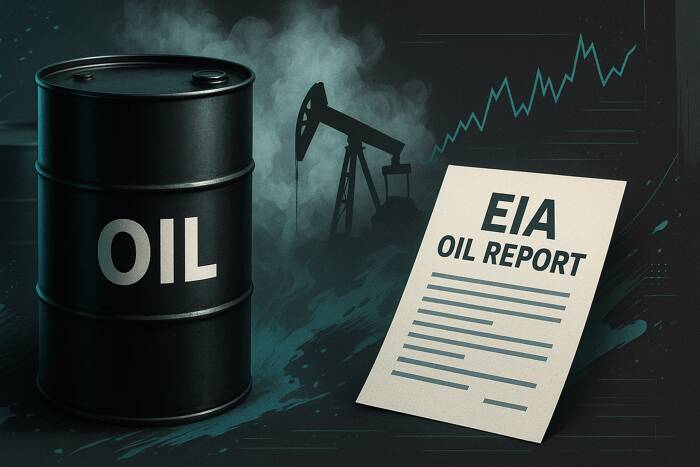
Nigeria’s crude oil production edged lower to 1.422 million barrels per day (bpd) in December 2025, from 1.436 million bpd in November, according to the latest Organisation of Petroleum Exporting Countries (OPEC) Monthly Oil Market Report (MOMR) released on Wednesday.
The data showed that Africa’s largest oil producer has now fallen short of its OPEC-assigned production quota for the fifth consecutive month, highlighting persistent operational and structural challenges in the upstream sector despite ongoing reforms.
OPEC figures indicated that Nigeria last met its production target in July 2025, with output remaining below quota from August through December.
Read also: NNPCL seeks pipeline communities support to meet 2mbpd 2026 crude oil budget target
Quarterly data point to a steady decline during the year. Nigeria recorded 1.468 million bpd in the first quarter of 2025, 1.481 million bpd in the second quarter, 1.444 million bpd in the third quarter and 1.42 million bpd in the last quarter of the year.
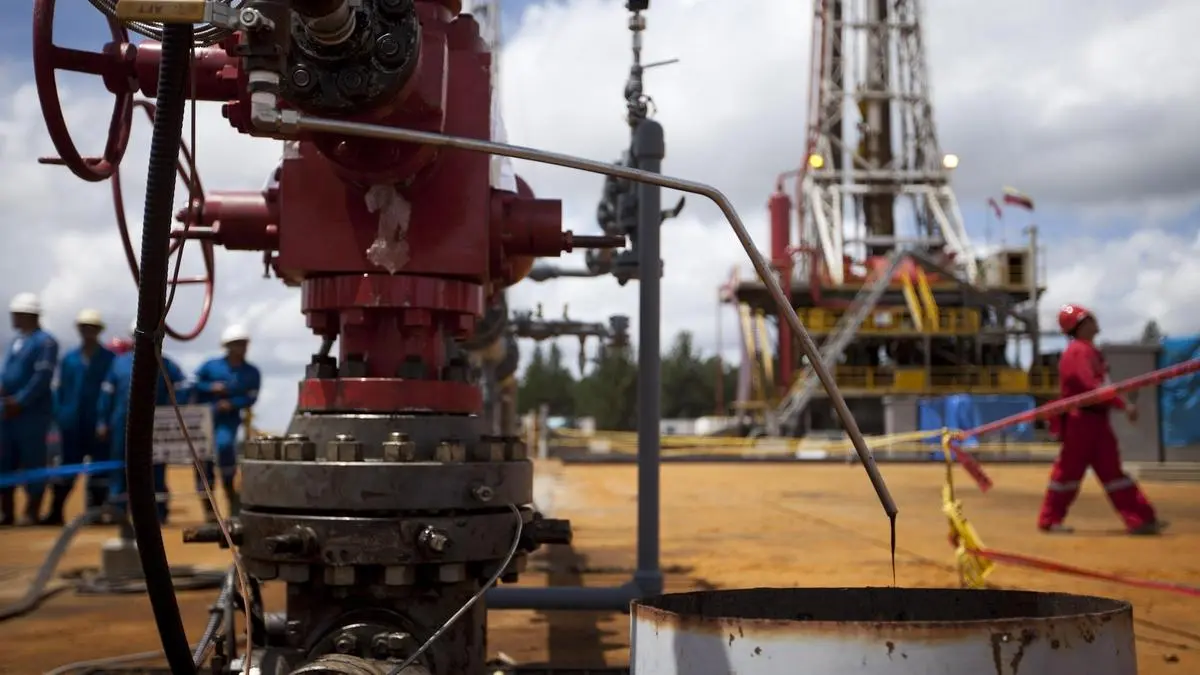
The trend highlighted continued constraints on Nigeria’s crude production capacity, including infrastructure bottlenecks, security concerns and operational inefficiencies.
While Nigeria’s output declined based on direct communication data, secondary sources painted a more positive picture.
According to OPEC’s secondary estimates, Nigeria produced 1.5 million bpd in December, representing a 1.35 percent increase from 1.48 million bpd in November.
Despite missing its quota, Nigeria retained its position as Africa’s top oil producer, ahead of Libya, which pumped 1.37 million bpd during the same period.
Read also: 2026 budget: FG targets 2.06m bpd, $64 crude oil, N1,512/$1 exchange rate
At the wider OPEC level, crude oil production by countries participating in the Declaration of Cooperation (DoC) averaged 42.83 million bpd in December 2025, a month-on-month decline of 238,000 bpd, based on secondary source data.
Crude oil remains Nigeria’s largest source of foreign exchange earnings and government revenue. Continued under-performance against OPEC targets limits the country’s ability to fully benefit from higher global oil prices, at a time of sustained fiscal pressure and foreign exchange shortages.
The shortfall also raises questions about Nigeria’s capacity to ramp up output as OPEC gradually relaxes supply restrictions.