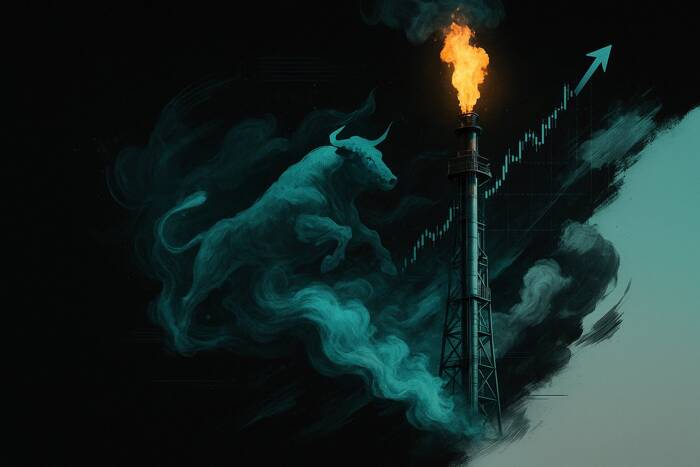
Where is oil headed in the medium term? In the answer to this lies the answer to where markets also could be headed. While there are many ways to assess this, none of which can enable us to forecast certainty, they are still useful tools to consider making some decisions. One such tool is trying to interpret what the F&O market is indicating.
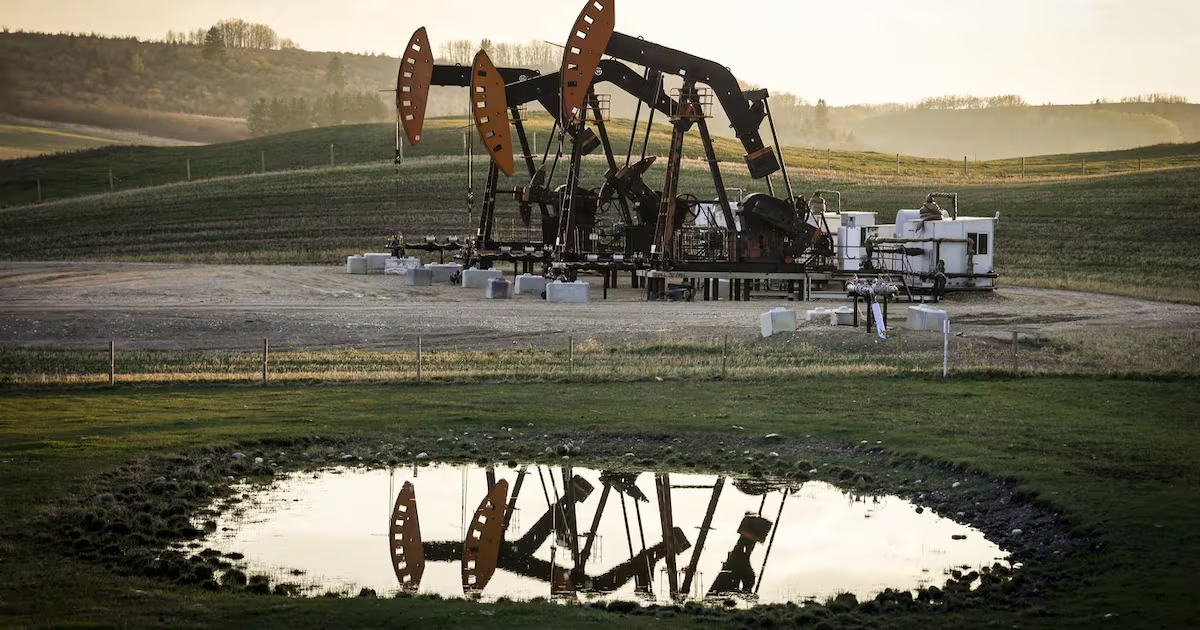
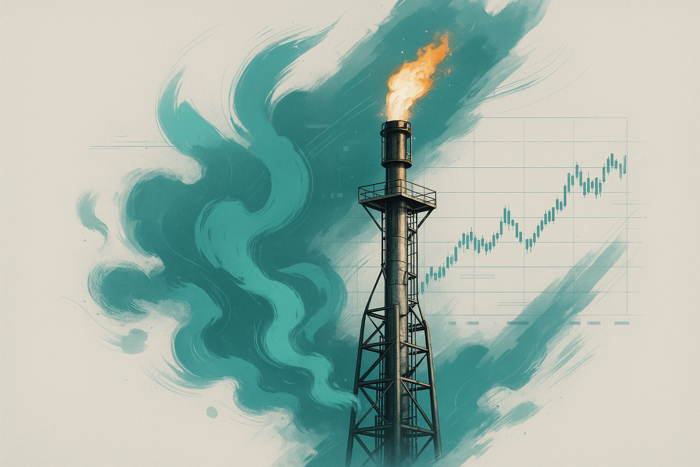
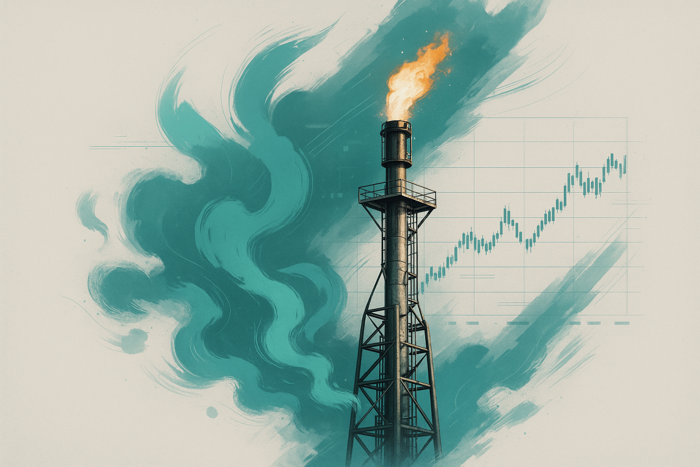
Crude oil futures are currently trading in steep backwardation, a market structure where near-term prices are higher than those of contracts farther out in time. For instance, Brent crude futures for May (the nearest active contract) and September are trading around $103/barrel and $88/barrel respectively. This is because, oil market participants like refiners and traders typically scramble to secure immediate barrels, pushing front-month prices sharply higher while the impact on later contracts remains relatively muted.
Backwardation generally indicates tight supply conditions in the immediate term, where buyers are willing to pay a premium to secure earliest delivery barrels. The structure suggests that the severe disruption in supply that is happening now, may be temporary rather than a prolonged structural shortage.
Before analysing what the current futures curve signals about the oil market, it is useful to briefly understand the concepts of contango and backwardation.
Contango vs backwardation
In commodity markets, futures prices normally reflect the cost of carry, which includes storage, insurance and financing costs. Under such circumstances, contracts for later delivery tend to trade at higher prices than near-term contracts, resulting in an upward sloping futures curve. This structure is known as contango.
Backwardation, on the other hand, occurs when futures prices decline, as one moves further along the curve. This results in a downward sloping futures curve. Such a structure usually emerges when the physical market tightens, either due to a sudden spike in demand or an unexpected disruption in supply. The present market structure reflects such a situation.
Near-term contracts spike
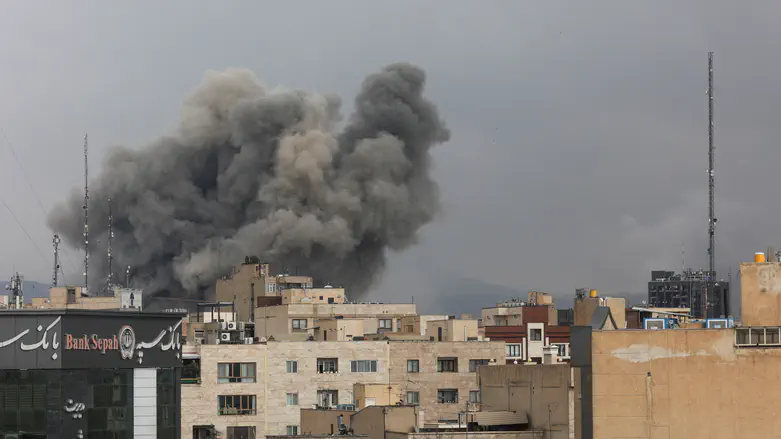
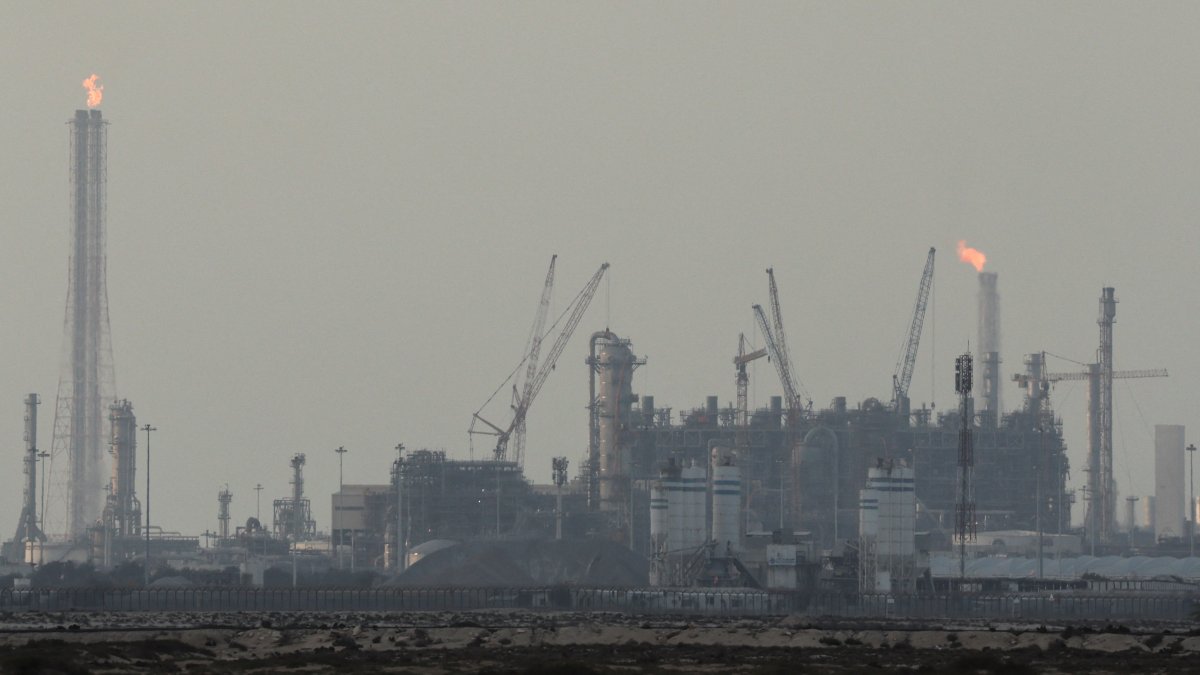
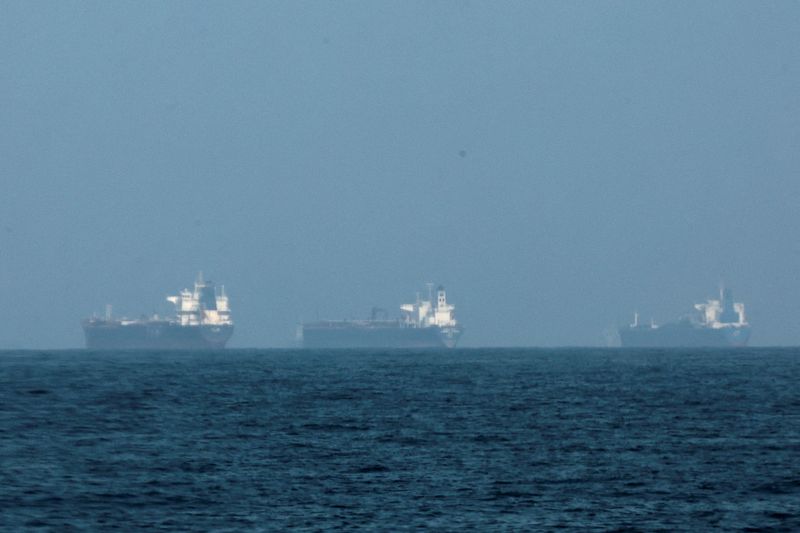
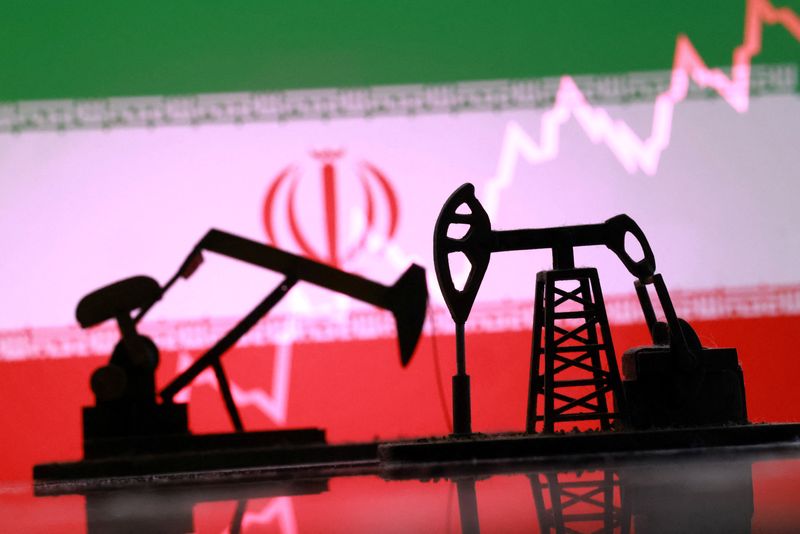
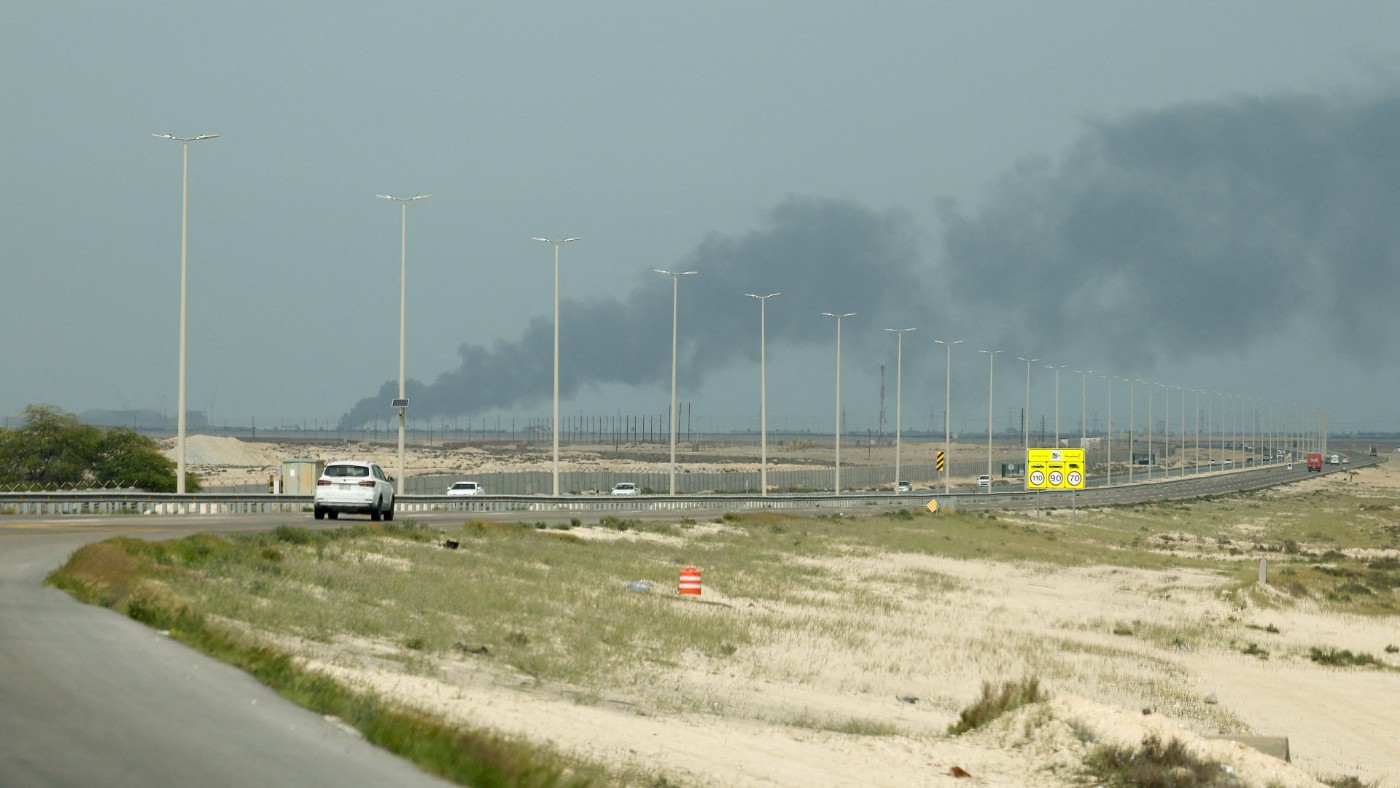
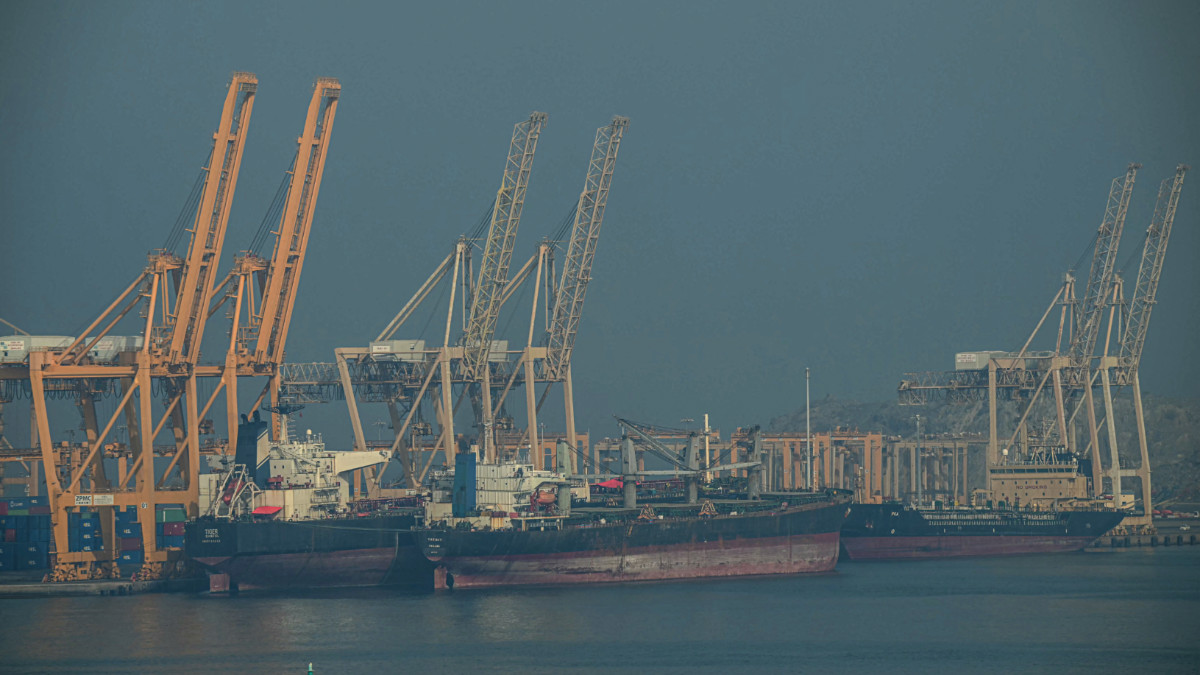
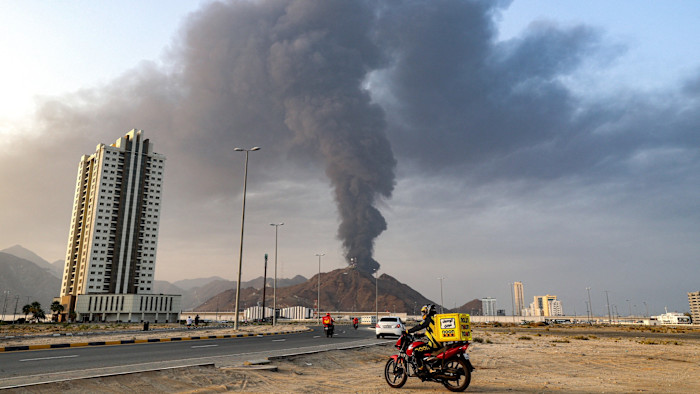
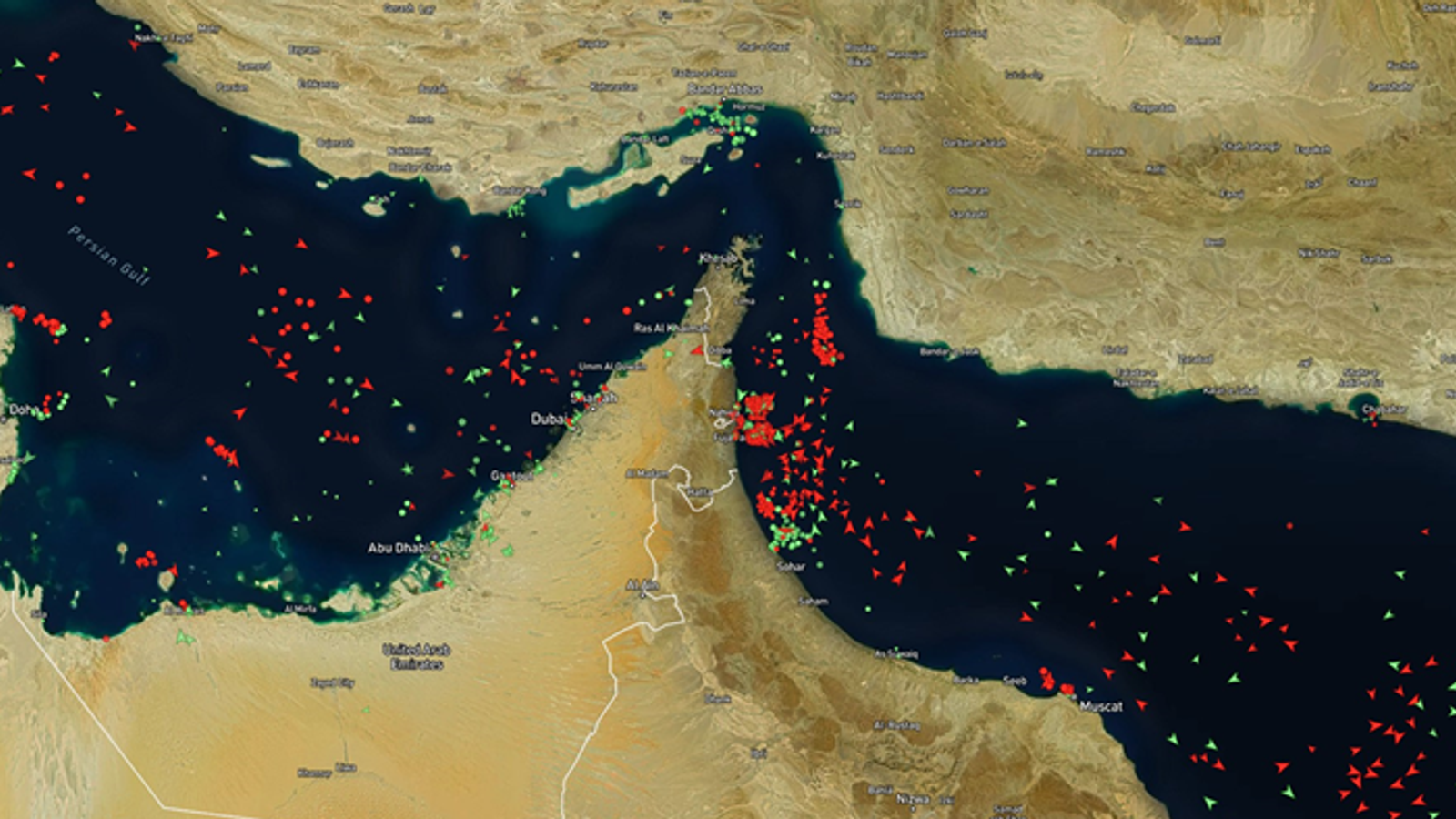
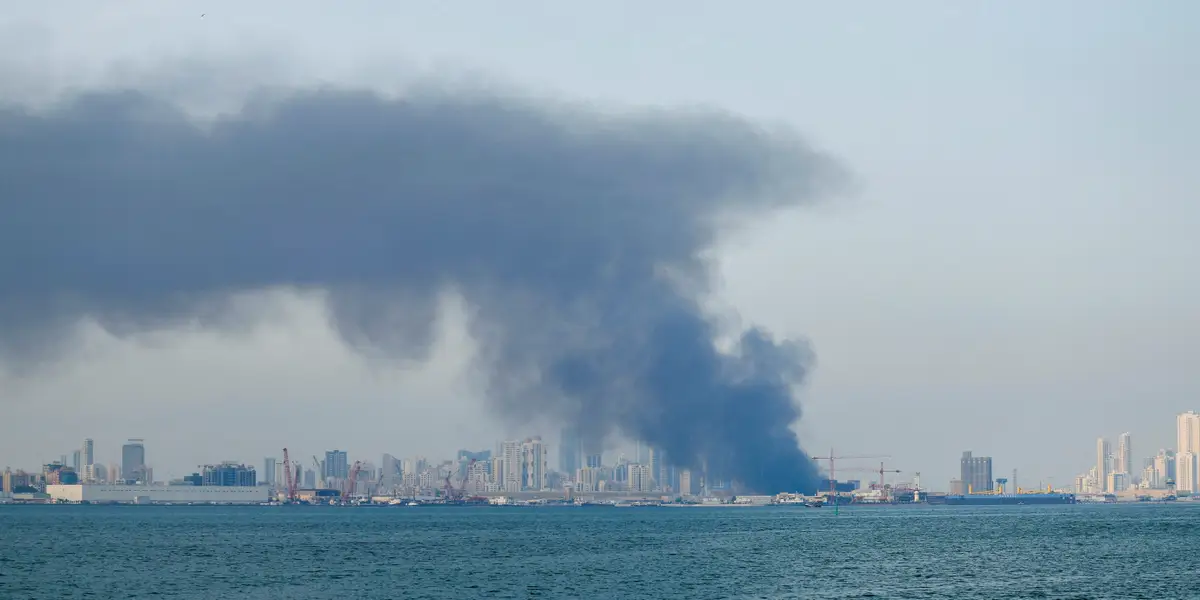
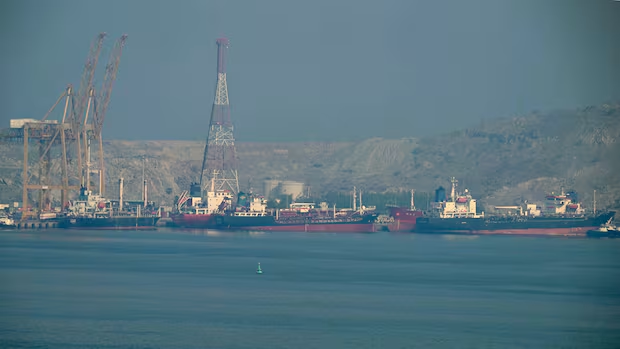
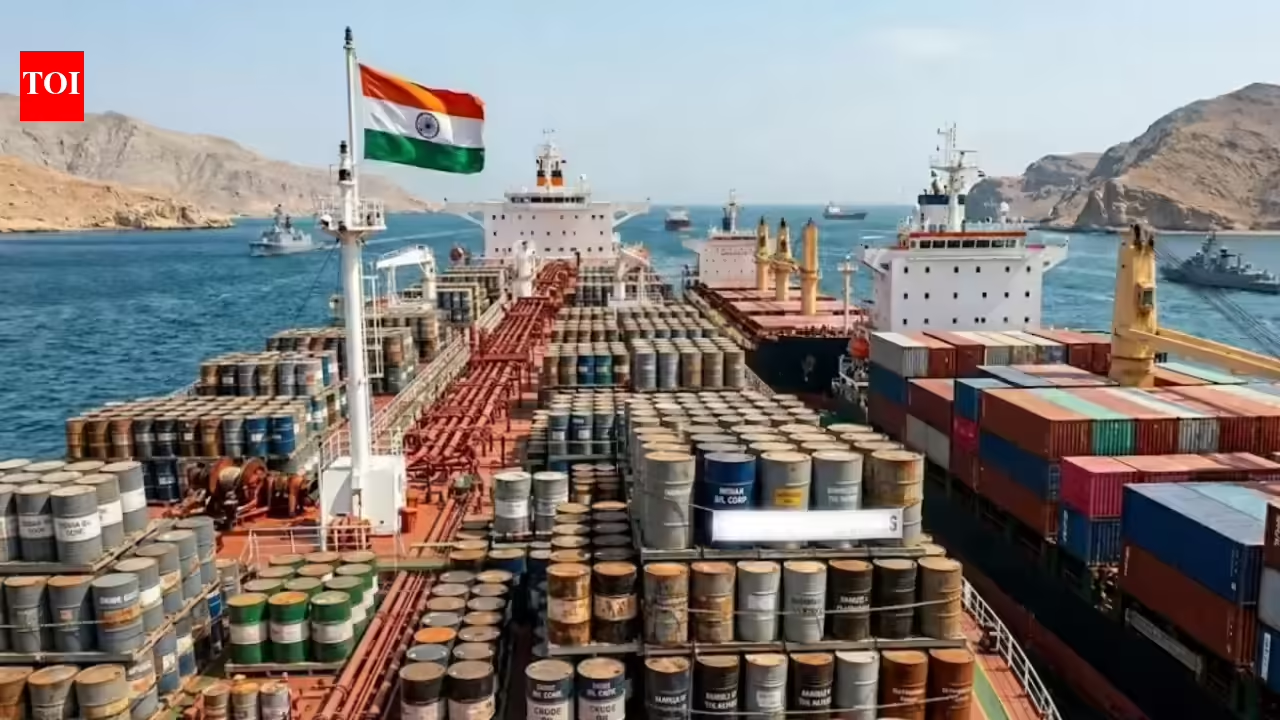
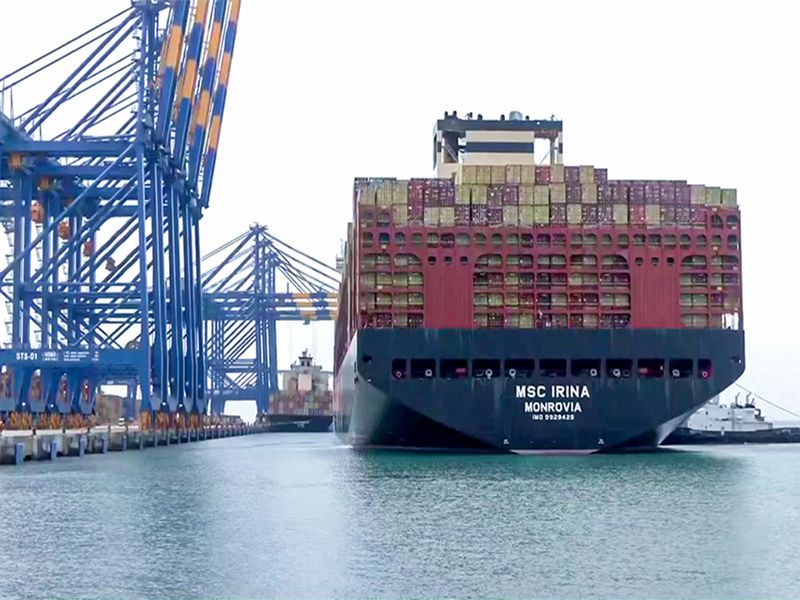
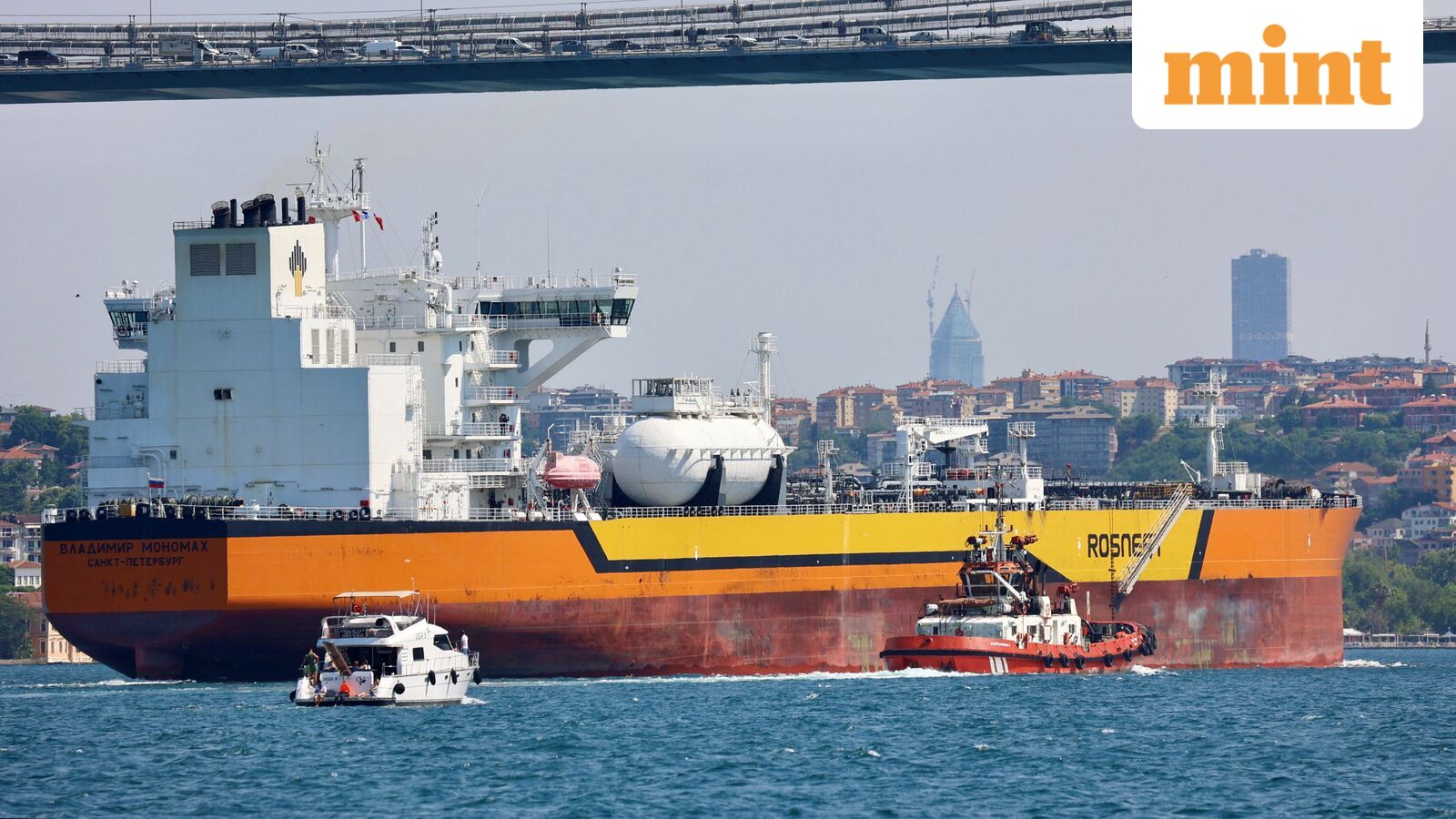
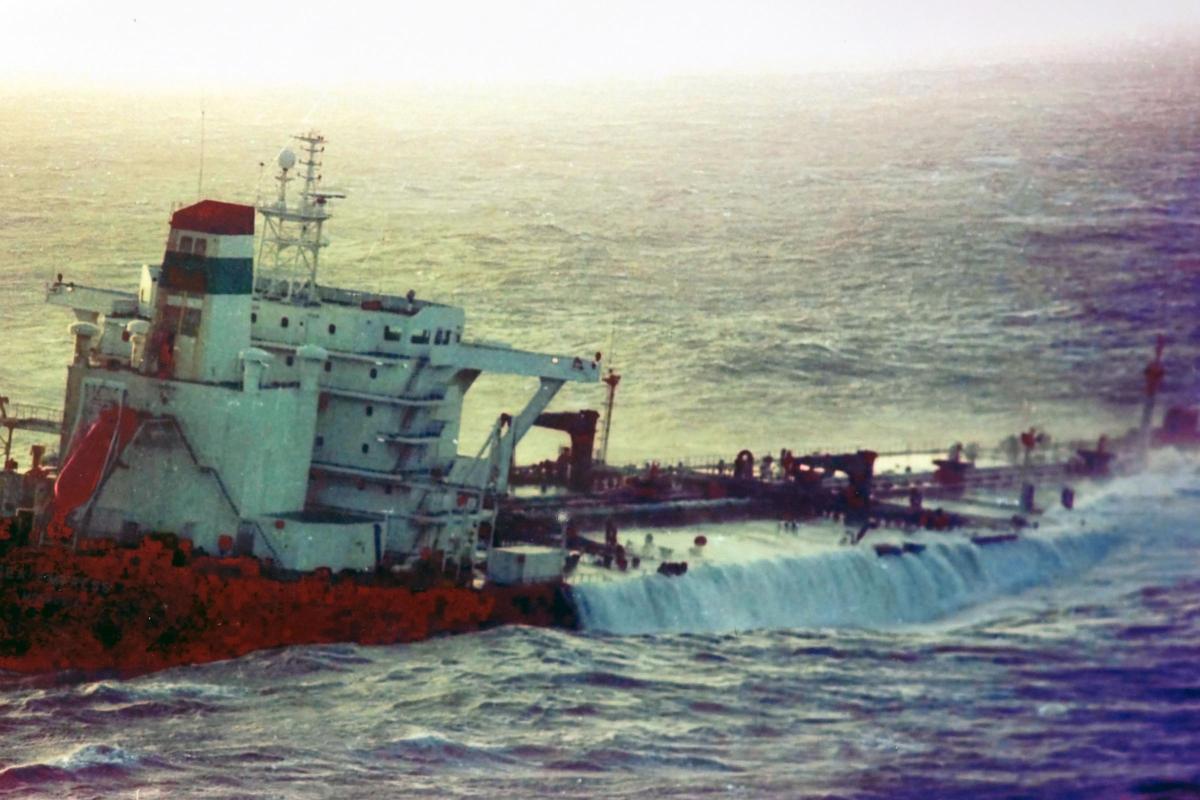
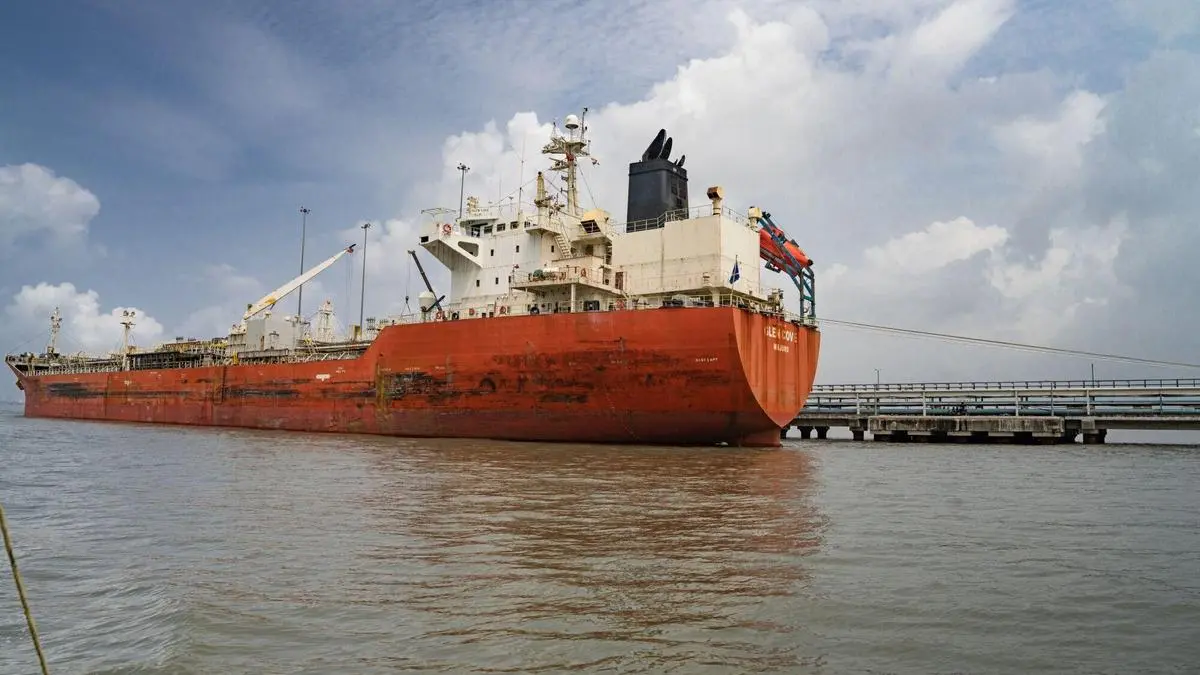
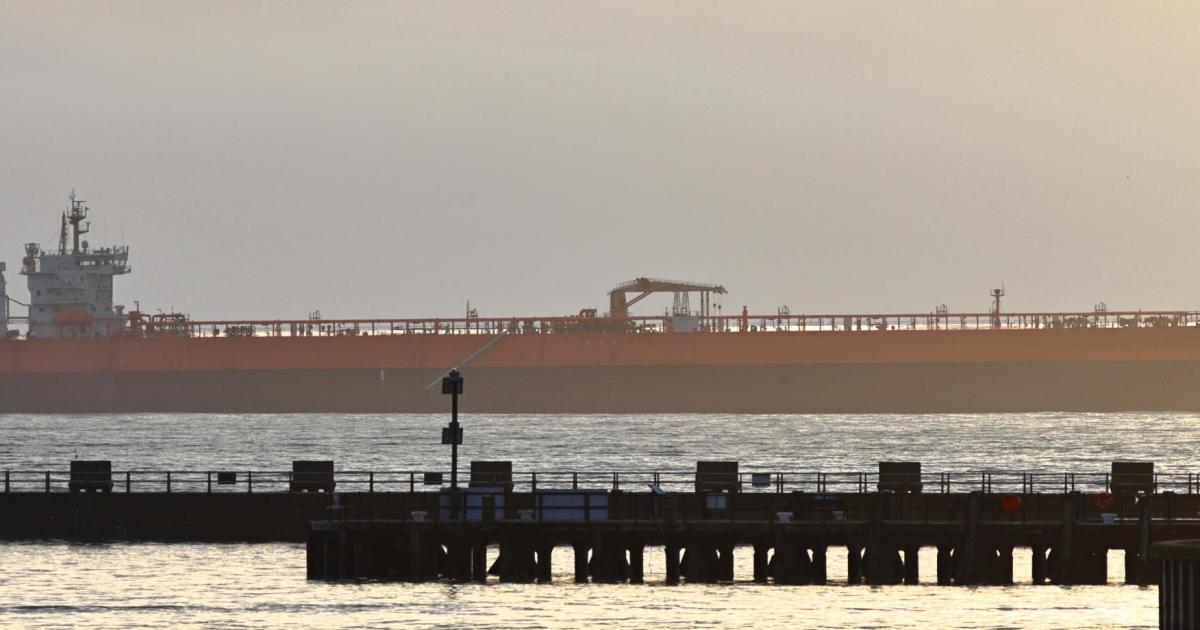
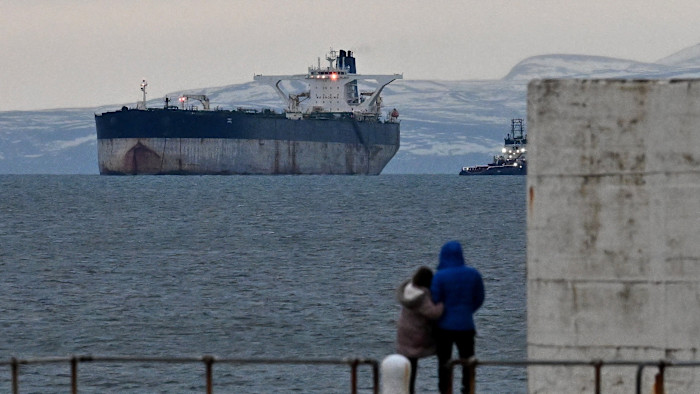
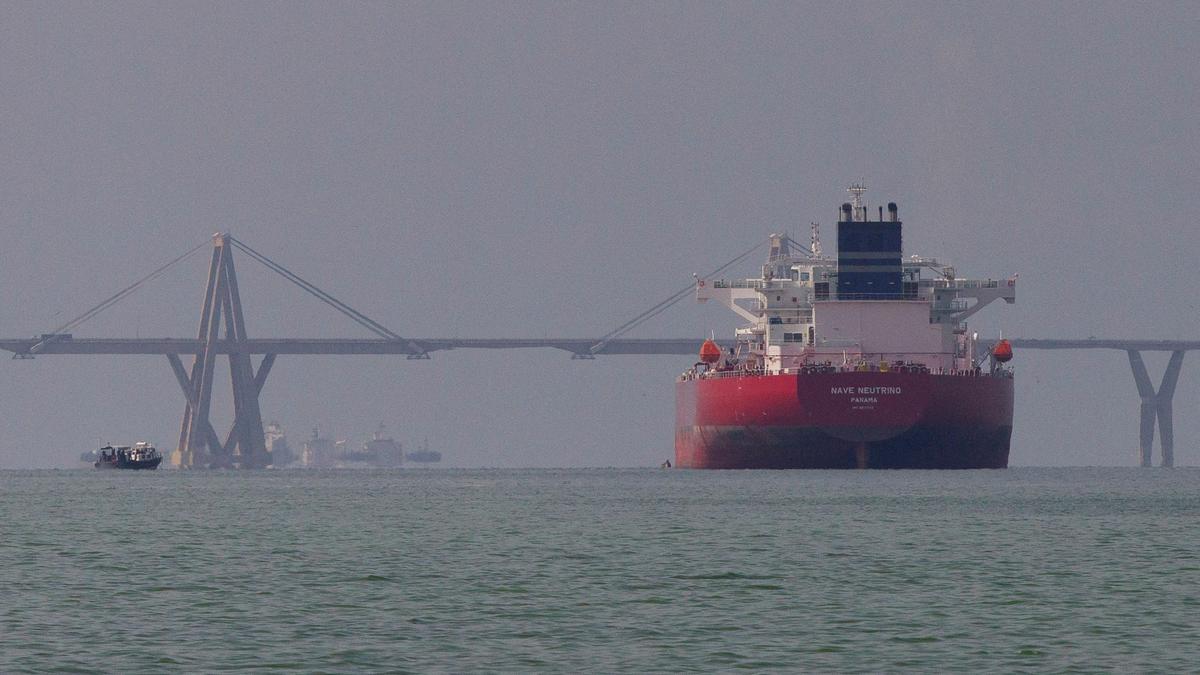
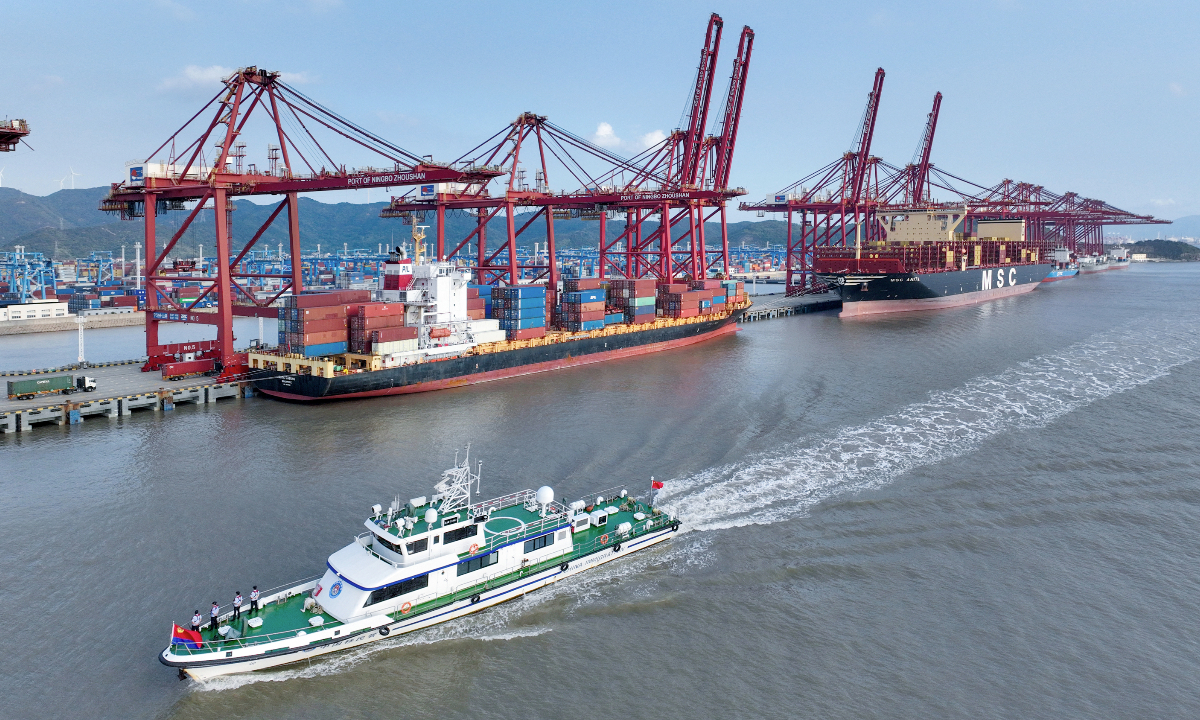
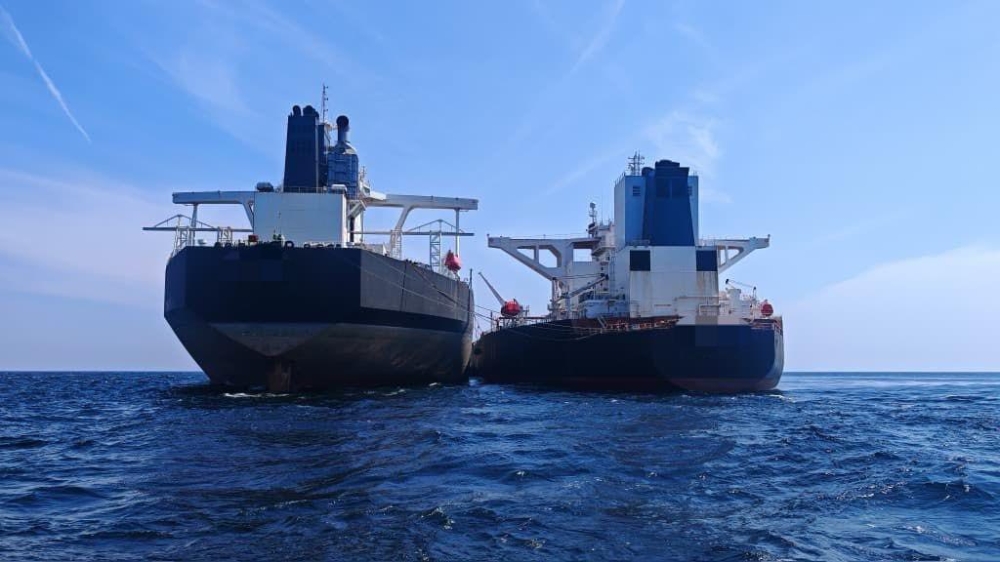
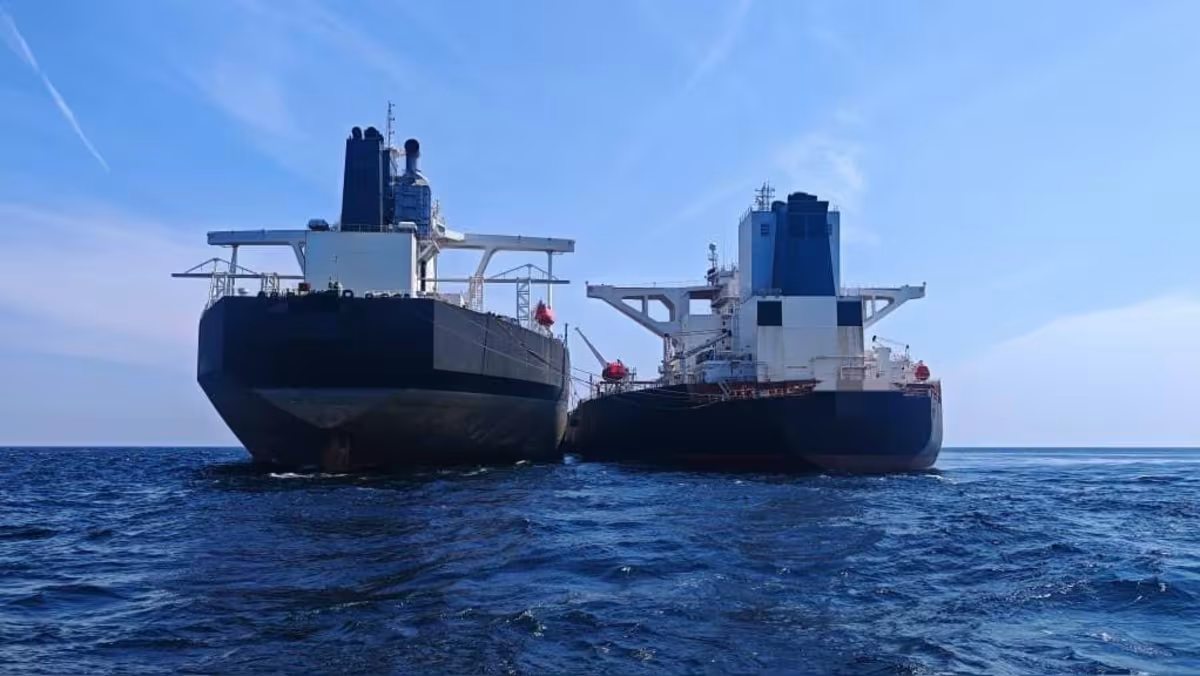
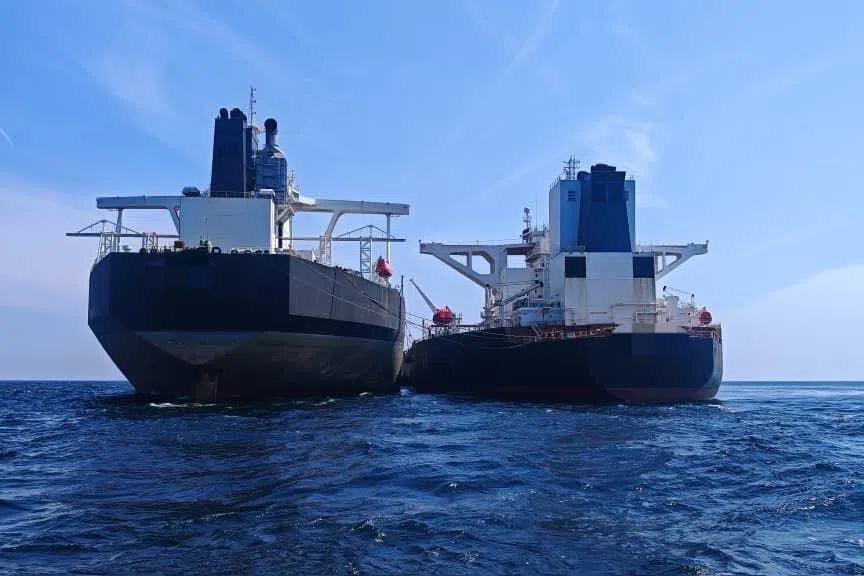
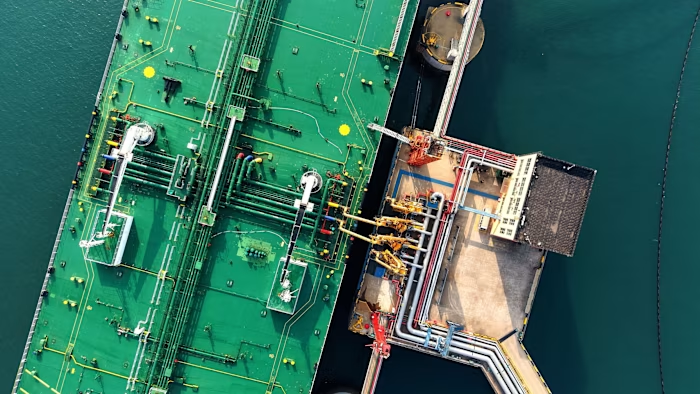
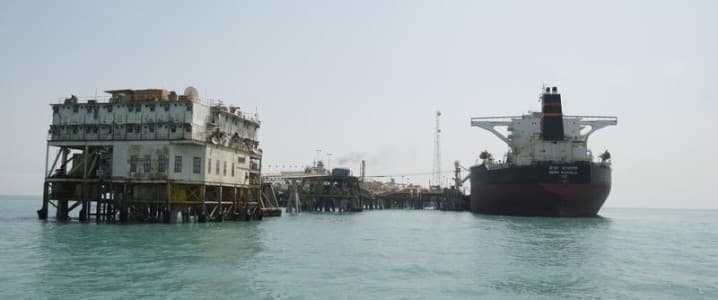
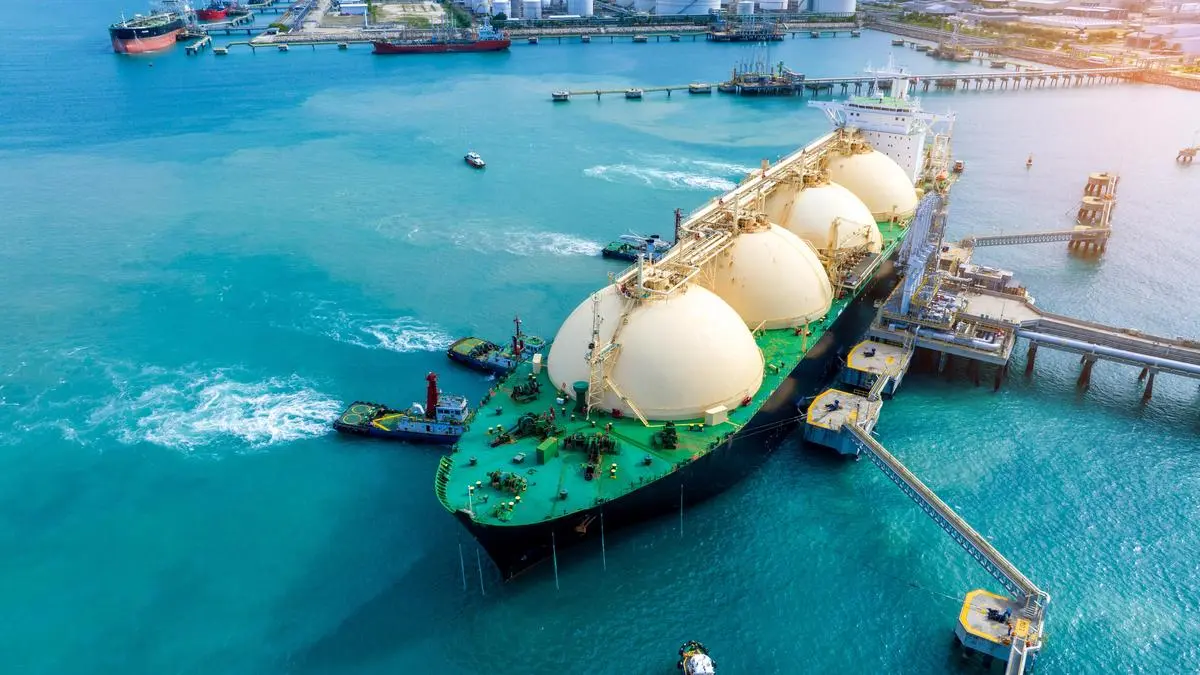
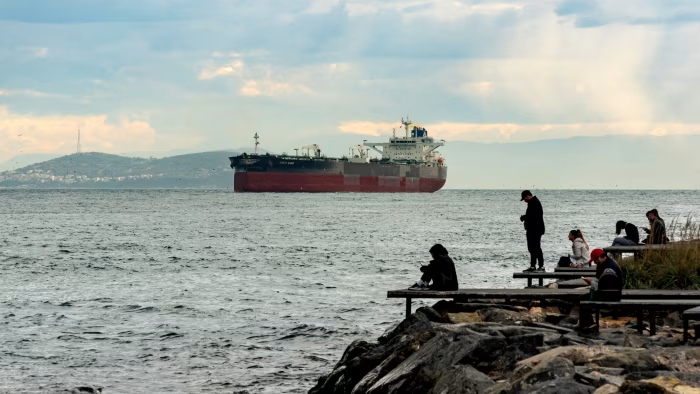
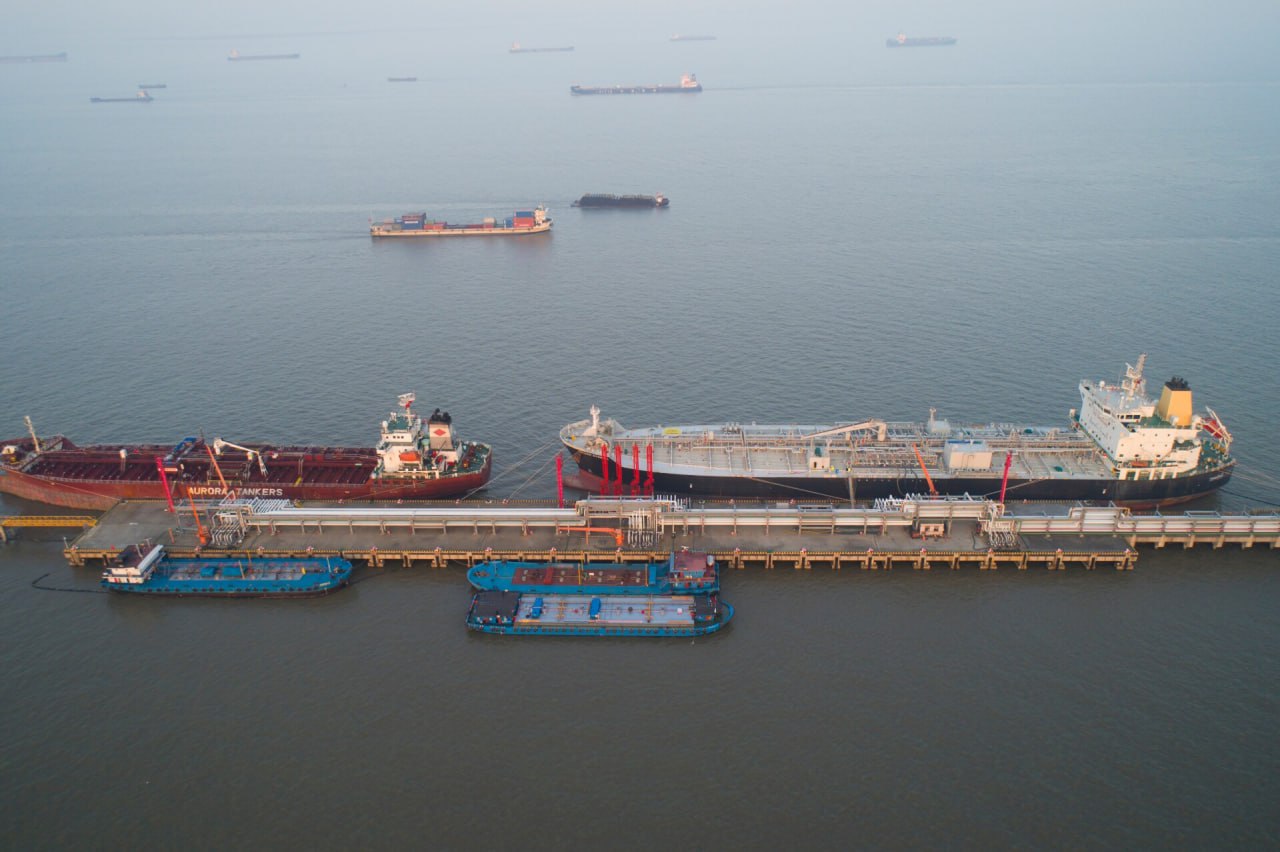
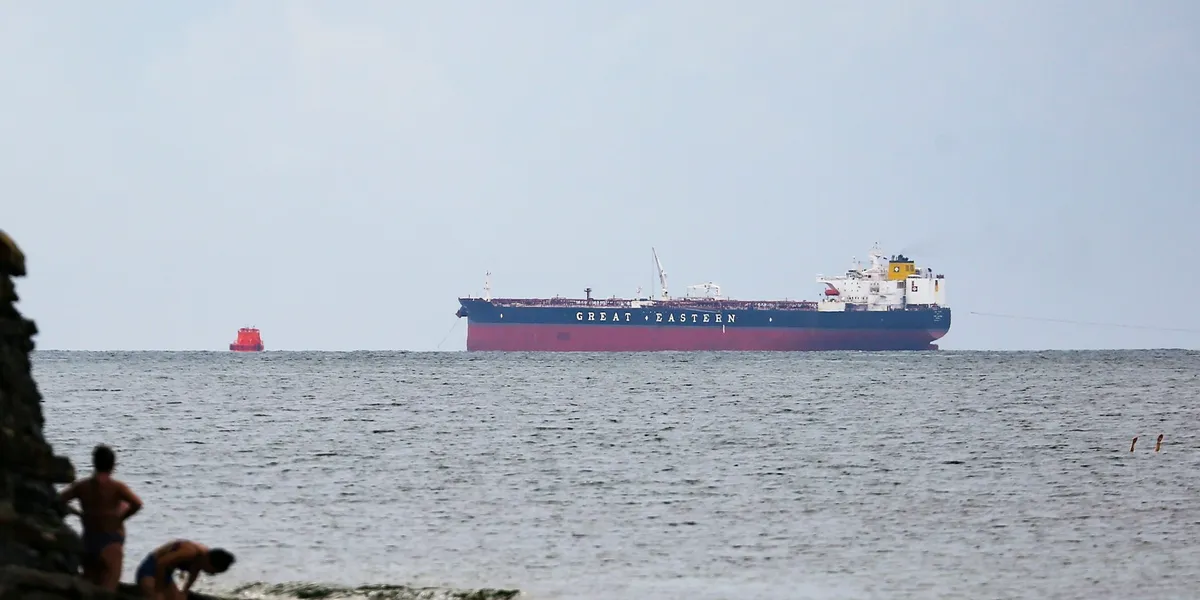
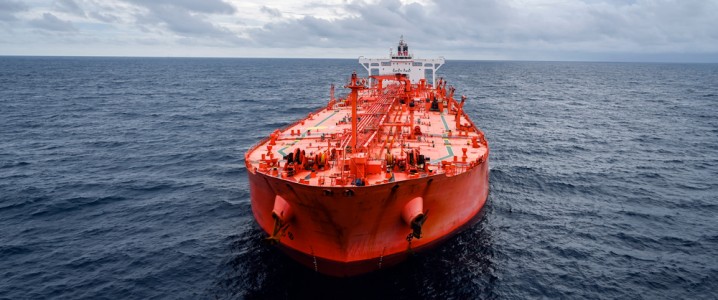
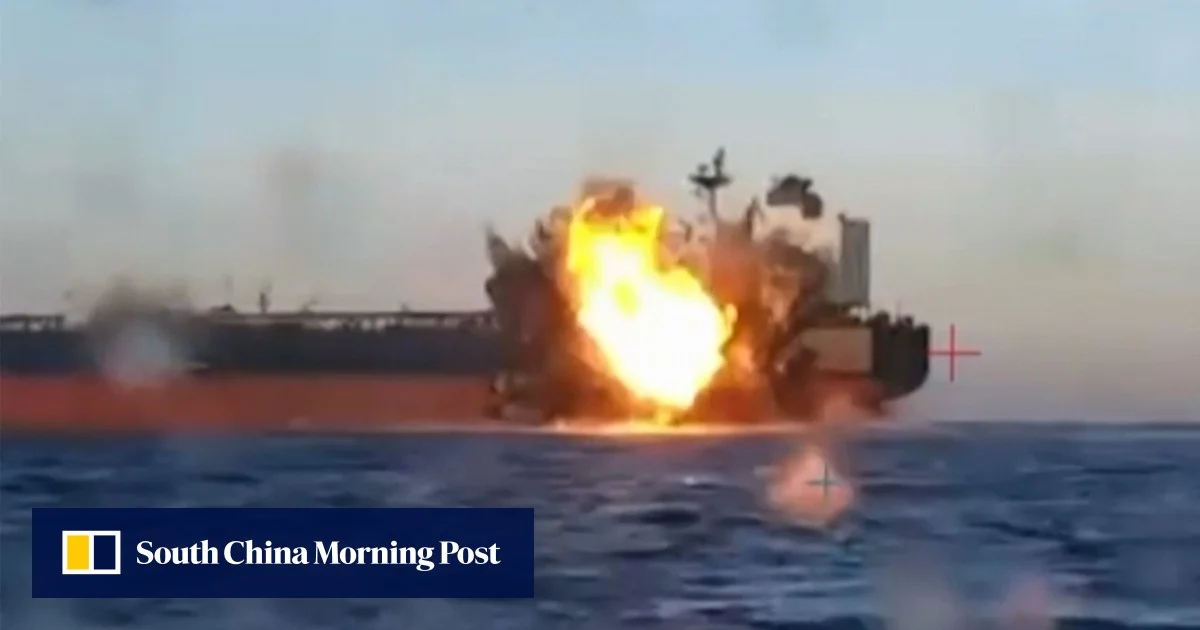
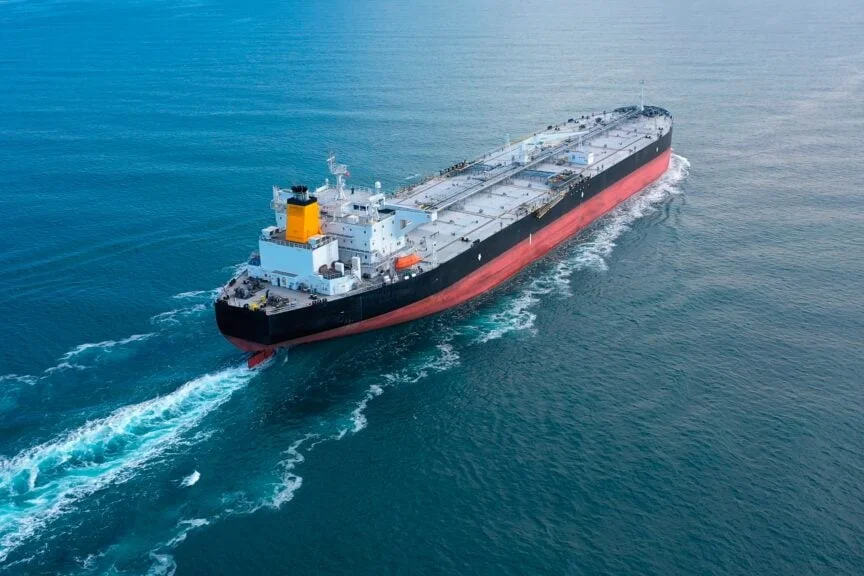
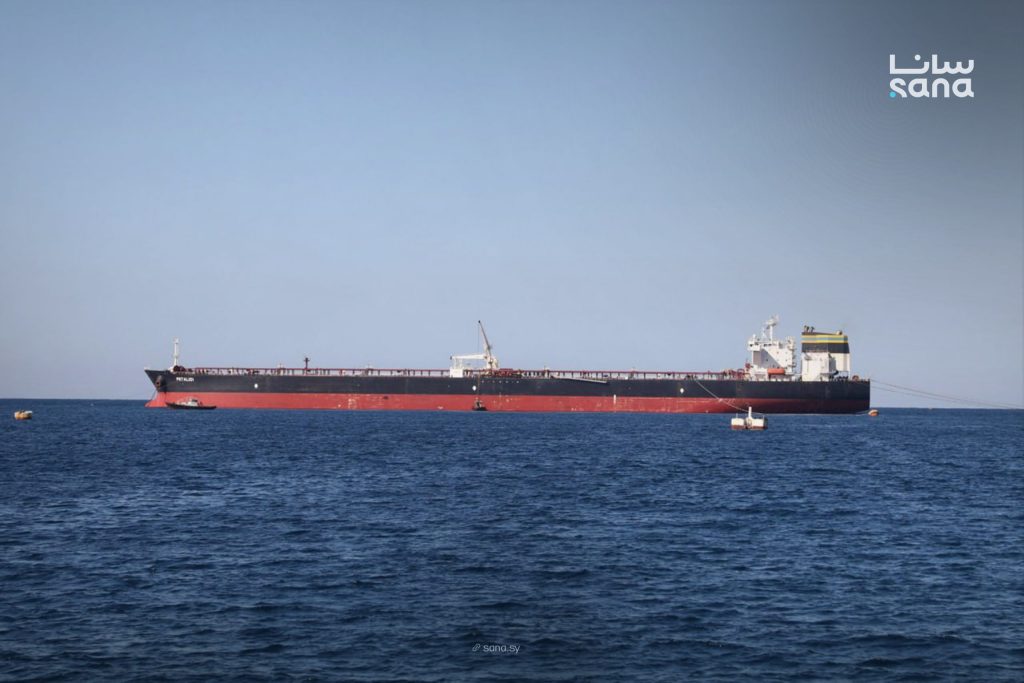
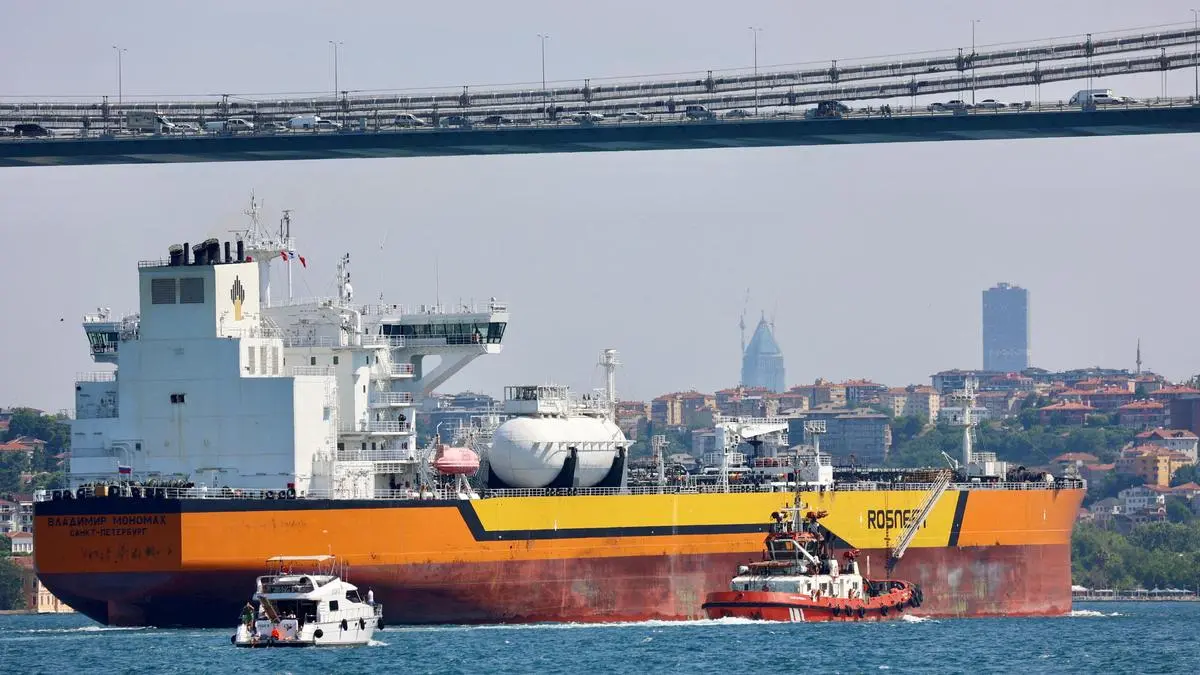
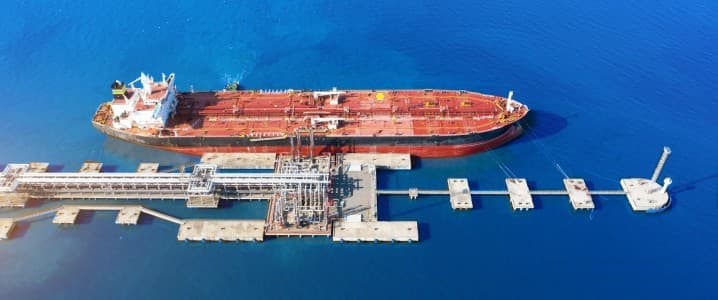
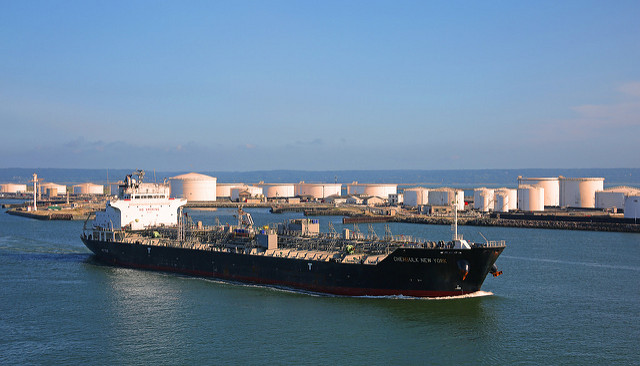
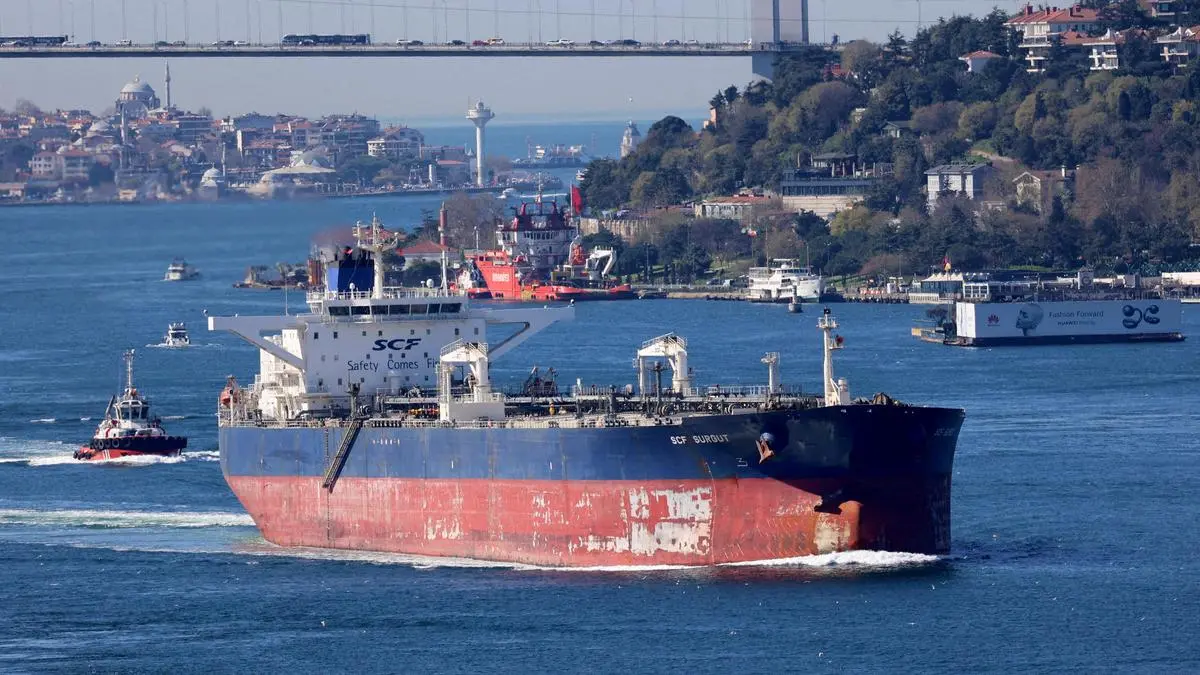
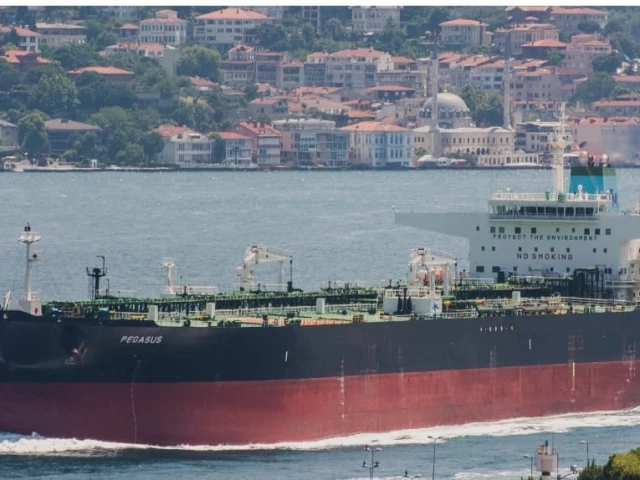
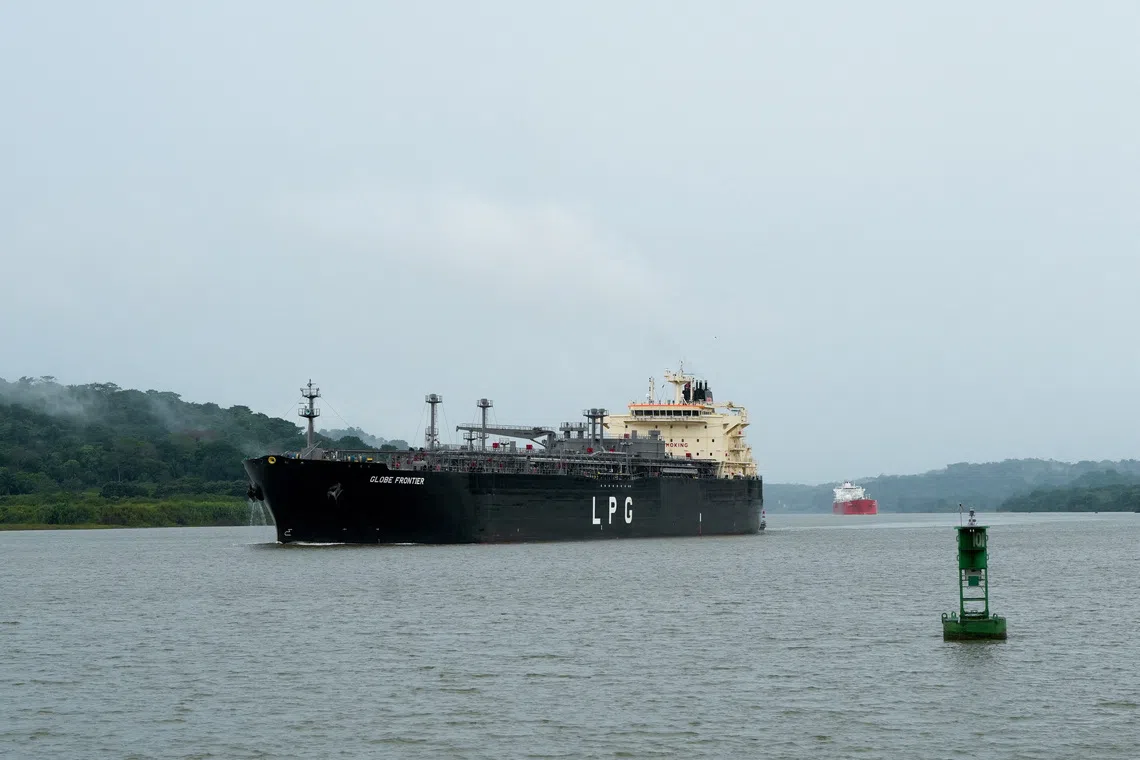
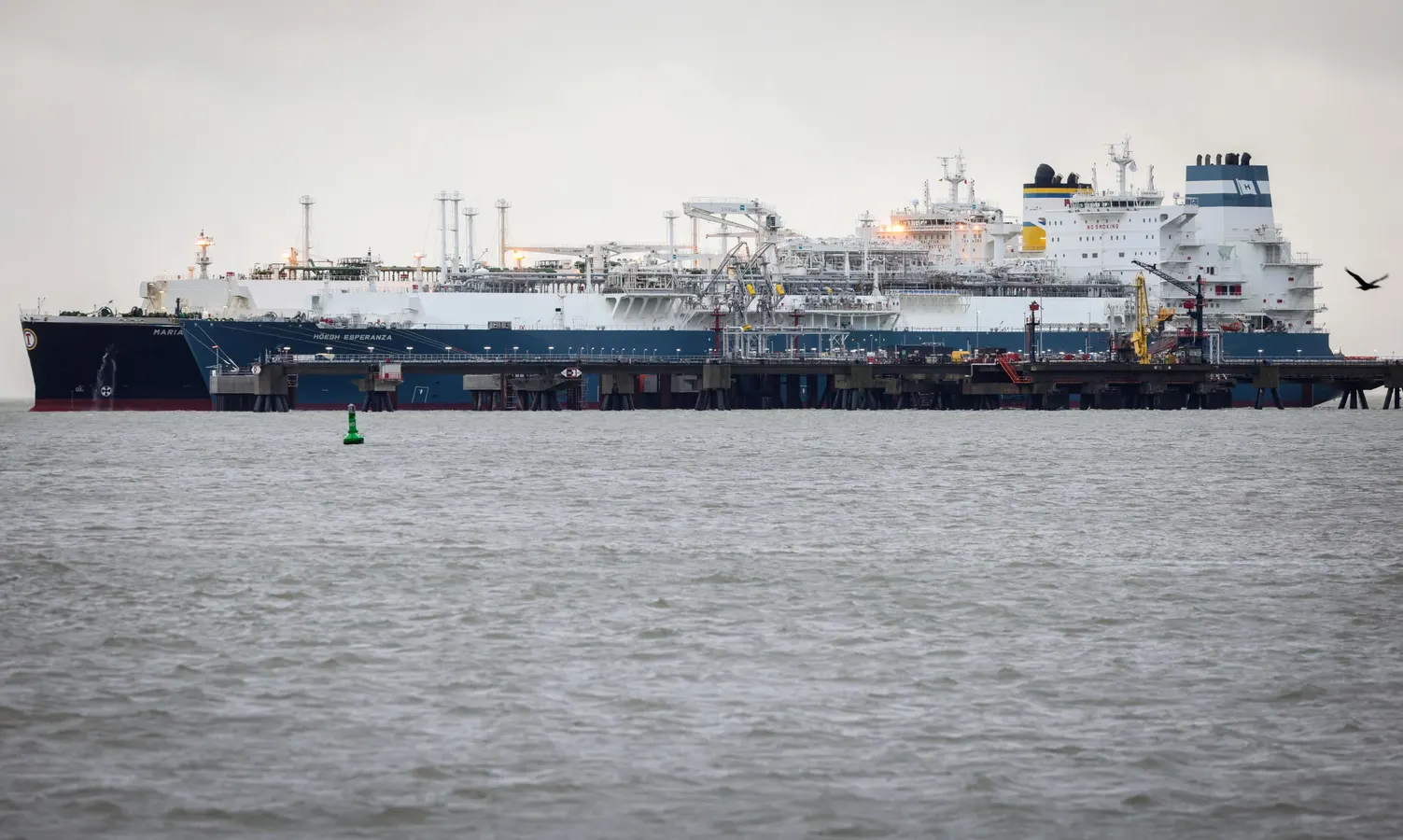
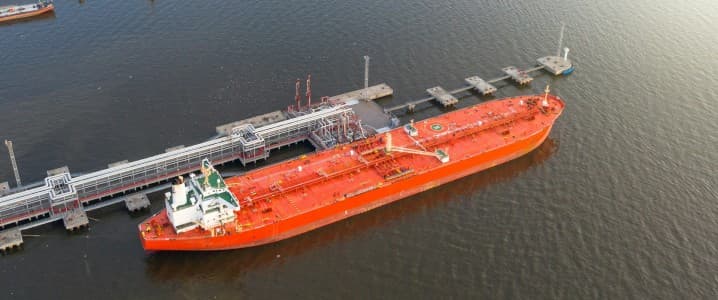
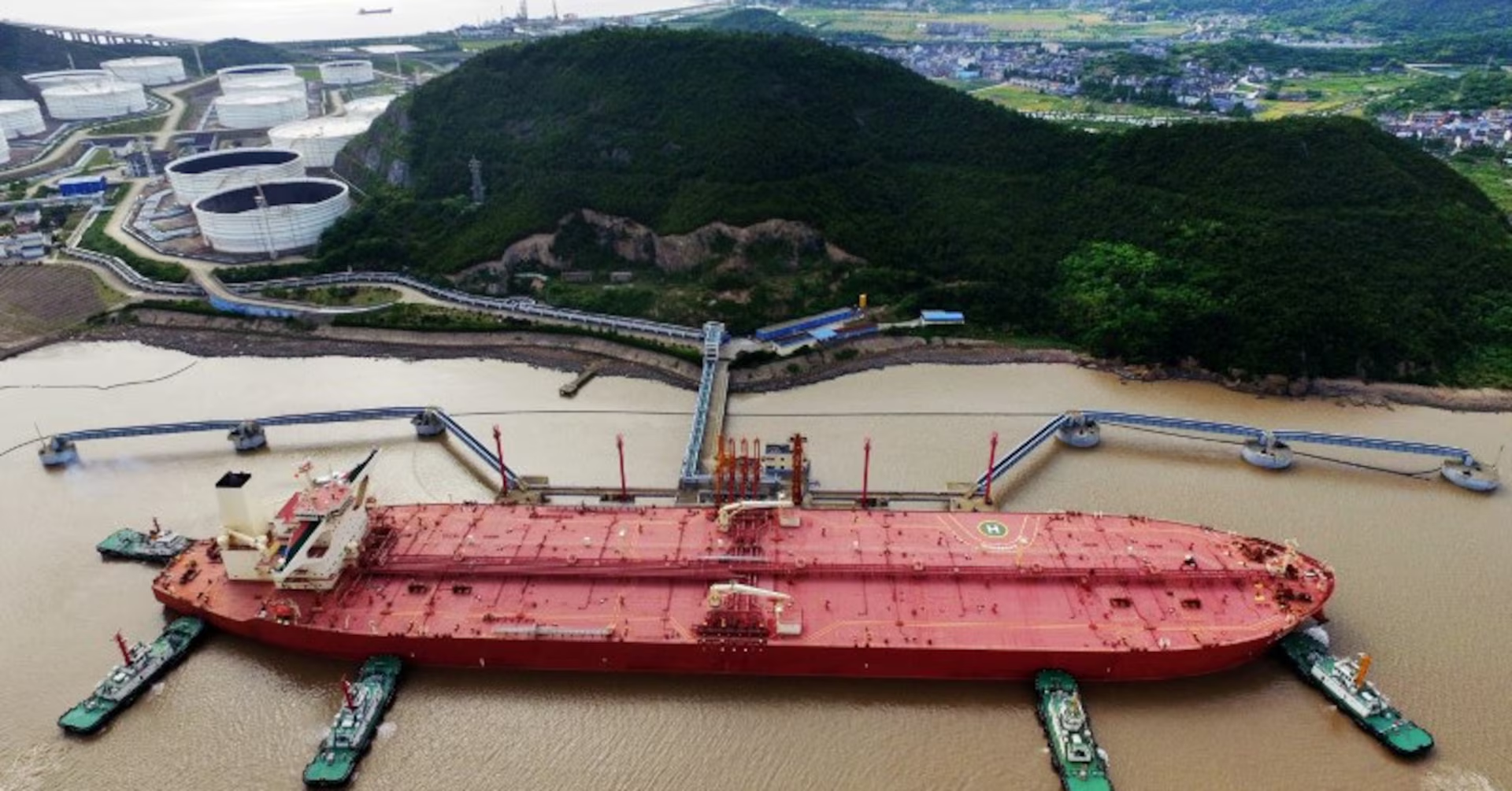
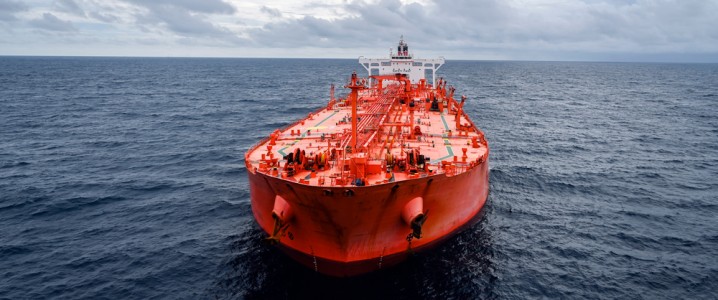
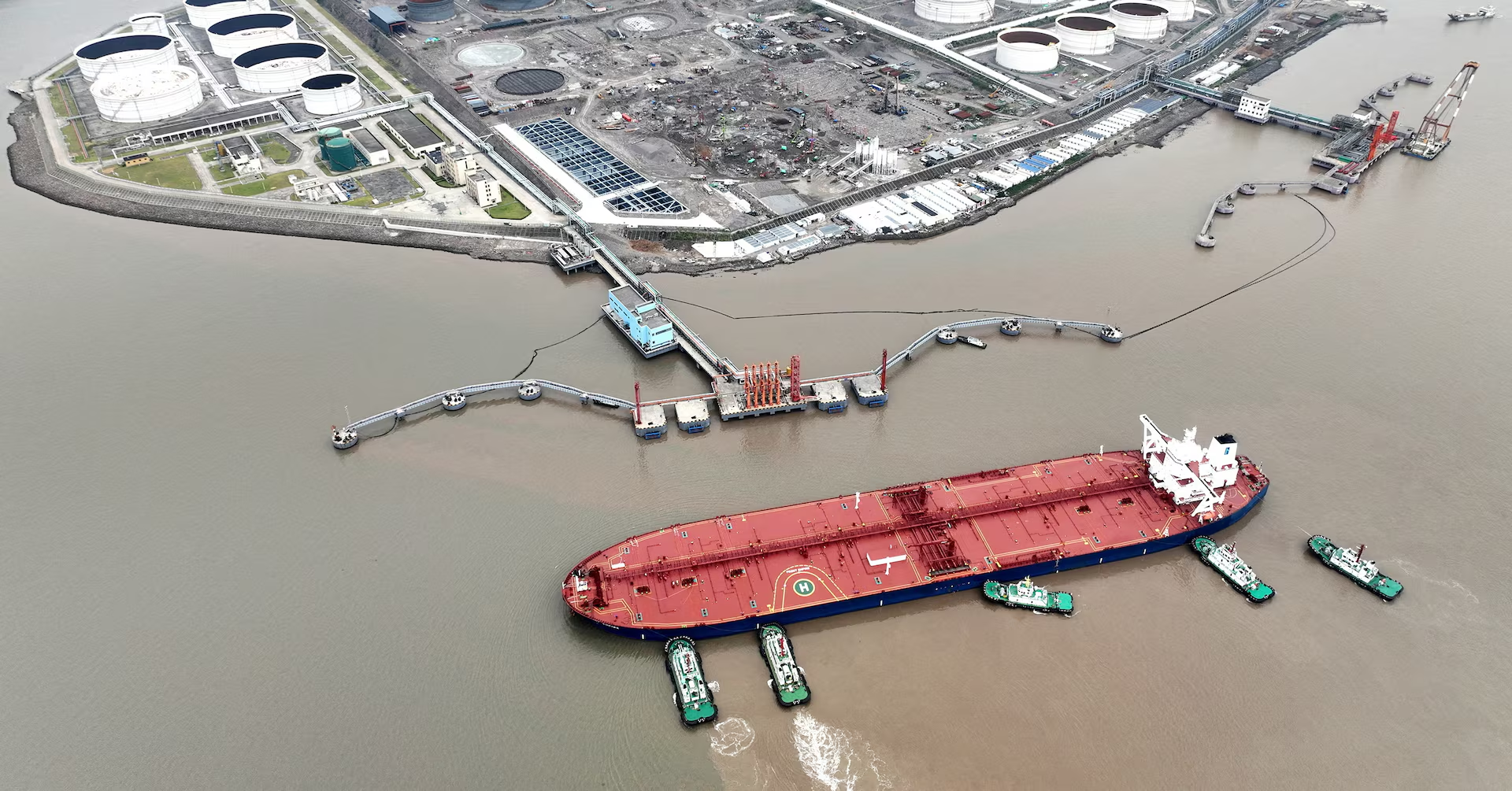
The current supply concerns stem from the disruption in shipping through the Strait of Hormuz, one of the most critical choke-points in the global oil trade.
Around 20 per cent of the world’s crude oil flows through this narrow waterway, making it highly sensitive to geopolitical tensions. With Iran positioned along the Strait, the threat of attacks on oil tankers has forced vessels to avoid the route, effectively choking supply flows in the near term.
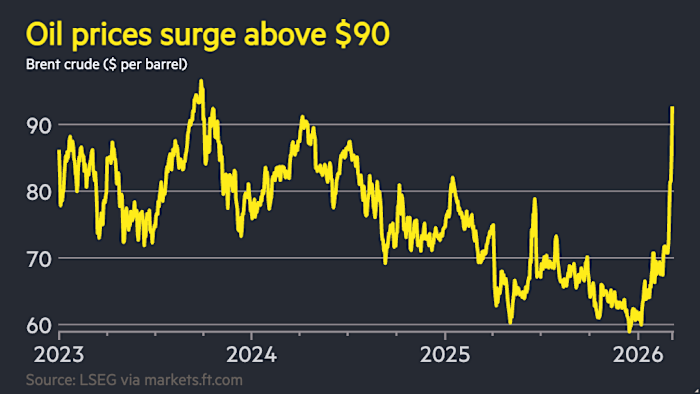
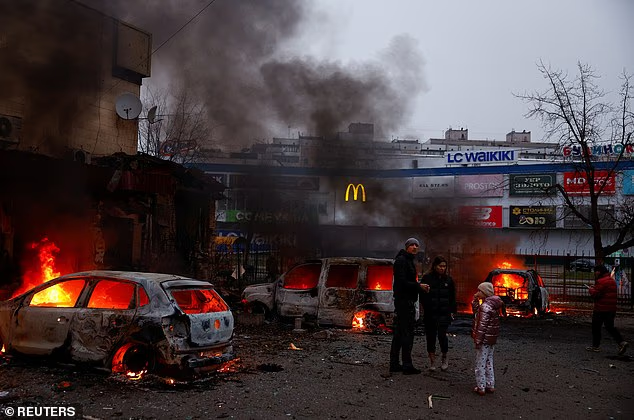
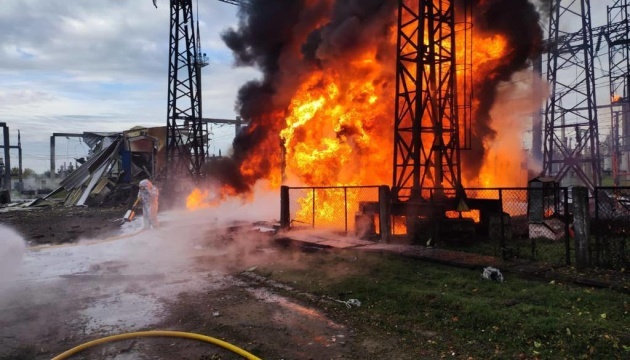
The geopolitical escalation intensified after the first strike on Iran on February 28. Following this, Brent crude futures surged past the $100-a-barrel mark and touched multi-year highs. However, the magnitude of the rally varied significantly across different contracts.
The May contract rallied sharply to a high of $119.50 on March 9, marking a 69 per cent jump from the closing price of $70.84 on February 26. In comparison, the September contract rose to $90.23, gaining 31 per cent, while the December contract climbed to $82.35, registering an increase of 22 per cent.
Even after some correction, the gains remain uneven. As of March 13, the May, September and December contracts were up 46 per cent, 28 per cent and 22 per cent respectively from their February levels. Plotting prices across all contracts up to March 2027 clearly reveals a steep backwardation.
Time spreads signal tightness
The steepness of the curve becomes clearer when examining time spreads, which measure the price difference between near-term and longer-dated contracts.
Currently, the May-September spread stands at about $15 a barrel, while the May-December spread is roughly $21. The difference widens further to about $26 between May and April 2027 contracts. Such wide spreads suggest that the market is placing a substantial premium on immediate supply, indicating acute near-term tightness in the physical market.
The heightened uncertainty is also visible in options markets. The CBOE Oil Volatility Index (OVX) surged to 125.99 on March 12, reflecting extreme uncertainty in crude markets.
For perspective, the OVX had earlier spiked to 102.01 in November 2021 following the discovery of the Omicron Covid variant and to 86.67 during the initial phase of the Russia-Ukraine war in early 2022.

Temporary supply concerns
The outperformance of near-term contracts relative to longer-dated ones points to a sharp shortage in prompt supply. This suggests that the market sees the current disruption as severe but concentrated in the near term and likely to ease in the coming months.
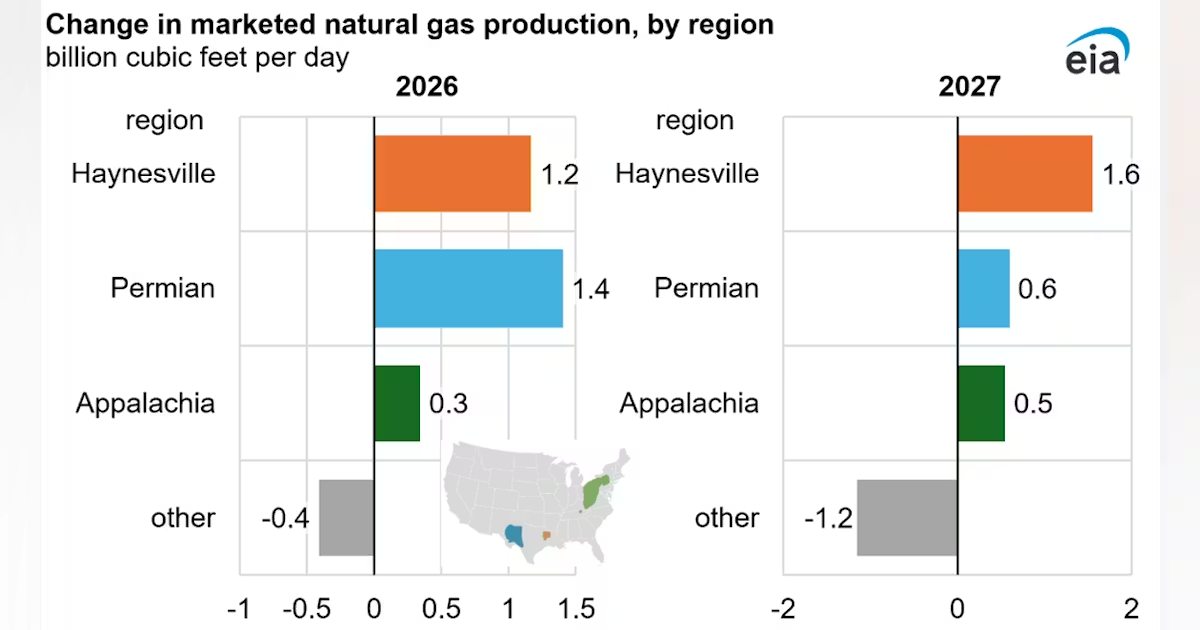
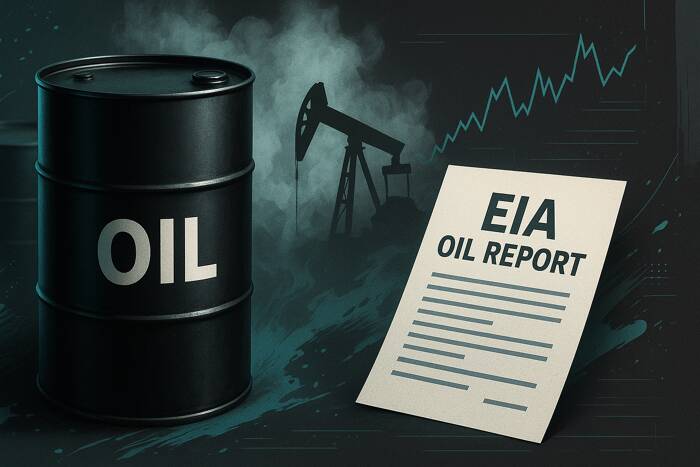
Forecasts from the US Energy Information Administration (EIA) broadly align with this interpretation. According to the EIA’s latest Short-Term Energy Outlook, published on March 10, shut-in production due to the conflict is expected to peak in April. But the report forecast the supply to ease thereafter. However, this needs to be monitored given the level of uncertainty around.
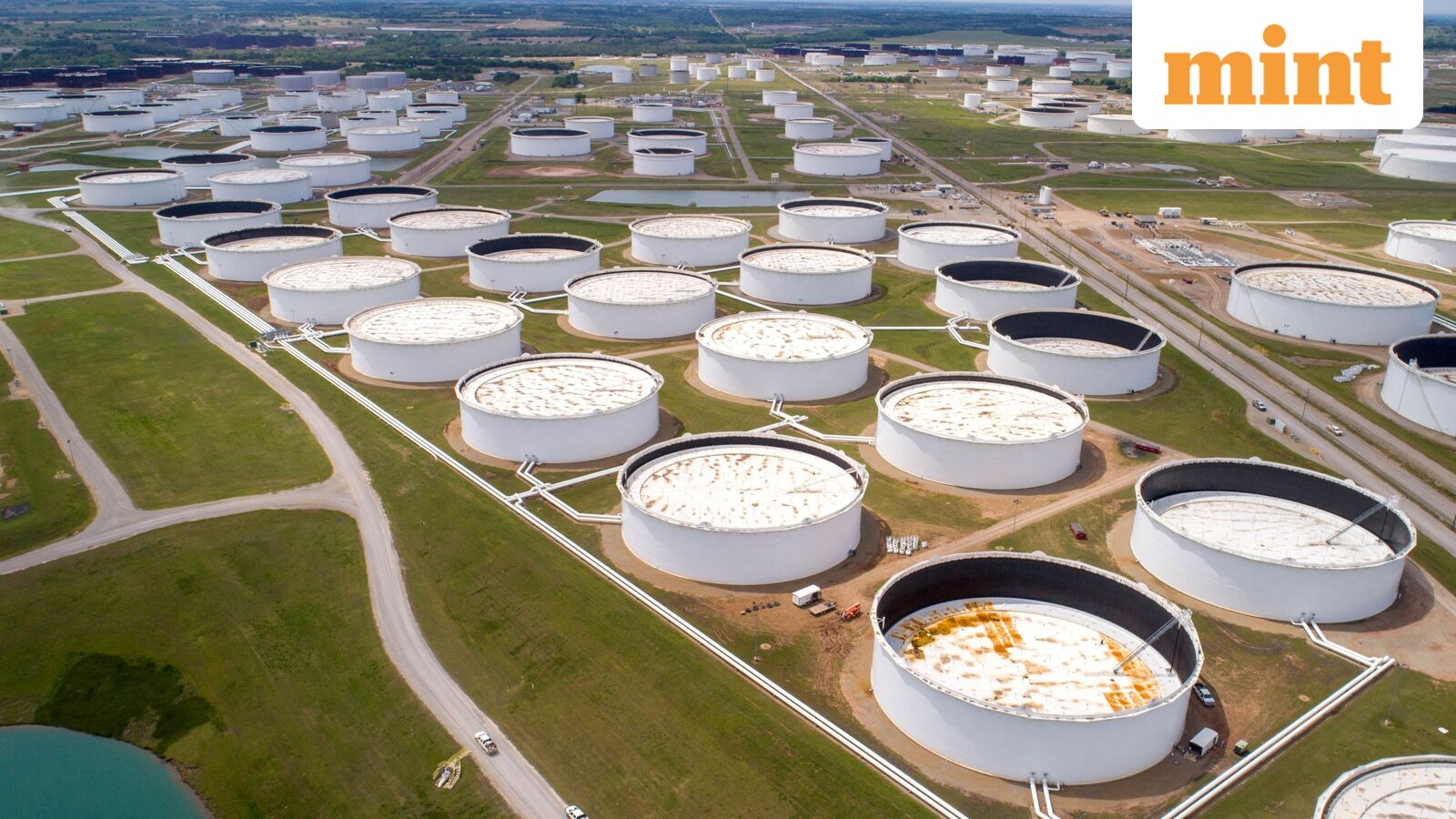
They also expect global oil production to outpace consumption in 2026 and 2027, despite the recent developments. Global oil inventories are projected to increase by about 1.9 million barrels per day in 2026 and 3 million barrels per day in 2027.
In fact, the EIA estimates excess crude production of 1.87 million barrels per day in 2026, and 3 million barrels per day in 2027. In 2025, supply exceeded demand by 2.37 million barrels per day.
What it means for price
If oil flows through the Strait of Hormuz normalise, the anticipated oversupply could exert downward pressure on crude prices. The EIA expects Brent crude to average around $70/barrel in the fourth quarter of 2026 and $64 in 2027. On the other hand, the futures curve indicates a higher price as October, November and December contracts are now trading above $80/barrel.
That said, the outlook remains highly uncertain at the moment. If the conflict persists and supply disruptions continue, the futures curve could start flattening as markets begin to price in sustained higher prices for longer-dated contracts. But this is what the futures market is indicating for now.
Published on March 14, 2026