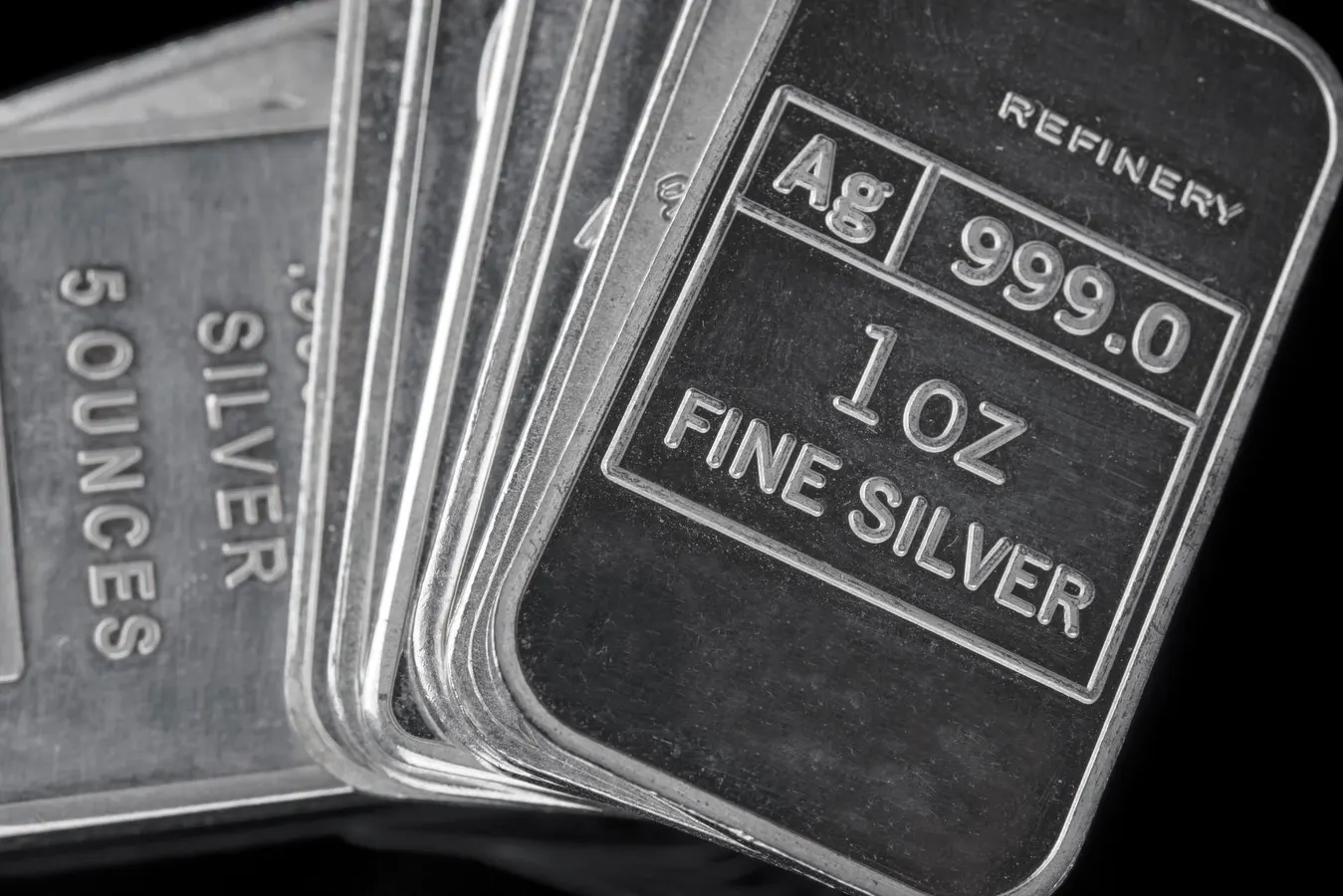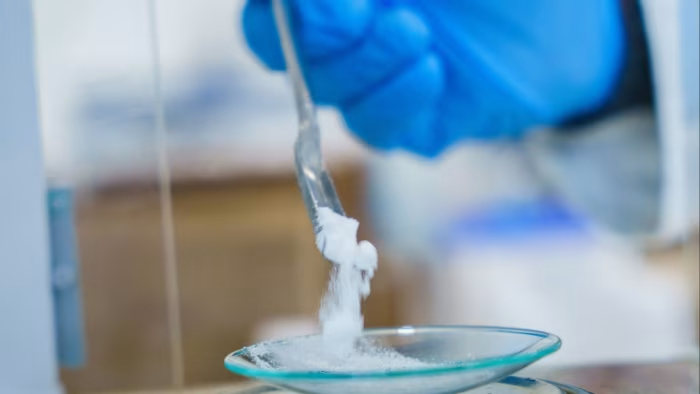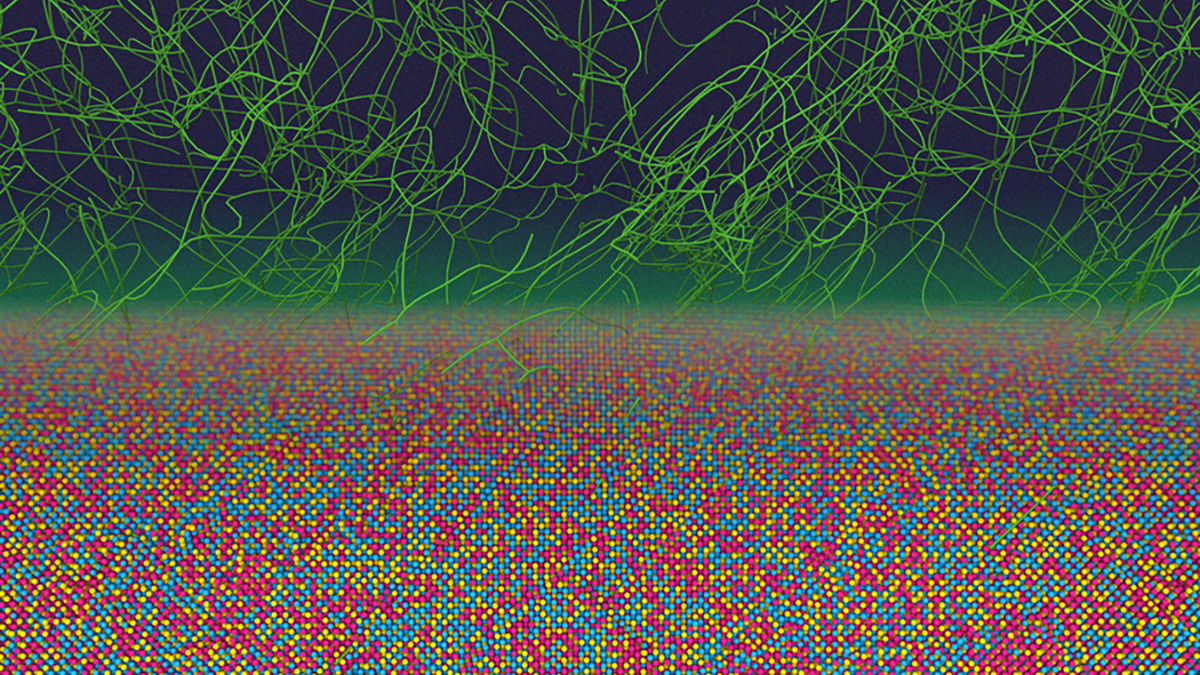
A new water sensor built from leftover refinery sulfur can tell mercury, silver, and iron apart at very low levels.
That turns an unwanted industrial residue into a tool that could spot contamination before polluted water quietly reaches people.
Fingerprints in water

Inside three sulfur-rich coatings, each metal left a distinct electrical pattern when the team tested clean water and spiked samples.
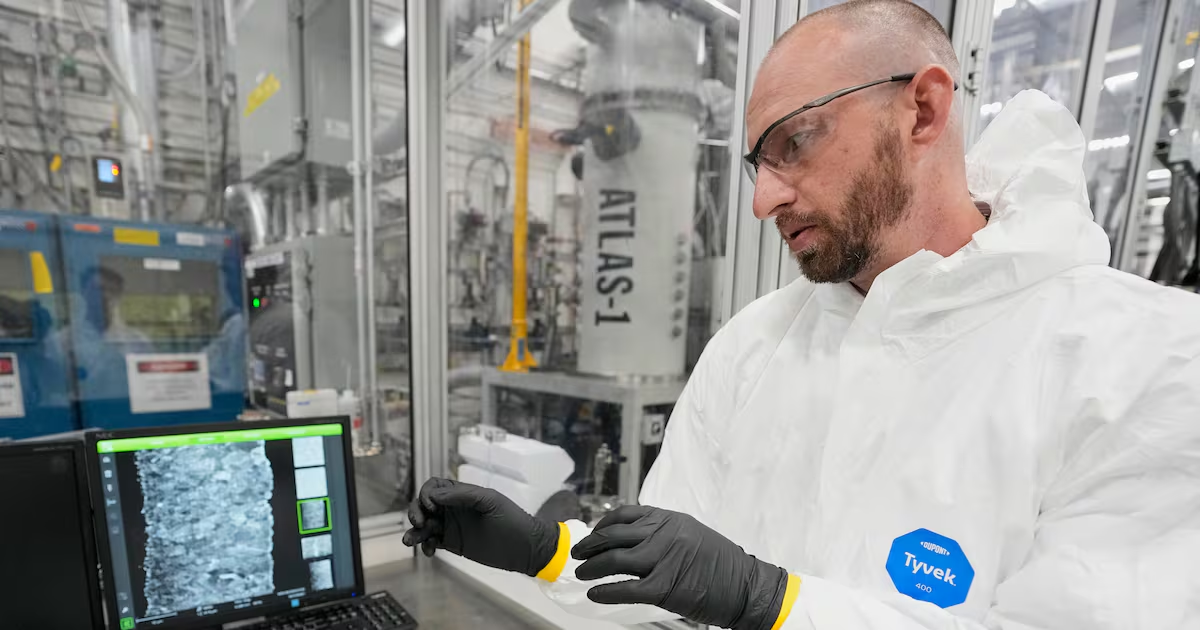
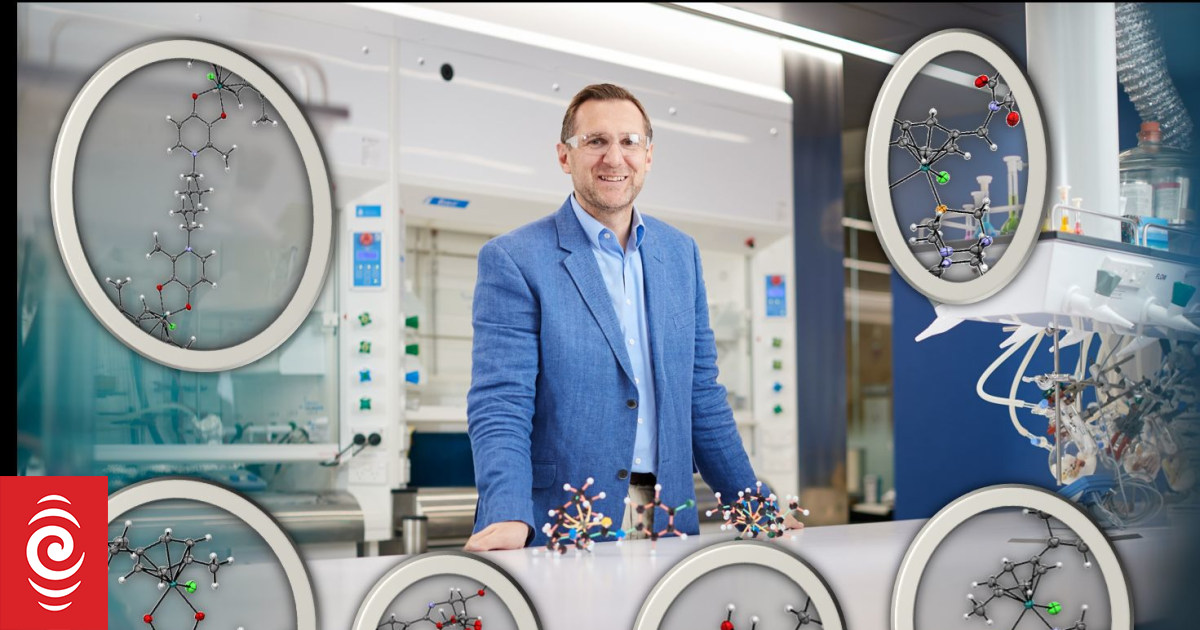
At University of Sao Paulo’s Sao Carlos Institute of Physics in Brazil (IFSC) Osvaldo Novais de Oliveira Jr. linked those traces to ions.
Working from the metal traces, the team saw the separation hold even when other metals that often muddy contaminated water were present.
Clear separation mattered because the device did more than find metal; it started to sort the messy chemistry real water brings.
Sulfur’s chemical advantage
What made that possible was the sensor coating itself, built from polysulfides, sulfur-heavy plastics that readily bind some metals.
Because those sulfur-rich surfaces offer many binding spots, small differences between ions create readable electrical changes.
“The interaction with metals enabled high performance for the electronic tongue,” said Oliveira.
Researchers created the coatings through inverse vulcanization, a heat-driven way to lock excess sulfur into stable chains.
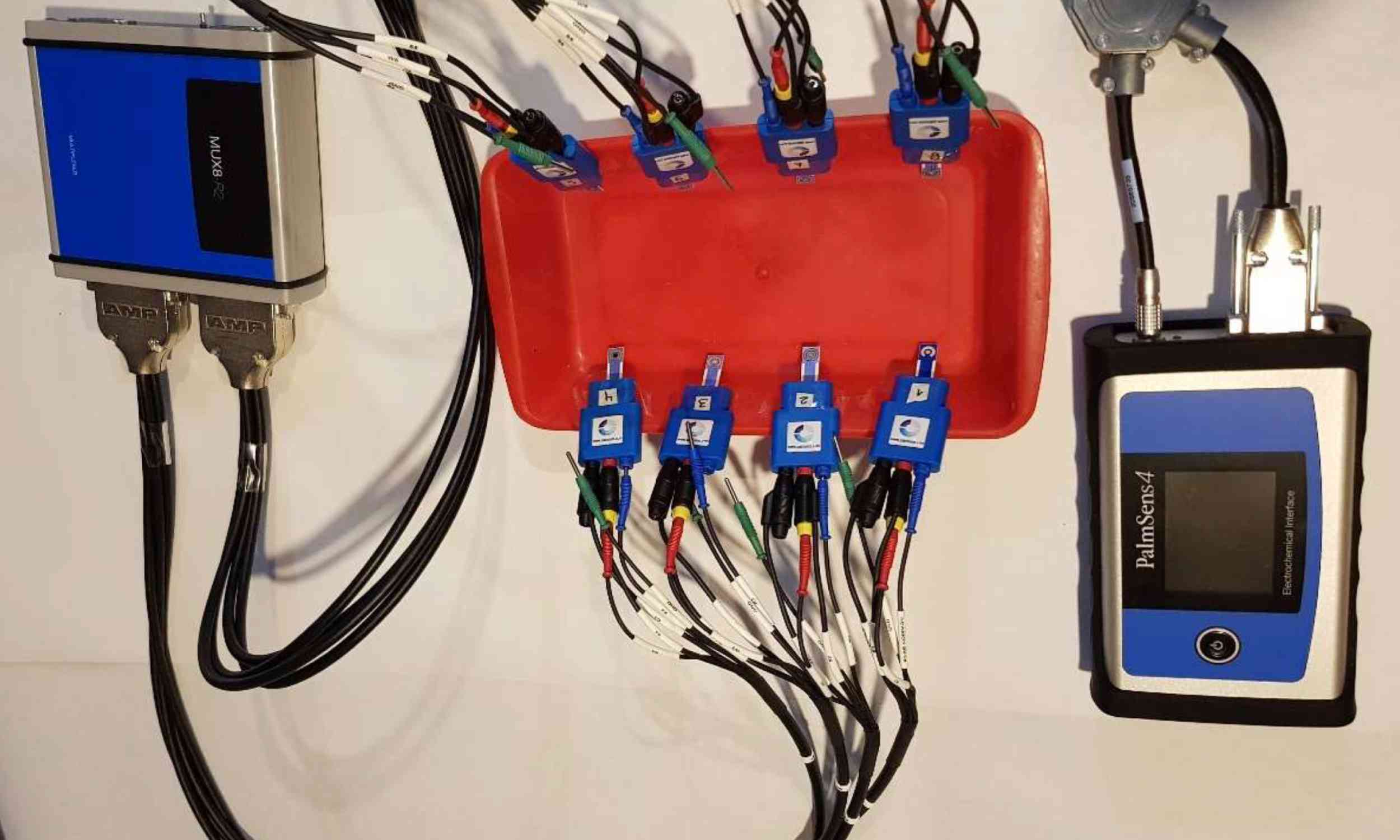
When the coated electrodes touched water, the electronic tongue – a sensor array that reads overall patterns – tracked changing current across frequencies.
Silver pushed the signal upward, while mercury pulled it down, because each ion changed how charges moved near the film.
Iron behaved differently again, giving the three-coating array enough contrast to separate one contaminant from another.
This broad metal response is why this kind of sensor can read mixtures instead of chasing one target with one test.
Accuracy of the sensor
Performance sharpened when the team combined all three sensors, because the shared pattern held more clues than one coating alone.
Using machine learning, computer software that learns useful patterns from data, the array identified metal concentrations with about 99% accuracy.
Mercury signals remained readable at extremely small concentrations, far below what many field tests can easily catch.
Just as important, the same run sorted different concentrations at once instead of forcing technicians into one-by-one checks.
Where mercury sticks
Mercury stood out for another reason: after rinsing, its signature lingered on the films instead of washing away.
Mercury’s lasting mark appeared because sulfur-rich sites held the ion tightly, reducing electron flow and changing the material’s electrical behavior.
Health agencies treat mercury as a serious danger because exposure can harm the nervous system and kidneys.
Such a strong mercury response could serve warning systems, even if it may shorten the sensor’s reuse.
Why mixtures matter
Laboratory water is tidy, but taps, rivers, and industrial runoff carry competing substances that can blur a sensor’s answer.
To test those messy conditions, the team added lead, chromium, copper, magnesium, and zinc alongside the target metals.
Even in contaminated tap water, the array kept the groups apart, showing that background chemistry did not swamp the signal.
Such resilience is what separates a lab demonstration from something utilities or factories might eventually trust.
Recycling sulfur for sensors
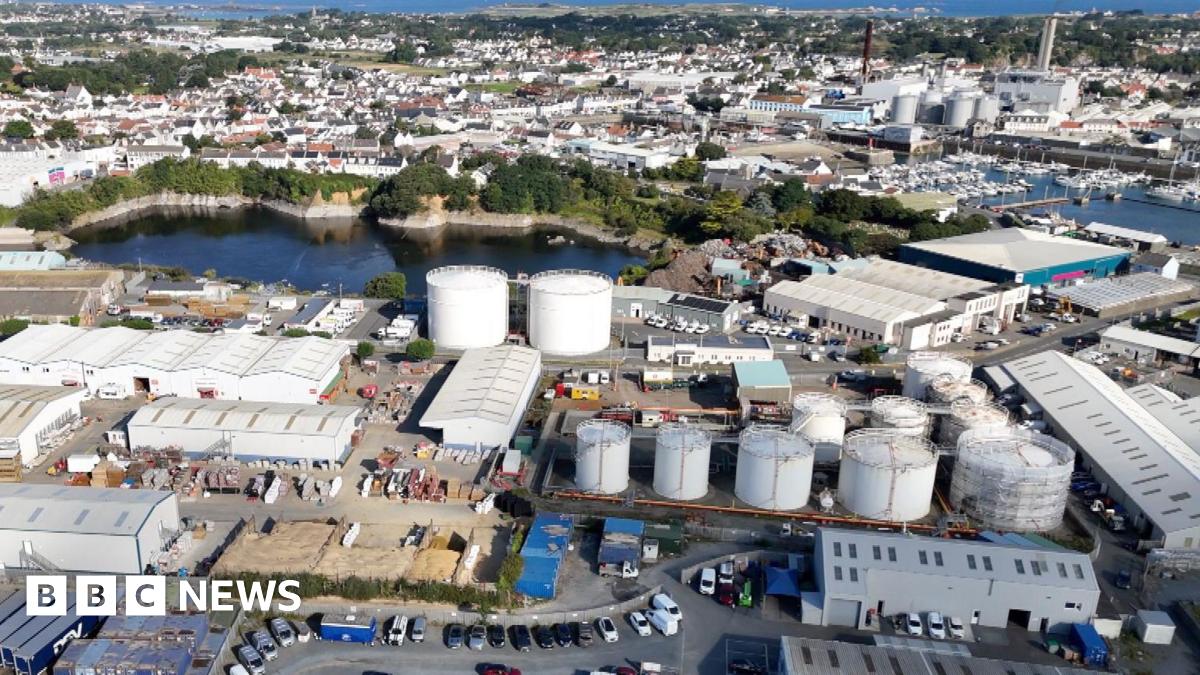
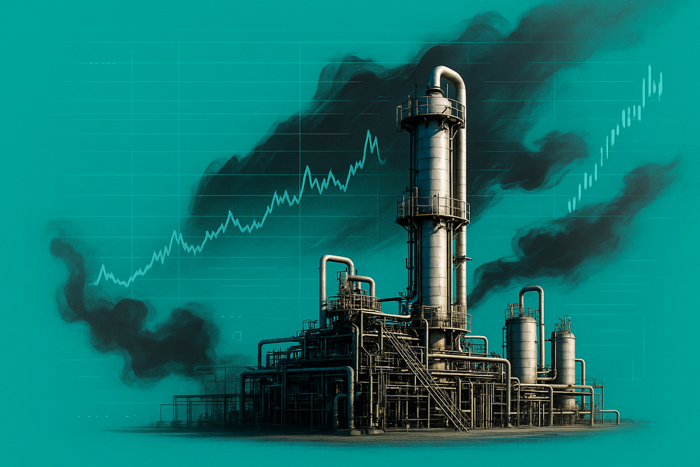
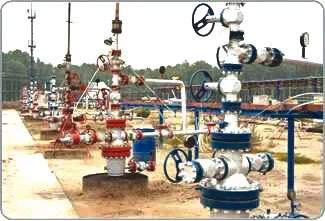
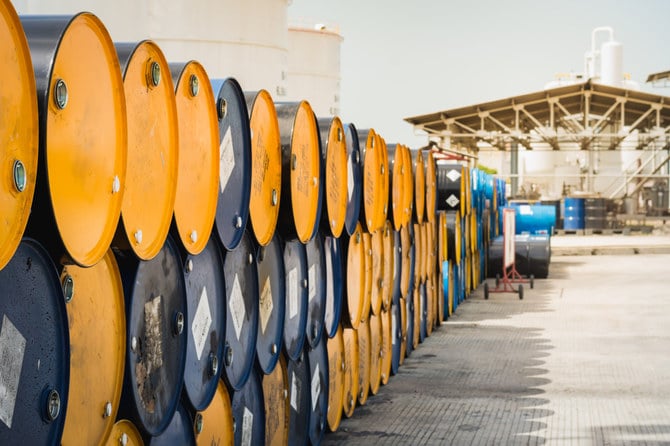
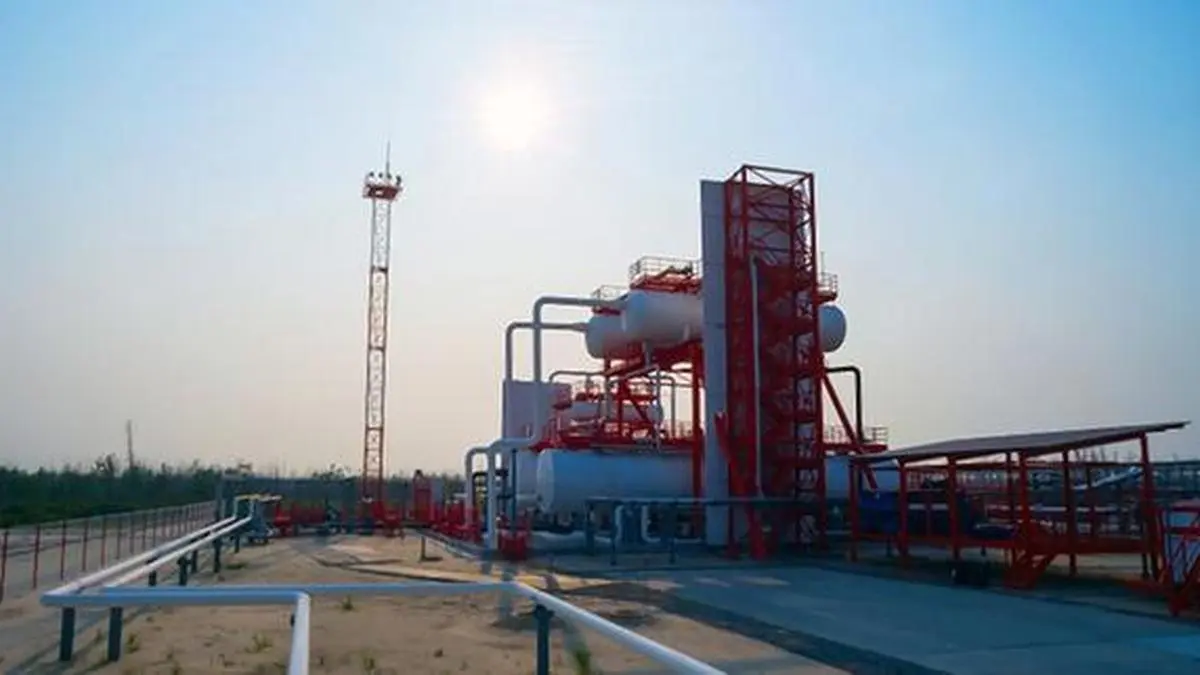
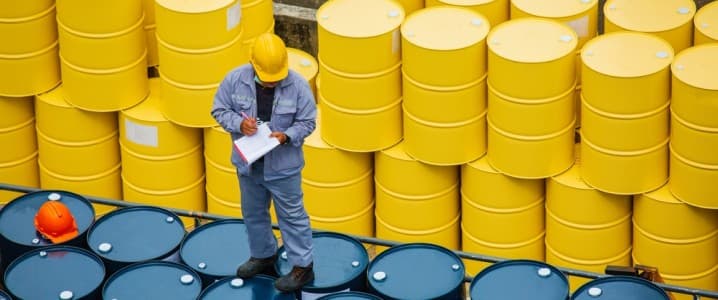
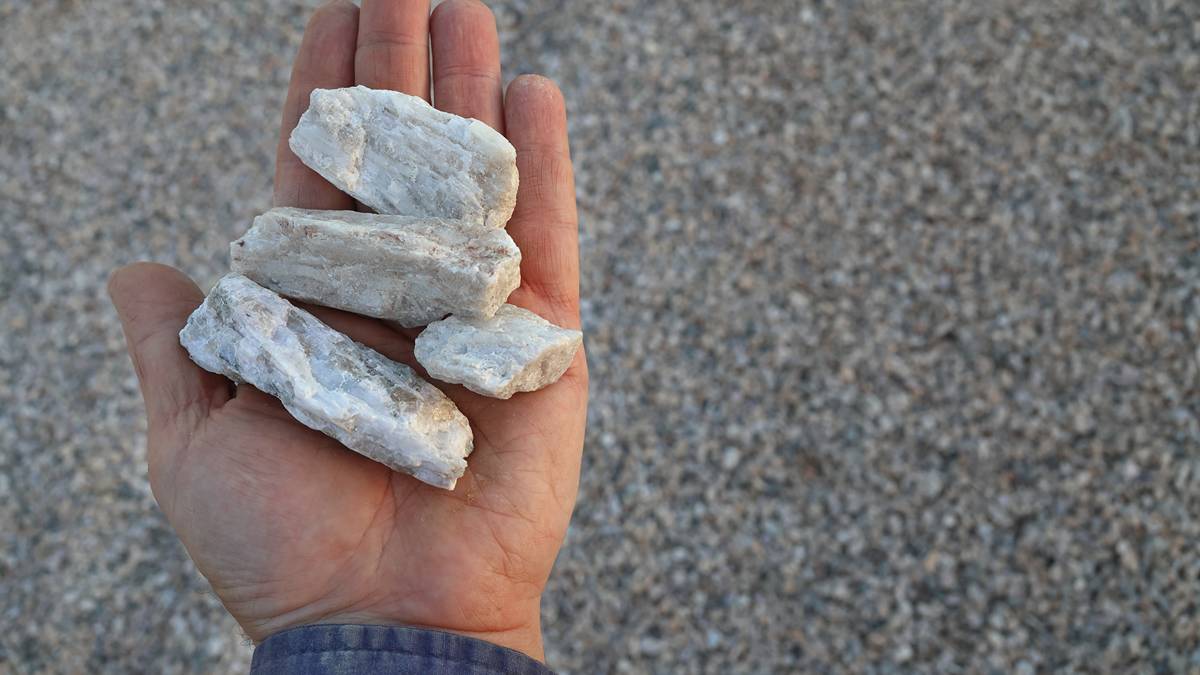
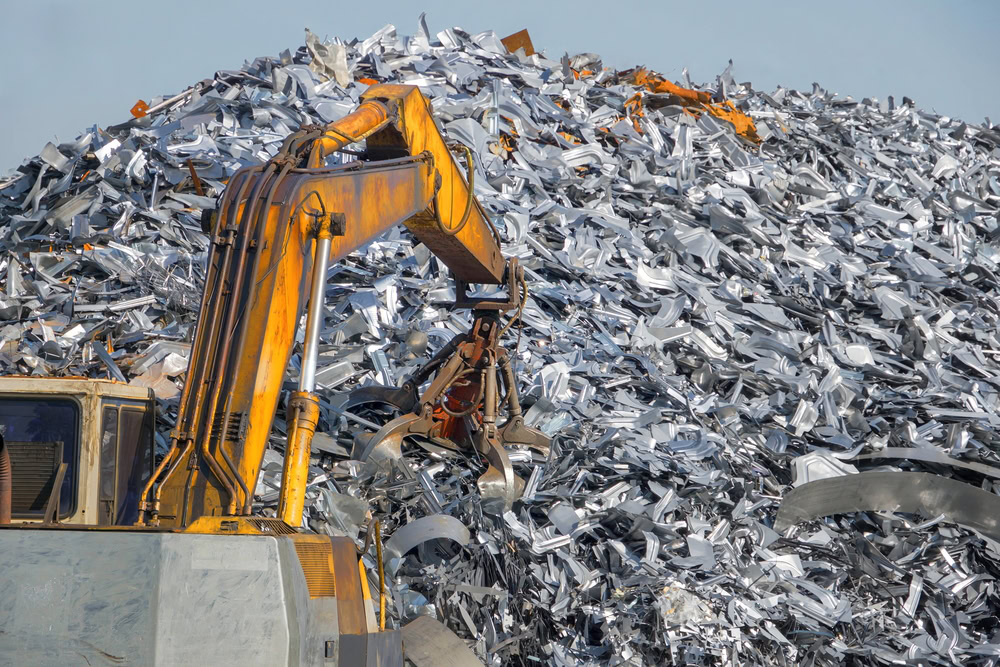
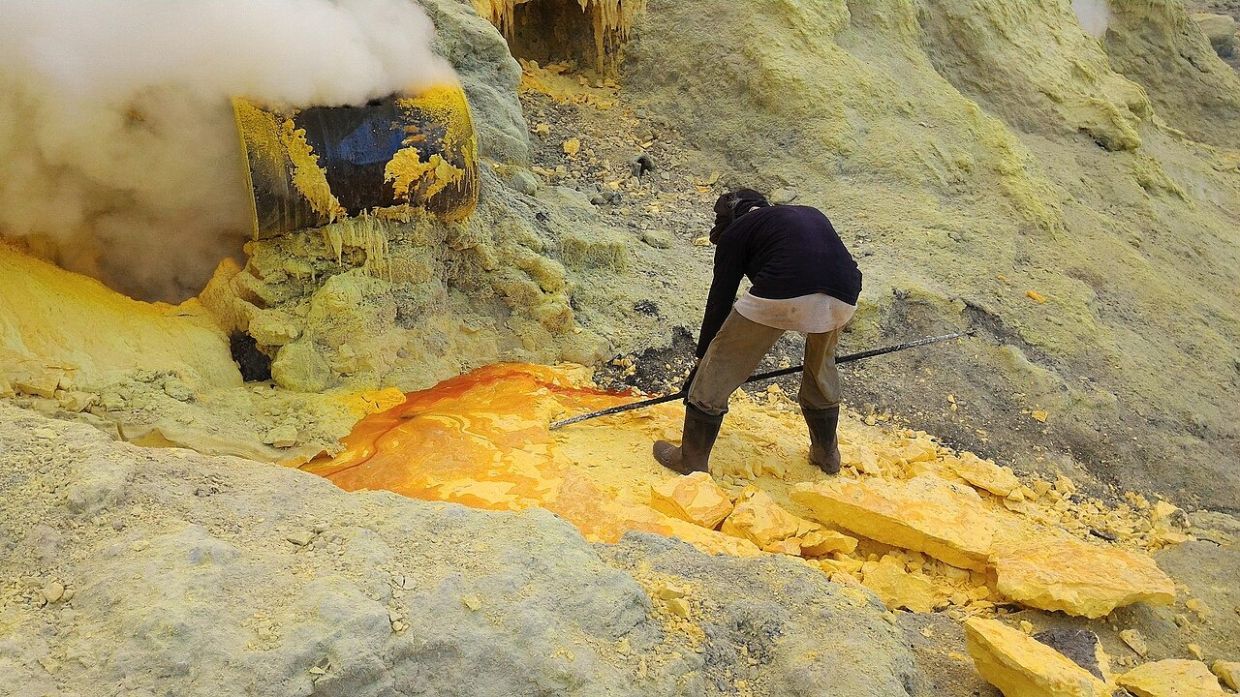
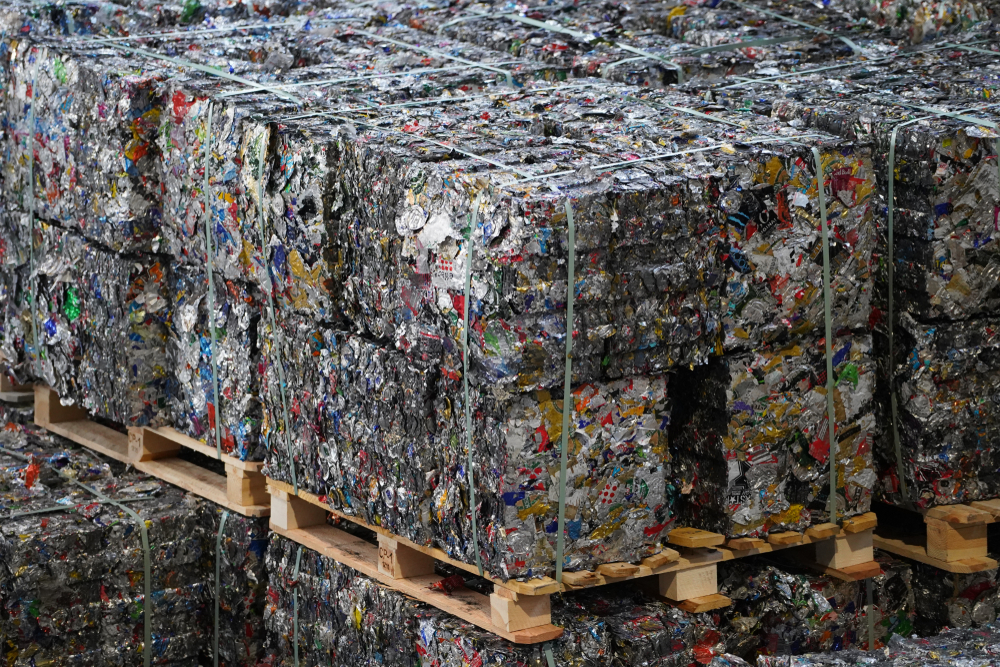
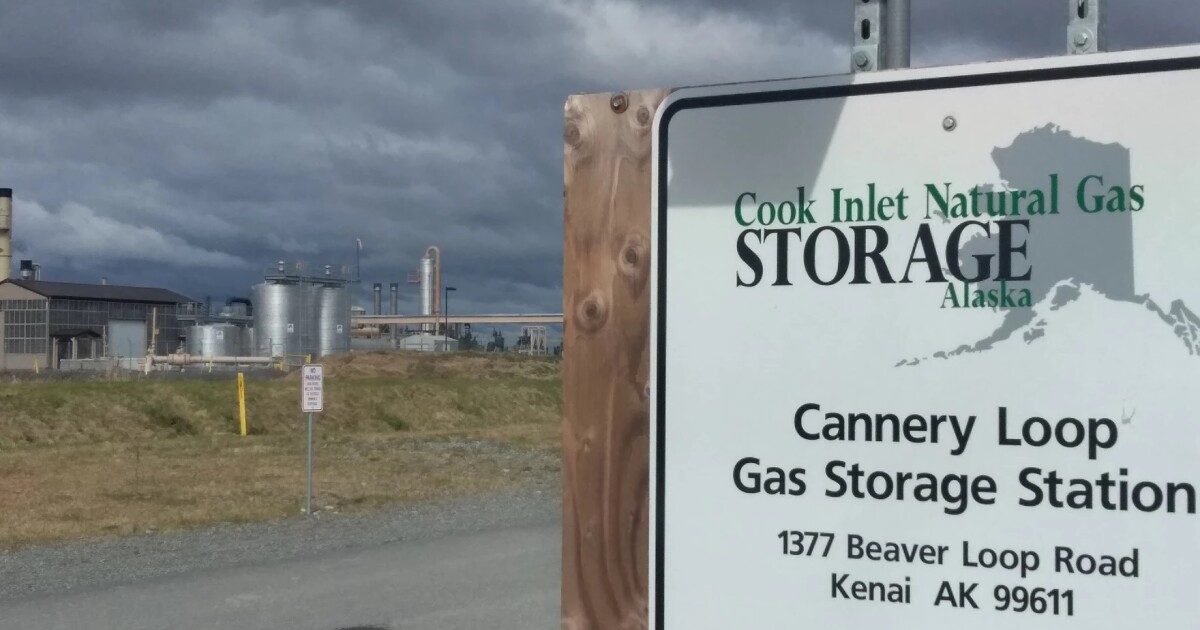
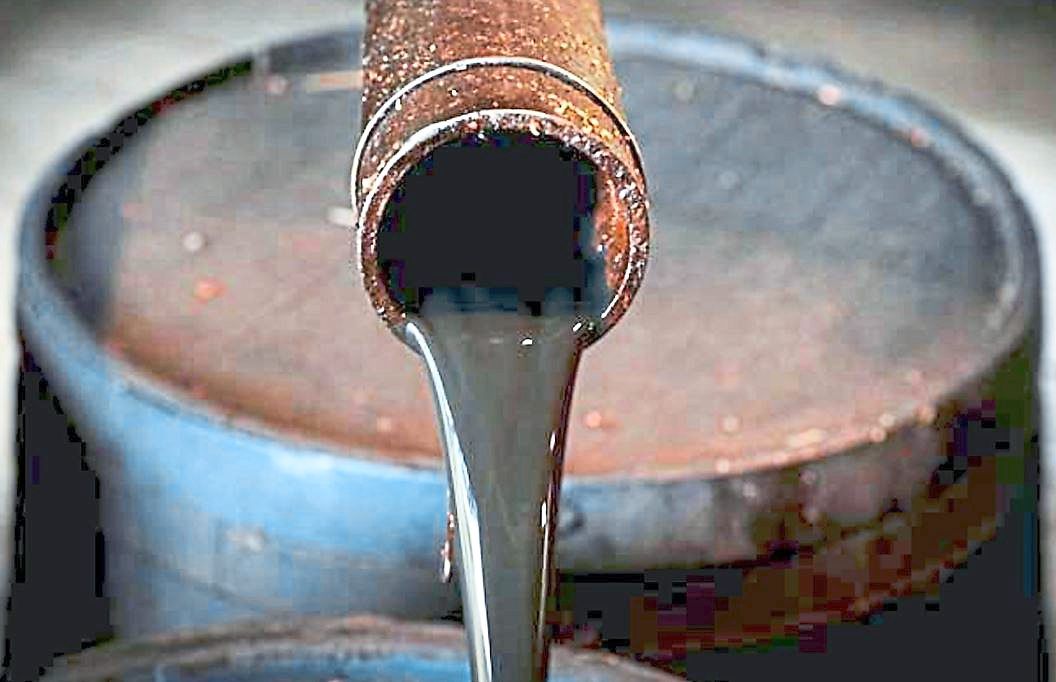
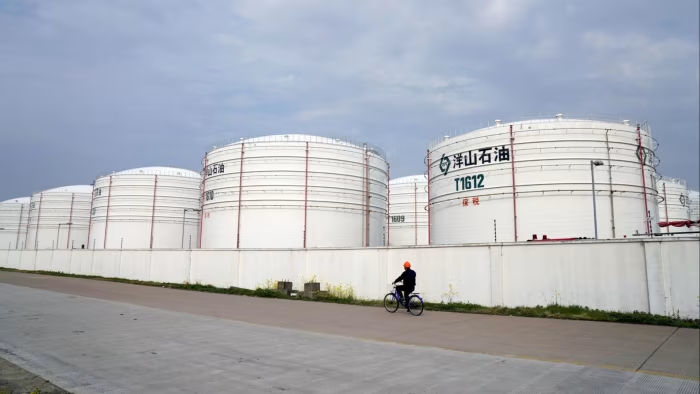
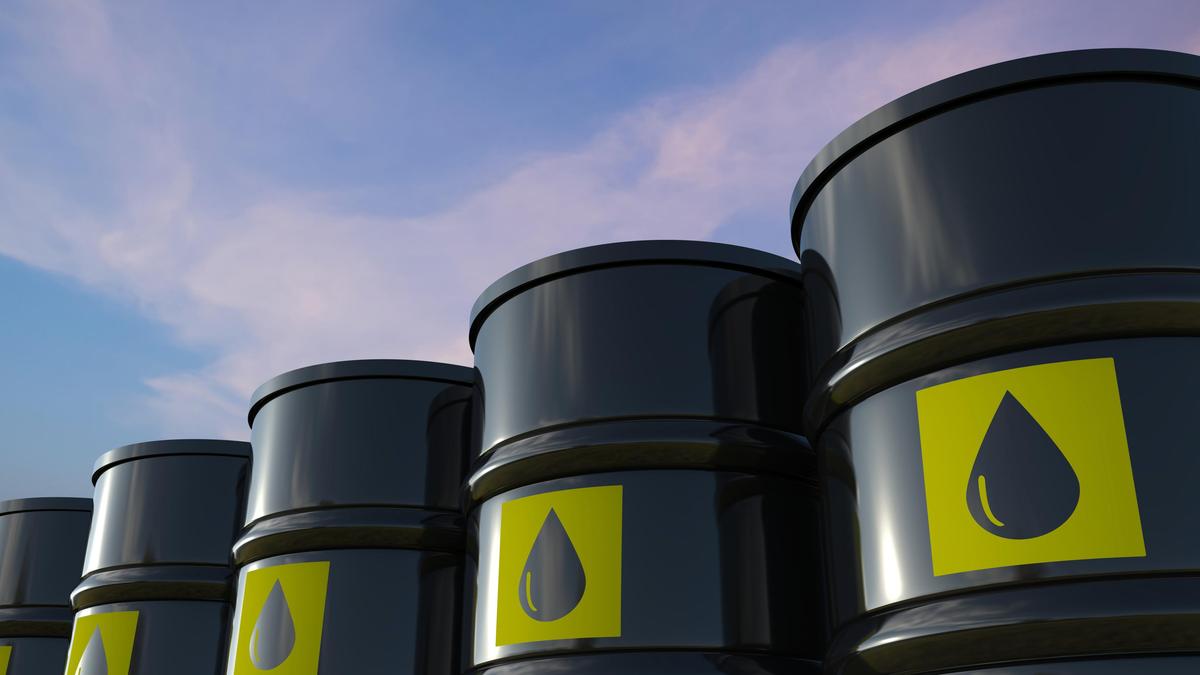
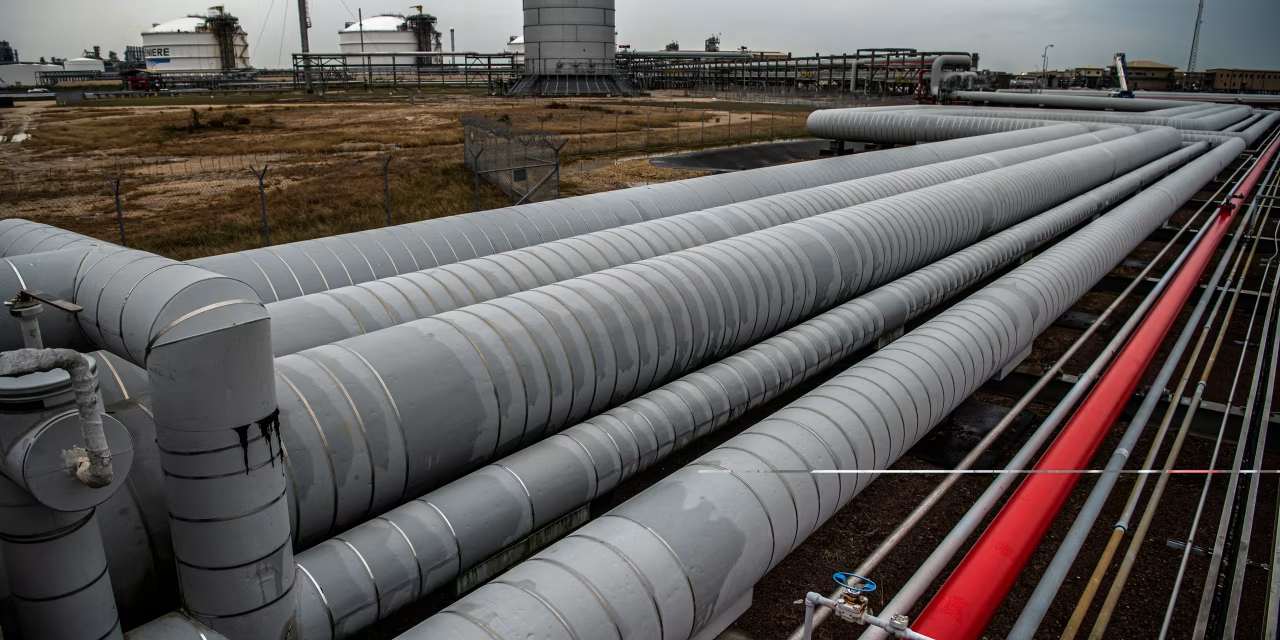
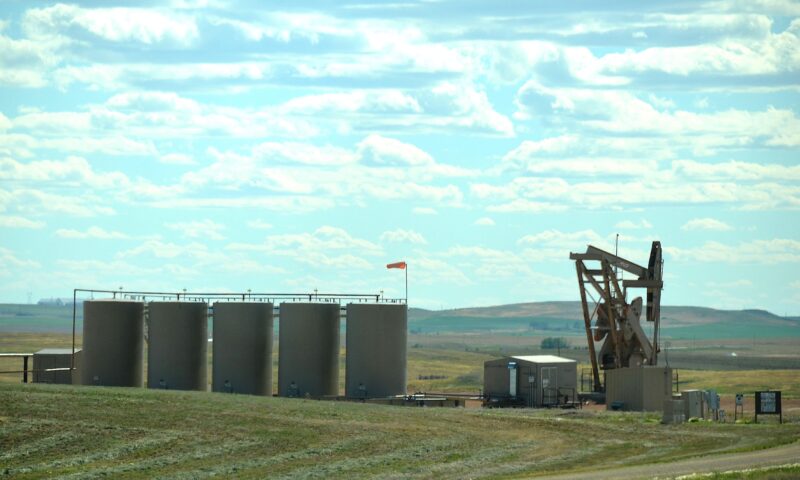
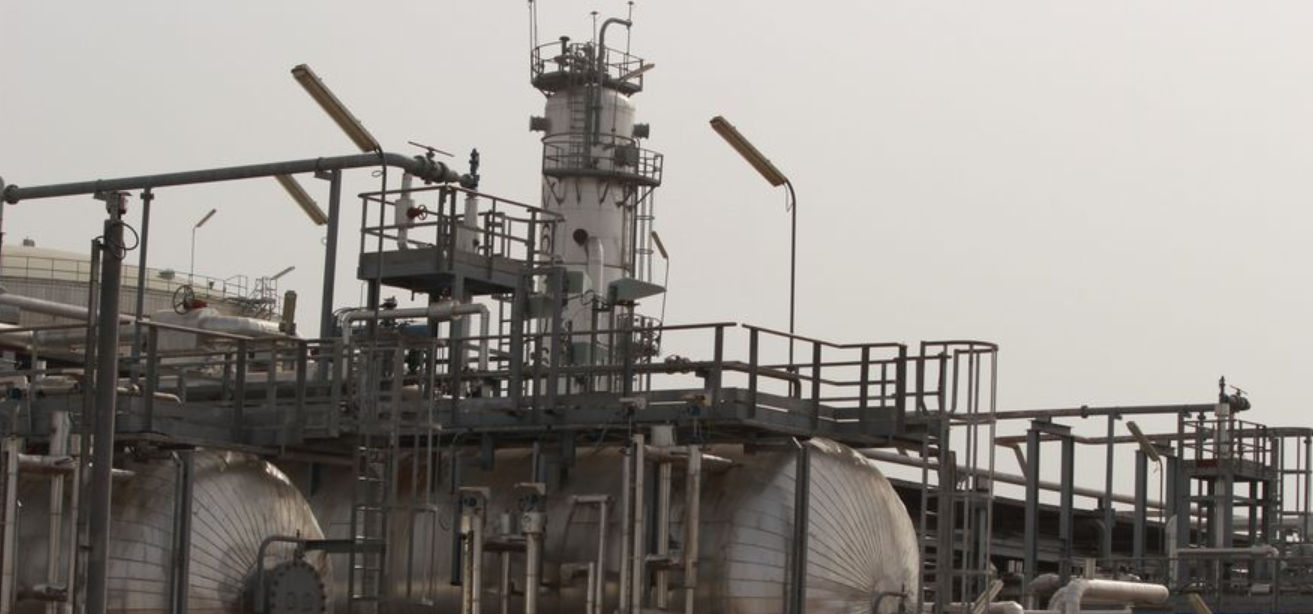
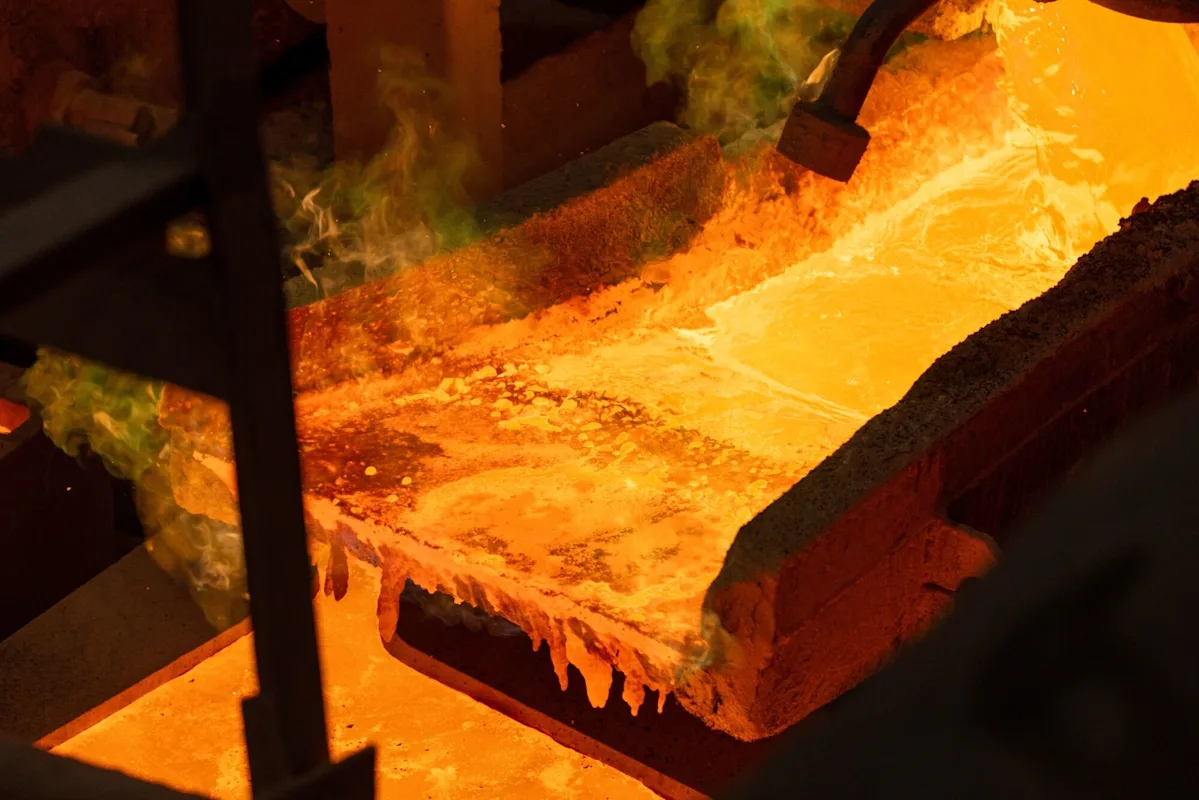
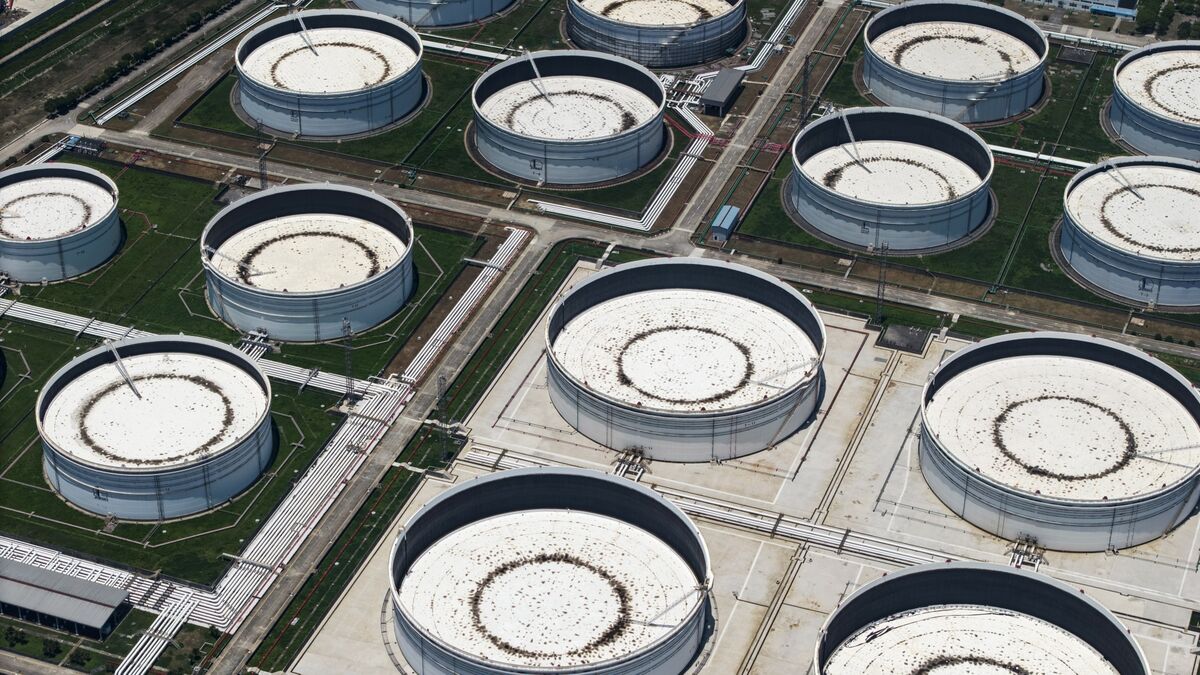
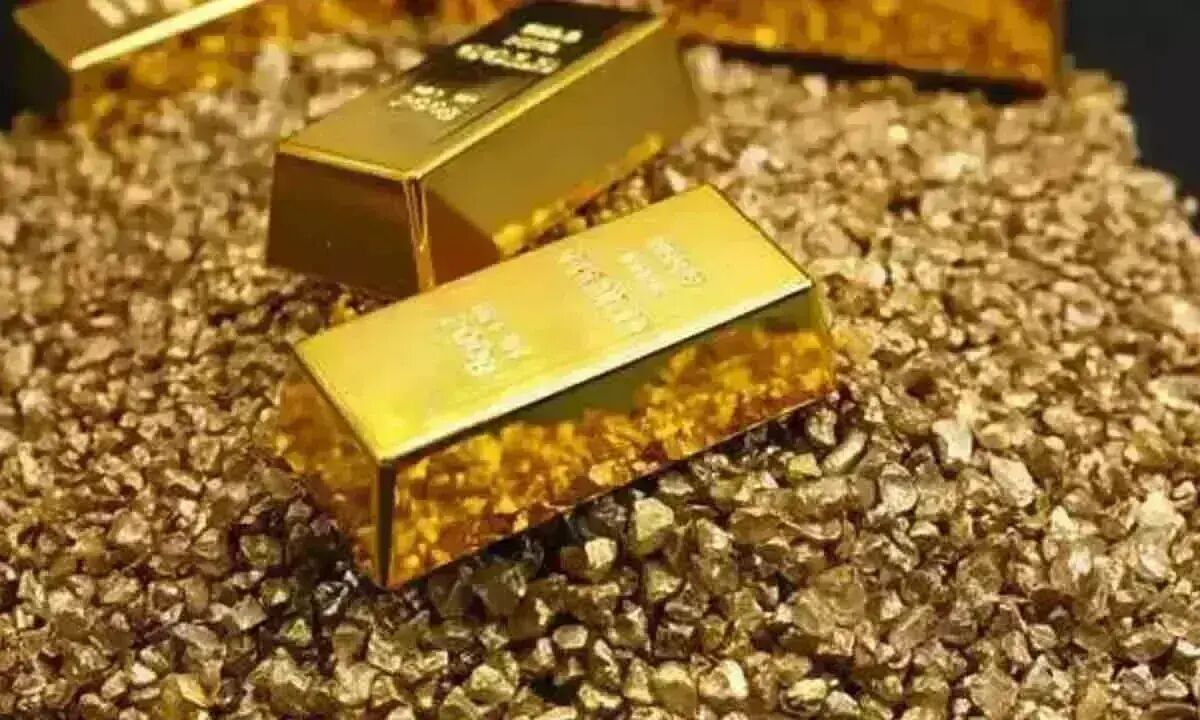
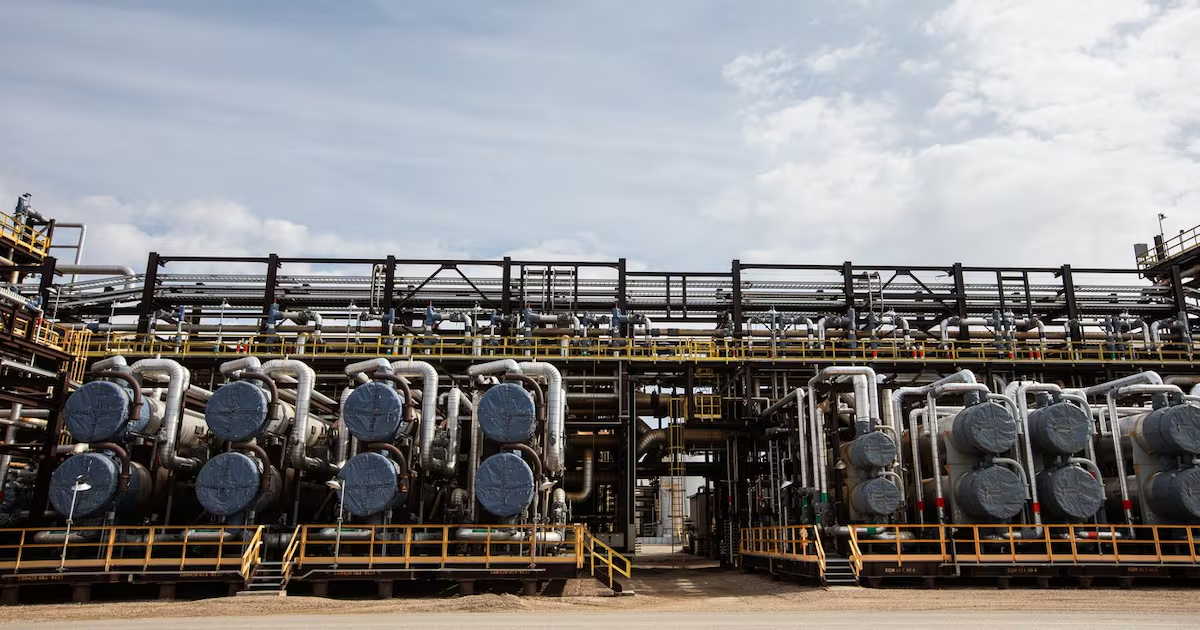
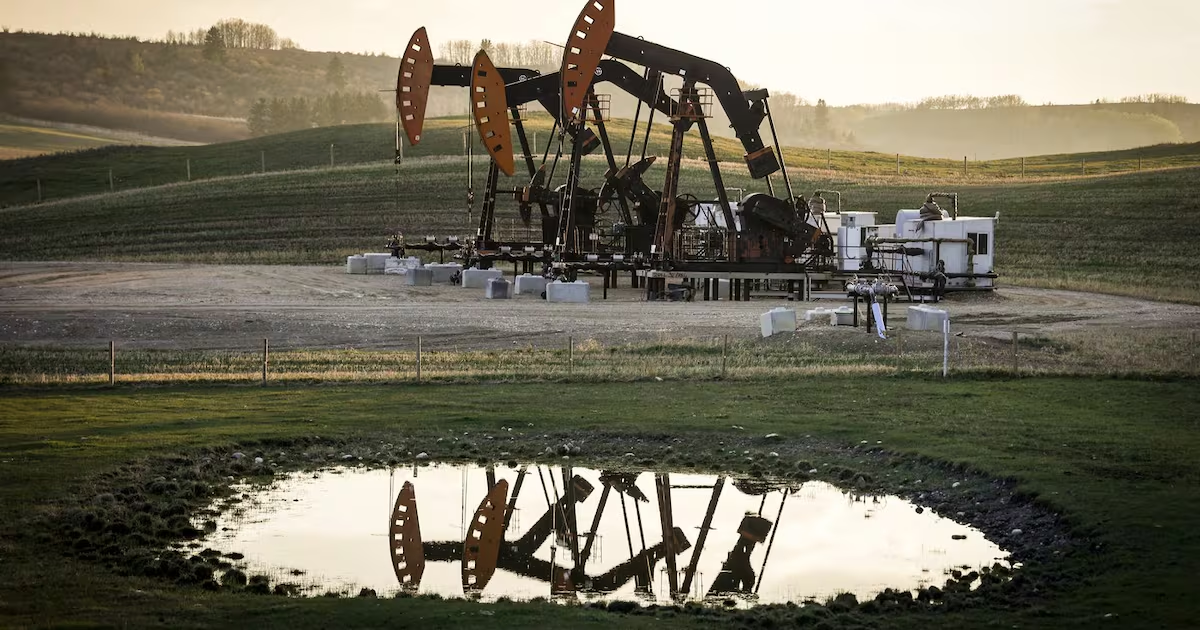
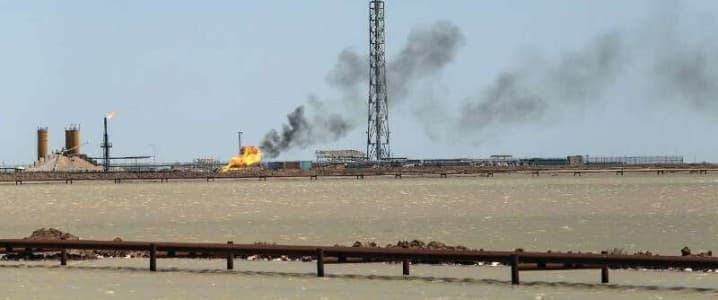
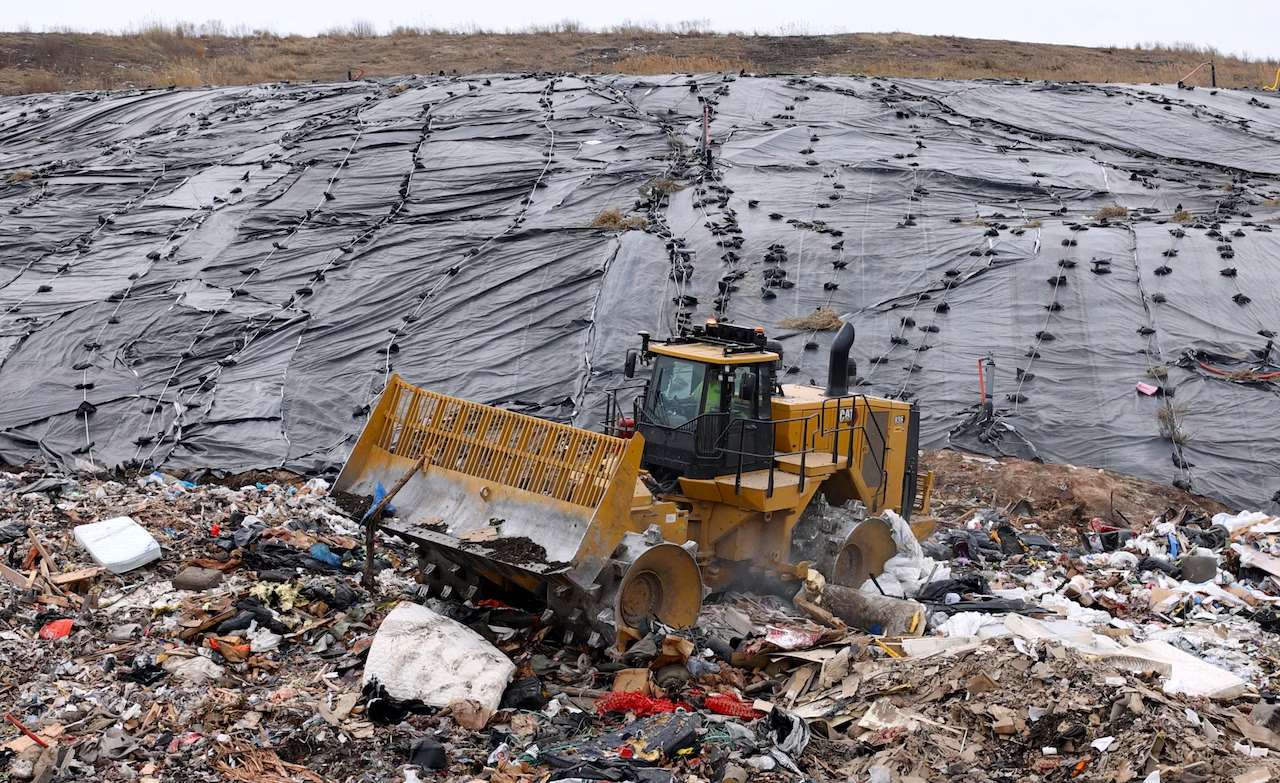
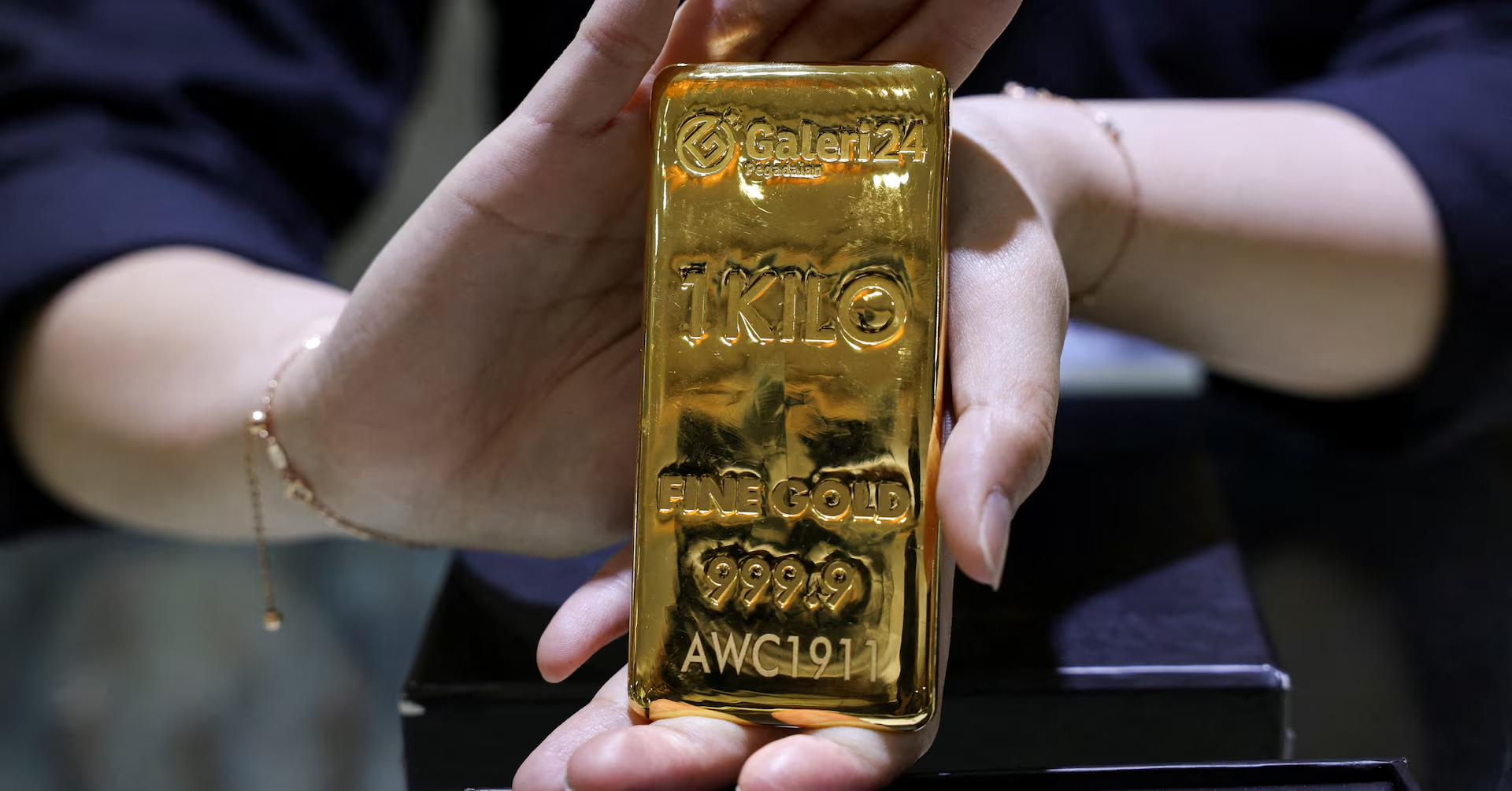
Sulfur piles up after petroleum refining, and much of that surplus remains underused despite being cheap and widely available.
By building sensors from leftover sulfur, the researchers tied environmental monitoring to a material stream industry already generates.
Conventional heavy-metal tests can demand bulky instruments or trained specialists, while this design aims for simpler portable hardware.
Simpler hardware will matter only if manufacturers can make the coatings consistently and cheaply outside a research lab.
Why machine learning helped
Each measurement produced a crowded electrical profile, so the hardest task was separating meaningful differences from background electrical noise.
Decision rules inside the software focused on just a few especially informative frequencies instead of the full data flood.
The trimmed model stayed easier to interpret, which matters because opaque tools can be hard to trust in monitoring.
Speed alone is not enough here; inspectors need signals they can explain when contamination decisions carry legal or financial weight.
What market use needs
A clever lab device is still only a prototype, and the last stretch to market is usually the hardest.
Large-scale production would have to be followed by testing across hundreds of devices to prove repeatable performance.
“If there is corporate interest and investment, two years would likely be sufficient,” said Oliveira.
Without corporate backing, IFSC’s device remains a promising warning system rather than a product ready for wide deployment.
Next steps for the sensor
The study shows how a discarded refinery material can become a practical sensing surface when chemistry, electronics, and data analysis work in concert.
If larger trials hold up, this approach could give water managers a faster, cheaper way to catch contamination early.
The study is published in the Journal of Applied Polymer Science.
—–
Like what you read? Subscribe to our newsletter for engaging articles, exclusive content, and the latest updates.
Check us out on EarthSnap, a free app brought to you by Eric Ralls and Earth.com.
—–