The writer is head of gas and LNG analysis at Wood Mackenzie
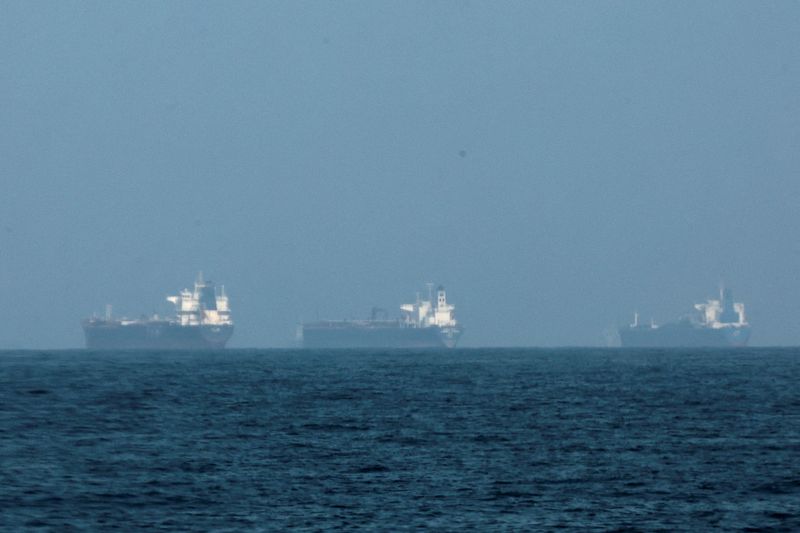
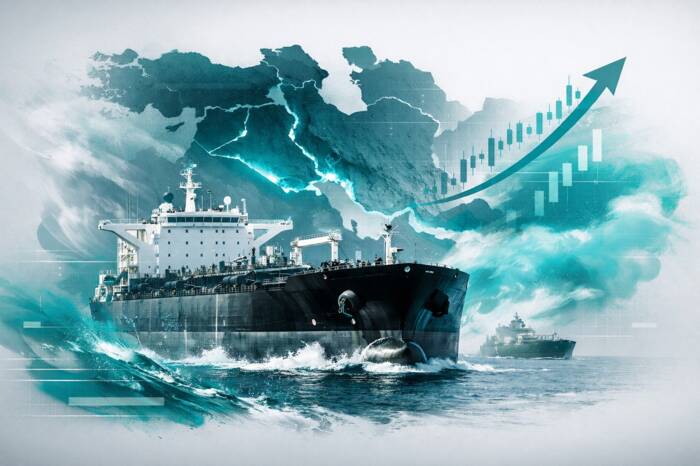
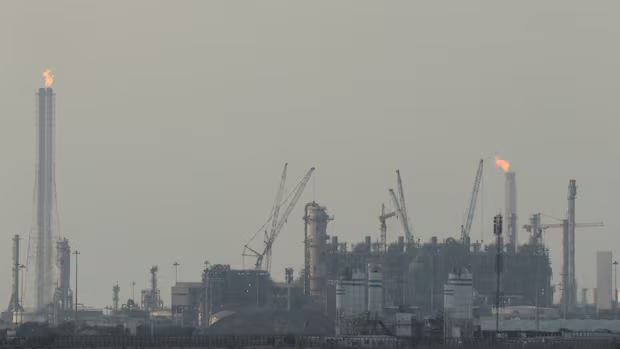
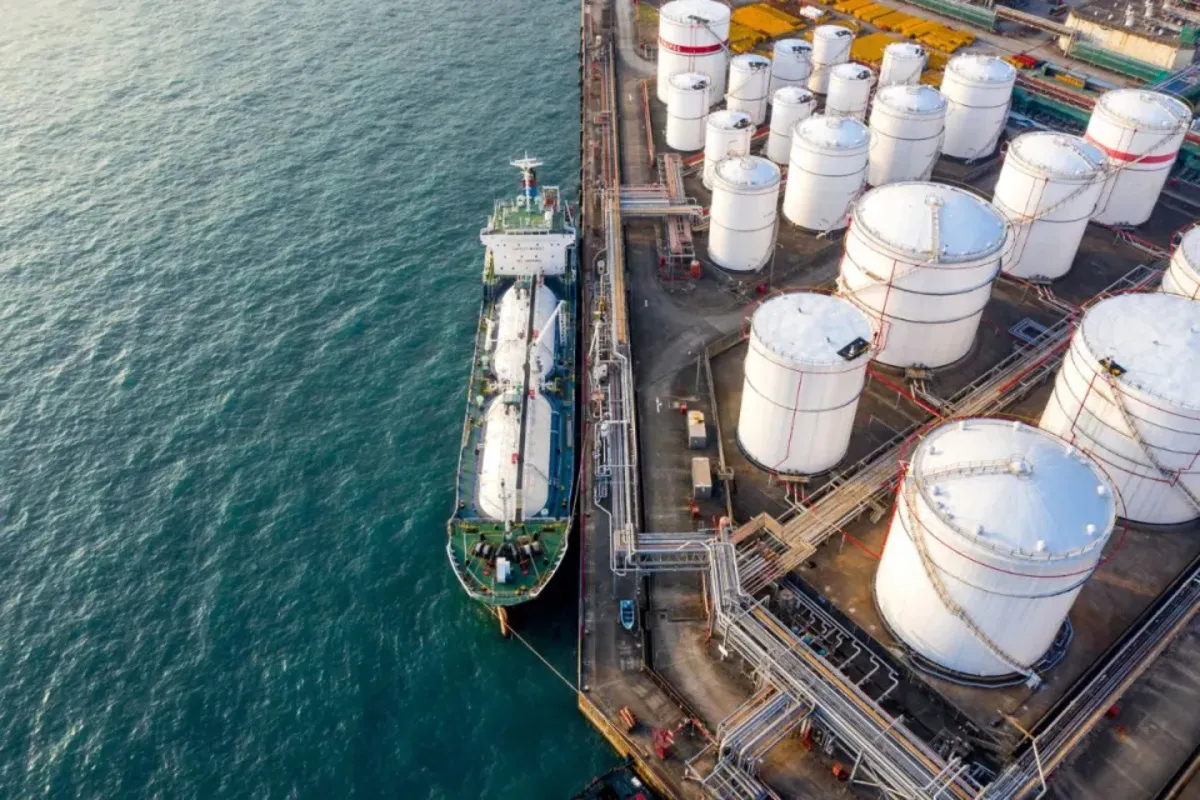
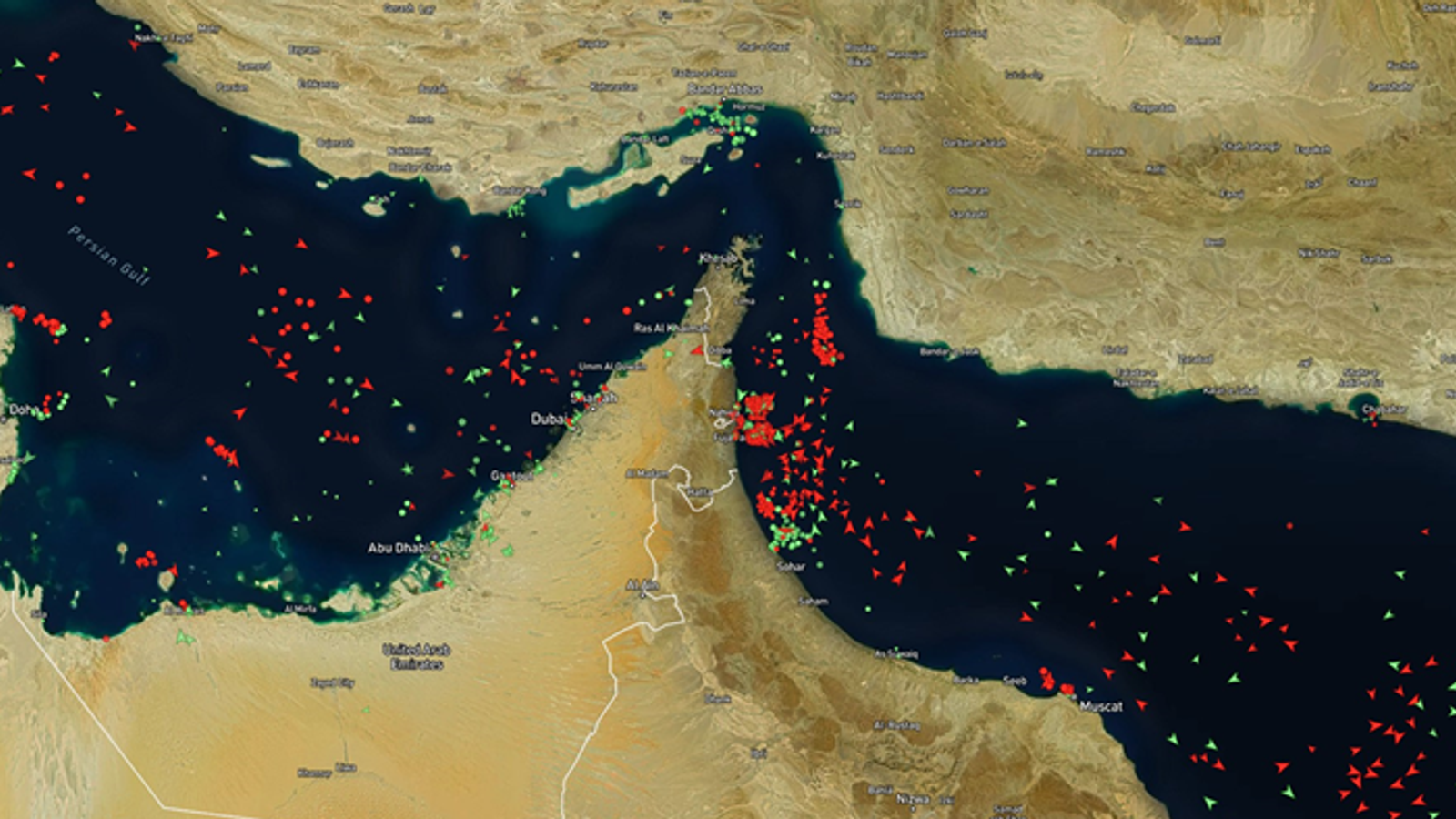
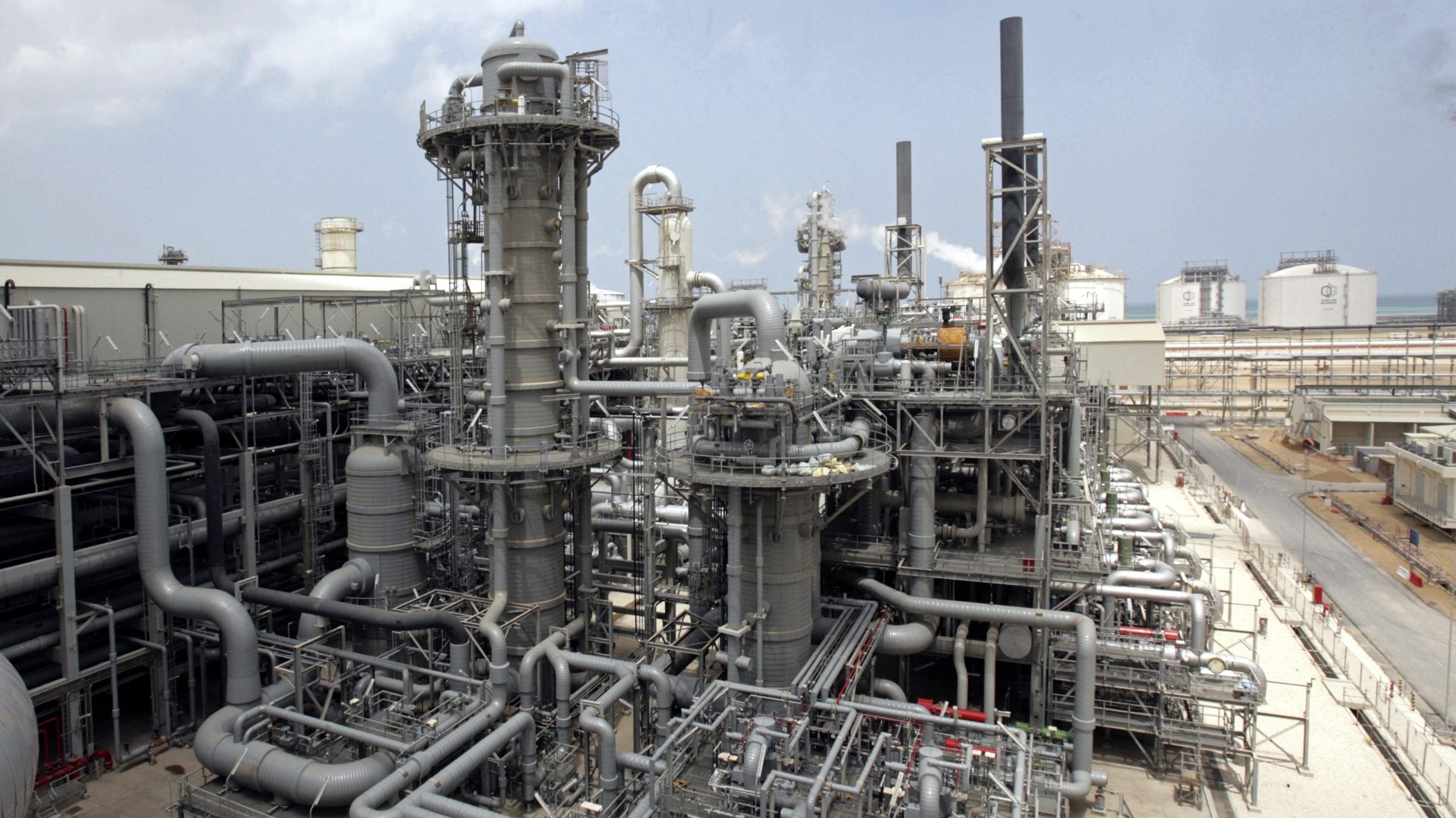
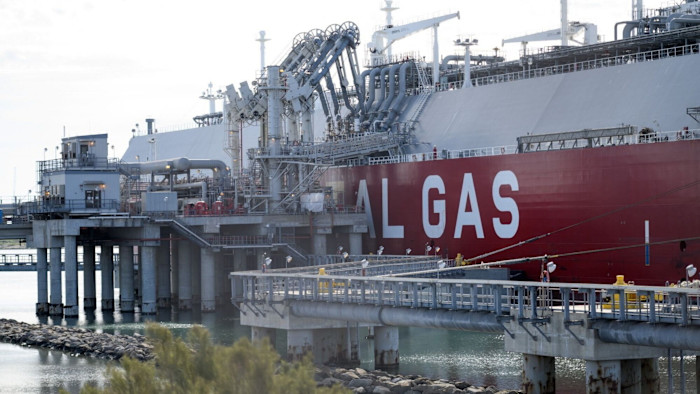
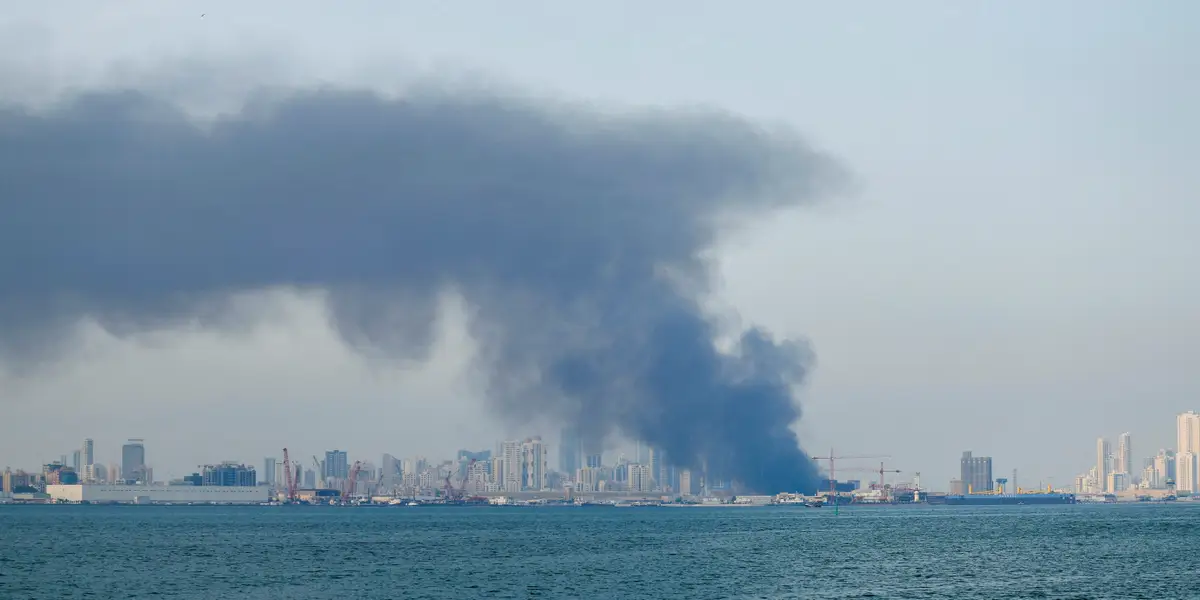
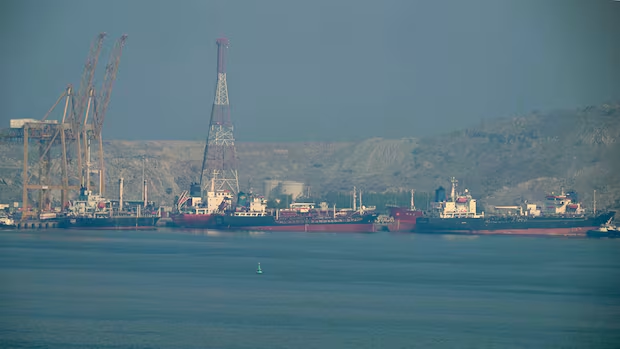
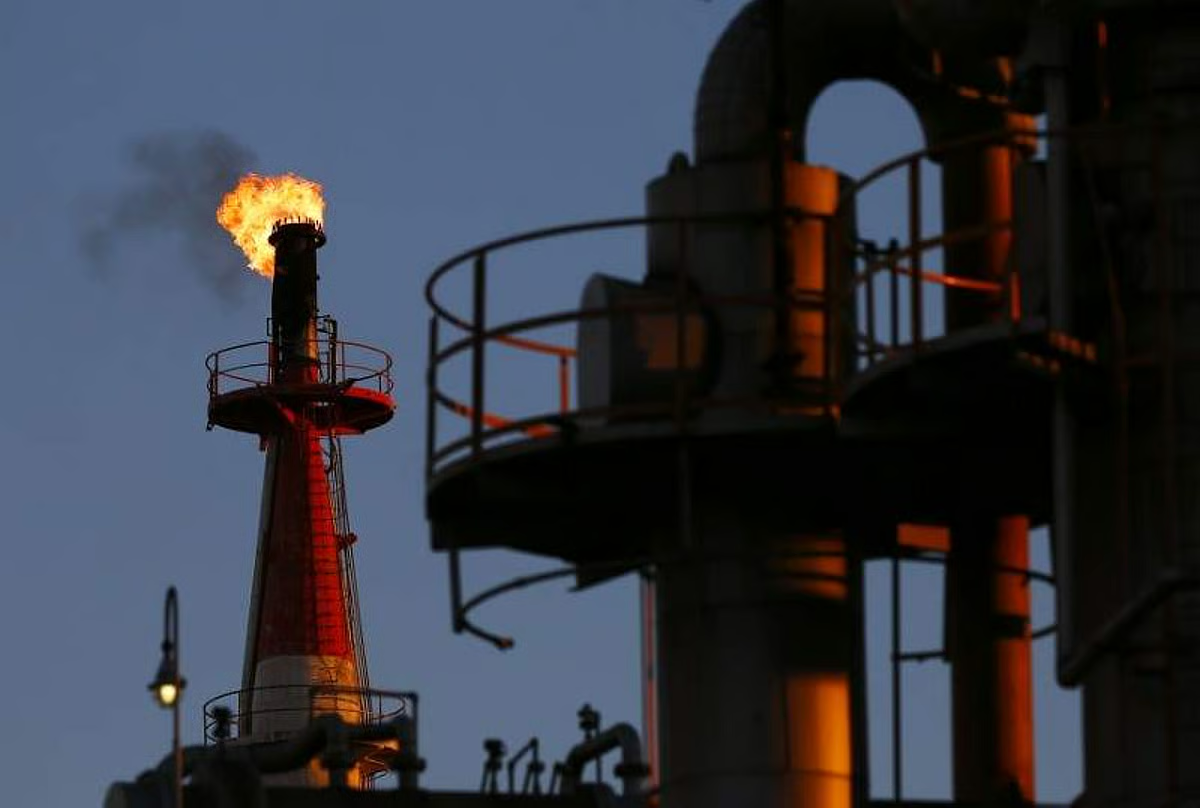
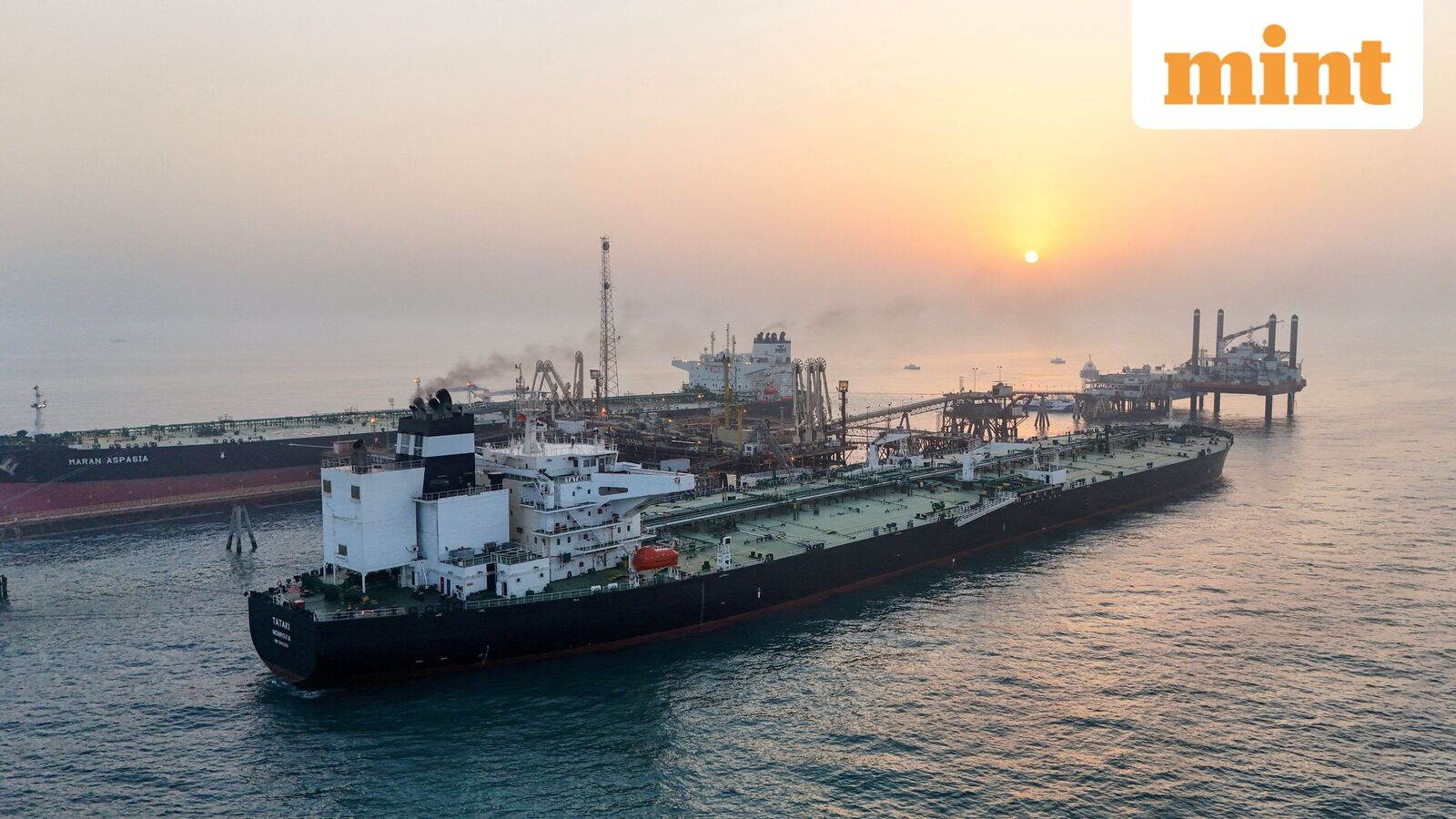
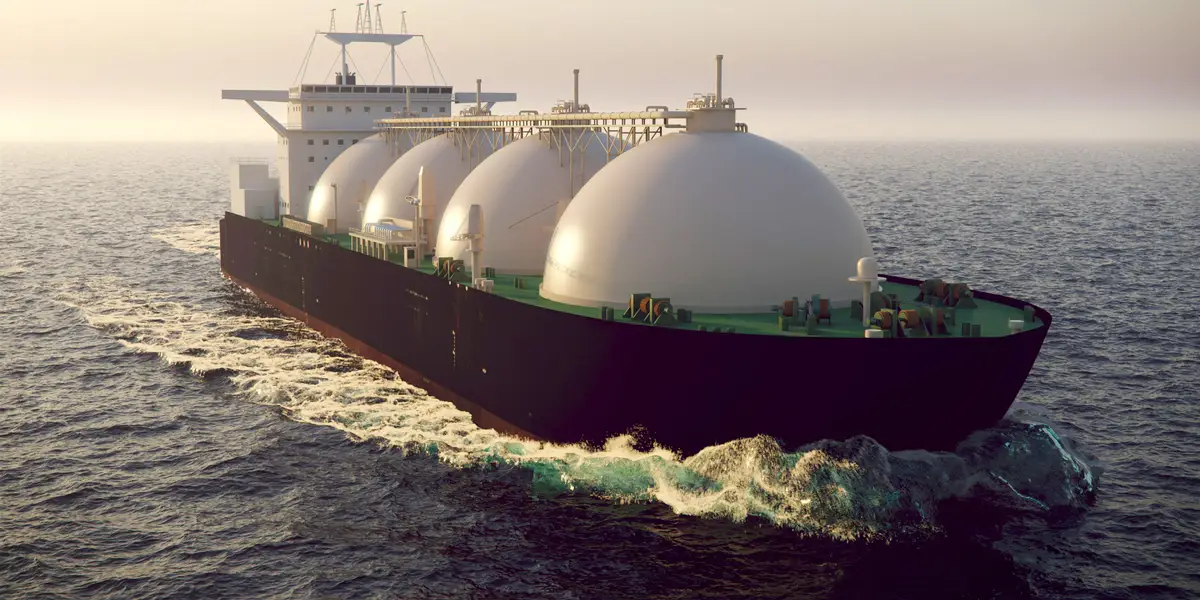
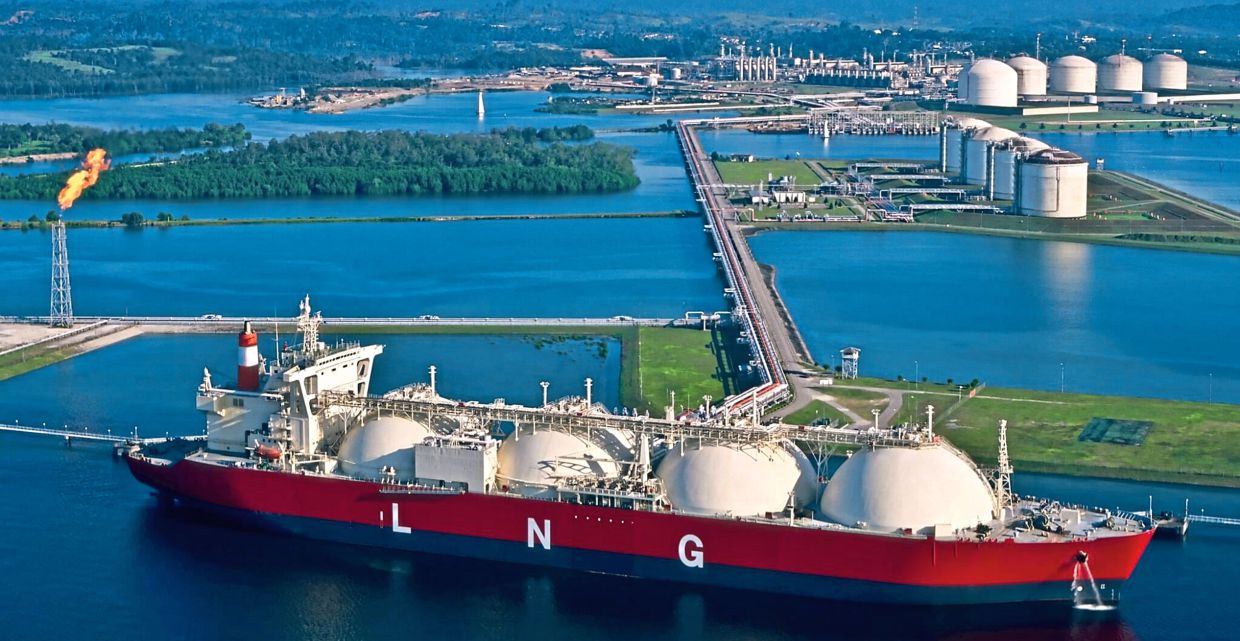
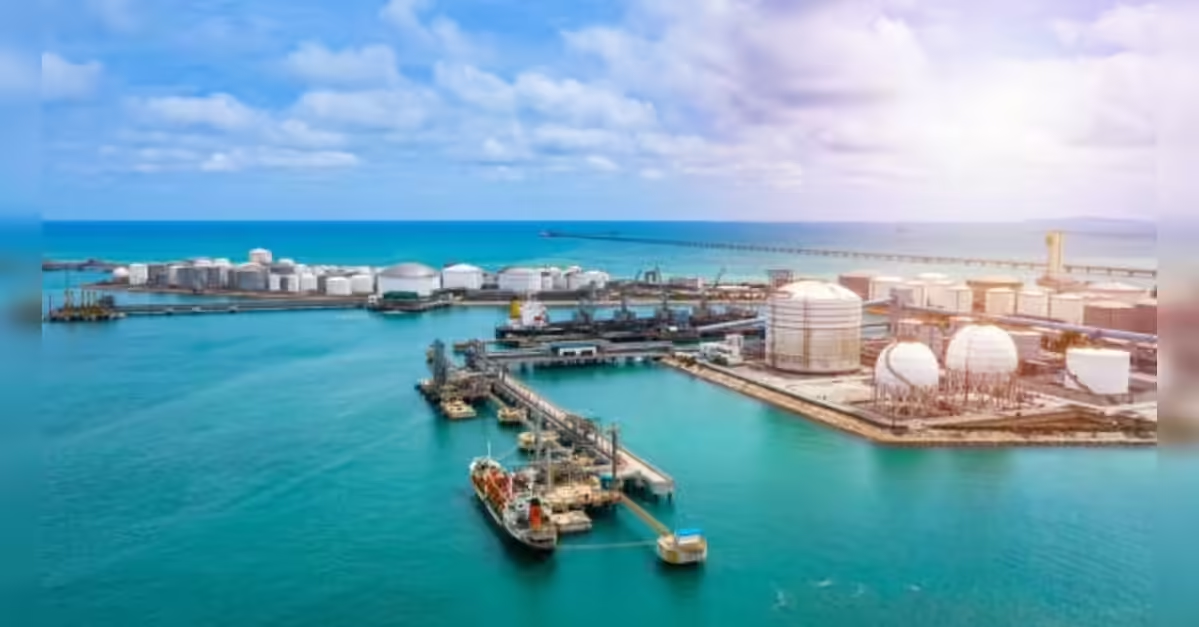
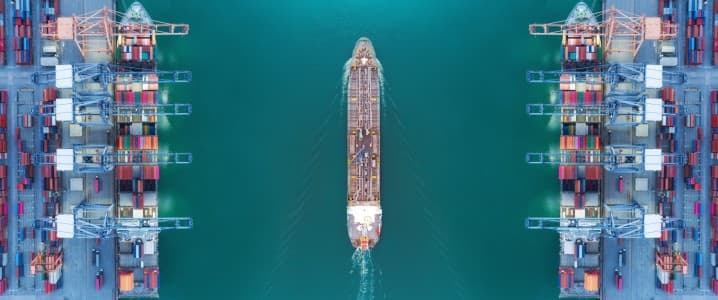
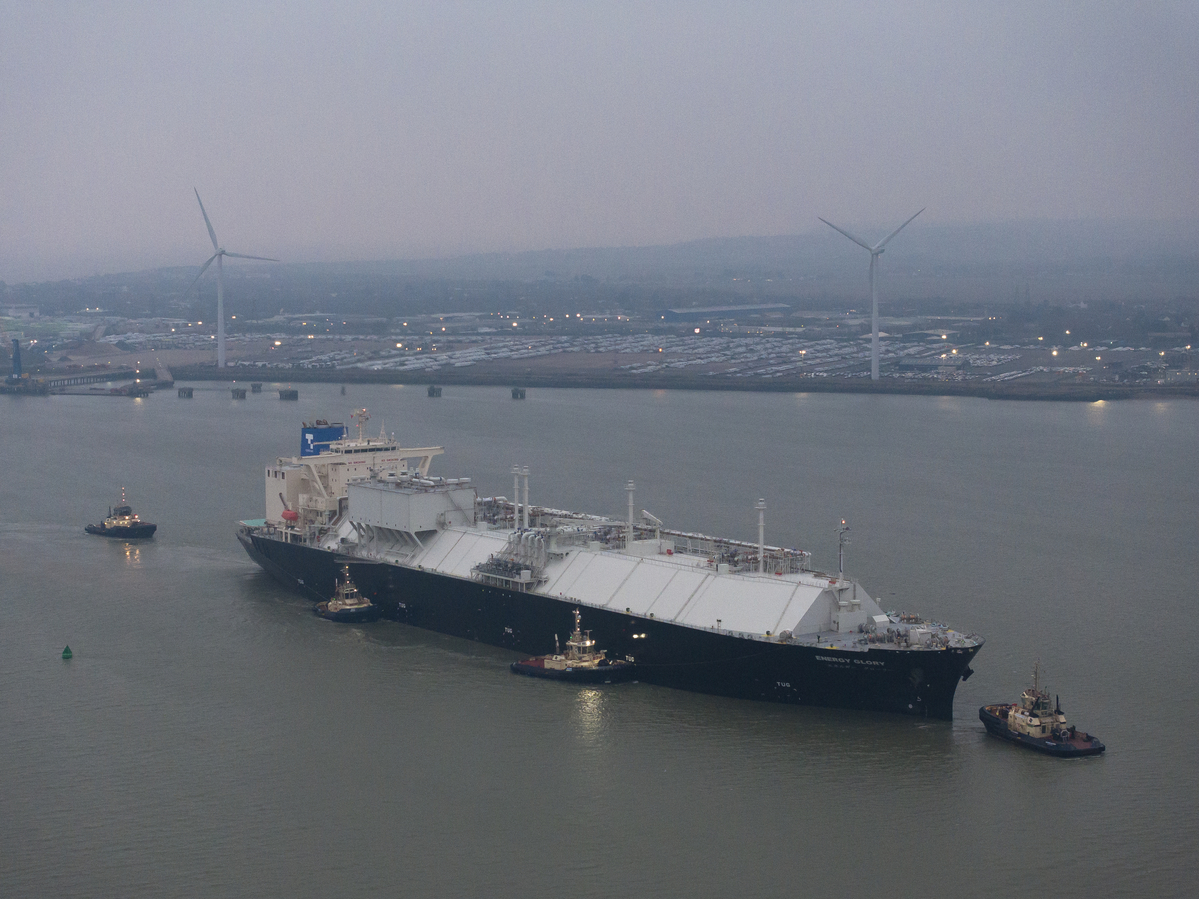
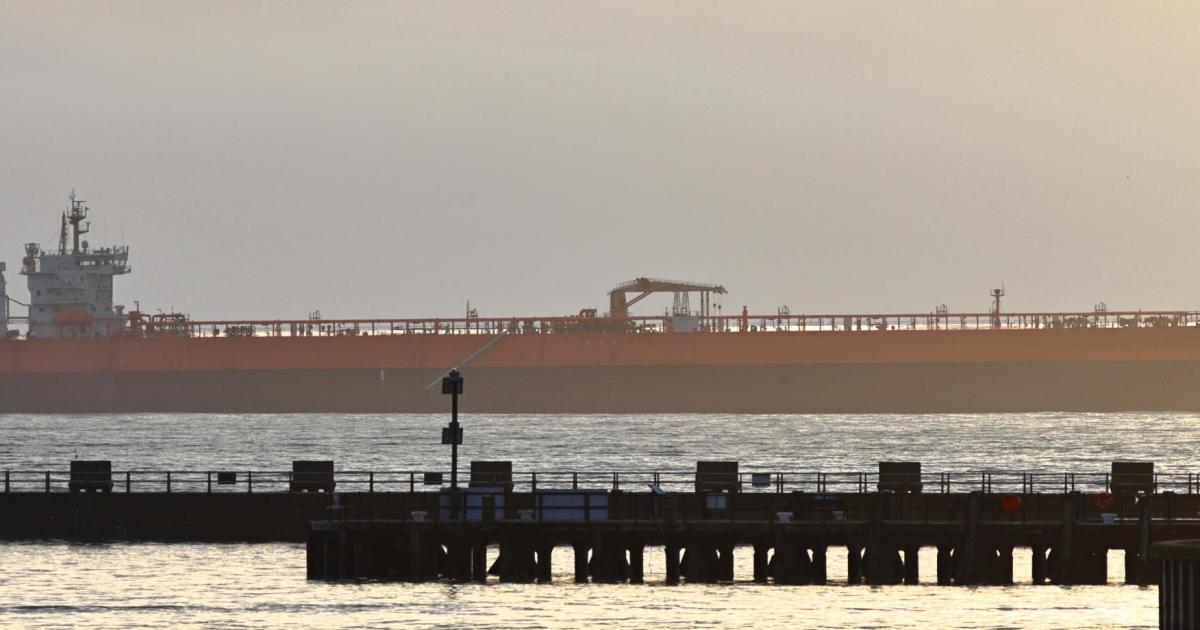
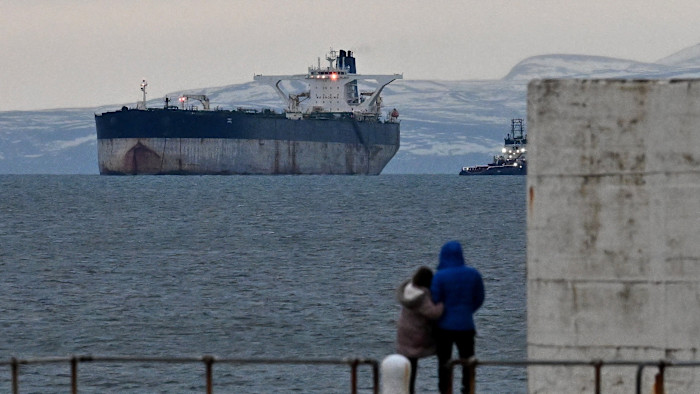
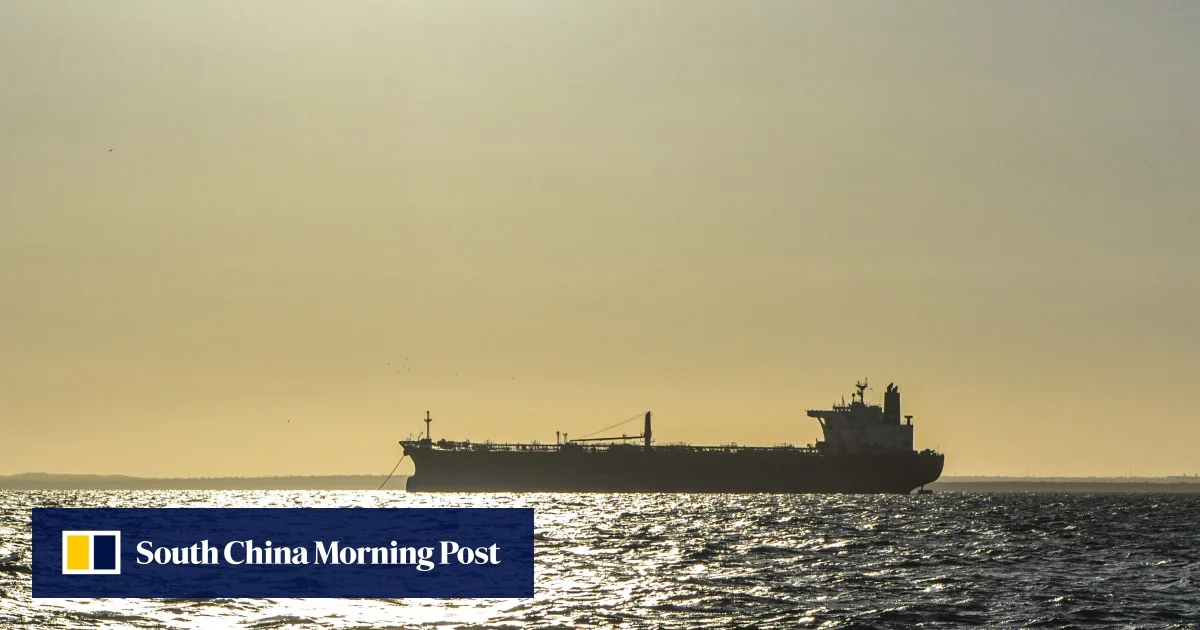
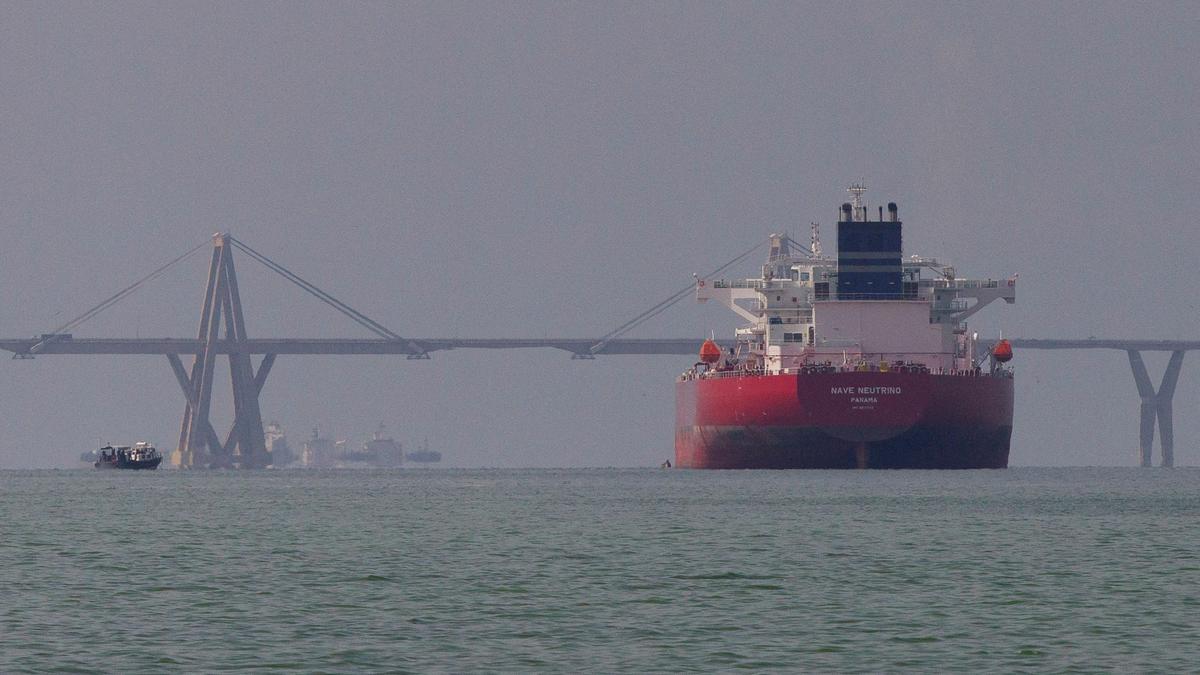
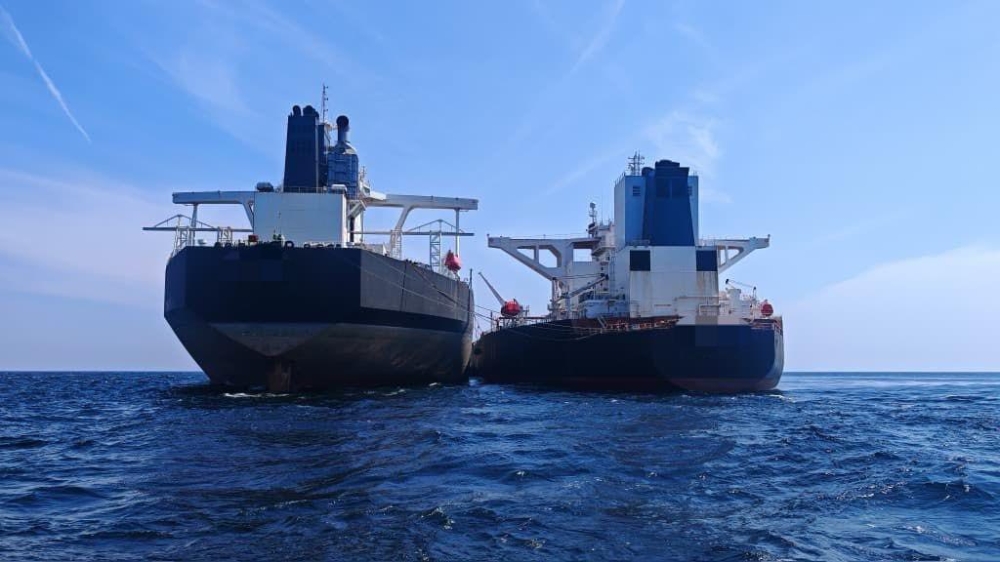
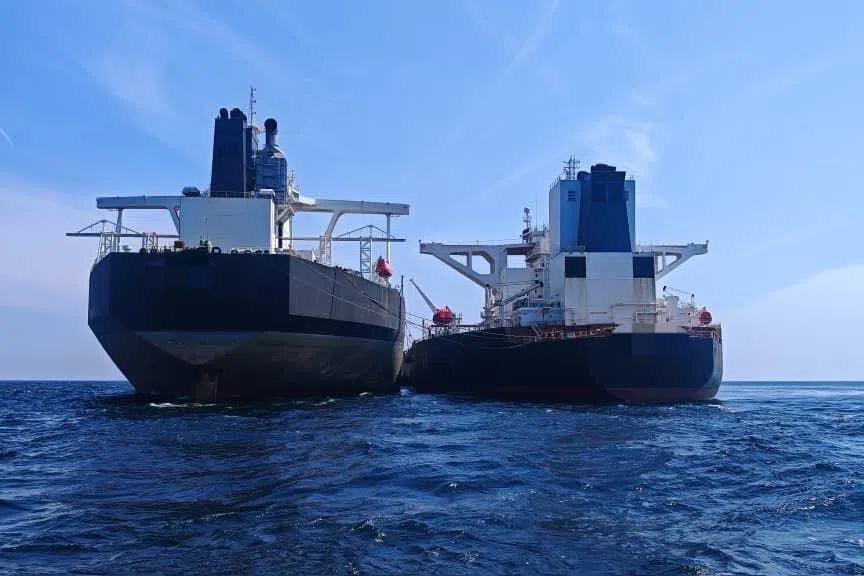
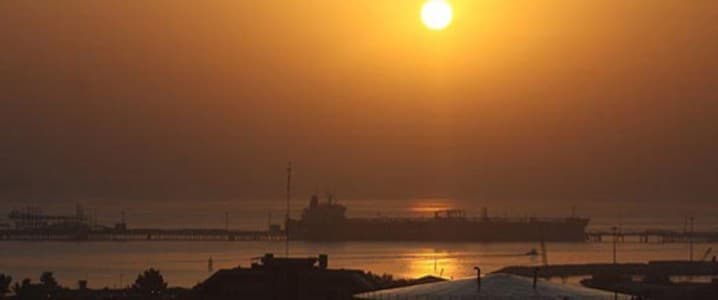
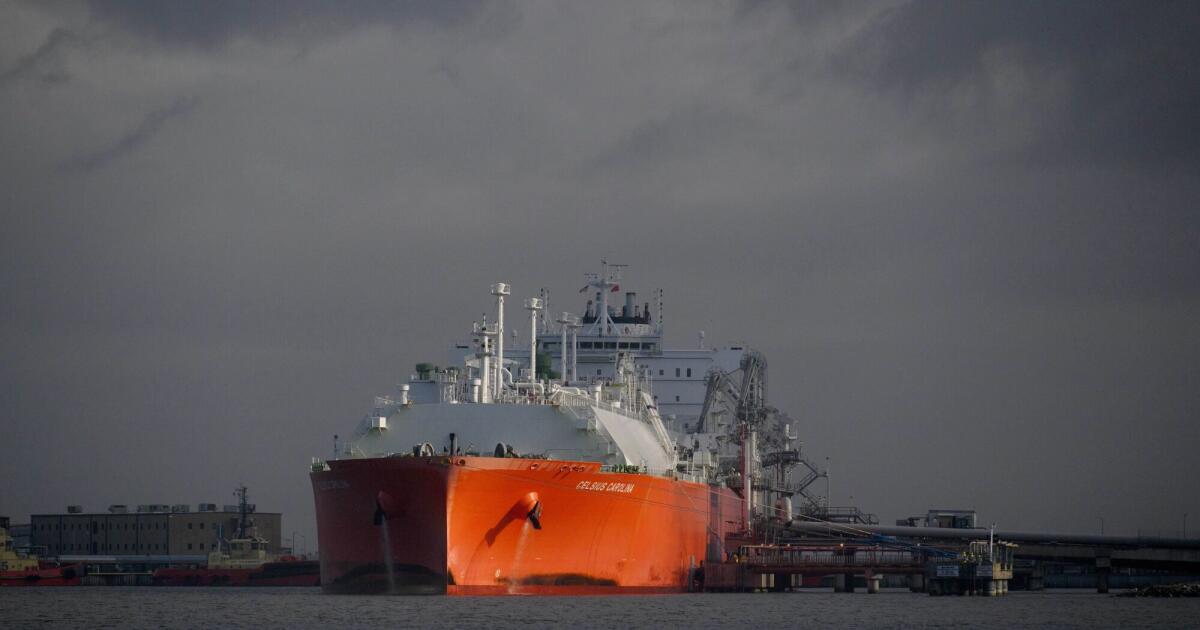
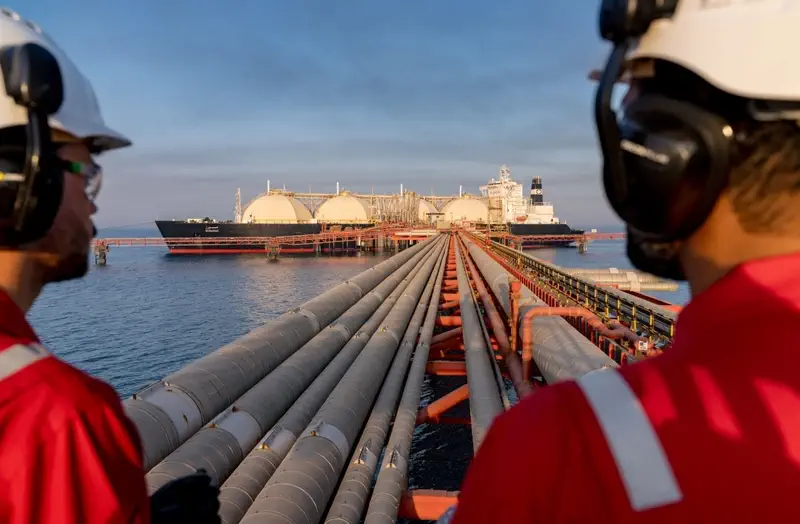
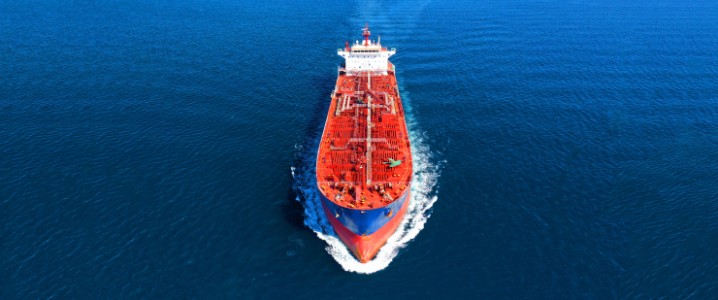
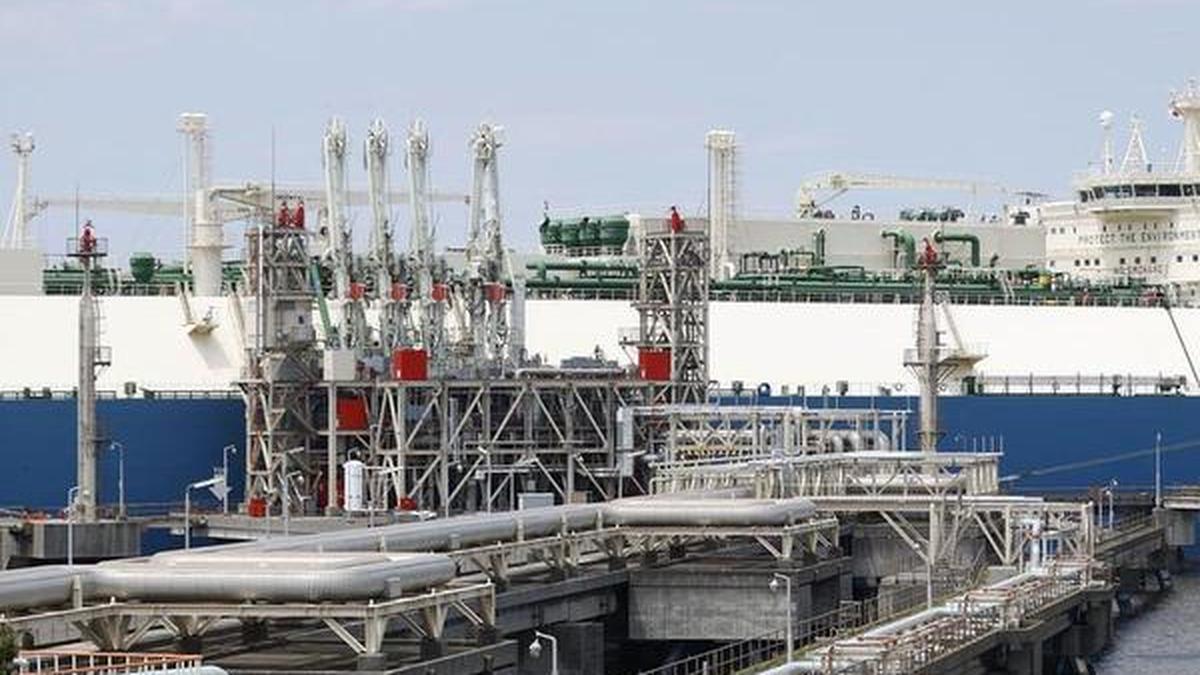
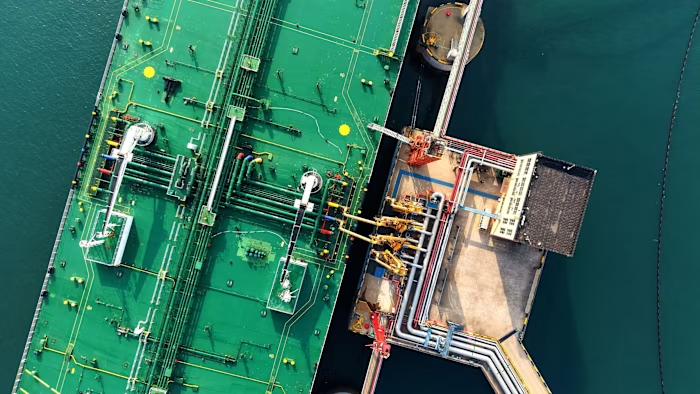
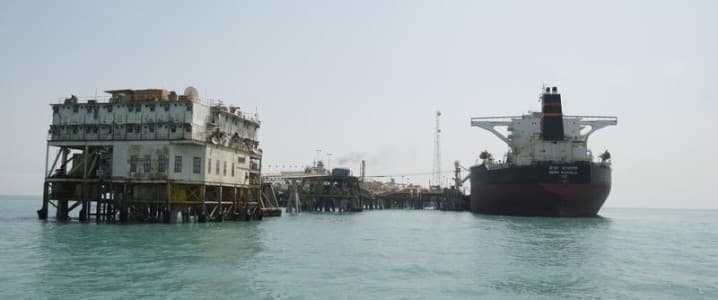
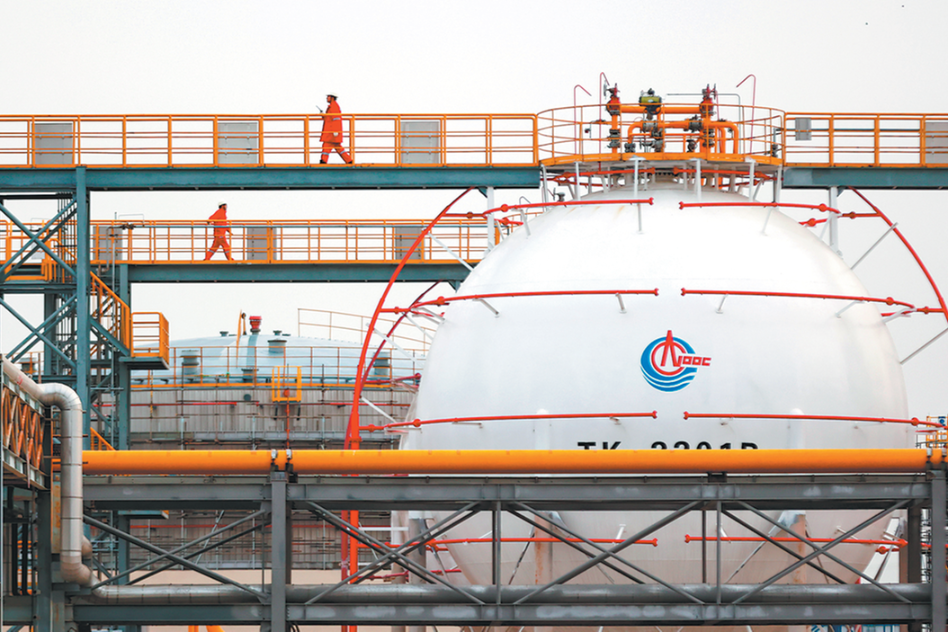
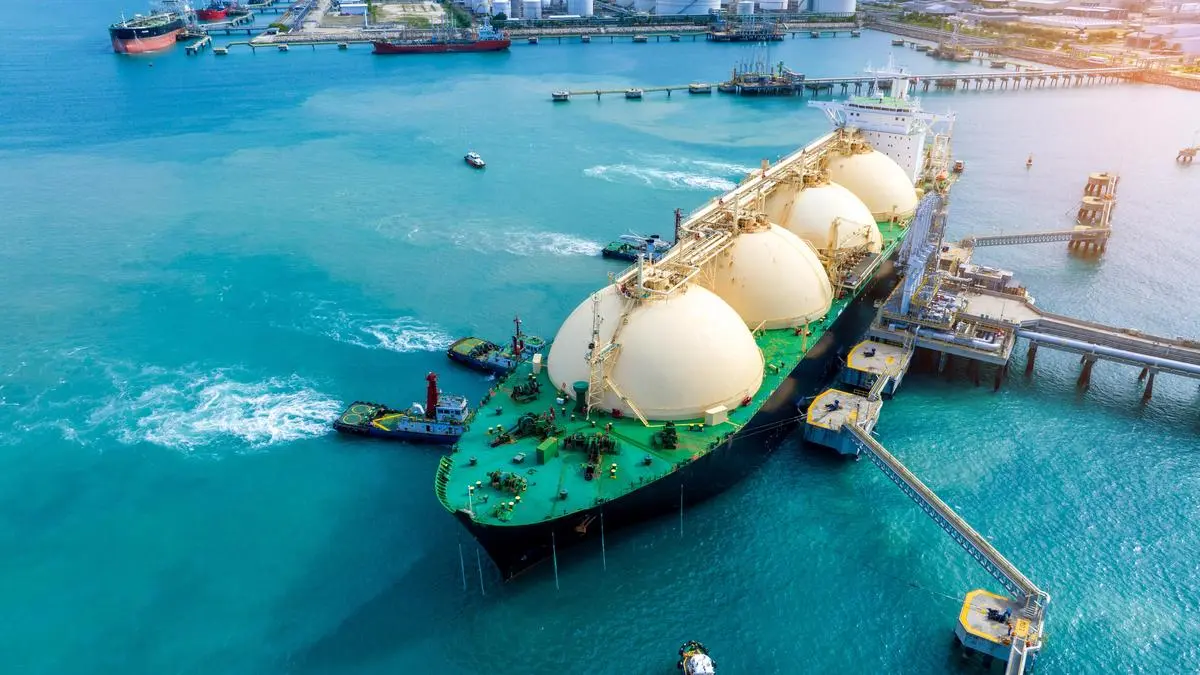
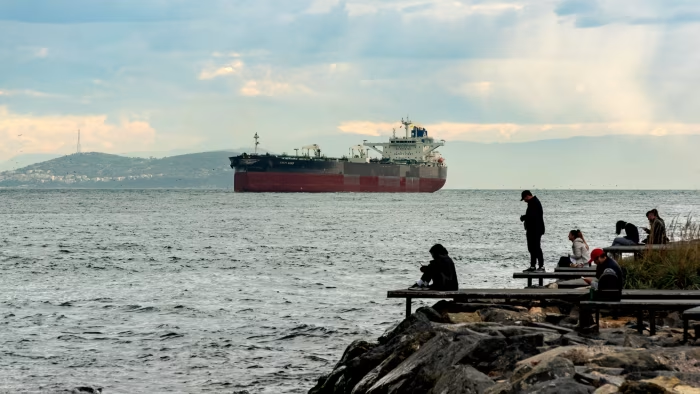
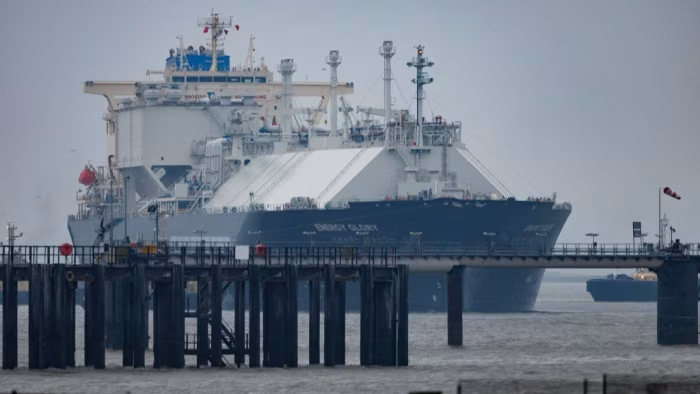
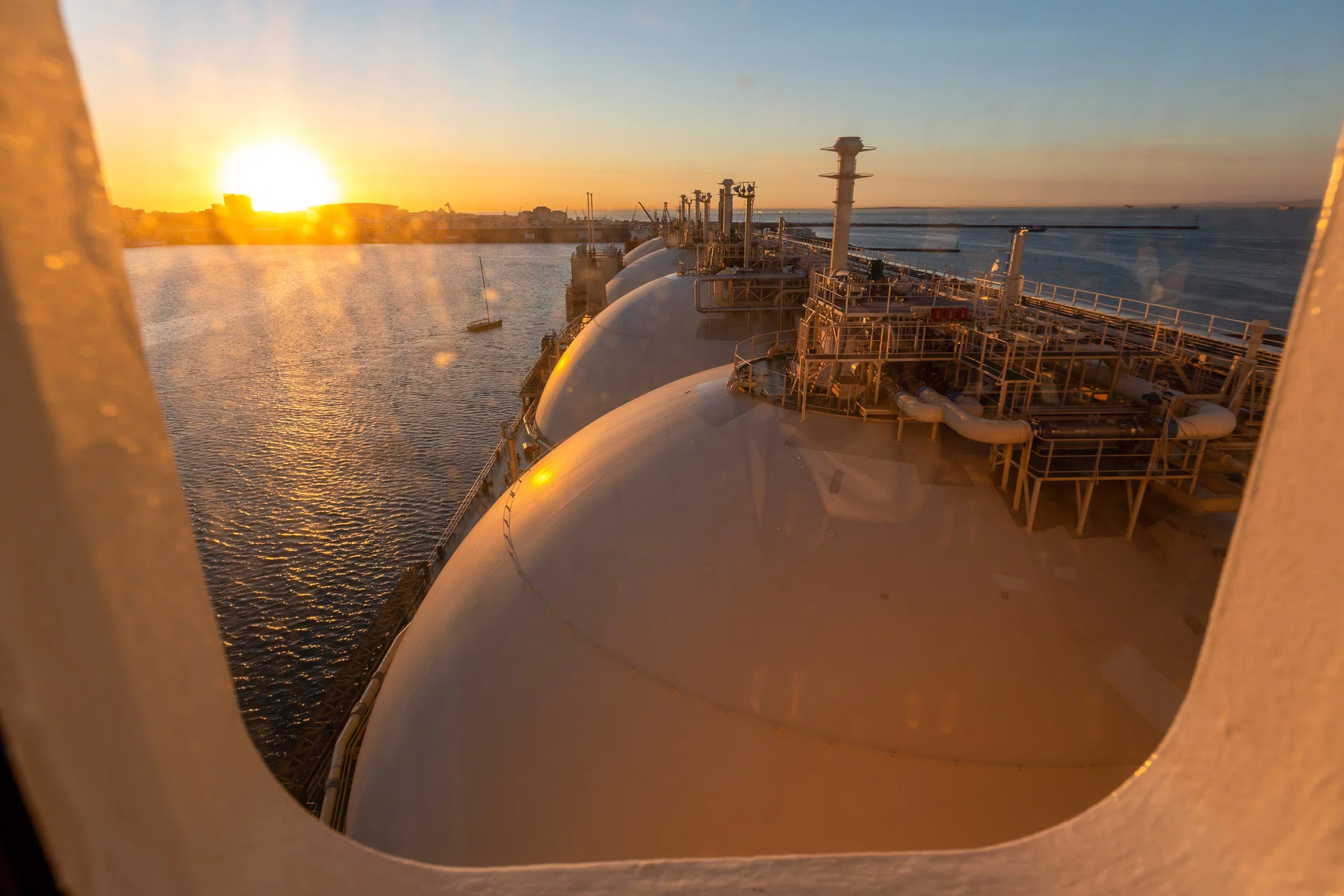
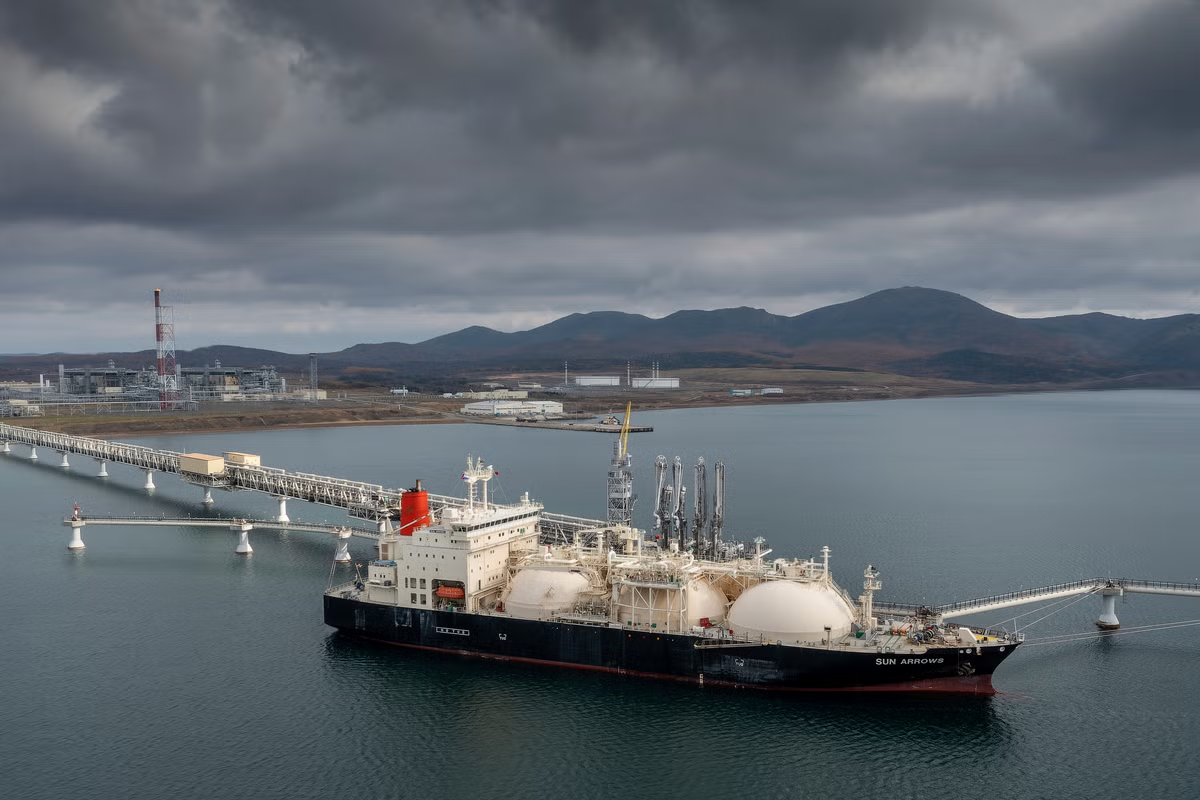
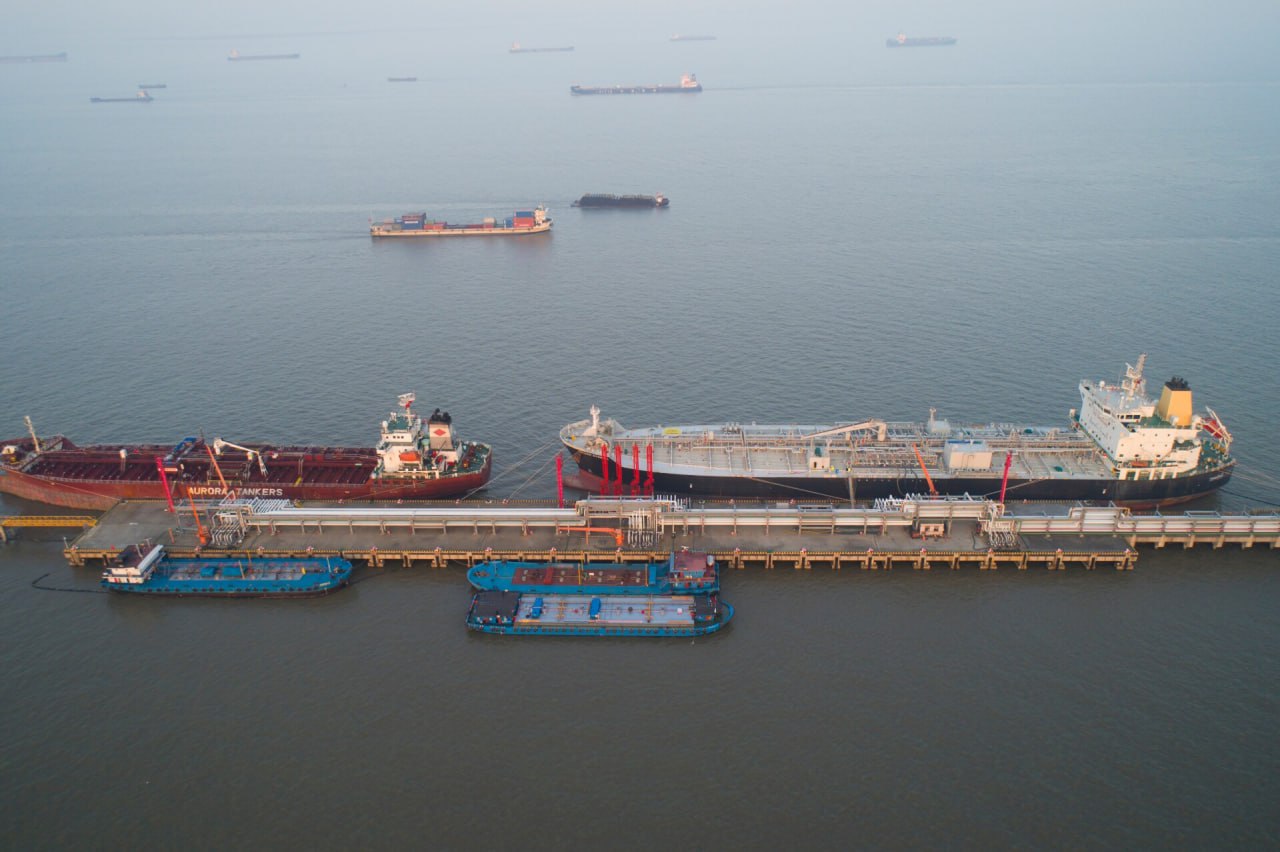
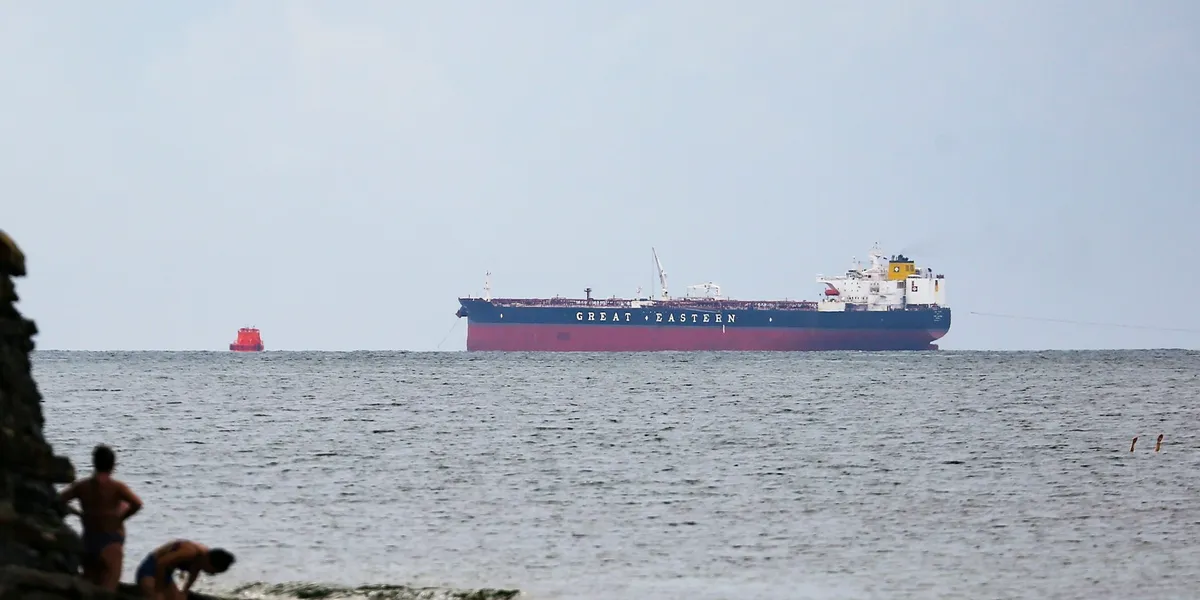
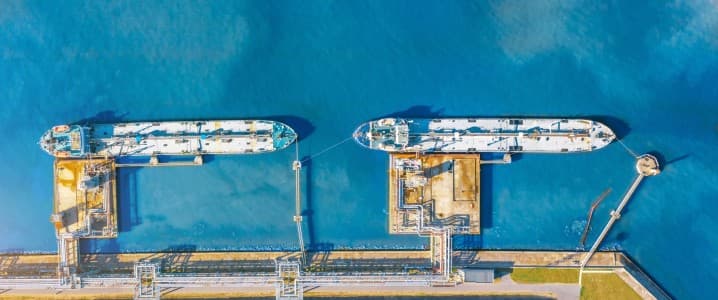
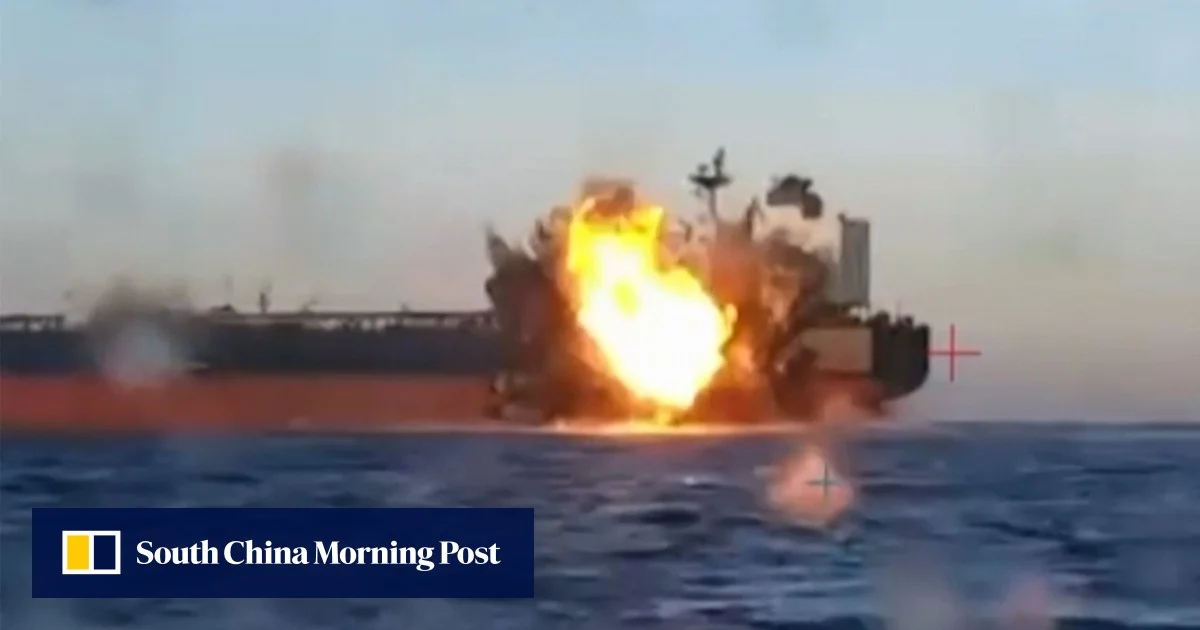
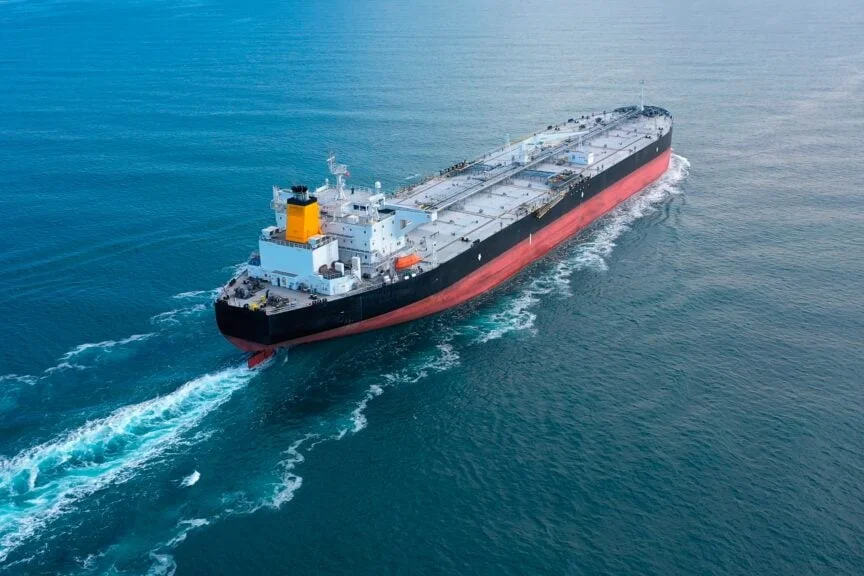
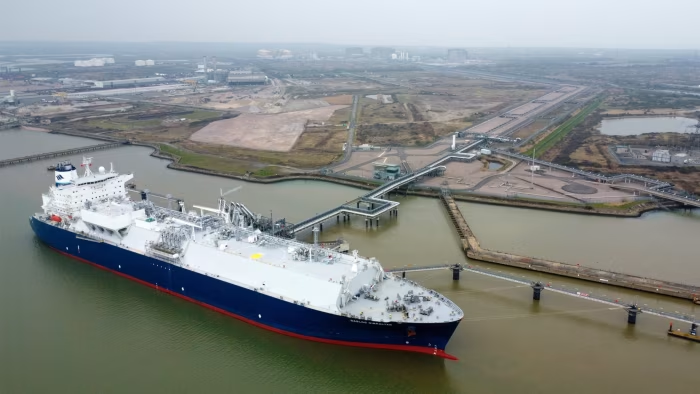
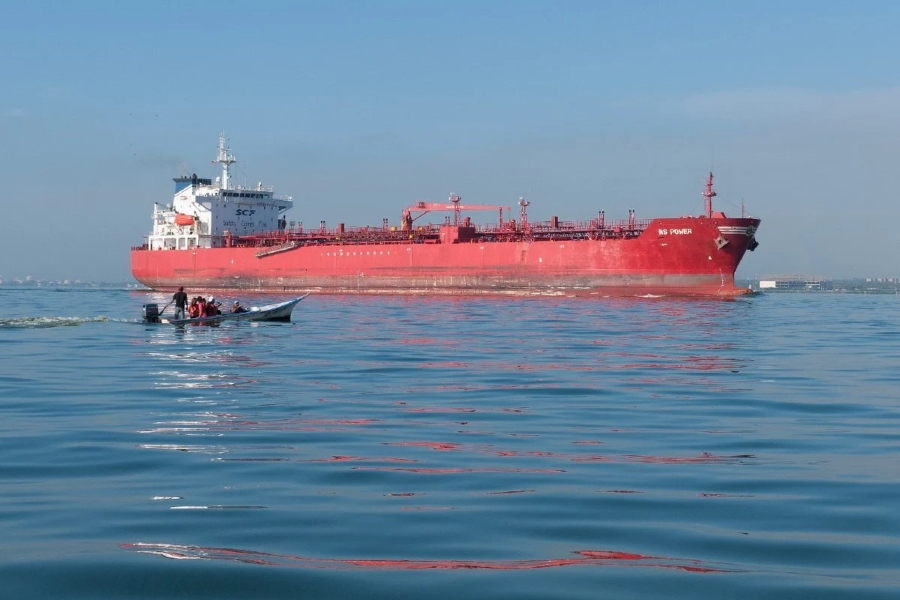
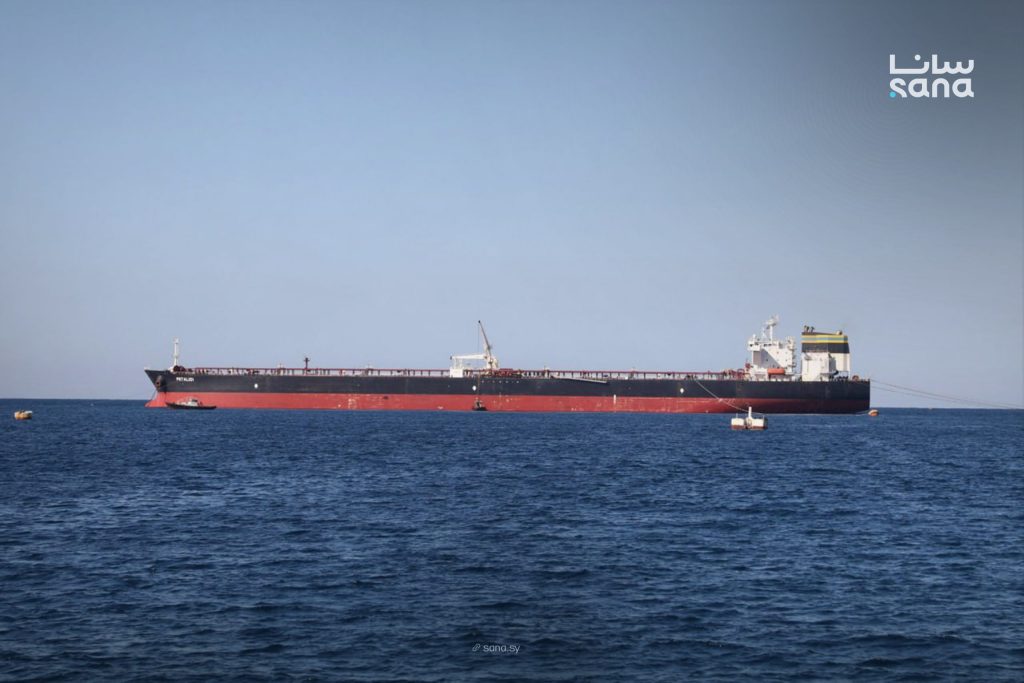
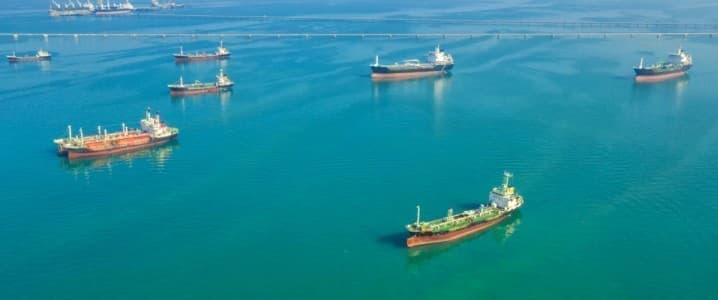
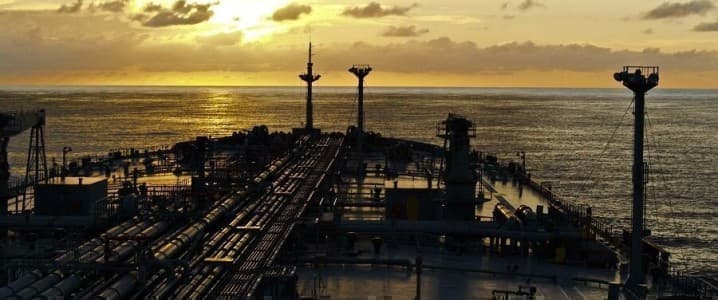
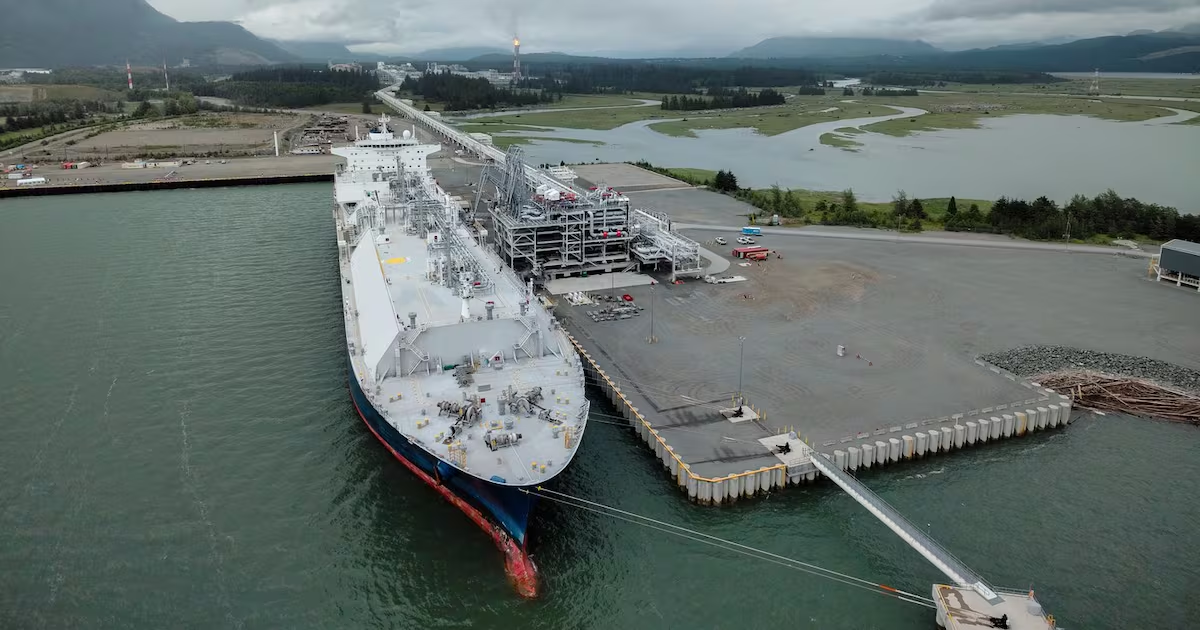
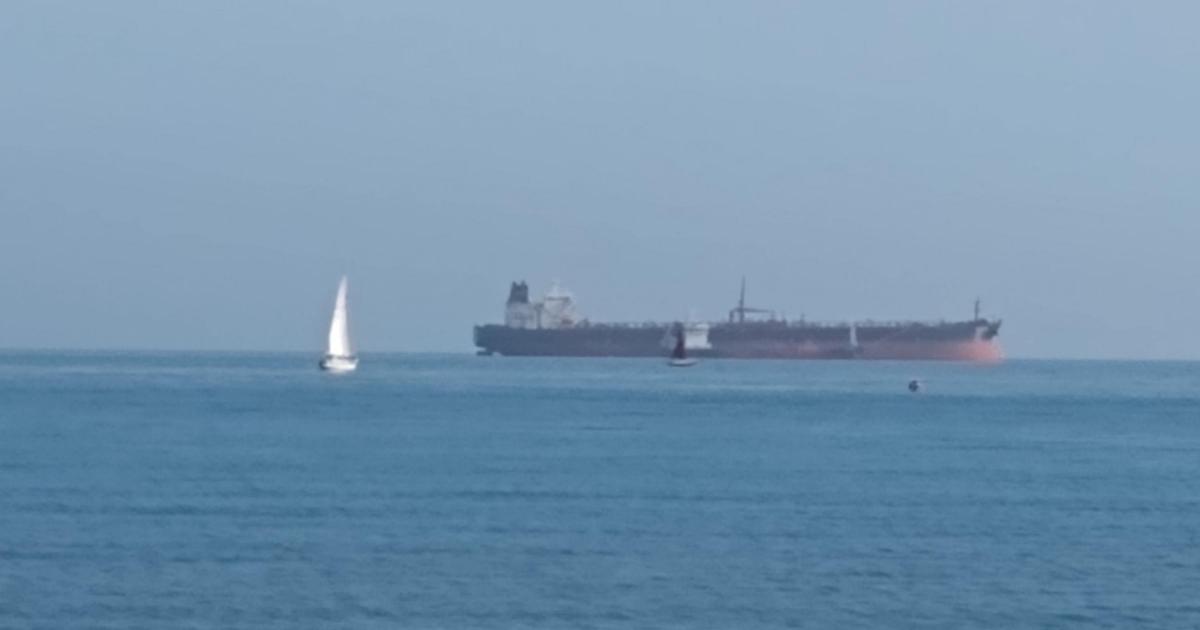
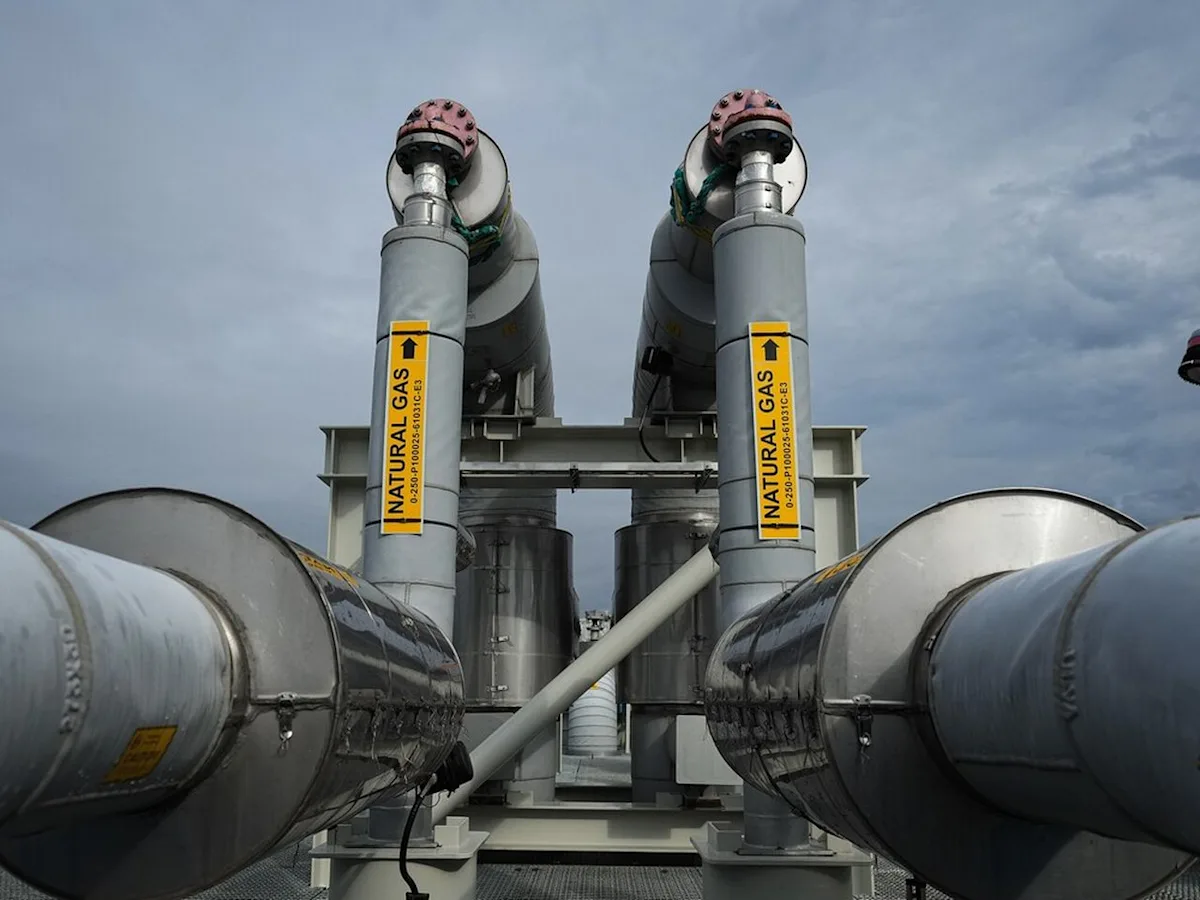
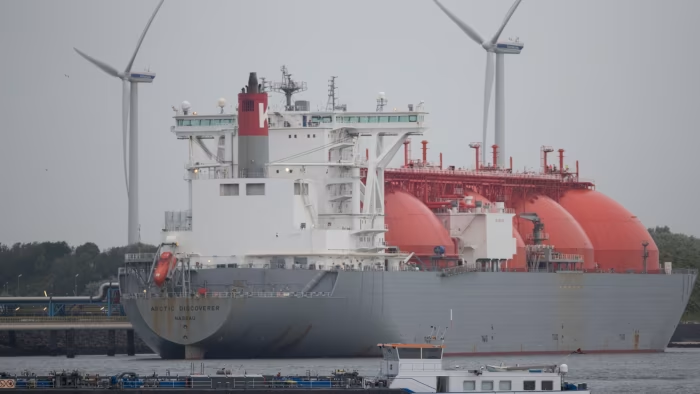
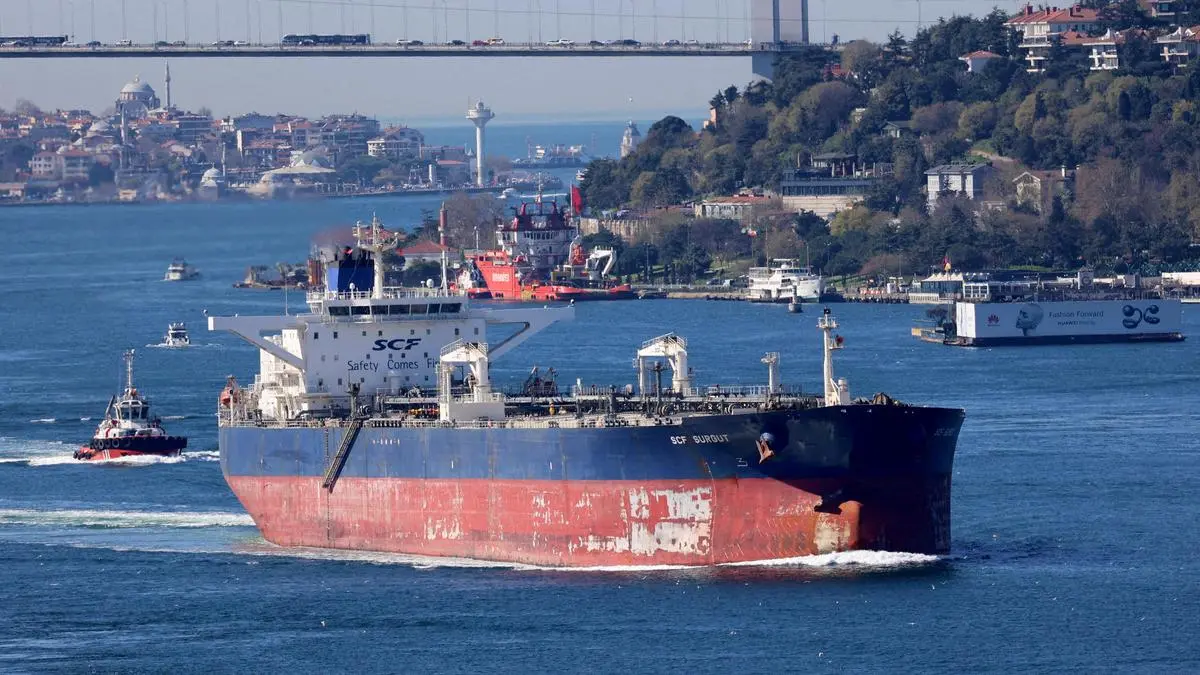
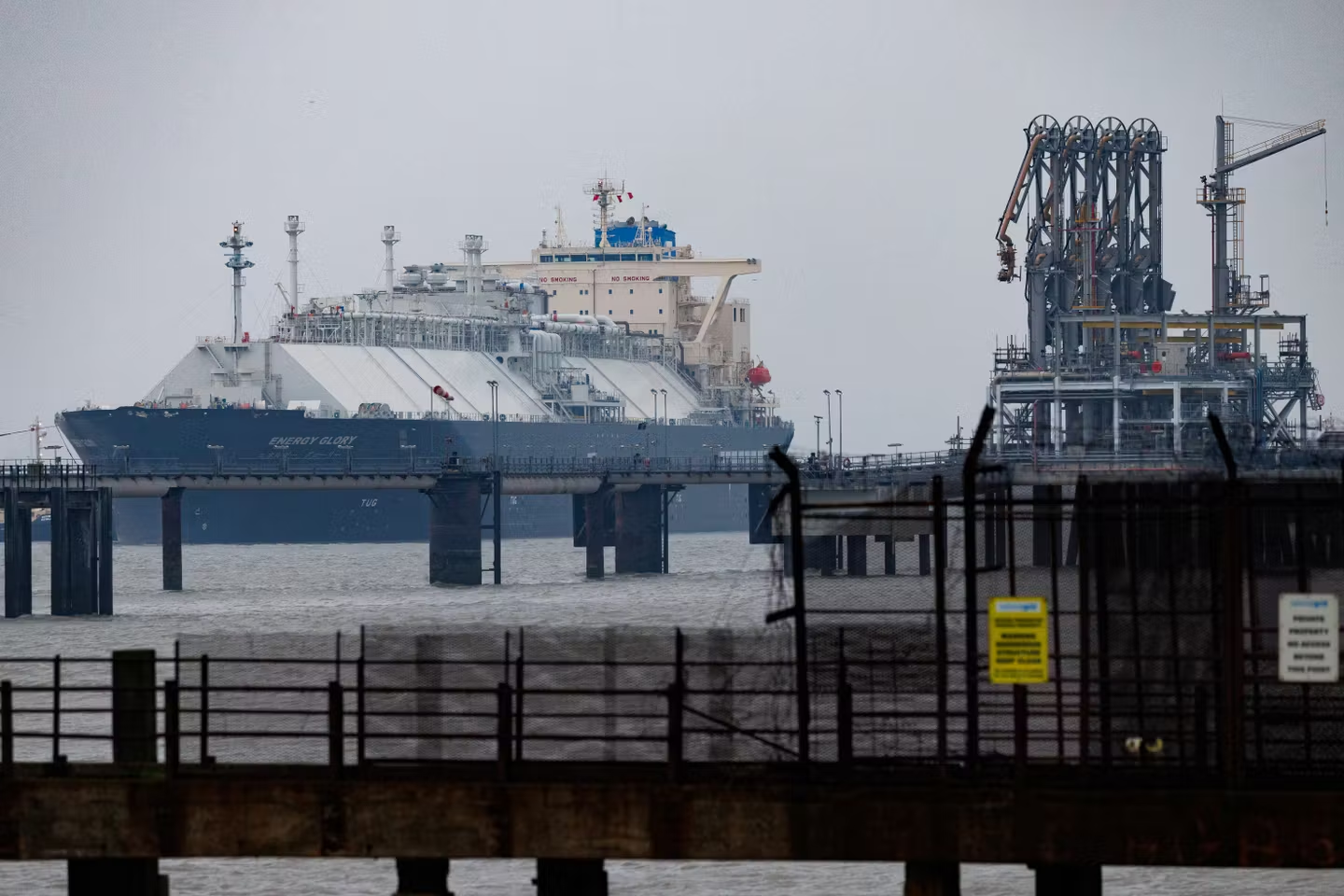
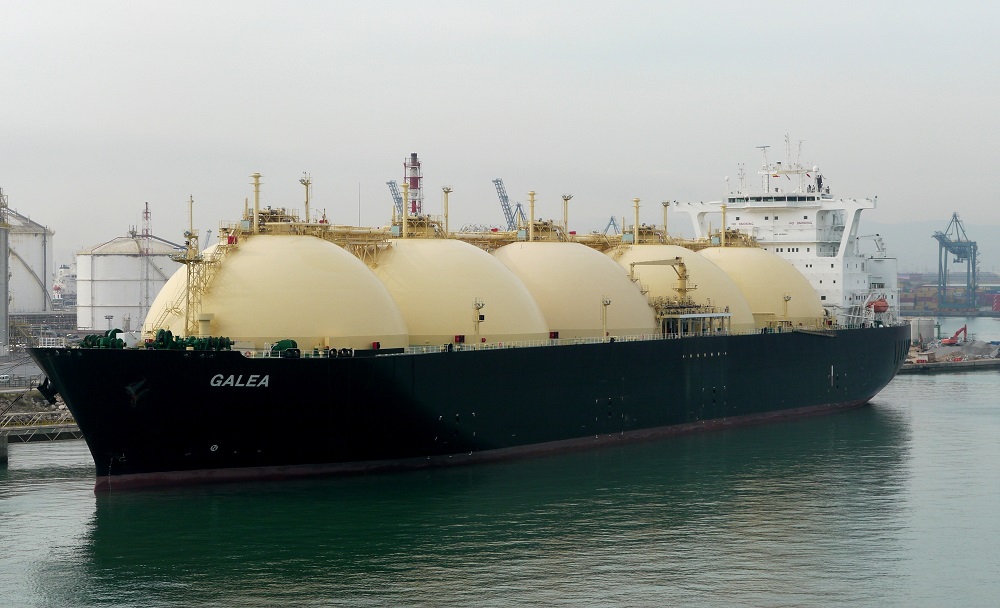
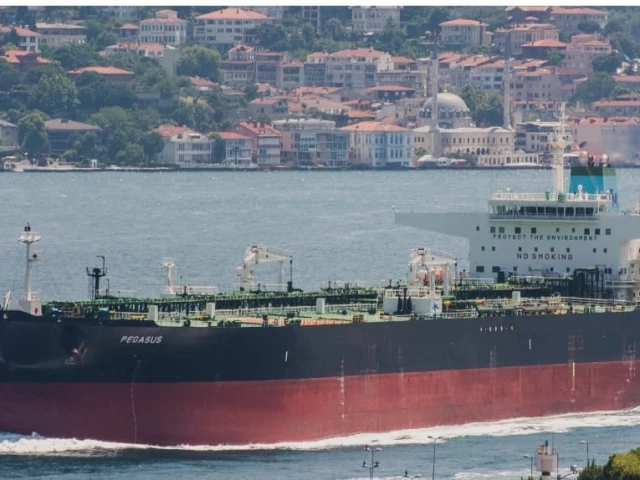
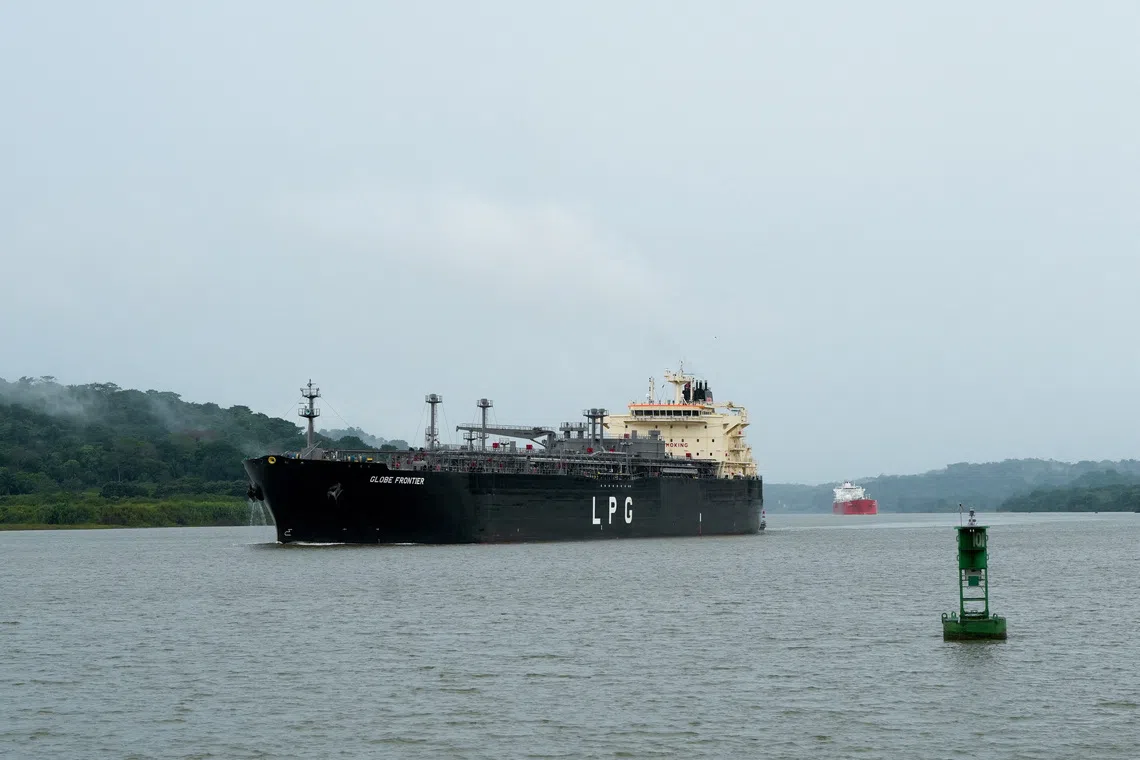
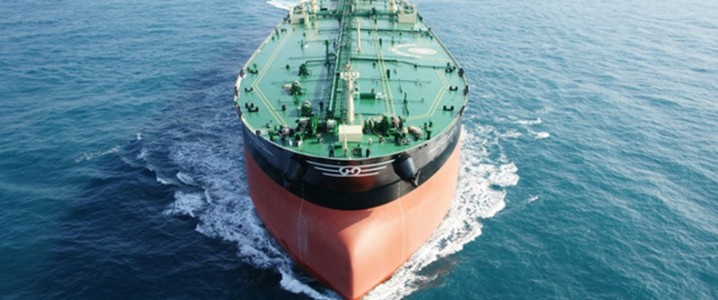
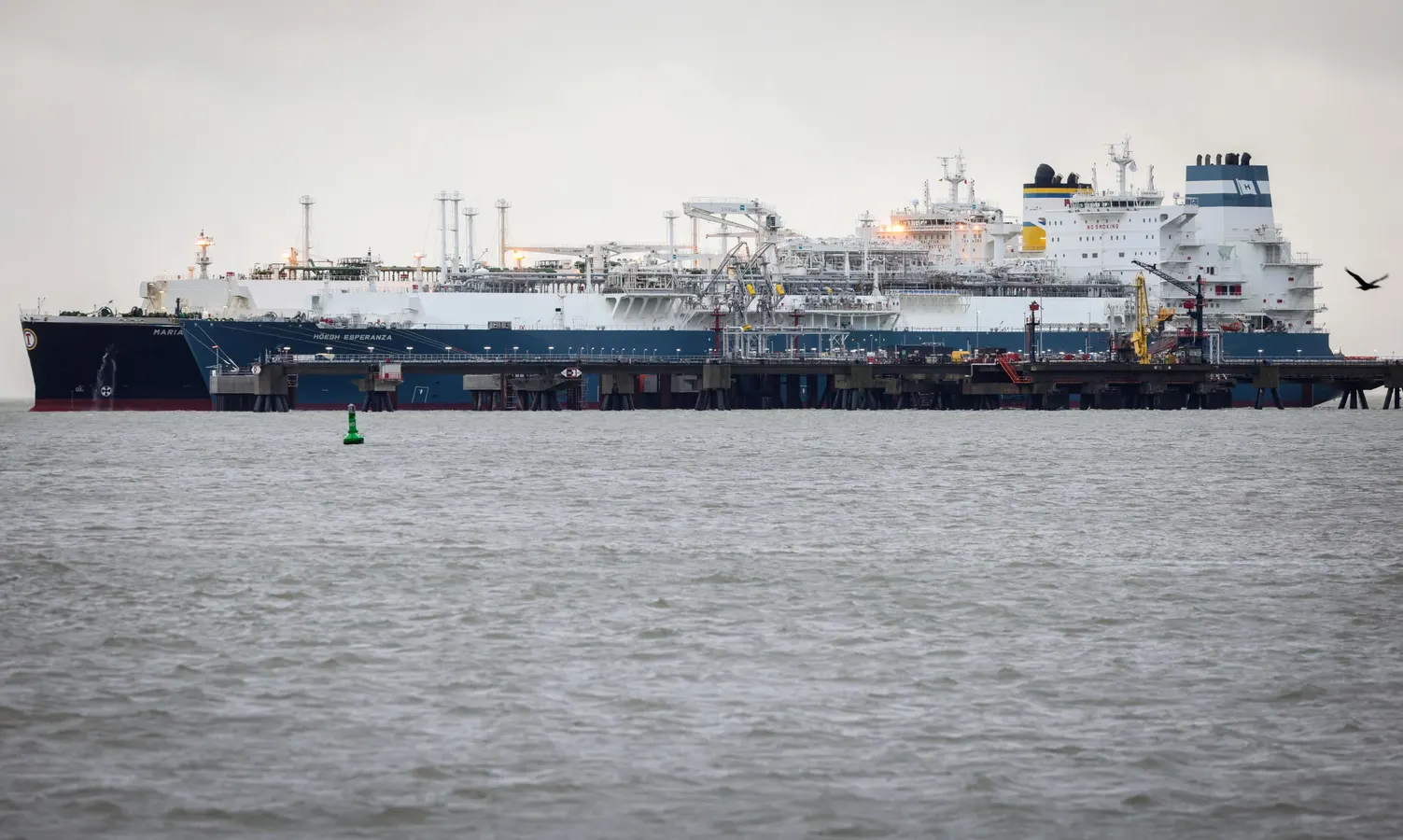
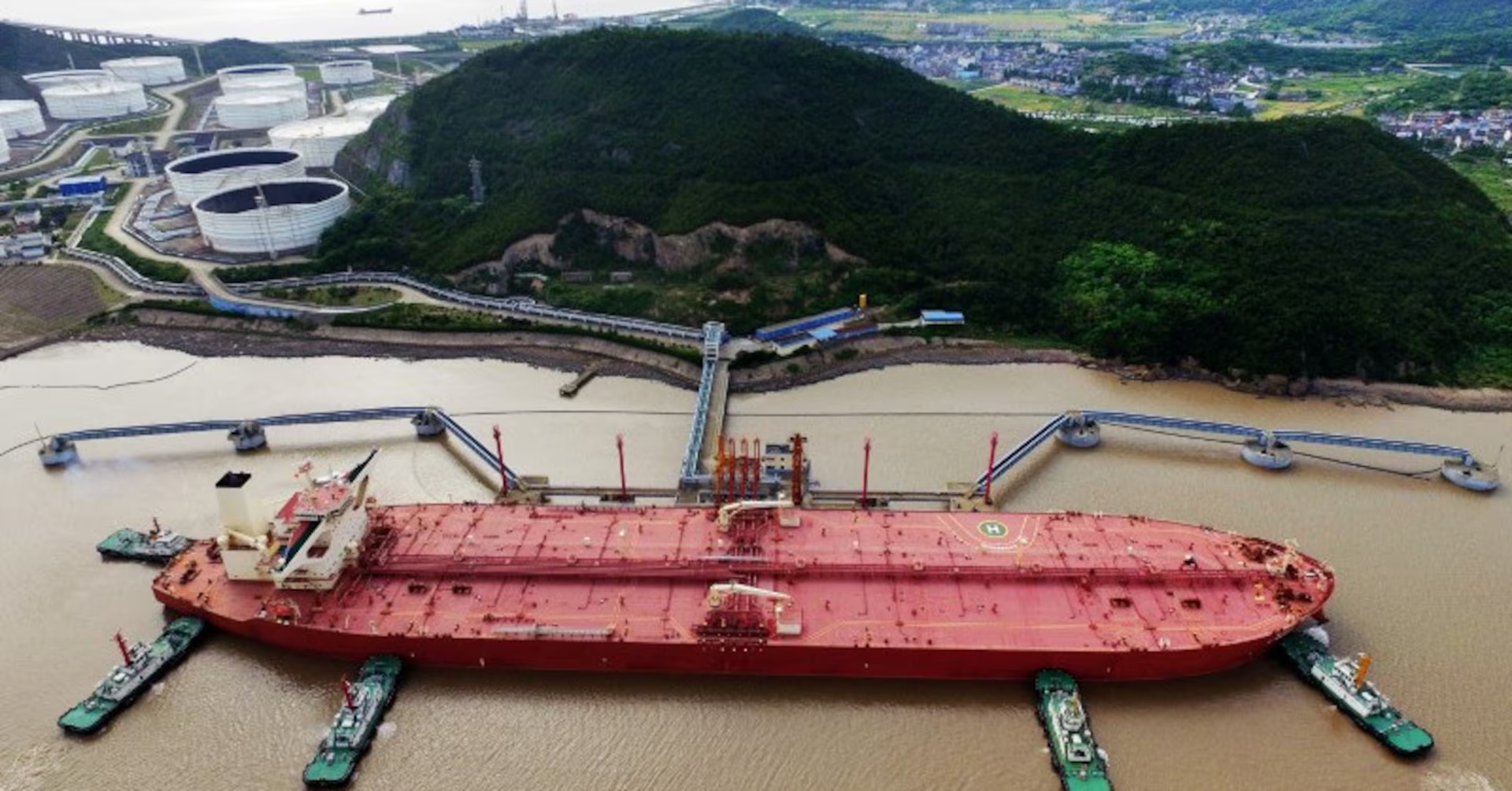
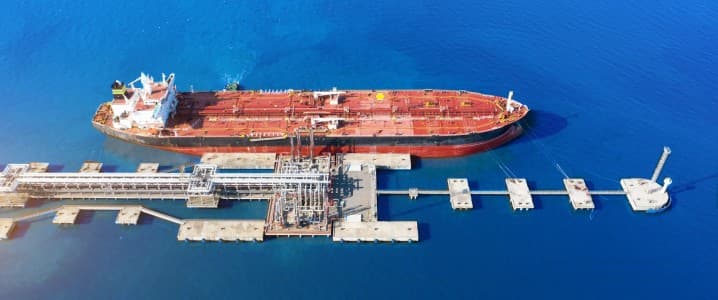
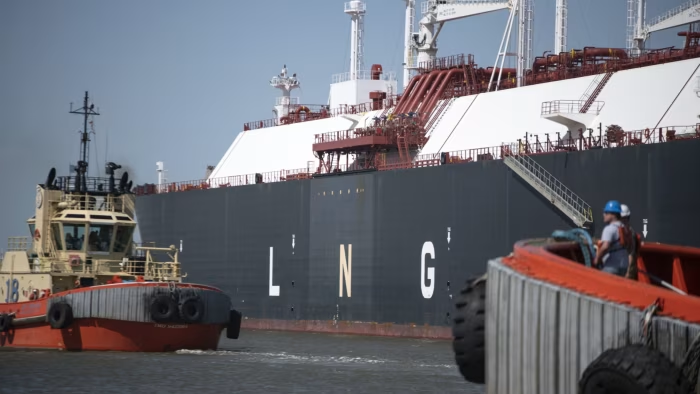
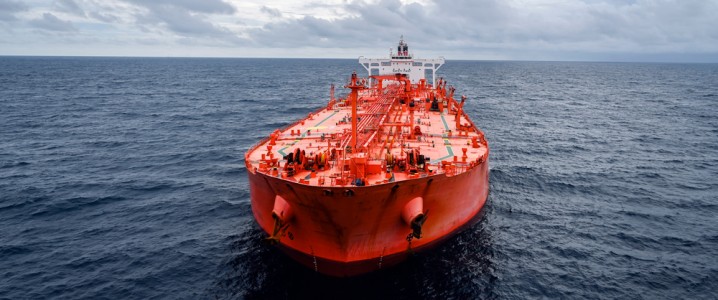
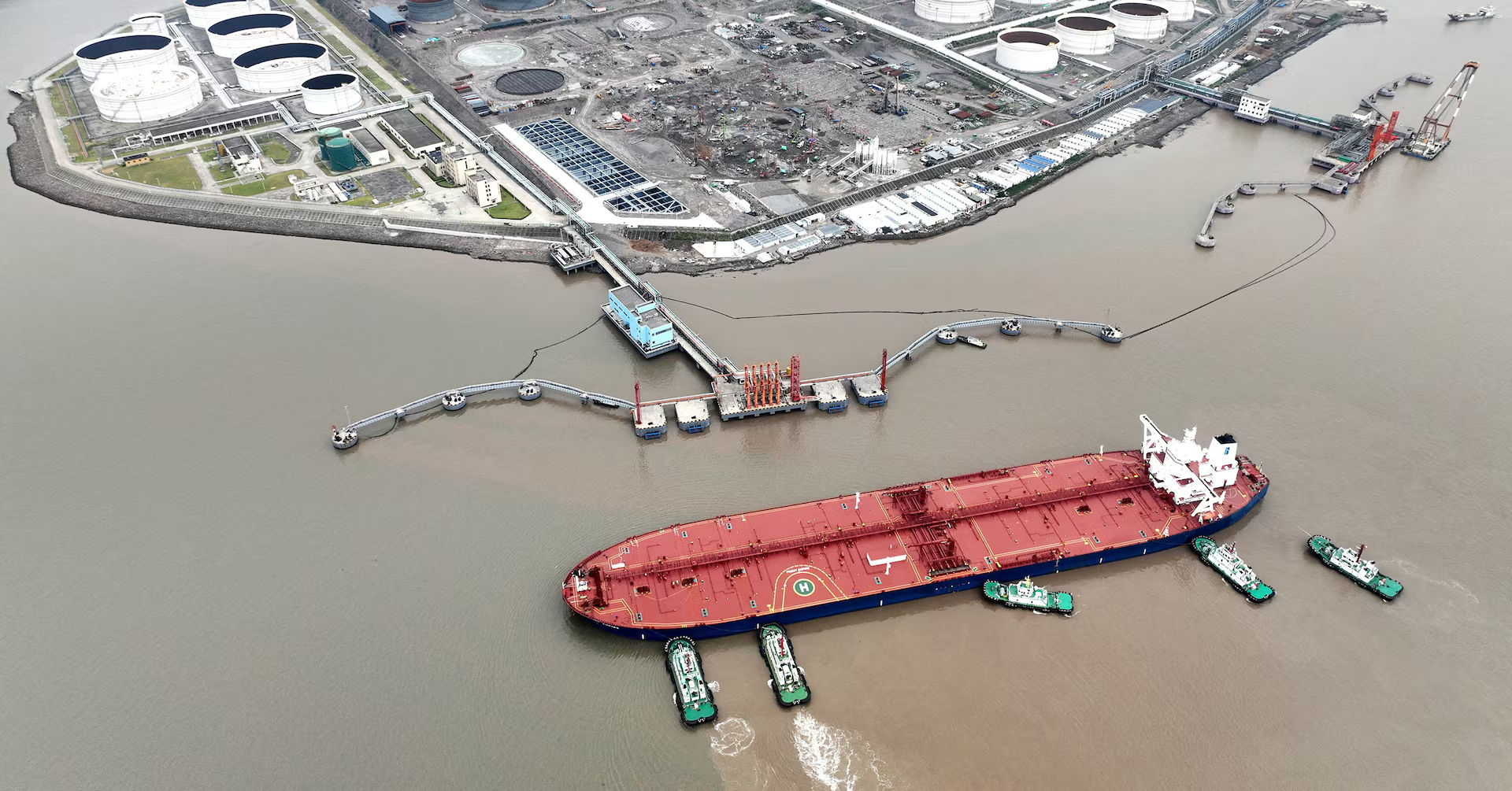
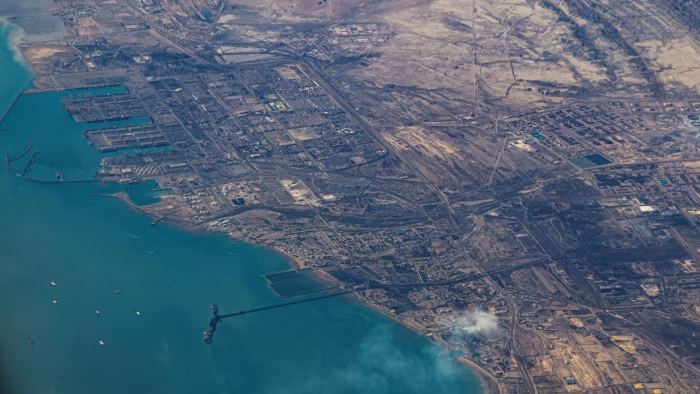
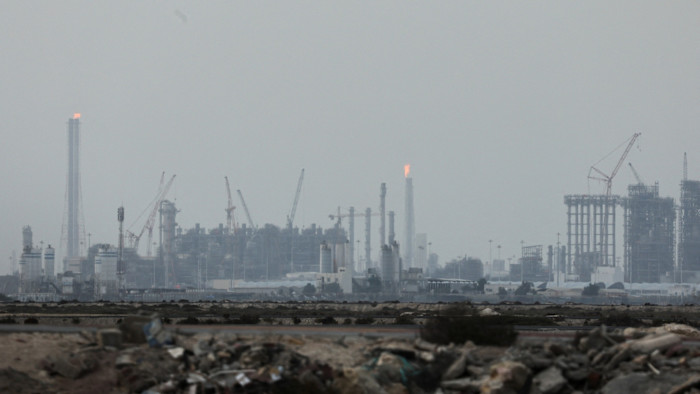
Military action by the US and Israel against Iran — and Tehran’s response — have inevitably upended the global oil market. But the impact of the conflict could prove even greater for consumers of gas and liquefied natural gas. The 81mn tonnes (110bn cubic metres) of LNG shipped through the Strait of Hormuz last year made up about a fifth of global supply, a greater share than that for oil exported through the same sea lane. On Monday, QatarEnergy, the state-owned petroleum company of Qatar, announced the temporary closure of its LNG facilities.
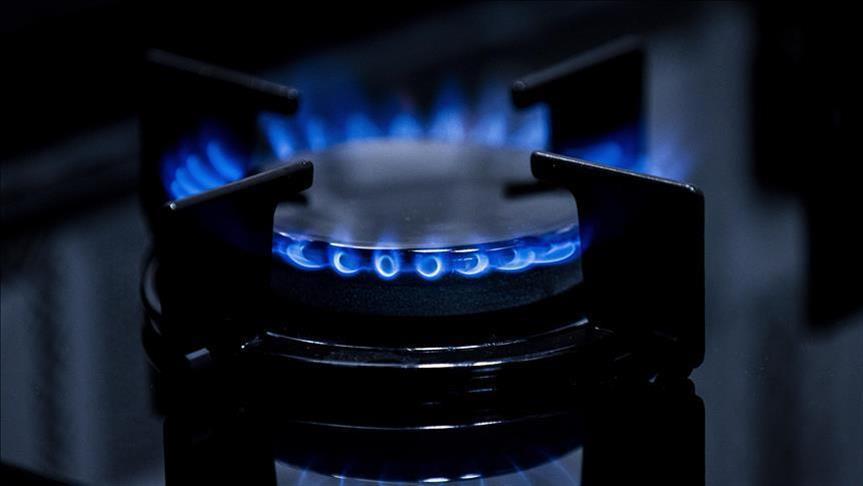
The disruption to LNG flows has sparked concerns across both Europe and Asia, tightening the global market and reigniting competition between the world’s two major regional LNG markets for available cargoes. While most of the LNG cargoes transiting the Strait are contracted into Asian markets, the repercussions will be keenly felt across Europe. More than two-thirds of the way through the northern hemisphere winter, European storage levels are well below seasonal norms and about 10 per cent lower than at the same point last year following low temperatures through January.
European gas buyers began the year in a relatively optimistic frame of mind. Despite a January cold spell, with additional LNG supply expected to exceed 35mn tonnes in 2026 and Asian demand remaining relatively subdued, the market had appeared broadly balanced at prices just below $11 per one million British thermal units (€31/MWh).
The loss of about 1.5mn tonnes (2.2 bcm) a week of LNG exports through the Strait of Hormuz would force Asian and European markets to draw more heavily on existing storage, while increasing the urgency of restocking over the summer. Even if the conflict proves shortlived, the market will remain tight well beyond the resumption of trade via the Strait.

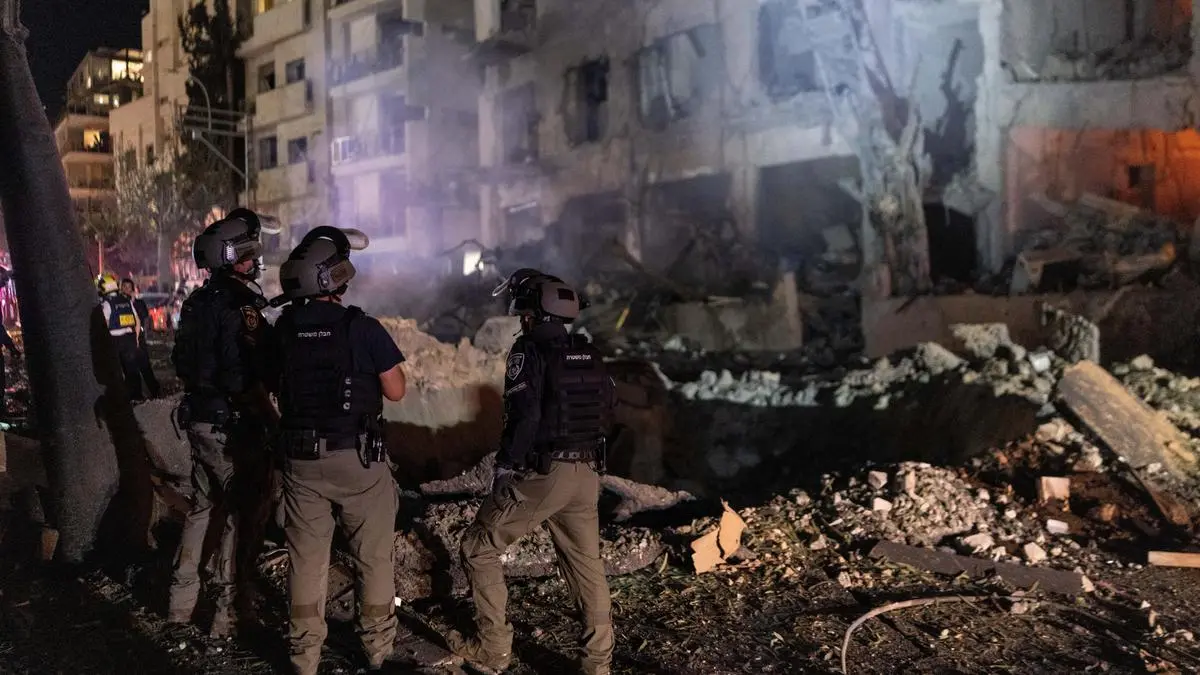
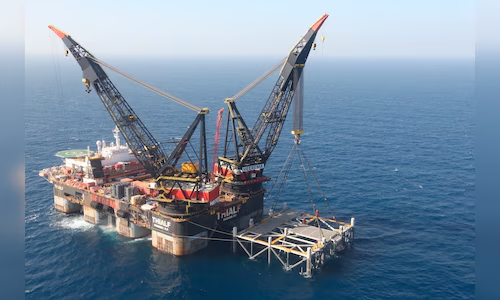
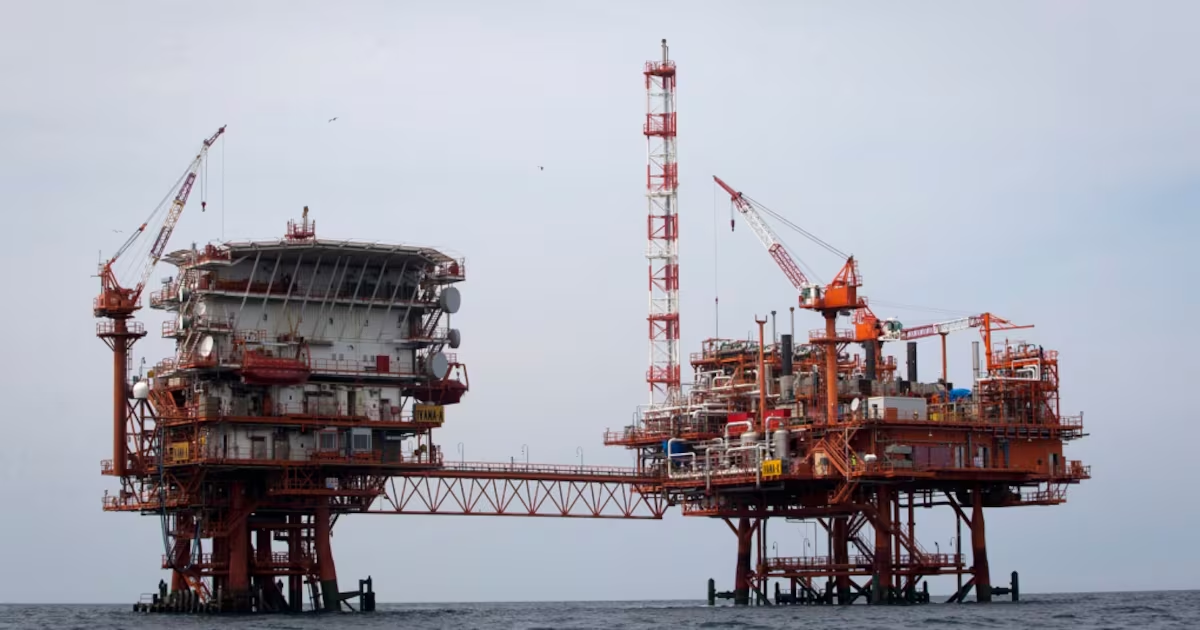
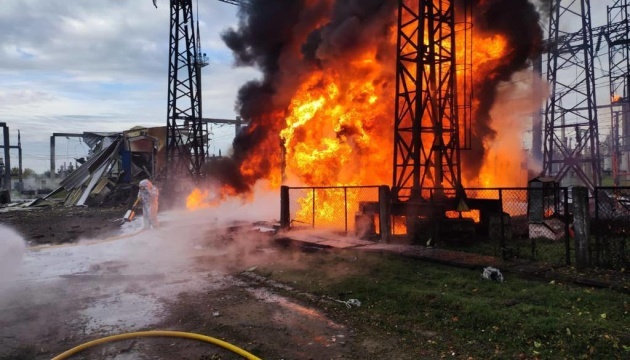
It’s not only the loss of LNG exports via the Strait that is affected. Precautionary closures of Israel’s Leviathan and Karish gasfields add further pressure to global gas and LNG markets. These fields are key suppliers to Egypt, which imported close to 10 bcm from Israel last year. With exports now halted, Egypt will almost certainly be forced to increase LNG imports to offset lost volumes.
Gas exports from Iran to Turkey could also be curtailed, potentially prompting Turkish buyers to seek additional LNG cargoes if Iranian pipeline supply — which accounted for more than 7 bcm in 2025 — is restricted.
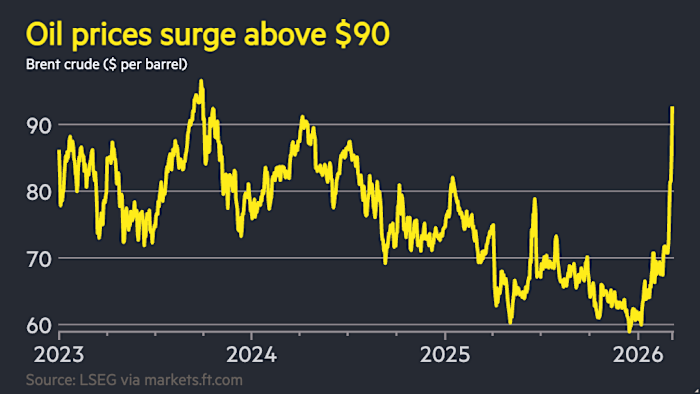
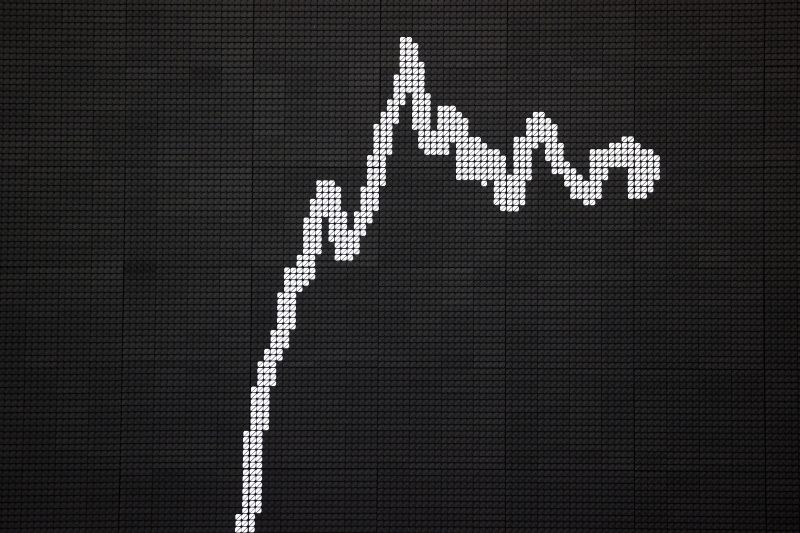
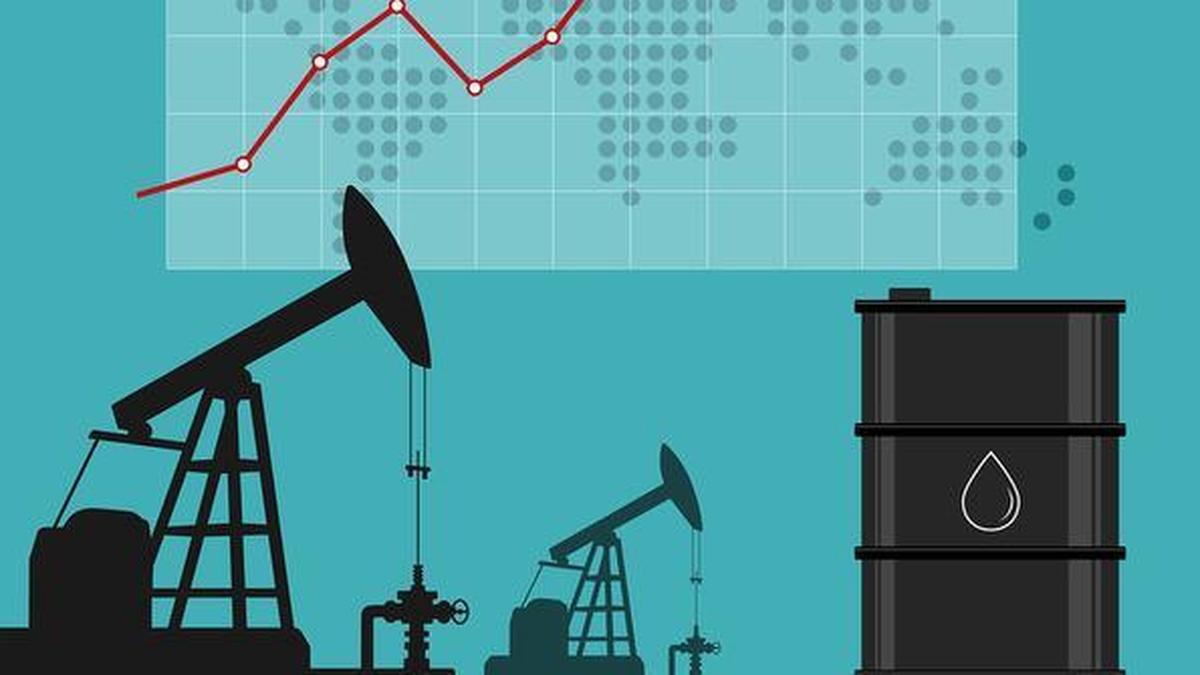
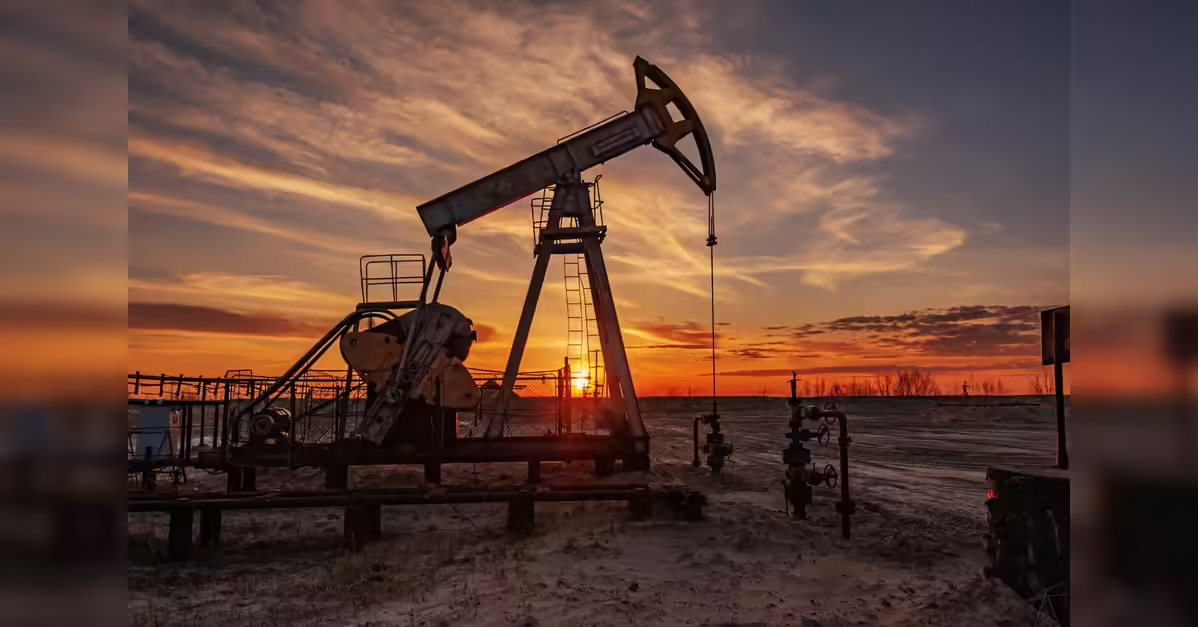
The duration of the conflict — and the amount of time the Strait of Hormuz remains closed — will be key to the immediate outcome for gas prices. Monday’s opening prices saw benchmark European TTF gas prices spike over 20 per cent compared with the end of the previous trading week, and increased further above $15 per one million British thermal units (€45/MWh) following QatarEnergy’s announcement. Brent prices have increased by almost 10 per cent over the same period.
Structurally weak Chinese LNG demand could be keeping a lid on prices for now. But the longer the Strait of Hormuz remains closed, the more significant the impact on prices and the market balance. The scale of the curtailment of Russian gas supplies to Europe four years ago is the most relevant analogy. Then prices soared to nearly $100/mmbtu at their peak in August 2022 and averaged $40/mmbtu that year.
This time, however, the reaction should be far less extreme, assuming the closure of the Strait of Hormuz proves to be temporary.
Higher spot prices will also result in an immediate boost for gas and LNG suppliers. Though some are better positioned than others to benefit, Equinor stands out due to its significant exposure to European spot prices. Meanwhile, LNG suppliers and traders will be able to leverage their portfolios to capture demand stemming from curtailed Qatari supply. However, IOCs with joint ventures with QatarEnergy will face exposure to export disruptions — particularly ExxonMobil, but also Shell, TotalEnergies and ConocoPhillips.
It goes without saying that both the military and diplomatic outcome of the conflict will determine what happens next with global gas and LNG prices. The longer the Strait of Hormuz remains off limits for LNG vessels, the greater the impact on gas prices and gas consumers.
Gavin Thompson and Tom Marzec-Manser contributed to this article