This is an audio transcript of the FT News Briefing podcast episode: ‘Iran crisis sends European gas prices soaring’
Victoria Craig
Good morning from the Financial Times. Today is Wednesday, March 4th, and this is your FT News Briefing. The war in the Middle East is causing another potential energy crisis for Europe, and it’s setting up another rift between the US and its European allies. Plus, China will lay out its five-year plan tomorrow. We’ll unpack what’s on deck. I’m Victoria Craig, and here’s the news you need to start your day.
[MUSIC PLAYING]
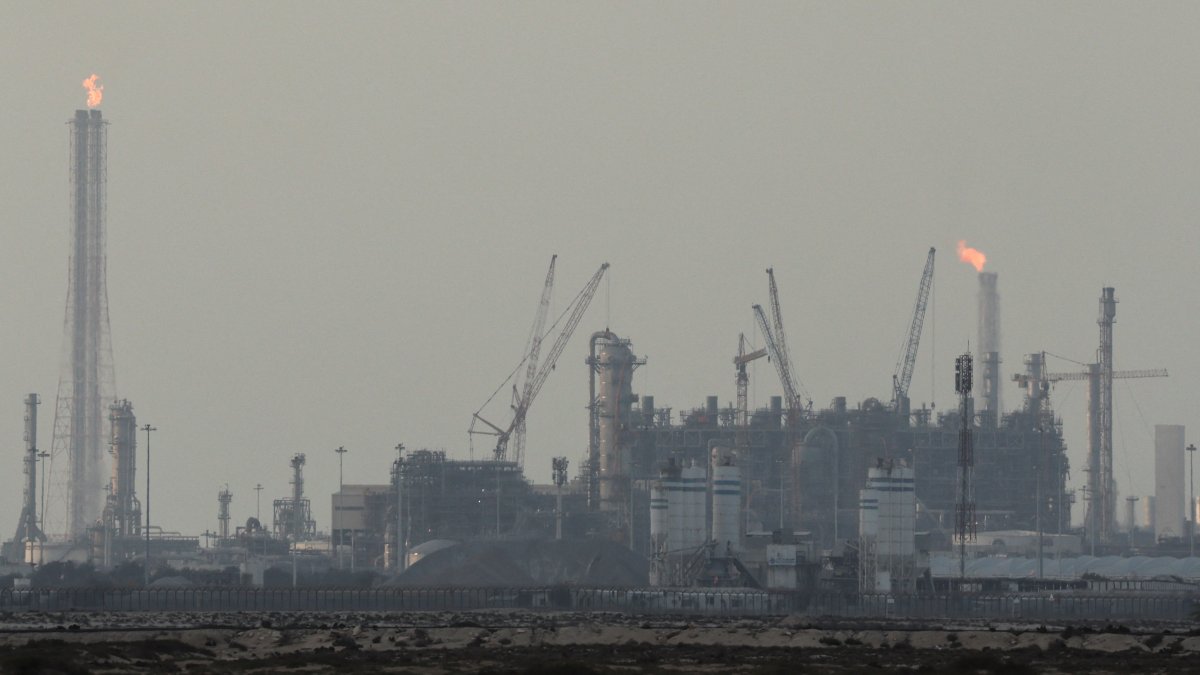
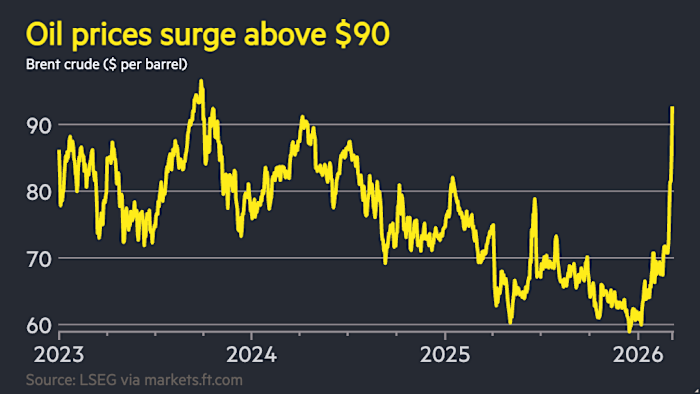
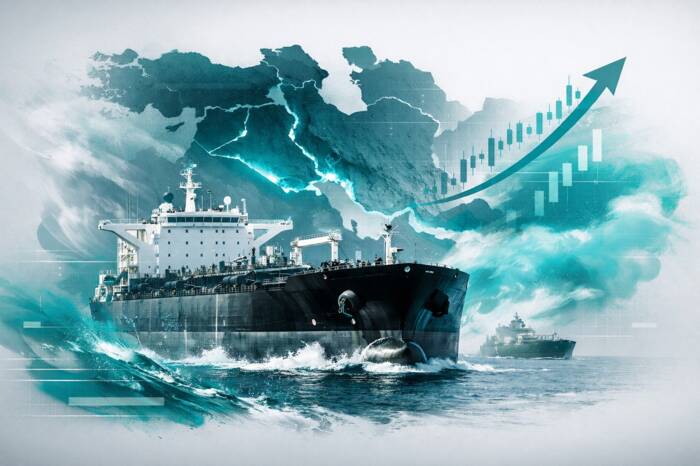
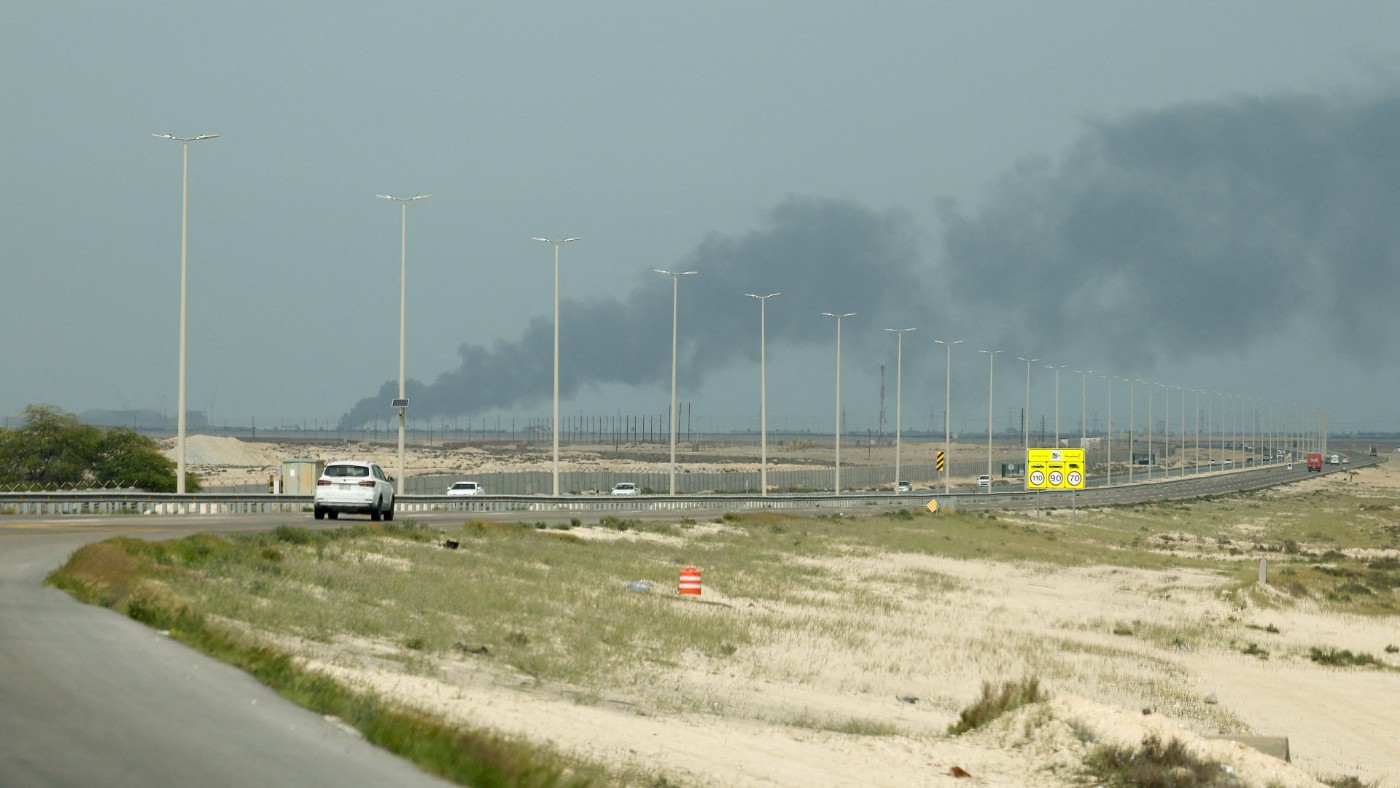
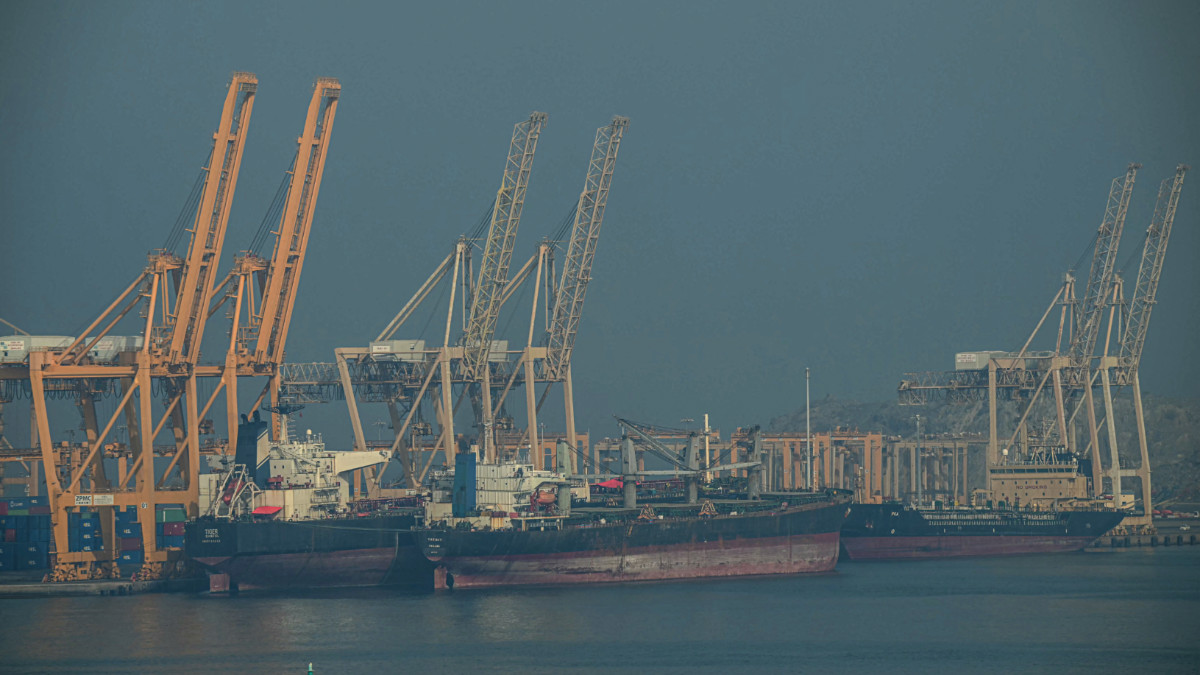
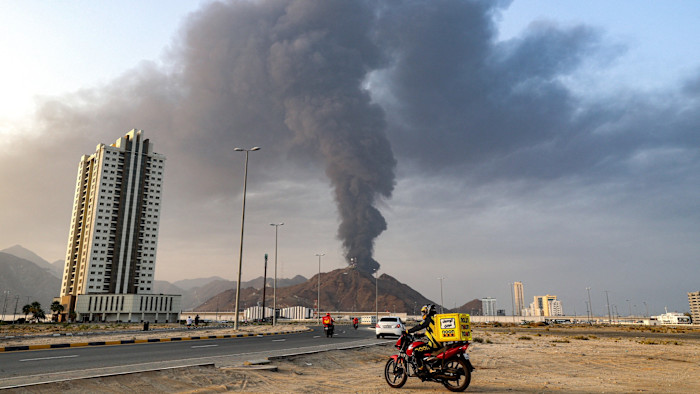
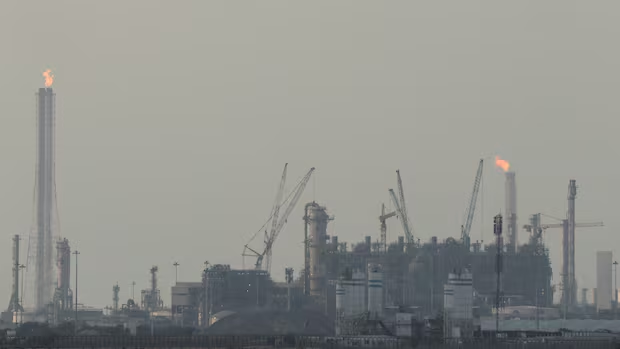
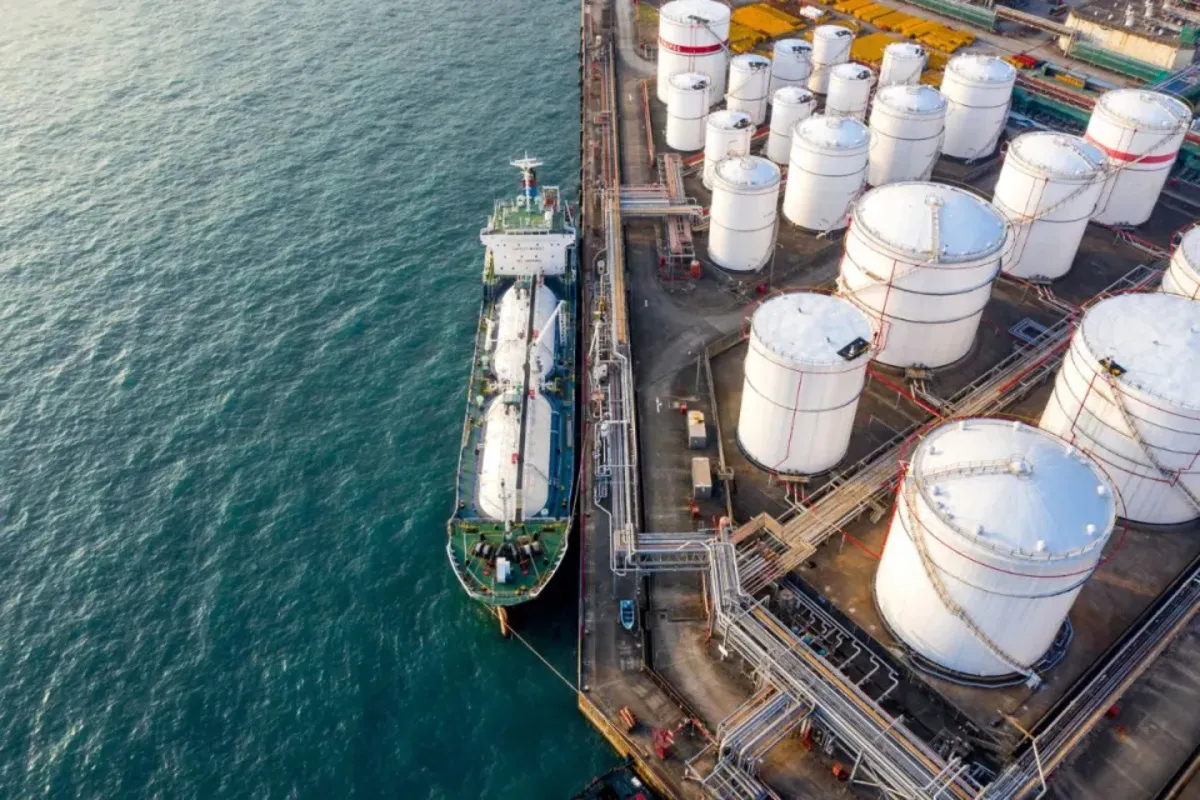
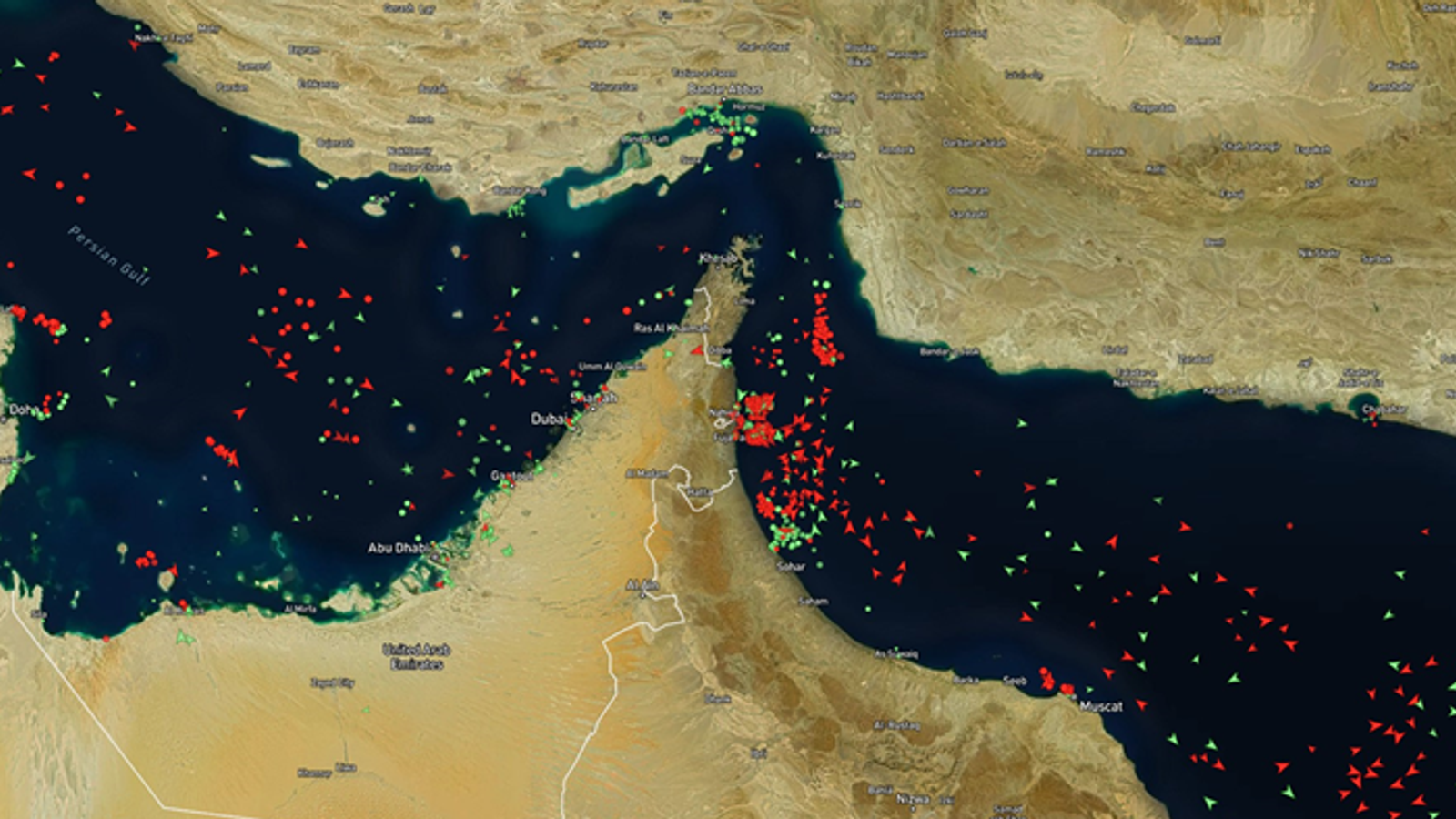
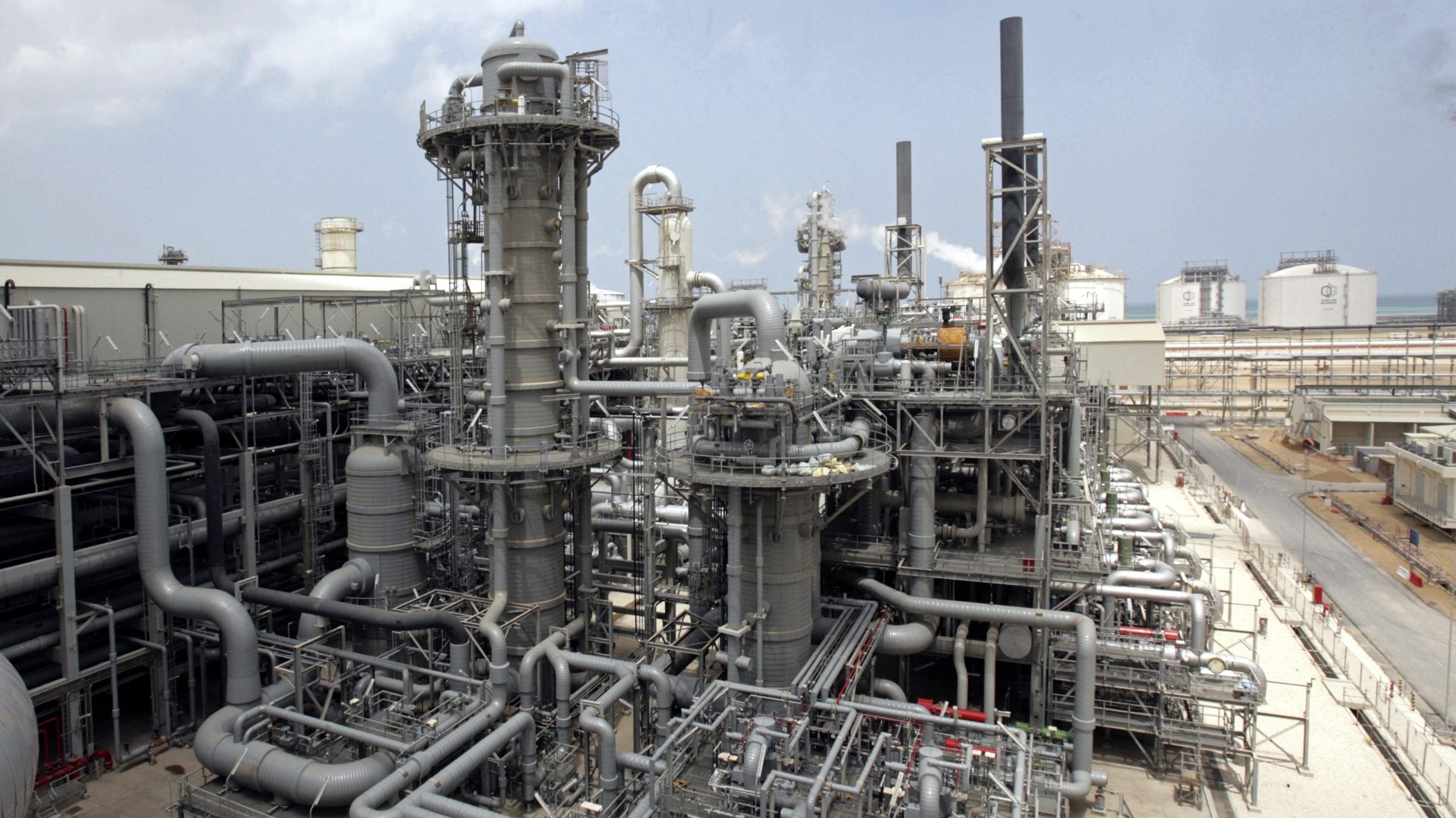
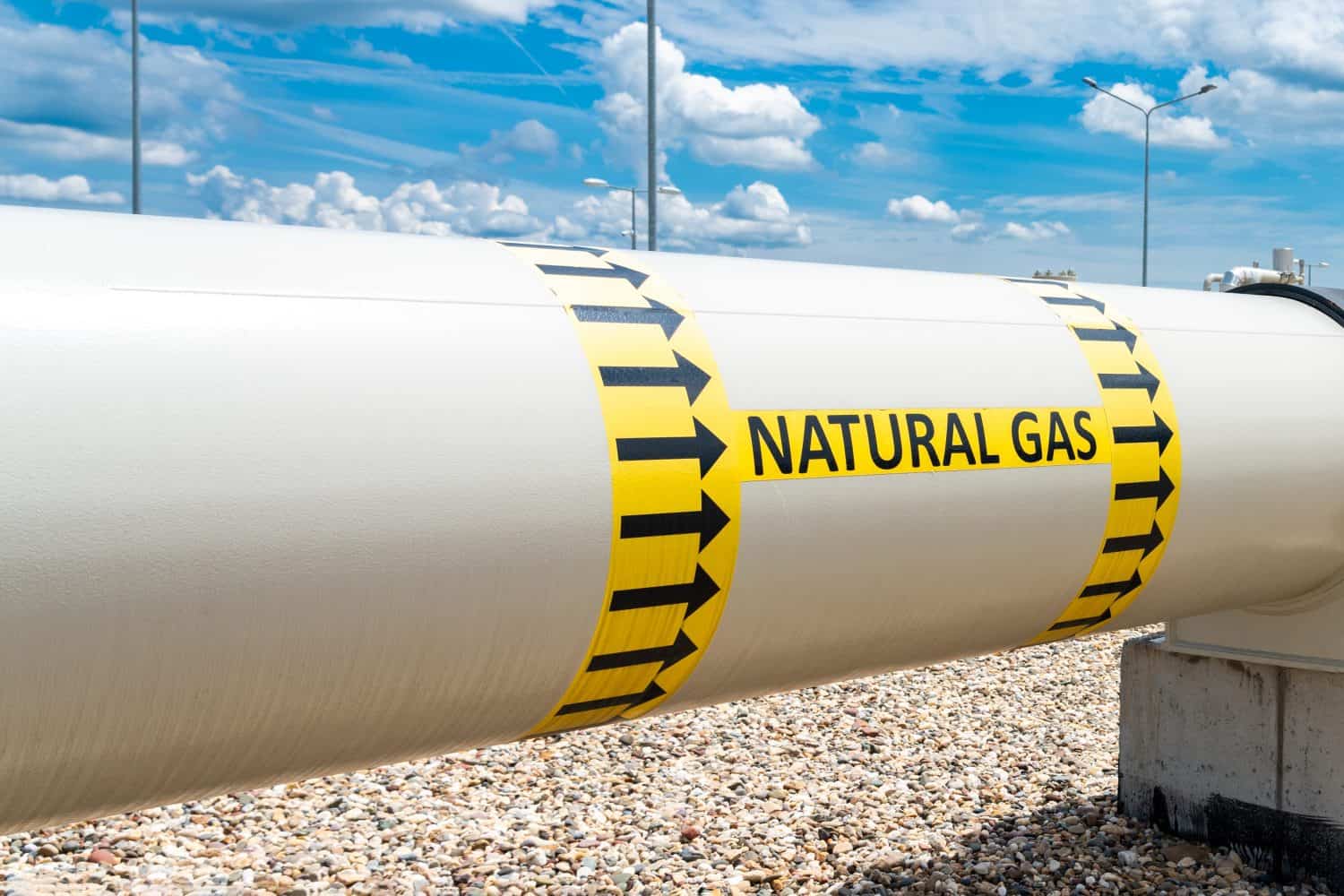
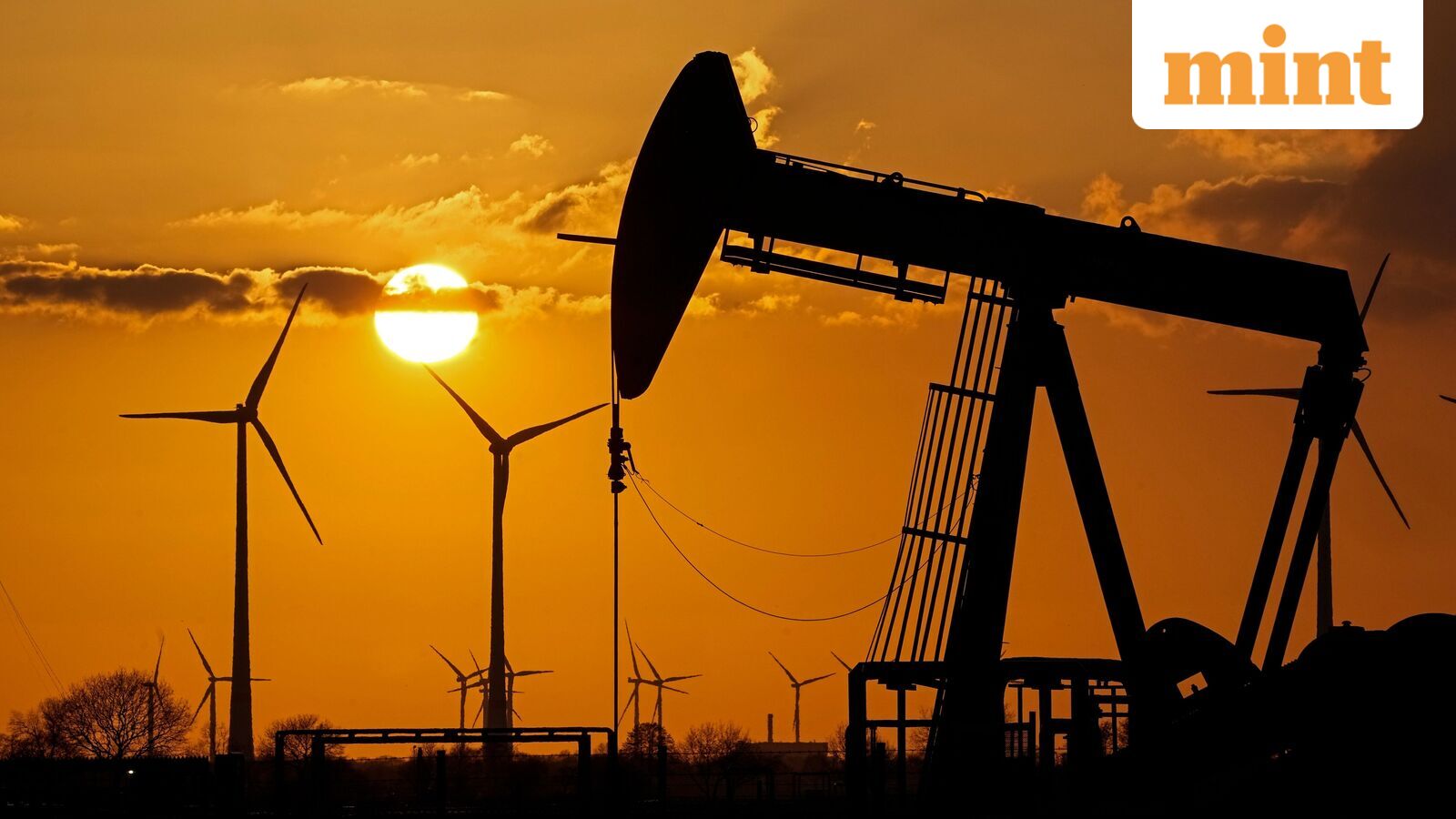
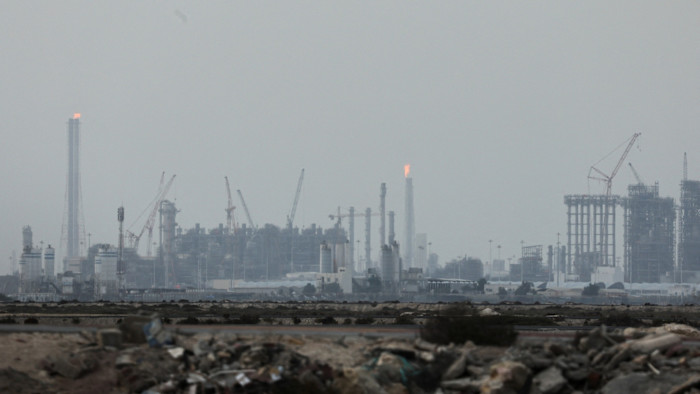
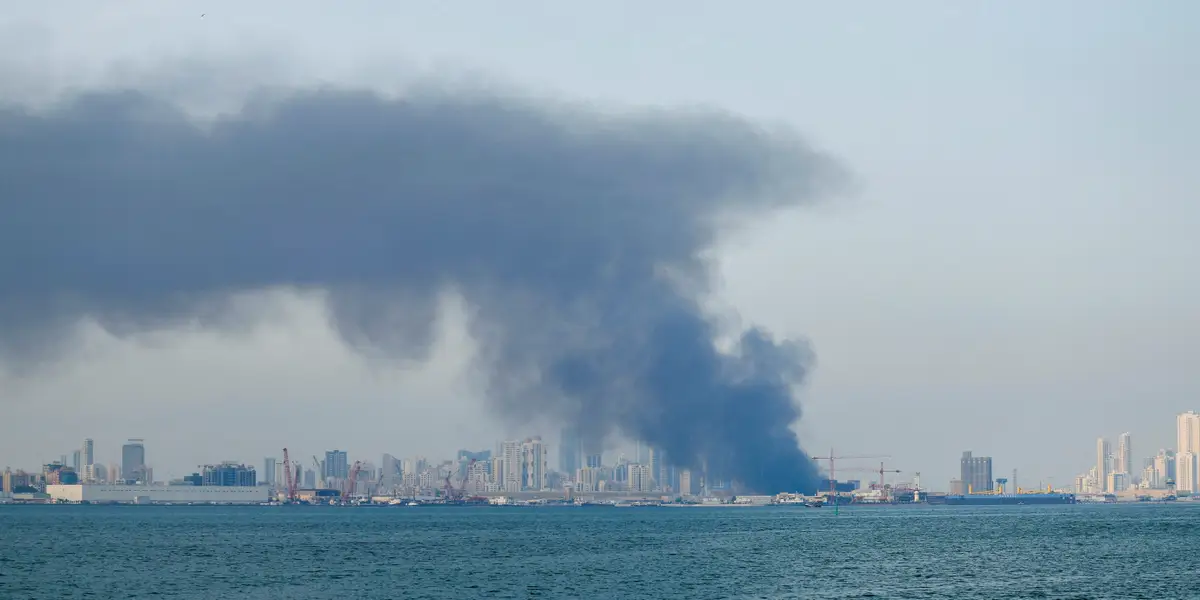
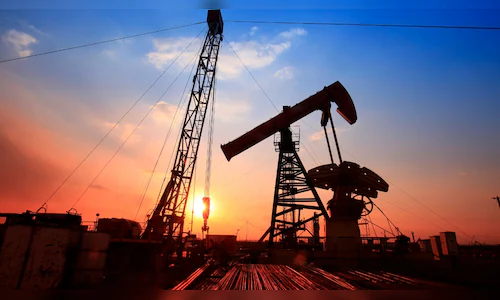
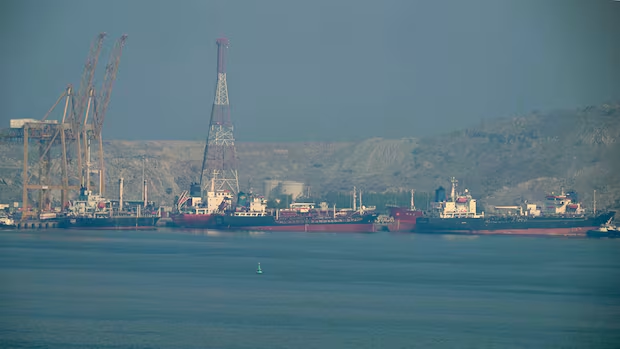
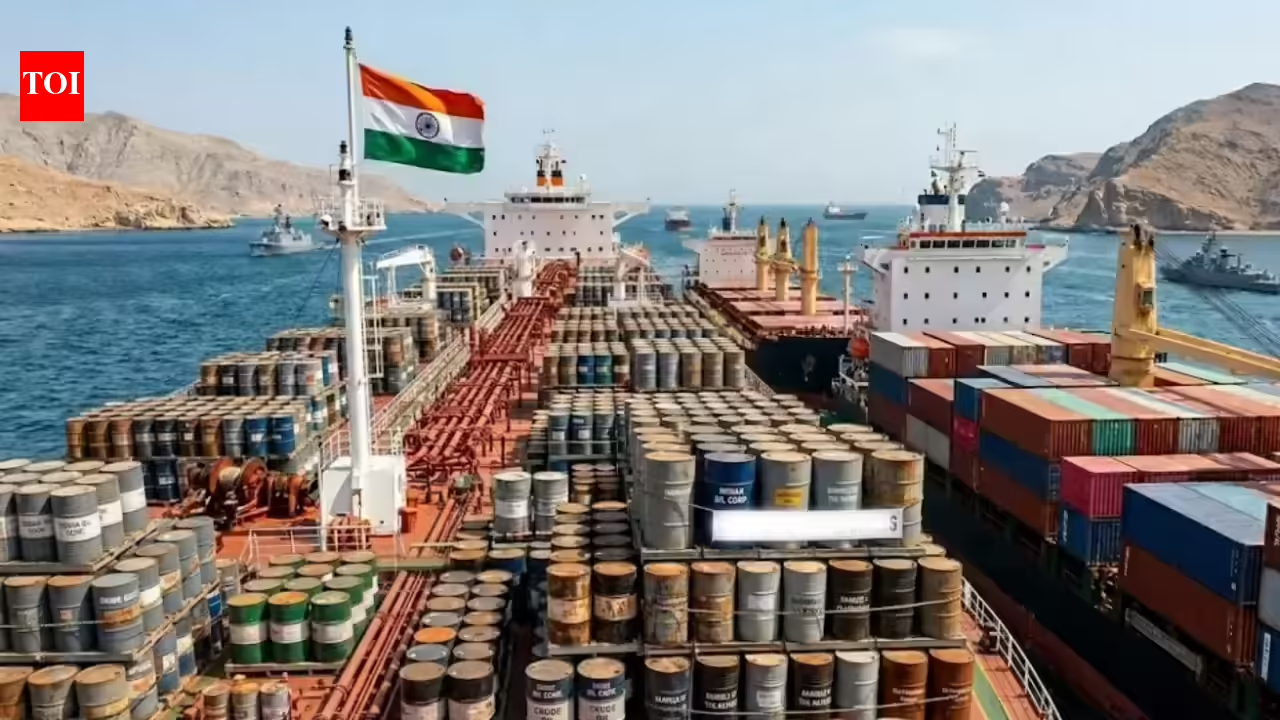
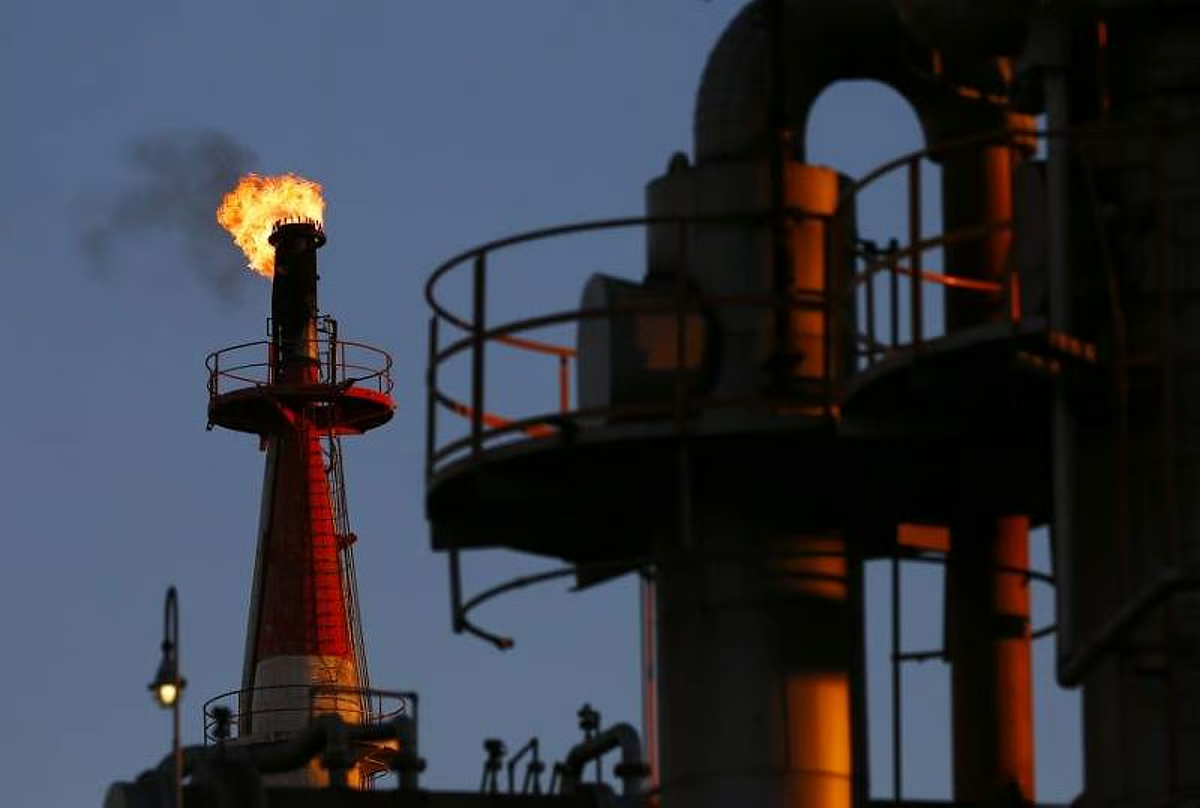
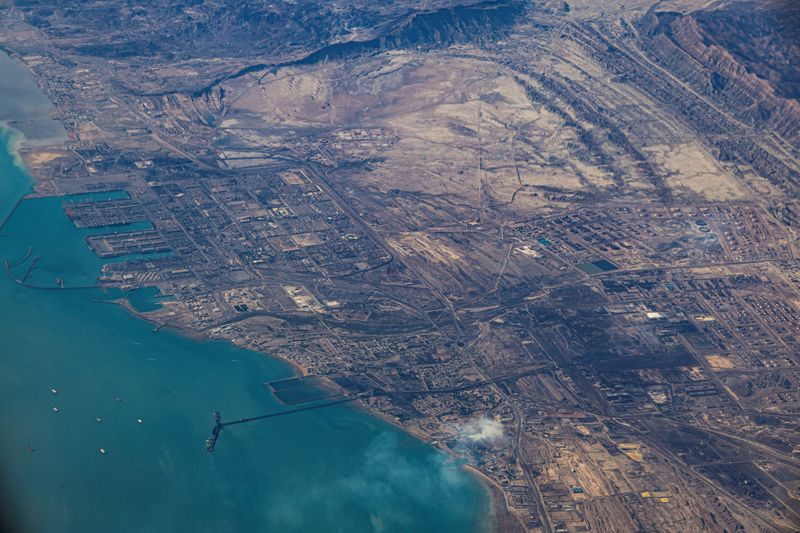
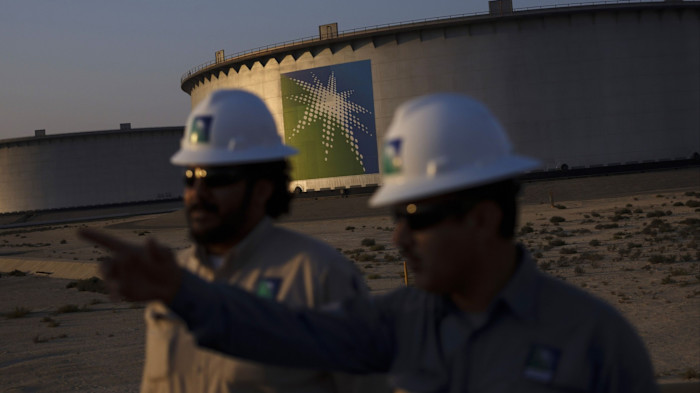
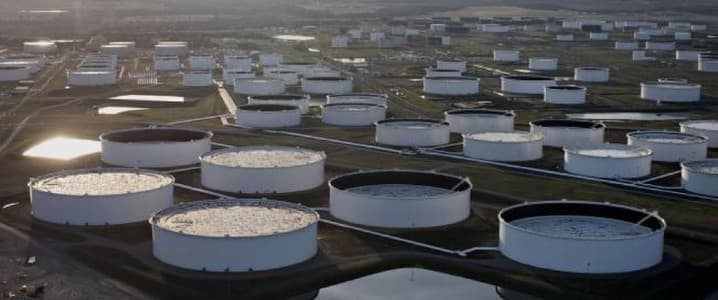
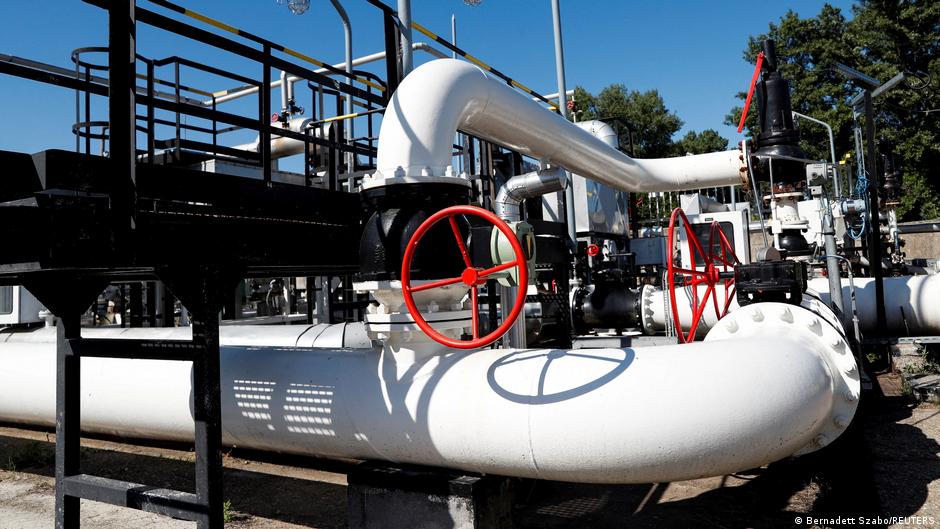
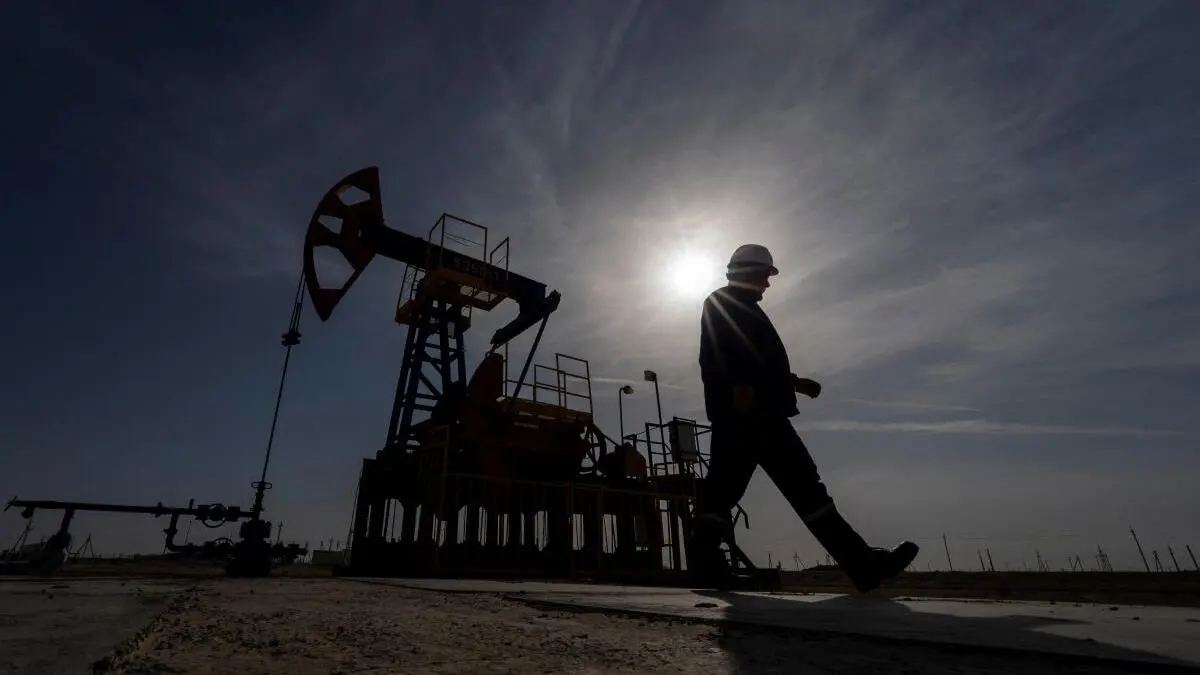
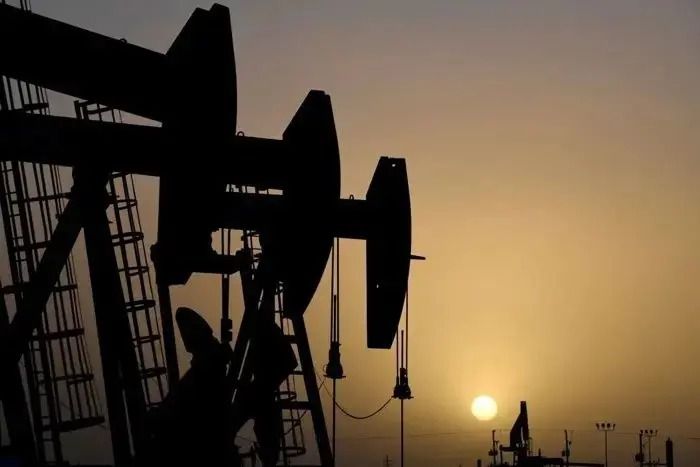
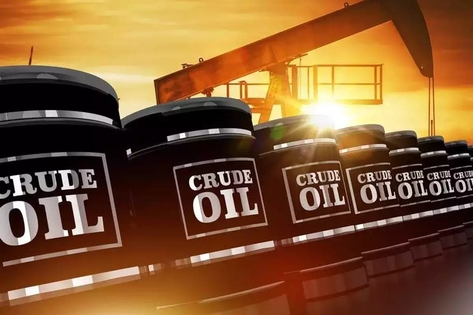
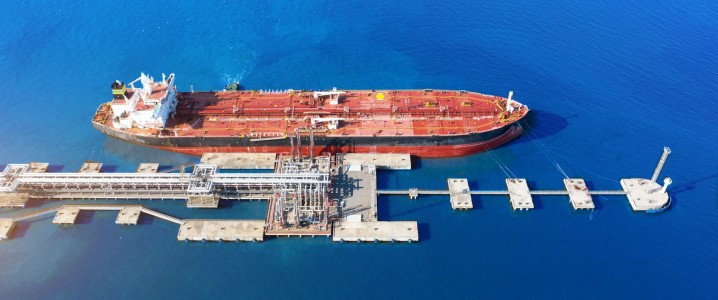
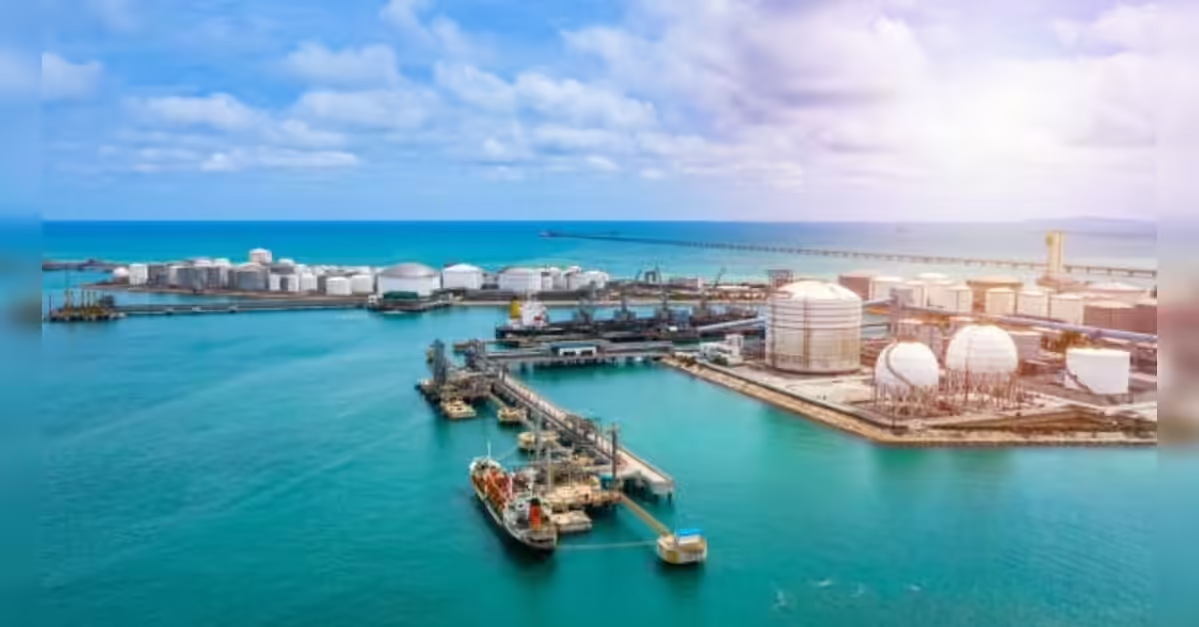
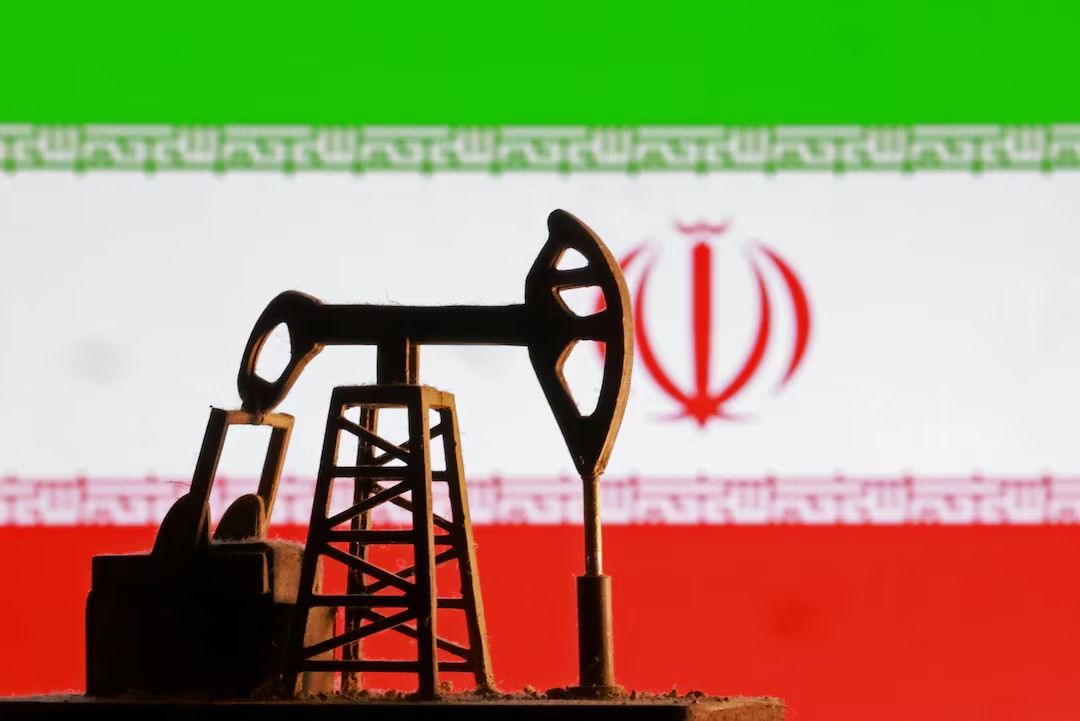
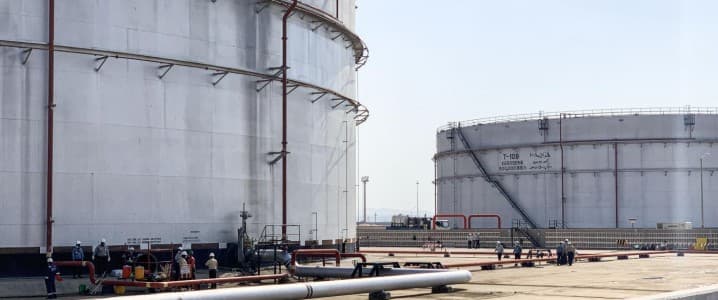
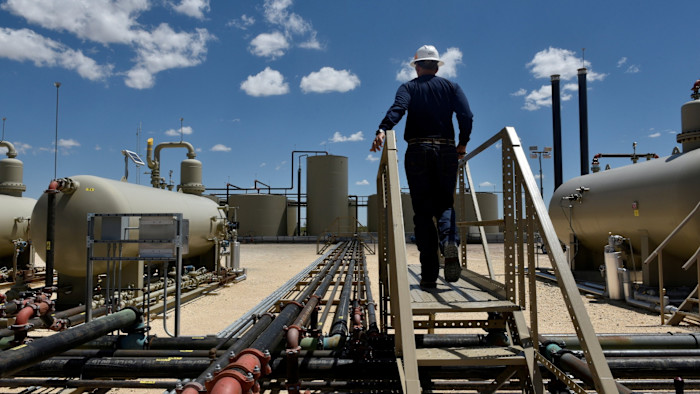
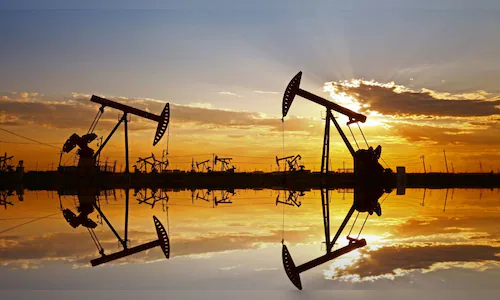
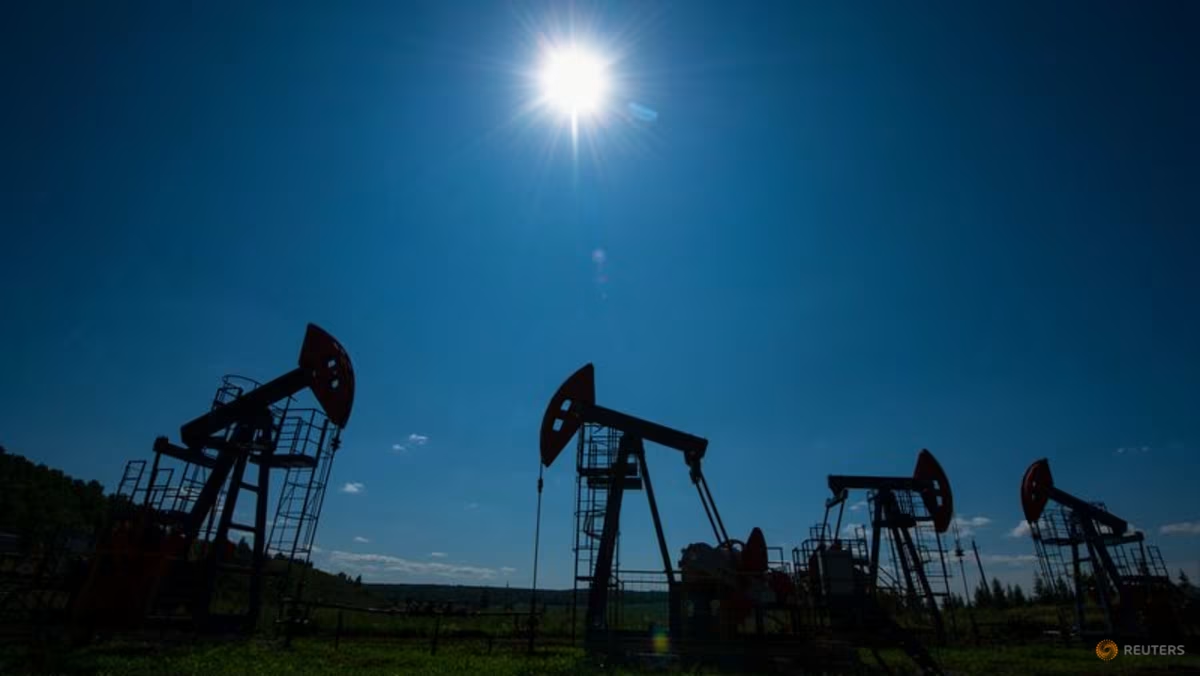
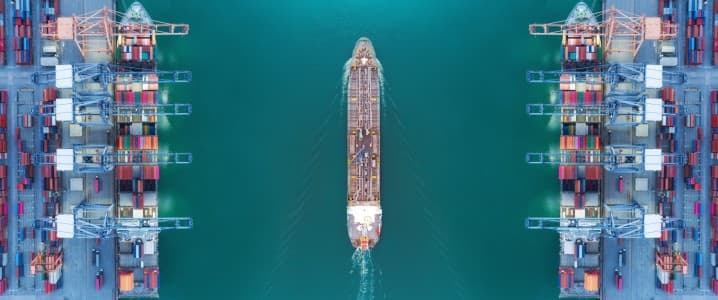
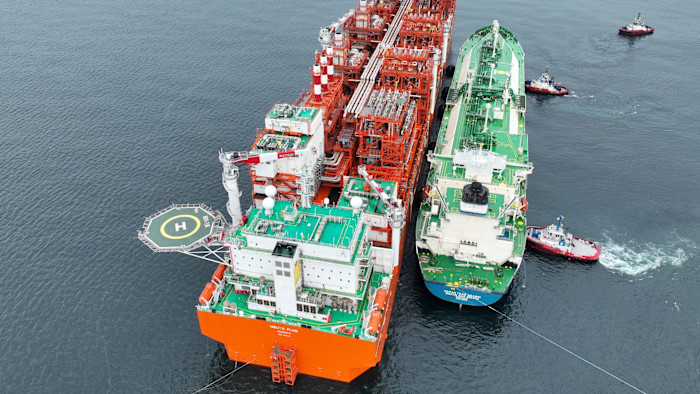
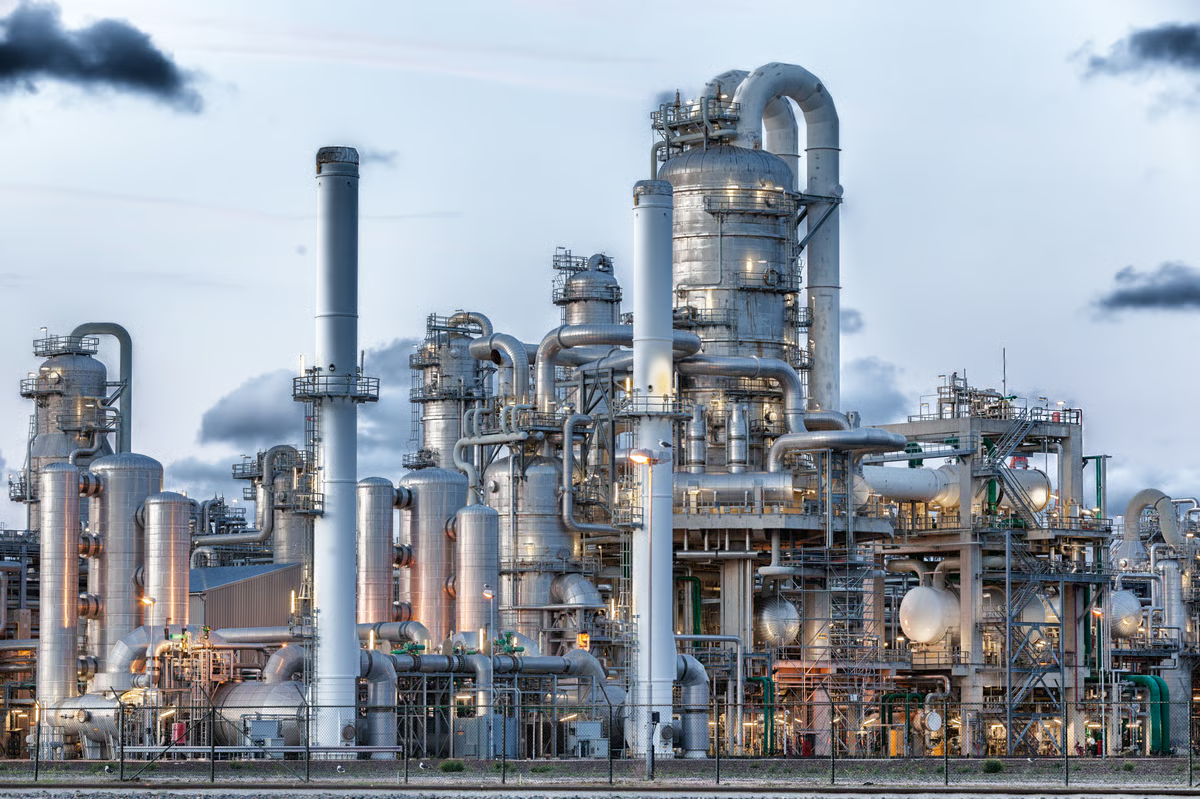
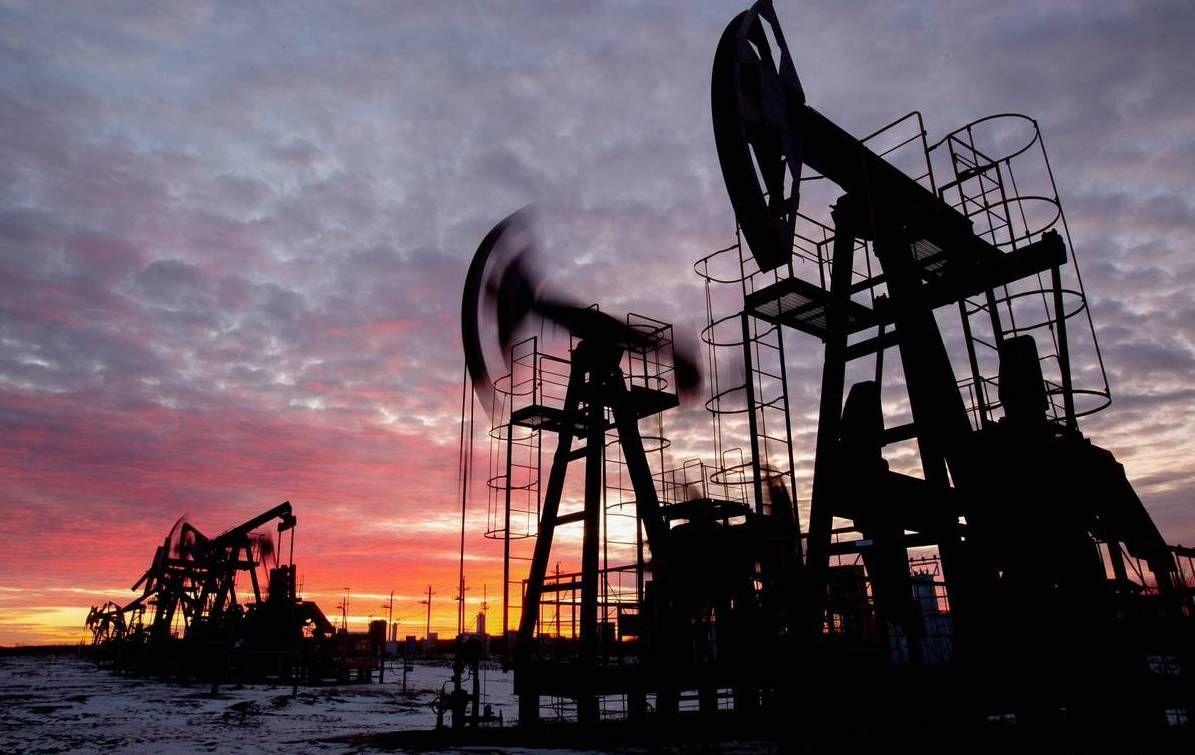
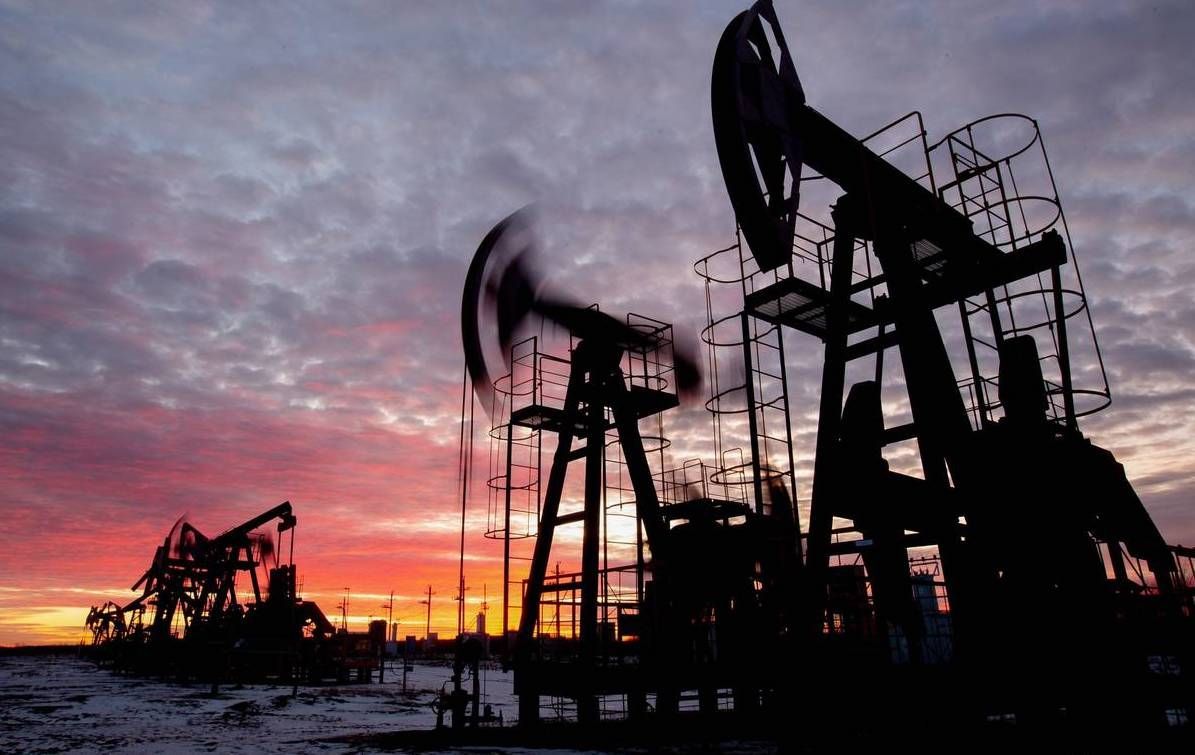
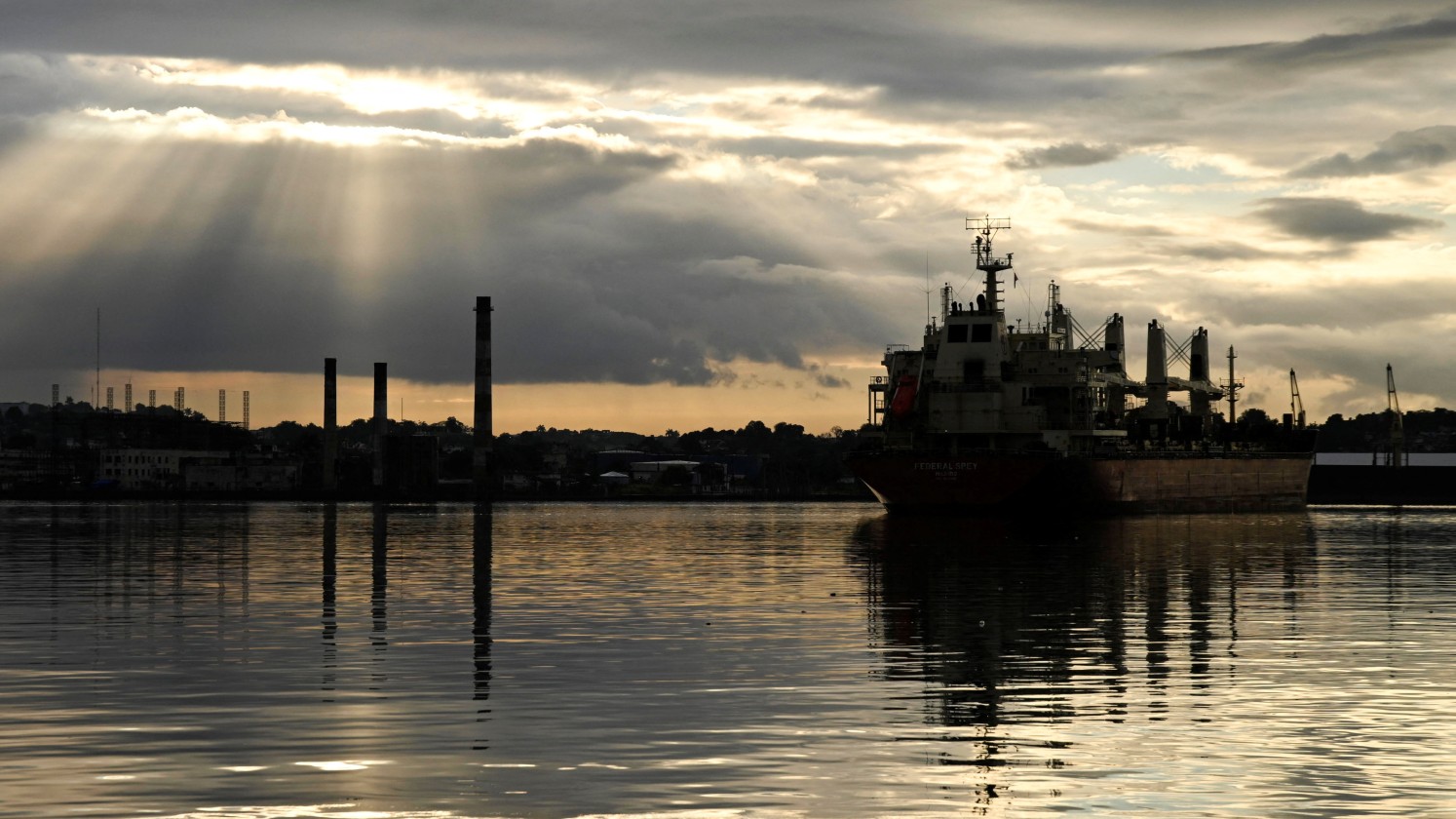
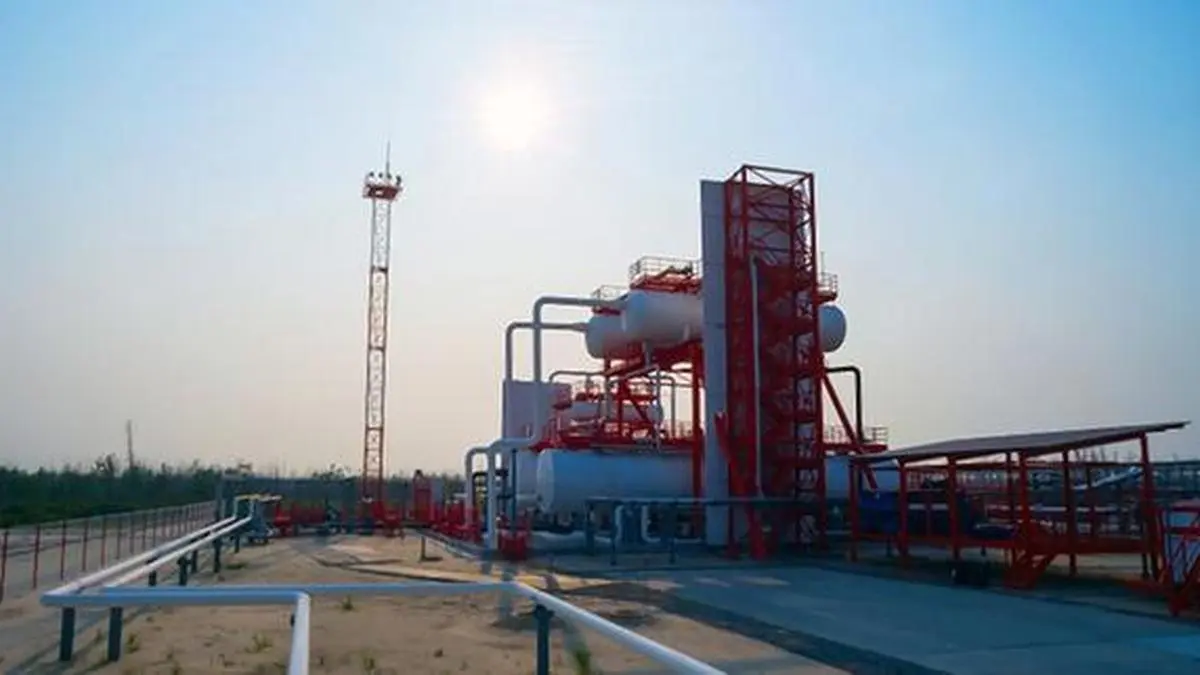
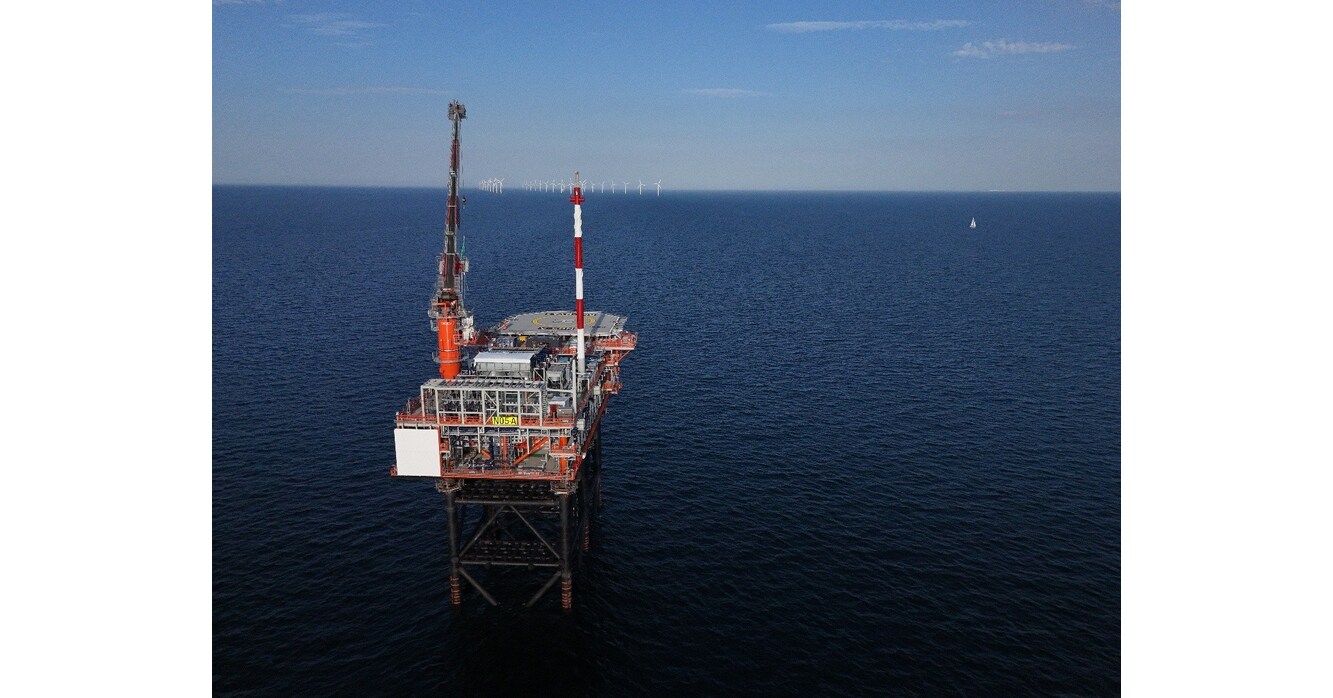
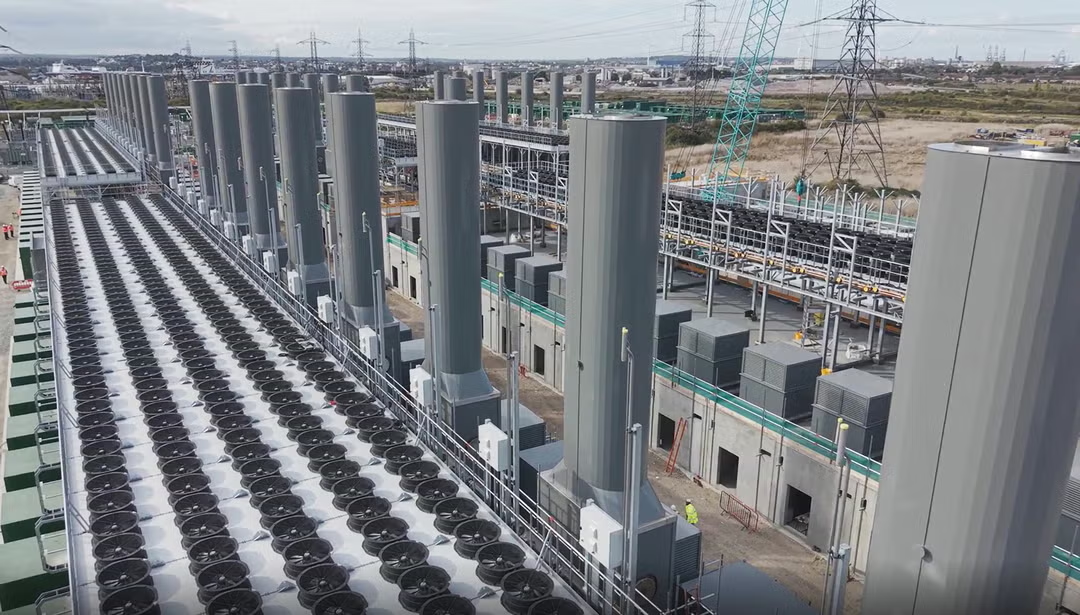
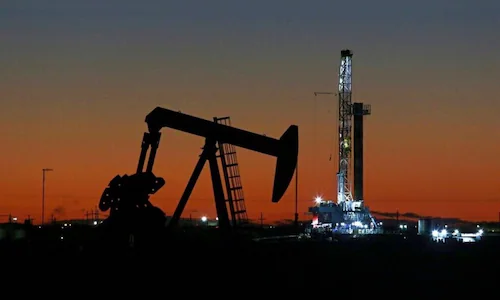
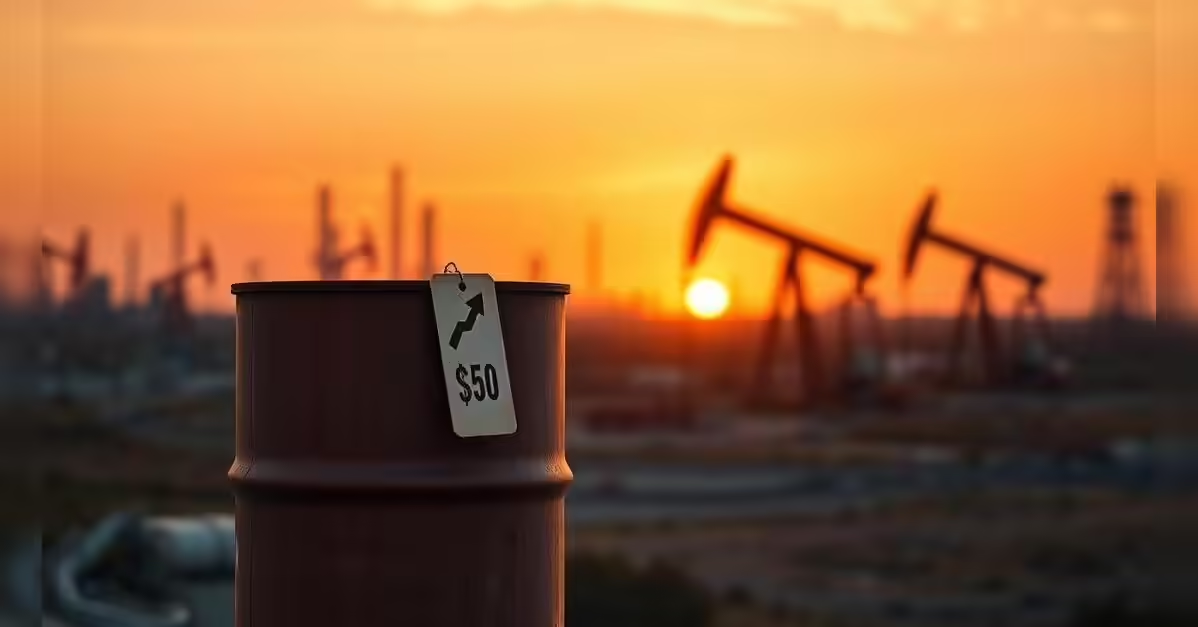
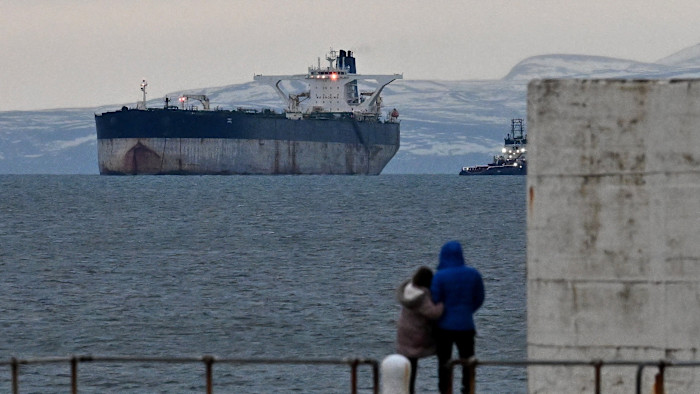
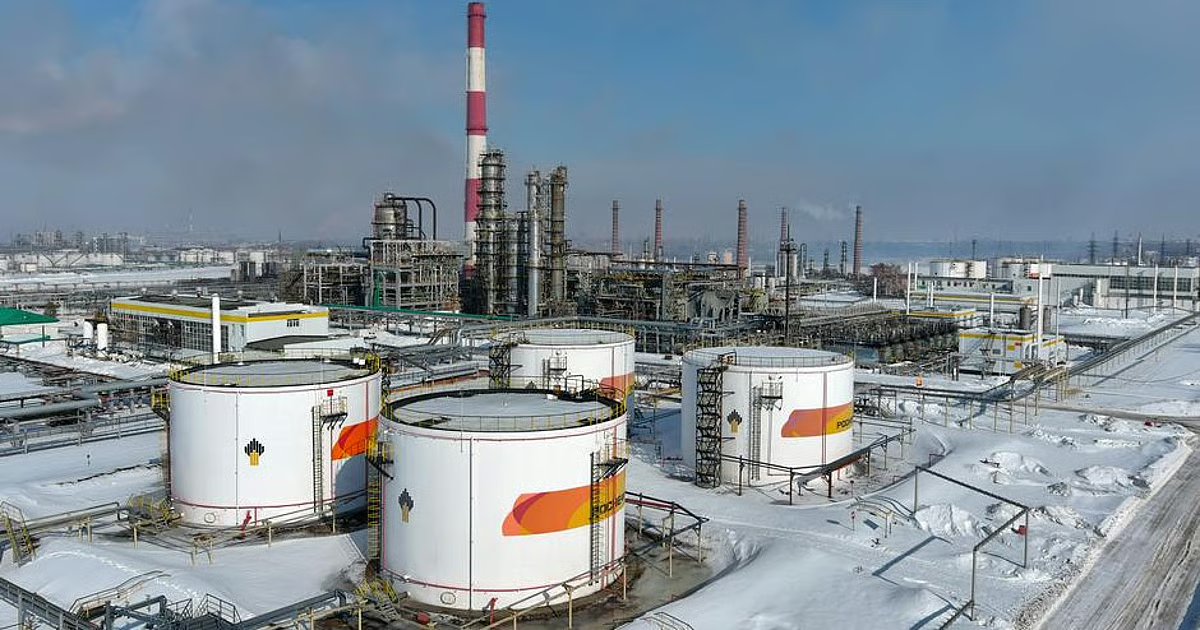
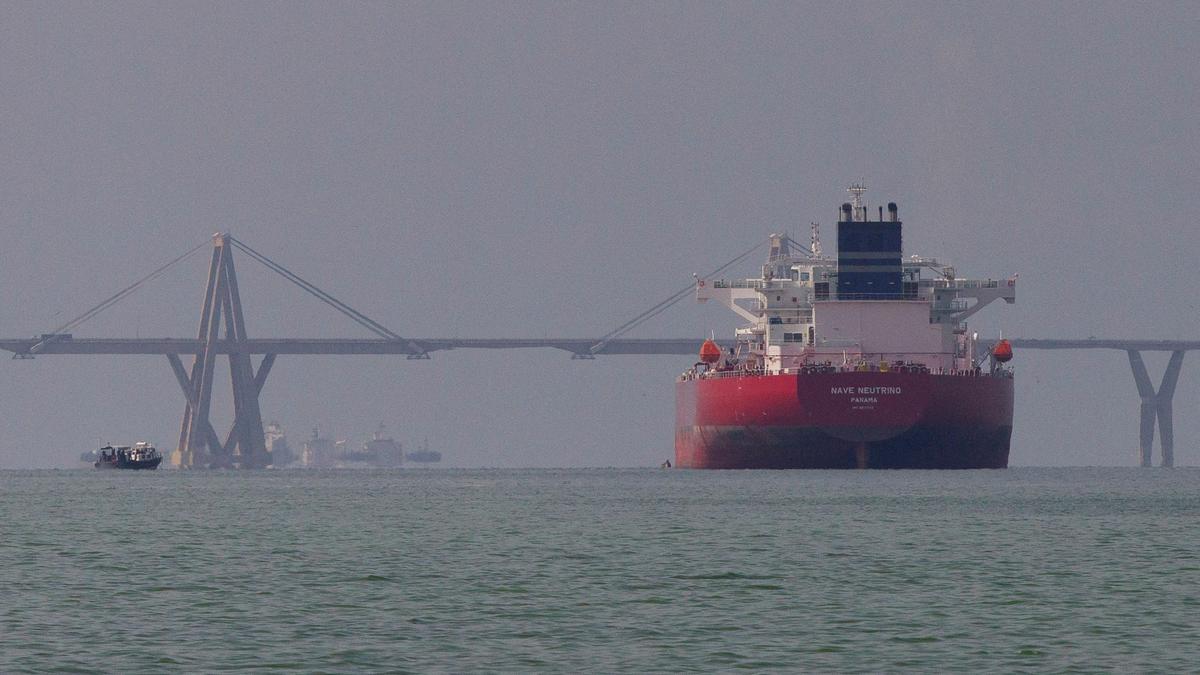
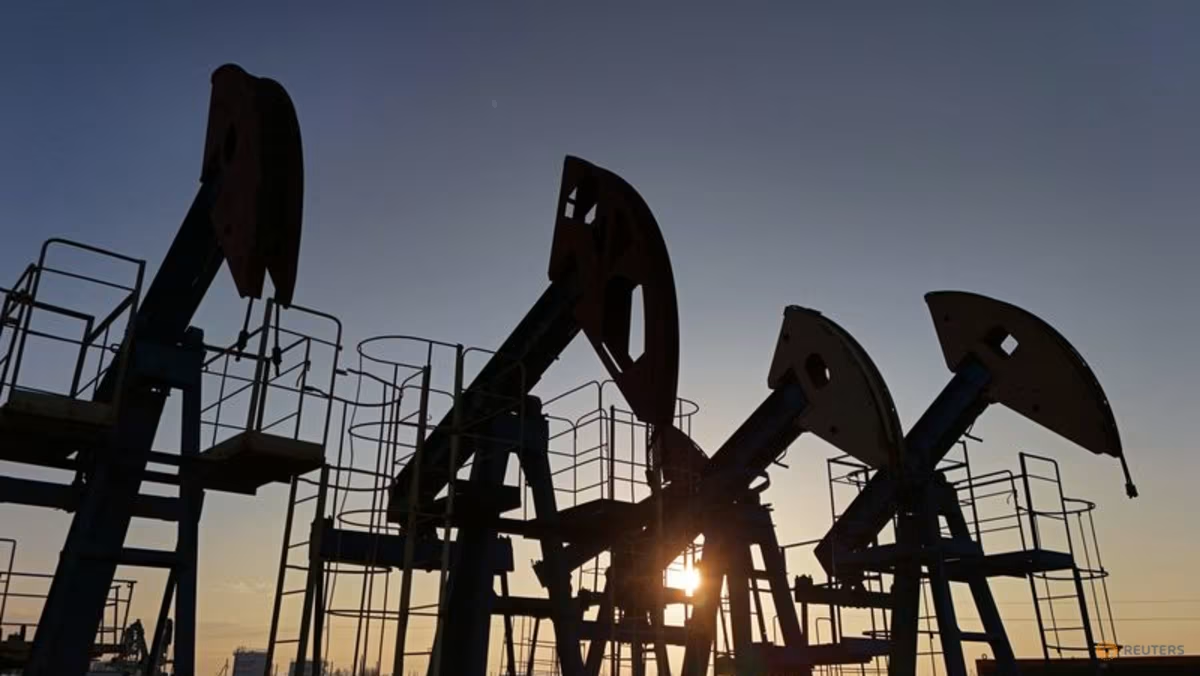
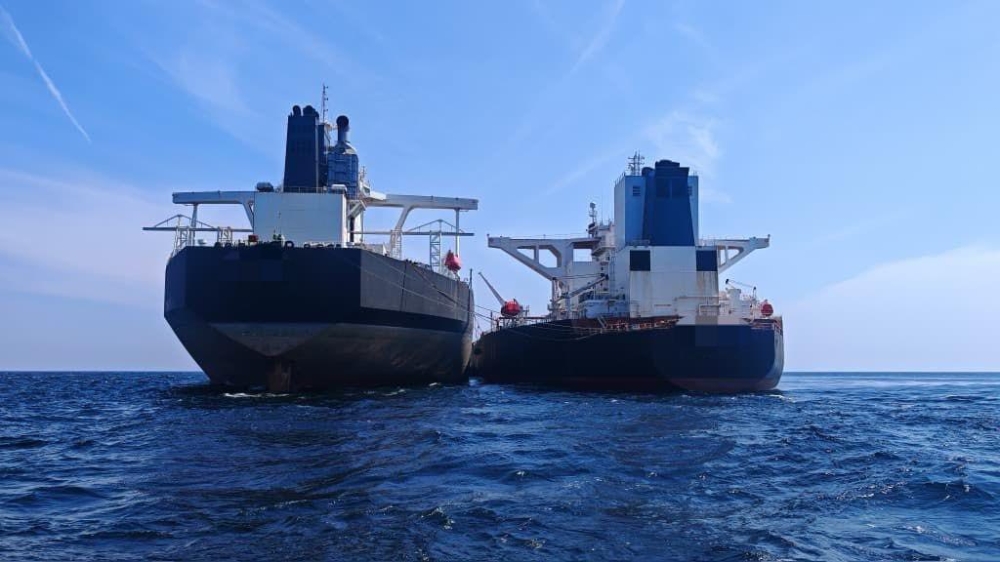
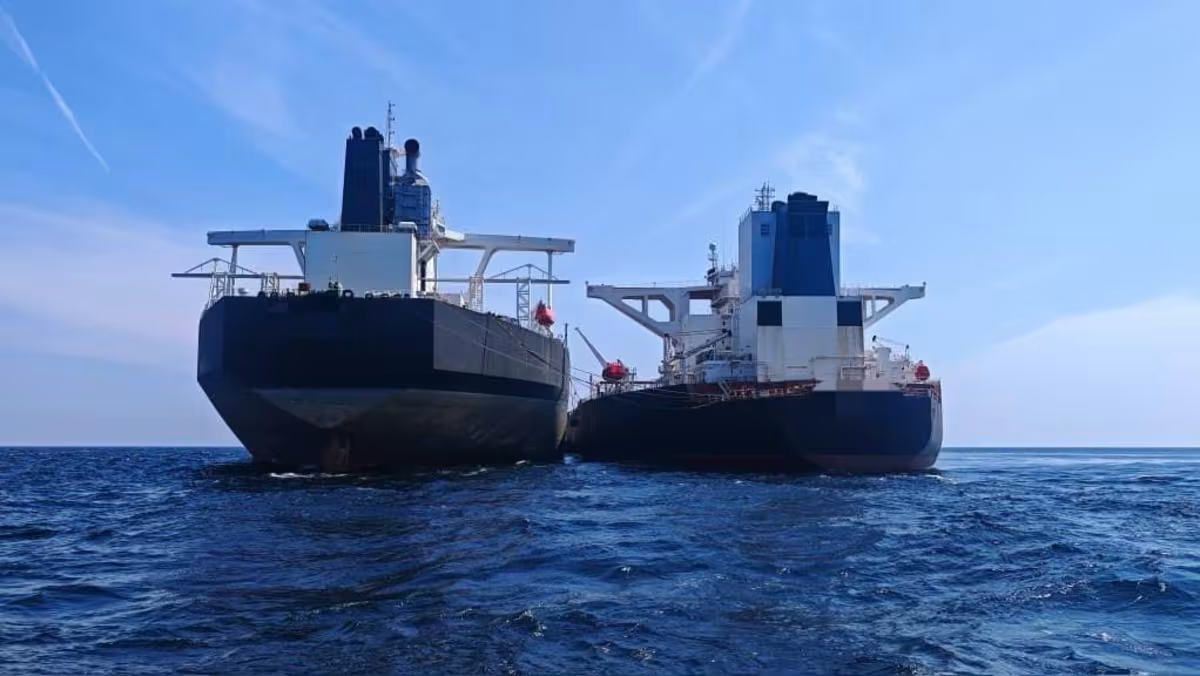
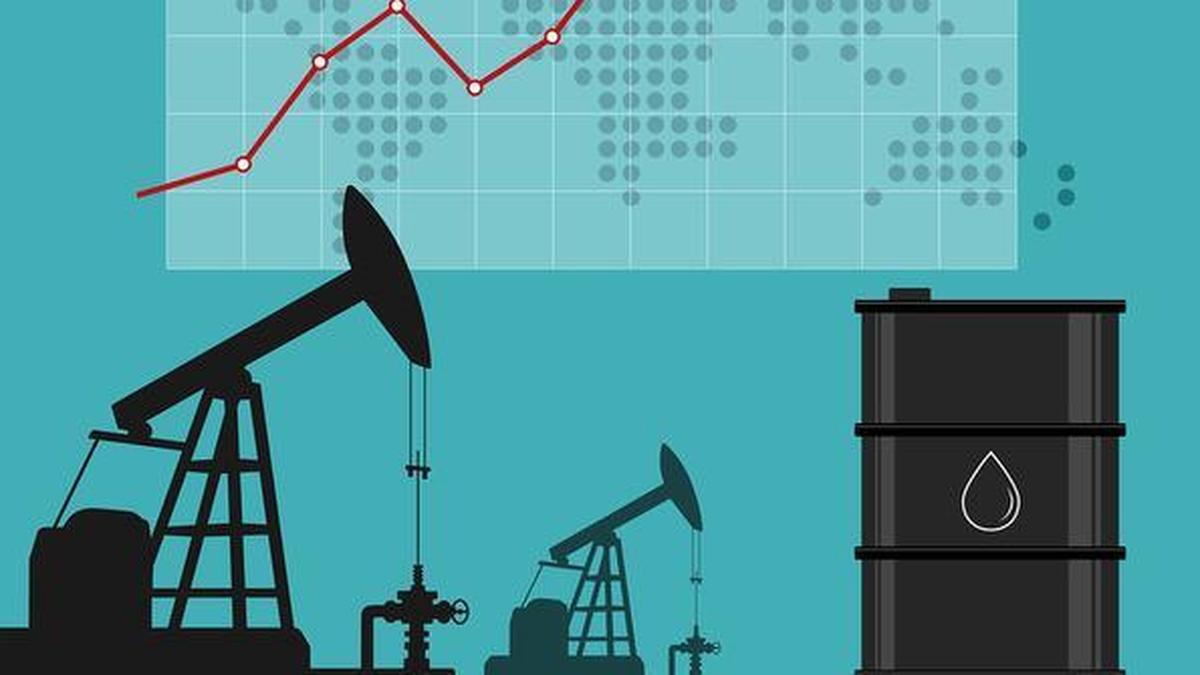
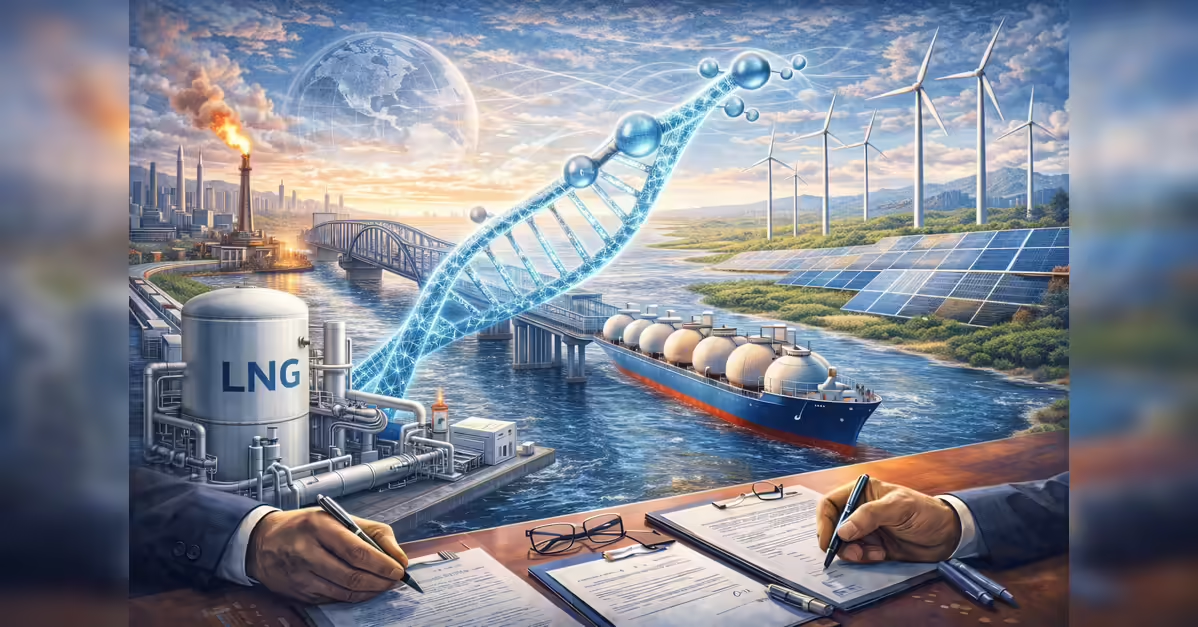
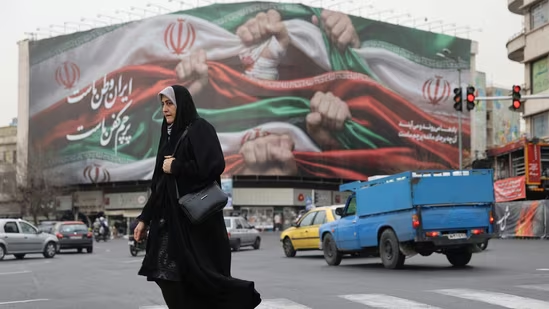
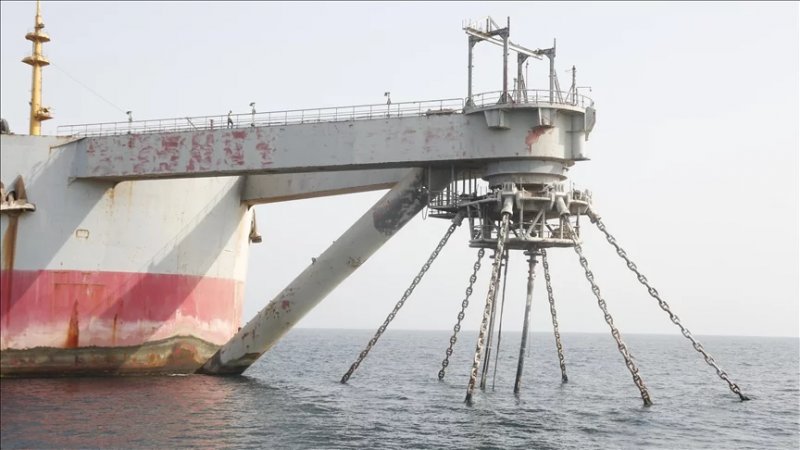
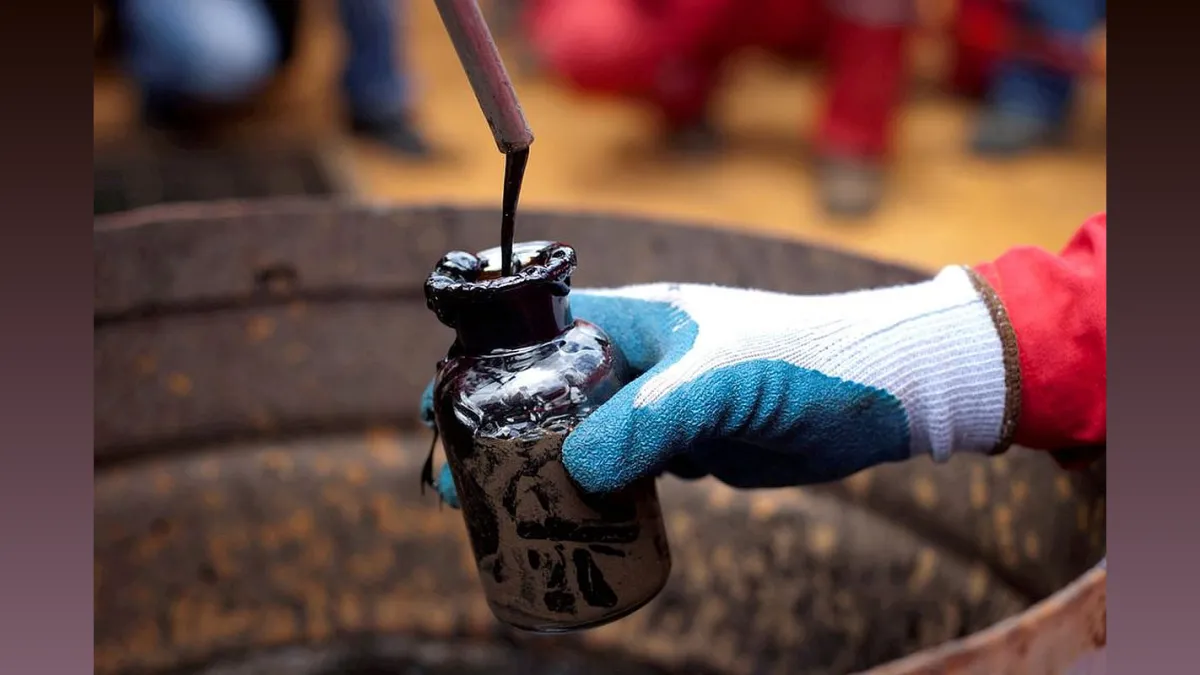
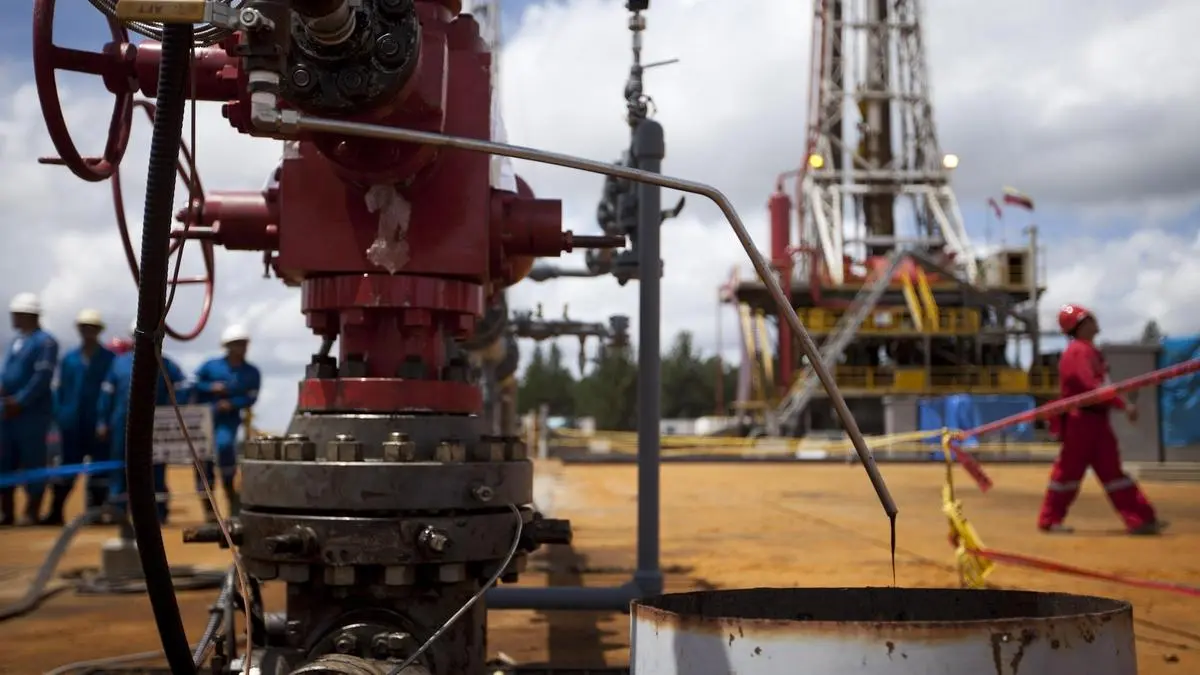
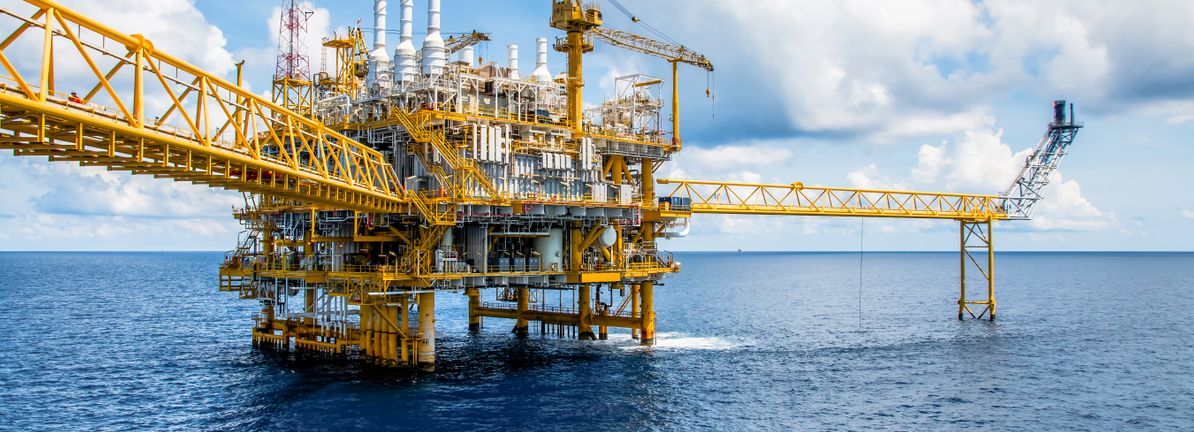
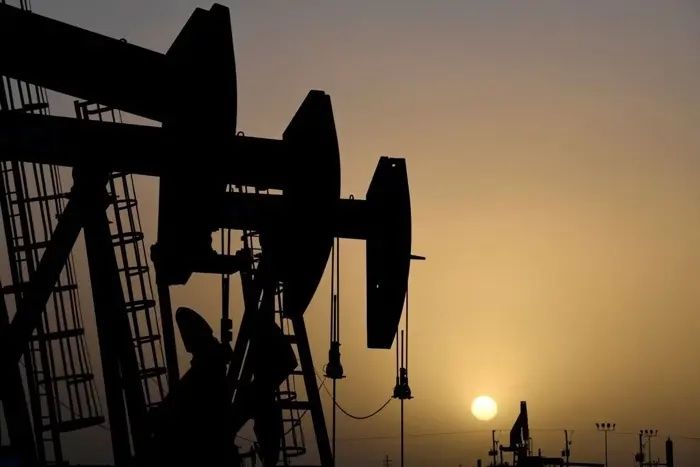
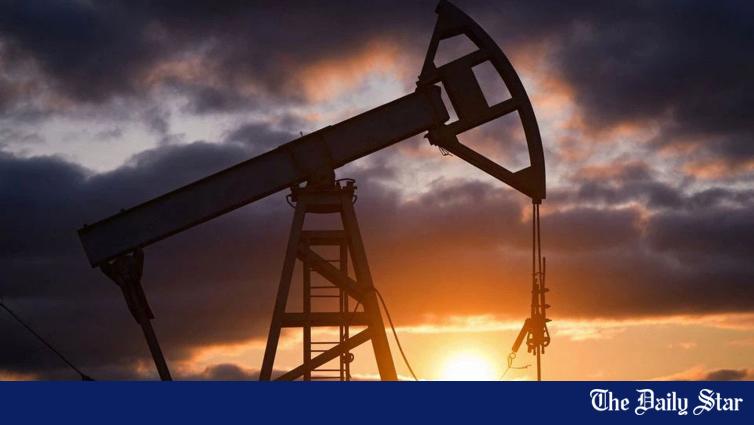
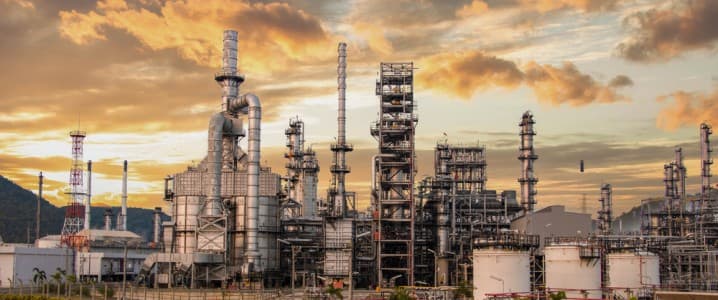
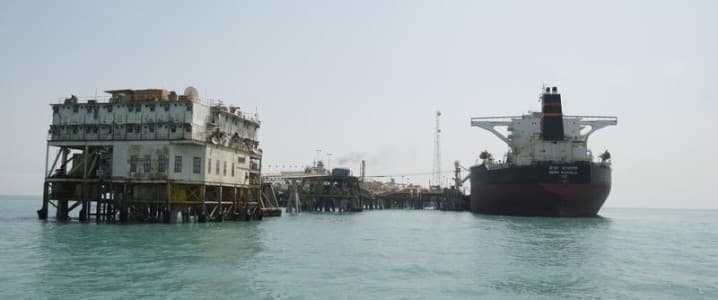
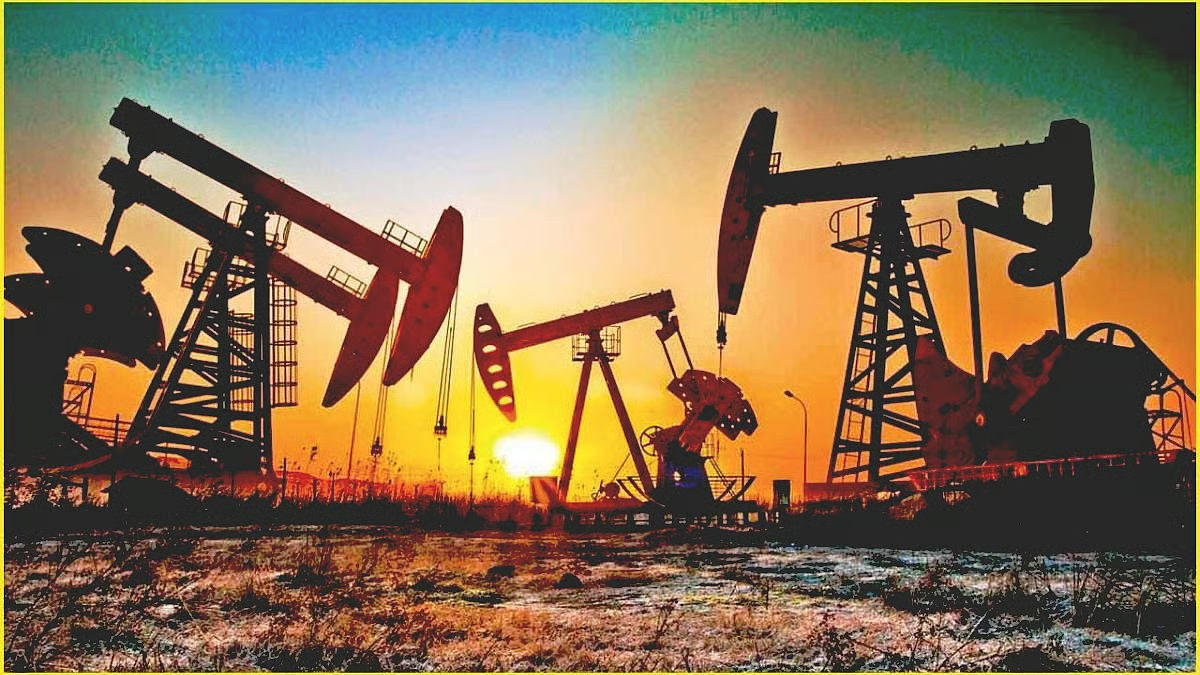
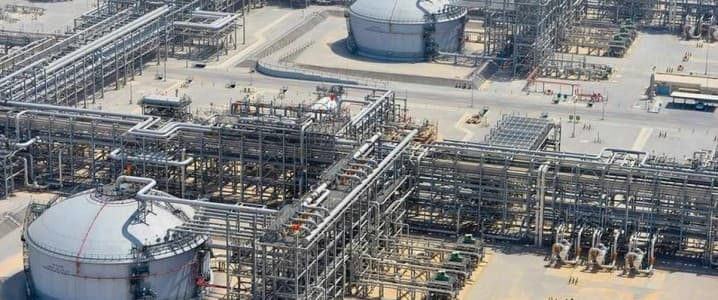
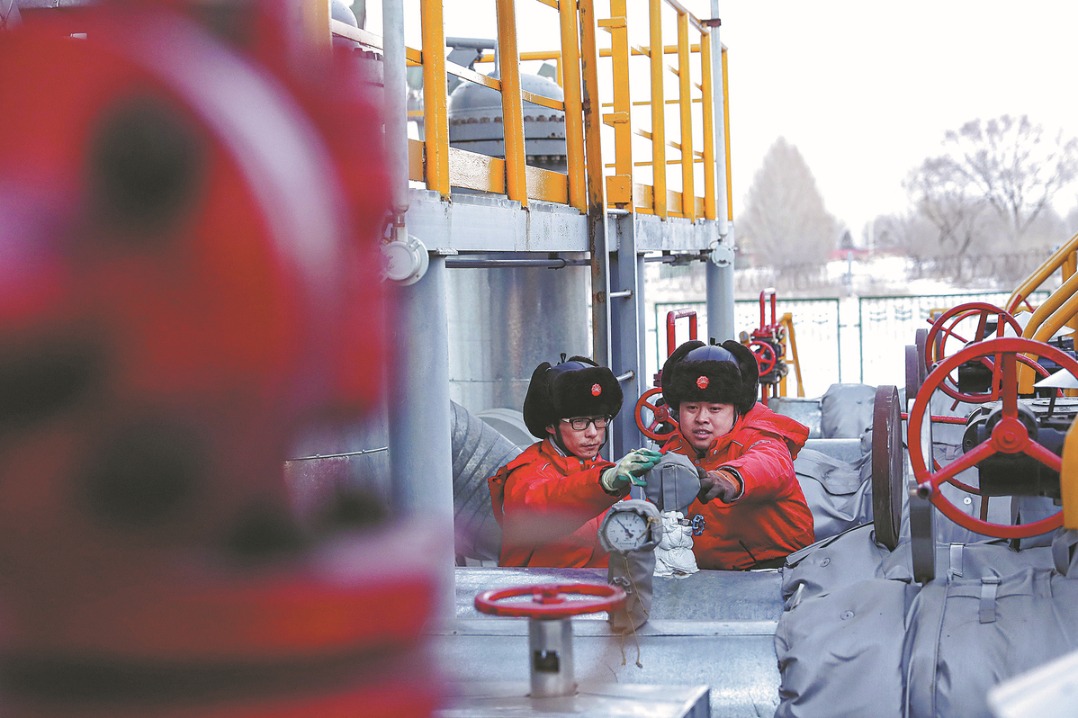
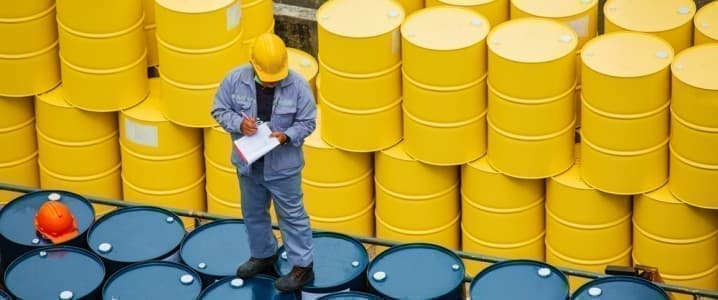
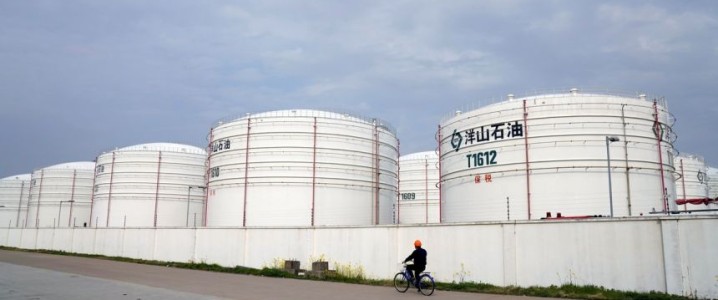
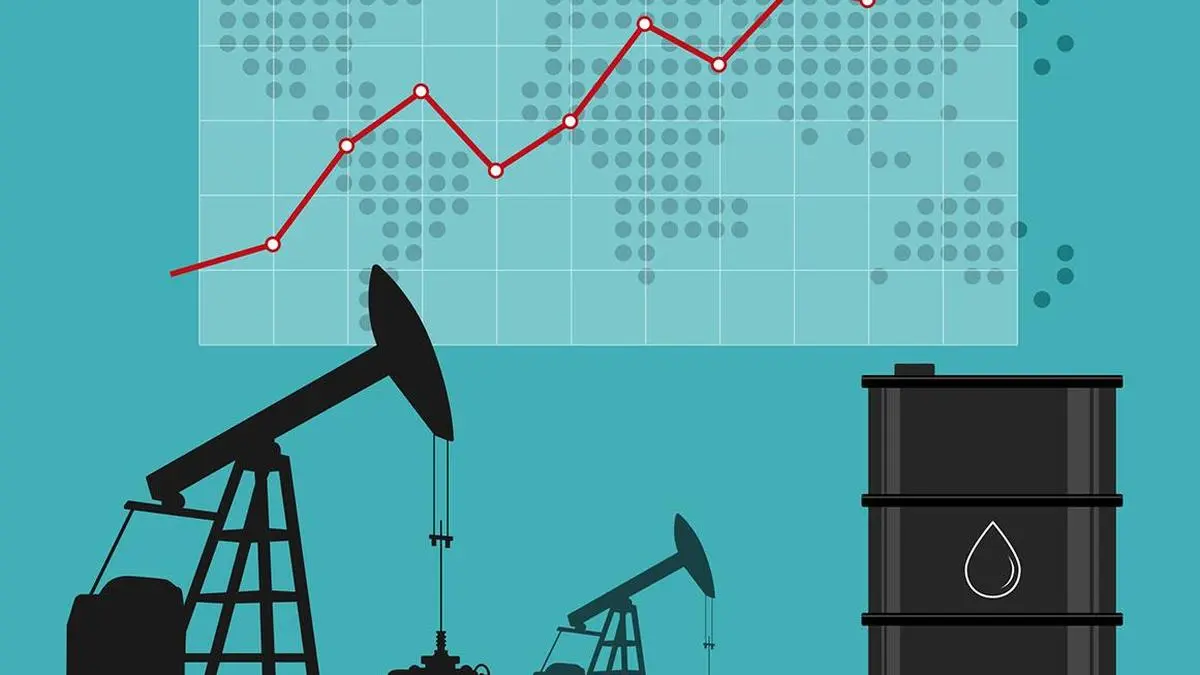
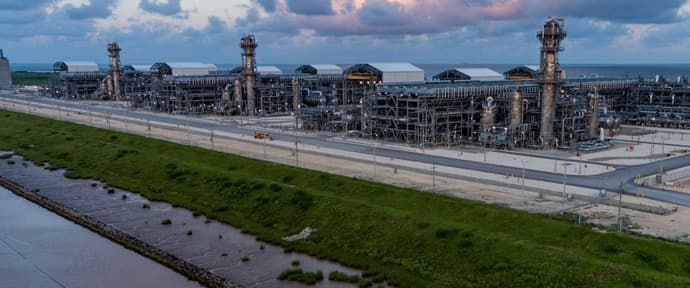
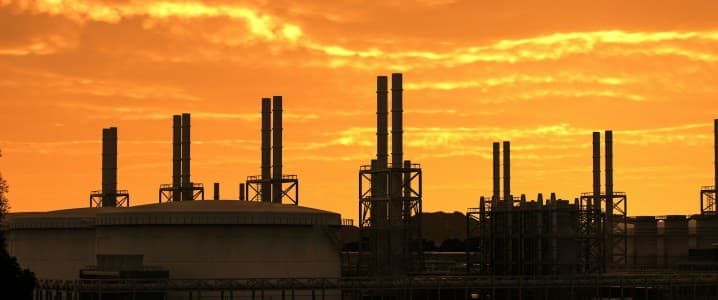
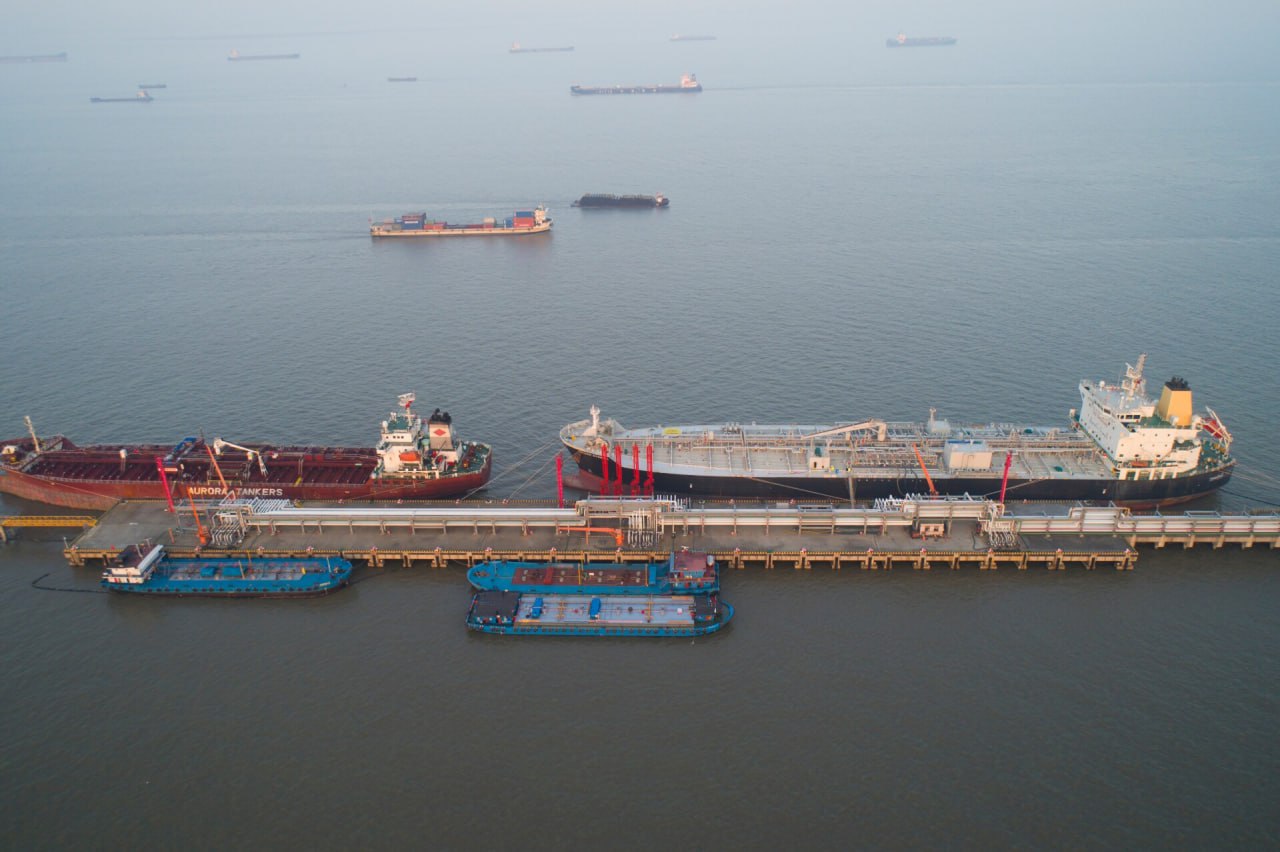
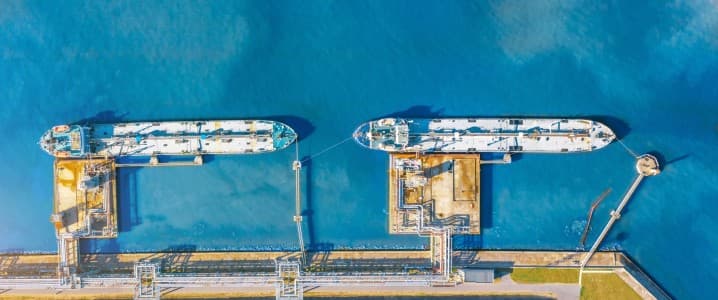
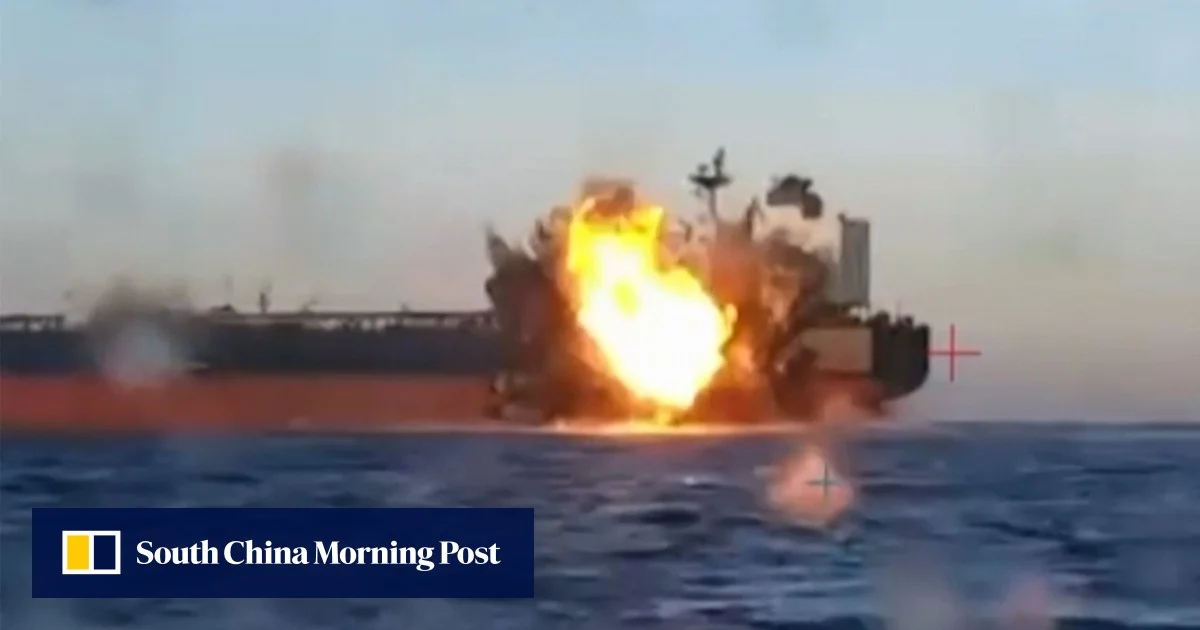
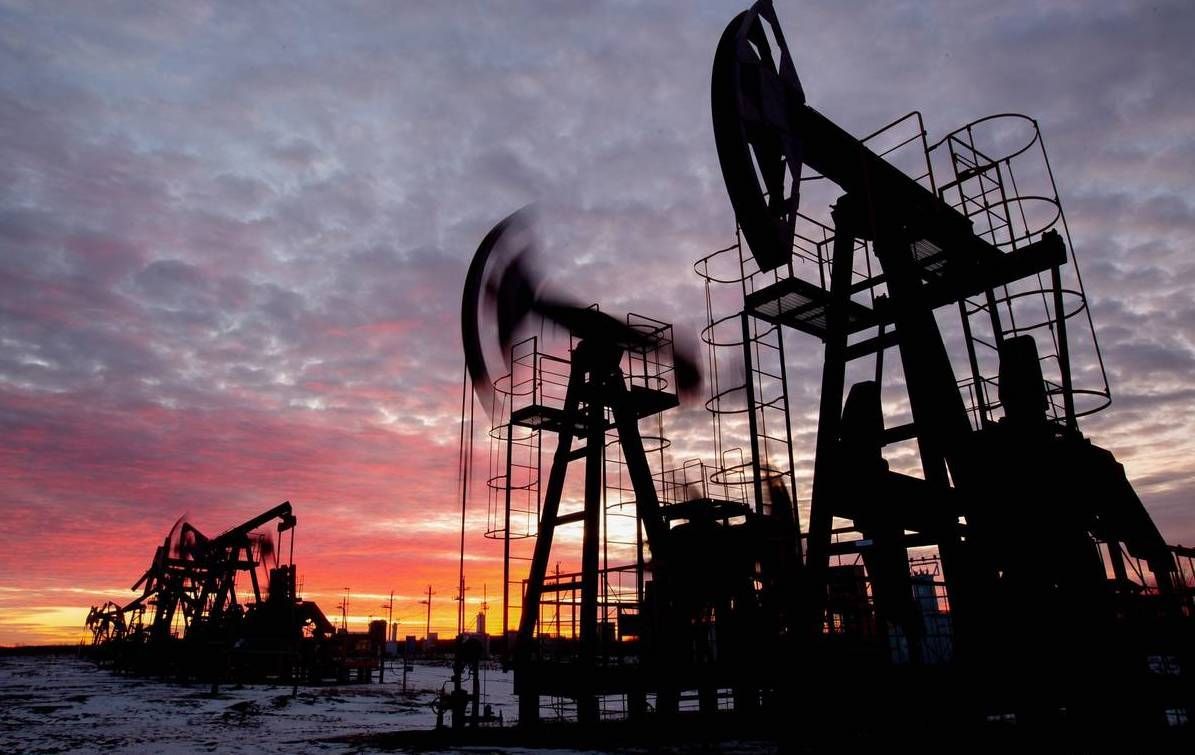
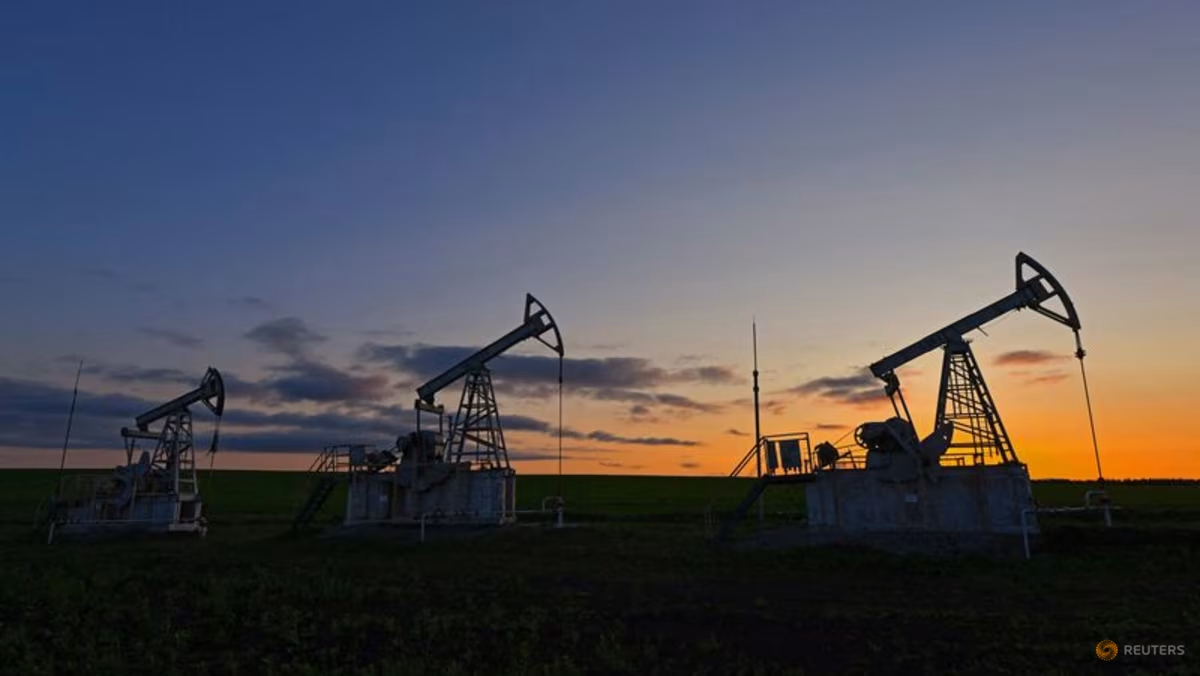
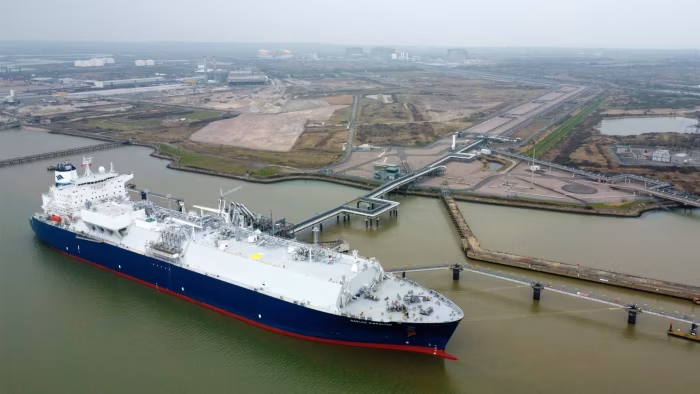
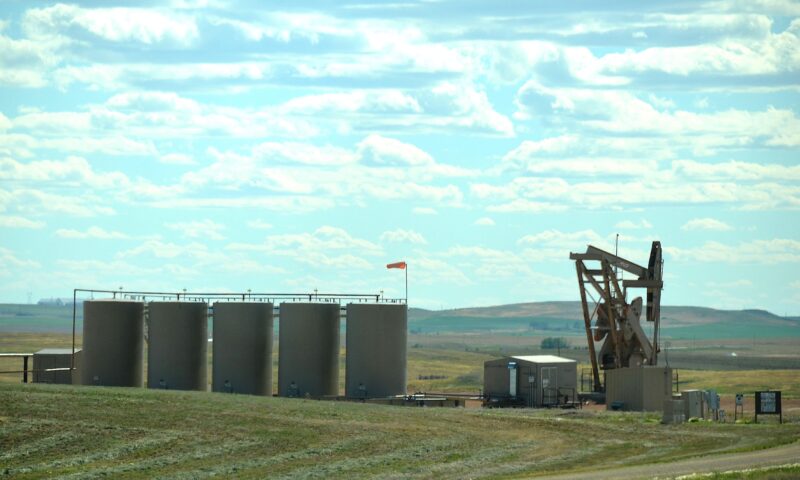
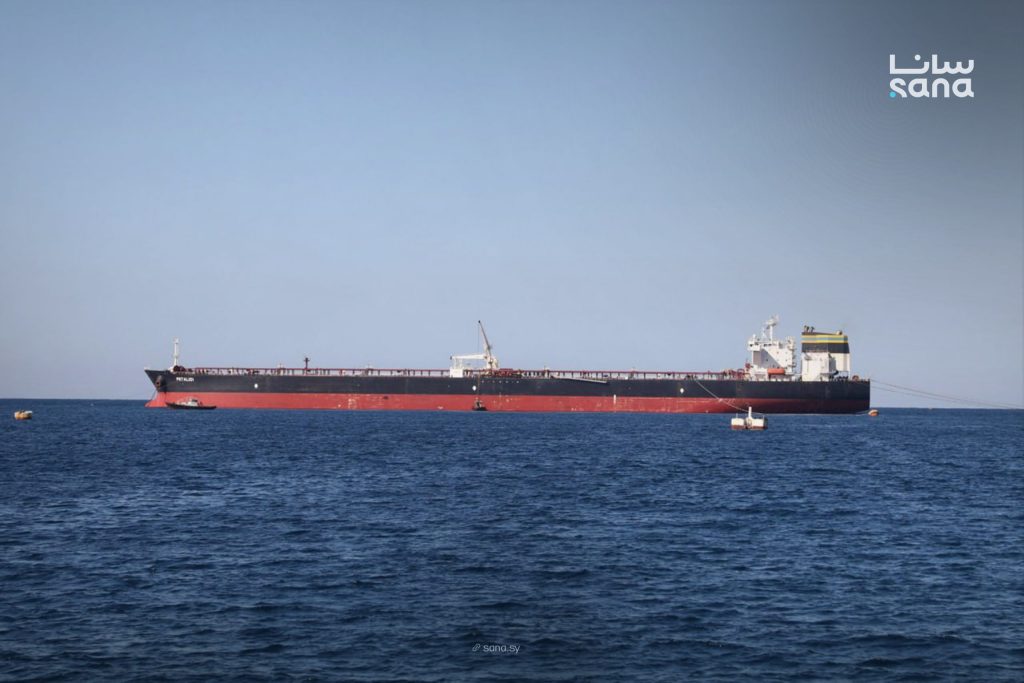
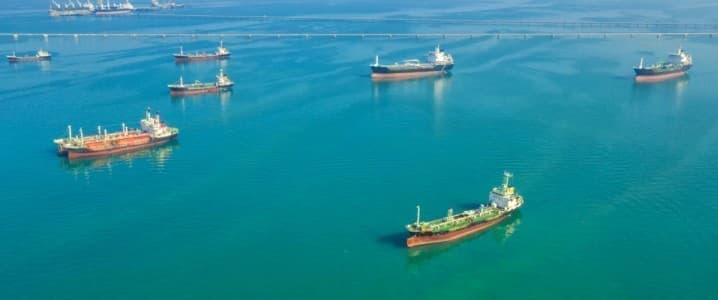
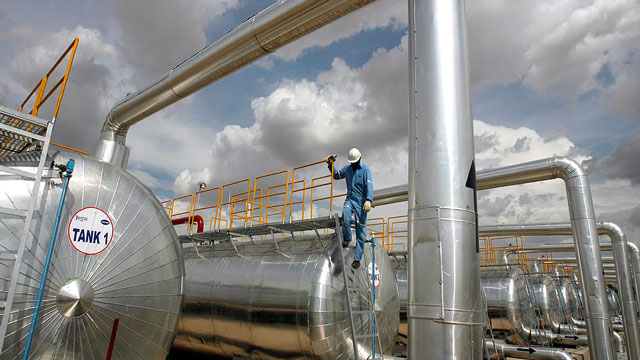
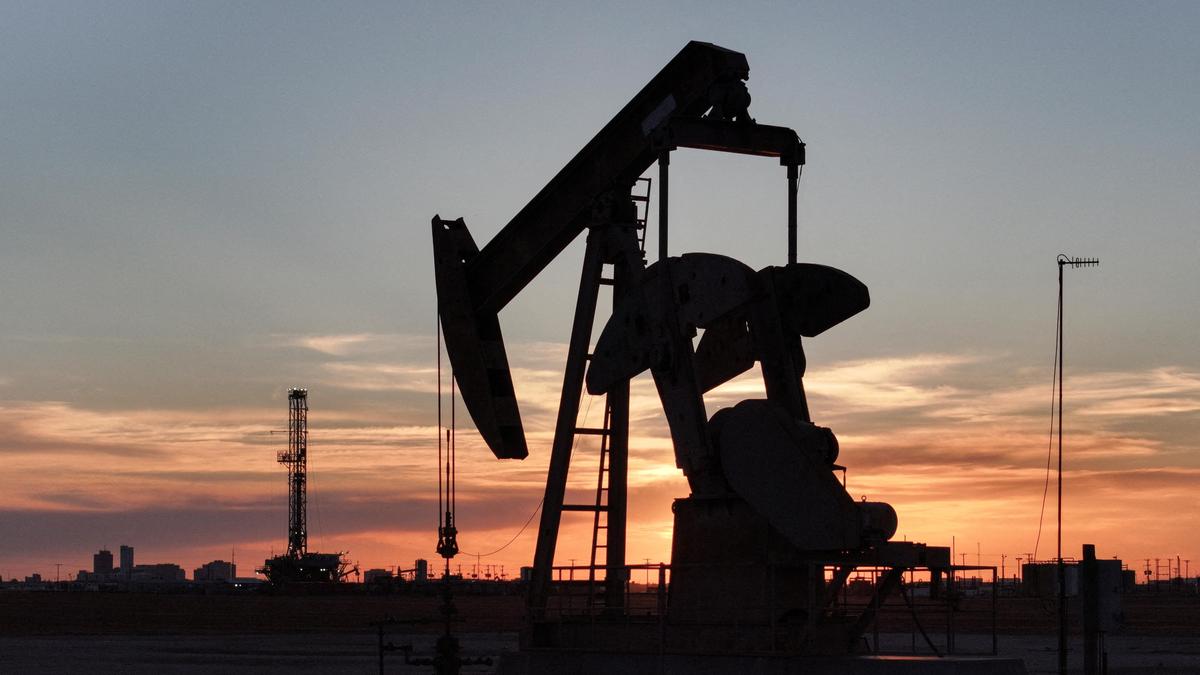
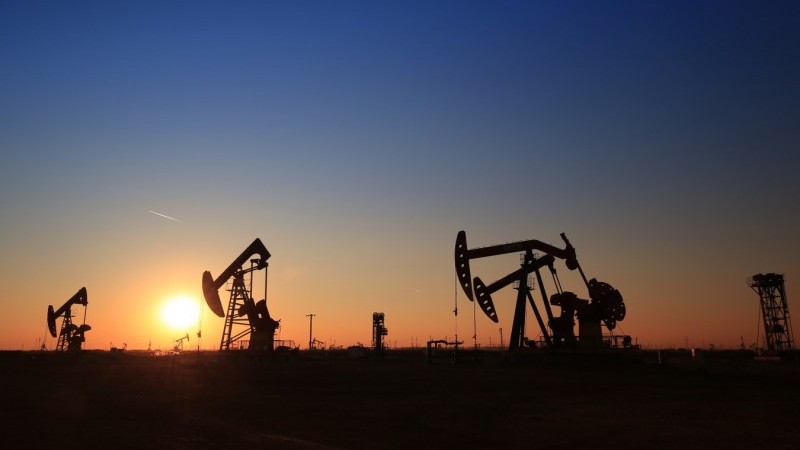
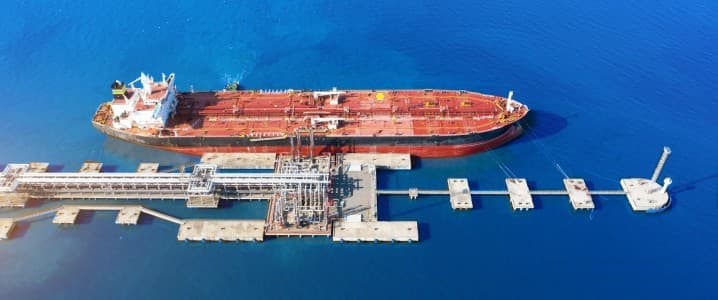
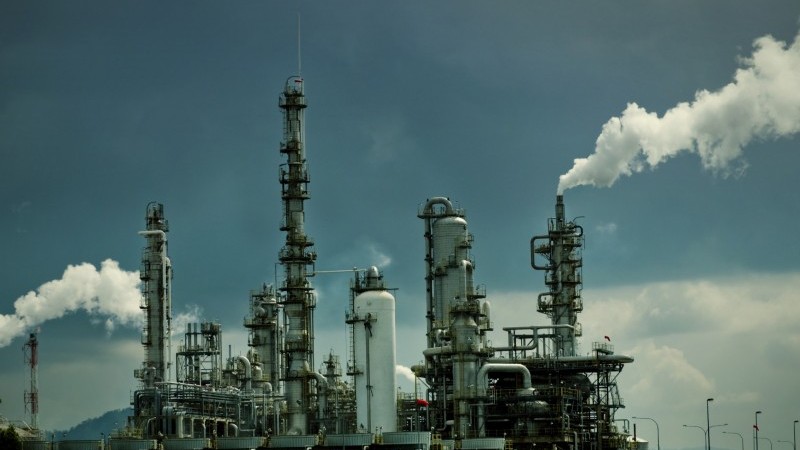
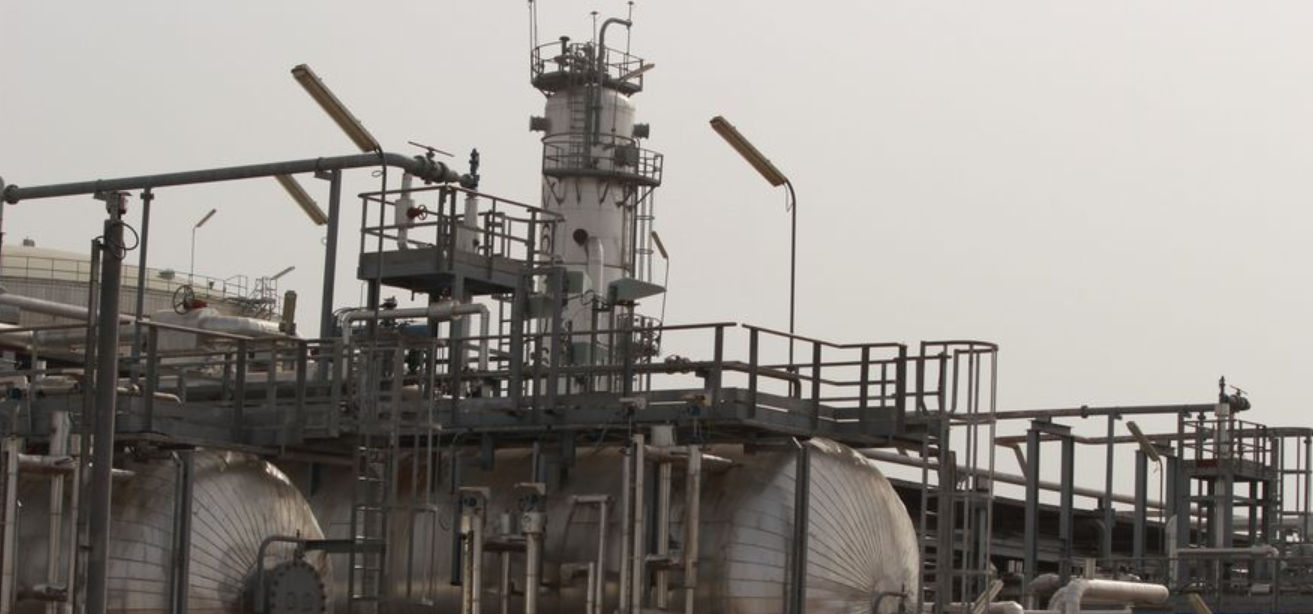
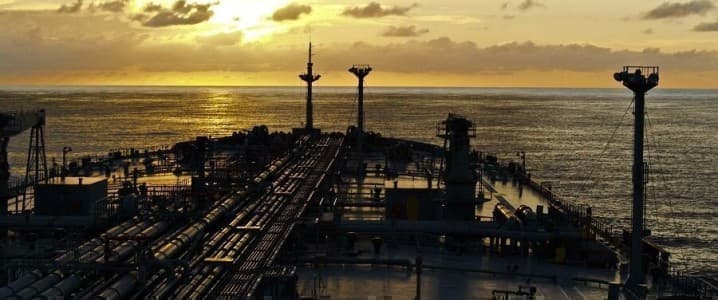
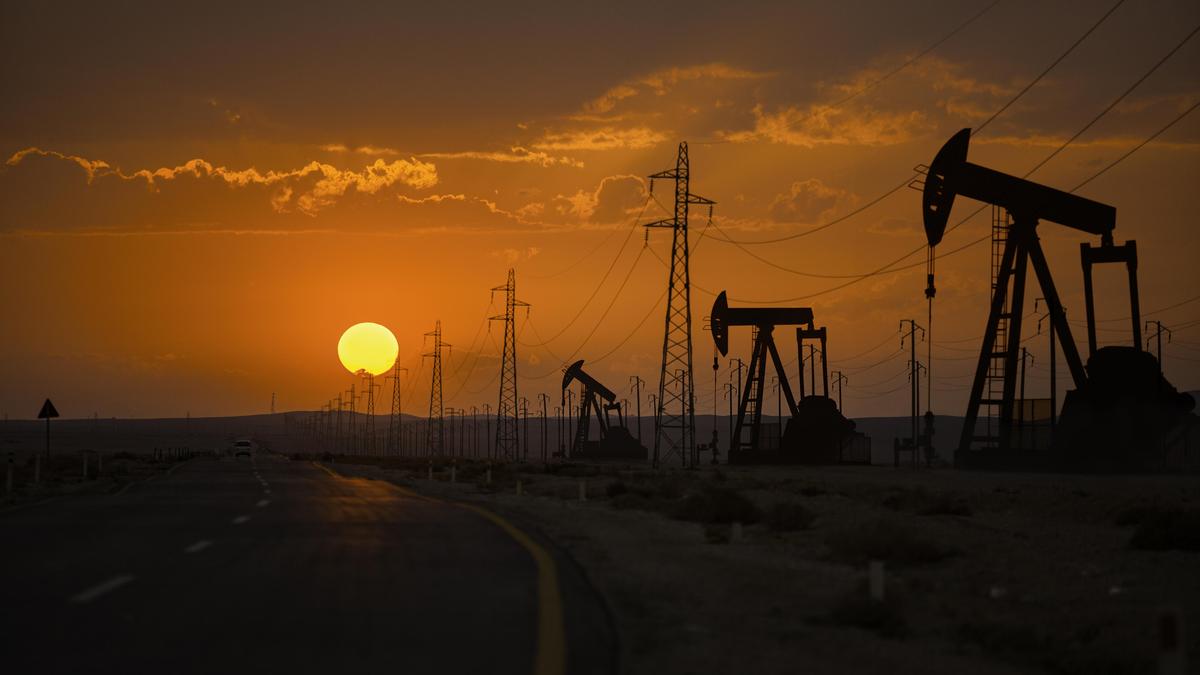
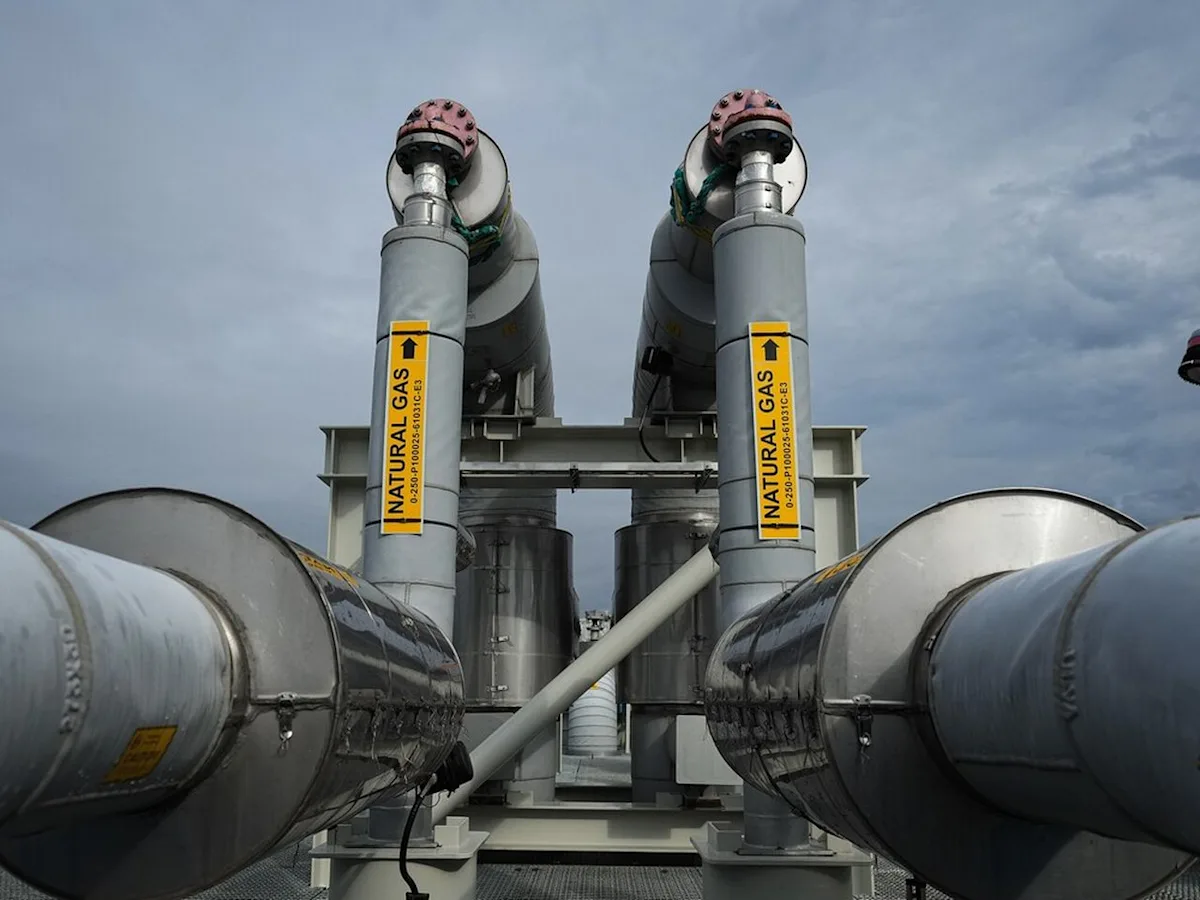
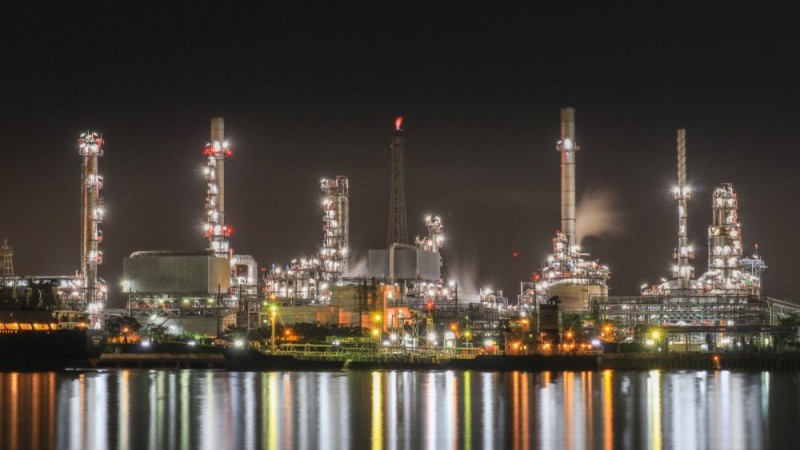
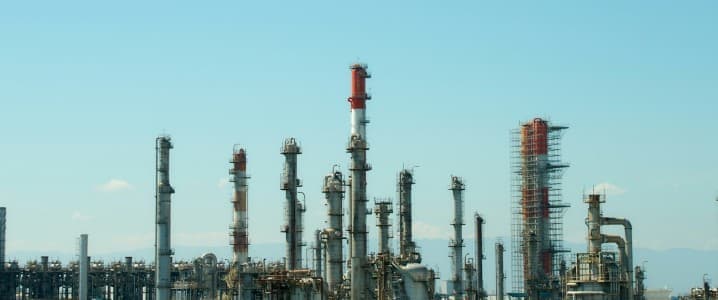
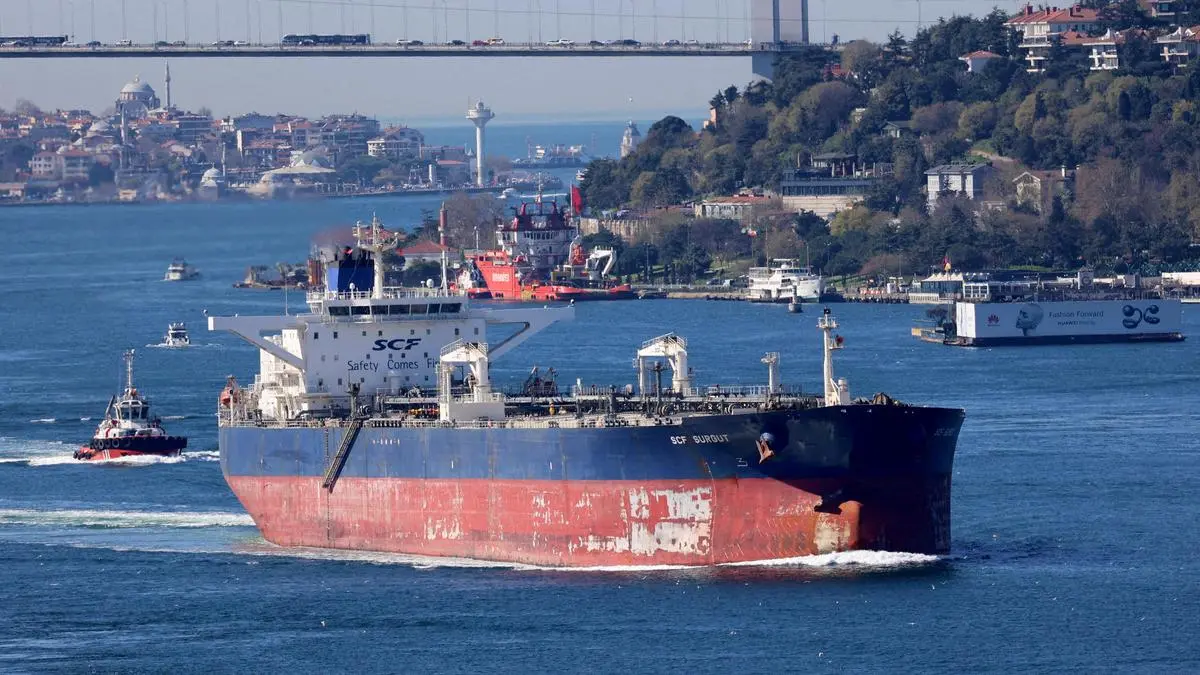
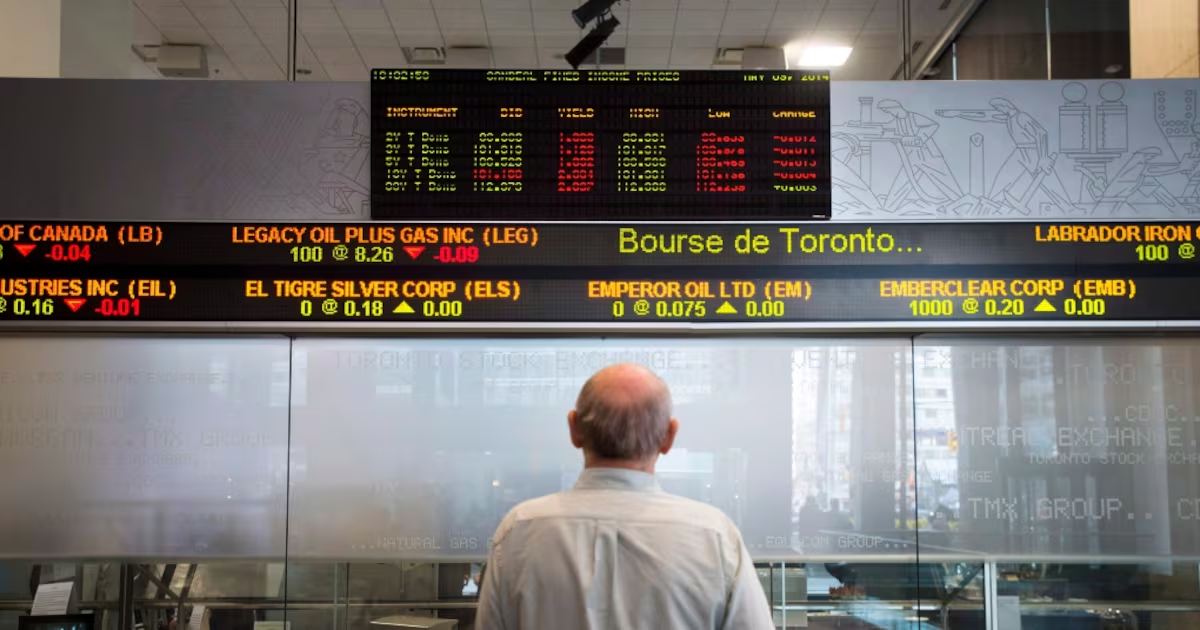
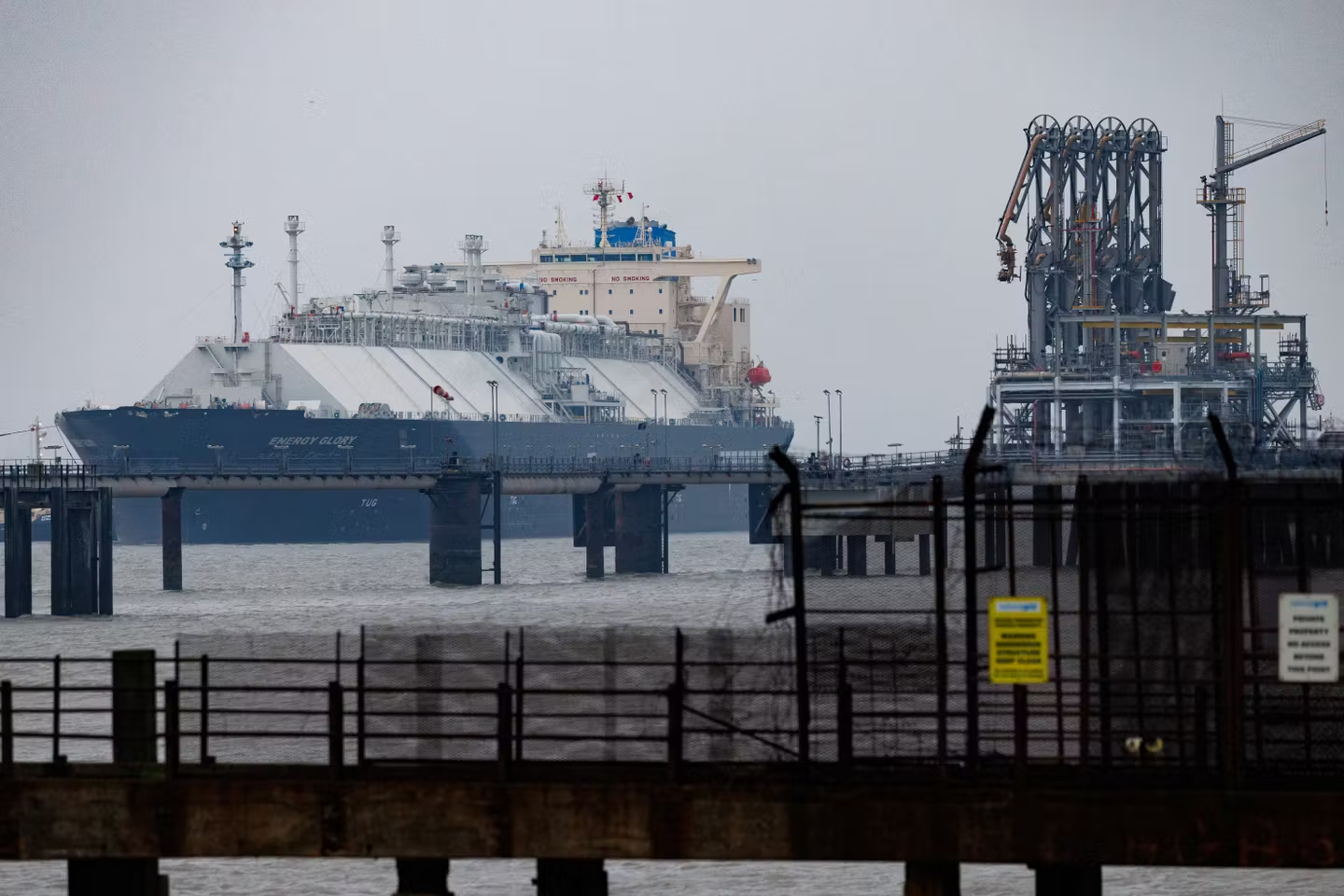
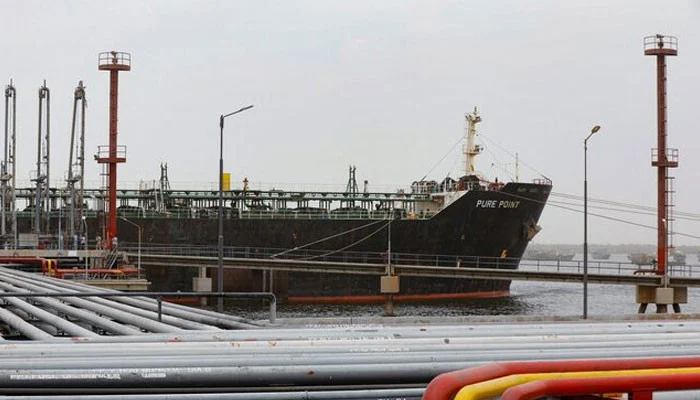
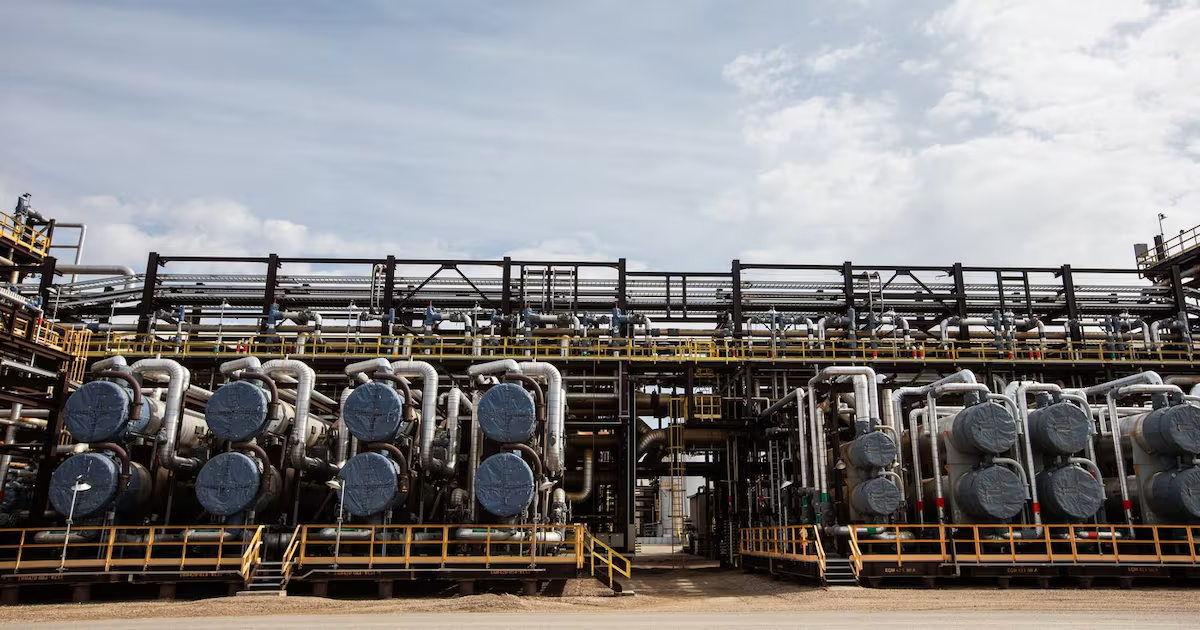
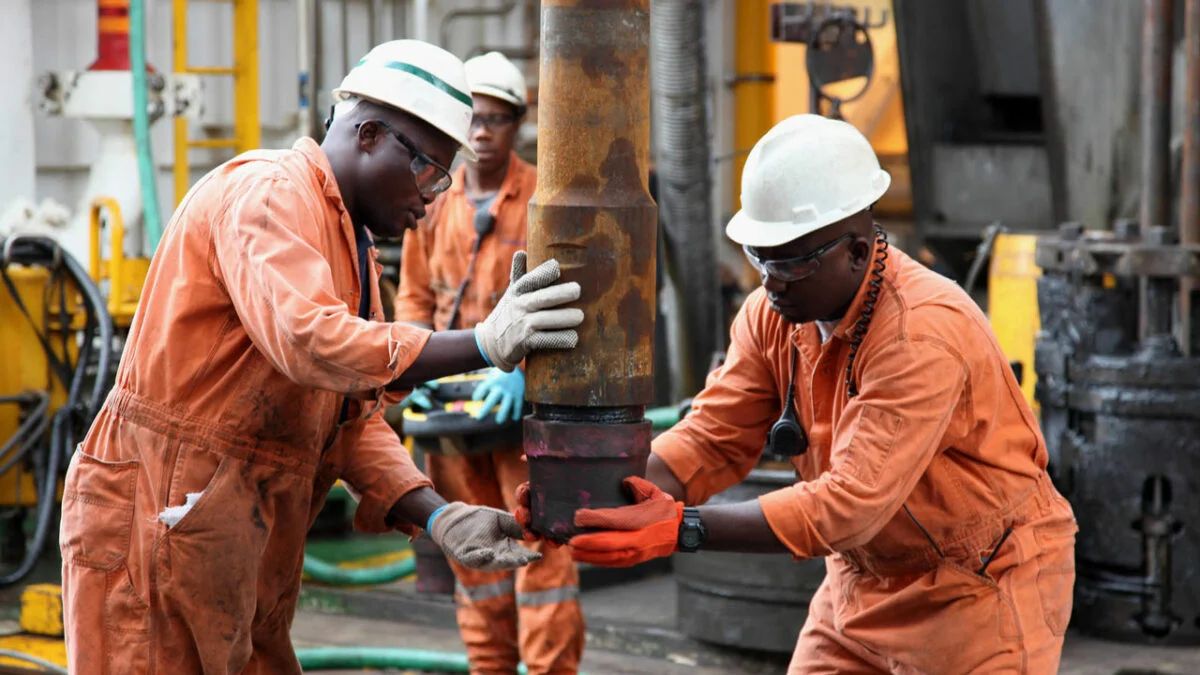
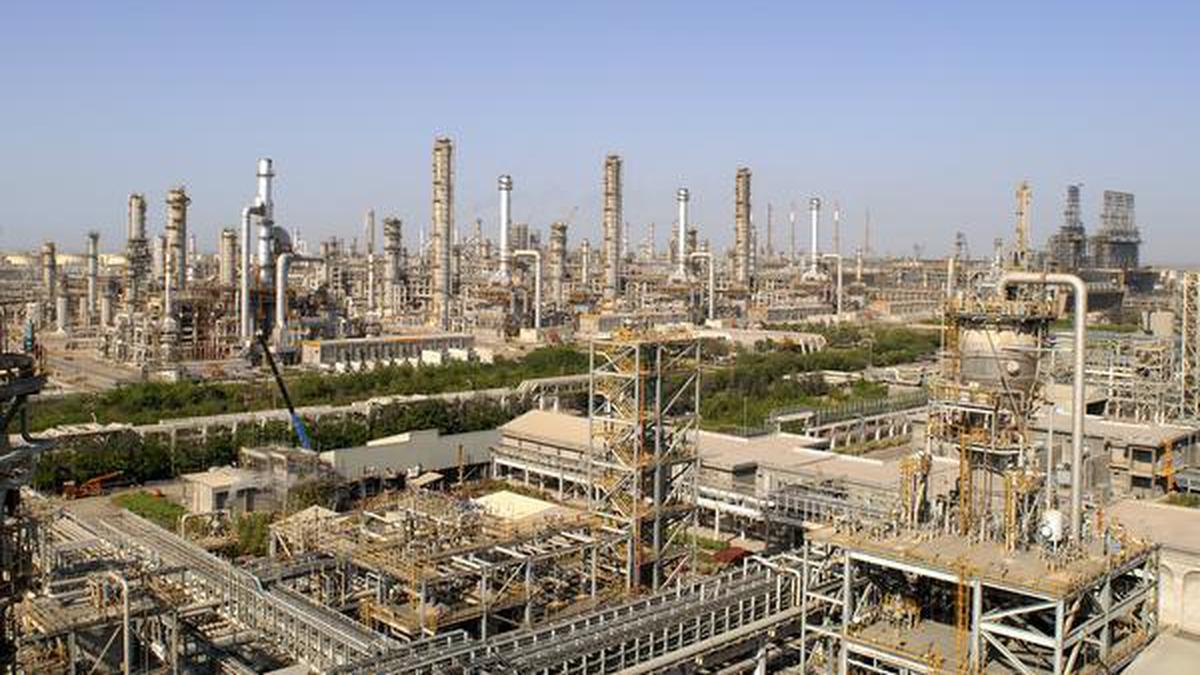
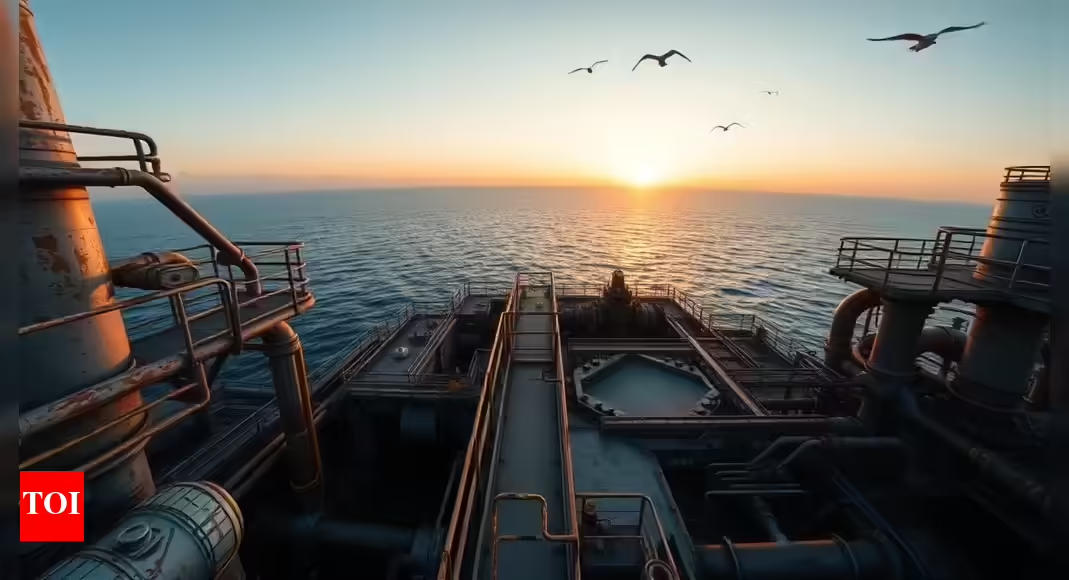
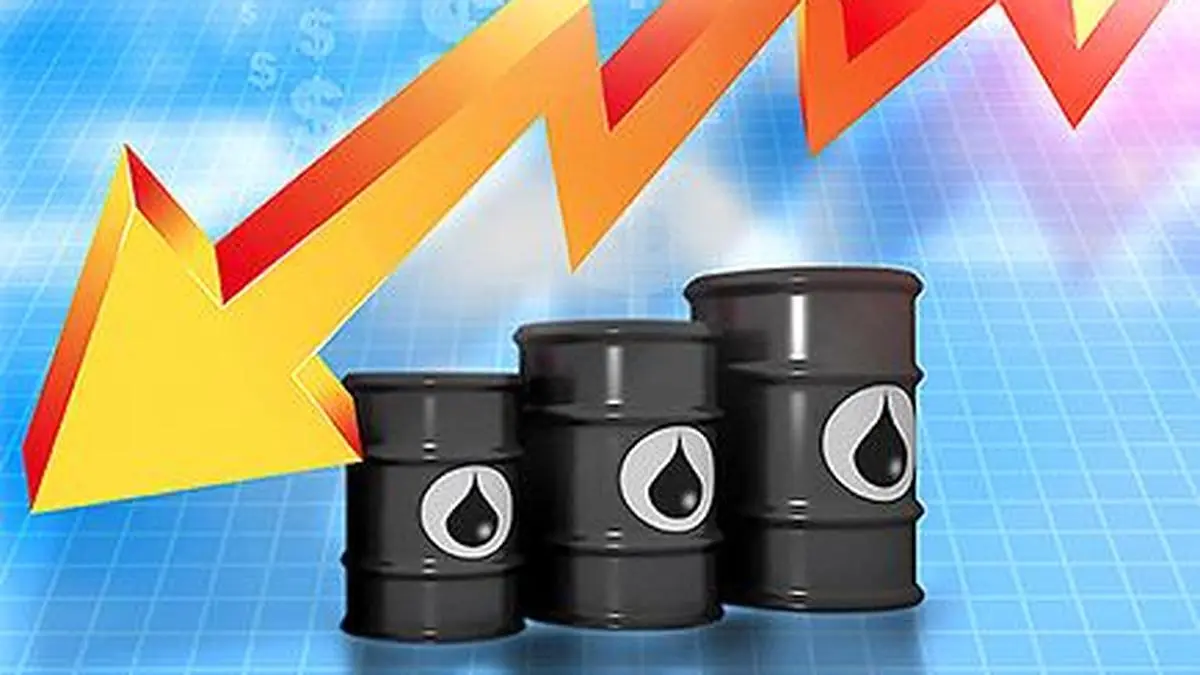
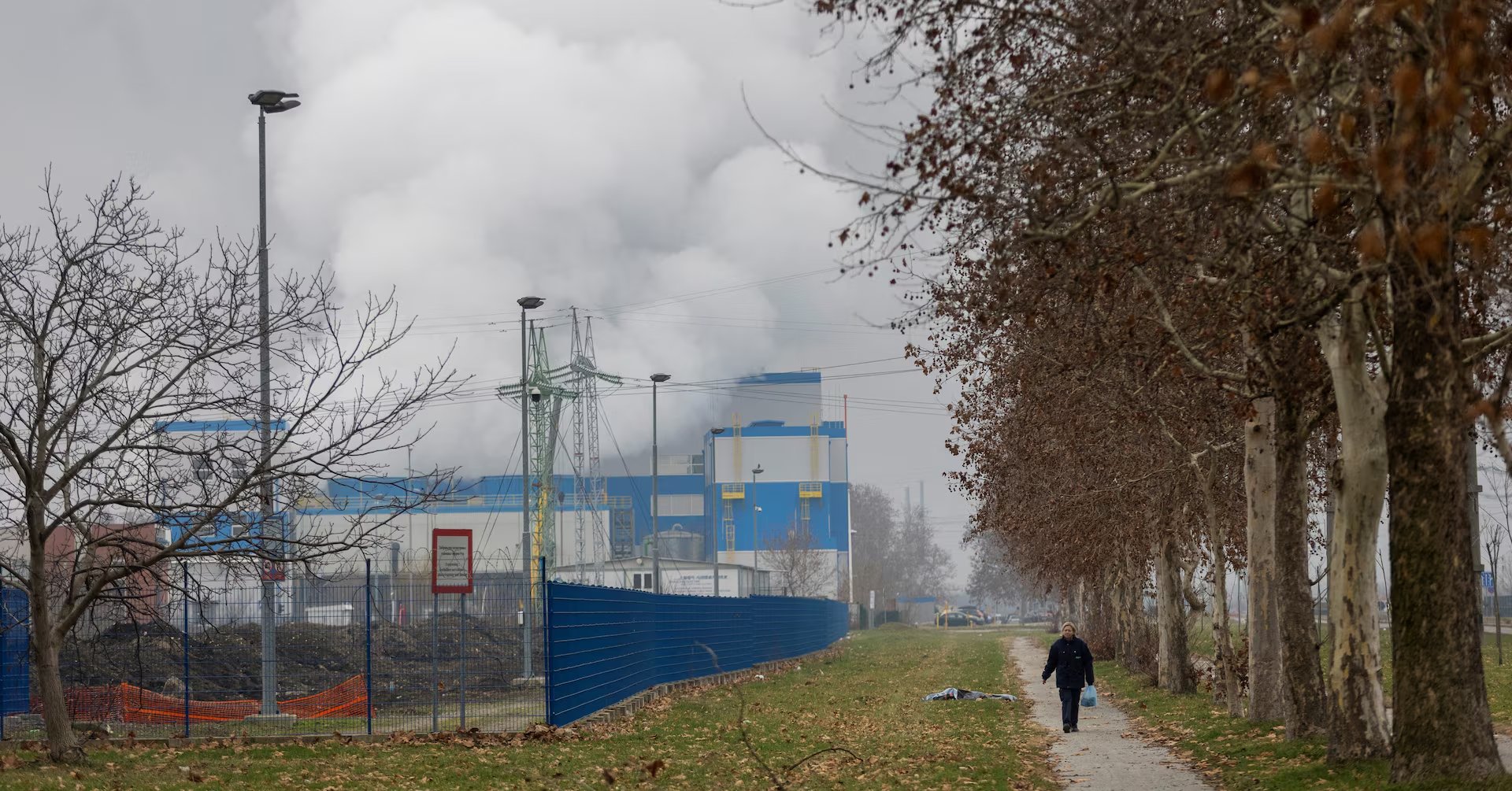
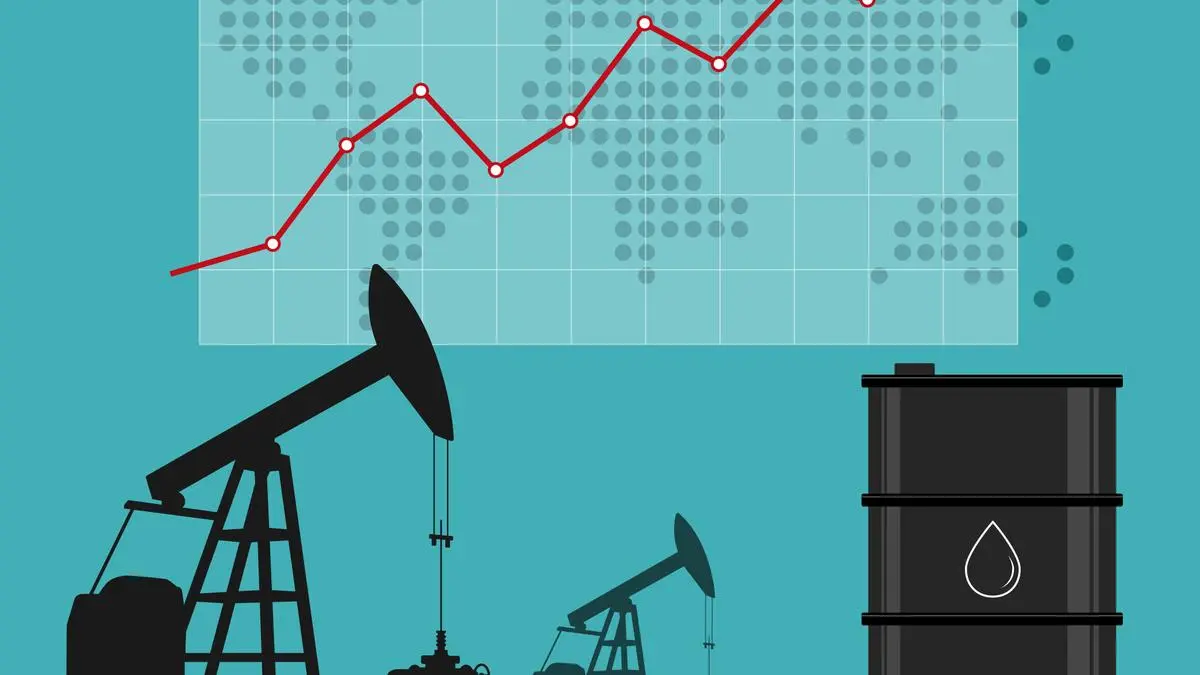
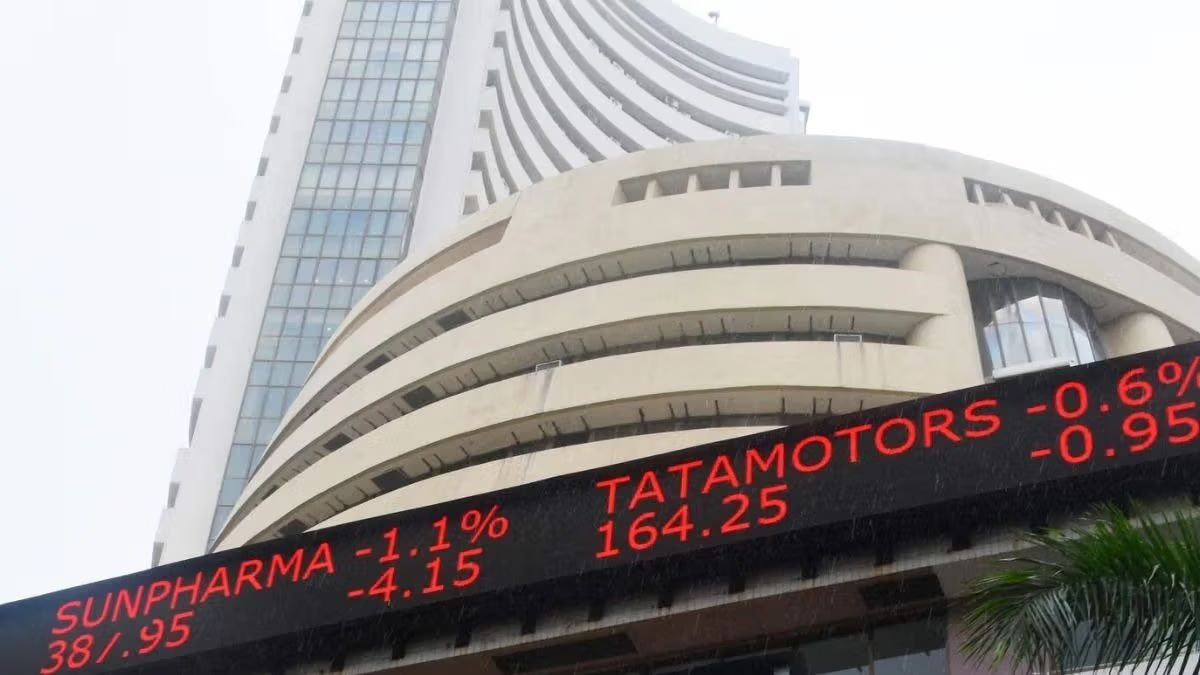
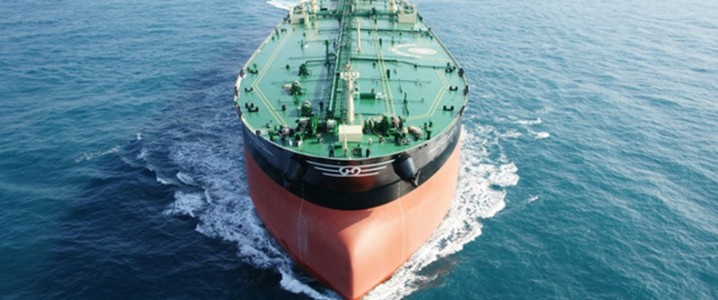
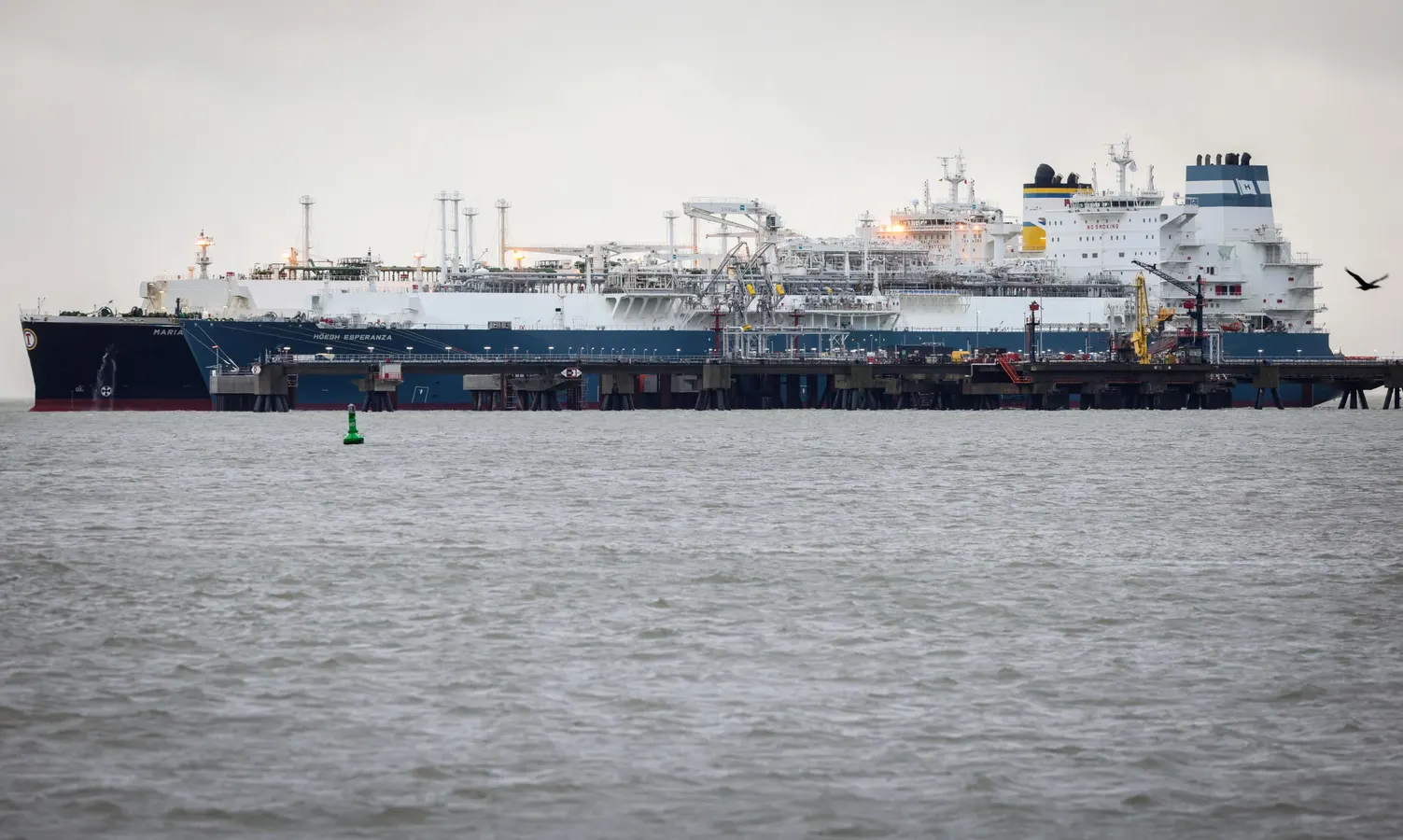
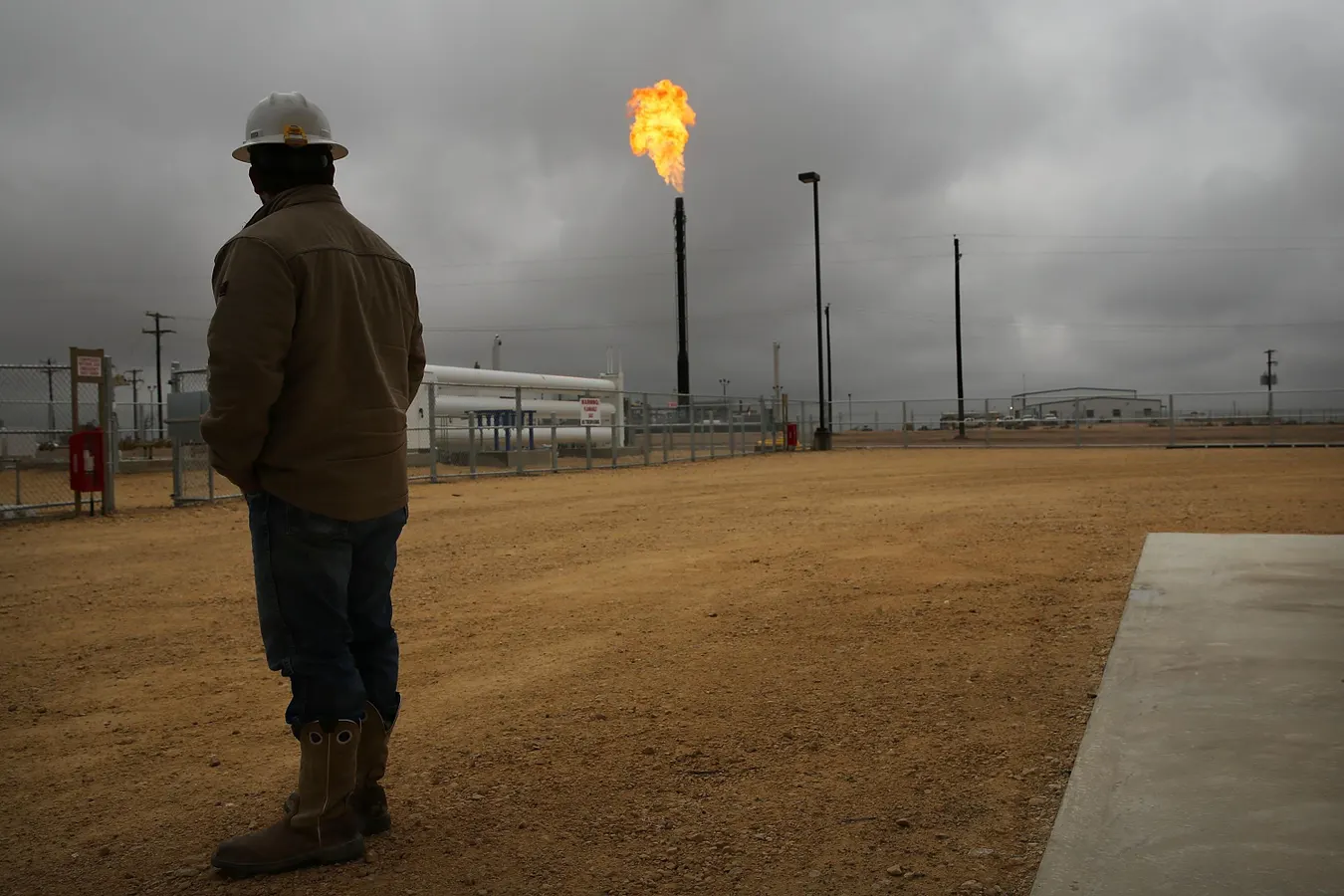
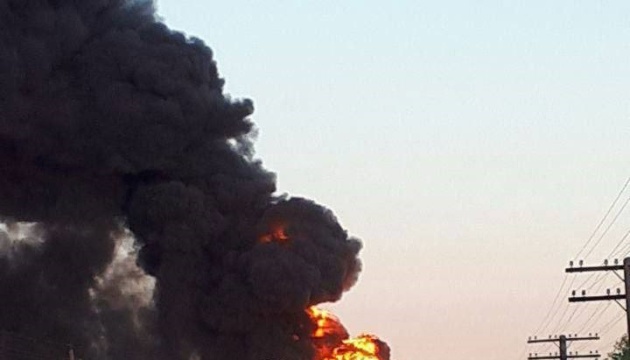
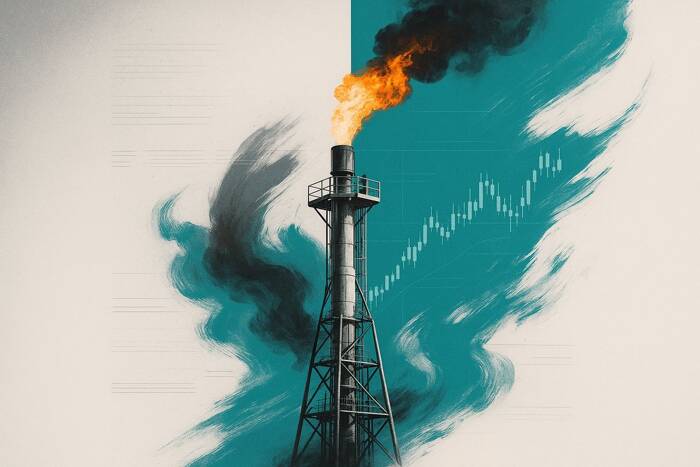
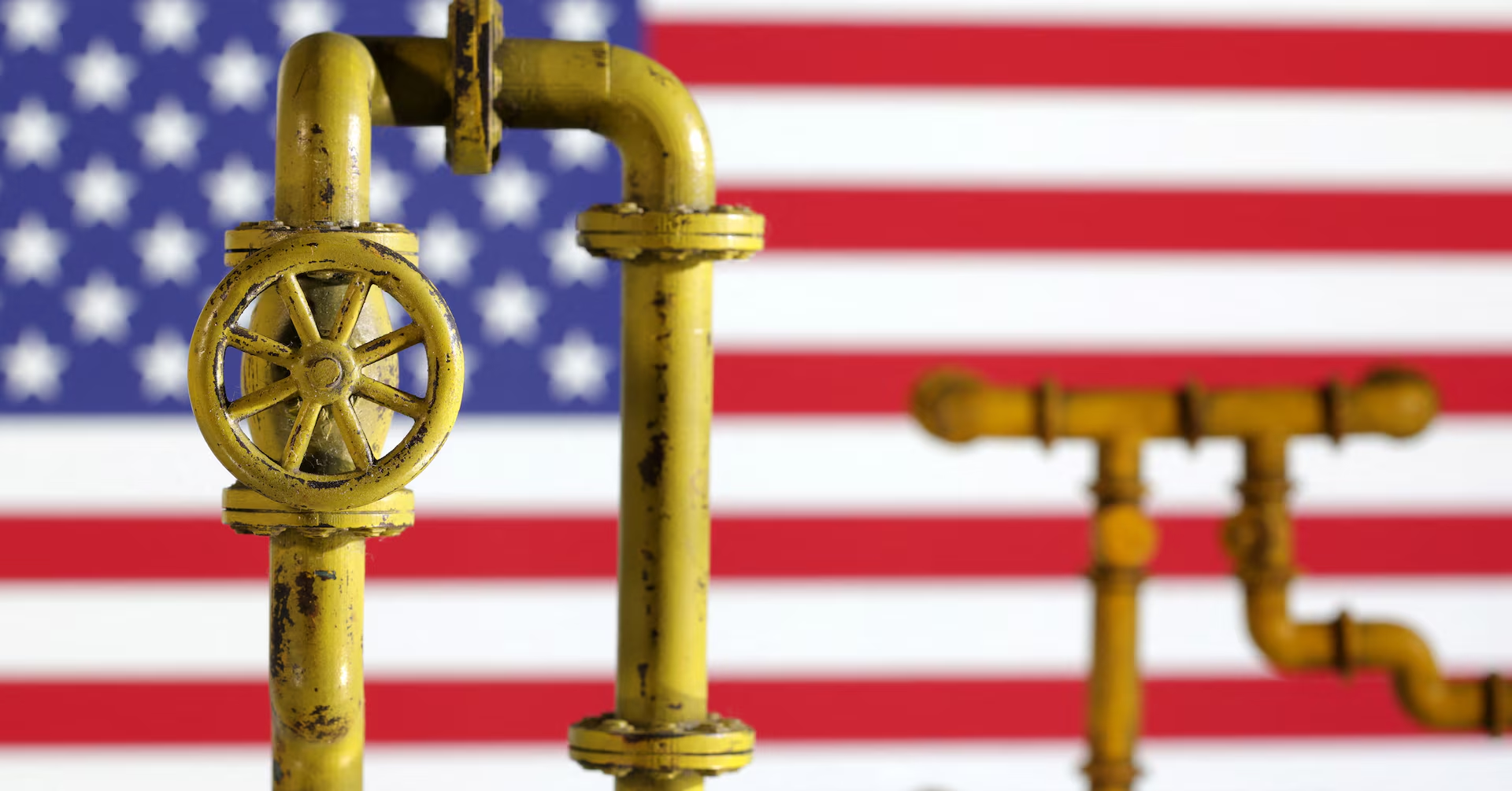
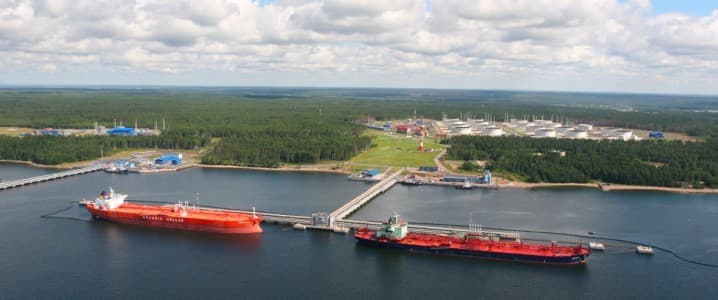
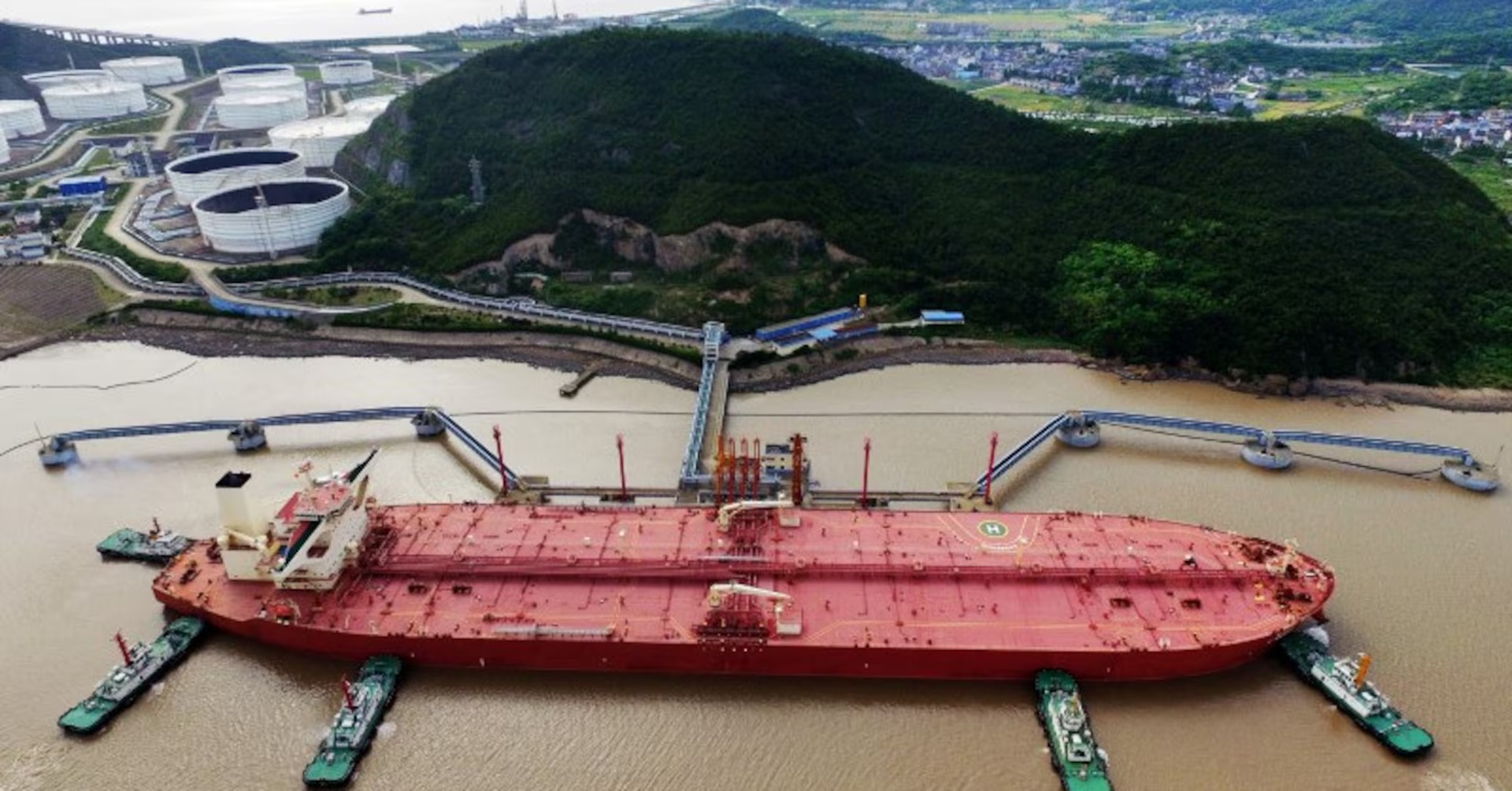
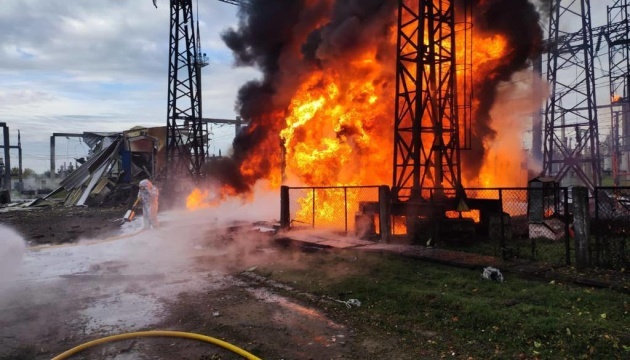
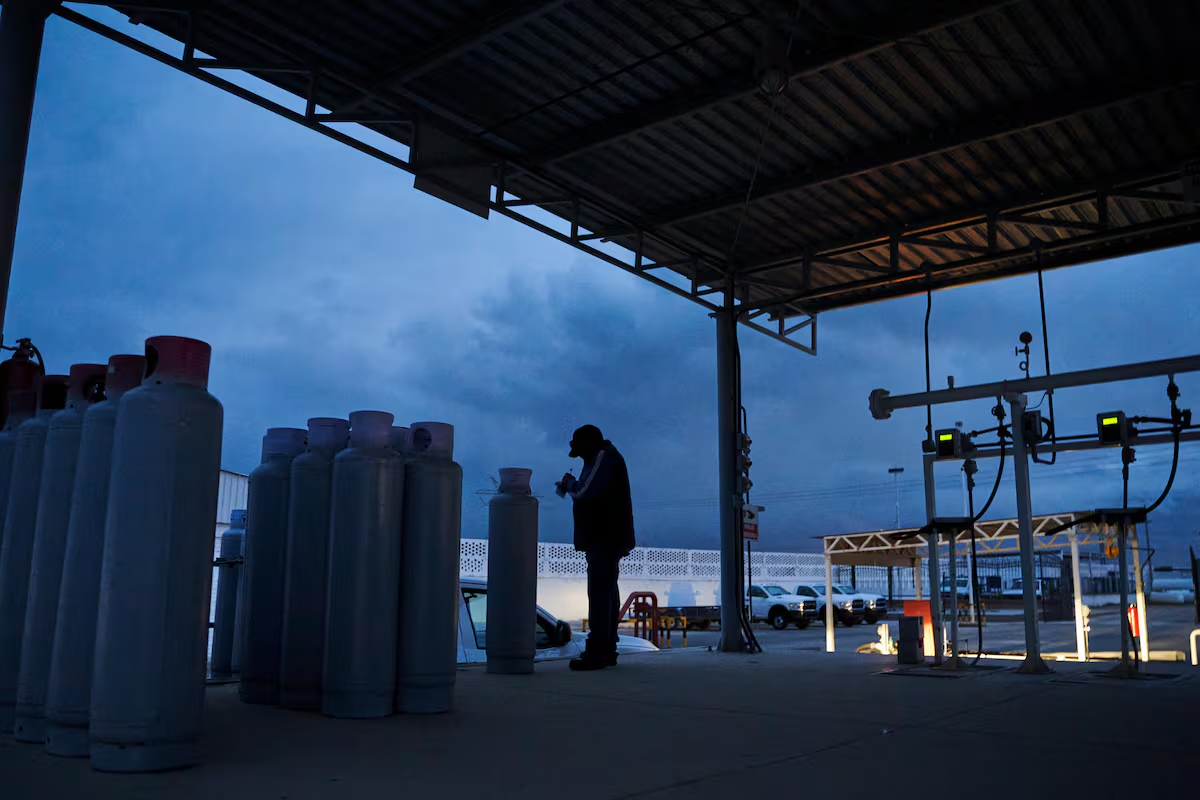
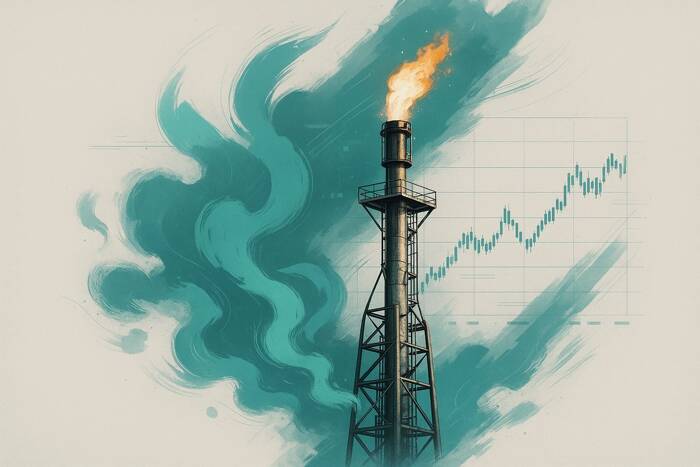
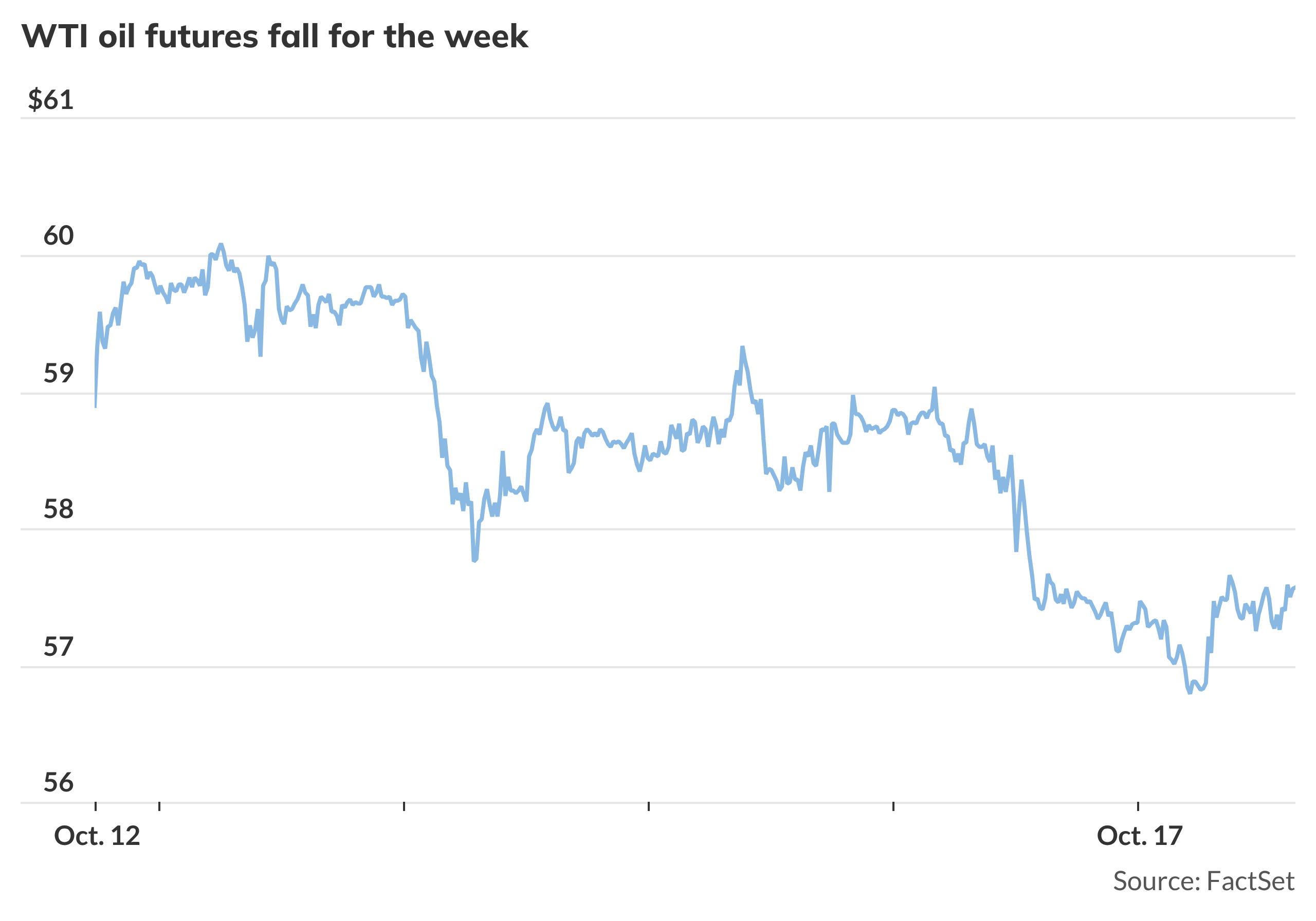
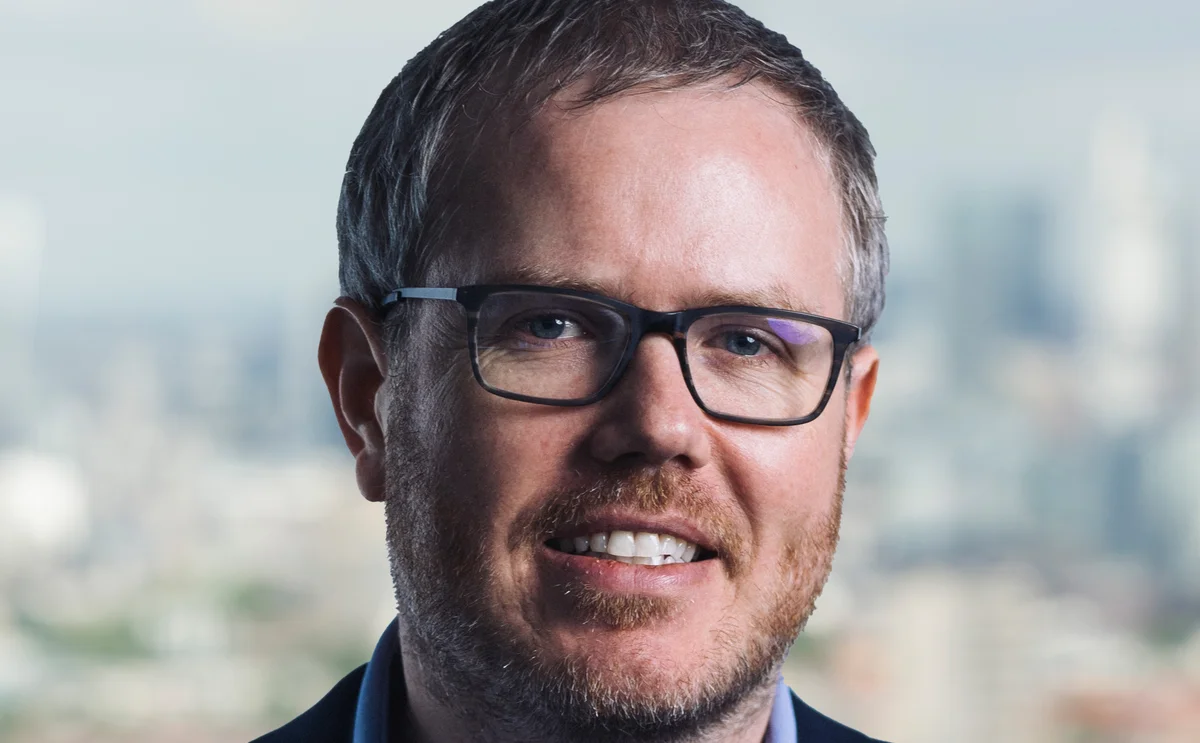
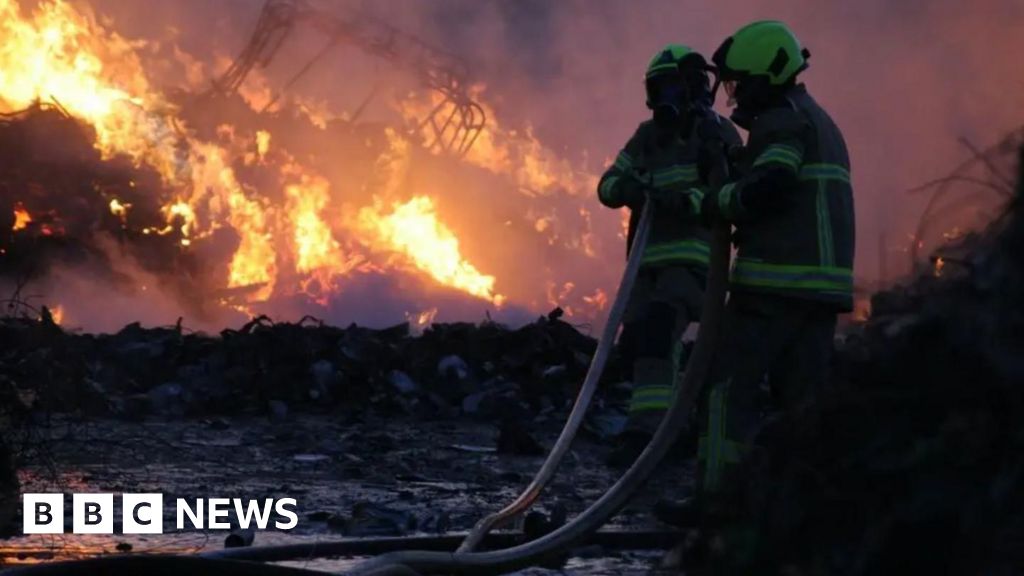
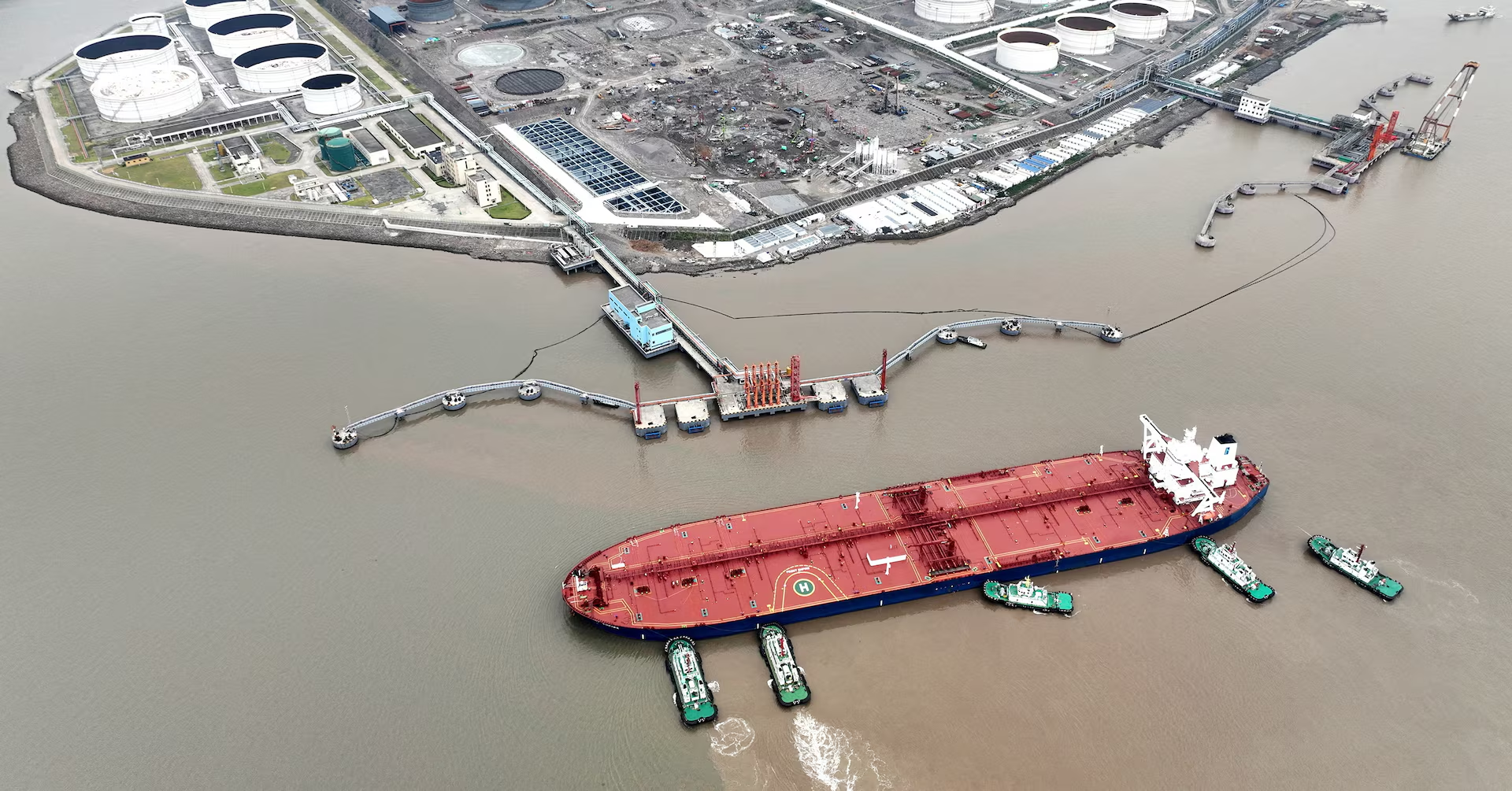
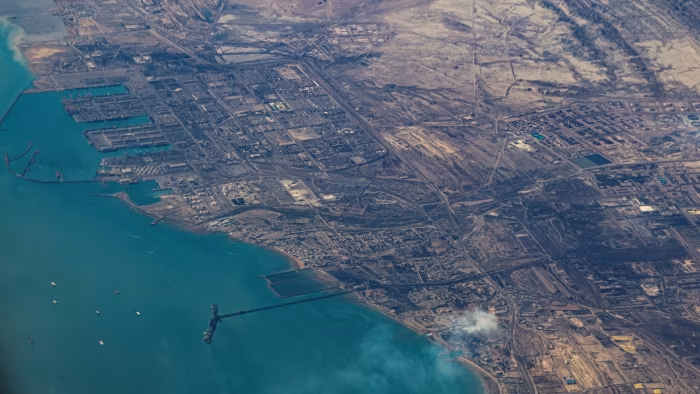
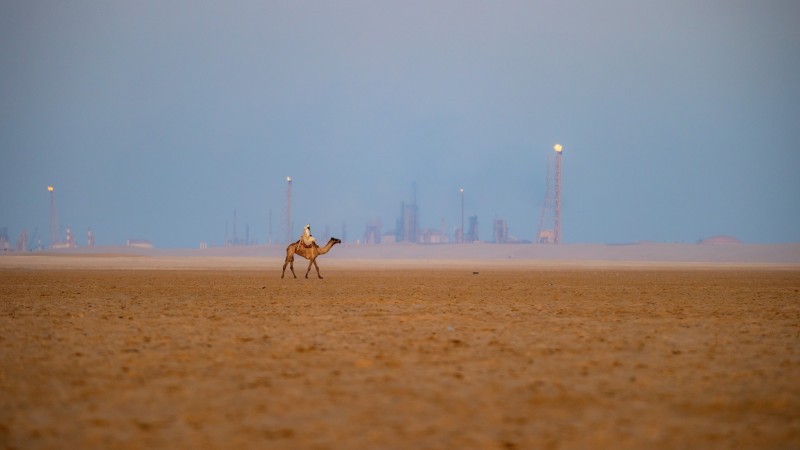
European stocks and bonds sold off on Tuesday as concerns grow about an energy shock from the conflict in the Middle East. Global oil prices have been trading in the $80 per barrel range this week, while European natural gas prices have nearly doubled. Tehran’s retaliatory strikes are targeting energy production facilities in the Gulf. And its drone attacks have effectively closed the Strait of Hormuz, which is a crucial oil and gas export route to Europe and Asia. The question now is: will Europe need to look for a new energy source the way it did after Russia’s full-scale invasion of Ukraine in 2022? Here to discuss that is the FT’s EU correspondent Ian Johnston. Hi, Ian.
Ian Johnston
Hello.
Victoria Craig
So just walk us through how reliant Europe is on gas supplies from the Middle East.
Ian Johnston
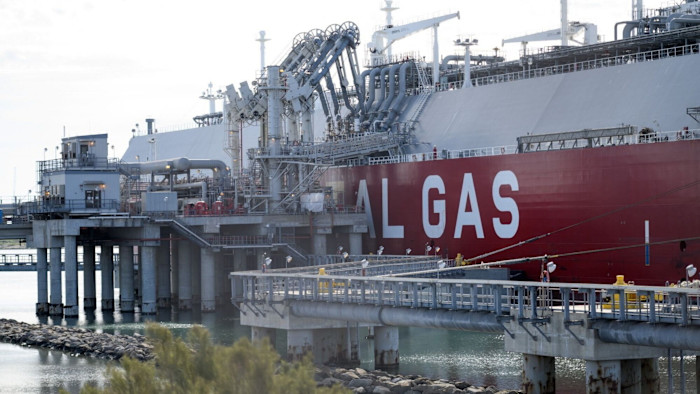
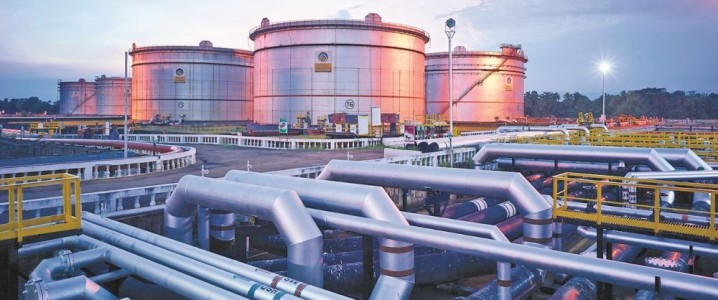
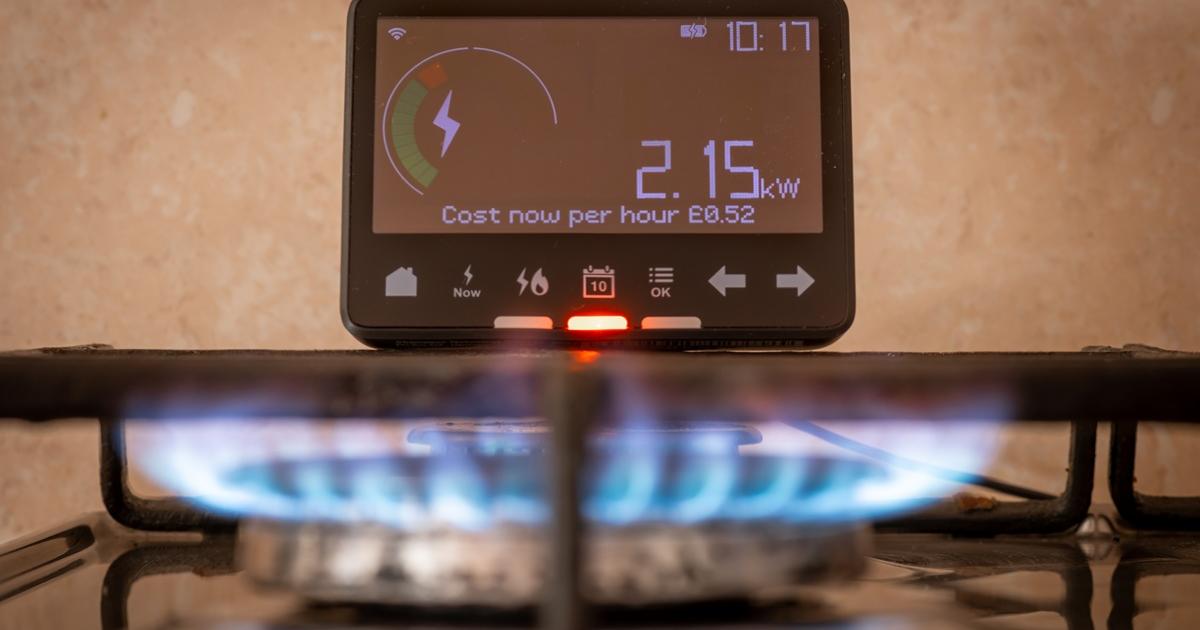
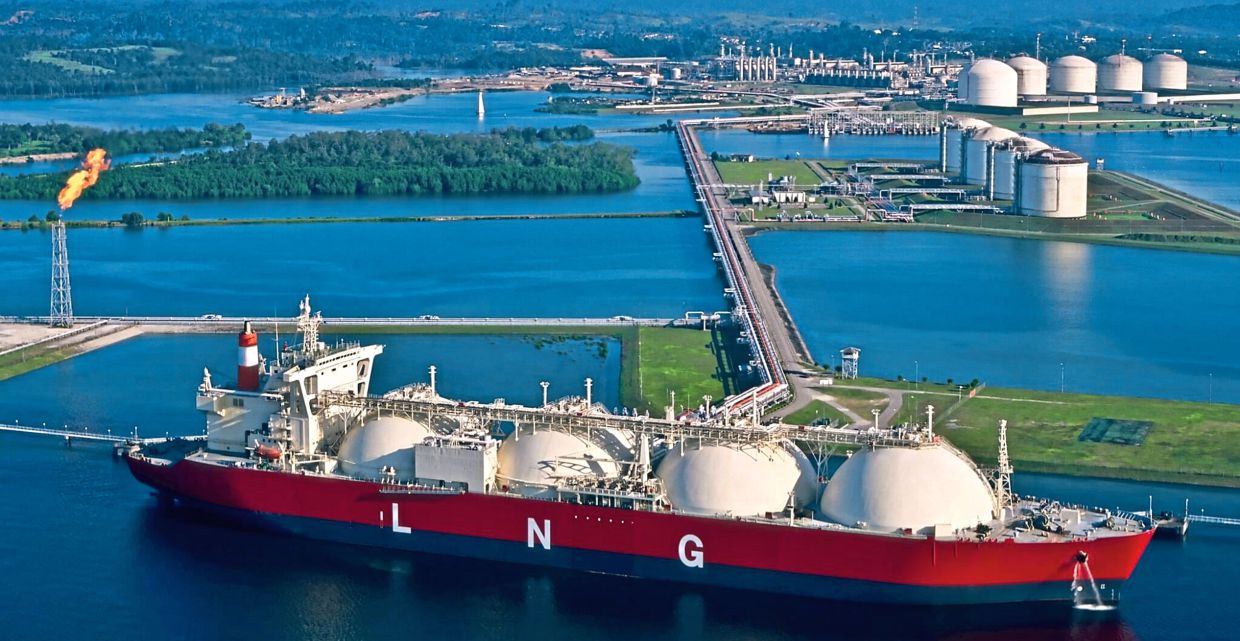
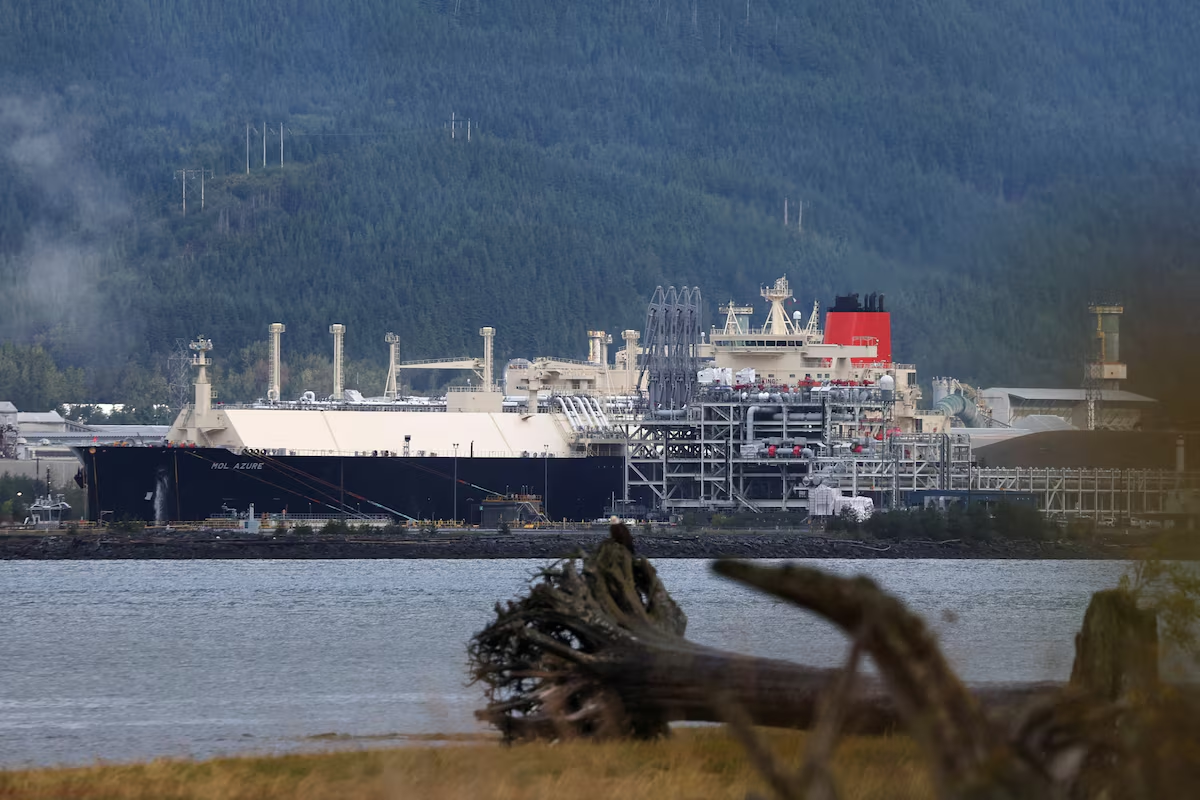
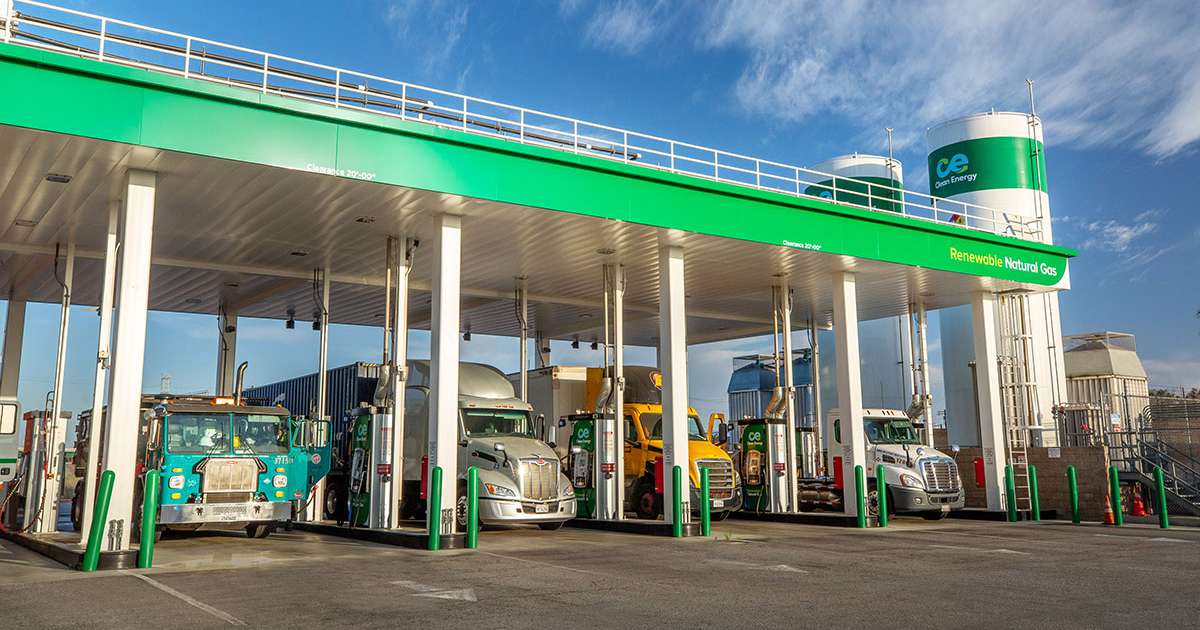
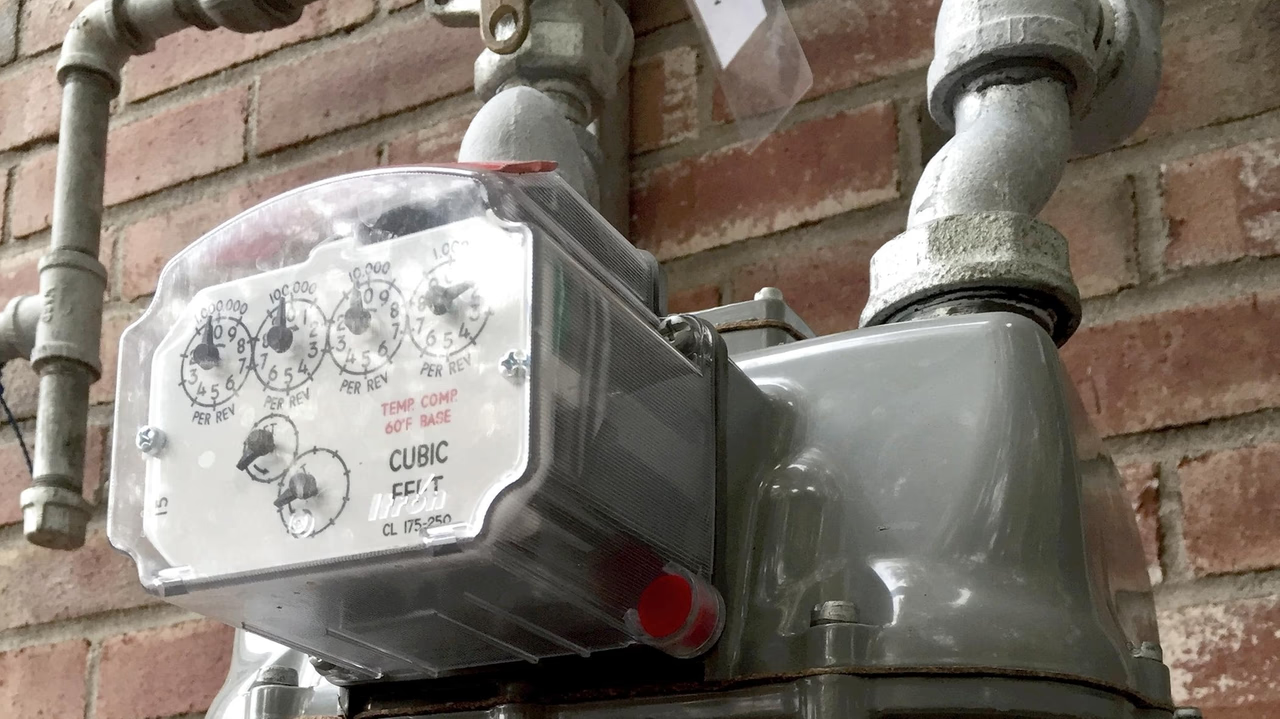
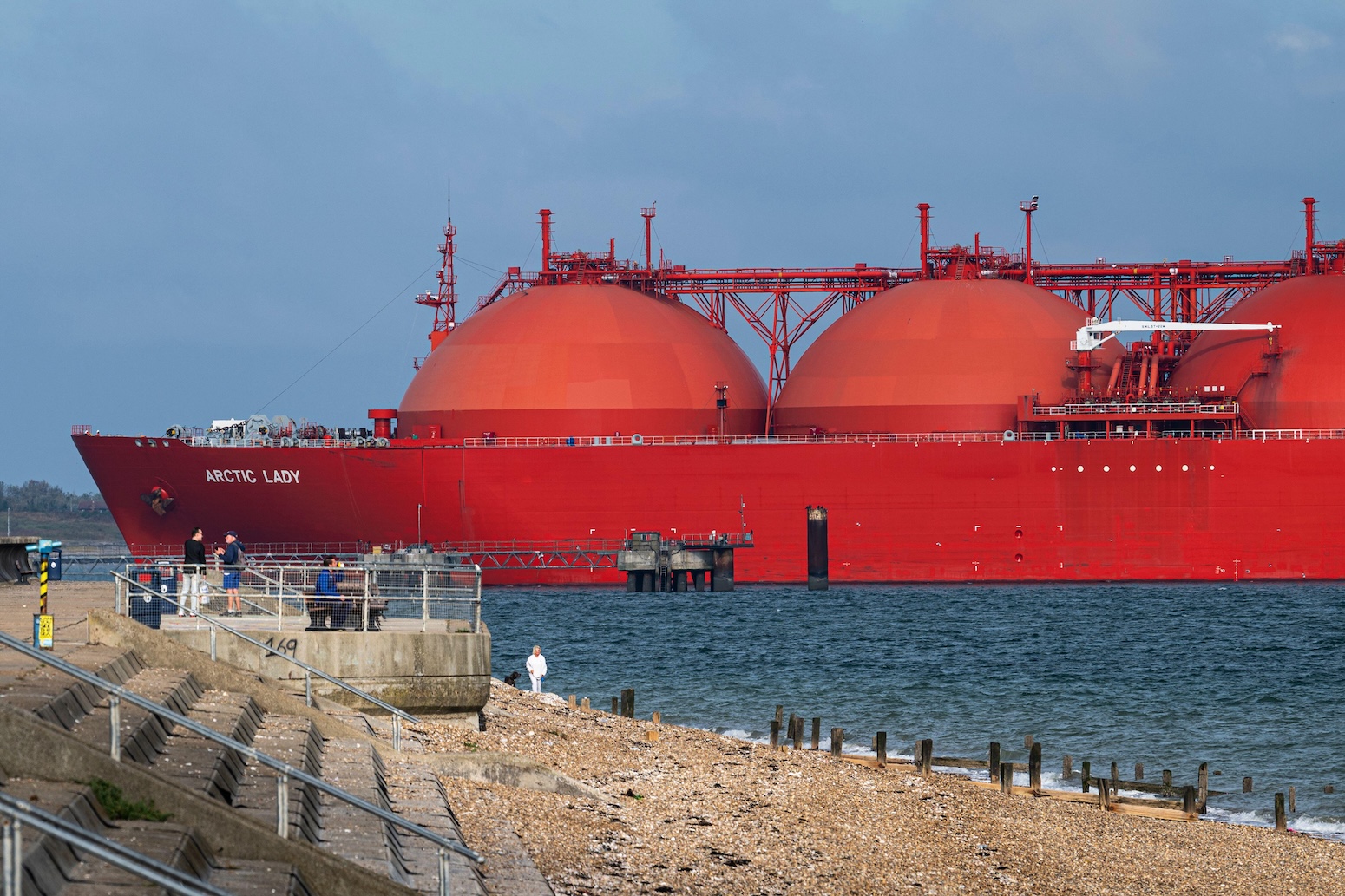
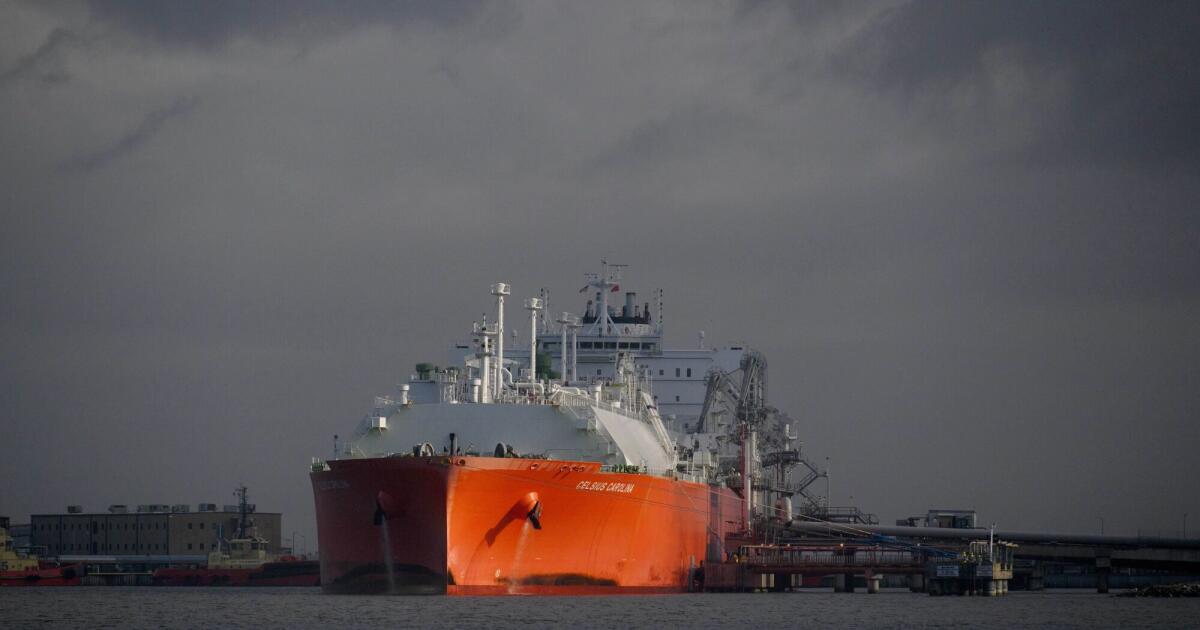
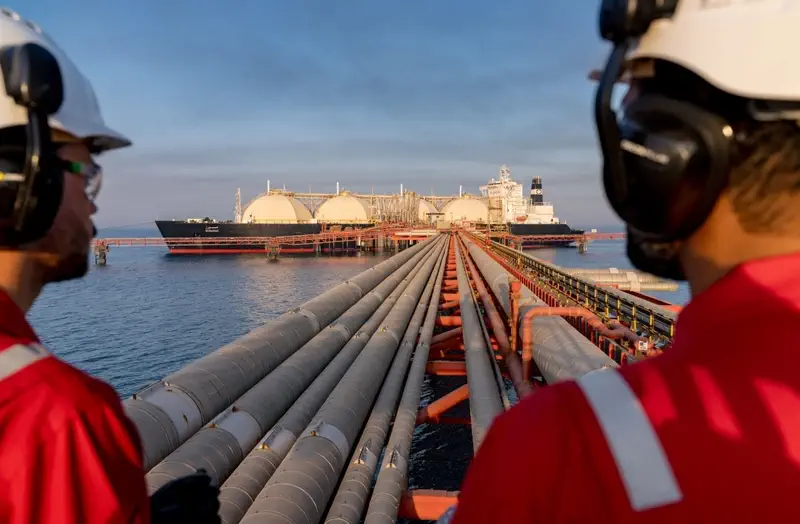
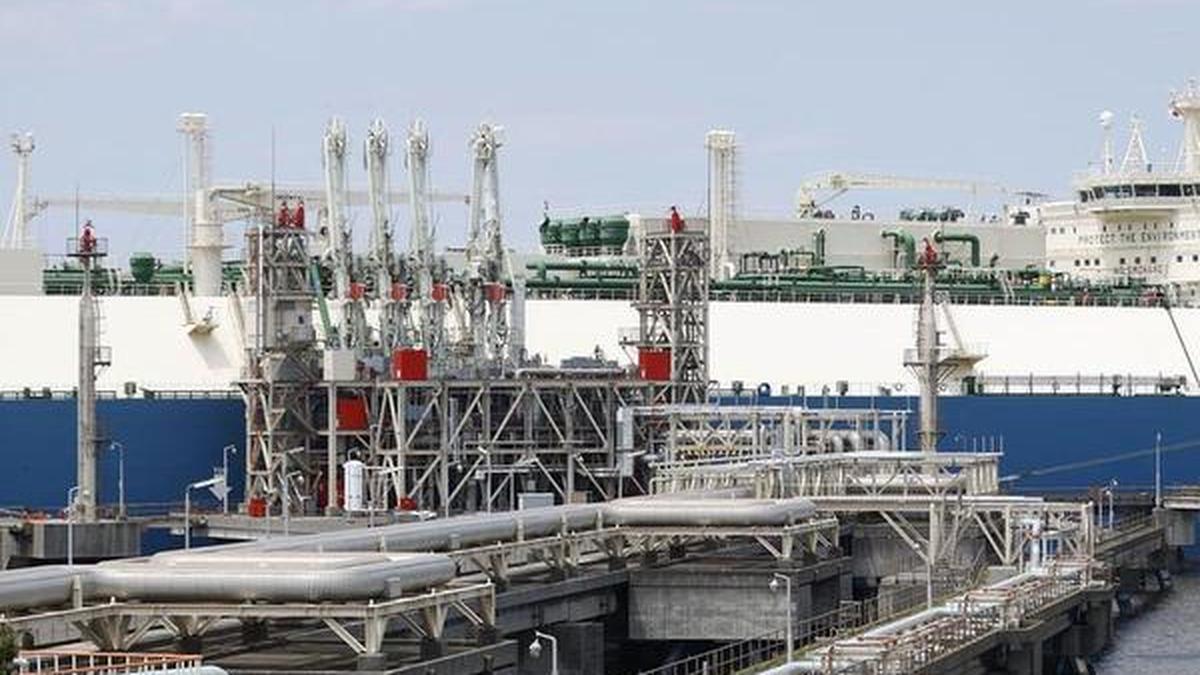
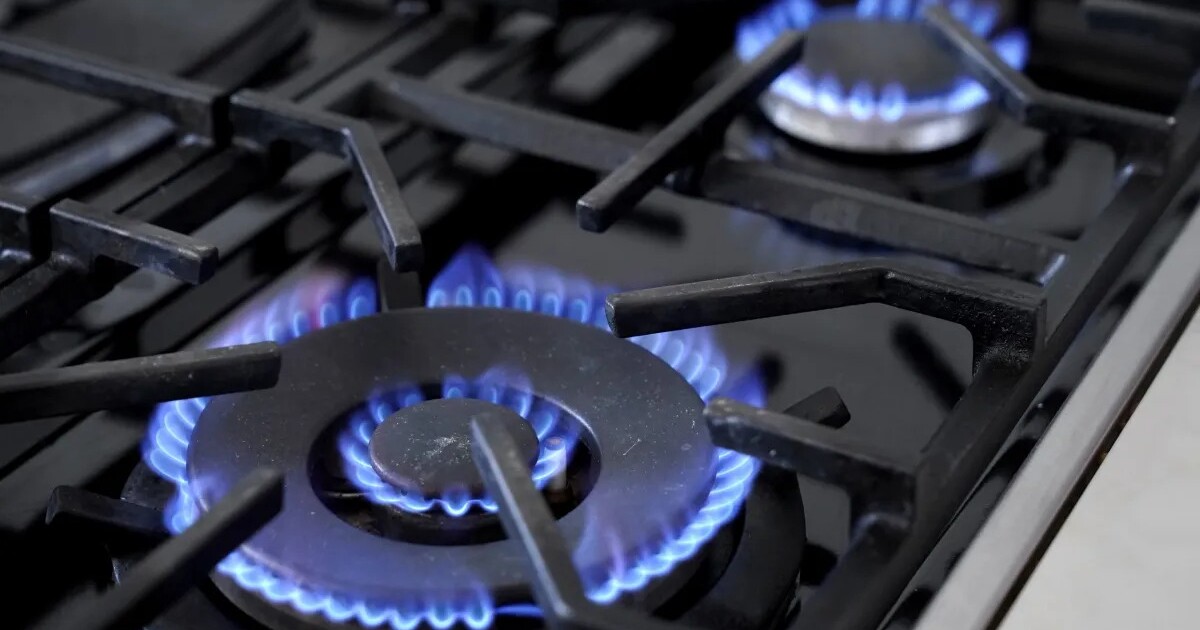
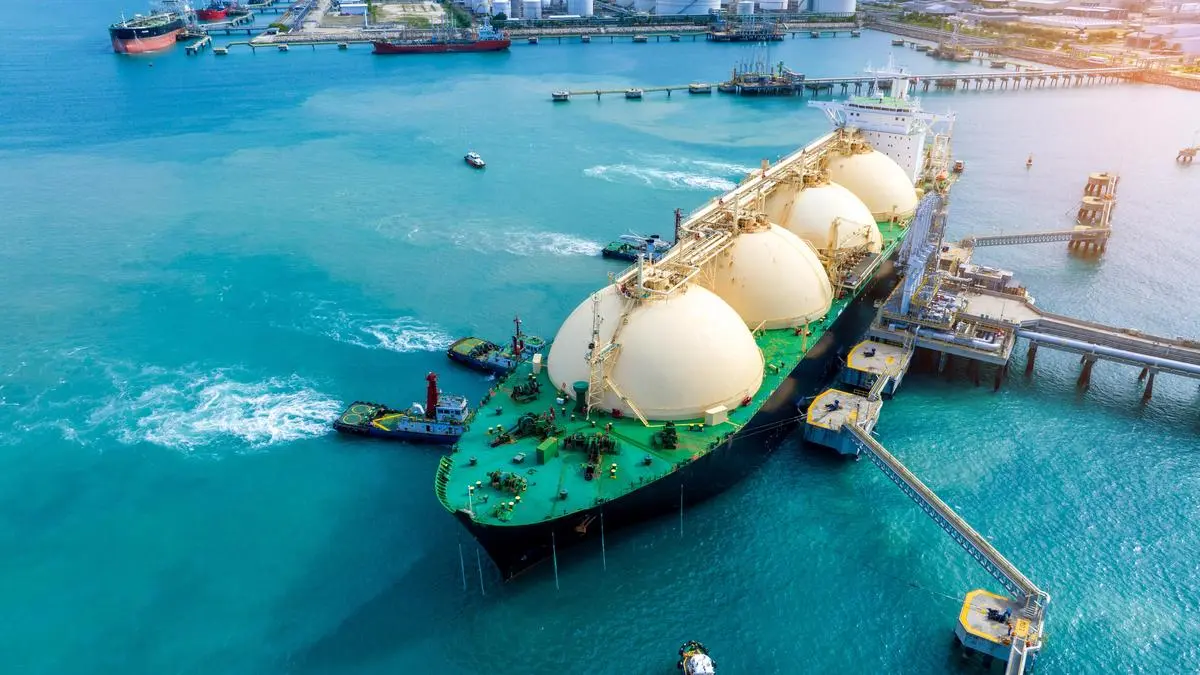
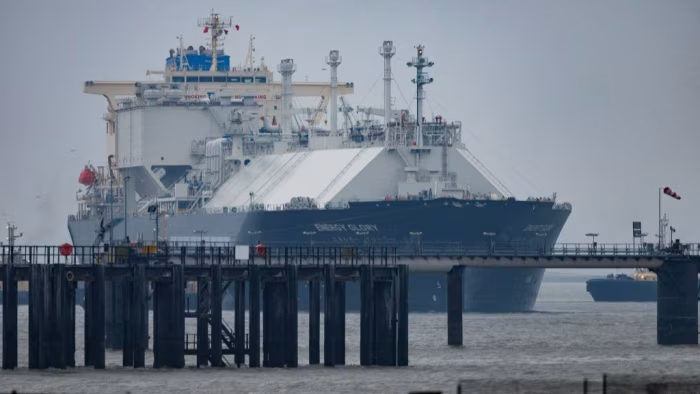
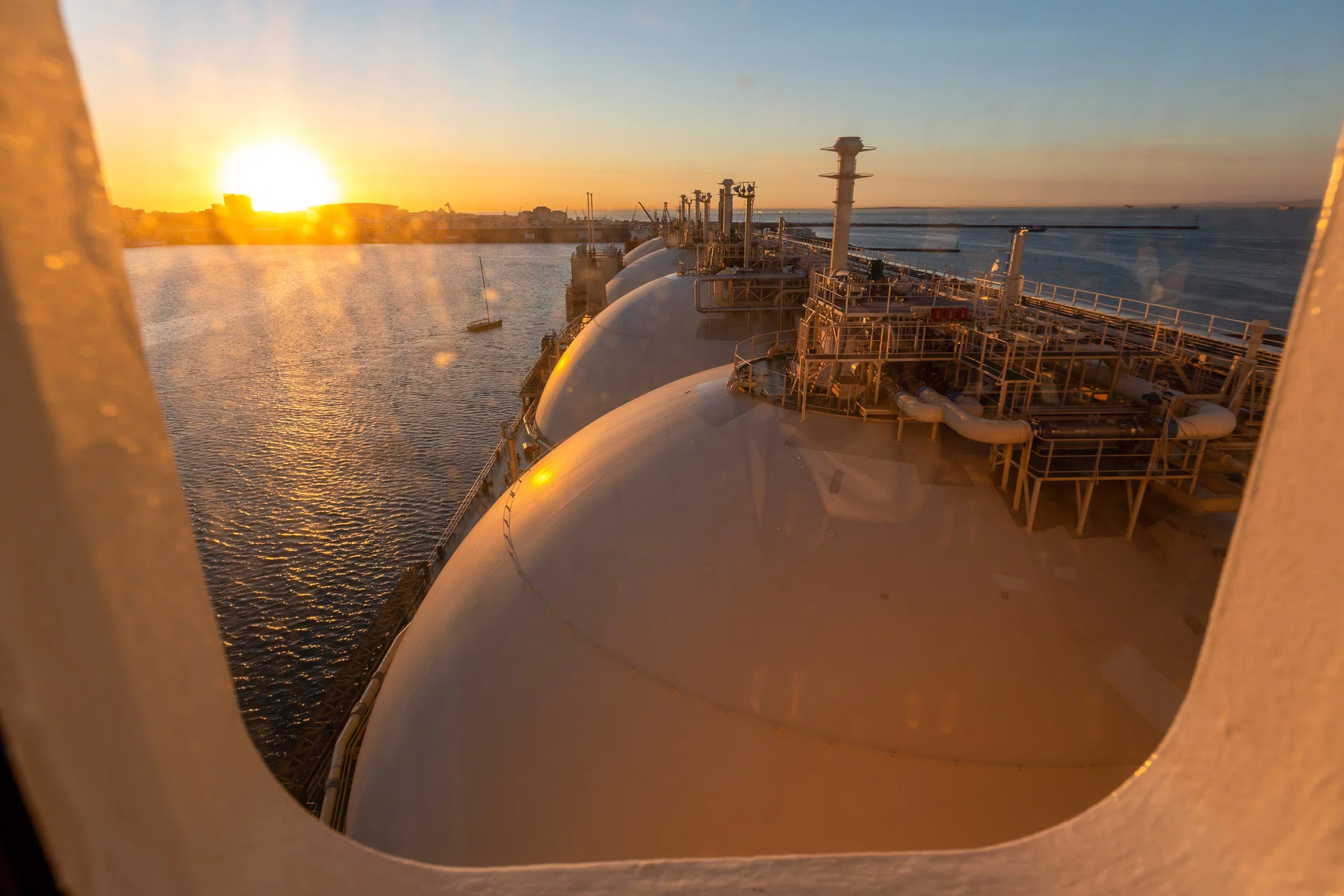
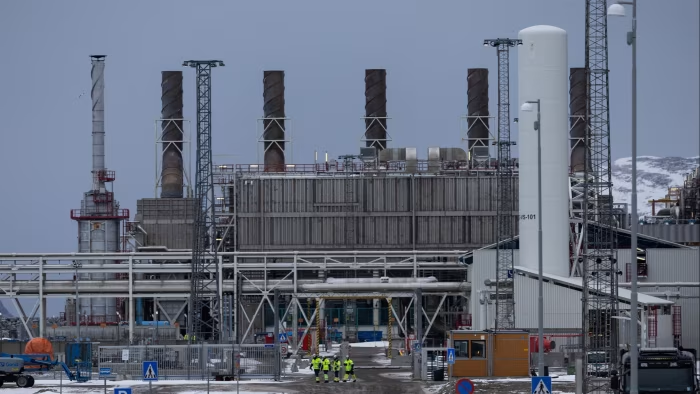
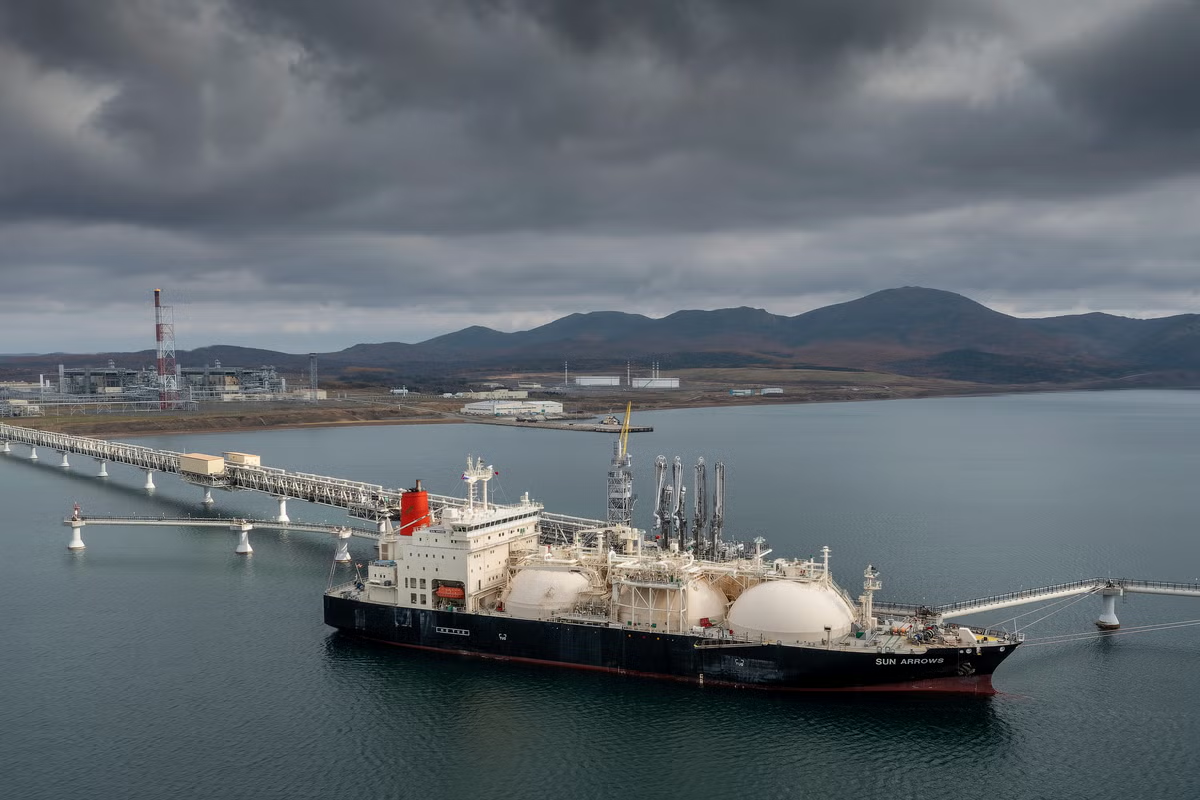
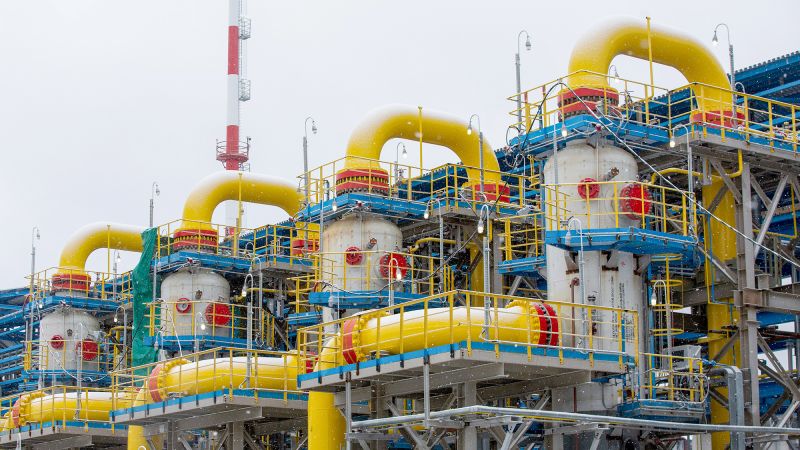
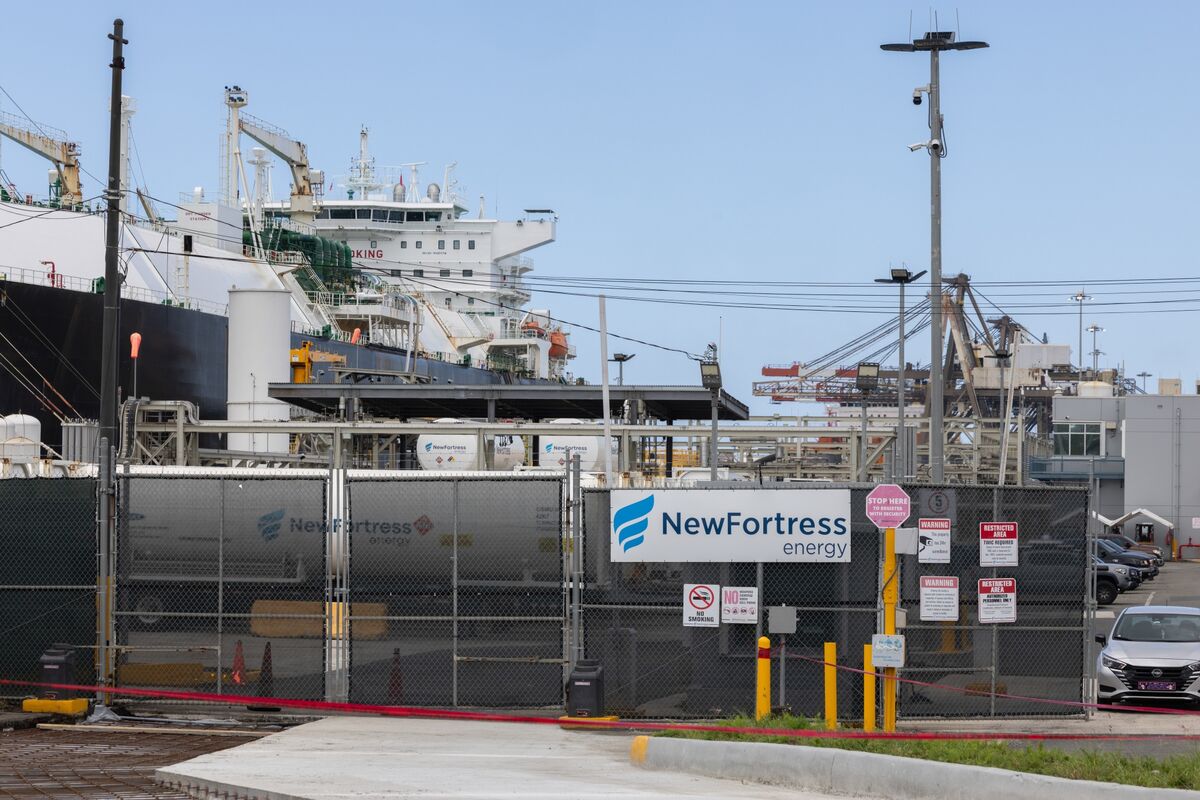
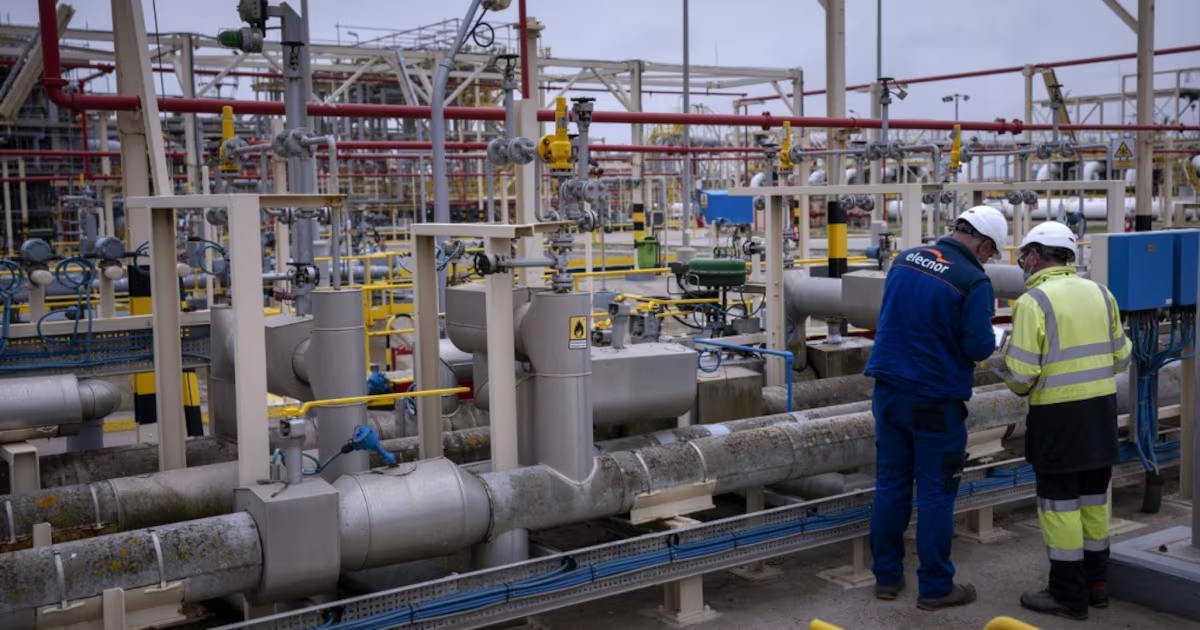
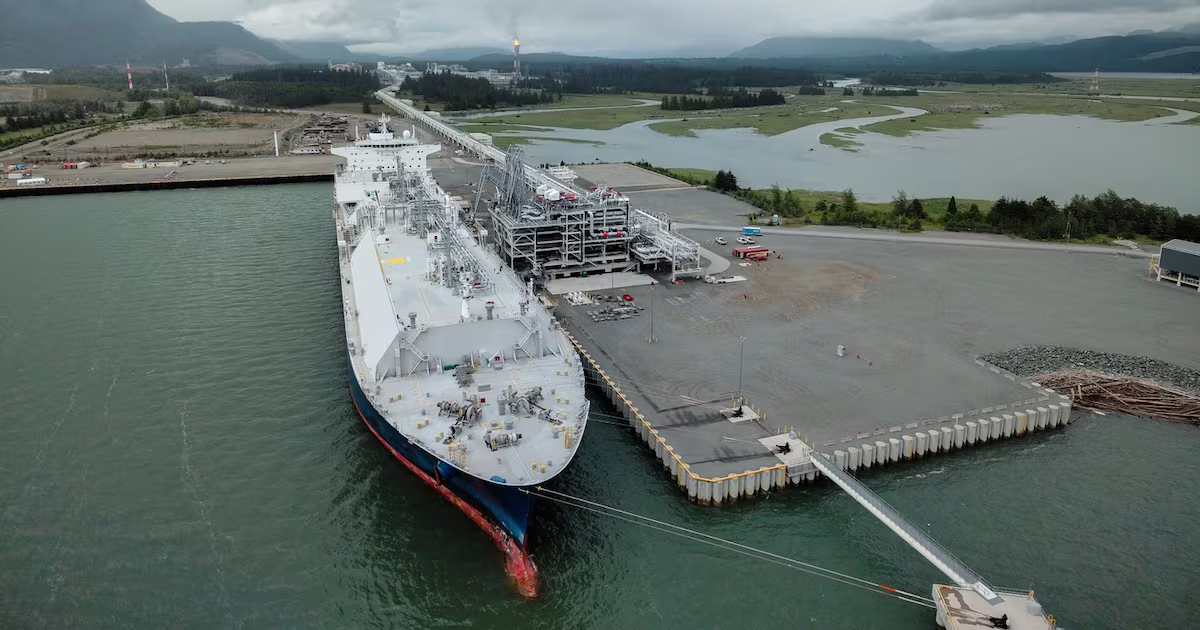
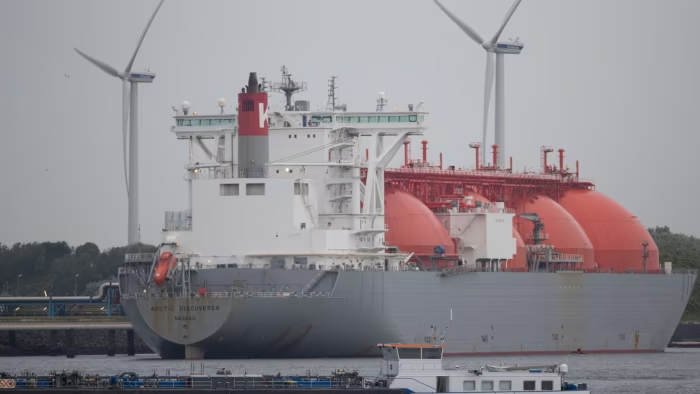
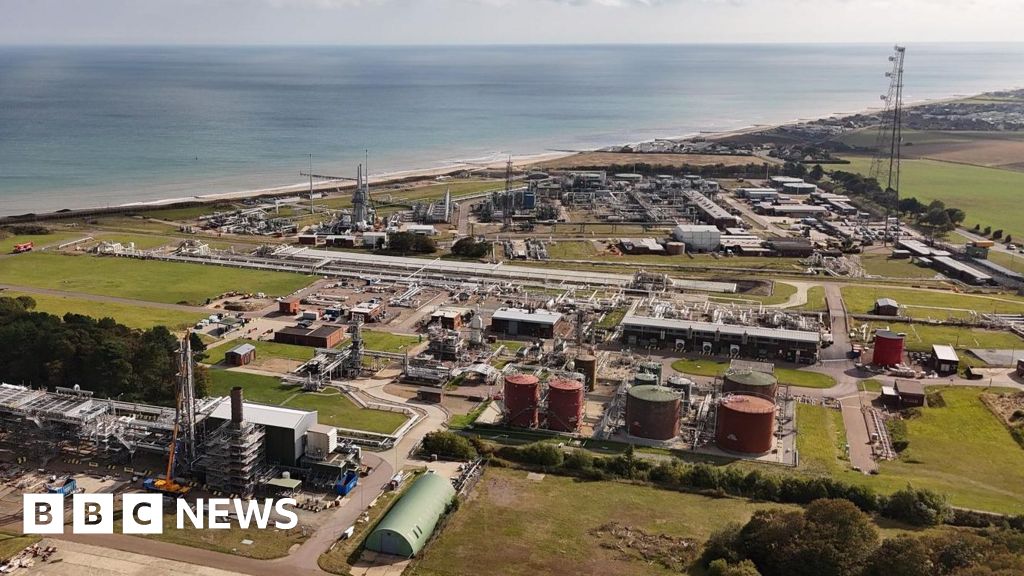
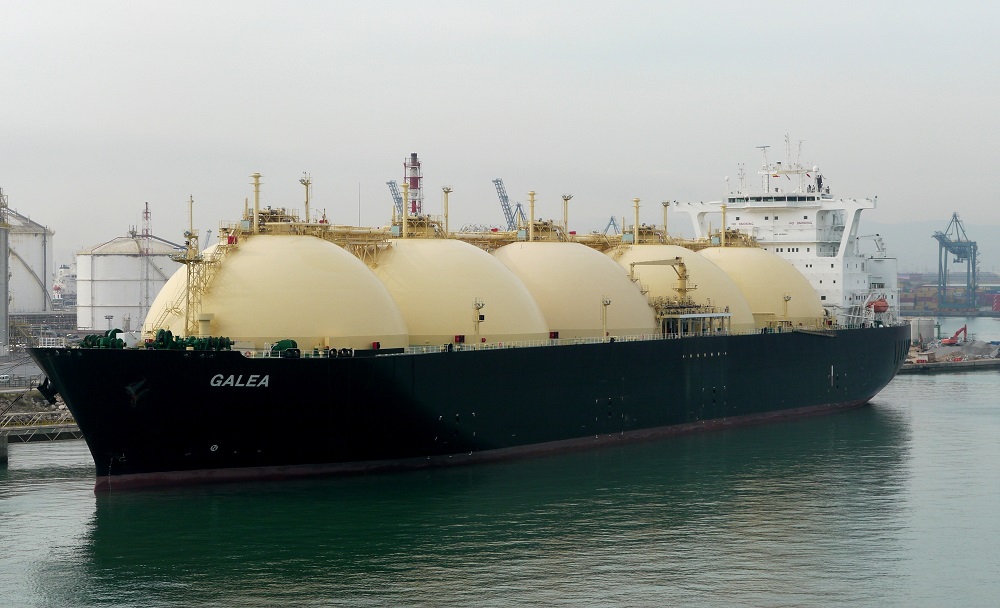
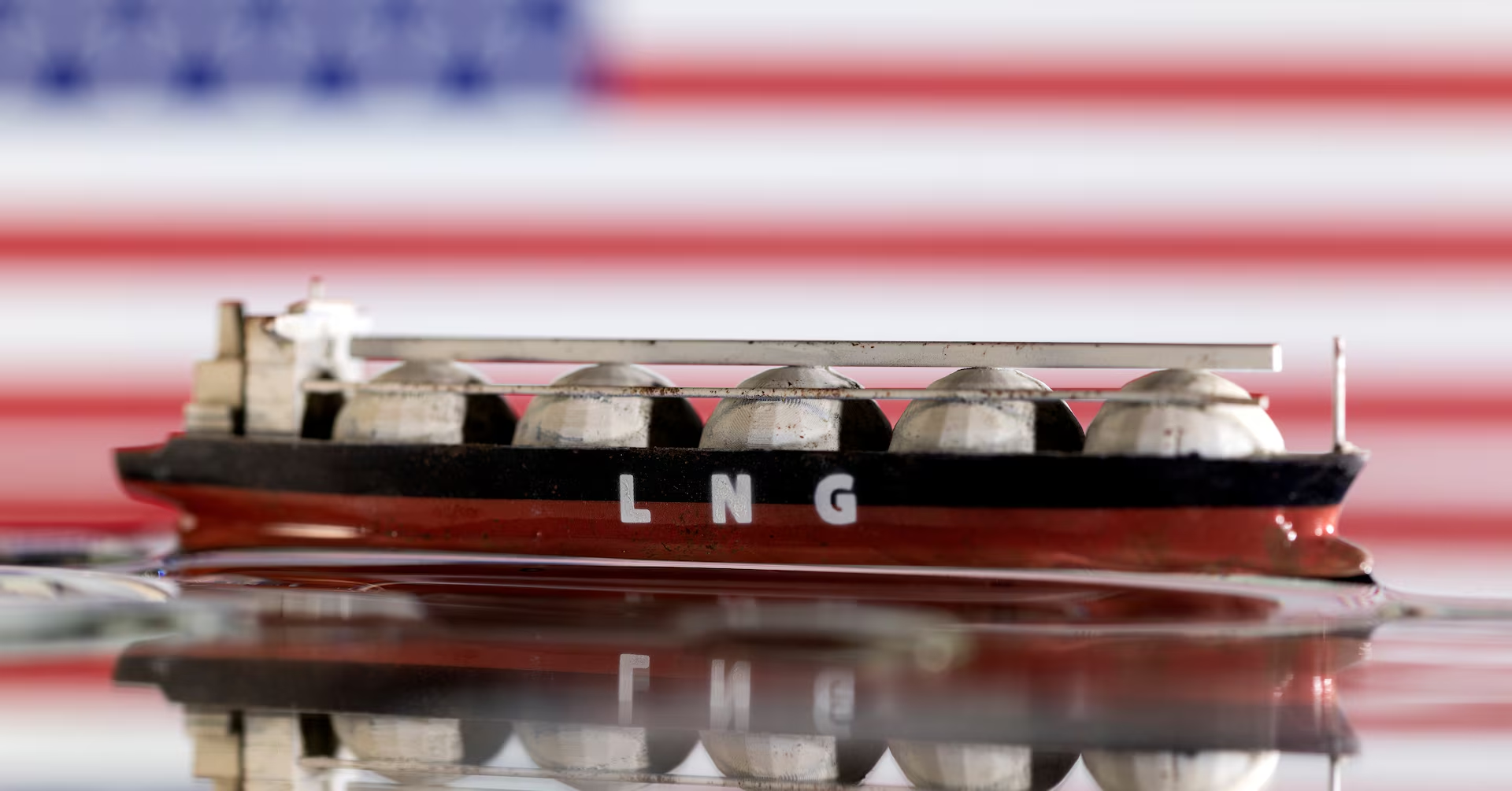
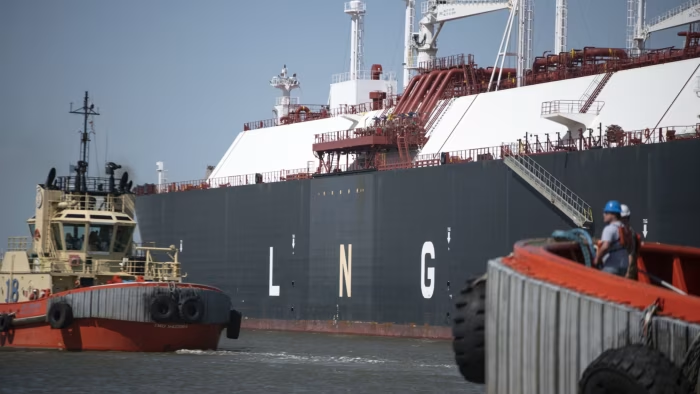
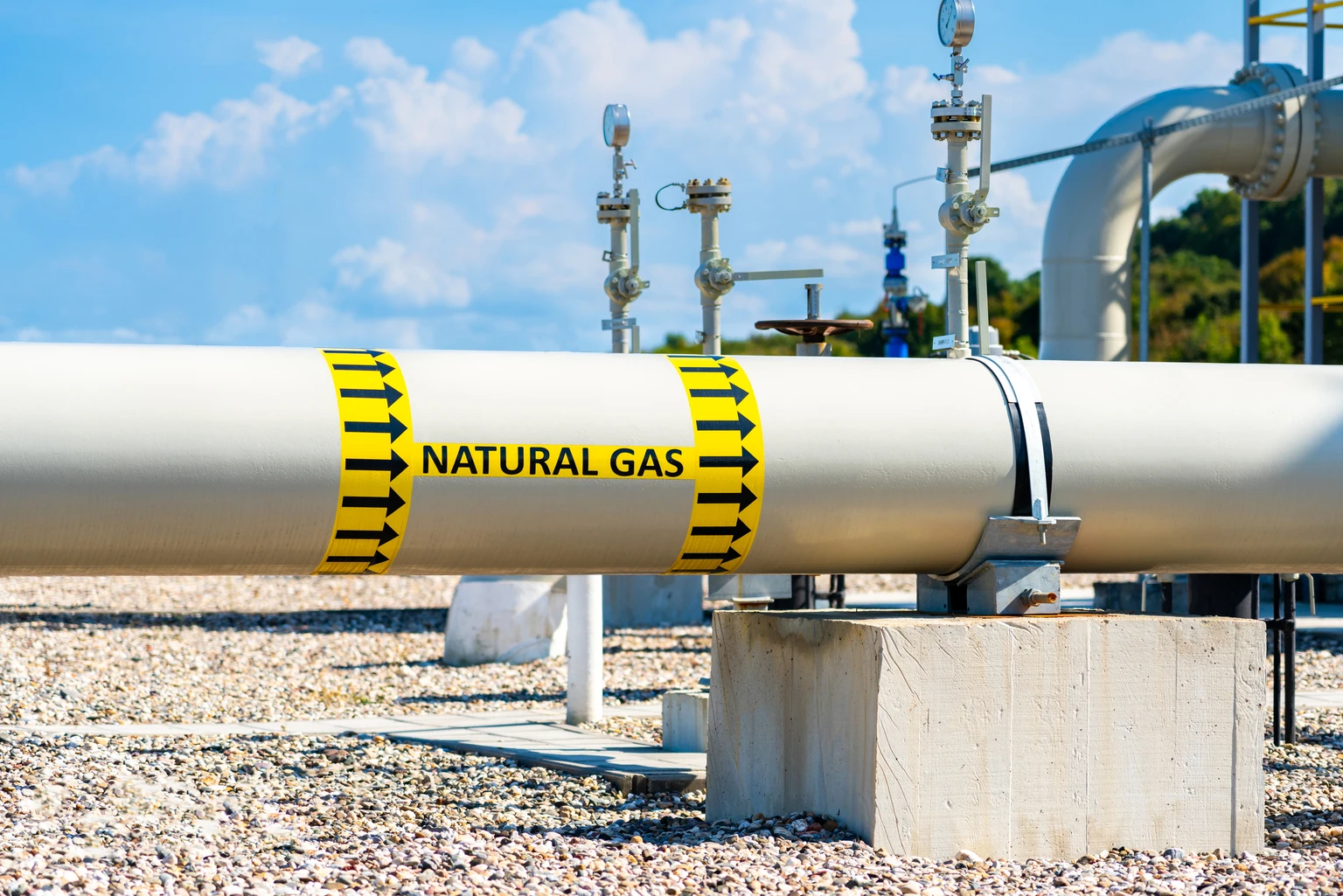
So Europe is not overly reliant on gas supplies from the Middle East per se. It gets about 10 per cent of its liquefied natural gas from Qatar. But, it’s a global market, and those shocks to the gas supplies in Qatar have had a really damaging effect on prices shooting up about 78 per cent in this space of two days. And it sparked real concern over what the effect this will have on European businesses and consumers.
Victoria Craig
Is Europe in any way better positioned to absorb any energy shock than it was when Russia invaded Ukraine back in 2022?
Ian Johnston
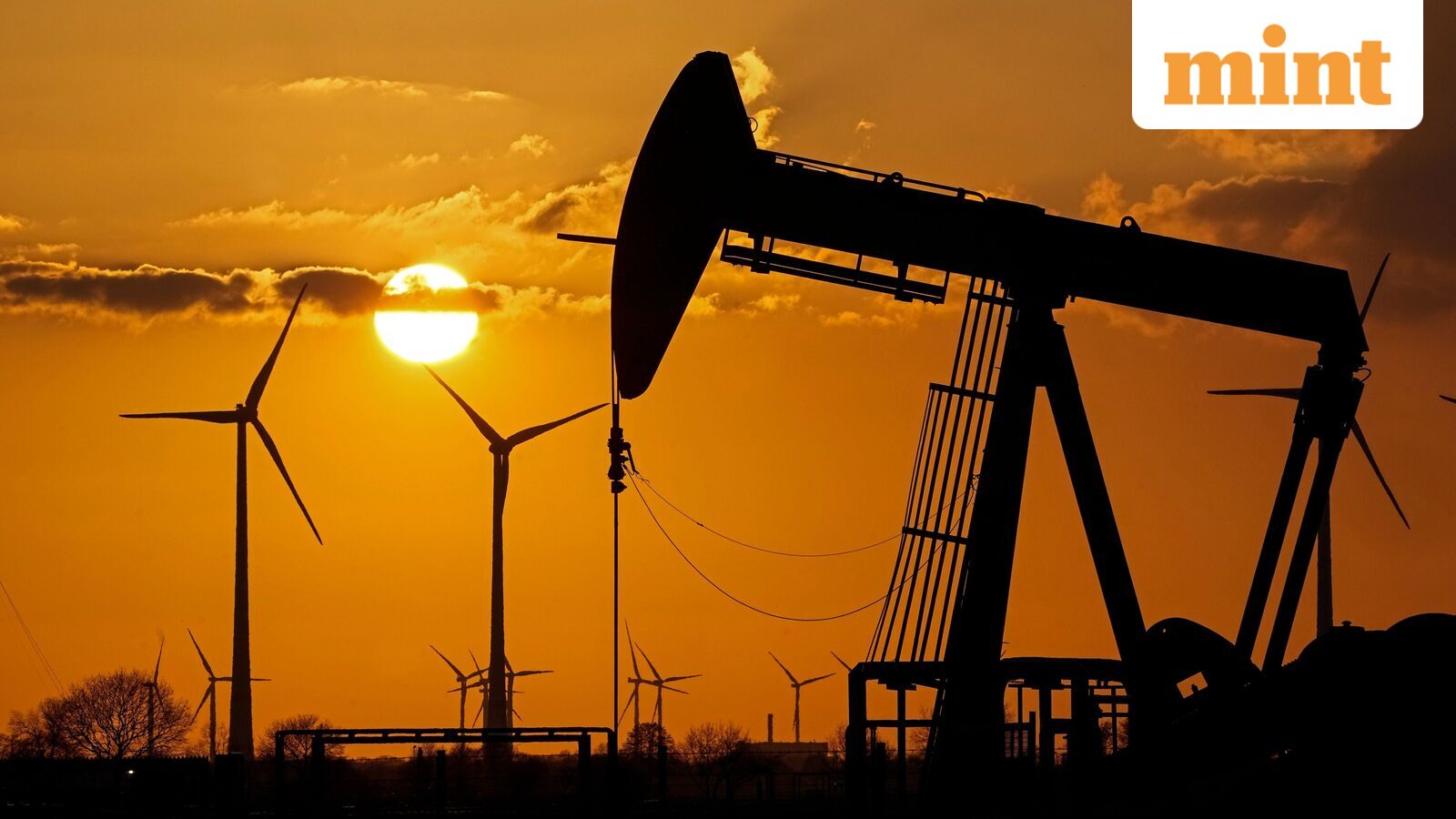
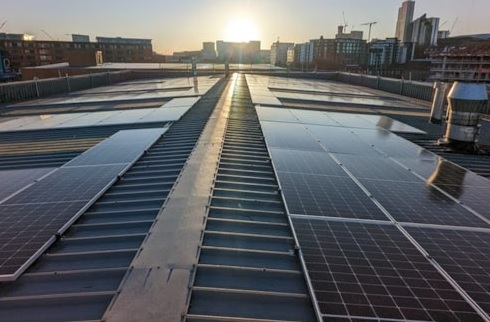
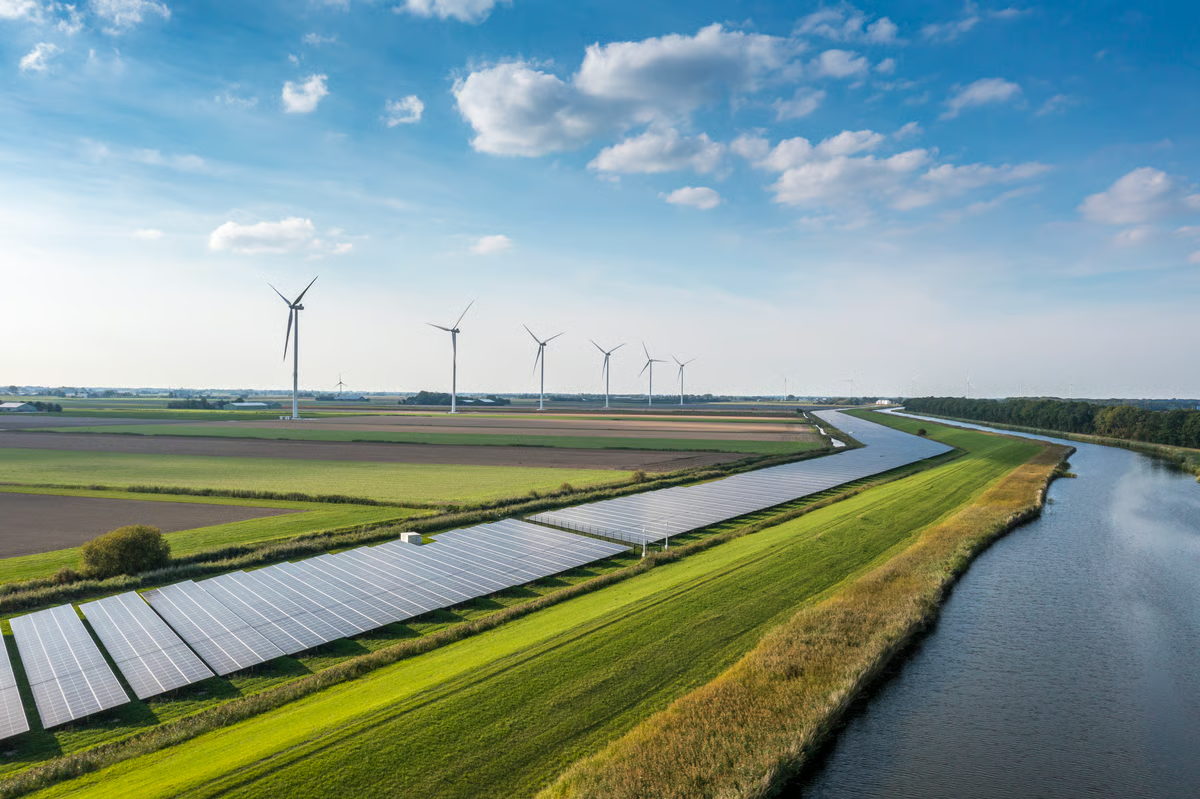
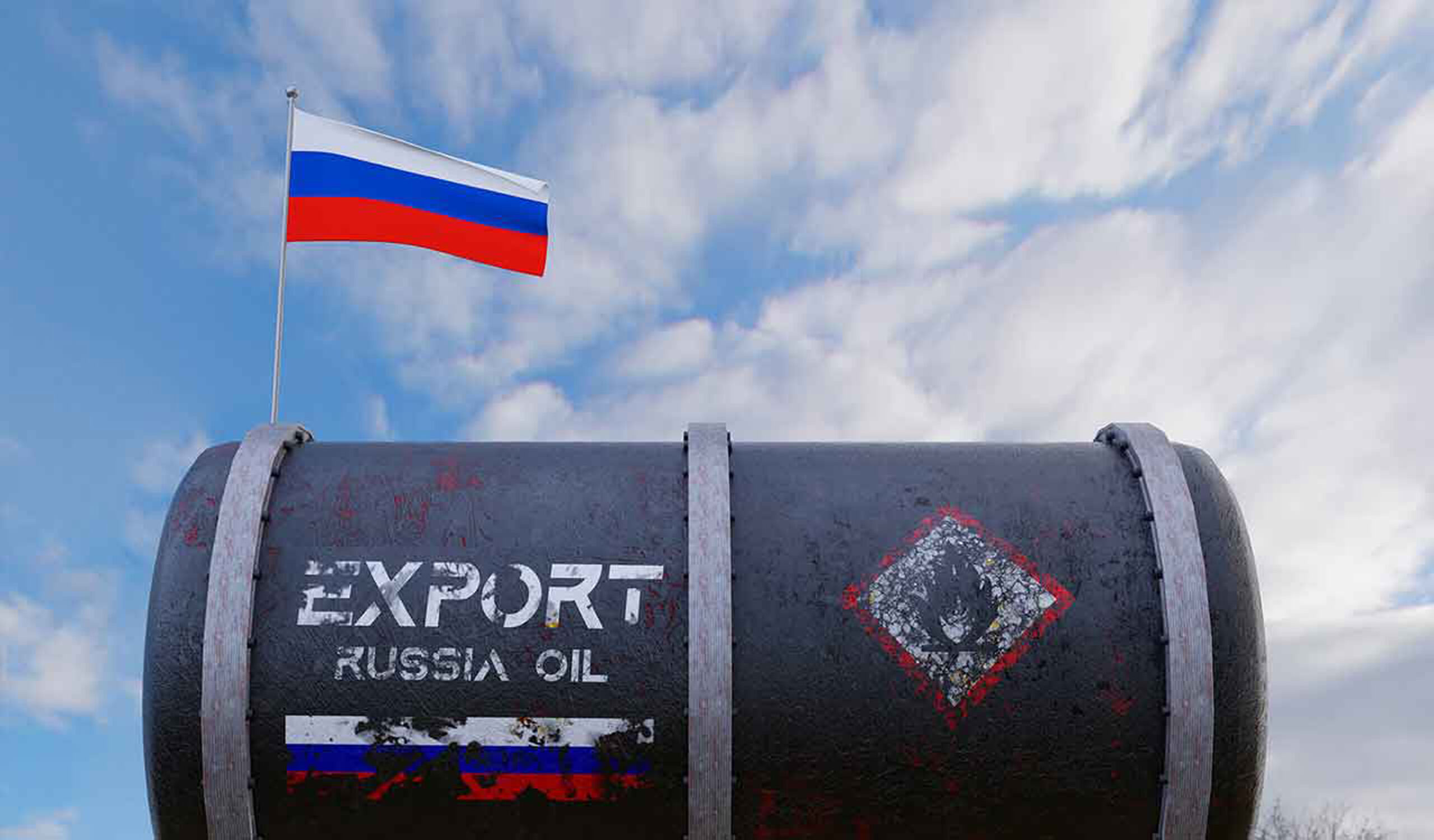
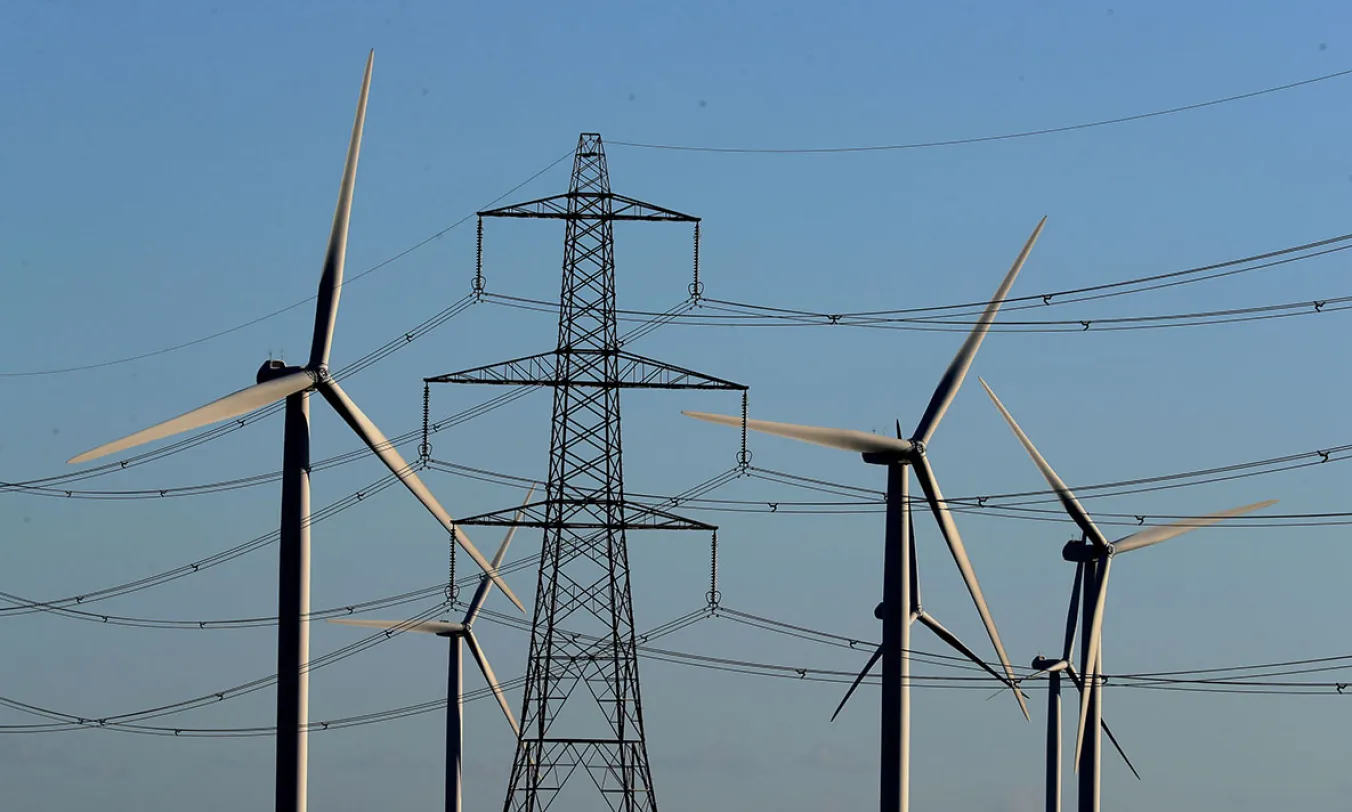
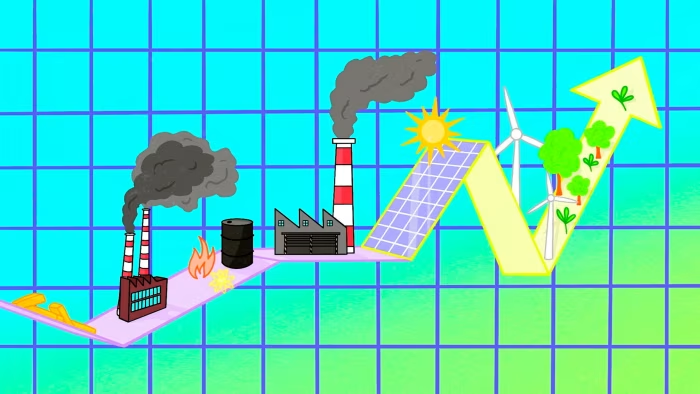
Yes it is, and that’s partly because the nature of the shock is different. In 2022, Europe’s main gas supplier cut off pipeline gas effectively to the continent, and gas prices soared. But also, there are real concerns over how Europe would get supplies in response to that. Since then, they have started to import much more liquefied natural gas from Qatar, but also largely from the US. They’ve electrified quite a bit as well. So renewable energy sources have increased, and so that has been part of a plan really to reduce dependence on Russia.
Victoria Craig
Are these long-term solutions that Europe can rely on if the situation in the Middle East worsens? Or will they have to look to different possible suppliers down the line?
Ian Johnston
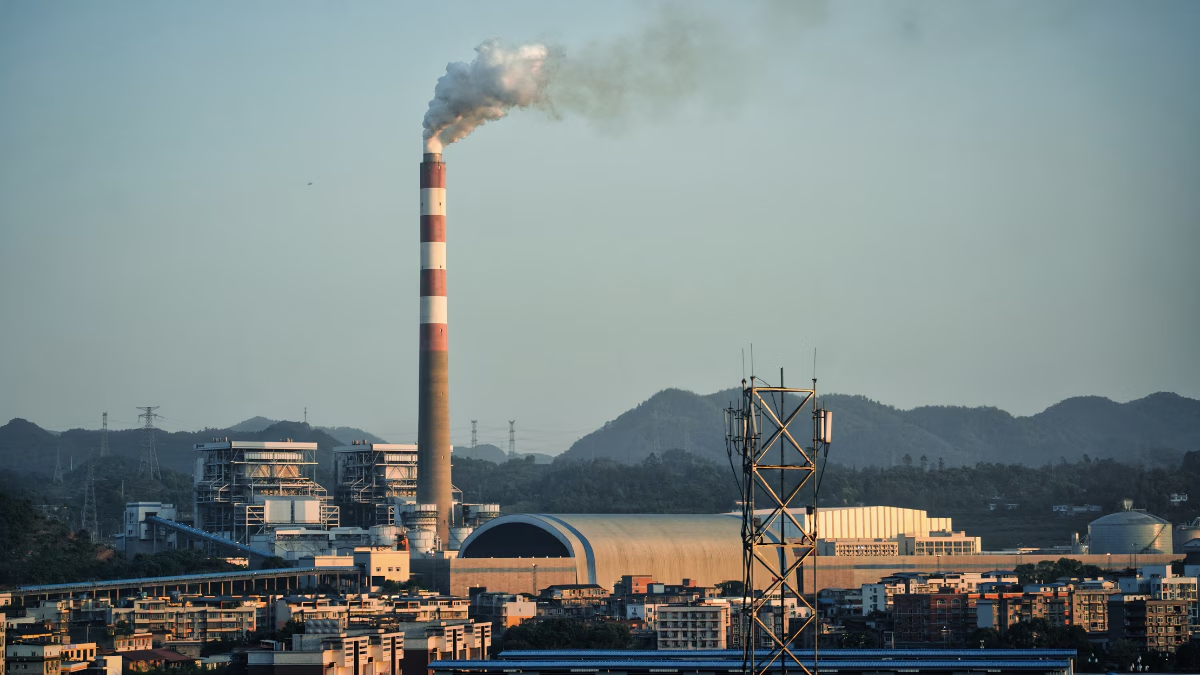
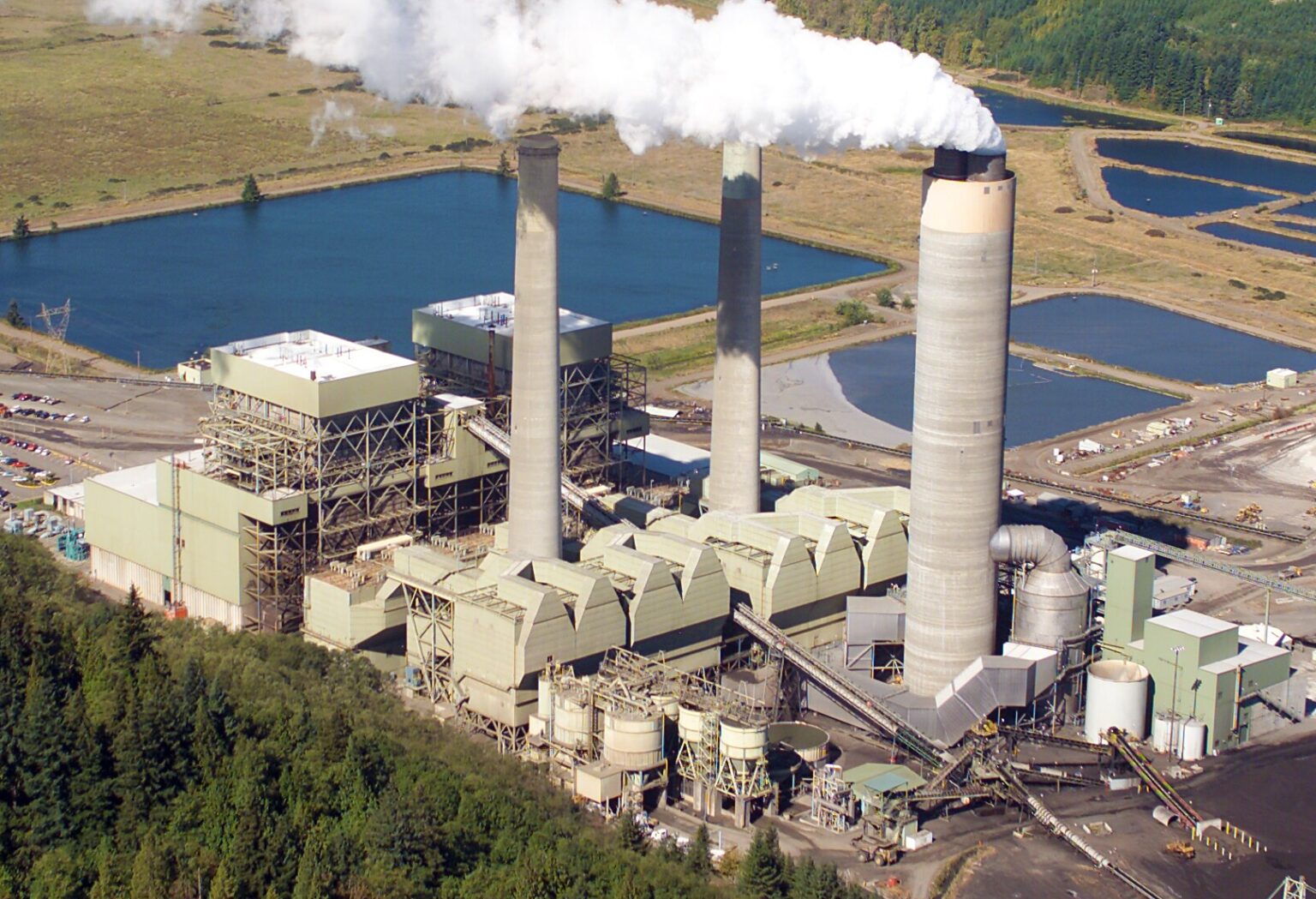
Well, one challenge now is that we’ve come out of a very cold winter in Europe, and so the gas reserves are very low. Europe now needs to refill those gas supplies and it risks doing so at a time when prices are very high. And if that continues to be the case, it’ll be very expensive to do so. In terms of its options for doing that, the sources would be perhaps turning to the US. Other options that are unlikely, but could happen, would be to continue to import Russian gas. Europe has recently legislated to phase that out. There are other scenarios as well. Europe could fire up coal plants as a short-term measure.
Victoria Craig
So how concerned are authorities in Brussels about a potential pass-through of these higher energy prices to consumers, and how are they preparing for that?
Ian Johnston
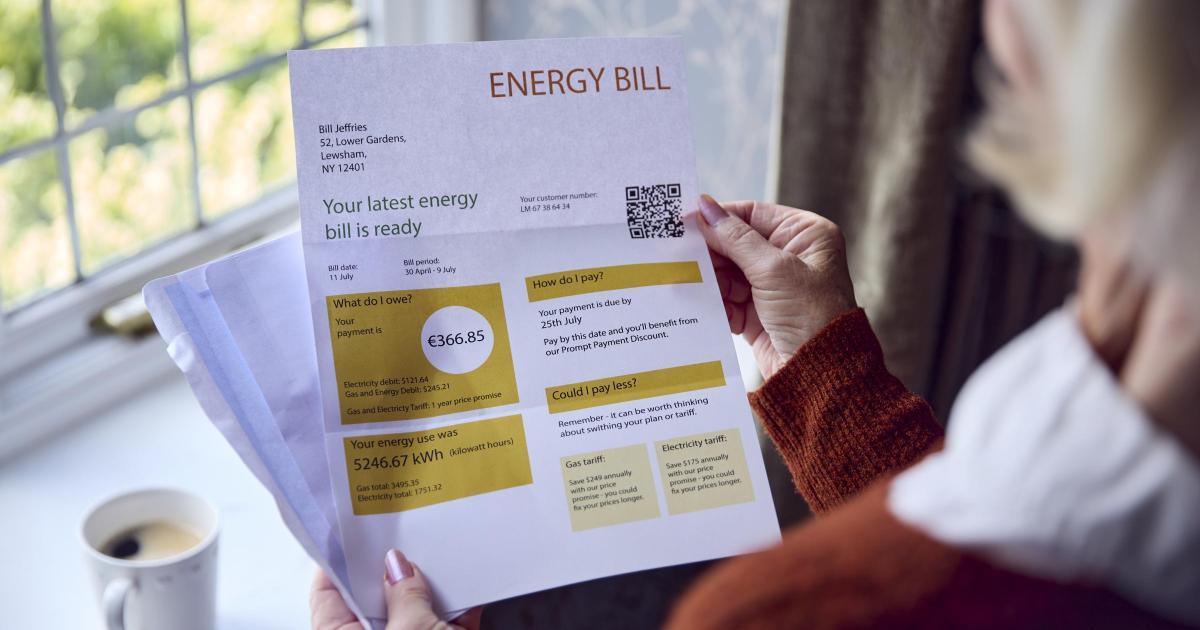
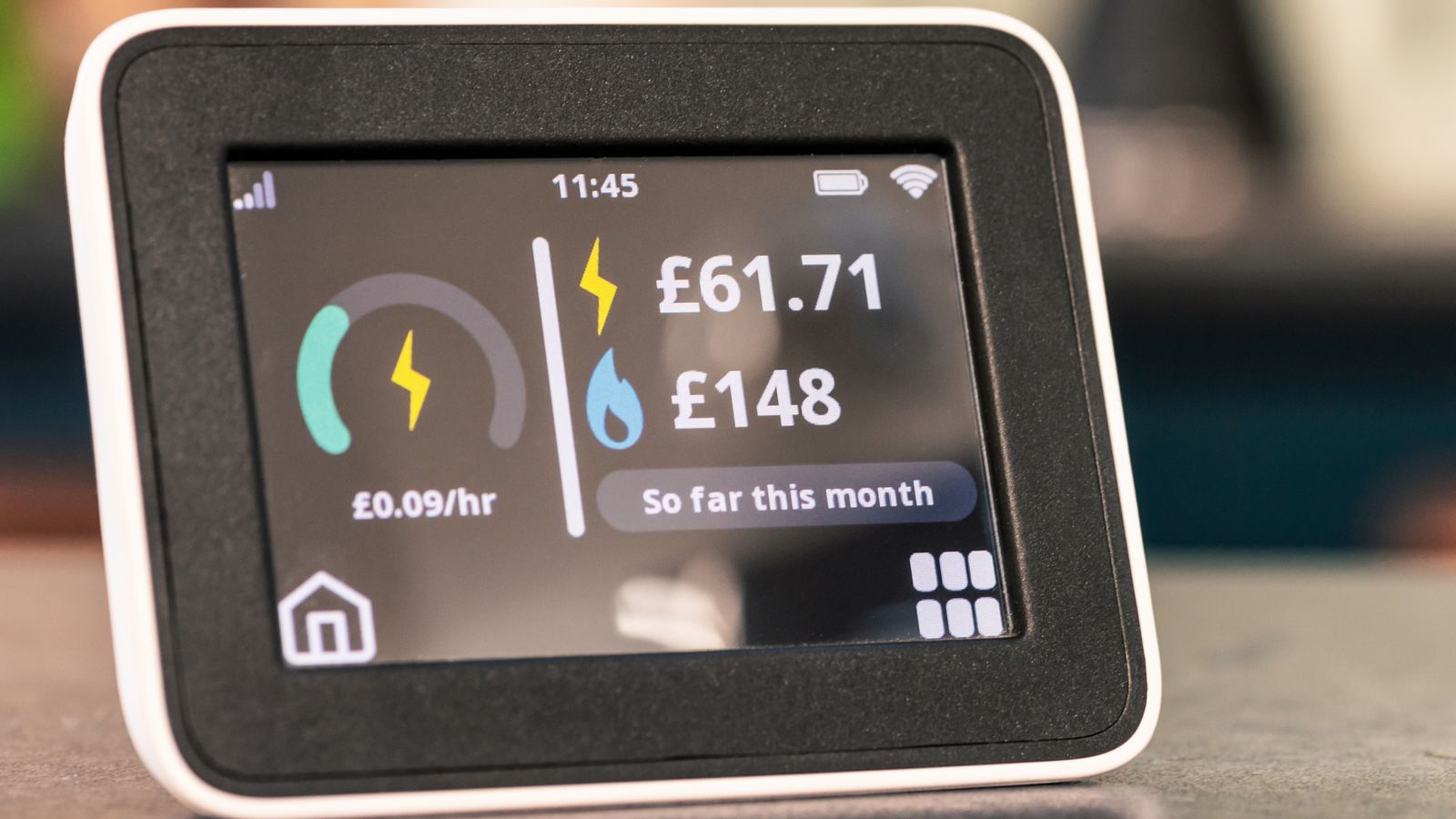
I think yes, they are very concerned. That would effectively be a real drain on Europe’s economy. Political pressure on politicians as well if energy prices continue to stay high. And there are unfortunately not many levers that they can pull at this point in time to support customers and businesses. One thing that it could do is continue to allow heavily polluting industries, steelmakers, fertilisers, to continue to get free alliances for emitting carbon, which is a way of keeping those industries outside of its environmental measures. And another thing it could do is to enable more state aid. Those are the rules that Brussels puts on member states to prevent them from advantaging their businesses. And that’s something that it could do. It could loosen those restrictions temporarily.
Victoria Craig
Really interesting stuff. Ian Johnston is the FT’s EU correspondent. Thanks Ian for your time.
Ian Johnston
Thank you.
[MUSIC PLAYING]
Victoria Craig
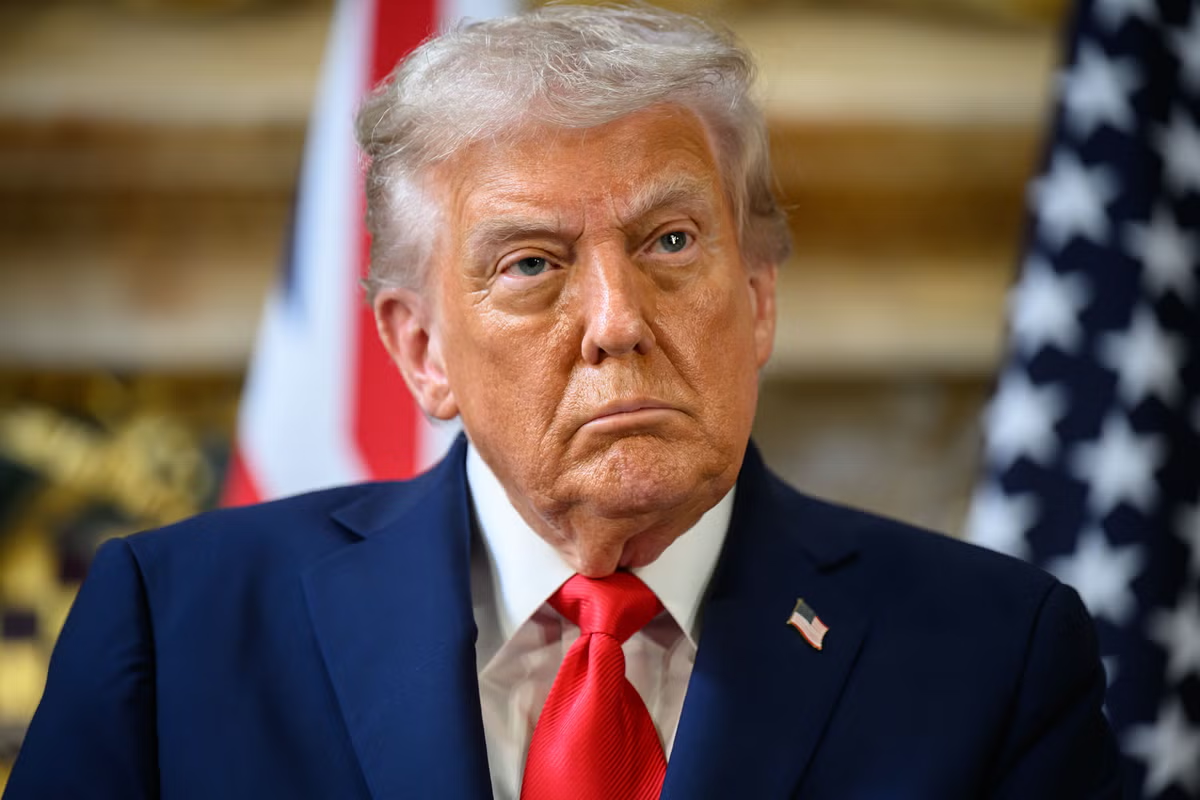
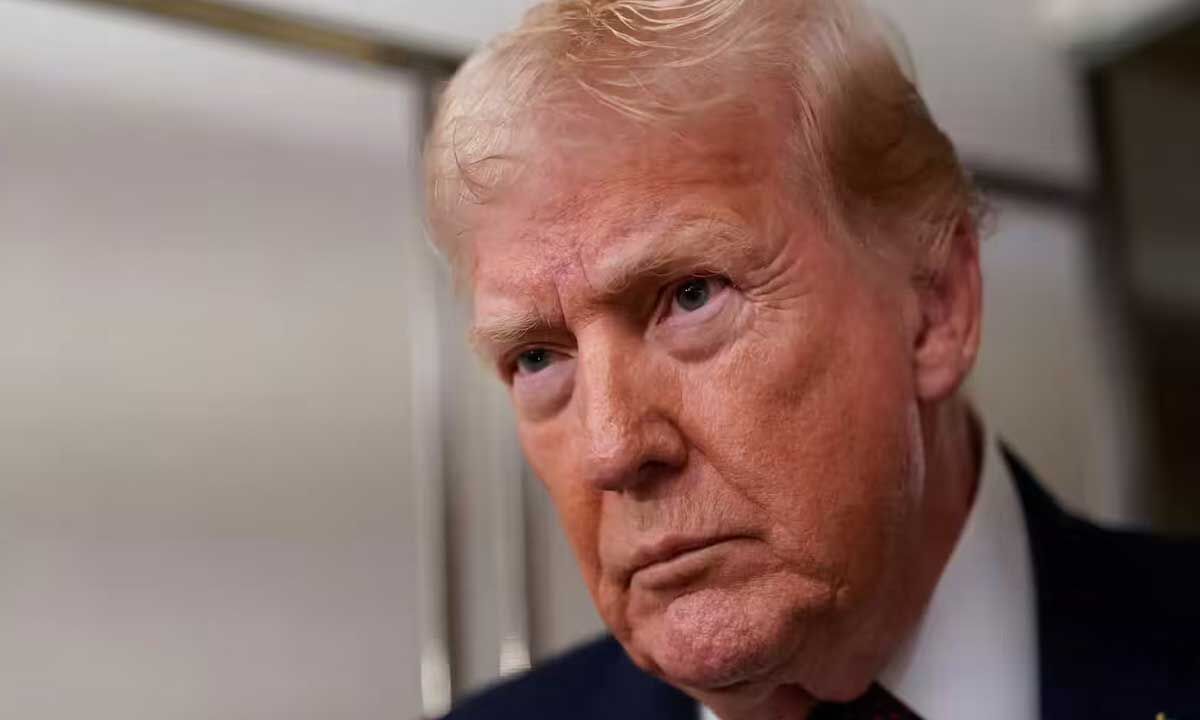
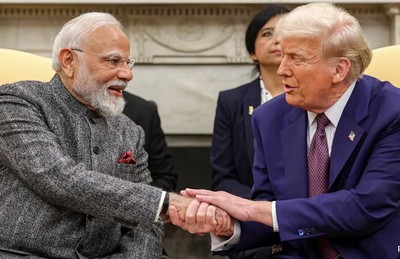
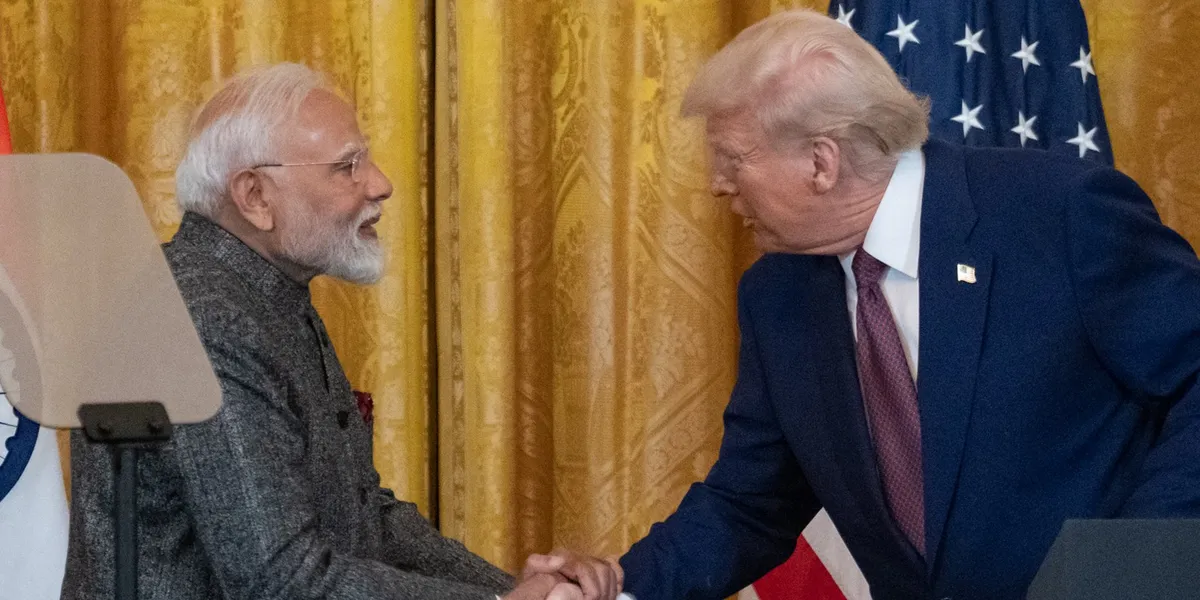
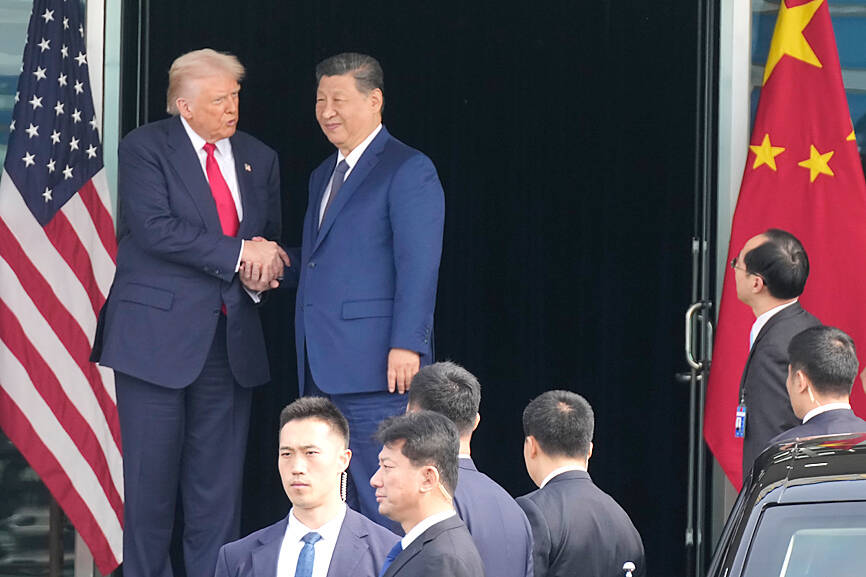
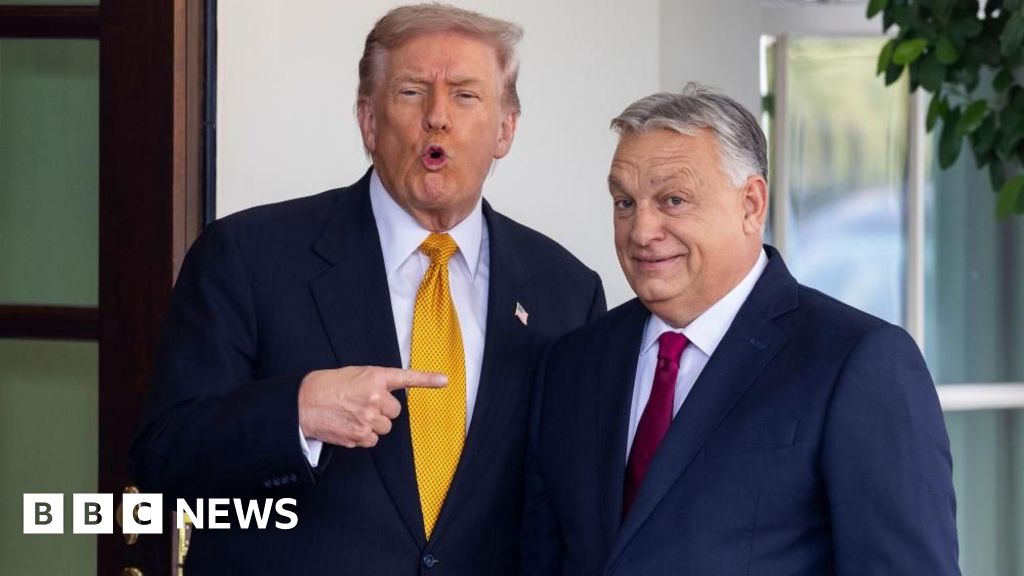
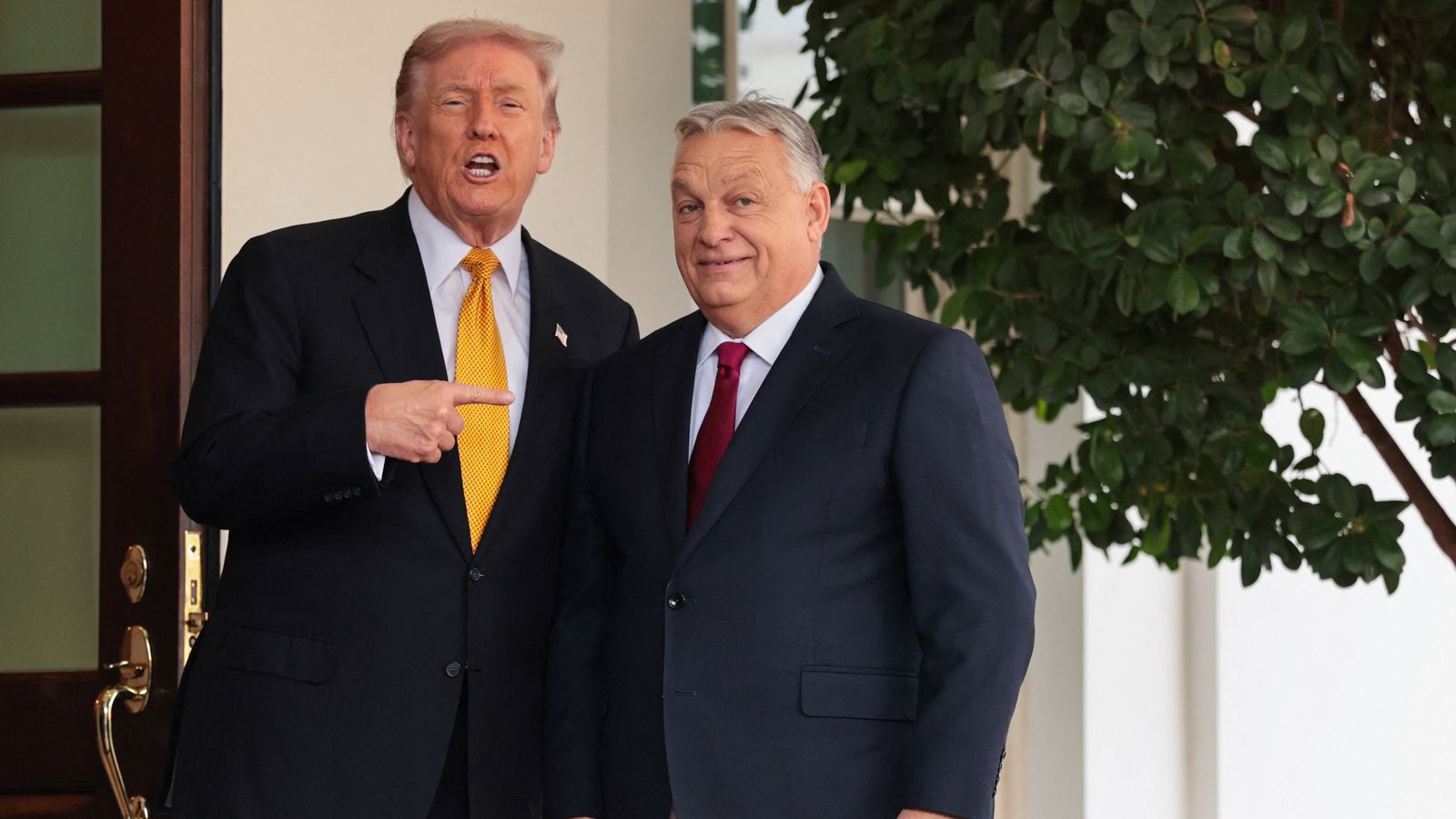
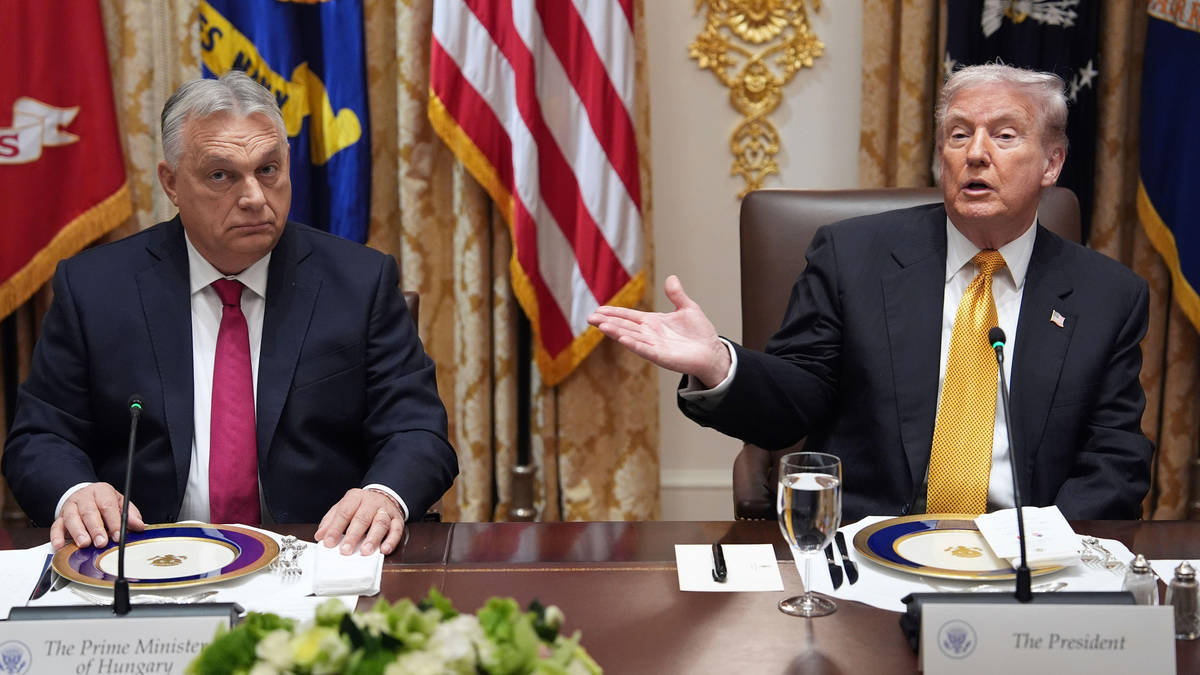
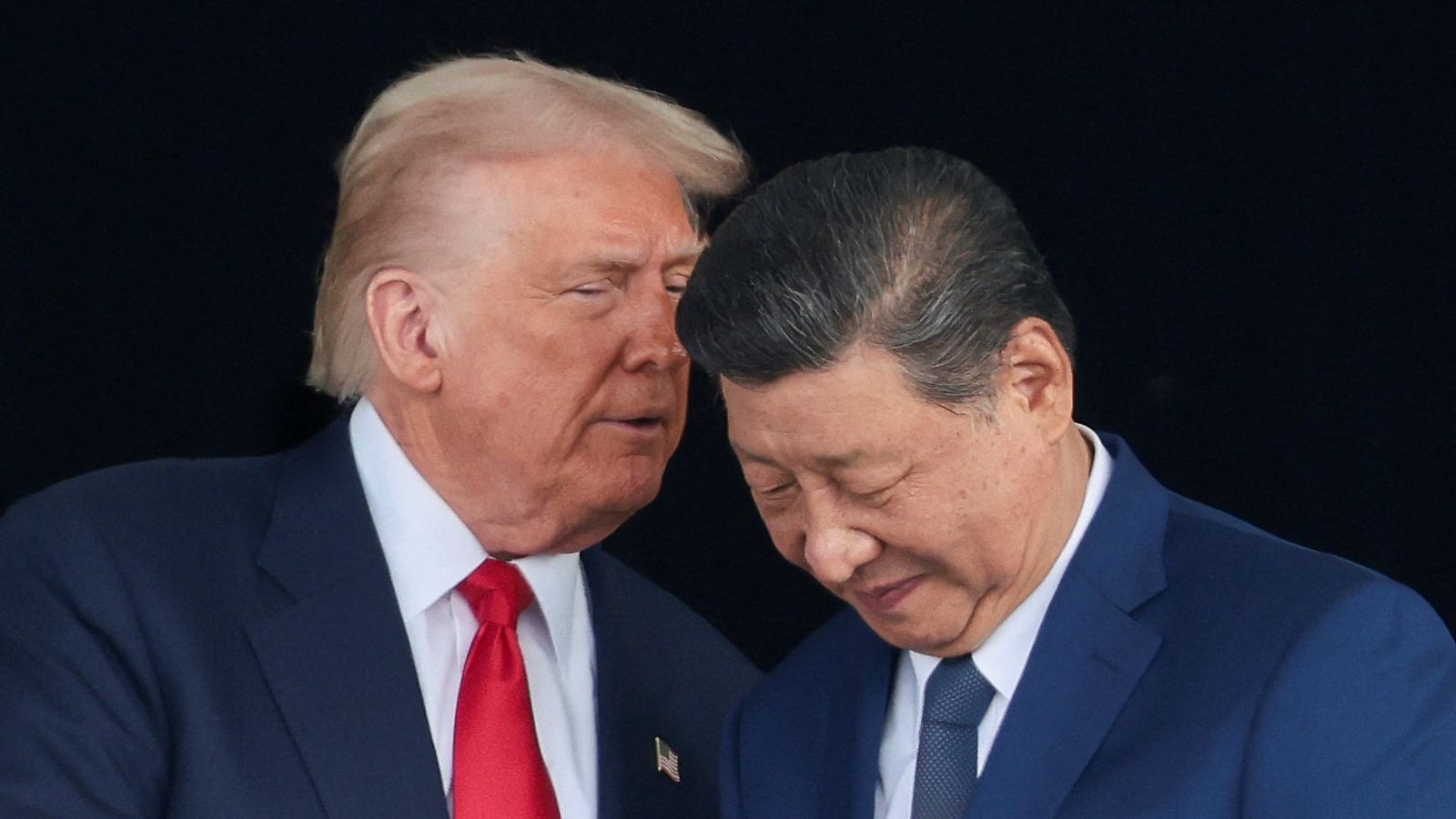
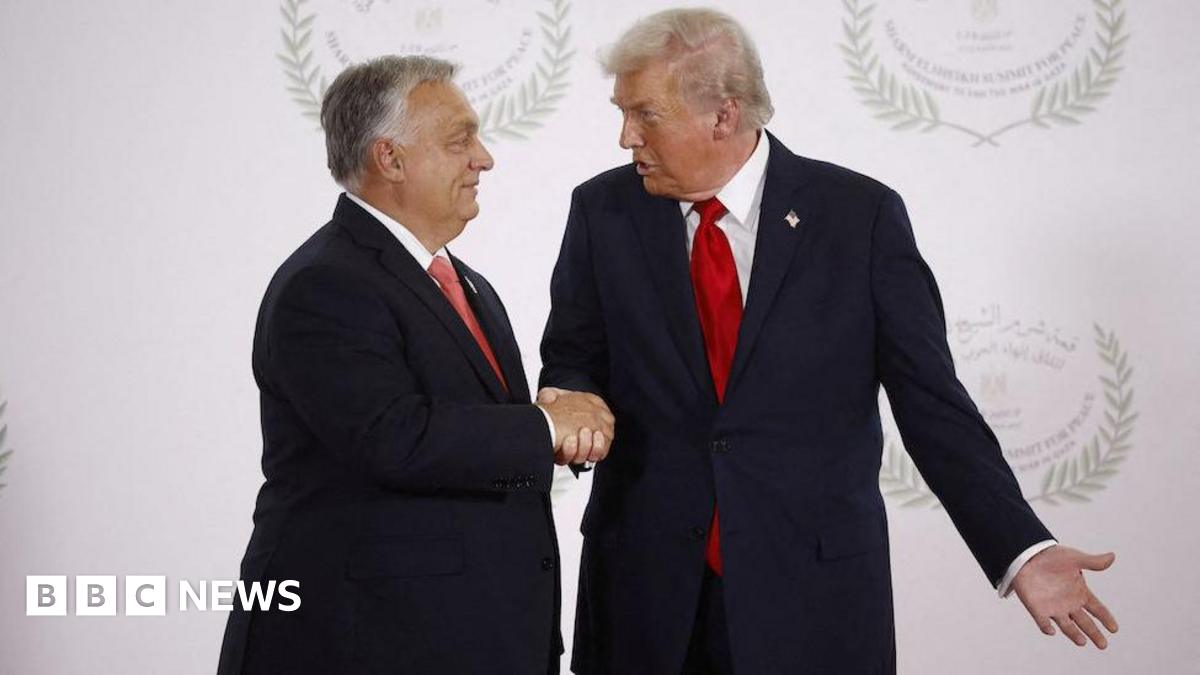
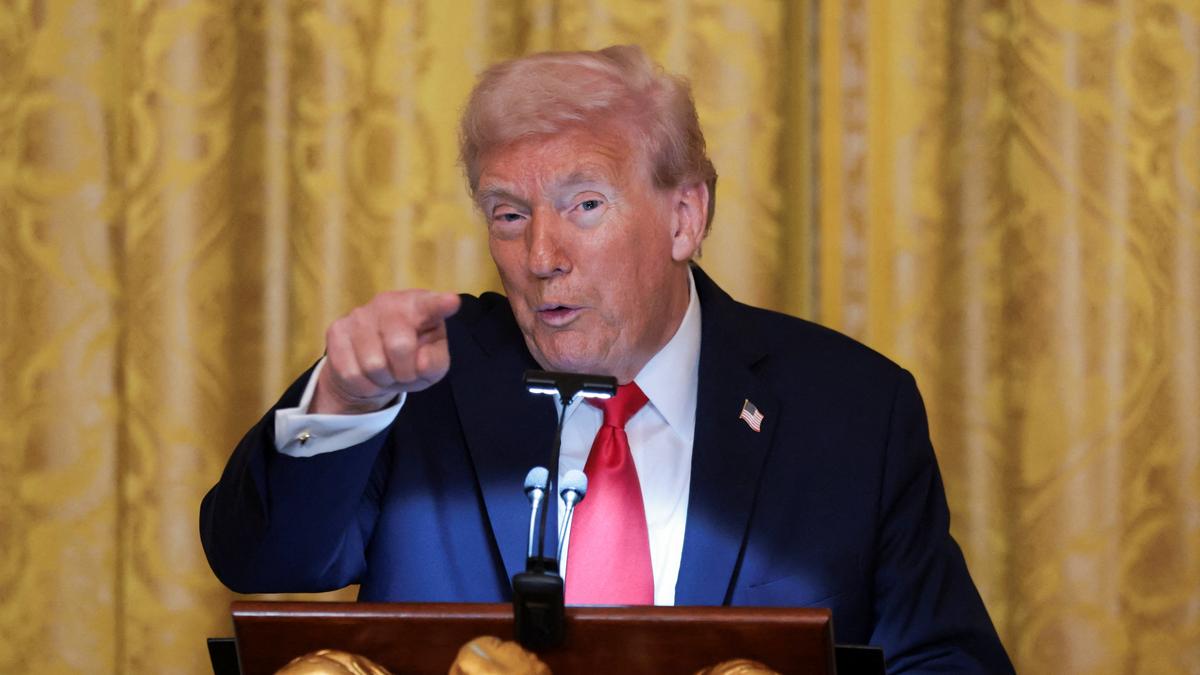
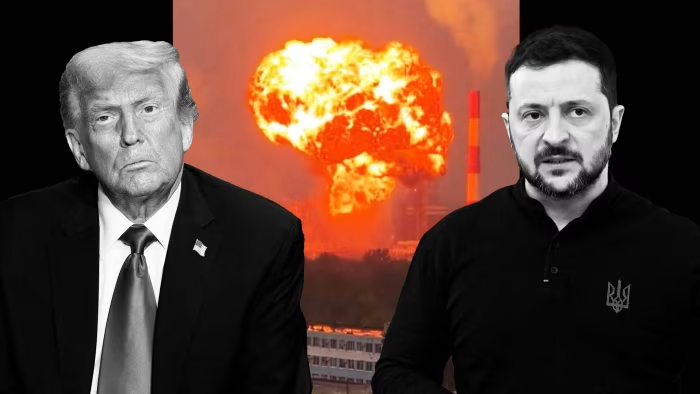
US President Donald Trump tore into some of his European allies yesterday. During a White House meeting with German Chancellor Friedrich Merz, Trump lashed out at Spain over what he saw as a lack of co-operation. Madrid refused to let the US send jets and ships to attack Iran from two jointly operated military facilities in Spain.
Donald Trump voice clip
Spain has been terrible. In fact, I told Scott to cut off all dealings with Spain.
Victoria Craig
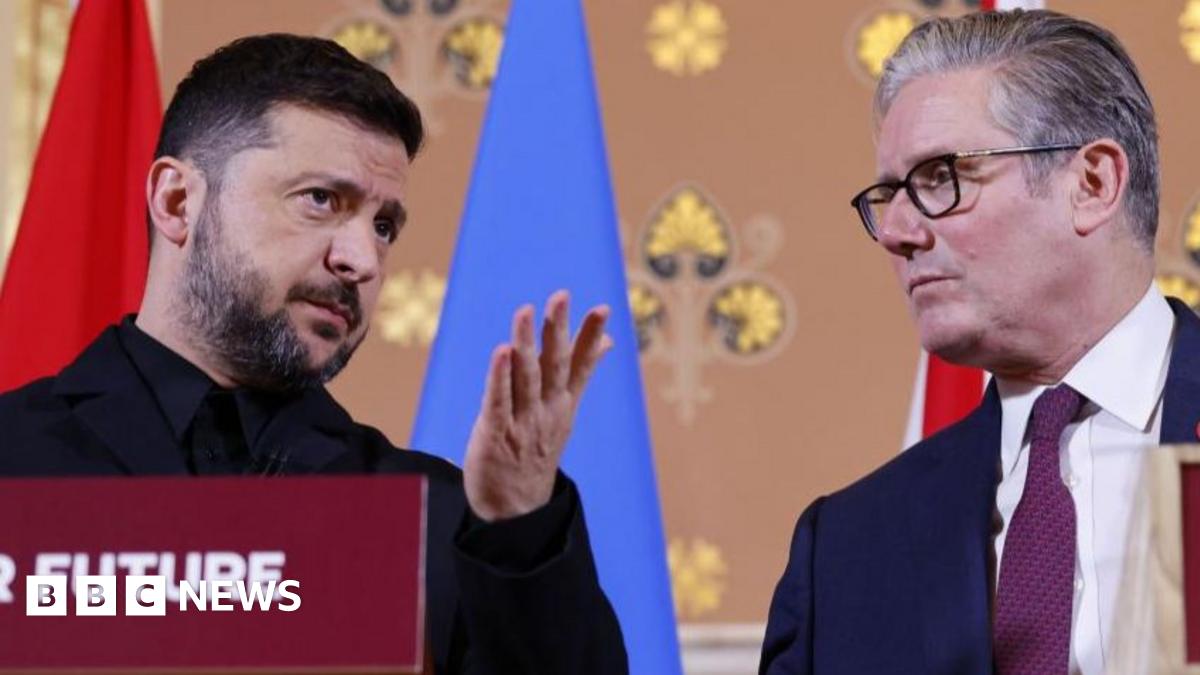
He’s referring there to US Treasury secretary Scott Bessent. A Spanish government official fired back in a statement saying Spain was a quote, reliable trading partner. At the same White House press conference, Trump also expressed frustration that the UK had not allowed the US to launch its initial strikes on Iran from the small island of Diego Garcia, but the UK reversed course on Sunday. Here’s what Trump had to say about Prime Minister Keir Starmer.
Donald Trump voice clip
This is not Winston Churchill that we’re dealing with.
Victoria Craig
The UK prime minister on Monday challenged the strikes on Iran saying, quote, this government does not believe in regime change from the skies.
[MUSIC PLAYING]
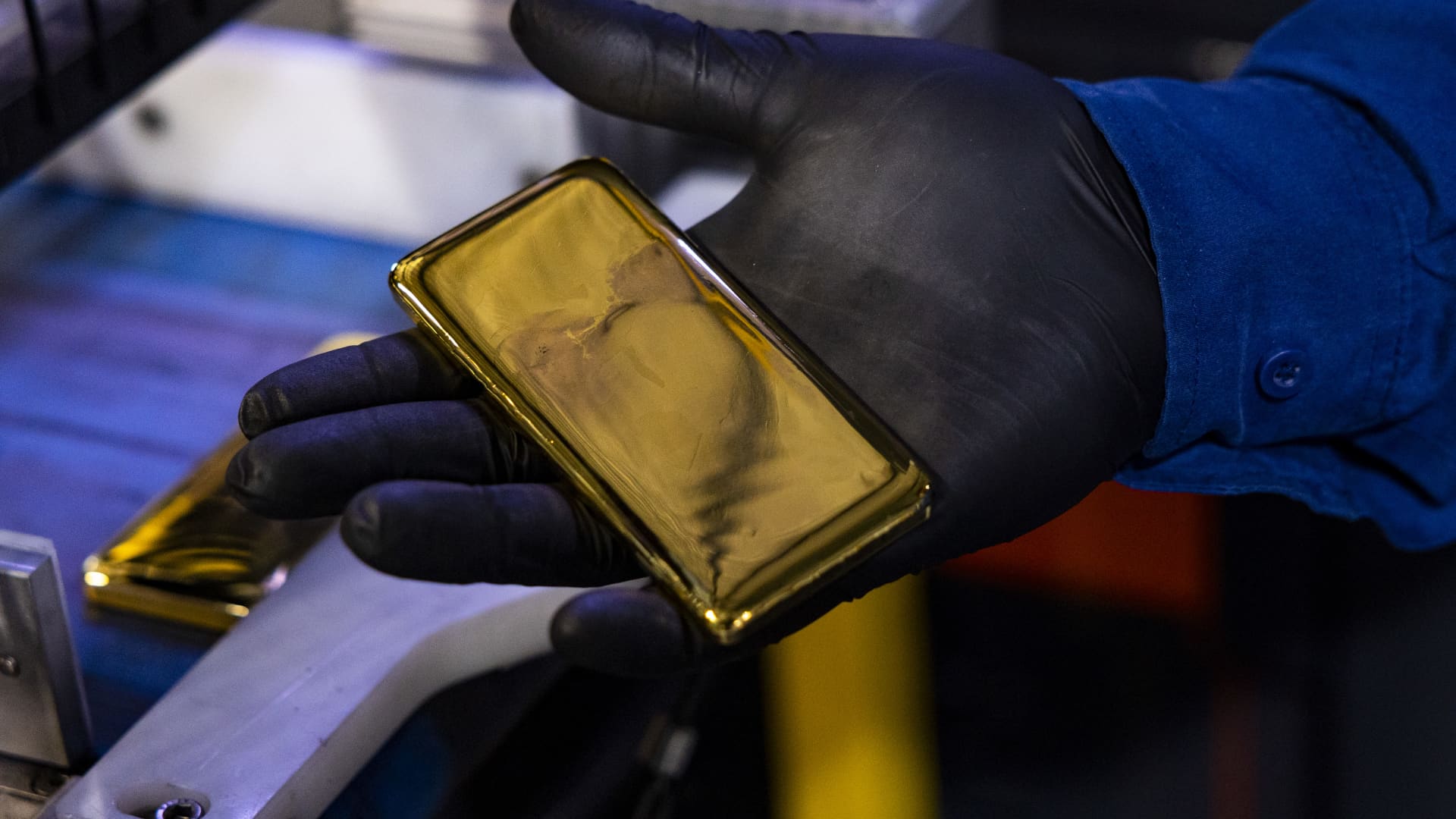
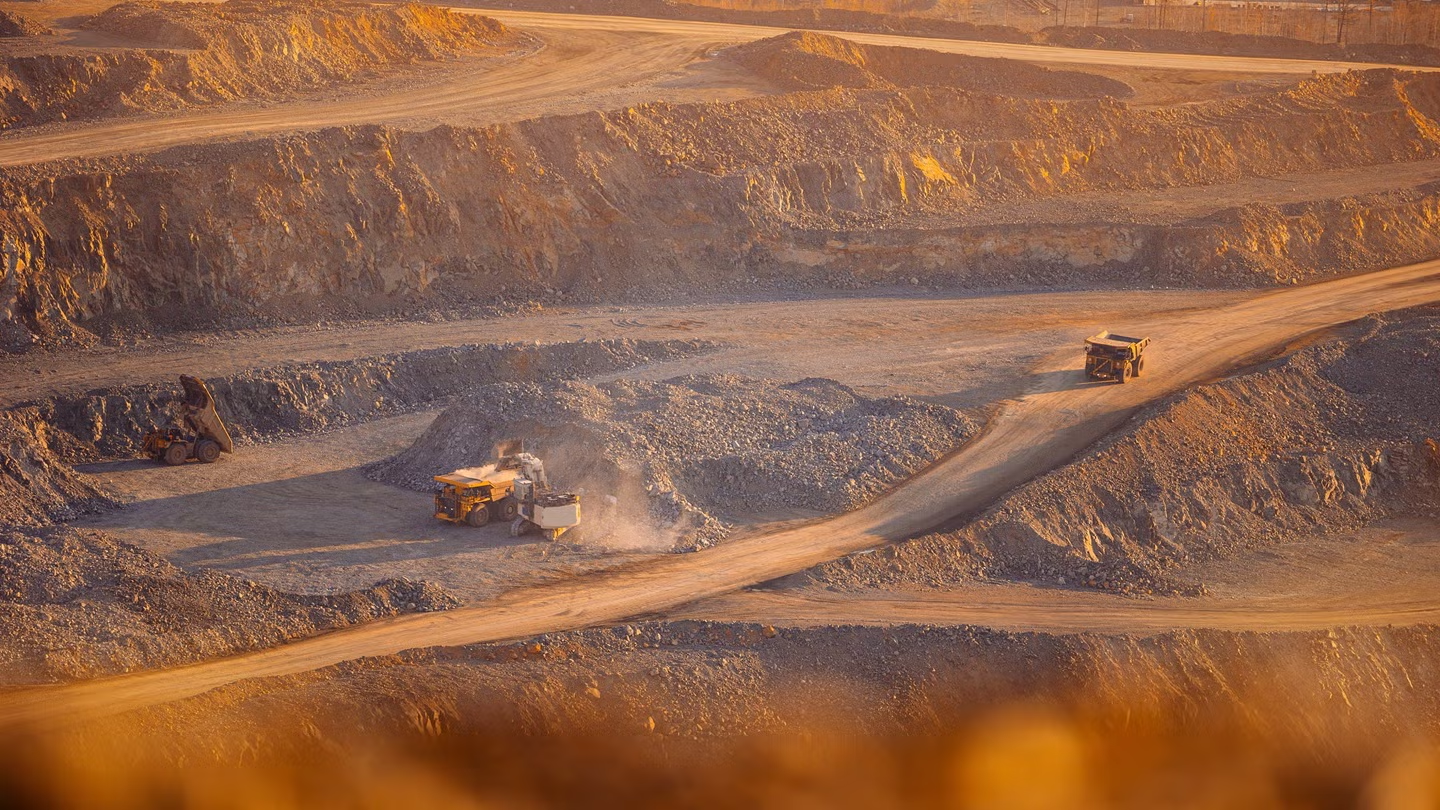
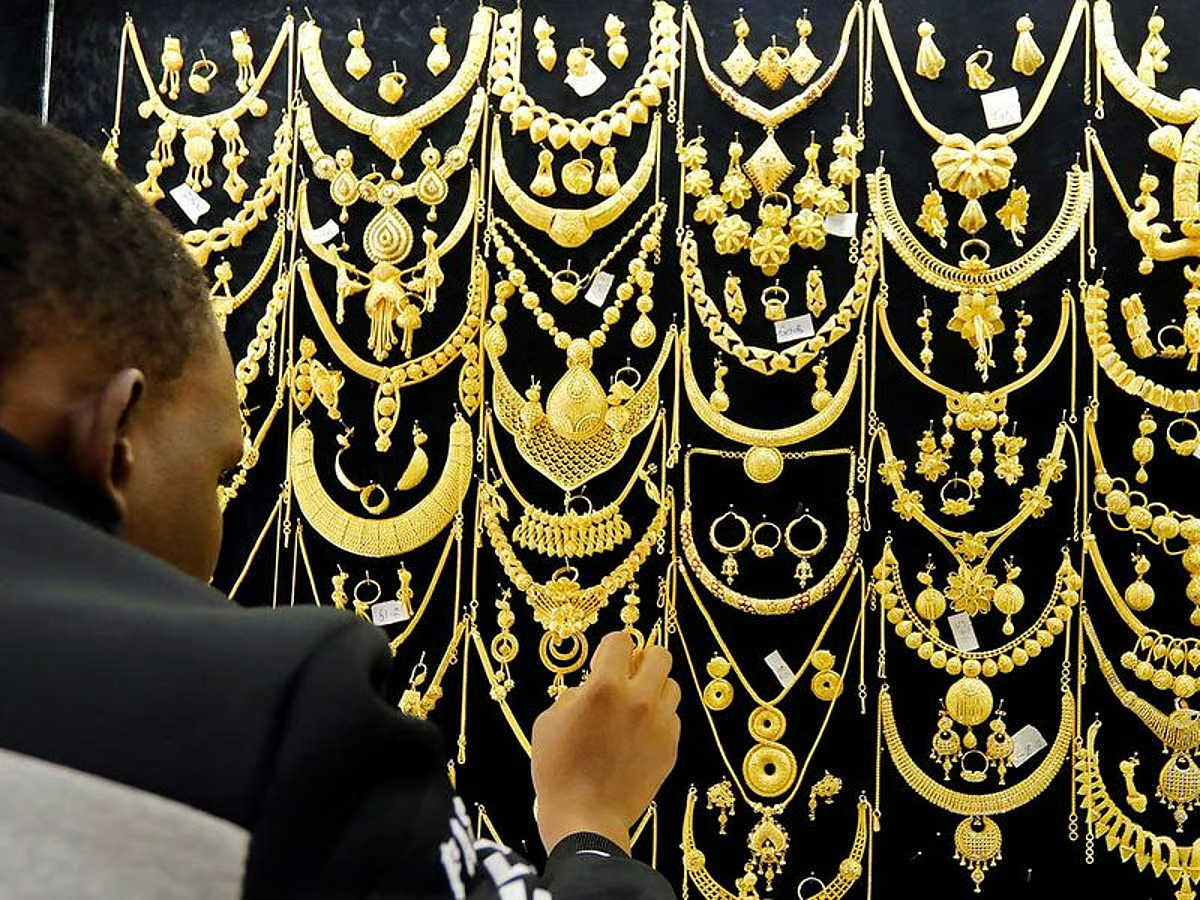
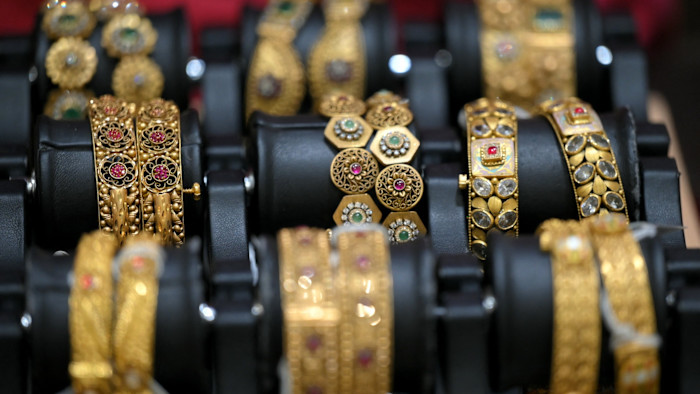
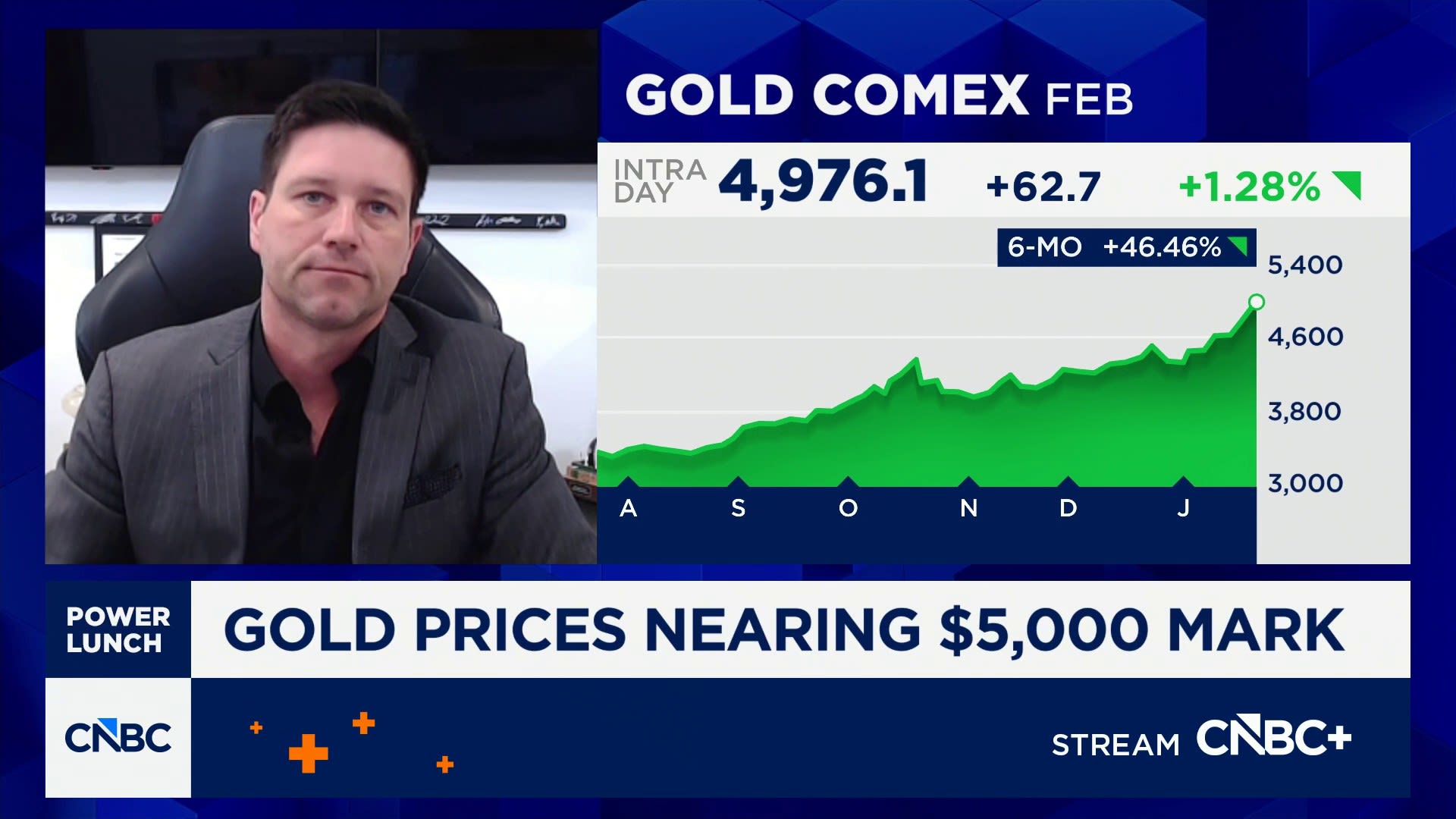
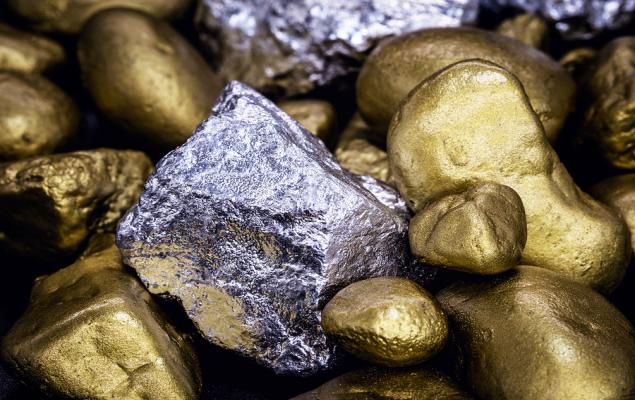
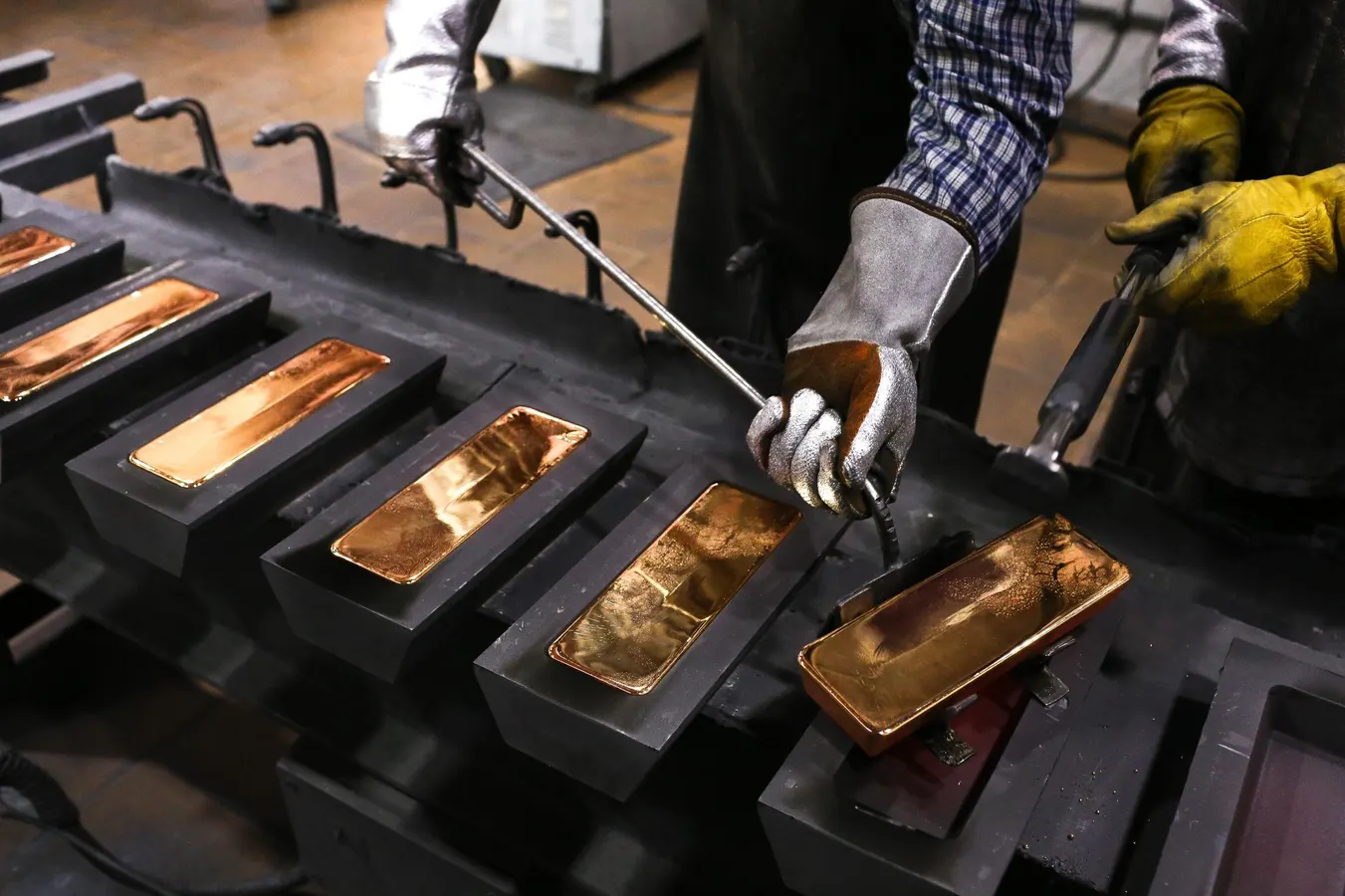
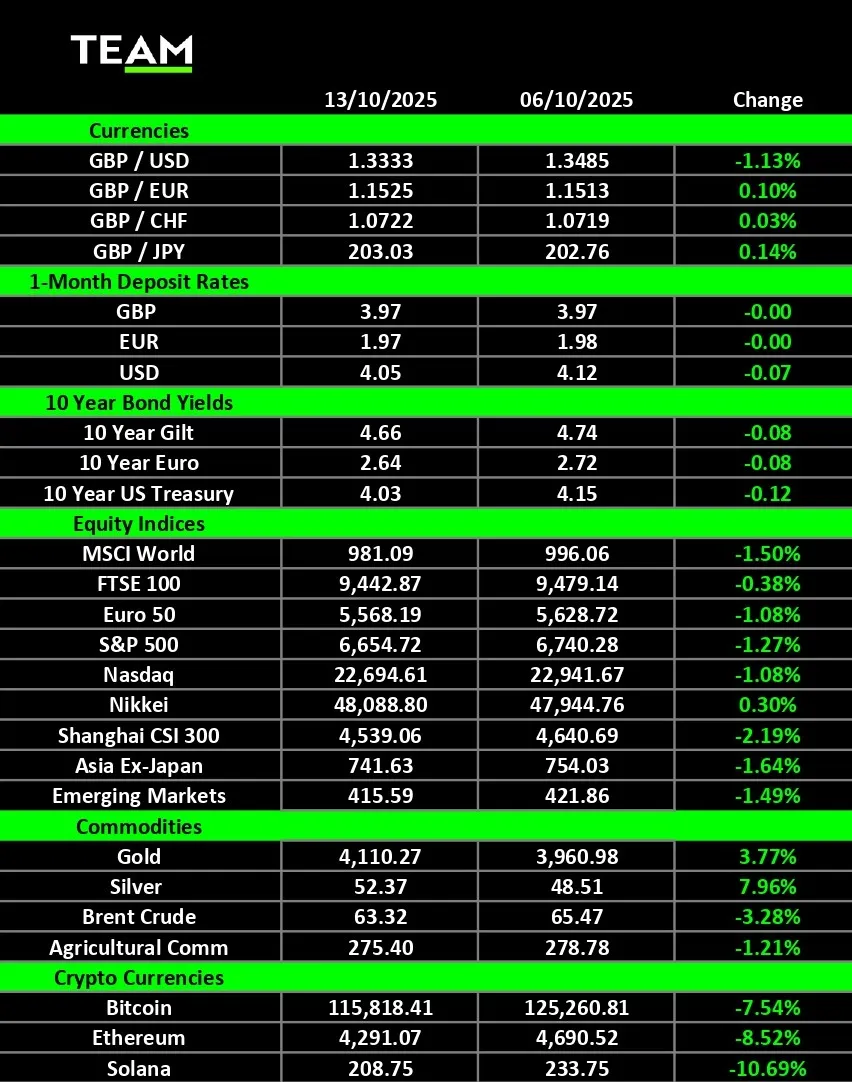
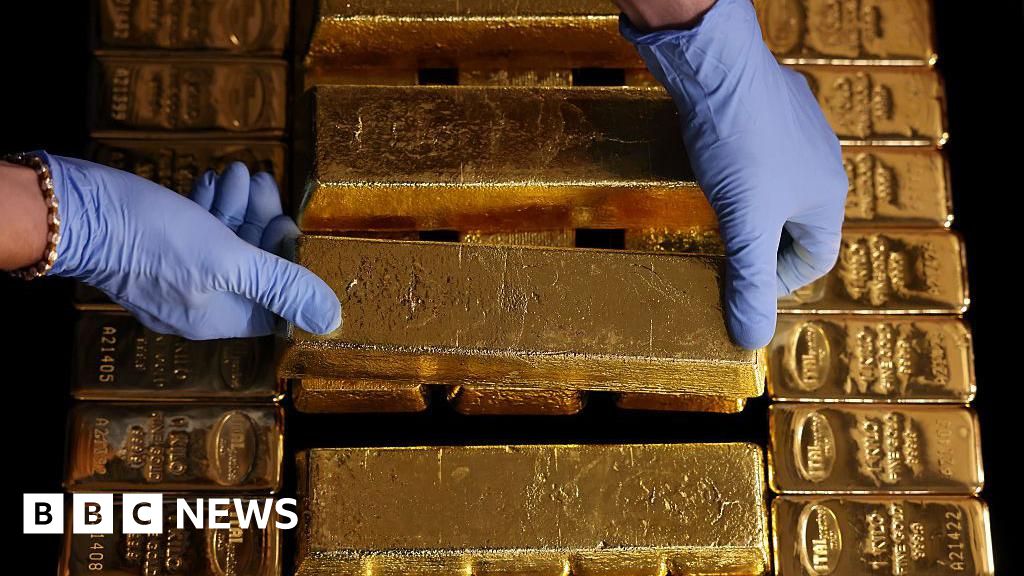
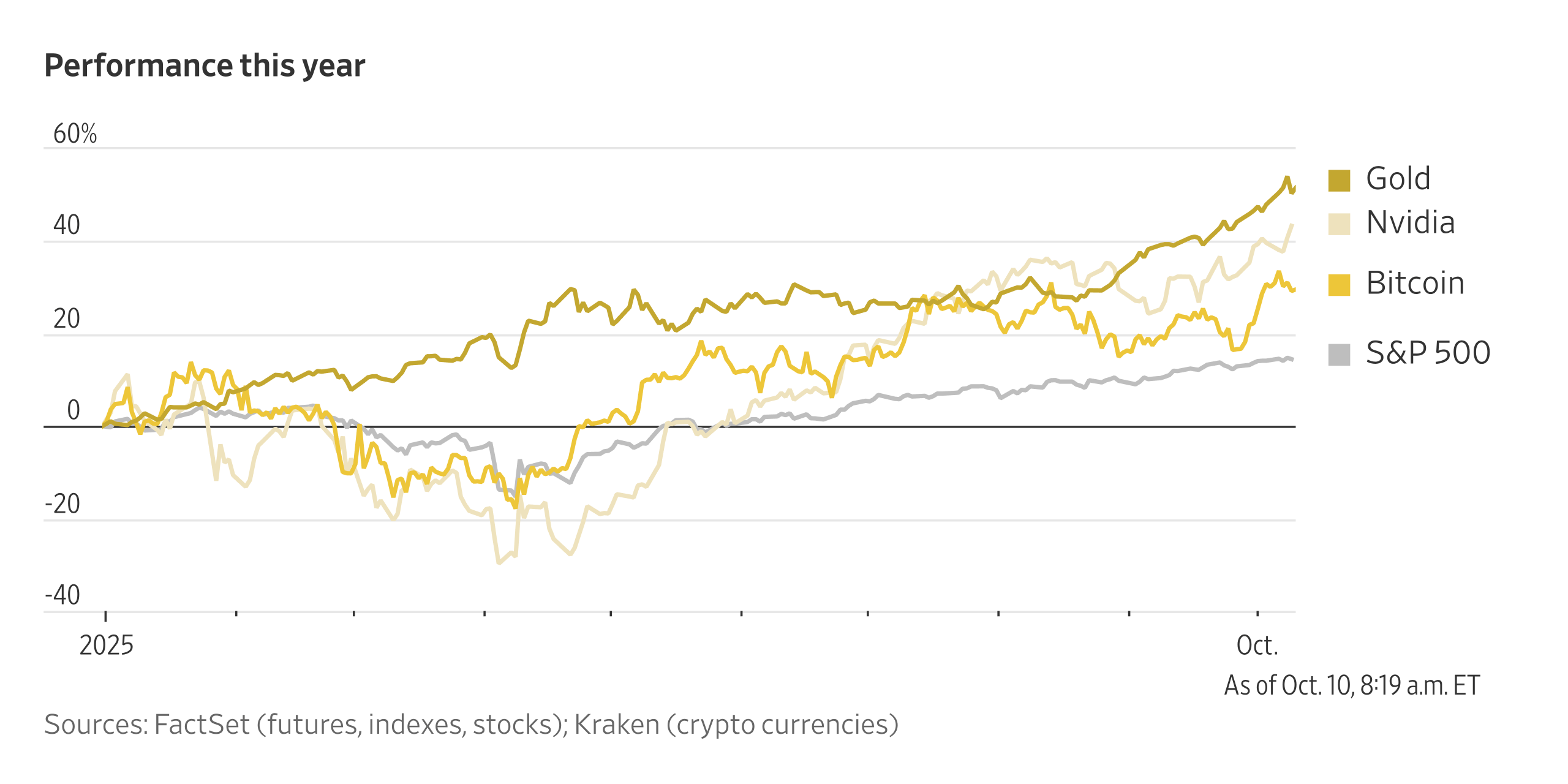
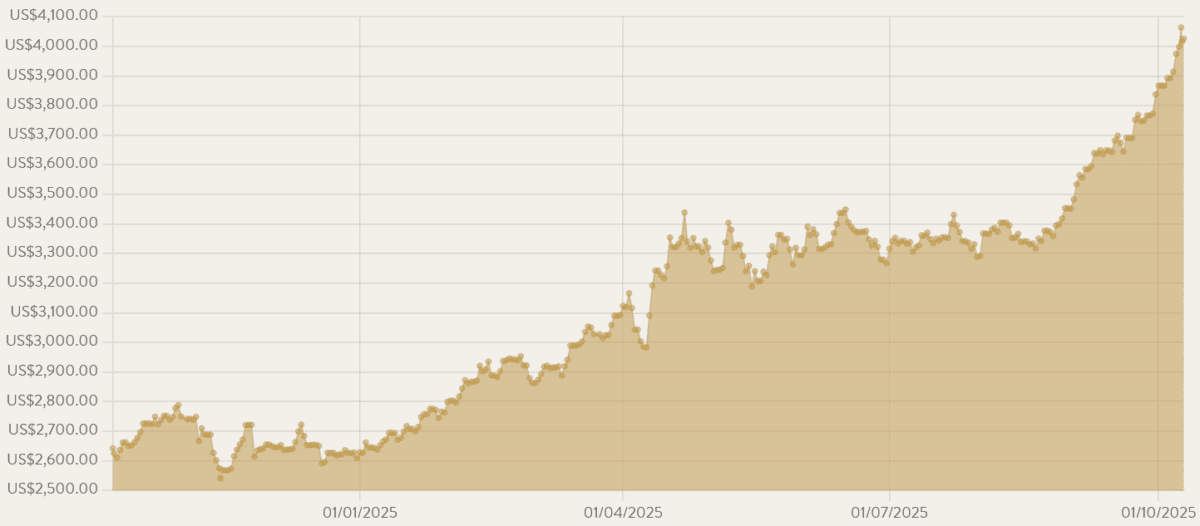
Air travel is being disrupted as a result of the Middle East conflict, and it isn’t just a problem for commercial airline passengers, it’s also a problem for metals trade. Dubai is an important hub for gold shipments. It accounted for about 20 per cent of global flows last year, and itself was the world’s second-largest exporter in 2024. Gold is usually transported on passenger planes, but some airlines are prioritising perishable goods instead. Now, some logistics carriers say they are the ones handling the gold shipments. Traders say longer term disruption could trigger more volatility in the price of gold. It’s down more than 4 per cent this week, but up nearly 20 per cent so far this year.
[MUSIC PLAYING]
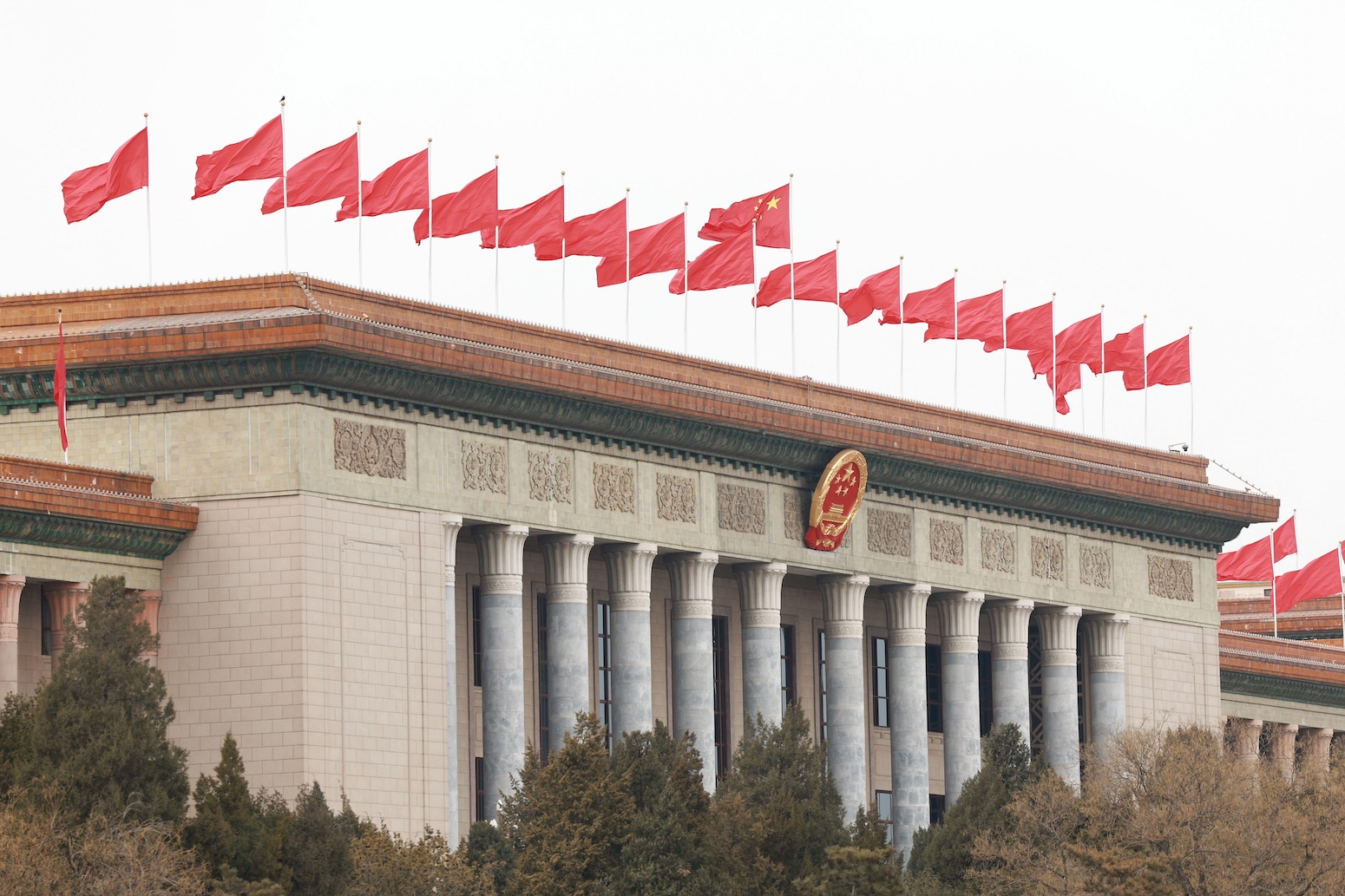
China’s National People’s Congress convenes tomorrow at the meeting Beijing will set its growth target for the year and unveil its latest five-year plan. These gatherings are carefully planned pieces of theatre. Leadership sets out its ambitions for the economy, and which sectors are lined up for funding and policy support. To tell us what’s on tap, I’m joined now by the FT’s Beijing bureau chief Joe Leahy. Hey, Joe. Thanks for being here.
Joe Leahy
Thank you.
Victoria Craig
So what are you looking out for from this meeting?
Joe Leahy
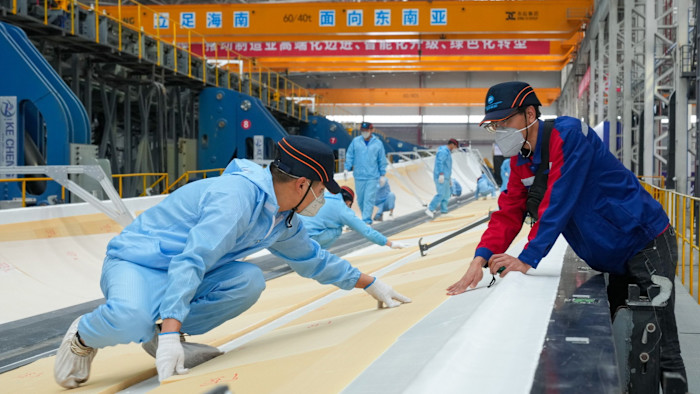
Yeah, this is China’s annual political extravaganza, if you like. And one of the key things at this annual meeting is always the growth target. The government delivers the so-called work report, which details all of the activities that it’s been doing over the past year and its plans for the coming year, especially for the economy. And this year, we’ll be expecting them to perhaps even change the target, which will be the first time in a few years to around 4.5 to 5 per cent for this year. And that would compare to last year’s target, which was, in quotes, around 5 per cent. So that’ll be a pretty big change, acknowledging that China’s economy is gradually slowing. And then they’ll also release the 15th five-year plan. And we think that will be emphasising high-tech development first and foremost, and also with some hopes of fuelling consumption.
Victoria Craig
Does China generally meet these targets?
Joe Leahy
They always mysteriously do meet the target. There have been exceptions such as during COVID, but normally, they do meet it. And the way they do that is through economic stimulus. So, if they find that they’re falling short of the target, they’ll issue a whole lot more bonds and build a lot more infrastructure, undertake a lot more investment until they feel like they’ve met the target. But of course, China’s economic data has been heavily questioned by economists over the years. It’s always a little bit questionable whether they’re actually meeting the target, but they certainly say that they do.
Victoria Craig
You mentioned that the tech sector is a focus for tomorrow. What are the other sectors you’re gonna be watching for?
Joe Leahy
One of the really interesting things might be whether or not the government actually sets some targets for consumption, because the thing obviously that’s really missing in the Chinese economy at the moment is consumption. There is a lack of demand in the Chinese economy leading to huge exports. And that massive surplus last year that has upset China’s trading partners. So economists will be looking for more clarity on whether they’ll set targets for consumption, which also requires them to boost people’s incomes. But I’m not too optimistic that they’ll do much on that front. I think tech is still the highest priority, and that’s because of competition with the US. Above all, they want to win that contest.
Victoria Craig
What other policies are the delegates gonna discuss?
Joe Leahy
Yeah. Another really interesting piece of legislation that’s supposed to be discussed, there is inheritance tax. With China’s demographic decline, we are going to see this large group of people who’ve benefited from the past 40 years of economic growth. They are going to hand over their wealth to a much smaller number of people in the next generation. So the party really wants to get a piece of this in terms of taxation, but still, they know that this is a very unpopular tax and they’ll be working very carefully on how they can get it through.
Victoria Craig
So Joe, that’s what the government is prioritising, but people can also have their voices heard. So what’s on their minds heading into the Congress?
Joe Leahy
Yeah. One of the features of the Chinese People’s Political Consultative Conference, which is the main advisory body, the delegates to this body are quite often people from the wider society. They’re not all officials. And they can actually put in proposals, basically ideas on how to improve society. And this year, one of those is to actually crack down on overtime so that couples and families have more time and there’s a greater willingness to actually have children as well.
Victoria Craig
Joe Leahy is the FT’s Beijing bureau chief. Thanks so much, Joe.
Joe Leahy
Thanks very much.
Victoria Craig
You can read more on all of these stories for free when you click the links in our show notes. This has been your daily FT News Briefing. Check back tomorrow for the latest business news.