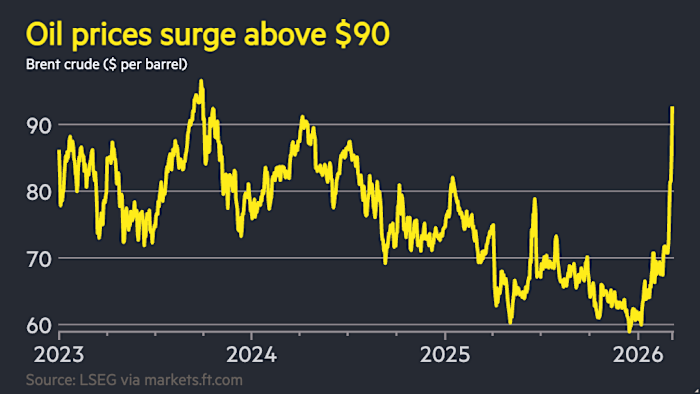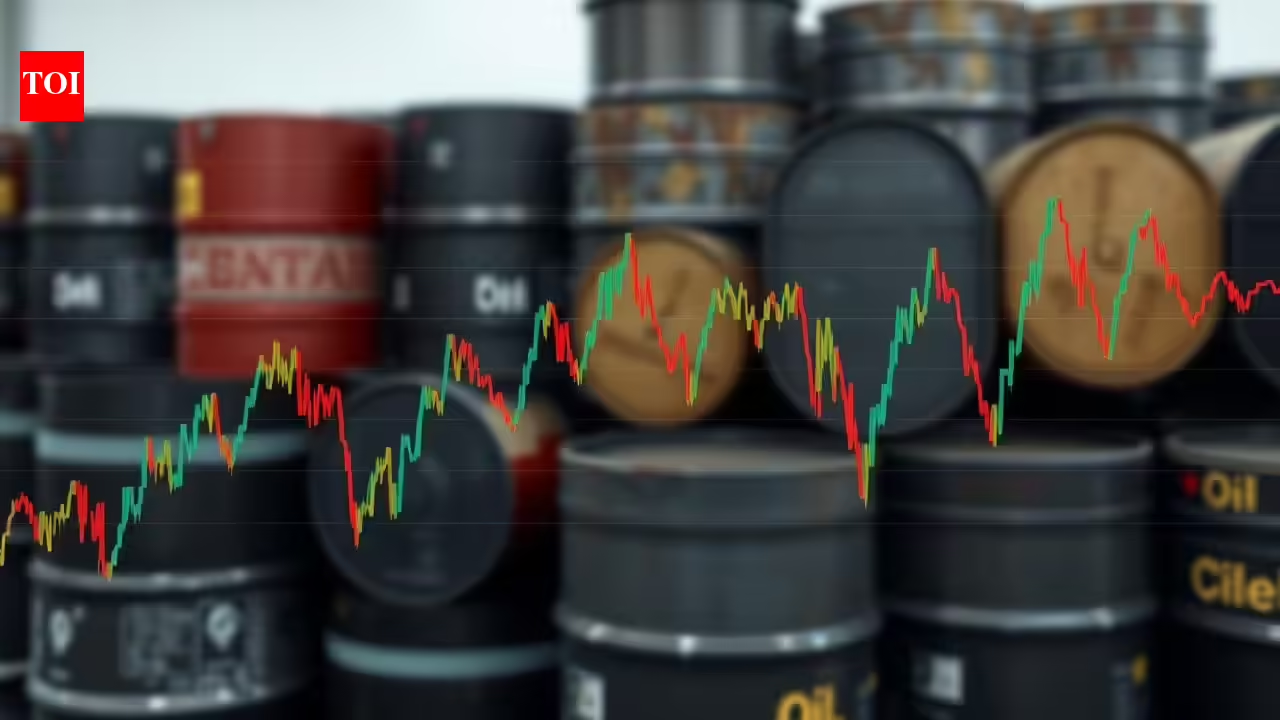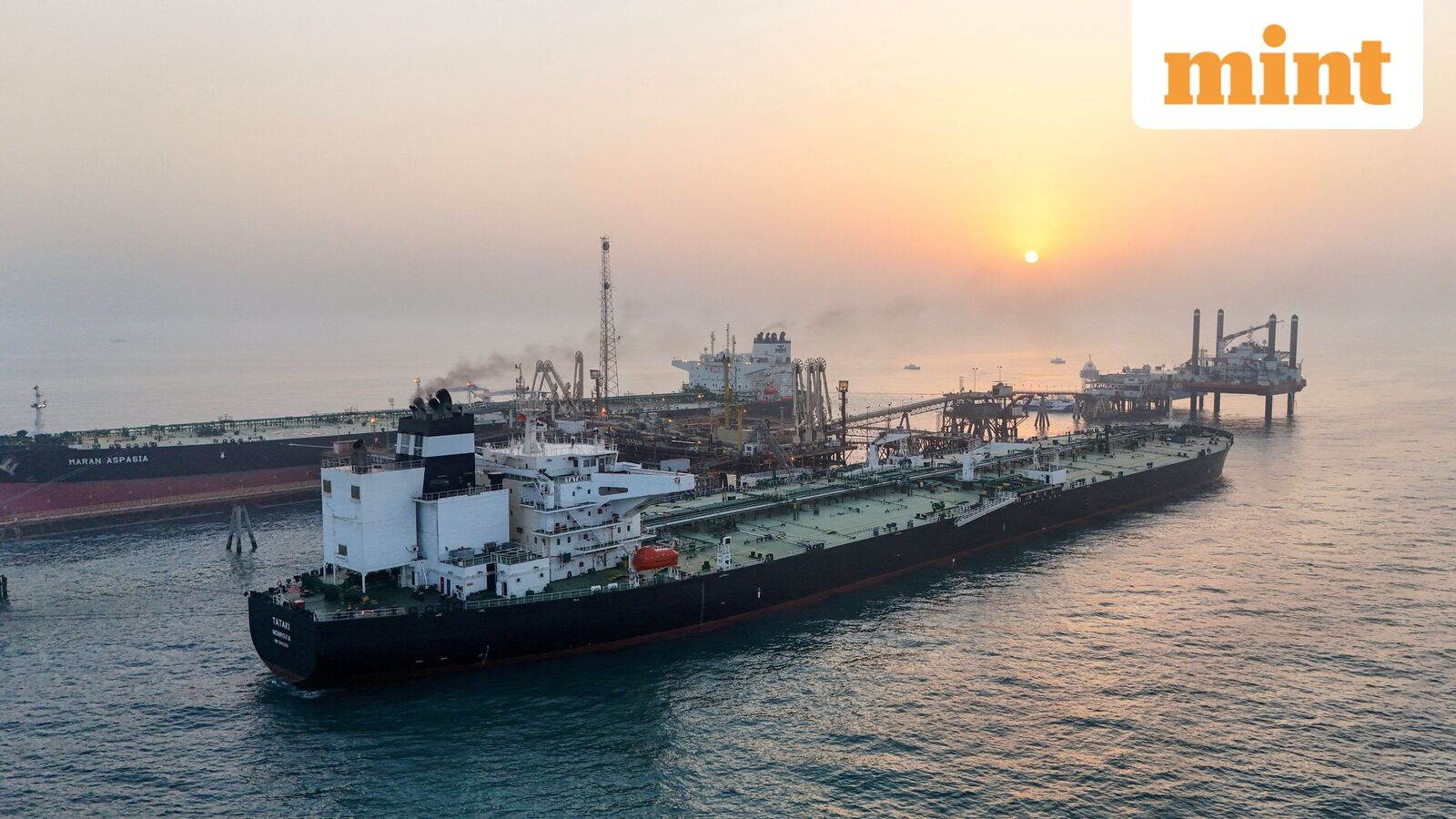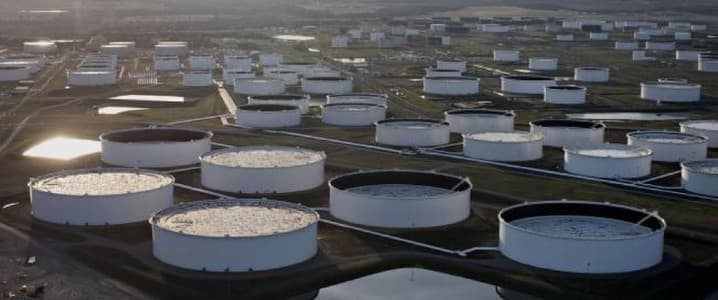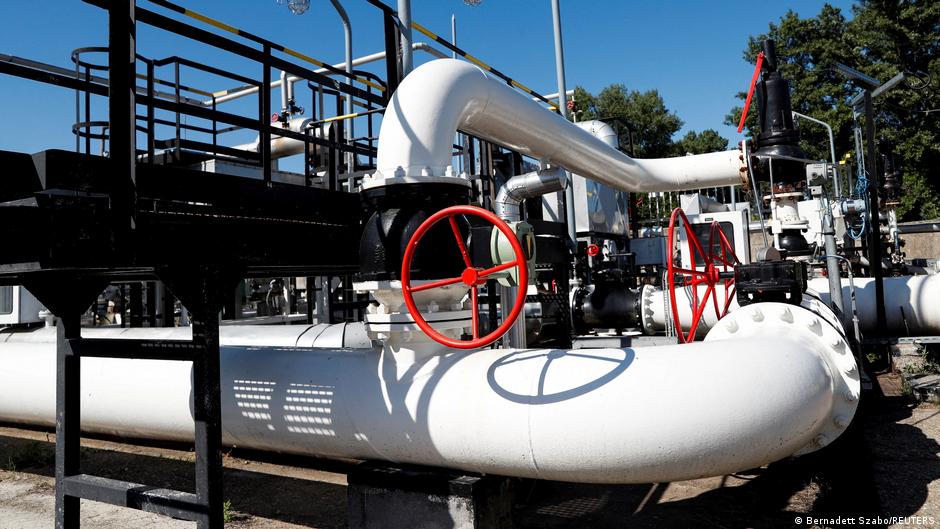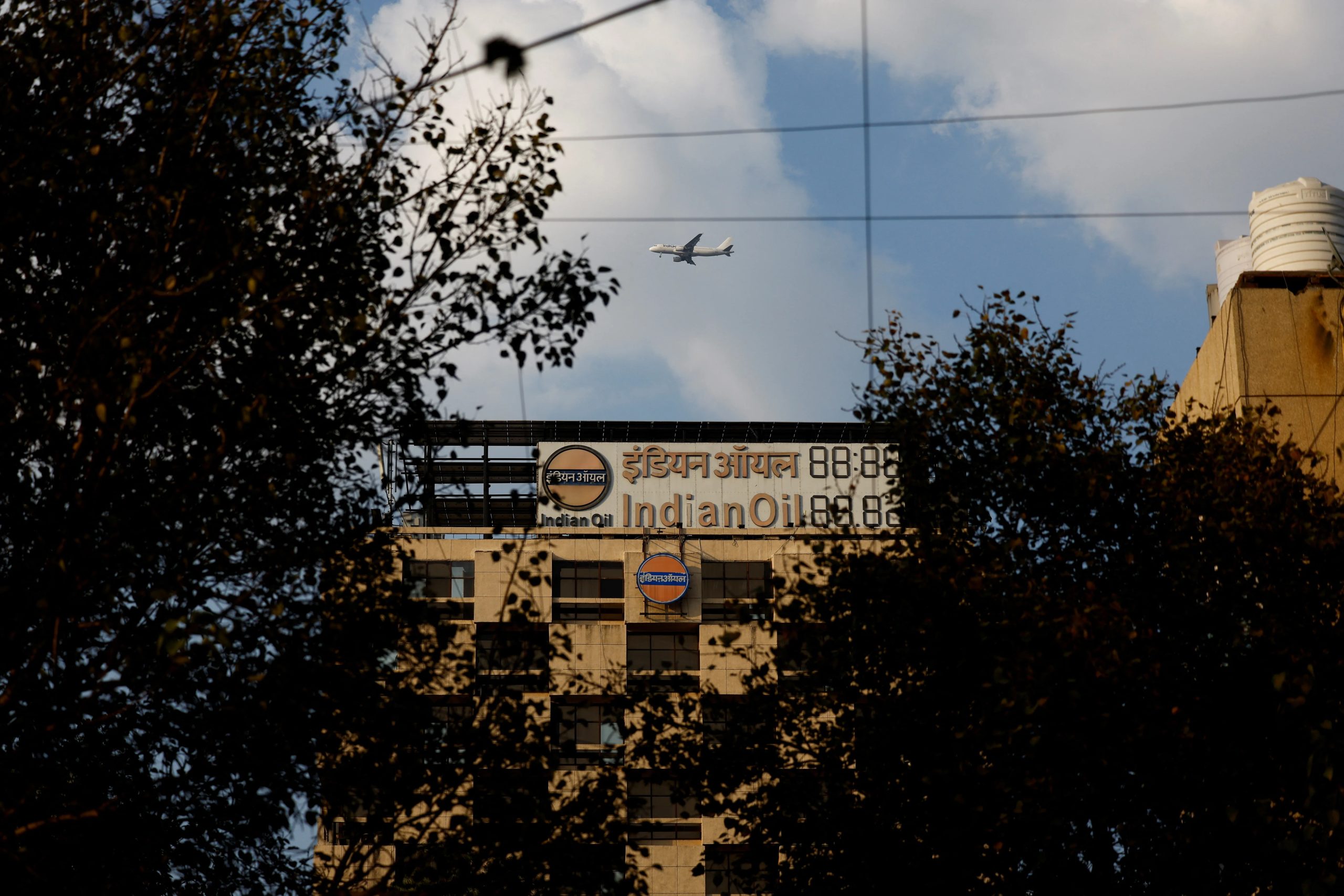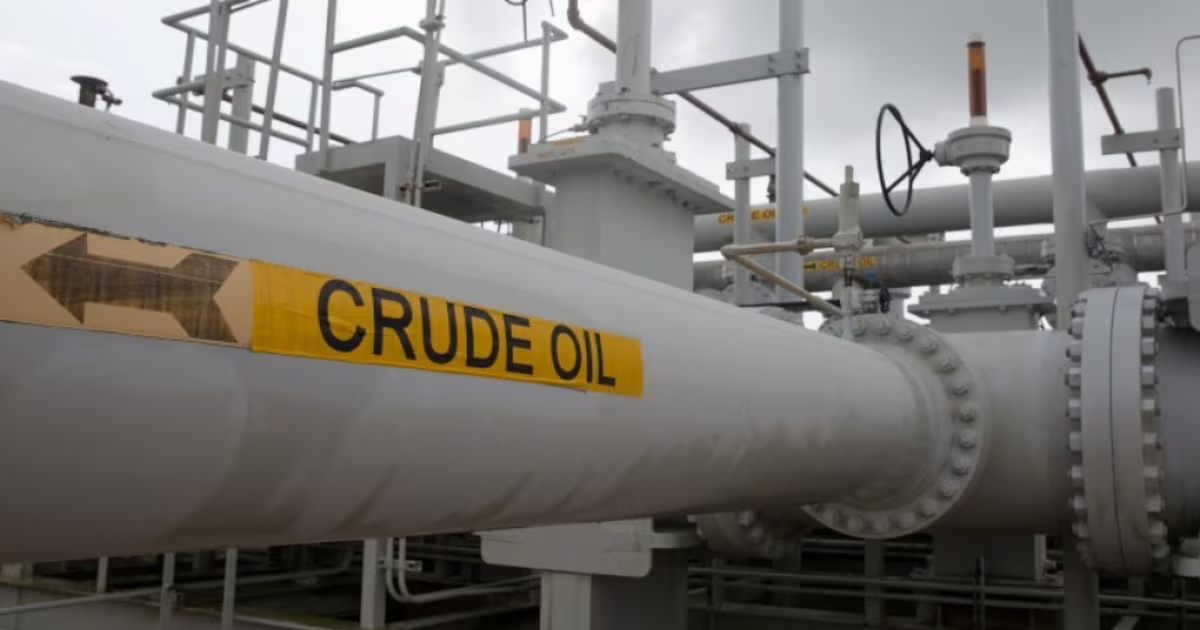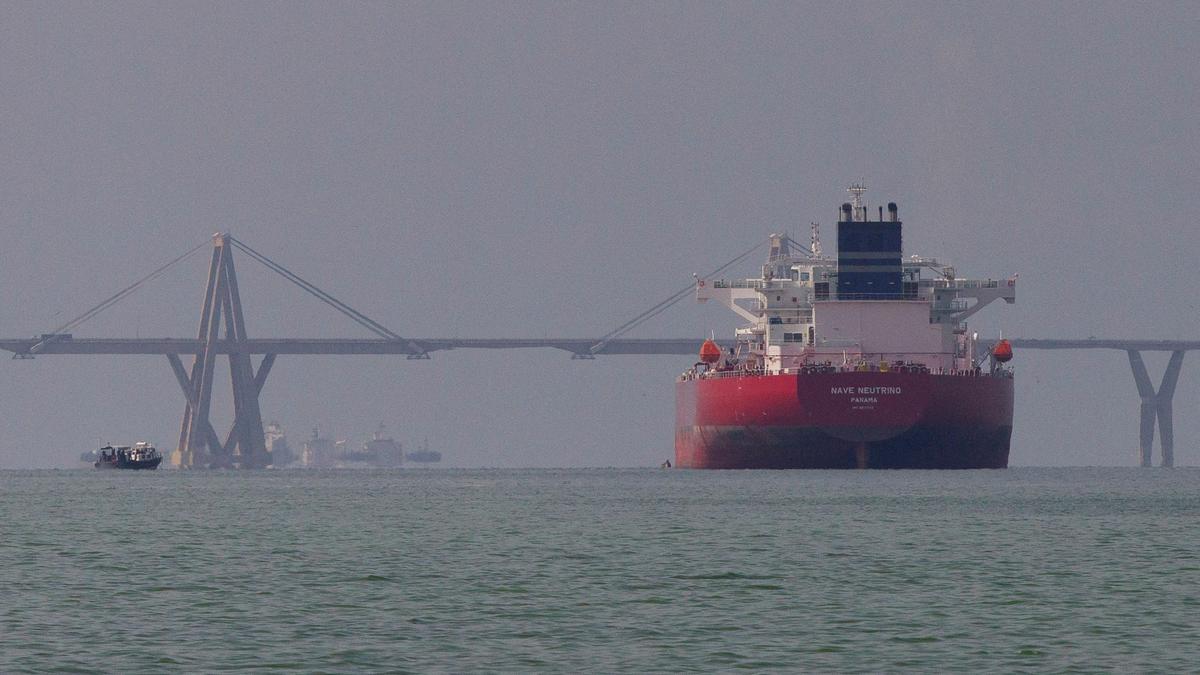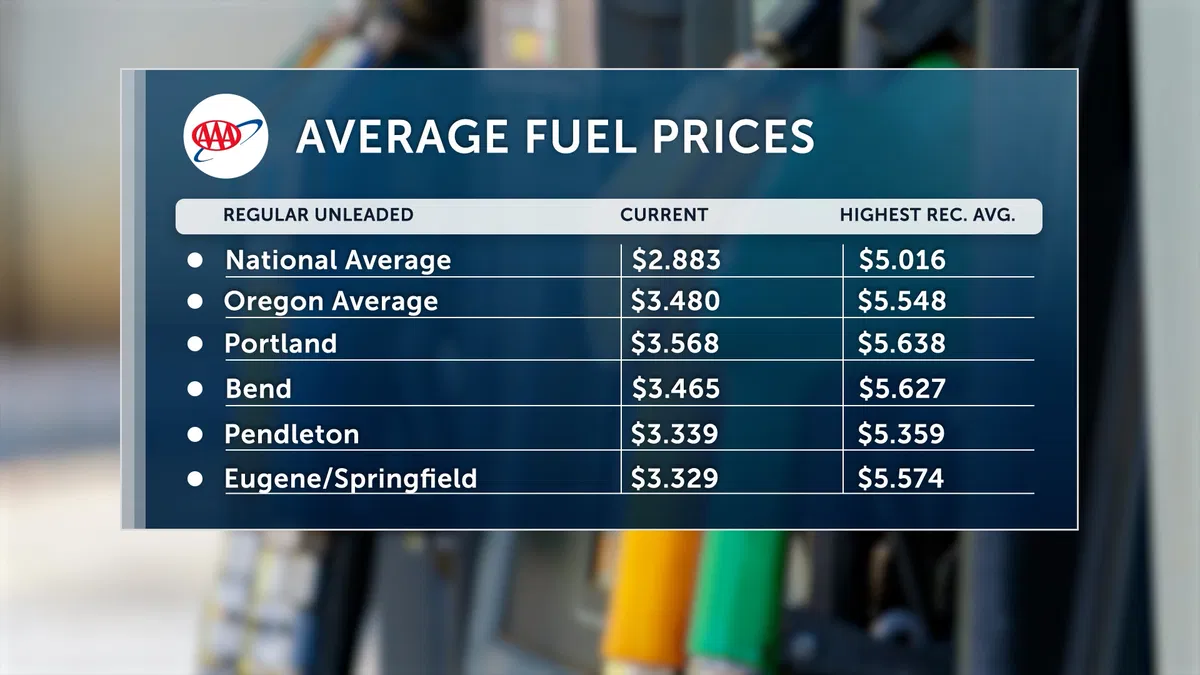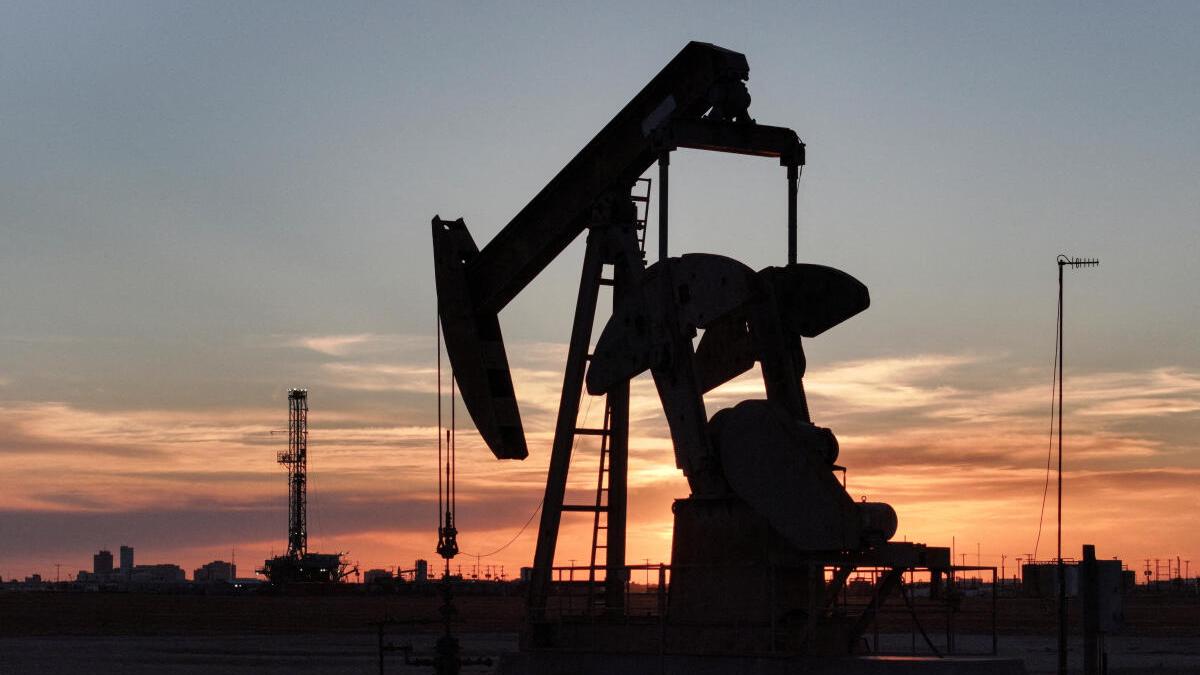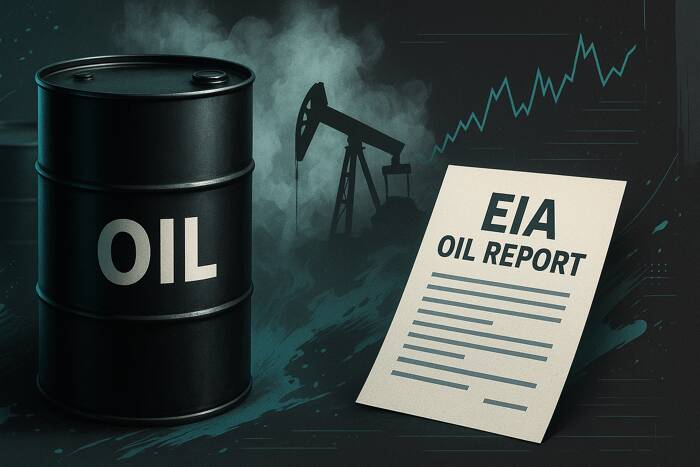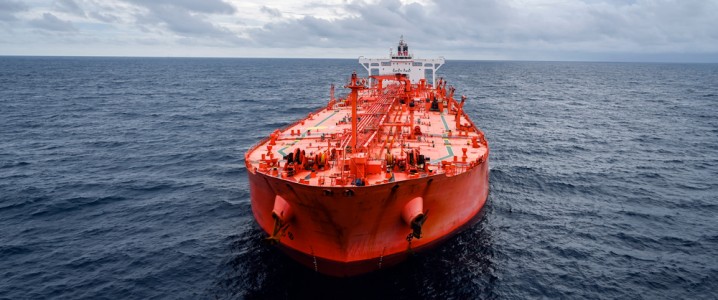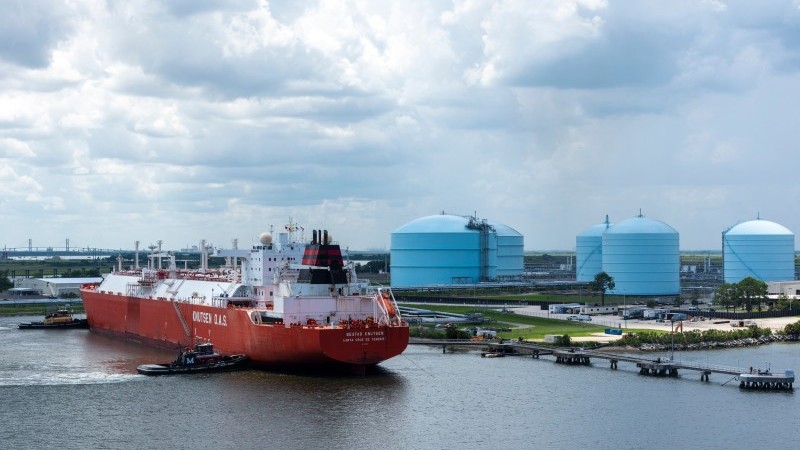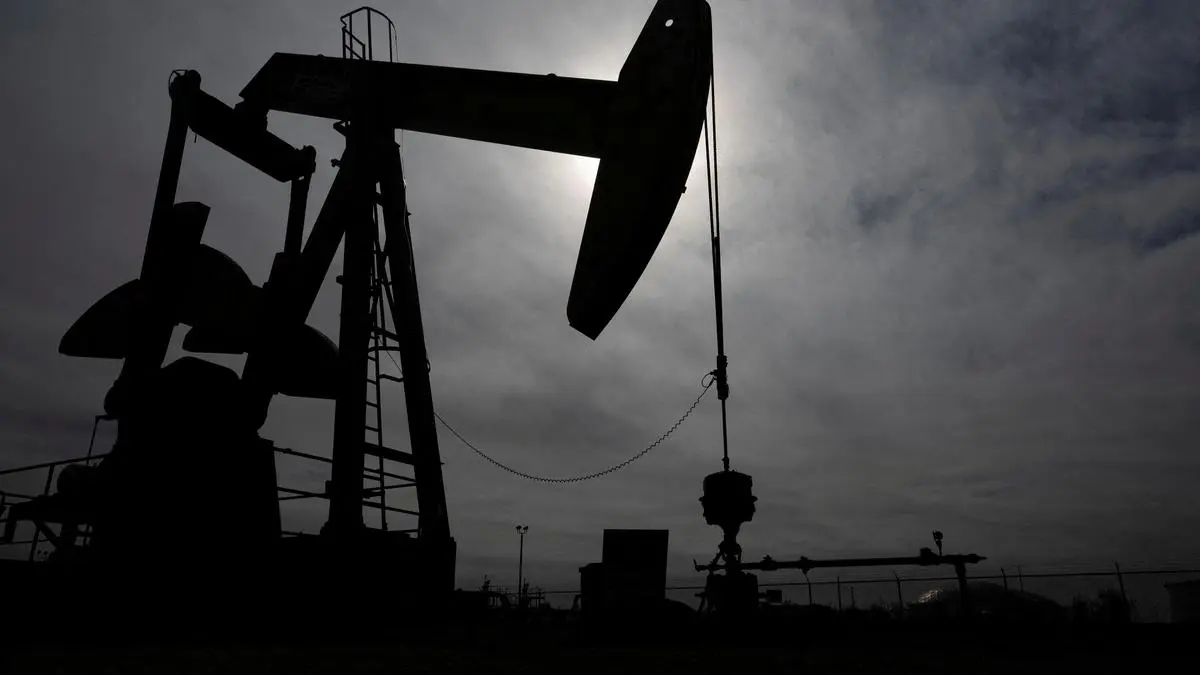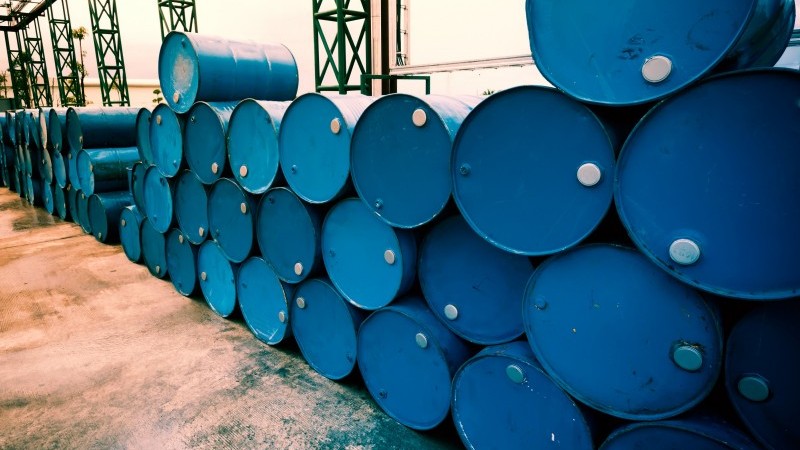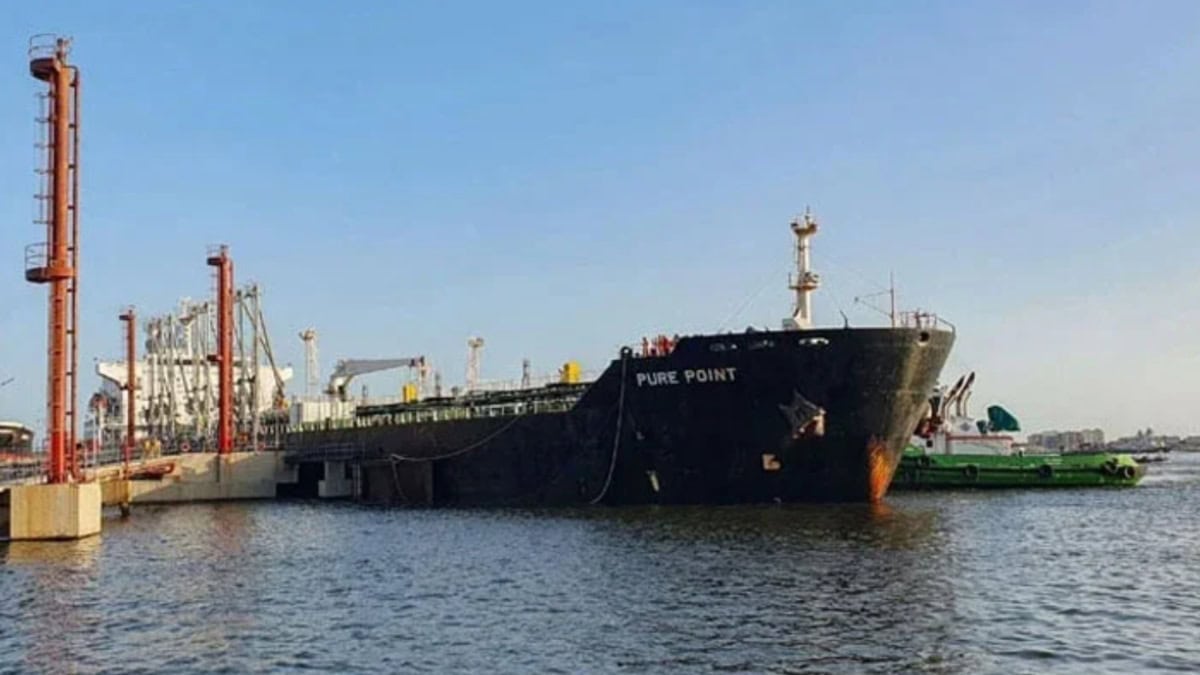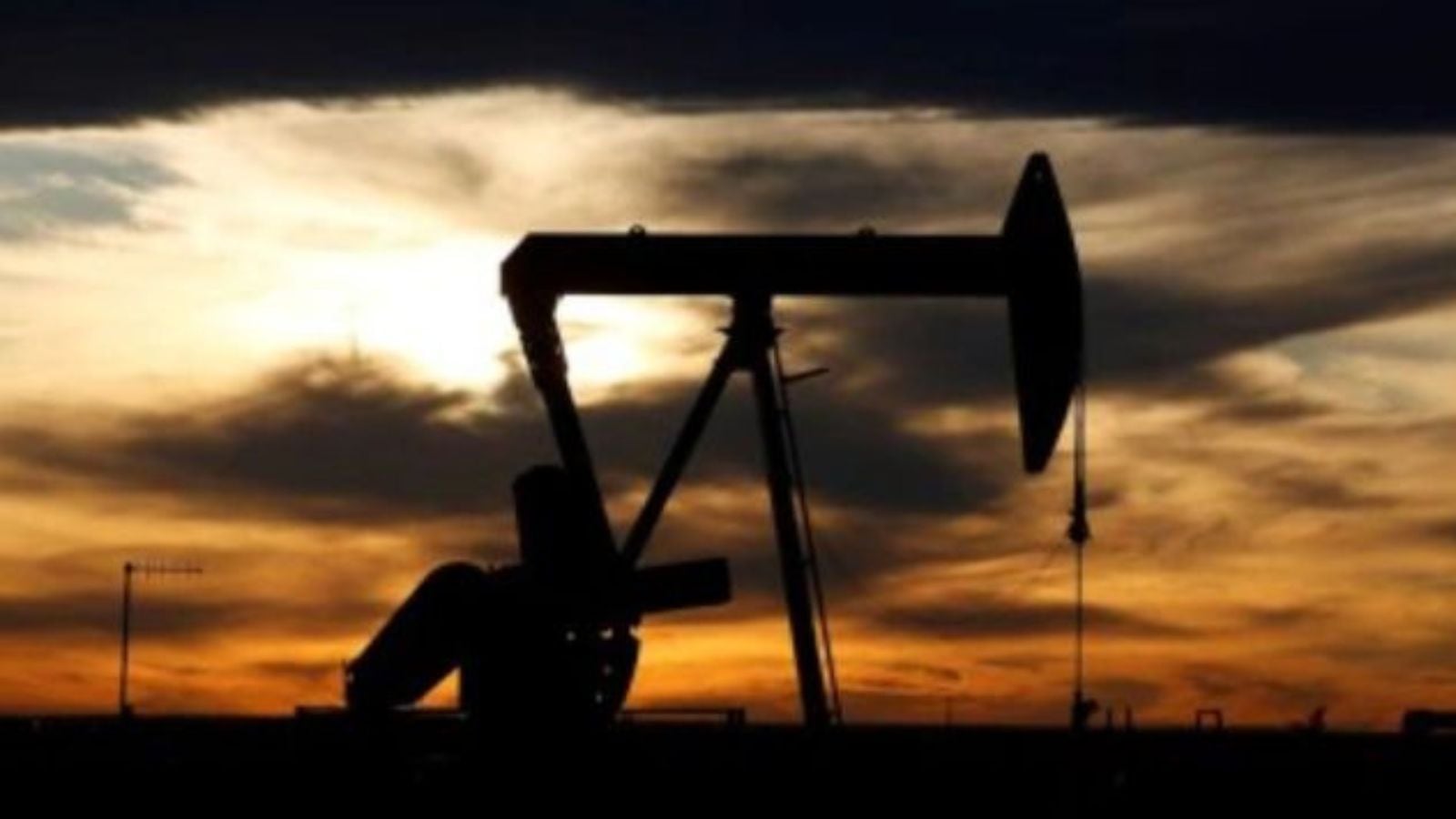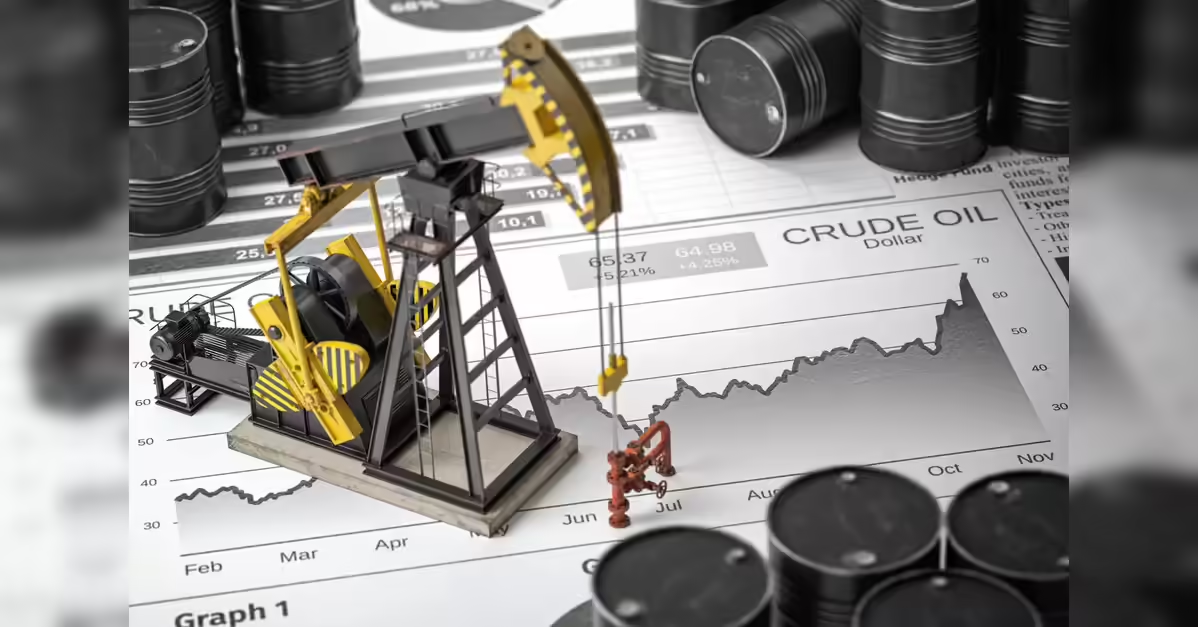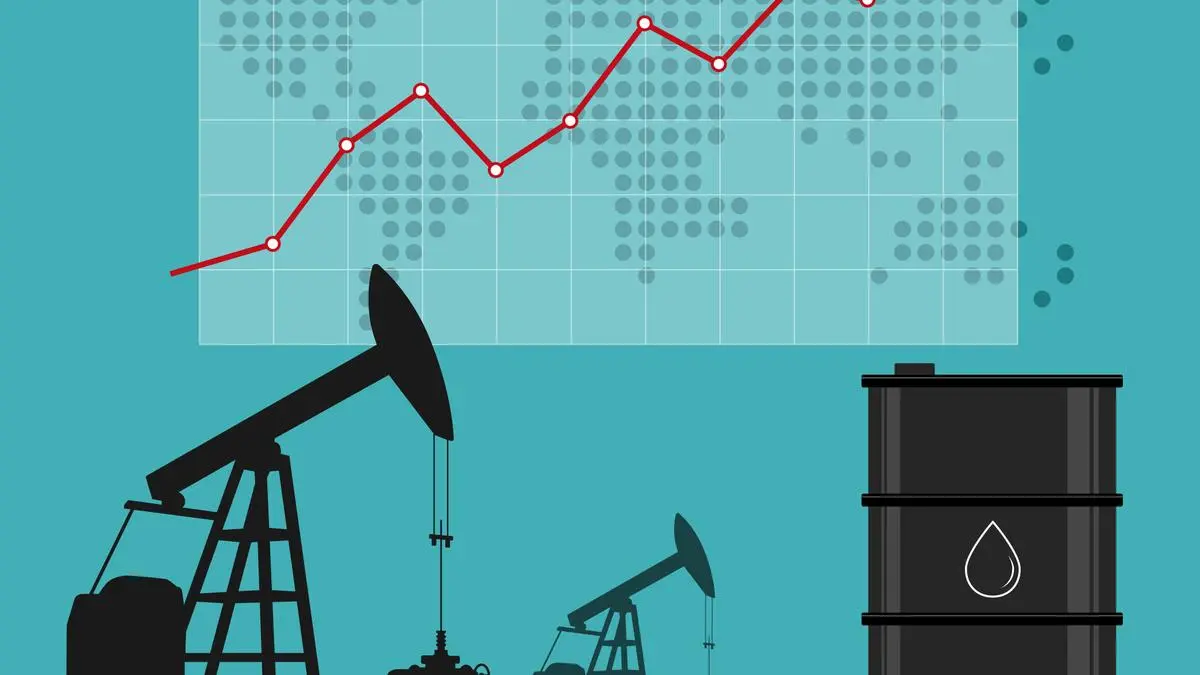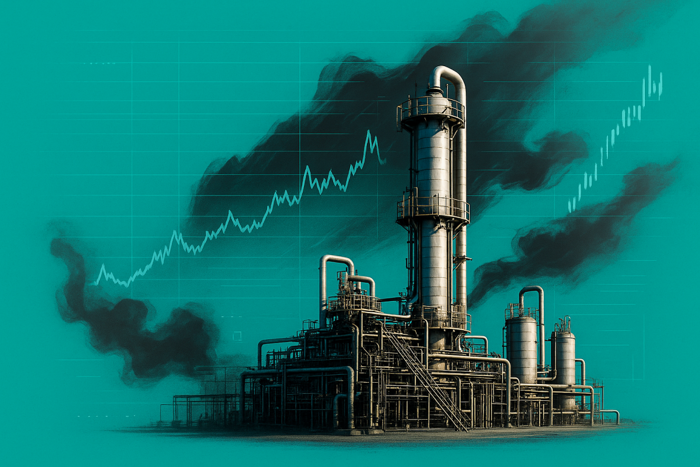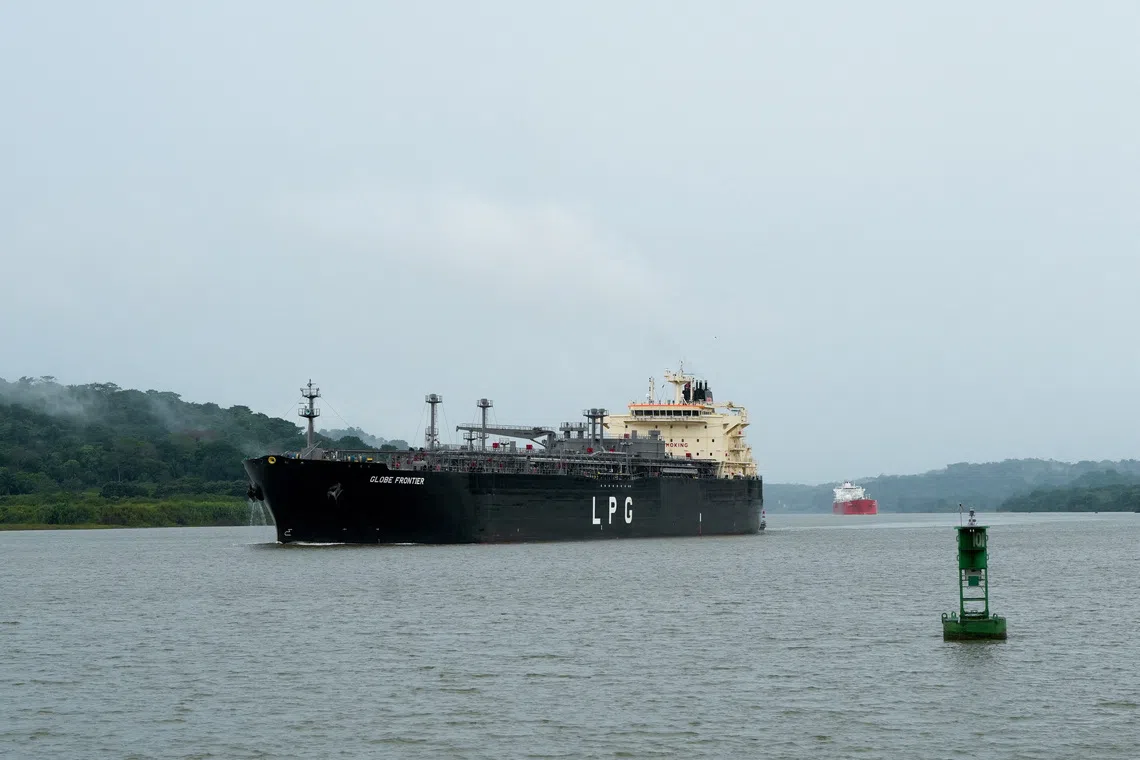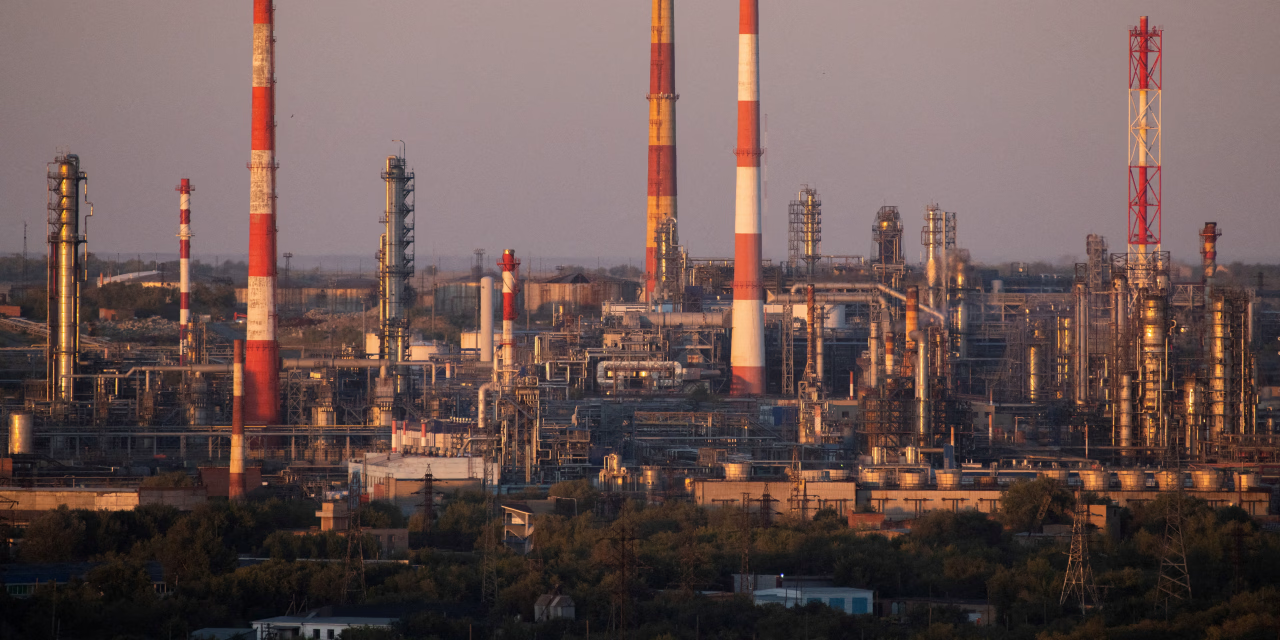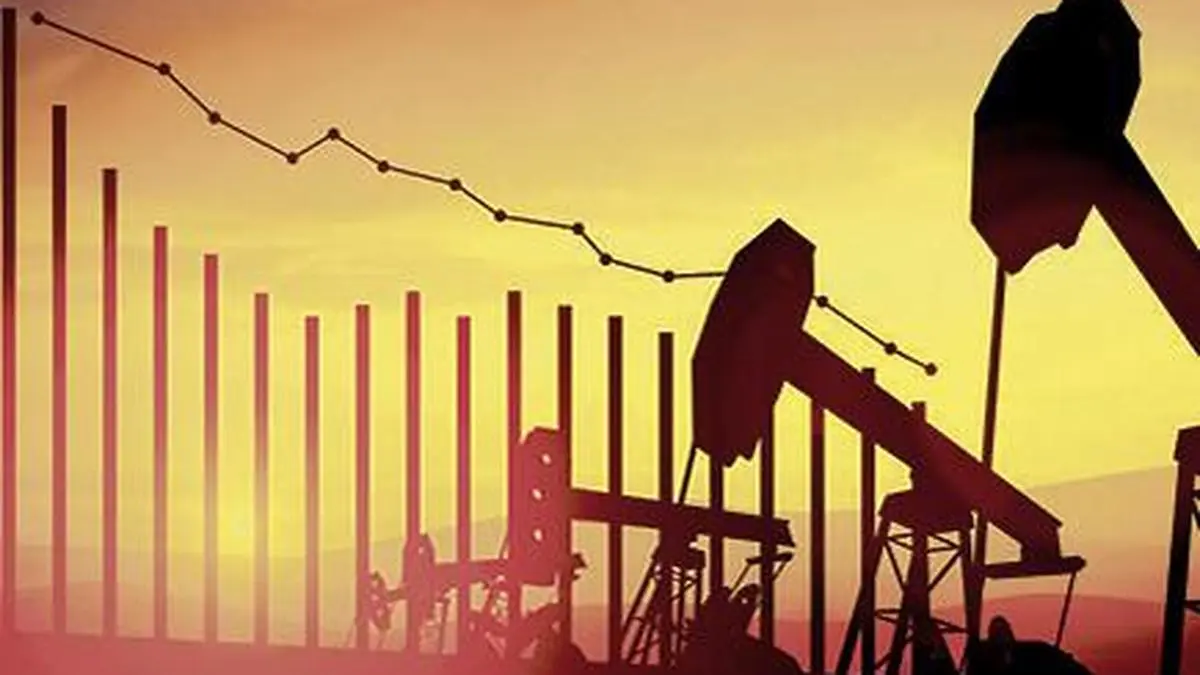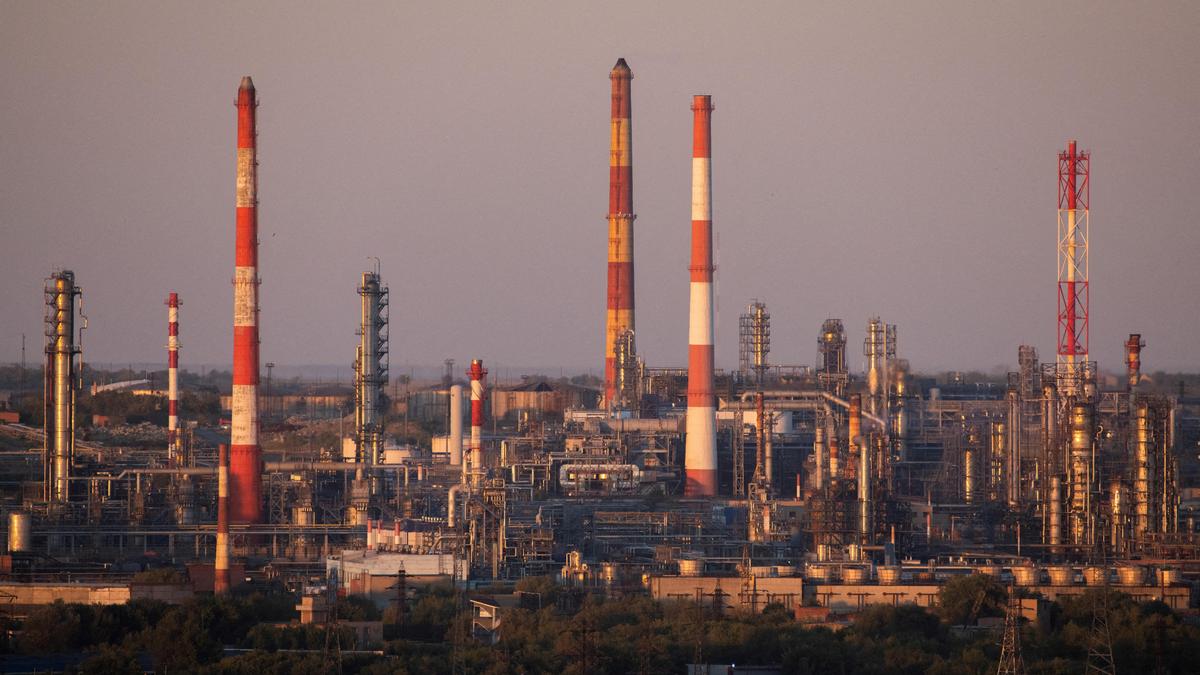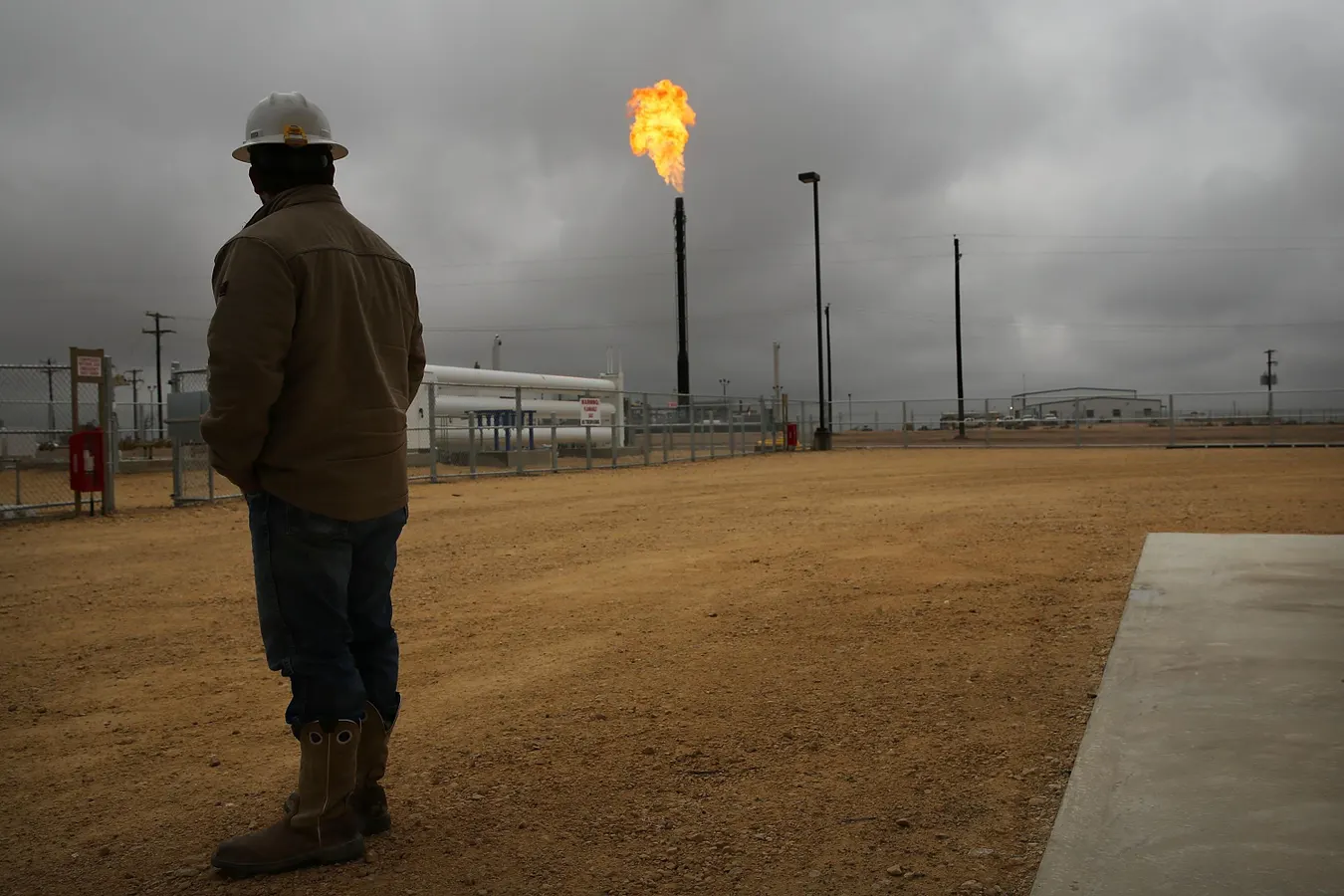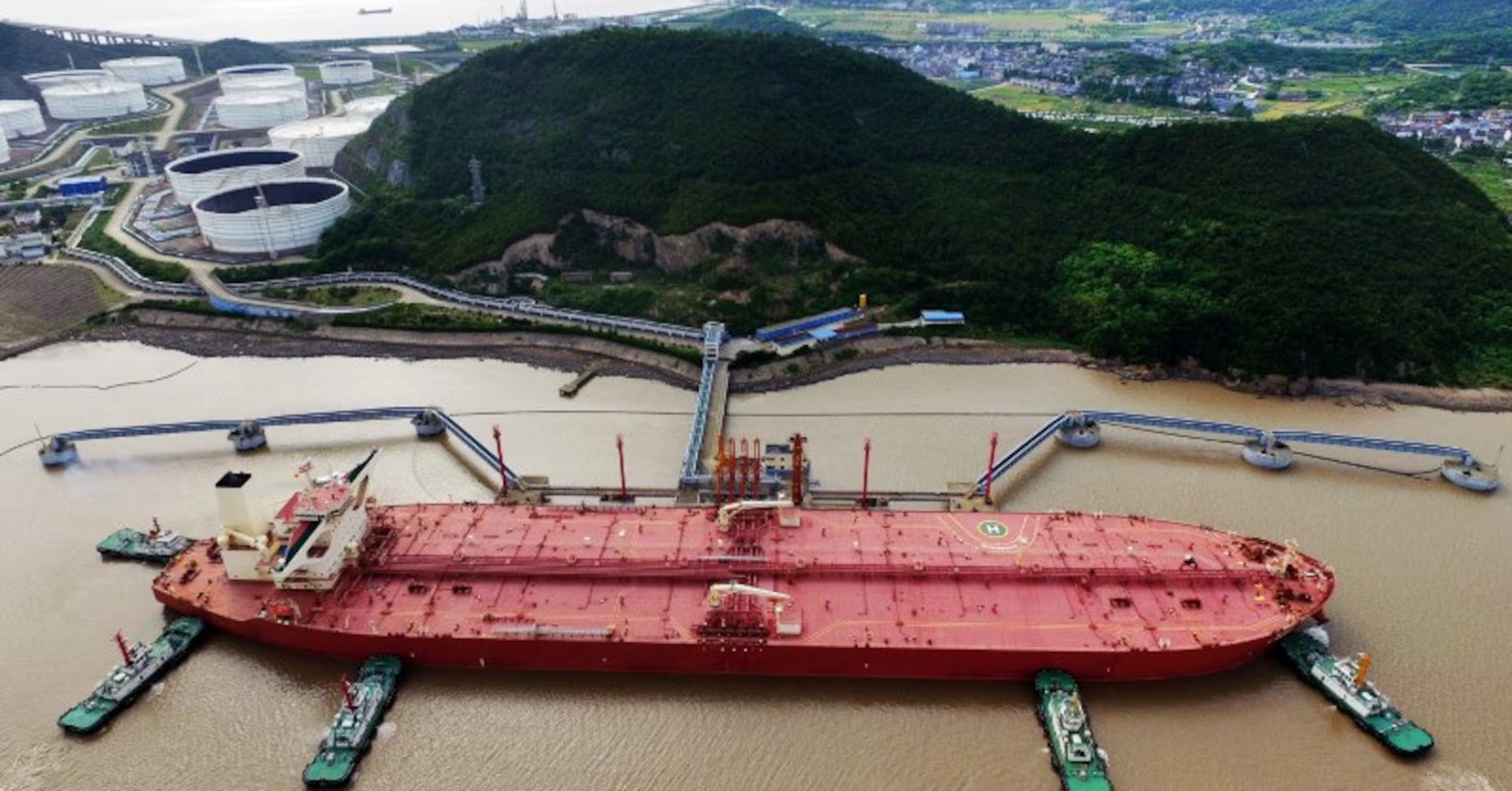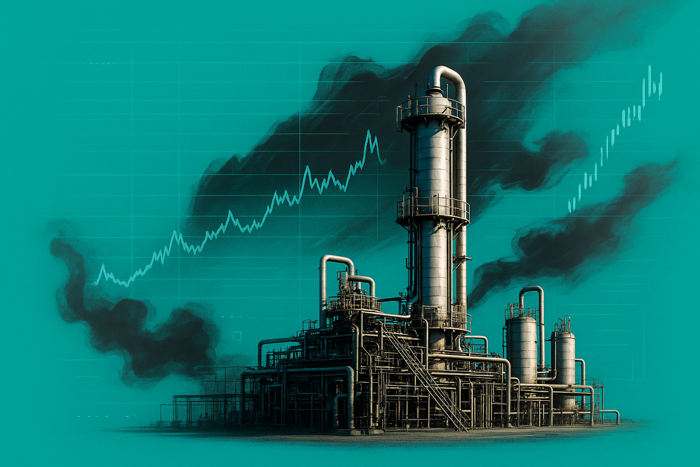
The average price at which domestic refiners import oil — India’s crude oil basket — surged to $146.09 per barrel on March 17, up 111.7% from an average of $69.01 in February. While the development has raised the prospect of sharp spike in input costs across industries and macroeconomic stress, among first to bear the brunt are state-run oil marketing companies (OMCs), whose marketing margins have come under immense pressure.
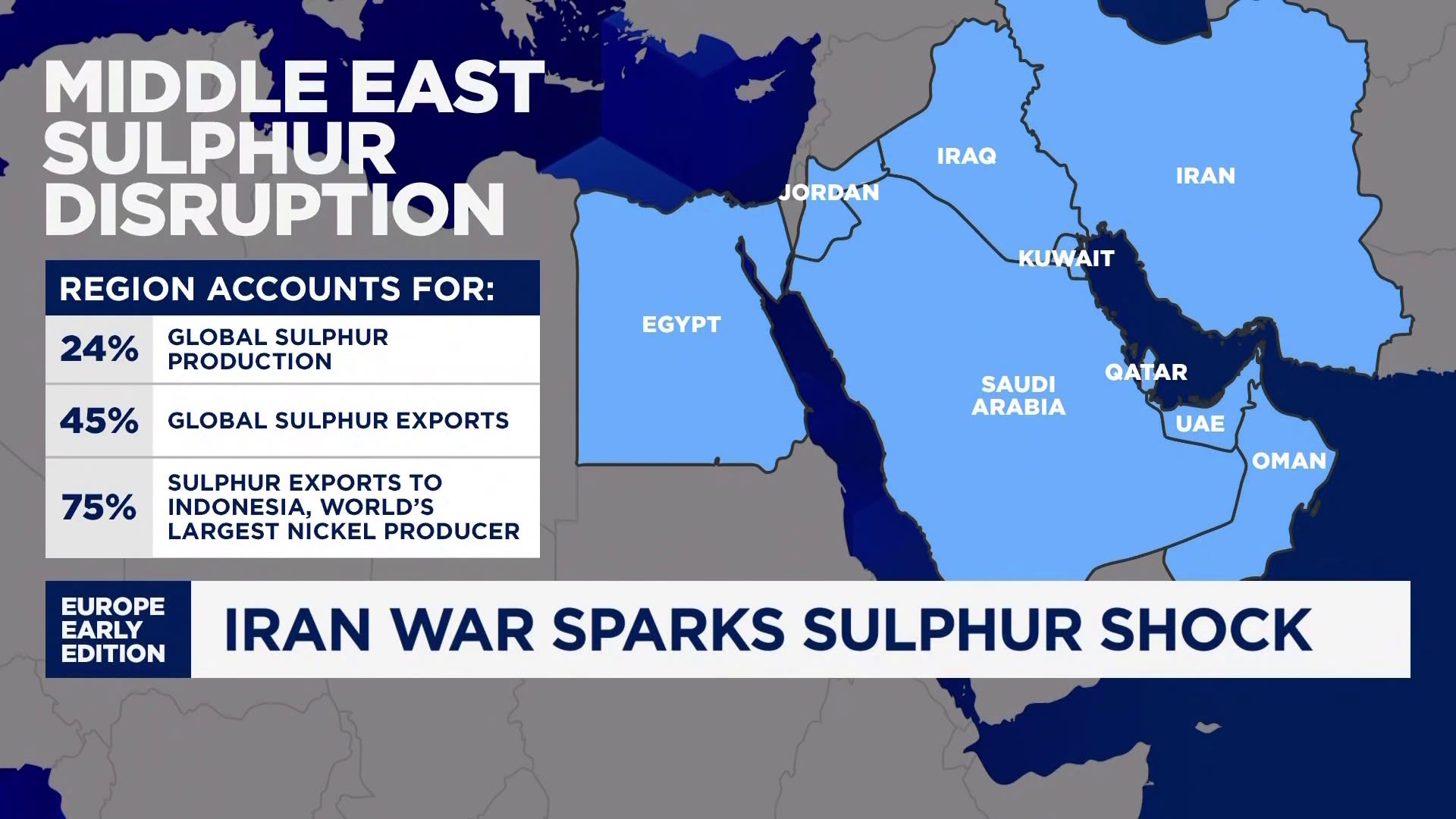
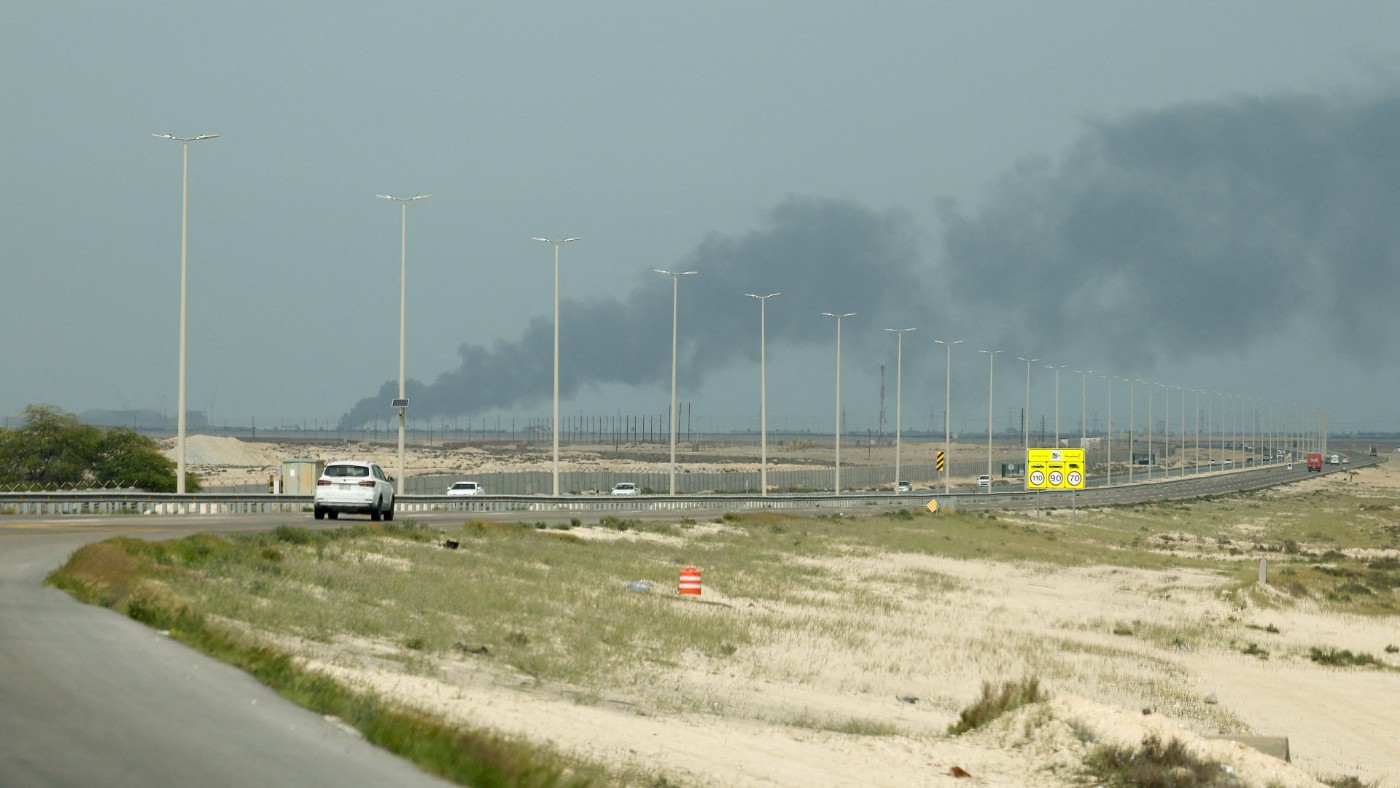
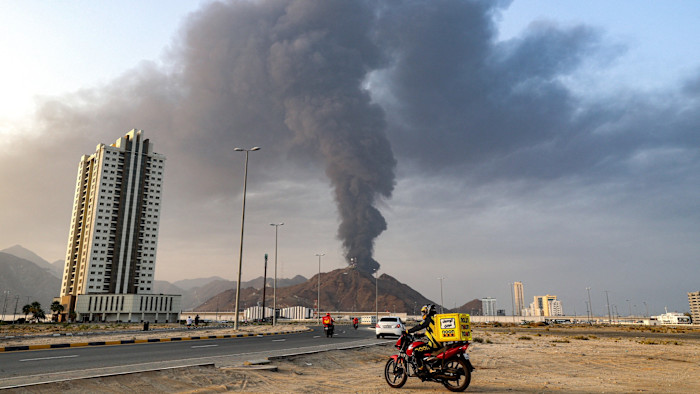
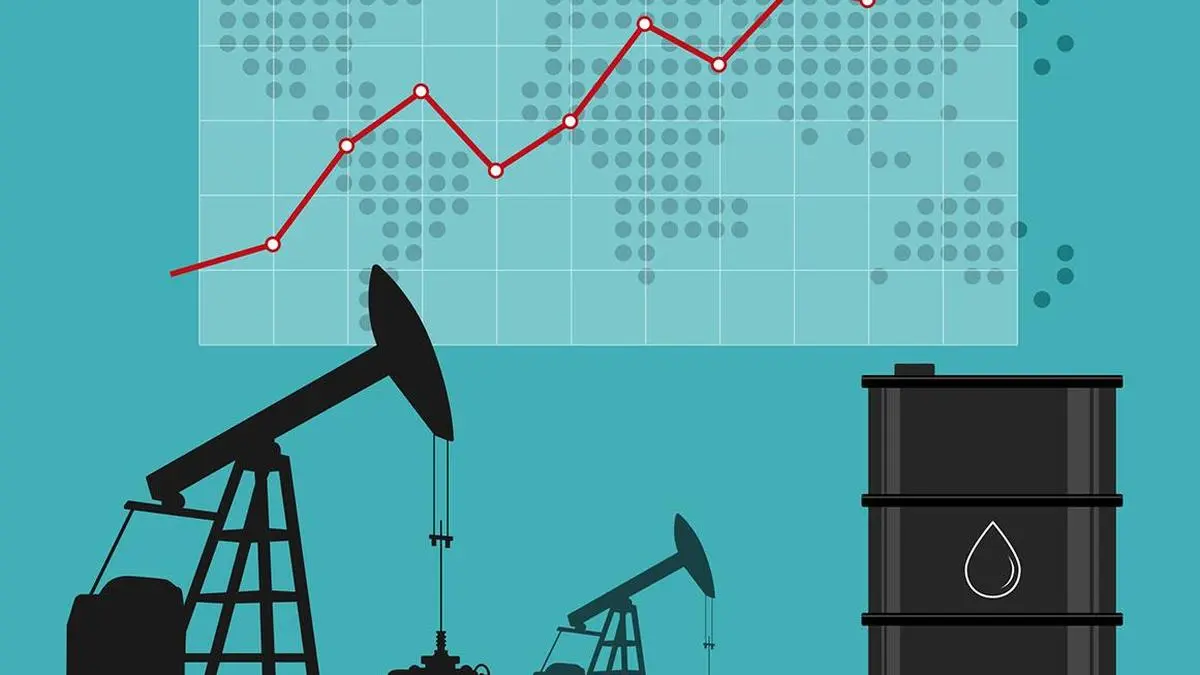
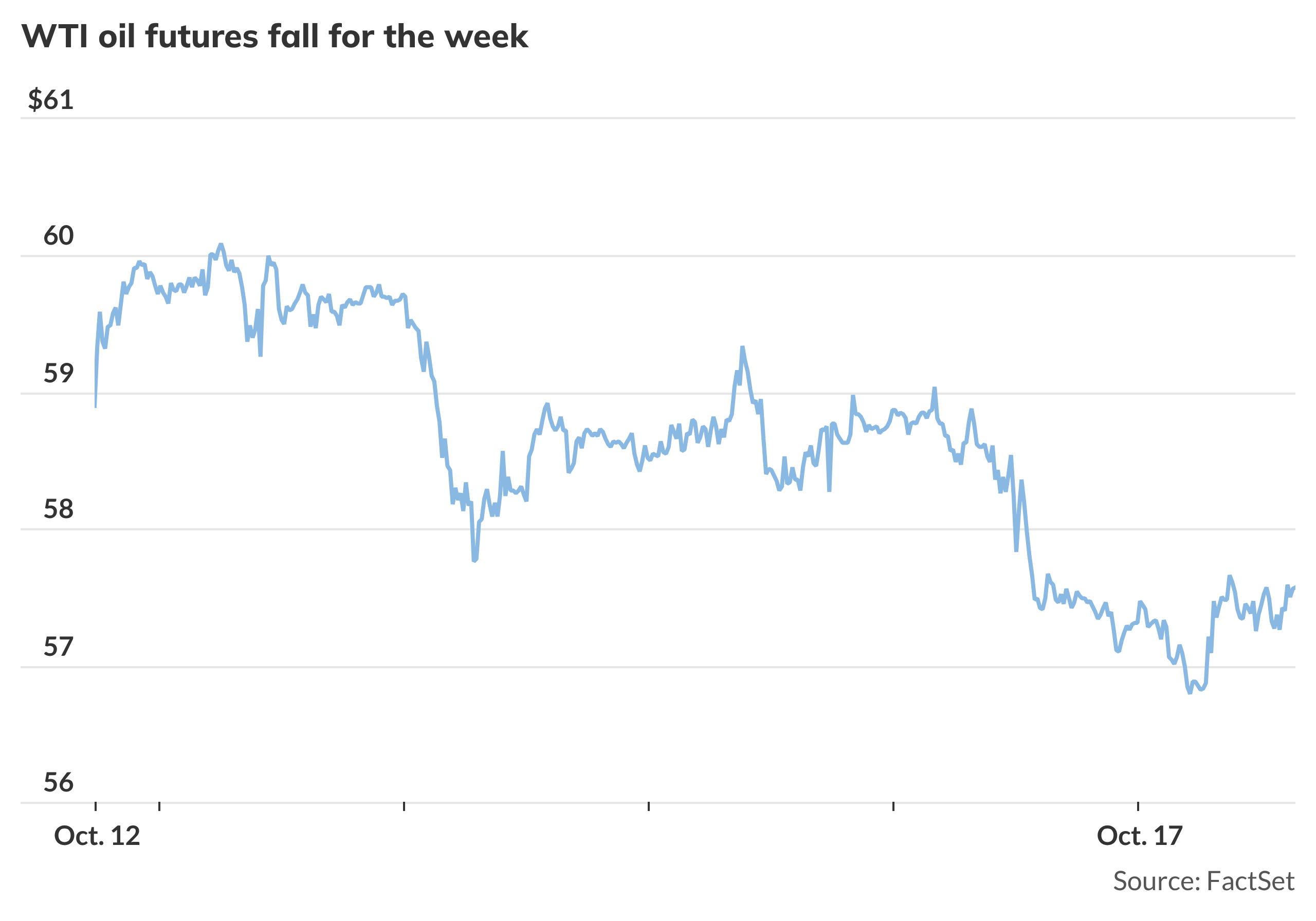
The oil price surge has been steep, with the India’s basket rising from $70.90 on February 26 to $127.20 on March 12, $136.56 on March 13 and $142.69 on March 16, reflecting tightening global supplies amid disruptions in West Asia.
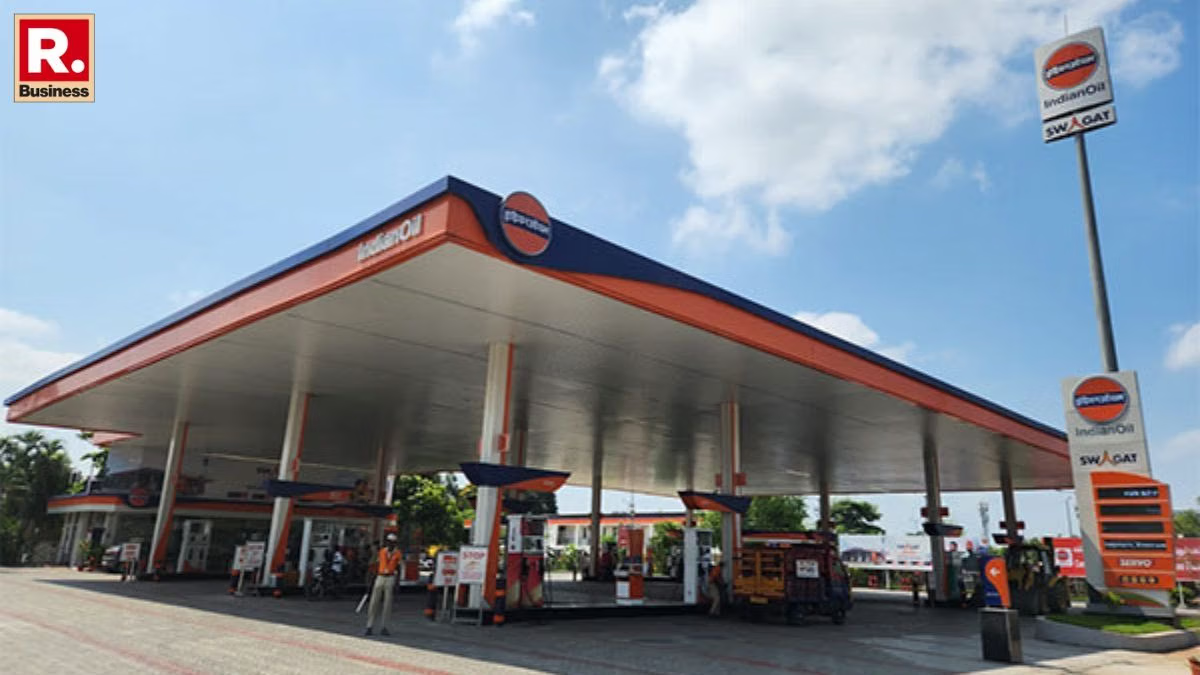
OMCs Absorb Downstream Stress
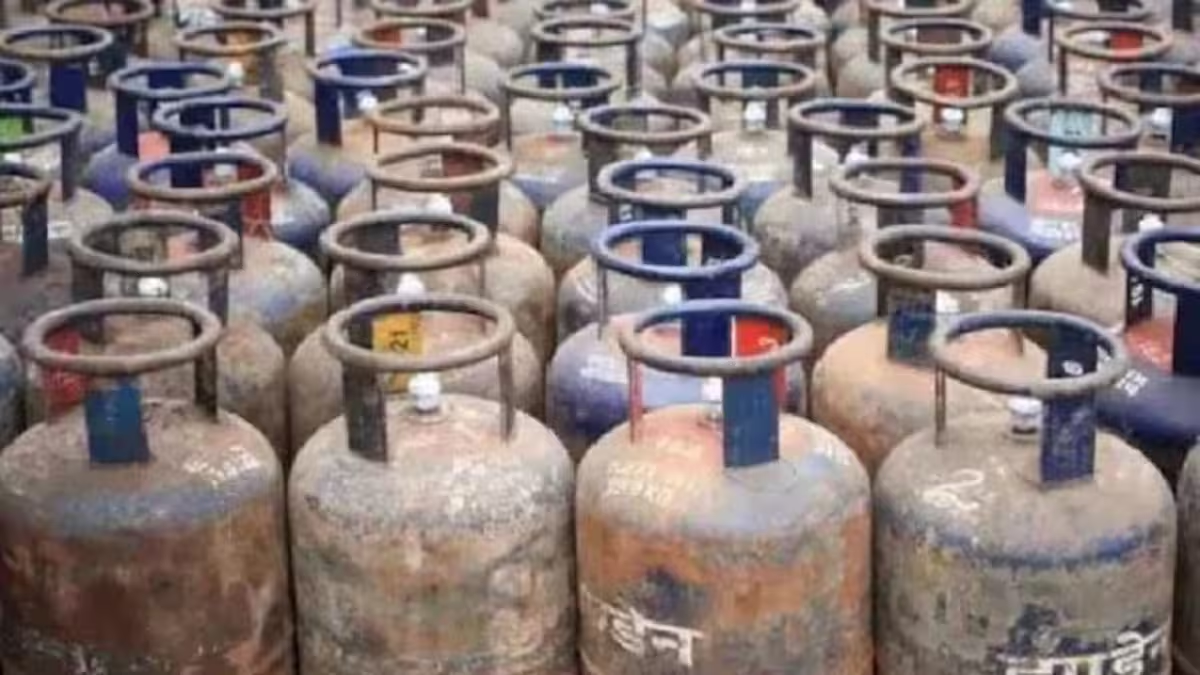
According to analysts, at current levels, India’s downstream oil industry has moved well beyond the breakeven threshold. “Above $110 per barrel crude, sectoral math fails… OMCs’ diesel and petrol margin will fall by ₹6.3 per litre, and LPG loss would rise by ₹10.2 per kilogramme, implying a ₹32,800 crore rise in annual LPG under-recovery,” according to Elara Capital.
While upstream companies are expected to benefit, the sectoral gains remain uneven. Upstream profits and cash flows would increase. Gross refining margins too have surged following closure of refining capacities and product shipping constraints from West Asia.
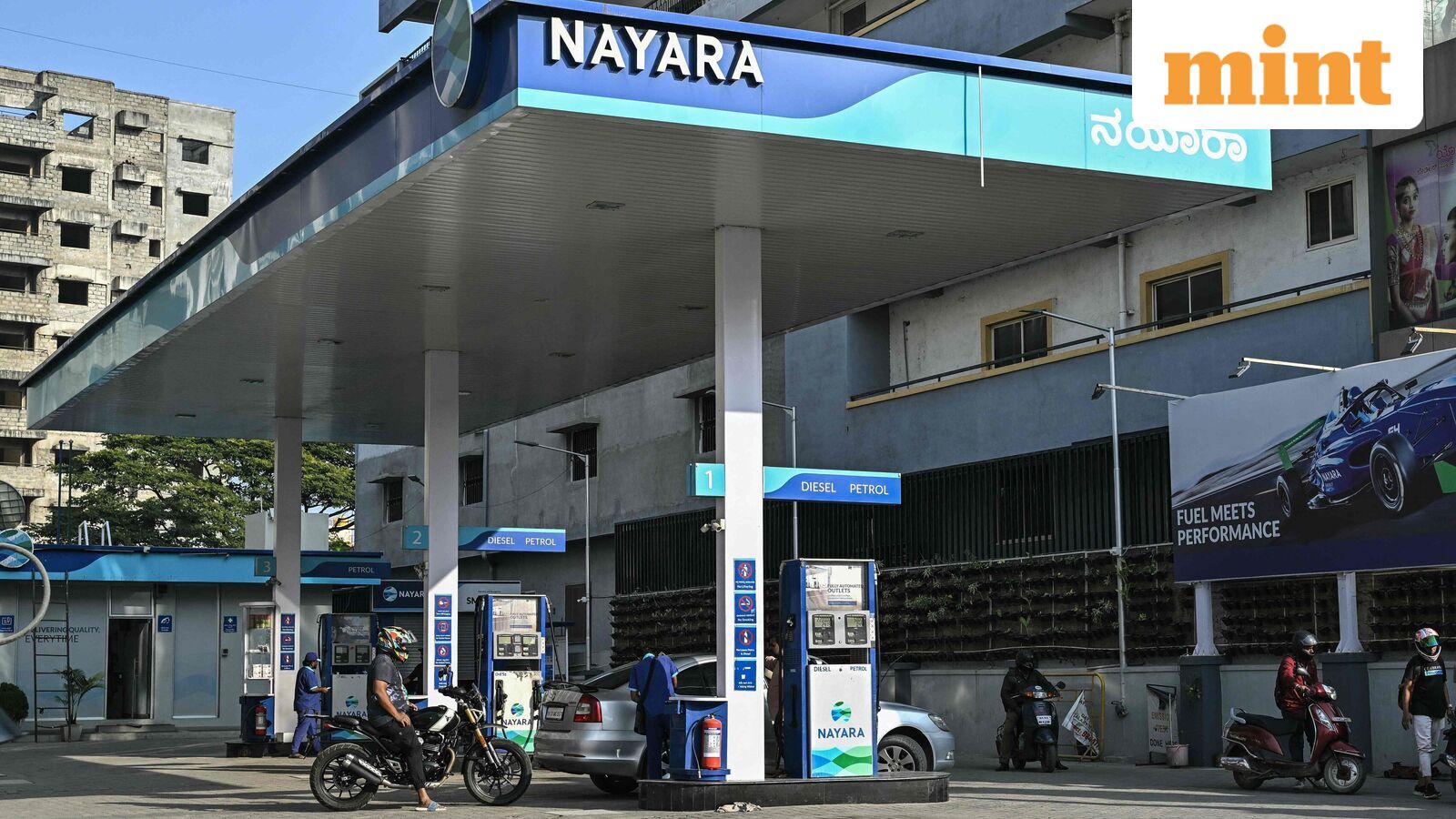
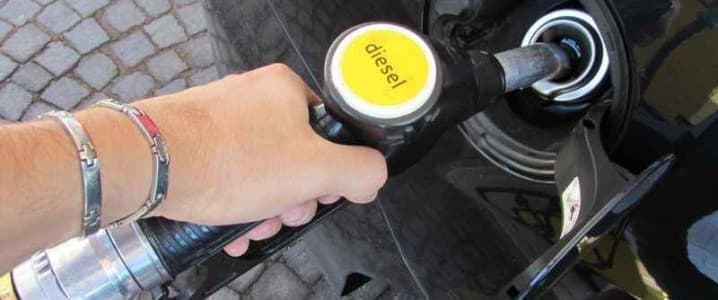
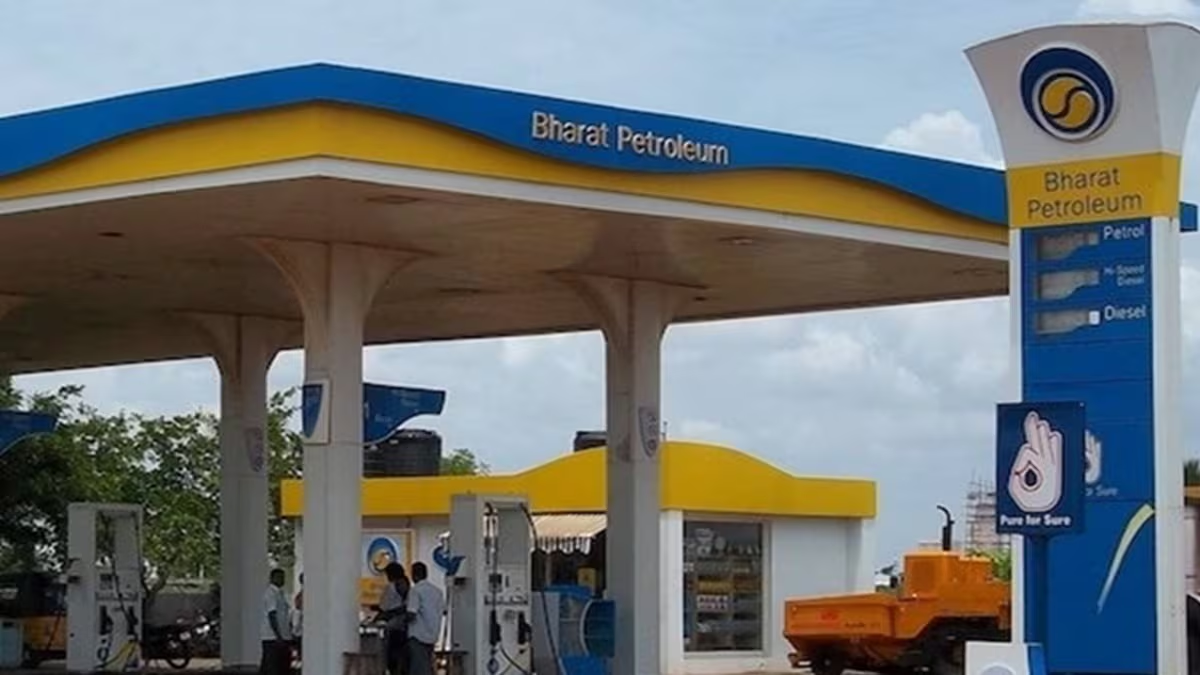
However, if high crude prices persist, retail fuel price adjustments or fiscal support may become absolutely necessary for OMCs namely IOC, BPCL and HPCL, as sustained under-recoveries would otherwise pressure their cash flows and profitability.
Industry estimates, however, suggest that any price revision is unlikely before March 31, as the government seeks to maintain tax collections and fiscal balance in line with budget targets.
“Profitability of OMCs will be adversely impacted due to marketing losses on auto fuels unless pump prices are increased,” said Prashant Vasisht, Senior Vice President and Co-Group Head, Corporate Ratings, ICRA Ltd.
Macroeconomic Shockwaves
Pankaj Srivastava, Senior Vice President, Commodity Markets – Oil, Rystad Energy, had said earlier the oil price spike was already translating into a significant external shock. He added that the surge could also disrupt investments and currency stability. “This is going to impact planned refinery expansions, potentially delaying them till the end of the year… This is certainly going to lead to some devaluation of the rupee and drop in foreign reserves,” he said.
Srivastava also flagged downstream stress, noting that “refineries may see declining margins as the government may not pass on the full burden to consumers, and OMCs will face pressure as retail-to-cost gaps narrow.”
The broader macroeconomic impact is also building. “India’s import bill will increase substantially. Every $10/bbl increase in crude prices increases the import bill by $14–16 billion annually,” Vasisht said.
“At current levels, India’s energy import bill could rise by 25–30%, potentially adding about $50 billion annually,” said Sourav Mitra, Partner – Oil and Gas, Grant Thornton Bharat.
On pricing, analysts expect a lagged pass-through. “Usually retail prices of auto fuels have been increased following sustained crude price trends… price increases may not happen immediately,” Vasisht said, indicating that while consumers are currently insulated, the impact may be deferred. Srivastava echoed this, noting that “price increases may be seen after the first week of May 2026, which will add to inflationary pressures.” He said excise duties and cesses account for 40–45% of petrol prices and 35–40% of diesel prices, and if the burden is not passed on fully, government revenues will decline, adding to fiscal pressure.
Vasisht added that government support may again be required. “Marketing margins would be negative at current crude prices and LPG under-recoveries would be there; however, the Government of India has supported OMCs in the past in such a scenario,” he said.
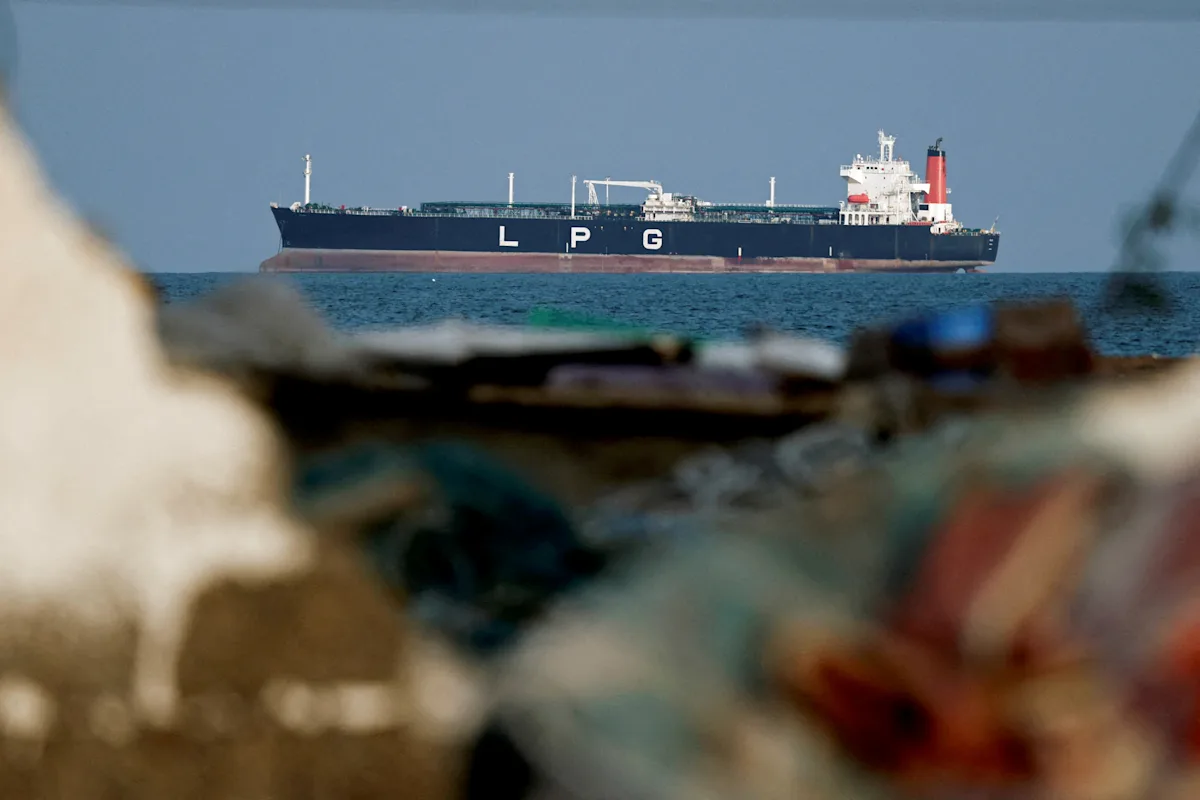
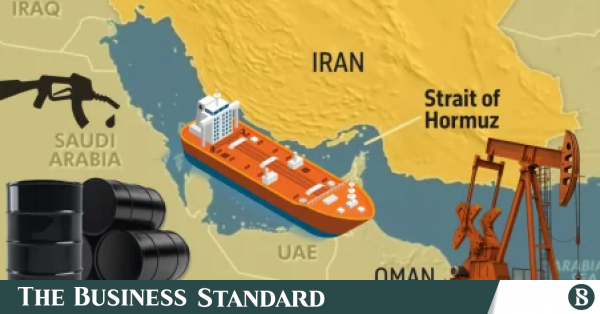
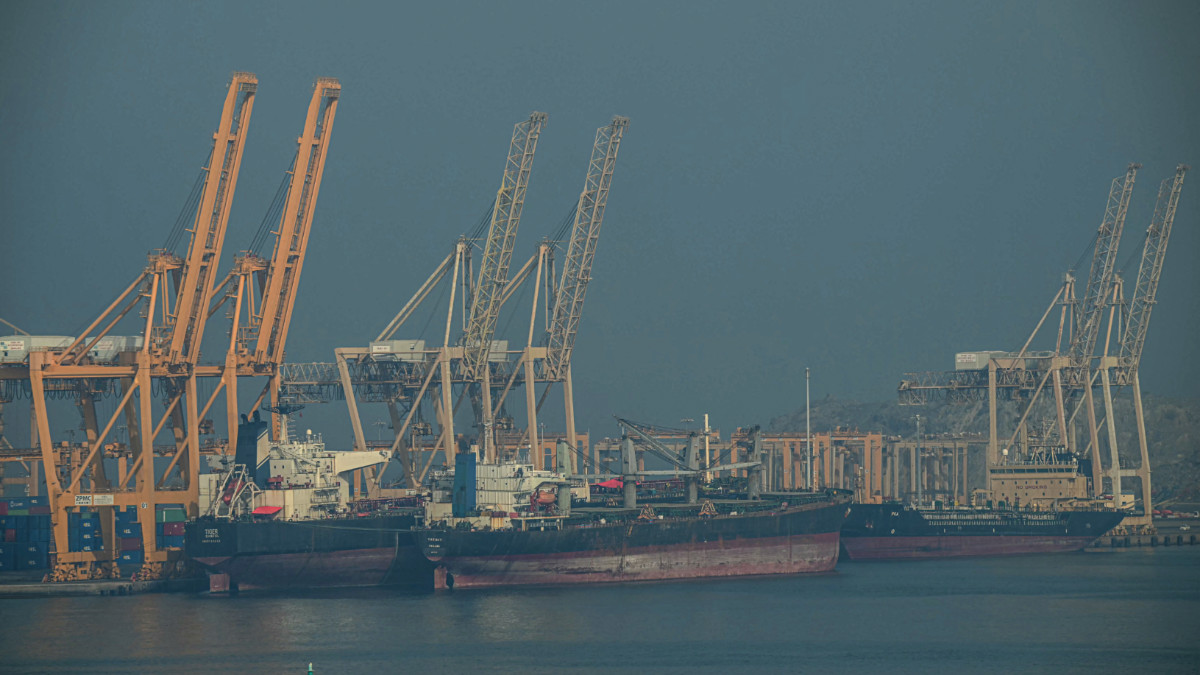
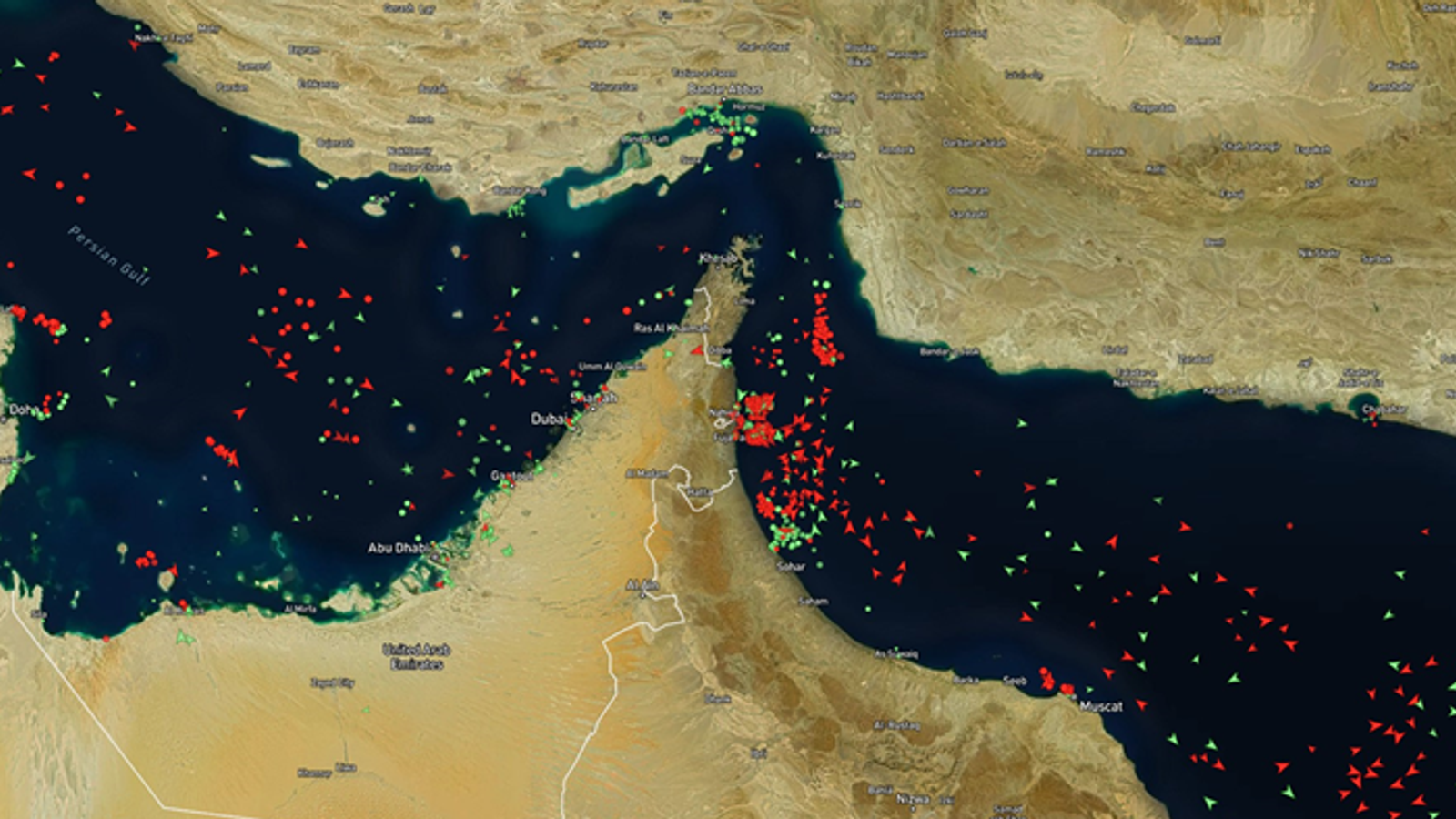
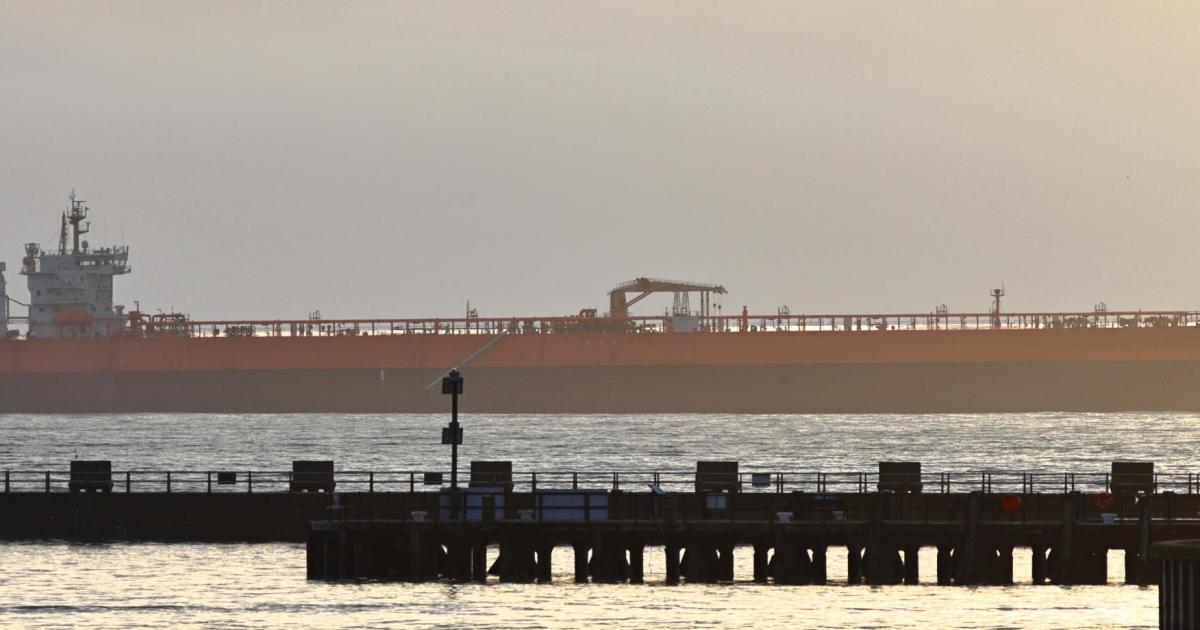
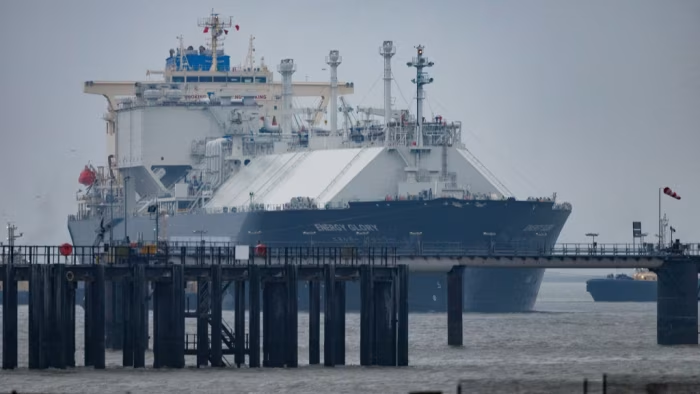
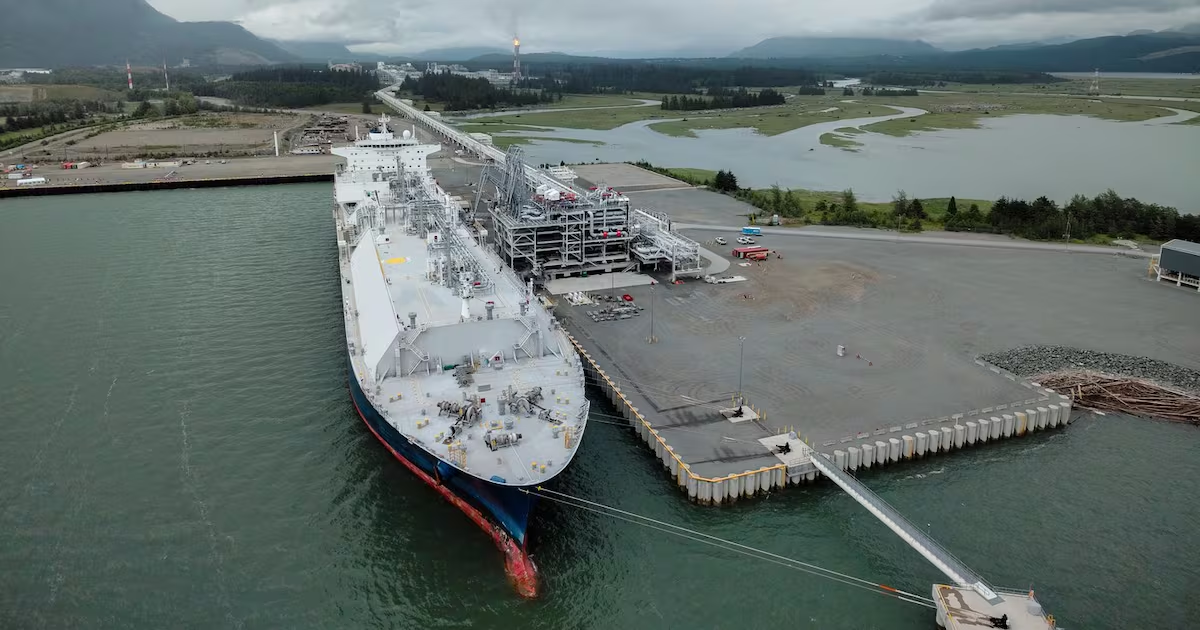
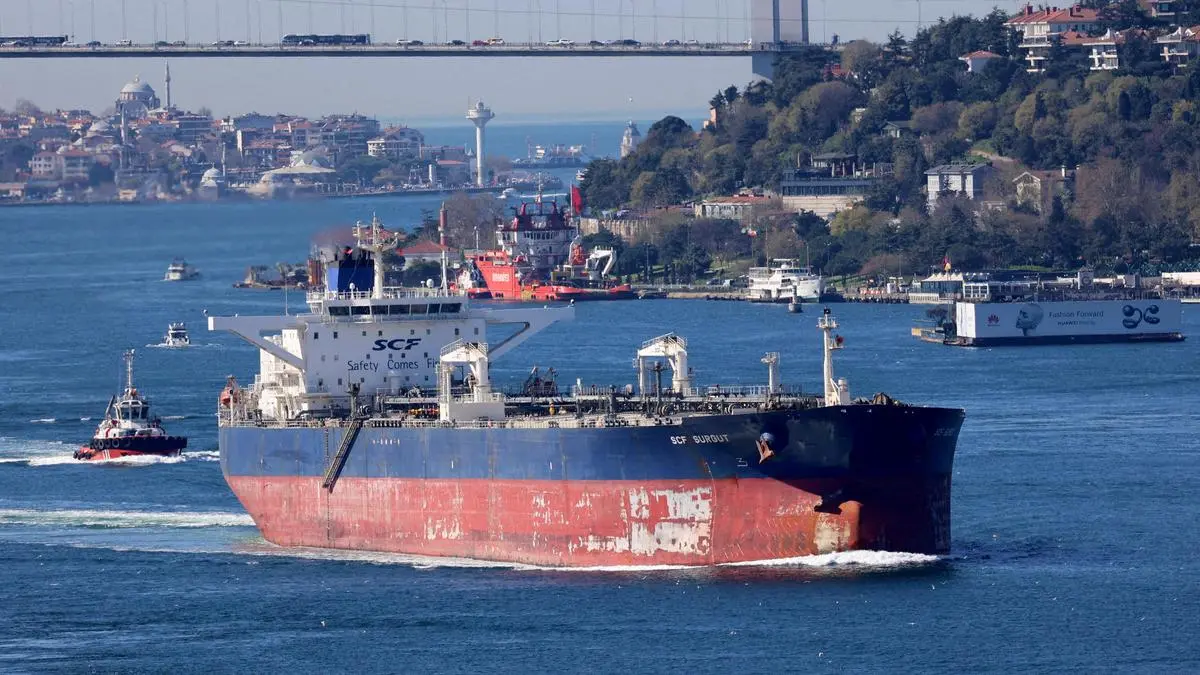
India remains highly exposed to global oil shocks, with over 80% of crude requirements imported and a significant share routed through the Strait of Hormuz.
With the India’s crude oil basket now near $146 per barrel, analysts said the current strategy of holding fuel prices may hold till fiscal year-end, but sustained elevated levels could force a shift in burden — from refiners and government finances to consumers — in the coming months.