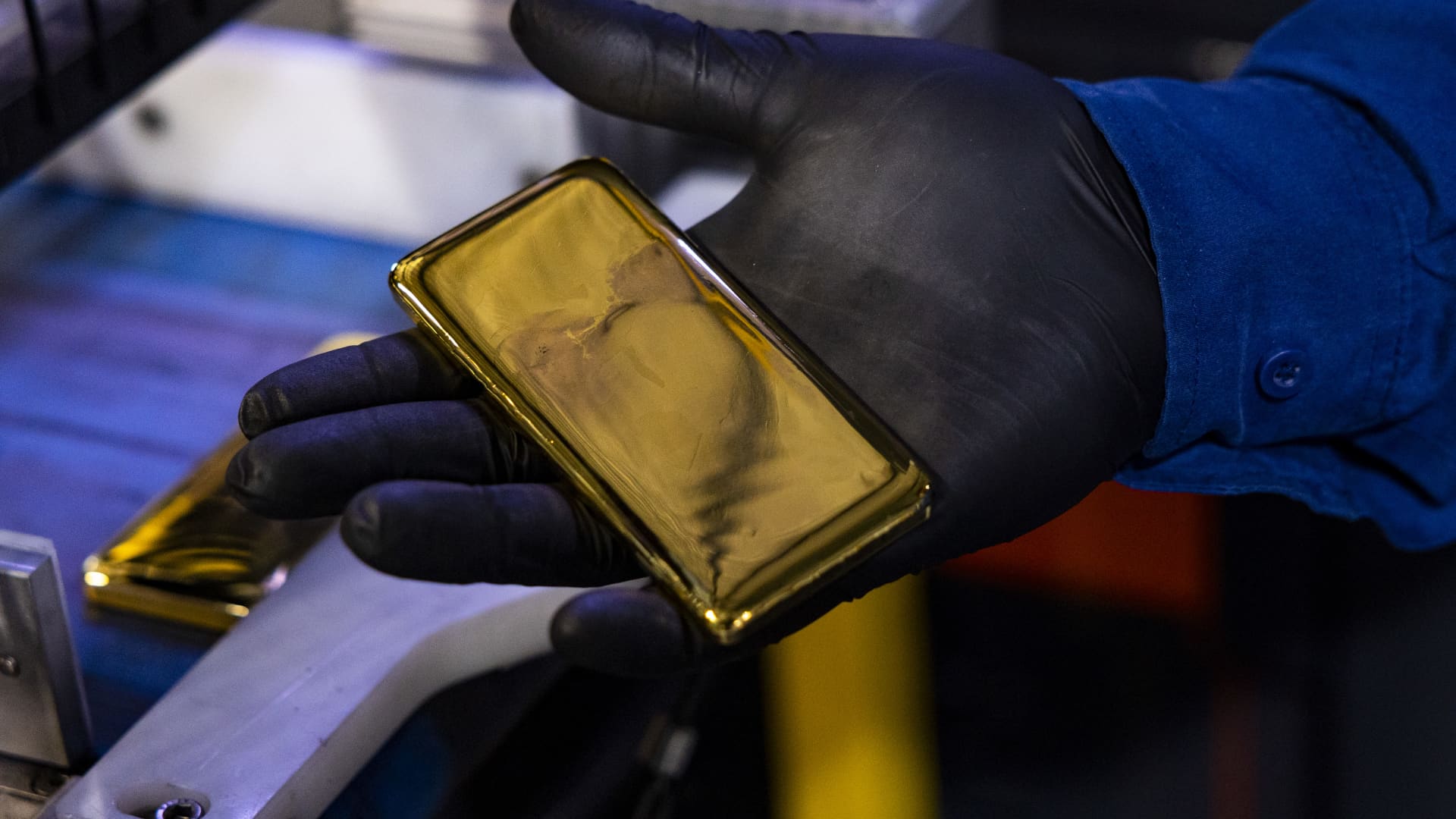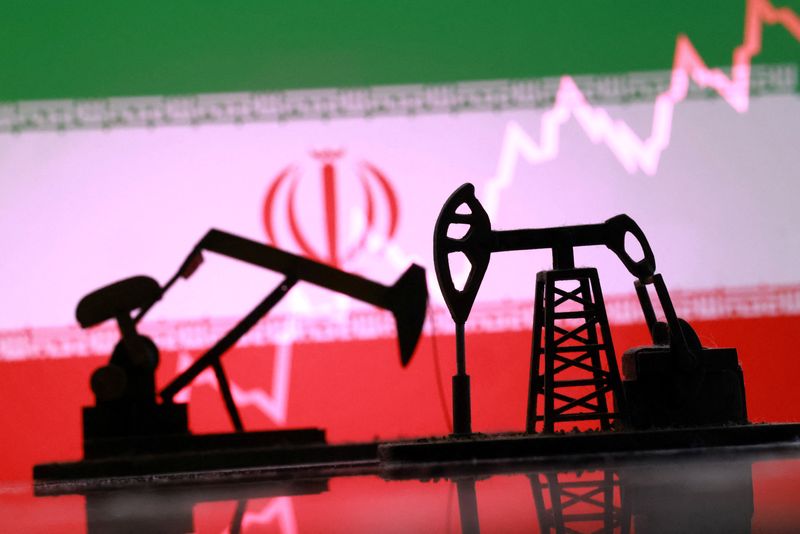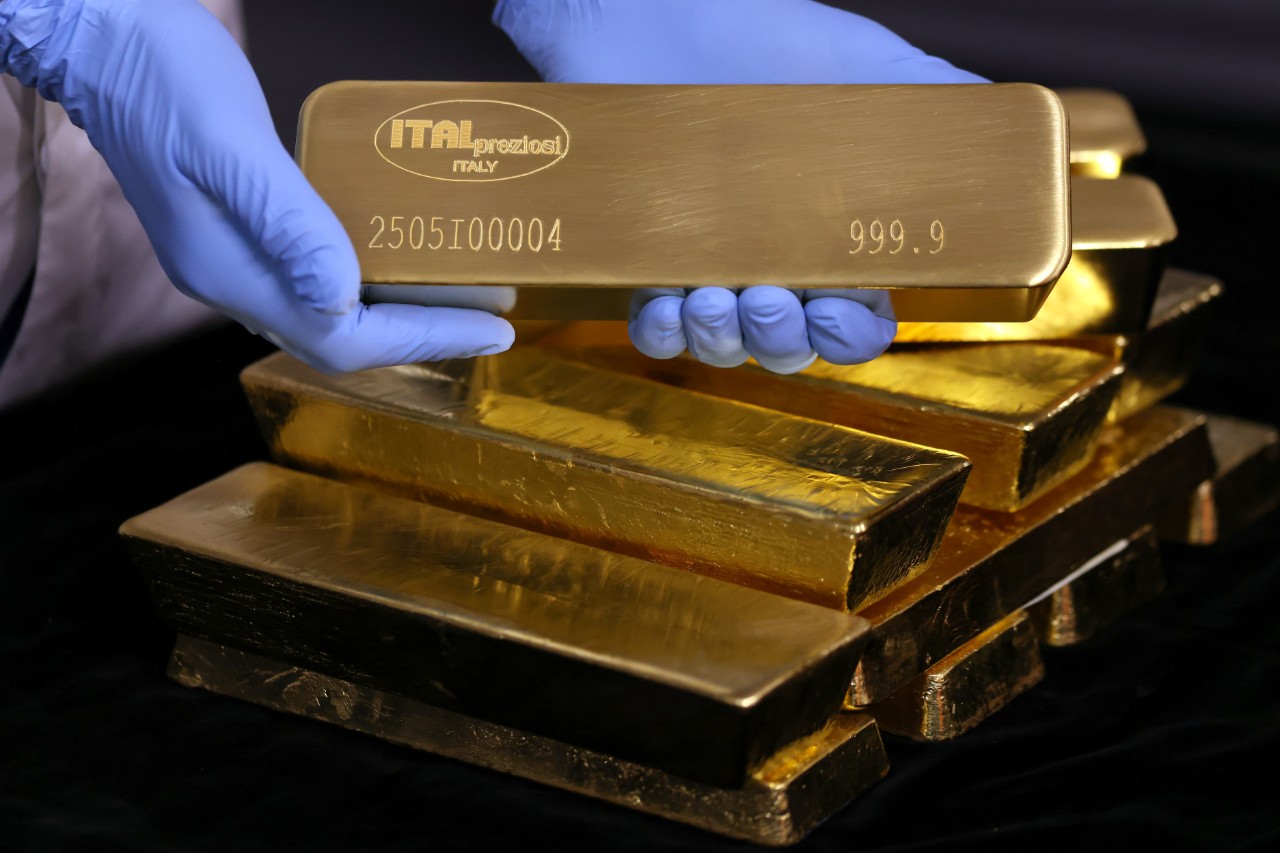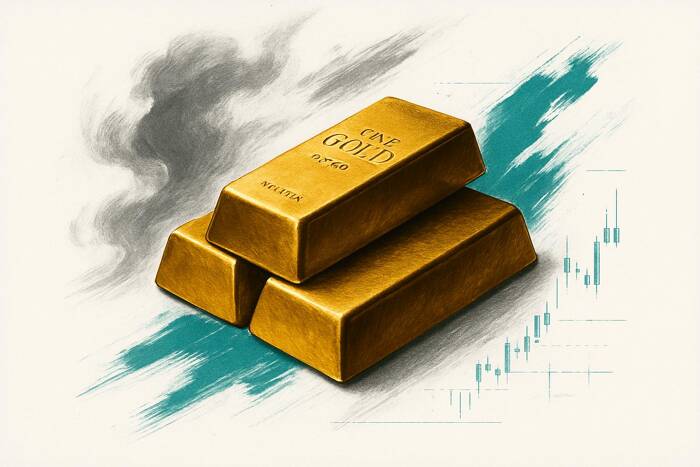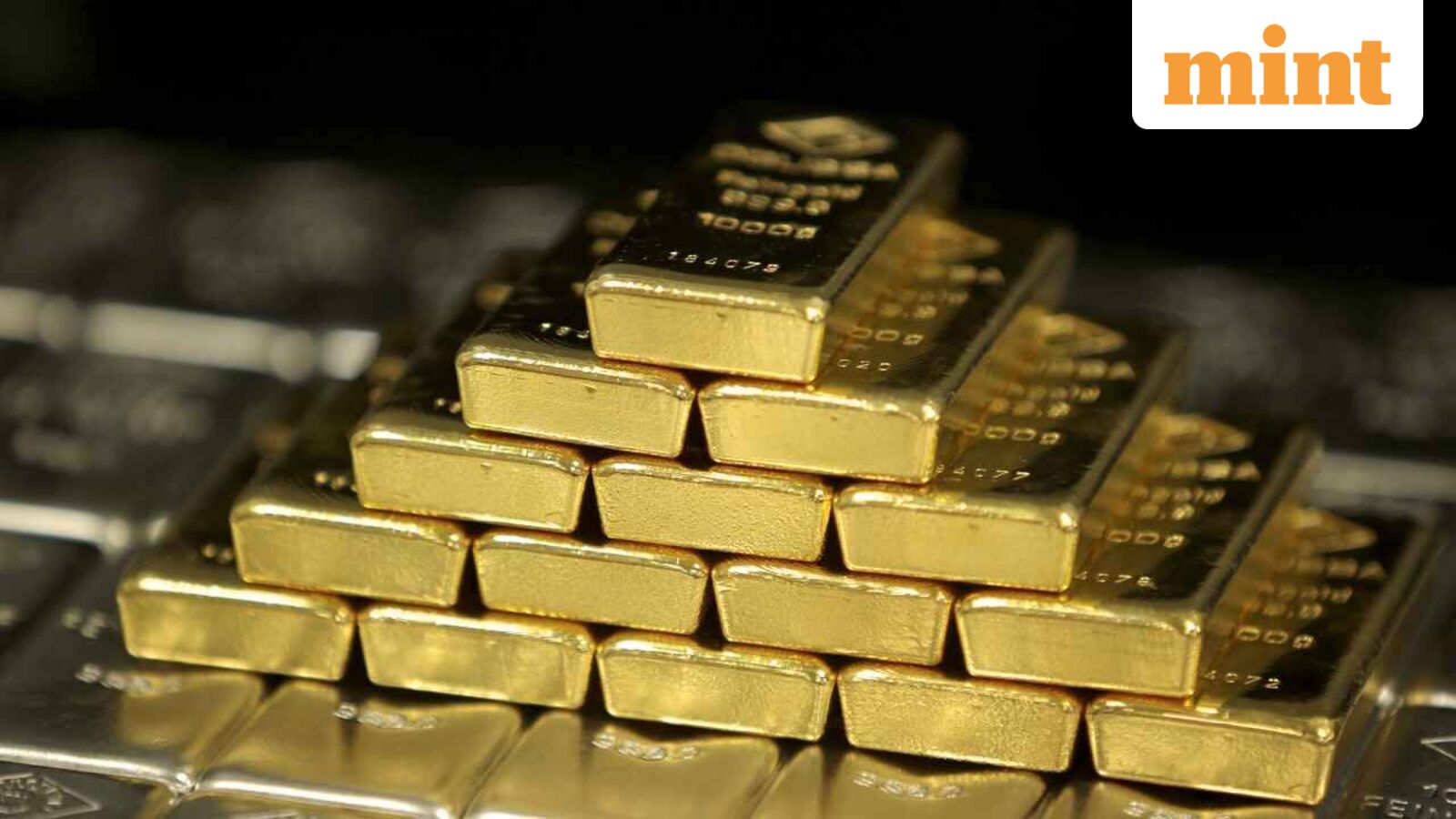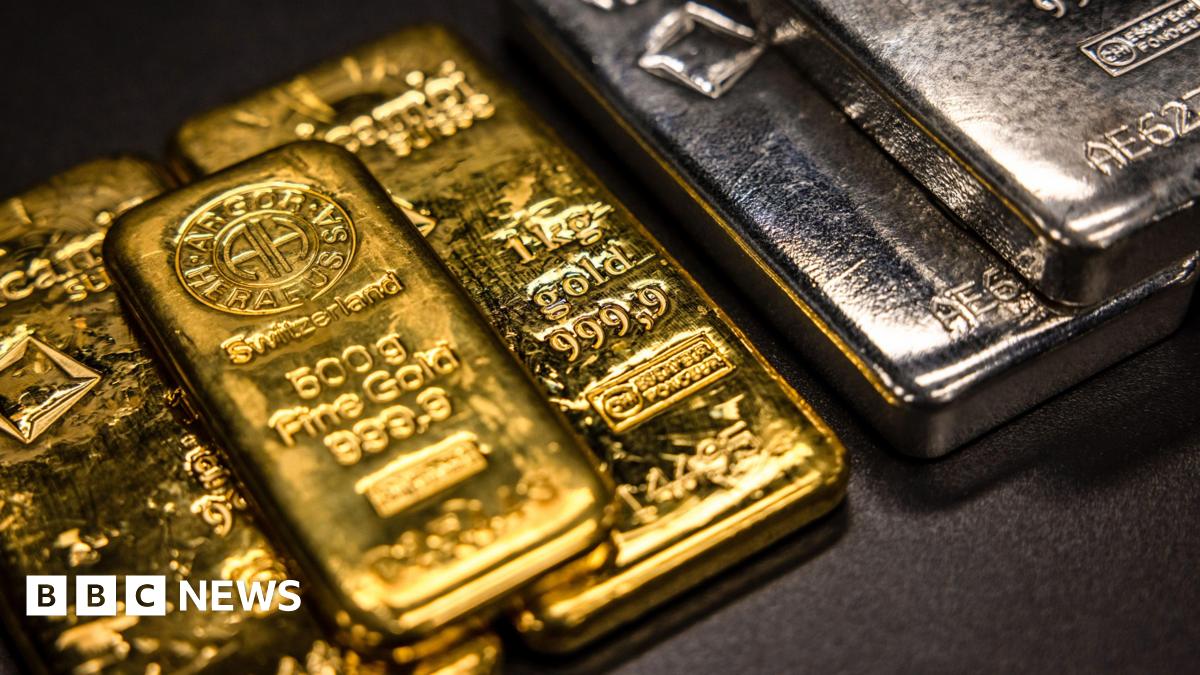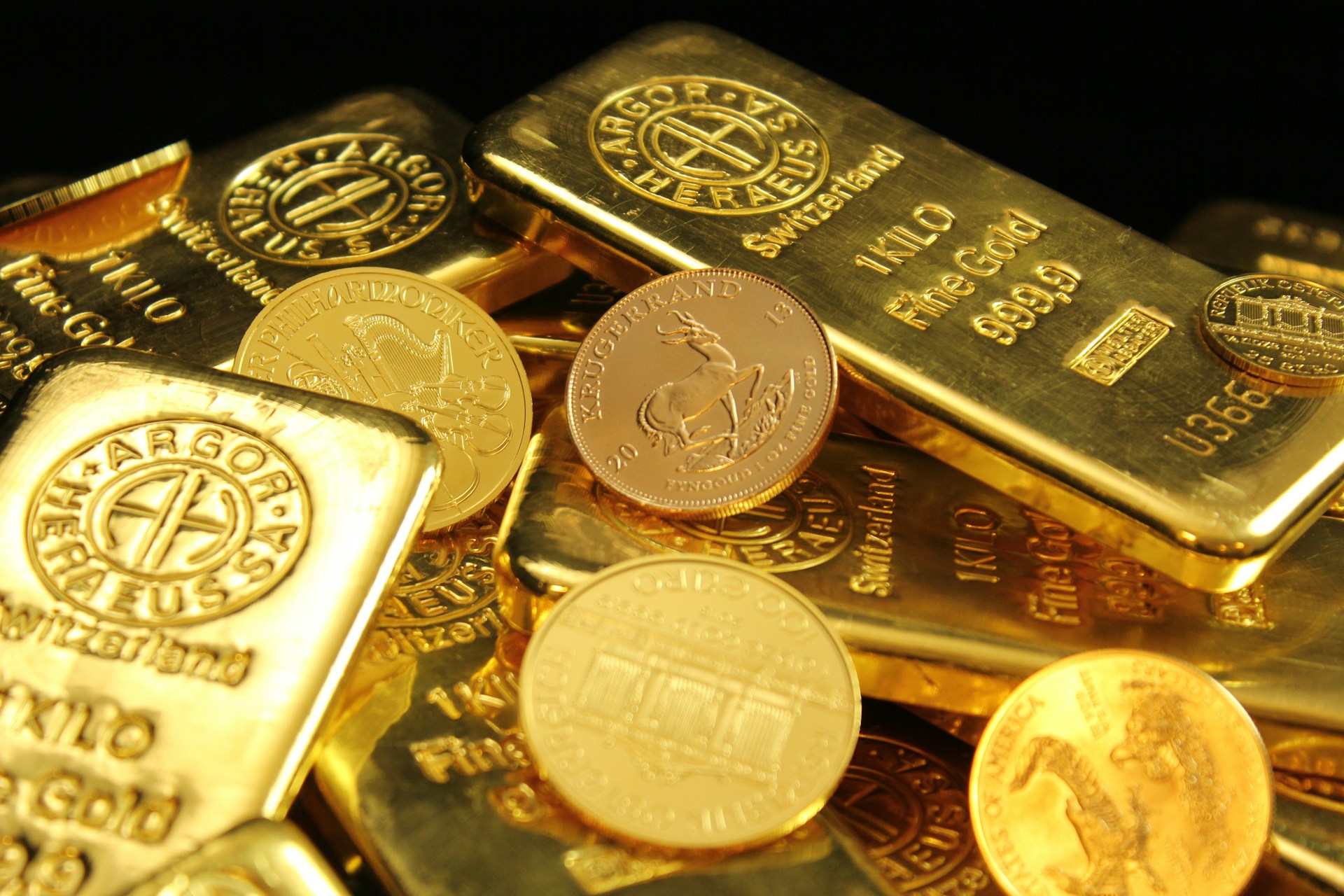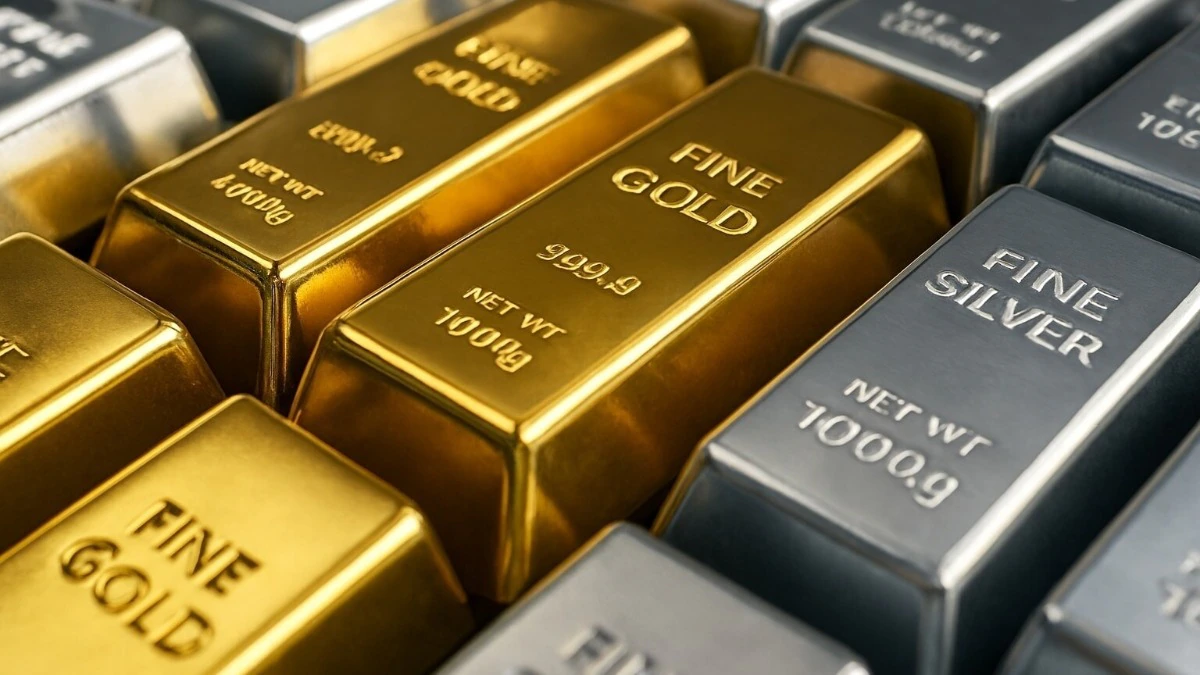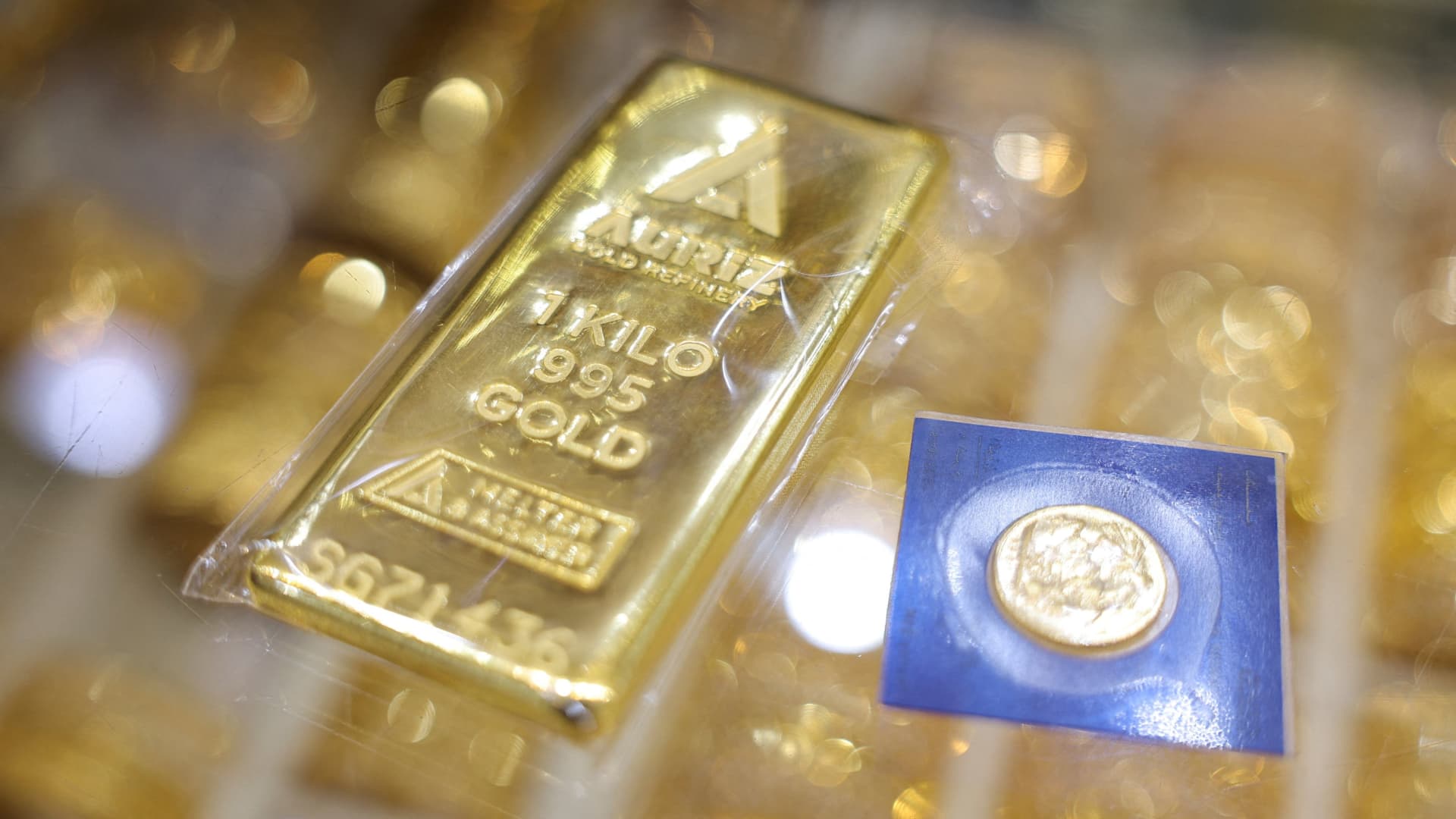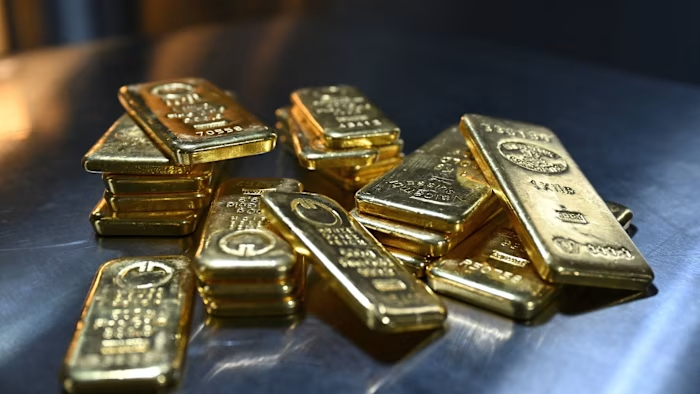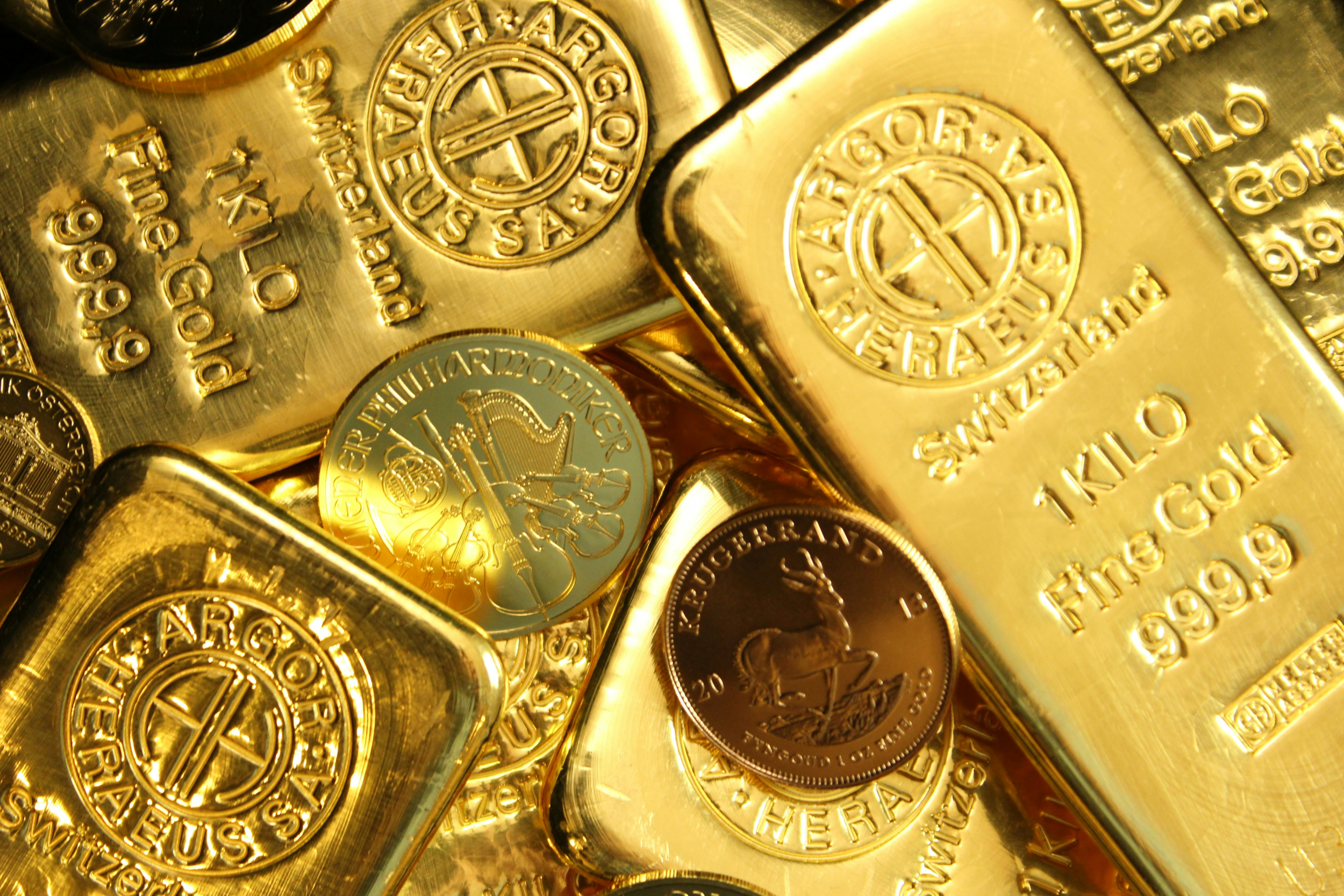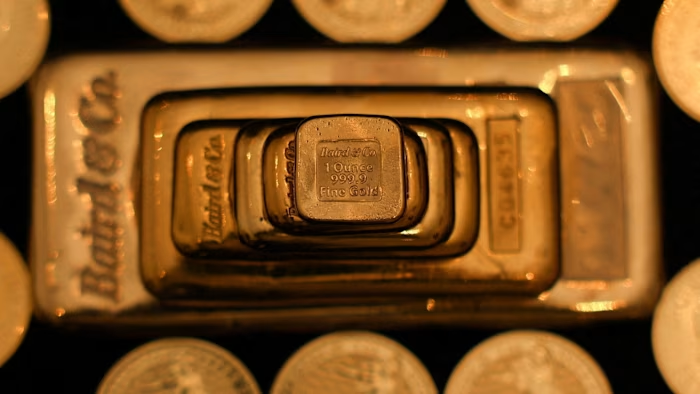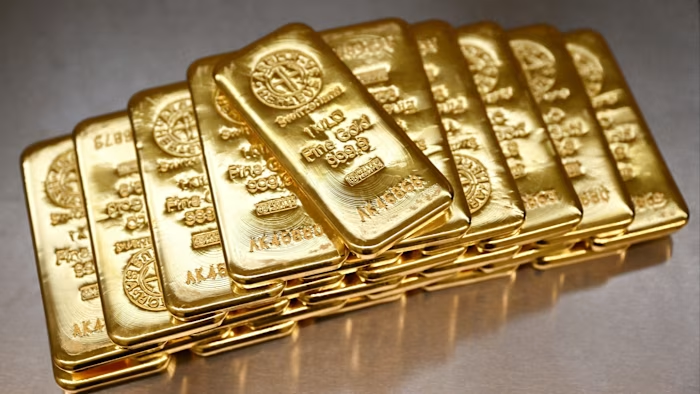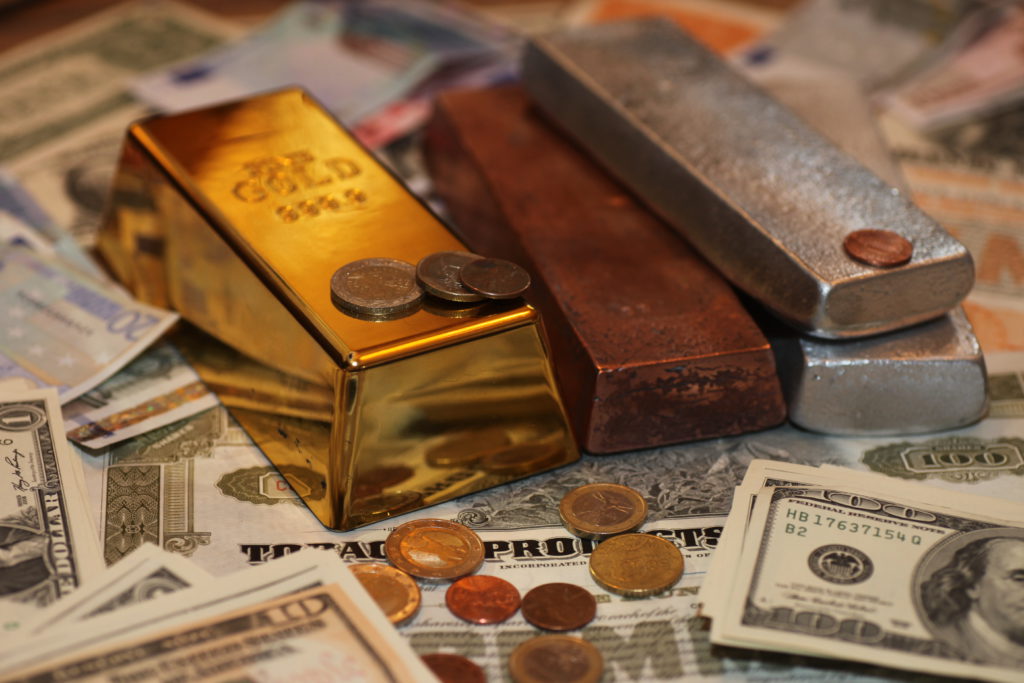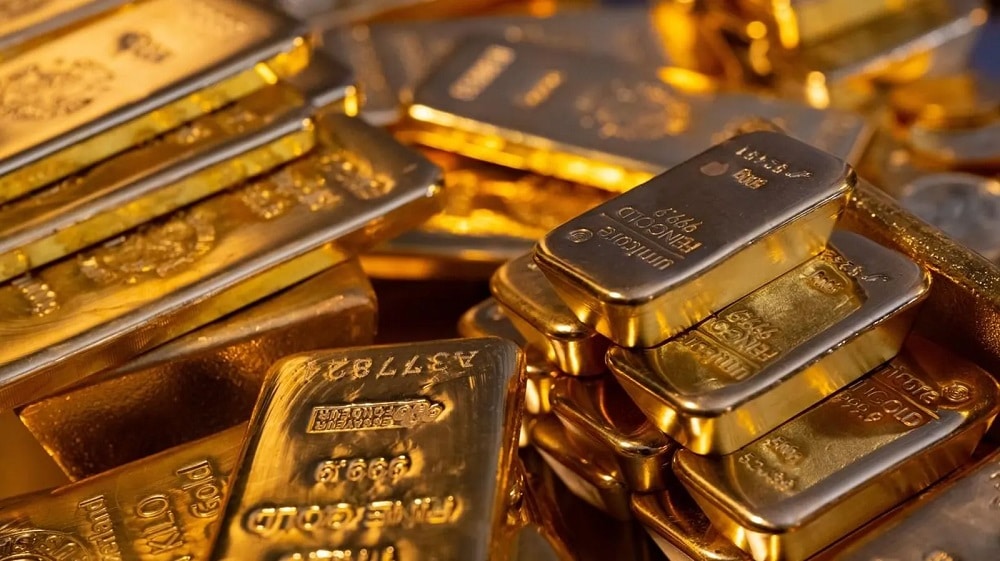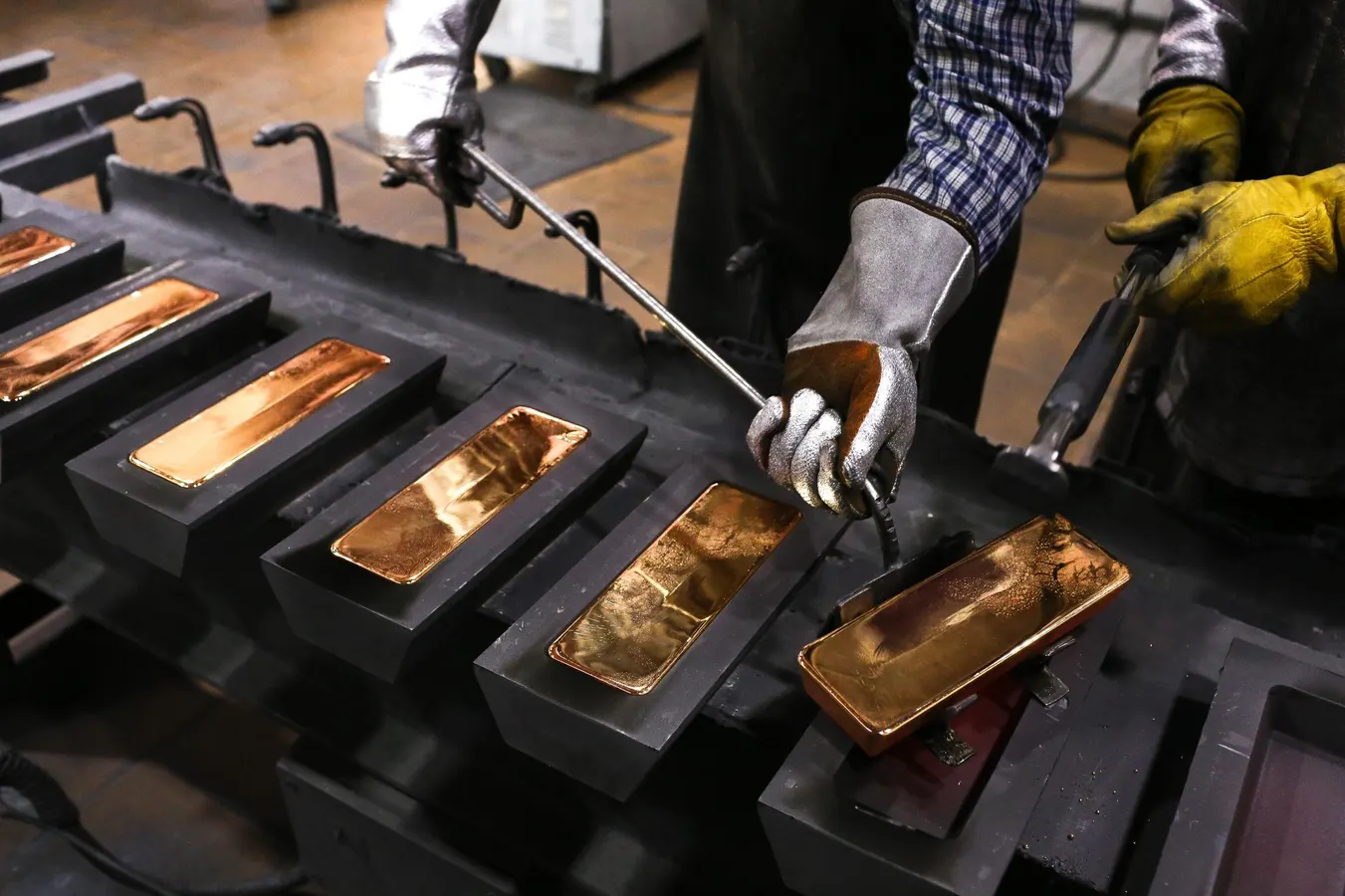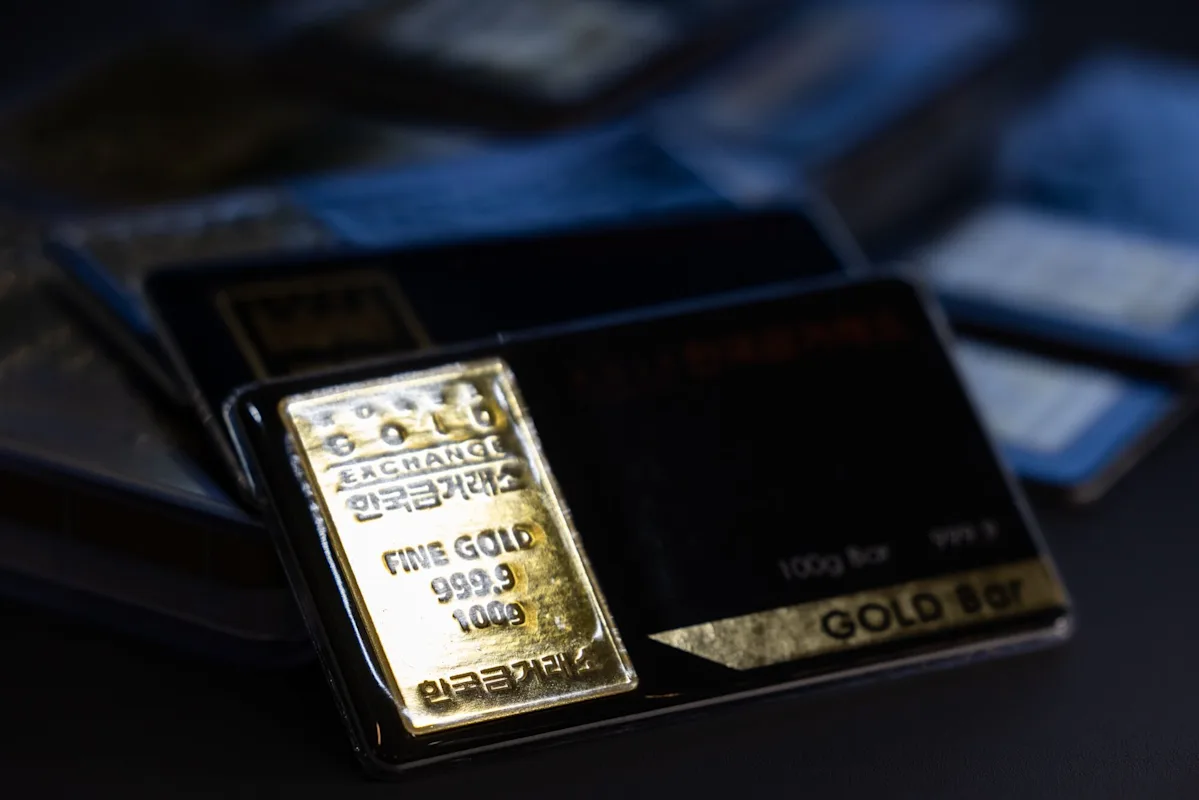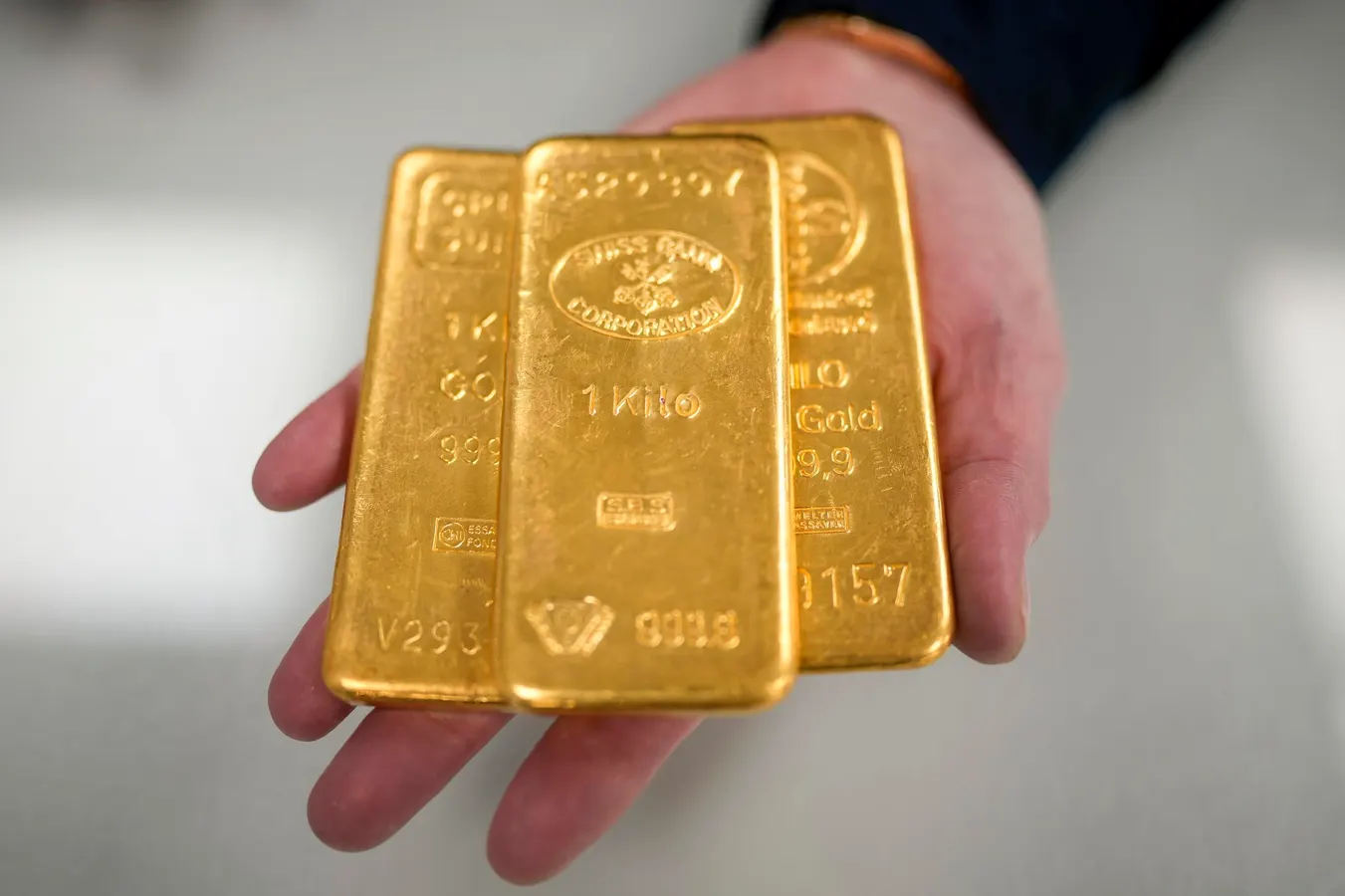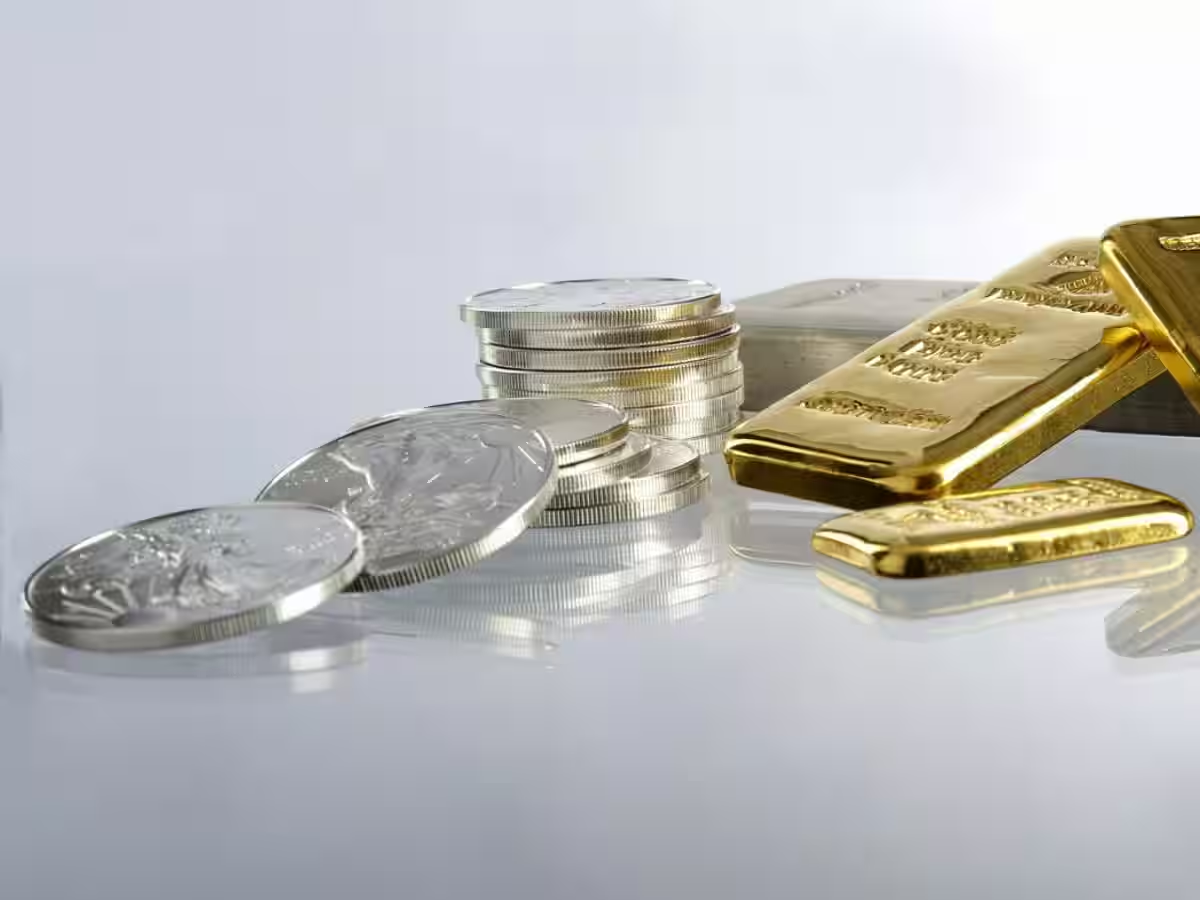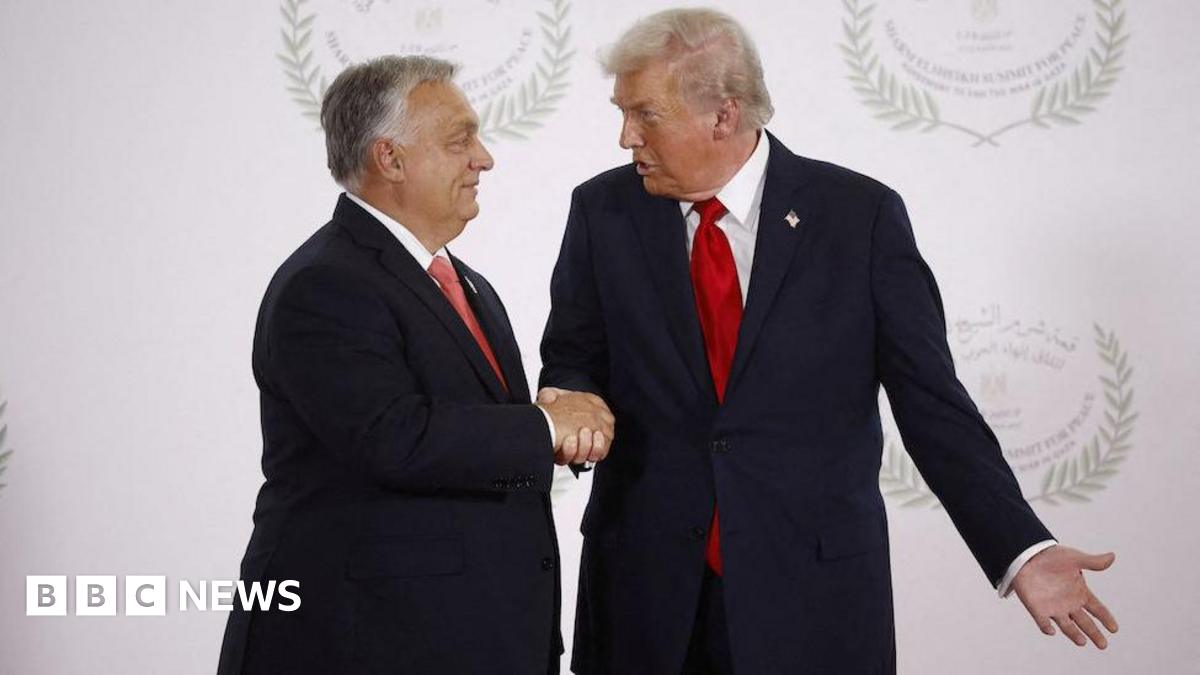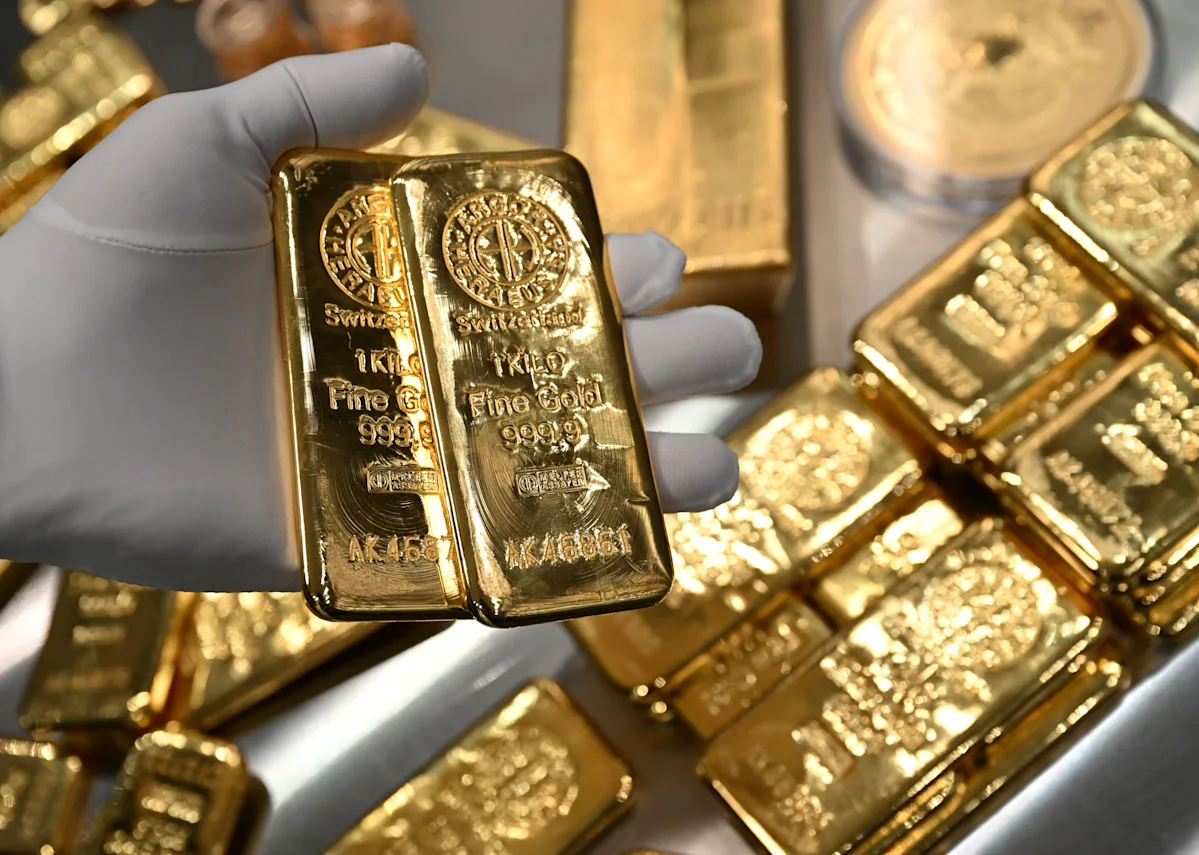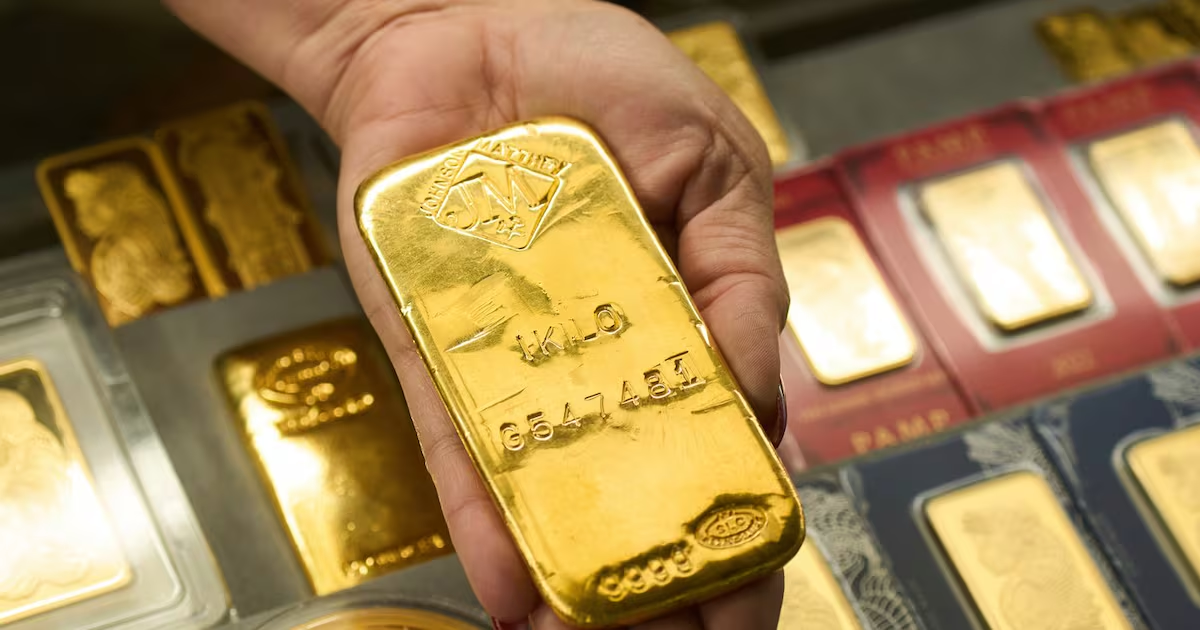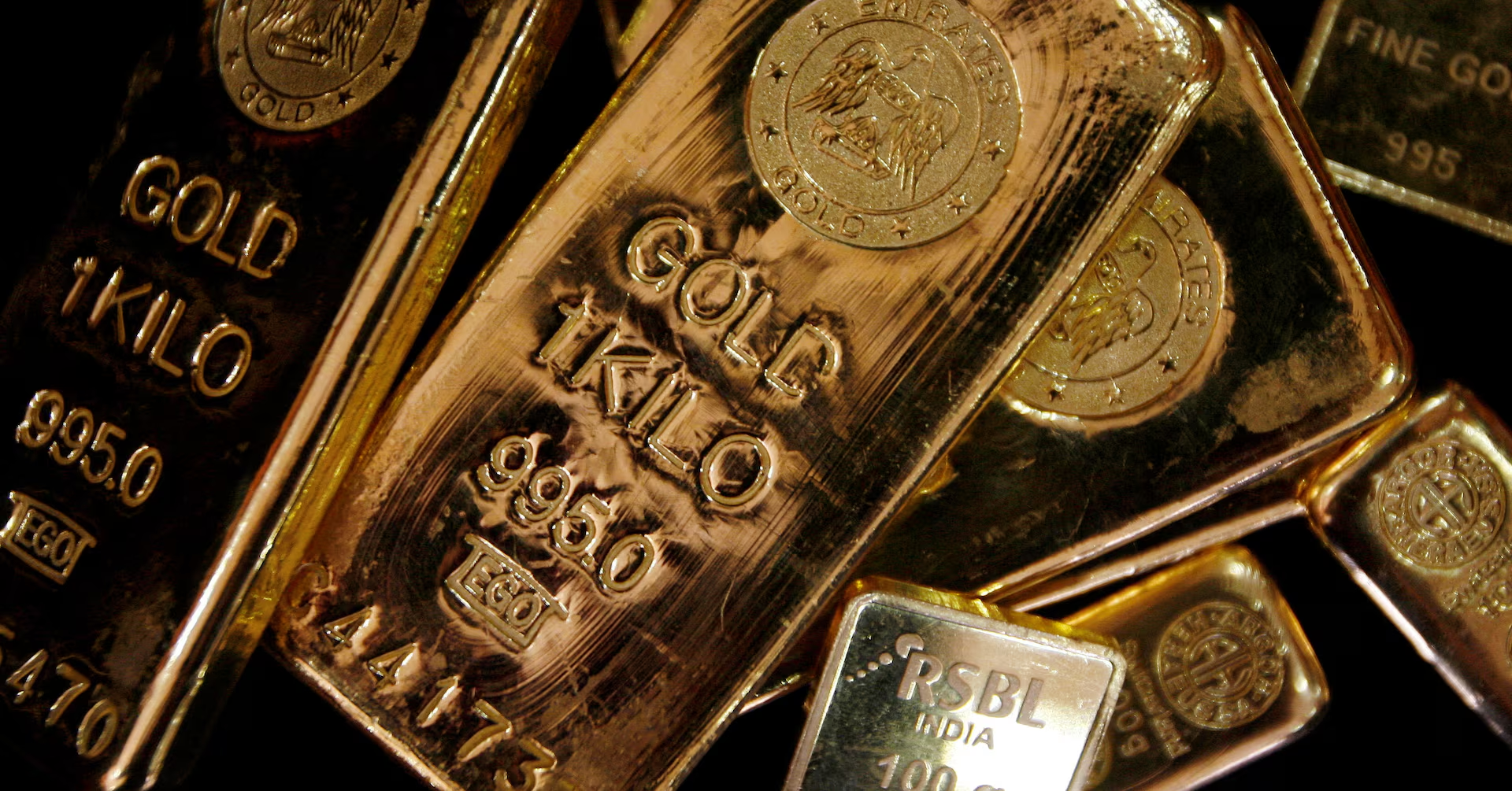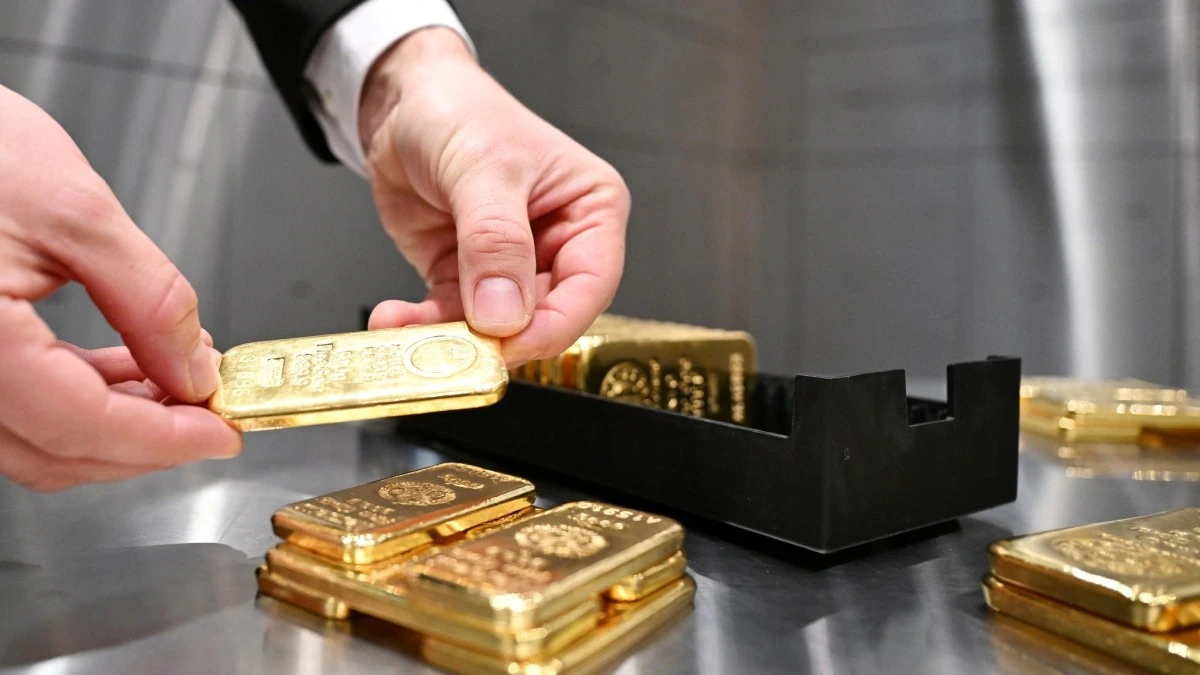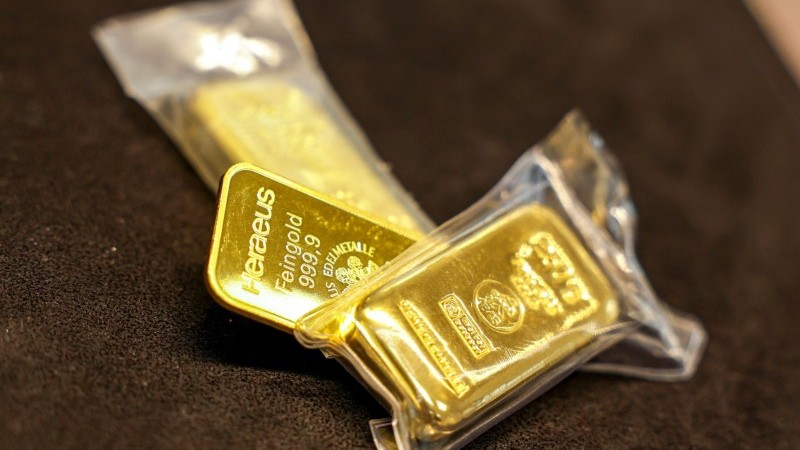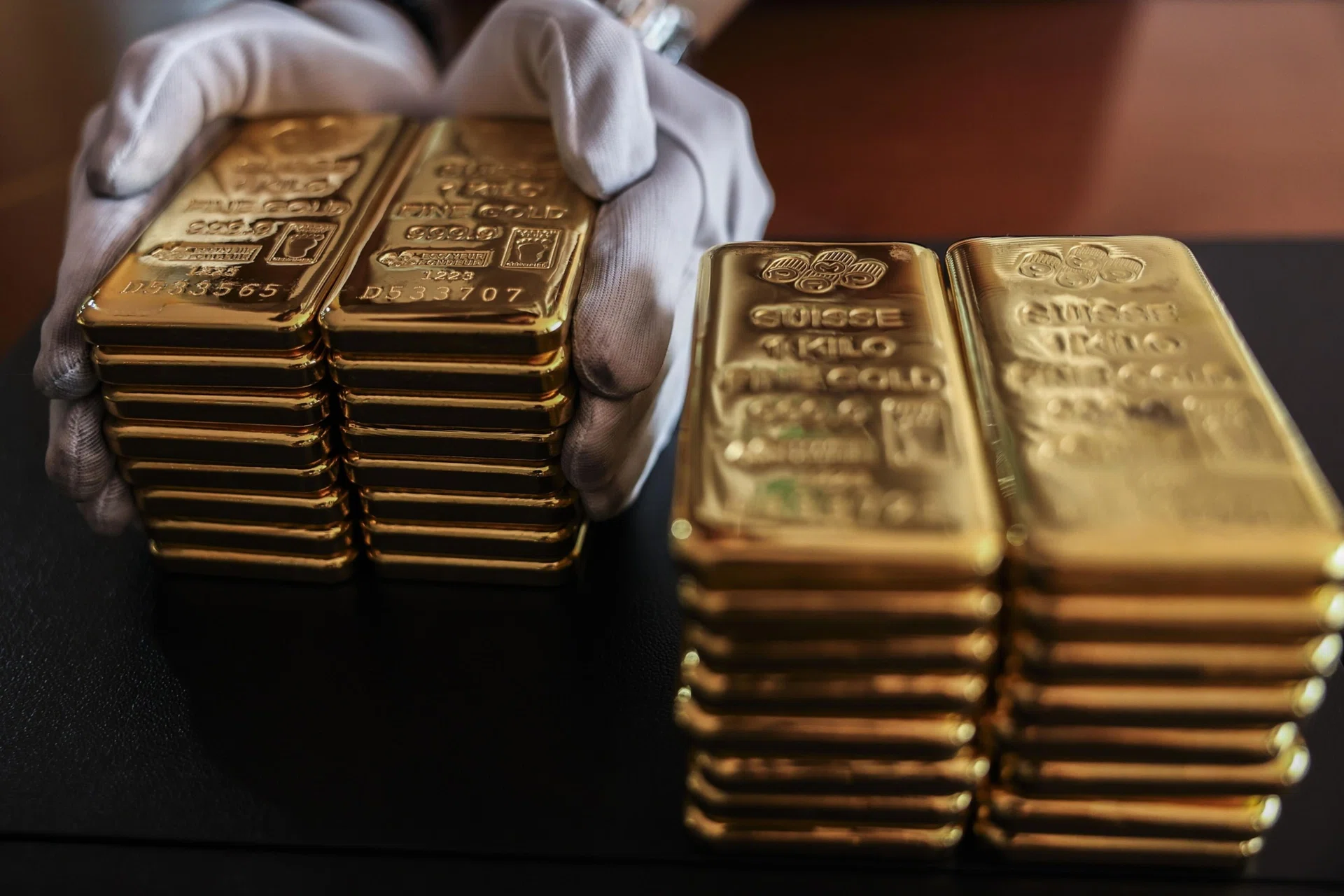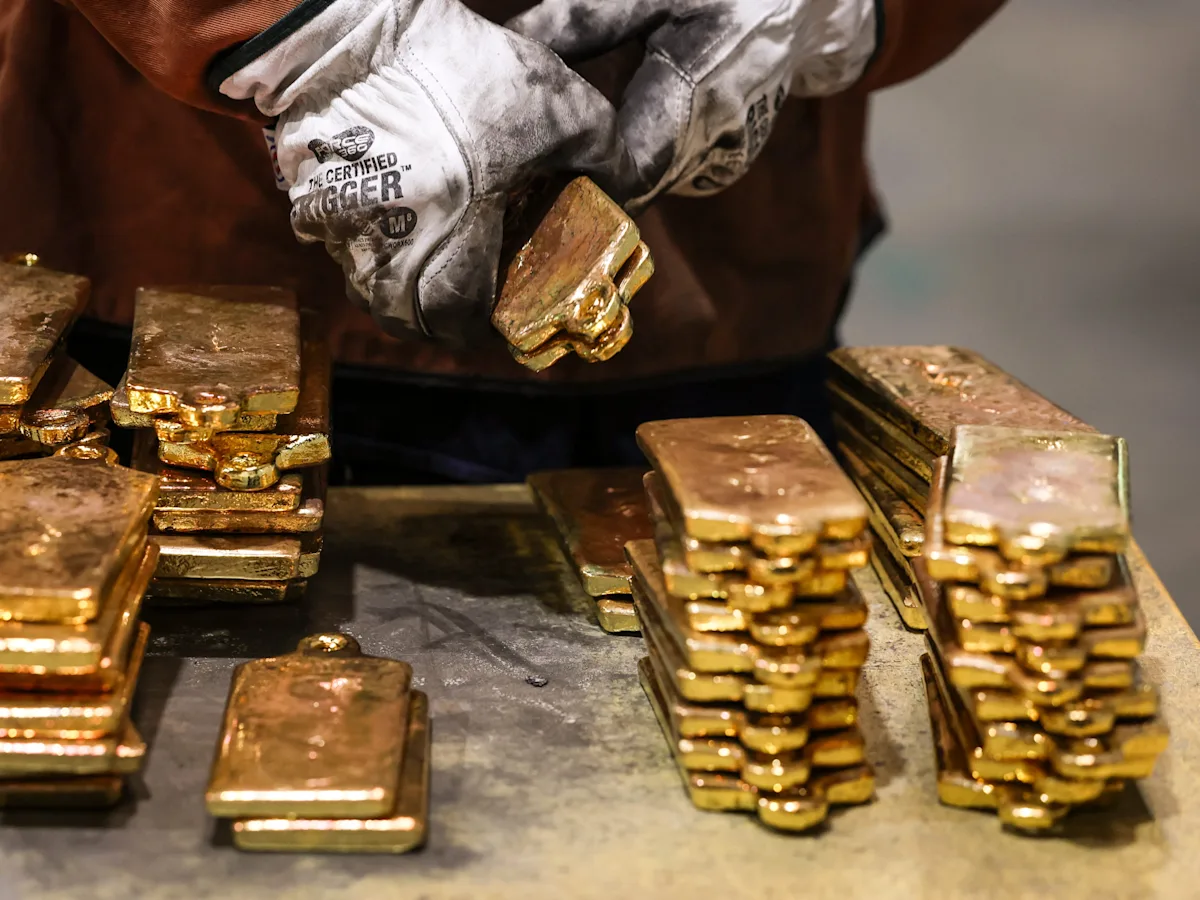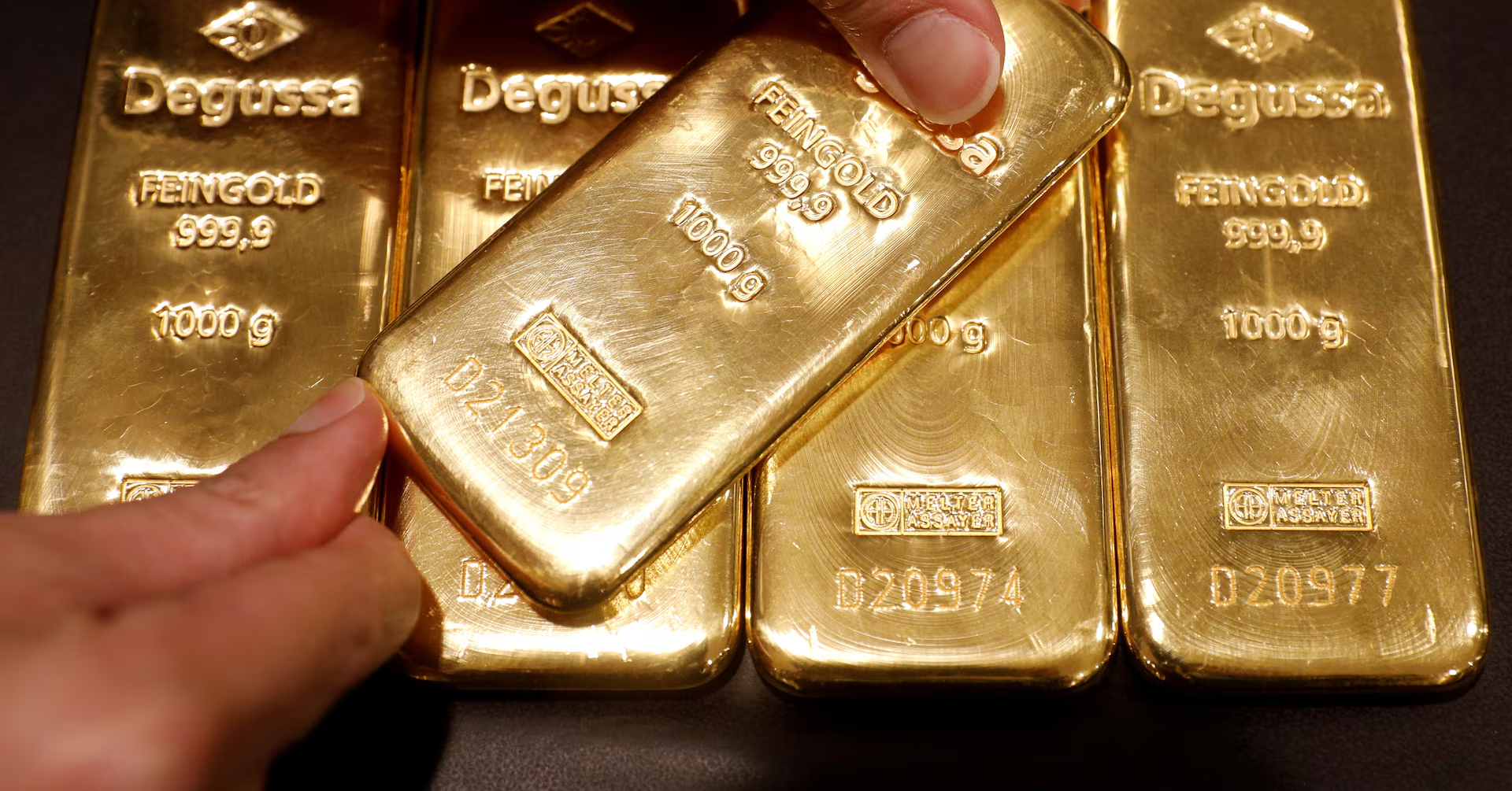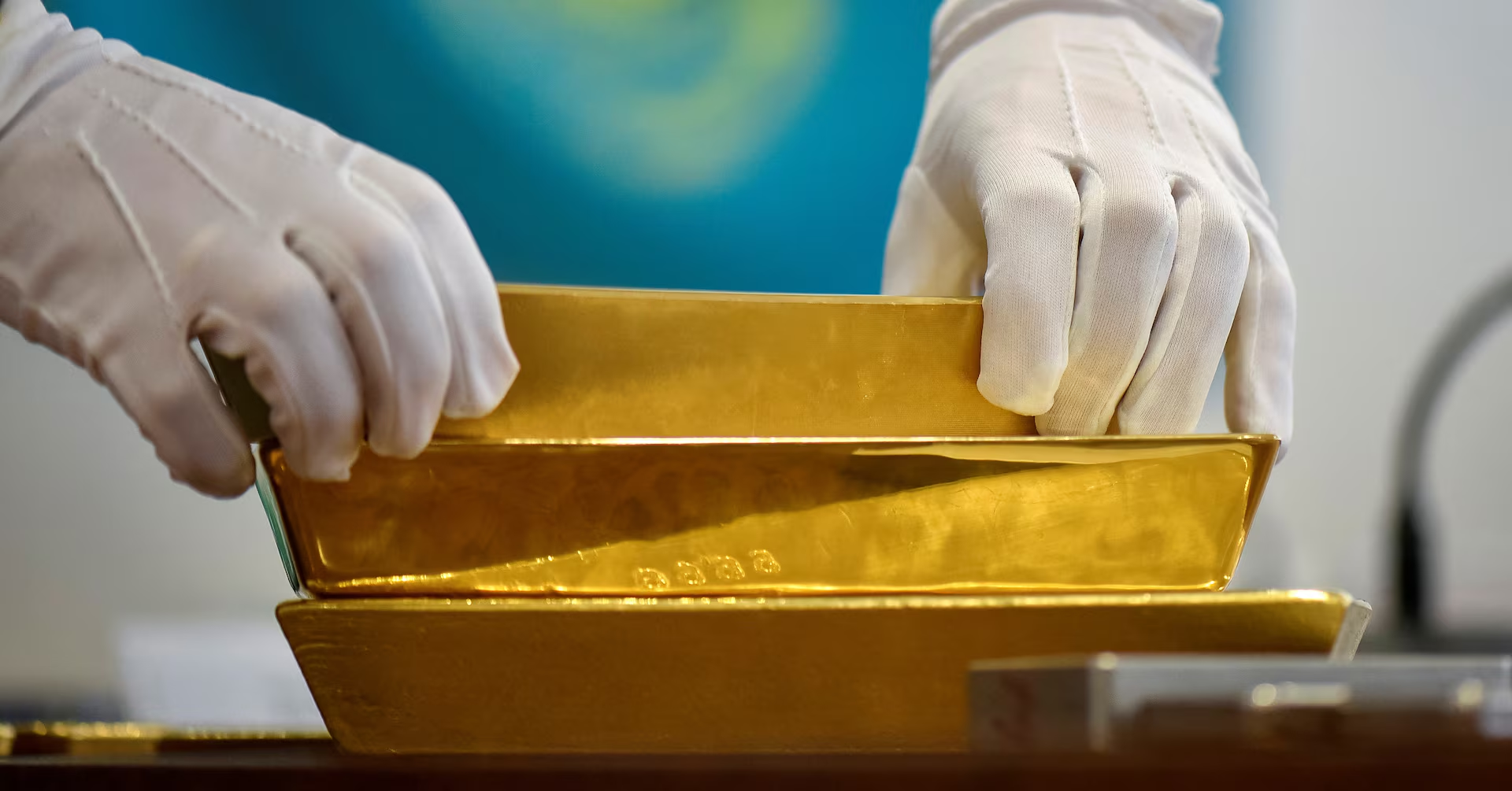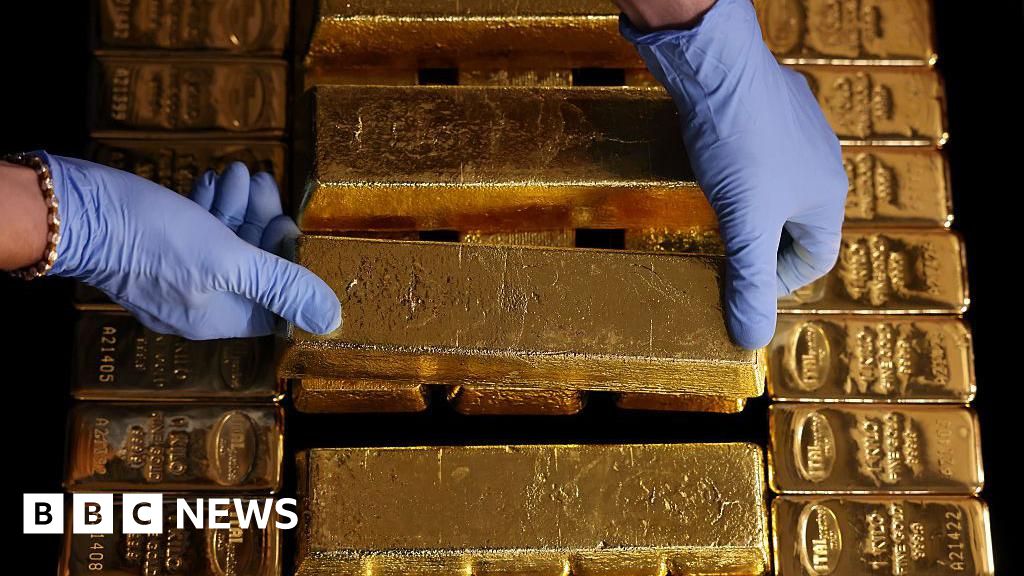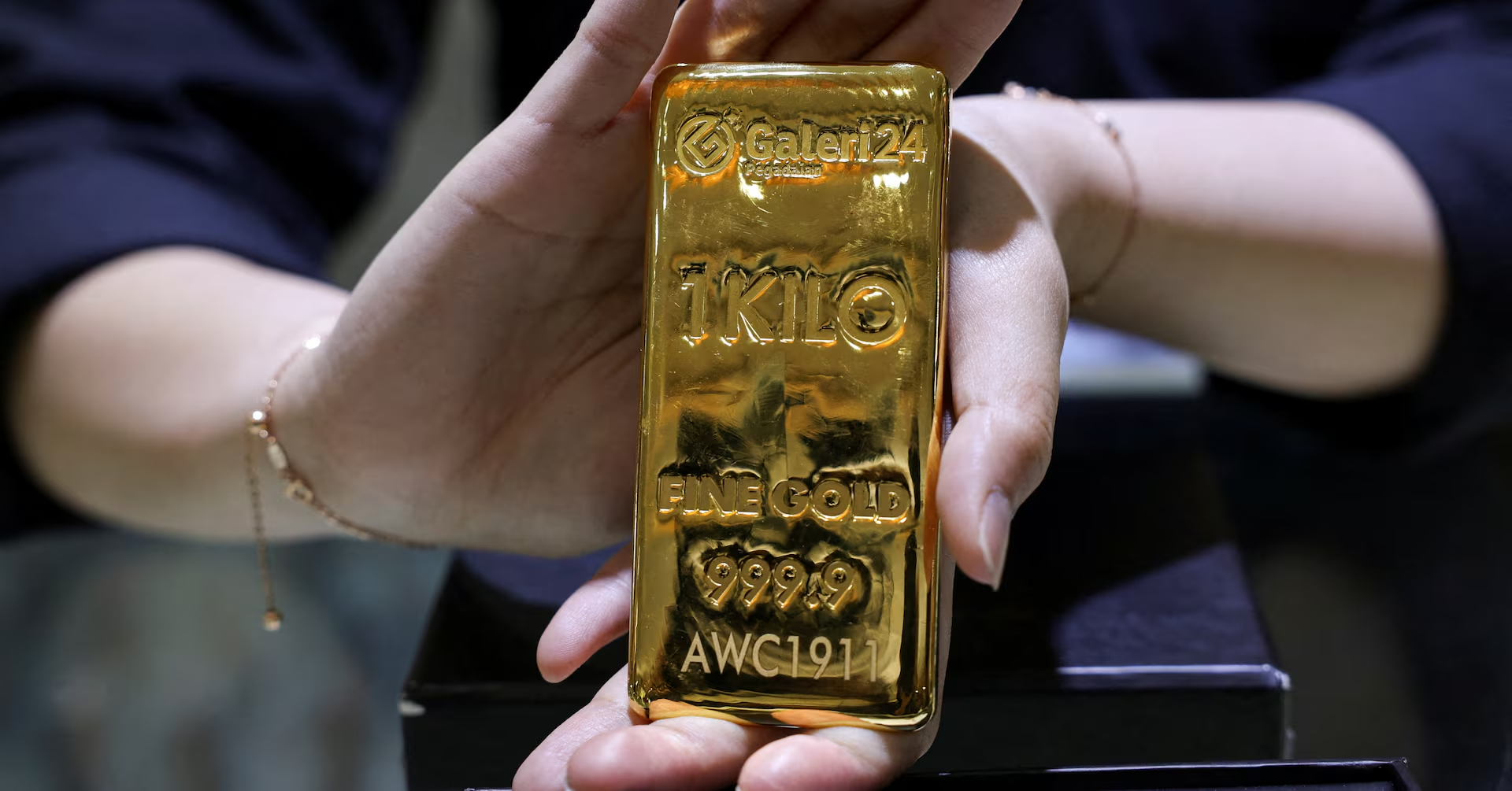
Gold prices rose on Monday after the U.S. and Israel launched strikes on Iran, killing Supreme Leader Ayatollah Ali Khamenei, deepening global uncertainty.
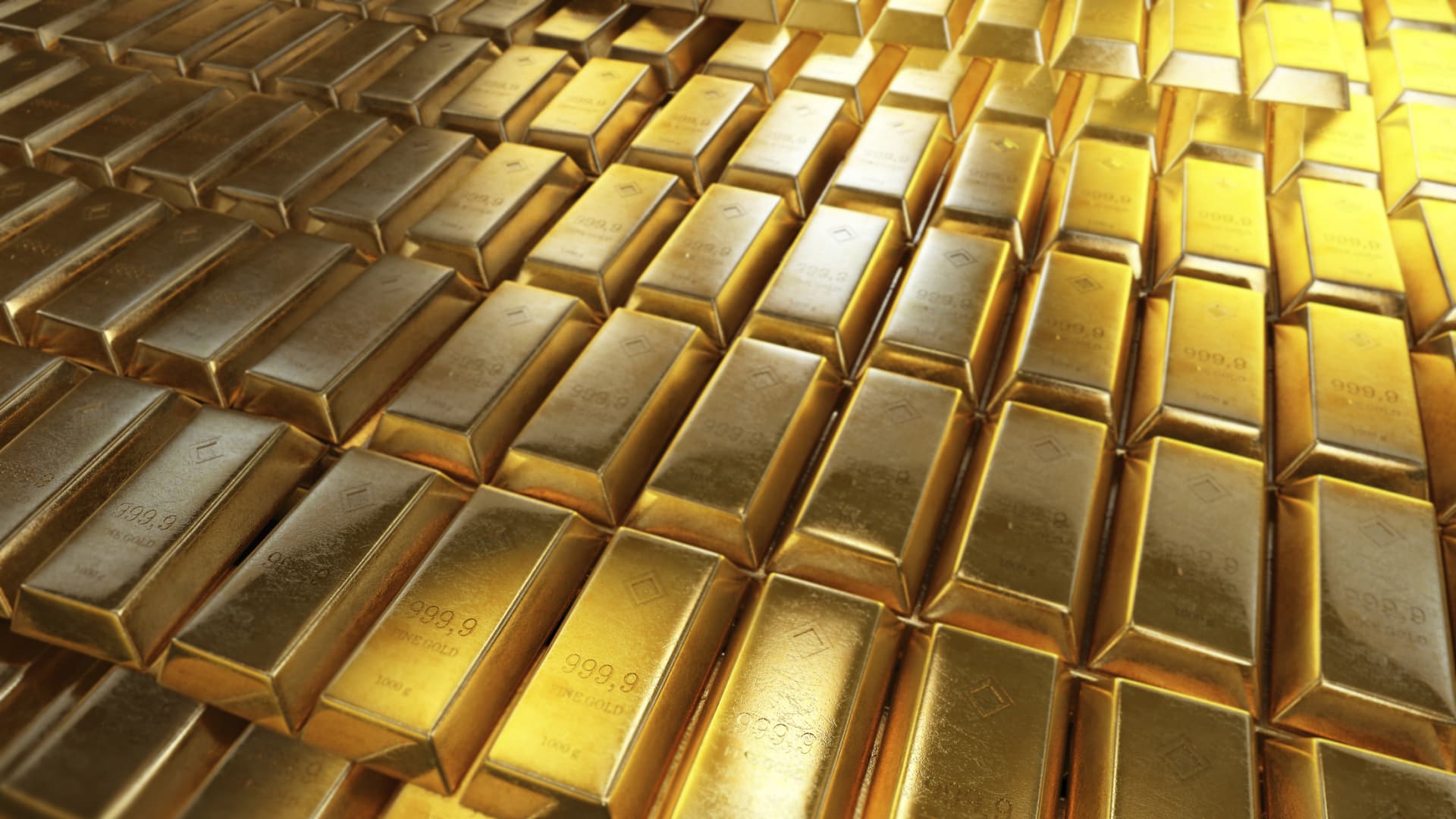
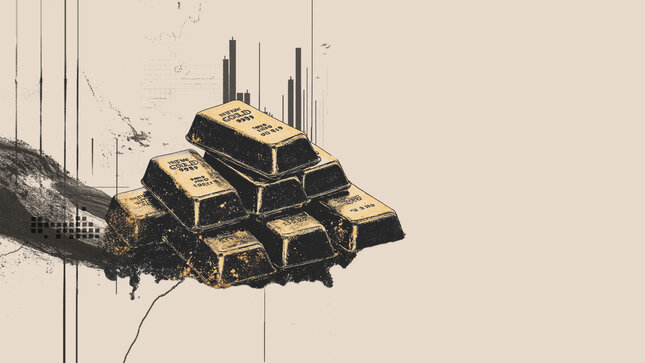
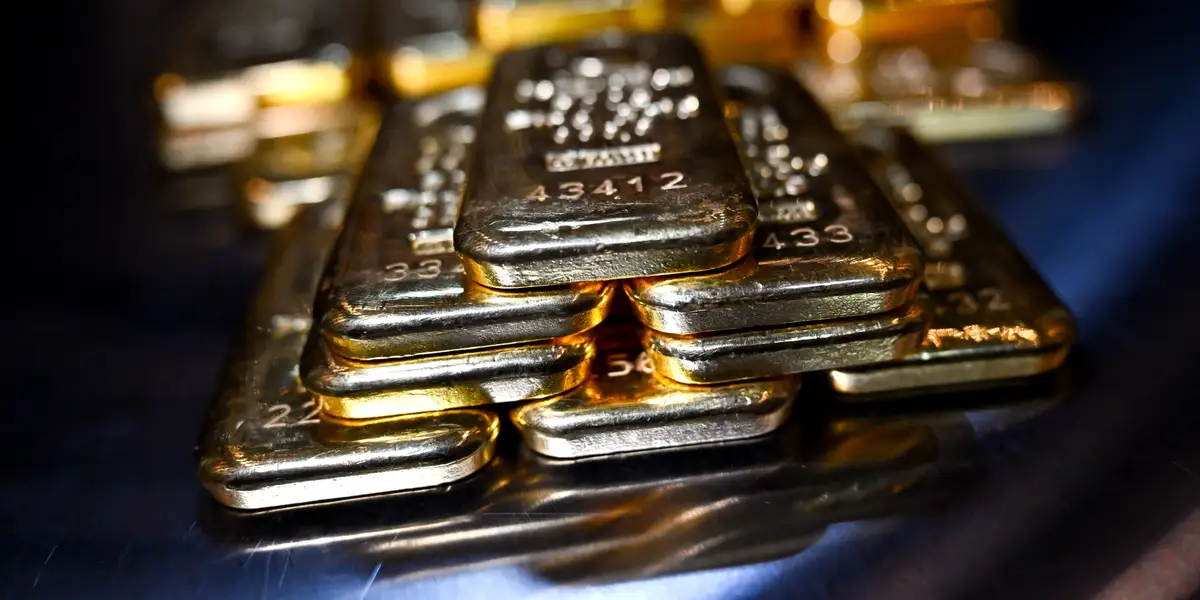
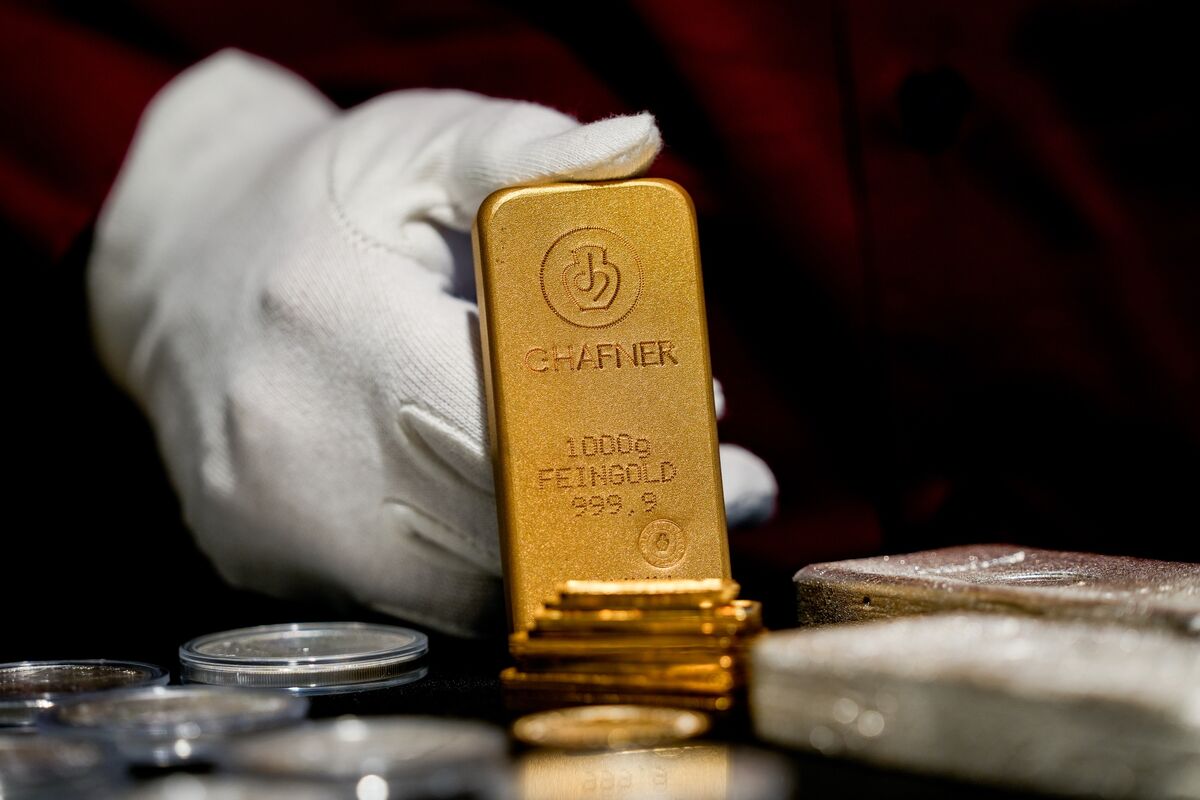
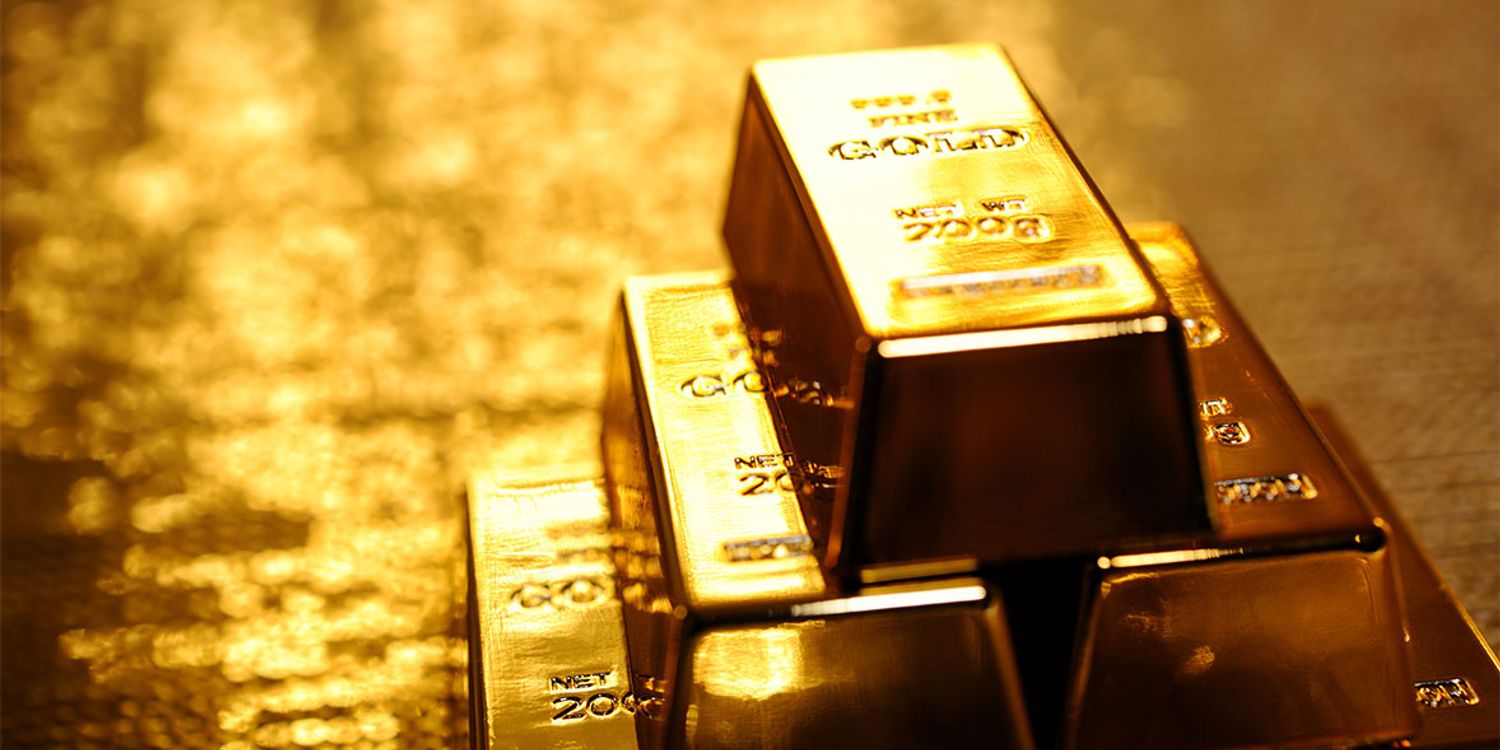
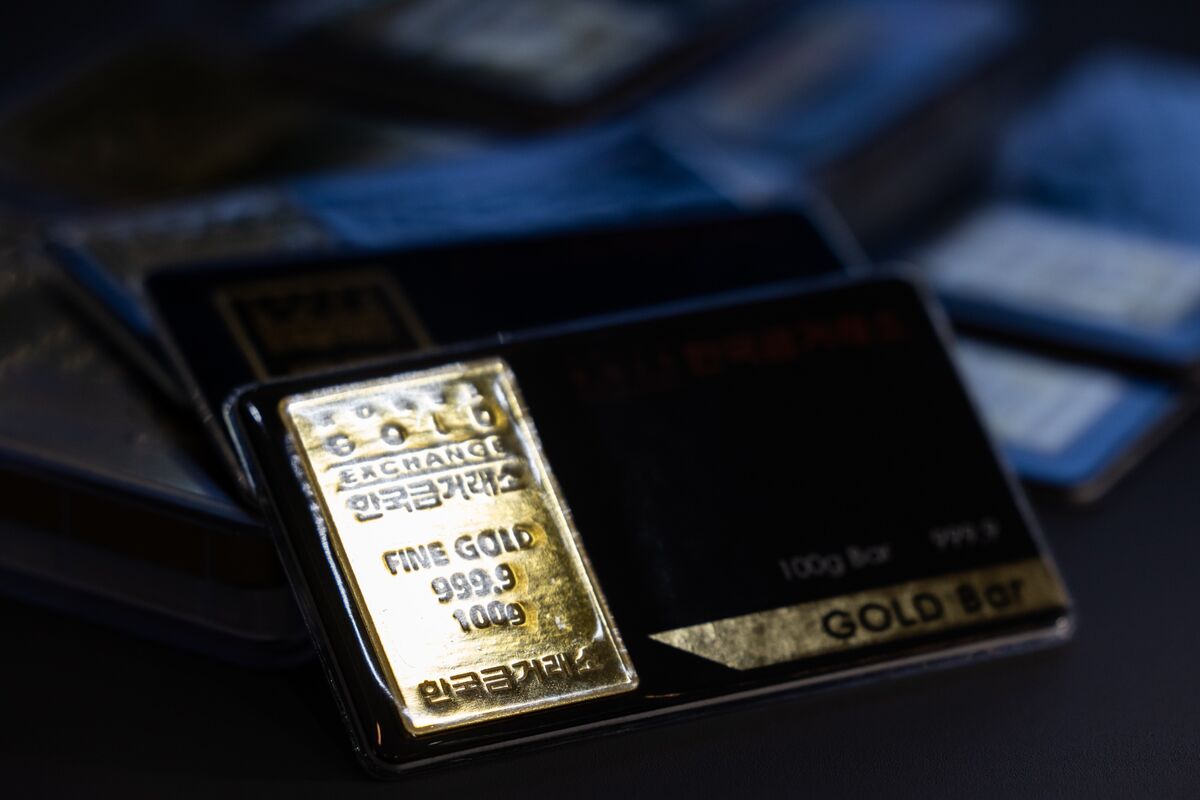
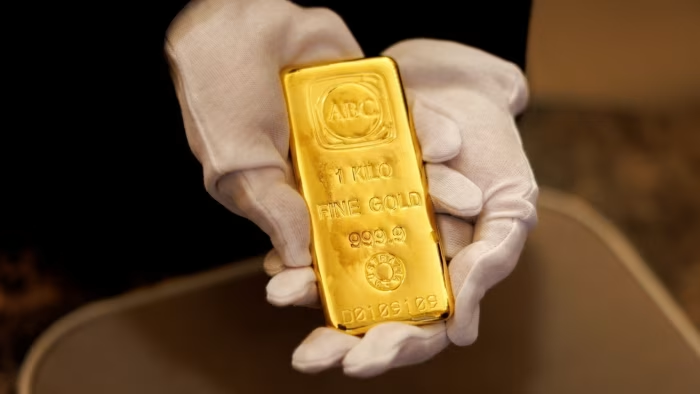
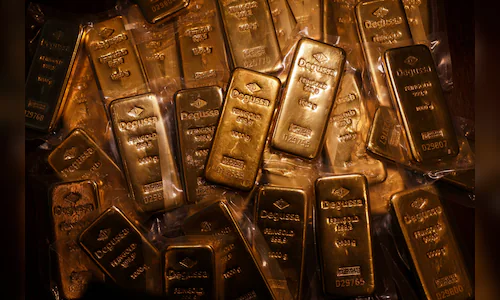
Bloomberg Creative | Bloomberg Creative Photos | Getty Images
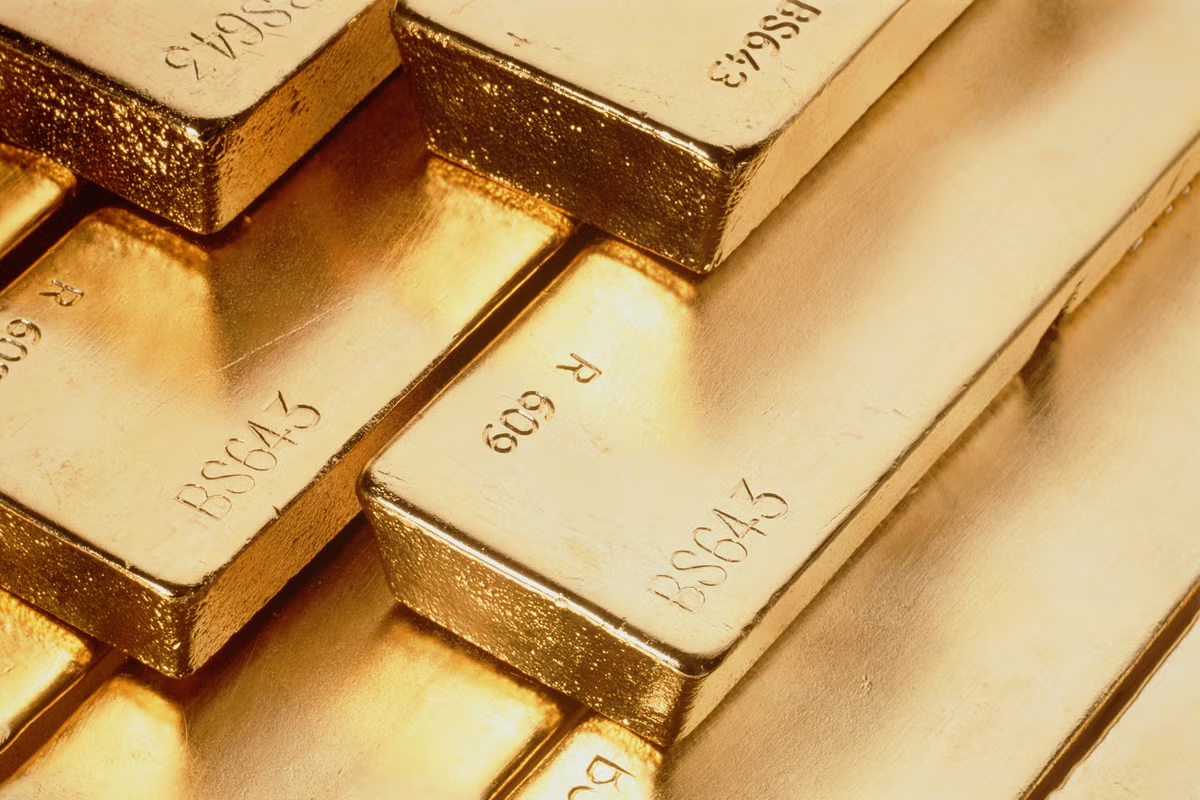
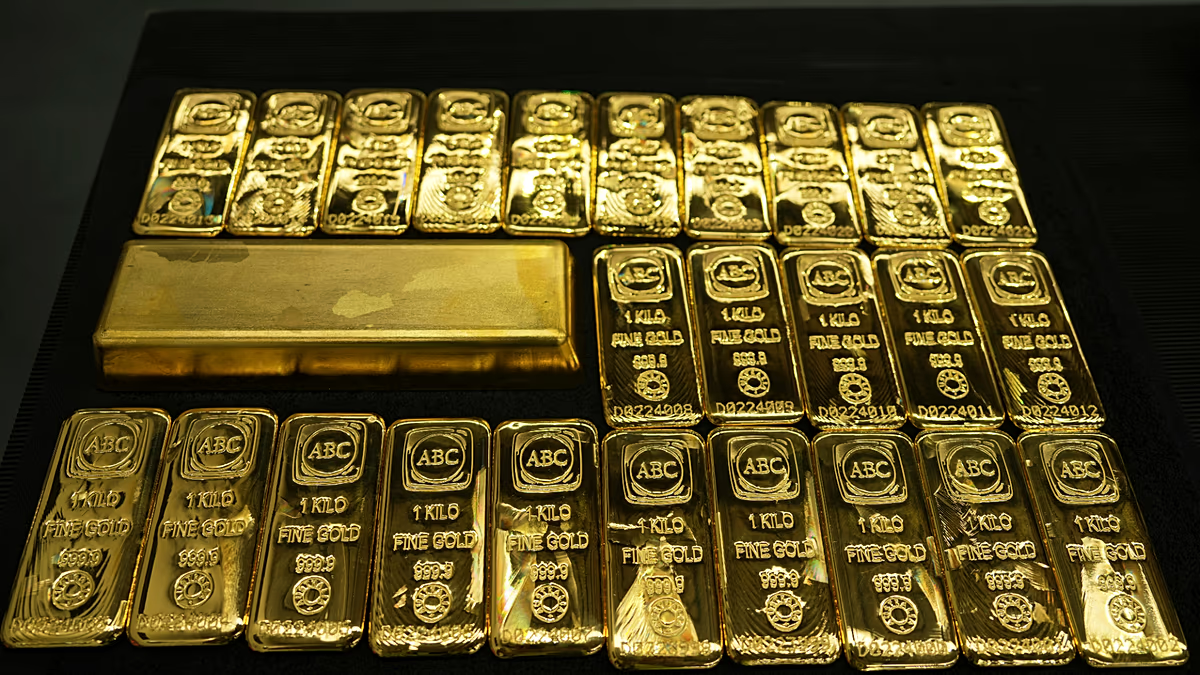
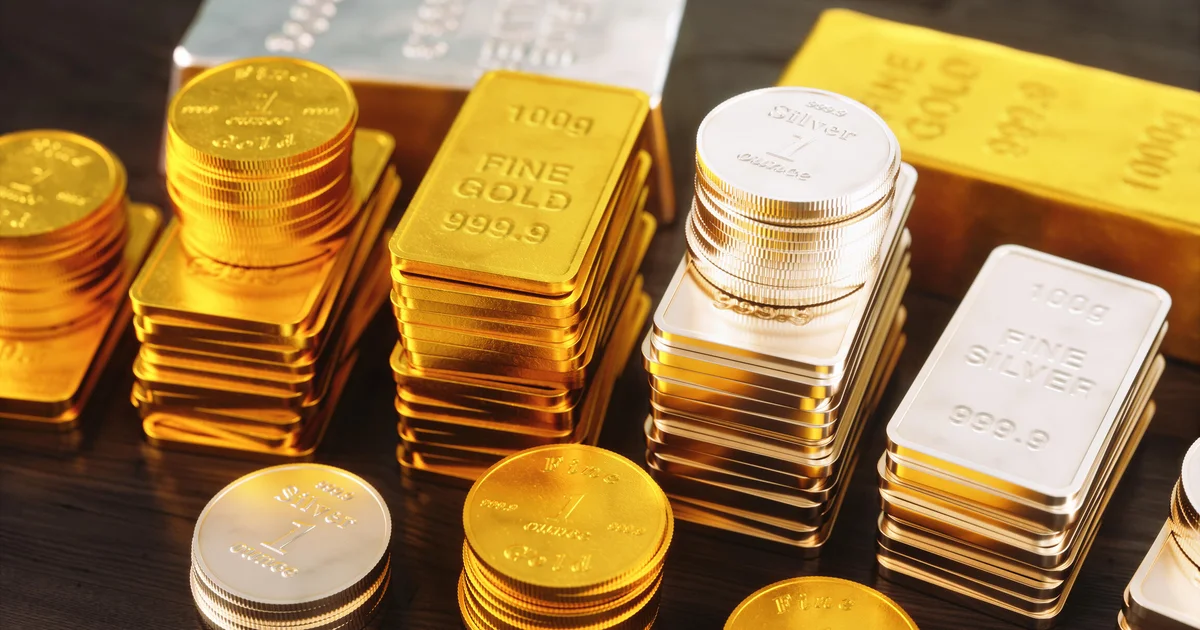
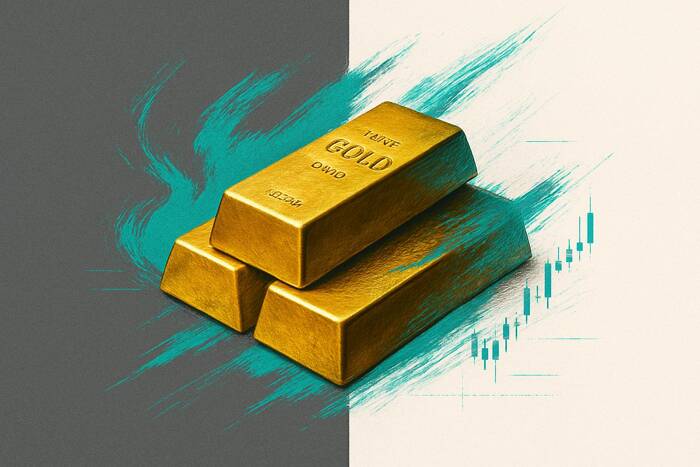
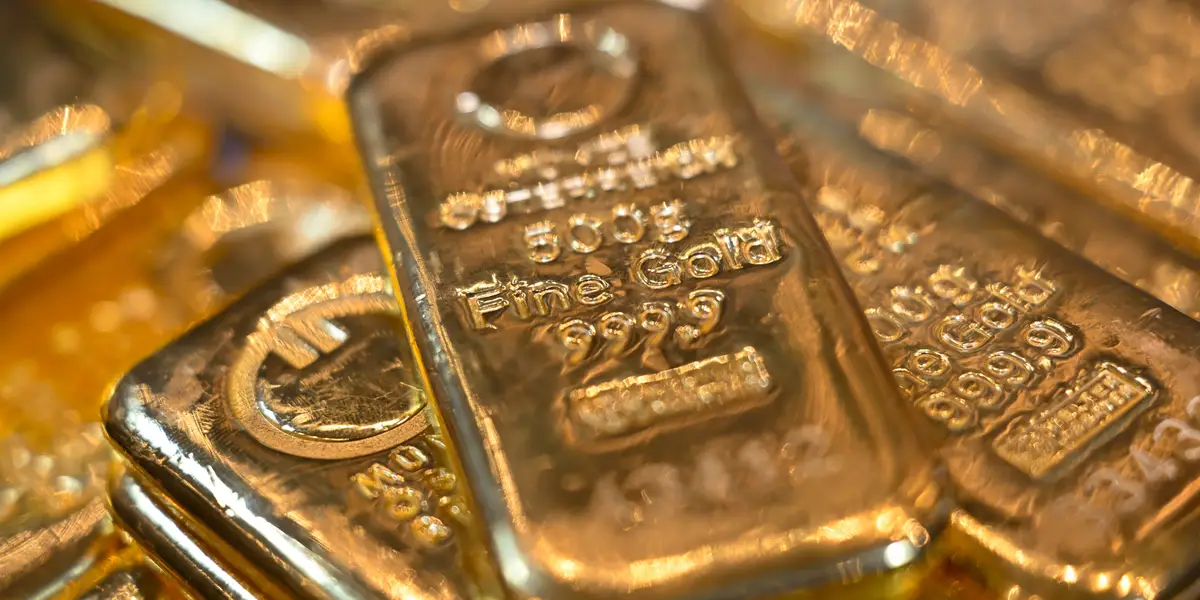
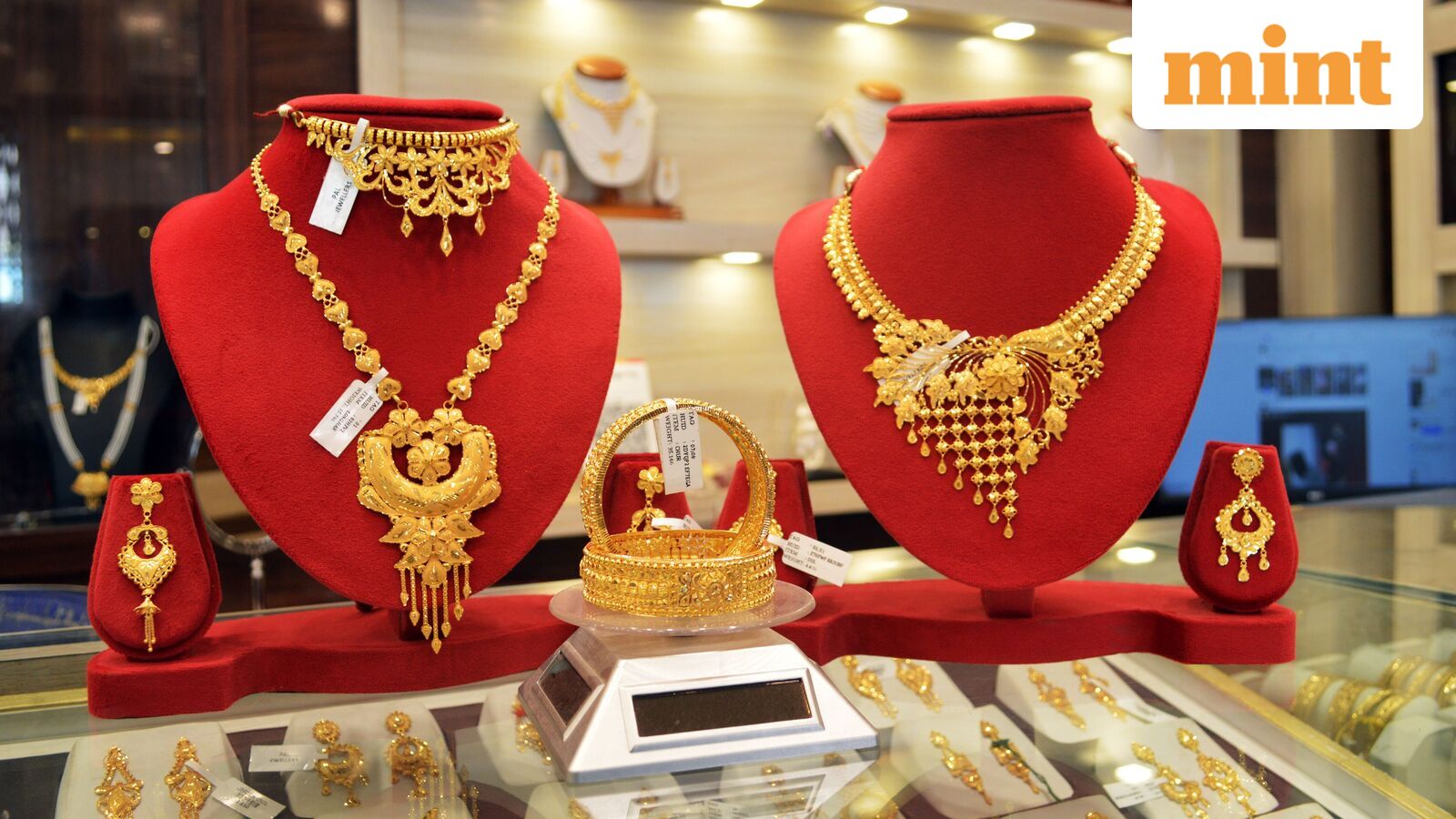
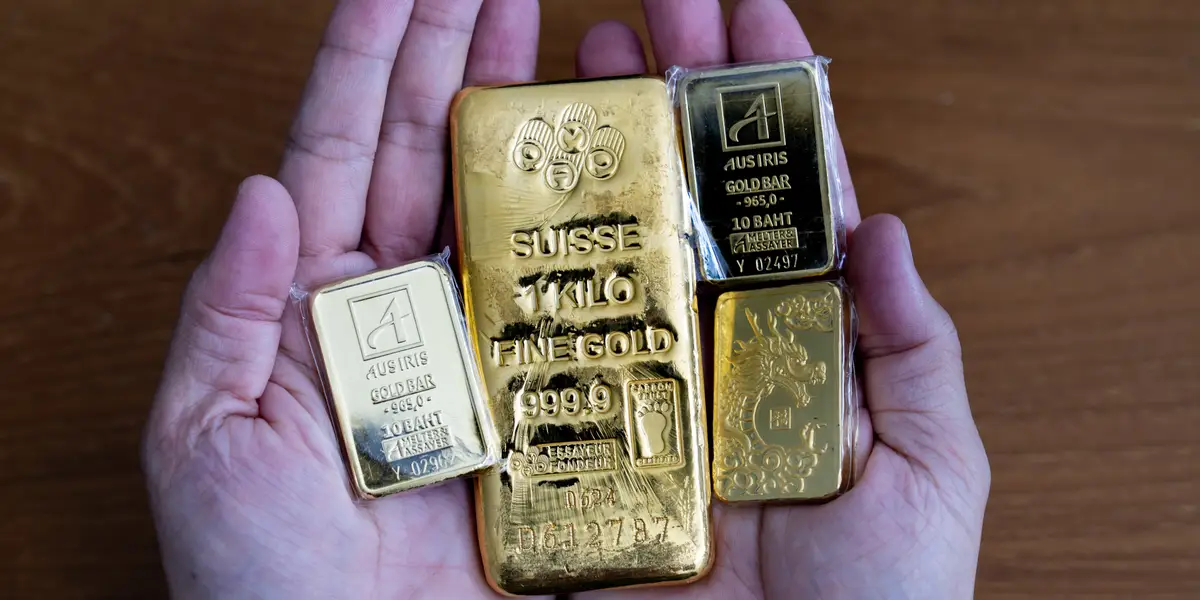
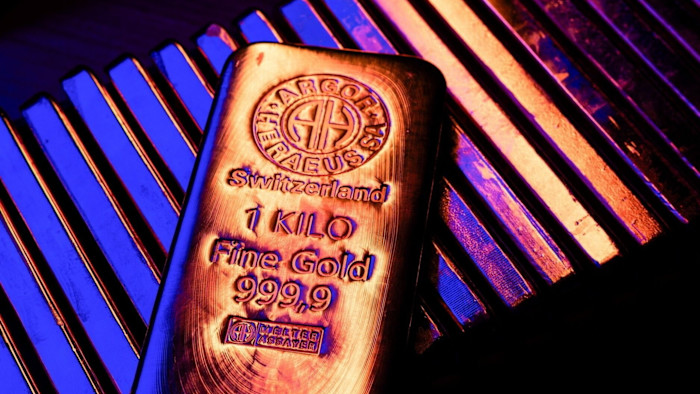
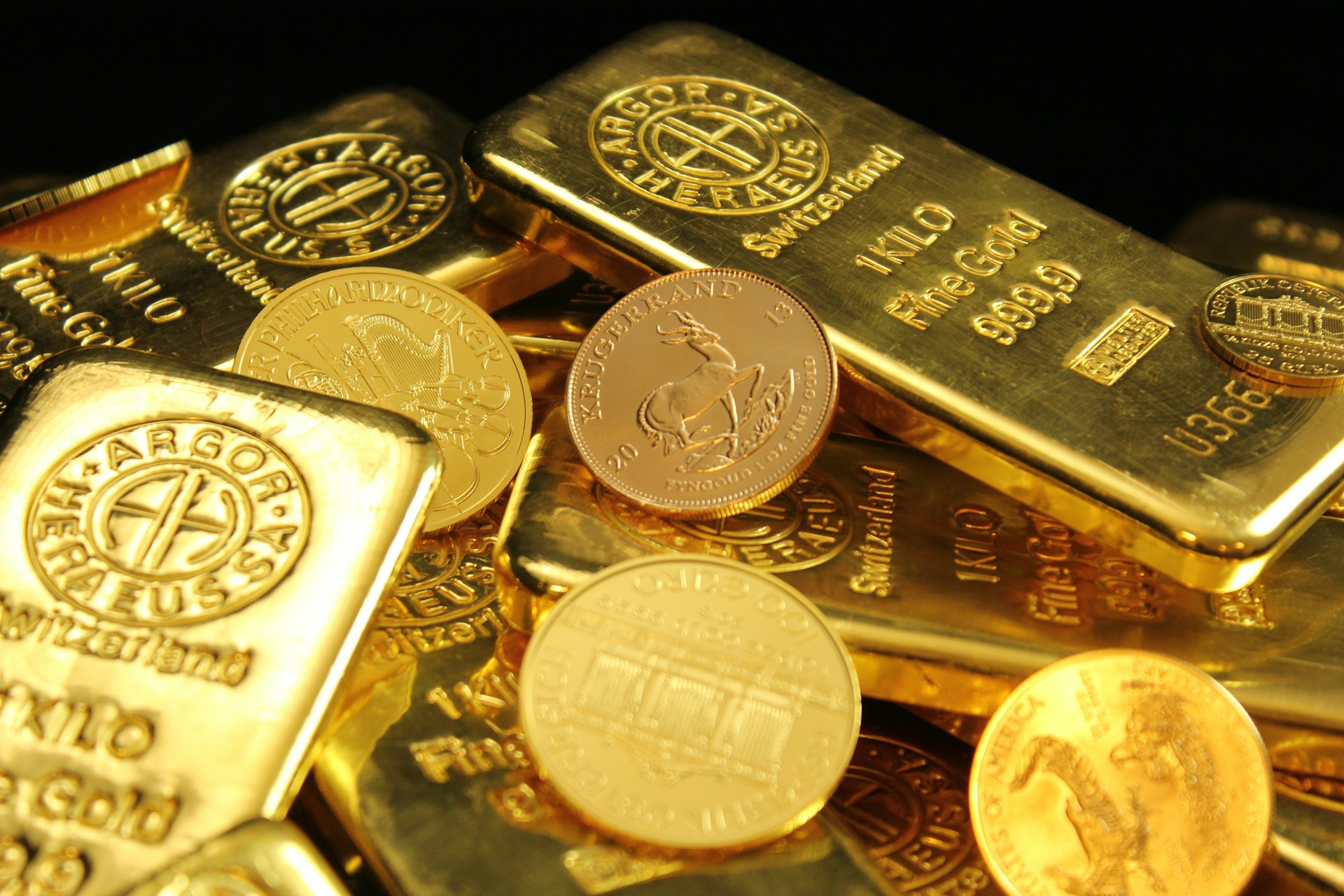
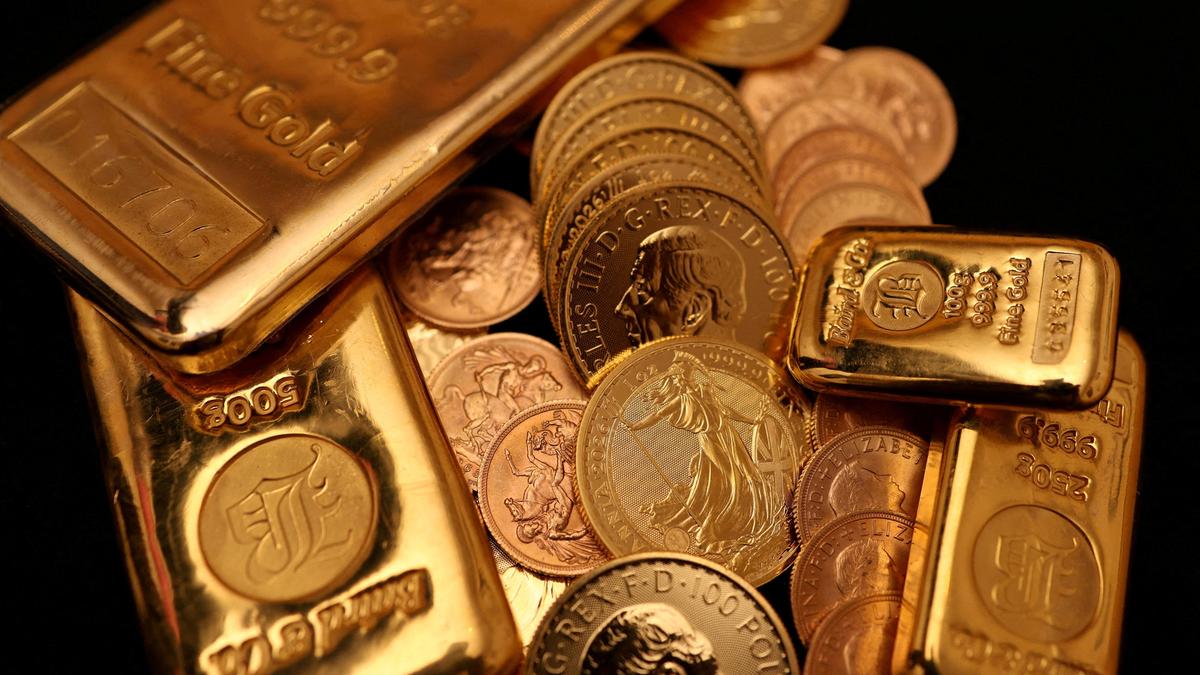
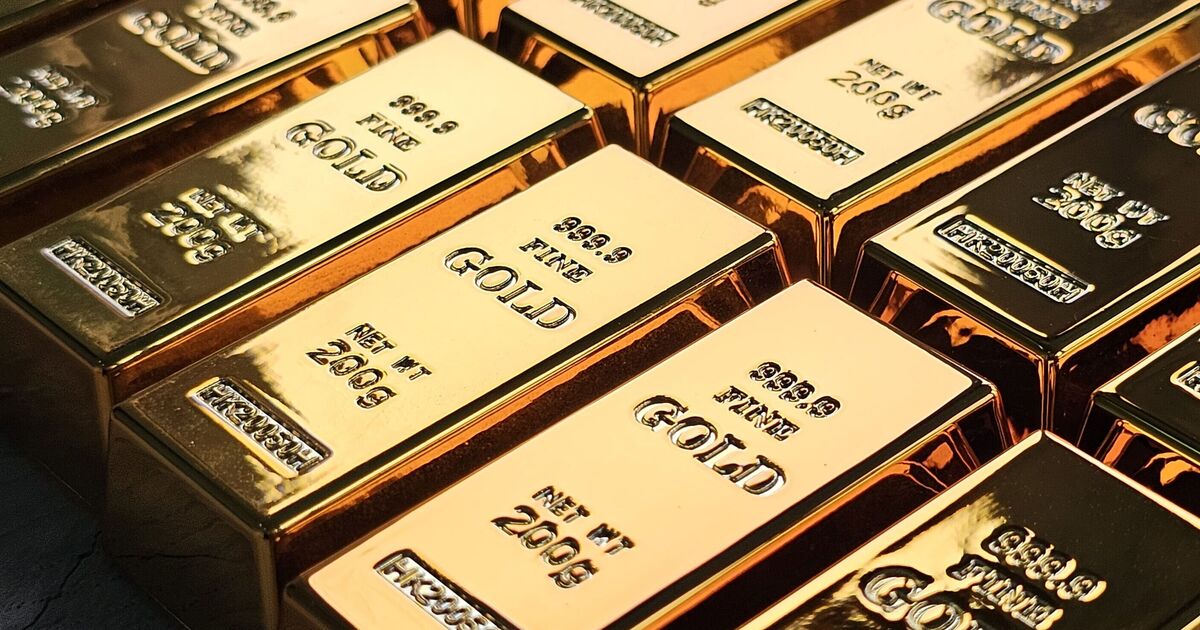
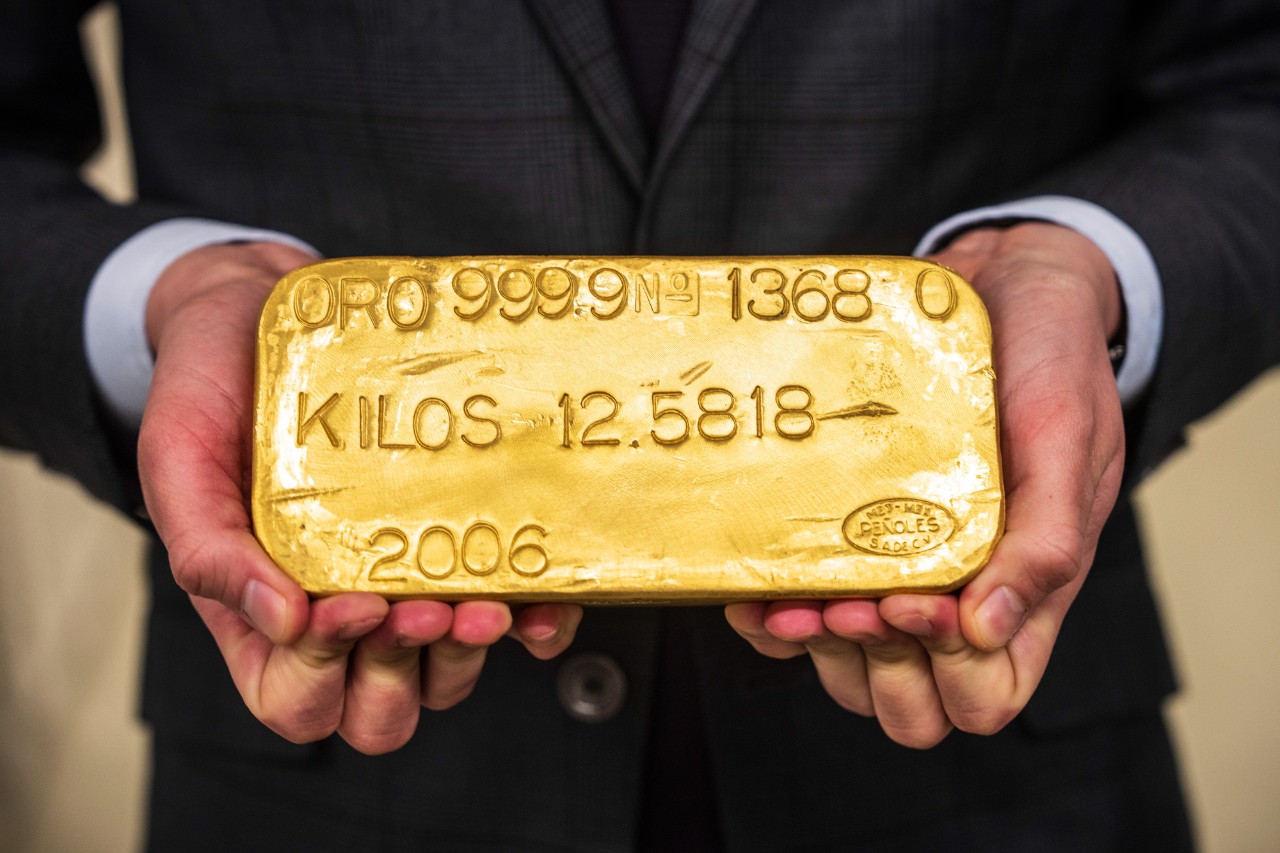
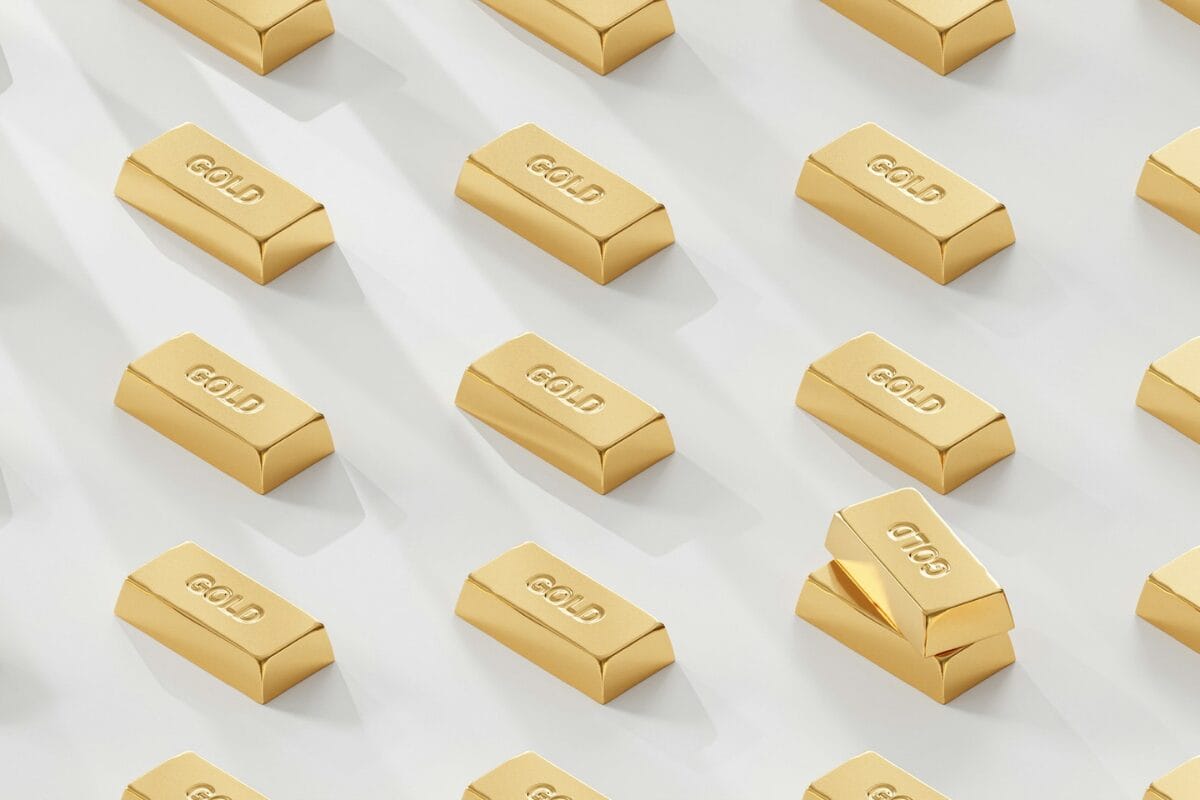
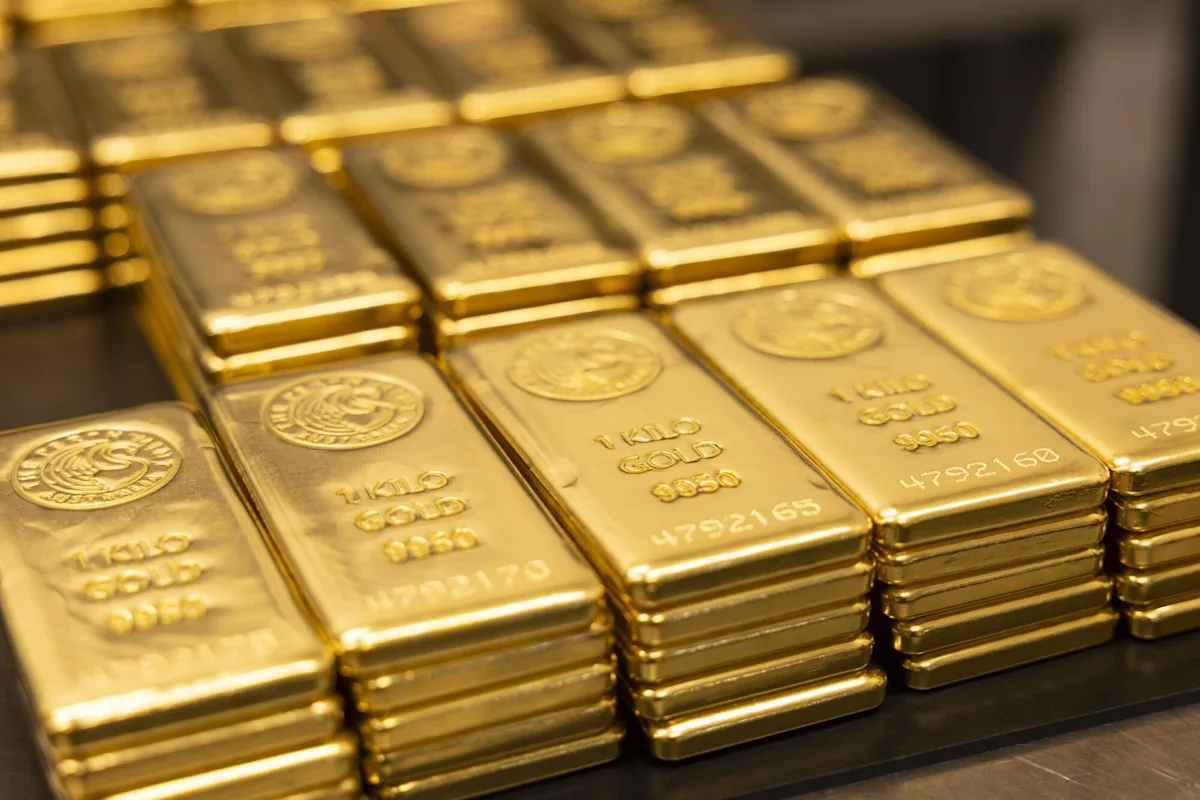
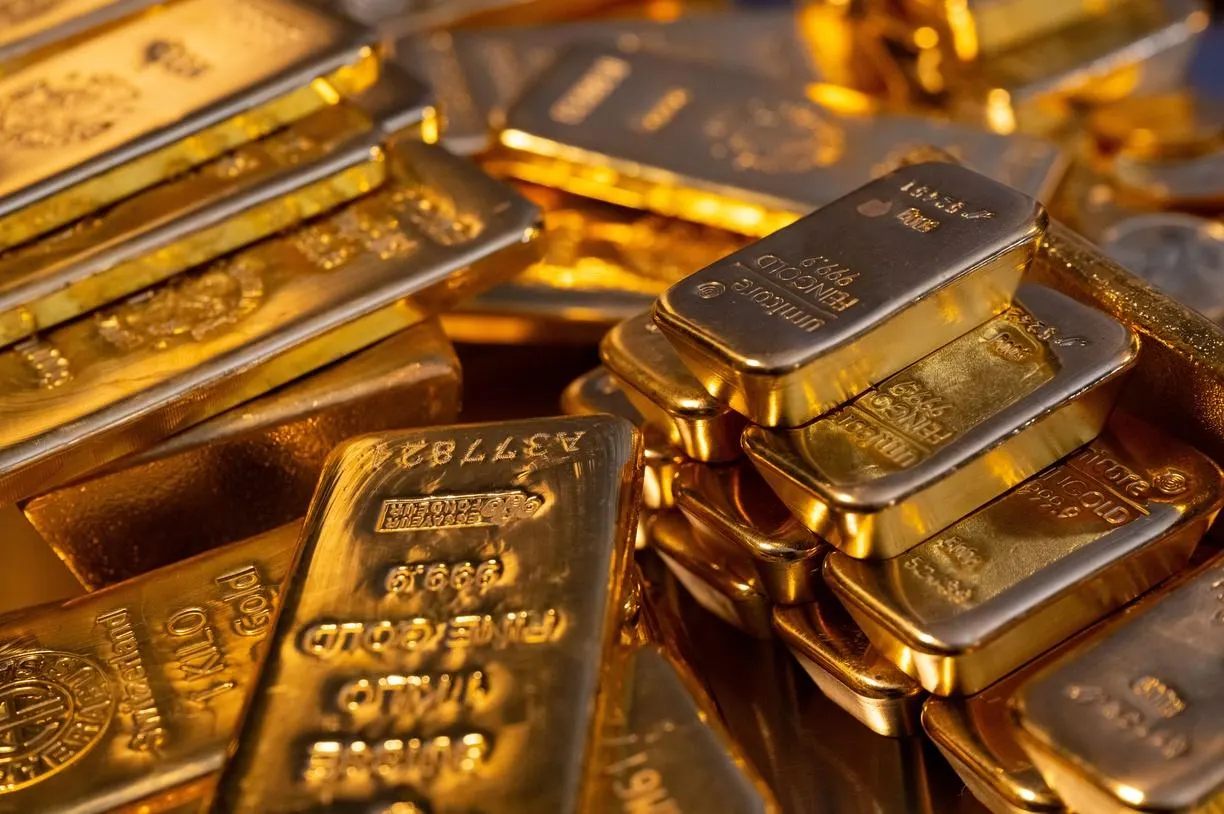
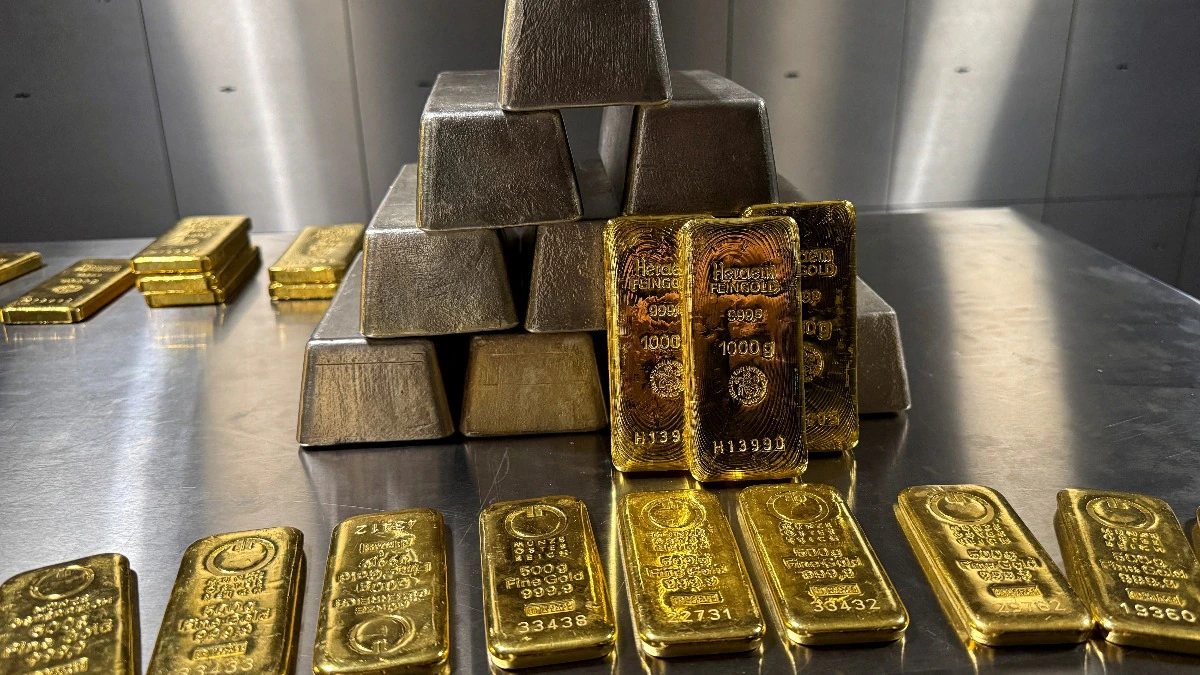
Safe‑haven gold steadied on Monday as profit‑taking set in after prices earlier jumped more than 2% in response to concerns of a prolonged conflict in the Middle East following U.S. and Israeli strikes against Iran.
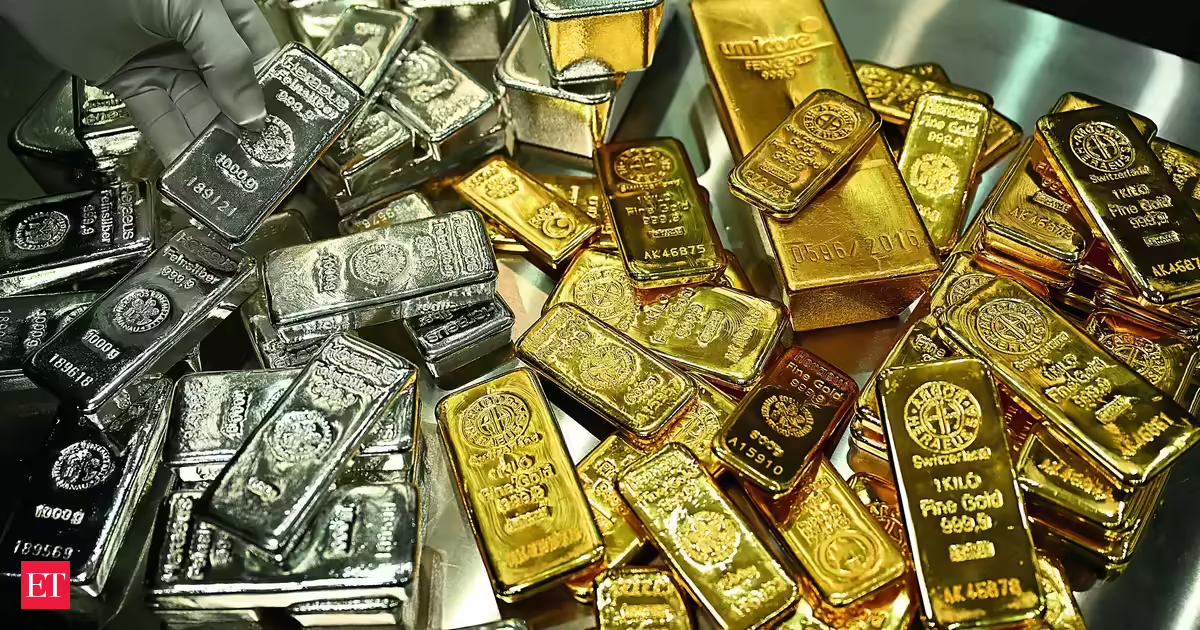
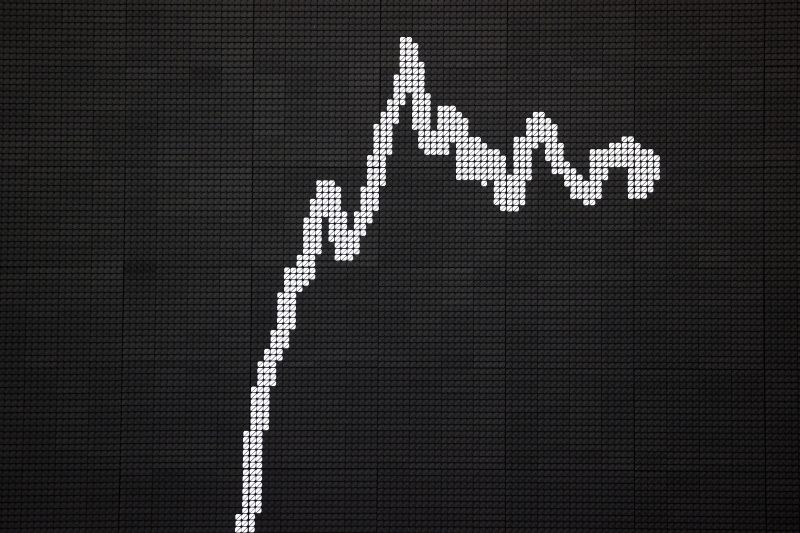
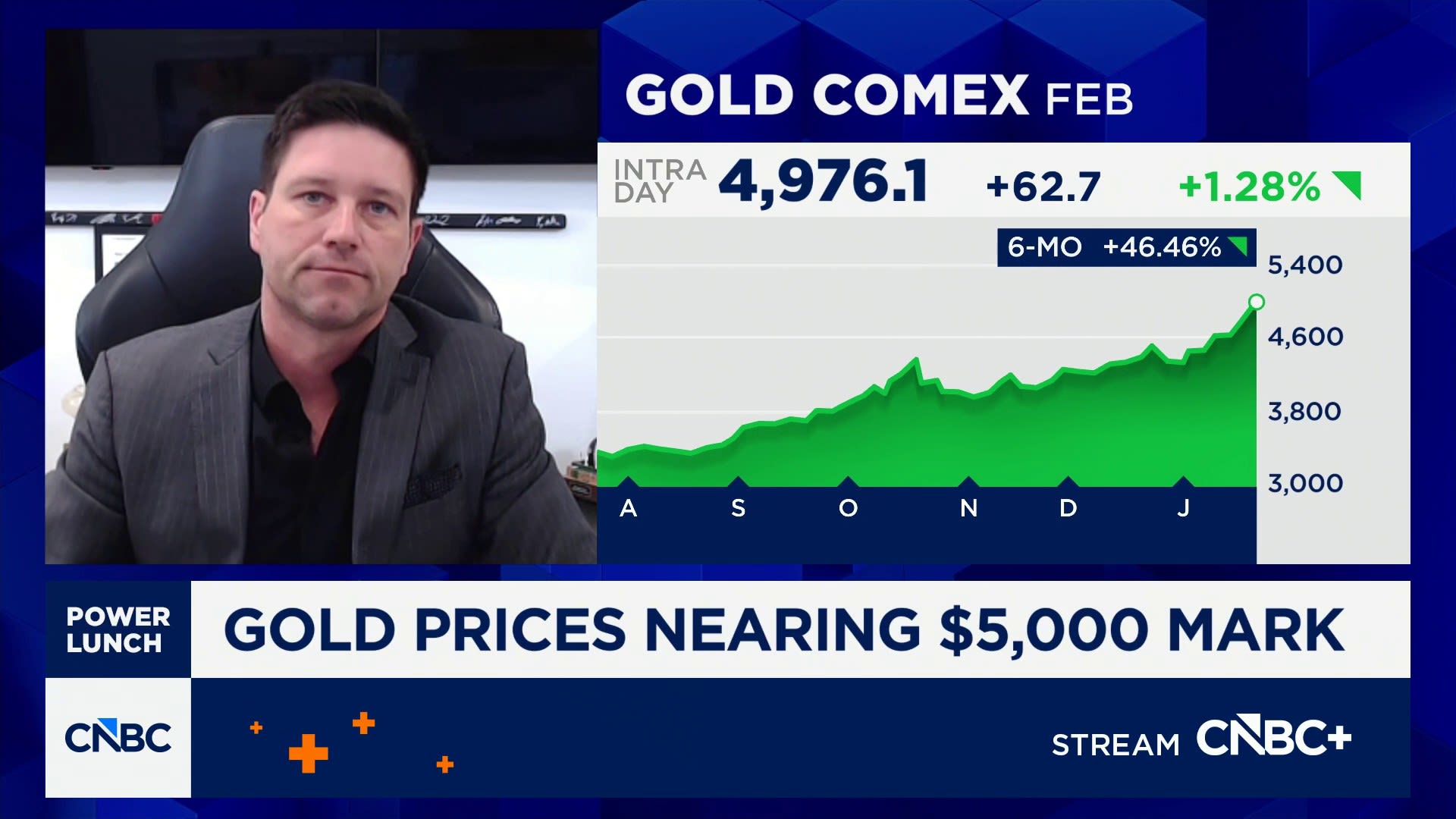
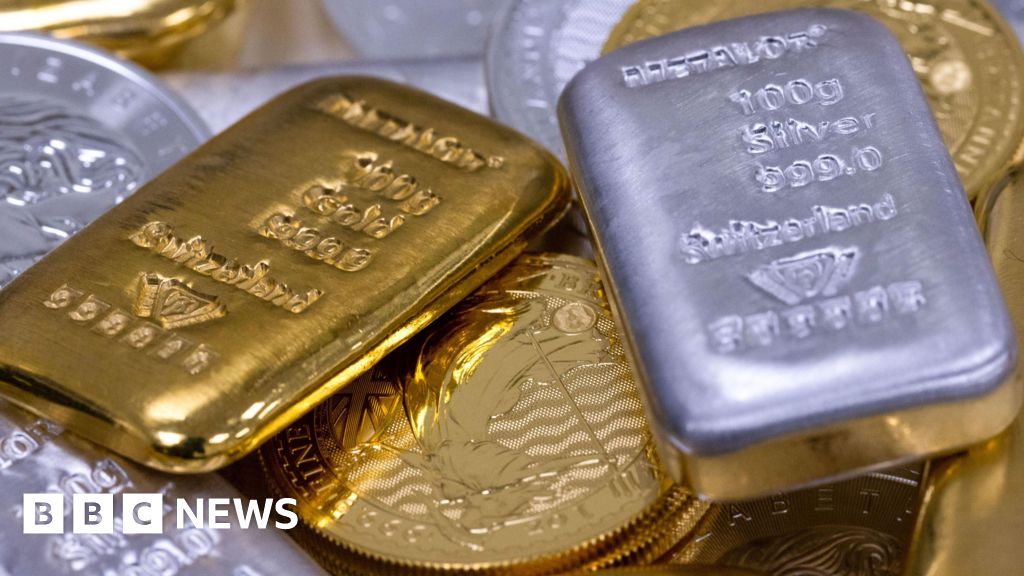
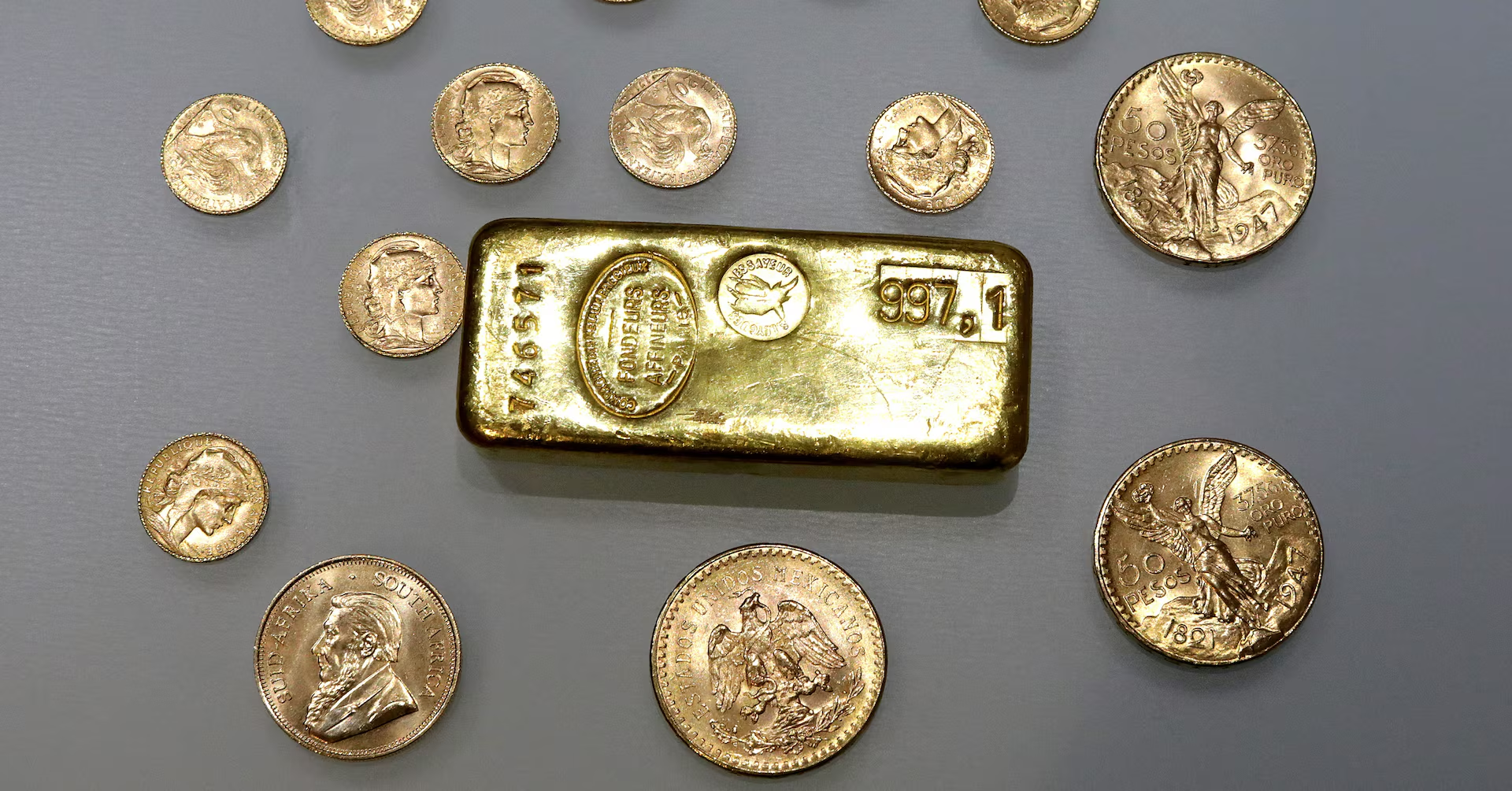
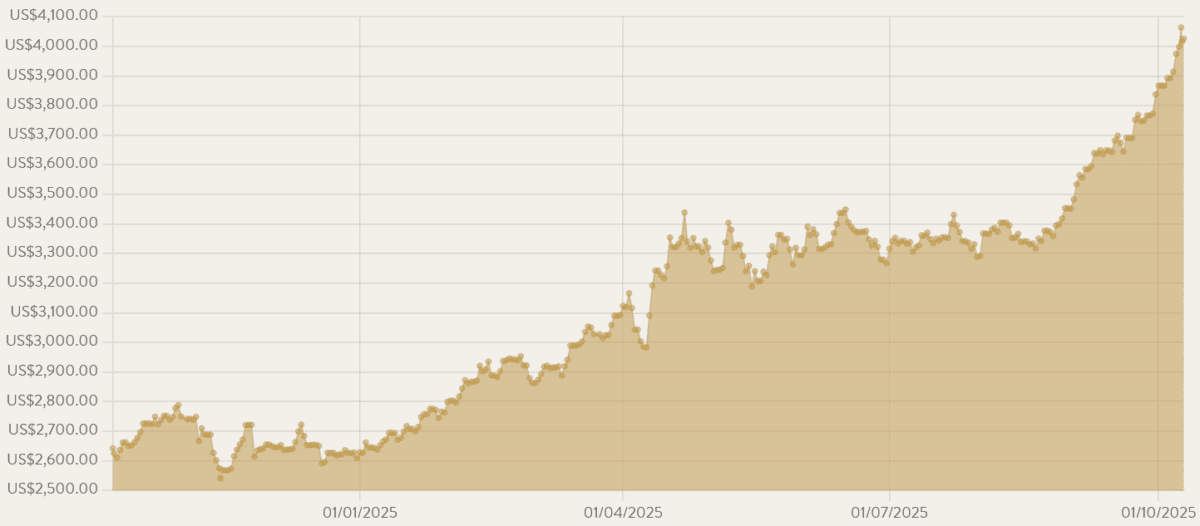
Spot gold was little changed at $5,284.14 an ounce. It earlier hit a session high of $5,418.50. Prices touched a record of $5,594.82 on January 29.
U.S. gold futures rose 1% to $5,299.50.
The U.S. dollar index rose over 1%, making bullion priced in dollars more expensive for other currency holders.
“Right now, the market is attempting to figure out whether these attacks are going to be followed up over the next several weeks,” said David Meger, director of metals trading at High Ridge Futures. “I think it’s that uncertainty that is more than likely to support prices.”
Air war expanded on Monday
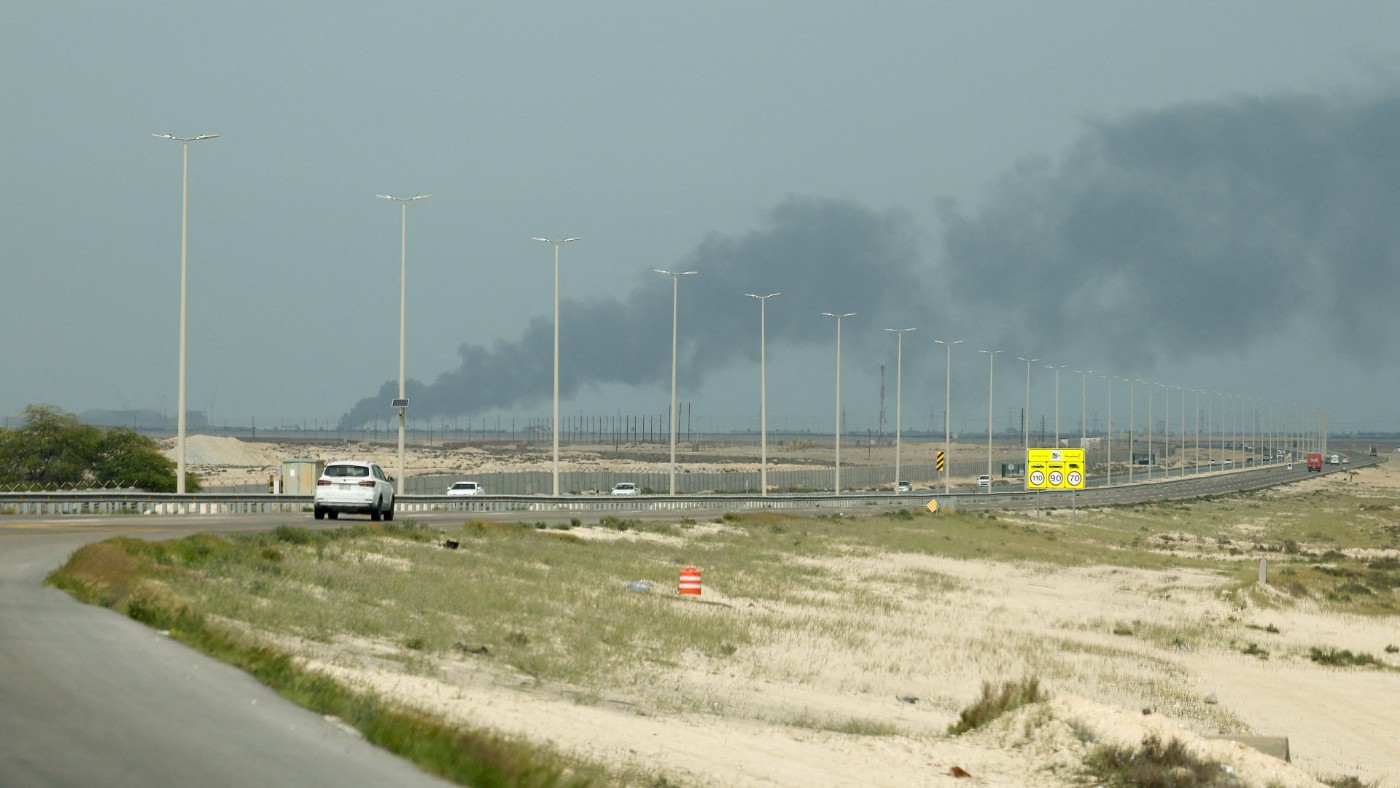
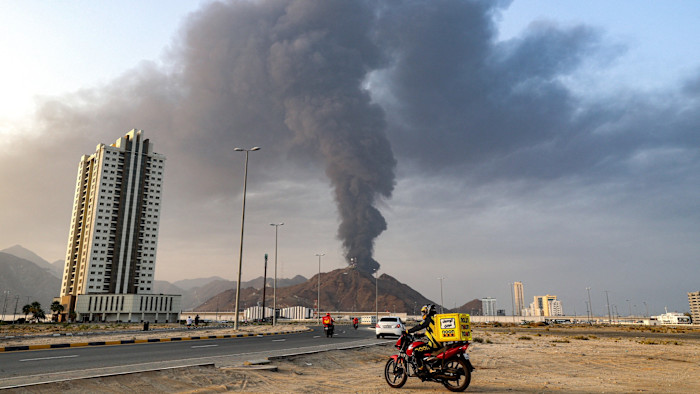
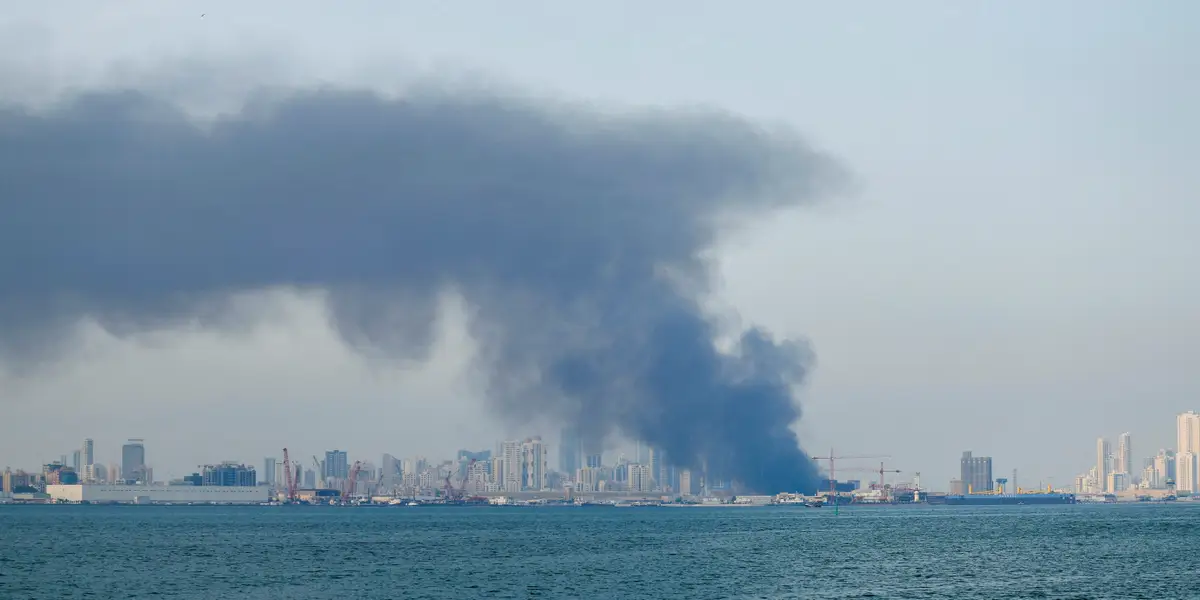
The U.S.-Israeli air war against Iran expanded with no end in sight, engulfing Lebanon as Israel responded to strikes by Hezbollah. Tehran fired missiles and drones at Israel, Gulf states and a British air base in far-away Cyprus.
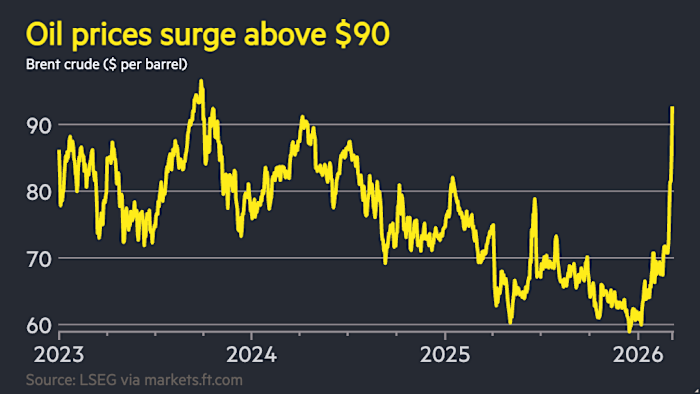
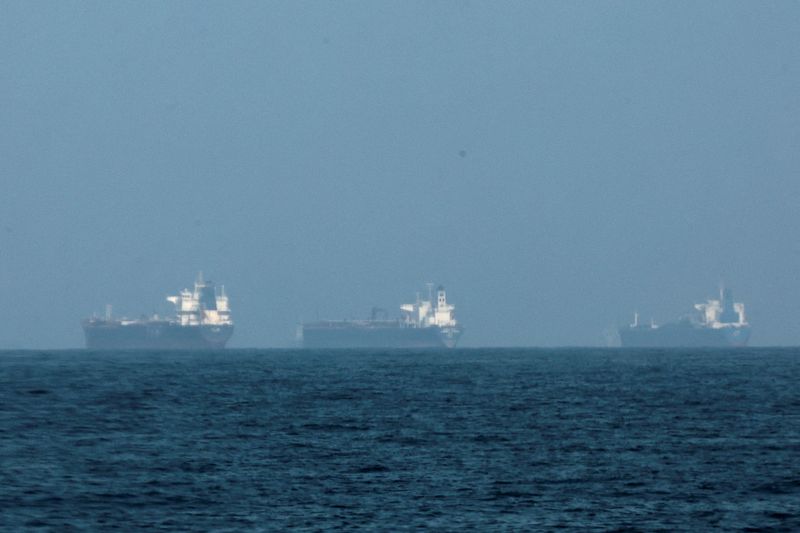
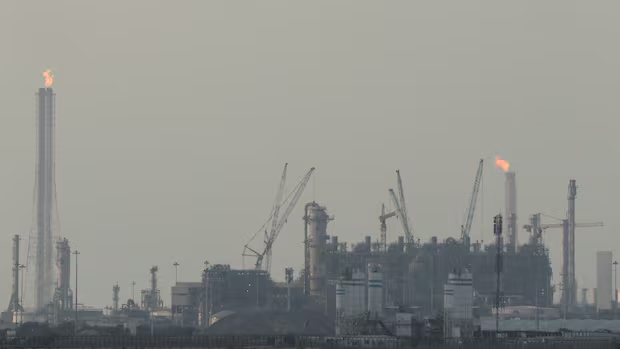
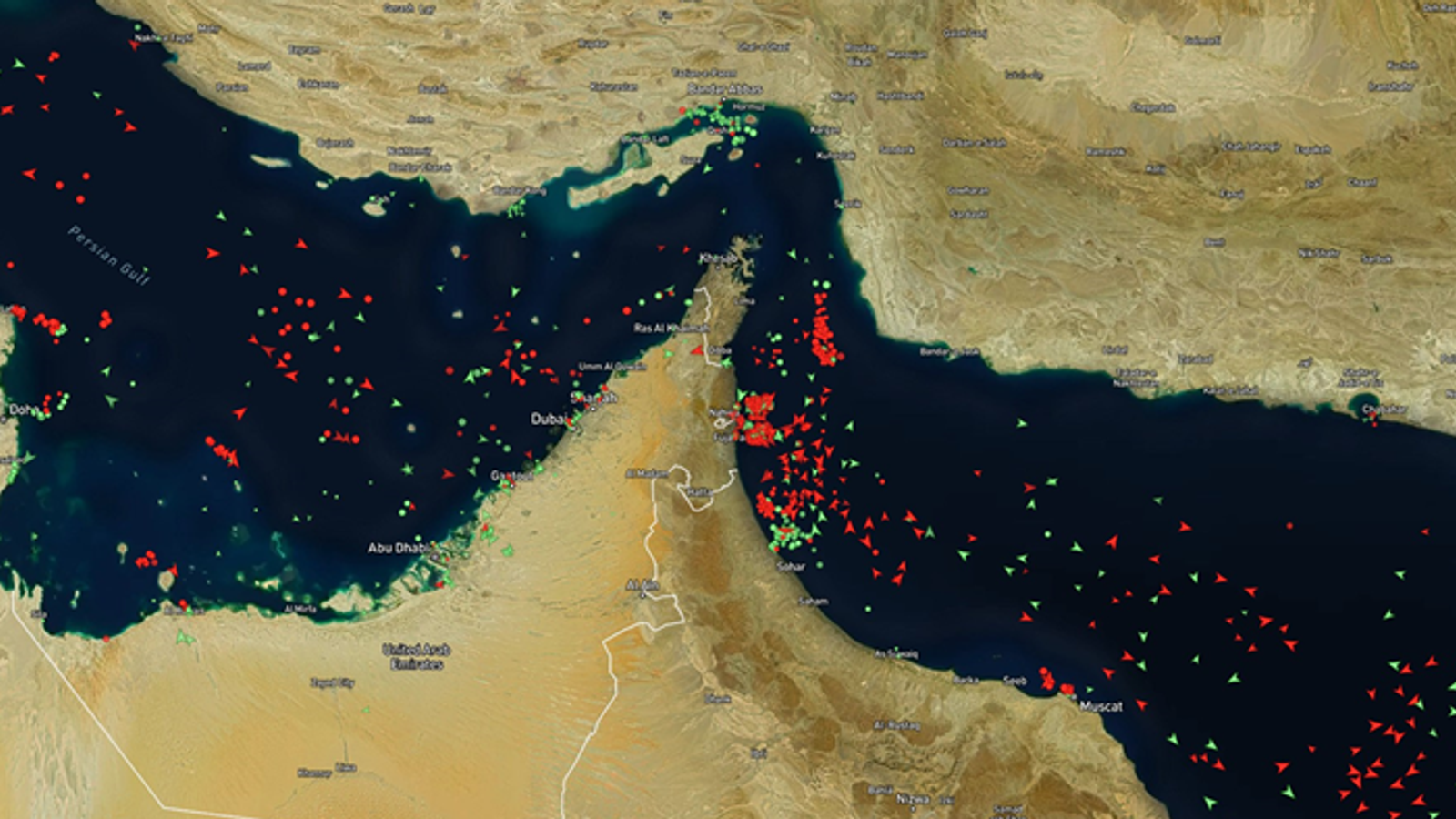
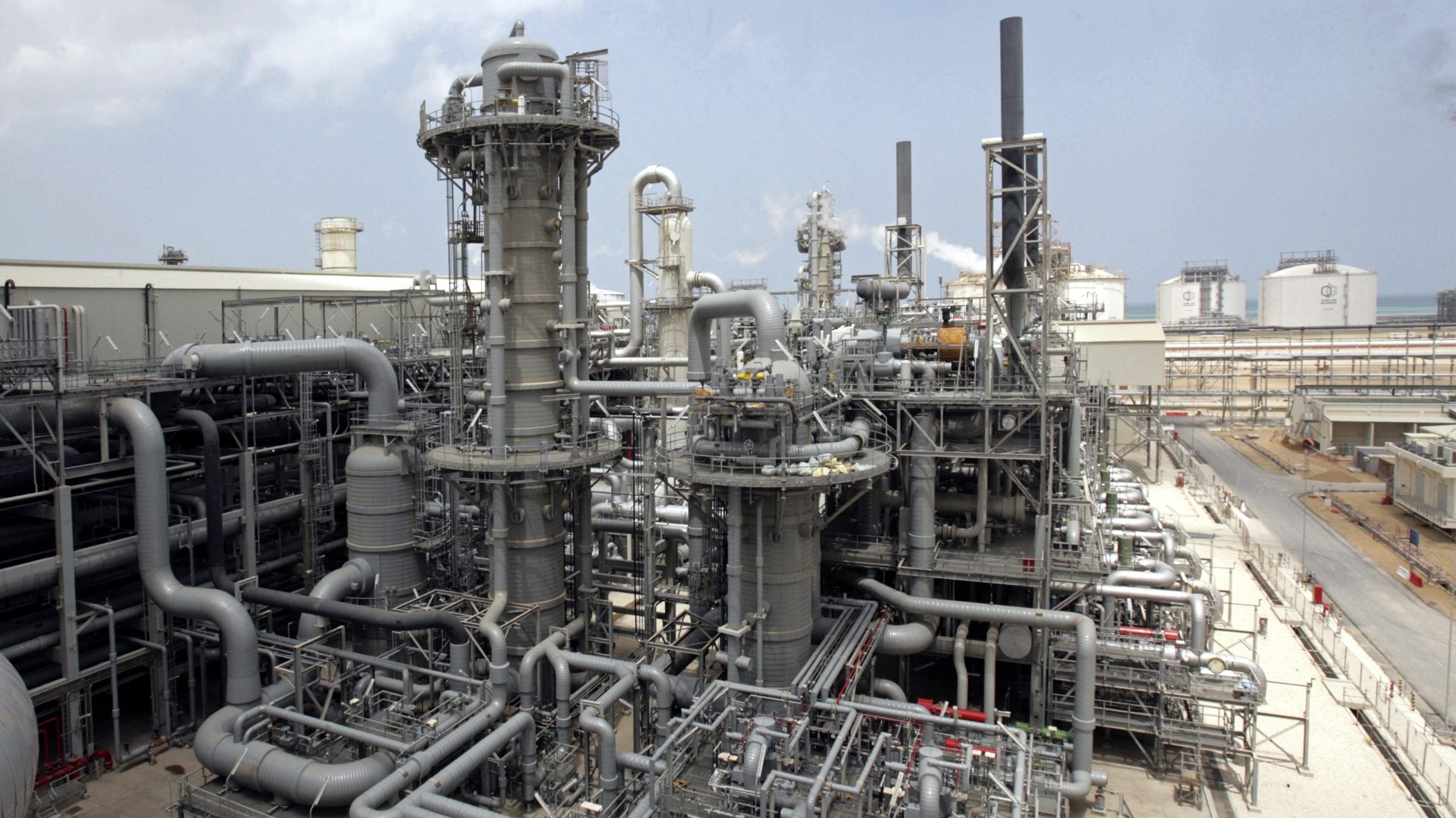
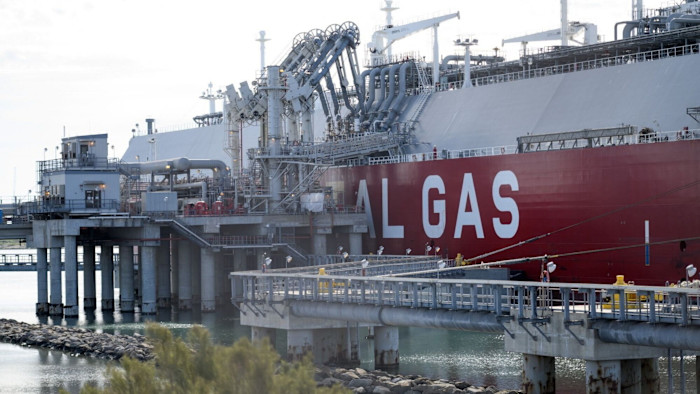
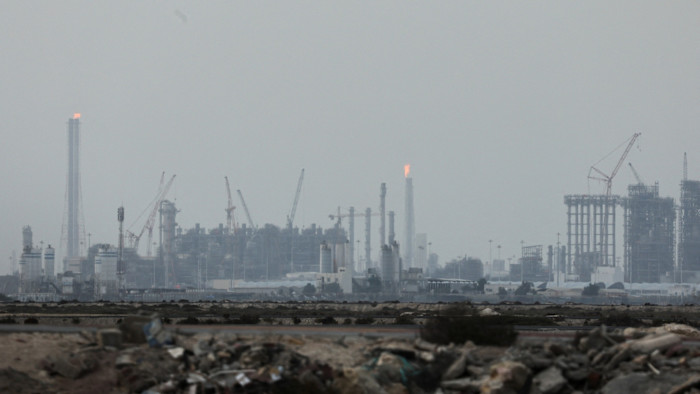
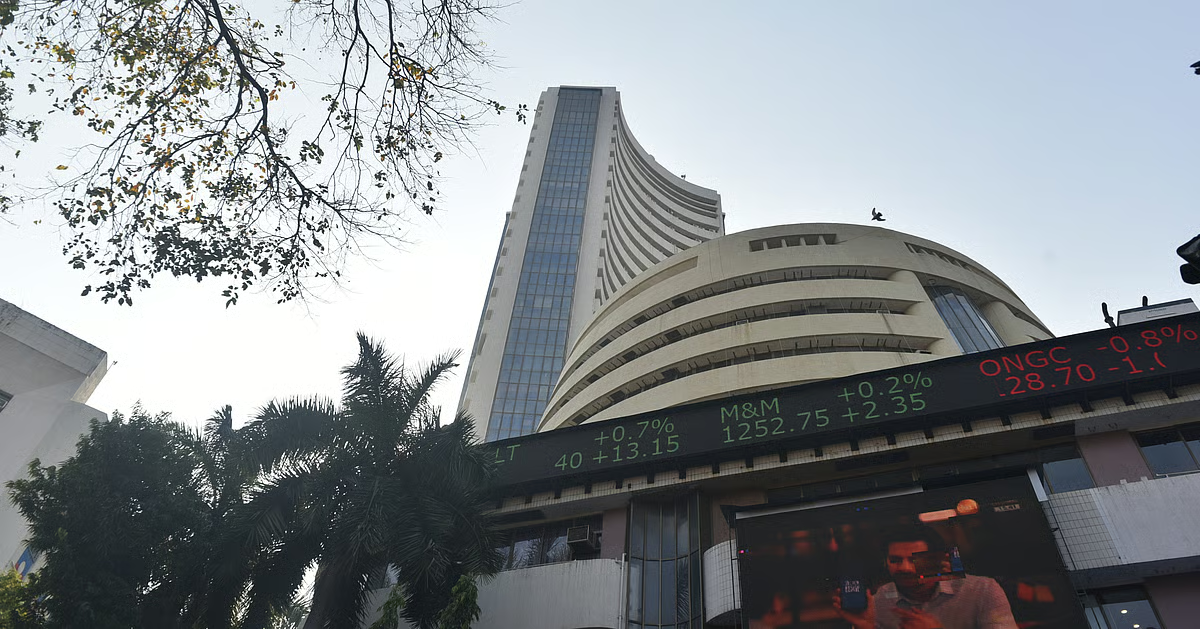
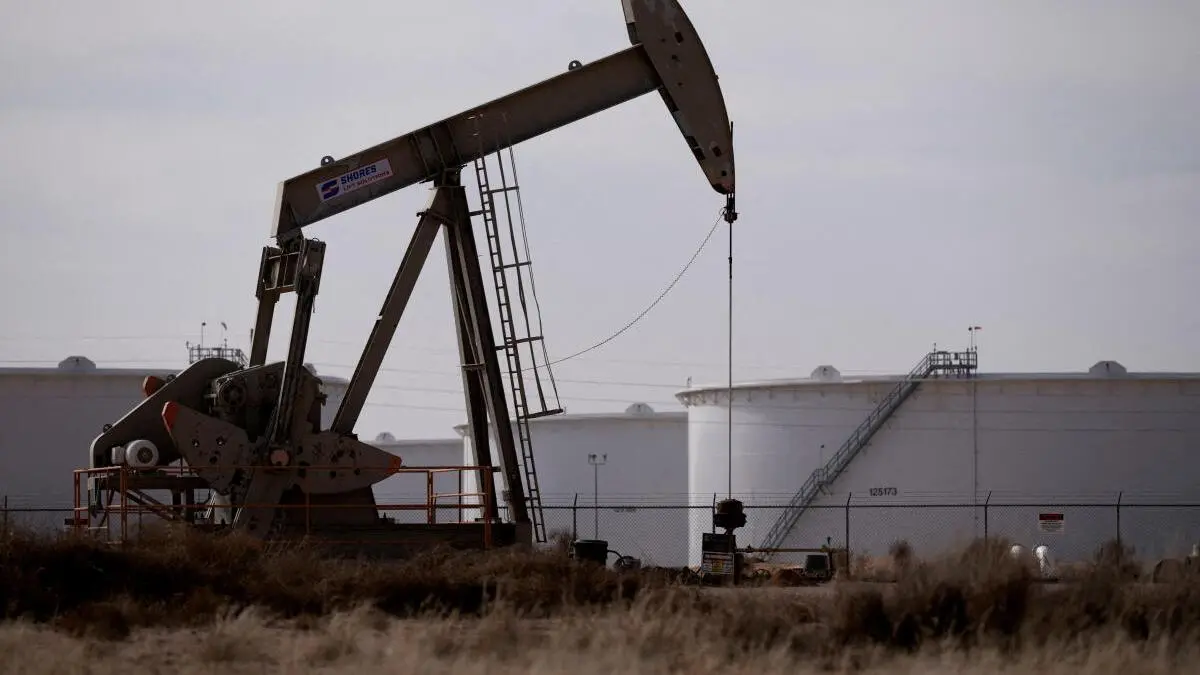
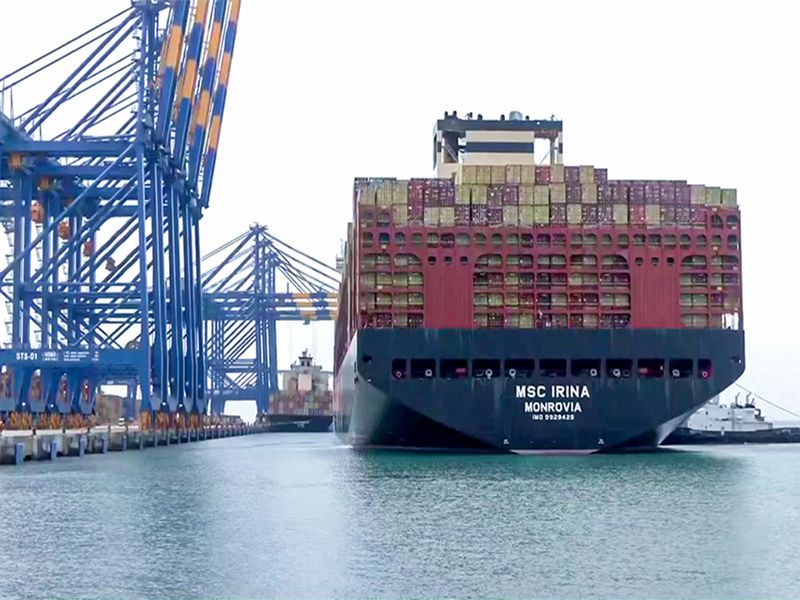
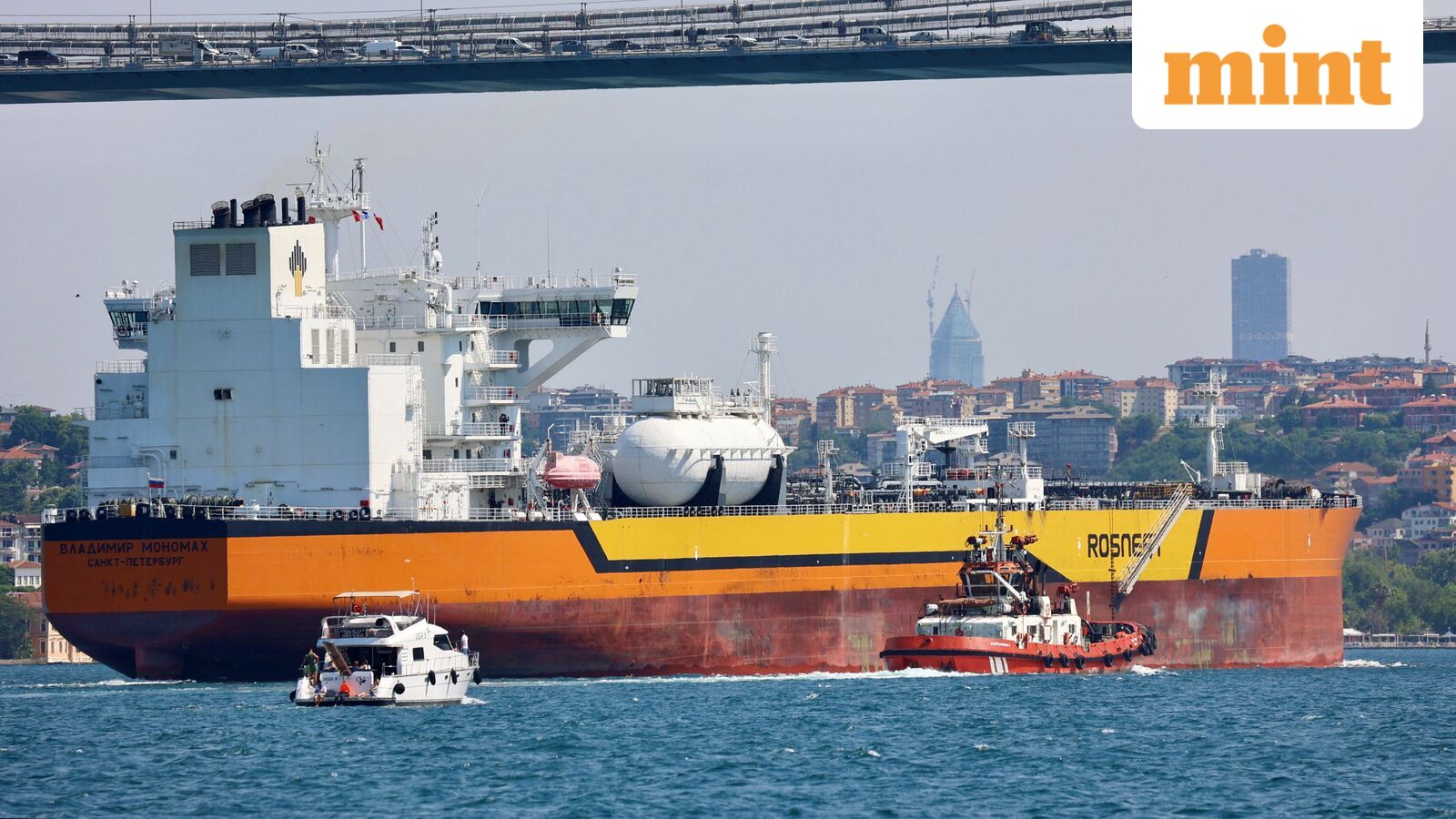
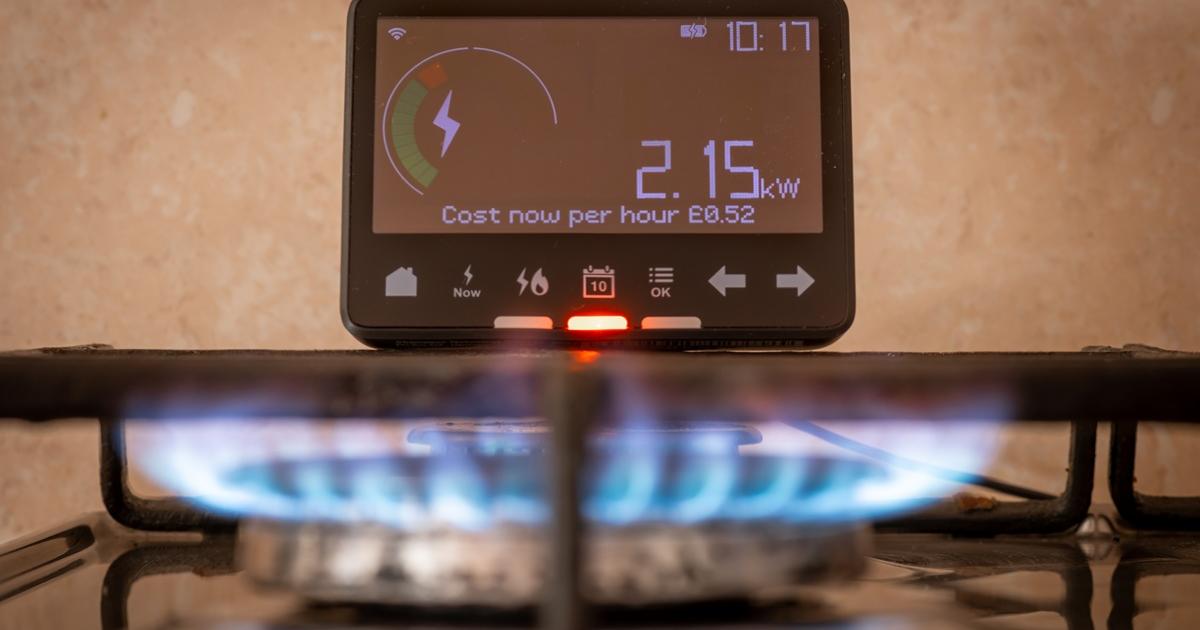
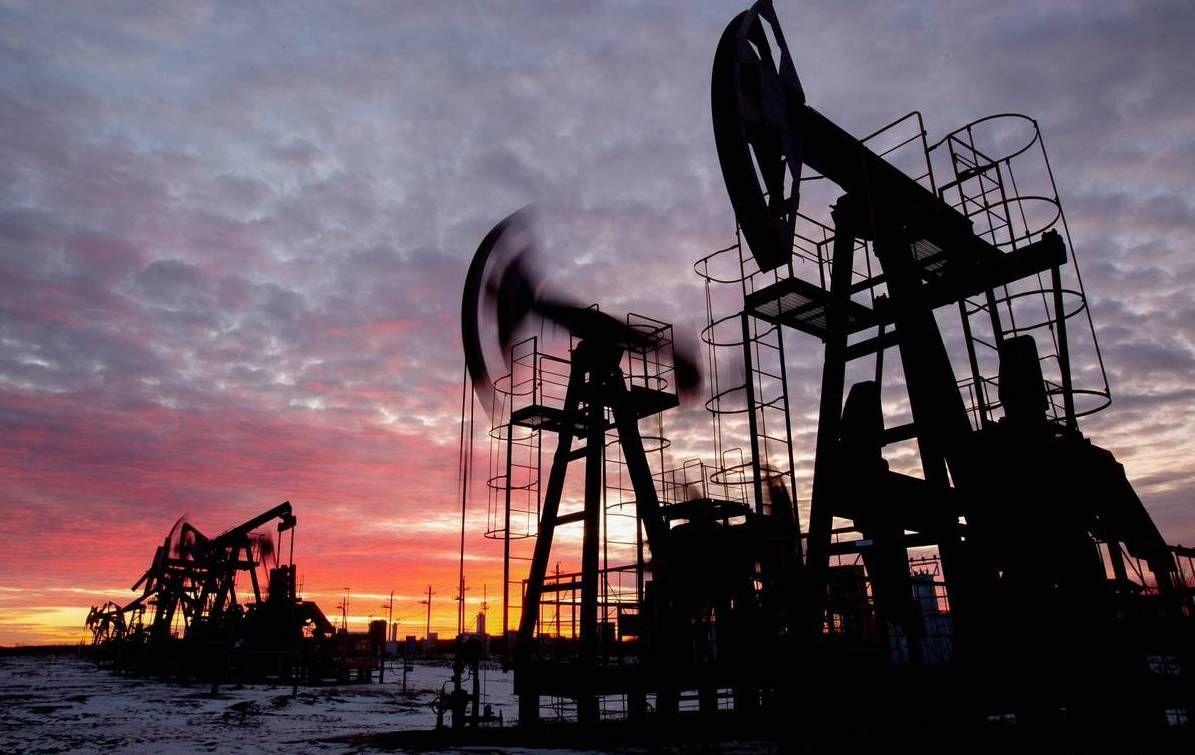
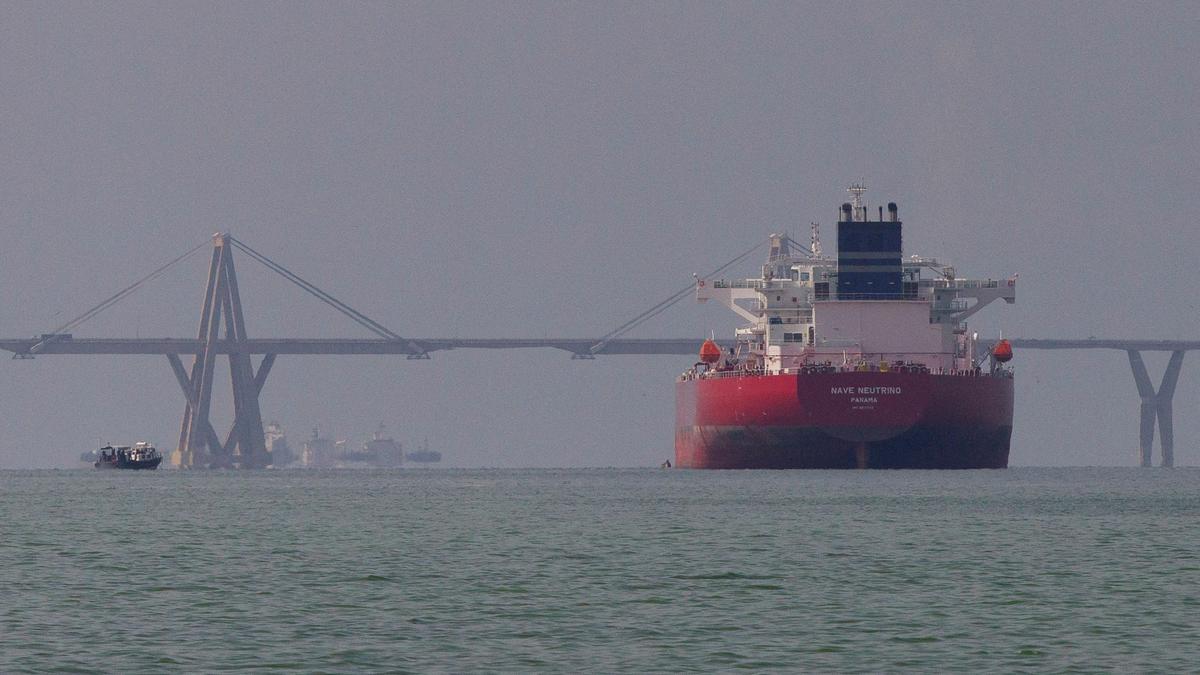
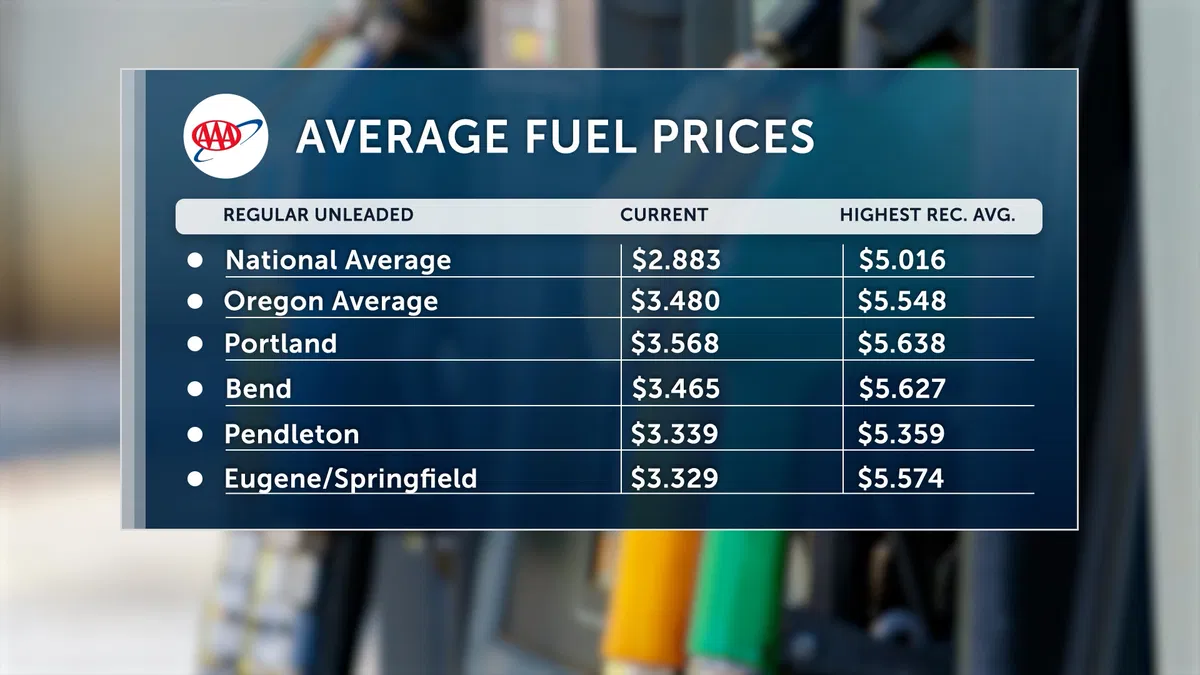
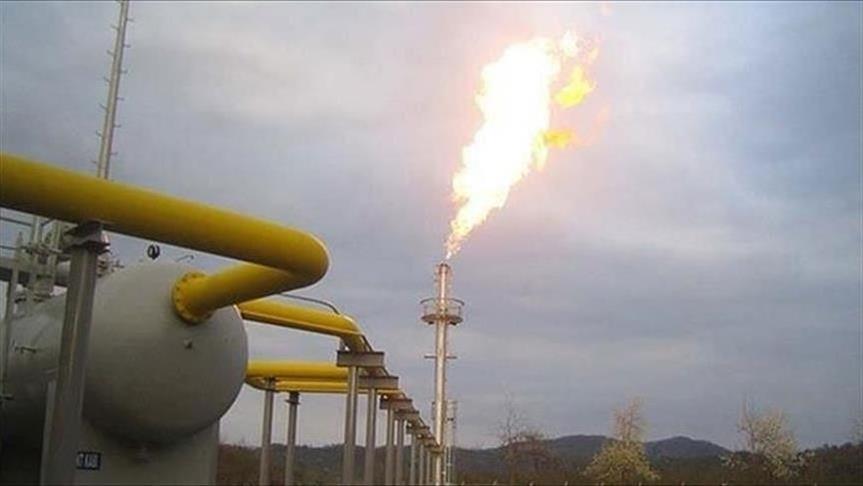
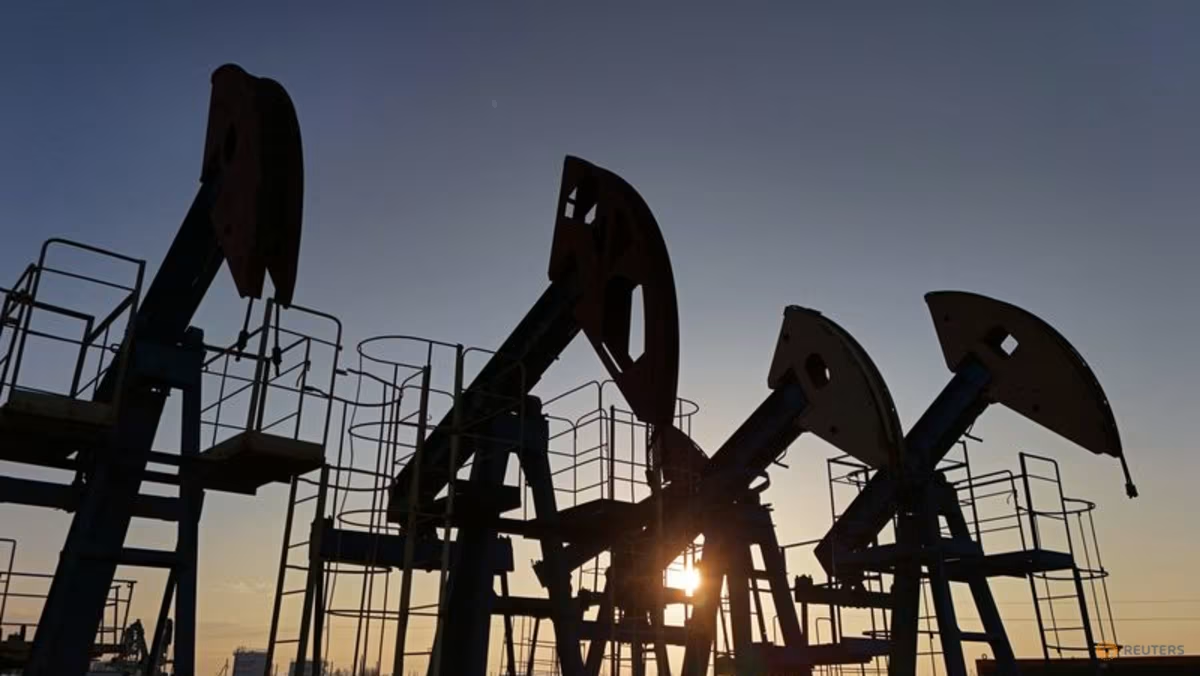
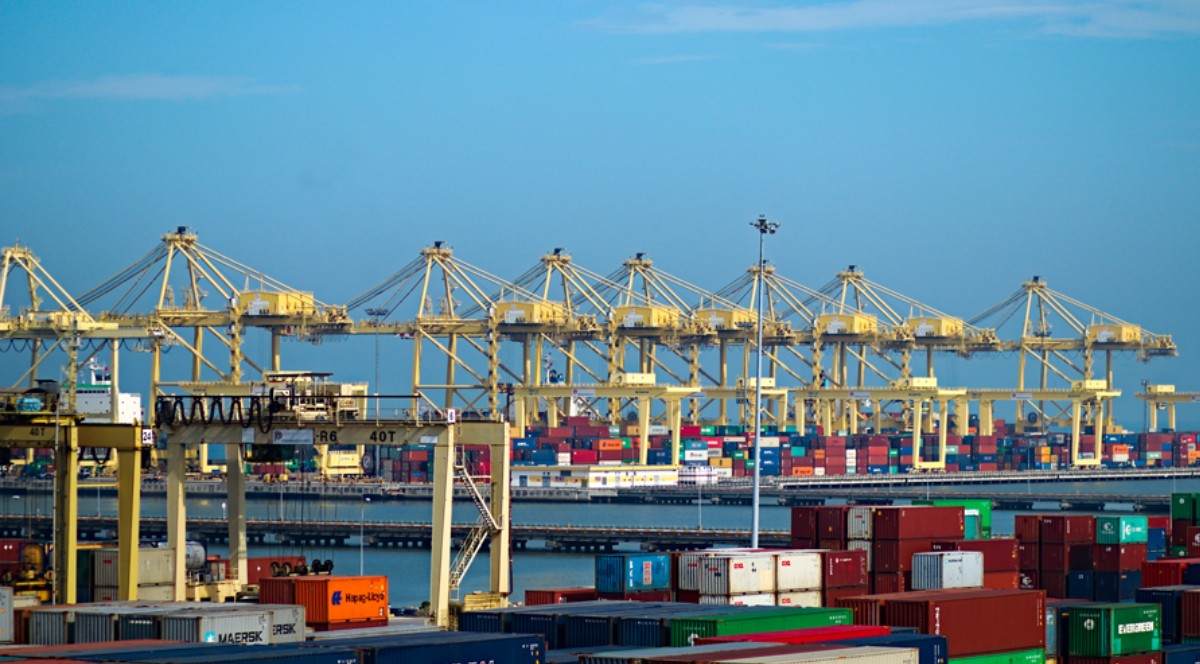
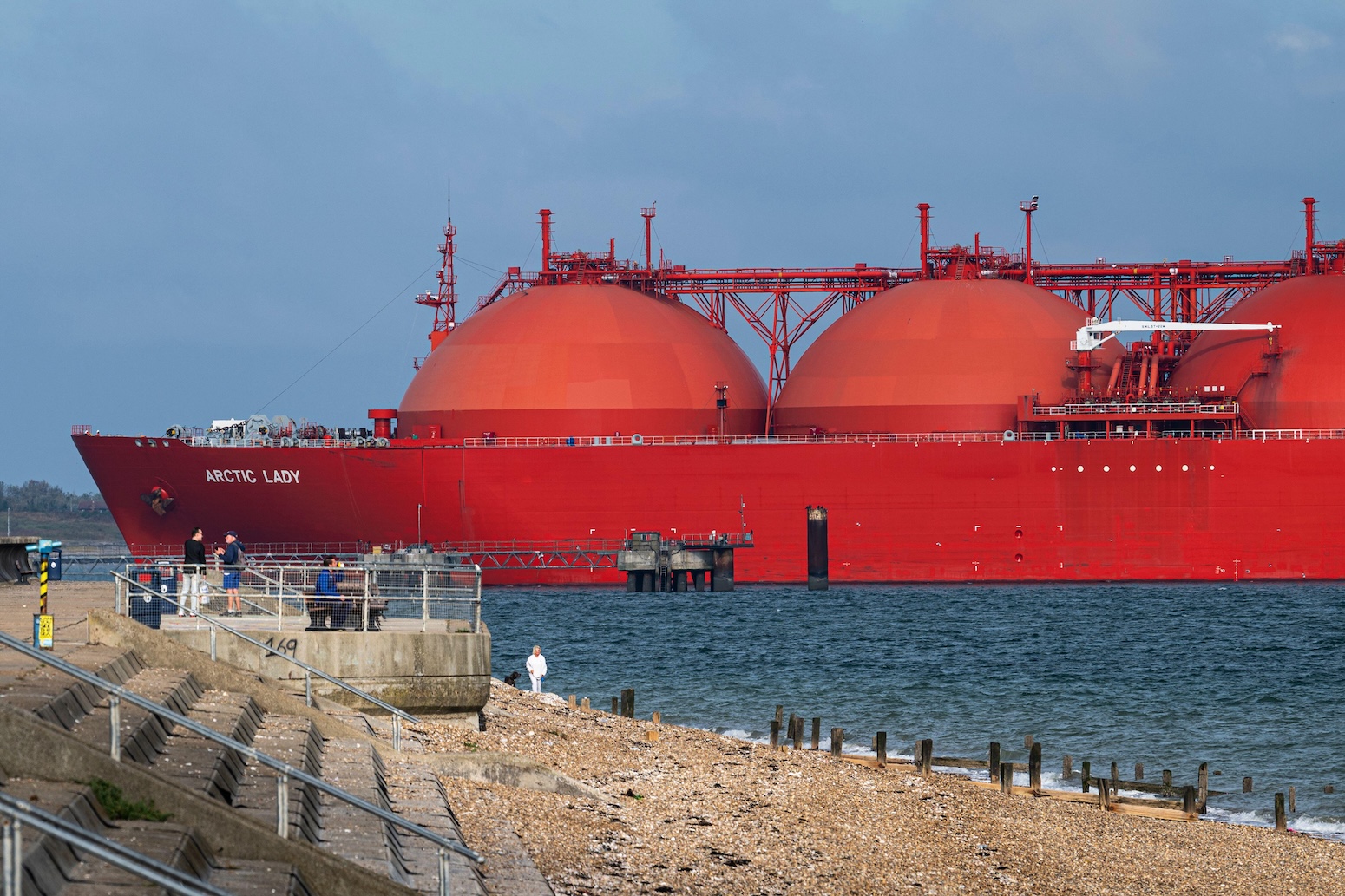
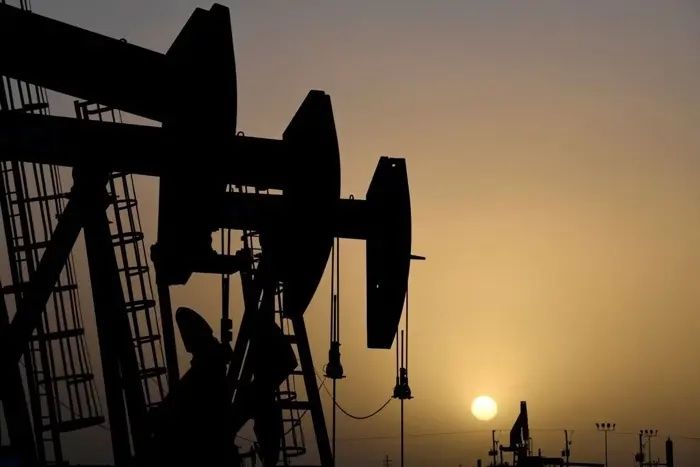
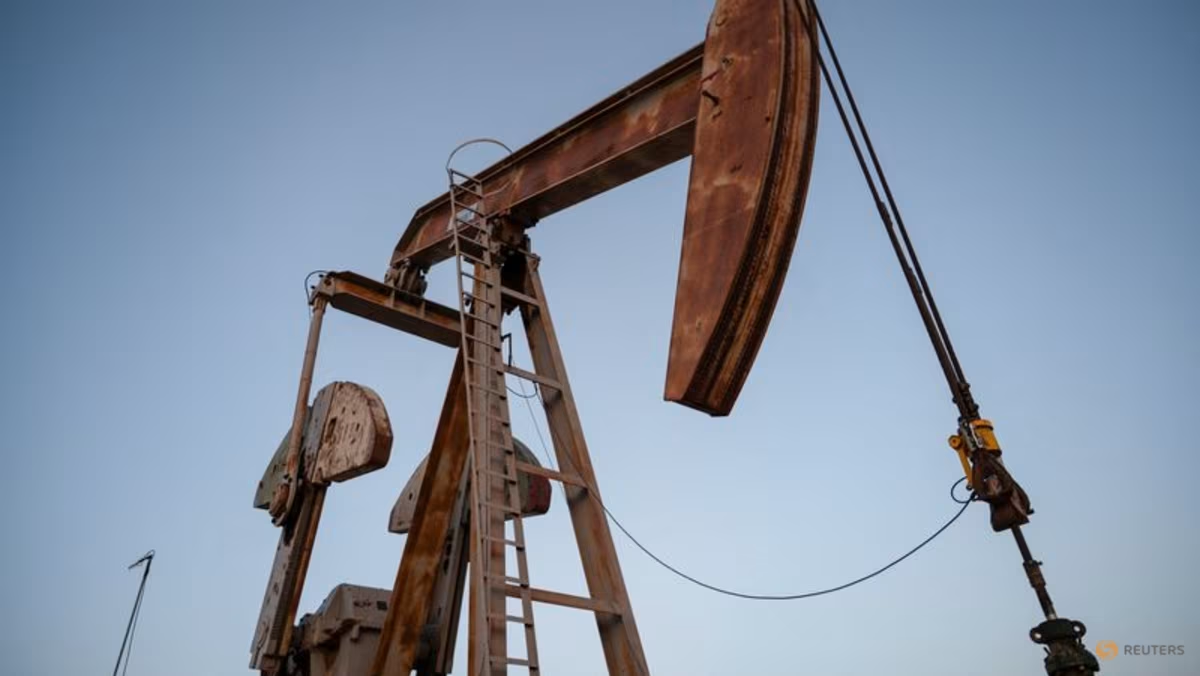
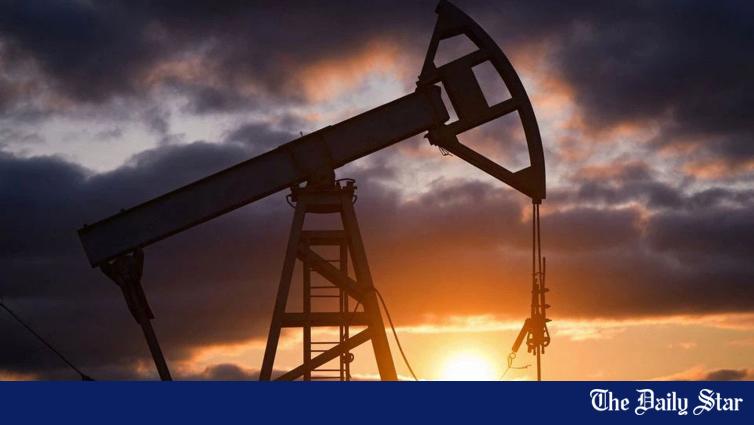
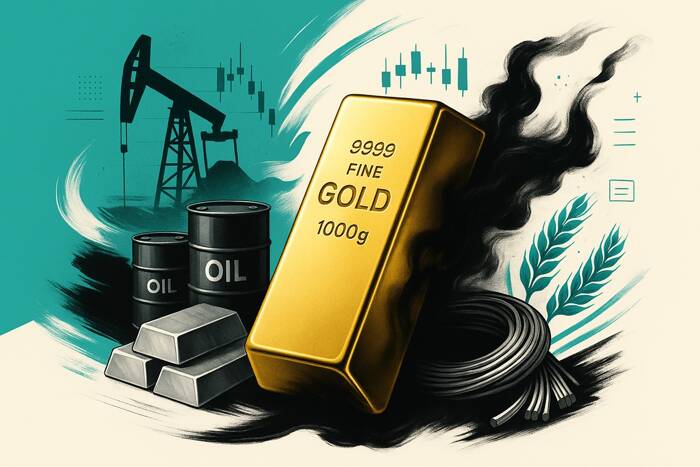
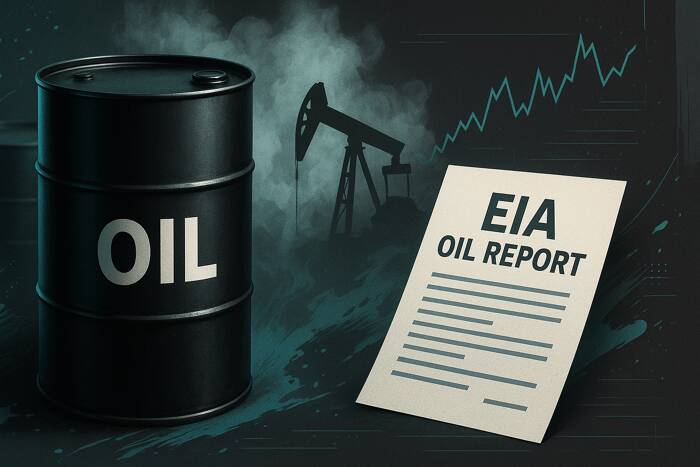
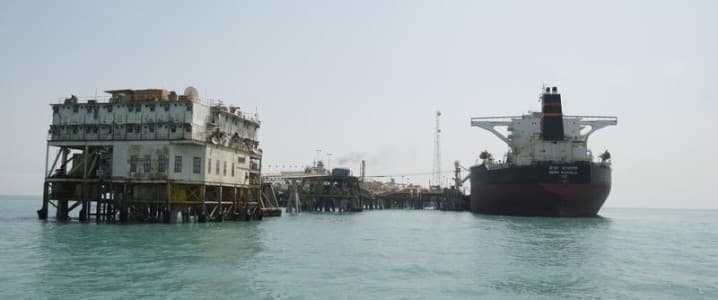
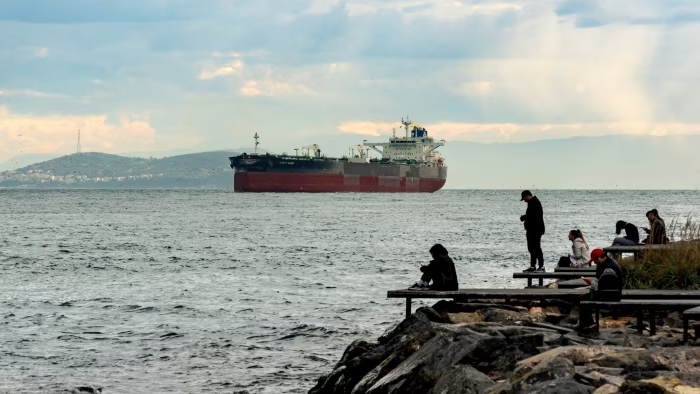
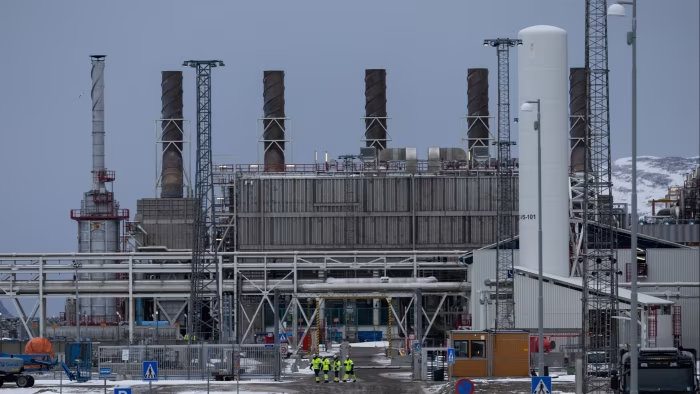
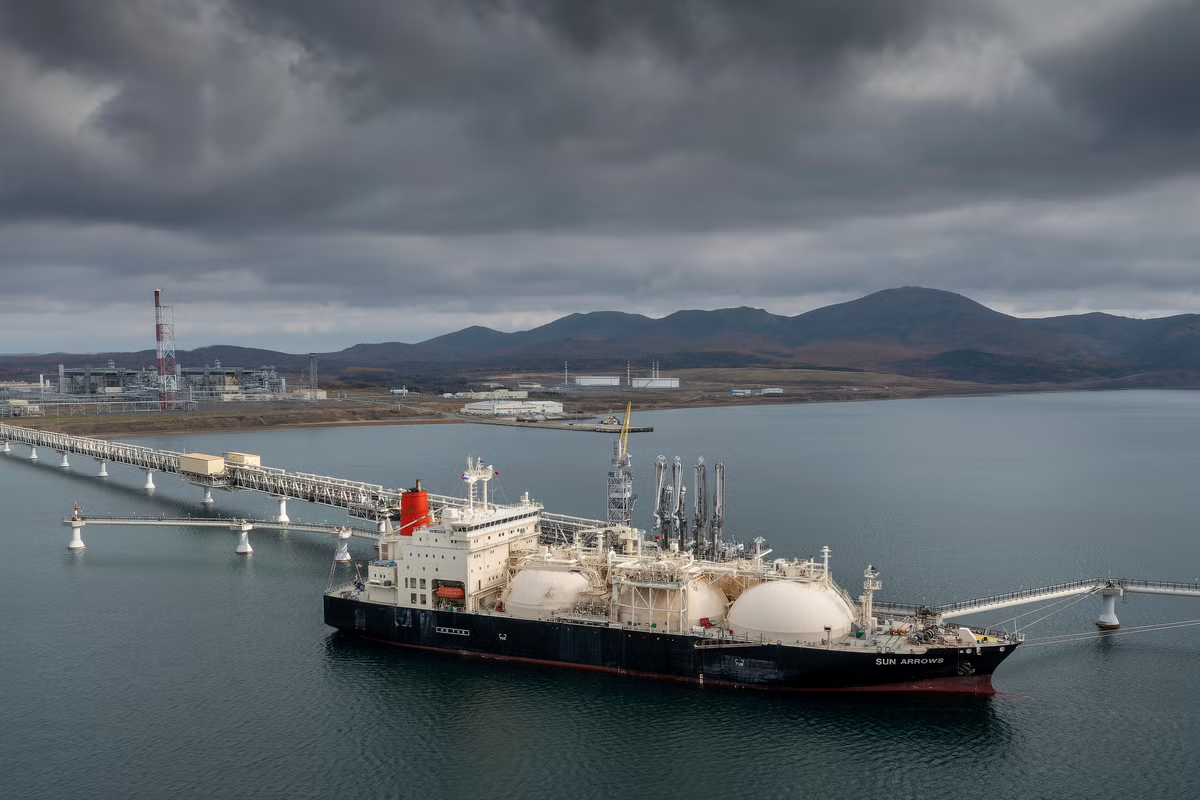
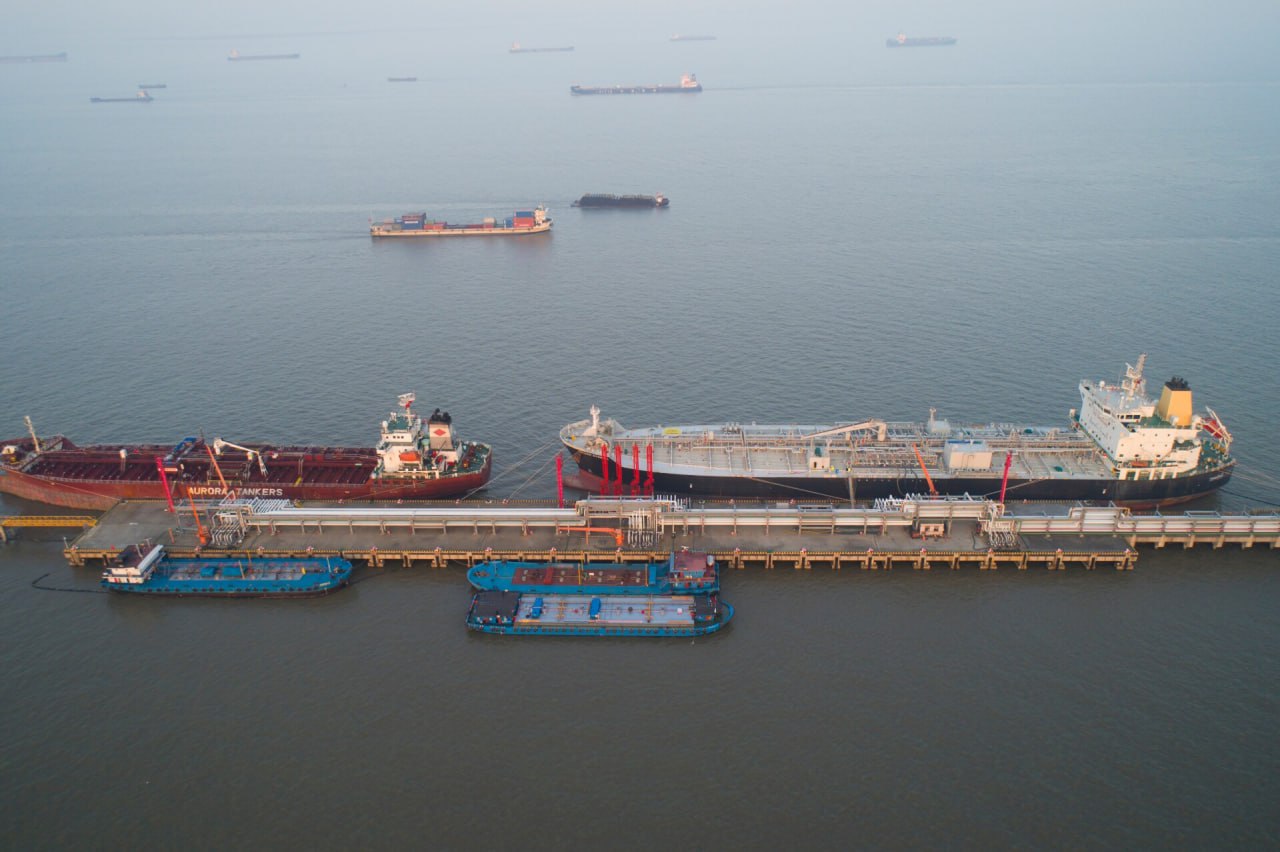
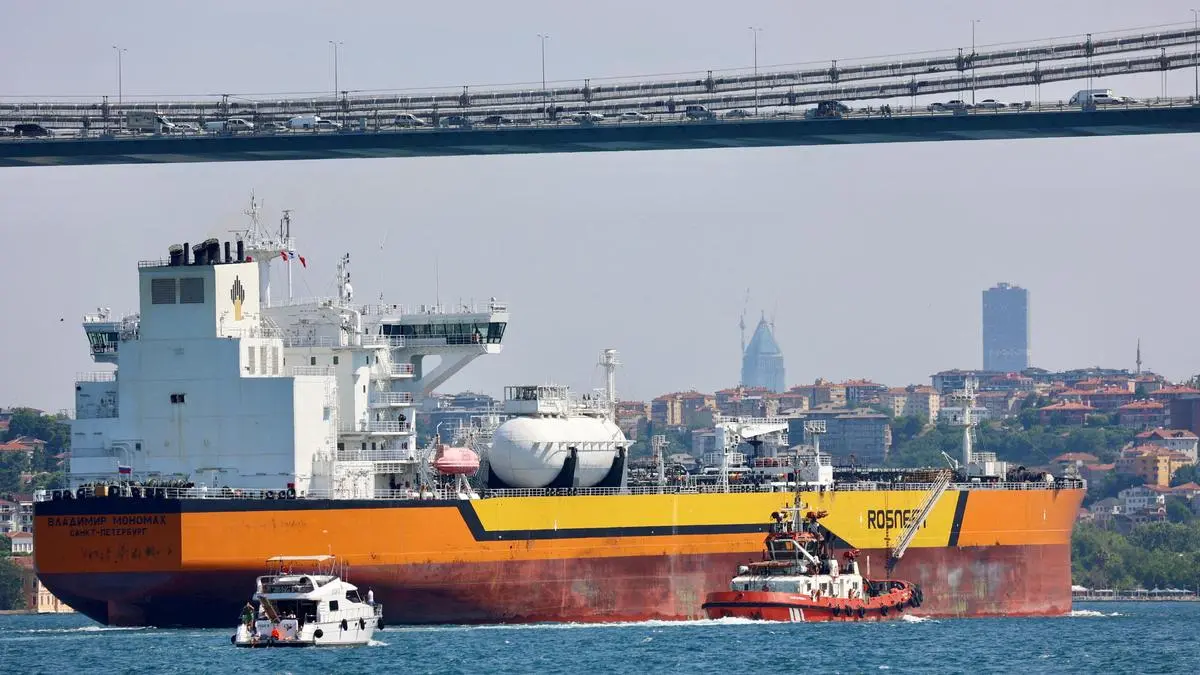
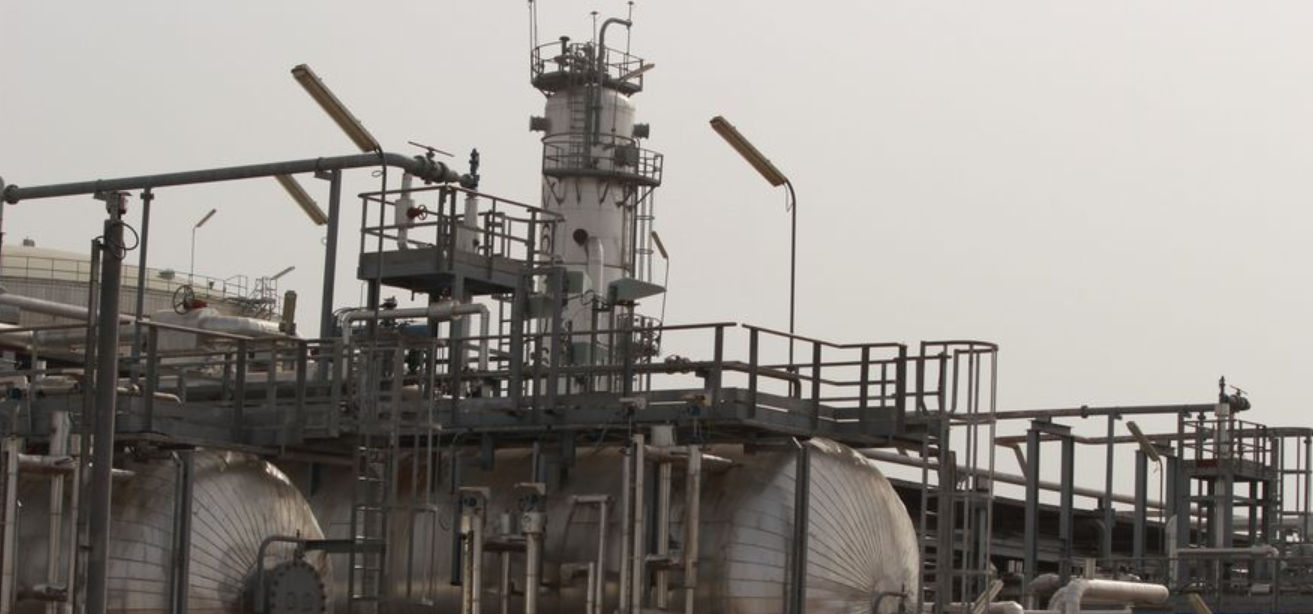
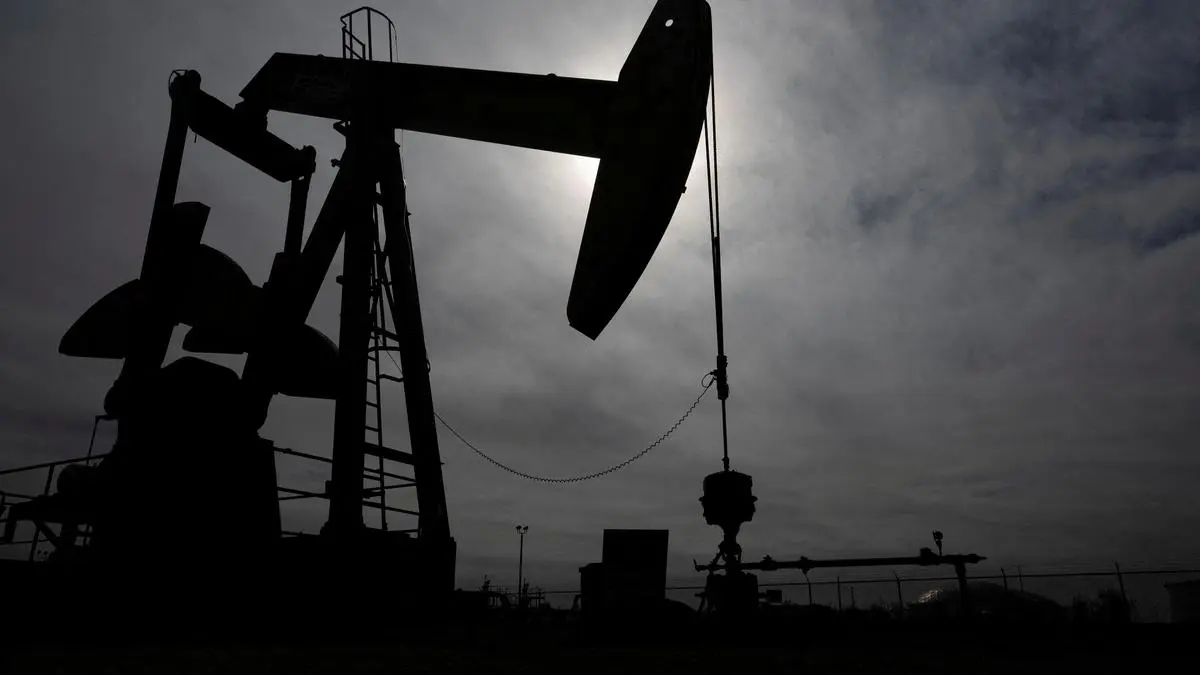
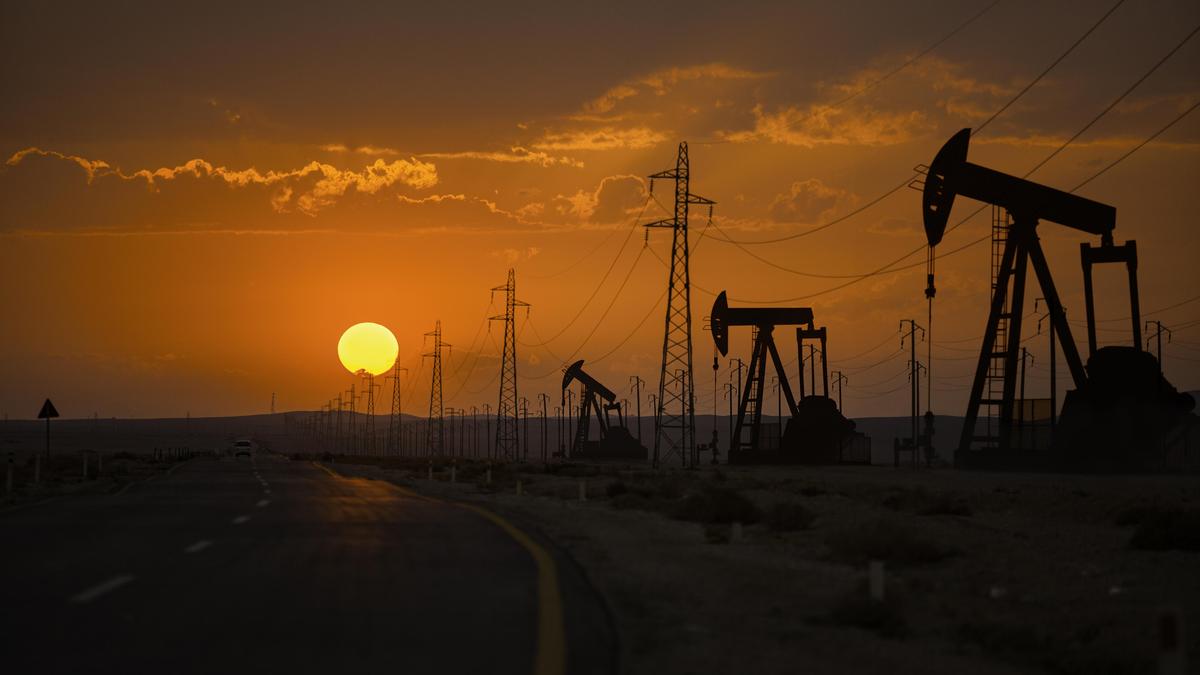
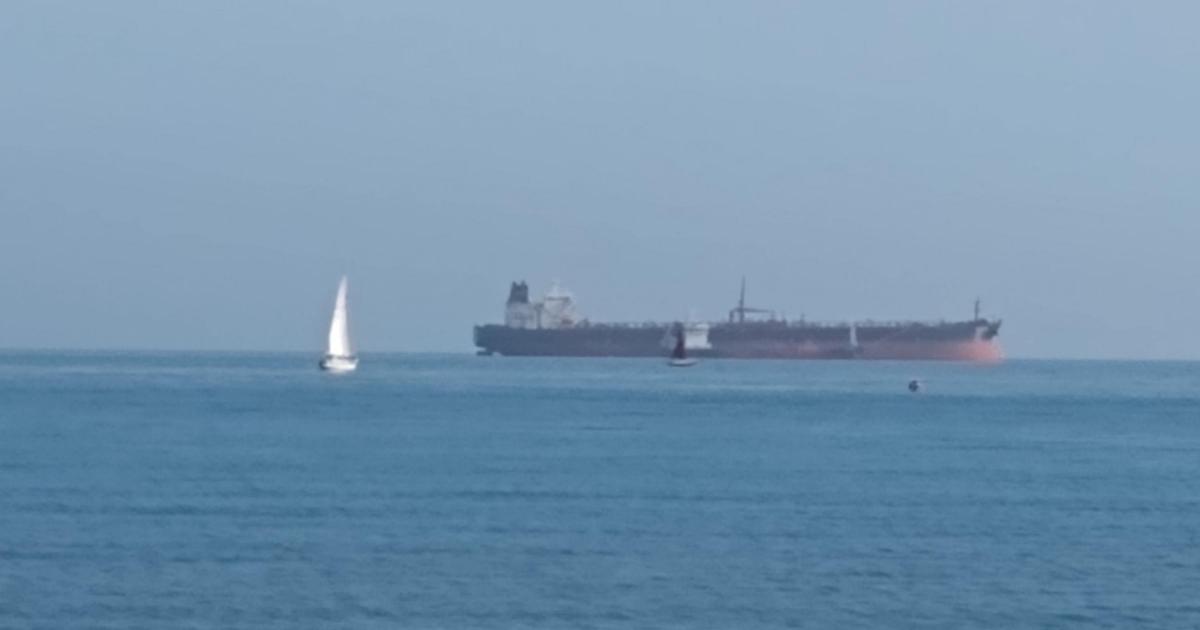
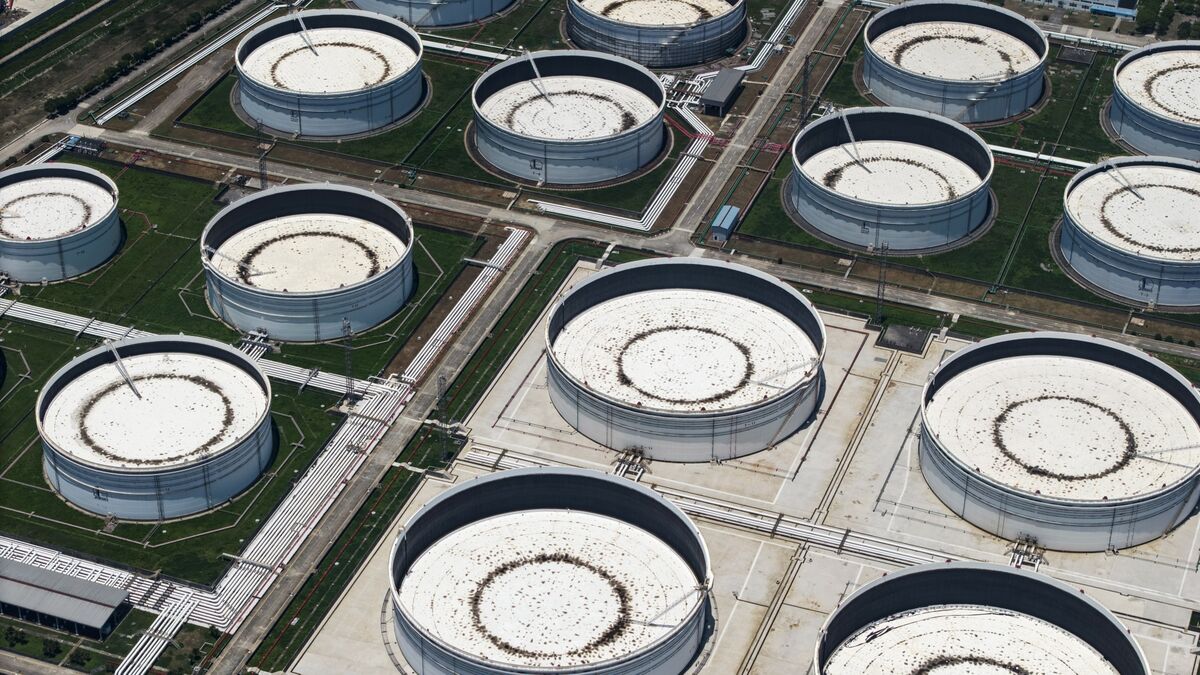
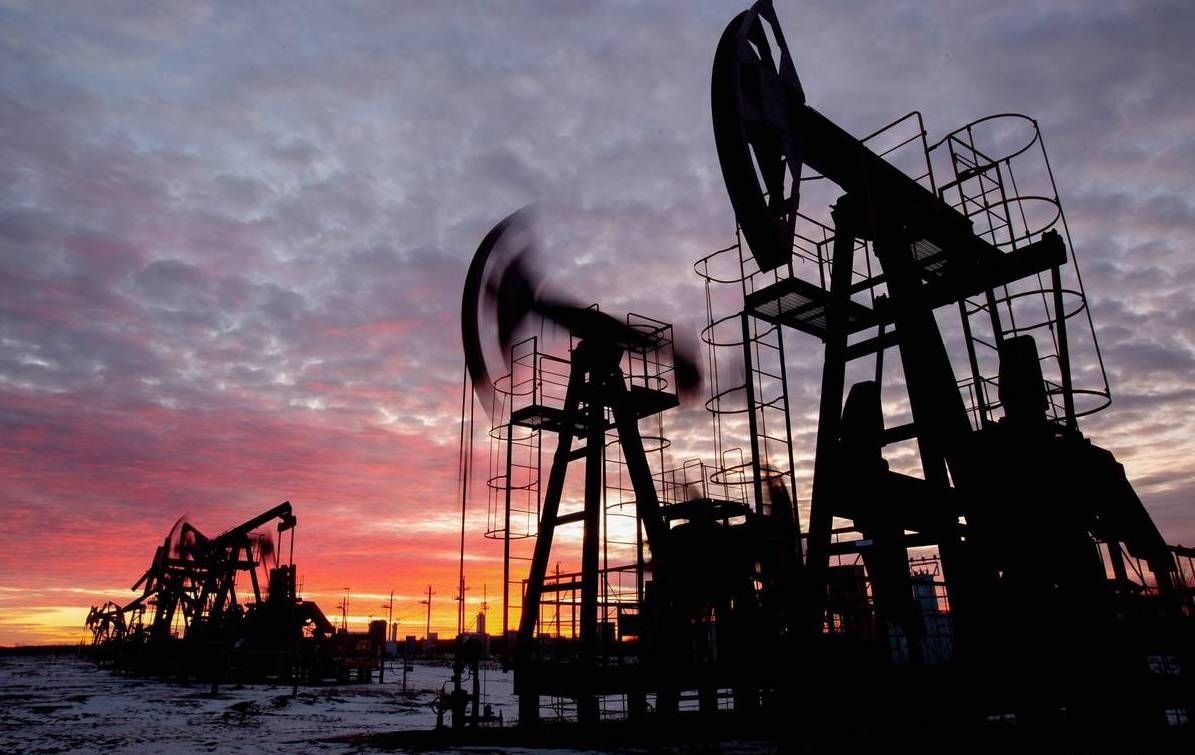
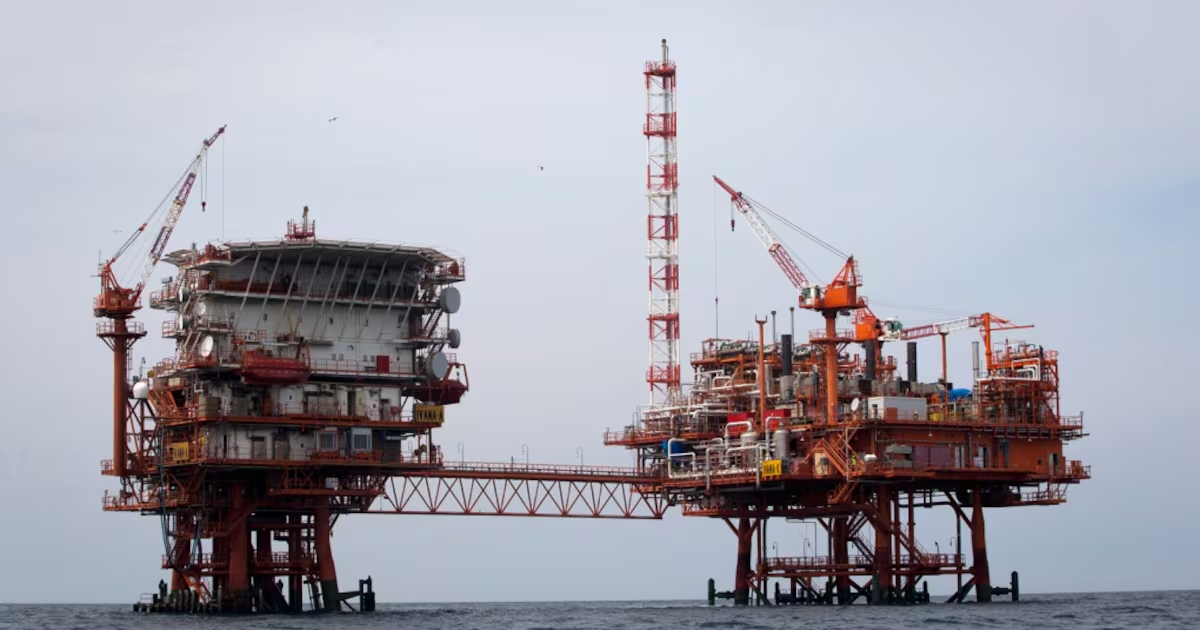
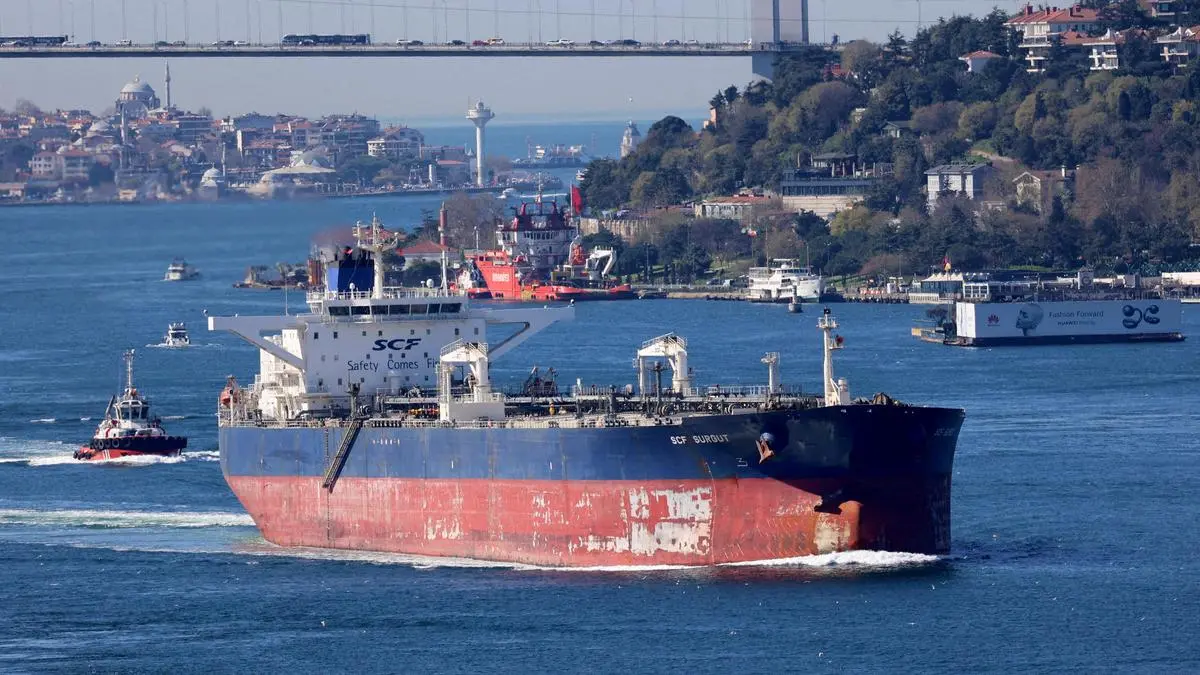
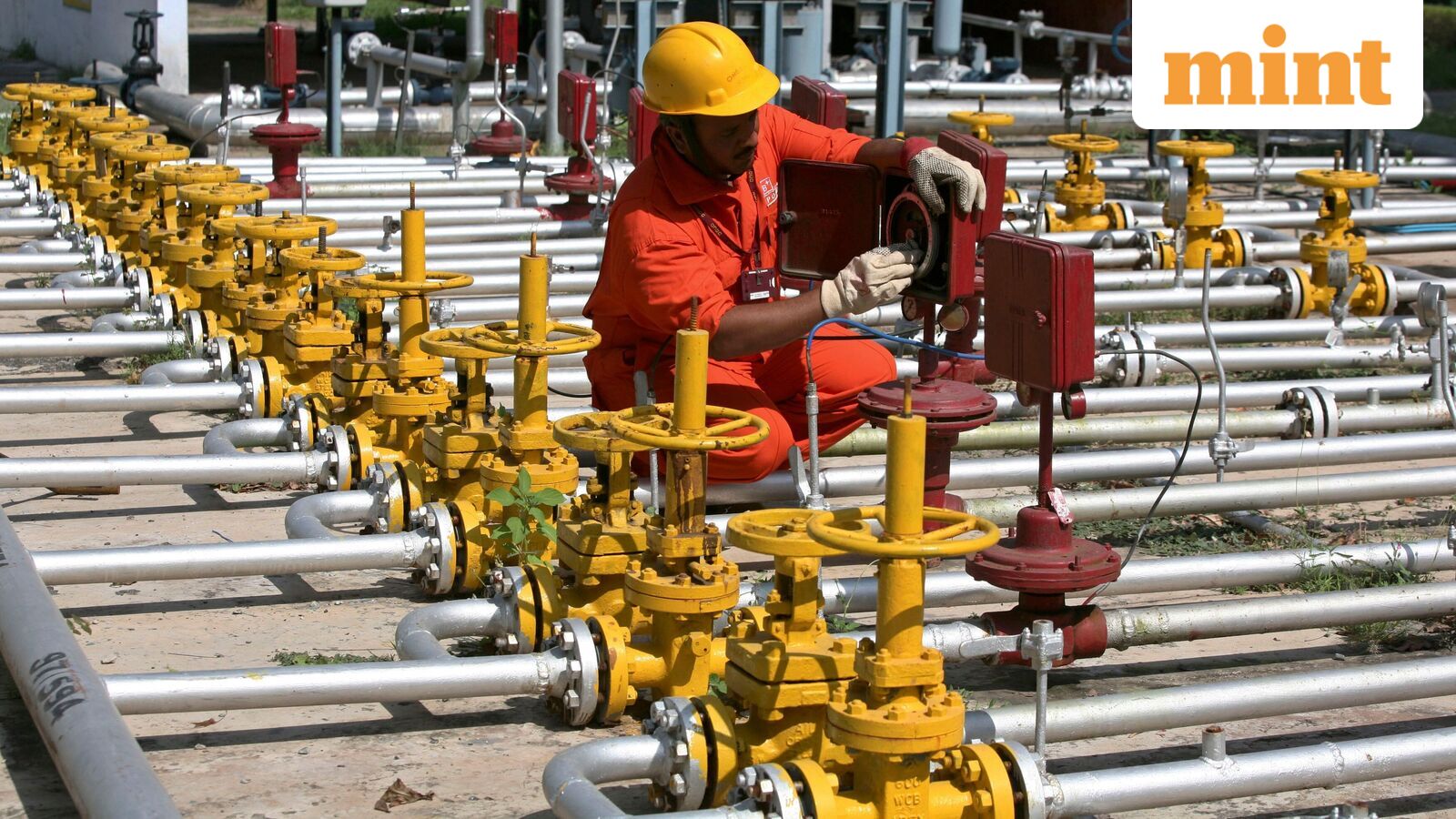
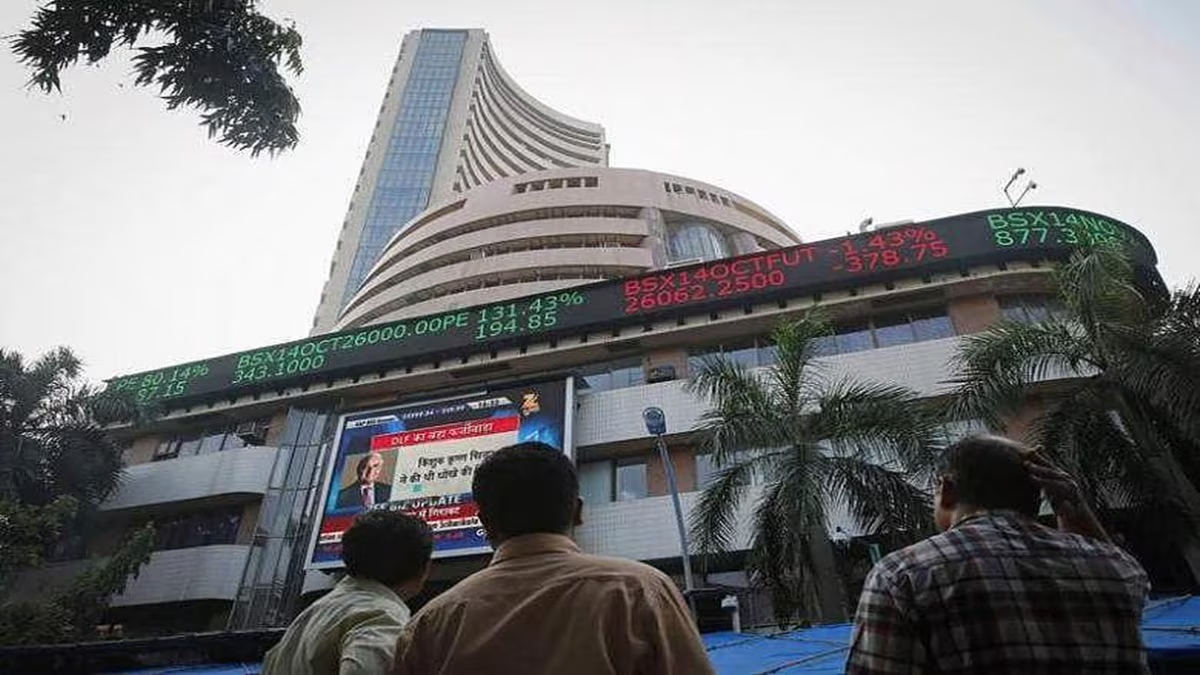
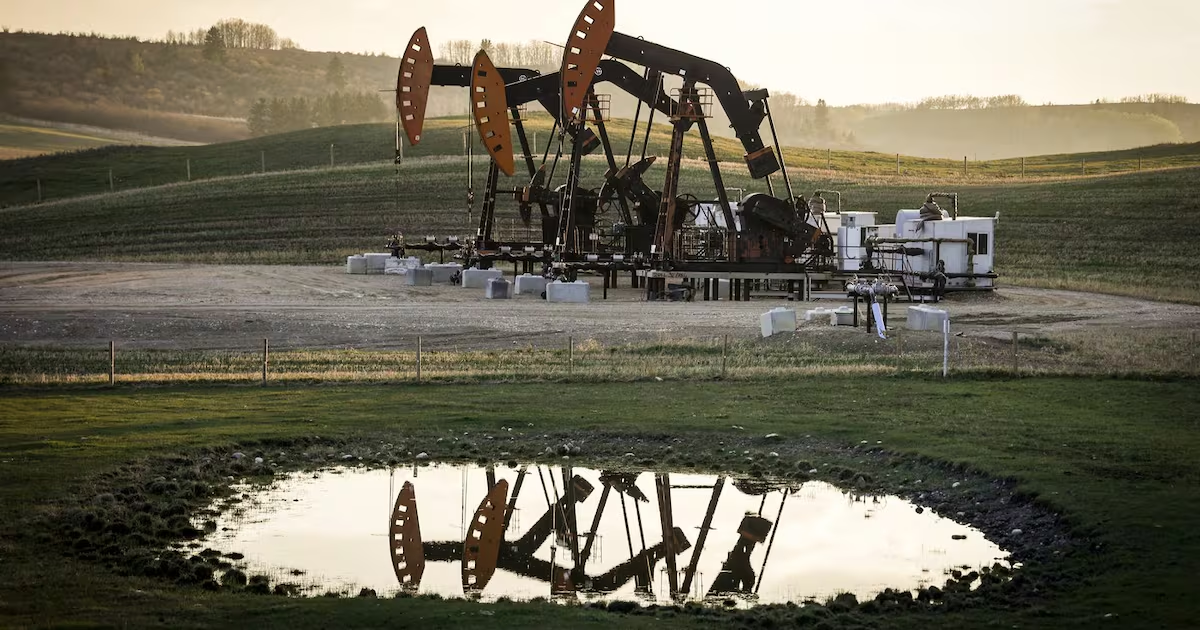
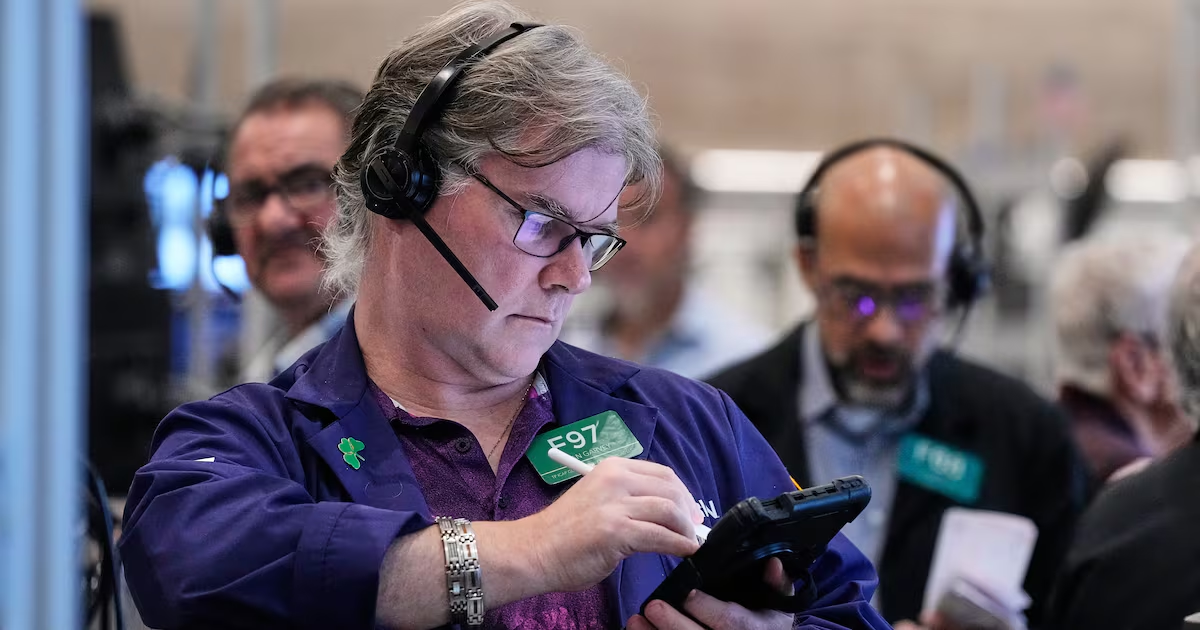
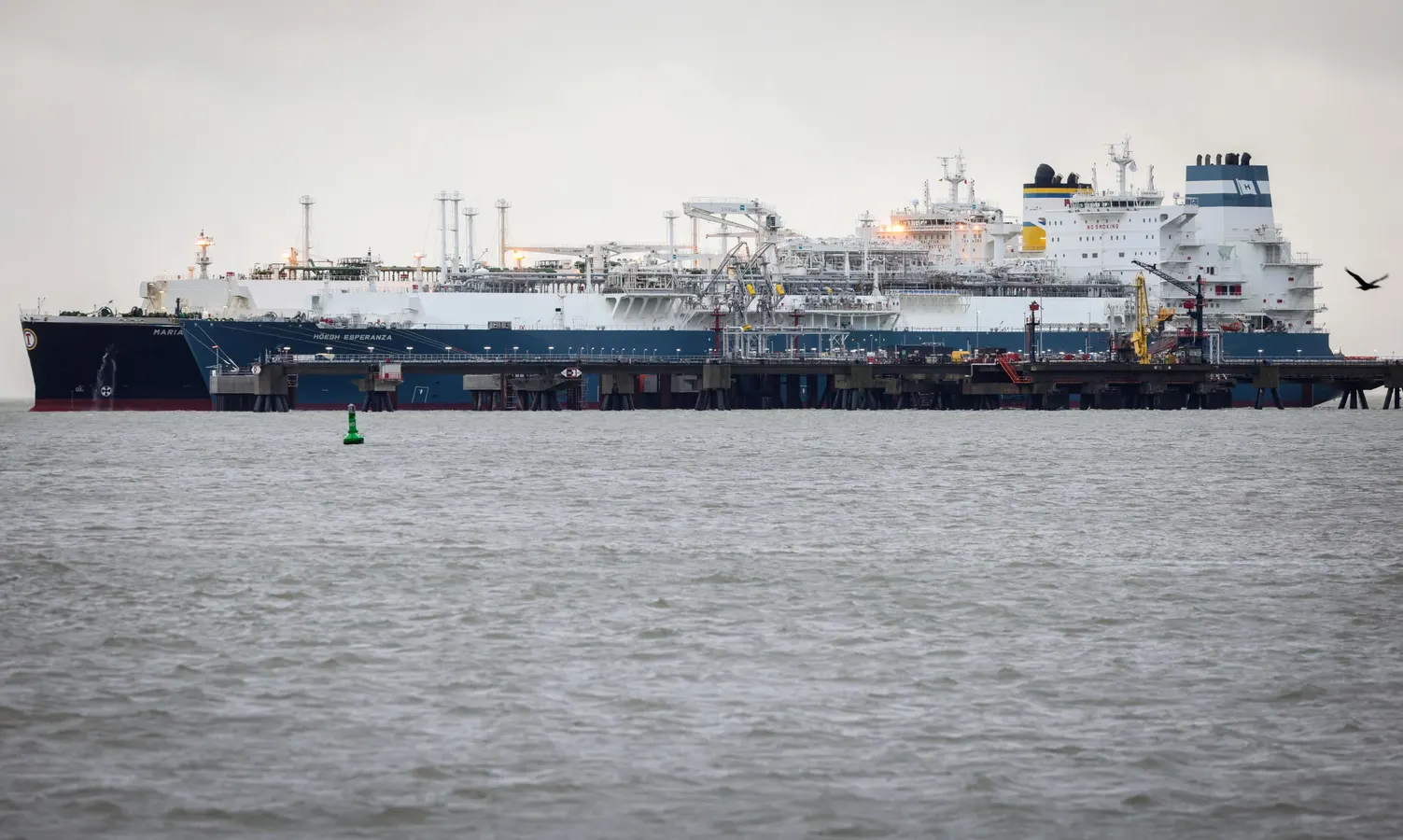
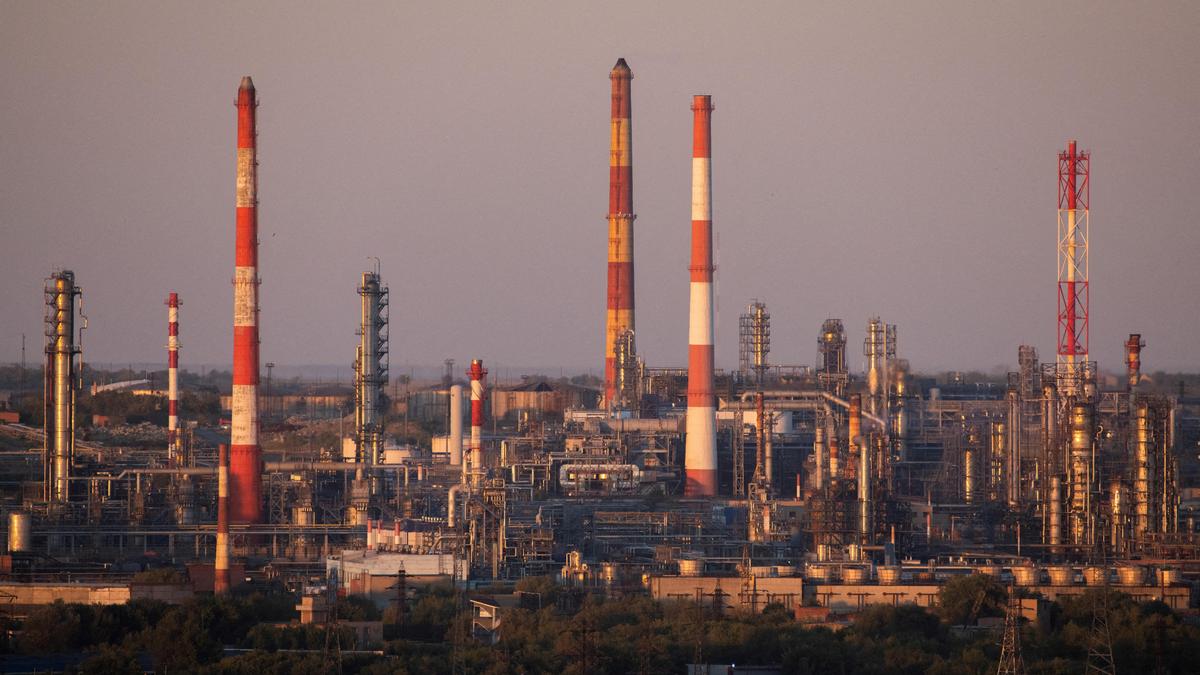
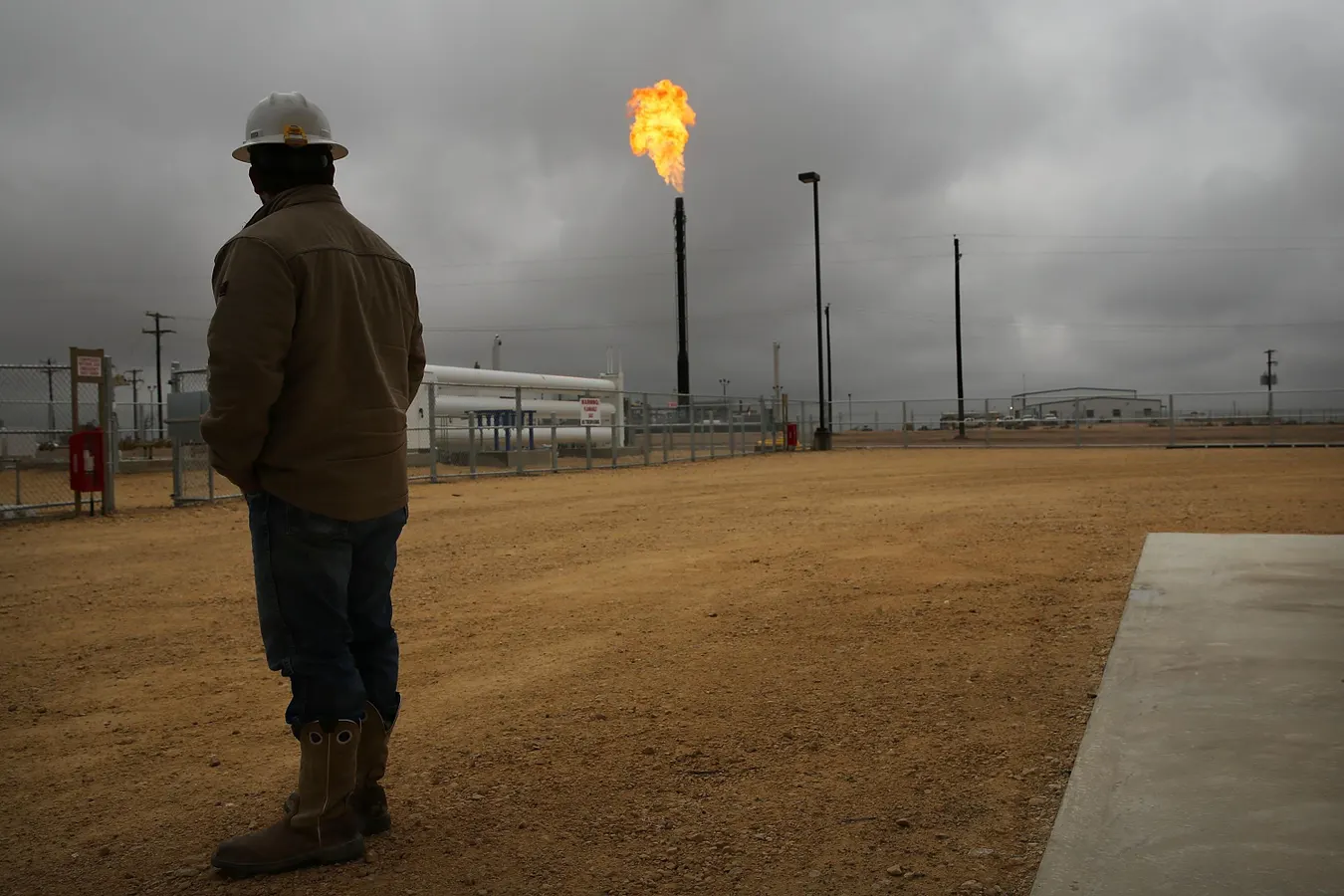
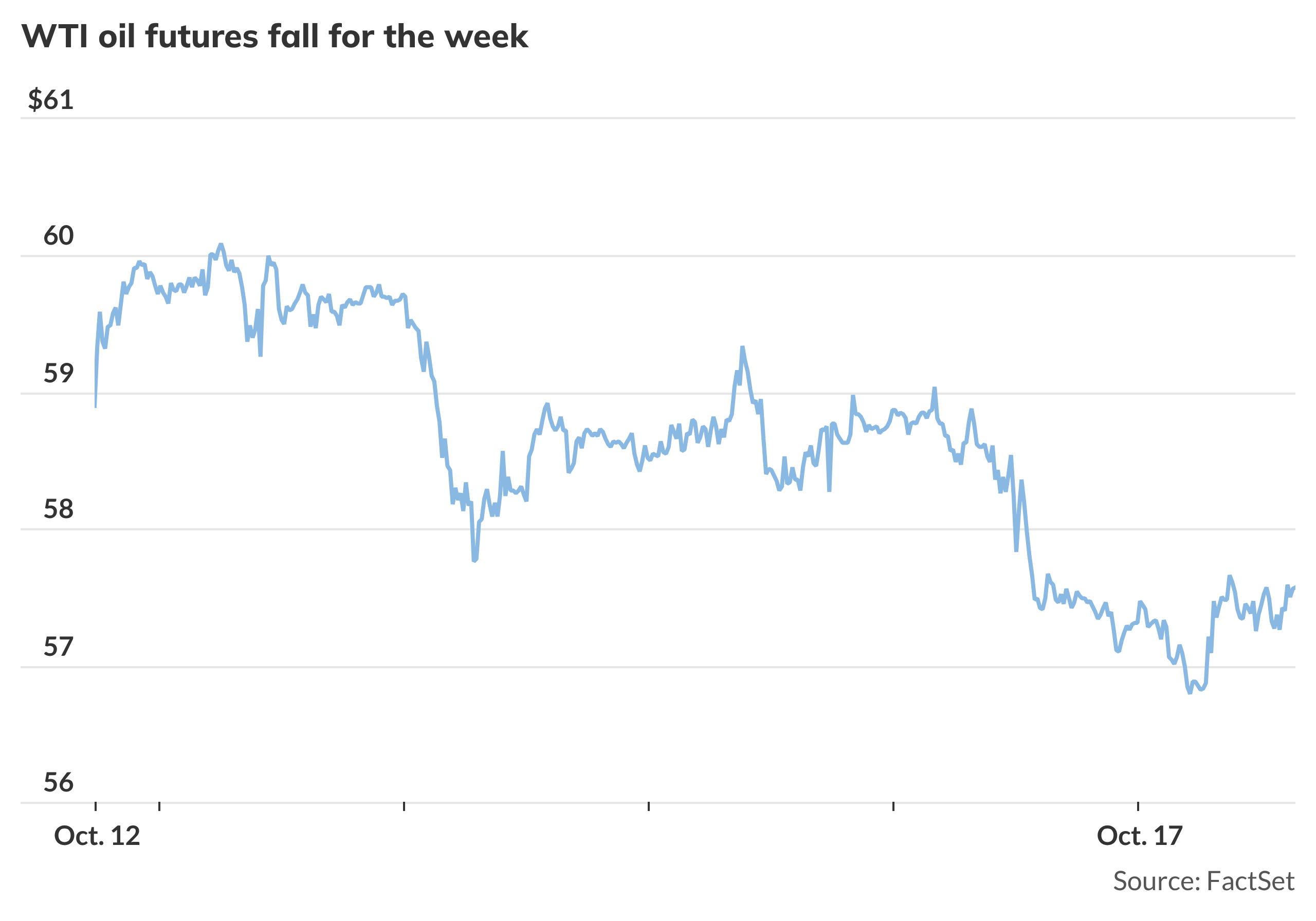
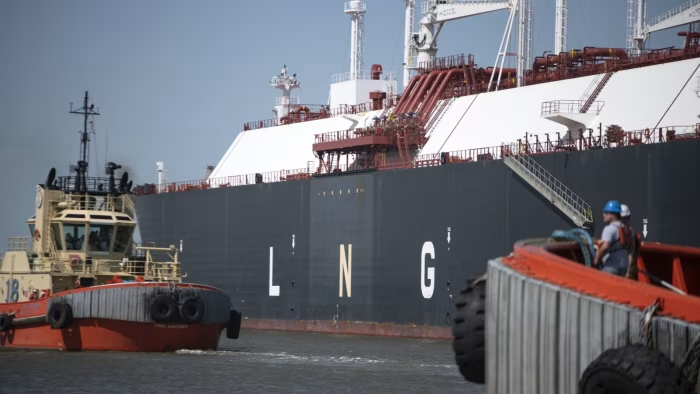
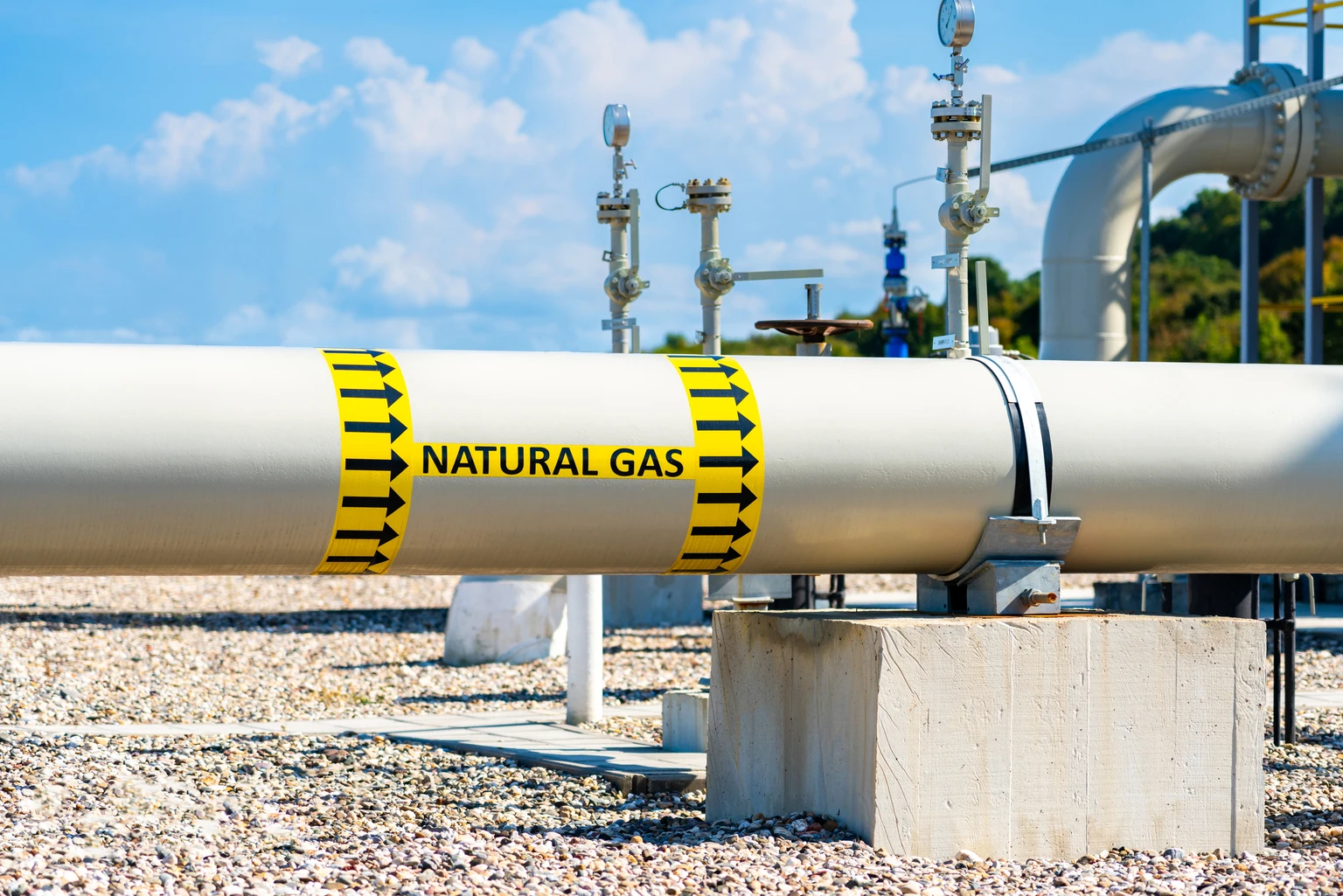
In other markets, Wall Street’s main indexes were lower, while oil and natural gas prices surged as the tensions threatened to disrupt global trade routes.
Analysts at SP Angel noted that rising geopolitical fragmentation has prompted BRIC central banks to reduce their exposure to dollar‑denominated assets in favour of gold, adding that they expect this theme to continue. Meanwhile, BNP Paribas said it expects physical gold investment demand will be a big driver this year.
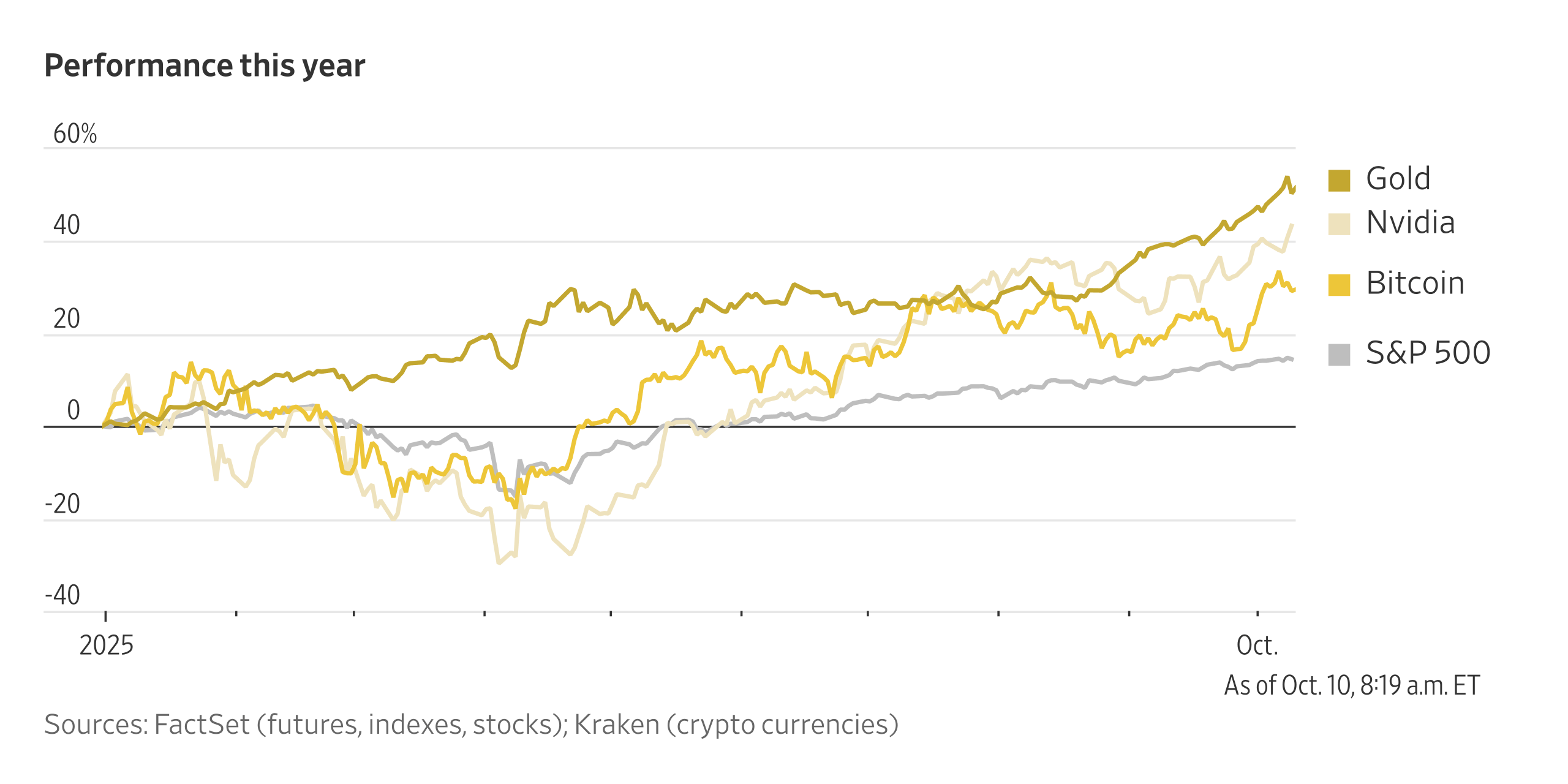
Gold, long regarded as a safe asset in times of uncertainty, has notched multiple record highs and climbed nearly 23% so far this year. The rally builds on its exceptional 64% jump in 2025, fuelled by robust central‑bank purchases, strong inflows into exchange‑traded funds and a shift toward looser U.S. monetary policy.
According to three metals industry sources, physical gold flows to and from Dubai’s bullion trading hub will be severely curbed in the coming days as airlines cancel flights due to the strikes.
On the data front, the market will monitor the ADP employment report, weekly jobless claims and the non‑farm payrolls report this week.
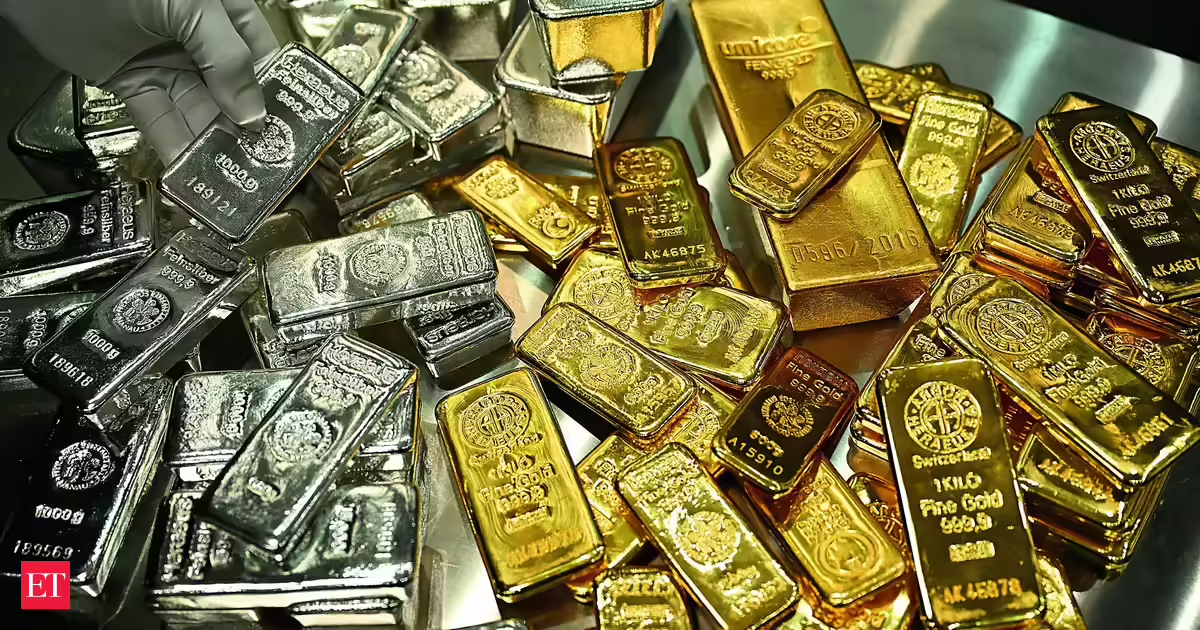
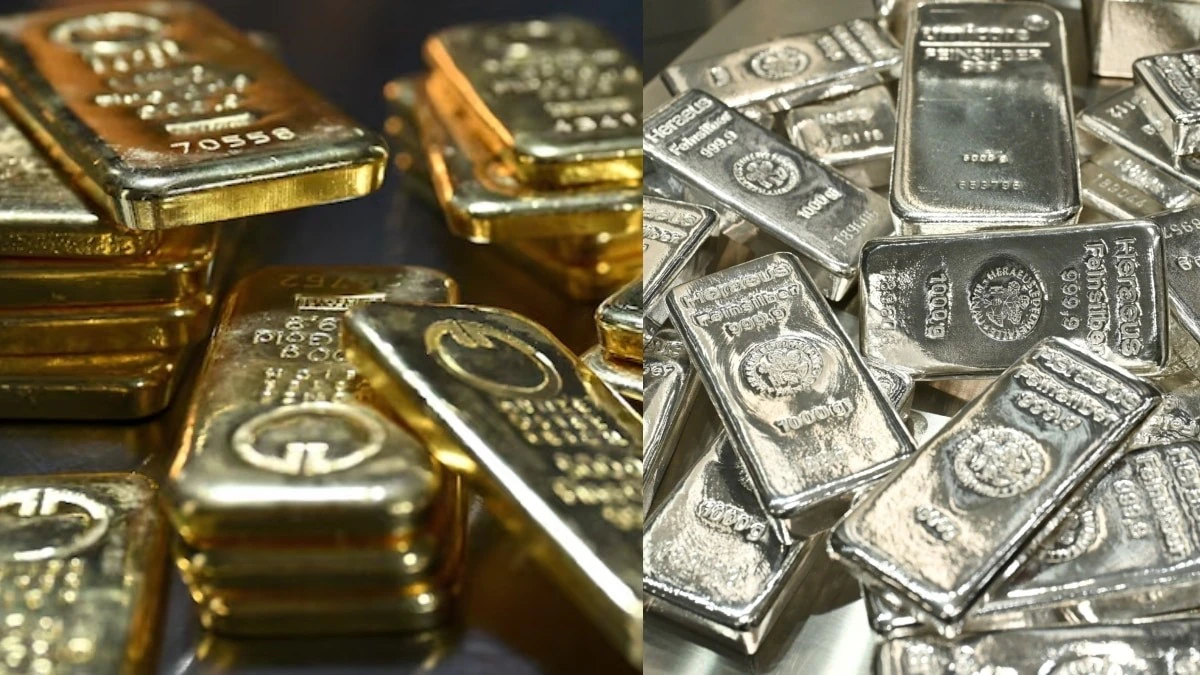
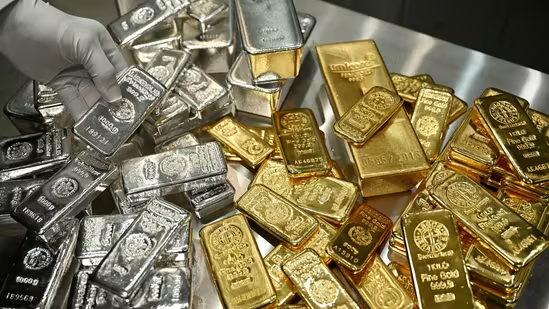
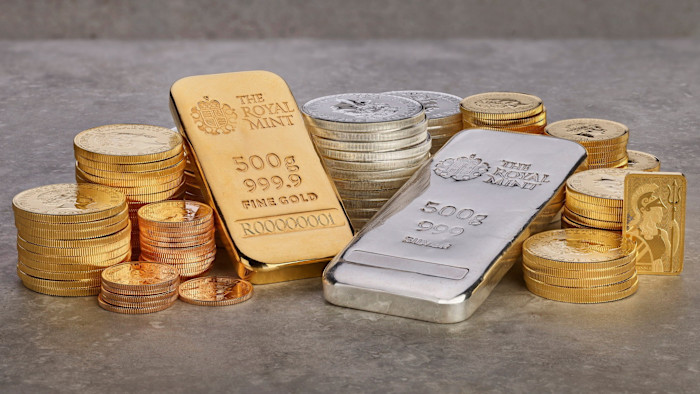
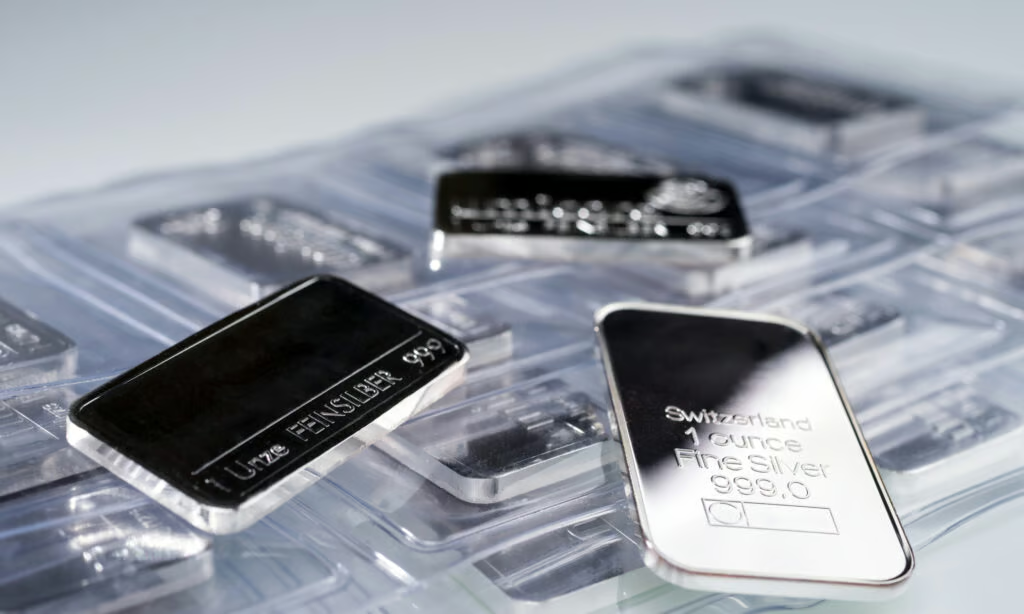
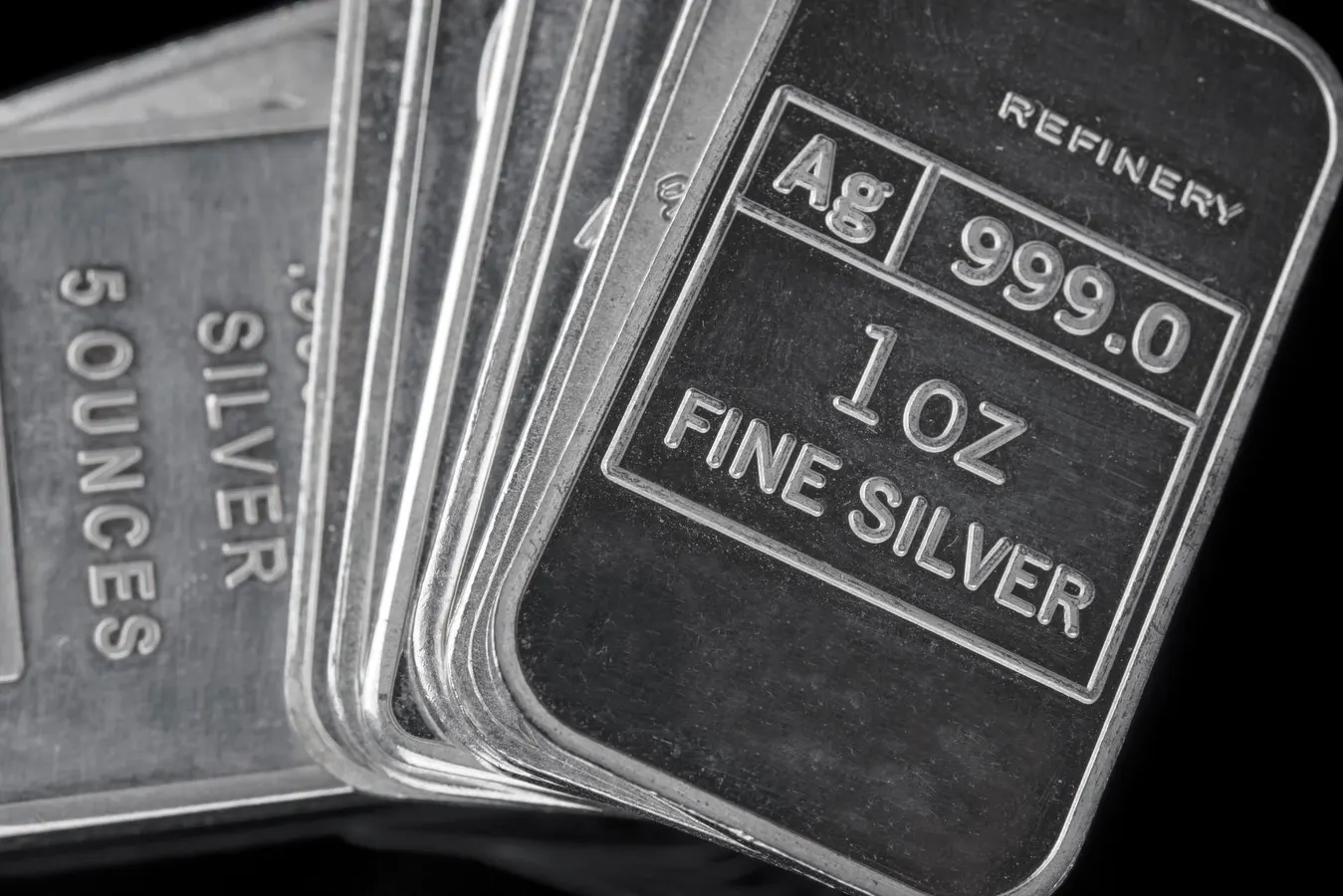
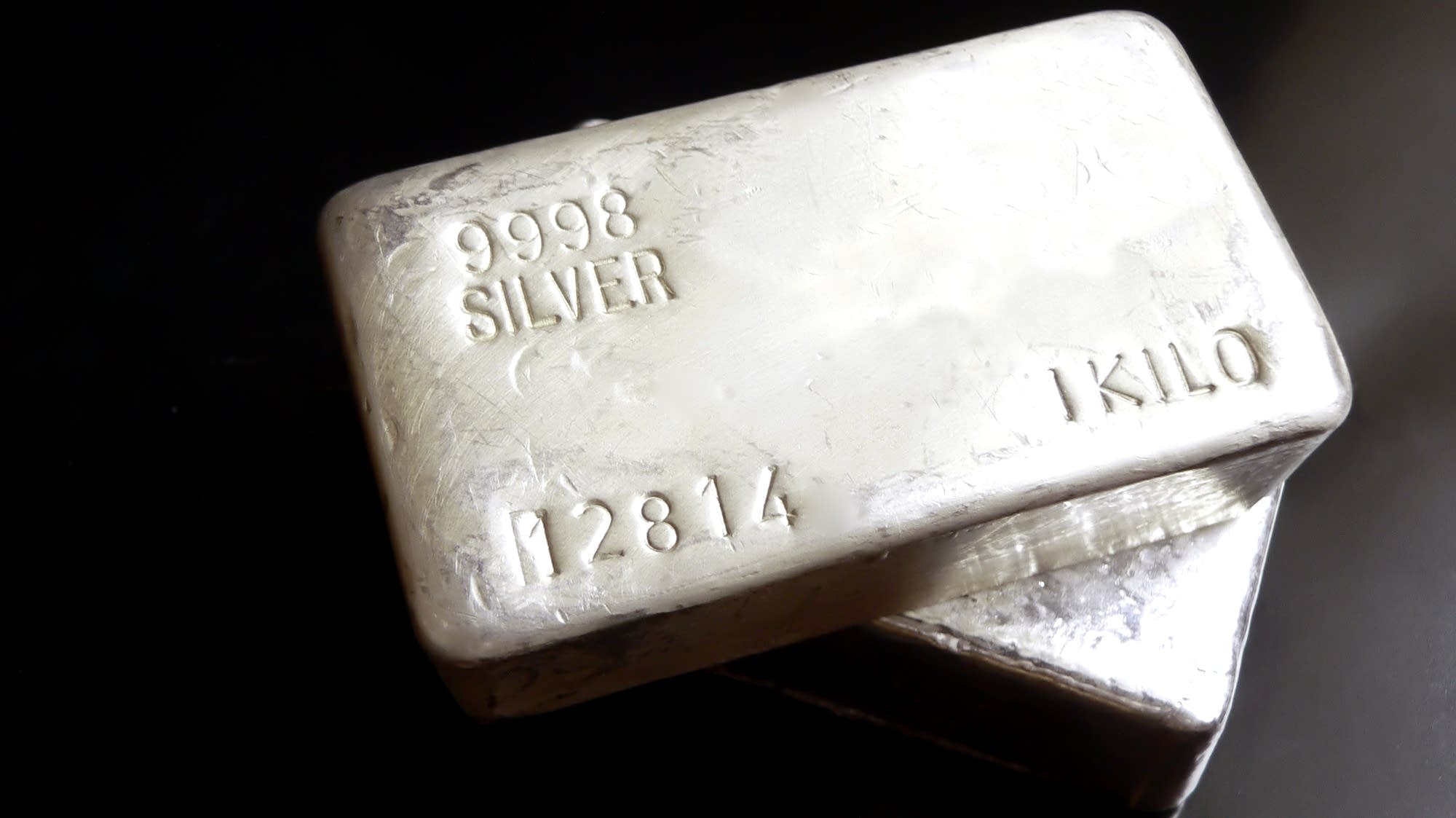
Among other metals, spot silver fell 6.6% to $87.64 an ounce after touching its highest since January 30.
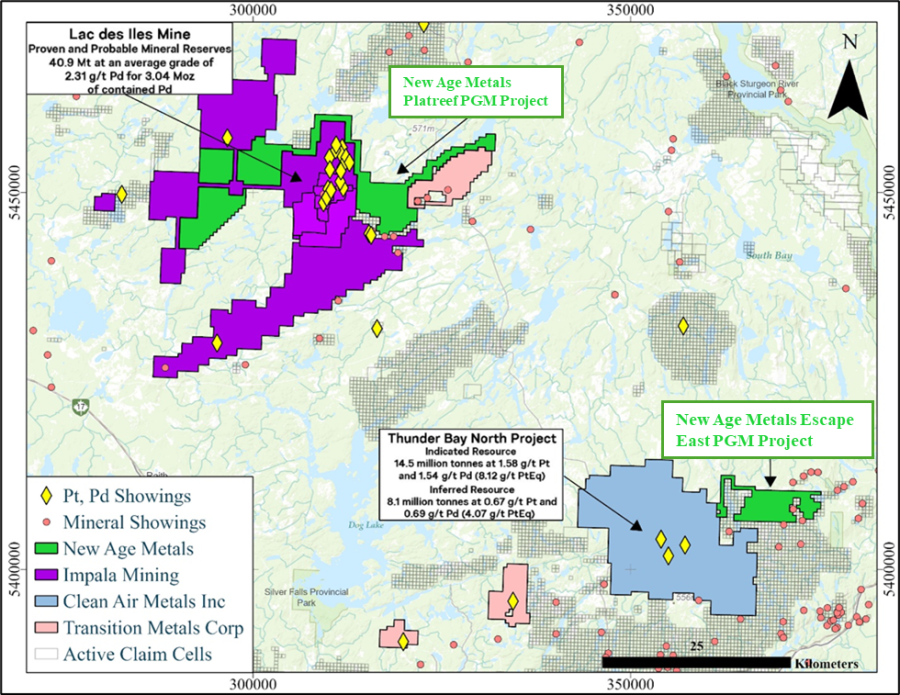
Spot platinum fell 3.4% to $2,283.55 while palladium lost 2.2% to $1,746.50.