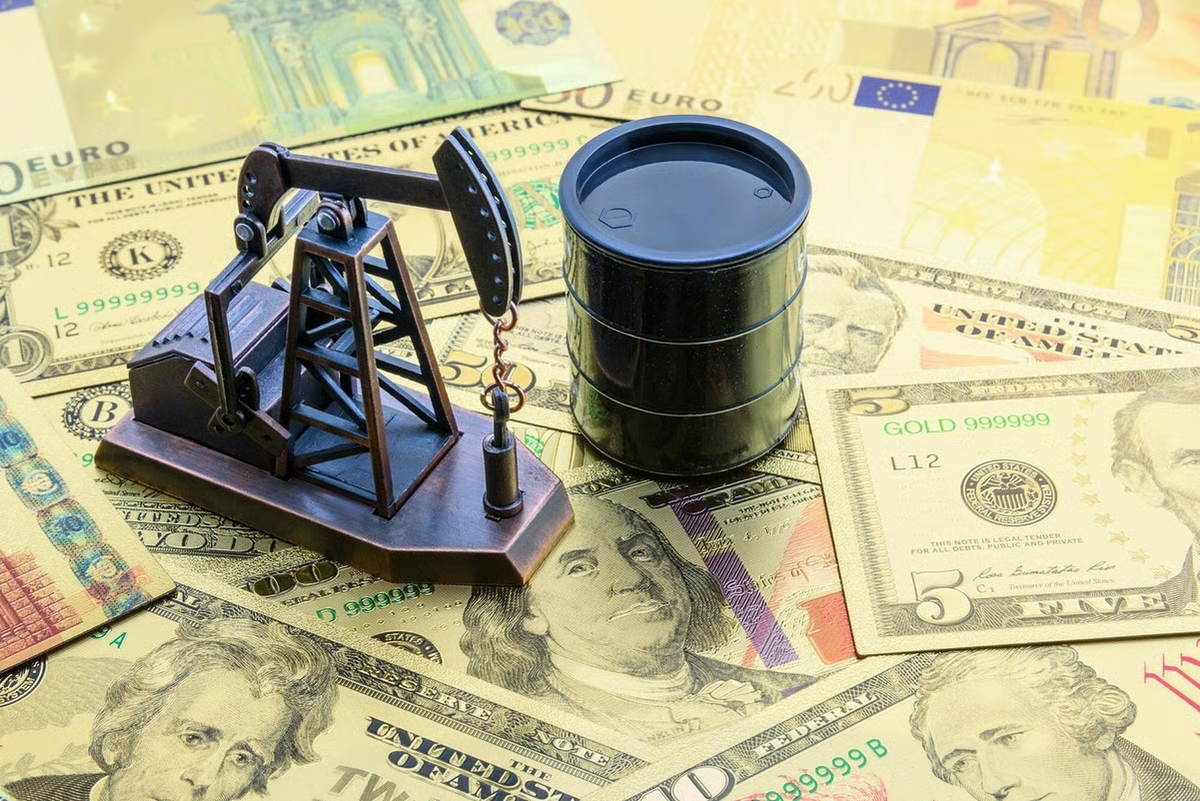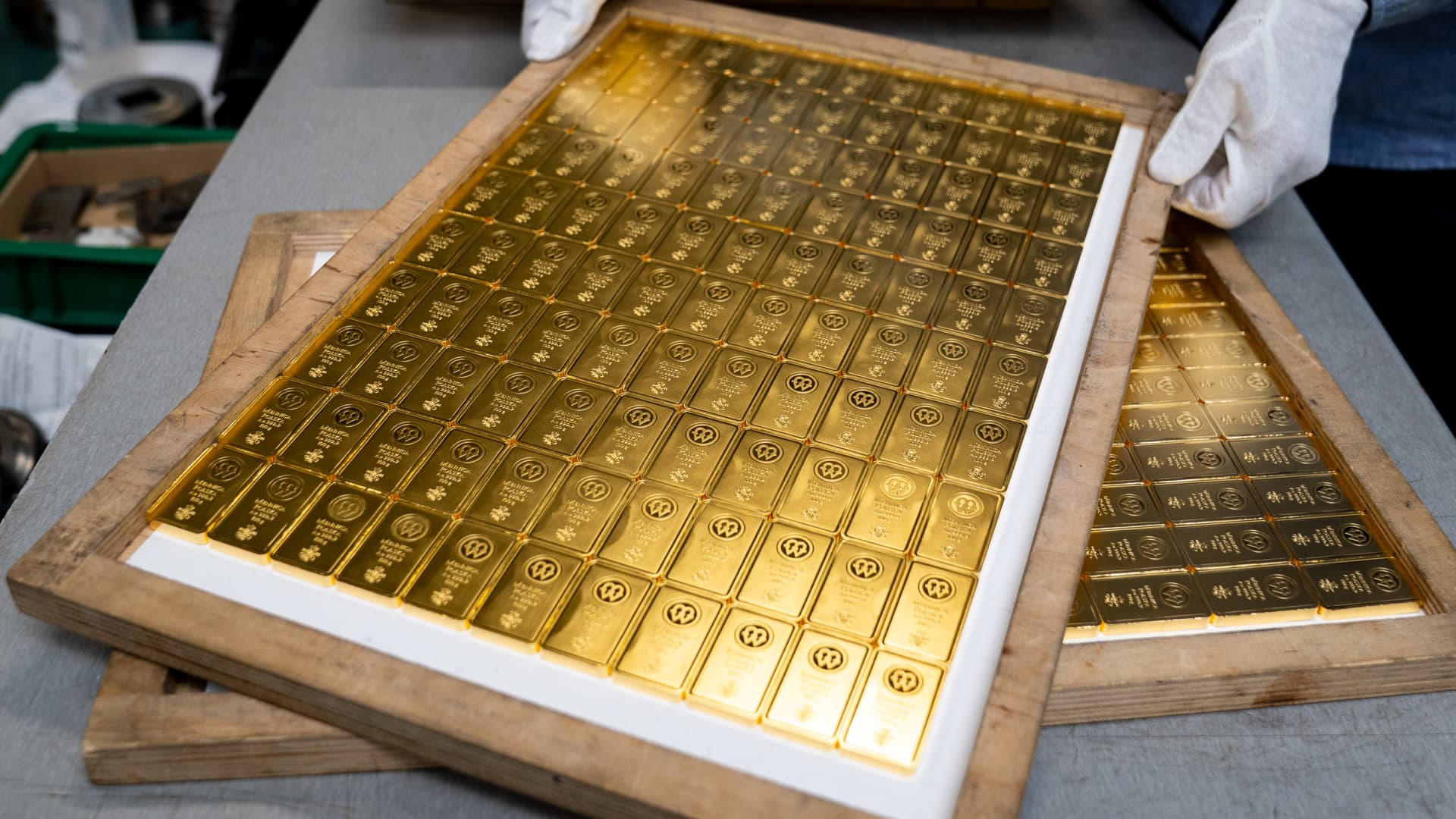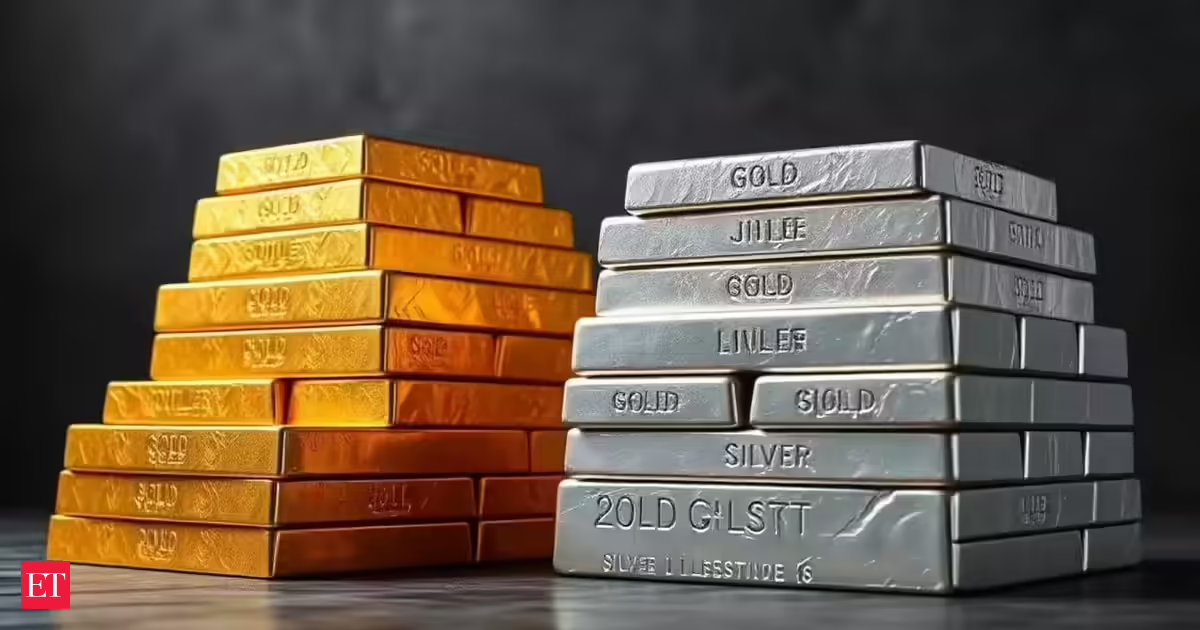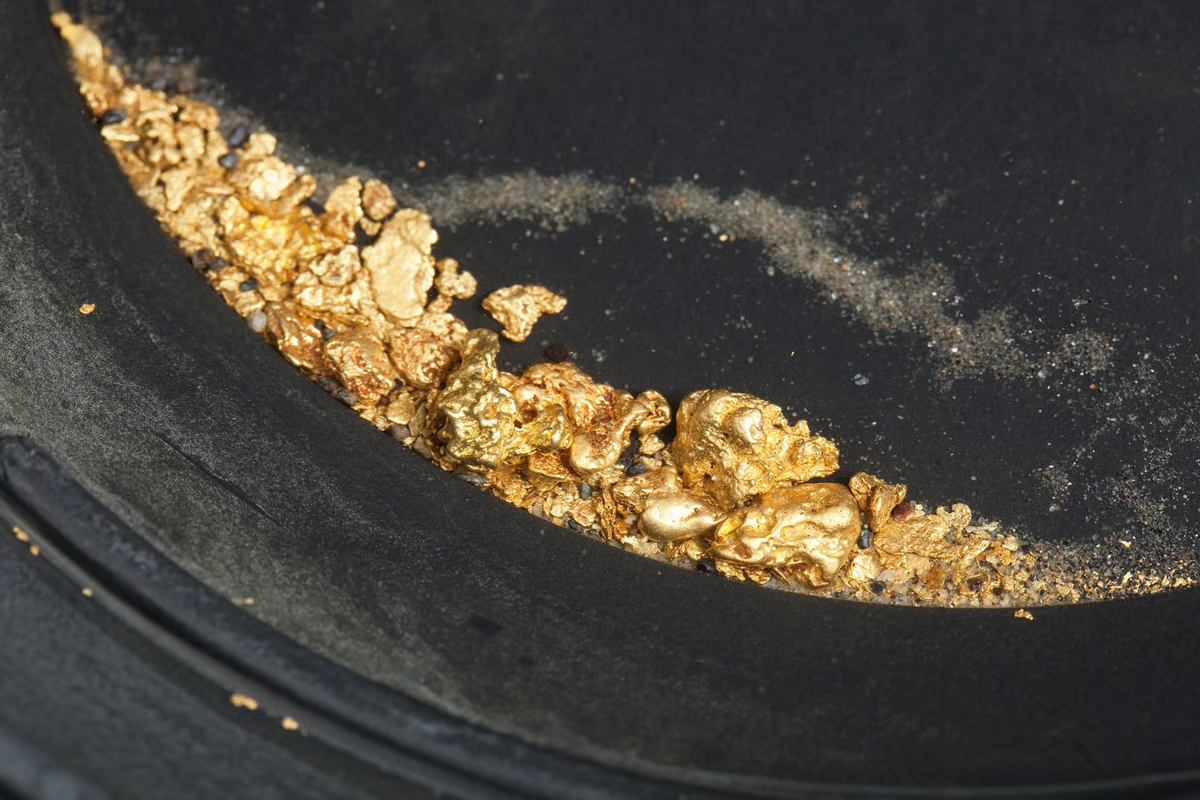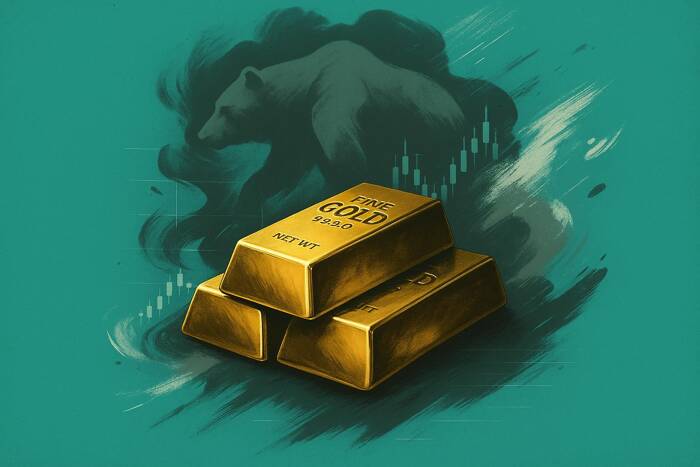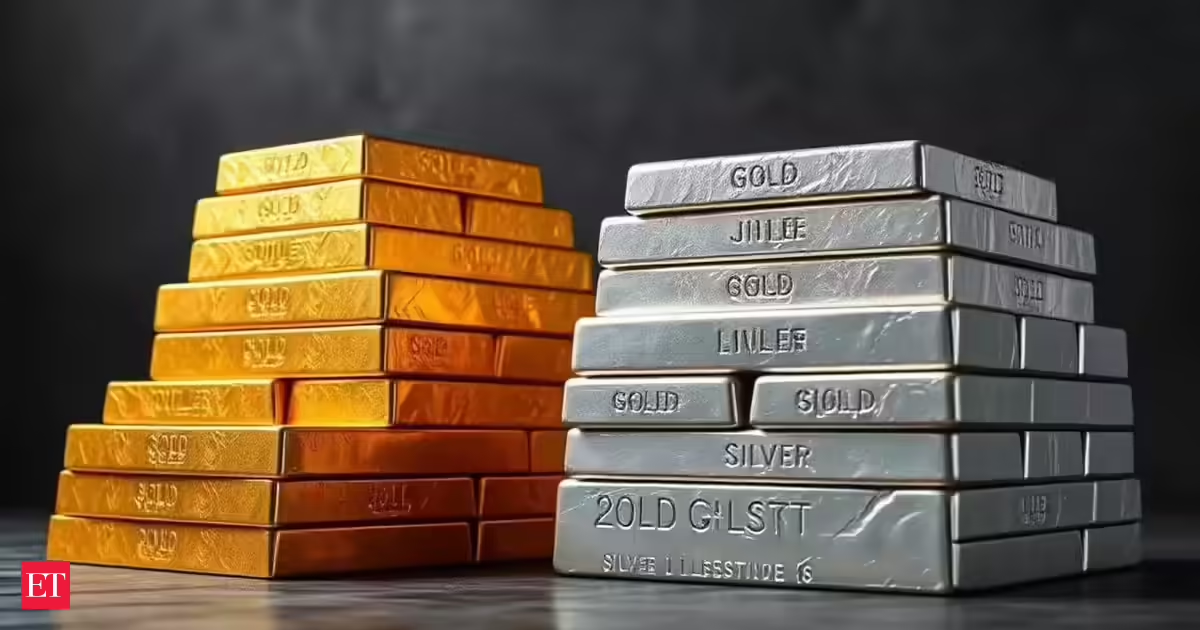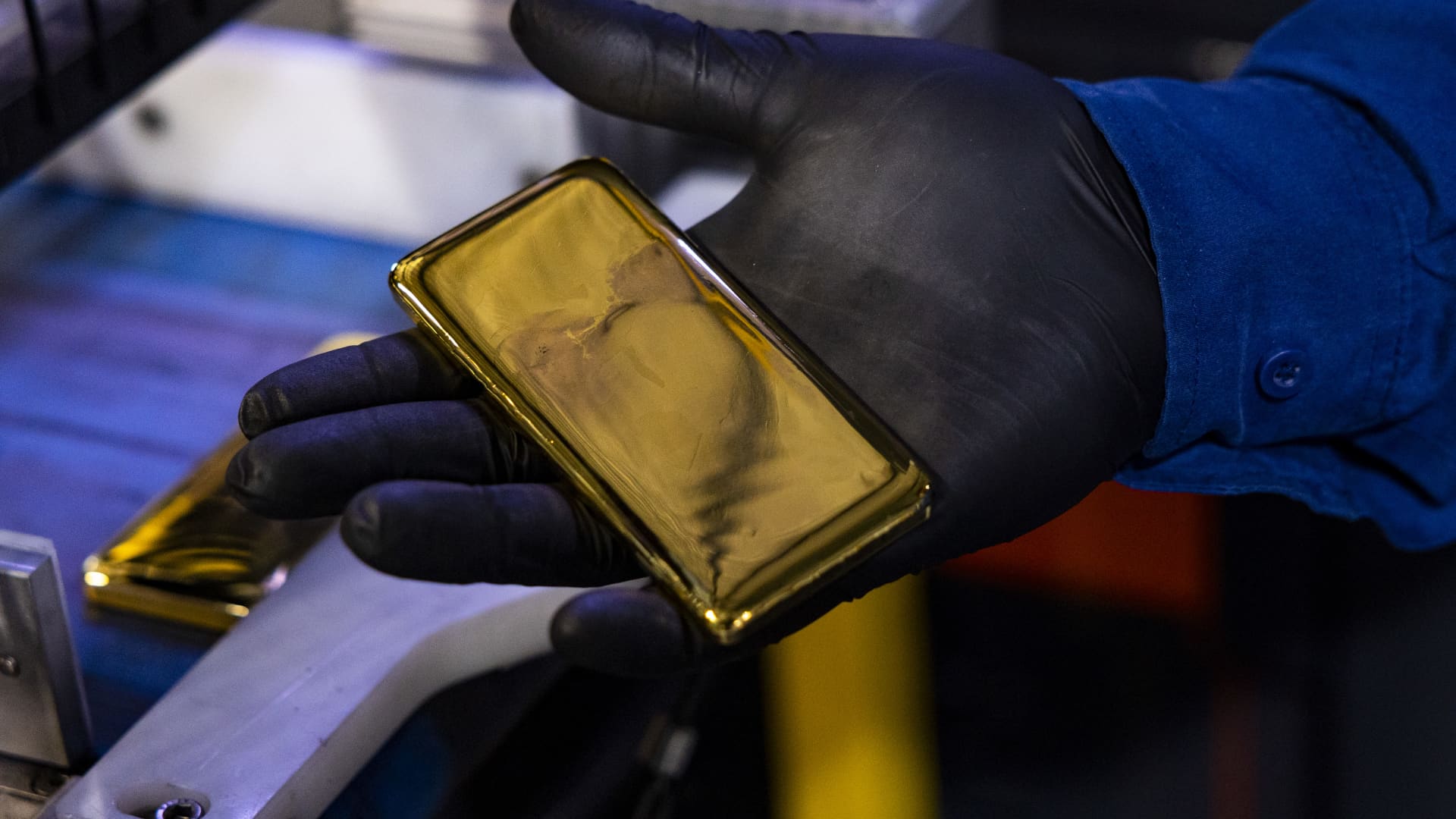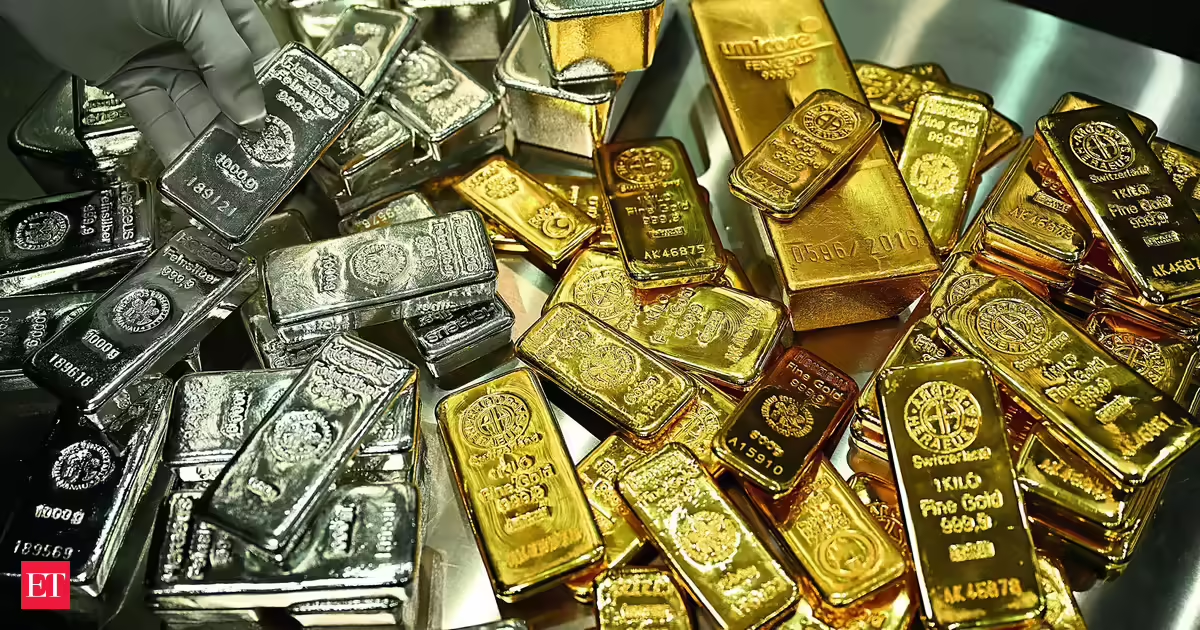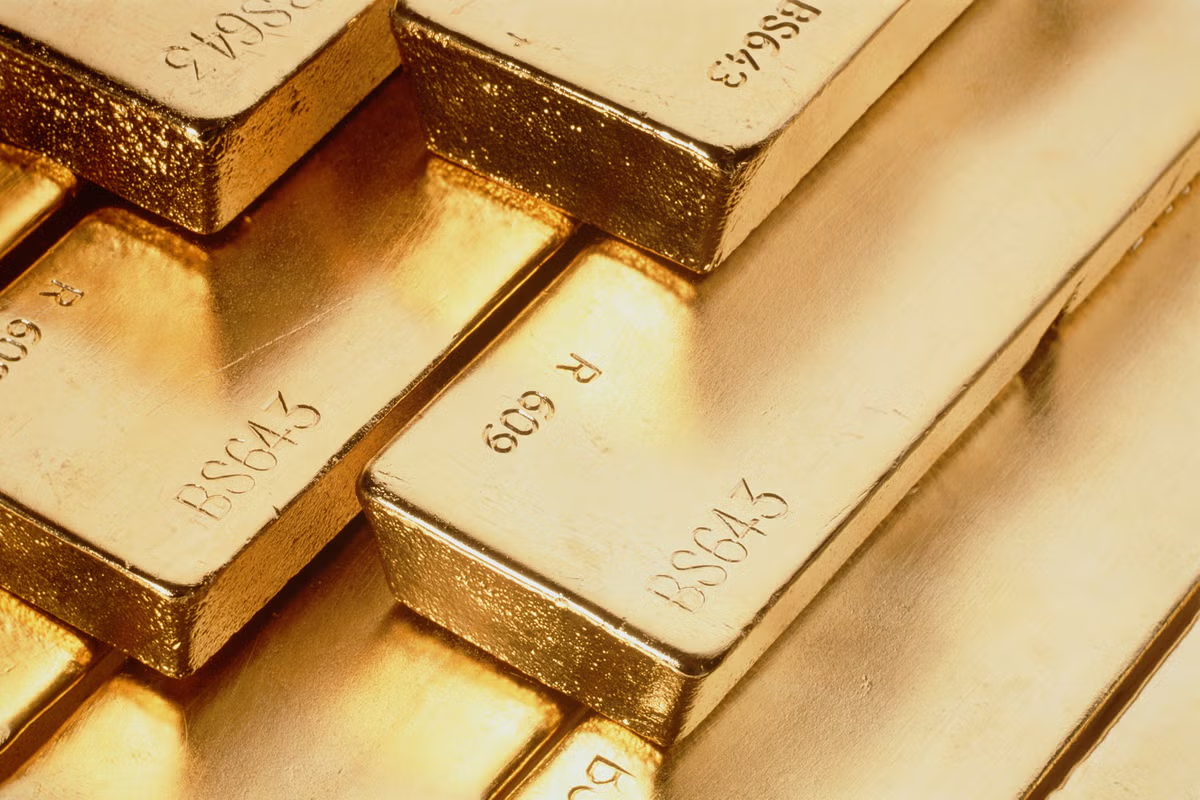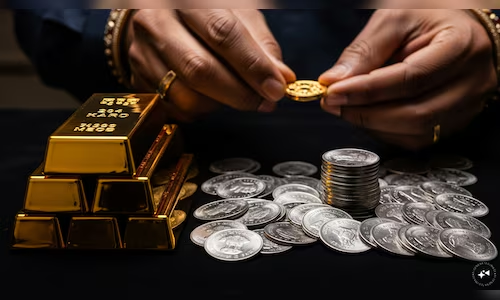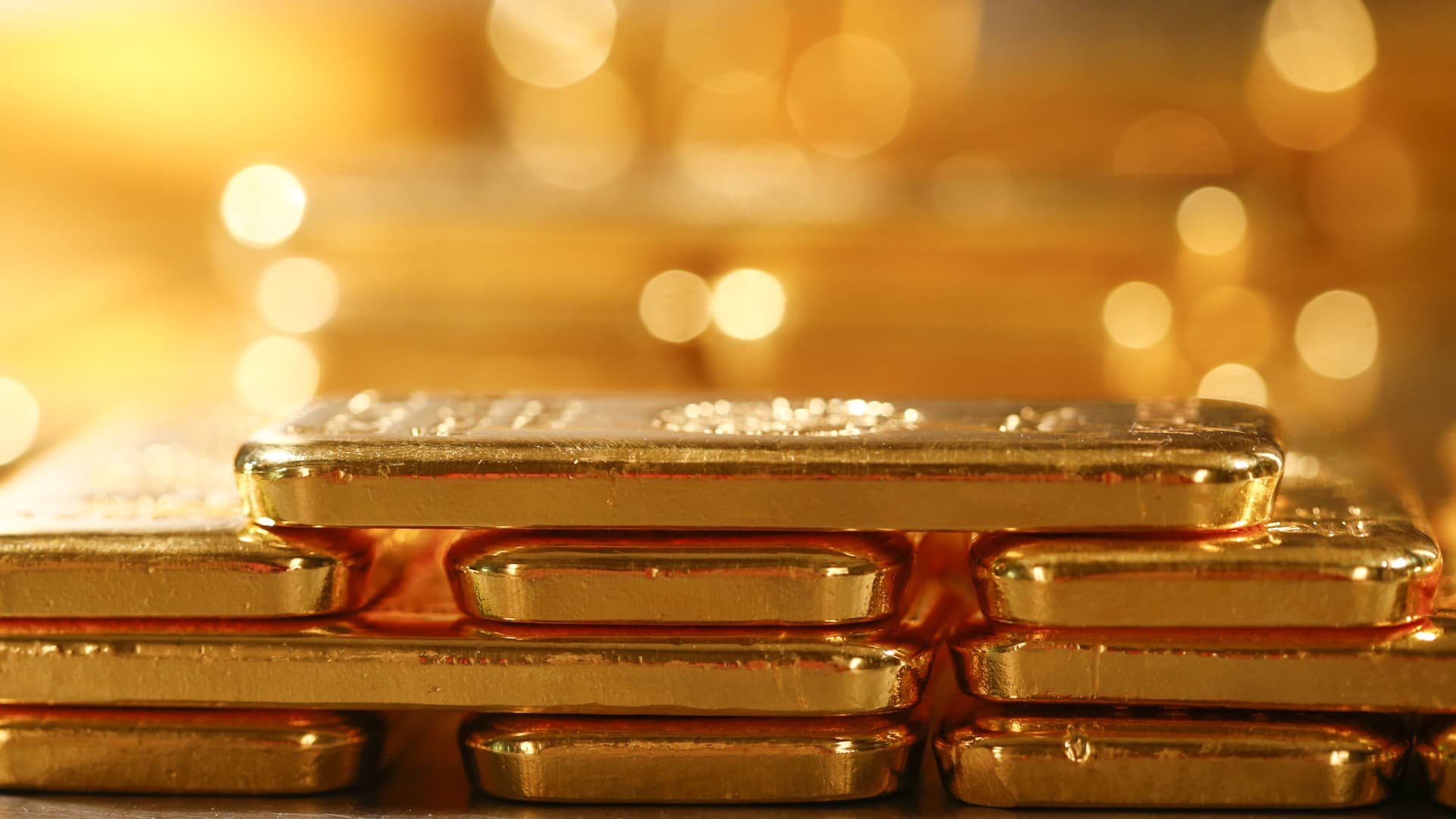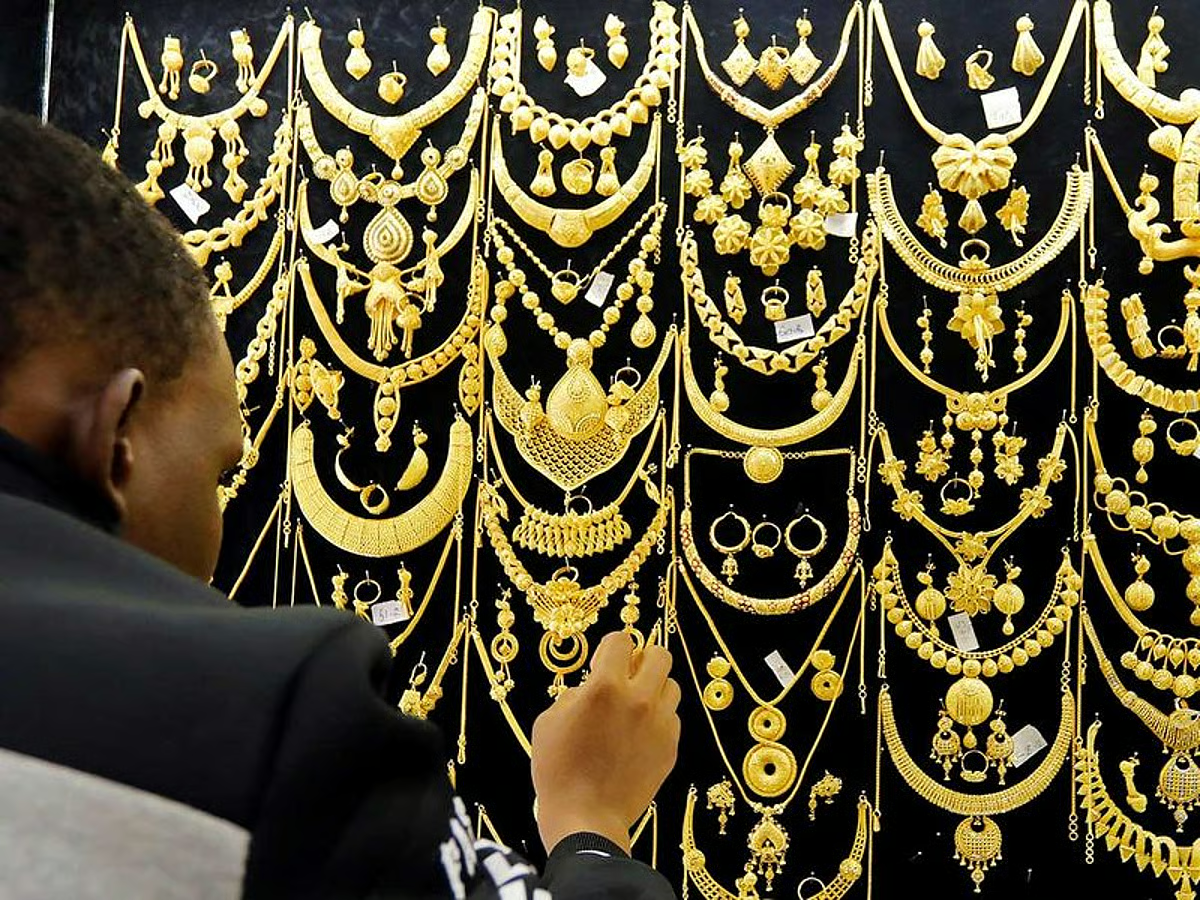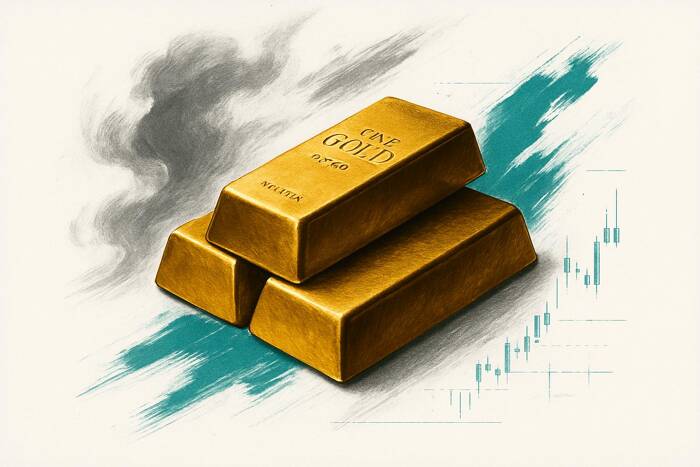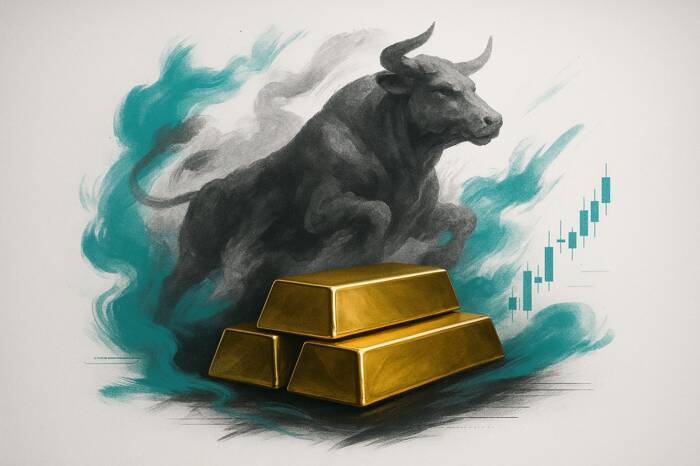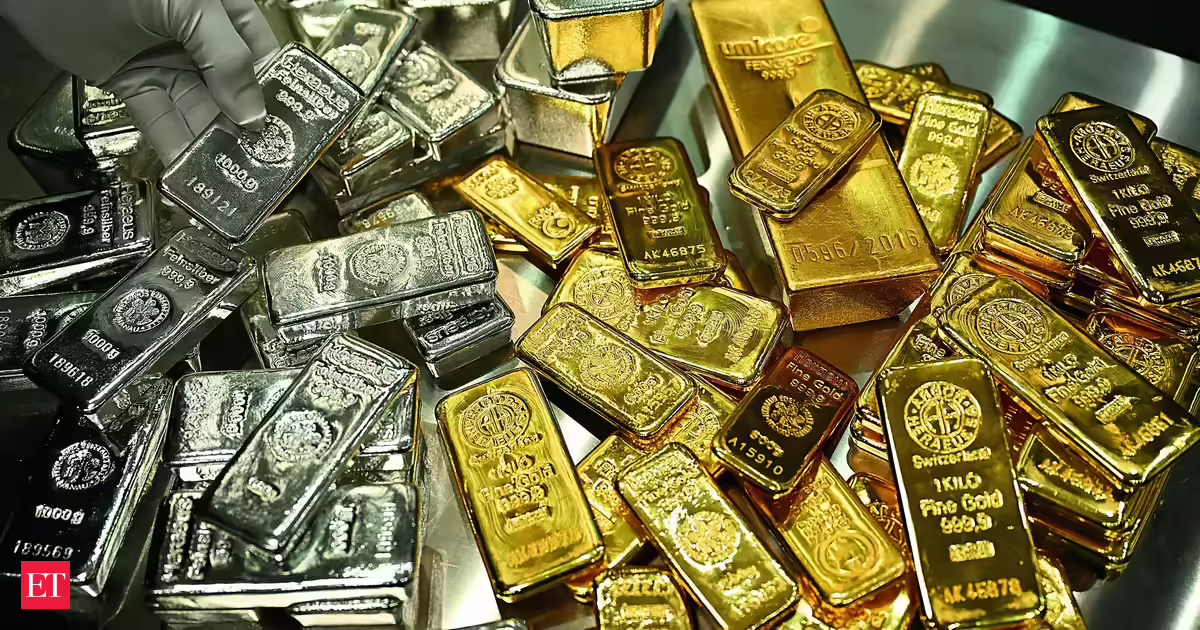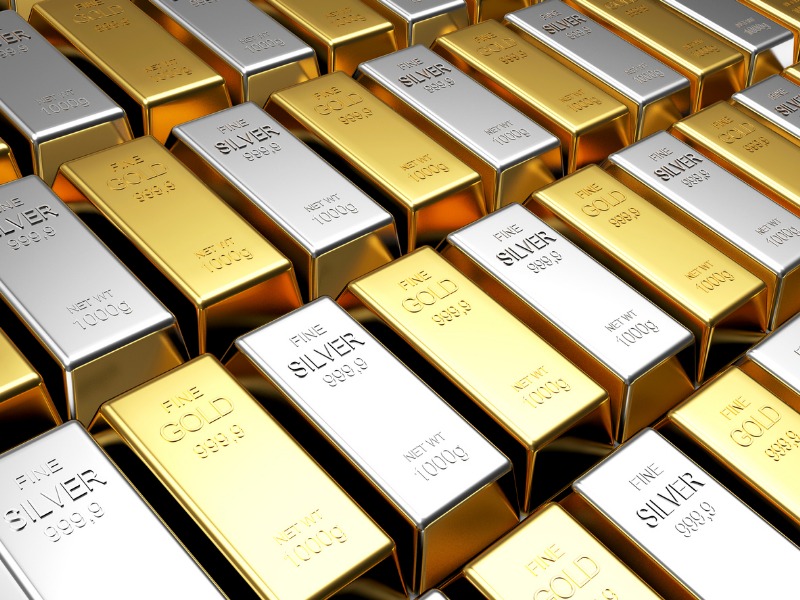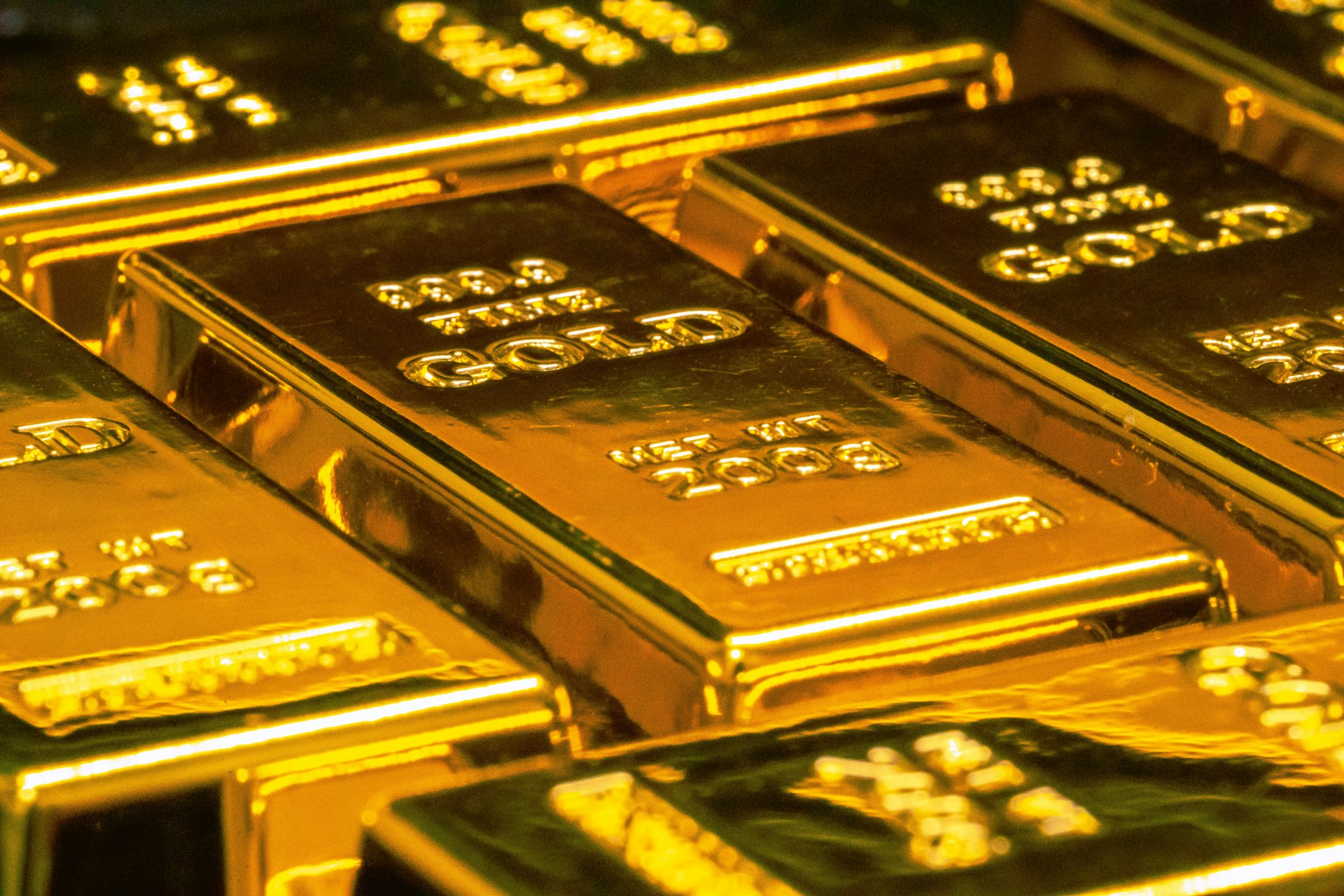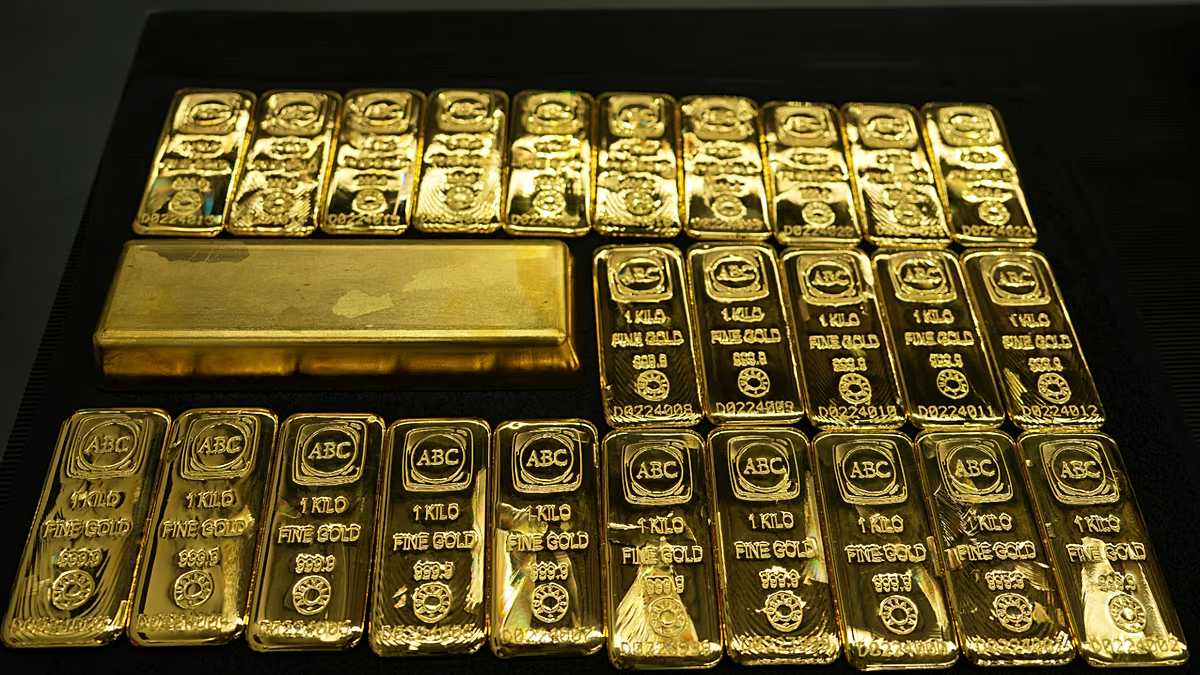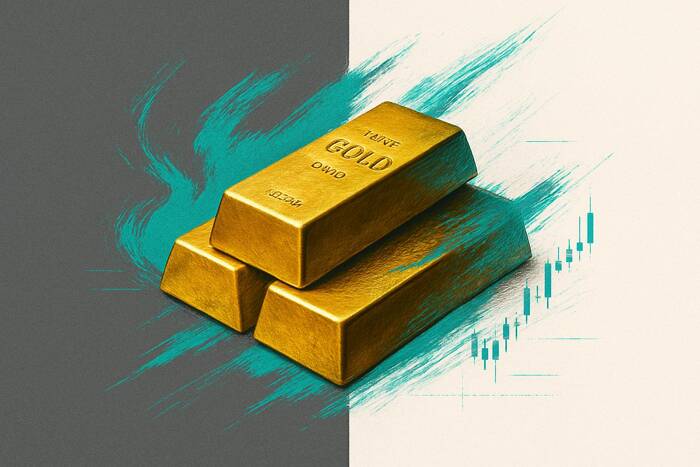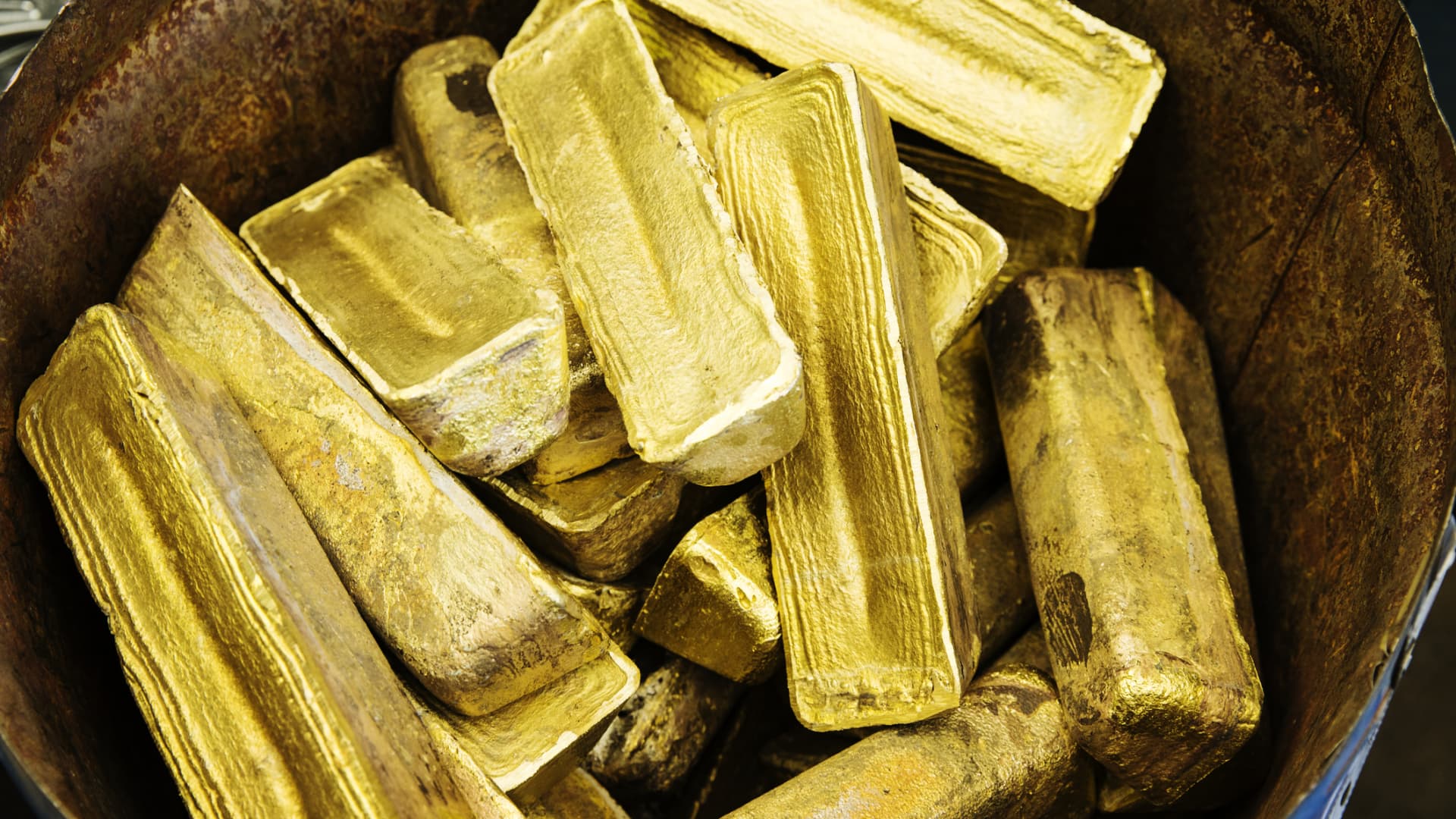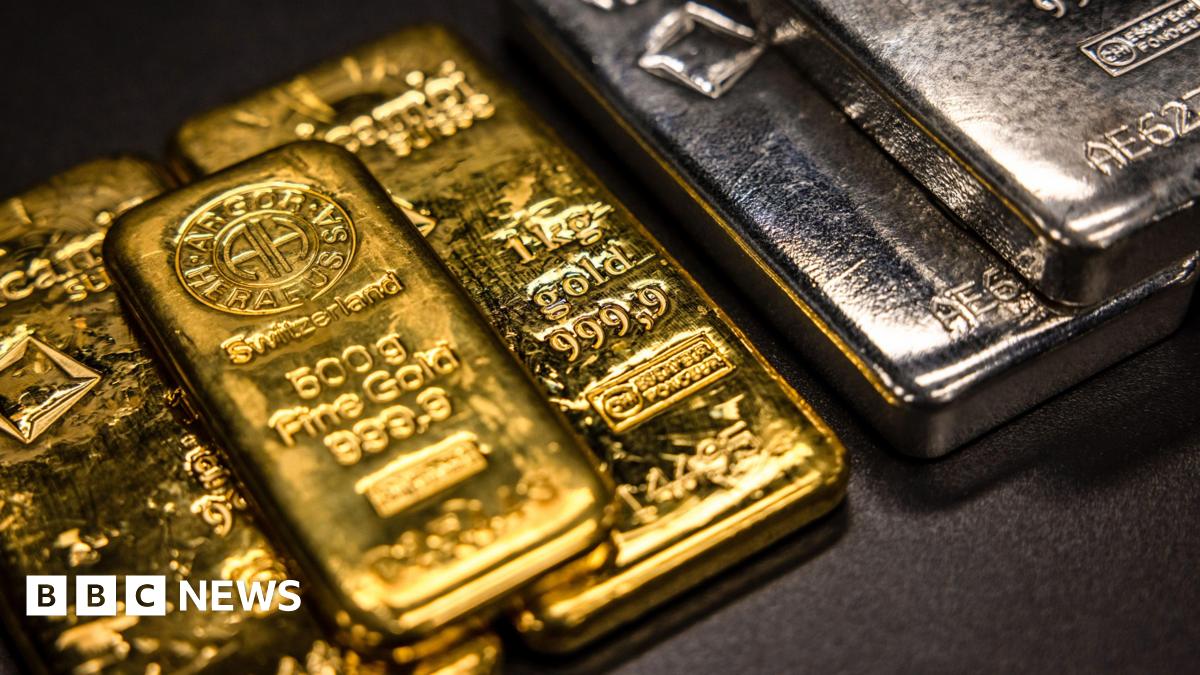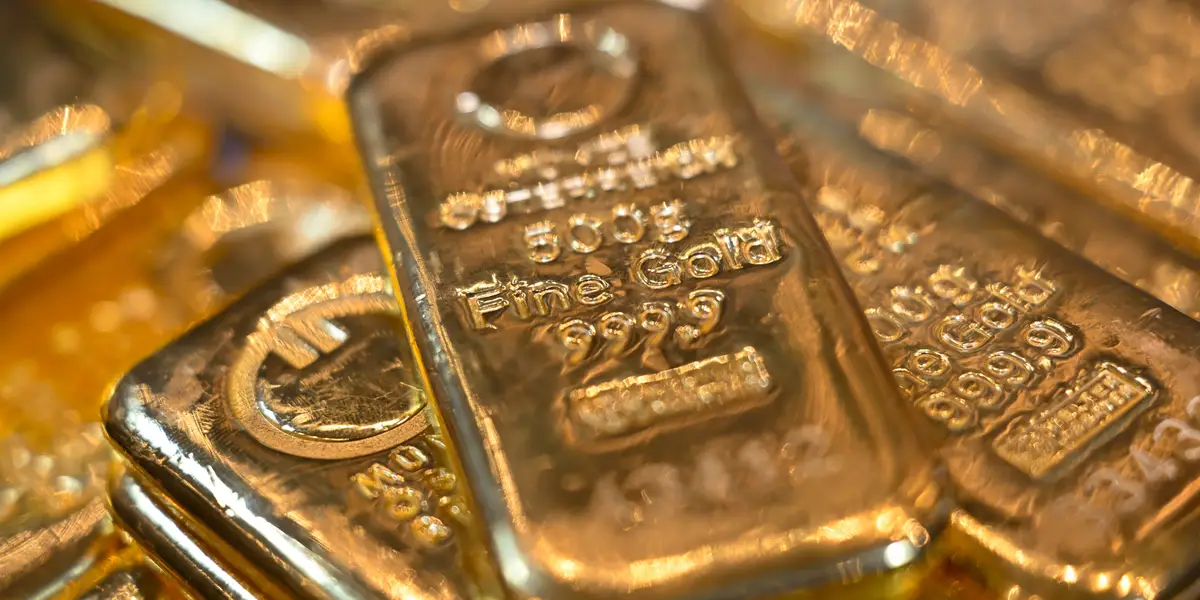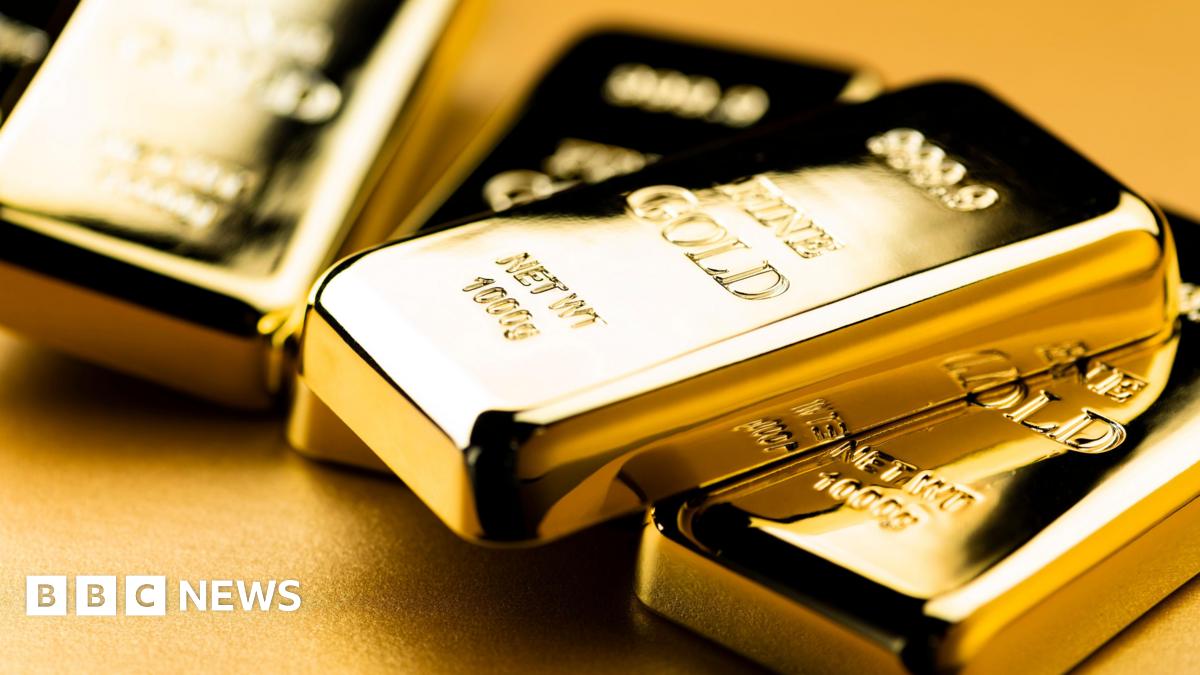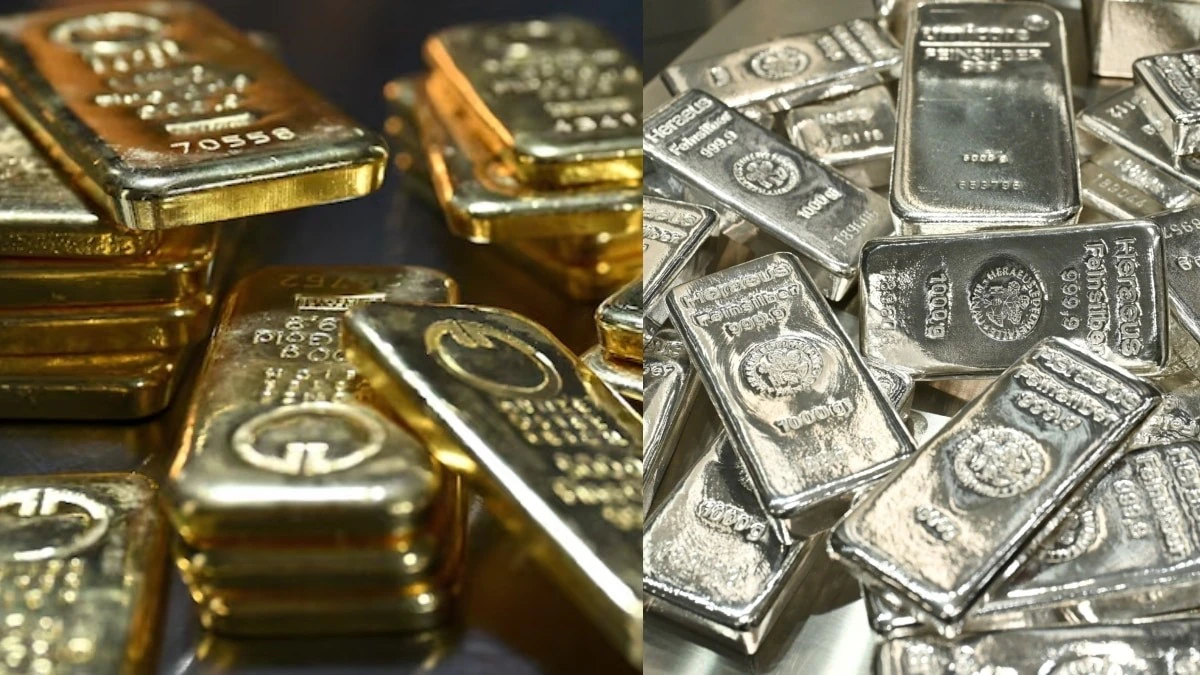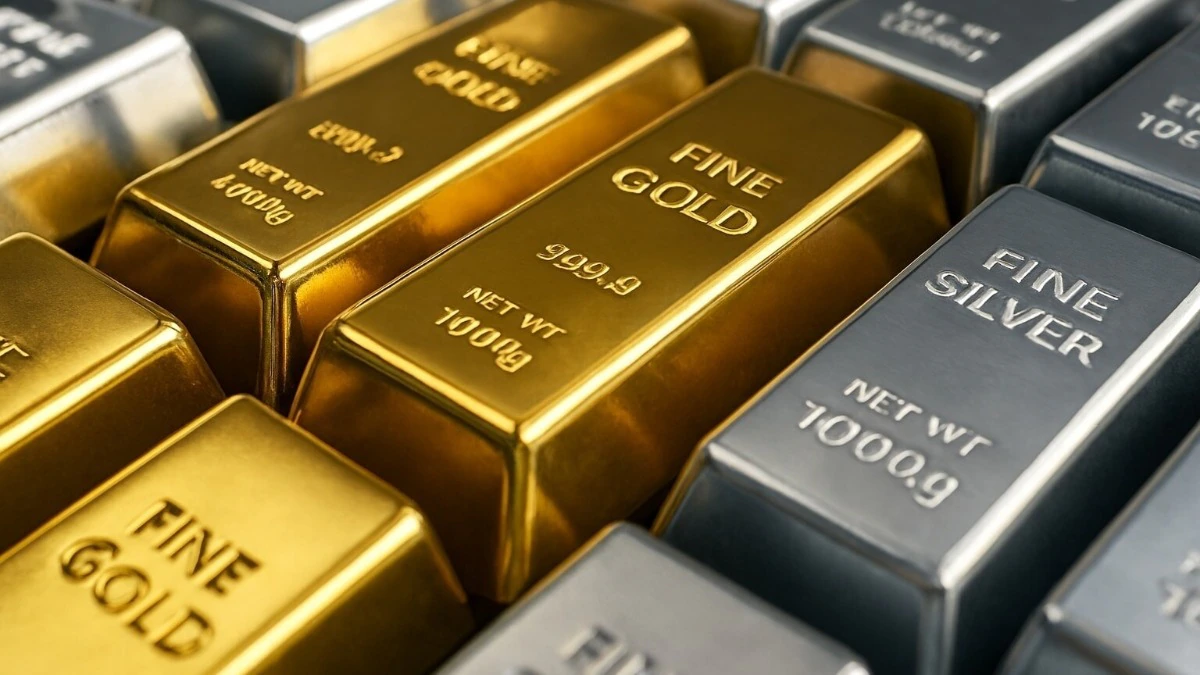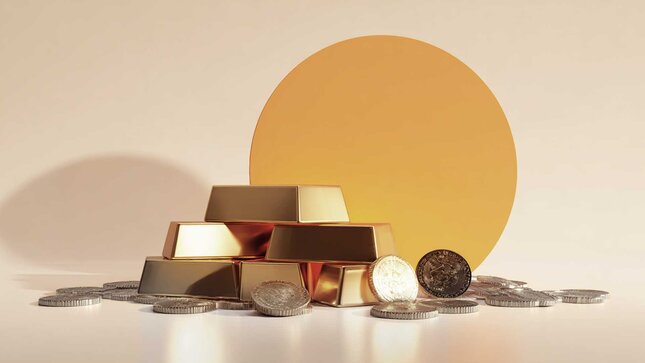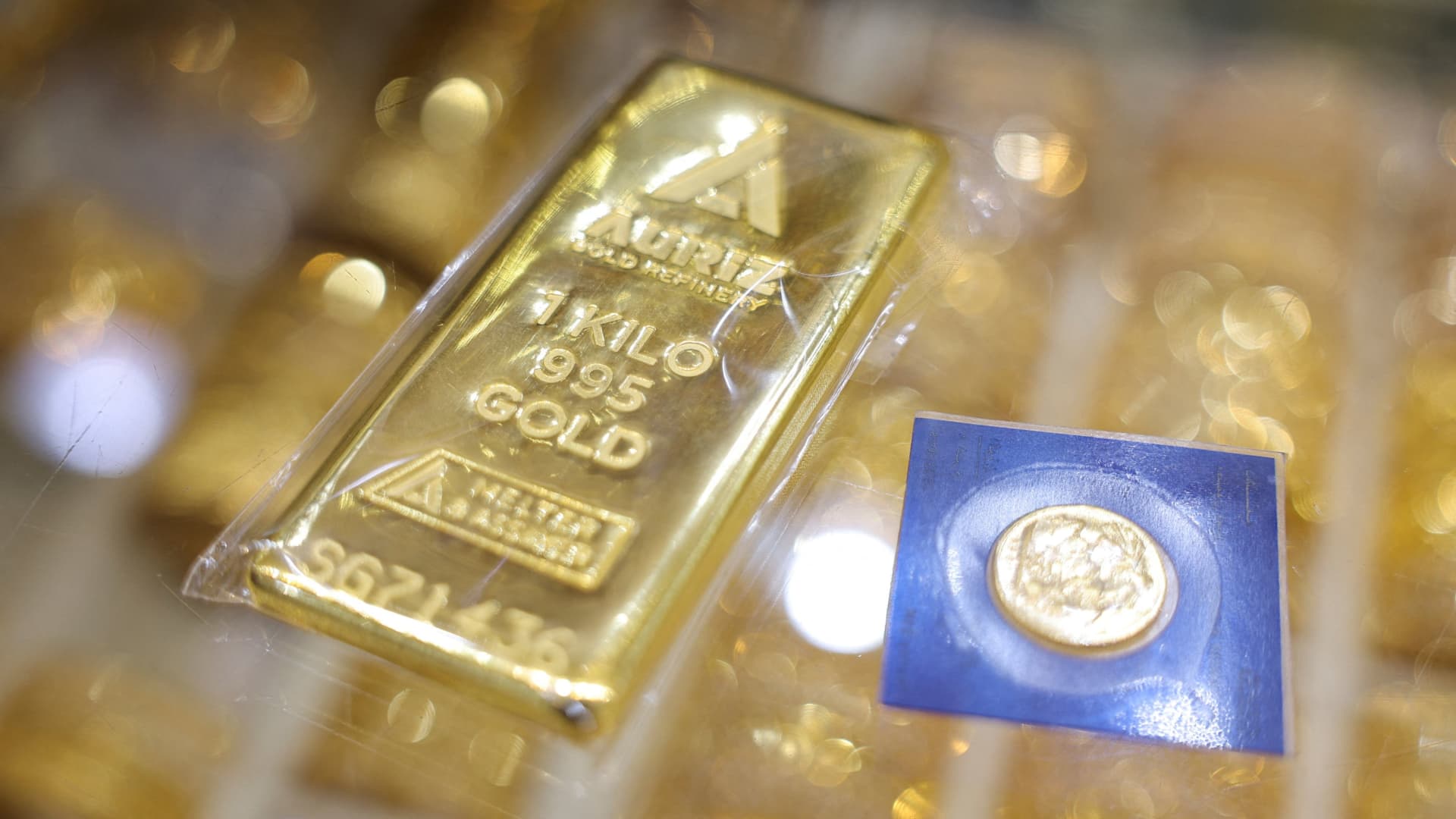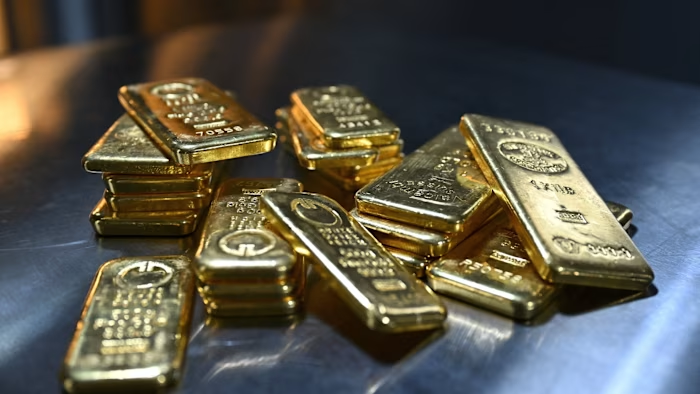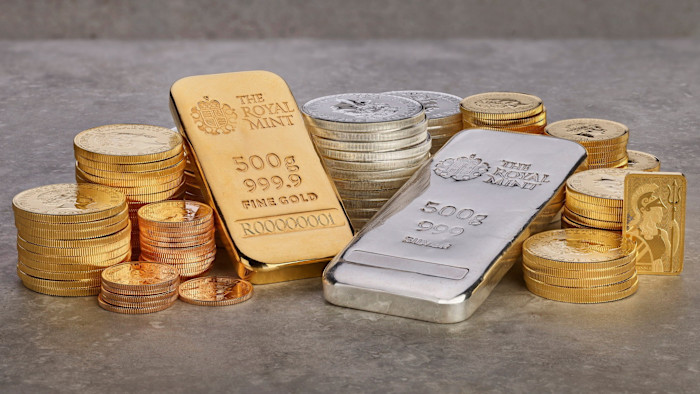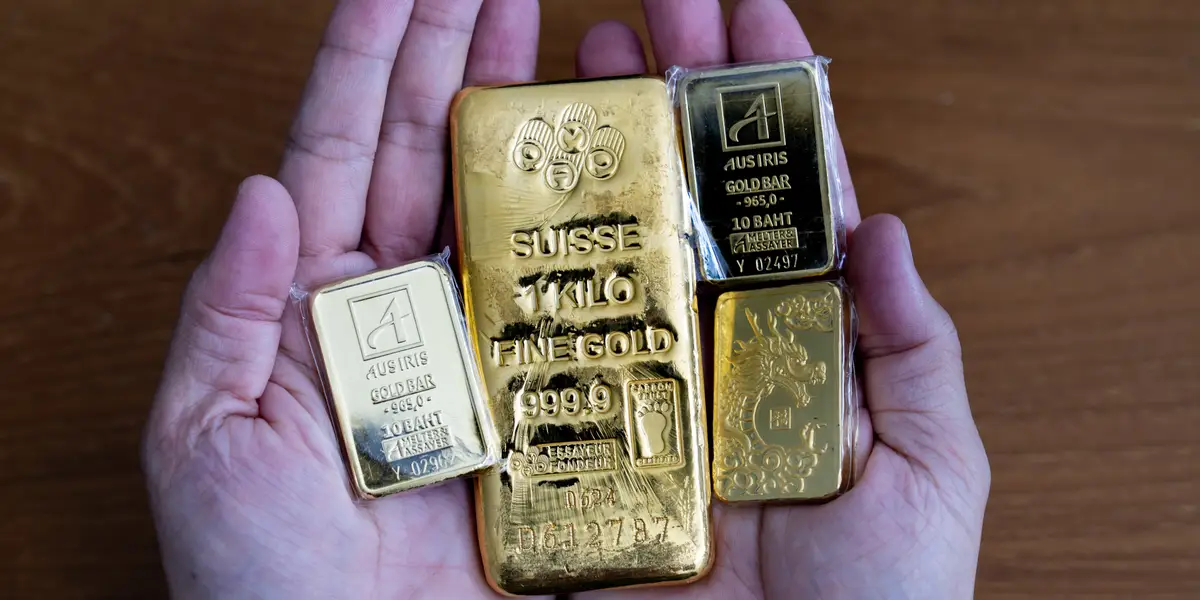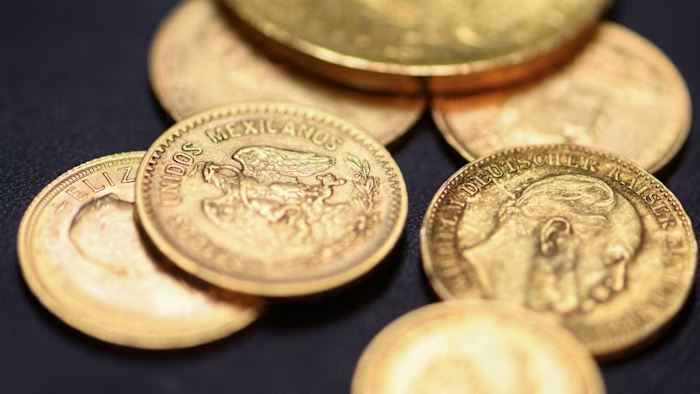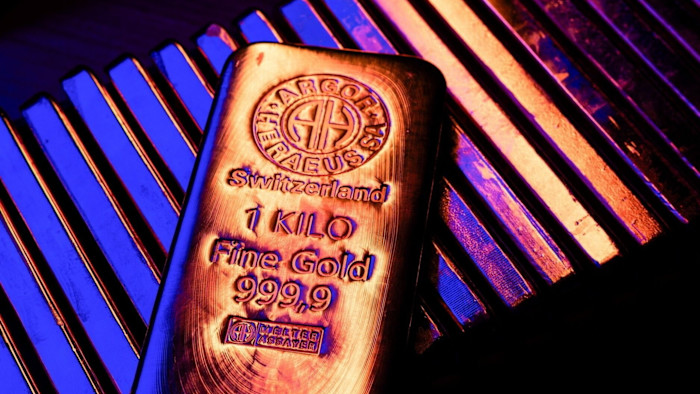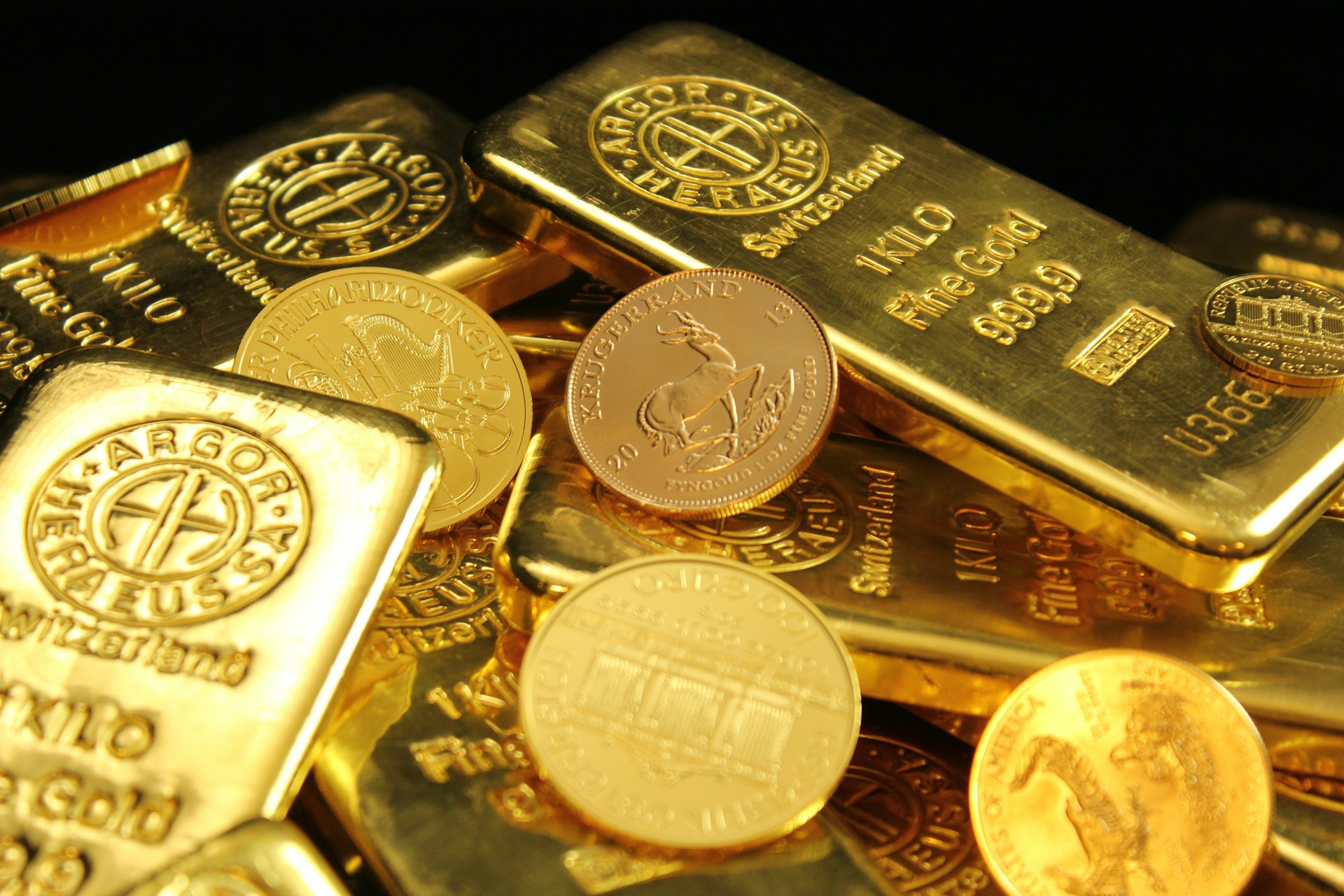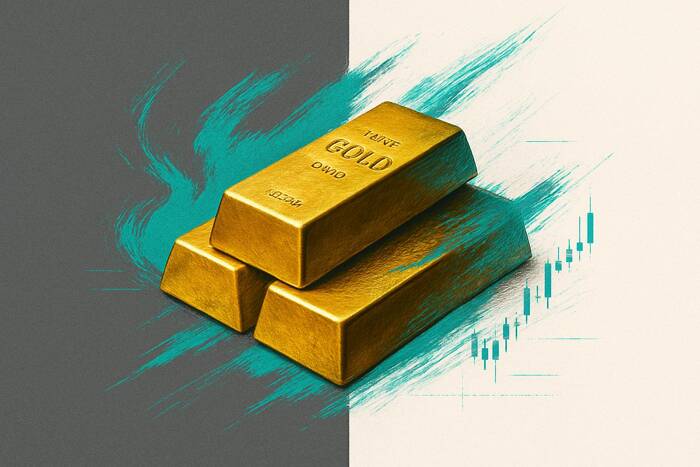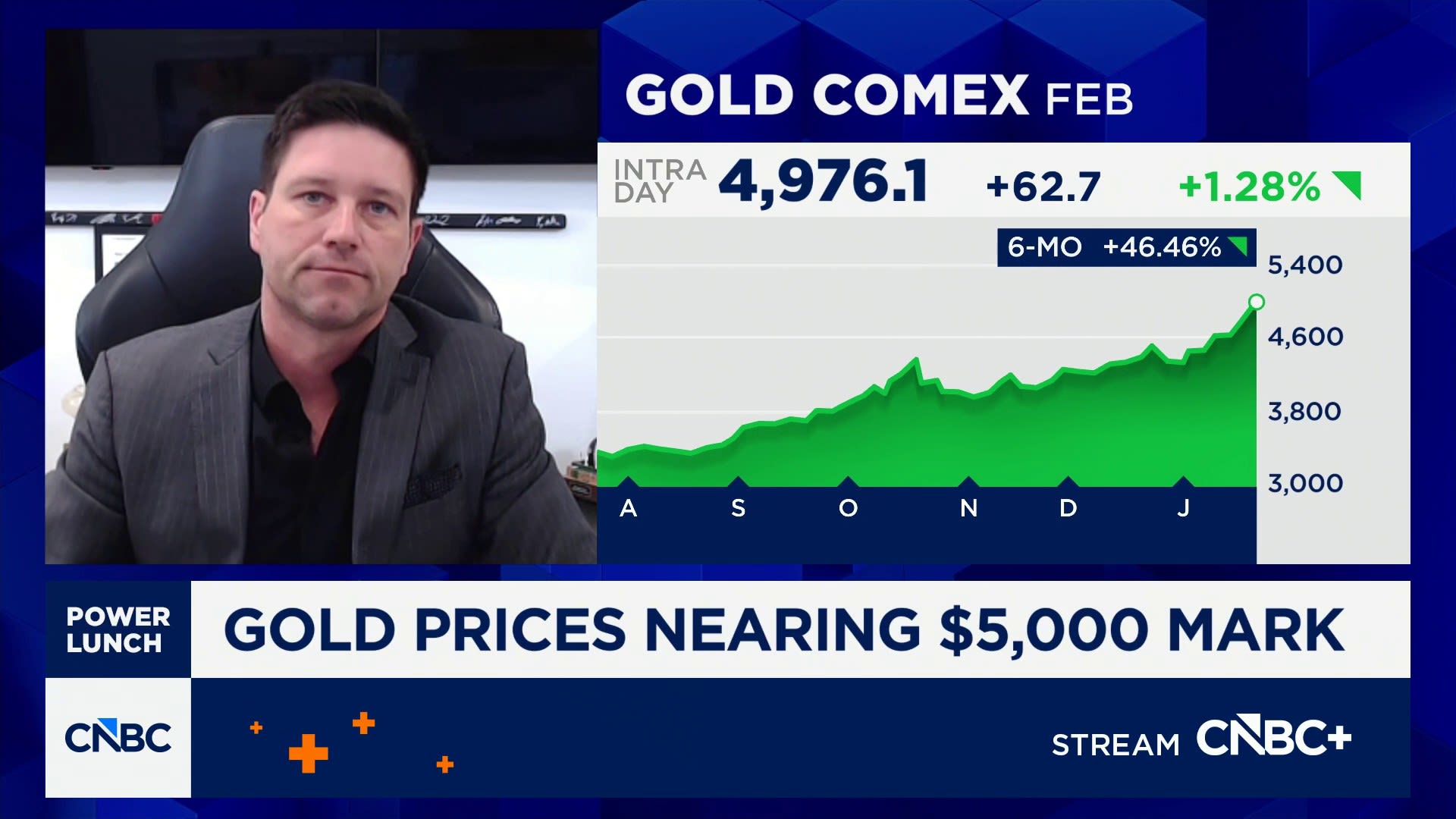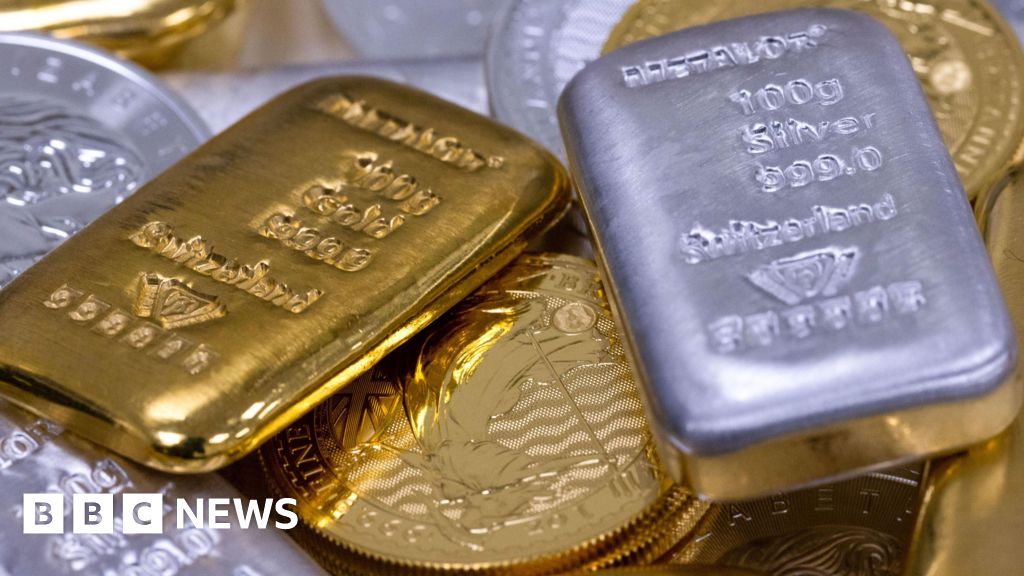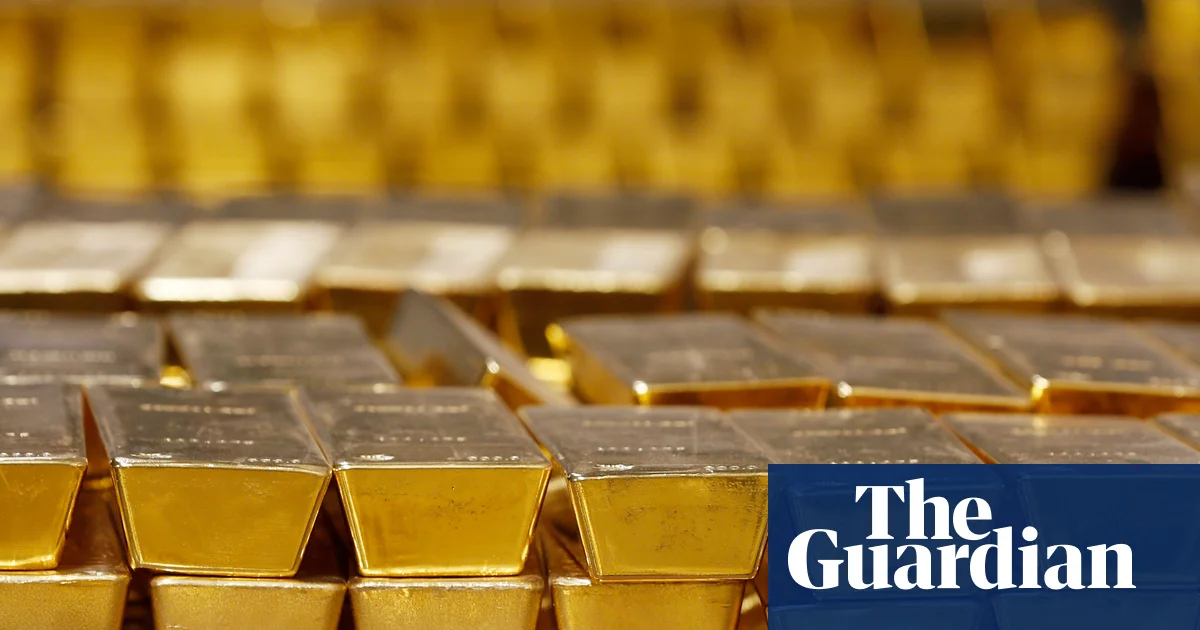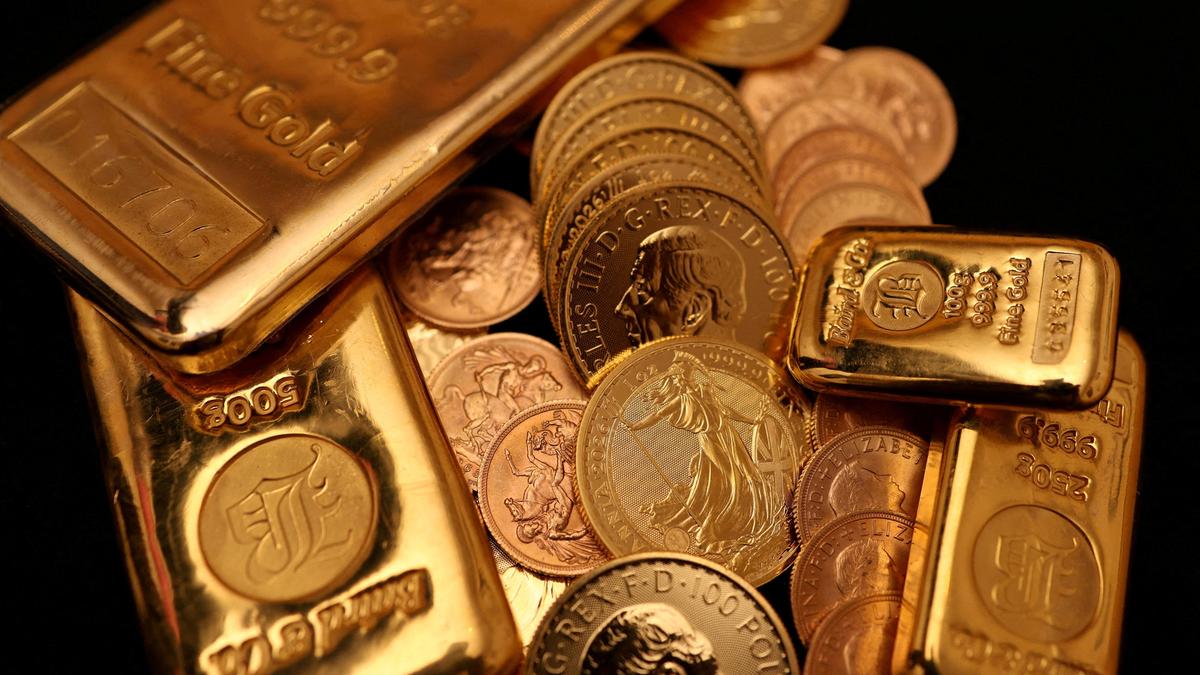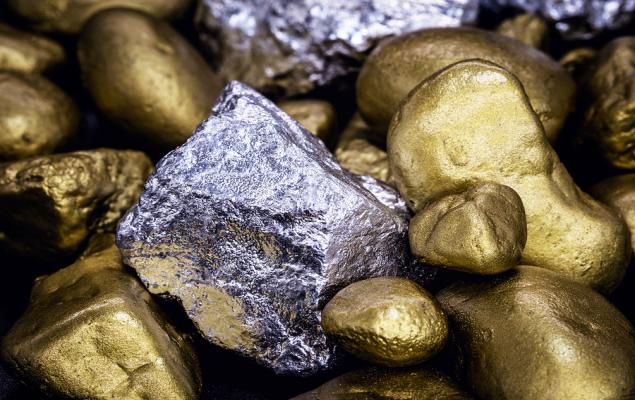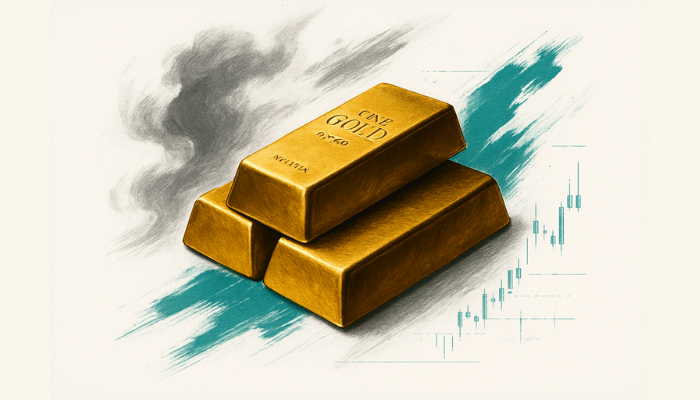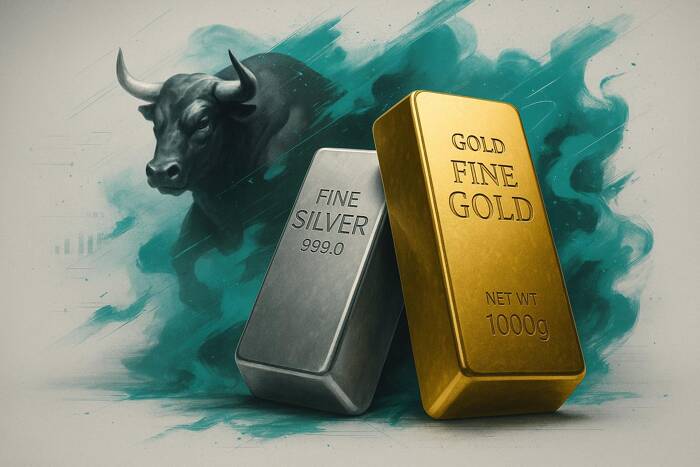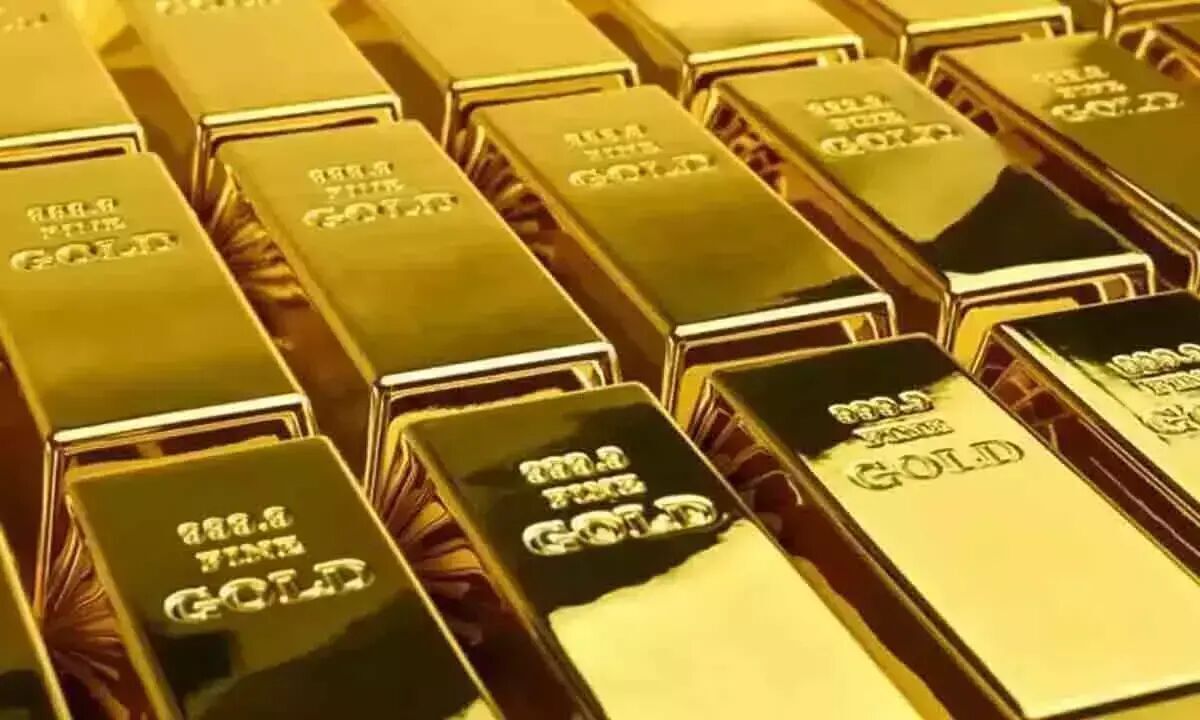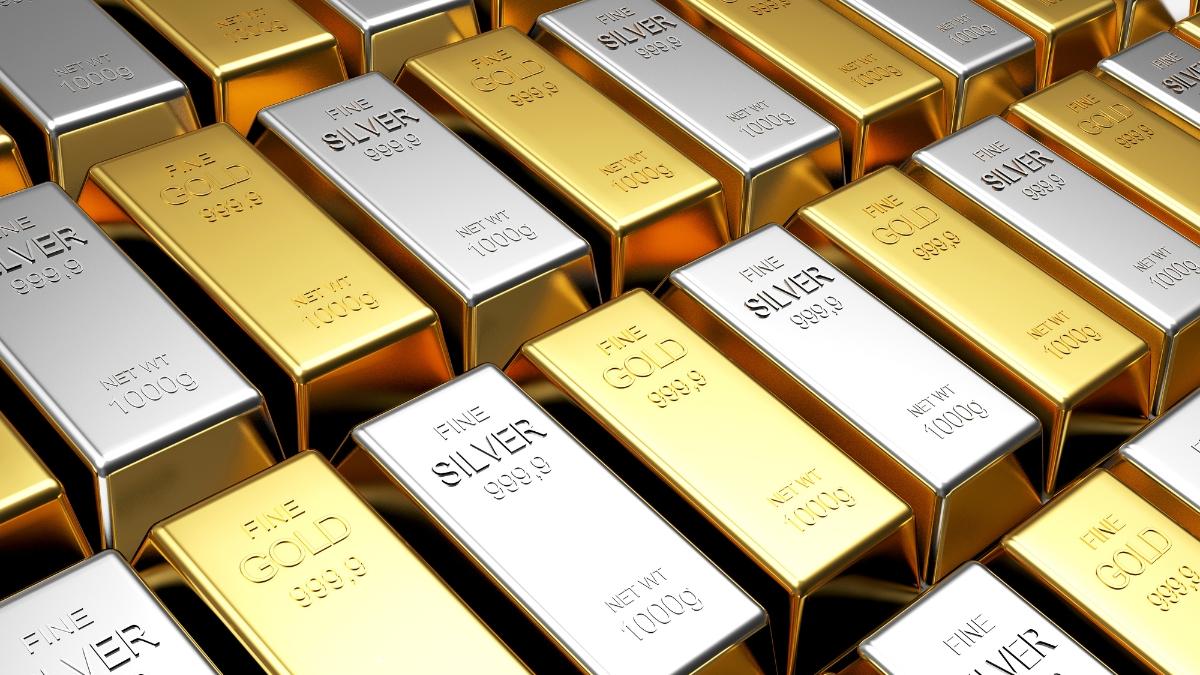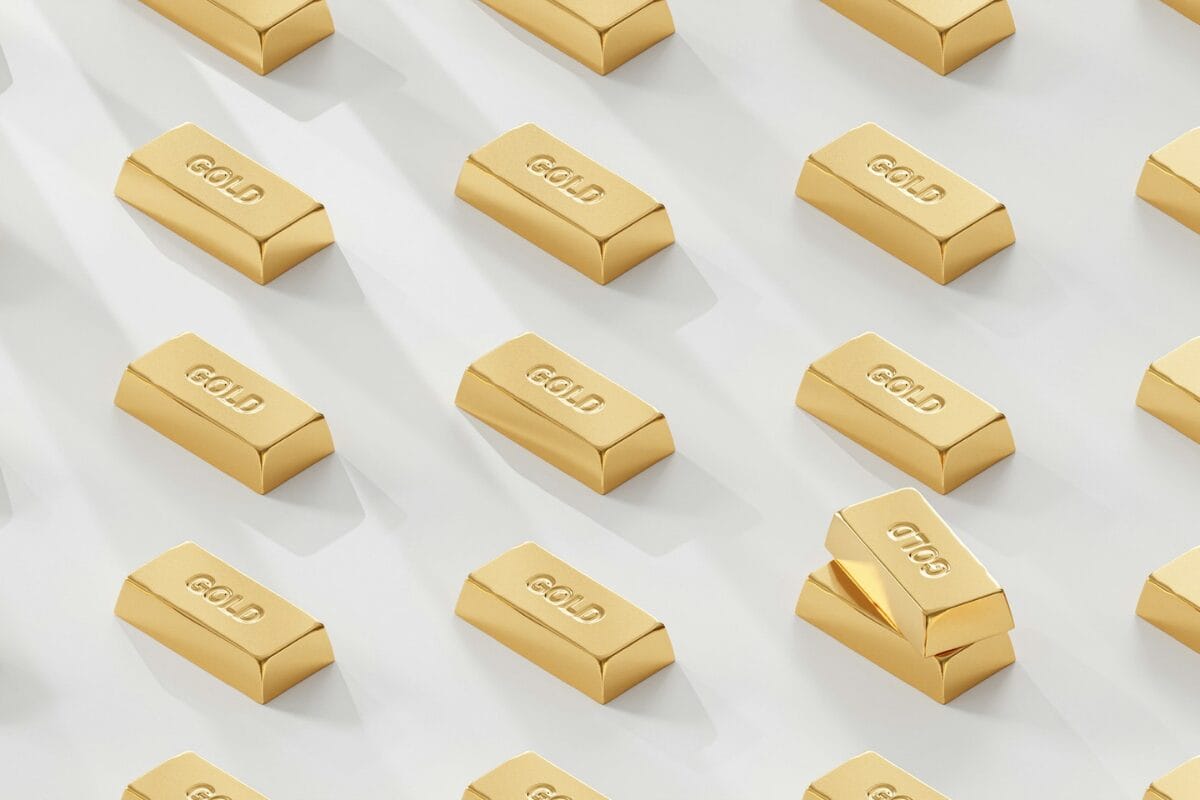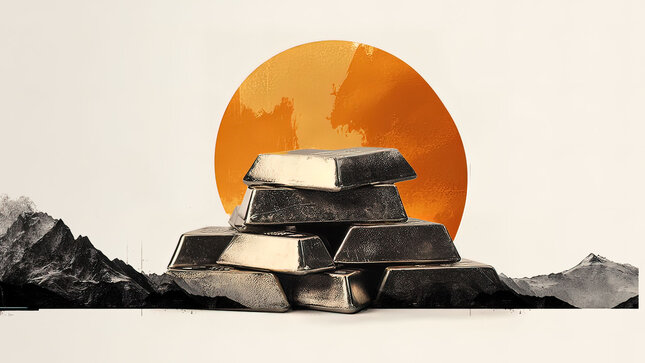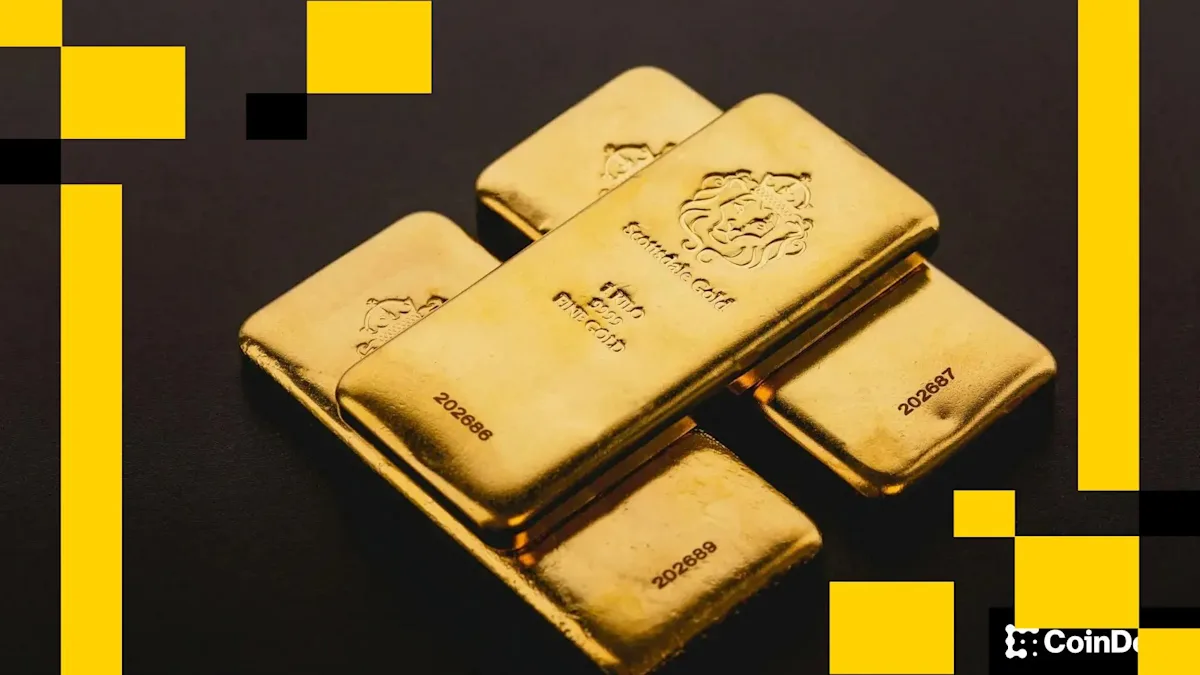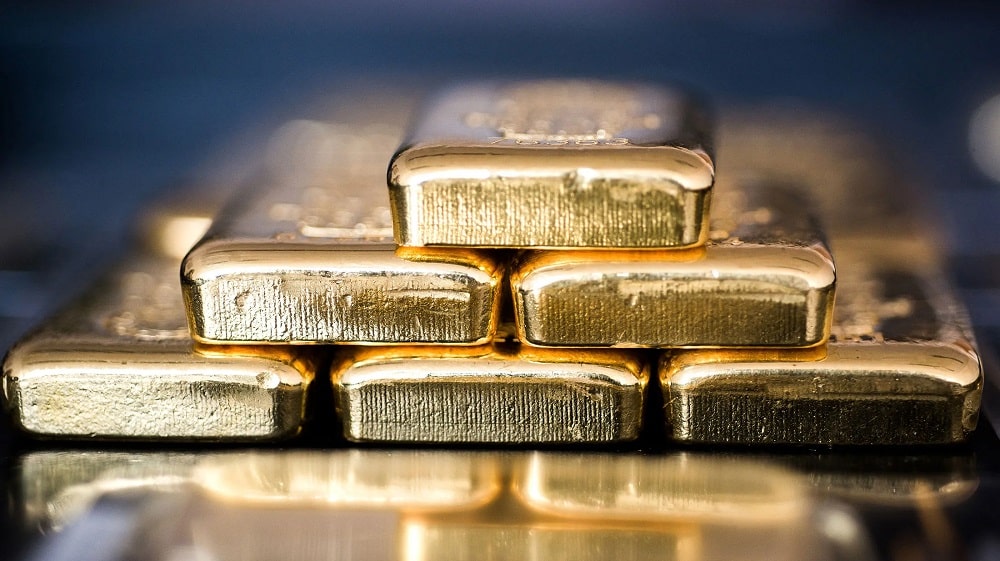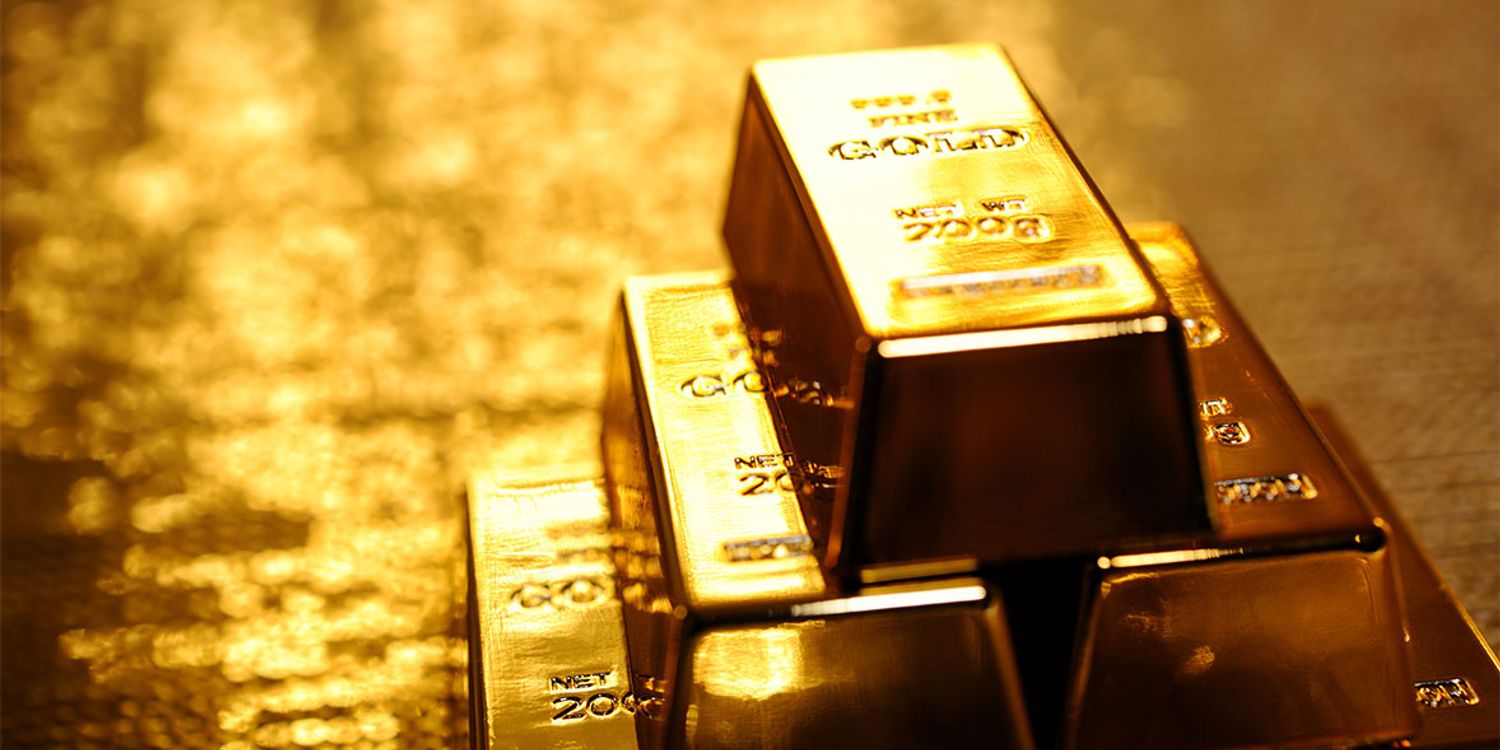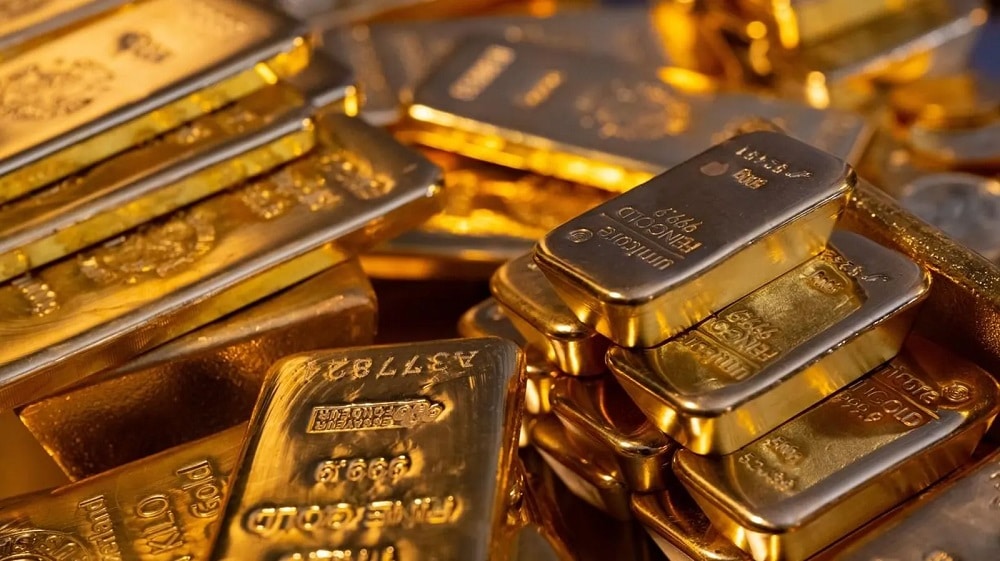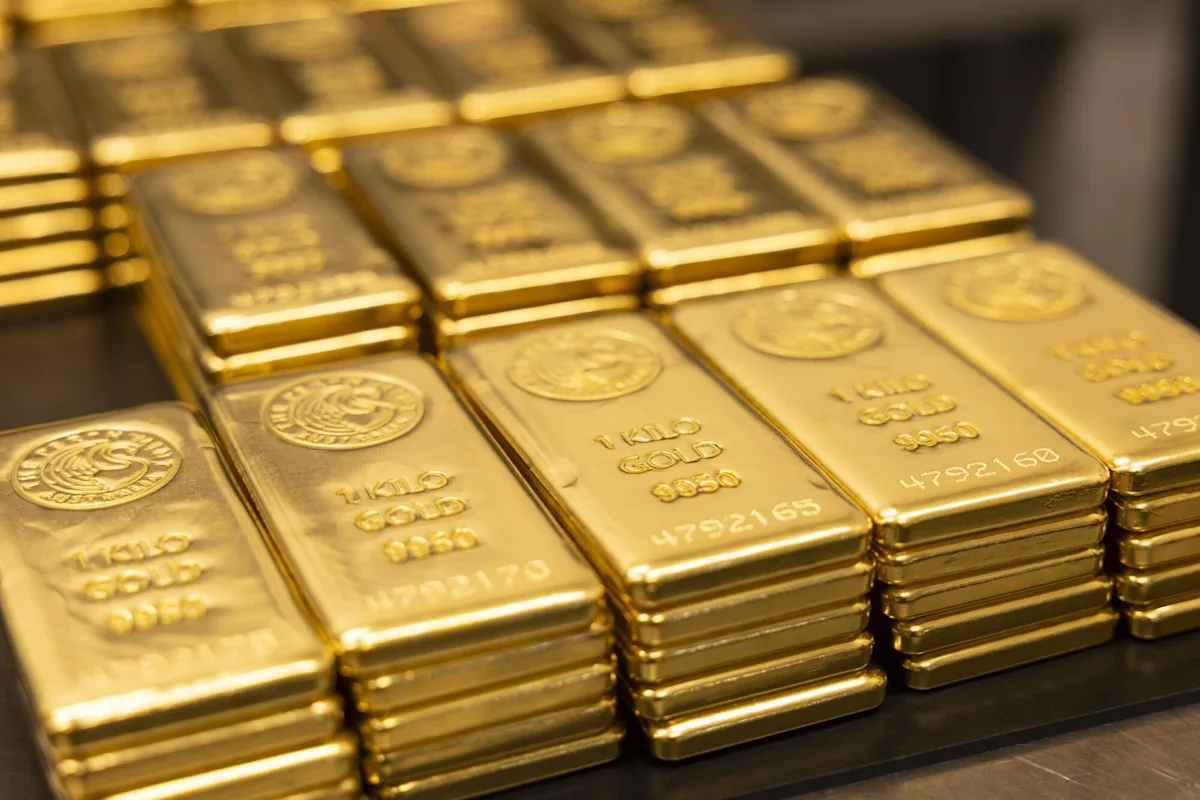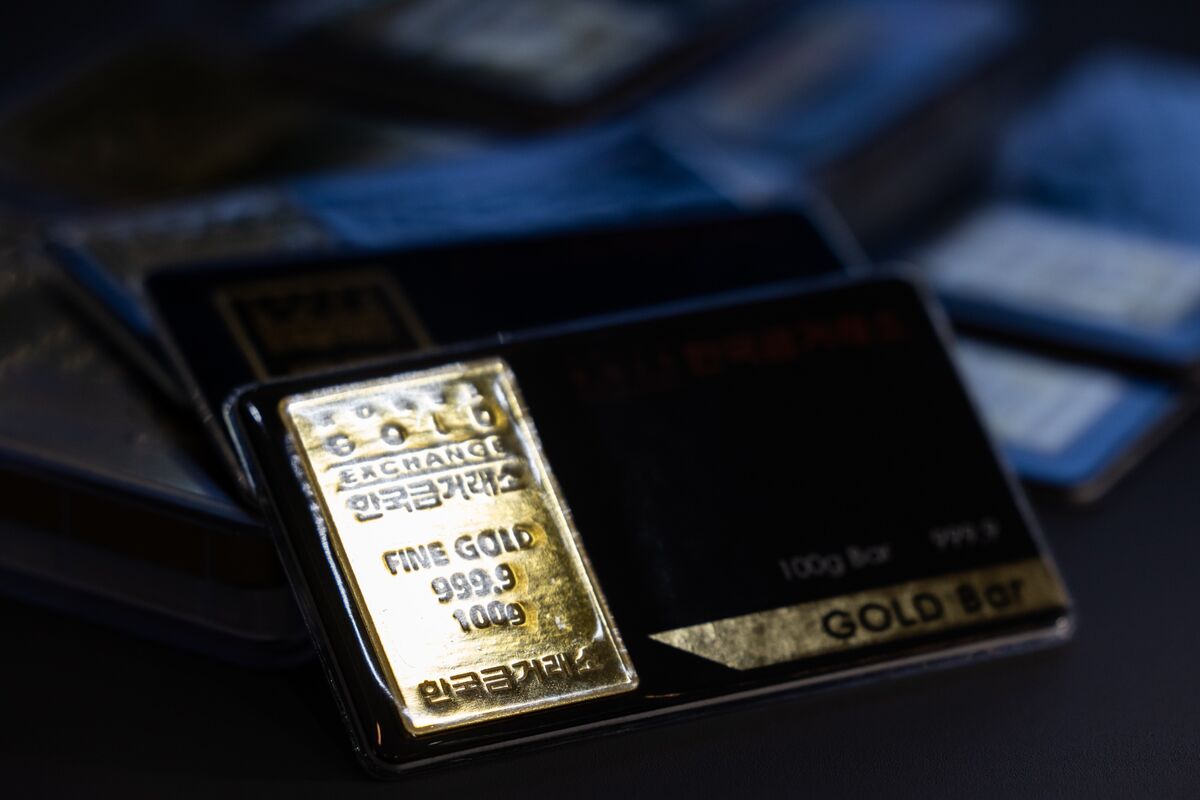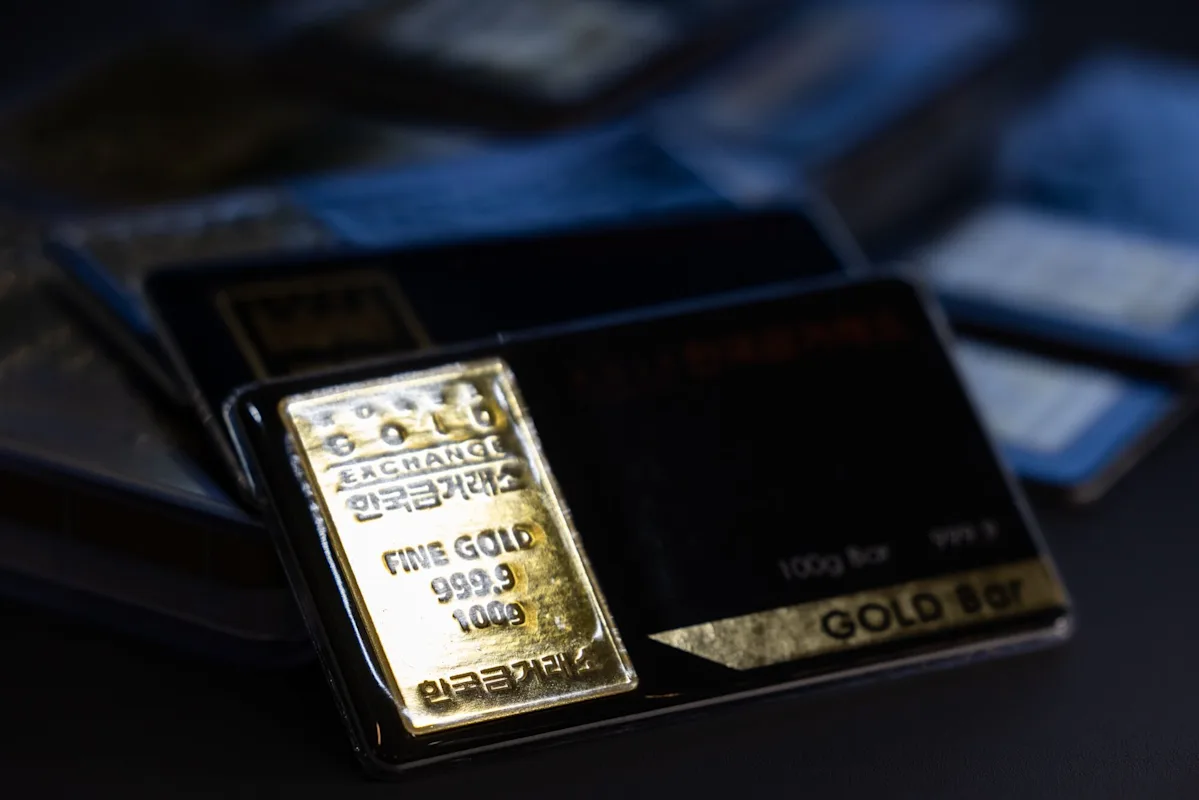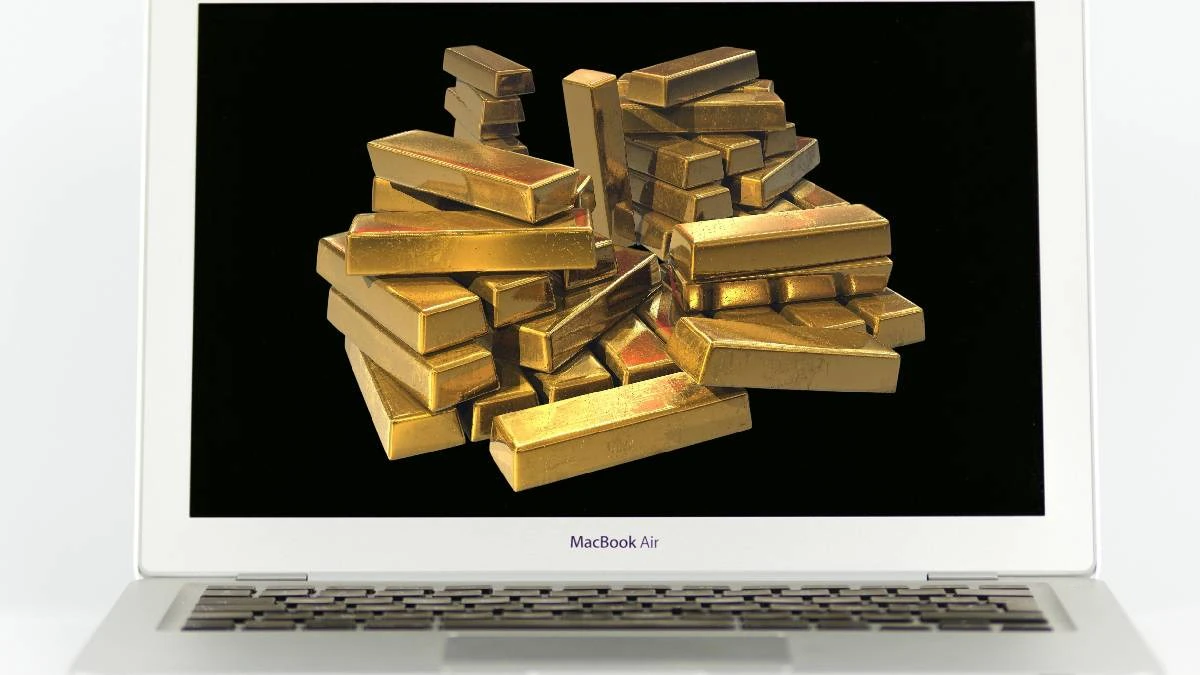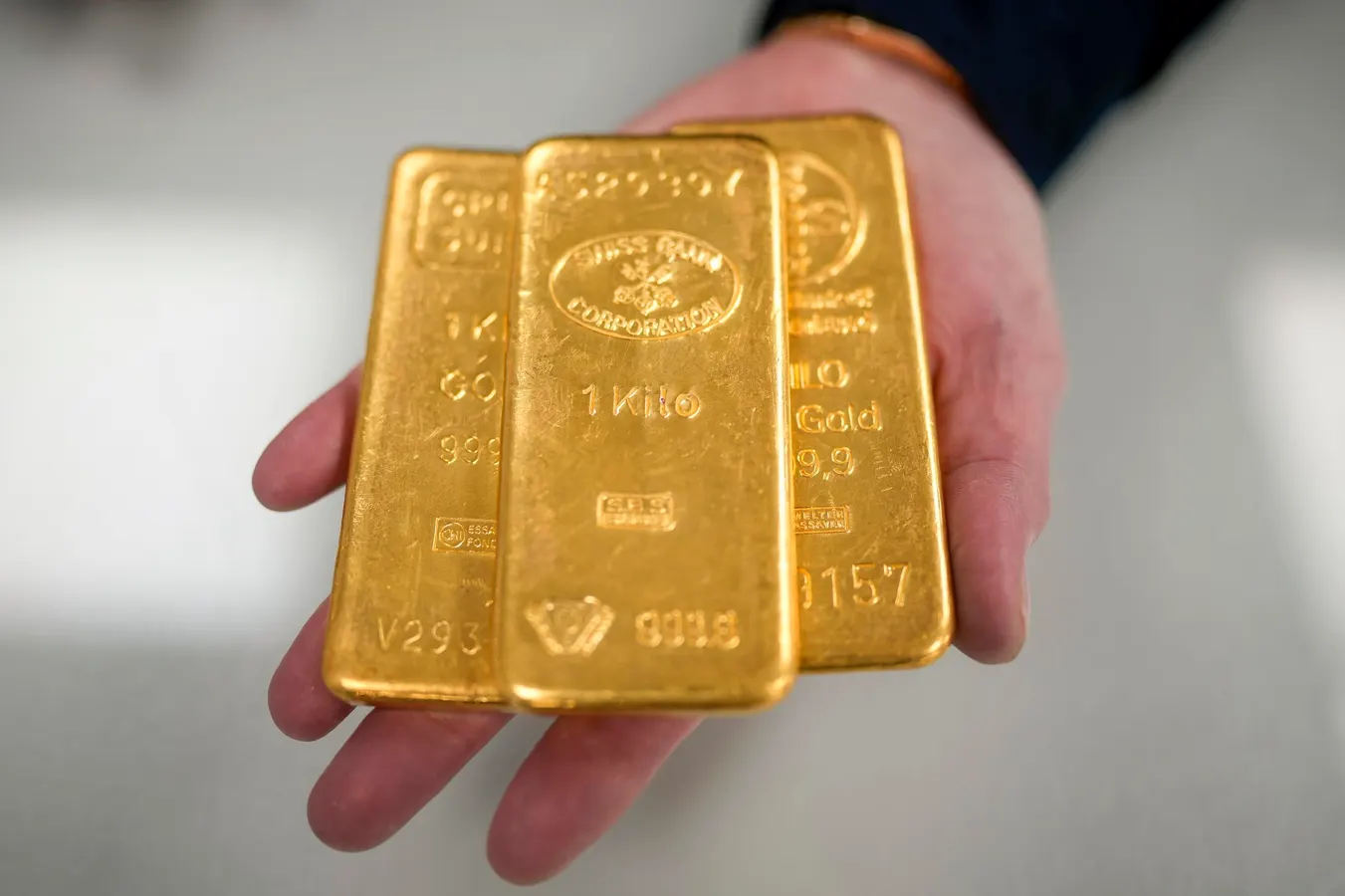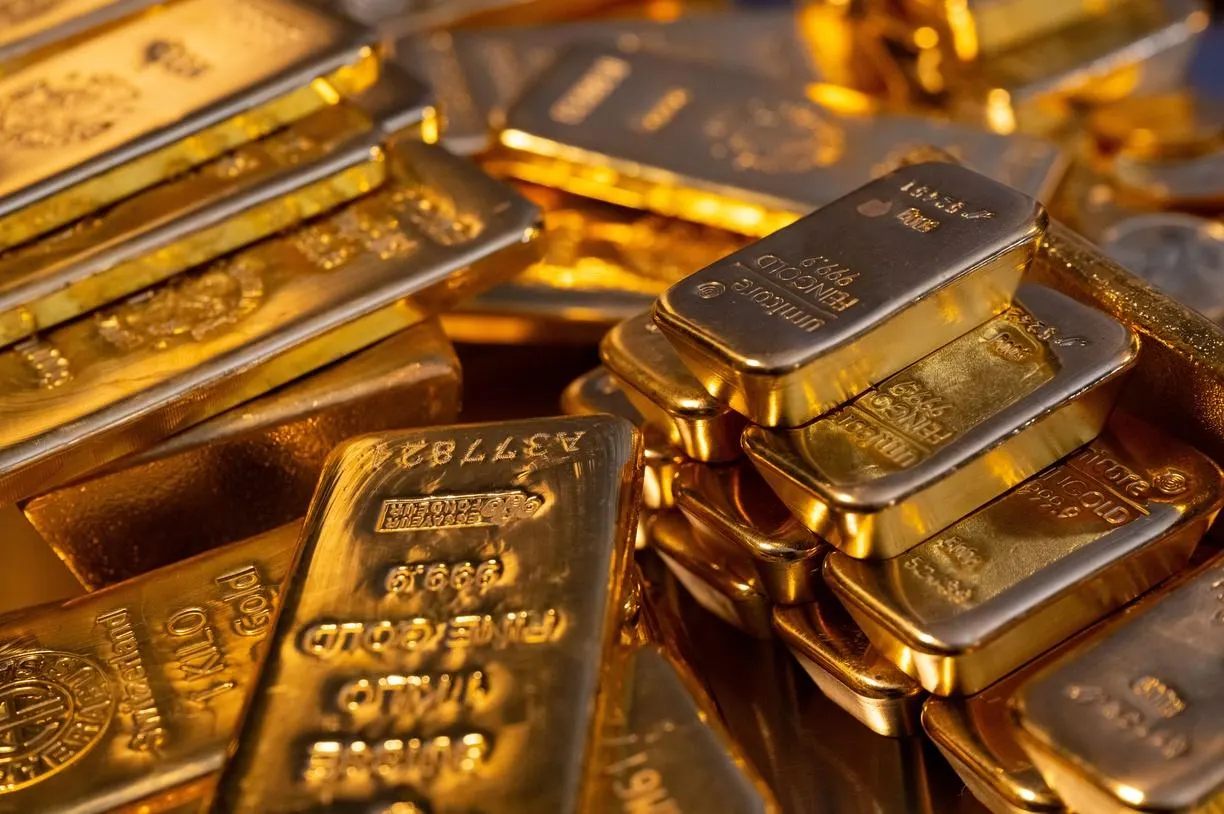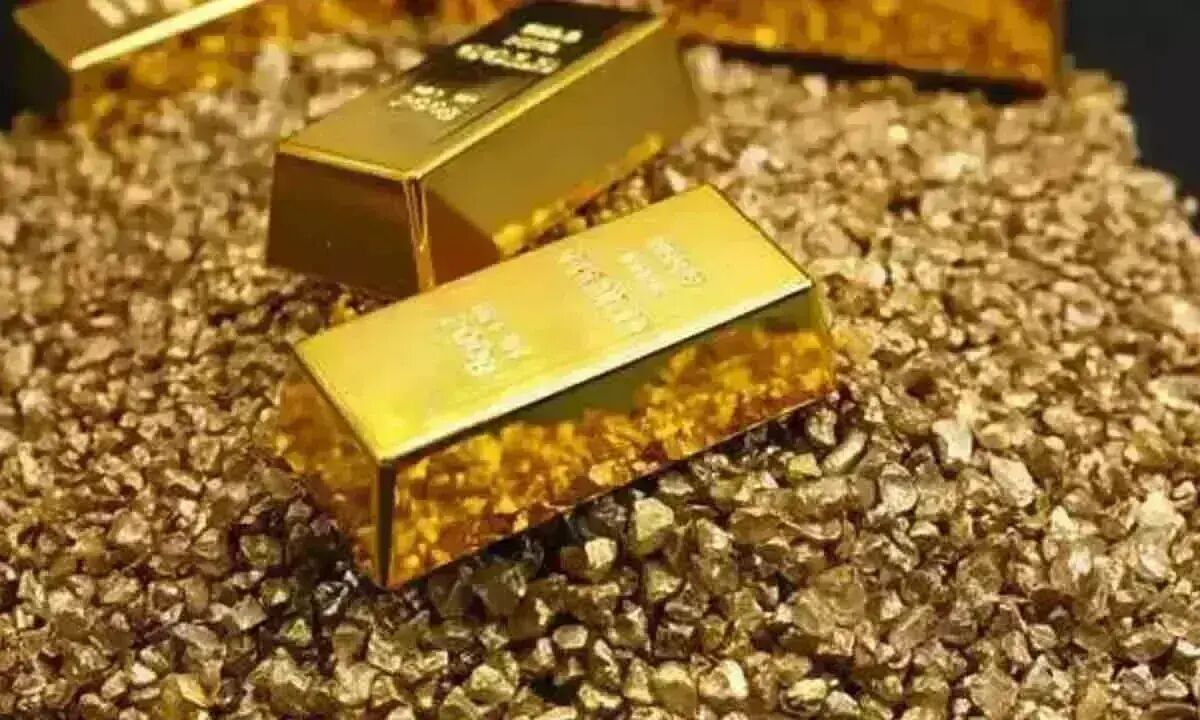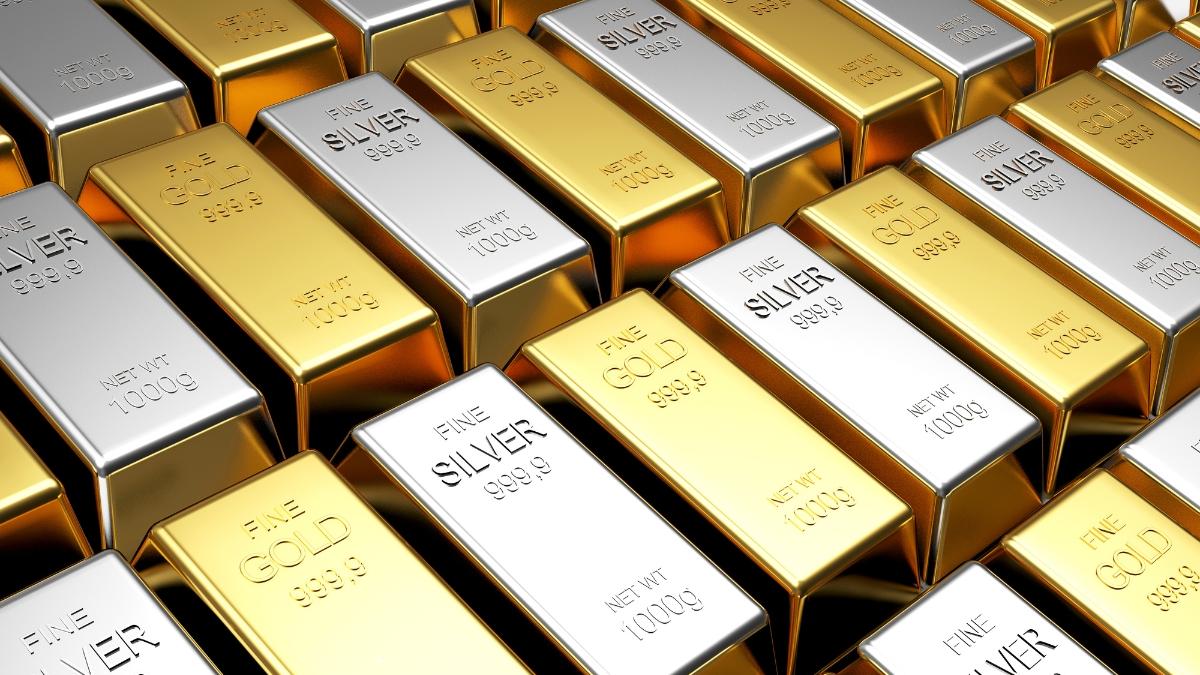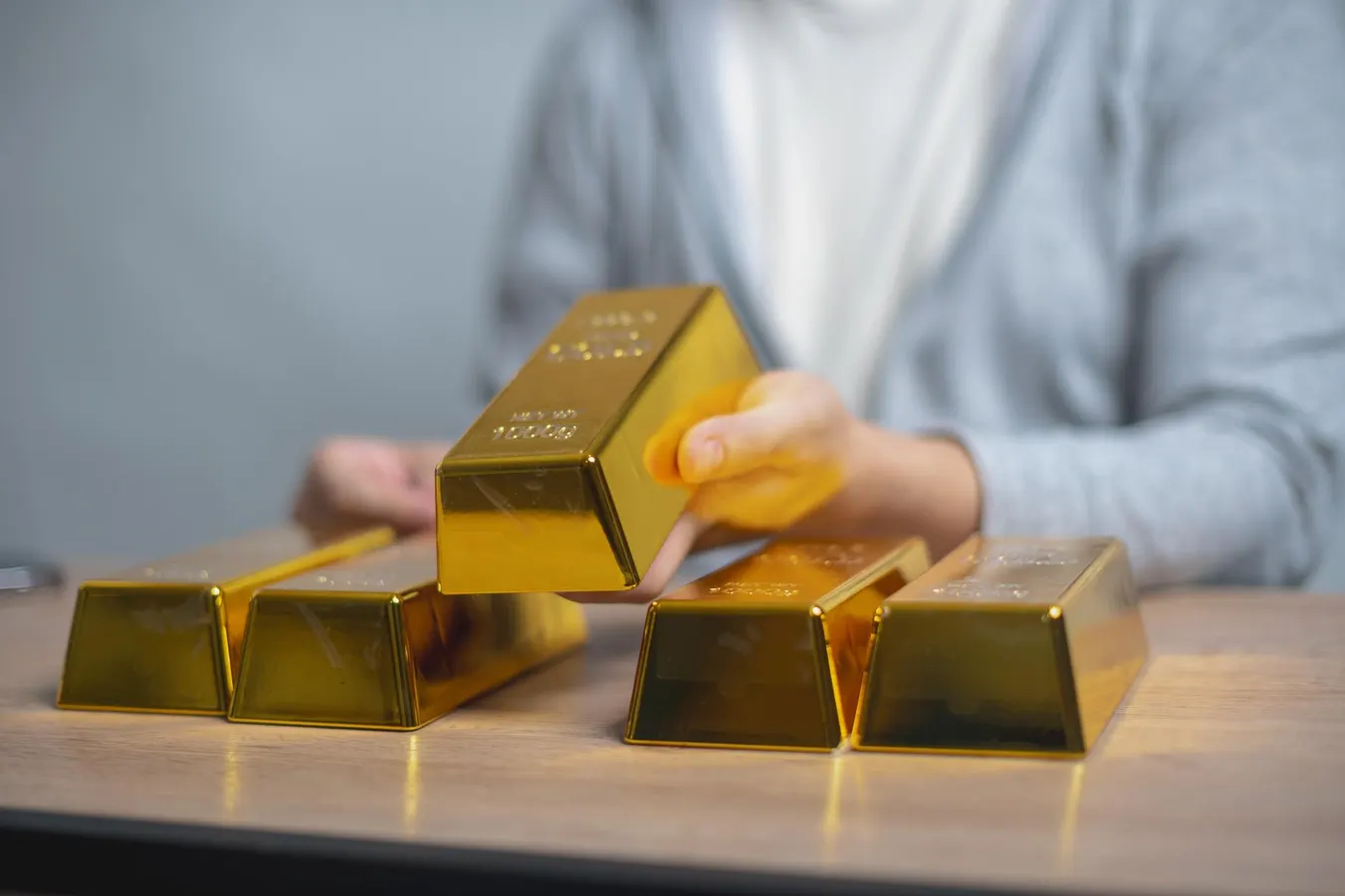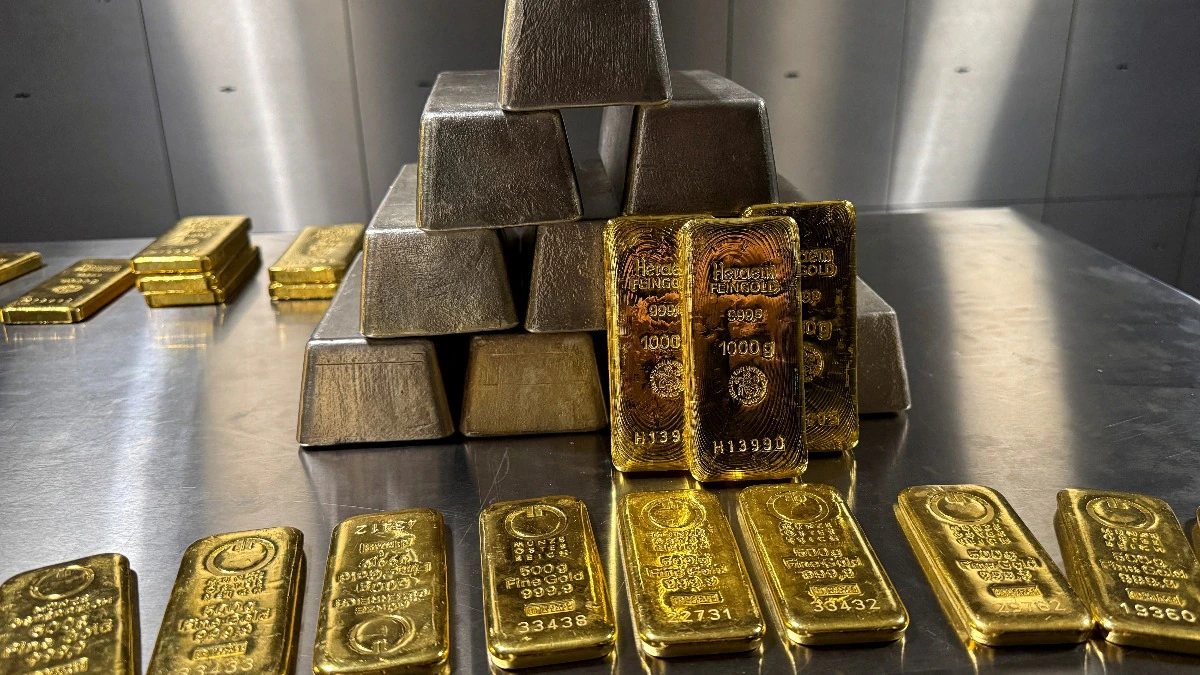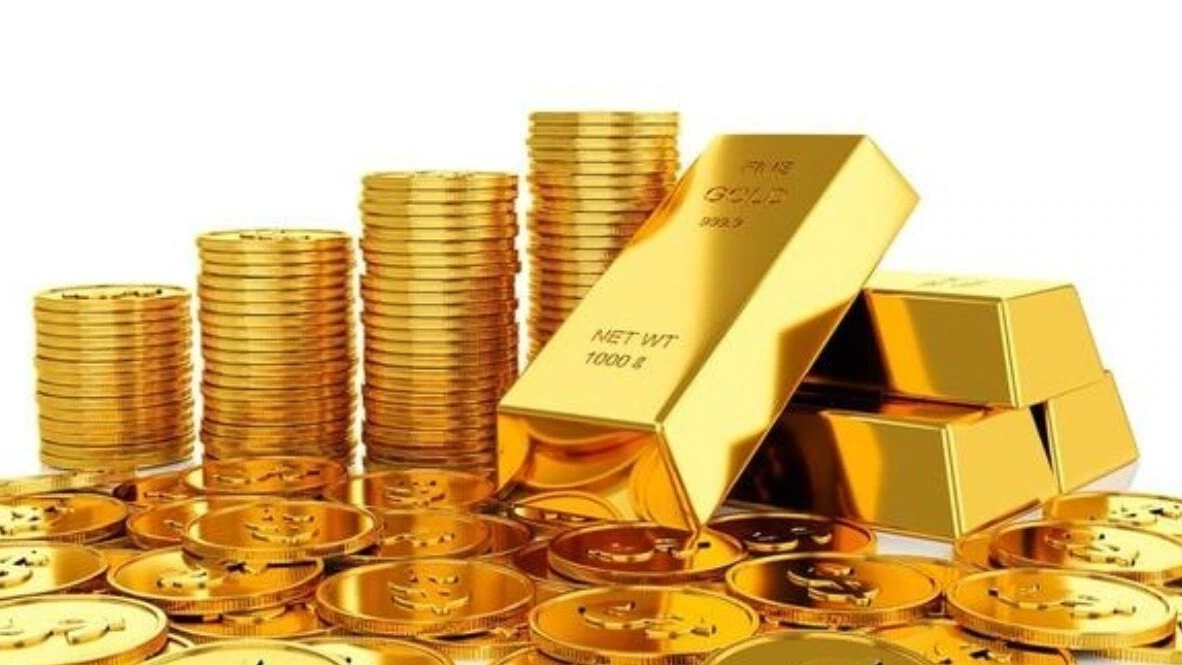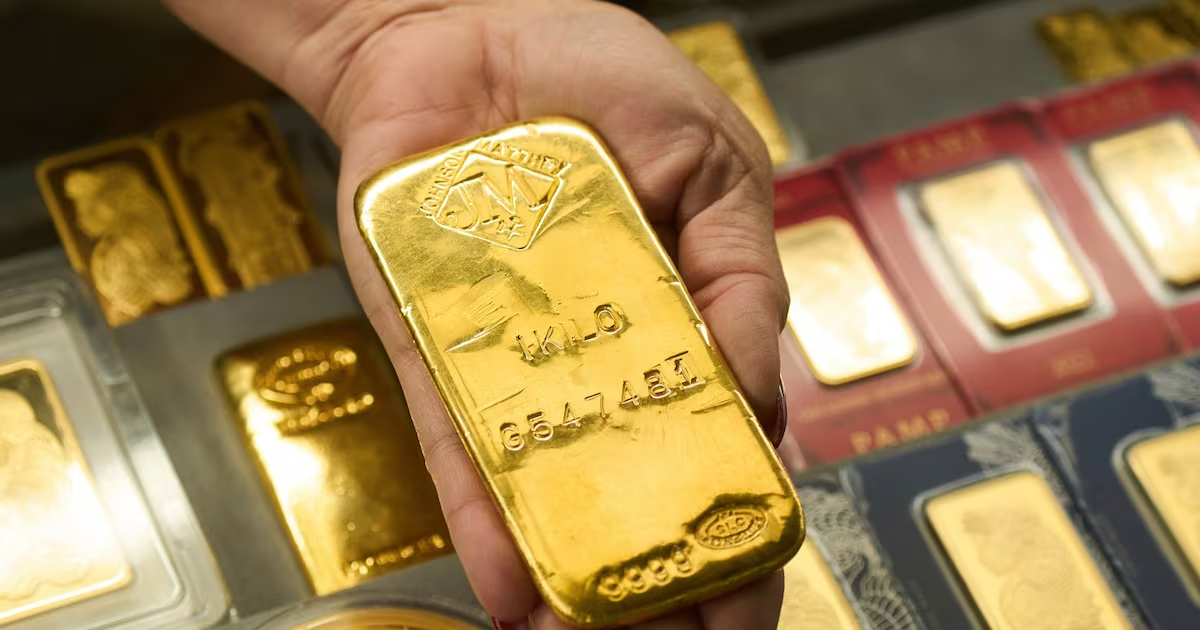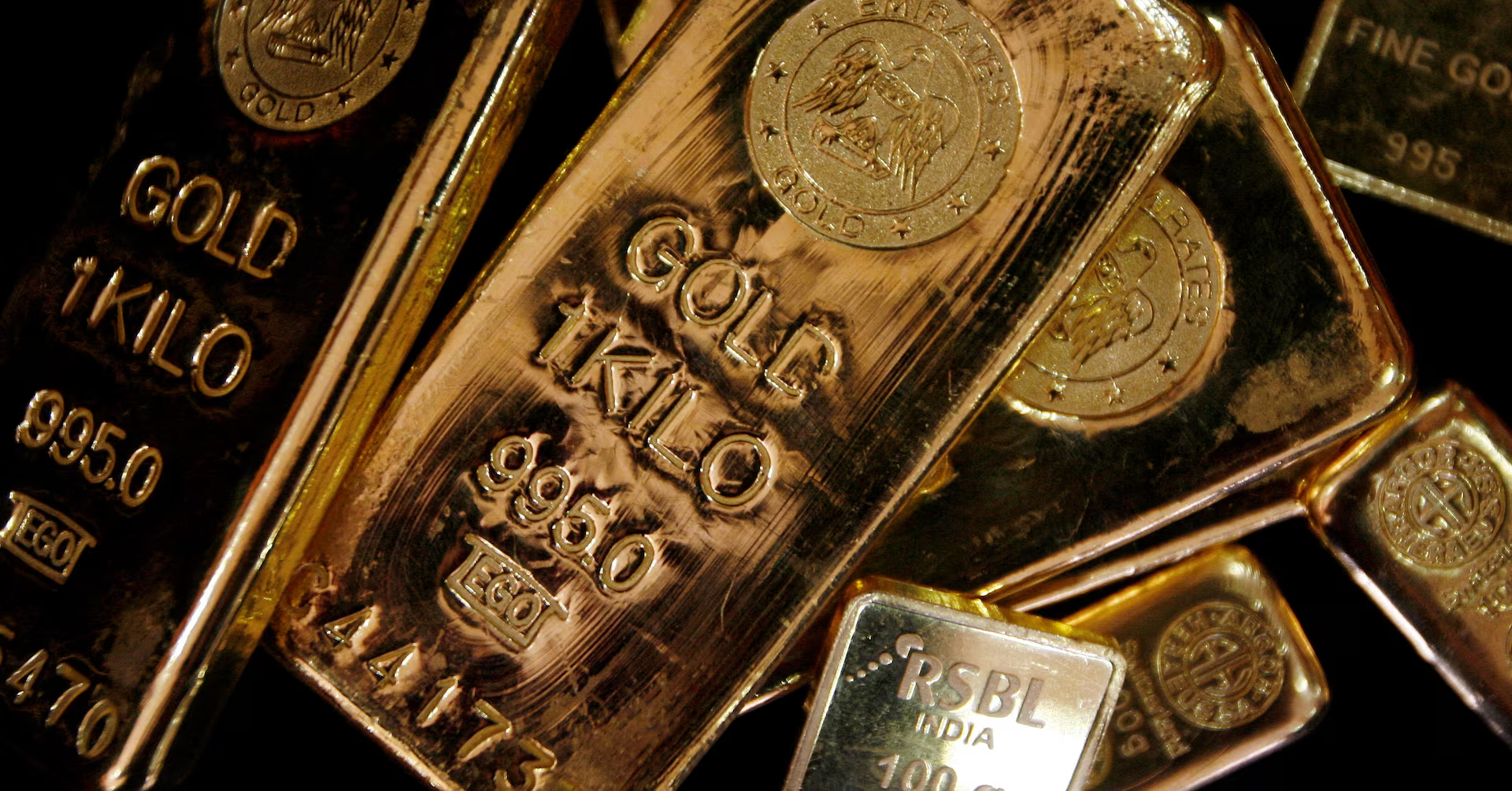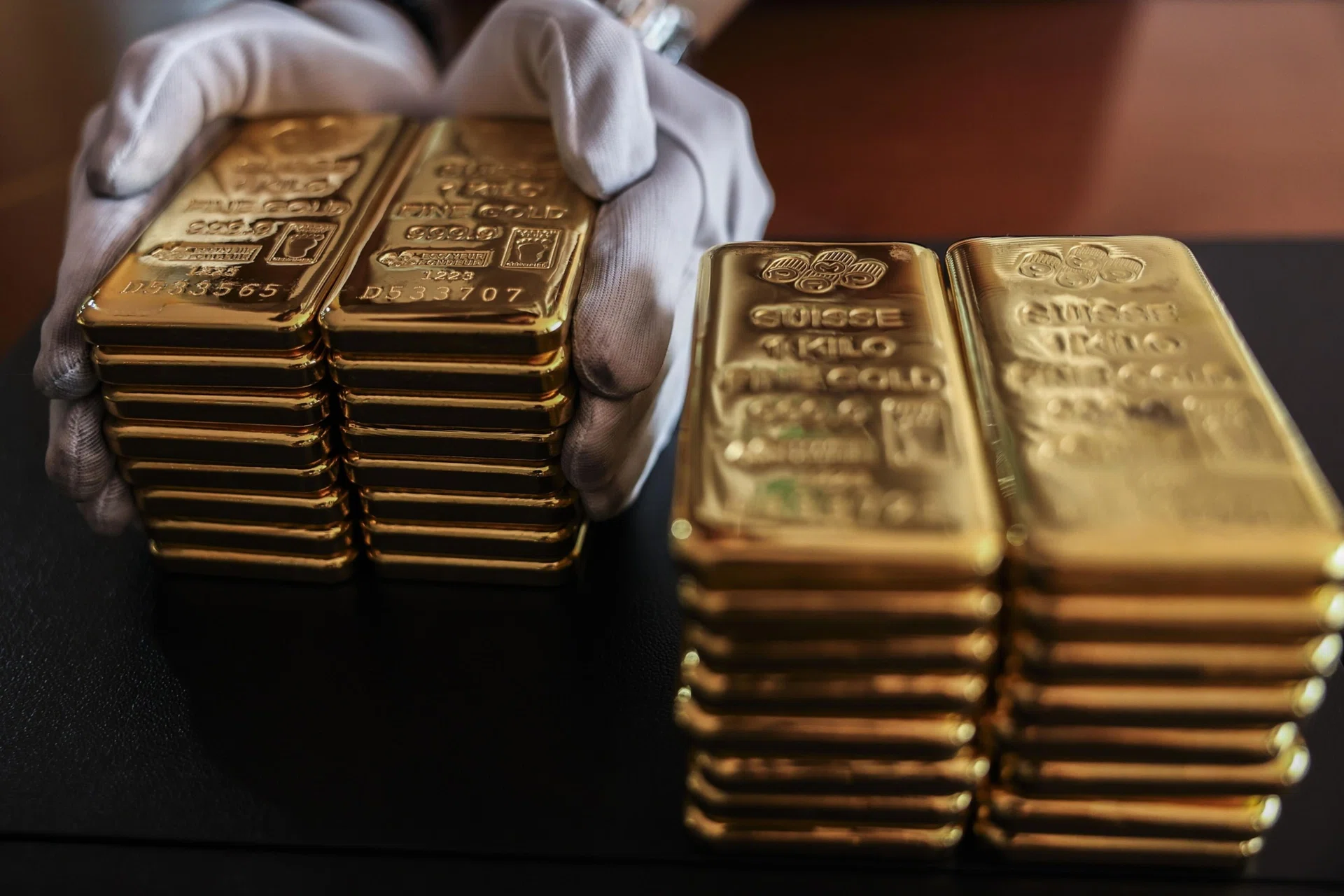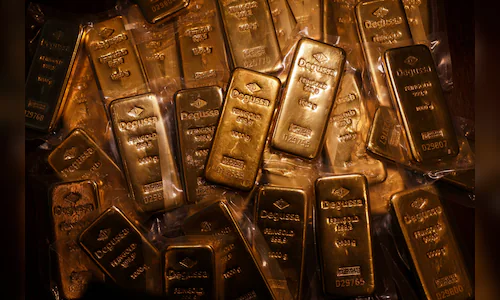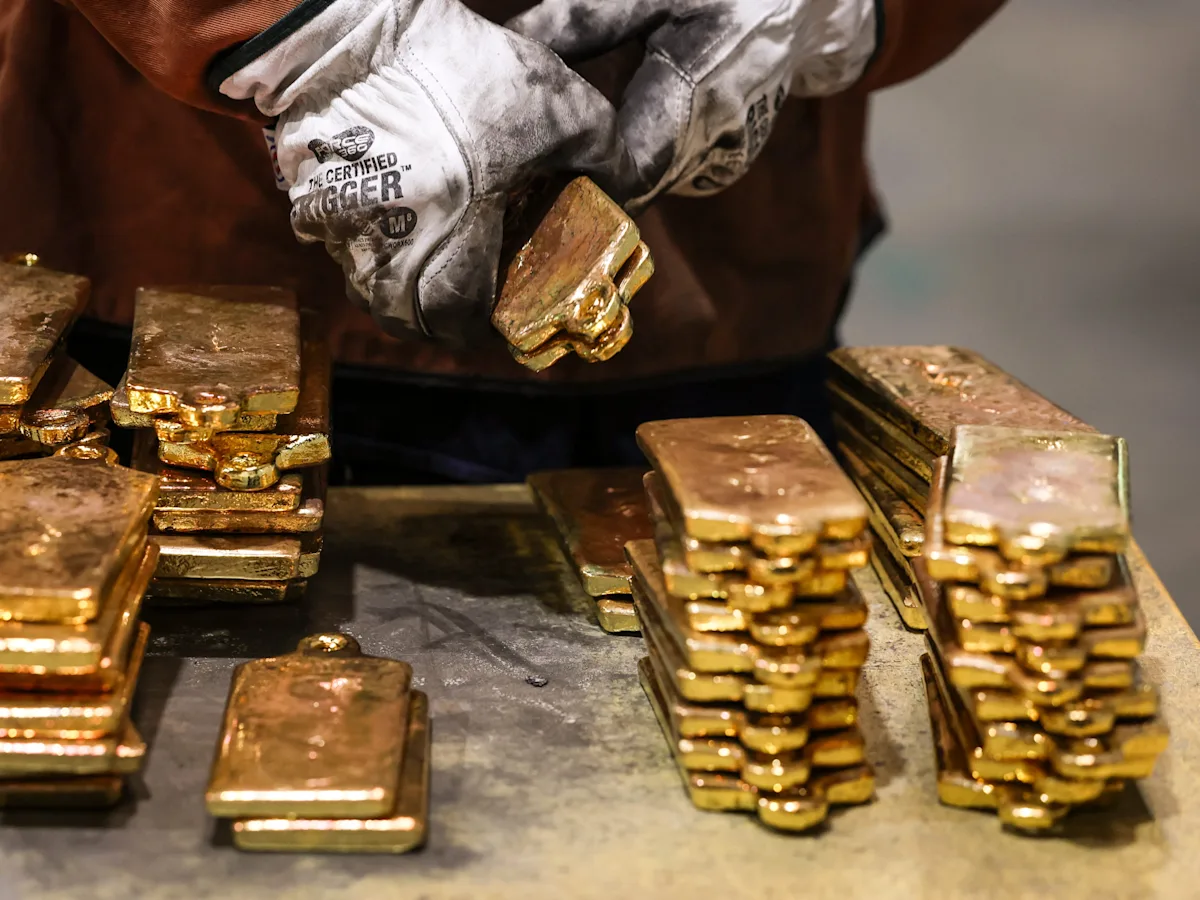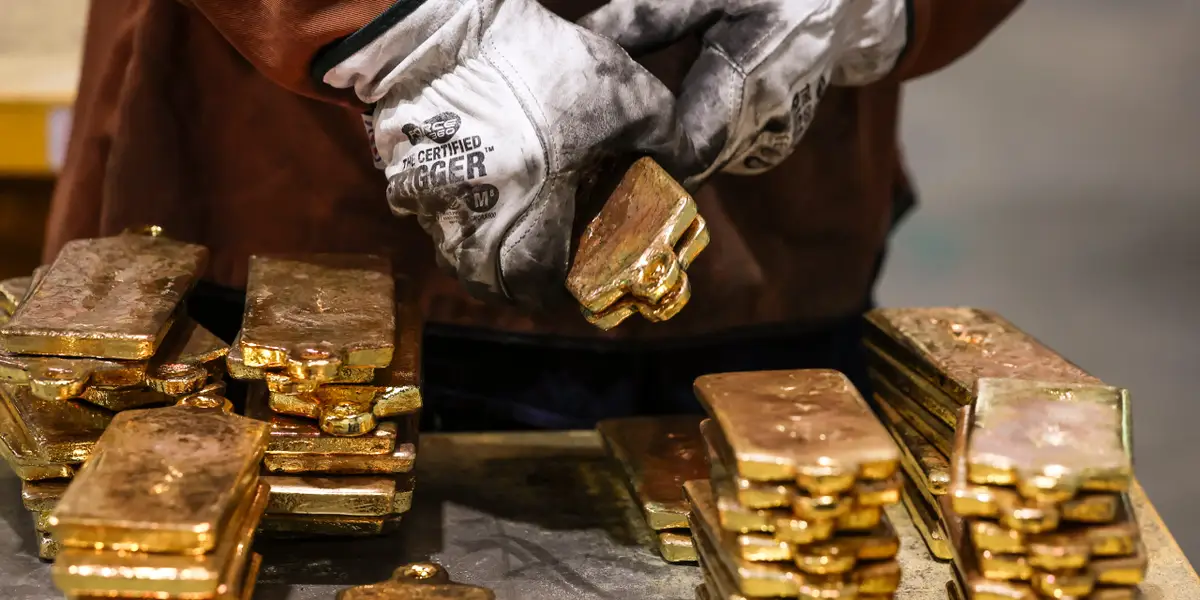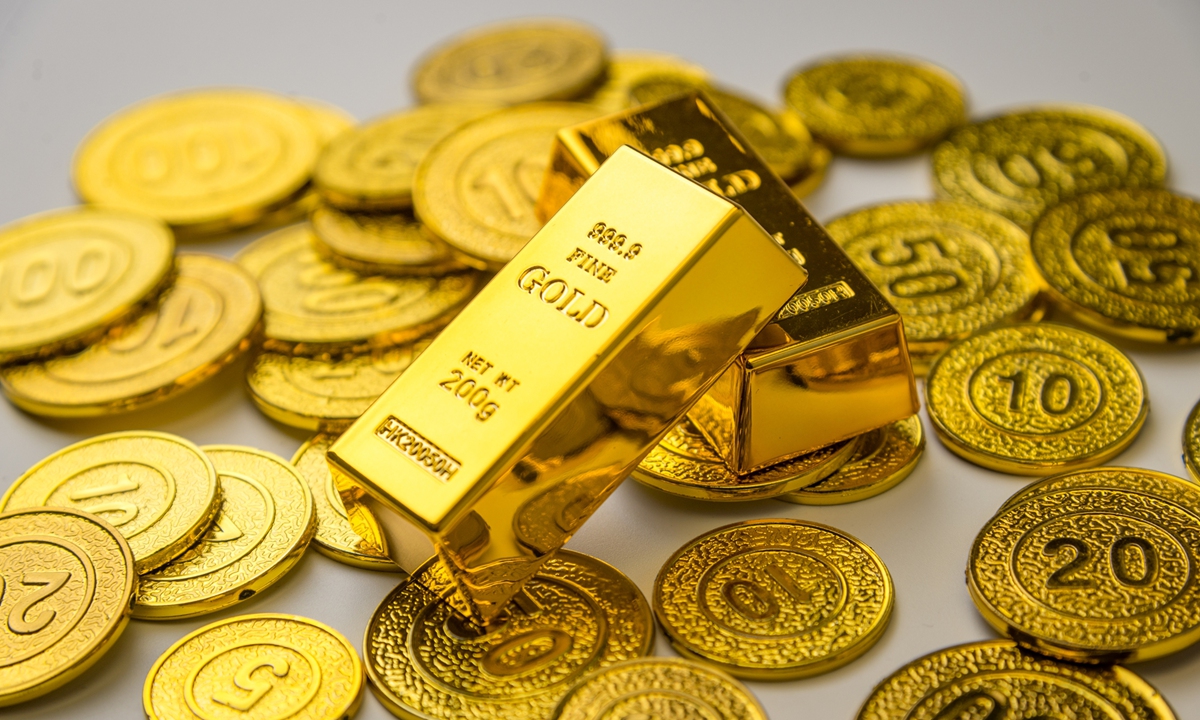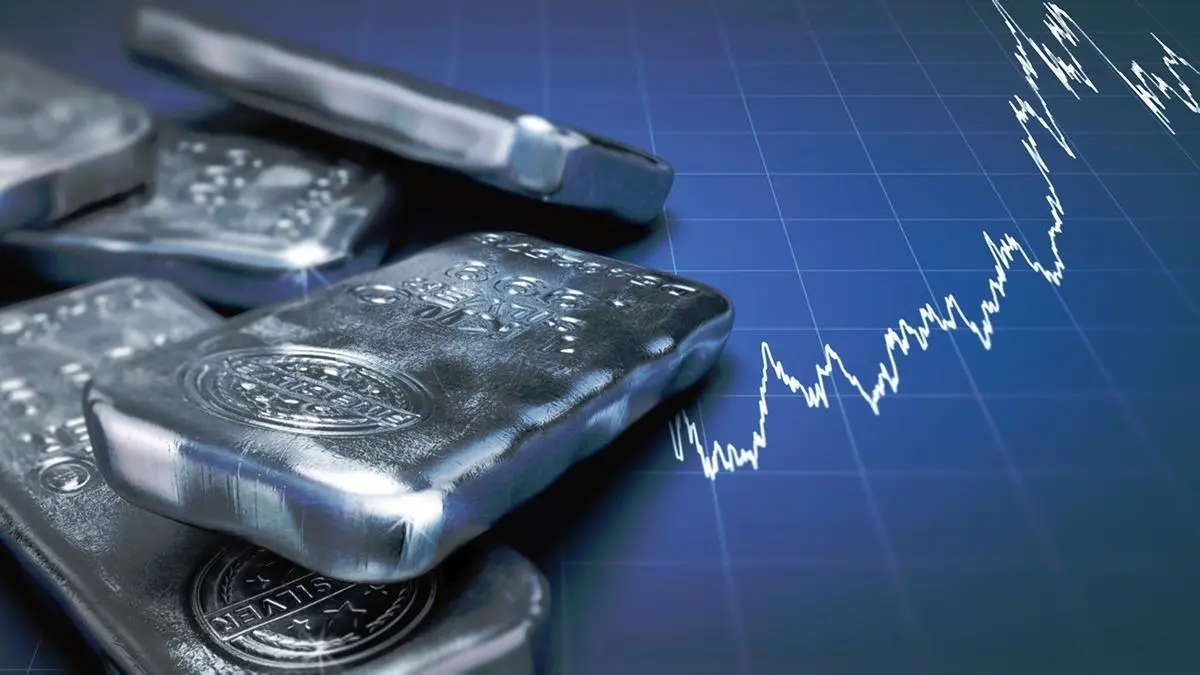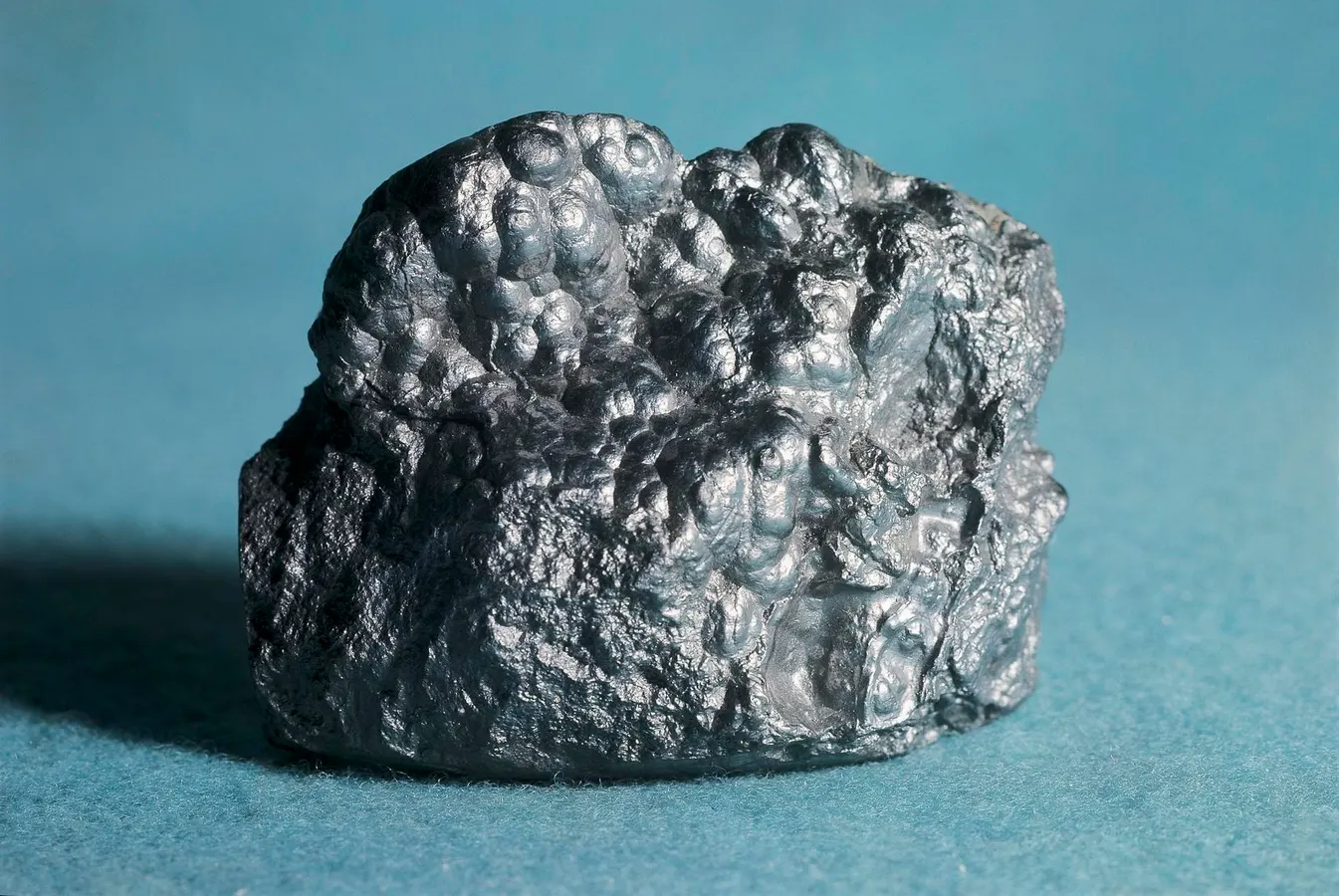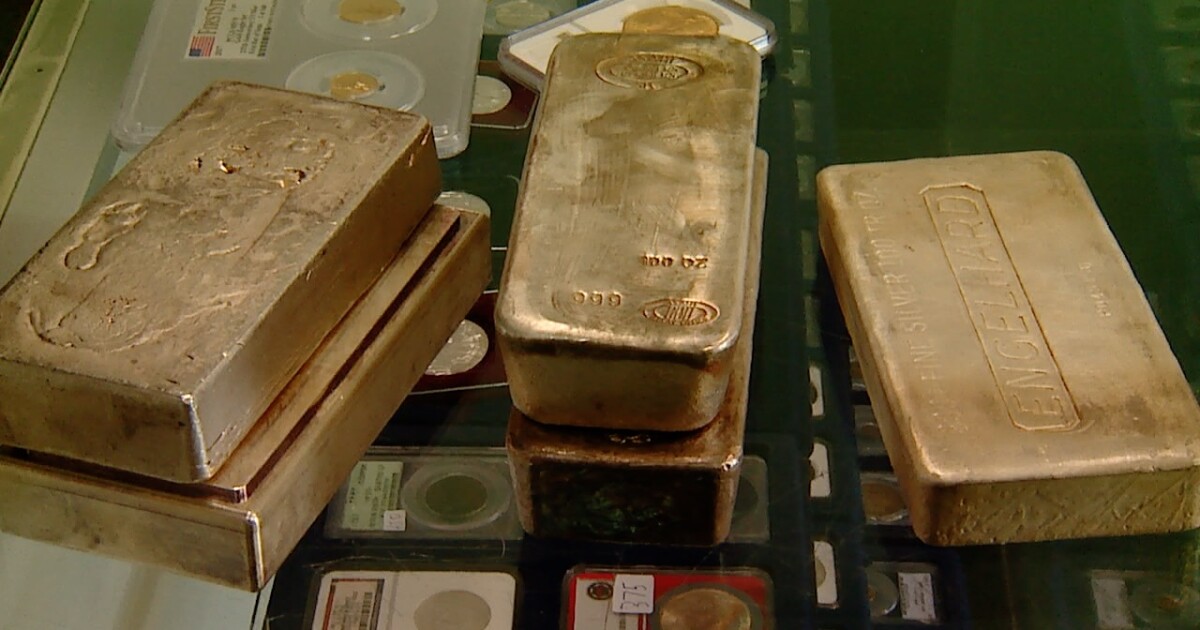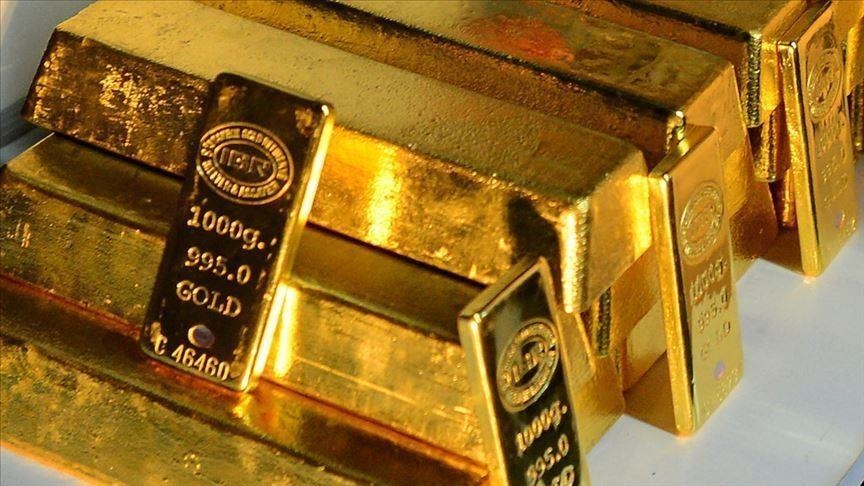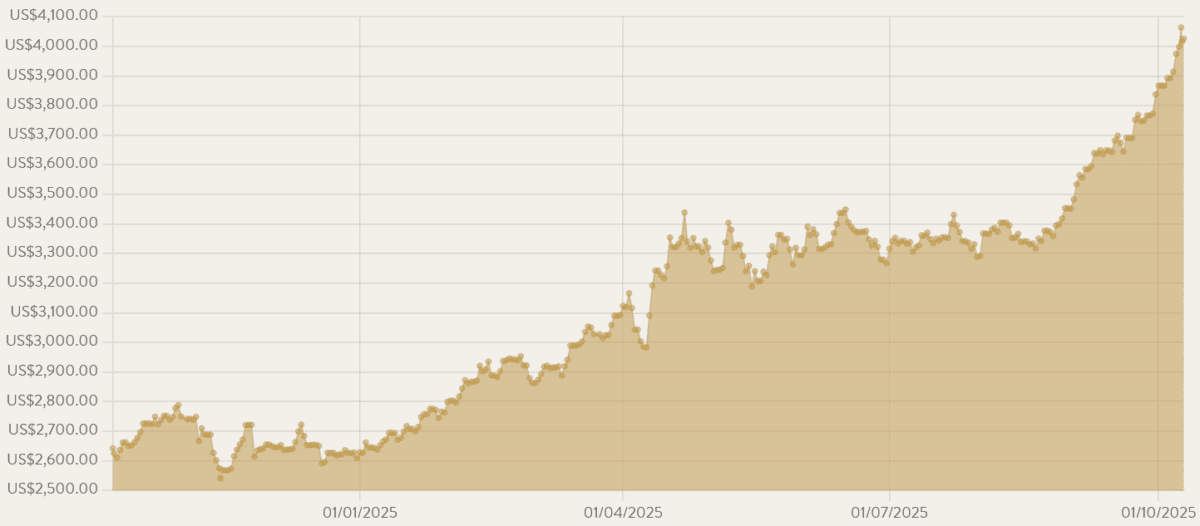
Gold prices rose on Friday, but headed for a third consecutive weekly decline, pressured by a firm U.S. dollar and a hawkish U.S. Federal Reserve.
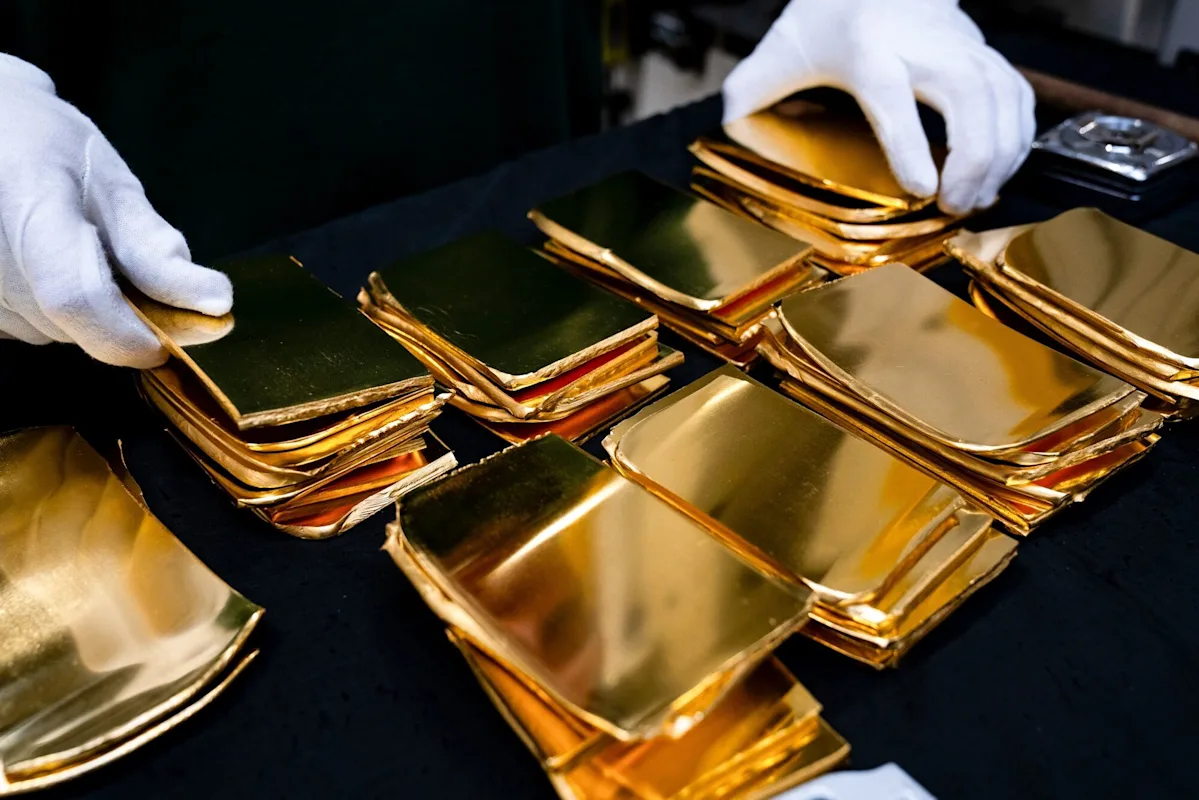
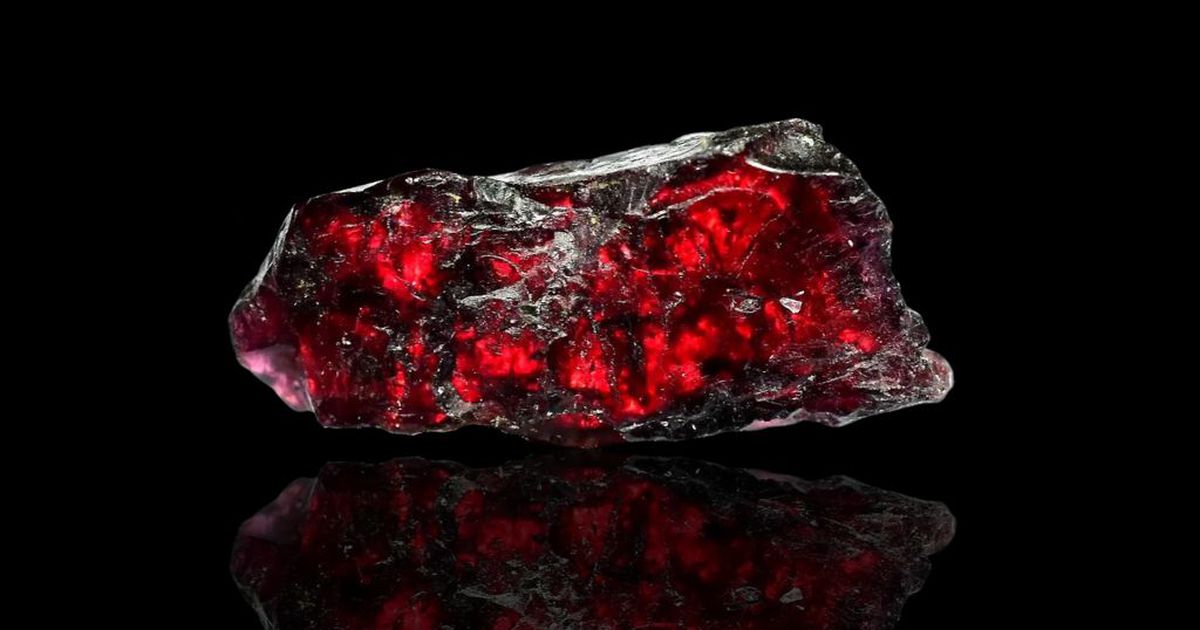
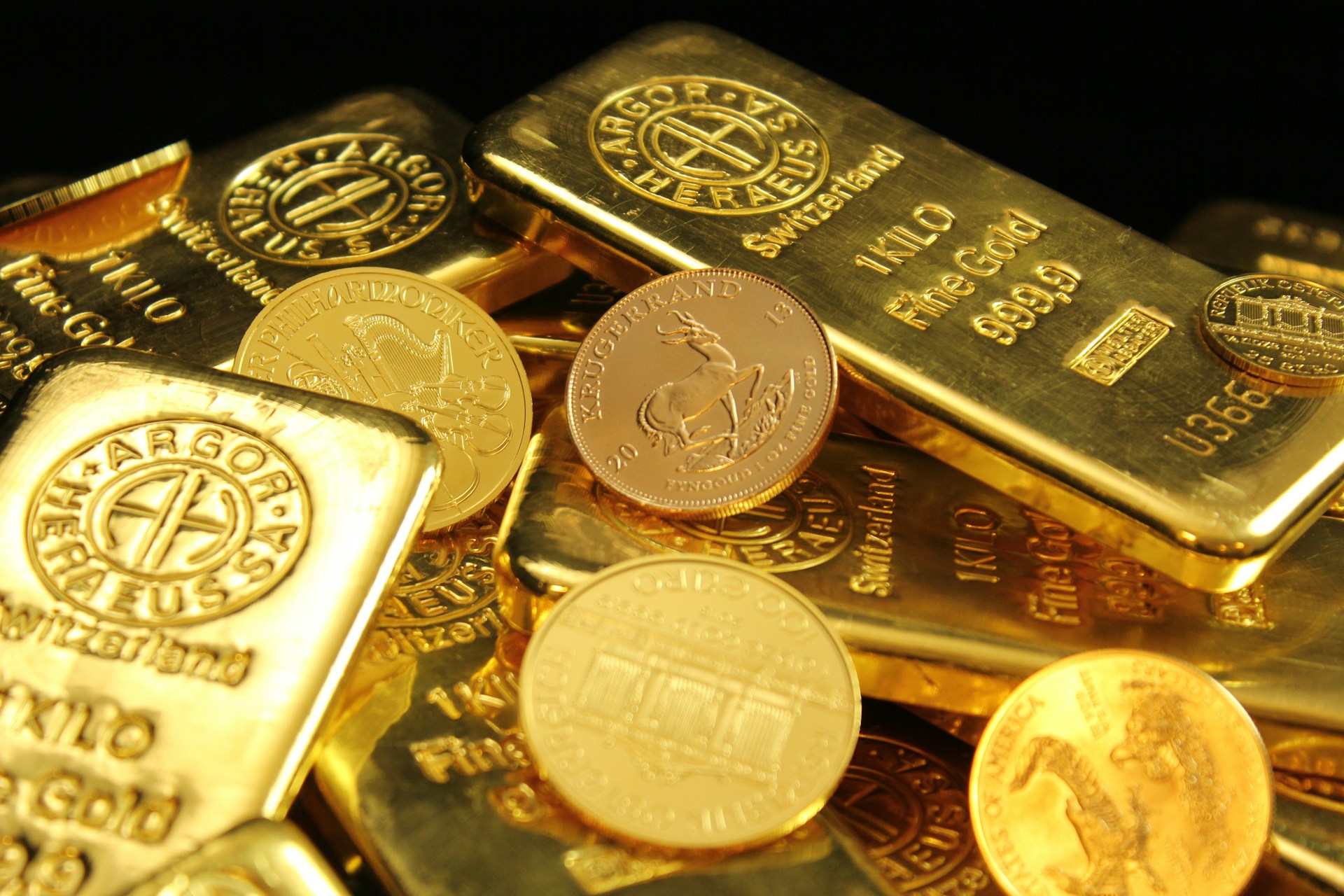
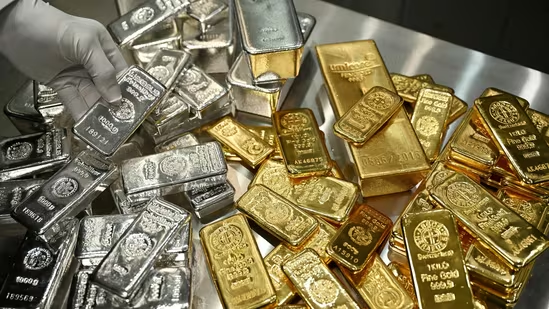
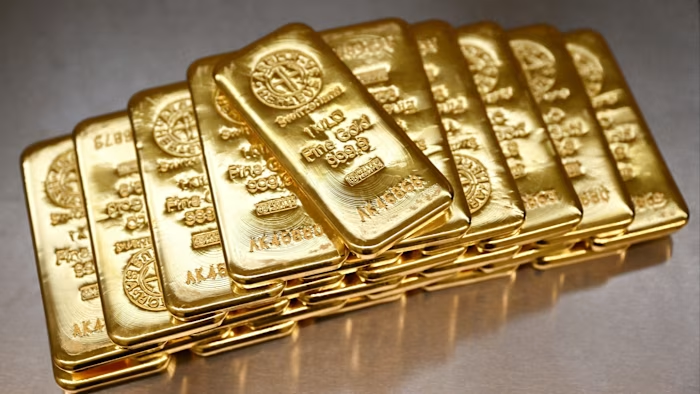
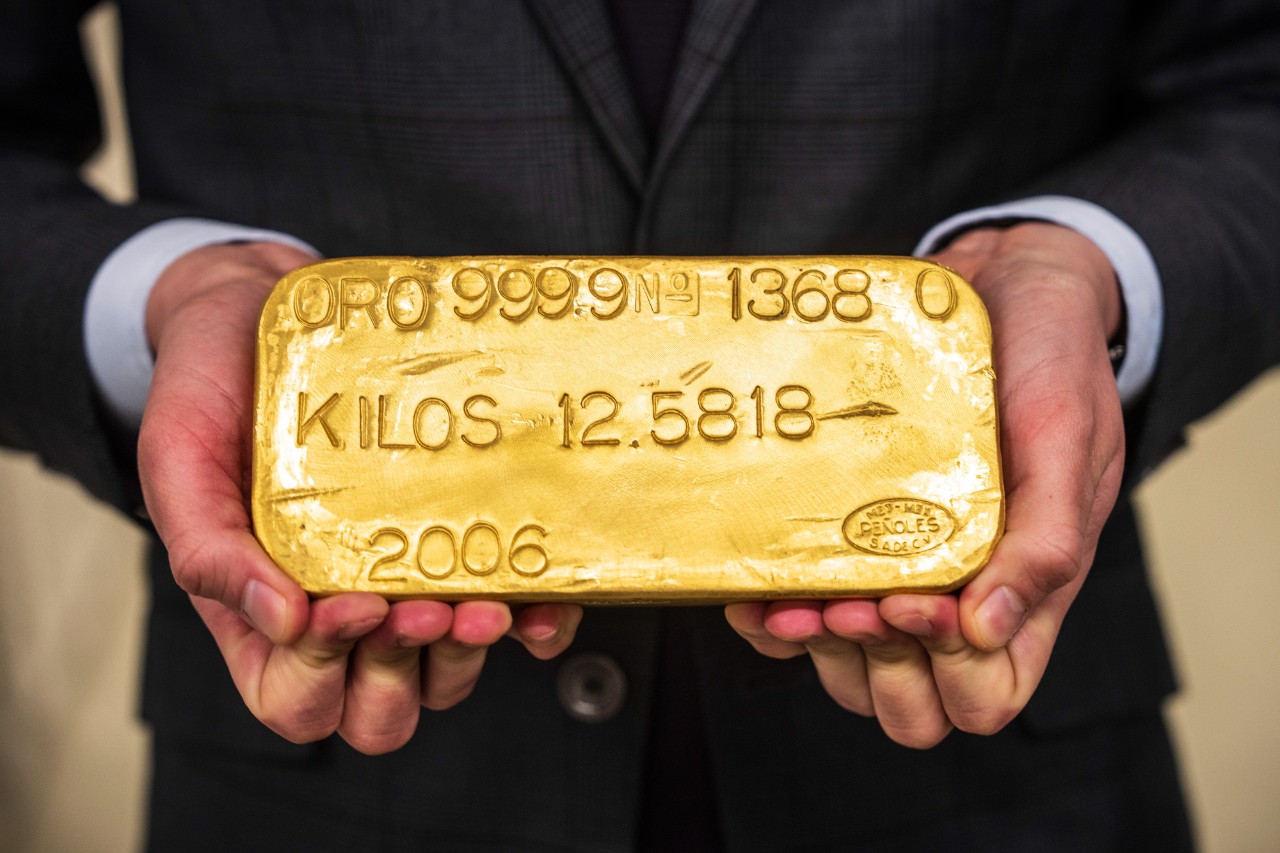
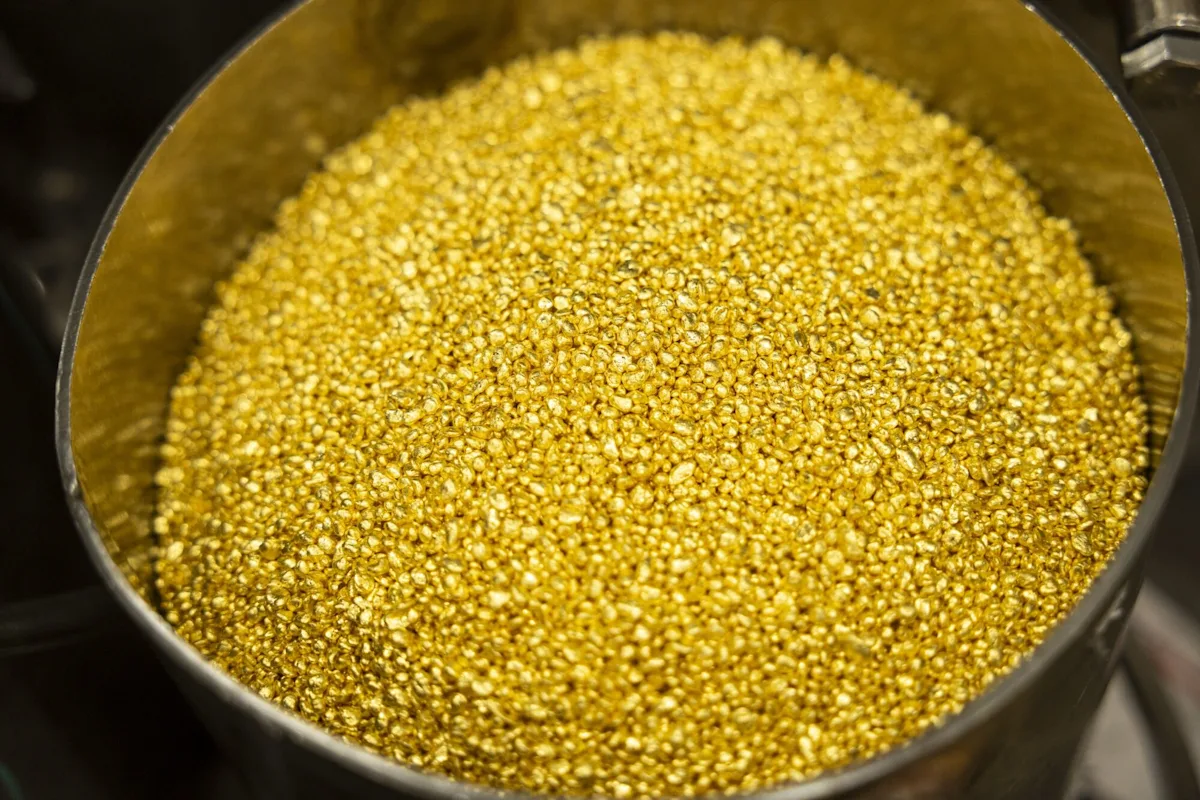
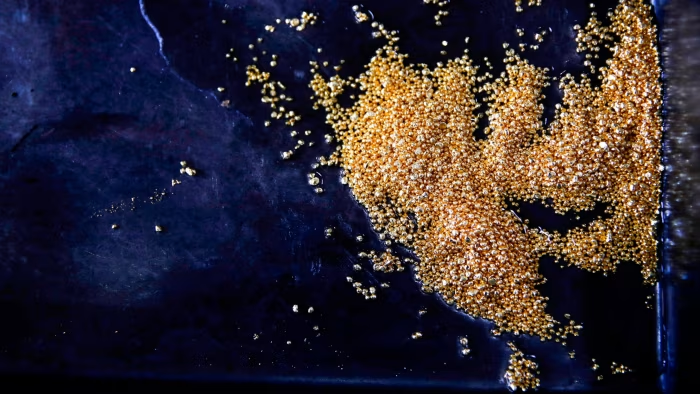
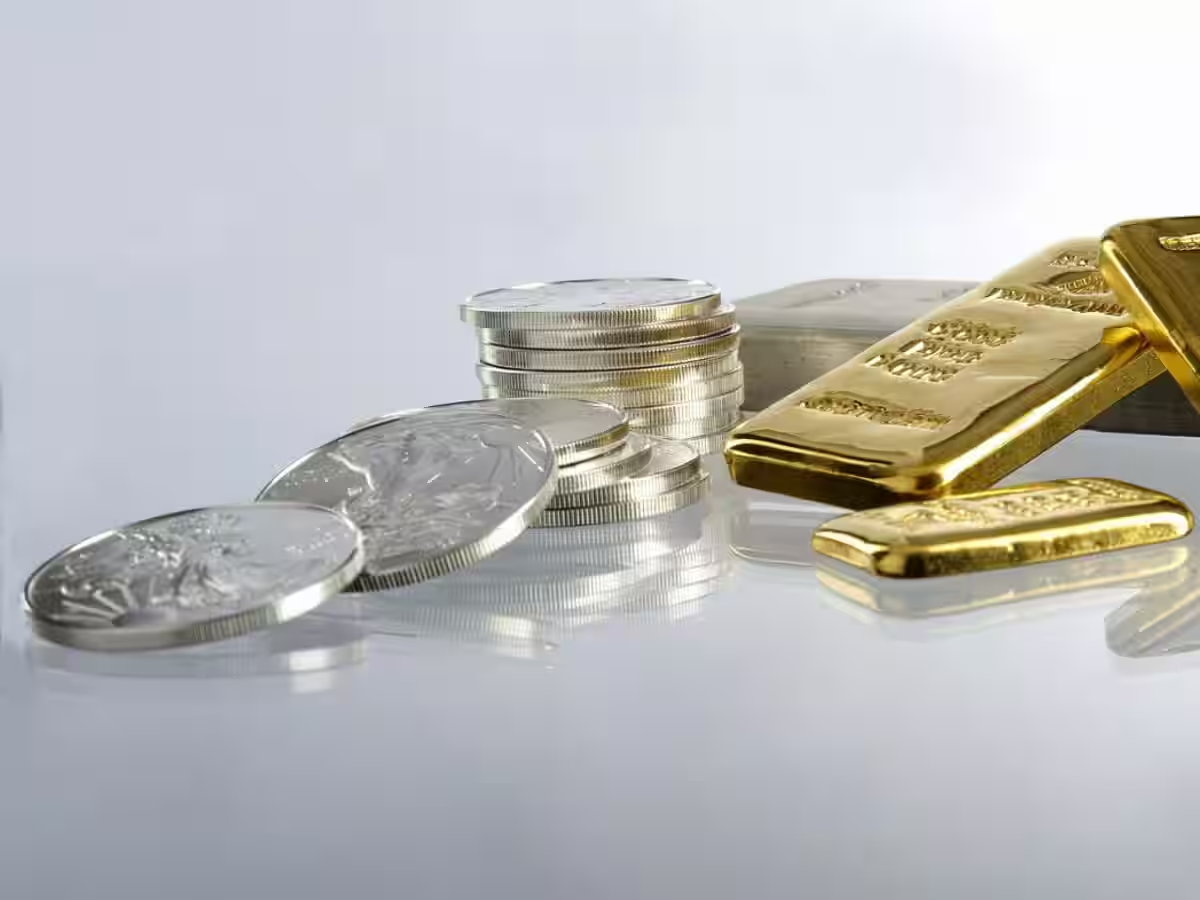
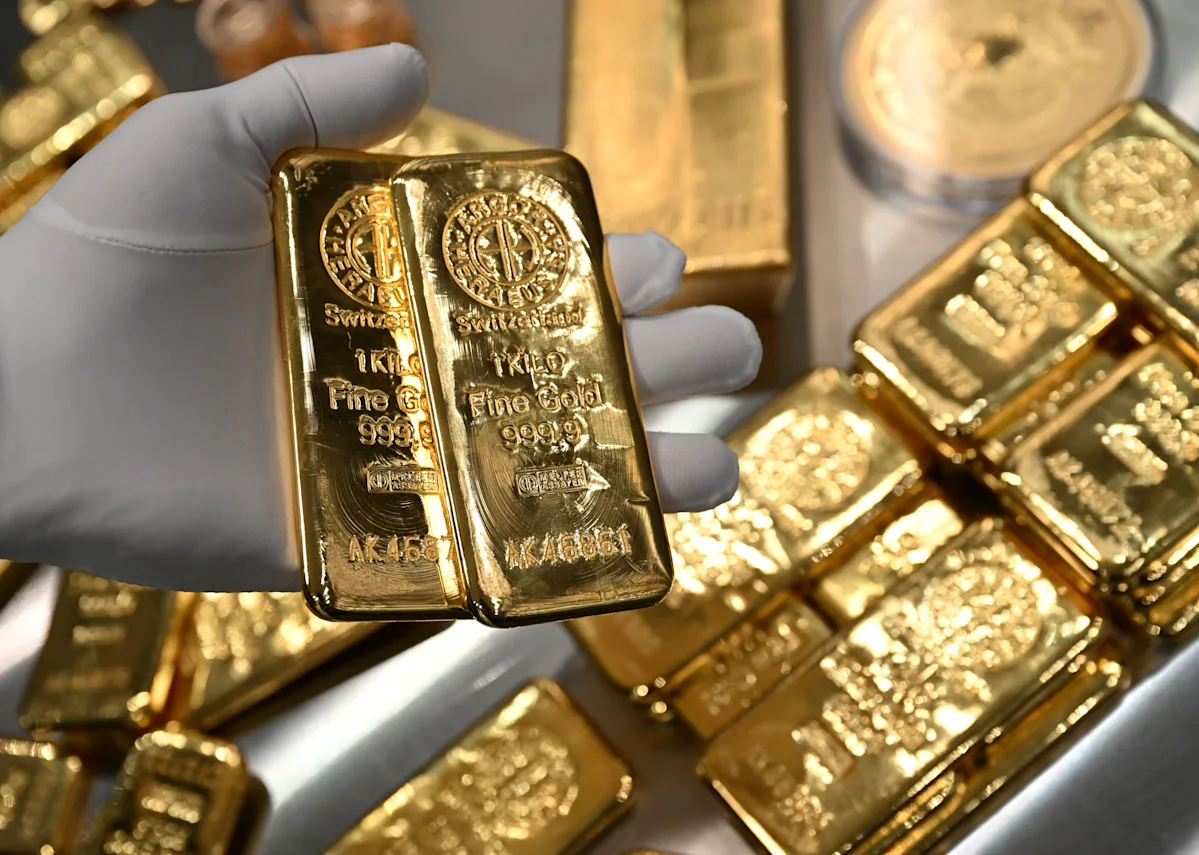
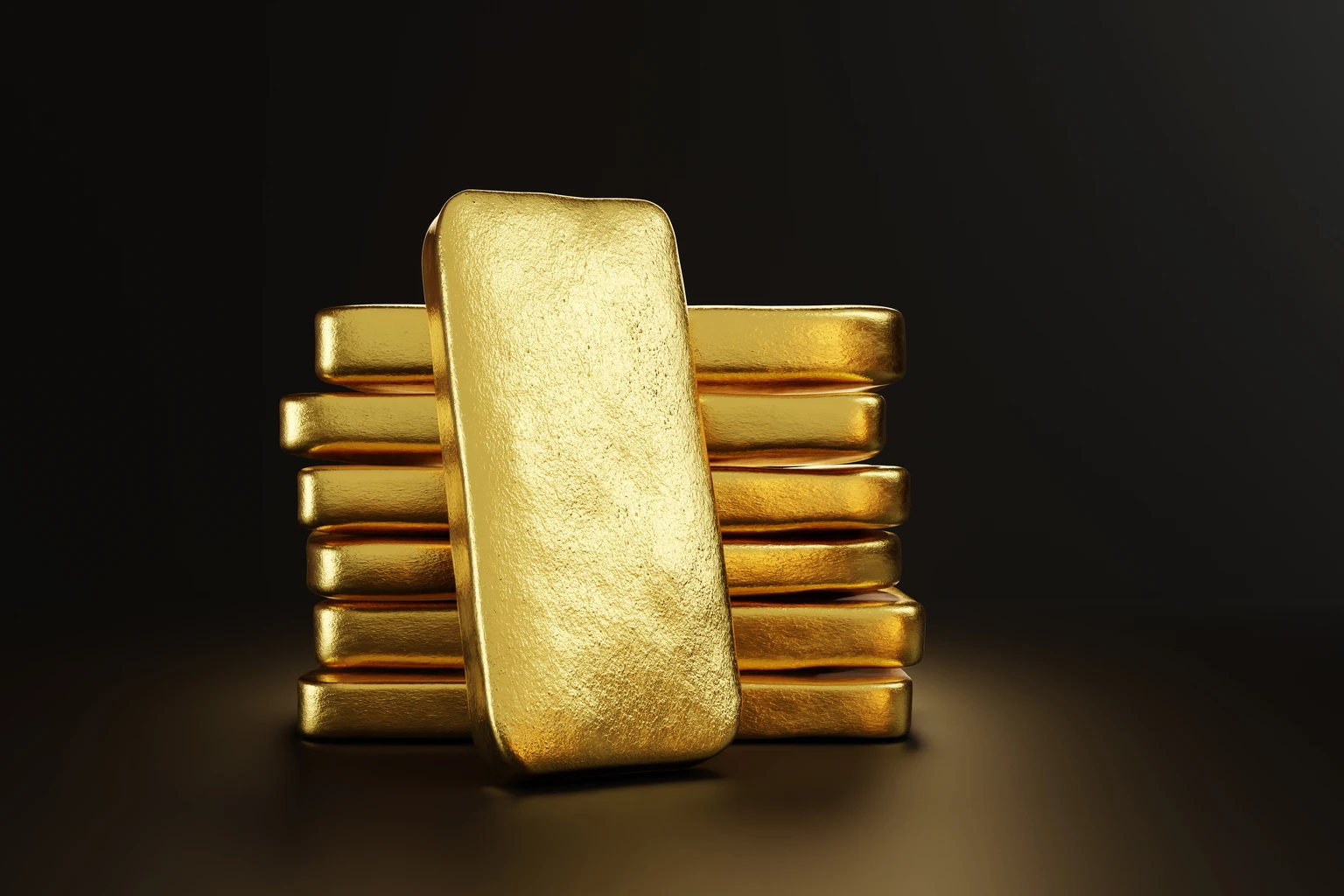
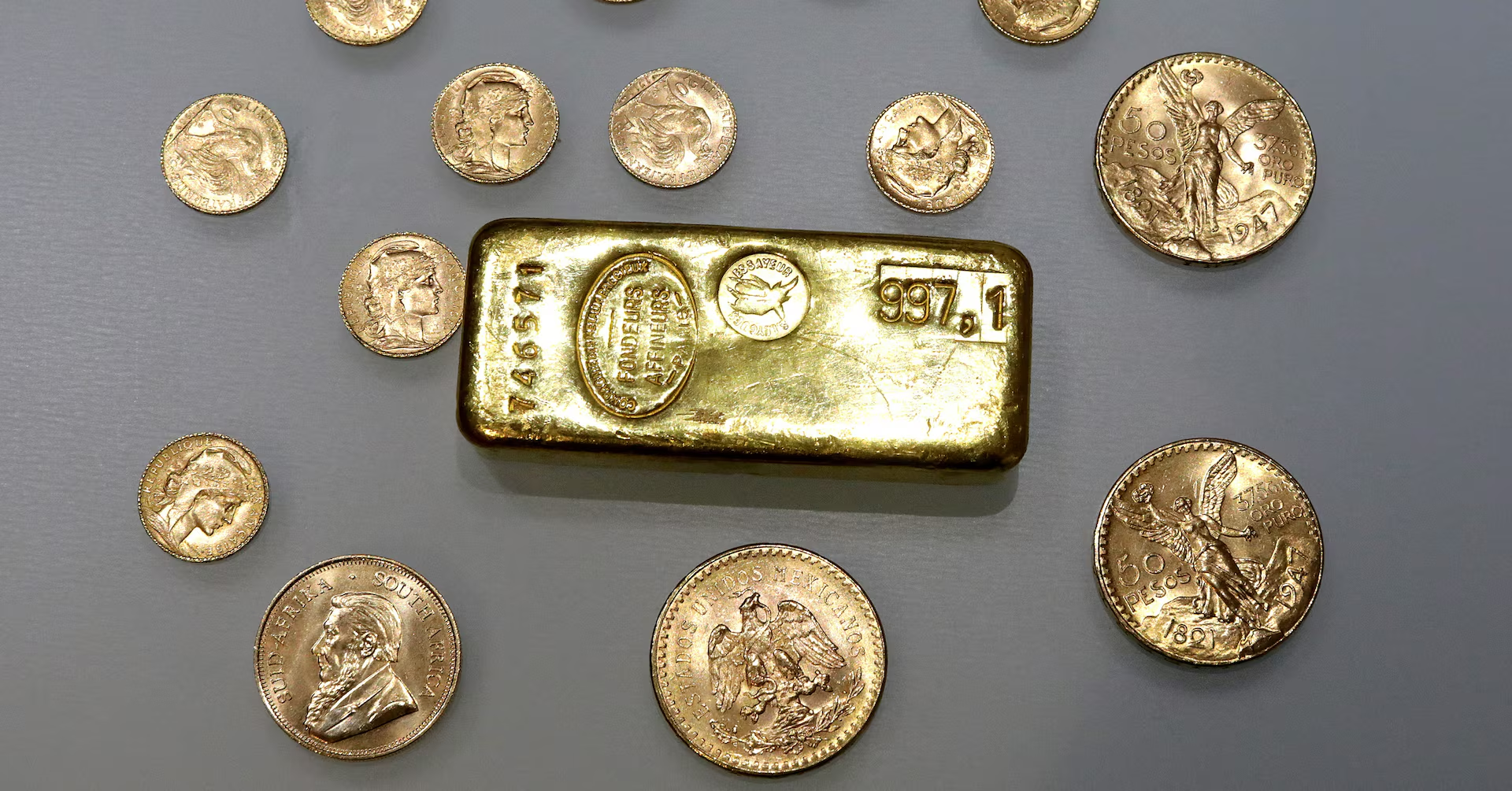
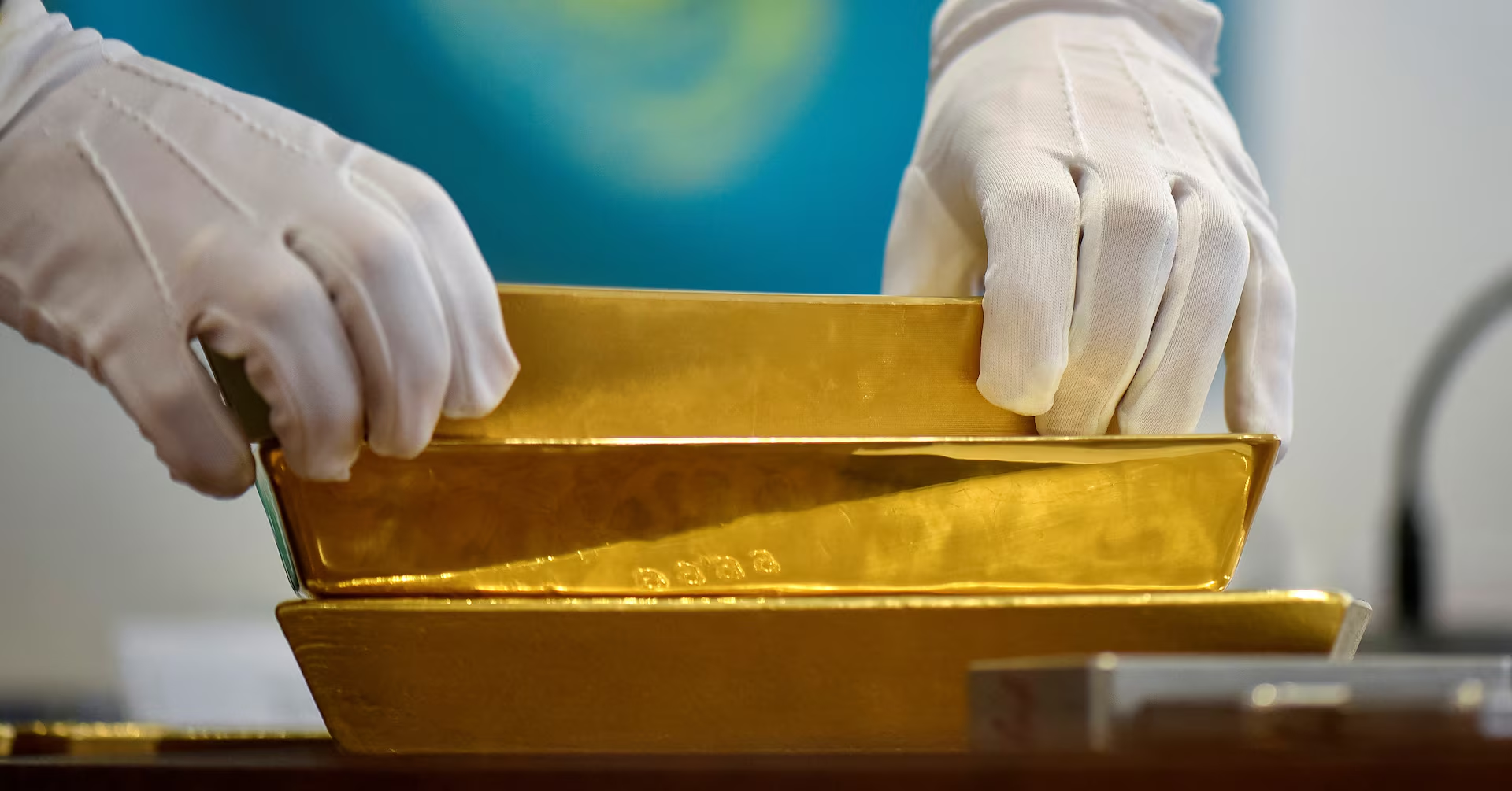
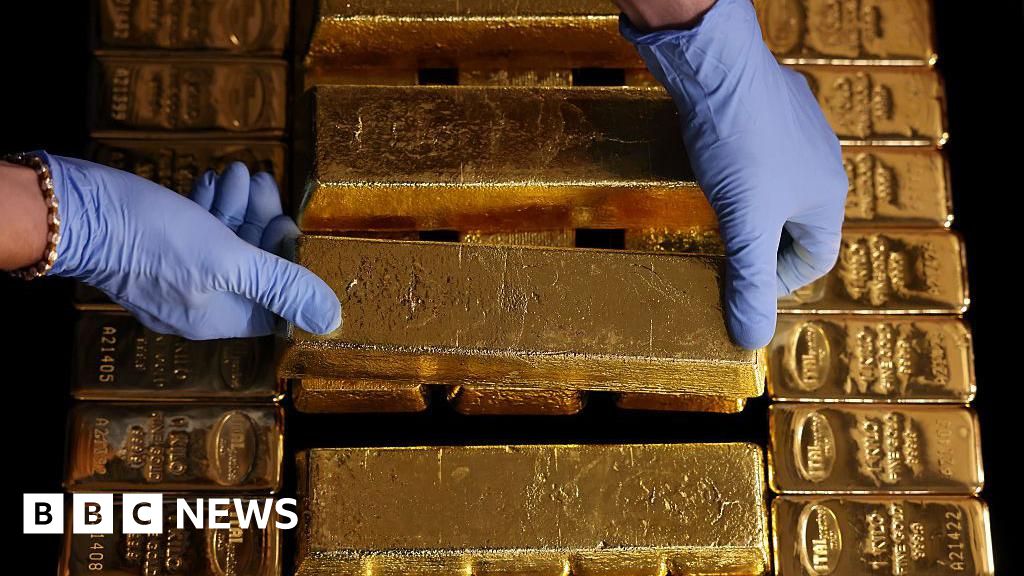
Christoph Burgstedt/science Photo Library | Science Photo Library | Getty Images
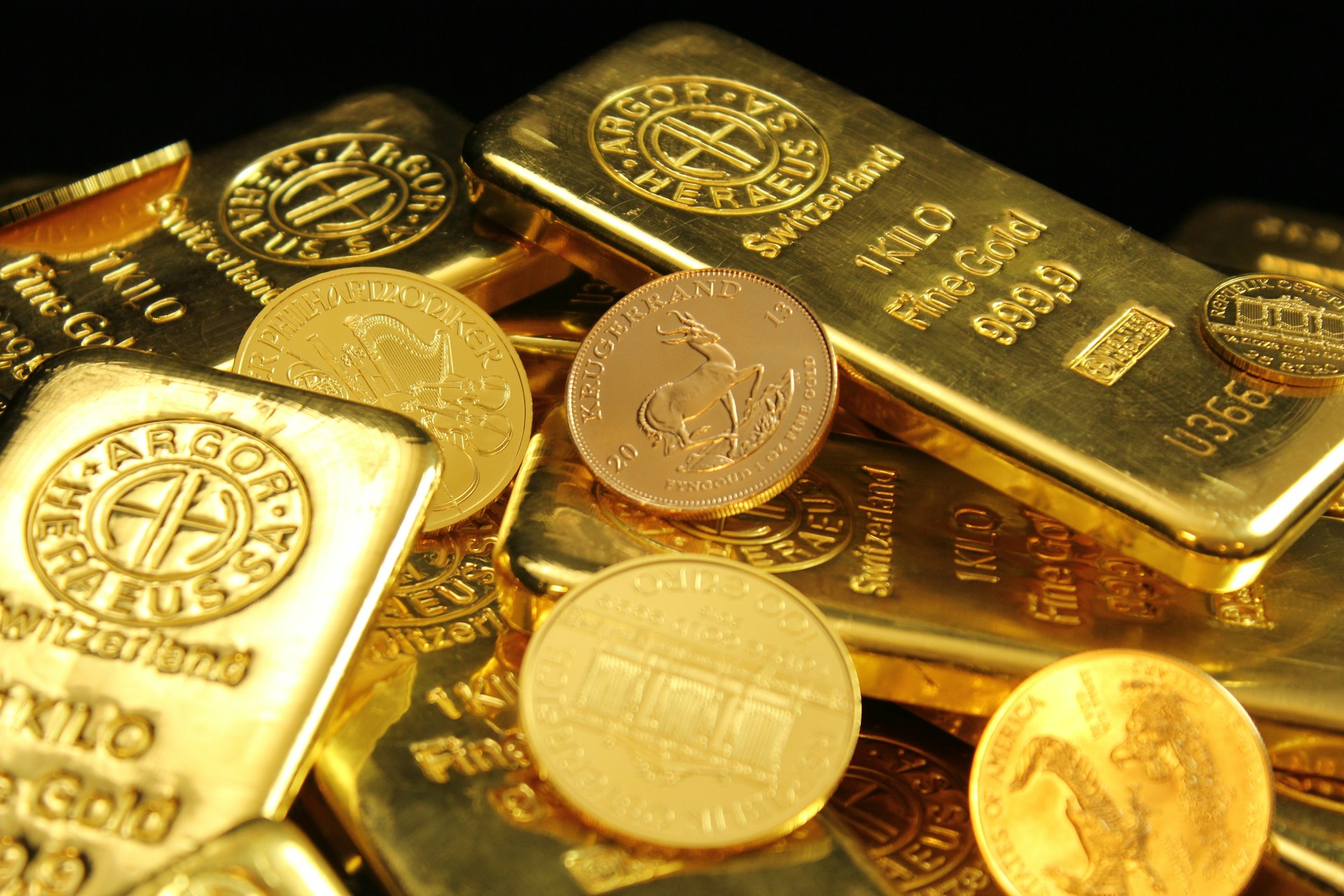
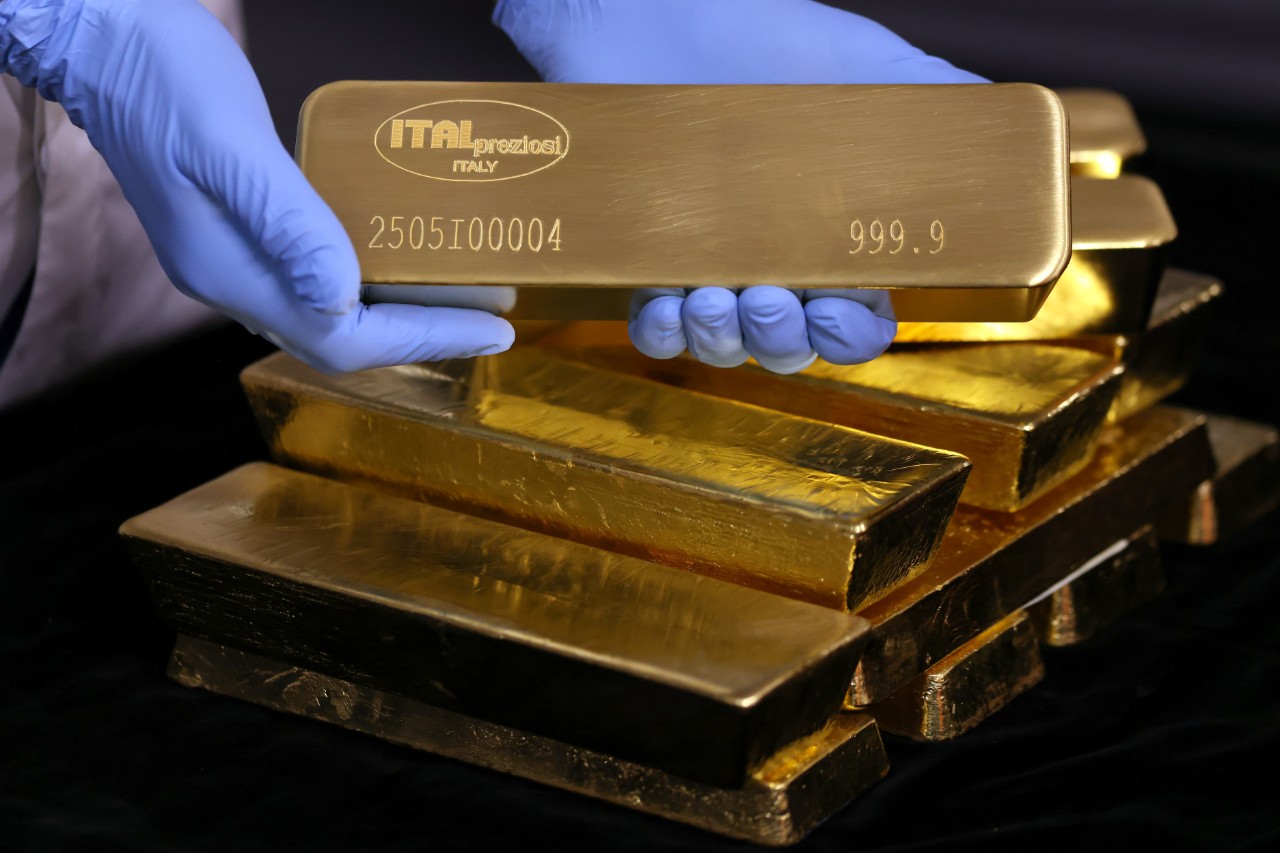
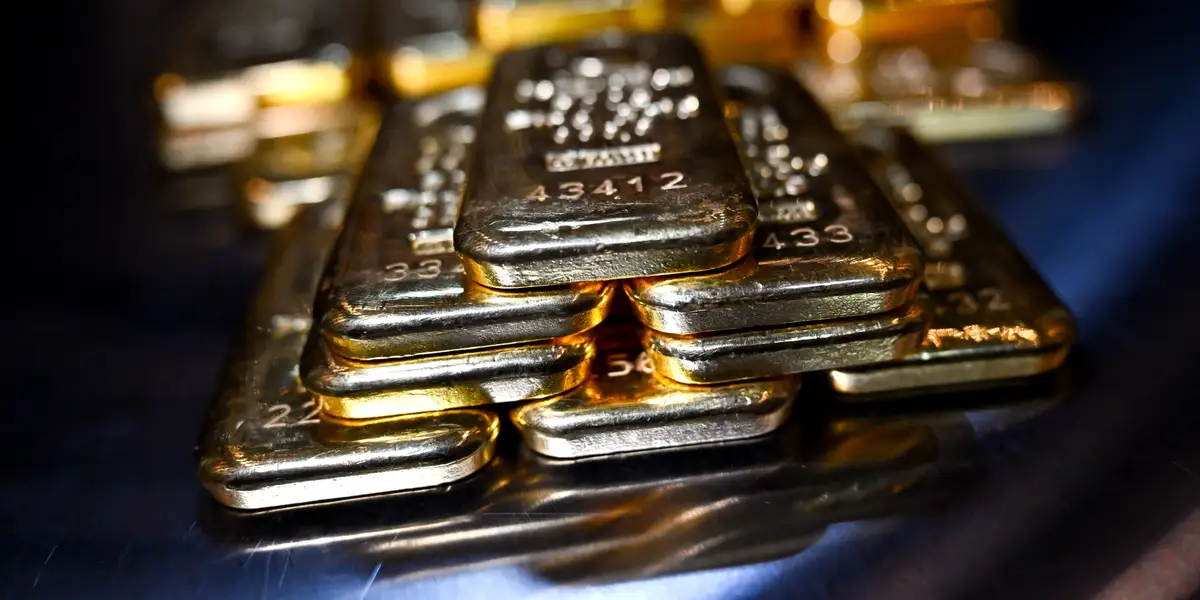
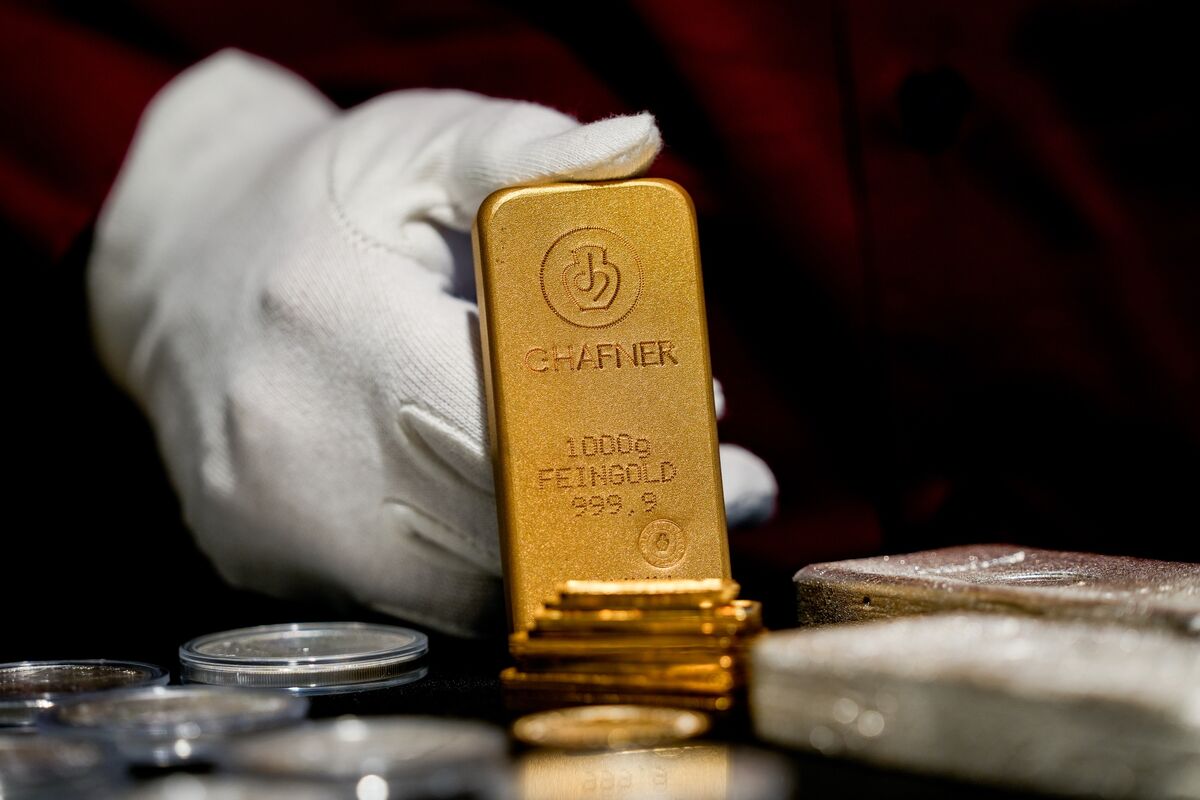
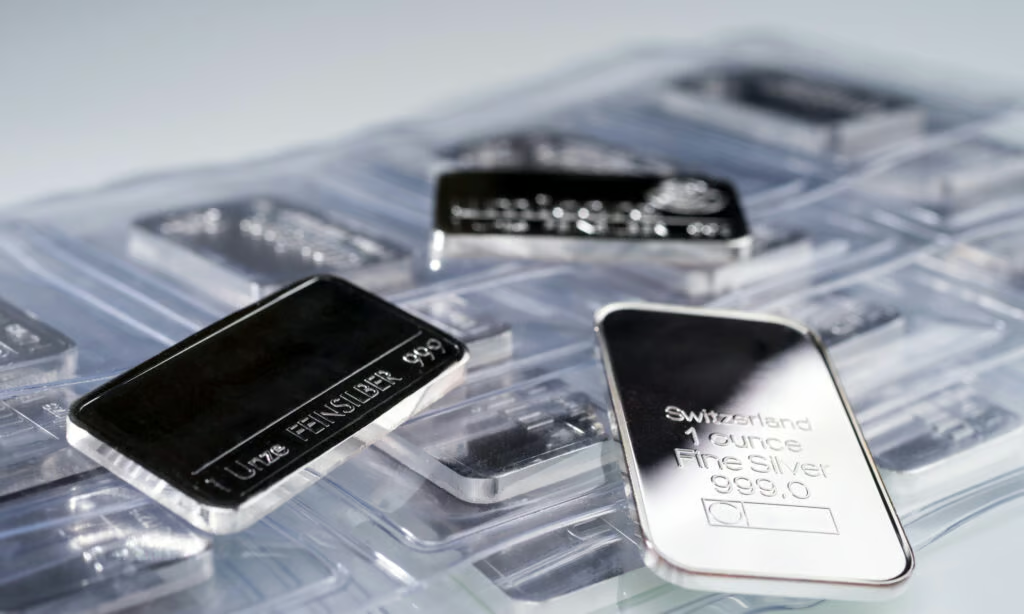
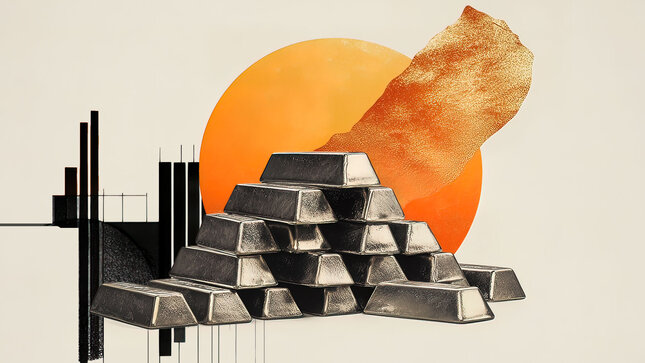
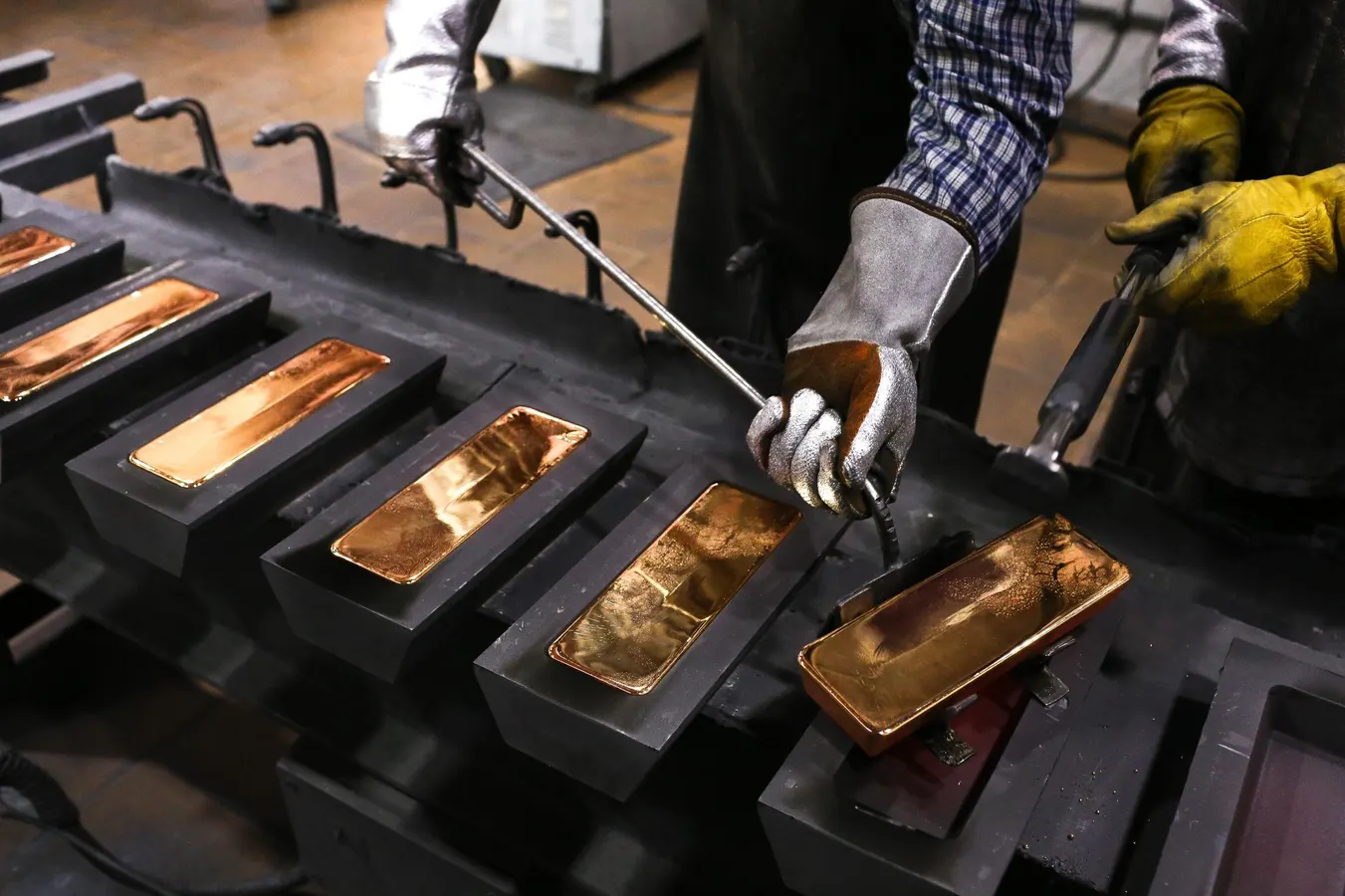
Gold prices rose on Friday on technical buying, but were headed for a third consecutive weekly decline, pressured by a firm U.S. dollar and as a hawkish U.S. Federal Reserve dampened hopes for near-term interest rate cuts.
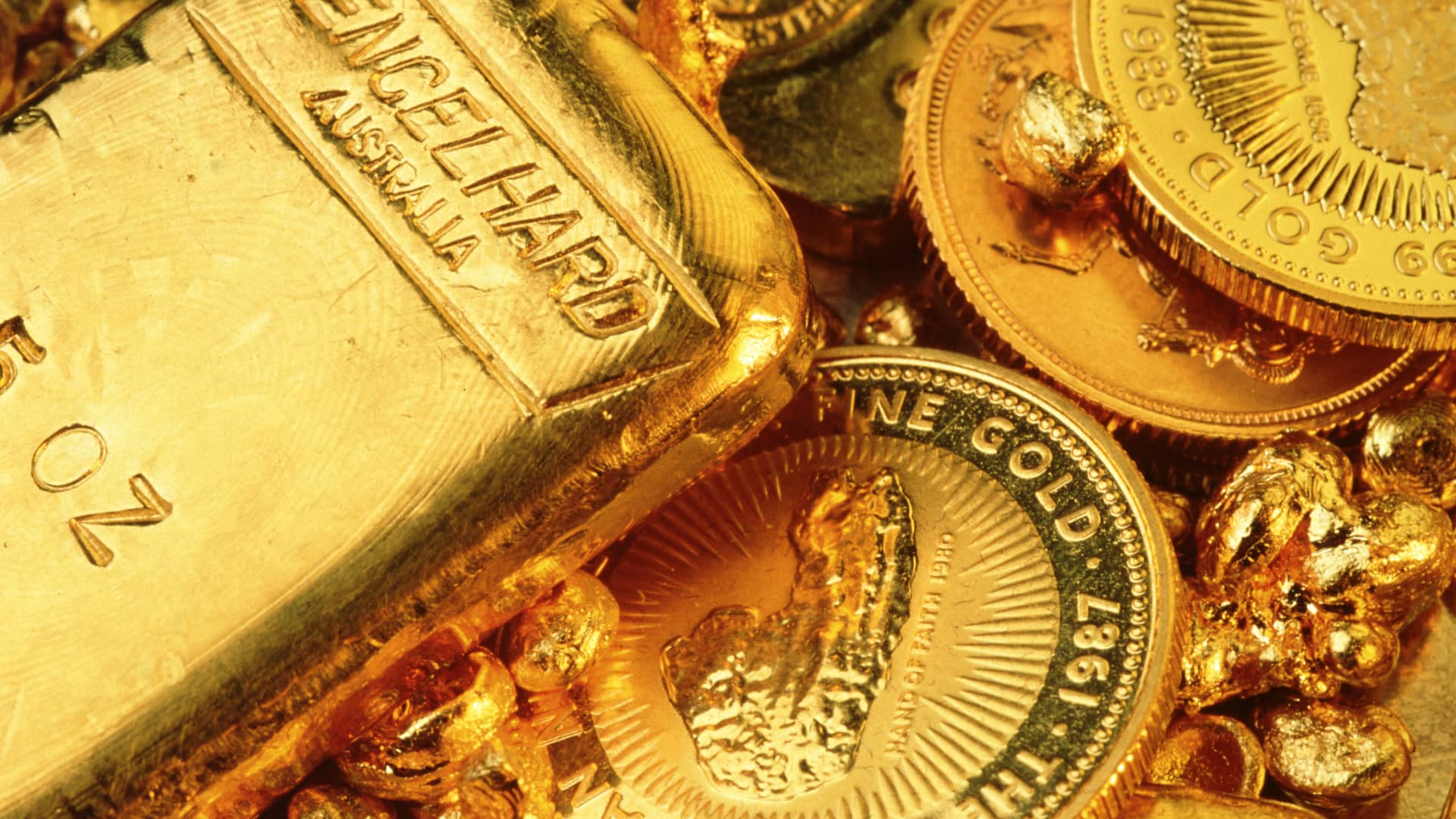
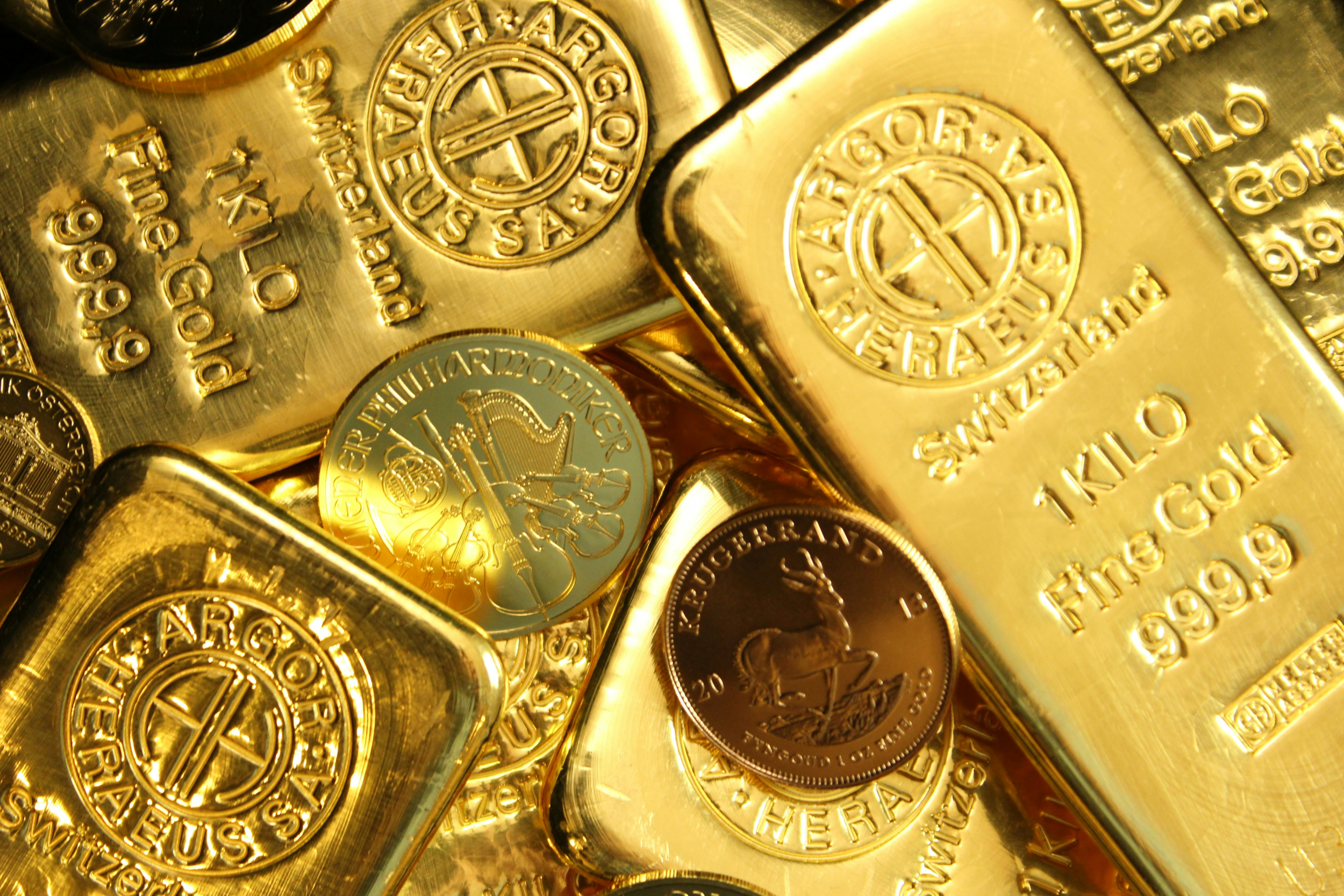
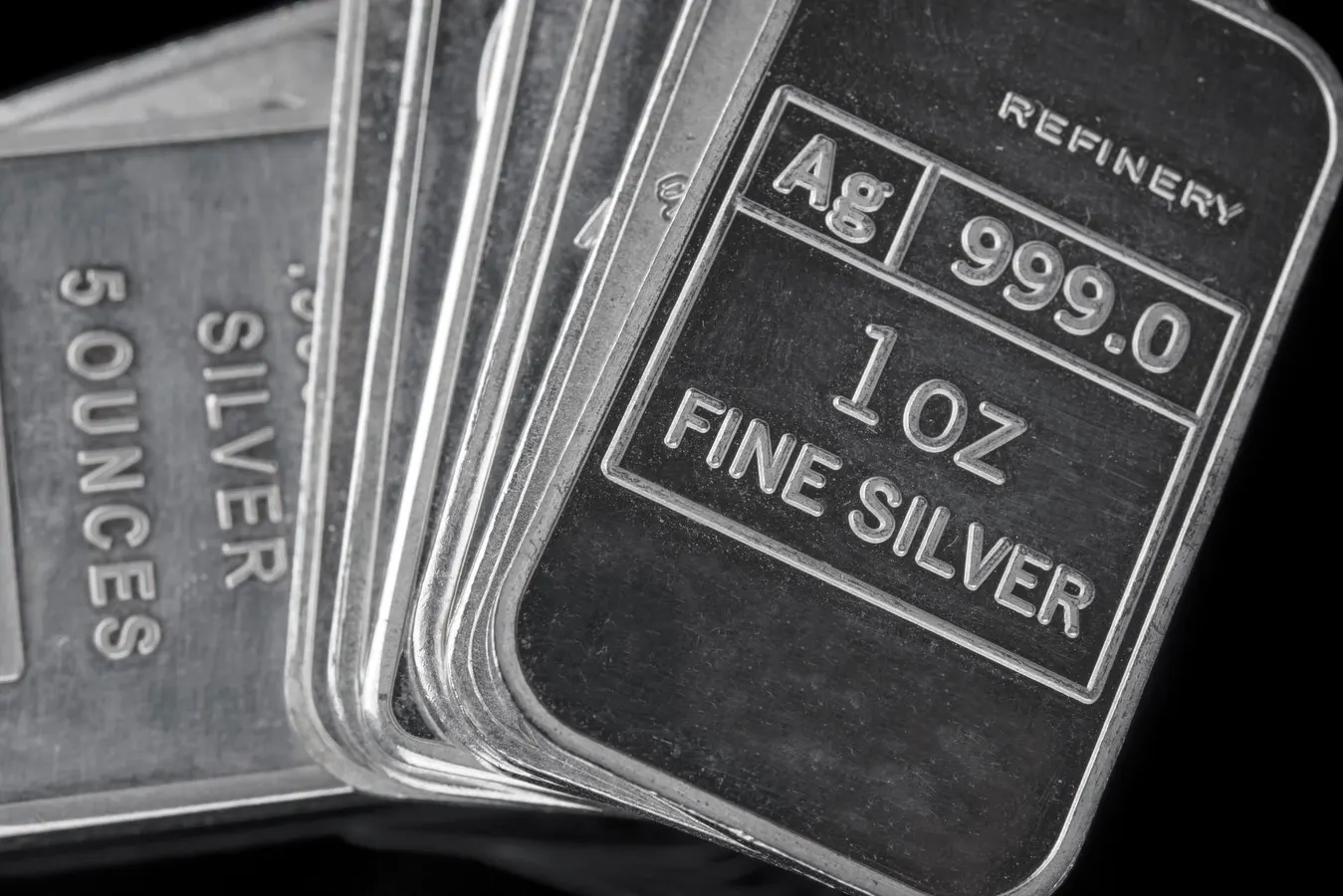
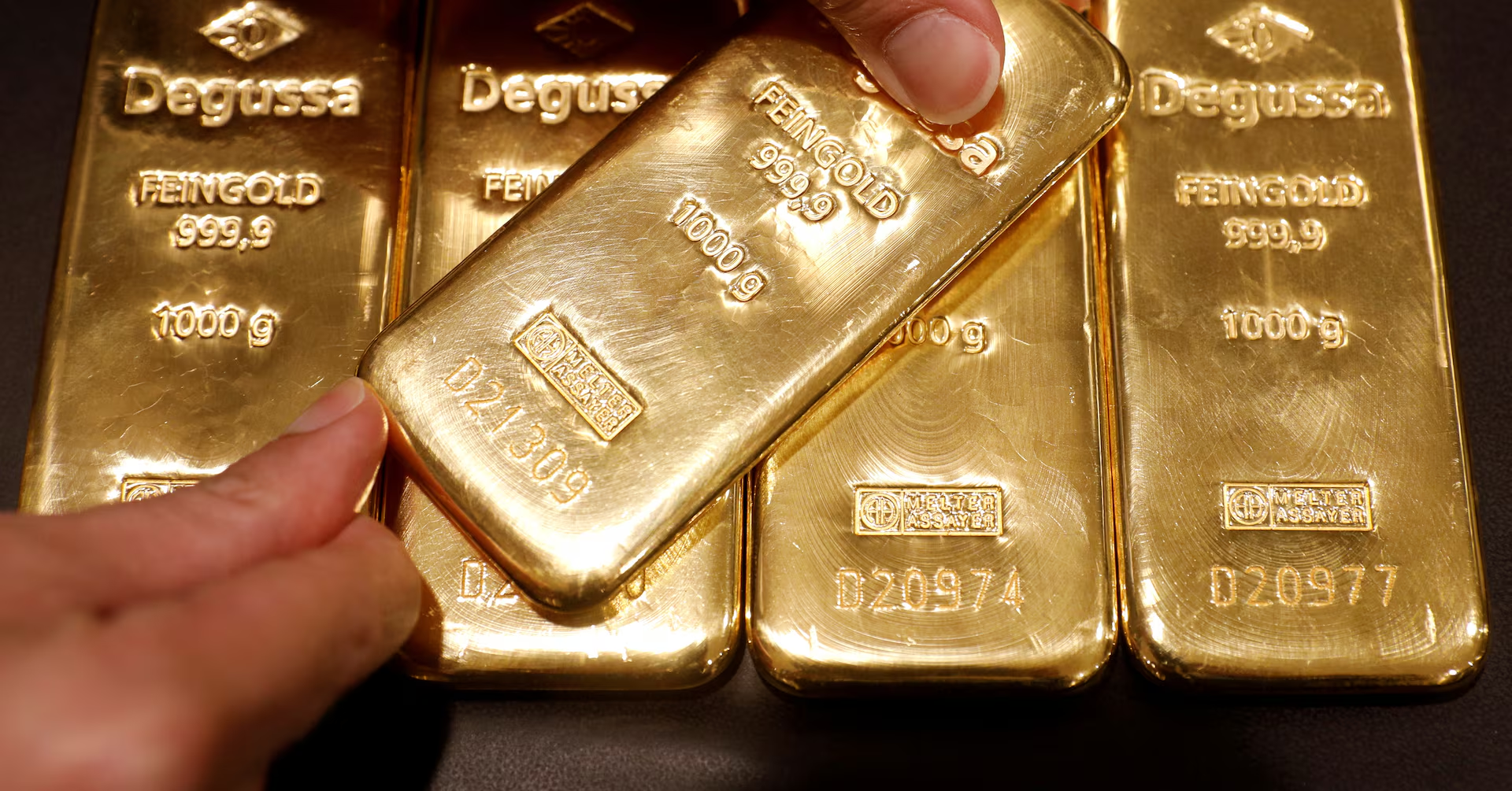
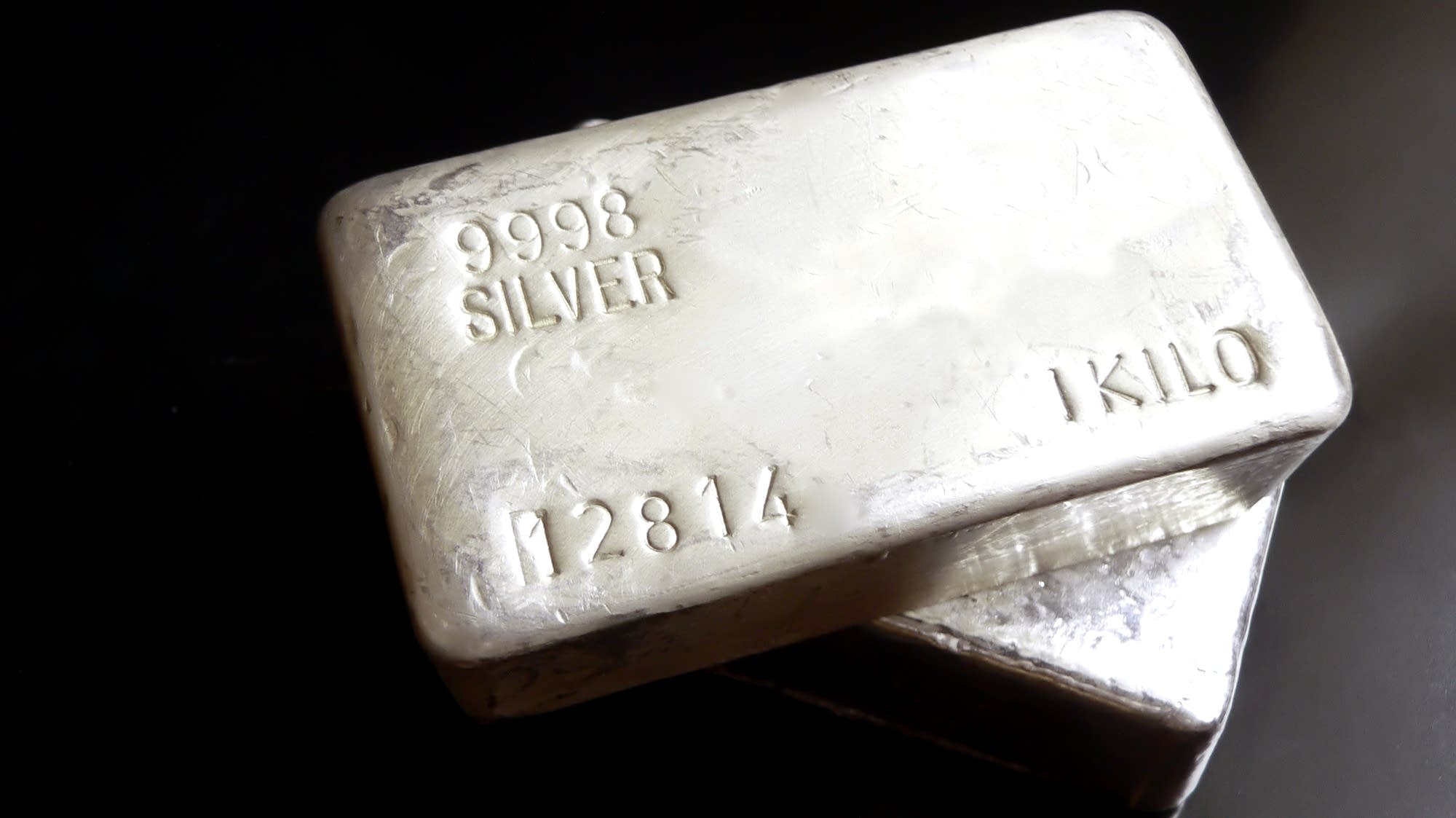
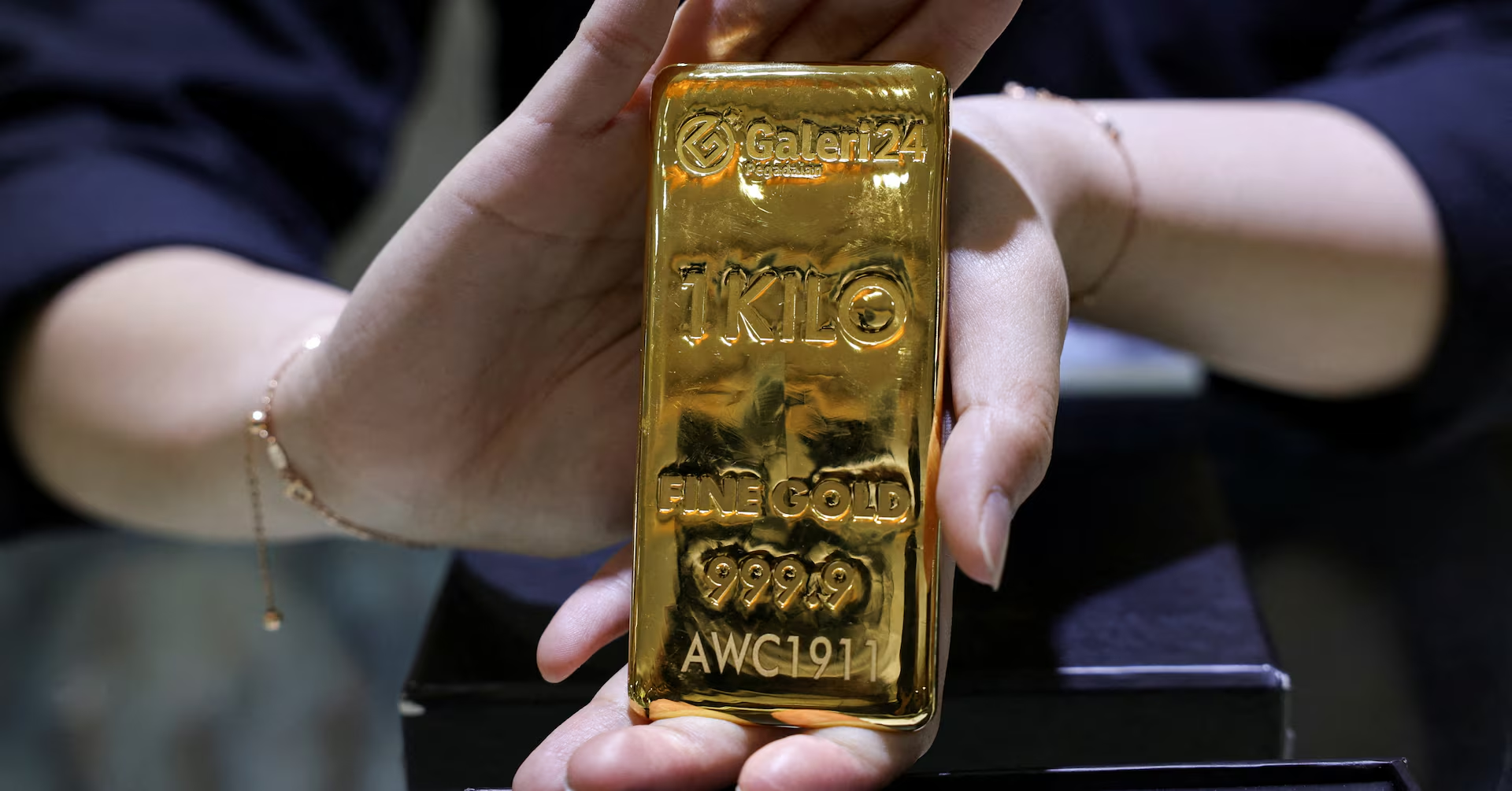
Spot gold rose 0.4% to $4,6,67.93 per ounce, rebounding from a near two-month low hit in the previous session. U.S. gold futures for April delivery rose 1.3% to $4,664.
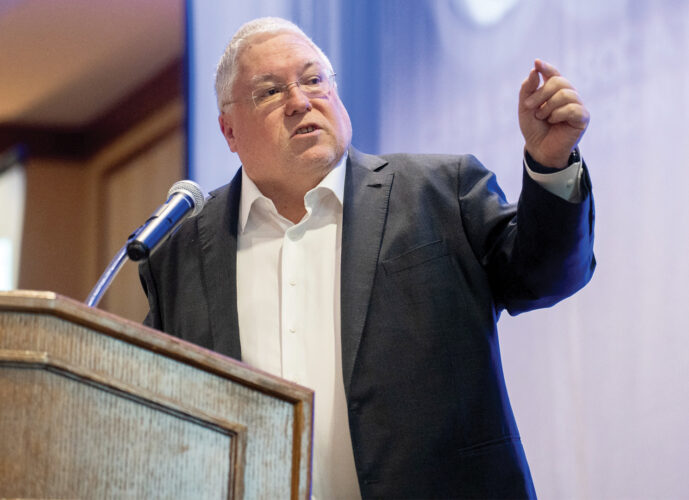
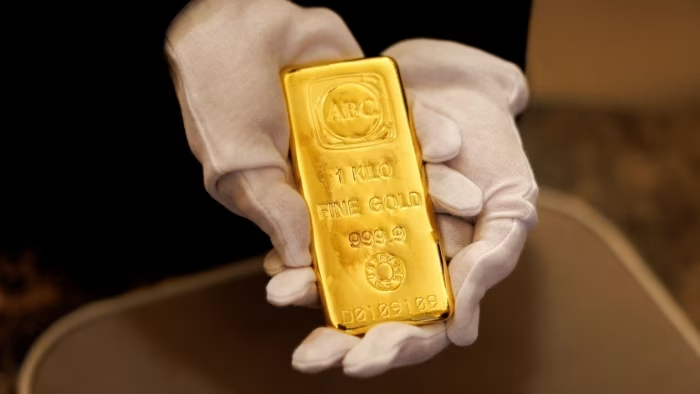
“Gold held some important technical supports in the weekly time frame and gold may see a recovery to the level where it broke down, around $4,800,” said Nicholas Frappell, global head of institutional markets at ABC Refinery.
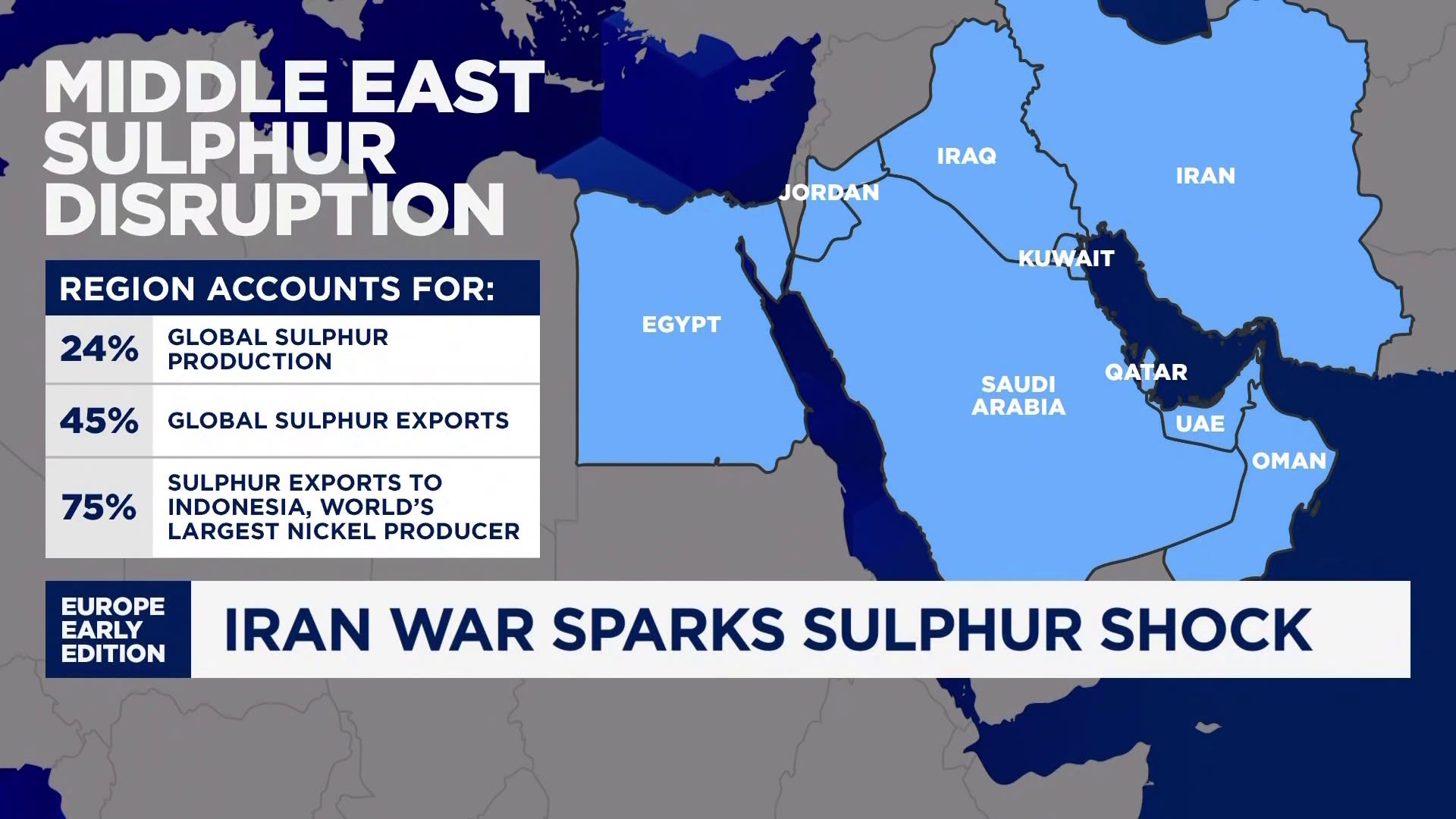
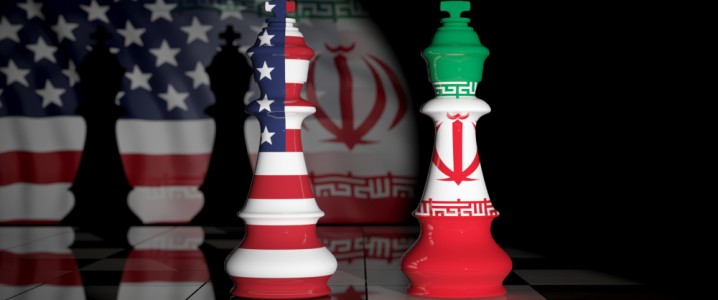
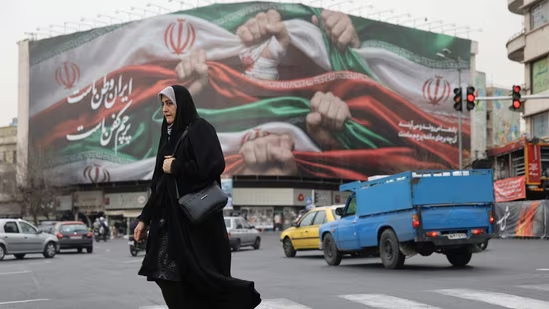
However, bullion has lost over 6% so far this week. Spot gold has fallen more than 10% since the U.S.-Israeli strike on Iran on February 28.
The dollar has emerged as one of the clearest “safe-haven” winners, strengthening over 2% so far this month. Meanwhile, the Fed kept rates steady on Wednesday, echoing major developed market central banks, and indicated that inflation could rise.
Interest rate futures show traders see little chance of a Fed reduction this year, according to the CME’s FedWatch tool.
Gold is considered an inflation hedge, but high interest rates weigh on it by making yield-bearing assets more attractive, while a stronger dollar makes the bullion more expensive for holders of other currencies.
“After notable underperformance during the Middle East conflict, participants were poised to sell rather than buy gold and were listening out for a reason to confirm their sentiments,” Frappell said.
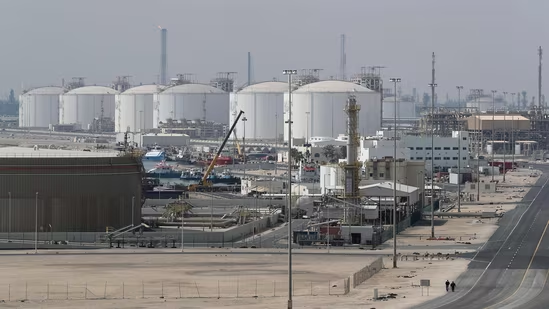
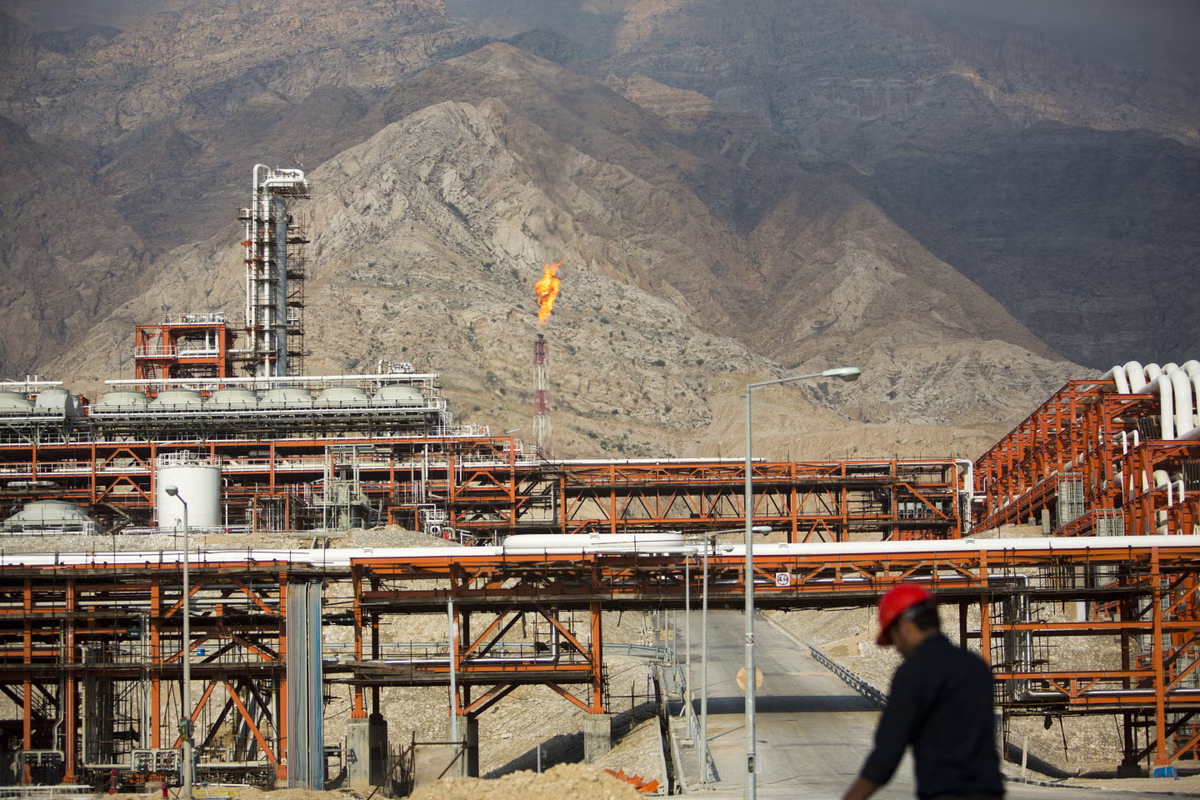
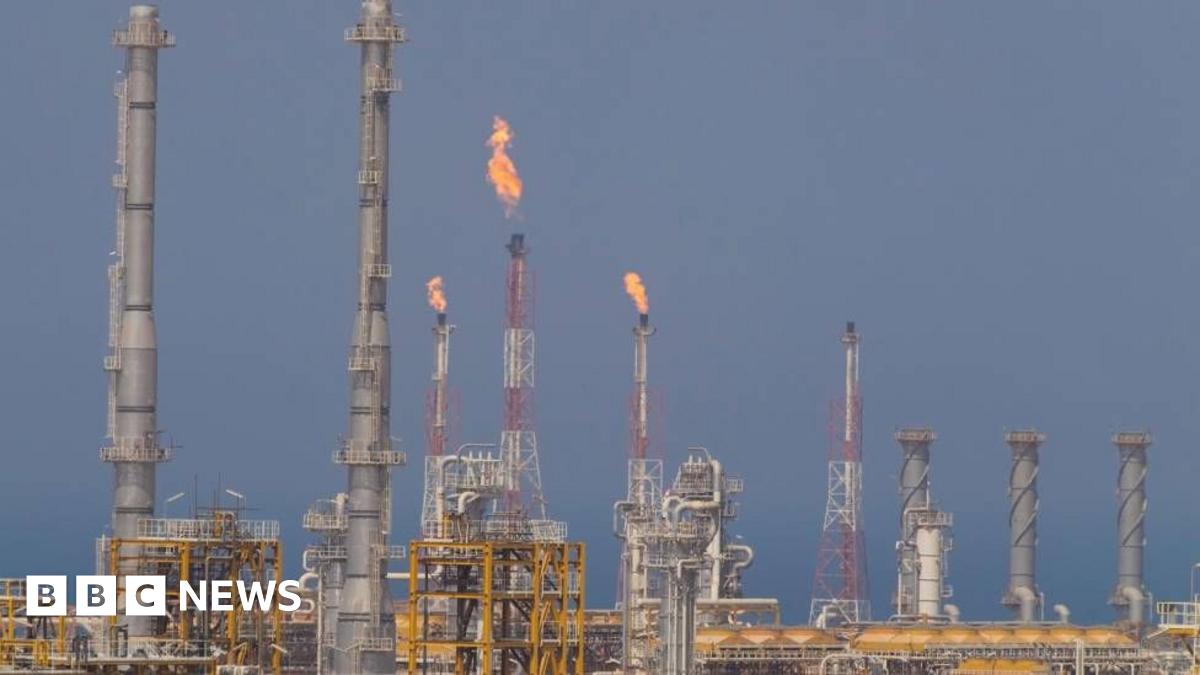
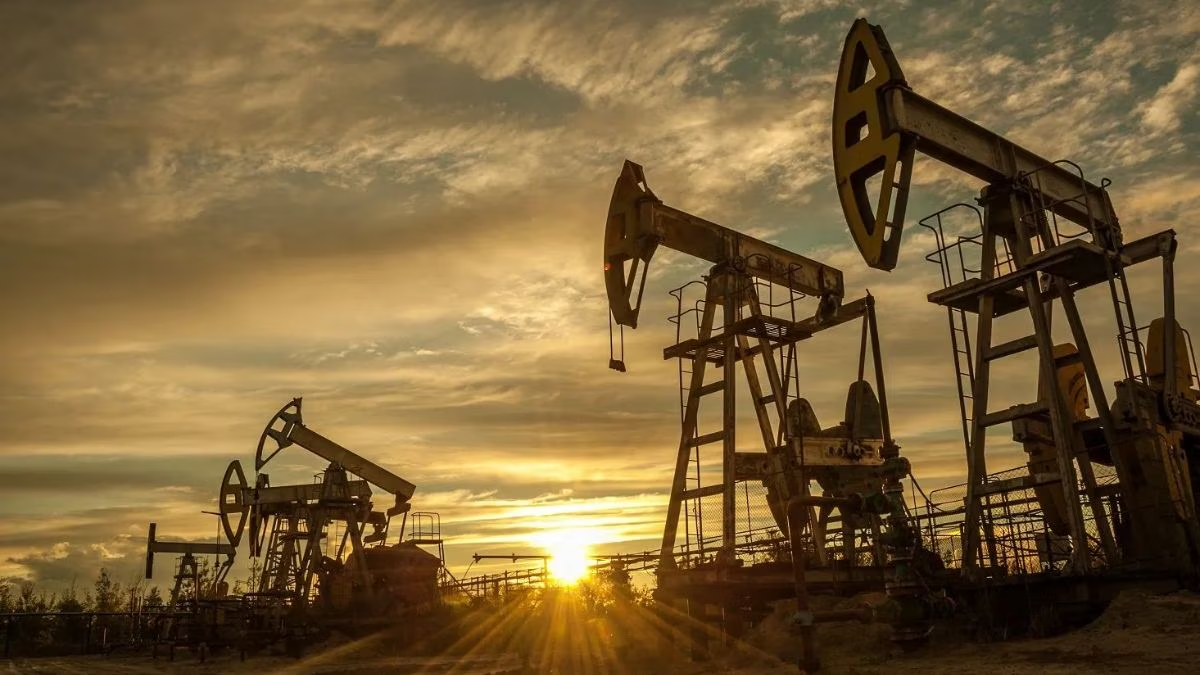
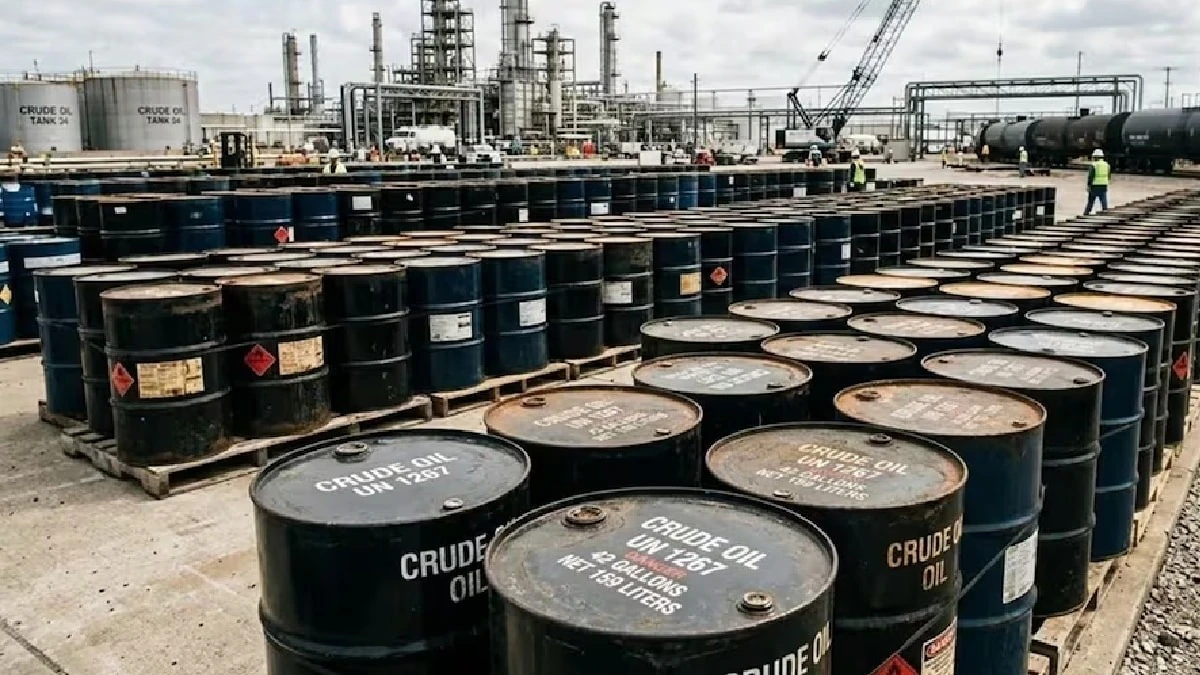
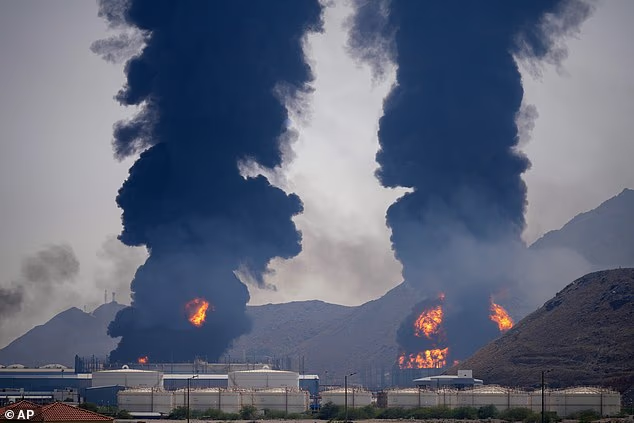
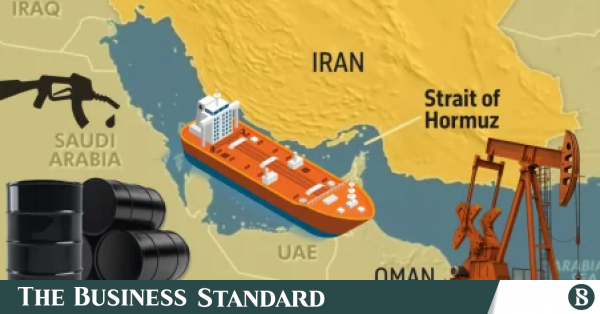
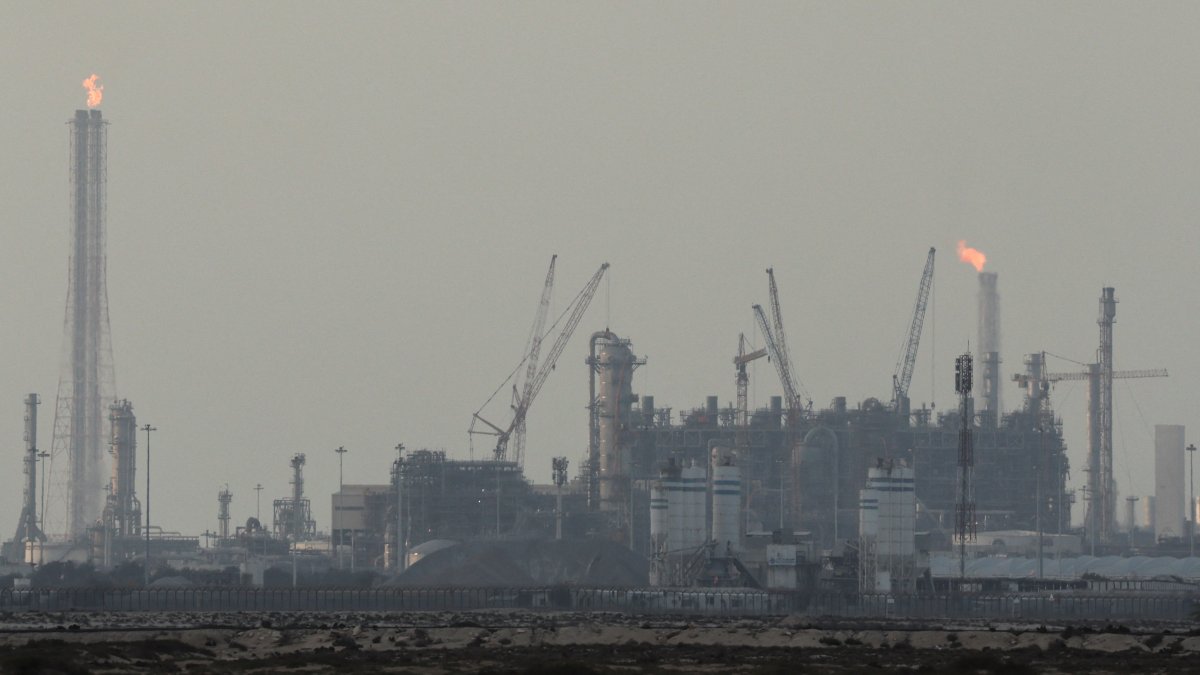
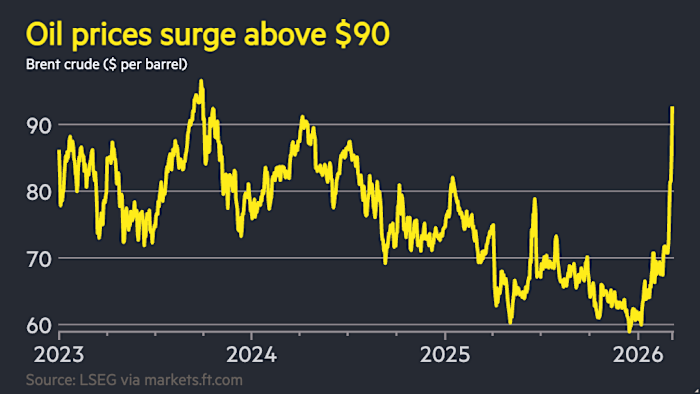
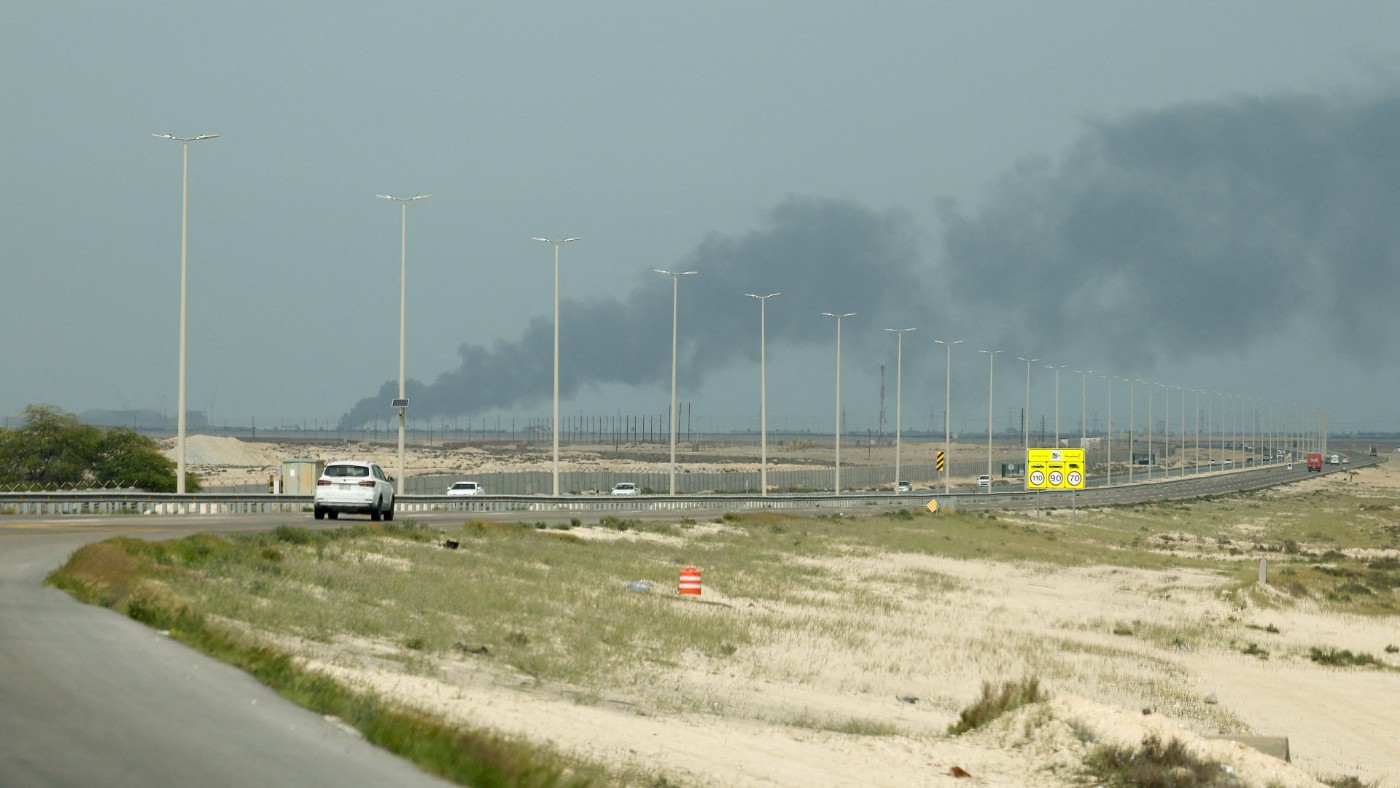
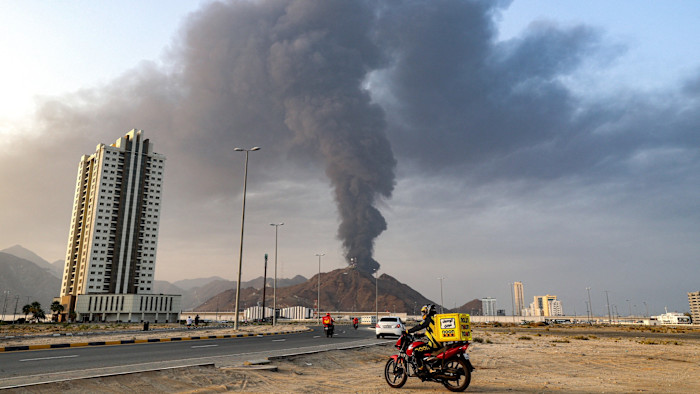
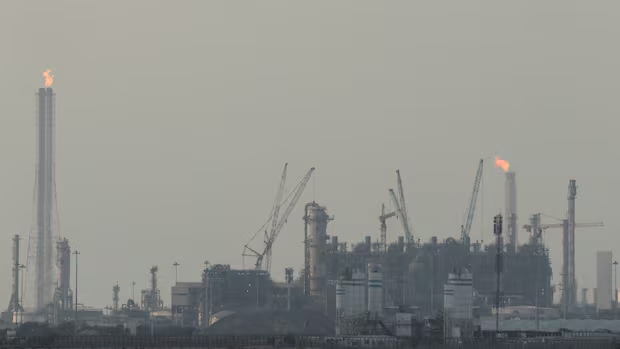
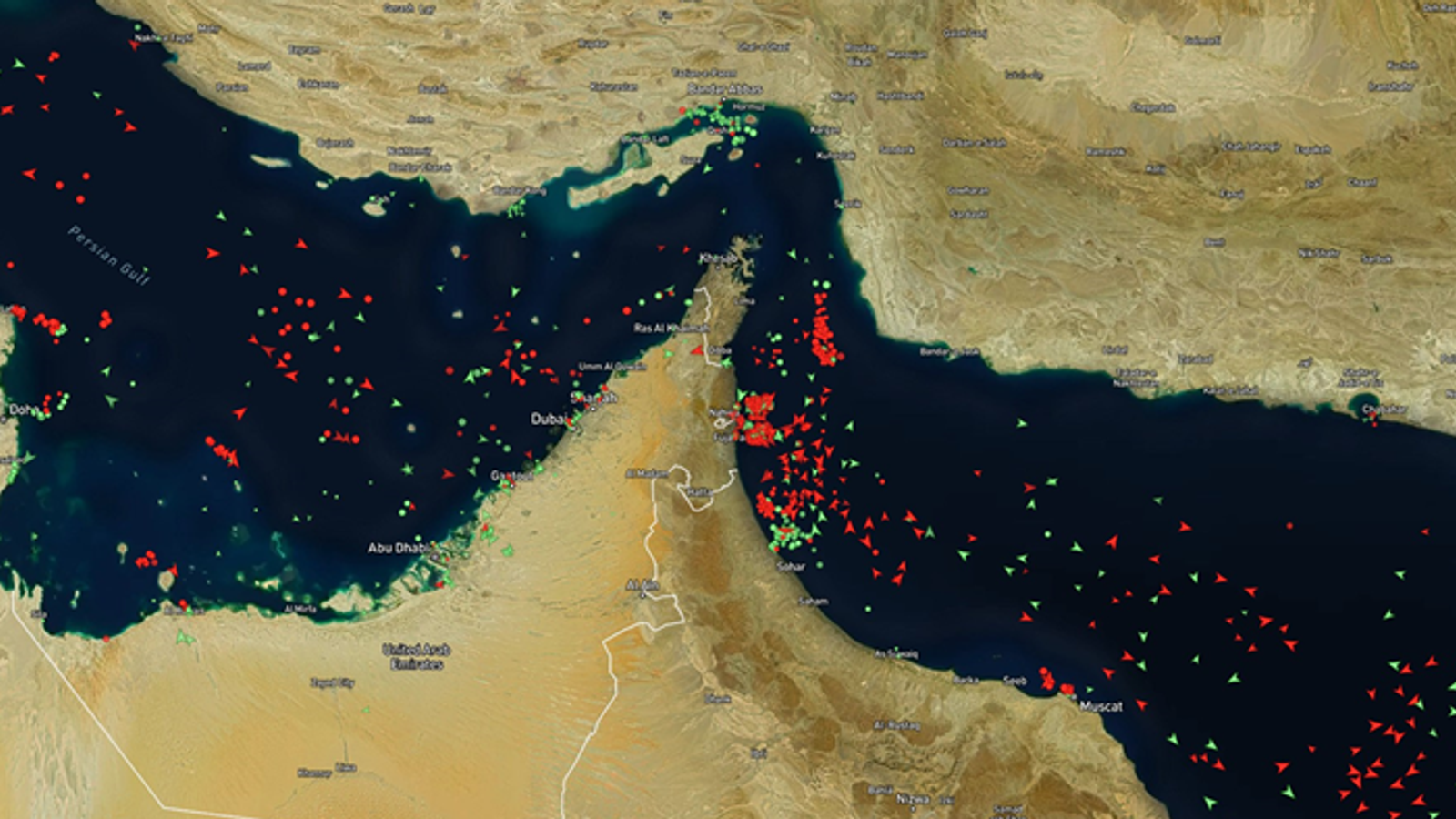
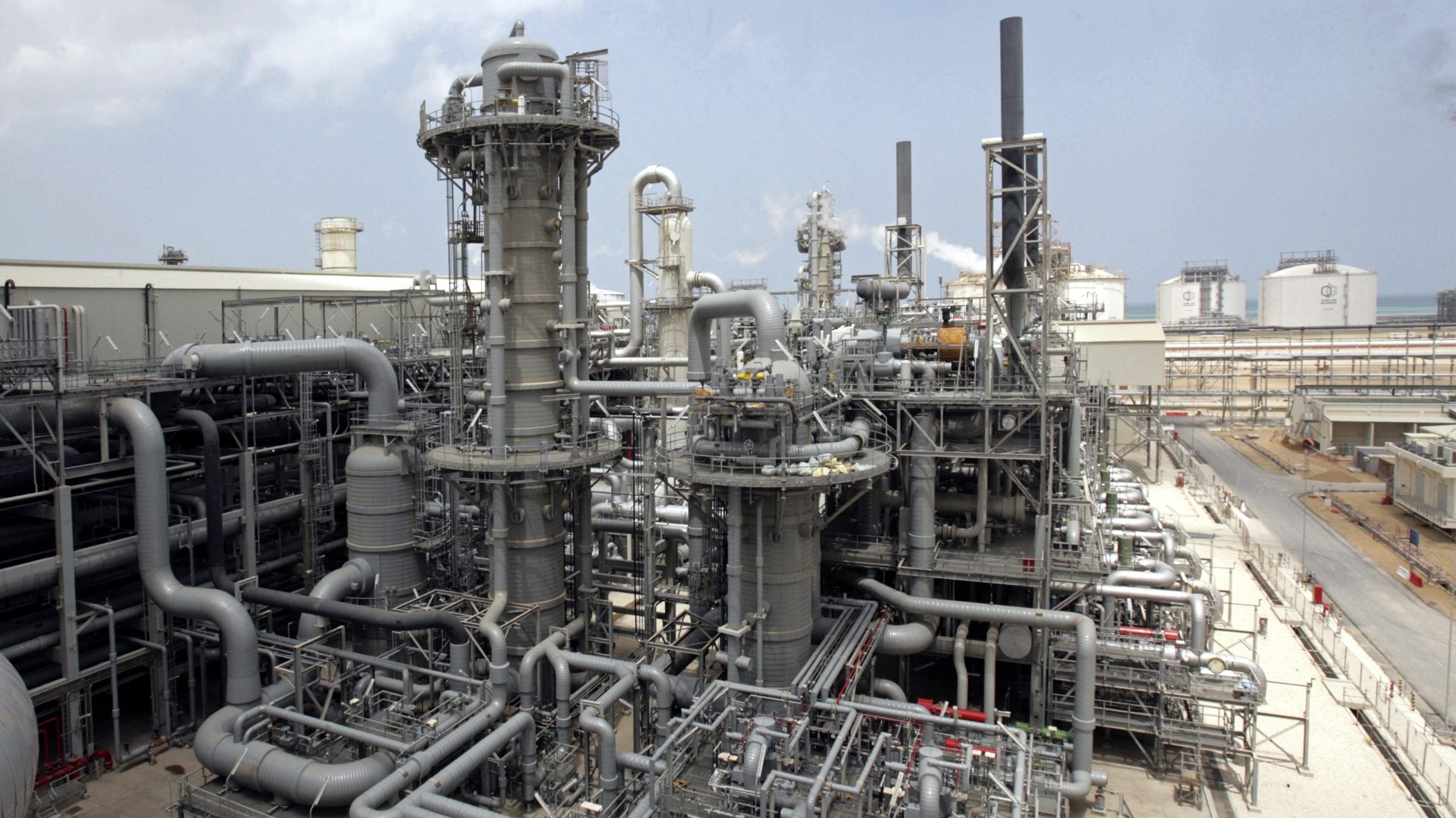
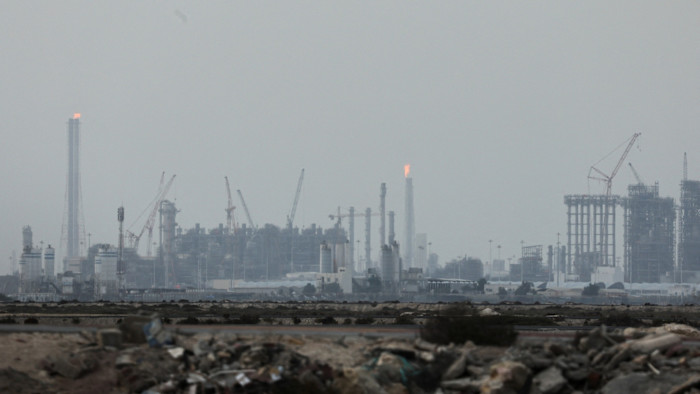
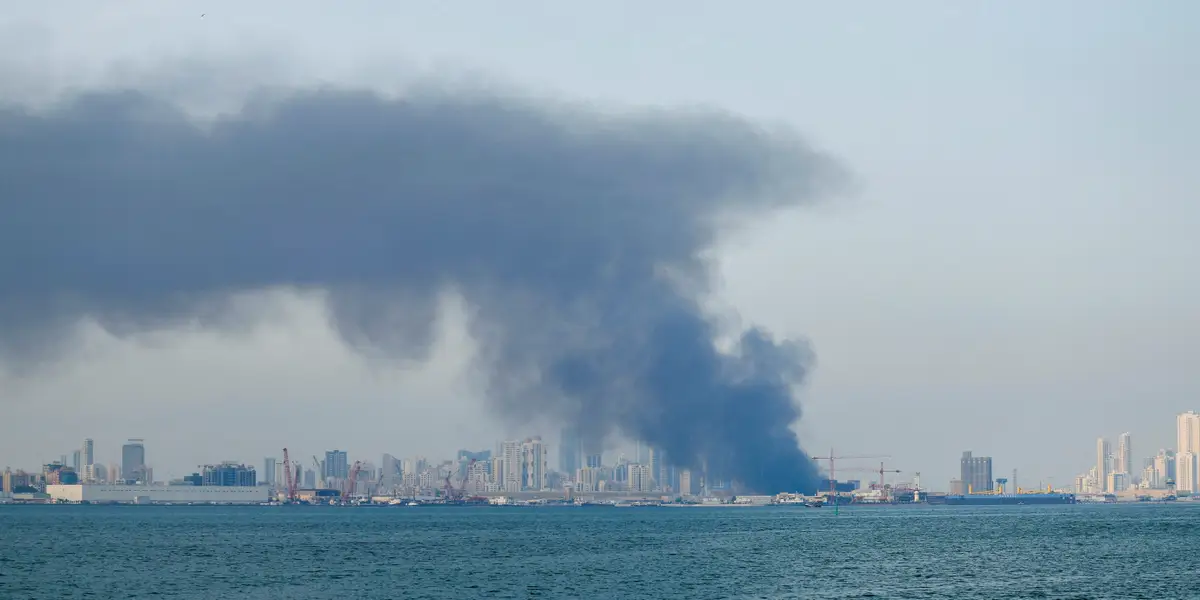
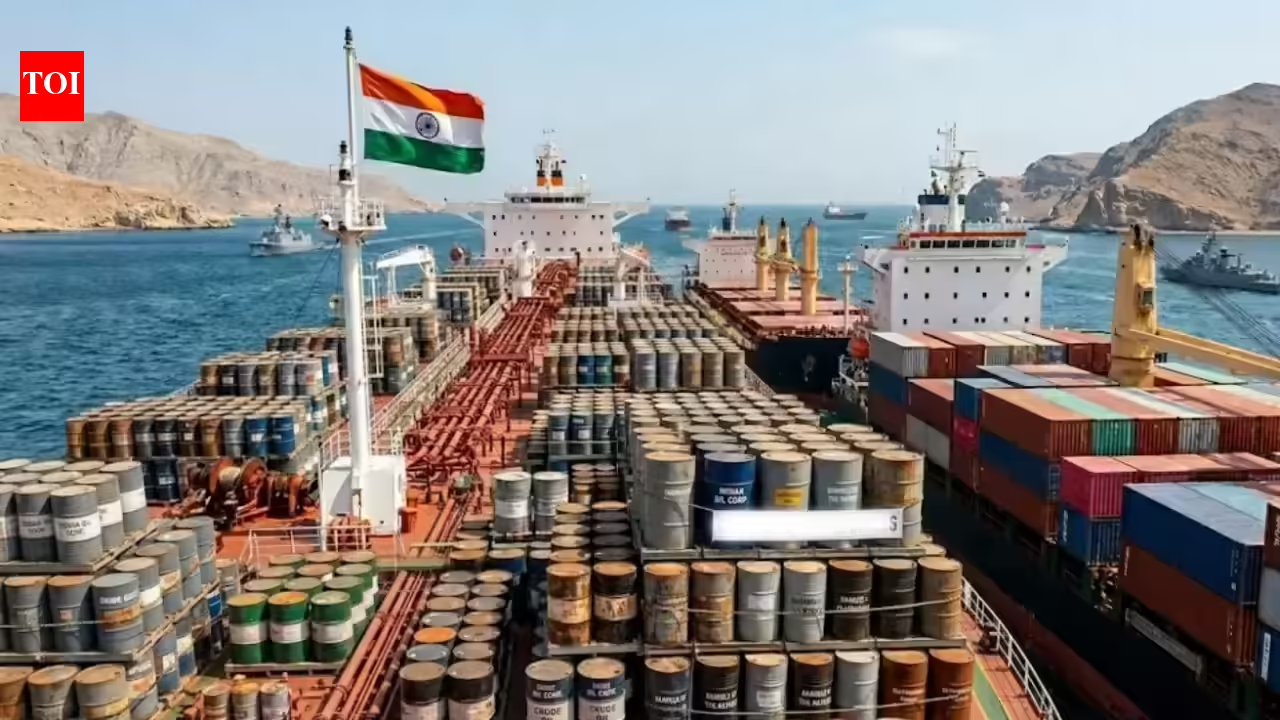
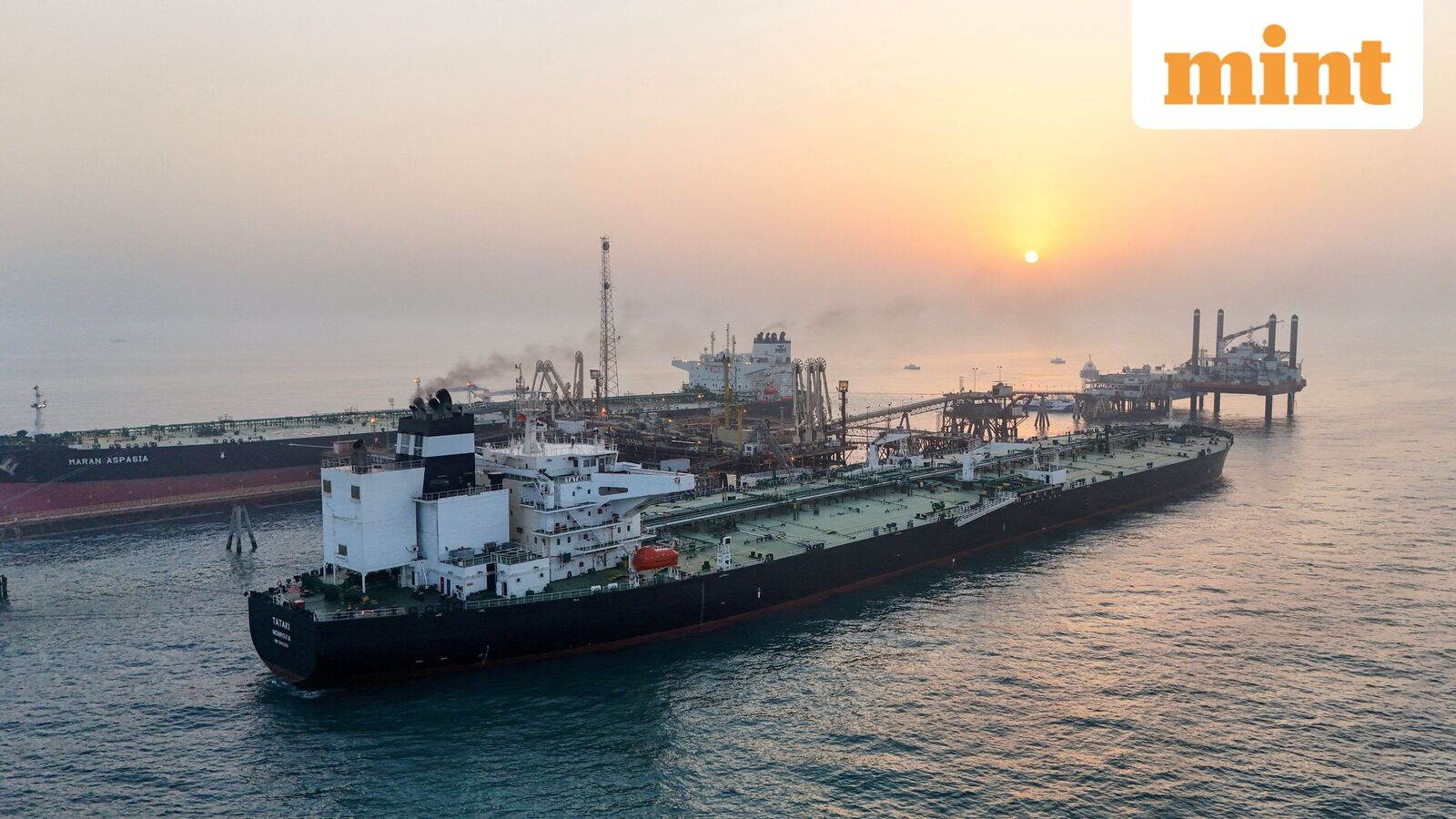
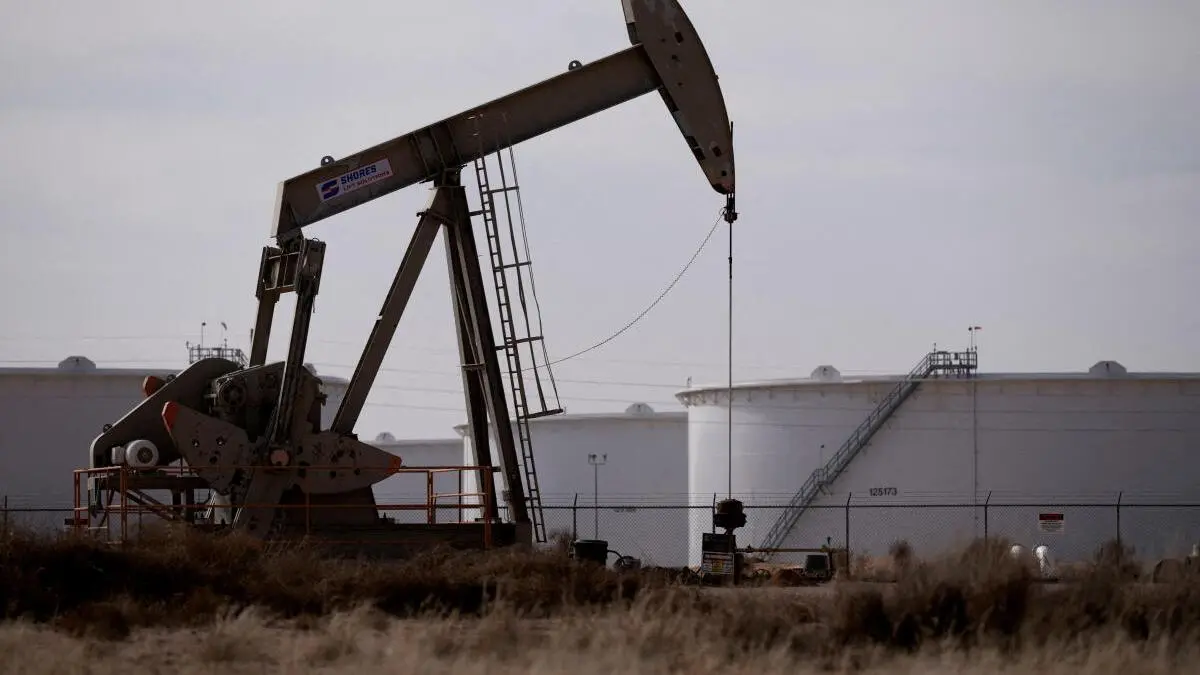
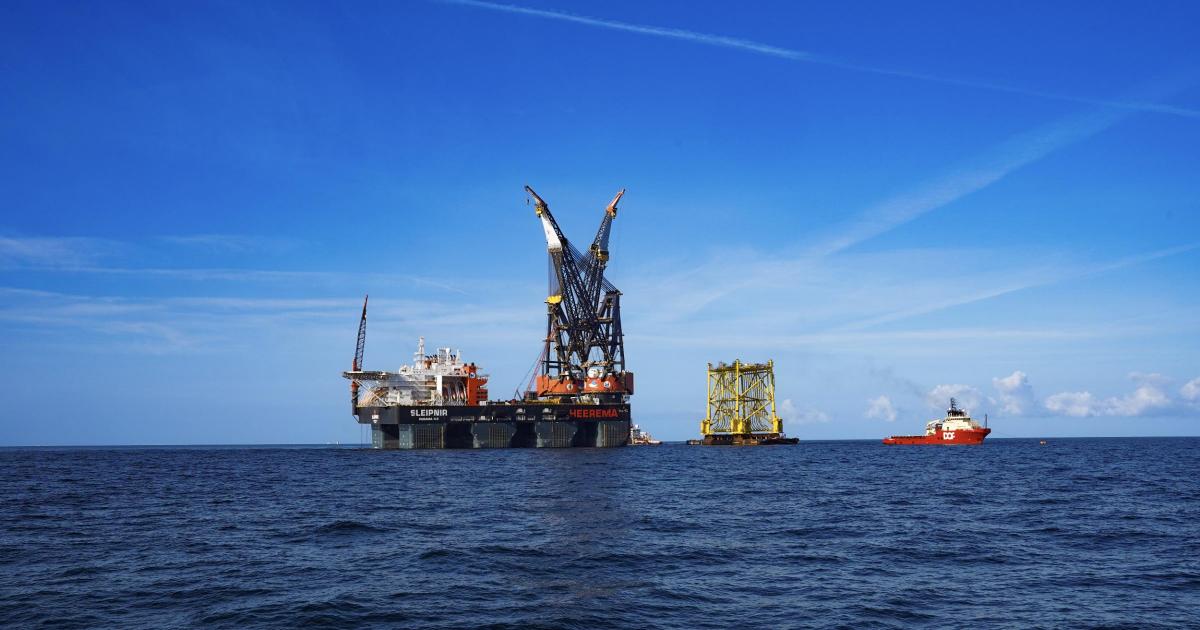
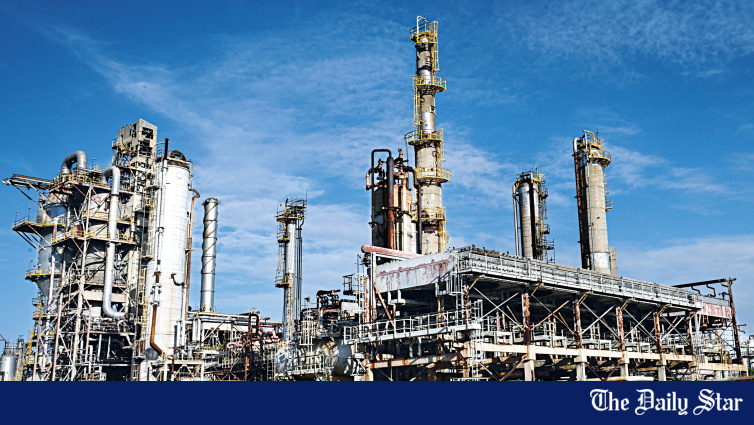
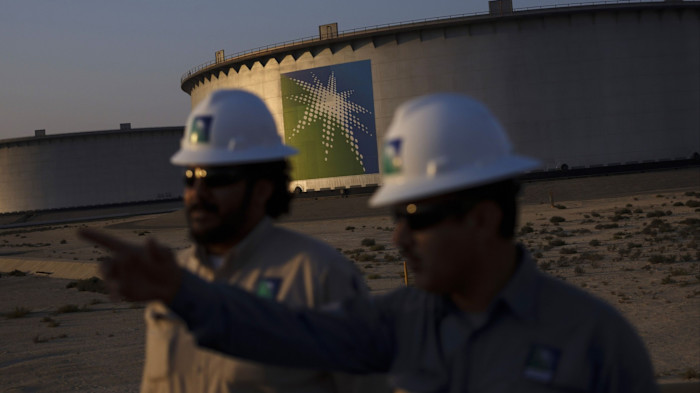
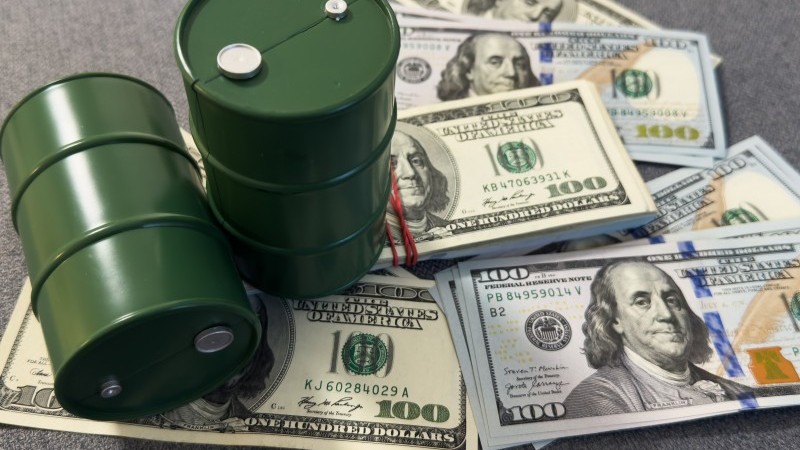
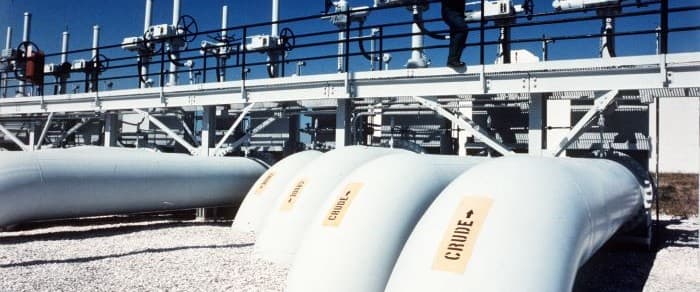
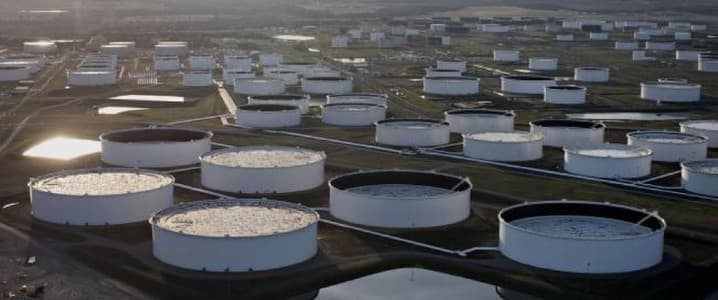
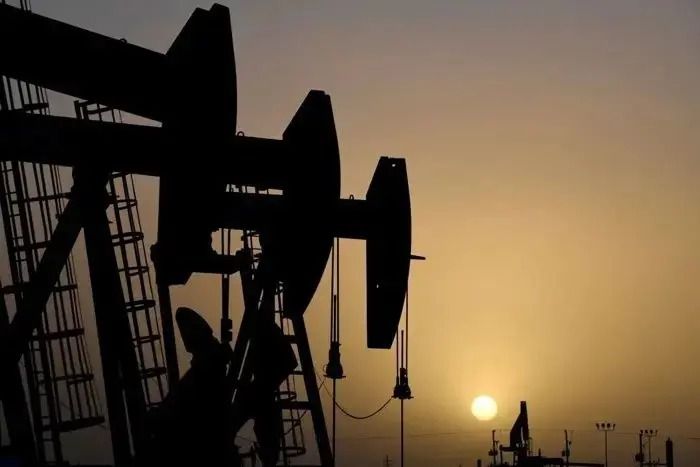
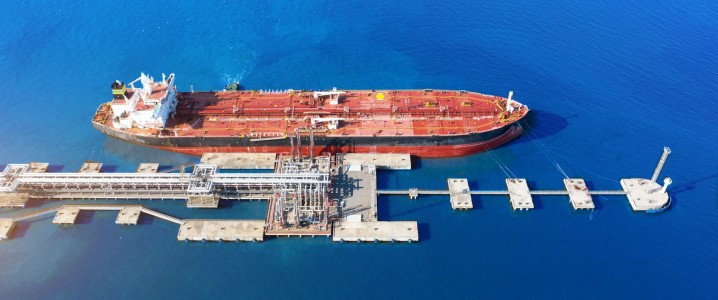
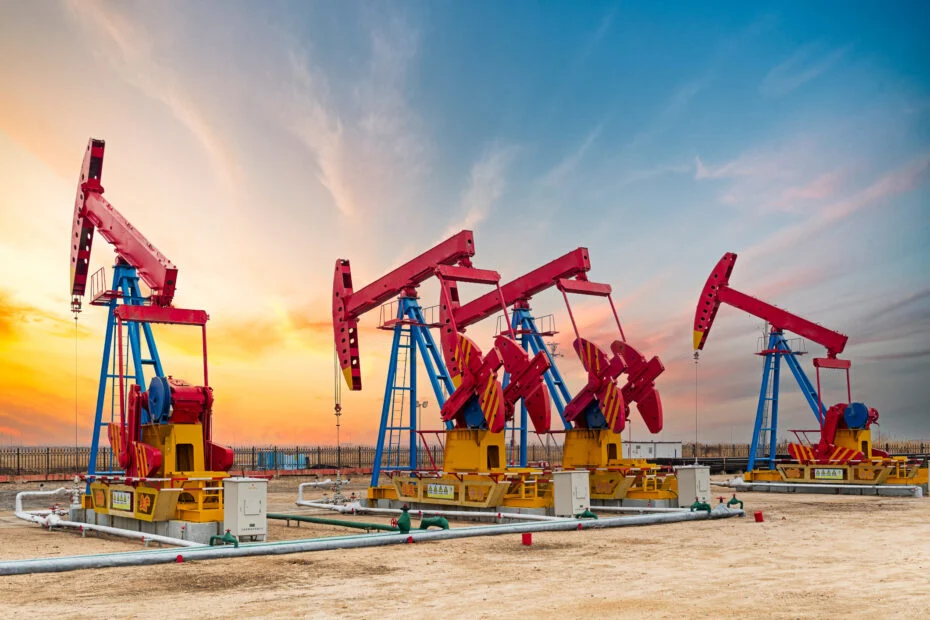
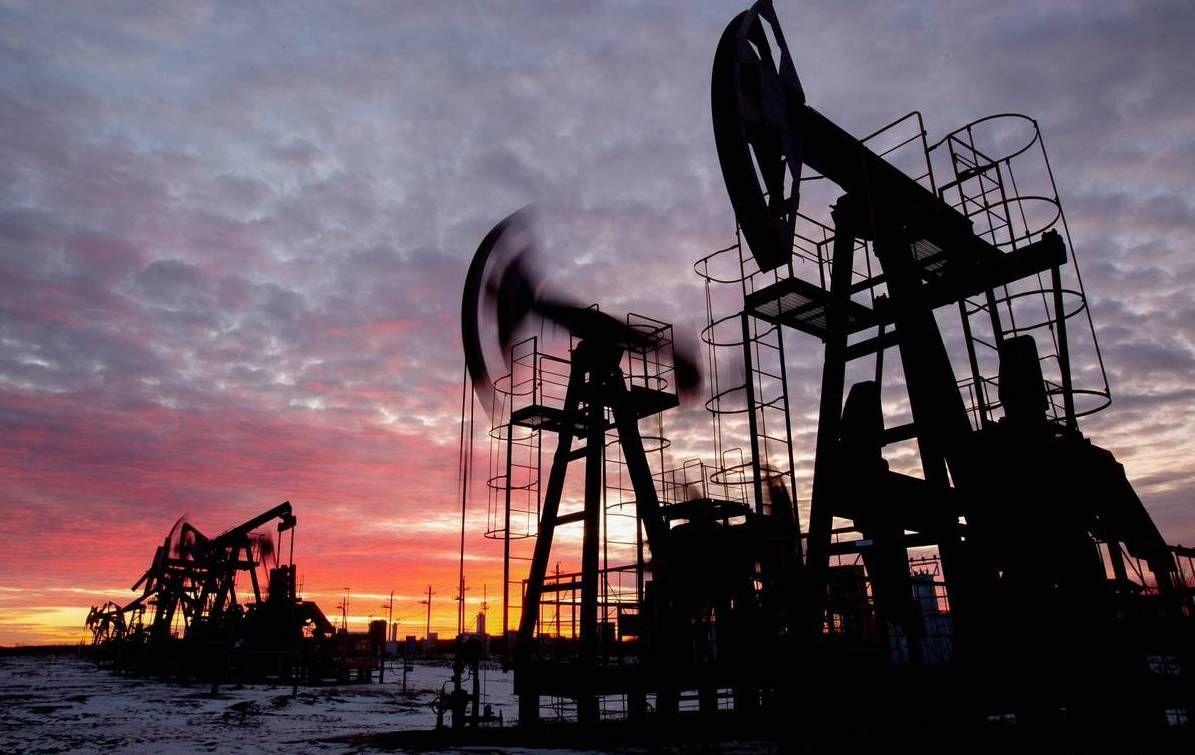
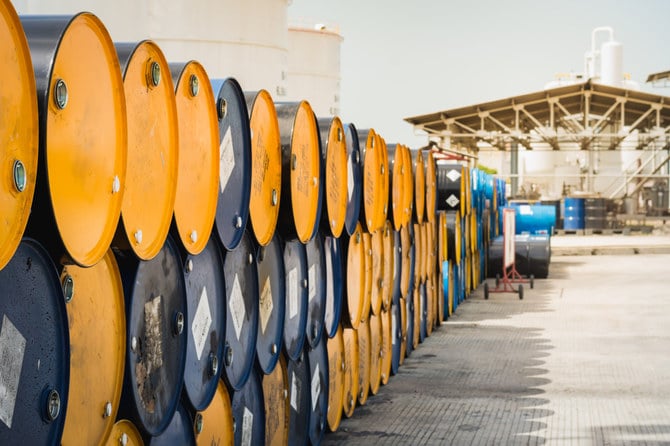
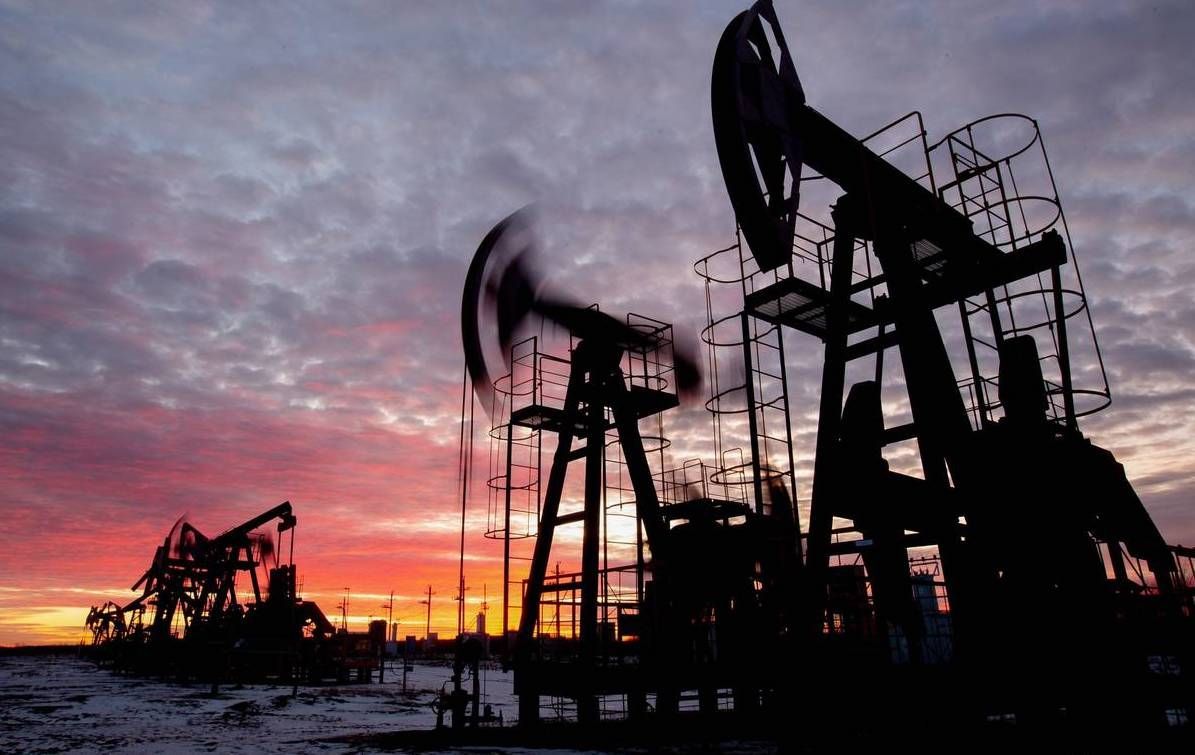
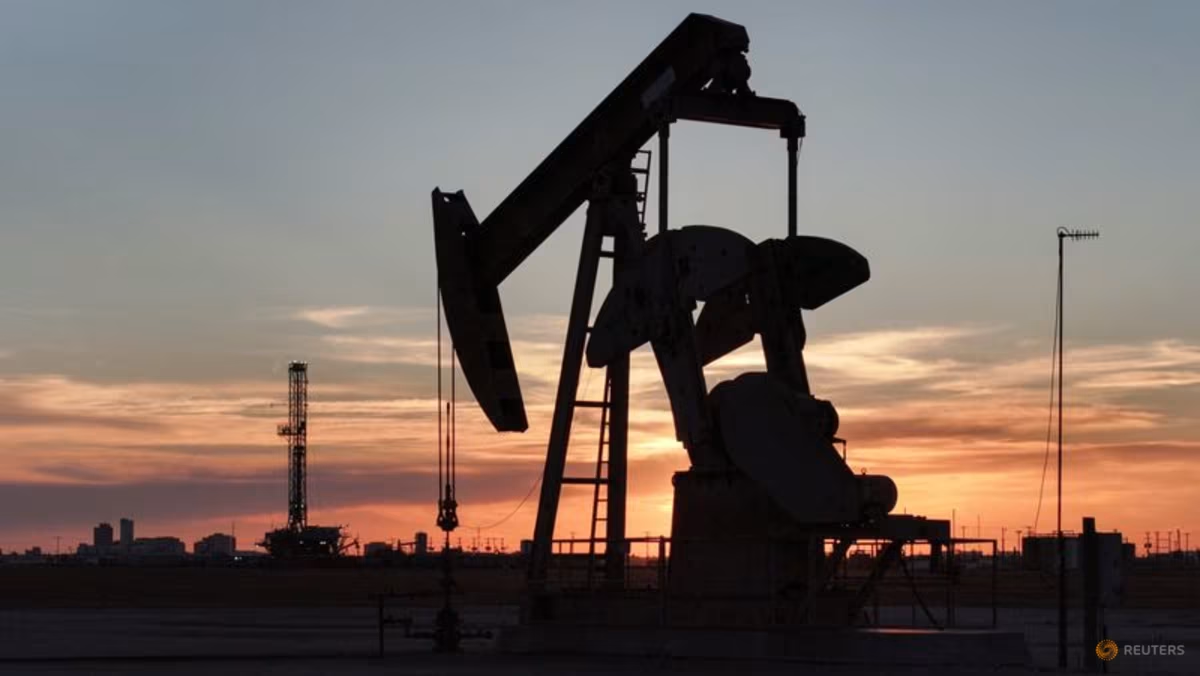
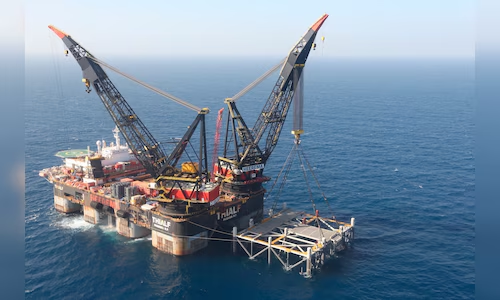
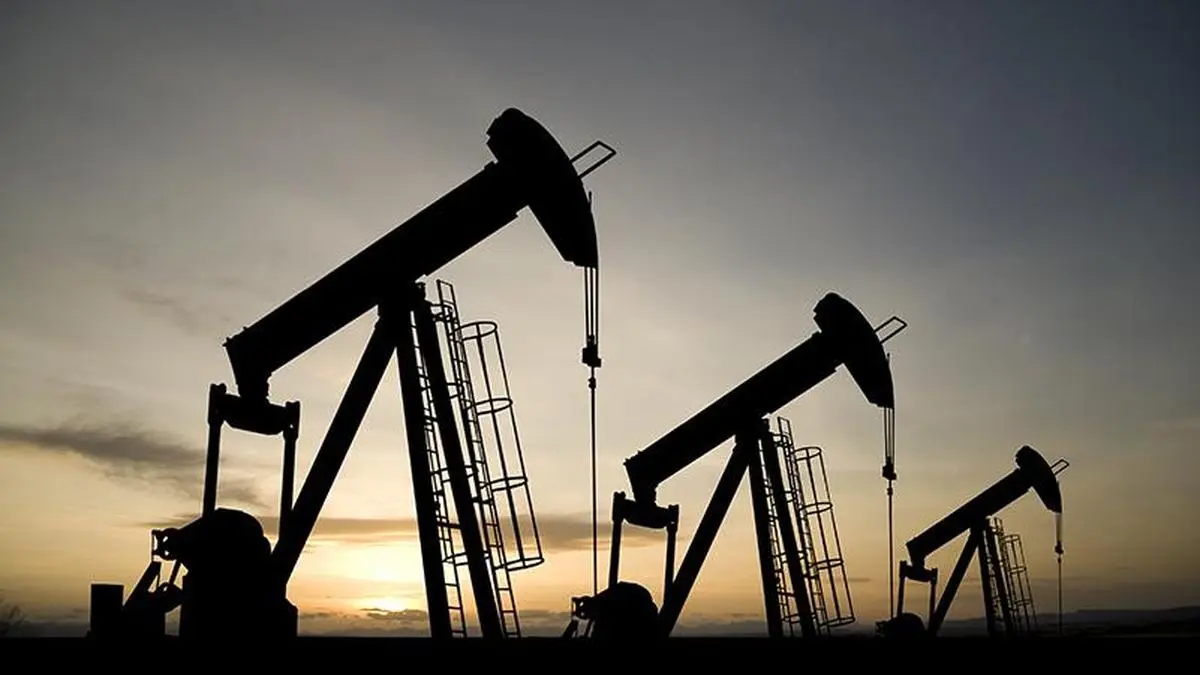
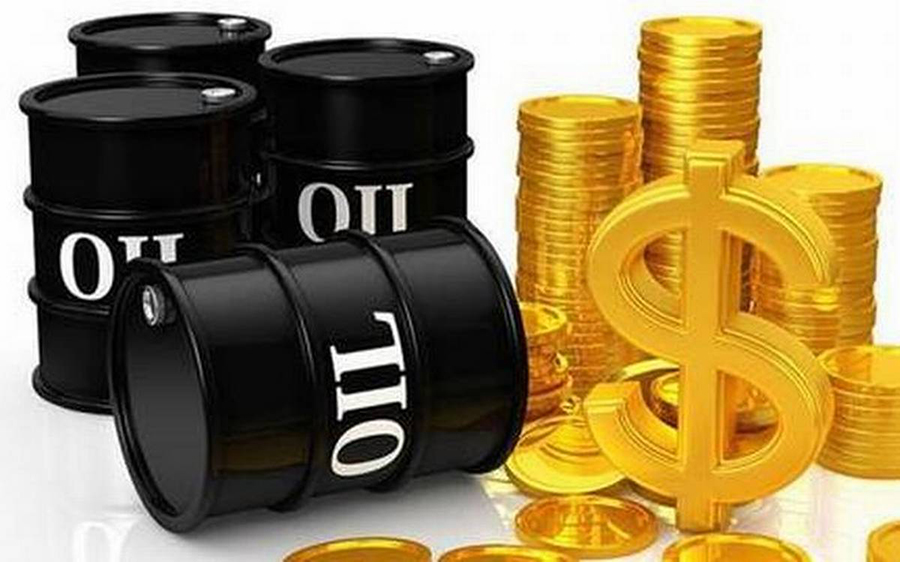
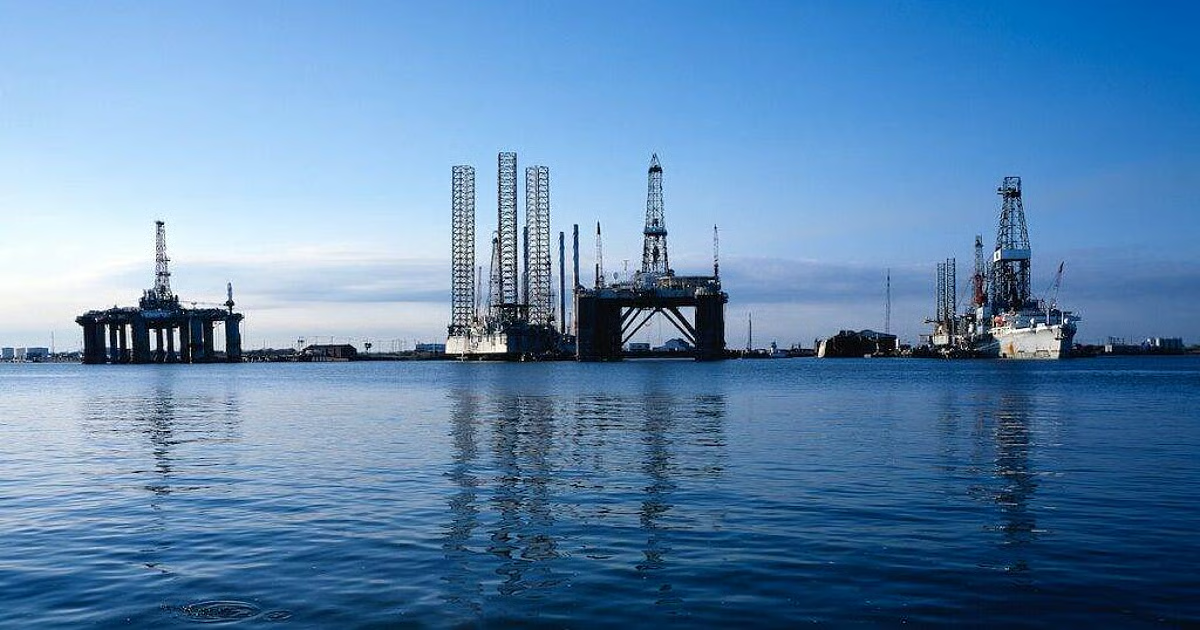
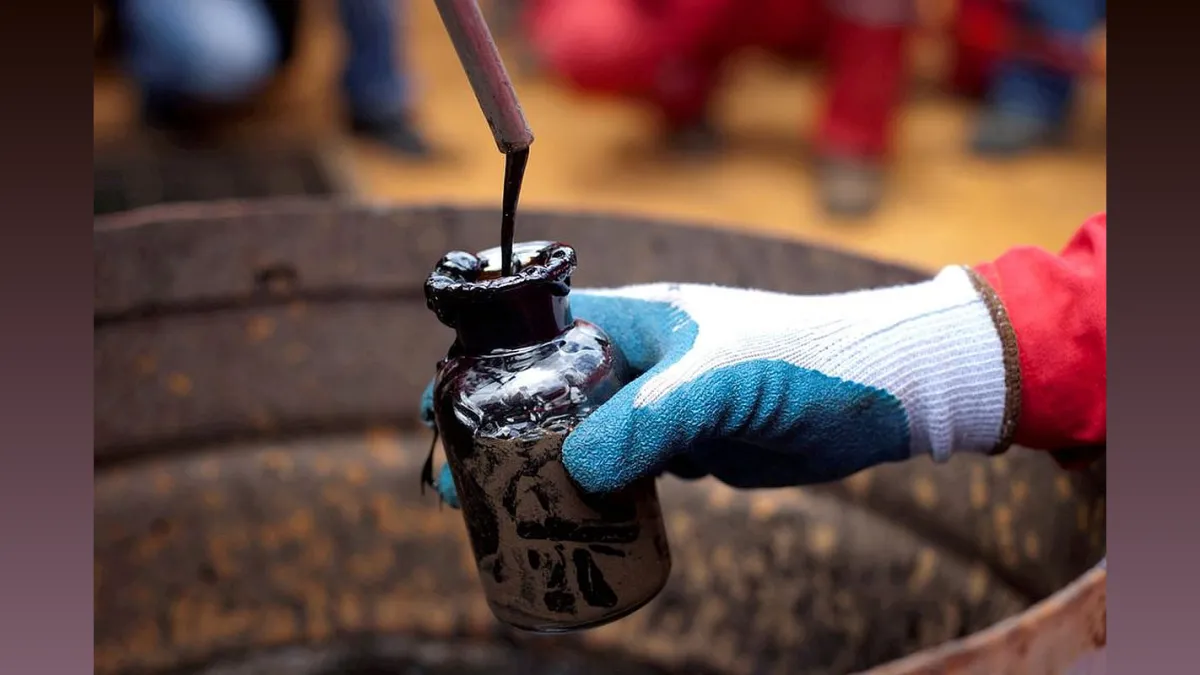
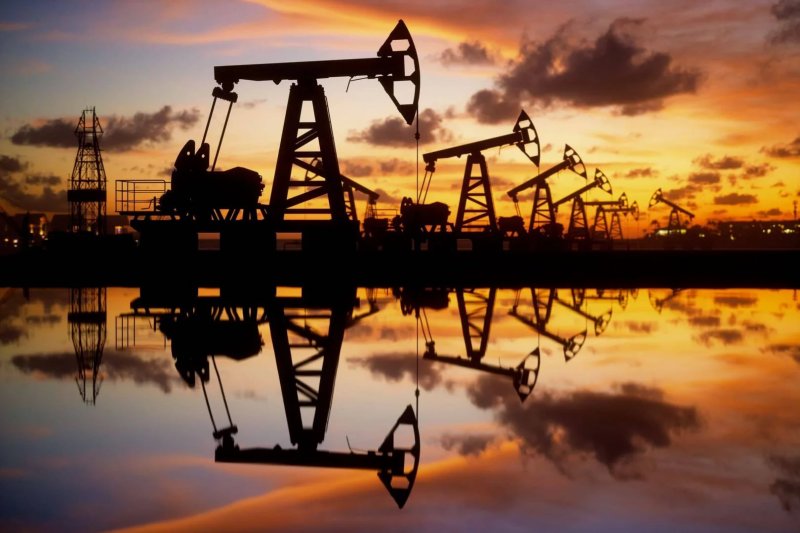
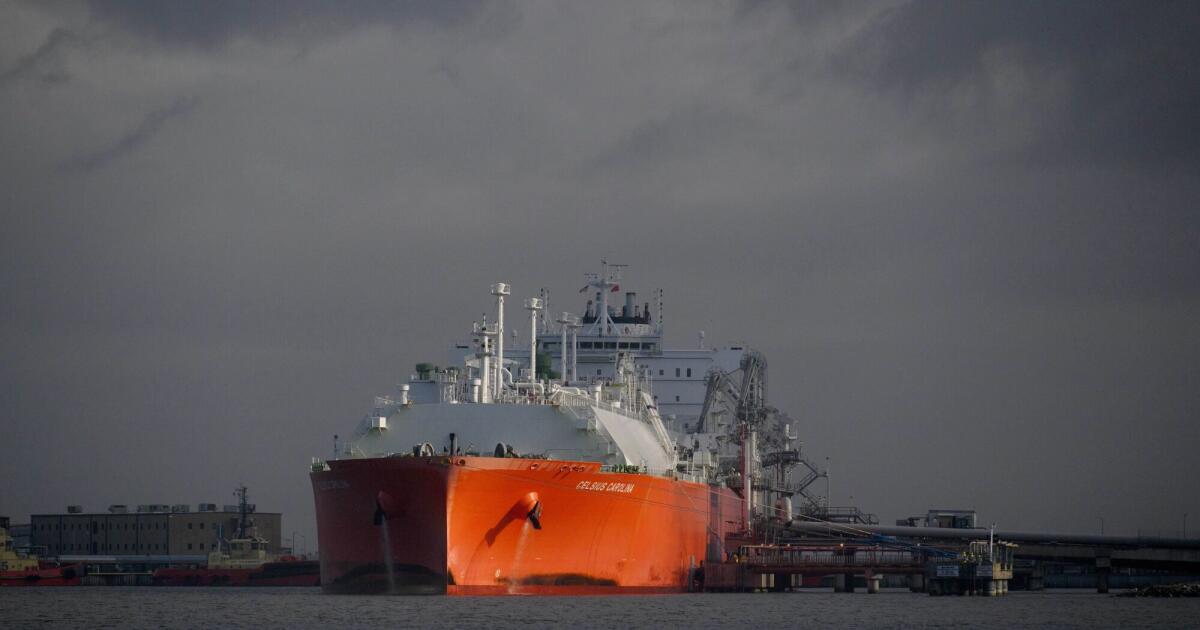
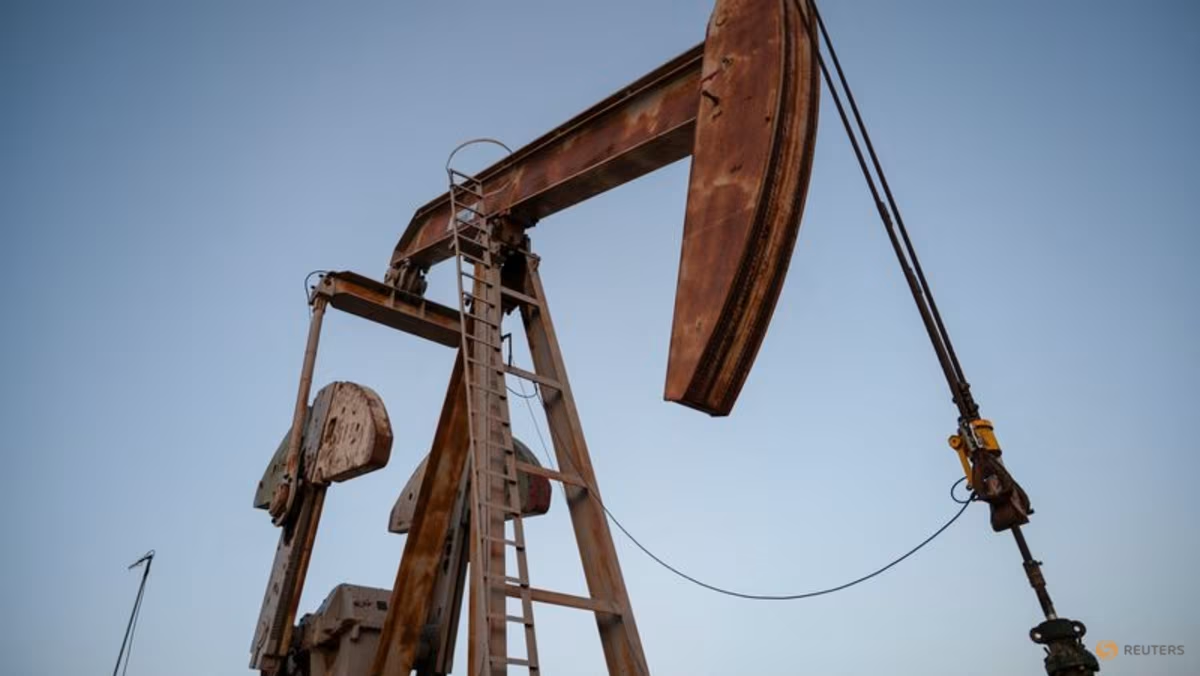
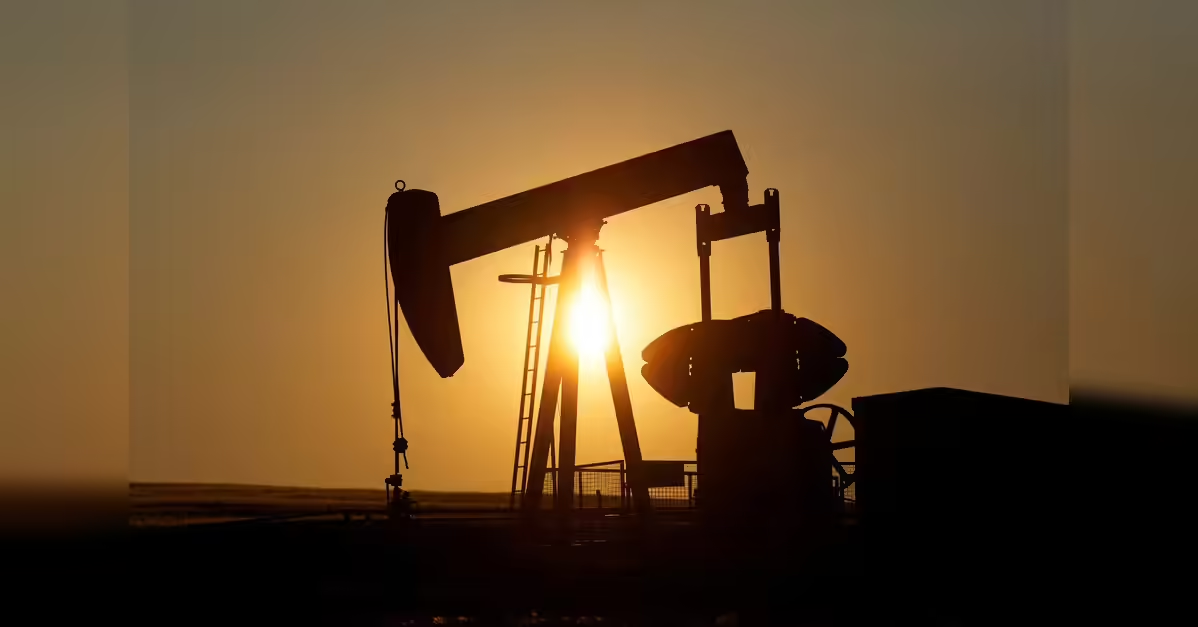
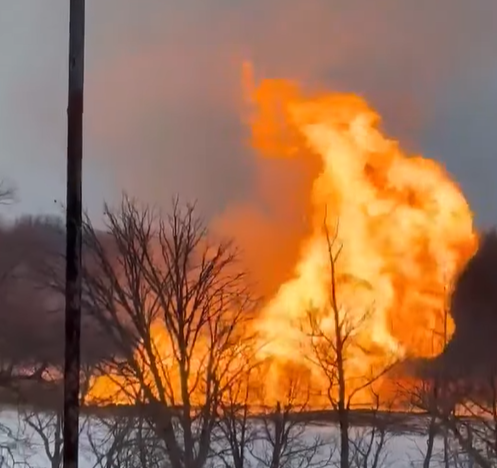
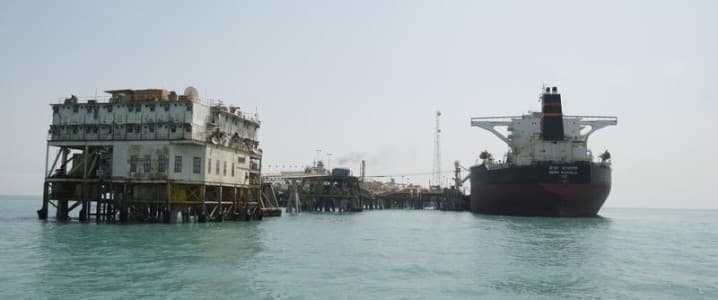
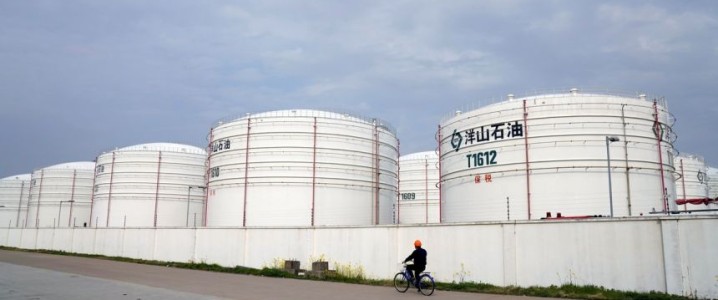
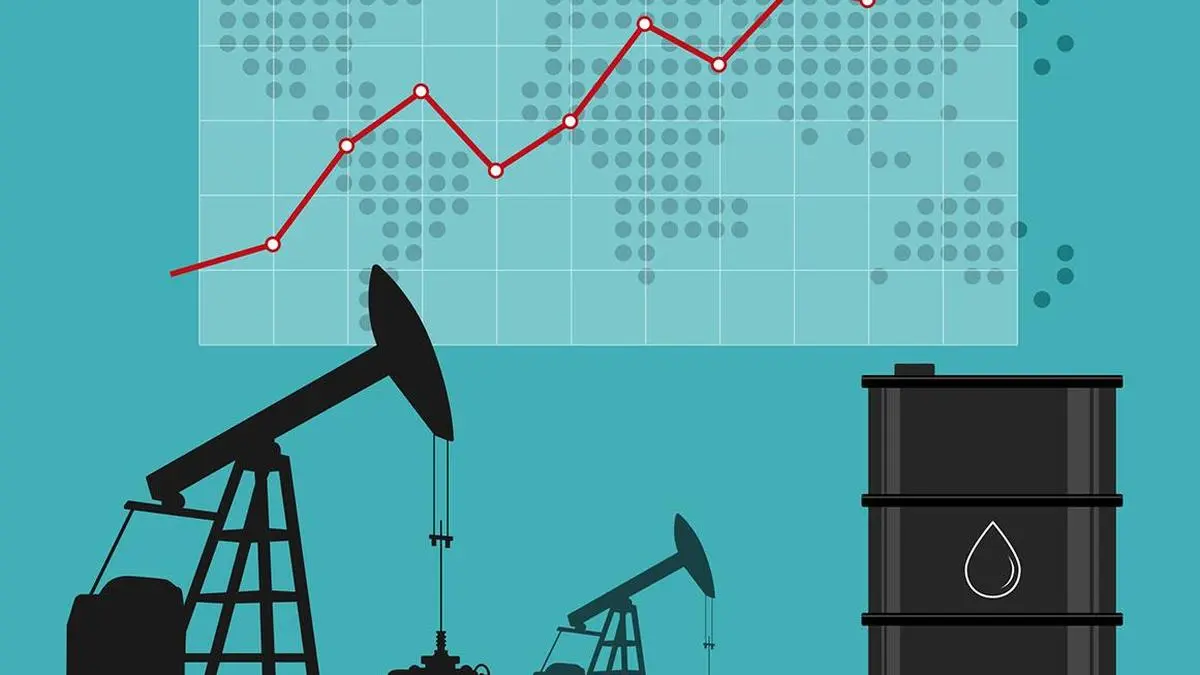
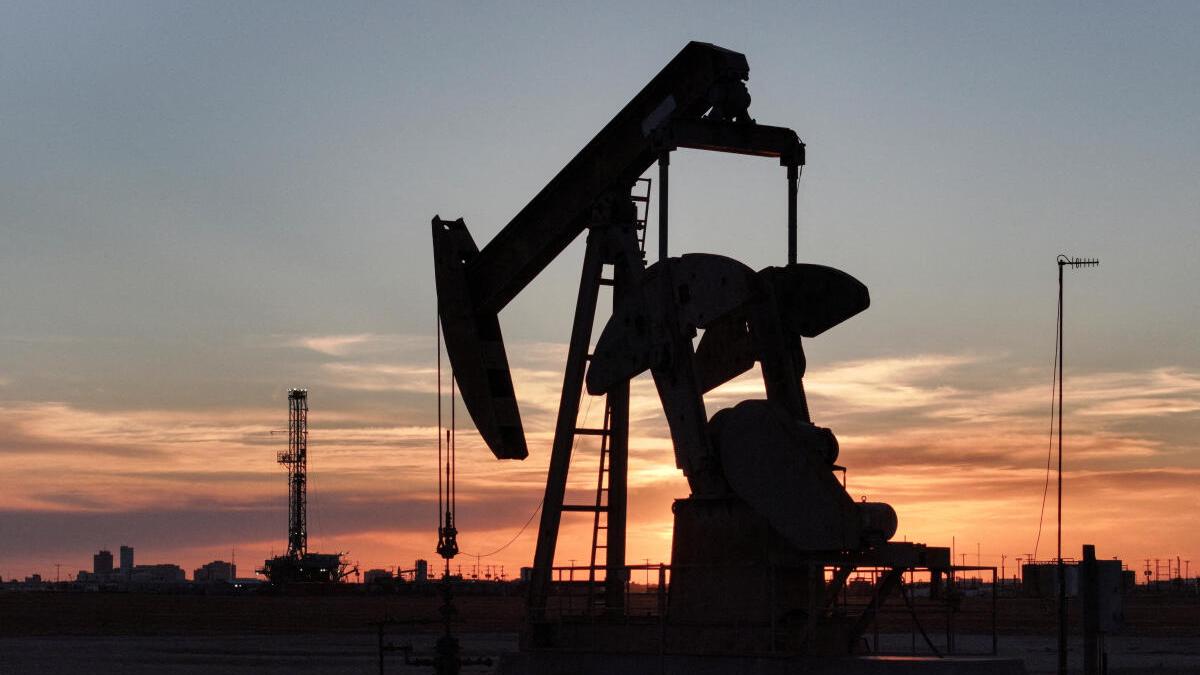
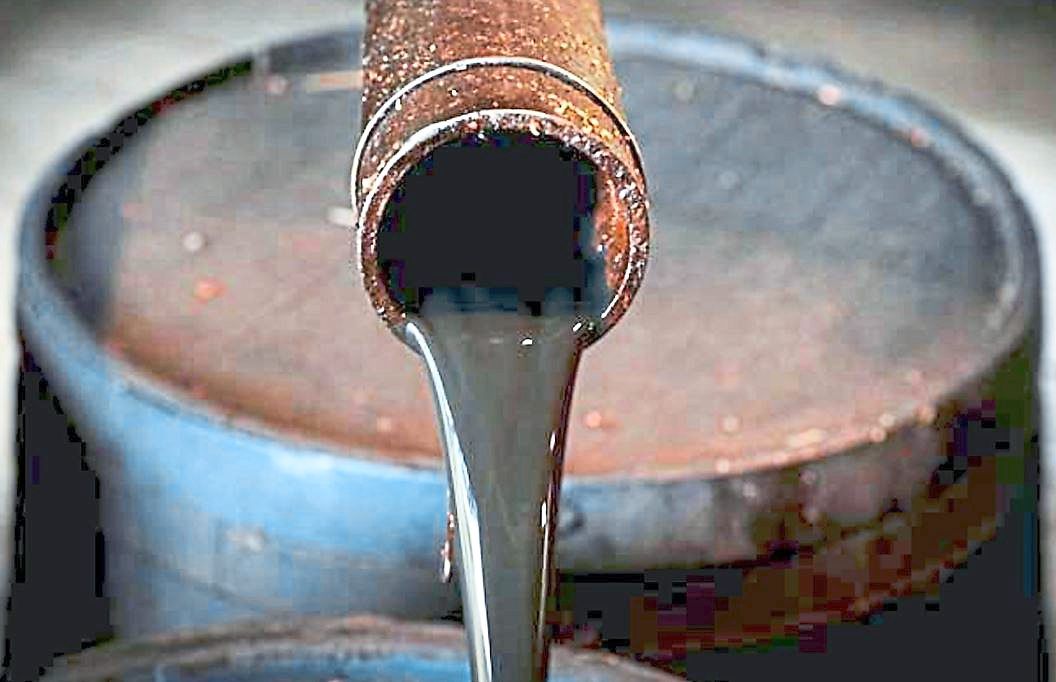
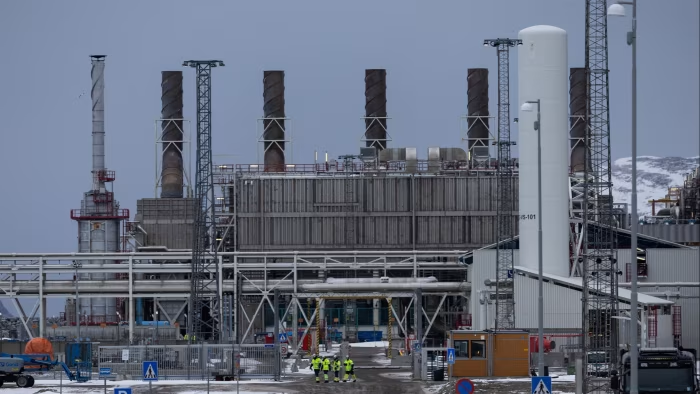
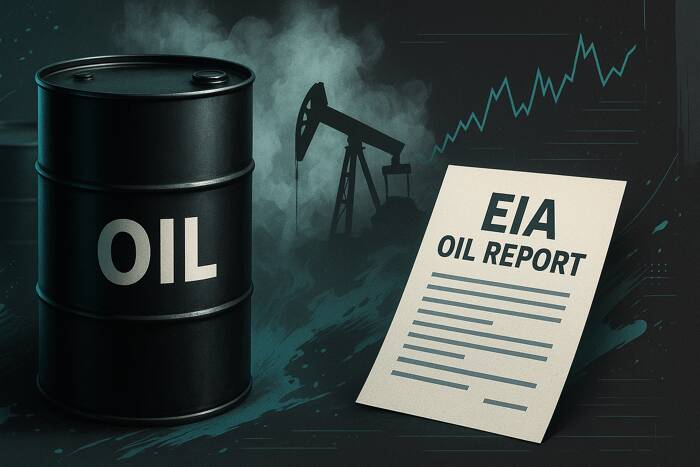
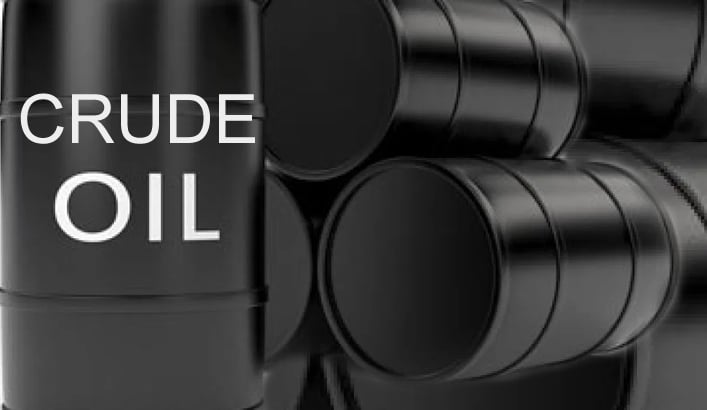
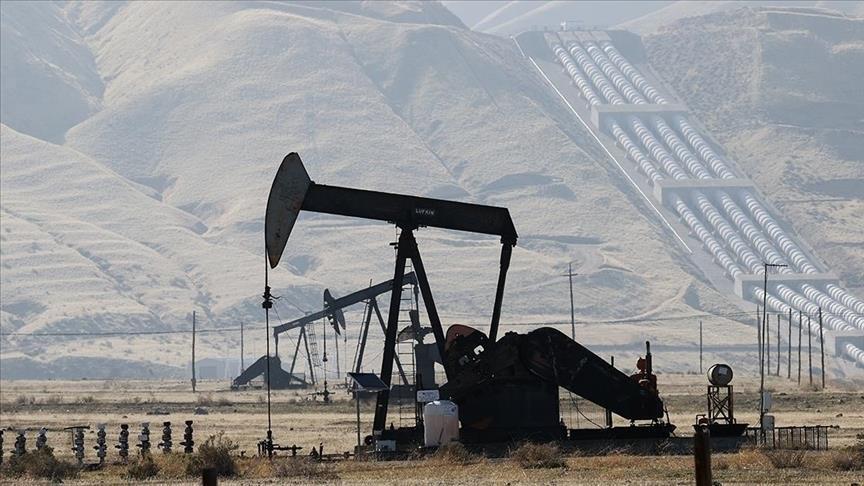
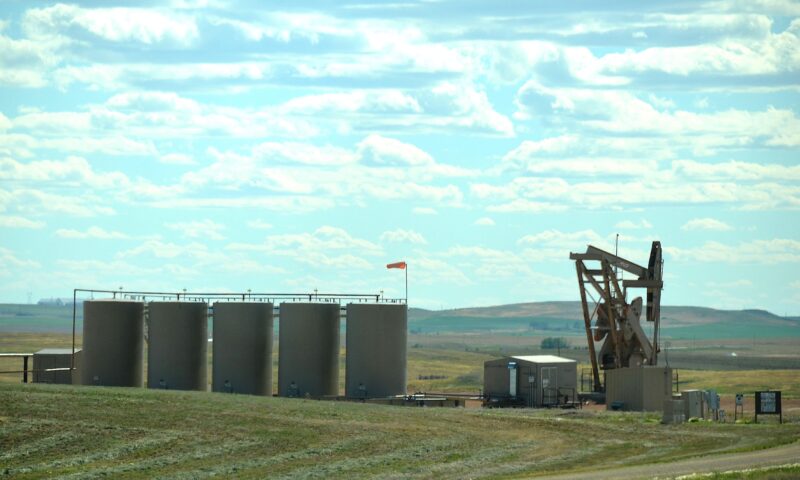
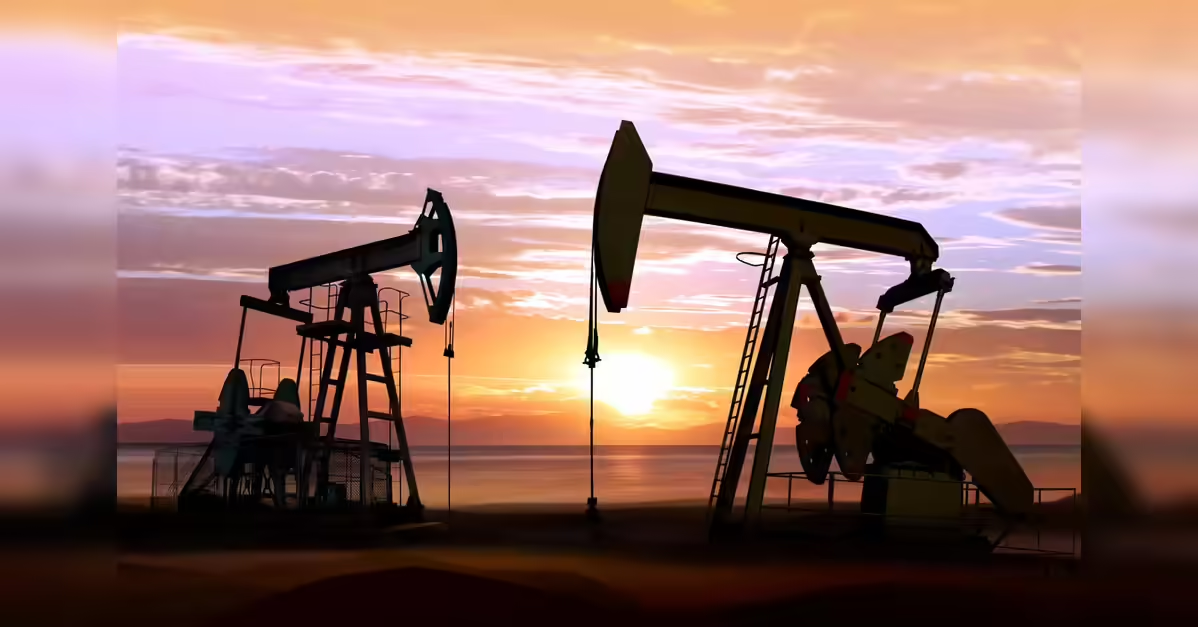
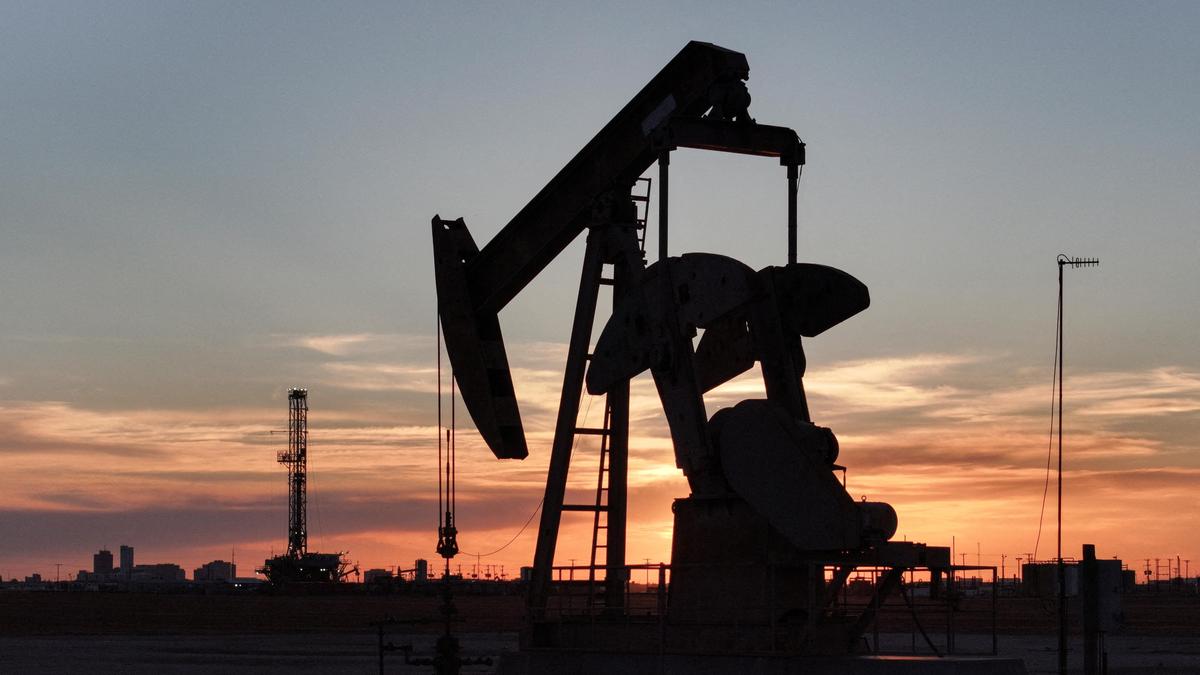
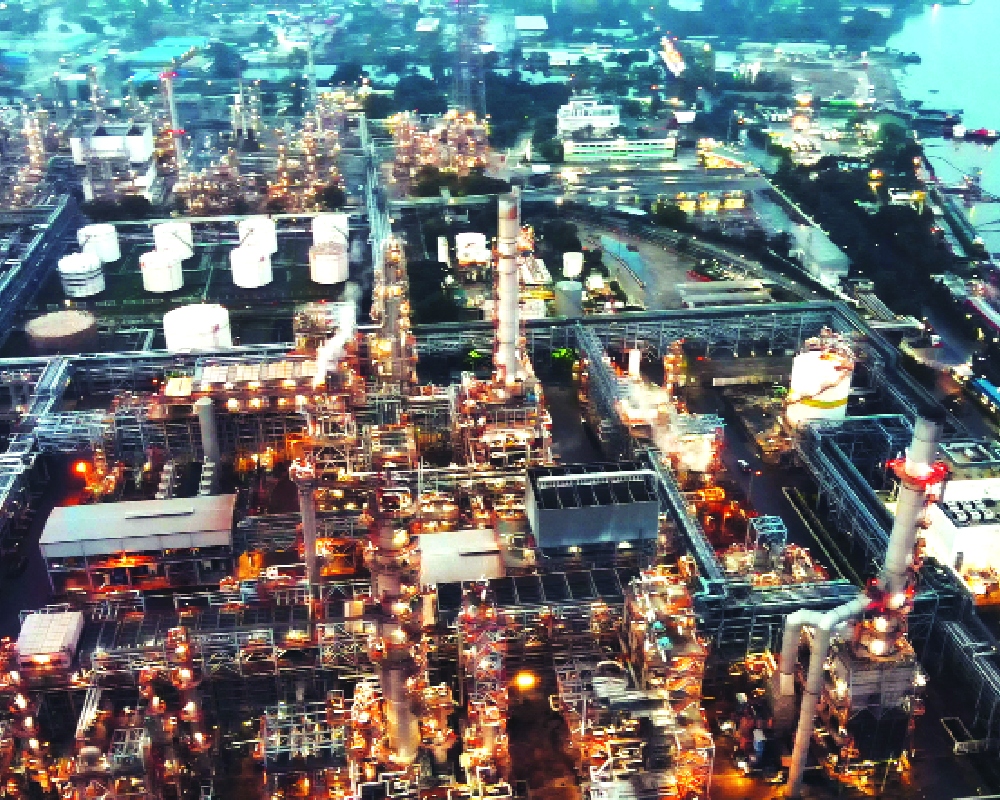
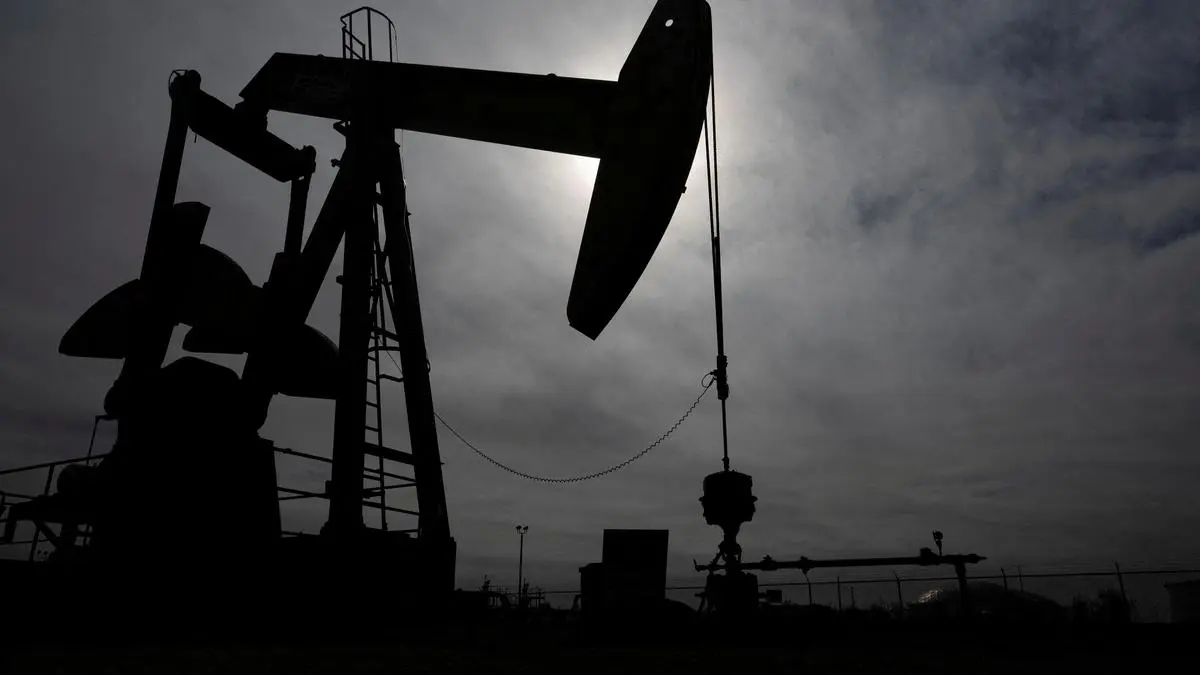
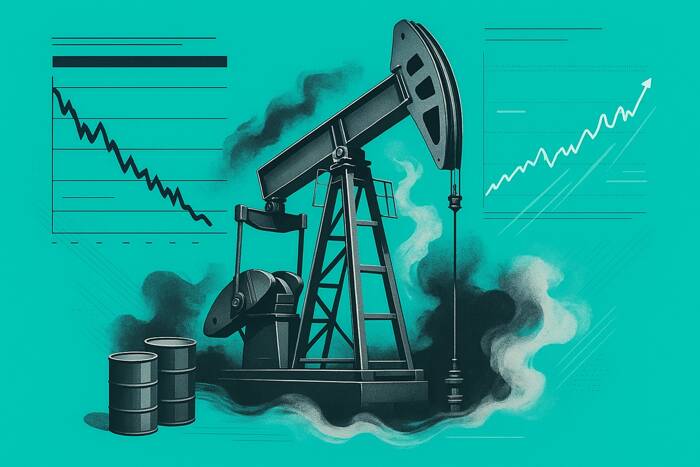
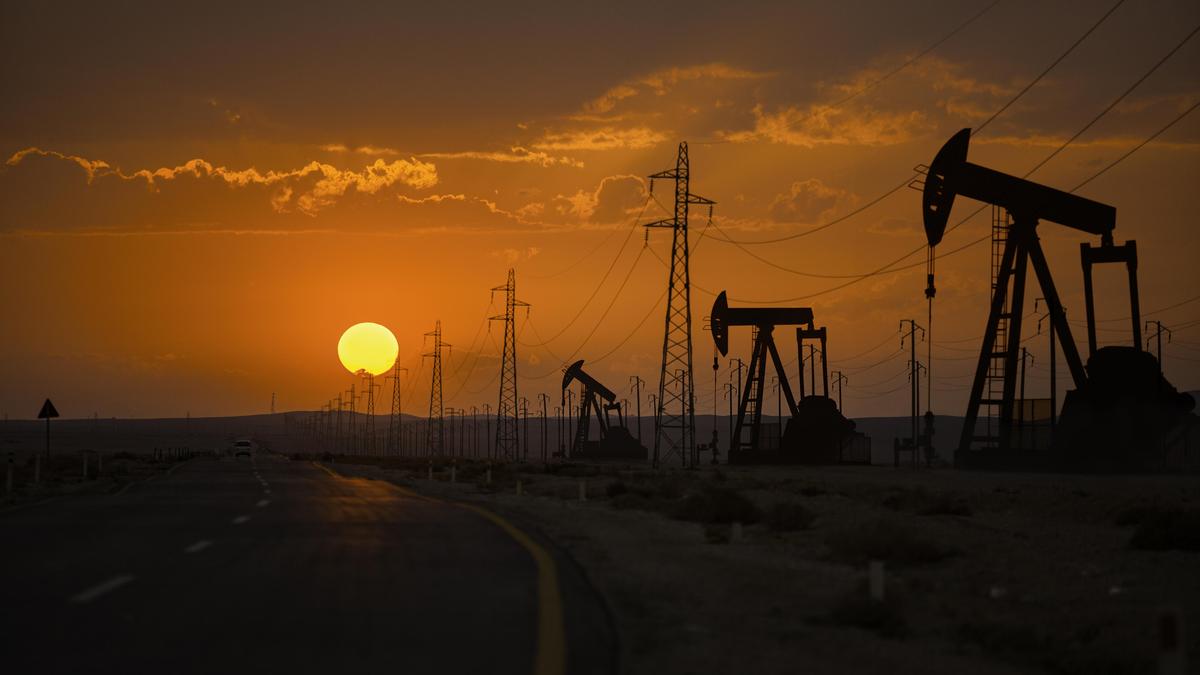
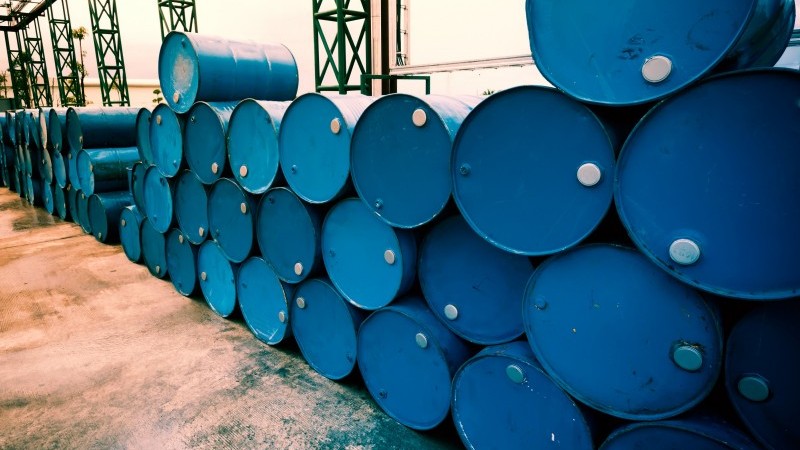
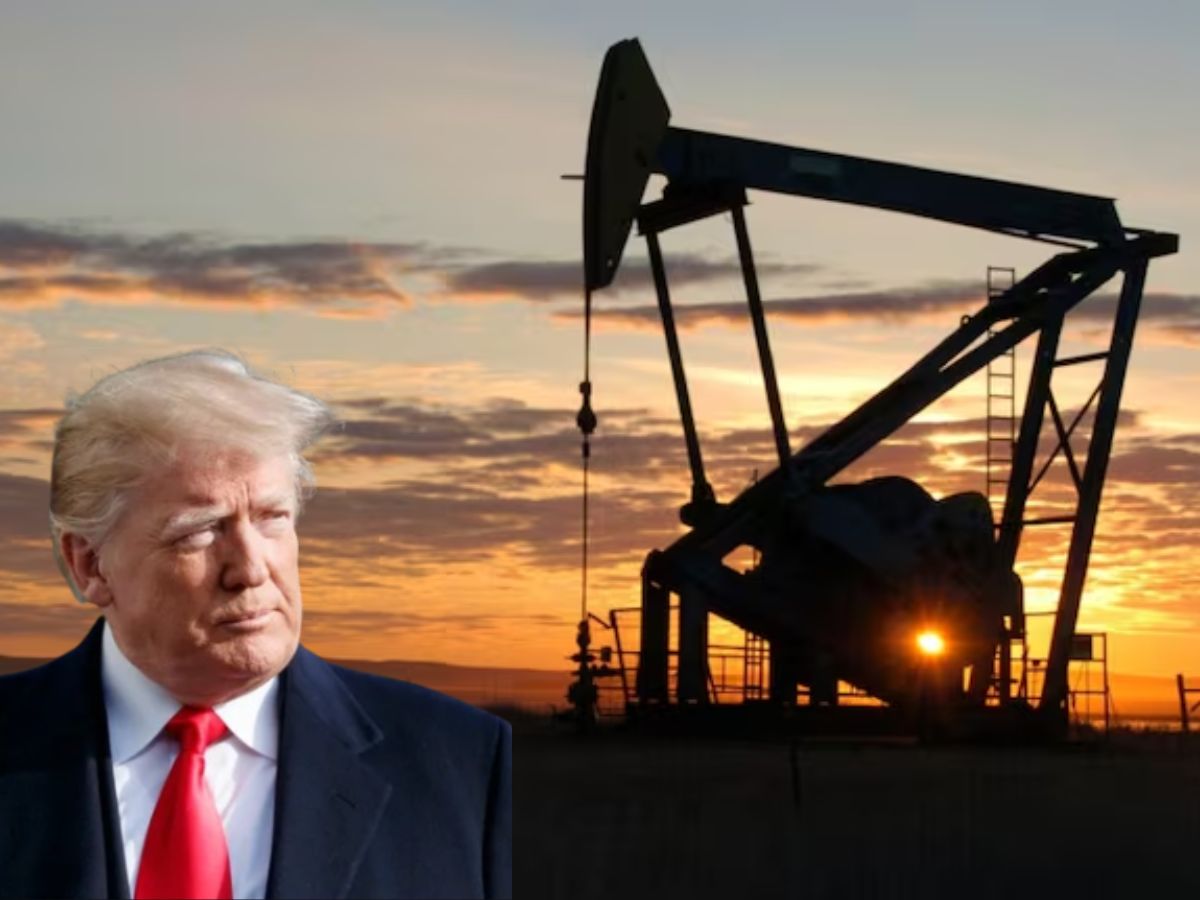
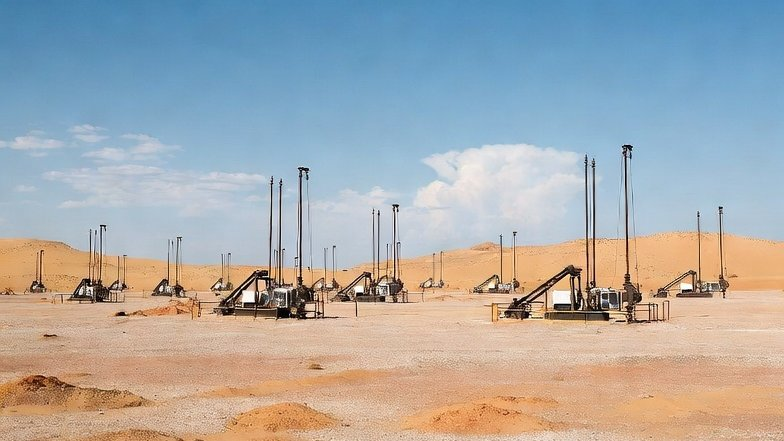
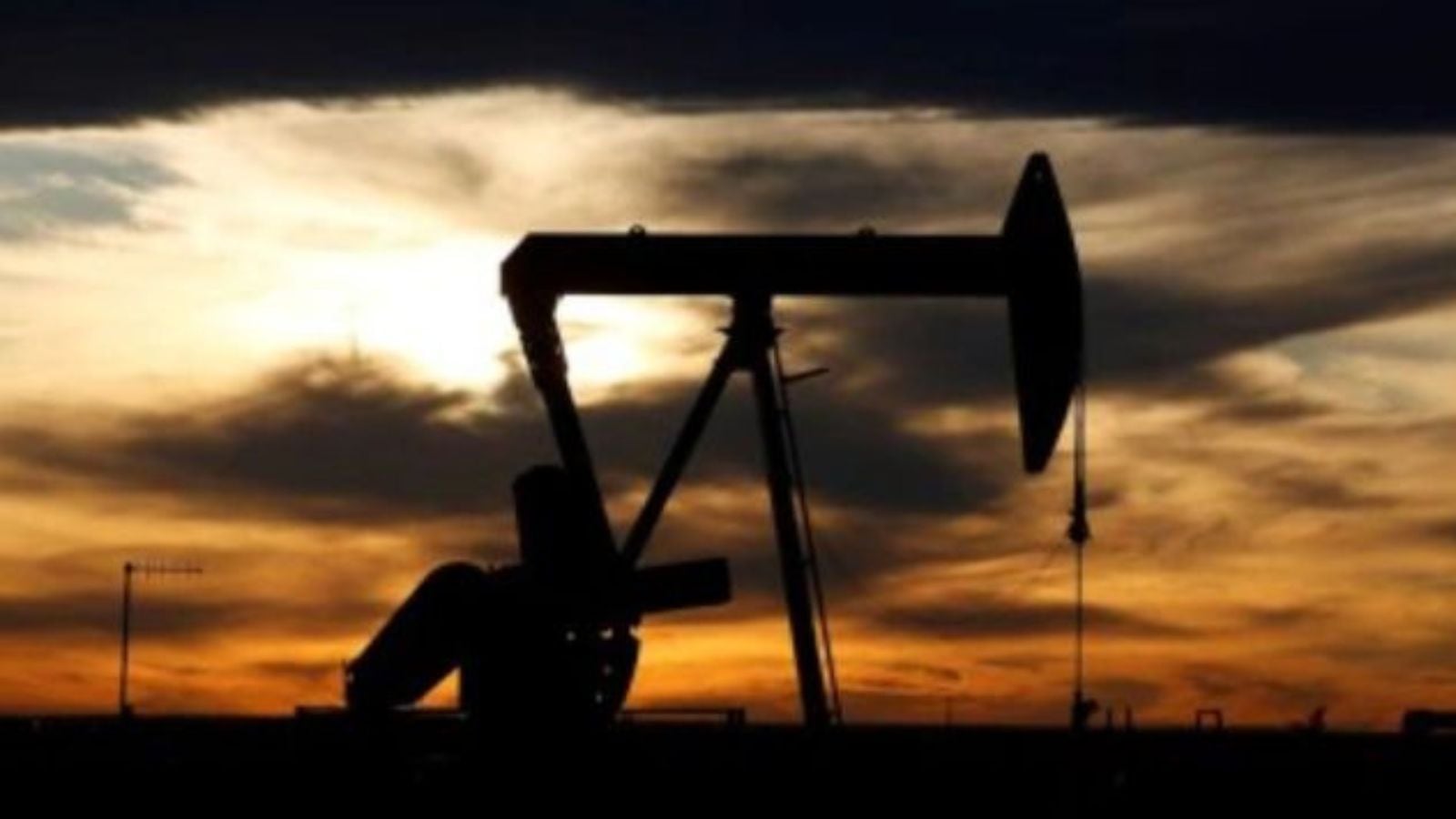
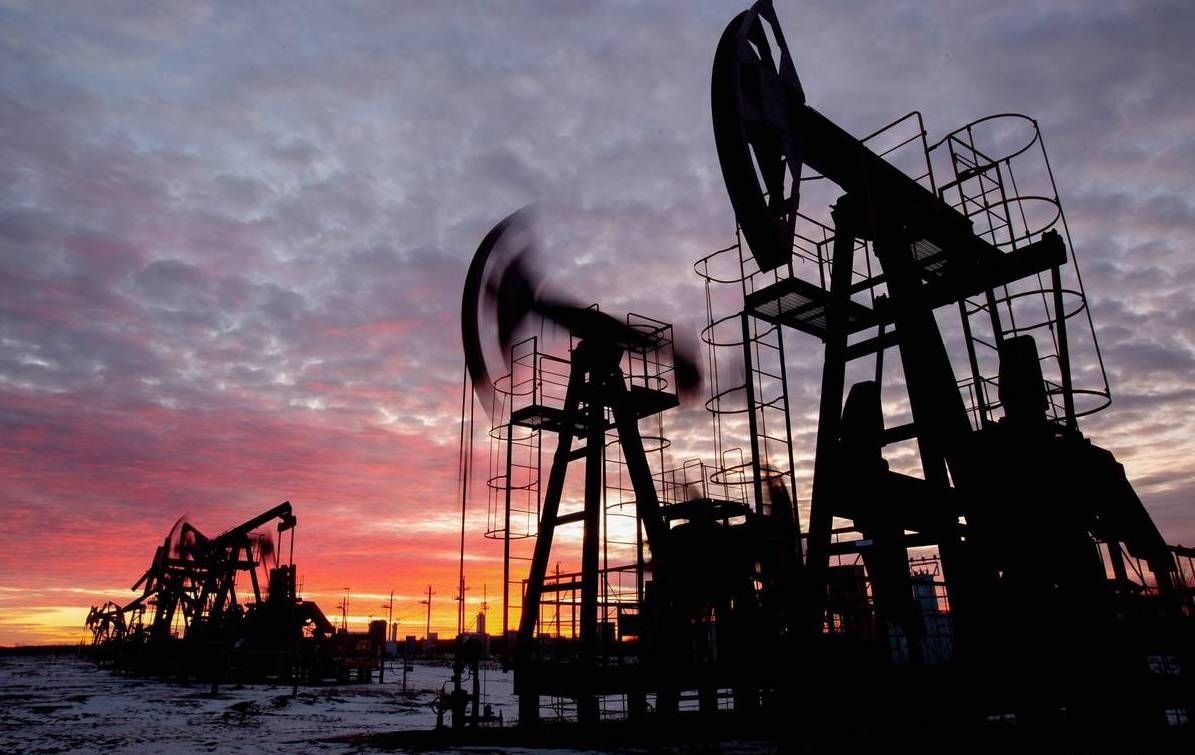
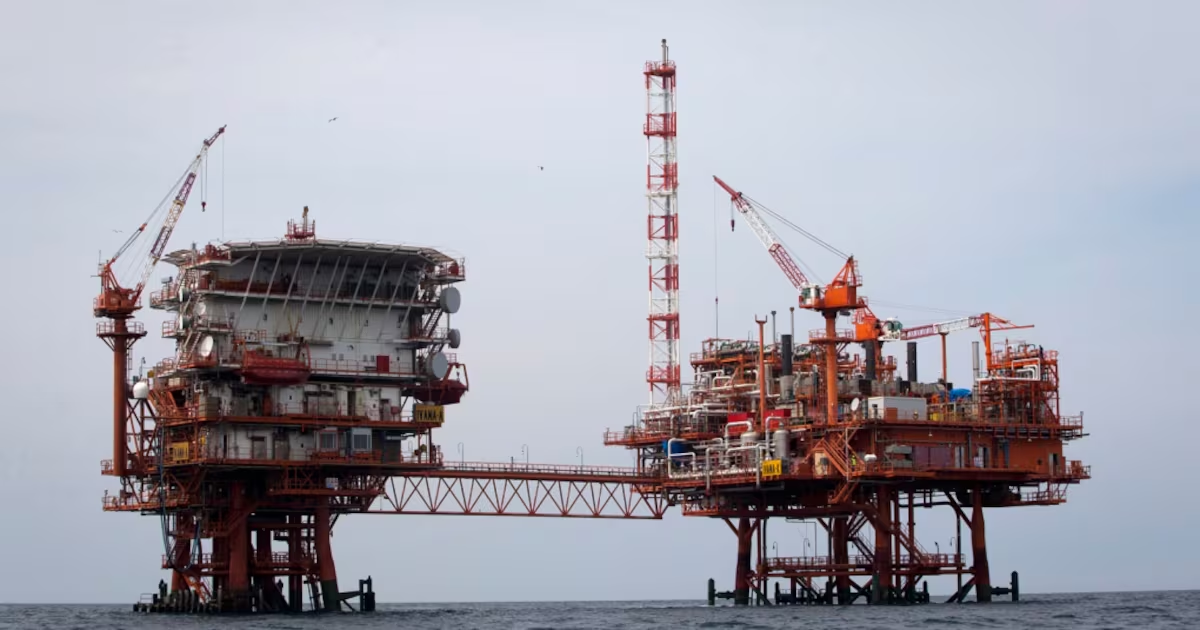
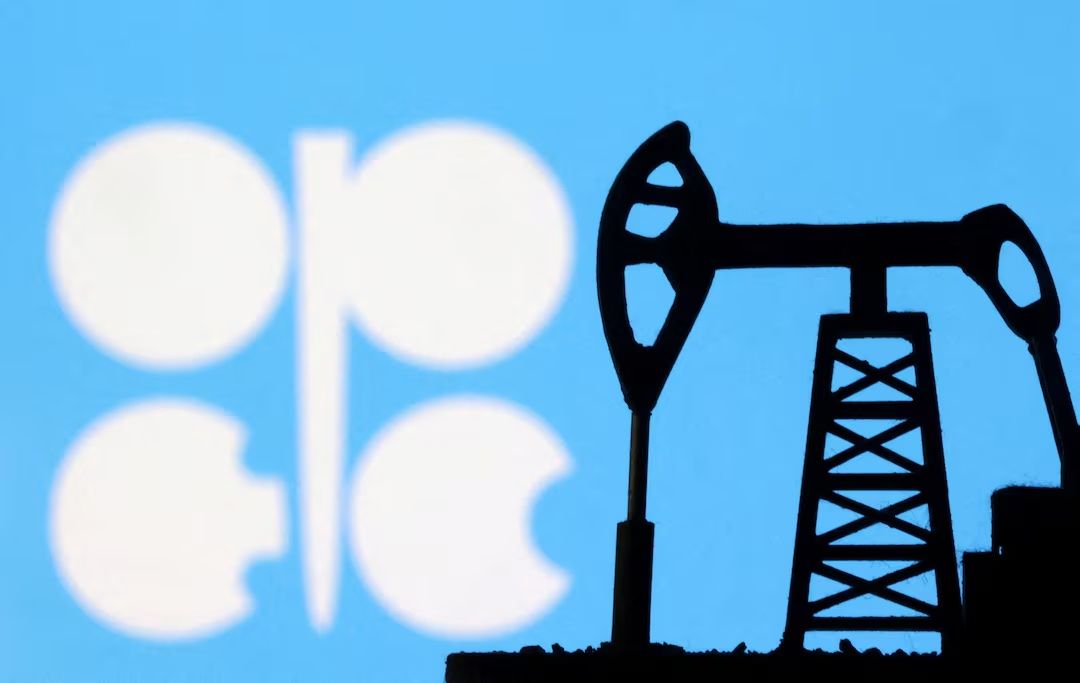
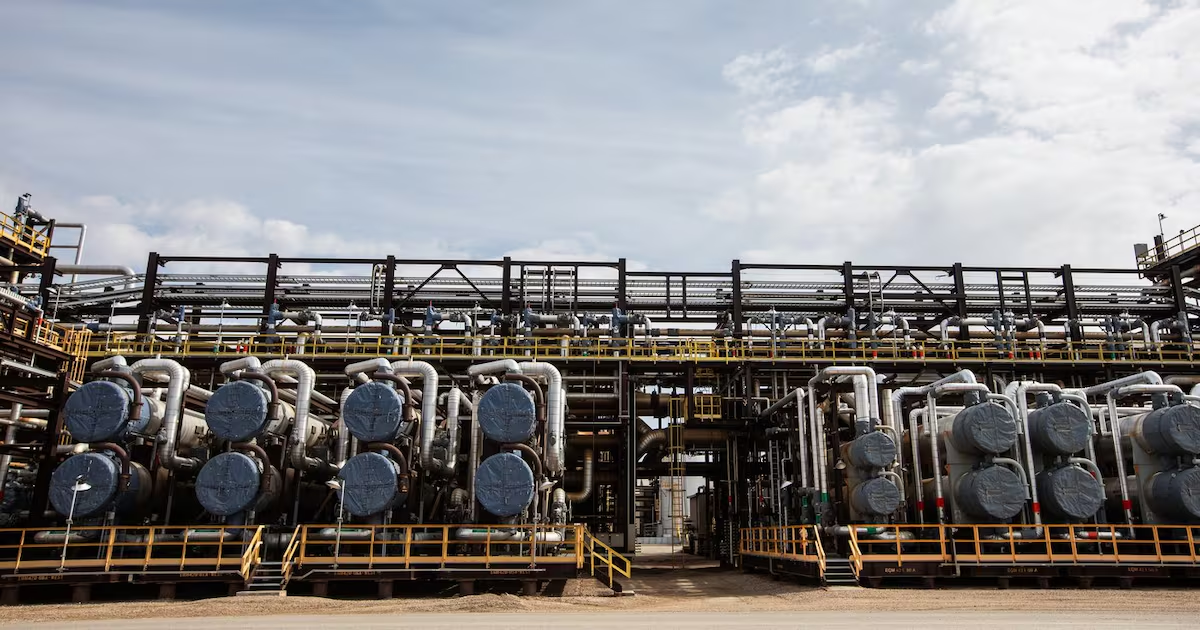
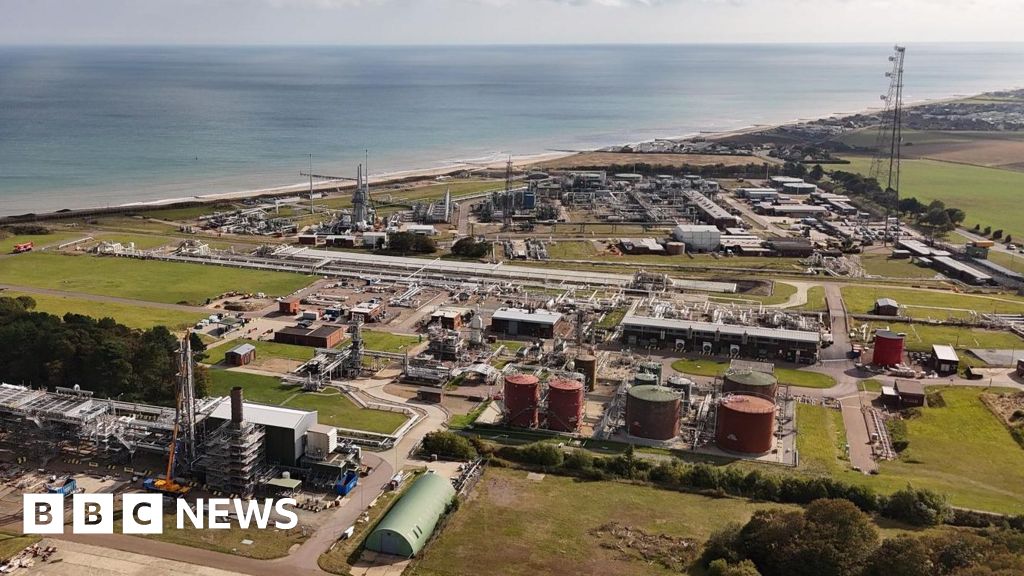
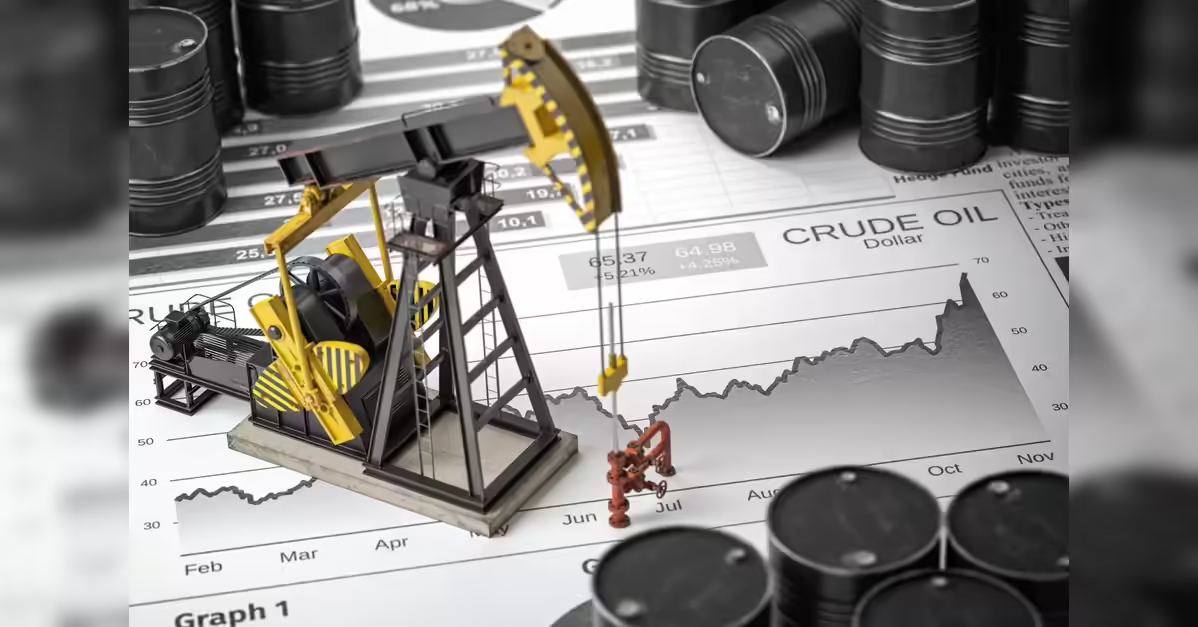
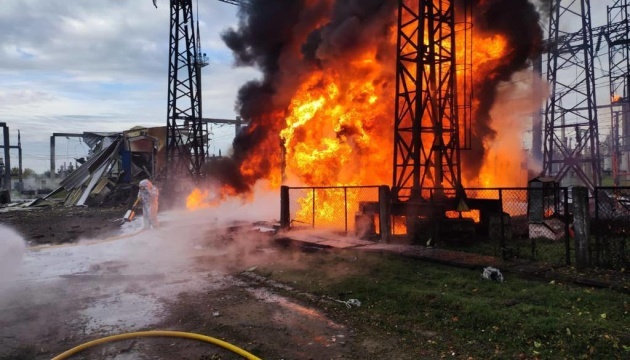
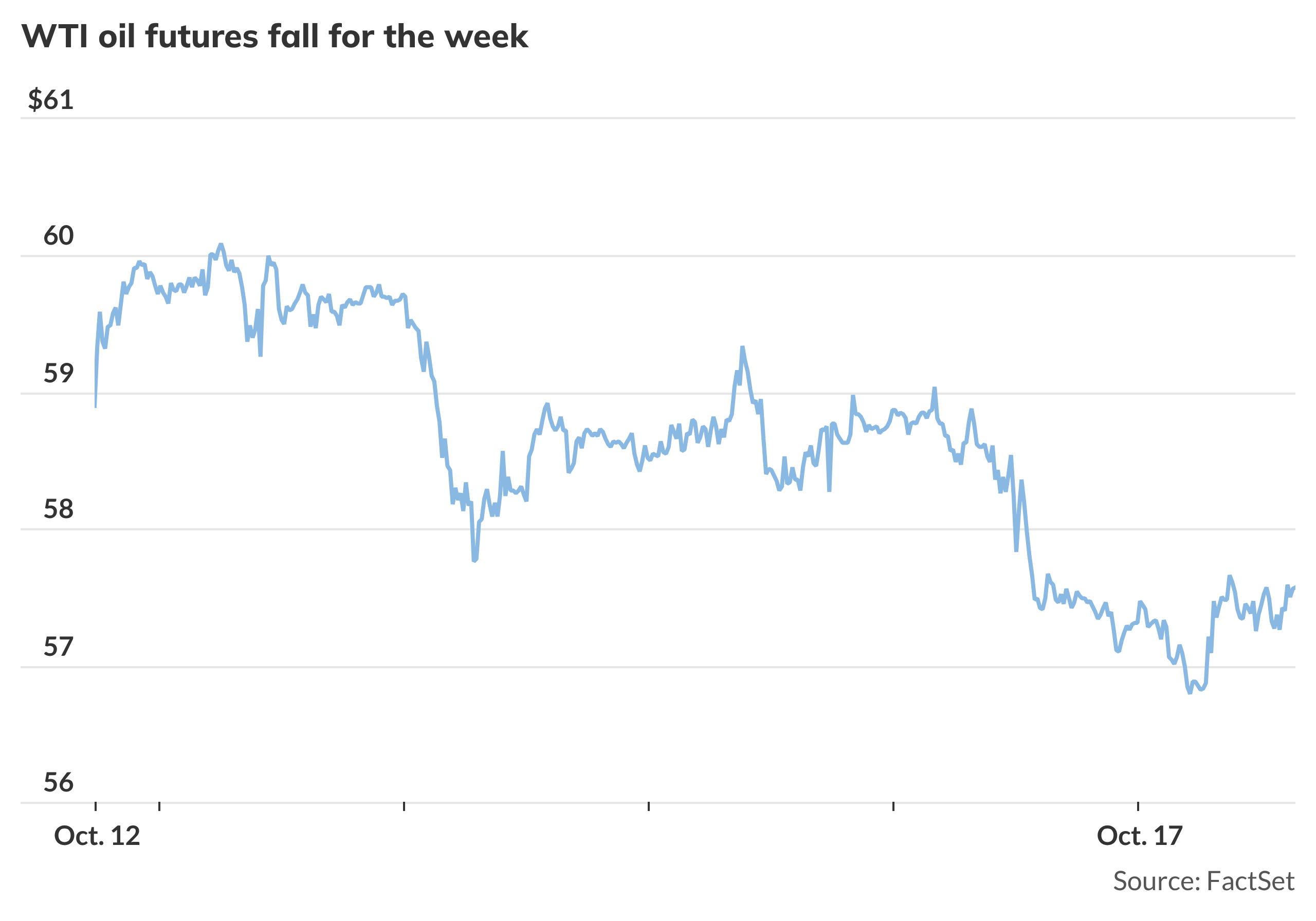
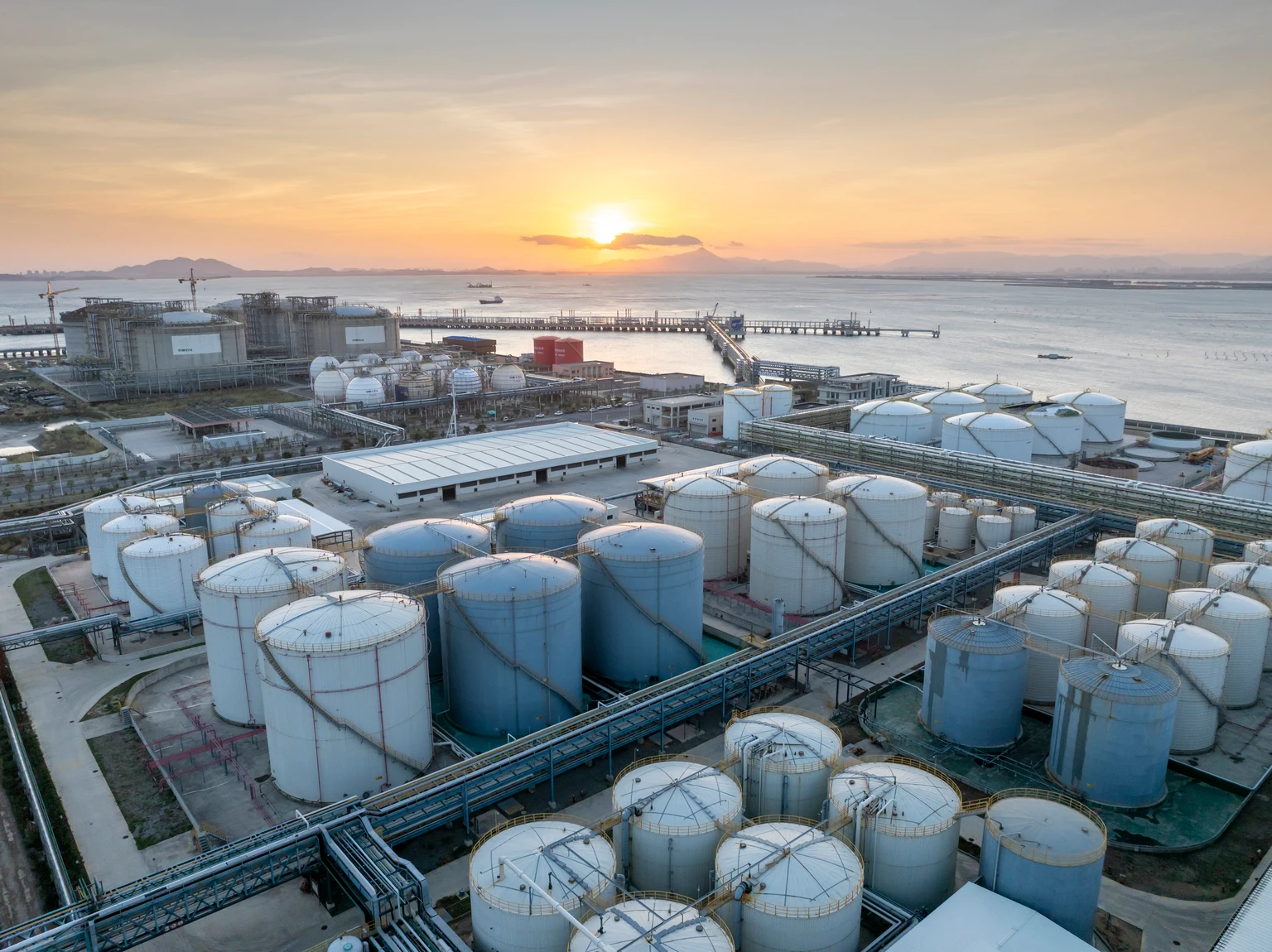
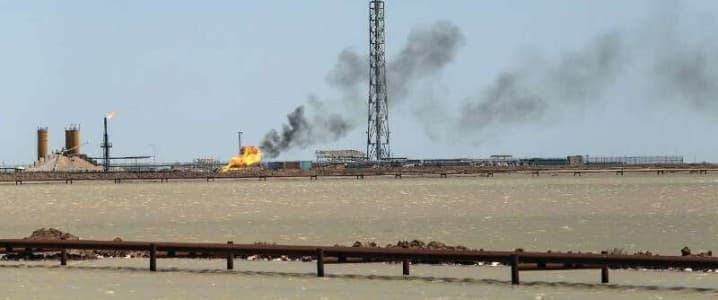
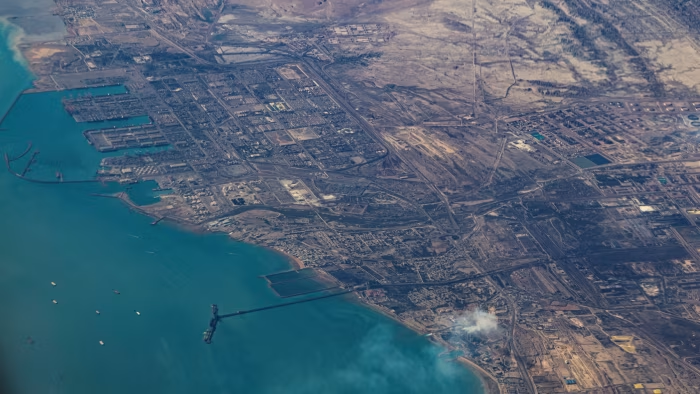
Oil prices stayed above $105 a barrel after touching $119 on Thursday, as Iran attacked energy targets overnight in the Middle East, following Israel’s attacks on Iranian natural gas facilities.
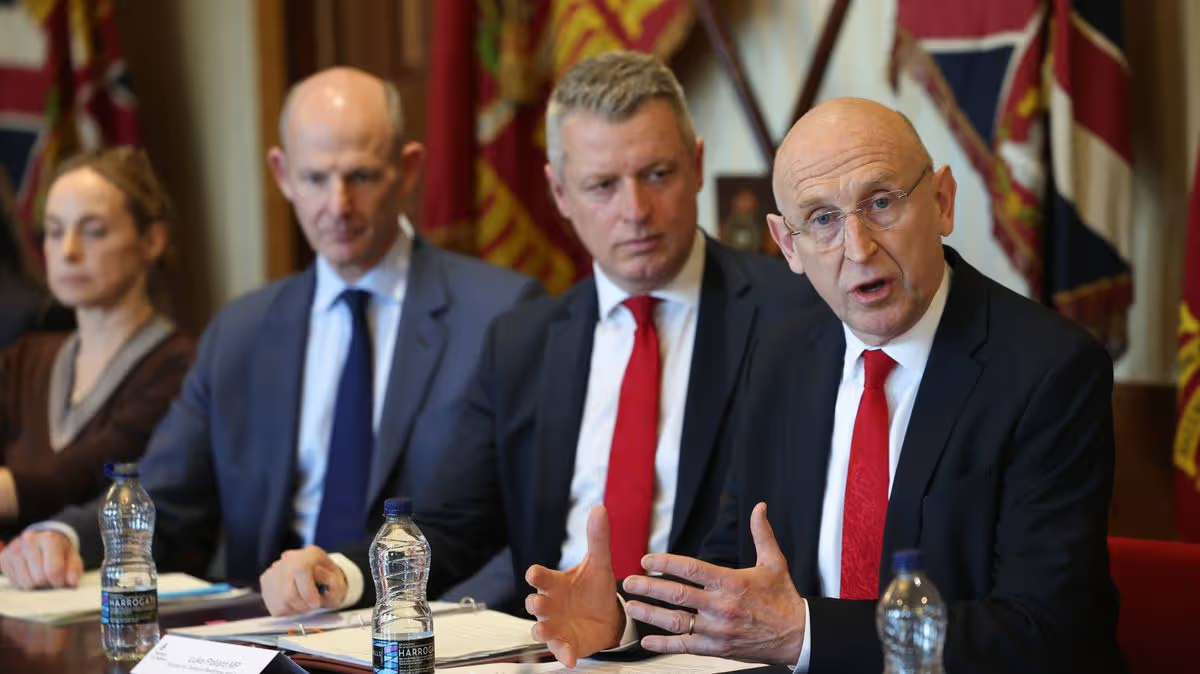
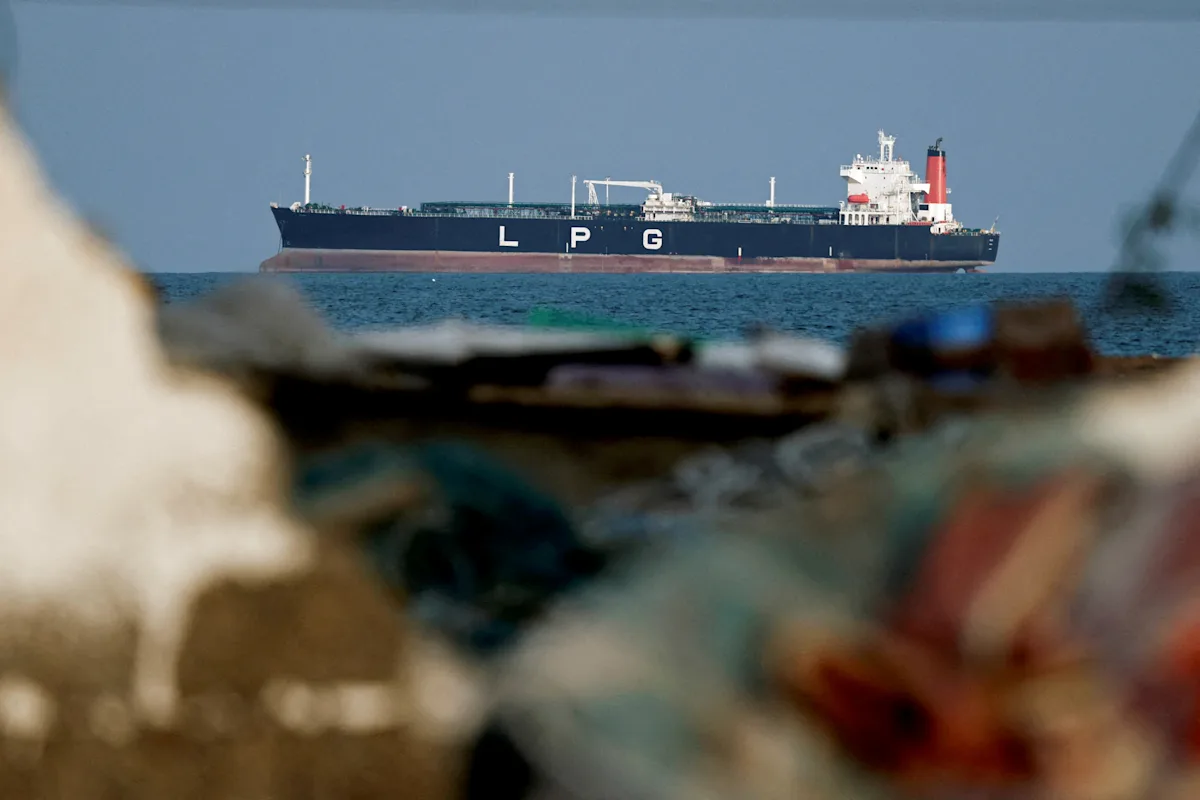
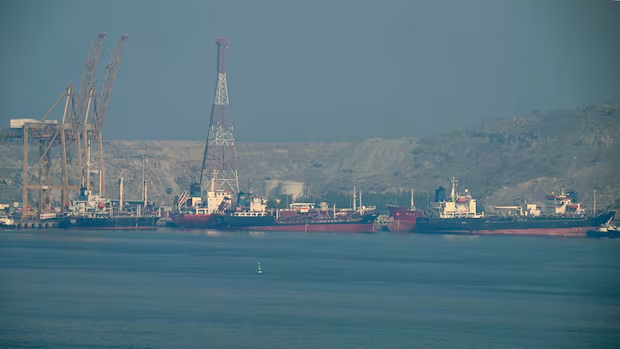
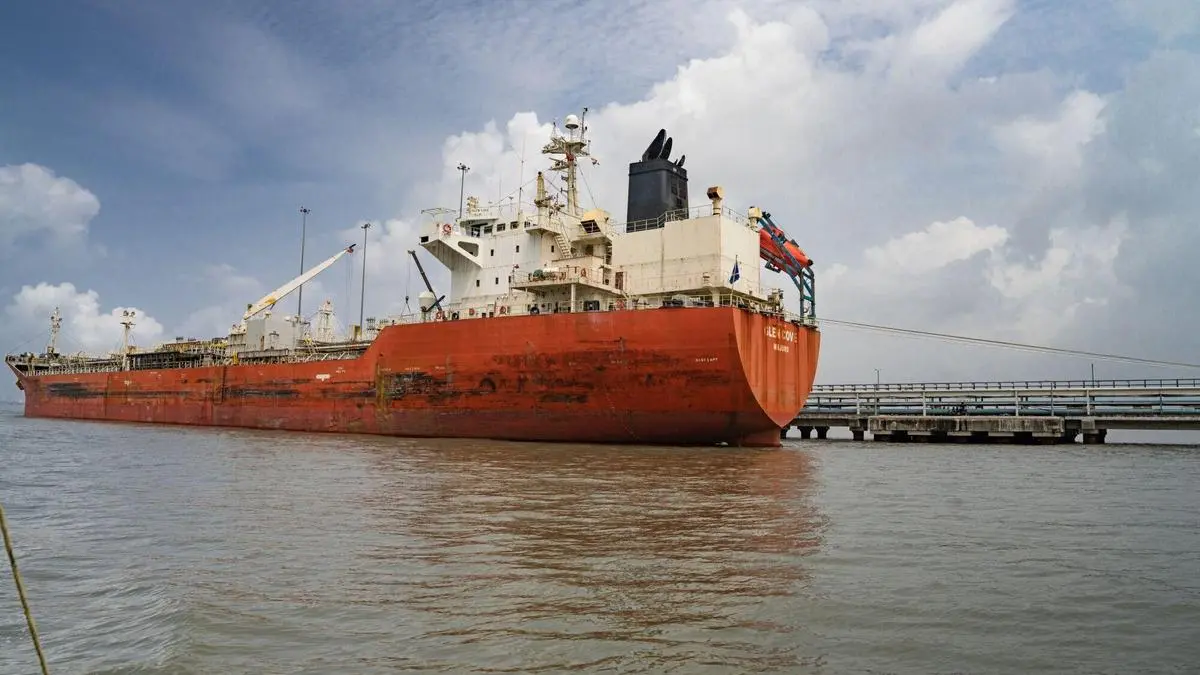
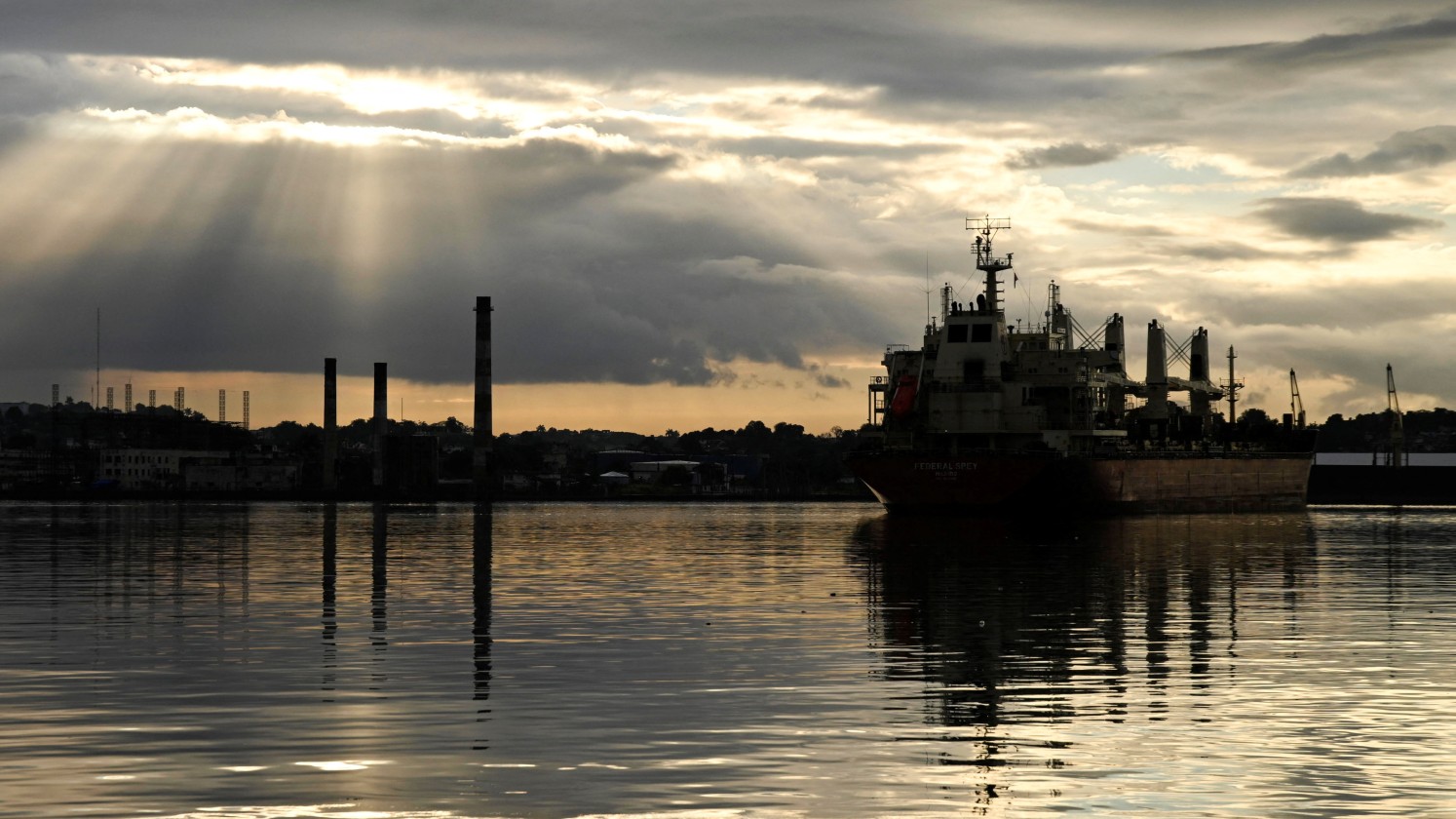
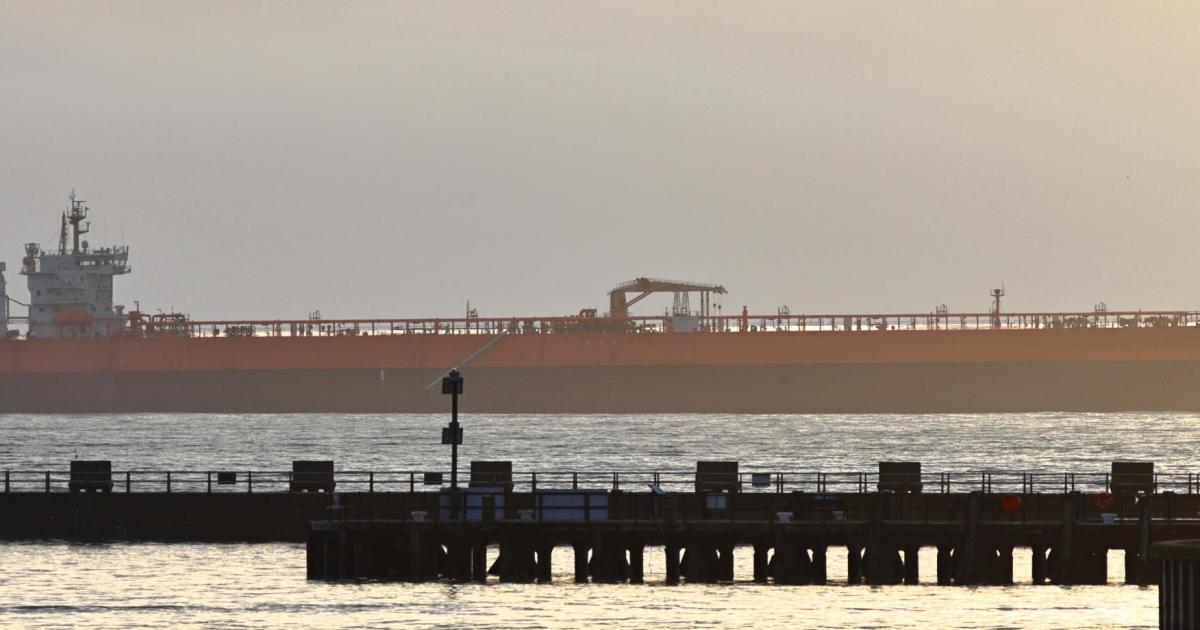
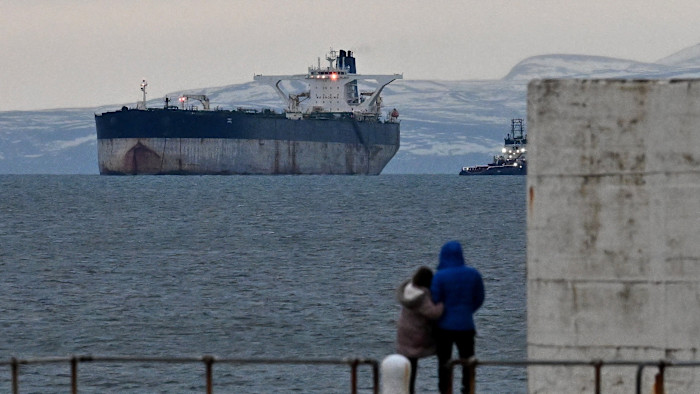
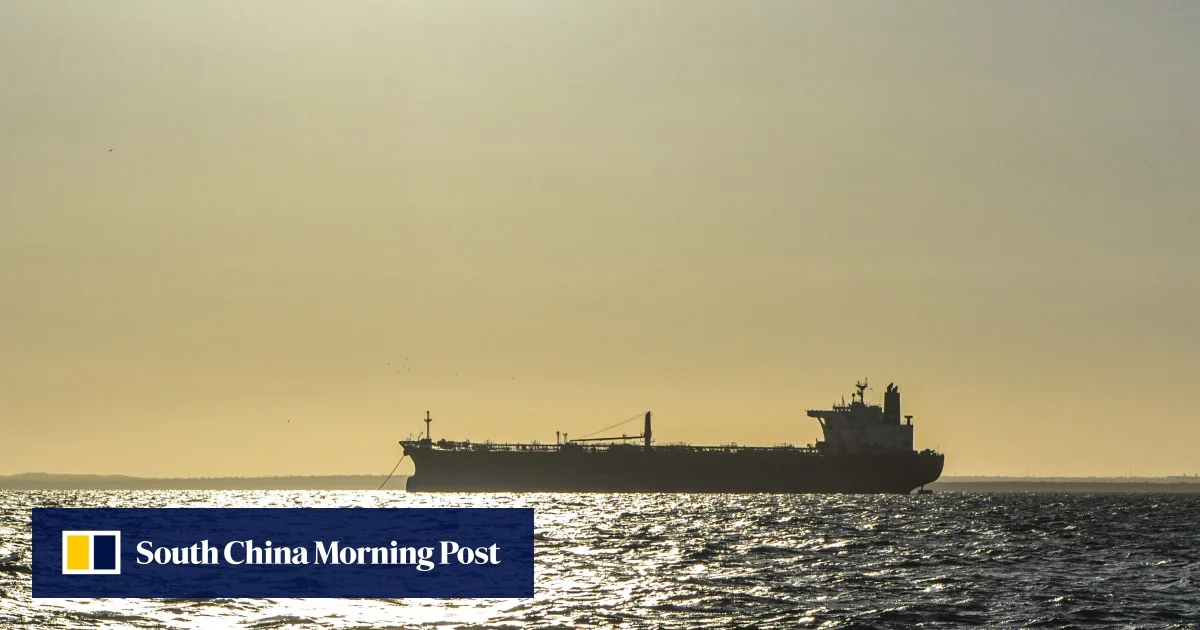
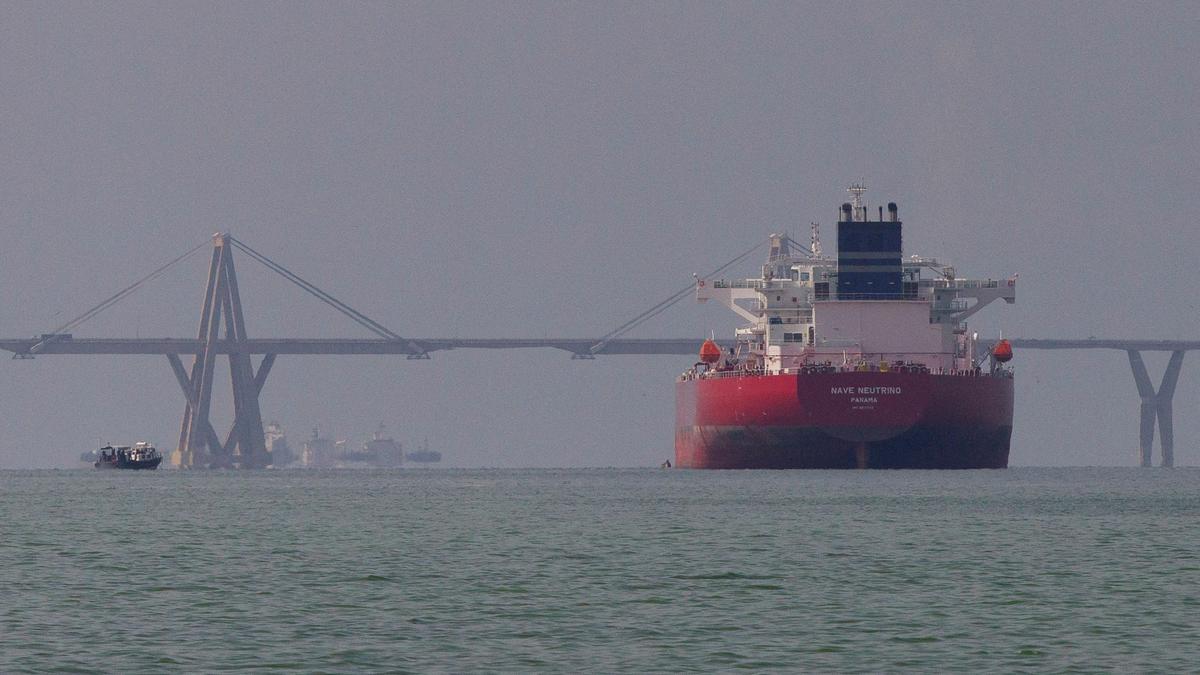
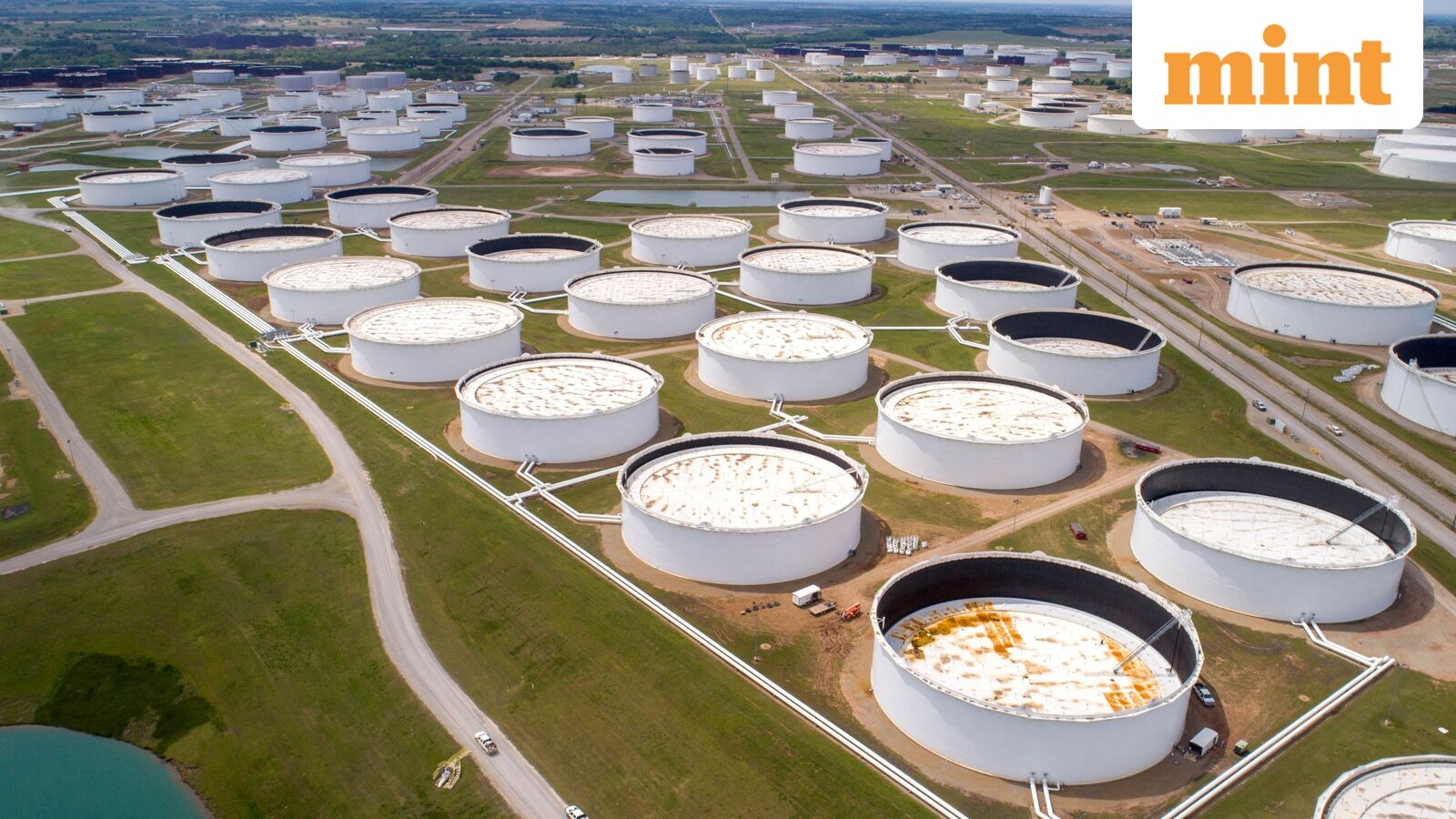
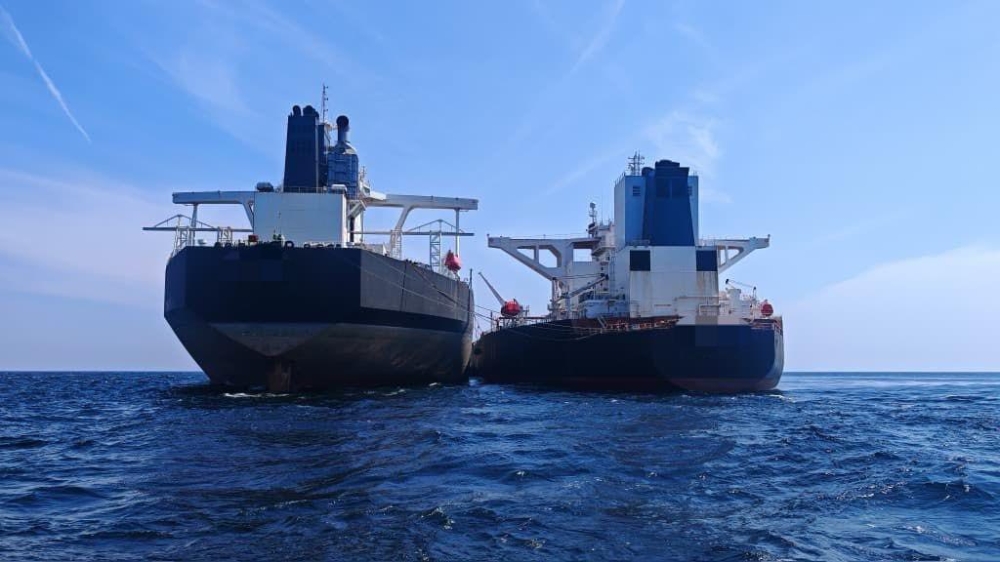
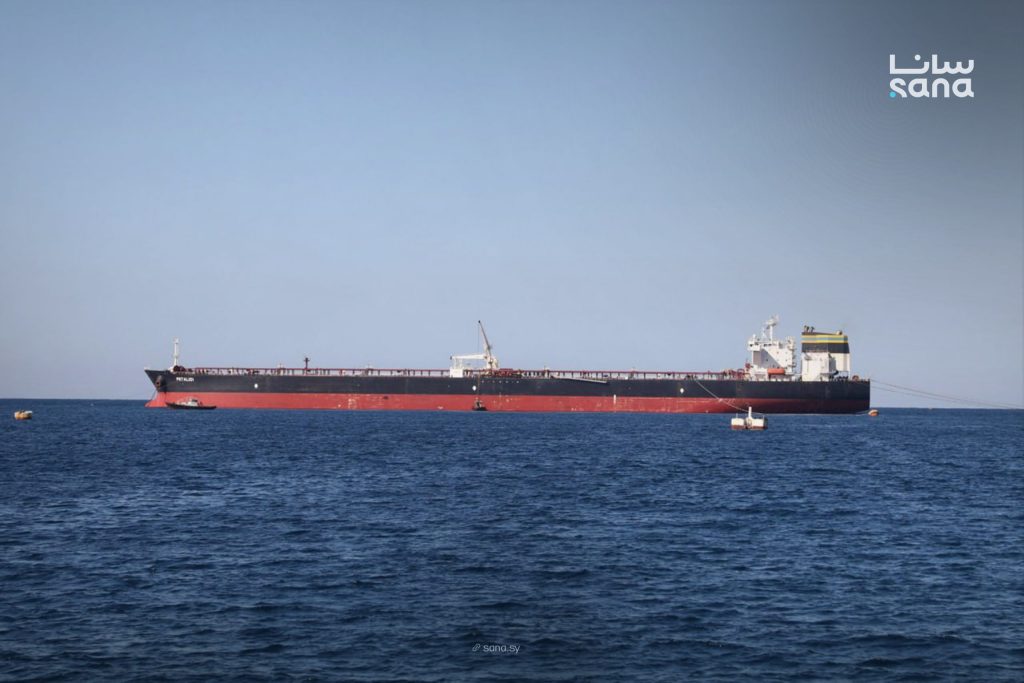
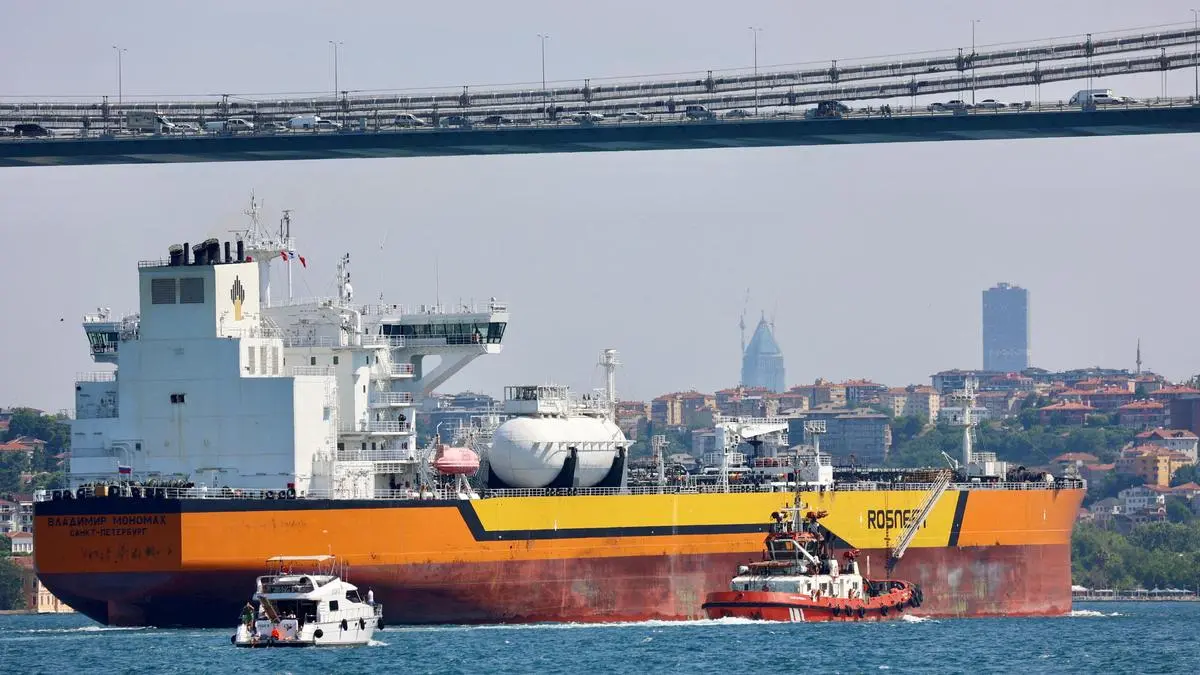
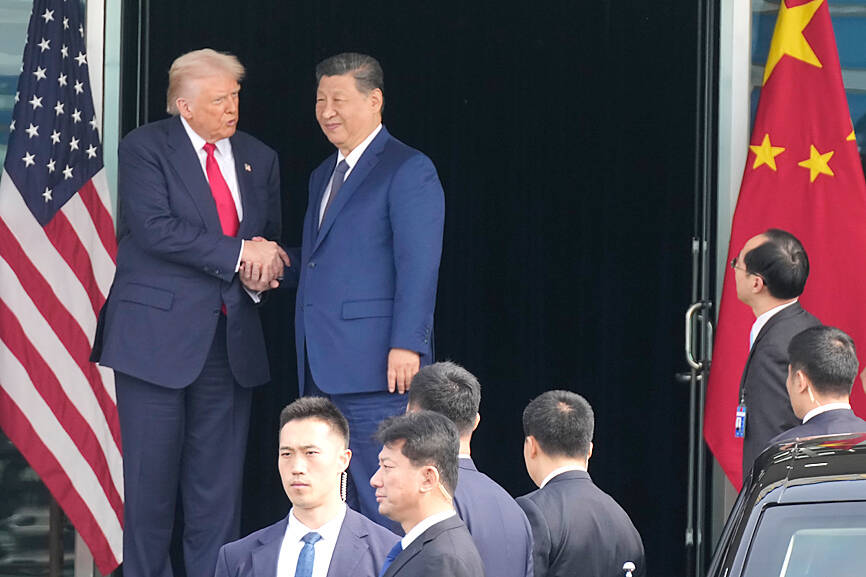
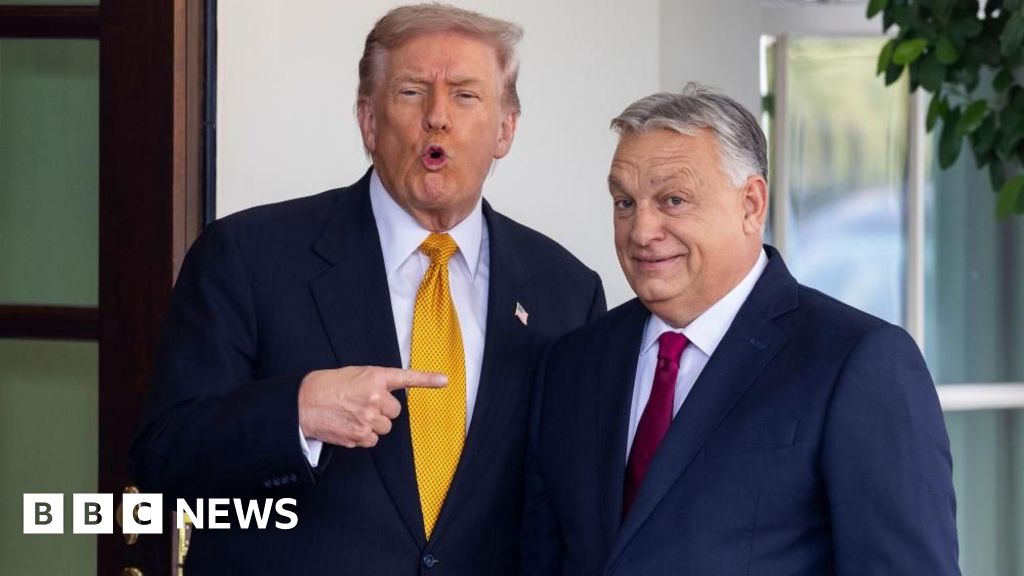
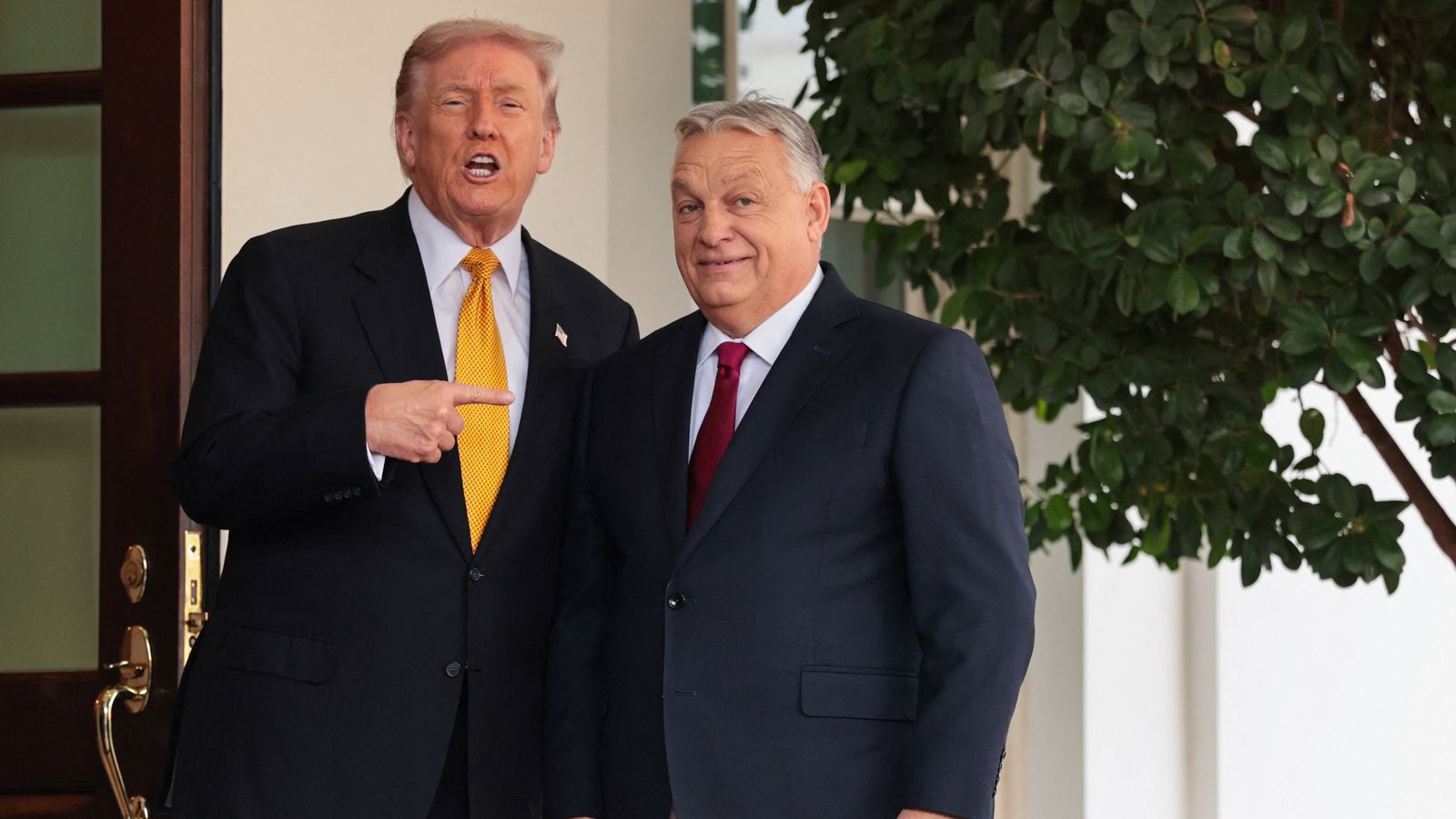
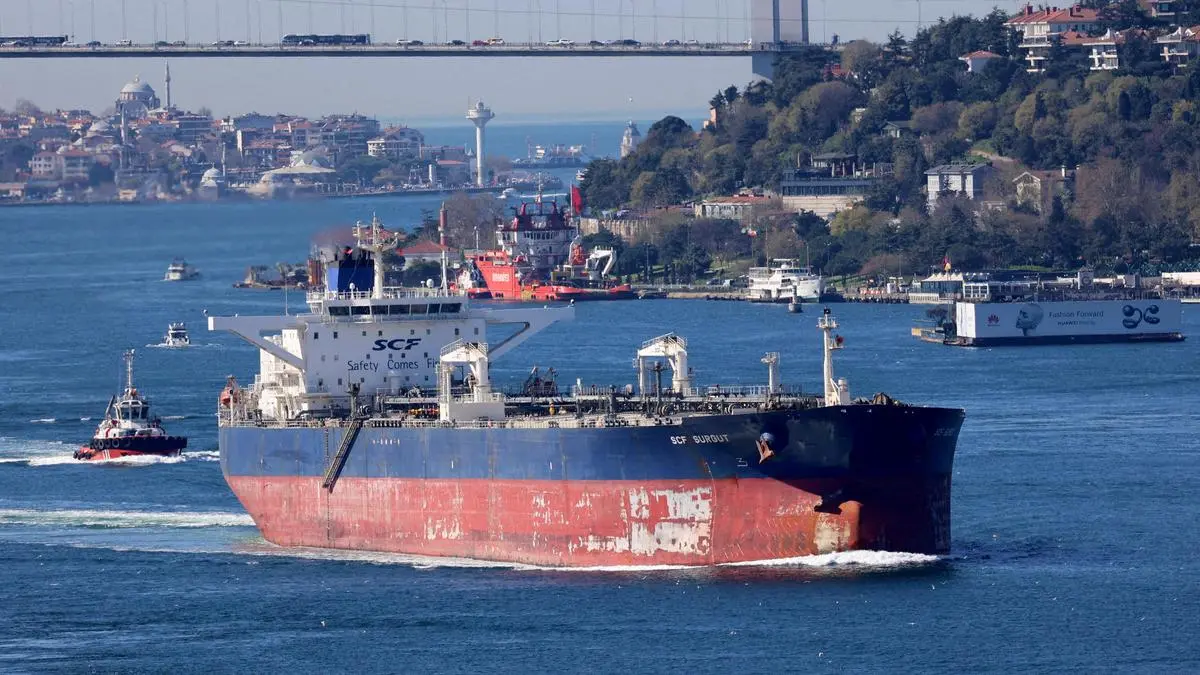
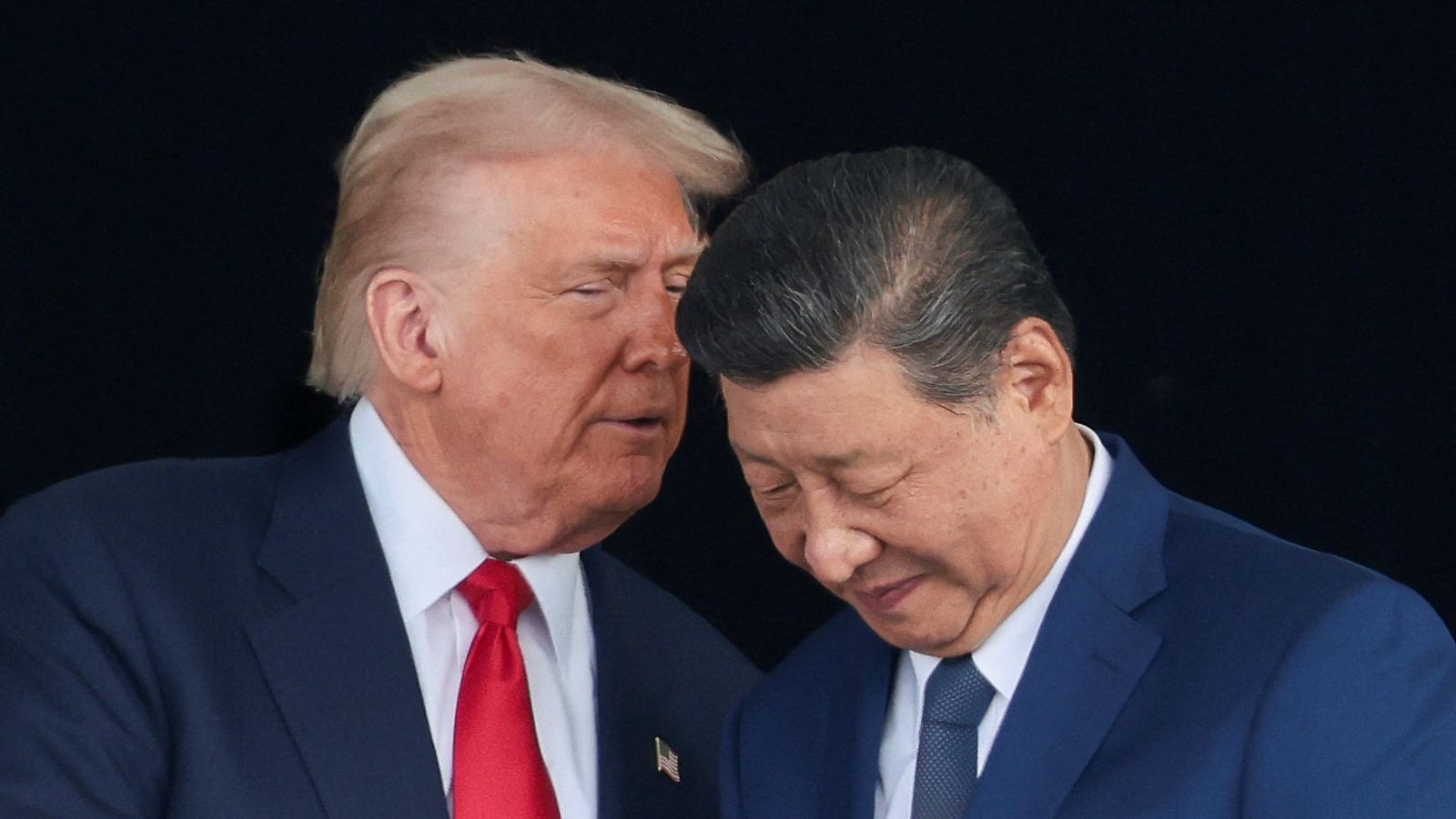
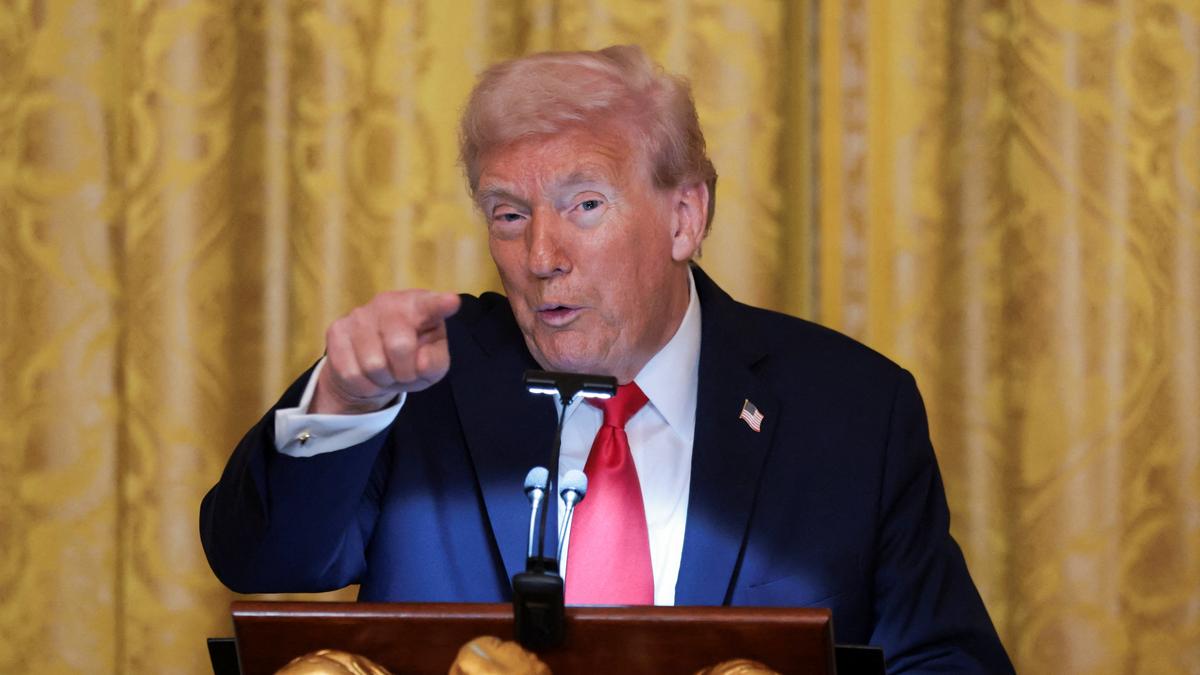
U.S. President Donald Trump has told Israel not to repeat its strikes, with Treasury Secretary Scott Bessent saying the U.S. may soon remove sanctions from Iranian oil stranded on tankers. A further release of crude from the U.S. Strategic Petroleum Reserve was possible, Bessent said.