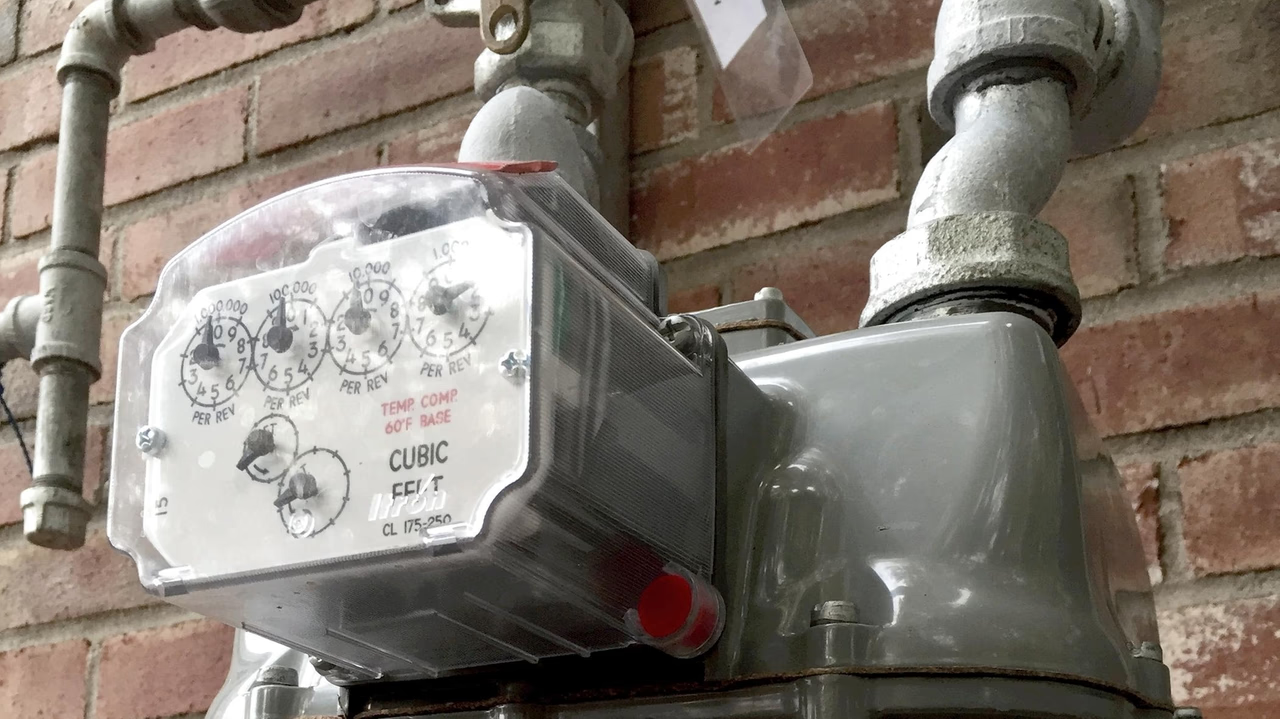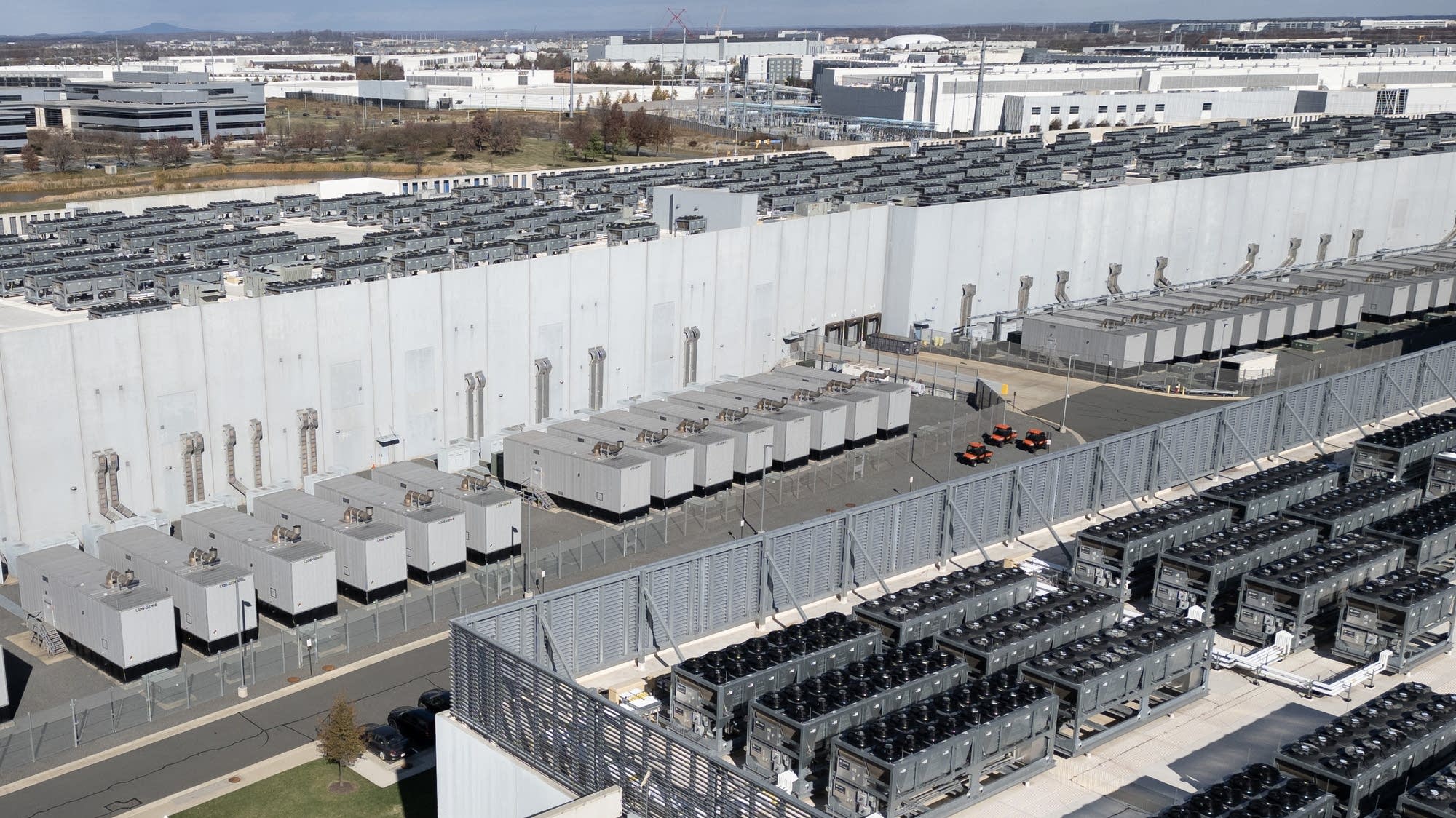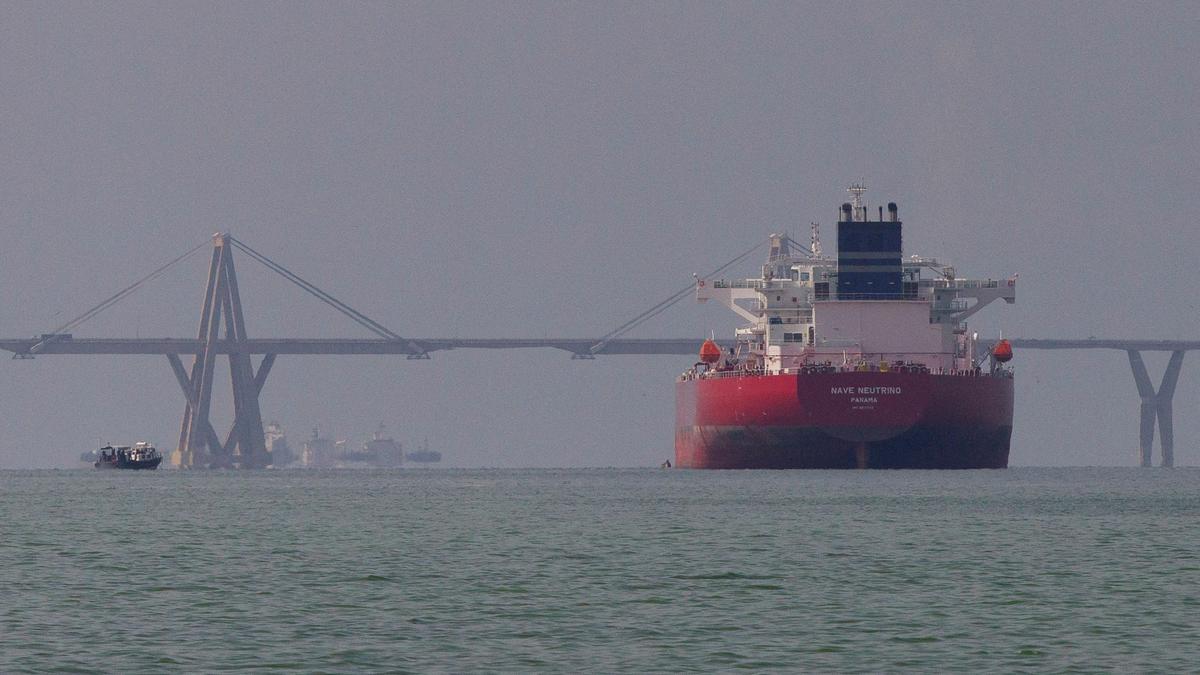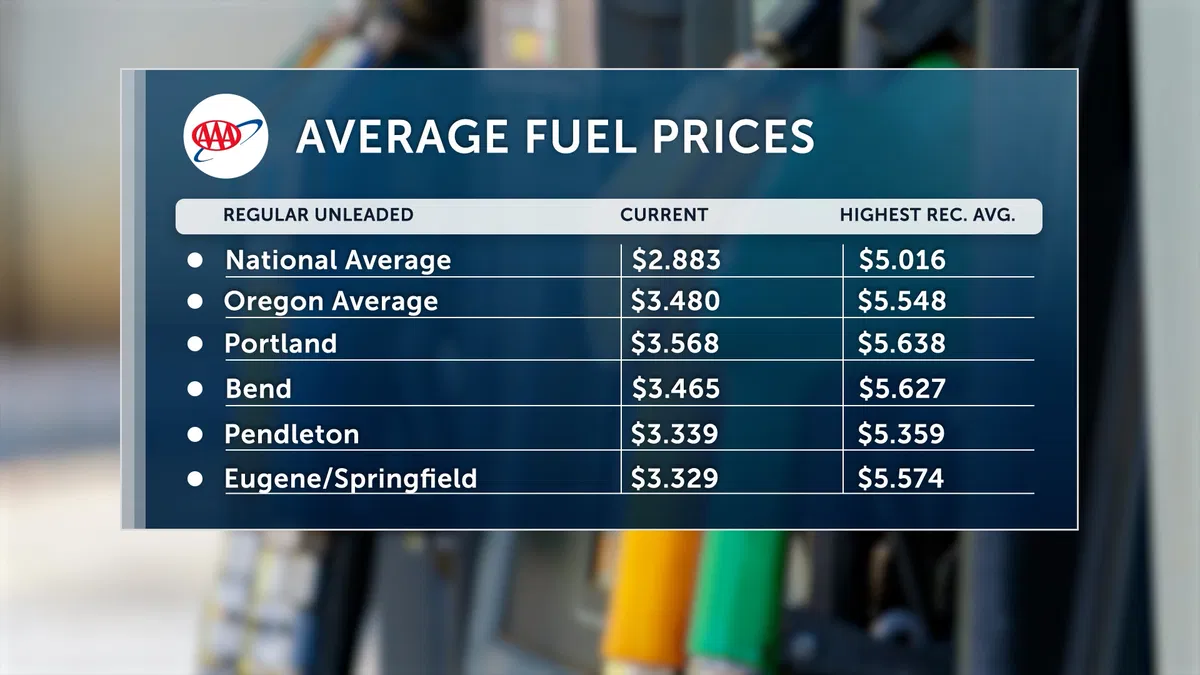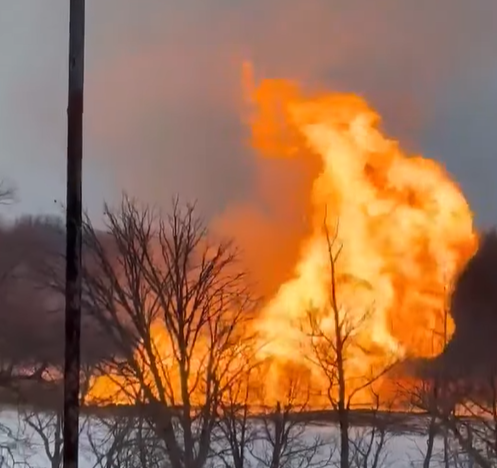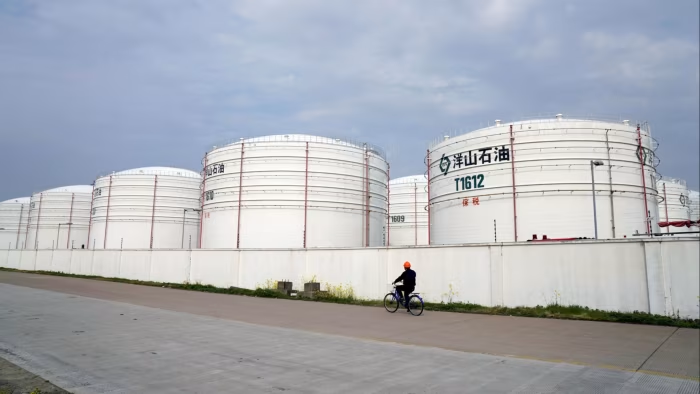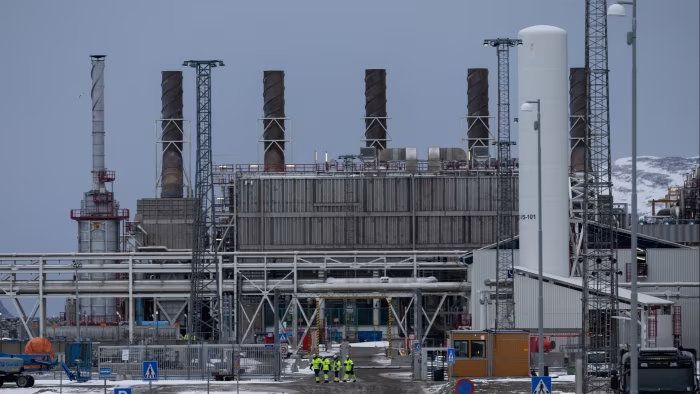
Despite the headlines in recent days about Britain only having two days’ worth of gas stored, the country is not about to run out. Actually we have about six days’ worth based on current daily consumption but that’s not really the point. The point is that the gas system is not static. Despite the new geopolitical threats, the global gas market has not simply ground to a halt leaving us with just the gas we happen to have stored to rely on.
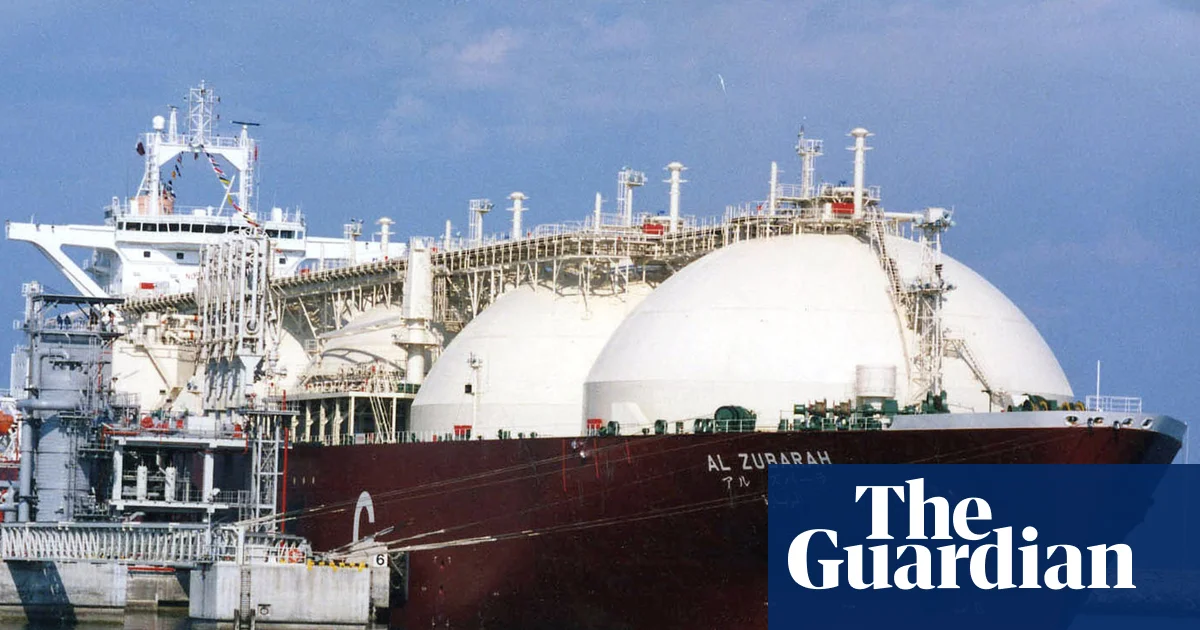
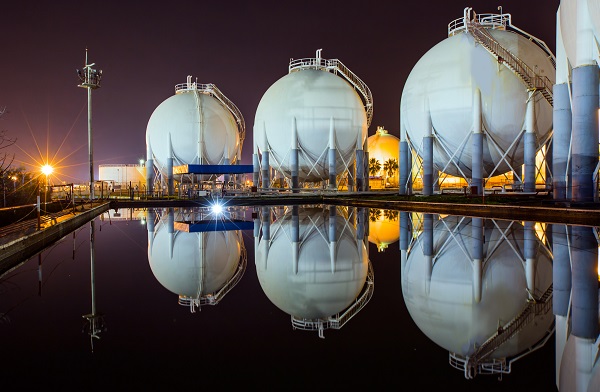
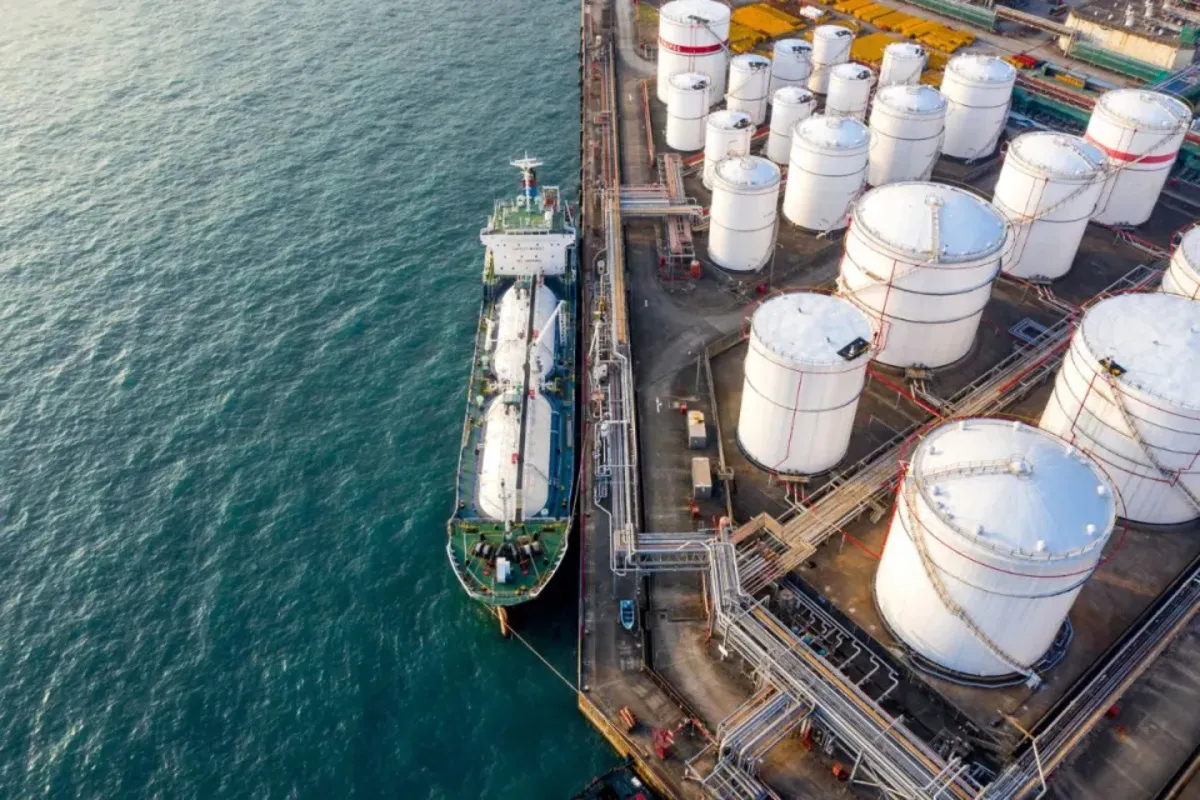
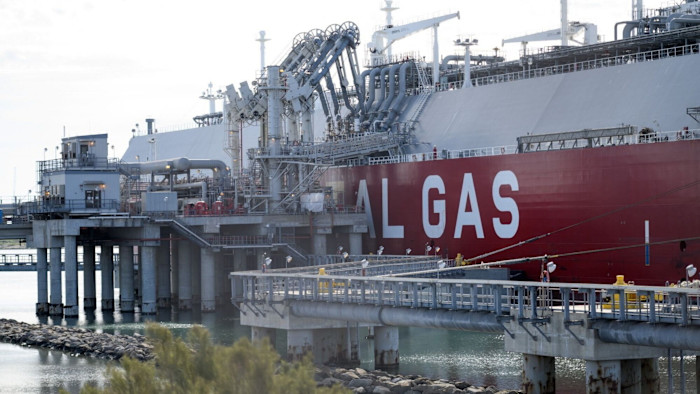
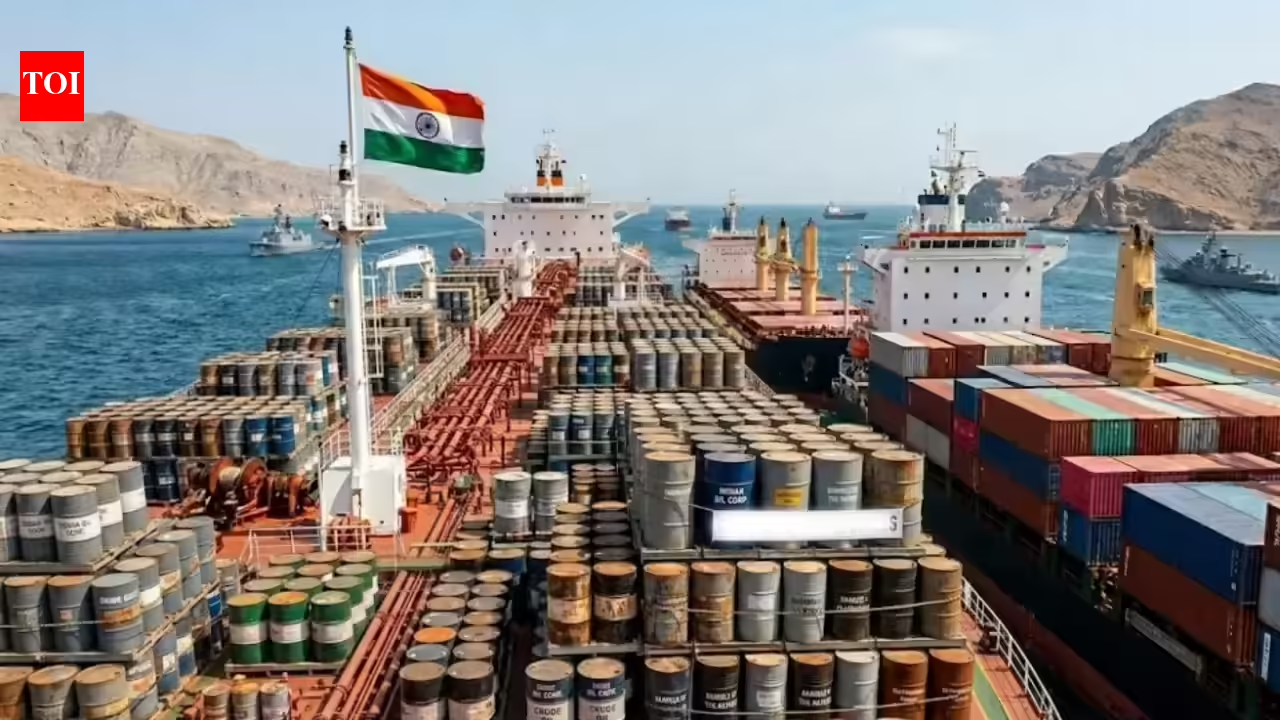
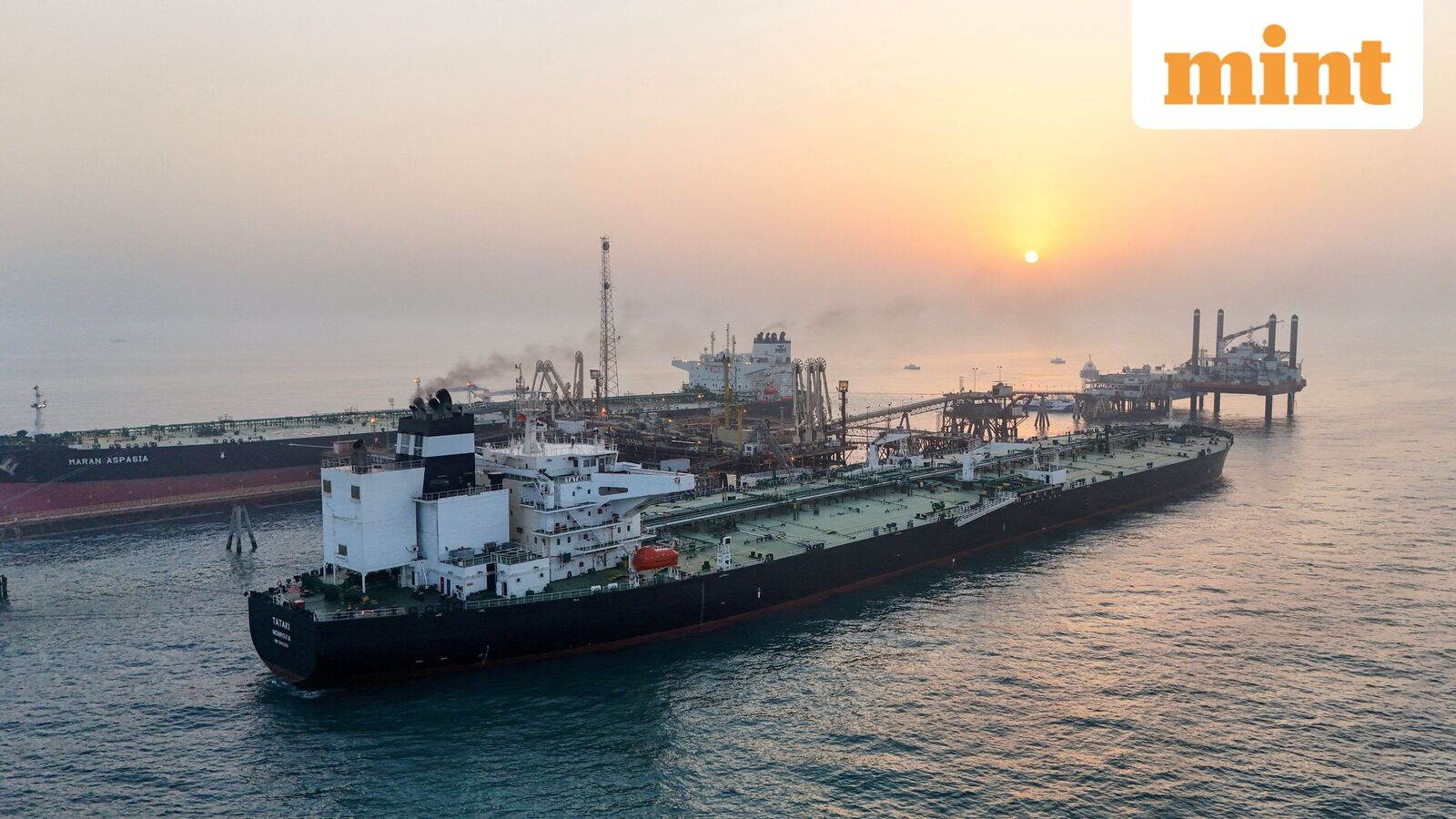
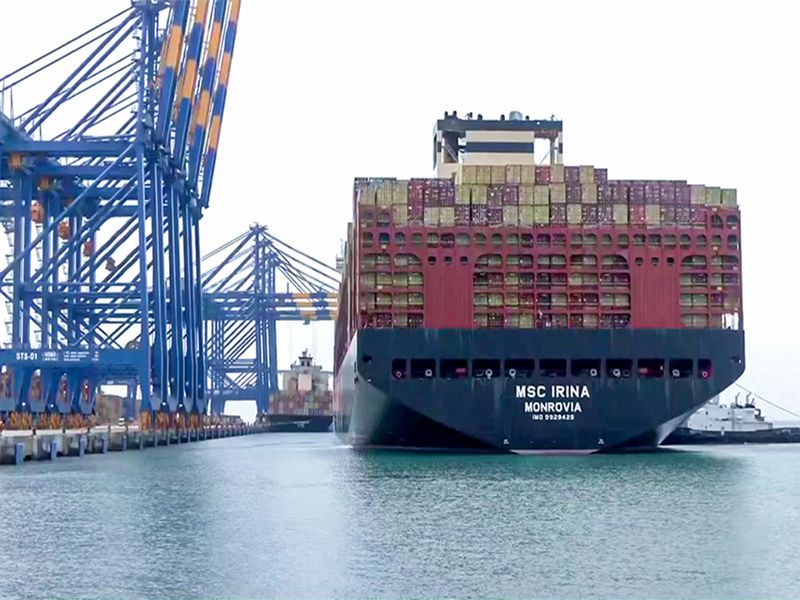
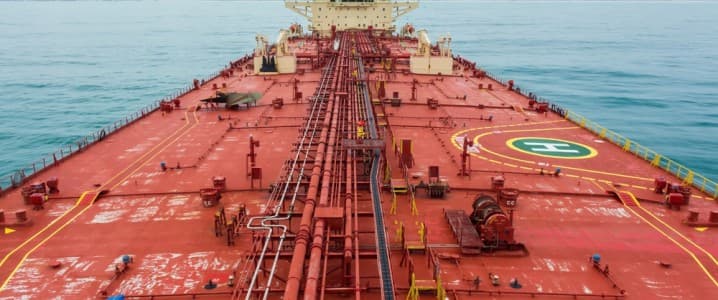
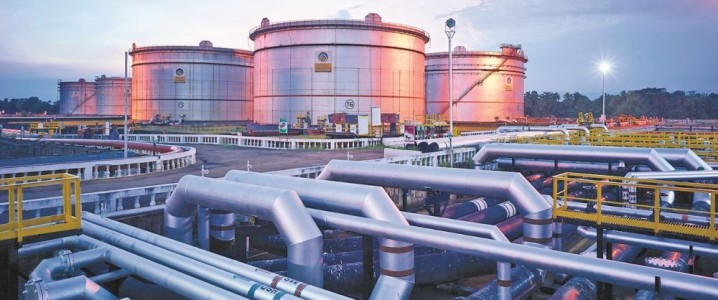
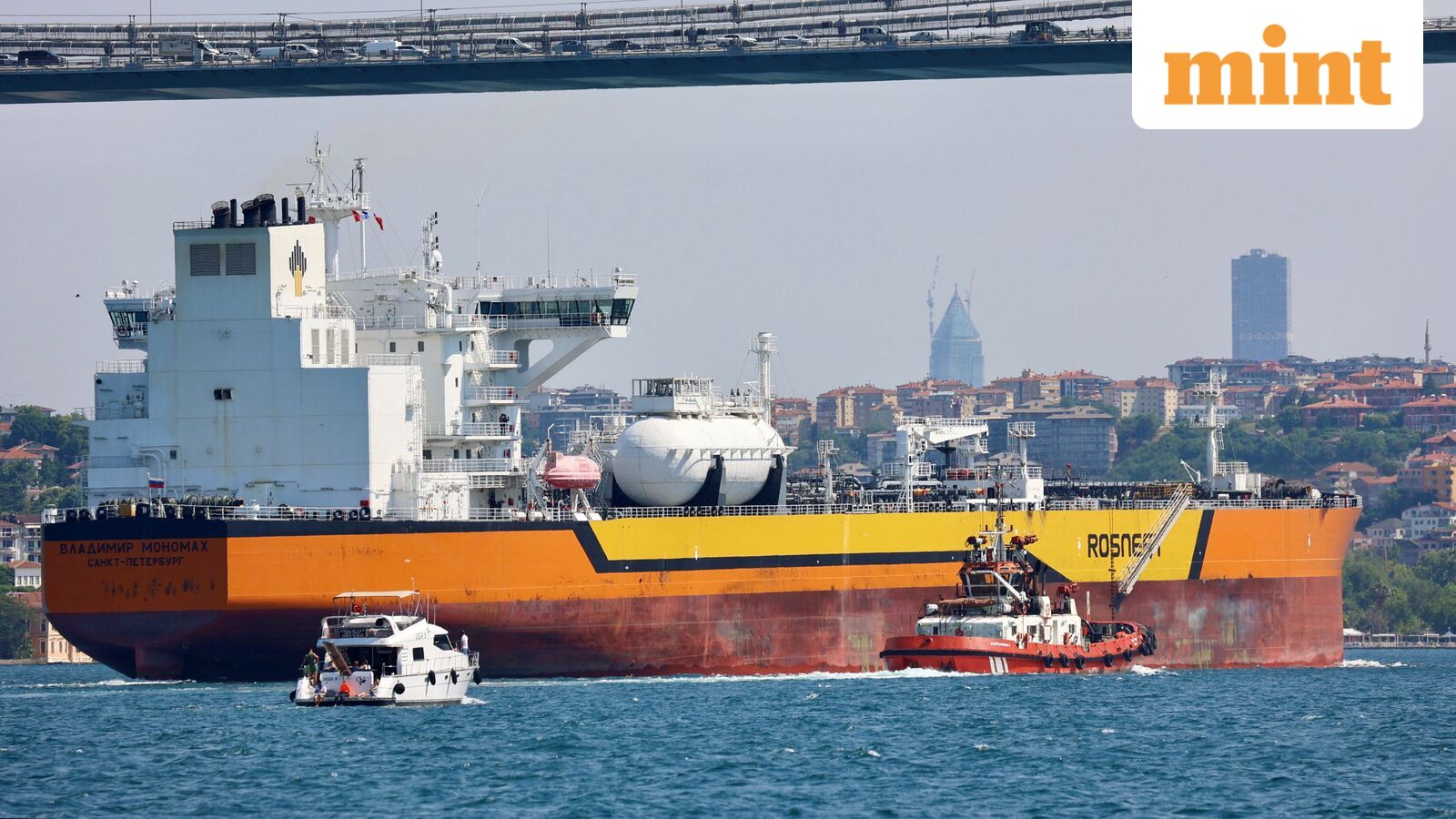
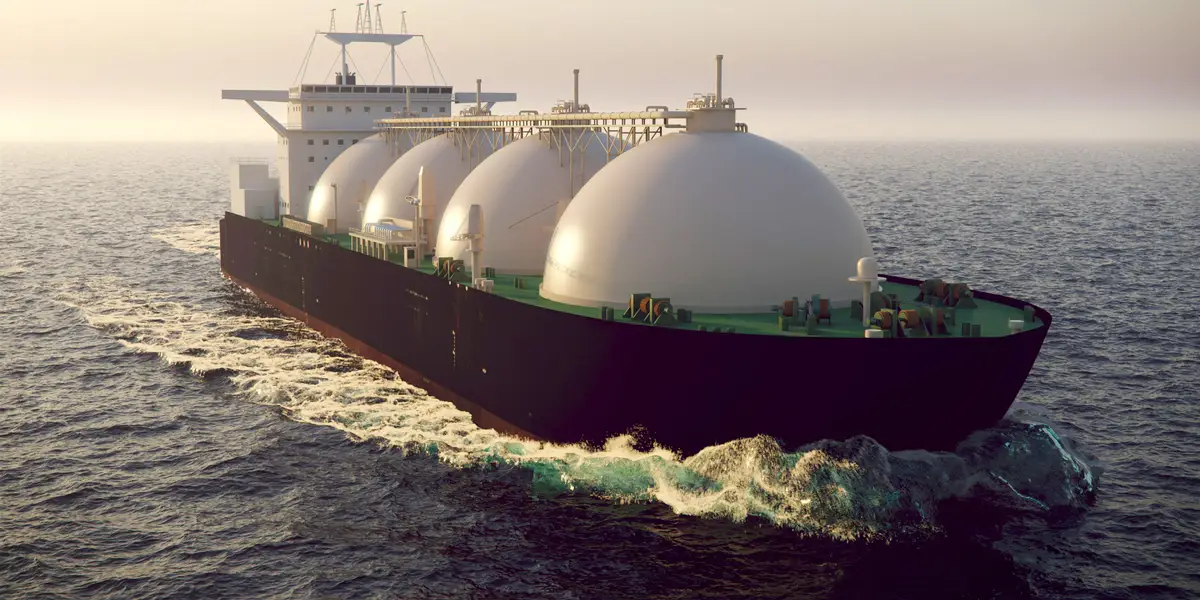
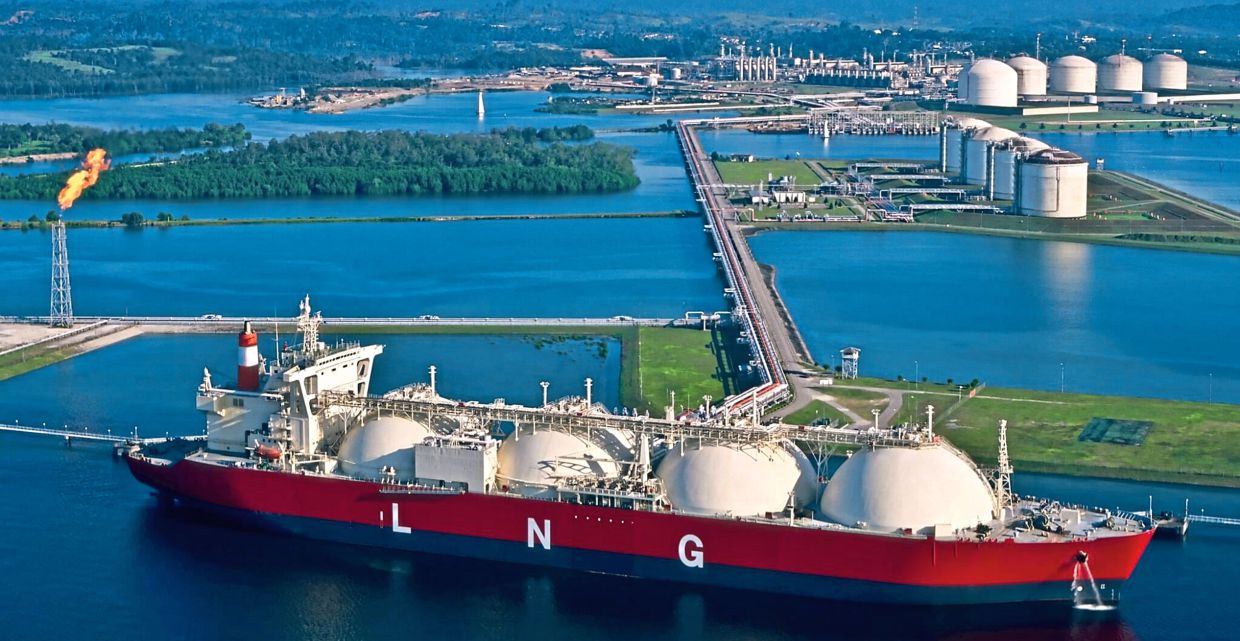
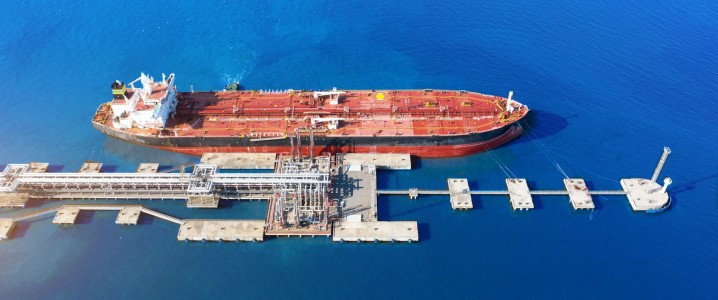
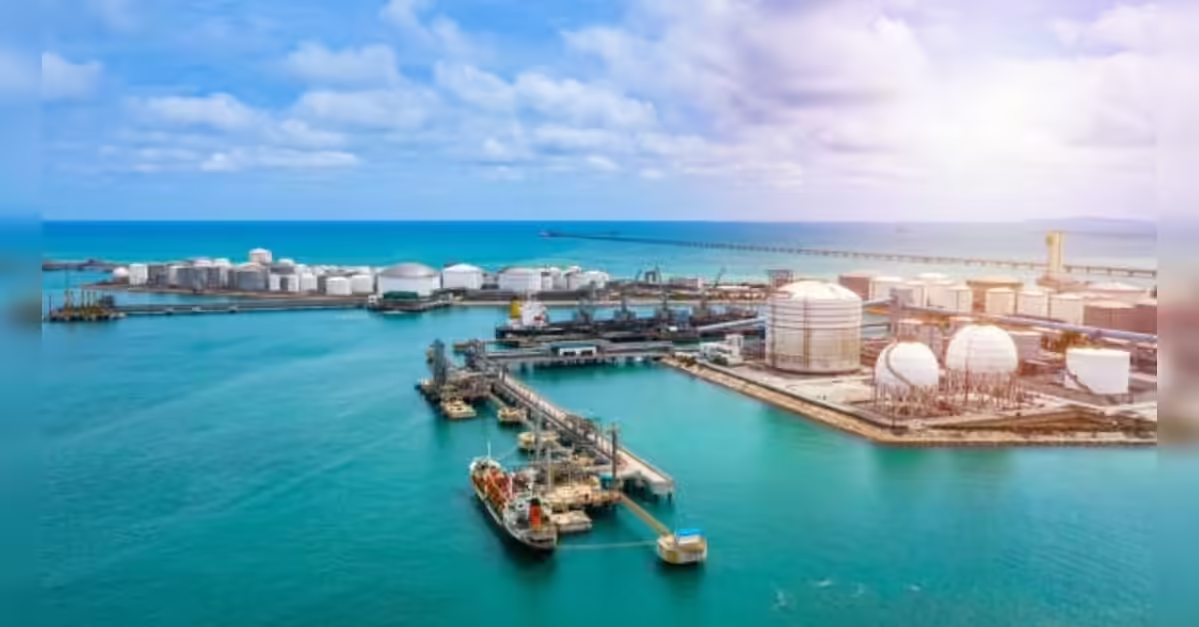
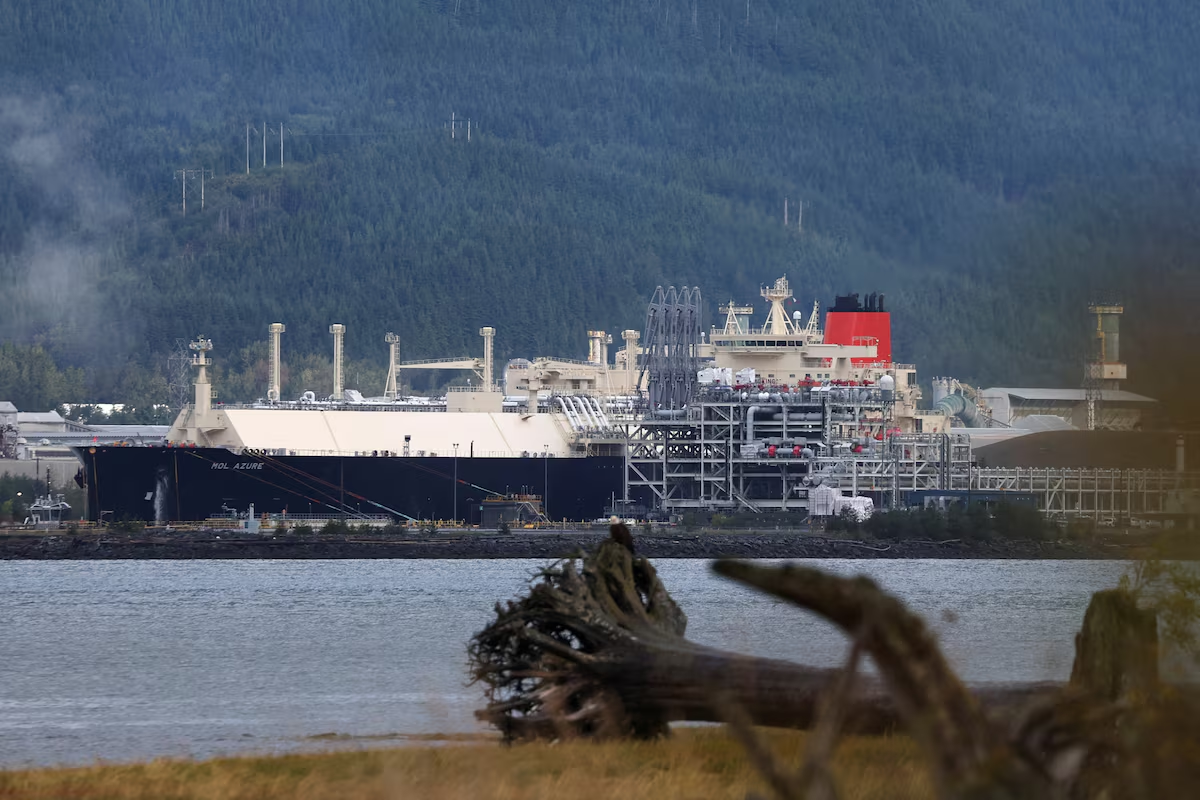
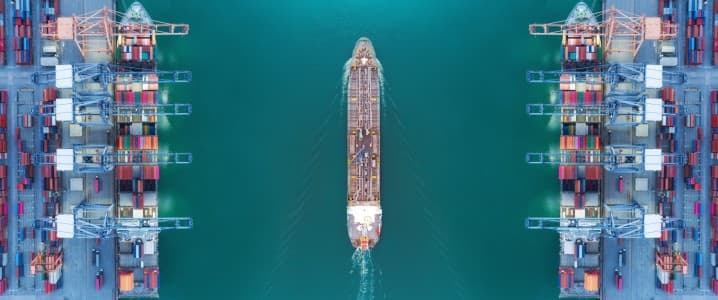
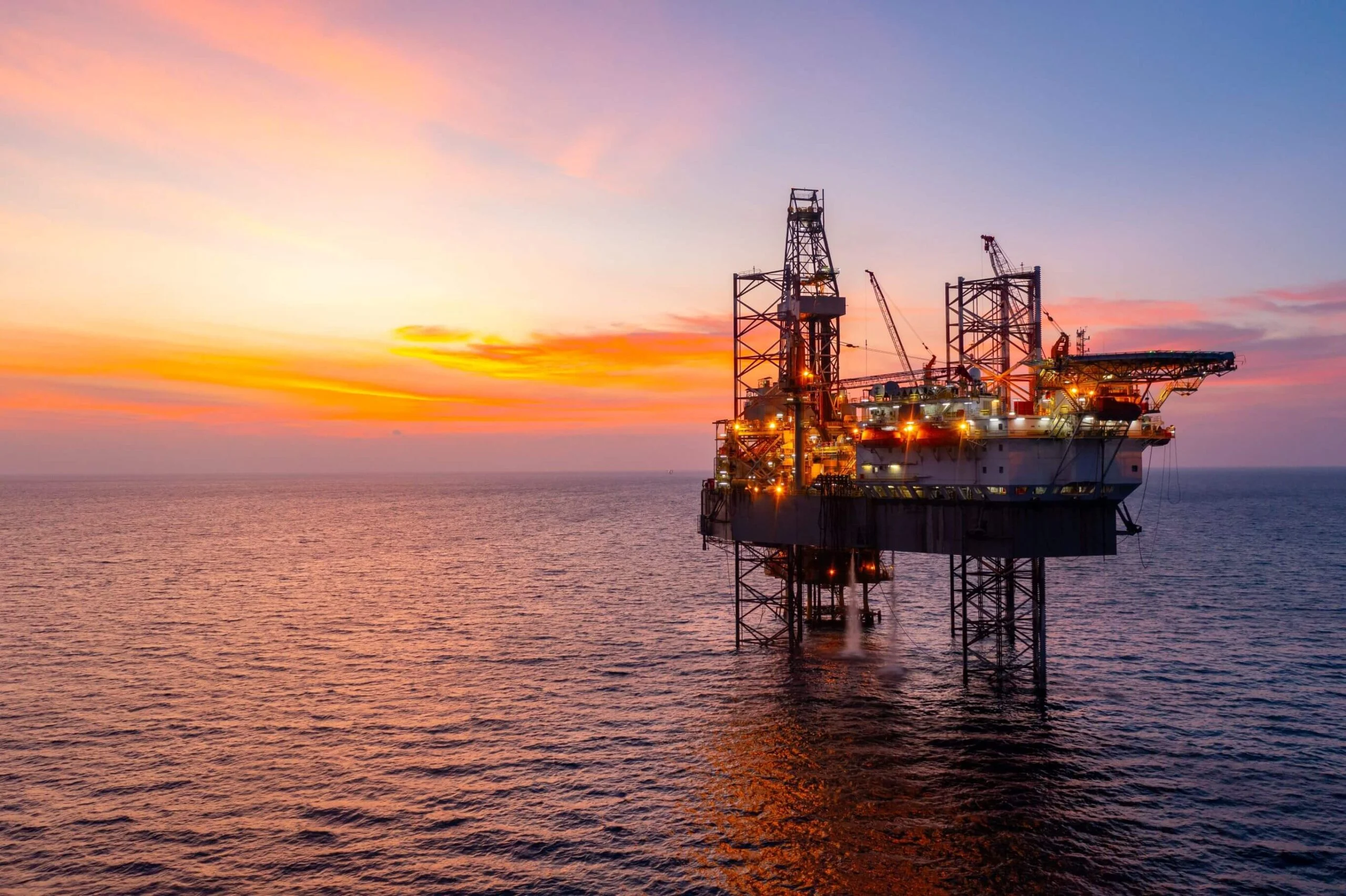
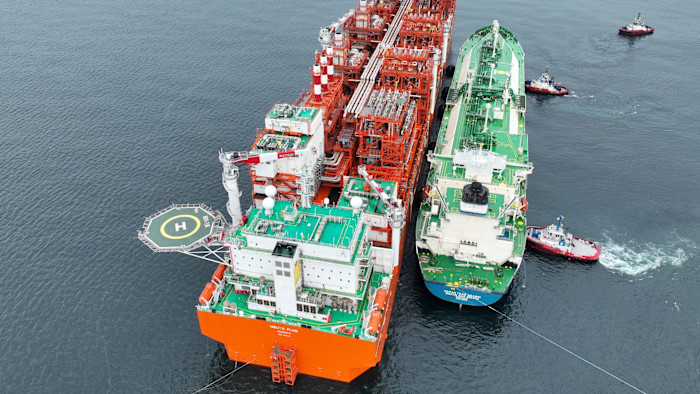
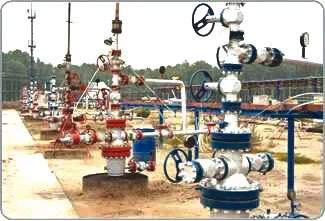
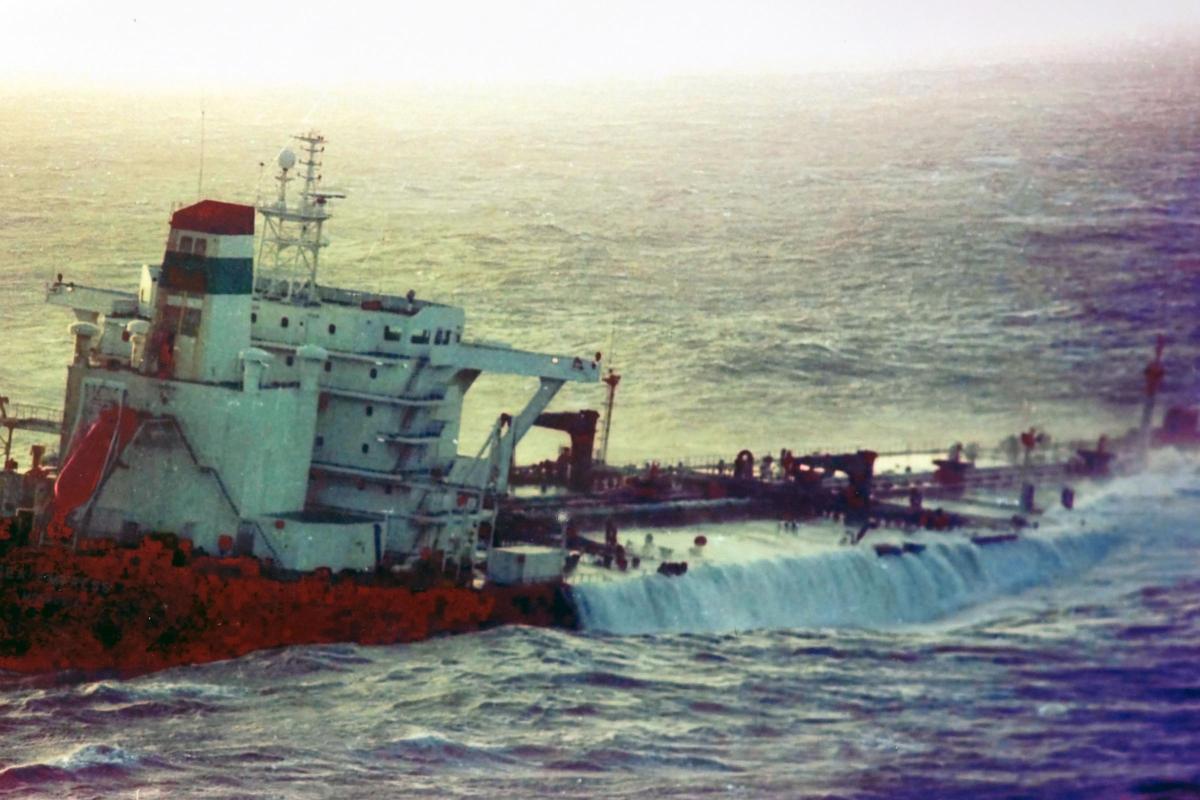
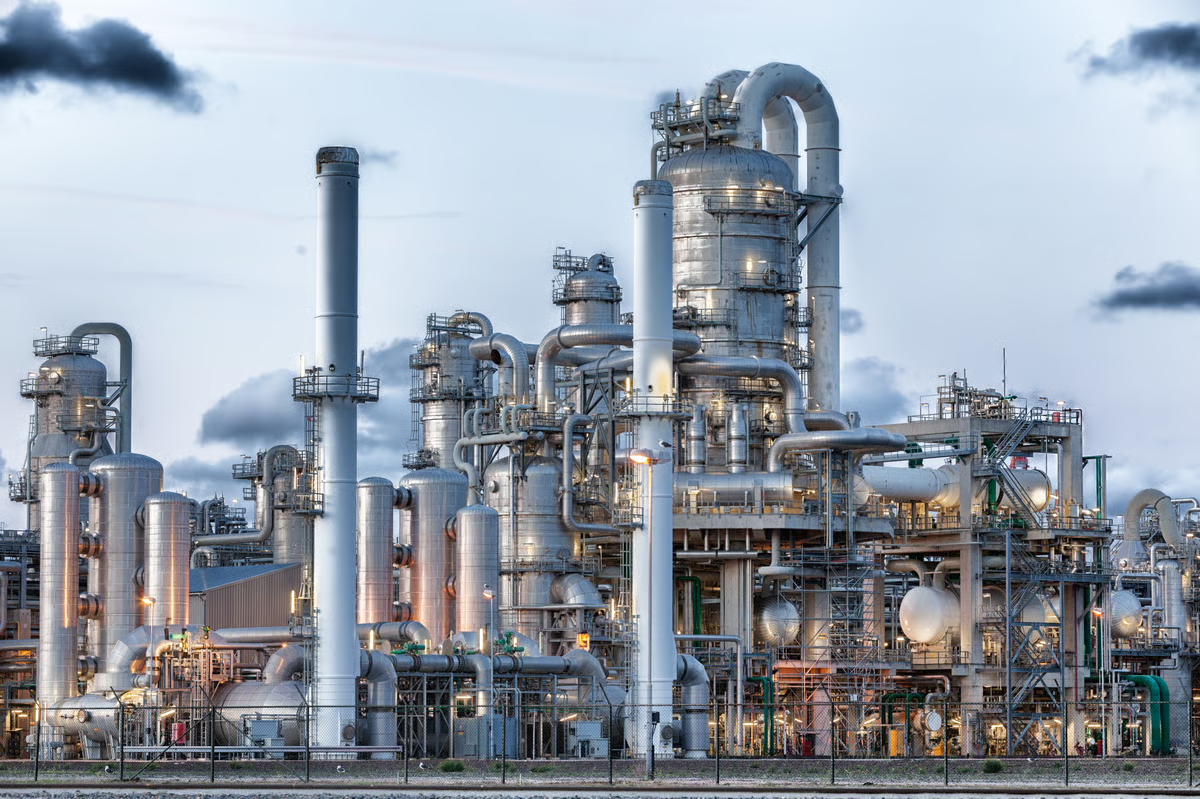
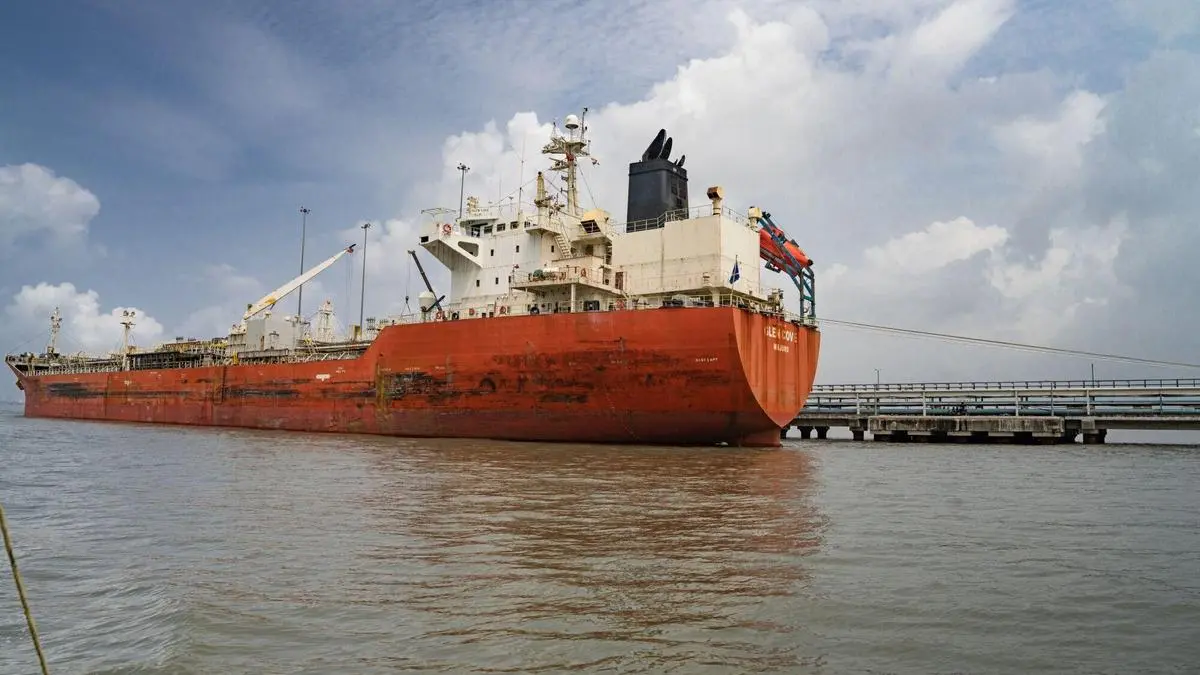
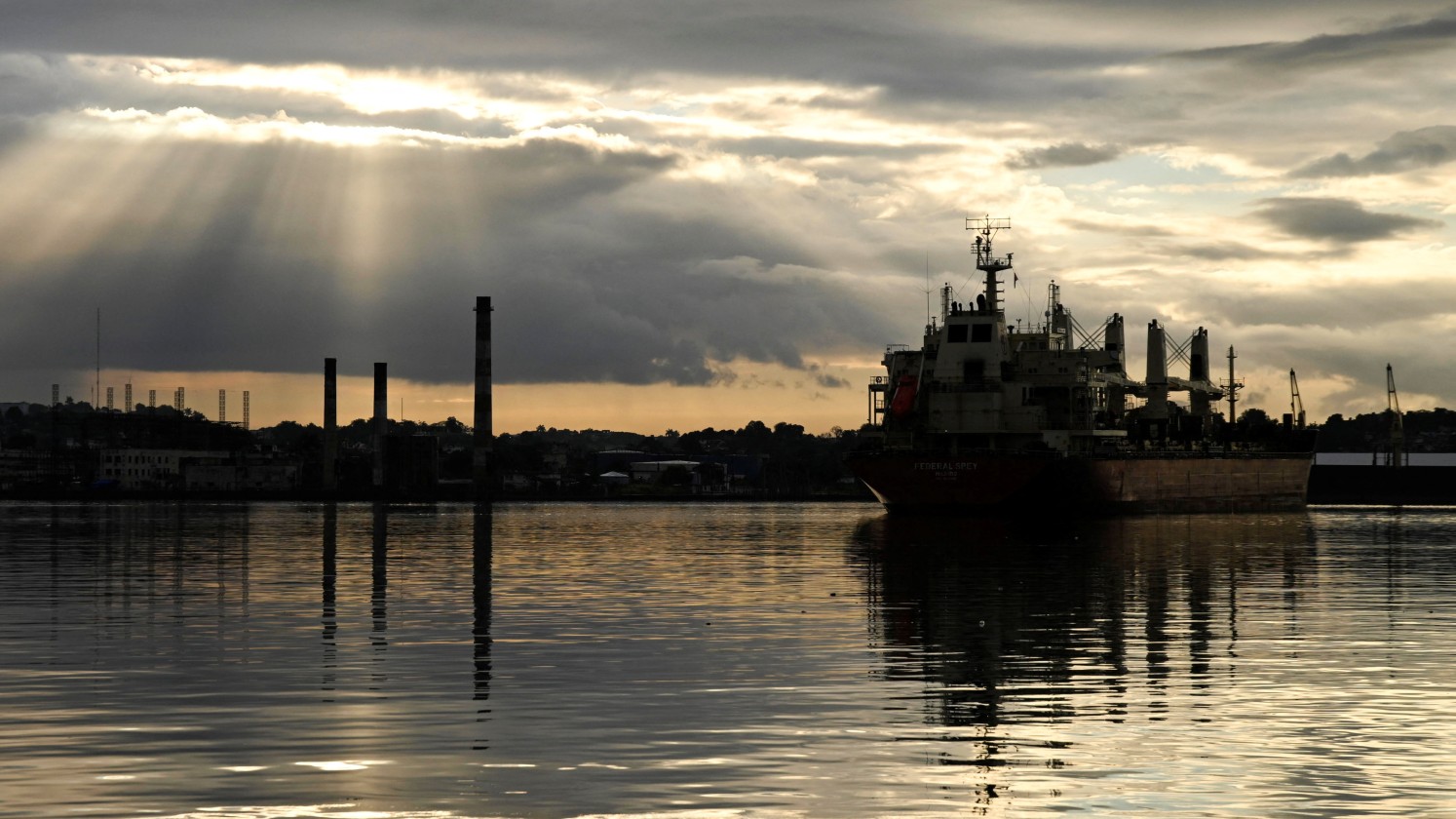
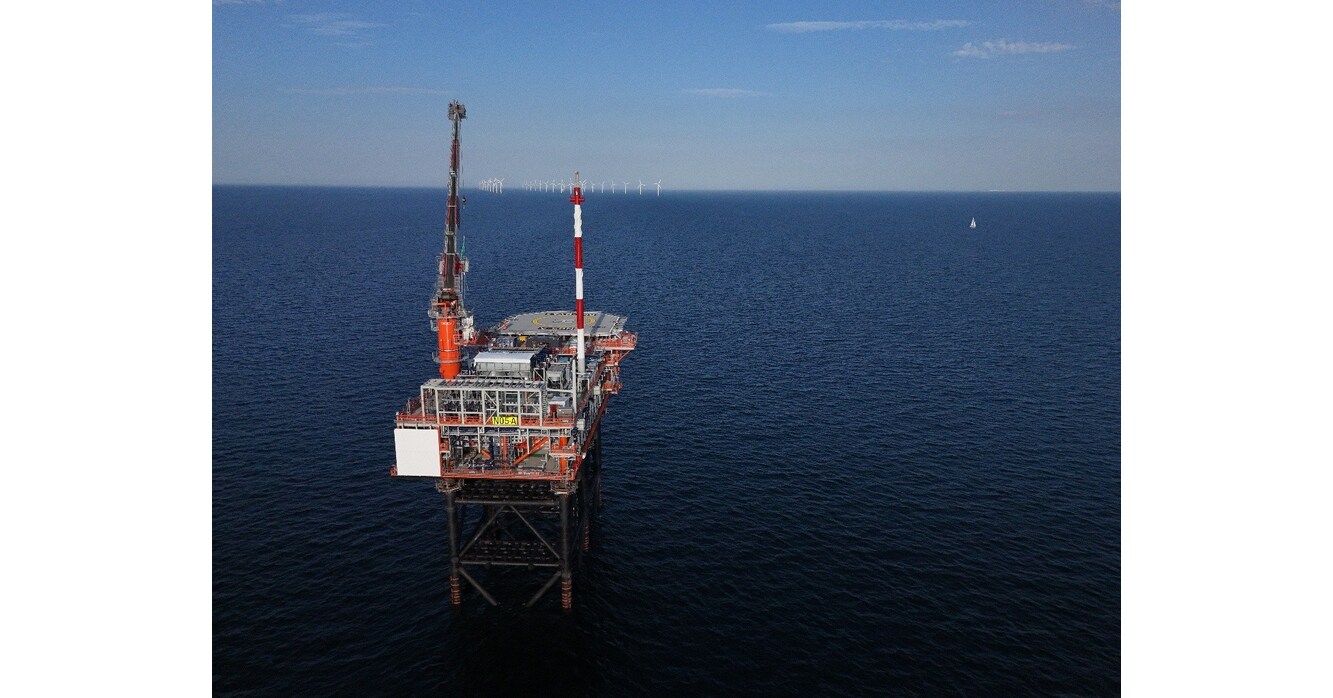
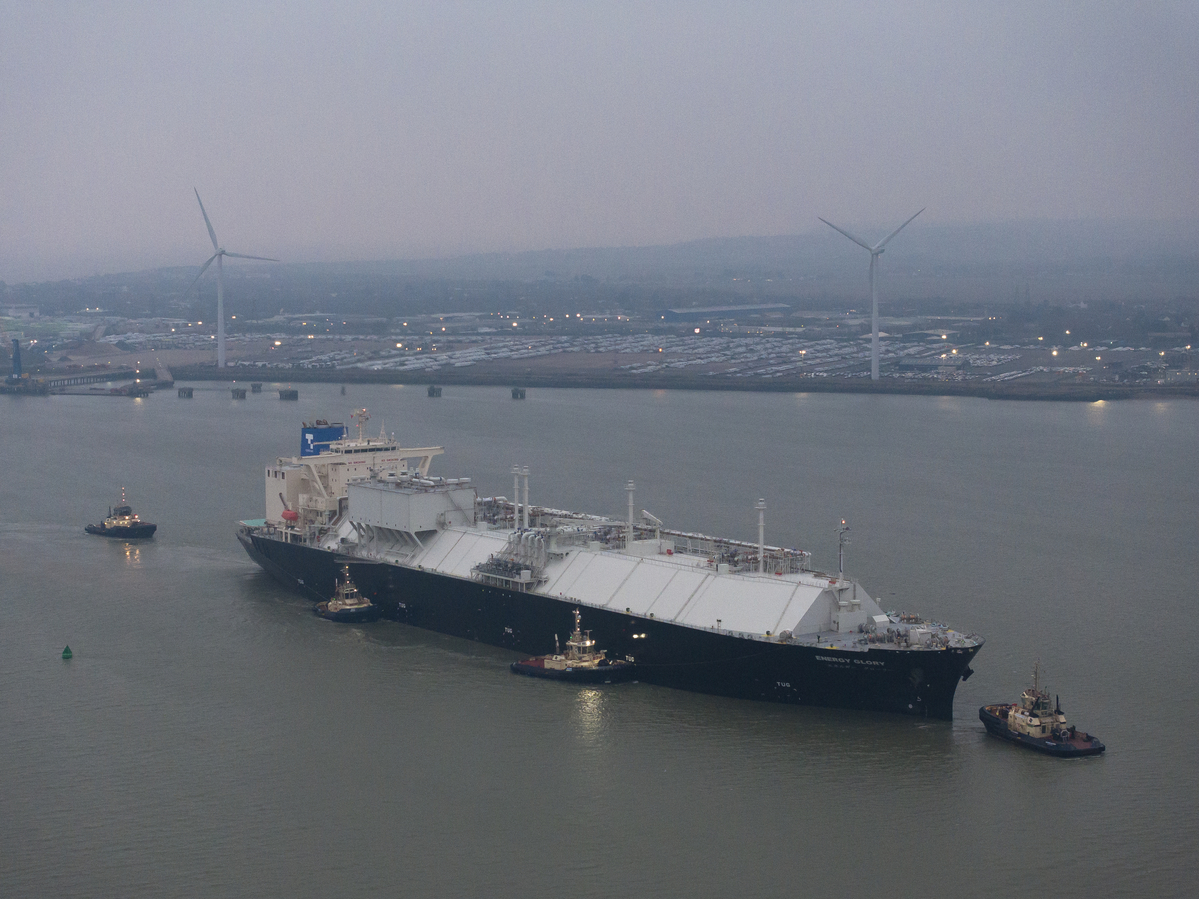
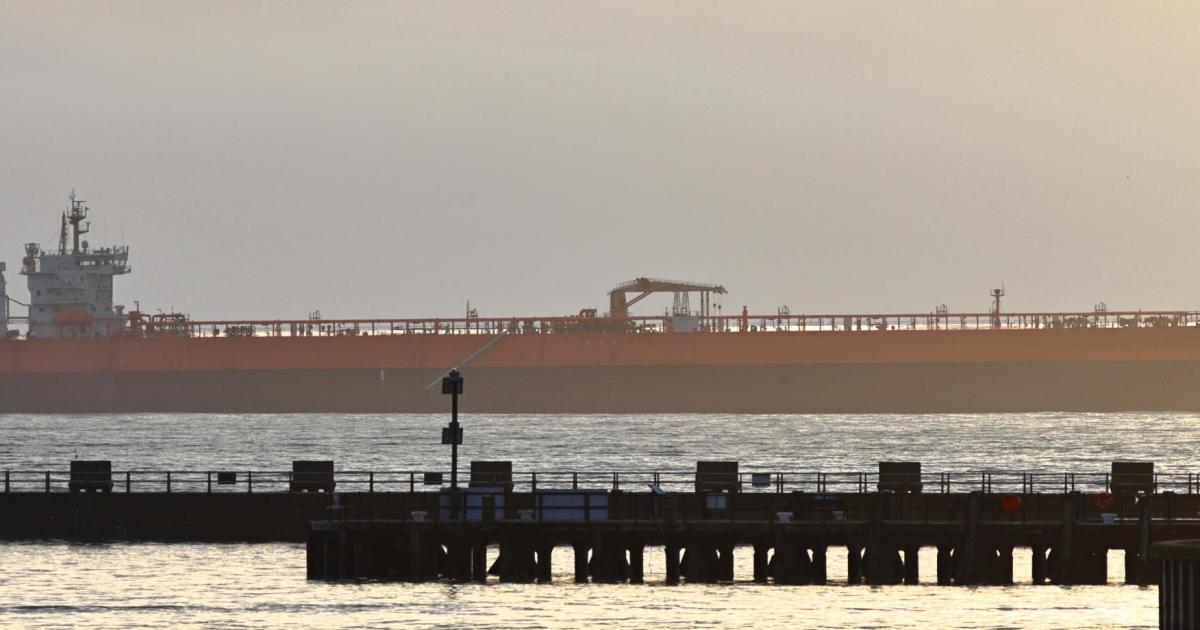
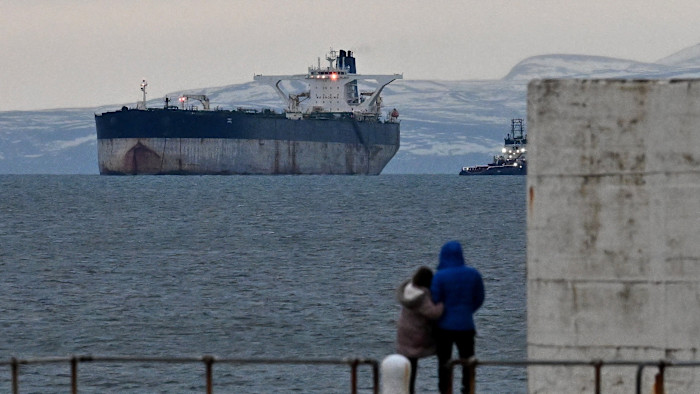
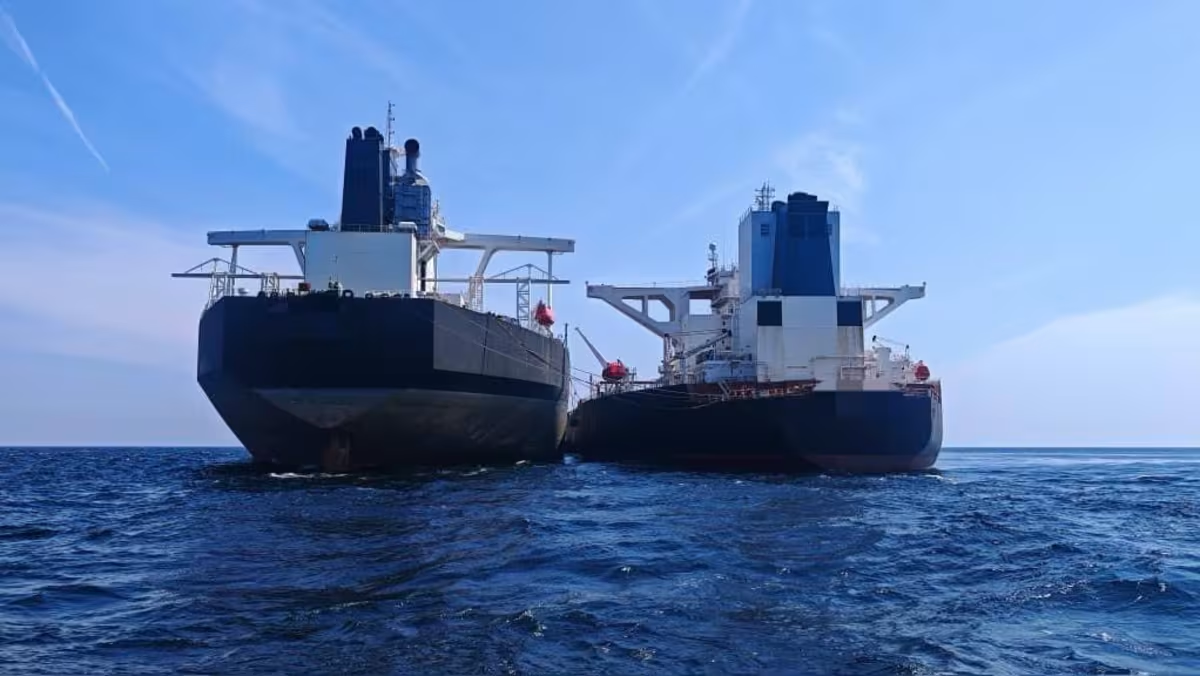
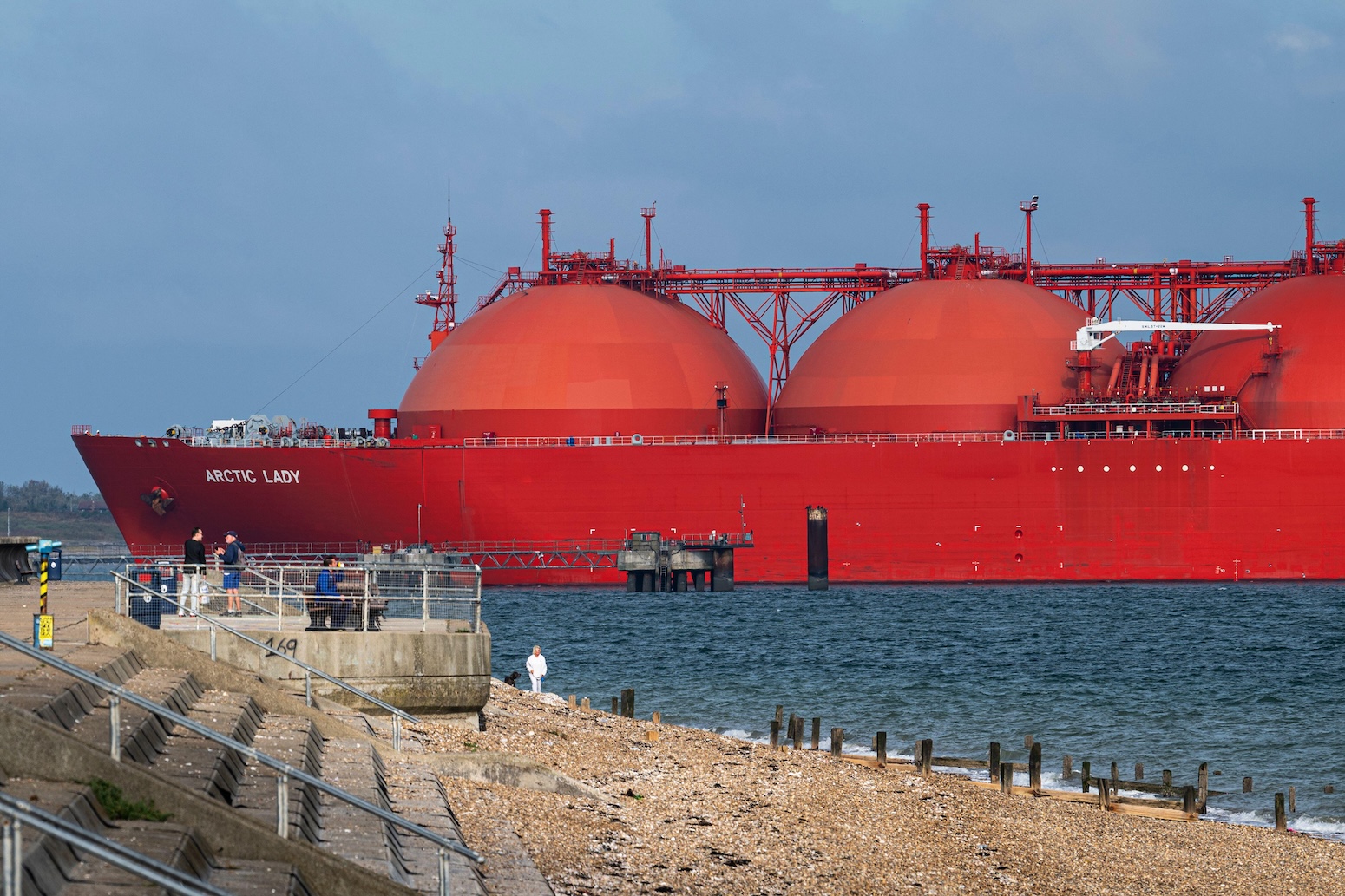
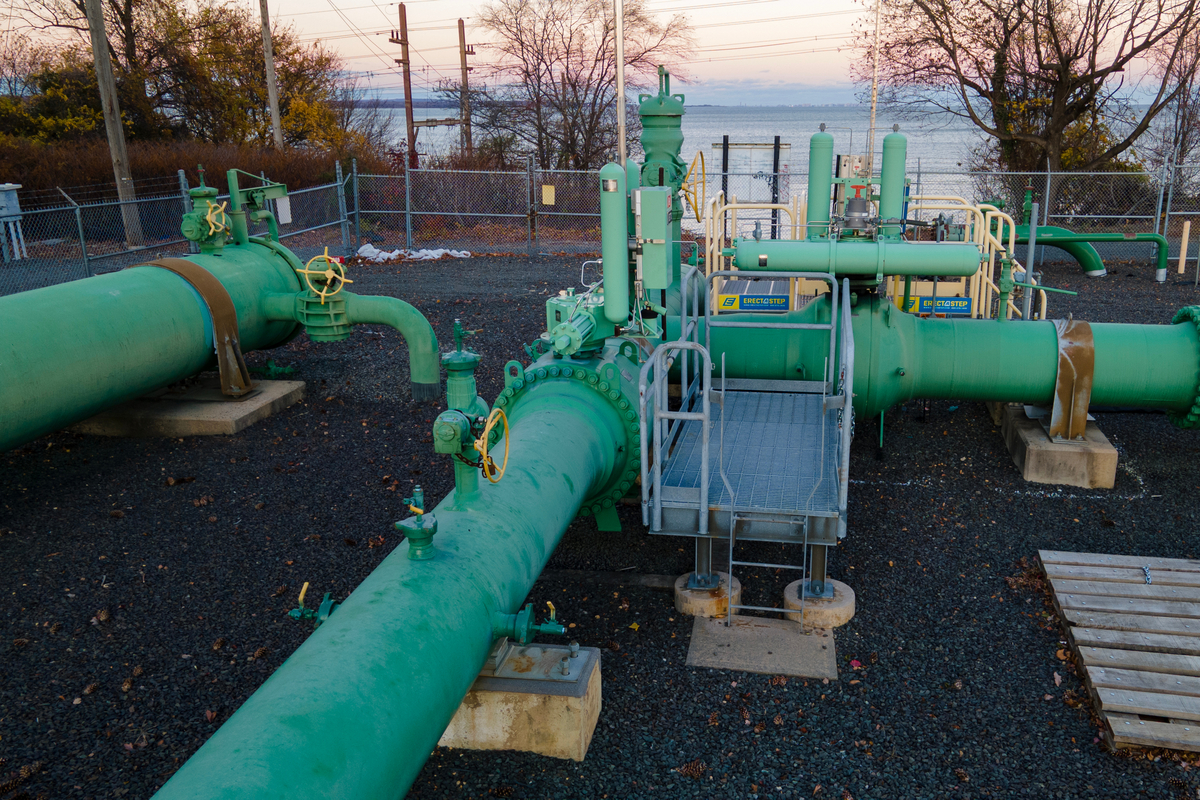
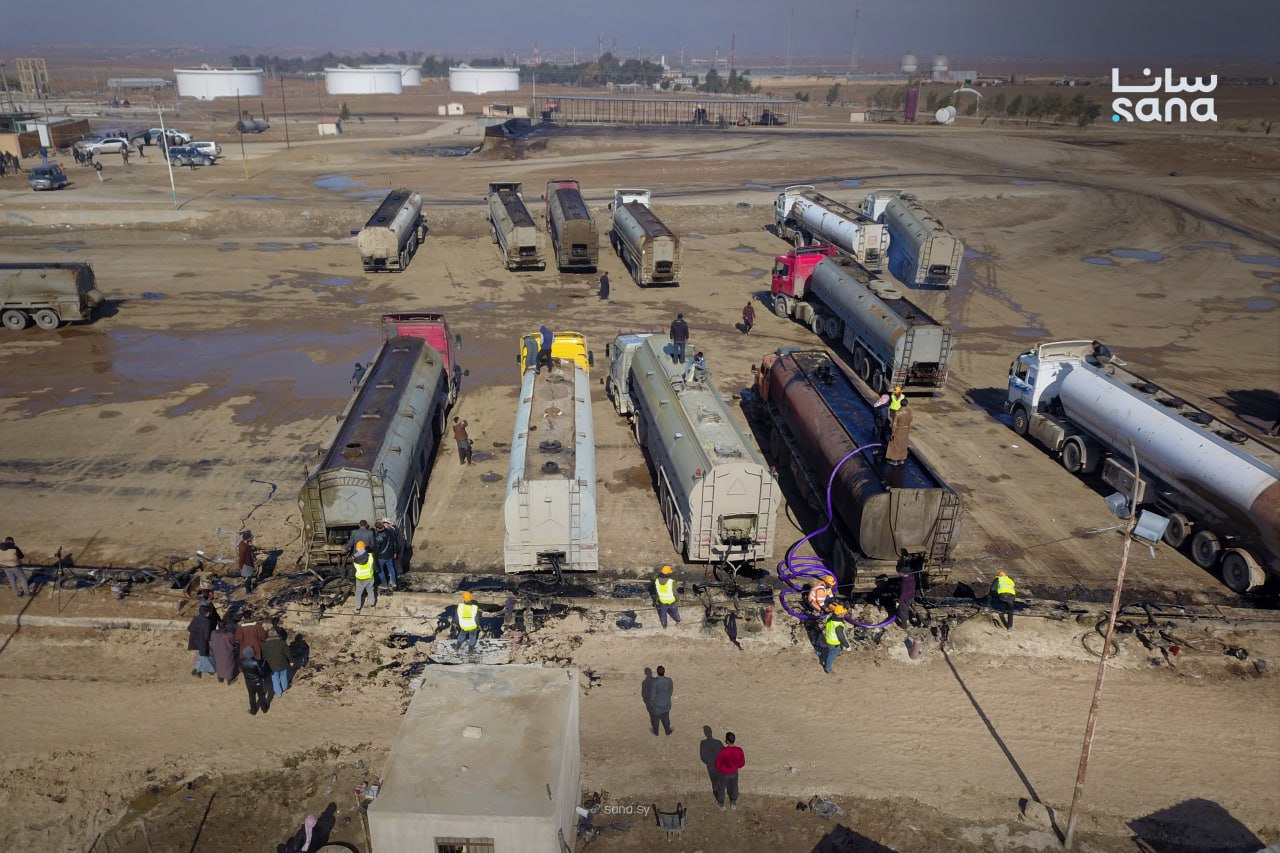
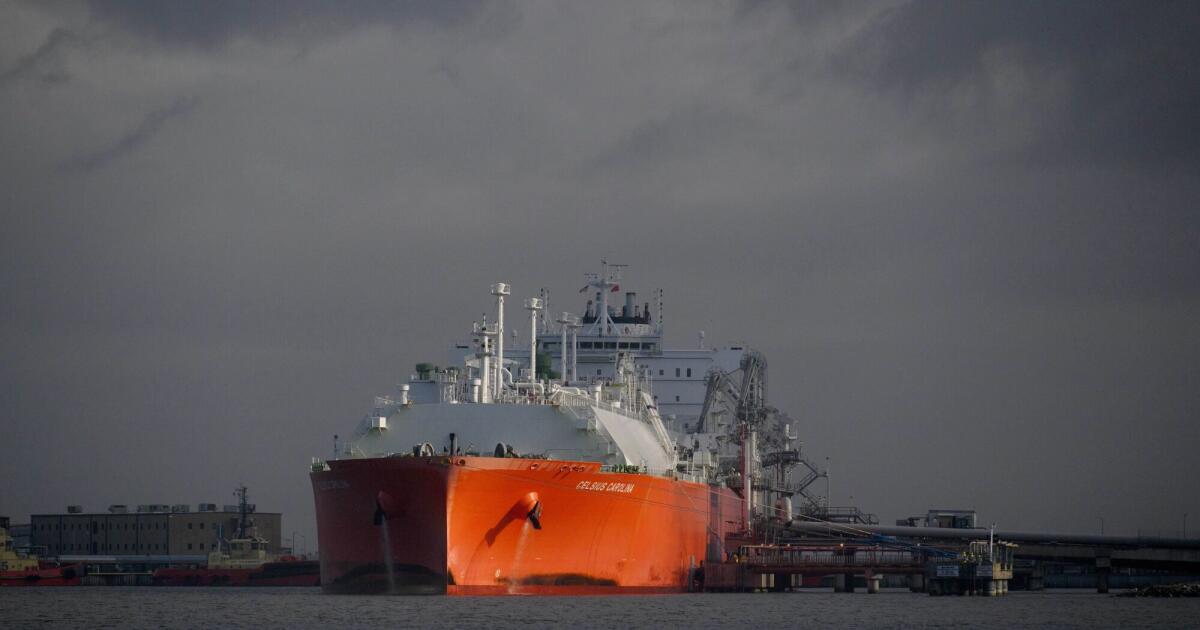
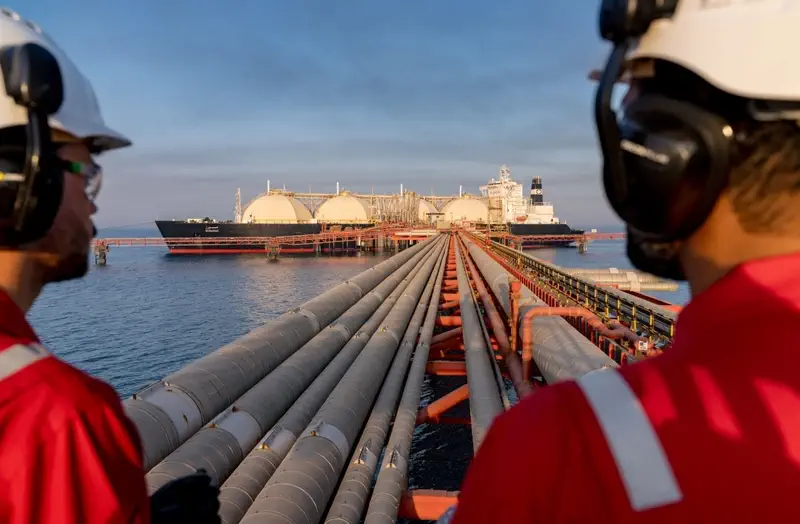
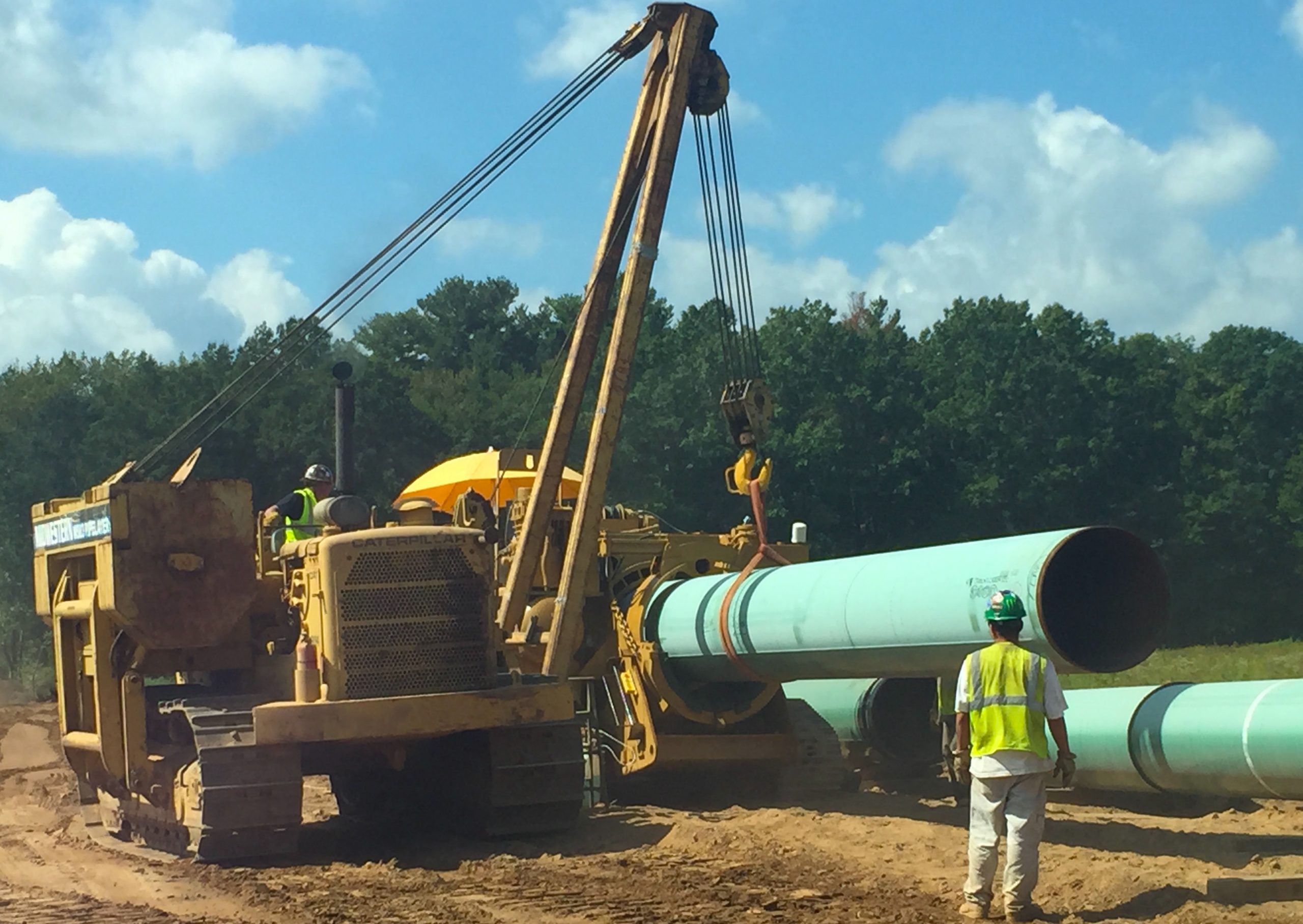
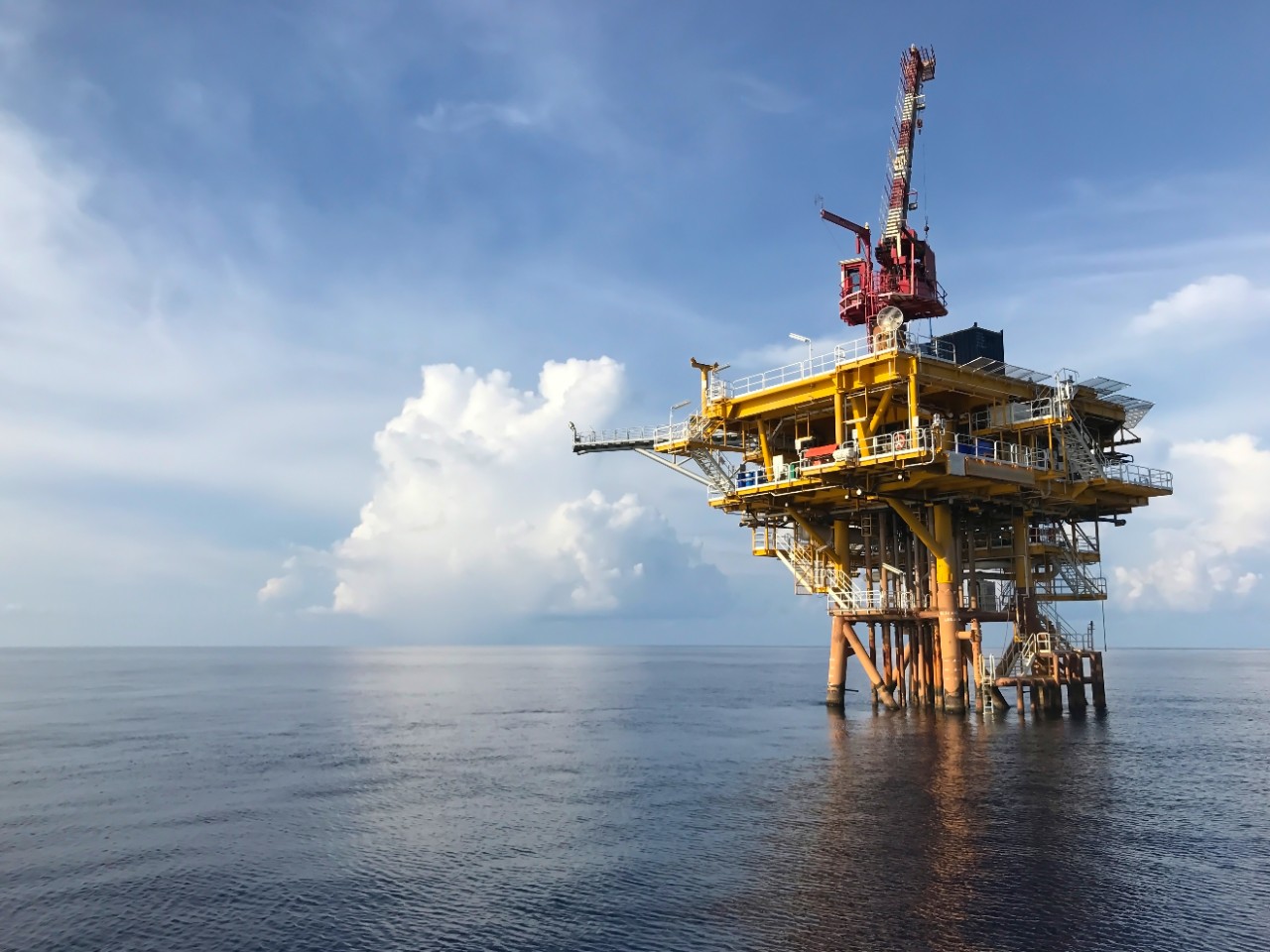
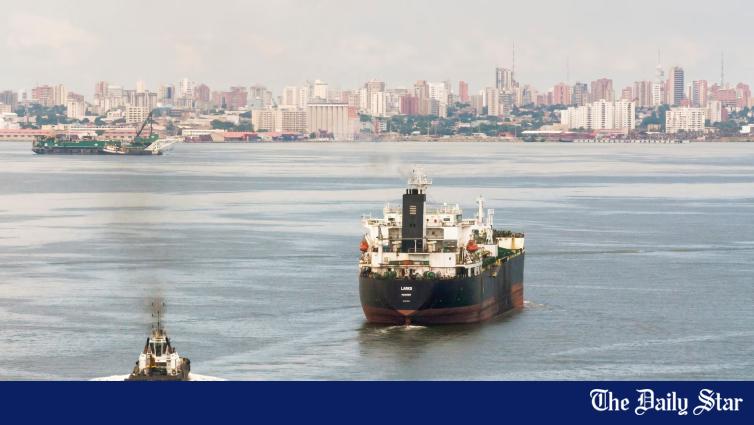
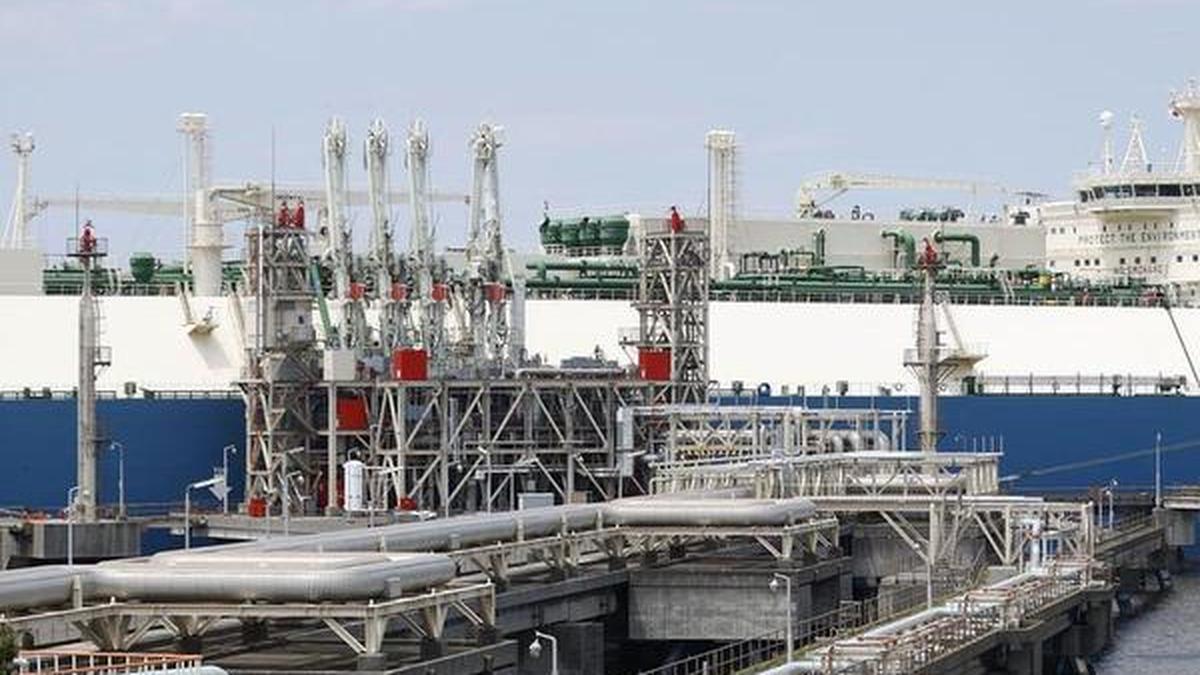
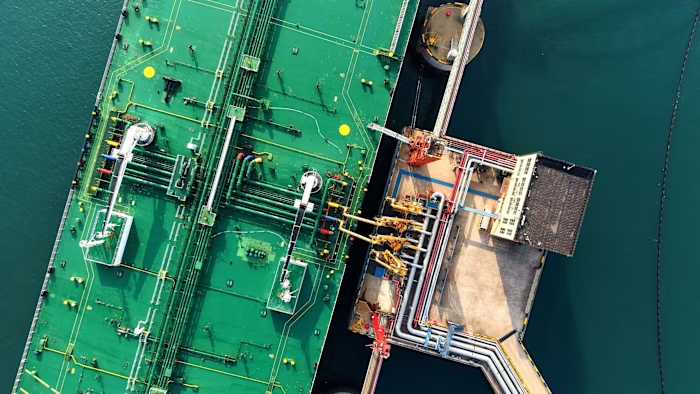
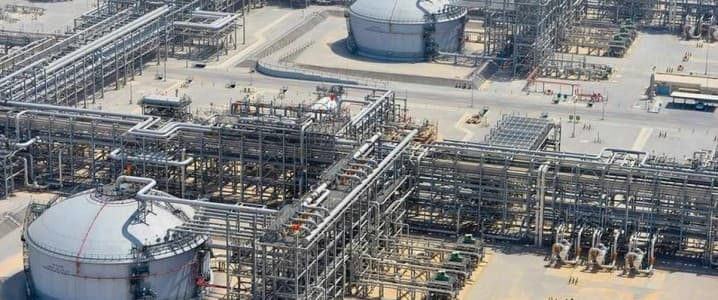
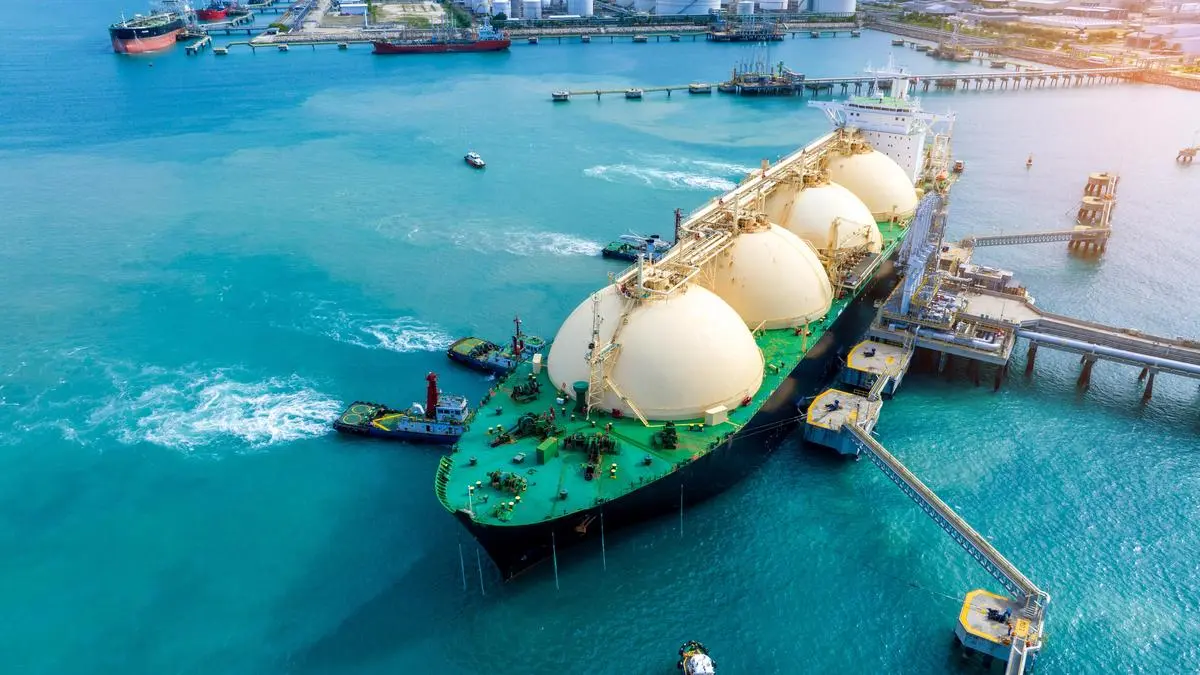
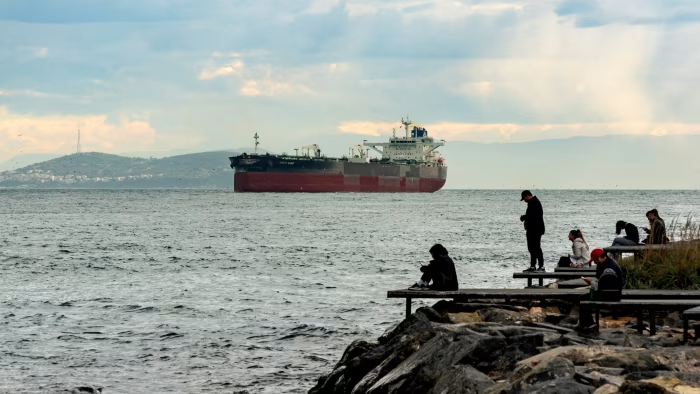
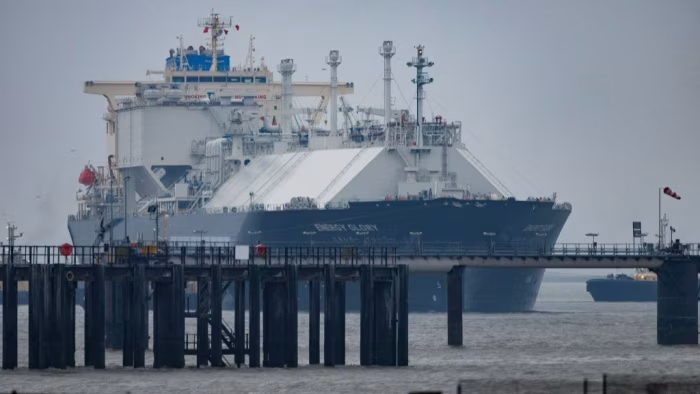
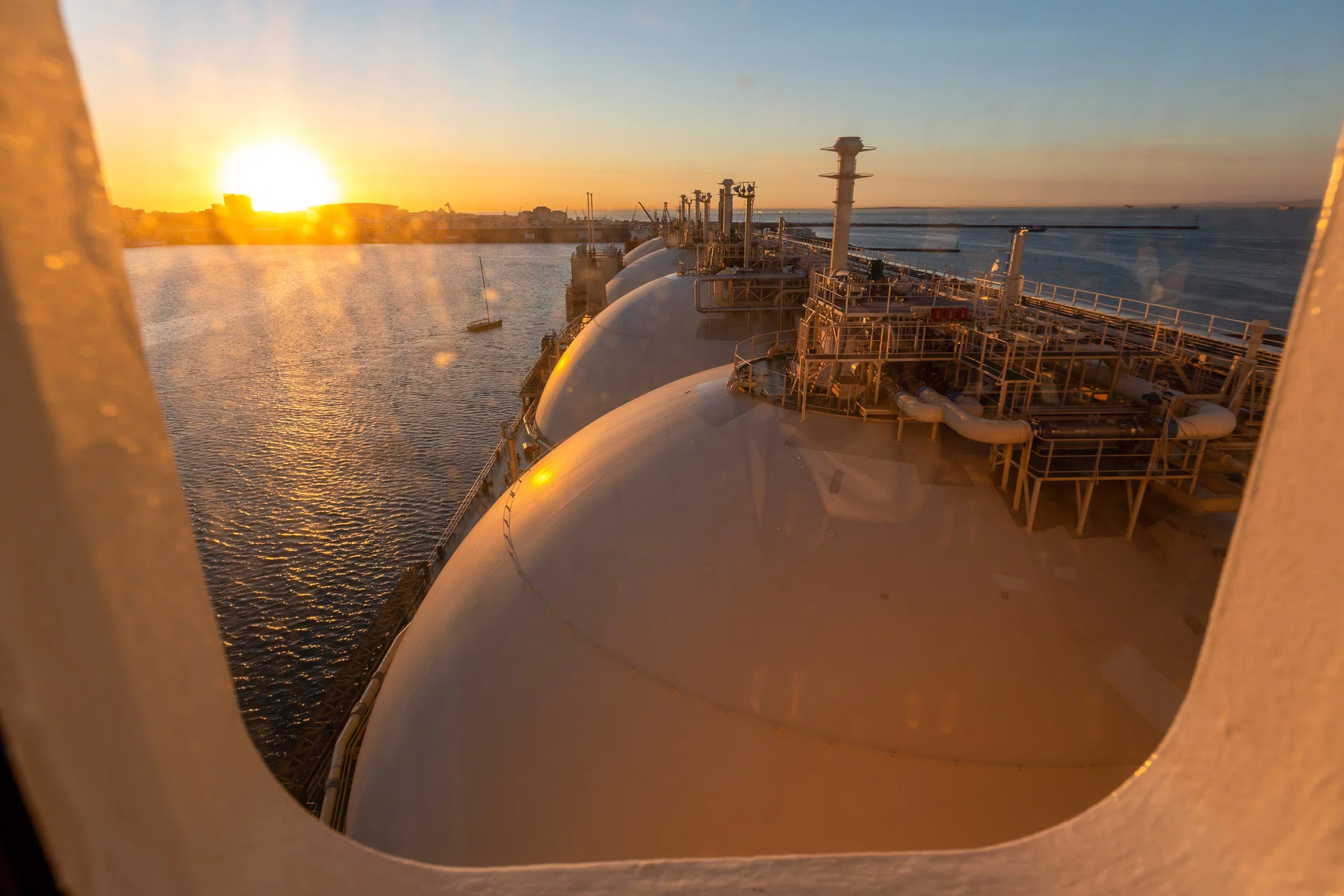
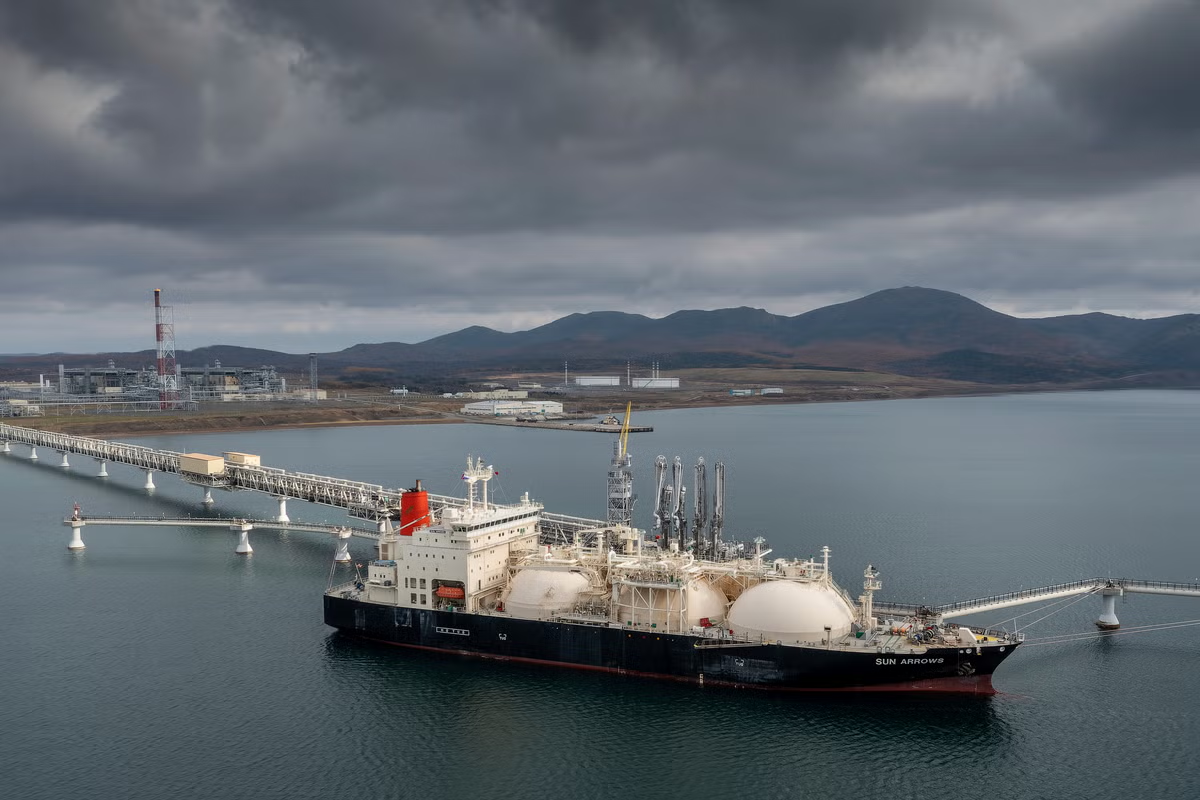
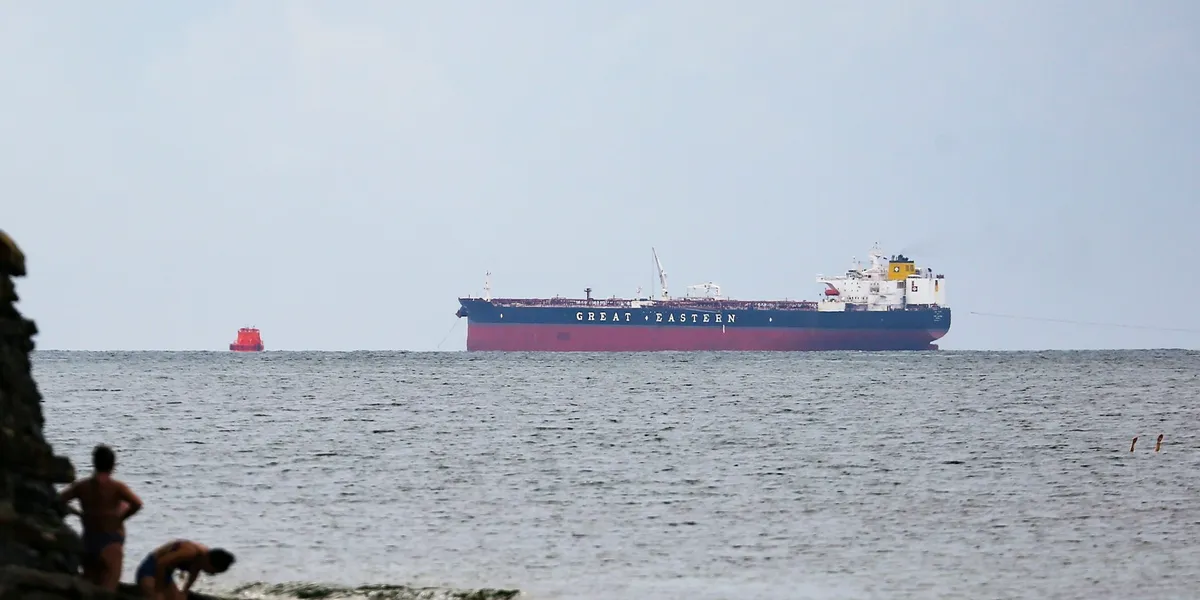
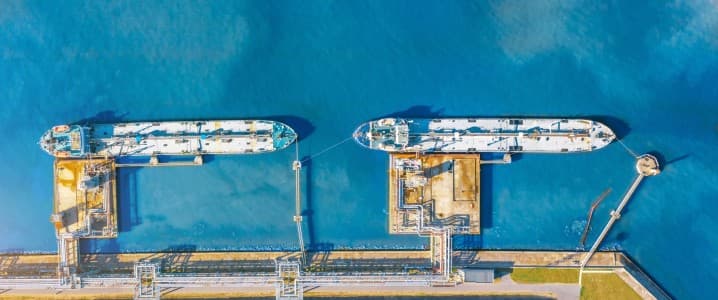
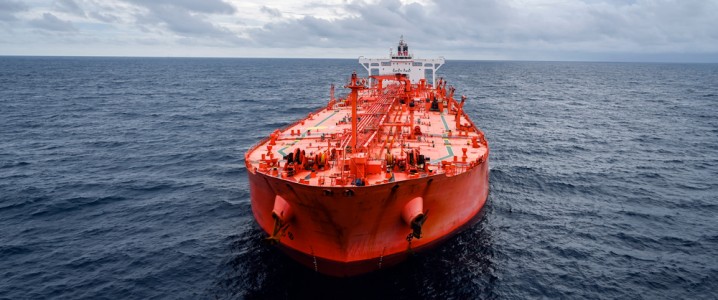
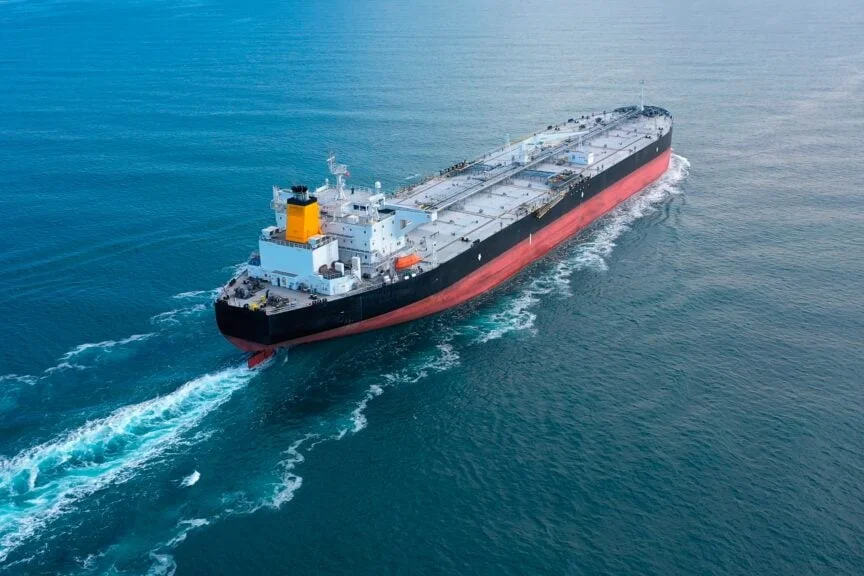
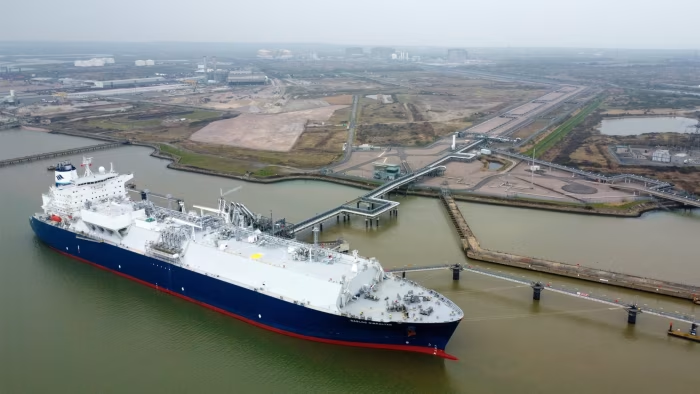
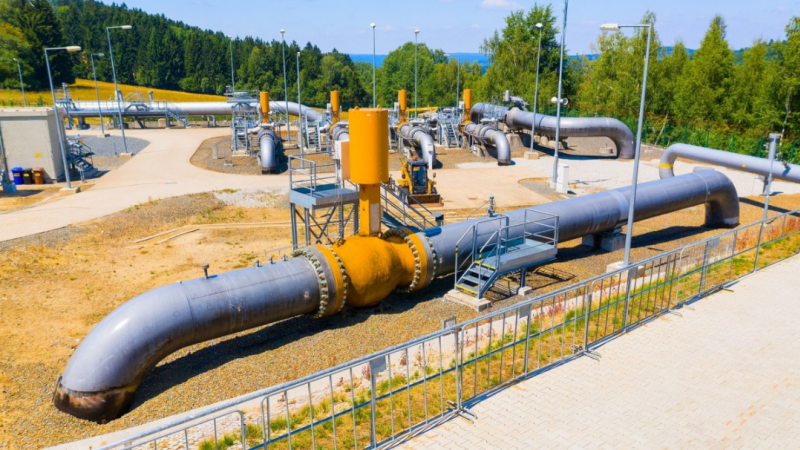
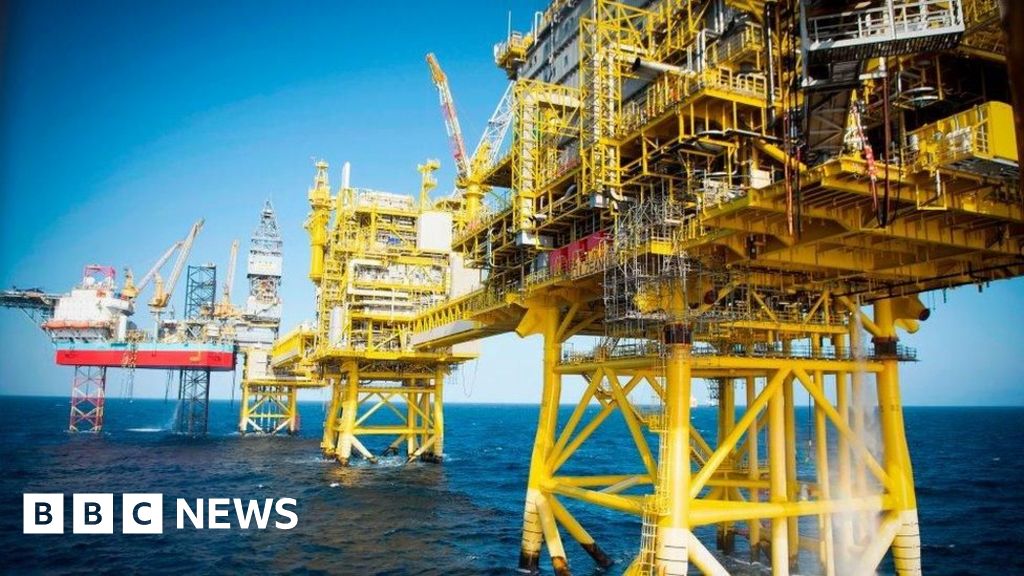
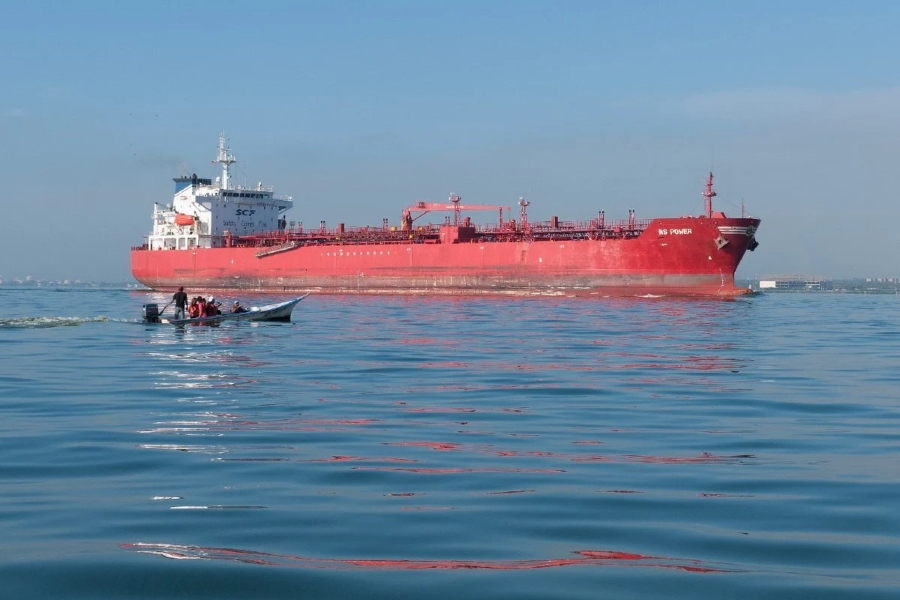
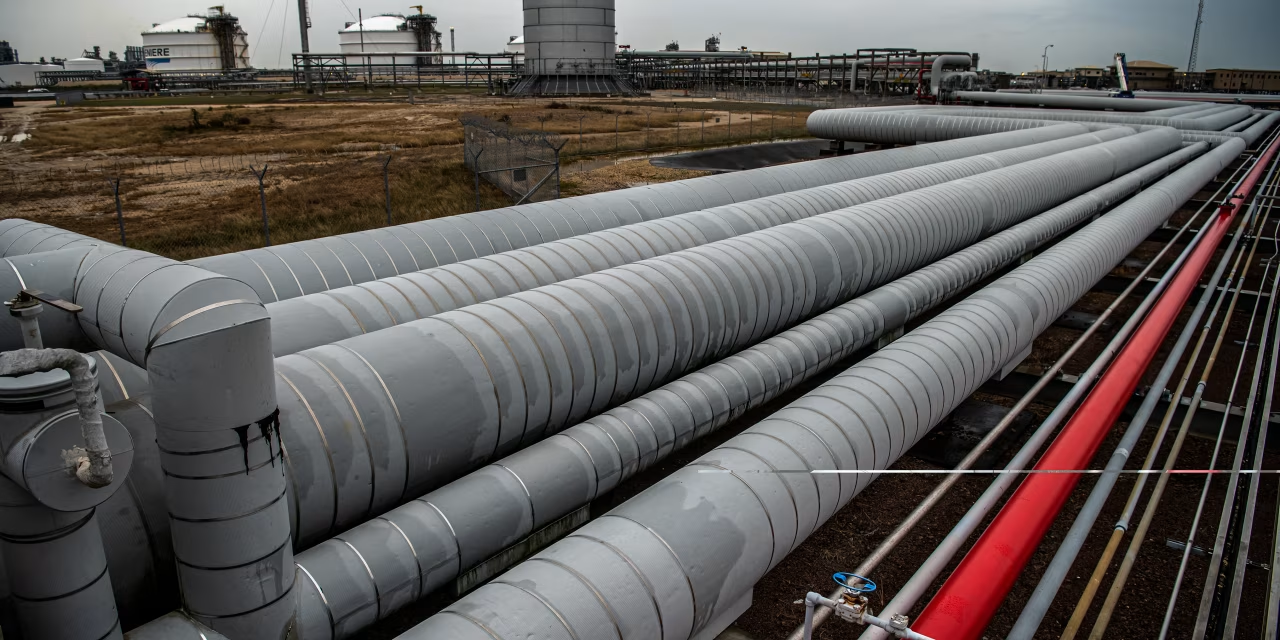
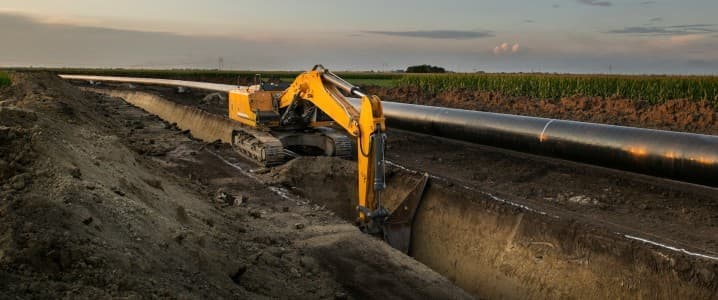
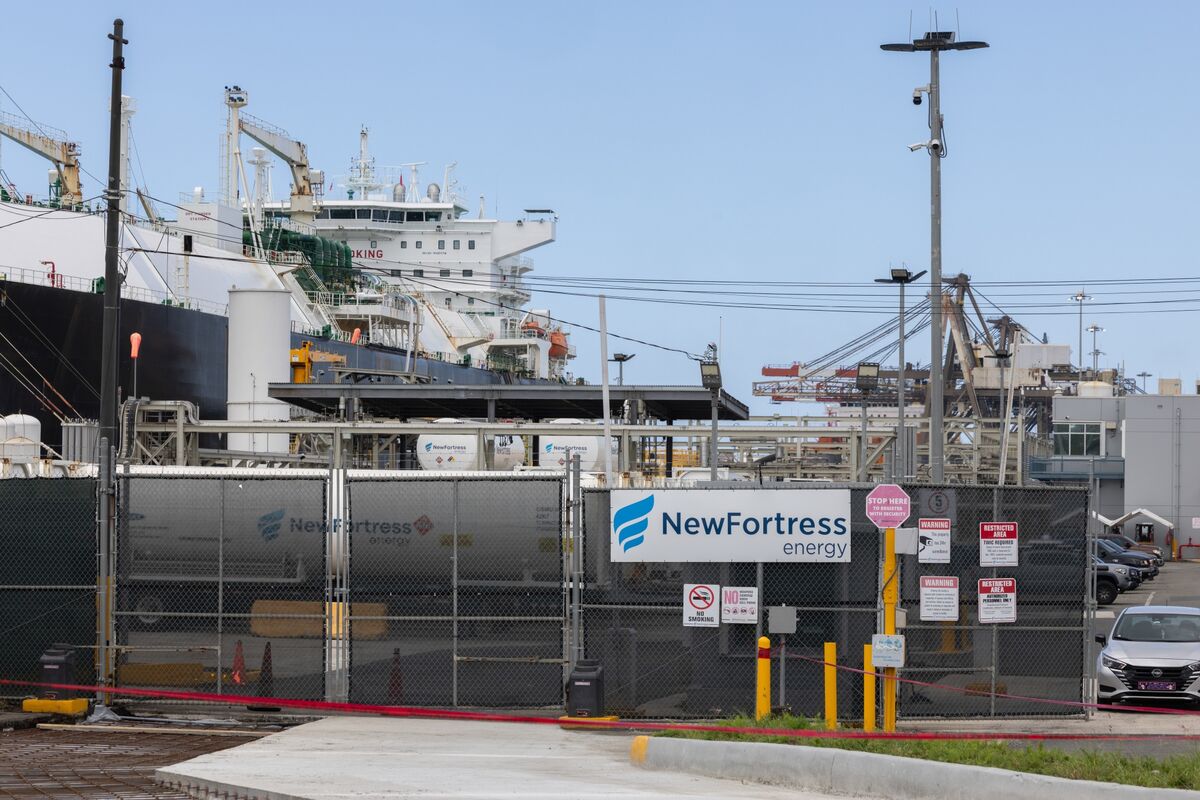
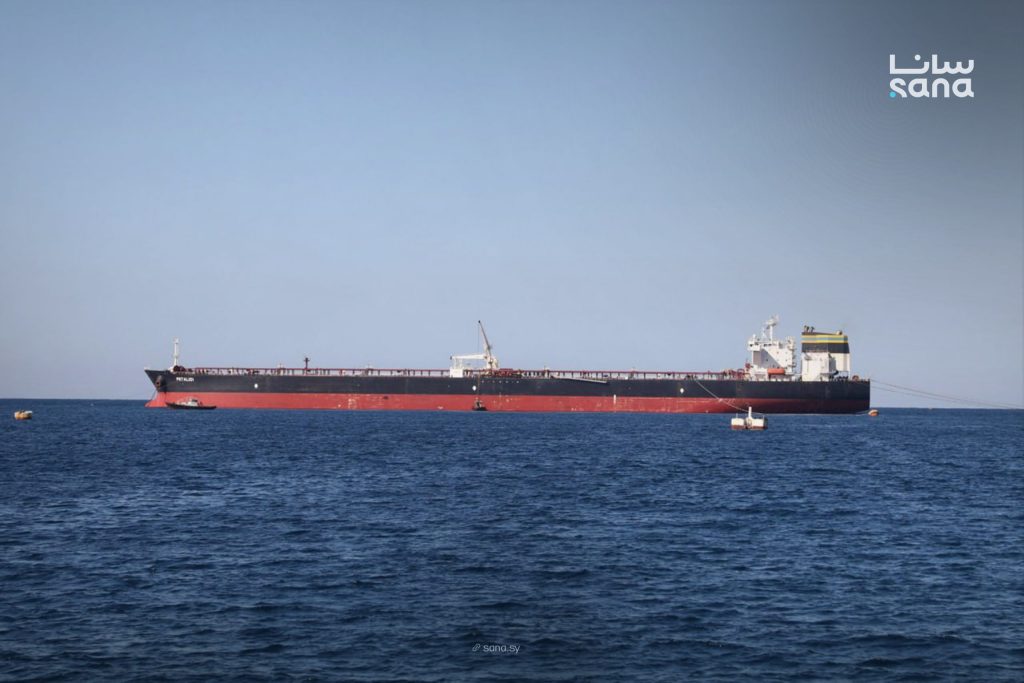
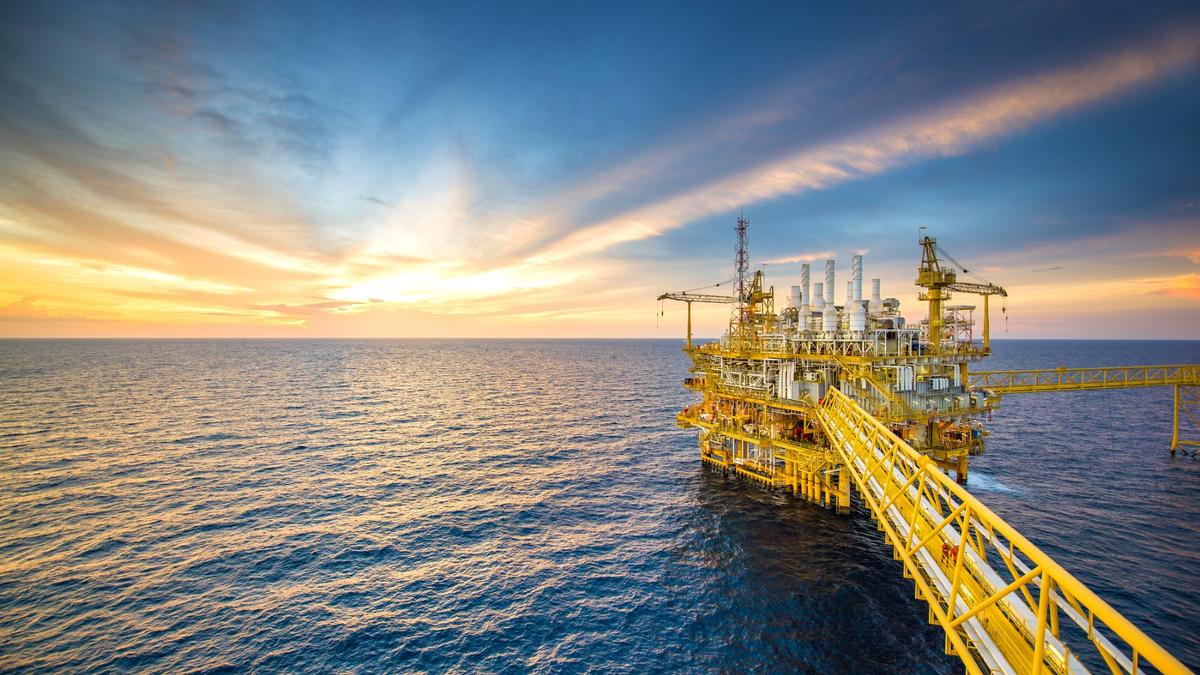
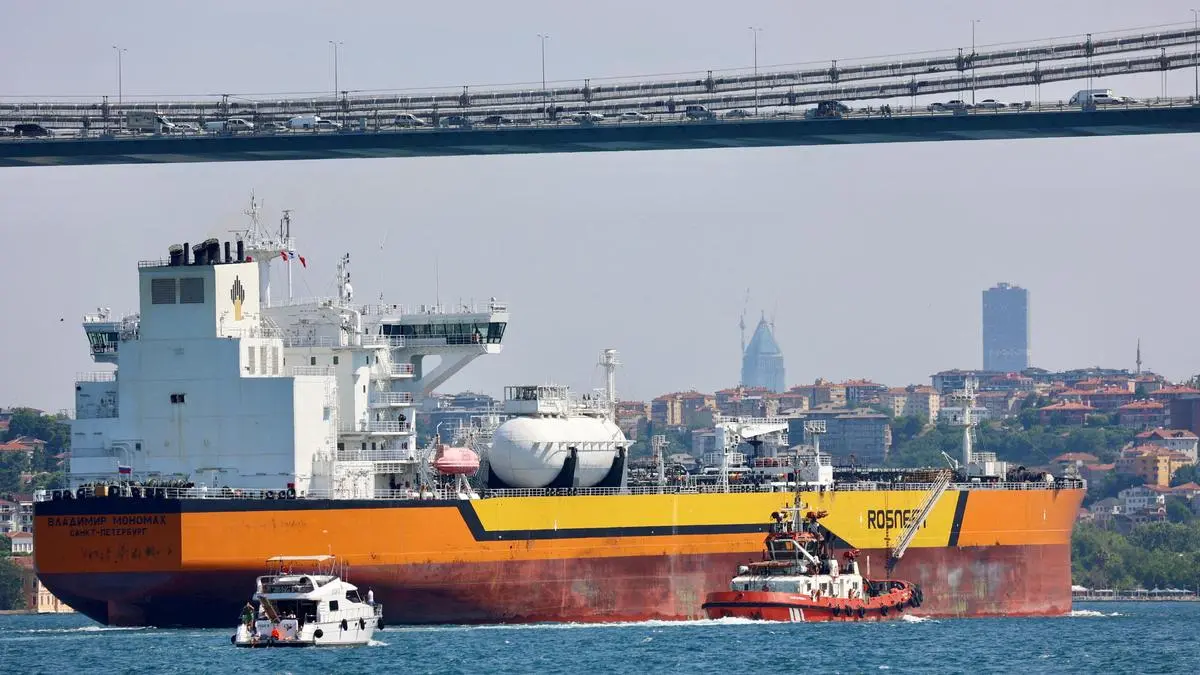
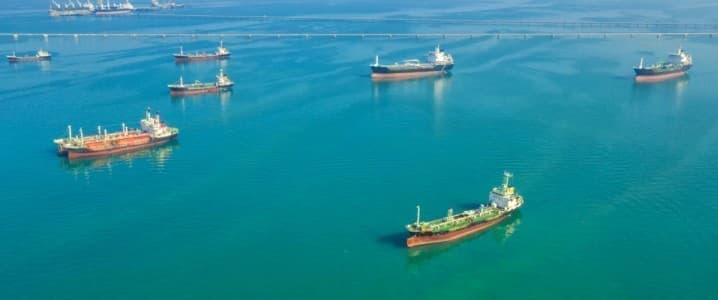
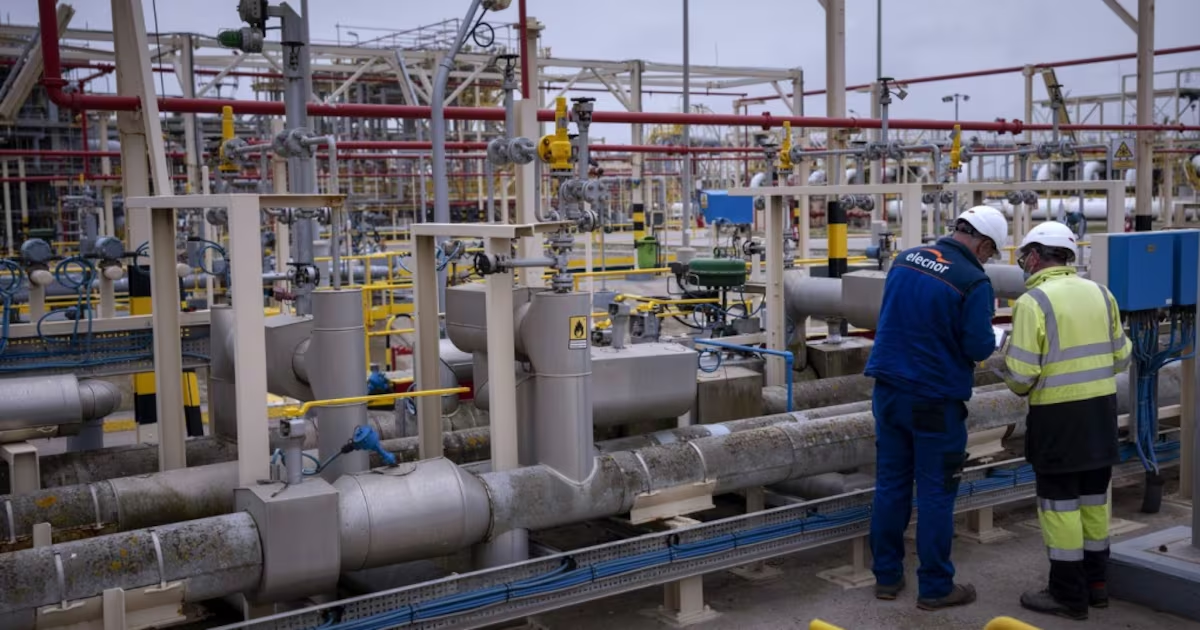
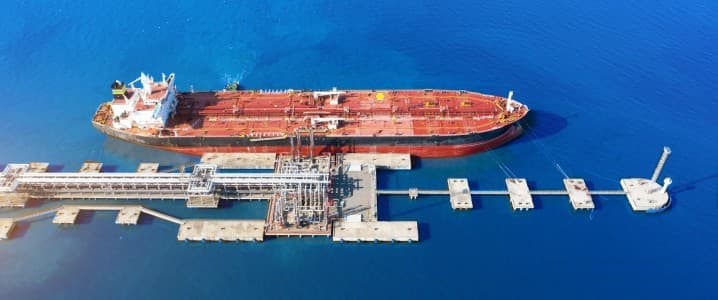
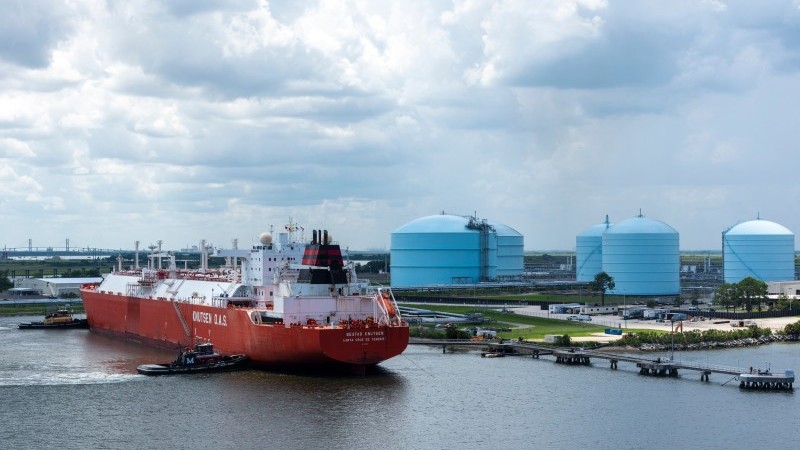
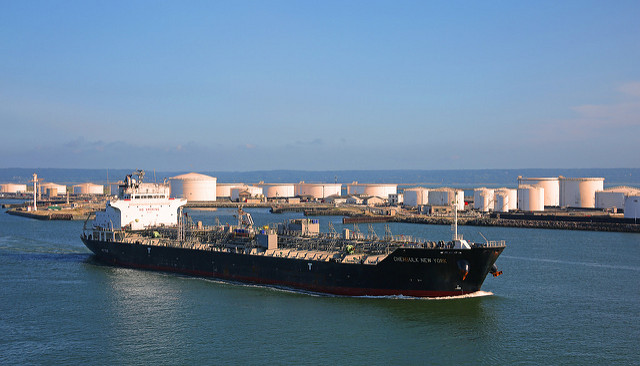
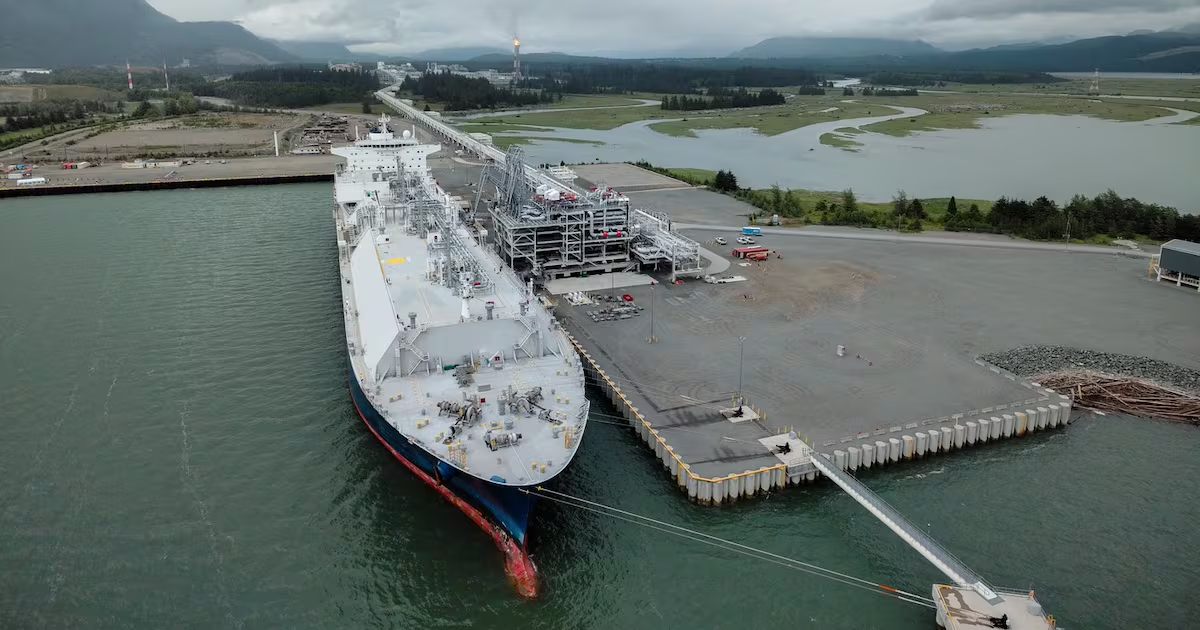
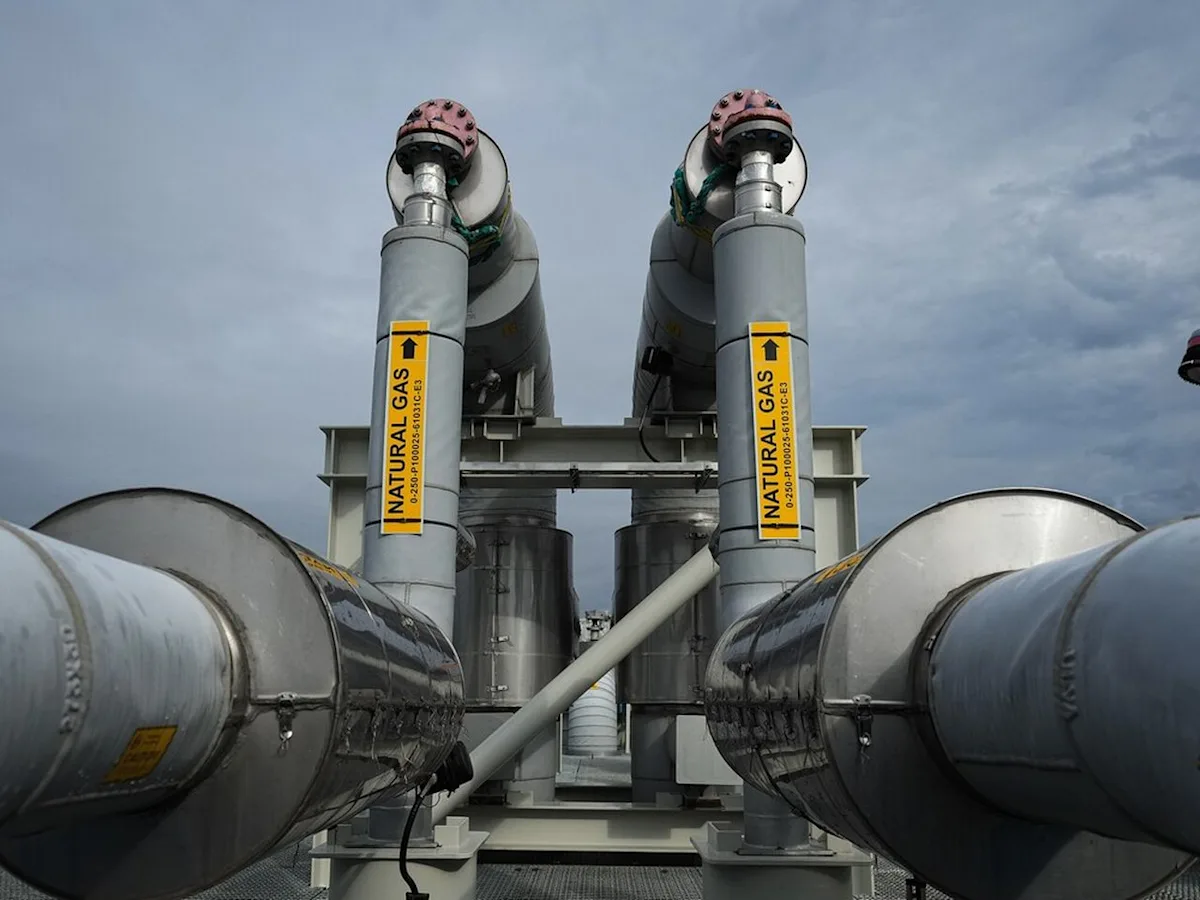
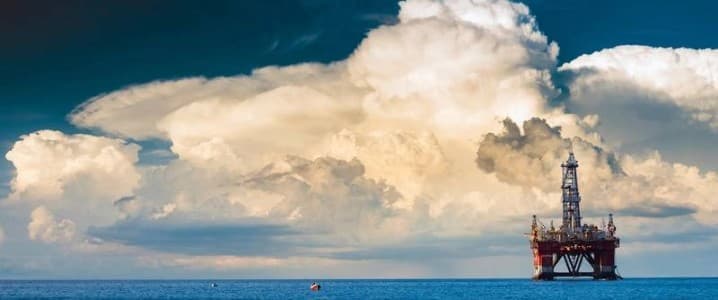
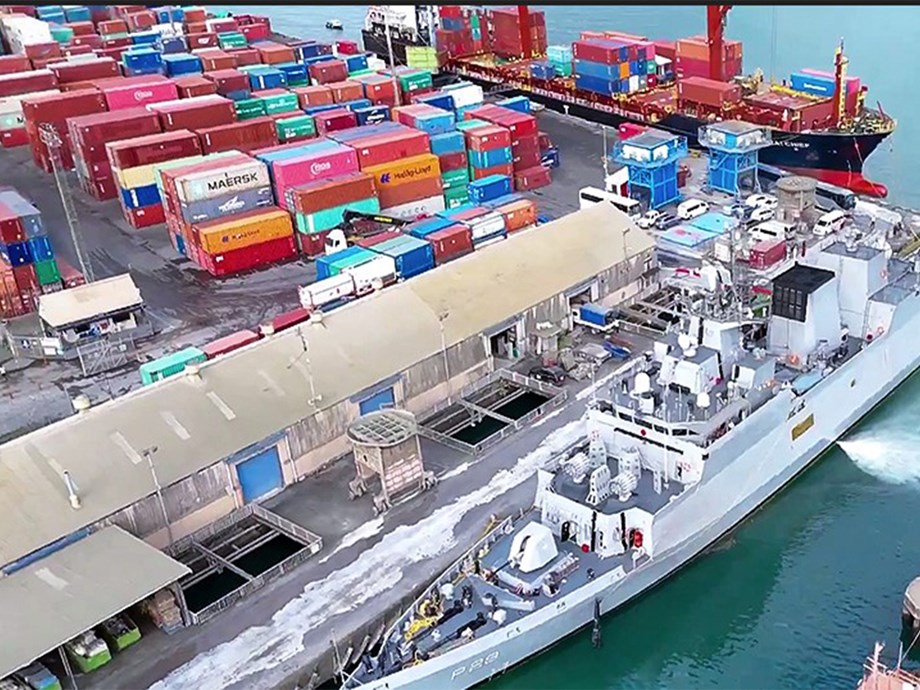
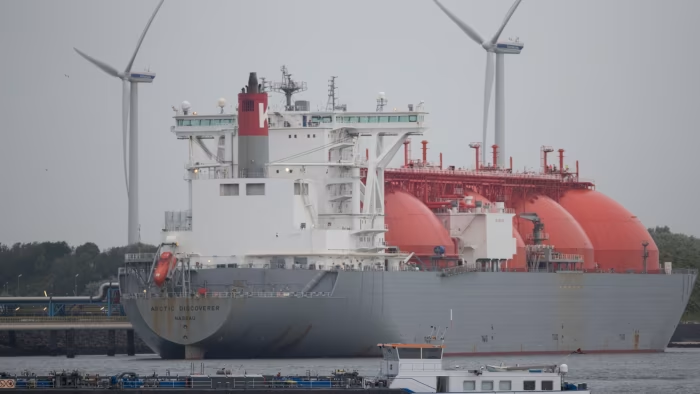
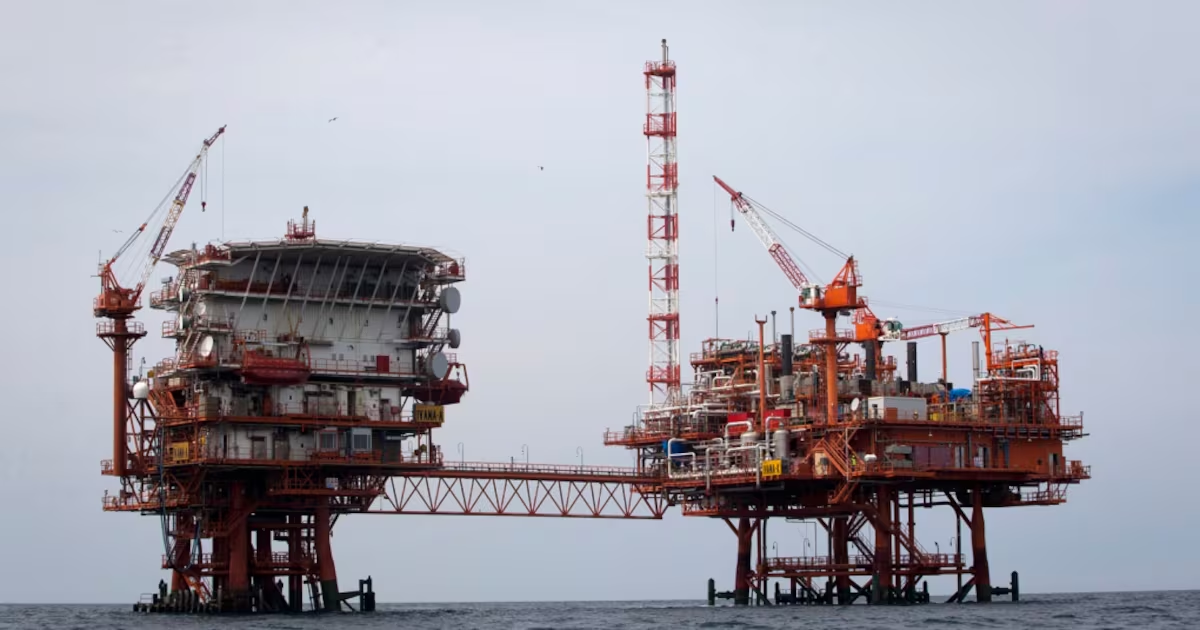
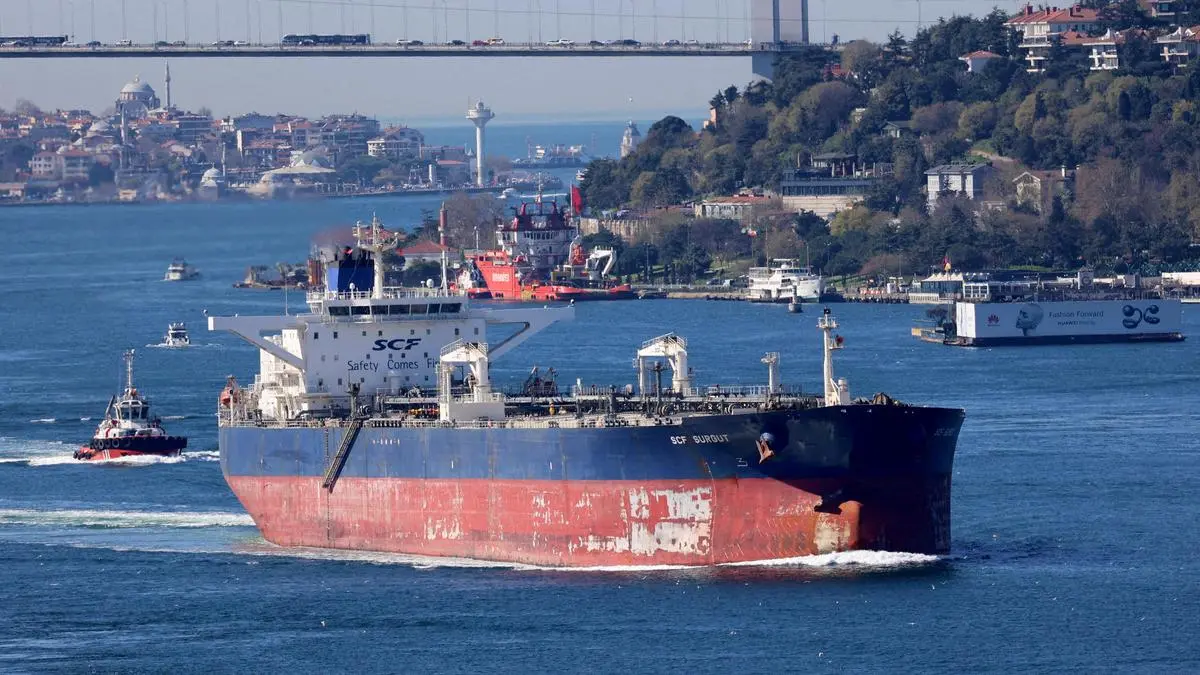
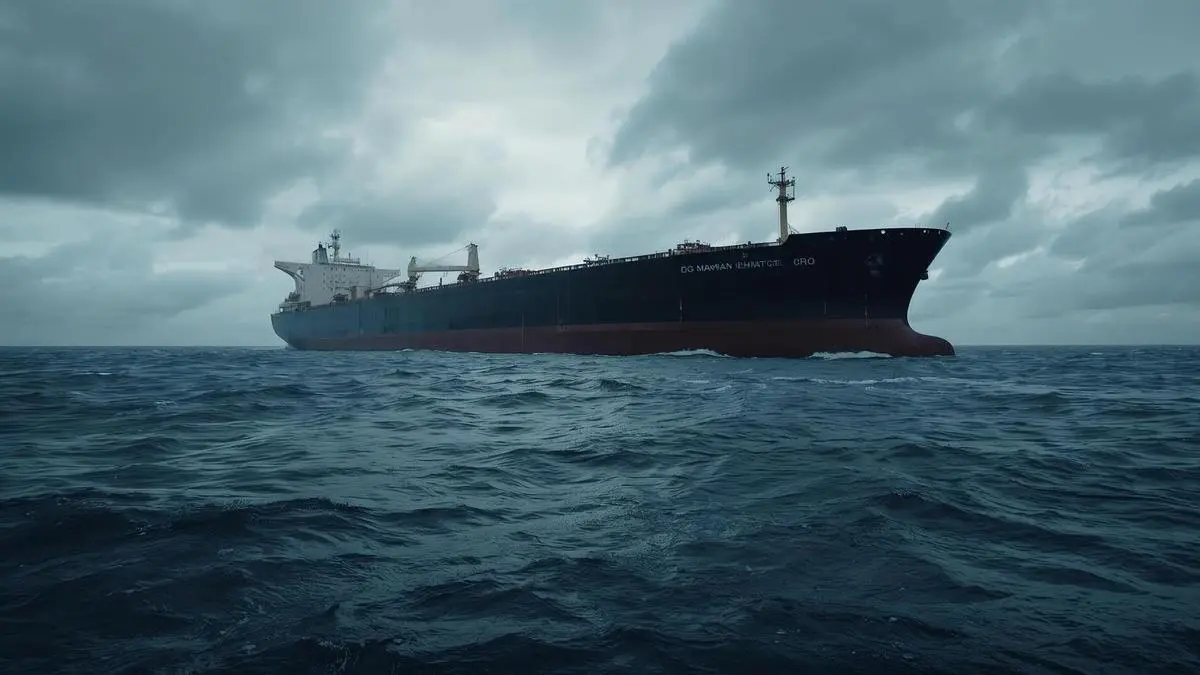
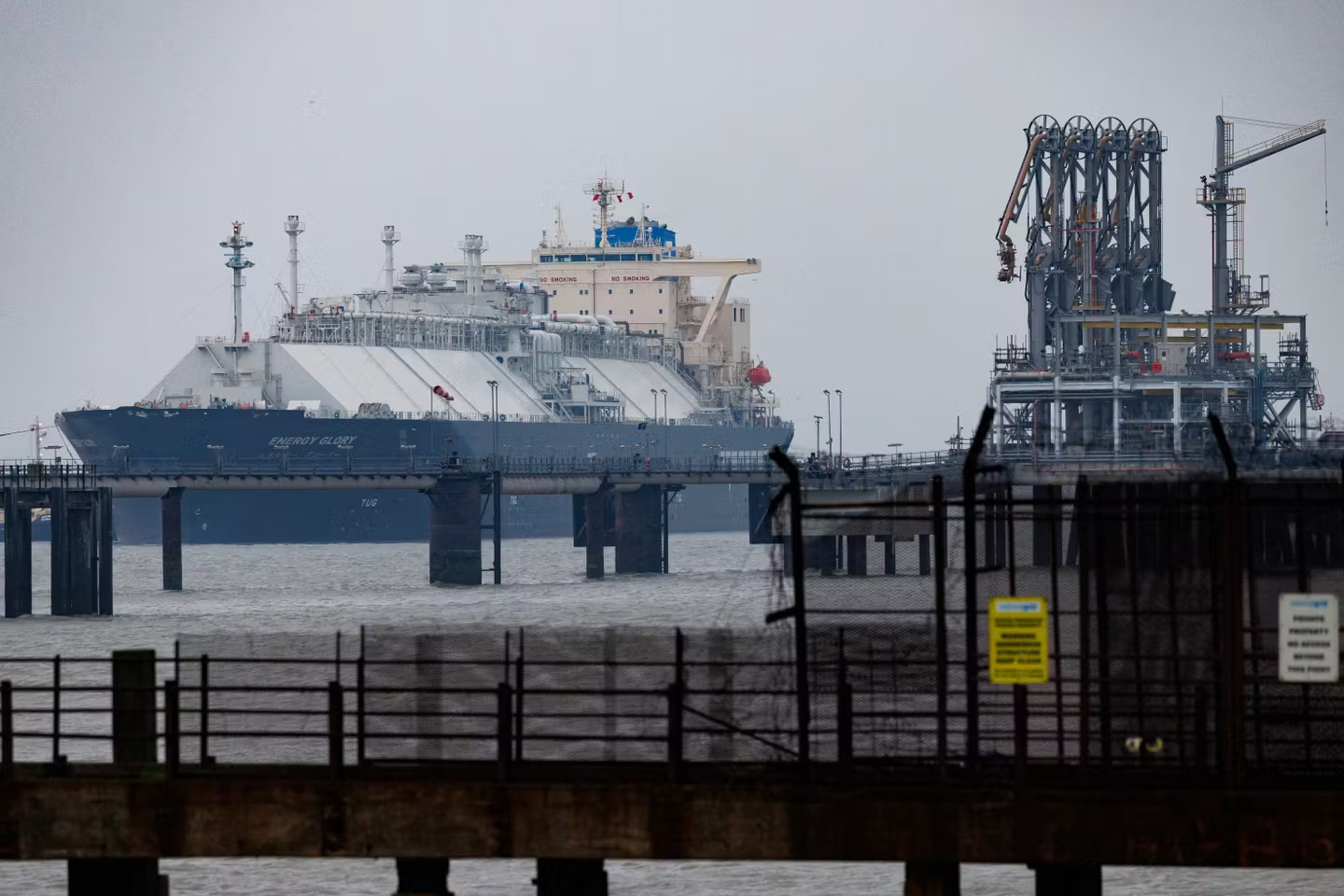
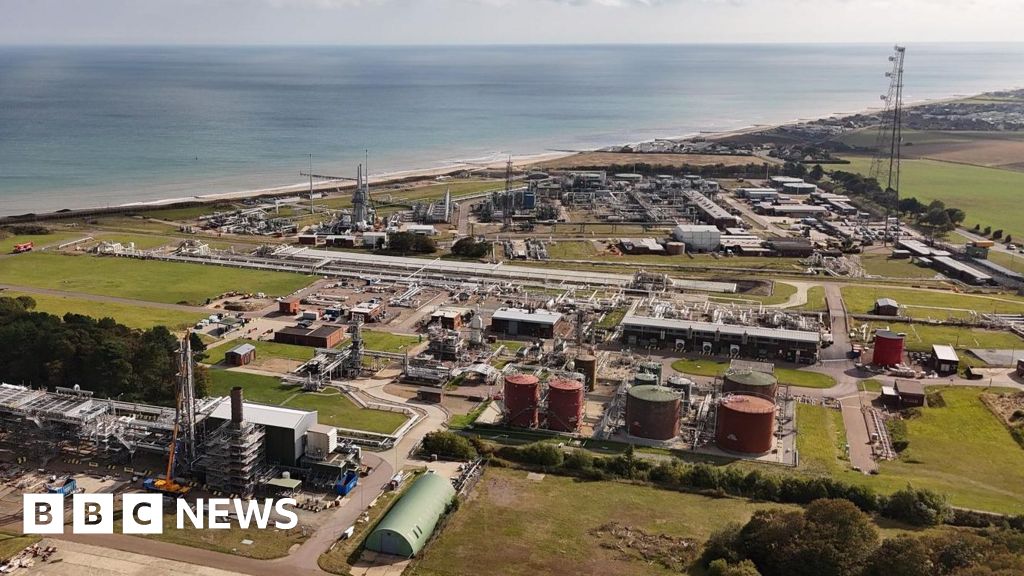
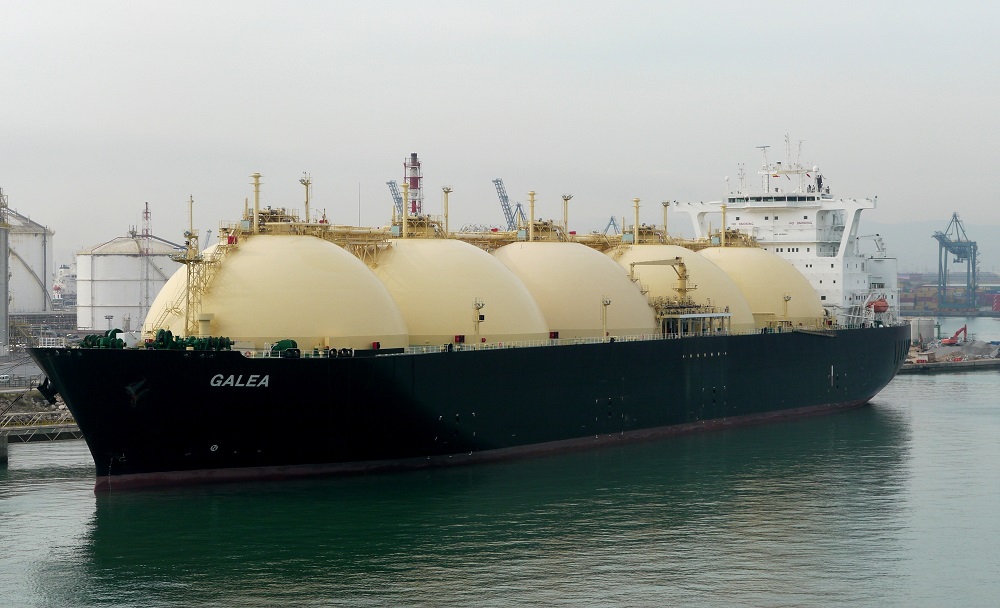
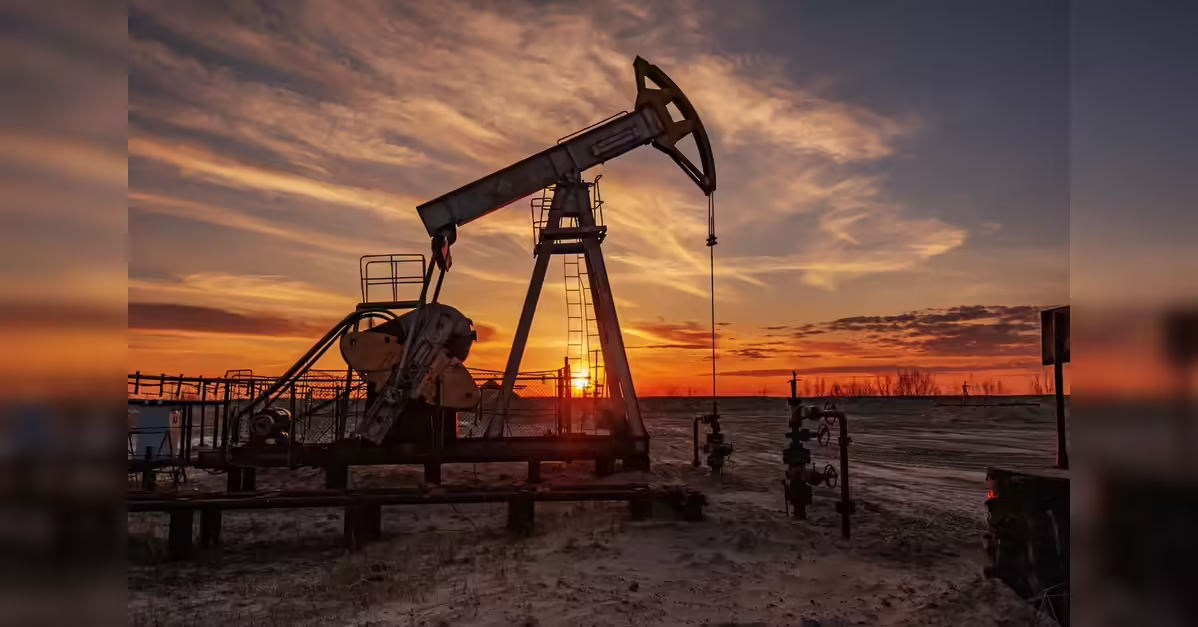
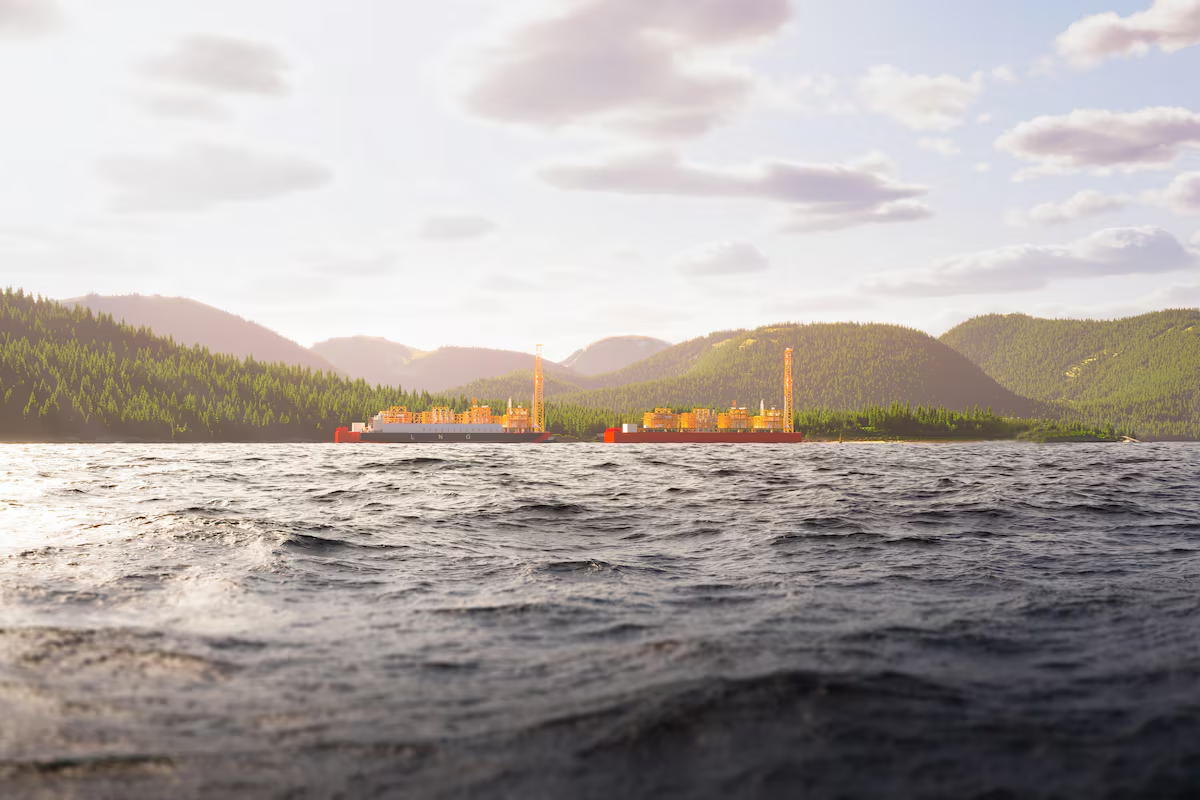
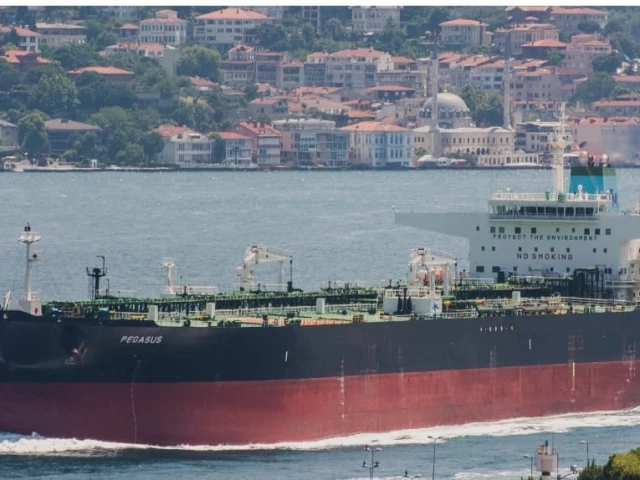
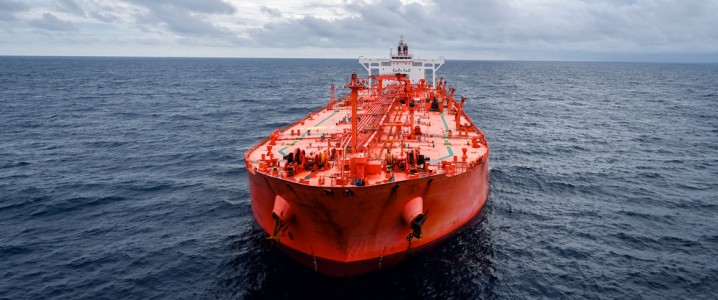
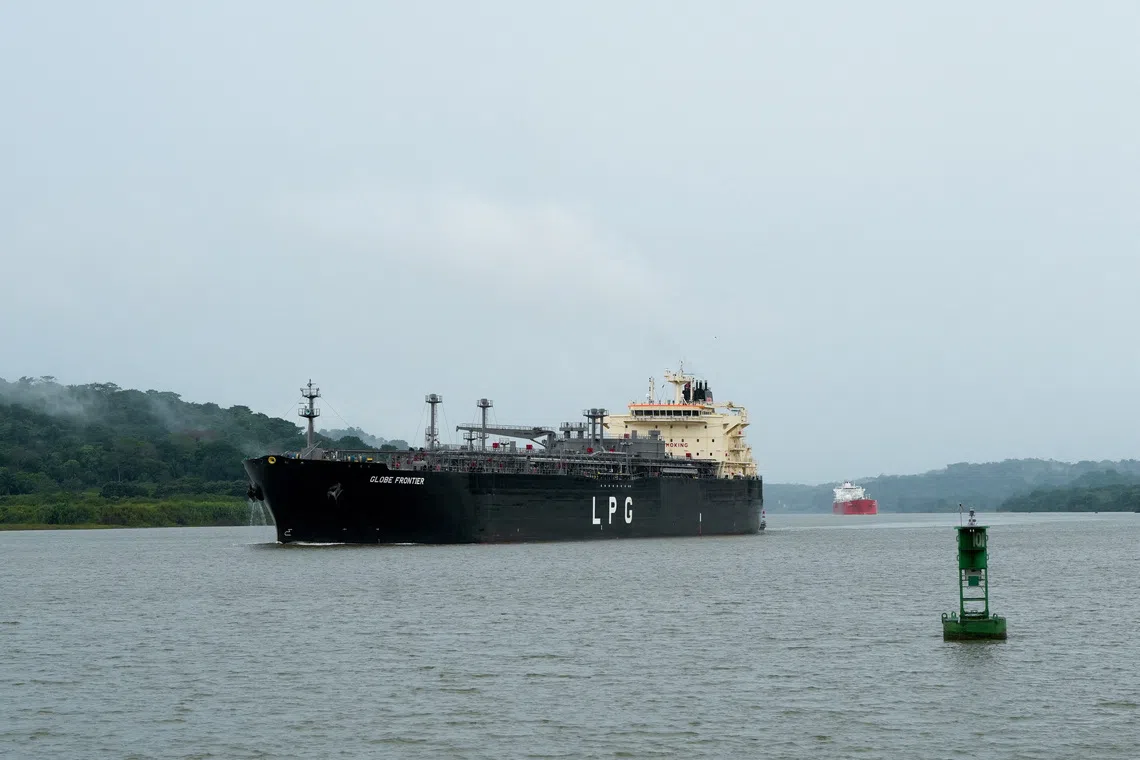
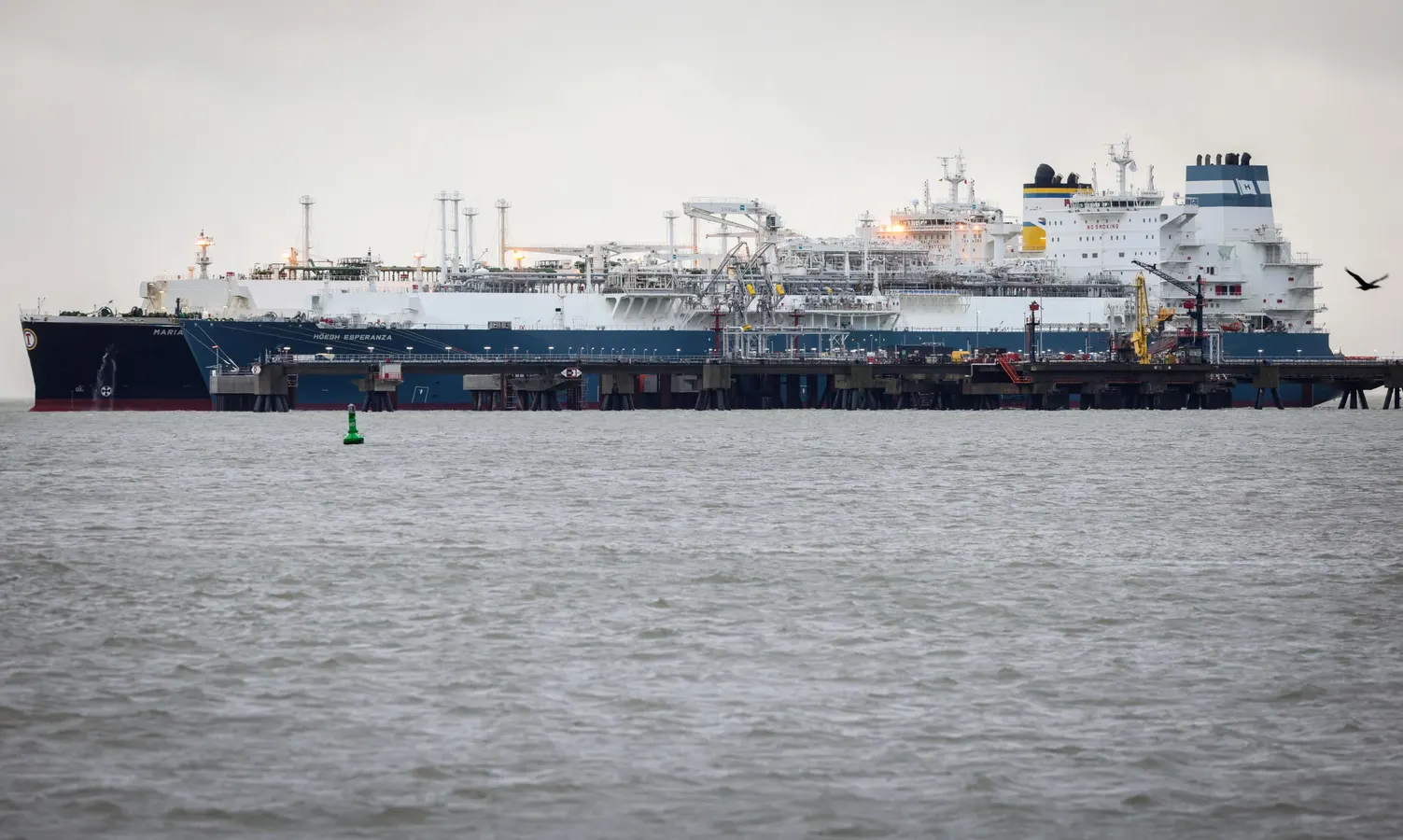
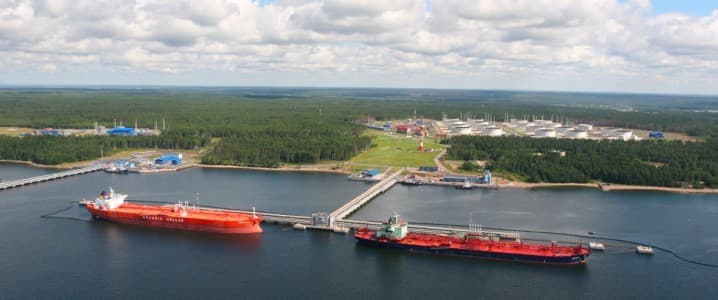
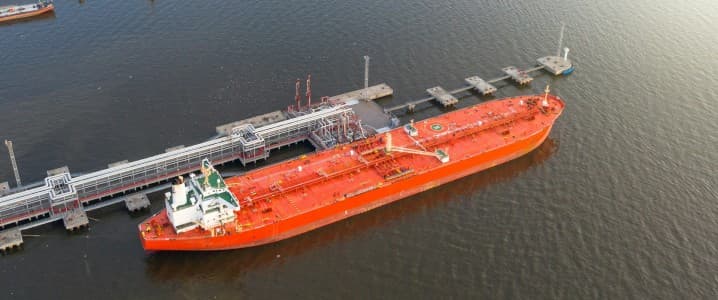
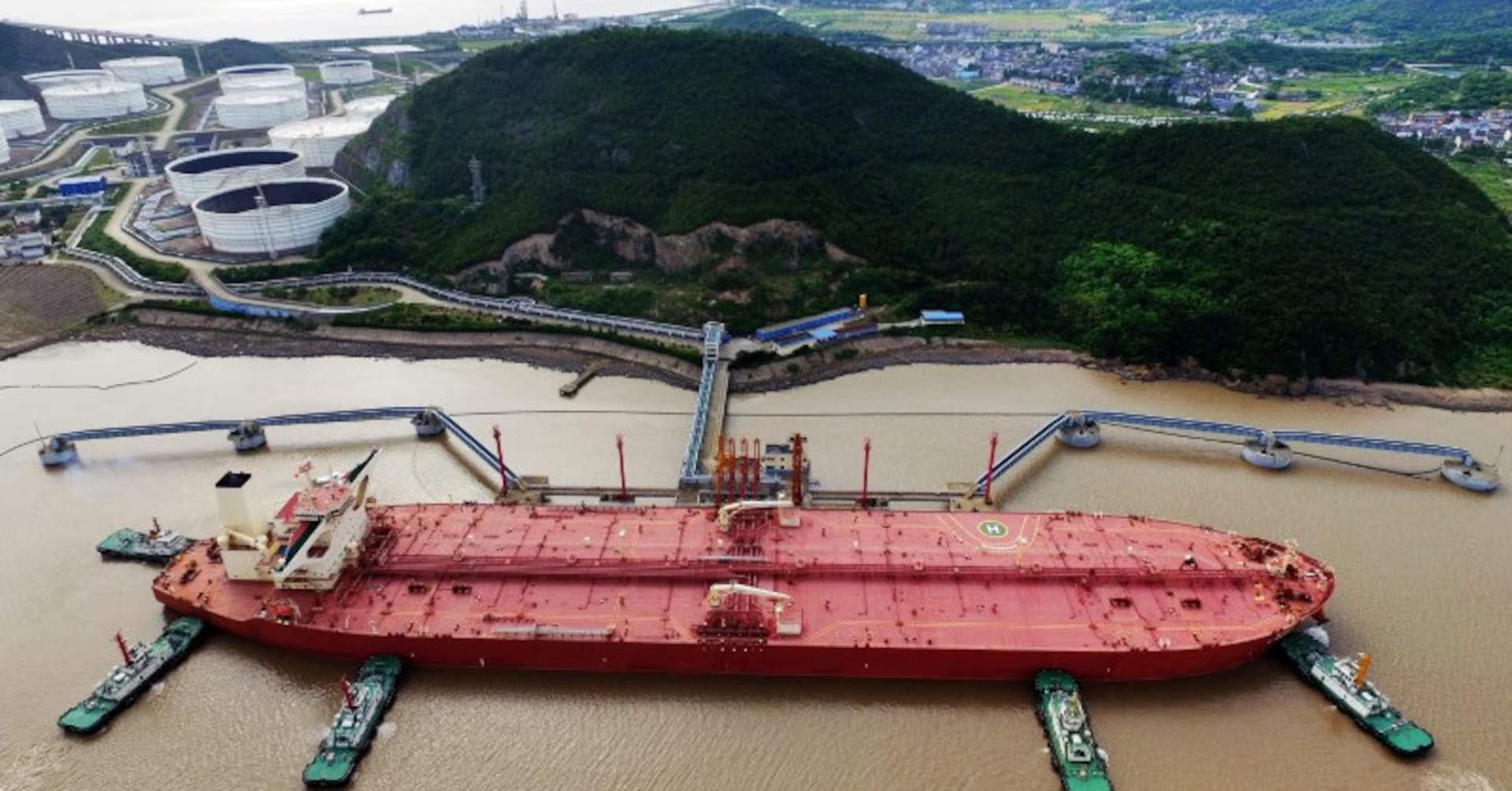
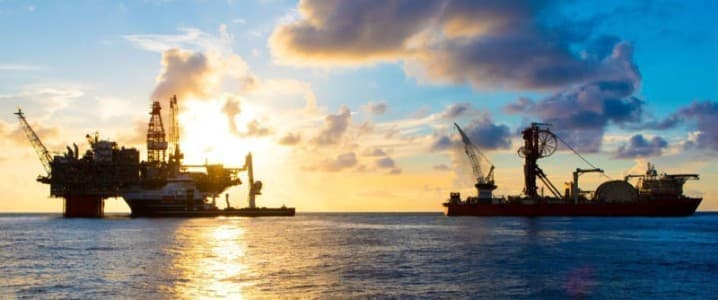
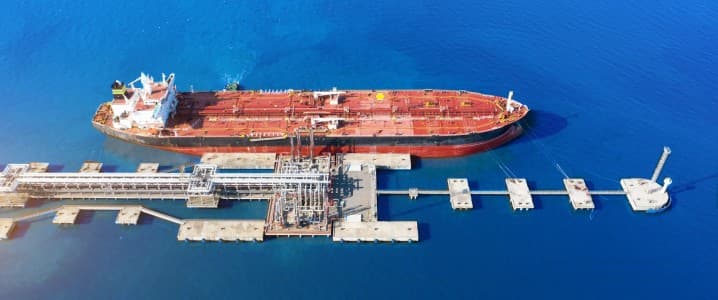
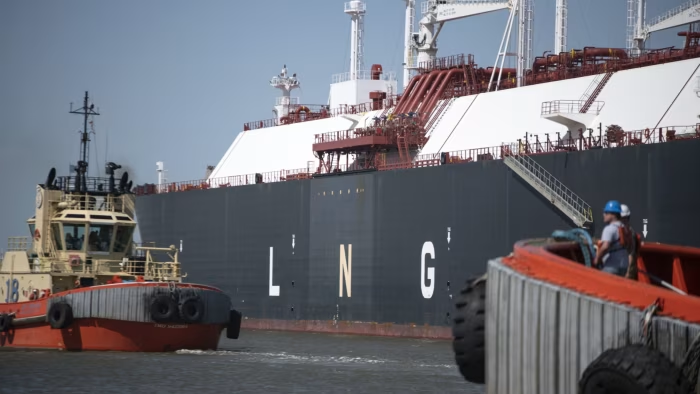
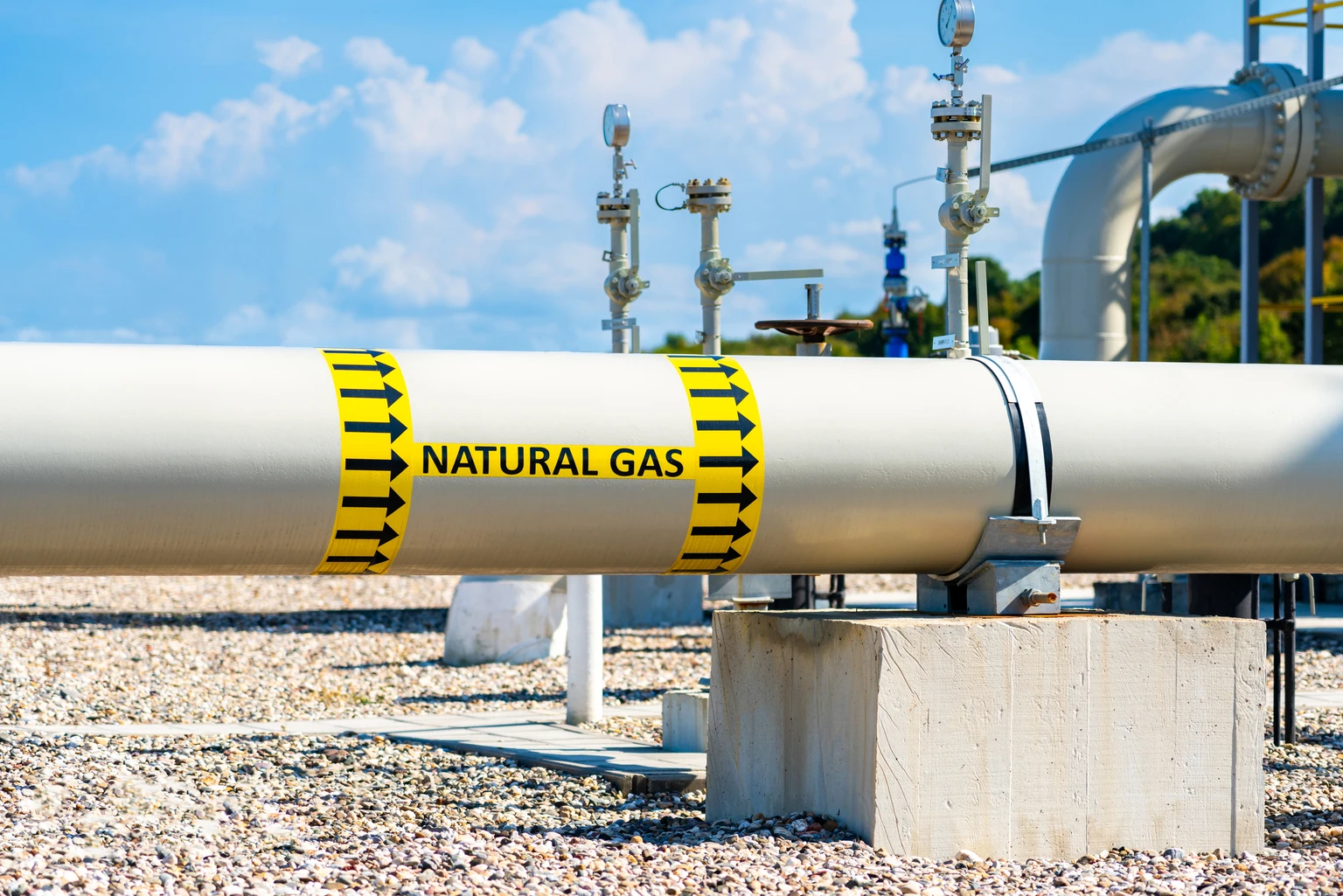
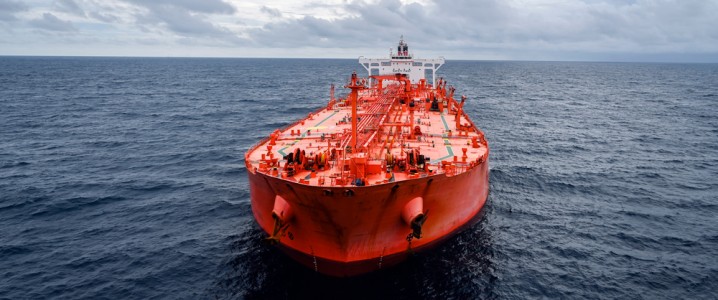
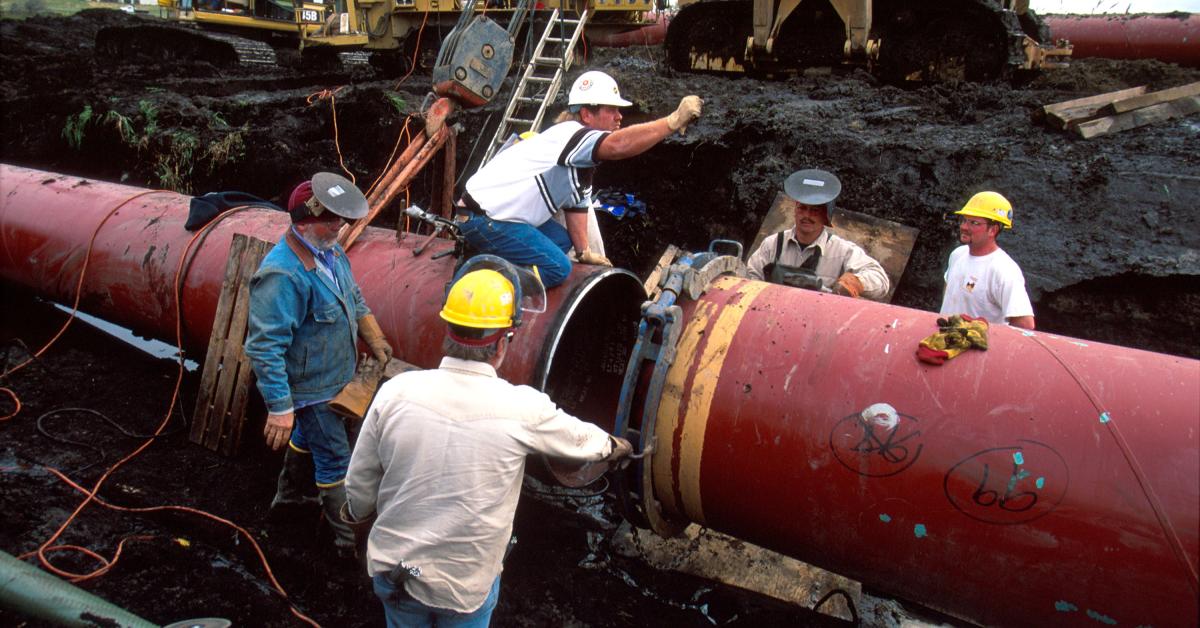
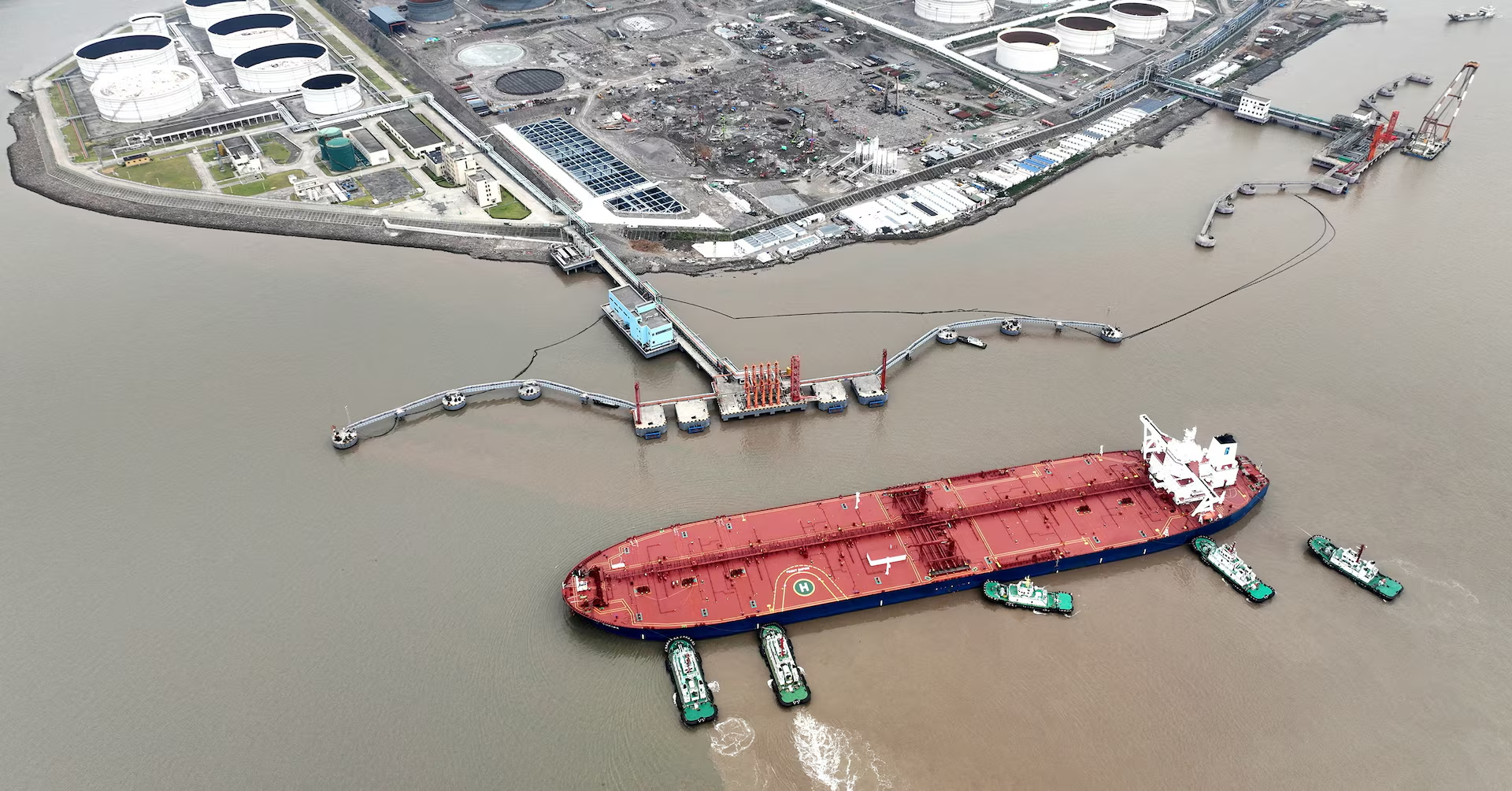
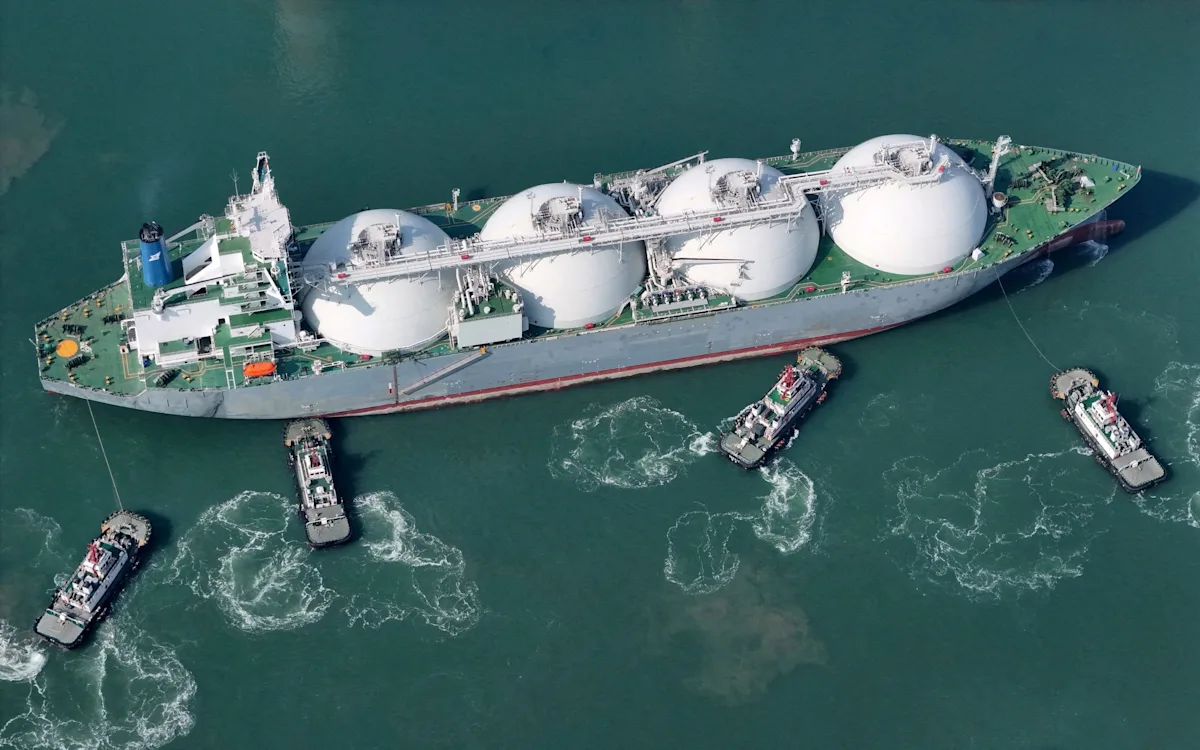
Britain gets its gas from three main sources: Firstly, Norwegian gas which we receive through pipelines. Secondly, our own gas produced in the North Sea which also arrives by pipelines. Then finally there are imports from further afield. This gas is liquefied and shipped in tankers to be regassified at specialised terminals in Britain.
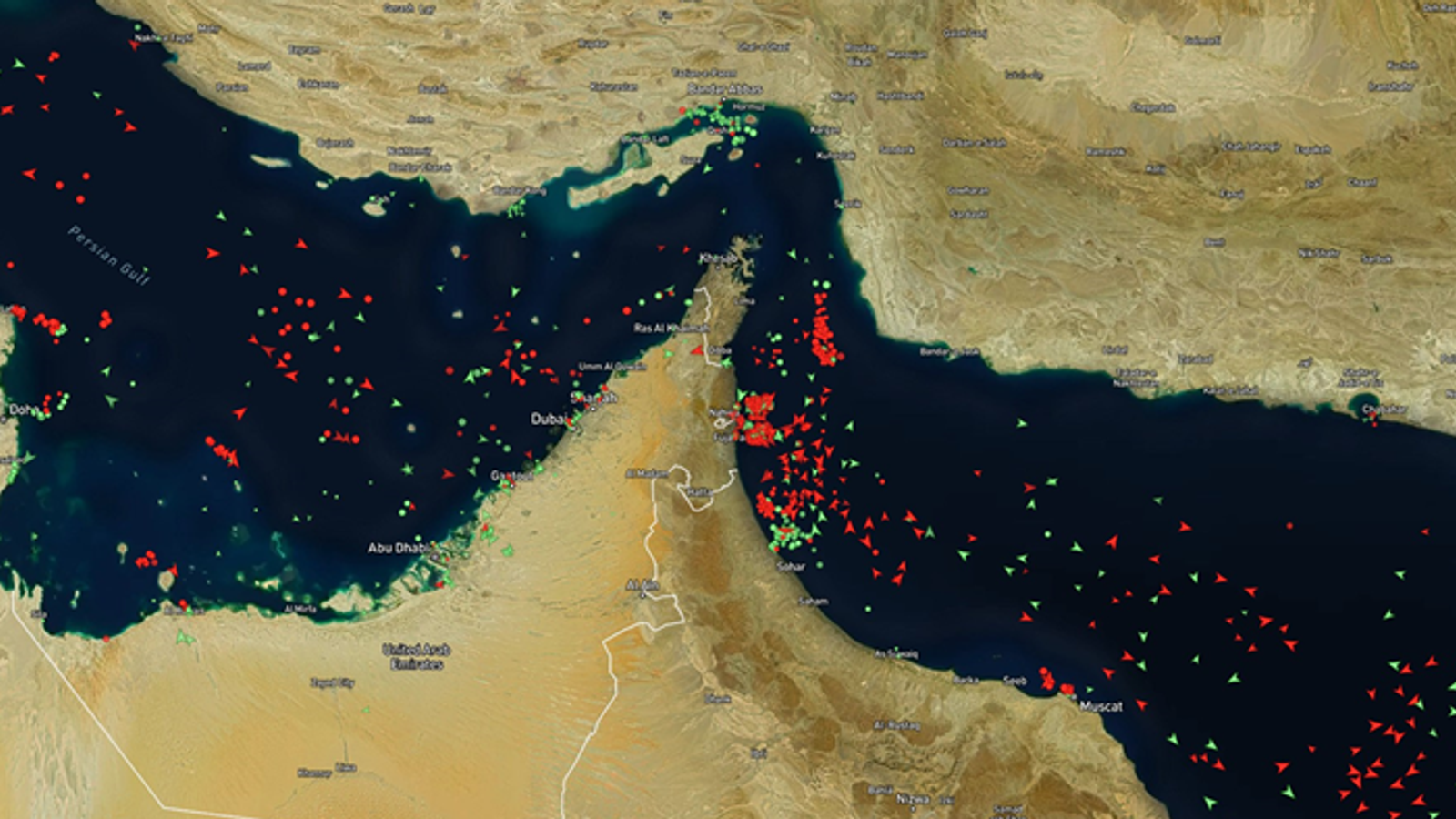
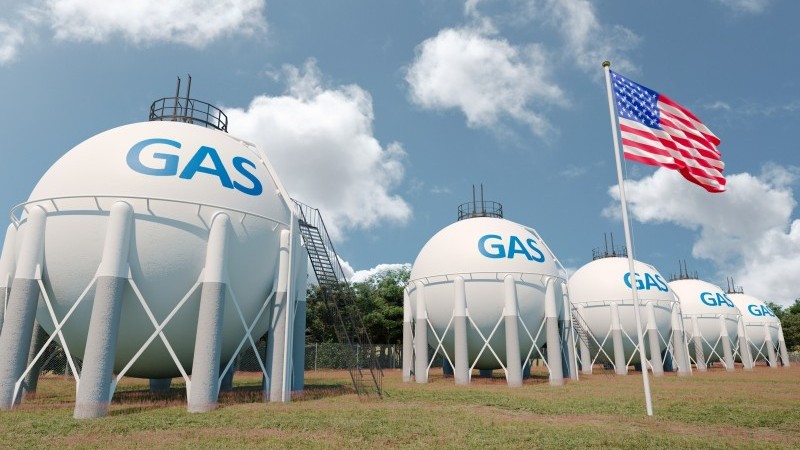
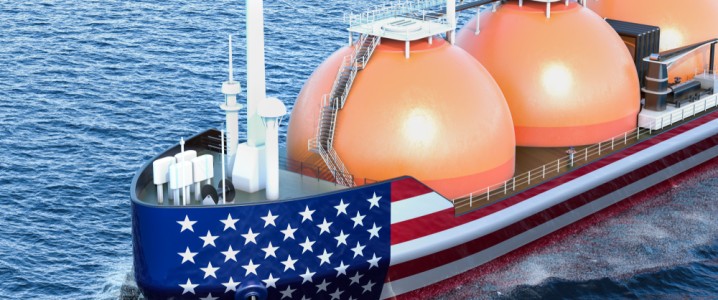
Of all these sources, only that part of the liquefied gas which comes from Qatar has been disrupted – gas supplies from Norway and our own producing fields are unaffected and there is still plenty of liquefied gas coming by ship from the US.
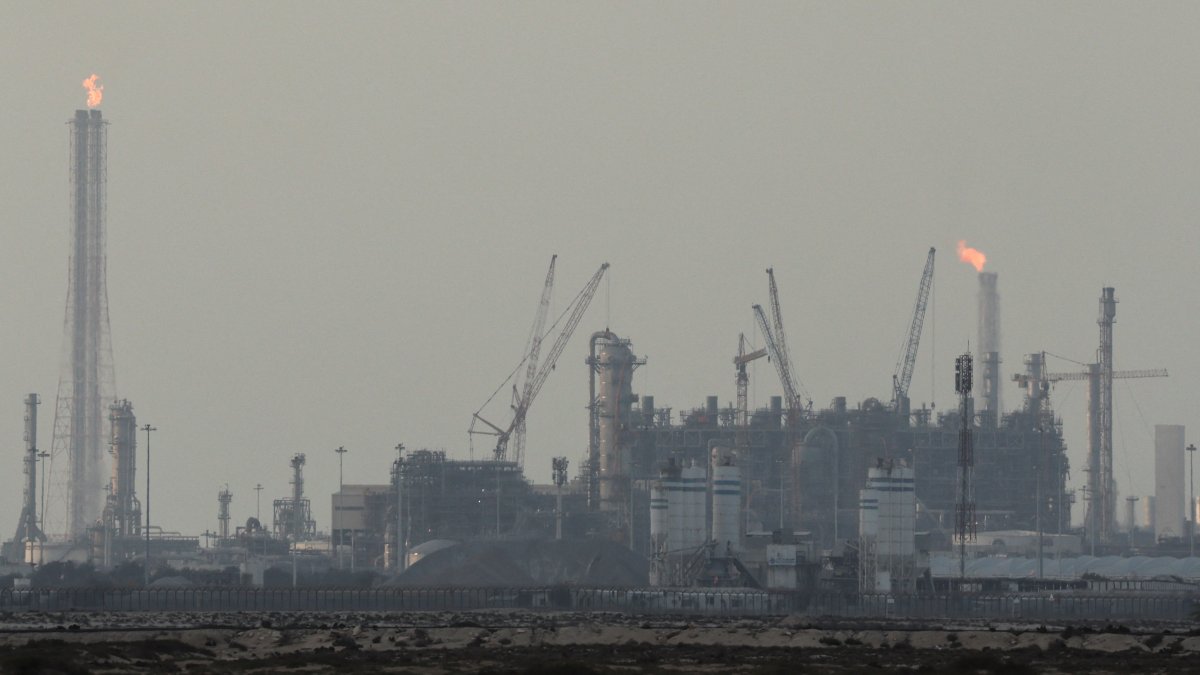
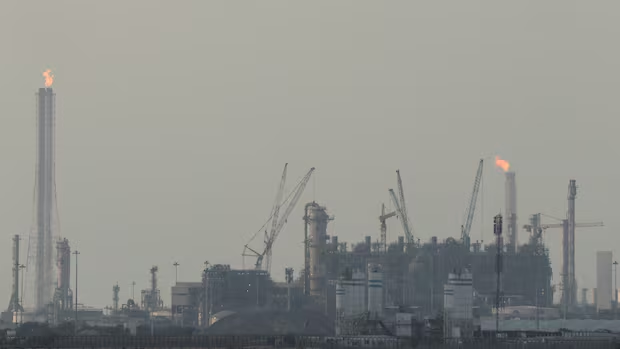
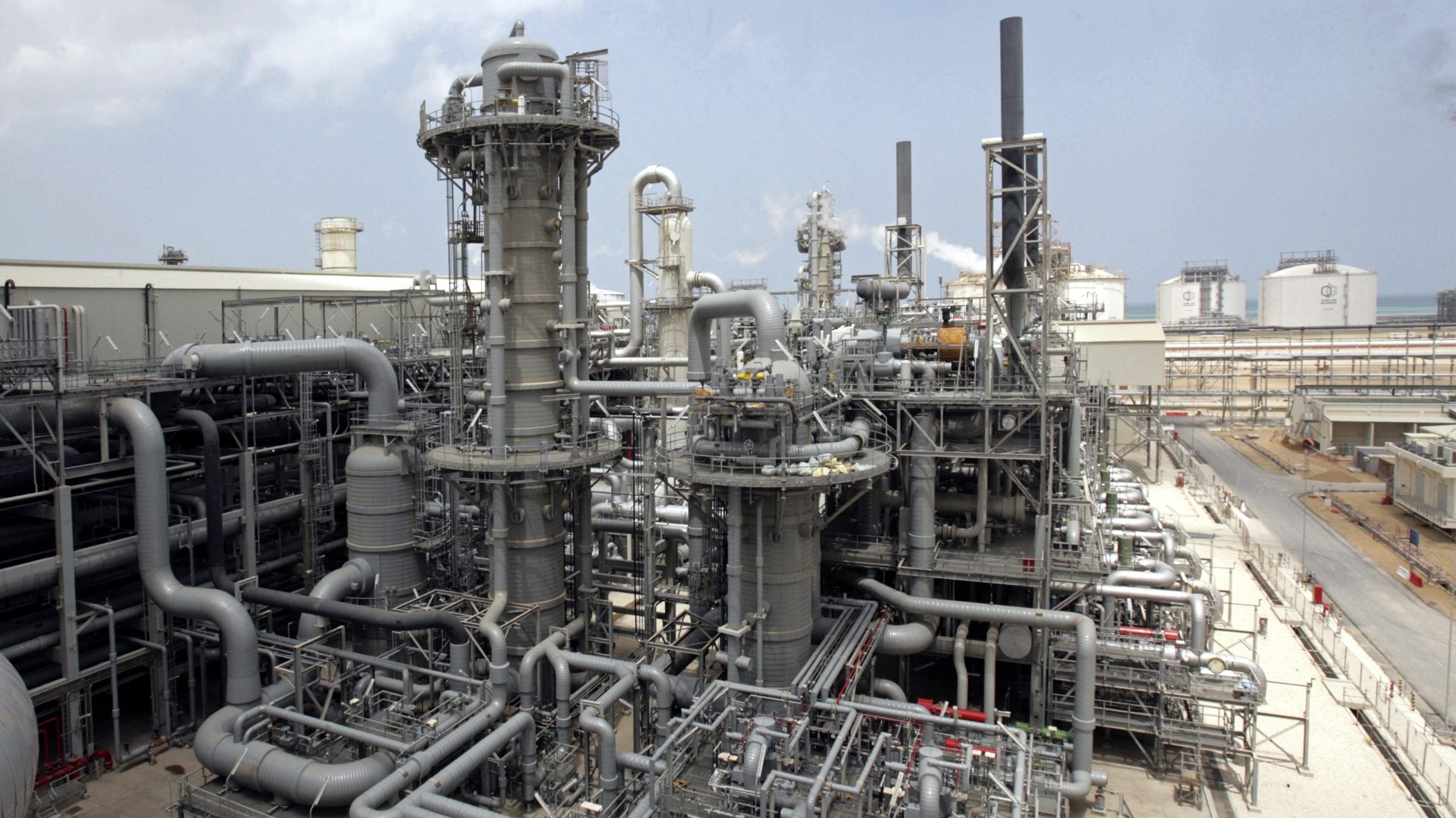
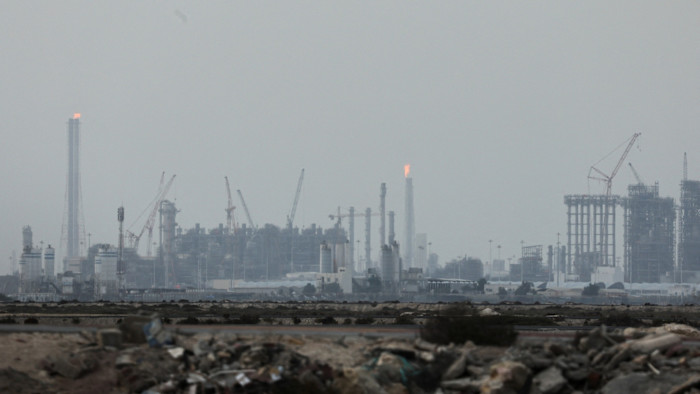
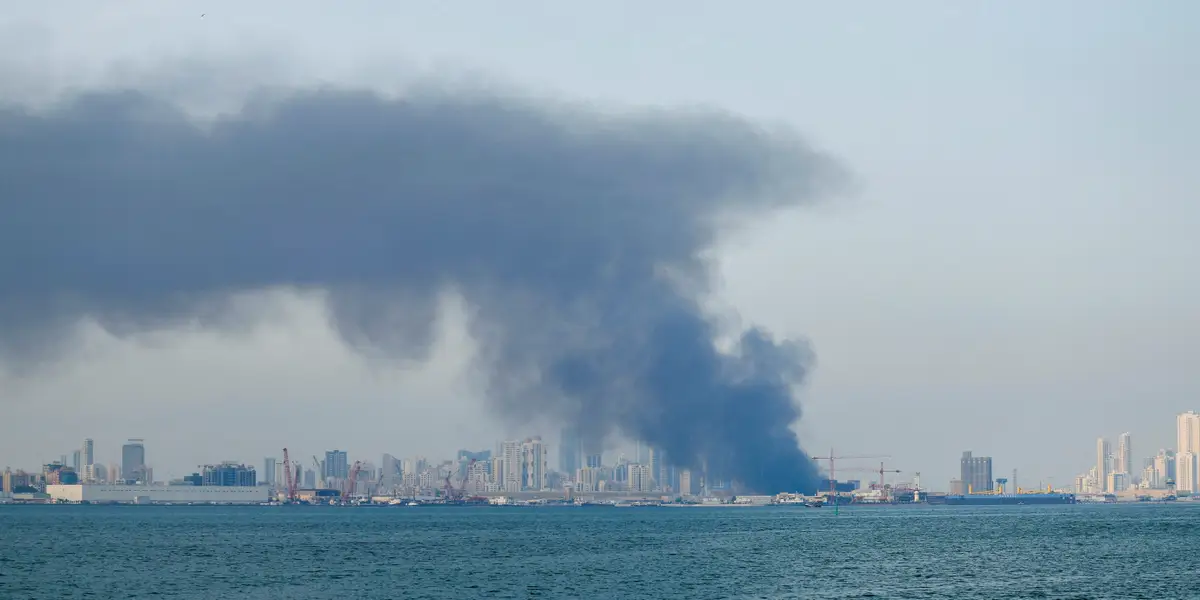
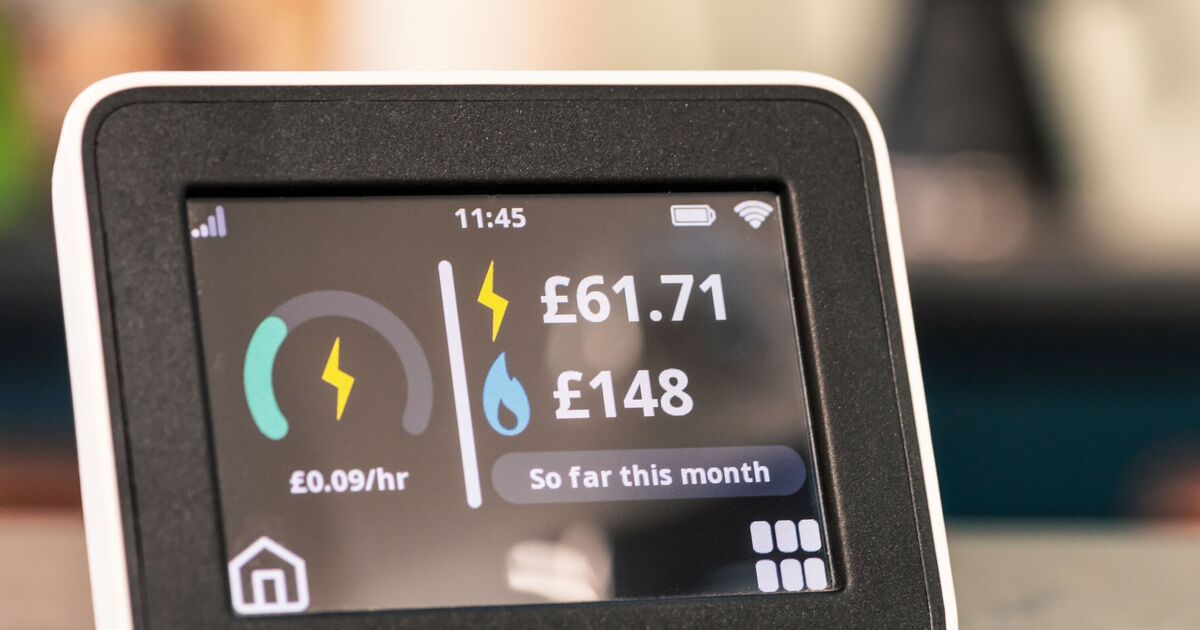
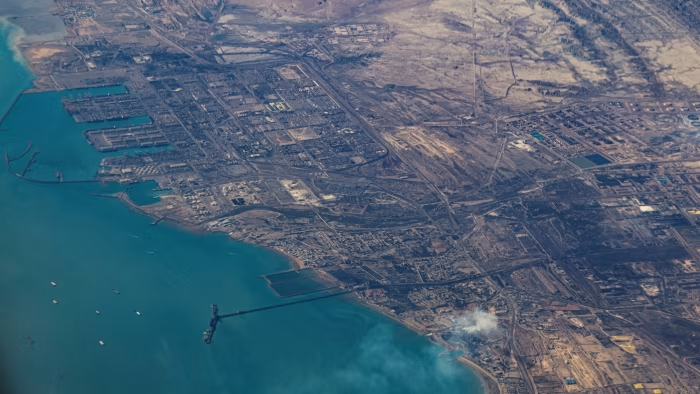
Qatar is an important player in the global gas markets, and the country is understandably annoyed to have been forced to close its huge gas production facilities as a result of the war with Iran. But, as with the loss of Russian gas in 2022, the situation is temporary, and the risk to the UK is not whether we can secure gas, but rather how much it will cost us.
In 2022 when Russia invaded Ukraine, both Russia and the EU used gas as a bargaining tool – Russia had been easing off gas supplies into Europe for some time before the invasion, with EU storage levels being low at the time, exacerbating the later stress. The EU, wanting to starve the Russian war effort, also sought to stop buying Russian gas.
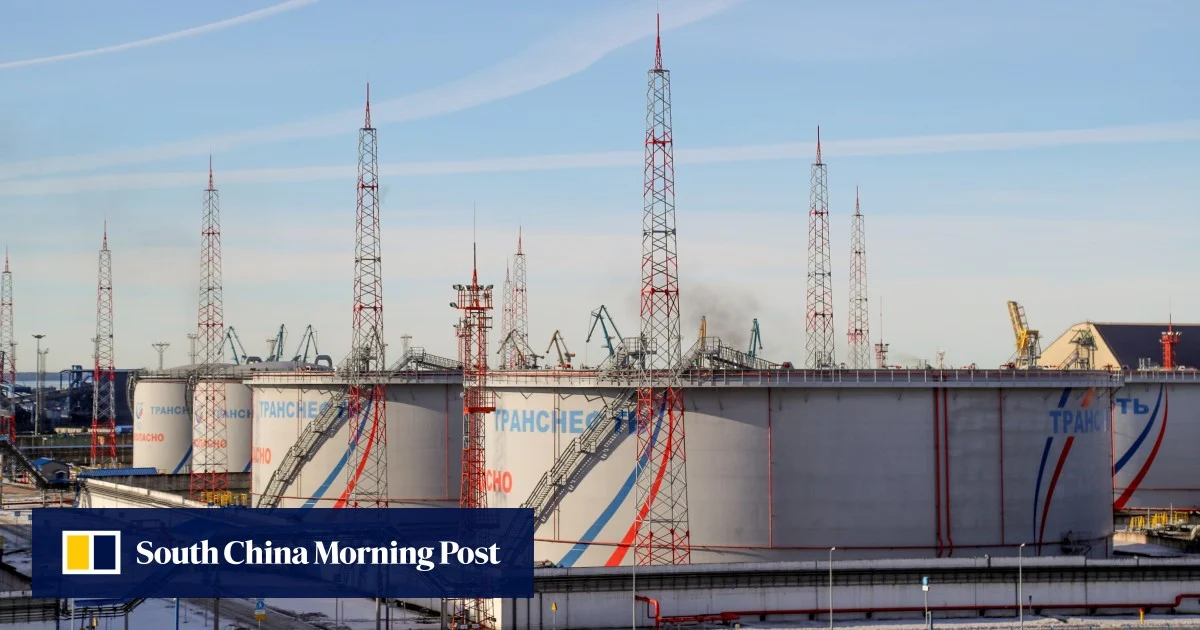
Although Russia still had gas to sell, much of its production capabilities were tied to the European pipeline system – without European buyers, this gas had nowhere to go and was effectively removed from the market, leaving the world short of gas. When demand exceeds supply prices rise.
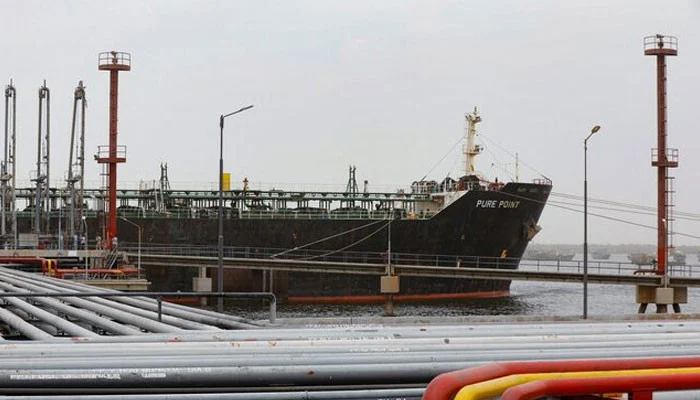
But Europe, and the UK specifically, did not run out of gas, primarily because they had both the physical means in the form of import terminals, and the financial means to buy gas from sellers further afield. Some countries did suffer gas shortages, such as Pakistan which had failed tenders since it could not afford to match the prices Europe was willing to pay to secure the now scarce global gas resources.
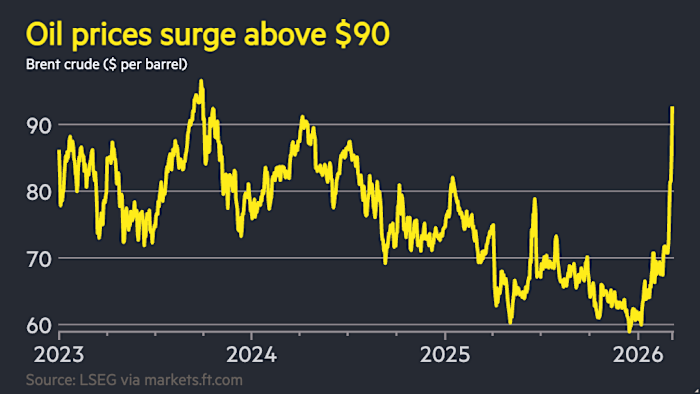
The situation now is strikingly similar. Europe has unusually low levels of gas stored, and a major supplier – this time an innocent bystander in the conflict rather than a protagonist – has been forced to withdraw supply from the market. As a result prices are rising. But as in 2022, the question is not whether there’s enough gas to go round, it’s whether we can afford to outbid enough other countries to get our hands on what we need. The answer almost certainly is yes.
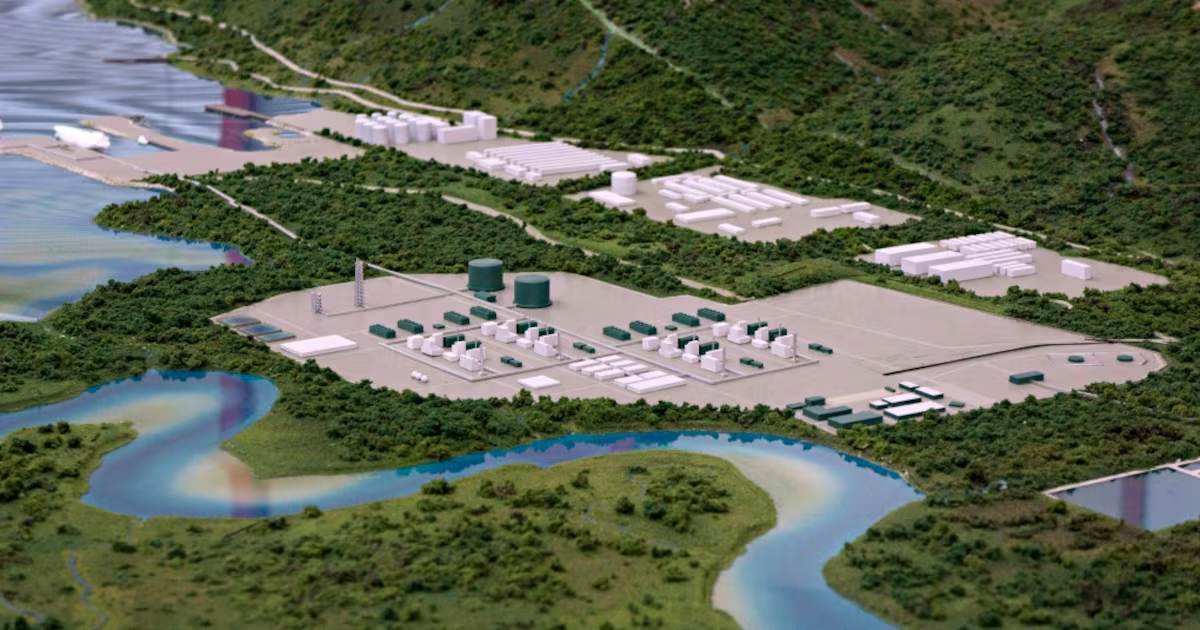
The other critical factor is whether there is enough capacity in the import terminals to meet our needs. Historically the answer has been “yes”, but as our own gas production is forced into premature decline, we need to increase imports and there are risks we may not always have enough capacity at our import terminals to offset the lost domestic production.
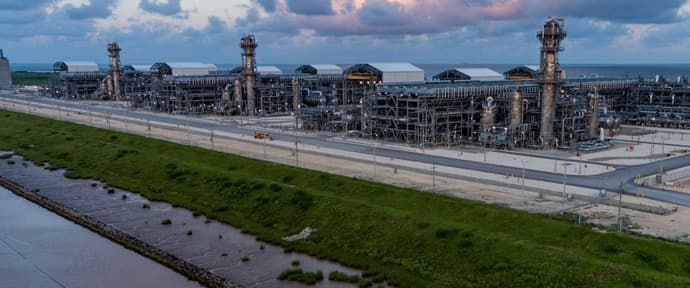
Right now we’re at the very end of the winter, and few commentators expect the current hostilities with Iran to persist until next winter, but we do face a choice. We could do nothing, and hope that both the conflict resolves before the autumn and that Qatar is able to restart its operations quickly. This is not guaranteed – the Qataris have not disclosed how much damage has been sustained by their gas facilities, but after an explosion at the US Freeport gas export terminal a few years ago, it took nine months for the facility to return to full service.
The other choices are to either ramp North Sea production back up, or to quickly build new import capacity. It’s unclear how quickly new North Sea production could be brought online but it’s not likely to be in the next six months. Building new import capacity in this timeframe would also be challenging, but Germany demonstrated in 2022 that it is possible to build such facilities quickly by using ships for regassification. Germany has built five such terminals since the invasion of Ukraine, the first of which became operational in December 2022.
But the idea that we should even have to think about the emergency construction of floating regas capacity is ridiculous and shows how our ideologically driven policymakers failed to learn the correct lessons from the 2022 crisis.
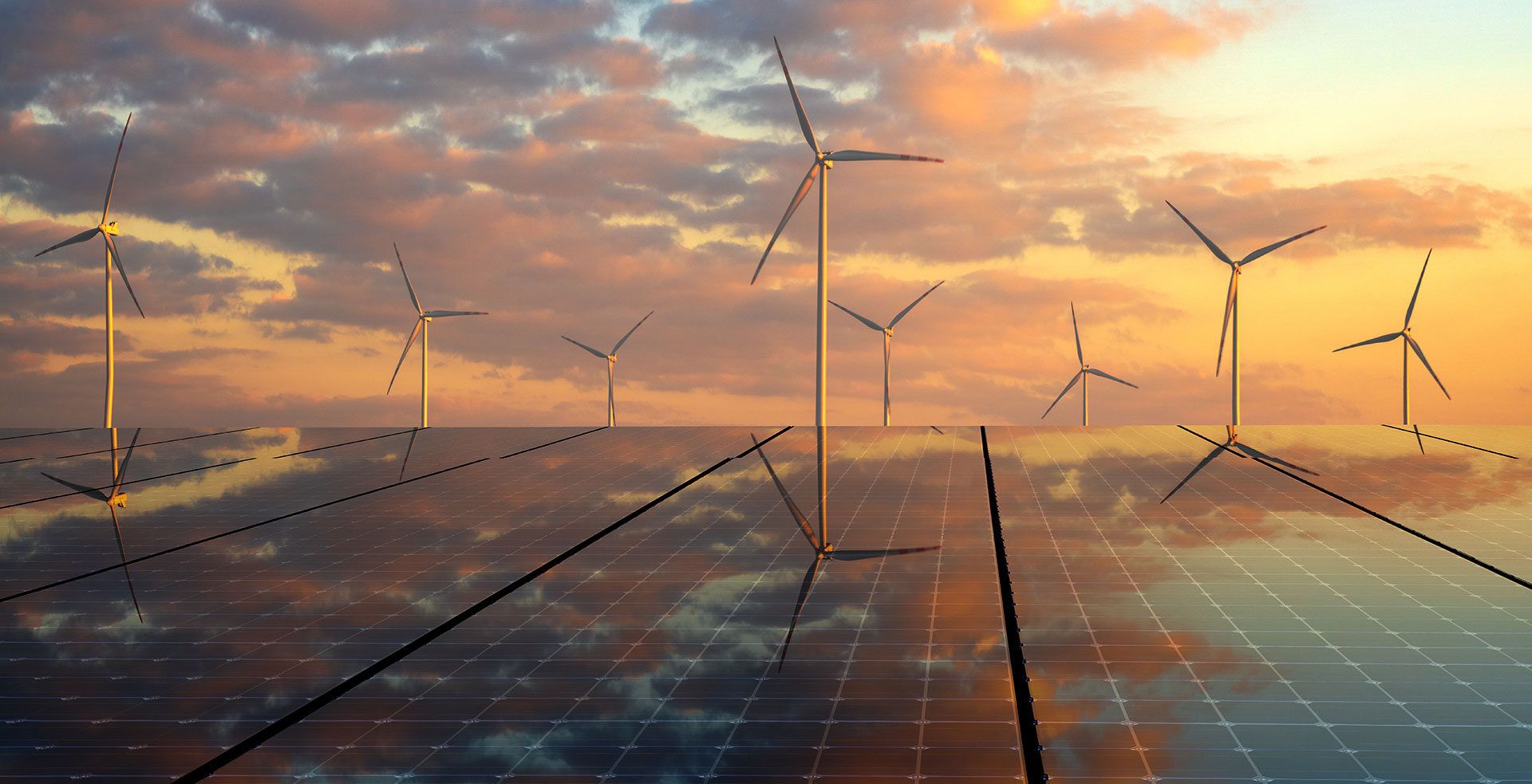
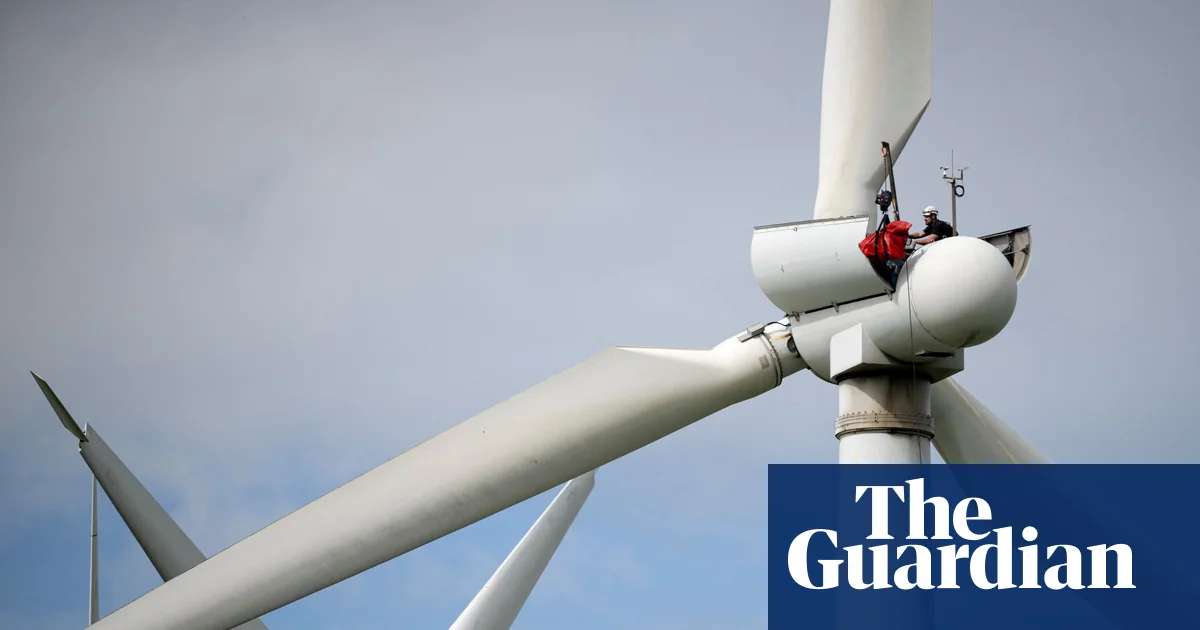
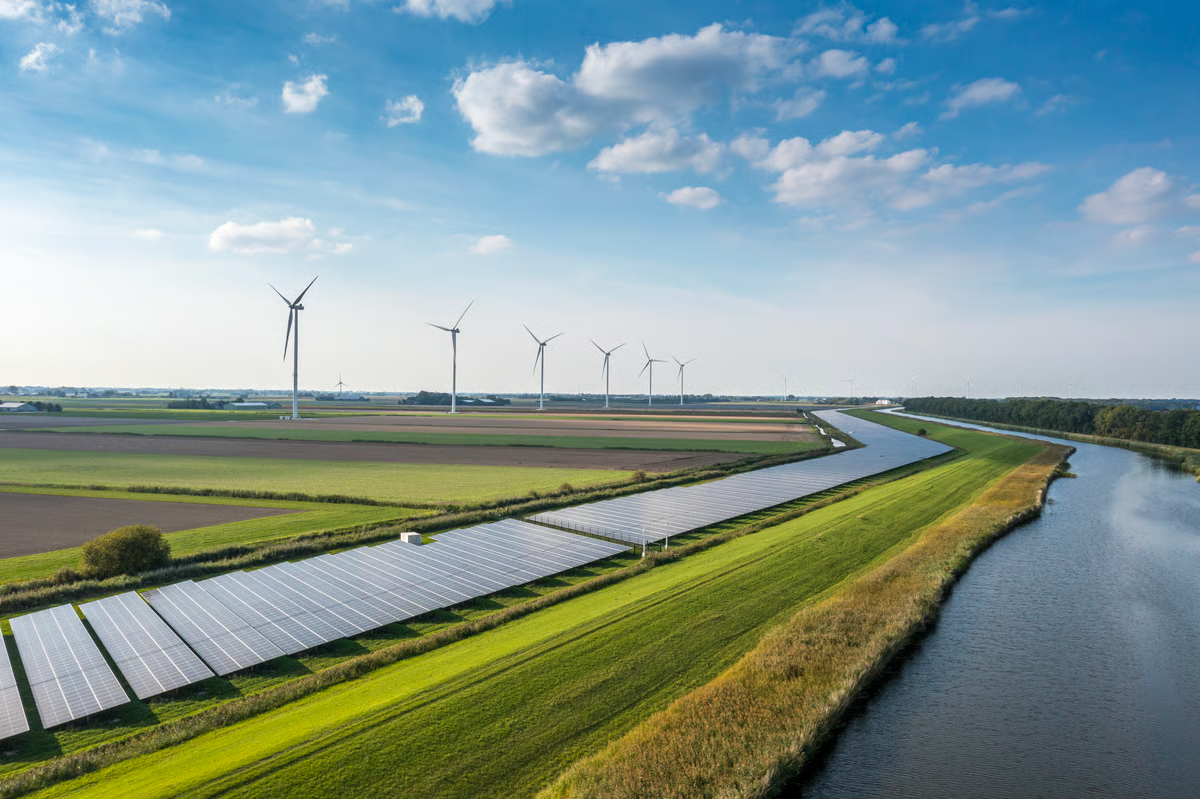
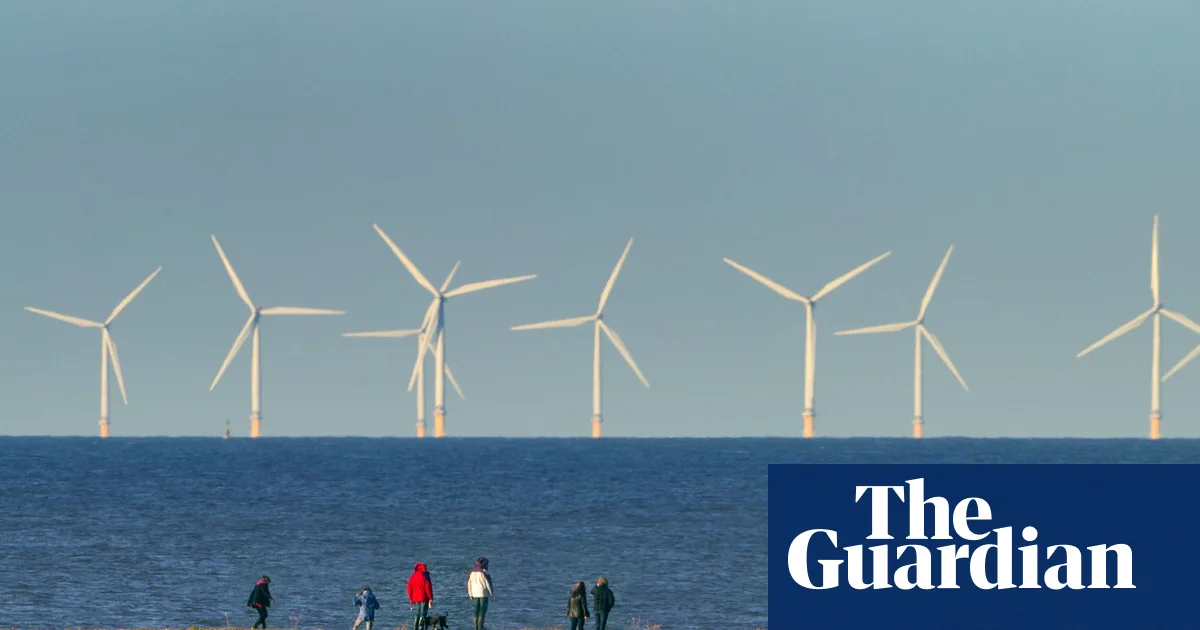
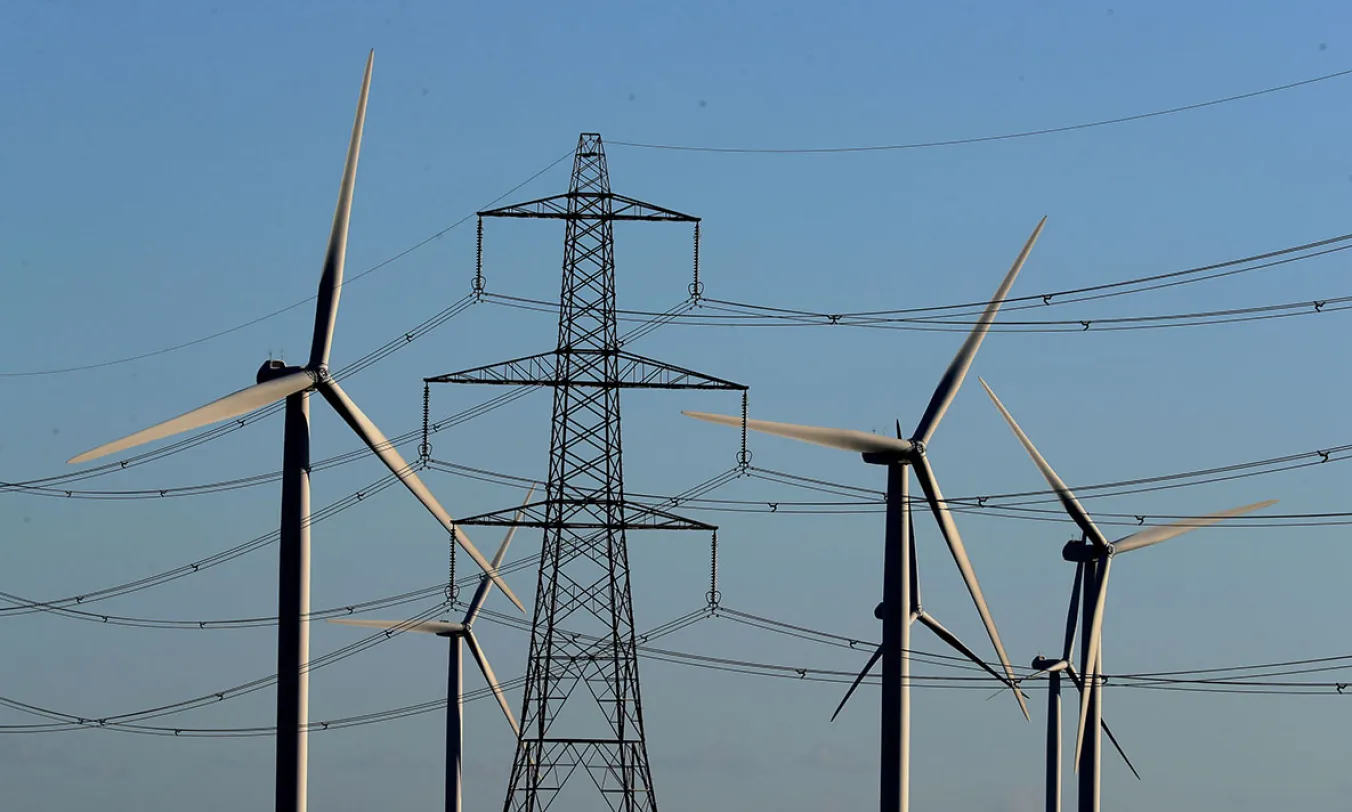
Energy Secretary Ed Miliband and others have started to repeat the flawed mantra that this new crisis shows that it’s essential we “get off gas” and accelerate the rollout of renewables. This wasn’t true in 2022 and it’s not true now.
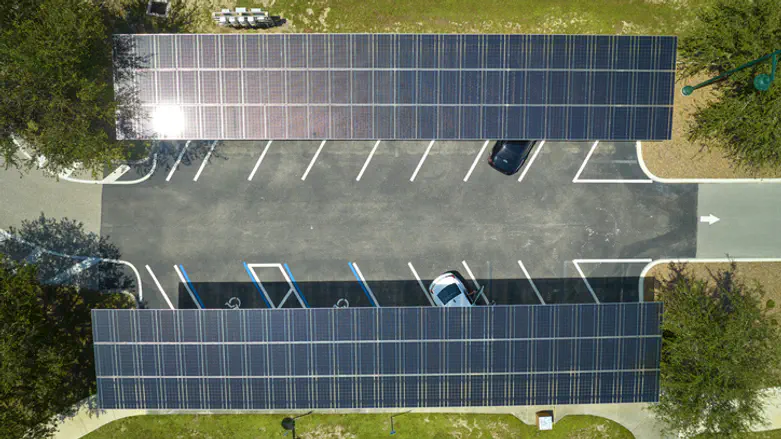
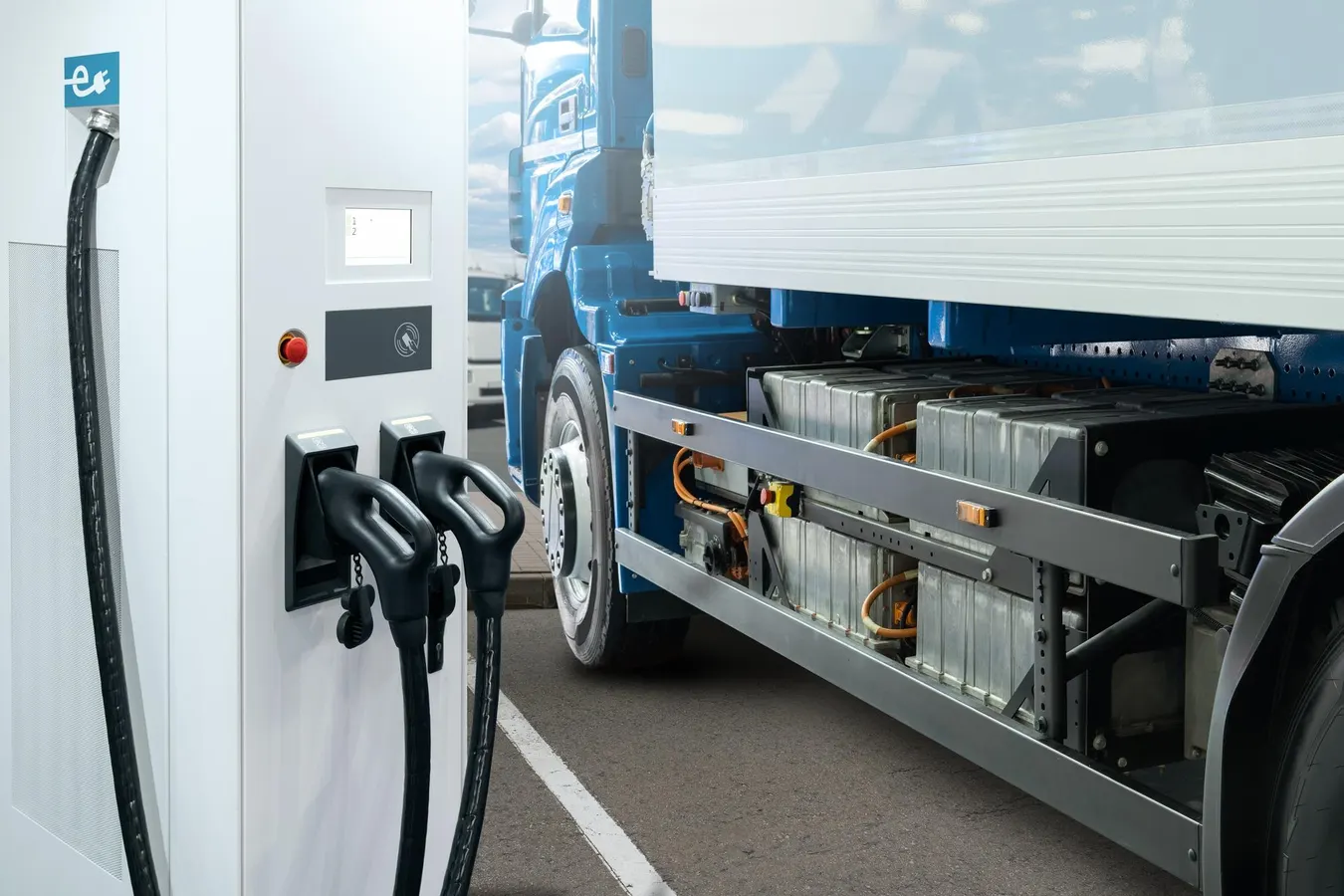
First of all, renewables generate (some) electricity. But less than a fifth of total UK energy demand is met by electricity. It is simply not credible that we could electrify the tens of millions of homes that rely on gas for heating, those industries which use gas and all the nation’s cars, trucks and so on, to remove oil and gas from our energy mix within the space of mere years. These are decadal projects if they succeed at all, which is far from clear given the marked lack of enthusiasm for heat pumps and electric cars.
Secondly, renewables are very expensive. Only at the height of the 2022 crisis were renewables cheaper at the wholesale price level than gas-fired generation. In other words, only when gas prices reached crisis levels did renewables become competitive but even then, once the higher costs of grid infrastructure, real time balancing and backup costs of renewables were factored in, they were still more expensive than gas-fired generation.
As Shadow Energy Secretary Claire Coutinho has said, thinking that renewables protect against expensive and volatile gas prices is like preferring a fixed rate mortgage at 10 per cent to a variable rate at 4 per cent. You may have price certainty but it’s certainty of something very expensive.
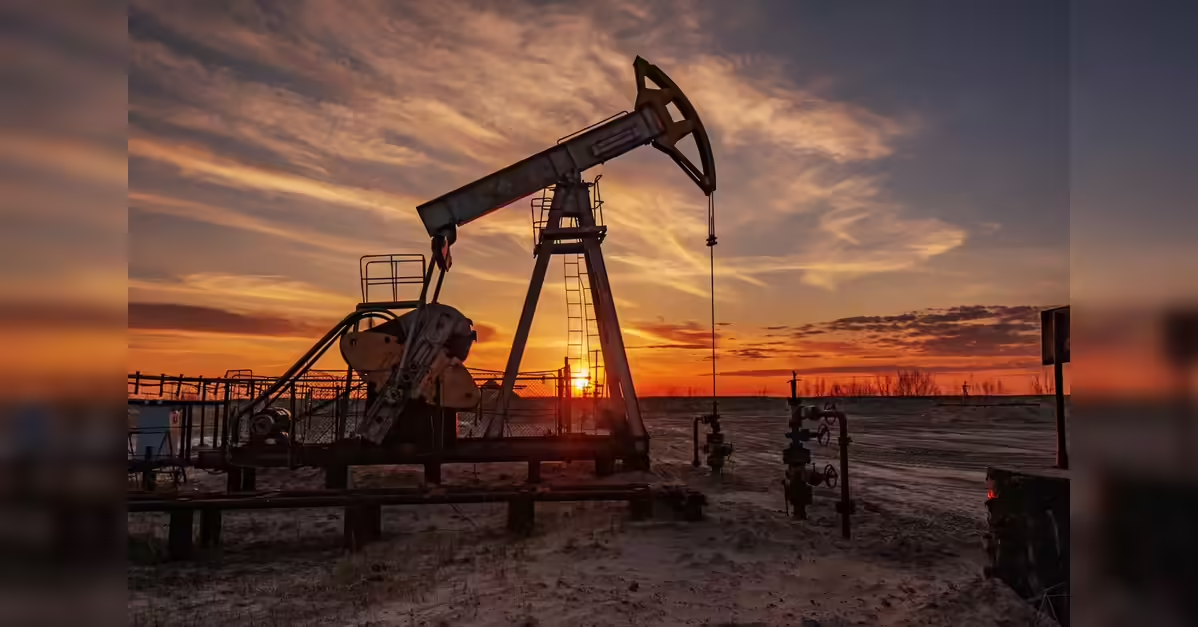
The real lesson from 2022 wasn’t that we need more renewables, it was that we need more domestic gas.
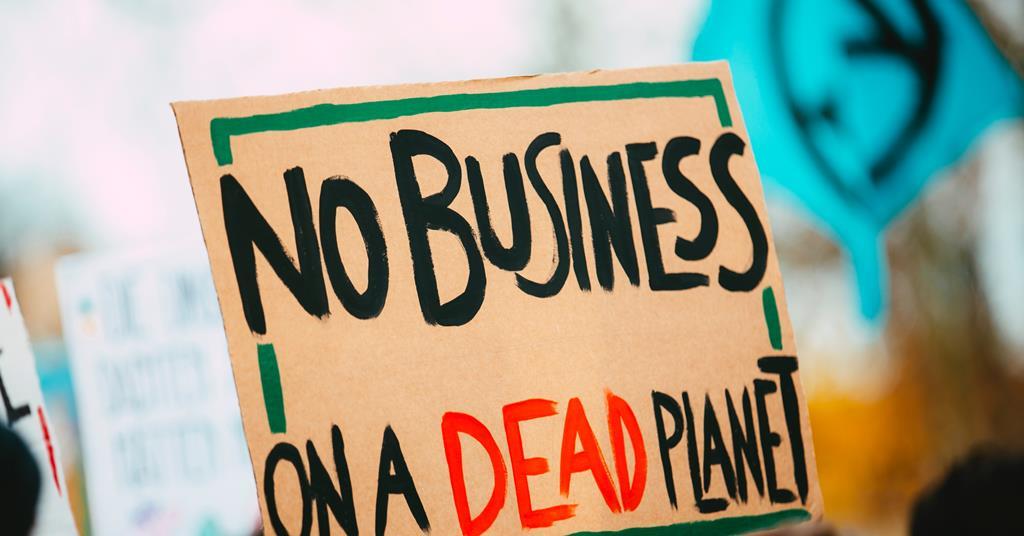
Detractors cry about climate emergencies, but our falling domestic gas production isn’t being replaced by renewables – it’s being replaced by imported gas, which has a much higher environmental footprint as so much energy is expended liquefying it, transporting it and regasifying it. Britain is a long way from doing without gas: there are no credible forecasts showing zero gas demand in 2050. So forcing a faster decline of North Sea production is doing the environment no favours.
They also argue that our basin is “mature” and “in decline” and therefore it’s not worth trying to extract more. People in their 50s are considered to be mature, yet they are also far from retirement age, and would generally not appreciate being told it wasn’t worth getting fit, or decorating their house because they will soon be no more.
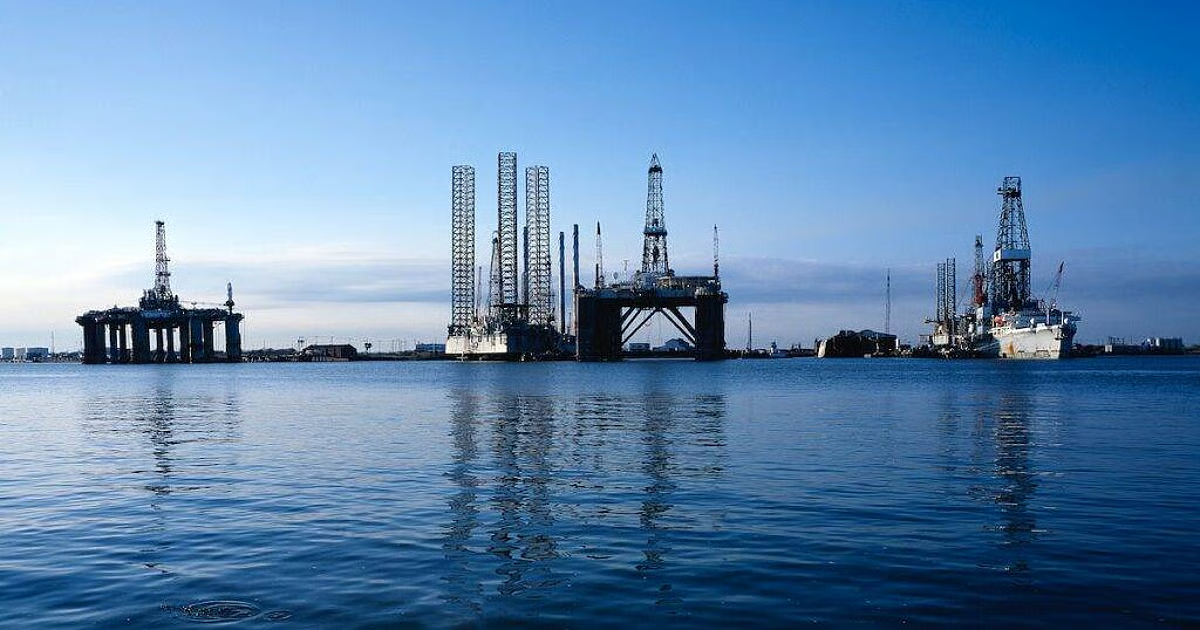
Yes, the UK Continental Shelf is a mature basin. And yes, it’s in decline. But as soon as you begin extracting ore from a mine it starts to decline and no-one would seriously open a mine one day and close it the next on the basis of “decline”. Production can be declining for decades and still generate substantial volumes yielding major benefits.
Large recent finds in the Norwegian sector, right on our doorstep, demonstrate that significant resources remain to be discovered. The Norwegian authorities continue to encourage exploration and development, and companies continue to find new reserves.
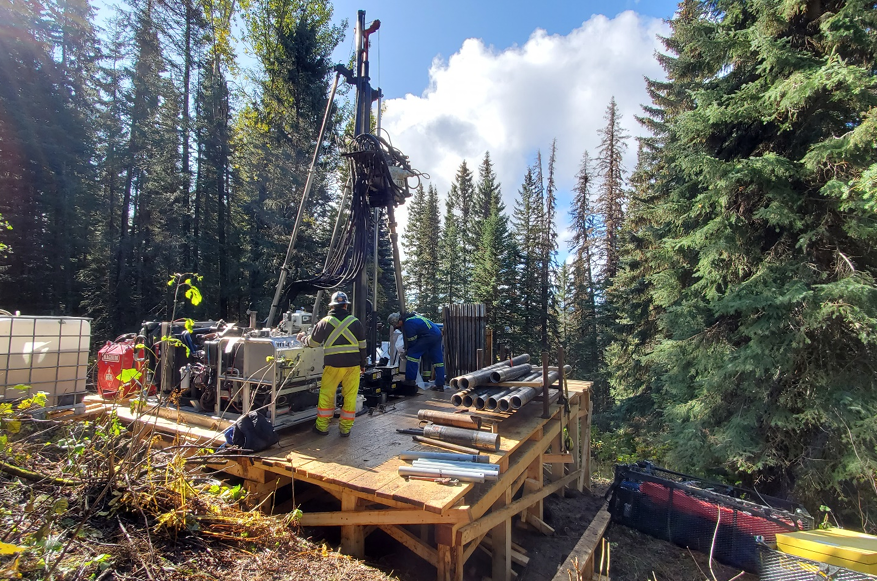
The geology does not suddenly stop at the border between the Norwegian and British sectors – some of these finds almost certainly extend into the UK Continental Shelf. But last year was the first in decades that we did not drill a single new well, so we simply don’t know for sure.
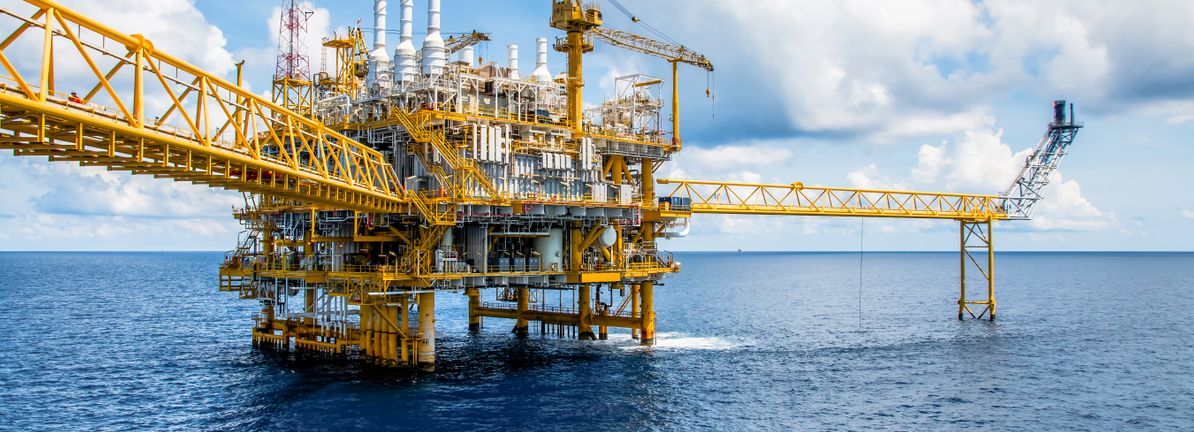
The British regulatory and fiscal regime has become increasingly punitive. As a result, investment has slowed, projects that might once have been developed are now being delayed or cancelled and operators are shifting their focus overseas. This matters for several reasons.
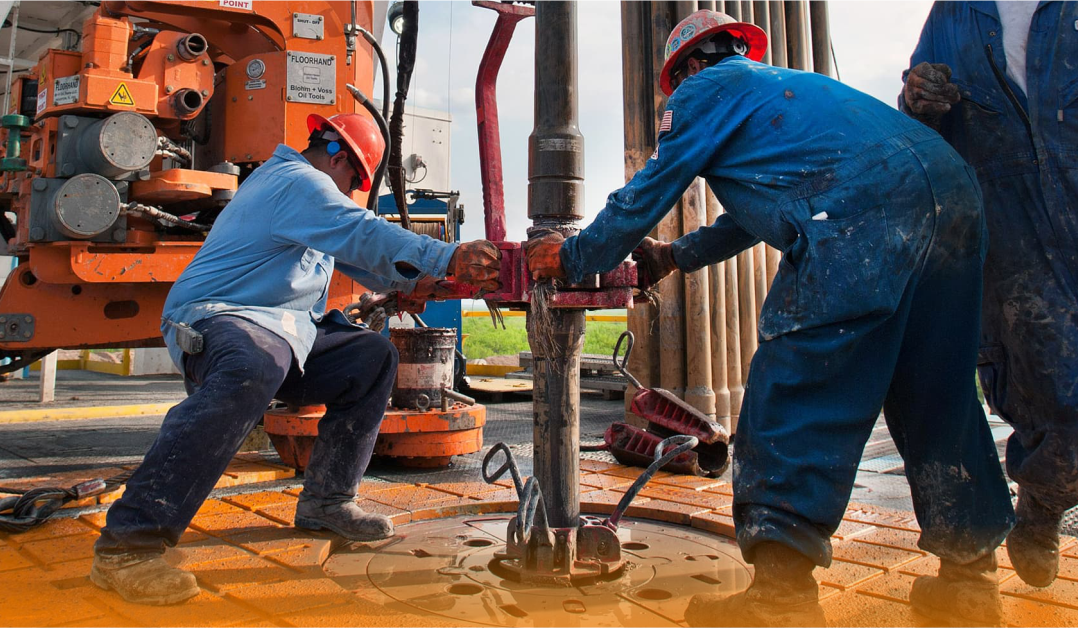
First, domestic production provides significant financial benefits to the UK. Oil and gas production generates tax revenues. It supports high-value jobs across the offshore industry, and it sustains a large and specialised supply chain. These are highly skilled jobs in engineering, offshore operations, subsea technology, marine services, fabrication, maintenance, logistics and geoscience.
When production declines naturally over time, that industrial base can adapt. But when decline is artificially accelerated, it’s far more damaging. We’re seeing a real exodus of capital, equipment and people from the UK offshore sector. Once these capabilities are lost, they will be difficult if not impossible to rebuild.
When people talk about shutting down the UK Continental Shelf, they’re not talking about turning off a tap that can easily be turned back on. They’re talking about shrinking one of the most important industrial and technical ecosystems in the country. And we’re doing this at exactly the moment when energy security, engineering capability and industrial resilience ought to matter more, not less.
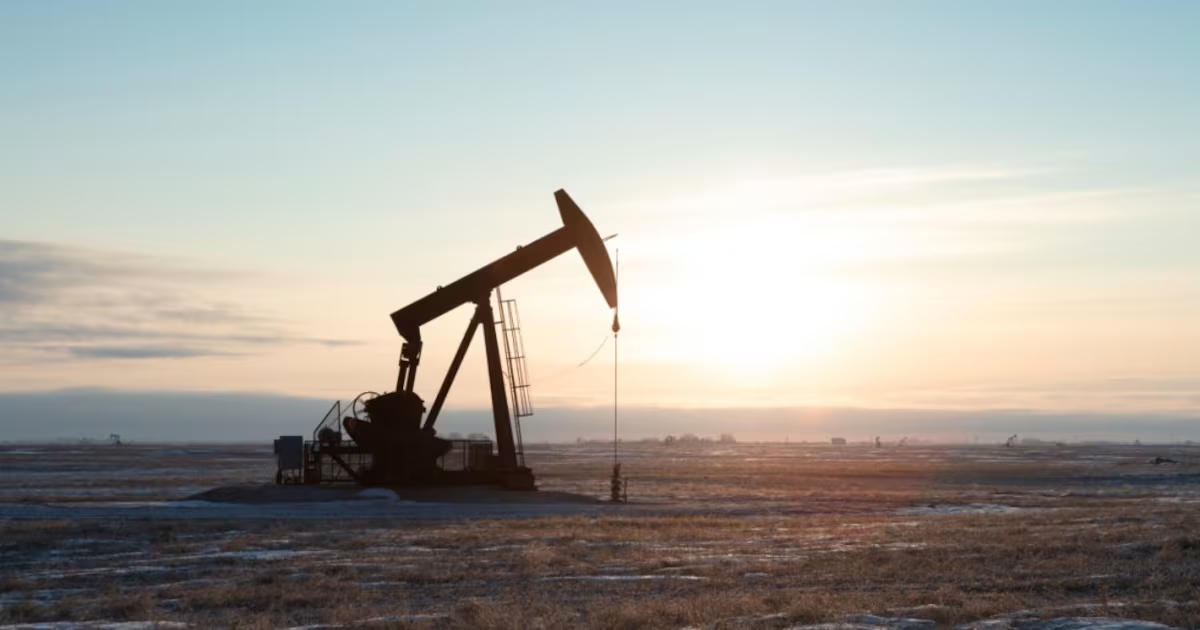
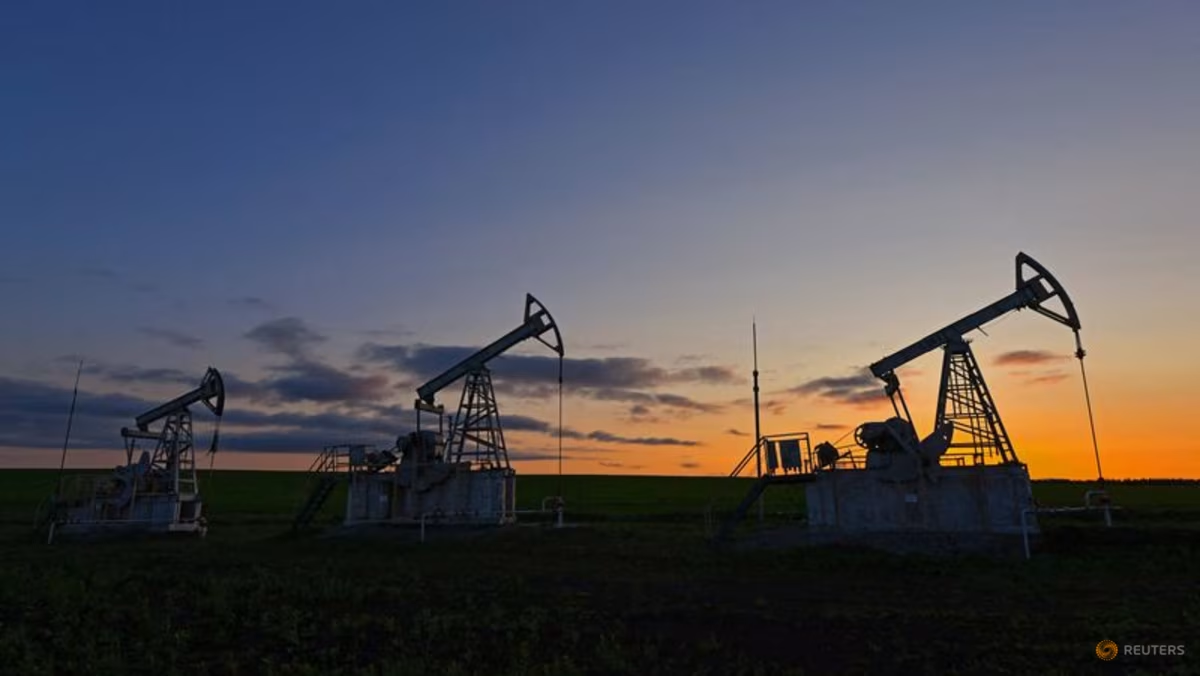
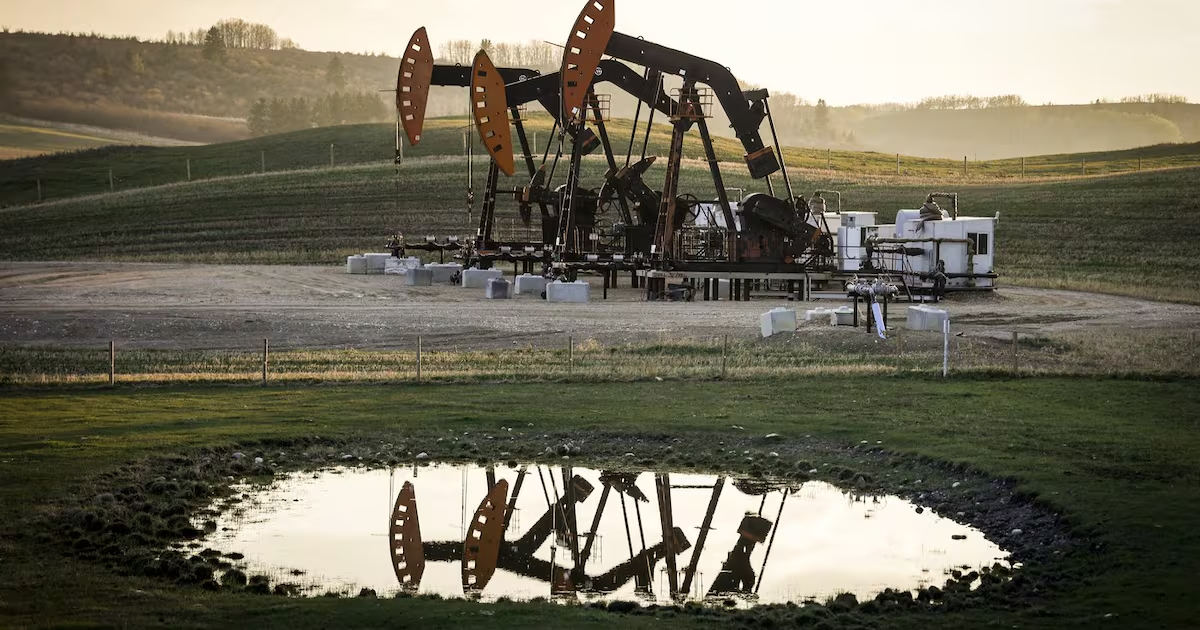
But the economic argument goes further than that. Domestic production also reduces the need for imported fuels. If Britain produces gas from its own continental shelf, that gas flows directly into our national gas network. We do not, as many people seem to think, sell our gas on the “international markets”. (And oil is only sent abroad because most of our refineries have closed.)
If we don’t produce that gas ourselves, we must import it, and declining UK production is being replaced by imports of liquefied natural gas, which are both dirtier and more expensive because the gas must be liquefied, shipped, and then regasified before entering the pipeline network. Each of those steps adds cost, which is entirely avoided by domestic production. Producing gas at home does not just generate tax revenues, it reduces our energy costs.
From a security of supply perspective, domestic production is within our own jurisdiction. It doesn’t depend on global shipping routes or international political relationships. This is important in a world where geopolitical tensions are rising. The longer the wars in Ukraine and Iran continue, the more pressure there will be on global gas markets, which means higher and more volatile prices. Britain could have insulated itself from some of that by maintaining stronger domestic production.
And all of this ignores the upcoming decommissioning time bomb. Under our decommissioning rules, oil and gas companies pay extra taxes when their fields are producing, and receive rebates once they begin the decommissioning process to ensure they have cash on hand to meet those obligations. When the basin goes into net decommissioning, the Treasury will start paying out £billions per year in rebates, rather than receiving £billions in taxes.
These payments are not subsidies, but an integral part of the fiscal rules governing the basin. If the government were to withhold those rebates, the companies could abandon their late-life assets, leaving the taxpayer with the full costs of decommissioning. Because of the hostile tax environment and the ban on new drilling, the North Sea will enter net decommissioning years earlier than it would otherwise have done, bringing those huge payments forward to the early 2030s.
If we continue down this path, domestic production will decline faster than necessary, leaving Britain more dependent on imported gas, and more exposed to global price shocks. The irony is that this outcome is justified in the name of energy security. We’re told we must stop producing gas and build wind and solar in order to have energy security.
But an increasing dependence on imports – and the weather – do not equate to energy security. It defies belief that anyone would think they would.
People glibly suggest that batteries and new electronic devices will provide backup for wind and solar and ensure electricity grids remains stable. This is fanciful. Not only would such solutions be extraordinarily expensive, the technology to deliver them is in its infancy and may never work as hoped. There is not a single large power grid in the world that does not rely on some level of conventional generation to keep it stable.
In 2022 we were fed naïve fantasies about renewables providing energy security. Four years later, despite many additional £billions being spent, we are far away from transitioning away from gas even in the electricity sector, never mind heating, transport and industry.
But our government has gone all-in on this mad plan. And the entirely predictable result is that we’re staring down the barrel of a new energy crisis, more vulnerable than ever to international oil and gas markets. And why? Because ideology is being placed ahead of all other considerations.
It’s time to get real. We still need oil and gas, and will do for years if not decades. Luckily we have plenty left in the North Sea if we simply decided to take advantage of it.
Energy security will never be found in generation that stops working at night, when it’s cloudy or when there’s no wind. It’s past time that energy policy was based on real life and not childish slogans.