Howdy y’all and welcome to Energy Source, coming to you from the heart of Texas.
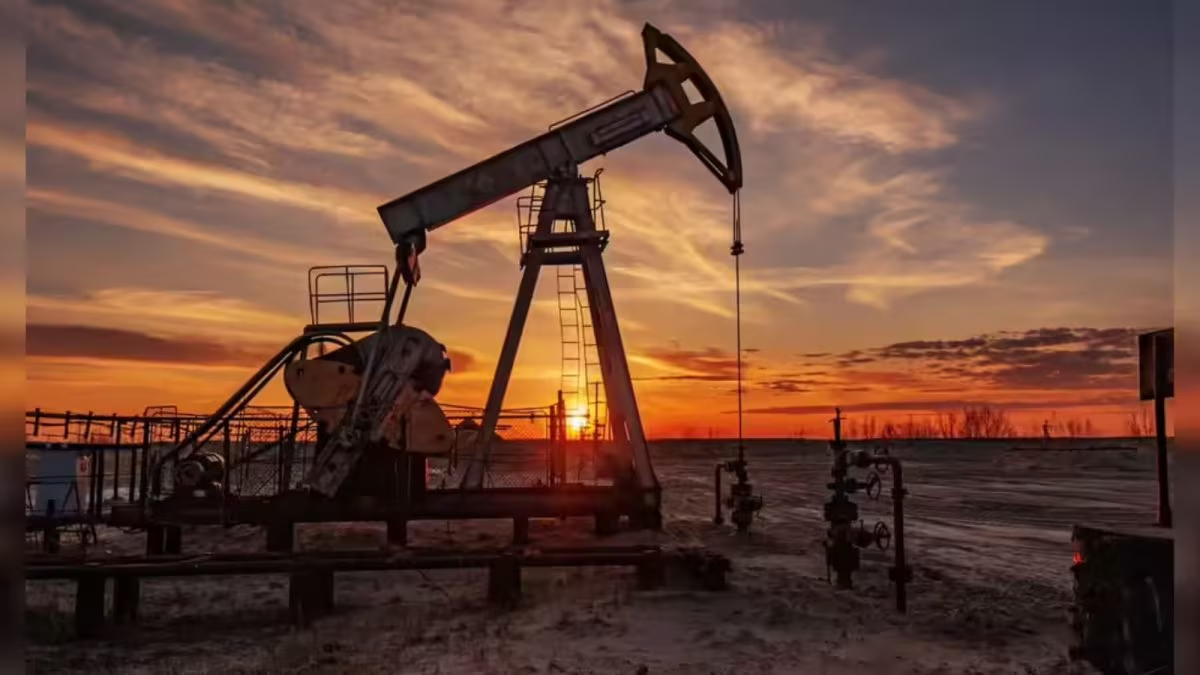
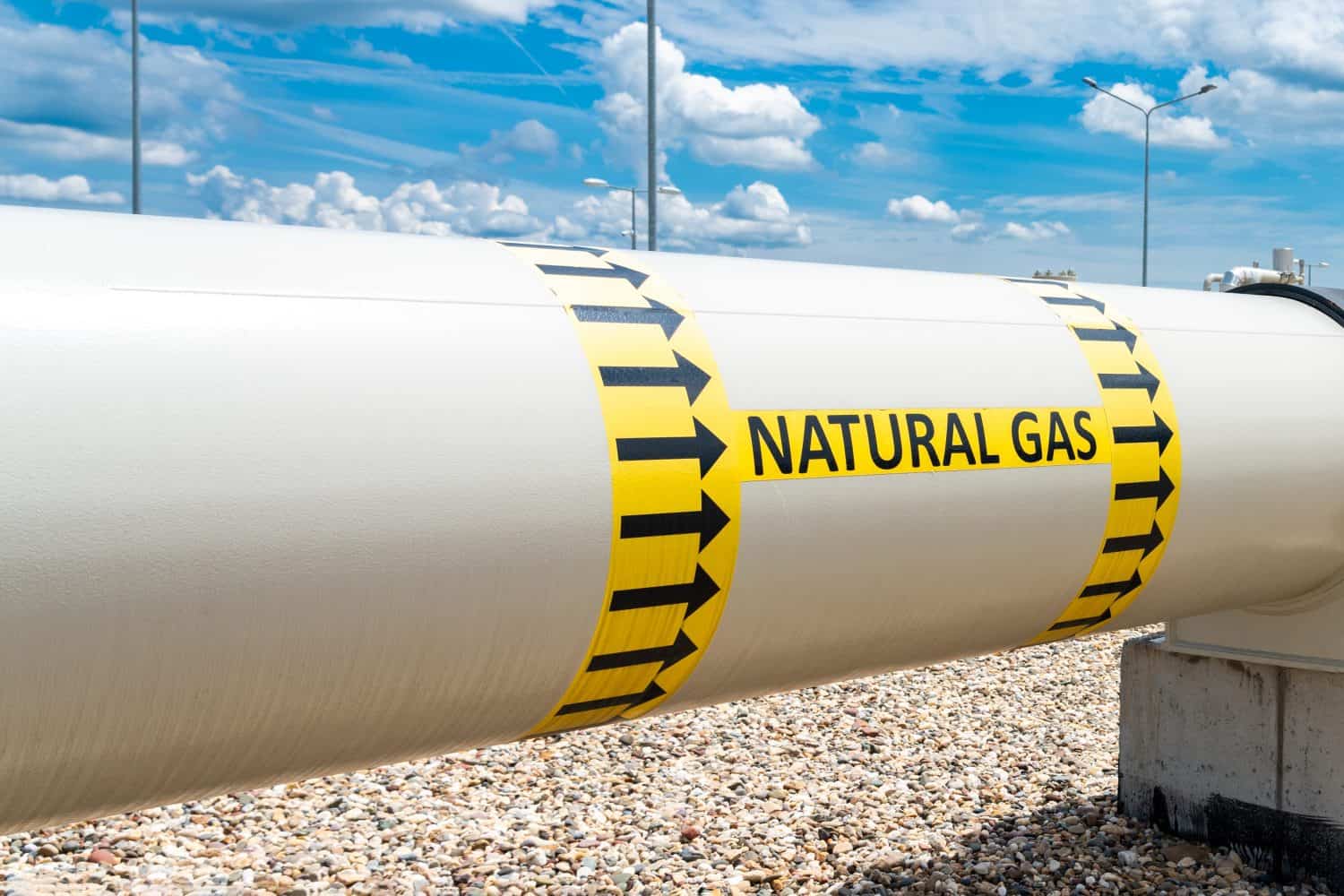
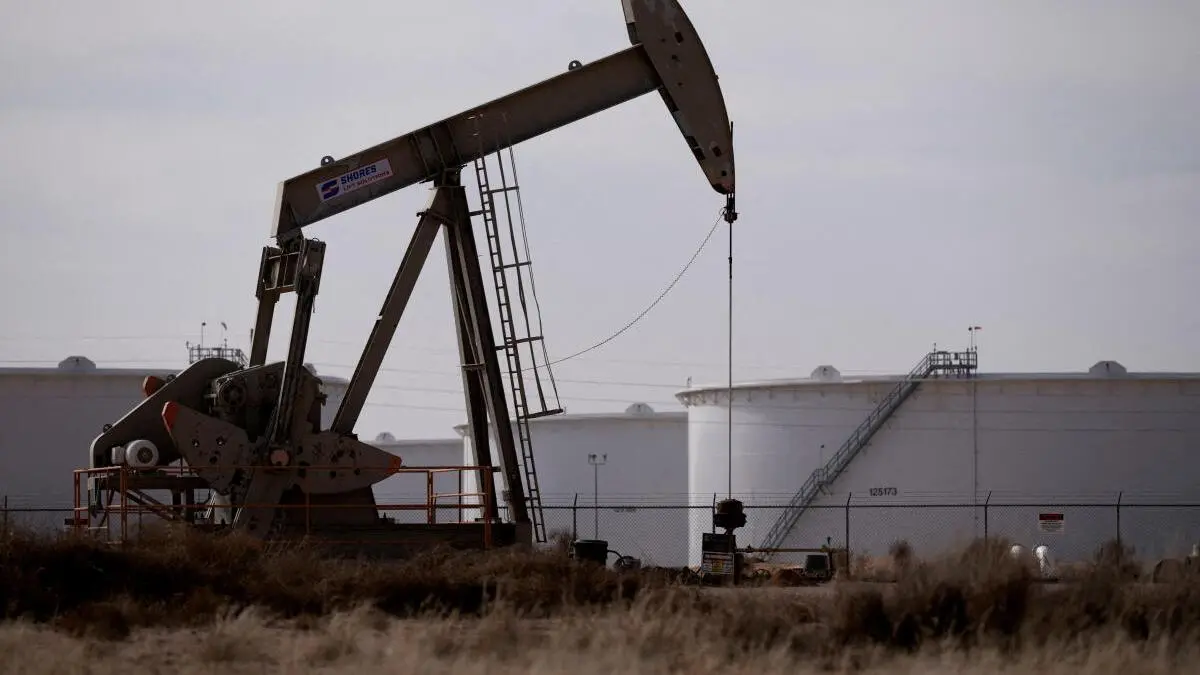
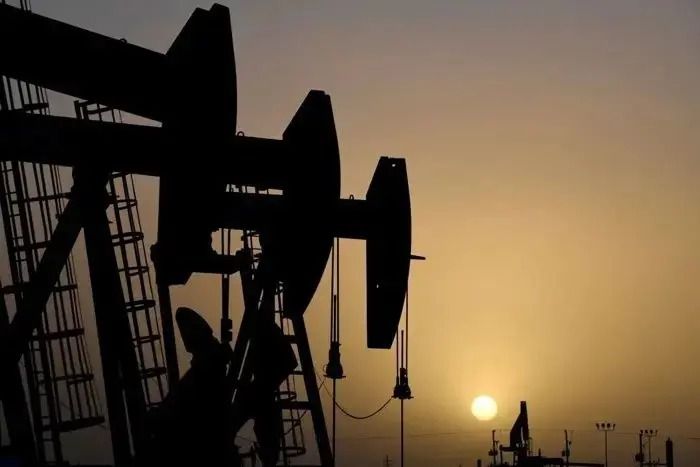
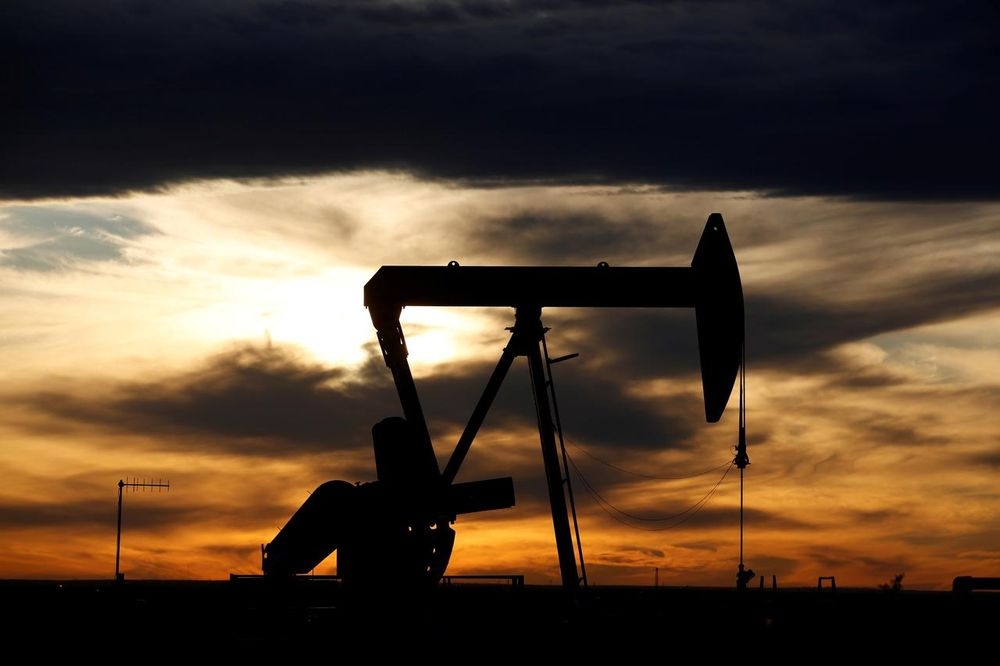
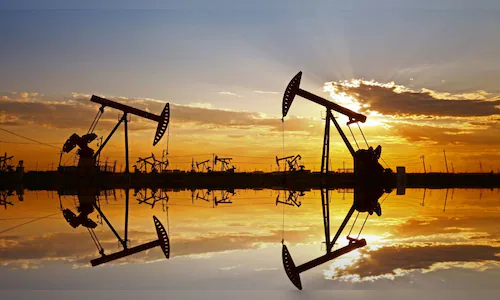
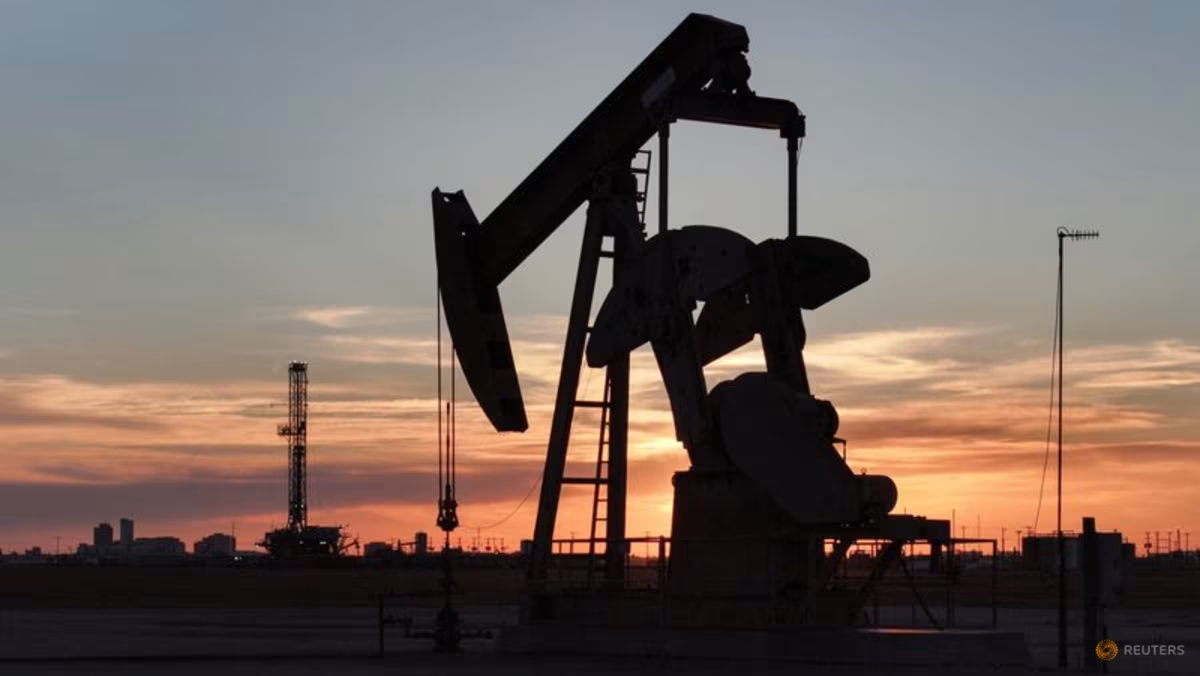
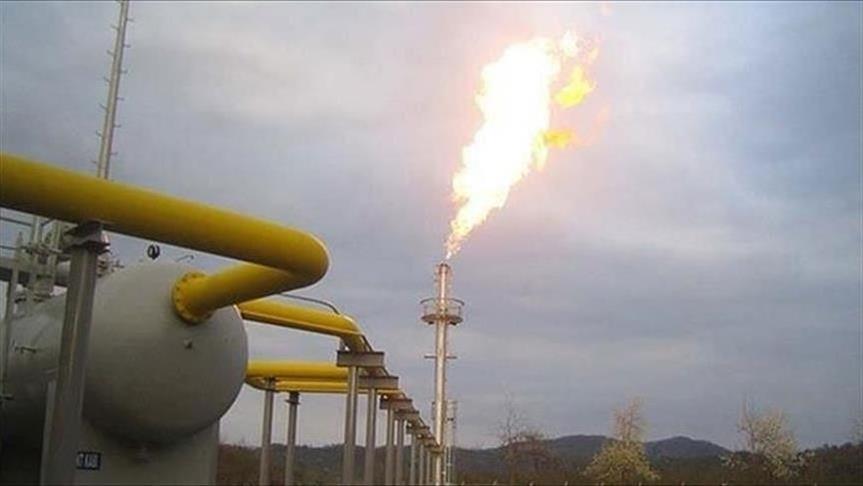
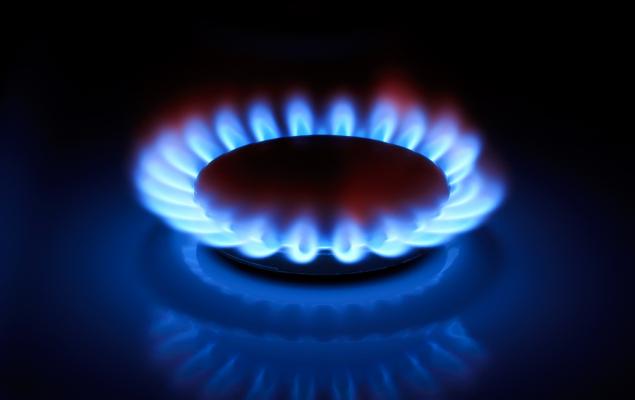
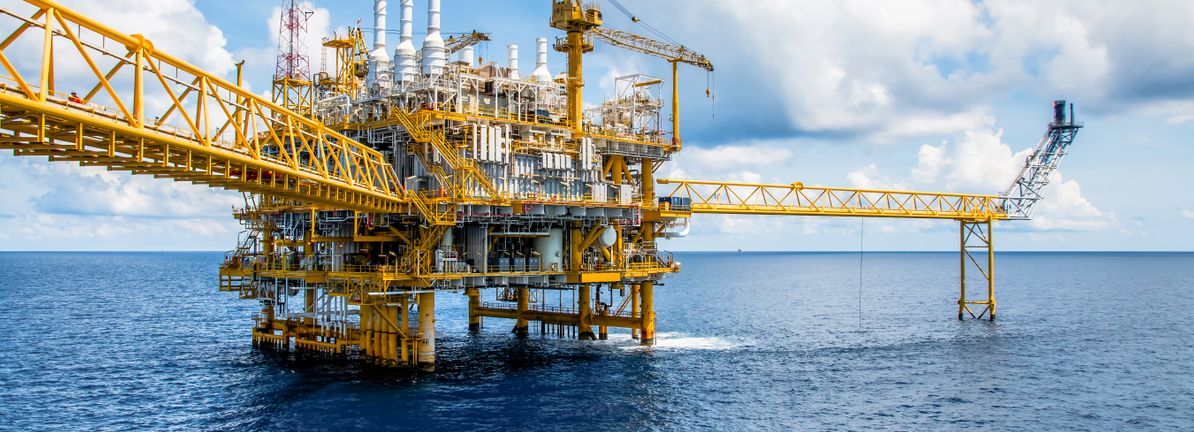
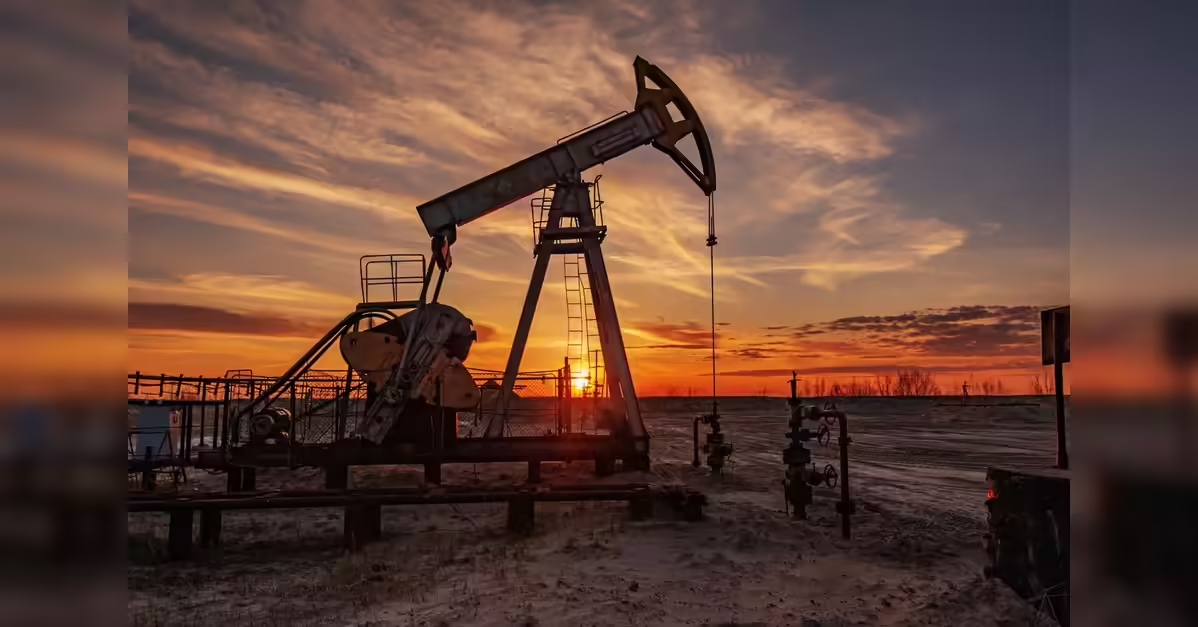
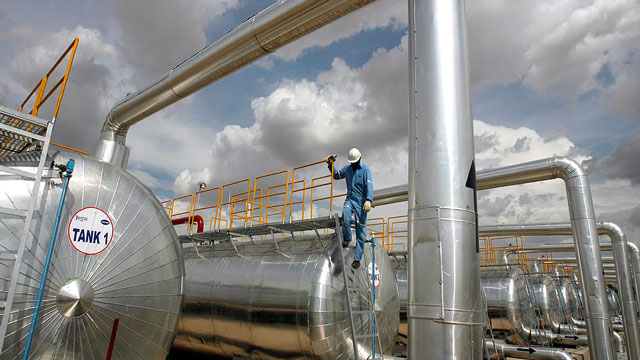
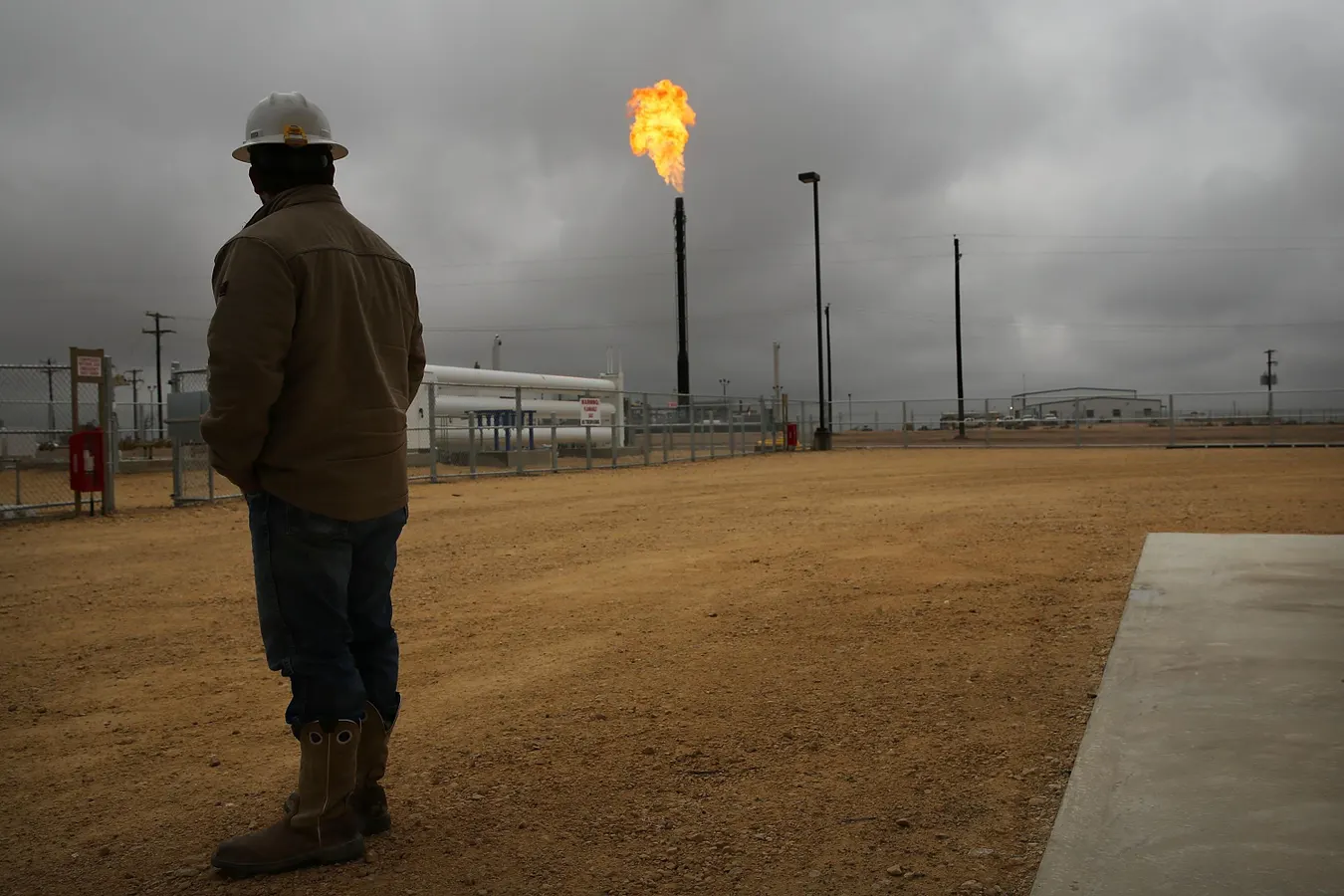
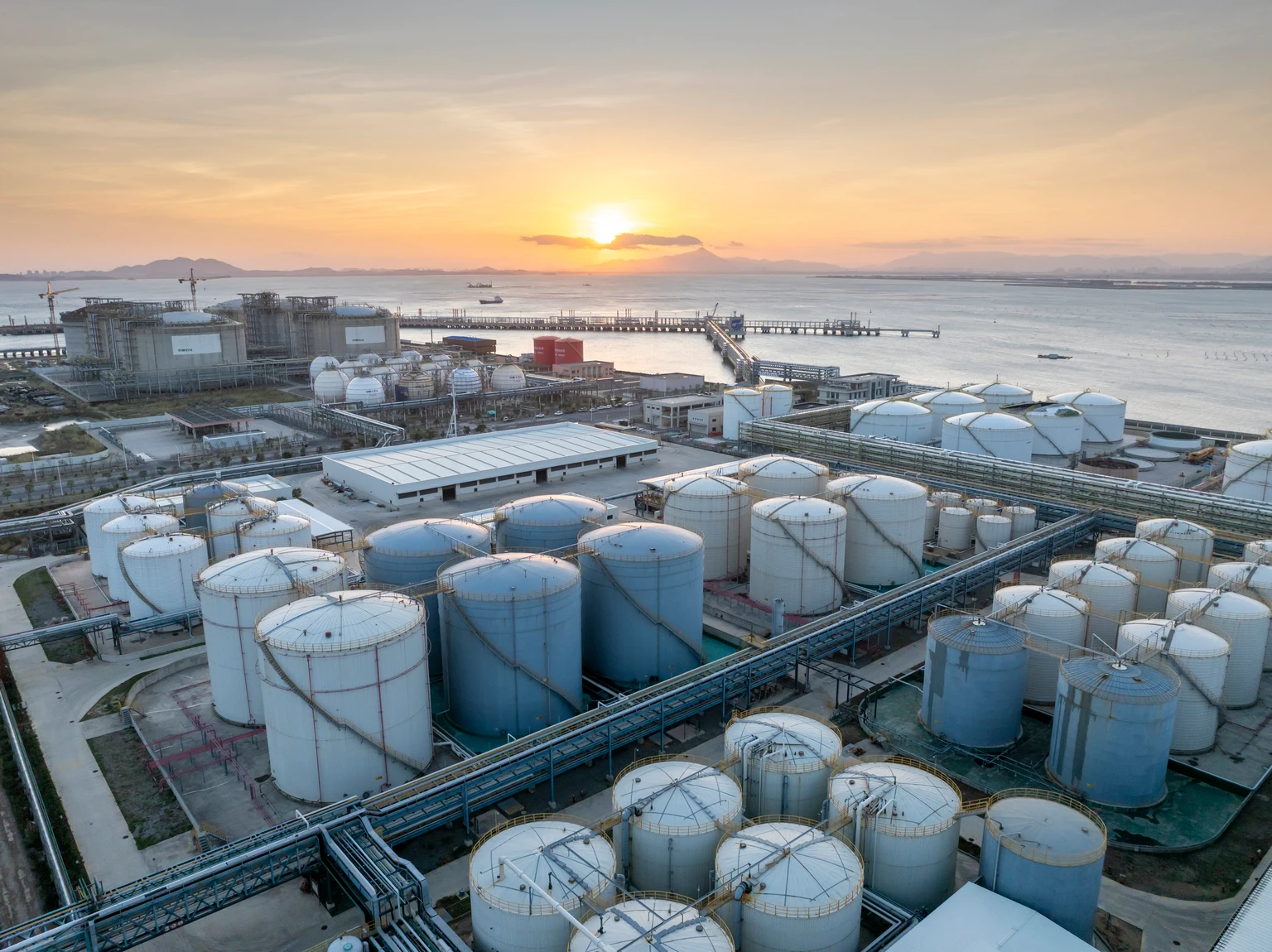
Today, along with my colleague in Tokyo, Harry Dempsey, I’m focusing on the rising interest from foreign investors in American natural gasfields. As the US has transformed itself into the world’s biggest producer, and consumer, of natural gas, that standing has drawn increased notice overseas.
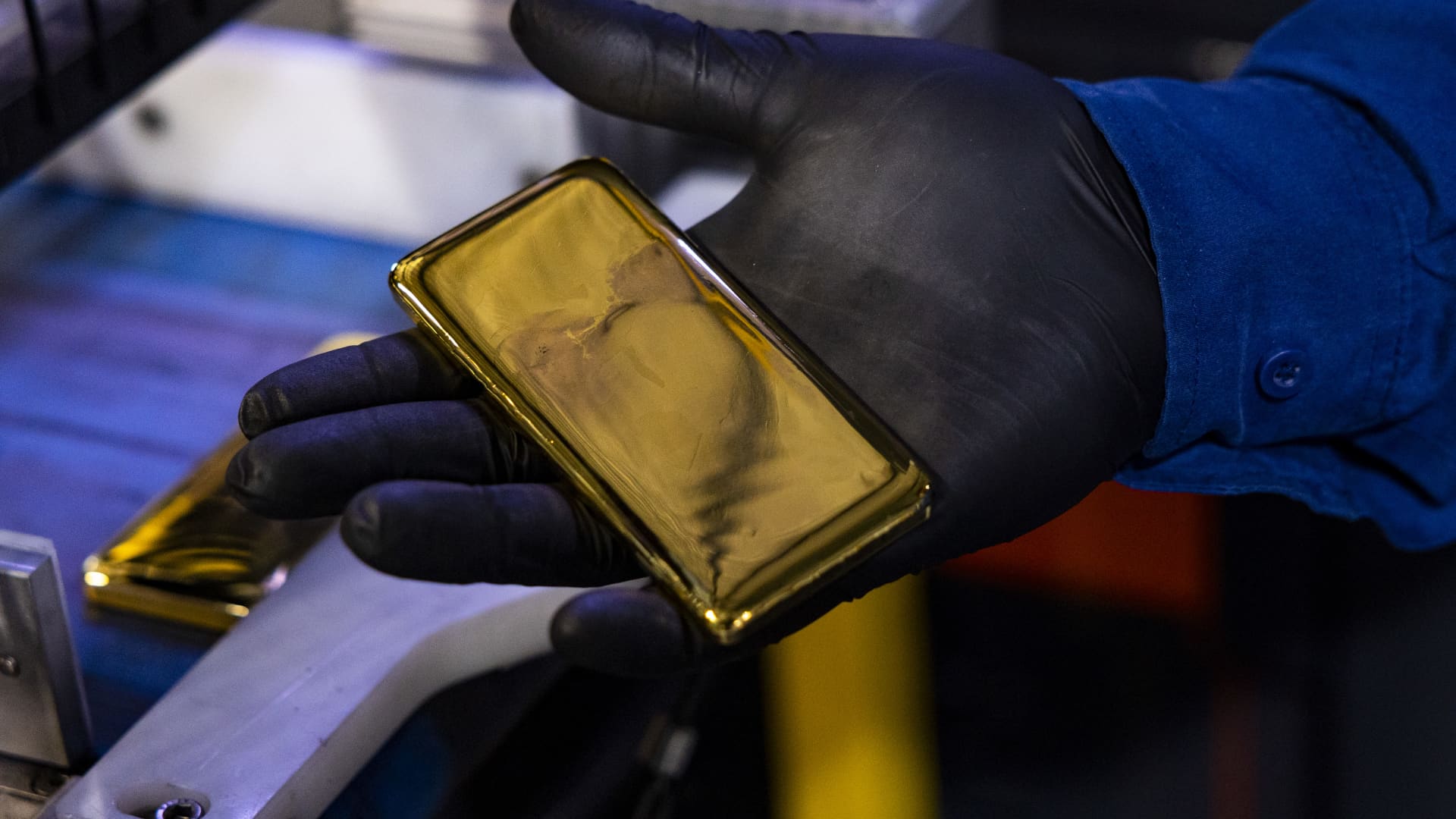
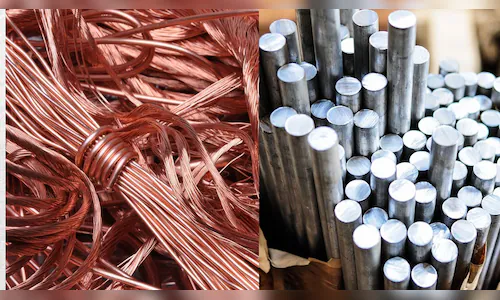
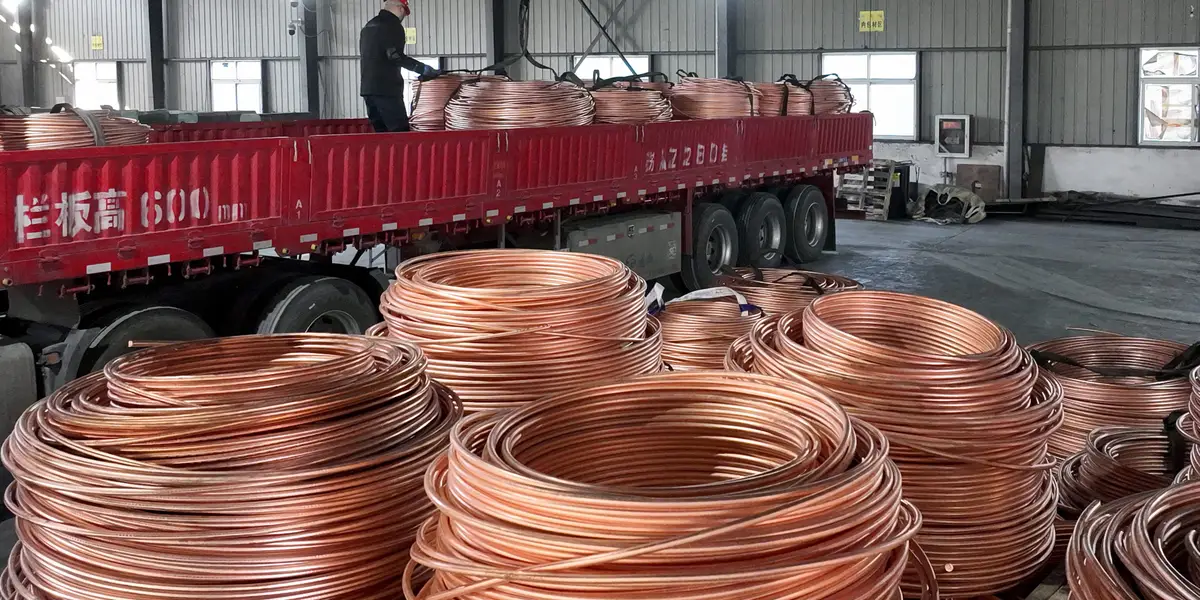
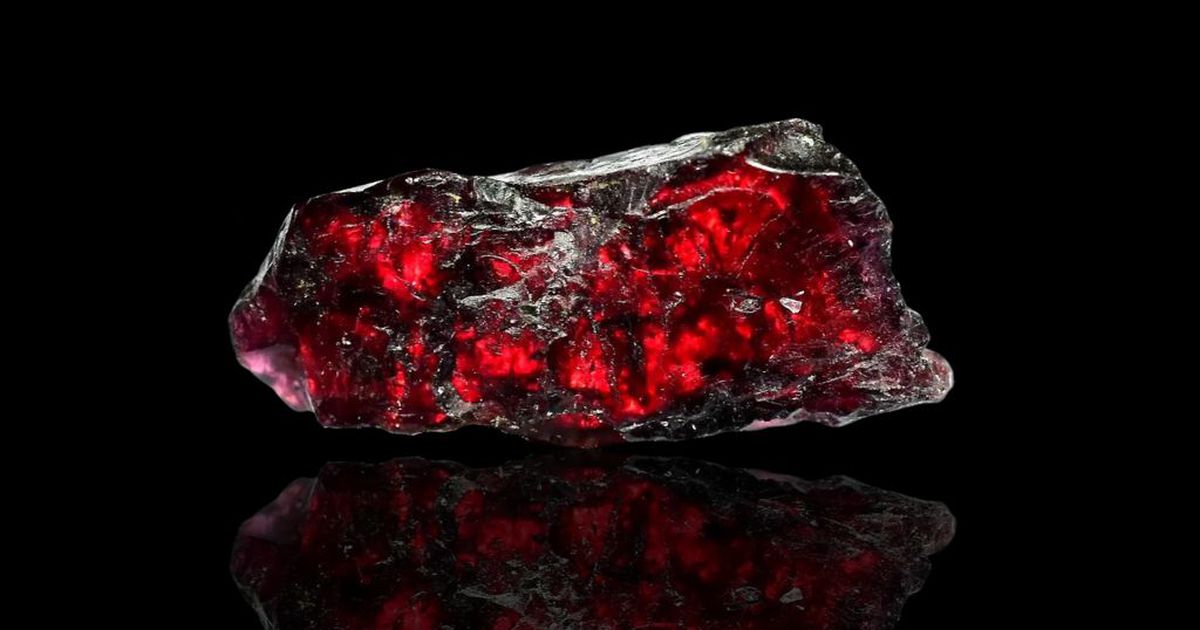
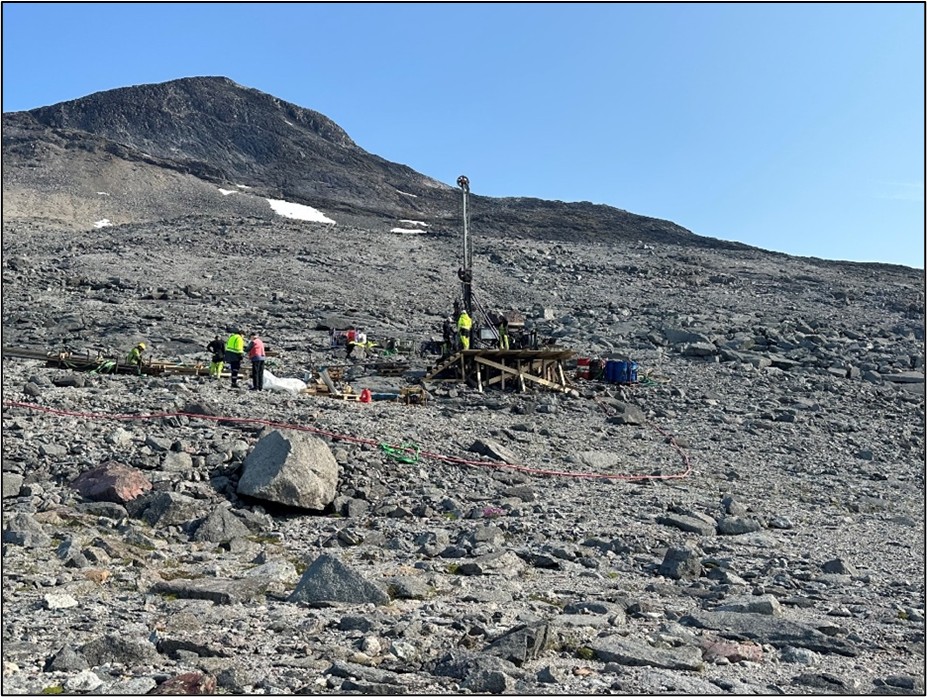
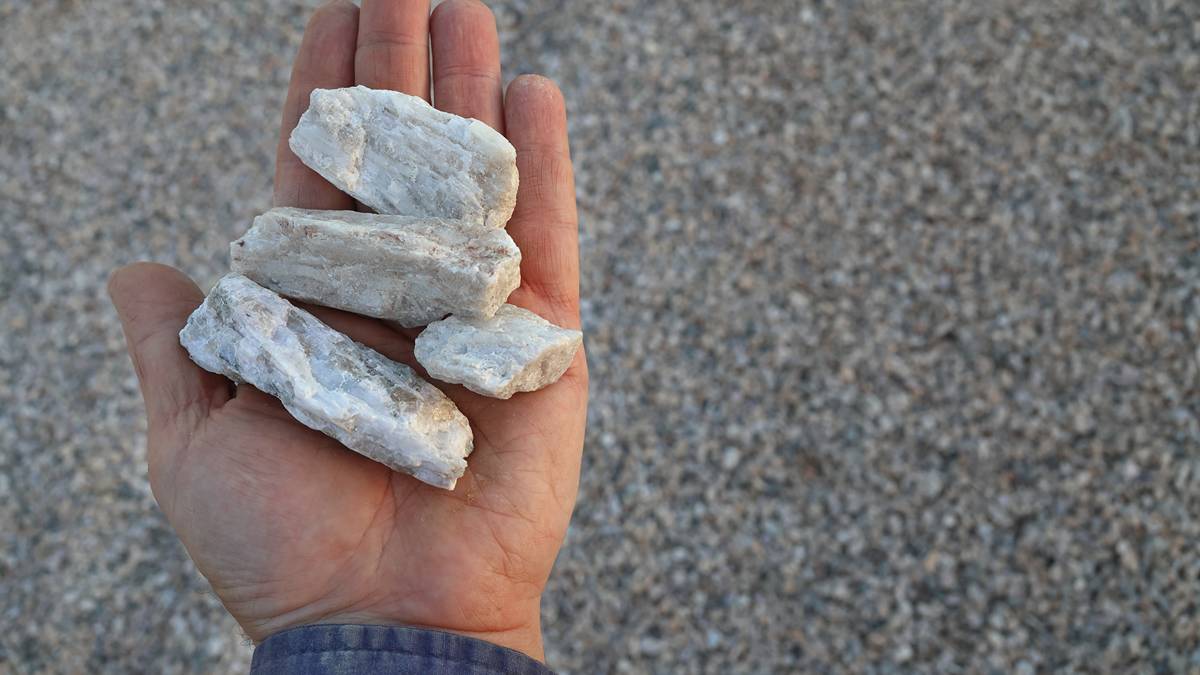
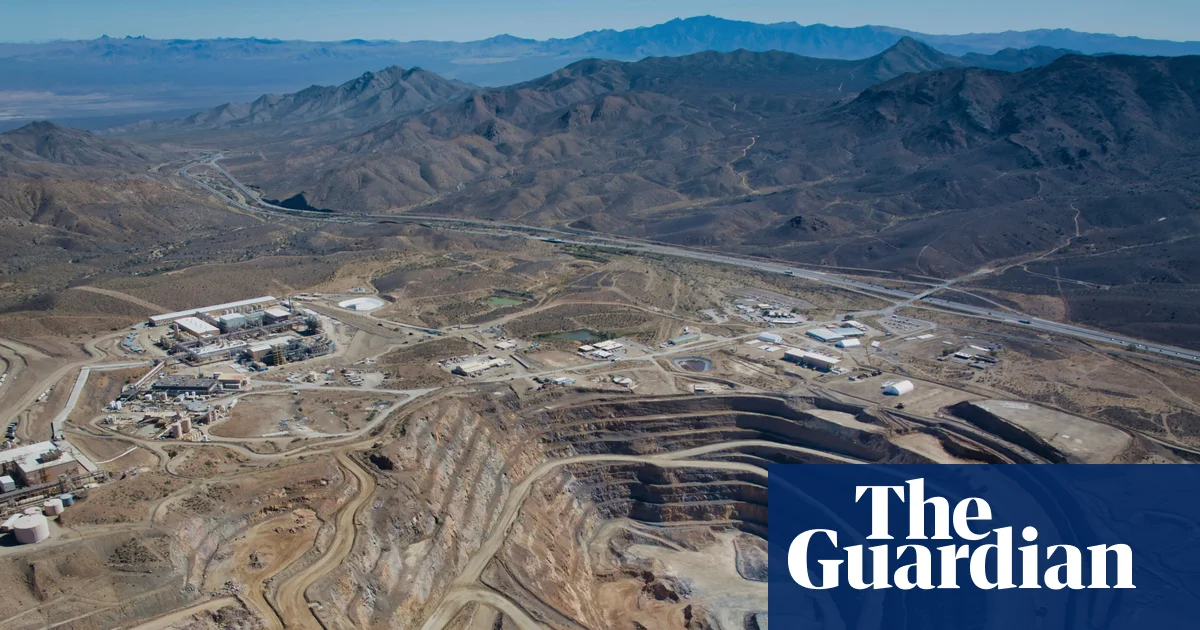
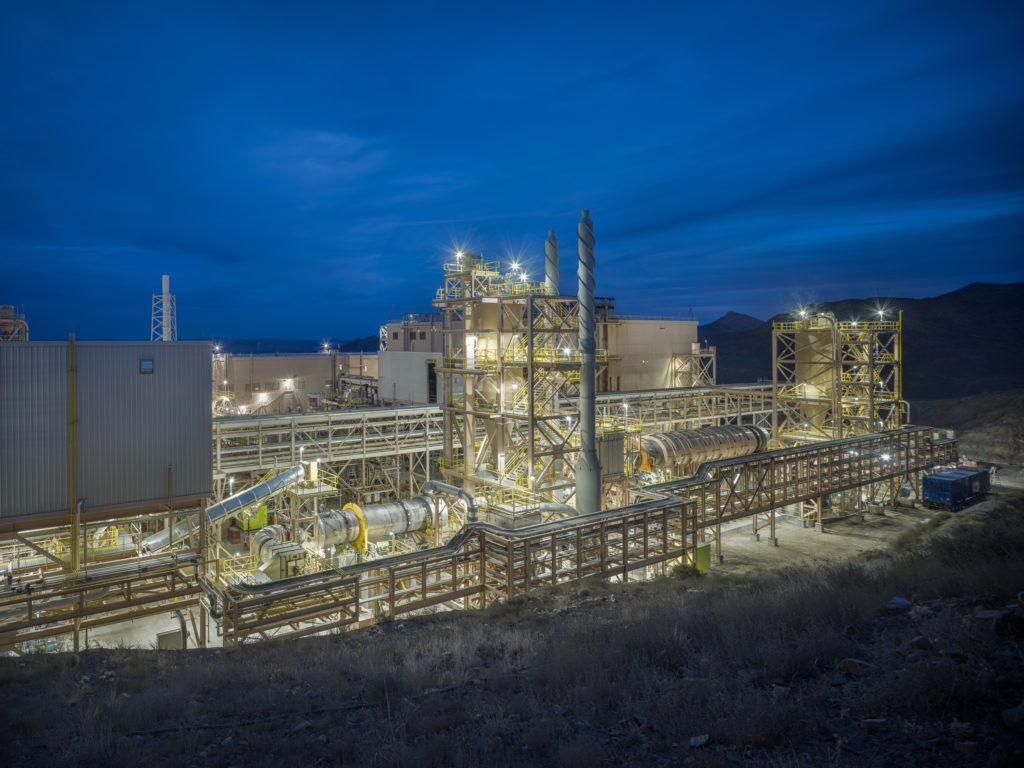
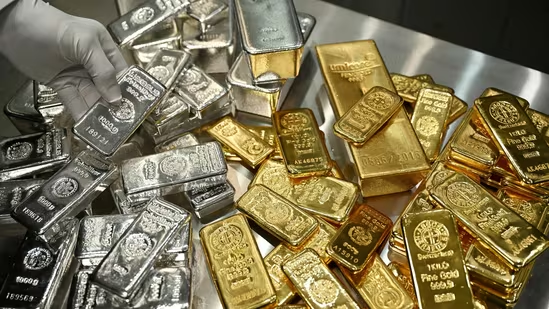
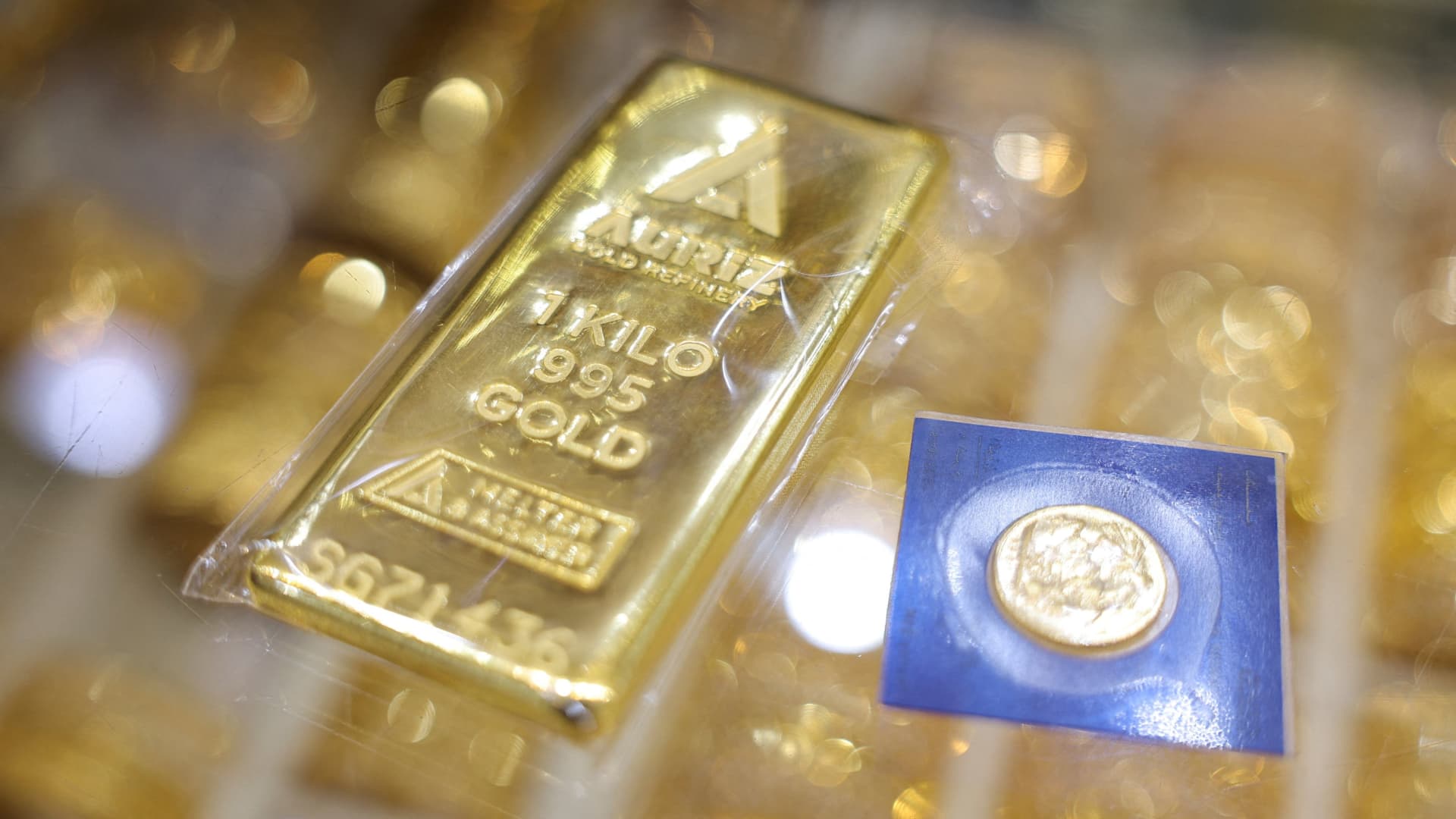
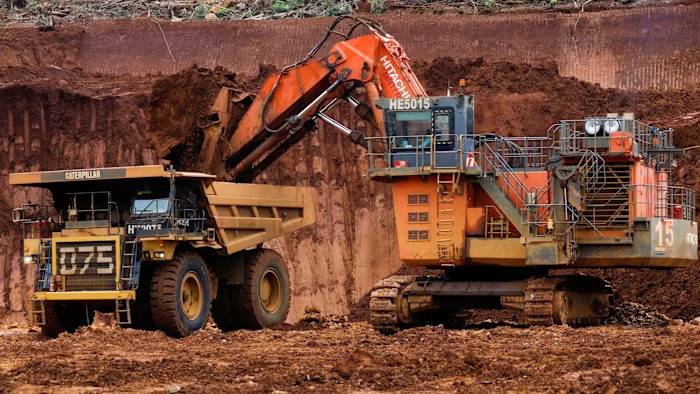
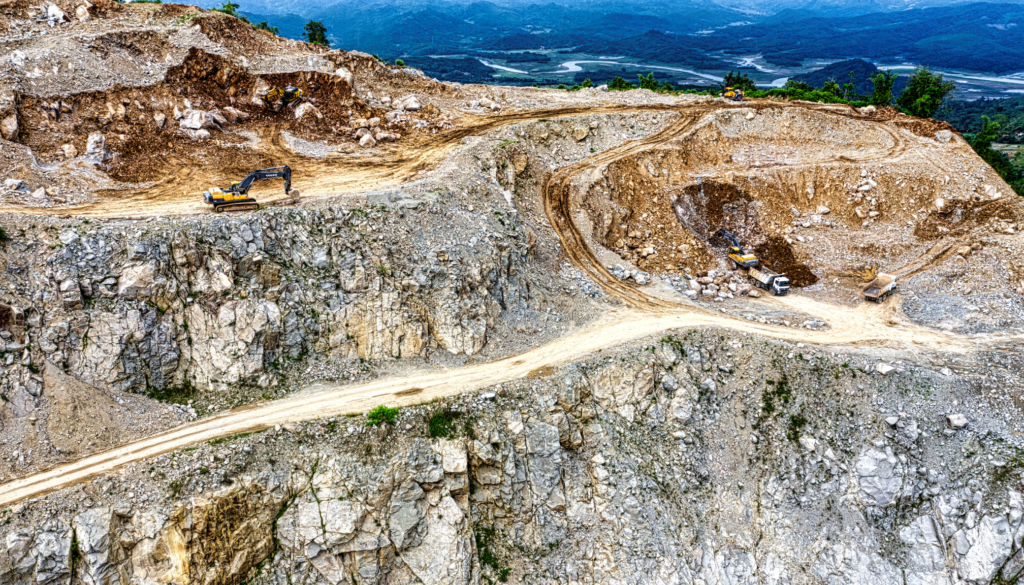
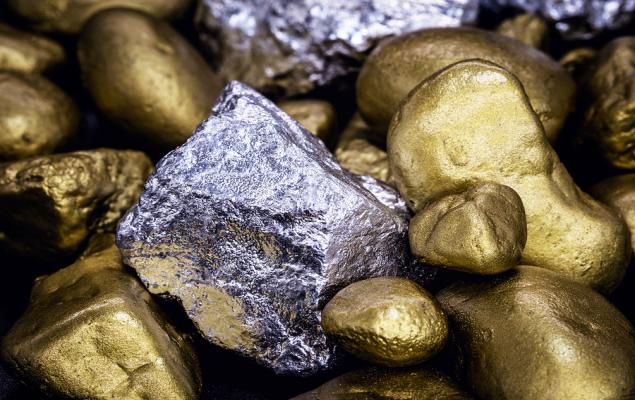
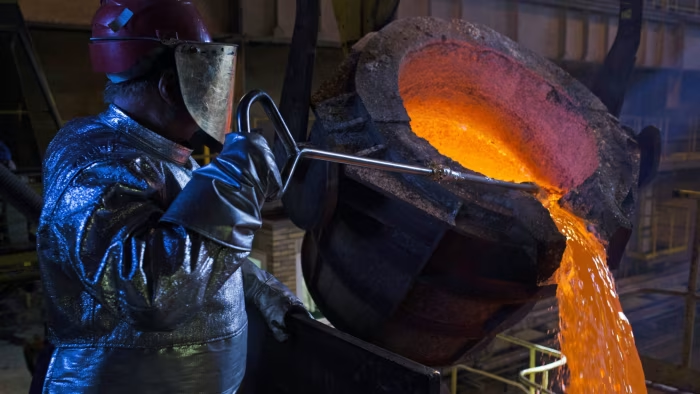
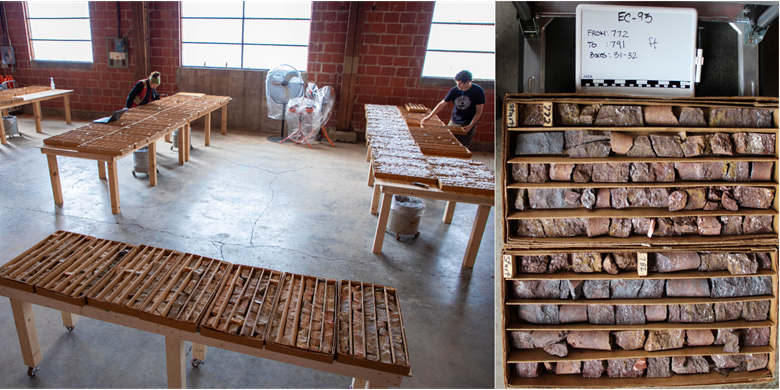
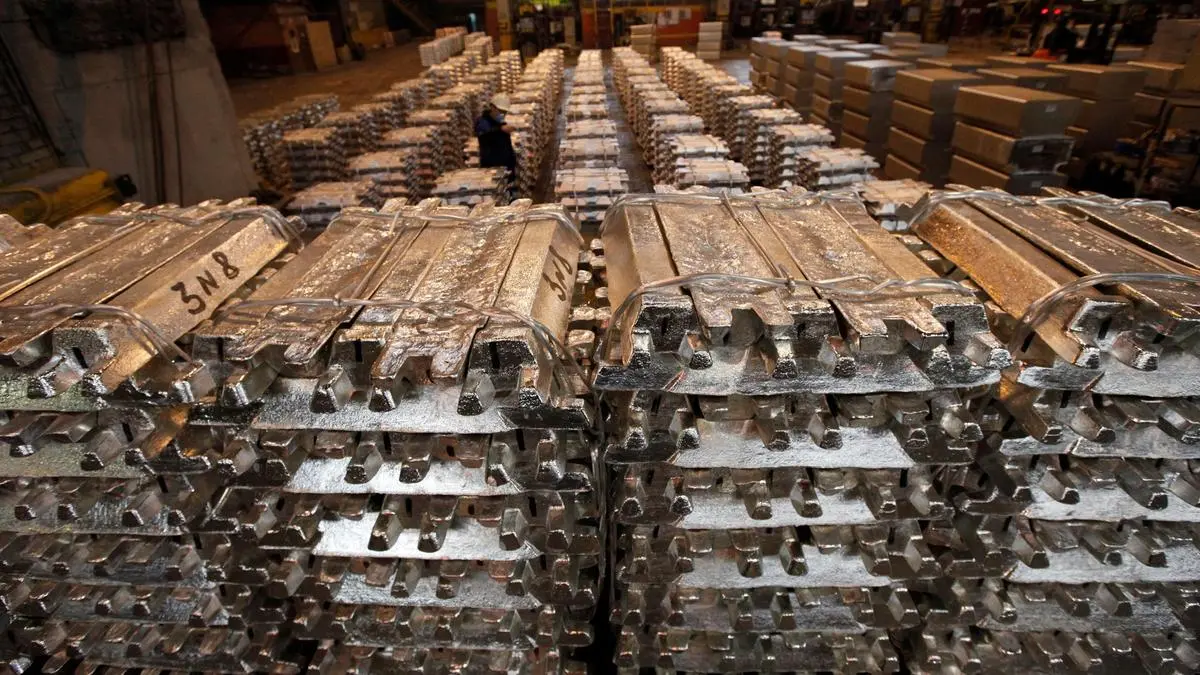
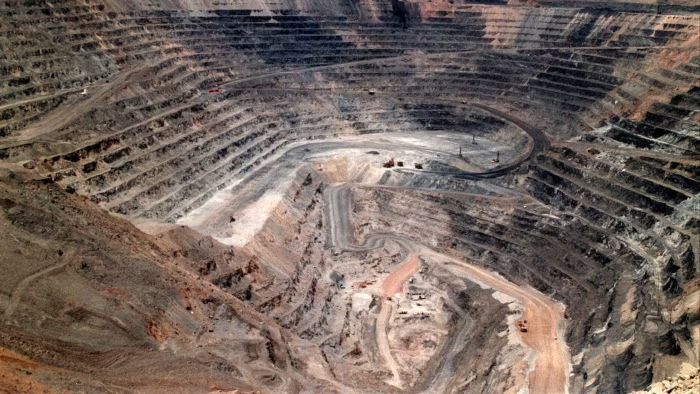
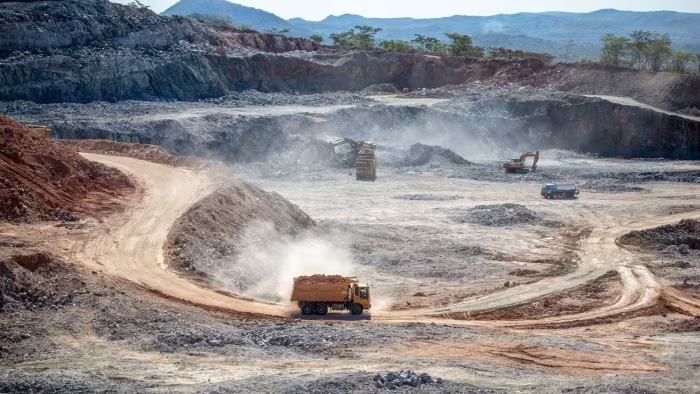
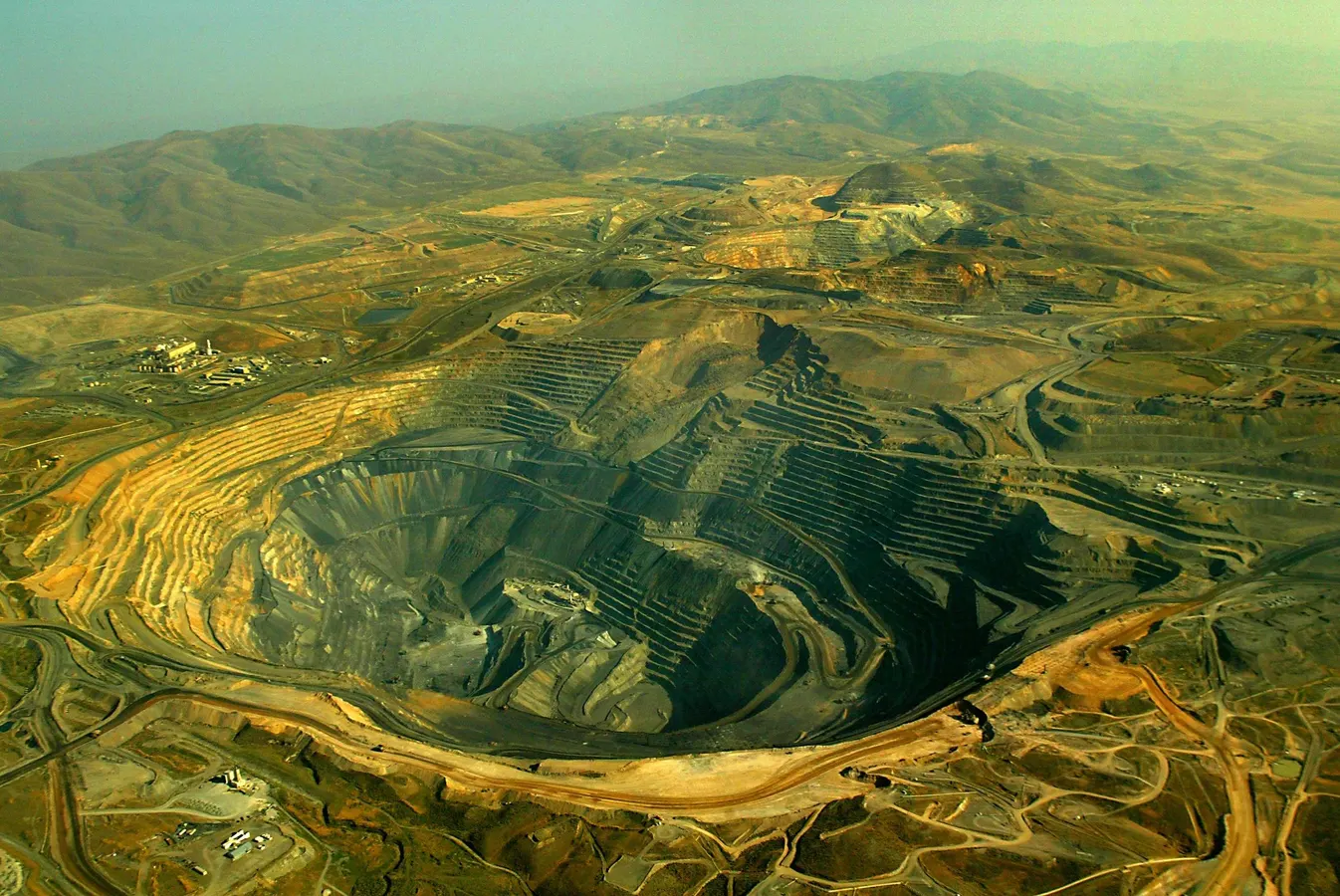
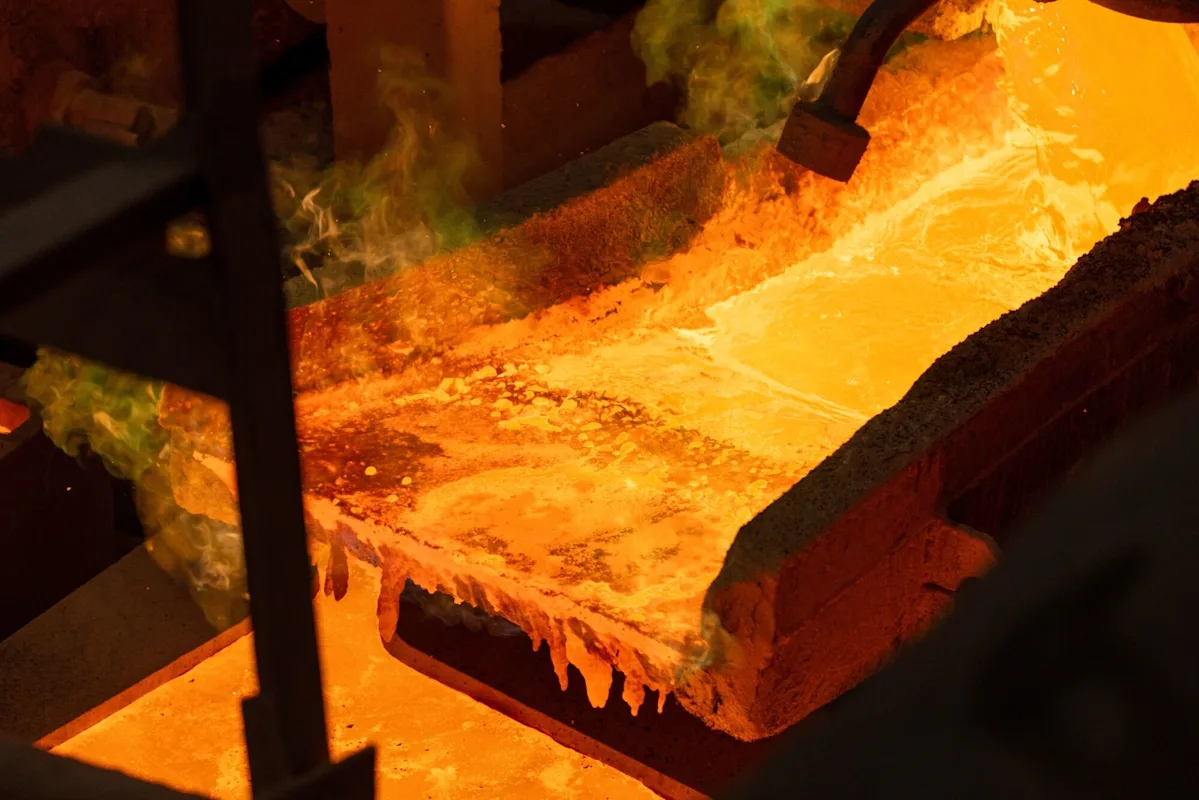
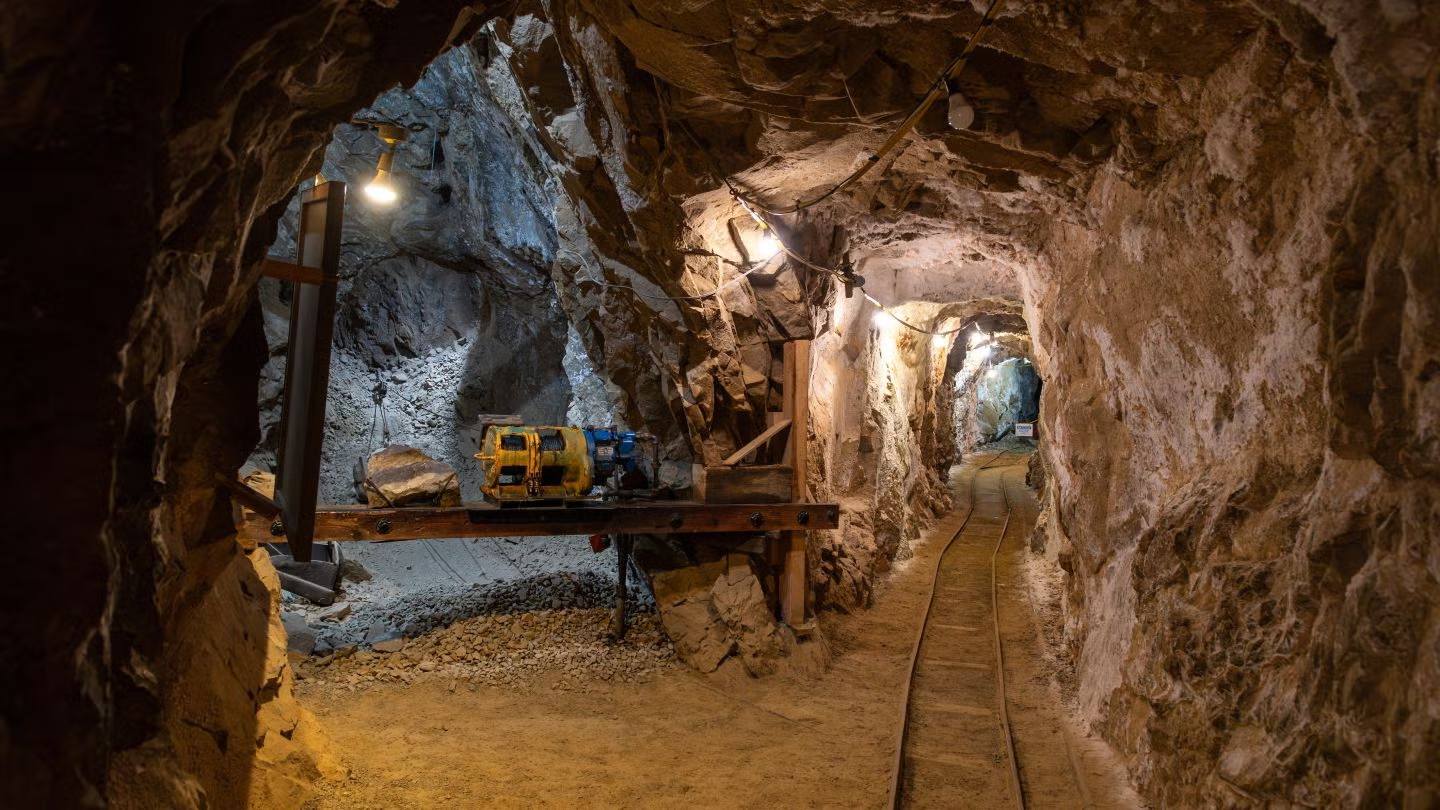
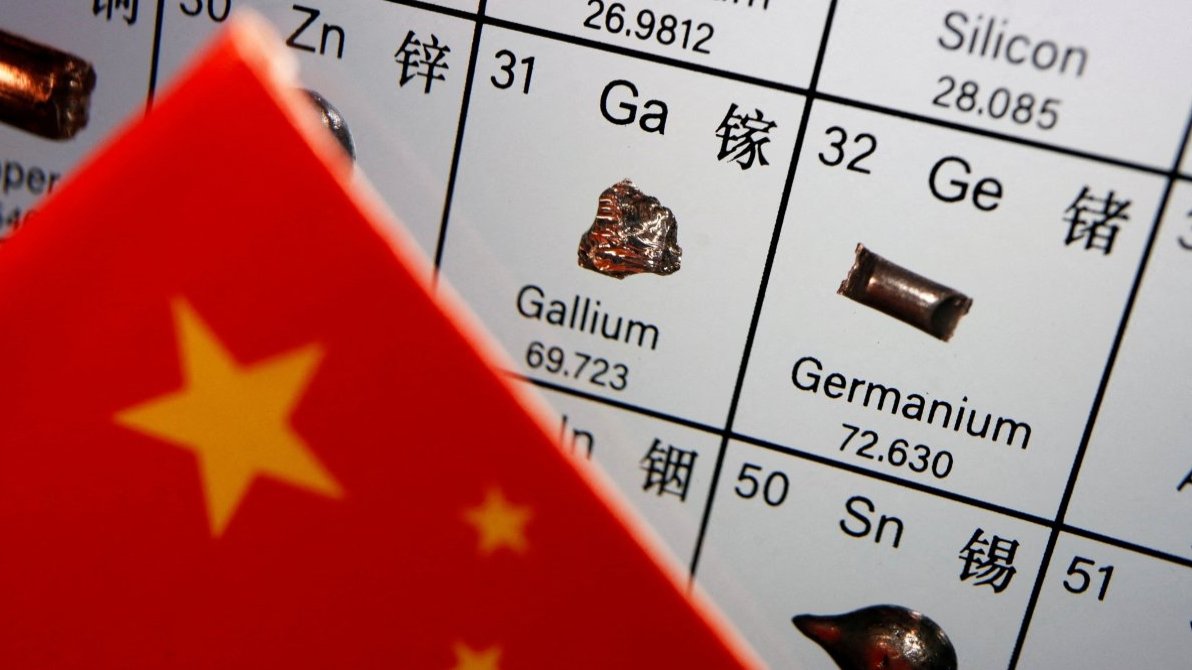
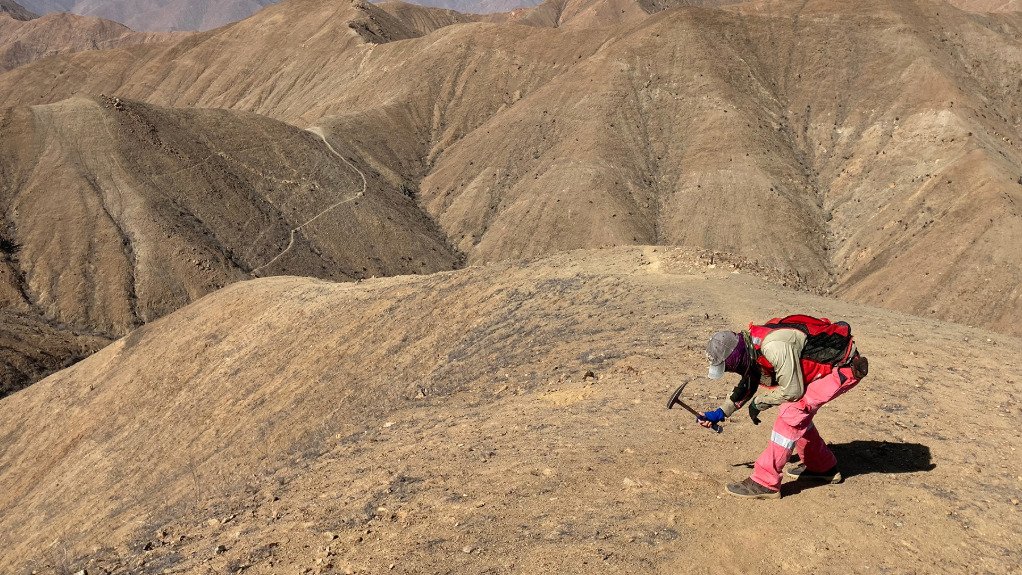
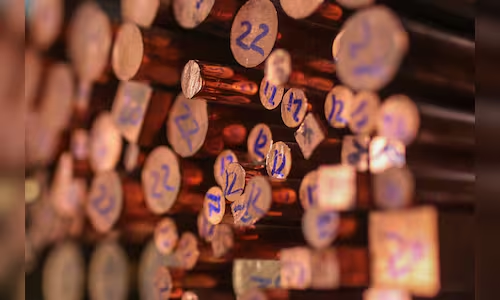
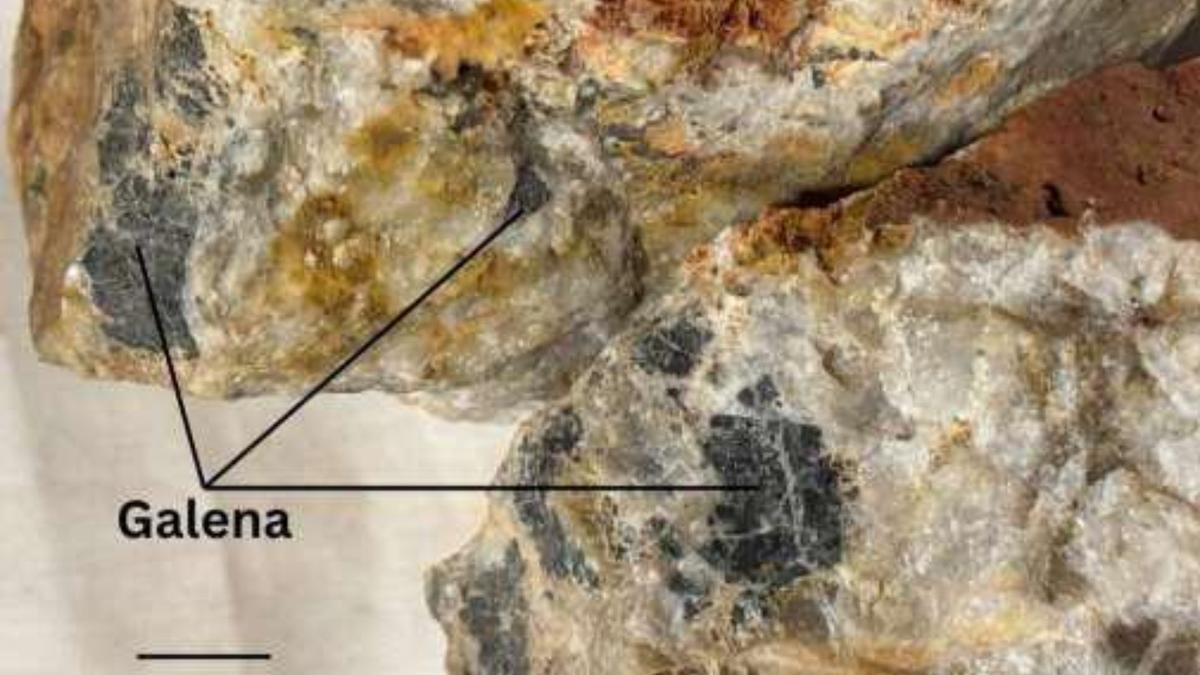
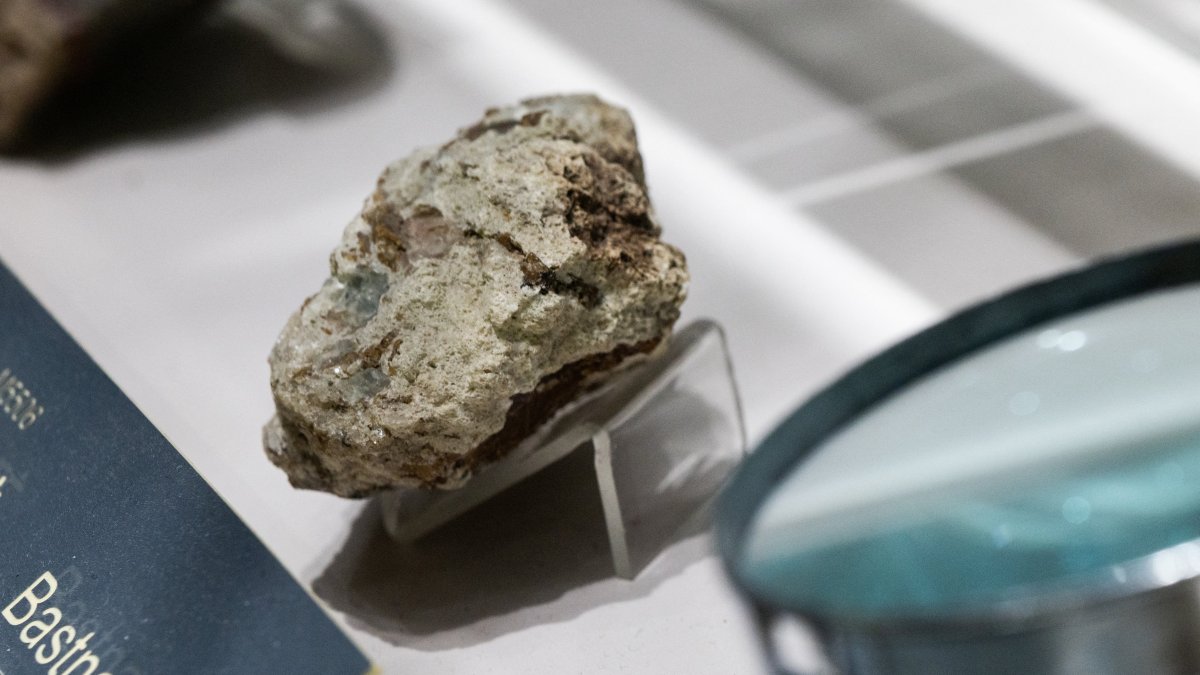
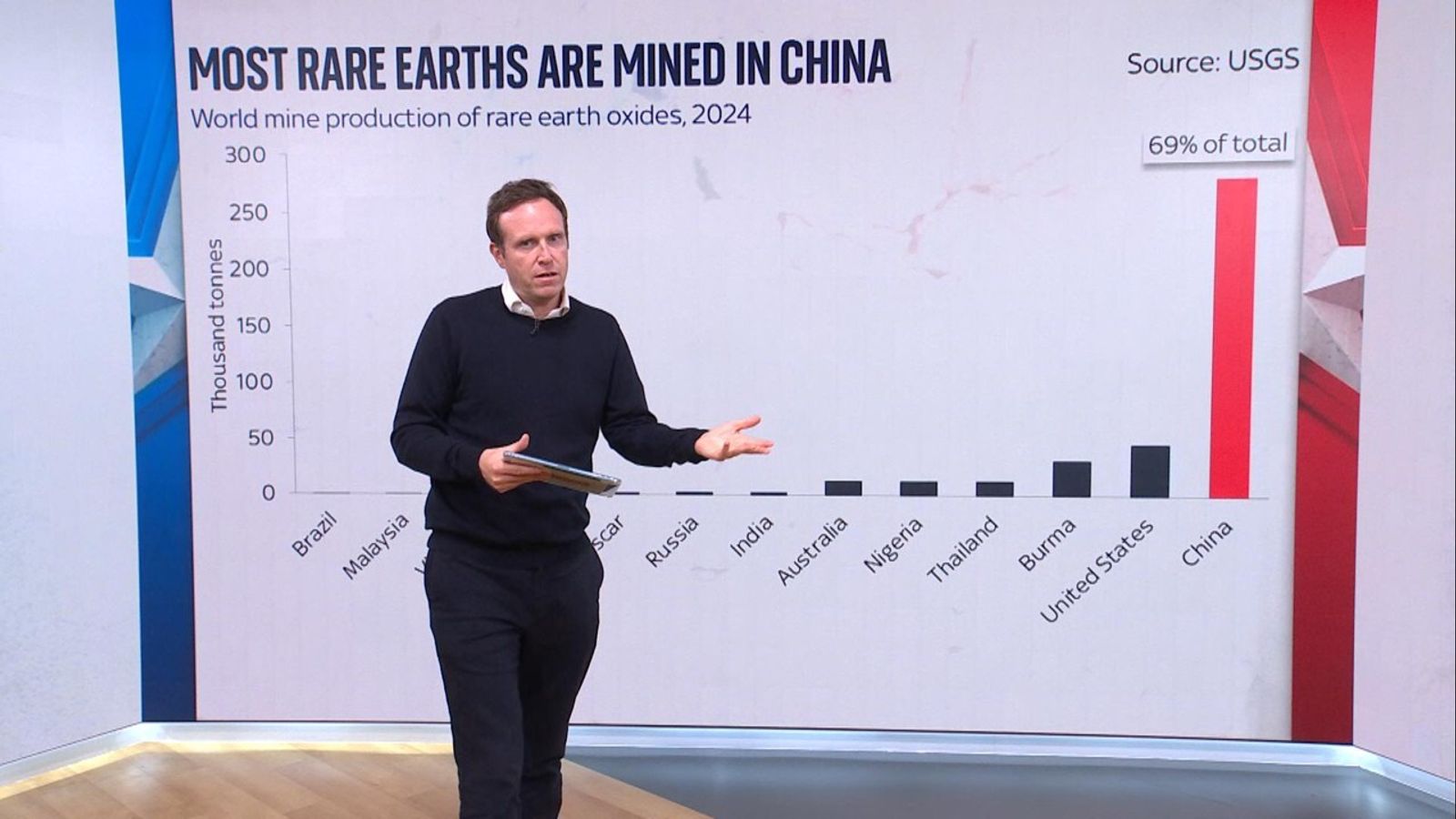
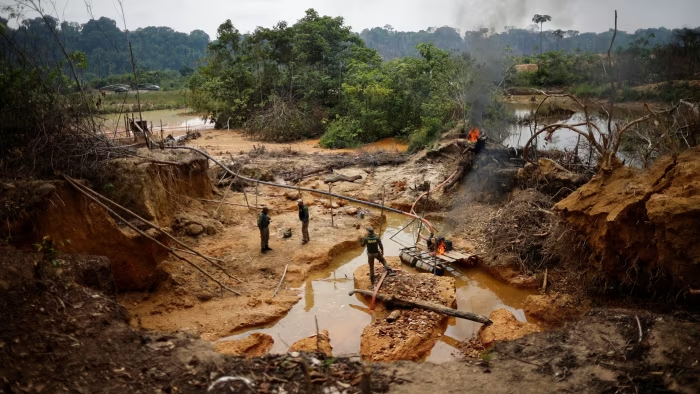
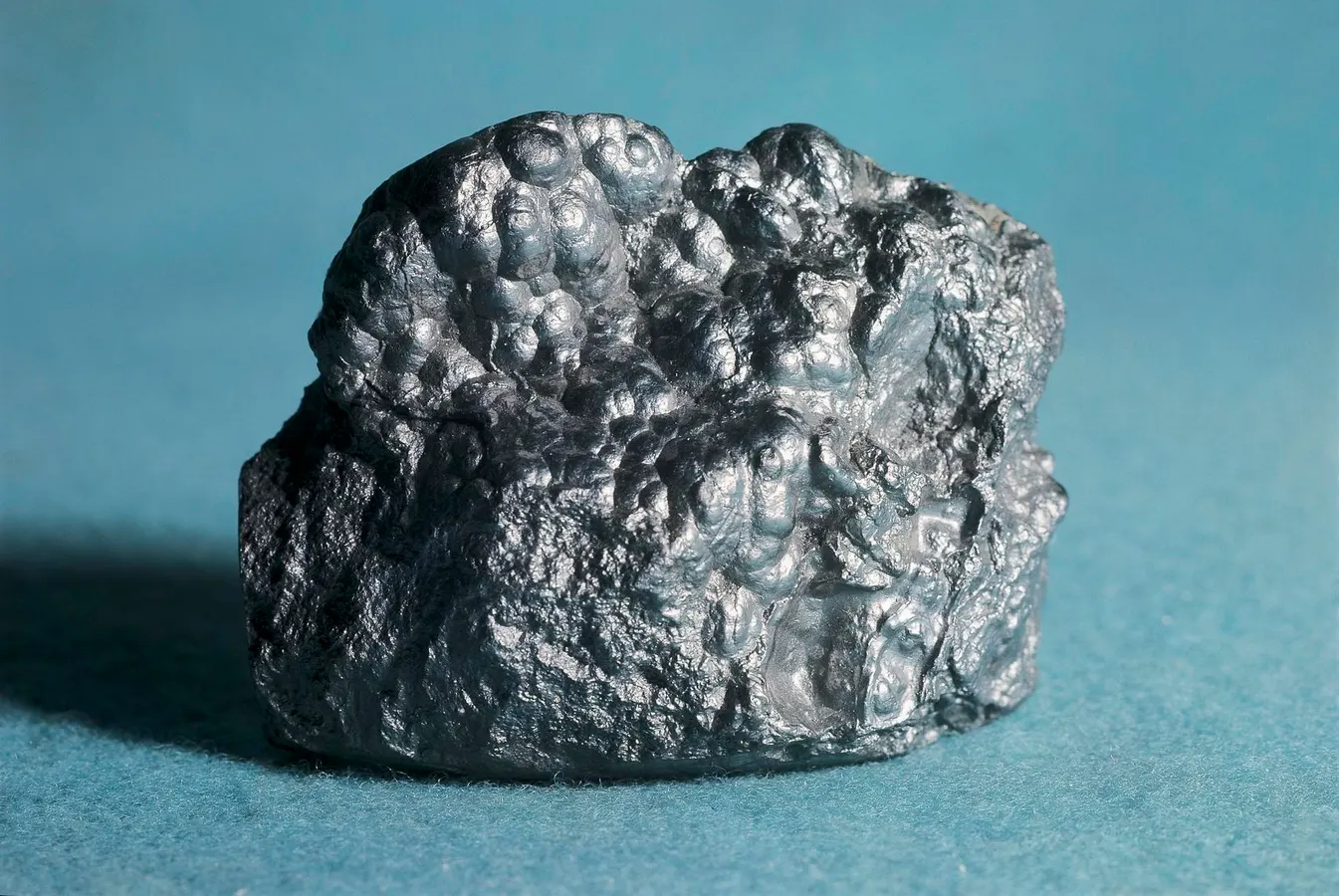
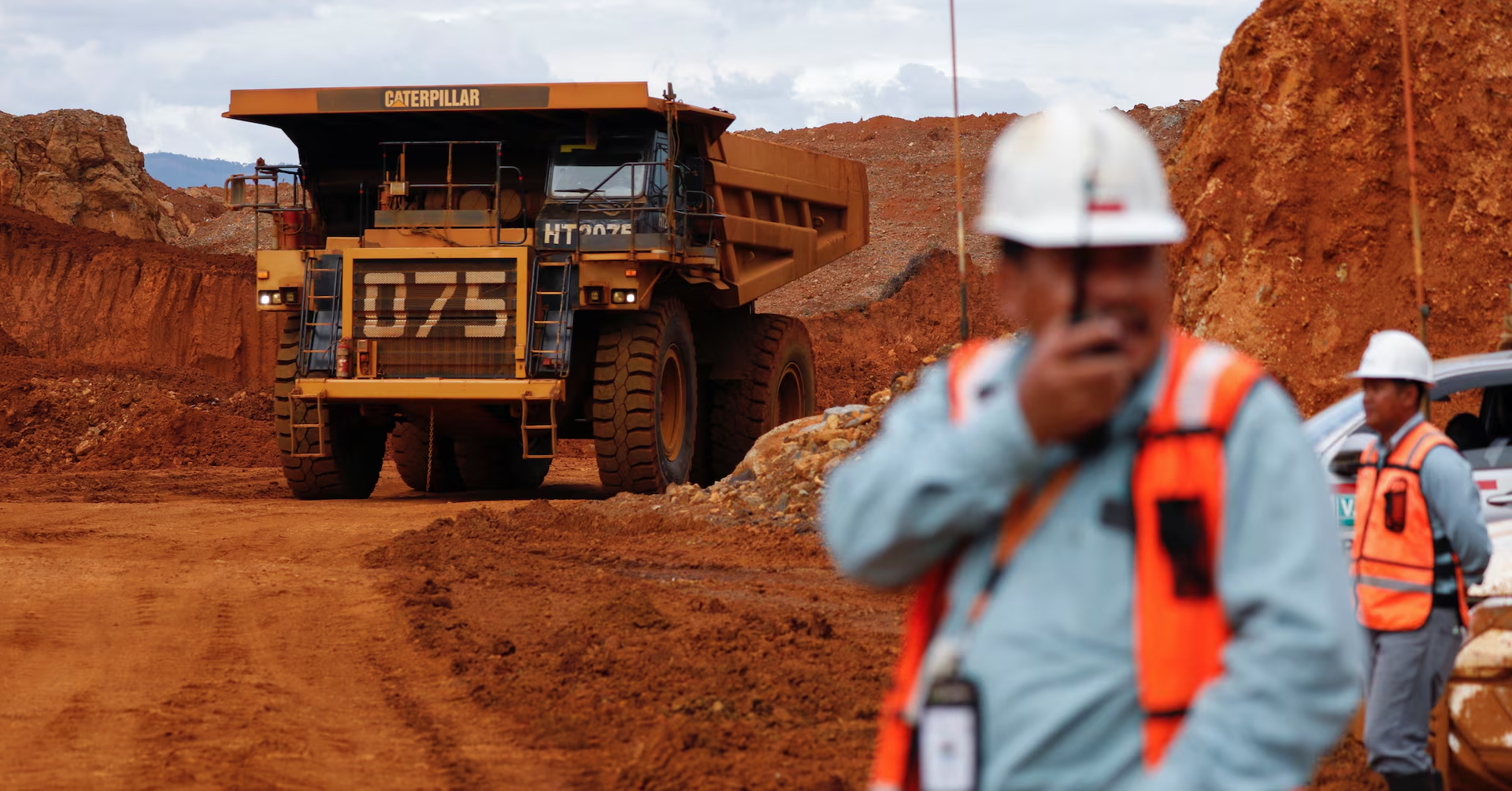
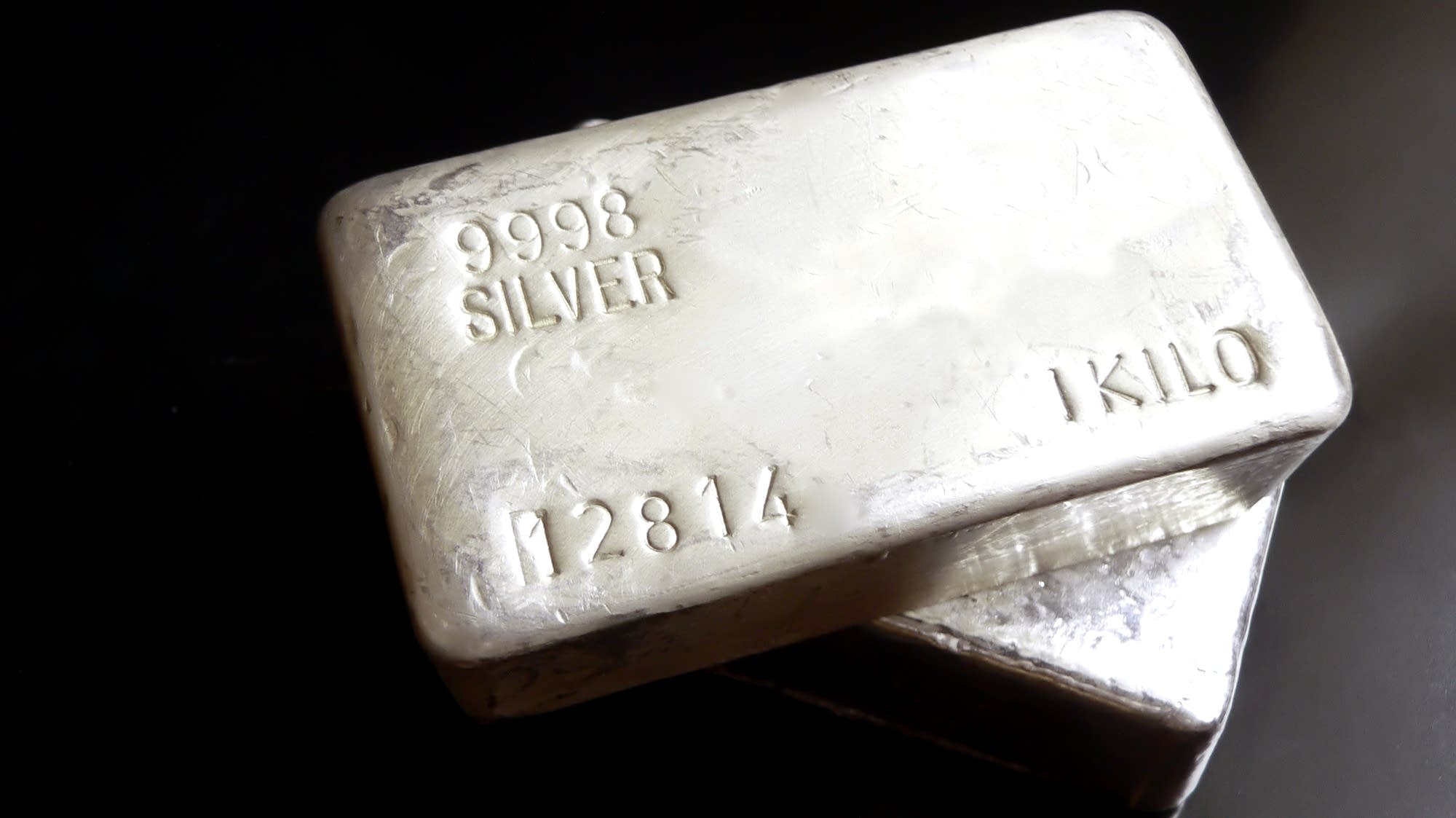
But first I’d like to highlight a fascinating deep dive on the Pentagon’s stockpiling of up to $1bn in critical minerals to counter Chinese dominance of the metals essential to defence manufacturers. My colleagues Camilla Hodgson, Steff Chávez and Aime Williams dredged up public filings that show the US defence department’s accelerated move to beef up the national stockpile.
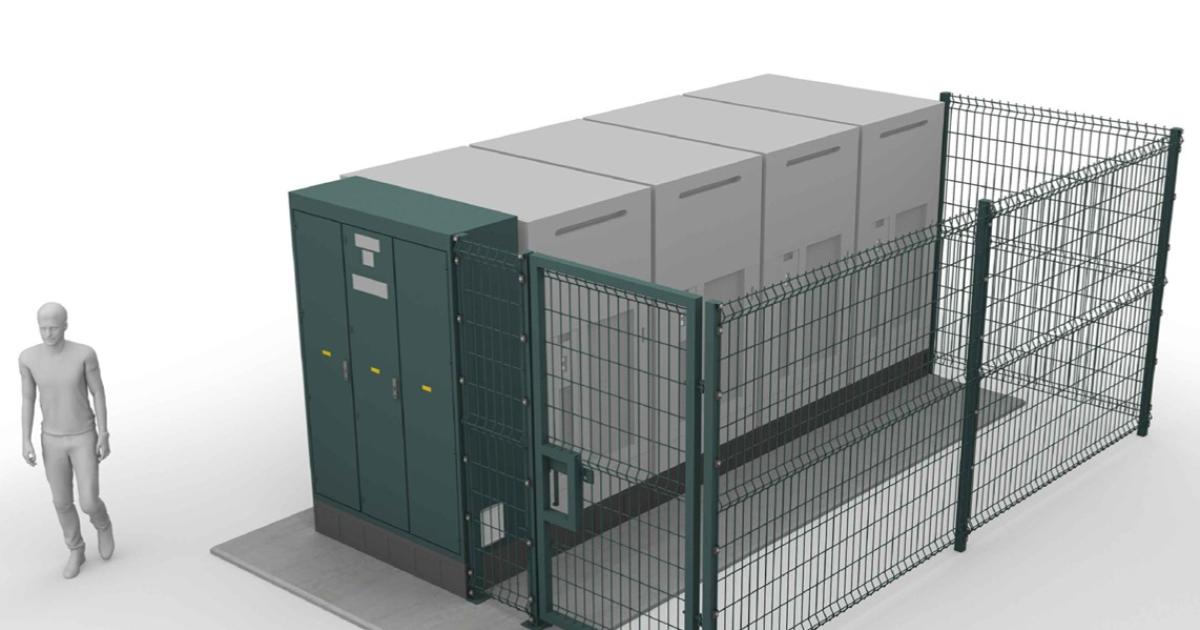
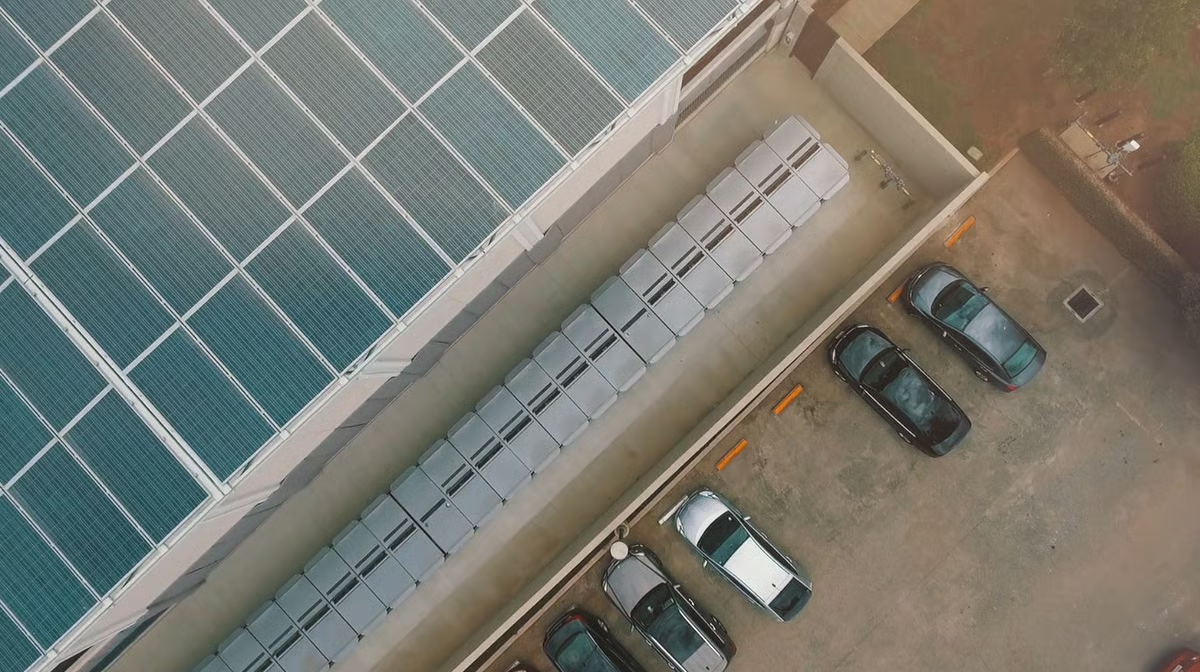
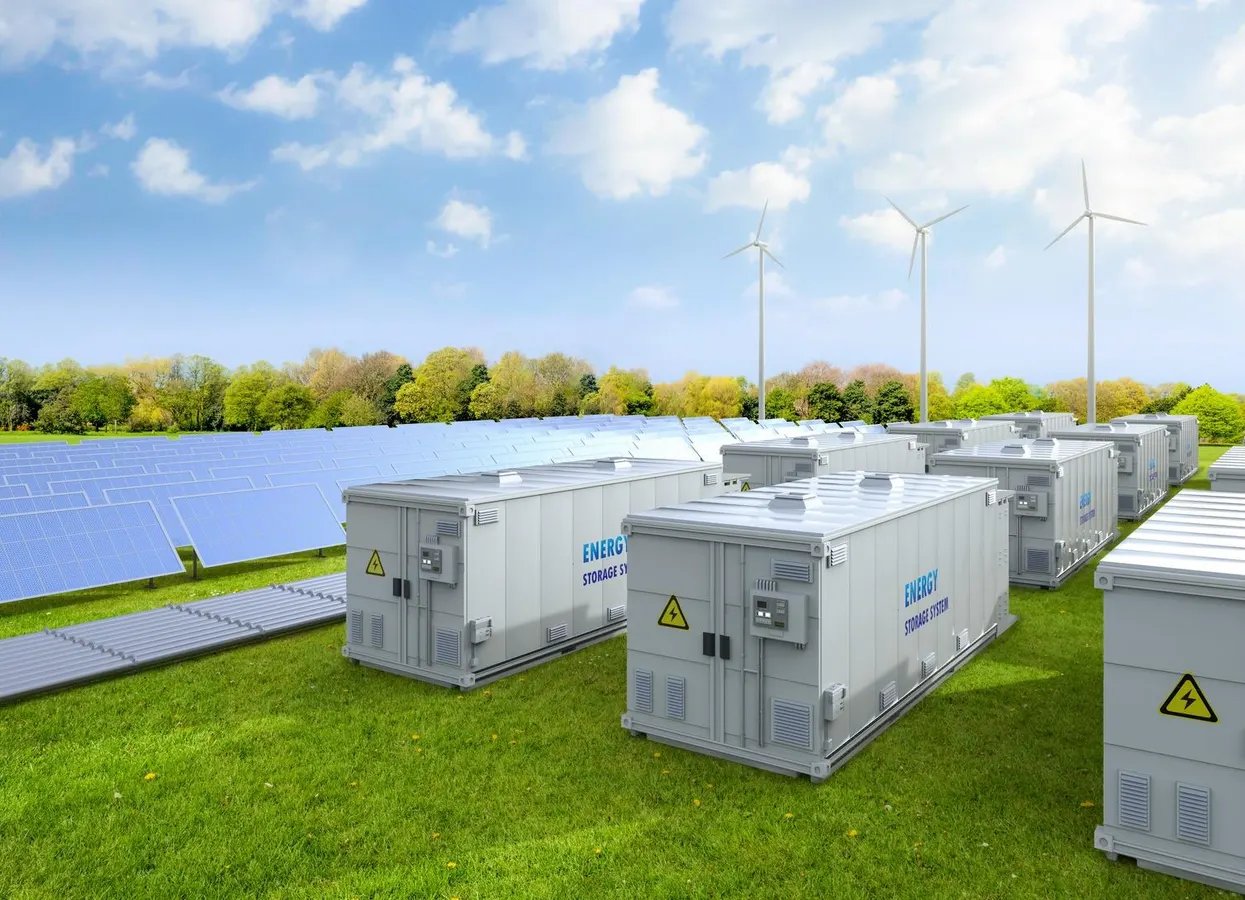
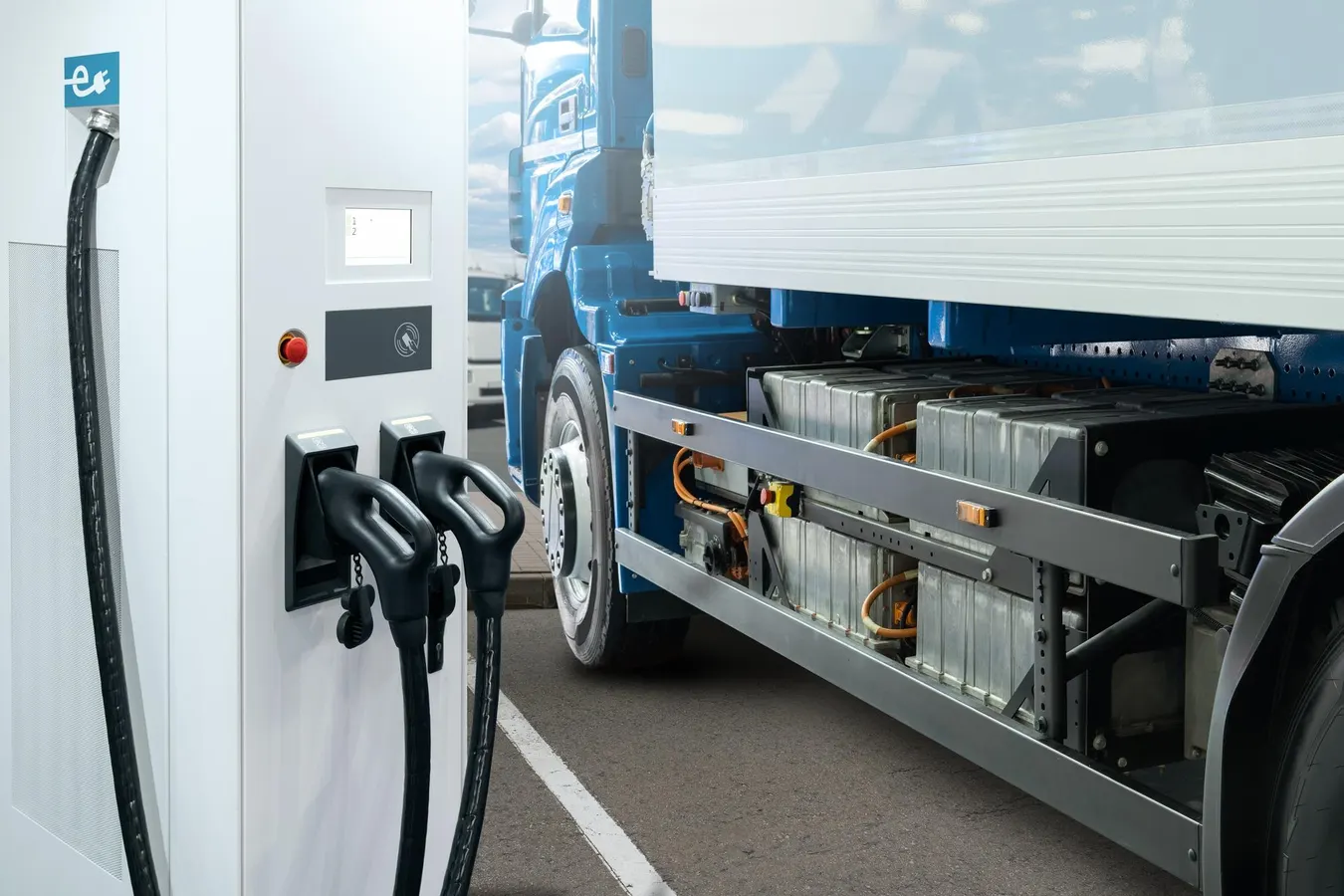
The Financial Times’ visual storytelling team also has a captivating story on how mega batteries are unlocking an energy revolution by shoring up grids and extending use of clean power. The team took months tracking down photos, drone footage and data to make what could be a dry subject come alive.
Thanks for reading — Kristina
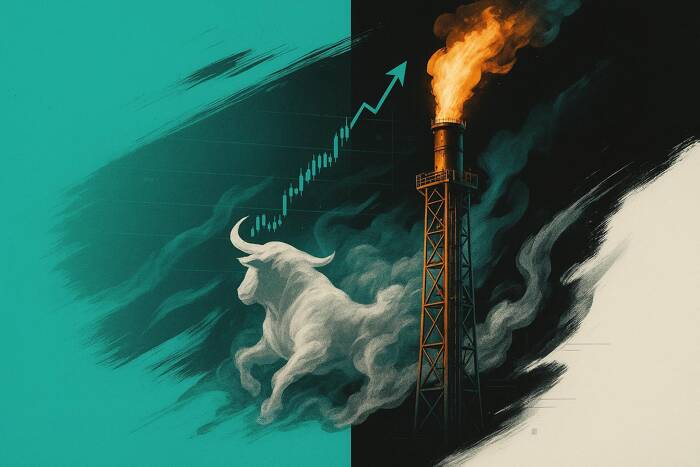
Overseas investors all in on US shale gas
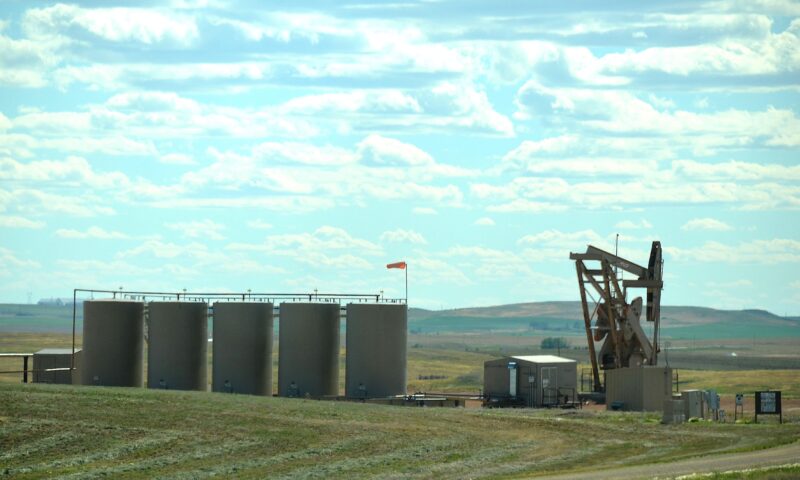
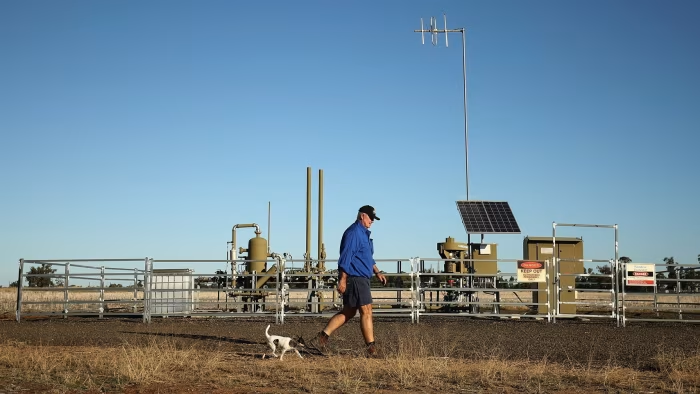
It’s not just US companies that want to cash in on the world’s biggest natural gas market. Foreign buyers are flocking to American shores to buy shale assets to diversify their supplies.
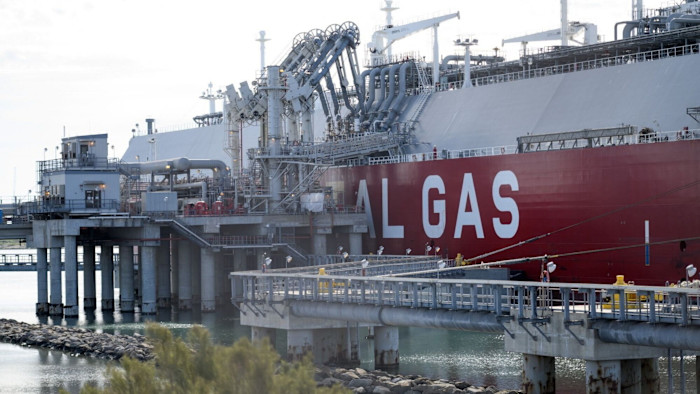
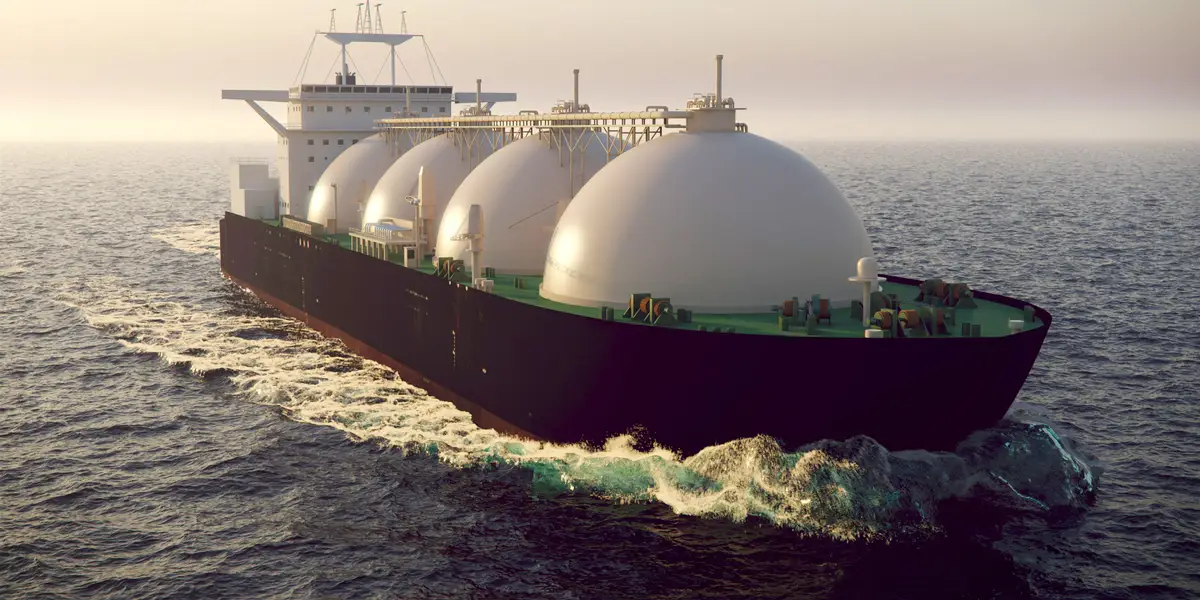
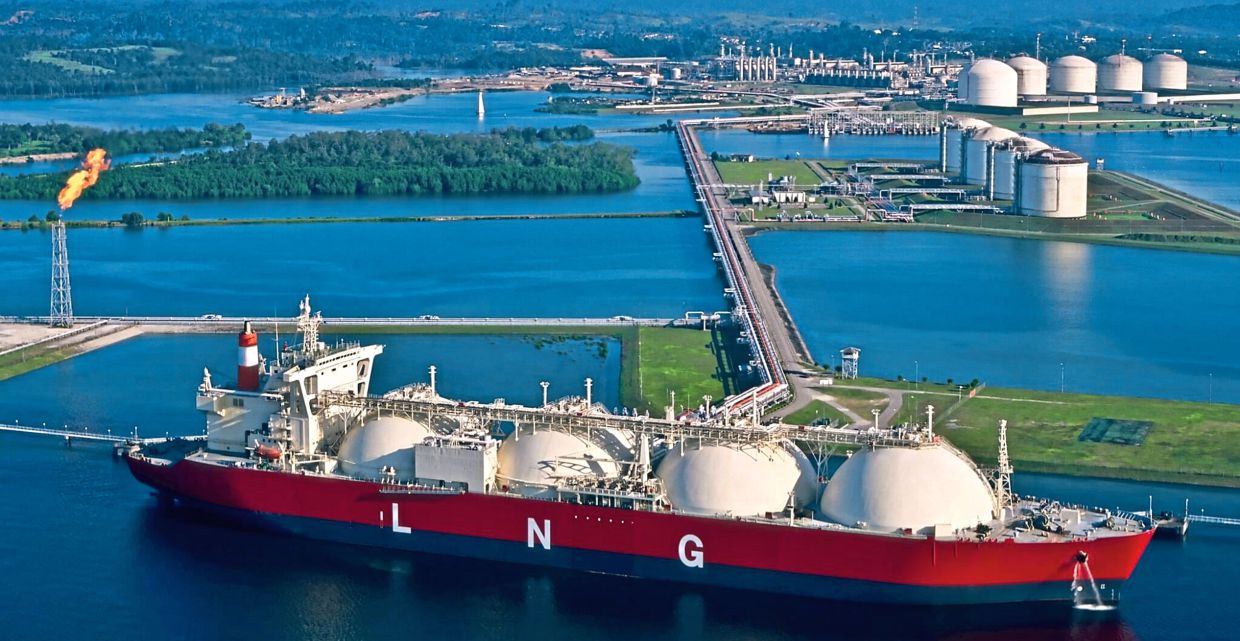
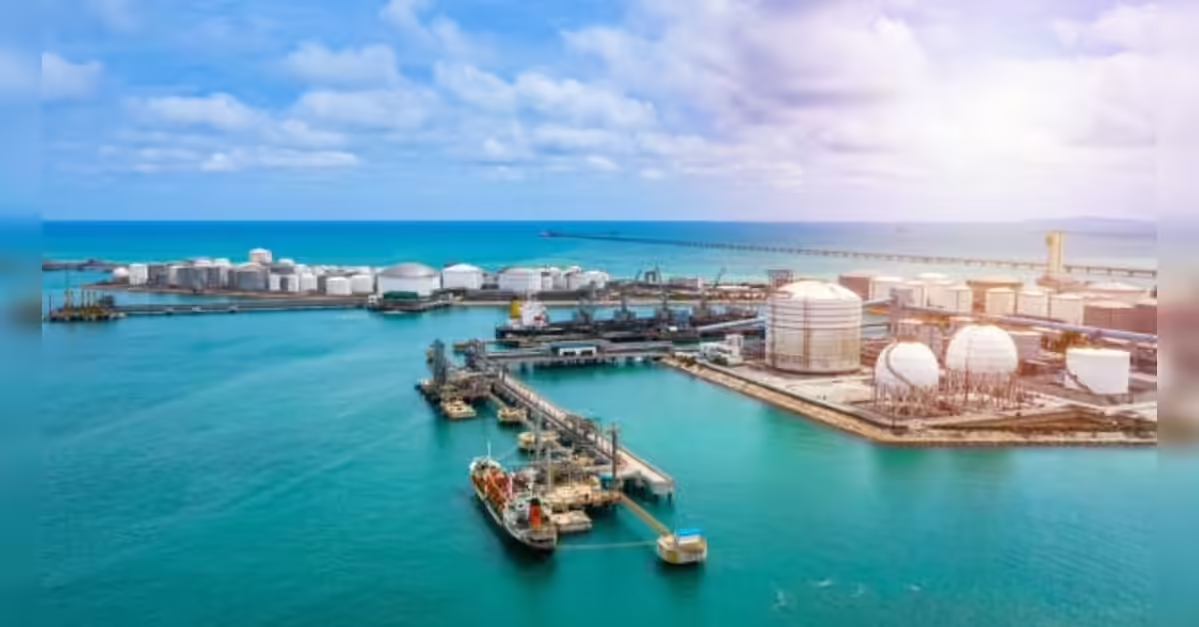
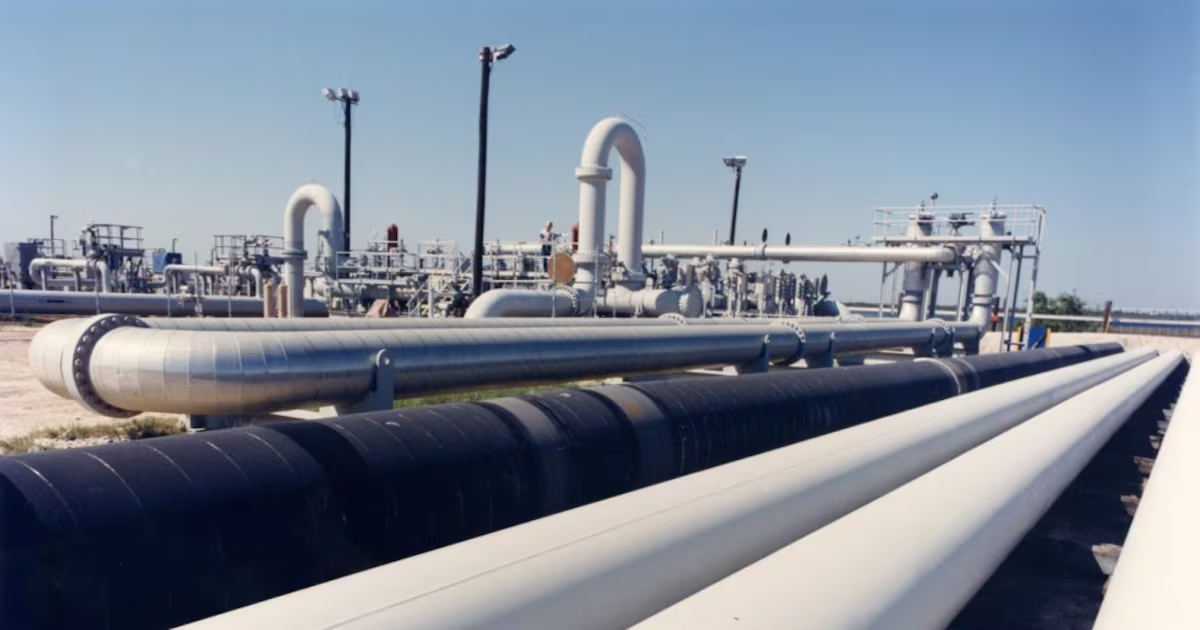
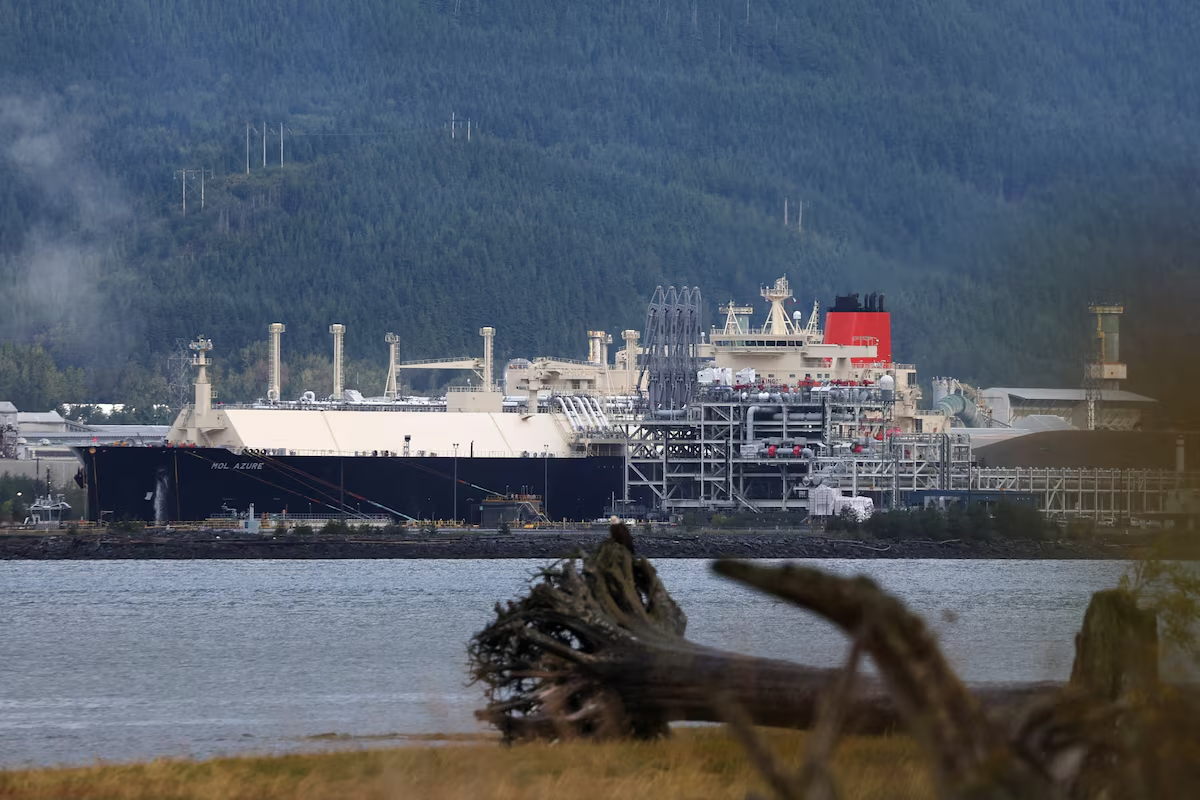
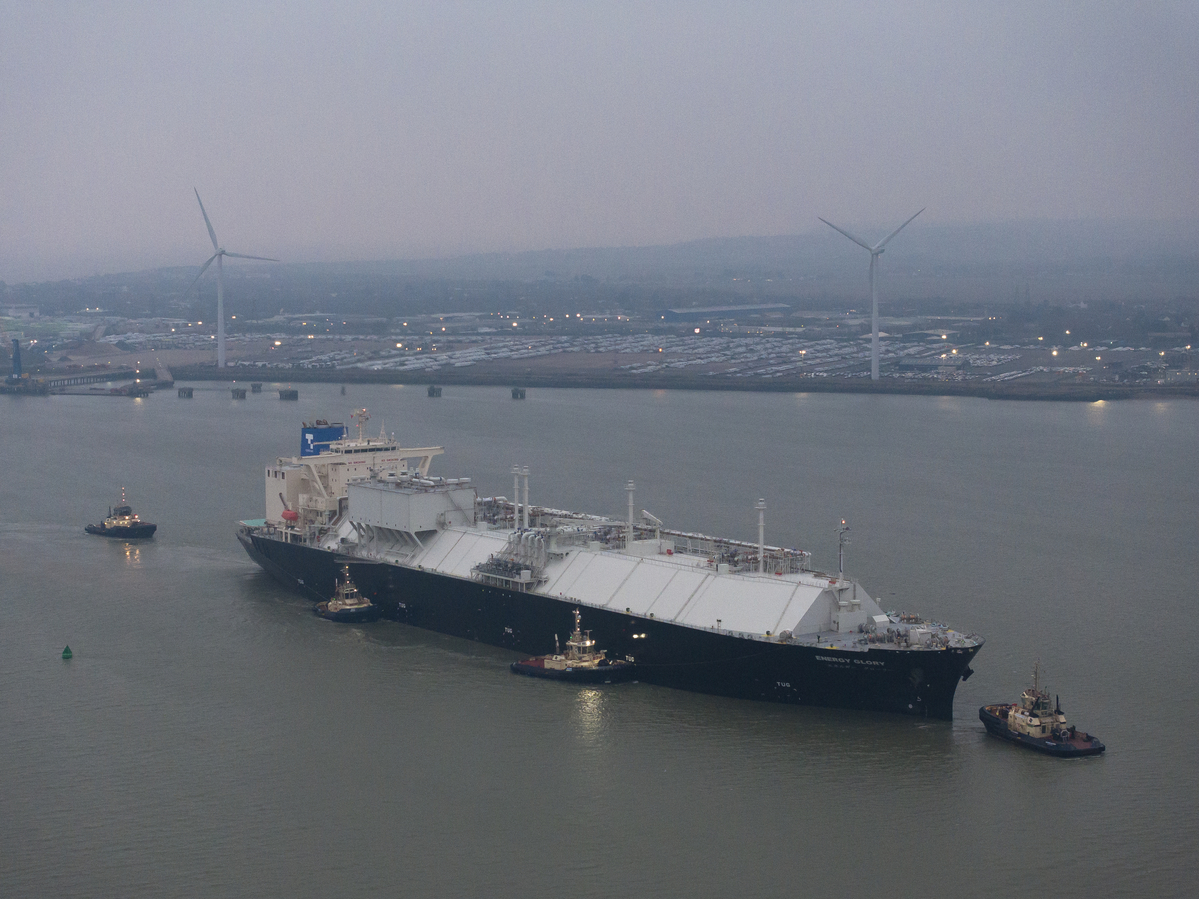
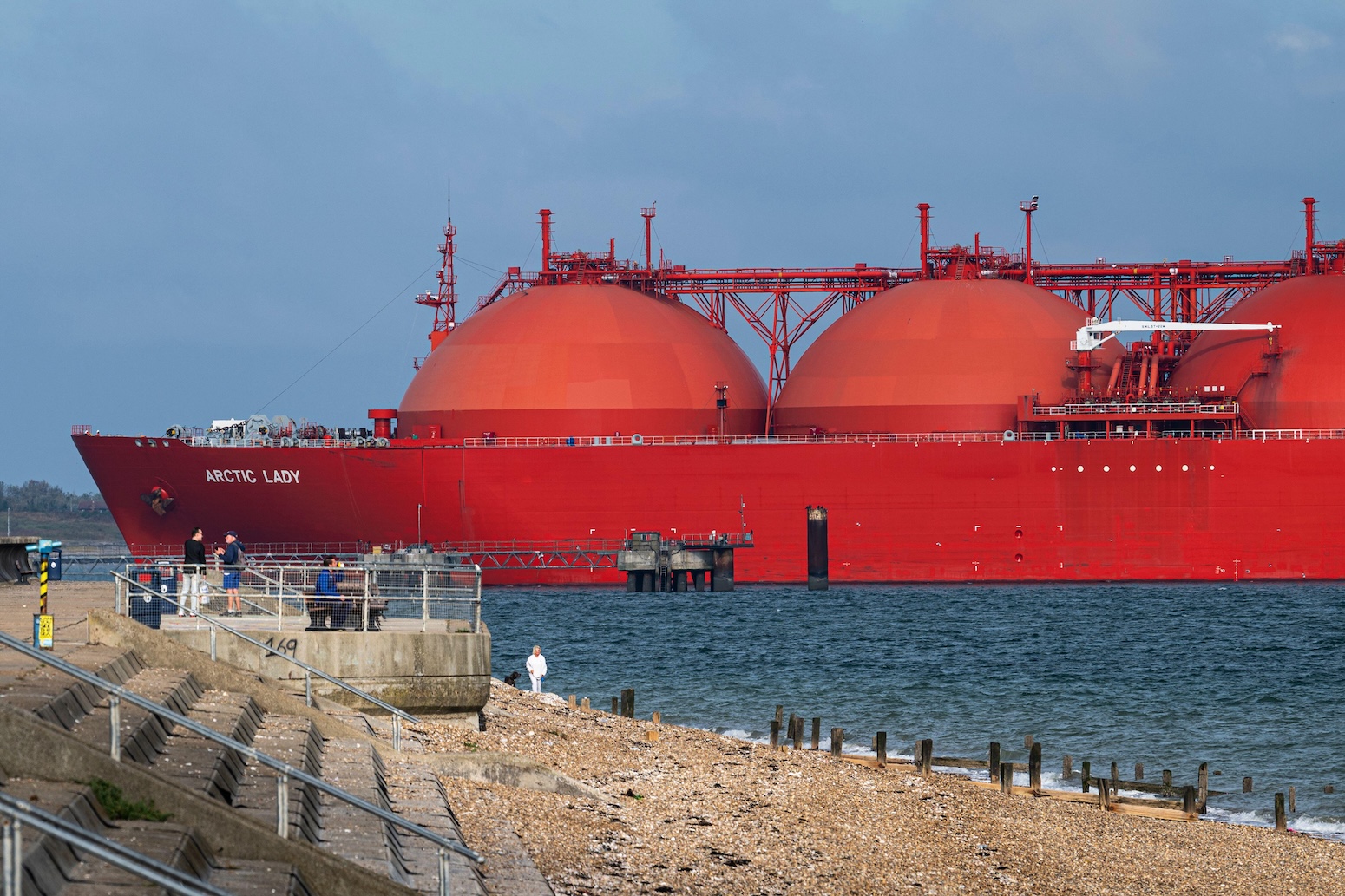
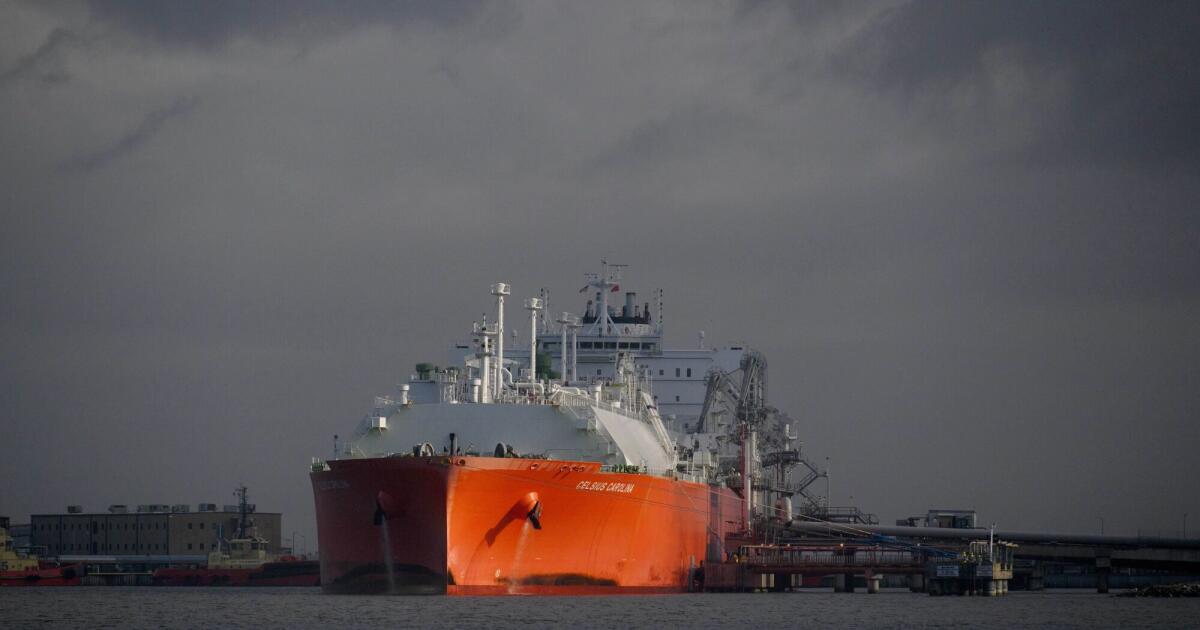
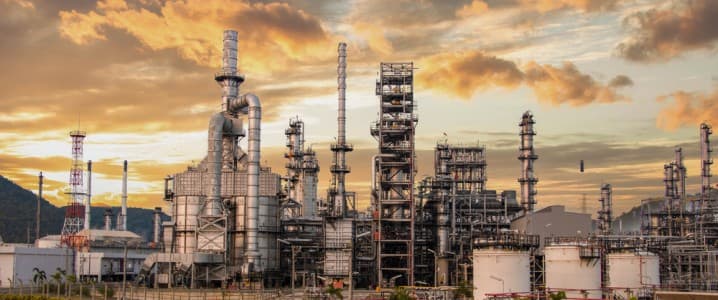
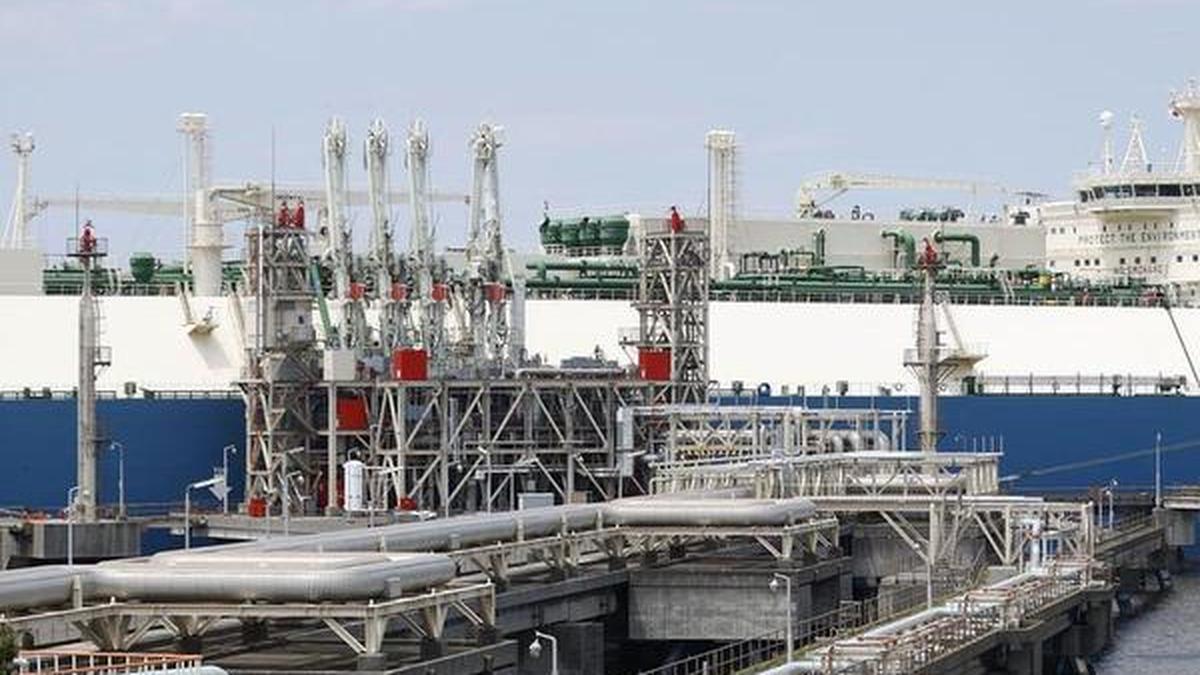
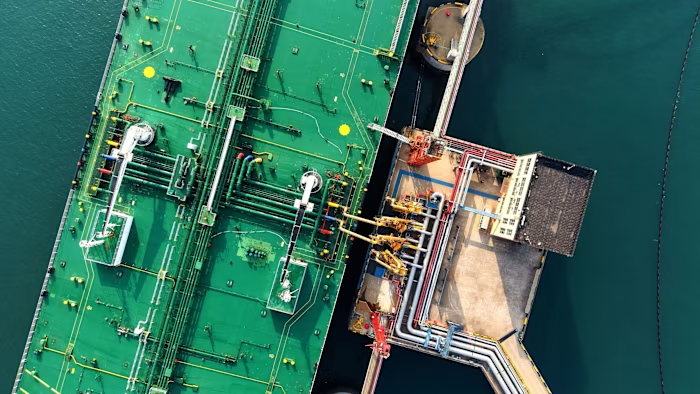
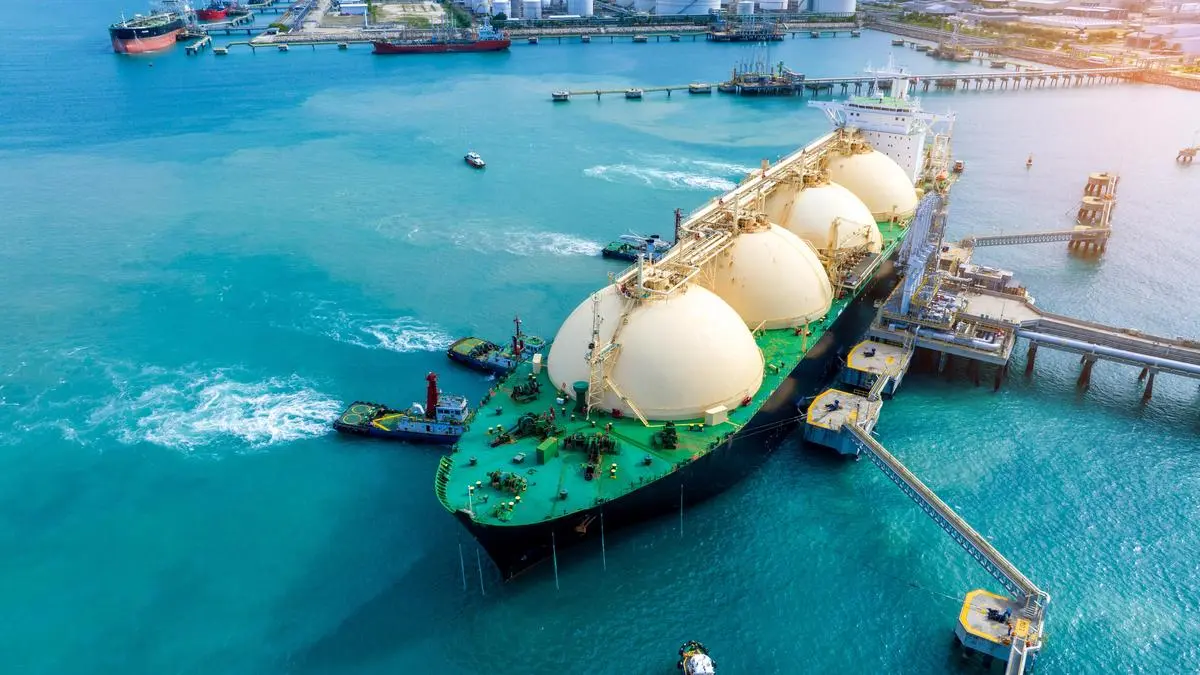
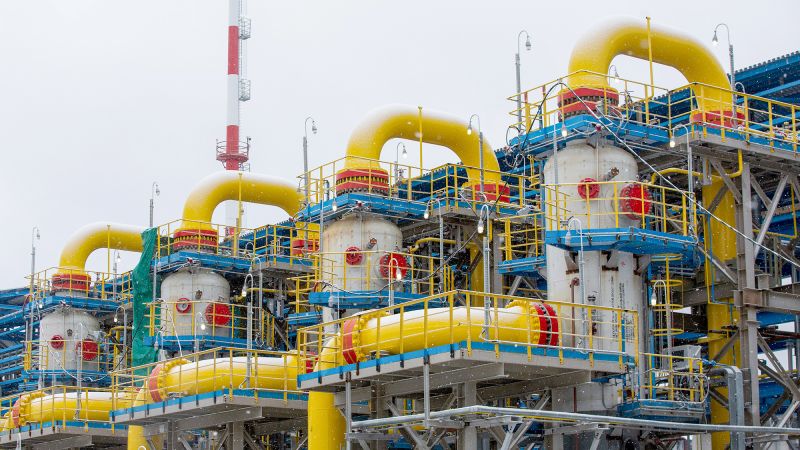
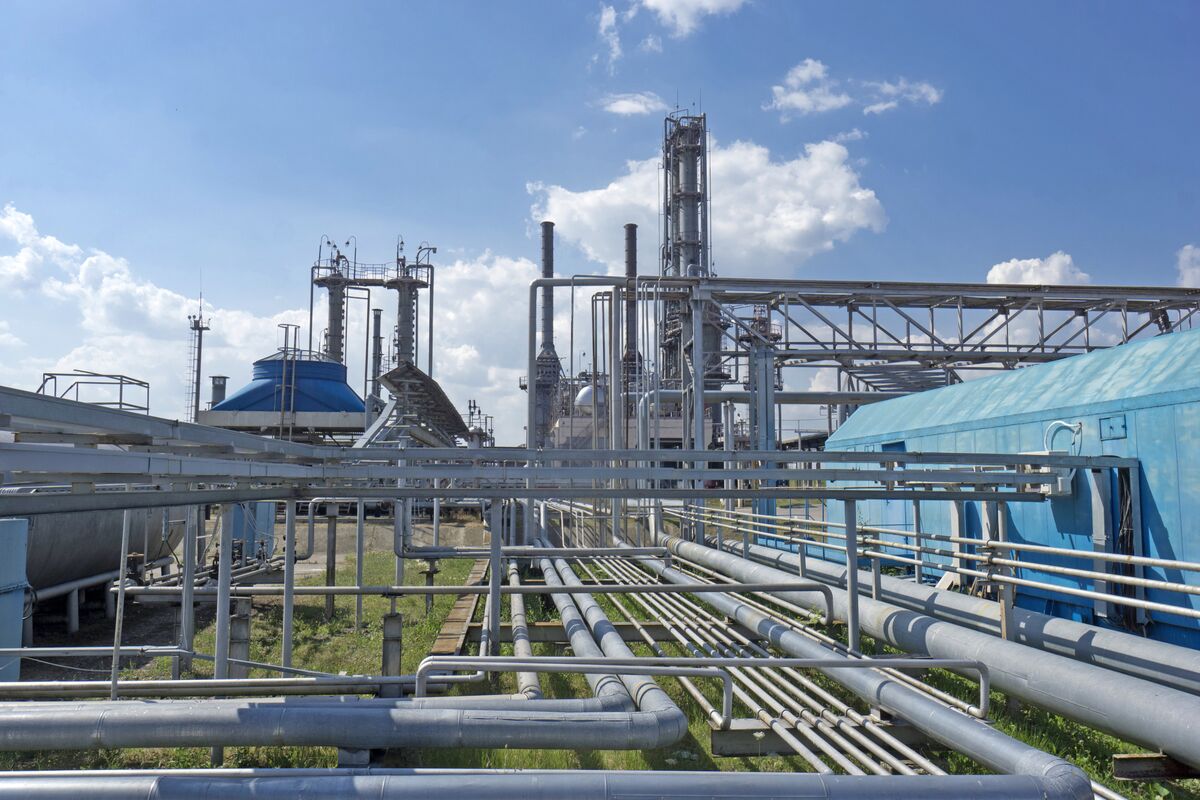
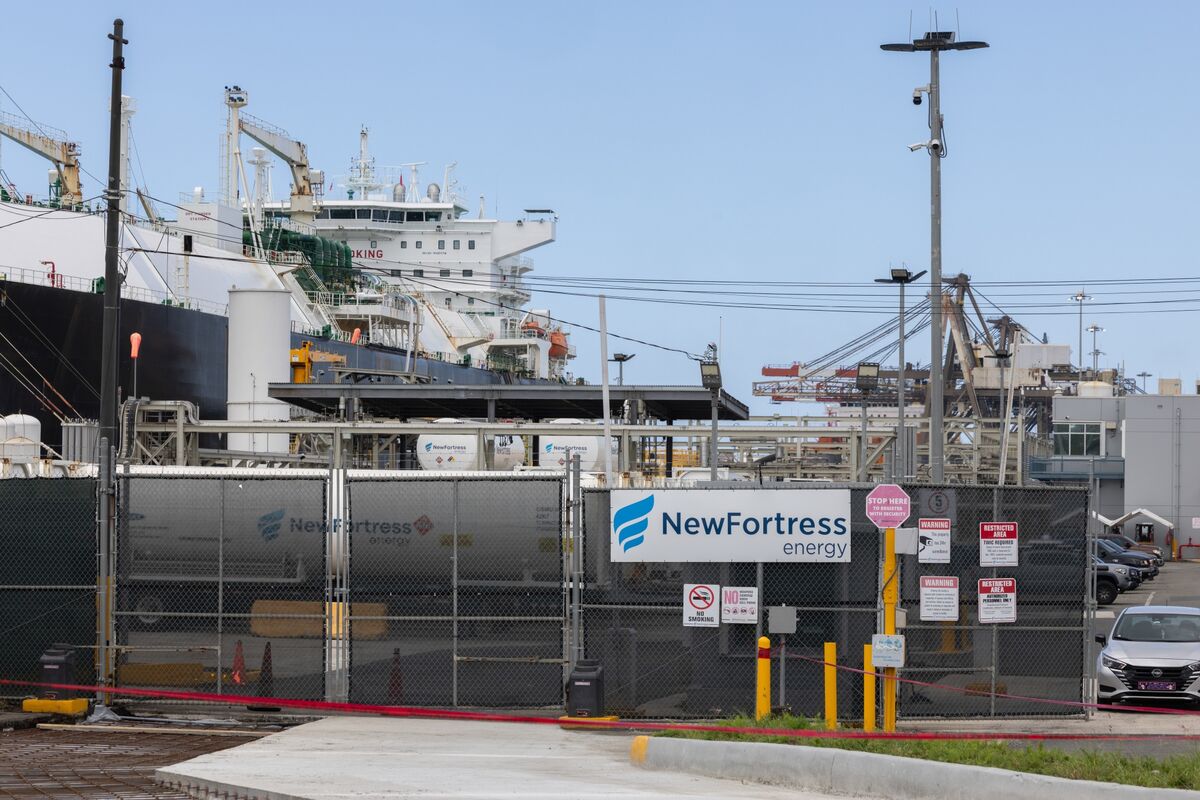
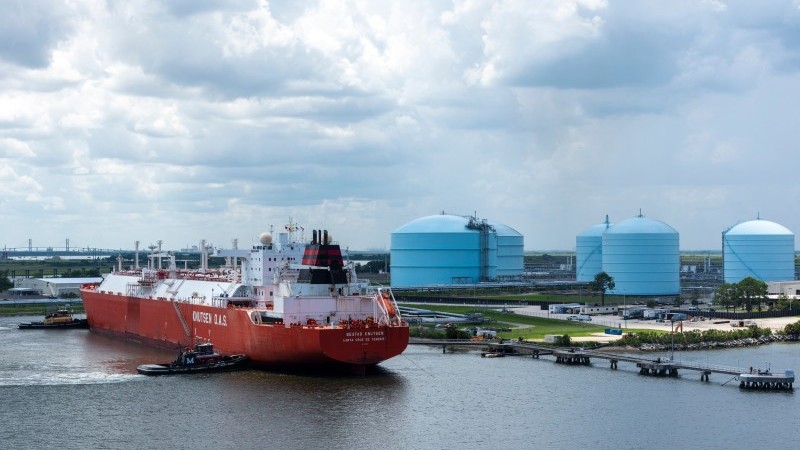
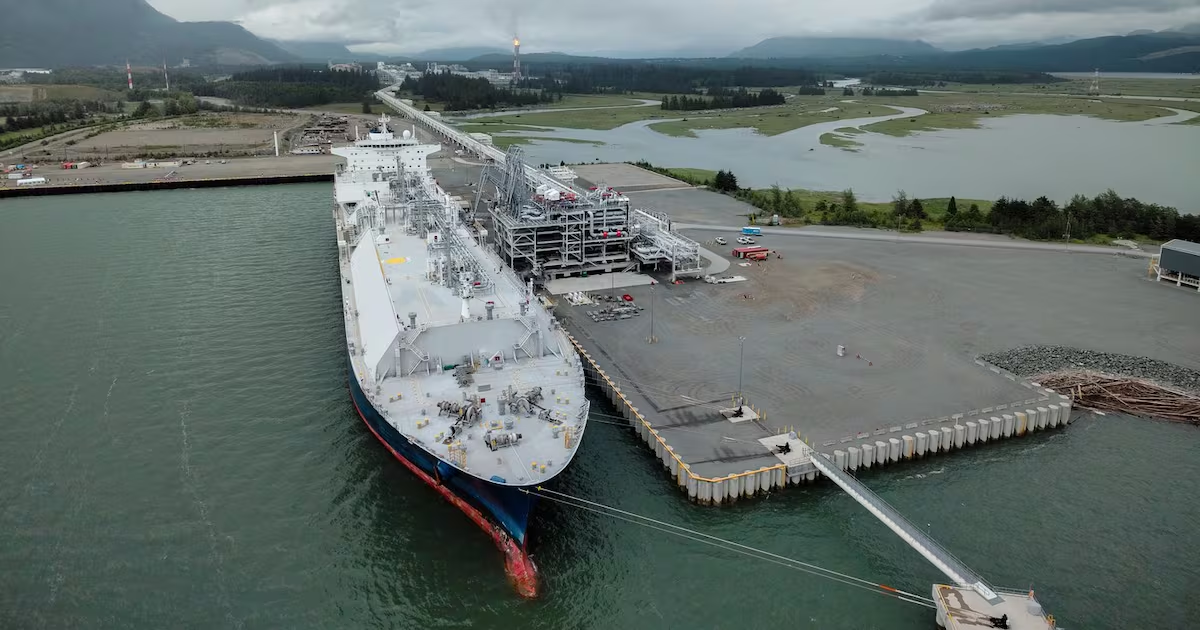
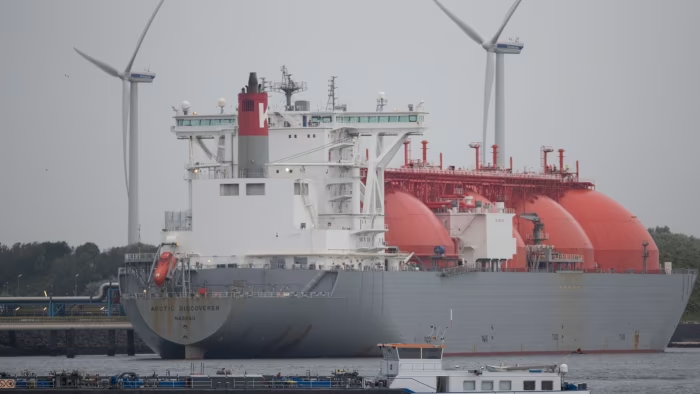
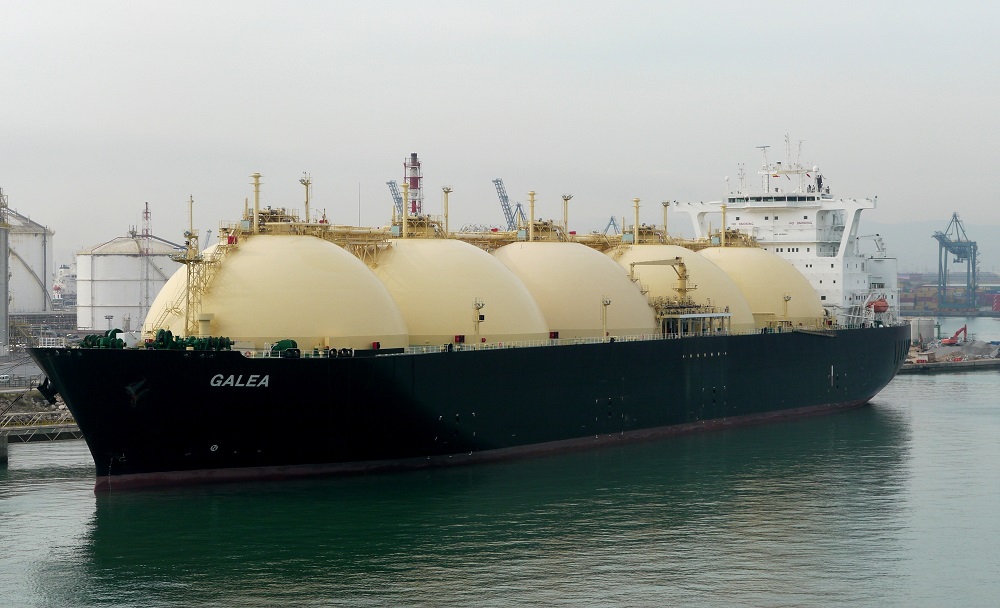
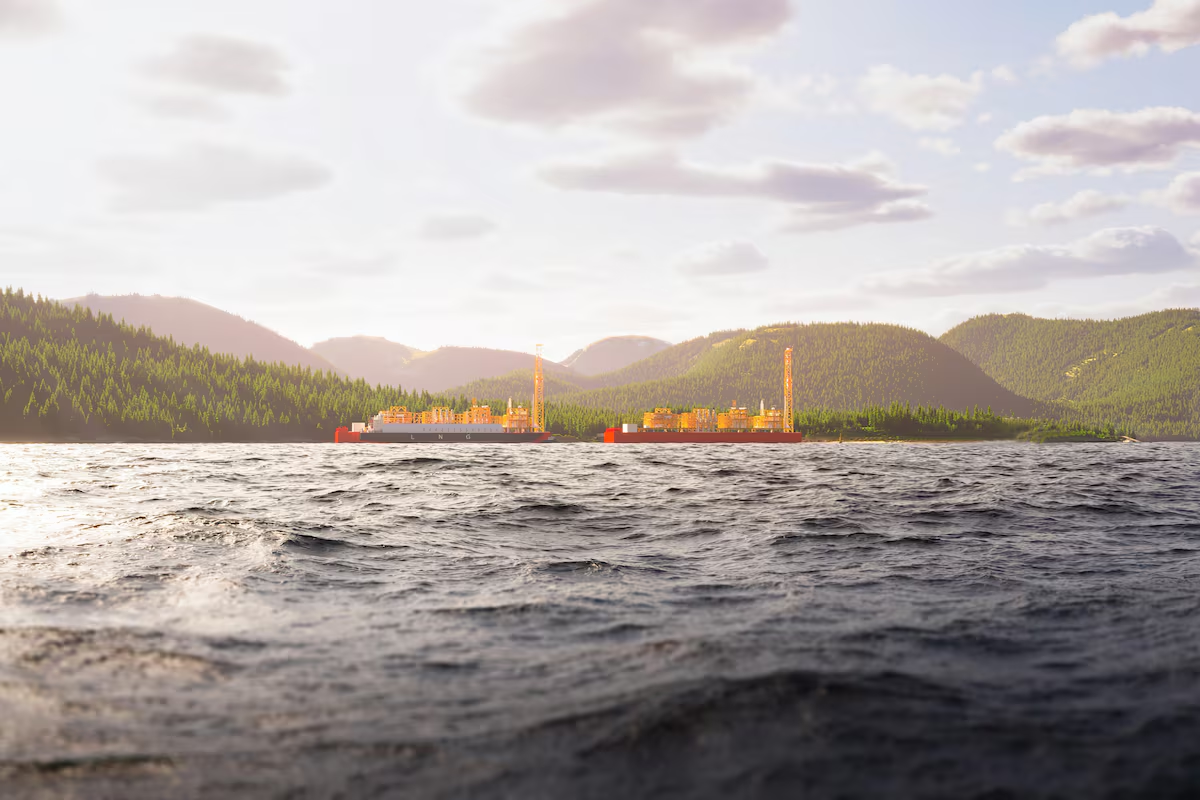
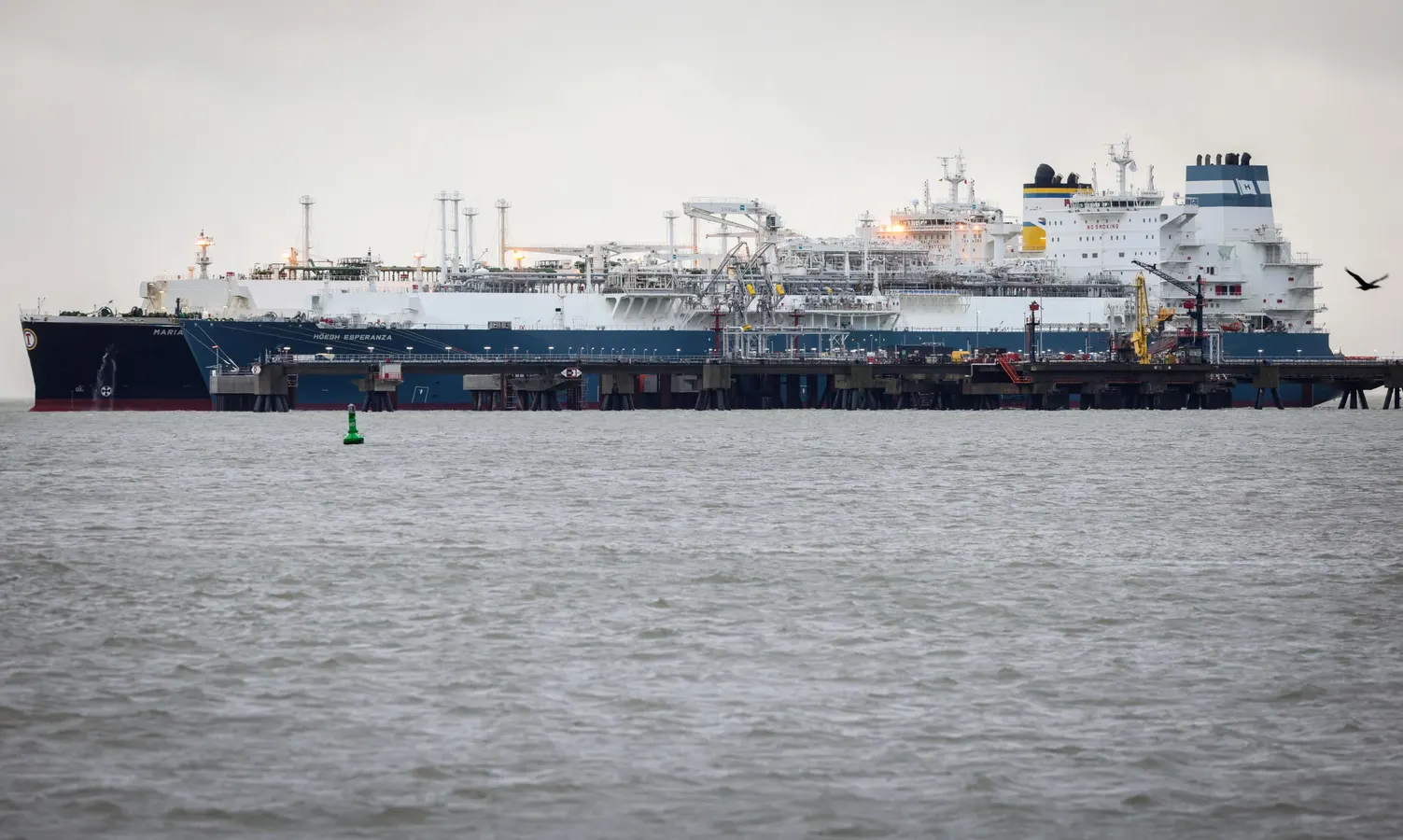
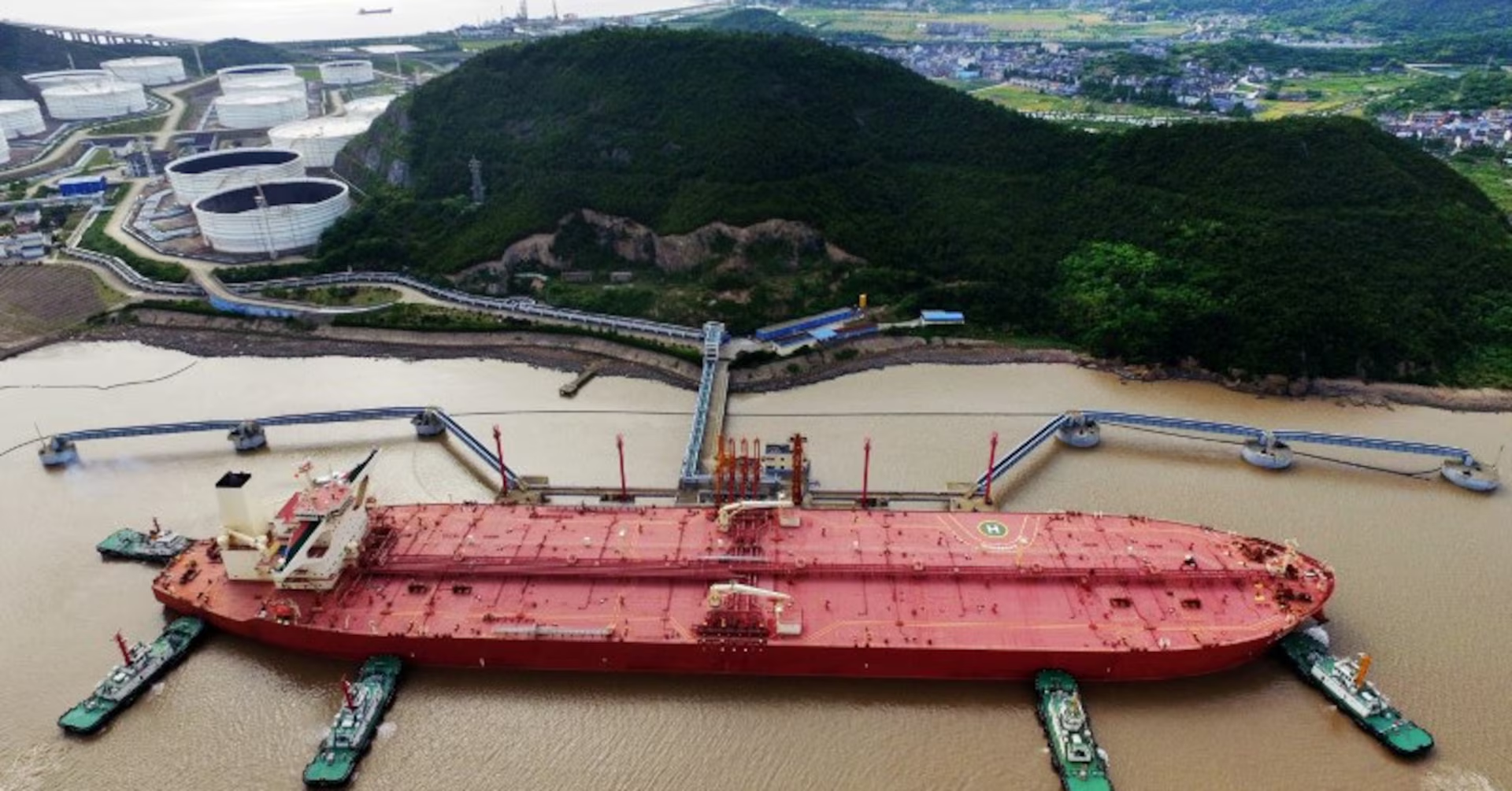
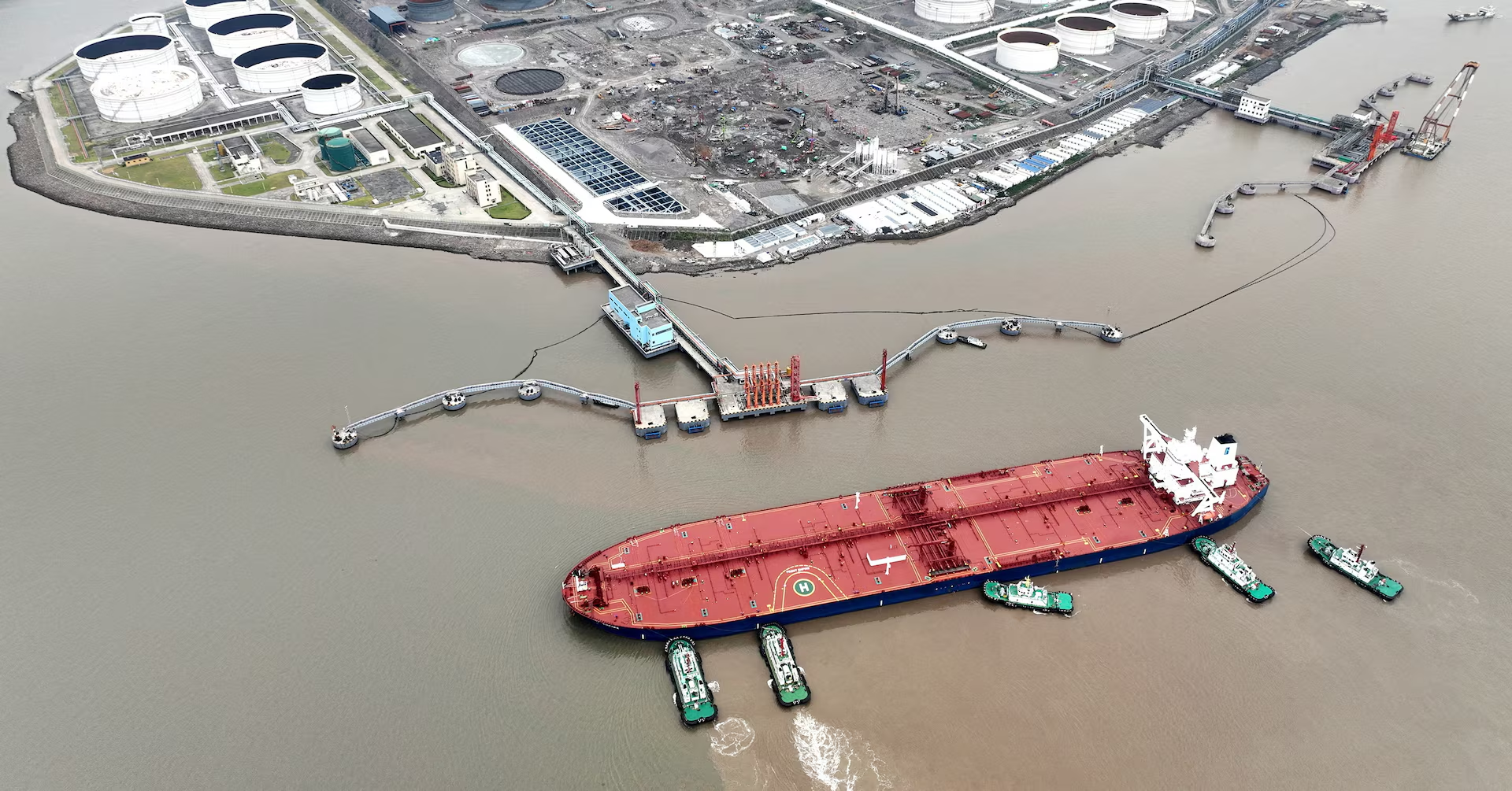
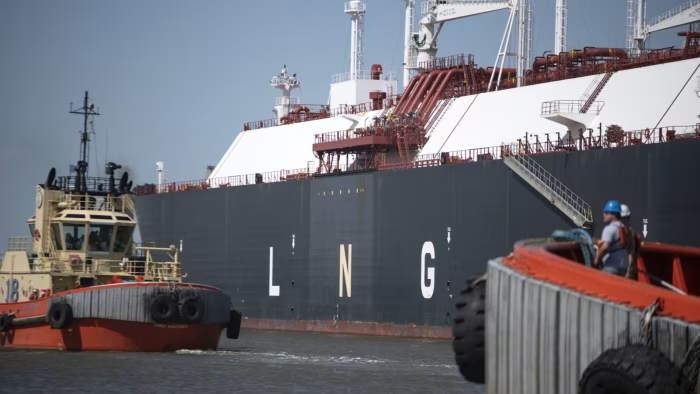
Japanese, European and Middle Eastern investors are moving into Texas and Louisiana shale gasfields as the Trump administration, which lifted a moratorium on new liquefied natural gas projects earlier this year, has approved licences and permit extensions for new export terminals.
There have been four deals in 2025, including with Tokyo Gas, Mubadala Energy, which is owned by Abu Dhabi’s sovereign investor, and Swiss trading house Gunvor, and more are expected in the coming year. There are at least five or six shale gasfields for sale that together are worth more than $10bn, according to a banker familiar with the market.
“For any major gas player, it’s no question that you’d want to be in the US. It’s where the action is,” said Alex Munton, director of global gas and LNG service at Rapidan Energy Group.
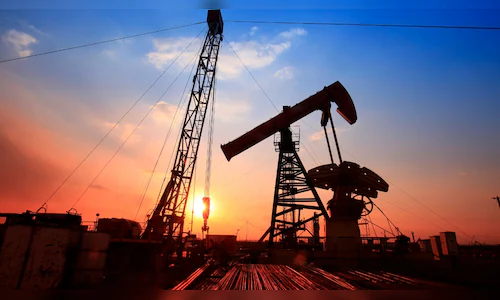
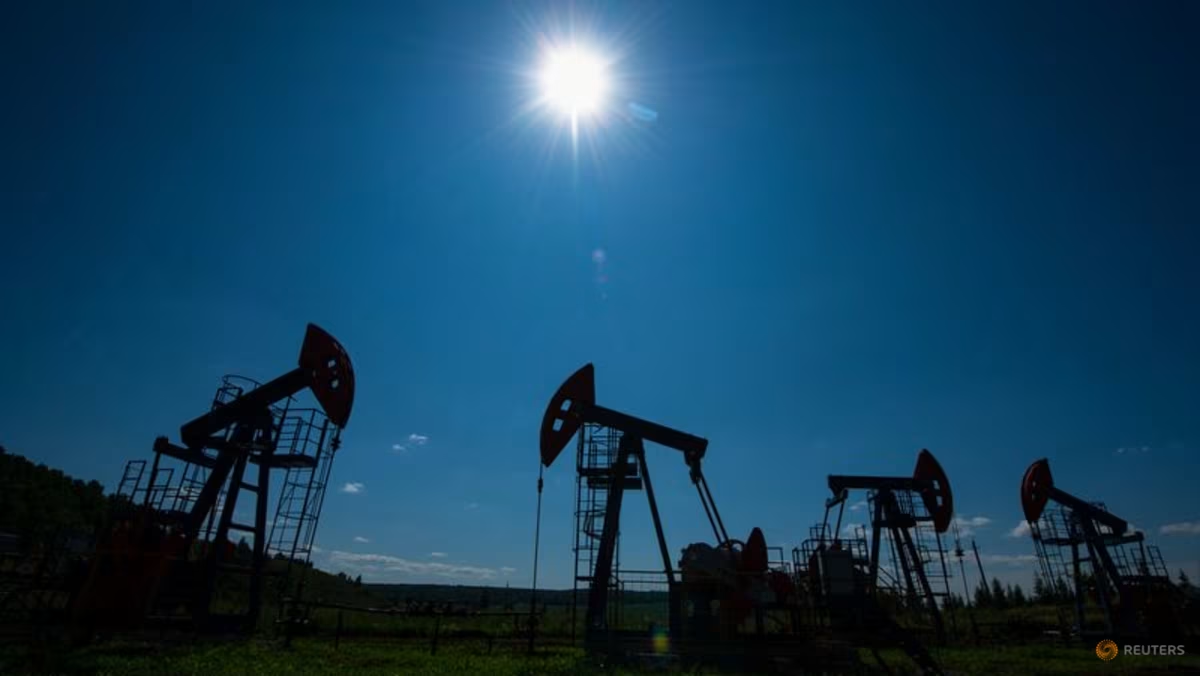
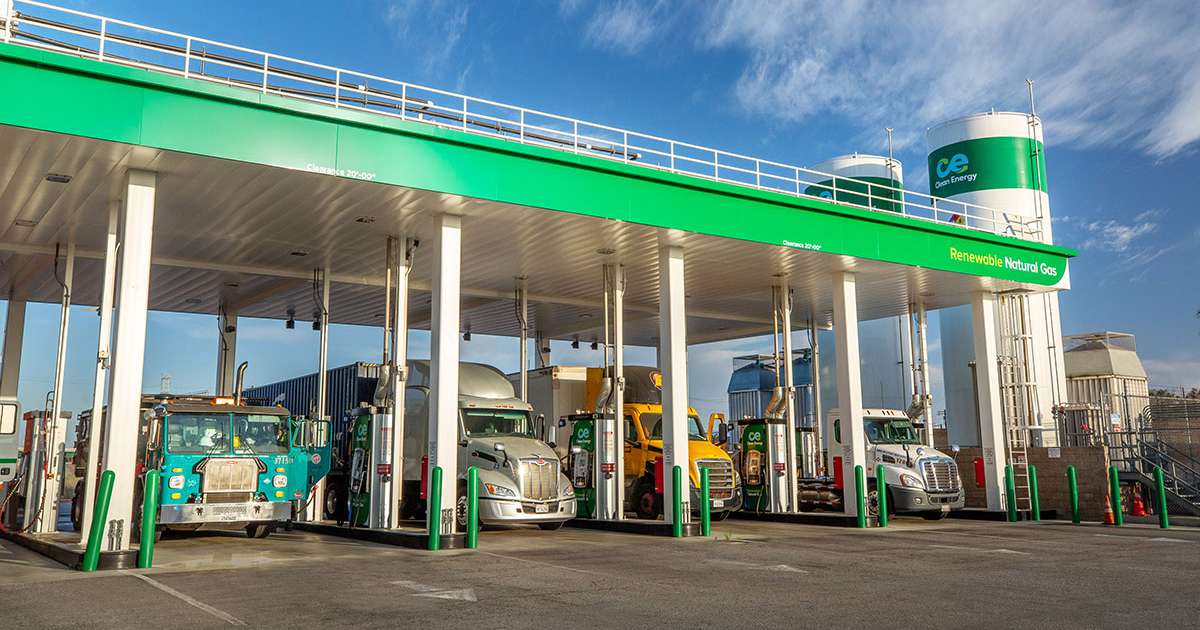
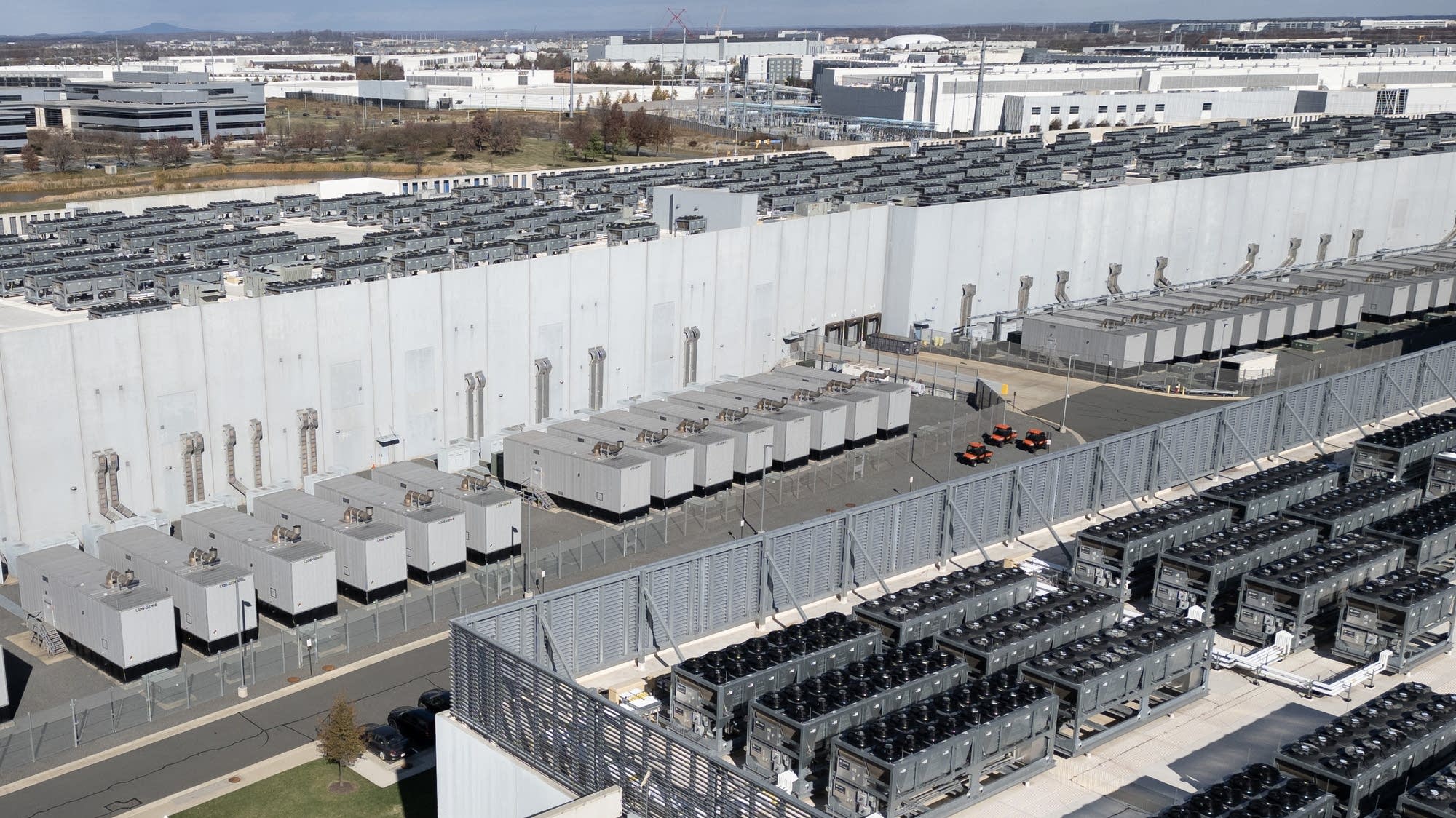
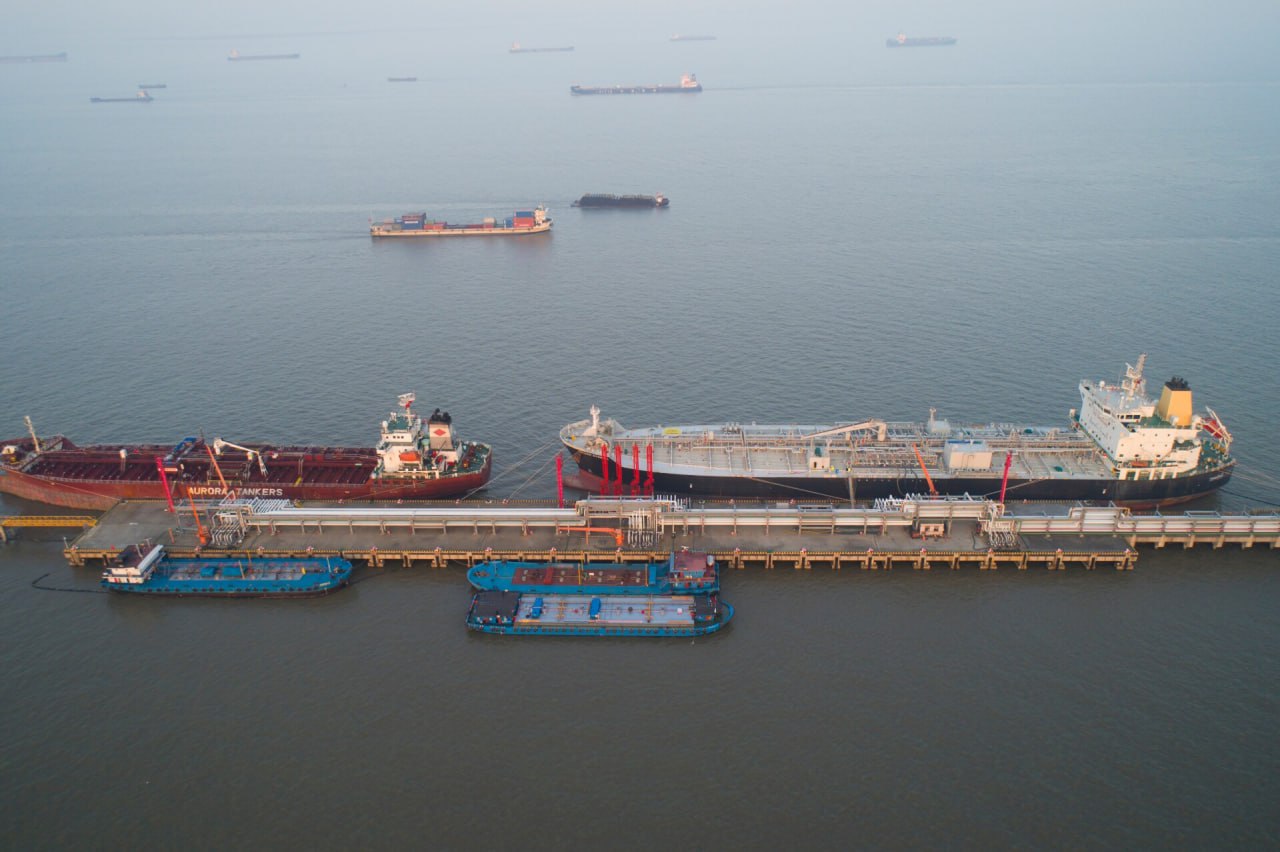
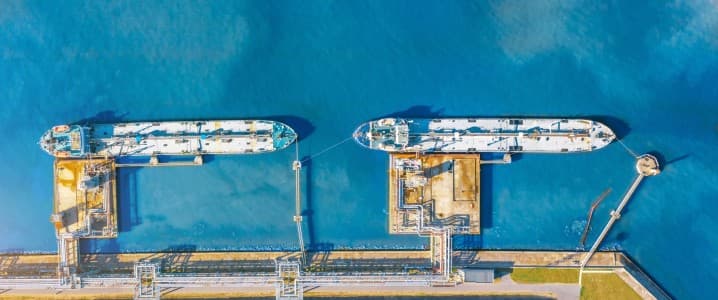
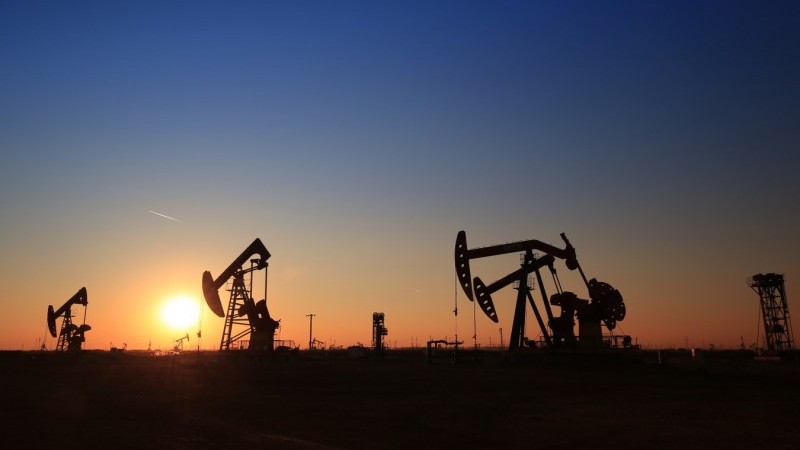
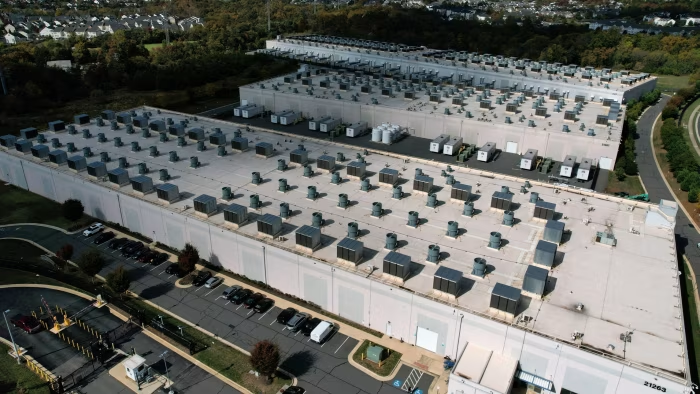
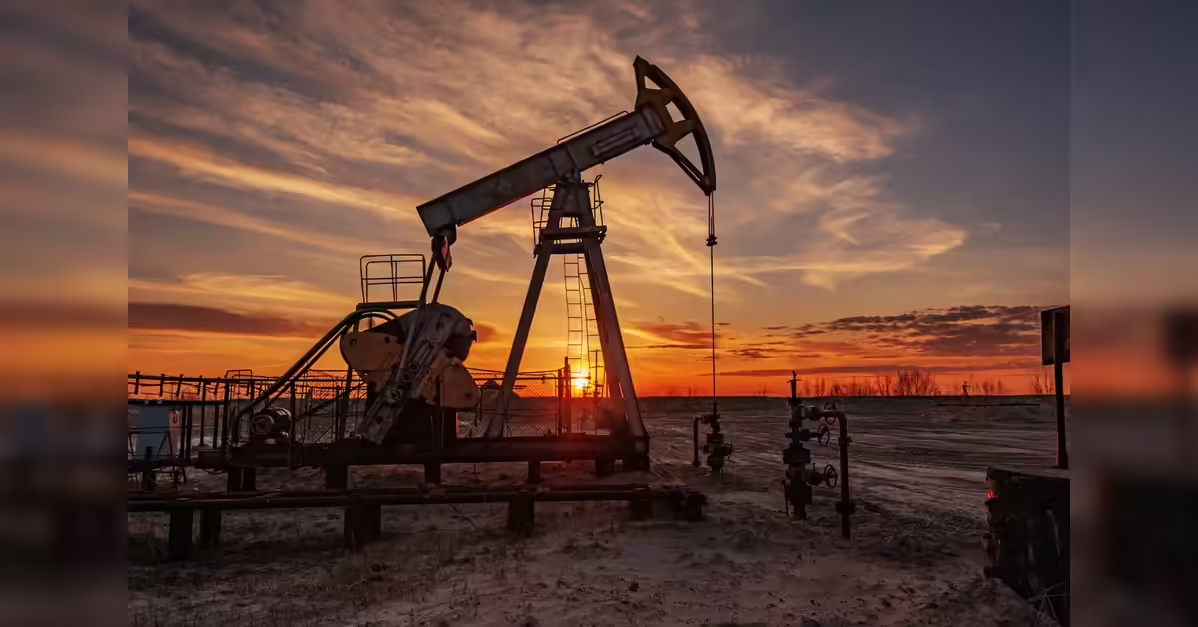
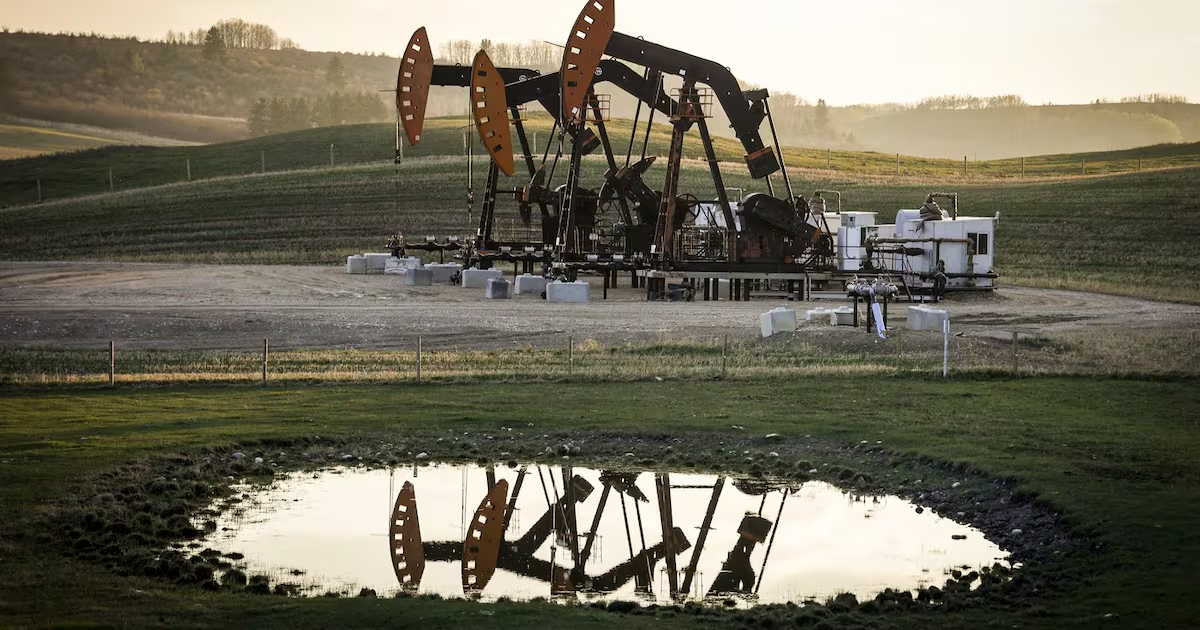
The US is the world’s biggest producer and exporter of natural gas, accounting for about a quarter of total global production. The country is also the largest consumer of natural gas, with demand expected to soar thanks to rising LNG exports and the artificial intelligence-fuelled domestic data centre boom.
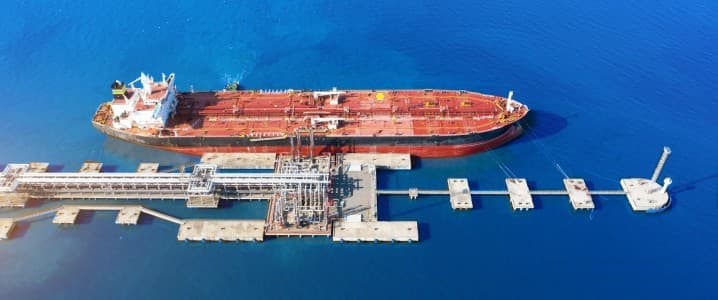
American exports of LNG hit a record last month of 9.4mn metric tonnes, according to the US Energy Information Administration. Domestic natural gas consumption is projected to increase 1 per cent this year to an all-time high of 91.4bn cubic feet per day.
The EIA expects natural gas prices to climb to $3.40 per million British thermal units (mmbtu) this year, up from $2.20 mmbtu in 2024.
Buyers had grown from showing interest to making plans to deploy capital quickly, said Ryan Duman, director of the Americas Upstream team at Wood Mackenzie.
Japanese companies have been particularly heavy investors in US shale because they need LNG to meet their energy needs, cut reliance on Russian gas supplies and replace expected declining volumes from Australia, Malaysia and Qatar. “They want control of their assets and their destiny,” said Jeet Benipal, managing director at investment bank Greenhill & Co in Houston.
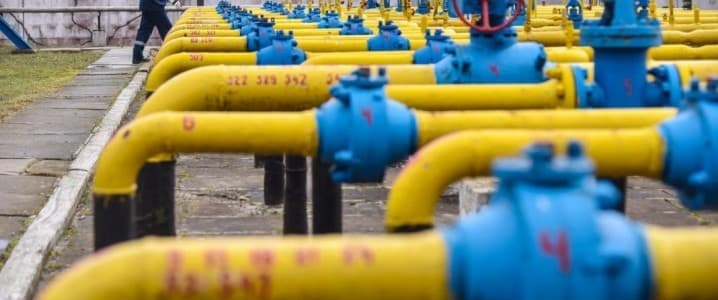
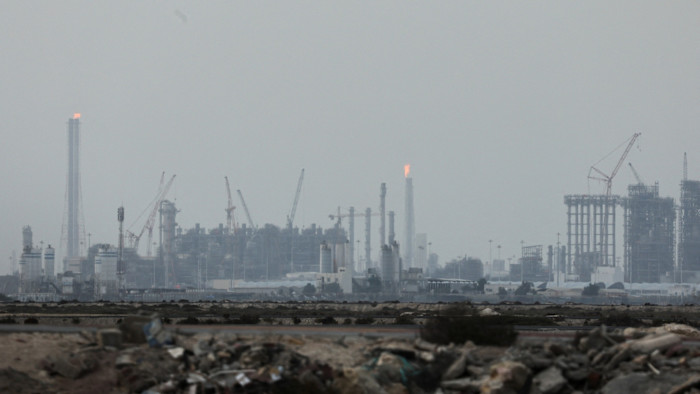
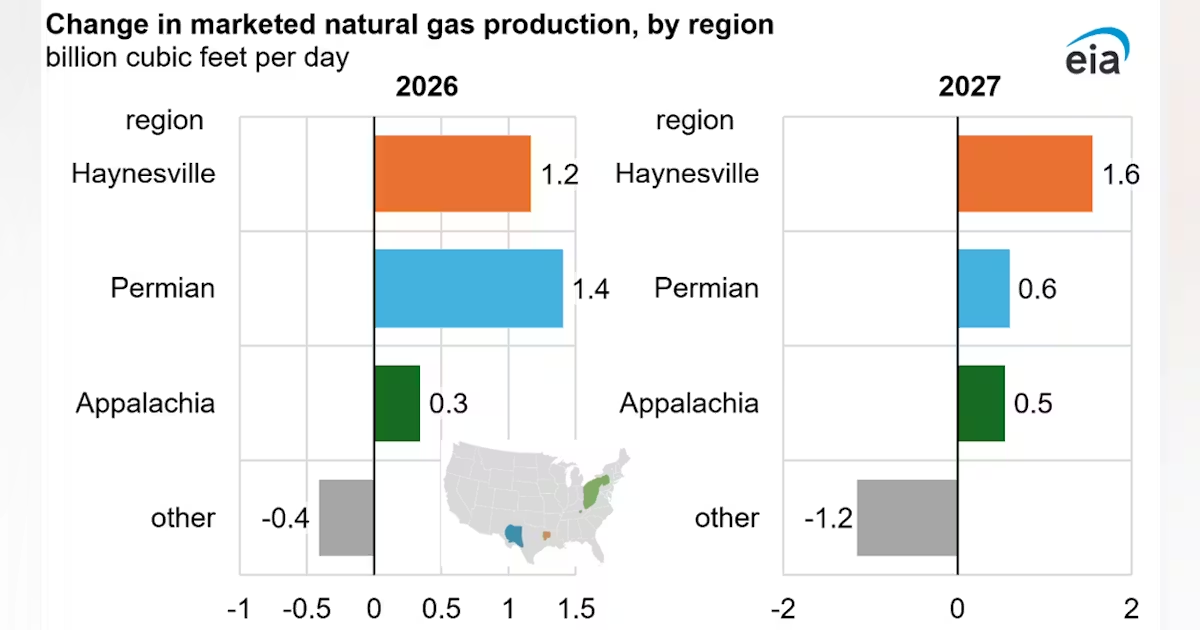
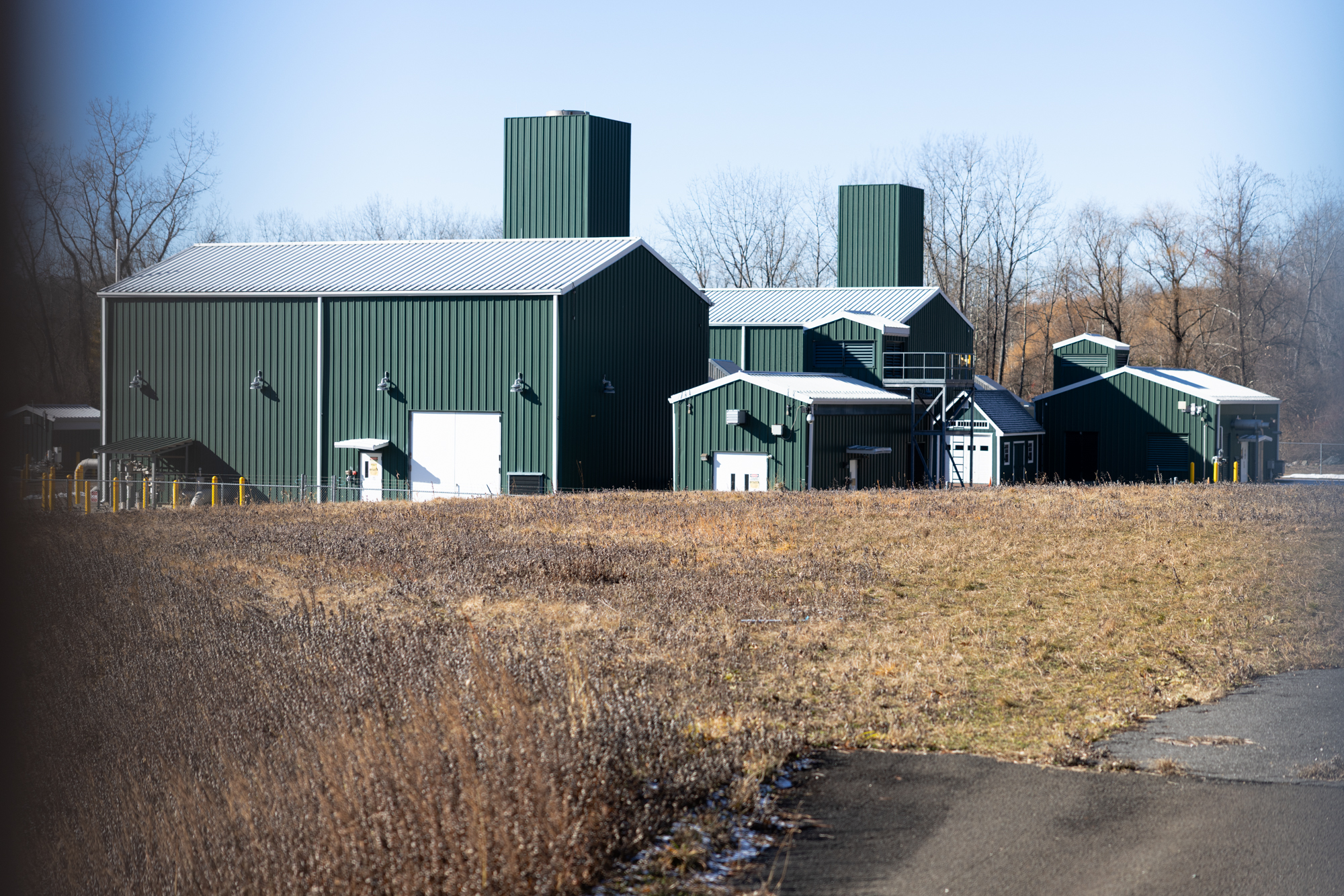
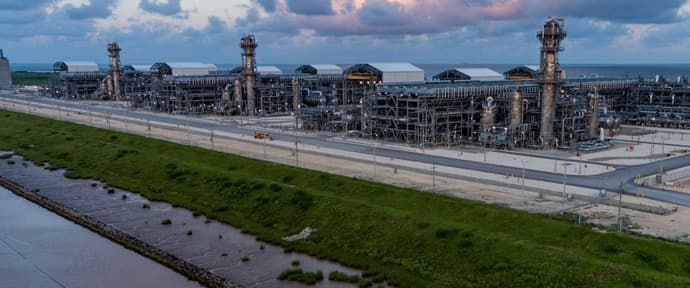
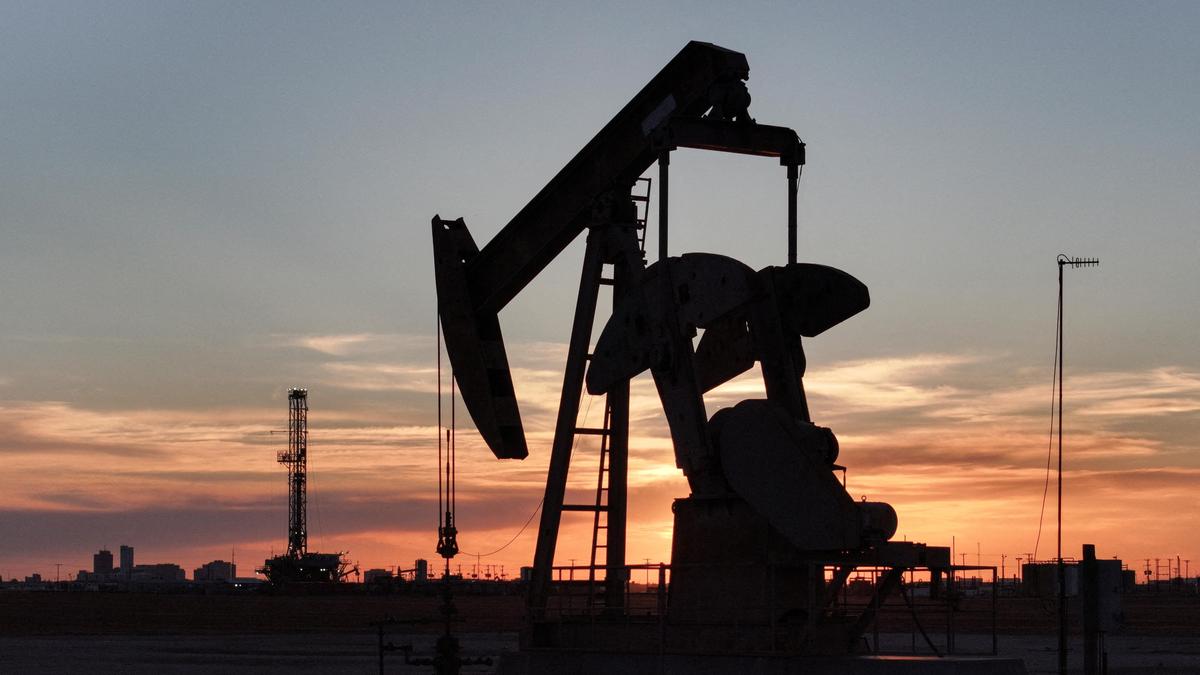
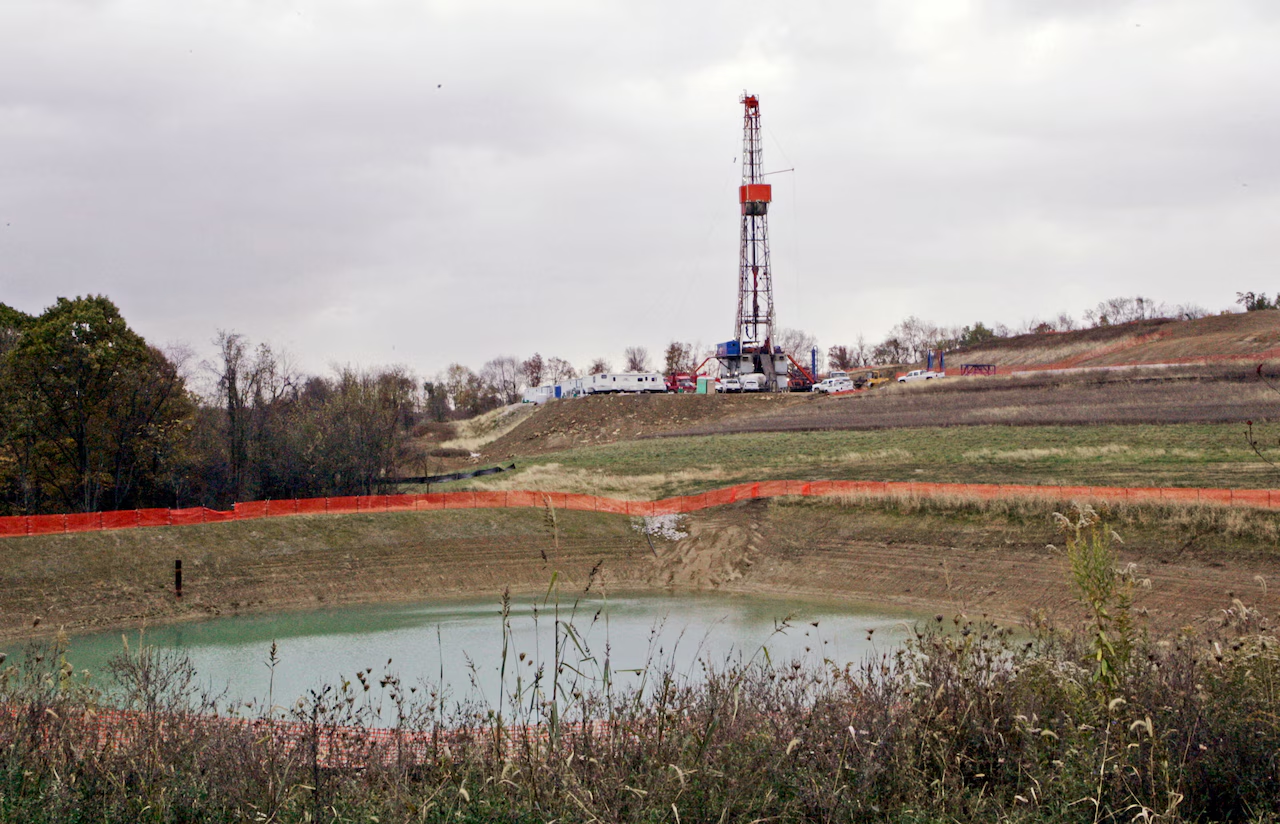
Nowhere is their interest more apparent than in the Haynesville shale basin, which stretches from east Texas to north-west Louisiana, and is close to the Gulf of Mexico and nearby LNG export terminals. Louisiana accounts for 61 per cent of US LNG exports, according to the EIA.
Jera, Japan’s largest buyer of LNG, is in discussions to purchase GEP Haynesville II, a natural gas producer owned by Williams Companies and GeoSouthern Energy, for more than $1.5bn. The talks, which were initially reported by Reuters, would be the company’s first purchase of an American natural gas operator.
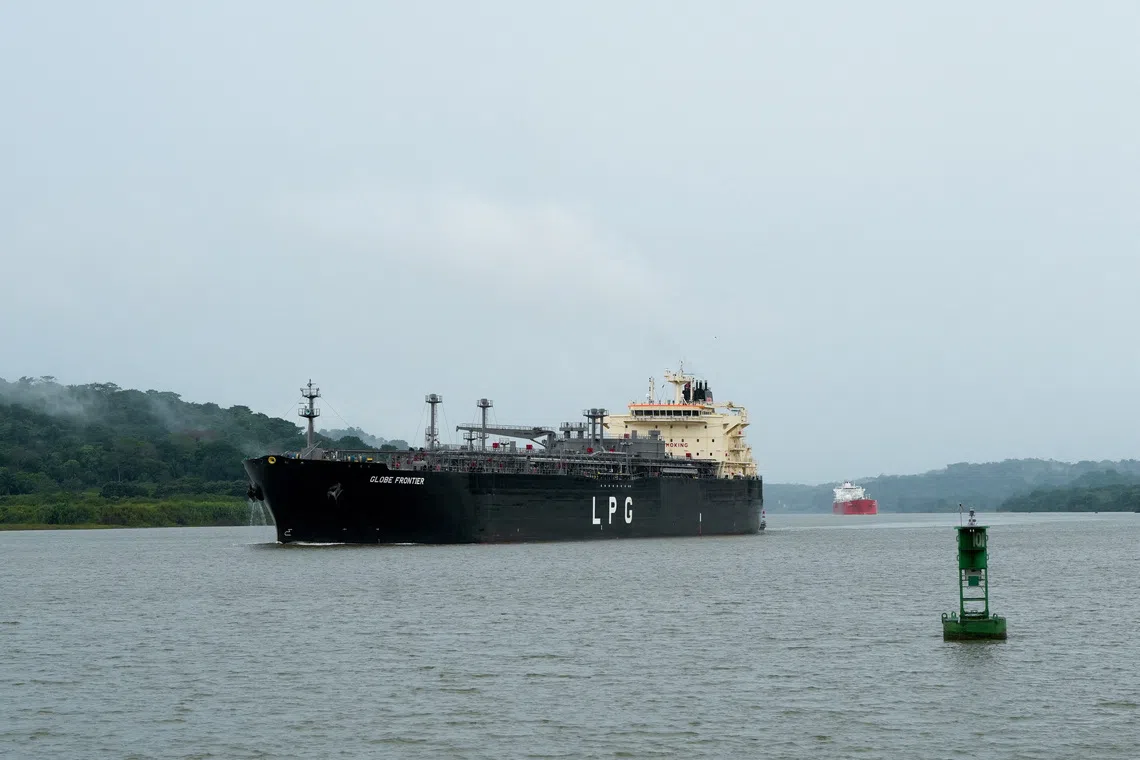
“We see a genuine commercial advantage with Gulf Coast offtake and investment opportunities,” said Ryosuke Tsugaru, chief low carbon fuel officer at Jera, in an interview earlier this year. “US LNG can be delivered competitive against LNG from other sources,” he added, even when shipped via the Cape of Good Hope instead of the Panama Canal, which is congested.
Meanwhile, Mitsubishi Corporation is in talks with Aethon Energy Management, one of the US’s largest gas producers, about a possible $8bn deal to buy its Haynesville assets, according to a person with knowledge of the discussions.
Aethon, which is backed by the Ontario Teachers’ Pension Plan and RedBird Capital Partners, is one of the top producers in the basin, according to Enverus, an energy data company. A deal would enable Mitsubishi to diversify its global LNG portfolio.
Mitsubishi declined to comment. Aethon declined to comment.
If the deal moves forward, it would be a significant increase in price from the last blockbuster deal when TG Natural Resources, which is owned by Tokyo Gas and Castleton Commodities International, bought Rockcliff Energy II for $2.7bn in December 2023. In April, TGNR, which focuses exclusively on the Haynesville, purchased a 70 per cent stake in Chevron’s Haynesville assets for $525mn.
TGNR has no plans to change its focus. “We’re less likely to make mistakes. You just have to know where the skeletons are,” said Craig Jarchow, chief executive.
Hiroshi Kato, senior vice-president of global marketing at Inpex, Japan’s state-backed oil producer, said the US would supply Asia with about 70mn tonnes of LNG per annum around 2030. Total US LNG exports were just shy of 90mn tonnes last year.
One Japanese banker said utilities and trading houses were racing to do M&A in the US Gulf Coast region as new projects were becoming harder to justify given policy uncertainty beyond 2050, when many countries hope to reach net zero emissions, and long construction times.
The deal rush comes despite growing concerns in Asia about over-concentration of supply growth in the US Gulf Coast.
Tokyo Gas, the largest Japanese municipal gas supplier, plans to invest a minimum of $1.9bn in its American shale business between 2026 and 2029. Earlier this year, Jera finalised agreements to buy up to 5.5mn tonnes annually from US producers.
In February, the Japanese government approved a new energy plan for 2040 in February that encouraged its energy companies to “secure long-term contracts” for LNG.
That call was based on Japan projecting that gas demand could be 74mn tonnes — instead of the base case of 53mn-61mn tonnes — if decarbonisation technologies take longer to commercialise.
Increasing LNG imports is a powerful tool for Japan to address its trade surplus with the US after Tokyo pledged to invest $550bn in the country in return for a lower tariff rate on its exports.
“There’s a big push from the Japanese government for them to go out and support that demand,” said Kristian Bradshaw, a Tokyo-based energy lawyer. (Kristina Shevory and Harry Dempsey)
Power Points
Energy Source is written and edited by Jamie Smyth, Martha Muir, Alexandra White, Kristina Shevory, Tom Wilson, Rachel Millard and Malcolm Moore, with support from the FT’s global team of reporters. Reach us at energy.source@ft.com and follow us on X at @FTEnergy. Catch up on past editions of the newsletter here.
Recommended newsletters for you
Moral Money — Our unmissable newsletter on socially responsible business, sustainable finance and more. Sign up here
The Climate Graphic: Explained — Understanding the most important climate data of the week. Sign up here