Govt withdraws fuel rationing to ease public suffering during Eid travels
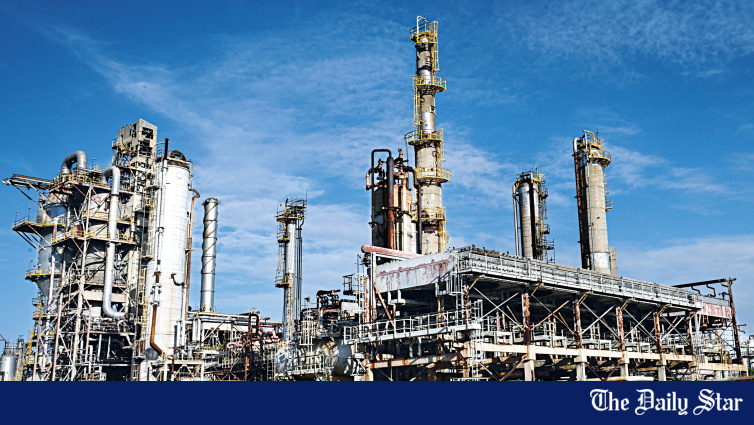
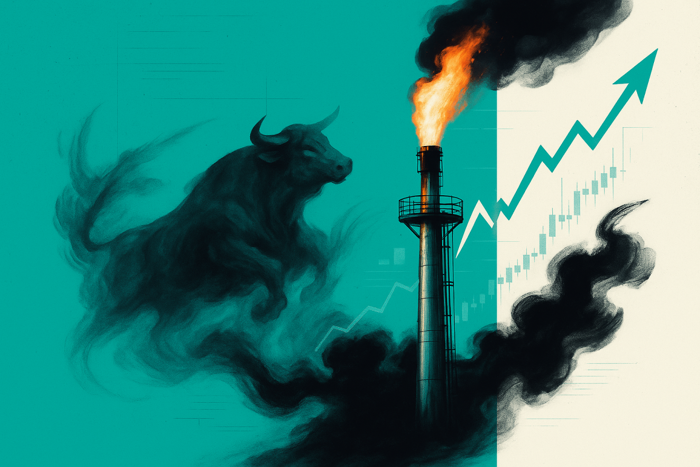
Illustration: TBS
“>

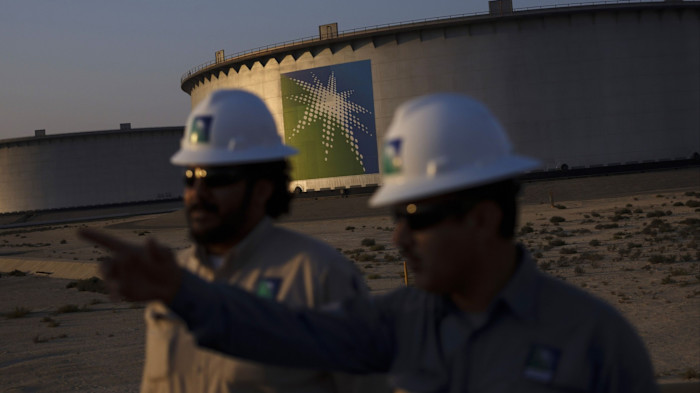
Illustration: TBS
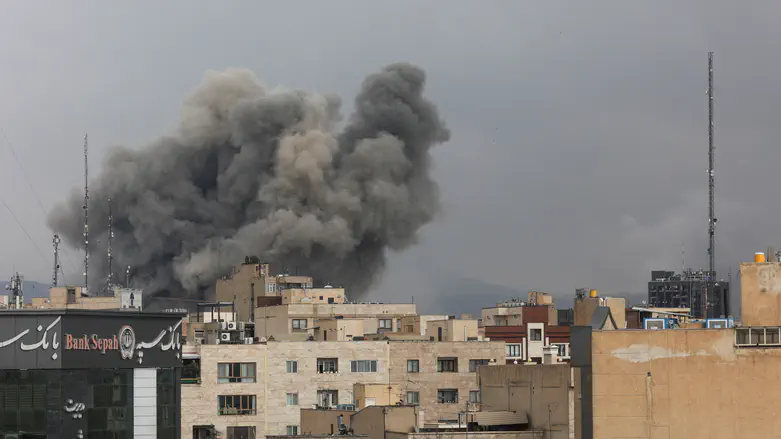
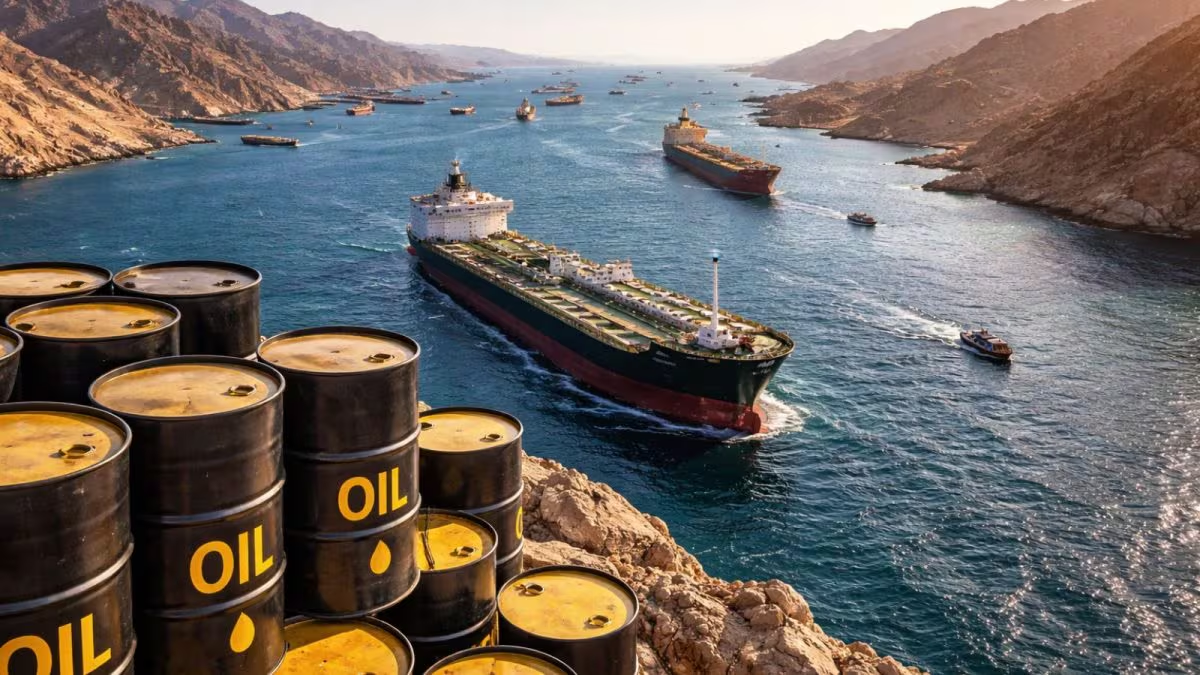
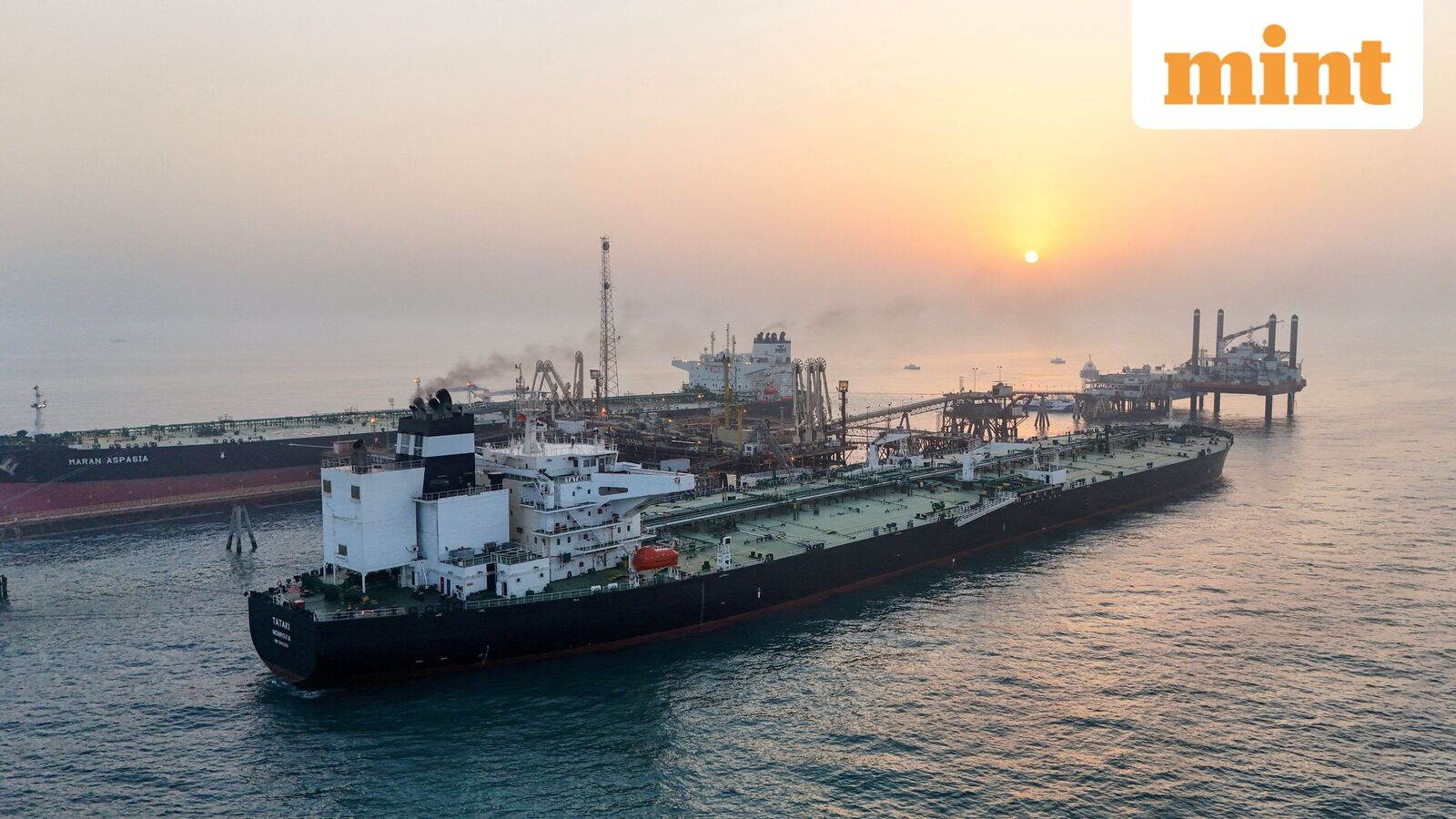
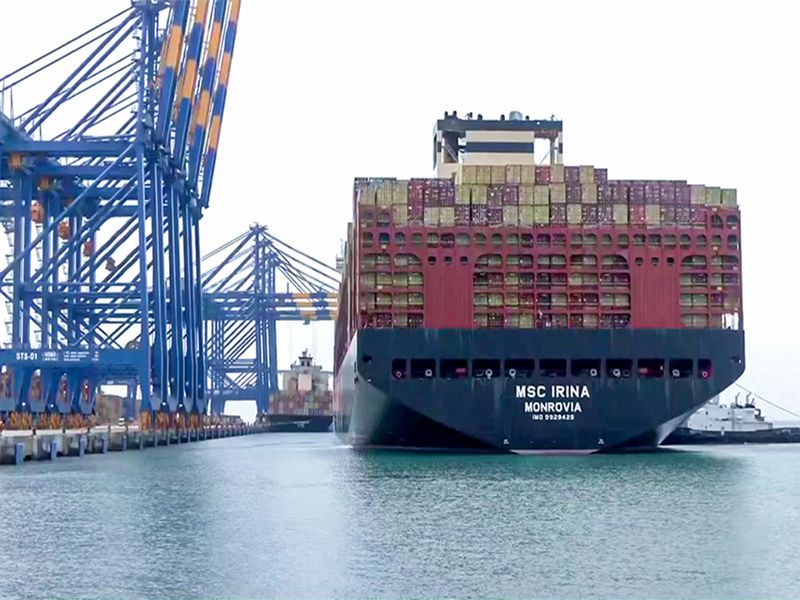
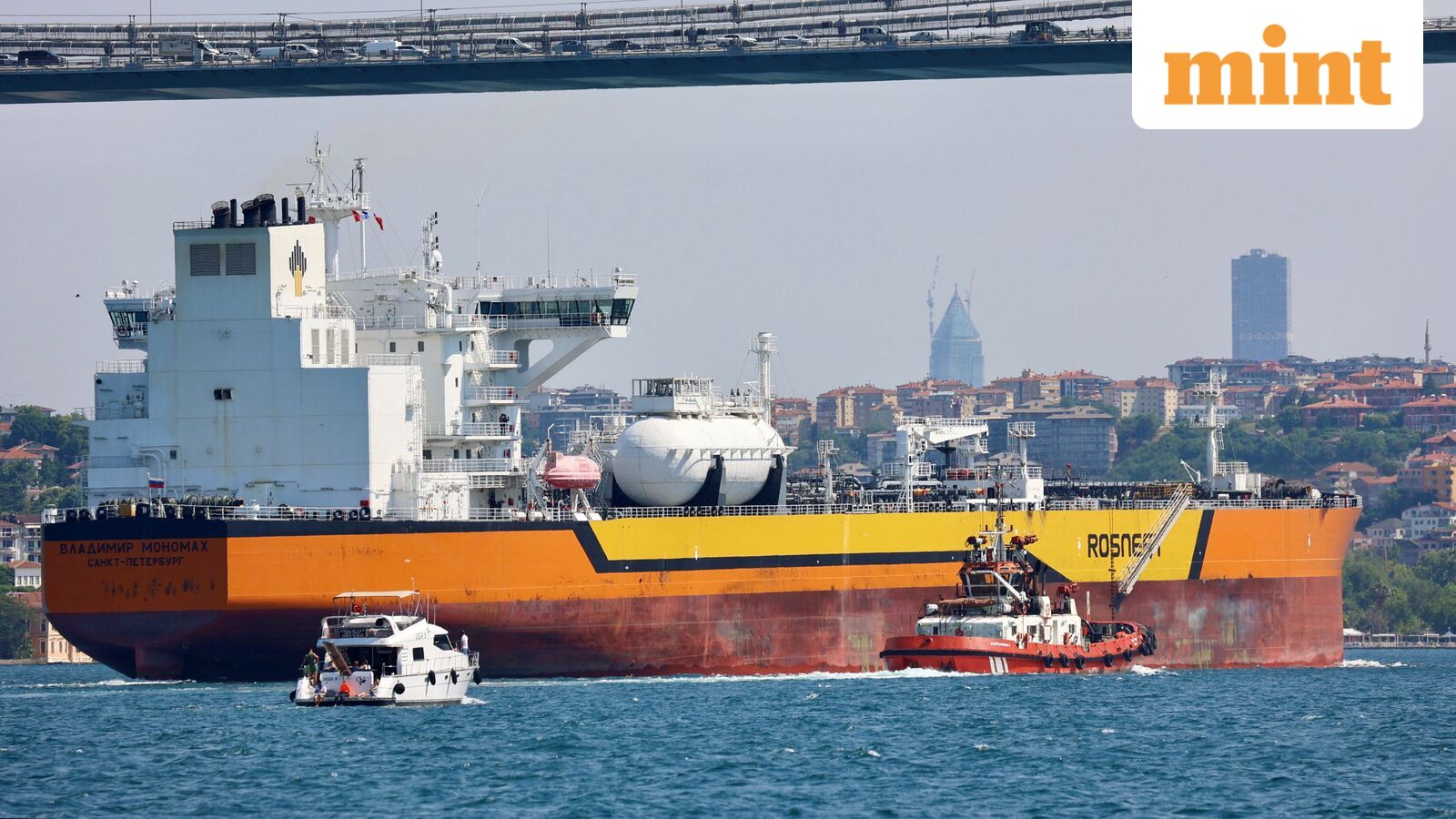
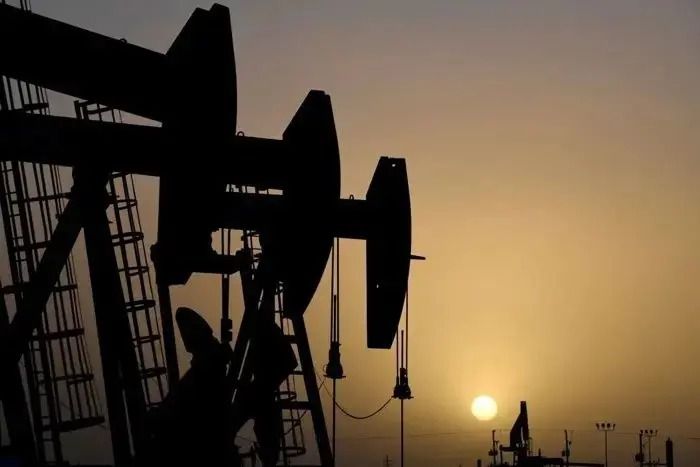
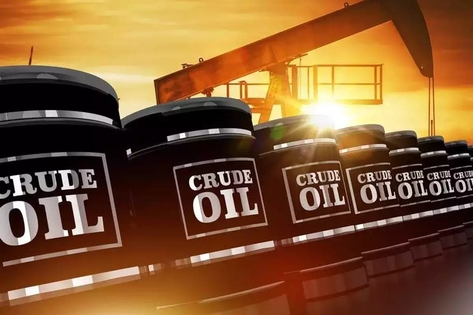
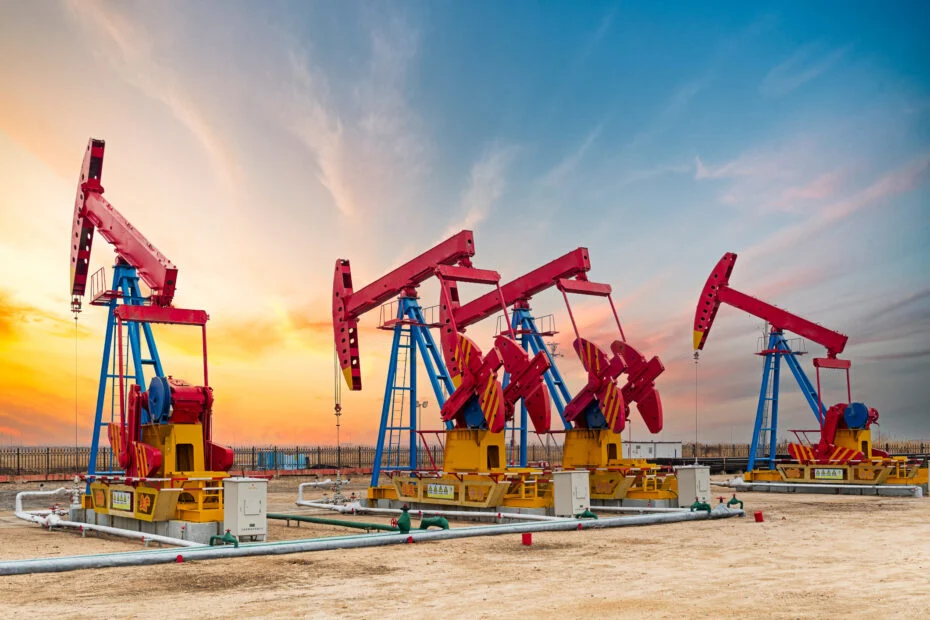
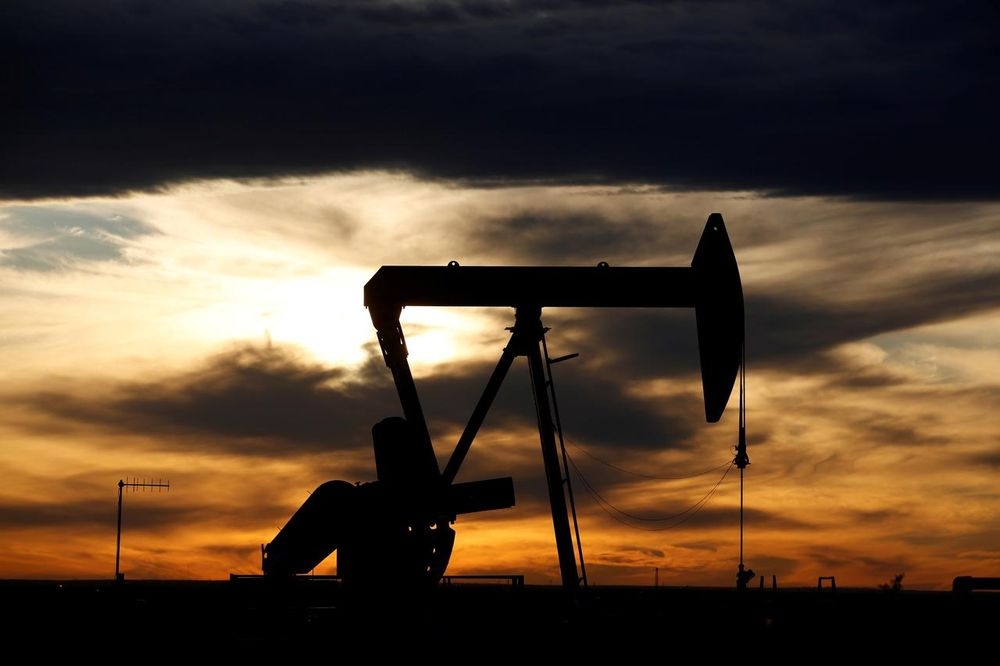
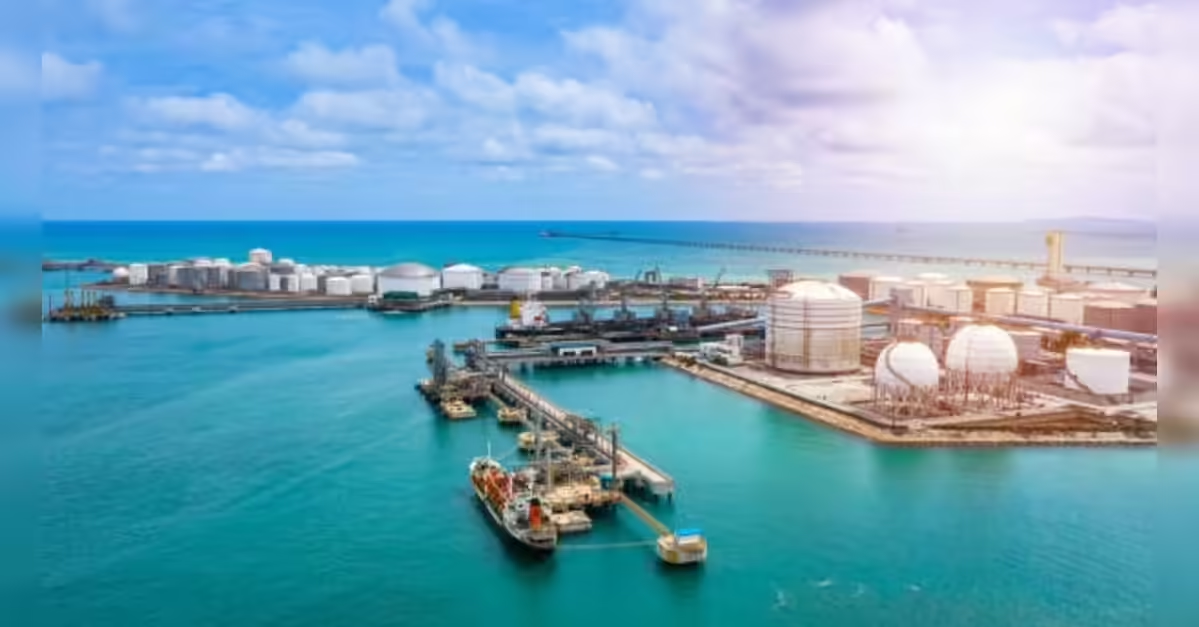
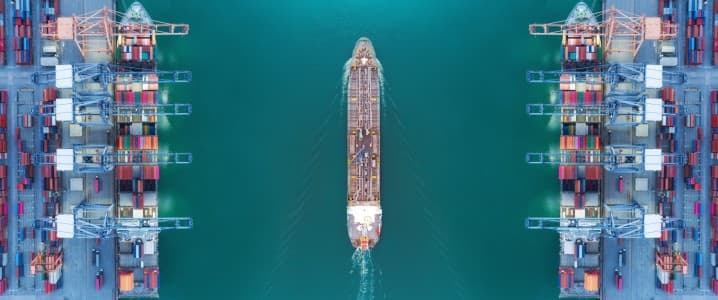
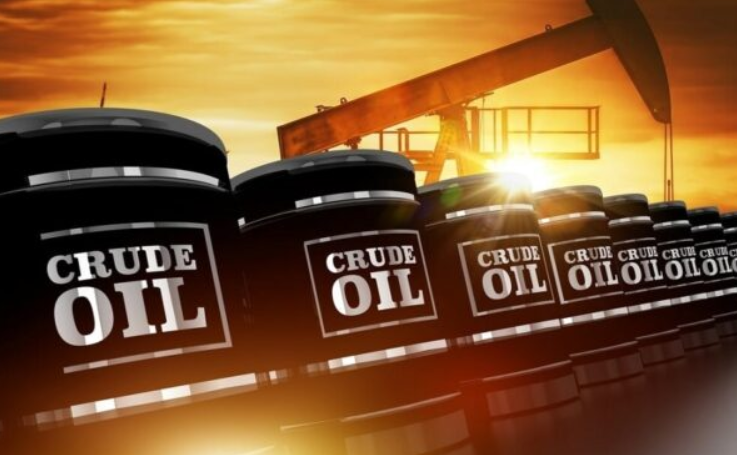
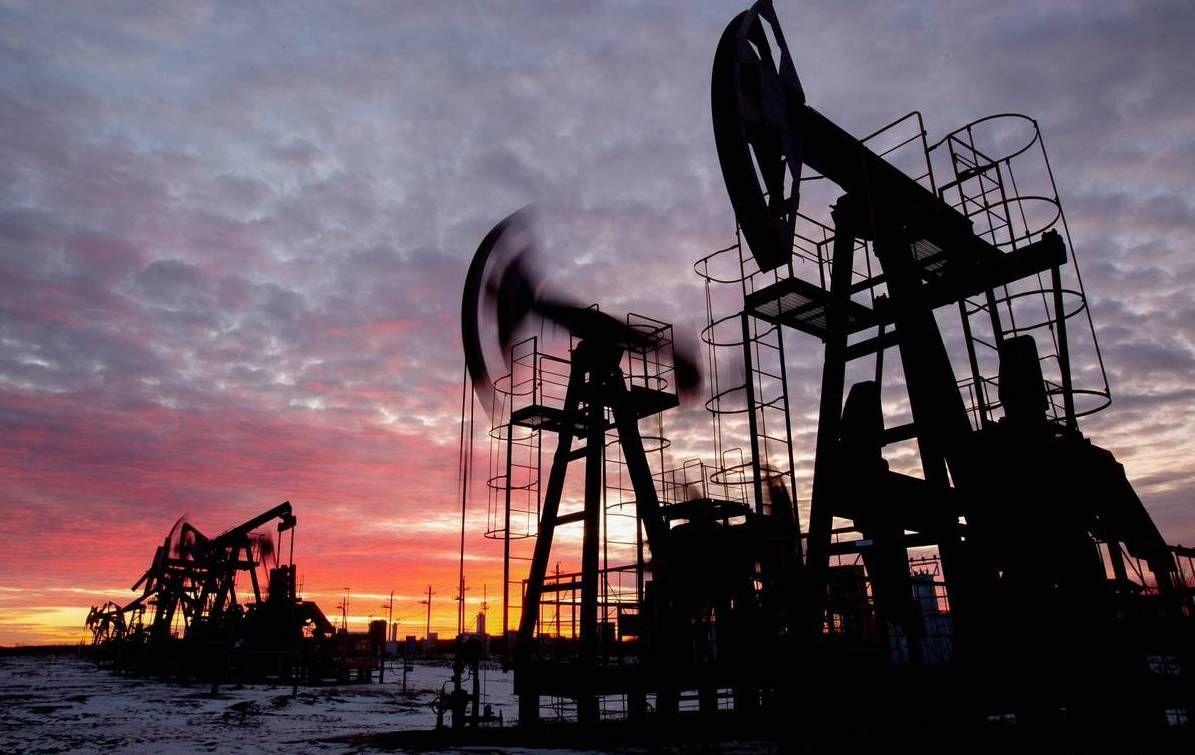
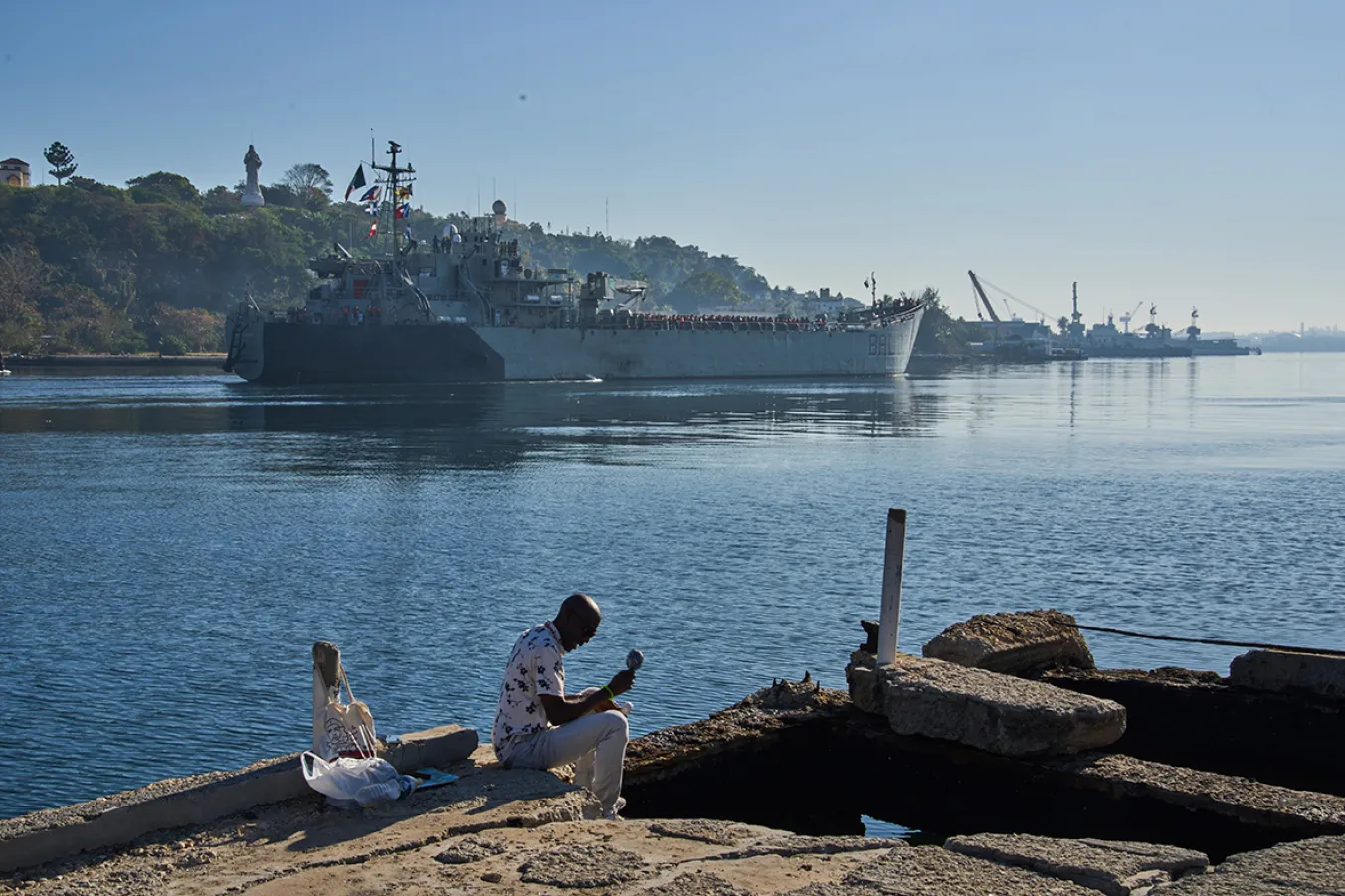
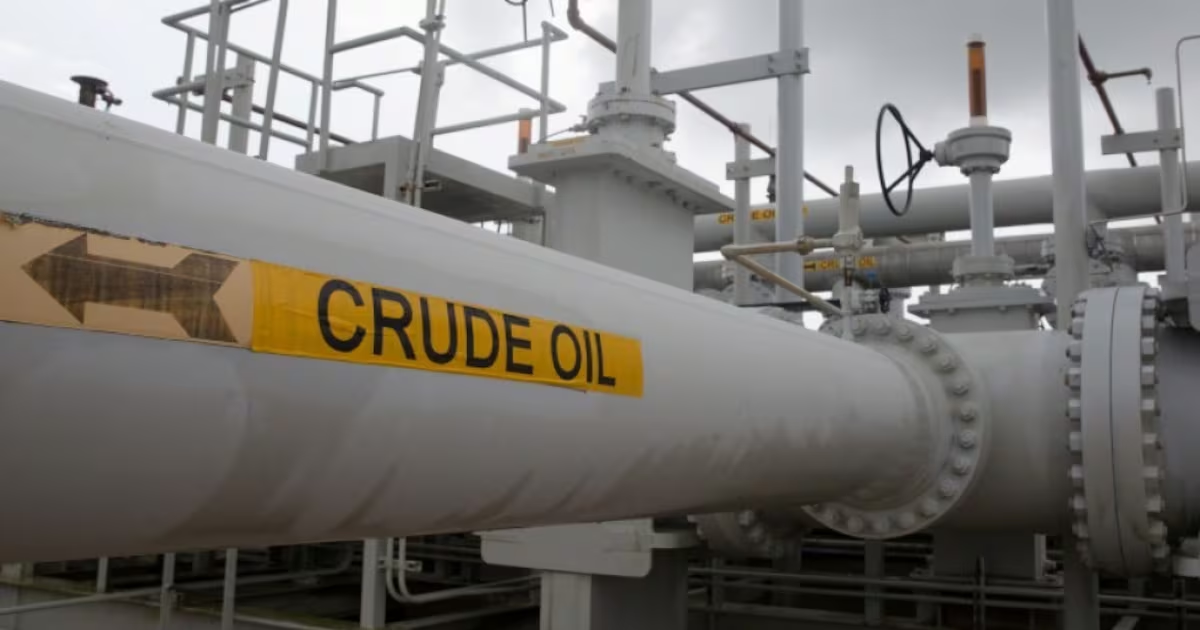
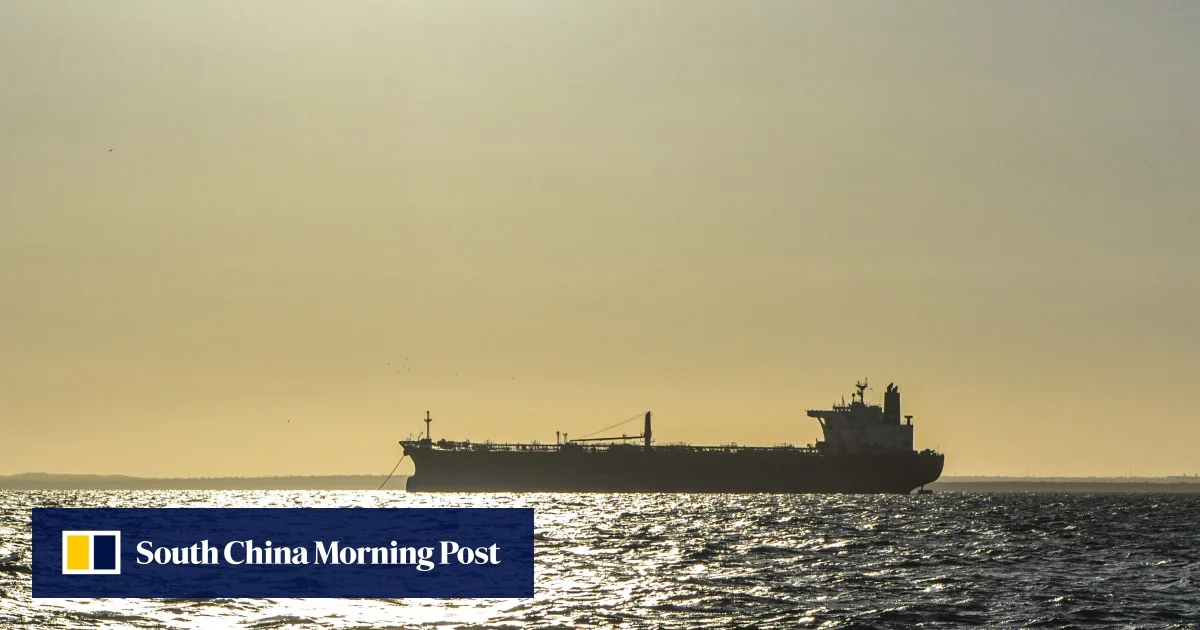
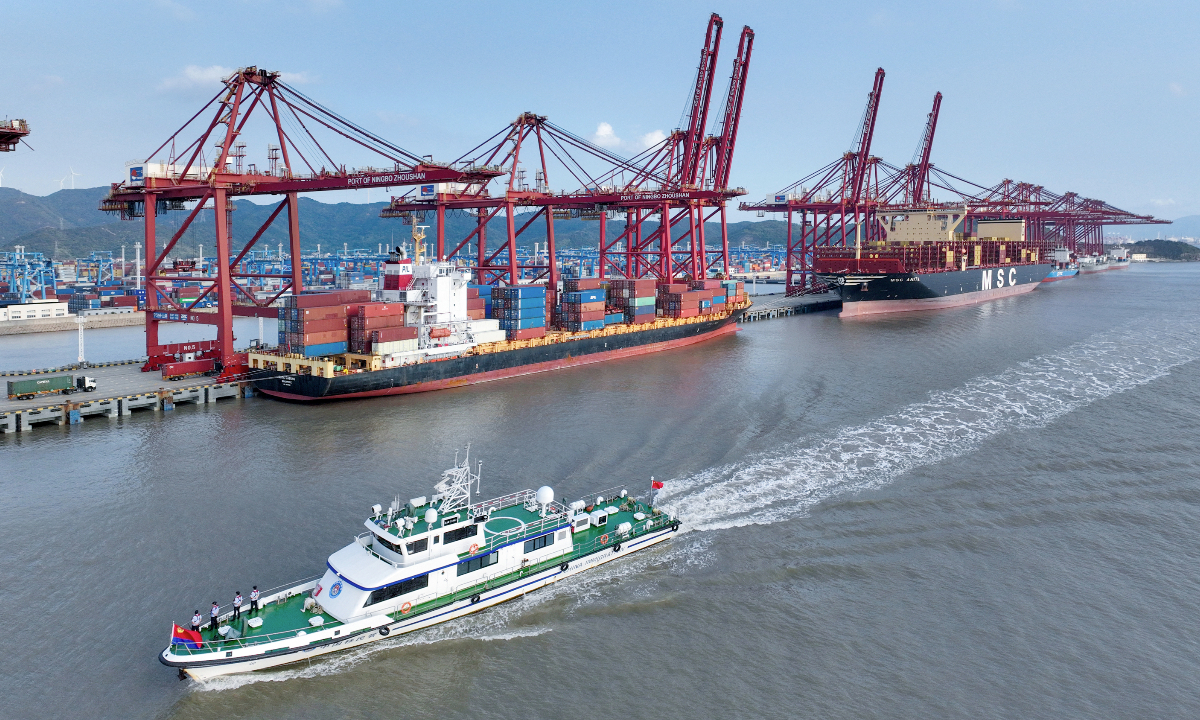
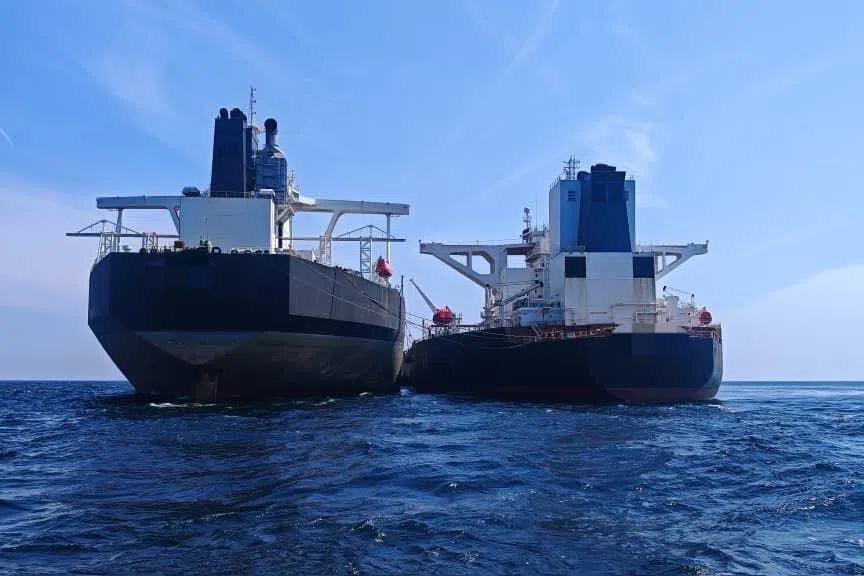
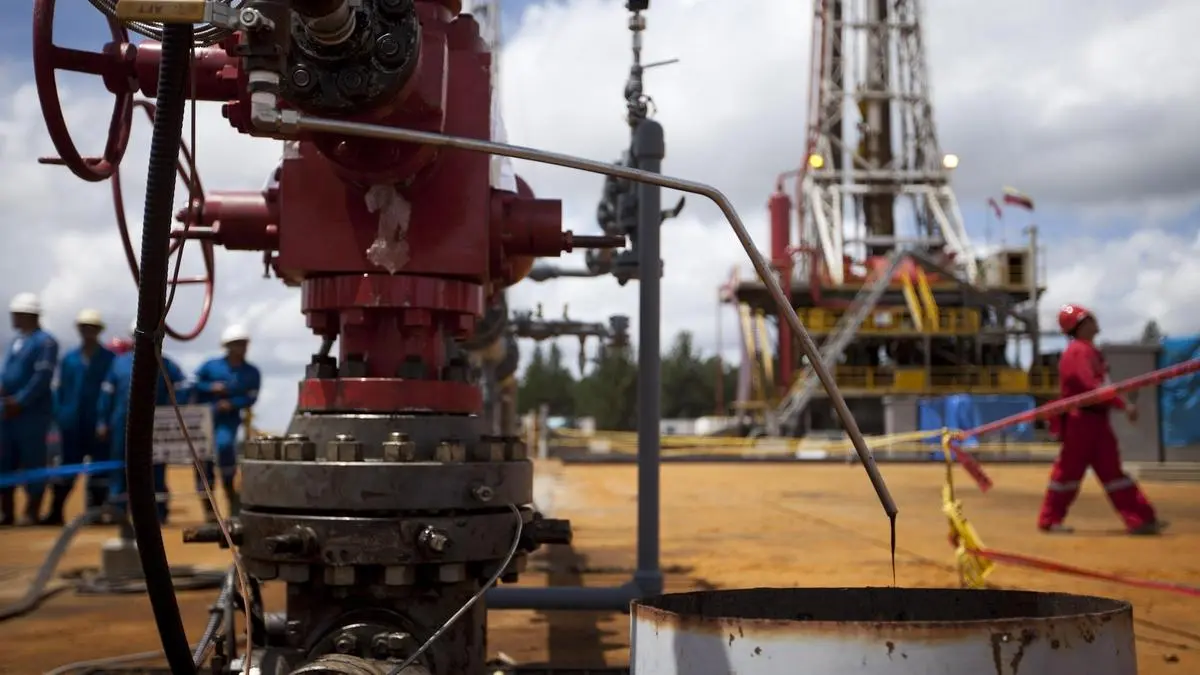
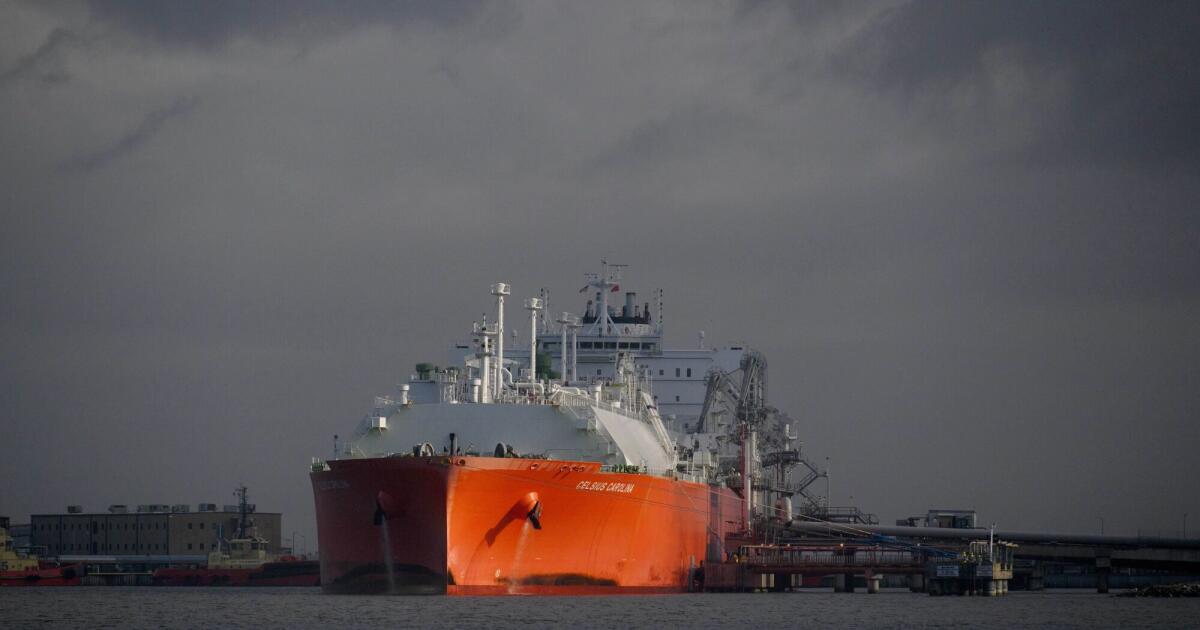
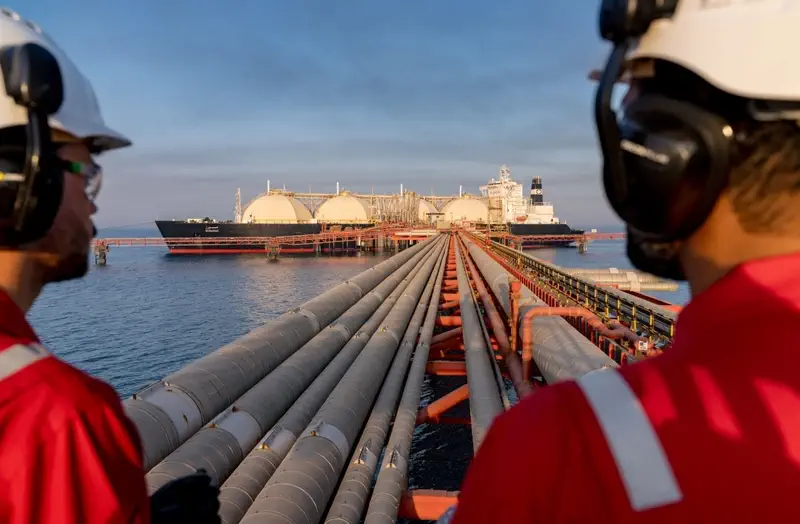
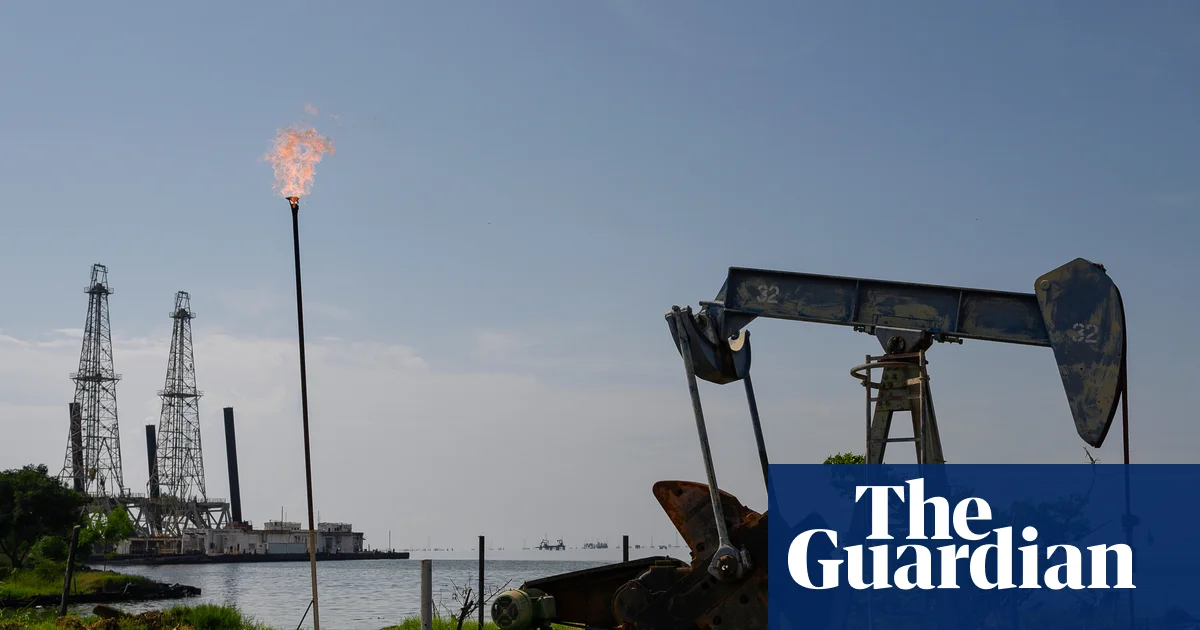
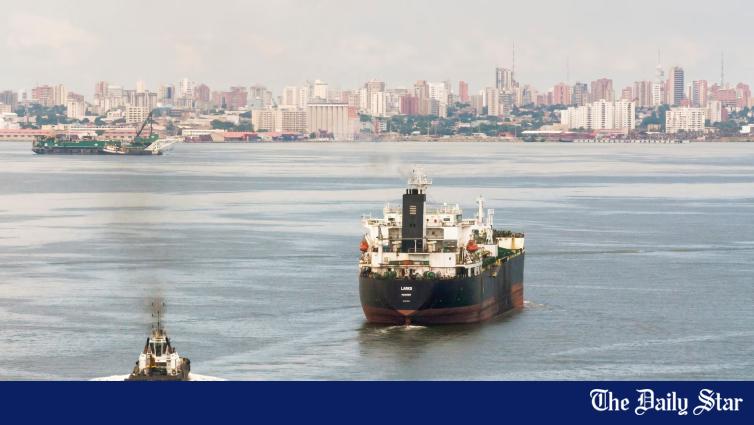
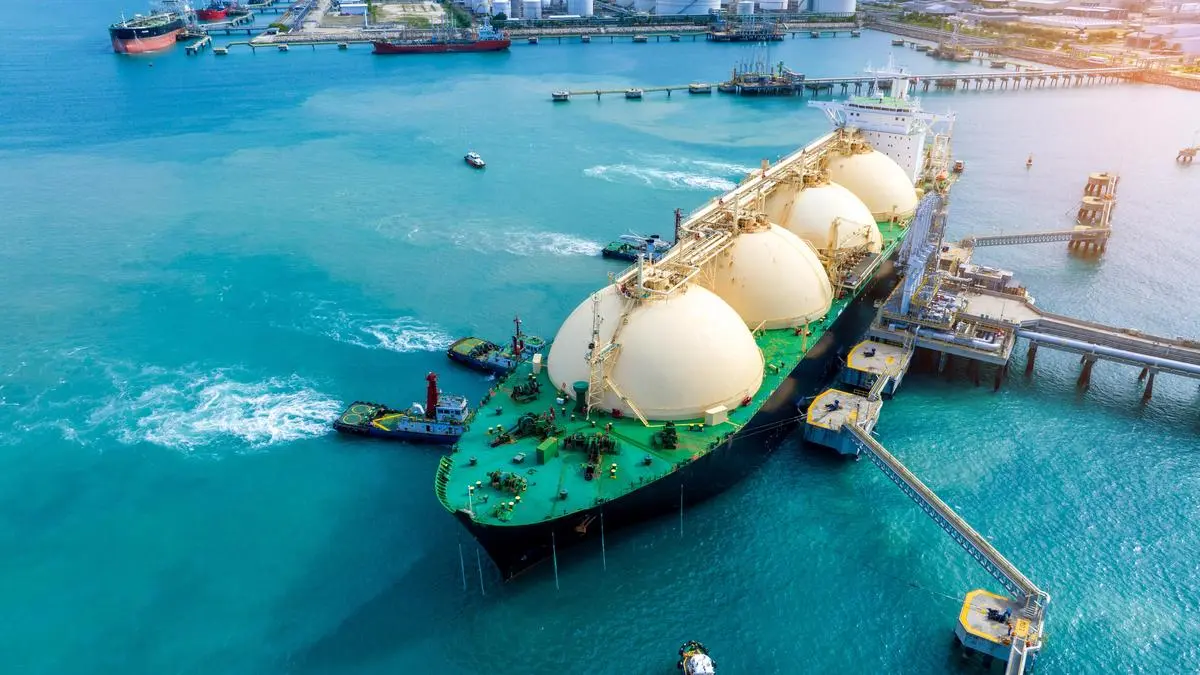
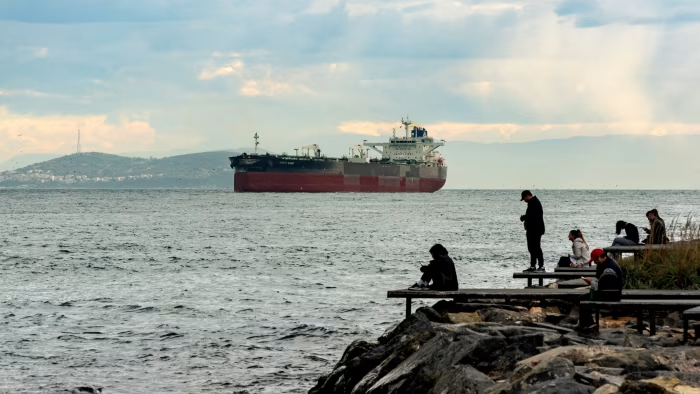
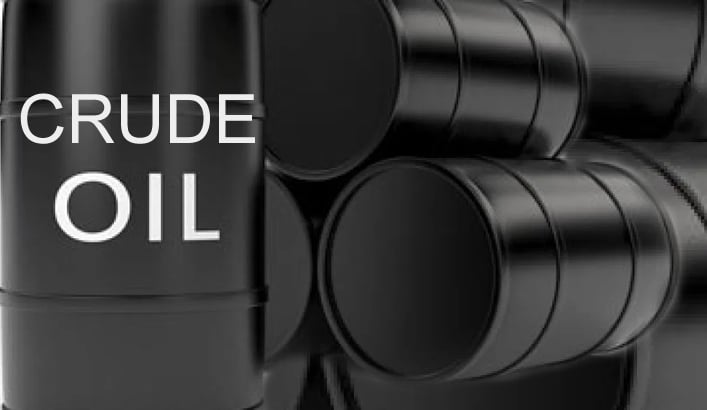
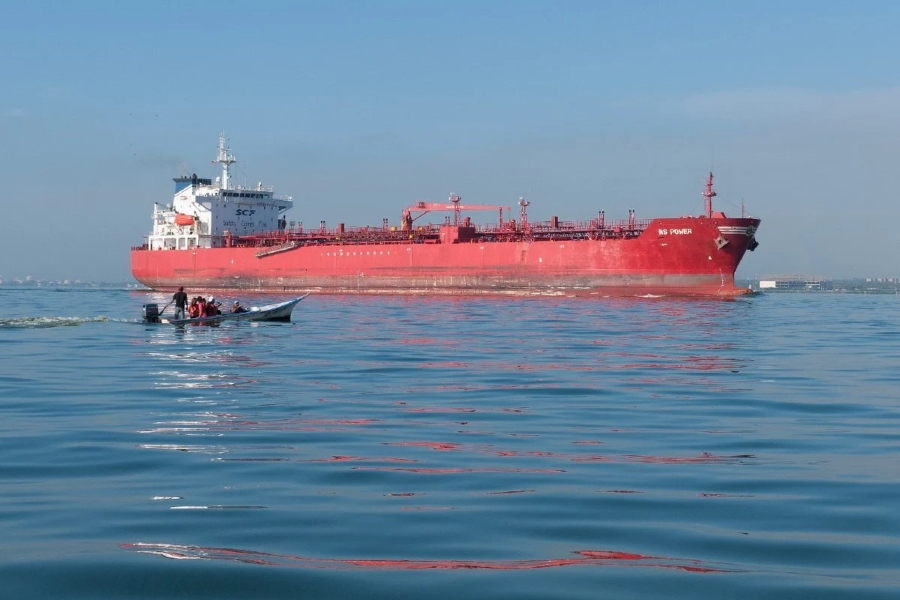
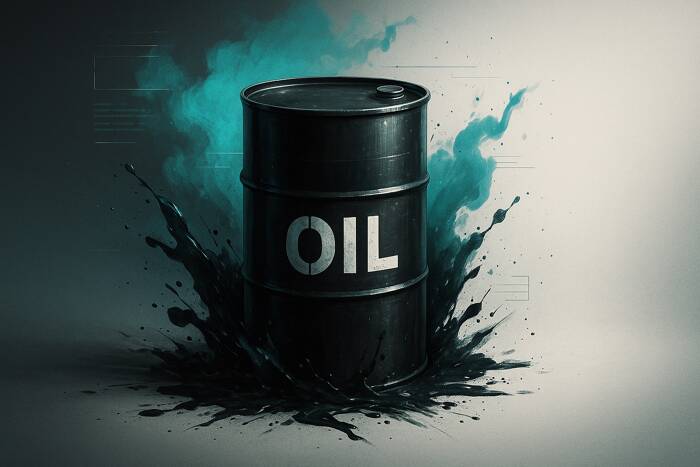
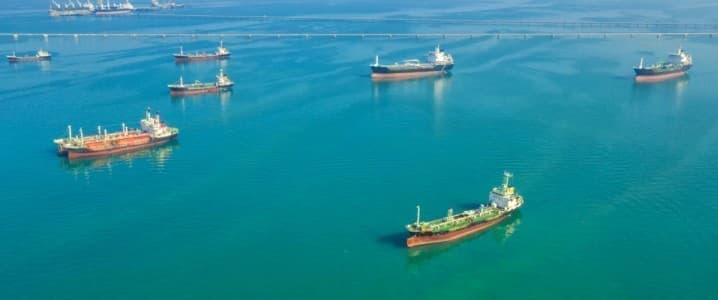
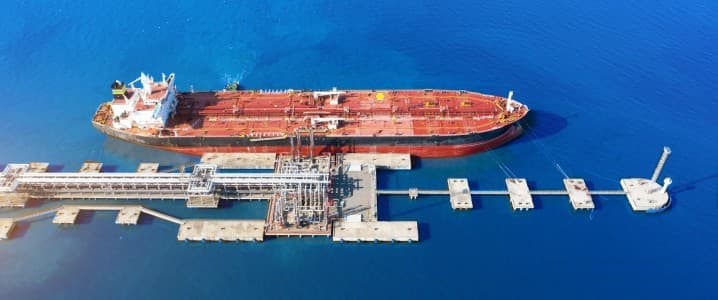
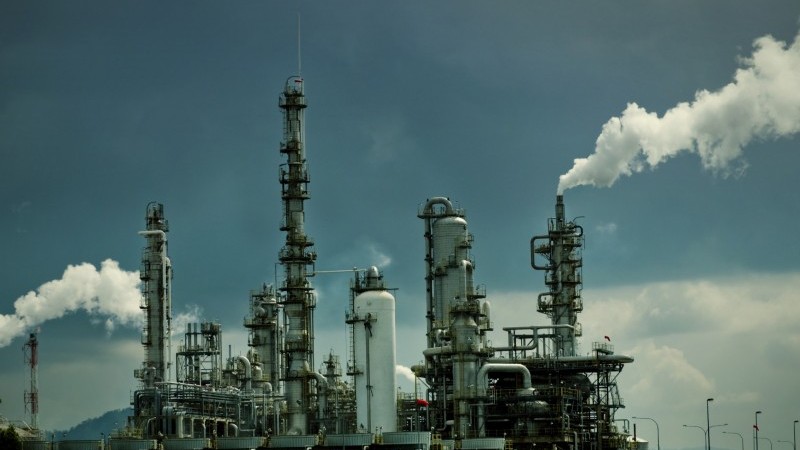
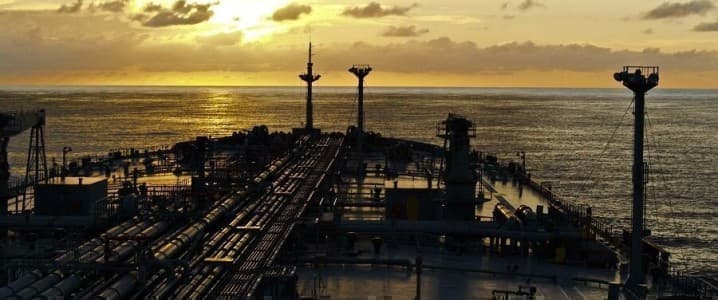
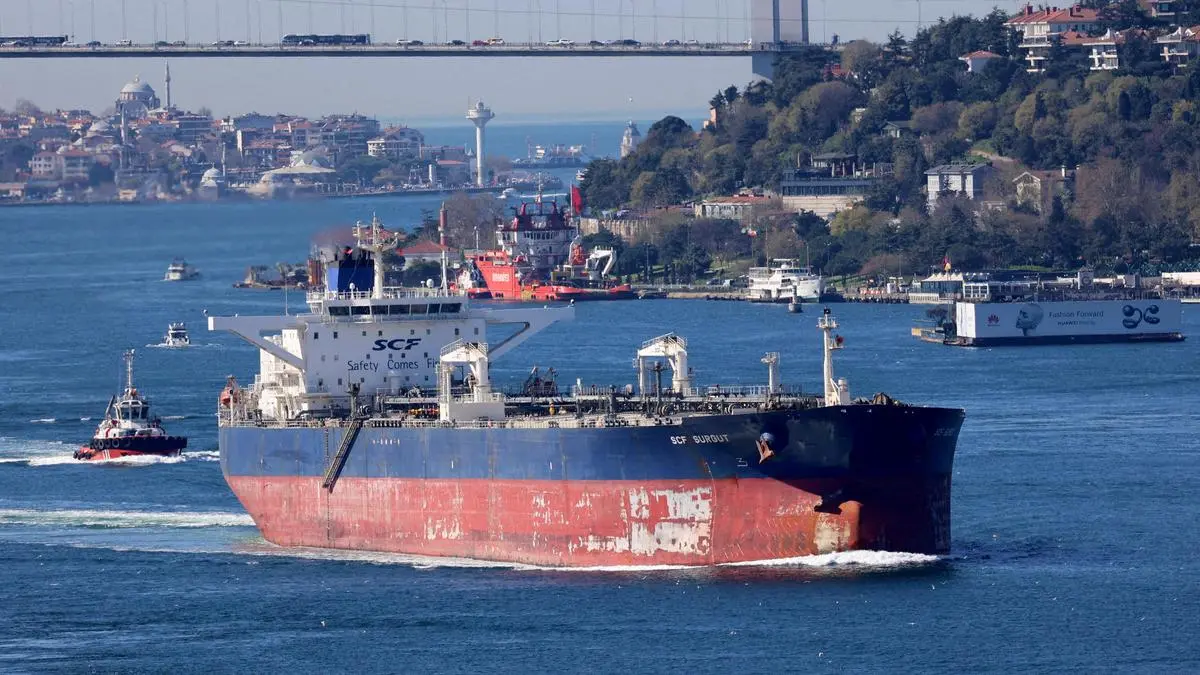
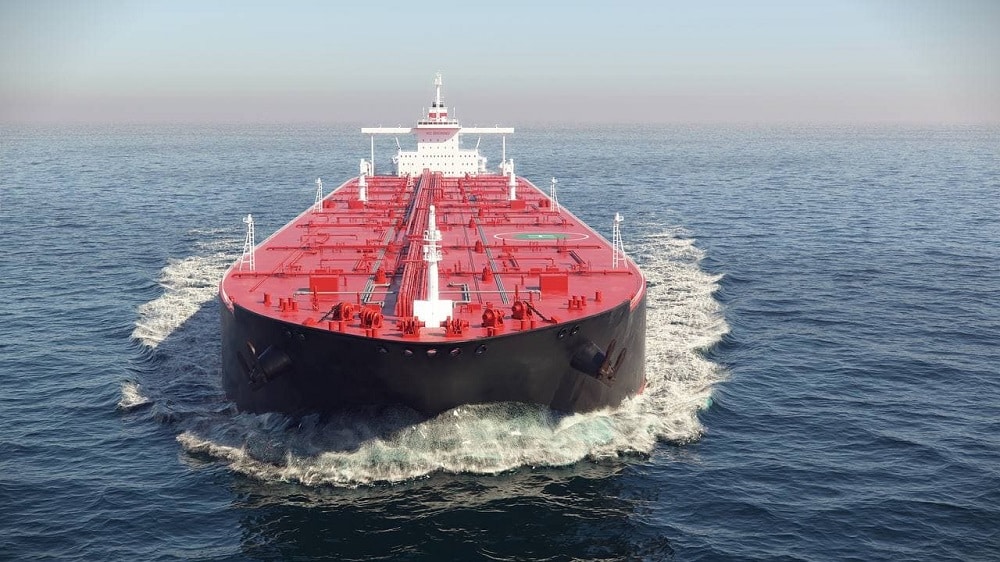
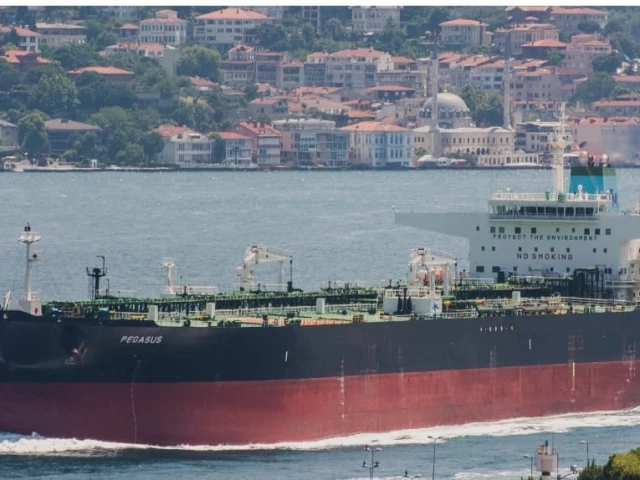
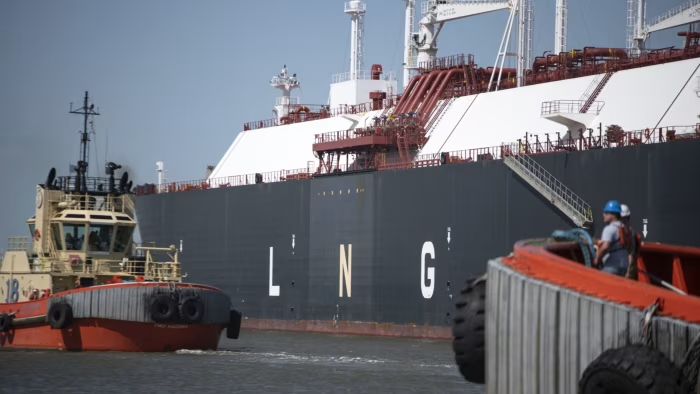
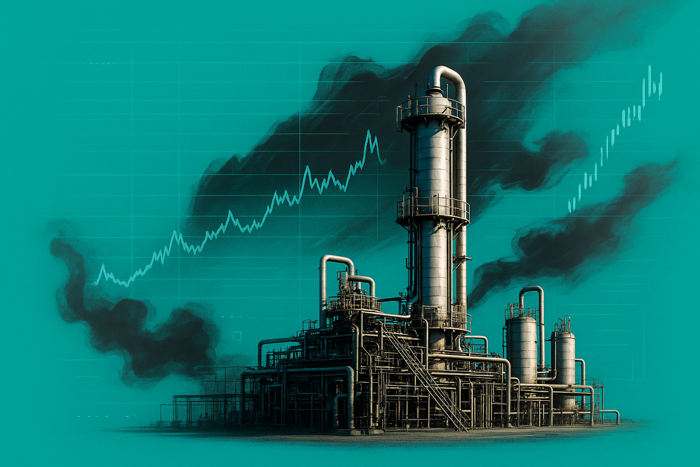
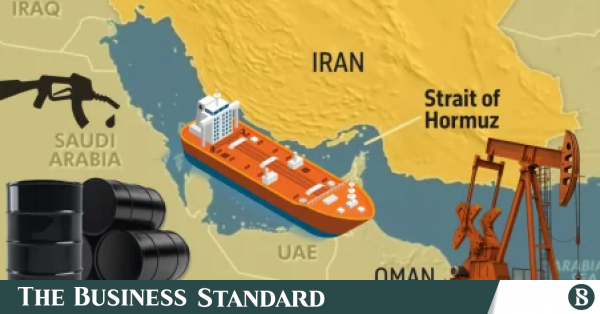
Bangladesh has sought diplomatic assistance from Iran to ensure the safe passage of crude oil tankers bound for the country through the Strait of Hormuz amid disruptions caused by the ongoing Middle East war.
The Energy and Mineral Resources Division under the power, energy and mineral resources ministry sent a letter to the Iranian Embassy in Dhaka yesterday, requesting support in facilitating the movement of vessels carrying crude oil to Bangladesh, officials told TBS.
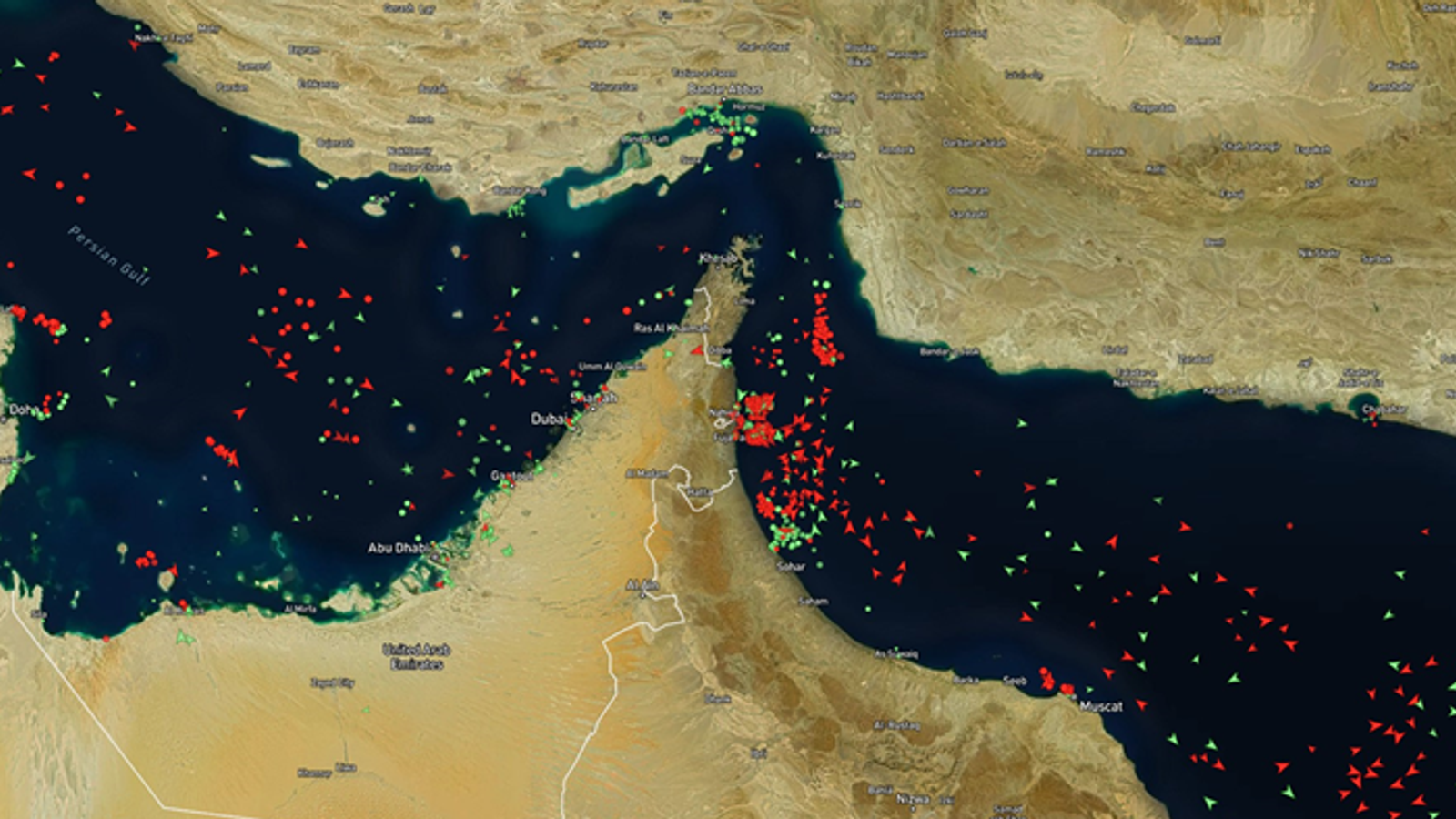
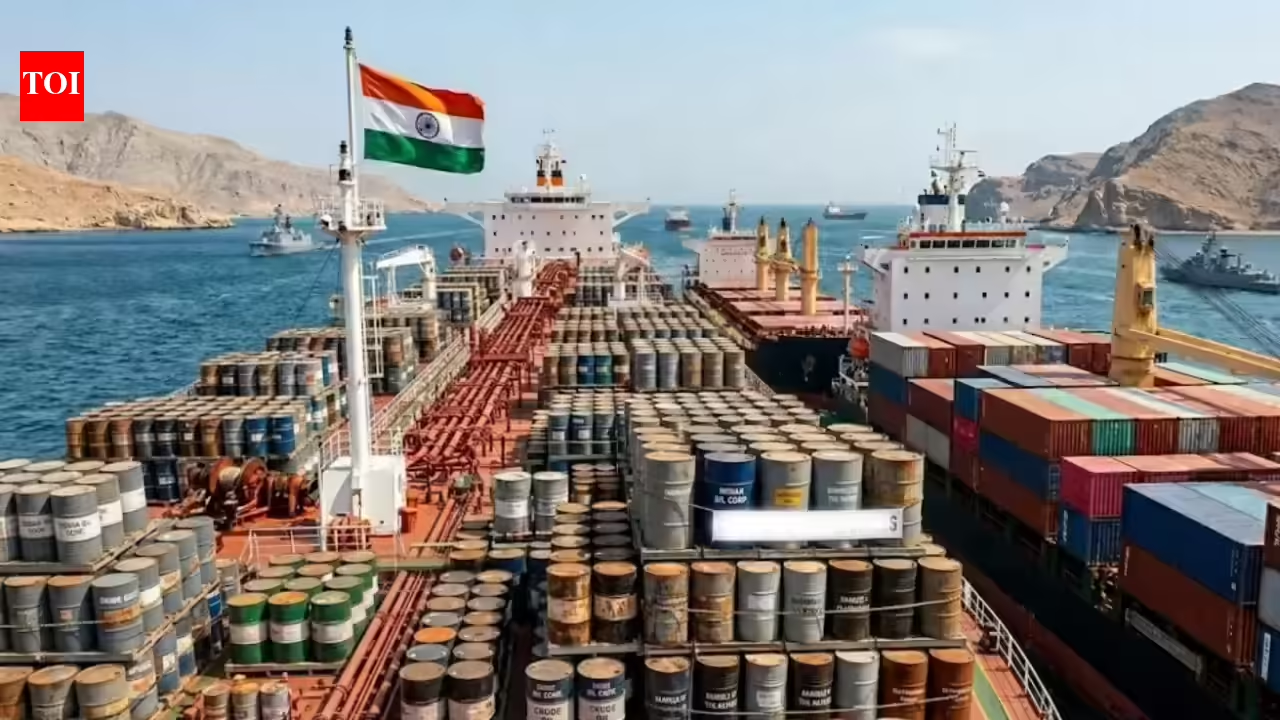
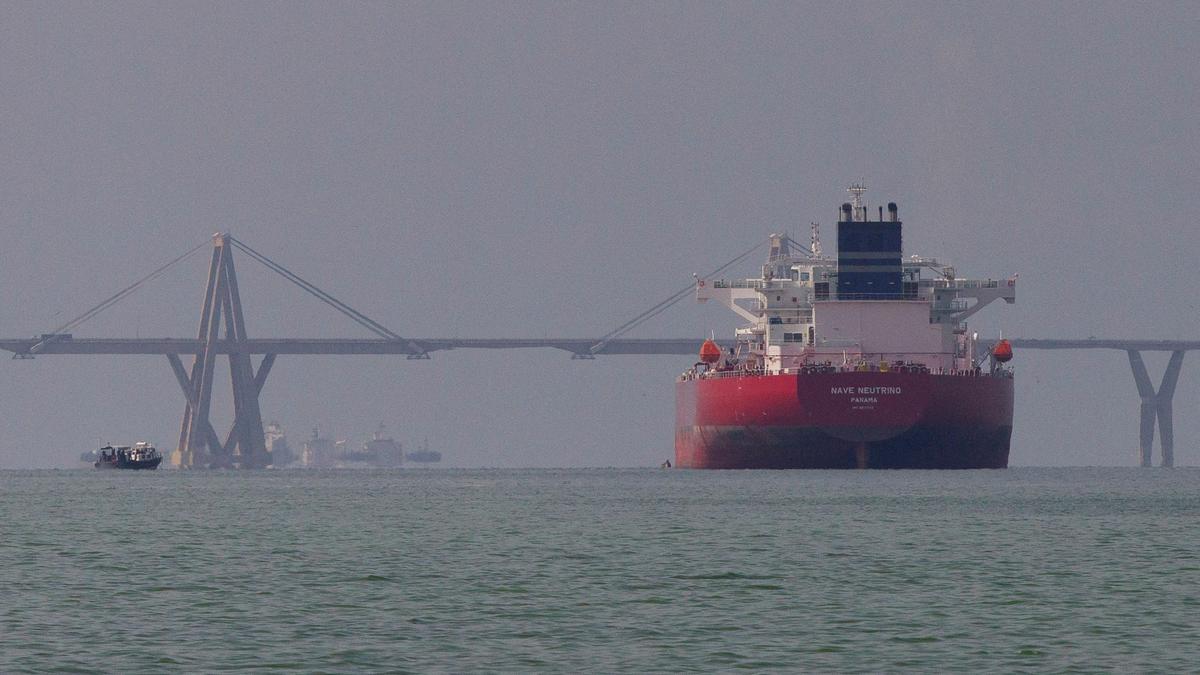
The request comes as the arrival of three crude oil shipments carrying a combined 3,00,000 tonnes has become uncertain due to security concerns affecting maritime routes through the Strait of Hormuz, a key chokepoint for global oil trade.

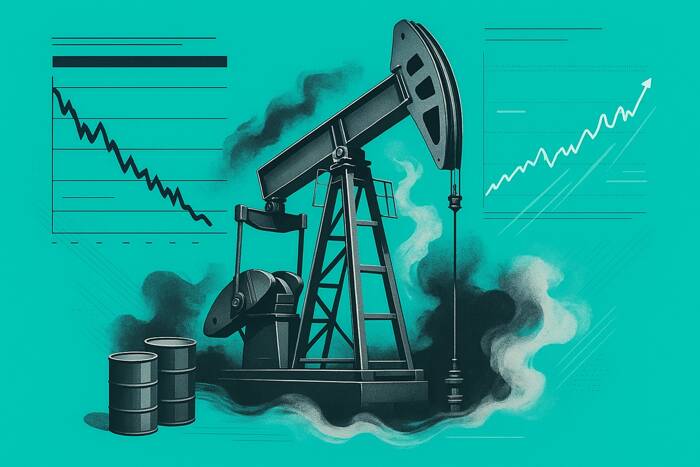
Infographics: TBS
“>

Infographics: TBS
The energy ministry forwarded its request to the Ministry of Foreign Affairs, urging diplomatic engagement with the Iranian government.
The letter was sent to the director general for West Asia desk at the foreign ministry to communicate with the Iranian government.
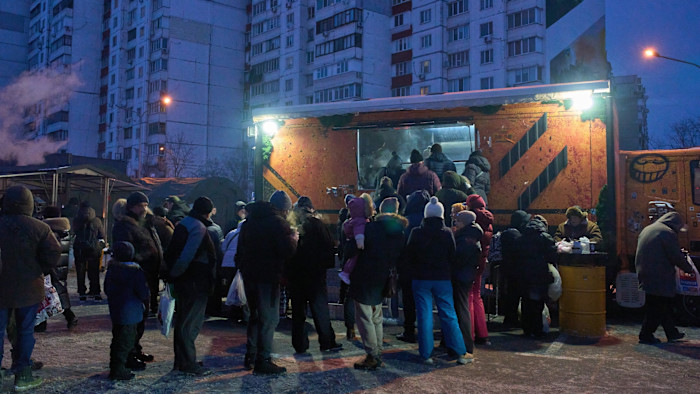
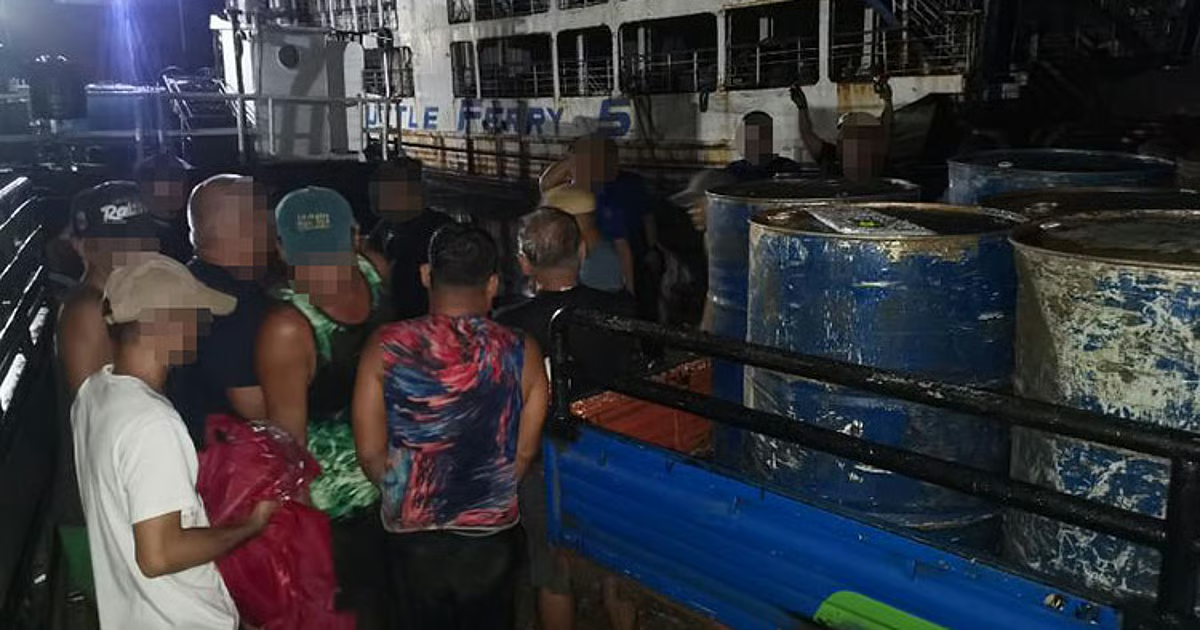
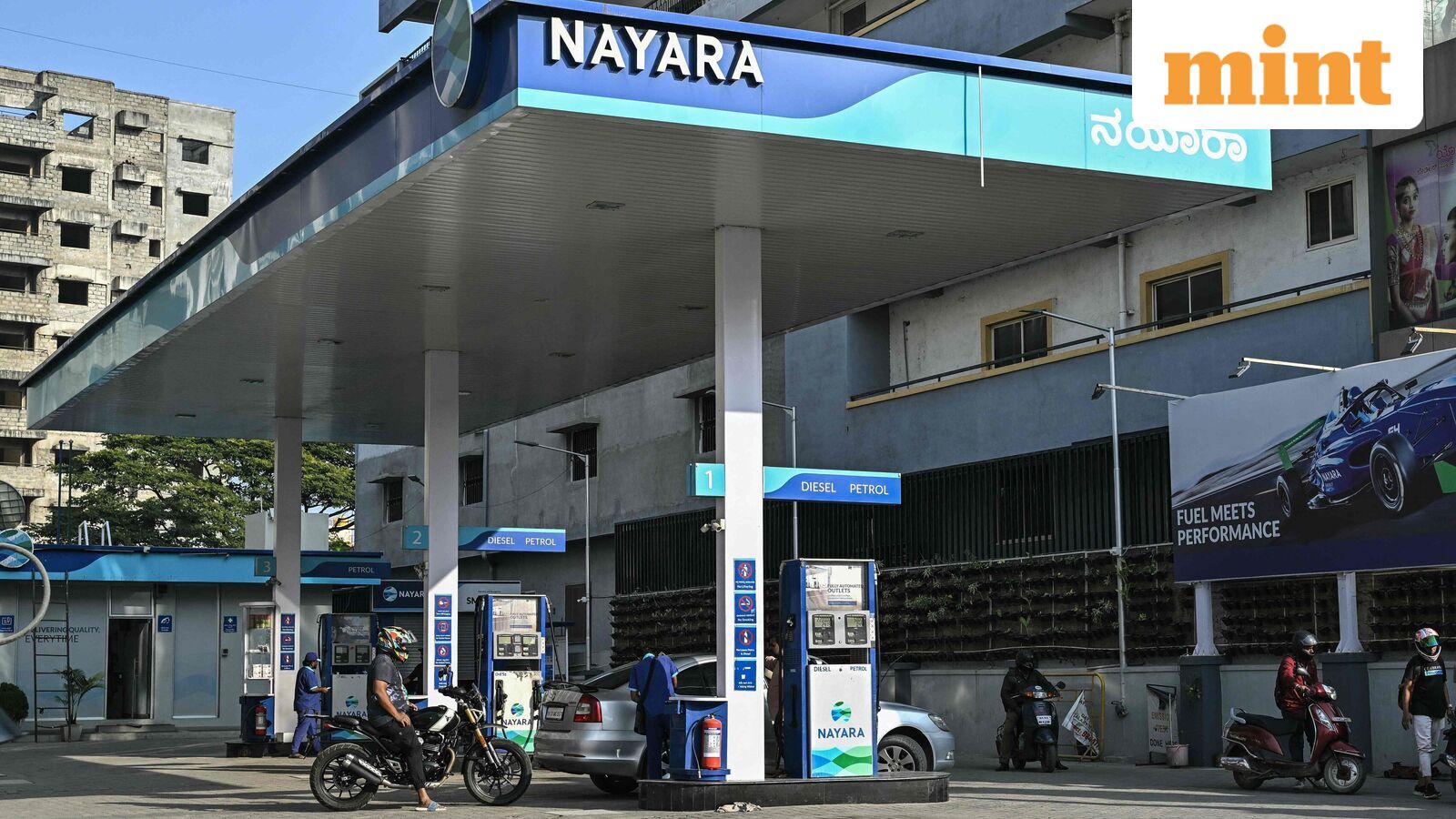
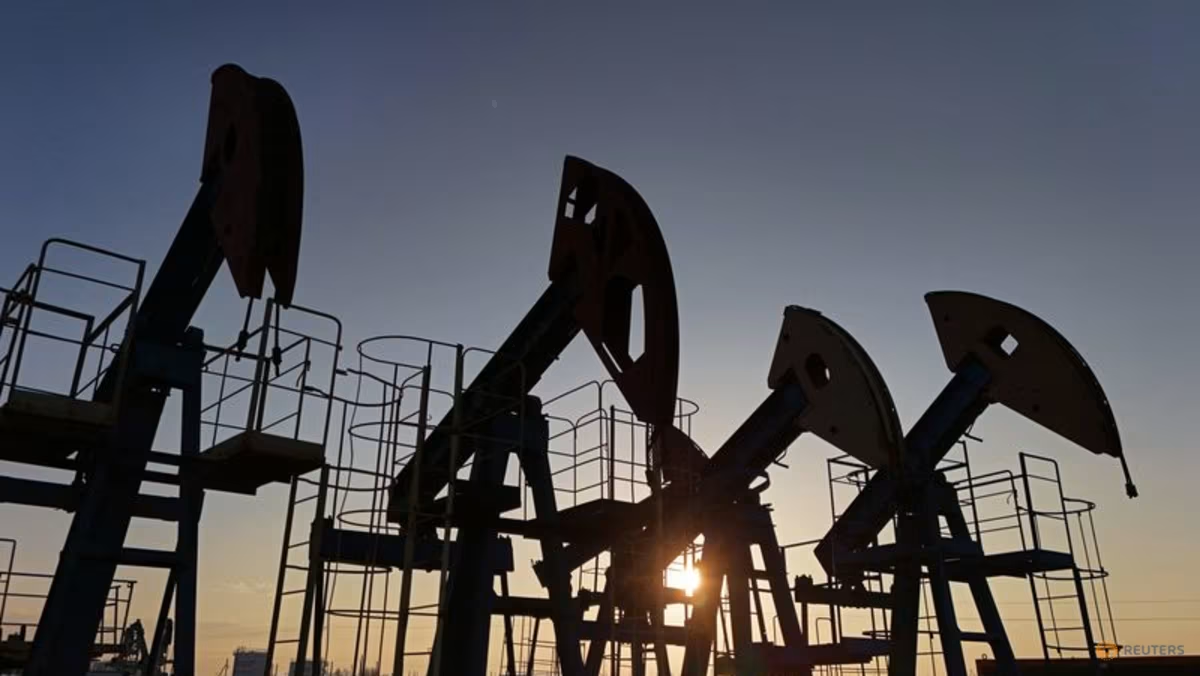
Amid growing complaints about fuel shortages at filling stations and long queues of vehicles, the government yesterday withdrew rationing on petrol, octane and diesel until further notice to ease public suffering during the Eid travel period.
The government had imposed the restrictions on fuel purchases for certain types of vehicles after global energy routes were disrupted by the ongoing war in the Middle East.
Officials said authorities are now working on options to ensure sufficient crude oil supplies to avoid reintroducing rationing after the Eid holidays.

Three shipments uncertain
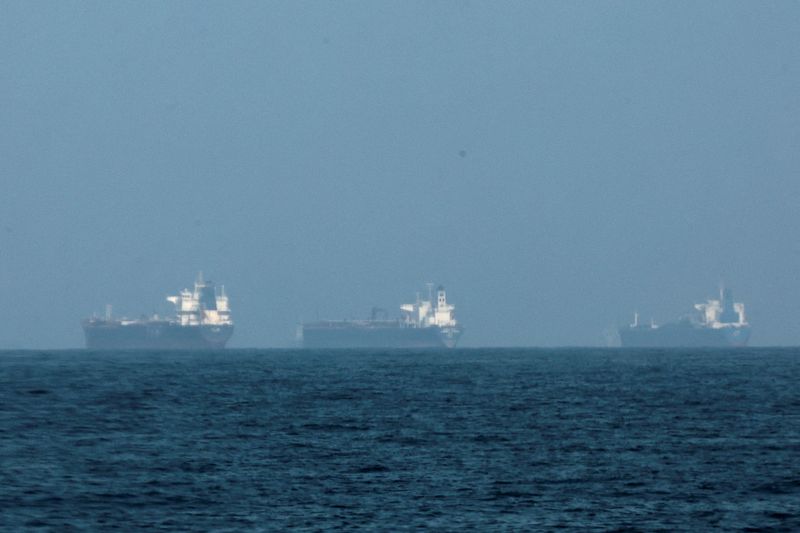
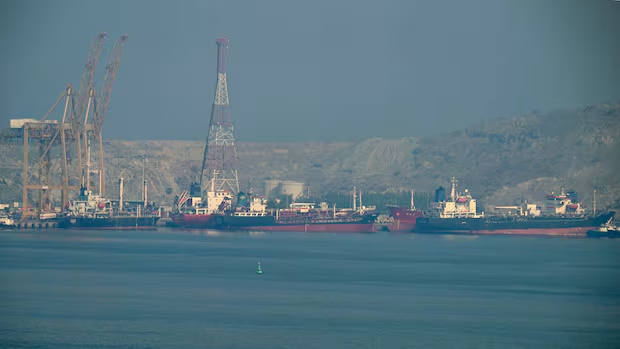
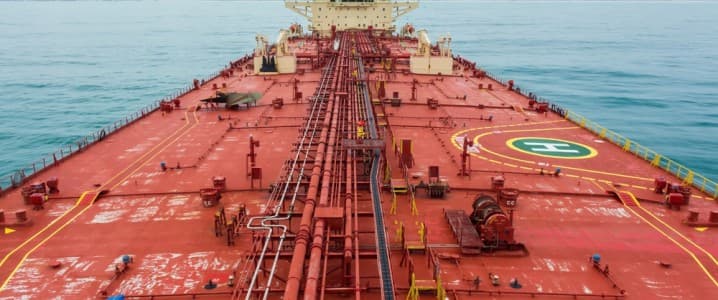
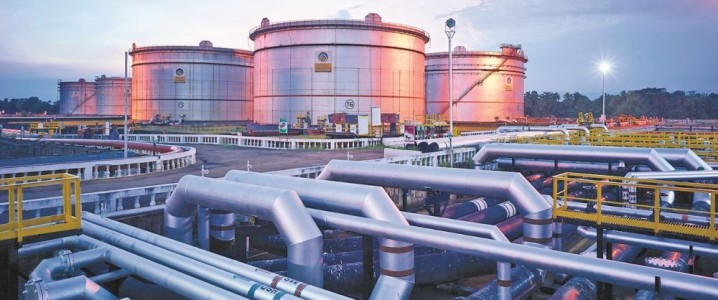
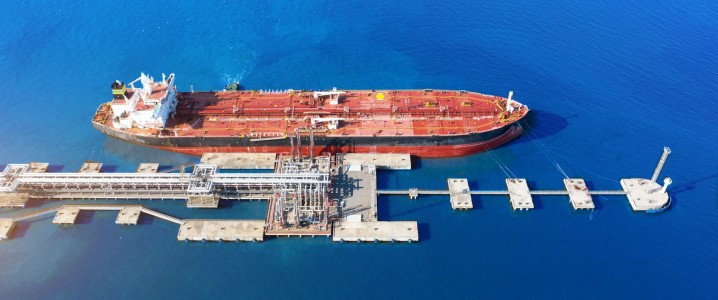
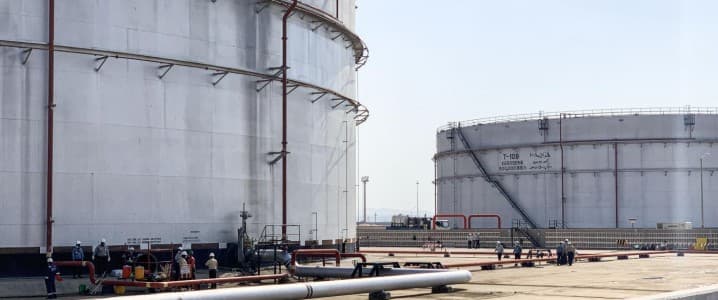
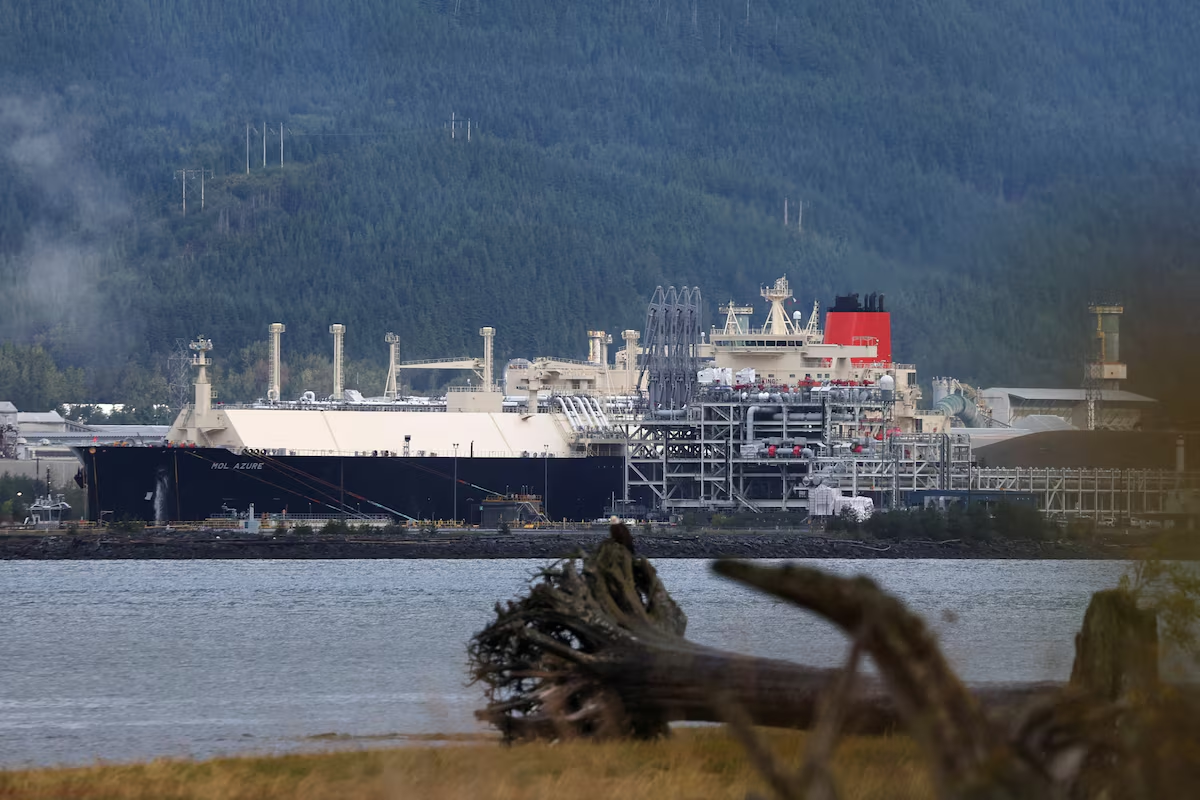
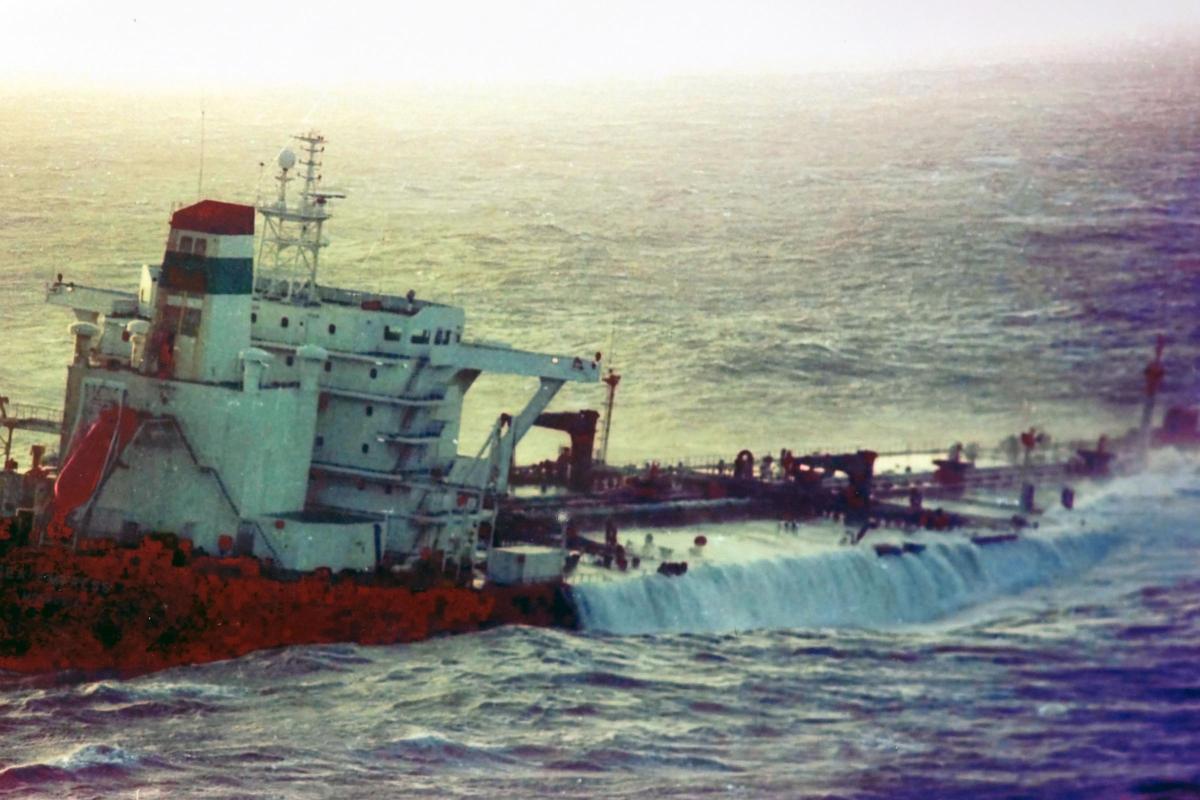
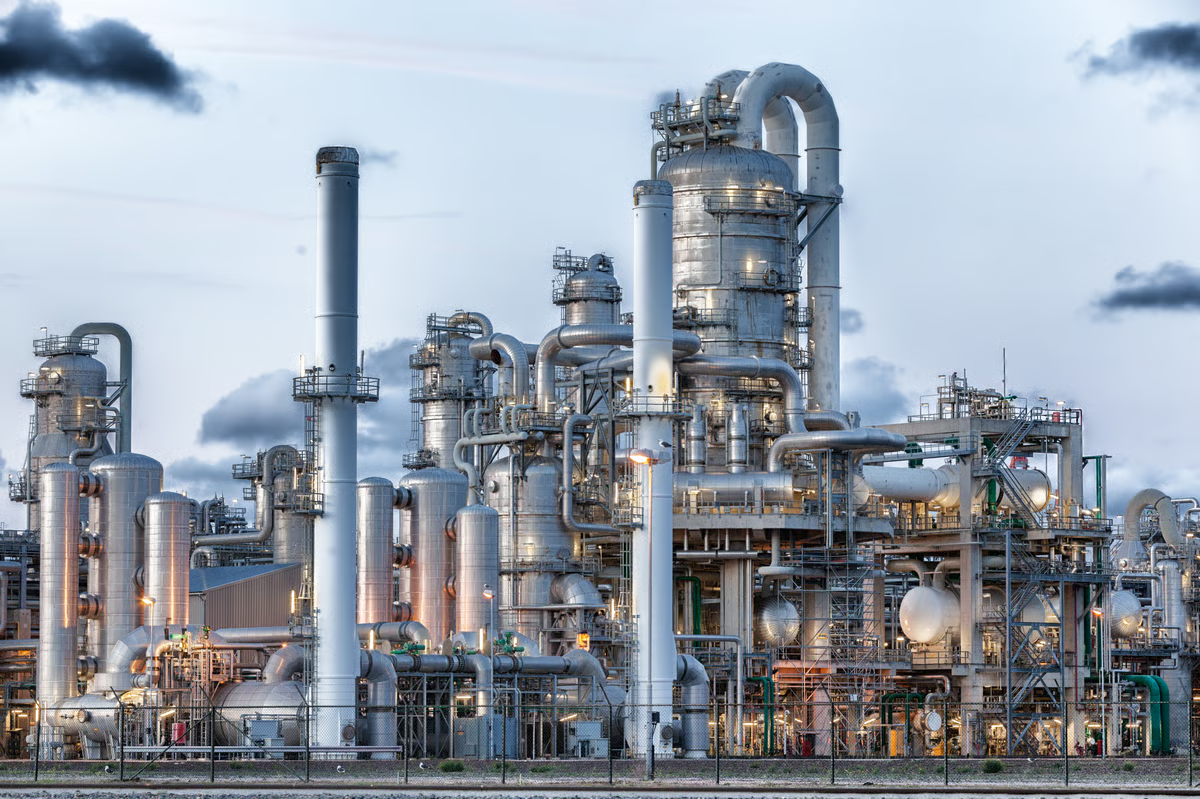
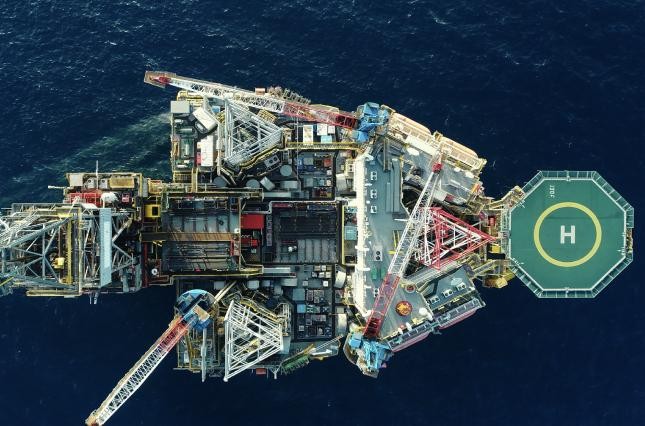
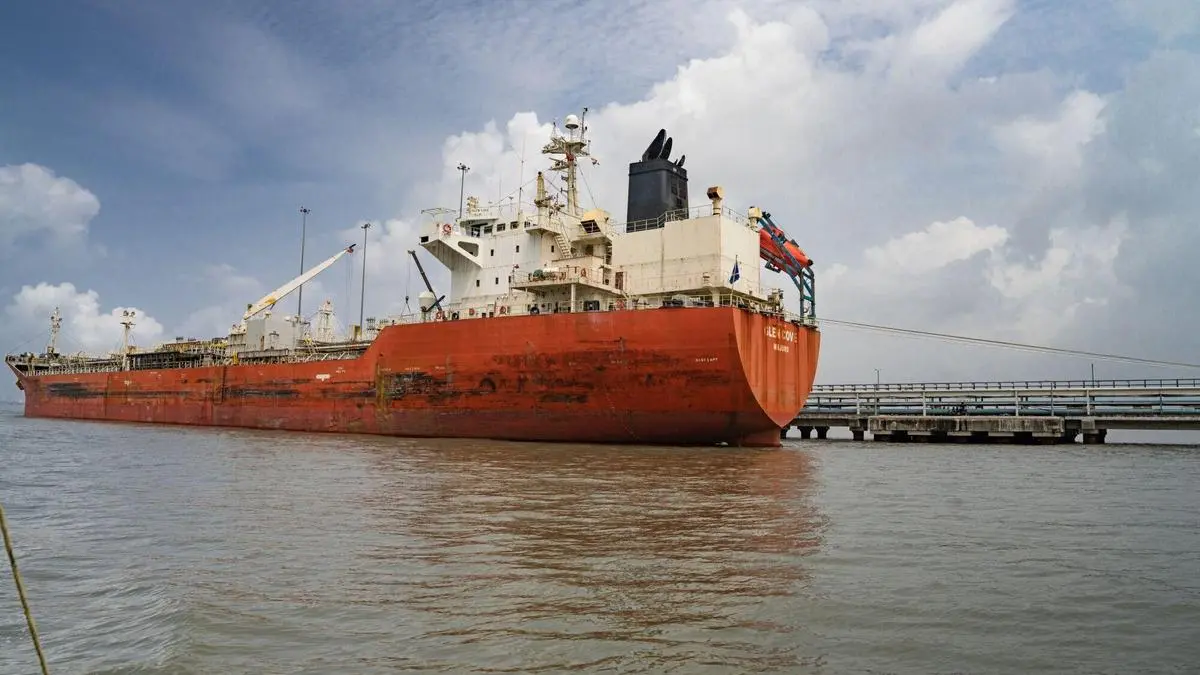
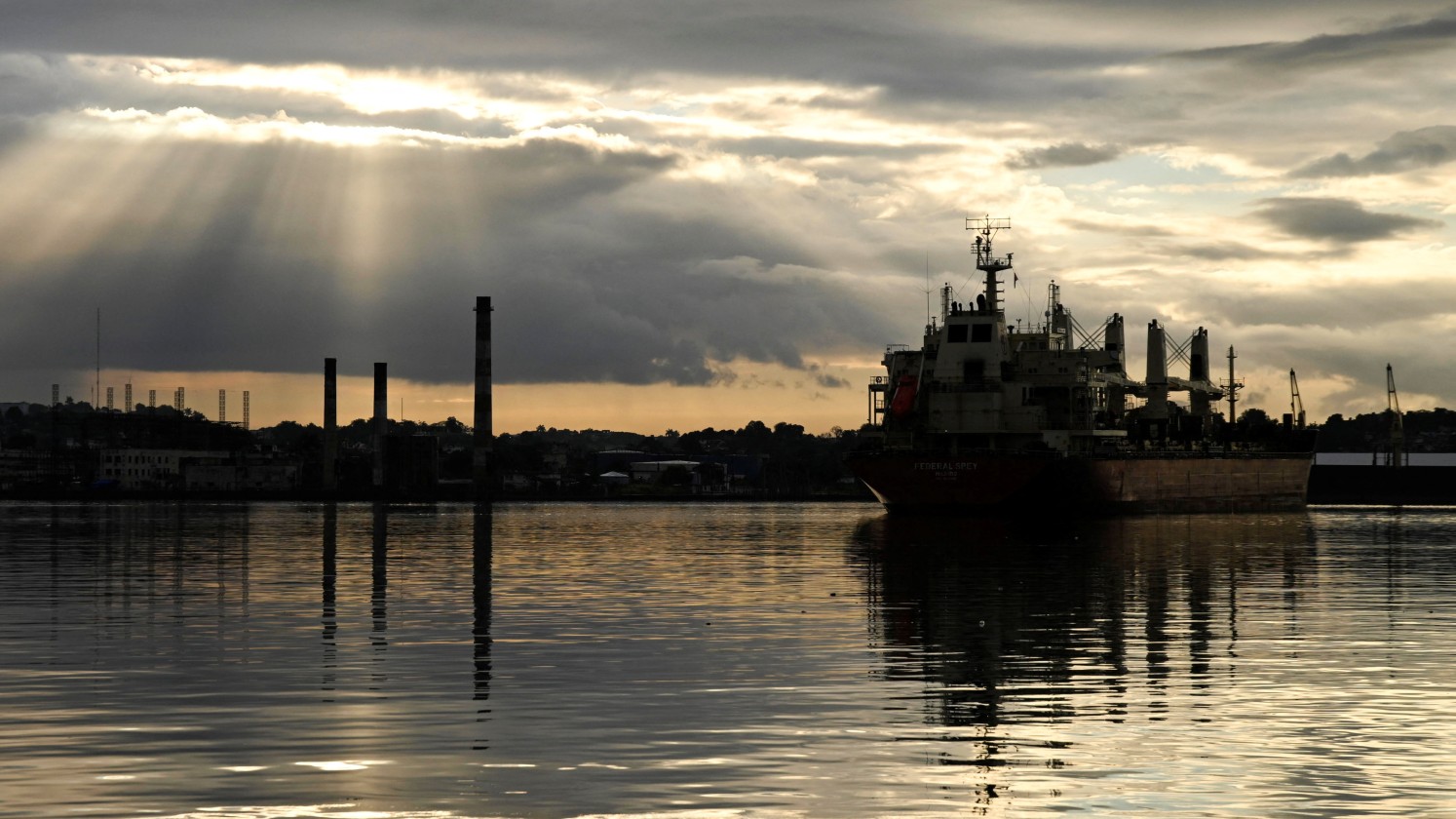
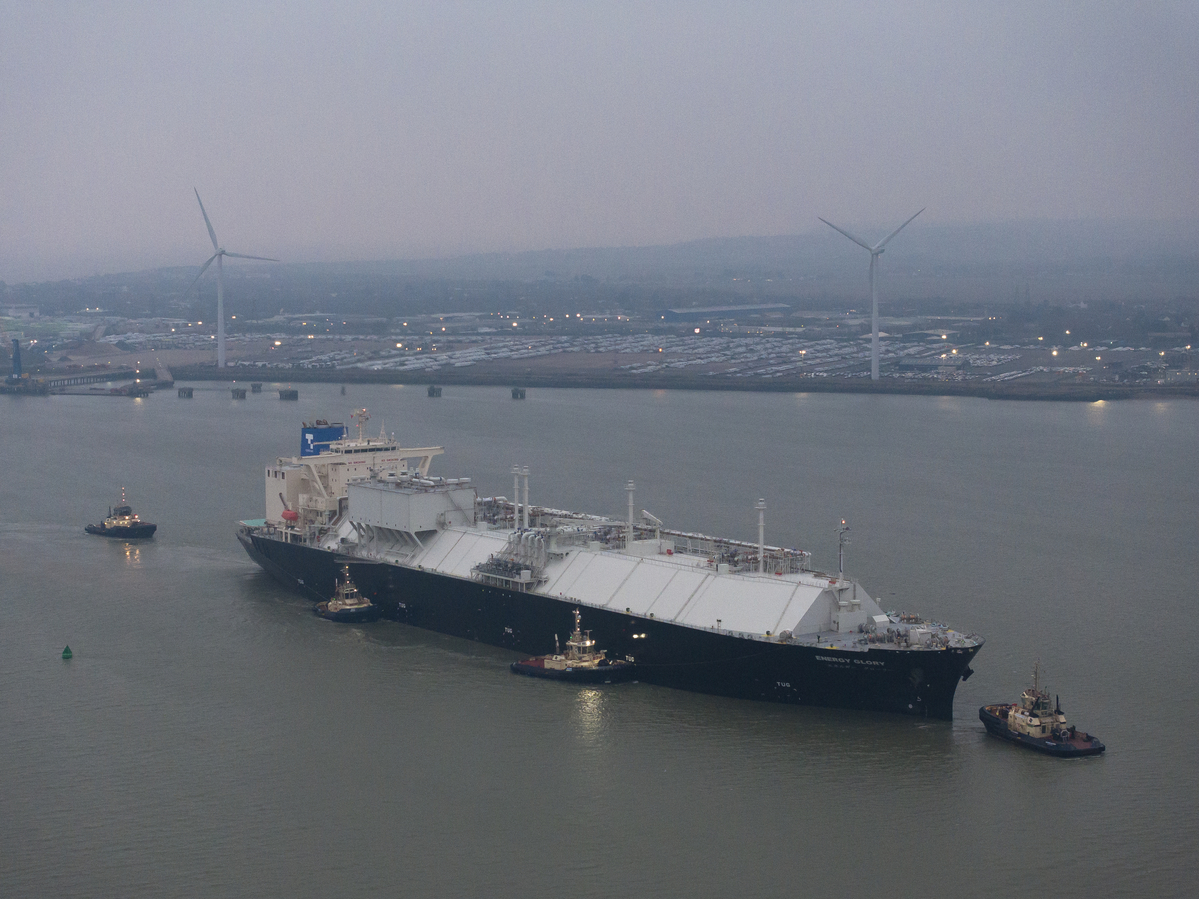
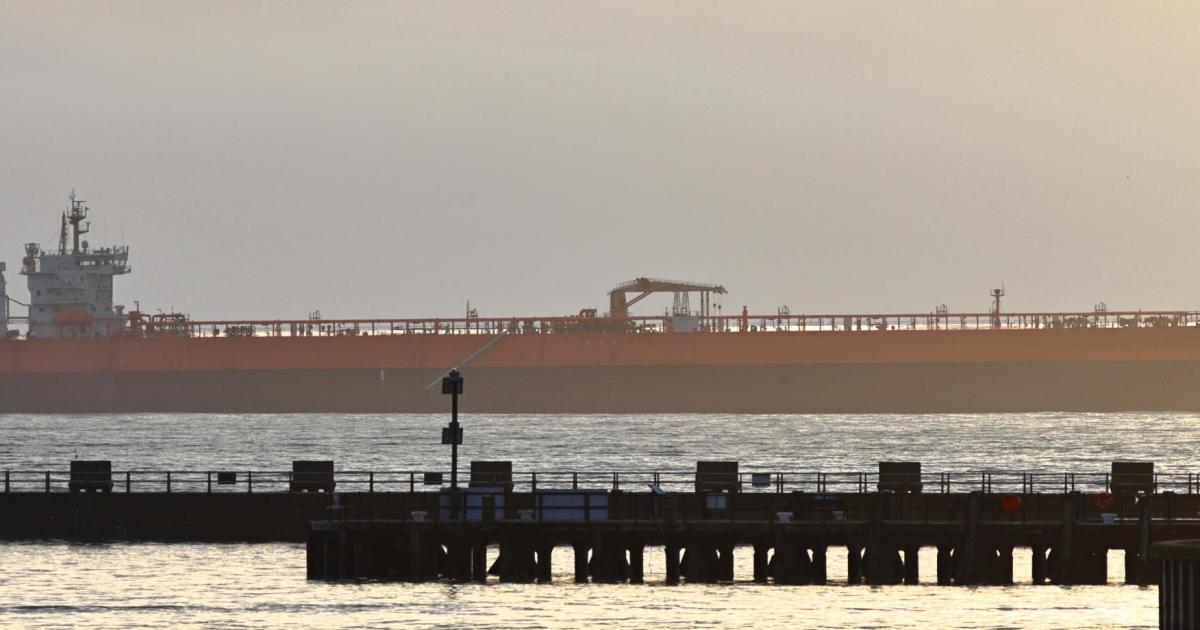
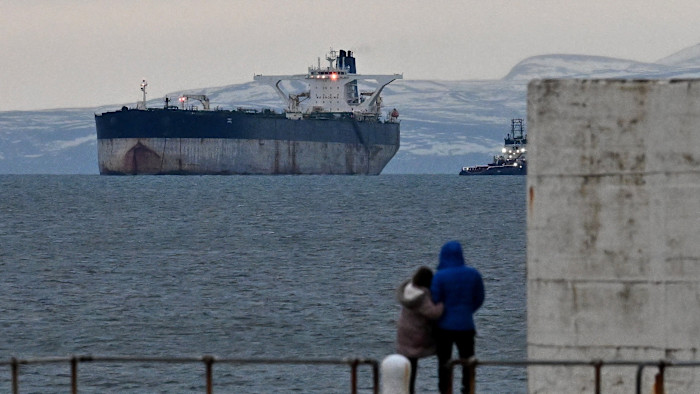
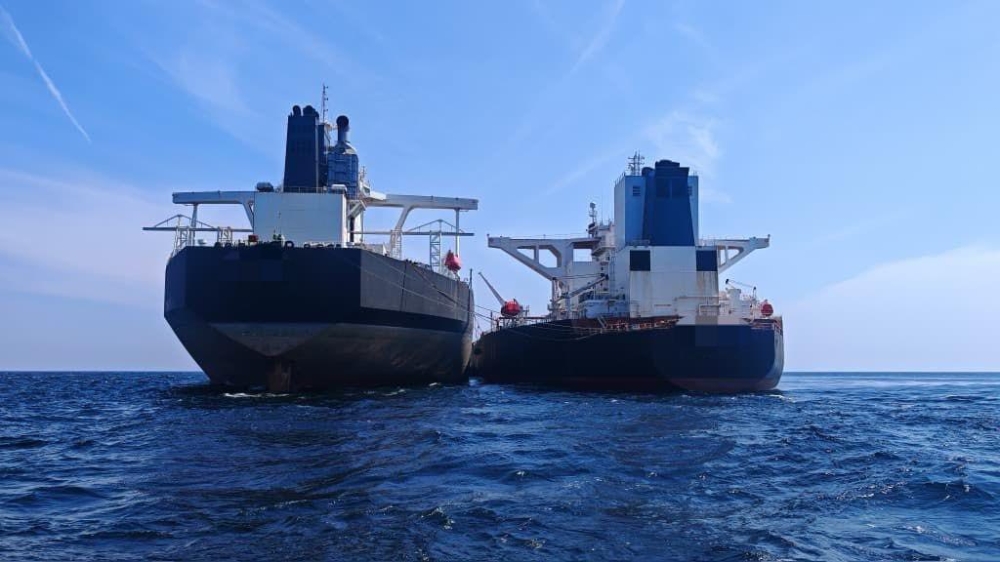
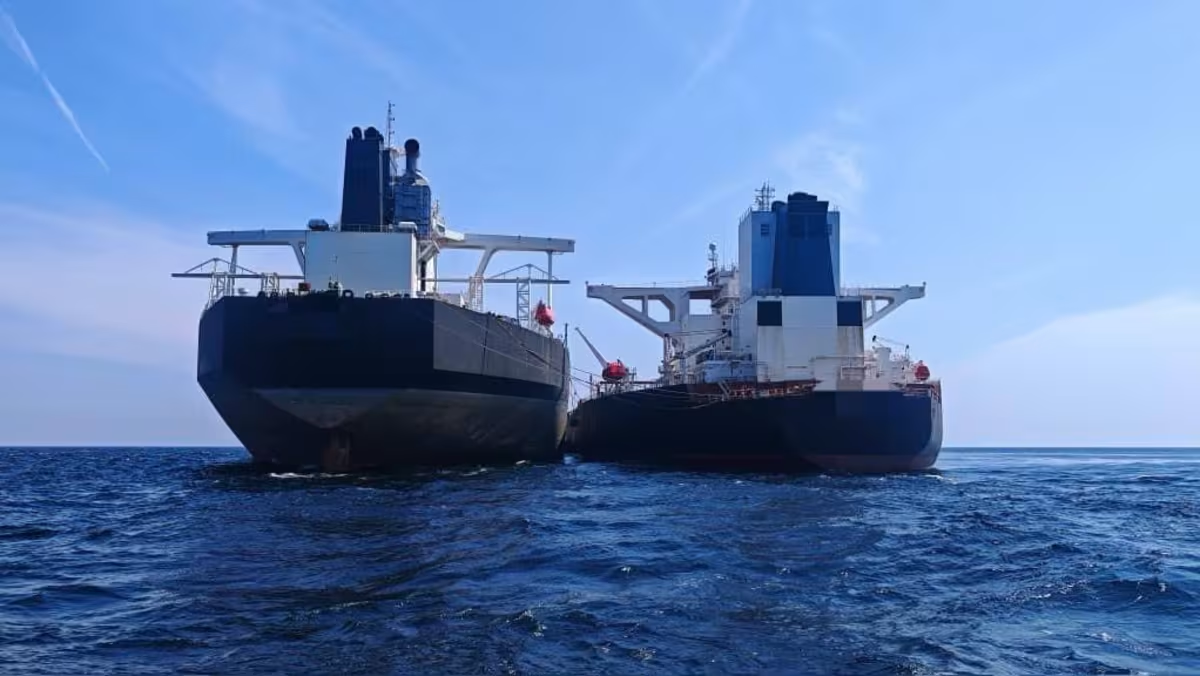
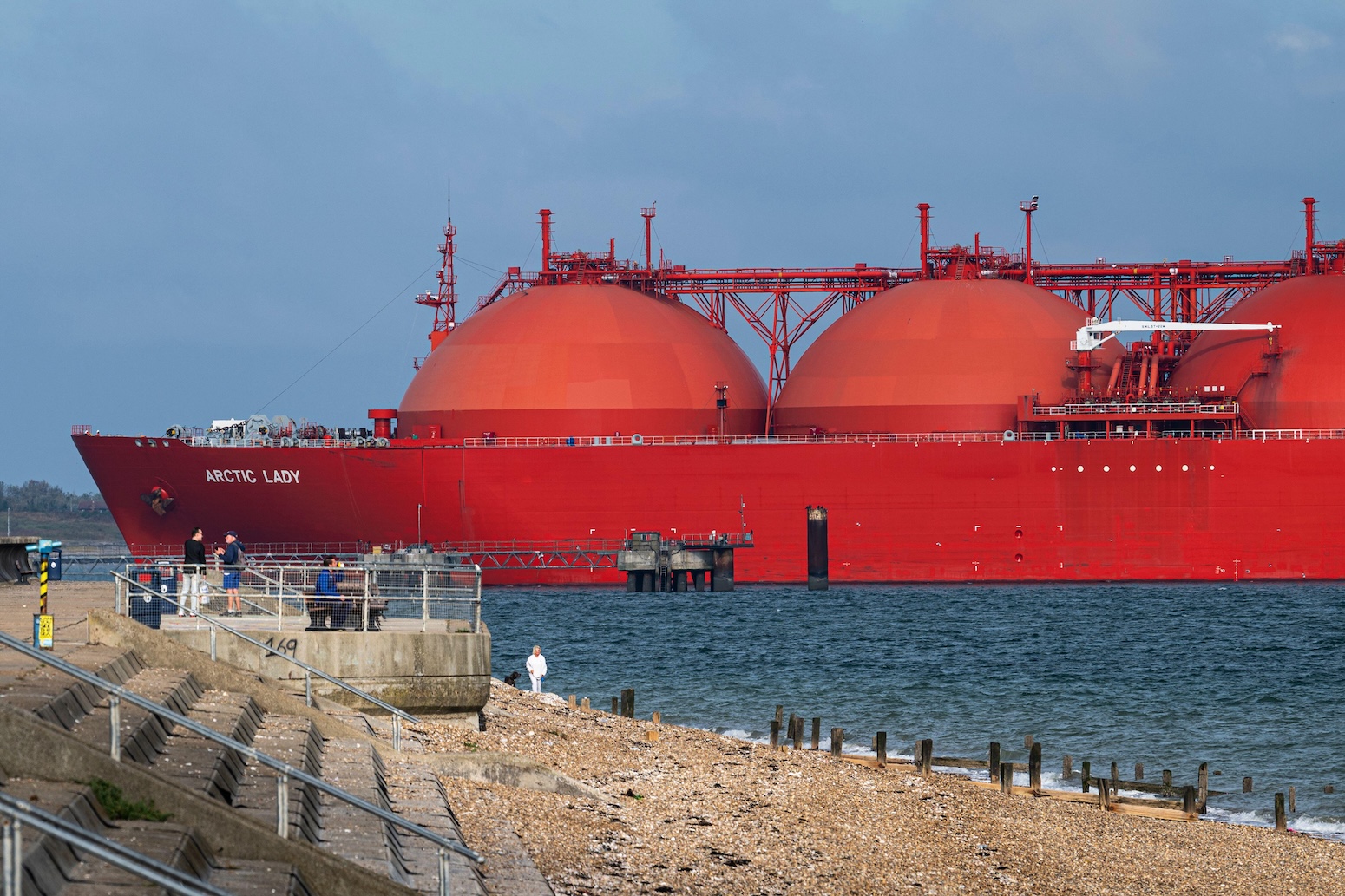
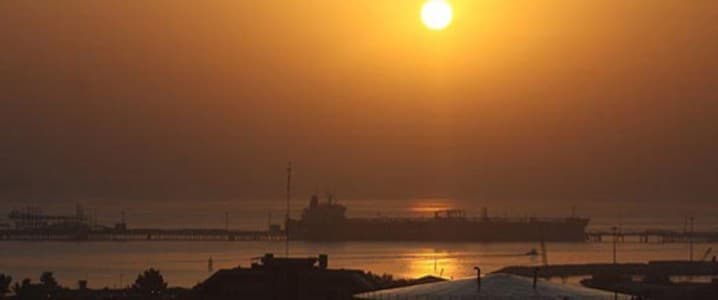
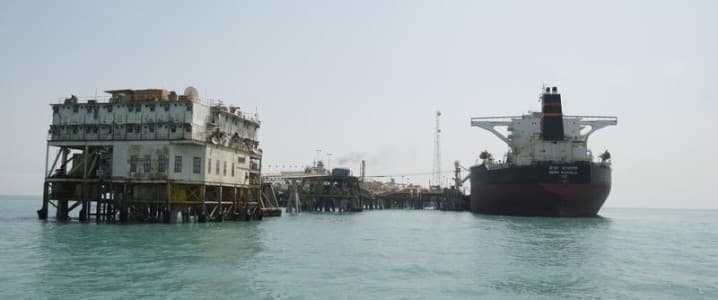
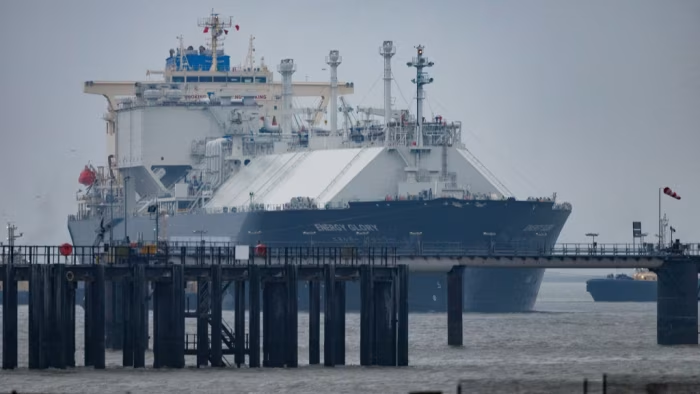
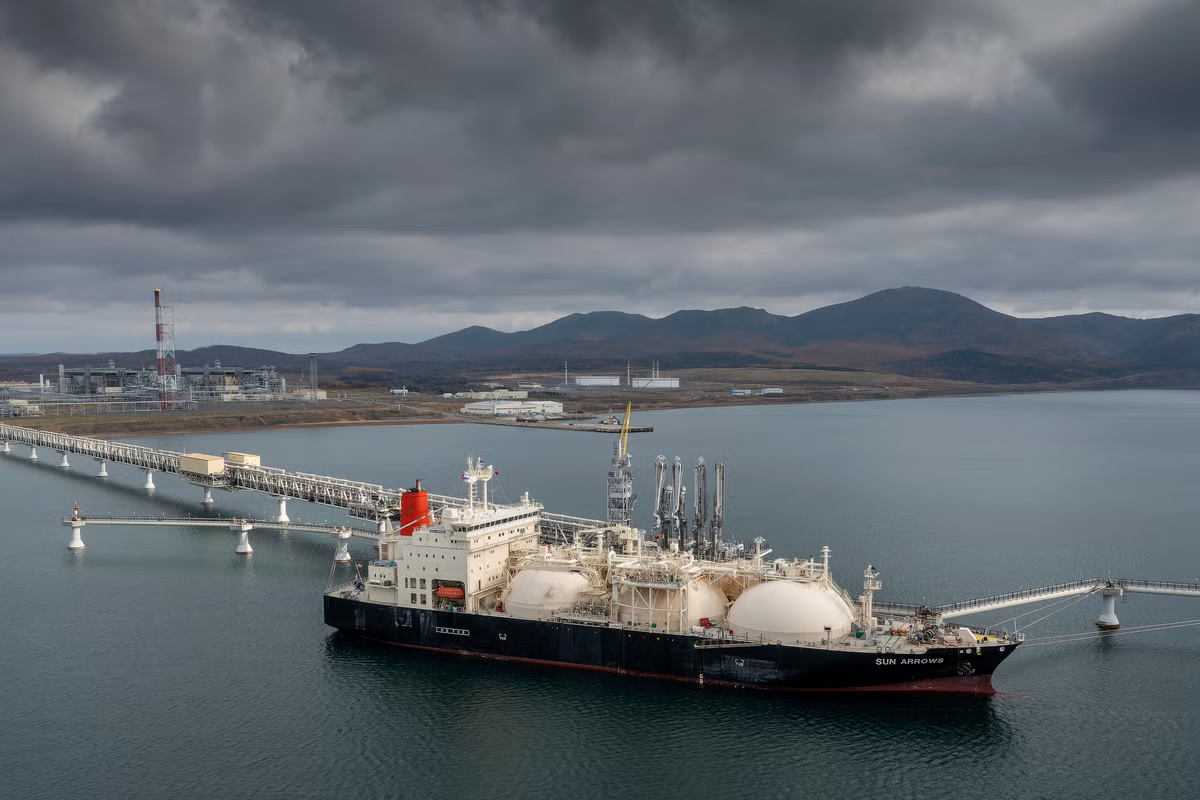
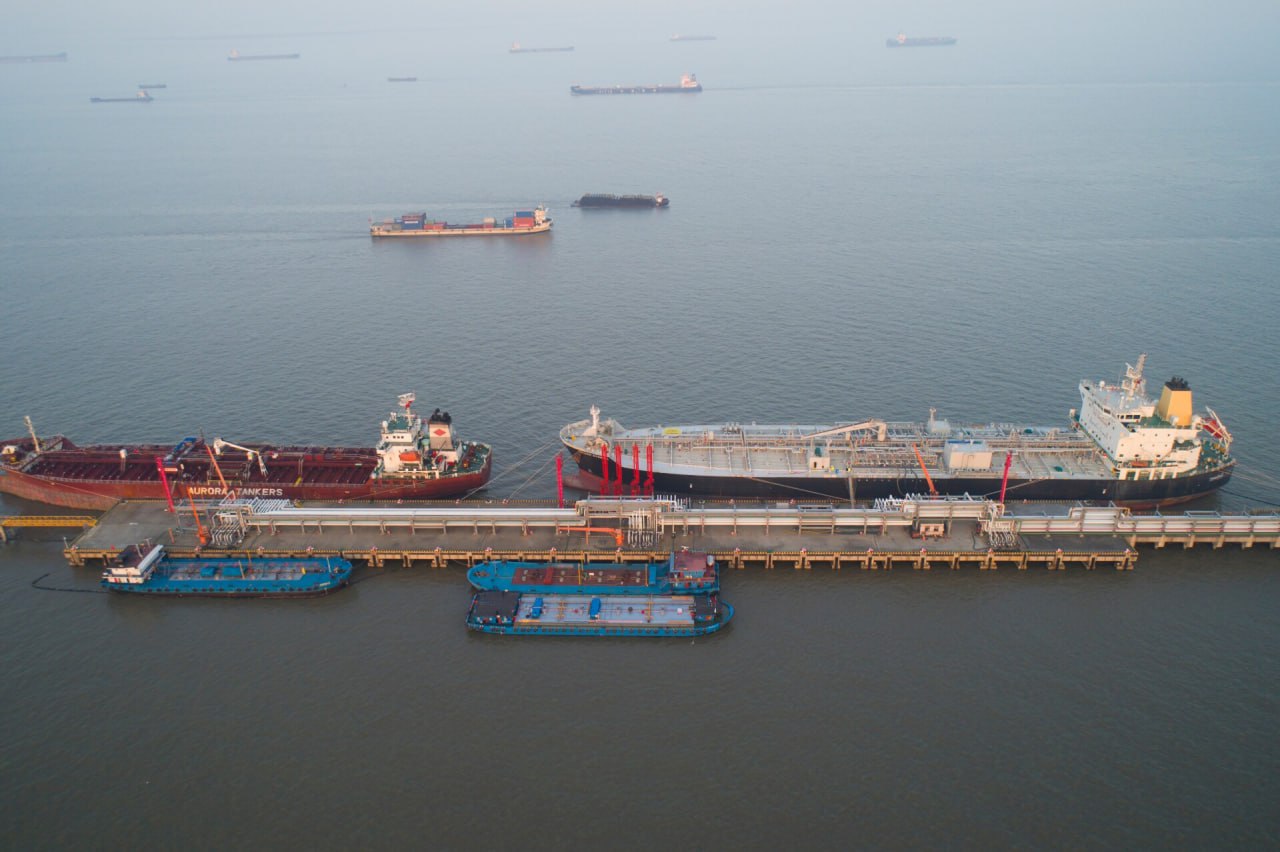
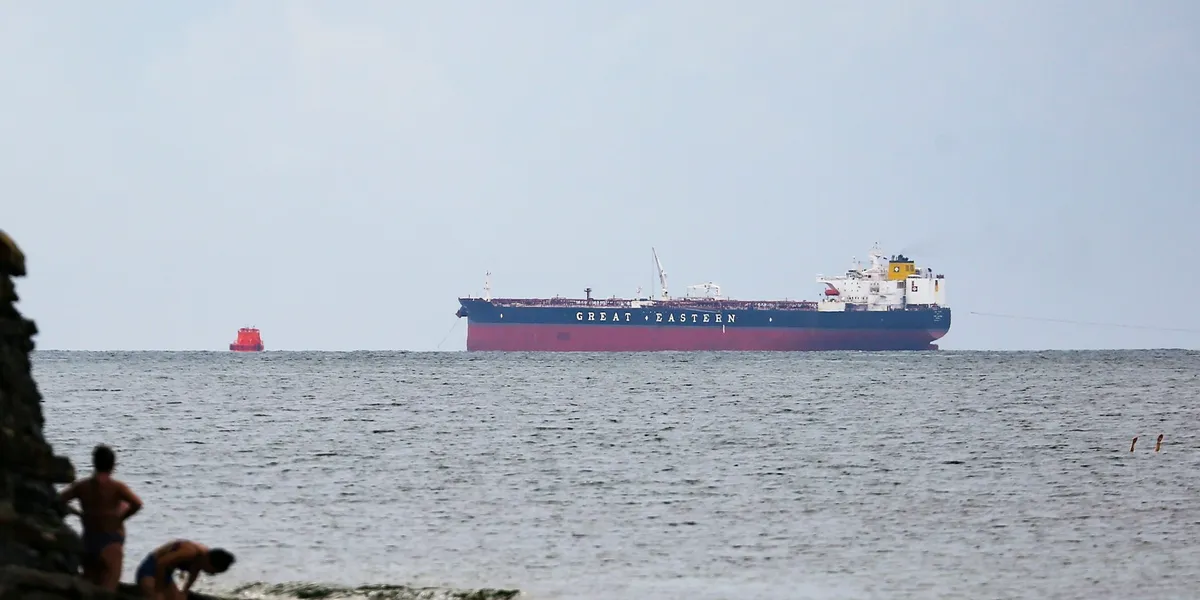
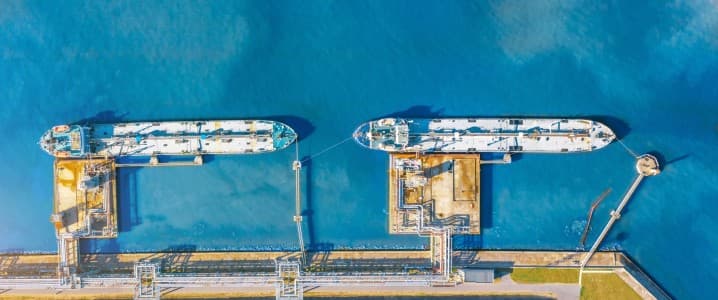
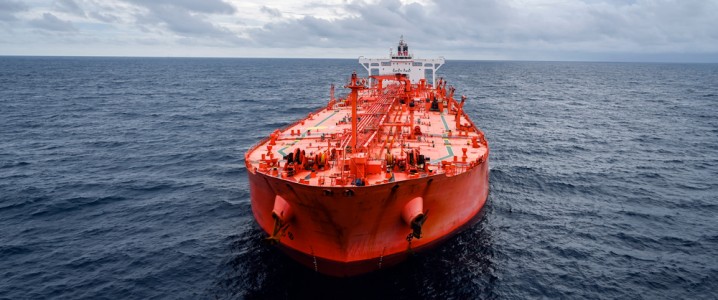
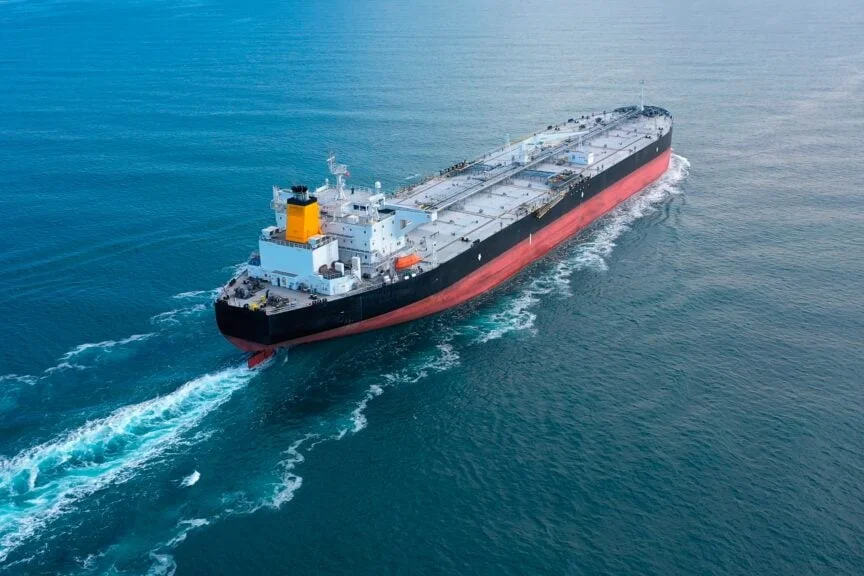
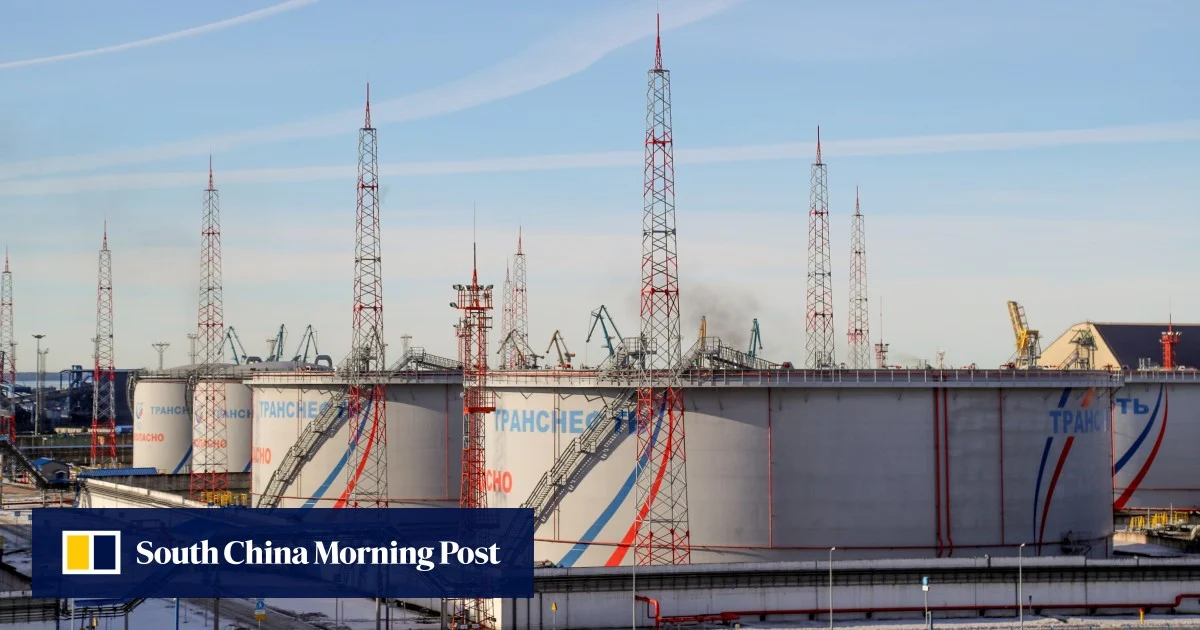
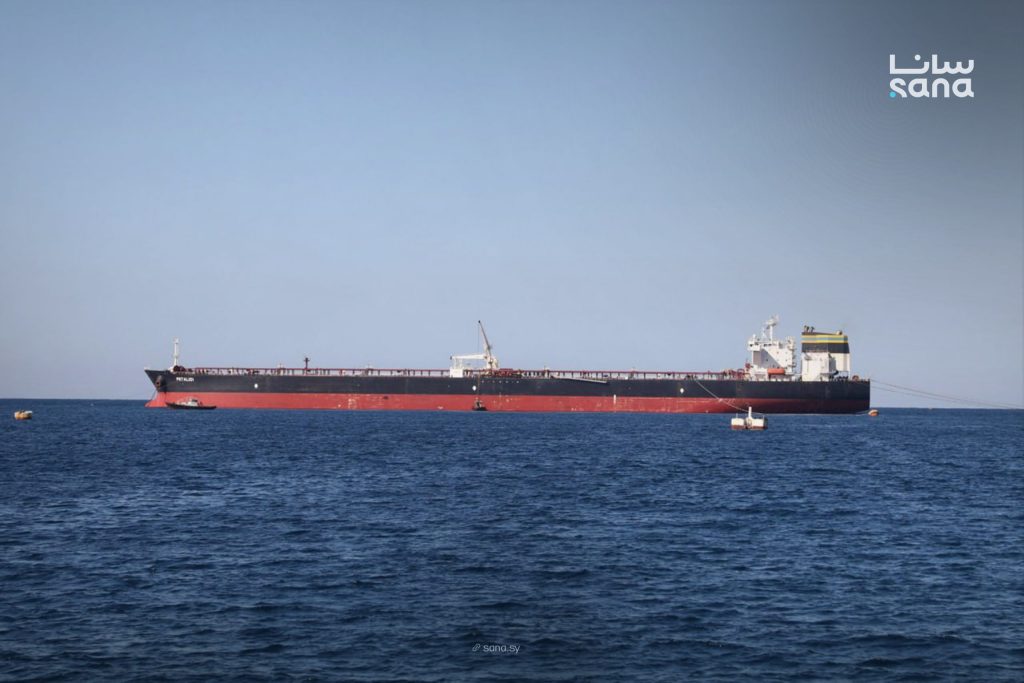
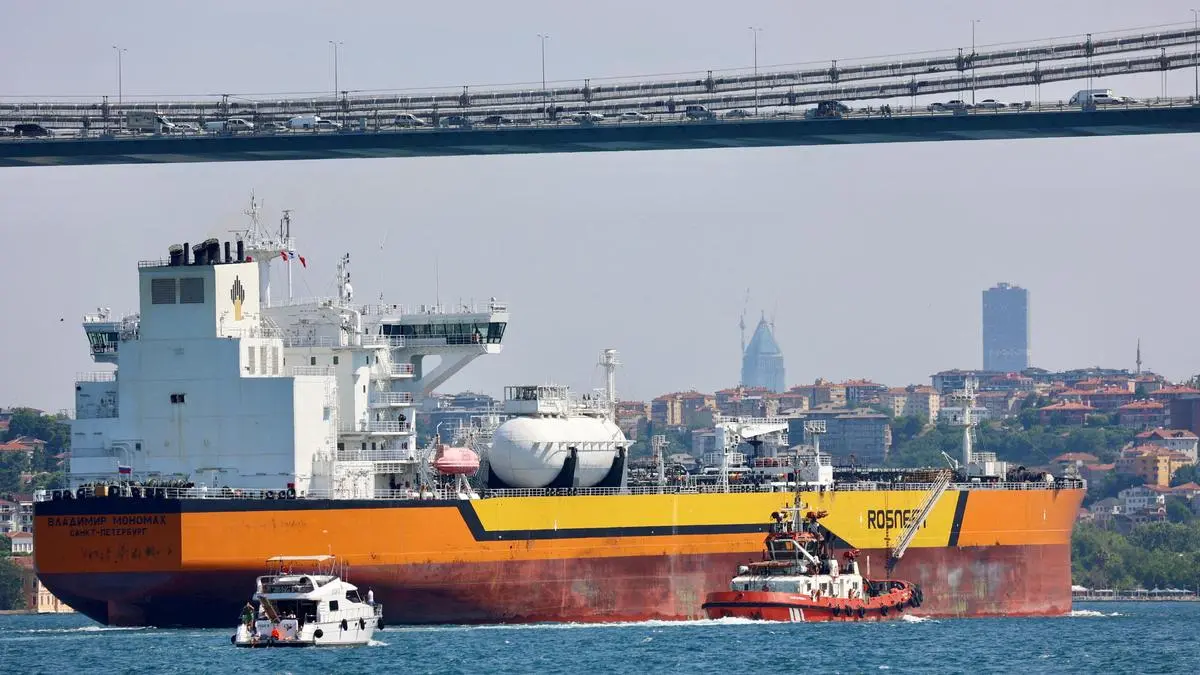
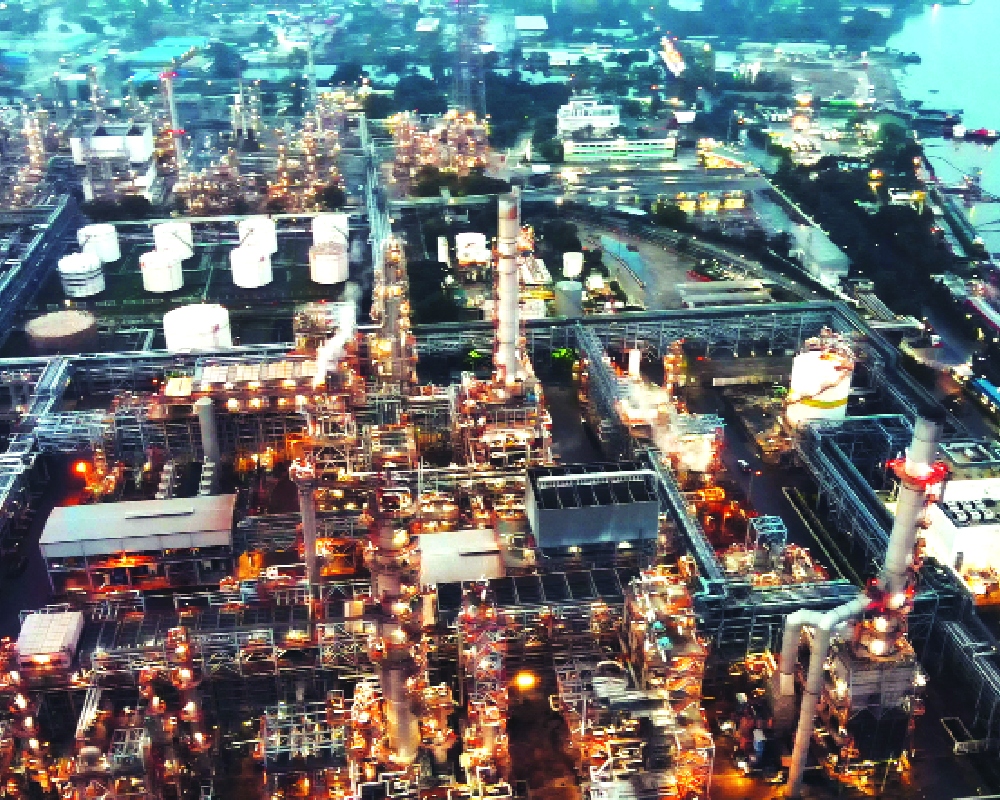
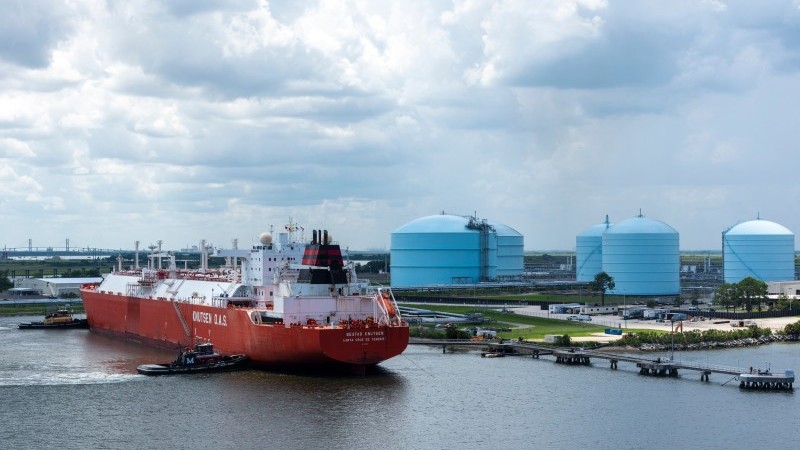
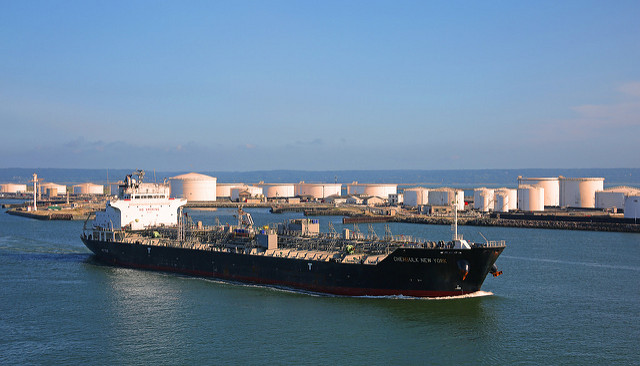
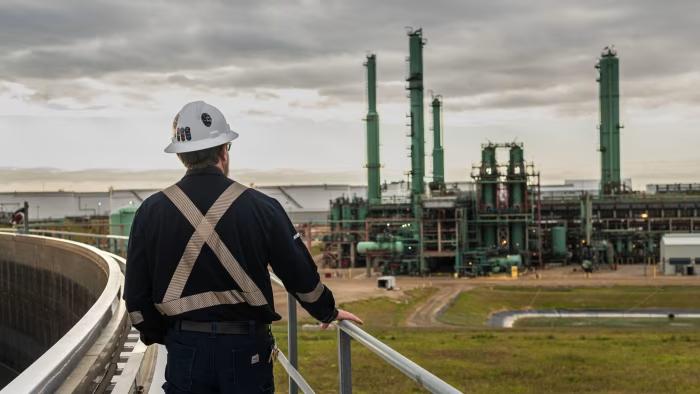
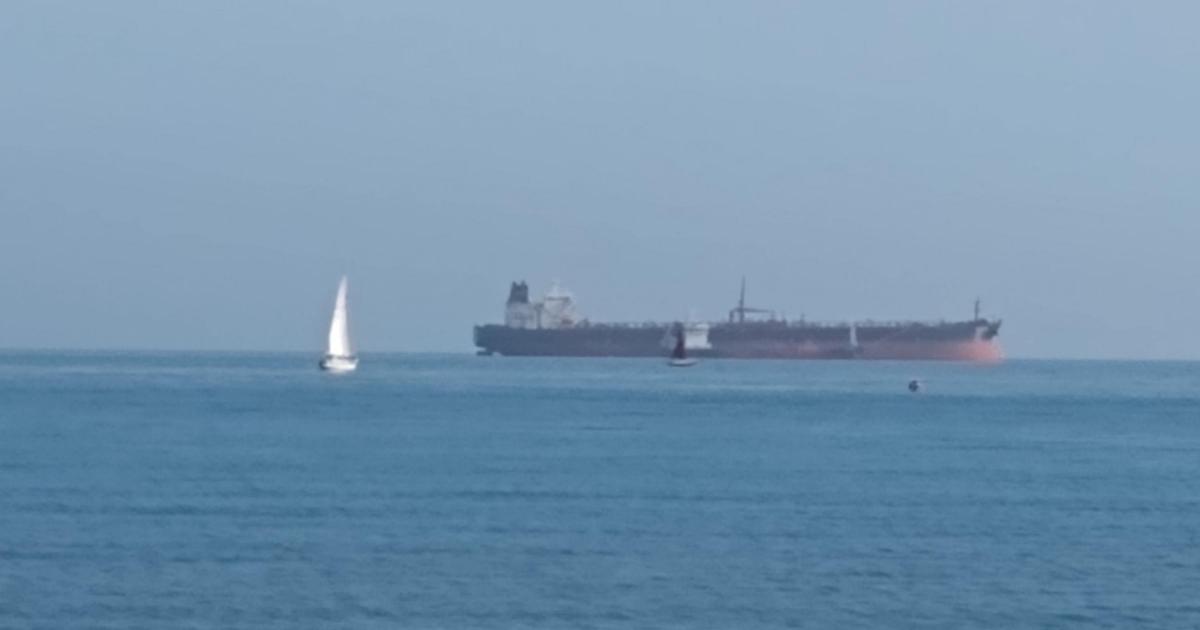
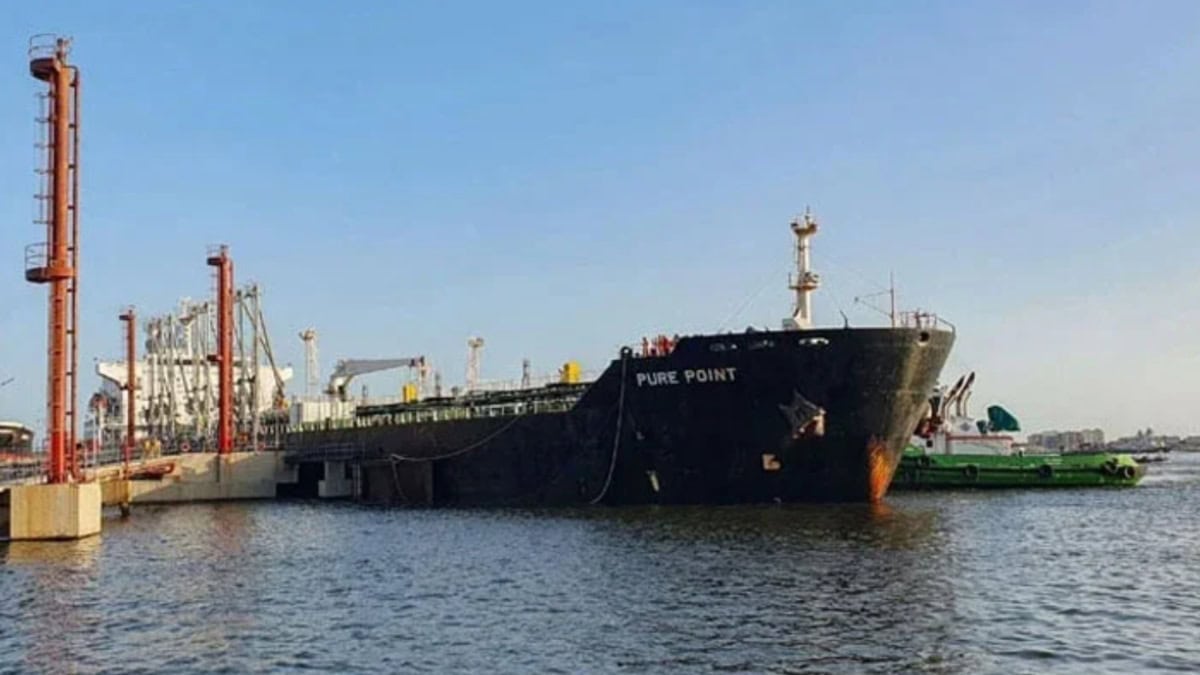
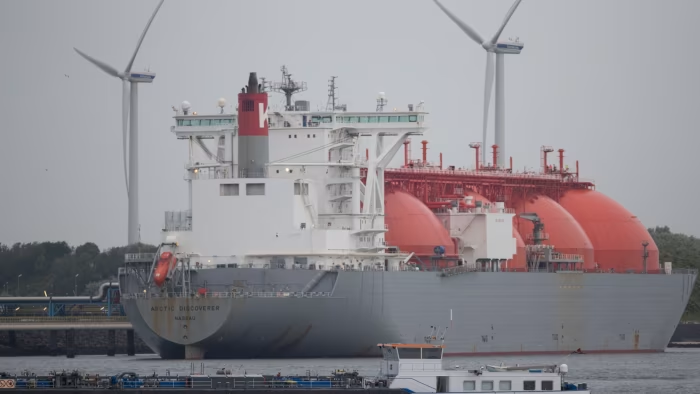
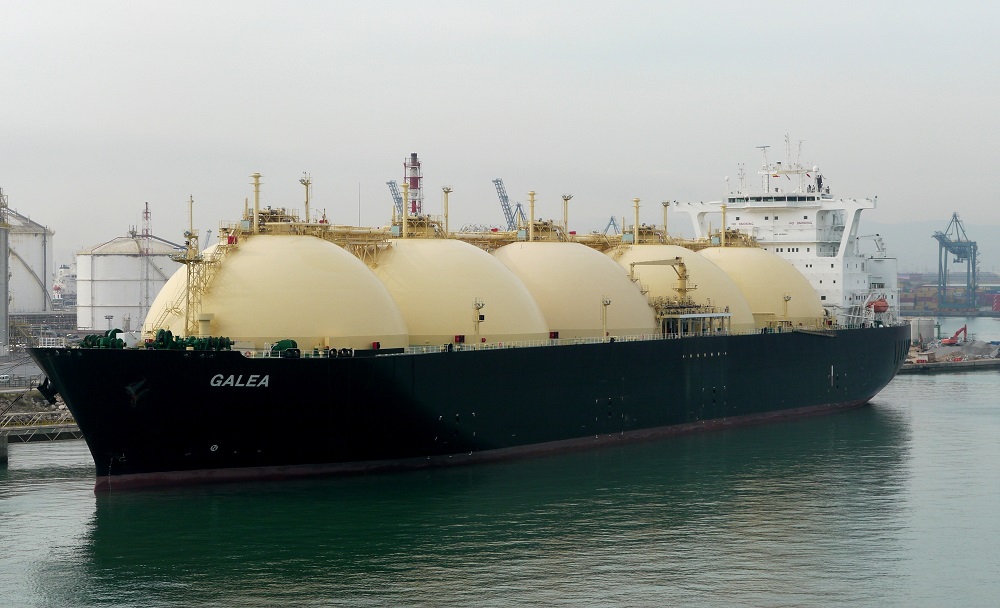
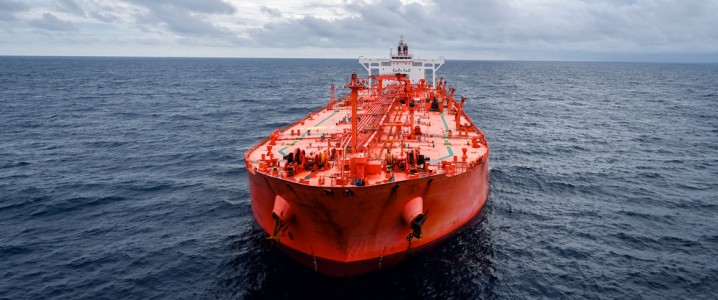
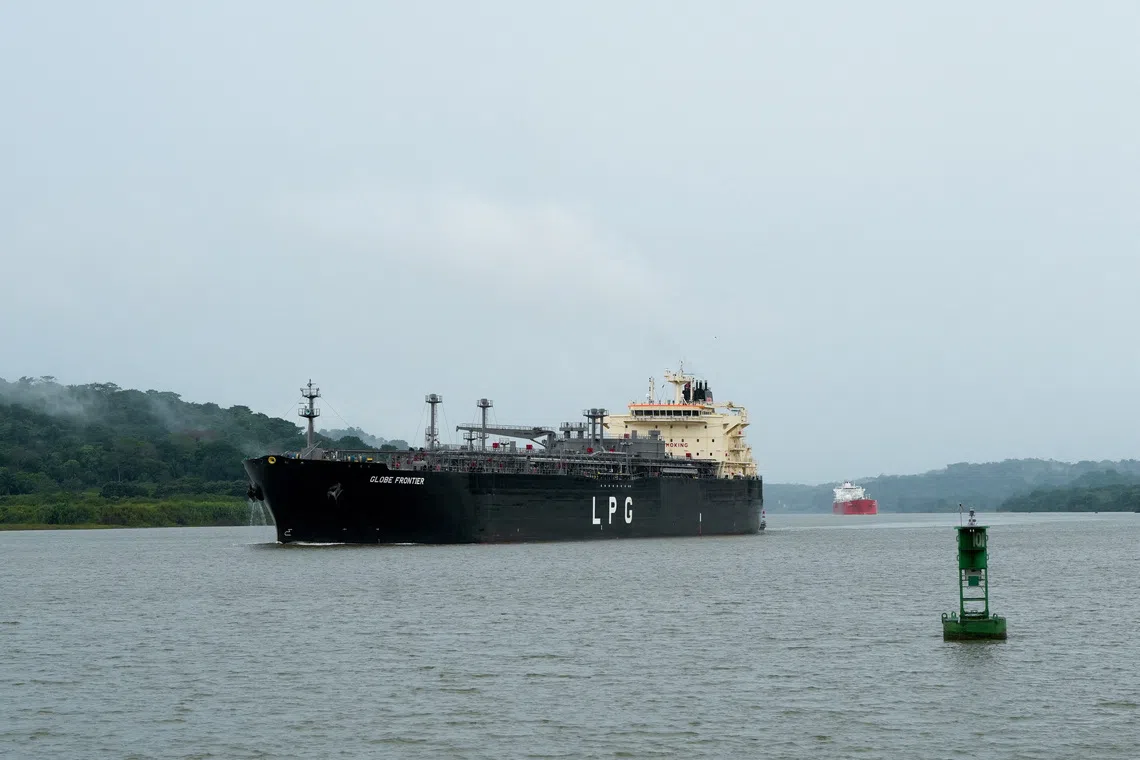
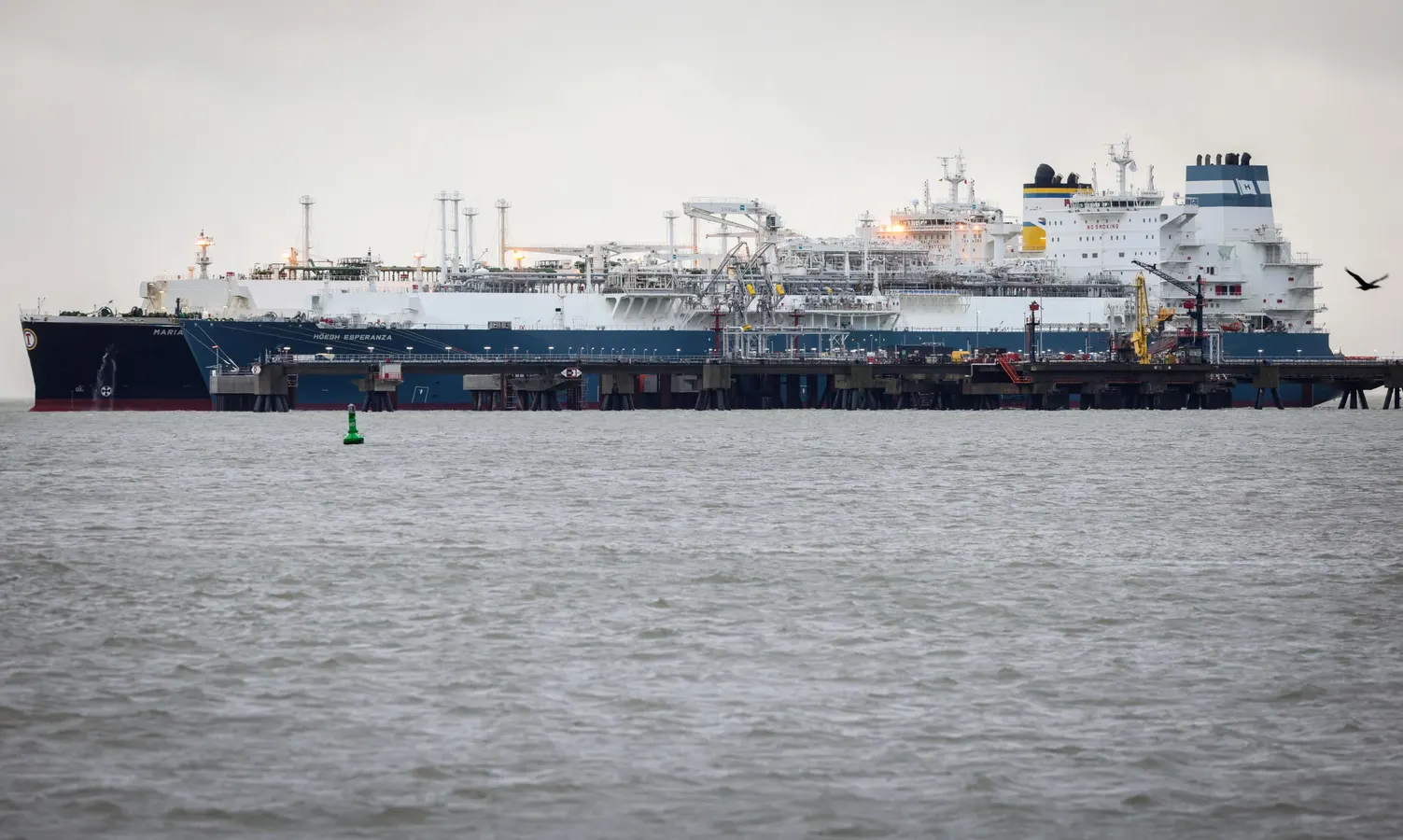
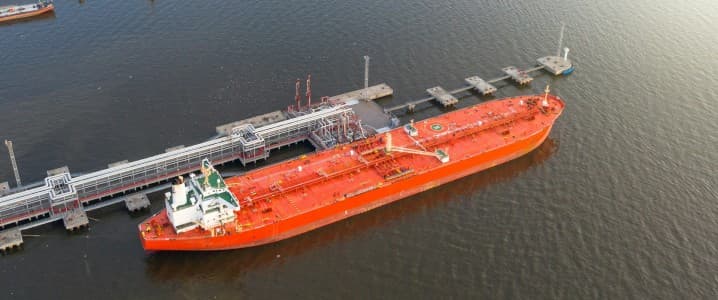
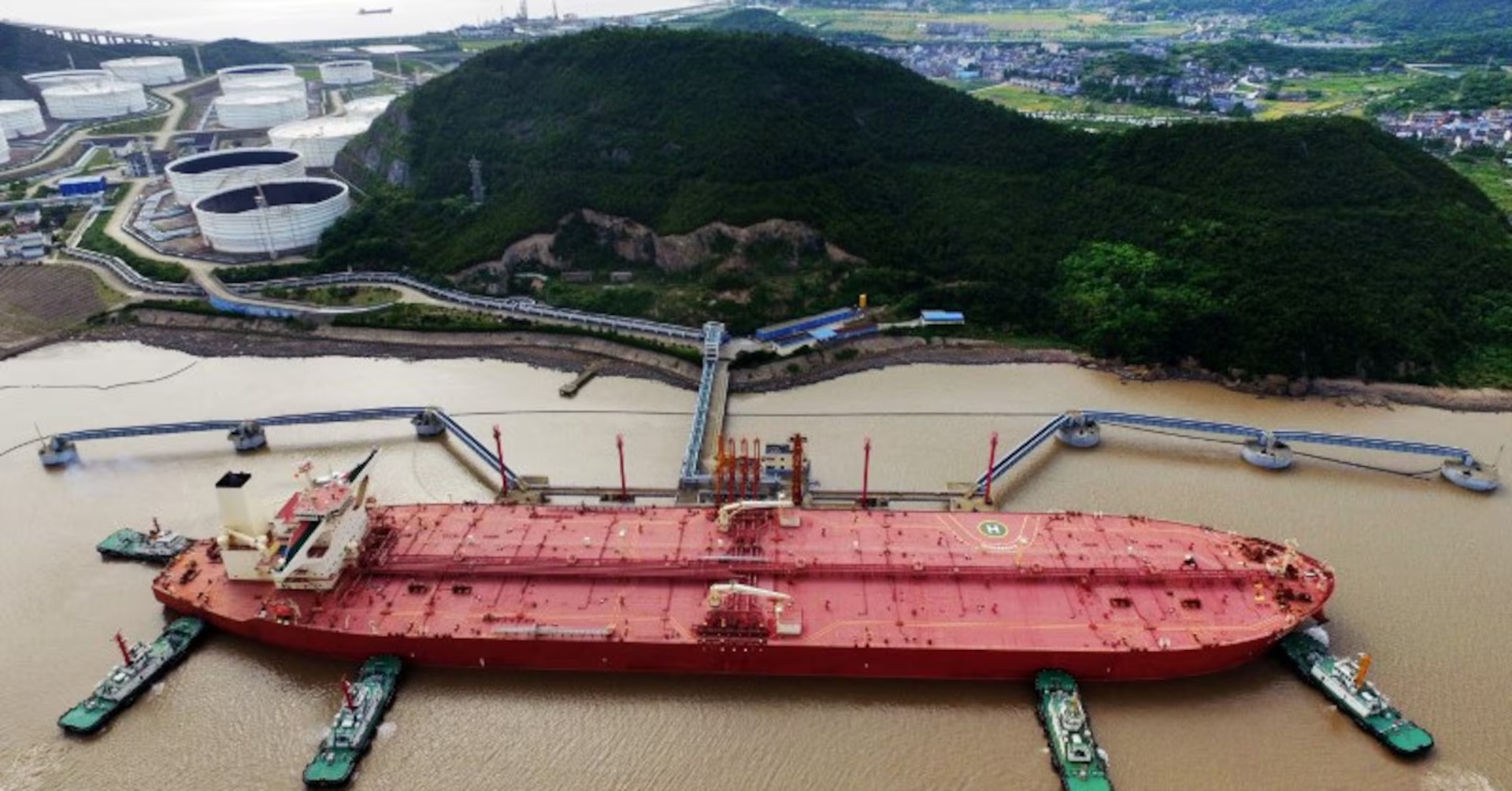
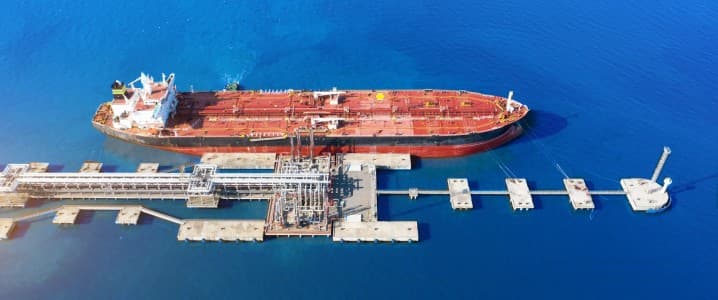
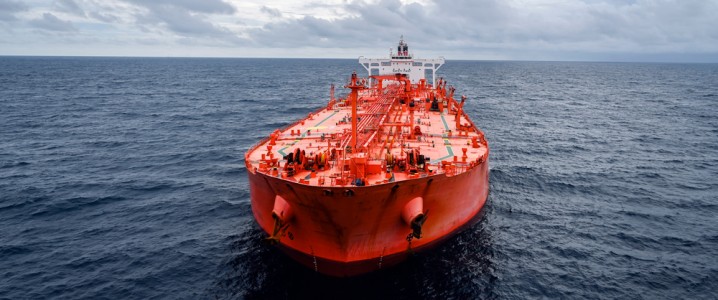
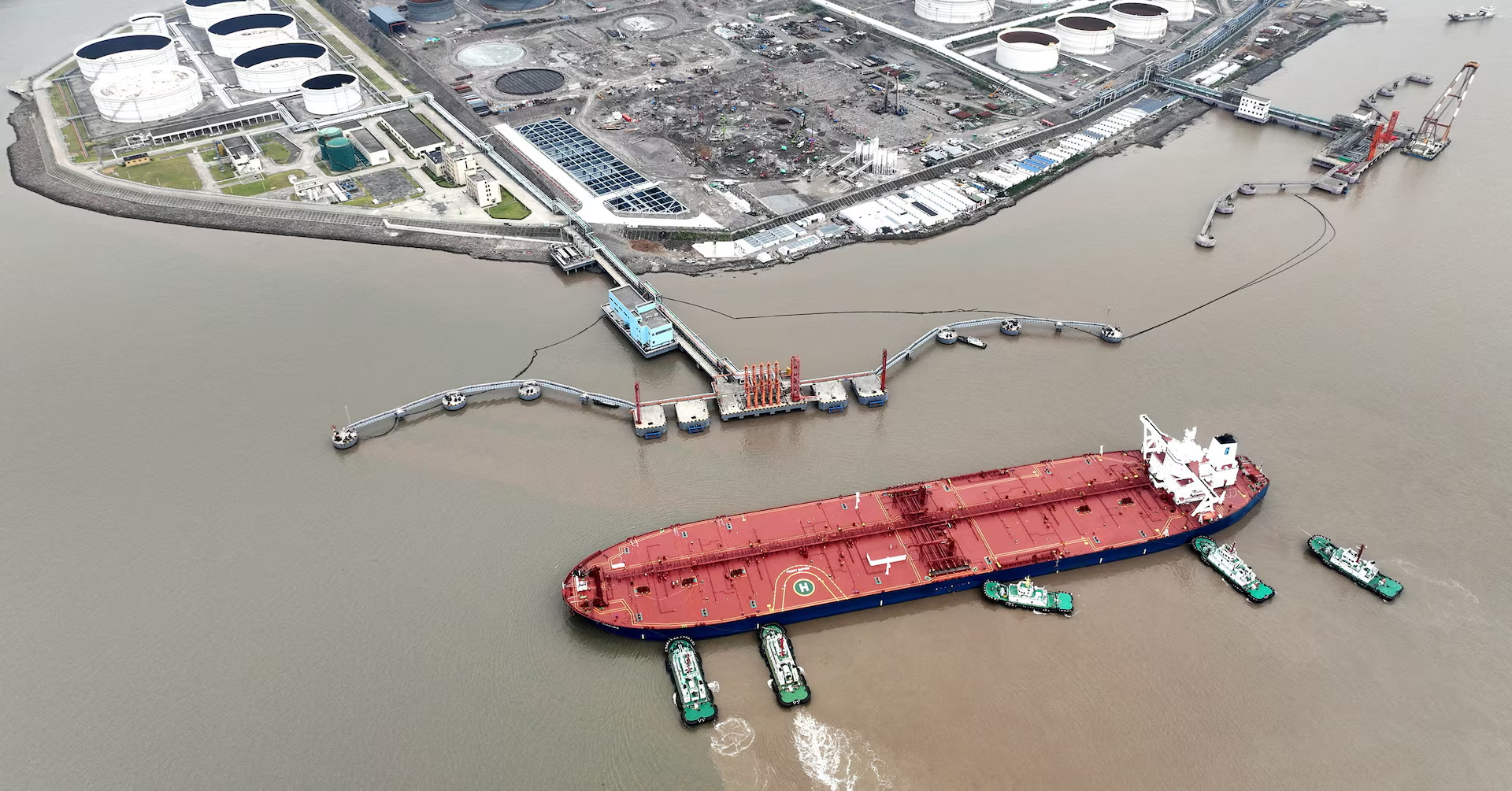
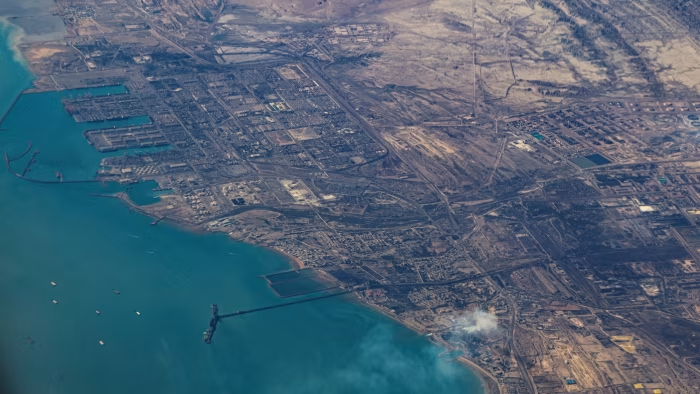
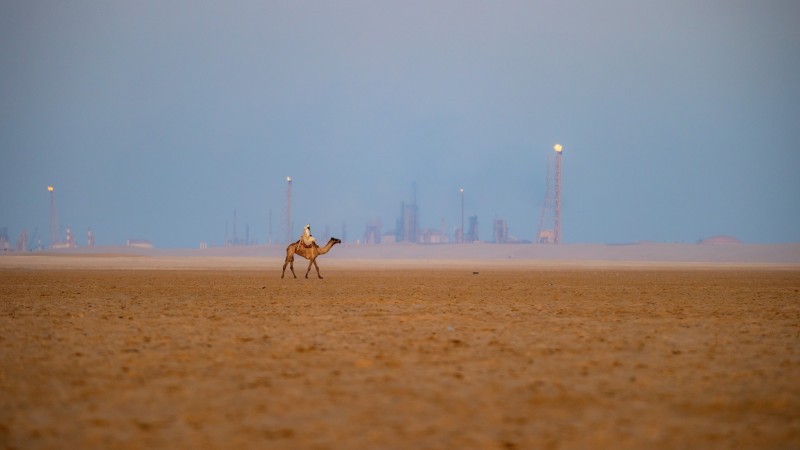
According to the Energy Division, the tanker MT Nordic Pollux, carrying around 1,00,000 tonnes of crude oil, has been waiting at the outer port limits of Ras Tanura in Saudi Arabia since 3 March after loading the cargo.
The vessel has been unable to proceed towards Bangladesh due to security concerns in the Strait of Hormuz.
Another shipment of about 1,00,000 tonnes is scheduled to be loaded at the end of March from Fujairah in the United Arab Emirates instead of Jebel Dhanna to minimise transit risks linked to the strait.
A third cargo of roughly 1,00,000 tonnes is expected to be loaded at Yanbu in Saudi Arabia between 14 and 16 April.
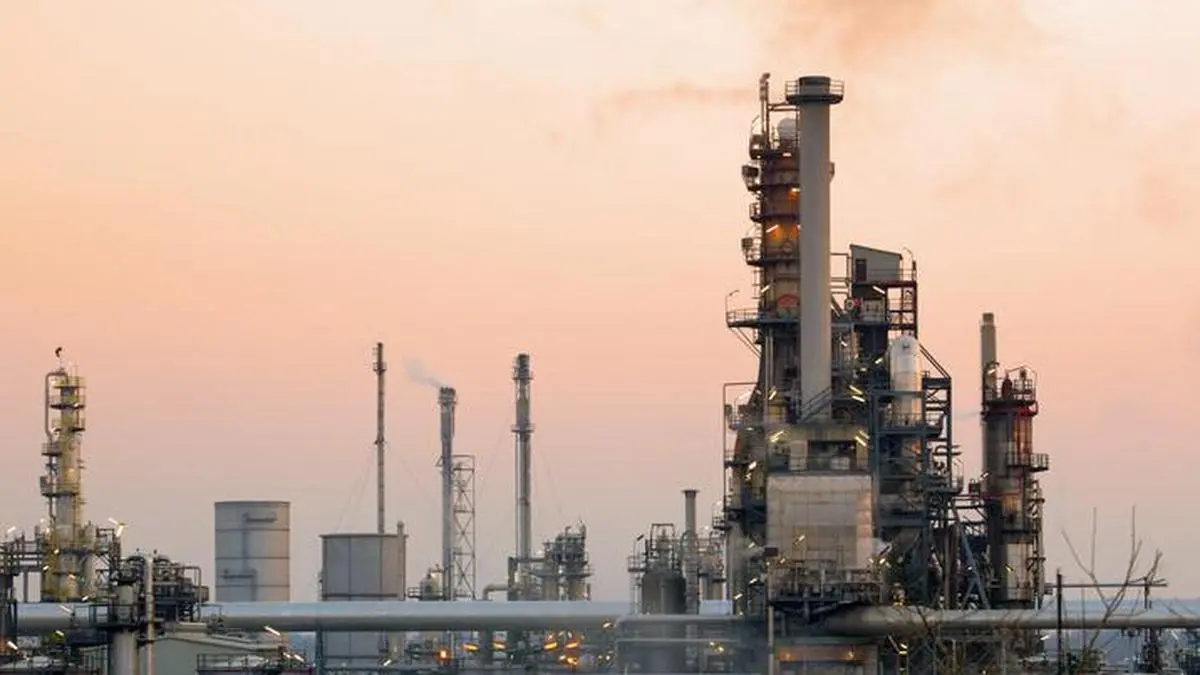
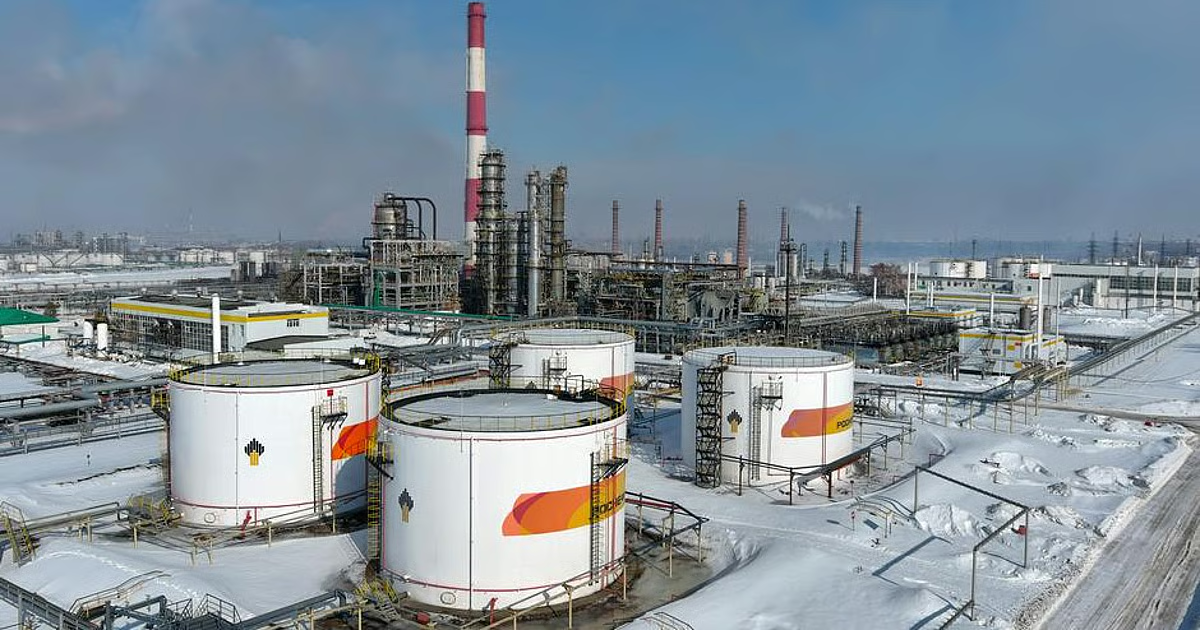
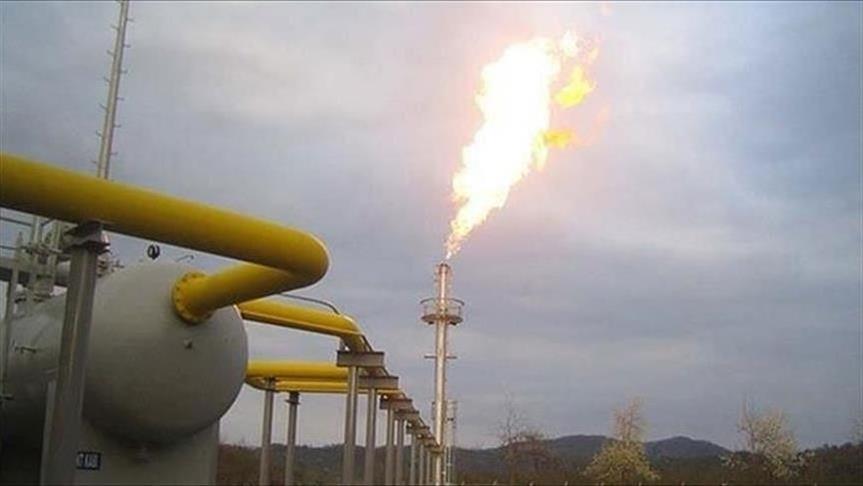
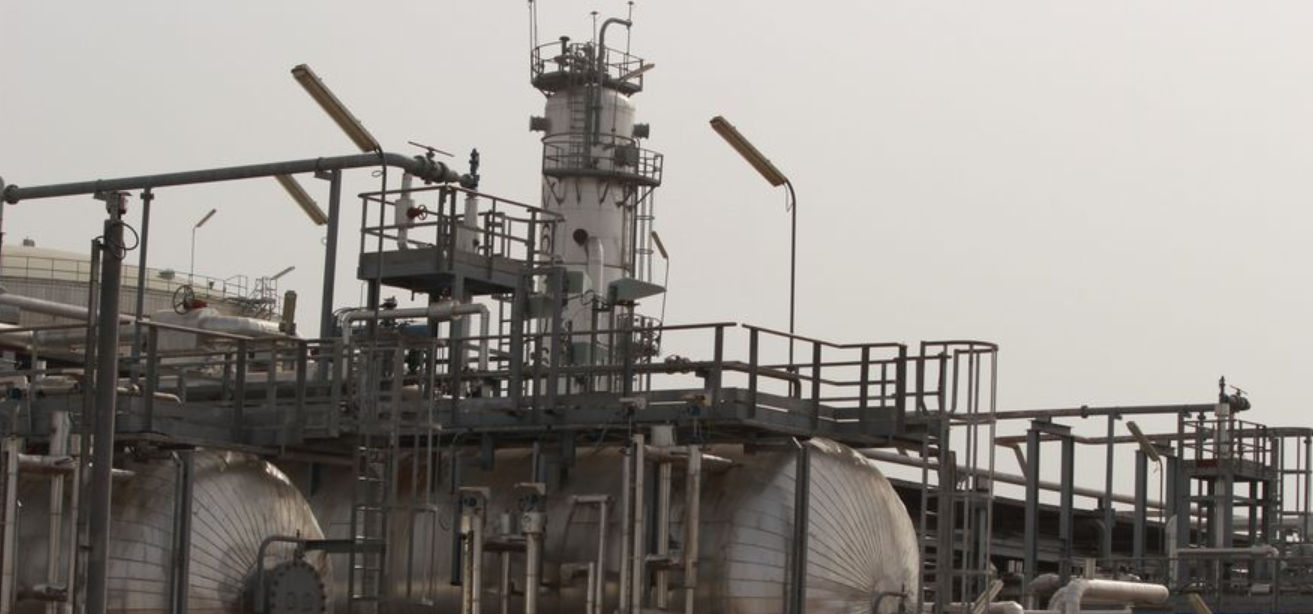
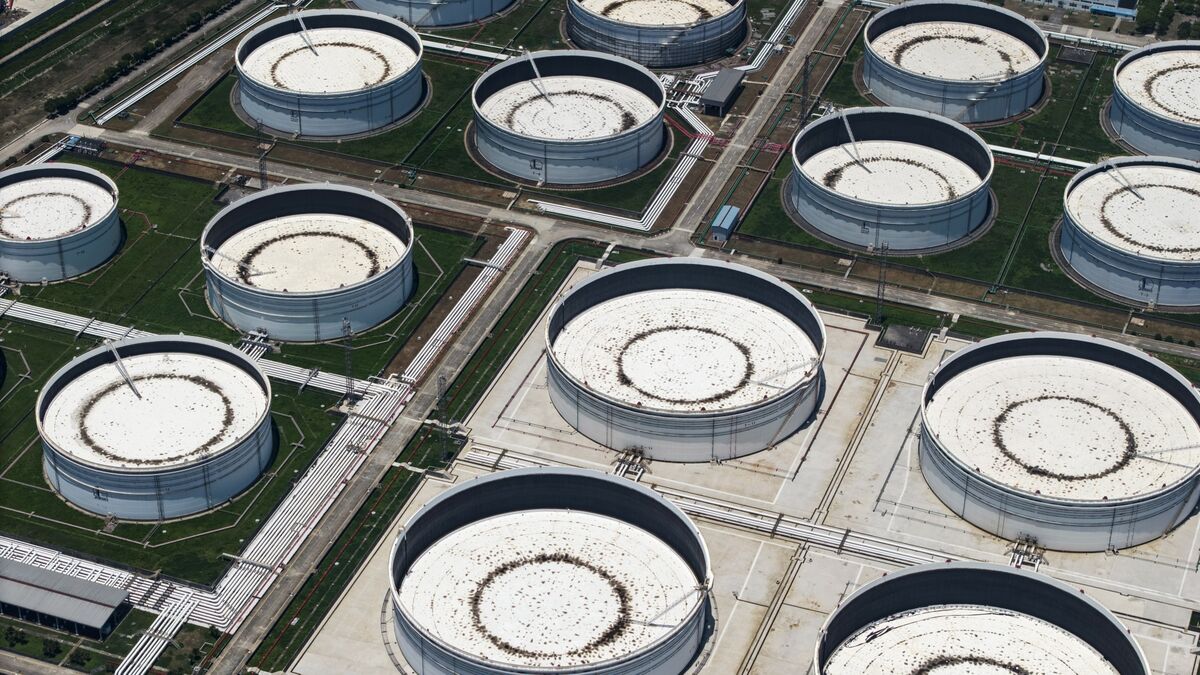
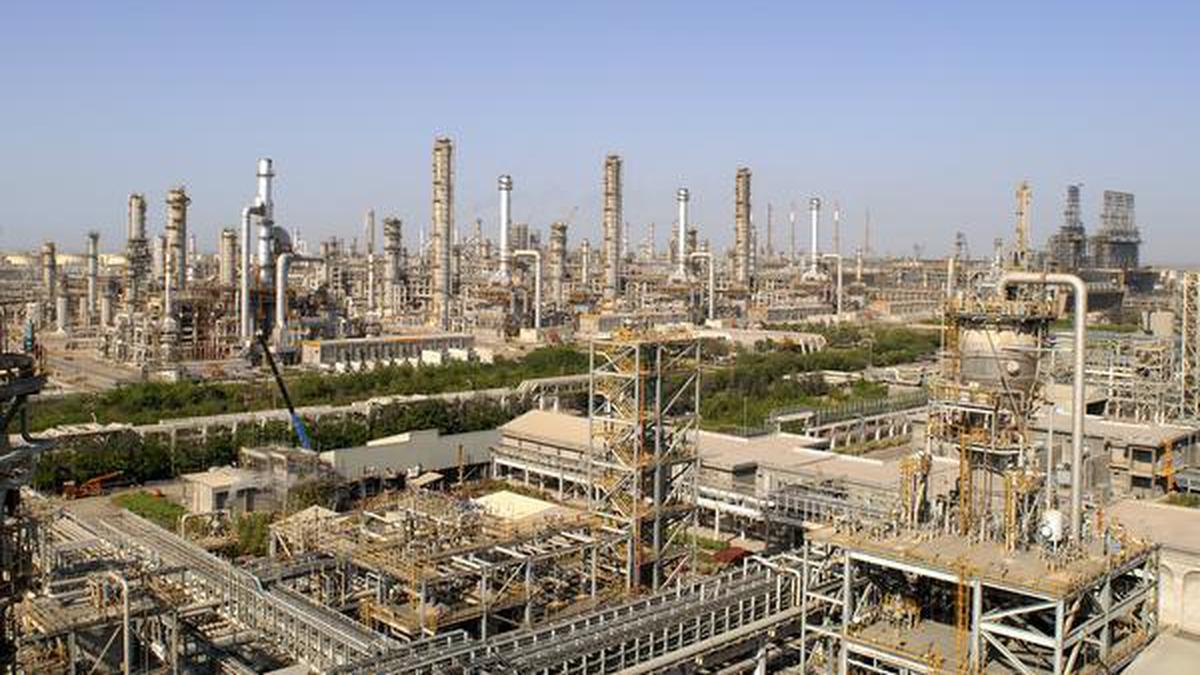
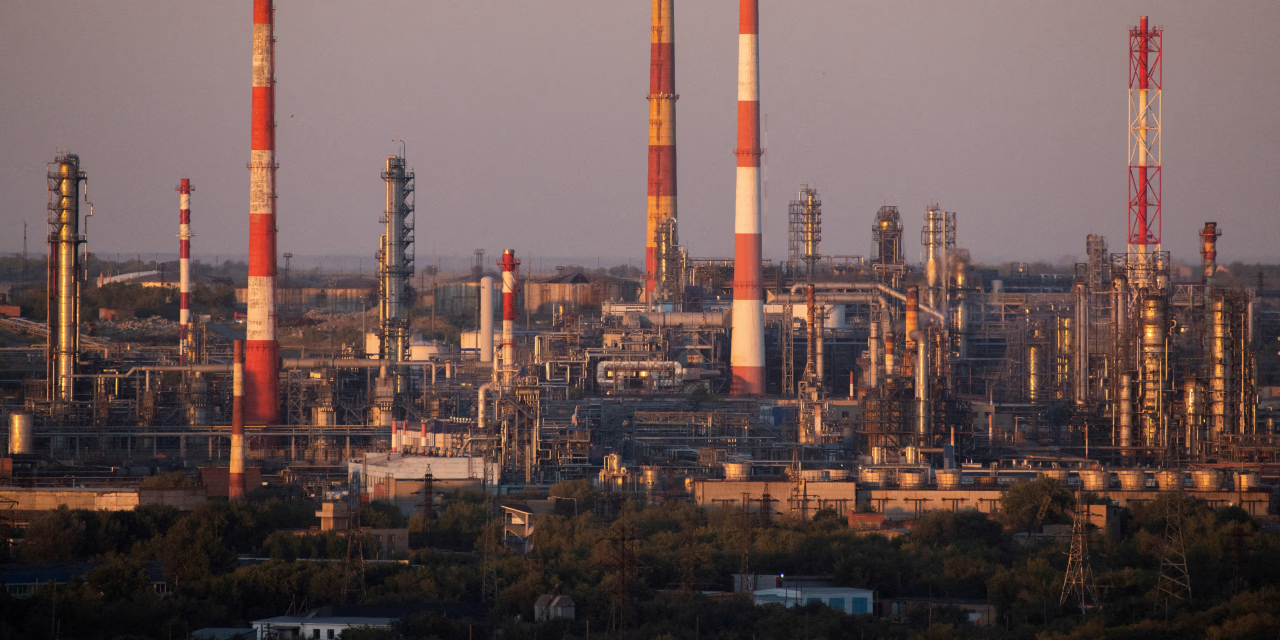
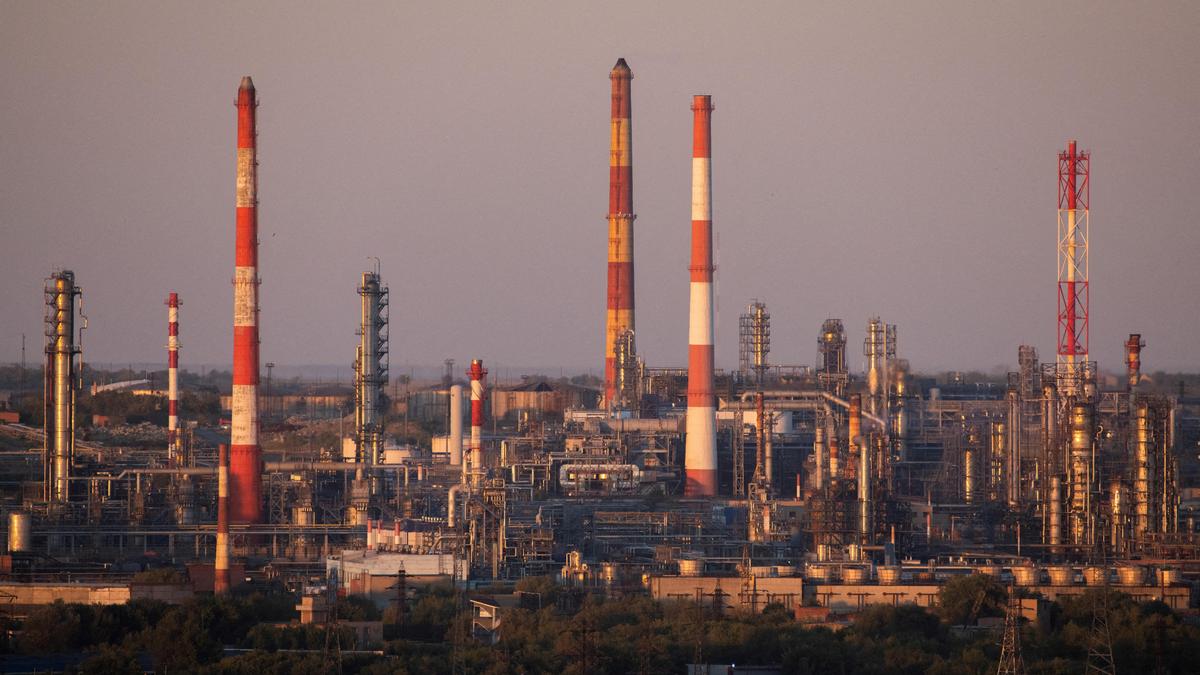
Eastern Refinery Limited typically produces 15-20% octane and petrol, alongside approximately 30-35% diesel, from 1,00,000 tonnes of Arabian Light crude oil, most of which is imported from the Middle East.
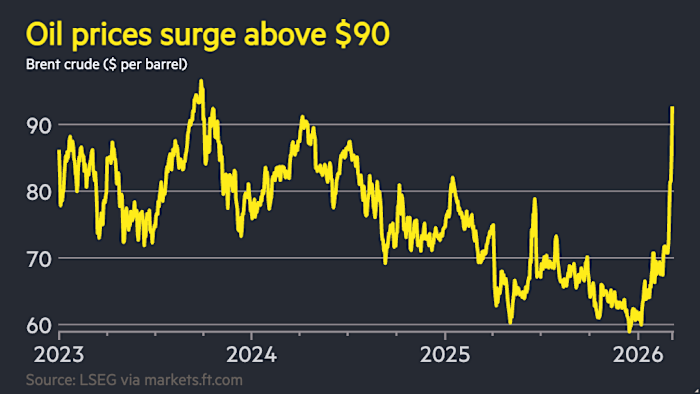
If the crude oil tankers scheduled for March are unable to pass through the Strait of Hormuz, Bangladesh may be forced to import petrol and octane from a global market currently experiencing soaring prices.
Should the Bangladesh Petroleum Corporation fails to secure these refined fuel cargoes in a timely manner, it could trigger renewed supply shortages in the domestic market.

Letter stresses importance of crude supply
In the letter, the energy ministry noted that Bangladesh’s growing economy depends heavily on timely crude oil imports to maintain refinery operations and ensure an uninterrupted fuel supply.
“Bangladesh, as a rapidly developing economy with growing energy demand, relies on the timely import of crude oil to maintain refinery operations and ensure uninterrupted supply of petroleum products for transportation, industry, agriculture and essential services,” the letter stated.
The scheduled arrival of crude oil shipments is of critical importance for maintaining the stability of the national energy supply chain, said the ministry.
Referring to the ongoing war involving the US, Israel and Iran, the letter noted that maritime movements in the Strait of Hormuz have been disrupted, affecting shipments destined for Bangladesh.

Additional diesel import from India not confirmed
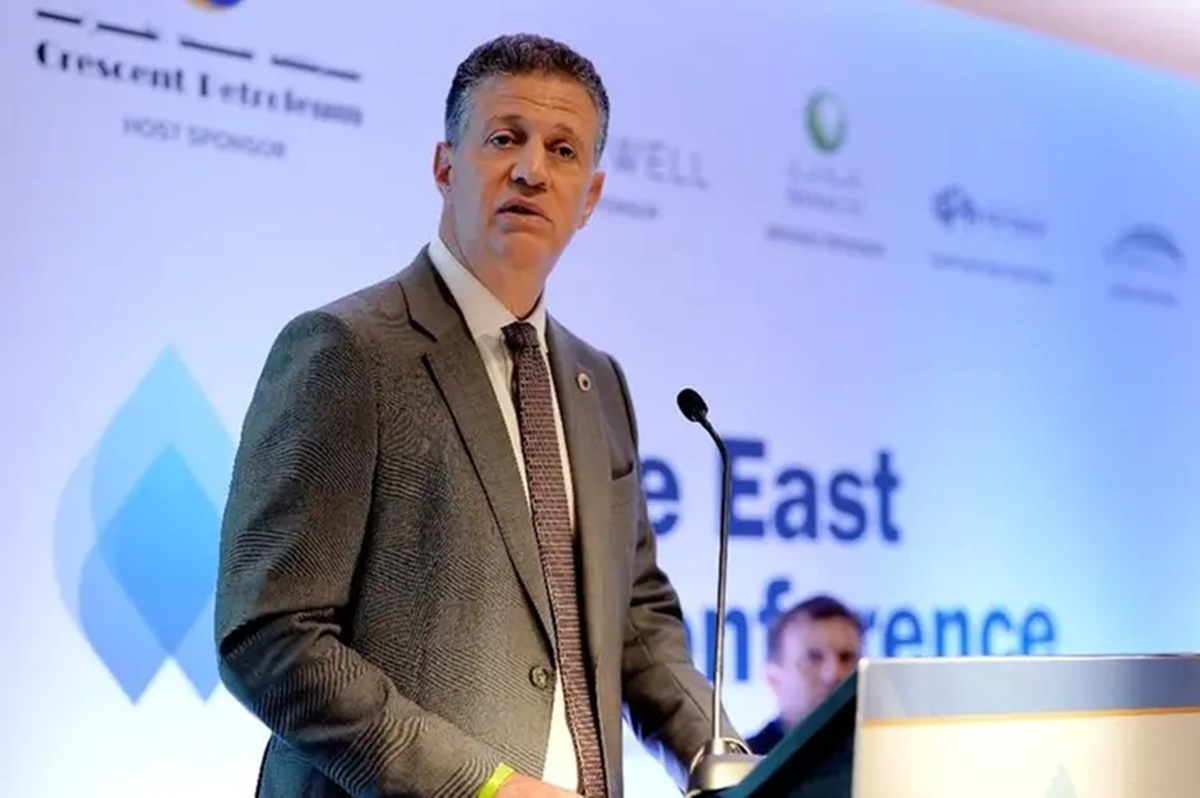
Replying to a query about additional diesel support, State Minister for Power, Energy and Mineral Resources Aninda Islam Amit said, “We approached the Indian counterpart about additional supply. They have assured us of looking into the issue with a positive note.”
Under an existing agreement between Bangladesh Petroleum Corporation and India’s Numaligarh Refinery Limited, the Indian state-owned refinery is scheduled to supply 1,80,000 tonnes of diesel annually through the India-Bangladesh Friendship Pipeline.
Of this volume, around 1,20,000 tonnes have already been confirmed, but Bangladesh still has the option to import an additional 60,000 tonnes depending on its demand.
The state minister said, “But till now, we haven’t heard anything concrete about our request.”
Fuel reserves and monitoring
According to Bangladesh Petroleum Corporation data, as of 14 March, Bangladesh’s fuel reserves stand at 13,52,216 tonnes of diesel, 16,920 tonnes of octane, 16,608 tonnes of petrol, 54,646 tonnes of furnace oil and 51,317 tonnes of jet fuel.
Officials warned that demand may rise significantly following the withdrawal of rationing, making the timely arrival of crude shipments increasingly important.
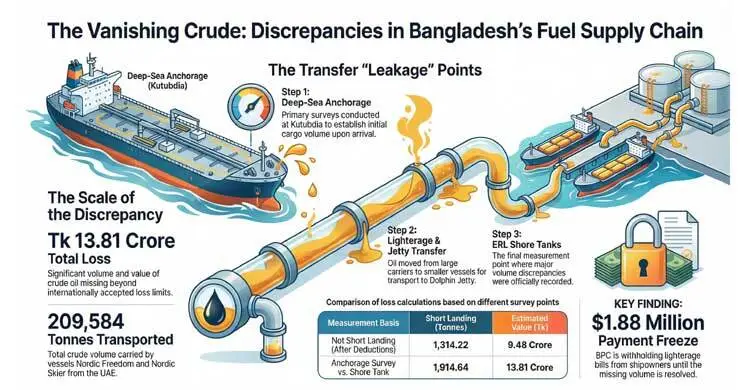
Bangladesh regularly imports crude oil to operate the refinery of Eastern Refinery Limited, with shipments transported by vessels arranged by Bangladesh Shipping Corporation.
Govt withdraws fuel rationing
The government yesterday withdrew fuel rationing after several imported oil vessels arrived at Chattogram Port, easing supply concerns.
State Minister Amit announced the decision at a press conference at the Secretariat.
“Considering the smooth Eid travel of people and the fuel requirements of farmers during the ongoing Boro cultivation season, the government has decided to withdraw all restrictions, including fuel rationing,” he said.
The state minister added that fuel distribution points across the country will now supply petroleum products according to demand until further notice.
Monitoring fuel supply
To maintain discipline in fuel distribution, the state minister also held a virtual meeting with district commissioners, attended by the cabinet secretary, public administration secretary and energy secretary.
Officials were instructed to verify daily opening and closing stock at depots and submit regular reports to ensure that allocated fuel reaches petrol pumps.
Authorities will also investigate cases where filling stations remain closed and cross-check supply accounts with depot records.
“The current government is sincerely trying to prevent the people from suffering,” the state minister said.
Energy conservation measures
The government has also issued several energy-saving instructions amid the uncertain global fuel situation.
District authorities were asked to keep air-conditioner temperatures at 25 degrees Celsius, while shopping malls and shops were requested to limit decorative lighting during the upcoming Eid season.
Shop owners were also advised to turn off sign board lights after closing their stores.
Fuel supply expected to stabilise
Following meetings with industry stakeholders, officials expressed optimism that the supply situation will soon normalise.
After a meeting with petrol pump owners, Shimul Biswas, coordinator of Jatiyabadi Sramik Dal and a member of parliament, said fuel supply would increase from Sunday and return to normal by the following day.
Nazmul Hoque, president of the Bangladesh Petroleum Dealers, Distributors, Agents and Petrol Pump Owners Association, also said the situation is improving.
“Fuel oils have already reached many filling stations and the situation should stabilise by tomorrow (Monday),” he told TBS.